
Categories
Machinery

Sheet Metal Coffee Pot Manufacturing Machine

Sheet Metal Coffee Pot Manufacturing Machine

Sheet Metal Coffee Pot Manufacturing Machine: When it comes to shaping, cutting, and forming sheet metal, manufacturers rely on a broad ecosystem of specialized machinery. Below is an overview of the most common types of sheet‑metal machinery, what they do, and key considerations when selecting equipment:

Shearing & Cutting Equipment

  • Guillotine Shears
    • Function: Straight‑line cutting of sheet‑metal stock.
    • Key Specs: Maximum thickness, blade length, throat depth, cut angle adjustability.
    • Use Cases: Cutting large plates into smaller blanks for further processing.
  • Nibblers
    • Function: Punch‑and‑die style cutting for free‑form shapes without heat.
    • Key Specs: Sheet‑thickness capacity (typically up to ~3 mm mild steel), scrap‑minimizing head design.
    • Use Cases: Complex contours, internal cutouts (e.g. louvers, vents).
  • Plasma / Laser / Waterjet Cutters
    • Function: High‑precision contour cutting via thermal (plasma/laser) or abrasive‑jet (waterjet) processes.
    • Key Specs: Cutting speed, kerf width, tolerances (laser: ~±0.1 mm; waterjet: ~±0.2 mm), material thickness limits.
    • Use Cases: Intricate patterns, thick/hard alloys, minimal heat‑affected zones (waterjet).

Punching & Perforating Machines

  • CNC Turret Punch Presses
    • Function: Tool‑changing turret holds multiple punches to blank, pierce, and form holes/shapes.
    • Key Specs: Number of tool stations, turret indexing speed, sheet‑handling loader capacity.
    • Use Cases: High‑volume hole patterns, louvers, embossing features.
  • Rotary & Flatbed Punches
    • Function: Similar to turret presses but optimized for specific tasks (e.g., high‑speed punching of simple hole arrays).
    • Key Specs: Stroke rate (SPM), sheet thickness, bed size.

Bending & Forming Machinery

  • Press Brakes
    • Function: Bends sheet metal along straight lines using punch‑and‑die sets.
    • Key Specs: Tonnage capacity, bed length, axes (2‑ to 9‑axis CNC), back‑gauge precision.
    • Use Cases: Boxes, enclosures, frames; repeatable, programmable bends.
  • Folding Machines (Pan Brakes)
    • Function: Manual or hydraulic folding of small flanges/profiles.
    • Key Specs: Maximum width, folding depth, angle stops.
  • Roll Benders / Plate Rolls
    • Function: Gradually roll sheets into cylinders or cones.
    • Key Specs: Maximum thickness, roll diameter, segment rolls for cone bending.

Stretching & Deep‑Drawing Presses

  • Hydraulic Presses
    • Function: Apply uniform high pressure for forming deep shapes (e.g., automotive panels).
    • Key Specs: Force (tonnage), stroke length, bed size, controllable cushion zones.
  • Mechanical Presses
    • Function: High‑speed stamping for drawing, blanking, and coining.
    • Key Specs: Strokes per minute, slide adjustment, quick die change.

Joining & Assembly Equipment

  • Spot Welders
    • Function: Resistance welding for joining sheet overlaps.
    • Key Specs: Throat depth, electrode force control, weld current programming.
  • Riveting Machines & Clinching Presses
    • Function: Mechanical joining without heat (blind rivets, clinch joints).
    • Key Specs: Stroke force, speed, tooling variety.
  • Adhesive Dispensing Robots
    • Function: Automated glue or sealant application for structural bonding or sealing.
    • Key Specs: Flow‑rate control, robot reach, nozzle types.

Finishing & Secondary Processes

  • Deburring & Edge‑Rounding Machines
    • Function: Remove burrs and sharp edges via brushes, tumbling, or belt grinders.
    • Key Specs: Throughput speed, abrasive media types, adjustable angles.
  • Press‑Fit & Insertion Machines
    • Function: Insert nuts, studs, or threaded inserts into sheet‑metal parts.
    • Key Specs: Insertion force, turret capacity, vision‑inspection integration.
  • Coating & Painting Lines
    • Function: Powder‑coat or wet‑paint finish with conveyance, curing ovens.
    • Key Specs: Line speed, oven length/temperature, filter/reclaim systems.

Selecting the Right Machinery

  1. Production Volume & Batch Size
    • High‑volume—favor automated CNC turret punches, press brakes with automatic tool changers, and robotic welding.
    • Low‑volume/prototyping—manual nibblers, smaller press brakes, bench‑top brakes.
  2. Material & Thickness Range
    • Thicker or harder alloys may require more robust presses, waterjet cutting, and higher‑capacity brakes.
    • Light‑gauge stainless or aluminum may be handled by lower‑tonnage equipment.
  3. Precision & Tolerance
    • Laser cutters and CNC brakes for tight tolerances; manual methods if tolerances are loose.
  4. Flexibility vs. Specialization
    • General‑purpose machines (e.g. press brakes, turret punches) vs. dedicated lines (e.g. high‑speed stamping press).
  5. Integration & Automation
    • Consider material handling (sheet loaders, conveyors) and CNC/robotic add‑ons for efficiency and safety.

This machinery landscape evolves rapidly with Industry 4.0 trends—CNC controls, IoT monitoring, and robotic integration are becoming standard for competitive throughput and quality control. If you have a specific application or production context in mind (e.g., enclosure fabrication, HVAC panels, automotive stamping), let me know and I can drill into the optimal machine selections, vendors, and process flows!

When you work sheet metal, you need machines that can slice, shape, bend, join and finish flat stock with accuracy and speed. Cutting starts with shears—guillotine shears that chop straight lines in thick plate, nibblers that step‑cut curves without creating heat, or high‑precision contour cutters such as lasers, plasma torches or waterjets (the latter excels at thick or exotic alloys with minimal thermal distortion). Once you’ve blanked out your basic shapes, punch presses—either CNC turret machines with dozens of tool stations or dedicated flat‑bed/rotary punches—drive stamps through the sheet to create holes, louvers, embosses and internal cutouts. Bending comes next, typically on a press brake: hydraulic or electric brakes with two to nine CNC axes and programmable back‑gauges deliver repeatable bends, while folding brakes (pan brakes) and segment roll benders handle lighter or cylindrical forms.

Deep‑drawing and stretching presses—mechanical or hydraulic—then form complex three‑dimensional parts, like automotive panels or enclosures, by forcing the metal into dies under high tonnage. To join parts, resistance spot welders, rivet inserters, clinching presses and robotic adhesive dispensers clamp, squeeze or bond overlapping flanges. Finally, every edge may need deburring—through brushes, tumblers or belt grinders—before nuts, studs or threaded inserts are press‑fitted into bosses, and parts move through powder‑coat or paint‑spray lines with conveyors and curing ovens.

Selecting the right line hinges on your batch size (low‑volume shops lean manual nibblers and bench‑top brakes; high‑volume plants invest in CNC turret punches, auto‑tool‑change brakes and robotic welders), material thickness and alloy (thicker steel or titanium demands more robust equipment), tolerance requirements (lasers and multi‑axis brakes for ±0.1 mm, manual tools for ±0.5 mm or looser), and your desire for automation and Industry 4.0 connectivity—sensors, IoT dashboards and full robotics can boost throughput and trace every bend, cut and weld for quality control.

When scaling up to medium‑volume production, material handling becomes just as critical as the machines themselves. Automated sheet loaders and stackers minimize manual lifting and align blanks precisely for each operation, reducing cycle times and fatigue. Integrating robotic arms for part transfer between cutting, punching, and bending stations not only speeds throughput but also maintains repeatability—robots can reposition parts within ±0.05 mm, ensuring each bend or hole aligns perfectly with the program.

Tooling strategy also evolves: instead of manually swapping punch and die sets, turret punch presses with quick‑change stations can swap dozens of tools in under a minute, and press brakes paired with auto‑tool changers can switch punch/die combinations via magazine systems. Dies may incorporate quick‑clamp features and hydraulic crowning to compensate for deflection when bending wide or thick sections.

On the control side, Manufacturing Execution Systems (MES) tie CNC machines into a central network, scheduling jobs, tracking material usage, and logging machine health data. Predictive maintenance algorithms analyze spindle loads, hydraulic pressures, and vibration signatures to preempt failures—downtime drops by up to 30%.

Quality inspection tightens: in‑line laser scanners and vision systems measure blank dimensions, verify hole placements, and detect burrs or surface defects before parts leave each cell. Data feeds back to the MES, enabling real‑time adjustments—if a laser cutter’s kerf varies by more than 0.05 mm, the CNC program auto‑compensates on the next part.

Investing in modular, reconfigurable cells lets you pivot between product lines with minimal downtime: quick‑disconnect power and data couplings, movable guards, and standardized fixturing mean a cell can transition from HVAC ductwork to precision enclosures in under an hour. This agility, combined with digital twin simulations for process validation, positions manufacturers to respond swiftly to custom orders or design changes, all while maintaining lean inventories and high OEE (Overall Equipment Effectiveness).

For high‑precision or highly automated operations, consider the following advancements: plug‑and‑play End-of-Arm Tooling (EOAT) for robots, which lets a single robotic arm seamlessly switch between grippers, suction cups, and magnetic clamps—ideal for handling various sheet sizes and part geometries without manual intervention. Collaborative robots (cobots) equipped with force‑torque sensors can safely assist operators on tasks like manual loading or deburring, blending human dexterity with machine consistency.

Augmented Reality (AR) is emerging on the shop floor: maintenance technicians wear AR glasses that overlay step‑by‑step repair instructions on machines, reducing service times by up to 40%. Similarly, operators can use AR to visualize bend lines and bend sequences directly on the sheet before the first bend is made, cutting programming time and trial‑and‑error scrap.

Edge computing hubs collect data from sensors on each press, cutter, and robot, processing it locally to trigger immediate responses—like pausing a press brake if a back‑gauge collision is detected—while less time‑sensitive data streams to the cloud for long‑term analytics. This hybrid architecture ensures safety and uptime without clogging network bandwidth.

Finally, sustainability initiatives are reshaping equipment choices: waterjet systems now recycle up to 95% of their abrasive media, while laser cutters with advanced fume extraction and closed‑loop gas systems significantly cut operating costs and environmental impact. Electric press brakes, replacing hydraulic systems, offer 40% energy savings and eliminate oil leaks. By embedding circular economy principles—remanufactured tooling, energy recovery from ovens, and digitally optimized nesting to reduce scrap—manufacturers not only lower costs but also meet growing regulatory and customer demands for greener production.

Sheet Metal Coffee Pot Manufacturing Machine
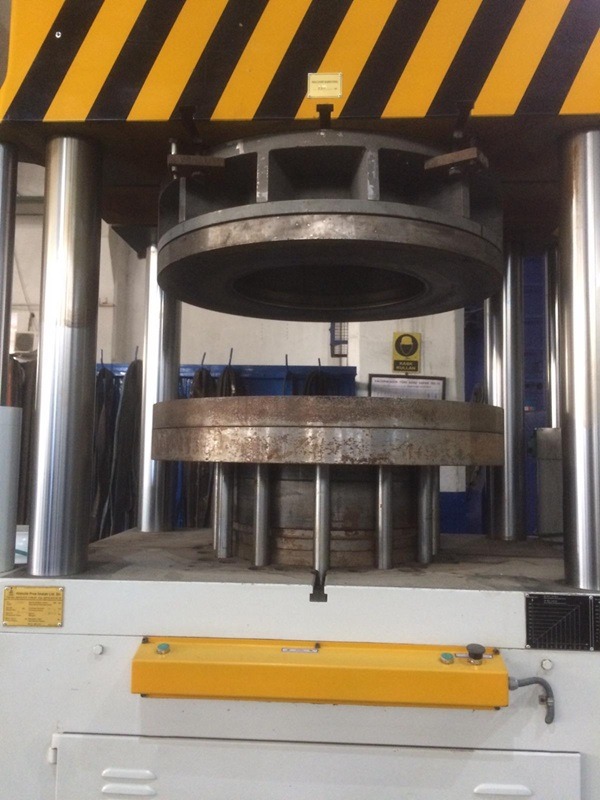
How to manufacture Sheet Metal Dutch Oven

A dedicated sheet‑metal coffee‑pot manufacturing machine is essentially a small, highly integrated production cell that takes flat sheet stock all the way through cutting, forming, joining, and finishing to produce a fully assembled kettle or moka pot. Here’s what a turnkey line might include and how each stage operates:

1. Sheet Loading & Nesting
Automated Sheet Feeder: Holds a coil or stack of pre‑cut sheet blanks and feeds them one at a time into the cell.
Nesting Software: Optimizes the blank layout on the sheet to minimize scrap, especially important given the curved profiles and tight tolerances of coffee‑pot parts.

2. Contour Cutting
Laser or Waterjet Cutter: Cuts out the main body blank, lid blank, handle bracket blanks, and any decorative or ventilation holes. Laser is typical for stainless‑steel pots; waterjet can be used for thicker, exotic materials.

3. Flanging & Forming
Roll Former / Flanger: Creates the 90° flanges around the body blank, prepping it for welding or seaming.
Hydraulic Deep‑Draw Press: Draws the flat body blank into the classic pot shape in one or two stages (blanking, then redrawing), controlling wall thickness and radii.

4. Spinning & Necking
Spinning Lathe: Further refines the neck of the pot, achieving smooth curvature and precise inner diameters for a snug lid fit.

5. Handle and Spout Fabrication
Wire‐bending Machine: Bends and shapes the handle wire or bracket.
Tube‐forming Press: For machined spouts, a small hydroforming station can shape the spout blank before trimming.

6. Welding & Seaming
Seam Welder: Typically a high‑precision laser or TIG welding station that joins the spun body seam and welds on handle brackets.
Roll‑Seaming Machine: Mechanically rolls and crimps the lid to the body or secures the flame‑break valve assembly.

7. Machining & Trimming
CNC Trimming Station: Removes excess flange material around the lid and body openings to ensure crisp edges.
Chamfering & Edge‐Rounding Tool: Deburrs and rounds all cut edges in one pass.

8. Surface Treatment
Pickling & Passivation Tank: Cleans and passivates stainless‑steel surfaces to prevent corrosion.
Brushing/Polishing Station: Automated brushes create a uniform finish or decorative pattern.

9. Assembly & Inspection
Automated Riveting or Spot‐Welding: Fastens the handle to the body.
Vision Inspection: Cameras check dimensions, weld integrity, and finish quality (no scratches, uniform polish).

10. Packaging
Robotic Pick‑and‑Place: Places finished pots into cartons or display trays.
Labeling & Sealing Machine: Applies stickers or shrink‑wraps and seals boxes for shipping.

Key Considerations

  • Throughput: A cell of this type might produce 30–60 pots per hour, depending on the number of forming stages and welding cycle times.
  • Material: Stainless steel (typically 0.5–0.8 mm gauge) is standard; aluminum or coated steels may require different welding or seaming methods.
  • Footprint: A fully automated turnkey cell could occupy 40–60 m²; modular cells allow you to scale up or down.
  • Quality & Traceability: Integrate MES and barcode/RFID tracking on each pot for batch traceability, especially important for food‑contact items.
  • Flexibility: Quick‑change tooling and programmable CNC stages let you switch between pot sizes or designs in under an hour.

This type of machine lineup embodies a miniaturized version of an automotive or appliance manufacturing plant, optimized for the geometry and sanitary requirements of coffee pots. If you’re exploring a purchase or retrofit, let me know your desired daily output and budget range, and I can recommend specific vendors and configurations.

A sheet‑metal coffee pot line begins by automatically feeding stainless‑steel or aluminum blanks, nesting each layout to squeeze maximum yield from the coil. A laser cutter then pierces and contours the body, lid, spout and handle‑mount brackets in one seamless program. The flat ring that becomes the pot’s flange is formed next—either by roll‑flanging the blank or by a tandem deep‑draw press that first blanks and then redraws the cup‑shaped body, controlling wall thickness to prevent thinning at the curve. Once drawn, the neck is spun on a CNC lathe, smoothing inner radii for a perfect lid seal, and the flange ring is trimmed to exact diameter.

Handles and spouts arise from their own mini‑cells: wire‑benders shape the handle rod to ergonomic curves while tube‑forming presses hydroform or mandrel‑bend the spout. CNC trimming stations shave off burrs, then a precision TIG or laser welder fuses the seam of the spun body and tacks on handle‑brackets. A roll‑seaming head crimps the lid to the body with a food‑safe gasket or flame‑break valve nestled between.

After welding, the pot passes through a robotic deburring cell where brushes and small belt grinders remove any sharp edges before a pickling and passivation bath neutralizes surface oxides. Polishing stations equipped with rotating brushes or belts impart a satin or mirror finish, while in‑line vision cameras inspect for scratches, weld uniformity and dimensional accuracy.

The final cell fastens the handle—either by automated riveting or MIG spot‑welding—then a vision system verifies torque and alignment. Pots are then picked by a delta robot and placed into cartons or trays, labeled with batch IDs and RFID tags for full traceability. A small conveyor then moves them through a shrink‑wrap or carton sealer, completing a turnkey process that, depending on cycle times and the number of parallel cells, can yield anywhere from 40 to 80 finished coffee pots per hour with less than 1% scrap.

The heart of the cell is its synchronized timing: as one pot completes its final weld, the next blank has already been cut and is halfway through forming. By staggering operations across parallel modules—two draw presses alternating strokes, three laser welders cycling seams, and four polishing heads working in shifts—the line achieves continuous flow. Sheet‑feeding robots deliver blanks precisely to the laser cutter, then retrieve finished bodies with vacuum grippers and hand them off to the spin lathe. Meanwhile, custom PLC logic and an MES coordinate changeovers: when you switch from a three‑cup capacity pot to a six‑cup model, the software automatically adjusts draw press depths, lathe tooling offsets, and laser seam patterns based on digital templates, all without halting the cell for more than a few seconds.

Energy recovery systems capture heat from the passivation and curing ovens to pre‑heat incoming water for pickling baths, trimming overall energy consumption by up to 20%. Centralized lubrication and hydraulic power units feed multiple presses, reducing footprint and simplifying maintenance. And with cloud‑connected dashboards, plant managers monitor cycle counts, reject rates, and OEE in real time, drilling down to the individual actuator level to identify bottlenecks.

Safety is baked in: light‑curtain zones around robot cells, collision‑detection sensors on all moving axes, and AR‑guided lock‑out/tag‑out procedures ensure technicians can service the line without risking injury. All modules are mounted on leveling pads and connected via quick‑disconnect couplings for power, air, and data—so the entire cell can be relocated or reconfigured in a matter of hours.

In essence, a sheet‑metal coffee‑pot manufacturing machine is less a single “machine” and more a miniaturized factory: an ensemble of cutting, forming, joining, finishing, inspection, and handling modules orchestrated by advanced controls and data analytics to deliver consistent, high‑quality pots at automotive‑plant scale.

Sheet Metal Serving Platter Manufacturing Machine
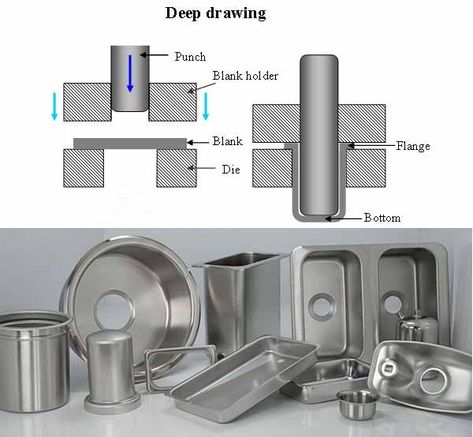
Sheet Metal Nibbling Machine

A serving platter line follows much the same principles as a coffee‑pot cell but swaps forming stages to suit the platter’s flat, shallow geometry. Blanks are fed from coil or sheet stacks into a laser cutter or turret punch that nests multiple platter profiles per sheet, cutting outline and any decorative perforations or vent slits in one operation. The cut blanks go next to a shallow die station—either a low‑tonnage hydraulic press or a servo‑electric forming press—that flanges the edge upward by a few millimeters to create the platter’s rim. For platters with decorative raised patterns or embossed logos, a second press station with custom embossing dies imparts the design in one quick stroke.

Edge finishing is automated: a series of rotating brushes and abrasive belts chamfer and deburr the rim, then an ultrasonic washer cleans the metal of lubricants and particulates. If a decorative finish is needed—brushed, bead‑blasted, or patterned—a robotic arm applies abrasive media or polishing pads in a programmed path to achieve uniform texture. A vision system inspects each platter for dimensional accuracy (rim height, flatness, profile radius) and surface quality, flagging any that exceed tolerance for automatic rejection.

For stainless‑steel platters, parts may then pass through a passivation bath and rinse station before drying in a heated tunnel. Aluminum or coated steel platters might receive a powder‑coat or anodized finish—an integrated spray booth and curing oven handle this in‑line, complete with reclaim systems for overspray. Once dry, platters travel to a final inspection cell where cameras verify finish consistency and check for scratches or coating defects.

Finished platters are picked by delta robots or suction‑cup gantries and placed into protective trays or stackers. A labeling station applies batch codes, and a robotic palletizer or case packer bundles them for shipment. Throughput typically runs 100–200 platters per hour per line, depending on the number of forming stations and finish steps. Modularity allows you to add or remove embossing, finishing, or coating cells to dial in just the features you need—whether it’s a simple brushed stainless look or a fully decorative, coated product ready for retail.

Blanks feed from coil or sheet stacks into a high‑speed cutter—laser or turret punch—that nests platter outlines and any decorative slots to maximize material yield. The cut parts move directly into a low‑tonnage press that flanges the rim only a few millimeters, creating the platter’s signature shallow lip. If embossing or logos are required, a secondary stamping station presses custom dies into the flat pan, adding texture or branding in a single stroke. Immediately afterward, rotating brushes and abrasive belts round and deburr the edges, while ultrasonic washers strip away oils and tiny particulates.

When a decorative finish is specified—bead‑blast, brushed or patterned—a robotic arm carries abrasive media or polishing pads across the surface in a precise, repeatable path. Vision cameras stationed before and after finishing verify rim height, flatness and surface uniformity, automatically rejecting any piece that falls outside tight tolerances. Stainless‑steel platters then go through pickling and passivation baths and dry in heated tunnels; aluminum or coated steels enter enclosed spray booths for powder‑coating or anodizing, complete with overspray reclaim systems.

Once plates are dry, robots equipped with suction‑cup gantries lift each platter onto trays or stackers. A labeling head prints and applies batch and traceability codes before a delta‑robot or case packer bundles them into cartons or onto pallets. With modular cells, lines can be reconfigured—adding or removing embossing, polishing or coating stations in minutes—to switch between simple, brushed stainless designs and fully decorated retail‑ready platters. Throughput ranges from 100 to 200 units per hour, scrap rates under 1%, and integrated MES dashboards provide real‑time OEE, cycle counts and reject statistics to optimize performance.

The synchronized choreography of a platter line hinges on parallelism and quick changeover. While one blank is being cut, another is deburred, a third is embossed, and a fourth is finishing its coat. Robots on linear rails shuttle parts between cells with vacuum end‑effectors, timing their moves to the sub‑second. Presses are served by centralized hydraulic power units with load‑sensing valves, so tonnage is precisely metered for both flanging and embossing dies.

Job recipes stored in the MES trigger automatic tool changeovers: hydraulic press platens swap die sets via quick‑release clamps in under 30 s, and spindle‑driven flanging rolls adjust their gap based on electronic thickness gauges that scan each blank’s actual gauge before forming. Vision‑guided robots correct pick‑positions on the fly, compensating for any lead‑edge deviation from nesting.

Energy efficiency comes from heat reclaim: waste heat from the passivation tunnel and curing ovens pre‑heats wash water and ambient air for powder booths. A digital twin of the line runs in parallel, simulating each station’s cycle to predict and smooth bottlenecks before they occur.

Safety and maintenance go hand‑in‑hand: AR‑guided technicians scan QR‑codes on each module to receive interactive maintenance procedures overlaid on the real hardware. Collision‑detection sensors and light curtains ensure safe co‑working zones for humans and robots, while centralized lubrication systems with flow sensors alert the MES when oil or grease levels drop below thresholds.

In effect, a serving‑platter machine is an agnostic platform—sheet feeder, cutter, flanger, stamper, finisher, robot handler—tied together by sophisticated controls, vision, and data analytics to churn out hundreds of decorative or utility platters per hour at consistent quality and minimal downtime.

Sheet Metal Tea Infuser Manufacturing Machine
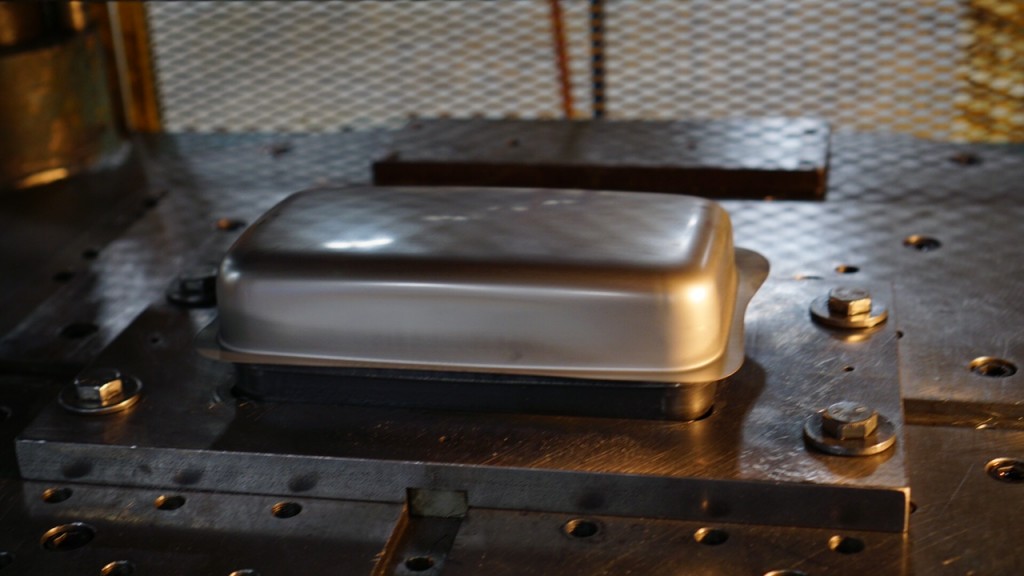
Precision Drawing Press

A sheet‑metal tea infuser manufacturing machine is designed to create the intricately perforated, typically cylindrical or spherical tea infuser shapes from thin sheet stock. The process involves several stages—cutting, forming, perforating, assembly, and finishing—each focused on delivering precise perforation patterns and maintaining a smooth, seamless design for the infuser to be both functional and visually appealing.

The process begins with feeding sheets of stainless steel, aluminum, or other suitable alloys into an automatic feeder, which aligns the sheets for cutting. A laser or turret punch cuts out the circular blanks that form the base of each infuser, optimizing material usage with intelligent nesting software. For larger batch runs, a blanking die might be used to shear multiple blanks in one stroke, increasing throughput. Once the blanks are prepared, they move to the next station, where they are shaped into the desired form—typically a cylindrical or rounded shape.

Forming occurs using a hydraulic press or a precision rotary press. In this stage, a shallow drawing or deep‑drawing press molds the blank into the body of the tea infuser. If the infuser requires a spherical design, a second deep‑draw press or a spinning lathe will be used to further refine the shape to a tight radius.

The next stage is perforating the metal. The tea infuser must have a uniform and fine mesh of holes to allow for proper infusion while retaining tea leaves. This can be done using a high‑precision laser, water jet, or a perforating die that stamps tiny holes into the surface of the metal. Laser perforation offers the best precision, allowing for a consistent pattern that is free of burrs. For larger production runs, a rotary press with perforating dies may be used for high‑speed punching of thousands of holes in one pass.

Once the metal is perforated, the parts move to the welding or joining stage, where any required components are attached. For infusers that have handles or chains for hanging, robotic welding or laser welding is used to attach metal handles, hooks, or chains securely. This can also involve ultrasonic or resistance welding for finer components.

After assembly, the tea infuser is placed into an automated polishing or finishing cell. This step ensures that there are no sharp edges left from the perforation or welding processes and that the surface of the infuser is smooth and free of burrs. The parts may go through a passivation process to improve corrosion resistance, especially if stainless steel is used, followed by a final polishing stage that enhances the appearance and smoothness of the metal.

The final inspection involves automated vision systems that check for hole placement, alignment, finish quality, and structural integrity. Any parts that do not meet the specifications are rejected automatically by a robotic sorting system, ensuring that only fully compliant products move forward.

Once inspected, the finished tea infusers are either stacked into protective packaging or loaded onto conveyors for packaging machines. Depending on the desired packaging (individual boxes, bulk packs, etc.), robotic pickers place the items into their respective containers. The entire process can be highly automated, offering an output range that can exceed 100 infusers per minute, depending on part complexity and the desired automation level.

The efficiency of the line is enhanced with a fully integrated MES (Manufacturing Execution System), which ensures precise tracking of each part’s progress, monitors machine performance, and collects data for predictive maintenance. By monitoring every stage, from the cutting of the sheet metal to the final packing, manufacturers can optimize production, reduce waste, and improve overall throughput.

The beauty of a tea infuser manufacturing system is in its combination of high‑precision operations with consistent, high‑quality outputs, producing a product that not only functions effectively but also appeals to consumers in terms of both aesthetics and durability.

Once the tea infusers are fully assembled and finished, they undergo rigorous inspection. Automated vision systems check for consistent perforation patterns, correct alignment of welded components, and overall surface finish. Any parts that show imperfections, such as misaligned holes or sharp edges, are automatically rejected by sorting robots, ensuring that only the highest quality pieces move forward. The remaining units are then ready for packaging. Depending on the packaging requirement—whether it’s individual boxes for retail or bulk packaging for wholesale—robots pick and place the tea infusers into their appropriate containers.

The packaging process itself is just as automated. Packaging lines can shrink-wrap individual units or stack multiple infusers into larger boxes. The boxes are sealed, labeled with product and batch information, and placed onto pallets for shipment. Robotic palletizers ensure that the products are stacked efficiently and securely for transportation.

Throughout the entire production process, the use of an integrated Manufacturing Execution System (MES) ensures that every step is tracked in real time. This system monitors each machine’s performance, detects any issues early on, and provides the production team with data for process optimization. Predictive maintenance algorithms analyze data from sensors on each machine to identify potential failures before they occur, reducing unplanned downtime.

The result is a fully automated production line that efficiently manufactures tea infusers at scale, with minimal waste and maximum precision. The combination of high-speed cutting, forming, perforating, welding, and finishing, along with real-time monitoring, enables the production of a high volume of quality tea infusers while ensuring consistency and reliability across every unit. This level of automation and integration makes the entire manufacturing process streamlined and cost-effective, meeting both high throughput demands and tight quality standards.

As the manufacturing process continues, the line adapts to varying design specifications or material changes with ease, thanks to its modular setup. For example, if the design of the tea infuser changes—such as adjusting the perforation pattern or adding a new handle design—operators can quickly reprogram the machines through the MES interface without needing extensive downtime for retooling. The system stores preset configurations for different part designs, allowing for swift transitions between production batches with minimal manual input.

The flexibility extends to material handling as well. The sheet-metal feeder is equipped with sensors that detect material thickness and adjust the cutting, forming, and perforating processes in real time. If a new material type is introduced, like a higher-grade stainless steel, the machine adjusts cutting speeds, laser settings, and press tonnage to accommodate the different properties of the material, ensuring that the final product maintains the desired quality and consistency.

Additionally, as part of ongoing sustainability efforts, energy recovery systems are embedded into the production line. Heat from the welding and curing stations is recycled and used to preheat water for cleaning or passivation processes, reducing overall energy consumption. Closed-loop water systems in the ultrasonic cleaning stage minimize water waste, while the powder coating booth uses advanced filtration and reclamation techniques to recover overspray, reducing material waste and improving efficiency.

The final stage of production benefits from real-time analytics provided by the MES. Key performance indicators such as production rate, defect rate, machine uptime, and operator efficiency are tracked and displayed on digital dashboards visible to the entire production team. This data allows for continuous process improvements and enables operators to take corrective actions on the fly, ensuring that production goals are met and quality is upheld.

At the same time, automation doesn’t just stop at the production floor. Packaging is equally optimized with smart systems that determine the optimal packing configuration, minimizing empty space and maximizing the use of packaging materials. This helps reduce shipping costs and waste while also ensuring that the final product is securely packed for transit, minimizing the risk of damage during delivery.

As a result, tea infuser manufacturing becomes not just a high-efficiency operation but a highly flexible and sustainable one. The integration of advanced automation, real-time monitoring, and data analytics ensures that the production process remains responsive to demand fluctuations, capable of handling design changes, and continuously improving in terms of speed, precision, and environmental impact.

Sheet Metal Beverage Dispenser Manufacturing Machine
Sheet Metal Drawing Press

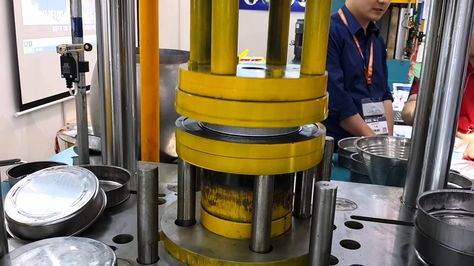
A sheet-metal beverage dispenser manufacturing machine is designed to create high-quality, durable dispensers used in both commercial and residential settings. These dispensers typically involve components like tanks, spouts, handles, and faucets, all of which must be formed, welded, and finished with high precision to ensure the proper flow of beverages and easy maintenance. The manufacturing process includes several key stages—sheet loading, cutting, forming, welding, assembly, and finishing.

The process begins with a sheet-metal coil or stacked sheets, which are automatically fed into a high-speed turret punch or laser cutting system. This machine cuts the flat metal sheets into blanks, forming parts like the body, lid, base, and other necessary components. The cutting pattern is optimized through nesting software to maximize material efficiency, ensuring minimal waste. The laser cutter is used for precise edges and holes, especially for dispensing nozzles or spouts, while a turret punch might be employed for faster, high-volume punching of simple shapes or holes.

Once the blanks are cut, they are transferred to a forming station. For the main body of the beverage dispenser, a deep-drawing press is used to form the cylindrical or tank-like structure from the flat sheet. Depending on the design, additional presses or rotary forming machines can create the curves for the dispenser’s handles, spouts, and other curved parts. For more intricate shapes or those requiring complex angles, spinning or hydroforming might be used to achieve precise geometries.

The next critical stage involves perforating and shaping smaller parts, such as dispensing nozzles, spouts, or decorative elements. A laser or water jet cutting machine is often employed here to create precise holes or designs on the surface of the metal for visual appeal or functionality, such as allowing liquid flow through the spout or aerating the beverage as it dispenses. Depending on the design, some dispensers might require a separate tube-forming press to create the spout or additional parts.

Once all parts are formed, the assembly process begins, which often involves welding, riveting, or ultrasonic welding. For stainless-steel beverage dispensers, precision TIG or laser welding is commonly used for joining the parts, especially where clean, durable seams are needed. The body of the dispenser is welded shut, the handle and spout are securely attached, and any decorative elements, such as logos or trim, are also welded or riveted into place.

Following assembly, the parts are deburred and polished. Automated robotic arms equipped with brushes or abrasive pads remove any sharp edges from the welded seams or cut parts, while also smoothing out rough spots on the exterior. If needed, the dispensers are passivated through a chemical bath to enhance corrosion resistance, particularly if they are made of stainless steel, ensuring the product remains hygienic and resistant to rust.

For aesthetic finishes, the beverage dispenser may undergo powder coating or anodizing, particularly for aluminum parts or to add an extra layer of protection to stainless steel. Powder coating offers the option to add a variety of colors or textures, while anodizing enhances the metal’s durability and appearance, giving it a sleek, shiny finish. If the design requires a particular pattern or surface treatment, robotic arms are used for precise and uniform application of finishes across each unit.

Final inspection involves using vision systems and other automated checks to ensure that each dispenser is correctly formed, welded, and finished. The dispensers are measured for any dimensional discrepancies, and any defective units are rejected from the line. This ensures that the dispensers are produced to the highest standards, meeting both functional and aesthetic requirements.

Once approved, the dispensers are transferred to packaging stations. Depending on the order, packaging can range from individual boxes for retail sale to bulk packaging for commercial shipments. Robotic pickers or conveyors automatically place each dispenser into protective packaging, ensuring that the items are safely cushioned for transit and delivery.

Throughout the entire process, the use of an integrated MES system allows manufacturers to monitor real-time production data, including machine efficiency, output rates, and quality control statistics. This helps to optimize workflows, predict maintenance needs, and ensure that the beverage dispensers are produced as efficiently as possible, all while maintaining top-tier quality.

In total, the beverage dispenser manufacturing line is a complex, highly automated system designed for precision, speed, and flexibility, capable of producing large volumes of high-quality dispensers for various commercial and residential needs.

The process flow is meticulously coordinated to achieve optimal efficiency. After the sheets are fed into the cutting machine, the blanks are carefully aligned and moved between stations using automated conveyors, ensuring that there are no delays or misalignments. The forming stage is equally precise, with presses and forming machines equipped with sensors to monitor pressure, speed, and temperature, guaranteeing consistent part quality. Each station is synchronized to ensure a seamless transition from cutting to forming to welding.

At the welding stage, advanced robotic arms equipped with precision lasers or TIG welders perform the necessary joins, ensuring that the body, spout, and handle are securely attached without compromising the aesthetic or structural integrity of the dispenser. These robotic systems are equipped with advanced feedback loops that monitor weld quality in real time, adjusting parameters automatically if any issues are detected, such as inconsistent power levels or incorrect positioning.

Following welding, the dispensers are moved to the finishing stage, where automated polishing systems, including robotic arms with polishing pads, smooth out any rough edges from welding or cutting. For dispensers made from stainless steel, this process is particularly crucial, as it not only improves the appearance but also ensures there are no sharp edges that could pose a safety risk to consumers.

After finishing, dispensers undergo a thorough inspection using a combination of machine vision and laser scanning technologies. These systems assess every dimension of the dispenser, checking for potential defects such as misalignments, weld imperfections, or finish inconsistencies. If any defects are detected, the part is automatically flagged and removed from the line, ensuring only products meeting stringent quality standards proceed to packaging.

Packaging is a critical step in ensuring that the dispensers reach their destination in pristine condition. Automated pickers and conveyors load finished dispensers into protective boxes or packaging trays. Depending on the customer’s requirements, the dispensers are either packaged individually for retail or grouped together in larger cartons for bulk shipping. Labeling systems apply batch codes, product details, and barcodes for traceability, and robotic arms place the finished packages onto pallets for transport.

Real-time data collected through the Manufacturing Execution System (MES) plays a pivotal role in optimizing the entire process. Operators can access detailed analytics on machine performance, production rates, and quality control metrics. This data allows them to quickly identify and address any potential bottlenecks in the production line or maintenance issues, minimizing downtime and maximizing throughput. Furthermore, predictive maintenance systems based on sensor data alert operators to potential equipment failures before they occur, ensuring the machines are always operating at peak performance.

The entire production system is designed with flexibility in mind. If a design change is requested—such as a new dispenser model with a different shape, size, or feature—operators can quickly adjust the system parameters through the MES interface. This enables manufacturers to respond rapidly to market demand without disrupting production, allowing for efficient short-run manufacturing of custom or specialized beverage dispensers alongside regular, high-volume runs.

In summary, a sheet-metal beverage dispenser manufacturing machine integrates cutting-edge automation, precision forming, high-quality welding, advanced finishing techniques, and real-time monitoring to produce dispensers that meet both functional and aesthetic standards. With minimal waste, high throughput, and reduced labor costs, this type of manufacturing setup ensures that beverage dispensers are made with the utmost efficiency and quality, serving the diverse needs of both commercial and consumer markets.

The manufacturing system continues to evolve as it adapts to more sophisticated technologies aimed at increasing both efficiency and product variety. The use of advanced robotics extends beyond just welding and finishing; robots are also deployed in part handling and assembly, eliminating the need for manual intervention. For instance, robotic arms are responsible for picking up the formed bodies of dispensers and positioning them with precision into subsequent welding stations. These robots use vision-guided systems to identify part orientations and ensure accurate placement without any errors, streamlining operations and reducing the risk of human error.

One key innovation is the integration of collaborative robots (cobots) that work alongside human operators in the final assembly and packaging stages. These cobots are designed to handle the lighter, more repetitive tasks, such as placing spouts or handles onto the bodies of dispensers. This frees up human workers to focus on tasks that require more finesse or oversight, such as quality control or troubleshooting.

The entire system is connected through a robust network of Internet of Things (IoT) devices. Sensors embedded in each machine monitor variables like temperature, pressure, humidity, and vibration to provide real-time feedback on machine performance. If a machine starts to deviate from its optimal parameters—such as a press operating at slightly too high or low pressure—alerts are sent to the operator or maintenance team to address the issue before it affects the quality of the product. This predictive approach to maintenance helps reduce downtime and extends the lifespan of the machinery.

Material tracking is another critical component of the automated beverage dispenser line. Each sheet of metal is tagged with RFID chips that allow the system to track its journey through the entire process. This ensures that materials are correctly matched to the right production run and that there’s full traceability in case of defects or recalls. It also helps with inventory management, as operators are notified when supplies are running low, and new materials are needed, minimizing delays.

The system’s flexibility is key to its success. With the ability to quickly switch between different types of dispensers, from small, single-use models to large, commercial-grade units, the line is equipped to meet a broad range of customer specifications. Whether the order requires dispensers with multiple spouts, adjustable faucets, or decorative finishes, the MES system automatically adjusts parameters for the necessary tooling, material specifications, and machine settings, allowing for rapid changeovers with minimal downtime.

Energy efficiency remains a priority throughout the production line. The integration of heat recovery systems helps capture waste energy from the curing or drying ovens used in the coating process. This recovered heat is used to preheat water for cleaning stages or assist with temperature control in other parts of the system. Additionally, the entire line is equipped with energy-efficient motors, LED lighting, and optimized air systems, ensuring that the production process is as sustainable as possible.

Finally, the focus on quality assurance continues throughout the packaging process. Before any beverage dispenser is packed, it undergoes a final visual inspection. Robots equipped with high-resolution cameras and laser scanners check for any final cosmetic defects such as scratches, dents, or incorrect finishes. This inspection is complemented by automated functional tests to ensure that all valves, spouts, and handles are securely attached and operate properly. For dispensers that include additional features like built-in filters or temperature controls, automated tests confirm these components are working as intended.

After passing these rigorous quality checks, the dispensers are safely packed, ready for distribution. Automated labeling machines print out shipping labels, QR codes, and batch numbers for traceability. The dispensers are then palletized by robotic systems that arrange the products securely for transit. The fully automated packaging and palletizing system ensures that every unit is packed uniformly, reducing the risk of damage during transportation.

As a result, the beverage dispenser manufacturing line becomes a model of high efficiency, versatility, and reliability. From raw material handling to final packaging, each step of the process is optimized for speed, quality, and sustainability. Through the integration of automation, IoT, predictive maintenance, and real-time data analysis, the entire system is capable of producing high-quality dispensers at scale, ensuring that the final product meets both the functional needs and aesthetic demands of customers in various sectors.

Sheet Metal Food Warmer Manufacturing Machine
How to manufacture Sheet Metal Stock Pot

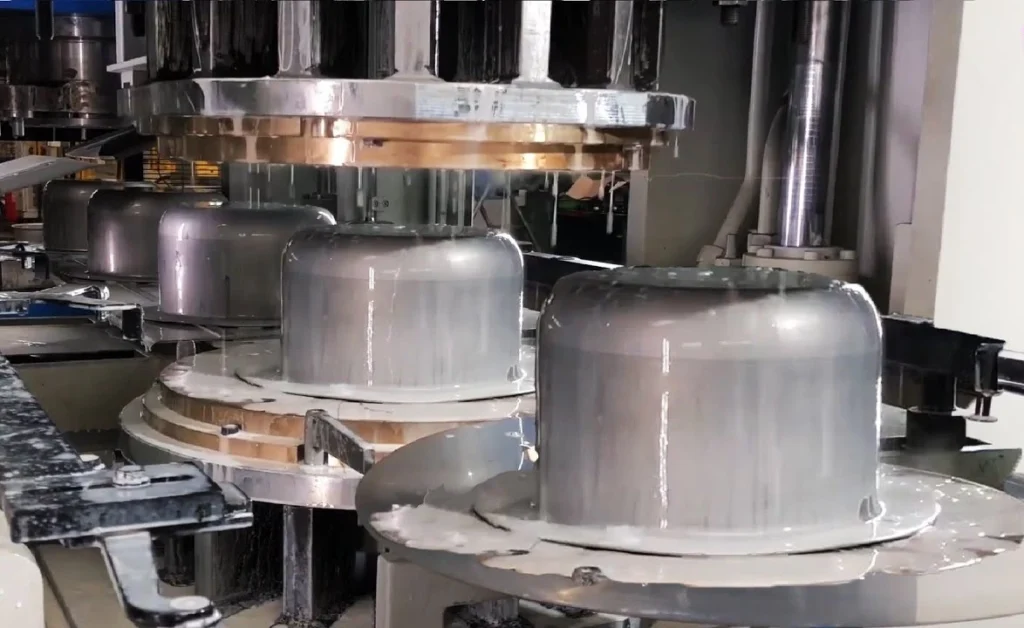
A sheet-metal food warmer manufacturing machine is designed to create durable, high-quality food warming units, which are used in both commercial kitchens and catering services to keep food at optimal serving temperatures. The production process is carefully structured to ensure that each unit is formed, insulated, and finished to meet both functional and aesthetic requirements, with a focus on heat retention, safety, and ease of use.

The process begins with feeding sheet metal, typically stainless steel or aluminum, into the cutting system. This is often done using a high-speed laser cutter or turret punch press. The laser cutter is preferred for its precision, capable of cutting intricate shapes for components such as the outer casing, internal heat trays, vents, and lid supports. The cutting pattern is optimized with advanced nesting software to maximize material utilization and minimize waste. For high-volume production, turret punch presses can quickly punch out simple shapes and holes, offering a cost-effective solution for straightforward designs.

Once the sheets are cut, they are sent to a forming station. The forming process involves using deep-drawing presses or hydraulic presses to shape the metal into the food warmer’s body. These presses are equipped with sensors to ensure that the metal is shaped precisely to the desired geometry, whether it’s for a simple rectangular box for a basic food warmer or a more intricate shape for more specialized models, such as those with curved walls or built-in compartments for trays.

For the insulation stage, the metal is often layered with insulating materials, such as mineral wool or fiberglass, which help maintain the temperature inside the food warmer. These materials are cut and applied to the interior surfaces of the metal casing before the unit is fully assembled. The metal parts are then welded or riveted together, depending on the design requirements. TIG or laser welding is commonly used to ensure a seamless and strong connection between the parts, particularly for stainless steel models. This welding process also ensures that there are no gaps where heat can escape, improving the efficiency of the warmer.

Next, the unit is fitted with heating elements, usually in the form of electric heating coils or infrared lamps. These elements are precisely placed into position using automated systems or robotic arms to ensure proper alignment. Wiring for the heating elements is also handled at this stage, with careful attention given to ensuring that all electrical connections are secure and meet safety standards.

The food warmer’s lid or cover is then created, often using a separate press for forming or cutting. This lid is designed to be easy to open and close while maintaining a secure fit to retain heat. If the warmer is intended for commercial use, the lid might also feature additional mechanisms, such as a self-closing or locking system, to prevent accidental opening.

Once the body of the food warmer is fully assembled, it moves to the finishing stage, which includes deburring, polishing, and cleaning. Robotic arms equipped with abrasive pads or brushes remove any sharp edges from the welded seams and polished surfaces, ensuring there are no hazards for the end-user. Automated ultrasonic cleaning systems may be used to remove any oils or residues left from the manufacturing process. For some models, a powder coating or anodizing process is used to add a protective, aesthetically pleasing finish to the outer surfaces. Powder coating not only provides color options but also enhances the durability of the unit by providing a protective layer against corrosion.

Final inspection ensures that the food warmer meets all quality standards. Automated vision systems and laser scanners check for any surface imperfections, such as scratches or dents, while also measuring key dimensions to verify that the parts are properly aligned and that the assembly is correct. Electrical testing is performed to confirm that the heating elements work efficiently and safely, and temperature sensors are checked to ensure that the unit reaches the desired warming temperature and holds it effectively.

Once approved, the food warmers are carefully packaged for shipment. Depending on the customer’s needs, they may be packed individually in protective boxes or grouped together for bulk shipping. Automated packaging systems use robotic pickers to place the units into packaging, ensuring that they are secured for transport. The packaging process also includes labeling, with batch numbers and product specifications, to ensure traceability and compliance with industry standards.

Throughout the entire process, the use of an integrated Manufacturing Execution System (MES) helps monitor and manage every aspect of the production. This system provides real-time data on machine performance, production rates, and quality control, enabling operators to make adjustments as needed to ensure smooth operations. Predictive maintenance algorithms built into the system monitor the health of key machines, reducing the risk of unplanned downtime by alerting the team when maintenance is required.

Energy efficiency and sustainability are key considerations. The use of heat recovery systems helps capture and reuse energy from the curing or drying process, while energy-efficient motors and equipment reduce the overall energy consumption of the production line. Additionally, material waste is minimized by the intelligent nesting of sheet-metal components, ensuring that the maximum number of parts are produced from each sheet of metal.

In conclusion, the sheet-metal food warmer manufacturing machine integrates high-speed cutting, precision forming, insulation, assembly, welding, and finishing processes to produce durable, high-quality food warmers. The combination of automation, real-time data analysis, and energy-efficient systems ensures that the production line operates efficiently, producing reliable, functional, and aesthetically pleasing food warmers for both commercial and residential use.

The food warmer manufacturing process continues with advanced automation techniques to ensure that each unit is produced at a high standard, with minimal labor and maximum precision. After final inspection, the units are not only checked for structural integrity and functionality but also undergo thorough testing for heat retention capabilities. Automated systems simulate real-world conditions to test how well each unit maintains temperature over time. The food warmers are subjected to a series of rigorous quality control checks, which include evaluating the uniformity of heat distribution and verifying that the temperature remains consistent throughout the warming chamber.

Once a food warmer passes these tests, the packaging process begins. The packaging is handled with the same level of automation and precision as the rest of the manufacturing line. Depending on the model and order specifications, the packaging could range from simple cardboard boxes for individual units to heavy-duty crates for bulk shipments. Robotic arms are employed to carefully pick and place the food warmers into their packaging, while automated labeling systems print out product details, batch numbers, and shipping labels, ensuring proper traceability and compliance with industry regulations. The packaging line is equipped with protective cushioning materials such as foam inserts or air pillows to safeguard the product during transportation.

The finished food warmers are then moved to a dedicated storage area or staging zone, where they are ready for shipment. For high-volume orders, palletizing robots efficiently stack the packaged units onto pallets, optimizing space and ensuring that they are securely packed for safe transportation. The system tracks inventory in real-time, ensuring that the correct quantity of food warmers is always available for shipment according to customer orders.

Throughout the entire production line, the MES system plays a critical role in coordinating every stage. It not only tracks the flow of materials but also monitors the performance of individual machines, detects potential issues early, and alerts operators to address them before they cause disruptions. By collecting data at each stage of production, the MES allows for continuous improvement, helping to fine-tune processes and identify opportunities for cost reduction or quality enhancement. The system also integrates with supply chain management software, providing real-time insights into material inventory, order fulfillment, and delivery schedules, ensuring that production meets customer demand efficiently.

In addition to enhancing operational efficiency, the food warmer manufacturing process places a strong emphasis on sustainability. Efforts to minimize energy consumption are embedded into every part of the production line. From energy-efficient motors to the recovery and reuse of heat energy during various stages, the production system is designed to lower the environmental impact of manufacturing. Waste is minimized by optimizing cutting patterns to reduce scrap material, and any metal by-products or waste materials are carefully sorted and recycled, helping to reduce the carbon footprint of the operation.

Automation and robotics allow for rapid reconfiguration of the production line when needed. If there are changes in product design, such as a shift in the size or shape of the food warmer, operators can adjust the system settings through the MES interface, minimizing downtime and reducing the need for extensive retooling. This flexibility allows manufacturers to quickly respond to market trends, customer preferences, or new design requirements without disrupting overall production.

Moreover, the advanced manufacturing process is not limited to efficiency and sustainability; it also ensures that the food warmers meet the highest standards of safety. The automated testing systems ensure that electrical components are properly insulated, that heating elements function without overheating, and that the product is compliant with industry regulations for electrical safety and thermal efficiency. As safety is a priority, units are tested for potential risks such as overheating or electrical shorts, ensuring that the final product is reliable and safe for use in both commercial and home kitchens.

In summary, the sheet-metal food warmer manufacturing machine integrates cutting-edge technologies in automation, robotics, and data analysis to produce food warmers that are high-quality, energy-efficient, and compliant with safety standards. The entire process—from material handling to final packaging—is designed to ensure consistency and precision, enabling manufacturers to produce food warmers that are not only durable and reliable but also environmentally friendly and cost-effective. The use of real-time monitoring, predictive maintenance, and flexible manufacturing systems ensures that the production process remains efficient and responsive to changing demands, setting the foundation for a successful product line that can meet the evolving needs of customers.

As the production process progresses, the incorporation of additional technologies further enhances the capabilities of the sheet-metal food warmer manufacturing machine. One such innovation is the use of machine learning algorithms to improve the precision of the manufacturing steps. These algorithms are trained on historical production data and are capable of detecting patterns and anomalies that human operators might miss. By analyzing data from the various stages of production—such as material input, machine performance, and environmental factors—these algorithms can optimize the settings for cutting, forming, welding, and finishing, ensuring that the food warmers are consistently produced to the highest standards with minimal waste.

In the forming and welding stages, robotic arms equipped with advanced sensors and feedback mechanisms provide real-time adjustments to ensure the metal is shaped or welded accurately, compensating for any slight variations in material properties or machine calibration. These robotic arms can also work in a more collaborative manner with human operators, particularly in more complex or intricate parts of the process that require human oversight or decision-making. This collaboration ensures that the process is both efficient and adaptable, with the ability to tackle custom orders or specialized designs that may not be feasible on a fully automated line.

In addition to enhancing precision, machine learning is also leveraged for predictive maintenance, a key aspect of the manufacturing system. Sensors embedded in the machines continuously monitor performance indicators such as temperature, vibration, and pressure. Machine learning algorithms analyze this data to detect any signs of wear or malfunction before it leads to equipment failure. By predicting maintenance needs in advance, the system can schedule repairs during off-peak times, reducing unplanned downtime and ensuring the production line remains operational without interruptions.

Furthermore, with the increasing demand for eco-friendly and sustainable products, the food warmer manufacturing process places an emphasis on reducing its environmental impact. The materials used in the construction of the food warmers are selected for their durability, recyclability, and energy efficiency. Stainless steel and aluminum are commonly used for their strength, resistance to corrosion, and ease of recycling. During the production process, scrap metal and excess materials are collected and sent for recycling, helping to close the loop and reduce the overall environmental footprint of the operation. Additionally, energy-efficient heating technologies, such as low-power electric heating elements or infrared heating systems, are being incorporated into the design of the food warmers themselves to further reduce their energy consumption in the field.

The integration of energy-efficient systems extends beyond the production floor and into the design of the food warmers. Manufacturers are increasingly focusing on creating units that offer optimal insulation and heat retention, which helps minimize energy waste during operation. Advanced materials and insulating technologies, such as vacuum-insulated panels or aerogel-based coatings, are being used to improve the thermal efficiency of the warmers. This not only lowers the operational costs for customers but also aligns with growing consumer and regulatory demands for more sustainable, energy-efficient appliances.

In terms of customer satisfaction, the food warmer manufacturing machine is also designed to accommodate varying market needs. Different models of food warmers, such as countertop units, freestanding models, or larger, commercial-grade warmers, can all be produced on the same flexible production line. This flexibility is essential as it allows manufacturers to cater to a wide range of customers, from small cafes and restaurants to large hotels or catering services. Customization options, such as size, finish, and additional features like digital temperature controls, are easily incorporated into the line by simply adjusting the system settings. This makes it possible to produce both standard and specialized food warmers in parallel, maximizing production efficiency without sacrificing product variety.

The importance of user-friendly design is also taken into account in the manufacturing process. The warmers are built with ease of use, maintenance, and cleaning in mind. Features such as removable trays, easy-to-clean surfaces, and intuitive controls are incorporated into the design to enhance the user experience. In addition, safety features such as automatic shut-off mechanisms, temperature controls with safety cutoffs, and non-slip feet are integrated to prevent accidents and ensure that the food warmers operate safely under various conditions.

With the entire production system optimized for speed, quality, and flexibility, manufacturers can respond quickly to changes in consumer preferences and market trends. The MES system plays a central role in this, providing up-to-the-minute data on production progress, order fulfillment, and customer demand. By leveraging this real-time data, manufacturers can make informed decisions about production scheduling, inventory management, and supply chain logistics, ensuring that the right products are delivered to customers at the right time.

In conclusion, the sheet-metal food warmer manufacturing machine is a highly advanced, automated system that integrates cutting-edge technologies to produce durable, energy-efficient, and customizable food warmers. By incorporating machine learning for precision, predictive maintenance, and eco-friendly practices, the system not only ensures high product quality but also minimizes environmental impact and operational costs. This combination of efficiency, flexibility, and sustainability positions food warmer manufacturers to meet the growing demands of a dynamic market while maintaining a competitive edge in the industry. Through continuous innovation, the production process will keep evolving, enabling manufacturers to offer high-quality products that cater to the needs of both commercial and residential customers.

Sheet Metal Chafing Dish Manufacturing Machine

Sheet Metal Baking Pan Production Machine

A sheet metal chafing dish manufacturing machine is designed to produce high-quality chafing dishes used in catering, buffet services, and foodservice industries. These dishes are crafted from durable metals such as stainless steel, which ensures they can withstand high temperatures, maintain food temperature, and offer an aesthetic appeal. The production process incorporates precision cutting, forming, welding, finishing, and testing to create functional, attractive, and safe chafing dishes.

The manufacturing process begins with feeding large sheets of metal into the cutting machines. These metals are typically stainless steel or aluminum, chosen for their ability to resist corrosion and heat. Laser cutting or turret punching is used to cut the metal into the required shapes for the base, lid, and side walls of the chafing dish. Advanced nesting software ensures that the sheet metal is efficiently used, minimizing waste and optimizing material utilization. For high-volume production, turret punch presses may be used to quickly punch out simpler shapes, while laser cutting offers the precision needed for intricate designs or components.

Once the metal sheets are cut, the components are sent to the forming stage, where they are shaped into the necessary forms using hydraulic or mechanical presses. The base and side walls of the chafing dish are formed to precise dimensions, ensuring that each unit has the correct shape and size for the food service requirements. Forming presses are designed to handle various materials and thicknesses, ensuring that the metal is shaped accurately without compromising its integrity.

At this stage, insulation materials might be added to the chafing dish to help retain heat. Insulation is often placed between the outer and inner walls of the dish, which helps maintain food temperature while preventing the outer surface from becoming too hot to touch. Materials like mineral wool or fiberglass may be used to provide effective thermal resistance, improving the overall performance of the chafing dish. These materials are cut to size and carefully inserted into the appropriate spaces within the dish.

The next stage involves welding the formed parts together to assemble the chafing dish. TIG (tungsten inert gas) welding or laser welding is commonly used for stainless steel, providing strong, precise, and aesthetically clean joints. Robotic welding systems are used to ensure that each weld is consistent and of high quality, reducing the chances of defects. Robotic arms can be programmed to automatically position the parts for welding, ensuring that the base, side walls, and lid are securely joined with no gaps or weak spots. These robotic systems also feature advanced sensors and feedback mechanisms to monitor the welding process in real-time, making adjustments to parameters like temperature and pressure to ensure uniformity.

After welding, the chafing dish moves to the finishing stage. In this phase, robotic arms equipped with polishing tools smooth out any welds or rough edges left from the manufacturing process. The surface is polished to a high shine to give the chafing dish its aesthetically appealing, corrosion-resistant finish. Additionally, some models may undergo a coating process such as powder coating or anodizing to improve durability, resistance to stains, and overall appearance.

Next, the unit undergoes quality control checks to ensure that it meets the required standards. Automated vision systems and laser scanners are used to inspect the chafing dish for imperfections, such as scratches, dents, or alignment issues. These systems can also measure key dimensions, such as the size of the handles, lid, or pan areas, to ensure the chafing dish is built to precise specifications. If any defects are found, the dish is removed from the production line and either repaired or discarded, ensuring that only high-quality units are sent to customers.

Once the chafing dish passes the quality control checks, it moves to the functional testing stage. Here, heating elements, such as electric coils or gel chafing burners, are installed into the dish to ensure that it can effectively maintain food temperatures. These elements are carefully wired and positioned in a way that allows for efficient heat distribution across the dish. The chafing dish is then tested to ensure the heating elements function properly and that the dish maintains the desired temperature consistently without overheating or underheating.

Following testing, the chafing dish is cleaned thoroughly to remove any oils, residues, or contaminants left from the manufacturing process. Automated ultrasonic cleaning systems are often used in this stage, ensuring the dish is completely free of any manufacturing debris. The unit is then dried, and any final cosmetic touches, such as polishing or buffing, are applied.

Finally, the finished chafing dishes are packaged for shipment. Automated systems handle the packaging, ensuring that each dish is safely enclosed in protective materials like foam inserts or bubble wrap to prevent damage during transport. The packaging also includes labeling with batch numbers, product details, and any necessary safety or usage instructions. For bulk orders, the dishes are palletized and wrapped securely to ensure they arrive in perfect condition. The final product is now ready for distribution to retailers, caterers, restaurants, or other commercial foodservice businesses.

Throughout the production process, an integrated Manufacturing Execution System (MES) tracks every step of the workflow. This system provides real-time monitoring of production rates, machine performance, and inventory levels. It ensures that materials are available when needed, that equipment is running efficiently, and that production meets demand. Additionally, predictive maintenance tools monitor the health of machinery, alerting operators when a part is about to fail or when maintenance is due, preventing costly downtime.

Sustainability and energy efficiency are also key considerations. The production process minimizes waste by optimizing material cutting patterns and recycling any excess metal. Energy-efficient motors and equipment reduce power consumption, and heat recovery systems can be employed to capture and reuse energy from processes like curing or drying. These sustainable practices help reduce the environmental impact of the manufacturing process, aligning with growing consumer and regulatory demands for eco-friendly production methods.

In conclusion, the sheet metal chafing dish manufacturing machine integrates state-of-the-art automation, robotics, and precision technology to produce high-quality, functional, and aesthetically pleasing chafing dishes. The process focuses on efficiency, sustainability, and quality control, ensuring that each dish is durable, easy to use, and capable of maintaining the desired temperature for extended periods. From cutting and forming to welding, finishing, and testing, the production line is designed to deliver consistent results while meeting the demands of commercial kitchens, catering services, and buffet-style foodservice businesses.

The production of sheet metal chafing dishes continues with the integration of advanced robotics and automation to streamline the assembly and packaging process. Once the final inspection is complete, the dishes are carefully packed for distribution. Automated systems use vision cameras and sensors to place each chafing dish into its protective packaging, such as cardboard boxes or custom foam inserts, ensuring that every unit is secure during transit. This system also helps reduce human error, increasing overall efficiency and minimizing the risk of damage during shipment.

The MES plays a vital role in ensuring that the packaging process is synchronized with the production line. It keeps track of packaging materials, monitors inventory, and alerts operators when stock is running low. It also ensures that every unit is correctly labeled and documented, allowing for seamless tracking of products as they move through the final stages of the production process. The system can also provide valuable data on shipping schedules, helping manufacturers coordinate with logistics providers to meet customer deadlines.

Additionally, sustainable practices are embedded in every part of the manufacturing line. Beyond efficient material use, the system has been designed to reduce waste and improve energy consumption. By optimizing production schedules and machine settings, manufacturers can ensure that energy usage is minimized, and any scrap metal or waste from the process is recycled. This not only contributes to reducing the environmental impact but also helps in lowering operational costs, making the entire process more cost-effective.

The machines themselves are designed with longevity and ease of maintenance in mind. Through predictive maintenance technologies, the system ensures that potential issues are identified before they lead to costly downtime. Sensors monitor the condition of key machines, tracking performance metrics like vibration, temperature, and load. When an issue is detected, the system automatically alerts the operators, allowing them to take preventative action, whether it’s lubricating a moving part, replacing a worn-out tool, or adjusting machine settings. This continuous monitoring helps maintain a smooth production flow, ensuring that the manufacturing process remains efficient and consistent.

Furthermore, the introduction of advanced materials, such as more efficient insulation options and energy-saving technologies, has become a priority. Manufacturers are now incorporating materials like vacuum-insulated panels or aerogels into their designs to improve thermal efficiency, ensuring that the chafing dish can maintain food temperatures for longer periods with less energy consumption. This technology aligns with the growing demand for energy-efficient kitchen products and helps provide a competitive edge in a crowded marketplace.

On the consumer end, the manufacturing process focuses not only on functionality but also on design. The chafing dishes are crafted to be both practical and aesthetically appealing. The polished finish, sleek lines, and well-designed handles make them visually attractive while being easy to use and maintain. Customization options, such as different finishes (e.g., brushed stainless steel or chrome plating) or additional features like lids with built-in temperature gauges, allow manufacturers to cater to a variety of customer preferences. These customizable features are seamlessly integrated into the production process, ensuring that each order can be tailored to meet specific needs.

The automated system also tracks customer orders and adjusts production schedules accordingly, ensuring that high-demand items are prioritized and that products are delivered on time. The system can monitor current market trends and predict future demand, allowing manufacturers to plan ahead and adjust production output to match seasonal needs or shifts in customer preferences.

As the chafing dishes are ready for shipment, they are moved into distribution centers where they are organized based on order specifics. For bulk orders, the dishes are carefully palletized to optimize space and ensure safe transport. For smaller orders, they are individually packaged and labeled for easy identification and quick dispatch. The MES continues to monitor the logistics and delivery process, ensuring that orders are shipped on time and that customers receive their products in perfect condition.

Ultimately, the sheet metal chafing dish manufacturing machine is designed to deliver high-quality, durable, and customizable products at scale. It combines advanced technologies in automation, machine learning, robotics, and data analysis to produce chafing dishes that meet the highest standards of safety, functionality, and aesthetic appeal. The integration of sustainability practices, energy efficiency, and predictive maintenance ensures that the production process remains environmentally friendly, cost-effective, and responsive to changing market demands. Through continuous innovation, the production line can adapt to new materials, designs, and consumer trends, ensuring that manufacturers remain competitive and meet the evolving needs of the foodservice industry.

The sheet metal chafing dish manufacturing process continues to evolve with the integration of more advanced technologies and methodologies to enhance product quality, production efficiency, and sustainability. One of the key areas where innovation is being applied is in the design and development of smart chafing dishes. These smart units integrate IoT (Internet of Things) sensors and connectivity, allowing users to monitor and control the temperature remotely via smartphones or digital control panels. By embedding temperature sensors, humidity controls, and Bluetooth or Wi-Fi connectivity into the chafing dish, manufacturers can offer more advanced features that appeal to both commercial and home users.

The smart features include real-time alerts for temperature changes or malfunctions, enabling foodservice providers to ensure that their food is being kept at the ideal temperature at all times. These devices can also track usage data, such as how long the unit has been in operation, when maintenance is needed, or when the heating element may need servicing. This provides valuable insights into the dish’s performance and helps optimize its lifespan. These smart chafing dishes are ideal for catering events, buffet lines, or other foodservice environments where precision and real-time data tracking are essential for food safety and quality control.

The introduction of automated material handling systems further optimizes the production line. Conveyor belts and robotic arms transport the sheet metal from one stage of the manufacturing process to the next, ensuring smooth and consistent movement of parts. Automated guided vehicles (AGVs) or overhead conveyors can be used to move large, heavy components such as the chafing dish bases or lids without the need for manual labor. This helps reduce the risk of human error and speeds up the overall production process while maintaining safety standards.

In addition, manufacturers are increasingly adopting 3D printing technologies, or additive manufacturing, in their prototyping and production processes. 3D printing can be used for creating custom parts, testing design prototypes, and even producing certain components of the chafing dish, such as handles, hinges, or decorative accents. This reduces lead times and allows for more rapid experimentation with new designs or modifications. Additionally, 3D printing offers the ability to create more intricate and complex features that may not be possible with traditional metalworking techniques. It also reduces material waste by using only the necessary amount of material for each part.

Moreover, as the demand for eco-friendly products continues to rise, manufacturers are exploring alternative sustainable materials for the production of chafing dishes. Research into bioplastics and other renewable materials is underway, with some manufacturers beginning to experiment with composite materials that offer similar durability and heat resistance as traditional metals but with a lower environmental impact. This aligns with growing consumer preferences for sustainable and ethically produced products, further enhancing the brand’s appeal to environmentally conscious buyers.

To ensure that the final product is as energy-efficient as possible, manufacturers are investigating and incorporating energy-saving technologies into the chafing dish itself. For example, incorporating LED lighting for any indicator lights or digital controls can reduce the overall energy consumption of the unit. Furthermore, advances in heat-retention technologies, such as improved insulation materials, help to ensure that the chafing dish can maintain food temperature with less energy input. These innovations contribute to reducing the environmental footprint of the product, making it more attractive to consumers and businesses that are looking to reduce their energy usage.

In terms of the post-production phase, a more automated supply chain and logistics management system have been integrated to ensure quick turnaround times and streamlined delivery. The use of RFID (radio-frequency identification) tags and GPS tracking systems enables real-time monitoring of inventory, shipments, and product locations. This allows manufacturers and suppliers to track the progress of each order and ensure that products are delivered on time and to the right location. Furthermore, intelligent warehouse management systems optimize storage and retrieval processes, reducing handling time and improving overall distribution efficiency.

Customer feedback also plays a crucial role in refining the manufacturing process. Manufacturers now have the ability to collect and analyze feedback through online platforms and customer service channels. By leveraging customer insights, manufacturers can continuously improve the design and functionality of their chafing dishes, offering new features or adjusting existing ones based on consumer needs and preferences. This approach ensures that the products remain competitive and aligned with market demands.

The future of sheet metal chafing dish manufacturing holds even more potential for innovation. In addition to refining production processes and incorporating sustainable practices, the integration of artificial intelligence (AI) and machine learning will continue to drive advancements in product development, quality control, and supply chain management. AI can be used to predict consumer behavior, optimize production schedules, and provide insights into operational efficiencies. By combining AI with real-time data from the production line, manufacturers can further enhance the customization and flexibility of the chafing dish production process, allowing for faster response times to market trends and more personalized products.

In summary, the sheet metal chafing dish manufacturing process is becoming increasingly advanced through the integration of automation, robotics, IoT, 3D printing, and sustainable practices. These technologies enable manufacturers to produce high-quality, energy-efficient, customizable products that meet the evolving needs of consumers in the foodservice industry. As the demand for eco-friendly and smart products rises, manufacturers are adapting by exploring innovative materials and features that align with these trends. The continuous improvement of the production line through advanced technologies and customer feedback ensures that the chafing dishes remain relevant, functional, and competitive in the marketplace.

As the sheet metal chafing dish manufacturing process progresses, the ongoing developments in technology and production strategies promise to further elevate the quality, efficiency, and customization of the products. One significant trend is the continued rise of Industry 4.0 technologies, which emphasize the interconnectedness of manufacturing systems, real-time data collection, and advanced analytics. By leveraging the Internet of Things (IoT), artificial intelligence (AI), and cloud-based platforms, manufacturers can create a highly responsive and flexible production environment.

These connected systems enable real-time monitoring of equipment, raw materials, and production progress. Sensors embedded in various stages of the production line capture a wealth of data, which is transmitted to centralized databases for analysis. For instance, data from cutting, forming, and welding machines can be analyzed to detect any subtle variations in performance that may indicate potential issues. This enables predictive analytics that can forecast and mitigate equipment failure before it occurs, further minimizing downtime and maintaining the flow of production.

Through the use of AI, manufacturers can also optimize production schedules in real time. By analyzing historical data and patterns, AI can predict when a machine is likely to need maintenance or when production lines are likely to become congested, allowing operators to make adjustments ahead of time. This predictive capability enhances operational efficiency, reduces bottlenecks, and ensures that resources are utilized optimally.

Additionally, automation continues to be a game-changer in terms of labor efficiency. With advancements in robotic systems, manufacturers can automate many of the more intricate and repetitive tasks. For example, robotic arms equipped with vision systems can autonomously detect imperfections in metal sheets, identifying scratches, dents, or deformities, and sorting out any defective parts. This reduces human intervention and error while maintaining consistency in quality. Robots can also be used in the final assembly stages, installing heating elements, sensors, or other components, ensuring the units are ready for the final testing phase with minimal human touch.

Another exciting advancement is the potential use of augmented reality (AR) and virtual reality (VR) technologies in the manufacturing process. For example, AR could be employed to assist workers during assembly by providing real-time instructions or visual aids superimposed onto the physical environment. This would help reduce errors, improve training, and streamline the assembly process, as workers can receive direct visual guidance on how to perform tasks or troubleshoot problems. Similarly, VR could be used for design reviews or operator training, providing a safe and controlled virtual environment where operators can practice and learn without the need for physical prototypes or machinery.

The implementation of digital twins—virtual representations of physical manufacturing systems—also offers manufacturers greater control over the production process. Digital twins allow manufacturers to simulate and optimize every stage of the chafing dish production cycle before physical production even begins. By mimicking real-world conditions, digital twins can be used to test new manufacturing processes, experiment with different design configurations, and predict how changes in one part of the production process may affect the overall system. This helps reduce costly trial and error and speeds up the development of new designs or improvements.

On the sustainability front, there is a growing emphasis on reducing the environmental impact of manufacturing operations. Beyond using recyclable materials and reducing energy consumption, manufacturers are exploring new methods to minimize waste during the production process. One approach is the increased use of precision laser cutting and advanced nesting algorithms that maximize the material utilization, reducing scrap metal. Additionally, more manufacturers are investing in closed-loop systems for recycling excess metal and by-products from the cutting, forming, and finishing stages. By reusing metal scrap, manufacturers can reduce their reliance on raw material procurement, lowering costs and minimizing the environmental footprint of production.

The use of renewable energy sources in the manufacturing process is also gaining traction. Solar panels, wind energy, and other renewable energy options are being integrated into manufacturing facilities to help power the production process. This not only reduces greenhouse gas emissions but also helps companies meet the growing demand for more sustainable practices. By incorporating energy-efficient machinery and implementing energy recovery systems (such as heat recovery from industrial processes), manufacturers are able to further minimize their environmental impact.

In terms of logistics, manufacturers are adopting more intelligent supply chain management systems that leverage real-time tracking, data analytics, and AI to optimize inventory levels and shipping times. This helps reduce the carbon footprint of the manufacturing and distribution process. Just-in-time (JIT) inventory systems, for example, ensure that materials are delivered to the production line as needed, minimizing excess stock and reducing the need for large storage spaces. By using GPS tracking and RFID technology, manufacturers can also track the movement of raw materials, components, and finished goods throughout the entire supply chain, improving visibility and efficiency.

Customer engagement continues to be a driving force in the development of new chafing dish models. As consumer preferences evolve, manufacturers are adapting to meet these demands by offering more customizable options. Whether it’s the finish (polished, brushed, matte), the design (round, square, or custom), or additional features such as digital temperature displays, built-in timers, or non-stick interiors, the ability to tailor products to meet specific needs is becoming increasingly important. In addition, manufacturers are paying closer attention to the ergonomics and usability of their products, ensuring that the handles are comfortable, lids are easy to open and close, and the units are stable and secure during use.

The rise of e-commerce has also had a profound impact on the sheet metal chafing dish market. Manufacturers are investing in direct-to-consumer sales channels and building online platforms that allow customers to customize, order, and track their chafing dishes. In this digital age, consumers expect seamless online shopping experiences, and manufacturers are adapting to meet these expectations. Providing clear product descriptions, high-quality images, and easy-to-use ordering systems online helps manufacturers stay competitive in a rapidly changing market.

Finally, the shift toward global markets continues to shape the chafing dish manufacturing landscape. As businesses and consumers increasingly demand products for international use, manufacturers are adjusting their production methods to comply with different regulations, certifications, and safety standards in various regions. This requires a deep understanding of global supply chains, market requirements, and consumer behavior, which can vary widely from country to country. Manufacturers who successfully adapt to these global shifts are well-positioned to expand their reach and capture new opportunities in emerging markets.

In conclusion, the future of sheet metal chafing dish manufacturing is defined by advanced technologies, sustainability, and an unwavering focus on customer demands. Automation, AI, robotics, and IoT are streamlining production, reducing waste, and enhancing product quality. Meanwhile, sustainable practices, energy efficiency, and customization are meeting the needs of both environmentally conscious consumers and businesses. With the ongoing integration of smart technologies, digital twins, and renewable energy solutions, manufacturers are poised to create more innovative, high-quality, and eco-friendly chafing dishes that cater to the evolving demands of the foodservice industry.

Sheet Metal Ice Bucket Manufacturing Machine
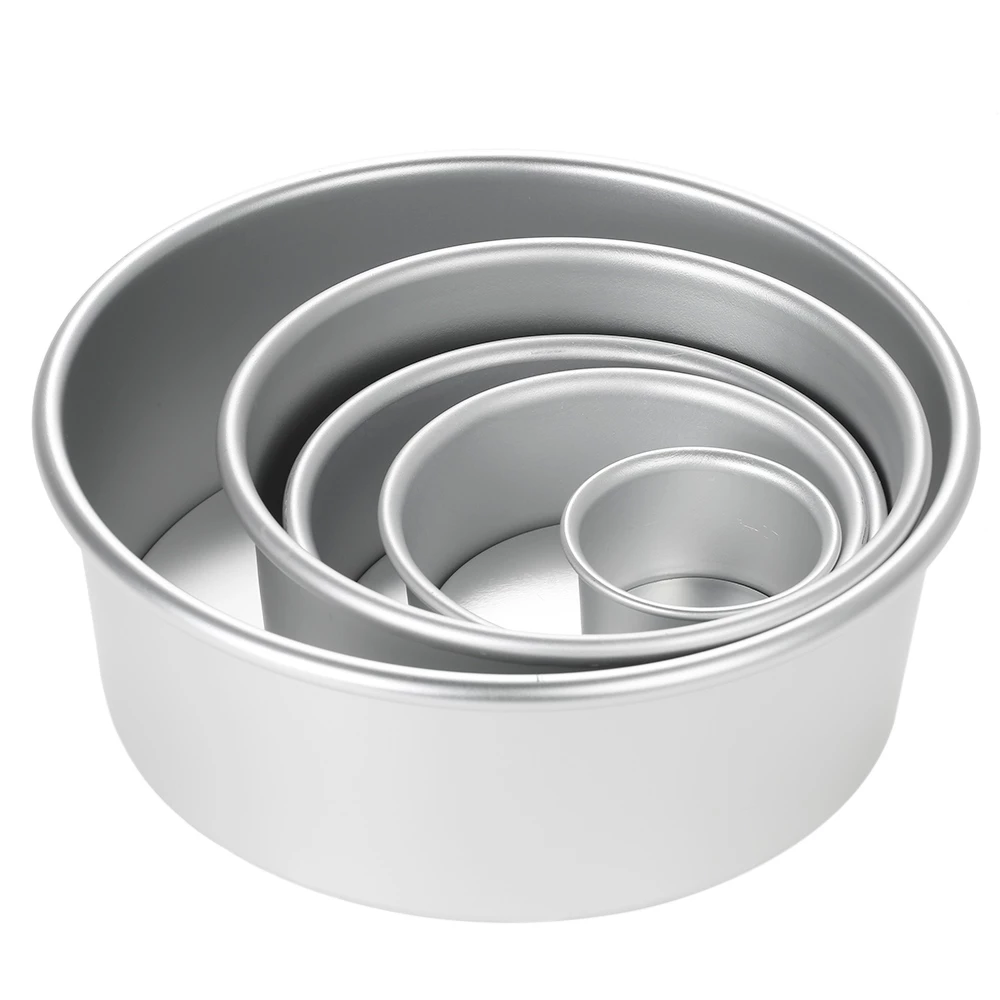
How to manufacture Sheet Metal Pie Tin

A sheet metal ice bucket manufacturing machine is designed to produce high-quality, durable ice buckets commonly used in the hospitality, catering, and beverage industries. These ice buckets are typically made from stainless steel, aluminum, or other metals that offer strength, heat resistance, and a sleek aesthetic. The manufacturing process involves several stages, from cutting the metal sheets to the final assembly, ensuring the product is functional, attractive, and safe for use in various settings. Here’s an overview of how such a machine might function, focusing on the integration of automated processes, precision, and efficiency.

The process starts with the feeding of metal sheets, typically stainless steel, into a machine that can cut, form, and shape the sheets into the necessary components of the ice bucket. Laser cutting machines or turret punch presses are often employed for this step. Laser cutting is preferred for its precision, allowing for intricate designs and clean edges. The metal sheets are cut into the required shapes for the sides, base, and handle of the ice bucket. These cutting processes are automated, utilizing advanced nesting software that maximizes material efficiency and minimizes scrap.

Once the metal sheets are cut to shape, the next step is the forming process. The components, such as the side walls and bottom of the ice bucket, are then transferred to a hydraulic press or mechanical press. In this stage, the machine uses controlled force to shape the metal into the rounded or cylindrical form needed for the ice bucket. The forming machine ensures precise bending and shaping, ensuring that the dimensions are consistent across all units. For buckets with a more complex or decorative design, such as embossed patterns or a more intricate lip, additional forming techniques like deep drawing or spinning may be used.

Next, the pieces are welded together to form the structure of the ice bucket. This is typically done using TIG (Tungsten Inert Gas) welding or robotic MIG (Metal Inert Gas) welding for high precision. Robotic welding systems are often employed for this purpose, as they can ensure consistency, reduce human error, and speed up the welding process. The welding joints must be smooth and secure to ensure the structural integrity of the ice bucket, as it will be subjected to various conditions, including cold temperatures and water exposure.

After welding, the ice bucket undergoes a finishing process to remove any excess weld material, rough edges, or sharp points that could cause issues during use. Automated grinding or polishing machines are employed to smooth the surfaces and ensure the bucket is free of any imperfections. In some cases, the ice bucket may be polished to a high shine, using abrasive materials and polishing compounds. This not only enhances the appearance of the bucket but also improves its resistance to corrosion and tarnishing.

The next stage involves coating the ice bucket for additional protection and aesthetic appeal. Electroplating or powder coating is commonly used to provide a protective finish. Electroplating applies a thin layer of another metal, like chrome or nickel, to the surface of the ice bucket, which not only enhances its aesthetic appeal but also adds to its corrosion resistance. Powder coating, on the other hand, provides a durable, colored finish and can be applied in a variety of shades, offering a more custom aesthetic to suit different designs.

Once the coating is applied, the ice bucket is subjected to a quality control inspection. Automated vision systems equipped with cameras and sensors inspect each ice bucket for any defects in the metal, coating, or shape. These systems can detect minor imperfections, such as dents, scratches, or uneven coating, and sort out defective units before they proceed to the final assembly phase. The machine can also verify that the dimensions of the ice bucket meet the required specifications, ensuring uniformity across production.

The next step involves the assembly of any additional components, such as handles, lids, or tongs. If the ice bucket is designed to have a handle, it is typically attached using either welding or rivets, depending on the design. In high-end models, handles might be attached with polished screws or other fastening methods for both aesthetic and functional purposes. Robotic arms equipped with tools like riveters or screwdrivers can be used to automatically attach these handles in a precise manner. If the design includes a lid, it would be formed separately and attached similarly, ensuring a secure fit.

Following the assembly of these components, the ice bucket may undergo a functional test to ensure that it meets the desired performance criteria. For example, the machine might check for any leaks if the bucket is intended to hold ice and liquid, ensuring that no moisture escapes and that the bucket maintains its structural integrity. If the ice bucket is designed to be insulated, additional tests might involve checking the thermal properties, confirming that the insulation material performs effectively to keep ice cold for an extended period.

In the final stages of the process, the ice bucket is cleaned to remove any oils, fingerprints, or residues from the manufacturing process. Ultrasonic cleaning systems can be used to gently clean the ice bucket without damaging its surface. Once cleaned, the ice bucket is dried and undergoes a final visual inspection to ensure it meets the manufacturer’s aesthetic and functional standards.

Finally, the finished ice buckets are packaged for shipment. Automated packaging systems handle the packing, ensuring that each unit is securely placed in protective packaging such as foam inserts, bubble wrap, or custom molds. The ice buckets are then placed in sturdy boxes to prevent damage during shipping. The packaging also includes labeling for product identification, which may include the manufacturer’s logo, product specifications, and safety instructions.

Throughout the entire manufacturing process, a Manufacturing Execution System (MES) is often employed to track the progress of each unit, monitor machine performance, and manage inventory. The MES ensures that raw materials are available when needed, production lines are running smoothly, and finished products are shipped on time.

In conclusion, the sheet metal ice bucket manufacturing machine is a highly automated and efficient system that combines advanced technologies such as laser cutting, robotic welding, precision forming, coating, and quality control to produce high-quality ice buckets. By integrating automation at every stage of the process, manufacturers can increase production speed, reduce costs, and ensure a high level of consistency and quality in their products. Additionally, sustainability practices, energy-efficient machines, and eco-friendly materials are increasingly being incorporated into the process to meet consumer demands for environmentally responsible manufacturing practices. The result is a durable, attractive, and functional ice bucket that meets the high standards of both commercial and residential markets.

The automation of the sheet metal ice bucket manufacturing process not only enhances production speed but also ensures that every unit is produced to the highest quality standards. The seamless integration of robotics and AI technology into the process enables precise control at every stage. From cutting the metal sheets to applying the final finish, each task is performed with the utmost accuracy, reducing human error and increasing efficiency. The automated systems can adjust settings in real time, based on feedback from various sensors throughout the production line, which ensures that any deviations from the ideal process are promptly corrected.

The increased use of data analytics throughout the production line has also proven valuable. By continuously monitoring machine performance and material usage, manufacturers can identify areas for improvement. Data collected from the various machines involved in the process—such as laser cutters, presses, and welders—can be analyzed to spot patterns and optimize operational parameters. For example, if certain settings on a press are found to consistently lead to higher-quality buckets, those settings can be automatically adjusted across the entire production line. Similarly, real-time performance data can be used to predict when a machine is nearing a failure point, allowing operators to perform proactive maintenance, which reduces costly downtime and ensures continuous production.

On the sustainability front, manufacturers are increasingly focused on minimizing the environmental impact of the ice bucket production process. This includes not only reducing waste but also incorporating energy-efficient technologies. Energy-saving machines, such as those with variable-speed motors or heat recovery systems, are being integrated into the manufacturing line to minimize power consumption. The automation of material handling, including the use of automated guided vehicles (AGVs) and conveyors, reduces the need for energy-intensive manual labor and ensures that materials are efficiently routed through the production process.

In terms of materials, manufacturers are exploring new ways to improve the environmental footprint of the metal used in ice bucket production. One such approach involves using recycled metals or alloys that are more sustainably sourced. The recycling process itself is becoming more efficient, with closed-loop systems that enable manufacturers to reuse scrap metal generated during production. Additionally, the use of advanced metal forming techniques, like hydroforming or precision stamping, reduces the amount of material waste, ensuring that every sheet of metal is utilized to its fullest potential.

As customer demands evolve, customization options are becoming an increasingly important aspect of the production process. The ability to create ice buckets in a variety of finishes, sizes, and shapes allows manufacturers to appeal to both commercial clients and individual consumers. Whether it’s a highly polished stainless steel finish, a matte powder coating, or a unique, branded design, offering custom solutions is crucial for capturing market share in the competitive beverage accessories market. Automation plays a significant role in this by allowing for flexible production lines that can quickly switch between different designs, finishes, and sizes without significant downtime or retooling.

The rise of e-commerce and online retail platforms has further driven the need for customization and personalization in ice bucket manufacturing. With more consumers seeking unique, bespoke items for their home bars or events, manufacturers are responding by offering easy-to-use online platforms where customers can design their own ice buckets. These platforms allow users to select everything from the material and finish to adding engraved logos or personalized text, creating a product that fits their specific needs. Automated systems help to streamline the process from order entry to production, ensuring that even highly customized orders can be fulfilled quickly and accurately.

As the industry continues to innovate, there is a growing trend toward integrating smart technology into ice bucket designs. Some high-end models now come equipped with built-in cooling elements or features that allow for precise temperature control. IoT sensors embedded in the buckets can track internal temperature and send real-time alerts to a smartphone app if the ice begins to melt or the temperature rises above a preset threshold. These smart ice buckets are increasingly popular in luxury settings, where convenience and high-tech features are highly valued. The production process for these high-tech units requires additional steps, such as integrating cooling elements and ensuring the electronics are properly sealed within the metal structure to avoid damage from moisture.

With a focus on precision, sustainability, and customer customization, sheet metal ice bucket manufacturing is becoming increasingly sophisticated. The use of automation and advanced technologies is enabling manufacturers to produce high-quality products at scale while maintaining cost-effectiveness. At the same time, sustainability initiatives ensure that the environmental impact of the production process is minimized, meeting the demands of both environmentally conscious consumers and businesses. As the market for ice buckets continues to evolve, manufacturers are well-positioned to innovate and meet the growing demand for more personalized, energy-efficient, and technologically advanced products. The result is a more dynamic, responsive manufacturing process that not only delivers superior products but also aligns with global trends in sustainability and technological advancement.

The future of sheet metal ice bucket manufacturing is poised for further innovation, driven by both advancements in technology and shifting consumer demands. One of the key trends is the increasing integration of artificial intelligence (AI) and machine learning (ML) into the production process. These technologies are becoming essential for predictive maintenance, quality control, and production optimization. By analyzing historical production data and real-time inputs, AI can predict when a machine is likely to fail or when adjustments need to be made to optimize the production cycle. This minimizes downtime and ensures that the production line operates as efficiently as possible.

Machine learning algorithms can also be applied to the design phase, where they can analyze consumer preferences and predict design trends. This allows manufacturers to create ice buckets that not only meet functional requirements but also appeal to evolving tastes. For example, AI-driven design tools can suggest materials, finishes, and shapes based on popular market trends or consumer behavior patterns, providing manufacturers with a competitive edge by producing products that are likely to be in high demand.

In addition to AI, the development of advanced sensors and smart materials will play a major role in the evolution of ice bucket designs. Sensors that monitor the internal temperature of the ice bucket, for instance, could help ensure that beverages stay at the desired chill level for longer periods, enhancing the functionality of the product. These smart features could be integrated into the production line, making the process more efficient and allowing manufacturers to produce high-tech products on a large scale without significant additional cost.

3D printing, or additive manufacturing, is another area where the ice bucket manufacturing process could see significant transformation. While metal 3D printing is still in its early stages, it holds great promise for creating custom, intricate designs and components. For example, the handles of ice buckets or decorative accents could be 3D-printed using metal powders, enabling manufacturers to produce highly detailed, one-of-a-kind designs. This could be particularly valuable for luxury or custom orders, where exclusivity and design complexity are key selling points. 3D printing also enables a more sustainable approach by reducing material waste, as parts are built layer by layer rather than cut from larger metal sheets.

The ability to quickly prototype and test new designs using 3D printing can accelerate the development of new products, allowing manufacturers to respond more rapidly to market demands. Furthermore, 3D printing can be used to create lightweight structures, reducing the overall weight of the ice bucket while maintaining strength and durability. This could make the product more attractive to consumers looking for a balance between functionality and ease of use, particularly in commercial settings like hotels, bars, and restaurants.

On the sustainability front, manufacturers are also exploring the potential of alternative, eco-friendly materials. While stainless steel remains a popular choice due to its durability and corrosion resistance, there is increasing interest in materials like recycled aluminum or bioplastics. These materials could reduce the environmental impact of production by lowering the carbon footprint associated with metal extraction and processing. Additionally, using sustainable materials that can be easily recycled or are biodegradable aligns with the growing consumer demand for environmentally responsible products.

Packaging is another area where sustainability efforts are being intensified. Manufacturers are moving toward using more eco-friendly packaging materials, such as recyclable cardboard, biodegradable plastics, or reusable packaging. The goal is not only to reduce waste but also to enhance the overall consumer experience by offering packaging that is both functional and sustainable. For example, using compostable packing peanuts or molded pulp packaging can ensure that the ice bucket is protected during shipping without contributing to plastic pollution.

Moreover, with the rise of e-commerce, manufacturers are increasingly focusing on packaging designs that are optimized for shipping efficiency. This could involve designing packaging that reduces the space required for shipping, ensuring that more units can be transported in fewer shipments, ultimately reducing the carbon footprint of the distribution process. It also opens the door for manufacturers to offer direct-to-consumer sales, cutting out intermediaries and offering a more streamlined shopping experience for customers.

As the global market for premium home and commercial goods continues to grow, manufacturers are also expanding their reach by focusing on international distribution. This requires adapting to different regional preferences, which may include producing ice buckets in sizes or designs that cater to specific markets. For example, while larger, high-capacity ice buckets may be popular in North America, smaller, more compact models may be in demand in regions with more limited space or different consumer habits. In response, manufacturers are utilizing flexible production lines that can quickly shift between different designs and production volumes, ensuring they can meet the needs of a diverse customer base.

The incorporation of digital technologies such as augmented reality (AR) is another possibility that could further enhance customer engagement and the buying experience. Imagine a scenario where a consumer could use an AR app to virtually “place” an ice bucket in their home or bar area to see how it would fit with their existing decor before making a purchase. This ability to visualize the product in its intended environment could reduce hesitation in purchasing and increase overall customer satisfaction.

In terms of innovation, the development of insulated or double-walled ice buckets with better heat retention properties is also gaining momentum. These buckets are designed to keep ice cold for longer periods by adding a layer of insulation between the inner and outer walls. Manufacturers are exploring different insulation technologies, including vacuum-sealed chambers, foam-filled gaps, or other advanced thermal barrier materials that provide enhanced performance. These features not only increase the ice bucket’s functionality but also appeal to consumers looking for more practical, high-performance products.

Finally, as sustainability continues to be a key consideration, manufacturers are exploring the integration of green energy into their production processes. Solar panels, wind energy, or other renewable sources are being incorporated into manufacturing facilities to reduce the reliance on fossil fuels. These sustainable energy practices can contribute significantly to lowering a manufacturer’s overall carbon footprint and demonstrate their commitment to environmentally responsible production.

In conclusion, the future of sheet metal ice bucket manufacturing will likely see further advancements in automation, smart technology integration, sustainable practices, and customization options. As manufacturers respond to consumer demand for eco-friendly, high-performance products, they will increasingly rely on innovative technologies like AI, 3D printing, and sustainable materials to create more advanced and personalized products. At the same time, the evolving market for luxury, high-tech, and customizable ice buckets presents manufacturers with opportunities to explore new designs and features, further pushing the boundaries of what’s possible in the production of these popular beverage accessories.

Looking ahead, the sheet metal ice bucket manufacturing process will continue to evolve, driven by advancements not only in technology and materials but also in consumer behavior and the global business environment. One of the areas that will likely see significant innovation is in the circular economy, where the focus is on reducing waste, reusing resources, and creating products that are easily recyclable at the end of their life cycle.

Circular economy principles are already being incorporated into many industries, and ice bucket manufacturing is no exception. For example, more manufacturers are adopting design-for-recycling practices, ensuring that their ice buckets are made from materials that can be easily disassembled, reused, and recycled. This includes using single-material construction, avoiding the use of mixed materials that are difficult to separate, and making sure that components like handles, lids, or internal mechanisms are recyclable or biodegradable. Moreover, companies are beginning to explore how the metal itself can be sourced more sustainably. This could involve increasing the proportion of recycled metal in the production process, which would reduce the need for raw material extraction and decrease the energy used in production.

Another trend on the horizon is the integration of blockchain technology into the supply chain. Blockchain can provide a secure, transparent, and traceable record of every step in the ice bucket’s journey from raw material procurement to final sale. This allows consumers to verify the ethical sourcing of materials and the sustainability practices of the manufacturers. By providing more transparency, blockchain also enables manufacturers to prove that they are meeting high environmental and ethical standards, which is increasingly important to consumers, particularly those in younger generations who prioritize sustainability.

On the production floor, Industry 4.0 technologies will continue to shape the future of ice bucket manufacturing. This refers to the next phase of industrialization where advanced technologies such as the Internet of Things (IoT), cyber-physical systems, and cloud computing are integrated into manufacturing operations. These technologies create “smart factories” that are highly interconnected and can communicate in real-time, allowing manufacturers to track every aspect of the production process, from raw materials to finished goods. IoT sensors can monitor everything from temperature and humidity to machine health, providing valuable data that can be used for predictive maintenance and ensuring smooth production processes.

In the future, factories may be equipped with more autonomous systems, such as robots capable of not just assembling ice buckets but also independently optimizing production schedules, maintaining inventory, and ensuring quality control. These robots will be increasingly flexible, capable of adapting to different design specifications without the need for manual intervention. For example, a robot could change its tools or settings automatically when switching between different models of ice buckets or adjusting production lines for custom orders. This flexibility will allow manufacturers to create personalized and limited-edition ice buckets at scale, catering to niche markets and evolving consumer tastes without the need for a significant redesign of the production line.

Additionally, advancements in augmented reality (AR) and virtual reality (VR) will further enhance the design and prototyping stages. Designers could use AR to visualize and interact with 3D models of ice buckets in real-world settings, making design decisions faster and more accurately. VR could be used for immersive training experiences, allowing factory workers to simulate operating complex machinery or troubleshoot issues before they occur in real-world settings.

The growth of online sales and direct-to-consumer models will also continue to shape the ice bucket manufacturing process. To meet the increasing demand for direct shipping and faster delivery times, manufacturers will need to continue refining their supply chains. Automation in warehousing and order fulfillment, including robots that can pick, pack, and ship products efficiently, will play a significant role. With more products being sold online, packaging will need to be optimized for both protection and presentation, ensuring that each ice bucket reaches the consumer in perfect condition while also being aesthetically pleasing upon unboxing.

Moreover, the rise of e-commerce platforms has created opportunities for greater customization and personalization, giving manufacturers the ability to offer unique products tailored to individual customer preferences. Consumers will be able to choose not only the color, size, and finish of their ice buckets but also the inclusion of custom engravings, logos, or themed designs. Some companies may even explore augmented reality platforms that allow customers to design their own ice bucket online, preview it in their space, and place an order all within a few clicks. This level of personalization, combined with the convenience of online shopping, will appeal to a growing segment of consumers seeking more individualized products.

The luxury market for ice buckets will also continue to grow, with manufacturers introducing high-end, designer versions that go beyond functionality to become statement pieces. These models may include features such as intricate handcrafting, inlaid precious metals, or innovative technological elements like LED lighting, which adds an extra layer of sophistication and luxury. The fusion of advanced technology with traditional craftsmanship will cater to discerning customers who are looking for products that provide both functional value and aesthetic appeal.

On the other side of the spectrum, manufacturers will need to remain mindful of the increasing demand for affordable, yet well-designed ice buckets. As consumer purchasing power fluctuates across different regions, there will be an increased focus on creating budget-friendly options without sacrificing quality or style. Through smart design choices, automation, and efficient production processes, manufacturers can lower production costs while maintaining high standards of durability and aesthetic appeal, ensuring that ice buckets remain accessible to a wide range of consumers.

In terms of consumer behavior, sustainability is likely to continue driving purchasing decisions. As people become more aware of their environmental impact, many will gravitate towards brands that demonstrate a commitment to responsible sourcing, manufacturing, and disposal of products. The trend of “buying less, but buying better” will encourage consumers to invest in high-quality, durable ice buckets that can withstand years of use, rather than opting for disposable or cheaply made alternatives.

Lastly, the overall consumer experience is becoming an integral part of the product offering. This includes the way products are marketed, the ease of the online shopping experience, and the after-sale services offered. Brands that prioritize customer engagement, offer comprehensive warranties, and create a strong brand identity that resonates with their target market will likely see success in an increasingly competitive market. Personalized customer service, quick resolution of issues, and a clear commitment to sustainability will contribute to customer loyalty and brand reputation.

As ice bucket manufacturing continues to adapt to new trends and technologies, the future promises greater innovation, sustainability, and consumer engagement. By leveraging cutting-edge production techniques, embracing sustainability at every stage, and meeting the evolving needs of the market, manufacturers will remain at the forefront of this industry, producing products that are not only functional but also highly desirable in an ever-changing consumer landscape.

Sheet Metal Condiment Holder Manufacturing Machine

The manufacturing of sheet metal condiment holders involves specialized machinery and automated systems that ensure efficient production and high-quality output. These machines handle various aspects of the production process, from cutting and shaping the metal sheets to assembling and finishing the final product. Here’s an overview of the different stages involved in the manufacturing process of a sheet metal condiment holder.

1. Material Selection and Preparation

The process begins with selecting the appropriate material, typically stainless steel, aluminum, or galvanized steel, which is known for its durability, resistance to corrosion, and ease of cleaning. The metal sheets are sourced in standard sizes and are typically pre-cut into sheets of specific dimensions based on the design requirements of the condiment holder.

Before processing, the metal sheets undergo cleaning to remove any oils, dirt, or other contaminants. This ensures better adhesion of coatings and prevents defects in the finished product. Automated systems often handle this cleaning process, using ultrasonic or mechanical methods to ensure thorough preparation.

2. Cutting

Once the material is ready, the next step is cutting the metal sheets into the desired shapes and sizes. This process is typically carried out using one of the following methods:

  • Laser Cutting: Laser cutting is highly precise and is used for intricate designs or complex shapes. It is ideal for creating detailed holes, slots, or patterns in the metal sheet. The laser is controlled by CNC (Computer Numerical Control) systems that follow the exact specifications of the design file.
  • Punching: Punching is another common cutting method where a punch press is used to create holes or shapes in the metal. This method is especially useful for creating uniform, repetitive patterns or designs for large production runs.
  • Shearing: For straight cuts, shearing machines are used. These machines are designed to cut large sheets of metal into strips or smaller sections that are then used in the construction of the condiment holder.

3. Forming and Shaping

Once the metal pieces are cut to size, they need to be formed into the desired shapes. This process may include bending, rolling, and stamping. The specific method used depends on the design of the condiment holder and the complexity of the shapes required.

  • Bending: CNC press brakes are typically used for bending metal sheets into the required angles. The sheet is placed between a punch and die, and the machine applies pressure to bend the metal. The precision of CNC-controlled bending ensures that the angles are accurate.
  • Stamping: In stamping, a die is used to cut, shape, or emboss designs into the metal. Stamping machines are used to create patterns, textures, or even brand logos on the surface of the condiment holder.
  • Rolling: For cylindrical or curved components, rolling machines are used to bend the metal into the desired shape. The metal is passed through a set of rollers that progressively curve it to the required radius.

4. Assembly

Once the individual parts of the condiment holder are formed, they are assembled into the final structure. The assembly process may involve welding, riveting, or using fasteners like screws or bolts to join the components.

  • Welding: For permanent connections, welding is often used. MIG (Metal Inert Gas) welding or TIG (Tungsten Inert Gas) welding is commonly employed for stainless steel and aluminum. Automated robotic welding systems can be used for precise, consistent welds, ensuring strength and stability.
  • Riveting and Fastening: In some designs, rivets or screws may be used to join components together. This is particularly common when a design requires the parts to be disassembled or replaced easily.

5. Finishing

Once the condiment holder is assembled, it undergoes a series of finishing processes to improve the appearance and durability of the product.

  • Deburring: Any sharp edges or burrs left from the cutting and forming processes are removed using automated deburring machines or hand tools. This ensures that the product is safe to handle and has a smooth finish.
  • Polishing: For an aesthetically pleasing, shiny surface, especially in stainless steel or aluminum holders, polishing machines are used. These machines use abrasive materials to achieve a mirror-like finish.
  • Powder Coating or Painting: To improve corrosion resistance or to give the condiment holder a colorful or branded appearance, powder coating or painting is applied. Powder coating is commonly used in industrial applications as it is durable and resistant to scratches and fading. The item is typically placed in an oven to cure the powder coating, creating a tough and long-lasting finish.
  • Electroplating: For certain premium condiment holders, electroplating (e.g., chrome plating) may be applied to create a shiny, durable surface with high corrosion resistance.

6. Quality Control

Quality control is essential to ensure that the condiment holders meet industry standards and consumer expectations. Each unit is inspected for defects such as dimensional inaccuracies, weld quality, surface finish, and the integrity of coatings. Automated inspection systems, such as cameras and sensors, may be used to check for imperfections.

In addition, the functionality of the condiment holder is tested. This may include ensuring that the sections where condiments are stored are properly sized, stable, and easy to clean.

7. Packaging and Shipping

Once the condiment holders pass quality control checks, they are packaged for shipment. Packaging is designed to protect the product during transit while also promoting the brand. Packaging materials may include cardboard boxes, plastic wraps, or custom-designed cartons with foam inserts to prevent damage. Labels with product information, brand logos, and care instructions are added to the packaging.

The finalized products are then shipped to distributors, retailers, or directly to consumers, depending on the sales model.

8. Automation and Technology Integration

Automation plays a critical role in improving efficiency, reducing labor costs, and maintaining consistent product quality. CNC machines, robots, and AI-based systems can be used at each stage of production, from cutting and forming to assembly and finishing. The integration of sensors and real-time monitoring helps to detect problems early in the process and minimizes downtime.

Additionally, the use of data analytics in the manufacturing process allows manufacturers to monitor trends in production performance and material usage. This data-driven approach helps optimize operations, predict maintenance needs, and reduce waste.

Conclusion

The manufacturing of sheet metal condiment holders is a sophisticated process that relies on precision, automation, and quality control at every stage. By combining advanced cutting, forming, welding, and finishing technologies, manufacturers can produce durable, functional, and aesthetically pleasing condiment holders that meet the diverse needs of consumers and businesses alike. The use of sustainable materials, energy-efficient machines, and environmentally friendly coatings ensures that the production process is increasingly aligned with global sustainability goals.

In the ongoing development of sheet metal condiment holder manufacturing, the emphasis on automation and efficiency will only grow stronger. With advanced technologies such as artificial intelligence (AI), machine learning (ML), and robotics continuing to evolve, the process of designing and producing condiment holders is becoming more streamlined and cost-effective. Automated machines will increasingly take on roles that were once performed by manual labor, especially in tasks like material handling, part assembly, and quality control. Robots and automated systems will be used not only for cutting and shaping metal but also for performing intricate tasks like applying coatings, polishing, and assembling delicate components.

The integration of AI into the manufacturing process allows manufacturers to analyze data in real time and predict potential issues before they arise. For example, machine learning algorithms can be used to monitor machine performance and detect any anomalies or wear-and-tear that could lead to production delays. This predictive capability minimizes downtime, reduces the need for extensive maintenance, and ensures that the manufacturing process remains consistent and efficient.

Additionally, the increased use of robotics will facilitate the handling of repetitive tasks that require high precision, such as the welding of metal parts or the placement of screws and rivets. Collaborative robots (cobots), designed to work alongside human operators, can increase efficiency and reduce the risk of errors in assembly without the need for large-scale automation. These cobots can assist in tasks that involve complex positioning or require a gentle touch, like assembling smaller components that make up the condiment holder.

Beyond automation, the industry will likely see further innovation in materials used for condiment holders. Manufacturers may start to experiment with new alloys or composite materials that are lighter yet equally durable, offering an alternative to traditional metals like stainless steel or aluminum. These new materials might offer additional advantages, such as better resistance to rust and corrosion or the ability to withstand higher temperatures, which could extend the lifespan of the product. Furthermore, incorporating sustainable materials will be key to meeting consumer demand for environmentally responsible products. For instance, manufacturers could explore the use of recycled metals or eco-friendly coatings, which would reduce the environmental impact of production.

The demand for customization is also expected to rise. As consumers become more discerning, the ability to customize condiment holders with personalized engravings, unique designs, or a choice of colors will appeal to both individual customers and businesses looking to create a branded, signature product. Digital printing technologies are likely to play a role in this shift toward personalization, allowing for intricate designs and logos to be directly printed onto the metal surface of the condiment holder, offering endless customization possibilities without compromising on durability.

In terms of consumer preferences, there is a growing trend towards multifunctional designs. Manufacturers will be increasingly focused on developing condiment holders that not only store condiments but also serve additional purposes. For example, condiment holders could be designed with compartments for spices or even integrated with storage for utensils, making them more versatile for home kitchens and commercial settings like restaurants and catering services. Innovations like stackable or modular designs may allow users to customize their condiment holders based on their specific needs, whether for home use, outdoor events, or professional kitchens.

The industry will also see continued improvements in user-centric design, with an emphasis on ease of use and cleanliness. Given the nature of condiment holders, ensuring that they are easy to clean and maintain is essential. Future designs may incorporate features like removable trays, smooth surfaces, and rust-resistant coatings that ensure a long lifespan with minimal maintenance. As consumers look for products that not only serve functional needs but also enhance their dining experience, condiment holders will likely become more refined, offering sleek aesthetics in addition to practicality.

Another factor driving change in the manufacturing of sheet metal condiment holders is the growing influence of e-commerce. As online shopping continues to dominate the retail landscape, manufacturers will need to ensure that their products are optimized for both shipping efficiency and customer satisfaction. This will include designing packaging that is not only protective but also visually appealing, as consumers expect a pleasant unboxing experience. Streamlined production methods will also help reduce lead times and allow manufacturers to fulfill orders more quickly, addressing the growing demand for fast delivery times.

Finally, as sustainability becomes an even more pressing concern, manufacturers will need to adapt their processes to minimize waste and energy consumption. This could involve optimizing the use of raw materials, recycling scrap metal, and investing in energy-efficient machinery. The rise of renewable energy sources, such as solar or wind power, could also see adoption in manufacturing plants, reducing the carbon footprint of production.

In conclusion, the future of sheet metal condiment holder manufacturing is characterized by a shift towards greater automation, sustainability, and customization. With ongoing technological advancements and an increasing emphasis on consumer preferences for quality and design, manufacturers are poised to meet the evolving needs of the market. By embracing innovation in materials, production methods, and consumer engagement, manufacturers will not only enhance the functionality and appeal of their condiment holders but also contribute to a more sustainable and efficient manufacturing process overall.

As the sheet metal condiment holder manufacturing process advances, the next phase will likely involve even more sophisticated digitalization and integration of smart technologies. One major development in manufacturing is the rise of Industry 4.0, a concept that refers to the digital transformation of traditional manufacturing processes through the use of smart machines, interconnected systems, and real-time data analytics. This shift will allow for more agile production lines and greater customization of products, ultimately leading to faster lead times and reduced production costs.

One of the key aspects of Industry 4.0 is the concept of the Smart Factory, where machines are not only interconnected but also capable of communicating with each other. For example, the machines used for cutting, bending, and welding sheet metal could be linked through a centralized network, allowing for real-time monitoring of the production process. This would allow manufacturers to quickly identify and resolve bottlenecks or inefficiencies before they become problems, optimizing the entire production workflow.

In a Smart Factory, machine learning algorithms can analyze data from production lines to continuously optimize the manufacturing process. These systems can predict when maintenance is needed, reducing downtime and ensuring that machines are operating at peak efficiency. Machine learning can also help predict demand trends, allowing manufacturers to adjust production schedules accordingly and ensure that they are meeting consumer demand without overproducing or underproducing.

Robotics will continue to play a critical role in automating repetitive tasks such as assembly and packaging. Collaborative robots (cobots) will work alongside human operators, helping to speed up processes and reduce human error. These robots are increasingly capable of handling more complex tasks, and their flexibility allows them to adapt to various models of condiment holders, which could include changes in shape, size, or design. This adaptability will be a significant benefit for manufacturers who need to accommodate a wide range of customer preferences, especially in industries where customization is becoming increasingly important.

Another critical technology that is likely to shape the future of condiment holder manufacturing is 3D printing. As this technology continues to evolve, it could potentially be used for producing prototype designs, tooling, and even final products. Manufacturers could create highly detailed and intricate parts or features of condiment holders that would be impossible or prohibitively expensive to achieve using traditional methods. 3D printing could also be used for on-demand production, allowing companies to create small batches of customized or limited-edition condiment holders without the need for expensive tooling or molds.

In addition to these advancements in manufacturing technologies, material innovation will also play a major role in the future of condiment holder production. Manufacturers are exploring new, lightweight, and highly durable materials that not only offer strength but also enhance the aesthetic appeal of the product. Nanotechnology and advanced coatings, for example, could provide new ways to enhance the surface properties of metal, offering greater resistance to scratches, corrosion, and wear. Self-cleaning surfaces could be introduced, making condiment holders even more convenient for consumers. These advanced coatings can resist dirt and grime, ensuring that the product remains cleaner for longer and reduces the need for frequent maintenance.

Sustainability will continue to be a driving force behind the industry. Circular economy principles are likely to influence manufacturing methods as companies look for ways to reduce waste, reuse materials, and create products with longer lifespans. This could involve using recycled metal in the production process or adopting processes that minimize the generation of scrap metal. Companies that prioritize sustainability could appeal to environmentally conscious consumers who are increasingly aware of the ecological impact of the products they buy.

Eco-friendly packaging will also become a focal point. As consumers continue to demand more environmentally responsible products, the use of recyclable, biodegradable, or minimal packaging will become standard practice. Manufacturers will likely use more sustainable materials for packaging, such as cardboard made from recycled content or bioplastics that break down more easily than traditional plastic. The packaging will also need to be optimized for shipping, especially for e-commerce, where items are often delivered directly to consumers. Packaging innovations may include designs that reduce the volume of materials used or packaging that can be reused for other purposes.

The growing importance of consumer experience will also shape the future of condiment holder manufacturing. As consumers become more engaged with the products they purchase, they will increasingly seek brands that offer transparency in terms of the materials, production processes, and sustainability efforts behind the products. The digital experience will also play a crucial role, as manufacturers may offer online customization tools that allow consumers to design their own condiment holders. Through virtual platforms, customers could select the size, shape, color, finish, and engraving options for their condiment holders, making them feel more connected to the product. Augmented reality (AR) might also be used, enabling consumers to visualize how their personalized condiment holders would look in their home environments before making a purchase.

Along with greater customization, there will be a focus on personalized service. Customers will expect more from their buying experience, and companies that offer excellent customer service, from responsive communication to fast and reliable delivery, will likely see increased loyalty. Offering warranties, clear return policies, and easy-to-navigate websites will be vital in retaining customers and improving their overall satisfaction.

The increasing use of data analytics and customer insights will also shape the product offerings. By collecting data from sales, customer reviews, and social media interactions, manufacturers will be able to better understand consumer preferences and trends. This insight will allow for the creation of products that are more aligned with market demands, reducing the risk of overproduction and ensuring that companies stay competitive.

Ultimately, the future of sheet metal condiment holder manufacturing is centered around creating smarter, more efficient, and more sustainable products that meet the evolving needs and expectations of consumers. By leveraging cutting-edge technologies, focusing on sustainability, and enhancing the customization and personalization of products, manufacturers can position themselves at the forefront of this ever-changing industry. Through these innovations, they will not only improve the manufacturing process but also deliver products that provide greater value, functionality, and appeal to their customers.

Sheet Metal Sugar Container Manufacturing Machine
How to manufacture Sheet Metal Loaf Pan

The manufacturing of sheet metal sugar containers involves a highly specialized process where various machines and automated systems are utilized to shape, form, assemble, and finish metal into functional and aesthetically pleasing sugar containers. These containers are commonly made from materials such as stainless steel, aluminum, or other corrosion-resistant metals that can withstand regular handling, contact with sugar, and cleaning. Below is a breakdown of the process for manufacturing sheet metal sugar containers.

The first step involves material selection and preparation, where sheets of metal are chosen based on their durability, resistance to corrosion, and food-safe properties. Stainless steel is particularly popular because it is non-reactive, easy to clean, and resistant to rust. The metal is typically purchased in large sheets, and depending on the container design, the sheets are cut to the required dimensions.

Once the material is ready, the next step is cutting. Cutting is performed using one of several methods depending on the design requirements:

  • Laser Cutting: A laser cutting machine is used to cut the metal sheets with high precision. This is particularly useful when intricate shapes or patterns need to be cut into the metal. The cutting process is controlled by a CNC system, ensuring that the design specifications are followed exactly.
  • Punching: A punching machine can also be used to create holes or shapes, especially when producing designs that require repetitive patterns.
  • Shearing: For straight cuts, shearing machines are employed to cut the metal sheets into strips or smaller sections.

Once the parts are cut, they are subjected to forming and shaping. This process involves transforming the flat metal sheets into the final shape of the sugar container. Common techniques for this step include:

  • Bending: A press brake machine is used to bend the sheet metal to create the sides, base, and lid of the sugar container. The metal is placed between a punch and die, which applies pressure to bend the metal at the desired angles. CNC press brakes allow for precision bending and ensure consistent results.
  • Stamping: If the design involves embossing or creating specific patterns, a stamping press may be used. This process uses a die to create shapes, logos, or textures on the surface of the metal.
  • Rolling: For cylindrical or curved shapes, the metal is passed through a rolling machine, which gradually forms the metal sheet into a round shape, forming the body of the sugar container.

Welding and assembly are critical next steps to join the various parts of the container. After the parts are shaped, they need to be assembled into the final structure. The parts can be welded using techniques like MIG or TIG welding, which ensure strong, secure joints. Rivets or fasteners can also be used for specific designs. For sugar containers that require detachable components or handles, rivets and screws are common choices.

Once the container is assembled, it moves on to the finishing process, which enhances both the appearance and functionality of the product:

  • Deburring: Any sharp edges or burrs that remain from the cutting or bending processes are removed using specialized equipment. This is important for safety and helps improve the overall quality of the container.
  • Polishing and Buffing: For an attractive, shiny finish, polishing machines are used. These machines buff the surface of the metal to a smooth and reflective surface, especially important for stainless steel sugar containers that will be visible on kitchen counters.
  • Powder Coating or Painting: Many sugar containers undergo a powder coating or painting process to enhance durability, provide additional corrosion resistance, or create aesthetic finishes in a range of colors. Powder coating is a popular choice for its durability and smooth, even finish. The powder is applied electrostatically and then baked in an oven to harden the coating.

In some cases, electroplating can also be used to add a layer of shiny chrome or other metals to the container for added visual appeal and increased resistance to wear and corrosion.

Once the container has been fully assembled and finished, it undergoes quality control to ensure that it meets all specifications and is free from defects. The container’s dimensions are checked, and the surface finish is inspected for smoothness and uniformity. In addition, the container is tested to ensure that it is both functional (such as a lid that fits properly) and safe for use with food products.

The final step involves packaging and shipping. Once the sugar containers pass quality control, they are packaged for distribution. The packaging typically involves placing each container in protective materials like bubble wrap or foam inserts to prevent damage during shipping. The containers are then boxed and labeled, with information about the manufacturer and care instructions for the product. After packaging, the containers are shipped to retailers, distributors, or directly to consumers, depending on the sales model.

Throughout the manufacturing process, automation and technology play a critical role. CNC machines, robotic arms, and automated assembly lines increase efficiency and consistency while reducing labor costs. These systems are equipped with sensors and cameras that can detect issues such as misalignment or defects in real-time, enabling manufacturers to address problems early in the process.

Additionally, the use of data analytics and real-time monitoring systems can further optimize production. By tracking the performance of machines and analyzing production data, manufacturers can identify areas for improvement, predict when maintenance will be needed, and ensure that production runs smoothly with minimal downtime.

Sustainability is also an important factor in the manufacturing of sheet metal sugar containers. Manufacturers are increasingly focusing on minimizing waste and using recycled materials where possible. The use of recyclable metals such as aluminum and stainless steel aligns with growing consumer demand for environmentally friendly products. Companies are also adopting more sustainable practices in packaging, with a focus on reducing the use of plastic and opting for recyclable materials.

As consumer preferences evolve, the design of sugar containers will likely become more versatile. Features such as airtight seals, ergonomic handles, and space-saving designs will continue to gain popularity. Some consumers may prefer containers with unique finishes, custom engravings, or even designs that integrate smart technology (such as built-in sensors to measure sugar levels). As a result, manufacturers will continue to innovate in both materials and design to meet the diverse needs of their customers.

In conclusion, the manufacturing of sheet metal sugar containers involves a combination of precision cutting, forming, assembly, and finishing processes. Advances in automation, material science, and sustainability practices will continue to improve efficiency and product quality in the industry. As consumer expectations for durability, functionality, and design continue to rise, manufacturers will adapt their processes to deliver products that meet these demands while staying competitive in the marketplace.

The future of sheet metal sugar container manufacturing will likely see continued advancements in technology, automation, and sustainability. With the integration of advanced robotics, machines will be able to carry out more intricate tasks with higher precision. For example, robots could handle the assembly of smaller components, such as handles or lids, ensuring that the parts are securely fastened and correctly aligned. These robots will also work alongside human operators in a collaborative environment, performing tasks that are repetitive or require fine motor skills, while leaving more complex decisions to the human workers. This blending of human expertise with robotic efficiency will lead to faster production times and reduced risk of error.

Furthermore, the growing emphasis on smart manufacturing will allow for greater real-time monitoring and data collection. Sensors embedded in machines can track various parameters such as temperature, pressure, and speed, providing manufacturers with a wealth of data. This data can be analyzed to predict when a machine is likely to fail or require maintenance, helping to reduce downtime and optimize machine performance. Additionally, machine learning algorithms could be used to further improve the precision of operations, learning from past production cycles and fine-tuning the process to achieve optimal results.

As consumer demand for customization continues to rise, manufacturers will increasingly invest in technology that allows for more personalized designs. Advances in 3D printing technology may enable on-demand creation of parts or components that can be customized to fit specific customer needs. For example, a sugar container could feature personalized engravings, unique patterns, or custom finishes that reflect the style of the buyer or brand. This level of customization may extend to the functional aspects of the container as well, allowing customers to choose specific sizes, lid mechanisms, or handles that best suit their usage preferences.

At the same time, the growing importance of sustainability will continue to drive innovation in materials and processes. Manufacturers will seek to minimize waste, improve the efficiency of raw material usage, and reduce the carbon footprint of their operations. The adoption of recyclable metals and the increased use of recycled materials in production will help companies meet consumer expectations for eco-friendly products. Additionally, manufacturers will explore more sustainable coatings and finishes that avoid the use of harmful chemicals while still providing durability and corrosion resistance.

The increasing focus on energy efficiency will also influence production techniques. Manufacturers will invest in energy-efficient machinery, which reduces overall power consumption and lowers operating costs. The use of renewable energy sources, such as solar or wind power, may become more common in the manufacturing process, further reducing the environmental impact of production. This shift towards greener energy sources could also be a key selling point for brands, appealing to environmentally conscious consumers.

The demand for functional design will also shape the evolution of sugar containers. In response to consumer preferences, manufacturers may create containers with features that improve convenience, such as airtight seals to maintain the freshness of sugar for longer periods or ergonomic handles that make the containers easier to hold and pour. Additionally, designs that allow for easier cleaning and maintenance will likely be prioritized, as consumers seek products that require minimal effort to maintain. Modular designs that allow for stacking or storage efficiency may also be developed to suit different kitchen environments, especially for those with limited space.

Another major trend that will influence the sugar container manufacturing industry is the growing reliance on e-commerce and direct-to-consumer sales models. As online shopping continues to dominate the retail landscape, manufacturers will need to optimize their products for shipping. This means designing packaging that ensures the safe delivery of products while also making the unboxing experience as enjoyable as possible for consumers. Packaging that uses sustainable materials and minimizes waste will align with consumer expectations for environmentally conscious products.

In terms of consumer interaction, digital platforms will increasingly be used to engage with customers and provide a more personalized buying experience. Manufacturers may offer interactive design tools on their websites, allowing customers to customize their sugar containers before purchasing. These platforms could include options for selecting different finishes, colors, or even adding personalized engravings. Furthermore, manufacturers could use augmented reality (AR) technology to let consumers visualize how the containers would look in their kitchen environments before making a purchase.

As sugar containers become more of a lifestyle product, the industry will likely see a blend of traditional craftsmanship and modern technology. While automation will streamline many production aspects, artisanship in design, detailing, and finishing could remain an essential part of creating premium products. Consumers may increasingly gravitate towards brands that offer a combination of innovative design, superior functionality, and high-quality craftsmanship.

Finally, as the industry evolves, there may be a shift towards smart products that incorporate IoT (Internet of Things) technology. For example, future sugar containers could feature built-in sensors that monitor the sugar level and send alerts to a connected app when it’s time to refill. These smart features would add convenience and cater to the increasing consumer interest in connected home devices. As part of this trend, sugar containers could be designed to integrate with other smart kitchen devices, creating a cohesive, high-tech home environment.

In conclusion, the future of sheet metal sugar container manufacturing is set to be shaped by ongoing technological advancements, sustainability efforts, and growing consumer demand for customization and functionality. Through the adoption of cutting-edge technologies like robotics, 3D printing, and data analytics, manufacturers will continue to improve production efficiency, reduce costs, and create high-quality products that meet the evolving needs of consumers. The integration of smart features, along with a continued focus on sustainability and innovation in design, will ensure that sugar containers remain both practical and appealing to a broad range of consumers.

As the sheet metal sugar container manufacturing industry progresses, manufacturers will also need to stay attuned to broader market trends and societal changes. One key factor is the ongoing shift towards minimalism and multifunctionality in consumer products. Consumers are increasingly seeking items that serve multiple purposes and fit seamlessly into modern lifestyles, where space and utility are prized. In this context, sugar containers may evolve to feature more compact, versatile designs that can not only hold sugar but also accommodate other common kitchen ingredients, such as powdered coffee or sweeteners. These multifunctional containers may feature modular elements, such as removable compartments or interchangeable lids, allowing for greater versatility in how they are used.

Additionally, as the market for home kitchen goods grows, personalization will become a major trend. People are not only looking for functional products but also items that reflect their personal style and taste. To meet this demand, sugar container manufacturers may offer a range of customization options, including engraved names, custom colors, and even patterns that align with current home decor trends. Some companies may also offer limited-edition designs or collaboration collections with renowned artists or designers, turning sugar containers into statement pieces for the kitchen.

Another factor influencing the future of sugar container manufacturing will be the increasing focus on hygiene and safety in the food and beverage sector. As consumers grow more aware of the importance of food safety, especially after global health challenges such as the COVID-19 pandemic, there may be an even stronger emphasis on designs that prevent contamination. Features like antimicrobial coatings or the use of materials that inherently resist bacteria growth could become standard for sugar containers. Additionally, child-proof designs that prevent young children from accessing sugar could also gain popularity, ensuring both the safety and practicality of these products.

In parallel, the rise of sustainable packaging solutions will continue to influence the overall manufacturing process. The global shift toward reducing plastic waste and minimizing the environmental impact of packaging will lead manufacturers to seek alternatives, such as biodegradable or recyclable materials. Sugar container manufacturers may explore the use of eco-friendly packaging that reduces the carbon footprint of the product. Consumers will likely see more emphasis on packaging that can be reused or repurposed, aligning with the growing trend toward circular economy principles.

As consumers continue to prioritize sustainability, cradle-to-cradle design may become an essential concept in the production of sugar containers. Manufacturers will aim to create products that can be fully recycled or reused at the end of their lifecycle, ensuring that the environmental impact is minimized. This could involve designing containers with materials that are easy to disassemble, allowing individual components to be recycled or repurposed. Additionally, using non-toxic, eco-friendly paints and coatings will likely become a standard practice to ensure that the entire product, from the container to its finish, is safe for both consumers and the planet.

Global supply chains will also continue to evolve. With increasing attention on the sustainability and ethical sourcing of materials, sugar container manufacturers may need to adopt more transparent and responsible sourcing practices. This could include sourcing metals from mines that meet environmental standards or using locally sourced materials to reduce the carbon footprint associated with transportation. Manufacturers may also need to ensure that workers involved in the production process are treated ethically and fairly, as consumers become more attuned to social and ethical concerns surrounding the products they purchase.

With the rise of e-commerce and online marketplaces, manufacturers will need to innovate in the way their products are marketed and sold. The growing popularity of platforms like Amazon, Etsy, and other online retailers means that manufacturers must optimize their products for these platforms. This might include ensuring that sugar containers are easy to ship, arrive undamaged, and come with clear, attractive packaging that catches the eye of potential buyers. Social media and influencer marketing will also play a pivotal role in shaping the brand image of sugar container manufacturers, with companies leveraging platforms like Instagram, Pinterest, and TikTok to showcase their products in visually appealing ways.

Alongside e-commerce, the importance of customer reviews and feedback will continue to grow. In a world where consumers have access to a wealth of information online, product reviews and ratings will have a significant impact on purchasing decisions. Manufacturers that prioritize customer satisfaction and use feedback to continuously improve their products will build stronger, more loyal customer bases. Offering excellent after-sales service, such as easy returns and responsive customer support, will be essential for maintaining a positive reputation in the marketplace.

To stay competitive, manufacturers may also invest in research and development (R&D) to continually innovate and improve their products. This could involve experimenting with new manufacturing techniques, such as additive manufacturing (3D printing) for producing intricate parts, or exploring alternative materials that offer enhanced durability or sustainability. R&D teams will be crucial in driving new product features, such as built-in smart technology that syncs with home automation systems. Innovations like these could set manufacturers apart, helping them tap into emerging markets where consumers are looking for the latest in technological advancements.

As the world becomes more interconnected and consumers demand faster, more convenient products, manufacturers will also explore ways to optimize their supply chains through automation and artificial intelligence (AI). AI-powered systems can predict demand trends, monitor inventory levels, and streamline production processes to ensure that products are delivered quickly and efficiently. The ability to rapidly adapt to changes in consumer preferences and market conditions will be crucial for manufacturers looking to maintain relevance in an increasingly competitive marketplace.

Collaboration with other industries and brands will also likely play a role in the evolution of sugar container manufacturing. Strategic partnerships with well-known kitchenware brands, health-conscious companies, or influencers can help bring new products to a wider audience. Cross-industry collaborations can result in unique designs or specialized sugar containers that cater to niche markets, such as those focused on health and wellness or premium kitchen gadgets.

Lastly, with the continuing rise of globalization, sugar container manufacturers will have to consider international markets more closely. Different regions may have varying cultural preferences, aesthetic tastes, and regulatory requirements for food-safe products. Manufacturers that cater to international customers will need to navigate these complexities, ensuring that their products meet the specific demands and standards of each market. Expanding into new geographic regions may require adjustments in manufacturing processes, packaging designs, or even product features to align with local consumer preferences.

In conclusion, the future of sheet metal sugar container manufacturing will be shaped by a combination of technological advancements, changing consumer demands, and a growing emphasis on sustainability and functionality. Manufacturers who embrace automation, innovation, and customization, while staying focused on ethical practices and environmental stewardship, will be well-positioned to thrive in this evolving market. By continuing to adapt to the needs and preferences of modern consumers, sugar container manufacturers can create products that not only meet practical requirements but also resonate with consumers on an emotional and lifestyle level.

Sheet Metal Cocktail Shaker Manufacturing Machine

A sheet‑metal cocktail shaker production cell closely mirrors other small‑appliance lines but is tuned to the unique geometry and quality needs of shakers. Here’s an end‑to‑end flow—no sections:

Blanks feed from coil or sheet stacks into a laser cutter (or turret punch for high volumes) that nests body, cap, and strainer profiles to maximize yield. The flat disks for the body are then deep‑drawn in a hydraulic press to form the classic tapered “Boston” shaker shape—or spun on a CNC lathe for the smooth curves of a three‑piece metal shaker. A secondary redraw or necking die might refine the taper, ensuring a perfect fit between body and cap.

Strainer and cap components are cut separately: the strainer’s perforations are laser‑punched or stamped, then its lip is flanged. Caps (or weighted “top” pieces) are spun or stamped and then trimmed. All parts pass through automated deburring stations—rotating brushes and abrasive belts—to knock down sharp edges.

Welding is minimal: seams on two‑piece bodies are laser‑welded for a clean finish, while three‑piece sets simply press‑fit. Strainers are welded or ultrasonically bonded to their flanges depending on design. Robotic vision systems inspect each weld, perforation pattern, and overall body profile for tolerances down to ±0.1 mm, rejecting any parts outside spec.

Finishing happens in sequence: an ultrasonic wash removes oils, then automated polishing cells with buffing heads impart either a brushed or mirror finish. Some lines include electro‑polishing or passivation baths for stainless steel to enhance corrosion resistance.

A final assembly robot mates bodies, strainers, and caps, torquing any screw‑on parts to spec. Completed shakers move through a last‑pass vision check, then are packed by delta robots into custom trays or boxes, labeled with batch codes, and palletized.

Throughput for a compact cell runs roughly 200–400 shakers/hour with scrap under 1%. Quick‑change tooling and MES‑driven job recipes let you switch between shaker styles—Boston, Cobbler, weighted top—in under 15 minutes. Energy recovery from wash‑tank heat and LED‑lit inspection stations keeps operating costs low. That streamlined, modular approach delivers high‑quality cocktail shakers at bar‑scale volumes.

The cocktail shaker line’s heartbeat is its seamless handoff between stations: as one body blank is drawn, the next is already lined up at the cutter. Robots on linear rails ferry parts—bodies, strainers, and caps—between presses, welders, and finishing cells with sub‑0.1 mm precision. Vision‑guided arms pick drawn bodies straight off the press and place them into deburr stations, then into washing, polishing, or passivation baths without missing a beat.

For two‑piece shakers, laser‑weld heads glide around the seam at thousands of points per second, ensuring zero porosity while keeping heat‑input minimal. Three‑piece models skip welding, relying on precision spun tolerances to press‑fit bodies and caps with perfect alignment. Strainers—whether stamped or laser‑cut—are automatically seam‑bonded via ultrasonic welders that deliver consistent energy across every hole pattern.

Every cell reports status to the MES in real time. If a polishing head’s RPM drifts even 2%, the MES flags the tool, reassigns parts to a spare spindle, and schedules maintenance before any defect occurs. Changeovers are orchestrated by the MES recipe manager: hydraulic press dies retract, robot routines load new tooling, and laser parameters auto‑adjust for new part geometries—all within a 15‑minute window.

Waste streams are tightly controlled: metal scrap from laser cutting is automatically vacuumed into bins for recycling; polishing slurries and wash‑tank effluent pass through closed‑loop filtration so only clean water returns to the system. Energy from heated rinse water is recaptured to pre‑heat incoming wash cycles, shaving up to 15% off utility costs.

With cobots handling lid assembly and inspection, and AMR (autonomous mobile robots) shuttling raw materials and finished pallets, the plant floor runs 24/7 with minimal human intervention—just a small team of technicians overseeing the digital dashboards, optimizing throughput and quality in real time.

The automated system doesn’t just handle routine operations; it adapts dynamically to the fluctuating demands of the market. For example, when a promotional campaign requires a burst of custom-designed cocktail shakers—say, with limited-edition branding or unique engravings—the line can quickly retool. The advanced robot stations can swap between standard assembly tasks and the custom engraving or logo application process, with minimal downtime. The system’s modular design allows for quick switches between different finishes, from polished chrome to matte black, or even more niche finishes like copper plating, allowing manufacturers to meet high-end or boutique market demands without slowing down production.

Furthermore, AI-powered predictive maintenance tools are integrated into the machines. They analyze performance data from the entire line in real time, predicting potential failures before they occur. For example, by monitoring vibration signatures and temperature fluctuations in key components like the hydraulic presses or polishing heads, the AI can notify technicians of parts that are nearing their end of life or need attention—preventing unexpected breakdowns that could disrupt production. These smart maintenance systems help keep downtime to a minimum and ensure that production runs smoothly, even during peak demand periods.

In terms of supply chain efficiency, the system is optimized for just-in-time delivery. Raw materials, such as sheets of stainless steel or aluminum, arrive based on predictive demand algorithms. These materials are stored in high-density shelving units that can be automatically accessed by robotic arms, ensuring that the right materials are always ready for the next stage of production. As the system tracks inventory levels, it can place orders for new materials in advance, keeping the production line constantly fed without overstocking, which minimizes warehousing costs.

Packaging is another area where automation shines. Once the cocktail shakers are fully assembled, they are carefully packaged in custom trays that not only protect the product during transit but also enhance the unboxing experience. These trays are designed with interlocking components to secure each shaker snugly, minimizing any movement during shipping. Automated packing robots use soft robotics to handle delicate packaging tasks, ensuring that each unit is perfectly placed into the shipping box. The packaging is also designed with sustainability in mind, using recyclable materials wherever possible and minimizing waste.

Beyond the manufacturing floor, the system is fully integrated with customer-facing platforms. Real-time tracking is available to consumers, allowing them to follow their orders from production to delivery. E-commerce platforms benefit from seamless integration, where production and stock levels are adjusted based on incoming orders, reducing the risk of stockouts or overproduction. In response to customer demand, the company may also offer customizations directly through its website, allowing consumers to design their own cocktail shakers, choosing everything from finish colors to engraving styles. This process is enabled by a customer-friendly interface that links directly to the manufacturing system, ensuring that personalized orders can be processed without disrupting the overall workflow.

This comprehensive, highly automated manufacturing ecosystem not only supports scalability and efficiency but also drives a cycle of constant improvement. The integration of big data analytics allows the company to continuously monitor every facet of production, from raw material usage to the customer feedback loop. By gathering and analyzing this data, manufacturers can make informed decisions to refine production processes, optimize machine performance, and improve product quality.

In terms of market responsiveness, this level of automation and flexibility allows the manufacturer to react to changing trends swiftly. For instance, if a sudden spike in demand for a particular type of shaker occurs due to a viral social media trend or celebrity endorsement, the system can quickly ramp up production to meet the new demand, while maintaining the high quality and consistency expected from the brand.

As sustainability becomes an even more pressing concern, the system will continue to evolve. For example, the use of eco-friendly coatings—such as PVD (physical vapor deposition) for durable finishes—could become more widespread, providing the same visual appeal and long-lasting results without the environmental impact of traditional coatings. Additionally, by minimizing waste through precision manufacturing and optimizing every step of the process, the facility can reduce its overall carbon footprint and contribute to a more sustainable future.

The automation and high-tech nature of this cocktail shaker manufacturing line also positions the company as a leader in innovation. It paves the way for new opportunities in the smart drinkware market, where connected devices or sensors could be integrated into the shaker itself. Imagine a shaker with a built-in sensor that tracks the amount of liquid being poured or monitors the shaking time for optimal mixing. The potential for such integrations could open up new markets, especially among tech-savvy consumers who enjoy experimenting with both drinks and technology.

Overall, the future of sheet metal cocktail shaker manufacturing is poised to be shaped by innovation, efficiency, and flexibility. By leveraging the power of automation, AI, and smart manufacturing technologies, companies can create high-quality, customizable products that meet the demands of a fast-moving market. Whether catering to mass-market preferences or producing limited-edition, bespoke designs, manufacturers will be able to deliver products that are not only functional but also offer a premium experience for consumers.

As the cocktail shaker manufacturing process becomes more integrated with advanced technologies, manufacturers will also look at supply chain integration and data-driven decision-making as key components to improve both production efficiency and customer satisfaction. By leveraging IoT devices embedded throughout the manufacturing line, every piece of equipment—from presses and welders to polishing stations and inspection systems—will be connected and provide real-time feedback. This interconnectedness allows for a deeper understanding of operational performance, identifying bottlenecks, energy usage patterns, or underperforming machines, all of which can be optimized in real time to increase productivity.

Additionally, the increased automation in manufacturing processes will allow for enhanced precision and reduced human error. As more tasks are taken over by robots and automated systems, not only will efficiency improve, but consistency in product quality will reach a new standard. This becomes particularly valuable in industries where high precision is a must, such as cocktail shaker manufacturing, where even small variations in shape or finish can affect the overall product appeal.

The automation of quality control—through advanced vision systems and machine learning—will also play a key role in ensuring every shaker that leaves the production line meets the strictest standards. Vision systems, in particular, can inspect the most minute details of the product, such as surface imperfections or slight variations in shape, that would typically go unnoticed by human eyes. These systems will automatically reject defective items or flag them for further inspection, ensuring that only products that meet the highest standards make it to packaging and shipment.

AI-driven analytics will help predict production trends, providing manufacturers with insight into demand spikes, seasonal preferences, and emerging consumer trends. For example, if a certain type of shaker finish becomes popular in a specific geographic region, AI can flag this as a trend, enabling the production line to adjust and fulfill these demands promptly. Data gathered from customer purchases, social media feedback, and direct reviews can also be used to adjust product designs, material choices, or even production speed to better cater to customer preferences.

Another emerging trend is the use of sustainable manufacturing practices to appeal to environmentally-conscious consumers. As the importance of eco-friendly production continues to grow, companies in the cocktail shaker industry will need to focus on reducing waste, utilizing recyclable materials, and sourcing metals ethically. Manufacturers may explore using recycled metals, for example, without compromising on product quality, as well as looking into sustainable energy options, such as solar or wind, to power their operations. This shift to more sustainable practices can not only improve the company’s reputation but also reduce operational costs over the long term by cutting down on material waste and energy consumption.

With consumer preferences shifting towards custom and personalized products, manufacturers will need to invest in technology that allows for greater flexibility in design and customization. This might include offering consumers the ability to personalize their cocktail shakers through digital platforms, allowing them to choose colors, engravings, or even incorporate custom materials, such as unique metallic finishes or eco-friendly coatings. By integrating 3D printing technology into the production process, manufacturers can easily create unique prototypes or small-batch runs of shakers with customized features, further enhancing their ability to meet niche demands.

Moreover, as consumer interactions become increasingly digital, manufacturers may look to enhance their direct-to-consumer models by providing virtual shopping experiences. Augmented Reality (AR) apps could allow customers to see how a particular cocktail shaker would look in their kitchen before they buy, helping them make more informed purchasing decisions. These digital tools could also help customers customize their orders, selecting not just the look but the functional features of their shaker, such as the type of cap, built-in strainer design, or grip texture.

Globalization also presents opportunities and challenges. As manufacturers expand into international markets, they must consider the various regulatory standards and cultural preferences that influence the design and manufacturing of products. For example, some markets may prioritize aesthetic design and craftsmanship, while others may be more focused on product functionality and cost. Manufacturers will need to ensure that their products meet local standards for materials, safety, and food contact regulations, which could differ significantly from one country to another. This will require agility in manufacturing systems and logistics, allowing for quick adaptations and compliance across various regions.

In terms of logistics, the need for just-in-time manufacturing and inventory management will continue to grow. With customer demand becoming more unpredictable and often influenced by external factors such as social media trends or seasonal events, manufacturers must be able to respond rapidly to shifting market conditions. Utilizing advanced logistics platforms will allow companies to track inventory, forecast demand, and streamline their distribution networks. Automated warehousing systems will ensure that the right components and materials are always available when needed, reducing delays in production and lowering stockholding costs.

Looking further into the future, smart products may revolutionize the way cocktail shakers are used. Imagine a shaker that is not just designed for mixing drinks but integrates technology to measure liquid contents or track shaking time. This could be especially appealing to professional bartenders or cocktail enthusiasts who want to ensure the perfect mix every time. IoT-enabled shakers could sync with mobile apps, offering drink recipes, storing preferences, or even tracking how often the shaker is used for maintenance scheduling. Such innovations could set a brand apart in a crowded market by adding a layer of high-tech functionality that appeals to both the convenience and performance needs of consumers.

As the industry matures, manufacturers will also need to evolve in terms of their supply chain transparency. Consumers are becoming more interested in where their products come from, and companies that provide clear insights into their sourcing, manufacturing processes, and sustainability practices will likely have a competitive edge. Brands that promote their ethical sourcing of metals, use of recycled materials, or eco-friendly packaging will likely attract environmentally-conscious customers and gain loyalty by demonstrating their commitment to ethical practices.

In conclusion, the future of sheet metal cocktail shaker manufacturing will be shaped by rapid advancements in automation, customization, sustainability, and connectivity. As technologies like AI, IoT, and robotics continue to evolve, manufacturers will have the opportunity to create more innovative, high-quality products faster and more efficiently. At the same time, they will need to remain responsive to shifting market demands, consumer preferences, and global trends, all while embracing sustainability and ethical practices. By adapting to these changes, manufacturers can stay competitive in a rapidly evolving industry, meeting the needs of the modern consumer while maintaining high standards of craftsmanship and quality.

Sheet Metal Coffee Pot Manufacturing Machine
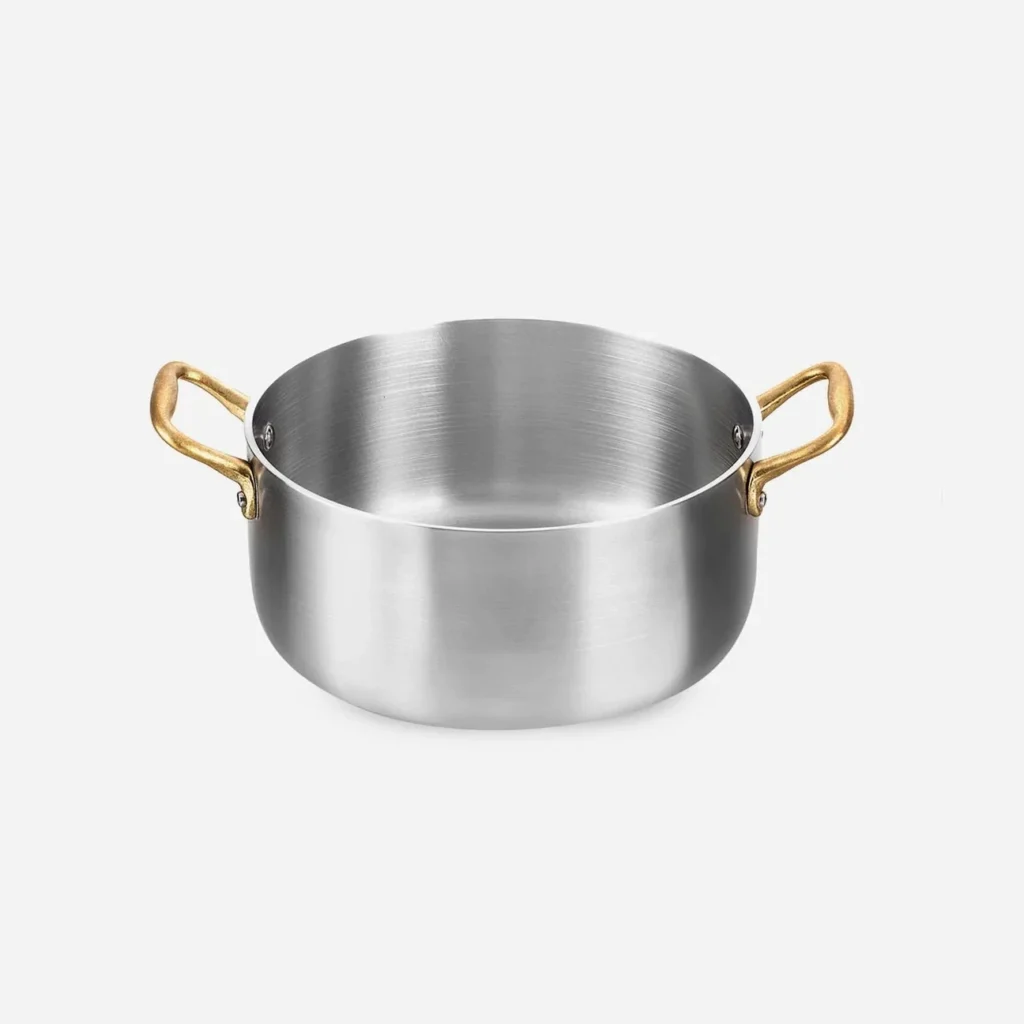
How to manufacture Sheet Metal Saucepan

The Sheet Metal Coffee Pot Manufacturing Machine is a high-precision, automated system designed to produce coffee pots from metal sheets, typically stainless steel or aluminum, with a focus on efficiency, high-quality output, and flexibility. The process combines advanced forming, joining, and finishing technologies to create coffee pots that meet both functional and aesthetic standards.

The system starts with raw metal coils or sheets, which are loaded into the machine. These sheets are then cut into blanks using a laser cutter or turret punch press to match the shape of the coffee pot’s main body, handle, lid, and spout. These components are optimized to reduce material waste while ensuring the proper dimensions for each part.

Once the blanks are cut, the next stage is the deep drawing process. In this process, the metal blanks are placed into a hydraulic press equipped with a specialized die. The press forms the body of the coffee pot by pulling the flat metal into a deep, cylindrical shape. This step may require multiple passes to gradually form the desired shape without compromising the integrity of the material. The depth and form of the body are crucial for the functional aspects, such as volume, durability, and ease of pouring.

After the body is formed, the spout and handle are produced. The spout may be stamped or laser-cut from separate metal sheets, while the handle is formed using a similar drawing or bending technique. The handle often requires additional steps such as flanging or curving to ensure ergonomic comfort and secure attachment.

In parallel with the body, the lid is created. Depending on the design, it can be formed from a sheet metal blank and shaped through spinning or die pressing. Some designs include additional features like a knob or a vent hole, which are either molded or stamped into the lid.

Once the parts are formed, the next crucial process is welding or joining. For the two-piece coffee pots, the seam where the body meets the base is welded—typically using laser welding or MIG welding—to ensure a strong, seamless bond. The handle and spout are also attached via welding or riveting, depending on the specific design. Robotic arms equipped with vision systems check each weld and attachment point for accuracy and strength, ensuring that no part is weak or improperly attached.

The finishing phase involves several steps. First, the parts are sent through an ultrasonic cleaning or acid bath to remove any oils, dirt, or residue left from the manufacturing process. The parts are then polished, either manually or automatically, to achieve the desired surface finish—whether it’s a brushed, matte, or high-gloss appearance. In some cases, electro-polishing or passivation is used to improve corrosion resistance, especially for stainless steel coffee pots.

After polishing, some coffee pots are sent through plating or coating processes. This could include a chrome plating or PVD (Physical Vapor Deposition) process, adding both aesthetic appeal and durability to the surface. The coating also provides protection against rust or tarnishing over time.

Once the parts are properly cleaned and finished, they are assembled. Automated assembly lines use robotic arms to attach the handle, spout, and lid to the main body of the coffee pot. For designs that require a lid attachment via screws or rivets, the machine automatically places these fasteners with the correct torque to ensure proper fitment. In high-end models, customized engraving or logo application can be performed during the assembly stage, allowing for branding or product differentiation.

A final quality check is carried out using vision systems that inspect the coffee pot for any defects in the welds, coatings, or overall finish. The machines check for alignment, smoothness, and functionality, making sure the lid fits securely, the handle is properly positioned, and the spout is defect-free.

Once the coffee pots pass inspection, they move into packaging. The pots are individually wrapped or placed into specially designed foam inserts for safe transport. The packaging process is automated, with robots managing the placement of each unit into boxes, which are then labeled and sealed for shipment.

The entire production line is highly automated, with minimal human intervention required outside of supervision and maintenance. The use of robotic arms, machine learning algorithms, and sensors allows for precise control over every aspect of the process, from metal sheet handling to final assembly. Additionally, the system features real-time monitoring for efficiency optimization, with predictive maintenance ensuring that downtime is minimized.

For increased efficiency, the manufacturing cell is designed to handle both high-volume orders and custom or small-batch runs, ensuring flexibility in meeting different market needs. With modular tooling systems, manufacturers can quickly switch between different sizes or designs of coffee pots, enabling short changeover times and reduced production costs.

The key benefits of a fully automated sheet metal coffee pot manufacturing machine are high consistency, reduced material waste, quick changeovers, and low operational costs. As demand for customized or premium coffee pots grows, this technology can quickly adapt to produce specialized versions, meeting the needs of both mass-market and boutique consumers.

The coffee pot manufacturing system is designed to optimize each phase of production with precision and speed. Raw materials are efficiently sourced and fed into automated stock feeders, which ensure that there’s minimal downtime between production runs. The system’s robotic arms quickly and accurately position the metal sheets in cutting and forming stations, reducing handling time and ensuring consistent alignment. Once the metal blanks are formed into the desired body, spout, and handle shapes, the assembly process becomes highly streamlined. Robots not only assemble the parts but also apply precise torques for screws and rivets, ensuring that every coffee pot meets the specified strength and durability standards.

Additionally, real-time data analytics play a pivotal role in the system’s performance. Sensors embedded throughout the machinery track variables like press pressure, temperature, and even air quality in the production area. These insights are transmitted to a central database, where machine learning algorithms continuously optimize operations. If a particular part or machine is showing a slight deviation from its typical performance, the system can automatically adjust parameters to compensate, minimizing waste and maximizing throughput.

The laser welding systems used in this process are capable of producing extremely fine seams, reducing the need for additional finishing steps. This not only improves the product’s appearance but also its functionality, ensuring that each pot has a tight seal that will prevent leaks or defects. Furthermore, welding inspections are made more efficient using visual inspection systems equipped with high-definition cameras that can detect even the smallest imperfections. These inspections happen automatically in the background, ensuring that faulty products are flagged before reaching the final packaging stage.

The entire workflow is designed for minimal human intervention, with most tasks managed by robots and automated systems. This makes it possible to achieve high-volume production without sacrificing consistency or quality. This automation allows human workers to focus on more critical tasks such as monitoring the process, maintaining machines, and handling special orders or customizations. In case of a machine failure or an unexpected event, predictive maintenance systems based on AI help identify potential issues before they cause significant disruptions. This system ensures that replacement parts or repairs are proactively scheduled, avoiding costly downtime.

The sustainability aspect of the production line is another key benefit. The factory’s waste streams—scrap metal from cutting, off-cuts from forming, and other byproducts—are efficiently recycled back into the production cycle. Instead of discarding waste, the system allows for the reuse of materials, minimizing the environmental impact. The energy consumption of the entire line is also optimized using smart controls that adjust for energy use based on production demands, which can help reduce operating costs and make the production process more environmentally friendly.

For manufacturers, flexibility in production is also a crucial aspect of the system. Thanks to modular tooling, the same production line can be easily reconfigured to produce different types or sizes of coffee pots, allowing manufacturers to cater to varying customer preferences or limited-edition runs. Whether it’s a larger pot for family use or a sleek, smaller pot for specialty coffees, the system adapts with minimal downtime, maximizing the return on investment for manufacturers.

Packaging is automated and happens seamlessly at the end of the production line. The system uses robotic pick-and-place mechanisms to carefully place the coffee pots into their protective packaging. The packaging itself is designed to ensure the product arrives in perfect condition, with each pot securely housed in foam inserts that prevent movement during transportation. Labels are applied by machines that scan each unit’s bar code and generate specific shipping labels, ensuring that each product is tracked and properly documented.

The overall production cycle, from raw material intake to packaged product ready for shipment, is tightly controlled, with sophisticated scheduling software ensuring that customer orders are fulfilled in a timely manner. This software integrates with the factory floor, providing live updates on inventory levels, production status, and delivery timelines. The system can prioritize orders based on deadlines, ensuring that customers receive their products quickly, even during peak demand times.

As for market adaptability, the system is flexible enough to support the customization of products, which is increasingly important in today’s market. Consumers often seek unique designs or personalized products, and the coffee pot manufacturing machine can quickly pivot to accommodate these trends. Whether it’s engraving a name, adding a logo, or changing the finish to suit specific consumer preferences, the system can handle small customizations without disrupting mass production flows. This helps manufacturers maintain a competitive edge in the market by offering both high-quality standard products and personalized items.

At the end of the day, the fully automated coffee pot manufacturing line delivers an unparalleled level of efficiency, flexibility, and quality. Manufacturers are able to produce high volumes of coffee pots with minimal human intervention, lower costs, and better control over quality. Whether creating classic designs or accommodating niche customer preferences, the system can adapt to meet evolving market demands while maintaining strict standards for product quality and durability. The integration of predictive analytics, smart automation, and sustainability practices makes this manufacturing approach not only efficient but also forward-thinking, positioning manufacturers to stay competitive in a rapidly changing marketplace.

The continued evolution of coffee pot manufacturing will see even greater advancements in both the technological and market-driven aspects of the production process. With smart manufacturing technologies continuing to gain traction, manufacturers will integrate more advanced IoT (Internet of Things) devices into every stage of production. These devices will allow for the collection of more granular data from the machines, such as real-time machine health reports, operational status, and environmental factors like temperature and humidity. This data will help identify potential areas of improvement in the process, giving manufacturers the ability to make instant decisions to enhance productivity.

Another area of technological innovation is the integration of augmented reality (AR) for the maintenance and operation of the machines. Technicians on the factory floor may wear AR glasses that provide step-by-step guidance for maintenance tasks, highlighting specific components that need attention and showing the proper procedures. This could help reduce training time for new employees and increase the efficiency of on-site repairs, making it easier to maintain continuous production without delays.

The manufacturing of coffee pots will also benefit from further innovations in robotics. For instance, collaborative robots (cobots) are becoming increasingly common in factory settings, as they work alongside human operators rather than replacing them entirely. These cobots can assist with tasks that require precision but may be too delicate for automated systems, such as fine-tuning the attachment of handles or lids, or performing final quality checks. Cobots can adapt to a variety of tasks, making them incredibly flexible and able to handle diverse workflows across different production batches.

In terms of material science, the development of new, advanced alloys could lead to coffee pots that are even more durable, lighter, and resistant to corrosion. Manufacturers might explore the use of titanium or high-grade stainless steel for premium products, which would increase the product’s lifespan and performance. Additionally, sustainable materials such as recycled metal sheets or biodegradable coatings could become more widespread as environmental concerns continue to grow. By sourcing raw materials that have a lower environmental impact, coffee pot manufacturers could reduce their carbon footprint and appeal to the growing market of eco-conscious consumers.

The personalization trend will only continue to grow as consumer preferences shift towards more individualized products. As part of this, manufacturers might introduce on-demand manufacturing for highly customized coffee pots, where customers can design their own products online before ordering. By leveraging 3D printing technology, manufacturers could create limited-edition models, intricate custom designs, or unique finishes that are tailored to each consumer’s specifications. The ability to offer this level of customization could help attract a segment of customers willing to pay a premium for a truly unique coffee pot.

Moreover, the shift towards sustainable business practices will necessitate the adoption of more energy-efficient systems across production facilities. From the machinery that cuts, forms, and assembles to the energy used in finishing processes like electroplating or polishing, manufacturers will need to make efforts to reduce energy consumption. More solar-powered or wind-powered manufacturing facilities could emerge, which would dramatically cut down on energy-related costs and environmental impacts. Moreover, reducing the carbon footprint of each coffee pot produced could provide companies with a marketing advantage, appealing to consumers who prioritize eco-friendly products.

As globalization continues to shape the supply chain dynamics, coffee pot manufacturers will be tasked with optimizing their production lines to meet demand across diverse international markets. This will require maintaining high standards for regulatory compliance in various regions, including food safety regulations for products that come into direct contact with liquid. For instance, different countries may have varying standards for metal safety or environmental compliance. Manufacturers may need to tailor their processes to meet these different regulations without sacrificing efficiency.

In addition, the global marketplace will present new opportunities for manufacturers to introduce their products to emerging markets, where demand for premium or specialty products like high-end coffee pots is growing. For instance, the growing coffee culture in regions such as Southeast Asia, Africa, and South America could lead to increased demand for specialty coffee-making products. Manufacturers that are able to adapt their production lines to meet the preferences of these new markets will find a wealth of opportunities to expand their reach.

At the consumer level, manufacturers can expect increased demand for smart coffee pots, potentially integrating features such as temperature control, built-in timers, or even smartphone connectivity for controlling the brewing process remotely. This could be an extension of the trend toward smart kitchen appliances, where consumers are looking for devices that offer greater convenience, precision, and control over their cooking or brewing experience.

The process of innovation in design will also be integral in maintaining market interest. Companies will focus on producing coffee pots that are aesthetically appealing as well as functional. With consumer attention increasingly turning to interior design, manufacturers might create coffee pots that seamlessly fit into modern, high-tech kitchens with sleek, minimalist designs. These coffee pots may incorporate ergonomic handles, drip-free spouts, or thermal insulation to enhance their usability.

Ultimately, the coffee pot manufacturing industry will continue to evolve towards a model that emphasizes both technological sophistication and consumer-centric design. The blending of automation, sustainable practices, and high-quality materials will define the future of production. The ability to meet the demand for both functional, everyday products and high-end, customizable designs will ensure that manufacturers stay competitive in a fast-paced, evolving marketplace. This progression will not only improve the coffee pot manufacturing process itself but also open up new avenues for creativity and customer engagement, which will drive success in the years to come.

As the coffee pot manufacturing industry continues to advance, integration with other kitchen technologies will become more prevalent. The idea of creating multi-functional or hybrid appliances that combine a coffee pot with other kitchen tools—such as a coffee grinder, coffee maker, or even a milk frother—could revolutionize the way consumers interact with these products. This trend towards convergence of kitchen appliances may also lead manufacturers to innovate in terms of connectivity, allowing coffee pots to interact with other smart home devices. For example, a coffee pot could sync with a smart thermostat to ensure that the water is heated to the perfect temperature, or it could be controlled by voice commands via an AI assistant like Amazon Alexa or Google Assistant.

The increased use of advanced robotics in the production process will likely result in even faster, more cost-effective manufacturing. Robots capable of performing delicate operations such as metal polishing, finishing, or even decorating could add a new layer of customization to the coffee pots while maintaining speed and precision. For example, robotic arm-guided polishing tools could be equipped with artificial intelligence that learns and adapts to different materials, ensuring each coffee pot achieves the desired shine and texture. Likewise, robotic painters could provide a uniform coating of paint or lacquer, offering more control over the finish without the risk of human error.

At the same time, quality control will continue to evolve. As artificial intelligence and machine vision systems become more sophisticated, they will be able to perform real-time inspections with higher precision. These systems can identify even the smallest imperfections, such as slight dents, scratches, or misalignments, and can make corrective decisions on the spot. This level of inspection will significantly reduce defects and returns, helping manufacturers maintain high standards of quality while keeping production costs low.

Customization software for consumers may also be part of the future. Imagine a platform where users can design their own coffee pot—choosing materials, colors, finishes, handle styles, and even engraving options—all through an intuitive online interface. The software could provide a real-time 3D model of the final product, allowing customers to visualize their designs before placing an order. After a design is finalized, the manufacturing system can automatically generate the necessary tooling and adjust the production line to accommodate the custom specifications.

Another direction for the coffee pot manufacturing industry is the emphasis on upcycling and circular economy principles. Instead of relying solely on new raw materials, manufacturers may begin sourcing more of their metal from recycled products, reducing reliance on mining and lowering production costs. By adopting a circular approach, manufacturers could recycle old coffee pots or scrap metal into new products, minimizing waste and increasing sustainability.

The ability to provide bespoke manufacturing solutions will also gain traction. Coffee pot manufacturers might offer services to design and produce one-of-a-kind pieces for luxury markets or specialty collections. This could appeal to boutique coffee shops, high-end hotels, or discerning consumers looking for a unique item. These custom products could be sold at premium prices and potentially feature artisan hand-finishing elements that make each coffee pot a work of art.

The future of coffee pot manufacturing will also see a shift towards smarter supply chains. With blockchain technology, manufacturers will be able to track every component of a coffee pot’s lifecycle—from the sourcing of raw materials to the final product being shipped to customers. This could provide transparency and traceability in the supply chain, which would be especially valuable for environmentally conscious consumers who want to know where the materials come from and how they’re processed. Additionally, it could help manufacturers ensure that they are complying with ethical sourcing standards and maintaining sustainability in every part of their supply chain.

As consumer expectations continue to rise, the demand for premium finishes and unique features will also increase. The ability to customize elements like handles, spouts, or lids through advanced 3D metal printing will allow manufacturers to offer a wide range of designs. These 3D printers can create intricate patterns, textures, and forms that would be impossible to achieve with traditional forming methods. Such features will allow for the creation of coffee pots that are not only functional but also visually striking, appealing to consumers who appreciate design as much as performance.

The environmental impact of manufacturing processes will remain a significant concern. Manufacturers may look to reduce water usage in cleaning processes or implement water-based finishes instead of chemical-based coatings. Additionally, there may be a greater emphasis on modular design, where coffee pots are constructed in a way that parts can be easily replaced or upgraded, further contributing to the product’s longevity. Instead of discarding an entire coffee pot once it has worn out, consumers could replace individual components, extending the product’s lifecycle and reducing waste.

On the production side, lean manufacturing principles will be more widely adopted, further optimizing the production process. This could involve more efficient use of materials, reduced lead times, and continuous improvement cycles. Manufacturers will likely continue to refine their processes using methodologies like Six Sigma or Kaizen to eliminate waste, improve efficiency, and maintain the highest standards of quality.

In terms of global market expansion, the Asia-Pacific region is expected to be a key growth area, with rising incomes and a growing coffee culture. Manufacturers that can tailor their coffee pots to meet regional preferences—whether through size, design, or features—will be well-positioned to tap into these emerging markets. Additionally, localization of production might become a strategy for companies aiming to reduce shipping costs and adapt products to local tastes, which could involve setting up manufacturing facilities in key regions or partnering with local suppliers.

As these developments unfold, the coffee pot manufacturing industry will continue to evolve, balancing innovation, sustainability, and consumer demand. The ability to adapt to technological changes, respond to market needs, and maintain high standards of production will be the key to success in the future. As automation, digitalization, and sustainability continue to drive innovation, manufacturers will remain agile, ready to meet new challenges and create coffee pots that appeal to a more sophisticated, eco-conscious consumer base.

Sheet Metal Tea Pot Manufacturing Machine

The Sheet Metal Tea Pot Manufacturing Machine is a specialized, automated system designed to efficiently produce high-quality tea pots from sheet metal. The process involves several stages, combining advanced technology in cutting, forming, welding, finishing, and assembling to create functional, durable, and aesthetically appealing tea pots. This system integrates precision engineering and automation to achieve high production speeds while ensuring consistent product quality.

The production begins with raw sheet metal coils or sheets, often made from stainless steel or aluminum, which are selected for their durability, resistance to corrosion, and aesthetic qualities. The metal sheets are initially cut into blanks—flat, predetermined shapes—using laser cutting, plasma cutting, or turbine punch presses. This cutting process ensures that the metal sheets are shaped with precision and minimal waste, helping reduce overall production costs.

Next, the deep drawing process takes place, where the metal blanks are placed into hydraulic presses with specialized dies. The press uses high-pressure forces to shape the metal into the body of the tea pot, which is typically a cylindrical or ovoid shape. This is done by drawing the metal into a deep cavity, forming the pot’s main structure while preserving the material’s integrity. Multiple passes may be required, especially for intricate designs, to create smooth curves and even walls without causing tears or deformations.

After forming the body, the spout and handle are manufactured. The spout may be stamped from a separate metal sheet or extruded into shape. The handle is often formed using bending or casting techniques, followed by welding or riveting to secure it firmly to the body of the tea pot. The handle must be carefully designed for comfort, ergonomics, and strength, as it will be subject to frequent handling during use.

Once the main components are shaped, welding is employed to join the pieces together. The body, spout, and handle are typically welded using MIG welding or laser welding, ensuring strong, precise, and seamless joints. For higher-quality products, robotic welding arms are used, enabling high-speed, high-accuracy welding that minimizes human error and ensures uniformity.

After the parts are welded, they undergo a series of cleaning and finishing steps. The welded joints may be smoothed and polished to remove any rough edges, ensuring that the tea pot’s surface is smooth and free of sharp points that could cause injury or affect the product’s aesthetic. Some tea pots undergo electro-polishing or passivation to enhance corrosion resistance, particularly for products made of stainless steel, ensuring they can withstand long-term exposure to hot water and frequent handling.

The next step is typically surface coating. Depending on the design requirements, the tea pot may undergo painting, electroplating, or powder coating to achieve a desired look, be it a matte, glossy, or metallic finish. The coating not only adds aesthetic appeal but also increases the pot’s resistance to rust, stains, and scratching. Automated spray systems or robotic arms can apply the coating evenly and efficiently.

For some tea pots, additional features such as engraving, branding, or decorative elements may be added at this stage. This can include laser engraving or heat stamping to apply logos, designs, or patterns onto the surface of the tea pot, adding a personal touch or branding.

Once the pot is finished, the machine moves on to the final assembly stage. This involves placing the lid (which may have been separately formed and shaped) onto the body, ensuring it fits securely and operates smoothly. In cases where the lid needs a handle or a mechanism for easy removal, these components are attached using automated tools. The spout and handle are double-checked for proper attachment and orientation to ensure they provide optimal usability.

Final quality checks are conducted using automated inspection systems such as machine vision or robotic inspection arms equipped with high-resolution cameras. These systems scan the tea pot for defects like surface scratches, misshaped handles, poorly welded seams, or incorrect sizing. Any units that fail these inspections are removed from the production line for rework or disposal.

After the tea pot passes inspection, it is ready for packaging. The packaging process is often fully automated, with robotic systems handling the placement of each tea pot into protective foam or cardboard packaging to ensure safe transit. The packaging is designed not only to protect the product but also to enhance the consumer’s unboxing experience. Each box is labeled with relevant product information, and shipping labels are applied for tracking purposes.

The entire production process is controlled by a central manufacturing execution system (MES), which monitors each stage of production, tracks inventory, and schedules tasks to optimize efficiency. The MES integrates with other systems, including enterprise resource planning (ERP), for smooth coordination between procurement, production, and sales. The system can also provide valuable data on machine performance, material usage, and labor efficiency, allowing for continuous process improvements.

The machine’s design is modular, allowing for quick changeovers between different tea pot models or sizes. This flexibility is ideal for manufacturers that need to meet the demands of both large-scale production runs and smaller, custom orders. Some systems are equipped with robotic arms that can quickly adapt to handle different types of handles, spouts, or lids, depending on the product design. This means that manufacturers can easily switch between different styles, shapes, or even materials without requiring significant downtime.

The overall benefits of a Sheet Metal Tea Pot Manufacturing Machine include increased production efficiency, consistent product quality, and reduced operational costs. Automated processes lead to lower labor costs and fewer human errors, while real-time monitoring and quality control systems ensure that every product meets the required standards. Additionally, the ability to adapt quickly to customer needs, whether for mass-produced standard tea pots or unique, customized items, positions manufacturers to stay competitive in an evolving market.

In the future, advanced technologies like artificial intelligence (AI) and machine learning (ML) could be integrated into the system to predict maintenance needs, further optimize production schedules, and improve the design of the tea pots based on customer feedback and trends. These innovations would allow manufacturers to remain agile and responsive to changing consumer preferences, improving both production efficiency and product quality.

This manufacturing system not only helps produce high-quality tea pots but also ensures that manufacturers can meet the demand for aesthetic variety, sustainability, and functional innovation in the growing tea pot market. By offering efficient production capabilities, flexibility, and enhanced product quality, manufacturers can maintain a competitive edge in both traditional and emerging markets.

The future of sheet metal tea pot manufacturing will likely involve even more sophisticated technological integration to streamline processes and enhance the product’s overall quality. Smart manufacturing technologies, such as real-time data analytics and machine learning, will play a pivotal role in optimizing production. These technologies will allow manufacturers to monitor every step of the process, from raw material handling to the final assembly. The use of sensors and IoT-connected devices will provide continuous feedback on equipment performance, helping predict and prevent potential malfunctions or maintenance needs. By detecting anomalies early, manufacturers can reduce downtime and improve overall efficiency.

In terms of robotics, we can expect more advanced robotic systems that can autonomously perform tasks like handling delicate components or applying the final coating. Collaborative robots (cobots), which work alongside human operators, will be more common in factories. These robots will be tasked with intricate operations such as assembling small parts, attaching handles, or precise quality inspections. Their versatility and ability to operate safely around humans make them an ideal choice for increasing production capacity without compromising on quality.

On the material side, advances in metal alloys and composite materials could lead to lighter, more durable tea pots with improved performance. For example, the integration of titanium or aluminum alloys could result in a product that is both stronger and more heat-resistant, enhancing the longevity of the tea pot. Additionally, new eco-friendly materials may be adopted as sustainability becomes an even bigger concern in manufacturing. The use of recycled metals or biodegradable coatings could significantly reduce the environmental footprint of the production process, appealing to eco-conscious consumers.

Customization will also become more prominent in the tea pot market. Consumers will increasingly demand personalized, unique products, and advancements in digital manufacturing will allow manufacturers to meet this need. The use of 3D printing technology for creating intricate parts or customized designs will enable manufacturers to produce limited-edition runs or one-of-a-kind pieces tailored to individual customer preferences. Through online platforms, consumers could choose various features such as color, handle style, engraving, or even unique shapes, which would then be manufactured on demand.

At the same time, energy efficiency will remain a critical factor. As energy costs rise, manufacturers will continue to look for ways to reduce energy consumption throughout the production process. Using more energy-efficient machines, solar-powered manufacturing facilities, or sustainable energy sources could lead to cost savings while minimizing the carbon footprint of the tea pot production line. These steps will not only help reduce operational costs but will also align with the growing demand for sustainable products.

Global supply chains will also evolve, especially in light of changing trade dynamics. Manufacturers will look to optimize supply chain management, sourcing materials more locally to reduce lead times and shipping costs. The ability to quickly adapt to local market demands and regional preferences will become increasingly important as manufacturers seek to expand into new international markets. Localized production and assembly might also become more common, enabling manufacturers to produce products closer to the end consumers, which could improve flexibility and reduce time to market.

Artificial intelligence and machine vision systems will continue to revolutionize the quality control process. AI-driven systems will be able to inspect and identify imperfections or deviations from product specifications with high accuracy, far beyond the capabilities of human inspectors. These systems will use advanced algorithms to analyze data from each production stage and flag any defects in real-time, allowing for immediate corrective actions. This will ensure that every tea pot meets the highest quality standards, reducing the rate of defects and returns.

Another significant trend will be the shift towards direct-to-consumer models, facilitated by e-commerce platforms. Manufacturers could set up their own online stores or partner with online marketplaces to sell directly to consumers. This direct relationship allows for better customer engagement, faster feedback loops, and more targeted marketing efforts. Additionally, direct sales could enable manufacturers to reduce the dependency on traditional retail channels, providing them with more control over pricing, distribution, and customer service.

The future of tea pot design will also be influenced by consumer trends in aesthetics and functionality. Tea pots will become more than just tools for brewing; they will be part of a larger kitchen ecosystem. Manufacturers will need to consider how their products fit into modern kitchen environments that prioritize minimalist designs and space-saving features. Tea pots may integrate features like adjustable spouts for precise pouring or temperature control systems that allow users to heat water to the ideal temperature for different types of tea.

Overall, the tea pot manufacturing industry will evolve to meet the increasing demand for efficiency, quality, personalization, and sustainability. Technological advancements, such as AI-driven design, automated production lines, and smart materials, will reshape how tea pots are made, leading to faster production cycles, better products, and a more sustainable manufacturing environment. As consumers continue to seek out products that offer convenience, personalization, and style, manufacturers will need to remain agile, using innovation to stay ahead of the competition.

As tea pot manufacturing evolves, sustainability will remain a major focus, not just in terms of the materials used but also in the overall impact of the production process. The demand for eco-friendly products is expected to increase, and manufacturers will need to align with consumer preferences for environmentally responsible practices. This includes not only the use of recycled or renewable materials, such as recycled steel or plant-based coatings, but also the implementation of closed-loop systems within manufacturing plants. These systems would allow for the reuse of scrap metal and waste by-products, contributing to a circular economy model. By keeping materials in circulation, manufacturers can reduce the amount of waste sent to landfills and minimize the environmental impact of their operations.

The energy-efficient manufacturing process will also become more advanced, with a greater focus on reducing carbon emissions and overall energy consumption. The integration of renewable energy sources, such as solar panels or wind turbines, into production facilities could significantly decrease the industry’s reliance on fossil fuels. Additionally, manufacturers could implement energy-saving technologies like high-efficiency motors or heat recovery systems, which capture and reuse waste heat generated during production. These innovations will not only help reduce operational costs but will also meet the increasing demand for sustainable and carbon-neutral products.

Smart manufacturing systems powered by the Internet of Things (IoT) will provide real-time data on every aspect of production. Sensors embedded in machinery, tools, and production lines will monitor everything from temperature control to material flow to machine performance. This data will be analyzed to identify inefficiencies, prevent machine breakdowns, and optimize the overall production process. Predictive maintenance tools will be increasingly used to anticipate equipment failures before they occur, minimizing downtime and ensuring that production continues smoothly and without interruptions.

The future of tea pot design will also embrace user experience (UX) as a driving force in both aesthetics and functionality. As technology continues to advance, manufacturers will likely integrate features that enhance the consumer experience beyond traditional function. For instance, smart tea pots equipped with sensors could adjust the water temperature automatically based on the type of tea being brewed, or they could connect to a smartphone app to provide brewing instructions, track tea consumption, or even sync with a home assistant like Alexa or Google Assistant. This level of interactivity would elevate the traditional tea pot to a multi-functional, tech-savvy appliance that meets the needs of modern consumers.

Additionally, the ergonomics of tea pot design will become a more significant consideration. As consumers look for more comfortable and functional kitchen tools, the tea pot will likely feature innovative handle designs that enhance the user’s grip and minimize strain, especially for those who might experience discomfort when handling traditional models. The spout could be designed for more precise pouring, ensuring that the tea flows smoothly without dripping or splashing.

The push for greater product personalization will also drive innovation in both design and manufacturing processes. Manufacturers may increasingly offer customizable options, where consumers can choose the material, finish, engraving, and even shape of their tea pot. Technologies like 3D printing or laser engraving will allow for an increased level of detail in these customizations, allowing for personalized patterns, monogrammed designs, or even limited-edition collections. These innovations in personalization will enable consumers to create tea pots that reflect their personal tastes or serve as unique gifts for special occasions.

As the market for tea pots expands globally, manufacturers will need to adapt to regional preferences and cultural trends. For instance, while Asian markets may continue to favor traditional cast iron or porcelain tea pots, Western markets might embrace more modern designs made of stainless steel or aluminum, and incorporate contemporary features like temperature controls or integrated tea infusers. Manufacturers will need to tailor their products to different markets by offering variety in style and functionality, while maintaining consistent quality and craftsmanship across their entire product line.

Automation and artificial intelligence will drive further innovation in manufacturing processes. Advanced AI algorithms will help with designing tea pot prototypes, allowing manufacturers to test and iterate designs more rapidly before moving to production. AI could also be used to predict consumer trends, ensuring that the next wave of tea pot designs is always in line with what consumers want. Robotics will continue to evolve, becoming more dexterous and capable of performing delicate tasks like polishing, engraving, or attaching small parts with increasing speed and precision. These technologies will also reduce the reliance on human labor for repetitive or physically demanding tasks, allowing workers to focus on more complex and creative tasks.

With the rise of smart home integration, manufacturers may also explore opportunities to design tea pots that seamlessly integrate with other kitchen gadgets. For example, a tea pot could be designed to work with an existing smart kitchen system, adjusting water temperature based on pre-programmed settings or sending a notification to a mobile device when the tea is ready. This added layer of connectivity would enhance the product’s appeal to tech-savvy consumers who already use smart appliances like smart refrigerators or smart ovens.

The future of sheet metal tea pot manufacturing will focus on striking a balance between cutting-edge technology and timeless design. While automation, smart technology, and customization will lead the way in production, the product itself will need to preserve the traditional values of craftsmanship, style, and usability. This combination of innovation and heritage will ensure that tea pot manufacturing continues to meet the evolving demands of a global and increasingly sophisticated market, positioning the industry for success in the coming years. As trends shift and consumer preferences evolve, manufacturers who remain adaptable, innovative, and sustainable will have a distinct advantage in the competitive landscape.

As the industry moves forward, collaborations with designers and creative professionals will become increasingly important in distinguishing brands and products. By partnering with renowned industrial designers or artists, manufacturers can create tea pots that are not just functional but also visually appealing and uniquely crafted. These partnerships can result in limited-edition collections or designer lines that attract premium customers who are looking for a piece of art in addition to a functional product. Collaborations like these also offer manufacturers the chance to expand their brand presence in luxury markets and develop a niche for high-end, bespoke items.

Moreover, sustainability practices will extend beyond the materials used in production. Manufacturers will likely place a greater emphasis on reducing the carbon footprint across the entire supply chain. This includes sourcing materials from sustainable suppliers, reducing transportation emissions, and designing products that are easier to recycle at the end of their lifecycle. Manufacturers might adopt cradle-to-cradle principles, where the tea pot can be fully recycled, disassembled, and reused, ensuring that there is no waste in the production and consumption process. The future design of tea pots could incorporate modular elements that allow for parts to be replaced or upgraded, extending the lifespan of the product and reducing the need for consumers to buy entirely new pots.

Modular design in tea pots will allow consumers to mix and match different components, such as the lid, handle, and spout, offering customization without the need for entirely new products. This approach can significantly reduce waste, as consumers would only need to replace parts instead of entire units. Furthermore, modularity can help manufacturers cater to evolving consumer tastes, enabling them to create diverse styles and variations using the same core components, thus improving production efficiency while offering a high degree of personalization.

As more consumers turn to online shopping, the packaging of tea pots will take on greater importance. Not only does the packaging need to protect the product during shipping, but it also becomes a significant part of the consumer’s unboxing experience. Eco-friendly packaging will become the standard, with manufacturers using recyclable or biodegradable materials instead of plastic or other non-sustainable options. The rise of minimalist packaging could also make products more attractive, with sleek, simple designs that highlight the quality of the product itself. Manufacturers may even include interactive elements in the packaging, such as QR codes that link to online resources, videos, or guides about the tea pot’s origins, use, or care instructions.

One of the key drivers for future innovation in tea pot manufacturing will be consumer-driven feedback loops. With the growing influence of social media and online reviews, manufacturers will be able to gather direct feedback from their customer base on design preferences, material choices, and functionality. This real-time data will provide manufacturers with insights into what features or styles are resonating with consumers, allowing them to adjust designs rapidly. Additionally, crowdsourcing could become a more common practice, with manufacturers turning to consumer polls or design competitions to help create new product lines. This ensures that tea pots reflect the current market demand and appeal to a wide range of customers.

As the global tea-drinking culture continues to grow, especially in regions like North America, Europe, and Asia, manufacturers will be able to capitalize on emerging trends in tea consumption. With the increasing popularity of specialty teas such as herbal blends, green teas, and matcha, tea pots will likely evolve to accommodate these different types of brews. For example, matcha tea pots may feature specialized designs that make it easier to whisk the powder into hot water, while herbal tea infusers could be integrated directly into the pot for ease of brewing. As new consumer preferences emerge, manufacturers will need to stay agile in developing products that enhance the tea-drinking experience.

At the same time, globalization will continue to influence tea pot designs. Cross-cultural influences could result in unique hybrid designs that blend traditional elements with modern aesthetics. For example, a tea pot might combine Asian-inspired elements such as ceramic finishes or traditional shapes with Western functionality, such as built-in temperature control systems or integrated smart features. These hybrid designs will appeal to a diverse audience and help manufacturers stand out in a competitive marketplace.

The digitalization of the manufacturing process will likely continue to evolve. 3D printing could play a role in both prototype development and small-batch production of highly specialized or customized tea pots. Manufacturers might use 3D printing to create complex components or prototype designs before moving to mass production, significantly reducing costs and production times for new models. As additive manufacturing technology advances, it could even be used to produce entire tea pots, enabling manufacturers to create intricate and customizable designs without the constraints of traditional manufacturing techniques.

The integration of AI in the design process will also allow for more personalized and adaptive tea pots. AI algorithms could analyze consumer behavior, purchasing trends, and even social media interactions to forecast which features will appeal to the market, helping manufacturers create products that are more aligned with consumer desires. This data-driven approach will ensure that new tea pots are not only stylish but also meet the functional needs of a broad spectrum of customers.

As tea pot manufacturing becomes more advanced, the industry will likely experience increased collaboration between various sectors, including technology companies, design firms, and material science experts. Such cross-disciplinary collaboration will lead to new innovations in both design and production. For example, the development of smart tea pots that can adjust brewing conditions based on the type of tea could involve partnerships with software developers and AI specialists to integrate machine learning and IoT capabilities. Similarly, material scientists might develop new alloys or coatings that enhance the durability and functionality of tea pots, ensuring that they can stand up to the heat and wear of daily use.

Automation in the form of robotic arms, conveyor belts, and AI-powered quality control systems will continue to play an essential role in maintaining high efficiency and reducing production costs. These technologies will allow tea pot manufacturers to scale production quickly, maintain consistency in product quality, and meet the growing demands of the global market. As these automated systems improve, the cost of production will decrease, leading to more affordable prices for consumers without sacrificing the quality of the product.

In conclusion, the future of tea pot manufacturing will be shaped by advancements in technology, sustainability, and consumer-driven trends. Manufacturers will need to adapt to rapidly changing market demands while embracing innovative materials, smart features, and sustainable practices. By staying ahead of technological trends and offering products that are both functional and aesthetically appealing, tea pot manufacturers will ensure their place in the market for years to come. The future holds exciting possibilities for the evolution of tea pot design and manufacturing, blending traditional craftsmanship with modern innovation to create products that satisfy the needs of a new generation of tea enthusiasts.

As tea pot manufacturing continues to evolve, manufacturers will also need to address emerging challenges in the global supply chain. Factors such as fluctuating material costs, political instability, and supply chain disruptions (such as those experienced during the COVID-19 pandemic) could impact the availability of raw materials or increase production costs. To mitigate these risks, manufacturers will need to explore alternative sourcing strategies, such as local sourcing of materials, diversifying suppliers, and developing contingency plans for sudden disruptions. This will help manufacturers ensure consistent access to quality materials and maintain reliable production timelines.

The increasing demand for sustainable products will also lead to eco-friendly innovations in packaging and shipping. Beyond recyclable or biodegradable materials, there is likely to be an increased focus on reusable packaging that encourages consumers to reduce waste. For example, manufacturers may introduce reusable cloth bags or wooden boxes for premium tea pot lines, offering consumers an environmentally conscious way to store or gift their tea pots. These packaging solutions not only reduce waste but can also become part of the overall product experience, contributing to a more sustainable and high-quality image for the brand.

With the rise of online shopping and the increasing importance of direct-to-consumer channels, manufacturers will also need to invest in advanced logistics. This includes real-time inventory management systems that provide insights into stock levels, demand forecasting, and automated reordering. Additionally, last-mile delivery solutions will become more important in ensuring that tea pots arrive safely and on time to consumers. To minimize the environmental impact of shipping, manufacturers might explore more sustainable delivery options, such as carbon-neutral shipping services or local distribution hubs that reduce the distance products travel.

Furthermore, the rise of e-commerce will continue to shape the way tea pot brands engage with consumers. Online platforms allow brands to directly interact with their customers, gather feedback, and cultivate a sense of community. By leveraging social media and digital marketing, tea pot manufacturers can build strong brand identities and engage consumers in creative ways. Manufacturers can also tap into the growing trend of influencer marketing, where tea enthusiasts, lifestyle bloggers, or kitchenware influencers promote tea pots through social media posts, tutorials, or product reviews. These partnerships help spread brand awareness and drive consumer interest in specific models or collections.

In addition, augmented reality (AR) and virtual reality (VR) could become more integrated into the purchasing process. Online shoppers could use AR apps to visualize how a particular tea pot would look in their kitchen environment before making a purchase, enhancing the decision-making process. Similarly, VR technology could allow customers to take a virtual tour of the tea pot’s manufacturing process, learning about the craftsmanship, materials, and design decisions that go into making the product. This level of engagement not only adds value to the consumer experience but also fosters a sense of transparency and trust with the brand.

In terms of consumer education, manufacturers will likely invest more in content creation to inform buyers about the importance of quality materials, the best tea brewing techniques, and the proper care for tea pots. Educational resources such as how-to videos, brewing guides, or even virtual tea parties can help consumers feel more connected to the product and improve their overall experience. Manufacturers may also offer tea pot care kits that include tools and cleaning agents to help preserve the longevity and performance of the product.

As manufacturers continue to innovate, the use of artificial intelligence (AI) will expand beyond just production to encompass other areas of the business. For example, AI-powered chatbots could be used on websites and customer service platforms to help answer consumer questions, provide product recommendations, and even assist with troubleshooting or post-purchase support. AI algorithms could also help optimize pricing strategies, dynamically adjusting prices based on demand, competitor pricing, and market conditions.

Customization technology will also take center stage, offering consumers the chance to personalize their tea pots more than ever before. Tools like laser etching, embossing, and digital printing could enable consumers to add custom designs, monograms, or even artwork directly onto their tea pots. This level of personalization will make each product more meaningful to the consumer, offering a higher degree of emotional value alongside functionality. These personalized tea pots could be used for special occasions, such as weddings, anniversaries, or corporate gifts, further expanding the market for tea pots in both domestic and gift-giving sectors.

As a result, quality assurance in tea pot manufacturing will become even more critical. With the increasing complexity of customization, ensuring that each tea pot meets high standards will require advanced quality control systems. The use of machine vision and AI-driven inspection systems will allow for precise monitoring of product quality at every stage of production. This not only reduces human error but also ensures consistency in the final product, especially when producing customized or limited-edition models.

The future of tea pot manufacturing is poised to see a blend of traditional techniques and modern technologies. The continuous advancements in material science, manufacturing automation, and smart technologies will help tea pot manufacturers stay competitive, while the focus on consumer engagement, personalization, and sustainability will ensure that the products resonate with modern consumers.

As consumer expectations shift toward higher quality, more sustainable products with advanced features, tea pot manufacturers must remain agile, responsive, and forward-thinking. Whether through embracing digital innovation, focusing on eco-friendly materials, or exploring new avenues for global distribution, manufacturers who can balance innovation with craftsmanship will continue to thrive in a rapidly evolving market. In the end, tea pots will remain more than just functional objects; they will become an integral part of the tea-drinking experience, combining tradition, modernity, and sustainability to create a product that is both cherished and practical for a new generation of tea enthusiasts.

Sheet Metal Soup Ladle Manufacturing Machine

Sheet Metal Baking Pan Production Machine

Manufacturing a sheet metal soup ladle involves several key steps, from the selection of materials to the final assembly and quality control. These ladles are essential tools in many kitchens and are primarily made from stainless steel or other durable metals that can withstand high temperatures and regular use. A sheet metal soup ladle manufacturing machine will be specifically designed to automate and streamline the process of shaping, forming, and assembling these kitchen tools efficiently.

Materials and Design

  • Material Selection: High-quality stainless steel (SS304, SS316) is commonly used due to its corrosion resistance and durability, which are essential qualities for items like ladles that deal with hot liquids.
  • Ladle Design: The ladle typically consists of a bowl (scoop), a handle, and often a hook or ring at the end of the handle for hanging. The bowl is shaped to ensure it can hold a significant amount of liquid, while the handle is long enough to avoid hand burns during use.

Manufacturing Process

  1. Material Preparation:
    • Sheets of stainless steel or aluminum are cut into large flat pieces or coils.
    • Coiling or Uncoiling Machine: If coils are used, a coiling/uncoiling machine will unwind and flatten the metal sheet to prepare it for forming.
  2. Blanking or Punching:
    • Blanking Press: A punch press machine is used to cut the raw material into circular blanks, which are the base shape for the bowl of the ladle.
    • This process involves using a die and punch system to ensure precise size and uniformity of each metal disc that will form the ladle bowl.
  3. Forming and Shaping:
    • Deep Drawing Press: The blank is then placed into a deep drawing press to form the bowl shape. The machine uses a die to push the metal into a mold, forming the concave shape of the ladle bowl.
    • Multiple passes through the drawing process may be required to achieve the final depth and contour.
    • Trimming and Edging: After forming, the edges of the ladle bowl are trimmed to ensure smoothness and eliminate any excess metal. This is typically done with a trimming press.
  4. Handle Fabrication:
    • Handle Production: Handles are often produced from separate metal strips or tubes, which are cut, bent, and shaped to the appropriate length. The handle may also be rolled to ensure ergonomic grip and strength.
    • Bending Press: A bending press or tube bending machine is used to shape the handle, often forming a slightly curved or straight design depending on the required style of the ladle.
    • Welding or Fastening: The handle is then welded or riveted to the bowl using an automatic arc welding machine or spot welding system. Precision welding ensures that the handle is securely attached to the ladle bowl without compromising the structure.
  5. Surface Treatment:
    • Polishing and Finishing: Once the ladle bowl and handle are assembled, the entire piece undergoes a finishing process. This includes polishing, which gives the ladle a smooth, shiny surface that is resistant to staining and easy to clean. Machines like vibratory polishers or rotary polishing machines are used to refine the surface.
    • Coating or Electroplating: Some ladles may undergo additional treatments, such as electroplating or powder coating, to improve resistance to rust or provide a decorative finish.
  6. Assembly and Final Inspection:
    • Assembly Line: Once all parts (bowl, handle, hook) are manufactured, they are moved along the assembly line. Here, they are joined using manual or robotic welding. If hooks or additional features are required, they are attached at this stage.
    • Final Inspection and Testing: The ladles are then subjected to rigorous quality control checks to ensure they meet specifications. This includes checking for any defects, proper alignment of the handle, smoothness of edges, and functional integrity. The ladles are also tested for resistance to high temperatures and corrosion.
  7. Packaging and Distribution:
    • After passing quality control, the ladles are packaged for shipment. Packaging often includes cardboard boxes, plastic wrapping, or recyclable materials, depending on the manufacturer’s commitment to sustainability.
    • Automated Packaging: For high-volume production, automated packaging machines ensure that each ladle is securely packed, and each box is labeled with the appropriate product details.

Automation in Manufacturing

For high-volume production, automation plays a significant role in increasing efficiency and reducing human error. The key automated steps in soup ladle manufacturing include:

  • Automated Blanking Presses: These machines can automatically feed, punch, and cut metal sheets into the required ladle bowl blanks.
  • Robotic Welding Systems: Robots can be programmed to weld the handle to the bowl, providing precision and speed.
  • CNC Machines: Computer Numerical Control (CNC) systems are often used for handle shaping, as they can make precise cuts and bends according to the design specifications.
  • Inspection Systems: Automated vision inspection systems equipped with machine vision technology can detect flaws, ensuring that only products meeting strict quality standards are shipped.

Future Trends and Innovations

As manufacturing techniques advance, we are likely to see several trends emerge in the production of sheet metal soup ladles:

  • Sustainable Manufacturing: With increasing demand for sustainability, manufacturers will look for ways to minimize waste and use recycled materials. This includes using sustainable energy sources like solar or wind power in the manufacturing plant.
  • Smart Manufacturing: Integration of IoT (Internet of Things) technology into the production process will allow manufacturers to collect real-time data on machinery performance, inventory levels, and production efficiency, enabling predictive maintenance and optimized workflows.
  • Customization: As demand for personalized products grows, manufacturers may incorporate customized engravings, handle shapes, or even unique colors into the production process, giving consumers the option to design their ladles according to personal taste.

Conclusion:

The sheet metal soup ladle manufacturing machine streamlines the process of creating durable, high-quality ladles for the kitchenware industry. By combining automation, advanced materials, and innovative manufacturing techniques, these machines allow for high-efficiency production while maintaining the standards of durability and precision required for such functional items. The future of soup ladle manufacturing will likely see further integration of sustainability and smart technologies, ensuring that products remain not only functional but also eco-friendly and tailored to modern consumer demands.

The continued evolution of sheet metal soup ladle manufacturing will likely see the integration of advanced materials that offer enhanced performance and durability. Manufacturers may begin to explore composite materials or alloy blends that combine the benefits of stainless steel with other metals to increase resistance to scratching, staining, and thermal conductivity. These materials could offer advantages in terms of both lightweight design and longer lifespan under high-temperature conditions. Additionally, there could be a growing interest in anti-microbial finishes to enhance the hygienic properties of the ladles, especially as more consumers demand tools that are easy to clean and maintain.

Manufacturers may also move towards more customized production processes, as consumer demand for personalization grows. Advanced laser etching or engraving machines could allow buyers to add initials, names, or unique designs to their soup ladles, transforming a simple kitchen tool into a personalized gift or a luxury item. This could cater to both individual consumers looking for custom items for personal use as well as the gift market, which is always looking for unique and high-quality products. Moreover, custom handle designs—whether ergonomic for better grip or aesthetically unique—could become more prevalent as manufacturers seek to differentiate their products in a crowded market.

As global supply chains continue to be challenged by factors like inflation, political instability, and environmental considerations, the focus on local production and shortened supply chains will likely intensify. Manufacturers may seek to source materials locally or set up more decentralized production facilities, reducing shipping costs and time. These strategies not only help improve production efficiency but can also reduce the environmental impact associated with long-distance transportation. Additionally, localized production could foster stronger relationships with customers, particularly in markets where “locally made” goods are highly valued.

Digitalization will continue to influence the manufacturing process. The use of 3D printing could become more integrated into the creation of prototype ladles or small-batch runs, allowing designers and manufacturers to experiment with new designs quickly and cost-effectively. Additive manufacturing offers flexibility in producing complex shapes or incorporating new functionalities, like built-in temperature sensors that alert the user when the soup has reached the optimal temperature. Furthermore, data-driven production systems could optimize the manufacturing process by predicting demand, adjusting production schedules, and reducing downtime, ensuring that ladles are produced as efficiently as possible.

Another emerging trend could be the rise of smart kitchen tools, with soup ladles becoming part of a larger ecosystem of IoT-enabled kitchenware. For example, a soup ladle could feature built-in sensors that interact with a smart pot to adjust the temperature or alert the user when it’s time to stir. Such innovations would align with the growing interest in smart homes and connected devices that provide more convenience and control to consumers.

Sustainability in production and packaging will also remain a significant concern. In addition to using recycled metals and more energy-efficient manufacturing techniques, the packaging used for ladles could become a key differentiator. Eco-friendly packaging, like biodegradable plastic or recyclable paper products, will appeal to consumers who are more environmentally conscious. Manufacturers may even explore minimalistic packaging to reduce waste, with the product itself taking center stage as the primary focus.

In the marketing and sales realm, the rise of e-commerce will continue to shape the way soup ladles are sold. Online platforms allow manufacturers to reach a wider audience, and direct-to-consumer sales models will likely become more prevalent. Enhanced digital tools, such as augmented reality (AR) features that allow customers to virtually “try out” ladles in their kitchen space, could increase engagement and improve the online shopping experience. Furthermore, leveraging social media influencers and user-generated content could help promote ladles, showcasing their functionality in real kitchens and building trust with potential buyers.

Finally, automation will likely remain at the core of the soup ladle manufacturing process. As technology continues to advance, robotic systems and AI-driven quality control will enable faster production cycles with even greater precision. The integration of these systems will not only ensure that the ladles meet the high standards for strength, appearance, and ergonomics but also improve the overall efficiency of the manufacturing line, lowering costs and increasing throughput.

As the industry adapts to these changes, the soup ladle manufacturing process will become more innovative, customized, and sustainable, providing a higher-quality product for consumers while reducing the environmental impact and improving production efficiency. The combination of modern technologies, consumer-driven design preferences, and a focus on quality materials will ensure that soup ladles remain a staple in kitchens worldwide for years to come.

As soup ladle manufacturing continues to evolve, the role of advanced robotics and artificial intelligence (AI) will play an increasingly significant part. Robotics will not only streamline the assembly process, ensuring faster and more precise welding, but also facilitate the handling of delicate components during packaging and inspection. Automated systems could detect any imperfections in the ladle’s surface or construction, ensuring that every unit meets the required safety and functional standards. Additionally, AI-powered machine learning algorithms could be utilized to predict potential production bottlenecks, offering real-time solutions and thus preventing costly delays. The ability of AI systems to analyze large datasets from various manufacturing processes can lead to a more optimized production cycle, lowering waste and increasing overall efficiency.

The growing interest in health and wellness may lead to more focus on safe, non-toxic materials in soup ladle production. Consumers are increasingly concerned about harmful chemicals in their kitchenware, especially in tools that come into contact with hot foods. Manufacturers may respond by using non-reactive, food-safe coatings that are free from harmful substances like BPA or PFOA. These coatings will ensure that soup ladles are both durable and safe for use with a variety of foods, including acidic soups or broths, while also being easy to clean and maintain. Manufacturers could also explore the possibility of creating ladles with handles that feature heat-resistant materials or insulated layers to provide a more comfortable, safer grip during use.

Additionally, there is likely to be a continued emphasis on the ergonomics of the ladle design. Consumers are increasingly looking for kitchen tools that not only perform well but also feel comfortable in their hands. The introduction of soft-touch materials or adjustable handles for varying hand sizes will make soup ladles more user-friendly. Designs could also incorporate angled handles or non-slip grips to ensure a secure hold, especially when lifting heavy pots of hot soup. As the trend toward personalized and custom-designed kitchen tools continues, manufacturers may offer a wider variety of handle styles, colors, and lengths to meet different consumer preferences and needs.

The increase in global consumer awareness of environmental issues will drive manufacturers to focus on carbon footprint reduction within their supply chains. The use of renewable energy sources in manufacturing plants, such as solar or wind power, can help reduce overall emissions, making the production of soup ladles more sustainable. Manufacturers could also explore local sourcing of raw materials to further decrease the environmental impact of transportation. Additionally, waste produced during the manufacturing process could be recycled or repurposed into other products, reducing overall material waste and supporting the circular economy.

Another key consideration in the future of soup ladle manufacturing will be the adoption of smart manufacturing technologies like additive manufacturing (3D printing). This could allow for the creation of highly customized ladles in small batches. For instance, a 3D printer could quickly produce a prototype or one-off design of a ladle, giving manufacturers the ability to test new shapes, sizes, or handle configurations before committing to mass production. This could lead to a more agile approach to design and production, where small runs of unique ladles can be produced on demand, reducing the need for large-scale inventories and lowering the costs associated with unsold stock.

In parallel, cloud-based manufacturing systems will enhance communication across the supply chain, providing real-time updates on inventory levels, production schedules, and order statuses. This cloud integration can also help manufacturers manage orders more efficiently, reducing lead times and helping to meet fluctuating demand. This technology will play an increasingly important role as consumers expect quicker delivery times and more seamless shopping experiences, especially in the growing e-commerce market.

The importance of sustainability in packaging is likely to continue to grow as well. In addition to using biodegradable or recyclable materials for ladle packaging, manufacturers may opt for minimalistic packaging that reduces waste. Some companies may even offer customers the option of receiving their ladles in eco-friendly packaging by default, positioning themselves as more sustainable brands. Furthermore, in line with consumer demand for transparency, manufacturers could include eco-certification labels or offer detailed insights into the sustainability of their products, including the materials used and the manufacturing processes employed.

As the kitchenware market continues to grow and evolve, soup ladle manufacturers will need to embrace a consumer-centric approach. The ability to respond quickly to changing consumer preferences, whether for more ergonomic designs, sustainable materials, or personalized features, will be crucial for maintaining competitiveness. The globalization of markets also means that manufacturers will need to stay attuned to different regional preferences and standards. For example, certain cultures may favor ladles with specific handle shapes or decorative elements, while others may prefer minimalist, functional designs.

The rise of smart kitchens will also influence the design and functionality of soup ladles in the future. As connected devices like smart pots, voice assistants, and temperature sensors become more common in households, ladles might incorporate features like temperature-reading capabilities or sensors that can alert users when their soup has reached the optimal temperature for serving. Imagine a ladle that changes color when the liquid reaches a specific heat threshold, providing users with a visual cue to prevent overcooking or scalding. The integration of IoT (Internet of Things) technology into kitchen tools, including ladles, would provide a highly interactive and user-friendly experience, transforming traditional kitchenware into part of a connected, smart home ecosystem.

Moreover, consumer engagement through platforms like social media will continue to be a powerful marketing tool. Manufacturers could collaborate with influencers or chefs to showcase the versatility and design of their ladles, offering tips, recipes, and demonstrations of the ladles in use. Interactive content, such as polls or custom ladle design contests, could encourage direct consumer participation and further increase brand loyalty.

In conclusion, the future of sheet metal soup ladle manufacturing will likely be defined by the intersection of innovation, sustainability, and consumer engagement. Manufacturers will need to leverage technological advancements, from robotics and AI to smart manufacturing and IoT, to stay competitive and meet evolving consumer expectations. With the demand for personalization, sustainability, and ergonomics growing, the soup ladle of the future will likely be a more customized, intelligent, and environmentally conscious kitchen tool, ensuring its place in kitchens for many years to come.

The future of sheet metal soup ladle manufacturing is closely tied to advancements in robotics and artificial intelligence. These technologies are set to further optimize the production line, ensuring even greater precision, faster production speeds, and reduced waste. As robotics becomes more sophisticated, entire manufacturing processes—from metal sheet handling to final assembly—could be completely automated. This would not only reduce labor costs but also increase production scalability, enabling manufacturers to meet the demands of high-volume and customized orders more effectively. Automated systems may also be designed to handle more complex ladle shapes or even incorporate multi-functional features, such as integrated measuring markings inside the bowl for added convenience.

Furthermore, AI-driven algorithms could play a significant role in predictive maintenance, minimizing downtime by identifying potential issues before they lead to production delays. By continuously monitoring machine performance, these AI systems can alert operators to worn parts or machinery malfunctions, allowing for timely repairs and maintenance. This real-time data analysis will also provide manufacturers with valuable insights to optimize the design and functionality of their ladles, ultimately contributing to better quality control and customer satisfaction.

In addition to technological advancements in production, there is an increasing focus on sustainability and the environmental impact of manufacturing processes. The carbon footprint associated with producing soup ladles will continue to be a major consideration for both manufacturers and consumers. As eco-consciousness grows, the demand for ladles made from sustainable materials and produced through low-energy methods will likely increase. Manufacturers could focus on sourcing recycled metal or exploring alternative eco-friendly metals that have a lower environmental impact during production. These materials would not only cater to environmentally-conscious consumers but also allow companies to align with global sustainability initiatives and eco-labeling standards.

Additionally, the drive toward zero waste in manufacturing could lead to the creation of systems that recycle metal scrap and unused materials back into the production cycle. By implementing closed-loop recycling, manufacturers can reduce the need for virgin materials, minimize waste, and further lower their overall environmental impact. The rise of biodegradable packaging or minimal packaging designs will also become a focal point in ladle manufacturing. Consumers increasingly expect that the products they purchase are environmentally friendly, not just in their usage, but throughout their life cycle, from production to disposal.

In terms of consumer trends, the growing demand for personalization in kitchenware will continue to shape the soup ladle market. Beyond simply choosing between different handle styles and finishes, consumers may want the ability to personalize the engraving, color, or even the shape of their ladles. Manufacturers may introduce online customization platforms, allowing customers to design their ladles in real-time by selecting various features, such as handle length, bowl depth, and material finishes. This trend is likely to be further bolstered by the direct-to-consumer model, where customers can interact directly with the brand, ensuring their specific needs are met.

Smart technology in kitchenware is also on the horizon. Future soup ladles may integrate with smart home systems, enabling them to communicate with other connected kitchen appliances. For instance, a ladle could have a built-in temperature sensor that connects to a smart pot, adjusting cooking times or temperatures based on the ladle’s interaction with the liquid. This type of interconnected functionality will appeal to consumers who are looking to streamline their cooking process and improve the overall efficiency and convenience of their kitchens. Voice-activated features, like those available in other smart kitchen tools, could be added to ladles, allowing users to check the temperature or even send commands to other appliances through voice commands.

As more people embrace healthy eating habits, the importance of non-toxic, food-safe kitchen tools is becoming increasingly important. The emphasis on safe materials will likely lead to greater use of PFOA-free coatings, BPA-free materials, and other substances that ensure the soup ladles are safe for long-term use in food preparation. These ladles will be designed to withstand the high heat of soups and stews without releasing harmful chemicals, ensuring that they not only perform well but are safe for families.

The global market for kitchenware will continue to expand, and with that, the need for localized production and efficient distribution will increase. Manufacturers will need to adapt their production strategies to meet regional preferences and standards. For example, soup ladles designed for the Asian market may have different handle lengths or bowl shapes than those typically used in Western countries. Localization will require manufacturers to tailor their products to fit specific cultural preferences and cooking styles, potentially incorporating new designs and materials that resonate with diverse consumer bases.

As e-commerce continues to dominate the retail landscape, soup ladles will be sold across a range of platforms, from major online retailers to niche, specialized sites. Manufacturers will need to focus on providing an exceptional customer experience in the digital space, from product photography to detailed descriptions and customer reviews. The ability for customers to easily view product details, watch demonstrations, and read testimonials from other users will be critical in driving sales. Additionally, augmented reality (AR) technology could allow customers to visualize the ladle in their own kitchen, helping them make more informed purchasing decisions.

Brand loyalty will become increasingly important as consumers have access to a wider array of choices. Manufacturers can leverage social media and digital platforms to build brand communities, share stories about sustainable production practices, and engage with customers directly. The ability to interact with a brand on a personal level will encourage repeat business and help companies establish themselves as leaders in the sustainable and innovative kitchenware space.

The future of sheet metal soup ladle manufacturing is bright, with technology, sustainability, and personalization paving the way for continued innovation. Manufacturers who can effectively blend cutting-edge production techniques, environmentally conscious practices, and consumer-driven designs will be well-positioned to meet the evolving demands of the global market. By doing so, they will not only create high-quality products that appeal to today’s savvy consumers but will also help shape the future of kitchenware manufacturing for years to come.

The next wave of sheet metal soup ladle manufacturing will likely bring even more refined user experiences and technological integration. As manufacturing technology advances, particularly with innovations in robotics, artificial intelligence, and 3D printing, the potential for creating truly personalized kitchen tools will increase dramatically. Here are some additional areas where these developments will shape the future of ladle production:

Advanced Materials and Performance Enhancements

In the coming years, material science will likely see new breakthroughs that will further optimize the performance of ladles. High-performance coatings could offer increased resistance to corrosion and scratching, especially for ladles used in high-acid or high-salt foods, such as soups containing tomatoes or vinegar-based broths. Manufacturers might also experiment with composite materials—such as carbon fiber or advanced polymers—that provide a lighter weight without sacrificing strength. These composite ladles could become more affordable and accessible to a wider range of consumers, offering both aesthetics and durability in a variety of modern kitchens.

Moreover, the trend toward sustainable materials will likely grow, with the increasing focus on sourcing metals and other materials that are both renewable and recyclable. This could help reduce the environmental footprint of ladle manufacturing while also aligning with the growing global push for sustainable production practices. Manufacturers may explore biodegradable coatings or metal alloys that require less energy to produce, contributing to an eco-friendly approach.

Integration of Artificial Intelligence (AI) for Smarter Designs

The rise of AI-based design systems will make it possible to create ladles that are tailored to specific cooking tasks. For instance, through the use of machine learning algorithms, a manufacturer could develop ladles that are optimized for different types of soups or stews. A ladle designed for use in broth-based soups might have a longer, more flexible handle, while one intended for stew might have a more rigid handle with a deeper bowl. The AI systems could analyze customer preferences, cook times, and soup characteristics to suggest the ideal ladle design. 3D modeling tools driven by AI could allow customers to visualize, adjust, and even prototype their own designs from home.

In addition to design, AI could play a central role in quality assurance and production optimization. For instance, computer vision systems powered by AI could be employed to inspect the ladles for imperfections during production. This technology can detect even the slightest defects, such as scratches, dents, or dimensional inaccuracies, ensuring only the highest quality ladles are sent to customers. AI can also help in managing production workflows to reduce waste, predict demand, and optimize manufacturing processes, leading to lower costs and better product availability.

Smart Features for Enhanced Cooking Experience

The integration of smart features in soup ladles will likely become a major differentiator in the future of kitchenware. Just as smartphones and smart home devices have transformed our daily lives, smart kitchen tools will make cooking more interactive and efficient. Future soup ladles could include embedded sensors that monitor the temperature of the soup or even detect if the ladle is submerged in liquid, triggering an alert if the soup is too hot, too cold, or if it’s time to stir.

In addition, a smart ladle could be designed to sync with other smart kitchen devices. For example, it could connect with a smart stove to regulate the temperature of the soup in real-time, adjusting heat levels for optimal cooking. Similarly, it could communicate with a digital recipe assistant on a smart display, providing step-by-step cooking guidance based on the ingredients detected in the ladle. For example, the ladle could automatically sync with an app, helping track nutritional data like calories or sodium content, which is especially useful for health-conscious consumers or those with dietary restrictions.

Furthermore, some ladles might incorporate features like LED indicators along the handle to alert users when it is safe to remove the ladle from a hot pot, or even sound alerts when the soup has reached the ideal serving temperature. Bluetooth or Wi-Fi connectivity could also enable consumers to track their cooking progress remotely through smartphone apps, giving them greater control over their kitchen environment.

Consumer-Centric Customization

The growing demand for personalization will continue to influence ladle designs. Customization options will be driven by a combination of consumer preferences and advancements in on-demand production technologies like 3D printing and digital fabrication. In the future, customers will likely be able to design their own ladles from scratch, choosing from various bowl sizes, handle types, colors, and even engravings. These options could be offered through an easy-to-use online platform that allows consumers to visualize their custom designs before making a purchase.

Additionally, for customers with unique needs—such as those with arthritis or other mobility limitations—ladles could be designed with ergonomics in mind, offering adjustable handles, anti-slip grips, or weighted designs for ease of use. Modular ladles could also be developed, where users can swap out handles or bowl sections depending on their preference, thus offering multiple functions with a single tool.

Social and Digital Influence on Ladle Design

The role of social media and influencers will continue to shape consumer expectations. As more individuals share their experiences with kitchen products online, manufacturers will need to cater to the demand for visually appealing, socially shareable products. Ladles could be designed with unique shapes, colors, or even artistic finishes that encourage users to post photos of their kitchens and cooking setups. This focus on aesthetics could extend to limited edition designs, collaborating with well-known chefs, artists, or designers to create exclusive ladle collections.

Manufacturers may even utilize crowdsourcing platforms to gather feedback on potential ladle designs or allow customers to vote on the next big innovation. Interactive digital campaigns could engage the community, encouraging customers to share recipes or cooking tips using their ladles, thus fostering a sense of connection with the brand.

Increased Focus on Sustainability

As environmental concerns intensify, sustainability will continue to be a driving force in the manufacturing process. Beyond using eco-friendly materials, manufacturers will increasingly focus on reducing their carbon footprint through more energy-efficient production processes. The use of solar energy or wind power in manufacturing plants could become standard practice, while the adoption of carbon-neutral practices could be an attractive selling point for consumers who prioritize environmental responsibility.

In addition, ladles could be designed with recyclability in mind, ensuring that once their useful life is over, they can be easily broken down and reused. Some companies might even introduce repair and replacement programs, where handles or bowls can be swapped out for upgrades, ensuring a longer lifecycle for the product and minimizing waste.

Manufacturers will likely continue to push the envelope when it comes to reducing packaging waste, as well. The move towards zero-waste packaging solutions may lead to the use of compostable packaging materials, biodegradable wraps, or minimalist packaging that can be recycled or reused in creative ways.

Conclusion: The Future of Soup Ladle Manufacturing

The future of sheet metal soup ladle manufacturing will be driven by technological innovation, personalization, and a growing demand for sustainable production practices. Manufacturers who embrace smart technologies, consumer-driven design, and eco-conscious manufacturing will be well-positioned to cater to the evolving needs of a more connected, health-conscious, and environmentally aware consumer base.

The integration of advanced materials, customization options, and AI-driven design tools will make soup ladles not only more functional but also more personalized and interactive than ever before. As smart kitchens and IoT-enabled devices continue to evolve, soup ladles could soon be part of a much broader network of connected kitchen tools, enhancing the cooking experience and making meal preparation more efficient, enjoyable, and sustainable.

Ultimately, the soup ladle of the future will be a product that combines precision engineering, cutting-edge design, and consumer customization, offering an experience that blends functionality with creativity, health, and sustainability. The market for these innovative tools will continue to grow, and manufacturers who can adapt to these changes will have the opportunity to define the future of kitchenware for years to come.

The future of sheet metal soup ladle manufacturing is likely to witness even greater transformations, as advancements in technology, consumer demands, and manufacturing processes continue to reshape the industry. As more manufacturers pivot towards digitally-driven, smart, and sustainable production, we can expect additional enhancements in design, functionality, and consumer interaction. Here are some further developments that are likely to emerge:

1. Further Integration with Smart Kitchens

As the demand for smart kitchens grows, the soup ladle may evolve beyond just a utensil for stirring. It could integrate into the IoT (Internet of Things) ecosystem, communicating seamlessly with other connected kitchen devices. For instance, the ladle could use a smart handle embedded with sensors to measure the temperature or viscosity of soup in real-time. These sensors could provide real-time feedback to a mobile app, offering updates like “soup is too hot” or “the broth is ready to be stirred.”

In a more futuristic scenario, the ladle could even adjust its shape or temperature based on real-time data provided by a smart pot or smart stove. For instance, a self-heating ladle could keep the soup at an optimal temperature during serving, or a sensor-activated ladle might adjust its design to better handle the soup’s density. These technologies could greatly enhance the cooking process by creating seamless connectivity between kitchenware and appliances, enabling cooks to be more efficient and precise in their meal preparation.

2. 3D Printed Ladles and On-Demand Production

The future of manufacturing soup ladles could also see 3D printing becoming a central element. This additive manufacturing method would allow for the on-demand creation of ladles with bespoke features, including intricate designs, ergonomic handles, and custom shapes that cannot be achieved with traditional metalworking. The ability to print ladles as needed eliminates excess production, reducing material waste and inventory costs. This could be especially beneficial in industries requiring limited editions, such as high-end restaurants or artisanal kitchenware brands.

3D printing technology also allows for greater experimentation in terms of material composition. For example, bio-based plastics, metal composites, or recycled materials could be combined to create ladles that are both durable and sustainable. Furthermore, 3D printing could open up new opportunities for customers to design their own ladles or select from a variety of pre-set designs to customize the perfect tool for their kitchen.

3. Collaborative Design and Crowdsourcing

As part of the growing consumer-centric approach in manufacturing, manufacturers could shift towards collaborative design models. Consumers may be invited to participate in the design process through crowdsourcing platforms. These platforms could allow users to submit ideas or vote on the next ladle design, offering personalized features or limited-edition collections. This approach would create a stronger connection between manufacturers and customers, leading to more innovative products tailored to consumer preferences.

Moreover, co-branding with influencers or celebrities could play a significant role. Imagine a celebrity chef or food blogger designing their own line of ladles, with custom engravings or aesthetic features that reflect their brand identity. These collaborations could generate increased interest and buzz, enhancing customer engagement and loyalty.

4. **Focus on Sustainability and Eco-Friendly Manufacturing

As the environmental impact of manufacturing continues to be a pressing concern, the industry will likely see a surge in sustainable production practices. Manufacturers will be encouraged to find alternative materials such as recycled metal or biodegradable alloys that reduce their environmental footprint. Additionally, energy-efficient manufacturing methods, such as solar-powered factories or the use of green energy sources, will become more common.

Sustainable packaging will also take center stage, with manufacturers adopting zero-waste principles. The shift towards minimalistic packaging or even no packaging for certain products will resonate with eco-conscious consumers. Efforts to ensure that packaging is 100% recyclable, compostable, or made from recycled materials will be critical for brands aiming to appeal to environmentally-aware customers.

A more ambitious approach might be the establishment of closed-loop manufacturing systems that continuously reuse metal and other materials in the production process. This circular economy model would drastically reduce the need for raw material extraction and significantly cut waste.

5. Sustainable Consumer Education and Transparency

The growing interest in ethical consumerism and transparency will likely push manufacturers to be more open about the origins of their materials and the environmental impact of their production processes. Consumers are increasingly asking questions about the products they buy, such as: “Where is this ladle made?” or “What is the environmental cost of its production?”

In response, manufacturers will offer greater transparency by providing detailed information about sourcing, production practices, and supply chains. Tools like QR codes on product packaging could allow customers to access full data on material sourcing, energy consumption, and waste management practices used during the production of the ladle. This information could help consumers make more informed decisions when choosing kitchen tools that align with their values.

Furthermore, brands might engage in eco-certification programs, earning certifications that prove their commitment to sustainability. As consumers become more environmentally conscious, these labels could become a major differentiator, pushing companies to adopt more sustainable practices across the board.

6. Health and Safety Features in Ladle Design

As people become more aware of the health risks associated with certain materials used in cooking, such as BPA, PFOA, and other potentially harmful chemicals, the demand for non-toxic, food-safe kitchen tools will likely grow. Future ladles will be designed with health-conscious materials like food-grade stainless steel, ceramic coatings, or PFOA-free non-stick surfaces.

Additionally, ladles might be designed with hygiene and safety in mind. For example, handles could be made from antimicrobial materials to prevent the growth of harmful bacteria. Ladles could also incorporate heat-resistant features, ensuring that the handle remains cool to the touch even when the ladle is used in hot liquids. For families with small children, a child-safe version of the ladle could be produced, featuring non-toxic materials and rounded edges for safety.

7. Enhanced User Experience with Augmented Reality (AR) and Virtual Reality (VR)

As part of the evolving retail landscape, Augmented Reality (AR) could be used to allow customers to visualize how a ladle will fit in their kitchens. For example, a consumer could use their smartphone to project a 3D model of a ladle into their own kitchen space. This technology could help customers select the right ladle for their kitchen design, offering a more personalized shopping experience.

In a similar vein, Virtual Reality (VR) could be used to provide an immersive, interactive shopping experience where customers can “virtually” test different ladles before purchase. This technology would allow customers to feel as though they are physically interacting with the product, enhancing their confidence in making a purchase.

8. Evolution of the Soup Ladle’s Form and Function

As global cuisine continues to evolve, soup ladles will likely undergo design changes to better suit international cooking styles. Ladles for Asian soups, for instance, might feature wider, shallow bowls with a longer handle for easier stirring of large pots, while those made for European-style soups could be designed with deeper, narrower bowls for serving.

In addition, the multifunctional design of ladles will continue to evolve. Some ladles may incorporate additional features, such as straining capabilities, allowing users to pour liquid without taking the ladle out of the pot. Multi-purpose ladles could also serve as measuring spoons, strainers, or even tongs for lifting ingredients directly from the pot. The flexibility of design could make ladles more versatile, reducing the number of tools needed in the kitchen and streamlining the cooking process.

Conclusion: The Future is Bright for Ladle Manufacturing

As technology continues to evolve and consumer demands shift, the sheet metal soup ladle manufacturing process will become increasingly dynamic. Smart kitchen tools, personalized designs, and sustainable production practices will drive innovation and reshape how ladles are made, sold, and used. The emphasis on health, functionality, aesthetics, and environmental impact will ensure that soup ladles remain an essential and evolving part of our kitchens.

Manufacturers who can adapt to these changes and remain forward-thinking will be well-positioned to thrive in this competitive, consumer-driven market. By embracing smart technologies, offering customization options, and prioritizing sustainability, they will continue to meet the needs of tomorrow’s consumers while defining the future of kitchenware manufacturing.

Sheet Metal Salad Bowl Manufacturing Machine

Sheet Metal Baking Pan Production Machine

The sheet metal salad bowl manufacturing machine is designed to produce high-quality, precision-made metal bowls used for serving salads and other food items. These machines utilize a combination of advanced technology, automation, and specialized processes to create bowls that are both durable and aesthetically pleasing, with the right shape and surface finish. The following outlines the typical machine setup and key processes involved in manufacturing sheet metal salad bowls.

Key Stages of Production

1. Material Selection and Sheet Metal Preparation

The process begins with selecting the appropriate sheet metal material for manufacturing the salad bowls. Common materials used include:

  • Stainless steel: Popular for its durability, rust resistance, and aesthetic appeal. It’s often chosen for higher-end bowls.
  • Aluminum: Lightweight and resistant to corrosion, though often less durable than stainless steel.
  • Copper or brass: These materials are less common but are used for their unique aesthetic qualities.

The material is supplied in large coils or flat sheets, which are then prepared for further processing. The sheets are often cleaned and coated if necessary, to prevent oxidation or to add an aesthetic layer, such as a matte or polished finish.

2. Cutting and Shaping

The next step involves cutting the sheet metal into the necessary shapes for the bowls:

  • Cutting: The sheets are typically cut using laser cutting, water jet cutting, or punching machines to ensure precision. A cutting machine will precisely carve out a circular blank of the metal, which will form the base of the bowl.

3. Forming (Deep Drawing or Spinning)

Once the base metal shape is cut, the next process is to form the actual bowl shape. This can be done using two primary methods:

  • Deep drawing: A pressing machine is used to pull the metal into a die that forms the bowl shape. The metal is stretched, so it becomes deeper and wider.
  • Spinning: For some salad bowls, metal spinning is used, where the blank metal sheet is mounted on a rotating spindle. A tool is then pressed against the spinning metal to gradually form it into a bowl shape.

Both of these processes require specialized tools and precision control to ensure the correct depth, width, and curvature of the bowl, while maintaining material integrity without deforming or cracking.

4. Trimming and Edge Finishing

After the forming process, the bowl will have edges that need to be trimmed to the desired size and shape. This can be done using laser cutting or mechanical shearing. The edges are then smoothed to ensure they are safe to touch and have a high-quality finish.

  • Edge deburring: A process of smoothing out any rough or sharp edges using a grinding machine, deburring tool, or polishing machine. This step is critical for safety and aesthetics, especially if the bowls are intended for high-end consumer markets.

5. Surface Finishing

The metal surface can be finished in several ways to enhance the aesthetic appeal and durability of the bowl:

  • Polishing: This can be done using a polishing machine to give the bowl a high-gloss, shiny finish. Electropolishing is another method used, particularly for stainless steel, to provide a smooth, corrosion-resistant surface.
  • Brushed finish: For a more matte or industrial look, a brushed finish can be applied using abrasive pads or machines. This gives the bowl a textured surface that resists fingerprints.
  • Coating: For certain applications, a protective coating such as PVD (Physical Vapor Deposition) or powder coating might be applied to give the bowl color or added resistance to stains and scratches.

6. Forming the Final Shape

Depending on the design and size of the salad bowl, some designs may require additional forming steps to ensure the metal is perfectly shaped. This might involve pressing or calibrating the bowl into specific proportions, especially when making larger bowls or specialized designs that require fine adjustments.

7. Inspection and Quality Control

Each salad bowl produced goes through a rigorous quality control process to ensure it meets the required standards for dimensions, weight, and surface finish. This typically includes:

  • Visual inspection: Checking for defects, imperfections, or color inconsistencies.
  • Dimensional measurement: Ensuring that the bowl meets specified measurements for diameter, depth, and other design aspects.
  • Strength testing: Conducting basic tests to ensure the metal’s integrity, especially when the bowls are intended to be used for food service in high-volume environments.

8. Packaging and Shipping

Once the salad bowls have passed inspection, they are carefully packaged for shipment. Depending on the intended market, the bowls might be sold in bulk or individually packaged. The packaging typically includes protective materials such as foam or bubble wrap to prevent damage during transportation. For consumer goods, the bowls might be branded with labels or placed in decorative boxes for retail sales.

Machinery and Equipment Involved

To create high-quality sheet metal salad bowls, manufacturers use a range of specialized machinery:

  • Laser cutting machines: For precise cutting of the metal sheets into the correct shape.
  • Pressing machines: For deep drawing and shaping the metal into a bowl.
  • Spinning lathes: For creating smooth, round shapes in the metal.
  • Polishing and buffing machines: For finishing the bowl’s surface to a high gloss or matte look.
  • Deburring machines: To ensure smooth edges and remove any imperfections.
  • Inspection equipment: Includes digital calipers, microscopes, and measurement tools for quality control.

Innovations in Sheet Metal Salad Bowl Manufacturing

As technology continues to advance, there are several trends in the manufacturing of sheet metal salad bowls that can be anticipated:

  • Automated production lines: With automation increasingly becoming the norm in manufacturing, more processes such as cutting, shaping, and finishing can be automated for increased precision, speed, and reduced labor costs.
  • 3D printing for design customization: In the future, 3D metal printing might be used to create customized designs for salad bowls, allowing consumers or businesses to request unique shapes or features.
  • Sustainability practices: More companies are focusing on using recycled metals and adopting eco-friendly manufacturing processes, such as water-based coatings or energy-efficient machinery, to reduce the environmental impact of production.

Conclusion

The sheet metal salad bowl manufacturing machine combines advanced technology, automation, and precision to create high-quality, durable, and aesthetically pleasing bowls. As consumer demand for unique designs, sustainable practices, and smart kitchenware grows, the production processes and machinery used in manufacturing these salad bowls will continue to evolve, ensuring high-quality, customizable, and sustainable products for years to come.

The sheet metal salad bowl manufacturing machine begins with the selection of materials, typically stainless steel, aluminum, or occasionally copper, depending on the desired aesthetic and durability of the final product. These metals are chosen for their rust resistance, corrosion resistance, and strength, all essential for a bowl that will frequently be used for food service. The sheets of metal are first prepared, often cleaned or coated to ensure that they are free from contaminants or oxidation before they move on to the shaping process.

Once the metal sheets are ready, they undergo cutting. The sheets are cut into circular blanks, which will form the base of the salad bowl. Advanced cutting methods such as laser cutting, water jet cutting, or punching machines are used for precise, clean edges. These methods help ensure that each piece is uniform and ready for the next stage of production.

After cutting, the metal blanks are ready to be formed into a bowl. This can be done through either deep drawing or spinning. In deep drawing, a press applies force to stretch the metal over a mold, transforming the flat metal blank into a 3D bowl shape. For spinning, the metal is fixed to a rotating spindle and shaped by pressing a tool against it as it spins. Both techniques require careful attention to ensure the metal doesn’t tear or crack during the forming process, especially since the material is being stretched and shaped.

Once the bowl shape has been formed, the edges are trimmed to the desired dimensions using mechanical shearing or laser cutting. This step is crucial for ensuring that the bowl’s edges are smooth and safe to touch. Edge deburring is also performed to remove any sharp edges or burrs that may result from the cutting process. This ensures a high level of safety and quality in the final product, preventing any injury when handling the bowl.

The surface of the bowl is then finished to improve both its appearance and its resistance to wear and corrosion. Polishing, for example, can give the metal a high-gloss, shiny finish that is both aesthetically pleasing and functional, as it helps the bowl resist stains and marks. A brushed finish, which offers a more matte and industrial look, may also be applied, depending on the design specifications. Some bowls may even undergo additional processes such as anodizing, which further enhances the bowl’s durability and resistance to corrosion, particularly for aluminum products.

The final shape and finish of the salad bowl are checked through quality control procedures, where the bowl is inspected for dimensional accuracy, surface quality, and overall structural integrity. This ensures that each bowl produced meets the required standards for both functionality and aesthetics. Any imperfections found during this phase are addressed, either through manual rework or by rejecting the defective products.

Once approved, the bowls are packed for shipment. Depending on their intended market, the packing process may involve wrapping the bowls in protective materials like foam or bubble wrap to prevent damage during transport. Retail packaging may also be used, especially for consumer goods, where the bowls are placed in boxes or other packaging materials that highlight their design and make them attractive for store display.

As technology continues to evolve, there are several exciting innovations on the horizon for salad bowl manufacturing. Automation and robotics are increasingly being integrated into the production lines, improving efficiency, consistency, and reducing labor costs. The use of 3D printing, particularly metal 3D printing, may become more prevalent, allowing for even more intricate and customizable designs that are difficult or impossible to achieve through traditional methods. Additionally, the growing demand for sustainability in manufacturing is leading to the adoption of recycled metals and energy-efficient manufacturing processes. These innovations will likely continue to drive the evolution of sheet metal salad bowl manufacturing, making the process more efficient, customizable, and eco-friendly.

The continued advancement of technology and materials in the sheet metal salad bowl manufacturing process is expected to introduce even more groundbreaking innovations in both design and production. One such advancement could be the integration of smart manufacturing technologies. These include the use of artificial intelligence (AI) and machine learning to optimize production processes, predict potential defects before they occur, and streamline quality control. AI-driven systems could monitor every step of the production process in real-time, adjusting machine settings to ensure the highest possible quality output, reducing waste, and increasing throughput.

Furthermore, as the Internet of Things (IoT) continues to expand, we could see smart bowls being developed, particularly in the high-end market. These could feature integrated sensors to monitor the freshness or temperature of food stored inside the bowl. While this might not be common for all salad bowls, it could find a niche market in smart kitchens, where consumers demand more from their cookware. These sensor-enabled bowls could provide valuable feedback to consumers through connected apps, making the experience more interactive and data-driven.

Another exciting area of development in the future of salad bowl manufacturing is the customization and personalization of products. As consumer demand for unique, personalized items increases, manufacturers may offer more tailored design options. With the help of advanced digital design software, consumers could input specific preferences, such as the size, shape, or engraving details on the bowl. 3D printing technology could play a major role here, allowing manufacturers to produce one-off or limited-edition bowls based on customer input. This could lead to a more customized consumer experience, with businesses leveraging direct feedback to design products that better meet their customers’ needs.

Sustainability will remain a key focus in the future of manufacturing. More companies are likely to adopt a circular economy approach, where materials are reused and recycled to minimize waste. This could lead to innovations in the way metal sheets are sourced and repurposed, with a focus on sustainable sourcing and reducing the environmental impact of the production process. In addition, energy-efficient machines that use renewable energy sources, like solar or wind, could become the standard in manufacturing plants, further reducing the carbon footprint of the production process.

In terms of material science, we may see new metal alloys developed that are both lightweight and highly durable, with improved corrosion resistance. These advanced materials would allow for thinner metal sheets to be used in bowl manufacturing, reducing material costs while maintaining the strength and aesthetic quality of the final product. Nano-coatings might also become more common, providing bowls with ultra-resistant surfaces that are both easy to clean and maintain, while also offering enhanced protection against rust and stains.

As the demand for aesthetically pleasing and functional kitchenware continues to rise, manufacturers will increasingly focus on creating bowls with multi-functional features. For example, a salad bowl may evolve to include features such as built-in drainage systems or stackability for easy storage. Innovative designs might allow bowls to transform from a simple salad serving dish into a storage container or a mixing bowl for various cooking tasks. This could be achieved through the use of modular components or interlocking parts that make the bowls more versatile and adaptable to different kitchen environments.

Moreover, there will likely be a growing emphasis on the health and safety of materials used in manufacturing. Consumers are becoming more conscious of the substances they come into contact with, especially when it comes to food preparation. In response, manufacturers may increasingly adopt food-grade, non-toxic materials for salad bowls, ensuring that the bowls are safe to use with a variety of food types. This could include the use of BPA-free and PFOA-free metals, as well as coatings that ensure the bowls are safe for direct food contact and do not leach harmful chemicals.

Finally, globalization and global supply chains will play an important role in the sheet metal salad bowl industry. As demand for these products grows in emerging markets, manufacturers will have to adapt to a wider range of consumer preferences. This could lead to the development of specialized designs for different cultural markets, as well as changes in production strategies to cater to global logistics and delivery needs.

In conclusion, the future of sheet metal salad bowl manufacturing is poised for exciting developments. From smart technology integration to sustainable practices and customization options, the industry will continue to evolve to meet the changing needs and expectations of consumers. As manufacturers embrace advanced technologies, environmentally friendly processes, and personalized design options, the sheet metal salad bowl will not only remain a kitchen essential but could also become a symbol of innovation and sustainability in the food industry.

The future of sheet metal salad bowl manufacturing will continue to adapt as the global demand for eco-conscious products and technological innovation rises. As these changes unfold, several key trends are likely to shape the future of the industry.

Advancements in Automation and Robotics: In the coming years, sheet metal salad bowl manufacturers are likely to adopt more advanced robotic automation systems to improve efficiency and reduce labor costs. These robots would not only assist with repetitive tasks like cutting, shaping, and polishing, but could also help with more intricate processes such as finishing and inspection. With artificial intelligence and machine learning integration, robots could continually improve their processes, learning from previous productions to optimize every cycle. Automation would also help increase the consistency and quality of the products produced, minimizing the chances of defects and human error.

3D Metal Printing and Customization: As additive manufacturing (3D printing) technology improves, it is expected that more manufacturers will explore its application in metal production. 3D printing of sheet metal bowls would allow for custom designs that were once impossible to achieve through traditional methods. This opens up the possibility for consumers to create bespoke salad bowls with unique designs, textures, or functional features, such as integrated utensils or compartments for toppings. This could also reduce material waste since 3D printing allows manufacturers to only use the exact amount of metal required for each product.

Sustainable Manufacturing Practices: With growing consumer awareness of environmental impact, manufacturers are increasingly adopting sustainable production methods. This might include using recycled metal materials, such as recycled stainless steel or aluminum, reducing the amount of new raw material required for production. Additionally, companies might focus on making their manufacturing processes more energy-efficient, cutting down on emissions and waste. More use of biodegradable or recyclable packaging and more efficient transportation networks to reduce carbon footprints are likely to become industry standards as well.

Advanced Coating Technologies: To improve the durability and performance of the bowls, we may see advanced coating technologies such as nano-coatings or self-healing coatings applied to the finished products. These coatings not only help protect the metal from rust and stains but could also have antimicrobial properties, ensuring that the bowls remain hygienic even with regular use. This is especially important in the food industry, where cleanliness and safety are a top priority.

Consumer-Centric Designs and Innovation: With more customization options and consumer-driven design requests becoming common, manufacturers will likely offer consumers more choices in terms of size, shape, finish, and functionality. The industry could see a wider range of designs tailored to various culinary traditions or preferences. In addition to aesthetic choices, manufacturers may also focus on making bowls more ergonomically friendly or easier to store. Stackable designs, collapsible features, or even bowls with modular attachments could cater to consumers who prioritize functionality in addition to style.

Smart Technologies and IoT: One of the most exciting possibilities for sheet metal salad bowls is the integration of smart technology. For example, a salad bowl might incorporate a temperature-sensing system to alert users if their salad has reached an optimal serving temperature. The bowls could also have integrated scales to measure the weight of ingredients, or even embedded smart sensors to detect the freshness of salad greens or other ingredients. These bowls could sync with mobile apps or smart kitchen systems, providing valuable data to enhance the user’s cooking and dining experience. In a more advanced version, manufacturers might even produce bowls that can track nutritional information or pair with diet-planning apps, offering personalized recommendations based on a user’s dietary preferences.

Global Market Expansion: As the popularity of salad bowls continues to rise globally, manufacturers will need to consider regional preferences and market demands. For instance, some regions may prefer larger or smaller bowls, or specific finishes that align with local culinary traditions. Understanding and responding to cultural tastes will be crucial for companies looking to expand into new international markets. This will involve research and development into local material preferences, design aesthetics, and price points. As emerging markets become more economically prosperous, demand for high-quality kitchenware will likely increase, creating new growth opportunities.

Customization via Online Platforms: The rise of e-commerce platforms will likely drive the customization trend further. Consumers will increasingly want the ability to design their own salad bowls through online configurators where they can choose the material, finish, size, and engraving options. This will allow manufacturers to serve customers directly, cutting out the middleman and offering highly personalized products. E-commerce platforms may also allow for limited edition runs of specific designs, leveraging social media trends or influencer collaborations to drive sales.

Collaboration Between Manufacturers and Designers: In the future, we may also see more collaborations between manufacturers and industrial designers, resulting in more aesthetically sophisticated salad bowl designs. These collaborations could combine artisanal craftsmanship with cutting-edge technology, resulting in unique, limited-edition pieces that are highly desirable to consumers. Designers might also create bowls with multifunctional capabilities, where the bowls serve not only as serving dishes but as pieces of interactive kitchenware.

As consumer expectations evolve toward higher quality, more sustainability, and personalized products, the sheet metal salad bowl manufacturing process will likely continue to evolve to meet these needs. From incorporating high-tech smart features to creating eco-friendly, aesthetically pleasing designs, the future of this industry looks both exciting and innovative. Manufacturers that can successfully combine technology, sustainability, and customization will be well-positioned to thrive in a competitive global market, ultimately providing consumers with products that are not only functional but tailored to their needs and desires.

Sheet Metal Buffet Tray Manufacturing Machine

Sheet Metal Nibbling Machine

The sheet metal buffet tray manufacturing machine is a highly specialized production system designed to create durable and aesthetically pleasing buffet trays typically used in catering, restaurants, and other food service applications. These trays need to meet specific requirements: they must be strong, resistant to corrosion, easy to clean, and capable of withstanding constant use. The manufacturing process involves several stages, from material selection to finishing, ensuring that each tray produced meets industry standards for quality and functionality.

1. Material Selection and Preparation

The first step in the production process involves selecting the appropriate metal for the trays. Most buffet trays are made from stainless steel due to its excellent durability, resistance to corrosion, and ability to maintain a polished, shiny appearance. Aluminum can also be used for lighter, more cost-effective options, but it is generally less durable than stainless steel.

  • Metal Sheets: Stainless steel or aluminum sheets are typically rolled into large coils. The material is carefully inspected to ensure there are no defects, such as rust or dents, which could compromise the final product’s appearance and strength.
  • Coating: Some trays may undergo a coating process (like electroplating or anodizing) to enhance their surface properties, providing additional protection against corrosion and giving them a uniform, shiny finish.

2. Cutting

Once the metal sheets are prepared, they are cut into the desired shapes for the trays. This is typically done using high-precision cutting methods, such as laser cutting, water jet cutting, or mechanical shearing.

  • Laser Cutting: A laser cutter precisely cuts the metal sheet into the required tray shapes. It is especially useful for creating intricate designs, clean edges, and tight tolerances. The laser cutting process ensures that the trays have consistent dimensions and smooth edges, which is essential for both aesthetic appeal and functionality.
  • Water Jet Cutting: In cases where a softer cut is needed (to prevent any potential distortion or heat damage to the material), water jet cutting is often used. It uses a high-pressure stream of water to cut the metal, which helps maintain the integrity of the material.

3. Forming

The cut metal blanks are then formed into their 3D tray shapes. This process typically involves deep drawing or stretch forming.

  • Deep Drawing: A press machine is used to push the flat metal blank into a mold, creating the tray’s depth. The metal is carefully stretched and formed into the desired shape without compromising its integrity. This method is common for trays with a deep or curved design.
  • Stretch Forming: For trays with simpler designs, stretch forming may be used. In this process, the metal is mechanically stretched over a mold to achieve the required shape. This method is ideal for creating flat or shallow trays.

4. Edge Treatment

After the trays are formed, the edges are often rough or sharp from the cutting and forming processes. To ensure the trays are safe to handle and aesthetically appealing, the edges are smoothed through a deburring or edge rounding process. This involves either mechanical grinding or hand-finishing to remove any sharp edges that could cause injury during use.

  • Deburring: This is the process of removing burrs (rough edges or raised areas of metal) created during the cutting or forming processes. It is typically done using grinding machines or abrasive wheels.
  • Edge Rounding: In some cases, a machine tool will round the sharp edges of the tray to give it a more finished look and feel.

5. Surface Finishing

Surface finishing is critical in both aesthetics and functionality. Buffet trays are typically polished to a high sheen, which not only makes them more visually appealing but also makes them easier to clean and more resistant to staining and rust.

  • Polishing: Mechanical polishing or electropolishing techniques can be used to create a smooth, shiny surface on the trays. Polishing machines use abrasives or polishing compounds to buff the surface, removing minor imperfections and achieving a glossy, reflective finish.
  • Brushed Finish: Some trays may require a matte finish, achieved by using a brushed technique. This gives the tray a more industrial or contemporary look and hides fingerprints and water spots better than a shiny finish.

6. Additional Functional Features

At this stage, additional features that enhance the tray’s functionality are added. These can include:

  • Handles: Depending on the design, trays may require handles to facilitate easy transport. Handles are typically made by welding or riveting additional metal parts onto the tray. Handles can also be coated with heat-resistant materials or have ergonomic grips to improve usability.
  • Compartmentalization: In some cases, the trays may include built-in compartments or dividers. This can be achieved by adding inserts or creating specific mold designs that allow the tray to hold multiple types of food separately.

7. Quality Control

Once the trays are fully formed, finished, and equipped with any additional features, they undergo a strict quality control inspection. This step ensures that the trays meet the required standards for:

  • Dimensional Accuracy: Trays are checked for correct size, shape, and consistency across batches.
  • Surface Quality: The finish is examined for any imperfections, such as scratches, dents, or discoloration.
  • Strength and Durability: The trays are tested for their structural integrity to ensure they can withstand regular use in a buffet or catering setting.
  • Safety: The trays are also inspected for sharp edges, and any required modifications are made to ensure they are safe to handle.

8. Packaging and Shipping

Finally, once the trays have passed inspection, they are packed and prepared for shipment. Depending on the customer or retailer’s requirements, trays are usually individually wrapped in protective materials (such as foam or bubble wrap) to prevent scratches and dents during transport. Larger orders may be packed into boxes or pallets for bulk shipping. Packaging design often highlights the tray’s aesthetic appeal, with branding or instructions for care and maintenance included.

Technological and Industry Trends

Looking ahead, the sheet metal buffet tray manufacturing process may incorporate new technological advancements, including:

  • Automation and Robotics: More automated machines will be integrated into the production line to increase efficiency, reduce labor costs, and improve consistency.
  • Advanced Coating Technologies: More trays may be treated with advanced coating technologies that increase their resistance to heat, stains, and scratches. For example, ceramic coatings or nano-coatings could be used to improve durability and reduce cleaning time.
  • Customization and Personalization: With advances in laser engraving and digital printing technologies, manufacturers may offer greater opportunities for custom designs, where logos, patterns, or text can be added to the trays, catering to unique business needs or personal preferences.

In conclusion, the sheet metal buffet tray manufacturing machine is integral to producing high-quality, durable trays that meet the needs of food service industries. Advances in materials, production techniques, and technology will continue to improve the manufacturing process, making it more efficient, customizable, and sustainable in the future.

The future of sheet metal buffet tray manufacturing will likely involve significant advancements driven by technology, sustainability, and consumer demand for customized products. As automation continues to evolve, manufacturers are increasingly incorporating more advanced robotics and artificial intelligence into the production process. Automated machines will not only increase the efficiency of manufacturing but also enhance precision and reduce human error, ensuring consistent, high-quality trays. These innovations will streamline operations, cut down on costs, and increase the overall speed of production.

In addition to automation, the use of 3D printing in the production of sheet metal components could become a game changer. While 3D printing is more common in plastic and composite materials, the technology is advancing to include metals, and this could allow manufacturers to create custom molds or even produce trays directly from metal powder. This could provide greater flexibility in design, reduce waste, and make it easier to produce intricate, custom-shaped trays that may have been difficult or costly to produce with traditional methods.

As sustainability remains a critical focus, manufacturers will likely continue to refine their processes to reduce waste and carbon emissions. The circular economy approach could lead to the reuse of scrap metal or excess material from the production line, helping to minimize environmental impact. More and more, manufacturers are looking to recycle and repurpose old trays or other metal products to create new ones, which is not only eco-friendly but also cost-effective.

Another significant trend is the increasing demand for customization. Consumers and businesses alike are becoming more interested in personalized products. Manufacturers are responding to this by offering greater flexibility in design, allowing for a wide range of options from size, shape, and finish to personalized engravings or logos. Customization could also extend to the material choices, as consumers may prefer specific alloys, finishes, or coatings based on their preferences for durability or aesthetic appeal. With the rise of online configurators, customers could easily design their own trays and order them directly from manufacturers, opening up a new direct-to-consumer channel for sales.

The focus on health and safety will also continue to influence the industry. Buffet trays need to meet strict hygiene standards, and with rising concerns about food safety, manufacturers may develop new technologies and finishes that ensure trays are easier to clean and more resistant to bacteria and mold. Advances in antimicrobial coatings or even the incorporation of UV sanitizing features could become a staple in buffet tray production, making them more hygienic and safe for food service environments.

In terms of material innovation, there could be a shift toward more sustainable or advanced materials that combine the strength and appearance of metals with the benefits of other materials. For example, using alloy blends that are more lightweight or resistant to corrosion could extend the lifespan of buffet trays while maintaining their visual appeal. Additionally, the development of smart materials that adapt to different conditions (e.g., expanding or contracting based on temperature) could lead to trays that are more versatile in holding food at optimal temperatures for longer periods.

Manufacturers are also likely to improve the ergonomics of their products. While buffet trays are already designed to be functional and easy to handle, future designs may incorporate handles that are easier to grip or stacked designs for easy storage. Trays with modular components that can be adjusted or reconfigured to suit different buffet setups might become more common, especially in large catering environments where flexibility is key.

In parallel, the global market for sheet metal buffet trays will likely expand as dining trends evolve worldwide. As more international markets grow and develop, catering and buffet services will become more prevalent, increasing the demand for these products. Regional preferences will likely influence the style and material of trays, with manufacturers tailoring designs to suit local tastes or specific food service requirements.

Ultimately, the combination of advanced manufacturing techniques, sustainability, customization, and health-conscious innovations will shape the future of the sheet metal buffet tray industry. These trends will allow manufacturers to produce more efficient, eco-friendly, and consumer-focused products while staying competitive in a rapidly evolving market. As the demand for high-quality, durable, and aesthetically pleasing buffet trays continues to rise, the industry will continue to innovate, leading to exciting new developments in both design and production processes.

As the sheet metal buffet tray manufacturing industry evolves, there are several additional factors that will further influence its future, ranging from technological advancements to shifts in consumer behavior and environmental concerns.

One of the key areas likely to see growth is the integration of smart technologies into buffet trays. The concept of smart kitchenware is gaining traction, and buffet trays could become more than just serving pieces. Imagine trays that are equipped with temperature control features, allowing them to keep food at the ideal temperature throughout a buffet or catering event. Integrated sensors could monitor the temperature of the food and alert service staff when it’s time to replace or reheat certain items. This could improve the overall dining experience and ensure that food quality is maintained consistently, particularly in large events where food may sit for extended periods.

Along with smart technologies, energy-efficient manufacturing processes will continue to be a focus. Many of the traditional manufacturing processes, such as metal forming and heat treatment, can be energy-intensive. Manufacturers are likely to adopt sustainable energy sources, such as solar or wind power, to reduce their carbon footprint. Some might implement more energy-efficient machinery that minimizes the use of electricity during production. The push for reducing energy consumption aligns with both regulatory requirements in various countries and the growing demand for green manufacturing practices.

Lean manufacturing practices will also play a key role in improving production efficiency and minimizing waste. By streamlining the production process and utilizing methods like just-in-time inventory, manufacturers will be able to reduce excess stock and material waste, contributing to cost savings and environmental sustainability. Automation in inventory management will allow for more precise control over the use of raw materials, leading to better overall resource management.

Furthermore, as consumers become more socially conscious about the environmental impact of the products they purchase, there will be a growing preference for products that are made with recycled or upcycled materials. Manufacturers may source post-consumer recycled metals or repurpose metal waste from other industries to produce their trays. This approach not only reduces the need for virgin materials but also supports a more circular economy by reintroducing scrap metal back into the production cycle.

The aesthetic trends in buffet tray design will also evolve. While functionality is crucial, design innovation will be a key differentiator in the market. Manufacturers may explore minimalistic, modern designs that appeal to a younger demographic seeking stylish and sleek kitchenware. As consumer preferences shift toward more sustainable and functional designs, we may see trays with modular capabilities, allowing them to be resized or adapted based on the buffet’s needs. Some trays may even incorporate multi-functional features such as serving stations that double as food warming units or have built-in coolers for chilled items, making them more versatile for a variety of events.

The demand for versatility will also continue to grow. Buffet trays are no longer just used in traditional catering events but have expanded into various industries like hotels, restaurants, and even food trucks. As the nature of food service changes, manufacturers will adapt to produce trays that cater to new serving needs. For example, the growing popularity of food delivery services might lead to the creation of trays that can be easily packaged for transport, keeping food fresh and presentable during delivery.

Another noteworthy trend is the rise of personalization in product offerings. Consumers increasingly seek items that reflect their individual tastes and preferences. In the buffet tray industry, this could translate into personalized engravings, custom finishes, or unique shape configurations tailored to specific occasions like weddings, corporate events, or holidays. The growing trend of personalization, fueled by e-commerce platforms, will allow consumers to easily customize their buffet trays through online tools, further enhancing their product appeal.

The influence of globalization cannot be overlooked, either. As international travel and trade continue to grow, manufacturers will look to expand into new markets, tailoring their products to meet specific regional tastes and demands. Buffet trays manufactured in one country may be distributed and used globally, with designs and materials adjusted to fit local cultures and foodservice practices. For instance, Asian markets may prefer buffet trays that cater to their unique culinary styles, such as small, compartmentalized trays for sushi or dim sum, while Western markets may favor larger, more open designs.

Finally, digital tools for design and production will continue to improve the product development process. Advanced CAD (Computer-Aided Design) systems will enable designers to create more intricate and functional tray designs that are tested and optimized virtually before production begins. Virtual prototyping can minimize the risks associated with traditional trial-and-error methods, reducing the time and costs involved in bringing a new product to market. Similarly, 3D printing technology will allow for the rapid prototyping of tray components, enabling manufacturers to test new features and materials on a smaller scale before committing to mass production.

As manufacturers look to differentiate themselves in a competitive market, brand partnerships and collaborations with renowned designers may become more common. By partnering with famous chefs, celebrities, or popular lifestyle influencers, manufacturers can create exclusive lines of buffet trays that appeal to a broader audience. These special editions may be positioned as premium offerings, targeting niche markets that desire higher-end, designer kitchenware.

In summary, the future of sheet metal buffet tray manufacturing will be shaped by a combination of technological advancements, sustainability, consumer demand for personalization, and a greater focus on functional design. As the industry adapts to changing market conditions, manufacturers will continue to innovate, improving production processes, reducing environmental impact, and offering a wider range of customizable and high-quality buffet trays that meet the evolving needs of the global food service market.

As the sheet metal buffet tray manufacturing industry continues to progress, several more aspects will come to the forefront, shaping how these products are designed, produced, and consumed in the future.

Customization and Consumer Experience will be an increasingly important factor. With the rise of e-commerce and the proliferation of online marketplaces, consumers will expect an even greater degree of personalization and flexibility in their products. Manufacturers are likely to embrace mass customization techniques, allowing customers to select from a range of sizes, colors, finishes, or additional features that meet their specific needs. The ability to personalize trays with engravings, logos, or custom designs will become a major selling point for catering businesses, hotels, or event planners looking to create unique, branded dining experiences. Customers could even design their own trays using digital tools on websites or apps, offering a more interactive and engaging shopping experience.

The role of smart manufacturing systems will also grow significantly in the future. The integration of IoT (Internet of Things) technology into the manufacturing process will allow real-time data collection, improving efficiency and enabling predictive maintenance. For instance, machines on the production line could automatically detect when maintenance is required or when a component is nearing the end of its lifespan, preventing costly downtime and ensuring that production runs smoothly. Furthermore, machine learning algorithms will optimize manufacturing workflows by identifying areas where bottlenecks occur and suggesting improvements, leading to more streamlined operations.

Manufacturers may also look to advanced automation to reduce costs, improve speed, and maintain consistency in production quality. In particular, robots and automated guided vehicles (AGVs) can be used to move materials between different stages of production, reducing labor costs and improving safety by minimizing the need for human intervention in potentially hazardous tasks. In some facilities, automated laser welders or robotic arms could take over complex forming or assembly tasks, ensuring that each tray is produced to exact specifications.

Another significant trend is the growing focus on eco-friendly materials and production techniques. The demand for sustainable products is not just a passing trend but a long-term shift in consumer preferences. In response, manufacturers will explore more sustainable materials, including biodegradable coatings, eco-friendly paints, or recycled metal alloys. The use of green energy in the manufacturing process—such as solar, wind, or hydroelectric power—will become more common, reducing the carbon footprint of production. Additionally, there will be increased emphasis on reducing waste in the manufacturing process by employing methods such as zero-waste production, where scrap materials are recycled back into the production process, minimizing material losses.

Supply chain optimization will continue to be a major consideration for sheet metal buffet tray manufacturers. With global supply chains becoming increasingly complex, manufacturers will seek to streamline their operations and reduce their dependency on single suppliers or geographic regions. By diversifying sources for raw materials and components, manufacturers can mitigate risks associated with supply disruptions. Additionally, the use of blockchain technology could enhance transparency in the supply chain, enabling customers and manufacturers to track the origin of materials and ensure ethical sourcing practices.

The shift towards online retail and direct-to-consumer (DTC) sales will change the way buffet trays are marketed and sold. Traditional distribution methods, such as wholesale or retail partnerships, will be complemented by more direct online platforms where manufacturers engage directly with consumers. This trend will lead to greater price transparency, allowing customers to compare prices and find the best value for their needs. With the increase in consumer reviews and user-generated content, customers will play a larger role in influencing the reputation and marketing of these products, especially in online communities or on social media.

Looking ahead, collaboration between manufacturers and end-users will become a key factor in product development. As food service providers and catering businesses become more involved in the design process, there will be an emphasis on developing trays that are highly functional in real-world settings. Feedback from these users will lead to improvements in ergonomics, such as lighter trays that are easier to carry, or trays with additional features like self-warming capabilities, built-in cooling compartments, or modular sections for more versatile food serving.

The potential for global expansion in emerging markets presents a massive growth opportunity for sheet metal buffet tray manufacturers. As economies in countries like India, China, and parts of Africa continue to develop and grow their middle-class populations, the demand for higher-end catering products will rise. Manufacturers who can tap into these markets early, tailoring their products to local preferences and offering competitive pricing, will be well-positioned for long-term success. Export strategies that leverage the growing popularity of international food service practices will become more crucial, and companies will look to form local partnerships to facilitate distribution.

Furthermore, the increasing popularity of sustainable packaging for buffet trays will lead to changes in how these products are presented to customers. Biodegradable, recyclable, or compostable packaging will become the norm, as consumers and businesses become more conscious of their environmental impact. Manufacturers will also explore minimalist packaging solutions that reduce excess waste, ensuring that products are well-protected during transit but without unnecessary plastic or paper.

The demand for integrated food service solutions is also on the rise. Manufacturers may begin offering complete catering systems that combine buffet trays with food warming stations, cutlery racks, and even buffet counters. These systems will help caterers and event organizers streamline their operations by providing a one-stop solution that ensures the efficiency and aesthetics of their service setup. Companies that can offer these integrated solutions will be in high demand, as they reduce the complexity of catering setups and allow clients to focus on the food and guest experience.

The role of technology in design will also become more prominent. Advanced 3D modeling and virtual prototyping software will allow manufacturers to create detailed digital representations of buffet trays before they are physically produced. This will speed up the development cycle, allow for more complex designs, and enable customers to see and even interact with digital models of the trays. With augmented reality (AR) and virtual reality (VR) technologies, customers may be able to visualize how different designs look in a real-world setting, helping them make more informed decisions before purchasing.

Lastly, the customer experience and branding will play a pivotal role in the success of sheet metal buffet tray manufacturers. As consumers become more discerning and selective about the products they purchase, manufacturers will need to focus on building strong brand identities that resonate with consumers. This can be achieved through storytelling, high-quality imagery, and demonstrating a commitment to sustainability, innovation, and customer satisfaction. A strong, recognizable brand can create loyalty and drive repeat purchases, especially in an increasingly competitive market.

In conclusion, the sheet metal buffet tray manufacturing industry is set to undergo a transformation driven by technological advances, sustainability efforts, and changing consumer demands. By embracing these trends—ranging from automation and material innovation to customization and enhanced customer engagement—manufacturers will not only stay competitive but also lead the way in creating functional, eco-friendly, and aesthetically appealing products that meet the evolving needs of the global food service industry. As the market expands and diversifies, the future looks bright for those who can adapt and innovate in response to these emerging trends.

Sheet Metal Serving Tray Manufacturing Machine

How to manufacture Sheet Metal Saucepan

A Sheet Metal Serving Tray Manufacturing Machine is designed to produce high-quality serving trays made from various metals, typically stainless steel, aluminum, or other alloys. These machines integrate several stages of manufacturing to efficiently create trays that are functional, durable, and aesthetically pleasing. Below is a breakdown of how such a machine typically operates, and the key processes involved in its design and functionality.

Key Processes Involved in Sheet Metal Serving Tray Manufacturing:

1. Material Loading and Preparation

  • Metal Coil Loading: The process begins with loading large metal coils into the machine. These coils are typically made from stainless steel, aluminum, or other sheet metals, which are unrolled and fed into the production line.
  • Cleaning: The metal sheets are cleaned to remove any oil, grease, or debris. This ensures that the trays have a clean surface, which is critical for both the aesthetic quality of the final product and for any coating or finishing that may be applied later.

2. Cutting

  • Shearing: After the metal sheets are prepared, they are cut into the required shapes and sizes. Shearing machines are used to cut the metal into basic tray outlines. This process is highly precise and can be done in one pass, depending on the complexity of the design.
  • Laser Cutting: For more intricate designs or precise cuts, laser cutting technology may be employed. Laser cutting is especially useful when making decorative patterns or ensuring that the tray edges are perfectly straight.

3. Stamping/Forming

  • Hydraulic Pressing: Once the metal sheet is cut, it is fed into a stamping press. A large hydraulic press is used to stamp the shape of the tray. The process involves placing a metal die inside the press, which molds the metal sheet into the desired shape. This is where the curvature of the tray is formed.
  • Deep Drawing: For trays that require a deeper shape or sides, deep drawing machines are used. This process pulls the metal sheet into the desired depth using a punch and die, making it ideal for creating dishes with taller edges, such as round or square serving trays.

4. Edge Trimming and Finishing

  • Edge Trimming: The edges of the tray are often trimmed to remove any excess metal or sharp edges, giving the tray a smooth and uniform appearance. This can be done with automated trimming tools or robotic systems.
  • Bending: If the tray requires bent or angled edges, a bending machine is used. The metal sheet is bent around a die to form the desired angles for handles or sides.
  • Smoothing and Polishing: In some cases, additional machines are used to smooth out any rough spots left after the stamping or cutting process. Polishing machines ensure the trays have a shiny, smooth finish, especially important for trays designed for high-end or decorative uses.

5. Hole Punching and Custom Features

  • Punching: Holes or slots may be punched into the tray for drainage, handles, or decorative elements. This is done using punching presses, which quickly create holes of different sizes in specific areas.
  • Handles and Cutouts: If the tray requires handles or cutouts, specialized equipment can create these features. This could involve additional cutting or punching steps, depending on the design specifications.

6. Coating and Finishing

  • Surface Treatment: After the tray is formed, it may undergo surface treatments such as galvanizing, anodizing, or powder coating to enhance its appearance and durability. These treatments prevent rusting, corrosion, and wear over time.
  • Heat Treatment: For trays made from materials like stainless steel, heat treatment may be used to strengthen the metal or alter its properties, ensuring it can withstand the rigors of daily use in both domestic and commercial settings.
  • Decorative Finishes: Some manufacturers may add decorative finishes, including embossing, engraving, or printing designs directly onto the tray. This adds a level of customization, particularly for high-end or personalized trays.

7. Assembly (if needed)

  • Handle Attachment: For trays with handles, the handles are attached using mechanical fasteners, welding, or rivets. This is typically done in an automated assembly line or with robotic arms to increase precision and speed.
  • Additional Features: Depending on the tray design, additional components, such as dividers or legs, may be added in this stage.

8. Quality Control and Inspection

  • Inspection: Before the trays are packaged, they undergo rigorous quality control checks. This ensures that they meet the required specifications for size, shape, finish, and structural integrity.
  • Testing: Depending on the type of tray being produced, testing for strength, resistance to corrosion, and overall durability may be conducted. This could involve mechanical tests or exposing the trays to certain environmental conditions to simulate real-world usage.

9. Packaging and Distribution

  • After passing the quality checks, the trays are carefully packaged to protect them from damage during shipping. Packaging can vary depending on the tray’s use case—commercial catering trays might be packed in bulk, while individual serving trays for retail may be packaged in boxes with protective inserts.
  • The trays are then ready to be distributed to wholesalers, retailers, or directly to consumers.

Technological Innovations in Sheet Metal Tray Manufacturing:

  • Automation and Robotics: Many aspects of the manufacturing process, such as cutting, forming, and assembly, have been automated, using robotic arms, conveyor belts, and automated presses to speed up production and ensure consistency. Automation not only reduces labor costs but also increases the precision and repeatability of the process.
  • 3D Printing in Metal: While not yet mainstream in mass production, the use of 3D printing technology for metal manufacturing is a growing trend. This could allow for the production of highly complex and customized trays with reduced material waste, offering opportunities for bespoke designs that traditional manufacturing methods may not be able to accommodate.
  • Laser Cutting and Engraving: Advanced laser cutting technology enables precise cuts and can create intricate patterns or logos directly onto the surface of the tray, adding a layer of customization that appeals to both consumers and businesses.
  • Sustainability: The trend toward eco-friendly production methods is gaining momentum. Manufacturers are exploring the use of recycled metals and adopting green energy solutions in production to reduce the environmental impact of the manufacturing process. In addition, water-based coatings and other low-VOC (volatile organic compounds) materials are being used in the finishing processes to reduce harmful emissions.

Future Trends in Sheet Metal Tray Manufacturing:

  1. Smart Trays: The future of serving trays may involve the integration of smart technology. This could include temperature-regulating features or embedded sensors that alert users when the contents of the tray need attention (for example, if the food has cooled down).
  2. Advanced Customization: As consumer demand for personalized products grows, manufacturers might offer an increased range of customization options, including custom engravings, shapes, and finishes.
  3. Sustainable Manufacturing: Increased focus on circular economy principles will drive the use of recycled metals and sustainable production methods. There may be a move toward producing serving trays that are biodegradable or made with completely recyclable materials.
  4. Hybrid Production: Combining traditional and additive manufacturing (like 3D printing) could allow for faster prototyping, more intricate designs, and reduced material waste in the creation of serving trays.

In conclusion, sheet metal serving tray manufacturing is a complex and multi-step process involving high levels of precision, technology, and efficiency. With advancements in automation, material science, and customization options, manufacturers will be able to create increasingly high-quality, sustainable, and customizable products that meet both commercial and consumer demands.

The sheet metal serving tray manufacturing process is continuously evolving with the integration of new technologies and production methods aimed at increasing efficiency, reducing costs, and enhancing product quality. As consumer preferences shift toward more customizable and eco-friendly products, manufacturers are adjusting their processes to meet these demands. The entire manufacturing journey begins with selecting high-quality metal sheets, usually stainless steel, aluminum, or galvanized steel, which are then processed through various stages, including cutting, shaping, and finishing.

The first step in the production line is preparing the raw material, where metal coils or sheets are unrolled, cleaned, and prepped for further processing. A key part of the preparation includes ensuring that the metal surface is free from oil, rust, or debris, ensuring a smooth and clean surface for the subsequent stages. After preparation, the metal is either sheared or laser-cut to the desired shape, forming the outline of the serving tray. Laser cutting is especially advantageous when intricate patterns or designs are required, as it provides a higher level of precision than traditional methods. Once the basic shape is cut, the metal undergoes a forming process. The forming process involves stamping or deep drawing, where the metal is pressed into molds that shape it into the tray’s final form. Depending on the design, additional forming steps may be necessary to create the edges or add features like handles or decorative cutouts.

To ensure the trays are both durable and visually appealing, the edges are often smoothed and polished to remove any sharpness from the manufacturing process. This step also enhances the appearance, giving the trays a clean and uniform finish. If necessary, additional features like handles are attached, often using mechanical fasteners or welding to ensure that they are securely affixed to the tray. Depending on the design, trays may also receive coating treatments, such as powder coating or anodizing, to improve durability and prevent corrosion, especially when they are designed for food service environments where durability and hygiene are paramount.

The finishing touches on the trays may include decorating the surface with logos, engravings, or embossing, which is often done for branding purposes or to provide a premium aesthetic. These steps are particularly common for trays that are marketed for high-end catering or giftware. The use of laser engraving or other high-tech methods allows manufacturers to add these decorative elements without compromising the integrity or strength of the metal.

Once the trays are fully formed and finished, they undergo rigorous quality control checks to ensure they meet the required specifications. These checks include visual inspections to catch any cosmetic flaws, dimensional checks to ensure that all measurements are accurate, and stress tests to ensure that the trays can withstand the intended load. Only after passing these quality control steps are the trays packaged and shipped to retailers or directly to customers.

With the rise of automation in manufacturing, many of these processes are now handled by robotic arms and automated systems. This helps increase production speeds, reduce human error, and maintain consistent product quality. Automation also improves safety by minimizing the need for workers to be involved in potentially hazardous tasks such as welding or handling heavy materials.

Sustainability is also becoming a key focus in the sheet metal serving tray manufacturing process. Manufacturers are increasingly adopting eco-friendly practices by using recycled materials, minimizing waste through precision cutting, and employing sustainable energy sources for production. The trend towards eco-friendly manufacturing is driven by both consumer demand for greener products and regulatory pressures to reduce environmental impact.

The future of sheet metal serving tray manufacturing is likely to see even more advancements in materials, design capabilities, and automation. Manufacturers are exploring the potential of 3D printing with metals to create more intricate designs and customized trays. This technology could offer greater flexibility in production and the ability to create highly specialized products with fewer constraints compared to traditional methods.

As the industry continues to evolve, manufacturers will need to remain agile, adopting new technologies and practices to stay competitive in the market. The ability to offer customizable and sustainable products, paired with increased production efficiency, will be key to success in the future of sheet metal serving tray manufacturing.

As the sheet metal serving tray manufacturing industry progresses, several additional factors are influencing its growth, sustainability, and innovation. One of the most notable changes is the integration of digital technologies into manufacturing processes. This includes Industry 4.0 innovations such as smart manufacturing systems, machine learning, and artificial intelligence. These technologies enhance efficiency and ensure higher precision throughout the production line. For example, predictive analytics can forecast when a machine or component might fail, allowing for scheduled maintenance before it causes unexpected downtimes, thus minimizing disruptions to production schedules.

With the increasing demand for customization in consumer products, the ability to offer personalized designs will be a crucial aspect of the manufacturing process. Manufacturers may implement digital design tools that allow customers to modify aspects of the tray’s size, shape, or decorative features, which will be realized through advanced 3D modeling software. This will enable direct-to-consumer sales models where customers can design their trays and receive unique products tailored to their specifications, all while streamlining the production process.

Additionally, robotic automation is becoming even more prominent. In advanced production lines, robots can handle repetitive and labor-intensive tasks like material handling, welding, polishing, and even packaging. These robots can work round the clock, improving production capacity and reducing the overall cost of labor. Collaborative robots (cobots) can work alongside human operators, performing tasks that complement human efforts and further enhancing safety and productivity. For instance, cobots could be used to feed metal sheets into laser cutters or help with the installation of handles on the trays.

With the rise of eco-consciousness among consumers, there is an increasing emphasis on the sustainability of materials used in manufacturing. Many companies are looking at recycled metals as a viable material source, which reduces the environmental impact of the production process. These metals are often just as durable and effective as new materials but come with a lower environmental footprint. Companies are also investigating the use of biodegradable coatings or eco-friendly finishes for trays to enhance their sustainability.

At the same time, green manufacturing practices are becoming essential to meet environmental regulations and consumer demand for sustainable products. This could include reducing waste during production, employing energy-efficient machinery, and even utilizing renewable energy sources like solar or wind power for operations. Some manufacturers are also seeking certifications such as ISO 14001, which indicates that a company adheres to international environmental management standards, further strengthening their eco-friendly image.

Another significant aspect driving innovation in sheet metal serving tray manufacturing is global supply chain optimization. With globalization, many manufacturers are exploring ways to improve their supply chains to ensure that materials are sourced efficiently and cost-effectively. By implementing more advanced tracking and logistics technologies such as blockchain or RFID (Radio Frequency Identification), manufacturers can gain better control over inventory management and ensure the ethical sourcing of materials.

As demand for high-end commercial-grade trays grows, manufacturers will also focus on increasing their product quality. High-quality finishes and design features, such as anti-slip surfaces, stackability, and ergonomically designed handles, will continue to play an important role in the product offerings. For commercial kitchens, event planners, or hotels, trays must not only be durable and functional but also aesthetically pleasing to maintain a certain level of brand image or presentation.

Customization in serving trays is expected to reach new heights as advancements in technology make it easier for businesses to offer bespoke designs to customers. Manufacturers will begin offering more varied options for pattern engraving, logo printing, and color coatings that allow businesses to imprint their branding onto trays. This customization could also extend to the functional aspects of the trays, such as having compartments for organizing items or features that allow for temperature regulation, keeping food either warm or cool during service.

Moreover, there will likely be greater emphasis on the ergonomics of serving trays. As the service industry continues to focus on enhancing the comfort of its staff, manufacturers will design trays that are lighter, easier to carry, and more comfortable to handle. This could mean trays with handles that are ergonomically shaped or materials that make the trays easier to carry, such as using alloys that combine strength with lightness.

Looking ahead, the global market expansion in emerging economies presents a growth opportunity for sheet metal serving tray manufacturers. Countries with rapidly expanding middle classes, such as in Asia and Africa, will see increased demand for dining products, including serving trays. Manufacturers may need to adapt to these new markets by considering local preferences, cultural dining habits, and price sensitivity when designing and marketing their products. This could involve offering more affordable, yet durable, products for these regions while continuing to focus on higher-end trays for more developed markets.

Smart integration into the design of serving trays might also play a significant role in the future. For example, temperature-sensitive trays or those with integrated cooling or heating elements could revolutionize the way food is served, ensuring that it remains at an optimal temperature for longer periods. These trays might also be equipped with sensors that detect temperature or moisture levels, providing feedback on when food might need to be reheated or when the tray should be cleaned. This integration of smart features could be a major selling point in high-end restaurants or catering services where presentation and food quality are paramount.

Finally, digital supply chain management and automated production will streamline operations and improve the agility of the manufacturing process. By utilizing digital tools for inventory management, demand forecasting, and supply chain logistics, manufacturers can reduce lead times, manage resources more effectively, and optimize production schedules. This will ensure that serving trays can be produced quickly to meet consumer demands without overextending inventory.

In conclusion, the future of sheet metal serving tray manufacturing lies in technology integration, sustainability, and customization. Manufacturers who embrace automation, eco-friendly practices, and consumer-driven design will be well-positioned for success. With innovations in material science, smart manufacturing, and global market expansion, the sheet metal serving tray industry is set for a future that meets the evolving needs of both consumers and the food service industry at large.

Sheet Metal Pastry Roller Production Machine

A Sheet Metal Pastry Roller Production Machine is specifically designed to manufacture pastry rollers from sheet metal, typically stainless steel or aluminum. These rollers are commonly used in bakeries, restaurants, and home kitchens to roll out dough for pastries, cakes, and other baked goods. The production of a pastry roller involves several key processes to ensure that the rollers are durable, smooth, and of high quality. Below is an overview of the manufacturing process and the role of the production machine in creating a sheet metal pastry roller.

Material Preparation

The production begins with the loading of metal coils (often stainless steel or aluminum) onto the machine. The metal coil is unrolled and fed into the production system. These coils are typically cleaned and coated to ensure that they are free from any contaminants like oil, dust, or debris, which could interfere with the manufacturing process or the quality of the final product. Some machines may incorporate a cleaning station to remove any residues left on the metal before processing.

Cutting and Shaping

Once the material is prepared, it is then cut to the required size and shape. Shearing is commonly used to cut the metal into long strips, which are then further processed to form the base of the pastry roller. The size of the metal strip depends on the dimensions of the roller being produced. In some cases, laser cutting may be used to achieve more intricate designs, especially if the rollers feature decorative patterns or embossing.

Rolling and Forming

The next step involves rolling and forming the metal strip into the cylindrical shape of the pastry roller. This can be done through a series of machines that gradually bend the sheet metal into a round shape. In many production lines, forming machines with rotating dies or rollers are used to gradually bend the metal strip into the desired cylindrical form. The ends of the metal strip are then welded or joined to form a seamless connection. If the roller has handles or other components, these are usually added during the forming stage.

For rollers that require more intricate shapes (for example, rollers with textured or patterned surfaces), embossing or stamping machines may be used. This process imprints a design or texture onto the surface of the roller, ensuring that it has the necessary grip or aesthetic quality.

Handle Attachment (If Applicable)

Some pastry rollers come with handles for easier use. The handles can either be made of the same sheet metal or another material such as wood, plastic, or rubber. The handles are attached to the metal body of the roller using mechanical fasteners such as screws, rivets, or by welding. In high-precision systems, robotic arms or automated assembly lines may handle this task for increased accuracy and speed.

Surface Treatment and Finishing

Once the pastry roller is formed, it undergoes a series of finishing steps to improve both its durability and appearance. Polishing is one of the primary finishing processes, as it ensures the roller is smooth and shiny, which is important for both aesthetics and functionality. The polished surface also helps in reducing dough sticking to the roller during use.

Depending on the material used, the rollers may undergo additional treatments like electropolishing or anodizing to improve corrosion resistance, especially for rollers made from aluminum. Powder coating or painting may also be applied for decorative purposes or to add extra protection against wear.

Quality Control

Quality control is critical throughout the production process. Each pastry roller is inspected for defects such as surface imperfections, incorrect dimensions, or weak welds. Additionally, specific checks are made to ensure the handles are securely attached, and the surface is free from any irregularities. Some manufacturers also test the rollers for durability, ensuring that they can withstand the stress of rolling dough without deforming.

Packaging

After passing quality control checks, the finished pastry rollers are carefully packaged for shipping. Packaging often involves placing the rollers in protective materials to prevent scratches or damage during transit. For high-end products, the packaging may also include branded boxes or packaging to enhance the product’s appeal for retail sales.

Automation and Efficiency

Modern pastry roller production lines often include automated systems to increase efficiency, speed, and accuracy. Robotic arms may handle tasks such as loading and unloading materials, assembling parts, and even applying finishes. Automation significantly reduces labor costs while increasing the precision of the manufacturing process.

In addition, digitalization in manufacturing systems allows for real-time monitoring and adjustment of processes to maintain high quality and minimize defects. IoT (Internet of Things) technologies may be incorporated into machines to track machine performance, detect potential failures before they occur, and improve maintenance schedules.

Sustainability in Production

As in many modern manufacturing processes, sustainability is becoming an important consideration in the production of sheet metal pastry rollers. Manufacturers are increasingly focusing on energy efficiency, using renewable energy sources when possible, and recycling scrap metal to minimize waste. Environmentally friendly coatings and finishes are also becoming more common, allowing for low-VOC (volatile organic compounds) materials that are less harmful to the environment.

Conclusion

The production of sheet metal pastry rollers involves a combination of cutting-edge technology, precision manufacturing, and quality control. The use of automation, advanced forming processes, and finishing techniques ensures that each roller is durable, functional, and aesthetically pleasing. As consumer demand for high-quality kitchen tools continues to grow, the manufacturing process for pastry rollers is evolving, incorporating more sustainable practices, customizable options, and innovative designs. With these advances, manufacturers can continue to meet the needs of both professional bakers and home cooking enthusiasts while maintaining efficient and cost-effective production methods.

The production of sheet metal pastry rollers is a highly automated and streamlined process designed to create high-quality, durable products. Initially, the process begins with the preparation of raw materials, typically stainless steel or aluminum. These metal sheets or coils are unrolled, cleaned, and inspected to ensure they are free of contaminants that could affect the quality of the finished product. Once prepared, the metal sheets are cut into the desired length using cutting machines, such as shears or lasers. For intricate designs or more precise cuts, laser cutting is preferred due to its ability to deliver high accuracy and clean edges.

After cutting, the metal sheets are shaped into cylindrical forms, the hallmark of a pastry roller. This process is done through rolling or bending the metal in specialized forming machines. These machines gradually shape the metal until it reaches the desired diameter. Once the cylindrical form is achieved, the edges of the metal are either welded or mechanically joined to create a seamless piece. In the case of rollers with handles, these are often added at this stage, either by welding or by using mechanical fasteners like screws or rivets to securely attach them to the body of the roller. The choice of materials for handles can vary from metal to wood, rubber, or plastic, depending on the desired aesthetic or functionality.

With the roller formed and handles attached, the next step is surface treatment and finishing. The rollers are often polished to achieve a smooth, shiny surface that prevents dough from sticking during use and provides an attractive finish. The surface can also undergo additional treatments such as electropolishing, anodizing, or coating with powder to improve durability and corrosion resistance. This ensures the rollers maintain their appearance and function over time, especially when exposed to moisture or frequent handling in a bakery setting.

Once the rollers are finished, they undergo thorough quality control checks. Each roller is inspected for any defects, such as surface blemishes, cracks, or imperfections in the welding or forming process. The rollers are also tested for consistency in size and functionality, ensuring they meet the required specifications for performance and durability. After passing these inspections, the rollers are carefully packaged to prevent damage during transportation. Packaging may include protective materials like bubble wrap or foam, and for premium models, custom-branded boxes may be used for retail sale.

To increase production speed and reduce costs, many modern factories employ automated systems throughout the process. Robots and automated conveyors handle tasks such as moving metal sheets, loading materials, and assembling parts. Automation helps reduce human error, improve precision, and speed up production cycles, allowing manufacturers to meet high demand while maintaining quality. This also leads to reduced labor costs and more consistent product output. Additionally, digital monitoring systems may be employed to track production progress and identify any bottlenecks or potential issues, further optimizing the manufacturing flow.

In addition to production efficiency, sustainability is becoming an increasingly important factor in pastry roller manufacturing. Companies are exploring ways to reduce their environmental footprint by utilizing recycled materials, implementing energy-efficient machines, and adopting eco-friendly finishing techniques. The goal is to reduce waste during production, use fewer harmful chemicals in coatings, and minimize overall energy consumption. As the demand for eco-conscious products grows, manufacturers are likely to continue investing in greener practices, such as recycling metal scrap and using environmentally safe coatings that avoid harmful emissions.

Technological advancements also allow for the potential integration of smart features into pastry rollers. For example, rollers could be designed with embedded sensors that provide real-time feedback on dough thickness or detect temperature fluctuations to help bakers achieve the perfect results. Such innovations are still emerging but could enhance the functionality of pastry rollers and cater to professional bakers who require precise and consistent results.

As the global market for baking products continues to expand, particularly in regions with growing culinary industries, there is an increasing demand for high-quality, durable, and well-designed pastry rollers. Manufacturers are adapting to these needs by improving their production techniques and offering customizable products, allowing customers to select rollers tailored to their specific preferences, such as handle materials, roller size, and surface textures. This customizability also extends to branding opportunities for businesses looking to create signature products.

Looking ahead, the pastry roller manufacturing process is likely to become more sophisticated, with continuous advancements in automation, material science, and sustainable practices. As consumer expectations for quality and functionality continue to evolve, manufacturers will need to stay agile, adopting new technologies to improve the performance, design, and environmental impact of their products. Through these innovations, sheet metal pastry rollers will continue to play a vital role in both professional and home kitchens, helping bakers achieve perfect results while keeping up with the latest trends in kitchenware manufacturing.

As the manufacturing of sheet metal pastry rollers evolves, new trends and technologies are likely to shape the industry further. For instance, advanced materials are becoming a key focus, with manufacturers exploring alloys and composite materials that combine strength and lightness while also improving the roller’s resistance to corrosion and wear. Stainless steel remains a popular choice for its durability and resistance to rust, but there is growing interest in alternatives that can offer similar or superior performance at a lower cost or with additional environmental benefits.

The design flexibility of sheet metal pastry rollers is another area of potential growth. With advancements in digital fabrication techniques, such as 3D printing and laser engraving, manufacturers can explore more intricate and personalized designs for pastry rollers. These could include rollers with textured or embossed surfaces, ergonomic handles, or even customizable features such as adjustable roller diameters or interchangeable parts. 3D printing could be especially useful for creating prototype models of innovative designs before committing to full-scale production, allowing manufacturers to rapidly test and iterate on new concepts.

Ergonomics is another factor that is increasingly being integrated into the design of pastry rollers. The comfort and ease of use are critical for bakers, especially in commercial settings where rollers may be used for extended periods. Manufacturers are focusing on creating ergonomically designed handles that reduce strain on the wrists and arms, making the rollers more comfortable to use. Some of these designs incorporate soft-touch grips or anti-slip handles to ensure better control and prevent hand fatigue.

Another area of focus is smart technologies. While still in the early stages, the integration of sensors or Bluetooth-enabled features in kitchen tools could be the next frontier for pastry rollers. Imagine a pastry roller with a built-in sensor that communicates with a smartphone app to track and control dough thickness or temperature. These smart rollers could be used in professional kitchens to ensure precise results, allowing chefs to fine-tune their recipes and procedures with greater accuracy. Such innovations could enhance the functionality of a seemingly simple tool by making it more interactive and adaptive to the baker’s needs.

Additionally, the shift toward more sustainable manufacturing practices is continuing to gain momentum across many industries, including kitchenware production. Manufacturers are increasingly focusing on circular economy principles, such as designing products that can be easily recycled or reused at the end of their lifecycle. For instance, scrap metal from the manufacturing process can be melted down and reused to produce new rollers or other kitchen products, reducing waste and minimizing the environmental impact of production.

Moreover, consumers’ growing demand for eco-friendly products has led manufacturers to look for alternatives to traditional coatings and finishes that may contain harmful chemicals. For example, plant-based coatings and eco-friendly finishes are being explored to reduce the reliance on synthetic materials. Similarly, some companies are experimenting with biodegradable lubricants or water-based cleaning solutions for use in the manufacturing process, contributing to a greener production cycle.

On the global stage, manufacturers are keeping an eye on emerging markets where the demand for high-quality kitchen tools is increasing. As culinary trends shift globally, especially in regions like Asia, Africa, and South America, manufacturers will need to adapt their production methods and designs to cater to different market needs. Local tastes, preferences, and culinary practices will influence the materials, designs, and features offered in various regions. For example, markets with a higher emphasis on traditional cooking methods may prefer more classic, manual pastry rollers, while developed markets might be more inclined toward innovative, smart-enabled kitchen tools.

Additionally, automation will continue to play a pivotal role in reducing production time and costs. As robotics and artificial intelligence improve, they will allow for faster, more precise manufacturing. Collaborative robots (cobots) are particularly important in the food manufacturing industry, where they can assist workers with tasks like lifting heavy metal sheets, assembling parts, and handling delicate items without compromising quality or safety. These robots are designed to work alongside human operators, enhancing productivity without replacing the human workforce entirely.

Manufacturers are also exploring lean production methods to minimize waste and improve efficiency. Lean techniques, which involve continuous improvements and the elimination of inefficiencies, are being integrated into production lines to create more streamlined, cost-effective manufacturing processes. By minimizing the use of resources and reducing time spent on non-value-adding activities, lean manufacturing ensures that pastry rollers can be produced at a lower cost while maintaining high quality.

In terms of marketing and sales, the growing trend of direct-to-consumer models is expected to reshape the way pastry rollers are sold. Online platforms, particularly those that focus on kitchen tools and culinary products, provide a unique opportunity for manufacturers to showcase their products directly to end users. Customization options, such as engraving a name or logo onto a pastry roller, could become popular in this model, offering a personalized touch that appeals to both consumers and businesses like bakeries and restaurants.

As manufacturers look toward the future, they will continue to face the challenge of balancing quality, cost, and sustainability. The ongoing development of new materials, manufacturing techniques, and technologies will likely open up new possibilities for innovation in the pastry roller market. However, the importance of maintaining high-quality standards and ensuring that the products meet the specific needs of both professional and home bakers will remain at the core of the production process.

Ultimately, the evolution of sheet metal pastry roller production is guided by the pursuit of creating better, more efficient, and more sustainable products that meet the diverse needs of consumers. With advancements in materials, technology, and automation, the future of pastry roller manufacturing promises to bring new levels of precision, personalization, and sustainability to an essential kitchen tool.

Sheet Metal Wok Production Machine

Sheet Metal Baking Pan Production Machine

A Sheet Metal Wok Production Machine is designed to manufacture woks, a traditional cooking vessel used widely in Asian cuisine. The process of producing a wok from sheet metal involves various stages, including cutting, forming, welding, surface treatment, and finishing. The production of woks requires precision, as the shape, durability, and surface characteristics are critical for both cooking performance and aesthetic appeal. Below is an outline of how the production machine works and the key steps involved in manufacturing a sheet metal wok.

The process typically starts with the selection of materials. High-quality metals, such as carbon steel or stainless steel, are commonly used for woks because of their ability to distribute heat evenly and resist rust. These metals are usually supplied in coils or sheets, which are then prepared for the manufacturing process. The coils or sheets are first unrolled, cleaned, and inspected for any imperfections.

Next, the material is cut to the required size. This can be done using a shearing machine, which cuts the sheet into discs or circular blanks, depending on the design and size of the wok being produced. Laser cutting is often employed for more intricate designs, especially if the wok has additional features such as drainage holes or decorative patterns. The sheets must be cut precisely to ensure the wok’s shape and size are consistent throughout the production batch.

Once the material is cut to the correct shape, it is ready for forming. This stage is crucial in giving the wok its characteristic bowl-like shape. In a production machine, press forming or deep drawing is used to shape the metal into the curved bowl of the wok. The metal disc is placed into a forming die, and pressure is applied, typically by a hydraulic press, to stretch and form the metal into the desired shape. This process requires significant force to ensure the metal forms smoothly without any tearing or warping.

After the wok’s bowl is formed, reinforcing the edge is typically the next step. The edges of the wok are sometimes rolled or flanged to add strength and to make it easier to attach the handle. The rim rolling process can be done using a set of rollers or dies, which smooth out and reinforce the edge of the wok, making it more durable and preventing it from deforming under stress during cooking.

For woks that require handles, the next step involves attaching metal handles or wooden handles to the wok’s body. Depending on the design, handles can be attached using welding, riveting, or screwing. If the handles are made of metal, welding is typically used to ensure a strong bond. Wooden handles are often riveted or bolted to the wok for added strength. The handles are designed to be ergonomic and heat-resistant, ensuring they are easy to grip during cooking. In some cases, heat-resistant silicone or rubber is applied to the handles for better user comfort.

Once the handles are attached, the wok proceeds to the surface treatment phase. This is where the wok’s cooking surface is prepared for use. Woks, especially those made from carbon steel, often require seasoning. Seasoning is a process in which the wok is heated to a high temperature and coated with oil to create a non-stick surface. This also helps to prevent rust and enhances the wok’s performance. Some woks may also undergo pre-coating with black enamel or non-stick coatings to provide additional protection and to make cleaning easier.

After the seasoning or coating is applied, the wok undergoes a finishing process. This may include polishing or grinding to remove any excess material, burrs, or rough spots left from the forming and welding processes. If needed, the wok’s surface is further smoothed to create a uniform texture and ensure there are no sharp edges that could cause discomfort during use.

The final step is quality control. Each wok is carefully inspected to ensure it meets the required standards for shape, size, durability, and finish. Any woks that do not meet the quality standards are set aside for rework or scrap. After passing inspection, the woks are packaged and prepared for shipment.

Key Features of the Sheet Metal Wok Production Machine:

  • Cutting Mechanism: Uses shearing or laser cutting for precise shaping of metal discs.
  • Forming Die: Deep drawing or press forming to create the characteristic wok shape.
  • Edge Rolling or Flanging: Strengthens the edge of the wok for durability.
  • Handle Attachment: Welding, riveting, or bolting for handle installation.
  • Surface Treatment: Seasoning, coating, or polishing to enhance the wok’s performance and appearance.
  • Automated Quality Control: Ensures the woks meet all specifications before they leave the factory.

Modern sheet metal wok production machines typically include automation and robotic systems to speed up the production process, reduce labor costs, and maintain consistent quality. For instance, robotic arms may handle tasks such as inserting the woks into seasoning stations, applying coatings, and packaging. Automation also helps to optimize the workflow and improve production efficiency, enabling manufacturers to meet high demand.

With sustainability being a growing concern in manufacturing, recycled materials and eco-friendly coatings are increasingly used in wok production. Manufacturers are exploring methods to reduce energy consumption and minimize waste during the manufacturing process. Some companies are also working on creating biodegradable coatings or offering recyclable woks to appeal to environmentally conscious consumers.

In conclusion, the production of sheet metal woks requires a combination of advanced manufacturing techniques, high-quality materials, and strict quality control processes. The use of automation, surface treatments, and innovative handle designs makes the process efficient while maintaining the wok’s performance and aesthetic quality. As consumer demand for durable, high-quality kitchen tools continues to rise, the manufacturing of woks will likely continue to evolve with technological advancements and a greater emphasis on sustainability and customization.

The production of sheet metal woks is a complex, highly detailed process that involves a range of techniques and advanced machinery. Starting with the selection of raw materials, such as carbon steel or stainless steel, these metals are chosen for their excellent heat conductivity, durability, and resistance to rust. The process begins with unrolling the metal sheets or coils, followed by thorough cleaning and inspection to ensure the material is free from any imperfections. The metal is then cut into circular blanks using precision cutting machines, such as shears or laser cutters. The cutting process needs to be accurate, as any discrepancies could affect the final shape and functionality of the wok.

After the blanks are cut, the next step is to form the wok’s characteristic bowl shape. This is typically done through press forming or deep drawing, a process where a circular sheet of metal is placed in a forming die and then drawn into shape under high pressure. This step is crucial in creating the wok’s smooth, curved interior. Precision is key during this stage, as an uneven curve can affect how the wok performs during cooking. Once the bowl shape is formed, the edges are often rolled or flanged to enhance the wok’s structural integrity. This process helps to strengthen the wok and create a finished edge that can accommodate handles securely.

The handles themselves are a critical component, as they must be strong, ergonomic, and heat-resistant. Metal handles are often welded onto the wok, while wooden handles are typically attached with rivets or bolts to provide extra support and comfort for the user. If the wok is designed with a loop handle, it may be welded or fastened onto the wok’s side to make it easier to lift and maneuver during cooking. The attachment of handles is a crucial step, ensuring that the finished wok is durable and can withstand frequent use without the handles loosening or becoming damaged.

Surface treatments play a significant role in the overall quality and performance of the wok. Seasoning is a common process for carbon steel woks, where the surface is heated and coated with oil to create a natural non-stick layer. This layer not only improves the cooking experience by preventing food from sticking but also helps protect the metal from rust. Some woks may undergo additional treatments like enamel coatings or non-stick finishes to enhance their usability and longevity. These coatings improve the wok’s resistance to food build-up and make it easier to clean.

Once the wok is coated and seasoned, it undergoes a polishing or grinding process to remove any rough edges or imperfections. This ensures the wok has a smooth, uniform surface free of burrs or sharp points that could be uncomfortable to handle or cook with. Quality control checks follow, where each wok is inspected for shape, size, handle attachment, and surface finish. Any woks that don’t meet the quality standards are set aside for rework or recycling.

Automation has become an essential part of wok production, especially in high-demand settings. Robotic arms or automated systems can take over tasks such as moving sheets of metal, forming the wok shapes, applying surface coatings, or assembling parts. This speeds up production, improves consistency, and reduces the risk of human error. Additionally, automated systems are often used for packaging, where the woks are carefully packed in protective materials to prevent damage during shipping.

Sustainability is also gaining traction in wok production. Recycling is a key aspect, with manufacturers seeking ways to minimize waste during production. The metal scraps produced during cutting and forming are often recycled to create new woks or other products. The use of eco-friendly coatings and water-based lubricants further reduces the environmental footprint of wok manufacturing. Moreover, as consumers become more eco-conscious, there is a growing demand for products made from sustainable materials or that feature biodegradable coatings.

Manufacturers are also focusing on creating woks with customizable features to meet the specific preferences of different markets. Some woks are designed with detachable handles, adjustable handles, or multi-functional features, such as a wok that can be used on both gas and induction stovetops. In addition, there is a growing trend for woks with innovative surface treatments that offer even better non-stick properties or resistance to corrosion. Some woks may even include digital temperature sensors to help chefs or home cooks achieve precise cooking results, allowing for more control over the cooking process.

As the global market for kitchenware continues to expand, especially in regions where Asian cuisine is becoming more popular, the demand for high-quality woks will continue to rise. Manufacturers are not only focused on improving the performance and design of their products but are also exploring ways to make woks more accessible, functional, and appealing to a broader range of consumers. From ergonomic designs to smart technologies, the future of sheet metal wok production looks to be one of continual innovation, sustainability, and adaptability to the ever-changing needs of the kitchenware industry.

As the production of sheet metal woks continues to evolve, the focus on precision engineering and advanced manufacturing technologies will become even more significant. The incorporation of AI-driven design tools allows manufacturers to fine-tune wok shapes and sizes based on customer preferences, local cooking traditions, and ergonomic requirements. 3D modeling and simulations help in optimizing the forming process, ensuring that every wok produced has consistent quality and performance.

Customization is another area of growth. Consumers and professional chefs alike are increasingly seeking products tailored to their needs. This trend is leading to the development of woks with specialized features, such as adjustable handles, variable depths, or even interchangeable components that allow for more versatility in cooking. For example, a wok with a detachable base could provide more flexible cooking options, such as transforming it into a deep fryer or a flat-bottomed pan. These customizable features can cater to both home cooks and restaurants, allowing for a more personalized cooking experience.

In terms of supply chain and logistics, manufacturers are increasingly adopting just-in-time (JIT) manufacturing methods. This approach helps to minimize inventory costs and reduce the risk of overproduction, ensuring that woks are only produced when they are needed, based on real-time demand. This allows companies to respond more quickly to shifts in market trends, customer preferences, or seasonal demand surges. The use of digital supply chain management systems also enables better tracking of raw materials, components, and finished products, improving the overall efficiency and reducing delays in production and delivery.

The introduction of robotic automation in wok production isn’t limited to just material handling and assembly; it’s also playing a crucial role in quality assurance. Vision systems equipped with high-resolution cameras and sensors are used to inspect woks at multiple stages of production. These systems can detect minute defects such as cracks, imperfections, or inconsistent surface finishes, ensuring that only high-quality products make it to market. This technology significantly reduces the chances of human error and ensures that each wok meets the high standards expected by consumers and professional kitchens.

Another critical area of development is the integration of smart technologies into the production and usage of woks. For instance, smart woks equipped with temperature sensors could be a game-changer for precision cooking. These woks might feature a Bluetooth connection that communicates with an app, allowing cooks to monitor and adjust the temperature of the wok remotely, ensuring optimal cooking conditions at all times. Such woks could automatically adjust their heat distribution based on the type of dish being prepared, which would be particularly useful in commercial kitchens, where consistency is key to delivering high-quality dishes every time.

Sustainability continues to be a driving force in the design and manufacturing processes. Companies are investing in energy-efficient production methods, using renewable energy sources, and reducing carbon emissions associated with the manufacturing of woks. As part of this shift toward more sustainable practices, many manufacturers are working toward eco-friendly packaging solutions, eliminating excessive plastic and opting for recyclable or biodegradable materials.

Additionally, the trend of material innovation will continue to shape wok production. Manufacturers are experimenting with lighter, more durable metals or coatings that improve the wok’s performance while reducing its overall environmental impact. For example, the use of titanium-coated woks could offer superior non-stick properties and corrosion resistance without compromising the traditional characteristics of a wok. Similarly, recycled metals could become a more prominent feature in wok manufacturing, providing an environmentally conscious alternative to virgin metals while maintaining the high quality and performance expected from a well-made wok.

As global demand for woks grows, manufacturers will need to consider the diverse cooking needs and preferences of consumers from different regions. This might involve offering a wider variety of wok designs and sizes to accommodate different cuisines and cooking methods. For example, flat-bottomed woks are increasingly popular in regions with induction stoves, as they offer better contact with the cooking surface, whereas round-bottomed woks continue to be favored in traditional Asian cooking, particularly for stir-frying over high heat. Additionally, the inclusion of induction-compatible materials in wok production will cater to the growing number of households and restaurants adopting induction cooking technologies.

The future of wok production will also be shaped by changing consumer expectations. As more people become interested in cooking at home, there will be an increasing demand for high-quality, professional-grade cookware that delivers excellent cooking results without the need for a commercial kitchen. To meet this demand, manufacturers are likely to focus on creating woks that not only perform well but also offer exceptional aesthetic appeal. Woks with polished finishes, decorative details, or customizable features will continue to attract consumers looking for both functionality and beauty in their kitchen tools.

Furthermore, manufacturers are expected to provide greater support for the maintenance and care of their products. Providing detailed instructions on how to properly season and maintain woks, along with offering refillable seasoning kits or specialized cleaning tools, can help customers extend the lifespan of their woks and improve their cooking experience. Woks with self-cleaning capabilities or anti-rust coatings may become more popular, offering consumers the convenience of low-maintenance cookware without sacrificing performance.

In conclusion, the production of sheet metal woks will continue to evolve in response to technological advancements, market demands, and the global trend toward sustainability. The incorporation of smart technologies, innovative materials, and eco-friendly practices will drive the future of wok manufacturing, while the focus on quality, customization, and functionality will ensure that these kitchen tools remain an essential part of cooking culture worldwide. Whether through robotic automation, precise temperature control, or sustainable practices, the wok manufacturing industry will adapt to meet the changing needs of the modern kitchen, while maintaining the traditional characteristics that make the wok such a beloved cooking tool.

Sheet Metal Griddle Production Machine
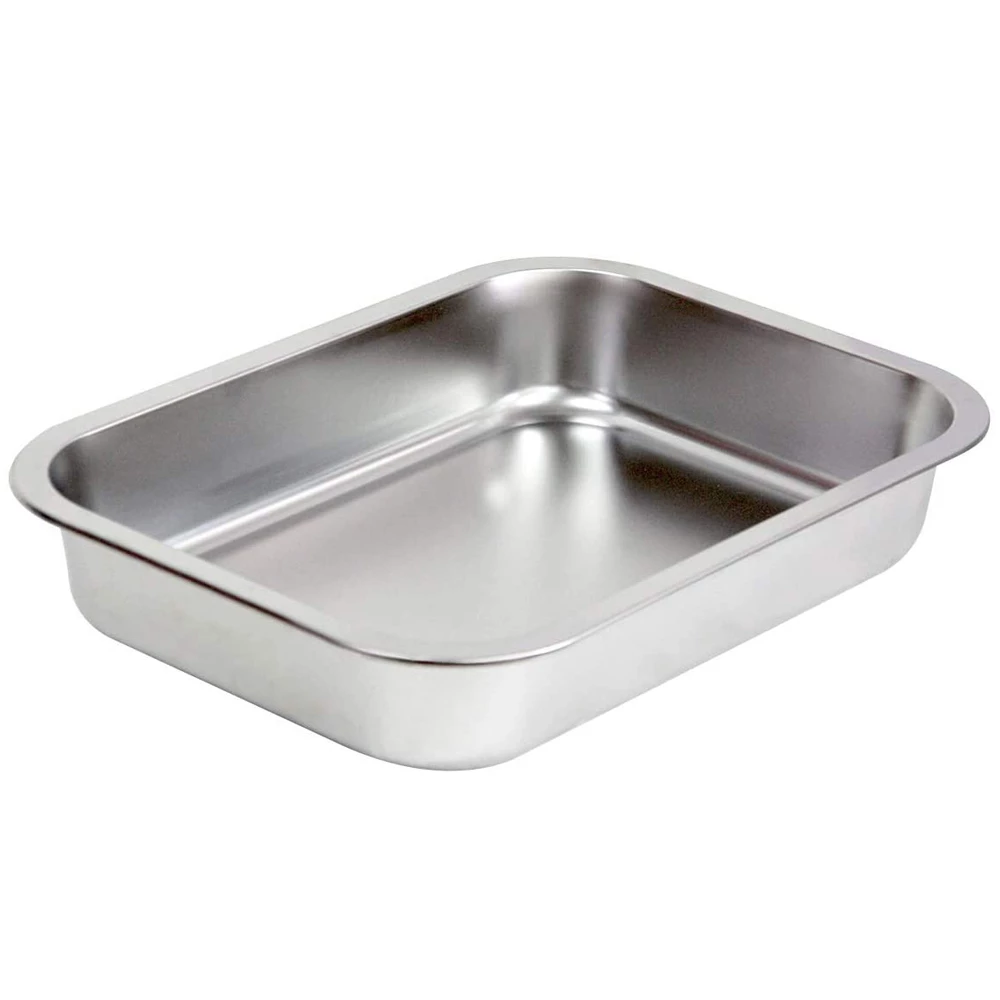
How to manufacture Sheet Metal Pie Tin

A Sheet Metal Griddle Production Machine is designed to manufacture griddles, a flat cooking surface typically used for frying, searing, and grilling various foods. Griddles are widely used in both commercial kitchens and home cooking setups, often made from carbon steel, cast iron, or stainless steel for their excellent heat conduction properties and durability. The production of sheet metal griddles involves various stages, from material preparation to final finishing and quality control. Below is an overview of the manufacturing process.

The process begins with selecting the appropriate raw material, typically stainless steel or carbon steel for its high heat retention and resistance to rust. The sheet metal used for the griddle is often supplied in coils or large sheets, which are unrolled and inspected for any surface defects or contamination. This ensures that the material is clean and free from imperfections that could affect the quality of the final product.

Once the material is selected, it is cut into the required size for the griddle surface. This is typically done using a shearing machine for straight cuts or a laser cutter for more intricate designs. The sheet metal is then transferred to the forming station, where the flat metal sheet is shaped into the desired form. The most common method for this step is press forming or deep drawing, where a large metal press applies pressure to the sheet metal to mold it into a flat, cooking surface. This step is crucial for ensuring the griddle has a uniform thickness and smooth surface.

After the griddle surface is formed, the next step is to reinforce the edges. This is typically done through edge rolling or flanging, which strengthens the edges of the griddle and prepares it for any additional parts, such as handles or drip trays. The edges are rolled to make them smooth, preventing any sharp spots that could cause injury or discomfort during use.

If the griddle is to have handles for easier maneuvering, these are attached during the next phase. Metal handles are often welded onto the sides of the griddle, while wooden handles are riveted or bolted into place. This step requires precision to ensure the handles are securely attached and can withstand the high temperatures the griddle will be exposed to during cooking.

The next crucial step in the manufacturing process is surface treatment. Since griddles are subjected to high heat and frequent use, the surface must be treated to prevent rust, improve durability, and provide a non-stick surface. Some griddles are seasoned, where the metal is coated with oil and heated to create a protective layer. Other griddles may receive enamel coatings or non-stick finishes, which are applied to ensure ease of cleaning and long-lasting performance. The surface treatment process also helps in achieving the desired anti-rust properties.

Once the surface treatment is applied, the griddle goes through a polishing or grinding process to remove any excess material, rough spots, or imperfections left from the forming and welding stages. This step ensures that the griddle has a smooth, even surface with no sharp edges or burrs.

Quality control is an essential part of the production process. Every griddle is carefully inspected for consistency in size, shape, surface finish, and overall quality. Any griddles that do not meet the required standards are set aside for rework or recycling. The final product is then tested for heat retention, evenness, and durability to ensure it meets the necessary performance criteria.

Once the griddle has passed quality control, it is packaged for shipment. The packaging is designed to protect the griddle during transportation and storage. Many manufacturers use eco-friendly packaging materials, such as recycled cardboard, to reduce the environmental impact of the packaging process.

Key features of the Sheet Metal Griddle Production Machine include:

  • Cutting Mechanism: Shearing or laser cutting machines for precise shaping of the metal.
  • Forming Die: Press forming or deep drawing equipment to shape the metal into a flat griddle surface.
  • Edge Rolling or Flanging: Strengthens the edges of the griddle to enhance durability and ease of handling.
  • Handle Attachment: Welding or riveting handles onto the griddle for secure and ergonomic use.
  • Surface Treatment: Seasoning or non-stick coating to improve performance and longevity.
  • Polishing and Grinding: Ensures a smooth and uniform surface, free from imperfections.
  • Quality Control: Automated inspection systems to verify the final product meets the required standards.
  • Automated Packaging: Packaging systems designed to protect the griddle during transportation and storage.

Modern production machines often incorporate robotic arms, automated presses, and vision systems for quality assurance to enhance the speed and precision of the manufacturing process. These technologies allow manufacturers to produce griddles at a faster rate while maintaining consistency and reducing human error.

The future of sheet metal griddle production is likely to be influenced by trends in sustainability, material innovation, and customization. Manufacturers are increasingly using recycled materials in their production processes, as well as exploring new surface treatments that are both eco-friendly and effective. The demand for customizable griddles, including those designed for specific cooking styles or stove types (such as induction-compatible griddles), is also expected to grow.

In conclusion, sheet metal griddle production combines several advanced manufacturing processes to create durable, high-performance kitchen tools. The focus on precision, surface treatments, and quality control ensures that the final product can withstand the demands of everyday cooking. As consumer preferences evolve, the production of griddles will continue to innovate, incorporating new materials, technologies, and designs to meet the changing needs of the market.

The process of manufacturing sheet metal griddles continues to evolve with advancements in materials and manufacturing techniques. After the cutting, forming, and edge rolling processes, the griddle is often tested for uniform heat distribution to ensure optimal cooking performance. The goal is to create a cooking surface that allows for consistent heat retention across the entire surface, whether it’s used on a stovetop, grill, or in a commercial kitchen.

Heat treatment is another critical part of the process for certain types of griddles, particularly those made from carbon steel or cast iron. The griddle may undergo a tempering process, where it’s heated to high temperatures and then slowly cooled to improve its strength and resistance to wear. This step helps improve the longevity of the griddle, allowing it to withstand the rigors of frequent use and extreme cooking conditions.

Once the griddle has been treated and polished, non-stick coatings may be applied to improve ease of use and cleaning. These coatings, typically made from PTFE (polytetrafluoroethylene) or ceramic-based materials, prevent food from sticking to the cooking surface, making the griddle easier to clean and reducing the need for excessive oil or butter during cooking. In some cases, seasoning is applied to create a natural non-stick layer that enhances the griddle’s performance over time. For carbon steel or cast iron griddles, seasoning involves coating the surface with oil and heating it until it forms a patina that prevents rust and creates a non-stick layer. This process is crucial for improving the functionality of the griddle and increasing its resistance to corrosion.

At this stage, the griddles are often subjected to additional testing, including thermal cycling, where the griddle is heated and cooled several times to ensure it can handle temperature fluctuations without warping or cracking. This is particularly important for griddles that will be used in commercial settings, where they will be exposed to high heat and extreme temperature changes frequently.

Packaging is the final step in the process. Griddles are carefully packed to ensure they arrive at their destination undamaged. The packaging is designed to protect the griddle from scratches, dents, and other forms of damage that may occur during shipping. Many manufacturers are now using sustainable packaging materials, such as recyclable cardboard and biodegradable plastics, in response to growing concerns about environmental impact. The griddles are often packed with clear instructions for care and maintenance, helping consumers get the best use out of their products.

The use of robotic systems and automated machinery throughout the production process ensures that each griddle is made to exact specifications, maintaining consistency and quality. This automation has greatly improved the efficiency of production lines, allowing manufacturers to produce large quantities of griddles without sacrificing quality. In addition, automated inspection systems with vision cameras and sensors can detect defects that might otherwise be overlooked, such as surface imperfections or incorrect dimensions, ensuring that each griddle meets the required standards before it’s shipped.

With the increasing popularity of induction cooking, manufacturers are incorporating induction-compatible bases into their griddles. These griddles are designed with special magnetic properties that allow them to work on induction cooktops, providing even heat distribution and energy efficiency. As more homes and restaurants switch to induction cooking, the demand for induction-compatible cookware is expected to grow, leading manufacturers to adapt their griddle production processes to accommodate this shift.

The growing interest in sustainable materials is also influencing the design and production of griddles. Some manufacturers are exploring recycled metals to reduce the environmental footprint of their products. Using sustainable coatings that are free of harmful chemicals is also becoming a priority for many brands, particularly as consumers become more eco-conscious. These environmentally friendly alternatives are not only better for the planet but also align with the increasing demand for healthier, safer cookware options.

Customization is another key trend in the griddle manufacturing process. Consumers are looking for products that can suit their specific needs, whether that means different sizes, shapes, or surface textures. Manufacturers are responding by offering a wider range of options, such as griddles with detachable handles, adjustable heating zones, or those with specific coatings for grilling, frying, or even baking. Some manufacturers are even offering personalized engraving or custom designs on the griddle surface, allowing consumers to add a unique touch to their kitchenware.

As the market for griddles grows, particularly in commercial kitchens and among home cooks who want restaurant-quality results, the production of sheet metal griddles will continue to innovate. Manufacturers will focus on improving the performance and sustainability of their products, responding to consumer demands for high-quality, durable, and versatile cookware. Technological advancements will continue to play a major role in driving efficiency and precision in the production process, while the increasing emphasis on eco-friendly manufacturing practices will help reduce the environmental impact of the industry. Ultimately, the future of griddle production will combine innovation, sustainability, and customization to meet the diverse needs of modern kitchens around the world.

As the demand for high-quality cookware continues to rise, particularly in both home and commercial kitchens, the sheet metal griddle production process is poised to adapt even further. Precision manufacturing will play an increasingly important role in ensuring griddles are crafted to exacting standards. As consumers seek more specialized cooking tools, manufacturers will likely invest more in advanced machining and robotic automation to ensure that every griddle meets high-quality standards while keeping production costs competitive.

The future of sheet metal griddle production will likely see further material innovations that enhance the griddle’s cooking performance, heat retention, and energy efficiency. New alloys and composite metals, for example, could provide an even better balance of durability and conductivity, making griddles not only more effective at cooking but also longer-lasting. Research into metals that resist warping under high heat or those that improve the non-stick properties of griddles will be a focal point of future advancements.

At the same time, the global supply chain for griddle production will continue to evolve, with a greater emphasis on localization to reduce lead times and transportation costs. By localizing production, manufacturers can respond more quickly to shifts in demand, such as spikes in popularity during certain seasons or cultural events. This flexibility also reduces the environmental impact of long-distance shipping, aligning with growing consumer preferences for sustainable products.

Smart technologies will also play a role in the future of griddle manufacturing. The integration of Internet of Things (IoT) technology into griddles could lead to a new generation of “smart griddles” that are capable of regulating their own temperature. These IoT-enabled griddles could allow users to monitor and adjust cooking conditions through mobile apps or directly through smart kitchen systems. In professional kitchens, such technology would enable chefs to precisely control cooking temperatures in real-time, enhancing cooking efficiency and consistency.

Moreover, energy-efficient production technologies will likely gain traction, reducing both operational costs and the environmental impact of manufacturing griddles. Companies may embrace green energy sources such as solar or wind power, particularly for high-energy processes like casting or forging. Additionally, water usage in production will be optimized to ensure sustainable practices are followed at every step of the process.

Another trend on the horizon is the growing importance of ergonomics in cookware design. As more consumers invest in high-end, professional-grade griddles, attention will shift towards making griddles that are not only functional but also comfortable to use. Innovations in handle design, such as heat-resistant or ergonomically shaped handles, could enhance the cooking experience. Non-slip grips or adjustable handles for easier storage and maneuverability will become increasingly popular as cooks prioritize ease of use, even in high-volume commercial settings.

As more consumers embrace healthy cooking habits, the demand for griddles that promote health-conscious cooking will rise. Non-stick surfaces that are free from harmful chemicals like PTFE and PFOA will become a standard, pushing manufacturers to develop safer, more effective coatings. Additionally, as cleaning convenience becomes more important, griddles that feature scratch-resistant surfaces and easy-to-maintain designs will be highly sought after.

Customization is likely to take an even bigger role in future griddle production. As more people look to add personal touches to their kitchenware, offering bespoke designs or unique materials for griddles, such as special wood accents or color finishes, could be a new revenue stream for manufacturers. Providing custom branding for businesses in the hospitality industry, like hotels, restaurants, and catering services, will also become a viable option for manufacturers looking to attract commercial clients.

Sustainability in griddle production is not just limited to eco-friendly materials and manufacturing processes. The entire lifecycle of the product is becoming an area of focus. Manufacturers will likely continue to embrace the concept of circular economy, which encourages reusing, refurbishing, and recycling materials. Griddles made from recycled metals will be increasingly common, and companies might offer refurbishment services for older models, allowing them to be restored to like-new condition instead of being discarded.

With these trends in mind, the future of sheet metal griddle production will be shaped by a combination of technological innovation, sustainability, and customization. Manufacturers will focus on creating high-performance, durable, and aesthetically pleasing griddles that meet the needs of diverse consumers—from professional chefs seeking precision and durability to home cooks looking for high-quality tools for everyday use. As competition intensifies, those who prioritize innovation, eco-conscious practices, and consumer-centric designs will be best positioned to succeed in the evolving cookware market.

Sheet Metal Baking Pan Production Machine
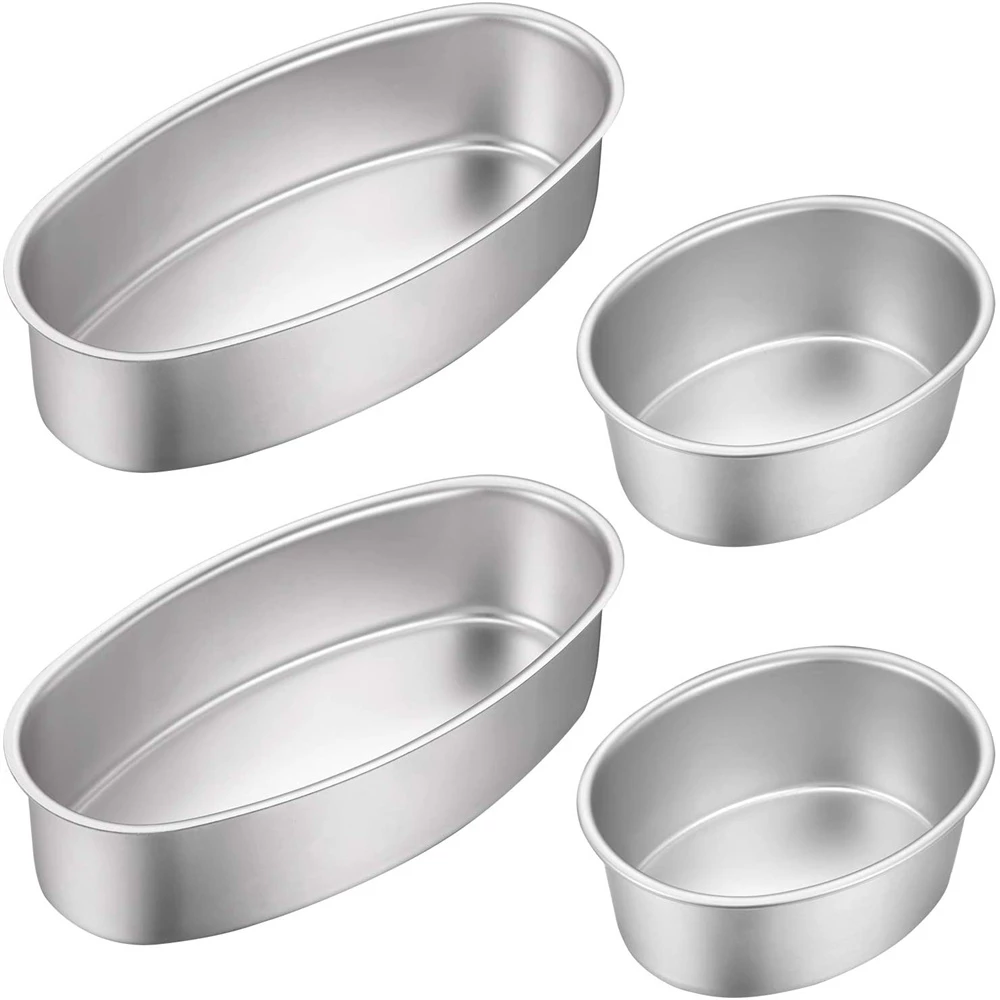
Aluminium Cookware Manufacturing Process

A Sheet Metal Baking Pan Production Machine is designed to efficiently manufacture high-quality baking pans, which are essential kitchen items used for baking cakes, cookies, breads, and other pastries. These pans are typically made from aluminum, stainless steel, or carbon steel, as these materials provide excellent heat distribution and are durable enough to withstand frequent use in home and commercial kitchens.

The production of baking pans from sheet metal involves several key steps, from material selection to final packaging. Here’s an overview of the manufacturing process:

The process begins with the selection of the raw material. Aluminum is one of the most common materials used in the production of baking pans because it is lightweight, conducts heat well, and is resistant to rust. Other materials such as carbon steel and stainless steel are also used, particularly for high-end or commercial-grade baking pans. The sheet metal used for baking pans is typically provided in coils or large flat sheets, which are then unrolled and inspected for any defects, ensuring that they are free of contaminants and imperfections.

Once the raw material is prepared, the first step in the manufacturing process is the cutting of the sheet metal. This is usually done with a shearing machine, which precisely cuts the metal into the appropriate sizes for the baking pan. The dimensions are critical to ensure that the final product fits the standard baking sizes, such as square, rectangular, or round pans. Alternatively, laser cutting technology may be used for more intricate designs, particularly for custom shapes or pans with complex features like handles or decorative edges.

The next step is the forming of the metal into the shape of a baking pan. This is typically done using a pressing machine or die press. The sheet metal is placed into a die, and a large press applies force to the metal to shape it into the pan’s desired form. This could include a flat baking surface with raised edges, as well as any added features like handles, lips, or indentations for stacking. The forming process ensures that the pan has a smooth, uniform thickness and consistent dimensions.

If the baking pan design includes handles, they are attached during this phase. The handles can be welded, riveted, or screwed onto the pan, depending on the design and material used. For instance, metal handles may be welded onto the sides, while plastic or silicone handles could be riveted or fastened with screws. This step is particularly important for ensuring that the handles are securely attached and can withstand the weight and heat of the pan during use.

After forming, the next phase involves surface treatment. This step is crucial for improving the baking pan’s performance and durability. Many baking pans undergo anodizing or coating with a non-stick layer. Anodizing is a process where the aluminum is treated to create a hard, protective layer on the surface that is resistant to scratches, rust, and corrosion. Non-stick coatings, typically made from PTFE (Polytetrafluoroethylene), are also applied to reduce the need for excessive oils or greasing, making cleanup easier for consumers.

Alternatively, some pans may receive a seasoning process, where a thin layer of oil is applied to the metal and heated to create a protective coating. This is often seen in carbon steel or cast iron pans, where the seasoning improves the non-stick properties and helps prevent rusting over time. Regardless of the surface treatment chosen, it ensures that the pans are easy to clean, resistant to wear, and provide consistent baking results.

Following the surface treatment, the pans undergo a quality control process. This includes a visual inspection for any defects, such as surface imperfections, cracks, or uneven coating. Machines equipped with vision systems or sensors may be used to inspect the pans for defects that could affect performance or safety. In addition, some pans are tested for heat distribution properties to ensure they bake evenly.

Once the baking pans pass the quality control stage, they are then subjected to polishing or grinding to smooth out any rough edges or areas that may have been created during the forming and cutting processes. This is done to ensure that the pans are comfortable to handle and free from sharp edges that could cause injury.

Packaging is the final step in the manufacturing process. The finished baking pans are carefully packed to prevent damage during transportation. This often involves placing each pan into protective packaging such as bubble wrap, cardboard boxes, or plastic wrap. Packaging may also include instructions for care and use, particularly for pans that require specific cleaning or maintenance, such as those with non-stick coatings or seasoning.

The packaging is also designed to be as eco-friendly as possible, with many manufacturers now opting for recyclable materials to reduce environmental impact. Once packaged, the baking pans are ready for shipment to retailers, wholesalers, or directly to consumers.

Key features of a Sheet Metal Baking Pan Production Machine include:

  • Cutting Mechanism: Machines that provide precise cuts to sheet metal, such as shearing or laser cutting.
  • Pressing/Stamping Equipment: Used for shaping the metal sheet into the desired pan form using dies.
  • Handle Attachment: Systems for securely attaching handles, whether through welding, riveting, or screwing.
  • Surface Treatment: Processes such as anodizing, coating, or seasoning to enhance the pan’s non-stick properties and durability.
  • Polishing and Grinding: Smoothing out rough edges and imperfections to improve the pan’s safety and usability.
  • Quality Control Systems: Automated systems using vision cameras and sensors to inspect pans for defects.
  • Packaging Systems: Automated packaging lines that protect the pans during shipment and provide clear labeling.

With the increasing demand for high-quality kitchenware, automation has become an integral part of baking pan production. Robotic arms, automated presses, and conveyor systems are used to streamline the process, improving efficiency and reducing human error. These machines also allow manufacturers to produce a higher volume of pans while maintaining consistent quality across batches.

The future of sheet metal baking pan production will likely see further advancements in material innovation, customization, and sustainability. Manufacturers may continue to explore new eco-friendly coatings and heat-resistant materials to improve the durability and cooking performance of the pans. Additionally, there may be growing interest in custom-designed pans for specific baking needs, such as pans for particular cake designs, cookies, or specialty breads.

In conclusion, the production of sheet metal baking pans combines traditional craftsmanship with modern technology to create durable, high-performance cookware. From raw material selection to surface treatments and packaging, each step in the process is designed to ensure that the final product meets the highest standards of quality, functionality, and consumer satisfaction. As trends in sustainability and innovation continue to shape the cookware industry, sheet metal baking pans will evolve to meet the changing needs of home bakers and professional chefs alike.

The production of sheet metal baking pans begins with the selection of high-quality materials such as aluminum, stainless steel, or carbon steel. These materials are chosen for their ability to conduct heat evenly, resist corrosion, and withstand the high temperatures often encountered in baking. The raw material typically arrives in coils or large flat sheets, which are then unrolled and inspected to ensure they meet the necessary standards for thickness, surface quality, and durability.

Once the material is prepared, the first step in the manufacturing process is cutting the metal into the appropriate size. This is often done using a shearing machine, which ensures precise cuts. In some cases, laser cutting may be employed for more intricate or custom designs. The cuts must be accurate because even small deviations can result in an imprecise baking pan that could affect cooking performance.

After the metal is cut, the next step is to shape it into the form of a baking pan. This is typically done using a pressing machine, where the metal sheet is placed in a mold and subjected to force. The press shapes the metal into the correct dimensions, creating the base and the raised edges that are characteristic of baking pans. If handles are a part of the design, they are either welded, riveted, or screwed onto the sides of the pan. This ensures the handles are secure and can withstand heat and weight during use.

Following the shaping process, the pan undergoes surface treatment. This is where the pan receives its final coatings or finishes. Many baking pans are anodized, which hardens the metal surface, making it more resistant to scratches, rust, and heat damage. Some pans also receive non-stick coatings made from materials like PTFE (polytetrafluoroethylene), which make them easier to clean and improve their cooking performance by reducing the need for greasing. Carbon steel and cast iron pans might undergo seasoning, a process in which a layer of oil is heated onto the surface to create a natural non-stick coating.

After surface treatments are applied, the pans are inspected for any defects. This may involve both visual inspections and automated systems with sensors and cameras that detect imperfections such as cracks, uneven coatings, or incorrect dimensions. The goal is to ensure that every pan meets high standards of quality and functionality before it moves to the next stage of production.

Once the pans pass the quality control checks, they are polished or ground to smooth out any rough edges or surfaces left over from the forming process. This step is crucial to ensure that the pans are safe to handle and that there are no sharp edges that could cause injury. After polishing, some pans may be given additional heat treatments or stress tests to ensure they can withstand the rigors of constant use in a kitchen environment.

Finally, the baking pans are packaged for shipment. Packaging is done in a way that protects the pans from damage during transit. The pans may be wrapped in protective materials like bubble wrap, placed in sturdy cardboard boxes, or individually wrapped in plastic to prevent scratches. Along with the pans, consumers may receive care instructions, particularly for those with non-stick coatings or those requiring seasoning. Sustainable packaging materials are increasingly being used as manufacturers and consumers become more conscious of environmental impacts.

The production process of sheet metal baking pans is heavily automated, incorporating robotic arms, automated presses, and conveyor systems. These innovations help streamline the production, allowing manufacturers to produce large volumes of pans while maintaining consistent quality and reducing the potential for human error. Automation also contributes to reducing the production time, which makes it possible to meet growing consumer demand.

In addition to the standard manufacturing processes, manufacturers are continuously exploring new materials and technologies to improve the performance of baking pans. Future developments may include the use of more sustainable materials, advanced non-stick coatings that are safer and more durable, or even smart technologies that enable users to monitor or control the baking temperature through mobile apps or IoT devices. Furthermore, as custom cookware becomes more popular, manufacturers might offer more personalized options, allowing consumers to select specific sizes, shapes, or finishes for their baking pans.

Overall, the production of sheet metal baking pans is a highly refined process that combines material science, advanced manufacturing techniques, and quality control to create products that meet the needs of both home bakers and professional chefs. The evolution of this process will continue to focus on enhancing the cooking performance, durability, and environmental impact of baking pans, ensuring that they remain a staple in kitchens around the world.

As the market for high-quality cookware continues to grow, manufacturers of sheet metal baking pans are likely to embrace additional innovations that enhance both the functionality and user experience of their products. One potential avenue for improvement is the development of advanced coatings that offer superior non-stick properties while being safer for the environment. Manufacturers may explore ceramic-based non-stick coatings, which are free from harmful chemicals like PTFE and PFOA, and offer a safer alternative that can withstand high temperatures without degrading.

There may also be a growing trend toward eco-friendly materials in baking pan production. As consumers become increasingly conscious of environmental issues, manufacturers will likely respond by using materials that are more sustainable and easier to recycle. For instance, the use of recycled aluminum in the production of baking pans could become more common, allowing manufacturers to reduce their carbon footprint and appeal to eco-conscious consumers.

Customizability will also continue to be a major trend in the baking pan market. While traditional pans come in standard sizes and shapes, there is an increasing demand for bespoke baking pans tailored to specific needs. This might include personalized engraving, special designs for unique recipes, or even pans with adjustable dimensions for home bakers who want greater flexibility in their kitchenware. Manufacturers might invest in technologies that allow them to quickly produce customized pans without significantly increasing production costs.

Additionally, smart technology could make its way into the baking pan industry. Similar to other kitchen gadgets, smart baking pans could be equipped with sensors that monitor the pan’s temperature and send real-time data to a smartphone or tablet. This would allow bakers to precisely control the cooking process and receive alerts when the ideal temperature is reached, improving the consistency of their baking results. Such advancements could be particularly useful for professional chefs or avid home bakers who require exacting precision.

Another area of innovation will be in the ergonomics of baking pans. As home bakers look for more comfortable and user-friendly kitchen tools, manufacturers may develop lightweight pans with heat-resistant handles designed for ease of use. Additionally, stackable designs could be developed, allowing consumers to store multiple pans in a more compact and organized manner. Innovations like these would help increase the convenience of owning multiple pans while keeping kitchen space organized.

Multi-functional baking pans could also see growth in popularity. These pans might feature interchangeable inserts or modular components that allow them to serve different purposes. For example, a baking pan could be designed to accommodate various types of baked goods, such as cakes, cookies, or breads, with adjustable sections or inserts that make the pan versatile enough for multiple uses. This would appeal to consumers who want to minimize the number of kitchen tools they need without sacrificing the quality of their cooking.

As demand for high-performance kitchen products grows, the importance of energy-efficient production processes will continue to rise. Manufacturers will look for ways to reduce energy consumption during the baking pan production process. This could include the use of solar-powered machinery, more efficient casting and forging technologies, or reducing waste through better material management. Energy-efficient production not only lowers costs but also aligns with global sustainability goals and can improve a manufacturer’s reputation as an environmentally responsible company.

With the rise of online shopping and direct-to-consumer sales models, manufacturers will also need to focus on effective digital marketing and customer engagement. Offering an online platform that allows customers to customize, review, and purchase their baking pans directly from the manufacturer could become a common practice. Additionally, manufacturers may invest in subscription models where consumers receive a new, specialized pan or accessory every few months, keeping their kitchen tools fresh and up to date.

Moreover, the ongoing global interest in home cooking—fueled by trends like baking as a hobby, especially during events like the pandemic—has led to an increase in demand for quality kitchen products. As a result, brand differentiation will become more important in the sheet metal baking pan industry. Companies that can emphasize their craftsmanship, heritage, or unique features (like handmade, eco-friendly materials, or limited edition collections) may attract more loyal customers.

In conclusion, the future of sheet metal baking pan production will likely be shaped by a combination of technological advancements, sustainability efforts, customization opportunities, and a focus on consumer experience. Manufacturers will continue to innovate and respond to shifting consumer preferences, creating products that are not only functional but also environmentally conscious and tailored to individual needs. The industry is poised for continued growth, with a focus on quality, performance, and sustainability, ensuring that baking pans remain an essential tool for both professional chefs and home bakers worldwide.

EMS Metalworking Machines

We design, manufacture and assembly metalworking machinery such as:

  • Hydraulic transfer press
  • Glass mosaic press
  • Hydraulic deep drawing press
  • Casting press
  • Hydraulic cold forming press
  • Hydroforming press
  • Composite press
  • Silicone rubber moulding press
  • Brake pad press
  • Melamine press
  • SMC & BMC Press
  • Labrotaroy press
  • Edge cutting trimming machine
  • Edge curling machine
  • Trimming beading machine
  • Trimming joggling machine
  • Cookware production line
  • Pipe bending machine
  • Profile bending machine
  • Bandsaw for metal
  • Cylindrical welding machine
  • Horizontal pres and cookware
  • Kitchenware, hotelware
  • Bakeware and cuttlery production machinery

as a complete line as well as an individual machine such as:

  • Edge cutting trimming beading machines
  • Polishing and grinding machines for pot and pans
  • Hydraulic drawing presses
  • Circle blanking machines
  • Riveting machine
  • Hole punching machines
  • Press feeding machine

You can check our machinery at work at: EMS Metalworking Machinery – YouTube

Applications:

Flange-punching

Beading and ribbing

Flanging

Trimming

Curling

Lock-seaming

Ribbing
Categories
Machinery

Sheet Metal Serving Tray Production Machine

Sheet Metal Cookware Production Machinery

Sheet Metal Serving Tray Production Machine: the process of Sheet metal cookware production machinery production, generally involves several stages of forming, shaping, and finishing metal to produce items like pots, pans, lids, and other kitchenware. Below is a breakdown of common machines and tools used in the manufacturing process:

Primary Machinery for Sheet Metal Cookware Production

1. Metal Cutting Machines

  • Shearing Machines: For cutting large metal sheets into smaller blanks.
  • Laser Cutters / Plasma Cutters: For precision cutting, especially for complex shapes or designs.

2. Stamping & Blanking Presses

  • Used to cut the metal blanks and form them into rough cookware shapes.
  • Hydraulic or mechanical presses are common.

3. Deep Drawing Presses

  • This is a key process where flat blanks are drawn into deep shapes (e.g., pots, pans).
  • Hydraulic deep drawing machines are commonly used for consistent force and quality.

4. Trimming Machines

  • After deep drawing, excess material is trimmed to finalize the shape.
  • Often automated to improve precision and efficiency.

5. Spinning Machines (for round cookware)

  • CNC metal spinning lathes are used to form and finish circular cookware like bowls or frying pans.
  • Ideal for stainless steel and aluminum cookware.

6. Annealing Furnace

  • Used to soften the metal between forming stages to reduce stress and cracking.
  • Controlled heating and cooling process.

7. Polishing / Buffing Machines

  • For surface finishing—makes cookware shiny and smooth.
  • Includes automatic polishing machines and belt grinding machines.

8. Surface Coating/Anodizing Line

  • For non-stick coatings (Teflon), enamel coating, or anodizing (especially for aluminum cookware).
  • Involves cleaningspray coating, and baking ovens.

9. Riveting Machines

  • For attaching handles and knobs to cookware.

10. Induction Base Welding Machine

  • Used for applying stainless steel or ferromagnetic layers to the bottom of aluminum cookware (for induction cooking compatibility).

11. Leak Testing Machines

  • Ensures cookware (especially pressure cookware) is properly sealed.

Additional Equipment

  • CNC Press Brakes: For bending and shaping handles or brackets.
  • Spot Welding Machines: For joining small parts.
  • Hydraulic Riveters: For ergonomic and high-speed handle assembly.

Optional Automation

  • Robotic arms for loading/unloading.
  • PLC-controlled production lines for high-volume, repeatable output.

In sheet metal cookware production, the process starts with cutting raw metal sheets—typically stainless steel or aluminum—into appropriately sized blanks using shearing machines or laser cutters for precision. These blanks are then moved to stamping or blanking presses, where they are shaped roughly into the initial cookware form. Next comes deep drawing, which is a critical forming process that stretches the metal into a deeper shape like a pot or pan using a hydraulic press. Depending on the complexity, this might require multiple draws with intermediate annealing, where the metal is heated in a furnace to relieve stress and prevent cracking.

Once the basic shape is formed, trimming machines remove excess material to get a clean edge. For round cookware, CNC metal spinning machines are often used to refine the shape and form features like flared rims or rounded bases. After shaping, the cookware goes through surface treatment. Polishing and buffing machines smooth out the metal, giving it that shiny, reflective finish you see on store shelves. If the cookware is non-stick, it proceeds to a coating line where it’s cleaned, sprayed with PTFE or ceramic coatings, and baked in curing ovens.

For cookware meant for induction cooking, an induction base—often a disc of stainless steel—is welded to the bottom using high-frequency welding machines. Handles and knobs are attached next, typically by riveting or spot welding, depending on the design. At this point, the cookware is tested for quality—leak testing is common for pressure cookware to ensure proper sealing and durability. Some production lines may include robotic arms for loading, unloading, or polishing to increase throughput and consistency.

The entire process can be semi-automated or fully automated, depending on production volume and investment. Advanced setups use PLC-controlled systems with robotic integration, allowing for continuous, high-speed production with minimal manual handling. The combination of forming, finishing, coating, and assembly ensures cookware is not only functional but also durable and aesthetically pleasing.

Following the main production and assembly, packaging becomes the final critical step before cookware is ready for distribution. First, each finished item is cleaned thoroughly—either manually or via ultrasonic washers—to remove any residue from polishing compounds or coating materials. Once clean, items may undergo a final inspection, where they are checked visually and sometimes by automated vision systems for defects like scratches, dents, coating inconsistencies, or incomplete rivets.

Next, barcodes or branding are often applied. This might include laser engraving for logos, pad printing for decorative elements, or labeling with product details. Some high-end cookware lines include serial numbers or QR codes to track manufacturing batches, which is useful for both marketing and quality control.

Packaging depends on the target market and branding. Automated packing machines can wrap cookware in protective film, insert them into cardboard boxes, and even shrink-wrap multi-piece sets. Eco-conscious manufacturers often use recyclable or minimal packaging, which requires precision fitting to avoid damage during transit. Inner packaging may include instruction manuals, warranty cards, and sometimes promotional material or recipe booklets.

The packaged cookware then moves to palletizing stations, where robotic arms or automated stackers organize boxes onto pallets for efficient shipping. Some lines are integrated directly with warehouse management systems, allowing real-time inventory updates as items are packed and labeled.

In a high-efficiency plant, the entire process—from metal sheet to boxed product—can be integrated into a continuous flow, with conveyors connecting each station. This ensures minimal downtime and faster turnaround times, especially important for fulfilling large retail or export orders.

Throughout the process, safety and environmental considerations are key. Fume extraction systems are used near coating and polishing stations, noise levels are controlled with acoustic enclosures around heavy presses, and water from cleaning processes is filtered and reused when possible. Energy-efficient hydraulic systems and inverter-controlled motors also help reduce operational costs and environmental footprint.

Continuing from there, maintenance and quality assurance are two pillars that sustain long-term efficiency and consistent product standards in cookware manufacturing. Every machine on the line—from deep drawing presses to coating ovens—requires a regular preventive maintenance schedule. This includes checking hydraulic fluid levels, inspecting press tool wear, replacing spinning lathe tips, calibrating welding and riveting tools, and ensuring the coating spray guns are delivering even and accurate layers. Most modern machinery includes built-in diagnostics or can be integrated into a central monitoring system (often via Industry 4.0 protocols) to alert operators before issues escalate into breakdowns.

Tooling management is especially crucial. In deep drawing, trimming, and stamping, dies and molds undergo wear and tear and must be reconditioned or replaced to maintain product precision. Tool changes need to be efficient to avoid extended downtime, and manufacturers often keep duplicate sets ready to swap in during multi-shift operations.

On the quality assurance side, standard operating procedures (SOPs) are implemented at every major stage—post-forming, post-polishing, post-coating, and pre-packing. For coated cookware, crosshatch adhesion tests and hardness tests (like pencil hardness) are performed regularly. In some factories, a salt spray chamber is used to simulate corrosion resistance, especially important for stainless steel products. For anodized aluminum items, oxide layer thickness is checked with digital micrometers or colorimetric sensors.

Traceability systems are becoming more common, with software tracking each unit’s production data—what batch of sheet metal was used, which press formed it, when it was coated, and by whom it was assembled. This is especially useful for handling returns or quality complaints and is often a requirement when exporting to regulated markets like the EU or North America.

Training for operators is another critical layer. Skilled workers ensure better output, catch problems early, and reduce waste. Training includes machinery operation, tool changeover techniques, quality control procedures, safety protocols, and basic troubleshooting. Some facilities even implement lean manufacturing practices and continuous improvement programs like Kaizen to boost efficiency, minimize scrap, and optimize the workflow over time.

Sheet Metal Pizza Pan Production Machine

How to Manufacture Sheet Metal Frying Pan

sheet metal pizza pan production machine is typically a specialized setup or integrated line designed to manufacture round, shallow pans used in baking pizza. While the process is simpler than deep cookware like pots, it still requires precise forming, consistent quality, and a smooth finish. Here’s how the machinery and flow typically look:

Pizza Pan Manufacturing Process & Machinery

1. Metal Sheet Decoiler & Feeder

  • Raw sheet metal (usually aluminum or aluminized steel) is loaded in rolls.
  • decoiler unrolls the sheet, and a servo feeder pushes the sheet into the cutting or blanking station.

2. Blanking Press

  • mechanical or hydraulic press equipped with a die cuts round blanks.
  • These blanks are the flat discs that will be formed into pans.

3. Shallow Drawing or Stamping Machine

  • The blank is transferred into a shallow drawing die where it is formed into the basic pizza pan shape.
  • This could be done in a single stroke or progressive dies depending on pan design (with or without ridges or perforation).

4. Trimming Machine

  • Ensures the outer edge of the pan is clean, uniform, and smooth.
  • Especially important for pans that will be stacked or nested.

5. Beading / Rim Forming Machine

  • For pans with reinforced edges or rolled rims, this machine bends and compresses the rim for structural strength and safety.
  • Optional but common for commercial-grade pans.

6. Perforation Press (Optional)

  • For “crisper” pizza pans, this machine punches holes into the bottom of the pan.
  • Increases airflow and helps with crispier crusts during baking.

7. Surface Polishing / Brushing Machine

  • Depending on product grade, a brushing or polishing unit is used to give the pan a clean finish or brushed texture.
  • Some pizza pans are also anodized or coated, which may follow here.

8. Non-stick Coating Line (Optional)

  • If the pan is to be coated, it’s cleaned, spray-coated with a non-stick compound like PTFE or silicone, and passed through a curing oven.
  • Coated pans also require dust-free environments for clean adhesion.

9. Stacking and Packing

  • Finished pans are automatically stacked and optionally packed using shrink-wrap machines or inserted into boxes for distribution.

Machine Types Commonly Used

  • Hydraulic or Mechanical Presses (25–100 tons depending on pan size)
  • Servo Feeders and Straighteners
  • Rotary Trimming Machines
  • CNC Spinning Machines (for specialty edges or designs)
  • Rim Rolling Machines
  • Spray Coating Booths and IR Ovens
  • Vibratory Finishing / Tumbler (for de-burring or softening edges)

Materials Used

  • Aluminum (lightweight, good heat conductivity)
  • Aluminized Steel (durable, often used in commercial kitchens)
  • Hard-anodized Aluminum (premium pans)

Final Notes

A pizza pan line is relatively compact and modular, especially if you’re focusing on only one or two sizes. Most manufacturers custom-build or integrate machines depending on capacity—say, 500–2000 pans/hour. Automation is feasible and often cost-effective for large runs.

Sure thing. In a sheet metal pizza pan production setup, the process starts with coiled sheet metal—typically aluminum or aluminized steel—being fed into the system via a decoiler and a straightening feeder. The flat sheet is then directed into a press fitted with a circular blanking die, where round blanks are cut out. These blanks are what eventually become the pizza pans. From there, the blanks move to a shallow drawing or stamping press where they’re formed into the recognizable pan shape with a smooth base and shallow walls. This is usually done in a single stroke or sometimes with a progressive die setup if more detail is needed.

After forming, the outer rim of the pan often needs trimming to remove excess material and ensure the edge is perfectly round and smooth. For pans requiring additional structure, a rim forming or beading machine is used to roll or curl the edge, making it sturdier and safer to handle. Some pizza pans, especially those meant for professional kitchens, might go through a perforation press at this stage—this adds small holes to the bottom to improve airflow and create a crispier crust during baking.

Once the shape is finalized, the pans may pass through a polishing or brushing machine to enhance surface finish or achieve a specific texture. If a non-stick or hard-anodized surface is needed, the pans are cleaned, coated using automated spray booths, and then sent through a curing oven where the coating is baked onto the surface. For hard-anodized pans, an electrochemical process is used to thicken the natural oxide layer on the aluminum, improving durability and corrosion resistance.

At the end of the line, the pans are cooled, stacked, and moved to the packing station. Depending on the production scale, this could involve manual labor or be fully automated with robotic stackers and shrink wrap systems. Throughout the production process, quality checks are conducted—this includes checking shape consistency, rim integrity, perforation accuracy, and coating adhesion. If required, data from the machines can be collected for traceability, especially for export compliance or private label production.

A pizza pan production line is relatively efficient and doesn’t require a large footprint unless multiple sizes and styles are being produced simultaneously. With modern servo-controlled presses and CNC automation, one line can handle multiple sizes by swapping dies, and a medium-sized setup can easily produce several hundred to a few thousand pans per hour depending on complexity and finish requirements.

Continuing from there, one of the key advantages in pizza pan production is the relatively low forming depth compared to deeper cookware, which allows for faster cycle times and simpler tooling. This means that the presses used don’t need to be extremely high tonnage, making the machinery more accessible and cost-effective for small to mid-sized operations. A mechanical press in the 25–50 ton range is usually sufficient for forming standard pizza pans up to 16 inches, while larger industrial pans may require slightly more force and deeper tooling setups.

If a production line is designed for multiple pan sizes or styles—like flat pans, deep-dish, or crisper trays—it can be equipped with a quick-change die system. This reduces downtime when switching between products and helps keep throughput high. Tool and die maintenance becomes important here; since the edge quality and consistent pan depth are visually obvious to the end user, even slight inconsistencies in the tooling can lead to rejections or poor stacking performance. This is especially true in the case of commercial pans, where precise nesting is important for storage and transportation in kitchens.

Another important factor is the choice of surface treatment. While bare aluminum is often acceptable, especially for lower-cost or single-use pans, higher-end products may require additional finishing. Hard anodizing not only improves wear resistance but also gives the pan a dark, matte finish that helps absorb heat evenly. Non-stick coatings are popular for home-use pans, but they require a cleanroom-like environment to prevent dust or oil contamination before curing. Coating adhesion is a common failure point if surface preparation (such as degreasing and etching) is not handled properly.

On the automation side, robotic arms or pneumatic pick-and-place systems can be added for blank transfer, forming press loading, and unloading to reduce manual handling. Laser sensors or vision cameras can also be used to detect pan alignment and ensure that each unit is formed and coated accurately. These systems become more important as production volumes increase or if defect tolerance is very low.

At the final stage, finished pans are stacked, sometimes nested with interleaving sheets or dividers if they have a non-stick finish. Packing machines wrap or box them according to the retail or bulk distribution needs. For large-scale export or OEM manufacturing, branding elements like embossed logos, QR codes, or printed sleeves are added either inline or in a secondary packaging station.

If you’re considering setting up such a line, one of the most critical decisions will be the balance between flexibility and output. A fully flexible line can handle many SKUs with relatively low changeover time but might be slower per unit. A dedicated high-speed line, on the other hand, will produce one or two products at extremely high volumes. Both approaches can be optimized based on your market, whether you’re serving domestic retail, food service supply, or private-label export contracts.

Building on that, if you’re planning the full production environment for pizza pans—especially with scalability in mind—factory layout, workflow optimization, and supply chain integration become the next crucial layers. The physical layout should aim for a linear or U-shaped flow to minimize backtracking and material handling. Starting with raw coil storage near the decoiler, the line should progress logically through blanking, forming, finishing, and finally to packing and palletizing. Each station ideally has buffer zones to prevent bottlenecks, especially between forming and coating processes, where timing and curing may differ.

Material handling can be semi-automated using conveyor belts or air-powered transfer systems between each step, especially from blanking to forming and from forming to coating. For instance, a vacuum pickup system can lift and place blanks into the forming press without human touch, keeping consistency high and reducing labor fatigue or injury risk. In medium- to high-capacity lines, robotic stackers or automatic cart systems can transport finished pans to the packing area or to holding racks before final inspection.

Sourcing materials efficiently is another big consideration. Aluminum coil stock should be ordered in pre-treated or mill-finished form to reduce upstream processing. If you’re doing non-stick or anodized pans, you may consider sourcing pre-coated aluminum sheets, though this limits flexibility in pan size and shaping. Alternatively, buying raw coil and integrating the anodizing or coating lines in-house offers full control but requires investment in chemical treatment systems and curing ovens, plus proper environmental compliance.

Environmental control is especially important for coating operations. The spray booths and curing ovens must be isolated from dust, moisture, and temperature swings, especially if you’re using PTFE-based coatings. Exhaust and filtration systems must be in place to meet safety and emissions standards. In the case of anodizing, chemical treatment tanks need precise pH, voltage, and timing controls, and wastewater from rinsing and etching stages must be properly treated before disposal or reuse.

From a business standpoint, production tracking and batch reporting are becoming more standard, even in mid-size plants. With basic PLC integration, you can track each batch from raw material to final packaging, allowing quick response in case of defects, customer complaints, or recall scenarios. If integrated with barcode or QR labeling, this also helps distributors and retailers manage inventory more efficiently.

In terms of labor, pizza pan production doesn’t require a huge team once the system is up and running, but it does require skilled technicians to manage die changes, maintain presses, and monitor coating quality. Operators are trained not just in safety and machine handling, but in identifying minor defects that could affect product quality downstream. For instance, a slight warp in a pan might not seem critical at forming but could lead to non-stick coating issues or warping under heat.

Lastly, for expanding product lines—like adding cake pans, pie tins, or baking trays—the core setup remains largely the same. You’d only need to adjust die sets, perhaps add or remove perforation steps, and modify the trimming or forming dimensions. This modularity makes pizza pan production a solid entry point into broader bakeware manufacturing.

Sheet Metal Steamer Basket Production Machine

How to manufacture Sheet Metal Dutch Oven

For a sheet metal steamer basket production machine, the process is somewhat similar to other cookware production lines but with some specific needs based on the design of steamer baskets, which typically require fine mesh or perforated sheet metal, along with a foldable or collapsible design. Here’s how the machinery involved would work and the steps for producing these baskets:

The process begins with raw sheet metal—typically stainless steel or aluminum—uncoiled and fed into the system. A decoiler and feeder prepare the sheet metal for cutting. For basic round or oval steamer baskets, the sheet is first blanked into circular or other appropriate shapes using a mechanical or hydraulic press equipped with a die. The blanks are then moved to the next station where perforations are added. For a steamer basket, perforations are essential because they allow steam to pass through the metal, cooking food evenly. These perforations can be made using a punch press with specialized tooling, creating a fine grid pattern or larger holes, depending on the desired function and aesthetic of the basket.

Once the perforations are made, the metal blanks need to be formed into the actual basket shape. This is typically done using a shallow drawing machine or a spinning machine. The shallow drawing machine will form the metal into the shape of the basket, which often has a shallow depth with slightly raised edges to keep food inside. Alternatively, for more intricate designs (like collapsible baskets), CNC spinning or hydraulic presses may be used to create more complex shapes, especially if the basket needs to be collapsible for storage purposes.

In some cases, the baskets might also include a folding rim or rolled edge to provide a more finished look and improve strength. For this, a rim forming or beading machine is used to roll the edges to a specific diameter, giving it a sturdier construction and sometimes a better grip. This is an essential step if the basket will be used frequently, as it adds durability and strength, especially when handling hot foods.

Once the basic shape is completed, any excess material around the edges may be trimmed to ensure a clean and consistent finish. Trimming machines can be used here to remove any burrs or excess metal from the formed baskets.

If the steamer baskets require a non-stick coating, the baskets will then go through a cleaning and coating line. In this process, the baskets are thoroughly cleaned to remove oils or residues left from the forming process. They may then go through a spray booth, where non-stick coatings, such as PTFE or ceramic-based materials, are applied. These coatings help ensure that food doesn’t stick to the metal surface during steaming. The baskets are then sent through an oven to cure the coating.

For additional durability and to give a more refined appearance, the baskets may undergo a polishing or brushing process to smooth the surface or give it a shiny, clean finish. This is often done with polishing wheels or brushes depending on the desired texture of the product.

Once completed, the steamer baskets are moved to the packing and labeling stage. This involves stacking the baskets, ensuring they are protected from scratches, and labeling them for shipment. Some baskets may be shrink-wrapped for protection during transit or boxed, depending on the customer’s needs.

The key equipment involved in the production of steamer baskets includes:

  • Mechanical or hydraulic presses for blanking and shaping.
  • Perforating presses for hole patterns.
  • Shallow drawing or spinning machines for forming the basket shape.
  • Rim rolling and beading machines for reinforcing edges.
  • Cleaning and coating booths for non-stick coatings.
  • Polishing machines for finishing.
  • Trimming machines for edge cleanup.
  • Packing systems for final handling.

If the production volume is high, automation can be incorporated to move parts between stages with robotic arms or conveyors, ensuring fast cycle times and minimal manual handling. These systems also help improve quality control by ensuring that every piece is formed and coated according to the same specifications.

In the production of sheet metal steamer baskets, the process starts with unrolling the raw sheet metal, which is typically stainless steel for its heat resistance and durability. The first step is blanking, where the metal is cut into circular or custom shapes using mechanical or hydraulic presses, depending on the scale of the operation. For basic round baskets, a punch press with a circular die is commonly used, but if the design requires more intricate shapes (like oval or custom sizes), a CNC laser cutter might be used for precision.

After the blanks are cut, the next stage is to add perforations. Perforations are essential for the steamer basket’s functionality, as they allow steam to pass through while cooking. These perforations can be made with a specialized punch press, which stamps out a uniform pattern of holes or a grid design in the metal. Depending on the design and purpose, the holes might vary in size, and the pattern can range from a fine grid to larger individual holes to allow for greater steam flow. The precise pattern of holes is vital, as it directly impacts the basket’s steaming efficiency.

Once the perforations are in place, the next step is forming the metal into the shape of the basket. A shallow drawing press or spinning machine is often used for this, where the metal is drawn into a shallow shape with raised edges. If the basket needs to be collapsible, a more complex process using hydraulic or mechanical presses is required to create foldable sides that can expand or collapse for easy storage. This step often requires precise control, as the shape and depth of the basket must be uniform to ensure it functions correctly during cooking.

After the basket is formed, the edges may need to be reinforced. This is done with a rim forming or beading machine, which rolls the edges to create a stronger, smoother finish. The rim provides structural integrity to the basket and prevents sharp edges, making it safer to handle.

Once the basic shape and structure are in place, any excess material is trimmed using trimming machines to clean up the edges and ensure that the basket has a uniform and clean finish. This step also removes any burrs or rough spots left from the forming process.

For added durability and functionality, especially if the basket will be used for steaming food, many steamer baskets are coated with a non-stick layer. This coating prevents food from sticking to the surface, making cleaning easier. After the basket is formed and trimmed, it is sent through a cleaning and coating line. First, it is cleaned thoroughly to remove oils, residues, and any dust from the forming process. Then, the basket is coated with a non-stick material, often PTFE or ceramic-based coatings, using automated spray booths. After coating, the baskets are cured in an oven, where the coating hardens and bonds to the metal, creating a smooth, non-stick surface.

Once the baskets have been coated and cured, they undergo a polishing or brushing process, which gives them a shiny or matte finish, depending on the desired look. This stage is optional but is commonly used for higher-end products to enhance their appearance and ensure a smooth surface that’s easier to clean.

Finally, the baskets are stacked and moved to the packing area. Here, they are checked for quality and packaged for shipment. Packaging can vary from simple shrink wrapping to more elaborate box packaging for retail, depending on the target market. Some systems are automated, with robotic arms or conveyors moving the baskets through the packing process, ensuring consistent handling and reducing manual labor.

Throughout the process, various quality checks are conducted to ensure that each basket meets the required standards. This includes checking the perforations for uniformity, ensuring the edges are smooth and free of sharp spots, and testing the non-stick coating for adhesion and durability. Automated inspection systems, such as visual cameras or sensors, can be integrated to detect defects during the forming and coating stages.

The production line can be adjusted for different sizes of steamer baskets by changing the dies or tooling in the presses and adjusting the size of the perforations. A modular approach allows manufacturers to handle multiple designs with relatively low downtime for setup changes, making the process more efficient and cost-effective. Automation helps with high-volume production, ensuring that baskets are formed and coated consistently, while also reducing the need for manual handling and increasing throughput.

As the production line continues to progress, the next important consideration is streamlining material handling and ensuring the proper flow of the steamer basket manufacturing process. For high-volume production, automation plays a critical role in minimizing labor costs and increasing consistency. The metal sheets, after being cut into blanks, are transferred to the perforating station using conveyors or robotic arms that place the blanks accurately into the punch press. After perforation, the baskets are moved efficiently to the forming presses, with minimal downtime. By utilizing automated transfer systems, the operation ensures that there is no bottleneck between stations, allowing for smooth continuous production.

Additionally, incorporating automated quality inspection systems throughout the production line can dramatically improve product consistency. At each stage—blanking, perforating, forming, and coating—vision cameras or sensors can be integrated to check for defects like misalignment, incorrect hole patterns, and imperfections in the edges or finish. This enables immediate corrective actions, preventing defective baskets from moving further down the line and reducing scrap rates.

For coating applications, drying and curing ovens must be properly calibrated to ensure that the non-stick coatings adhere uniformly to the baskets. The curing time and temperature must be precisely controlled to prevent any uneven surfaces or defects in the coating. To ensure long-lasting, durable non-stick finishes, some manufacturers opt for more advanced curing systems that control not just temperature but also humidity and air circulation within the oven. These systems help ensure the coatings are baked at optimal levels, which reduces the likelihood of peeling or degradation over time.

In terms of material sourcing, while stainless steel is the go-to material for most steamer baskets due to its heat resistance, corrosion resistance, and overall strength, manufacturers may choose to use aluminum for lighter, lower-cost alternatives. Aluminum is less expensive and easier to form, but it may not have the same level of durability and heat resistance as stainless steel. The choice between materials will depend on the target market—stainless steel is more common in higher-end, long-lasting products, while aluminum might be used for disposable or budget-conscious consumer products.

As the baskets exit the curing process, they are inspected for coating quality, and additional steps may be taken if necessary. For example, some baskets may undergo a second pass through the polishing system to enhance their finish and ensure a more visually appealing product. This is especially important if the steamer baskets are intended for retail markets, where aesthetics play a significant role in consumer decision-making.

Once the baskets are complete, the stacking and packing phase is automated to the greatest extent possible. Finished baskets are stacked according to size and type, with some models featuring nesting or collapsing designs for more compact storage. The baskets are then passed through a robotic arm or automated packing machine that groups them into sets or individual units for boxing or shrink-wrapping. Packaging can be designed for either bulk shipments or retail display, depending on the customer’s requirements.

Throughout the entire process, there is a strong emphasis on minimizing waste and maximizing efficiency. Lean manufacturing principles can be applied, such as using material recovery systems to recycle scrap metal and cutting down on energy consumption in the heating and curing stages. Many manufacturers also integrate data tracking systems for each batch of steamer baskets produced. This allows them to trace materials, machine settings, and coating processes, which is useful for quality control, inventory management, and meeting regulatory standards, especially if the baskets are being exported to markets with stringent product requirements.

Finally, if the production line is set up with scalability in mind, it’s possible to adjust production volume with relative ease. Modular machinery setups and flexible dies for the forming presses allow for quick changes between different basket designs or sizes, making it easier to diversify product lines. For example, if there is demand for larger or smaller baskets, changing the dies or the settings on the forming press allows manufacturers to quickly pivot without investing in entirely new production systems.

For companies looking to enter the steamer basket market, investing in automation and efficient production lines ensures that the operation is cost-effective, capable of scaling production volumes, and able to maintain high-quality standards. This approach can also help manage fluctuations in market demand, enabling the manufacturer to quickly adjust production capacity without incurring excessive costs.

As the steamer basket production line evolves, there are a few more critical considerations, particularly when it comes to optimizing maintenance schedules, managing supply chain logistics, and scaling for future growth.

Maintenance is one of the most crucial aspects of ensuring the longevity and efficiency of the production line. Every piece of machinery, from the decoiler to the punching press, must be regularly maintained to avoid unexpected downtime. Setting up a preventive maintenance (PM) schedule is essential to minimize unscheduled stoppages that can affect throughput. For example, press dies need to be regularly inspected and sharpened to maintain clean cuts, while conveyor systems require periodic lubrication and adjustments to avoid misalignment or jamming. Similarly, the curing ovens need temperature calibration checks and cleaning of vents and filters to maintain consistent heat profiles. By establishing a predictive maintenance system, perhaps integrated with machine learning or IoT (Internet of Things) sensors, manufacturers can anticipate wear and tear, order spare parts in advance, and minimize disruptions.

As for supply chain logistics, managing raw materials is key to keeping production running smoothly and minimizing costs. For a product like steamer baskets, it’s important to source high-quality stainless steel or aluminum at competitive prices. Long-term relationships with suppliers are essential, as is the ability to forecast demand accurately. Manufacturers might consider working with multiple suppliers to mitigate the risk of delays in case one supplier faces issues. Raw materials should be ordered in bulk to reduce unit costs, and managing inventory through automated systems can help avoid stock-outs or excess inventory.

When scaling up production, supply chain management systems can help optimize the movement of materials from suppliers to the production facility. Technologies such as enterprise resource planning (ERP) and supply chain management (SCM) software can improve coordination between procurement, manufacturing, and distribution, ensuring that production schedules are met, and materials are always on hand. Manufacturers may also look into setting up local supply partnerships or sourcing materials from sustainable and certified suppliers, which can improve the reliability and ethical standards of the entire supply chain.

Regarding scaling production, it’s important to consider how to expand your capacity without sacrificing quality. Investing in modular equipment allows manufacturers to add or remove production lines as demand fluctuates. For instance, additional forming pressescoating booths, or even inspection systems can be added to meet growing demand for different basket sizes or designs. If the market demands higher volumes, manufacturers might opt for larger, more automated lines that can handle higher throughput without significantly increasing labor costs. This could involve upgrading presses to higher-tonnage models or incorporating multi-station tooling that can handle multiple baskets in one press cycle.

Product diversification is another avenue for growth. If your company has mastered steamer baskets, expanding into other types of cookware like steamer insertsbaking trays, or colanders could leverage existing machinery while offering new product options. A flexible die system that can be easily adjusted for different shapes can help quickly adapt the production line for these new product types without major capital investment.

To ensure market competitiveness, it’s also important to maintain a focus on cost control. Constantly evaluating material costs, machine efficiency, and energy consumption can yield substantial savings. For example, if energy consumption in heating or curing processes is high, manufacturers may look into investing in energy-efficient ovens or alternative coating methods that require lower curing temperatures. Similarly, automating more stages of the process can reduce labor costs while increasing the speed and precision of the work. Lean manufacturing techniques, such as just-in-time (JIT) inventory management, can further reduce waste and improve operational efficiency.

Lastly, quality control remains a top priority throughout the process. Given that the end product—steamer baskets—will be exposed to high heat and moisture, ensuring the product’s durability is paramount. Regular inspections at each production step, as well as end-of-line quality testing, are essential to guarantee the product is defect-free. For instance, the coating process should be closely monitored to ensure uniformity, and perforation patterns must be consistent. Non-stick coatings, in particular, require rigorous testing for adhesion, durability, and resistance to heat. The final product can also undergo a visual inspection and functionality test to ensure it meets industry standards for strength and steaming efficiency.

As the brand grows, expanding into larger markets requires the consideration of export standards and certifications. For steamer baskets, certifications such as ISO 9001 (for quality management) or FDA approval (if applicable, for food-safe coatings) may be necessary for certain markets. Having a clear understanding of these regulations and ensuring that all products comply can open up opportunities for international sales and help position the brand as a trusted name in cookware.

In conclusion, the production of sheet metal steamer baskets involves a series of interconnected processes, from raw material handling and forming to coating and packaging. By optimizing every stage—from equipment selection and automation to supply chain management and maintenance scheduling—manufacturers can create an efficient and scalable production environment. Continuous investment in machinery, technology, and quality control will ensure that steamer baskets not only meet customer expectations but also maintain profitability as the market grows.

Sheet Metal Roasting Pan Production Machine

The production of sheet metal roasting pans involves a similar approach to other cookware manufacturing processes but requires a few specific features to ensure the pan is durable, heat-resistant, and functional for roasting. Here’s how the machinery and processes for producing roasting pans typically work:

The process begins with the raw material, which is typically stainless steel or aluminum due to their heat resistance and strength. Stainless steel is more common for higher-end products due to its durability, non-reactivity with food, and ability to withstand high oven temperatures. Aluminum, on the other hand, may be used for more budget-friendly pans due to its light weight and relatively lower cost.

The first step is the decoiling and uncoiling of the metal sheets. The coils of metal are fed into the machine through a decoiler, which unwinds the material and prepares it for cutting into sheets. This process also aligns the metal for further operations.

Once the material is uncoiled, the next step is blanking. A mechanical or hydraulic press with a specialized die is used to cut the sheet metal into the required shape and size for the roasting pan. Roasting pans typically have a rectangular or oval shape, and the blanking process is crucial to creating uniform pieces that will form the body of the pan.

Next, the blanks are sent to the forming press, which shapes them into the deeper sides of the roasting pan. This process can be done with a deep-drawing press or shallow-drawing press, depending on the depth of the pan. The metal is drawn into a mold to create the characteristic high walls of a roasting pan. This stage may require multiple operations, especially if the pan has complex features, such as rolled edges or a reinforced lip for better grip.

After the pan is formed, the next step is to trim the excess material from the edges. This is done using trimming machines or edge forming presses, which remove any sharp edges and ensure that the pan has a clean and uniform appearance. It also ensures that there are no burrs or sharp edges left on the product, making it safer for handling.

If the roasting pan requires a reinforced edge for added durability and strength, a rim-forming machine may be used to create a smooth, rolled edge. This process helps prevent deformation and makes the pan more resilient to heavy use. The rolled edges also make the pan easier to handle, especially when hot.

The next critical step is surface finishing, which involves polishing, brushing, or coating the pan. If the roasting pan requires a non-stick coating, it will undergo a cleaning process to remove any oils, dust, or debris left from the forming and trimming stages. This ensures the coating adheres properly. Non-stick coatings, such as PTFE (Teflon) or ceramic coatings, are often used for roasting pans to prevent food from sticking and to make cleaning easier.

The coating is usually applied using spray booths that evenly coat the pan. After coating, the pan is sent through a curing oven, where the coating is baked onto the surface at a precise temperature. This curing process ensures that the coating adheres securely to the metal and forms a smooth, durable finish.

For pans that don’t require a non-stick coating, the surface may be treated with a brushed finish or polished to provide a shiny and aesthetically pleasing look. Polishing is especially important for stainless steel pans, as it enhances the appearance of the pan and helps resist staining.

Once the pans have been finished, they are subjected to a quality control inspection. This can include visual checks to ensure the pans are free of defects, such as scratches, dents, or uneven finishes. Some manufacturers also conduct functional tests to ensure the pans meet heat resistance standards and can withstand the high temperatures typically used in roasting.

After passing inspection, the pans move to the packaging area. Depending on the type of product, the pans may be stacked and packaged individually in protective wrapping or boxed for retail display. If packaging is for bulk shipment, protective inserts or cardboard dividers may be used to prevent the pans from scratching each other.

Key Equipment for Roasting Pan Production:

  1. De-coiler and feeder: To unwind and feed the raw material.
  2. Blanking press: For cutting the metal into the correct size and shape.
  3. Forming press (deep drawing or shallow drawing): To shape the pan’s sides.
  4. Trimming press: To clean up edges and remove excess material.
  5. Rim-forming machine: To roll the edges and add reinforcement.
  6. Coating booth: To apply non-stick coatings.
  7. Curing oven: To bake and cure the non-stick coatings.
  8. Polishing machines: To finish and shine stainless steel pans.
  9. Inspection stations: For quality control at various stages.
  10. Packaging systems: For boxing and preparing products for shipment.

In terms of automation, similar to other cookware production lines, incorporating robotic arms or conveyors can significantly enhance efficiency. Automated systems can transfer pans between stages, such as from the forming press to the coating booth, and from there to the curing oven and packaging stations. This reduces the need for manual labor, increases throughput, and ensures that each pan is handled in a consistent manner.

Material sourcing is also important for keeping costs down and maintaining quality. Stainless steel for high-end pans tends to be more expensive than aluminum, but the investment in stainless steel often results in a more durable, long-lasting product. Many manufacturers opt for high-quality stainless steel alloys that provide both durability and resistance to staining, rust, and corrosion. Aluminum, while lighter and more affordable, may not hold up as well over time compared to stainless steel, especially for products meant for heavy, long-term use like roasting pans.

If your roasting pans are intended for commercial use, ensuring compliance with food-safe standards is essential. For non-stick coated pans, ensure the coating is FDA-approved or meets other relevant food safety standards. Moreover, ISO certifications for quality management systems can help ensure that the production process is efficient and consistently produces high-quality products.

The packaging process can be adjusted based on whether the pans are being sold in bulk or individually. For bulk shipments, simpler packaging methods can be used, while individual retail packaging may involve more attention to aesthetic design, such as branded boxes or shrink-wrapping with product information.

As the production line ramps up or diversifies, it’s important to consider flexibility in the machinery. Using modular dies for forming presses and versatile coating systems allows manufacturers to adapt to different roasting pan sizes or product variations, such as adding handles, lid designs, or different coatings. A flexible production line allows manufacturers to easily accommodate market demands and experiment with new product designs.

The production of sheet metal roasting pans involves several key steps, each requiring specialized machinery to ensure the final product is both functional and aesthetically appealing. After the raw material, typically stainless steel or aluminum, is uncoiled from the supply rolls, the first step is to cut the metal sheets into precise shapes using a blanking press. This press ensures uniformity and accuracy in the shape of the pan, which is usually rectangular or oval for roasting pans. The blanks are then transferred to a forming press, which shapes the metal into the desired depth of the pan’s sides. This forming process can involve deep-drawing presses for pans that need deeper sides and shallow-drawing presses for more standard shapes.

Once the pan is shaped, trimming machines clean up the edges, ensuring they are smooth and free of burrs. For added durability, some pans undergo a rim-forming process, where a machine rolls the edges of the pan to reinforce them and make them safer to handle. If the pan requires a non-stick coating, the next step involves a coating process. This typically takes place in a spray booth where a thin layer of non-stick material like PTFE or ceramic is applied to the surface of the pan. The pan is then cured in a specialized oven, where the coating is baked to a hard finish, ensuring it adheres well to the metal.

For stainless steel pans that do not require a non-stick coating, a polishing or brushing machine may be used to give the pan a shiny or matte finish, depending on the desired appearance. This step is important not just for aesthetics but for the overall smoothness and ease of cleaning. After finishing, each pan goes through a quality control process. This may include visual inspections to check for surface defects, such as scratches or dents, as well as more functional tests to ensure the pan can withstand high temperatures without warping.

Once approved, the pans are then packaged. The packaging can be tailored to the type of market the pans are intended for. For retail markets, individual pans are often wrapped in protective materials and placed in custom boxes that include product information and branding. For wholesale or bulk shipments, simpler packaging may be used, such as shrink-wrapping or stacking the pans in larger containers for transport.

Throughout the process, automation is key to improving efficiency and reducing labor costs. Robotic systems can handle the transfer of pans between stages, and automated inspection systems can ensure the quality of each unit before it progresses to the next step. These advancements help reduce human error and ensure high production rates, which are particularly important when scaling up operations to meet demand.

The production of sheet metal roasting pans, like many cookware items, benefits greatly from a flexible and modular production line. This adaptability allows manufacturers to switch between different designs or sizes of pans with minimal downtime, which can be especially useful for catering to varied customer preferences. Additionally, materials and coatings must be chosen carefully based on the end-use of the pans. Stainless steel pans are typically used for their durability and high resistance to heat and corrosion, while aluminum pans may be favored for their lighter weight and cost-effectiveness in more budget-conscious markets.

Finally, as with any cookware production, meeting industry standards for safety and performance is essential. For non-stick pans, ensuring that the coatings are free of harmful chemicals and safe for food use is crucial. This often involves certifications from regulatory bodies, such as the FDA or international standards organizations, which ensure the product meets the necessary guidelines for consumer use.

As you continue to explore the production of sheet metal roasting pans, it’s important to focus on how to streamline and scale the operation effectively. Automation, for instance, can play a vital role in increasing throughput and reducing operational costs. Once the raw material is uncoiled and cut into blanks, automated systems can seamlessly transfer the material to the forming presses. These systems often rely on conveyor belts, robotic arms, or automated carts to move the pieces from one station to the next without manual intervention. This greatly reduces the time between stages and minimizes the risk of human error, ensuring that the pans are handled with precision.

Additionally, automated forming presses can adapt to varying pan designs, providing flexibility in the production process. For example, if a manufacturer wishes to switch between different pan sizes or types, the press dies can be easily changed or adjusted without requiring significant downtime. In some advanced production setups, smart dies are used, which can automatically adjust to the material’s thickness or the desired depth of the pan without the need for manual recalibration. This not only improves efficiency but also allows for higher production volumes without compromising on the quality of each pan.

The trimming and finishing stages also benefit from automation. Robotic trimming arms can precisely cut the edges of the pans, ensuring that they meet the required tolerances and are free from any sharp edges or defects. These systems are often equipped with vision systems that use cameras and sensors to detect flaws in the edges or surface of the pan before moving them to the next stage. If a pan is deemed defective, it can be automatically removed from the production line, reducing waste and improving overall yield.

For the coating process, especially when applying non-stick coatings, it’s essential to have automated spray booths that apply a consistent and even layer of coating across all surfaces of the pan. These booths can be fitted with high-precision nozzles that ensure the correct amount of coating is applied, reducing overspray and wastage. The curing ovens used to bake the coating onto the pans can also be monitored with advanced sensors that ensure the temperature is maintained within the optimal range. This is important for achieving a uniform and durable finish on the non-stick surface.

Once the pans are coated, whether with a non-stick layer or a polished finish, they move to the inspection and quality control stage. This is where the importance of advanced technology really comes into play. Automated vision inspection systems can scan the surface of each pan for imperfections like scratches, dents, or inconsistencies in the coating. These systems use high-resolution cameras and artificial intelligence to analyze the pans for defects, ensuring that only products that meet the highest standards are sent to the packaging stage.

After inspection, robotic arms or automated conveyors can then transfer the pans to the packaging area. In a fully automated line, packaging is done by machines that place each pan into its designated box or protective wrap. The boxes are then sealed, and they can either be stacked for bulk shipment or prepared for retail packaging, which often includes adding labels, branding, and product information.

The overall goal of automation in the roasting pan production line is to reduce human labor, improve consistency, and increase production speed. However, it’s equally important to consider the initial investment in automation. Although the upfront cost can be substantial, the long-term benefits in terms of reduced labor costs, increased efficiency, and the ability to scale production make automation a worthwhile investment. Moreover, as consumer demands evolve, having an automated system allows manufacturers to easily adjust to changes in design, size, or coating preferences.

Alongside automation, lean manufacturing principles can further help reduce waste and improve operational efficiency. For example, just-in-time (JIT) inventory systems can help manage raw material stock more effectively, ensuring that materials are only ordered when needed, reducing storage costs and the risk of overstocking. Additionally, continuous improvement initiatives, such as Six Sigma or Kaizen, can be implemented to identify areas for improvement and minimize defects in the production process. These principles can ensure that each step of the roasting pan production process is as efficient as possible, from raw material handling to packaging.

Finally, as demand for roasting pans increases, the production line can be scaled up to meet higher volumes. This could involve adding more presses or expanding the coating booths to handle a larger number of pans per hour. The modular nature of modern production lines makes it easy to adapt to these demands, enabling manufacturers to quickly adjust without extensive downtime or capital investment.

In conclusion, producing sheet metal roasting pans involves a mix of advanced machinery, automation, and smart manufacturing practices that work together to create a high-quality product at scale. By investing in technology that improves efficiency and consistency, manufacturers can stay competitive in the market while meeting the demands of both consumer and commercial sectors. Would you like more specific advice on automating any part of the process, or help in sourcing the right equipment?

As roasting pan production continues to advance, it’s essential to also consider factors like supply chain integrationsustainability, and market trends to remain competitive and efficient.

The supply chain plays a pivotal role in the overall efficiency and profitability of the production process. Having strong relationships with raw material suppliers is key to ensuring that high-quality stainless steel or aluminum is consistently available. Sourcing materials in bulk can help reduce costs per unit, but it’s important to balance this with storage capacity. For many manufacturers, just-in-time (JIT) inventory systems help to minimize the need for large storage spaces, lowering overhead costs while ensuring that raw materials arrive just when they’re needed. Automated inventory management systems can be integrated with suppliers to ensure real-time tracking of raw materials, making it easier to place orders without overstocking. Additionally, having alternative suppliers can help mitigate risks, especially when dealing with fluctuations in metal prices or potential supply disruptions.

Another aspect of supply chain management is ensuring the consistent quality of the raw materials. Stainless steel and aluminum can vary in quality based on their alloy composition, and it’s critical that these materials meet certain standards for heat resistance, durability, and food safety. Material testing in the early stages of production ensures that the metal meets all specifications before it enters the manufacturing line. This can involve tests for thickness, hardness, and corrosion resistance to guarantee that the pans will perform well under extreme heat and resist degradation over time. Moreover, working closely with certified suppliers can ensure that the materials are food-safe and free from harmful substances.

On the sustainability front, there is increasing consumer demand for eco-friendly and sustainable products, which has led many cookware manufacturers to explore greener production practices. For instance, recycled metals can be used in the production of roasting pans, especially aluminum, which is highly recyclable. By incorporating recycled materials into the production process, manufacturers can reduce the carbon footprint of their products and appeal to environmentally conscious consumers. This practice also helps lower material costs, as recycled metals are often less expensive than virgin materials. Many brands are also looking at reducing their energy consumption during production, particularly in the coating and curing stages, where ovens are used to bake non-stick layers onto pans. Upgrading to energy-efficient ovens or exploring alternative heating methods can help reduce energy costs while also benefiting the environment.

Additionally, packaging materials can be made more sustainable. Using recyclable or biodegradable packaging for roasting pans not only supports sustainability efforts but also aligns with consumer preferences for environmentally friendly products. This could mean shifting away from plastic packaging and using materials such as cardboard, paper wraps, or compostable shrink film. Packaging designs can also be optimized for space-saving, reducing the overall volume and shipping costs. Using smart packaging with printed QR codes or smart labels can provide consumers with detailed product information, such as care instructions, material sourcing, and sustainability credentials, making it easier for them to make informed choices.

The market trends in cookware are constantly evolving, and staying ahead of consumer preferences is key to capturing market share. Non-stick coatings, for instance, have been a major trend in cookware for some time, and their demand continues to grow due to their convenience and ease of use. However, there’s also a growing shift towards health-conscious cooking products, where consumers are more concerned with the materials and chemicals used in non-stick coatings. Some manufacturers are responding by offering ceramic-based non-stick coatings, which are perceived as safer and more natural than traditional PTFE coatings.

There’s also a rising interest in multi-functional cookware, which serves a variety of cooking needs. For example, some roasting pans are being designed with removable inserts or lids, making them versatile for use in baking, roasting, and even serving. This kind of flexibility adds value for consumers, particularly those with limited kitchen space who prefer compact and multi-purpose cookware.

Another important trend is the premiumization of cookware. Many consumers are now willing to pay a premium for higher-quality, long-lasting products that offer both superior performance and aesthetic appeal. Roasting pans made from high-quality stainless steel with high-polish finishes or cast iron roasting pans with enamel coatings are increasingly popular in the high-end market. These products are often marketed as heirloom-quality items, designed to last a lifetime, and are typically positioned as premium products in the retail market.

Furthermore, smart cookware is emerging as a trend in the industry. Some high-tech roasting pans now come equipped with integrated thermometers or even smart sensors that can track cooking temperatures in real-time, providing an enhanced cooking experience. These pans may be designed to sync with smartphone apps, allowing users to monitor their food remotely. While this trend is still in the early stages, it’s a good example of how cookware manufacturers can innovate to meet the increasing consumer desire for connected and smart appliances.

As the demand for premium and multifunctional cookware increases, manufacturers are looking at the possibility of expanding their product offerings beyond basic roasting pans. By diversifying their product lines to include items such as baking sheets, roasting racks, grilling pans, and casserole dishes, cookware companies can tap into new customer segments and boost their sales. Expanding the range allows manufacturers to use existing machinery for different products, which can improve overall production efficiency and reduce downtime.

On the global market front, manufacturers who plan to export their roasting pans should be aware of international standards and certifications. Many countries require specific certifications for cookware products, particularly those with non-stick coatings. In the United States, for example, cookware must meet the FDA’s guidelines for food safety. Additionally, ISO 9001 (quality management) and ISO 14001 (environmental management) certifications can provide credibility to a brand and demonstrate a commitment to high standards of production and sustainability.

Lastly, distribution channels will play a critical role in ensuring that your roasting pans reach the right audience. As the e-commerce industry continues to expand, manufacturers should consider selling directly through online platforms like Amazon, their own websites, or through partnerships with large retailers. Offering attractive shipping options and promotions can help increase sales, while product reviews and customer feedback can enhance visibility and credibility in the marketplace.

By keeping an eye on market trends, ensuring the sustainability of operations, and leveraging automated processes, manufacturers can set themselves up for long-term success in the competitive cookware industry.

Sheet Metal Stock Pot Production Machine

Sheet Metal Cookware Production Machinery

The production of sheet metal stock pots involves similar processes to other cookware items, but the stock pot’s design requires specific machinery and techniques due to its larger size and the need for strong, durable construction to withstand high temperatures and heavy use in kitchens. Here’s an overview of the typical process for manufacturing sheet metal stock pots:

The process begins with the selection of raw material, typically stainless steel or aluminum, depending on the desired durability, weight, and cost considerations. Stainless steel is generally preferred for higher-quality stock pots because of its heat resistance, non-reactivity with food, and corrosion resistance. Aluminum, on the other hand, is lighter and may be used in lower-cost products, though it tends to have a shorter lifespan compared to stainless steel.

  1. Material Preparation: The raw material, typically in the form of large coils, is loaded onto a decoiler that unwinds the sheet metal to prepare it for cutting. The metal is then fed into slitting machines to cut it into strips of the correct width.
  2. Blanking: The first step in the forming process is blanking, where the sheet metal is cut into circular or rectangular blanks (depending on the shape of the stock pot). A blanking press is used to create these initial blanks from the metal strips. Stock pots typically have a flat bottom and higher sides, so the blanks are slightly larger than the final size of the pot to allow for the shaping process.
  3. Deep Drawing: After blanking, the next stage is deep drawing, where the flat metal blank is formed into a shallow bowl shape. A deep-drawing press uses a punch and die system to pull the metal into a mold. This process is crucial to the formation of the pot’s body, which needs to have tall, uniform sides. For larger stock pots, this might be done in multiple stages to ensure the sides are even and smooth.
  4. Trimming and Edge Forming: After the basic shape of the stock pot is formed, excess material from the edges is trimmed. Edge-forming machines are used to smooth the rough edges, removing any burrs and sharp areas that could be dangerous during handling. Sometimes, the edges are also rolled or rimmed to give them added strength and improve the pot’s overall appearance.
  5. Handle Attachment: Depending on the design of the stock pot, handles may need to be attached. These can be riveted or welded to the pot. Some manufacturers use spot welding to attach metal handles, while others may use screws or brackets for a sturdier connection. The handles are an important part of the pot’s usability, so ensuring they are securely attached is a key part of the production process.
  6. Polishing and Surface Finishing: Once the stock pot is shaped, the next step is to finish the surface. If the pot is made from stainless steel, it may go through polishing or brushing to give it a shiny, clean surface. Some stock pots may have a matte finish, while others may be polished to a mirror-like shine. For stock pots with non-stick coatings, the pot will be cleaned thoroughly before applying the coating.
  7. Non-stick Coating (Optional): For some stock pots, particularly those designed for home use, a non-stick coating may be applied. This typically involves spraying the coating onto the interior surface of the pot. The pot is then baked in a curing oven to ensure the coating adheres properly and is durable enough to withstand high temperatures. The non-stick coating can be PTFE-based (e.g., Teflon) or ceramic-based, depending on the desired performance and the target market.
  8. Testing and Quality Control: After the stock pot is formed and finished, it undergoes strict quality control checks. This includes inspecting the pot for any defects, such as scratches, dents, or imperfections in the coating. Additionally, the handles and any welded or riveted joints are tested for strength and stability to ensure they will be able to withstand heavy use. Some manufacturers also test the pot’s heat resistance to ensure it performs well under high temperatures.
  9. Packaging: After passing inspection, the pots are packed and prepared for shipment. Depending on the market, the stock pots may be individually packaged in boxes, which often include branding, care instructions, and product details. In bulk shipments, the pots may be stacked and secured with protective padding to prevent damage during transit.

Key Equipment for Stock Pot Production:

  1. De-coiler and slitting machines: To unwind and cut raw metal into the appropriate strips.
  2. Blanking press: For cutting blanks from the metal sheet.
  3. Deep drawing press: For shaping the pot body from the blank.
  4. Trimming and edge-forming machines: To clean and smooth the edges of the pot.
  5. Handle attachment machines: For riveting, welding, or screwing handles onto the pot.
  6. Polishing and surface finishing machines: To finish the exterior and interior surfaces.
  7. Spray booths and curing ovens: For applying and curing non-stick coatings.
  8. Quality control stations: To inspect each product for defects and functional testing.
  9. Packaging systems: For wrapping, boxing, and preparing the pots for distribution.

To maintain efficiency and ensure a high-quality product, many manufacturers integrate automation at key points in the production process. Automated robotic arms can transport metal blanks from one station to another, minimizing handling time and reducing the potential for human error. Automated polishing machines can also apply a consistent finish to each pot, ensuring that the pots all have a uniform appearance.

Additionally, lean manufacturing principles can help to optimize the production process by reducing waste, improving cycle times, and enhancing the overall efficiency of the production line. Implementing continuous improvement practices, such as Six Sigma, can help identify areas where the production process can be refined, further improving quality and reducing costs.

By incorporating flexible manufacturing systems, it’s possible to quickly adapt to changes in market demand. For example, if a customer demands a specific size of stock pot or a variation in handle design, manufacturers can adjust their production lines to accommodate these requests without significant delays or costs.

The production of sheet metal stock pots requires careful planning and coordination across various stages to ensure the final product is durable, safe, and high-quality. Once the raw material is selected, typically stainless steel or aluminum, the metal sheets are fed into a decoiler, which unrolls the metal for cutting. Blanks are then cut from the metal sheets using a blanking press. These blanks are the base of the stock pot, and from here, the shaping process begins.

In the forming stage, deep drawing presses are used to transform the flat blanks into a deeper shape, allowing for the characteristic high sides of a stock pot. This requires precision to ensure that the sides are even and the shape is consistent. Depending on the design, some stock pots may be deeper or wider, so adjustments to the forming press are made accordingly. After forming, the edges of the stock pot are trimmed to ensure they are smooth and free of burrs. Edge-forming machines or trimming presses are often used at this stage to clean up the edges and ensure the pot is easy to handle.

Once the body of the stock pot is formed, attention turns to handle attachment. Handles are critical for both functionality and safety, so they must be securely attached. Handles can be welded or riveted onto the pot, with the method chosen depending on the design and the intended use of the stock pot. For home kitchens, handles may be ergonomically designed for comfort, while for commercial use, heavy-duty handles may be required for durability under more demanding conditions.

Next, the stock pot undergoes surface finishing. Stainless steel stock pots, for example, may be polished or brushed to achieve the desired finish. The polishing process can give the pot a shiny, smooth surface, while a brushed finish may offer a more matte look that is less prone to showing fingerprints. If the stock pot is designed to have a non-stick interior, a spray booth applies a coating, typically PTFE or ceramic-based. The pot is then placed in a curing oven, where the coating is baked onto the surface to form a durable, non-stick layer.

After the coating, the stock pot undergoes quality control checks. These checks ensure the pot is free of defects such as scratches, dents, or imperfections in the coating. Handles are also tested to verify their strength and security, ensuring that they will not detach under stress. Some manufacturers also perform heat resistance tests to ensure that the pot can handle high temperatures, which is crucial for stock pots used in commercial kitchens or home cooking.

Finally, once the stock pot has passed all inspections, it moves to the packaging stage. Packaging is an important part of the process, as it protects the product during transport and helps with brand visibility. The stock pots may be individually boxed, especially for retail markets, with care instructions and product details included. In bulk shipments, pots are often stacked and secured to prevent damage during transport.

Throughout the production process, automation can greatly enhance efficiency. Robotic arms can transfer metal sheets, blanks, and finished products between stages, reducing labor costs and speeding up production. Automation can also be applied in polishing, coating, and inspection to ensure consistency and reduce human error. Lean manufacturing practices, such as just-in-time inventory, can further optimize production by minimizing material waste and ensuring that raw materials are available when needed.

Sustainability is also a growing consideration. Manufacturers are increasingly using recycled materials in production, especially for aluminum stock pots. Recycled aluminum is not only more environmentally friendly, but it also reduces material costs. Additionally, companies may adopt energy-efficient processes, such as upgrading to more efficient ovens for coating curing or using solar power in manufacturing plants. Packaging materials are another area where sustainability can be improved, with a shift towards recyclable or biodegradable packaging materials becoming more common.

In a competitive market, keeping up with consumer trends is essential. Non-stick coatings, premium finishes, and multifunctional designs are all growing in popularity. Stock pots designed for versatility, such as those with removable inserts or lids, are appealing to customers who want more value for their money. Innovations in materials, such as the use of ceramic coatings that are perceived as safer than traditional non-stick coatings, also cater to health-conscious consumers.

To stay competitive, manufacturers must also consider international standards and certifications. Stock pots, particularly those with non-stick coatings, need to comply with regulatory standards in various countries. For example, the U.S. FDA regulates cookware safety, and European standards ensure that products meet health and safety requirements. Meeting these standards not only ensures compliance but also builds trust with consumers.

The growing trend towards smart cookware is another consideration for manufacturers. Integrating technology, such as temperature sensors or app connectivity, into stock pots can help manufacturers stand out in a crowded market. These advancements may be particularly appealing to tech-savvy consumers who are interested in enhancing their cooking experience.

By incorporating modern manufacturing techniques, sustainability practices, and adapting to consumer trends, manufacturers of sheet metal stock pots can stay ahead in a competitive marketplace. Automation and lean manufacturing principles help keep production efficient, while innovation in materials and design ensures that products meet the evolving demands of consumers.

As stock pot production evolves, it’s essential to further refine the processes, keep up with industry standards, and anticipate market shifts. Customization is one area where manufacturers are seeing increasing demand. Consumers today are looking for cookware that reflects their personal preferences, whether it’s a specific size, color, or even unique features like a built-in strainer or stackable design. Offering custom designs allows manufacturers to appeal to niche markets and cater to specialized needs, such as professional chefs who may require specific dimensions or features for cooking certain dishes.

To address these needs, flexible production lines are becoming more common. Rather than having a fixed line that produces a set range of stock pots, manufacturers can implement a system that allows quick changes in size, shape, or even material type. This requires advanced computer-aided manufacturing (CAM) systems and adjustable tooling that can be reconfigured rapidly, reducing downtime and allowing for a broader product range without significant cost increases.

Supply chain management also plays a crucial role in the success of stock pot production. The consistency and reliability of raw material suppliers are essential to maintain production schedules. Digital supply chain systems are being utilized more to track inventory in real time, allowing manufacturers to better anticipate material needs and minimize stockouts or overstock situations. This level of precision in material management reduces waste and helps to keep production costs low, especially as global supply chains can be impacted by economic changes, natural disasters, or political events.

Another growing concern in cookware production is sustainability, both in terms of raw materials and manufacturing processes. Manufacturers are increasingly using recycled metals, such as aluminum or stainless steel, to reduce the environmental impact of mining new materials. In some regions, governments are offering incentives for manufacturers who commit to sustainable practices, including using recycled content or reducing energy usage in production.

To further improve sustainability, companies are turning to green certifications, such as ISO 14001 for environmental management or B Corp certification, which indicates a company is meeting high standards of social and environmental performance. These certifications not only improve a brand’s reputation but also provide transparency for consumers, many of whom are now prioritizing sustainability when making purchasing decisions.

Additionally, cookware brands are exploring eco-friendly coating options. Traditional non-stick coatings often contain perfluorooctanoic acid (PFOA) or other chemicals that have raised environmental and health concerns. To meet consumer demand for safer, more eco-friendly products, companies are turning to ceramic non-stick coatings. These coatings are often free of harmful chemicals and offer consumers a safer alternative while maintaining the same non-stick benefits that are so popular in cookware. Manufacturers are also investigating eco-friendly non-stick coatings that are both durable and sustainable to maintain consumer trust and respond to the growing demand for healthier alternatives.

Technological integration is another key factor shaping the future of stock pot production. Some manufacturers are adopting Industry 4.0 technologies such as IoT (Internet of Things) devices, which allow production machines to communicate in real-time, enabling predictive maintenance, better quality control, and data-driven decision-making. For example, sensors embedded in deep drawing presses can monitor the temperature and pressure during the forming process, providing instant feedback if something deviates from the desired parameters. This level of precision can reduce errors, improve consistency, and even prevent costly equipment failures.

Robotic automation is also a key advancement. While traditional stock pot production lines might require manual handling of parts between stages, robotic systems can move finished products through various stages faster and more efficiently. In the finishing stages, robots can assist in polishing and coating with high precision, ensuring uniform quality and reducing labor costs. Robots can also handle the packaging process, reducing the need for human intervention in the final stages of production, speeding up packaging times, and minimizing errors in labeling and box preparation.

Consumer preferences are shifting towards products that not only meet functional needs but also look aesthetically appealing. As a result, the design of the stock pot has become a focus of many manufacturers. Customized finishes, such as matte, glossy, or even colored exteriors, help brands cater to consumers’ desire for both beauty and utility. Some companies are experimenting with decorative patterns or unique textures to create stock pots that appeal to consumers looking for something more stylish for their kitchens. Additionally, integrating ergonomic handles that offer better grip and ease of use is becoming a selling point, particularly for customers who value both design and practicality.

The demand for multi-purpose cookware has also grown. Stock pots that can be used in multiple cooking scenarios—like stovetop, oven, and even induction cooking—are increasingly popular. Manufacturers are producing stock pots that are not only versatile in cooking but also compatible with a wider range of heat sources. Many modern stock pots are designed to work with induction cooktops, which require specific types of metal (usually ferrous materials) that can conduct electromagnetic heat. Manufacturers are adapting their materials and designs to meet this new demand, offering more inclusive and flexible products.

Lastly, as globalization continues to influence markets, manufacturers are expanding their reach into international territories. When producing cookware for export, it’s essential to consider the local standards and consumer preferences. For instance, European and American markets have stricter regulations regarding chemical safety and coatings in cookware, while Asian markets may have different preferences regarding the material or weight of the pots. Understanding these regional variations allows manufacturers to adapt their designs, certifications, and marketing strategies to ensure that their products are both compliant and competitive in various global markets.

By leveraging these technological, design, and market insights, manufacturers can stay ahead of the curve in the ever-evolving cookware industry. Whether it’s integrating advanced automation, meeting sustainability goals, or responding to shifting consumer preferences, the future of stock pot production is set to become more efficient, innovative, and responsive to consumer needs.

As the stock pot production industry continues to evolve, manufacturers are exploring additional innovations and strategies to remain competitive and meet the needs of consumers. One significant trend is the growing demand for premium cookware. As more consumers become passionate about home cooking, they are seeking high-quality products that offer superior performance, durability, and aesthetic appeal. For stock pots, this means a focus on luxury materials and finishes, such as copper-clad stainless steel, which offers exceptional heat conduction properties, or tri-ply constructions, where layers of stainless steel, aluminum, and sometimes copper are fused together for optimal heat distribution.

The use of innovative lid designs is also becoming a key point of differentiation for premium stock pots. Lids that lock in steam, feature built-in strainers, or are designed to fit tightly and create a vacuum effect are increasingly popular. This enhances the cooking experience, particularly for slow-cooked dishes or broths, where moisture retention is key.

In line with the growing interest in health-conscious cooking, manufacturers are also responding to consumer preferences by offering stock pots made from materials that are chemical-free and safe. The desire for cookware that is PFOA-free (free of perfluorooctanoic acid), BPA-free, and lead-free has increased dramatically in recent years. Consumers are concerned about the potential for harmful chemicals in non-stick coatings, which has led to a shift towards more natural, safer alternatives like ceramic coatings or non-stick options with improved sustainability profiles. Additionally, the shift away from Teflon and other PTFE-based coatings is driven by environmental concerns, as these substances can break down over time and release harmful chemicals.

The introduction of eco-friendly manufacturing processes is also a focus for many stock pot manufacturers. In particular, there is increasing interest in the energy efficiency of the production process itself. For example, companies are investigating ways to optimize their kiln and furnace operations to reduce energy consumption during the heat treatment and coating processes. Solar energy is being explored as an alternative to traditional fossil fuels in some manufacturing facilities, particularly those located in areas where sunlight is abundant.

Additionally, the packaging of stock pots is seeing an evolution toward minimalist, recyclable designs. As the environmental impact of single-use plastics comes under scrutiny, manufacturers are adopting paper-based packaging or using biodegradable plastic for wrapping and boxing their products. Minimal packaging not only reduces waste but also aligns with the preferences of consumers who are more environmentally conscious and prefer to purchase products with a lower environmental footprint.

In terms of smart cookware, there is potential for integrating digital technology into stock pots, making them “smart.” These innovations include temperature sensors that connect to an app on a smartphone, allowing the user to monitor the temperature of the pot remotely. This type of feature could be particularly appealing to tech-savvy cooks who want more control over their cooking processes. Smart stock pots could even include automatic stirring systems that gently agitate the contents of the pot while cooking, ensuring even heat distribution and preventing burning.

Smart cookware isn’t just about convenience—it also improves cooking accuracy, reducing the margin for error in recipes that require precise temperatures, such as simmering soups or sauces for long periods. This integration of technology could also provide users with alerts when it’s time to stir, add ingredients, or check on cooking progress. With the rise of smart kitchens, the integration of voice control systems, such as those used with Amazon Alexa or Google Assistant, could further enhance the appeal of stock pots as part of the larger smart home ecosystem.

In addition to these technological advancements, the growing popularity of induction cooking is influencing the design and materials used in stock pot production. Induction cooking requires cookware with ferrous metals in order to work properly with induction cooktops, which generate a magnetic field to heat the pot directly. Manufacturers are responding to this trend by designing stock pots that are induction-compatible and have a ferrous bottom layer to ensure efficient heat transfer. As induction cooking becomes more prevalent, particularly in residential kitchens, cookware manufacturers must ensure their products are optimized for this type of heat source.

Another trend in the cookware industry is the increasing demand for multi-functional cookware that serves more than one purpose. For example, stackable stock pots are gaining popularity because they allow users to save space while still being versatile enough to accommodate large meals. These products can be used for boiling, simmering, frying, or steaming in a single pot, making them ideal for consumers with limited kitchen storage space. Manufacturers are creating designs that include interlocking lids, removable dividers, or multi-purpose handles, offering consumers the ability to use the same pot for different types of cooking.

The rise of direct-to-consumer (DTC) models is also shaking up the cookware industry. Traditionally, stock pots and other cookware items were sold through large retail chains, but more manufacturers are opting to sell directly to consumers through online platforms. This shift allows companies to engage more closely with their customer base, offer customizations, and potentially lower prices by cutting out the middleman. It also gives them greater control over branding, customer service, and product feedback. E-commerce has revolutionized the way consumers shop for cookware, with online reviews and social media playing a significant role in influencing purchasing decisions. Companies can use these platforms to provide educational content, cooking tips, and even online cooking demonstrations to create a deeper connection with their audience.

In addition, crowdsourcing and crowdfunding platforms, such as Kickstarter or Indiegogo, have opened up new avenues for manufacturers to fund the development of new stock pot designs. These platforms allow creators to test the market for innovative ideas and gather support from early adopters. Crowdfunding can also help manufacturers gauge the level of interest in new product concepts, whether it’s a new non-stick coating or a completely redesigned stock pot with unique features.

Finally, as global trade continues to grow, manufacturers must stay informed about trade regulations and tariffs, particularly as raw materials or finished products are sourced from different countries. Trade tariffs, environmental regulations, and shifting economic conditions can have a significant impact on production costs. Manufacturers must develop strategies to mitigate these risks, such as sourcing materials from regions with lower tariffs or shifting production to different countries based on regulatory changes.

By embracing these innovations and strategies, stock pot manufacturers can position themselves for success in a rapidly changing market. Whether it’s through embracing new materials and coatings, integrating advanced technology into their products, focusing on sustainability, or adopting direct-to-consumer models, staying ahead of these trends is key to maintaining a competitive edge and meeting the evolving demands of today’s consumers.

Sheet Metal Saucepan Production Machine

How to manufacture Sheet Metal Saucepan

The production of sheet metal saucepans involves a sequence of steps that ensure the finished product is durable, functional, and aesthetically appealing. The machine used for producing saucepans is designed to handle the various stages of manufacturing, from raw material handling to the final packaging of the product. Below is an overview of the machinery involved in the production of sheet metal saucepans:

1. Material Preparation:

  • Coil Unwinding Machine (Decoiler): The process begins with a coil of metal (usually stainless steel, aluminum, or carbon steel). The coil is placed into a decoiler, which unwinds the metal sheet as it is fed into the production line.
  • Cutting Machine (Blanking Press): The metal sheet is then cut into flat circles or blanks. These blanks are the initial shapes that will be formed into saucepans. A blanking press is used to ensure precise cutting of the sheets.

2. Forming Process:

  • Deep Drawing Press: The blank is transferred to a deep drawing press, which forms the body of the saucepan by stretching the metal into a deeper, cup-like shape. The forming process is critical, as it needs to ensure that the walls of the saucepan are even and without defects.
    • Stages of Forming: The blank may go through multiple drawing stages to achieve the desired shape and depth. The press can be equipped with dies that determine the shape and size of the saucepan.
    • Quality Control: The forming process is closely monitored to avoid defects such as wrinkles, thinning of the metal, or uneven walls.

3. Trimming and Edge Finishing:

  • Edge Trimming and Forming Machine: After the body has been drawn, the edges of the saucepan are trimmed to ensure smoothness and uniformity. This is done using an edge trimming machine that removes any excess metal and creates a smooth, consistent edge. The machine can also apply slight forming to round off the edges if necessary.

4. Handle Attachment:

  • Handle Welding or Riveting Machine: The next step involves attaching the handles to the saucepan. Handles can be welded, riveted, or mechanically fastened to the body of the saucepan, depending on the design.
    • Welding: Some saucepans have handles that are welded onto the body for a strong, permanent attachment. TIG (Tungsten Inert Gas) welding is commonly used in this case, ensuring that the bond is both durable and clean.
    • Riveting: For some designs, handles are attached using rivets, which are inserted and deformed to securely hold the handle in place.

5. Surface Finishing:

  • Polishing/Brushing Machine: The surface of the saucepan is then treated to improve both its appearance and performance. This may involve polishing or brushing the surface to give it a smooth, shiny, or matte finish.
    • Polishing: For high-end saucepans, a polishing machine is used to give the metal a bright, reflective surface.
    • Brushing: In other cases, a brushed finish may be applied, which is more matte and can reduce the appearance of fingerprints and scratches.
  • Coating Machine (Optional): If the saucepan is to have a non-stick coating, the next stage involves applying the coating. This can be done through spraying or dipping, followed by a curing process.
    • Non-Stick Coating: Common coatings include PTFE (polytetrafluoroethylene) or ceramic coatings, which offer non-stick properties for easier cooking and cleaning.
    • Surface Curing: The coated saucepan is then placed in a curing oven, where the coating is baked at high temperatures to ensure adhesion and durability.

6. Inspection and Quality Control:

  • Automated Inspection System: Throughout the production process, automated inspection systems check for defects such as cracks, warps, surface imperfections, and thickness variations. These systems may use optical sensors or laser scanners to scan the surface of the product for any anomalies.
  • Manual Inspection: Additionally, skilled operators perform visual checks to ensure that the handles are secure, the surface finish meets standards, and that the product is free from defects.

7. Packaging:

  • Packing Station: Once the saucepan has passed all quality checks, it is ready for packaging. The packaging process involves placing the saucepan in protective materials (like foam or cardboard) to prevent damage during transportation.
    • Labeling: Labels are applied with product details, including brand name, instructions, and other relevant information.
    • Boxing: The saucepan is then placed into boxes for shipment. Multiple pieces can be stacked together, and the boxes are sealed for safe transport.

8. Automation and Robotics:

  • Robotic Arm Systems: To increase efficiency and reduce labor costs, robotic arms are often used to transfer materials, move products between stages, or load and unload products from machines. These robotic systems can handle large quantities of products with precision and speed.
  • Automated Material Handling: A fully automated production line may also include conveyor systems that move the saucepan components between machines, reducing manual labor and increasing the overall throughput.

9. Energy Efficiency and Sustainability:

  • Energy-Efficient Machines: Modern saucepan production lines are designed with energy-efficient machinery to minimize electricity consumption, especially in processes like heating and coating. Some manufacturers also incorporate solar energy or recycled materials into the production process to reduce environmental impact.
  • Waste Reduction: Manufacturers are also adopting systems to recycle scrap metal and packaging materials to reduce waste and improve sustainability.

Key Considerations for Saucepan Production:

  • Material Selection: Choosing the right material is critical for producing high-quality saucepans. Stainless steel is a popular choice due to its durability, resistance to rust, and non-reactivity with food. Aluminum is often used for its lightweight properties and excellent heat conductivity, though it may need to be coated for strength and durability.
  • Design Flexibility: Some machines allow for adjustments in the design, such as different handle styles, lid fittings, or base shapes. This flexibility ensures that manufacturers can meet market demands for various saucepan sizes and designs.
  • Heat Treatment and Hardening: In some cases, heat treatment may be applied to harden specific areas of the saucepan, such as the base or handle, for added strength and wear resistance.

Final Thoughts:

The production of sheet metal saucepans relies heavily on a combination of precise machinery and skilled operators to ensure high-quality products. Automation, efficiency, and sustainability are key drivers in modern saucepan manufacturing, and the integration of advanced technologies like robotic systems and automated inspections is helping manufacturers meet the growing demands of both the consumer market and regulatory standards.

In the production of sheet metal saucepans, the overall focus is on achieving a high-quality, durable product that meets both functional and aesthetic requirements. The manufacturing process begins with raw material preparation, where coils of stainless steel or aluminum are unwound and cut into the required shape for the saucepan body. The next crucial step is the deep drawing process, where the metal is formed into the saucepan’s body. This stage requires precise control to prevent defects like wrinkles or thinning of the material. The deep drawing press stretches the metal into a cup-like shape, ensuring uniformity in wall thickness, which is essential for even heat distribution during cooking.

Once the body is formed, the edges of the saucepan are trimmed to smooth out any excess material, and the final shaping is done to ensure that the edges are clean and consistent. The handle attachment process follows, which can involve welding, riveting, or mechanical fastening, depending on the design. Handles are a critical part of the saucepan, not only for comfort and safety but also for ensuring that the product is both functional and ergonomic. Welding methods, like TIG welding, are used to securely attach metal handles, while riveting may be used for certain handle designs that require a more robust connection.

After the handles are attached, the saucepan undergoes various surface finishing processes. This step can involve polishing or brushing the surface to improve its appearance and usability. Some manufacturers apply non-stick coatings to the interior, which requires additional steps like spraying, curing, and baking. The coating process is crucial for enhancing the cooking experience, as non-stick surfaces make it easier to clean and prevent food from sticking during cooking. Manufacturers may opt for coatings that are safer, such as ceramic coatings, as consumers become more conscious of the chemicals used in traditional non-stick surfaces.

Quality control is a continuous process throughout the production line. Automated systems are used to scan and inspect each saucepan for any imperfections, whether they are in the metal forming, coating, or finish. If a defect is detected, the product is removed from the production line and sent for rework. This ensures that only products that meet stringent standards are sent to the next stages, including packaging and distribution.

Packaging, though often seen as the final step, is an integral part of the process, as it ensures that the finished product reaches consumers without damage. Manufacturers utilize various forms of protective packaging materials, like foam inserts or cardboard, to shield the saucepans during transit. Additionally, many brands are shifting toward more sustainable packaging, which not only meets consumer expectations for eco-friendly products but also reduces waste and promotes recycling.

As consumer preferences shift, manufacturers of sheet metal saucepans are increasingly focusing on innovative designs, customization options, and sustainability in production. The demand for eco-friendly materials and manufacturing processes is growing, with many companies investing in energy-efficient machines and greener alternatives like recycled metals. This focus on sustainability extends beyond materials and into the production methods themselves, where manufacturers are looking for ways to reduce energy consumption and minimize waste.

On the technological front, the integration of smart technologies is becoming a significant trend in the cookware industry. Smart saucepans with temperature sensors and app connectivity are being developed to allow for better control over cooking conditions, creating a more seamless cooking experience. This trend is part of the larger smart kitchen movement, where cookware products are expected to interact with other kitchen appliances and even allow remote control or monitoring via smartphone apps.

In conclusion, the production of sheet metal saucepans is an intricate process that requires precision, efficiency, and a keen understanding of consumer needs. As the industry continues to innovate, both in terms of product design and manufacturing techniques, there is a strong emphasis on quality, sustainability, and technology integration to meet the evolving demands of the market. By adapting to these trends, manufacturers can ensure that their products not only remain competitive but also align with the growing expectations of today’s environmentally conscious and tech-savvy consumers.

Continuing from the previous points, the production of sheet metal saucepans is increasingly influenced by a variety of market trends and technological advancements. One such advancement is the integration of induction compatibility. As induction cooking continues to grow in popularity due to its energy efficiency and precise control, manufacturers are ensuring that their saucepans are designed to work seamlessly with induction cooktops. This requires the use of magnetic materials in the saucepan’s base, such as stainless steel or specially designed ferrous metals, to generate the magnetic field needed for induction heating.

In addition, material innovation continues to play a key role in the design of saucepans. There is growing interest in high-performance materials that not only enhance the cooking experience but also make the cookware more durable and long-lasting. For example, some manufacturers are experimenting with tri-ply constructions, where layers of stainless steel are combined with aluminum or copper to provide optimal heat conduction. These multi-layered constructions offer better heat distribution and reduce hot spots, ensuring that food cooks evenly. Similarly, the use of stainless steel alloys with improved corrosion resistance or hardened aluminum is becoming more common to extend the lifespan of the saucepan and reduce the likelihood of wear over time.

Ergonomics is another factor that manufacturers are paying closer attention to. The design of saucepan handles is evolving to enhance comfort and safety. Handles are being made with heat-resistant materials to prevent burns, and ergonomic shapes are incorporated to ensure a secure and comfortable grip during cooking. Additionally, detachable or foldable handles are gaining popularity, as they offer space-saving benefits, particularly for consumers with smaller kitchens or for cookware that needs to be stored in tight spaces.

Smart technology is one of the most significant trends currently shaping the cookware industry. Some of the more advanced saucepans are being designed to incorporate sensors that can track cooking temperatures in real-time, sending this data to a smartphone app. These sensors ensure that the saucepan maintains the desired temperature and can alert users when their food is ready. This feature is particularly useful for dishes that require precise heat control, like sauces or broths. Some high-end models even integrate with voice-activated smart assistants (such as Alexa or Google Assistant), allowing users to control or monitor cooking via voice commands. In the future, this could extend to features like automatic stirring or temperature adjustments, further reducing the need for constant oversight.

The use of sustainability in production processes continues to be a driving factor in the cookware industry. With growing concerns over the environmental impact of manufacturing, many companies are exploring ways to reduce their carbon footprint. Manufacturers are increasingly turning to recycled metals for the production of saucepans, as this not only reduces the reliance on raw materials but also minimizes energy consumption during the production process. For instance, aluminum, which is widely used in cookware, is particularly energy-intensive to produce from raw materials. However, recycled aluminum requires significantly less energy, making it a more sustainable option.

In parallel, manufacturers are focusing on reducing waste generated during production. Advanced CNC (Computer Numerical Control) machines allow for precise cutting and shaping of the metal, ensuring that very little scrap is produced. Some companies are also employing closed-loop systems that collect and recycle scrap metal during production, ensuring that it is reused rather than discarded. This move towards a more circular production model not only reduces waste but also helps meet increasingly stringent environmental regulations.

As demand for premium cookware increases, many manufacturers are emphasizing aesthetic design alongside performance. Consumers are looking for products that not only work well but also fit into their kitchens with a high-end appearance. In response, manufacturers are offering a variety of finishes, such as brushed stainless steel, polished, or even copper-coated saucepans, to appeal to different tastes. The trend toward minimalist and sleek designs is evident in the reduction of extraneous features like excessive branding or overly complex handle structures. Instead, clean lines, simple shapes, and high-quality materials are prioritized.

To enhance the appeal of their products, some manufacturers also offer customization options, allowing consumers to select from a range of finishes, handle materials, or even sizes. These customizations cater to niche markets and enable companies to differentiate themselves from competitors.

In terms of retail and distribution, the landscape is evolving as well. Traditional retail channels, such as department stores and specialty cookware stores, continue to dominate, but the rise of e-commerce has led many manufacturers to explore direct-to-consumer (DTC) models. By selling directly through their websites or platforms like Amazon, manufacturers can offer better prices, collect customer data, and build stronger relationships with their consumers. Moreover, social media marketing has become an essential tool for cookware brands, with influencers and chefs using platforms like Instagram and YouTube to promote cookware lines and demonstrate their use in cooking.

Another area where technology plays a role is in production efficiency. Advanced manufacturing techniques such as robotics and automation have greatly improved production speed and consistency. For example, robotic arms can handle the transfer of parts between machines, while automated systems manage the inspection and quality control process, ensuring a higher level of accuracy. These improvements reduce labor costs and increase production throughput, allowing manufacturers to meet growing demand while maintaining product quality.

Finally, the globalization of the cookware market means that manufacturers are increasingly producing saucepans for international markets with varying consumer preferences. For example, in some regions, there is a growing demand for non-stick saucepans, while others prioritize stainless steel for its durability and traditional appeal. Additionally, the rise of cooking culture in countries around the world has led to a higher demand for high-quality cookware, further expanding the market for premium and specialized saucepans.

In summary, the production of sheet metal saucepans is an evolving process that integrates cutting-edge technologies, material innovations, and consumer preferences. Manufacturers who focus on durability, functionality, sustainability, and design will be best positioned to succeed in an increasingly competitive and environmentally conscious market. As the industry embraces these advancements, the future of saucepan production will continue to reflect a blend of tradition and innovation, catering to both home cooks and professional chefs alike.

Continuing from the earlier discussion, the future of sheet metal saucepan production is increasingly influenced by evolving consumer preferences, advancements in manufacturing techniques, and global market trends. A major focus is on innovation in cooking performance and efficiency. As technology continues to integrate into kitchenware, smart cookware will likely become more commonplace. The use of temperature sensorsheat control mechanisms, and automatic cooking functions is already being explored in high-end models. This could mean that, in the near future, sheet metal saucepans could be equipped with sensors that communicate directly with smart kitchen systems to adjust heat levels, detect cooking progress, and even suggest recipes.

Another development in this area is cookware with multi-functional capabilities. For example, saucepans with detachable handles or stackable designs are becoming increasingly popular, offering space-saving benefits in small kitchens. Similarly, there is a growing interest in modular cookware systems where different pieces can be combined or interchanged to create versatile cooking tools. Manufacturers are also introducing products that function across multiple types of cooktops, including gaselectricceramic, and induction, making them more versatile and appealing to a wider audience.

As more consumers gravitate towards sustainable lifestyles, cookware manufacturers are responding by focusing on eco-friendly materials and greener production processes. Beyond the use of recycled metals, manufacturers are seeking alternative ways to reduce the environmental footprint of their production lines. The carbon footprint of manufacturing processes is now being closely monitored, and many companies are investing in energy-efficient machinery and solar-powered facilities to reduce their impact. Moreover, the use of non-toxic, biodegradable coatings for non-stick surfaces is being researched as a more environmentally responsible alternative to traditional coatings that contain PTFE or PFOA, which have been controversial due to their potential health and environmental risks.

Circular economy principles are also beginning to influence cookware design. Instead of traditional production methods that generate excess waste, companies are designing saucepans and other cookware with end-of-life recycling in mind. The idea is that when the product reaches the end of its life cycle, it can be easily recycled or repurposed into new products. Some brands are introducing repairable products, allowing consumers to fix broken handles or damaged parts rather than discarding the entire saucepan, promoting longer product lifespans.

Customization remains a strong trend, as consumers seek cookware that suits their personal preferences and style. Manufacturers are offering bespoke options where customers can choose specific features such as handle materials (e.g., wooden, silicone, or stainless steel handles), surface finishes (e.g., matte, polished, or brushed), or even the color of the cookware. This trend is particularly strong in markets where personalization and premium quality are highly valued. The ability to mix and match colors, sizes, and designs allows consumers to create a personalized cooking experience that aligns with their kitchen aesthetics.

Smart manufacturing processes continue to evolve, with an increasing reliance on artificial intelligence (AI)machine learning, and big data analytics. These technologies enable manufacturers to predict potential defects or inefficiencies in the production process before they occur, enhancing quality control and minimizing waste. AI systems can track every step of the manufacturing process, from material sourcing to final packaging, ensuring that each saucepan meets the required specifications and is free from defects. The use of predictive maintenance is also becoming more common, where machines are monitored for signs of wear and tear, and maintenance is carried out before failures happen, improving uptime and reducing costs.

The advent of direct-to-consumer sales channels is also changing the cookware market. With the rise of e-commerce platforms, consumers are now more accustomed to shopping online, where they can access a wide range of products from global brands. Online retailers and cookware brands have the opportunity to provide personalized customer experiences, from offering product recommendations based on past purchases to offering virtual consultations with chefs or culinary experts. Additionally, subscription services are being explored in the cookware industry, where consumers can receive cookware or related products on a regular basis, such as specialty pans or cooking accessories, which encourages continued brand loyalty.

Global expansion remains an essential focus for cookware manufacturers, particularly as emerging markets in Asia, Latin America, and Africa show increasing interest in high-quality cookware. As economies grow in these regions, so does the demand for durable and aesthetically pleasing cookware. For companies expanding into these markets, it is important to tailor products to local tastes, preferences, and cooking styles. For instance, in some parts of Asia, there is a high demand for cookware that is compatible with traditional woks and steamer baskets, which may require specific adjustments to the saucepan design. In other regions, consumers may prioritize ease of use and versatility, with an emphasis on multi-functional cookware that can be used across various cooking surfaces.

In addition to global market dynamics, manufacturers must also contend with changing regulatory standards. Governments around the world are implementing stricter regulations regarding the safety, health, and environmental impact of products. For cookware, this includes the use of non-toxic materialschemical regulations, and energy efficiency standards for production processes. Companies that fail to comply with these regulations risk losing access to key markets, which is why ongoing investment in compliance and certification is critical for continued success.

Finally, brand differentiation will remain an essential strategy in a highly competitive market. As more brands enter the cookware space, it becomes crucial for manufacturers to carve out a niche for themselves by offering unique selling points (USPs) that resonate with consumers. Whether it’s through superior heat conduction, non-stick coatings, stylish designs, or eco-friendly production processes, differentiation will play a key role in driving customer loyalty and establishing long-term market presence.

In conclusion, the future of sheet metal saucepan production is characterized by a combination of technological innovation, sustainability, and evolving consumer preferences. Manufacturers are embracing advanced technologies, eco-friendly materials, and customized designs to meet the demands of an increasingly discerning market. As consumer expectations continue to shift toward smarter, more sustainable, and aesthetically pleasing cookware, manufacturers must remain adaptable and forward-thinking to stay ahead of the competition and deliver products that offer both functionality and style.

Sheet Metal Frying Pan Production Machine

How to Manufacture Sheet Metal Frying Pan

The production of sheet metal frying pans involves a series of well-coordinated steps, utilizing advanced machinery and techniques to create durable, functional, and aesthetically pleasing cookware. The process focuses on ensuring that the frying pan is of high quality, with good heat distribution, non-stick properties (if applicable), and a durable finish. Below is a general breakdown of the production process for a sheet metal frying pan, including the types of machinery and technologies involved:

1. Material Preparation

  • Raw Material: The primary material used for frying pans is typically aluminumstainless steel, or a combination of both, with aluminum being favored for its lightweight and excellent heat conductivity properties. In some cases, carbon steel or cast iron is used, though these materials require slightly different processing methods.
  • Coil Unwinding: Large coils of metal are unrolled and cut into the required size for the frying pan. This can involve cutting machines that slice the metal into the desired sheet size based on the frying pan’s diameter.

2. Deep Drawing / Forming

  • Deep Drawing: The main body of the frying pan is formed using a deep drawing press. This machine uses a punch and die system to transform flat metal sheets into a shallow cup-like shape. The metal is stretched over a die, ensuring a uniform thickness around the circumference. This stage is crucial for creating the frying pan’s bowl shape, with attention paid to avoid wrinkling or thinning of the metal.
  • Trimming and Edge Forming: After the drawing process, the excess material around the edges is trimmed off to ensure smooth and even edges. The edges are often further rolled or beaded to reinforce their strength and prevent sharp or rough edges.

3. Handle Attachment

  • Handle Design: Frying pan handles can be made of stainless steelwoodplastic, or silicone for heat resistance. For stainless steel frying pans, the handle is often welded, riveted, or screwed into place.
  • Handle Welding or Riveting: In the case of welded handles, TIG welding (Tungsten Inert Gas) is commonly used to ensure a secure, strong, and seamless attachment to the pan. Alternatively, handles may be riveted to the frying pan using high-tensile steel rivets. In some designs, handles may be detachable for easy storage.

4. Surface Treatment

  • Polishing / Brushing: The surface of the frying pan is polished or brushed to achieve the desired finish, which can be mattebrushed stainless steel, or polished. This gives the frying pan its sleek and professional appearance. In some cases, a mirror finish may be applied, especially for high-end products.
  • Coating Application: If a non-stick frying pan is being produced, a non-stick coating (such as PTFE or ceramic-based coatings) is applied to the interior of the frying pan. This is typically done through a spraying process followed by a curing oven, where the coating is baked onto the surface to ensure its durability.
  • Anodizing or Hardening: For aluminum pans, anodizing may be used to harden the surface, making it more durable and resistant to scratches and corrosion. This process involves an electrochemical treatment that creates a hard, protective layer over the aluminum.

5. Quality Control

  • Visual Inspection: After forming and finishing, each frying pan undergoes a detailed visual inspection to ensure there are no defects in the surface, shape, or handle attachment. This is often performed manually or using automated systems that use machine vision to detect imperfections.
  • Testing: Frying pans undergo several performance tests, including heat distribution tests and handle strength tests. In non-stick frying pans, adhesion tests are also conducted to ensure that the non-stick coating is securely bonded and durable.

6. Packaging and Shipping

  • Packaging: After the frying pans pass inspection, they are carefully packaged to prevent damage during transport. Depending on the manufacturer, this could involve cardboard boxesfoam inserts, or shrink-wrapping. In some cases, eco-friendly packaging is utilized to align with sustainability goals.
  • Labeling: Frying pans are labeled with branding, product specifications, and care instructions. If the frying pan is marketed as non-stick or induction compatible, these features will be prominently displayed on the label.
  • Shipping: Finally, the frying pans are shipped to retailers or directly to consumers via e-commerce platforms.

Key Machinery in Frying Pan Production:

  • Deep Drawing Presses: Used for forming the pan body from flat metal sheets.
  • CNC Punching Machines: For precise trimming and shaping.
  • Welding Machines: For attaching handles to the frying pan.
  • Polishing Machines: For achieving a smooth and high-quality finish.
  • Coating Systems: For the application of non-stick coatings or anodizing treatments.
  • Inspection Equipment: Including visual inspection systems and automated quality control checks.

Innovations in Frying Pan Production

  • Induction Compatibility: Frying pans are increasingly being designed for use with induction cooktops. This requires the base of the frying pan to have a magnetic layer, typically added during the base-forming step, using ferrous metals.
  • Ergonomics: There is a growing focus on ergonomically designed handles to ensure comfortable and safe use. Heat-resistant handles made from materials like Bakelitesilicone, or stainless steel are often used to provide comfort during cooking.
  • Sustainability: In response to consumer demand, manufacturers are using recycled metals, minimizing the environmental impact of their production processes, and opting for eco-friendly coatings.

In summary, the production of sheet metal frying pans involves advanced processes like deep drawing, handle attachment, surface finishing, and quality control to create high-quality, durable, and functional products. Innovations such as induction compatibility, ergonomic design, and sustainable practices are shaping the future of frying pan manufacturing, ensuring that these kitchen essentials meet both the practical and aesthetic needs of modern consumers.

The production of sheet metal frying pans is a complex process that blends technology, craftsmanship, and precision to create cookware that is both durable and functional. The journey begins with the selection of high-quality raw materials such as stainless steel, aluminum, or a combination of metals that offer excellent heat conductivity. The metal is then unwound from coils and cut into sheets, which are the starting point for the deep drawing process. This step involves using a deep drawing press to form the flat metal sheets into the desired shape of the frying pan. The pan’s body takes form as the metal is stretched over a die to create a shallow, cup-like structure. The precision in this step is critical because any imperfection in the metal at this stage can affect the pan’s ability to cook evenly or compromise its structural integrity.

Once the pan’s shape is formed, attention is given to the edges. They are trimmed to remove any excess metal, creating smooth, clean lines. Often, the edges are reinforced through a rolling or beading process, which not only improves the pan’s appearance but also ensures that it is sturdy and safe to handle. At this point, the frying pan begins to resemble the final product, but further work is needed to enhance its functionality and durability.

The next step involves attaching the handle to the frying pan. Handles are designed to be ergonomic, offering a comfortable and secure grip, as they are one of the most critical aspects of the pan’s usability. Depending on the design, the handle is either welded, riveted, or screwed into place. Welding is typically done using a precise TIG (Tungsten Inert Gas) welding technique, which ensures a strong, seamless bond. Riveting is another common method, particularly for pans with a more traditional design, where high-tensile steel rivets hold the handle in place. Handles may be made from materials such as stainless steel, silicone, or even wood, with each offering different benefits in terms of heat resistance, aesthetics, and comfort.

With the handle securely in place, the frying pan undergoes a surface treatment process to improve its performance and appearance. Polishing or brushing the surface helps to achieve a desired finish, such as a matte or polished surface. This step is essential not just for aesthetics, but also for functional purposes, as it can improve resistance to corrosion and make cleaning easier. For frying pans designed with non-stick surfaces, the interior is coated with materials like PTFE (Teflon) or ceramic-based coatings. These coatings are applied through a spraying process, followed by a curing oven where the coating is baked onto the pan, ensuring that it adheres firmly and lasts through repeated use. Non-stick coatings are crucial for reducing food sticking to the pan during cooking, making it easier to clean and preventing the need for excessive amounts of oil.

In some cases, frying pans may undergo an additional process of anodizing or hardening, especially if the pan is made from aluminum. Anodizing increases the hardness of the surface and enhances the pan’s resistance to scratches and corrosion, improving its overall durability. This process also makes the metal more resistant to staining, which is an important feature for pans used in high-heat cooking situations.

Quality control plays an essential role throughout the production process. After each significant step, frying pans are inspected for defects, ensuring that no imperfections in the metal, coating, or handle are overlooked. Automated systems equipped with visual inspection technology may be employed to detect any irregularities, while manual inspections provide a more thorough check to ensure the product meets the required standards. Frying pans may also undergo performance testing, including checks for heat distribution, handle strength, and coating adhesion. Non-stick frying pans, in particular, undergo tests to ensure that the coating adheres correctly and that it will not peel or wear prematurely under normal use.

Once the frying pans pass quality control, they are packaged carefully for shipping. The packaging process typically involves protective materials such as foam inserts, shrink-wrapping, or cardboard boxes to prevent damage during transport. The packaging often includes the manufacturer’s branding, product information, and care instructions, helping consumers to understand how to properly care for their new cookware. Some manufacturers also use eco-friendly packaging materials to align with growing consumer interest in sustainability.

As trends in cookware manufacturing continue to evolve, there is a growing emphasis on developing products that meet the needs of modern consumers. This includes innovations like induction compatibility, where frying pans are designed with magnetic bases to work on induction cooktops. Additionally, ergonomic handle designs that are heat-resistant and comfortable are being prioritized to enhance the overall cooking experience. As consumer demand for eco-friendly products increases, more manufacturers are exploring the use of recycled metals and non-toxic, biodegradable coatings. Manufacturers are also becoming more mindful of their carbon footprint by adopting energy-efficient production methods and sustainable materials.

In the future, smart technology may become a more prominent feature of frying pan production. Frying pans equipped with temperature sensors or Bluetooth connectivity could allow users to monitor cooking conditions in real-time, adjusting heat levels or receiving alerts when the food is ready. Such innovations would take cooking to a new level of convenience, aligning with the growing trend of smart kitchens.

Moreover, the global market for frying pans continues to grow, driven by consumer interest in high-quality cookware that combines functionality with style. Manufacturers are responding to this demand by offering a wide range of finishes, sizes, and designs, ensuring that frying pans cater to a variety of cooking styles and personal preferences. With the increasing popularity of premium cookware and a focus on sustainability, the production of sheet metal frying pans is likely to evolve in ways that not only improve their performance but also ensure that they meet the ethical, environmental, and aesthetic demands of today’s consumers.

As frying pan production continues to evolve, manufacturers are finding new ways to incorporate emerging technologies and meet shifting consumer preferences. One significant area of development is the integration of smart technology into cookware. As more consumers embrace smart kitchens, the potential for frying pans with built-in sensors or IoT connectivity is growing. These smart frying pans could track the temperature of the pan, alert users when it reaches the ideal cooking temperature, or even provide suggestions for optimal cooking times based on the type of food being prepared. This could be especially valuable for precise cooking methods, such as searing meats or preparing delicate sauces, where temperature control is crucial.

Additionally, frying pans with induction-capable bases are becoming increasingly common. Induction cooking relies on electromagnetic fields to directly heat the pan, making it more energy-efficient and allowing for precise temperature control. To cater to this, frying pans designed for induction cooktops feature a magnetic layer on the base, which is typically applied through a process of bonding ferrous metal to the underside of the pan. This adaptation enables manufacturers to offer versatile frying pans that are compatible with all cooking surfaces, including gaselectricceramic, and induction cooktops. The growing popularity of induction cooking is driving demand for these specialized frying pans.

There is also a noticeable shift toward multi-functional cookware. Many frying pans are being designed to serve dual purposes, such as oven-safe frying pans that can transition seamlessly from stovetop to oven. These pans are typically made from materials like cast iron or stainless steel and feature heat-resistant handles and lids that allow users to easily move the pan from one cooking environment to another. This trend toward versatility not only enhances convenience but also appeals to consumers looking for cookware that can handle a wide variety of cooking methods, from sautéing to baking.

With sustainability at the forefront of consumer concerns, frying pan manufacturers are increasingly turning to eco-friendly materials and green production processesRecycled aluminum, in particular, is gaining popularity as a sustainable option for frying pan production. Using recycled metals reduces the environmental impact of the manufacturing process and lowers energy consumption compared to using raw materials. Some manufacturers are also moving toward non-toxic, environmentally friendly coatings for non-stick frying pans, replacing traditional PTFE-based coatings with alternatives like ceramic coatings. These coatings are free from harmful chemicals like PFOA, and they offer a safer, more environmentally conscious choice for consumers.

In line with this, frying pan brands are exploring eco-conscious packaging. Packaging made from recycled cardboardbiodegradable plastics, and other sustainable materials is becoming more common as consumers demand products that not only deliver on performance but also contribute to environmental conservation. Manufacturers are also streamlining their supply chains to reduce waste, using local sourcing for materials and adopting lean manufacturing techniques to minimize excess production.

In terms of design, there is a growing emphasis on ergonomics and ease of use. Consumers are increasingly looking for frying pans that are not only functional but also comfortable to use. Features like heat-resistant silicone handlesnon-slip grips, and lightweight designs are becoming standard in many high-end frying pans. These features make cooking more comfortable and less dangerous, especially when handling hot pans for extended periods.

Another growing trend is the customization of frying pans. While many consumers have historically been satisfied with standard designs, there is now a desire for personalized cookware that fits individual tastes and needs. Some manufacturers are offering customization options where customers can choose everything from the material and finish to the color of the pan’s exterior and handle. This can be particularly appealing to consumers looking for cookware that matches the aesthetics of their kitchen or who want unique, one-of-a-kind products.

The shift toward health-conscious cooking is also influencing frying pan design. Non-stick frying pans, which are often favored for their ability to reduce the amount of oil needed for cooking, continue to evolve. Many manufacturers are focusing on creating durable non-stick surfaces that can withstand higher cooking temperatures without deteriorating. As consumers become more aware of the health implications of certain chemicals used in cookware coatings, there is an increasing demand for chemical-free non-stick coatings that are safer for both cooking and the environment. Ceramic coatings are a popular alternative because they offer non-stick functionality without the risks associated with PTFE-based coatings.

As global markets continue to evolve, international expansion becomes an important factor in the success of frying pan brands. Manufacturers are increasingly adapting their designs and marketing strategies to meet the needs of consumers in different regions. In Asia, for example, frying pans with smaller diameters and deeper sides are favored for stir-frying and cooking rice, while in Europe, there is a preference for larger, flatter pans that are versatile enough to handle a variety of cooking styles. Understanding and catering to regional preferences helps brands penetrate new markets and drive growth.

Frying pan production is also benefiting from the integration of artificial intelligence (AI) and automation. Many manufacturers are now using AI-driven systems for quality control and defect detection. These systems utilize high-resolution cameras and machine learning algorithms to scan frying pans for any imperfections during the production process. The result is a higher level of precision and faster production times, reducing waste and increasing overall efficiency. Robots are also being used in various stages of frying pan assembly, including handle attachment and packaging, which reduces human error and enhances the speed of production.

Lastly, the consumer experience is becoming a central focus for frying pan manufacturers. Many brands are exploring ways to offer more than just a functional product; they are building customer loyalty by providing cooking tips, recipe suggestions, and even digital content such as video tutorials and online cooking classes. Some brands are offering subscription services, where consumers receive new cooking tools or specialty frying pans delivered regularly. This type of customer engagement can foster a deeper connection with the brand and encourage repeat purchases.

In conclusion, the future of sheet metal frying pan production is marked by advancements in material sciencesmart technologysustainability, and consumer customization. Manufacturers are continuously exploring new ways to improve the functionality, safety, and convenience of frying pans while also responding to growing demand for eco-friendly products. As cooking technology continues to progress, frying pans will likely become even more versatile, efficient, and tailored to individual cooking preferences. For manufacturers, staying at the forefront of these trends will be key to maintaining a competitive edge in an ever-evolving market.

As the frying pan manufacturing process continues to evolve, manufacturers are increasingly focusing on both technological advancements and consumer trends. This evolution is happening across multiple dimensions, from material innovation to production techniques and beyond. Here’s a deeper look at several key areas of progress:

Smart Cookware Integration: One of the most exciting directions in cookware technology is the integration of smart features into frying pans. While this is still in its early stages, smart frying pans equipped with temperature sensors, Bluetooth connectivity, and other digital features are beginning to hit the market. These pans allow users to monitor and adjust the cooking process remotely, giving real-time feedback about cooking temperatures, ideal cooking times, and even alerts when food is cooked to perfection. Some high-end frying pans may even be designed to sync with cooking apps or smart home assistants like Alexa or Google Home, providing an even more seamless cooking experience. This could lead to precision cooking where the frying pan can automatically adjust its temperature based on the food being cooked, ensuring the perfect outcome every time.

AI in Quality Control and Automation: As artificial intelligence (AI) and machine learning (ML) continue to grow in importance, their application to frying pan production is also becoming more widespread. In production facilities, AI is being used to optimize manufacturing processes by analyzing large datasets to identify inefficiencies and predict maintenance needs. On the production line, machine learning algorithms can be trained to recognize defects in materials and surface imperfections that might otherwise go unnoticed by the human eye. This not only ensures a higher-quality product but also speeds up production by automating the inspection process. AI also helps streamline inventory management and demand forecasting, ensuring that manufacturers can meet fluctuating consumer demand with minimal waste.

Additionally, robotic systems are becoming a standard part of frying pan production, particularly in the handle attachment and packaging stages. Robots equipped with advanced sensors can position handles accurately, rivet or weld them to the pan, and then place the finished products into packaging for shipment. These systems reduce labor costs and eliminate human error, resulting in a more consistent and efficient production process.

Material Innovation and Sustainability: As sustainability becomes a key focus for both manufacturers and consumers, frying pan producers are looking for innovative ways to reduce their environmental impact. One notable development is the use of recycled metals, particularly recycled aluminum, in frying pan production. Recycling aluminum not only cuts down on energy consumption (recycled aluminum requires significantly less energy to process compared to new aluminum) but also reduces the carbon footprint of the manufacturing process. Recycled stainless steel is also gaining popularity for similar reasons, as it provides a durable and sustainable alternative to virgin materials. The use of sustainable metals can help companies meet growing consumer demand for eco-friendly cookware.

Coating Innovations: The demand for non-toxiceco-friendly, and durable non-stick coatings continues to drive innovation in frying pan coatings. Traditional non-stick coatings, such as those made from PTFE (Teflon), are being replaced in some products by newer alternatives, such as ceramic coatings or mineral-based coatings. These coatings provide similar non-stick properties without the concerns related to PFOA (perfluorooctanoic acid), which is found in some older non-stick surfaces. Some manufacturers are also developing non-stick coatings that are resistant to high temperatures or durable enough to withstand metal utensils, which extends the lifespan of the pan. Additionally, eco-friendly coating processes are being implemented to reduce the use of chemicals and solvents during the coating application process, making frying pans safer for both the user and the environment.

Induction-Compatible Frying Pans: The rise of induction cooking is another trend influencing frying pan production. Induction cooktops use electromagnetic energy to directly heat the pan, making them highly energy-efficient and offering precise temperature control. For a frying pan to work on an induction cooktop, it must have a magnetic base. As a result, many frying pan manufacturers are developing pans with a layer of ferrous metal at the base, ensuring that they are induction-compatible. This also broadens the market for frying pans, as consumers increasingly opt for induction cooking due to its speed and energy efficiency. Frying pans that can perform well on both traditional and induction cooktops are particularly attractive for their versatility, appealing to a wide range of consumers.

Ergonomics and Comfort: As consumers continue to look for ergonomically designed cookware, frying pan manufacturers are paying more attention to the handles of their products. Heat-resistant handles made from siliconestainless steel, and Bakelite are becoming more common, offering comfort and safety when handling hot pans. Manufacturers are also designing handles that are easier to grip, reducing the risk of accidents in the kitchen. Many frying pans are now designed with hollow handles or soft-touch grips to minimize heat transfer from the pan’s body, making them more comfortable to use during long cooking sessions. These ergonomic improvements ensure that frying pans are not only practical but also easy and enjoyable to use.

Customization and Personalization: In line with broader trends in consumer products, frying pan manufacturers are exploring the customization and personalization of their cookware. Consumers increasingly want products that reflect their individual tastes, and this includes the appearance and design of their frying pans. Some companies now offer customers the option to choose from different handle styles, colors, or even custom engraving on the pan itself. This trend goes beyond aesthetics—customized cookware also appeals to consumers who are looking for unique, high-end products that feel more personal. Personalized frying pans could also be a premium offering, with manufacturers targeting specific customer segments looking for distinctive kitchen tools.

Global Market Trends: As cooking habits and culinary trends continue to evolve globally, frying pan manufacturers must adapt their products to cater to regional preferences. In Asia, for example, smaller pans with deeper sides are often preferred for stir-frying and wok cooking, while in Europe and North America, frying pans with larger diameters and flatter surfaces are more popular for searingsauteeing, and pan-frying. Understanding these regional preferences is essential for manufacturers looking to expand into international markets. Some companies are also innovating with multi-functional frying pans that can be used across various cooking styles, providing more flexibility for global consumers.

In addition, global demand for premium cookware is rising. As consumers become more discerning, they are willing to invest in high-quality frying pans that offer better performance, durability, and aesthetics. This has led to the development of high-end frying pans with premium features like hand-forged designssuperior heat distribution, and exclusive non-stick coatings. These pans are often marketed as investments in long-term cooking performance, appealing to professional chefs and home cooking enthusiasts alike.

Challenges and Future Directions: Despite the significant progress made in frying pan production, several challenges remain. One of the key challenges is balancing sustainability with performance. While there is a strong push for more eco-friendly production practices and materials, manufacturers must ensure that these changes do not compromise the performance or durability of the frying pans. The growing demand for affordable cookware also puts pressure on manufacturers to keep production costs low, which can sometimes conflict with efforts to introduce higher-end materials or technologies.

Looking ahead, the future of frying pan production will likely see more cross-industry collaboration, where cookware manufacturers work with material scientists, engineers, and tech companies to create even more innovative products. The integration of AIIoT, and smart technology will continue to drive change in how frying pans are produced and used, while sustainability efforts will lead to the adoption of greener materials and more efficient manufacturing processes. Ultimately, the frying pan will evolve into a more versatile, durable, and intelligent kitchen tool, catering to a wider range of cooking preferences and consumer needs.

Sheet Metal Ice Bucket Production Machine

Sheet Metal Cookware Production Machinery

Sheet Metal Ice Bucket Production Machine is a specialized piece of equipment designed to efficiently manufacture ice buckets from stainless steel, aluminum, or other metal sheets. These machines are widely used by cookware manufacturers, hospitality product suppliers, and OEM metalworking factories. The goal is to produce stylish, durable, and functional ice buckets used in homes, hotels, restaurants, and bars. Here’s a detailed look at how these machines work and the processes involved—without breaking into rigid sections:

The production process typically begins with sheet metal blanking, where coils or sheets of stainless steel or aluminum are fed into a hydraulic or mechanical press fitted with a blanking die. This step cuts the raw material into circular or oval blanks that match the dimensions of the ice bucket to be produced. Depending on the machine’s configuration, this can be fully automated with coil feeders, straighteners, and uncoilers, ensuring consistent blank size and shape.

After blanking, the metal blank moves to the deep drawing stage. A deep drawing press—usually hydraulic due to its precise control and pressure consistency—forms the blank into a cylindrical or bucket shape. The punch descends into a female die, drawing the metal downward without tearing it. For taller ice buckets or those with complex profiles, the process may require multiple drawing stages, known as redrawing, to gradually deepen and refine the bucket’s body.

To improve the strength, appearance, and handle integration, the ice bucket undergoes trimming and flanging. Trimming removes excess material from the drawn part’s rim, ensuring a smooth and uniform edge. Flanging bends the edge outward or inward depending on whether a lid is included or if a double-wall structure will be assembled. These operations are often done in rotary trimming machines or hydraulic presses equipped with precision dies.

In the case of double-walled ice buckets, a second inner shell is drawn and assembled inside the outer wall. The gap between the two walls can act as an insulator to keep ice from melting quickly. This assembly step may include spot weldinglaser welding, or adhesive bonding, depending on the design and manufacturer preferences. Once assembled, the bucket may be placed in a hydraulic press for shaping or finishing to ensure both walls are tightly bonded and aligned.

For premium models, spinning is sometimes used to refine the surface or form tapered walls. Metal spinning machines can rotate the bucket body while applying forming tools to shape or thin the metal in specific areas. This is particularly useful for custom designs or high-end ice buckets with elegant curves.

Once the main body is complete, the machine moves on to handle forming and attachment. Handles are usually formed from metal rods or strips, bent into shape using CNC wire benders or hydraulic presses. These handles are then spot welded, riveted, or mounted onto the bucket using press-fit hardware. In automated systems, robotic arms can handle the positioning and joining of handles, especially for large-scale production.

After assembly, the ice buckets go through a surface treatment process. This can include polishingbrushing, or electroplating, depending on the desired finish. Automated polishing machines equipped with buffing wheels and polishing compounds can achieve mirror-like finishes, while brushing systems produce matte or satin textures. Some manufacturers also apply PVD coatings for color variations such as gold, black, or bronze, especially for luxury models.

The final stages involve cleaningquality inspection, and packaging. Cleaning is done in ultrasonic washers or with high-pressure rinsing to remove oil, debris, and polishing residue. Vision systems and human inspectors check for defects like scratches, uneven seams, or welding marks. Approved products are then packaged—often in foam or cardboard inserts—for shipment to retailers or clients.

A complete sheet metal ice bucket production line integrates PLC control systemssafety enclosures, and HMI (Human-Machine Interface) screens for monitoring production status, switching between sizes, and minimizing downtime. Machines can be semi-automatic for small batch runs or fully automatic for large-scale production, depending on the operation’s budget and capacity needs.

The demand for metal ice buckets continues to grow, particularly in hospitality and lifestyle sectors, and manufacturers are responding with increasingly refined and automated production methods. In modern setups, the ice bucket production machine is often part of a fully integrated line that emphasizes speed, repeatability, and finish quality. Manufacturers are prioritizing not only the functional integrity of the bucket—such as insulation and strength—but also its visual appeal, which plays a significant role in upscale settings like hotels, lounges, and catered events. That’s why the machinery involved focuses heavily on precision and cosmetic perfection from the earliest stage of forming.

After the primary deep drawing and forming steps, some manufacturers may employ metal spinning not only for shaping but also for fine-tuning wall thickness and achieving uniform stress distribution. This process, though more common in artisanal or high-end products, is increasingly being adapted to semi-automated setups to allow for both flexibility and consistency. As consumer preferences shift toward more aesthetically refined designs, details like symmetrical curves, consistent wall tapering, and elegant contours are being engineered directly into machine programming via CNC integration.

Throughout production, temperature and pressure calibration become vital. For instance, drawing operations on stainless steel often require lubricant application and precise control of drawing force to prevent tearing, especially when working with thinner gauges that are common in lightweight or decorative ice buckets. Sophisticated sensors monitor these forces in real time and automatically adjust hydraulic parameters or pause production if tolerances are exceeded. These sensors are part of an increasingly smart production environment, where self-correcting systems help maintain high yields while reducing material waste.

Welding and bonding processes are also advancing. For double-walled or insulated ice buckets, laser welding has become the preferred technique due to its accuracy and low heat distortion, which is essential to maintain a smooth, finished look on the outer shell. In higher-volume lines, robotic arms handle these tasks with remarkable speed and precision, rotating the parts and applying consistent weld beads. The seam is then polished flush using robotic buffing stations, which preserve the bucket’s sleek appearance while removing any trace of the weld.

One major trend influencing machine design is the growing demand for customization. Ice buckets are no longer strictly utilitarian—they’re also brand touchpoints. Many restaurants, hotels, and event venues want their logo or design motif integrated directly into the product. Machines are therefore being equipped with engraving heads, embossing rollers, or even laser marking systems that can apply unique graphics without slowing down the line. This personalization step can happen mid-process—before polishing—or as a final finishing detail, depending on the design requirement.

Manufacturers are also exploring options for minimizing environmental impact throughout production. Recycled stainless steel and aluminum are becoming the default materials in many factories, and machines are being built to handle variations in metal quality without jamming or producing defects. In polishing stations, closed-loop water filtration systems capture metal particles and allow for the reuse of water and polishing compounds, reducing waste and operating costs. Even heat treatments or annealing processes are being optimized for energy efficiency, with induction heaters replacing older resistance-based ovens in some lines.

In terms of ergonomics and user safety, the machines are built with enclosed guards, light curtains, and automatic shutoffs to protect operators while allowing for quick tool changes and maintenance. The use of centralized lubrication systems and predictive maintenance sensors ensures longer machine life and less unplanned downtime. Operators interact with these machines through intuitive touchscreens that display process parameters, diagnostics, and production analytics in real time, helping managers track quality and output without manual logs.

Packaging integration is another feature of advanced production setups. Once the ice bucket is cleaned and inspected, it’s conveyed directly to a labeling or packaging station, where a robotic arm may insert it into a custom-formed insert or apply branded sleeves. If the bucket includes accessories like tongs, lids, or stands, these are automatically sorted and packaged alongside the main product, ready for shipment. Some systems also include automated barcode application and scanning for traceability, which is particularly useful for OEM production or fulfillment centers handling multiple client SKUs.

Ultimately, the evolution of sheet metal ice bucket production machinery reflects a balance between traditional metal forming techniques and modern automation. Whether producing sleek, minimalist models for contemporary bar setups or vintage-inspired hammered-finish buckets for boutique hospitality brands, these machines are being designed for versatility, repeatability, and scalability. As design trends shift and consumer expectations rise, the technology behind these machines will likely continue to integrate more AI, IoT, and energy-efficient systems, setting new standards for both form and function in metal beverageware.

As manufacturers look toward future developments in sheet metal ice bucket production, the role of digital fabrication and smart factory principles becomes even more prominent. Production machinery is now being designed with Industry 4.0 in mind—integrating real-time monitoring, cloud-based analytics, and automated feedback loops. For instance, the forming presses and finishing systems can be networked together so that each station communicates data upstream and downstream. If the deep drawing press detects minor deformation due to a material inconsistency, it can automatically relay compensation instructions to the trimming or spinning station to adjust tolerances. This connected intelligence not only improves quality control but also reduces manual intervention, paving the way for lights-out manufacturing during overnight shifts.

In many of the more advanced production setups, digital twins are used to simulate the behavior of the entire ice bucket production line before physical tools are cut. These simulations allow engineers to test different material grades, wall thicknesses, and handle configurations virtually, helping reduce the time and cost of prototyping. Once the design is finalized, the actual machines are calibrated using this virtual model, ensuring that the first run of buckets meets quality expectations right off the line. The digital twin also plays a role in predictive maintenance, as it can track the wear and performance of tooling components like drawing dies, flanging rings, and trimming blades based on production data and recommend service before any issue arises.

One of the most critical areas of innovation is the surface finish application, which can strongly influence consumer perception and market value. Ice buckets may receive a variety of decorative treatments, from satin brushing and mirror polishing to colored coatings or engraved textures. These treatments are achieved through a combination of mechanical polishing, chemical processes, and advanced PVD (physical vapor deposition) coating chambers. Machines that perform these steps are becoming increasingly automated and programmable, allowing for rapid switching between styles and finishes. For example, a single production line could switch from producing a brushed stainless steel bucket to a glossy black PVD-coated version with minimal downtime, as long as tooling and programming are optimized.

Quality control is also being transformed by automation. High-resolution cameras mounted on inspection stations now use computer vision to detect not only obvious defects like scratches or dents, but also subtler issues like asymmetry, discoloration, or uneven weld polishing. These systems use machine learning to improve their accuracy over time, becoming better at distinguishing between acceptable variation and actual flaws. This reduces the rate of unnecessary rejections while increasing overall quality assurance, especially important when manufacturing for premium or export markets where presentation standards are high.

In terms of flexibility, new machine designs are moving away from rigid one-size-fits-all tooling in favor of modular die sets and quick-change stations. This means that a single machine setup can produce multiple sizes or styles of ice buckets with minimal downtime for retooling. Whether the design calls for small tabletop buckets or larger commercial wine chillers, the system can adapt by swapping punch-and-die sets, handle templates, or embossing rollers in a matter of minutes. This versatility is essential for suppliers who serve both mass retail and custom luxury brands, and it makes small-batch production economically viable without compromising efficiency.

Material innovation continues to play a role in shaping production capabilities. Some manufacturers are experimenting with hybrid materials such as stainless steel exteriors combined with copper or aluminum liners for improved thermal insulation. These dual-metal buckets require highly precise joining and forming techniques, often involving specialized presses or roll-forming systems that can handle differential metal behavior without warping. Additionally, the rise in sustainable production practices means that more operations are exploring water-based lubricants, solvent-free coatings, and recyclable packaging materials that align with eco-conscious branding.

Even the ergonomics and usability of the ice buckets themselves are influencing machine design. Consumers are demanding features like double-wall insulation, integrated drip trays, ergonomic handles, or lids with snug seals—and the machines must be engineered to produce and assemble these components efficiently. For example, sealing gaskets for lids may be installed robotically during final assembly, while ergonomic handles are tested for torque resistance as part of in-line inspection. These enhancements, once considered premium, are now expected even in mid-range products, pushing the production machinery to evolve accordingly.

The competitive landscape is also shaping how these machines are built and sold. Manufacturers offering turnkey solutions—complete lines from blanking to packaging—are gaining an edge by reducing the need for operators to coordinate between multiple equipment vendors. These integrated systems are designed to work seamlessly, reducing bottlenecks and setup complexity. Additionally, many machine builders now offer remote diagnostics and software updates, allowing technicians to troubleshoot or enhance machine performance without being on-site. This is particularly useful for global operations where production sites may be located far from machine service hubs.

Overall, the machinery behind sheet metal ice bucket production is becoming smarter, faster, more adaptable, and more sustainable. As both consumer expectations and global manufacturing standards continue to rise, machine builders and production managers alike are working toward a new benchmark in metalware production—one that blends aesthetic craftsmanship with industrial precision.

As we look further into the horizon of sheet metal ice bucket production, the interplay between automation and craftsmanship continues to define the machinery landscape. Advanced manufacturers are now developing hybrid systems that allow both high-speed automated production and flexible manual override—offering artisans and engineers the chance to inject custom features or unique textures into limited edition runs without requiring an entirely separate process line. This hybrid approach is particularly appealing for boutique brands that want to maintain a handcrafted image while still benefiting from the efficiency and consistency of modern machines.

Another key innovation is in energy management. Smart motors and drives used throughout the machinery are now equipped with regenerative braking systems and power optimization algorithms, reducing overall energy consumption while maintaining high throughput. This is especially valuable for facilities aiming for carbon-neutral certification or those operating in regions with high electricity costs. Some production lines even integrate solar power or energy recovery systems that repurpose heat generated by polishing or welding machines for other parts of the facility, such as heating rinse tanks or pre-warming metal blanks.

On the software side, the integration of MES (Manufacturing Execution Systems) with ERP platforms is creating a more holistic view of the production workflow. Now, when an order is placed for a specific type of ice bucket, the system can automatically schedule the appropriate production batch, load the correct toolset, adjust machine parameters, and even predict the packaging requirements based on real-time inventory levels. This level of coordination eliminates delays, reduces inventory waste, and shortens lead times, allowing manufacturers to be more responsive to changing market demands.

Augmented reality (AR) and virtual reality (VR) technologies are also beginning to influence machine setup and operator training. AR-assisted interfaces help maintenance crews visualize machine internals and component relationships without disassembly, speeding up diagnostics and repairs. Meanwhile, VR simulators are being used to train operators on how to run, troubleshoot, and service complex forming or polishing machines in a safe, immersive environment before they even set foot on the shop floor. This is particularly useful in plants that adopt new machines frequently or serve a broad product range with complex tooling.

Design-wise, machines are being built with smaller footprints and modular casings to fit more easily into constrained factory environments or allow for staged upgrades. A production line might begin with a basic setup—manual feeding, semi-automatic drawing, hand-finishing—and gradually evolve into a fully automated, closed-loop system as production scales. This modularity ensures long-term investment protection while giving smaller manufacturers a way to enter the market with lower upfront costs.

In the context of global supply chains, there’s also a growing emphasis on multi-material compatibility. Some machines are now capable of handling both ferrous and non-ferrous metals, allowing manufacturers to produce not just stainless steel ice buckets but also aluminum or copper variants with the same tooling and setup. This is particularly useful in regions where supply constraints or pricing fluctuations make it necessary to switch materials quickly without affecting output quality.

Noise and vibration reduction is another overlooked but important aspect being addressed in next-gen machinery. Quieter hydraulic systems, vibration-dampened frames, and smoother tooling transitions make the working environment safer and more comfortable for operators, and reduce wear on mechanical parts. This is coupled with real-time acoustic and thermal monitoring to detect abnormal conditions before they lead to mechanical failure.

As brand differentiation becomes more critical, personalization technology within the production machine itself is advancing. Machines can now laser-etch logos, QR codes, or custom messages directly onto the finished bucket—an increasingly popular feature for promotional products, corporate gifting, and luxury retail. Because this marking happens in-line, it doesn’t add significant time to the production cycle and is often done with data pulled directly from customer orders, allowing true mass customization.

Finally, the growing popularity of direct-to-consumer models means that some manufacturers are integrating e-commerce APIs directly into their production software. Orders from websites can be fed directly into the machine’s production queue, triggering real-time scheduling and even sending estimated delivery times back to the customer interface. This tight coupling between the consumer experience and the production process is redefining what it means to manufacture metal goods in the age of digital commerce.

In essence, the sheet metal ice bucket production machine is no longer just a tool for shaping steel or aluminum—it’s a core node in a digitally connected, environmentally conscious, and highly adaptive manufacturing ecosystem. Whether for luxury barware, functional household goods, or branded promotional items, these machines are helping producers meet demand with precision, speed, and style.

Sheet Metal Cocktail Shaker Production Machine

How to manufacture Sheet Metal Pie Tin

Sheet Metal Cocktail Shaker Production Machine is a precision-engineered system designed to manufacture high-quality metal cocktail shakers—typically from stainless steel or copper—used in bars, restaurants, and homes. This machine line combines deep drawing, forming, polishing, and assembly technologies to produce classic three-piece shaker sets or modern Boston-style shakers with speed and consistency.

The process typically starts with blanking stainless steel sheets into circular discs using a mechanical or hydraulic press. These blanks are then fed into a deep drawing press that gradually forms them into cylindrical cups with rounded bottoms—the essential body of the shaker. Because cocktail shakers require a smooth, seamless inner surface to prevent liquid retention and ensure easy cleaning, the deep drawing stage is tightly controlled using precise pressure and lubrication.

Next, the machine may perform a redrawing operation to achieve the correct height-to-diameter ratio, followed by trimming the rim to produce a perfectly even edge. This is important for shaker sets that rely on a tight seal between pieces. Once the body is trimmed, it’s passed through a flanging or curling station if the design requires a rolled lip for added strength or aesthetics.

The lid and strainer components are typically drawn separately from thinner blanks and may go through additional shaping operations, including necking (to reduce the diameter for better fit) and hole punching for the strainer segment. These parts are then assembled using press-fitting or spot welding, depending on the design. For Boston-style shakers, which consist of two cup parts (usually metal and glass or two metals), the production machine focuses on achieving perfect tolerances for a snug, spill-free fit.

After forming, all parts move to automated polishing stations. These use rotating buffing wheels, abrasive belts, or robotic arms to create either a mirror finish or brushed texture. Polishing is essential not just for aesthetics but also for hygiene, as smooth surfaces are easier to clean and resist staining.

Laser engraving or branding can be integrated directly into the production line, allowing for custom logos or decorative designs. Quality control systems with vision sensors or dimensional gauges ensure consistency and detect defects before final cleaning and packaging.

Let me know if you’d like a deep dive into Boston-style versus cobbler shaker production, or if you’re curious about how these machines support mass customization or different finishes like matte black or copper plating.

In the world of sheet metal cocktail shaker production, the machines are designed for high efficiency, precision, and adaptability, especially as consumer preferences evolve toward unique, stylish, and customized shakers. Once the body, lid, and strainer components are formed and polished, the final assembly line kicks in. Here, the shakers are carefully checked for alignment, ensuring the parts fit seamlessly. For shaker sets that require a tight seal, the machine uses specialized fixtures to test the pressure and locking mechanism. If needed, automated assembly robots or mechanical presses ensure that the lid snaps onto the body with the right force, allowing for both functional sealing and ease of opening.

One of the essential aspects of cocktail shaker production is ensuring that the parts are uniform and consistent, which is why precision is critical. Any imperfections in the surface finish, like scratches or dents, can compromise both the aesthetics and performance of the shaker, which is why many machines integrate advanced vision systems. These cameras can inspect the surface for flaws and measure key dimensions such as height, width, and lid alignment. If any inconsistencies are detected, the shaker is flagged for manual inspection or sent back through the process for rework.

For custom designs, many machines are equipped with engraving or etching systems, often laser-based, that allow for logos, brand names, or decorative patterns to be added without slowing down the production line. These features not only give cocktail shakers a personalized touch but also provide a significant advantage in sectors like hospitality or retail, where brands seek differentiation through customized products. Laser engraving ensures fine details and sharp contrasts, making it ideal for high-end cocktail shaker designs or promotional products.

Additionally, coating options like PVD (Physical Vapor Deposition) or electroplating are becoming popular for giving the shakers unique finishes—like a sleek matte black or vibrant gold plating. These finishes enhance both the look and durability of the shakers, making them resistant to scratches and corrosion. The coating process involves placing the shakers in a vacuum chamber, where metal vapors bond with the surface of the metal. This creates an ultra-thin, hard, and uniform layer that improves the shaker’s aesthetic appeal and longevity. The process can also add unique colors, allowing manufacturers to produce a wider range of cocktail shaker styles for different market segments.

Once the shakers are polished, coated, and engraved, they go through the final inspection. This may include leak testing or drop testing, especially for the high-end models designed for professional bartenders. These shakers must not only look good but also perform reliably under repeated use. The lids must fit tightly to ensure the contents don’t spill when shaken, and the body must be robust enough to withstand the stress of shaking without warping.

Packaging is another crucial element in the production of cocktail shakers, particularly when dealing with large batches for distribution. Once all parts are assembled, the shakers are either packed individually or in sets, often with extra accessories like strainers, jiggers, or even cocktail recipe guides. The packaging machines are fully automated in modern setups, inserting the shakers into custom foam inserts or cardboard boxes designed to prevent damage during shipping. Some packaging lines also include automated labeling and barcode printing, ensuring each item is tracked and ready for retail distribution.

As consumer demand continues to lean toward sustainable and eco-friendly products, many manufacturers are incorporating recycled metals and environmentally conscious practices into their production processes. Some machines now feature features like water-based lubrication systems and closed-loop water filtration, reducing waste and making the process more environmentally friendly. Additionally, more attention is being paid to using biodegradable or recyclable packaging materials, aligning the product’s branding with eco-conscious consumer values.

The production of sheet metal cocktail shakers, once dominated by manual craftsmanship, has transformed into an advanced, automated operation. This evolution has allowed manufacturers to scale production, offer customized designs, and maintain high standards of quality control—all while meeting the growing demand for aesthetically pleasing and functional cocktail accessories. Through innovations in machinery, production techniques, and material handling, cocktail shaker manufacturing continues to thrive, offering a balance of tradition and modern efficiency in every product.

Looking ahead, the future of sheet metal cocktail shaker production is set to evolve further with the increasing use of smart manufacturing technologies and AI-driven optimization. For example, with the advent of Internet of Things (IoT) sensors, manufacturers can now integrate sensors into every stage of the production process. These sensors allow real-time tracking of performance metrics, material usage, and even environmental conditions within the factory. This data is transmitted to a central system that continuously analyzes production efficiency, detects bottlenecks, and makes predictive recommendations. This not only streamlines operations but also ensures that any irregularities or quality issues are identified early, before they affect the final product. This level of monitoring enhances overall product consistency, reduces waste, and increases throughput by allowing manufacturers to make adjustments dynamically.

As the market for cocktail shakers diversifies with rising demand for premium, artisanal, and branded products, there is a growing interest in creating shakers that combine unique metals with innovative finishes. For example, brushed stainless steel and matte finishes are increasingly popular for their sleek, professional appearance, while materials like copper or brass are being paired with protective coatings to prevent tarnishing. To handle these variations, multi-material production lines are emerging that can seamlessly handle both ferrous and non-ferrous metals without sacrificing precision. In these systems, advanced die sets and tooling can be swapped out to accommodate different metals and finishes, all while maintaining high-quality standards. This flexibility is key for manufacturers looking to cater to both mass-market retailers and niche, high-end customers.

The use of robotics and artificial intelligence (AI) also continues to make its mark in shaker production. Robots equipped with vision systems can handle delicate tasks like final inspectionpart handling, and precision assembly. For example, in a production line where cocktail shakers require tight-fitting lids, robots can be programmed to assess the fit using high-precision cameras, ensuring that every shaker passes a stringent quality check before moving to the next stage. AI-driven systems can also optimize workflows—learning from patterns and adjusting machine parameters to minimize downtime and maximize efficiency. These AI systems continuously improve by analyzing historical data from past production runs, which helps streamline processes such as forming, polishing, and final assembly.

With sustainability taking a more prominent role in production, many manufacturers are investing in recyclable materials and closed-loop systems to further reduce their environmental footprint. Some machines are now built with integrated energy-saving modes, ensuring that power consumption is minimized during idle times. Additionally, there’s growing interest in waterless polishing technologies, which eliminate the need for chemicals or water in finishing processes. This makes the production of cocktail shakers not only more sustainable but also reduces costs related to waste treatment and water use.

The increasing demand for customization has driven further innovation in the production process. Today, some machines offer on-demand engraving or custom design options directly within the manufacturing line. Consumers can request their personalized logos, images, or even text, and the production line can integrate these customizations seamlessly. This trend is particularly popular in the promotional products sector, where branded cocktail shakers are a popular gift for corporate events or high-end bars. The ability to produce small batches with individual designs, without requiring a full retooling of machines, represents a significant advantage for businesses aiming to cater to these specialized needs.

On the design side, the trend towards lightweight shakers and ergonomic features continues to shape the machine design. Some shaker models are designed to be easier to handle, with contoured bodies or anti-slip grip areas that improve their use in a busy bar environment. The production machines are being optimized to accommodate these subtle design changes, and ergonomic testing is increasingly part of the production cycle to ensure that the shakers not only look good but are comfortable to use for long periods.

Finally, additive manufacturing (3D printing) is starting to play a role in prototyping and tooling for cocktail shaker production. Instead of relying on traditional metalworking for every prototype, manufacturers can use 3D printing to quickly design, test, and iterate on new shaker shapes or specialized components before committing to full-scale production. This ability to create prototypes rapidly reduces development time, especially for complex designs that may require unique parts like specialized strainer mechanisms or custom lids.

As demand for cocktail shakers evolves, the machines behind their production are becoming more adaptable, efficient, and innovative. Whether it’s through smart manufacturing, sustainability efforts, or customization capabilities, these production systems are at the forefront of meeting the ever-changing needs of the cocktail industry and consumers alike. The future of cocktail shaker manufacturing promises to be a perfect blend of high-tech automation, artistic craftsmanship, and sustainability.

As the sheet metal cocktail shaker production process continues to advance, the role of consumer-driven design becomes more significant. With the increasing importance of aesthetics and brand identity in the hospitality and home bar markets, manufacturers are investing in design innovation as a critical aspect of production. The design of a cocktail shaker is no longer just about functionality—there’s a growing emphasis on how it feels in the hand, the visual appeal, and how well it reflects the brand or the user’s personal style. As a result, machine tools are becoming more versatile, capable of achieving a wider range of complex shapes, textures, and finishes.

To meet these growing demands, new machines are being introduced that allow for multi-stage shaping and dynamic tooling adjustments. These machines can handle intricate embossingtexturing, and engraving on the metal surface, allowing designers to create unique, signature looks. For example, a cocktail shaker might feature a textured grip pattern that provides extra hold, or a laser-cut logo integrated into the design. Machines equipped with high-powered lasers can now perform detailed etching directly onto the shaker body without sacrificing speed or efficiency, opening new possibilities for brand storytelling through product design.

Modular production lines are gaining popularity, where each station can be adapted for specific product features. This flexibility enables the production of customizable cocktail shakers on-demand, making them ideal for small-batch or limited-edition runs. Instead of changing entire machines for different styles, manufacturers can switch out only the necessary tools or settings to accommodate different shapes, finishes, or materials, improving flexibility and reducing downtime. For instance, a production line that typically creates standard shakers can be quickly reconfigured to produce a limited-edition line with engraved patternsunique color coatings, or specialized strainer systems without stopping production entirely.

The focus on ergonomics is also driving machine development. With the rise of premium cocktail shakers targeted at professional bartenders and enthusiasts, the emphasis on user comfort has led to machines that can produce shakers with contoured handlesbalanced designs, and integrated insulation for a better grip and more efficient shaking. Machines capable of forming these ergonomic shapes with high precision are necessary for creating shakers that provide comfort during repeated use without compromising durability or performance.

As global trade continues to drive demand, manufacturers are adapting to the reality of a globalized supply chain. With production often taking place in one region and assembly or branding occurring in another, there is a growing need for interconnected production lines that allow for seamless integration across different stages. The machines are being designed with this in mind, allowing manufacturers to easily adapt their production lines for international standards, whether it’s meeting specific market needs, regulations, or shipping demands. Supply chain visibility has also become more sophisticated, with RFID tags and tracking systems integrated into the production process to monitor parts at every stage and ensure they meet customer orders.

In the realm of sustainability, the production of cocktail shakers is undergoing a transformation. Manufacturers are investing in technologies that reduce energy consumption and material waste. Machines are increasingly designed to use recyclable materials and can now process metals with minimal scrap, contributing to both economic and environmental benefits. Additionally, energy-efficient machinery, such as servo-driven presses, is becoming standard, reducing the carbon footprint of each shaker produced. These presses consume less energy by only using power when the press is in motion, compared to traditional machines that run continuously, even during idle periods.

With the rising demand for eco-conscious products, many manufacturers are experimenting with new materials that offer similar aesthetic and functional qualities as traditional metals but with a lower environmental impact. Recycled metals or biodegradable coatings are gaining traction, offering consumers the chance to enjoy premium-quality cocktail shakers with a smaller environmental footprint. Production lines designed to work with these new materials require specific tooling and temperature controls, further highlighting the importance of adaptable and efficient machinery in meeting sustainability goals.

At the same time, the packaging process for cocktail shakers is also evolving. Manufacturers are incorporating sustainable packaging options into their production lines, such as recycled cardboard or biodegradable wraps. Some machines now include automated packaging and labeling systems that not only package the shakers but also include eco-friendly labels that showcase the product’s sustainable attributes. As consumers demand transparency about the environmental impact of their purchases, companies are seeking ways to use packaging as an extension of their brand’s sustainability commitment.

Another important trend is the increasing use of augmented reality (AR) and virtual reality (VR) in both the design and manufacturing process. AR and VR tools allow designers and manufacturers to visualize the shaker designs in a virtual environment before committing to physical production. This helps reduce errors and ensures that all features are tested for compatibility, ergonomics, and user experience. VR simulations can also be used for operator training, where new employees can familiarize themselves with the machine settings and workflows in a virtual space before working with the actual equipment.

The intersection of artistry and technology in cocktail shaker production is a reflection of broader trends in consumer goods manufacturing. As brands continue to prioritize uniquenesssustainability, and high performance, the machines that produce these products are evolving to meet these demands. The future of cocktail shaker production will likely be marked by greater automationsmarter production systems, and innovative materials, all working together to produce products that balance the artistry of the craft with the precision of industrial technology.

Sheet Metal Condiment Holder Production Machine

A deep drawing press is a hydraulic press machine for sheet metal parts

Sheet Metal Condiment Holder Production Machine is designed to manufacture high-quality condiment holders, typically used in restaurants, cafeterias, and other foodservice establishments. These holders are often made from stainless steel or other durable, food-safe metals that are resistant to corrosion and easy to clean. The production process is a combination of forming, welding, polishing, and assembly, all aimed at creating functional, attractive, and durable condiment holders that can handle frequent use.

The production process usually starts with blanking, where large sheets of metal are cut into the desired shapes using a punch press. This process is highly automated, and the blanking machines are designed to handle various sheet metal thicknesses, ensuring precision and minimal material waste. The blanks are typically round or rectangular, depending on the final design of the condiment holder.

Once the metal blanks are cut, they move on to the forming process. This stage often involves deep drawing, where the metal is gradually shaped into a container or holder using a series of dies and presses. The metal is placed into a die, and a punch applies pressure to draw the metal into the desired shape. This process can be repeated multiple times to achieve the desired dimensions and form, ensuring the holder is both sturdy and capable of holding multiple condiments without compromising structural integrity.

For designs requiring a more complex shape, such as condiment caddies with multiple compartments or a sleek curved design, the roll forming or hydraulic pressing process may be used. This allows manufacturers to create shapes with more intricate curves or folds that are difficult to achieve with traditional deep drawing.

After forming, the edges of the holders are often trimmed and finished to ensure there are no sharp edges that could pose a safety risk. This is usually done with a shearing machine or laser cutting technology, which allows for precise and clean cuts. Some machines also feature automatic deburring mechanisms that remove any leftover material from the edges, providing a smoother finish.

Next comes the welding process, especially for condiment holders with multiple compartments or integrated handles. Spot welding or TIG welding is often used to join the different parts of the holder together. This stage ensures the components are securely fastened and aligned, ensuring that the finished holder can withstand regular use. Welding also helps create seamless joints that are both strong and hygienic, which is crucial for foodservice products.

Once the main structure is complete, the holder moves on to the polishing and finishing stage. In this step, the surface of the condiment holder is polished to remove any rough spots or blemishes left from the forming and welding processes. A brush finish or mirror finish is applied, depending on the intended aesthetic of the product. Some machines are designed to apply an additional coating, such as a PVD coating (Physical Vapor Deposition), which enhances the appearance and adds a layer of protection against corrosion, fingerprints, and staining. This step ensures that the holders are both functional and visually appealing, contributing to the overall cleanliness and attractiveness of the foodservice environment.

If custom branding or personalization is required, such as logos, restaurant names, or decorative patterns, this can be done during the engraving or etching process. Machines equipped with laser engraving technology can mark the surface of the condiment holder with high precision, allowing for intricate designs that add a touch of customization to the product. This is particularly popular in the foodservice industry, where branded items can be used as part of marketing or promotions.

Finally, after polishing, coating, and engraving, the condiment holders are passed through quality control to ensure that all components meet the necessary specifications. This includes checking for any defects in the material, verifying the dimensions, and confirming that the holders meet hygiene standards. Some machines are equipped with vision inspection systems that can detect imperfections such as scratches, dents, or inconsistent finishes, ensuring that only high-quality products make it through to the packaging stage.

The holders are then packaged for shipment. Depending on the size and design, they may be packed individually or in bulk. Automated packaging machines handle the process, wrapping the items in protective materials such as foam or bubble wrap to prevent damage during transit. The packaging line is also responsible for labeling and barcoding, ensuring that the products are traceable and properly cataloged for inventory management.

In recent years, manufacturers have also focused on making the production of condiment holders more sustainableEnergy-efficient machines and water-based lubricants are becoming standard in the industry to reduce the environmental impact of manufacturing processes. Additionally, some machines are now designed to handle recycled metals, allowing manufacturers to produce eco-friendly condiment holders while still maintaining the durability and aesthetic appeal expected by customers.

To cater to growing demand for customization, many modern condiment holder production machines are designed to be more flexible. These machines allow manufacturers to produce different sizes, shapes, and styles of holders in small batches, enabling them to cater to both bulk orders and custom requests without requiring large-scale retooling. This is a significant advantage for businesses that want to offer unique, made-to-order products while maintaining operational efficiency.

Overall, sheet metal condiment holder production machines combine advanced technology and precision engineering to deliver high-quality, durable, and customizable products. Whether designed for a single restaurant or large-scale foodservice chains, these machines help ensure that condiment holders meet both aesthetic and functional requirements while adhering to strict hygiene and safety standards. With ongoing advances in automation, customization, and sustainability, the future of condiment holder production looks to be more efficient, eco-friendly, and adaptable than ever before.

The production of sheet metal condiment holders is evolving with an increased focus on automation and customization, reflecting changes in both consumer demands and industry trends. Advanced manufacturing technologies are playing a pivotal role in enhancing the efficiency of production lines. The integration of robotics in forming, welding, and packaging processes is enabling manufacturers to reduce labor costs while increasing output. These robotic systems can work alongside human operators, performing repetitive tasks with high precision, such as moving parts through the various stages of production, picking up completed holders for inspection, and handling packaging.

The development of smart factories is also changing how sheet metal condiment holders are produced. In a smart factory, machines are connected through the Internet of Things (IoT), which enables real-time monitoring and control of the entire production process. Sensors embedded in machines collect data on machine performance, material usage, and product quality, which is then analyzed to optimize operations. This data-driven approach allows for quick identification of bottlenecks, allowing manufacturers to make adjustments in real-time and maintain high levels of productivity without compromising on quality.

On top of this, additive manufacturing technologies like 3D printing are making waves in the condiment holder production process, particularly in prototyping and tooling. By creating prototypes of new designs, manufacturers can rapidly test and iterate, speeding up the design phase and reducing development costs. This is particularly useful when designing condiment holders with intricate shapes or custom features that may require adjustments to the die tooling used in traditional methods. 3D printing is also useful in creating specialized tooling that helps streamline certain manufacturing stages, particularly when it comes to forming and trimming metal pieces.

As sustainability becomes a bigger concern for manufacturers and consumers alike, the production process for sheet metal condiment holders is being re-engineered to be more eco-friendly. Energy-efficient machines are being deployed, which consume less power during production. These machines are optimized to use less electricity while maintaining high-speed output, reducing the overall energy consumption of the factory. Additionally, manufacturers are turning to recycled metals in the production process, especially for holders that do not require the use of virgin materials for structural integrity. This shift is helping to reduce the environmental footprint of production while meeting the demand for more eco-conscious products.

Another trend driving change in condiment holder production is the focus on customization. As consumers and foodservice providers look for unique and personalized products, manufacturers are increasingly offering customization options. This includes custom engravings, varied shapes, and the option to design holders that reflect specific branding or themes. Machines designed for high flexibility allow for these customizations without requiring a complete overhaul of the production process. For example, machines with laser engraving technology can quickly add logos, text, or other designs onto the surface of condiment holders, catering to both small batch and large-scale orders without slowing down production.

The materials used in condiment holder production are also evolving to meet higher standards for both performance and aesthetics. Stainless steel remains a popular choice due to its durability, resistance to corrosion, and ease of cleaning, but brass and copper are increasingly being used for higher-end, decorative condiment holders. These materials provide a more luxurious finish, often paired with special coatings to prevent tarnishing. To handle these materials effectively, the production machinery is being designed to handle a range of metals, ensuring precision even with materials that require specific handling or finishing.

In addition to changing materials and machinery, consumer expectations around product quality and performance are influencing the design of production machines. For instance, some condiment holders are designed with compartments to separate sauces or spices, which requires precision in both forming and welding to ensure the compartments are even and stable. The latest machines can create intricate divisions within the holder while maintaining the structural integrity needed for frequent use. These developments allow manufacturers to produce condiment holders that are both functional and aesthetic, providing value not just in terms of utility, but also in design.

Finally, automated inspection systems integrated into the production line are now capable of checking the quality of condiment holders throughout every stage of manufacturing. These systems use machine vision to detect defects, irregularities in shape, or flaws in the finish. Whether it’s a small dent, a misaligned weld, or an uneven finish, the inspection system can identify these issues in real-time, ensuring that only the highest quality products make it through the line. This level of automation not only boosts production efficiency but also reduces the risk of human error, ensuring that every batch of condiment holders is consistent and meets the required standards.

The evolution of sheet metal condiment holder production machines represents a broader trend in manufacturing: the integration of technology to increase speedprecision, and sustainability. As these machines become more versatile, intelligent, and eco-friendly, they enable manufacturers to meet growing consumer demand for customized, high-quality, and environmentally conscious products. The future of condiment holder production looks promising, with innovations in automation, material handling, and customization continuing to shape the industry. Whether used in a fast-food setting or at an upscale restaurant, the production of condiment holders will continue to reflect the industry’s ongoing commitment to improving efficiency while delivering stylish, functional products.

As technology and consumer expectations continue to evolve, the future of sheet metal condiment holder production will see even more advancements that focus on both efficiency and creativity. One key area that will likely shape the next phase of production is the integration of advanced automation systems and artificial intelligence (AI). These technologies can not only improve operational efficiency but also enable smarter production processes. AI-driven machines can learn from data collected during production to predict maintenance needs, optimize machine settings, and even suggest adjustments to the production process based on real-time performance metrics. This level of intelligence can drastically reduce downtime, increase throughput, and improve overall production quality.

As demand for unique and high-quality products grows, manufacturers are increasingly focusing on personalized experiences for customers. This is especially true in foodservice, where restaurants and bars are looking to set themselves apart with custom-designed condiment holders. To address this need, manufacturers will likely adopt more flexible production lines that can accommodate smaller runs of customized designs while still maintaining cost-effectiveness. These flexible systems allow for rapid reconfiguration of machines, making it possible to switch between producing standard condiment holders and more unique, bespoke items with ease. For example, customers could request holders with personalized engravings, custom compartment sizes, or even different material finishes, all without slowing down the production process.

The growing trend of sustainability will continue to drive innovations in the way condiment holders are produced. As consumers demand more eco-friendly products, manufacturers are turning to sustainable materials such as recycled metals and biodegradable coatings. Additionally, there’s a rising interest in using waterless or low-emission production processes, particularly in polishing, coating, and cleaning. These environmentally conscious choices not only help reduce the carbon footprint of production but also enable companies to align with the growing consumer demand for green products. Machines capable of using eco-friendly lubricants during the cutting and forming stages are also becoming more common, further reducing the environmental impact of manufacturing.

Moreover, manufacturers are also focusing on reduced material waste during production. With advances in precision cutting technologies such as laser cutting and plasma cutting, it is now possible to make highly accurate cuts with minimal waste. The improved precision allows manufacturers to create more intricate and complex designs while using fewer raw materials, which is especially important in industries where metal costs are high. Additionally, these precision technologies allow for the creation of complex shapes and multi-functional condiment holders, like those with adjustable dividers or removable trays, without the need for additional materials or retooling.

The use of collaborative robots (cobots) is another trend likely to become more widespread in the production of condiment holders. Unlike traditional robots that operate in isolation, cobots work alongside human operators, assisting them with tasks like lifting heavy materials or performing repetitive functions. These robots can be easily integrated into existing production lines and provide a high degree of flexibility. As a result, manufacturers can enhance the productivity of their workers without the need for extensive retraining or investment in entirely new systems.

With consumers placing more value on aesthetics and branding, the demand for luxury condiment holders is expected to rise, particularly in high-end restaurants, bars, and hotels. These premium holders often feature sophisticated materials such as polished stainless steelbrass, or copper finishes, and their production requires machines capable of handling these metals with extreme precision. To produce high-end products, manufacturers will need to invest in advanced finishing technologies like electroplating or PVD coating, which provide a sleek, long-lasting finish that resists tarnishing and corrosion. These processes can also be combined with custom designs like engravings or embossed patterns to make the holders stand out visually.

Augmented reality (AR) and virtual reality (VR) are technologies that could significantly enhance both the design and training aspects of condiment holder production. Designers can use AR and VR tools to visualize new designs, evaluate their feasibility, and make adjustments before committing to physical production. This technology not only speeds up the design process but also helps reduce material waste by allowing designers to test and iterate without creating physical prototypes. Additionally, VR can be used to train operators and engineers on the machine settings and maintenance procedures, providing a more immersive learning experience without the need for physical machines.

In response to the rise of e-commerce, manufacturers are also focusing on improving the packaging and shipping processes for condiment holders. With the increase in online orders, ensuring that each product reaches the consumer without damage is paramount. Advanced automated packaging systems are already in use, where robots carefully wrap each condiment holder in protective material and package it in eco-friendly boxes, ensuring that the holders are not only secure during transit but also presented in a way that aligns with sustainable practices. These systems can also print shipping labels, apply barcodes, and track inventory in real-time, providing manufacturers with greater visibility and control over the supply chain.

Looking further into the future, it is likely that 3D metal printing will play a role in the production of condiment holders, especially in the creation of complex parts or short runs of customized products. With 3D printing, manufacturers can produce intricate designs without the need for traditional molds or dies, offering greater flexibility and design freedom. While 3D printing is still an emerging technology in mass production, its potential for creating customized or highly detailed condiment holders could revolutionize the way manufacturers approach product development and manufacturing.

As the global market for high-quality, customized, and eco-friendly products continues to expand, the sheet metal condiment holder production process will become more advanced and adaptable. Manufacturers who embrace these trends—such as automation, AI-driven processes, sustainability, and customization—will be well-positioned to meet the evolving needs of the foodservice industry. With ongoing improvements in technology, the future of condiment holder production is poised to be more efficient, innovative, and responsive to market demands.

The future of sheet metal condiment holder production is closely tied to broader trends in manufacturing, particularly those focusing on advanced materialsprecision engineering, and global supply chain innovation. As businesses increasingly seek to improve their product offerings and respond to market demands for customization and quality, new innovations will emerge that address both operational efficiencies and product differentiation.

A critical area of development is in the advanced materials used to create condiment holders. While stainless steel has long been the material of choice for its durability and resistance to corrosion, the exploration of lightweight alloyscoated metals, and eco-friendly alternatives is gaining traction. Materials like titanium alloys, which offer superior strength-to-weight ratios, are being considered for high-end condiment holders where both performance and aesthetics are crucial. Additionally, biodegradable metals or composites, which can be recycled or repurposed at the end of their lifecycle, are beginning to gain popularity as manufacturers strive for more sustainable practices. These innovations enable manufacturers to provide options that appeal to consumers looking for sustainable products without compromising on the function or appearance of their condiment holders.

Alongside material advances, precision engineering will continue to drive improvements in the production process. The adoption of laser cutting and water jet cutting technologies enables manufacturers to make incredibly precise cuts with minimal waste. This level of precision is essential, especially for condiment holders that require compartments or dividers, as the process ensures that each holder fits together seamlessly and functions as intended. The continued development of multi-axis CNC (Computer Numerical Control) machines will allow for even more intricate designs, allowing manufacturers to create condiment holders with custom shapes, contours, and finishes.

For more complex designs, especially those requiring components to be integrated in multiple steps, modular production systems will become a key trend. These systems consist of interchangeable units that can perform a variety of tasks such as cutting, welding, and finishing. With these systems, manufacturers can adjust the setup based on product requirements, ensuring flexibility while maintaining high efficiency. This adaptability is particularly useful when producing condiment holders with different sizes, styles, or decorative features that may require more time-consuming processes.

As consumers become more accustomed to personalized products, manufacturers will increasingly offer options for customers to design their own condiment holders, whether it’s through online configurators or direct communication with the manufacturer. Such platforms will allow consumers to select their preferred materialsfinishessizes, and even engraving or embellishment options. This demand for hyper-customization will push manufacturers to streamline production methods without sacrificing quality. The flexibility of modern production machinery and software solutions will ensure that both small batch and large scale runs can be managed efficiently, without long lead times or excessive costs.

Another aspect of future production will be the integration of artificial intelligence in the manufacturing process. AI-powered tools could analyze data across the entire production lifecycle, from design to quality inspection, optimizing the process in real-time. For instance, AI can predict when certain parts of the production line are at risk of failing, allowing for proactive maintenance. This minimizes downtime and keeps production running smoothly. Additionally, AI could assist in visual inspection systems that use machine learning to detect imperfections or inconsistencies in the products that might be invisible to the human eye. This guarantees a high level of quality control throughout the production process and improves overall product consistency.

The continued development of cloud-based software for production scheduling and inventory management will also play a significant role in the evolution of condiment holder manufacturing. By connecting all stages of production—from material sourcing to final packaging—cloud solutions will allow manufacturers to synchronize operations across different facilities, making it easier to manage demand fluctuations, optimize supply chains, and reduce costs. These tools will also enable manufacturers to track real-time data on production performance, helping them make informed decisions that boost operational efficiency. This data-driven approach will help manufacturers respond swiftly to changing consumer preferences, market trends, and global disruptions, such as supply chain challenges or material shortages.

Sustainability will continue to drive change in the manufacturing of condiment holders, with manufacturers striving to minimize their environmental impact. Zero-waste production methods will become increasingly important, where scrap materials from the metal-forming process are either reused or recycled back into the system. Advances in energy recovery systems that capture excess heat or power from machines will also reduce energy consumption, making the entire production line more energy-efficient. Furthermore, as carbon footprint becomes a more important factor for consumers, manufacturers will be expected to adopt and report carbon-neutral production processes. The push for green certifications from suppliers and customers will drive innovation in cleaner, more environmentally friendly methods.

One specific area where sustainability can be enhanced is in the use of eco-friendly coatings. Traditional coatings can often involve harmful chemicals that are difficult to dispose of, but newer technologies such as powder coating or water-based coatings are emerging as safer, more sustainable alternatives. These coatings not only reduce the harmful environmental effects of production but can also extend the life of the product by adding a layer of durability and corrosion resistance. These coatings also contribute to the aesthetic appeal of the condiment holders, giving them a sleek, modern finish without compromising environmental standards.

Moreover, the development of smart packaging is expected to play a role in the evolution of condiment holder production. As e-commerce continues to grow, smart packaging solutions that track products throughout their shipping journey will become more common. By integrating RFID tags and QR codes into the packaging of condiment holders, manufacturers can better manage their inventory and ensure that products are delivered safely. These smart packages can also be used to provide customers with product information, maintenance tips, or even personalized branding experiences.

Looking ahead, the introduction of additive manufacturing (3D printing) for metal components could transform the way condiment holders are produced, especially for custom orders or low-volume production. Metal 3D printing allows manufacturers to produce complex and intricate designs that are difficult or even impossible to achieve through traditional manufacturing methods. Although still in the early stages for high-volume manufacturing, it holds great potential for producing highly customizable products at lower costs and shorter lead times. This can cater to unique designs or specific requests, enabling businesses to offer premium, tailor-made condiment holders without the overhead of traditional molds or tooling costs.

In summary, the future of sheet metal condiment holder production will be shaped by technological advancements in materials, precision engineering, automation, and sustainability. As manufacturers adopt smarter, more adaptable production systems, they will be able to meet the growing demand for personalized, eco-friendly, and high-quality products. With a focus on efficiencyflexibility, and sustainability, the production of condiment holders will continue to evolve, providing consumers and businesses with innovative, durable, and aesthetically pleasing products suited for modern foodservice environments.

Sheet Metal Sugar Container Production Machine

Aluminium Cookware Manufacturing Process

The production of sheet metal sugar containers involves a series of specialized machinery designed to form, assemble, and finish high-quality containers suitable for both retail and industrial applications. These machines need to accommodate the specific design and functional requirements of sugar containers, such as air-tight sealing, smooth finishes, and durable construction. Below is an overview of the key machinery involved in the production of sheet metal sugar containers.

1. Sheet Metal Cutting and Preparation Machines

The process begins with sheet metal cutting machines that prepare the metal sheets for further processing. These machines typically include:

  • Laser cutting machines: Highly precise and efficient, laser cutters are used to cut the sheet metal into the required shapes and sizes. These are especially useful for creating intricate designs or adding perforations.
  • Plasma cutting machines: These are used for cutting thicker metals and can operate at high speeds, making them ideal for mass production runs.
  • Shearing machines: These machines are used for cutting metal sheets into specific sizes or trimming edges before further processing.

2. Forming Machines

Once the metal sheets are prepared, the next step is forming them into the shape of a sugar container. The key machines used in this process include:

  • Hydraulic presses: These presses apply force to shape the metal sheets into the desired form, such as cylindrical shapes or other container shapes. The press often uses a die to ensure uniformity in size and shape.
  • Roll-forming machines: Used to form the container body into consistent shapes, especially if the container requires specific dimensions or rounded edges.
  • Deep drawing presses: These presses are used to stretch and shape metal into deep or tall containers, making them ideal for creating the body of a sugar container.

3. Welding and Joining Machines

To ensure the structural integrity of the sugar container, metal parts must be welded or joined together. Common machines in this category include:

  • Spot welding machines: These machines use electrical resistance to join metal parts together, typically in areas that require minimal strength.
  • TIG welding (Tungsten Inert Gas welding): This process is used for high-quality, clean welding seams on the container, particularly in areas that require airtight seals.
  • Laser welding machines: These machines offer a clean, precise weld and are often used for producing sealed, airtight joints on the sugar container’s lid or seams.

4. Sealing and Closing Machines

For sugar containers, ensuring the lid and the body are sealed tightly is essential to preserve the sugar’s freshness. The following machines are used in this process:

  • Lid crimping machines: These machines crimp the lid onto the body of the container, ensuring it is tightly sealed. Crimping also adds an aesthetic finish to the container.
  • Capping machines: Automatic capping machines are used to attach screw-on or snap-on lids to the containers, often incorporating torque control to ensure the correct level of tightness.
  • Vacuum sealing machines: These machines can be used to remove air from the container, ensuring that the sugar remains sealed in an oxygen-free environment, which helps prolong shelf life.

5. Decoration and Finishing Machines

The aesthetic finish of the sugar container is crucial for branding and consumer appeal. To achieve a professional and polished look, the following machines are used:

  • Printing machinesPad printing or screen printing machines are used to apply logos, labels, and other designs onto the surface of the sugar container.
  • Laser engraving machines: These are used for precision engraving of logos or other intricate designs directly onto the surface of the container.
  • Polishing and buffing machines: These machines are used to give the sugar container a smooth, shiny finish, especially if it is made from stainless steel or another polished metal. This process enhances the container’s visual appeal and provides a more premium look.
  • Coating machines: Powder coating or other protective coatings may be applied to the container’s surface for durability and to provide additional resistance to corrosion.

6. Quality Control Machines

To ensure that the sugar containers meet the highest standards, various inspection and testing machines are used throughout the production process:

  • Visual inspection systems: Automated systems using machine vision can detect imperfections in the metal or finish, such as dents, scratches, or inconsistencies in the design.
  • Leak testing machines: Used to ensure that the container is air-tight and will protect the sugar inside from moisture or contaminants.
  • Dimensional measurement machines: These machines check the dimensions of the finished containers to ensure that they are within tolerance and will fit with lids or other components.

7. Packaging Machines

Once the sugar containers are fully assembled and inspected, they need to be packaged for transport. Packaging machines include:

  • Shrink-wrapping machines: These machines wrap the containers in plastic shrink film to protect them during transport and to provide tamper evidence.
  • Cartoning machines: These machines automate the packing of containers into boxes or cartons, making it easier to ship them in bulk to retail stores or warehouses.
  • Palletizing machines: These robots or machines automatically stack the packed sugar containers onto pallets, ready for shipment.

8. Automation and Control Systems

A modern sugar container production line incorporates sophisticated automation systems that control the operation of various machines. These include:

  • Programmable Logic Controllers (PLCs): These controllers are used to automate the sequencing of machine functions, ensuring the production line operates smoothly and efficiently.
  • Robotic arms: These arms are often used for tasks such as moving containers through different stages of production, picking and placing lids, and packaging finished products.
  • Supervisory Control and Data Acquisition (SCADA) systems: SCADA systems allow for real-time monitoring and control of the production process, enabling operators to ensure smooth operation and quickly address any issues.

9. Customization Options

As consumer preferences continue to evolve, some manufacturers may offer the ability to customize sugar containers based on size, design, or branding. For example, companies might invest in flexible manufacturing systems capable of producing various styles of sugar containers in different materials (e.g., stainless steel, aluminum, or copper). This could be integrated with 3D printing technologies to create prototypes for new designs and customized items.

Summary

The production of sheet metal sugar containers requires a combination of cutting-edge technologies to ensure that each container is functional, durable, and aesthetically appealing. Automationprecision engineeringsustainability, and customization are key aspects driving the evolution of the manufacturing process for sugar containers. As demand for personalized and high-quality products increases, advancements in materials, design, and production machinery will continue to shape the future of the sugar container production industry. By integrating new manufacturing technologies, manufacturers can create sugar containers that are not only efficient to produce but also meet the growing consumer demand for unique and environmentally friendly products.

The production of sheet metal sugar containers is a highly specialized process, blending traditional manufacturing techniques with modern innovations to meet both functional and aesthetic requirements. As with most sheet metal products, the process begins with the careful preparation of raw materials, which involves cutting, shearing, or laser cutting the sheet metal into the appropriate dimensions. Once the metal sheets are prepared, they undergo a series of forming operations to achieve the desired shape, whether that’s a cylindrical form, square container, or another custom design.

The forming process typically involves the use of hydraulic presses or deep drawing presses, which shape the metal through mechanical force, ensuring the container walls are consistent in thickness and form. For containers requiring more intricate designs or additional features, such as multiple compartments or unique lid shapes, advanced machines like roll-forming and multi-axis CNC machines may come into play, offering precise shaping capabilities.

After the forming phase, the next crucial step is the joining of various parts, such as the body and lid of the sugar container. Depending on the design, this may involve welding, crimping, or even the use of threaded components for screw-on lids. Machines like spot welders, TIG welders, and laser welding systems are commonly employed to create strong, reliable seams that can withstand the stresses of handling and storage. In particular, laser welding is gaining popularity for its ability to produce clean, precise seams without the need for excessive finishing.

The sealing of the sugar container is equally important, especially when it comes to preserving the contents. Automated capping systems are often used to ensure the lid is securely attached, creating an airtight seal to keep moisture and contaminants out. In some cases, vacuum sealing may be incorporated to remove air from inside the container, further extending the shelf life of the sugar stored within.

Following the sealing process, attention shifts to the container’s finish. This is where technology meets consumer appeal. Various finishing techniques such as powder coating, polishing, and laser engraving are employed to enhance the container’s durability and appearance. Powder coating is especially popular for providing a smooth, colorful finish that resists scratches and fading over time, while laser engraving allows for intricate designs and logos to be etched directly onto the surface. These finishing processes ensure the sugar containers meet the visual standards expected in the marketplace.

In addition to aesthetics, the final product must undergo rigorous testing to ensure it meets quality standards. This may include visual inspections for defects like scratches or dents, leak testing to ensure the container is airtight, and dimensional checks to confirm that the container meets size specifications. These checks ensure that the containers function as intended and maintain their structural integrity over time.

The packaging of sugar containers for retail or industrial purposes is the final step in the production process. Packaging machinery automates this step, wrapping containers securely in protective film or placing them in cartons ready for shipment. In some cases, smart packaging solutions are incorporated, allowing manufacturers to track inventory or provide consumers with product details via QR codes or RFID tags.

Looking to the future, the sugar container production process is likely to continue evolving, with advancements in materials science, automation, and sustainability playing key roles. For instance, the growing demand for eco-friendly products is pushing manufacturers to explore alternatives to traditional metals, such as recycled materials or biodegradable coatings. The use of artificial intelligence and machine learning in production lines will enable manufacturers to optimize their processes for efficiency and reduce waste, while 3D printing technologies may open up new possibilities for creating highly customized sugar containers on-demand. These innovations will not only improve production efficiency but also allow for greater personalization of sugar containers, catering to the growing trend of consumer choice and customization.

In short, the production of sheet metal sugar containers is a highly dynamic process that balances precision engineeringadvanced manufacturing techniques, and aesthetic considerations. As technology advances and consumer preferences evolve, the production process will continue to refine itself, producing sugar containers that are not only functional but also visually appealing and environmentally responsible. This forward-thinking approach will help meet the demands of a changing market while pushing the boundaries of what’s possible in container design and manufacturing.

The evolution of sheet metal sugar container production will also be influenced by trends in consumer behavior and global supply chains. As consumers become increasingly aware of sustainability, manufacturers are expected to adopt green practices in their production processes. This includes reducing energy consumption, utilizing recyclable or renewable materials, and minimizing waste generated during the manufacturing process. In response to growing environmental concerns, the use of eco-friendly coatings or non-toxic finishes will become more common, ensuring that the containers not only serve their purpose of holding sugar but do so in an environmentally responsible manner.

Automation will continue to transform the sugar container production process. As demand for quick turnaround times and consistent product quality increases, manufacturers will invest in smart factories equipped with sensors, machine vision systems, and robotic automation. These technologies can help monitor the production line in real time, ensuring that products are produced to the highest standards without excessive human intervention. For instance, automated quality control systems using machine learning algorithms will be able to identify and address issues such as defects in the metal or finish, reducing the chances of defective containers reaching the market. This can lead to substantial cost savings by reducing waste and improving throughput.

As global trade continues to evolve, manufacturers are likely to look for ways to localize their production facilities. For sugar container manufacturers, this means considering regional production to minimize shipping costs, reduce lead times, and support local economies. At the same time, manufacturers may also rely on global suppliers for raw materials, taking advantage of competitive pricing and ensuring that their production lines remain cost-effective. The shift toward more regionalized production could lead to the development of more flexible manufacturing systems that can quickly adapt to changes in market demand and product specifications. By integrating advanced software tools like cloud-based inventory management and supply chain optimization systems, producers can better track material usage and demand trends, making it easier to adjust production schedules and resources in real time.

Customization will be another major trend driving the production of sheet metal sugar containers. With advancements in digital manufacturing technologies, manufacturers can now offer a wider range of customization options. These could include personalized container designs, sizes, or unique finishes that cater to specific consumer preferences. For example, a consumer might request a sugar container with a custom logo, a specific color finish, or a unique shape that suits their kitchen decor. Additive manufacturing or 3D printing could further complement traditional production methods, allowing for rapid prototyping and limited runs of highly specialized containers. The ability to quickly produce custom products will enable businesses to tap into niche markets, appealing to consumers looking for unique or bespoke kitchenware.

Consumer trends also point to an increased demand for health-conscious products. As a result, sugar containers may evolve to accommodate sugar alternativesorganic sugars, and other specialty products. Manufacturers may design containers with specialized features, such as airtight seals, UV-resistant coatings, or containers with adjustable portions for easy dispensing. The popularity of products like organic and raw sugar may drive manufacturers to offer containers that highlight the quality of the contents while also maintaining their freshness for longer periods.

To address these shifts, manufacturers will likely invest in lean manufacturing techniques to ensure that production is as efficient as possible. Lean principles, such as just-in-time (JIT) inventory systems and continuous improvement methodologies, can help manufacturers reduce excess inventory, improve quality control, and respond quickly to changes in consumer demand. Data analytics will play a significant role in this process, helping manufacturers understand production bottlenecks, identify areas for improvement, and optimize workflows. By using predictive analytics, companies can anticipate demand fluctuations and adjust their production schedules to minimize downtime and avoid overproduction.

Safety and ergonomics will also become important considerations in the manufacturing of sugar containers. Modern factories are placing a higher emphasis on creating safe work environments and ensuring that machinery is designed for easy handling and minimal injury risk. Machines that require manual labor, such as those used for packaging or crimping, will be ergonomically optimized to reduce strain on workers. Furthermore, manufacturers may implement automated systems for high-risk processes, such as lifting or transporting heavy materials, to improve workplace safety.

With the growing importance of e-commerce, sugar container manufacturers will also need to adapt their production lines for online retail distribution. Packaging will be designed to not only protect the product during shipping but also offer a visually appealing presentation for the end consumer. Smart packaging that provides product information or enhances customer interaction will also become more prevalent. For example, a QR code or NFC chip embedded in the packaging could link customers to product care instructions, recipes, or promotional offers, creating a more interactive consumer experience.

As global supply chains become more interconnected, the trend toward supply chain resilience will take center stage. Manufacturers will need to ensure that they can quickly adapt to disruptions, such as shortages in raw materials, changes in shipping costs, or trade restrictions. To mitigate these risks, businesses might opt for diversified sourcing strategies and localization efforts, ensuring that they have access to multiple suppliers and alternative sources of materials.

The rise of consumer-focused trends will also spur manufacturers to focus on brand differentiation. In the highly competitive kitchenware market, sugar containers may be marketed based on unique selling points such as design, quality, or eco-friendliness. Consumers may gravitate toward brands that prioritize sustainability, use high-quality materials, or offer innovative features like easy-to-use dispensing mechanisms or transparent containers that show how much sugar remains.

In conclusion, the future of sheet metal sugar container production will likely be shaped by a combination of advanced technologiesconsumer preferences, and global manufacturing trends. As automation, customization, and sustainability become increasingly integral to production strategies, manufacturers will need to stay agile and adopt innovations that enhance both product quality and operational efficiency. The increasing demand for personalized, sustainable, and high-quality kitchenware will drive the evolution of sugar container production, ensuring that it meets the expectations of today’s discerning consumers while also maintaining operational excellence.

As we continue to explore the future of sheet metal sugar container production, it’s important to delve deeper into specific areas where technological advancements, market shifts, and operational improvements will have significant impacts. The key trends we see are sustainabilitysmart manufacturingconsumer-centric customization, and adaptability in production systems. Let’s examine each of these aspects in more detail.

Sustainability and Eco-friendly Production Practices

Sustainability is increasingly becoming a central concern in the manufacturing industry. With growing awareness of environmental issues, manufacturers are under pressure to reduce their carbon footprint and produce eco-friendly products. For sheet metal sugar containers, this will manifest in several ways:

  • Material Sourcing: Manufacturers will increasingly use recycled metals, such as recycled aluminum or stainless steel, to reduce the environmental impact of raw material extraction. This reduces the need for virgin metals, which often come with higher environmental costs, such as energy consumption and water usage. Recycled materials not only help preserve natural resources but also often result in a product with a smaller carbon footprint.
  • Energy Efficiency: Advanced energy-efficient machinery and optimized factory layouts will reduce power consumption throughout the production process. Automated systems can help regulate energy use by operating only when necessary, and technologies such as solar power or wind energy can be integrated into the factory to reduce dependency on nonrenewable energy sources.
  • Eco-friendly Coatings: With the rising consumer demand for sustainable products, manufacturers are likely to adopt eco-friendly coatings, such as water-based paints and finishes, which are less harmful to the environment than traditional solvent-based coatings. Additionally, biodegradable or recyclable packaging will become more common, aligning with the broader push for sustainable practices.
  • Waste ReductionZero-waste manufacturing initiatives will become more common, where all byproducts from production are recycled or repurposed. Sheet metal scraps, for instance, can be re-melted and reused in new products, minimizing material waste.

Smart Manufacturing and Industry 4.0

Smart manufacturing technologies, commonly referred to as Industry 4.0, are transforming the production process in many industries, including sheet metal products like sugar containers. These advancements include:

  • IoT (Internet of Things) Integration: The integration of sensors into machines will enable the continuous monitoring of key variables, such as temperature, pressure, and production speed. These sensors will send real-time data to centralized management systems, allowing for proactive maintenance, better resource allocation, and the identification of inefficiencies before they become costly problems.
  • AI and Predictive AnalyticsArtificial intelligence (AI) and machine learning algorithms will analyze vast amounts of production data to predict future outcomes. For example, AI could predict when a machine is likely to fail based on its performance history, enabling manufacturers to schedule maintenance before a breakdown occurs, thus minimizing downtime and improving production efficiency.
  • Robotic Automation: The use of robotic arms and autonomous mobile robots (AMRs) will further streamline processes, from moving raw materials to performing precision tasks like assembly and packaging. Collaborative robots (cobots) will work alongside human workers, enhancing both safety and efficiency. They can assist in delicate tasks, such as placing lids on sugar containers, while reducing labor costs and improving throughput.
  • Digital Twin Technology: This technology involves creating a virtual model of the entire production line, allowing manufacturers to simulate production processes, identify bottlenecks, and optimize workflow without disrupting actual production. Digital twins will become more prevalent in the design and testing stages, ensuring that any new machinery or processes work seamlessly before being implemented.

Consumer-Centric Customization

Customization has become a powerful driver of consumer choice, and manufacturers are taking notice. With consumer preferences shifting toward personalized products, sugar container manufacturers will need to adapt their production lines to offer more flexibility in design and features:

  • Mass Customization: Thanks to digital manufacturing techniques like 3D printing and CNC machining, manufacturers can offer mass customization without sacrificing efficiency. Consumers may be able to choose from a range of colors, sizes, finishes, and even custom logos or artwork for their sugar containers. This allows brands to cater to unique customer needs while still maintaining cost-effectiveness.
  • Personalized Features: Beyond aesthetic customization, sugar containers may also be designed to cater to specific user needs. For instance, consumers may choose containers with adjustable portion controls, easy-pour spouts, or integrated measuring spoons for more precise sugar dispensing. Incorporating features that improve user convenience will drive product differentiation.
  • Interactive Consumer Engagement: Manufacturers will leverage digital platforms to allow consumers to interact with and design their containers. Virtual customization tools could enable consumers to design their own sugar container online, choosing their preferred shape, finish, and branding. These tools could integrate augmented reality (AR), allowing consumers to see how their container will look in real-life settings before making a purchase.

Adaptability and Resilience in Production Systems

As global markets become increasingly volatile and consumer preferences shift more rapidly, the ability to adapt quickly will be a critical success factor for sugar container manufacturers. Here’s how adaptability can manifest:

  • Flexible Manufacturing Systems (FMS): Manufacturers will implement flexible production systems capable of quickly switching between different product types. For instance, a production line designed for sugar containers may also be able to shift to producing different types of kitchenware, such as spice racks or utensil holders, depending on demand. Modular production lines, where machines and equipment can be reconfigured with minimal downtime, will allow manufacturers to adapt to changing market conditions.
  • Localized Production: To mitigate risks associated with global supply chain disruptions, manufacturers may increase investment in localized production. This not only ensures quicker response times but also supports regional economies and reduces the environmental impact of long-distance shipping. Manufacturers will likely establish more regional production hubs closer to key markets, improving supply chain resilience.
  • On-demand Production: On-demand or just-in-time manufacturing will be more prevalent, as consumers increasingly demand faster delivery times and smaller production batches. With advancements in additive manufacturing (3D printing), manufacturers can produce sugar containers on demand, reducing inventory costs and ensuring a more sustainable approach to production.
  • Agile Supply Chains: To better handle disruptions such as raw material shortages, manufacturers will use advanced supply chain management software to monitor and adjust their production plans in real-time. By creating agile supply chains, manufacturers can quickly source raw materials from alternative suppliers and adjust production schedules to ensure minimal downtime.

The Future of Sugar Container Production

Looking ahead, sheet metal sugar container production will likely become more automatedefficient, and customer-focused. As technology evolves and market demands change, manufacturers will need to balance automation with personalization, sustainability with speed, and cost-efficiency with quality. With smart factoriesAI-driven optimizations, and eco-conscious production practices, the sugar container industry will continue to evolve in line with consumer expectations, ensuring that manufacturers can provide high-quality, innovative products at competitive prices.

In conclusion, the next wave of sheet metal sugar container production will be marked by the convergence of cutting-edge manufacturing technologies, sustainable practices, and a greater focus on consumer engagement and customization. As manufacturers embrace flexible production systems and data-driven decision-making, they will be well-positioned to navigate the complexities of the future marketplace while meeting the evolving needs of today’s eco-conscious and quality-driven consumers.

Sheet Metal Coffee Pot Production Machine

How to manufacture Sheet Metal Loaf Pan

The production of sheet metal coffee pots is a highly specialized process that involves a combination of traditional metalworking techniques and modern manufacturing technologies to produce high-quality, durable, and aesthetically pleasing products. These coffee pots, often crafted from materials like stainless steelaluminum, or copper, require precision in both design and construction. Below is an overview of the machinery and processes used in the production of sheet metal coffee pots.

1. Material Preparation

The process begins with the selection of high-quality sheet metal. Depending on the desired properties of the coffee pot, materials such as stainless steel or aluminum are chosen for their heat resistancecorrosion resistance, and aesthetic appeal.

  • Shearing: Large rolls of sheet metal are first uncoiled and fed into a shearing machine, which cuts the material into the appropriate sizes and shapes for the various components of the coffee pot, such as the base, body, and lid.
  • Cutting: In some cases, advanced cutting techniques such as laser cutting or water jet cutting are used to achieve more intricate designs or to create precise holes for handles and spouts.

2. Forming the Body

The coffee pot body is typically formed through deep drawing, a process in which a flat sheet of metal is drawn into a die to form a three-dimensional shape. This is achieved using a deep drawing press.

  • Deep Drawing: The sheet metal is placed on a mold, and a punch is used to pull the metal into the mold, shaping it into the desired contour of the coffee pot’s body. This process may require multiple stages of drawing to achieve the final shape without causing deformation or thinning of the metal.
  • Stretching and Forming: In some designs, the coffee pot’s body requires additional stretching or curving of the metal to achieve its smooth, cylindrical shape. Machines such as stretching presses or roll-forming machines may be used to achieve this.

3. Welding and Joining

Once the individual components of the coffee pot are shaped, they need to be joined together to create a seamless, sturdy vessel.

  • Welding: High-strength welding techniques are used to attach the body, base, and lid of the coffee pot. TIG welding (Tungsten Inert Gas) is commonly used for stainless steel or aluminum coffee pots due to its precision and ability to create clean, strong welds without compromising the aesthetic appeal of the product. Laser welding is also gaining popularity due to its ability to create clean, fine seams with minimal distortion.
  • Crimping and Riveting: For specific designs, components like handles or spouts may be crimped or rivet-welded to the body. Crimping machines or rivetting machines ensure that the parts are securely attached and aligned.

4. Handle and Spout Attachment

The coffee pot’s handle and spout are critical to its usability and must be securely and safely attached to the body. These components are often made from materials such as plasticwood, or metal, and the attachment process is carried out with precision to ensure they remain sturdy during use.

  • Handle Attachment: The handle, whether made of metal or another material, is attached using weldingriveting, or screw-fastening techniquesSpot welders are commonly used for metal handles, while riveting machines may be used for wood or plastic handles.
  • Spout Attachment: The spout is attached using similar methods as the handle, depending on the design. It must be carefully welded or fitted to ensure it is functional and leak-proof.

5. Polishing and Surface Finishing

After the coffee pot is assembled, the next step involves surface finishing to enhance both its durability and appearance. The goal is to ensure a smooth, reflective surface that resists tarnishing and wear over time.

  • Polishing: Machines such as rotary polishers or vibratory tumblers are used to polish the coffee pot’s surface, giving it a smooth, shiny finish. Buffing machines with cloth or felt wheels may also be used to give the coffee pot a mirror-like finish.
  • Coating: Some coffee pots may undergo additional treatments such as powder coating or electroplating to enhance their resistance to corrosion and stains. This is especially common with aluminum coffee pots to prevent oxidation and maintain their appearance over time.

6. Quality Control and Testing

Before the coffee pots are packaged and shipped, they undergo a series of quality control tests to ensure they meet both functional and aesthetic standards.

  • Leak Testing: The coffee pot is tested for leaks, especially around the spout and lid, to ensure it is airtight and capable of holding hot liquids without risk of leakage.
  • Dimensional Inspection: Machines like coordinate measuring machines (CMM) are used to check the dimensions and tolerances of the coffee pot to ensure the pieces fit together precisely.
  • Visual Inspection: A visual inspection is conducted to detect any surface defects such as scratches, dents, or imperfections that might affect the product’s overall quality.

7. Packaging and Shipping

Once the coffee pots pass quality control, they are carefully packaged to prevent damage during transportation.

  • Packaging Machines: Coffee pots are typically packaged using automated packaging systems that wrap each pot in protective material such as bubble wrap or foam padding. They are then placed in boxes, often with additional cushioning materials to prevent movement.
  • Labeling and Final Inspection: The final step in the production process involves labeling each coffee pot with product information and quality certification, followed by a last inspection before being shipped out to retailers or customers.

8. Advancements and Future Technologies

As the manufacturing industry continues to innovate, several emerging technologies may further transform the production of sheet metal coffee pots:

  • 3D Printing: In the future, additive manufacturing techniques such as 3D metal printing may be used to create customized or limited-edition coffee pots with intricate designs that would be difficult to achieve with traditional methods.
  • Automation and Robotics: Fully automated factories equipped with robotic arms and artificial intelligence will increase production speed and precision while reducing the need for human labor in dangerous or repetitive tasks.
  • Sustainability: Manufacturers may continue to innovate in eco-friendly materials, utilizing recycled metals or biodegradable components to make coffee pots that align with the growing demand for sustainable products.

In summary, the production of sheet metal coffee pots involves a combination of traditional metalworking techniques and modern technology to create high-quality, durable, and aesthetically pleasing products. With advancements in automation, sustainability, and customization, the coffee pot manufacturing process will continue to evolve, offering consumers an even wider variety of products that meet both functional and environmental standards.

The production of sheet metal coffee pots is an intricate process that combines precision engineering with aesthetic craftsmanship. The use of high-quality materials such as stainless steel, aluminum, and copper ensures that the final product is both durable and visually appealing. The production process begins with material preparation, where large rolls of sheet metal are uncoiled and cut to size using machines like shears, lasers, or water jets. These cuts are then formed into the shapes required for the coffee pot’s body, base, and lid. Deep drawing presses are commonly used to form the body of the coffee pot, allowing the metal to take on a three-dimensional shape through a punching and stretching process. This method requires careful control to avoid deformation and thinning of the metal.

Once the individual components are formed, they are welded or joined together. Welding techniques such as TIG (Tungsten Inert Gas) welding are often used for precision, especially when working with stainless steel and aluminum. This method creates strong, clean seams without compromising the visual appeal of the product. Other joining techniques like riveting, crimping, or spot welding may be used for attaching handles or spouts. The handle and spout themselves are critical elements, and their attachment needs to be secure to ensure the coffee pot’s functionality. These components are typically made of materials like wood, plastic, or metal, and are either welded or fastened to the body using rivets, screws, or spot welds.

After assembly, the coffee pot undergoes a series of finishing processes designed to enhance both its appearance and functionality. Polishing is typically done using rotary polishers or vibratory tumblers, creating a smooth, shiny surface that resists corrosion and staining. Some coffee pots may also undergo coating processes like powder coating or electroplating to improve their durability and aesthetic qualities. These finishes can help the coffee pot maintain its appearance over time, especially when exposed to high temperatures or frequent use.

Before the coffee pots are packaged, they are rigorously tested for quality assurance. Leak testing ensures that the coffee pot is airtight, while dimensional inspections confirm that the parts fit together precisely. Visual inspections are also conducted to identify any surface defects, such as scratches or imperfections, that may detract from the product’s quality. Once the coffee pots pass these inspections, they are carefully packaged to protect them from damage during transit. Automated packaging systems wrap the coffee pots in protective materials and place them in boxes, ready for shipment to retailers or customers.

Looking ahead, advancements in manufacturing technologies will continue to shape the production of sheet metal coffee pots. Automation, robotics, and artificial intelligence are likely to play an even bigger role in improving efficiency and precision in the production process. These technologies will enable manufacturers to produce more intricate designs at faster speeds, reducing labor costs while maintaining high-quality standards. Additionally, sustainability will remain a key focus, with manufacturers adopting eco-friendly materials and processes to minimize their environmental impact. For example, the use of recycled metals in production, along with energy-efficient machinery and processes, can help reduce the carbon footprint of manufacturing operations.

Customization is another growing trend that is likely to influence the production of coffee pots. As consumer demand for personalized products increases, manufacturers may offer customization options, allowing customers to choose from different finishes, sizes, or even unique designs. This could be facilitated through digital manufacturing techniques like 3D printing or CNC machining, which allow for greater flexibility and precision in creating one-of-a-kind products.

In the future, the use of 3D printing may become more widespread in the production of sheet metal coffee pots, allowing manufacturers to produce complex, intricate designs that would be difficult or impossible to achieve through traditional methods. This could open up new opportunities for limited-edition or bespoke coffee pots, appealing to consumers who are looking for unique, high-quality items.

The evolution of sheet metal coffee pot production will also likely involve a greater focus on supply chain resilience. As global markets continue to experience disruptions, manufacturers will need to adapt by adopting flexible and localized production systems. This may involve using advanced software tools to manage inventory and production schedules, ensuring that factories can quickly respond to changes in demand or supply chain disruptions.

In summary, the production of sheet metal coffee pots is a complex and evolving process that blends traditional craftsmanship with modern technological advancements. As automation, customization, sustainability, and innovation continue to drive change in the manufacturing industry, the production of coffee pots will become more efficient, versatile, and environmentally responsible. Manufacturers will need to remain agile, embracing new technologies and consumer trends to stay competitive in a rapidly changing market.

As the coffee pot manufacturing process evolves, future advancements will likely focus on further integration of cutting-edge technologies, supply chain optimization, and enhancing consumer experience. For instance, the incorporation of smart manufacturing practices will play a pivotal role in the growth of the industry. With the increasing use of Internet of Things (IoT) devices in manufacturing, each step of production can be monitored in real time, providing valuable insights into efficiency, quality control, and overall system performance. Sensors embedded in machines can continuously track variables like temperature, pressure, and material properties, enabling manufacturers to make immediate adjustments to the process and reduce waste or defects. AI-based systems can further enhance this by predicting potential failures before they happen, enabling proactive maintenance, reducing downtime, and keeping production lines running smoothly.

In addition, the rise of digital twins in manufacturing represents another leap forward. A digital twin is a virtual replica of the entire production process or product line, enabling manufacturers to simulate and analyze different production scenarios without disrupting real-world operations. This technology can be particularly useful when optimizing the production of intricate sheet metal coffee pots, as it allows manufacturers to model the effects of design changes, production modifications, and even the impact of material variations on the final product.

Further expanding on sustainability, future innovations will likely revolve around the circular economy—a system where products are designed to be reused, repaired, or recycled, rather than discarded. For the coffee pot industry, this could involve creating products that are easier to disassemble, with recyclable components that could be reused in future production runs. For example, modular designs where parts such as handles or spouts can be easily replaced or recycled might become standard practice. Manufacturers could also invest in sustainable materials that are easier to recycle, like biodegradable coatings or eco-friendly metal alloys, which would further reduce the environmental impact.

On the consumer side, personalization will continue to be a driving factor in product development. Advances in additive manufacturing (3D printing) and CNC machining could enable consumers to create highly personalized coffee pots, allowing for unique shapes, sizes, or engraving that reflect individual tastes. Digital platforms that allow customers to interact with the design process in real time will give them the opportunity to choose or even design their coffee pots from the ground up, selecting finishes, sizes, and features that suit their specific needs. Such customization will not only cater to niche markets but also appeal to consumers looking for special or limited-edition items.

Another aspect of consumer-centric trends that will influence future coffee pot production is the demand for smart kitchenware. With the increasing popularity of connected devices in households, smart coffee pots with embedded sensors for temperature control, real-time brewing data, or automatic notifications when the coffee pot is ready or needs cleaning may become the norm. These features would be particularly useful for the growing IoT ecosystem within kitchens, where appliances and devices work together to create an optimized user experience. Voice-controlled or app-enabled coffee pots could integrate with home automation systems, providing consumers with the ability to control and monitor their coffee pot remotely.

As the global marketplace becomes more interconnected, manufacturers will need to adopt more flexible and responsive production systems. Traditional supply chains, which rely on a rigid structure of suppliers, manufacturers, and distributors, will evolve into more agile and localized networks. This shift will enable faster response times to shifts in demand, and better ability to manage supply chain disruptions, such as those seen in recent years with the COVID-19 pandemic. The adoption of on-demand manufacturing will also allow coffee pot manufacturers to produce items in smaller, more targeted batches, reducing excess inventory and improving overall supply chain efficiency. Just-in-time production models will reduce the reliance on large warehouses and make it possible to deliver products more quickly and efficiently to consumers.

Furthermore, collaborations between brands and consumers are expected to increase. As people seek more meaningful connections with the products they buy, manufacturers will likely embrace crowdsourced designs or open-source product development, allowing consumers to participate in the design process. This may involve offering limited-run coffee pots designed by artists, engineers, or even customers themselves, creating unique offerings that appeal to a sense of ownership and involvement.

Finally, the global market for coffee pots will continue to diversify. As emerging markets in Asia, Africa, and Latin America grow, coffee pot manufacturers will need to adapt their products to fit a broader array of cultural preferences, tastes, and brewing methods. For example, coffee pots designed for specific cultural practices, like Turkish coffee pots or Italian moka pots, may need to evolve to meet local demands while maintaining global appeal. Companies will also have to navigate different regulatory environments and consumer expectations in these diverse regions, requiring a flexible approach to manufacturing and distribution.

The long-term future of sheet metal coffee pot production will likely see the fusion of traditional craftsmanship with advanced digital technologies, creating products that are not only functional but also innovative and sustainable. Manufacturers that can balance these elements—maintaining quality and craftsmanship while embracing new technologies—will be well-positioned to thrive in a rapidly changing market. Ultimately, the evolution of coffee pot manufacturing will continue to focus on efficiencysustainability, and consumer engagement, ensuring that these everyday kitchen essentials remain relevant and high-quality products for years to come.

As the production of sheet metal coffee pots progresses, the integration of next-generation technologies will undoubtedly become more pronounced. These innovations will shape not only the manufacturing process but also the entire coffee pot lifecycle, from design to end-of-life disposal. The push towards intelligent manufacturing systems will continue to redefine how coffee pots are made, allowing manufacturers to optimize every aspect of production. The future will likely witness an increased reliance on machine learning and artificial intelligence (AI) to automate tasks that currently require human intervention, improving both efficiency and accuracy in the creation of these products.

One major area of development will be the use of AI-driven design. Tools that leverage machine learning algorithms can assist designers by analyzing vast datasets to predict consumer preferences, identify trends, and optimize the structural integrity of coffee pots. These AI tools can simulate different material properties, production processes, and even customer behavior to create coffee pots that are not only functional but also meet specific needs and expectations. Designers could work hand-in-hand with AI systems to refine shapes, optimize material usage, and even suggest new innovative features that could make coffee pots more versatile or sustainable.

At the same time, additive manufacturing (also known as 3D printing) will begin to play a larger role in the production of sheet metal coffee pots. Currently, 3D printing is used in prototyping and producing small, specialized parts, but it could eventually transform the entire process. Metal 3D printing, which involves layer-by-layer deposition of metal, could enable manufacturers to create intricate designs that would be difficult to achieve with traditional methods. This technology offers the potential to produce customized coffee pots on demand, without the need for extensive tooling or molds. This approach could also make production more cost-effective for limited-run or bespoke designs, providing greater flexibility in the types of coffee pots produced.

As the demand for eco-friendly products continues to rise, manufacturers will likely increase their focus on utilizing sustainable materials in coffee pot production. The use of recycled metals will become more prevalent, driven by both consumer preference and environmental regulations. Coffee pot manufacturers may adopt circular design principles, ensuring that all components are easy to disassemble and recycle at the end of the product’s life cycle. This would allow consumers to return their coffee pots for recycling or repurposing, reducing waste and lowering the environmental footprint of coffee pot production.

In addition, biodegradable coatings could be developed for coffee pots, providing a protective layer that doesn’t rely on harmful chemicals or non-renewable resources. Environmentally friendly packaging will also become a focus, with manufacturers adopting recycled cardboard or biodegradable plastic for shipping. These changes will help align the coffee pot industry with broader sustainability goals, addressing both consumer concerns about environmental impact and the growing demand for ethically made products.

With the growing adoption of smart technologies, the coffee pot industry could also see the introduction of Internet of Things (IoT) features in its products. This could include features like temperature control and automated brewing systems, as well as the ability to connect to other devices in the kitchen. For example, a smart coffee pot could be connected to a home automation system, allowing users to control the temperature, monitor brewing status, and even receive notifications on their smartphones when the coffee is ready or when maintenance is required. Voice-activated controls might allow users to operate their coffee pots through digital assistants like Amazon Alexa or Google Assistant, making the brewing process more convenient and accessible.

To further enhance user experience, coffee pot manufacturers may incorporate personalization features that adapt to the needs of individual consumers. Smart systems could remember a user’s preferred brewing settings, adjusting the temperature and brewing time based on their past usage. Some models could even integrate with health-tracking apps, adjusting the brewing process based on the user’s caffeine intake preferences or activity level. These features could appeal to tech-savvy consumers who seek greater control and customization over their brewing experience.

Moreover, advanced manufacturing techniques such as robotic assembly and collaborative robots (cobots) will streamline the production of coffee pots. Cobots can work alongside human operators to handle repetitive, physically demanding tasks, such as welding or assembly, improving production speed while reducing the risk of injury. These robots can also be trained to handle delicate or intricate parts, ensuring high-quality finishes and precise assembly without the need for manual intervention. Additionally, automation in areas like packaging and inspection will improve efficiency, reduce labor costs, and allow for a higher volume of production.

One particularly exciting development on the horizon is the potential for customized, on-demand coffee pot production. As consumers increasingly seek personalized products, manufacturers may create platforms where customers can design their coffee pots through online interfaces, choosing elements such as shape, color, material, and even custom engravings. These platforms could incorporate augmented reality (AR), allowing users to visualize their designs in real time, and then order the product to be manufactured on-demand, reducing the need for large inventories and long lead times. This shift could disrupt traditional production models by allowing for more flexible, localized manufacturing and reducing waste.

As the demand for global sustainability and ethical business practices grows, manufacturers will be pressured to adopt fair labor practices and ensure that their production methods minimize harm to workers and the environment. Companies that embrace corporate social responsibility (CSR) by ensuring fair wages, safe working conditions, and transparency in sourcing materials will likely gain consumer trust and loyalty. Companies that show a commitment to ethical sourcing, like using conflict-free materials or ensuring that workers involved in production are treated fairly, will stand out in a competitive market.

In conclusion, the future of sheet metal coffee pot production will be shaped by the convergence of innovative technologies, sustainability goals, consumer-driven customization, and smart manufacturing techniques. Companies that can successfully integrate these advancements into their production processes will not only meet evolving consumer demands but also lead the way in creating efficient, high-quality, and eco-friendly coffee pots. With an eye on automationsustainability, and consumer engagement, the coffee pot industry will continue to thrive and adapt to the challenges of the 21st century, while delivering products that are functional, innovative, and in tune with the values of modern consumers.

Sheet Metal Tea Pot Production Machine

Sheet Metal Cookware Production Machinery

The production of sheet metal teapots involves several precise and technologically advanced processes, combining material preparation, metal forming, joining, finishing, and testing to ensure that the final product is both functional and aesthetically pleasing. Like other sheet metal cookware, tea pot production focuses on durability, design, and ease of use, incorporating both traditional craftsmanship and modern manufacturing techniques. The production machine and processes typically follow these stages:

1. Material Selection and Preparation

The production process begins with the selection of high-quality materials, such as stainless steel, aluminum, or copper, that offer good resistance to corrosion, heat, and wear. The material is usually sourced in large rolls of sheet metal. These rolls are then uncoiled and fed into automated cutting systems. Laser cutters or water jet cutters are often used to create the initial pieces, cutting the sheet metal to the required dimensions for the teapot’s body, spout, handle, and lid. Material thickness is carefully chosen based on the design and intended use of the teapot.

2. Forming the Body and Lid

Once the metal sheets are prepared, deep drawing presses are typically employed to form the body of the teapot. This process involves placing the sheet metal into a mold, where a punch forces the metal into a die to create a three-dimensional shape. Deep drawing is particularly important for creating the rounded shape of the teapot body. After the body is formed, the lid can be created in a similar manner, either by deep drawing or other methods like spinning or stamping, depending on the design complexity.

3. Forming the Spout, Handle, and Other Components

In addition to the body and lid, the spout and handle are crucial elements in the functionality and design of the teapot. These parts are generally made from smaller pieces of sheet metal, which are also formed using techniques like spinningstamping, or extrusion. The spout, for example, might be formed through spinning, where the metal is rotated and shaped around a mold. Handles can be bent or stamped into the desired shape, ensuring a comfortable grip.

4. Joining and Assembly

After all the components (body, lid, spout, and handle) are formed, they need to be joined together to form the teapot. Common joining techniques for sheet metal tea pots include:

  • Welding: TIG (Tungsten Inert Gas) welding is used for precise and clean welding, especially for joining the spout, handle, and lid to the body. This ensures strong, durable seams.
  • Riveting: Rivets are used to attach the handle securely to the body, providing strength and stability while allowing for easier disassembly if necessary.
  • Soldering or Brazing: In some cases, especially with copper teapots, soldering or brazing is used to join parts, offering a strong bond without the need for high temperatures that could deform the metal.

The joining process is highly critical to ensure that there are no leaks and that the teapot maintains its integrity during use.

5. Finishing Processes

Once the teapot has been assembled, it undergoes a series of finishing processes. These processes not only improve the visual appeal of the teapot but also ensure that the product is smooth, durable, and resistant to stains, rust, and corrosion.

  • Polishing: Teapots are polished using rotary polishers or vibratory tumblers to create a smooth and shiny surface. For stainless steel and aluminum teapots, a high-quality mirror finish is often desired.
  • Electroplating: For teapots made from metals like copper or aluminum, electroplating may be applied to create a thin layer of protective coating. This layer can improve the teapot’s resistance to tarnishing or oxidation and can also be used to achieve decorative effects.
  • Powder Coating: For aesthetic and functional purposes, some teapots undergo powder coating, which provides a durable, colored finish. This process involves applying a dry powder that is baked onto the surface, creating a long-lasting and resistant coating.

6. Quality Control and Testing

Before the teapots are packaged and shipped, they undergo rigorous quality control procedures to ensure they meet all specifications and standards. These tests typically include:

  • Leak testing to ensure that no liquid escapes from the teapot’s seams, spout, or lid.
  • Dimensional checks to confirm that the teapot’s parts fit together precisely and that there is no warping or deformation in the shape.
  • Durability tests to ensure the teapot can withstand heat exposure and repeated use without cracking, warping, or discoloring.

Visual inspections are also carried out to check for defects, scratches, or other imperfections in the surface finish.

7. Packaging and Distribution

After passing quality control, the teapots are carefully packaged. Automated packaging systems wrap the teapots in protective materials like bubble wrap or foam to prevent damage during shipping. The products are then placed in retail packaging, often with clear labeling or branding. Depending on the market, teapots may be packaged individually or in sets, and packaging will also focus on presenting the product attractively to consumers.

Advanced Technologies in Production

  • Robotics: Robotic systems play an increasing role in automating repetitive tasks such as handling, assembly, and welding. Robots can ensure precision in tasks like placing handles on teapots or welding the spout, improving production efficiency.
  • Additive Manufacturing (3D Printing): Though still limited in traditional sheet metal production, 3D printing may play a role in creating prototypes or intricate parts for limited-run designs. For instance, a company might use 3D printing for custom-designed spouts or unique decorative components.
  • IoT and Smart Factory Systems: Internet of Things (IoT) technology is being integrated into manufacturing lines to monitor machine performance in real-time, ensuring optimal efficiency. Smart sensors in machines and production systems track variables such as temperature, pressure, and material integrity to ensure top-quality production and reduce waste.

Sustainable Practices

Sustainability in the production of sheet metal teapots is a growing concern. Manufacturers are looking to reduce their environmental footprint by using recycled metals (like stainless steel) and incorporating eco-friendly finishes like biodegradable coatings or powder coating. Additionally, some manufacturers focus on producing energy-efficient machinery and reducing water and chemical usage in their production processes.

Conclusion

The production of sheet metal teapots is a highly refined process that combines modern manufacturing technologies with traditional craftsmanship. As consumer demands evolve toward customization, sustainability, and innovation, manufacturers will continue to adapt by incorporating smart technologiessustainable practices, and automation into their production lines. The future of teapot manufacturing is likely to see even greater advancements in efficiency, quality, and consumer engagement, ultimately leading to a more versatile and sustainable product offering for the global market.

The production of sheet metal teapots is continuously evolving, driven by innovations in technology, materials, and consumer demands. As manufacturers seek to meet the needs of modern consumers, the integration of new techniques and sustainable practices will be key. The growing use of automation, robotics, and smart technologies in the production line will enable manufacturers to streamline operations, reduce costs, and increase product consistency. For example, automated robotic arms will help in handling and assembling components with precision, while AI-powered systems monitor the production process in real-time, making adjustments as necessary to optimize efficiency and minimize waste.

The trend toward customization is also becoming more prominent in the tea pot industry, with many consumers seeking products that reflect their personal tastes and preferences. By leveraging advanced 3D printing and digital design tools, manufacturers could offer consumers the ability to personalize teapots with unique shapes, finishes, and features. Consumers may be able to choose everything from the material of the teapot (stainless steel, copper, etc.) to the type of finish (polished, matte, or textured), and even the design elements like handles and spouts. This customization can create a direct connection between the consumer and the product, elevating the user experience while encouraging consumer loyalty.

At the same time, the demand for eco-friendly products will continue to drive changes in production methods. As sustainability becomes a key factor in purchasing decisions, manufacturers are increasingly looking for ways to minimize their environmental footprint. Recycling and circular manufacturing practices are becoming more widespread, with companies focusing on the use of recycled metals and designing teapots that are easier to recycle at the end of their lifecycle. For example, some manufacturers may offer trade-in programs where customers can return old teapots for recycling, or parts that can be reused in new models.

Further pushing the sustainability trend is the growing popularity of energy-efficient production processes. Advances in machine technology have made it possible to produce sheet metal teapots using less energy and fewer resources, reducing overall production costs and environmental impact. Energy-efficient welding techniques and the use of solar-powered machines for specific operations are a few examples of how manufacturers are adapting to a more energy-conscious world.

The integration of IoT (Internet of Things) into the production line and even into the teapots themselves is another trend that will shape the future of tea pot manufacturing. By embedding sensors and connectivity features, teapots can become part of a broader smart home ecosystem, allowing users to control and monitor their brewing process through their smartphones or smart assistants like Amazon Alexa or Google Assistant. This could involve temperature regulation, brewing time, and even alerts for maintenance or cleaning, further enhancing the convenience and usability of the product. Manufacturers who can integrate smart technology into their teapots could provide consumers with a more interactive and efficient tea brewing experience, making the teapot a vital part of the connected home.

The global demand for premium and luxury teapots is also expanding, as consumers increasingly seek high-end products that combine aesthetics with functionality. Teapots made from materials like handcrafted copperpolished stainless steel, or even titanium offer a premium feel and enhanced durability. These teapots are often designed with unique shapes and finishes, adding an element of artistry and sophistication to the traditional teapot. Manufacturers are responding by creating exclusive models with unique patterns, engravings, or limited-edition designs. These high-end models may also feature bespoke elements, such as personalized engravings or custom features like ergonomic handles for improved user comfort.

In line with the demand for luxury items, designer collaborations may also become more frequent, where well-known artists or brands partner with teapot manufacturers to create limited-edition or signature models. These collaborations would appeal to a niche market of collectors and tea enthusiasts looking for something truly special, ensuring that the teapot maintains its place as both a functional and ornamental item in households.

As the teapot production process continues to modernize, manufacturers will need to remain flexible and adaptable to meet changing market demands. Consumer preferences for sustainability, customization, and technological integration will shape the future of teapot design and manufacturing. By embracing these trends, companies can create products that not only meet consumer needs but also align with global movements toward sustainability, energy efficiency, and advanced manufacturing techniques.

As the teapot production industry continues to advance, additional areas will see significant innovation, particularly in the realm of material science and consumer engagement. The ability to harness new materials that improve both performance and aesthetics will be crucial in gaining competitive advantage. For example, carbon fiber composites or ceramic coatings could be integrated into the design of sheet metal teapots to improve their heat retention properties, durability, and overall weight. These materials could help manufacturers create lighter yet robust products that retain heat for longer periods, which is a desirable feature for tea enthusiasts. As demand for premium, lightweight designs increases, manufacturers may explore novel material combinations that balance strength, aesthetics, and practicality.

Another direction for future development is the ergonomics and user-centric design of teapots. Manufacturers are increasingly placing importance on consumer comfort and ease of use, particularly in the handle and spout design. The teapot handle, which often comes into direct contact with the user, will likely evolve in terms of shape and materials. For example, ergonomically designed handles with heat-resistant grips could become more common, preventing discomfort or burns when handling the pot. Similarly, spout designs could be optimized for smoother pouring and better control, eliminating drips and splashes that can occur with traditional spouts.

Additionally, the growing trend of smart home integration will influence teapot designs in significant ways. As consumers continue to embrace connected devices, tea pots could be outfitted with Bluetooth or Wi-Fi capabilities, allowing users to program their brewing times, temperatures, or even control multiple tea pots at once using mobile apps or voice commands. This would appeal not only to tech-savvy consumers but also to those seeking a more convenient, automated experience. Integration with smart kitchen assistants could allow for seamless interaction with other appliances, creating a synchronized brewing process that adjusts according to tea type, desired strength, and time of day.

One of the most significant shifts expected in the tea pot industry will be the increased use of sustainable manufacturing techniques. As environmental consciousness continues to rise among consumers and governments, companies will feel greater pressure to adopt eco-friendly practices. Manufacturers may increasingly look to reduce their carbon footprint by utilizing renewable energy sources in their production processes, such as solar power or wind energy. Additionally, using recycled metals and biodegradable packaging will become standard in efforts to reduce waste and contribute to a more sustainable lifecycle for the product. Manufacturers will likely incorporate a circular economy approach, where products and materials are reused, refurbished, and recycled rather than discarded after their lifespan.

In parallel, advanced manufacturing technologies such as additive manufacturing (3D printing) could play a larger role in producing parts of the teapot. This technology, which allows for the precise, layer-by-layer construction of parts, could enable manufacturers to create more intricate, customized, and unique designs without the need for expensive molds or tooling. 3D printing could also open doors for on-demand production, allowing consumers to order bespoke teapots that fit their unique style and needs.

The future of teapot production also includes an increased focus on globalization and localization. Manufacturers may continue to optimize supply chains to balance global demand with local production needs, reducing transportation costs and the environmental impact of long-distance shipping. Additionally, localization can help companies cater to specific regional preferences for design, size, and material. For instance, in regions where ceramics or cast iron teapots are more popular, manufacturers may develop localized variants of sheet metal teapots that cater to those tastes.

At the same time, as global travel and exposure to various cultures increase, there may be a growing demand for teapots that are influenced by diverse design traditions. This could result in unique products that blend Eastern and Western teapot designs or incorporate features such as multi-functional lids or tea infusers built directly into the teapot. Manufacturers could introduce a wider variety of designs that represent cultural influences, opening up new markets and appealing to consumers looking for something different and innovative.

Customization and personalization will continue to be a driving factor in the production of sheet metal teapots. With the development of online design tools, consumers will be able to directly engage with the design process, choosing their preferred materials, colors, and finishes. This could be particularly popular for special occasions such as weddings or corporate gifts, where bespoke teapots could be produced with personalized engravings or custom designs. The growing trend of limited-edition collections will also likely persist, allowing manufacturers to cater to collectors and enthusiasts who want rare or one-of-a-kind items.

In response to health-conscious consumers, the materials used for tea pots will likely evolve to offer added benefits beyond traditional use. Non-toxic coatings and BPA-free designs will be prioritized, especially for products that come in contact with boiling water or food. Manufacturers could explore nano-coatings or advanced ceramics that reduce bacterial growth or improve temperature regulation, enhancing the quality of the tea or other liquids brewed.

Moreover, the consumer experience will extend beyond just the functional aspects of the teapot. Brands will place greater emphasis on creating a premium unboxing experience, offering packaging that adds to the overall luxury feel of the product. High-quality, sustainable packaging made from recycled materials or minimalist designs that focus on elegance could become a defining feature for high-end teapot brands. As consumers expect a brand story and authenticity, manufacturers will likely share more about their craftsmanship, materials sourcing, and sustainability practices to connect with a growing demographic of socially and environmentally aware consumers.

As manufacturers continue to innovate, the overall teapot market will grow increasingly diverse, with products designed not only for functionality but also to enhance the lifestyle experience of the consumer. Whether through smart technologiessustainabilityergonomics, or personalization, the future of teapot production will likely see a convergence of artistry, craftsmanship, and cutting-edge manufacturing techniques, positioning sheet metal teapots as both essential kitchen tools and desirable collector’s items. The next generation of teapots will likely offer enhanced performance, unique designs, and greater environmental responsibility, catering to the evolving needs and tastes of the global consumer.

As we look further into the future of sheet metal teapot production, several additional factors are likely to shape the industry, particularly in areas such as automationglobal distribution, and consumer engagement.

One major trend will be the integration of automation in the production process. With the ongoing development of Industry 4.0 technologies, manufacturers will increasingly turn to highly automated production lines that are not only faster and more efficient but also more flexible. Machines that are capable of performing multiple tasks — such as multifunctional robotic arms — will become more common. These robots could take over a wide range of activities, from assembling teapots to welding, finishing, and packaging, ensuring a higher level of consistency and reducing the potential for human error. Additionally, automated quality checks that use AI-driven visual inspection systems will allow manufacturers to identify defects or inconsistencies more quickly than traditional manual inspections.

The ability to customize products at scale through advanced automation will be a key differentiator in the market. Automated systems will allow manufacturers to offer on-demand customization for consumers, enabling them to choose specific features, finishes, and even personalized engravings, all while keeping production times reasonable. For instance, a system could automatically adjust the production process based on the customer’s specifications, altering machine settings for cutting, welding, and polishing without needing human intervention at every step. This would open up possibilities for mass customization, giving consumers more control over the final look and feel of their teapot while maintaining the efficiencies of mass production.

In addition to automation, advanced logistics technologies will play a crucial role in improving the supply chain for sheet metal teapot manufacturers. With growing global demand for these products, efficient distribution systems will be vital for ensuring that teapots reach their destinations in the fastest, most cost-effective manner possible. Robotics and drones may be used for more localized delivery, especially in urban centers, where they can quickly navigate traffic and bring teapots directly to consumers. Smart warehouses powered by IoT systems will help track inventory, ensuring that manufacturers always have the right materials on hand and can efficiently manage stock levels, reducing excess inventory and preventing stockouts.

On the consumer engagement front, the future of teapot production is likely to involve greater interaction between brands and consumers. Social media and interactive marketing campaigns will allow companies to build more direct relationships with customers. For example, consumers might be invited to participate in design contests or vote on the features of the next teapot collection. These campaigns will not only help generate excitement around new products but also foster a sense of community among tea lovers and collectors.

Augmented reality (AR) could also play a role in the consumer experience, allowing potential buyers to virtually “test” or “see” how a teapot would look in their home environment before making a purchase. This could be particularly useful for e-commerce platforms, enabling customers to visualize different colors, finishes, and styles directly in their living spaces through their smartphones or AR glasses. With this type of technology, brands can offer more personalized online shopping experiences, helping consumers make decisions with confidence.

Furthermore, the growing importance of sustainability and eco-conscious practices will continue to influence the design and production of sheet metal teapots. Manufacturers will likely adopt zero-waste production techniques, minimizing scrap materials and reusing metal offcuts, thus reducing their environmental footprint. There will also be a stronger push toward using eco-friendly packaging that can be fully recycled or composted, reducing the burden of single-use plastic and non-biodegradable materials.

Circular economy principles will play an increasingly important role, with companies striving to create products that can be easily disassembled and recycled at the end of their life cycle. For example, teapots could be designed with modular components that can be replaced or refurbished, prolonging their lifespan and reducing the need for entirely new products. Manufacturers will also look for innovative ways to reduce energy consumption during production, utilizing renewable energy sources such as solar or wind power in the manufacturing process. This would not only reduce the carbon footprint of production but also appeal to a growing segment of eco-conscious consumers who are keen to support brands that prioritize sustainability.

With rising consumer interest in premium, luxury, and collectible teapots, manufacturers may increasingly focus on creating exclusive, high-end products that cater to niche markets. Collaborations with well-known designers, artists, and celebrities could lead to the creation of limited-edition collections that appeal to collectors and connoisseurs of fine craftsmanship. These exclusive designs could feature unique engravingluxury materials such as gold-plating, or embellishments like intricate designs or gemstones, enhancing the appeal of teapots as both functional items and ornamental pieces.

As more consumers turn to online shopping, manufacturers may also develop more sophisticated e-commerce platforms and virtual showrooms that offer detailed, high-definition views of their products. These online platforms will allow for interactive browsing, where customers can explore the various features of each teapot, view detailed product descriptions, and access video content that demonstrates how the teapot functions and its quality. This digital presence will be critical for connecting with a global customer base, particularly as online retail continues to dominate in many markets.

Finally, AI and big data will become increasingly integral in the development of sheet metal teapots. Manufacturers could use data analytics to better understand consumer preferences, identifying trends and gaining insights into the most popular styles, materials, and designs. This data could inform everything from the types of metal to be used in production to the design features most in demand, allowing companies to make data-driven decisions that improve their products and marketing strategies.

As the teapot manufacturing industry advances, the integration of these technologies, sustainable practices, and personalized experiences will reshape how sheet metal teapots are produced, marketed, and consumed. The future of teapot production will be characterized by a combination of innovation, luxury, sustainability, and consumer-centric design, ensuring that the humble teapot continues to play a central role in tea culture around the world, while also staying ahead of evolving trends in manufacturing and consumer expectations.

Sheet Metal Soup Ladle Production Machine

How to manufacture Sheet Metal Saucepan

The production of sheet metal soup ladles involves several key processes that can be optimized for both efficiency and quality, ensuring the creation of durable and functional kitchen tools. Below is an outline of the general machinery and processes used in the production of sheet metal soup ladles:

1. Material Selection

The primary material used in the production of soup ladles is stainless steel or aluminum due to their durability, resistance to rust, and ease of cleaning. Stainless steel is often preferred because of its strength and resistance to corrosion, especially for items used with hot liquids. The material typically comes in sheets or coils that are fed into the production machines.

2. Sheet Metal Cutting and Shaping

The first step in the production of a soup ladle is to cut the sheet metal into the required shape. This can be achieved using machines such as:

  • CNC Laser Cutters: These machines use a focused laser beam to precisely cut the sheet metal into the desired shape of the ladle’s bowl.
  • Hydraulic Presses: These can be used to punch out the initial shape of the ladle bowl from the sheet metal, which is then further formed and shaped.
  • Mechanical Shears: For rough cutting the material into blank pieces that can be processed further.

3. Forming the Ladle Bowl

Once the sheet is cut to size, the next process is to form the bowl of the ladle. This can be done using:

  • Deep Drawing Machines: These machines help form a bowl shape by pulling the metal sheet into a die with a punch. The metal is stretched, and the bowl shape is formed in the process. This is crucial for ensuring the ladle is both deep and durable enough to hold liquids.
  • Spinning Machines: In some cases, spinning machines can be used to form the ladle’s bowl by rotating the sheet metal and applying pressure to mold it into the desired shape.
  • Roll Forming: For ladles with a more angular shape or specific edge design, roll forming can be employed to create continuous curves or specialized edges.

4. Handle Formation

The handle of the ladle is typically made from the same material as the bowl but is manufactured separately. The handle can be produced through:

  • Stamping: Sheet metal is fed into a die, and a punch forms the handle into the correct dimensions. This process can be done in one or multiple stages depending on the complexity of the handle design.
  • Extrusion: For solid handles, extrusion machines can push the metal through a mold to create the desired profile (round, square, or other shapes).
  • Bending: If the handle requires bending, hydraulic presses or metal benders can be used to shape it according to specifications.

5. Joining the Bowl and Handle

Once the bowl and handle are formed, they need to be joined together. This can be done through:

  • Welding: TIG (Tungsten Inert Gas) or MIG (Metal Inert Gas) welding are commonly used to join the bowl and handle. The joint is typically reinforced for strength and durability.
  • Riveting: In some cases, the handle is attached using rivets that provide a strong and secure attachment while maintaining the ladle’s strength.
  • Brazing or Soldering: If a more delicate or non-invasive joining method is required, brazing or soldering can be used to bond the handle to the bowl, particularly for smaller or more intricate designs.

6. Finishing and Surface Treatment

Once the ladle is assembled, it requires finishing to enhance its durability, appearance, and resistance to corrosion. Some common finishing processes include:

  • Polishing: Polishing machines are used to give the ladle a shiny, smooth surface that is resistant to stains and easy to clean.
  • Brushing or Satin Finishing: This process gives the ladle a matte or satin appearance and helps reduce fingerprints.
  • Electroplating or Coating: To further enhance the ladle’s corrosion resistance, chrome plating or nickel plating can be applied. Ceramic coatings may also be applied for aesthetic reasons and to add additional non-stick properties to the ladle.
  • Anodizing: If aluminum is used, the ladle may undergo an anodizing process to increase the metal’s resistance to corrosion and wear.

7. Quality Control and Inspection

After the production of the soup ladle is complete, it undergoes a series of inspections to ensure it meets quality standards. These include:

  • Visual Inspection: Ensuring there are no visible defects such as dents, scratches, or inconsistencies in the surface finish.
  • Dimensional Checks: Using specialized tools to ensure the ladle’s dimensions are within the specified tolerances.
  • Strength and Durability Testing: Some ladles may be subjected to strength tests to ensure the handle can withstand the forces it will encounter during use.
  • Corrosion Resistance Testing: For ladles made from metals like stainless steel, testing ensures the material will withstand the harsh conditions of exposure to liquids, heat, and cleaning agents.

8. Packaging

Once the ladles pass all quality checks, they are carefully packaged for distribution. Packaging is typically designed to protect the product from damage during shipping while highlighting the product’s quality and features. Eco-friendly packaging options may also be considered to appeal to sustainability-conscious consumers.

Production Machinery Considerations:

  • Automation: Many of these processes, especially welding, stamping, and forming, are highly automated to reduce labor costs and increase efficiency. Automated systems allow for faster production times and consistent product quality.
  • Customization: For high-end or niche markets, there may be a need for customized ladles. In these cases, more flexible machinery that allows for smaller batch production or unique designs might be necessary, such as CNC machines for precision engraving or custom shapes.
  • Energy Efficiency: As environmental concerns continue to grow, manufacturers may invest in energy-efficient machines or renewable energy sources for their operations, minimizing the carbon footprint of the production process.

In conclusion, the production of sheet metal soup ladles involves a combination of advanced metalworking techniquesautomation, and quality control processes. The combination of these elements ensures the creation of a durable, functional, and aesthetically pleasing product. As trends shift toward sustainability, automation, and customization, manufacturers will need to adapt their production processes accordingly to stay competitive in the global market.

The production of sheet metal soup ladles continues to evolve with advancements in technology, material science, and consumer demands. As manufacturers focus on improving the efficiency, functionality, and aesthetics of ladles, they are increasingly incorporating smart manufacturing techniques to streamline production processes. This includes robotic automation for precise welding, artificial intelligence (AI) for quality control, and advanced CNC machining for intricate design customization.

The demand for eco-friendly products is also growing, and manufacturers are shifting towards sustainable materials and energy-efficient production methods. In this regard, recycled metals may be used to produce ladles without compromising on quality. Additionally, the process may utilize solar or wind energy to power machinery, making the entire production cycle more sustainable. This commitment to sustainability not only reduces environmental impact but also appeals to the growing consumer base that values eco-conscious products.

Another notable development in the production of sheet metal ladles is the use of 3D printing and additive manufacturing. These technologies are allowing manufacturers to produce highly customizable ladles in shorter production runs, catering to consumer preferences for personalized kitchenware. Through 3D printing, unique textures, shapes, or even engraved patterns can be integrated into the ladle’s design without the need for extensive tooling changes. This means that small-batch production and limited-edition designs can be created with minimal lead time, allowing manufacturers to quickly respond to consumer trends or requests for bespoke products.

In the realm of design and functionality, manufacturers are increasingly considering ergonomics and user experience. The handle design, for example, is crucial to the comfort and ease with which the ladle is used. Features like heat-resistant gripscurved handles for better control, and anti-slip coatings are becoming more common. These innovations are aimed at ensuring that the ladle is not only functional but also comfortable for the user, especially when stirring or serving hot liquids.

Moreover, there is an increasing interest in multi-functional ladles that offer more than just the traditional serving purpose. Some designs may incorporate features such as built-in strainersmeasuring scales, or collapsible handles to cater to consumers seeking versatile kitchen tools. As people become more interested in efficient kitchen gadgets, the market for innovative and multi-purpose ladles is expanding.

The globalization of the kitchenware market also plays a significant role in shaping the production of sheet metal soup ladles. With more international consumers looking for high-quality products, manufacturers are investing in global supply chains and distribution networks. This ensures that ladles reach diverse markets while maintaining competitive pricing. At the same time, manufacturers are increasingly aware of the regional preferences in terms of design, size, and material. For example, some regions may prefer smaller ladles, while others might opt for larger versions suitable for cooking in bigger pots.

Finally, the integration of smart kitchen technology into everyday kitchenware could bring about a significant shift in soup ladle production. Future soup ladles may feature temperature sensors that alert users when the ladle has reached a certain heat threshold, preventing burns or other injuries. These features could be connected to smartphone apps for real-time tracking of cooking processes, offering a more high-tech and user-friendly experience.

As the production of soup ladles becomes more refined, consumer trends will continue to drive innovation. The combination of advanced manufacturingsustainable practices, and consumer-driven design will ensure that sheet metal soup ladles remain an essential and evolving tool in kitchens worldwide. Manufacturers who embrace these trends and adapt to changing consumer expectations will remain competitive in an ever-evolving market.

As the sheet metal soup ladle production process evolves, we are likely to see further integration of smart technologies and advanced materials that can enhance both the performance and sustainability of these kitchen tools. One exciting development on the horizon is the increased use of smart coatings and nano-coatings that could be applied to ladles. These coatings would provide additional benefits such as non-stick propertiesincreased resistance to stains and scratches, and improved heat distribution. For instance, ceramic coatings could help maintain the temperature of soups or stews for longer periods, making the ladle even more functional for both cooking and serving. Similarly, anti-microbial coatings could be developed to reduce the growth of bacteria or other pathogens on the ladle’s surface, improving hygiene and ensuring safety when handling food.

Another key development is the growing emphasis on modularity in kitchenware, including ladles. Modular ladles would allow consumers to swap out or replace certain components, such as the handle, based on their specific needs. For example, a long handle might be preferred for use in large pots or cauldrons, while a short handle would be better for everyday use. Additionally, these components could come in a variety of materials, from stainless steel to more ergonomic, heat-resistant plastics or even bamboo, allowing for personalized preferences in terms of grip and comfort.

The evolution of manufacturing techniques will also play a significant role in shaping the future of soup ladle production. As additive manufacturing continues to develop, ladles can be produced with intricate internal structures that would have been difficult to achieve with traditional metalworking techniques. For example, 3D printing could allow for hollow or lightweight ladles without sacrificing durability. This would lead to lighter, more comfortable designs that are easier to handle while also offering the strength and durability associated with metal ladles.

Additionally, as consumer expectations grow in terms of product lifespan and sustainability, companies may move toward circular economy principles in their production processes. This could involve designing ladles with components that are easy to disassemble and recycle, or using fully recyclable metals and materials in the manufacturing process. For example, aluminum ladles could be designed with minimal or no plastic components, making them more environmentally friendly and easier to recycle. As the trend for upcycling and reuse continues to grow, some manufacturers may even consider offering refurbishing services for damaged or worn-out ladles, allowing consumers to send their old ladles back for repair or replacement of worn components.

Another key consideration in future production techniques is energy efficiency. Manufacturers will likely continue to look for ways to reduce energy consumption in the production process, utilizing more efficient machines or renewable energy sources like solar power and wind power to run production lines. The adoption of energy-efficient machinery that uses less power, while maintaining high precision and output, will not only lower costs for manufacturers but also reduce the carbon footprint of production.

As global trade continues to shape the kitchenware market, manufacturers will also need to be prepared for fluctuations in raw material costs and the increasing importance of supply chain resilience. For example, the cost of stainless steel and aluminum can vary based on geopolitical factors and trade agreements. To mitigate these risks, companies may explore alternatives to traditional materials, such as composite metals, which are lighter and more cost-effective, while maintaining the strength and functionality needed for a quality soup ladle. Additionally, building more localized production hubs in key markets could help mitigate some of the risks associated with global supply chains.

With the growing popularity of home cooking and culinary experimentation, we are likely to see more specialized ladles for specific culinary needs. For instance, ladles with integrated strainers for ladling out soups and broths without solids or specialized shapes for use in particular types of cuisine, such as Asian-style ladles for serving broth-based dishes. The ability to customize ladles for particular cooking styles or specific recipes may become a key feature for manufacturers catering to an increasingly diverse global market.

In parallel, digital fabrication tools will play an important role in allowing smaller manufacturers or startups to innovate and create custom ladles with greater precision. This democratization of manufacturing could lead to a surge in bespoke ladles, designed to meet niche requirements that larger manufacturers might not address. These digital fabrication tools, including CNC machines and laser cutters, enable artisans and small-scale manufacturers to produce high-quality ladles in smaller quantities, offering unique designs or custom features like engraved names or specialized handles.

As consumer expectations continue to evolve, the production of sheet metal soup ladles will increasingly focus on functionalitysustainability, and design innovation. The use of smart manufacturing techniques, such as AI-powered productionrobotic assembly, and advanced material processing, will ensure that these products remain efficient to produce while meeting the growing demand for customizationquality, and sustainability. At the same time, manufacturers will need to be agile, adapting to rapidly changing market trends and consumer demands, all while maintaining high standards of craftsmanship and durability.

As we continue into the future of sheet metal soup ladle production, there are several more advancements on the horizon that will shape the industry. These developments will not only impact the manufacturing process but will also influence the consumer experience, expanding the capabilities and appeal of kitchen tools.

One of the key areas to focus on is product traceability and transparency. With increasing consumer interest in knowing the origin of materials and the environmental impact of their purchases, manufacturers may adopt blockchain technology to provide detailed product histories. This could include information about where the raw materials were sourced, how the ladles were produced, and what efforts were made to ensure sustainability in the production process. By incorporating these traceability measures, manufacturers can build trust with consumers and cater to the growing demand for ethically produced products.

In the context of customization and personalization, the trend towards offering more tailored kitchen products will continue to grow. Manufacturers may start to offer interactive online platforms where customers can design their own ladles, choosing handle lengths, finishes, shapes, or adding personal engravings. This direct-to-consumer approach, facilitated by advanced manufacturing technologies like 3D printing or laser engraving, will allow for a high degree of personalization, enabling each soup ladle to be uniquely crafted to suit the specific preferences of the user.

Smart kitchen appliances are also expected to become more integrated with traditional kitchen tools, such as soup ladles. We could see innovations like temperature-sensitive ladles that change color based on the temperature of the liquid they are stirring, allowing users to avoid burns or to track cooking progress visually. This could be especially useful in professional kitchens or for home cooks who want to ensure the perfect serving temperature for soups, sauces, or broths. These “smart ladles” might also sync with smartphone apps, providing real-time data on cooking times, temperature, and more.

As more people turn to health-conscious cooking, the demand for non-toxiceco-friendly, and safe-to-use kitchen products will increase. To meet these demands, manufacturers may introduce non-toxic coatings that are safe to use with hot liquids and easy to clean, without any harmful chemicals or substances leaching into food. Non-stick surfaces made from natural materials, such as ceramic or silicone, could become more common in ladles, offering an alternative to traditional non-stick coatings that may contain harmful substances like PFOA or PTFE.

For multifunctional ladles, innovations could lead to ladles that combine multiple kitchen tools into one. Imagine a ladle with a built-in measuring cupstrainer, or whisking attachment that allows for more efficient and streamlined cooking. This could help save space in kitchens and reduce the need for multiple utensils, which appeals to consumers with smaller kitchens or those who value convenience and versatility. These multifunctional ladles could be tailored to suit specific cooking styles, such as ladles with precise measuring marks for baking or integrated strainers for ladling broth from large cooking pots.

In addition, ergonomics and user-friendly designs will continue to be an area of focus. Given that soup ladles are used in often repetitive motions, comfort and ease of use will remain critical design factors. Innovations in handle shapes, such as ergonomic grips or heat-resistant handles, will be important to reduce hand fatigue and provide a better cooking experience. New materials, such as composite metals, could be used to create ladles that are both lightweight and highly durable. These materials may also offer better resistance to wear, stains, and rust, further extending the lifespan of the ladle.

The development of smart manufacturing will allow for greater flexibility and responsiveness to market needs. Manufacturers may use machine learning algorithms to track consumer preferences and adjust production in real-time. For instance, based on online trends or seasonal demand, manufacturers could quickly produce limited-edition ladles with unique designs or features that cater to emerging consumer desires. Additionally, robotics could be employed to increase precision during the welding and assembly stages, ensuring consistency and reducing human error.

Another potential area of growth lies in the adoption of modular kitchenware systems, where kitchen tools like ladles can be part of a larger set of interchangeable components. For example, a ladle’s handle could be easily swapped out for one with a different size or style depending on the user’s needs. These modular systems would allow consumers to mix and match different parts of their kitchenware, creating a more customizable and adaptable cooking experience. Such systems could also appeal to environmentally conscious consumers by reducing waste and encouraging long-term use of durable, replaceable components.

The integration of sustainable production practices will be vital as the global demand for more responsible manufacturing grows. In addition to using recycled metals and renewable energy, companies may also explore zero-waste manufacturing processes. For example, scrap metal from the ladle production process could be reused in the same production cycle, minimizing waste. Closed-loop manufacturing systems, where waste materials are recycled back into the production line, could be adopted to reduce overall material consumption and environmental impact. Manufacturers will need to stay ahead of increasing regulatory standards for sustainability, ensuring that their products meet consumer expectations for eco-conscious design.

In the future, we may also see interactive features in ladles, such as built-in scales that weigh the contents being ladled or sensors that alert the user when the ladle is too hot or when they are approaching a certain volume of liquid. These innovations would add a new layer of convenience and precision to cooking tasks, allowing for more accurate portion control and improving safety in the kitchen.

In conclusion, the future of sheet metal soup ladle production is poised for exciting advancements that blend technologysustainabilitypersonalization, and consumer demands. The evolution of materials, manufacturing processes, and design will make soup ladles more versatile, durable, and user-friendly, while also aligning with broader trends in environmental responsibility and product innovation. As these changes unfold, manufacturers will need to adapt quickly to the fast-moving landscape of the kitchenware market, ensuring that they continue to meet the ever-evolving needs of the modern consumer.

Sheet Metal Salad Bowl Production Machine

Aluminium Cookware Manufacturing Process

The production of sheet metal salad bowls involves a range of processes designed to create durable, aesthetically appealing, and functional products. Salad bowls made from sheet metal, typically stainless steelaluminum, or tin-plated steel, are prized for their lightweight, long-lasting nature and ability to retain a sleek, modern appearance. Here is an overview of the production machine and the key stages involved in manufacturing sheet metal salad bowls.

1. Material Selection

The first step in the production of sheet metal salad bowls is selecting the appropriate metal. Stainless steel is commonly used due to its rust resistance, durability, and appealing aesthetic. Other materials like aluminum are sometimes used for lighter bowls. These materials are sourced in sheets of various thicknesses, and the choice of material depends on factors like the desired bowl weight, durability, and cost.

2. Blanking (Cutting the Metal Sheets)

The process begins with blanking, which involves cutting the sheet metal into circular blanks or discs. This is typically done using punching machines or laser cutters. The blank’s diameter must match the desired size of the salad bowl.

  • Punching Machines: Hydraulic or mechanical presses with punching dies cut out precise circular blanks from the sheet metal.
  • Laser Cutting: A more advanced technique, where a focused laser beam is used to cut the metal sheet, providing more intricate designs or cleaner edges.

3. Deep Drawing (Forming the Bowl Shape)

Once the circular blanks are ready, they are transferred to the deep drawing press, which is the key step in shaping the metal into a bowl. In this process, the blank is fed into a die cavity, where a punch pushes the blank downward to form the bowl’s shape. The metal is stretched and formed as it is drawn into the cavity, creating a smooth, uniform shape.

  • Hydraulic Presses: The metal blank is placed between a die and a punch, and the press applies force to stretch the metal and form the bowl shape.
  • Mechanical Presses: Similar to hydraulic presses but use mechanical force to create the deep drawing effect. These presses are faster but may be less suited for thicker or harder metals.

During this stage, attention is paid to uniform thickness and smooth surfaces to avoid imperfections, such as wrinkles, which can negatively affect the bowl’s quality.

4. Trimming and Edging

After deep drawing, the edge of the bowl is often trimmed to remove any excess metal from the forming process. This trimming is done with a cutting die or laser cutter to ensure clean, smooth edges.

  • Beading: This process involves rolling the metal edge of the bowl to form a stronger, more rigid rim. It also gives the bowl a finished look.
  • Flanging: A similar process to beading, but involves folding the edge of the bowl slightly outward to create a smooth and functional lip.

5. Annealing (Heat Treatment)

Some metals, like stainless steel, require heat treatment through annealing. This process softens the metal, making it more malleable for the next steps and relieving stresses caused by deep drawing. Annealing is typically done in a furnace at high temperatures and may be followed by cooling to room temperature.

6. Surface Treatment

To enhance the appearance and durability of the salad bowl, a surface treatment is applied. This could include:

  • Polishing: The bowl is polished to give it a shiny, smooth surface, improving both its aesthetic appeal and resistance to corrosion.
  • Brushing: A more matte, satin finish may be applied by brushing the surface with abrasive pads. This treatment helps prevent fingerprints and adds a modern, professional look.
  • Coating: Some manufacturers may apply a protective coating or powder-coat for enhanced durability and to reduce the chance of rusting (especially for non-stainless steel bowls).

7. Quality Control

Before the salad bowls are packaged and distributed, they go through a rigorous quality control process to check for defects. This includes inspecting:

  • Shape and size: Ensuring the bowl matches the specified dimensions and has a uniform shape.
  • Surface defects: Checking for scratches, dents, or imperfections in the finish.
  • Strength: Ensuring the bowl can withstand normal usage without deforming.
  • Edge quality: Ensuring that edges are smooth and free from sharp points or burrs that could be harmful to users.

8. Packaging

After quality control, the bowls are ready for packaging. They are typically stacked together with protective materials (e.g., foam or bubble wrap) to prevent damage during shipping. Custom packaging may also be used for branding purposes or to provide additional protection.

9. Automation in Production

Modern production facilities use a combination of automation and manual labor to ensure both high efficiency and precision. Machines for blanking, deep drawing, trimming, polishing, and coating are often robotically controlled to ensure consistent quality and speed. In some cases, AI-powered quality control systems are implemented to detect defects that might be difficult for humans to spot.

10. Customization Options

With advancements in production technology, customization options are increasingly being offered. Consumers can select different finishes (matte, polished, brushed), bowl sizes, and even specific designs for decorative purposes. Laser engraving allows for personalized engravings on the exterior or interior of the bowl, making these salad bowls suitable for promotional use or as personalized gifts.

In summary, the production of sheet metal salad bowls involves a combination of cuttingformingfinishing, and surface treatment processes. The automation of these processes helps create high-quality bowls with precision, while also allowing for customization in size and finish. Advancements in manufacturing technology continue to make the process more efficient, eco-friendly, and capable of producing a wider range of products tailored to specific consumer needs.

The production of sheet metal salad bowls is a complex process that requires a combination of precision machinery, material handling, and surface treatments to create a high-quality, durable, and aesthetically pleasing product. The process begins with selecting the appropriate material, typically stainless steel, aluminum, or tin-plated steel, which are chosen for their strength, corrosion resistance, and appealing finish. Once the material is selected, the sheet metal is cut into circular blanks, either using punching machines or laser cutters. This step ensures that the raw material is prepared to the exact dimensions needed for the bowl.

The next phase is deep drawing, where the circular blanks are shaped into a bowl form. This is accomplished using a hydraulic or mechanical press, where the blank is drawn into a die cavity by a punch. The force of the press stretches the metal, creating a smooth, uniform bowl shape. Once the bowl is formed, the edges are trimmed and sometimes rolled to create a clean, finished rim. The beading or flanging processes also serve to reinforce the edges, making the bowl more rigid and improving its overall structural integrity.

After the shaping process, some metal types, like stainless steel, require annealing to relieve internal stresses and make the metal more malleable. This heat treatment also enhances the bowl’s durability. Following this, the bowl undergoes surface treatments such as polishing or brushing to improve its appearance and increase resistance to corrosion. Some manufacturers may apply coatings or powder coatings for added protection or aesthetic appeal.

As part of quality control, each bowl is inspected for defects in shape, surface finish, and strength. The goal is to ensure that the bowls are free from scratches, dents, and imperfections and that they meet the required standards for durability. The final bowls are then packaged with care, using protective materials to ensure they arrive in pristine condition.

Automation plays a crucial role in modern salad bowl production, with many of the steps being handled by robotic machinery to ensure consistency and speed. The process is highly efficient, allowing manufacturers to produce large quantities of bowls while maintaining high standards of quality. At the same time, customization options such as personalized engravings, various finishes, and different sizes can be offered to cater to consumer preferences.

The future of sheet metal salad bowl production may see continued advancements in materials, such as the use of more eco-friendly coatings or the incorporation of smart technologies like temperature sensors or built-in weight scales. As consumer demand for sustainable and customizable products grows, manufacturers will need to adapt by implementing greener practices and offering more versatile, personalized products to meet market needs.

As the sheet metal salad bowl production process evolves, the integration of more advanced technologies and materials will continue to improve both the manufacturing efficiency and the functionality of the final product. The next wave of innovation in salad bowl production is likely to center on enhanced material propertiessustainability, and consumer demand for versatility.

One key area of development is the exploration of new, more sustainable materials. As environmental concerns continue to rise, manufacturers may turn to materials that offer superior durability and are easier to recycle. For example, recycled aluminum or stainless steel could become more commonplace, as these materials are durable, resistant to corrosion, and highly recyclable. The use of biodegradable coatings or non-toxic finishes could also become more prevalent, providing a safer, environmentally friendly alternative to traditional chemical-based finishes.

The use of advanced surface treatments could also improve the functionality and appearance of the bowls. Nano-coatings, for instance, could be applied to salad bowls to make them more resistant to stains and scratches, which are common issues with metal products. These coatings could also enhance the bowl’s resistance to rust, ensuring a longer lifespan, even in challenging environments like humid kitchens or outdoor settings. Additionally, hydrophobic coatings might be used to repel liquids, making the bowls easier to clean and preventing buildup of food residues.

With increasing consumer interest in customization and personalization, the demand for bespoke products will likely rise. More advanced laser engraving and 3D printing technologies could allow for detailed custom designs on the surface of salad bowls, ranging from family names to unique artwork. These technologies also allow for smaller, more specialized production runs, giving manufacturers the ability to cater to niche markets and provide customized, high-end options for consumers. This customization could extend to the shape and size of the bowls as well, as consumers may seek smaller, more compact versions for individual servings, or larger ones for family gatherings or parties.

Smart technology may also find its way into the salad bowl production process. Imagine a bowl with an integrated smart sensor that could measure the temperature of the contents, ensuring that salads are served at the optimal temperature for freshness and flavor. Alternatively, digital scales integrated into the base of the bowl could allow users to measure precise portions of ingredients directly in the bowl. These innovations would enhance the user experience and appeal to the growing trend of tech-savvy kitchenware.

Manufacturers will also continue to look for ways to improve production efficiency. With the rise of Industry 4.0 technologies, such as artificial intelligence (AI) and robotic automation, manufacturers will be able to create even more precise, high-quality bowls at faster rates and lower costs. AI could optimize various aspects of production, from material selection to quality control, ensuring that each bowl meets the required standards. Robotics could further reduce labor costs while enhancing precision during the deep drawing, trimming, and finishing stages of production. Additionally, advancements in additive manufacturing (3D printing) could lead to more intricate designs and custom molds that would have been difficult or expensive to achieve with traditional methods.

The sustainability aspect of the production process will also become more important. As consumers demand more environmentally conscious products, manufacturers will need to implement practices like zero-waste production. This could involve using scrap metal from earlier stages of production in subsequent batches, reducing overall waste. The introduction of closed-loop systems, where waste is either reused or repurposed within the same production cycle, will also help reduce the carbon footprint of production. Similarly, energy-efficient machinery and renewable energy sources could help minimize the environmental impact of manufacturing processes.

The global market for salad bowls and kitchenware products will continue to drive innovation in design and functionality. Companies will need to stay agile and responsive to shifting market trends, as consumers seek products that not only perform well but also reflect their values and lifestyles. The trend towards minimalism in design will continue to influence the aesthetic of salad bowls, with simpler, more streamlined designs becoming popular. However, there will also be room for more elaborate and artistic designs for consumers who want their kitchenware to make a statement.

Finally, collaborations with chefs and culinary influencers may become a more common strategy for manufacturers looking to appeal to the growing market of food enthusiasts. By working with industry professionals, manufacturers can ensure that their products meet the high standards expected in the culinary world, while also gaining exposure through endorsements and marketing campaigns.

In conclusion, the future of sheet metal salad bowl production will see a fusion of advanced materials, smart technology, and sustainability. Manufacturers will need to balance innovation with efficiency and consumer demand for customization. The evolution of production methods and the integration of new technologies will shape the next generation of salad bowls, ensuring that they are not only functional but also meet the aesthetic, environmental, and technological expectations of modern consumers.

As we continue to explore the future of sheet metal salad bowl production, the advancements and trends shaping the industry will likely center around enhanced user experienceefficiency, and global demand for high-quality, sustainable products. Manufacturers will continue to adapt to the evolving consumer landscape and integrate cutting-edge technologies to stay competitive.

The rise of personalized and bespoke kitchenware is one of the most significant shifts in consumer preferences. As consumers increasingly look for unique, customized items that reflect their personal style, manufacturers will continue to invest in technologies like laser etching3D printing, and automated design software. This will allow them to offer a wide range of customization options, from intricate engraving to bespoke shapes, finishes, and sizes. Personalized salad bowls could even become a popular gift item, with consumers able to add personal touches like names, logos, or family crests. These capabilities will provide a unique selling point for manufacturers who want to differentiate their products in a crowded market.

Sustainability will remain a key driver in the production of sheet metal salad bowls. As the global demand for eco-friendly products continues to grow, manufacturers will need to explore more sustainable production methods. Beyond using recycled materials like stainless steel and aluminum, manufacturers may adopt cleaner production techniques that reduce waste and energy consumption. For example, closed-loop production systems, where material scraps are collected and reused, will minimize waste and ensure that more resources are recycled back into the production process.

In addition to material sustainability, energy-efficient manufacturing will become increasingly important. The use of renewable energy sources, such as solar or wind power, could be integrated into the manufacturing plants, reducing the carbon footprint of production. Low-energy equipment will also help minimize energy consumption throughout the production cycle. These steps will not only appeal to environmentally conscious consumers but also help manufacturers meet stricter global regulations around sustainability and carbon emissions.

Technological advancements in automation and robotics will further streamline the production process. The integration of AI-driven machines into the production line will enable manufacturers to achieve higher precision and faster output while minimizing human error. For example, robotic arms can perform tasks such as grinding, polishing, and trimming, ensuring consistent quality at a high speed. These automation systems will also allow manufacturers to produce smaller batches of custom bowls without sacrificing efficiency or quality. This flexibility will allow companies to meet the growing demand for personalized and niche products while reducing lead times.

Smart manufacturing technologies, including IoT (Internet of Things) devices, will provide real-time monitoring of production processes, allowing manufacturers to track everything from raw material usage to equipment performance. By collecting data from machines and production lines, companies can identify inefficiencies, predict potential breakdowns, and improve the overall quality of their products. The integration of AI and machine learning into the manufacturing process could also help companies predict trends in consumer demand, optimizing production schedules and supply chains for maximum efficiency.

Another trend gaining momentum is multi-functional kitchenware, where products serve multiple purposes in the kitchen. For salad bowls, this could mean the integration of smart sensors that monitor freshness or temperature, ensuring that salads are kept at the ideal temperature for serving. Built-in scales could allow users to measure ingredients directly in the bowl, promoting portion control and healthier eating. Similarly, modular salad bowls could be designed with interchangeable parts, allowing users to add or remove sections or features based on their needs. These innovations would create a more dynamic, multi-functional product that appeals to both home cooks and professional chefs.

The digitalization of the consumer shopping experience is another trend likely to influence the future of salad bowl production. Online customization tools will become more sophisticated, allowing consumers to design their own bowls before purchasing. For example, interactive platforms might allow users to choose from a variety of finishes, shapes, and sizes, while also adding custom engravings or artwork. Additionally, with the growth of e-commerce, manufacturers will need to ensure that their products are optimized for online sales, with clear, detailed descriptions, high-quality images, and easy ordering processes.

In terms of global trends, manufacturers will continue to expand into emerging markets, where there is an increasing demand for high-quality kitchen products. Companies that are able to combine innovation with affordability will be in a prime position to capture this growing market. At the same time, the demand for premium, high-end products will remain strong in developed markets, especially as consumers continue to seek unique, luxurious, and premium-quality kitchenware.

The role of design will also evolve as manufacturers look to align their products with changing consumer tastes. Aesthetics will continue to be important, but with more focus on functional beauty—products that not only look good but also make cooking and serving more enjoyable and efficient. Salad bowls, for example, might feature ergonomic designs that make them easier to handle, or come with stackable features for easier storage. Additionally, minimalist designs will continue to be popular, with clean, simple lines and neutral finishes that can seamlessly integrate into modern kitchen styles.

Collaborations with chefs, influencers, and culinary experts will become increasingly important in the salad bowl market. As consumers become more discerning and knowledgeable about food and cooking, they will look to trusted voices for recommendations on the best products. By collaborating with prominent chefs or influencers in the culinary space, manufacturers can build credibility and increase their products’ visibility in a crowded marketplace.

In summary, the future of sheet metal salad bowl production will be shaped by a combination of technological innovationsustainability, and consumer demand for customization and functionality. Manufacturers will need to adapt to changing market conditions, integrate new technologies into the production process, and stay ahead of consumer trends to remain competitive. Whether through advanced automation, eco-friendly practices, or smart, personalized products, the industry will continue to evolve and deliver high-quality kitchenware that meets the needs and expectations of modern consumers.

Sheet Metal Buffet Tray Production Machine

How to manufacture Sheet Metal Pie Tin

The production of sheet metal buffet trays involves a combination of various processes designed to create high-quality, durable, and aesthetically appealing trays. These trays are typically made from metals like stainless steelaluminum, or tin-plated steel to ensure strength, resistance to corrosion, and ease of cleaning, making them ideal for use in buffet settings. Here is an overview of the process and the production machinery used for manufacturing sheet metal buffet trays.

The first step in the production of a buffet tray is the selection of the material. Stainless steel is often chosen due to its resistance to rust and its ability to maintain its appearance over time, especially in environments with frequent exposure to moisture. Other materials, like aluminum, are used for lightweight trays, while tin-plated steel can be used for more cost-effective options.

Once the material is selected, it is supplied in the form of sheet metal that is cut into the appropriate shape for the tray. This is typically done using punching machines or laser cutting technology. Laser cutting is particularly useful for more intricate designs, as it can create smooth, clean cuts with high precision.

Next, the cut sheets are fed into a forming press, which shapes the tray into its desired form. Deep drawing presses are commonly used to form the sides of the tray and create the depth required for holding food. A hydraulic press or mechanical press applies force to the sheet metal, pushing it into a die cavity that gives the tray its shape. The force exerted during the drawing process stretches the metal, so special care is taken to ensure that the tray retains its strength and integrity while forming.

After the forming process, the tray undergoes trimming to remove any excess metal from the edges. Cutting dies or laser cutting techniques are used to trim the tray to its final dimensions. The edges may then undergo beading or flanging, which strengthens the edges and prevents any sharp or rough surfaces that could cause injury or damage during handling.

Once the tray is shaped and trimmed, it may go through a surface finishing process. This is an essential step in ensuring the tray is visually appealing and resistant to staining or corrosion. Polishing or brushing may be used to give the tray a smooth, shiny surface. For a matte finish, brushing provides a satin-like texture, which also helps reduce the appearance of fingerprints. Some trays may undergo coating treatments to enhance durability or provide a unique aesthetic. Powder coating or electroplating can be used to add color or additional corrosion resistance, ensuring the tray lasts longer even with frequent exposure to food and moisture.

A crucial step in the production of sheet metal buffet trays is quality control. Each tray is carefully inspected for defects such as scratchesdents, or imperfections in the finish. The trays are tested for strength to ensure they can handle the weight of food without bending or breaking. In some cases, trays are subjected to stress tests to simulate use in high-pressure buffet environments.

Finally, the trays are packaged and prepared for shipping. Packaging materials, such as foam or bubble wrap, are used to protect the trays from damage during transport. Additionally, trays are often stacked or packed in sets, depending on the product design.

Modern automation in buffet tray production has significantly improved efficiency. Robotic arms are often employed to handle the trays during various stages of production, such as transferring them from one machine to another. AI-driven quality control systems also play a role in identifying defects that could be missed by the human eye, further improving product consistency and reducing waste.

The integration of customization options is another growing trend in buffet tray production. Manufacturers can offer trays in different sizes, shapes, and finishes to meet the specific needs of their customers. Customization could include the addition of engraved logos, unique designs, or specific patterns that help distinguish a brand or make the trays more suited for specific events or settings.

Smart features could also be incorporated into buffet trays. For example, trays might feature built-in temperature regulation systems or removable inserts to keep food at an optimal temperature. These advancements would make buffet trays even more versatile and appealing for both professional catering and home use.

In summary, the production of sheet metal buffet trays involves several key steps, including material selection, cutting, forming, trimming, finishing, and quality control. Automation and smart manufacturing technologies are helping to increase the efficiency and precision of the process, while customization and the addition of functional features allow manufacturers to meet evolving consumer needs and market demands. The future of buffet tray production will likely see continued advancements in materials, finishes, and technology, ensuring that these trays remain durable, functional, and aesthetically pleasing in a wide range of settings.

The production of sheet metal buffet trays is a highly specialized process, where each step plays a crucial role in ensuring the final product is durable, functional, and visually appealing. As we move forward in the production process, after the trays have been formed and shaped, they are often subjected to various finishing treatments that not only enhance their appearance but also increase their longevity. These processes are essential for ensuring that the trays maintain their aesthetic appeal in high-use environments like buffets, catering events, or in commercial kitchens.

Once the tray is trimmed and any excess material is removed, a surface finish is applied to the metal. This can include processes such as polishing, which gives the tray a shiny, reflective surface, or brushing, which provides a matte, satin-like finish. Polishing is particularly popular in buffet trays that are used in high-end settings or upscale catering events, where the visual appeal is just as important as functionality. Brushed finishes, on the other hand, are often chosen for their practicality, as they tend to show fewer fingerprints and smudges, making them ideal for more frequent handling in busy buffet environments.

Additionally, coatings may be applied to enhance the tray’s resistance to staining, corrosion, and scratching. Powder coating, a process in which a dry powder is applied to the surface of the tray and then cured with heat, is one such treatment. It creates a tough, durable layer that helps protect the tray from environmental factors, extending its lifespan. Some trays are also subjected to electroplating or anodizing, which not only adds an additional layer of protection but can also provide a distinctive aesthetic finish, such as gold, bronze, or other metallic looks.

The next crucial step involves quality control, which ensures that every tray meets the required standards of durability, strength, and visual appeal. This involves checking for imperfections such as scratches, dents, or inconsistencies in the finish. Some companies implement automated inspection systems using machine vision technology, which scans the trays for flaws with higher precision and speed than manual inspections. The strength and integrity of the tray are also assessed through various tests to make sure it can withstand the weight of food without warping or bending. This stage is essential for ensuring that the trays are both functional and safe to use in buffet settings, where they are subject to repeated handling and load-bearing stresses.

The final assembly phase involves any additional touches or customizations that the tray might require. Some trays may include handles, which are either welded or fastened onto the sides for easier transportation. These handles must be securely attached to prevent them from coming loose, as the trays will frequently be moved with substantial weight. In some cases, logos or branding may be engraved or stamped onto the tray to give it a personalized or professional touch. This is particularly common for commercial customers, like hotels or catering companies, who want to showcase their branding on their buffetware.

Once the trays pass inspection, they are packaged for shipment. Packaging must be carefully done to prevent any damage during transport, as these trays are often made of metal and can be prone to scratches and dents. Protective materials such as foam or bubble wrap are used to cushion the trays, and they are often packed in sets or stacks to save space and improve handling efficiency. Proper packaging also helps minimize the risk of breakage during shipping and delivery.

Automation has increasingly played a major role in improving the efficiency and precision of the production process. Robotics are used in many stages, from handling raw materials to moving the trays through different stages of production. Robots can load and unload trays from machines, handle the trays more quickly and safely, and reduce labor costs. Additionally, AI-powered systems are used to improve precision during cutting, forming, and finishing, ensuring each tray has the correct dimensions and a smooth, flawless surface.

Looking forward, the demand for customization in the buffet tray market will continue to grow. Manufacturers are responding by offering a wider range of sizes, finishes, and design options to suit different event themes or customer preferences. Some companies are even adopting 3D printing technologies for prototyping new tray designs, enabling them to quickly develop customized molds for limited production runs or special orders. With the growing trend towards personalization, more consumers will be able to select their preferred finishes, engravings, and even colors for their trays, allowing for unique and tailored buffetware.

The future of buffet tray production will also likely see a shift towards sustainability. As consumers and businesses become more environmentally conscious, the demand for products made with recycled materials or those that are easy to recycle after use will continue to rise. Many manufacturers are already implementing zero-waste production systems, where metal scraps from cutting and forming are reused in the production of future trays. This reduces material waste and improves resource efficiency, aligning with global efforts to reduce environmental impact.

Additionally, the integration of smart features in buffet trays could become a trend. Temperature-regulated trays, for example, could maintain the ideal serving temperature for hot or cold foods, offering enhanced convenience in buffet settings. Trays with built-in sensors could monitor food temperature or detect when the tray needs refilling, providing catering staff with real-time data to improve service efficiency. These smart features could revolutionize buffet service, offering new functionalities beyond traditional tray design.

In conclusion, the production of sheet metal buffet trays is a highly detailed and automated process that combines precision manufacturing with robust quality control. The industry is continuously evolving to meet growing demand for customizationsustainability, and technology integration. As trends shift toward more personalized, functional, and eco-friendly products, manufacturers will need to stay ahead of market demands by adapting their processes and incorporating new technologies that improve both the production process and the end product’s performance.

As we continue exploring the future of sheet metal buffet tray production, there are several additional trends and developments that will likely shape the industry moving forward.

One such trend is the increasing focus on ergonomics and ease of use in product design. While the primary function of a buffet tray is to hold and serve food, its usability for the person handling it is equally important. The integration of ergonomic handles and lightweight designs will make these trays easier to carry, especially in large-scale catering or buffet settings where trays are constantly moved and filled with food. Manufacturers are likely to adopt advanced CAD (computer-aided design) software to develop trays that optimize balance and user comfort while maintaining the necessary strength to hold food without bending.

Another area of development will be the integration of multi-functional designs. Buffet trays of the future could feature built-in components like modular sections that allow different types of food to be served in separate compartments. This would help organize food more effectively and prevent cross-contamination of items, especially in settings with dietary restrictions or a variety of food types. Additionally, trays could include removable inserts or lids that can be easily swapped out to accommodate different types of food, making them versatile for various buffet setups.

The foodservice industry’s demand for high-quality, durable trays is pushing manufacturers to use more advanced alloys and composite materials that provide even greater strength and resistance to wear and tear. Stainless steel alloys that are reinforced with materials such as titanium or nickel could offer even better corrosion resistance and improved longevity, especially in environments that involve frequent washing and exposure to acidic foods. These hybrid materials would be ideal for buffet trays that need to withstand a lot of handling and maintain their appearance over time.

Furthermore, the trend toward smart manufacturing will continue to shape the production of sheet metal buffet trays. With IoT-enabled machines, manufacturers can monitor equipment performance in real-time, track inventory, and even adjust production schedules to optimize efficiency. Real-time data collection could help identify potential problems early, such as machine malfunctions, and allow for preventive maintenance, reducing the risk of production delays. By integrating these smart technologies into production lines, manufacturers can improve their lead times, maintain high levels of quality, and increase overall output without sacrificing precision.

As manufacturers strive for greater energy efficiency in their operations, they will explore alternative power sources like solar or wind energy to reduce the environmental impact of their factories. The trend towards renewable energy adoption is becoming more prevalent in manufacturing industries, and solar-powered factories or energy-efficient machinery will likely be part of the future of buffet tray production. Additionally, energy recovery systems, such as heat exchangers or regenerative braking systems, may be incorporated into machines to reduce overall energy consumption during production, leading to significant cost savings and more sustainable practices.

The growing consumer preference for sustainable and eco-friendly products will also influence how buffet trays are manufactured. As the foodservice and hospitality industries are increasingly focused on reducing waste, companies producing buffet trays will explore innovative ways to make their products more eco-conscious. For example, trays could be designed for easy disassembly to facilitate recycling after their useful life. Manufacturers might also investigate the use of biodegradable coatings or other materials that can help reduce the environmental impact of their products.

Another significant area of growth for buffet tray manufacturers is in emerging markets. As disposable incomes rise in countries across Africa, Asia, and South America, the demand for high-quality buffet trays will increase, especially in hotel chainsresorts, and catering businesses. These regions are experiencing significant urbanization, and with it, a growing middle class that values convenience, quality, and functionality in the products they purchase. Manufacturers who can adapt to these markets by offering cost-effective, high-quality buffet trays will be well-positioned to capture this expanding customer base.

Lastly, customization will continue to be a significant driver of growth in the buffet tray market. Beyond simple engraving and logo placement, manufacturers will likely explore more intricate and personalized options, such as unique pattern designs or even trays that reflect specific cultural motifs. This could be a key selling point for businesses looking to create a memorable dining experience for their customers. For example, bespoke buffet trays for wedding events or corporate parties may be designed with customized finishes, logos, and other personalized features that reflect the theme or branding of the event. This kind of flexibility can create a competitive edge for manufacturers that offer a high level of customization.

In conclusion, the future of sheet metal buffet tray production will be shaped by advancements in designmaterialsautomation, and sustainability. As consumer preferences evolve and the foodservice industry grows, manufacturers will need to stay ahead of trends by creating innovative, functional, and environmentally friendly products. Automation and smart manufacturing will play a key role in improving efficiency and precision, while customization and ergonomics will cater to the specific needs of modern consumers. The combination of technologydesign, and sustainability will drive the future of buffet tray production, ensuring that these products continue to meet the demands of both commercial and residential customers worldwide.

As we look deeper into the future of sheet metal buffet tray production, there are several other aspects that will play a significant role in shaping the industry and its operations. These factors extend beyond material innovation and smart manufacturing to include broader trends that reflect both technological advancement and changing consumer behavior.

One of the key technological innovations that will impact buffet tray production is 3D metal printing. While still in its early stages for mass production, 3D printing technology is becoming increasingly important in industries like aerospace and automotive, and its applications are now expanding to metal fabrication for more intricate and customized product designs. Manufacturers may eventually adopt additive manufacturing methods for creating highly complex tray designs, including those with built-in features like compartments or integrated heating elements. This approach could allow for hyper-customization of buffet trays, where consumers can request specialized designs that might have been difficult or cost-prohibitive with traditional manufacturing techniques.

Furthermore, artificial intelligence (AI) and machine learning will continue to advance within production environments. AI systems could be employed to analyze the performance and efficiency of each production line in real-time, adjusting processes to improve yield and minimize defects. This predictive capability extends to maintenance schedules as well, where AI can foresee potential equipment failures based on machine data, preventing unscheduled downtime. Machine learning could also aid in optimizing the design of trays by analyzing customer feedback and market trends, leading to products that are not only more functional but more aligned with current consumer desires.

Robotic automation is already widely used in manufacturing, but it will become even more sophisticated. Robots could perform tasks like precision weldingautomated polishing, and even inspection of trays for imperfections. Collaborative robots (cobots) could work alongside human operators in the production line, offering flexibility and improving efficiency without the need for extensive reconfiguration of the factory floor. As the technology matures, robotic systems will be capable of handling more delicate operations, such as the placement of handles, custom engravings, or the final finishing touches that require a human touch but with greater speed and accuracy.

Another aspect that will influence the future of buffet tray production is the increasing demand for sustainability throughout the supply chain. Consumers, as well as businesses, are becoming more conscious of the environmental impacts of their purchases. This demand for sustainability will push manufacturers to seek green certifications and reduce their carbon footprints. For example, producers may opt for recycled metals in the production process, using materials that are not only environmentally friendly but also cost-effective. Closed-loop recycling systems can be implemented to ensure that scrap metal and waste from the production process are repurposed for new products, reducing waste sent to landfills.

Additionally, there is an increasing push for zero-waste manufacturing. By adopting methods such as lean manufacturing or just-in-time production, manufacturers can optimize their use of materials, reducing waste and conserving resources. These practices not only contribute to sustainability but can also help reduce costs, making it a win-win for both the environment and the bottom line. Manufacturers that emphasize these principles may appeal to environmentally conscious consumers and businesses that are prioritizing eco-friendly practices.

The ongoing digitalization of the manufacturing industry is also expected to have a profound impact on buffet tray production. Digital twins, which are virtual replicas of physical assets, will allow manufacturers to simulate the production process, monitor tray designs, and test for potential weaknesses before physically producing the trays. This digital innovation not only saves time and reduces errors but also allows for continuous improvement in the design and manufacturing process.

The Internet of Things (IoT) will also play a larger role in optimizing production. With IoT sensors embedded in equipment and materials, real-time data can be collected and used to monitor production conditions like temperature, humidity, and machine performance. This will help ensure that trays are made under optimal conditions, and any adjustments can be made on the fly to avoid defects. It will also enable manufacturers to monitor the efficiency of each production line, reducing bottlenecks and ensuring a steady output of products.

The impact of consumer behavior will remain a critical driver of change. The rise of online shopping and direct-to-consumer sales channels means that manufacturers will need to cater to a growing demand for personalized products. Custom buffet trays can be designed based on specific consumer needs, including design features like engravings, logos, or unique patterns. Moreover, as more consumers opt for eco-conscious or health-conscious food choices, manufacturers may begin to incorporate design features that support these trends, such as compartments for different types of foods or features that help keep hot foods warm and cold foods chilled, appealing to the needs of a modern, health-aware market.

The rise of globalization and the increasing popularity of destination dining experiences also presents opportunities for buffet tray manufacturers. High-end hotels, resorts, and cruise lines are constantly looking for ways to enhance the dining experience. This presents a niche market for bespoke buffet trays, which could be designed to reflect the destination or theme of the dining experience. For example, trays used in beachfront resorts may have unique features or finishes that complement the tropical setting, or luxury cruises may require trays with elegant, high-end finishes to suit their upscale clientele.

Lastly, regulatory standards surrounding food safety and hygiene will continue to evolve. Trays made from non-toxic materials, with antimicrobial finishes, could become more prevalent, especially as health and food safety concerns grow. Manufacturers may need to comply with more stringent regulations in terms of the materials used in food contact surfaces and the types of coatings applied to these surfaces. Keeping pace with these regulations will ensure that buffet trays remain safe, durable, and effective for use in foodservice environments.

In summary, the future of sheet metal buffet tray production will be shaped by continued advancements in technology, material science, and consumer preferences. The incorporation of 3D printingAIrobotic automation, and sustainability into manufacturing processes will make production faster, more efficient, and more environmentally friendly. At the same time, customizationsmart features, and ergonomics will cater to the evolving needs of consumers and businesses. As the global market for buffet trays continues to grow, manufacturers will need to stay agile and innovative to remain competitive in an increasingly demanding marketplace.

The production of sheet metal serving trays involves a highly specialized manufacturing process, combining several stages of metalworking to create functional, durable, and aesthetically pleasing products. Sheet metal serving trays are widely used in various industries, particularly in the hospitalityrestaurant, and catering sectors, and their production process involves key stages such as material preparation, cutting, forming, finishing, and packaging. Here is a breakdown of the production process for sheet metal serving trays.

1. Material Selection and Preparation

The first step in manufacturing sheet metal serving trays is selecting the appropriate type of metal. Stainless steelaluminum, and carbon steel are the most common materials used due to their durability, resistance to corrosion, and ease of cleaning. Stainless steel is particularly popular for its resistance to staining and rust, making it ideal for use in environments where the tray will be exposed to moisture and food acids.

  • The selected metal is supplied in rolls or sheets, which are of the correct thickness for the trays.
  • The metal is then checked for quality, ensuring that there are no defects such as warping, uneven thickness, or surface blemishes.
  • Coil slitting may be done if the material is in a coil form to ensure the correct dimensions for the trays.

2. Cutting the Metal

Once the material is prepared, the next step is to cut it into the appropriate shape for the tray. There are several methods that can be used, depending on the design requirements and material type:

  • Laser cutting: A highly accurate method where a laser beam is used to cut the metal into the desired shape. Laser cutting ensures precise dimensions and smooth edges, reducing the need for additional finishing work.
  • Shearing: A mechanical process where a straight blade cuts the metal sheet into the desired shape. This method is commonly used for simpler tray designs.
  • Water jet cutting: Uses high-pressure water mixed with abrasive particles to cut the sheet metal. Water jet cutting is often used for materials that are difficult to cut with other methods and provides a high level of precision.

3. Forming and Shaping

After the tray has been cut to the correct dimensions, it is shaped to its final form. Deep drawing or press forming is typically used to shape the tray. These processes involve pressing the metal into molds to form the desired geometry.

  • Deep drawing: This is the primary method used to create trays with deeper shapes or sides, like a round tray or rectangular tray. In this process, the sheet metal is placed in a die, and a punch presses the metal down to form the sides of the tray. The process is repeated if necessary to achieve the desired depth and shape.
  • Bending and folding: For simpler tray designs or trays with shallow edges, bending or folding machines are used to form the sides of the tray at a consistent angle.

4. Edge Treatment and Reinforcement

After the tray is formed, attention is given to the edges. Sheet metal edges can be sharp after cutting and forming, which can make handling the tray difficult or unsafe.

  • Edge trimming: The sharp edges are smoothed and trimmed using grinders or burr-removal machines to ensure that the tray is safe to handle.
  • Reinforcement of edges: Some trays may require additional support around the edges, such as adding a rolled edge for reinforcement. This is particularly common in large serving trays that need extra strength.

5. Surface Treatment and Finishing

The next stage is surface finishing, which not only enhances the appearance of the tray but also adds durability. Several treatments can be applied depending on the aesthetic or functional requirements of the tray:

  • Polishing: Trays made of stainless steel or aluminum are often polished to give them a shiny, reflective surface. This can be done using specialized polishing machines or abrasive pads.
  • Brushing: For a matte, non-reflective finish, brushing is applied. This is done by passing the metal surface under a rotating wire brush or abrasive pad.
  • Powder coating: If the tray needs a colored finish, powder coating can be applied. This method involves spraying a fine powder onto the tray’s surface, which is then cured in an oven to create a durable, smooth, and colorful finish.
  • Electroplating: In some cases, trays may be electroplated with a thin layer of another metal, like chrome, for additional durability and aesthetic appeal.

6. Assembly and Customization

For trays that include handlesbranding, or other custom features, this is where assembly comes in. Handles may be attached by weldingriveting, or screwing, depending on the design requirements.

  • Handle placement: Handles are typically positioned on the sides of the tray for ease of transport. The material and design of the handle are chosen based on the weight capacity of the tray and aesthetic preferences.
  • Custom branding: Some manufacturers provide engraving or embossing services to add logos or branding to the tray. This can be done using laser engraving or stamp pressing to create permanent markings on the surface.

7. Quality Control

Before the trays are packed and shipped, each one undergoes a thorough quality control inspection to ensure that it meets the necessary standards for durability, finish, and function. This typically includes:

  • Dimensional checks: Ensuring that each tray meets the specified dimensions, including checking the flatness, depth, and shape.
  • Surface inspection: Checking for any defects such as scratches, dents, or inconsistencies in the finish.
  • Strength tests: Some trays, especially larger ones, may undergo strength testing to ensure they can handle the weight of food and other items without warping or breaking.

8. Packaging and Shipping

After passing quality control, the trays are carefully packaged to prevent damage during transport. This often involves:

  • Protective packaging: Trays are often wrapped in foam or bubble wrap and placed in cardboard boxes or custom-designed packaging to prevent scratches and dents.
  • Bulk packaging: Depending on the order, trays may be packed in sets or stacks, especially for large commercial orders.
  • Shipping: Once packaged, trays are labeled and prepared for shipping, either through direct-to-consumer channels or to wholesalers or retailers.

Automation in Production

To increase efficiency, many sheet metal serving tray production facilities are moving towards automation. Robotic arms and automated loading/unloading systems are often used to handle the raw material, move parts through the production line, and even handle finished trays. Automated systems for quality inspection using cameras or machine vision technology can quickly detect flaws in trays, improving the precision and speed of the production process.

Future Trends in Sheet Metal Serving Tray Production

  • Smart features: As demand for smart products grows, future serving trays may incorporate built-in sensors to monitor the temperature of food or include LED lights for visual appeal.
  • Sustainability: There will likely be a greater emphasis on producing trays from recycled metals or using eco-friendly coatings.
  • Customization: Advances in 3D printing may allow for more intricate designs and personalized serving trays, catering to specific consumer preferences or branding requirements.

In conclusion, sheet metal serving tray production is a complex process that involves multiple stages, from material selection to finishing and packaging. The use of advanced manufacturing technologies, such as laser cuttingpress forming, and robotic automation, ensures that these trays meet the demanding standards of durability and functionality expected in the foodservice and hospitality industries. As trends towards sustainability, smart products, and customization continue to rise, manufacturers will need to adapt to meet the evolving needs of consumers and businesses.

As the sheet metal tray production industry continues to evolve, innovation in both manufacturing processes and materials will remain crucial. One of the most significant shifts expected in the industry is the increased integration of advanced robotics and automation throughout the production line. Automated systems can dramatically increase efficiency and consistency, especially in tasks like material handling, welding, and finishing. These systems also reduce human error, resulting in higher-quality products that require less rework.

The evolution of materials is another area of focus for future production. Manufacturers are increasingly turning to alloyed metals that combine the benefits of traditional materials like stainless steel and aluminum with enhanced properties such as greater strength, lighter weight, and resistance to corrosion. The development of these hybrid materials can offer even greater durability and performance in environments where serving trays are subjected to frequent handling and exposure to high temperatures.

3D metal printing is another innovation that is beginning to reshape the production landscape. While still in its early stages, this technology holds the potential to allow for the creation of more complex and customizable designs that would have been difficult or impossible to achieve with traditional metalworking techniques. 3D printing allows manufacturers to create trays with intricate patterns, shapes, or features that were previously too costly or time-consuming to produce.

Beyond the manufacturing floor, the sustainability of production practices will continue to be a priority. Manufacturers are already seeking ways to reduce their carbon footprint by using recycled metals in production and optimizing their energy consumption during the manufacturing process. Advances in renewable energy sources like solar and wind power will likely be incorporated into production lines, particularly as consumer demand for environmentally responsible products grows.

The growing demand for customization in the foodservice and hospitality industries will also drive changes in the production of sheet metal trays. More businesses are looking to create unique, brand-specific products that reflect their identity, whether through custom logos, colors, or even tray shapes and sizes. To meet this demand, manufacturers will increasingly offer personalized options, using techniques such as laser engraving and embossing to add logos or unique designs to trays. Additionally, advancements in laser cutting and water jet cutting will allow for intricate, detailed designs that can be tailored to specific customer needs.

As the global economy becomes more interconnected, the demand for sheet metal trays is expected to grow, especially in emerging markets. As urbanization increases in regions like Asia, Africa, and Latin America, the demand for high-quality foodservice products, including buffet trays, is rising. Manufacturers will need to meet these demands by expanding their production capabilities, exploring local supply chains, and designing products that are tailored to regional preferences and price points.

In the future, the digitalization of manufacturing will continue to advance, allowing for more seamless integration of technology throughout the production process. Tools like IoT (Internet of Things) devices will enable manufacturers to monitor machine performance in real-time, while cloud-based systems will provide greater visibility into the entire production chain, improving collaboration, data analysis, and supply chain management. This digital transformation will also contribute to faster, more responsive production cycles, allowing manufacturers to meet customer demands more efficiently.

With the increasing focus on health and safety in foodservice environments, there may also be growing interest in antimicrobial coatings for sheet metal trays. These coatings could help reduce the spread of germs and bacteria, particularly in environments like restaurants, catering services, and healthcare facilities. Manufacturers may need to adapt their designs to incorporate these features, ensuring that their trays not only look good and perform well but also meet stringent health regulations.

Lastly, as consumer behavior continues to evolve, the overall aesthetics of sheet metal trays may become more important. Customers may increasingly seek trays that reflect their personal style or the theme of their events. Manufacturers will likely respond to this by offering a wider range of finishes, from sleek, modern designs to vintage or rustic looks that appeal to different consumer tastes. Additionally, eco-friendly finishes, like natural patinas or bio-based coatings, will become more desirable as consumers become more concerned with the environmental impact of their purchases.

As the sheet metal tray production industry moves forward, it will continue to innovate in design, materials, and manufacturing techniques, driven by advances in technology, changes in consumer preferences, and the growing demand for sustainability. The future of production in this sector looks bright, with opportunities to create products that are more functionalcustomizableeco-friendly, and cost-effective than ever before. By embracing these trends, manufacturers will be well-positioned to meet the needs of an increasingly diverse and demanding marketplace.

The sheet metal tray production industry will increasingly focus on adopting smart manufacturing technologies. This includes the integration of artificial intelligence (AI) and machine learning (ML) to improve various aspects of production, from design to quality control. AI algorithms can analyze vast amounts of production data in real-time to optimize manufacturing processes, detect potential issues before they occur, and improve product consistency. AI can also be used to predict maintenance needs for machinery, preventing unexpected downtimes and reducing repair costs.

In addition to AI, the rise of augmented reality (AR) and virtual reality (VR) technologies could transform the way designers, engineers, and production teams collaborate. These tools could be used for product prototyping, allowing designers to visualize tray designs in 3D before creating physical prototypes. VR can also help train workers, allowing them to experience simulated environments and processes without risk or cost. This can be particularly useful for complex tasks like metal forming or quality inspection, where skill and precision are crucial.

Another trend that will likely shape the future of sheet metal tray production is advanced welding and joining techniques. The continued development of technologies like laser welding and ultrasonic welding offers the potential to create stronger, more reliable joints in tray components. These methods reduce the risk of defects while also increasing the speed of production. Laser welding, for instance, can precisely control heat input, minimizing warping and ensuring a consistent seam, which is critical for the durability and safety of trays.

The growing emphasis on sustainability will also encourage manufacturers to explore biodegradable and non-toxic coatings for sheet metal trays, especially for food-related applications. Materials such as biodegradable plastics or plant-based coatings could be applied to reduce environmental impact without compromising the tray’s function. Innovations in green chemistry may enable manufacturers to create coatings that are both safe for food contact and eco-friendly, appealing to the growing market of environmentally conscious consumers.

Manufacturers will also need to stay ahead of changing regulations related to product safety, especially as international markets become more interconnected. These regulations often govern materials used in food-related products, including metals, coatings, and finishes. Manufacturers will need to keep track of evolving standards and adapt their processes accordingly. This could include compliance with FDA and EU regulations on food contact materials, which could involve testing and certification to ensure the safety of the products.

With more people seeking personalized and unique products, sheet metal tray production is likely to see an increase in demand for limited-edition or bespoke designs. This could involve offering special finishes, customized engravings, or even entirely personalized shapes to match specific themes or branding. The flexibility of automated laser engraving or water jet cutting technologies will make it easier to offer these customizations on a larger scale, making the manufacturing process adaptable to small batch production and individual customer requests.

The global supply chain is also a crucial factor in the future of sheet metal tray production. Manufacturers will need to optimize their sourcing strategies to mitigate risks posed by global disruptions, such as natural disasters or geopolitical tensions. This may involve developing more local supply chains or sourcing from multiple suppliers to ensure a steady supply of materials. Additionally, with the increasing popularity of online retail, manufacturers will need to consider direct-to-consumer models or improve logistics to meet the growing demand for fast delivery.

One of the more promising developments in the sheet metal tray production industry is the move toward smart products. As technology continues to evolve, trays may be designed with built-in sensors to monitor temperature, humidity, or other environmental factors. For example, insulated trays with temperature sensors could alert catering services if food is getting too cold or too hot, improving food safety standards and making the dining experience more efficient. These smart features will become especially appealing in settings like luxury hotelsrestaurants, or catering events where food quality and temperature are critical.

The consumer-driven trend of minimalism and sleek, modern design will continue to influence tray aesthetics. Trays that are lightweight, easy to handle, and feature smooth, minimalist lines will gain popularity. The use of fine-grade materials like brushed stainless steel or anodized aluminum, which have both functional and aesthetic benefits, will likely increase. Additionally, the rise of multi-functional trays that can be used for various purposes (serving, storage, display) will push manufacturers to develop more versatile products that can be used in a variety of settings.

As the foodservice industry becomes more globalized, catering to diverse cultural preferences and practices will become a key focus for manufacturers. Sheet metal trays may need to accommodate various types of cuisine or presentation styles, which could lead to specialized designs catering to specific food cultures or events. For example, trays designed for buffets might feature modular compartments, while trays intended for picnics or barbecues may require designs that are durable and portable.

The increase in automation and the focus on lean manufacturing will also lead to faster production times, allowing manufacturers to produce trays more efficiently and at a lower cost. By minimizing waste, optimizing labor usage, and reducing energy consumption, manufacturers can pass on cost savings to consumers while maintaining high product quality. These operational improvements will make sheet metal trays more affordable for a wider range of consumers, from small restaurants to large-scale catering services.

In terms of quality assurance, the continued development of non-destructive testing (NDT) technologies will enable manufacturers to inspect their trays for flaws without compromising their integrity. Techniques such as ultrasonic testingX-ray inspection, and eddy current testing will help detect defects like cracks, voids, or weak points in the metal. This ensures that trays meet safety and durability standards, even before they undergo final finishing processes.

As the industry moves forward, the production of sheet metal trays will increasingly emphasize a balance between innovationqualitysustainability, and cost-effectiveness. Manufacturers will need to remain agile, embracing new technologies, responding to changing consumer demands, and staying ahead of regulatory changes. The result will be a diverse range of trays that meet the needs of consumers, caterers, restaurants, and foodservice providers, all while reducing environmental impact and improving efficiency throughout the production process. The future of sheet metal tray production looks promising, with new advancements ensuring that these products will continue to evolve and thrive in an ever-changing marketplace.

As the sheet metal tray production industry advances, the integration of sustainability practices and eco-conscious manufacturing processes will be central to its future development. Consumers are increasingly aware of the environmental impact of their purchases, and as such, manufacturers are looking for ways to reduce the carbon footprint of their products. The use of recycled metals will become even more common as the industry embraces the circular economy, which emphasizes reusing materials rather than discarding them. The adoption of closed-loop recycling systems, where used products can be returned, melted down, and reprocessed into new trays, will further enhance sustainability.

In addition to using recycled materials, manufacturers will seek ways to optimize energy consumption throughout the production process. Energy-efficient machinerysmart automation systems, and renewable energy sources like solar and wind will likely be incorporated into production lines. These steps not only help to reduce energy usage but also align with the growing push towards green manufacturing that minimizes environmental impact across the supply chain.

The future of sheet metal tray production will also see a shift towards smart production systems, where machines are connected via the Internet of Things (IoT) to allow for real-time monitoring and optimization. Sensors embedded in machines can detect anomalies, such as a dip in performance or signs of wear, allowing operators to conduct predictive maintenance before any failure occurs. This reduces downtime, improves production efficiency, and helps extend the life of expensive manufacturing equipment. Furthermore, data analytics can be used to assess production efficiency and identify areas for improvement, leading to better decision-making and cost savings.

As global supply chains become more complex, manufacturers will need to adapt to a changing landscape by implementing more flexible and adaptive supply chain strategies. This could involve partnering with suppliers in various regions to diversify sources of raw materials, reducing dependence on any one market. To mitigate risks associated with disruptions in global trade, manufacturers may look to nearshoring or onshoring, moving parts of the production process closer to key markets or building regional manufacturing hubs.

Another trend driving innovation in tray production will be the integration of customization technologies. While automation and mass production have traditionally been focused on producing standard trays in high volumes, demand for personalized or uniquely designed products is growing. Advanced techniques like 3D printing could enable the creation of bespoke tray designs for small-scale orders, allowing manufacturers to cater to niche markets, such as high-end restaurantsluxury hotels, and events that require unique designs. 3D printing could also allow for rapid prototyping, enabling manufacturers to test new tray designs without investing in costly molds or tooling.

Alongside customization, branding and personalization will continue to be important. Trays are often used in environments where presentation matters—whether in restaurants, catering services, or hotels—so creating trays with personalized logos or designs will appeal to businesses looking to strengthen their brand identity. Techniques such as laser engraving and screen printing will enable manufacturers to offer custom designs at a relatively low cost, even for small orders. These personalized touches could be applied to handlestray bottoms, or the edges of the trays, making them an excellent choice for businesses looking to stand out.

The emphasis on health and safety in foodservice environments will also influence tray designs and materials. There will likely be a growing demand for trays with built-in antibacterial properties or coatings that prevent the growth of harmful microorganisms. Manufacturers may incorporate nano-coatings or other advanced materials to make trays more resistant to bacteria, mold, and mildew. This feature would be especially important in environments where trays are frequently exposed to food, moisture, and high temperatures.

In line with the trend toward health-consciousness, there may also be a push for eco-friendly finishes, such as water-based paints or natural wax coatings, which are safer for both consumers and the environment. Trays could also be designed with more ergonomic features, such as contoured handles or lightweight materials, making them easier to carry and reducing strain on workers in busy foodservice environments.

Another exciting area of development is the use of biodegradable or compostable materials. While still relatively new to the sheet metal industry, manufacturers are experimenting with alternative materials such as bioplastics or composite materials that can mimic the properties of metal trays while offering a more sustainable option. These materials may be ideal for disposable trays used in catering events or fast food services, where single-use products are common. By investing in alternative materials, manufacturers can meet the growing demand for environmentally friendly products while still delivering the durability and performance that sheet metal trays are known for.

Manufacturers will also continue to explore the potential of multi-functional designs that serve more than one purpose. For example, serving trays with detachable compartments that can be used separately, or trays with built-in cooling or heating elements, could meet a broader range of consumer needs. Trays designed with stackability in mind may also become more popular, especially in environments where space is limited, and efficient storage is a key consideration.

The industry will also see more emphasis on quality control through advanced techniques such as machine vision systems and AI-driven inspection systems. These systems can automatically detect defects, such as scratches, dents, or inconsistencies in the tray’s finish, before the products move further down the production line. Automated inspection can catch issues that may be invisible to the human eye, ensuring that only the highest-quality products reach customers.

To ensure compliance with increasingly stringent food safety regulations, manufacturers will also need to stay up-to-date with industry standards. For instance, in the U.S., FDA regulations on food-grade materials are continuously updated, and manufacturers will need to ensure that their trays meet these requirements for safe food contact. Similarly, in Europe, manufacturers must comply with EU regulations for food safety, which could influence material choices and coating processes. International certification may become more important, and certifications such as ISO 9001 (Quality Management Systems) and ISO 14001 (Environmental Management) will likely become more common in the industry.

With technological advancements and demand for diverse products driving the future of sheet metal tray production, manufacturers will need to remain innovative. Staying ahead of consumer trends, integrating sustainability in design and production, and enhancing product quality through new technologies will help manufacturers navigate the competitive landscape. By embracing these opportunities, the industry will continue to produce functional, customizable, and eco-friendly trays that serve a variety of purposes in homes, restaurants, hotels, and catering services worldwide.

As consumer demand for aesthetics, functionality, and sustainability grows, the tray production industry will be well-positioned to meet these evolving needs. Whether through smart features, customization options, or environmentally friendly innovations, sheet metal trays will continue to play a critical role in the foodservice sector and beyond, offering an ever-expanding array of designs and functionalities to suit a diverse range of applications.

EMS Metalworking Machines

We design, manufacture and assembly metalworking machinery such as:

  • Hydraulic transfer press
  • Glass mosaic press
  • Hydraulic deep drawing press
  • Casting press
  • Hydraulic cold forming press
  • Hydroforming press
  • Composite press
  • Silicone rubber moulding press
  • Brake pad press
  • Melamine press
  • SMC & BMC Press
  • Labrotaroy press
  • Edge cutting trimming machine
  • Edge curling machine
  • Trimming beading machine
  • Trimming joggling machine
  • Cookware production line
  • Pipe bending machine
  • Profile bending machine
  • Bandsaw for metal
  • Cylindrical welding machine
  • Horizontal pres and cookware
  • Kitchenware, hotelware
  • Bakeware and cuttlery production machinery

as a complete line as well as an individual machine such as:

  • Edge cutting trimming beading machines
  • Polishing and grinding machines for pot and pans
  • Hydraulic drawing presses
  • Circle blanking machines
  • Riveting machine
  • Hole punching machines
  • Press feeding machine

You can check our machinery at work at: EMS Metalworking Machinery – YouTube

Applications:

Flange-punching

Beading and ribbing

Flanging

Trimming

Curling

Lock-seaming

Ribbing
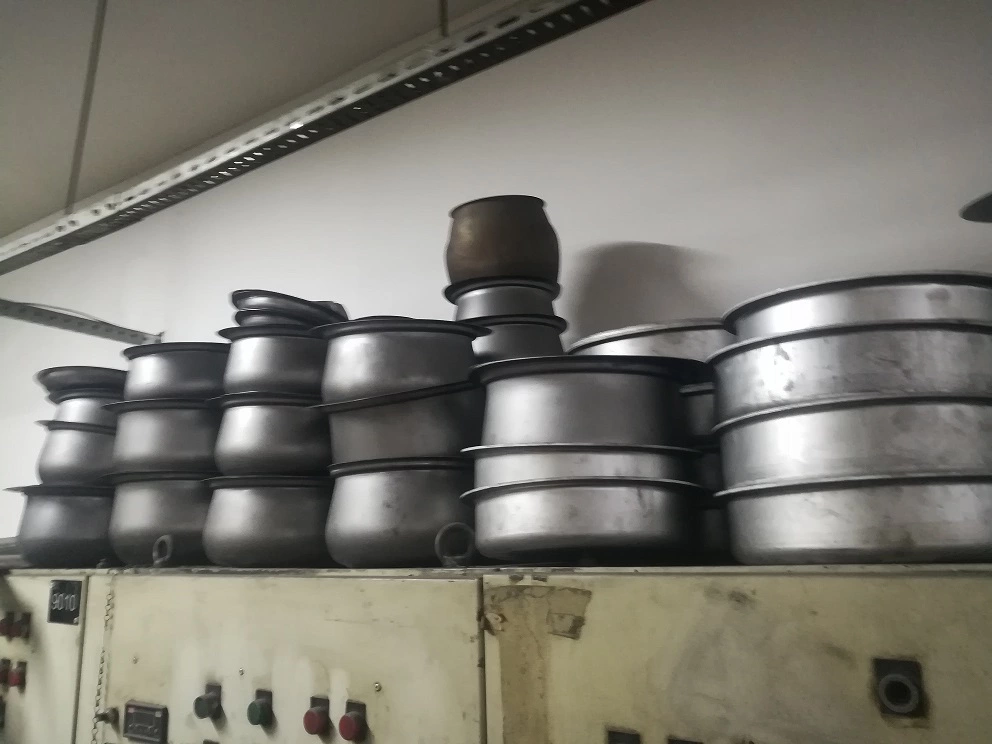
Categories
Machinery

Sheet Metal Buffet Tray Production Machine

Sheet Metal Cookware Production Machinery

Sheet Metal Buffet Tray Production Machine: the process of Sheet metal cookware production machinery production, generally involves several stages of forming, shaping, and finishing metal to produce items like pots, pans, lids, and other kitchenware. Below is a breakdown of common machines and tools used in the manufacturing process:

Primary Machinery for Sheet Metal Cookware Production

1. Metal Cutting Machines

  • Shearing Machines: For cutting large metal sheets into smaller blanks.
  • Laser Cutters / Plasma Cutters: For precision cutting, especially for complex shapes or designs.

2. Stamping & Blanking Presses

  • Used to cut the metal blanks and form them into rough cookware shapes.
  • Hydraulic or mechanical presses are common.

3. Deep Drawing Presses

  • This is a key process where flat blanks are drawn into deep shapes (e.g., pots, pans).
  • Hydraulic deep drawing machines are commonly used for consistent force and quality.

4. Trimming Machines

  • After deep drawing, excess material is trimmed to finalize the shape.
  • Often automated to improve precision and efficiency.

5. Spinning Machines (for round cookware)

  • CNC metal spinning lathes are used to form and finish circular cookware like bowls or frying pans.
  • Ideal for stainless steel and aluminum cookware.

6. Annealing Furnace

  • Used to soften the metal between forming stages to reduce stress and cracking.
  • Controlled heating and cooling process.

7. Polishing / Buffing Machines

  • For surface finishing—makes cookware shiny and smooth.
  • Includes automatic polishing machines and belt grinding machines.

8. Surface Coating/Anodizing Line

  • For non-stick coatings (Teflon), enamel coating, or anodizing (especially for aluminum cookware).
  • Involves cleaningspray coating, and baking ovens.

9. Riveting Machines

  • For attaching handles and knobs to cookware.

10. Induction Base Welding Machine

  • Used for applying stainless steel or ferromagnetic layers to the bottom of aluminum cookware (for induction cooking compatibility).

11. Leak Testing Machines

  • Ensures cookware (especially pressure cookware) is properly sealed.

Additional Equipment

  • CNC Press Brakes: For bending and shaping handles or brackets.
  • Spot Welding Machines: For joining small parts.
  • Hydraulic Riveters: For ergonomic and high-speed handle assembly.

Optional Automation

  • Robotic arms for loading/unloading.
  • PLC-controlled production lines for high-volume, repeatable output.

In sheet metal cookware production, the process starts with cutting raw metal sheets—typically stainless steel or aluminum—into appropriately sized blanks using shearing machines or laser cutters for precision. These blanks are then moved to stamping or blanking presses, where they are shaped roughly into the initial cookware form. Next comes deep drawing, which is a critical forming process that stretches the metal into a deeper shape like a pot or pan using a hydraulic press. Depending on the complexity, this might require multiple draws with intermediate annealing, where the metal is heated in a furnace to relieve stress and prevent cracking.

Once the basic shape is formed, trimming machines remove excess material to get a clean edge. For round cookware, CNC metal spinning machines are often used to refine the shape and form features like flared rims or rounded bases. After shaping, the cookware goes through surface treatment. Polishing and buffing machines smooth out the metal, giving it that shiny, reflective finish you see on store shelves. If the cookware is non-stick, it proceeds to a coating line where it’s cleaned, sprayed with PTFE or ceramic coatings, and baked in curing ovens.

For cookware meant for induction cooking, an induction base—often a disc of stainless steel—is welded to the bottom using high-frequency welding machines. Handles and knobs are attached next, typically by riveting or spot welding, depending on the design. At this point, the cookware is tested for quality—leak testing is common for pressure cookware to ensure proper sealing and durability. Some production lines may include robotic arms for loading, unloading, or polishing to increase throughput and consistency.

The entire process can be semi-automated or fully automated, depending on production volume and investment. Advanced setups use PLC-controlled systems with robotic integration, allowing for continuous, high-speed production with minimal manual handling. The combination of forming, finishing, coating, and assembly ensures cookware is not only functional but also durable and aesthetically pleasing.

Following the main production and assembly, packaging becomes the final critical step before cookware is ready for distribution. First, each finished item is cleaned thoroughly—either manually or via ultrasonic washers—to remove any residue from polishing compounds or coating materials. Once clean, items may undergo a final inspection, where they are checked visually and sometimes by automated vision systems for defects like scratches, dents, coating inconsistencies, or incomplete rivets.

Next, barcodes or branding are often applied. This might include laser engraving for logos, pad printing for decorative elements, or labeling with product details. Some high-end cookware lines include serial numbers or QR codes to track manufacturing batches, which is useful for both marketing and quality control.

Packaging depends on the target market and branding. Automated packing machines can wrap cookware in protective film, insert them into cardboard boxes, and even shrink-wrap multi-piece sets. Eco-conscious manufacturers often use recyclable or minimal packaging, which requires precision fitting to avoid damage during transit. Inner packaging may include instruction manuals, warranty cards, and sometimes promotional material or recipe booklets.

The packaged cookware then moves to palletizing stations, where robotic arms or automated stackers organize boxes onto pallets for efficient shipping. Some lines are integrated directly with warehouse management systems, allowing real-time inventory updates as items are packed and labeled.

In a high-efficiency plant, the entire process—from metal sheet to boxed product—can be integrated into a continuous flow, with conveyors connecting each station. This ensures minimal downtime and faster turnaround times, especially important for fulfilling large retail or export orders.

Throughout the process, safety and environmental considerations are key. Fume extraction systems are used near coating and polishing stations, noise levels are controlled with acoustic enclosures around heavy presses, and water from cleaning processes is filtered and reused when possible. Energy-efficient hydraulic systems and inverter-controlled motors also help reduce operational costs and environmental footprint.

Continuing from there, maintenance and quality assurance are two pillars that sustain long-term efficiency and consistent product standards in cookware manufacturing. Every machine on the line—from deep drawing presses to coating ovens—requires a regular preventive maintenance schedule. This includes checking hydraulic fluid levels, inspecting press tool wear, replacing spinning lathe tips, calibrating welding and riveting tools, and ensuring the coating spray guns are delivering even and accurate layers. Most modern machinery includes built-in diagnostics or can be integrated into a central monitoring system (often via Industry 4.0 protocols) to alert operators before issues escalate into breakdowns.

Tooling management is especially crucial. In deep drawing, trimming, and stamping, dies and molds undergo wear and tear and must be reconditioned or replaced to maintain product precision. Tool changes need to be efficient to avoid extended downtime, and manufacturers often keep duplicate sets ready to swap in during multi-shift operations.

On the quality assurance side, standard operating procedures (SOPs) are implemented at every major stage—post-forming, post-polishing, post-coating, and pre-packing. For coated cookware, crosshatch adhesion tests and hardness tests (like pencil hardness) are performed regularly. In some factories, a salt spray chamber is used to simulate corrosion resistance, especially important for stainless steel products. For anodized aluminum items, oxide layer thickness is checked with digital micrometers or colorimetric sensors.

Traceability systems are becoming more common, with software tracking each unit’s production data—what batch of sheet metal was used, which press formed it, when it was coated, and by whom it was assembled. This is especially useful for handling returns or quality complaints and is often a requirement when exporting to regulated markets like the EU or North America.

Training for operators is another critical layer. Skilled workers ensure better output, catch problems early, and reduce waste. Training includes machinery operation, tool changeover techniques, quality control procedures, safety protocols, and basic troubleshooting. Some facilities even implement lean manufacturing practices and continuous improvement programs like Kaizen to boost efficiency, minimize scrap, and optimize the workflow over time.

Sheet Metal Pizza Pan Production Machine

How to Manufacture Sheet Metal Frying Pan

sheet metal pizza pan production machine is typically a specialized setup or integrated line designed to manufacture round, shallow pans used in baking pizza. While the process is simpler than deep cookware like pots, it still requires precise forming, consistent quality, and a smooth finish. Here’s how the machinery and flow typically look:

Pizza Pan Manufacturing Process & Machinery

1. Metal Sheet Decoiler & Feeder

  • Raw sheet metal (usually aluminum or aluminized steel) is loaded in rolls.
  • decoiler unrolls the sheet, and a servo feeder pushes the sheet into the cutting or blanking station.

2. Blanking Press

  • mechanical or hydraulic press equipped with a die cuts round blanks.
  • These blanks are the flat discs that will be formed into pans.

3. Shallow Drawing or Stamping Machine

  • The blank is transferred into a shallow drawing die where it is formed into the basic pizza pan shape.
  • This could be done in a single stroke or progressive dies depending on pan design (with or without ridges or perforation).

4. Trimming Machine

  • Ensures the outer edge of the pan is clean, uniform, and smooth.
  • Especially important for pans that will be stacked or nested.

5. Beading / Rim Forming Machine

  • For pans with reinforced edges or rolled rims, this machine bends and compresses the rim for structural strength and safety.
  • Optional but common for commercial-grade pans.

6. Perforation Press (Optional)

  • For “crisper” pizza pans, this machine punches holes into the bottom of the pan.
  • Increases airflow and helps with crispier crusts during baking.

7. Surface Polishing / Brushing Machine

  • Depending on product grade, a brushing or polishing unit is used to give the pan a clean finish or brushed texture.
  • Some pizza pans are also anodized or coated, which may follow here.

8. Non-stick Coating Line (Optional)

  • If the pan is to be coated, it’s cleaned, spray-coated with a non-stick compound like PTFE or silicone, and passed through a curing oven.
  • Coated pans also require dust-free environments for clean adhesion.

9. Stacking and Packing

  • Finished pans are automatically stacked and optionally packed using shrink-wrap machines or inserted into boxes for distribution.

Machine Types Commonly Used

  • Hydraulic or Mechanical Presses (25–100 tons depending on pan size)
  • Servo Feeders and Straighteners
  • Rotary Trimming Machines
  • CNC Spinning Machines (for specialty edges or designs)
  • Rim Rolling Machines
  • Spray Coating Booths and IR Ovens
  • Vibratory Finishing / Tumbler (for de-burring or softening edges)

Materials Used

  • Aluminum (lightweight, good heat conductivity)
  • Aluminized Steel (durable, often used in commercial kitchens)
  • Hard-anodized Aluminum (premium pans)

Final Notes

A pizza pan line is relatively compact and modular, especially if you’re focusing on only one or two sizes. Most manufacturers custom-build or integrate machines depending on capacity—say, 500–2000 pans/hour. Automation is feasible and often cost-effective for large runs.

Sure thing. In a sheet metal pizza pan production setup, the process starts with coiled sheet metal—typically aluminum or aluminized steel—being fed into the system via a decoiler and a straightening feeder. The flat sheet is then directed into a press fitted with a circular blanking die, where round blanks are cut out. These blanks are what eventually become the pizza pans. From there, the blanks move to a shallow drawing or stamping press where they’re formed into the recognizable pan shape with a smooth base and shallow walls. This is usually done in a single stroke or sometimes with a progressive die setup if more detail is needed.

After forming, the outer rim of the pan often needs trimming to remove excess material and ensure the edge is perfectly round and smooth. For pans requiring additional structure, a rim forming or beading machine is used to roll or curl the edge, making it sturdier and safer to handle. Some pizza pans, especially those meant for professional kitchens, might go through a perforation press at this stage—this adds small holes to the bottom to improve airflow and create a crispier crust during baking.

Once the shape is finalized, the pans may pass through a polishing or brushing machine to enhance surface finish or achieve a specific texture. If a non-stick or hard-anodized surface is needed, the pans are cleaned, coated using automated spray booths, and then sent through a curing oven where the coating is baked onto the surface. For hard-anodized pans, an electrochemical process is used to thicken the natural oxide layer on the aluminum, improving durability and corrosion resistance.

At the end of the line, the pans are cooled, stacked, and moved to the packing station. Depending on the production scale, this could involve manual labor or be fully automated with robotic stackers and shrink wrap systems. Throughout the production process, quality checks are conducted—this includes checking shape consistency, rim integrity, perforation accuracy, and coating adhesion. If required, data from the machines can be collected for traceability, especially for export compliance or private label production.

A pizza pan production line is relatively efficient and doesn’t require a large footprint unless multiple sizes and styles are being produced simultaneously. With modern servo-controlled presses and CNC automation, one line can handle multiple sizes by swapping dies, and a medium-sized setup can easily produce several hundred to a few thousand pans per hour depending on complexity and finish requirements.

Continuing from there, one of the key advantages in pizza pan production is the relatively low forming depth compared to deeper cookware, which allows for faster cycle times and simpler tooling. This means that the presses used don’t need to be extremely high tonnage, making the machinery more accessible and cost-effective for small to mid-sized operations. A mechanical press in the 25–50 ton range is usually sufficient for forming standard pizza pans up to 16 inches, while larger industrial pans may require slightly more force and deeper tooling setups.

If a production line is designed for multiple pan sizes or styles—like flat pans, deep-dish, or crisper trays—it can be equipped with a quick-change die system. This reduces downtime when switching between products and helps keep throughput high. Tool and die maintenance becomes important here; since the edge quality and consistent pan depth are visually obvious to the end user, even slight inconsistencies in the tooling can lead to rejections or poor stacking performance. This is especially true in the case of commercial pans, where precise nesting is important for storage and transportation in kitchens.

Another important factor is the choice of surface treatment. While bare aluminum is often acceptable, especially for lower-cost or single-use pans, higher-end products may require additional finishing. Hard anodizing not only improves wear resistance but also gives the pan a dark, matte finish that helps absorb heat evenly. Non-stick coatings are popular for home-use pans, but they require a cleanroom-like environment to prevent dust or oil contamination before curing. Coating adhesion is a common failure point if surface preparation (such as degreasing and etching) is not handled properly.

On the automation side, robotic arms or pneumatic pick-and-place systems can be added for blank transfer, forming press loading, and unloading to reduce manual handling. Laser sensors or vision cameras can also be used to detect pan alignment and ensure that each unit is formed and coated accurately. These systems become more important as production volumes increase or if defect tolerance is very low.

At the final stage, finished pans are stacked, sometimes nested with interleaving sheets or dividers if they have a non-stick finish. Packing machines wrap or box them according to the retail or bulk distribution needs. For large-scale export or OEM manufacturing, branding elements like embossed logos, QR codes, or printed sleeves are added either inline or in a secondary packaging station.

If you’re considering setting up such a line, one of the most critical decisions will be the balance between flexibility and output. A fully flexible line can handle many SKUs with relatively low changeover time but might be slower per unit. A dedicated high-speed line, on the other hand, will produce one or two products at extremely high volumes. Both approaches can be optimized based on your market, whether you’re serving domestic retail, food service supply, or private-label export contracts.

Building on that, if you’re planning the full production environment for pizza pans—especially with scalability in mind—factory layout, workflow optimization, and supply chain integration become the next crucial layers. The physical layout should aim for a linear or U-shaped flow to minimize backtracking and material handling. Starting with raw coil storage near the decoiler, the line should progress logically through blanking, forming, finishing, and finally to packing and palletizing. Each station ideally has buffer zones to prevent bottlenecks, especially between forming and coating processes, where timing and curing may differ.

Material handling can be semi-automated using conveyor belts or air-powered transfer systems between each step, especially from blanking to forming and from forming to coating. For instance, a vacuum pickup system can lift and place blanks into the forming press without human touch, keeping consistency high and reducing labor fatigue or injury risk. In medium- to high-capacity lines, robotic stackers or automatic cart systems can transport finished pans to the packing area or to holding racks before final inspection.

Sourcing materials efficiently is another big consideration. Aluminum coil stock should be ordered in pre-treated or mill-finished form to reduce upstream processing. If you’re doing non-stick or anodized pans, you may consider sourcing pre-coated aluminum sheets, though this limits flexibility in pan size and shaping. Alternatively, buying raw coil and integrating the anodizing or coating lines in-house offers full control but requires investment in chemical treatment systems and curing ovens, plus proper environmental compliance.

Environmental control is especially important for coating operations. The spray booths and curing ovens must be isolated from dust, moisture, and temperature swings, especially if you’re using PTFE-based coatings. Exhaust and filtration systems must be in place to meet safety and emissions standards. In the case of anodizing, chemical treatment tanks need precise pH, voltage, and timing controls, and wastewater from rinsing and etching stages must be properly treated before disposal or reuse.

From a business standpoint, production tracking and batch reporting are becoming more standard, even in mid-size plants. With basic PLC integration, you can track each batch from raw material to final packaging, allowing quick response in case of defects, customer complaints, or recall scenarios. If integrated with barcode or QR labeling, this also helps distributors and retailers manage inventory more efficiently.

In terms of labor, pizza pan production doesn’t require a huge team once the system is up and running, but it does require skilled technicians to manage die changes, maintain presses, and monitor coating quality. Operators are trained not just in safety and machine handling, but in identifying minor defects that could affect product quality downstream. For instance, a slight warp in a pan might not seem critical at forming but could lead to non-stick coating issues or warping under heat.

Lastly, for expanding product lines—like adding cake pans, pie tins, or baking trays—the core setup remains largely the same. You’d only need to adjust die sets, perhaps add or remove perforation steps, and modify the trimming or forming dimensions. This modularity makes pizza pan production a solid entry point into broader bakeware manufacturing.

Sheet Metal Steamer Basket Production Machine

How to manufacture Sheet Metal Dutch Oven

For a sheet metal steamer basket production machine, the process is somewhat similar to other cookware production lines but with some specific needs based on the design of steamer baskets, which typically require fine mesh or perforated sheet metal, along with a foldable or collapsible design. Here’s how the machinery involved would work and the steps for producing these baskets:

The process begins with raw sheet metal—typically stainless steel or aluminum—uncoiled and fed into the system. A decoiler and feeder prepare the sheet metal for cutting. For basic round or oval steamer baskets, the sheet is first blanked into circular or other appropriate shapes using a mechanical or hydraulic press equipped with a die. The blanks are then moved to the next station where perforations are added. For a steamer basket, perforations are essential because they allow steam to pass through the metal, cooking food evenly. These perforations can be made using a punch press with specialized tooling, creating a fine grid pattern or larger holes, depending on the desired function and aesthetic of the basket.

Once the perforations are made, the metal blanks need to be formed into the actual basket shape. This is typically done using a shallow drawing machine or a spinning machine. The shallow drawing machine will form the metal into the shape of the basket, which often has a shallow depth with slightly raised edges to keep food inside. Alternatively, for more intricate designs (like collapsible baskets), CNC spinning or hydraulic presses may be used to create more complex shapes, especially if the basket needs to be collapsible for storage purposes.

In some cases, the baskets might also include a folding rim or rolled edge to provide a more finished look and improve strength. For this, a rim forming or beading machine is used to roll the edges to a specific diameter, giving it a sturdier construction and sometimes a better grip. This is an essential step if the basket will be used frequently, as it adds durability and strength, especially when handling hot foods.

Once the basic shape is completed, any excess material around the edges may be trimmed to ensure a clean and consistent finish. Trimming machines can be used here to remove any burrs or excess metal from the formed baskets.

If the steamer baskets require a non-stick coating, the baskets will then go through a cleaning and coating line. In this process, the baskets are thoroughly cleaned to remove oils or residues left from the forming process. They may then go through a spray booth, where non-stick coatings, such as PTFE or ceramic-based materials, are applied. These coatings help ensure that food doesn’t stick to the metal surface during steaming. The baskets are then sent through an oven to cure the coating.

For additional durability and to give a more refined appearance, the baskets may undergo a polishing or brushing process to smooth the surface or give it a shiny, clean finish. This is often done with polishing wheels or brushes depending on the desired texture of the product.

Once completed, the steamer baskets are moved to the packing and labeling stage. This involves stacking the baskets, ensuring they are protected from scratches, and labeling them for shipment. Some baskets may be shrink-wrapped for protection during transit or boxed, depending on the customer’s needs.

The key equipment involved in the production of steamer baskets includes:

  • Mechanical or hydraulic presses for blanking and shaping.
  • Perforating presses for hole patterns.
  • Shallow drawing or spinning machines for forming the basket shape.
  • Rim rolling and beading machines for reinforcing edges.
  • Cleaning and coating booths for non-stick coatings.
  • Polishing machines for finishing.
  • Trimming machines for edge cleanup.
  • Packing systems for final handling.

If the production volume is high, automation can be incorporated to move parts between stages with robotic arms or conveyors, ensuring fast cycle times and minimal manual handling. These systems also help improve quality control by ensuring that every piece is formed and coated according to the same specifications.

In the production of sheet metal steamer baskets, the process starts with unrolling the raw sheet metal, which is typically stainless steel for its heat resistance and durability. The first step is blanking, where the metal is cut into circular or custom shapes using mechanical or hydraulic presses, depending on the scale of the operation. For basic round baskets, a punch press with a circular die is commonly used, but if the design requires more intricate shapes (like oval or custom sizes), a CNC laser cutter might be used for precision.

After the blanks are cut, the next stage is to add perforations. Perforations are essential for the steamer basket’s functionality, as they allow steam to pass through while cooking. These perforations can be made with a specialized punch press, which stamps out a uniform pattern of holes or a grid design in the metal. Depending on the design and purpose, the holes might vary in size, and the pattern can range from a fine grid to larger individual holes to allow for greater steam flow. The precise pattern of holes is vital, as it directly impacts the basket’s steaming efficiency.

Once the perforations are in place, the next step is forming the metal into the shape of the basket. A shallow drawing press or spinning machine is often used for this, where the metal is drawn into a shallow shape with raised edges. If the basket needs to be collapsible, a more complex process using hydraulic or mechanical presses is required to create foldable sides that can expand or collapse for easy storage. This step often requires precise control, as the shape and depth of the basket must be uniform to ensure it functions correctly during cooking.

After the basket is formed, the edges may need to be reinforced. This is done with a rim forming or beading machine, which rolls the edges to create a stronger, smoother finish. The rim provides structural integrity to the basket and prevents sharp edges, making it safer to handle.

Once the basic shape and structure are in place, any excess material is trimmed using trimming machines to clean up the edges and ensure that the basket has a uniform and clean finish. This step also removes any burrs or rough spots left from the forming process.

For added durability and functionality, especially if the basket will be used for steaming food, many steamer baskets are coated with a non-stick layer. This coating prevents food from sticking to the surface, making cleaning easier. After the basket is formed and trimmed, it is sent through a cleaning and coating line. First, it is cleaned thoroughly to remove oils, residues, and any dust from the forming process. Then, the basket is coated with a non-stick material, often PTFE or ceramic-based coatings, using automated spray booths. After coating, the baskets are cured in an oven, where the coating hardens and bonds to the metal, creating a smooth, non-stick surface.

Once the baskets have been coated and cured, they undergo a polishing or brushing process, which gives them a shiny or matte finish, depending on the desired look. This stage is optional but is commonly used for higher-end products to enhance their appearance and ensure a smooth surface that’s easier to clean.

Finally, the baskets are stacked and moved to the packing area. Here, they are checked for quality and packaged for shipment. Packaging can vary from simple shrink wrapping to more elaborate box packaging for retail, depending on the target market. Some systems are automated, with robotic arms or conveyors moving the baskets through the packing process, ensuring consistent handling and reducing manual labor.

Throughout the process, various quality checks are conducted to ensure that each basket meets the required standards. This includes checking the perforations for uniformity, ensuring the edges are smooth and free of sharp spots, and testing the non-stick coating for adhesion and durability. Automated inspection systems, such as visual cameras or sensors, can be integrated to detect defects during the forming and coating stages.

The production line can be adjusted for different sizes of steamer baskets by changing the dies or tooling in the presses and adjusting the size of the perforations. A modular approach allows manufacturers to handle multiple designs with relatively low downtime for setup changes, making the process more efficient and cost-effective. Automation helps with high-volume production, ensuring that baskets are formed and coated consistently, while also reducing the need for manual handling and increasing throughput.

As the production line continues to progress, the next important consideration is streamlining material handling and ensuring the proper flow of the steamer basket manufacturing process. For high-volume production, automation plays a critical role in minimizing labor costs and increasing consistency. The metal sheets, after being cut into blanks, are transferred to the perforating station using conveyors or robotic arms that place the blanks accurately into the punch press. After perforation, the baskets are moved efficiently to the forming presses, with minimal downtime. By utilizing automated transfer systems, the operation ensures that there is no bottleneck between stations, allowing for smooth continuous production.

Additionally, incorporating automated quality inspection systems throughout the production line can dramatically improve product consistency. At each stage—blanking, perforating, forming, and coating—vision cameras or sensors can be integrated to check for defects like misalignment, incorrect hole patterns, and imperfections in the edges or finish. This enables immediate corrective actions, preventing defective baskets from moving further down the line and reducing scrap rates.

For coating applications, drying and curing ovens must be properly calibrated to ensure that the non-stick coatings adhere uniformly to the baskets. The curing time and temperature must be precisely controlled to prevent any uneven surfaces or defects in the coating. To ensure long-lasting, durable non-stick finishes, some manufacturers opt for more advanced curing systems that control not just temperature but also humidity and air circulation within the oven. These systems help ensure the coatings are baked at optimal levels, which reduces the likelihood of peeling or degradation over time.

In terms of material sourcing, while stainless steel is the go-to material for most steamer baskets due to its heat resistance, corrosion resistance, and overall strength, manufacturers may choose to use aluminum for lighter, lower-cost alternatives. Aluminum is less expensive and easier to form, but it may not have the same level of durability and heat resistance as stainless steel. The choice between materials will depend on the target market—stainless steel is more common in higher-end, long-lasting products, while aluminum might be used for disposable or budget-conscious consumer products.

As the baskets exit the curing process, they are inspected for coating quality, and additional steps may be taken if necessary. For example, some baskets may undergo a second pass through the polishing system to enhance their finish and ensure a more visually appealing product. This is especially important if the steamer baskets are intended for retail markets, where aesthetics play a significant role in consumer decision-making.

Once the baskets are complete, the stacking and packing phase is automated to the greatest extent possible. Finished baskets are stacked according to size and type, with some models featuring nesting or collapsing designs for more compact storage. The baskets are then passed through a robotic arm or automated packing machine that groups them into sets or individual units for boxing or shrink-wrapping. Packaging can be designed for either bulk shipments or retail display, depending on the customer’s requirements.

Throughout the entire process, there is a strong emphasis on minimizing waste and maximizing efficiency. Lean manufacturing principles can be applied, such as using material recovery systems to recycle scrap metal and cutting down on energy consumption in the heating and curing stages. Many manufacturers also integrate data tracking systems for each batch of steamer baskets produced. This allows them to trace materials, machine settings, and coating processes, which is useful for quality control, inventory management, and meeting regulatory standards, especially if the baskets are being exported to markets with stringent product requirements.

Finally, if the production line is set up with scalability in mind, it’s possible to adjust production volume with relative ease. Modular machinery setups and flexible dies for the forming presses allow for quick changes between different basket designs or sizes, making it easier to diversify product lines. For example, if there is demand for larger or smaller baskets, changing the dies or the settings on the forming press allows manufacturers to quickly pivot without investing in entirely new production systems.

For companies looking to enter the steamer basket market, investing in automation and efficient production lines ensures that the operation is cost-effective, capable of scaling production volumes, and able to maintain high-quality standards. This approach can also help manage fluctuations in market demand, enabling the manufacturer to quickly adjust production capacity without incurring excessive costs.

As the steamer basket production line evolves, there are a few more critical considerations, particularly when it comes to optimizing maintenance schedules, managing supply chain logistics, and scaling for future growth.

Maintenance is one of the most crucial aspects of ensuring the longevity and efficiency of the production line. Every piece of machinery, from the decoiler to the punching press, must be regularly maintained to avoid unexpected downtime. Setting up a preventive maintenance (PM) schedule is essential to minimize unscheduled stoppages that can affect throughput. For example, press dies need to be regularly inspected and sharpened to maintain clean cuts, while conveyor systems require periodic lubrication and adjustments to avoid misalignment or jamming. Similarly, the curing ovens need temperature calibration checks and cleaning of vents and filters to maintain consistent heat profiles. By establishing a predictive maintenance system, perhaps integrated with machine learning or IoT (Internet of Things) sensors, manufacturers can anticipate wear and tear, order spare parts in advance, and minimize disruptions.

As for supply chain logistics, managing raw materials is key to keeping production running smoothly and minimizing costs. For a product like steamer baskets, it’s important to source high-quality stainless steel or aluminum at competitive prices. Long-term relationships with suppliers are essential, as is the ability to forecast demand accurately. Manufacturers might consider working with multiple suppliers to mitigate the risk of delays in case one supplier faces issues. Raw materials should be ordered in bulk to reduce unit costs, and managing inventory through automated systems can help avoid stock-outs or excess inventory.

When scaling up production, supply chain management systems can help optimize the movement of materials from suppliers to the production facility. Technologies such as enterprise resource planning (ERP) and supply chain management (SCM) software can improve coordination between procurement, manufacturing, and distribution, ensuring that production schedules are met, and materials are always on hand. Manufacturers may also look into setting up local supply partnerships or sourcing materials from sustainable and certified suppliers, which can improve the reliability and ethical standards of the entire supply chain.

Regarding scaling production, it’s important to consider how to expand your capacity without sacrificing quality. Investing in modular equipment allows manufacturers to add or remove production lines as demand fluctuates. For instance, additional forming pressescoating booths, or even inspection systems can be added to meet growing demand for different basket sizes or designs. If the market demands higher volumes, manufacturers might opt for larger, more automated lines that can handle higher throughput without significantly increasing labor costs. This could involve upgrading presses to higher-tonnage models or incorporating multi-station tooling that can handle multiple baskets in one press cycle.

Product diversification is another avenue for growth. If your company has mastered steamer baskets, expanding into other types of cookware like steamer insertsbaking trays, or colanders could leverage existing machinery while offering new product options. A flexible die system that can be easily adjusted for different shapes can help quickly adapt the production line for these new product types without major capital investment.

To ensure market competitiveness, it’s also important to maintain a focus on cost control. Constantly evaluating material costs, machine efficiency, and energy consumption can yield substantial savings. For example, if energy consumption in heating or curing processes is high, manufacturers may look into investing in energy-efficient ovens or alternative coating methods that require lower curing temperatures. Similarly, automating more stages of the process can reduce labor costs while increasing the speed and precision of the work. Lean manufacturing techniques, such as just-in-time (JIT) inventory management, can further reduce waste and improve operational efficiency.

Lastly, quality control remains a top priority throughout the process. Given that the end product—steamer baskets—will be exposed to high heat and moisture, ensuring the product’s durability is paramount. Regular inspections at each production step, as well as end-of-line quality testing, are essential to guarantee the product is defect-free. For instance, the coating process should be closely monitored to ensure uniformity, and perforation patterns must be consistent. Non-stick coatings, in particular, require rigorous testing for adhesion, durability, and resistance to heat. The final product can also undergo a visual inspection and functionality test to ensure it meets industry standards for strength and steaming efficiency.

As the brand grows, expanding into larger markets requires the consideration of export standards and certifications. For steamer baskets, certifications such as ISO 9001 (for quality management) or FDA approval (if applicable, for food-safe coatings) may be necessary for certain markets. Having a clear understanding of these regulations and ensuring that all products comply can open up opportunities for international sales and help position the brand as a trusted name in cookware.

In conclusion, the production of sheet metal steamer baskets involves a series of interconnected processes, from raw material handling and forming to coating and packaging. By optimizing every stage—from equipment selection and automation to supply chain management and maintenance scheduling—manufacturers can create an efficient and scalable production environment. Continuous investment in machinery, technology, and quality control will ensure that steamer baskets not only meet customer expectations but also maintain profitability as the market grows.

Sheet Metal Roasting Pan Production Machine

The production of sheet metal roasting pans involves a similar approach to other cookware manufacturing processes but requires a few specific features to ensure the pan is durable, heat-resistant, and functional for roasting. Here’s how the machinery and processes for producing roasting pans typically work:

The process begins with the raw material, which is typically stainless steel or aluminum due to their heat resistance and strength. Stainless steel is more common for higher-end products due to its durability, non-reactivity with food, and ability to withstand high oven temperatures. Aluminum, on the other hand, may be used for more budget-friendly pans due to its light weight and relatively lower cost.

The first step is the decoiling and uncoiling of the metal sheets. The coils of metal are fed into the machine through a decoiler, which unwinds the material and prepares it for cutting into sheets. This process also aligns the metal for further operations.

Once the material is uncoiled, the next step is blanking. A mechanical or hydraulic press with a specialized die is used to cut the sheet metal into the required shape and size for the roasting pan. Roasting pans typically have a rectangular or oval shape, and the blanking process is crucial to creating uniform pieces that will form the body of the pan.

Next, the blanks are sent to the forming press, which shapes them into the deeper sides of the roasting pan. This process can be done with a deep-drawing press or shallow-drawing press, depending on the depth of the pan. The metal is drawn into a mold to create the characteristic high walls of a roasting pan. This stage may require multiple operations, especially if the pan has complex features, such as rolled edges or a reinforced lip for better grip.

After the pan is formed, the next step is to trim the excess material from the edges. This is done using trimming machines or edge forming presses, which remove any sharp edges and ensure that the pan has a clean and uniform appearance. It also ensures that there are no burrs or sharp edges left on the product, making it safer for handling.

If the roasting pan requires a reinforced edge for added durability and strength, a rim-forming machine may be used to create a smooth, rolled edge. This process helps prevent deformation and makes the pan more resilient to heavy use. The rolled edges also make the pan easier to handle, especially when hot.

The next critical step is surface finishing, which involves polishing, brushing, or coating the pan. If the roasting pan requires a non-stick coating, it will undergo a cleaning process to remove any oils, dust, or debris left from the forming and trimming stages. This ensures the coating adheres properly. Non-stick coatings, such as PTFE (Teflon) or ceramic coatings, are often used for roasting pans to prevent food from sticking and to make cleaning easier.

The coating is usually applied using spray booths that evenly coat the pan. After coating, the pan is sent through a curing oven, where the coating is baked onto the surface at a precise temperature. This curing process ensures that the coating adheres securely to the metal and forms a smooth, durable finish.

For pans that don’t require a non-stick coating, the surface may be treated with a brushed finish or polished to provide a shiny and aesthetically pleasing look. Polishing is especially important for stainless steel pans, as it enhances the appearance of the pan and helps resist staining.

Once the pans have been finished, they are subjected to a quality control inspection. This can include visual checks to ensure the pans are free of defects, such as scratches, dents, or uneven finishes. Some manufacturers also conduct functional tests to ensure the pans meet heat resistance standards and can withstand the high temperatures typically used in roasting.

After passing inspection, the pans move to the packaging area. Depending on the type of product, the pans may be stacked and packaged individually in protective wrapping or boxed for retail display. If packaging is for bulk shipment, protective inserts or cardboard dividers may be used to prevent the pans from scratching each other.

Key Equipment for Roasting Pan Production:

  1. De-coiler and feeder: To unwind and feed the raw material.
  2. Blanking press: For cutting the metal into the correct size and shape.
  3. Forming press (deep drawing or shallow drawing): To shape the pan’s sides.
  4. Trimming press: To clean up edges and remove excess material.
  5. Rim-forming machine: To roll the edges and add reinforcement.
  6. Coating booth: To apply non-stick coatings.
  7. Curing oven: To bake and cure the non-stick coatings.
  8. Polishing machines: To finish and shine stainless steel pans.
  9. Inspection stations: For quality control at various stages.
  10. Packaging systems: For boxing and preparing products for shipment.

In terms of automation, similar to other cookware production lines, incorporating robotic arms or conveyors can significantly enhance efficiency. Automated systems can transfer pans between stages, such as from the forming press to the coating booth, and from there to the curing oven and packaging stations. This reduces the need for manual labor, increases throughput, and ensures that each pan is handled in a consistent manner.

Material sourcing is also important for keeping costs down and maintaining quality. Stainless steel for high-end pans tends to be more expensive than aluminum, but the investment in stainless steel often results in a more durable, long-lasting product. Many manufacturers opt for high-quality stainless steel alloys that provide both durability and resistance to staining, rust, and corrosion. Aluminum, while lighter and more affordable, may not hold up as well over time compared to stainless steel, especially for products meant for heavy, long-term use like roasting pans.

If your roasting pans are intended for commercial use, ensuring compliance with food-safe standards is essential. For non-stick coated pans, ensure the coating is FDA-approved or meets other relevant food safety standards. Moreover, ISO certifications for quality management systems can help ensure that the production process is efficient and consistently produces high-quality products.

The packaging process can be adjusted based on whether the pans are being sold in bulk or individually. For bulk shipments, simpler packaging methods can be used, while individual retail packaging may involve more attention to aesthetic design, such as branded boxes or shrink-wrapping with product information.

As the production line ramps up or diversifies, it’s important to consider flexibility in the machinery. Using modular dies for forming presses and versatile coating systems allows manufacturers to adapt to different roasting pan sizes or product variations, such as adding handles, lid designs, or different coatings. A flexible production line allows manufacturers to easily accommodate market demands and experiment with new product designs.

The production of sheet metal roasting pans involves several key steps, each requiring specialized machinery to ensure the final product is both functional and aesthetically appealing. After the raw material, typically stainless steel or aluminum, is uncoiled from the supply rolls, the first step is to cut the metal sheets into precise shapes using a blanking press. This press ensures uniformity and accuracy in the shape of the pan, which is usually rectangular or oval for roasting pans. The blanks are then transferred to a forming press, which shapes the metal into the desired depth of the pan’s sides. This forming process can involve deep-drawing presses for pans that need deeper sides and shallow-drawing presses for more standard shapes.

Once the pan is shaped, trimming machines clean up the edges, ensuring they are smooth and free of burrs. For added durability, some pans undergo a rim-forming process, where a machine rolls the edges of the pan to reinforce them and make them safer to handle. If the pan requires a non-stick coating, the next step involves a coating process. This typically takes place in a spray booth where a thin layer of non-stick material like PTFE or ceramic is applied to the surface of the pan. The pan is then cured in a specialized oven, where the coating is baked to a hard finish, ensuring it adheres well to the metal.

For stainless steel pans that do not require a non-stick coating, a polishing or brushing machine may be used to give the pan a shiny or matte finish, depending on the desired appearance. This step is important not just for aesthetics but for the overall smoothness and ease of cleaning. After finishing, each pan goes through a quality control process. This may include visual inspections to check for surface defects, such as scratches or dents, as well as more functional tests to ensure the pan can withstand high temperatures without warping.

Once approved, the pans are then packaged. The packaging can be tailored to the type of market the pans are intended for. For retail markets, individual pans are often wrapped in protective materials and placed in custom boxes that include product information and branding. For wholesale or bulk shipments, simpler packaging may be used, such as shrink-wrapping or stacking the pans in larger containers for transport.

Throughout the process, automation is key to improving efficiency and reducing labor costs. Robotic systems can handle the transfer of pans between stages, and automated inspection systems can ensure the quality of each unit before it progresses to the next step. These advancements help reduce human error and ensure high production rates, which are particularly important when scaling up operations to meet demand.

The production of sheet metal roasting pans, like many cookware items, benefits greatly from a flexible and modular production line. This adaptability allows manufacturers to switch between different designs or sizes of pans with minimal downtime, which can be especially useful for catering to varied customer preferences. Additionally, materials and coatings must be chosen carefully based on the end-use of the pans. Stainless steel pans are typically used for their durability and high resistance to heat and corrosion, while aluminum pans may be favored for their lighter weight and cost-effectiveness in more budget-conscious markets.

Finally, as with any cookware production, meeting industry standards for safety and performance is essential. For non-stick pans, ensuring that the coatings are free of harmful chemicals and safe for food use is crucial. This often involves certifications from regulatory bodies, such as the FDA or international standards organizations, which ensure the product meets the necessary guidelines for consumer use.

As you continue to explore the production of sheet metal roasting pans, it’s important to focus on how to streamline and scale the operation effectively. Automation, for instance, can play a vital role in increasing throughput and reducing operational costs. Once the raw material is uncoiled and cut into blanks, automated systems can seamlessly transfer the material to the forming presses. These systems often rely on conveyor belts, robotic arms, or automated carts to move the pieces from one station to the next without manual intervention. This greatly reduces the time between stages and minimizes the risk of human error, ensuring that the pans are handled with precision.

Additionally, automated forming presses can adapt to varying pan designs, providing flexibility in the production process. For example, if a manufacturer wishes to switch between different pan sizes or types, the press dies can be easily changed or adjusted without requiring significant downtime. In some advanced production setups, smart dies are used, which can automatically adjust to the material’s thickness or the desired depth of the pan without the need for manual recalibration. This not only improves efficiency but also allows for higher production volumes without compromising on the quality of each pan.

The trimming and finishing stages also benefit from automation. Robotic trimming arms can precisely cut the edges of the pans, ensuring that they meet the required tolerances and are free from any sharp edges or defects. These systems are often equipped with vision systems that use cameras and sensors to detect flaws in the edges or surface of the pan before moving them to the next stage. If a pan is deemed defective, it can be automatically removed from the production line, reducing waste and improving overall yield.

For the coating process, especially when applying non-stick coatings, it’s essential to have automated spray booths that apply a consistent and even layer of coating across all surfaces of the pan. These booths can be fitted with high-precision nozzles that ensure the correct amount of coating is applied, reducing overspray and wastage. The curing ovens used to bake the coating onto the pans can also be monitored with advanced sensors that ensure the temperature is maintained within the optimal range. This is important for achieving a uniform and durable finish on the non-stick surface.

Once the pans are coated, whether with a non-stick layer or a polished finish, they move to the inspection and quality control stage. This is where the importance of advanced technology really comes into play. Automated vision inspection systems can scan the surface of each pan for imperfections like scratches, dents, or inconsistencies in the coating. These systems use high-resolution cameras and artificial intelligence to analyze the pans for defects, ensuring that only products that meet the highest standards are sent to the packaging stage.

After inspection, robotic arms or automated conveyors can then transfer the pans to the packaging area. In a fully automated line, packaging is done by machines that place each pan into its designated box or protective wrap. The boxes are then sealed, and they can either be stacked for bulk shipment or prepared for retail packaging, which often includes adding labels, branding, and product information.

The overall goal of automation in the roasting pan production line is to reduce human labor, improve consistency, and increase production speed. However, it’s equally important to consider the initial investment in automation. Although the upfront cost can be substantial, the long-term benefits in terms of reduced labor costs, increased efficiency, and the ability to scale production make automation a worthwhile investment. Moreover, as consumer demands evolve, having an automated system allows manufacturers to easily adjust to changes in design, size, or coating preferences.

Alongside automation, lean manufacturing principles can further help reduce waste and improve operational efficiency. For example, just-in-time (JIT) inventory systems can help manage raw material stock more effectively, ensuring that materials are only ordered when needed, reducing storage costs and the risk of overstocking. Additionally, continuous improvement initiatives, such as Six Sigma or Kaizen, can be implemented to identify areas for improvement and minimize defects in the production process. These principles can ensure that each step of the roasting pan production process is as efficient as possible, from raw material handling to packaging.

Finally, as demand for roasting pans increases, the production line can be scaled up to meet higher volumes. This could involve adding more presses or expanding the coating booths to handle a larger number of pans per hour. The modular nature of modern production lines makes it easy to adapt to these demands, enabling manufacturers to quickly adjust without extensive downtime or capital investment.

In conclusion, producing sheet metal roasting pans involves a mix of advanced machinery, automation, and smart manufacturing practices that work together to create a high-quality product at scale. By investing in technology that improves efficiency and consistency, manufacturers can stay competitive in the market while meeting the demands of both consumer and commercial sectors. Would you like more specific advice on automating any part of the process, or help in sourcing the right equipment?

As roasting pan production continues to advance, it’s essential to also consider factors like supply chain integrationsustainability, and market trends to remain competitive and efficient.

The supply chain plays a pivotal role in the overall efficiency and profitability of the production process. Having strong relationships with raw material suppliers is key to ensuring that high-quality stainless steel or aluminum is consistently available. Sourcing materials in bulk can help reduce costs per unit, but it’s important to balance this with storage capacity. For many manufacturers, just-in-time (JIT) inventory systems help to minimize the need for large storage spaces, lowering overhead costs while ensuring that raw materials arrive just when they’re needed. Automated inventory management systems can be integrated with suppliers to ensure real-time tracking of raw materials, making it easier to place orders without overstocking. Additionally, having alternative suppliers can help mitigate risks, especially when dealing with fluctuations in metal prices or potential supply disruptions.

Another aspect of supply chain management is ensuring the consistent quality of the raw materials. Stainless steel and aluminum can vary in quality based on their alloy composition, and it’s critical that these materials meet certain standards for heat resistance, durability, and food safety. Material testing in the early stages of production ensures that the metal meets all specifications before it enters the manufacturing line. This can involve tests for thickness, hardness, and corrosion resistance to guarantee that the pans will perform well under extreme heat and resist degradation over time. Moreover, working closely with certified suppliers can ensure that the materials are food-safe and free from harmful substances.

On the sustainability front, there is increasing consumer demand for eco-friendly and sustainable products, which has led many cookware manufacturers to explore greener production practices. For instance, recycled metals can be used in the production of roasting pans, especially aluminum, which is highly recyclable. By incorporating recycled materials into the production process, manufacturers can reduce the carbon footprint of their products and appeal to environmentally conscious consumers. This practice also helps lower material costs, as recycled metals are often less expensive than virgin materials. Many brands are also looking at reducing their energy consumption during production, particularly in the coating and curing stages, where ovens are used to bake non-stick layers onto pans. Upgrading to energy-efficient ovens or exploring alternative heating methods can help reduce energy costs while also benefiting the environment.

Additionally, packaging materials can be made more sustainable. Using recyclable or biodegradable packaging for roasting pans not only supports sustainability efforts but also aligns with consumer preferences for environmentally friendly products. This could mean shifting away from plastic packaging and using materials such as cardboard, paper wraps, or compostable shrink film. Packaging designs can also be optimized for space-saving, reducing the overall volume and shipping costs. Using smart packaging with printed QR codes or smart labels can provide consumers with detailed product information, such as care instructions, material sourcing, and sustainability credentials, making it easier for them to make informed choices.

The market trends in cookware are constantly evolving, and staying ahead of consumer preferences is key to capturing market share. Non-stick coatings, for instance, have been a major trend in cookware for some time, and their demand continues to grow due to their convenience and ease of use. However, there’s also a growing shift towards health-conscious cooking products, where consumers are more concerned with the materials and chemicals used in non-stick coatings. Some manufacturers are responding by offering ceramic-based non-stick coatings, which are perceived as safer and more natural than traditional PTFE coatings.

There’s also a rising interest in multi-functional cookware, which serves a variety of cooking needs. For example, some roasting pans are being designed with removable inserts or lids, making them versatile for use in baking, roasting, and even serving. This kind of flexibility adds value for consumers, particularly those with limited kitchen space who prefer compact and multi-purpose cookware.

Another important trend is the premiumization of cookware. Many consumers are now willing to pay a premium for higher-quality, long-lasting products that offer both superior performance and aesthetic appeal. Roasting pans made from high-quality stainless steel with high-polish finishes or cast iron roasting pans with enamel coatings are increasingly popular in the high-end market. These products are often marketed as heirloom-quality items, designed to last a lifetime, and are typically positioned as premium products in the retail market.

Furthermore, smart cookware is emerging as a trend in the industry. Some high-tech roasting pans now come equipped with integrated thermometers or even smart sensors that can track cooking temperatures in real-time, providing an enhanced cooking experience. These pans may be designed to sync with smartphone apps, allowing users to monitor their food remotely. While this trend is still in the early stages, it’s a good example of how cookware manufacturers can innovate to meet the increasing consumer desire for connected and smart appliances.

As the demand for premium and multifunctional cookware increases, manufacturers are looking at the possibility of expanding their product offerings beyond basic roasting pans. By diversifying their product lines to include items such as baking sheets, roasting racks, grilling pans, and casserole dishes, cookware companies can tap into new customer segments and boost their sales. Expanding the range allows manufacturers to use existing machinery for different products, which can improve overall production efficiency and reduce downtime.

On the global market front, manufacturers who plan to export their roasting pans should be aware of international standards and certifications. Many countries require specific certifications for cookware products, particularly those with non-stick coatings. In the United States, for example, cookware must meet the FDA’s guidelines for food safety. Additionally, ISO 9001 (quality management) and ISO 14001 (environmental management) certifications can provide credibility to a brand and demonstrate a commitment to high standards of production and sustainability.

Lastly, distribution channels will play a critical role in ensuring that your roasting pans reach the right audience. As the e-commerce industry continues to expand, manufacturers should consider selling directly through online platforms like Amazon, their own websites, or through partnerships with large retailers. Offering attractive shipping options and promotions can help increase sales, while product reviews and customer feedback can enhance visibility and credibility in the marketplace.

By keeping an eye on market trends, ensuring the sustainability of operations, and leveraging automated processes, manufacturers can set themselves up for long-term success in the competitive cookware industry.

Sheet Metal Stock Pot Production Machine

Sheet Metal Cookware Production Machinery

The production of sheet metal stock pots involves similar processes to other cookware items, but the stock pot’s design requires specific machinery and techniques due to its larger size and the need for strong, durable construction to withstand high temperatures and heavy use in kitchens. Here’s an overview of the typical process for manufacturing sheet metal stock pots:

The process begins with the selection of raw material, typically stainless steel or aluminum, depending on the desired durability, weight, and cost considerations. Stainless steel is generally preferred for higher-quality stock pots because of its heat resistance, non-reactivity with food, and corrosion resistance. Aluminum, on the other hand, is lighter and may be used in lower-cost products, though it tends to have a shorter lifespan compared to stainless steel.

  1. Material Preparation: The raw material, typically in the form of large coils, is loaded onto a decoiler that unwinds the sheet metal to prepare it for cutting. The metal is then fed into slitting machines to cut it into strips of the correct width.
  2. Blanking: The first step in the forming process is blanking, where the sheet metal is cut into circular or rectangular blanks (depending on the shape of the stock pot). A blanking press is used to create these initial blanks from the metal strips. Stock pots typically have a flat bottom and higher sides, so the blanks are slightly larger than the final size of the pot to allow for the shaping process.
  3. Deep Drawing: After blanking, the next stage is deep drawing, where the flat metal blank is formed into a shallow bowl shape. A deep-drawing press uses a punch and die system to pull the metal into a mold. This process is crucial to the formation of the pot’s body, which needs to have tall, uniform sides. For larger stock pots, this might be done in multiple stages to ensure the sides are even and smooth.
  4. Trimming and Edge Forming: After the basic shape of the stock pot is formed, excess material from the edges is trimmed. Edge-forming machines are used to smooth the rough edges, removing any burrs and sharp areas that could be dangerous during handling. Sometimes, the edges are also rolled or rimmed to give them added strength and improve the pot’s overall appearance.
  5. Handle Attachment: Depending on the design of the stock pot, handles may need to be attached. These can be riveted or welded to the pot. Some manufacturers use spot welding to attach metal handles, while others may use screws or brackets for a sturdier connection. The handles are an important part of the pot’s usability, so ensuring they are securely attached is a key part of the production process.
  6. Polishing and Surface Finishing: Once the stock pot is shaped, the next step is to finish the surface. If the pot is made from stainless steel, it may go through polishing or brushing to give it a shiny, clean surface. Some stock pots may have a matte finish, while others may be polished to a mirror-like shine. For stock pots with non-stick coatings, the pot will be cleaned thoroughly before applying the coating.
  7. Non-stick Coating (Optional): For some stock pots, particularly those designed for home use, a non-stick coating may be applied. This typically involves spraying the coating onto the interior surface of the pot. The pot is then baked in a curing oven to ensure the coating adheres properly and is durable enough to withstand high temperatures. The non-stick coating can be PTFE-based (e.g., Teflon) or ceramic-based, depending on the desired performance and the target market.
  8. Testing and Quality Control: After the stock pot is formed and finished, it undergoes strict quality control checks. This includes inspecting the pot for any defects, such as scratches, dents, or imperfections in the coating. Additionally, the handles and any welded or riveted joints are tested for strength and stability to ensure they will be able to withstand heavy use. Some manufacturers also test the pot’s heat resistance to ensure it performs well under high temperatures.
  9. Packaging: After passing inspection, the pots are packed and prepared for shipment. Depending on the market, the stock pots may be individually packaged in boxes, which often include branding, care instructions, and product details. In bulk shipments, the pots may be stacked and secured with protective padding to prevent damage during transit.

Key Equipment for Stock Pot Production:

  1. De-coiler and slitting machines: To unwind and cut raw metal into the appropriate strips.
  2. Blanking press: For cutting blanks from the metal sheet.
  3. Deep drawing press: For shaping the pot body from the blank.
  4. Trimming and edge-forming machines: To clean and smooth the edges of the pot.
  5. Handle attachment machines: For riveting, welding, or screwing handles onto the pot.
  6. Polishing and surface finishing machines: To finish the exterior and interior surfaces.
  7. Spray booths and curing ovens: For applying and curing non-stick coatings.
  8. Quality control stations: To inspect each product for defects and functional testing.
  9. Packaging systems: For wrapping, boxing, and preparing the pots for distribution.

To maintain efficiency and ensure a high-quality product, many manufacturers integrate automation at key points in the production process. Automated robotic arms can transport metal blanks from one station to another, minimizing handling time and reducing the potential for human error. Automated polishing machines can also apply a consistent finish to each pot, ensuring that the pots all have a uniform appearance.

Additionally, lean manufacturing principles can help to optimize the production process by reducing waste, improving cycle times, and enhancing the overall efficiency of the production line. Implementing continuous improvement practices, such as Six Sigma, can help identify areas where the production process can be refined, further improving quality and reducing costs.

By incorporating flexible manufacturing systems, it’s possible to quickly adapt to changes in market demand. For example, if a customer demands a specific size of stock pot or a variation in handle design, manufacturers can adjust their production lines to accommodate these requests without significant delays or costs.

The production of sheet metal stock pots requires careful planning and coordination across various stages to ensure the final product is durable, safe, and high-quality. Once the raw material is selected, typically stainless steel or aluminum, the metal sheets are fed into a decoiler, which unrolls the metal for cutting. Blanks are then cut from the metal sheets using a blanking press. These blanks are the base of the stock pot, and from here, the shaping process begins.

In the forming stage, deep drawing presses are used to transform the flat blanks into a deeper shape, allowing for the characteristic high sides of a stock pot. This requires precision to ensure that the sides are even and the shape is consistent. Depending on the design, some stock pots may be deeper or wider, so adjustments to the forming press are made accordingly. After forming, the edges of the stock pot are trimmed to ensure they are smooth and free of burrs. Edge-forming machines or trimming presses are often used at this stage to clean up the edges and ensure the pot is easy to handle.

Once the body of the stock pot is formed, attention turns to handle attachment. Handles are critical for both functionality and safety, so they must be securely attached. Handles can be welded or riveted onto the pot, with the method chosen depending on the design and the intended use of the stock pot. For home kitchens, handles may be ergonomically designed for comfort, while for commercial use, heavy-duty handles may be required for durability under more demanding conditions.

Next, the stock pot undergoes surface finishing. Stainless steel stock pots, for example, may be polished or brushed to achieve the desired finish. The polishing process can give the pot a shiny, smooth surface, while a brushed finish may offer a more matte look that is less prone to showing fingerprints. If the stock pot is designed to have a non-stick interior, a spray booth applies a coating, typically PTFE or ceramic-based. The pot is then placed in a curing oven, where the coating is baked onto the surface to form a durable, non-stick layer.

After the coating, the stock pot undergoes quality control checks. These checks ensure the pot is free of defects such as scratches, dents, or imperfections in the coating. Handles are also tested to verify their strength and security, ensuring that they will not detach under stress. Some manufacturers also perform heat resistance tests to ensure that the pot can handle high temperatures, which is crucial for stock pots used in commercial kitchens or home cooking.

Finally, once the stock pot has passed all inspections, it moves to the packaging stage. Packaging is an important part of the process, as it protects the product during transport and helps with brand visibility. The stock pots may be individually boxed, especially for retail markets, with care instructions and product details included. In bulk shipments, pots are often stacked and secured to prevent damage during transport.

Throughout the production process, automation can greatly enhance efficiency. Robotic arms can transfer metal sheets, blanks, and finished products between stages, reducing labor costs and speeding up production. Automation can also be applied in polishing, coating, and inspection to ensure consistency and reduce human error. Lean manufacturing practices, such as just-in-time inventory, can further optimize production by minimizing material waste and ensuring that raw materials are available when needed.

Sustainability is also a growing consideration. Manufacturers are increasingly using recycled materials in production, especially for aluminum stock pots. Recycled aluminum is not only more environmentally friendly, but it also reduces material costs. Additionally, companies may adopt energy-efficient processes, such as upgrading to more efficient ovens for coating curing or using solar power in manufacturing plants. Packaging materials are another area where sustainability can be improved, with a shift towards recyclable or biodegradable packaging materials becoming more common.

In a competitive market, keeping up with consumer trends is essential. Non-stick coatings, premium finishes, and multifunctional designs are all growing in popularity. Stock pots designed for versatility, such as those with removable inserts or lids, are appealing to customers who want more value for their money. Innovations in materials, such as the use of ceramic coatings that are perceived as safer than traditional non-stick coatings, also cater to health-conscious consumers.

To stay competitive, manufacturers must also consider international standards and certifications. Stock pots, particularly those with non-stick coatings, need to comply with regulatory standards in various countries. For example, the U.S. FDA regulates cookware safety, and European standards ensure that products meet health and safety requirements. Meeting these standards not only ensures compliance but also builds trust with consumers.

The growing trend towards smart cookware is another consideration for manufacturers. Integrating technology, such as temperature sensors or app connectivity, into stock pots can help manufacturers stand out in a crowded market. These advancements may be particularly appealing to tech-savvy consumers who are interested in enhancing their cooking experience.

By incorporating modern manufacturing techniques, sustainability practices, and adapting to consumer trends, manufacturers of sheet metal stock pots can stay ahead in a competitive marketplace. Automation and lean manufacturing principles help keep production efficient, while innovation in materials and design ensures that products meet the evolving demands of consumers.

As stock pot production evolves, it’s essential to further refine the processes, keep up with industry standards, and anticipate market shifts. Customization is one area where manufacturers are seeing increasing demand. Consumers today are looking for cookware that reflects their personal preferences, whether it’s a specific size, color, or even unique features like a built-in strainer or stackable design. Offering custom designs allows manufacturers to appeal to niche markets and cater to specialized needs, such as professional chefs who may require specific dimensions or features for cooking certain dishes.

To address these needs, flexible production lines are becoming more common. Rather than having a fixed line that produces a set range of stock pots, manufacturers can implement a system that allows quick changes in size, shape, or even material type. This requires advanced computer-aided manufacturing (CAM) systems and adjustable tooling that can be reconfigured rapidly, reducing downtime and allowing for a broader product range without significant cost increases.

Supply chain management also plays a crucial role in the success of stock pot production. The consistency and reliability of raw material suppliers are essential to maintain production schedules. Digital supply chain systems are being utilized more to track inventory in real time, allowing manufacturers to better anticipate material needs and minimize stockouts or overstock situations. This level of precision in material management reduces waste and helps to keep production costs low, especially as global supply chains can be impacted by economic changes, natural disasters, or political events.

Another growing concern in cookware production is sustainability, both in terms of raw materials and manufacturing processes. Manufacturers are increasingly using recycled metals, such as aluminum or stainless steel, to reduce the environmental impact of mining new materials. In some regions, governments are offering incentives for manufacturers who commit to sustainable practices, including using recycled content or reducing energy usage in production.

To further improve sustainability, companies are turning to green certifications, such as ISO 14001 for environmental management or B Corp certification, which indicates a company is meeting high standards of social and environmental performance. These certifications not only improve a brand’s reputation but also provide transparency for consumers, many of whom are now prioritizing sustainability when making purchasing decisions.

Additionally, cookware brands are exploring eco-friendly coating options. Traditional non-stick coatings often contain perfluorooctanoic acid (PFOA) or other chemicals that have raised environmental and health concerns. To meet consumer demand for safer, more eco-friendly products, companies are turning to ceramic non-stick coatings. These coatings are often free of harmful chemicals and offer consumers a safer alternative while maintaining the same non-stick benefits that are so popular in cookware. Manufacturers are also investigating eco-friendly non-stick coatings that are both durable and sustainable to maintain consumer trust and respond to the growing demand for healthier alternatives.

Technological integration is another key factor shaping the future of stock pot production. Some manufacturers are adopting Industry 4.0 technologies such as IoT (Internet of Things) devices, which allow production machines to communicate in real-time, enabling predictive maintenance, better quality control, and data-driven decision-making. For example, sensors embedded in deep drawing presses can monitor the temperature and pressure during the forming process, providing instant feedback if something deviates from the desired parameters. This level of precision can reduce errors, improve consistency, and even prevent costly equipment failures.

Robotic automation is also a key advancement. While traditional stock pot production lines might require manual handling of parts between stages, robotic systems can move finished products through various stages faster and more efficiently. In the finishing stages, robots can assist in polishing and coating with high precision, ensuring uniform quality and reducing labor costs. Robots can also handle the packaging process, reducing the need for human intervention in the final stages of production, speeding up packaging times, and minimizing errors in labeling and box preparation.

Consumer preferences are shifting towards products that not only meet functional needs but also look aesthetically appealing. As a result, the design of the stock pot has become a focus of many manufacturers. Customized finishes, such as matte, glossy, or even colored exteriors, help brands cater to consumers’ desire for both beauty and utility. Some companies are experimenting with decorative patterns or unique textures to create stock pots that appeal to consumers looking for something more stylish for their kitchens. Additionally, integrating ergonomic handles that offer better grip and ease of use is becoming a selling point, particularly for customers who value both design and practicality.

The demand for multi-purpose cookware has also grown. Stock pots that can be used in multiple cooking scenarios—like stovetop, oven, and even induction cooking—are increasingly popular. Manufacturers are producing stock pots that are not only versatile in cooking but also compatible with a wider range of heat sources. Many modern stock pots are designed to work with induction cooktops, which require specific types of metal (usually ferrous materials) that can conduct electromagnetic heat. Manufacturers are adapting their materials and designs to meet this new demand, offering more inclusive and flexible products.

Lastly, as globalization continues to influence markets, manufacturers are expanding their reach into international territories. When producing cookware for export, it’s essential to consider the local standards and consumer preferences. For instance, European and American markets have stricter regulations regarding chemical safety and coatings in cookware, while Asian markets may have different preferences regarding the material or weight of the pots. Understanding these regional variations allows manufacturers to adapt their designs, certifications, and marketing strategies to ensure that their products are both compliant and competitive in various global markets.

By leveraging these technological, design, and market insights, manufacturers can stay ahead of the curve in the ever-evolving cookware industry. Whether it’s integrating advanced automation, meeting sustainability goals, or responding to shifting consumer preferences, the future of stock pot production is set to become more efficient, innovative, and responsive to consumer needs.

As the stock pot production industry continues to evolve, manufacturers are exploring additional innovations and strategies to remain competitive and meet the needs of consumers. One significant trend is the growing demand for premium cookware. As more consumers become passionate about home cooking, they are seeking high-quality products that offer superior performance, durability, and aesthetic appeal. For stock pots, this means a focus on luxury materials and finishes, such as copper-clad stainless steel, which offers exceptional heat conduction properties, or tri-ply constructions, where layers of stainless steel, aluminum, and sometimes copper are fused together for optimal heat distribution.

The use of innovative lid designs is also becoming a key point of differentiation for premium stock pots. Lids that lock in steam, feature built-in strainers, or are designed to fit tightly and create a vacuum effect are increasingly popular. This enhances the cooking experience, particularly for slow-cooked dishes or broths, where moisture retention is key.

In line with the growing interest in health-conscious cooking, manufacturers are also responding to consumer preferences by offering stock pots made from materials that are chemical-free and safe. The desire for cookware that is PFOA-free (free of perfluorooctanoic acid), BPA-free, and lead-free has increased dramatically in recent years. Consumers are concerned about the potential for harmful chemicals in non-stick coatings, which has led to a shift towards more natural, safer alternatives like ceramic coatings or non-stick options with improved sustainability profiles. Additionally, the shift away from Teflon and other PTFE-based coatings is driven by environmental concerns, as these substances can break down over time and release harmful chemicals.

The introduction of eco-friendly manufacturing processes is also a focus for many stock pot manufacturers. In particular, there is increasing interest in the energy efficiency of the production process itself. For example, companies are investigating ways to optimize their kiln and furnace operations to reduce energy consumption during the heat treatment and coating processes. Solar energy is being explored as an alternative to traditional fossil fuels in some manufacturing facilities, particularly those located in areas where sunlight is abundant.

Additionally, the packaging of stock pots is seeing an evolution toward minimalist, recyclable designs. As the environmental impact of single-use plastics comes under scrutiny, manufacturers are adopting paper-based packaging or using biodegradable plastic for wrapping and boxing their products. Minimal packaging not only reduces waste but also aligns with the preferences of consumers who are more environmentally conscious and prefer to purchase products with a lower environmental footprint.

In terms of smart cookware, there is potential for integrating digital technology into stock pots, making them “smart.” These innovations include temperature sensors that connect to an app on a smartphone, allowing the user to monitor the temperature of the pot remotely. This type of feature could be particularly appealing to tech-savvy cooks who want more control over their cooking processes. Smart stock pots could even include automatic stirring systems that gently agitate the contents of the pot while cooking, ensuring even heat distribution and preventing burning.

Smart cookware isn’t just about convenience—it also improves cooking accuracy, reducing the margin for error in recipes that require precise temperatures, such as simmering soups or sauces for long periods. This integration of technology could also provide users with alerts when it’s time to stir, add ingredients, or check on cooking progress. With the rise of smart kitchens, the integration of voice control systems, such as those used with Amazon Alexa or Google Assistant, could further enhance the appeal of stock pots as part of the larger smart home ecosystem.

In addition to these technological advancements, the growing popularity of induction cooking is influencing the design and materials used in stock pot production. Induction cooking requires cookware with ferrous metals in order to work properly with induction cooktops, which generate a magnetic field to heat the pot directly. Manufacturers are responding to this trend by designing stock pots that are induction-compatible and have a ferrous bottom layer to ensure efficient heat transfer. As induction cooking becomes more prevalent, particularly in residential kitchens, cookware manufacturers must ensure their products are optimized for this type of heat source.

Another trend in the cookware industry is the increasing demand for multi-functional cookware that serves more than one purpose. For example, stackable stock pots are gaining popularity because they allow users to save space while still being versatile enough to accommodate large meals. These products can be used for boiling, simmering, frying, or steaming in a single pot, making them ideal for consumers with limited kitchen storage space. Manufacturers are creating designs that include interlocking lids, removable dividers, or multi-purpose handles, offering consumers the ability to use the same pot for different types of cooking.

The rise of direct-to-consumer (DTC) models is also shaking up the cookware industry. Traditionally, stock pots and other cookware items were sold through large retail chains, but more manufacturers are opting to sell directly to consumers through online platforms. This shift allows companies to engage more closely with their customer base, offer customizations, and potentially lower prices by cutting out the middleman. It also gives them greater control over branding, customer service, and product feedback. E-commerce has revolutionized the way consumers shop for cookware, with online reviews and social media playing a significant role in influencing purchasing decisions. Companies can use these platforms to provide educational content, cooking tips, and even online cooking demonstrations to create a deeper connection with their audience.

In addition, crowdsourcing and crowdfunding platforms, such as Kickstarter or Indiegogo, have opened up new avenues for manufacturers to fund the development of new stock pot designs. These platforms allow creators to test the market for innovative ideas and gather support from early adopters. Crowdfunding can also help manufacturers gauge the level of interest in new product concepts, whether it’s a new non-stick coating or a completely redesigned stock pot with unique features.

Finally, as global trade continues to grow, manufacturers must stay informed about trade regulations and tariffs, particularly as raw materials or finished products are sourced from different countries. Trade tariffs, environmental regulations, and shifting economic conditions can have a significant impact on production costs. Manufacturers must develop strategies to mitigate these risks, such as sourcing materials from regions with lower tariffs or shifting production to different countries based on regulatory changes.

By embracing these innovations and strategies, stock pot manufacturers can position themselves for success in a rapidly changing market. Whether it’s through embracing new materials and coatings, integrating advanced technology into their products, focusing on sustainability, or adopting direct-to-consumer models, staying ahead of these trends is key to maintaining a competitive edge and meeting the evolving demands of today’s consumers.

Sheet Metal Saucepan Production Machine

How to manufacture Sheet Metal Saucepan

The production of sheet metal saucepans involves a sequence of steps that ensure the finished product is durable, functional, and aesthetically appealing. The machine used for producing saucepans is designed to handle the various stages of manufacturing, from raw material handling to the final packaging of the product. Below is an overview of the machinery involved in the production of sheet metal saucepans:

1. Material Preparation:

  • Coil Unwinding Machine (Decoiler): The process begins with a coil of metal (usually stainless steel, aluminum, or carbon steel). The coil is placed into a decoiler, which unwinds the metal sheet as it is fed into the production line.
  • Cutting Machine (Blanking Press): The metal sheet is then cut into flat circles or blanks. These blanks are the initial shapes that will be formed into saucepans. A blanking press is used to ensure precise cutting of the sheets.

2. Forming Process:

  • Deep Drawing Press: The blank is transferred to a deep drawing press, which forms the body of the saucepan by stretching the metal into a deeper, cup-like shape. The forming process is critical, as it needs to ensure that the walls of the saucepan are even and without defects.
    • Stages of Forming: The blank may go through multiple drawing stages to achieve the desired shape and depth. The press can be equipped with dies that determine the shape and size of the saucepan.
    • Quality Control: The forming process is closely monitored to avoid defects such as wrinkles, thinning of the metal, or uneven walls.

3. Trimming and Edge Finishing:

  • Edge Trimming and Forming Machine: After the body has been drawn, the edges of the saucepan are trimmed to ensure smoothness and uniformity. This is done using an edge trimming machine that removes any excess metal and creates a smooth, consistent edge. The machine can also apply slight forming to round off the edges if necessary.

4. Handle Attachment:

  • Handle Welding or Riveting Machine: The next step involves attaching the handles to the saucepan. Handles can be welded, riveted, or mechanically fastened to the body of the saucepan, depending on the design.
    • Welding: Some saucepans have handles that are welded onto the body for a strong, permanent attachment. TIG (Tungsten Inert Gas) welding is commonly used in this case, ensuring that the bond is both durable and clean.
    • Riveting: For some designs, handles are attached using rivets, which are inserted and deformed to securely hold the handle in place.

5. Surface Finishing:

  • Polishing/Brushing Machine: The surface of the saucepan is then treated to improve both its appearance and performance. This may involve polishing or brushing the surface to give it a smooth, shiny, or matte finish.
    • Polishing: For high-end saucepans, a polishing machine is used to give the metal a bright, reflective surface.
    • Brushing: In other cases, a brushed finish may be applied, which is more matte and can reduce the appearance of fingerprints and scratches.
  • Coating Machine (Optional): If the saucepan is to have a non-stick coating, the next stage involves applying the coating. This can be done through spraying or dipping, followed by a curing process.
    • Non-Stick Coating: Common coatings include PTFE (polytetrafluoroethylene) or ceramic coatings, which offer non-stick properties for easier cooking and cleaning.
    • Surface Curing: The coated saucepan is then placed in a curing oven, where the coating is baked at high temperatures to ensure adhesion and durability.

6. Inspection and Quality Control:

  • Automated Inspection System: Throughout the production process, automated inspection systems check for defects such as cracks, warps, surface imperfections, and thickness variations. These systems may use optical sensors or laser scanners to scan the surface of the product for any anomalies.
  • Manual Inspection: Additionally, skilled operators perform visual checks to ensure that the handles are secure, the surface finish meets standards, and that the product is free from defects.

7. Packaging:

  • Packing Station: Once the saucepan has passed all quality checks, it is ready for packaging. The packaging process involves placing the saucepan in protective materials (like foam or cardboard) to prevent damage during transportation.
    • Labeling: Labels are applied with product details, including brand name, instructions, and other relevant information.
    • Boxing: The saucepan is then placed into boxes for shipment. Multiple pieces can be stacked together, and the boxes are sealed for safe transport.

8. Automation and Robotics:

  • Robotic Arm Systems: To increase efficiency and reduce labor costs, robotic arms are often used to transfer materials, move products between stages, or load and unload products from machines. These robotic systems can handle large quantities of products with precision and speed.
  • Automated Material Handling: A fully automated production line may also include conveyor systems that move the saucepan components between machines, reducing manual labor and increasing the overall throughput.

9. Energy Efficiency and Sustainability:

  • Energy-Efficient Machines: Modern saucepan production lines are designed with energy-efficient machinery to minimize electricity consumption, especially in processes like heating and coating. Some manufacturers also incorporate solar energy or recycled materials into the production process to reduce environmental impact.
  • Waste Reduction: Manufacturers are also adopting systems to recycle scrap metal and packaging materials to reduce waste and improve sustainability.

Key Considerations for Saucepan Production:

  • Material Selection: Choosing the right material is critical for producing high-quality saucepans. Stainless steel is a popular choice due to its durability, resistance to rust, and non-reactivity with food. Aluminum is often used for its lightweight properties and excellent heat conductivity, though it may need to be coated for strength and durability.
  • Design Flexibility: Some machines allow for adjustments in the design, such as different handle styles, lid fittings, or base shapes. This flexibility ensures that manufacturers can meet market demands for various saucepan sizes and designs.
  • Heat Treatment and Hardening: In some cases, heat treatment may be applied to harden specific areas of the saucepan, such as the base or handle, for added strength and wear resistance.

Final Thoughts:

The production of sheet metal saucepans relies heavily on a combination of precise machinery and skilled operators to ensure high-quality products. Automation, efficiency, and sustainability are key drivers in modern saucepan manufacturing, and the integration of advanced technologies like robotic systems and automated inspections is helping manufacturers meet the growing demands of both the consumer market and regulatory standards.

In the production of sheet metal saucepans, the overall focus is on achieving a high-quality, durable product that meets both functional and aesthetic requirements. The manufacturing process begins with raw material preparation, where coils of stainless steel or aluminum are unwound and cut into the required shape for the saucepan body. The next crucial step is the deep drawing process, where the metal is formed into the saucepan’s body. This stage requires precise control to prevent defects like wrinkles or thinning of the material. The deep drawing press stretches the metal into a cup-like shape, ensuring uniformity in wall thickness, which is essential for even heat distribution during cooking.

Once the body is formed, the edges of the saucepan are trimmed to smooth out any excess material, and the final shaping is done to ensure that the edges are clean and consistent. The handle attachment process follows, which can involve welding, riveting, or mechanical fastening, depending on the design. Handles are a critical part of the saucepan, not only for comfort and safety but also for ensuring that the product is both functional and ergonomic. Welding methods, like TIG welding, are used to securely attach metal handles, while riveting may be used for certain handle designs that require a more robust connection.

After the handles are attached, the saucepan undergoes various surface finishing processes. This step can involve polishing or brushing the surface to improve its appearance and usability. Some manufacturers apply non-stick coatings to the interior, which requires additional steps like spraying, curing, and baking. The coating process is crucial for enhancing the cooking experience, as non-stick surfaces make it easier to clean and prevent food from sticking during cooking. Manufacturers may opt for coatings that are safer, such as ceramic coatings, as consumers become more conscious of the chemicals used in traditional non-stick surfaces.

Quality control is a continuous process throughout the production line. Automated systems are used to scan and inspect each saucepan for any imperfections, whether they are in the metal forming, coating, or finish. If a defect is detected, the product is removed from the production line and sent for rework. This ensures that only products that meet stringent standards are sent to the next stages, including packaging and distribution.

Packaging, though often seen as the final step, is an integral part of the process, as it ensures that the finished product reaches consumers without damage. Manufacturers utilize various forms of protective packaging materials, like foam inserts or cardboard, to shield the saucepans during transit. Additionally, many brands are shifting toward more sustainable packaging, which not only meets consumer expectations for eco-friendly products but also reduces waste and promotes recycling.

As consumer preferences shift, manufacturers of sheet metal saucepans are increasingly focusing on innovative designs, customization options, and sustainability in production. The demand for eco-friendly materials and manufacturing processes is growing, with many companies investing in energy-efficient machines and greener alternatives like recycled metals. This focus on sustainability extends beyond materials and into the production methods themselves, where manufacturers are looking for ways to reduce energy consumption and minimize waste.

On the technological front, the integration of smart technologies is becoming a significant trend in the cookware industry. Smart saucepans with temperature sensors and app connectivity are being developed to allow for better control over cooking conditions, creating a more seamless cooking experience. This trend is part of the larger smart kitchen movement, where cookware products are expected to interact with other kitchen appliances and even allow remote control or monitoring via smartphone apps.

In conclusion, the production of sheet metal saucepans is an intricate process that requires precision, efficiency, and a keen understanding of consumer needs. As the industry continues to innovate, both in terms of product design and manufacturing techniques, there is a strong emphasis on quality, sustainability, and technology integration to meet the evolving demands of the market. By adapting to these trends, manufacturers can ensure that their products not only remain competitive but also align with the growing expectations of today’s environmentally conscious and tech-savvy consumers.

Continuing from the previous points, the production of sheet metal saucepans is increasingly influenced by a variety of market trends and technological advancements. One such advancement is the integration of induction compatibility. As induction cooking continues to grow in popularity due to its energy efficiency and precise control, manufacturers are ensuring that their saucepans are designed to work seamlessly with induction cooktops. This requires the use of magnetic materials in the saucepan’s base, such as stainless steel or specially designed ferrous metals, to generate the magnetic field needed for induction heating.

In addition, material innovation continues to play a key role in the design of saucepans. There is growing interest in high-performance materials that not only enhance the cooking experience but also make the cookware more durable and long-lasting. For example, some manufacturers are experimenting with tri-ply constructions, where layers of stainless steel are combined with aluminum or copper to provide optimal heat conduction. These multi-layered constructions offer better heat distribution and reduce hot spots, ensuring that food cooks evenly. Similarly, the use of stainless steel alloys with improved corrosion resistance or hardened aluminum is becoming more common to extend the lifespan of the saucepan and reduce the likelihood of wear over time.

Ergonomics is another factor that manufacturers are paying closer attention to. The design of saucepan handles is evolving to enhance comfort and safety. Handles are being made with heat-resistant materials to prevent burns, and ergonomic shapes are incorporated to ensure a secure and comfortable grip during cooking. Additionally, detachable or foldable handles are gaining popularity, as they offer space-saving benefits, particularly for consumers with smaller kitchens or for cookware that needs to be stored in tight spaces.

Smart technology is one of the most significant trends currently shaping the cookware industry. Some of the more advanced saucepans are being designed to incorporate sensors that can track cooking temperatures in real-time, sending this data to a smartphone app. These sensors ensure that the saucepan maintains the desired temperature and can alert users when their food is ready. This feature is particularly useful for dishes that require precise heat control, like sauces or broths. Some high-end models even integrate with voice-activated smart assistants (such as Alexa or Google Assistant), allowing users to control or monitor cooking via voice commands. In the future, this could extend to features like automatic stirring or temperature adjustments, further reducing the need for constant oversight.

The use of sustainability in production processes continues to be a driving factor in the cookware industry. With growing concerns over the environmental impact of manufacturing, many companies are exploring ways to reduce their carbon footprint. Manufacturers are increasingly turning to recycled metals for the production of saucepans, as this not only reduces the reliance on raw materials but also minimizes energy consumption during the production process. For instance, aluminum, which is widely used in cookware, is particularly energy-intensive to produce from raw materials. However, recycled aluminum requires significantly less energy, making it a more sustainable option.

In parallel, manufacturers are focusing on reducing waste generated during production. Advanced CNC (Computer Numerical Control) machines allow for precise cutting and shaping of the metal, ensuring that very little scrap is produced. Some companies are also employing closed-loop systems that collect and recycle scrap metal during production, ensuring that it is reused rather than discarded. This move towards a more circular production model not only reduces waste but also helps meet increasingly stringent environmental regulations.

As demand for premium cookware increases, many manufacturers are emphasizing aesthetic design alongside performance. Consumers are looking for products that not only work well but also fit into their kitchens with a high-end appearance. In response, manufacturers are offering a variety of finishes, such as brushed stainless steel, polished, or even copper-coated saucepans, to appeal to different tastes. The trend toward minimalist and sleek designs is evident in the reduction of extraneous features like excessive branding or overly complex handle structures. Instead, clean lines, simple shapes, and high-quality materials are prioritized.

To enhance the appeal of their products, some manufacturers also offer customization options, allowing consumers to select from a range of finishes, handle materials, or even sizes. These customizations cater to niche markets and enable companies to differentiate themselves from competitors.

In terms of retail and distribution, the landscape is evolving as well. Traditional retail channels, such as department stores and specialty cookware stores, continue to dominate, but the rise of e-commerce has led many manufacturers to explore direct-to-consumer (DTC) models. By selling directly through their websites or platforms like Amazon, manufacturers can offer better prices, collect customer data, and build stronger relationships with their consumers. Moreover, social media marketing has become an essential tool for cookware brands, with influencers and chefs using platforms like Instagram and YouTube to promote cookware lines and demonstrate their use in cooking.

Another area where technology plays a role is in production efficiency. Advanced manufacturing techniques such as robotics and automation have greatly improved production speed and consistency. For example, robotic arms can handle the transfer of parts between machines, while automated systems manage the inspection and quality control process, ensuring a higher level of accuracy. These improvements reduce labor costs and increase production throughput, allowing manufacturers to meet growing demand while maintaining product quality.

Finally, the globalization of the cookware market means that manufacturers are increasingly producing saucepans for international markets with varying consumer preferences. For example, in some regions, there is a growing demand for non-stick saucepans, while others prioritize stainless steel for its durability and traditional appeal. Additionally, the rise of cooking culture in countries around the world has led to a higher demand for high-quality cookware, further expanding the market for premium and specialized saucepans.

In summary, the production of sheet metal saucepans is an evolving process that integrates cutting-edge technologies, material innovations, and consumer preferences. Manufacturers who focus on durability, functionality, sustainability, and design will be best positioned to succeed in an increasingly competitive and environmentally conscious market. As the industry embraces these advancements, the future of saucepan production will continue to reflect a blend of tradition and innovation, catering to both home cooks and professional chefs alike.

Continuing from the earlier discussion, the future of sheet metal saucepan production is increasingly influenced by evolving consumer preferences, advancements in manufacturing techniques, and global market trends. A major focus is on innovation in cooking performance and efficiency. As technology continues to integrate into kitchenware, smart cookware will likely become more commonplace. The use of temperature sensorsheat control mechanisms, and automatic cooking functions is already being explored in high-end models. This could mean that, in the near future, sheet metal saucepans could be equipped with sensors that communicate directly with smart kitchen systems to adjust heat levels, detect cooking progress, and even suggest recipes.

Another development in this area is cookware with multi-functional capabilities. For example, saucepans with detachable handles or stackable designs are becoming increasingly popular, offering space-saving benefits in small kitchens. Similarly, there is a growing interest in modular cookware systems where different pieces can be combined or interchanged to create versatile cooking tools. Manufacturers are also introducing products that function across multiple types of cooktops, including gaselectricceramic, and induction, making them more versatile and appealing to a wider audience.

As more consumers gravitate towards sustainable lifestyles, cookware manufacturers are responding by focusing on eco-friendly materials and greener production processes. Beyond the use of recycled metals, manufacturers are seeking alternative ways to reduce the environmental footprint of their production lines. The carbon footprint of manufacturing processes is now being closely monitored, and many companies are investing in energy-efficient machinery and solar-powered facilities to reduce their impact. Moreover, the use of non-toxic, biodegradable coatings for non-stick surfaces is being researched as a more environmentally responsible alternative to traditional coatings that contain PTFE or PFOA, which have been controversial due to their potential health and environmental risks.

Circular economy principles are also beginning to influence cookware design. Instead of traditional production methods that generate excess waste, companies are designing saucepans and other cookware with end-of-life recycling in mind. The idea is that when the product reaches the end of its life cycle, it can be easily recycled or repurposed into new products. Some brands are introducing repairable products, allowing consumers to fix broken handles or damaged parts rather than discarding the entire saucepan, promoting longer product lifespans.

Customization remains a strong trend, as consumers seek cookware that suits their personal preferences and style. Manufacturers are offering bespoke options where customers can choose specific features such as handle materials (e.g., wooden, silicone, or stainless steel handles), surface finishes (e.g., matte, polished, or brushed), or even the color of the cookware. This trend is particularly strong in markets where personalization and premium quality are highly valued. The ability to mix and match colors, sizes, and designs allows consumers to create a personalized cooking experience that aligns with their kitchen aesthetics.

Smart manufacturing processes continue to evolve, with an increasing reliance on artificial intelligence (AI)machine learning, and big data analytics. These technologies enable manufacturers to predict potential defects or inefficiencies in the production process before they occur, enhancing quality control and minimizing waste. AI systems can track every step of the manufacturing process, from material sourcing to final packaging, ensuring that each saucepan meets the required specifications and is free from defects. The use of predictive maintenance is also becoming more common, where machines are monitored for signs of wear and tear, and maintenance is carried out before failures happen, improving uptime and reducing costs.

The advent of direct-to-consumer sales channels is also changing the cookware market. With the rise of e-commerce platforms, consumers are now more accustomed to shopping online, where they can access a wide range of products from global brands. Online retailers and cookware brands have the opportunity to provide personalized customer experiences, from offering product recommendations based on past purchases to offering virtual consultations with chefs or culinary experts. Additionally, subscription services are being explored in the cookware industry, where consumers can receive cookware or related products on a regular basis, such as specialty pans or cooking accessories, which encourages continued brand loyalty.

Global expansion remains an essential focus for cookware manufacturers, particularly as emerging markets in Asia, Latin America, and Africa show increasing interest in high-quality cookware. As economies grow in these regions, so does the demand for durable and aesthetically pleasing cookware. For companies expanding into these markets, it is important to tailor products to local tastes, preferences, and cooking styles. For instance, in some parts of Asia, there is a high demand for cookware that is compatible with traditional woks and steamer baskets, which may require specific adjustments to the saucepan design. In other regions, consumers may prioritize ease of use and versatility, with an emphasis on multi-functional cookware that can be used across various cooking surfaces.

In addition to global market dynamics, manufacturers must also contend with changing regulatory standards. Governments around the world are implementing stricter regulations regarding the safety, health, and environmental impact of products. For cookware, this includes the use of non-toxic materialschemical regulations, and energy efficiency standards for production processes. Companies that fail to comply with these regulations risk losing access to key markets, which is why ongoing investment in compliance and certification is critical for continued success.

Finally, brand differentiation will remain an essential strategy in a highly competitive market. As more brands enter the cookware space, it becomes crucial for manufacturers to carve out a niche for themselves by offering unique selling points (USPs) that resonate with consumers. Whether it’s through superior heat conduction, non-stick coatings, stylish designs, or eco-friendly production processes, differentiation will play a key role in driving customer loyalty and establishing long-term market presence.

In conclusion, the future of sheet metal saucepan production is characterized by a combination of technological innovation, sustainability, and evolving consumer preferences. Manufacturers are embracing advanced technologies, eco-friendly materials, and customized designs to meet the demands of an increasingly discerning market. As consumer expectations continue to shift toward smarter, more sustainable, and aesthetically pleasing cookware, manufacturers must remain adaptable and forward-thinking to stay ahead of the competition and deliver products that offer both functionality and style.

Sheet Metal Frying Pan Production Machine

How to Manufacture Sheet Metal Frying Pan

The production of sheet metal frying pans involves a series of well-coordinated steps, utilizing advanced machinery and techniques to create durable, functional, and aesthetically pleasing cookware. The process focuses on ensuring that the frying pan is of high quality, with good heat distribution, non-stick properties (if applicable), and a durable finish. Below is a general breakdown of the production process for a sheet metal frying pan, including the types of machinery and technologies involved:

1. Material Preparation

  • Raw Material: The primary material used for frying pans is typically aluminumstainless steel, or a combination of both, with aluminum being favored for its lightweight and excellent heat conductivity properties. In some cases, carbon steel or cast iron is used, though these materials require slightly different processing methods.
  • Coil Unwinding: Large coils of metal are unrolled and cut into the required size for the frying pan. This can involve cutting machines that slice the metal into the desired sheet size based on the frying pan’s diameter.

2. Deep Drawing / Forming

  • Deep Drawing: The main body of the frying pan is formed using a deep drawing press. This machine uses a punch and die system to transform flat metal sheets into a shallow cup-like shape. The metal is stretched over a die, ensuring a uniform thickness around the circumference. This stage is crucial for creating the frying pan’s bowl shape, with attention paid to avoid wrinkling or thinning of the metal.
  • Trimming and Edge Forming: After the drawing process, the excess material around the edges is trimmed off to ensure smooth and even edges. The edges are often further rolled or beaded to reinforce their strength and prevent sharp or rough edges.

3. Handle Attachment

  • Handle Design: Frying pan handles can be made of stainless steelwoodplastic, or silicone for heat resistance. For stainless steel frying pans, the handle is often welded, riveted, or screwed into place.
  • Handle Welding or Riveting: In the case of welded handles, TIG welding (Tungsten Inert Gas) is commonly used to ensure a secure, strong, and seamless attachment to the pan. Alternatively, handles may be riveted to the frying pan using high-tensile steel rivets. In some designs, handles may be detachable for easy storage.

4. Surface Treatment

  • Polishing / Brushing: The surface of the frying pan is polished or brushed to achieve the desired finish, which can be mattebrushed stainless steel, or polished. This gives the frying pan its sleek and professional appearance. In some cases, a mirror finish may be applied, especially for high-end products.
  • Coating Application: If a non-stick frying pan is being produced, a non-stick coating (such as PTFE or ceramic-based coatings) is applied to the interior of the frying pan. This is typically done through a spraying process followed by a curing oven, where the coating is baked onto the surface to ensure its durability.
  • Anodizing or Hardening: For aluminum pans, anodizing may be used to harden the surface, making it more durable and resistant to scratches and corrosion. This process involves an electrochemical treatment that creates a hard, protective layer over the aluminum.

5. Quality Control

  • Visual Inspection: After forming and finishing, each frying pan undergoes a detailed visual inspection to ensure there are no defects in the surface, shape, or handle attachment. This is often performed manually or using automated systems that use machine vision to detect imperfections.
  • Testing: Frying pans undergo several performance tests, including heat distribution tests and handle strength tests. In non-stick frying pans, adhesion tests are also conducted to ensure that the non-stick coating is securely bonded and durable.

6. Packaging and Shipping

  • Packaging: After the frying pans pass inspection, they are carefully packaged to prevent damage during transport. Depending on the manufacturer, this could involve cardboard boxesfoam inserts, or shrink-wrapping. In some cases, eco-friendly packaging is utilized to align with sustainability goals.
  • Labeling: Frying pans are labeled with branding, product specifications, and care instructions. If the frying pan is marketed as non-stick or induction compatible, these features will be prominently displayed on the label.
  • Shipping: Finally, the frying pans are shipped to retailers or directly to consumers via e-commerce platforms.

Key Machinery in Frying Pan Production:

  • Deep Drawing Presses: Used for forming the pan body from flat metal sheets.
  • CNC Punching Machines: For precise trimming and shaping.
  • Welding Machines: For attaching handles to the frying pan.
  • Polishing Machines: For achieving a smooth and high-quality finish.
  • Coating Systems: For the application of non-stick coatings or anodizing treatments.
  • Inspection Equipment: Including visual inspection systems and automated quality control checks.

Innovations in Frying Pan Production

  • Induction Compatibility: Frying pans are increasingly being designed for use with induction cooktops. This requires the base of the frying pan to have a magnetic layer, typically added during the base-forming step, using ferrous metals.
  • Ergonomics: There is a growing focus on ergonomically designed handles to ensure comfortable and safe use. Heat-resistant handles made from materials like Bakelitesilicone, or stainless steel are often used to provide comfort during cooking.
  • Sustainability: In response to consumer demand, manufacturers are using recycled metals, minimizing the environmental impact of their production processes, and opting for eco-friendly coatings.

In summary, the production of sheet metal frying pans involves advanced processes like deep drawing, handle attachment, surface finishing, and quality control to create high-quality, durable, and functional products. Innovations such as induction compatibility, ergonomic design, and sustainable practices are shaping the future of frying pan manufacturing, ensuring that these kitchen essentials meet both the practical and aesthetic needs of modern consumers.

The production of sheet metal frying pans is a complex process that blends technology, craftsmanship, and precision to create cookware that is both durable and functional. The journey begins with the selection of high-quality raw materials such as stainless steel, aluminum, or a combination of metals that offer excellent heat conductivity. The metal is then unwound from coils and cut into sheets, which are the starting point for the deep drawing process. This step involves using a deep drawing press to form the flat metal sheets into the desired shape of the frying pan. The pan’s body takes form as the metal is stretched over a die to create a shallow, cup-like structure. The precision in this step is critical because any imperfection in the metal at this stage can affect the pan’s ability to cook evenly or compromise its structural integrity.

Once the pan’s shape is formed, attention is given to the edges. They are trimmed to remove any excess metal, creating smooth, clean lines. Often, the edges are reinforced through a rolling or beading process, which not only improves the pan’s appearance but also ensures that it is sturdy and safe to handle. At this point, the frying pan begins to resemble the final product, but further work is needed to enhance its functionality and durability.

The next step involves attaching the handle to the frying pan. Handles are designed to be ergonomic, offering a comfortable and secure grip, as they are one of the most critical aspects of the pan’s usability. Depending on the design, the handle is either welded, riveted, or screwed into place. Welding is typically done using a precise TIG (Tungsten Inert Gas) welding technique, which ensures a strong, seamless bond. Riveting is another common method, particularly for pans with a more traditional design, where high-tensile steel rivets hold the handle in place. Handles may be made from materials such as stainless steel, silicone, or even wood, with each offering different benefits in terms of heat resistance, aesthetics, and comfort.

With the handle securely in place, the frying pan undergoes a surface treatment process to improve its performance and appearance. Polishing or brushing the surface helps to achieve a desired finish, such as a matte or polished surface. This step is essential not just for aesthetics, but also for functional purposes, as it can improve resistance to corrosion and make cleaning easier. For frying pans designed with non-stick surfaces, the interior is coated with materials like PTFE (Teflon) or ceramic-based coatings. These coatings are applied through a spraying process, followed by a curing oven where the coating is baked onto the pan, ensuring that it adheres firmly and lasts through repeated use. Non-stick coatings are crucial for reducing food sticking to the pan during cooking, making it easier to clean and preventing the need for excessive amounts of oil.

In some cases, frying pans may undergo an additional process of anodizing or hardening, especially if the pan is made from aluminum. Anodizing increases the hardness of the surface and enhances the pan’s resistance to scratches and corrosion, improving its overall durability. This process also makes the metal more resistant to staining, which is an important feature for pans used in high-heat cooking situations.

Quality control plays an essential role throughout the production process. After each significant step, frying pans are inspected for defects, ensuring that no imperfections in the metal, coating, or handle are overlooked. Automated systems equipped with visual inspection technology may be employed to detect any irregularities, while manual inspections provide a more thorough check to ensure the product meets the required standards. Frying pans may also undergo performance testing, including checks for heat distribution, handle strength, and coating adhesion. Non-stick frying pans, in particular, undergo tests to ensure that the coating adheres correctly and that it will not peel or wear prematurely under normal use.

Once the frying pans pass quality control, they are packaged carefully for shipping. The packaging process typically involves protective materials such as foam inserts, shrink-wrapping, or cardboard boxes to prevent damage during transport. The packaging often includes the manufacturer’s branding, product information, and care instructions, helping consumers to understand how to properly care for their new cookware. Some manufacturers also use eco-friendly packaging materials to align with growing consumer interest in sustainability.

As trends in cookware manufacturing continue to evolve, there is a growing emphasis on developing products that meet the needs of modern consumers. This includes innovations like induction compatibility, where frying pans are designed with magnetic bases to work on induction cooktops. Additionally, ergonomic handle designs that are heat-resistant and comfortable are being prioritized to enhance the overall cooking experience. As consumer demand for eco-friendly products increases, more manufacturers are exploring the use of recycled metals and non-toxic, biodegradable coatings. Manufacturers are also becoming more mindful of their carbon footprint by adopting energy-efficient production methods and sustainable materials.

In the future, smart technology may become a more prominent feature of frying pan production. Frying pans equipped with temperature sensors or Bluetooth connectivity could allow users to monitor cooking conditions in real-time, adjusting heat levels or receiving alerts when the food is ready. Such innovations would take cooking to a new level of convenience, aligning with the growing trend of smart kitchens.

Moreover, the global market for frying pans continues to grow, driven by consumer interest in high-quality cookware that combines functionality with style. Manufacturers are responding to this demand by offering a wide range of finishes, sizes, and designs, ensuring that frying pans cater to a variety of cooking styles and personal preferences. With the increasing popularity of premium cookware and a focus on sustainability, the production of sheet metal frying pans is likely to evolve in ways that not only improve their performance but also ensure that they meet the ethical, environmental, and aesthetic demands of today’s consumers.

As frying pan production continues to evolve, manufacturers are finding new ways to incorporate emerging technologies and meet shifting consumer preferences. One significant area of development is the integration of smart technology into cookware. As more consumers embrace smart kitchens, the potential for frying pans with built-in sensors or IoT connectivity is growing. These smart frying pans could track the temperature of the pan, alert users when it reaches the ideal cooking temperature, or even provide suggestions for optimal cooking times based on the type of food being prepared. This could be especially valuable for precise cooking methods, such as searing meats or preparing delicate sauces, where temperature control is crucial.

Additionally, frying pans with induction-capable bases are becoming increasingly common. Induction cooking relies on electromagnetic fields to directly heat the pan, making it more energy-efficient and allowing for precise temperature control. To cater to this, frying pans designed for induction cooktops feature a magnetic layer on the base, which is typically applied through a process of bonding ferrous metal to the underside of the pan. This adaptation enables manufacturers to offer versatile frying pans that are compatible with all cooking surfaces, including gaselectricceramic, and induction cooktops. The growing popularity of induction cooking is driving demand for these specialized frying pans.

There is also a noticeable shift toward multi-functional cookware. Many frying pans are being designed to serve dual purposes, such as oven-safe frying pans that can transition seamlessly from stovetop to oven. These pans are typically made from materials like cast iron or stainless steel and feature heat-resistant handles and lids that allow users to easily move the pan from one cooking environment to another. This trend toward versatility not only enhances convenience but also appeals to consumers looking for cookware that can handle a wide variety of cooking methods, from sautéing to baking.

With sustainability at the forefront of consumer concerns, frying pan manufacturers are increasingly turning to eco-friendly materials and green production processesRecycled aluminum, in particular, is gaining popularity as a sustainable option for frying pan production. Using recycled metals reduces the environmental impact of the manufacturing process and lowers energy consumption compared to using raw materials. Some manufacturers are also moving toward non-toxic, environmentally friendly coatings for non-stick frying pans, replacing traditional PTFE-based coatings with alternatives like ceramic coatings. These coatings are free from harmful chemicals like PFOA, and they offer a safer, more environmentally conscious choice for consumers.

In line with this, frying pan brands are exploring eco-conscious packaging. Packaging made from recycled cardboardbiodegradable plastics, and other sustainable materials is becoming more common as consumers demand products that not only deliver on performance but also contribute to environmental conservation. Manufacturers are also streamlining their supply chains to reduce waste, using local sourcing for materials and adopting lean manufacturing techniques to minimize excess production.

In terms of design, there is a growing emphasis on ergonomics and ease of use. Consumers are increasingly looking for frying pans that are not only functional but also comfortable to use. Features like heat-resistant silicone handlesnon-slip grips, and lightweight designs are becoming standard in many high-end frying pans. These features make cooking more comfortable and less dangerous, especially when handling hot pans for extended periods.

Another growing trend is the customization of frying pans. While many consumers have historically been satisfied with standard designs, there is now a desire for personalized cookware that fits individual tastes and needs. Some manufacturers are offering customization options where customers can choose everything from the material and finish to the color of the pan’s exterior and handle. This can be particularly appealing to consumers looking for cookware that matches the aesthetics of their kitchen or who want unique, one-of-a-kind products.

The shift toward health-conscious cooking is also influencing frying pan design. Non-stick frying pans, which are often favored for their ability to reduce the amount of oil needed for cooking, continue to evolve. Many manufacturers are focusing on creating durable non-stick surfaces that can withstand higher cooking temperatures without deteriorating. As consumers become more aware of the health implications of certain chemicals used in cookware coatings, there is an increasing demand for chemical-free non-stick coatings that are safer for both cooking and the environment. Ceramic coatings are a popular alternative because they offer non-stick functionality without the risks associated with PTFE-based coatings.

As global markets continue to evolve, international expansion becomes an important factor in the success of frying pan brands. Manufacturers are increasingly adapting their designs and marketing strategies to meet the needs of consumers in different regions. In Asia, for example, frying pans with smaller diameters and deeper sides are favored for stir-frying and cooking rice, while in Europe, there is a preference for larger, flatter pans that are versatile enough to handle a variety of cooking styles. Understanding and catering to regional preferences helps brands penetrate new markets and drive growth.

Frying pan production is also benefiting from the integration of artificial intelligence (AI) and automation. Many manufacturers are now using AI-driven systems for quality control and defect detection. These systems utilize high-resolution cameras and machine learning algorithms to scan frying pans for any imperfections during the production process. The result is a higher level of precision and faster production times, reducing waste and increasing overall efficiency. Robots are also being used in various stages of frying pan assembly, including handle attachment and packaging, which reduces human error and enhances the speed of production.

Lastly, the consumer experience is becoming a central focus for frying pan manufacturers. Many brands are exploring ways to offer more than just a functional product; they are building customer loyalty by providing cooking tips, recipe suggestions, and even digital content such as video tutorials and online cooking classes. Some brands are offering subscription services, where consumers receive new cooking tools or specialty frying pans delivered regularly. This type of customer engagement can foster a deeper connection with the brand and encourage repeat purchases.

In conclusion, the future of sheet metal frying pan production is marked by advancements in material sciencesmart technologysustainability, and consumer customization. Manufacturers are continuously exploring new ways to improve the functionality, safety, and convenience of frying pans while also responding to growing demand for eco-friendly products. As cooking technology continues to progress, frying pans will likely become even more versatile, efficient, and tailored to individual cooking preferences. For manufacturers, staying at the forefront of these trends will be key to maintaining a competitive edge in an ever-evolving market.

As the frying pan manufacturing process continues to evolve, manufacturers are increasingly focusing on both technological advancements and consumer trends. This evolution is happening across multiple dimensions, from material innovation to production techniques and beyond. Here’s a deeper look at several key areas of progress:

Smart Cookware Integration: One of the most exciting directions in cookware technology is the integration of smart features into frying pans. While this is still in its early stages, smart frying pans equipped with temperature sensors, Bluetooth connectivity, and other digital features are beginning to hit the market. These pans allow users to monitor and adjust the cooking process remotely, giving real-time feedback about cooking temperatures, ideal cooking times, and even alerts when food is cooked to perfection. Some high-end frying pans may even be designed to sync with cooking apps or smart home assistants like Alexa or Google Home, providing an even more seamless cooking experience. This could lead to precision cooking where the frying pan can automatically adjust its temperature based on the food being cooked, ensuring the perfect outcome every time.

AI in Quality Control and Automation: As artificial intelligence (AI) and machine learning (ML) continue to grow in importance, their application to frying pan production is also becoming more widespread. In production facilities, AI is being used to optimize manufacturing processes by analyzing large datasets to identify inefficiencies and predict maintenance needs. On the production line, machine learning algorithms can be trained to recognize defects in materials and surface imperfections that might otherwise go unnoticed by the human eye. This not only ensures a higher-quality product but also speeds up production by automating the inspection process. AI also helps streamline inventory management and demand forecasting, ensuring that manufacturers can meet fluctuating consumer demand with minimal waste.

Additionally, robotic systems are becoming a standard part of frying pan production, particularly in the handle attachment and packaging stages. Robots equipped with advanced sensors can position handles accurately, rivet or weld them to the pan, and then place the finished products into packaging for shipment. These systems reduce labor costs and eliminate human error, resulting in a more consistent and efficient production process.

Material Innovation and Sustainability: As sustainability becomes a key focus for both manufacturers and consumers, frying pan producers are looking for innovative ways to reduce their environmental impact. One notable development is the use of recycled metals, particularly recycled aluminum, in frying pan production. Recycling aluminum not only cuts down on energy consumption (recycled aluminum requires significantly less energy to process compared to new aluminum) but also reduces the carbon footprint of the manufacturing process. Recycled stainless steel is also gaining popularity for similar reasons, as it provides a durable and sustainable alternative to virgin materials. The use of sustainable metals can help companies meet growing consumer demand for eco-friendly cookware.

Coating Innovations: The demand for non-toxiceco-friendly, and durable non-stick coatings continues to drive innovation in frying pan coatings. Traditional non-stick coatings, such as those made from PTFE (Teflon), are being replaced in some products by newer alternatives, such as ceramic coatings or mineral-based coatings. These coatings provide similar non-stick properties without the concerns related to PFOA (perfluorooctanoic acid), which is found in some older non-stick surfaces. Some manufacturers are also developing non-stick coatings that are resistant to high temperatures or durable enough to withstand metal utensils, which extends the lifespan of the pan. Additionally, eco-friendly coating processes are being implemented to reduce the use of chemicals and solvents during the coating application process, making frying pans safer for both the user and the environment.

Induction-Compatible Frying Pans: The rise of induction cooking is another trend influencing frying pan production. Induction cooktops use electromagnetic energy to directly heat the pan, making them highly energy-efficient and offering precise temperature control. For a frying pan to work on an induction cooktop, it must have a magnetic base. As a result, many frying pan manufacturers are developing pans with a layer of ferrous metal at the base, ensuring that they are induction-compatible. This also broadens the market for frying pans, as consumers increasingly opt for induction cooking due to its speed and energy efficiency. Frying pans that can perform well on both traditional and induction cooktops are particularly attractive for their versatility, appealing to a wide range of consumers.

Ergonomics and Comfort: As consumers continue to look for ergonomically designed cookware, frying pan manufacturers are paying more attention to the handles of their products. Heat-resistant handles made from siliconestainless steel, and Bakelite are becoming more common, offering comfort and safety when handling hot pans. Manufacturers are also designing handles that are easier to grip, reducing the risk of accidents in the kitchen. Many frying pans are now designed with hollow handles or soft-touch grips to minimize heat transfer from the pan’s body, making them more comfortable to use during long cooking sessions. These ergonomic improvements ensure that frying pans are not only practical but also easy and enjoyable to use.

Customization and Personalization: In line with broader trends in consumer products, frying pan manufacturers are exploring the customization and personalization of their cookware. Consumers increasingly want products that reflect their individual tastes, and this includes the appearance and design of their frying pans. Some companies now offer customers the option to choose from different handle styles, colors, or even custom engraving on the pan itself. This trend goes beyond aesthetics—customized cookware also appeals to consumers who are looking for unique, high-end products that feel more personal. Personalized frying pans could also be a premium offering, with manufacturers targeting specific customer segments looking for distinctive kitchen tools.

Global Market Trends: As cooking habits and culinary trends continue to evolve globally, frying pan manufacturers must adapt their products to cater to regional preferences. In Asia, for example, smaller pans with deeper sides are often preferred for stir-frying and wok cooking, while in Europe and North America, frying pans with larger diameters and flatter surfaces are more popular for searingsauteeing, and pan-frying. Understanding these regional preferences is essential for manufacturers looking to expand into international markets. Some companies are also innovating with multi-functional frying pans that can be used across various cooking styles, providing more flexibility for global consumers.

In addition, global demand for premium cookware is rising. As consumers become more discerning, they are willing to invest in high-quality frying pans that offer better performance, durability, and aesthetics. This has led to the development of high-end frying pans with premium features like hand-forged designssuperior heat distribution, and exclusive non-stick coatings. These pans are often marketed as investments in long-term cooking performance, appealing to professional chefs and home cooking enthusiasts alike.

Challenges and Future Directions: Despite the significant progress made in frying pan production, several challenges remain. One of the key challenges is balancing sustainability with performance. While there is a strong push for more eco-friendly production practices and materials, manufacturers must ensure that these changes do not compromise the performance or durability of the frying pans. The growing demand for affordable cookware also puts pressure on manufacturers to keep production costs low, which can sometimes conflict with efforts to introduce higher-end materials or technologies.

Looking ahead, the future of frying pan production will likely see more cross-industry collaboration, where cookware manufacturers work with material scientists, engineers, and tech companies to create even more innovative products. The integration of AIIoT, and smart technology will continue to drive change in how frying pans are produced and used, while sustainability efforts will lead to the adoption of greener materials and more efficient manufacturing processes. Ultimately, the frying pan will evolve into a more versatile, durable, and intelligent kitchen tool, catering to a wider range of cooking preferences and consumer needs.

Sheet Metal Ice Bucket Production Machine

Sheet Metal Cookware Production Machinery

Sheet Metal Ice Bucket Production Machine is a specialized piece of equipment designed to efficiently manufacture ice buckets from stainless steel, aluminum, or other metal sheets. These machines are widely used by cookware manufacturers, hospitality product suppliers, and OEM metalworking factories. The goal is to produce stylish, durable, and functional ice buckets used in homes, hotels, restaurants, and bars. Here’s a detailed look at how these machines work and the processes involved—without breaking into rigid sections:

The production process typically begins with sheet metal blanking, where coils or sheets of stainless steel or aluminum are fed into a hydraulic or mechanical press fitted with a blanking die. This step cuts the raw material into circular or oval blanks that match the dimensions of the ice bucket to be produced. Depending on the machine’s configuration, this can be fully automated with coil feeders, straighteners, and uncoilers, ensuring consistent blank size and shape.

After blanking, the metal blank moves to the deep drawing stage. A deep drawing press—usually hydraulic due to its precise control and pressure consistency—forms the blank into a cylindrical or bucket shape. The punch descends into a female die, drawing the metal downward without tearing it. For taller ice buckets or those with complex profiles, the process may require multiple drawing stages, known as redrawing, to gradually deepen and refine the bucket’s body.

To improve the strength, appearance, and handle integration, the ice bucket undergoes trimming and flanging. Trimming removes excess material from the drawn part’s rim, ensuring a smooth and uniform edge. Flanging bends the edge outward or inward depending on whether a lid is included or if a double-wall structure will be assembled. These operations are often done in rotary trimming machines or hydraulic presses equipped with precision dies.

In the case of double-walled ice buckets, a second inner shell is drawn and assembled inside the outer wall. The gap between the two walls can act as an insulator to keep ice from melting quickly. This assembly step may include spot weldinglaser welding, or adhesive bonding, depending on the design and manufacturer preferences. Once assembled, the bucket may be placed in a hydraulic press for shaping or finishing to ensure both walls are tightly bonded and aligned.

For premium models, spinning is sometimes used to refine the surface or form tapered walls. Metal spinning machines can rotate the bucket body while applying forming tools to shape or thin the metal in specific areas. This is particularly useful for custom designs or high-end ice buckets with elegant curves.

Once the main body is complete, the machine moves on to handle forming and attachment. Handles are usually formed from metal rods or strips, bent into shape using CNC wire benders or hydraulic presses. These handles are then spot welded, riveted, or mounted onto the bucket using press-fit hardware. In automated systems, robotic arms can handle the positioning and joining of handles, especially for large-scale production.

After assembly, the ice buckets go through a surface treatment process. This can include polishingbrushing, or electroplating, depending on the desired finish. Automated polishing machines equipped with buffing wheels and polishing compounds can achieve mirror-like finishes, while brushing systems produce matte or satin textures. Some manufacturers also apply PVD coatings for color variations such as gold, black, or bronze, especially for luxury models.

The final stages involve cleaningquality inspection, and packaging. Cleaning is done in ultrasonic washers or with high-pressure rinsing to remove oil, debris, and polishing residue. Vision systems and human inspectors check for defects like scratches, uneven seams, or welding marks. Approved products are then packaged—often in foam or cardboard inserts—for shipment to retailers or clients.

A complete sheet metal ice bucket production line integrates PLC control systemssafety enclosures, and HMI (Human-Machine Interface) screens for monitoring production status, switching between sizes, and minimizing downtime. Machines can be semi-automatic for small batch runs or fully automatic for large-scale production, depending on the operation’s budget and capacity needs.

The demand for metal ice buckets continues to grow, particularly in hospitality and lifestyle sectors, and manufacturers are responding with increasingly refined and automated production methods. In modern setups, the ice bucket production machine is often part of a fully integrated line that emphasizes speed, repeatability, and finish quality. Manufacturers are prioritizing not only the functional integrity of the bucket—such as insulation and strength—but also its visual appeal, which plays a significant role in upscale settings like hotels, lounges, and catered events. That’s why the machinery involved focuses heavily on precision and cosmetic perfection from the earliest stage of forming.

After the primary deep drawing and forming steps, some manufacturers may employ metal spinning not only for shaping but also for fine-tuning wall thickness and achieving uniform stress distribution. This process, though more common in artisanal or high-end products, is increasingly being adapted to semi-automated setups to allow for both flexibility and consistency. As consumer preferences shift toward more aesthetically refined designs, details like symmetrical curves, consistent wall tapering, and elegant contours are being engineered directly into machine programming via CNC integration.

Throughout production, temperature and pressure calibration become vital. For instance, drawing operations on stainless steel often require lubricant application and precise control of drawing force to prevent tearing, especially when working with thinner gauges that are common in lightweight or decorative ice buckets. Sophisticated sensors monitor these forces in real time and automatically adjust hydraulic parameters or pause production if tolerances are exceeded. These sensors are part of an increasingly smart production environment, where self-correcting systems help maintain high yields while reducing material waste.

Welding and bonding processes are also advancing. For double-walled or insulated ice buckets, laser welding has become the preferred technique due to its accuracy and low heat distortion, which is essential to maintain a smooth, finished look on the outer shell. In higher-volume lines, robotic arms handle these tasks with remarkable speed and precision, rotating the parts and applying consistent weld beads. The seam is then polished flush using robotic buffing stations, which preserve the bucket’s sleek appearance while removing any trace of the weld.

One major trend influencing machine design is the growing demand for customization. Ice buckets are no longer strictly utilitarian—they’re also brand touchpoints. Many restaurants, hotels, and event venues want their logo or design motif integrated directly into the product. Machines are therefore being equipped with engraving heads, embossing rollers, or even laser marking systems that can apply unique graphics without slowing down the line. This personalization step can happen mid-process—before polishing—or as a final finishing detail, depending on the design requirement.

Manufacturers are also exploring options for minimizing environmental impact throughout production. Recycled stainless steel and aluminum are becoming the default materials in many factories, and machines are being built to handle variations in metal quality without jamming or producing defects. In polishing stations, closed-loop water filtration systems capture metal particles and allow for the reuse of water and polishing compounds, reducing waste and operating costs. Even heat treatments or annealing processes are being optimized for energy efficiency, with induction heaters replacing older resistance-based ovens in some lines.

In terms of ergonomics and user safety, the machines are built with enclosed guards, light curtains, and automatic shutoffs to protect operators while allowing for quick tool changes and maintenance. The use of centralized lubrication systems and predictive maintenance sensors ensures longer machine life and less unplanned downtime. Operators interact with these machines through intuitive touchscreens that display process parameters, diagnostics, and production analytics in real time, helping managers track quality and output without manual logs.

Packaging integration is another feature of advanced production setups. Once the ice bucket is cleaned and inspected, it’s conveyed directly to a labeling or packaging station, where a robotic arm may insert it into a custom-formed insert or apply branded sleeves. If the bucket includes accessories like tongs, lids, or stands, these are automatically sorted and packaged alongside the main product, ready for shipment. Some systems also include automated barcode application and scanning for traceability, which is particularly useful for OEM production or fulfillment centers handling multiple client SKUs.

Ultimately, the evolution of sheet metal ice bucket production machinery reflects a balance between traditional metal forming techniques and modern automation. Whether producing sleek, minimalist models for contemporary bar setups or vintage-inspired hammered-finish buckets for boutique hospitality brands, these machines are being designed for versatility, repeatability, and scalability. As design trends shift and consumer expectations rise, the technology behind these machines will likely continue to integrate more AI, IoT, and energy-efficient systems, setting new standards for both form and function in metal beverageware.

As manufacturers look toward future developments in sheet metal ice bucket production, the role of digital fabrication and smart factory principles becomes even more prominent. Production machinery is now being designed with Industry 4.0 in mind—integrating real-time monitoring, cloud-based analytics, and automated feedback loops. For instance, the forming presses and finishing systems can be networked together so that each station communicates data upstream and downstream. If the deep drawing press detects minor deformation due to a material inconsistency, it can automatically relay compensation instructions to the trimming or spinning station to adjust tolerances. This connected intelligence not only improves quality control but also reduces manual intervention, paving the way for lights-out manufacturing during overnight shifts.

In many of the more advanced production setups, digital twins are used to simulate the behavior of the entire ice bucket production line before physical tools are cut. These simulations allow engineers to test different material grades, wall thicknesses, and handle configurations virtually, helping reduce the time and cost of prototyping. Once the design is finalized, the actual machines are calibrated using this virtual model, ensuring that the first run of buckets meets quality expectations right off the line. The digital twin also plays a role in predictive maintenance, as it can track the wear and performance of tooling components like drawing dies, flanging rings, and trimming blades based on production data and recommend service before any issue arises.

One of the most critical areas of innovation is the surface finish application, which can strongly influence consumer perception and market value. Ice buckets may receive a variety of decorative treatments, from satin brushing and mirror polishing to colored coatings or engraved textures. These treatments are achieved through a combination of mechanical polishing, chemical processes, and advanced PVD (physical vapor deposition) coating chambers. Machines that perform these steps are becoming increasingly automated and programmable, allowing for rapid switching between styles and finishes. For example, a single production line could switch from producing a brushed stainless steel bucket to a glossy black PVD-coated version with minimal downtime, as long as tooling and programming are optimized.

Quality control is also being transformed by automation. High-resolution cameras mounted on inspection stations now use computer vision to detect not only obvious defects like scratches or dents, but also subtler issues like asymmetry, discoloration, or uneven weld polishing. These systems use machine learning to improve their accuracy over time, becoming better at distinguishing between acceptable variation and actual flaws. This reduces the rate of unnecessary rejections while increasing overall quality assurance, especially important when manufacturing for premium or export markets where presentation standards are high.

In terms of flexibility, new machine designs are moving away from rigid one-size-fits-all tooling in favor of modular die sets and quick-change stations. This means that a single machine setup can produce multiple sizes or styles of ice buckets with minimal downtime for retooling. Whether the design calls for small tabletop buckets or larger commercial wine chillers, the system can adapt by swapping punch-and-die sets, handle templates, or embossing rollers in a matter of minutes. This versatility is essential for suppliers who serve both mass retail and custom luxury brands, and it makes small-batch production economically viable without compromising efficiency.

Material innovation continues to play a role in shaping production capabilities. Some manufacturers are experimenting with hybrid materials such as stainless steel exteriors combined with copper or aluminum liners for improved thermal insulation. These dual-metal buckets require highly precise joining and forming techniques, often involving specialized presses or roll-forming systems that can handle differential metal behavior without warping. Additionally, the rise in sustainable production practices means that more operations are exploring water-based lubricants, solvent-free coatings, and recyclable packaging materials that align with eco-conscious branding.

Even the ergonomics and usability of the ice buckets themselves are influencing machine design. Consumers are demanding features like double-wall insulation, integrated drip trays, ergonomic handles, or lids with snug seals—and the machines must be engineered to produce and assemble these components efficiently. For example, sealing gaskets for lids may be installed robotically during final assembly, while ergonomic handles are tested for torque resistance as part of in-line inspection. These enhancements, once considered premium, are now expected even in mid-range products, pushing the production machinery to evolve accordingly.

The competitive landscape is also shaping how these machines are built and sold. Manufacturers offering turnkey solutions—complete lines from blanking to packaging—are gaining an edge by reducing the need for operators to coordinate between multiple equipment vendors. These integrated systems are designed to work seamlessly, reducing bottlenecks and setup complexity. Additionally, many machine builders now offer remote diagnostics and software updates, allowing technicians to troubleshoot or enhance machine performance without being on-site. This is particularly useful for global operations where production sites may be located far from machine service hubs.

Overall, the machinery behind sheet metal ice bucket production is becoming smarter, faster, more adaptable, and more sustainable. As both consumer expectations and global manufacturing standards continue to rise, machine builders and production managers alike are working toward a new benchmark in metalware production—one that blends aesthetic craftsmanship with industrial precision.

As we look further into the horizon of sheet metal ice bucket production, the interplay between automation and craftsmanship continues to define the machinery landscape. Advanced manufacturers are now developing hybrid systems that allow both high-speed automated production and flexible manual override—offering artisans and engineers the chance to inject custom features or unique textures into limited edition runs without requiring an entirely separate process line. This hybrid approach is particularly appealing for boutique brands that want to maintain a handcrafted image while still benefiting from the efficiency and consistency of modern machines.

Another key innovation is in energy management. Smart motors and drives used throughout the machinery are now equipped with regenerative braking systems and power optimization algorithms, reducing overall energy consumption while maintaining high throughput. This is especially valuable for facilities aiming for carbon-neutral certification or those operating in regions with high electricity costs. Some production lines even integrate solar power or energy recovery systems that repurpose heat generated by polishing or welding machines for other parts of the facility, such as heating rinse tanks or pre-warming metal blanks.

On the software side, the integration of MES (Manufacturing Execution Systems) with ERP platforms is creating a more holistic view of the production workflow. Now, when an order is placed for a specific type of ice bucket, the system can automatically schedule the appropriate production batch, load the correct toolset, adjust machine parameters, and even predict the packaging requirements based on real-time inventory levels. This level of coordination eliminates delays, reduces inventory waste, and shortens lead times, allowing manufacturers to be more responsive to changing market demands.

Augmented reality (AR) and virtual reality (VR) technologies are also beginning to influence machine setup and operator training. AR-assisted interfaces help maintenance crews visualize machine internals and component relationships without disassembly, speeding up diagnostics and repairs. Meanwhile, VR simulators are being used to train operators on how to run, troubleshoot, and service complex forming or polishing machines in a safe, immersive environment before they even set foot on the shop floor. This is particularly useful in plants that adopt new machines frequently or serve a broad product range with complex tooling.

Design-wise, machines are being built with smaller footprints and modular casings to fit more easily into constrained factory environments or allow for staged upgrades. A production line might begin with a basic setup—manual feeding, semi-automatic drawing, hand-finishing—and gradually evolve into a fully automated, closed-loop system as production scales. This modularity ensures long-term investment protection while giving smaller manufacturers a way to enter the market with lower upfront costs.

In the context of global supply chains, there’s also a growing emphasis on multi-material compatibility. Some machines are now capable of handling both ferrous and non-ferrous metals, allowing manufacturers to produce not just stainless steel ice buckets but also aluminum or copper variants with the same tooling and setup. This is particularly useful in regions where supply constraints or pricing fluctuations make it necessary to switch materials quickly without affecting output quality.

Noise and vibration reduction is another overlooked but important aspect being addressed in next-gen machinery. Quieter hydraulic systems, vibration-dampened frames, and smoother tooling transitions make the working environment safer and more comfortable for operators, and reduce wear on mechanical parts. This is coupled with real-time acoustic and thermal monitoring to detect abnormal conditions before they lead to mechanical failure.

As brand differentiation becomes more critical, personalization technology within the production machine itself is advancing. Machines can now laser-etch logos, QR codes, or custom messages directly onto the finished bucket—an increasingly popular feature for promotional products, corporate gifting, and luxury retail. Because this marking happens in-line, it doesn’t add significant time to the production cycle and is often done with data pulled directly from customer orders, allowing true mass customization.

Finally, the growing popularity of direct-to-consumer models means that some manufacturers are integrating e-commerce APIs directly into their production software. Orders from websites can be fed directly into the machine’s production queue, triggering real-time scheduling and even sending estimated delivery times back to the customer interface. This tight coupling between the consumer experience and the production process is redefining what it means to manufacture metal goods in the age of digital commerce.

In essence, the sheet metal ice bucket production machine is no longer just a tool for shaping steel or aluminum—it’s a core node in a digitally connected, environmentally conscious, and highly adaptive manufacturing ecosystem. Whether for luxury barware, functional household goods, or branded promotional items, these machines are helping producers meet demand with precision, speed, and style.

Sheet Metal Cocktail Shaker Production Machine

How to manufacture Sheet Metal Pie Tin

Sheet Metal Cocktail Shaker Production Machine is a precision-engineered system designed to manufacture high-quality metal cocktail shakers—typically from stainless steel or copper—used in bars, restaurants, and homes. This machine line combines deep drawing, forming, polishing, and assembly technologies to produce classic three-piece shaker sets or modern Boston-style shakers with speed and consistency.

The process typically starts with blanking stainless steel sheets into circular discs using a mechanical or hydraulic press. These blanks are then fed into a deep drawing press that gradually forms them into cylindrical cups with rounded bottoms—the essential body of the shaker. Because cocktail shakers require a smooth, seamless inner surface to prevent liquid retention and ensure easy cleaning, the deep drawing stage is tightly controlled using precise pressure and lubrication.

Next, the machine may perform a redrawing operation to achieve the correct height-to-diameter ratio, followed by trimming the rim to produce a perfectly even edge. This is important for shaker sets that rely on a tight seal between pieces. Once the body is trimmed, it’s passed through a flanging or curling station if the design requires a rolled lip for added strength or aesthetics.

The lid and strainer components are typically drawn separately from thinner blanks and may go through additional shaping operations, including necking (to reduce the diameter for better fit) and hole punching for the strainer segment. These parts are then assembled using press-fitting or spot welding, depending on the design. For Boston-style shakers, which consist of two cup parts (usually metal and glass or two metals), the production machine focuses on achieving perfect tolerances for a snug, spill-free fit.

After forming, all parts move to automated polishing stations. These use rotating buffing wheels, abrasive belts, or robotic arms to create either a mirror finish or brushed texture. Polishing is essential not just for aesthetics but also for hygiene, as smooth surfaces are easier to clean and resist staining.

Laser engraving or branding can be integrated directly into the production line, allowing for custom logos or decorative designs. Quality control systems with vision sensors or dimensional gauges ensure consistency and detect defects before final cleaning and packaging.

Let me know if you’d like a deep dive into Boston-style versus cobbler shaker production, or if you’re curious about how these machines support mass customization or different finishes like matte black or copper plating.

In the world of sheet metal cocktail shaker production, the machines are designed for high efficiency, precision, and adaptability, especially as consumer preferences evolve toward unique, stylish, and customized shakers. Once the body, lid, and strainer components are formed and polished, the final assembly line kicks in. Here, the shakers are carefully checked for alignment, ensuring the parts fit seamlessly. For shaker sets that require a tight seal, the machine uses specialized fixtures to test the pressure and locking mechanism. If needed, automated assembly robots or mechanical presses ensure that the lid snaps onto the body with the right force, allowing for both functional sealing and ease of opening.

One of the essential aspects of cocktail shaker production is ensuring that the parts are uniform and consistent, which is why precision is critical. Any imperfections in the surface finish, like scratches or dents, can compromise both the aesthetics and performance of the shaker, which is why many machines integrate advanced vision systems. These cameras can inspect the surface for flaws and measure key dimensions such as height, width, and lid alignment. If any inconsistencies are detected, the shaker is flagged for manual inspection or sent back through the process for rework.

For custom designs, many machines are equipped with engraving or etching systems, often laser-based, that allow for logos, brand names, or decorative patterns to be added without slowing down the production line. These features not only give cocktail shakers a personalized touch but also provide a significant advantage in sectors like hospitality or retail, where brands seek differentiation through customized products. Laser engraving ensures fine details and sharp contrasts, making it ideal for high-end cocktail shaker designs or promotional products.

Additionally, coating options like PVD (Physical Vapor Deposition) or electroplating are becoming popular for giving the shakers unique finishes—like a sleek matte black or vibrant gold plating. These finishes enhance both the look and durability of the shakers, making them resistant to scratches and corrosion. The coating process involves placing the shakers in a vacuum chamber, where metal vapors bond with the surface of the metal. This creates an ultra-thin, hard, and uniform layer that improves the shaker’s aesthetic appeal and longevity. The process can also add unique colors, allowing manufacturers to produce a wider range of cocktail shaker styles for different market segments.

Once the shakers are polished, coated, and engraved, they go through the final inspection. This may include leak testing or drop testing, especially for the high-end models designed for professional bartenders. These shakers must not only look good but also perform reliably under repeated use. The lids must fit tightly to ensure the contents don’t spill when shaken, and the body must be robust enough to withstand the stress of shaking without warping.

Packaging is another crucial element in the production of cocktail shakers, particularly when dealing with large batches for distribution. Once all parts are assembled, the shakers are either packed individually or in sets, often with extra accessories like strainers, jiggers, or even cocktail recipe guides. The packaging machines are fully automated in modern setups, inserting the shakers into custom foam inserts or cardboard boxes designed to prevent damage during shipping. Some packaging lines also include automated labeling and barcode printing, ensuring each item is tracked and ready for retail distribution.

As consumer demand continues to lean toward sustainable and eco-friendly products, many manufacturers are incorporating recycled metals and environmentally conscious practices into their production processes. Some machines now feature features like water-based lubrication systems and closed-loop water filtration, reducing waste and making the process more environmentally friendly. Additionally, more attention is being paid to using biodegradable or recyclable packaging materials, aligning the product’s branding with eco-conscious consumer values.

The production of sheet metal cocktail shakers, once dominated by manual craftsmanship, has transformed into an advanced, automated operation. This evolution has allowed manufacturers to scale production, offer customized designs, and maintain high standards of quality control—all while meeting the growing demand for aesthetically pleasing and functional cocktail accessories. Through innovations in machinery, production techniques, and material handling, cocktail shaker manufacturing continues to thrive, offering a balance of tradition and modern efficiency in every product.

Looking ahead, the future of sheet metal cocktail shaker production is set to evolve further with the increasing use of smart manufacturing technologies and AI-driven optimization. For example, with the advent of Internet of Things (IoT) sensors, manufacturers can now integrate sensors into every stage of the production process. These sensors allow real-time tracking of performance metrics, material usage, and even environmental conditions within the factory. This data is transmitted to a central system that continuously analyzes production efficiency, detects bottlenecks, and makes predictive recommendations. This not only streamlines operations but also ensures that any irregularities or quality issues are identified early, before they affect the final product. This level of monitoring enhances overall product consistency, reduces waste, and increases throughput by allowing manufacturers to make adjustments dynamically.

As the market for cocktail shakers diversifies with rising demand for premium, artisanal, and branded products, there is a growing interest in creating shakers that combine unique metals with innovative finishes. For example, brushed stainless steel and matte finishes are increasingly popular for their sleek, professional appearance, while materials like copper or brass are being paired with protective coatings to prevent tarnishing. To handle these variations, multi-material production lines are emerging that can seamlessly handle both ferrous and non-ferrous metals without sacrificing precision. In these systems, advanced die sets and tooling can be swapped out to accommodate different metals and finishes, all while maintaining high-quality standards. This flexibility is key for manufacturers looking to cater to both mass-market retailers and niche, high-end customers.

The use of robotics and artificial intelligence (AI) also continues to make its mark in shaker production. Robots equipped with vision systems can handle delicate tasks like final inspectionpart handling, and precision assembly. For example, in a production line where cocktail shakers require tight-fitting lids, robots can be programmed to assess the fit using high-precision cameras, ensuring that every shaker passes a stringent quality check before moving to the next stage. AI-driven systems can also optimize workflows—learning from patterns and adjusting machine parameters to minimize downtime and maximize efficiency. These AI systems continuously improve by analyzing historical data from past production runs, which helps streamline processes such as forming, polishing, and final assembly.

With sustainability taking a more prominent role in production, many manufacturers are investing in recyclable materials and closed-loop systems to further reduce their environmental footprint. Some machines are now built with integrated energy-saving modes, ensuring that power consumption is minimized during idle times. Additionally, there’s growing interest in waterless polishing technologies, which eliminate the need for chemicals or water in finishing processes. This makes the production of cocktail shakers not only more sustainable but also reduces costs related to waste treatment and water use.

The increasing demand for customization has driven further innovation in the production process. Today, some machines offer on-demand engraving or custom design options directly within the manufacturing line. Consumers can request their personalized logos, images, or even text, and the production line can integrate these customizations seamlessly. This trend is particularly popular in the promotional products sector, where branded cocktail shakers are a popular gift for corporate events or high-end bars. The ability to produce small batches with individual designs, without requiring a full retooling of machines, represents a significant advantage for businesses aiming to cater to these specialized needs.

On the design side, the trend towards lightweight shakers and ergonomic features continues to shape the machine design. Some shaker models are designed to be easier to handle, with contoured bodies or anti-slip grip areas that improve their use in a busy bar environment. The production machines are being optimized to accommodate these subtle design changes, and ergonomic testing is increasingly part of the production cycle to ensure that the shakers not only look good but are comfortable to use for long periods.

Finally, additive manufacturing (3D printing) is starting to play a role in prototyping and tooling for cocktail shaker production. Instead of relying on traditional metalworking for every prototype, manufacturers can use 3D printing to quickly design, test, and iterate on new shaker shapes or specialized components before committing to full-scale production. This ability to create prototypes rapidly reduces development time, especially for complex designs that may require unique parts like specialized strainer mechanisms or custom lids.

As demand for cocktail shakers evolves, the machines behind their production are becoming more adaptable, efficient, and innovative. Whether it’s through smart manufacturing, sustainability efforts, or customization capabilities, these production systems are at the forefront of meeting the ever-changing needs of the cocktail industry and consumers alike. The future of cocktail shaker manufacturing promises to be a perfect blend of high-tech automation, artistic craftsmanship, and sustainability.

As the sheet metal cocktail shaker production process continues to advance, the role of consumer-driven design becomes more significant. With the increasing importance of aesthetics and brand identity in the hospitality and home bar markets, manufacturers are investing in design innovation as a critical aspect of production. The design of a cocktail shaker is no longer just about functionality—there’s a growing emphasis on how it feels in the hand, the visual appeal, and how well it reflects the brand or the user’s personal style. As a result, machine tools are becoming more versatile, capable of achieving a wider range of complex shapes, textures, and finishes.

To meet these growing demands, new machines are being introduced that allow for multi-stage shaping and dynamic tooling adjustments. These machines can handle intricate embossingtexturing, and engraving on the metal surface, allowing designers to create unique, signature looks. For example, a cocktail shaker might feature a textured grip pattern that provides extra hold, or a laser-cut logo integrated into the design. Machines equipped with high-powered lasers can now perform detailed etching directly onto the shaker body without sacrificing speed or efficiency, opening new possibilities for brand storytelling through product design.

Modular production lines are gaining popularity, where each station can be adapted for specific product features. This flexibility enables the production of customizable cocktail shakers on-demand, making them ideal for small-batch or limited-edition runs. Instead of changing entire machines for different styles, manufacturers can switch out only the necessary tools or settings to accommodate different shapes, finishes, or materials, improving flexibility and reducing downtime. For instance, a production line that typically creates standard shakers can be quickly reconfigured to produce a limited-edition line with engraved patternsunique color coatings, or specialized strainer systems without stopping production entirely.

The focus on ergonomics is also driving machine development. With the rise of premium cocktail shakers targeted at professional bartenders and enthusiasts, the emphasis on user comfort has led to machines that can produce shakers with contoured handlesbalanced designs, and integrated insulation for a better grip and more efficient shaking. Machines capable of forming these ergonomic shapes with high precision are necessary for creating shakers that provide comfort during repeated use without compromising durability or performance.

As global trade continues to drive demand, manufacturers are adapting to the reality of a globalized supply chain. With production often taking place in one region and assembly or branding occurring in another, there is a growing need for interconnected production lines that allow for seamless integration across different stages. The machines are being designed with this in mind, allowing manufacturers to easily adapt their production lines for international standards, whether it’s meeting specific market needs, regulations, or shipping demands. Supply chain visibility has also become more sophisticated, with RFID tags and tracking systems integrated into the production process to monitor parts at every stage and ensure they meet customer orders.

In the realm of sustainability, the production of cocktail shakers is undergoing a transformation. Manufacturers are investing in technologies that reduce energy consumption and material waste. Machines are increasingly designed to use recyclable materials and can now process metals with minimal scrap, contributing to both economic and environmental benefits. Additionally, energy-efficient machinery, such as servo-driven presses, is becoming standard, reducing the carbon footprint of each shaker produced. These presses consume less energy by only using power when the press is in motion, compared to traditional machines that run continuously, even during idle periods.

With the rising demand for eco-conscious products, many manufacturers are experimenting with new materials that offer similar aesthetic and functional qualities as traditional metals but with a lower environmental impact. Recycled metals or biodegradable coatings are gaining traction, offering consumers the chance to enjoy premium-quality cocktail shakers with a smaller environmental footprint. Production lines designed to work with these new materials require specific tooling and temperature controls, further highlighting the importance of adaptable and efficient machinery in meeting sustainability goals.

At the same time, the packaging process for cocktail shakers is also evolving. Manufacturers are incorporating sustainable packaging options into their production lines, such as recycled cardboard or biodegradable wraps. Some machines now include automated packaging and labeling systems that not only package the shakers but also include eco-friendly labels that showcase the product’s sustainable attributes. As consumers demand transparency about the environmental impact of their purchases, companies are seeking ways to use packaging as an extension of their brand’s sustainability commitment.

Another important trend is the increasing use of augmented reality (AR) and virtual reality (VR) in both the design and manufacturing process. AR and VR tools allow designers and manufacturers to visualize the shaker designs in a virtual environment before committing to physical production. This helps reduce errors and ensures that all features are tested for compatibility, ergonomics, and user experience. VR simulations can also be used for operator training, where new employees can familiarize themselves with the machine settings and workflows in a virtual space before working with the actual equipment.

The intersection of artistry and technology in cocktail shaker production is a reflection of broader trends in consumer goods manufacturing. As brands continue to prioritize uniquenesssustainability, and high performance, the machines that produce these products are evolving to meet these demands. The future of cocktail shaker production will likely be marked by greater automationsmarter production systems, and innovative materials, all working together to produce products that balance the artistry of the craft with the precision of industrial technology.

Sheet Metal Condiment Holder Production Machine

A deep drawing press is a hydraulic press machine for sheet metal parts

Sheet Metal Condiment Holder Production Machine is designed to manufacture high-quality condiment holders, typically used in restaurants, cafeterias, and other foodservice establishments. These holders are often made from stainless steel or other durable, food-safe metals that are resistant to corrosion and easy to clean. The production process is a combination of forming, welding, polishing, and assembly, all aimed at creating functional, attractive, and durable condiment holders that can handle frequent use.

The production process usually starts with blanking, where large sheets of metal are cut into the desired shapes using a punch press. This process is highly automated, and the blanking machines are designed to handle various sheet metal thicknesses, ensuring precision and minimal material waste. The blanks are typically round or rectangular, depending on the final design of the condiment holder.

Once the metal blanks are cut, they move on to the forming process. This stage often involves deep drawing, where the metal is gradually shaped into a container or holder using a series of dies and presses. The metal is placed into a die, and a punch applies pressure to draw the metal into the desired shape. This process can be repeated multiple times to achieve the desired dimensions and form, ensuring the holder is both sturdy and capable of holding multiple condiments without compromising structural integrity.

For designs requiring a more complex shape, such as condiment caddies with multiple compartments or a sleek curved design, the roll forming or hydraulic pressing process may be used. This allows manufacturers to create shapes with more intricate curves or folds that are difficult to achieve with traditional deep drawing.

After forming, the edges of the holders are often trimmed and finished to ensure there are no sharp edges that could pose a safety risk. This is usually done with a shearing machine or laser cutting technology, which allows for precise and clean cuts. Some machines also feature automatic deburring mechanisms that remove any leftover material from the edges, providing a smoother finish.

Next comes the welding process, especially for condiment holders with multiple compartments or integrated handles. Spot welding or TIG welding is often used to join the different parts of the holder together. This stage ensures the components are securely fastened and aligned, ensuring that the finished holder can withstand regular use. Welding also helps create seamless joints that are both strong and hygienic, which is crucial for foodservice products.

Once the main structure is complete, the holder moves on to the polishing and finishing stage. In this step, the surface of the condiment holder is polished to remove any rough spots or blemishes left from the forming and welding processes. A brush finish or mirror finish is applied, depending on the intended aesthetic of the product. Some machines are designed to apply an additional coating, such as a PVD coating (Physical Vapor Deposition), which enhances the appearance and adds a layer of protection against corrosion, fingerprints, and staining. This step ensures that the holders are both functional and visually appealing, contributing to the overall cleanliness and attractiveness of the foodservice environment.

If custom branding or personalization is required, such as logos, restaurant names, or decorative patterns, this can be done during the engraving or etching process. Machines equipped with laser engraving technology can mark the surface of the condiment holder with high precision, allowing for intricate designs that add a touch of customization to the product. This is particularly popular in the foodservice industry, where branded items can be used as part of marketing or promotions.

Finally, after polishing, coating, and engraving, the condiment holders are passed through quality control to ensure that all components meet the necessary specifications. This includes checking for any defects in the material, verifying the dimensions, and confirming that the holders meet hygiene standards. Some machines are equipped with vision inspection systems that can detect imperfections such as scratches, dents, or inconsistent finishes, ensuring that only high-quality products make it through to the packaging stage.

The holders are then packaged for shipment. Depending on the size and design, they may be packed individually or in bulk. Automated packaging machines handle the process, wrapping the items in protective materials such as foam or bubble wrap to prevent damage during transit. The packaging line is also responsible for labeling and barcoding, ensuring that the products are traceable and properly cataloged for inventory management.

In recent years, manufacturers have also focused on making the production of condiment holders more sustainableEnergy-efficient machines and water-based lubricants are becoming standard in the industry to reduce the environmental impact of manufacturing processes. Additionally, some machines are now designed to handle recycled metals, allowing manufacturers to produce eco-friendly condiment holders while still maintaining the durability and aesthetic appeal expected by customers.

To cater to growing demand for customization, many modern condiment holder production machines are designed to be more flexible. These machines allow manufacturers to produce different sizes, shapes, and styles of holders in small batches, enabling them to cater to both bulk orders and custom requests without requiring large-scale retooling. This is a significant advantage for businesses that want to offer unique, made-to-order products while maintaining operational efficiency.

Overall, sheet metal condiment holder production machines combine advanced technology and precision engineering to deliver high-quality, durable, and customizable products. Whether designed for a single restaurant or large-scale foodservice chains, these machines help ensure that condiment holders meet both aesthetic and functional requirements while adhering to strict hygiene and safety standards. With ongoing advances in automation, customization, and sustainability, the future of condiment holder production looks to be more efficient, eco-friendly, and adaptable than ever before.

The production of sheet metal condiment holders is evolving with an increased focus on automation and customization, reflecting changes in both consumer demands and industry trends. Advanced manufacturing technologies are playing a pivotal role in enhancing the efficiency of production lines. The integration of robotics in forming, welding, and packaging processes is enabling manufacturers to reduce labor costs while increasing output. These robotic systems can work alongside human operators, performing repetitive tasks with high precision, such as moving parts through the various stages of production, picking up completed holders for inspection, and handling packaging.

The development of smart factories is also changing how sheet metal condiment holders are produced. In a smart factory, machines are connected through the Internet of Things (IoT), which enables real-time monitoring and control of the entire production process. Sensors embedded in machines collect data on machine performance, material usage, and product quality, which is then analyzed to optimize operations. This data-driven approach allows for quick identification of bottlenecks, allowing manufacturers to make adjustments in real-time and maintain high levels of productivity without compromising on quality.

On top of this, additive manufacturing technologies like 3D printing are making waves in the condiment holder production process, particularly in prototyping and tooling. By creating prototypes of new designs, manufacturers can rapidly test and iterate, speeding up the design phase and reducing development costs. This is particularly useful when designing condiment holders with intricate shapes or custom features that may require adjustments to the die tooling used in traditional methods. 3D printing is also useful in creating specialized tooling that helps streamline certain manufacturing stages, particularly when it comes to forming and trimming metal pieces.

As sustainability becomes a bigger concern for manufacturers and consumers alike, the production process for sheet metal condiment holders is being re-engineered to be more eco-friendly. Energy-efficient machines are being deployed, which consume less power during production. These machines are optimized to use less electricity while maintaining high-speed output, reducing the overall energy consumption of the factory. Additionally, manufacturers are turning to recycled metals in the production process, especially for holders that do not require the use of virgin materials for structural integrity. This shift is helping to reduce the environmental footprint of production while meeting the demand for more eco-conscious products.

Another trend driving change in condiment holder production is the focus on customization. As consumers and foodservice providers look for unique and personalized products, manufacturers are increasingly offering customization options. This includes custom engravings, varied shapes, and the option to design holders that reflect specific branding or themes. Machines designed for high flexibility allow for these customizations without requiring a complete overhaul of the production process. For example, machines with laser engraving technology can quickly add logos, text, or other designs onto the surface of condiment holders, catering to both small batch and large-scale orders without slowing down production.

The materials used in condiment holder production are also evolving to meet higher standards for both performance and aesthetics. Stainless steel remains a popular choice due to its durability, resistance to corrosion, and ease of cleaning, but brass and copper are increasingly being used for higher-end, decorative condiment holders. These materials provide a more luxurious finish, often paired with special coatings to prevent tarnishing. To handle these materials effectively, the production machinery is being designed to handle a range of metals, ensuring precision even with materials that require specific handling or finishing.

In addition to changing materials and machinery, consumer expectations around product quality and performance are influencing the design of production machines. For instance, some condiment holders are designed with compartments to separate sauces or spices, which requires precision in both forming and welding to ensure the compartments are even and stable. The latest machines can create intricate divisions within the holder while maintaining the structural integrity needed for frequent use. These developments allow manufacturers to produce condiment holders that are both functional and aesthetic, providing value not just in terms of utility, but also in design.

Finally, automated inspection systems integrated into the production line are now capable of checking the quality of condiment holders throughout every stage of manufacturing. These systems use machine vision to detect defects, irregularities in shape, or flaws in the finish. Whether it’s a small dent, a misaligned weld, or an uneven finish, the inspection system can identify these issues in real-time, ensuring that only the highest quality products make it through the line. This level of automation not only boosts production efficiency but also reduces the risk of human error, ensuring that every batch of condiment holders is consistent and meets the required standards.

The evolution of sheet metal condiment holder production machines represents a broader trend in manufacturing: the integration of technology to increase speedprecision, and sustainability. As these machines become more versatile, intelligent, and eco-friendly, they enable manufacturers to meet growing consumer demand for customized, high-quality, and environmentally conscious products. The future of condiment holder production looks promising, with innovations in automation, material handling, and customization continuing to shape the industry. Whether used in a fast-food setting or at an upscale restaurant, the production of condiment holders will continue to reflect the industry’s ongoing commitment to improving efficiency while delivering stylish, functional products.

As technology and consumer expectations continue to evolve, the future of sheet metal condiment holder production will see even more advancements that focus on both efficiency and creativity. One key area that will likely shape the next phase of production is the integration of advanced automation systems and artificial intelligence (AI). These technologies can not only improve operational efficiency but also enable smarter production processes. AI-driven machines can learn from data collected during production to predict maintenance needs, optimize machine settings, and even suggest adjustments to the production process based on real-time performance metrics. This level of intelligence can drastically reduce downtime, increase throughput, and improve overall production quality.

As demand for unique and high-quality products grows, manufacturers are increasingly focusing on personalized experiences for customers. This is especially true in foodservice, where restaurants and bars are looking to set themselves apart with custom-designed condiment holders. To address this need, manufacturers will likely adopt more flexible production lines that can accommodate smaller runs of customized designs while still maintaining cost-effectiveness. These flexible systems allow for rapid reconfiguration of machines, making it possible to switch between producing standard condiment holders and more unique, bespoke items with ease. For example, customers could request holders with personalized engravings, custom compartment sizes, or even different material finishes, all without slowing down the production process.

The growing trend of sustainability will continue to drive innovations in the way condiment holders are produced. As consumers demand more eco-friendly products, manufacturers are turning to sustainable materials such as recycled metals and biodegradable coatings. Additionally, there’s a rising interest in using waterless or low-emission production processes, particularly in polishing, coating, and cleaning. These environmentally conscious choices not only help reduce the carbon footprint of production but also enable companies to align with the growing consumer demand for green products. Machines capable of using eco-friendly lubricants during the cutting and forming stages are also becoming more common, further reducing the environmental impact of manufacturing.

Moreover, manufacturers are also focusing on reduced material waste during production. With advances in precision cutting technologies such as laser cutting and plasma cutting, it is now possible to make highly accurate cuts with minimal waste. The improved precision allows manufacturers to create more intricate and complex designs while using fewer raw materials, which is especially important in industries where metal costs are high. Additionally, these precision technologies allow for the creation of complex shapes and multi-functional condiment holders, like those with adjustable dividers or removable trays, without the need for additional materials or retooling.

The use of collaborative robots (cobots) is another trend likely to become more widespread in the production of condiment holders. Unlike traditional robots that operate in isolation, cobots work alongside human operators, assisting them with tasks like lifting heavy materials or performing repetitive functions. These robots can be easily integrated into existing production lines and provide a high degree of flexibility. As a result, manufacturers can enhance the productivity of their workers without the need for extensive retraining or investment in entirely new systems.

With consumers placing more value on aesthetics and branding, the demand for luxury condiment holders is expected to rise, particularly in high-end restaurants, bars, and hotels. These premium holders often feature sophisticated materials such as polished stainless steelbrass, or copper finishes, and their production requires machines capable of handling these metals with extreme precision. To produce high-end products, manufacturers will need to invest in advanced finishing technologies like electroplating or PVD coating, which provide a sleek, long-lasting finish that resists tarnishing and corrosion. These processes can also be combined with custom designs like engravings or embossed patterns to make the holders stand out visually.

Augmented reality (AR) and virtual reality (VR) are technologies that could significantly enhance both the design and training aspects of condiment holder production. Designers can use AR and VR tools to visualize new designs, evaluate their feasibility, and make adjustments before committing to physical production. This technology not only speeds up the design process but also helps reduce material waste by allowing designers to test and iterate without creating physical prototypes. Additionally, VR can be used to train operators and engineers on the machine settings and maintenance procedures, providing a more immersive learning experience without the need for physical machines.

In response to the rise of e-commerce, manufacturers are also focusing on improving the packaging and shipping processes for condiment holders. With the increase in online orders, ensuring that each product reaches the consumer without damage is paramount. Advanced automated packaging systems are already in use, where robots carefully wrap each condiment holder in protective material and package it in eco-friendly boxes, ensuring that the holders are not only secure during transit but also presented in a way that aligns with sustainable practices. These systems can also print shipping labels, apply barcodes, and track inventory in real-time, providing manufacturers with greater visibility and control over the supply chain.

Looking further into the future, it is likely that 3D metal printing will play a role in the production of condiment holders, especially in the creation of complex parts or short runs of customized products. With 3D printing, manufacturers can produce intricate designs without the need for traditional molds or dies, offering greater flexibility and design freedom. While 3D printing is still an emerging technology in mass production, its potential for creating customized or highly detailed condiment holders could revolutionize the way manufacturers approach product development and manufacturing.

As the global market for high-quality, customized, and eco-friendly products continues to expand, the sheet metal condiment holder production process will become more advanced and adaptable. Manufacturers who embrace these trends—such as automation, AI-driven processes, sustainability, and customization—will be well-positioned to meet the evolving needs of the foodservice industry. With ongoing improvements in technology, the future of condiment holder production is poised to be more efficient, innovative, and responsive to market demands.

The future of sheet metal condiment holder production is closely tied to broader trends in manufacturing, particularly those focusing on advanced materialsprecision engineering, and global supply chain innovation. As businesses increasingly seek to improve their product offerings and respond to market demands for customization and quality, new innovations will emerge that address both operational efficiencies and product differentiation.

A critical area of development is in the advanced materials used to create condiment holders. While stainless steel has long been the material of choice for its durability and resistance to corrosion, the exploration of lightweight alloyscoated metals, and eco-friendly alternatives is gaining traction. Materials like titanium alloys, which offer superior strength-to-weight ratios, are being considered for high-end condiment holders where both performance and aesthetics are crucial. Additionally, biodegradable metals or composites, which can be recycled or repurposed at the end of their lifecycle, are beginning to gain popularity as manufacturers strive for more sustainable practices. These innovations enable manufacturers to provide options that appeal to consumers looking for sustainable products without compromising on the function or appearance of their condiment holders.

Alongside material advances, precision engineering will continue to drive improvements in the production process. The adoption of laser cutting and water jet cutting technologies enables manufacturers to make incredibly precise cuts with minimal waste. This level of precision is essential, especially for condiment holders that require compartments or dividers, as the process ensures that each holder fits together seamlessly and functions as intended. The continued development of multi-axis CNC (Computer Numerical Control) machines will allow for even more intricate designs, allowing manufacturers to create condiment holders with custom shapes, contours, and finishes.

For more complex designs, especially those requiring components to be integrated in multiple steps, modular production systems will become a key trend. These systems consist of interchangeable units that can perform a variety of tasks such as cutting, welding, and finishing. With these systems, manufacturers can adjust the setup based on product requirements, ensuring flexibility while maintaining high efficiency. This adaptability is particularly useful when producing condiment holders with different sizes, styles, or decorative features that may require more time-consuming processes.

As consumers become more accustomed to personalized products, manufacturers will increasingly offer options for customers to design their own condiment holders, whether it’s through online configurators or direct communication with the manufacturer. Such platforms will allow consumers to select their preferred materialsfinishessizes, and even engraving or embellishment options. This demand for hyper-customization will push manufacturers to streamline production methods without sacrificing quality. The flexibility of modern production machinery and software solutions will ensure that both small batch and large scale runs can be managed efficiently, without long lead times or excessive costs.

Another aspect of future production will be the integration of artificial intelligence in the manufacturing process. AI-powered tools could analyze data across the entire production lifecycle, from design to quality inspection, optimizing the process in real-time. For instance, AI can predict when certain parts of the production line are at risk of failing, allowing for proactive maintenance. This minimizes downtime and keeps production running smoothly. Additionally, AI could assist in visual inspection systems that use machine learning to detect imperfections or inconsistencies in the products that might be invisible to the human eye. This guarantees a high level of quality control throughout the production process and improves overall product consistency.

The continued development of cloud-based software for production scheduling and inventory management will also play a significant role in the evolution of condiment holder manufacturing. By connecting all stages of production—from material sourcing to final packaging—cloud solutions will allow manufacturers to synchronize operations across different facilities, making it easier to manage demand fluctuations, optimize supply chains, and reduce costs. These tools will also enable manufacturers to track real-time data on production performance, helping them make informed decisions that boost operational efficiency. This data-driven approach will help manufacturers respond swiftly to changing consumer preferences, market trends, and global disruptions, such as supply chain challenges or material shortages.

Sustainability will continue to drive change in the manufacturing of condiment holders, with manufacturers striving to minimize their environmental impact. Zero-waste production methods will become increasingly important, where scrap materials from the metal-forming process are either reused or recycled back into the system. Advances in energy recovery systems that capture excess heat or power from machines will also reduce energy consumption, making the entire production line more energy-efficient. Furthermore, as carbon footprint becomes a more important factor for consumers, manufacturers will be expected to adopt and report carbon-neutral production processes. The push for green certifications from suppliers and customers will drive innovation in cleaner, more environmentally friendly methods.

One specific area where sustainability can be enhanced is in the use of eco-friendly coatings. Traditional coatings can often involve harmful chemicals that are difficult to dispose of, but newer technologies such as powder coating or water-based coatings are emerging as safer, more sustainable alternatives. These coatings not only reduce the harmful environmental effects of production but can also extend the life of the product by adding a layer of durability and corrosion resistance. These coatings also contribute to the aesthetic appeal of the condiment holders, giving them a sleek, modern finish without compromising environmental standards.

Moreover, the development of smart packaging is expected to play a role in the evolution of condiment holder production. As e-commerce continues to grow, smart packaging solutions that track products throughout their shipping journey will become more common. By integrating RFID tags and QR codes into the packaging of condiment holders, manufacturers can better manage their inventory and ensure that products are delivered safely. These smart packages can also be used to provide customers with product information, maintenance tips, or even personalized branding experiences.

Looking ahead, the introduction of additive manufacturing (3D printing) for metal components could transform the way condiment holders are produced, especially for custom orders or low-volume production. Metal 3D printing allows manufacturers to produce complex and intricate designs that are difficult or even impossible to achieve through traditional manufacturing methods. Although still in the early stages for high-volume manufacturing, it holds great potential for producing highly customizable products at lower costs and shorter lead times. This can cater to unique designs or specific requests, enabling businesses to offer premium, tailor-made condiment holders without the overhead of traditional molds or tooling costs.

In summary, the future of sheet metal condiment holder production will be shaped by technological advancements in materials, precision engineering, automation, and sustainability. As manufacturers adopt smarter, more adaptable production systems, they will be able to meet the growing demand for personalized, eco-friendly, and high-quality products. With a focus on efficiencyflexibility, and sustainability, the production of condiment holders will continue to evolve, providing consumers and businesses with innovative, durable, and aesthetically pleasing products suited for modern foodservice environments.

Sheet Metal Sugar Container Production Machine

Aluminium Cookware Manufacturing Process

The production of sheet metal sugar containers involves a series of specialized machinery designed to form, assemble, and finish high-quality containers suitable for both retail and industrial applications. These machines need to accommodate the specific design and functional requirements of sugar containers, such as air-tight sealing, smooth finishes, and durable construction. Below is an overview of the key machinery involved in the production of sheet metal sugar containers.

1. Sheet Metal Cutting and Preparation Machines

The process begins with sheet metal cutting machines that prepare the metal sheets for further processing. These machines typically include:

  • Laser cutting machines: Highly precise and efficient, laser cutters are used to cut the sheet metal into the required shapes and sizes. These are especially useful for creating intricate designs or adding perforations.
  • Plasma cutting machines: These are used for cutting thicker metals and can operate at high speeds, making them ideal for mass production runs.
  • Shearing machines: These machines are used for cutting metal sheets into specific sizes or trimming edges before further processing.

2. Forming Machines

Once the metal sheets are prepared, the next step is forming them into the shape of a sugar container. The key machines used in this process include:

  • Hydraulic presses: These presses apply force to shape the metal sheets into the desired form, such as cylindrical shapes or other container shapes. The press often uses a die to ensure uniformity in size and shape.
  • Roll-forming machines: Used to form the container body into consistent shapes, especially if the container requires specific dimensions or rounded edges.
  • Deep drawing presses: These presses are used to stretch and shape metal into deep or tall containers, making them ideal for creating the body of a sugar container.

3. Welding and Joining Machines

To ensure the structural integrity of the sugar container, metal parts must be welded or joined together. Common machines in this category include:

  • Spot welding machines: These machines use electrical resistance to join metal parts together, typically in areas that require minimal strength.
  • TIG welding (Tungsten Inert Gas welding): This process is used for high-quality, clean welding seams on the container, particularly in areas that require airtight seals.
  • Laser welding machines: These machines offer a clean, precise weld and are often used for producing sealed, airtight joints on the sugar container’s lid or seams.

4. Sealing and Closing Machines

For sugar containers, ensuring the lid and the body are sealed tightly is essential to preserve the sugar’s freshness. The following machines are used in this process:

  • Lid crimping machines: These machines crimp the lid onto the body of the container, ensuring it is tightly sealed. Crimping also adds an aesthetic finish to the container.
  • Capping machines: Automatic capping machines are used to attach screw-on or snap-on lids to the containers, often incorporating torque control to ensure the correct level of tightness.
  • Vacuum sealing machines: These machines can be used to remove air from the container, ensuring that the sugar remains sealed in an oxygen-free environment, which helps prolong shelf life.

5. Decoration and Finishing Machines

The aesthetic finish of the sugar container is crucial for branding and consumer appeal. To achieve a professional and polished look, the following machines are used:

  • Printing machinesPad printing or screen printing machines are used to apply logos, labels, and other designs onto the surface of the sugar container.
  • Laser engraving machines: These are used for precision engraving of logos or other intricate designs directly onto the surface of the container.
  • Polishing and buffing machines: These machines are used to give the sugar container a smooth, shiny finish, especially if it is made from stainless steel or another polished metal. This process enhances the container’s visual appeal and provides a more premium look.
  • Coating machines: Powder coating or other protective coatings may be applied to the container’s surface for durability and to provide additional resistance to corrosion.

6. Quality Control Machines

To ensure that the sugar containers meet the highest standards, various inspection and testing machines are used throughout the production process:

  • Visual inspection systems: Automated systems using machine vision can detect imperfections in the metal or finish, such as dents, scratches, or inconsistencies in the design.
  • Leak testing machines: Used to ensure that the container is air-tight and will protect the sugar inside from moisture or contaminants.
  • Dimensional measurement machines: These machines check the dimensions of the finished containers to ensure that they are within tolerance and will fit with lids or other components.

7. Packaging Machines

Once the sugar containers are fully assembled and inspected, they need to be packaged for transport. Packaging machines include:

  • Shrink-wrapping machines: These machines wrap the containers in plastic shrink film to protect them during transport and to provide tamper evidence.
  • Cartoning machines: These machines automate the packing of containers into boxes or cartons, making it easier to ship them in bulk to retail stores or warehouses.
  • Palletizing machines: These robots or machines automatically stack the packed sugar containers onto pallets, ready for shipment.

8. Automation and Control Systems

A modern sugar container production line incorporates sophisticated automation systems that control the operation of various machines. These include:

  • Programmable Logic Controllers (PLCs): These controllers are used to automate the sequencing of machine functions, ensuring the production line operates smoothly and efficiently.
  • Robotic arms: These arms are often used for tasks such as moving containers through different stages of production, picking and placing lids, and packaging finished products.
  • Supervisory Control and Data Acquisition (SCADA) systems: SCADA systems allow for real-time monitoring and control of the production process, enabling operators to ensure smooth operation and quickly address any issues.

9. Customization Options

As consumer preferences continue to evolve, some manufacturers may offer the ability to customize sugar containers based on size, design, or branding. For example, companies might invest in flexible manufacturing systems capable of producing various styles of sugar containers in different materials (e.g., stainless steel, aluminum, or copper). This could be integrated with 3D printing technologies to create prototypes for new designs and customized items.

Summary

The production of sheet metal sugar containers requires a combination of cutting-edge technologies to ensure that each container is functional, durable, and aesthetically appealing. Automationprecision engineeringsustainability, and customization are key aspects driving the evolution of the manufacturing process for sugar containers. As demand for personalized and high-quality products increases, advancements in materials, design, and production machinery will continue to shape the future of the sugar container production industry. By integrating new manufacturing technologies, manufacturers can create sugar containers that are not only efficient to produce but also meet the growing consumer demand for unique and environmentally friendly products.

The production of sheet metal sugar containers is a highly specialized process, blending traditional manufacturing techniques with modern innovations to meet both functional and aesthetic requirements. As with most sheet metal products, the process begins with the careful preparation of raw materials, which involves cutting, shearing, or laser cutting the sheet metal into the appropriate dimensions. Once the metal sheets are prepared, they undergo a series of forming operations to achieve the desired shape, whether that’s a cylindrical form, square container, or another custom design.

The forming process typically involves the use of hydraulic presses or deep drawing presses, which shape the metal through mechanical force, ensuring the container walls are consistent in thickness and form. For containers requiring more intricate designs or additional features, such as multiple compartments or unique lid shapes, advanced machines like roll-forming and multi-axis CNC machines may come into play, offering precise shaping capabilities.

After the forming phase, the next crucial step is the joining of various parts, such as the body and lid of the sugar container. Depending on the design, this may involve welding, crimping, or even the use of threaded components for screw-on lids. Machines like spot welders, TIG welders, and laser welding systems are commonly employed to create strong, reliable seams that can withstand the stresses of handling and storage. In particular, laser welding is gaining popularity for its ability to produce clean, precise seams without the need for excessive finishing.

The sealing of the sugar container is equally important, especially when it comes to preserving the contents. Automated capping systems are often used to ensure the lid is securely attached, creating an airtight seal to keep moisture and contaminants out. In some cases, vacuum sealing may be incorporated to remove air from inside the container, further extending the shelf life of the sugar stored within.

Following the sealing process, attention shifts to the container’s finish. This is where technology meets consumer appeal. Various finishing techniques such as powder coating, polishing, and laser engraving are employed to enhance the container’s durability and appearance. Powder coating is especially popular for providing a smooth, colorful finish that resists scratches and fading over time, while laser engraving allows for intricate designs and logos to be etched directly onto the surface. These finishing processes ensure the sugar containers meet the visual standards expected in the marketplace.

In addition to aesthetics, the final product must undergo rigorous testing to ensure it meets quality standards. This may include visual inspections for defects like scratches or dents, leak testing to ensure the container is airtight, and dimensional checks to confirm that the container meets size specifications. These checks ensure that the containers function as intended and maintain their structural integrity over time.

The packaging of sugar containers for retail or industrial purposes is the final step in the production process. Packaging machinery automates this step, wrapping containers securely in protective film or placing them in cartons ready for shipment. In some cases, smart packaging solutions are incorporated, allowing manufacturers to track inventory or provide consumers with product details via QR codes or RFID tags.

Looking to the future, the sugar container production process is likely to continue evolving, with advancements in materials science, automation, and sustainability playing key roles. For instance, the growing demand for eco-friendly products is pushing manufacturers to explore alternatives to traditional metals, such as recycled materials or biodegradable coatings. The use of artificial intelligence and machine learning in production lines will enable manufacturers to optimize their processes for efficiency and reduce waste, while 3D printing technologies may open up new possibilities for creating highly customized sugar containers on-demand. These innovations will not only improve production efficiency but also allow for greater personalization of sugar containers, catering to the growing trend of consumer choice and customization.

In short, the production of sheet metal sugar containers is a highly dynamic process that balances precision engineeringadvanced manufacturing techniques, and aesthetic considerations. As technology advances and consumer preferences evolve, the production process will continue to refine itself, producing sugar containers that are not only functional but also visually appealing and environmentally responsible. This forward-thinking approach will help meet the demands of a changing market while pushing the boundaries of what’s possible in container design and manufacturing.

The evolution of sheet metal sugar container production will also be influenced by trends in consumer behavior and global supply chains. As consumers become increasingly aware of sustainability, manufacturers are expected to adopt green practices in their production processes. This includes reducing energy consumption, utilizing recyclable or renewable materials, and minimizing waste generated during the manufacturing process. In response to growing environmental concerns, the use of eco-friendly coatings or non-toxic finishes will become more common, ensuring that the containers not only serve their purpose of holding sugar but do so in an environmentally responsible manner.

Automation will continue to transform the sugar container production process. As demand for quick turnaround times and consistent product quality increases, manufacturers will invest in smart factories equipped with sensors, machine vision systems, and robotic automation. These technologies can help monitor the production line in real time, ensuring that products are produced to the highest standards without excessive human intervention. For instance, automated quality control systems using machine learning algorithms will be able to identify and address issues such as defects in the metal or finish, reducing the chances of defective containers reaching the market. This can lead to substantial cost savings by reducing waste and improving throughput.

As global trade continues to evolve, manufacturers are likely to look for ways to localize their production facilities. For sugar container manufacturers, this means considering regional production to minimize shipping costs, reduce lead times, and support local economies. At the same time, manufacturers may also rely on global suppliers for raw materials, taking advantage of competitive pricing and ensuring that their production lines remain cost-effective. The shift toward more regionalized production could lead to the development of more flexible manufacturing systems that can quickly adapt to changes in market demand and product specifications. By integrating advanced software tools like cloud-based inventory management and supply chain optimization systems, producers can better track material usage and demand trends, making it easier to adjust production schedules and resources in real time.

Customization will be another major trend driving the production of sheet metal sugar containers. With advancements in digital manufacturing technologies, manufacturers can now offer a wider range of customization options. These could include personalized container designs, sizes, or unique finishes that cater to specific consumer preferences. For example, a consumer might request a sugar container with a custom logo, a specific color finish, or a unique shape that suits their kitchen decor. Additive manufacturing or 3D printing could further complement traditional production methods, allowing for rapid prototyping and limited runs of highly specialized containers. The ability to quickly produce custom products will enable businesses to tap into niche markets, appealing to consumers looking for unique or bespoke kitchenware.

Consumer trends also point to an increased demand for health-conscious products. As a result, sugar containers may evolve to accommodate sugar alternativesorganic sugars, and other specialty products. Manufacturers may design containers with specialized features, such as airtight seals, UV-resistant coatings, or containers with adjustable portions for easy dispensing. The popularity of products like organic and raw sugar may drive manufacturers to offer containers that highlight the quality of the contents while also maintaining their freshness for longer periods.

To address these shifts, manufacturers will likely invest in lean manufacturing techniques to ensure that production is as efficient as possible. Lean principles, such as just-in-time (JIT) inventory systems and continuous improvement methodologies, can help manufacturers reduce excess inventory, improve quality control, and respond quickly to changes in consumer demand. Data analytics will play a significant role in this process, helping manufacturers understand production bottlenecks, identify areas for improvement, and optimize workflows. By using predictive analytics, companies can anticipate demand fluctuations and adjust their production schedules to minimize downtime and avoid overproduction.

Safety and ergonomics will also become important considerations in the manufacturing of sugar containers. Modern factories are placing a higher emphasis on creating safe work environments and ensuring that machinery is designed for easy handling and minimal injury risk. Machines that require manual labor, such as those used for packaging or crimping, will be ergonomically optimized to reduce strain on workers. Furthermore, manufacturers may implement automated systems for high-risk processes, such as lifting or transporting heavy materials, to improve workplace safety.

With the growing importance of e-commerce, sugar container manufacturers will also need to adapt their production lines for online retail distribution. Packaging will be designed to not only protect the product during shipping but also offer a visually appealing presentation for the end consumer. Smart packaging that provides product information or enhances customer interaction will also become more prevalent. For example, a QR code or NFC chip embedded in the packaging could link customers to product care instructions, recipes, or promotional offers, creating a more interactive consumer experience.

As global supply chains become more interconnected, the trend toward supply chain resilience will take center stage. Manufacturers will need to ensure that they can quickly adapt to disruptions, such as shortages in raw materials, changes in shipping costs, or trade restrictions. To mitigate these risks, businesses might opt for diversified sourcing strategies and localization efforts, ensuring that they have access to multiple suppliers and alternative sources of materials.

The rise of consumer-focused trends will also spur manufacturers to focus on brand differentiation. In the highly competitive kitchenware market, sugar containers may be marketed based on unique selling points such as design, quality, or eco-friendliness. Consumers may gravitate toward brands that prioritize sustainability, use high-quality materials, or offer innovative features like easy-to-use dispensing mechanisms or transparent containers that show how much sugar remains.

In conclusion, the future of sheet metal sugar container production will likely be shaped by a combination of advanced technologiesconsumer preferences, and global manufacturing trends. As automation, customization, and sustainability become increasingly integral to production strategies, manufacturers will need to stay agile and adopt innovations that enhance both product quality and operational efficiency. The increasing demand for personalized, sustainable, and high-quality kitchenware will drive the evolution of sugar container production, ensuring that it meets the expectations of today’s discerning consumers while also maintaining operational excellence.

As we continue to explore the future of sheet metal sugar container production, it’s important to delve deeper into specific areas where technological advancements, market shifts, and operational improvements will have significant impacts. The key trends we see are sustainabilitysmart manufacturingconsumer-centric customization, and adaptability in production systems. Let’s examine each of these aspects in more detail.

Sustainability and Eco-friendly Production Practices

Sustainability is increasingly becoming a central concern in the manufacturing industry. With growing awareness of environmental issues, manufacturers are under pressure to reduce their carbon footprint and produce eco-friendly products. For sheet metal sugar containers, this will manifest in several ways:

  • Material Sourcing: Manufacturers will increasingly use recycled metals, such as recycled aluminum or stainless steel, to reduce the environmental impact of raw material extraction. This reduces the need for virgin metals, which often come with higher environmental costs, such as energy consumption and water usage. Recycled materials not only help preserve natural resources but also often result in a product with a smaller carbon footprint.
  • Energy Efficiency: Advanced energy-efficient machinery and optimized factory layouts will reduce power consumption throughout the production process. Automated systems can help regulate energy use by operating only when necessary, and technologies such as solar power or wind energy can be integrated into the factory to reduce dependency on nonrenewable energy sources.
  • Eco-friendly Coatings: With the rising consumer demand for sustainable products, manufacturers are likely to adopt eco-friendly coatings, such as water-based paints and finishes, which are less harmful to the environment than traditional solvent-based coatings. Additionally, biodegradable or recyclable packaging will become more common, aligning with the broader push for sustainable practices.
  • Waste ReductionZero-waste manufacturing initiatives will become more common, where all byproducts from production are recycled or repurposed. Sheet metal scraps, for instance, can be re-melted and reused in new products, minimizing material waste.

Smart Manufacturing and Industry 4.0

Smart manufacturing technologies, commonly referred to as Industry 4.0, are transforming the production process in many industries, including sheet metal products like sugar containers. These advancements include:

  • IoT (Internet of Things) Integration: The integration of sensors into machines will enable the continuous monitoring of key variables, such as temperature, pressure, and production speed. These sensors will send real-time data to centralized management systems, allowing for proactive maintenance, better resource allocation, and the identification of inefficiencies before they become costly problems.
  • AI and Predictive AnalyticsArtificial intelligence (AI) and machine learning algorithms will analyze vast amounts of production data to predict future outcomes. For example, AI could predict when a machine is likely to fail based on its performance history, enabling manufacturers to schedule maintenance before a breakdown occurs, thus minimizing downtime and improving production efficiency.
  • Robotic Automation: The use of robotic arms and autonomous mobile robots (AMRs) will further streamline processes, from moving raw materials to performing precision tasks like assembly and packaging. Collaborative robots (cobots) will work alongside human workers, enhancing both safety and efficiency. They can assist in delicate tasks, such as placing lids on sugar containers, while reducing labor costs and improving throughput.
  • Digital Twin Technology: This technology involves creating a virtual model of the entire production line, allowing manufacturers to simulate production processes, identify bottlenecks, and optimize workflow without disrupting actual production. Digital twins will become more prevalent in the design and testing stages, ensuring that any new machinery or processes work seamlessly before being implemented.

Consumer-Centric Customization

Customization has become a powerful driver of consumer choice, and manufacturers are taking notice. With consumer preferences shifting toward personalized products, sugar container manufacturers will need to adapt their production lines to offer more flexibility in design and features:

  • Mass Customization: Thanks to digital manufacturing techniques like 3D printing and CNC machining, manufacturers can offer mass customization without sacrificing efficiency. Consumers may be able to choose from a range of colors, sizes, finishes, and even custom logos or artwork for their sugar containers. This allows brands to cater to unique customer needs while still maintaining cost-effectiveness.
  • Personalized Features: Beyond aesthetic customization, sugar containers may also be designed to cater to specific user needs. For instance, consumers may choose containers with adjustable portion controls, easy-pour spouts, or integrated measuring spoons for more precise sugar dispensing. Incorporating features that improve user convenience will drive product differentiation.
  • Interactive Consumer Engagement: Manufacturers will leverage digital platforms to allow consumers to interact with and design their containers. Virtual customization tools could enable consumers to design their own sugar container online, choosing their preferred shape, finish, and branding. These tools could integrate augmented reality (AR), allowing consumers to see how their container will look in real-life settings before making a purchase.

Adaptability and Resilience in Production Systems

As global markets become increasingly volatile and consumer preferences shift more rapidly, the ability to adapt quickly will be a critical success factor for sugar container manufacturers. Here’s how adaptability can manifest:

  • Flexible Manufacturing Systems (FMS): Manufacturers will implement flexible production systems capable of quickly switching between different product types. For instance, a production line designed for sugar containers may also be able to shift to producing different types of kitchenware, such as spice racks or utensil holders, depending on demand. Modular production lines, where machines and equipment can be reconfigured with minimal downtime, will allow manufacturers to adapt to changing market conditions.
  • Localized Production: To mitigate risks associated with global supply chain disruptions, manufacturers may increase investment in localized production. This not only ensures quicker response times but also supports regional economies and reduces the environmental impact of long-distance shipping. Manufacturers will likely establish more regional production hubs closer to key markets, improving supply chain resilience.
  • On-demand Production: On-demand or just-in-time manufacturing will be more prevalent, as consumers increasingly demand faster delivery times and smaller production batches. With advancements in additive manufacturing (3D printing), manufacturers can produce sugar containers on demand, reducing inventory costs and ensuring a more sustainable approach to production.
  • Agile Supply Chains: To better handle disruptions such as raw material shortages, manufacturers will use advanced supply chain management software to monitor and adjust their production plans in real-time. By creating agile supply chains, manufacturers can quickly source raw materials from alternative suppliers and adjust production schedules to ensure minimal downtime.

The Future of Sugar Container Production

Looking ahead, sheet metal sugar container production will likely become more automatedefficient, and customer-focused. As technology evolves and market demands change, manufacturers will need to balance automation with personalization, sustainability with speed, and cost-efficiency with quality. With smart factoriesAI-driven optimizations, and eco-conscious production practices, the sugar container industry will continue to evolve in line with consumer expectations, ensuring that manufacturers can provide high-quality, innovative products at competitive prices.

In conclusion, the next wave of sheet metal sugar container production will be marked by the convergence of cutting-edge manufacturing technologies, sustainable practices, and a greater focus on consumer engagement and customization. As manufacturers embrace flexible production systems and data-driven decision-making, they will be well-positioned to navigate the complexities of the future marketplace while meeting the evolving needs of today’s eco-conscious and quality-driven consumers.

Sheet Metal Coffee Pot Production Machine

How to manufacture Sheet Metal Loaf Pan

The production of sheet metal coffee pots is a highly specialized process that involves a combination of traditional metalworking techniques and modern manufacturing technologies to produce high-quality, durable, and aesthetically pleasing products. These coffee pots, often crafted from materials like stainless steelaluminum, or copper, require precision in both design and construction. Below is an overview of the machinery and processes used in the production of sheet metal coffee pots.

1. Material Preparation

The process begins with the selection of high-quality sheet metal. Depending on the desired properties of the coffee pot, materials such as stainless steel or aluminum are chosen for their heat resistancecorrosion resistance, and aesthetic appeal.

  • Shearing: Large rolls of sheet metal are first uncoiled and fed into a shearing machine, which cuts the material into the appropriate sizes and shapes for the various components of the coffee pot, such as the base, body, and lid.
  • Cutting: In some cases, advanced cutting techniques such as laser cutting or water jet cutting are used to achieve more intricate designs or to create precise holes for handles and spouts.

2. Forming the Body

The coffee pot body is typically formed through deep drawing, a process in which a flat sheet of metal is drawn into a die to form a three-dimensional shape. This is achieved using a deep drawing press.

  • Deep Drawing: The sheet metal is placed on a mold, and a punch is used to pull the metal into the mold, shaping it into the desired contour of the coffee pot’s body. This process may require multiple stages of drawing to achieve the final shape without causing deformation or thinning of the metal.
  • Stretching and Forming: In some designs, the coffee pot’s body requires additional stretching or curving of the metal to achieve its smooth, cylindrical shape. Machines such as stretching presses or roll-forming machines may be used to achieve this.

3. Welding and Joining

Once the individual components of the coffee pot are shaped, they need to be joined together to create a seamless, sturdy vessel.

  • Welding: High-strength welding techniques are used to attach the body, base, and lid of the coffee pot. TIG welding (Tungsten Inert Gas) is commonly used for stainless steel or aluminum coffee pots due to its precision and ability to create clean, strong welds without compromising the aesthetic appeal of the product. Laser welding is also gaining popularity due to its ability to create clean, fine seams with minimal distortion.
  • Crimping and Riveting: For specific designs, components like handles or spouts may be crimped or rivet-welded to the body. Crimping machines or rivetting machines ensure that the parts are securely attached and aligned.

4. Handle and Spout Attachment

The coffee pot’s handle and spout are critical to its usability and must be securely and safely attached to the body. These components are often made from materials such as plasticwood, or metal, and the attachment process is carried out with precision to ensure they remain sturdy during use.

  • Handle Attachment: The handle, whether made of metal or another material, is attached using weldingriveting, or screw-fastening techniquesSpot welders are commonly used for metal handles, while riveting machines may be used for wood or plastic handles.
  • Spout Attachment: The spout is attached using similar methods as the handle, depending on the design. It must be carefully welded or fitted to ensure it is functional and leak-proof.

5. Polishing and Surface Finishing

After the coffee pot is assembled, the next step involves surface finishing to enhance both its durability and appearance. The goal is to ensure a smooth, reflective surface that resists tarnishing and wear over time.

  • Polishing: Machines such as rotary polishers or vibratory tumblers are used to polish the coffee pot’s surface, giving it a smooth, shiny finish. Buffing machines with cloth or felt wheels may also be used to give the coffee pot a mirror-like finish.
  • Coating: Some coffee pots may undergo additional treatments such as powder coating or electroplating to enhance their resistance to corrosion and stains. This is especially common with aluminum coffee pots to prevent oxidation and maintain their appearance over time.

6. Quality Control and Testing

Before the coffee pots are packaged and shipped, they undergo a series of quality control tests to ensure they meet both functional and aesthetic standards.

  • Leak Testing: The coffee pot is tested for leaks, especially around the spout and lid, to ensure it is airtight and capable of holding hot liquids without risk of leakage.
  • Dimensional Inspection: Machines like coordinate measuring machines (CMM) are used to check the dimensions and tolerances of the coffee pot to ensure the pieces fit together precisely.
  • Visual Inspection: A visual inspection is conducted to detect any surface defects such as scratches, dents, or imperfections that might affect the product’s overall quality.

7. Packaging and Shipping

Once the coffee pots pass quality control, they are carefully packaged to prevent damage during transportation.

  • Packaging Machines: Coffee pots are typically packaged using automated packaging systems that wrap each pot in protective material such as bubble wrap or foam padding. They are then placed in boxes, often with additional cushioning materials to prevent movement.
  • Labeling and Final Inspection: The final step in the production process involves labeling each coffee pot with product information and quality certification, followed by a last inspection before being shipped out to retailers or customers.

8. Advancements and Future Technologies

As the manufacturing industry continues to innovate, several emerging technologies may further transform the production of sheet metal coffee pots:

  • 3D Printing: In the future, additive manufacturing techniques such as 3D metal printing may be used to create customized or limited-edition coffee pots with intricate designs that would be difficult to achieve with traditional methods.
  • Automation and Robotics: Fully automated factories equipped with robotic arms and artificial intelligence will increase production speed and precision while reducing the need for human labor in dangerous or repetitive tasks.
  • Sustainability: Manufacturers may continue to innovate in eco-friendly materials, utilizing recycled metals or biodegradable components to make coffee pots that align with the growing demand for sustainable products.

In summary, the production of sheet metal coffee pots involves a combination of traditional metalworking techniques and modern technology to create high-quality, durable, and aesthetically pleasing products. With advancements in automation, sustainability, and customization, the coffee pot manufacturing process will continue to evolve, offering consumers an even wider variety of products that meet both functional and environmental standards.

The production of sheet metal coffee pots is an intricate process that combines precision engineering with aesthetic craftsmanship. The use of high-quality materials such as stainless steel, aluminum, and copper ensures that the final product is both durable and visually appealing. The production process begins with material preparation, where large rolls of sheet metal are uncoiled and cut to size using machines like shears, lasers, or water jets. These cuts are then formed into the shapes required for the coffee pot’s body, base, and lid. Deep drawing presses are commonly used to form the body of the coffee pot, allowing the metal to take on a three-dimensional shape through a punching and stretching process. This method requires careful control to avoid deformation and thinning of the metal.

Once the individual components are formed, they are welded or joined together. Welding techniques such as TIG (Tungsten Inert Gas) welding are often used for precision, especially when working with stainless steel and aluminum. This method creates strong, clean seams without compromising the visual appeal of the product. Other joining techniques like riveting, crimping, or spot welding may be used for attaching handles or spouts. The handle and spout themselves are critical elements, and their attachment needs to be secure to ensure the coffee pot’s functionality. These components are typically made of materials like wood, plastic, or metal, and are either welded or fastened to the body using rivets, screws, or spot welds.

After assembly, the coffee pot undergoes a series of finishing processes designed to enhance both its appearance and functionality. Polishing is typically done using rotary polishers or vibratory tumblers, creating a smooth, shiny surface that resists corrosion and staining. Some coffee pots may also undergo coating processes like powder coating or electroplating to improve their durability and aesthetic qualities. These finishes can help the coffee pot maintain its appearance over time, especially when exposed to high temperatures or frequent use.

Before the coffee pots are packaged, they are rigorously tested for quality assurance. Leak testing ensures that the coffee pot is airtight, while dimensional inspections confirm that the parts fit together precisely. Visual inspections are also conducted to identify any surface defects, such as scratches or imperfections, that may detract from the product’s quality. Once the coffee pots pass these inspections, they are carefully packaged to protect them from damage during transit. Automated packaging systems wrap the coffee pots in protective materials and place them in boxes, ready for shipment to retailers or customers.

Looking ahead, advancements in manufacturing technologies will continue to shape the production of sheet metal coffee pots. Automation, robotics, and artificial intelligence are likely to play an even bigger role in improving efficiency and precision in the production process. These technologies will enable manufacturers to produce more intricate designs at faster speeds, reducing labor costs while maintaining high-quality standards. Additionally, sustainability will remain a key focus, with manufacturers adopting eco-friendly materials and processes to minimize their environmental impact. For example, the use of recycled metals in production, along with energy-efficient machinery and processes, can help reduce the carbon footprint of manufacturing operations.

Customization is another growing trend that is likely to influence the production of coffee pots. As consumer demand for personalized products increases, manufacturers may offer customization options, allowing customers to choose from different finishes, sizes, or even unique designs. This could be facilitated through digital manufacturing techniques like 3D printing or CNC machining, which allow for greater flexibility and precision in creating one-of-a-kind products.

In the future, the use of 3D printing may become more widespread in the production of sheet metal coffee pots, allowing manufacturers to produce complex, intricate designs that would be difficult or impossible to achieve through traditional methods. This could open up new opportunities for limited-edition or bespoke coffee pots, appealing to consumers who are looking for unique, high-quality items.

The evolution of sheet metal coffee pot production will also likely involve a greater focus on supply chain resilience. As global markets continue to experience disruptions, manufacturers will need to adapt by adopting flexible and localized production systems. This may involve using advanced software tools to manage inventory and production schedules, ensuring that factories can quickly respond to changes in demand or supply chain disruptions.

In summary, the production of sheet metal coffee pots is a complex and evolving process that blends traditional craftsmanship with modern technological advancements. As automation, customization, sustainability, and innovation continue to drive change in the manufacturing industry, the production of coffee pots will become more efficient, versatile, and environmentally responsible. Manufacturers will need to remain agile, embracing new technologies and consumer trends to stay competitive in a rapidly changing market.

As the coffee pot manufacturing process evolves, future advancements will likely focus on further integration of cutting-edge technologies, supply chain optimization, and enhancing consumer experience. For instance, the incorporation of smart manufacturing practices will play a pivotal role in the growth of the industry. With the increasing use of Internet of Things (IoT) devices in manufacturing, each step of production can be monitored in real time, providing valuable insights into efficiency, quality control, and overall system performance. Sensors embedded in machines can continuously track variables like temperature, pressure, and material properties, enabling manufacturers to make immediate adjustments to the process and reduce waste or defects. AI-based systems can further enhance this by predicting potential failures before they happen, enabling proactive maintenance, reducing downtime, and keeping production lines running smoothly.

In addition, the rise of digital twins in manufacturing represents another leap forward. A digital twin is a virtual replica of the entire production process or product line, enabling manufacturers to simulate and analyze different production scenarios without disrupting real-world operations. This technology can be particularly useful when optimizing the production of intricate sheet metal coffee pots, as it allows manufacturers to model the effects of design changes, production modifications, and even the impact of material variations on the final product.

Further expanding on sustainability, future innovations will likely revolve around the circular economy—a system where products are designed to be reused, repaired, or recycled, rather than discarded. For the coffee pot industry, this could involve creating products that are easier to disassemble, with recyclable components that could be reused in future production runs. For example, modular designs where parts such as handles or spouts can be easily replaced or recycled might become standard practice. Manufacturers could also invest in sustainable materials that are easier to recycle, like biodegradable coatings or eco-friendly metal alloys, which would further reduce the environmental impact.

On the consumer side, personalization will continue to be a driving factor in product development. Advances in additive manufacturing (3D printing) and CNC machining could enable consumers to create highly personalized coffee pots, allowing for unique shapes, sizes, or engraving that reflect individual tastes. Digital platforms that allow customers to interact with the design process in real time will give them the opportunity to choose or even design their coffee pots from the ground up, selecting finishes, sizes, and features that suit their specific needs. Such customization will not only cater to niche markets but also appeal to consumers looking for special or limited-edition items.

Another aspect of consumer-centric trends that will influence future coffee pot production is the demand for smart kitchenware. With the increasing popularity of connected devices in households, smart coffee pots with embedded sensors for temperature control, real-time brewing data, or automatic notifications when the coffee pot is ready or needs cleaning may become the norm. These features would be particularly useful for the growing IoT ecosystem within kitchens, where appliances and devices work together to create an optimized user experience. Voice-controlled or app-enabled coffee pots could integrate with home automation systems, providing consumers with the ability to control and monitor their coffee pot remotely.

As the global marketplace becomes more interconnected, manufacturers will need to adopt more flexible and responsive production systems. Traditional supply chains, which rely on a rigid structure of suppliers, manufacturers, and distributors, will evolve into more agile and localized networks. This shift will enable faster response times to shifts in demand, and better ability to manage supply chain disruptions, such as those seen in recent years with the COVID-19 pandemic. The adoption of on-demand manufacturing will also allow coffee pot manufacturers to produce items in smaller, more targeted batches, reducing excess inventory and improving overall supply chain efficiency. Just-in-time production models will reduce the reliance on large warehouses and make it possible to deliver products more quickly and efficiently to consumers.

Furthermore, collaborations between brands and consumers are expected to increase. As people seek more meaningful connections with the products they buy, manufacturers will likely embrace crowdsourced designs or open-source product development, allowing consumers to participate in the design process. This may involve offering limited-run coffee pots designed by artists, engineers, or even customers themselves, creating unique offerings that appeal to a sense of ownership and involvement.

Finally, the global market for coffee pots will continue to diversify. As emerging markets in Asia, Africa, and Latin America grow, coffee pot manufacturers will need to adapt their products to fit a broader array of cultural preferences, tastes, and brewing methods. For example, coffee pots designed for specific cultural practices, like Turkish coffee pots or Italian moka pots, may need to evolve to meet local demands while maintaining global appeal. Companies will also have to navigate different regulatory environments and consumer expectations in these diverse regions, requiring a flexible approach to manufacturing and distribution.

The long-term future of sheet metal coffee pot production will likely see the fusion of traditional craftsmanship with advanced digital technologies, creating products that are not only functional but also innovative and sustainable. Manufacturers that can balance these elements—maintaining quality and craftsmanship while embracing new technologies—will be well-positioned to thrive in a rapidly changing market. Ultimately, the evolution of coffee pot manufacturing will continue to focus on efficiencysustainability, and consumer engagement, ensuring that these everyday kitchen essentials remain relevant and high-quality products for years to come.

As the production of sheet metal coffee pots progresses, the integration of next-generation technologies will undoubtedly become more pronounced. These innovations will shape not only the manufacturing process but also the entire coffee pot lifecycle, from design to end-of-life disposal. The push towards intelligent manufacturing systems will continue to redefine how coffee pots are made, allowing manufacturers to optimize every aspect of production. The future will likely witness an increased reliance on machine learning and artificial intelligence (AI) to automate tasks that currently require human intervention, improving both efficiency and accuracy in the creation of these products.

One major area of development will be the use of AI-driven design. Tools that leverage machine learning algorithms can assist designers by analyzing vast datasets to predict consumer preferences, identify trends, and optimize the structural integrity of coffee pots. These AI tools can simulate different material properties, production processes, and even customer behavior to create coffee pots that are not only functional but also meet specific needs and expectations. Designers could work hand-in-hand with AI systems to refine shapes, optimize material usage, and even suggest new innovative features that could make coffee pots more versatile or sustainable.

At the same time, additive manufacturing (also known as 3D printing) will begin to play a larger role in the production of sheet metal coffee pots. Currently, 3D printing is used in prototyping and producing small, specialized parts, but it could eventually transform the entire process. Metal 3D printing, which involves layer-by-layer deposition of metal, could enable manufacturers to create intricate designs that would be difficult to achieve with traditional methods. This technology offers the potential to produce customized coffee pots on demand, without the need for extensive tooling or molds. This approach could also make production more cost-effective for limited-run or bespoke designs, providing greater flexibility in the types of coffee pots produced.

As the demand for eco-friendly products continues to rise, manufacturers will likely increase their focus on utilizing sustainable materials in coffee pot production. The use of recycled metals will become more prevalent, driven by both consumer preference and environmental regulations. Coffee pot manufacturers may adopt circular design principles, ensuring that all components are easy to disassemble and recycle at the end of the product’s life cycle. This would allow consumers to return their coffee pots for recycling or repurposing, reducing waste and lowering the environmental footprint of coffee pot production.

In addition, biodegradable coatings could be developed for coffee pots, providing a protective layer that doesn’t rely on harmful chemicals or non-renewable resources. Environmentally friendly packaging will also become a focus, with manufacturers adopting recycled cardboard or biodegradable plastic for shipping. These changes will help align the coffee pot industry with broader sustainability goals, addressing both consumer concerns about environmental impact and the growing demand for ethically made products.

With the growing adoption of smart technologies, the coffee pot industry could also see the introduction of Internet of Things (IoT) features in its products. This could include features like temperature control and automated brewing systems, as well as the ability to connect to other devices in the kitchen. For example, a smart coffee pot could be connected to a home automation system, allowing users to control the temperature, monitor brewing status, and even receive notifications on their smartphones when the coffee is ready or when maintenance is required. Voice-activated controls might allow users to operate their coffee pots through digital assistants like Amazon Alexa or Google Assistant, making the brewing process more convenient and accessible.

To further enhance user experience, coffee pot manufacturers may incorporate personalization features that adapt to the needs of individual consumers. Smart systems could remember a user’s preferred brewing settings, adjusting the temperature and brewing time based on their past usage. Some models could even integrate with health-tracking apps, adjusting the brewing process based on the user’s caffeine intake preferences or activity level. These features could appeal to tech-savvy consumers who seek greater control and customization over their brewing experience.

Moreover, advanced manufacturing techniques such as robotic assembly and collaborative robots (cobots) will streamline the production of coffee pots. Cobots can work alongside human operators to handle repetitive, physically demanding tasks, such as welding or assembly, improving production speed while reducing the risk of injury. These robots can also be trained to handle delicate or intricate parts, ensuring high-quality finishes and precise assembly without the need for manual intervention. Additionally, automation in areas like packaging and inspection will improve efficiency, reduce labor costs, and allow for a higher volume of production.

One particularly exciting development on the horizon is the potential for customized, on-demand coffee pot production. As consumers increasingly seek personalized products, manufacturers may create platforms where customers can design their coffee pots through online interfaces, choosing elements such as shape, color, material, and even custom engravings. These platforms could incorporate augmented reality (AR), allowing users to visualize their designs in real time, and then order the product to be manufactured on-demand, reducing the need for large inventories and long lead times. This shift could disrupt traditional production models by allowing for more flexible, localized manufacturing and reducing waste.

As the demand for global sustainability and ethical business practices grows, manufacturers will be pressured to adopt fair labor practices and ensure that their production methods minimize harm to workers and the environment. Companies that embrace corporate social responsibility (CSR) by ensuring fair wages, safe working conditions, and transparency in sourcing materials will likely gain consumer trust and loyalty. Companies that show a commitment to ethical sourcing, like using conflict-free materials or ensuring that workers involved in production are treated fairly, will stand out in a competitive market.

In conclusion, the future of sheet metal coffee pot production will be shaped by the convergence of innovative technologies, sustainability goals, consumer-driven customization, and smart manufacturing techniques. Companies that can successfully integrate these advancements into their production processes will not only meet evolving consumer demands but also lead the way in creating efficient, high-quality, and eco-friendly coffee pots. With an eye on automationsustainability, and consumer engagement, the coffee pot industry will continue to thrive and adapt to the challenges of the 21st century, while delivering products that are functional, innovative, and in tune with the values of modern consumers.

Sheet Metal Tea Pot Production Machine

Sheet Metal Cookware Production Machinery

The production of sheet metal teapots involves several precise and technologically advanced processes, combining material preparation, metal forming, joining, finishing, and testing to ensure that the final product is both functional and aesthetically pleasing. Like other sheet metal cookware, tea pot production focuses on durability, design, and ease of use, incorporating both traditional craftsmanship and modern manufacturing techniques. The production machine and processes typically follow these stages:

1. Material Selection and Preparation

The production process begins with the selection of high-quality materials, such as stainless steel, aluminum, or copper, that offer good resistance to corrosion, heat, and wear. The material is usually sourced in large rolls of sheet metal. These rolls are then uncoiled and fed into automated cutting systems. Laser cutters or water jet cutters are often used to create the initial pieces, cutting the sheet metal to the required dimensions for the teapot’s body, spout, handle, and lid. Material thickness is carefully chosen based on the design and intended use of the teapot.

2. Forming the Body and Lid

Once the metal sheets are prepared, deep drawing presses are typically employed to form the body of the teapot. This process involves placing the sheet metal into a mold, where a punch forces the metal into a die to create a three-dimensional shape. Deep drawing is particularly important for creating the rounded shape of the teapot body. After the body is formed, the lid can be created in a similar manner, either by deep drawing or other methods like spinning or stamping, depending on the design complexity.

3. Forming the Spout, Handle, and Other Components

In addition to the body and lid, the spout and handle are crucial elements in the functionality and design of the teapot. These parts are generally made from smaller pieces of sheet metal, which are also formed using techniques like spinningstamping, or extrusion. The spout, for example, might be formed through spinning, where the metal is rotated and shaped around a mold. Handles can be bent or stamped into the desired shape, ensuring a comfortable grip.

4. Joining and Assembly

After all the components (body, lid, spout, and handle) are formed, they need to be joined together to form the teapot. Common joining techniques for sheet metal tea pots include:

  • Welding: TIG (Tungsten Inert Gas) welding is used for precise and clean welding, especially for joining the spout, handle, and lid to the body. This ensures strong, durable seams.
  • Riveting: Rivets are used to attach the handle securely to the body, providing strength and stability while allowing for easier disassembly if necessary.
  • Soldering or Brazing: In some cases, especially with copper teapots, soldering or brazing is used to join parts, offering a strong bond without the need for high temperatures that could deform the metal.

The joining process is highly critical to ensure that there are no leaks and that the teapot maintains its integrity during use.

5. Finishing Processes

Once the teapot has been assembled, it undergoes a series of finishing processes. These processes not only improve the visual appeal of the teapot but also ensure that the product is smooth, durable, and resistant to stains, rust, and corrosion.

  • Polishing: Teapots are polished using rotary polishers or vibratory tumblers to create a smooth and shiny surface. For stainless steel and aluminum teapots, a high-quality mirror finish is often desired.
  • Electroplating: For teapots made from metals like copper or aluminum, electroplating may be applied to create a thin layer of protective coating. This layer can improve the teapot’s resistance to tarnishing or oxidation and can also be used to achieve decorative effects.
  • Powder Coating: For aesthetic and functional purposes, some teapots undergo powder coating, which provides a durable, colored finish. This process involves applying a dry powder that is baked onto the surface, creating a long-lasting and resistant coating.

6. Quality Control and Testing

Before the teapots are packaged and shipped, they undergo rigorous quality control procedures to ensure they meet all specifications and standards. These tests typically include:

  • Leak testing to ensure that no liquid escapes from the teapot’s seams, spout, or lid.
  • Dimensional checks to confirm that the teapot’s parts fit together precisely and that there is no warping or deformation in the shape.
  • Durability tests to ensure the teapot can withstand heat exposure and repeated use without cracking, warping, or discoloring.

Visual inspections are also carried out to check for defects, scratches, or other imperfections in the surface finish.

7. Packaging and Distribution

After passing quality control, the teapots are carefully packaged. Automated packaging systems wrap the teapots in protective materials like bubble wrap or foam to prevent damage during shipping. The products are then placed in retail packaging, often with clear labeling or branding. Depending on the market, teapots may be packaged individually or in sets, and packaging will also focus on presenting the product attractively to consumers.

Advanced Technologies in Production

  • Robotics: Robotic systems play an increasing role in automating repetitive tasks such as handling, assembly, and welding. Robots can ensure precision in tasks like placing handles on teapots or welding the spout, improving production efficiency.
  • Additive Manufacturing (3D Printing): Though still limited in traditional sheet metal production, 3D printing may play a role in creating prototypes or intricate parts for limited-run designs. For instance, a company might use 3D printing for custom-designed spouts or unique decorative components.
  • IoT and Smart Factory Systems: Internet of Things (IoT) technology is being integrated into manufacturing lines to monitor machine performance in real-time, ensuring optimal efficiency. Smart sensors in machines and production systems track variables such as temperature, pressure, and material integrity to ensure top-quality production and reduce waste.

Sustainable Practices

Sustainability in the production of sheet metal teapots is a growing concern. Manufacturers are looking to reduce their environmental footprint by using recycled metals (like stainless steel) and incorporating eco-friendly finishes like biodegradable coatings or powder coating. Additionally, some manufacturers focus on producing energy-efficient machinery and reducing water and chemical usage in their production processes.

Conclusion

The production of sheet metal teapots is a highly refined process that combines modern manufacturing technologies with traditional craftsmanship. As consumer demands evolve toward customization, sustainability, and innovation, manufacturers will continue to adapt by incorporating smart technologiessustainable practices, and automation into their production lines. The future of teapot manufacturing is likely to see even greater advancements in efficiency, quality, and consumer engagement, ultimately leading to a more versatile and sustainable product offering for the global market.

The production of sheet metal teapots is continuously evolving, driven by innovations in technology, materials, and consumer demands. As manufacturers seek to meet the needs of modern consumers, the integration of new techniques and sustainable practices will be key. The growing use of automation, robotics, and smart technologies in the production line will enable manufacturers to streamline operations, reduce costs, and increase product consistency. For example, automated robotic arms will help in handling and assembling components with precision, while AI-powered systems monitor the production process in real-time, making adjustments as necessary to optimize efficiency and minimize waste.

The trend toward customization is also becoming more prominent in the tea pot industry, with many consumers seeking products that reflect their personal tastes and preferences. By leveraging advanced 3D printing and digital design tools, manufacturers could offer consumers the ability to personalize teapots with unique shapes, finishes, and features. Consumers may be able to choose everything from the material of the teapot (stainless steel, copper, etc.) to the type of finish (polished, matte, or textured), and even the design elements like handles and spouts. This customization can create a direct connection between the consumer and the product, elevating the user experience while encouraging consumer loyalty.

At the same time, the demand for eco-friendly products will continue to drive changes in production methods. As sustainability becomes a key factor in purchasing decisions, manufacturers are increasingly looking for ways to minimize their environmental footprint. Recycling and circular manufacturing practices are becoming more widespread, with companies focusing on the use of recycled metals and designing teapots that are easier to recycle at the end of their lifecycle. For example, some manufacturers may offer trade-in programs where customers can return old teapots for recycling, or parts that can be reused in new models.

Further pushing the sustainability trend is the growing popularity of energy-efficient production processes. Advances in machine technology have made it possible to produce sheet metal teapots using less energy and fewer resources, reducing overall production costs and environmental impact. Energy-efficient welding techniques and the use of solar-powered machines for specific operations are a few examples of how manufacturers are adapting to a more energy-conscious world.

The integration of IoT (Internet of Things) into the production line and even into the teapots themselves is another trend that will shape the future of tea pot manufacturing. By embedding sensors and connectivity features, teapots can become part of a broader smart home ecosystem, allowing users to control and monitor their brewing process through their smartphones or smart assistants like Amazon Alexa or Google Assistant. This could involve temperature regulation, brewing time, and even alerts for maintenance or cleaning, further enhancing the convenience and usability of the product. Manufacturers who can integrate smart technology into their teapots could provide consumers with a more interactive and efficient tea brewing experience, making the teapot a vital part of the connected home.

The global demand for premium and luxury teapots is also expanding, as consumers increasingly seek high-end products that combine aesthetics with functionality. Teapots made from materials like handcrafted copperpolished stainless steel, or even titanium offer a premium feel and enhanced durability. These teapots are often designed with unique shapes and finishes, adding an element of artistry and sophistication to the traditional teapot. Manufacturers are responding by creating exclusive models with unique patterns, engravings, or limited-edition designs. These high-end models may also feature bespoke elements, such as personalized engravings or custom features like ergonomic handles for improved user comfort.

In line with the demand for luxury items, designer collaborations may also become more frequent, where well-known artists or brands partner with teapot manufacturers to create limited-edition or signature models. These collaborations would appeal to a niche market of collectors and tea enthusiasts looking for something truly special, ensuring that the teapot maintains its place as both a functional and ornamental item in households.

As the teapot production process continues to modernize, manufacturers will need to remain flexible and adaptable to meet changing market demands. Consumer preferences for sustainability, customization, and technological integration will shape the future of teapot design and manufacturing. By embracing these trends, companies can create products that not only meet consumer needs but also align with global movements toward sustainability, energy efficiency, and advanced manufacturing techniques.

As the teapot production industry continues to advance, additional areas will see significant innovation, particularly in the realm of material science and consumer engagement. The ability to harness new materials that improve both performance and aesthetics will be crucial in gaining competitive advantage. For example, carbon fiber composites or ceramic coatings could be integrated into the design of sheet metal teapots to improve their heat retention properties, durability, and overall weight. These materials could help manufacturers create lighter yet robust products that retain heat for longer periods, which is a desirable feature for tea enthusiasts. As demand for premium, lightweight designs increases, manufacturers may explore novel material combinations that balance strength, aesthetics, and practicality.

Another direction for future development is the ergonomics and user-centric design of teapots. Manufacturers are increasingly placing importance on consumer comfort and ease of use, particularly in the handle and spout design. The teapot handle, which often comes into direct contact with the user, will likely evolve in terms of shape and materials. For example, ergonomically designed handles with heat-resistant grips could become more common, preventing discomfort or burns when handling the pot. Similarly, spout designs could be optimized for smoother pouring and better control, eliminating drips and splashes that can occur with traditional spouts.

Additionally, the growing trend of smart home integration will influence teapot designs in significant ways. As consumers continue to embrace connected devices, tea pots could be outfitted with Bluetooth or Wi-Fi capabilities, allowing users to program their brewing times, temperatures, or even control multiple tea pots at once using mobile apps or voice commands. This would appeal not only to tech-savvy consumers but also to those seeking a more convenient, automated experience. Integration with smart kitchen assistants could allow for seamless interaction with other appliances, creating a synchronized brewing process that adjusts according to tea type, desired strength, and time of day.

One of the most significant shifts expected in the tea pot industry will be the increased use of sustainable manufacturing techniques. As environmental consciousness continues to rise among consumers and governments, companies will feel greater pressure to adopt eco-friendly practices. Manufacturers may increasingly look to reduce their carbon footprint by utilizing renewable energy sources in their production processes, such as solar power or wind energy. Additionally, using recycled metals and biodegradable packaging will become standard in efforts to reduce waste and contribute to a more sustainable lifecycle for the product. Manufacturers will likely incorporate a circular economy approach, where products and materials are reused, refurbished, and recycled rather than discarded after their lifespan.

In parallel, advanced manufacturing technologies such as additive manufacturing (3D printing) could play a larger role in producing parts of the teapot. This technology, which allows for the precise, layer-by-layer construction of parts, could enable manufacturers to create more intricate, customized, and unique designs without the need for expensive molds or tooling. 3D printing could also open doors for on-demand production, allowing consumers to order bespoke teapots that fit their unique style and needs.

The future of teapot production also includes an increased focus on globalization and localization. Manufacturers may continue to optimize supply chains to balance global demand with local production needs, reducing transportation costs and the environmental impact of long-distance shipping. Additionally, localization can help companies cater to specific regional preferences for design, size, and material. For instance, in regions where ceramics or cast iron teapots are more popular, manufacturers may develop localized variants of sheet metal teapots that cater to those tastes.

At the same time, as global travel and exposure to various cultures increase, there may be a growing demand for teapots that are influenced by diverse design traditions. This could result in unique products that blend Eastern and Western teapot designs or incorporate features such as multi-functional lids or tea infusers built directly into the teapot. Manufacturers could introduce a wider variety of designs that represent cultural influences, opening up new markets and appealing to consumers looking for something different and innovative.

Customization and personalization will continue to be a driving factor in the production of sheet metal teapots. With the development of online design tools, consumers will be able to directly engage with the design process, choosing their preferred materials, colors, and finishes. This could be particularly popular for special occasions such as weddings or corporate gifts, where bespoke teapots could be produced with personalized engravings or custom designs. The growing trend of limited-edition collections will also likely persist, allowing manufacturers to cater to collectors and enthusiasts who want rare or one-of-a-kind items.

In response to health-conscious consumers, the materials used for tea pots will likely evolve to offer added benefits beyond traditional use. Non-toxic coatings and BPA-free designs will be prioritized, especially for products that come in contact with boiling water or food. Manufacturers could explore nano-coatings or advanced ceramics that reduce bacterial growth or improve temperature regulation, enhancing the quality of the tea or other liquids brewed.

Moreover, the consumer experience will extend beyond just the functional aspects of the teapot. Brands will place greater emphasis on creating a premium unboxing experience, offering packaging that adds to the overall luxury feel of the product. High-quality, sustainable packaging made from recycled materials or minimalist designs that focus on elegance could become a defining feature for high-end teapot brands. As consumers expect a brand story and authenticity, manufacturers will likely share more about their craftsmanship, materials sourcing, and sustainability practices to connect with a growing demographic of socially and environmentally aware consumers.

As manufacturers continue to innovate, the overall teapot market will grow increasingly diverse, with products designed not only for functionality but also to enhance the lifestyle experience of the consumer. Whether through smart technologiessustainabilityergonomics, or personalization, the future of teapot production will likely see a convergence of artistry, craftsmanship, and cutting-edge manufacturing techniques, positioning sheet metal teapots as both essential kitchen tools and desirable collector’s items. The next generation of teapots will likely offer enhanced performance, unique designs, and greater environmental responsibility, catering to the evolving needs and tastes of the global consumer.

As we look further into the future of sheet metal teapot production, several additional factors are likely to shape the industry, particularly in areas such as automationglobal distribution, and consumer engagement.

One major trend will be the integration of automation in the production process. With the ongoing development of Industry 4.0 technologies, manufacturers will increasingly turn to highly automated production lines that are not only faster and more efficient but also more flexible. Machines that are capable of performing multiple tasks — such as multifunctional robotic arms — will become more common. These robots could take over a wide range of activities, from assembling teapots to welding, finishing, and packaging, ensuring a higher level of consistency and reducing the potential for human error. Additionally, automated quality checks that use AI-driven visual inspection systems will allow manufacturers to identify defects or inconsistencies more quickly than traditional manual inspections.

The ability to customize products at scale through advanced automation will be a key differentiator in the market. Automated systems will allow manufacturers to offer on-demand customization for consumers, enabling them to choose specific features, finishes, and even personalized engravings, all while keeping production times reasonable. For instance, a system could automatically adjust the production process based on the customer’s specifications, altering machine settings for cutting, welding, and polishing without needing human intervention at every step. This would open up possibilities for mass customization, giving consumers more control over the final look and feel of their teapot while maintaining the efficiencies of mass production.

In addition to automation, advanced logistics technologies will play a crucial role in improving the supply chain for sheet metal teapot manufacturers. With growing global demand for these products, efficient distribution systems will be vital for ensuring that teapots reach their destinations in the fastest, most cost-effective manner possible. Robotics and drones may be used for more localized delivery, especially in urban centers, where they can quickly navigate traffic and bring teapots directly to consumers. Smart warehouses powered by IoT systems will help track inventory, ensuring that manufacturers always have the right materials on hand and can efficiently manage stock levels, reducing excess inventory and preventing stockouts.

On the consumer engagement front, the future of teapot production is likely to involve greater interaction between brands and consumers. Social media and interactive marketing campaigns will allow companies to build more direct relationships with customers. For example, consumers might be invited to participate in design contests or vote on the features of the next teapot collection. These campaigns will not only help generate excitement around new products but also foster a sense of community among tea lovers and collectors.

Augmented reality (AR) could also play a role in the consumer experience, allowing potential buyers to virtually “test” or “see” how a teapot would look in their home environment before making a purchase. This could be particularly useful for e-commerce platforms, enabling customers to visualize different colors, finishes, and styles directly in their living spaces through their smartphones or AR glasses. With this type of technology, brands can offer more personalized online shopping experiences, helping consumers make decisions with confidence.

Furthermore, the growing importance of sustainability and eco-conscious practices will continue to influence the design and production of sheet metal teapots. Manufacturers will likely adopt zero-waste production techniques, minimizing scrap materials and reusing metal offcuts, thus reducing their environmental footprint. There will also be a stronger push toward using eco-friendly packaging that can be fully recycled or composted, reducing the burden of single-use plastic and non-biodegradable materials.

Circular economy principles will play an increasingly important role, with companies striving to create products that can be easily disassembled and recycled at the end of their life cycle. For example, teapots could be designed with modular components that can be replaced or refurbished, prolonging their lifespan and reducing the need for entirely new products. Manufacturers will also look for innovative ways to reduce energy consumption during production, utilizing renewable energy sources such as solar or wind power in the manufacturing process. This would not only reduce the carbon footprint of production but also appeal to a growing segment of eco-conscious consumers who are keen to support brands that prioritize sustainability.

With rising consumer interest in premium, luxury, and collectible teapots, manufacturers may increasingly focus on creating exclusive, high-end products that cater to niche markets. Collaborations with well-known designers, artists, and celebrities could lead to the creation of limited-edition collections that appeal to collectors and connoisseurs of fine craftsmanship. These exclusive designs could feature unique engravingluxury materials such as gold-plating, or embellishments like intricate designs or gemstones, enhancing the appeal of teapots as both functional items and ornamental pieces.

As more consumers turn to online shopping, manufacturers may also develop more sophisticated e-commerce platforms and virtual showrooms that offer detailed, high-definition views of their products. These online platforms will allow for interactive browsing, where customers can explore the various features of each teapot, view detailed product descriptions, and access video content that demonstrates how the teapot functions and its quality. This digital presence will be critical for connecting with a global customer base, particularly as online retail continues to dominate in many markets.

Finally, AI and big data will become increasingly integral in the development of sheet metal teapots. Manufacturers could use data analytics to better understand consumer preferences, identifying trends and gaining insights into the most popular styles, materials, and designs. This data could inform everything from the types of metal to be used in production to the design features most in demand, allowing companies to make data-driven decisions that improve their products and marketing strategies.

As the teapot manufacturing industry advances, the integration of these technologies, sustainable practices, and personalized experiences will reshape how sheet metal teapots are produced, marketed, and consumed. The future of teapot production will be characterized by a combination of innovation, luxury, sustainability, and consumer-centric design, ensuring that the humble teapot continues to play a central role in tea culture around the world, while also staying ahead of evolving trends in manufacturing and consumer expectations.

Sheet Metal Soup Ladle Production Machine

How to manufacture Sheet Metal Saucepan

The production of sheet metal soup ladles involves several key processes that can be optimized for both efficiency and quality, ensuring the creation of durable and functional kitchen tools. Below is an outline of the general machinery and processes used in the production of sheet metal soup ladles:

1. Material Selection

The primary material used in the production of soup ladles is stainless steel or aluminum due to their durability, resistance to rust, and ease of cleaning. Stainless steel is often preferred because of its strength and resistance to corrosion, especially for items used with hot liquids. The material typically comes in sheets or coils that are fed into the production machines.

2. Sheet Metal Cutting and Shaping

The first step in the production of a soup ladle is to cut the sheet metal into the required shape. This can be achieved using machines such as:

  • CNC Laser Cutters: These machines use a focused laser beam to precisely cut the sheet metal into the desired shape of the ladle’s bowl.
  • Hydraulic Presses: These can be used to punch out the initial shape of the ladle bowl from the sheet metal, which is then further formed and shaped.
  • Mechanical Shears: For rough cutting the material into blank pieces that can be processed further.

3. Forming the Ladle Bowl

Once the sheet is cut to size, the next process is to form the bowl of the ladle. This can be done using:

  • Deep Drawing Machines: These machines help form a bowl shape by pulling the metal sheet into a die with a punch. The metal is stretched, and the bowl shape is formed in the process. This is crucial for ensuring the ladle is both deep and durable enough to hold liquids.
  • Spinning Machines: In some cases, spinning machines can be used to form the ladle’s bowl by rotating the sheet metal and applying pressure to mold it into the desired shape.
  • Roll Forming: For ladles with a more angular shape or specific edge design, roll forming can be employed to create continuous curves or specialized edges.

4. Handle Formation

The handle of the ladle is typically made from the same material as the bowl but is manufactured separately. The handle can be produced through:

  • Stamping: Sheet metal is fed into a die, and a punch forms the handle into the correct dimensions. This process can be done in one or multiple stages depending on the complexity of the handle design.
  • Extrusion: For solid handles, extrusion machines can push the metal through a mold to create the desired profile (round, square, or other shapes).
  • Bending: If the handle requires bending, hydraulic presses or metal benders can be used to shape it according to specifications.

5. Joining the Bowl and Handle

Once the bowl and handle are formed, they need to be joined together. This can be done through:

  • Welding: TIG (Tungsten Inert Gas) or MIG (Metal Inert Gas) welding are commonly used to join the bowl and handle. The joint is typically reinforced for strength and durability.
  • Riveting: In some cases, the handle is attached using rivets that provide a strong and secure attachment while maintaining the ladle’s strength.
  • Brazing or Soldering: If a more delicate or non-invasive joining method is required, brazing or soldering can be used to bond the handle to the bowl, particularly for smaller or more intricate designs.

6. Finishing and Surface Treatment

Once the ladle is assembled, it requires finishing to enhance its durability, appearance, and resistance to corrosion. Some common finishing processes include:

  • Polishing: Polishing machines are used to give the ladle a shiny, smooth surface that is resistant to stains and easy to clean.
  • Brushing or Satin Finishing: This process gives the ladle a matte or satin appearance and helps reduce fingerprints.
  • Electroplating or Coating: To further enhance the ladle’s corrosion resistance, chrome plating or nickel plating can be applied. Ceramic coatings may also be applied for aesthetic reasons and to add additional non-stick properties to the ladle.
  • Anodizing: If aluminum is used, the ladle may undergo an anodizing process to increase the metal’s resistance to corrosion and wear.

7. Quality Control and Inspection

After the production of the soup ladle is complete, it undergoes a series of inspections to ensure it meets quality standards. These include:

  • Visual Inspection: Ensuring there are no visible defects such as dents, scratches, or inconsistencies in the surface finish.
  • Dimensional Checks: Using specialized tools to ensure the ladle’s dimensions are within the specified tolerances.
  • Strength and Durability Testing: Some ladles may be subjected to strength tests to ensure the handle can withstand the forces it will encounter during use.
  • Corrosion Resistance Testing: For ladles made from metals like stainless steel, testing ensures the material will withstand the harsh conditions of exposure to liquids, heat, and cleaning agents.

8. Packaging

Once the ladles pass all quality checks, they are carefully packaged for distribution. Packaging is typically designed to protect the product from damage during shipping while highlighting the product’s quality and features. Eco-friendly packaging options may also be considered to appeal to sustainability-conscious consumers.

Production Machinery Considerations:

  • Automation: Many of these processes, especially welding, stamping, and forming, are highly automated to reduce labor costs and increase efficiency. Automated systems allow for faster production times and consistent product quality.
  • Customization: For high-end or niche markets, there may be a need for customized ladles. In these cases, more flexible machinery that allows for smaller batch production or unique designs might be necessary, such as CNC machines for precision engraving or custom shapes.
  • Energy Efficiency: As environmental concerns continue to grow, manufacturers may invest in energy-efficient machines or renewable energy sources for their operations, minimizing the carbon footprint of the production process.

In conclusion, the production of sheet metal soup ladles involves a combination of advanced metalworking techniquesautomation, and quality control processes. The combination of these elements ensures the creation of a durable, functional, and aesthetically pleasing product. As trends shift toward sustainability, automation, and customization, manufacturers will need to adapt their production processes accordingly to stay competitive in the global market.

The production of sheet metal soup ladles continues to evolve with advancements in technology, material science, and consumer demands. As manufacturers focus on improving the efficiency, functionality, and aesthetics of ladles, they are increasingly incorporating smart manufacturing techniques to streamline production processes. This includes robotic automation for precise welding, artificial intelligence (AI) for quality control, and advanced CNC machining for intricate design customization.

The demand for eco-friendly products is also growing, and manufacturers are shifting towards sustainable materials and energy-efficient production methods. In this regard, recycled metals may be used to produce ladles without compromising on quality. Additionally, the process may utilize solar or wind energy to power machinery, making the entire production cycle more sustainable. This commitment to sustainability not only reduces environmental impact but also appeals to the growing consumer base that values eco-conscious products.

Another notable development in the production of sheet metal ladles is the use of 3D printing and additive manufacturing. These technologies are allowing manufacturers to produce highly customizable ladles in shorter production runs, catering to consumer preferences for personalized kitchenware. Through 3D printing, unique textures, shapes, or even engraved patterns can be integrated into the ladle’s design without the need for extensive tooling changes. This means that small-batch production and limited-edition designs can be created with minimal lead time, allowing manufacturers to quickly respond to consumer trends or requests for bespoke products.

In the realm of design and functionality, manufacturers are increasingly considering ergonomics and user experience. The handle design, for example, is crucial to the comfort and ease with which the ladle is used. Features like heat-resistant gripscurved handles for better control, and anti-slip coatings are becoming more common. These innovations are aimed at ensuring that the ladle is not only functional but also comfortable for the user, especially when stirring or serving hot liquids.

Moreover, there is an increasing interest in multi-functional ladles that offer more than just the traditional serving purpose. Some designs may incorporate features such as built-in strainersmeasuring scales, or collapsible handles to cater to consumers seeking versatile kitchen tools. As people become more interested in efficient kitchen gadgets, the market for innovative and multi-purpose ladles is expanding.

The globalization of the kitchenware market also plays a significant role in shaping the production of sheet metal soup ladles. With more international consumers looking for high-quality products, manufacturers are investing in global supply chains and distribution networks. This ensures that ladles reach diverse markets while maintaining competitive pricing. At the same time, manufacturers are increasingly aware of the regional preferences in terms of design, size, and material. For example, some regions may prefer smaller ladles, while others might opt for larger versions suitable for cooking in bigger pots.

Finally, the integration of smart kitchen technology into everyday kitchenware could bring about a significant shift in soup ladle production. Future soup ladles may feature temperature sensors that alert users when the ladle has reached a certain heat threshold, preventing burns or other injuries. These features could be connected to smartphone apps for real-time tracking of cooking processes, offering a more high-tech and user-friendly experience.

As the production of soup ladles becomes more refined, consumer trends will continue to drive innovation. The combination of advanced manufacturingsustainable practices, and consumer-driven design will ensure that sheet metal soup ladles remain an essential and evolving tool in kitchens worldwide. Manufacturers who embrace these trends and adapt to changing consumer expectations will remain competitive in an ever-evolving market.

As the sheet metal soup ladle production process evolves, we are likely to see further integration of smart technologies and advanced materials that can enhance both the performance and sustainability of these kitchen tools. One exciting development on the horizon is the increased use of smart coatings and nano-coatings that could be applied to ladles. These coatings would provide additional benefits such as non-stick propertiesincreased resistance to stains and scratches, and improved heat distribution. For instance, ceramic coatings could help maintain the temperature of soups or stews for longer periods, making the ladle even more functional for both cooking and serving. Similarly, anti-microbial coatings could be developed to reduce the growth of bacteria or other pathogens on the ladle’s surface, improving hygiene and ensuring safety when handling food.

Another key development is the growing emphasis on modularity in kitchenware, including ladles. Modular ladles would allow consumers to swap out or replace certain components, such as the handle, based on their specific needs. For example, a long handle might be preferred for use in large pots or cauldrons, while a short handle would be better for everyday use. Additionally, these components could come in a variety of materials, from stainless steel to more ergonomic, heat-resistant plastics or even bamboo, allowing for personalized preferences in terms of grip and comfort.

The evolution of manufacturing techniques will also play a significant role in shaping the future of soup ladle production. As additive manufacturing continues to develop, ladles can be produced with intricate internal structures that would have been difficult to achieve with traditional metalworking techniques. For example, 3D printing could allow for hollow or lightweight ladles without sacrificing durability. This would lead to lighter, more comfortable designs that are easier to handle while also offering the strength and durability associated with metal ladles.

Additionally, as consumer expectations grow in terms of product lifespan and sustainability, companies may move toward circular economy principles in their production processes. This could involve designing ladles with components that are easy to disassemble and recycle, or using fully recyclable metals and materials in the manufacturing process. For example, aluminum ladles could be designed with minimal or no plastic components, making them more environmentally friendly and easier to recycle. As the trend for upcycling and reuse continues to grow, some manufacturers may even consider offering refurbishing services for damaged or worn-out ladles, allowing consumers to send their old ladles back for repair or replacement of worn components.

Another key consideration in future production techniques is energy efficiency. Manufacturers will likely continue to look for ways to reduce energy consumption in the production process, utilizing more efficient machines or renewable energy sources like solar power and wind power to run production lines. The adoption of energy-efficient machinery that uses less power, while maintaining high precision and output, will not only lower costs for manufacturers but also reduce the carbon footprint of production.

As global trade continues to shape the kitchenware market, manufacturers will also need to be prepared for fluctuations in raw material costs and the increasing importance of supply chain resilience. For example, the cost of stainless steel and aluminum can vary based on geopolitical factors and trade agreements. To mitigate these risks, companies may explore alternatives to traditional materials, such as composite metals, which are lighter and more cost-effective, while maintaining the strength and functionality needed for a quality soup ladle. Additionally, building more localized production hubs in key markets could help mitigate some of the risks associated with global supply chains.

With the growing popularity of home cooking and culinary experimentation, we are likely to see more specialized ladles for specific culinary needs. For instance, ladles with integrated strainers for ladling out soups and broths without solids or specialized shapes for use in particular types of cuisine, such as Asian-style ladles for serving broth-based dishes. The ability to customize ladles for particular cooking styles or specific recipes may become a key feature for manufacturers catering to an increasingly diverse global market.

In parallel, digital fabrication tools will play an important role in allowing smaller manufacturers or startups to innovate and create custom ladles with greater precision. This democratization of manufacturing could lead to a surge in bespoke ladles, designed to meet niche requirements that larger manufacturers might not address. These digital fabrication tools, including CNC machines and laser cutters, enable artisans and small-scale manufacturers to produce high-quality ladles in smaller quantities, offering unique designs or custom features like engraved names or specialized handles.

As consumer expectations continue to evolve, the production of sheet metal soup ladles will increasingly focus on functionalitysustainability, and design innovation. The use of smart manufacturing techniques, such as AI-powered productionrobotic assembly, and advanced material processing, will ensure that these products remain efficient to produce while meeting the growing demand for customizationquality, and sustainability. At the same time, manufacturers will need to be agile, adapting to rapidly changing market trends and consumer demands, all while maintaining high standards of craftsmanship and durability.

As we continue into the future of sheet metal soup ladle production, there are several more advancements on the horizon that will shape the industry. These developments will not only impact the manufacturing process but will also influence the consumer experience, expanding the capabilities and appeal of kitchen tools.

One of the key areas to focus on is product traceability and transparency. With increasing consumer interest in knowing the origin of materials and the environmental impact of their purchases, manufacturers may adopt blockchain technology to provide detailed product histories. This could include information about where the raw materials were sourced, how the ladles were produced, and what efforts were made to ensure sustainability in the production process. By incorporating these traceability measures, manufacturers can build trust with consumers and cater to the growing demand for ethically produced products.

In the context of customization and personalization, the trend towards offering more tailored kitchen products will continue to grow. Manufacturers may start to offer interactive online platforms where customers can design their own ladles, choosing handle lengths, finishes, shapes, or adding personal engravings. This direct-to-consumer approach, facilitated by advanced manufacturing technologies like 3D printing or laser engraving, will allow for a high degree of personalization, enabling each soup ladle to be uniquely crafted to suit the specific preferences of the user.

Smart kitchen appliances are also expected to become more integrated with traditional kitchen tools, such as soup ladles. We could see innovations like temperature-sensitive ladles that change color based on the temperature of the liquid they are stirring, allowing users to avoid burns or to track cooking progress visually. This could be especially useful in professional kitchens or for home cooks who want to ensure the perfect serving temperature for soups, sauces, or broths. These “smart ladles” might also sync with smartphone apps, providing real-time data on cooking times, temperature, and more.

As more people turn to health-conscious cooking, the demand for non-toxiceco-friendly, and safe-to-use kitchen products will increase. To meet these demands, manufacturers may introduce non-toxic coatings that are safe to use with hot liquids and easy to clean, without any harmful chemicals or substances leaching into food. Non-stick surfaces made from natural materials, such as ceramic or silicone, could become more common in ladles, offering an alternative to traditional non-stick coatings that may contain harmful substances like PFOA or PTFE.

For multifunctional ladles, innovations could lead to ladles that combine multiple kitchen tools into one. Imagine a ladle with a built-in measuring cupstrainer, or whisking attachment that allows for more efficient and streamlined cooking. This could help save space in kitchens and reduce the need for multiple utensils, which appeals to consumers with smaller kitchens or those who value convenience and versatility. These multifunctional ladles could be tailored to suit specific cooking styles, such as ladles with precise measuring marks for baking or integrated strainers for ladling broth from large cooking pots.

In addition, ergonomics and user-friendly designs will continue to be an area of focus. Given that soup ladles are used in often repetitive motions, comfort and ease of use will remain critical design factors. Innovations in handle shapes, such as ergonomic grips or heat-resistant handles, will be important to reduce hand fatigue and provide a better cooking experience. New materials, such as composite metals, could be used to create ladles that are both lightweight and highly durable. These materials may also offer better resistance to wear, stains, and rust, further extending the lifespan of the ladle.

The development of smart manufacturing will allow for greater flexibility and responsiveness to market needs. Manufacturers may use machine learning algorithms to track consumer preferences and adjust production in real-time. For instance, based on online trends or seasonal demand, manufacturers could quickly produce limited-edition ladles with unique designs or features that cater to emerging consumer desires. Additionally, robotics could be employed to increase precision during the welding and assembly stages, ensuring consistency and reducing human error.

Another potential area of growth lies in the adoption of modular kitchenware systems, where kitchen tools like ladles can be part of a larger set of interchangeable components. For example, a ladle’s handle could be easily swapped out for one with a different size or style depending on the user’s needs. These modular systems would allow consumers to mix and match different parts of their kitchenware, creating a more customizable and adaptable cooking experience. Such systems could also appeal to environmentally conscious consumers by reducing waste and encouraging long-term use of durable, replaceable components.

The integration of sustainable production practices will be vital as the global demand for more responsible manufacturing grows. In addition to using recycled metals and renewable energy, companies may also explore zero-waste manufacturing processes. For example, scrap metal from the ladle production process could be reused in the same production cycle, minimizing waste. Closed-loop manufacturing systems, where waste materials are recycled back into the production line, could be adopted to reduce overall material consumption and environmental impact. Manufacturers will need to stay ahead of increasing regulatory standards for sustainability, ensuring that their products meet consumer expectations for eco-conscious design.

In the future, we may also see interactive features in ladles, such as built-in scales that weigh the contents being ladled or sensors that alert the user when the ladle is too hot or when they are approaching a certain volume of liquid. These innovations would add a new layer of convenience and precision to cooking tasks, allowing for more accurate portion control and improving safety in the kitchen.

In conclusion, the future of sheet metal soup ladle production is poised for exciting advancements that blend technologysustainabilitypersonalization, and consumer demands. The evolution of materials, manufacturing processes, and design will make soup ladles more versatile, durable, and user-friendly, while also aligning with broader trends in environmental responsibility and product innovation. As these changes unfold, manufacturers will need to adapt quickly to the fast-moving landscape of the kitchenware market, ensuring that they continue to meet the ever-evolving needs of the modern consumer.

Sheet Metal Salad Bowl Production Machine

Aluminium Cookware Manufacturing Process

The production of sheet metal salad bowls involves a range of processes designed to create durable, aesthetically appealing, and functional products. Salad bowls made from sheet metal, typically stainless steelaluminum, or tin-plated steel, are prized for their lightweight, long-lasting nature and ability to retain a sleek, modern appearance. Here is an overview of the production machine and the key stages involved in manufacturing sheet metal salad bowls.

1. Material Selection

The first step in the production of sheet metal salad bowls is selecting the appropriate metal. Stainless steel is commonly used due to its rust resistance, durability, and appealing aesthetic. Other materials like aluminum are sometimes used for lighter bowls. These materials are sourced in sheets of various thicknesses, and the choice of material depends on factors like the desired bowl weight, durability, and cost.

2. Blanking (Cutting the Metal Sheets)

The process begins with blanking, which involves cutting the sheet metal into circular blanks or discs. This is typically done using punching machines or laser cutters. The blank’s diameter must match the desired size of the salad bowl.

  • Punching Machines: Hydraulic or mechanical presses with punching dies cut out precise circular blanks from the sheet metal.
  • Laser Cutting: A more advanced technique, where a focused laser beam is used to cut the metal sheet, providing more intricate designs or cleaner edges.

3. Deep Drawing (Forming the Bowl Shape)

Once the circular blanks are ready, they are transferred to the deep drawing press, which is the key step in shaping the metal into a bowl. In this process, the blank is fed into a die cavity, where a punch pushes the blank downward to form the bowl’s shape. The metal is stretched and formed as it is drawn into the cavity, creating a smooth, uniform shape.

  • Hydraulic Presses: The metal blank is placed between a die and a punch, and the press applies force to stretch the metal and form the bowl shape.
  • Mechanical Presses: Similar to hydraulic presses but use mechanical force to create the deep drawing effect. These presses are faster but may be less suited for thicker or harder metals.

During this stage, attention is paid to uniform thickness and smooth surfaces to avoid imperfections, such as wrinkles, which can negatively affect the bowl’s quality.

4. Trimming and Edging

After deep drawing, the edge of the bowl is often trimmed to remove any excess metal from the forming process. This trimming is done with a cutting die or laser cutter to ensure clean, smooth edges.

  • Beading: This process involves rolling the metal edge of the bowl to form a stronger, more rigid rim. It also gives the bowl a finished look.
  • Flanging: A similar process to beading, but involves folding the edge of the bowl slightly outward to create a smooth and functional lip.

5. Annealing (Heat Treatment)

Some metals, like stainless steel, require heat treatment through annealing. This process softens the metal, making it more malleable for the next steps and relieving stresses caused by deep drawing. Annealing is typically done in a furnace at high temperatures and may be followed by cooling to room temperature.

6. Surface Treatment

To enhance the appearance and durability of the salad bowl, a surface treatment is applied. This could include:

  • Polishing: The bowl is polished to give it a shiny, smooth surface, improving both its aesthetic appeal and resistance to corrosion.
  • Brushing: A more matte, satin finish may be applied by brushing the surface with abrasive pads. This treatment helps prevent fingerprints and adds a modern, professional look.
  • Coating: Some manufacturers may apply a protective coating or powder-coat for enhanced durability and to reduce the chance of rusting (especially for non-stainless steel bowls).

7. Quality Control

Before the salad bowls are packaged and distributed, they go through a rigorous quality control process to check for defects. This includes inspecting:

  • Shape and size: Ensuring the bowl matches the specified dimensions and has a uniform shape.
  • Surface defects: Checking for scratches, dents, or imperfections in the finish.
  • Strength: Ensuring the bowl can withstand normal usage without deforming.
  • Edge quality: Ensuring that edges are smooth and free from sharp points or burrs that could be harmful to users.

8. Packaging

After quality control, the bowls are ready for packaging. They are typically stacked together with protective materials (e.g., foam or bubble wrap) to prevent damage during shipping. Custom packaging may also be used for branding purposes or to provide additional protection.

9. Automation in Production

Modern production facilities use a combination of automation and manual labor to ensure both high efficiency and precision. Machines for blanking, deep drawing, trimming, polishing, and coating are often robotically controlled to ensure consistent quality and speed. In some cases, AI-powered quality control systems are implemented to detect defects that might be difficult for humans to spot.

10. Customization Options

With advancements in production technology, customization options are increasingly being offered. Consumers can select different finishes (matte, polished, brushed), bowl sizes, and even specific designs for decorative purposes. Laser engraving allows for personalized engravings on the exterior or interior of the bowl, making these salad bowls suitable for promotional use or as personalized gifts.

In summary, the production of sheet metal salad bowls involves a combination of cuttingformingfinishing, and surface treatment processes. The automation of these processes helps create high-quality bowls with precision, while also allowing for customization in size and finish. Advancements in manufacturing technology continue to make the process more efficient, eco-friendly, and capable of producing a wider range of products tailored to specific consumer needs.

The production of sheet metal salad bowls is a complex process that requires a combination of precision machinery, material handling, and surface treatments to create a high-quality, durable, and aesthetically pleasing product. The process begins with selecting the appropriate material, typically stainless steel, aluminum, or tin-plated steel, which are chosen for their strength, corrosion resistance, and appealing finish. Once the material is selected, the sheet metal is cut into circular blanks, either using punching machines or laser cutters. This step ensures that the raw material is prepared to the exact dimensions needed for the bowl.

The next phase is deep drawing, where the circular blanks are shaped into a bowl form. This is accomplished using a hydraulic or mechanical press, where the blank is drawn into a die cavity by a punch. The force of the press stretches the metal, creating a smooth, uniform bowl shape. Once the bowl is formed, the edges are trimmed and sometimes rolled to create a clean, finished rim. The beading or flanging processes also serve to reinforce the edges, making the bowl more rigid and improving its overall structural integrity.

After the shaping process, some metal types, like stainless steel, require annealing to relieve internal stresses and make the metal more malleable. This heat treatment also enhances the bowl’s durability. Following this, the bowl undergoes surface treatments such as polishing or brushing to improve its appearance and increase resistance to corrosion. Some manufacturers may apply coatings or powder coatings for added protection or aesthetic appeal.

As part of quality control, each bowl is inspected for defects in shape, surface finish, and strength. The goal is to ensure that the bowls are free from scratches, dents, and imperfections and that they meet the required standards for durability. The final bowls are then packaged with care, using protective materials to ensure they arrive in pristine condition.

Automation plays a crucial role in modern salad bowl production, with many of the steps being handled by robotic machinery to ensure consistency and speed. The process is highly efficient, allowing manufacturers to produce large quantities of bowls while maintaining high standards of quality. At the same time, customization options such as personalized engravings, various finishes, and different sizes can be offered to cater to consumer preferences.

The future of sheet metal salad bowl production may see continued advancements in materials, such as the use of more eco-friendly coatings or the incorporation of smart technologies like temperature sensors or built-in weight scales. As consumer demand for sustainable and customizable products grows, manufacturers will need to adapt by implementing greener practices and offering more versatile, personalized products to meet market needs.

As the sheet metal salad bowl production process evolves, the integration of more advanced technologies and materials will continue to improve both the manufacturing efficiency and the functionality of the final product. The next wave of innovation in salad bowl production is likely to center on enhanced material propertiessustainability, and consumer demand for versatility.

One key area of development is the exploration of new, more sustainable materials. As environmental concerns continue to rise, manufacturers may turn to materials that offer superior durability and are easier to recycle. For example, recycled aluminum or stainless steel could become more commonplace, as these materials are durable, resistant to corrosion, and highly recyclable. The use of biodegradable coatings or non-toxic finishes could also become more prevalent, providing a safer, environmentally friendly alternative to traditional chemical-based finishes.

The use of advanced surface treatments could also improve the functionality and appearance of the bowls. Nano-coatings, for instance, could be applied to salad bowls to make them more resistant to stains and scratches, which are common issues with metal products. These coatings could also enhance the bowl’s resistance to rust, ensuring a longer lifespan, even in challenging environments like humid kitchens or outdoor settings. Additionally, hydrophobic coatings might be used to repel liquids, making the bowls easier to clean and preventing buildup of food residues.

With increasing consumer interest in customization and personalization, the demand for bespoke products will likely rise. More advanced laser engraving and 3D printing technologies could allow for detailed custom designs on the surface of salad bowls, ranging from family names to unique artwork. These technologies also allow for smaller, more specialized production runs, giving manufacturers the ability to cater to niche markets and provide customized, high-end options for consumers. This customization could extend to the shape and size of the bowls as well, as consumers may seek smaller, more compact versions for individual servings, or larger ones for family gatherings or parties.

Smart technology may also find its way into the salad bowl production process. Imagine a bowl with an integrated smart sensor that could measure the temperature of the contents, ensuring that salads are served at the optimal temperature for freshness and flavor. Alternatively, digital scales integrated into the base of the bowl could allow users to measure precise portions of ingredients directly in the bowl. These innovations would enhance the user experience and appeal to the growing trend of tech-savvy kitchenware.

Manufacturers will also continue to look for ways to improve production efficiency. With the rise of Industry 4.0 technologies, such as artificial intelligence (AI) and robotic automation, manufacturers will be able to create even more precise, high-quality bowls at faster rates and lower costs. AI could optimize various aspects of production, from material selection to quality control, ensuring that each bowl meets the required standards. Robotics could further reduce labor costs while enhancing precision during the deep drawing, trimming, and finishing stages of production. Additionally, advancements in additive manufacturing (3D printing) could lead to more intricate designs and custom molds that would have been difficult or expensive to achieve with traditional methods.

The sustainability aspect of the production process will also become more important. As consumers demand more environmentally conscious products, manufacturers will need to implement practices like zero-waste production. This could involve using scrap metal from earlier stages of production in subsequent batches, reducing overall waste. The introduction of closed-loop systems, where waste is either reused or repurposed within the same production cycle, will also help reduce the carbon footprint of production. Similarly, energy-efficient machinery and renewable energy sources could help minimize the environmental impact of manufacturing processes.

The global market for salad bowls and kitchenware products will continue to drive innovation in design and functionality. Companies will need to stay agile and responsive to shifting market trends, as consumers seek products that not only perform well but also reflect their values and lifestyles. The trend towards minimalism in design will continue to influence the aesthetic of salad bowls, with simpler, more streamlined designs becoming popular. However, there will also be room for more elaborate and artistic designs for consumers who want their kitchenware to make a statement.

Finally, collaborations with chefs and culinary influencers may become a more common strategy for manufacturers looking to appeal to the growing market of food enthusiasts. By working with industry professionals, manufacturers can ensure that their products meet the high standards expected in the culinary world, while also gaining exposure through endorsements and marketing campaigns.

In conclusion, the future of sheet metal salad bowl production will see a fusion of advanced materials, smart technology, and sustainability. Manufacturers will need to balance innovation with efficiency and consumer demand for customization. The evolution of production methods and the integration of new technologies will shape the next generation of salad bowls, ensuring that they are not only functional but also meet the aesthetic, environmental, and technological expectations of modern consumers.

As we continue to explore the future of sheet metal salad bowl production, the advancements and trends shaping the industry will likely center around enhanced user experienceefficiency, and global demand for high-quality, sustainable products. Manufacturers will continue to adapt to the evolving consumer landscape and integrate cutting-edge technologies to stay competitive.

The rise of personalized and bespoke kitchenware is one of the most significant shifts in consumer preferences. As consumers increasingly look for unique, customized items that reflect their personal style, manufacturers will continue to invest in technologies like laser etching3D printing, and automated design software. This will allow them to offer a wide range of customization options, from intricate engraving to bespoke shapes, finishes, and sizes. Personalized salad bowls could even become a popular gift item, with consumers able to add personal touches like names, logos, or family crests. These capabilities will provide a unique selling point for manufacturers who want to differentiate their products in a crowded market.

Sustainability will remain a key driver in the production of sheet metal salad bowls. As the global demand for eco-friendly products continues to grow, manufacturers will need to explore more sustainable production methods. Beyond using recycled materials like stainless steel and aluminum, manufacturers may adopt cleaner production techniques that reduce waste and energy consumption. For example, closed-loop production systems, where material scraps are collected and reused, will minimize waste and ensure that more resources are recycled back into the production process.

In addition to material sustainability, energy-efficient manufacturing will become increasingly important. The use of renewable energy sources, such as solar or wind power, could be integrated into the manufacturing plants, reducing the carbon footprint of production. Low-energy equipment will also help minimize energy consumption throughout the production cycle. These steps will not only appeal to environmentally conscious consumers but also help manufacturers meet stricter global regulations around sustainability and carbon emissions.

Technological advancements in automation and robotics will further streamline the production process. The integration of AI-driven machines into the production line will enable manufacturers to achieve higher precision and faster output while minimizing human error. For example, robotic arms can perform tasks such as grinding, polishing, and trimming, ensuring consistent quality at a high speed. These automation systems will also allow manufacturers to produce smaller batches of custom bowls without sacrificing efficiency or quality. This flexibility will allow companies to meet the growing demand for personalized and niche products while reducing lead times.

Smart manufacturing technologies, including IoT (Internet of Things) devices, will provide real-time monitoring of production processes, allowing manufacturers to track everything from raw material usage to equipment performance. By collecting data from machines and production lines, companies can identify inefficiencies, predict potential breakdowns, and improve the overall quality of their products. The integration of AI and machine learning into the manufacturing process could also help companies predict trends in consumer demand, optimizing production schedules and supply chains for maximum efficiency.

Another trend gaining momentum is multi-functional kitchenware, where products serve multiple purposes in the kitchen. For salad bowls, this could mean the integration of smart sensors that monitor freshness or temperature, ensuring that salads are kept at the ideal temperature for serving. Built-in scales could allow users to measure ingredients directly in the bowl, promoting portion control and healthier eating. Similarly, modular salad bowls could be designed with interchangeable parts, allowing users to add or remove sections or features based on their needs. These innovations would create a more dynamic, multi-functional product that appeals to both home cooks and professional chefs.

The digitalization of the consumer shopping experience is another trend likely to influence the future of salad bowl production. Online customization tools will become more sophisticated, allowing consumers to design their own bowls before purchasing. For example, interactive platforms might allow users to choose from a variety of finishes, shapes, and sizes, while also adding custom engravings or artwork. Additionally, with the growth of e-commerce, manufacturers will need to ensure that their products are optimized for online sales, with clear, detailed descriptions, high-quality images, and easy ordering processes.

In terms of global trends, manufacturers will continue to expand into emerging markets, where there is an increasing demand for high-quality kitchen products. Companies that are able to combine innovation with affordability will be in a prime position to capture this growing market. At the same time, the demand for premium, high-end products will remain strong in developed markets, especially as consumers continue to seek unique, luxurious, and premium-quality kitchenware.

The role of design will also evolve as manufacturers look to align their products with changing consumer tastes. Aesthetics will continue to be important, but with more focus on functional beauty—products that not only look good but also make cooking and serving more enjoyable and efficient. Salad bowls, for example, might feature ergonomic designs that make them easier to handle, or come with stackable features for easier storage. Additionally, minimalist designs will continue to be popular, with clean, simple lines and neutral finishes that can seamlessly integrate into modern kitchen styles.

Collaborations with chefs, influencers, and culinary experts will become increasingly important in the salad bowl market. As consumers become more discerning and knowledgeable about food and cooking, they will look to trusted voices for recommendations on the best products. By collaborating with prominent chefs or influencers in the culinary space, manufacturers can build credibility and increase their products’ visibility in a crowded marketplace.

In summary, the future of sheet metal salad bowl production will be shaped by a combination of technological innovationsustainability, and consumer demand for customization and functionality. Manufacturers will need to adapt to changing market conditions, integrate new technologies into the production process, and stay ahead of consumer trends to remain competitive. Whether through advanced automation, eco-friendly practices, or smart, personalized products, the industry will continue to evolve and deliver high-quality kitchenware that meets the needs and expectations of modern consumers.

Sheet Metal Buffet Tray Production Machine

How to manufacture Sheet Metal Pie Tin

The production of sheet metal buffet trays involves a combination of various processes designed to create high-quality, durable, and aesthetically appealing trays. These trays are typically made from metals like stainless steelaluminum, or tin-plated steel to ensure strength, resistance to corrosion, and ease of cleaning, making them ideal for use in buffet settings. Here is an overview of the process and the production machinery used for manufacturing sheet metal buffet trays.

The first step in the production of a buffet tray is the selection of the material. Stainless steel is often chosen due to its resistance to rust and its ability to maintain its appearance over time, especially in environments with frequent exposure to moisture. Other materials, like aluminum, are used for lightweight trays, while tin-plated steel can be used for more cost-effective options.

Once the material is selected, it is supplied in the form of sheet metal that is cut into the appropriate shape for the tray. This is typically done using punching machines or laser cutting technology. Laser cutting is particularly useful for more intricate designs, as it can create smooth, clean cuts with high precision.

Next, the cut sheets are fed into a forming press, which shapes the tray into its desired form. Deep drawing presses are commonly used to form the sides of the tray and create the depth required for holding food. A hydraulic press or mechanical press applies force to the sheet metal, pushing it into a die cavity that gives the tray its shape. The force exerted during the drawing process stretches the metal, so special care is taken to ensure that the tray retains its strength and integrity while forming.

After the forming process, the tray undergoes trimming to remove any excess metal from the edges. Cutting dies or laser cutting techniques are used to trim the tray to its final dimensions. The edges may then undergo beading or flanging, which strengthens the edges and prevents any sharp or rough surfaces that could cause injury or damage during handling.

Once the tray is shaped and trimmed, it may go through a surface finishing process. This is an essential step in ensuring the tray is visually appealing and resistant to staining or corrosion. Polishing or brushing may be used to give the tray a smooth, shiny surface. For a matte finish, brushing provides a satin-like texture, which also helps reduce the appearance of fingerprints. Some trays may undergo coating treatments to enhance durability or provide a unique aesthetic. Powder coating or electroplating can be used to add color or additional corrosion resistance, ensuring the tray lasts longer even with frequent exposure to food and moisture.

A crucial step in the production of sheet metal buffet trays is quality control. Each tray is carefully inspected for defects such as scratchesdents, or imperfections in the finish. The trays are tested for strength to ensure they can handle the weight of food without bending or breaking. In some cases, trays are subjected to stress tests to simulate use in high-pressure buffet environments.

Finally, the trays are packaged and prepared for shipping. Packaging materials, such as foam or bubble wrap, are used to protect the trays from damage during transport. Additionally, trays are often stacked or packed in sets, depending on the product design.

Modern automation in buffet tray production has significantly improved efficiency. Robotic arms are often employed to handle the trays during various stages of production, such as transferring them from one machine to another. AI-driven quality control systems also play a role in identifying defects that could be missed by the human eye, further improving product consistency and reducing waste.

The integration of customization options is another growing trend in buffet tray production. Manufacturers can offer trays in different sizes, shapes, and finishes to meet the specific needs of their customers. Customization could include the addition of engraved logos, unique designs, or specific patterns that help distinguish a brand or make the trays more suited for specific events or settings.

Smart features could also be incorporated into buffet trays. For example, trays might feature built-in temperature regulation systems or removable inserts to keep food at an optimal temperature. These advancements would make buffet trays even more versatile and appealing for both professional catering and home use.

In summary, the production of sheet metal buffet trays involves several key steps, including material selection, cutting, forming, trimming, finishing, and quality control. Automation and smart manufacturing technologies are helping to increase the efficiency and precision of the process, while customization and the addition of functional features allow manufacturers to meet evolving consumer needs and market demands. The future of buffet tray production will likely see continued advancements in materials, finishes, and technology, ensuring that these trays remain durable, functional, and aesthetically pleasing in a wide range of settings.

The production of sheet metal buffet trays is a highly specialized process, where each step plays a crucial role in ensuring the final product is durable, functional, and visually appealing. As we move forward in the production process, after the trays have been formed and shaped, they are often subjected to various finishing treatments that not only enhance their appearance but also increase their longevity. These processes are essential for ensuring that the trays maintain their aesthetic appeal in high-use environments like buffets, catering events, or in commercial kitchens.

Once the tray is trimmed and any excess material is removed, a surface finish is applied to the metal. This can include processes such as polishing, which gives the tray a shiny, reflective surface, or brushing, which provides a matte, satin-like finish. Polishing is particularly popular in buffet trays that are used in high-end settings or upscale catering events, where the visual appeal is just as important as functionality. Brushed finishes, on the other hand, are often chosen for their practicality, as they tend to show fewer fingerprints and smudges, making them ideal for more frequent handling in busy buffet environments.

Additionally, coatings may be applied to enhance the tray’s resistance to staining, corrosion, and scratching. Powder coating, a process in which a dry powder is applied to the surface of the tray and then cured with heat, is one such treatment. It creates a tough, durable layer that helps protect the tray from environmental factors, extending its lifespan. Some trays are also subjected to electroplating or anodizing, which not only adds an additional layer of protection but can also provide a distinctive aesthetic finish, such as gold, bronze, or other metallic looks.

The next crucial step involves quality control, which ensures that every tray meets the required standards of durability, strength, and visual appeal. This involves checking for imperfections such as scratches, dents, or inconsistencies in the finish. Some companies implement automated inspection systems using machine vision technology, which scans the trays for flaws with higher precision and speed than manual inspections. The strength and integrity of the tray are also assessed through various tests to make sure it can withstand the weight of food without warping or bending. This stage is essential for ensuring that the trays are both functional and safe to use in buffet settings, where they are subject to repeated handling and load-bearing stresses.

The final assembly phase involves any additional touches or customizations that the tray might require. Some trays may include handles, which are either welded or fastened onto the sides for easier transportation. These handles must be securely attached to prevent them from coming loose, as the trays will frequently be moved with substantial weight. In some cases, logos or branding may be engraved or stamped onto the tray to give it a personalized or professional touch. This is particularly common for commercial customers, like hotels or catering companies, who want to showcase their branding on their buffetware.

Once the trays pass inspection, they are packaged for shipment. Packaging must be carefully done to prevent any damage during transport, as these trays are often made of metal and can be prone to scratches and dents. Protective materials such as foam or bubble wrap are used to cushion the trays, and they are often packed in sets or stacks to save space and improve handling efficiency. Proper packaging also helps minimize the risk of breakage during shipping and delivery.

Automation has increasingly played a major role in improving the efficiency and precision of the production process. Robotics are used in many stages, from handling raw materials to moving the trays through different stages of production. Robots can load and unload trays from machines, handle the trays more quickly and safely, and reduce labor costs. Additionally, AI-powered systems are used to improve precision during cutting, forming, and finishing, ensuring each tray has the correct dimensions and a smooth, flawless surface.

Looking forward, the demand for customization in the buffet tray market will continue to grow. Manufacturers are responding by offering a wider range of sizes, finishes, and design options to suit different event themes or customer preferences. Some companies are even adopting 3D printing technologies for prototyping new tray designs, enabling them to quickly develop customized molds for limited production runs or special orders. With the growing trend towards personalization, more consumers will be able to select their preferred finishes, engravings, and even colors for their trays, allowing for unique and tailored buffetware.

The future of buffet tray production will also likely see a shift towards sustainability. As consumers and businesses become more environmentally conscious, the demand for products made with recycled materials or those that are easy to recycle after use will continue to rise. Many manufacturers are already implementing zero-waste production systems, where metal scraps from cutting and forming are reused in the production of future trays. This reduces material waste and improves resource efficiency, aligning with global efforts to reduce environmental impact.

Additionally, the integration of smart features in buffet trays could become a trend. Temperature-regulated trays, for example, could maintain the ideal serving temperature for hot or cold foods, offering enhanced convenience in buffet settings. Trays with built-in sensors could monitor food temperature or detect when the tray needs refilling, providing catering staff with real-time data to improve service efficiency. These smart features could revolutionize buffet service, offering new functionalities beyond traditional tray design.

In conclusion, the production of sheet metal buffet trays is a highly detailed and automated process that combines precision manufacturing with robust quality control. The industry is continuously evolving to meet growing demand for customizationsustainability, and technology integration. As trends shift toward more personalized, functional, and eco-friendly products, manufacturers will need to stay ahead of market demands by adapting their processes and incorporating new technologies that improve both the production process and the end product’s performance.

As we continue exploring the future of sheet metal buffet tray production, there are several additional trends and developments that will likely shape the industry moving forward.

One such trend is the increasing focus on ergonomics and ease of use in product design. While the primary function of a buffet tray is to hold and serve food, its usability for the person handling it is equally important. The integration of ergonomic handles and lightweight designs will make these trays easier to carry, especially in large-scale catering or buffet settings where trays are constantly moved and filled with food. Manufacturers are likely to adopt advanced CAD (computer-aided design) software to develop trays that optimize balance and user comfort while maintaining the necessary strength to hold food without bending.

Another area of development will be the integration of multi-functional designs. Buffet trays of the future could feature built-in components like modular sections that allow different types of food to be served in separate compartments. This would help organize food more effectively and prevent cross-contamination of items, especially in settings with dietary restrictions or a variety of food types. Additionally, trays could include removable inserts or lids that can be easily swapped out to accommodate different types of food, making them versatile for various buffet setups.

The foodservice industry’s demand for high-quality, durable trays is pushing manufacturers to use more advanced alloys and composite materials that provide even greater strength and resistance to wear and tear. Stainless steel alloys that are reinforced with materials such as titanium or nickel could offer even better corrosion resistance and improved longevity, especially in environments that involve frequent washing and exposure to acidic foods. These hybrid materials would be ideal for buffet trays that need to withstand a lot of handling and maintain their appearance over time.

Furthermore, the trend toward smart manufacturing will continue to shape the production of sheet metal buffet trays. With IoT-enabled machines, manufacturers can monitor equipment performance in real-time, track inventory, and even adjust production schedules to optimize efficiency. Real-time data collection could help identify potential problems early, such as machine malfunctions, and allow for preventive maintenance, reducing the risk of production delays. By integrating these smart technologies into production lines, manufacturers can improve their lead times, maintain high levels of quality, and increase overall output without sacrificing precision.

As manufacturers strive for greater energy efficiency in their operations, they will explore alternative power sources like solar or wind energy to reduce the environmental impact of their factories. The trend towards renewable energy adoption is becoming more prevalent in manufacturing industries, and solar-powered factories or energy-efficient machinery will likely be part of the future of buffet tray production. Additionally, energy recovery systems, such as heat exchangers or regenerative braking systems, may be incorporated into machines to reduce overall energy consumption during production, leading to significant cost savings and more sustainable practices.

The growing consumer preference for sustainable and eco-friendly products will also influence how buffet trays are manufactured. As the foodservice and hospitality industries are increasingly focused on reducing waste, companies producing buffet trays will explore innovative ways to make their products more eco-conscious. For example, trays could be designed for easy disassembly to facilitate recycling after their useful life. Manufacturers might also investigate the use of biodegradable coatings or other materials that can help reduce the environmental impact of their products.

Another significant area of growth for buffet tray manufacturers is in emerging markets. As disposable incomes rise in countries across Africa, Asia, and South America, the demand for high-quality buffet trays will increase, especially in hotel chainsresorts, and catering businesses. These regions are experiencing significant urbanization, and with it, a growing middle class that values convenience, quality, and functionality in the products they purchase. Manufacturers who can adapt to these markets by offering cost-effective, high-quality buffet trays will be well-positioned to capture this expanding customer base.

Lastly, customization will continue to be a significant driver of growth in the buffet tray market. Beyond simple engraving and logo placement, manufacturers will likely explore more intricate and personalized options, such as unique pattern designs or even trays that reflect specific cultural motifs. This could be a key selling point for businesses looking to create a memorable dining experience for their customers. For example, bespoke buffet trays for wedding events or corporate parties may be designed with customized finishes, logos, and other personalized features that reflect the theme or branding of the event. This kind of flexibility can create a competitive edge for manufacturers that offer a high level of customization.

In conclusion, the future of sheet metal buffet tray production will be shaped by advancements in designmaterialsautomation, and sustainability. As consumer preferences evolve and the foodservice industry grows, manufacturers will need to stay ahead of trends by creating innovative, functional, and environmentally friendly products. Automation and smart manufacturing will play a key role in improving efficiency and precision, while customization and ergonomics will cater to the specific needs of modern consumers. The combination of technologydesign, and sustainability will drive the future of buffet tray production, ensuring that these products continue to meet the demands of both commercial and residential customers worldwide.

As we look deeper into the future of sheet metal buffet tray production, there are several other aspects that will play a significant role in shaping the industry and its operations. These factors extend beyond material innovation and smart manufacturing to include broader trends that reflect both technological advancement and changing consumer behavior.

One of the key technological innovations that will impact buffet tray production is 3D metal printing. While still in its early stages for mass production, 3D printing technology is becoming increasingly important in industries like aerospace and automotive, and its applications are now expanding to metal fabrication for more intricate and customized product designs. Manufacturers may eventually adopt additive manufacturing methods for creating highly complex tray designs, including those with built-in features like compartments or integrated heating elements. This approach could allow for hyper-customization of buffet trays, where consumers can request specialized designs that might have been difficult or cost-prohibitive with traditional manufacturing techniques.

Furthermore, artificial intelligence (AI) and machine learning will continue to advance within production environments. AI systems could be employed to analyze the performance and efficiency of each production line in real-time, adjusting processes to improve yield and minimize defects. This predictive capability extends to maintenance schedules as well, where AI can foresee potential equipment failures based on machine data, preventing unscheduled downtime. Machine learning could also aid in optimizing the design of trays by analyzing customer feedback and market trends, leading to products that are not only more functional but more aligned with current consumer desires.

Robotic automation is already widely used in manufacturing, but it will become even more sophisticated. Robots could perform tasks like precision weldingautomated polishing, and even inspection of trays for imperfections. Collaborative robots (cobots) could work alongside human operators in the production line, offering flexibility and improving efficiency without the need for extensive reconfiguration of the factory floor. As the technology matures, robotic systems will be capable of handling more delicate operations, such as the placement of handles, custom engravings, or the final finishing touches that require a human touch but with greater speed and accuracy.

Another aspect that will influence the future of buffet tray production is the increasing demand for sustainability throughout the supply chain. Consumers, as well as businesses, are becoming more conscious of the environmental impacts of their purchases. This demand for sustainability will push manufacturers to seek green certifications and reduce their carbon footprints. For example, producers may opt for recycled metals in the production process, using materials that are not only environmentally friendly but also cost-effective. Closed-loop recycling systems can be implemented to ensure that scrap metal and waste from the production process are repurposed for new products, reducing waste sent to landfills.

Additionally, there is an increasing push for zero-waste manufacturing. By adopting methods such as lean manufacturing or just-in-time production, manufacturers can optimize their use of materials, reducing waste and conserving resources. These practices not only contribute to sustainability but can also help reduce costs, making it a win-win for both the environment and the bottom line. Manufacturers that emphasize these principles may appeal to environmentally conscious consumers and businesses that are prioritizing eco-friendly practices.

The ongoing digitalization of the manufacturing industry is also expected to have a profound impact on buffet tray production. Digital twins, which are virtual replicas of physical assets, will allow manufacturers to simulate the production process, monitor tray designs, and test for potential weaknesses before physically producing the trays. This digital innovation not only saves time and reduces errors but also allows for continuous improvement in the design and manufacturing process.

The Internet of Things (IoT) will also play a larger role in optimizing production. With IoT sensors embedded in equipment and materials, real-time data can be collected and used to monitor production conditions like temperature, humidity, and machine performance. This will help ensure that trays are made under optimal conditions, and any adjustments can be made on the fly to avoid defects. It will also enable manufacturers to monitor the efficiency of each production line, reducing bottlenecks and ensuring a steady output of products.

The impact of consumer behavior will remain a critical driver of change. The rise of online shopping and direct-to-consumer sales channels means that manufacturers will need to cater to a growing demand for personalized products. Custom buffet trays can be designed based on specific consumer needs, including design features like engravings, logos, or unique patterns. Moreover, as more consumers opt for eco-conscious or health-conscious food choices, manufacturers may begin to incorporate design features that support these trends, such as compartments for different types of foods or features that help keep hot foods warm and cold foods chilled, appealing to the needs of a modern, health-aware market.

The rise of globalization and the increasing popularity of destination dining experiences also presents opportunities for buffet tray manufacturers. High-end hotels, resorts, and cruise lines are constantly looking for ways to enhance the dining experience. This presents a niche market for bespoke buffet trays, which could be designed to reflect the destination or theme of the dining experience. For example, trays used in beachfront resorts may have unique features or finishes that complement the tropical setting, or luxury cruises may require trays with elegant, high-end finishes to suit their upscale clientele.

Lastly, regulatory standards surrounding food safety and hygiene will continue to evolve. Trays made from non-toxic materials, with antimicrobial finishes, could become more prevalent, especially as health and food safety concerns grow. Manufacturers may need to comply with more stringent regulations in terms of the materials used in food contact surfaces and the types of coatings applied to these surfaces. Keeping pace with these regulations will ensure that buffet trays remain safe, durable, and effective for use in foodservice environments.

In summary, the future of sheet metal buffet tray production will be shaped by continued advancements in technology, material science, and consumer preferences. The incorporation of 3D printingAIrobotic automation, and sustainability into manufacturing processes will make production faster, more efficient, and more environmentally friendly. At the same time, customizationsmart features, and ergonomics will cater to the evolving needs of consumers and businesses. As the global market for buffet trays continues to grow, manufacturers will need to stay agile and innovative to remain competitive in an increasingly demanding marketplace.

The production of sheet metal serving trays involves a highly specialized manufacturing process, combining several stages of metalworking to create functional, durable, and aesthetically pleasing products. Sheet metal serving trays are widely used in various industries, particularly in the hospitalityrestaurant, and catering sectors, and their production process involves key stages such as material preparation, cutting, forming, finishing, and packaging. Here is a breakdown of the production process for sheet metal serving trays.

1. Material Selection and Preparation

The first step in manufacturing sheet metal serving trays is selecting the appropriate type of metal. Stainless steelaluminum, and carbon steel are the most common materials used due to their durability, resistance to corrosion, and ease of cleaning. Stainless steel is particularly popular for its resistance to staining and rust, making it ideal for use in environments where the tray will be exposed to moisture and food acids.

  • The selected metal is supplied in rolls or sheets, which are of the correct thickness for the trays.
  • The metal is then checked for quality, ensuring that there are no defects such as warping, uneven thickness, or surface blemishes.
  • Coil slitting may be done if the material is in a coil form to ensure the correct dimensions for the trays.

2. Cutting the Metal

Once the material is prepared, the next step is to cut it into the appropriate shape for the tray. There are several methods that can be used, depending on the design requirements and material type:

  • Laser cutting: A highly accurate method where a laser beam is used to cut the metal into the desired shape. Laser cutting ensures precise dimensions and smooth edges, reducing the need for additional finishing work.
  • Shearing: A mechanical process where a straight blade cuts the metal sheet into the desired shape. This method is commonly used for simpler tray designs.
  • Water jet cutting: Uses high-pressure water mixed with abrasive particles to cut the sheet metal. Water jet cutting is often used for materials that are difficult to cut with other methods and provides a high level of precision.

3. Forming and Shaping

After the tray has been cut to the correct dimensions, it is shaped to its final form. Deep drawing or press forming is typically used to shape the tray. These processes involve pressing the metal into molds to form the desired geometry.

  • Deep drawing: This is the primary method used to create trays with deeper shapes or sides, like a round tray or rectangular tray. In this process, the sheet metal is placed in a die, and a punch presses the metal down to form the sides of the tray. The process is repeated if necessary to achieve the desired depth and shape.
  • Bending and folding: For simpler tray designs or trays with shallow edges, bending or folding machines are used to form the sides of the tray at a consistent angle.

4. Edge Treatment and Reinforcement

After the tray is formed, attention is given to the edges. Sheet metal edges can be sharp after cutting and forming, which can make handling the tray difficult or unsafe.

  • Edge trimming: The sharp edges are smoothed and trimmed using grinders or burr-removal machines to ensure that the tray is safe to handle.
  • Reinforcement of edges: Some trays may require additional support around the edges, such as adding a rolled edge for reinforcement. This is particularly common in large serving trays that need extra strength.

5. Surface Treatment and Finishing

The next stage is surface finishing, which not only enhances the appearance of the tray but also adds durability. Several treatments can be applied depending on the aesthetic or functional requirements of the tray:

  • Polishing: Trays made of stainless steel or aluminum are often polished to give them a shiny, reflective surface. This can be done using specialized polishing machines or abrasive pads.
  • Brushing: For a matte, non-reflective finish, brushing is applied. This is done by passing the metal surface under a rotating wire brush or abrasive pad.
  • Powder coating: If the tray needs a colored finish, powder coating can be applied. This method involves spraying a fine powder onto the tray’s surface, which is then cured in an oven to create a durable, smooth, and colorful finish.
  • Electroplating: In some cases, trays may be electroplated with a thin layer of another metal, like chrome, for additional durability and aesthetic appeal.

6. Assembly and Customization

For trays that include handlesbranding, or other custom features, this is where assembly comes in. Handles may be attached by weldingriveting, or screwing, depending on the design requirements.

  • Handle placement: Handles are typically positioned on the sides of the tray for ease of transport. The material and design of the handle are chosen based on the weight capacity of the tray and aesthetic preferences.
  • Custom branding: Some manufacturers provide engraving or embossing services to add logos or branding to the tray. This can be done using laser engraving or stamp pressing to create permanent markings on the surface.

7. Quality Control

Before the trays are packed and shipped, each one undergoes a thorough quality control inspection to ensure that it meets the necessary standards for durability, finish, and function. This typically includes:

  • Dimensional checks: Ensuring that each tray meets the specified dimensions, including checking the flatness, depth, and shape.
  • Surface inspection: Checking for any defects such as scratches, dents, or inconsistencies in the finish.
  • Strength tests: Some trays, especially larger ones, may undergo strength testing to ensure they can handle the weight of food and other items without warping or breaking.

8. Packaging and Shipping

After passing quality control, the trays are carefully packaged to prevent damage during transport. This often involves:

  • Protective packaging: Trays are often wrapped in foam or bubble wrap and placed in cardboard boxes or custom-designed packaging to prevent scratches and dents.
  • Bulk packaging: Depending on the order, trays may be packed in sets or stacks, especially for large commercial orders.
  • Shipping: Once packaged, trays are labeled and prepared for shipping, either through direct-to-consumer channels or to wholesalers or retailers.

Automation in Production

To increase efficiency, many sheet metal serving tray production facilities are moving towards automation. Robotic arms and automated loading/unloading systems are often used to handle the raw material, move parts through the production line, and even handle finished trays. Automated systems for quality inspection using cameras or machine vision technology can quickly detect flaws in trays, improving the precision and speed of the production process.

Future Trends in Sheet Metal Serving Tray Production

  • Smart features: As demand for smart products grows, future serving trays may incorporate built-in sensors to monitor the temperature of food or include LED lights for visual appeal.
  • Sustainability: There will likely be a greater emphasis on producing trays from recycled metals or using eco-friendly coatings.
  • Customization: Advances in 3D printing may allow for more intricate designs and personalized serving trays, catering to specific consumer preferences or branding requirements.

In conclusion, sheet metal serving tray production is a complex process that involves multiple stages, from material selection to finishing and packaging. The use of advanced manufacturing technologies, such as laser cuttingpress forming, and robotic automation, ensures that these trays meet the demanding standards of durability and functionality expected in the foodservice and hospitality industries. As trends towards sustainability, smart products, and customization continue to rise, manufacturers will need to adapt to meet the evolving needs of consumers and businesses.

As the sheet metal tray production industry continues to evolve, innovation in both manufacturing processes and materials will remain crucial. One of the most significant shifts expected in the industry is the increased integration of advanced robotics and automation throughout the production line. Automated systems can dramatically increase efficiency and consistency, especially in tasks like material handling, welding, and finishing. These systems also reduce human error, resulting in higher-quality products that require less rework.

The evolution of materials is another area of focus for future production. Manufacturers are increasingly turning to alloyed metals that combine the benefits of traditional materials like stainless steel and aluminum with enhanced properties such as greater strength, lighter weight, and resistance to corrosion. The development of these hybrid materials can offer even greater durability and performance in environments where serving trays are subjected to frequent handling and exposure to high temperatures.

3D metal printing is another innovation that is beginning to reshape the production landscape. While still in its early stages, this technology holds the potential to allow for the creation of more complex and customizable designs that would have been difficult or impossible to achieve with traditional metalworking techniques. 3D printing allows manufacturers to create trays with intricate patterns, shapes, or features that were previously too costly or time-consuming to produce.

Beyond the manufacturing floor, the sustainability of production practices will continue to be a priority. Manufacturers are already seeking ways to reduce their carbon footprint by using recycled metals in production and optimizing their energy consumption during the manufacturing process. Advances in renewable energy sources like solar and wind power will likely be incorporated into production lines, particularly as consumer demand for environmentally responsible products grows.

The growing demand for customization in the foodservice and hospitality industries will also drive changes in the production of sheet metal trays. More businesses are looking to create unique, brand-specific products that reflect their identity, whether through custom logos, colors, or even tray shapes and sizes. To meet this demand, manufacturers will increasingly offer personalized options, using techniques such as laser engraving and embossing to add logos or unique designs to trays. Additionally, advancements in laser cutting and water jet cutting will allow for intricate, detailed designs that can be tailored to specific customer needs.

As the global economy becomes more interconnected, the demand for sheet metal trays is expected to grow, especially in emerging markets. As urbanization increases in regions like Asia, Africa, and Latin America, the demand for high-quality foodservice products, including buffet trays, is rising. Manufacturers will need to meet these demands by expanding their production capabilities, exploring local supply chains, and designing products that are tailored to regional preferences and price points.

In the future, the digitalization of manufacturing will continue to advance, allowing for more seamless integration of technology throughout the production process. Tools like IoT (Internet of Things) devices will enable manufacturers to monitor machine performance in real-time, while cloud-based systems will provide greater visibility into the entire production chain, improving collaboration, data analysis, and supply chain management. This digital transformation will also contribute to faster, more responsive production cycles, allowing manufacturers to meet customer demands more efficiently.

With the increasing focus on health and safety in foodservice environments, there may also be growing interest in antimicrobial coatings for sheet metal trays. These coatings could help reduce the spread of germs and bacteria, particularly in environments like restaurants, catering services, and healthcare facilities. Manufacturers may need to adapt their designs to incorporate these features, ensuring that their trays not only look good and perform well but also meet stringent health regulations.

Lastly, as consumer behavior continues to evolve, the overall aesthetics of sheet metal trays may become more important. Customers may increasingly seek trays that reflect their personal style or the theme of their events. Manufacturers will likely respond to this by offering a wider range of finishes, from sleek, modern designs to vintage or rustic looks that appeal to different consumer tastes. Additionally, eco-friendly finishes, like natural patinas or bio-based coatings, will become more desirable as consumers become more concerned with the environmental impact of their purchases.

As the sheet metal tray production industry moves forward, it will continue to innovate in design, materials, and manufacturing techniques, driven by advances in technology, changes in consumer preferences, and the growing demand for sustainability. The future of production in this sector looks bright, with opportunities to create products that are more functionalcustomizableeco-friendly, and cost-effective than ever before. By embracing these trends, manufacturers will be well-positioned to meet the needs of an increasingly diverse and demanding marketplace.

The sheet metal tray production industry will increasingly focus on adopting smart manufacturing technologies. This includes the integration of artificial intelligence (AI) and machine learning (ML) to improve various aspects of production, from design to quality control. AI algorithms can analyze vast amounts of production data in real-time to optimize manufacturing processes, detect potential issues before they occur, and improve product consistency. AI can also be used to predict maintenance needs for machinery, preventing unexpected downtimes and reducing repair costs.

In addition to AI, the rise of augmented reality (AR) and virtual reality (VR) technologies could transform the way designers, engineers, and production teams collaborate. These tools could be used for product prototyping, allowing designers to visualize tray designs in 3D before creating physical prototypes. VR can also help train workers, allowing them to experience simulated environments and processes without risk or cost. This can be particularly useful for complex tasks like metal forming or quality inspection, where skill and precision are crucial.

Another trend that will likely shape the future of sheet metal tray production is advanced welding and joining techniques. The continued development of technologies like laser welding and ultrasonic welding offers the potential to create stronger, more reliable joints in tray components. These methods reduce the risk of defects while also increasing the speed of production. Laser welding, for instance, can precisely control heat input, minimizing warping and ensuring a consistent seam, which is critical for the durability and safety of trays.

The growing emphasis on sustainability will also encourage manufacturers to explore biodegradable and non-toxic coatings for sheet metal trays, especially for food-related applications. Materials such as biodegradable plastics or plant-based coatings could be applied to reduce environmental impact without compromising the tray’s function. Innovations in green chemistry may enable manufacturers to create coatings that are both safe for food contact and eco-friendly, appealing to the growing market of environmentally conscious consumers.

Manufacturers will also need to stay ahead of changing regulations related to product safety, especially as international markets become more interconnected. These regulations often govern materials used in food-related products, including metals, coatings, and finishes. Manufacturers will need to keep track of evolving standards and adapt their processes accordingly. This could include compliance with FDA and EU regulations on food contact materials, which could involve testing and certification to ensure the safety of the products.

With more people seeking personalized and unique products, sheet metal tray production is likely to see an increase in demand for limited-edition or bespoke designs. This could involve offering special finishes, customized engravings, or even entirely personalized shapes to match specific themes or branding. The flexibility of automated laser engraving or water jet cutting technologies will make it easier to offer these customizations on a larger scale, making the manufacturing process adaptable to small batch production and individual customer requests.

The global supply chain is also a crucial factor in the future of sheet metal tray production. Manufacturers will need to optimize their sourcing strategies to mitigate risks posed by global disruptions, such as natural disasters or geopolitical tensions. This may involve developing more local supply chains or sourcing from multiple suppliers to ensure a steady supply of materials. Additionally, with the increasing popularity of online retail, manufacturers will need to consider direct-to-consumer models or improve logistics to meet the growing demand for fast delivery.

One of the more promising developments in the sheet metal tray production industry is the move toward smart products. As technology continues to evolve, trays may be designed with built-in sensors to monitor temperature, humidity, or other environmental factors. For example, insulated trays with temperature sensors could alert catering services if food is getting too cold or too hot, improving food safety standards and making the dining experience more efficient. These smart features will become especially appealing in settings like luxury hotelsrestaurants, or catering events where food quality and temperature are critical.

The consumer-driven trend of minimalism and sleek, modern design will continue to influence tray aesthetics. Trays that are lightweight, easy to handle, and feature smooth, minimalist lines will gain popularity. The use of fine-grade materials like brushed stainless steel or anodized aluminum, which have both functional and aesthetic benefits, will likely increase. Additionally, the rise of multi-functional trays that can be used for various purposes (serving, storage, display) will push manufacturers to develop more versatile products that can be used in a variety of settings.

As the foodservice industry becomes more globalized, catering to diverse cultural preferences and practices will become a key focus for manufacturers. Sheet metal trays may need to accommodate various types of cuisine or presentation styles, which could lead to specialized designs catering to specific food cultures or events. For example, trays designed for buffets might feature modular compartments, while trays intended for picnics or barbecues may require designs that are durable and portable.

The increase in automation and the focus on lean manufacturing will also lead to faster production times, allowing manufacturers to produce trays more efficiently and at a lower cost. By minimizing waste, optimizing labor usage, and reducing energy consumption, manufacturers can pass on cost savings to consumers while maintaining high product quality. These operational improvements will make sheet metal trays more affordable for a wider range of consumers, from small restaurants to large-scale catering services.

In terms of quality assurance, the continued development of non-destructive testing (NDT) technologies will enable manufacturers to inspect their trays for flaws without compromising their integrity. Techniques such as ultrasonic testingX-ray inspection, and eddy current testing will help detect defects like cracks, voids, or weak points in the metal. This ensures that trays meet safety and durability standards, even before they undergo final finishing processes.

As the industry moves forward, the production of sheet metal trays will increasingly emphasize a balance between innovationqualitysustainability, and cost-effectiveness. Manufacturers will need to remain agile, embracing new technologies, responding to changing consumer demands, and staying ahead of regulatory changes. The result will be a diverse range of trays that meet the needs of consumers, caterers, restaurants, and foodservice providers, all while reducing environmental impact and improving efficiency throughout the production process. The future of sheet metal tray production looks promising, with new advancements ensuring that these products will continue to evolve and thrive in an ever-changing marketplace.

As the sheet metal tray production industry advances, the integration of sustainability practices and eco-conscious manufacturing processes will be central to its future development. Consumers are increasingly aware of the environmental impact of their purchases, and as such, manufacturers are looking for ways to reduce the carbon footprint of their products. The use of recycled metals will become even more common as the industry embraces the circular economy, which emphasizes reusing materials rather than discarding them. The adoption of closed-loop recycling systems, where used products can be returned, melted down, and reprocessed into new trays, will further enhance sustainability.

In addition to using recycled materials, manufacturers will seek ways to optimize energy consumption throughout the production process. Energy-efficient machinerysmart automation systems, and renewable energy sources like solar and wind will likely be incorporated into production lines. These steps not only help to reduce energy usage but also align with the growing push towards green manufacturing that minimizes environmental impact across the supply chain.

The future of sheet metal tray production will also see a shift towards smart production systems, where machines are connected via the Internet of Things (IoT) to allow for real-time monitoring and optimization. Sensors embedded in machines can detect anomalies, such as a dip in performance or signs of wear, allowing operators to conduct predictive maintenance before any failure occurs. This reduces downtime, improves production efficiency, and helps extend the life of expensive manufacturing equipment. Furthermore, data analytics can be used to assess production efficiency and identify areas for improvement, leading to better decision-making and cost savings.

As global supply chains become more complex, manufacturers will need to adapt to a changing landscape by implementing more flexible and adaptive supply chain strategies. This could involve partnering with suppliers in various regions to diversify sources of raw materials, reducing dependence on any one market. To mitigate risks associated with disruptions in global trade, manufacturers may look to nearshoring or onshoring, moving parts of the production process closer to key markets or building regional manufacturing hubs.

Another trend driving innovation in tray production will be the integration of customization technologies. While automation and mass production have traditionally been focused on producing standard trays in high volumes, demand for personalized or uniquely designed products is growing. Advanced techniques like 3D printing could enable the creation of bespoke tray designs for small-scale orders, allowing manufacturers to cater to niche markets, such as high-end restaurantsluxury hotels, and events that require unique designs. 3D printing could also allow for rapid prototyping, enabling manufacturers to test new tray designs without investing in costly molds or tooling.

Alongside customization, branding and personalization will continue to be important. Trays are often used in environments where presentation matters—whether in restaurants, catering services, or hotels—so creating trays with personalized logos or designs will appeal to businesses looking to strengthen their brand identity. Techniques such as laser engraving and screen printing will enable manufacturers to offer custom designs at a relatively low cost, even for small orders. These personalized touches could be applied to handlestray bottoms, or the edges of the trays, making them an excellent choice for businesses looking to stand out.

The emphasis on health and safety in foodservice environments will also influence tray designs and materials. There will likely be a growing demand for trays with built-in antibacterial properties or coatings that prevent the growth of harmful microorganisms. Manufacturers may incorporate nano-coatings or other advanced materials to make trays more resistant to bacteria, mold, and mildew. This feature would be especially important in environments where trays are frequently exposed to food, moisture, and high temperatures.

In line with the trend toward health-consciousness, there may also be a push for eco-friendly finishes, such as water-based paints or natural wax coatings, which are safer for both consumers and the environment. Trays could also be designed with more ergonomic features, such as contoured handles or lightweight materials, making them easier to carry and reducing strain on workers in busy foodservice environments.

Another exciting area of development is the use of biodegradable or compostable materials. While still relatively new to the sheet metal industry, manufacturers are experimenting with alternative materials such as bioplastics or composite materials that can mimic the properties of metal trays while offering a more sustainable option. These materials may be ideal for disposable trays used in catering events or fast food services, where single-use products are common. By investing in alternative materials, manufacturers can meet the growing demand for environmentally friendly products while still delivering the durability and performance that sheet metal trays are known for.

Manufacturers will also continue to explore the potential of multi-functional designs that serve more than one purpose. For example, serving trays with detachable compartments that can be used separately, or trays with built-in cooling or heating elements, could meet a broader range of consumer needs. Trays designed with stackability in mind may also become more popular, especially in environments where space is limited, and efficient storage is a key consideration.

The industry will also see more emphasis on quality control through advanced techniques such as machine vision systems and AI-driven inspection systems. These systems can automatically detect defects, such as scratches, dents, or inconsistencies in the tray’s finish, before the products move further down the production line. Automated inspection can catch issues that may be invisible to the human eye, ensuring that only the highest-quality products reach customers.

To ensure compliance with increasingly stringent food safety regulations, manufacturers will also need to stay up-to-date with industry standards. For instance, in the U.S., FDA regulations on food-grade materials are continuously updated, and manufacturers will need to ensure that their trays meet these requirements for safe food contact. Similarly, in Europe, manufacturers must comply with EU regulations for food safety, which could influence material choices and coating processes. International certification may become more important, and certifications such as ISO 9001 (Quality Management Systems) and ISO 14001 (Environmental Management) will likely become more common in the industry.

With technological advancements and demand for diverse products driving the future of sheet metal tray production, manufacturers will need to remain innovative. Staying ahead of consumer trends, integrating sustainability in design and production, and enhancing product quality through new technologies will help manufacturers navigate the competitive landscape. By embracing these opportunities, the industry will continue to produce functional, customizable, and eco-friendly trays that serve a variety of purposes in homes, restaurants, hotels, and catering services worldwide.

As consumer demand for aesthetics, functionality, and sustainability grows, the tray production industry will be well-positioned to meet these evolving needs. Whether through smart features, customization options, or environmentally friendly innovations, sheet metal trays will continue to play a critical role in the foodservice sector and beyond, offering an ever-expanding array of designs and functionalities to suit a diverse range of applications.

EMS Metalworking Machines

We design, manufacture and assembly metalworking machinery such as:

  • Hydraulic transfer press
  • Glass mosaic press
  • Hydraulic deep drawing press
  • Casting press
  • Hydraulic cold forming press
  • Hydroforming press
  • Composite press
  • Silicone rubber moulding press
  • Brake pad press
  • Melamine press
  • SMC & BMC Press
  • Labrotaroy press
  • Edge cutting trimming machine
  • Edge curling machine
  • Trimming beading machine
  • Trimming joggling machine
  • Cookware production line
  • Pipe bending machine
  • Profile bending machine
  • Bandsaw for metal
  • Cylindrical welding machine
  • Horizontal pres and cookware
  • Kitchenware, hotelware
  • Bakeware and cuttlery production machinery

as a complete line as well as an individual machine such as:

  • Edge cutting trimming beading machines
  • Polishing and grinding machines for pot and pans
  • Hydraulic drawing presses
  • Circle blanking machines
  • Riveting machine
  • Hole punching machines
  • Press feeding machine

You can check our machinery at work at: EMS Metalworking Machinery – YouTube

Applications:

Flange-punching

Beading and ribbing

Flanging

Trimming

Curling

Lock-seaming

Ribbing

Categories
Machinery

Sheet Metal Salad Bowl Production Machine

Sheet Metal Cookware Production Machinery

Sheet Metal Soup Ladle Production Machine: the process of Sheet metal cookware production machinery production, generally involves several stages of forming, shaping, and finishing metal to produce items like pots, pans, lids, and other kitchenware. Below is a breakdown of common machines and tools used in the manufacturing process:

Primary Machinery for Sheet Metal Cookware Production

1. Metal Cutting Machines

  • Shearing Machines: For cutting large metal sheets into smaller blanks.
  • Laser Cutters / Plasma Cutters: For precision cutting, especially for complex shapes or designs.

2. Stamping & Blanking Presses

  • Used to cut the metal blanks and form them into rough cookware shapes.
  • Hydraulic or mechanical presses are common.

3. Deep Drawing Presses

  • This is a key process where flat blanks are drawn into deep shapes (e.g., pots, pans).
  • Hydraulic deep drawing machines are commonly used for consistent force and quality.

4. Trimming Machines

  • After deep drawing, excess material is trimmed to finalize the shape.
  • Often automated to improve precision and efficiency.

5. Spinning Machines (for round cookware)

  • CNC metal spinning lathes are used to form and finish circular cookware like bowls or frying pans.
  • Ideal for stainless steel and aluminum cookware.

6. Annealing Furnace

  • Used to soften the metal between forming stages to reduce stress and cracking.
  • Controlled heating and cooling process.

7. Polishing / Buffing Machines

  • For surface finishing—makes cookware shiny and smooth.
  • Includes automatic polishing machines and belt grinding machines.

8. Surface Coating/Anodizing Line

  • For non-stick coatings (Teflon), enamel coating, or anodizing (especially for aluminum cookware).
  • Involves cleaningspray coating, and baking ovens.

9. Riveting Machines

  • For attaching handles and knobs to cookware.

10. Induction Base Welding Machine

  • Used for applying stainless steel or ferromagnetic layers to the bottom of aluminum cookware (for induction cooking compatibility).

11. Leak Testing Machines

  • Ensures cookware (especially pressure cookware) is properly sealed.

Additional Equipment

  • CNC Press Brakes: For bending and shaping handles or brackets.
  • Spot Welding Machines: For joining small parts.
  • Hydraulic Riveters: For ergonomic and high-speed handle assembly.

Optional Automation

  • Robotic arms for loading/unloading.
  • PLC-controlled production lines for high-volume, repeatable output.

In sheet metal cookware production, the process starts with cutting raw metal sheets—typically stainless steel or aluminum—into appropriately sized blanks using shearing machines or laser cutters for precision. These blanks are then moved to stamping or blanking presses, where they are shaped roughly into the initial cookware form. Next comes deep drawing, which is a critical forming process that stretches the metal into a deeper shape like a pot or pan using a hydraulic press. Depending on the complexity, this might require multiple draws with intermediate annealing, where the metal is heated in a furnace to relieve stress and prevent cracking.

Once the basic shape is formed, trimming machines remove excess material to get a clean edge. For round cookware, CNC metal spinning machines are often used to refine the shape and form features like flared rims or rounded bases. After shaping, the cookware goes through surface treatment. Polishing and buffing machines smooth out the metal, giving it that shiny, reflective finish you see on store shelves. If the cookware is non-stick, it proceeds to a coating line where it’s cleaned, sprayed with PTFE or ceramic coatings, and baked in curing ovens.

For cookware meant for induction cooking, an induction base—often a disc of stainless steel—is welded to the bottom using high-frequency welding machines. Handles and knobs are attached next, typically by riveting or spot welding, depending on the design. At this point, the cookware is tested for quality—leak testing is common for pressure cookware to ensure proper sealing and durability. Some production lines may include robotic arms for loading, unloading, or polishing to increase throughput and consistency.

The entire process can be semi-automated or fully automated, depending on production volume and investment. Advanced setups use PLC-controlled systems with robotic integration, allowing for continuous, high-speed production with minimal manual handling. The combination of forming, finishing, coating, and assembly ensures cookware is not only functional but also durable and aesthetically pleasing.

Following the main production and assembly, packaging becomes the final critical step before cookware is ready for distribution. First, each finished item is cleaned thoroughly—either manually or via ultrasonic washers—to remove any residue from polishing compounds or coating materials. Once clean, items may undergo a final inspection, where they are checked visually and sometimes by automated vision systems for defects like scratches, dents, coating inconsistencies, or incomplete rivets.

Next, barcodes or branding are often applied. This might include laser engraving for logos, pad printing for decorative elements, or labeling with product details. Some high-end cookware lines include serial numbers or QR codes to track manufacturing batches, which is useful for both marketing and quality control.

Packaging depends on the target market and branding. Automated packing machines can wrap cookware in protective film, insert them into cardboard boxes, and even shrink-wrap multi-piece sets. Eco-conscious manufacturers often use recyclable or minimal packaging, which requires precision fitting to avoid damage during transit. Inner packaging may include instruction manuals, warranty cards, and sometimes promotional material or recipe booklets.

The packaged cookware then moves to palletizing stations, where robotic arms or automated stackers organize boxes onto pallets for efficient shipping. Some lines are integrated directly with warehouse management systems, allowing real-time inventory updates as items are packed and labeled.

In a high-efficiency plant, the entire process—from metal sheet to boxed product—can be integrated into a continuous flow, with conveyors connecting each station. This ensures minimal downtime and faster turnaround times, especially important for fulfilling large retail or export orders.

Throughout the process, safety and environmental considerations are key. Fume extraction systems are used near coating and polishing stations, noise levels are controlled with acoustic enclosures around heavy presses, and water from cleaning processes is filtered and reused when possible. Energy-efficient hydraulic systems and inverter-controlled motors also help reduce operational costs and environmental footprint.

Continuing from there, maintenance and quality assurance are two pillars that sustain long-term efficiency and consistent product standards in cookware manufacturing. Every machine on the line—from deep drawing presses to coating ovens—requires a regular preventive maintenance schedule. This includes checking hydraulic fluid levels, inspecting press tool wear, replacing spinning lathe tips, calibrating welding and riveting tools, and ensuring the coating spray guns are delivering even and accurate layers. Most modern machinery includes built-in diagnostics or can be integrated into a central monitoring system (often via Industry 4.0 protocols) to alert operators before issues escalate into breakdowns.

Tooling management is especially crucial. In deep drawing, trimming, and stamping, dies and molds undergo wear and tear and must be reconditioned or replaced to maintain product precision. Tool changes need to be efficient to avoid extended downtime, and manufacturers often keep duplicate sets ready to swap in during multi-shift operations.

On the quality assurance side, standard operating procedures (SOPs) are implemented at every major stage—post-forming, post-polishing, post-coating, and pre-packing. For coated cookware, crosshatch adhesion tests and hardness tests (like pencil hardness) are performed regularly. In some factories, a salt spray chamber is used to simulate corrosion resistance, especially important for stainless steel products. For anodized aluminum items, oxide layer thickness is checked with digital micrometers or colorimetric sensors.

Traceability systems are becoming more common, with software tracking each unit’s production data—what batch of sheet metal was used, which press formed it, when it was coated, and by whom it was assembled. This is especially useful for handling returns or quality complaints and is often a requirement when exporting to regulated markets like the EU or North America.

Training for operators is another critical layer. Skilled workers ensure better output, catch problems early, and reduce waste. Training includes machinery operation, tool changeover techniques, quality control procedures, safety protocols, and basic troubleshooting. Some facilities even implement lean manufacturing practices and continuous improvement programs like Kaizen to boost efficiency, minimize scrap, and optimize the workflow over time.

Sheet Metal Pizza Pan Production Machine

How to Manufacture Sheet Metal Frying Pan

sheet metal pizza pan production machine is typically a specialized setup or integrated line designed to manufacture round, shallow pans used in baking pizza. While the process is simpler than deep cookware like pots, it still requires precise forming, consistent quality, and a smooth finish. Here’s how the machinery and flow typically look:

Pizza Pan Manufacturing Process & Machinery

1. Metal Sheet Decoiler & Feeder

  • Raw sheet metal (usually aluminum or aluminized steel) is loaded in rolls.
  • decoiler unrolls the sheet, and a servo feeder pushes the sheet into the cutting or blanking station.

2. Blanking Press

  • mechanical or hydraulic press equipped with a die cuts round blanks.
  • These blanks are the flat discs that will be formed into pans.

3. Shallow Drawing or Stamping Machine

  • The blank is transferred into a shallow drawing die where it is formed into the basic pizza pan shape.
  • This could be done in a single stroke or progressive dies depending on pan design (with or without ridges or perforation).

4. Trimming Machine

  • Ensures the outer edge of the pan is clean, uniform, and smooth.
  • Especially important for pans that will be stacked or nested.

5. Beading / Rim Forming Machine

  • For pans with reinforced edges or rolled rims, this machine bends and compresses the rim for structural strength and safety.
  • Optional but common for commercial-grade pans.

6. Perforation Press (Optional)

  • For “crisper” pizza pans, this machine punches holes into the bottom of the pan.
  • Increases airflow and helps with crispier crusts during baking.

7. Surface Polishing / Brushing Machine

  • Depending on product grade, a brushing or polishing unit is used to give the pan a clean finish or brushed texture.
  • Some pizza pans are also anodized or coated, which may follow here.

8. Non-stick Coating Line (Optional)

  • If the pan is to be coated, it’s cleaned, spray-coated with a non-stick compound like PTFE or silicone, and passed through a curing oven.
  • Coated pans also require dust-free environments for clean adhesion.

9. Stacking and Packing

  • Finished pans are automatically stacked and optionally packed using shrink-wrap machines or inserted into boxes for distribution.

Machine Types Commonly Used

  • Hydraulic or Mechanical Presses (25–100 tons depending on pan size)
  • Servo Feeders and Straighteners
  • Rotary Trimming Machines
  • CNC Spinning Machines (for specialty edges or designs)
  • Rim Rolling Machines
  • Spray Coating Booths and IR Ovens
  • Vibratory Finishing / Tumbler (for de-burring or softening edges)

Materials Used

  • Aluminum (lightweight, good heat conductivity)
  • Aluminized Steel (durable, often used in commercial kitchens)
  • Hard-anodized Aluminum (premium pans)

Final Notes

A pizza pan line is relatively compact and modular, especially if you’re focusing on only one or two sizes. Most manufacturers custom-build or integrate machines depending on capacity—say, 500–2000 pans/hour. Automation is feasible and often cost-effective for large runs.

Sure thing. In a sheet metal pizza pan production setup, the process starts with coiled sheet metal—typically aluminum or aluminized steel—being fed into the system via a decoiler and a straightening feeder. The flat sheet is then directed into a press fitted with a circular blanking die, where round blanks are cut out. These blanks are what eventually become the pizza pans. From there, the blanks move to a shallow drawing or stamping press where they’re formed into the recognizable pan shape with a smooth base and shallow walls. This is usually done in a single stroke or sometimes with a progressive die setup if more detail is needed.

After forming, the outer rim of the pan often needs trimming to remove excess material and ensure the edge is perfectly round and smooth. For pans requiring additional structure, a rim forming or beading machine is used to roll or curl the edge, making it sturdier and safer to handle. Some pizza pans, especially those meant for professional kitchens, might go through a perforation press at this stage—this adds small holes to the bottom to improve airflow and create a crispier crust during baking.

Once the shape is finalized, the pans may pass through a polishing or brushing machine to enhance surface finish or achieve a specific texture. If a non-stick or hard-anodized surface is needed, the pans are cleaned, coated using automated spray booths, and then sent through a curing oven where the coating is baked onto the surface. For hard-anodized pans, an electrochemical process is used to thicken the natural oxide layer on the aluminum, improving durability and corrosion resistance.

At the end of the line, the pans are cooled, stacked, and moved to the packing station. Depending on the production scale, this could involve manual labor or be fully automated with robotic stackers and shrink wrap systems. Throughout the production process, quality checks are conducted—this includes checking shape consistency, rim integrity, perforation accuracy, and coating adhesion. If required, data from the machines can be collected for traceability, especially for export compliance or private label production.

A pizza pan production line is relatively efficient and doesn’t require a large footprint unless multiple sizes and styles are being produced simultaneously. With modern servo-controlled presses and CNC automation, one line can handle multiple sizes by swapping dies, and a medium-sized setup can easily produce several hundred to a few thousand pans per hour depending on complexity and finish requirements.

Continuing from there, one of the key advantages in pizza pan production is the relatively low forming depth compared to deeper cookware, which allows for faster cycle times and simpler tooling. This means that the presses used don’t need to be extremely high tonnage, making the machinery more accessible and cost-effective for small to mid-sized operations. A mechanical press in the 25–50 ton range is usually sufficient for forming standard pizza pans up to 16 inches, while larger industrial pans may require slightly more force and deeper tooling setups.

If a production line is designed for multiple pan sizes or styles—like flat pans, deep-dish, or crisper trays—it can be equipped with a quick-change die system. This reduces downtime when switching between products and helps keep throughput high. Tool and die maintenance becomes important here; since the edge quality and consistent pan depth are visually obvious to the end user, even slight inconsistencies in the tooling can lead to rejections or poor stacking performance. This is especially true in the case of commercial pans, where precise nesting is important for storage and transportation in kitchens.

Another important factor is the choice of surface treatment. While bare aluminum is often acceptable, especially for lower-cost or single-use pans, higher-end products may require additional finishing. Hard anodizing not only improves wear resistance but also gives the pan a dark, matte finish that helps absorb heat evenly. Non-stick coatings are popular for home-use pans, but they require a cleanroom-like environment to prevent dust or oil contamination before curing. Coating adhesion is a common failure point if surface preparation (such as degreasing and etching) is not handled properly.

On the automation side, robotic arms or pneumatic pick-and-place systems can be added for blank transfer, forming press loading, and unloading to reduce manual handling. Laser sensors or vision cameras can also be used to detect pan alignment and ensure that each unit is formed and coated accurately. These systems become more important as production volumes increase or if defect tolerance is very low.

At the final stage, finished pans are stacked, sometimes nested with interleaving sheets or dividers if they have a non-stick finish. Packing machines wrap or box them according to the retail or bulk distribution needs. For large-scale export or OEM manufacturing, branding elements like embossed logos, QR codes, or printed sleeves are added either inline or in a secondary packaging station.

If you’re considering setting up such a line, one of the most critical decisions will be the balance between flexibility and output. A fully flexible line can handle many SKUs with relatively low changeover time but might be slower per unit. A dedicated high-speed line, on the other hand, will produce one or two products at extremely high volumes. Both approaches can be optimized based on your market, whether you’re serving domestic retail, food service supply, or private-label export contracts.

Building on that, if you’re planning the full production environment for pizza pans—especially with scalability in mind—factory layout, workflow optimization, and supply chain integration become the next crucial layers. The physical layout should aim for a linear or U-shaped flow to minimize backtracking and material handling. Starting with raw coil storage near the decoiler, the line should progress logically through blanking, forming, finishing, and finally to packing and palletizing. Each station ideally has buffer zones to prevent bottlenecks, especially between forming and coating processes, where timing and curing may differ.

Material handling can be semi-automated using conveyor belts or air-powered transfer systems between each step, especially from blanking to forming and from forming to coating. For instance, a vacuum pickup system can lift and place blanks into the forming press without human touch, keeping consistency high and reducing labor fatigue or injury risk. In medium- to high-capacity lines, robotic stackers or automatic cart systems can transport finished pans to the packing area or to holding racks before final inspection.

Sourcing materials efficiently is another big consideration. Aluminum coil stock should be ordered in pre-treated or mill-finished form to reduce upstream processing. If you’re doing non-stick or anodized pans, you may consider sourcing pre-coated aluminum sheets, though this limits flexibility in pan size and shaping. Alternatively, buying raw coil and integrating the anodizing or coating lines in-house offers full control but requires investment in chemical treatment systems and curing ovens, plus proper environmental compliance.

Environmental control is especially important for coating operations. The spray booths and curing ovens must be isolated from dust, moisture, and temperature swings, especially if you’re using PTFE-based coatings. Exhaust and filtration systems must be in place to meet safety and emissions standards. In the case of anodizing, chemical treatment tanks need precise pH, voltage, and timing controls, and wastewater from rinsing and etching stages must be properly treated before disposal or reuse.

From a business standpoint, production tracking and batch reporting are becoming more standard, even in mid-size plants. With basic PLC integration, you can track each batch from raw material to final packaging, allowing quick response in case of defects, customer complaints, or recall scenarios. If integrated with barcode or QR labeling, this also helps distributors and retailers manage inventory more efficiently.

In terms of labor, pizza pan production doesn’t require a huge team once the system is up and running, but it does require skilled technicians to manage die changes, maintain presses, and monitor coating quality. Operators are trained not just in safety and machine handling, but in identifying minor defects that could affect product quality downstream. For instance, a slight warp in a pan might not seem critical at forming but could lead to non-stick coating issues or warping under heat.

Lastly, for expanding product lines—like adding cake pans, pie tins, or baking trays—the core setup remains largely the same. You’d only need to adjust die sets, perhaps add or remove perforation steps, and modify the trimming or forming dimensions. This modularity makes pizza pan production a solid entry point into broader bakeware manufacturing.

Sheet Metal Steamer Basket Production Machine

How to manufacture Sheet Metal Dutch Oven

For a sheet metal steamer basket production machine, the process is somewhat similar to other cookware production lines but with some specific needs based on the design of steamer baskets, which typically require fine mesh or perforated sheet metal, along with a foldable or collapsible design. Here’s how the machinery involved would work and the steps for producing these baskets:

The process begins with raw sheet metal—typically stainless steel or aluminum—uncoiled and fed into the system. A decoiler and feeder prepare the sheet metal for cutting. For basic round or oval steamer baskets, the sheet is first blanked into circular or other appropriate shapes using a mechanical or hydraulic press equipped with a die. The blanks are then moved to the next station where perforations are added. For a steamer basket, perforations are essential because they allow steam to pass through the metal, cooking food evenly. These perforations can be made using a punch press with specialized tooling, creating a fine grid pattern or larger holes, depending on the desired function and aesthetic of the basket.

Once the perforations are made, the metal blanks need to be formed into the actual basket shape. This is typically done using a shallow drawing machine or a spinning machine. The shallow drawing machine will form the metal into the shape of the basket, which often has a shallow depth with slightly raised edges to keep food inside. Alternatively, for more intricate designs (like collapsible baskets), CNC spinning or hydraulic presses may be used to create more complex shapes, especially if the basket needs to be collapsible for storage purposes.

In some cases, the baskets might also include a folding rim or rolled edge to provide a more finished look and improve strength. For this, a rim forming or beading machine is used to roll the edges to a specific diameter, giving it a sturdier construction and sometimes a better grip. This is an essential step if the basket will be used frequently, as it adds durability and strength, especially when handling hot foods.

Once the basic shape is completed, any excess material around the edges may be trimmed to ensure a clean and consistent finish. Trimming machines can be used here to remove any burrs or excess metal from the formed baskets.

If the steamer baskets require a non-stick coating, the baskets will then go through a cleaning and coating line. In this process, the baskets are thoroughly cleaned to remove oils or residues left from the forming process. They may then go through a spray booth, where non-stick coatings, such as PTFE or ceramic-based materials, are applied. These coatings help ensure that food doesn’t stick to the metal surface during steaming. The baskets are then sent through an oven to cure the coating.

For additional durability and to give a more refined appearance, the baskets may undergo a polishing or brushing process to smooth the surface or give it a shiny, clean finish. This is often done with polishing wheels or brushes depending on the desired texture of the product.

Once completed, the steamer baskets are moved to the packing and labeling stage. This involves stacking the baskets, ensuring they are protected from scratches, and labeling them for shipment. Some baskets may be shrink-wrapped for protection during transit or boxed, depending on the customer’s needs.

The key equipment involved in the production of steamer baskets includes:

  • Mechanical or hydraulic presses for blanking and shaping.
  • Perforating presses for hole patterns.
  • Shallow drawing or spinning machines for forming the basket shape.
  • Rim rolling and beading machines for reinforcing edges.
  • Cleaning and coating booths for non-stick coatings.
  • Polishing machines for finishing.
  • Trimming machines for edge cleanup.
  • Packing systems for final handling.

If the production volume is high, automation can be incorporated to move parts between stages with robotic arms or conveyors, ensuring fast cycle times and minimal manual handling. These systems also help improve quality control by ensuring that every piece is formed and coated according to the same specifications.

In the production of sheet metal steamer baskets, the process starts with unrolling the raw sheet metal, which is typically stainless steel for its heat resistance and durability. The first step is blanking, where the metal is cut into circular or custom shapes using mechanical or hydraulic presses, depending on the scale of the operation. For basic round baskets, a punch press with a circular die is commonly used, but if the design requires more intricate shapes (like oval or custom sizes), a CNC laser cutter might be used for precision.

After the blanks are cut, the next stage is to add perforations. Perforations are essential for the steamer basket’s functionality, as they allow steam to pass through while cooking. These perforations can be made with a specialized punch press, which stamps out a uniform pattern of holes or a grid design in the metal. Depending on the design and purpose, the holes might vary in size, and the pattern can range from a fine grid to larger individual holes to allow for greater steam flow. The precise pattern of holes is vital, as it directly impacts the basket’s steaming efficiency.

Once the perforations are in place, the next step is forming the metal into the shape of the basket. A shallow drawing press or spinning machine is often used for this, where the metal is drawn into a shallow shape with raised edges. If the basket needs to be collapsible, a more complex process using hydraulic or mechanical presses is required to create foldable sides that can expand or collapse for easy storage. This step often requires precise control, as the shape and depth of the basket must be uniform to ensure it functions correctly during cooking.

After the basket is formed, the edges may need to be reinforced. This is done with a rim forming or beading machine, which rolls the edges to create a stronger, smoother finish. The rim provides structural integrity to the basket and prevents sharp edges, making it safer to handle.

Once the basic shape and structure are in place, any excess material is trimmed using trimming machines to clean up the edges and ensure that the basket has a uniform and clean finish. This step also removes any burrs or rough spots left from the forming process.

For added durability and functionality, especially if the basket will be used for steaming food, many steamer baskets are coated with a non-stick layer. This coating prevents food from sticking to the surface, making cleaning easier. After the basket is formed and trimmed, it is sent through a cleaning and coating line. First, it is cleaned thoroughly to remove oils, residues, and any dust from the forming process. Then, the basket is coated with a non-stick material, often PTFE or ceramic-based coatings, using automated spray booths. After coating, the baskets are cured in an oven, where the coating hardens and bonds to the metal, creating a smooth, non-stick surface.

Once the baskets have been coated and cured, they undergo a polishing or brushing process, which gives them a shiny or matte finish, depending on the desired look. This stage is optional but is commonly used for higher-end products to enhance their appearance and ensure a smooth surface that’s easier to clean.

Finally, the baskets are stacked and moved to the packing area. Here, they are checked for quality and packaged for shipment. Packaging can vary from simple shrink wrapping to more elaborate box packaging for retail, depending on the target market. Some systems are automated, with robotic arms or conveyors moving the baskets through the packing process, ensuring consistent handling and reducing manual labor.

Throughout the process, various quality checks are conducted to ensure that each basket meets the required standards. This includes checking the perforations for uniformity, ensuring the edges are smooth and free of sharp spots, and testing the non-stick coating for adhesion and durability. Automated inspection systems, such as visual cameras or sensors, can be integrated to detect defects during the forming and coating stages.

The production line can be adjusted for different sizes of steamer baskets by changing the dies or tooling in the presses and adjusting the size of the perforations. A modular approach allows manufacturers to handle multiple designs with relatively low downtime for setup changes, making the process more efficient and cost-effective. Automation helps with high-volume production, ensuring that baskets are formed and coated consistently, while also reducing the need for manual handling and increasing throughput.

As the production line continues to progress, the next important consideration is streamlining material handling and ensuring the proper flow of the steamer basket manufacturing process. For high-volume production, automation plays a critical role in minimizing labor costs and increasing consistency. The metal sheets, after being cut into blanks, are transferred to the perforating station using conveyors or robotic arms that place the blanks accurately into the punch press. After perforation, the baskets are moved efficiently to the forming presses, with minimal downtime. By utilizing automated transfer systems, the operation ensures that there is no bottleneck between stations, allowing for smooth continuous production.

Additionally, incorporating automated quality inspection systems throughout the production line can dramatically improve product consistency. At each stage—blanking, perforating, forming, and coating—vision cameras or sensors can be integrated to check for defects like misalignment, incorrect hole patterns, and imperfections in the edges or finish. This enables immediate corrective actions, preventing defective baskets from moving further down the line and reducing scrap rates.

For coating applications, drying and curing ovens must be properly calibrated to ensure that the non-stick coatings adhere uniformly to the baskets. The curing time and temperature must be precisely controlled to prevent any uneven surfaces or defects in the coating. To ensure long-lasting, durable non-stick finishes, some manufacturers opt for more advanced curing systems that control not just temperature but also humidity and air circulation within the oven. These systems help ensure the coatings are baked at optimal levels, which reduces the likelihood of peeling or degradation over time.

In terms of material sourcing, while stainless steel is the go-to material for most steamer baskets due to its heat resistance, corrosion resistance, and overall strength, manufacturers may choose to use aluminum for lighter, lower-cost alternatives. Aluminum is less expensive and easier to form, but it may not have the same level of durability and heat resistance as stainless steel. The choice between materials will depend on the target market—stainless steel is more common in higher-end, long-lasting products, while aluminum might be used for disposable or budget-conscious consumer products.

As the baskets exit the curing process, they are inspected for coating quality, and additional steps may be taken if necessary. For example, some baskets may undergo a second pass through the polishing system to enhance their finish and ensure a more visually appealing product. This is especially important if the steamer baskets are intended for retail markets, where aesthetics play a significant role in consumer decision-making.

Once the baskets are complete, the stacking and packing phase is automated to the greatest extent possible. Finished baskets are stacked according to size and type, with some models featuring nesting or collapsing designs for more compact storage. The baskets are then passed through a robotic arm or automated packing machine that groups them into sets or individual units for boxing or shrink-wrapping. Packaging can be designed for either bulk shipments or retail display, depending on the customer’s requirements.

Throughout the entire process, there is a strong emphasis on minimizing waste and maximizing efficiency. Lean manufacturing principles can be applied, such as using material recovery systems to recycle scrap metal and cutting down on energy consumption in the heating and curing stages. Many manufacturers also integrate data tracking systems for each batch of steamer baskets produced. This allows them to trace materials, machine settings, and coating processes, which is useful for quality control, inventory management, and meeting regulatory standards, especially if the baskets are being exported to markets with stringent product requirements.

Finally, if the production line is set up with scalability in mind, it’s possible to adjust production volume with relative ease. Modular machinery setups and flexible dies for the forming presses allow for quick changes between different basket designs or sizes, making it easier to diversify product lines. For example, if there is demand for larger or smaller baskets, changing the dies or the settings on the forming press allows manufacturers to quickly pivot without investing in entirely new production systems.

For companies looking to enter the steamer basket market, investing in automation and efficient production lines ensures that the operation is cost-effective, capable of scaling production volumes, and able to maintain high-quality standards. This approach can also help manage fluctuations in market demand, enabling the manufacturer to quickly adjust production capacity without incurring excessive costs.

As the steamer basket production line evolves, there are a few more critical considerations, particularly when it comes to optimizing maintenance schedules, managing supply chain logistics, and scaling for future growth.

Maintenance is one of the most crucial aspects of ensuring the longevity and efficiency of the production line. Every piece of machinery, from the decoiler to the punching press, must be regularly maintained to avoid unexpected downtime. Setting up a preventive maintenance (PM) schedule is essential to minimize unscheduled stoppages that can affect throughput. For example, press dies need to be regularly inspected and sharpened to maintain clean cuts, while conveyor systems require periodic lubrication and adjustments to avoid misalignment or jamming. Similarly, the curing ovens need temperature calibration checks and cleaning of vents and filters to maintain consistent heat profiles. By establishing a predictive maintenance system, perhaps integrated with machine learning or IoT (Internet of Things) sensors, manufacturers can anticipate wear and tear, order spare parts in advance, and minimize disruptions.

As for supply chain logistics, managing raw materials is key to keeping production running smoothly and minimizing costs. For a product like steamer baskets, it’s important to source high-quality stainless steel or aluminum at competitive prices. Long-term relationships with suppliers are essential, as is the ability to forecast demand accurately. Manufacturers might consider working with multiple suppliers to mitigate the risk of delays in case one supplier faces issues. Raw materials should be ordered in bulk to reduce unit costs, and managing inventory through automated systems can help avoid stock-outs or excess inventory.

When scaling up production, supply chain management systems can help optimize the movement of materials from suppliers to the production facility. Technologies such as enterprise resource planning (ERP) and supply chain management (SCM) software can improve coordination between procurement, manufacturing, and distribution, ensuring that production schedules are met, and materials are always on hand. Manufacturers may also look into setting up local supply partnerships or sourcing materials from sustainable and certified suppliers, which can improve the reliability and ethical standards of the entire supply chain.

Regarding scaling production, it’s important to consider how to expand your capacity without sacrificing quality. Investing in modular equipment allows manufacturers to add or remove production lines as demand fluctuates. For instance, additional forming pressescoating booths, or even inspection systems can be added to meet growing demand for different basket sizes or designs. If the market demands higher volumes, manufacturers might opt for larger, more automated lines that can handle higher throughput without significantly increasing labor costs. This could involve upgrading presses to higher-tonnage models or incorporating multi-station tooling that can handle multiple baskets in one press cycle.

Product diversification is another avenue for growth. If your company has mastered steamer baskets, expanding into other types of cookware like steamer insertsbaking trays, or colanders could leverage existing machinery while offering new product options. A flexible die system that can be easily adjusted for different shapes can help quickly adapt the production line for these new product types without major capital investment.

To ensure market competitiveness, it’s also important to maintain a focus on cost control. Constantly evaluating material costs, machine efficiency, and energy consumption can yield substantial savings. For example, if energy consumption in heating or curing processes is high, manufacturers may look into investing in energy-efficient ovens or alternative coating methods that require lower curing temperatures. Similarly, automating more stages of the process can reduce labor costs while increasing the speed and precision of the work. Lean manufacturing techniques, such as just-in-time (JIT) inventory management, can further reduce waste and improve operational efficiency.

Lastly, quality control remains a top priority throughout the process. Given that the end product—steamer baskets—will be exposed to high heat and moisture, ensuring the product’s durability is paramount. Regular inspections at each production step, as well as end-of-line quality testing, are essential to guarantee the product is defect-free. For instance, the coating process should be closely monitored to ensure uniformity, and perforation patterns must be consistent. Non-stick coatings, in particular, require rigorous testing for adhesion, durability, and resistance to heat. The final product can also undergo a visual inspection and functionality test to ensure it meets industry standards for strength and steaming efficiency.

As the brand grows, expanding into larger markets requires the consideration of export standards and certifications. For steamer baskets, certifications such as ISO 9001 (for quality management) or FDA approval (if applicable, for food-safe coatings) may be necessary for certain markets. Having a clear understanding of these regulations and ensuring that all products comply can open up opportunities for international sales and help position the brand as a trusted name in cookware.

In conclusion, the production of sheet metal steamer baskets involves a series of interconnected processes, from raw material handling and forming to coating and packaging. By optimizing every stage—from equipment selection and automation to supply chain management and maintenance scheduling—manufacturers can create an efficient and scalable production environment. Continuous investment in machinery, technology, and quality control will ensure that steamer baskets not only meet customer expectations but also maintain profitability as the market grows.

Sheet Metal Roasting Pan Production Machine

The production of sheet metal roasting pans involves a similar approach to other cookware manufacturing processes but requires a few specific features to ensure the pan is durable, heat-resistant, and functional for roasting. Here’s how the machinery and processes for producing roasting pans typically work:

The process begins with the raw material, which is typically stainless steel or aluminum due to their heat resistance and strength. Stainless steel is more common for higher-end products due to its durability, non-reactivity with food, and ability to withstand high oven temperatures. Aluminum, on the other hand, may be used for more budget-friendly pans due to its light weight and relatively lower cost.

The first step is the decoiling and uncoiling of the metal sheets. The coils of metal are fed into the machine through a decoiler, which unwinds the material and prepares it for cutting into sheets. This process also aligns the metal for further operations.

Once the material is uncoiled, the next step is blanking. A mechanical or hydraulic press with a specialized die is used to cut the sheet metal into the required shape and size for the roasting pan. Roasting pans typically have a rectangular or oval shape, and the blanking process is crucial to creating uniform pieces that will form the body of the pan.

Next, the blanks are sent to the forming press, which shapes them into the deeper sides of the roasting pan. This process can be done with a deep-drawing press or shallow-drawing press, depending on the depth of the pan. The metal is drawn into a mold to create the characteristic high walls of a roasting pan. This stage may require multiple operations, especially if the pan has complex features, such as rolled edges or a reinforced lip for better grip.

After the pan is formed, the next step is to trim the excess material from the edges. This is done using trimming machines or edge forming presses, which remove any sharp edges and ensure that the pan has a clean and uniform appearance. It also ensures that there are no burrs or sharp edges left on the product, making it safer for handling.

If the roasting pan requires a reinforced edge for added durability and strength, a rim-forming machine may be used to create a smooth, rolled edge. This process helps prevent deformation and makes the pan more resilient to heavy use. The rolled edges also make the pan easier to handle, especially when hot.

The next critical step is surface finishing, which involves polishing, brushing, or coating the pan. If the roasting pan requires a non-stick coating, it will undergo a cleaning process to remove any oils, dust, or debris left from the forming and trimming stages. This ensures the coating adheres properly. Non-stick coatings, such as PTFE (Teflon) or ceramic coatings, are often used for roasting pans to prevent food from sticking and to make cleaning easier.

The coating is usually applied using spray booths that evenly coat the pan. After coating, the pan is sent through a curing oven, where the coating is baked onto the surface at a precise temperature. This curing process ensures that the coating adheres securely to the metal and forms a smooth, durable finish.

For pans that don’t require a non-stick coating, the surface may be treated with a brushed finish or polished to provide a shiny and aesthetically pleasing look. Polishing is especially important for stainless steel pans, as it enhances the appearance of the pan and helps resist staining.

Once the pans have been finished, they are subjected to a quality control inspection. This can include visual checks to ensure the pans are free of defects, such as scratches, dents, or uneven finishes. Some manufacturers also conduct functional tests to ensure the pans meet heat resistance standards and can withstand the high temperatures typically used in roasting.

After passing inspection, the pans move to the packaging area. Depending on the type of product, the pans may be stacked and packaged individually in protective wrapping or boxed for retail display. If packaging is for bulk shipment, protective inserts or cardboard dividers may be used to prevent the pans from scratching each other.

Key Equipment for Roasting Pan Production:

  1. De-coiler and feeder: To unwind and feed the raw material.
  2. Blanking press: For cutting the metal into the correct size and shape.
  3. Forming press (deep drawing or shallow drawing): To shape the pan’s sides.
  4. Trimming press: To clean up edges and remove excess material.
  5. Rim-forming machine: To roll the edges and add reinforcement.
  6. Coating booth: To apply non-stick coatings.
  7. Curing oven: To bake and cure the non-stick coatings.
  8. Polishing machines: To finish and shine stainless steel pans.
  9. Inspection stations: For quality control at various stages.
  10. Packaging systems: For boxing and preparing products for shipment.

In terms of automation, similar to other cookware production lines, incorporating robotic arms or conveyors can significantly enhance efficiency. Automated systems can transfer pans between stages, such as from the forming press to the coating booth, and from there to the curing oven and packaging stations. This reduces the need for manual labor, increases throughput, and ensures that each pan is handled in a consistent manner.

Material sourcing is also important for keeping costs down and maintaining quality. Stainless steel for high-end pans tends to be more expensive than aluminum, but the investment in stainless steel often results in a more durable, long-lasting product. Many manufacturers opt for high-quality stainless steel alloys that provide both durability and resistance to staining, rust, and corrosion. Aluminum, while lighter and more affordable, may not hold up as well over time compared to stainless steel, especially for products meant for heavy, long-term use like roasting pans.

If your roasting pans are intended for commercial use, ensuring compliance with food-safe standards is essential. For non-stick coated pans, ensure the coating is FDA-approved or meets other relevant food safety standards. Moreover, ISO certifications for quality management systems can help ensure that the production process is efficient and consistently produces high-quality products.

The packaging process can be adjusted based on whether the pans are being sold in bulk or individually. For bulk shipments, simpler packaging methods can be used, while individual retail packaging may involve more attention to aesthetic design, such as branded boxes or shrink-wrapping with product information.

As the production line ramps up or diversifies, it’s important to consider flexibility in the machinery. Using modular dies for forming presses and versatile coating systems allows manufacturers to adapt to different roasting pan sizes or product variations, such as adding handles, lid designs, or different coatings. A flexible production line allows manufacturers to easily accommodate market demands and experiment with new product designs.

The production of sheet metal roasting pans involves several key steps, each requiring specialized machinery to ensure the final product is both functional and aesthetically appealing. After the raw material, typically stainless steel or aluminum, is uncoiled from the supply rolls, the first step is to cut the metal sheets into precise shapes using a blanking press. This press ensures uniformity and accuracy in the shape of the pan, which is usually rectangular or oval for roasting pans. The blanks are then transferred to a forming press, which shapes the metal into the desired depth of the pan’s sides. This forming process can involve deep-drawing presses for pans that need deeper sides and shallow-drawing presses for more standard shapes.

Once the pan is shaped, trimming machines clean up the edges, ensuring they are smooth and free of burrs. For added durability, some pans undergo a rim-forming process, where a machine rolls the edges of the pan to reinforce them and make them safer to handle. If the pan requires a non-stick coating, the next step involves a coating process. This typically takes place in a spray booth where a thin layer of non-stick material like PTFE or ceramic is applied to the surface of the pan. The pan is then cured in a specialized oven, where the coating is baked to a hard finish, ensuring it adheres well to the metal.

For stainless steel pans that do not require a non-stick coating, a polishing or brushing machine may be used to give the pan a shiny or matte finish, depending on the desired appearance. This step is important not just for aesthetics but for the overall smoothness and ease of cleaning. After finishing, each pan goes through a quality control process. This may include visual inspections to check for surface defects, such as scratches or dents, as well as more functional tests to ensure the pan can withstand high temperatures without warping.

Once approved, the pans are then packaged. The packaging can be tailored to the type of market the pans are intended for. For retail markets, individual pans are often wrapped in protective materials and placed in custom boxes that include product information and branding. For wholesale or bulk shipments, simpler packaging may be used, such as shrink-wrapping or stacking the pans in larger containers for transport.

Throughout the process, automation is key to improving efficiency and reducing labor costs. Robotic systems can handle the transfer of pans between stages, and automated inspection systems can ensure the quality of each unit before it progresses to the next step. These advancements help reduce human error and ensure high production rates, which are particularly important when scaling up operations to meet demand.

The production of sheet metal roasting pans, like many cookware items, benefits greatly from a flexible and modular production line. This adaptability allows manufacturers to switch between different designs or sizes of pans with minimal downtime, which can be especially useful for catering to varied customer preferences. Additionally, materials and coatings must be chosen carefully based on the end-use of the pans. Stainless steel pans are typically used for their durability and high resistance to heat and corrosion, while aluminum pans may be favored for their lighter weight and cost-effectiveness in more budget-conscious markets.

Finally, as with any cookware production, meeting industry standards for safety and performance is essential. For non-stick pans, ensuring that the coatings are free of harmful chemicals and safe for food use is crucial. This often involves certifications from regulatory bodies, such as the FDA or international standards organizations, which ensure the product meets the necessary guidelines for consumer use.

As you continue to explore the production of sheet metal roasting pans, it’s important to focus on how to streamline and scale the operation effectively. Automation, for instance, can play a vital role in increasing throughput and reducing operational costs. Once the raw material is uncoiled and cut into blanks, automated systems can seamlessly transfer the material to the forming presses. These systems often rely on conveyor belts, robotic arms, or automated carts to move the pieces from one station to the next without manual intervention. This greatly reduces the time between stages and minimizes the risk of human error, ensuring that the pans are handled with precision.

Additionally, automated forming presses can adapt to varying pan designs, providing flexibility in the production process. For example, if a manufacturer wishes to switch between different pan sizes or types, the press dies can be easily changed or adjusted without requiring significant downtime. In some advanced production setups, smart dies are used, which can automatically adjust to the material’s thickness or the desired depth of the pan without the need for manual recalibration. This not only improves efficiency but also allows for higher production volumes without compromising on the quality of each pan.

The trimming and finishing stages also benefit from automation. Robotic trimming arms can precisely cut the edges of the pans, ensuring that they meet the required tolerances and are free from any sharp edges or defects. These systems are often equipped with vision systems that use cameras and sensors to detect flaws in the edges or surface of the pan before moving them to the next stage. If a pan is deemed defective, it can be automatically removed from the production line, reducing waste and improving overall yield.

For the coating process, especially when applying non-stick coatings, it’s essential to have automated spray booths that apply a consistent and even layer of coating across all surfaces of the pan. These booths can be fitted with high-precision nozzles that ensure the correct amount of coating is applied, reducing overspray and wastage. The curing ovens used to bake the coating onto the pans can also be monitored with advanced sensors that ensure the temperature is maintained within the optimal range. This is important for achieving a uniform and durable finish on the non-stick surface.

Once the pans are coated, whether with a non-stick layer or a polished finish, they move to the inspection and quality control stage. This is where the importance of advanced technology really comes into play. Automated vision inspection systems can scan the surface of each pan for imperfections like scratches, dents, or inconsistencies in the coating. These systems use high-resolution cameras and artificial intelligence to analyze the pans for defects, ensuring that only products that meet the highest standards are sent to the packaging stage.

After inspection, robotic arms or automated conveyors can then transfer the pans to the packaging area. In a fully automated line, packaging is done by machines that place each pan into its designated box or protective wrap. The boxes are then sealed, and they can either be stacked for bulk shipment or prepared for retail packaging, which often includes adding labels, branding, and product information.

The overall goal of automation in the roasting pan production line is to reduce human labor, improve consistency, and increase production speed. However, it’s equally important to consider the initial investment in automation. Although the upfront cost can be substantial, the long-term benefits in terms of reduced labor costs, increased efficiency, and the ability to scale production make automation a worthwhile investment. Moreover, as consumer demands evolve, having an automated system allows manufacturers to easily adjust to changes in design, size, or coating preferences.

Alongside automation, lean manufacturing principles can further help reduce waste and improve operational efficiency. For example, just-in-time (JIT) inventory systems can help manage raw material stock more effectively, ensuring that materials are only ordered when needed, reducing storage costs and the risk of overstocking. Additionally, continuous improvement initiatives, such as Six Sigma or Kaizen, can be implemented to identify areas for improvement and minimize defects in the production process. These principles can ensure that each step of the roasting pan production process is as efficient as possible, from raw material handling to packaging.

Finally, as demand for roasting pans increases, the production line can be scaled up to meet higher volumes. This could involve adding more presses or expanding the coating booths to handle a larger number of pans per hour. The modular nature of modern production lines makes it easy to adapt to these demands, enabling manufacturers to quickly adjust without extensive downtime or capital investment.

In conclusion, producing sheet metal roasting pans involves a mix of advanced machinery, automation, and smart manufacturing practices that work together to create a high-quality product at scale. By investing in technology that improves efficiency and consistency, manufacturers can stay competitive in the market while meeting the demands of both consumer and commercial sectors. Would you like more specific advice on automating any part of the process, or help in sourcing the right equipment?

As roasting pan production continues to advance, it’s essential to also consider factors like supply chain integrationsustainability, and market trends to remain competitive and efficient.

The supply chain plays a pivotal role in the overall efficiency and profitability of the production process. Having strong relationships with raw material suppliers is key to ensuring that high-quality stainless steel or aluminum is consistently available. Sourcing materials in bulk can help reduce costs per unit, but it’s important to balance this with storage capacity. For many manufacturers, just-in-time (JIT) inventory systems help to minimize the need for large storage spaces, lowering overhead costs while ensuring that raw materials arrive just when they’re needed. Automated inventory management systems can be integrated with suppliers to ensure real-time tracking of raw materials, making it easier to place orders without overstocking. Additionally, having alternative suppliers can help mitigate risks, especially when dealing with fluctuations in metal prices or potential supply disruptions.

Another aspect of supply chain management is ensuring the consistent quality of the raw materials. Stainless steel and aluminum can vary in quality based on their alloy composition, and it’s critical that these materials meet certain standards for heat resistance, durability, and food safety. Material testing in the early stages of production ensures that the metal meets all specifications before it enters the manufacturing line. This can involve tests for thickness, hardness, and corrosion resistance to guarantee that the pans will perform well under extreme heat and resist degradation over time. Moreover, working closely with certified suppliers can ensure that the materials are food-safe and free from harmful substances.

On the sustainability front, there is increasing consumer demand for eco-friendly and sustainable products, which has led many cookware manufacturers to explore greener production practices. For instance, recycled metals can be used in the production of roasting pans, especially aluminum, which is highly recyclable. By incorporating recycled materials into the production process, manufacturers can reduce the carbon footprint of their products and appeal to environmentally conscious consumers. This practice also helps lower material costs, as recycled metals are often less expensive than virgin materials. Many brands are also looking at reducing their energy consumption during production, particularly in the coating and curing stages, where ovens are used to bake non-stick layers onto pans. Upgrading to energy-efficient ovens or exploring alternative heating methods can help reduce energy costs while also benefiting the environment.

Additionally, packaging materials can be made more sustainable. Using recyclable or biodegradable packaging for roasting pans not only supports sustainability efforts but also aligns with consumer preferences for environmentally friendly products. This could mean shifting away from plastic packaging and using materials such as cardboard, paper wraps, or compostable shrink film. Packaging designs can also be optimized for space-saving, reducing the overall volume and shipping costs. Using smart packaging with printed QR codes or smart labels can provide consumers with detailed product information, such as care instructions, material sourcing, and sustainability credentials, making it easier for them to make informed choices.

The market trends in cookware are constantly evolving, and staying ahead of consumer preferences is key to capturing market share. Non-stick coatings, for instance, have been a major trend in cookware for some time, and their demand continues to grow due to their convenience and ease of use. However, there’s also a growing shift towards health-conscious cooking products, where consumers are more concerned with the materials and chemicals used in non-stick coatings. Some manufacturers are responding by offering ceramic-based non-stick coatings, which are perceived as safer and more natural than traditional PTFE coatings.

There’s also a rising interest in multi-functional cookware, which serves a variety of cooking needs. For example, some roasting pans are being designed with removable inserts or lids, making them versatile for use in baking, roasting, and even serving. This kind of flexibility adds value for consumers, particularly those with limited kitchen space who prefer compact and multi-purpose cookware.

Another important trend is the premiumization of cookware. Many consumers are now willing to pay a premium for higher-quality, long-lasting products that offer both superior performance and aesthetic appeal. Roasting pans made from high-quality stainless steel with high-polish finishes or cast iron roasting pans with enamel coatings are increasingly popular in the high-end market. These products are often marketed as heirloom-quality items, designed to last a lifetime, and are typically positioned as premium products in the retail market.

Furthermore, smart cookware is emerging as a trend in the industry. Some high-tech roasting pans now come equipped with integrated thermometers or even smart sensors that can track cooking temperatures in real-time, providing an enhanced cooking experience. These pans may be designed to sync with smartphone apps, allowing users to monitor their food remotely. While this trend is still in the early stages, it’s a good example of how cookware manufacturers can innovate to meet the increasing consumer desire for connected and smart appliances.

As the demand for premium and multifunctional cookware increases, manufacturers are looking at the possibility of expanding their product offerings beyond basic roasting pans. By diversifying their product lines to include items such as baking sheets, roasting racks, grilling pans, and casserole dishes, cookware companies can tap into new customer segments and boost their sales. Expanding the range allows manufacturers to use existing machinery for different products, which can improve overall production efficiency and reduce downtime.

On the global market front, manufacturers who plan to export their roasting pans should be aware of international standards and certifications. Many countries require specific certifications for cookware products, particularly those with non-stick coatings. In the United States, for example, cookware must meet the FDA’s guidelines for food safety. Additionally, ISO 9001 (quality management) and ISO 14001 (environmental management) certifications can provide credibility to a brand and demonstrate a commitment to high standards of production and sustainability.

Lastly, distribution channels will play a critical role in ensuring that your roasting pans reach the right audience. As the e-commerce industry continues to expand, manufacturers should consider selling directly through online platforms like Amazon, their own websites, or through partnerships with large retailers. Offering attractive shipping options and promotions can help increase sales, while product reviews and customer feedback can enhance visibility and credibility in the marketplace.

By keeping an eye on market trends, ensuring the sustainability of operations, and leveraging automated processes, manufacturers can set themselves up for long-term success in the competitive cookware industry.

Sheet Metal Stock Pot Production Machine

Sheet Metal Cookware Production Machinery

The production of sheet metal stock pots involves similar processes to other cookware items, but the stock pot’s design requires specific machinery and techniques due to its larger size and the need for strong, durable construction to withstand high temperatures and heavy use in kitchens. Here’s an overview of the typical process for manufacturing sheet metal stock pots:

The process begins with the selection of raw material, typically stainless steel or aluminum, depending on the desired durability, weight, and cost considerations. Stainless steel is generally preferred for higher-quality stock pots because of its heat resistance, non-reactivity with food, and corrosion resistance. Aluminum, on the other hand, is lighter and may be used in lower-cost products, though it tends to have a shorter lifespan compared to stainless steel.

  1. Material Preparation: The raw material, typically in the form of large coils, is loaded onto a decoiler that unwinds the sheet metal to prepare it for cutting. The metal is then fed into slitting machines to cut it into strips of the correct width.
  2. Blanking: The first step in the forming process is blanking, where the sheet metal is cut into circular or rectangular blanks (depending on the shape of the stock pot). A blanking press is used to create these initial blanks from the metal strips. Stock pots typically have a flat bottom and higher sides, so the blanks are slightly larger than the final size of the pot to allow for the shaping process.
  3. Deep Drawing: After blanking, the next stage is deep drawing, where the flat metal blank is formed into a shallow bowl shape. A deep-drawing press uses a punch and die system to pull the metal into a mold. This process is crucial to the formation of the pot’s body, which needs to have tall, uniform sides. For larger stock pots, this might be done in multiple stages to ensure the sides are even and smooth.
  4. Trimming and Edge Forming: After the basic shape of the stock pot is formed, excess material from the edges is trimmed. Edge-forming machines are used to smooth the rough edges, removing any burrs and sharp areas that could be dangerous during handling. Sometimes, the edges are also rolled or rimmed to give them added strength and improve the pot’s overall appearance.
  5. Handle Attachment: Depending on the design of the stock pot, handles may need to be attached. These can be riveted or welded to the pot. Some manufacturers use spot welding to attach metal handles, while others may use screws or brackets for a sturdier connection. The handles are an important part of the pot’s usability, so ensuring they are securely attached is a key part of the production process.
  6. Polishing and Surface Finishing: Once the stock pot is shaped, the next step is to finish the surface. If the pot is made from stainless steel, it may go through polishing or brushing to give it a shiny, clean surface. Some stock pots may have a matte finish, while others may be polished to a mirror-like shine. For stock pots with non-stick coatings, the pot will be cleaned thoroughly before applying the coating.
  7. Non-stick Coating (Optional): For some stock pots, particularly those designed for home use, a non-stick coating may be applied. This typically involves spraying the coating onto the interior surface of the pot. The pot is then baked in a curing oven to ensure the coating adheres properly and is durable enough to withstand high temperatures. The non-stick coating can be PTFE-based (e.g., Teflon) or ceramic-based, depending on the desired performance and the target market.
  8. Testing and Quality Control: After the stock pot is formed and finished, it undergoes strict quality control checks. This includes inspecting the pot for any defects, such as scratches, dents, or imperfections in the coating. Additionally, the handles and any welded or riveted joints are tested for strength and stability to ensure they will be able to withstand heavy use. Some manufacturers also test the pot’s heat resistance to ensure it performs well under high temperatures.
  9. Packaging: After passing inspection, the pots are packed and prepared for shipment. Depending on the market, the stock pots may be individually packaged in boxes, which often include branding, care instructions, and product details. In bulk shipments, the pots may be stacked and secured with protective padding to prevent damage during transit.

Key Equipment for Stock Pot Production:

  1. De-coiler and slitting machines: To unwind and cut raw metal into the appropriate strips.
  2. Blanking press: For cutting blanks from the metal sheet.
  3. Deep drawing press: For shaping the pot body from the blank.
  4. Trimming and edge-forming machines: To clean and smooth the edges of the pot.
  5. Handle attachment machines: For riveting, welding, or screwing handles onto the pot.
  6. Polishing and surface finishing machines: To finish the exterior and interior surfaces.
  7. Spray booths and curing ovens: For applying and curing non-stick coatings.
  8. Quality control stations: To inspect each product for defects and functional testing.
  9. Packaging systems: For wrapping, boxing, and preparing the pots for distribution.

To maintain efficiency and ensure a high-quality product, many manufacturers integrate automation at key points in the production process. Automated robotic arms can transport metal blanks from one station to another, minimizing handling time and reducing the potential for human error. Automated polishing machines can also apply a consistent finish to each pot, ensuring that the pots all have a uniform appearance.

Additionally, lean manufacturing principles can help to optimize the production process by reducing waste, improving cycle times, and enhancing the overall efficiency of the production line. Implementing continuous improvement practices, such as Six Sigma, can help identify areas where the production process can be refined, further improving quality and reducing costs.

By incorporating flexible manufacturing systems, it’s possible to quickly adapt to changes in market demand. For example, if a customer demands a specific size of stock pot or a variation in handle design, manufacturers can adjust their production lines to accommodate these requests without significant delays or costs.

The production of sheet metal stock pots requires careful planning and coordination across various stages to ensure the final product is durable, safe, and high-quality. Once the raw material is selected, typically stainless steel or aluminum, the metal sheets are fed into a decoiler, which unrolls the metal for cutting. Blanks are then cut from the metal sheets using a blanking press. These blanks are the base of the stock pot, and from here, the shaping process begins.

In the forming stage, deep drawing presses are used to transform the flat blanks into a deeper shape, allowing for the characteristic high sides of a stock pot. This requires precision to ensure that the sides are even and the shape is consistent. Depending on the design, some stock pots may be deeper or wider, so adjustments to the forming press are made accordingly. After forming, the edges of the stock pot are trimmed to ensure they are smooth and free of burrs. Edge-forming machines or trimming presses are often used at this stage to clean up the edges and ensure the pot is easy to handle.

Once the body of the stock pot is formed, attention turns to handle attachment. Handles are critical for both functionality and safety, so they must be securely attached. Handles can be welded or riveted onto the pot, with the method chosen depending on the design and the intended use of the stock pot. For home kitchens, handles may be ergonomically designed for comfort, while for commercial use, heavy-duty handles may be required for durability under more demanding conditions.

Next, the stock pot undergoes surface finishing. Stainless steel stock pots, for example, may be polished or brushed to achieve the desired finish. The polishing process can give the pot a shiny, smooth surface, while a brushed finish may offer a more matte look that is less prone to showing fingerprints. If the stock pot is designed to have a non-stick interior, a spray booth applies a coating, typically PTFE or ceramic-based. The pot is then placed in a curing oven, where the coating is baked onto the surface to form a durable, non-stick layer.

After the coating, the stock pot undergoes quality control checks. These checks ensure the pot is free of defects such as scratches, dents, or imperfections in the coating. Handles are also tested to verify their strength and security, ensuring that they will not detach under stress. Some manufacturers also perform heat resistance tests to ensure that the pot can handle high temperatures, which is crucial for stock pots used in commercial kitchens or home cooking.

Finally, once the stock pot has passed all inspections, it moves to the packaging stage. Packaging is an important part of the process, as it protects the product during transport and helps with brand visibility. The stock pots may be individually boxed, especially for retail markets, with care instructions and product details included. In bulk shipments, pots are often stacked and secured to prevent damage during transport.

Throughout the production process, automation can greatly enhance efficiency. Robotic arms can transfer metal sheets, blanks, and finished products between stages, reducing labor costs and speeding up production. Automation can also be applied in polishing, coating, and inspection to ensure consistency and reduce human error. Lean manufacturing practices, such as just-in-time inventory, can further optimize production by minimizing material waste and ensuring that raw materials are available when needed.

Sustainability is also a growing consideration. Manufacturers are increasingly using recycled materials in production, especially for aluminum stock pots. Recycled aluminum is not only more environmentally friendly, but it also reduces material costs. Additionally, companies may adopt energy-efficient processes, such as upgrading to more efficient ovens for coating curing or using solar power in manufacturing plants. Packaging materials are another area where sustainability can be improved, with a shift towards recyclable or biodegradable packaging materials becoming more common.

In a competitive market, keeping up with consumer trends is essential. Non-stick coatings, premium finishes, and multifunctional designs are all growing in popularity. Stock pots designed for versatility, such as those with removable inserts or lids, are appealing to customers who want more value for their money. Innovations in materials, such as the use of ceramic coatings that are perceived as safer than traditional non-stick coatings, also cater to health-conscious consumers.

To stay competitive, manufacturers must also consider international standards and certifications. Stock pots, particularly those with non-stick coatings, need to comply with regulatory standards in various countries. For example, the U.S. FDA regulates cookware safety, and European standards ensure that products meet health and safety requirements. Meeting these standards not only ensures compliance but also builds trust with consumers.

The growing trend towards smart cookware is another consideration for manufacturers. Integrating technology, such as temperature sensors or app connectivity, into stock pots can help manufacturers stand out in a crowded market. These advancements may be particularly appealing to tech-savvy consumers who are interested in enhancing their cooking experience.

By incorporating modern manufacturing techniques, sustainability practices, and adapting to consumer trends, manufacturers of sheet metal stock pots can stay ahead in a competitive marketplace. Automation and lean manufacturing principles help keep production efficient, while innovation in materials and design ensures that products meet the evolving demands of consumers.

As stock pot production evolves, it’s essential to further refine the processes, keep up with industry standards, and anticipate market shifts. Customization is one area where manufacturers are seeing increasing demand. Consumers today are looking for cookware that reflects their personal preferences, whether it’s a specific size, color, or even unique features like a built-in strainer or stackable design. Offering custom designs allows manufacturers to appeal to niche markets and cater to specialized needs, such as professional chefs who may require specific dimensions or features for cooking certain dishes.

To address these needs, flexible production lines are becoming more common. Rather than having a fixed line that produces a set range of stock pots, manufacturers can implement a system that allows quick changes in size, shape, or even material type. This requires advanced computer-aided manufacturing (CAM) systems and adjustable tooling that can be reconfigured rapidly, reducing downtime and allowing for a broader product range without significant cost increases.

Supply chain management also plays a crucial role in the success of stock pot production. The consistency and reliability of raw material suppliers are essential to maintain production schedules. Digital supply chain systems are being utilized more to track inventory in real time, allowing manufacturers to better anticipate material needs and minimize stockouts or overstock situations. This level of precision in material management reduces waste and helps to keep production costs low, especially as global supply chains can be impacted by economic changes, natural disasters, or political events.

Another growing concern in cookware production is sustainability, both in terms of raw materials and manufacturing processes. Manufacturers are increasingly using recycled metals, such as aluminum or stainless steel, to reduce the environmental impact of mining new materials. In some regions, governments are offering incentives for manufacturers who commit to sustainable practices, including using recycled content or reducing energy usage in production.

To further improve sustainability, companies are turning to green certifications, such as ISO 14001 for environmental management or B Corp certification, which indicates a company is meeting high standards of social and environmental performance. These certifications not only improve a brand’s reputation but also provide transparency for consumers, many of whom are now prioritizing sustainability when making purchasing decisions.

Additionally, cookware brands are exploring eco-friendly coating options. Traditional non-stick coatings often contain perfluorooctanoic acid (PFOA) or other chemicals that have raised environmental and health concerns. To meet consumer demand for safer, more eco-friendly products, companies are turning to ceramic non-stick coatings. These coatings are often free of harmful chemicals and offer consumers a safer alternative while maintaining the same non-stick benefits that are so popular in cookware. Manufacturers are also investigating eco-friendly non-stick coatings that are both durable and sustainable to maintain consumer trust and respond to the growing demand for healthier alternatives.

Technological integration is another key factor shaping the future of stock pot production. Some manufacturers are adopting Industry 4.0 technologies such as IoT (Internet of Things) devices, which allow production machines to communicate in real-time, enabling predictive maintenance, better quality control, and data-driven decision-making. For example, sensors embedded in deep drawing presses can monitor the temperature and pressure during the forming process, providing instant feedback if something deviates from the desired parameters. This level of precision can reduce errors, improve consistency, and even prevent costly equipment failures.

Robotic automation is also a key advancement. While traditional stock pot production lines might require manual handling of parts between stages, robotic systems can move finished products through various stages faster and more efficiently. In the finishing stages, robots can assist in polishing and coating with high precision, ensuring uniform quality and reducing labor costs. Robots can also handle the packaging process, reducing the need for human intervention in the final stages of production, speeding up packaging times, and minimizing errors in labeling and box preparation.

Consumer preferences are shifting towards products that not only meet functional needs but also look aesthetically appealing. As a result, the design of the stock pot has become a focus of many manufacturers. Customized finishes, such as matte, glossy, or even colored exteriors, help brands cater to consumers’ desire for both beauty and utility. Some companies are experimenting with decorative patterns or unique textures to create stock pots that appeal to consumers looking for something more stylish for their kitchens. Additionally, integrating ergonomic handles that offer better grip and ease of use is becoming a selling point, particularly for customers who value both design and practicality.

The demand for multi-purpose cookware has also grown. Stock pots that can be used in multiple cooking scenarios—like stovetop, oven, and even induction cooking—are increasingly popular. Manufacturers are producing stock pots that are not only versatile in cooking but also compatible with a wider range of heat sources. Many modern stock pots are designed to work with induction cooktops, which require specific types of metal (usually ferrous materials) that can conduct electromagnetic heat. Manufacturers are adapting their materials and designs to meet this new demand, offering more inclusive and flexible products.

Lastly, as globalization continues to influence markets, manufacturers are expanding their reach into international territories. When producing cookware for export, it’s essential to consider the local standards and consumer preferences. For instance, European and American markets have stricter regulations regarding chemical safety and coatings in cookware, while Asian markets may have different preferences regarding the material or weight of the pots. Understanding these regional variations allows manufacturers to adapt their designs, certifications, and marketing strategies to ensure that their products are both compliant and competitive in various global markets.

By leveraging these technological, design, and market insights, manufacturers can stay ahead of the curve in the ever-evolving cookware industry. Whether it’s integrating advanced automation, meeting sustainability goals, or responding to shifting consumer preferences, the future of stock pot production is set to become more efficient, innovative, and responsive to consumer needs.

As the stock pot production industry continues to evolve, manufacturers are exploring additional innovations and strategies to remain competitive and meet the needs of consumers. One significant trend is the growing demand for premium cookware. As more consumers become passionate about home cooking, they are seeking high-quality products that offer superior performance, durability, and aesthetic appeal. For stock pots, this means a focus on luxury materials and finishes, such as copper-clad stainless steel, which offers exceptional heat conduction properties, or tri-ply constructions, where layers of stainless steel, aluminum, and sometimes copper are fused together for optimal heat distribution.

The use of innovative lid designs is also becoming a key point of differentiation for premium stock pots. Lids that lock in steam, feature built-in strainers, or are designed to fit tightly and create a vacuum effect are increasingly popular. This enhances the cooking experience, particularly for slow-cooked dishes or broths, where moisture retention is key.

In line with the growing interest in health-conscious cooking, manufacturers are also responding to consumer preferences by offering stock pots made from materials that are chemical-free and safe. The desire for cookware that is PFOA-free (free of perfluorooctanoic acid), BPA-free, and lead-free has increased dramatically in recent years. Consumers are concerned about the potential for harmful chemicals in non-stick coatings, which has led to a shift towards more natural, safer alternatives like ceramic coatings or non-stick options with improved sustainability profiles. Additionally, the shift away from Teflon and other PTFE-based coatings is driven by environmental concerns, as these substances can break down over time and release harmful chemicals.

The introduction of eco-friendly manufacturing processes is also a focus for many stock pot manufacturers. In particular, there is increasing interest in the energy efficiency of the production process itself. For example, companies are investigating ways to optimize their kiln and furnace operations to reduce energy consumption during the heat treatment and coating processes. Solar energy is being explored as an alternative to traditional fossil fuels in some manufacturing facilities, particularly those located in areas where sunlight is abundant.

Additionally, the packaging of stock pots is seeing an evolution toward minimalist, recyclable designs. As the environmental impact of single-use plastics comes under scrutiny, manufacturers are adopting paper-based packaging or using biodegradable plastic for wrapping and boxing their products. Minimal packaging not only reduces waste but also aligns with the preferences of consumers who are more environmentally conscious and prefer to purchase products with a lower environmental footprint.

In terms of smart cookware, there is potential for integrating digital technology into stock pots, making them “smart.” These innovations include temperature sensors that connect to an app on a smartphone, allowing the user to monitor the temperature of the pot remotely. This type of feature could be particularly appealing to tech-savvy cooks who want more control over their cooking processes. Smart stock pots could even include automatic stirring systems that gently agitate the contents of the pot while cooking, ensuring even heat distribution and preventing burning.

Smart cookware isn’t just about convenience—it also improves cooking accuracy, reducing the margin for error in recipes that require precise temperatures, such as simmering soups or sauces for long periods. This integration of technology could also provide users with alerts when it’s time to stir, add ingredients, or check on cooking progress. With the rise of smart kitchens, the integration of voice control systems, such as those used with Amazon Alexa or Google Assistant, could further enhance the appeal of stock pots as part of the larger smart home ecosystem.

In addition to these technological advancements, the growing popularity of induction cooking is influencing the design and materials used in stock pot production. Induction cooking requires cookware with ferrous metals in order to work properly with induction cooktops, which generate a magnetic field to heat the pot directly. Manufacturers are responding to this trend by designing stock pots that are induction-compatible and have a ferrous bottom layer to ensure efficient heat transfer. As induction cooking becomes more prevalent, particularly in residential kitchens, cookware manufacturers must ensure their products are optimized for this type of heat source.

Another trend in the cookware industry is the increasing demand for multi-functional cookware that serves more than one purpose. For example, stackable stock pots are gaining popularity because they allow users to save space while still being versatile enough to accommodate large meals. These products can be used for boiling, simmering, frying, or steaming in a single pot, making them ideal for consumers with limited kitchen storage space. Manufacturers are creating designs that include interlocking lids, removable dividers, or multi-purpose handles, offering consumers the ability to use the same pot for different types of cooking.

The rise of direct-to-consumer (DTC) models is also shaking up the cookware industry. Traditionally, stock pots and other cookware items were sold through large retail chains, but more manufacturers are opting to sell directly to consumers through online platforms. This shift allows companies to engage more closely with their customer base, offer customizations, and potentially lower prices by cutting out the middleman. It also gives them greater control over branding, customer service, and product feedback. E-commerce has revolutionized the way consumers shop for cookware, with online reviews and social media playing a significant role in influencing purchasing decisions. Companies can use these platforms to provide educational content, cooking tips, and even online cooking demonstrations to create a deeper connection with their audience.

In addition, crowdsourcing and crowdfunding platforms, such as Kickstarter or Indiegogo, have opened up new avenues for manufacturers to fund the development of new stock pot designs. These platforms allow creators to test the market for innovative ideas and gather support from early adopters. Crowdfunding can also help manufacturers gauge the level of interest in new product concepts, whether it’s a new non-stick coating or a completely redesigned stock pot with unique features.

Finally, as global trade continues to grow, manufacturers must stay informed about trade regulations and tariffs, particularly as raw materials or finished products are sourced from different countries. Trade tariffs, environmental regulations, and shifting economic conditions can have a significant impact on production costs. Manufacturers must develop strategies to mitigate these risks, such as sourcing materials from regions with lower tariffs or shifting production to different countries based on regulatory changes.

By embracing these innovations and strategies, stock pot manufacturers can position themselves for success in a rapidly changing market. Whether it’s through embracing new materials and coatings, integrating advanced technology into their products, focusing on sustainability, or adopting direct-to-consumer models, staying ahead of these trends is key to maintaining a competitive edge and meeting the evolving demands of today’s consumers.

Sheet Metal Saucepan Production Machine

How to manufacture Sheet Metal Saucepan

The production of sheet metal saucepans involves a sequence of steps that ensure the finished product is durable, functional, and aesthetically appealing. The machine used for producing saucepans is designed to handle the various stages of manufacturing, from raw material handling to the final packaging of the product. Below is an overview of the machinery involved in the production of sheet metal saucepans:

1. Material Preparation:

  • Coil Unwinding Machine (Decoiler): The process begins with a coil of metal (usually stainless steel, aluminum, or carbon steel). The coil is placed into a decoiler, which unwinds the metal sheet as it is fed into the production line.
  • Cutting Machine (Blanking Press): The metal sheet is then cut into flat circles or blanks. These blanks are the initial shapes that will be formed into saucepans. A blanking press is used to ensure precise cutting of the sheets.

2. Forming Process:

  • Deep Drawing Press: The blank is transferred to a deep drawing press, which forms the body of the saucepan by stretching the metal into a deeper, cup-like shape. The forming process is critical, as it needs to ensure that the walls of the saucepan are even and without defects.
    • Stages of Forming: The blank may go through multiple drawing stages to achieve the desired shape and depth. The press can be equipped with dies that determine the shape and size of the saucepan.
    • Quality Control: The forming process is closely monitored to avoid defects such as wrinkles, thinning of the metal, or uneven walls.

3. Trimming and Edge Finishing:

  • Edge Trimming and Forming Machine: After the body has been drawn, the edges of the saucepan are trimmed to ensure smoothness and uniformity. This is done using an edge trimming machine that removes any excess metal and creates a smooth, consistent edge. The machine can also apply slight forming to round off the edges if necessary.

4. Handle Attachment:

  • Handle Welding or Riveting Machine: The next step involves attaching the handles to the saucepan. Handles can be welded, riveted, or mechanically fastened to the body of the saucepan, depending on the design.
    • Welding: Some saucepans have handles that are welded onto the body for a strong, permanent attachment. TIG (Tungsten Inert Gas) welding is commonly used in this case, ensuring that the bond is both durable and clean.
    • Riveting: For some designs, handles are attached using rivets, which are inserted and deformed to securely hold the handle in place.

5. Surface Finishing:

  • Polishing/Brushing Machine: The surface of the saucepan is then treated to improve both its appearance and performance. This may involve polishing or brushing the surface to give it a smooth, shiny, or matte finish.
    • Polishing: For high-end saucepans, a polishing machine is used to give the metal a bright, reflective surface.
    • Brushing: In other cases, a brushed finish may be applied, which is more matte and can reduce the appearance of fingerprints and scratches.
  • Coating Machine (Optional): If the saucepan is to have a non-stick coating, the next stage involves applying the coating. This can be done through spraying or dipping, followed by a curing process.
    • Non-Stick Coating: Common coatings include PTFE (polytetrafluoroethylene) or ceramic coatings, which offer non-stick properties for easier cooking and cleaning.
    • Surface Curing: The coated saucepan is then placed in a curing oven, where the coating is baked at high temperatures to ensure adhesion and durability.

6. Inspection and Quality Control:

  • Automated Inspection System: Throughout the production process, automated inspection systems check for defects such as cracks, warps, surface imperfections, and thickness variations. These systems may use optical sensors or laser scanners to scan the surface of the product for any anomalies.
  • Manual Inspection: Additionally, skilled operators perform visual checks to ensure that the handles are secure, the surface finish meets standards, and that the product is free from defects.

7. Packaging:

  • Packing Station: Once the saucepan has passed all quality checks, it is ready for packaging. The packaging process involves placing the saucepan in protective materials (like foam or cardboard) to prevent damage during transportation.
    • Labeling: Labels are applied with product details, including brand name, instructions, and other relevant information.
    • Boxing: The saucepan is then placed into boxes for shipment. Multiple pieces can be stacked together, and the boxes are sealed for safe transport.

8. Automation and Robotics:

  • Robotic Arm Systems: To increase efficiency and reduce labor costs, robotic arms are often used to transfer materials, move products between stages, or load and unload products from machines. These robotic systems can handle large quantities of products with precision and speed.
  • Automated Material Handling: A fully automated production line may also include conveyor systems that move the saucepan components between machines, reducing manual labor and increasing the overall throughput.

9. Energy Efficiency and Sustainability:

  • Energy-Efficient Machines: Modern saucepan production lines are designed with energy-efficient machinery to minimize electricity consumption, especially in processes like heating and coating. Some manufacturers also incorporate solar energy or recycled materials into the production process to reduce environmental impact.
  • Waste Reduction: Manufacturers are also adopting systems to recycle scrap metal and packaging materials to reduce waste and improve sustainability.

Key Considerations for Saucepan Production:

  • Material Selection: Choosing the right material is critical for producing high-quality saucepans. Stainless steel is a popular choice due to its durability, resistance to rust, and non-reactivity with food. Aluminum is often used for its lightweight properties and excellent heat conductivity, though it may need to be coated for strength and durability.
  • Design Flexibility: Some machines allow for adjustments in the design, such as different handle styles, lid fittings, or base shapes. This flexibility ensures that manufacturers can meet market demands for various saucepan sizes and designs.
  • Heat Treatment and Hardening: In some cases, heat treatment may be applied to harden specific areas of the saucepan, such as the base or handle, for added strength and wear resistance.

Final Thoughts:

The production of sheet metal saucepans relies heavily on a combination of precise machinery and skilled operators to ensure high-quality products. Automation, efficiency, and sustainability are key drivers in modern saucepan manufacturing, and the integration of advanced technologies like robotic systems and automated inspections is helping manufacturers meet the growing demands of both the consumer market and regulatory standards.

In the production of sheet metal saucepans, the overall focus is on achieving a high-quality, durable product that meets both functional and aesthetic requirements. The manufacturing process begins with raw material preparation, where coils of stainless steel or aluminum are unwound and cut into the required shape for the saucepan body. The next crucial step is the deep drawing process, where the metal is formed into the saucepan’s body. This stage requires precise control to prevent defects like wrinkles or thinning of the material. The deep drawing press stretches the metal into a cup-like shape, ensuring uniformity in wall thickness, which is essential for even heat distribution during cooking.

Once the body is formed, the edges of the saucepan are trimmed to smooth out any excess material, and the final shaping is done to ensure that the edges are clean and consistent. The handle attachment process follows, which can involve welding, riveting, or mechanical fastening, depending on the design. Handles are a critical part of the saucepan, not only for comfort and safety but also for ensuring that the product is both functional and ergonomic. Welding methods, like TIG welding, are used to securely attach metal handles, while riveting may be used for certain handle designs that require a more robust connection.

After the handles are attached, the saucepan undergoes various surface finishing processes. This step can involve polishing or brushing the surface to improve its appearance and usability. Some manufacturers apply non-stick coatings to the interior, which requires additional steps like spraying, curing, and baking. The coating process is crucial for enhancing the cooking experience, as non-stick surfaces make it easier to clean and prevent food from sticking during cooking. Manufacturers may opt for coatings that are safer, such as ceramic coatings, as consumers become more conscious of the chemicals used in traditional non-stick surfaces.

Quality control is a continuous process throughout the production line. Automated systems are used to scan and inspect each saucepan for any imperfections, whether they are in the metal forming, coating, or finish. If a defect is detected, the product is removed from the production line and sent for rework. This ensures that only products that meet stringent standards are sent to the next stages, including packaging and distribution.

Packaging, though often seen as the final step, is an integral part of the process, as it ensures that the finished product reaches consumers without damage. Manufacturers utilize various forms of protective packaging materials, like foam inserts or cardboard, to shield the saucepans during transit. Additionally, many brands are shifting toward more sustainable packaging, which not only meets consumer expectations for eco-friendly products but also reduces waste and promotes recycling.

As consumer preferences shift, manufacturers of sheet metal saucepans are increasingly focusing on innovative designs, customization options, and sustainability in production. The demand for eco-friendly materials and manufacturing processes is growing, with many companies investing in energy-efficient machines and greener alternatives like recycled metals. This focus on sustainability extends beyond materials and into the production methods themselves, where manufacturers are looking for ways to reduce energy consumption and minimize waste.

On the technological front, the integration of smart technologies is becoming a significant trend in the cookware industry. Smart saucepans with temperature sensors and app connectivity are being developed to allow for better control over cooking conditions, creating a more seamless cooking experience. This trend is part of the larger smart kitchen movement, where cookware products are expected to interact with other kitchen appliances and even allow remote control or monitoring via smartphone apps.

In conclusion, the production of sheet metal saucepans is an intricate process that requires precision, efficiency, and a keen understanding of consumer needs. As the industry continues to innovate, both in terms of product design and manufacturing techniques, there is a strong emphasis on quality, sustainability, and technology integration to meet the evolving demands of the market. By adapting to these trends, manufacturers can ensure that their products not only remain competitive but also align with the growing expectations of today’s environmentally conscious and tech-savvy consumers.

Continuing from the previous points, the production of sheet metal saucepans is increasingly influenced by a variety of market trends and technological advancements. One such advancement is the integration of induction compatibility. As induction cooking continues to grow in popularity due to its energy efficiency and precise control, manufacturers are ensuring that their saucepans are designed to work seamlessly with induction cooktops. This requires the use of magnetic materials in the saucepan’s base, such as stainless steel or specially designed ferrous metals, to generate the magnetic field needed for induction heating.

In addition, material innovation continues to play a key role in the design of saucepans. There is growing interest in high-performance materials that not only enhance the cooking experience but also make the cookware more durable and long-lasting. For example, some manufacturers are experimenting with tri-ply constructions, where layers of stainless steel are combined with aluminum or copper to provide optimal heat conduction. These multi-layered constructions offer better heat distribution and reduce hot spots, ensuring that food cooks evenly. Similarly, the use of stainless steel alloys with improved corrosion resistance or hardened aluminum is becoming more common to extend the lifespan of the saucepan and reduce the likelihood of wear over time.

Ergonomics is another factor that manufacturers are paying closer attention to. The design of saucepan handles is evolving to enhance comfort and safety. Handles are being made with heat-resistant materials to prevent burns, and ergonomic shapes are incorporated to ensure a secure and comfortable grip during cooking. Additionally, detachable or foldable handles are gaining popularity, as they offer space-saving benefits, particularly for consumers with smaller kitchens or for cookware that needs to be stored in tight spaces.

Smart technology is one of the most significant trends currently shaping the cookware industry. Some of the more advanced saucepans are being designed to incorporate sensors that can track cooking temperatures in real-time, sending this data to a smartphone app. These sensors ensure that the saucepan maintains the desired temperature and can alert users when their food is ready. This feature is particularly useful for dishes that require precise heat control, like sauces or broths. Some high-end models even integrate with voice-activated smart assistants (such as Alexa or Google Assistant), allowing users to control or monitor cooking via voice commands. In the future, this could extend to features like automatic stirring or temperature adjustments, further reducing the need for constant oversight.

The use of sustainability in production processes continues to be a driving factor in the cookware industry. With growing concerns over the environmental impact of manufacturing, many companies are exploring ways to reduce their carbon footprint. Manufacturers are increasingly turning to recycled metals for the production of saucepans, as this not only reduces the reliance on raw materials but also minimizes energy consumption during the production process. For instance, aluminum, which is widely used in cookware, is particularly energy-intensive to produce from raw materials. However, recycled aluminum requires significantly less energy, making it a more sustainable option.

In parallel, manufacturers are focusing on reducing waste generated during production. Advanced CNC (Computer Numerical Control) machines allow for precise cutting and shaping of the metal, ensuring that very little scrap is produced. Some companies are also employing closed-loop systems that collect and recycle scrap metal during production, ensuring that it is reused rather than discarded. This move towards a more circular production model not only reduces waste but also helps meet increasingly stringent environmental regulations.

As demand for premium cookware increases, many manufacturers are emphasizing aesthetic design alongside performance. Consumers are looking for products that not only work well but also fit into their kitchens with a high-end appearance. In response, manufacturers are offering a variety of finishes, such as brushed stainless steel, polished, or even copper-coated saucepans, to appeal to different tastes. The trend toward minimalist and sleek designs is evident in the reduction of extraneous features like excessive branding or overly complex handle structures. Instead, clean lines, simple shapes, and high-quality materials are prioritized.

To enhance the appeal of their products, some manufacturers also offer customization options, allowing consumers to select from a range of finishes, handle materials, or even sizes. These customizations cater to niche markets and enable companies to differentiate themselves from competitors.

In terms of retail and distribution, the landscape is evolving as well. Traditional retail channels, such as department stores and specialty cookware stores, continue to dominate, but the rise of e-commerce has led many manufacturers to explore direct-to-consumer (DTC) models. By selling directly through their websites or platforms like Amazon, manufacturers can offer better prices, collect customer data, and build stronger relationships with their consumers. Moreover, social media marketing has become an essential tool for cookware brands, with influencers and chefs using platforms like Instagram and YouTube to promote cookware lines and demonstrate their use in cooking.

Another area where technology plays a role is in production efficiency. Advanced manufacturing techniques such as robotics and automation have greatly improved production speed and consistency. For example, robotic arms can handle the transfer of parts between machines, while automated systems manage the inspection and quality control process, ensuring a higher level of accuracy. These improvements reduce labor costs and increase production throughput, allowing manufacturers to meet growing demand while maintaining product quality.

Finally, the globalization of the cookware market means that manufacturers are increasingly producing saucepans for international markets with varying consumer preferences. For example, in some regions, there is a growing demand for non-stick saucepans, while others prioritize stainless steel for its durability and traditional appeal. Additionally, the rise of cooking culture in countries around the world has led to a higher demand for high-quality cookware, further expanding the market for premium and specialized saucepans.

In summary, the production of sheet metal saucepans is an evolving process that integrates cutting-edge technologies, material innovations, and consumer preferences. Manufacturers who focus on durability, functionality, sustainability, and design will be best positioned to succeed in an increasingly competitive and environmentally conscious market. As the industry embraces these advancements, the future of saucepan production will continue to reflect a blend of tradition and innovation, catering to both home cooks and professional chefs alike.

Continuing from the earlier discussion, the future of sheet metal saucepan production is increasingly influenced by evolving consumer preferences, advancements in manufacturing techniques, and global market trends. A major focus is on innovation in cooking performance and efficiency. As technology continues to integrate into kitchenware, smart cookware will likely become more commonplace. The use of temperature sensorsheat control mechanisms, and automatic cooking functions is already being explored in high-end models. This could mean that, in the near future, sheet metal saucepans could be equipped with sensors that communicate directly with smart kitchen systems to adjust heat levels, detect cooking progress, and even suggest recipes.

Another development in this area is cookware with multi-functional capabilities. For example, saucepans with detachable handles or stackable designs are becoming increasingly popular, offering space-saving benefits in small kitchens. Similarly, there is a growing interest in modular cookware systems where different pieces can be combined or interchanged to create versatile cooking tools. Manufacturers are also introducing products that function across multiple types of cooktops, including gaselectricceramic, and induction, making them more versatile and appealing to a wider audience.

As more consumers gravitate towards sustainable lifestyles, cookware manufacturers are responding by focusing on eco-friendly materials and greener production processes. Beyond the use of recycled metals, manufacturers are seeking alternative ways to reduce the environmental footprint of their production lines. The carbon footprint of manufacturing processes is now being closely monitored, and many companies are investing in energy-efficient machinery and solar-powered facilities to reduce their impact. Moreover, the use of non-toxic, biodegradable coatings for non-stick surfaces is being researched as a more environmentally responsible alternative to traditional coatings that contain PTFE or PFOA, which have been controversial due to their potential health and environmental risks.

Circular economy principles are also beginning to influence cookware design. Instead of traditional production methods that generate excess waste, companies are designing saucepans and other cookware with end-of-life recycling in mind. The idea is that when the product reaches the end of its life cycle, it can be easily recycled or repurposed into new products. Some brands are introducing repairable products, allowing consumers to fix broken handles or damaged parts rather than discarding the entire saucepan, promoting longer product lifespans.

Customization remains a strong trend, as consumers seek cookware that suits their personal preferences and style. Manufacturers are offering bespoke options where customers can choose specific features such as handle materials (e.g., wooden, silicone, or stainless steel handles), surface finishes (e.g., matte, polished, or brushed), or even the color of the cookware. This trend is particularly strong in markets where personalization and premium quality are highly valued. The ability to mix and match colors, sizes, and designs allows consumers to create a personalized cooking experience that aligns with their kitchen aesthetics.

Smart manufacturing processes continue to evolve, with an increasing reliance on artificial intelligence (AI)machine learning, and big data analytics. These technologies enable manufacturers to predict potential defects or inefficiencies in the production process before they occur, enhancing quality control and minimizing waste. AI systems can track every step of the manufacturing process, from material sourcing to final packaging, ensuring that each saucepan meets the required specifications and is free from defects. The use of predictive maintenance is also becoming more common, where machines are monitored for signs of wear and tear, and maintenance is carried out before failures happen, improving uptime and reducing costs.

The advent of direct-to-consumer sales channels is also changing the cookware market. With the rise of e-commerce platforms, consumers are now more accustomed to shopping online, where they can access a wide range of products from global brands. Online retailers and cookware brands have the opportunity to provide personalized customer experiences, from offering product recommendations based on past purchases to offering virtual consultations with chefs or culinary experts. Additionally, subscription services are being explored in the cookware industry, where consumers can receive cookware or related products on a regular basis, such as specialty pans or cooking accessories, which encourages continued brand loyalty.

Global expansion remains an essential focus for cookware manufacturers, particularly as emerging markets in Asia, Latin America, and Africa show increasing interest in high-quality cookware. As economies grow in these regions, so does the demand for durable and aesthetically pleasing cookware. For companies expanding into these markets, it is important to tailor products to local tastes, preferences, and cooking styles. For instance, in some parts of Asia, there is a high demand for cookware that is compatible with traditional woks and steamer baskets, which may require specific adjustments to the saucepan design. In other regions, consumers may prioritize ease of use and versatility, with an emphasis on multi-functional cookware that can be used across various cooking surfaces.

In addition to global market dynamics, manufacturers must also contend with changing regulatory standards. Governments around the world are implementing stricter regulations regarding the safety, health, and environmental impact of products. For cookware, this includes the use of non-toxic materialschemical regulations, and energy efficiency standards for production processes. Companies that fail to comply with these regulations risk losing access to key markets, which is why ongoing investment in compliance and certification is critical for continued success.

Finally, brand differentiation will remain an essential strategy in a highly competitive market. As more brands enter the cookware space, it becomes crucial for manufacturers to carve out a niche for themselves by offering unique selling points (USPs) that resonate with consumers. Whether it’s through superior heat conduction, non-stick coatings, stylish designs, or eco-friendly production processes, differentiation will play a key role in driving customer loyalty and establishing long-term market presence.

In conclusion, the future of sheet metal saucepan production is characterized by a combination of technological innovation, sustainability, and evolving consumer preferences. Manufacturers are embracing advanced technologies, eco-friendly materials, and customized designs to meet the demands of an increasingly discerning market. As consumer expectations continue to shift toward smarter, more sustainable, and aesthetically pleasing cookware, manufacturers must remain adaptable and forward-thinking to stay ahead of the competition and deliver products that offer both functionality and style.

Sheet Metal Frying Pan Production Machine

How to Manufacture Sheet Metal Frying Pan

The production of sheet metal frying pans involves a series of well-coordinated steps, utilizing advanced machinery and techniques to create durable, functional, and aesthetically pleasing cookware. The process focuses on ensuring that the frying pan is of high quality, with good heat distribution, non-stick properties (if applicable), and a durable finish. Below is a general breakdown of the production process for a sheet metal frying pan, including the types of machinery and technologies involved:

1. Material Preparation

  • Raw Material: The primary material used for frying pans is typically aluminumstainless steel, or a combination of both, with aluminum being favored for its lightweight and excellent heat conductivity properties. In some cases, carbon steel or cast iron is used, though these materials require slightly different processing methods.
  • Coil Unwinding: Large coils of metal are unrolled and cut into the required size for the frying pan. This can involve cutting machines that slice the metal into the desired sheet size based on the frying pan’s diameter.

2. Deep Drawing / Forming

  • Deep Drawing: The main body of the frying pan is formed using a deep drawing press. This machine uses a punch and die system to transform flat metal sheets into a shallow cup-like shape. The metal is stretched over a die, ensuring a uniform thickness around the circumference. This stage is crucial for creating the frying pan’s bowl shape, with attention paid to avoid wrinkling or thinning of the metal.
  • Trimming and Edge Forming: After the drawing process, the excess material around the edges is trimmed off to ensure smooth and even edges. The edges are often further rolled or beaded to reinforce their strength and prevent sharp or rough edges.

3. Handle Attachment

  • Handle Design: Frying pan handles can be made of stainless steelwoodplastic, or silicone for heat resistance. For stainless steel frying pans, the handle is often welded, riveted, or screwed into place.
  • Handle Welding or Riveting: In the case of welded handles, TIG welding (Tungsten Inert Gas) is commonly used to ensure a secure, strong, and seamless attachment to the pan. Alternatively, handles may be riveted to the frying pan using high-tensile steel rivets. In some designs, handles may be detachable for easy storage.

4. Surface Treatment

  • Polishing / Brushing: The surface of the frying pan is polished or brushed to achieve the desired finish, which can be mattebrushed stainless steel, or polished. This gives the frying pan its sleek and professional appearance. In some cases, a mirror finish may be applied, especially for high-end products.
  • Coating Application: If a non-stick frying pan is being produced, a non-stick coating (such as PTFE or ceramic-based coatings) is applied to the interior of the frying pan. This is typically done through a spraying process followed by a curing oven, where the coating is baked onto the surface to ensure its durability.
  • Anodizing or Hardening: For aluminum pans, anodizing may be used to harden the surface, making it more durable and resistant to scratches and corrosion. This process involves an electrochemical treatment that creates a hard, protective layer over the aluminum.

5. Quality Control

  • Visual Inspection: After forming and finishing, each frying pan undergoes a detailed visual inspection to ensure there are no defects in the surface, shape, or handle attachment. This is often performed manually or using automated systems that use machine vision to detect imperfections.
  • Testing: Frying pans undergo several performance tests, including heat distribution tests and handle strength tests. In non-stick frying pans, adhesion tests are also conducted to ensure that the non-stick coating is securely bonded and durable.

6. Packaging and Shipping

  • Packaging: After the frying pans pass inspection, they are carefully packaged to prevent damage during transport. Depending on the manufacturer, this could involve cardboard boxesfoam inserts, or shrink-wrapping. In some cases, eco-friendly packaging is utilized to align with sustainability goals.
  • Labeling: Frying pans are labeled with branding, product specifications, and care instructions. If the frying pan is marketed as non-stick or induction compatible, these features will be prominently displayed on the label.
  • Shipping: Finally, the frying pans are shipped to retailers or directly to consumers via e-commerce platforms.

Key Machinery in Frying Pan Production:

  • Deep Drawing Presses: Used for forming the pan body from flat metal sheets.
  • CNC Punching Machines: For precise trimming and shaping.
  • Welding Machines: For attaching handles to the frying pan.
  • Polishing Machines: For achieving a smooth and high-quality finish.
  • Coating Systems: For the application of non-stick coatings or anodizing treatments.
  • Inspection Equipment: Including visual inspection systems and automated quality control checks.

Innovations in Frying Pan Production

  • Induction Compatibility: Frying pans are increasingly being designed for use with induction cooktops. This requires the base of the frying pan to have a magnetic layer, typically added during the base-forming step, using ferrous metals.
  • Ergonomics: There is a growing focus on ergonomically designed handles to ensure comfortable and safe use. Heat-resistant handles made from materials like Bakelitesilicone, or stainless steel are often used to provide comfort during cooking.
  • Sustainability: In response to consumer demand, manufacturers are using recycled metals, minimizing the environmental impact of their production processes, and opting for eco-friendly coatings.

In summary, the production of sheet metal frying pans involves advanced processes like deep drawing, handle attachment, surface finishing, and quality control to create high-quality, durable, and functional products. Innovations such as induction compatibility, ergonomic design, and sustainable practices are shaping the future of frying pan manufacturing, ensuring that these kitchen essentials meet both the practical and aesthetic needs of modern consumers.

The production of sheet metal frying pans is a complex process that blends technology, craftsmanship, and precision to create cookware that is both durable and functional. The journey begins with the selection of high-quality raw materials such as stainless steel, aluminum, or a combination of metals that offer excellent heat conductivity. The metal is then unwound from coils and cut into sheets, which are the starting point for the deep drawing process. This step involves using a deep drawing press to form the flat metal sheets into the desired shape of the frying pan. The pan’s body takes form as the metal is stretched over a die to create a shallow, cup-like structure. The precision in this step is critical because any imperfection in the metal at this stage can affect the pan’s ability to cook evenly or compromise its structural integrity.

Once the pan’s shape is formed, attention is given to the edges. They are trimmed to remove any excess metal, creating smooth, clean lines. Often, the edges are reinforced through a rolling or beading process, which not only improves the pan’s appearance but also ensures that it is sturdy and safe to handle. At this point, the frying pan begins to resemble the final product, but further work is needed to enhance its functionality and durability.

The next step involves attaching the handle to the frying pan. Handles are designed to be ergonomic, offering a comfortable and secure grip, as they are one of the most critical aspects of the pan’s usability. Depending on the design, the handle is either welded, riveted, or screwed into place. Welding is typically done using a precise TIG (Tungsten Inert Gas) welding technique, which ensures a strong, seamless bond. Riveting is another common method, particularly for pans with a more traditional design, where high-tensile steel rivets hold the handle in place. Handles may be made from materials such as stainless steel, silicone, or even wood, with each offering different benefits in terms of heat resistance, aesthetics, and comfort.

With the handle securely in place, the frying pan undergoes a surface treatment process to improve its performance and appearance. Polishing or brushing the surface helps to achieve a desired finish, such as a matte or polished surface. This step is essential not just for aesthetics, but also for functional purposes, as it can improve resistance to corrosion and make cleaning easier. For frying pans designed with non-stick surfaces, the interior is coated with materials like PTFE (Teflon) or ceramic-based coatings. These coatings are applied through a spraying process, followed by a curing oven where the coating is baked onto the pan, ensuring that it adheres firmly and lasts through repeated use. Non-stick coatings are crucial for reducing food sticking to the pan during cooking, making it easier to clean and preventing the need for excessive amounts of oil.

In some cases, frying pans may undergo an additional process of anodizing or hardening, especially if the pan is made from aluminum. Anodizing increases the hardness of the surface and enhances the pan’s resistance to scratches and corrosion, improving its overall durability. This process also makes the metal more resistant to staining, which is an important feature for pans used in high-heat cooking situations.

Quality control plays an essential role throughout the production process. After each significant step, frying pans are inspected for defects, ensuring that no imperfections in the metal, coating, or handle are overlooked. Automated systems equipped with visual inspection technology may be employed to detect any irregularities, while manual inspections provide a more thorough check to ensure the product meets the required standards. Frying pans may also undergo performance testing, including checks for heat distribution, handle strength, and coating adhesion. Non-stick frying pans, in particular, undergo tests to ensure that the coating adheres correctly and that it will not peel or wear prematurely under normal use.

Once the frying pans pass quality control, they are packaged carefully for shipping. The packaging process typically involves protective materials such as foam inserts, shrink-wrapping, or cardboard boxes to prevent damage during transport. The packaging often includes the manufacturer’s branding, product information, and care instructions, helping consumers to understand how to properly care for their new cookware. Some manufacturers also use eco-friendly packaging materials to align with growing consumer interest in sustainability.

As trends in cookware manufacturing continue to evolve, there is a growing emphasis on developing products that meet the needs of modern consumers. This includes innovations like induction compatibility, where frying pans are designed with magnetic bases to work on induction cooktops. Additionally, ergonomic handle designs that are heat-resistant and comfortable are being prioritized to enhance the overall cooking experience. As consumer demand for eco-friendly products increases, more manufacturers are exploring the use of recycled metals and non-toxic, biodegradable coatings. Manufacturers are also becoming more mindful of their carbon footprint by adopting energy-efficient production methods and sustainable materials.

In the future, smart technology may become a more prominent feature of frying pan production. Frying pans equipped with temperature sensors or Bluetooth connectivity could allow users to monitor cooking conditions in real-time, adjusting heat levels or receiving alerts when the food is ready. Such innovations would take cooking to a new level of convenience, aligning with the growing trend of smart kitchens.

Moreover, the global market for frying pans continues to grow, driven by consumer interest in high-quality cookware that combines functionality with style. Manufacturers are responding to this demand by offering a wide range of finishes, sizes, and designs, ensuring that frying pans cater to a variety of cooking styles and personal preferences. With the increasing popularity of premium cookware and a focus on sustainability, the production of sheet metal frying pans is likely to evolve in ways that not only improve their performance but also ensure that they meet the ethical, environmental, and aesthetic demands of today’s consumers.

As frying pan production continues to evolve, manufacturers are finding new ways to incorporate emerging technologies and meet shifting consumer preferences. One significant area of development is the integration of smart technology into cookware. As more consumers embrace smart kitchens, the potential for frying pans with built-in sensors or IoT connectivity is growing. These smart frying pans could track the temperature of the pan, alert users when it reaches the ideal cooking temperature, or even provide suggestions for optimal cooking times based on the type of food being prepared. This could be especially valuable for precise cooking methods, such as searing meats or preparing delicate sauces, where temperature control is crucial.

Additionally, frying pans with induction-capable bases are becoming increasingly common. Induction cooking relies on electromagnetic fields to directly heat the pan, making it more energy-efficient and allowing for precise temperature control. To cater to this, frying pans designed for induction cooktops feature a magnetic layer on the base, which is typically applied through a process of bonding ferrous metal to the underside of the pan. This adaptation enables manufacturers to offer versatile frying pans that are compatible with all cooking surfaces, including gaselectricceramic, and induction cooktops. The growing popularity of induction cooking is driving demand for these specialized frying pans.

There is also a noticeable shift toward multi-functional cookware. Many frying pans are being designed to serve dual purposes, such as oven-safe frying pans that can transition seamlessly from stovetop to oven. These pans are typically made from materials like cast iron or stainless steel and feature heat-resistant handles and lids that allow users to easily move the pan from one cooking environment to another. This trend toward versatility not only enhances convenience but also appeals to consumers looking for cookware that can handle a wide variety of cooking methods, from sautéing to baking.

With sustainability at the forefront of consumer concerns, frying pan manufacturers are increasingly turning to eco-friendly materials and green production processesRecycled aluminum, in particular, is gaining popularity as a sustainable option for frying pan production. Using recycled metals reduces the environmental impact of the manufacturing process and lowers energy consumption compared to using raw materials. Some manufacturers are also moving toward non-toxic, environmentally friendly coatings for non-stick frying pans, replacing traditional PTFE-based coatings with alternatives like ceramic coatings. These coatings are free from harmful chemicals like PFOA, and they offer a safer, more environmentally conscious choice for consumers.

In line with this, frying pan brands are exploring eco-conscious packaging. Packaging made from recycled cardboardbiodegradable plastics, and other sustainable materials is becoming more common as consumers demand products that not only deliver on performance but also contribute to environmental conservation. Manufacturers are also streamlining their supply chains to reduce waste, using local sourcing for materials and adopting lean manufacturing techniques to minimize excess production.

In terms of design, there is a growing emphasis on ergonomics and ease of use. Consumers are increasingly looking for frying pans that are not only functional but also comfortable to use. Features like heat-resistant silicone handlesnon-slip grips, and lightweight designs are becoming standard in many high-end frying pans. These features make cooking more comfortable and less dangerous, especially when handling hot pans for extended periods.

Another growing trend is the customization of frying pans. While many consumers have historically been satisfied with standard designs, there is now a desire for personalized cookware that fits individual tastes and needs. Some manufacturers are offering customization options where customers can choose everything from the material and finish to the color of the pan’s exterior and handle. This can be particularly appealing to consumers looking for cookware that matches the aesthetics of their kitchen or who want unique, one-of-a-kind products.

The shift toward health-conscious cooking is also influencing frying pan design. Non-stick frying pans, which are often favored for their ability to reduce the amount of oil needed for cooking, continue to evolve. Many manufacturers are focusing on creating durable non-stick surfaces that can withstand higher cooking temperatures without deteriorating. As consumers become more aware of the health implications of certain chemicals used in cookware coatings, there is an increasing demand for chemical-free non-stick coatings that are safer for both cooking and the environment. Ceramic coatings are a popular alternative because they offer non-stick functionality without the risks associated with PTFE-based coatings.

As global markets continue to evolve, international expansion becomes an important factor in the success of frying pan brands. Manufacturers are increasingly adapting their designs and marketing strategies to meet the needs of consumers in different regions. In Asia, for example, frying pans with smaller diameters and deeper sides are favored for stir-frying and cooking rice, while in Europe, there is a preference for larger, flatter pans that are versatile enough to handle a variety of cooking styles. Understanding and catering to regional preferences helps brands penetrate new markets and drive growth.

Frying pan production is also benefiting from the integration of artificial intelligence (AI) and automation. Many manufacturers are now using AI-driven systems for quality control and defect detection. These systems utilize high-resolution cameras and machine learning algorithms to scan frying pans for any imperfections during the production process. The result is a higher level of precision and faster production times, reducing waste and increasing overall efficiency. Robots are also being used in various stages of frying pan assembly, including handle attachment and packaging, which reduces human error and enhances the speed of production.

Lastly, the consumer experience is becoming a central focus for frying pan manufacturers. Many brands are exploring ways to offer more than just a functional product; they are building customer loyalty by providing cooking tips, recipe suggestions, and even digital content such as video tutorials and online cooking classes. Some brands are offering subscription services, where consumers receive new cooking tools or specialty frying pans delivered regularly. This type of customer engagement can foster a deeper connection with the brand and encourage repeat purchases.

In conclusion, the future of sheet metal frying pan production is marked by advancements in material sciencesmart technologysustainability, and consumer customization. Manufacturers are continuously exploring new ways to improve the functionality, safety, and convenience of frying pans while also responding to growing demand for eco-friendly products. As cooking technology continues to progress, frying pans will likely become even more versatile, efficient, and tailored to individual cooking preferences. For manufacturers, staying at the forefront of these trends will be key to maintaining a competitive edge in an ever-evolving market.

As the frying pan manufacturing process continues to evolve, manufacturers are increasingly focusing on both technological advancements and consumer trends. This evolution is happening across multiple dimensions, from material innovation to production techniques and beyond. Here’s a deeper look at several key areas of progress:

Smart Cookware Integration: One of the most exciting directions in cookware technology is the integration of smart features into frying pans. While this is still in its early stages, smart frying pans equipped with temperature sensors, Bluetooth connectivity, and other digital features are beginning to hit the market. These pans allow users to monitor and adjust the cooking process remotely, giving real-time feedback about cooking temperatures, ideal cooking times, and even alerts when food is cooked to perfection. Some high-end frying pans may even be designed to sync with cooking apps or smart home assistants like Alexa or Google Home, providing an even more seamless cooking experience. This could lead to precision cooking where the frying pan can automatically adjust its temperature based on the food being cooked, ensuring the perfect outcome every time.

AI in Quality Control and Automation: As artificial intelligence (AI) and machine learning (ML) continue to grow in importance, their application to frying pan production is also becoming more widespread. In production facilities, AI is being used to optimize manufacturing processes by analyzing large datasets to identify inefficiencies and predict maintenance needs. On the production line, machine learning algorithms can be trained to recognize defects in materials and surface imperfections that might otherwise go unnoticed by the human eye. This not only ensures a higher-quality product but also speeds up production by automating the inspection process. AI also helps streamline inventory management and demand forecasting, ensuring that manufacturers can meet fluctuating consumer demand with minimal waste.

Additionally, robotic systems are becoming a standard part of frying pan production, particularly in the handle attachment and packaging stages. Robots equipped with advanced sensors can position handles accurately, rivet or weld them to the pan, and then place the finished products into packaging for shipment. These systems reduce labor costs and eliminate human error, resulting in a more consistent and efficient production process.

Material Innovation and Sustainability: As sustainability becomes a key focus for both manufacturers and consumers, frying pan producers are looking for innovative ways to reduce their environmental impact. One notable development is the use of recycled metals, particularly recycled aluminum, in frying pan production. Recycling aluminum not only cuts down on energy consumption (recycled aluminum requires significantly less energy to process compared to new aluminum) but also reduces the carbon footprint of the manufacturing process. Recycled stainless steel is also gaining popularity for similar reasons, as it provides a durable and sustainable alternative to virgin materials. The use of sustainable metals can help companies meet growing consumer demand for eco-friendly cookware.

Coating Innovations: The demand for non-toxiceco-friendly, and durable non-stick coatings continues to drive innovation in frying pan coatings. Traditional non-stick coatings, such as those made from PTFE (Teflon), are being replaced in some products by newer alternatives, such as ceramic coatings or mineral-based coatings. These coatings provide similar non-stick properties without the concerns related to PFOA (perfluorooctanoic acid), which is found in some older non-stick surfaces. Some manufacturers are also developing non-stick coatings that are resistant to high temperatures or durable enough to withstand metal utensils, which extends the lifespan of the pan. Additionally, eco-friendly coating processes are being implemented to reduce the use of chemicals and solvents during the coating application process, making frying pans safer for both the user and the environment.

Induction-Compatible Frying Pans: The rise of induction cooking is another trend influencing frying pan production. Induction cooktops use electromagnetic energy to directly heat the pan, making them highly energy-efficient and offering precise temperature control. For a frying pan to work on an induction cooktop, it must have a magnetic base. As a result, many frying pan manufacturers are developing pans with a layer of ferrous metal at the base, ensuring that they are induction-compatible. This also broadens the market for frying pans, as consumers increasingly opt for induction cooking due to its speed and energy efficiency. Frying pans that can perform well on both traditional and induction cooktops are particularly attractive for their versatility, appealing to a wide range of consumers.

Ergonomics and Comfort: As consumers continue to look for ergonomically designed cookware, frying pan manufacturers are paying more attention to the handles of their products. Heat-resistant handles made from siliconestainless steel, and Bakelite are becoming more common, offering comfort and safety when handling hot pans. Manufacturers are also designing handles that are easier to grip, reducing the risk of accidents in the kitchen. Many frying pans are now designed with hollow handles or soft-touch grips to minimize heat transfer from the pan’s body, making them more comfortable to use during long cooking sessions. These ergonomic improvements ensure that frying pans are not only practical but also easy and enjoyable to use.

Customization and Personalization: In line with broader trends in consumer products, frying pan manufacturers are exploring the customization and personalization of their cookware. Consumers increasingly want products that reflect their individual tastes, and this includes the appearance and design of their frying pans. Some companies now offer customers the option to choose from different handle styles, colors, or even custom engraving on the pan itself. This trend goes beyond aesthetics—customized cookware also appeals to consumers who are looking for unique, high-end products that feel more personal. Personalized frying pans could also be a premium offering, with manufacturers targeting specific customer segments looking for distinctive kitchen tools.

Global Market Trends: As cooking habits and culinary trends continue to evolve globally, frying pan manufacturers must adapt their products to cater to regional preferences. In Asia, for example, smaller pans with deeper sides are often preferred for stir-frying and wok cooking, while in Europe and North America, frying pans with larger diameters and flatter surfaces are more popular for searingsauteeing, and pan-frying. Understanding these regional preferences is essential for manufacturers looking to expand into international markets. Some companies are also innovating with multi-functional frying pans that can be used across various cooking styles, providing more flexibility for global consumers.

In addition, global demand for premium cookware is rising. As consumers become more discerning, they are willing to invest in high-quality frying pans that offer better performance, durability, and aesthetics. This has led to the development of high-end frying pans with premium features like hand-forged designssuperior heat distribution, and exclusive non-stick coatings. These pans are often marketed as investments in long-term cooking performance, appealing to professional chefs and home cooking enthusiasts alike.

Challenges and Future Directions: Despite the significant progress made in frying pan production, several challenges remain. One of the key challenges is balancing sustainability with performance. While there is a strong push for more eco-friendly production practices and materials, manufacturers must ensure that these changes do not compromise the performance or durability of the frying pans. The growing demand for affordable cookware also puts pressure on manufacturers to keep production costs low, which can sometimes conflict with efforts to introduce higher-end materials or technologies.

Looking ahead, the future of frying pan production will likely see more cross-industry collaboration, where cookware manufacturers work with material scientists, engineers, and tech companies to create even more innovative products. The integration of AIIoT, and smart technology will continue to drive change in how frying pans are produced and used, while sustainability efforts will lead to the adoption of greener materials and more efficient manufacturing processes. Ultimately, the frying pan will evolve into a more versatile, durable, and intelligent kitchen tool, catering to a wider range of cooking preferences and consumer needs.

Sheet Metal Ice Bucket Production Machine

Sheet Metal Cookware Production Machinery

Sheet Metal Ice Bucket Production Machine is a specialized piece of equipment designed to efficiently manufacture ice buckets from stainless steel, aluminum, or other metal sheets. These machines are widely used by cookware manufacturers, hospitality product suppliers, and OEM metalworking factories. The goal is to produce stylish, durable, and functional ice buckets used in homes, hotels, restaurants, and bars. Here’s a detailed look at how these machines work and the processes involved—without breaking into rigid sections:

The production process typically begins with sheet metal blanking, where coils or sheets of stainless steel or aluminum are fed into a hydraulic or mechanical press fitted with a blanking die. This step cuts the raw material into circular or oval blanks that match the dimensions of the ice bucket to be produced. Depending on the machine’s configuration, this can be fully automated with coil feeders, straighteners, and uncoilers, ensuring consistent blank size and shape.

After blanking, the metal blank moves to the deep drawing stage. A deep drawing press—usually hydraulic due to its precise control and pressure consistency—forms the blank into a cylindrical or bucket shape. The punch descends into a female die, drawing the metal downward without tearing it. For taller ice buckets or those with complex profiles, the process may require multiple drawing stages, known as redrawing, to gradually deepen and refine the bucket’s body.

To improve the strength, appearance, and handle integration, the ice bucket undergoes trimming and flanging. Trimming removes excess material from the drawn part’s rim, ensuring a smooth and uniform edge. Flanging bends the edge outward or inward depending on whether a lid is included or if a double-wall structure will be assembled. These operations are often done in rotary trimming machines or hydraulic presses equipped with precision dies.

In the case of double-walled ice buckets, a second inner shell is drawn and assembled inside the outer wall. The gap between the two walls can act as an insulator to keep ice from melting quickly. This assembly step may include spot weldinglaser welding, or adhesive bonding, depending on the design and manufacturer preferences. Once assembled, the bucket may be placed in a hydraulic press for shaping or finishing to ensure both walls are tightly bonded and aligned.

For premium models, spinning is sometimes used to refine the surface or form tapered walls. Metal spinning machines can rotate the bucket body while applying forming tools to shape or thin the metal in specific areas. This is particularly useful for custom designs or high-end ice buckets with elegant curves.

Once the main body is complete, the machine moves on to handle forming and attachment. Handles are usually formed from metal rods or strips, bent into shape using CNC wire benders or hydraulic presses. These handles are then spot welded, riveted, or mounted onto the bucket using press-fit hardware. In automated systems, robotic arms can handle the positioning and joining of handles, especially for large-scale production.

After assembly, the ice buckets go through a surface treatment process. This can include polishingbrushing, or electroplating, depending on the desired finish. Automated polishing machines equipped with buffing wheels and polishing compounds can achieve mirror-like finishes, while brushing systems produce matte or satin textures. Some manufacturers also apply PVD coatings for color variations such as gold, black, or bronze, especially for luxury models.

The final stages involve cleaningquality inspection, and packaging. Cleaning is done in ultrasonic washers or with high-pressure rinsing to remove oil, debris, and polishing residue. Vision systems and human inspectors check for defects like scratches, uneven seams, or welding marks. Approved products are then packaged—often in foam or cardboard inserts—for shipment to retailers or clients.

A complete sheet metal ice bucket production line integrates PLC control systemssafety enclosures, and HMI (Human-Machine Interface) screens for monitoring production status, switching between sizes, and minimizing downtime. Machines can be semi-automatic for small batch runs or fully automatic for large-scale production, depending on the operation’s budget and capacity needs.

The demand for metal ice buckets continues to grow, particularly in hospitality and lifestyle sectors, and manufacturers are responding with increasingly refined and automated production methods. In modern setups, the ice bucket production machine is often part of a fully integrated line that emphasizes speed, repeatability, and finish quality. Manufacturers are prioritizing not only the functional integrity of the bucket—such as insulation and strength—but also its visual appeal, which plays a significant role in upscale settings like hotels, lounges, and catered events. That’s why the machinery involved focuses heavily on precision and cosmetic perfection from the earliest stage of forming.

After the primary deep drawing and forming steps, some manufacturers may employ metal spinning not only for shaping but also for fine-tuning wall thickness and achieving uniform stress distribution. This process, though more common in artisanal or high-end products, is increasingly being adapted to semi-automated setups to allow for both flexibility and consistency. As consumer preferences shift toward more aesthetically refined designs, details like symmetrical curves, consistent wall tapering, and elegant contours are being engineered directly into machine programming via CNC integration.

Throughout production, temperature and pressure calibration become vital. For instance, drawing operations on stainless steel often require lubricant application and precise control of drawing force to prevent tearing, especially when working with thinner gauges that are common in lightweight or decorative ice buckets. Sophisticated sensors monitor these forces in real time and automatically adjust hydraulic parameters or pause production if tolerances are exceeded. These sensors are part of an increasingly smart production environment, where self-correcting systems help maintain high yields while reducing material waste.

Welding and bonding processes are also advancing. For double-walled or insulated ice buckets, laser welding has become the preferred technique due to its accuracy and low heat distortion, which is essential to maintain a smooth, finished look on the outer shell. In higher-volume lines, robotic arms handle these tasks with remarkable speed and precision, rotating the parts and applying consistent weld beads. The seam is then polished flush using robotic buffing stations, which preserve the bucket’s sleek appearance while removing any trace of the weld.

One major trend influencing machine design is the growing demand for customization. Ice buckets are no longer strictly utilitarian—they’re also brand touchpoints. Many restaurants, hotels, and event venues want their logo or design motif integrated directly into the product. Machines are therefore being equipped with engraving heads, embossing rollers, or even laser marking systems that can apply unique graphics without slowing down the line. This personalization step can happen mid-process—before polishing—or as a final finishing detail, depending on the design requirement.

Manufacturers are also exploring options for minimizing environmental impact throughout production. Recycled stainless steel and aluminum are becoming the default materials in many factories, and machines are being built to handle variations in metal quality without jamming or producing defects. In polishing stations, closed-loop water filtration systems capture metal particles and allow for the reuse of water and polishing compounds, reducing waste and operating costs. Even heat treatments or annealing processes are being optimized for energy efficiency, with induction heaters replacing older resistance-based ovens in some lines.

In terms of ergonomics and user safety, the machines are built with enclosed guards, light curtains, and automatic shutoffs to protect operators while allowing for quick tool changes and maintenance. The use of centralized lubrication systems and predictive maintenance sensors ensures longer machine life and less unplanned downtime. Operators interact with these machines through intuitive touchscreens that display process parameters, diagnostics, and production analytics in real time, helping managers track quality and output without manual logs.

Packaging integration is another feature of advanced production setups. Once the ice bucket is cleaned and inspected, it’s conveyed directly to a labeling or packaging station, where a robotic arm may insert it into a custom-formed insert or apply branded sleeves. If the bucket includes accessories like tongs, lids, or stands, these are automatically sorted and packaged alongside the main product, ready for shipment. Some systems also include automated barcode application and scanning for traceability, which is particularly useful for OEM production or fulfillment centers handling multiple client SKUs.

Ultimately, the evolution of sheet metal ice bucket production machinery reflects a balance between traditional metal forming techniques and modern automation. Whether producing sleek, minimalist models for contemporary bar setups or vintage-inspired hammered-finish buckets for boutique hospitality brands, these machines are being designed for versatility, repeatability, and scalability. As design trends shift and consumer expectations rise, the technology behind these machines will likely continue to integrate more AI, IoT, and energy-efficient systems, setting new standards for both form and function in metal beverageware.

As manufacturers look toward future developments in sheet metal ice bucket production, the role of digital fabrication and smart factory principles becomes even more prominent. Production machinery is now being designed with Industry 4.0 in mind—integrating real-time monitoring, cloud-based analytics, and automated feedback loops. For instance, the forming presses and finishing systems can be networked together so that each station communicates data upstream and downstream. If the deep drawing press detects minor deformation due to a material inconsistency, it can automatically relay compensation instructions to the trimming or spinning station to adjust tolerances. This connected intelligence not only improves quality control but also reduces manual intervention, paving the way for lights-out manufacturing during overnight shifts.

In many of the more advanced production setups, digital twins are used to simulate the behavior of the entire ice bucket production line before physical tools are cut. These simulations allow engineers to test different material grades, wall thicknesses, and handle configurations virtually, helping reduce the time and cost of prototyping. Once the design is finalized, the actual machines are calibrated using this virtual model, ensuring that the first run of buckets meets quality expectations right off the line. The digital twin also plays a role in predictive maintenance, as it can track the wear and performance of tooling components like drawing dies, flanging rings, and trimming blades based on production data and recommend service before any issue arises.

One of the most critical areas of innovation is the surface finish application, which can strongly influence consumer perception and market value. Ice buckets may receive a variety of decorative treatments, from satin brushing and mirror polishing to colored coatings or engraved textures. These treatments are achieved through a combination of mechanical polishing, chemical processes, and advanced PVD (physical vapor deposition) coating chambers. Machines that perform these steps are becoming increasingly automated and programmable, allowing for rapid switching between styles and finishes. For example, a single production line could switch from producing a brushed stainless steel bucket to a glossy black PVD-coated version with minimal downtime, as long as tooling and programming are optimized.

Quality control is also being transformed by automation. High-resolution cameras mounted on inspection stations now use computer vision to detect not only obvious defects like scratches or dents, but also subtler issues like asymmetry, discoloration, or uneven weld polishing. These systems use machine learning to improve their accuracy over time, becoming better at distinguishing between acceptable variation and actual flaws. This reduces the rate of unnecessary rejections while increasing overall quality assurance, especially important when manufacturing for premium or export markets where presentation standards are high.

In terms of flexibility, new machine designs are moving away from rigid one-size-fits-all tooling in favor of modular die sets and quick-change stations. This means that a single machine setup can produce multiple sizes or styles of ice buckets with minimal downtime for retooling. Whether the design calls for small tabletop buckets or larger commercial wine chillers, the system can adapt by swapping punch-and-die sets, handle templates, or embossing rollers in a matter of minutes. This versatility is essential for suppliers who serve both mass retail and custom luxury brands, and it makes small-batch production economically viable without compromising efficiency.

Material innovation continues to play a role in shaping production capabilities. Some manufacturers are experimenting with hybrid materials such as stainless steel exteriors combined with copper or aluminum liners for improved thermal insulation. These dual-metal buckets require highly precise joining and forming techniques, often involving specialized presses or roll-forming systems that can handle differential metal behavior without warping. Additionally, the rise in sustainable production practices means that more operations are exploring water-based lubricants, solvent-free coatings, and recyclable packaging materials that align with eco-conscious branding.

Even the ergonomics and usability of the ice buckets themselves are influencing machine design. Consumers are demanding features like double-wall insulation, integrated drip trays, ergonomic handles, or lids with snug seals—and the machines must be engineered to produce and assemble these components efficiently. For example, sealing gaskets for lids may be installed robotically during final assembly, while ergonomic handles are tested for torque resistance as part of in-line inspection. These enhancements, once considered premium, are now expected even in mid-range products, pushing the production machinery to evolve accordingly.

The competitive landscape is also shaping how these machines are built and sold. Manufacturers offering turnkey solutions—complete lines from blanking to packaging—are gaining an edge by reducing the need for operators to coordinate between multiple equipment vendors. These integrated systems are designed to work seamlessly, reducing bottlenecks and setup complexity. Additionally, many machine builders now offer remote diagnostics and software updates, allowing technicians to troubleshoot or enhance machine performance without being on-site. This is particularly useful for global operations where production sites may be located far from machine service hubs.

Overall, the machinery behind sheet metal ice bucket production is becoming smarter, faster, more adaptable, and more sustainable. As both consumer expectations and global manufacturing standards continue to rise, machine builders and production managers alike are working toward a new benchmark in metalware production—one that blends aesthetic craftsmanship with industrial precision.

As we look further into the horizon of sheet metal ice bucket production, the interplay between automation and craftsmanship continues to define the machinery landscape. Advanced manufacturers are now developing hybrid systems that allow both high-speed automated production and flexible manual override—offering artisans and engineers the chance to inject custom features or unique textures into limited edition runs without requiring an entirely separate process line. This hybrid approach is particularly appealing for boutique brands that want to maintain a handcrafted image while still benefiting from the efficiency and consistency of modern machines.

Another key innovation is in energy management. Smart motors and drives used throughout the machinery are now equipped with regenerative braking systems and power optimization algorithms, reducing overall energy consumption while maintaining high throughput. This is especially valuable for facilities aiming for carbon-neutral certification or those operating in regions with high electricity costs. Some production lines even integrate solar power or energy recovery systems that repurpose heat generated by polishing or welding machines for other parts of the facility, such as heating rinse tanks or pre-warming metal blanks.

On the software side, the integration of MES (Manufacturing Execution Systems) with ERP platforms is creating a more holistic view of the production workflow. Now, when an order is placed for a specific type of ice bucket, the system can automatically schedule the appropriate production batch, load the correct toolset, adjust machine parameters, and even predict the packaging requirements based on real-time inventory levels. This level of coordination eliminates delays, reduces inventory waste, and shortens lead times, allowing manufacturers to be more responsive to changing market demands.

Augmented reality (AR) and virtual reality (VR) technologies are also beginning to influence machine setup and operator training. AR-assisted interfaces help maintenance crews visualize machine internals and component relationships without disassembly, speeding up diagnostics and repairs. Meanwhile, VR simulators are being used to train operators on how to run, troubleshoot, and service complex forming or polishing machines in a safe, immersive environment before they even set foot on the shop floor. This is particularly useful in plants that adopt new machines frequently or serve a broad product range with complex tooling.

Design-wise, machines are being built with smaller footprints and modular casings to fit more easily into constrained factory environments or allow for staged upgrades. A production line might begin with a basic setup—manual feeding, semi-automatic drawing, hand-finishing—and gradually evolve into a fully automated, closed-loop system as production scales. This modularity ensures long-term investment protection while giving smaller manufacturers a way to enter the market with lower upfront costs.

In the context of global supply chains, there’s also a growing emphasis on multi-material compatibility. Some machines are now capable of handling both ferrous and non-ferrous metals, allowing manufacturers to produce not just stainless steel ice buckets but also aluminum or copper variants with the same tooling and setup. This is particularly useful in regions where supply constraints or pricing fluctuations make it necessary to switch materials quickly without affecting output quality.

Noise and vibration reduction is another overlooked but important aspect being addressed in next-gen machinery. Quieter hydraulic systems, vibration-dampened frames, and smoother tooling transitions make the working environment safer and more comfortable for operators, and reduce wear on mechanical parts. This is coupled with real-time acoustic and thermal monitoring to detect abnormal conditions before they lead to mechanical failure.

As brand differentiation becomes more critical, personalization technology within the production machine itself is advancing. Machines can now laser-etch logos, QR codes, or custom messages directly onto the finished bucket—an increasingly popular feature for promotional products, corporate gifting, and luxury retail. Because this marking happens in-line, it doesn’t add significant time to the production cycle and is often done with data pulled directly from customer orders, allowing true mass customization.

Finally, the growing popularity of direct-to-consumer models means that some manufacturers are integrating e-commerce APIs directly into their production software. Orders from websites can be fed directly into the machine’s production queue, triggering real-time scheduling and even sending estimated delivery times back to the customer interface. This tight coupling between the consumer experience and the production process is redefining what it means to manufacture metal goods in the age of digital commerce.

In essence, the sheet metal ice bucket production machine is no longer just a tool for shaping steel or aluminum—it’s a core node in a digitally connected, environmentally conscious, and highly adaptive manufacturing ecosystem. Whether for luxury barware, functional household goods, or branded promotional items, these machines are helping producers meet demand with precision, speed, and style.

Sheet Metal Cocktail Shaker Production Machine

How to manufacture Sheet Metal Pie Tin

Sheet Metal Cocktail Shaker Production Machine is a precision-engineered system designed to manufacture high-quality metal cocktail shakers—typically from stainless steel or copper—used in bars, restaurants, and homes. This machine line combines deep drawing, forming, polishing, and assembly technologies to produce classic three-piece shaker sets or modern Boston-style shakers with speed and consistency.

The process typically starts with blanking stainless steel sheets into circular discs using a mechanical or hydraulic press. These blanks are then fed into a deep drawing press that gradually forms them into cylindrical cups with rounded bottoms—the essential body of the shaker. Because cocktail shakers require a smooth, seamless inner surface to prevent liquid retention and ensure easy cleaning, the deep drawing stage is tightly controlled using precise pressure and lubrication.

Next, the machine may perform a redrawing operation to achieve the correct height-to-diameter ratio, followed by trimming the rim to produce a perfectly even edge. This is important for shaker sets that rely on a tight seal between pieces. Once the body is trimmed, it’s passed through a flanging or curling station if the design requires a rolled lip for added strength or aesthetics.

The lid and strainer components are typically drawn separately from thinner blanks and may go through additional shaping operations, including necking (to reduce the diameter for better fit) and hole punching for the strainer segment. These parts are then assembled using press-fitting or spot welding, depending on the design. For Boston-style shakers, which consist of two cup parts (usually metal and glass or two metals), the production machine focuses on achieving perfect tolerances for a snug, spill-free fit.

After forming, all parts move to automated polishing stations. These use rotating buffing wheels, abrasive belts, or robotic arms to create either a mirror finish or brushed texture. Polishing is essential not just for aesthetics but also for hygiene, as smooth surfaces are easier to clean and resist staining.

Laser engraving or branding can be integrated directly into the production line, allowing for custom logos or decorative designs. Quality control systems with vision sensors or dimensional gauges ensure consistency and detect defects before final cleaning and packaging.

Let me know if you’d like a deep dive into Boston-style versus cobbler shaker production, or if you’re curious about how these machines support mass customization or different finishes like matte black or copper plating.

In the world of sheet metal cocktail shaker production, the machines are designed for high efficiency, precision, and adaptability, especially as consumer preferences evolve toward unique, stylish, and customized shakers. Once the body, lid, and strainer components are formed and polished, the final assembly line kicks in. Here, the shakers are carefully checked for alignment, ensuring the parts fit seamlessly. For shaker sets that require a tight seal, the machine uses specialized fixtures to test the pressure and locking mechanism. If needed, automated assembly robots or mechanical presses ensure that the lid snaps onto the body with the right force, allowing for both functional sealing and ease of opening.

One of the essential aspects of cocktail shaker production is ensuring that the parts are uniform and consistent, which is why precision is critical. Any imperfections in the surface finish, like scratches or dents, can compromise both the aesthetics and performance of the shaker, which is why many machines integrate advanced vision systems. These cameras can inspect the surface for flaws and measure key dimensions such as height, width, and lid alignment. If any inconsistencies are detected, the shaker is flagged for manual inspection or sent back through the process for rework.

For custom designs, many machines are equipped with engraving or etching systems, often laser-based, that allow for logos, brand names, or decorative patterns to be added without slowing down the production line. These features not only give cocktail shakers a personalized touch but also provide a significant advantage in sectors like hospitality or retail, where brands seek differentiation through customized products. Laser engraving ensures fine details and sharp contrasts, making it ideal for high-end cocktail shaker designs or promotional products.

Additionally, coating options like PVD (Physical Vapor Deposition) or electroplating are becoming popular for giving the shakers unique finishes—like a sleek matte black or vibrant gold plating. These finishes enhance both the look and durability of the shakers, making them resistant to scratches and corrosion. The coating process involves placing the shakers in a vacuum chamber, where metal vapors bond with the surface of the metal. This creates an ultra-thin, hard, and uniform layer that improves the shaker’s aesthetic appeal and longevity. The process can also add unique colors, allowing manufacturers to produce a wider range of cocktail shaker styles for different market segments.

Once the shakers are polished, coated, and engraved, they go through the final inspection. This may include leak testing or drop testing, especially for the high-end models designed for professional bartenders. These shakers must not only look good but also perform reliably under repeated use. The lids must fit tightly to ensure the contents don’t spill when shaken, and the body must be robust enough to withstand the stress of shaking without warping.

Packaging is another crucial element in the production of cocktail shakers, particularly when dealing with large batches for distribution. Once all parts are assembled, the shakers are either packed individually or in sets, often with extra accessories like strainers, jiggers, or even cocktail recipe guides. The packaging machines are fully automated in modern setups, inserting the shakers into custom foam inserts or cardboard boxes designed to prevent damage during shipping. Some packaging lines also include automated labeling and barcode printing, ensuring each item is tracked and ready for retail distribution.

As consumer demand continues to lean toward sustainable and eco-friendly products, many manufacturers are incorporating recycled metals and environmentally conscious practices into their production processes. Some machines now feature features like water-based lubrication systems and closed-loop water filtration, reducing waste and making the process more environmentally friendly. Additionally, more attention is being paid to using biodegradable or recyclable packaging materials, aligning the product’s branding with eco-conscious consumer values.

The production of sheet metal cocktail shakers, once dominated by manual craftsmanship, has transformed into an advanced, automated operation. This evolution has allowed manufacturers to scale production, offer customized designs, and maintain high standards of quality control—all while meeting the growing demand for aesthetically pleasing and functional cocktail accessories. Through innovations in machinery, production techniques, and material handling, cocktail shaker manufacturing continues to thrive, offering a balance of tradition and modern efficiency in every product.

Looking ahead, the future of sheet metal cocktail shaker production is set to evolve further with the increasing use of smart manufacturing technologies and AI-driven optimization. For example, with the advent of Internet of Things (IoT) sensors, manufacturers can now integrate sensors into every stage of the production process. These sensors allow real-time tracking of performance metrics, material usage, and even environmental conditions within the factory. This data is transmitted to a central system that continuously analyzes production efficiency, detects bottlenecks, and makes predictive recommendations. This not only streamlines operations but also ensures that any irregularities or quality issues are identified early, before they affect the final product. This level of monitoring enhances overall product consistency, reduces waste, and increases throughput by allowing manufacturers to make adjustments dynamically.

As the market for cocktail shakers diversifies with rising demand for premium, artisanal, and branded products, there is a growing interest in creating shakers that combine unique metals with innovative finishes. For example, brushed stainless steel and matte finishes are increasingly popular for their sleek, professional appearance, while materials like copper or brass are being paired with protective coatings to prevent tarnishing. To handle these variations, multi-material production lines are emerging that can seamlessly handle both ferrous and non-ferrous metals without sacrificing precision. In these systems, advanced die sets and tooling can be swapped out to accommodate different metals and finishes, all while maintaining high-quality standards. This flexibility is key for manufacturers looking to cater to both mass-market retailers and niche, high-end customers.

The use of robotics and artificial intelligence (AI) also continues to make its mark in shaker production. Robots equipped with vision systems can handle delicate tasks like final inspectionpart handling, and precision assembly. For example, in a production line where cocktail shakers require tight-fitting lids, robots can be programmed to assess the fit using high-precision cameras, ensuring that every shaker passes a stringent quality check before moving to the next stage. AI-driven systems can also optimize workflows—learning from patterns and adjusting machine parameters to minimize downtime and maximize efficiency. These AI systems continuously improve by analyzing historical data from past production runs, which helps streamline processes such as forming, polishing, and final assembly.

With sustainability taking a more prominent role in production, many manufacturers are investing in recyclable materials and closed-loop systems to further reduce their environmental footprint. Some machines are now built with integrated energy-saving modes, ensuring that power consumption is minimized during idle times. Additionally, there’s growing interest in waterless polishing technologies, which eliminate the need for chemicals or water in finishing processes. This makes the production of cocktail shakers not only more sustainable but also reduces costs related to waste treatment and water use.

The increasing demand for customization has driven further innovation in the production process. Today, some machines offer on-demand engraving or custom design options directly within the manufacturing line. Consumers can request their personalized logos, images, or even text, and the production line can integrate these customizations seamlessly. This trend is particularly popular in the promotional products sector, where branded cocktail shakers are a popular gift for corporate events or high-end bars. The ability to produce small batches with individual designs, without requiring a full retooling of machines, represents a significant advantage for businesses aiming to cater to these specialized needs.

On the design side, the trend towards lightweight shakers and ergonomic features continues to shape the machine design. Some shaker models are designed to be easier to handle, with contoured bodies or anti-slip grip areas that improve their use in a busy bar environment. The production machines are being optimized to accommodate these subtle design changes, and ergonomic testing is increasingly part of the production cycle to ensure that the shakers not only look good but are comfortable to use for long periods.

Finally, additive manufacturing (3D printing) is starting to play a role in prototyping and tooling for cocktail shaker production. Instead of relying on traditional metalworking for every prototype, manufacturers can use 3D printing to quickly design, test, and iterate on new shaker shapes or specialized components before committing to full-scale production. This ability to create prototypes rapidly reduces development time, especially for complex designs that may require unique parts like specialized strainer mechanisms or custom lids.

As demand for cocktail shakers evolves, the machines behind their production are becoming more adaptable, efficient, and innovative. Whether it’s through smart manufacturing, sustainability efforts, or customization capabilities, these production systems are at the forefront of meeting the ever-changing needs of the cocktail industry and consumers alike. The future of cocktail shaker manufacturing promises to be a perfect blend of high-tech automation, artistic craftsmanship, and sustainability.

As the sheet metal cocktail shaker production process continues to advance, the role of consumer-driven design becomes more significant. With the increasing importance of aesthetics and brand identity in the hospitality and home bar markets, manufacturers are investing in design innovation as a critical aspect of production. The design of a cocktail shaker is no longer just about functionality—there’s a growing emphasis on how it feels in the hand, the visual appeal, and how well it reflects the brand or the user’s personal style. As a result, machine tools are becoming more versatile, capable of achieving a wider range of complex shapes, textures, and finishes.

To meet these growing demands, new machines are being introduced that allow for multi-stage shaping and dynamic tooling adjustments. These machines can handle intricate embossingtexturing, and engraving on the metal surface, allowing designers to create unique, signature looks. For example, a cocktail shaker might feature a textured grip pattern that provides extra hold, or a laser-cut logo integrated into the design. Machines equipped with high-powered lasers can now perform detailed etching directly onto the shaker body without sacrificing speed or efficiency, opening new possibilities for brand storytelling through product design.

Modular production lines are gaining popularity, where each station can be adapted for specific product features. This flexibility enables the production of customizable cocktail shakers on-demand, making them ideal for small-batch or limited-edition runs. Instead of changing entire machines for different styles, manufacturers can switch out only the necessary tools or settings to accommodate different shapes, finishes, or materials, improving flexibility and reducing downtime. For instance, a production line that typically creates standard shakers can be quickly reconfigured to produce a limited-edition line with engraved patternsunique color coatings, or specialized strainer systems without stopping production entirely.

The focus on ergonomics is also driving machine development. With the rise of premium cocktail shakers targeted at professional bartenders and enthusiasts, the emphasis on user comfort has led to machines that can produce shakers with contoured handlesbalanced designs, and integrated insulation for a better grip and more efficient shaking. Machines capable of forming these ergonomic shapes with high precision are necessary for creating shakers that provide comfort during repeated use without compromising durability or performance.

As global trade continues to drive demand, manufacturers are adapting to the reality of a globalized supply chain. With production often taking place in one region and assembly or branding occurring in another, there is a growing need for interconnected production lines that allow for seamless integration across different stages. The machines are being designed with this in mind, allowing manufacturers to easily adapt their production lines for international standards, whether it’s meeting specific market needs, regulations, or shipping demands. Supply chain visibility has also become more sophisticated, with RFID tags and tracking systems integrated into the production process to monitor parts at every stage and ensure they meet customer orders.

In the realm of sustainability, the production of cocktail shakers is undergoing a transformation. Manufacturers are investing in technologies that reduce energy consumption and material waste. Machines are increasingly designed to use recyclable materials and can now process metals with minimal scrap, contributing to both economic and environmental benefits. Additionally, energy-efficient machinery, such as servo-driven presses, is becoming standard, reducing the carbon footprint of each shaker produced. These presses consume less energy by only using power when the press is in motion, compared to traditional machines that run continuously, even during idle periods.

With the rising demand for eco-conscious products, many manufacturers are experimenting with new materials that offer similar aesthetic and functional qualities as traditional metals but with a lower environmental impact. Recycled metals or biodegradable coatings are gaining traction, offering consumers the chance to enjoy premium-quality cocktail shakers with a smaller environmental footprint. Production lines designed to work with these new materials require specific tooling and temperature controls, further highlighting the importance of adaptable and efficient machinery in meeting sustainability goals.

At the same time, the packaging process for cocktail shakers is also evolving. Manufacturers are incorporating sustainable packaging options into their production lines, such as recycled cardboard or biodegradable wraps. Some machines now include automated packaging and labeling systems that not only package the shakers but also include eco-friendly labels that showcase the product’s sustainable attributes. As consumers demand transparency about the environmental impact of their purchases, companies are seeking ways to use packaging as an extension of their brand’s sustainability commitment.

Another important trend is the increasing use of augmented reality (AR) and virtual reality (VR) in both the design and manufacturing process. AR and VR tools allow designers and manufacturers to visualize the shaker designs in a virtual environment before committing to physical production. This helps reduce errors and ensures that all features are tested for compatibility, ergonomics, and user experience. VR simulations can also be used for operator training, where new employees can familiarize themselves with the machine settings and workflows in a virtual space before working with the actual equipment.

The intersection of artistry and technology in cocktail shaker production is a reflection of broader trends in consumer goods manufacturing. As brands continue to prioritize uniquenesssustainability, and high performance, the machines that produce these products are evolving to meet these demands. The future of cocktail shaker production will likely be marked by greater automationsmarter production systems, and innovative materials, all working together to produce products that balance the artistry of the craft with the precision of industrial technology.

Sheet Metal Condiment Holder Production Machine

A deep drawing press is a hydraulic press machine for sheet metal parts

Sheet Metal Condiment Holder Production Machine is designed to manufacture high-quality condiment holders, typically used in restaurants, cafeterias, and other foodservice establishments. These holders are often made from stainless steel or other durable, food-safe metals that are resistant to corrosion and easy to clean. The production process is a combination of forming, welding, polishing, and assembly, all aimed at creating functional, attractive, and durable condiment holders that can handle frequent use.

The production process usually starts with blanking, where large sheets of metal are cut into the desired shapes using a punch press. This process is highly automated, and the blanking machines are designed to handle various sheet metal thicknesses, ensuring precision and minimal material waste. The blanks are typically round or rectangular, depending on the final design of the condiment holder.

Once the metal blanks are cut, they move on to the forming process. This stage often involves deep drawing, where the metal is gradually shaped into a container or holder using a series of dies and presses. The metal is placed into a die, and a punch applies pressure to draw the metal into the desired shape. This process can be repeated multiple times to achieve the desired dimensions and form, ensuring the holder is both sturdy and capable of holding multiple condiments without compromising structural integrity.

For designs requiring a more complex shape, such as condiment caddies with multiple compartments or a sleek curved design, the roll forming or hydraulic pressing process may be used. This allows manufacturers to create shapes with more intricate curves or folds that are difficult to achieve with traditional deep drawing.

After forming, the edges of the holders are often trimmed and finished to ensure there are no sharp edges that could pose a safety risk. This is usually done with a shearing machine or laser cutting technology, which allows for precise and clean cuts. Some machines also feature automatic deburring mechanisms that remove any leftover material from the edges, providing a smoother finish.

Next comes the welding process, especially for condiment holders with multiple compartments or integrated handles. Spot welding or TIG welding is often used to join the different parts of the holder together. This stage ensures the components are securely fastened and aligned, ensuring that the finished holder can withstand regular use. Welding also helps create seamless joints that are both strong and hygienic, which is crucial for foodservice products.

Once the main structure is complete, the holder moves on to the polishing and finishing stage. In this step, the surface of the condiment holder is polished to remove any rough spots or blemishes left from the forming and welding processes. A brush finish or mirror finish is applied, depending on the intended aesthetic of the product. Some machines are designed to apply an additional coating, such as a PVD coating (Physical Vapor Deposition), which enhances the appearance and adds a layer of protection against corrosion, fingerprints, and staining. This step ensures that the holders are both functional and visually appealing, contributing to the overall cleanliness and attractiveness of the foodservice environment.

If custom branding or personalization is required, such as logos, restaurant names, or decorative patterns, this can be done during the engraving or etching process. Machines equipped with laser engraving technology can mark the surface of the condiment holder with high precision, allowing for intricate designs that add a touch of customization to the product. This is particularly popular in the foodservice industry, where branded items can be used as part of marketing or promotions.

Finally, after polishing, coating, and engraving, the condiment holders are passed through quality control to ensure that all components meet the necessary specifications. This includes checking for any defects in the material, verifying the dimensions, and confirming that the holders meet hygiene standards. Some machines are equipped with vision inspection systems that can detect imperfections such as scratches, dents, or inconsistent finishes, ensuring that only high-quality products make it through to the packaging stage.

The holders are then packaged for shipment. Depending on the size and design, they may be packed individually or in bulk. Automated packaging machines handle the process, wrapping the items in protective materials such as foam or bubble wrap to prevent damage during transit. The packaging line is also responsible for labeling and barcoding, ensuring that the products are traceable and properly cataloged for inventory management.

In recent years, manufacturers have also focused on making the production of condiment holders more sustainableEnergy-efficient machines and water-based lubricants are becoming standard in the industry to reduce the environmental impact of manufacturing processes. Additionally, some machines are now designed to handle recycled metals, allowing manufacturers to produce eco-friendly condiment holders while still maintaining the durability and aesthetic appeal expected by customers.

To cater to growing demand for customization, many modern condiment holder production machines are designed to be more flexible. These machines allow manufacturers to produce different sizes, shapes, and styles of holders in small batches, enabling them to cater to both bulk orders and custom requests without requiring large-scale retooling. This is a significant advantage for businesses that want to offer unique, made-to-order products while maintaining operational efficiency.

Overall, sheet metal condiment holder production machines combine advanced technology and precision engineering to deliver high-quality, durable, and customizable products. Whether designed for a single restaurant or large-scale foodservice chains, these machines help ensure that condiment holders meet both aesthetic and functional requirements while adhering to strict hygiene and safety standards. With ongoing advances in automation, customization, and sustainability, the future of condiment holder production looks to be more efficient, eco-friendly, and adaptable than ever before.

The production of sheet metal condiment holders is evolving with an increased focus on automation and customization, reflecting changes in both consumer demands and industry trends. Advanced manufacturing technologies are playing a pivotal role in enhancing the efficiency of production lines. The integration of robotics in forming, welding, and packaging processes is enabling manufacturers to reduce labor costs while increasing output. These robotic systems can work alongside human operators, performing repetitive tasks with high precision, such as moving parts through the various stages of production, picking up completed holders for inspection, and handling packaging.

The development of smart factories is also changing how sheet metal condiment holders are produced. In a smart factory, machines are connected through the Internet of Things (IoT), which enables real-time monitoring and control of the entire production process. Sensors embedded in machines collect data on machine performance, material usage, and product quality, which is then analyzed to optimize operations. This data-driven approach allows for quick identification of bottlenecks, allowing manufacturers to make adjustments in real-time and maintain high levels of productivity without compromising on quality.

On top of this, additive manufacturing technologies like 3D printing are making waves in the condiment holder production process, particularly in prototyping and tooling. By creating prototypes of new designs, manufacturers can rapidly test and iterate, speeding up the design phase and reducing development costs. This is particularly useful when designing condiment holders with intricate shapes or custom features that may require adjustments to the die tooling used in traditional methods. 3D printing is also useful in creating specialized tooling that helps streamline certain manufacturing stages, particularly when it comes to forming and trimming metal pieces.

As sustainability becomes a bigger concern for manufacturers and consumers alike, the production process for sheet metal condiment holders is being re-engineered to be more eco-friendly. Energy-efficient machines are being deployed, which consume less power during production. These machines are optimized to use less electricity while maintaining high-speed output, reducing the overall energy consumption of the factory. Additionally, manufacturers are turning to recycled metals in the production process, especially for holders that do not require the use of virgin materials for structural integrity. This shift is helping to reduce the environmental footprint of production while meeting the demand for more eco-conscious products.

Another trend driving change in condiment holder production is the focus on customization. As consumers and foodservice providers look for unique and personalized products, manufacturers are increasingly offering customization options. This includes custom engravings, varied shapes, and the option to design holders that reflect specific branding or themes. Machines designed for high flexibility allow for these customizations without requiring a complete overhaul of the production process. For example, machines with laser engraving technology can quickly add logos, text, or other designs onto the surface of condiment holders, catering to both small batch and large-scale orders without slowing down production.

The materials used in condiment holder production are also evolving to meet higher standards for both performance and aesthetics. Stainless steel remains a popular choice due to its durability, resistance to corrosion, and ease of cleaning, but brass and copper are increasingly being used for higher-end, decorative condiment holders. These materials provide a more luxurious finish, often paired with special coatings to prevent tarnishing. To handle these materials effectively, the production machinery is being designed to handle a range of metals, ensuring precision even with materials that require specific handling or finishing.

In addition to changing materials and machinery, consumer expectations around product quality and performance are influencing the design of production machines. For instance, some condiment holders are designed with compartments to separate sauces or spices, which requires precision in both forming and welding to ensure the compartments are even and stable. The latest machines can create intricate divisions within the holder while maintaining the structural integrity needed for frequent use. These developments allow manufacturers to produce condiment holders that are both functional and aesthetic, providing value not just in terms of utility, but also in design.

Finally, automated inspection systems integrated into the production line are now capable of checking the quality of condiment holders throughout every stage of manufacturing. These systems use machine vision to detect defects, irregularities in shape, or flaws in the finish. Whether it’s a small dent, a misaligned weld, or an uneven finish, the inspection system can identify these issues in real-time, ensuring that only the highest quality products make it through the line. This level of automation not only boosts production efficiency but also reduces the risk of human error, ensuring that every batch of condiment holders is consistent and meets the required standards.

The evolution of sheet metal condiment holder production machines represents a broader trend in manufacturing: the integration of technology to increase speedprecision, and sustainability. As these machines become more versatile, intelligent, and eco-friendly, they enable manufacturers to meet growing consumer demand for customized, high-quality, and environmentally conscious products. The future of condiment holder production looks promising, with innovations in automation, material handling, and customization continuing to shape the industry. Whether used in a fast-food setting or at an upscale restaurant, the production of condiment holders will continue to reflect the industry’s ongoing commitment to improving efficiency while delivering stylish, functional products.

As technology and consumer expectations continue to evolve, the future of sheet metal condiment holder production will see even more advancements that focus on both efficiency and creativity. One key area that will likely shape the next phase of production is the integration of advanced automation systems and artificial intelligence (AI). These technologies can not only improve operational efficiency but also enable smarter production processes. AI-driven machines can learn from data collected during production to predict maintenance needs, optimize machine settings, and even suggest adjustments to the production process based on real-time performance metrics. This level of intelligence can drastically reduce downtime, increase throughput, and improve overall production quality.

As demand for unique and high-quality products grows, manufacturers are increasingly focusing on personalized experiences for customers. This is especially true in foodservice, where restaurants and bars are looking to set themselves apart with custom-designed condiment holders. To address this need, manufacturers will likely adopt more flexible production lines that can accommodate smaller runs of customized designs while still maintaining cost-effectiveness. These flexible systems allow for rapid reconfiguration of machines, making it possible to switch between producing standard condiment holders and more unique, bespoke items with ease. For example, customers could request holders with personalized engravings, custom compartment sizes, or even different material finishes, all without slowing down the production process.

The growing trend of sustainability will continue to drive innovations in the way condiment holders are produced. As consumers demand more eco-friendly products, manufacturers are turning to sustainable materials such as recycled metals and biodegradable coatings. Additionally, there’s a rising interest in using waterless or low-emission production processes, particularly in polishing, coating, and cleaning. These environmentally conscious choices not only help reduce the carbon footprint of production but also enable companies to align with the growing consumer demand for green products. Machines capable of using eco-friendly lubricants during the cutting and forming stages are also becoming more common, further reducing the environmental impact of manufacturing.

Moreover, manufacturers are also focusing on reduced material waste during production. With advances in precision cutting technologies such as laser cutting and plasma cutting, it is now possible to make highly accurate cuts with minimal waste. The improved precision allows manufacturers to create more intricate and complex designs while using fewer raw materials, which is especially important in industries where metal costs are high. Additionally, these precision technologies allow for the creation of complex shapes and multi-functional condiment holders, like those with adjustable dividers or removable trays, without the need for additional materials or retooling.

The use of collaborative robots (cobots) is another trend likely to become more widespread in the production of condiment holders. Unlike traditional robots that operate in isolation, cobots work alongside human operators, assisting them with tasks like lifting heavy materials or performing repetitive functions. These robots can be easily integrated into existing production lines and provide a high degree of flexibility. As a result, manufacturers can enhance the productivity of their workers without the need for extensive retraining or investment in entirely new systems.

With consumers placing more value on aesthetics and branding, the demand for luxury condiment holders is expected to rise, particularly in high-end restaurants, bars, and hotels. These premium holders often feature sophisticated materials such as polished stainless steelbrass, or copper finishes, and their production requires machines capable of handling these metals with extreme precision. To produce high-end products, manufacturers will need to invest in advanced finishing technologies like electroplating or PVD coating, which provide a sleek, long-lasting finish that resists tarnishing and corrosion. These processes can also be combined with custom designs like engravings or embossed patterns to make the holders stand out visually.

Augmented reality (AR) and virtual reality (VR) are technologies that could significantly enhance both the design and training aspects of condiment holder production. Designers can use AR and VR tools to visualize new designs, evaluate their feasibility, and make adjustments before committing to physical production. This technology not only speeds up the design process but also helps reduce material waste by allowing designers to test and iterate without creating physical prototypes. Additionally, VR can be used to train operators and engineers on the machine settings and maintenance procedures, providing a more immersive learning experience without the need for physical machines.

In response to the rise of e-commerce, manufacturers are also focusing on improving the packaging and shipping processes for condiment holders. With the increase in online orders, ensuring that each product reaches the consumer without damage is paramount. Advanced automated packaging systems are already in use, where robots carefully wrap each condiment holder in protective material and package it in eco-friendly boxes, ensuring that the holders are not only secure during transit but also presented in a way that aligns with sustainable practices. These systems can also print shipping labels, apply barcodes, and track inventory in real-time, providing manufacturers with greater visibility and control over the supply chain.

Looking further into the future, it is likely that 3D metal printing will play a role in the production of condiment holders, especially in the creation of complex parts or short runs of customized products. With 3D printing, manufacturers can produce intricate designs without the need for traditional molds or dies, offering greater flexibility and design freedom. While 3D printing is still an emerging technology in mass production, its potential for creating customized or highly detailed condiment holders could revolutionize the way manufacturers approach product development and manufacturing.

As the global market for high-quality, customized, and eco-friendly products continues to expand, the sheet metal condiment holder production process will become more advanced and adaptable. Manufacturers who embrace these trends—such as automation, AI-driven processes, sustainability, and customization—will be well-positioned to meet the evolving needs of the foodservice industry. With ongoing improvements in technology, the future of condiment holder production is poised to be more efficient, innovative, and responsive to market demands.

The future of sheet metal condiment holder production is closely tied to broader trends in manufacturing, particularly those focusing on advanced materialsprecision engineering, and global supply chain innovation. As businesses increasingly seek to improve their product offerings and respond to market demands for customization and quality, new innovations will emerge that address both operational efficiencies and product differentiation.

A critical area of development is in the advanced materials used to create condiment holders. While stainless steel has long been the material of choice for its durability and resistance to corrosion, the exploration of lightweight alloyscoated metals, and eco-friendly alternatives is gaining traction. Materials like titanium alloys, which offer superior strength-to-weight ratios, are being considered for high-end condiment holders where both performance and aesthetics are crucial. Additionally, biodegradable metals or composites, which can be recycled or repurposed at the end of their lifecycle, are beginning to gain popularity as manufacturers strive for more sustainable practices. These innovations enable manufacturers to provide options that appeal to consumers looking for sustainable products without compromising on the function or appearance of their condiment holders.

Alongside material advances, precision engineering will continue to drive improvements in the production process. The adoption of laser cutting and water jet cutting technologies enables manufacturers to make incredibly precise cuts with minimal waste. This level of precision is essential, especially for condiment holders that require compartments or dividers, as the process ensures that each holder fits together seamlessly and functions as intended. The continued development of multi-axis CNC (Computer Numerical Control) machines will allow for even more intricate designs, allowing manufacturers to create condiment holders with custom shapes, contours, and finishes.

For more complex designs, especially those requiring components to be integrated in multiple steps, modular production systems will become a key trend. These systems consist of interchangeable units that can perform a variety of tasks such as cutting, welding, and finishing. With these systems, manufacturers can adjust the setup based on product requirements, ensuring flexibility while maintaining high efficiency. This adaptability is particularly useful when producing condiment holders with different sizes, styles, or decorative features that may require more time-consuming processes.

As consumers become more accustomed to personalized products, manufacturers will increasingly offer options for customers to design their own condiment holders, whether it’s through online configurators or direct communication with the manufacturer. Such platforms will allow consumers to select their preferred materialsfinishessizes, and even engraving or embellishment options. This demand for hyper-customization will push manufacturers to streamline production methods without sacrificing quality. The flexibility of modern production machinery and software solutions will ensure that both small batch and large scale runs can be managed efficiently, without long lead times or excessive costs.

Another aspect of future production will be the integration of artificial intelligence in the manufacturing process. AI-powered tools could analyze data across the entire production lifecycle, from design to quality inspection, optimizing the process in real-time. For instance, AI can predict when certain parts of the production line are at risk of failing, allowing for proactive maintenance. This minimizes downtime and keeps production running smoothly. Additionally, AI could assist in visual inspection systems that use machine learning to detect imperfections or inconsistencies in the products that might be invisible to the human eye. This guarantees a high level of quality control throughout the production process and improves overall product consistency.

The continued development of cloud-based software for production scheduling and inventory management will also play a significant role in the evolution of condiment holder manufacturing. By connecting all stages of production—from material sourcing to final packaging—cloud solutions will allow manufacturers to synchronize operations across different facilities, making it easier to manage demand fluctuations, optimize supply chains, and reduce costs. These tools will also enable manufacturers to track real-time data on production performance, helping them make informed decisions that boost operational efficiency. This data-driven approach will help manufacturers respond swiftly to changing consumer preferences, market trends, and global disruptions, such as supply chain challenges or material shortages.

Sustainability will continue to drive change in the manufacturing of condiment holders, with manufacturers striving to minimize their environmental impact. Zero-waste production methods will become increasingly important, where scrap materials from the metal-forming process are either reused or recycled back into the system. Advances in energy recovery systems that capture excess heat or power from machines will also reduce energy consumption, making the entire production line more energy-efficient. Furthermore, as carbon footprint becomes a more important factor for consumers, manufacturers will be expected to adopt and report carbon-neutral production processes. The push for green certifications from suppliers and customers will drive innovation in cleaner, more environmentally friendly methods.

One specific area where sustainability can be enhanced is in the use of eco-friendly coatings. Traditional coatings can often involve harmful chemicals that are difficult to dispose of, but newer technologies such as powder coating or water-based coatings are emerging as safer, more sustainable alternatives. These coatings not only reduce the harmful environmental effects of production but can also extend the life of the product by adding a layer of durability and corrosion resistance. These coatings also contribute to the aesthetic appeal of the condiment holders, giving them a sleek, modern finish without compromising environmental standards.

Moreover, the development of smart packaging is expected to play a role in the evolution of condiment holder production. As e-commerce continues to grow, smart packaging solutions that track products throughout their shipping journey will become more common. By integrating RFID tags and QR codes into the packaging of condiment holders, manufacturers can better manage their inventory and ensure that products are delivered safely. These smart packages can also be used to provide customers with product information, maintenance tips, or even personalized branding experiences.

Looking ahead, the introduction of additive manufacturing (3D printing) for metal components could transform the way condiment holders are produced, especially for custom orders or low-volume production. Metal 3D printing allows manufacturers to produce complex and intricate designs that are difficult or even impossible to achieve through traditional manufacturing methods. Although still in the early stages for high-volume manufacturing, it holds great potential for producing highly customizable products at lower costs and shorter lead times. This can cater to unique designs or specific requests, enabling businesses to offer premium, tailor-made condiment holders without the overhead of traditional molds or tooling costs.

In summary, the future of sheet metal condiment holder production will be shaped by technological advancements in materials, precision engineering, automation, and sustainability. As manufacturers adopt smarter, more adaptable production systems, they will be able to meet the growing demand for personalized, eco-friendly, and high-quality products. With a focus on efficiencyflexibility, and sustainability, the production of condiment holders will continue to evolve, providing consumers and businesses with innovative, durable, and aesthetically pleasing products suited for modern foodservice environments.

Sheet Metal Sugar Container Production Machine

Aluminium Cookware Manufacturing Process

The production of sheet metal sugar containers involves a series of specialized machinery designed to form, assemble, and finish high-quality containers suitable for both retail and industrial applications. These machines need to accommodate the specific design and functional requirements of sugar containers, such as air-tight sealing, smooth finishes, and durable construction. Below is an overview of the key machinery involved in the production of sheet metal sugar containers.

1. Sheet Metal Cutting and Preparation Machines

The process begins with sheet metal cutting machines that prepare the metal sheets for further processing. These machines typically include:

  • Laser cutting machines: Highly precise and efficient, laser cutters are used to cut the sheet metal into the required shapes and sizes. These are especially useful for creating intricate designs or adding perforations.
  • Plasma cutting machines: These are used for cutting thicker metals and can operate at high speeds, making them ideal for mass production runs.
  • Shearing machines: These machines are used for cutting metal sheets into specific sizes or trimming edges before further processing.

2. Forming Machines

Once the metal sheets are prepared, the next step is forming them into the shape of a sugar container. The key machines used in this process include:

  • Hydraulic presses: These presses apply force to shape the metal sheets into the desired form, such as cylindrical shapes or other container shapes. The press often uses a die to ensure uniformity in size and shape.
  • Roll-forming machines: Used to form the container body into consistent shapes, especially if the container requires specific dimensions or rounded edges.
  • Deep drawing presses: These presses are used to stretch and shape metal into deep or tall containers, making them ideal for creating the body of a sugar container.

3. Welding and Joining Machines

To ensure the structural integrity of the sugar container, metal parts must be welded or joined together. Common machines in this category include:

  • Spot welding machines: These machines use electrical resistance to join metal parts together, typically in areas that require minimal strength.
  • TIG welding (Tungsten Inert Gas welding): This process is used for high-quality, clean welding seams on the container, particularly in areas that require airtight seals.
  • Laser welding machines: These machines offer a clean, precise weld and are often used for producing sealed, airtight joints on the sugar container’s lid or seams.

4. Sealing and Closing Machines

For sugar containers, ensuring the lid and the body are sealed tightly is essential to preserve the sugar’s freshness. The following machines are used in this process:

  • Lid crimping machines: These machines crimp the lid onto the body of the container, ensuring it is tightly sealed. Crimping also adds an aesthetic finish to the container.
  • Capping machines: Automatic capping machines are used to attach screw-on or snap-on lids to the containers, often incorporating torque control to ensure the correct level of tightness.
  • Vacuum sealing machines: These machines can be used to remove air from the container, ensuring that the sugar remains sealed in an oxygen-free environment, which helps prolong shelf life.

5. Decoration and Finishing Machines

The aesthetic finish of the sugar container is crucial for branding and consumer appeal. To achieve a professional and polished look, the following machines are used:

  • Printing machinesPad printing or screen printing machines are used to apply logos, labels, and other designs onto the surface of the sugar container.
  • Laser engraving machines: These are used for precision engraving of logos or other intricate designs directly onto the surface of the container.
  • Polishing and buffing machines: These machines are used to give the sugar container a smooth, shiny finish, especially if it is made from stainless steel or another polished metal. This process enhances the container’s visual appeal and provides a more premium look.
  • Coating machines: Powder coating or other protective coatings may be applied to the container’s surface for durability and to provide additional resistance to corrosion.

6. Quality Control Machines

To ensure that the sugar containers meet the highest standards, various inspection and testing machines are used throughout the production process:

  • Visual inspection systems: Automated systems using machine vision can detect imperfections in the metal or finish, such as dents, scratches, or inconsistencies in the design.
  • Leak testing machines: Used to ensure that the container is air-tight and will protect the sugar inside from moisture or contaminants.
  • Dimensional measurement machines: These machines check the dimensions of the finished containers to ensure that they are within tolerance and will fit with lids or other components.

7. Packaging Machines

Once the sugar containers are fully assembled and inspected, they need to be packaged for transport. Packaging machines include:

  • Shrink-wrapping machines: These machines wrap the containers in plastic shrink film to protect them during transport and to provide tamper evidence.
  • Cartoning machines: These machines automate the packing of containers into boxes or cartons, making it easier to ship them in bulk to retail stores or warehouses.
  • Palletizing machines: These robots or machines automatically stack the packed sugar containers onto pallets, ready for shipment.

8. Automation and Control Systems

A modern sugar container production line incorporates sophisticated automation systems that control the operation of various machines. These include:

  • Programmable Logic Controllers (PLCs): These controllers are used to automate the sequencing of machine functions, ensuring the production line operates smoothly and efficiently.
  • Robotic arms: These arms are often used for tasks such as moving containers through different stages of production, picking and placing lids, and packaging finished products.
  • Supervisory Control and Data Acquisition (SCADA) systems: SCADA systems allow for real-time monitoring and control of the production process, enabling operators to ensure smooth operation and quickly address any issues.

9. Customization Options

As consumer preferences continue to evolve, some manufacturers may offer the ability to customize sugar containers based on size, design, or branding. For example, companies might invest in flexible manufacturing systems capable of producing various styles of sugar containers in different materials (e.g., stainless steel, aluminum, or copper). This could be integrated with 3D printing technologies to create prototypes for new designs and customized items.

Summary

The production of sheet metal sugar containers requires a combination of cutting-edge technologies to ensure that each container is functional, durable, and aesthetically appealing. Automationprecision engineeringsustainability, and customization are key aspects driving the evolution of the manufacturing process for sugar containers. As demand for personalized and high-quality products increases, advancements in materials, design, and production machinery will continue to shape the future of the sugar container production industry. By integrating new manufacturing technologies, manufacturers can create sugar containers that are not only efficient to produce but also meet the growing consumer demand for unique and environmentally friendly products.

The production of sheet metal sugar containers is a highly specialized process, blending traditional manufacturing techniques with modern innovations to meet both functional and aesthetic requirements. As with most sheet metal products, the process begins with the careful preparation of raw materials, which involves cutting, shearing, or laser cutting the sheet metal into the appropriate dimensions. Once the metal sheets are prepared, they undergo a series of forming operations to achieve the desired shape, whether that’s a cylindrical form, square container, or another custom design.

The forming process typically involves the use of hydraulic presses or deep drawing presses, which shape the metal through mechanical force, ensuring the container walls are consistent in thickness and form. For containers requiring more intricate designs or additional features, such as multiple compartments or unique lid shapes, advanced machines like roll-forming and multi-axis CNC machines may come into play, offering precise shaping capabilities.

After the forming phase, the next crucial step is the joining of various parts, such as the body and lid of the sugar container. Depending on the design, this may involve welding, crimping, or even the use of threaded components for screw-on lids. Machines like spot welders, TIG welders, and laser welding systems are commonly employed to create strong, reliable seams that can withstand the stresses of handling and storage. In particular, laser welding is gaining popularity for its ability to produce clean, precise seams without the need for excessive finishing.

The sealing of the sugar container is equally important, especially when it comes to preserving the contents. Automated capping systems are often used to ensure the lid is securely attached, creating an airtight seal to keep moisture and contaminants out. In some cases, vacuum sealing may be incorporated to remove air from inside the container, further extending the shelf life of the sugar stored within.

Following the sealing process, attention shifts to the container’s finish. This is where technology meets consumer appeal. Various finishing techniques such as powder coating, polishing, and laser engraving are employed to enhance the container’s durability and appearance. Powder coating is especially popular for providing a smooth, colorful finish that resists scratches and fading over time, while laser engraving allows for intricate designs and logos to be etched directly onto the surface. These finishing processes ensure the sugar containers meet the visual standards expected in the marketplace.

In addition to aesthetics, the final product must undergo rigorous testing to ensure it meets quality standards. This may include visual inspections for defects like scratches or dents, leak testing to ensure the container is airtight, and dimensional checks to confirm that the container meets size specifications. These checks ensure that the containers function as intended and maintain their structural integrity over time.

The packaging of sugar containers for retail or industrial purposes is the final step in the production process. Packaging machinery automates this step, wrapping containers securely in protective film or placing them in cartons ready for shipment. In some cases, smart packaging solutions are incorporated, allowing manufacturers to track inventory or provide consumers with product details via QR codes or RFID tags.

Looking to the future, the sugar container production process is likely to continue evolving, with advancements in materials science, automation, and sustainability playing key roles. For instance, the growing demand for eco-friendly products is pushing manufacturers to explore alternatives to traditional metals, such as recycled materials or biodegradable coatings. The use of artificial intelligence and machine learning in production lines will enable manufacturers to optimize their processes for efficiency and reduce waste, while 3D printing technologies may open up new possibilities for creating highly customized sugar containers on-demand. These innovations will not only improve production efficiency but also allow for greater personalization of sugar containers, catering to the growing trend of consumer choice and customization.

In short, the production of sheet metal sugar containers is a highly dynamic process that balances precision engineeringadvanced manufacturing techniques, and aesthetic considerations. As technology advances and consumer preferences evolve, the production process will continue to refine itself, producing sugar containers that are not only functional but also visually appealing and environmentally responsible. This forward-thinking approach will help meet the demands of a changing market while pushing the boundaries of what’s possible in container design and manufacturing.

The evolution of sheet metal sugar container production will also be influenced by trends in consumer behavior and global supply chains. As consumers become increasingly aware of sustainability, manufacturers are expected to adopt green practices in their production processes. This includes reducing energy consumption, utilizing recyclable or renewable materials, and minimizing waste generated during the manufacturing process. In response to growing environmental concerns, the use of eco-friendly coatings or non-toxic finishes will become more common, ensuring that the containers not only serve their purpose of holding sugar but do so in an environmentally responsible manner.

Automation will continue to transform the sugar container production process. As demand for quick turnaround times and consistent product quality increases, manufacturers will invest in smart factories equipped with sensors, machine vision systems, and robotic automation. These technologies can help monitor the production line in real time, ensuring that products are produced to the highest standards without excessive human intervention. For instance, automated quality control systems using machine learning algorithms will be able to identify and address issues such as defects in the metal or finish, reducing the chances of defective containers reaching the market. This can lead to substantial cost savings by reducing waste and improving throughput.

As global trade continues to evolve, manufacturers are likely to look for ways to localize their production facilities. For sugar container manufacturers, this means considering regional production to minimize shipping costs, reduce lead times, and support local economies. At the same time, manufacturers may also rely on global suppliers for raw materials, taking advantage of competitive pricing and ensuring that their production lines remain cost-effective. The shift toward more regionalized production could lead to the development of more flexible manufacturing systems that can quickly adapt to changes in market demand and product specifications. By integrating advanced software tools like cloud-based inventory management and supply chain optimization systems, producers can better track material usage and demand trends, making it easier to adjust production schedules and resources in real time.

Customization will be another major trend driving the production of sheet metal sugar containers. With advancements in digital manufacturing technologies, manufacturers can now offer a wider range of customization options. These could include personalized container designs, sizes, or unique finishes that cater to specific consumer preferences. For example, a consumer might request a sugar container with a custom logo, a specific color finish, or a unique shape that suits their kitchen decor. Additive manufacturing or 3D printing could further complement traditional production methods, allowing for rapid prototyping and limited runs of highly specialized containers. The ability to quickly produce custom products will enable businesses to tap into niche markets, appealing to consumers looking for unique or bespoke kitchenware.

Consumer trends also point to an increased demand for health-conscious products. As a result, sugar containers may evolve to accommodate sugar alternativesorganic sugars, and other specialty products. Manufacturers may design containers with specialized features, such as airtight seals, UV-resistant coatings, or containers with adjustable portions for easy dispensing. The popularity of products like organic and raw sugar may drive manufacturers to offer containers that highlight the quality of the contents while also maintaining their freshness for longer periods.

To address these shifts, manufacturers will likely invest in lean manufacturing techniques to ensure that production is as efficient as possible. Lean principles, such as just-in-time (JIT) inventory systems and continuous improvement methodologies, can help manufacturers reduce excess inventory, improve quality control, and respond quickly to changes in consumer demand. Data analytics will play a significant role in this process, helping manufacturers understand production bottlenecks, identify areas for improvement, and optimize workflows. By using predictive analytics, companies can anticipate demand fluctuations and adjust their production schedules to minimize downtime and avoid overproduction.

Safety and ergonomics will also become important considerations in the manufacturing of sugar containers. Modern factories are placing a higher emphasis on creating safe work environments and ensuring that machinery is designed for easy handling and minimal injury risk. Machines that require manual labor, such as those used for packaging or crimping, will be ergonomically optimized to reduce strain on workers. Furthermore, manufacturers may implement automated systems for high-risk processes, such as lifting or transporting heavy materials, to improve workplace safety.

With the growing importance of e-commerce, sugar container manufacturers will also need to adapt their production lines for online retail distribution. Packaging will be designed to not only protect the product during shipping but also offer a visually appealing presentation for the end consumer. Smart packaging that provides product information or enhances customer interaction will also become more prevalent. For example, a QR code or NFC chip embedded in the packaging could link customers to product care instructions, recipes, or promotional offers, creating a more interactive consumer experience.

As global supply chains become more interconnected, the trend toward supply chain resilience will take center stage. Manufacturers will need to ensure that they can quickly adapt to disruptions, such as shortages in raw materials, changes in shipping costs, or trade restrictions. To mitigate these risks, businesses might opt for diversified sourcing strategies and localization efforts, ensuring that they have access to multiple suppliers and alternative sources of materials.

The rise of consumer-focused trends will also spur manufacturers to focus on brand differentiation. In the highly competitive kitchenware market, sugar containers may be marketed based on unique selling points such as design, quality, or eco-friendliness. Consumers may gravitate toward brands that prioritize sustainability, use high-quality materials, or offer innovative features like easy-to-use dispensing mechanisms or transparent containers that show how much sugar remains.

In conclusion, the future of sheet metal sugar container production will likely be shaped by a combination of advanced technologiesconsumer preferences, and global manufacturing trends. As automation, customization, and sustainability become increasingly integral to production strategies, manufacturers will need to stay agile and adopt innovations that enhance both product quality and operational efficiency. The increasing demand for personalized, sustainable, and high-quality kitchenware will drive the evolution of sugar container production, ensuring that it meets the expectations of today’s discerning consumers while also maintaining operational excellence.

As we continue to explore the future of sheet metal sugar container production, it’s important to delve deeper into specific areas where technological advancements, market shifts, and operational improvements will have significant impacts. The key trends we see are sustainabilitysmart manufacturingconsumer-centric customization, and adaptability in production systems. Let’s examine each of these aspects in more detail.

Sustainability and Eco-friendly Production Practices

Sustainability is increasingly becoming a central concern in the manufacturing industry. With growing awareness of environmental issues, manufacturers are under pressure to reduce their carbon footprint and produce eco-friendly products. For sheet metal sugar containers, this will manifest in several ways:

  • Material Sourcing: Manufacturers will increasingly use recycled metals, such as recycled aluminum or stainless steel, to reduce the environmental impact of raw material extraction. This reduces the need for virgin metals, which often come with higher environmental costs, such as energy consumption and water usage. Recycled materials not only help preserve natural resources but also often result in a product with a smaller carbon footprint.
  • Energy Efficiency: Advanced energy-efficient machinery and optimized factory layouts will reduce power consumption throughout the production process. Automated systems can help regulate energy use by operating only when necessary, and technologies such as solar power or wind energy can be integrated into the factory to reduce dependency on nonrenewable energy sources.
  • Eco-friendly Coatings: With the rising consumer demand for sustainable products, manufacturers are likely to adopt eco-friendly coatings, such as water-based paints and finishes, which are less harmful to the environment than traditional solvent-based coatings. Additionally, biodegradable or recyclable packaging will become more common, aligning with the broader push for sustainable practices.
  • Waste ReductionZero-waste manufacturing initiatives will become more common, where all byproducts from production are recycled or repurposed. Sheet metal scraps, for instance, can be re-melted and reused in new products, minimizing material waste.

Smart Manufacturing and Industry 4.0

Smart manufacturing technologies, commonly referred to as Industry 4.0, are transforming the production process in many industries, including sheet metal products like sugar containers. These advancements include:

  • IoT (Internet of Things) Integration: The integration of sensors into machines will enable the continuous monitoring of key variables, such as temperature, pressure, and production speed. These sensors will send real-time data to centralized management systems, allowing for proactive maintenance, better resource allocation, and the identification of inefficiencies before they become costly problems.
  • AI and Predictive AnalyticsArtificial intelligence (AI) and machine learning algorithms will analyze vast amounts of production data to predict future outcomes. For example, AI could predict when a machine is likely to fail based on its performance history, enabling manufacturers to schedule maintenance before a breakdown occurs, thus minimizing downtime and improving production efficiency.
  • Robotic Automation: The use of robotic arms and autonomous mobile robots (AMRs) will further streamline processes, from moving raw materials to performing precision tasks like assembly and packaging. Collaborative robots (cobots) will work alongside human workers, enhancing both safety and efficiency. They can assist in delicate tasks, such as placing lids on sugar containers, while reducing labor costs and improving throughput.
  • Digital Twin Technology: This technology involves creating a virtual model of the entire production line, allowing manufacturers to simulate production processes, identify bottlenecks, and optimize workflow without disrupting actual production. Digital twins will become more prevalent in the design and testing stages, ensuring that any new machinery or processes work seamlessly before being implemented.

Consumer-Centric Customization

Customization has become a powerful driver of consumer choice, and manufacturers are taking notice. With consumer preferences shifting toward personalized products, sugar container manufacturers will need to adapt their production lines to offer more flexibility in design and features:

  • Mass Customization: Thanks to digital manufacturing techniques like 3D printing and CNC machining, manufacturers can offer mass customization without sacrificing efficiency. Consumers may be able to choose from a range of colors, sizes, finishes, and even custom logos or artwork for their sugar containers. This allows brands to cater to unique customer needs while still maintaining cost-effectiveness.
  • Personalized Features: Beyond aesthetic customization, sugar containers may also be designed to cater to specific user needs. For instance, consumers may choose containers with adjustable portion controls, easy-pour spouts, or integrated measuring spoons for more precise sugar dispensing. Incorporating features that improve user convenience will drive product differentiation.
  • Interactive Consumer Engagement: Manufacturers will leverage digital platforms to allow consumers to interact with and design their containers. Virtual customization tools could enable consumers to design their own sugar container online, choosing their preferred shape, finish, and branding. These tools could integrate augmented reality (AR), allowing consumers to see how their container will look in real-life settings before making a purchase.

Adaptability and Resilience in Production Systems

As global markets become increasingly volatile and consumer preferences shift more rapidly, the ability to adapt quickly will be a critical success factor for sugar container manufacturers. Here’s how adaptability can manifest:

  • Flexible Manufacturing Systems (FMS): Manufacturers will implement flexible production systems capable of quickly switching between different product types. For instance, a production line designed for sugar containers may also be able to shift to producing different types of kitchenware, such as spice racks or utensil holders, depending on demand. Modular production lines, where machines and equipment can be reconfigured with minimal downtime, will allow manufacturers to adapt to changing market conditions.
  • Localized Production: To mitigate risks associated with global supply chain disruptions, manufacturers may increase investment in localized production. This not only ensures quicker response times but also supports regional economies and reduces the environmental impact of long-distance shipping. Manufacturers will likely establish more regional production hubs closer to key markets, improving supply chain resilience.
  • On-demand Production: On-demand or just-in-time manufacturing will be more prevalent, as consumers increasingly demand faster delivery times and smaller production batches. With advancements in additive manufacturing (3D printing), manufacturers can produce sugar containers on demand, reducing inventory costs and ensuring a more sustainable approach to production.
  • Agile Supply Chains: To better handle disruptions such as raw material shortages, manufacturers will use advanced supply chain management software to monitor and adjust their production plans in real-time. By creating agile supply chains, manufacturers can quickly source raw materials from alternative suppliers and adjust production schedules to ensure minimal downtime.

The Future of Sugar Container Production

Looking ahead, sheet metal sugar container production will likely become more automatedefficient, and customer-focused. As technology evolves and market demands change, manufacturers will need to balance automation with personalization, sustainability with speed, and cost-efficiency with quality. With smart factoriesAI-driven optimizations, and eco-conscious production practices, the sugar container industry will continue to evolve in line with consumer expectations, ensuring that manufacturers can provide high-quality, innovative products at competitive prices.

In conclusion, the next wave of sheet metal sugar container production will be marked by the convergence of cutting-edge manufacturing technologies, sustainable practices, and a greater focus on consumer engagement and customization. As manufacturers embrace flexible production systems and data-driven decision-making, they will be well-positioned to navigate the complexities of the future marketplace while meeting the evolving needs of today’s eco-conscious and quality-driven consumers.

Sheet Metal Coffee Pot Production Machine

How to manufacture Sheet Metal Loaf Pan

The production of sheet metal coffee pots is a highly specialized process that involves a combination of traditional metalworking techniques and modern manufacturing technologies to produce high-quality, durable, and aesthetically pleasing products. These coffee pots, often crafted from materials like stainless steelaluminum, or copper, require precision in both design and construction. Below is an overview of the machinery and processes used in the production of sheet metal coffee pots.

1. Material Preparation

The process begins with the selection of high-quality sheet metal. Depending on the desired properties of the coffee pot, materials such as stainless steel or aluminum are chosen for their heat resistancecorrosion resistance, and aesthetic appeal.

  • Shearing: Large rolls of sheet metal are first uncoiled and fed into a shearing machine, which cuts the material into the appropriate sizes and shapes for the various components of the coffee pot, such as the base, body, and lid.
  • Cutting: In some cases, advanced cutting techniques such as laser cutting or water jet cutting are used to achieve more intricate designs or to create precise holes for handles and spouts.

2. Forming the Body

The coffee pot body is typically formed through deep drawing, a process in which a flat sheet of metal is drawn into a die to form a three-dimensional shape. This is achieved using a deep drawing press.

  • Deep Drawing: The sheet metal is placed on a mold, and a punch is used to pull the metal into the mold, shaping it into the desired contour of the coffee pot’s body. This process may require multiple stages of drawing to achieve the final shape without causing deformation or thinning of the metal.
  • Stretching and Forming: In some designs, the coffee pot’s body requires additional stretching or curving of the metal to achieve its smooth, cylindrical shape. Machines such as stretching presses or roll-forming machines may be used to achieve this.

3. Welding and Joining

Once the individual components of the coffee pot are shaped, they need to be joined together to create a seamless, sturdy vessel.

  • Welding: High-strength welding techniques are used to attach the body, base, and lid of the coffee pot. TIG welding (Tungsten Inert Gas) is commonly used for stainless steel or aluminum coffee pots due to its precision and ability to create clean, strong welds without compromising the aesthetic appeal of the product. Laser welding is also gaining popularity due to its ability to create clean, fine seams with minimal distortion.
  • Crimping and Riveting: For specific designs, components like handles or spouts may be crimped or rivet-welded to the body. Crimping machines or rivetting machines ensure that the parts are securely attached and aligned.

4. Handle and Spout Attachment

The coffee pot’s handle and spout are critical to its usability and must be securely and safely attached to the body. These components are often made from materials such as plasticwood, or metal, and the attachment process is carried out with precision to ensure they remain sturdy during use.

  • Handle Attachment: The handle, whether made of metal or another material, is attached using weldingriveting, or screw-fastening techniquesSpot welders are commonly used for metal handles, while riveting machines may be used for wood or plastic handles.
  • Spout Attachment: The spout is attached using similar methods as the handle, depending on the design. It must be carefully welded or fitted to ensure it is functional and leak-proof.

5. Polishing and Surface Finishing

After the coffee pot is assembled, the next step involves surface finishing to enhance both its durability and appearance. The goal is to ensure a smooth, reflective surface that resists tarnishing and wear over time.

  • Polishing: Machines such as rotary polishers or vibratory tumblers are used to polish the coffee pot’s surface, giving it a smooth, shiny finish. Buffing machines with cloth or felt wheels may also be used to give the coffee pot a mirror-like finish.
  • Coating: Some coffee pots may undergo additional treatments such as powder coating or electroplating to enhance their resistance to corrosion and stains. This is especially common with aluminum coffee pots to prevent oxidation and maintain their appearance over time.

6. Quality Control and Testing

Before the coffee pots are packaged and shipped, they undergo a series of quality control tests to ensure they meet both functional and aesthetic standards.

  • Leak Testing: The coffee pot is tested for leaks, especially around the spout and lid, to ensure it is airtight and capable of holding hot liquids without risk of leakage.
  • Dimensional Inspection: Machines like coordinate measuring machines (CMM) are used to check the dimensions and tolerances of the coffee pot to ensure the pieces fit together precisely.
  • Visual Inspection: A visual inspection is conducted to detect any surface defects such as scratches, dents, or imperfections that might affect the product’s overall quality.

7. Packaging and Shipping

Once the coffee pots pass quality control, they are carefully packaged to prevent damage during transportation.

  • Packaging Machines: Coffee pots are typically packaged using automated packaging systems that wrap each pot in protective material such as bubble wrap or foam padding. They are then placed in boxes, often with additional cushioning materials to prevent movement.
  • Labeling and Final Inspection: The final step in the production process involves labeling each coffee pot with product information and quality certification, followed by a last inspection before being shipped out to retailers or customers.

8. Advancements and Future Technologies

As the manufacturing industry continues to innovate, several emerging technologies may further transform the production of sheet metal coffee pots:

  • 3D Printing: In the future, additive manufacturing techniques such as 3D metal printing may be used to create customized or limited-edition coffee pots with intricate designs that would be difficult to achieve with traditional methods.
  • Automation and Robotics: Fully automated factories equipped with robotic arms and artificial intelligence will increase production speed and precision while reducing the need for human labor in dangerous or repetitive tasks.
  • Sustainability: Manufacturers may continue to innovate in eco-friendly materials, utilizing recycled metals or biodegradable components to make coffee pots that align with the growing demand for sustainable products.

In summary, the production of sheet metal coffee pots involves a combination of traditional metalworking techniques and modern technology to create high-quality, durable, and aesthetically pleasing products. With advancements in automation, sustainability, and customization, the coffee pot manufacturing process will continue to evolve, offering consumers an even wider variety of products that meet both functional and environmental standards.

The production of sheet metal coffee pots is an intricate process that combines precision engineering with aesthetic craftsmanship. The use of high-quality materials such as stainless steel, aluminum, and copper ensures that the final product is both durable and visually appealing. The production process begins with material preparation, where large rolls of sheet metal are uncoiled and cut to size using machines like shears, lasers, or water jets. These cuts are then formed into the shapes required for the coffee pot’s body, base, and lid. Deep drawing presses are commonly used to form the body of the coffee pot, allowing the metal to take on a three-dimensional shape through a punching and stretching process. This method requires careful control to avoid deformation and thinning of the metal.

Once the individual components are formed, they are welded or joined together. Welding techniques such as TIG (Tungsten Inert Gas) welding are often used for precision, especially when working with stainless steel and aluminum. This method creates strong, clean seams without compromising the visual appeal of the product. Other joining techniques like riveting, crimping, or spot welding may be used for attaching handles or spouts. The handle and spout themselves are critical elements, and their attachment needs to be secure to ensure the coffee pot’s functionality. These components are typically made of materials like wood, plastic, or metal, and are either welded or fastened to the body using rivets, screws, or spot welds.

After assembly, the coffee pot undergoes a series of finishing processes designed to enhance both its appearance and functionality. Polishing is typically done using rotary polishers or vibratory tumblers, creating a smooth, shiny surface that resists corrosion and staining. Some coffee pots may also undergo coating processes like powder coating or electroplating to improve their durability and aesthetic qualities. These finishes can help the coffee pot maintain its appearance over time, especially when exposed to high temperatures or frequent use.

Before the coffee pots are packaged, they are rigorously tested for quality assurance. Leak testing ensures that the coffee pot is airtight, while dimensional inspections confirm that the parts fit together precisely. Visual inspections are also conducted to identify any surface defects, such as scratches or imperfections, that may detract from the product’s quality. Once the coffee pots pass these inspections, they are carefully packaged to protect them from damage during transit. Automated packaging systems wrap the coffee pots in protective materials and place them in boxes, ready for shipment to retailers or customers.

Looking ahead, advancements in manufacturing technologies will continue to shape the production of sheet metal coffee pots. Automation, robotics, and artificial intelligence are likely to play an even bigger role in improving efficiency and precision in the production process. These technologies will enable manufacturers to produce more intricate designs at faster speeds, reducing labor costs while maintaining high-quality standards. Additionally, sustainability will remain a key focus, with manufacturers adopting eco-friendly materials and processes to minimize their environmental impact. For example, the use of recycled metals in production, along with energy-efficient machinery and processes, can help reduce the carbon footprint of manufacturing operations.

Customization is another growing trend that is likely to influence the production of coffee pots. As consumer demand for personalized products increases, manufacturers may offer customization options, allowing customers to choose from different finishes, sizes, or even unique designs. This could be facilitated through digital manufacturing techniques like 3D printing or CNC machining, which allow for greater flexibility and precision in creating one-of-a-kind products.

In the future, the use of 3D printing may become more widespread in the production of sheet metal coffee pots, allowing manufacturers to produce complex, intricate designs that would be difficult or impossible to achieve through traditional methods. This could open up new opportunities for limited-edition or bespoke coffee pots, appealing to consumers who are looking for unique, high-quality items.

The evolution of sheet metal coffee pot production will also likely involve a greater focus on supply chain resilience. As global markets continue to experience disruptions, manufacturers will need to adapt by adopting flexible and localized production systems. This may involve using advanced software tools to manage inventory and production schedules, ensuring that factories can quickly respond to changes in demand or supply chain disruptions.

In summary, the production of sheet metal coffee pots is a complex and evolving process that blends traditional craftsmanship with modern technological advancements. As automation, customization, sustainability, and innovation continue to drive change in the manufacturing industry, the production of coffee pots will become more efficient, versatile, and environmentally responsible. Manufacturers will need to remain agile, embracing new technologies and consumer trends to stay competitive in a rapidly changing market.

As the coffee pot manufacturing process evolves, future advancements will likely focus on further integration of cutting-edge technologies, supply chain optimization, and enhancing consumer experience. For instance, the incorporation of smart manufacturing practices will play a pivotal role in the growth of the industry. With the increasing use of Internet of Things (IoT) devices in manufacturing, each step of production can be monitored in real time, providing valuable insights into efficiency, quality control, and overall system performance. Sensors embedded in machines can continuously track variables like temperature, pressure, and material properties, enabling manufacturers to make immediate adjustments to the process and reduce waste or defects. AI-based systems can further enhance this by predicting potential failures before they happen, enabling proactive maintenance, reducing downtime, and keeping production lines running smoothly.

In addition, the rise of digital twins in manufacturing represents another leap forward. A digital twin is a virtual replica of the entire production process or product line, enabling manufacturers to simulate and analyze different production scenarios without disrupting real-world operations. This technology can be particularly useful when optimizing the production of intricate sheet metal coffee pots, as it allows manufacturers to model the effects of design changes, production modifications, and even the impact of material variations on the final product.

Further expanding on sustainability, future innovations will likely revolve around the circular economy—a system where products are designed to be reused, repaired, or recycled, rather than discarded. For the coffee pot industry, this could involve creating products that are easier to disassemble, with recyclable components that could be reused in future production runs. For example, modular designs where parts such as handles or spouts can be easily replaced or recycled might become standard practice. Manufacturers could also invest in sustainable materials that are easier to recycle, like biodegradable coatings or eco-friendly metal alloys, which would further reduce the environmental impact.

On the consumer side, personalization will continue to be a driving factor in product development. Advances in additive manufacturing (3D printing) and CNC machining could enable consumers to create highly personalized coffee pots, allowing for unique shapes, sizes, or engraving that reflect individual tastes. Digital platforms that allow customers to interact with the design process in real time will give them the opportunity to choose or even design their coffee pots from the ground up, selecting finishes, sizes, and features that suit their specific needs. Such customization will not only cater to niche markets but also appeal to consumers looking for special or limited-edition items.

Another aspect of consumer-centric trends that will influence future coffee pot production is the demand for smart kitchenware. With the increasing popularity of connected devices in households, smart coffee pots with embedded sensors for temperature control, real-time brewing data, or automatic notifications when the coffee pot is ready or needs cleaning may become the norm. These features would be particularly useful for the growing IoT ecosystem within kitchens, where appliances and devices work together to create an optimized user experience. Voice-controlled or app-enabled coffee pots could integrate with home automation systems, providing consumers with the ability to control and monitor their coffee pot remotely.

As the global marketplace becomes more interconnected, manufacturers will need to adopt more flexible and responsive production systems. Traditional supply chains, which rely on a rigid structure of suppliers, manufacturers, and distributors, will evolve into more agile and localized networks. This shift will enable faster response times to shifts in demand, and better ability to manage supply chain disruptions, such as those seen in recent years with the COVID-19 pandemic. The adoption of on-demand manufacturing will also allow coffee pot manufacturers to produce items in smaller, more targeted batches, reducing excess inventory and improving overall supply chain efficiency. Just-in-time production models will reduce the reliance on large warehouses and make it possible to deliver products more quickly and efficiently to consumers.

Furthermore, collaborations between brands and consumers are expected to increase. As people seek more meaningful connections with the products they buy, manufacturers will likely embrace crowdsourced designs or open-source product development, allowing consumers to participate in the design process. This may involve offering limited-run coffee pots designed by artists, engineers, or even customers themselves, creating unique offerings that appeal to a sense of ownership and involvement.

Finally, the global market for coffee pots will continue to diversify. As emerging markets in Asia, Africa, and Latin America grow, coffee pot manufacturers will need to adapt their products to fit a broader array of cultural preferences, tastes, and brewing methods. For example, coffee pots designed for specific cultural practices, like Turkish coffee pots or Italian moka pots, may need to evolve to meet local demands while maintaining global appeal. Companies will also have to navigate different regulatory environments and consumer expectations in these diverse regions, requiring a flexible approach to manufacturing and distribution.

The long-term future of sheet metal coffee pot production will likely see the fusion of traditional craftsmanship with advanced digital technologies, creating products that are not only functional but also innovative and sustainable. Manufacturers that can balance these elements—maintaining quality and craftsmanship while embracing new technologies—will be well-positioned to thrive in a rapidly changing market. Ultimately, the evolution of coffee pot manufacturing will continue to focus on efficiencysustainability, and consumer engagement, ensuring that these everyday kitchen essentials remain relevant and high-quality products for years to come.

As the production of sheet metal coffee pots progresses, the integration of next-generation technologies will undoubtedly become more pronounced. These innovations will shape not only the manufacturing process but also the entire coffee pot lifecycle, from design to end-of-life disposal. The push towards intelligent manufacturing systems will continue to redefine how coffee pots are made, allowing manufacturers to optimize every aspect of production. The future will likely witness an increased reliance on machine learning and artificial intelligence (AI) to automate tasks that currently require human intervention, improving both efficiency and accuracy in the creation of these products.

One major area of development will be the use of AI-driven design. Tools that leverage machine learning algorithms can assist designers by analyzing vast datasets to predict consumer preferences, identify trends, and optimize the structural integrity of coffee pots. These AI tools can simulate different material properties, production processes, and even customer behavior to create coffee pots that are not only functional but also meet specific needs and expectations. Designers could work hand-in-hand with AI systems to refine shapes, optimize material usage, and even suggest new innovative features that could make coffee pots more versatile or sustainable.

At the same time, additive manufacturing (also known as 3D printing) will begin to play a larger role in the production of sheet metal coffee pots. Currently, 3D printing is used in prototyping and producing small, specialized parts, but it could eventually transform the entire process. Metal 3D printing, which involves layer-by-layer deposition of metal, could enable manufacturers to create intricate designs that would be difficult to achieve with traditional methods. This technology offers the potential to produce customized coffee pots on demand, without the need for extensive tooling or molds. This approach could also make production more cost-effective for limited-run or bespoke designs, providing greater flexibility in the types of coffee pots produced.

As the demand for eco-friendly products continues to rise, manufacturers will likely increase their focus on utilizing sustainable materials in coffee pot production. The use of recycled metals will become more prevalent, driven by both consumer preference and environmental regulations. Coffee pot manufacturers may adopt circular design principles, ensuring that all components are easy to disassemble and recycle at the end of the product’s life cycle. This would allow consumers to return their coffee pots for recycling or repurposing, reducing waste and lowering the environmental footprint of coffee pot production.

In addition, biodegradable coatings could be developed for coffee pots, providing a protective layer that doesn’t rely on harmful chemicals or non-renewable resources. Environmentally friendly packaging will also become a focus, with manufacturers adopting recycled cardboard or biodegradable plastic for shipping. These changes will help align the coffee pot industry with broader sustainability goals, addressing both consumer concerns about environmental impact and the growing demand for ethically made products.

With the growing adoption of smart technologies, the coffee pot industry could also see the introduction of Internet of Things (IoT) features in its products. This could include features like temperature control and automated brewing systems, as well as the ability to connect to other devices in the kitchen. For example, a smart coffee pot could be connected to a home automation system, allowing users to control the temperature, monitor brewing status, and even receive notifications on their smartphones when the coffee is ready or when maintenance is required. Voice-activated controls might allow users to operate their coffee pots through digital assistants like Amazon Alexa or Google Assistant, making the brewing process more convenient and accessible.

To further enhance user experience, coffee pot manufacturers may incorporate personalization features that adapt to the needs of individual consumers. Smart systems could remember a user’s preferred brewing settings, adjusting the temperature and brewing time based on their past usage. Some models could even integrate with health-tracking apps, adjusting the brewing process based on the user’s caffeine intake preferences or activity level. These features could appeal to tech-savvy consumers who seek greater control and customization over their brewing experience.

Moreover, advanced manufacturing techniques such as robotic assembly and collaborative robots (cobots) will streamline the production of coffee pots. Cobots can work alongside human operators to handle repetitive, physically demanding tasks, such as welding or assembly, improving production speed while reducing the risk of injury. These robots can also be trained to handle delicate or intricate parts, ensuring high-quality finishes and precise assembly without the need for manual intervention. Additionally, automation in areas like packaging and inspection will improve efficiency, reduce labor costs, and allow for a higher volume of production.

One particularly exciting development on the horizon is the potential for customized, on-demand coffee pot production. As consumers increasingly seek personalized products, manufacturers may create platforms where customers can design their coffee pots through online interfaces, choosing elements such as shape, color, material, and even custom engravings. These platforms could incorporate augmented reality (AR), allowing users to visualize their designs in real time, and then order the product to be manufactured on-demand, reducing the need for large inventories and long lead times. This shift could disrupt traditional production models by allowing for more flexible, localized manufacturing and reducing waste.

As the demand for global sustainability and ethical business practices grows, manufacturers will be pressured to adopt fair labor practices and ensure that their production methods minimize harm to workers and the environment. Companies that embrace corporate social responsibility (CSR) by ensuring fair wages, safe working conditions, and transparency in sourcing materials will likely gain consumer trust and loyalty. Companies that show a commitment to ethical sourcing, like using conflict-free materials or ensuring that workers involved in production are treated fairly, will stand out in a competitive market.

In conclusion, the future of sheet metal coffee pot production will be shaped by the convergence of innovative technologies, sustainability goals, consumer-driven customization, and smart manufacturing techniques. Companies that can successfully integrate these advancements into their production processes will not only meet evolving consumer demands but also lead the way in creating efficient, high-quality, and eco-friendly coffee pots. With an eye on automationsustainability, and consumer engagement, the coffee pot industry will continue to thrive and adapt to the challenges of the 21st century, while delivering products that are functional, innovative, and in tune with the values of modern consumers.

Sheet Metal Tea Pot Production Machine

Sheet Metal Cookware Production Machinery

The production of sheet metal teapots involves several precise and technologically advanced processes, combining material preparation, metal forming, joining, finishing, and testing to ensure that the final product is both functional and aesthetically pleasing. Like other sheet metal cookware, tea pot production focuses on durability, design, and ease of use, incorporating both traditional craftsmanship and modern manufacturing techniques. The production machine and processes typically follow these stages:

1. Material Selection and Preparation

The production process begins with the selection of high-quality materials, such as stainless steel, aluminum, or copper, that offer good resistance to corrosion, heat, and wear. The material is usually sourced in large rolls of sheet metal. These rolls are then uncoiled and fed into automated cutting systems. Laser cutters or water jet cutters are often used to create the initial pieces, cutting the sheet metal to the required dimensions for the teapot’s body, spout, handle, and lid. Material thickness is carefully chosen based on the design and intended use of the teapot.

2. Forming the Body and Lid

Once the metal sheets are prepared, deep drawing presses are typically employed to form the body of the teapot. This process involves placing the sheet metal into a mold, where a punch forces the metal into a die to create a three-dimensional shape. Deep drawing is particularly important for creating the rounded shape of the teapot body. After the body is formed, the lid can be created in a similar manner, either by deep drawing or other methods like spinning or stamping, depending on the design complexity.

3. Forming the Spout, Handle, and Other Components

In addition to the body and lid, the spout and handle are crucial elements in the functionality and design of the teapot. These parts are generally made from smaller pieces of sheet metal, which are also formed using techniques like spinningstamping, or extrusion. The spout, for example, might be formed through spinning, where the metal is rotated and shaped around a mold. Handles can be bent or stamped into the desired shape, ensuring a comfortable grip.

4. Joining and Assembly

After all the components (body, lid, spout, and handle) are formed, they need to be joined together to form the teapot. Common joining techniques for sheet metal tea pots include:

  • Welding: TIG (Tungsten Inert Gas) welding is used for precise and clean welding, especially for joining the spout, handle, and lid to the body. This ensures strong, durable seams.
  • Riveting: Rivets are used to attach the handle securely to the body, providing strength and stability while allowing for easier disassembly if necessary.
  • Soldering or Brazing: In some cases, especially with copper teapots, soldering or brazing is used to join parts, offering a strong bond without the need for high temperatures that could deform the metal.

The joining process is highly critical to ensure that there are no leaks and that the teapot maintains its integrity during use.

5. Finishing Processes

Once the teapot has been assembled, it undergoes a series of finishing processes. These processes not only improve the visual appeal of the teapot but also ensure that the product is smooth, durable, and resistant to stains, rust, and corrosion.

  • Polishing: Teapots are polished using rotary polishers or vibratory tumblers to create a smooth and shiny surface. For stainless steel and aluminum teapots, a high-quality mirror finish is often desired.
  • Electroplating: For teapots made from metals like copper or aluminum, electroplating may be applied to create a thin layer of protective coating. This layer can improve the teapot’s resistance to tarnishing or oxidation and can also be used to achieve decorative effects.
  • Powder Coating: For aesthetic and functional purposes, some teapots undergo powder coating, which provides a durable, colored finish. This process involves applying a dry powder that is baked onto the surface, creating a long-lasting and resistant coating.

6. Quality Control and Testing

Before the teapots are packaged and shipped, they undergo rigorous quality control procedures to ensure they meet all specifications and standards. These tests typically include:

  • Leak testing to ensure that no liquid escapes from the teapot’s seams, spout, or lid.
  • Dimensional checks to confirm that the teapot’s parts fit together precisely and that there is no warping or deformation in the shape.
  • Durability tests to ensure the teapot can withstand heat exposure and repeated use without cracking, warping, or discoloring.

Visual inspections are also carried out to check for defects, scratches, or other imperfections in the surface finish.

7. Packaging and Distribution

After passing quality control, the teapots are carefully packaged. Automated packaging systems wrap the teapots in protective materials like bubble wrap or foam to prevent damage during shipping. The products are then placed in retail packaging, often with clear labeling or branding. Depending on the market, teapots may be packaged individually or in sets, and packaging will also focus on presenting the product attractively to consumers.

Advanced Technologies in Production

  • Robotics: Robotic systems play an increasing role in automating repetitive tasks such as handling, assembly, and welding. Robots can ensure precision in tasks like placing handles on teapots or welding the spout, improving production efficiency.
  • Additive Manufacturing (3D Printing): Though still limited in traditional sheet metal production, 3D printing may play a role in creating prototypes or intricate parts for limited-run designs. For instance, a company might use 3D printing for custom-designed spouts or unique decorative components.
  • IoT and Smart Factory Systems: Internet of Things (IoT) technology is being integrated into manufacturing lines to monitor machine performance in real-time, ensuring optimal efficiency. Smart sensors in machines and production systems track variables such as temperature, pressure, and material integrity to ensure top-quality production and reduce waste.

Sustainable Practices

Sustainability in the production of sheet metal teapots is a growing concern. Manufacturers are looking to reduce their environmental footprint by using recycled metals (like stainless steel) and incorporating eco-friendly finishes like biodegradable coatings or powder coating. Additionally, some manufacturers focus on producing energy-efficient machinery and reducing water and chemical usage in their production processes.

Conclusion

The production of sheet metal teapots is a highly refined process that combines modern manufacturing technologies with traditional craftsmanship. As consumer demands evolve toward customization, sustainability, and innovation, manufacturers will continue to adapt by incorporating smart technologiessustainable practices, and automation into their production lines. The future of teapot manufacturing is likely to see even greater advancements in efficiency, quality, and consumer engagement, ultimately leading to a more versatile and sustainable product offering for the global market.

The production of sheet metal teapots is continuously evolving, driven by innovations in technology, materials, and consumer demands. As manufacturers seek to meet the needs of modern consumers, the integration of new techniques and sustainable practices will be key. The growing use of automation, robotics, and smart technologies in the production line will enable manufacturers to streamline operations, reduce costs, and increase product consistency. For example, automated robotic arms will help in handling and assembling components with precision, while AI-powered systems monitor the production process in real-time, making adjustments as necessary to optimize efficiency and minimize waste.

The trend toward customization is also becoming more prominent in the tea pot industry, with many consumers seeking products that reflect their personal tastes and preferences. By leveraging advanced 3D printing and digital design tools, manufacturers could offer consumers the ability to personalize teapots with unique shapes, finishes, and features. Consumers may be able to choose everything from the material of the teapot (stainless steel, copper, etc.) to the type of finish (polished, matte, or textured), and even the design elements like handles and spouts. This customization can create a direct connection between the consumer and the product, elevating the user experience while encouraging consumer loyalty.

At the same time, the demand for eco-friendly products will continue to drive changes in production methods. As sustainability becomes a key factor in purchasing decisions, manufacturers are increasingly looking for ways to minimize their environmental footprint. Recycling and circular manufacturing practices are becoming more widespread, with companies focusing on the use of recycled metals and designing teapots that are easier to recycle at the end of their lifecycle. For example, some manufacturers may offer trade-in programs where customers can return old teapots for recycling, or parts that can be reused in new models.

Further pushing the sustainability trend is the growing popularity of energy-efficient production processes. Advances in machine technology have made it possible to produce sheet metal teapots using less energy and fewer resources, reducing overall production costs and environmental impact. Energy-efficient welding techniques and the use of solar-powered machines for specific operations are a few examples of how manufacturers are adapting to a more energy-conscious world.

The integration of IoT (Internet of Things) into the production line and even into the teapots themselves is another trend that will shape the future of tea pot manufacturing. By embedding sensors and connectivity features, teapots can become part of a broader smart home ecosystem, allowing users to control and monitor their brewing process through their smartphones or smart assistants like Amazon Alexa or Google Assistant. This could involve temperature regulation, brewing time, and even alerts for maintenance or cleaning, further enhancing the convenience and usability of the product. Manufacturers who can integrate smart technology into their teapots could provide consumers with a more interactive and efficient tea brewing experience, making the teapot a vital part of the connected home.

The global demand for premium and luxury teapots is also expanding, as consumers increasingly seek high-end products that combine aesthetics with functionality. Teapots made from materials like handcrafted copperpolished stainless steel, or even titanium offer a premium feel and enhanced durability. These teapots are often designed with unique shapes and finishes, adding an element of artistry and sophistication to the traditional teapot. Manufacturers are responding by creating exclusive models with unique patterns, engravings, or limited-edition designs. These high-end models may also feature bespoke elements, such as personalized engravings or custom features like ergonomic handles for improved user comfort.

In line with the demand for luxury items, designer collaborations may also become more frequent, where well-known artists or brands partner with teapot manufacturers to create limited-edition or signature models. These collaborations would appeal to a niche market of collectors and tea enthusiasts looking for something truly special, ensuring that the teapot maintains its place as both a functional and ornamental item in households.

As the teapot production process continues to modernize, manufacturers will need to remain flexible and adaptable to meet changing market demands. Consumer preferences for sustainability, customization, and technological integration will shape the future of teapot design and manufacturing. By embracing these trends, companies can create products that not only meet consumer needs but also align with global movements toward sustainability, energy efficiency, and advanced manufacturing techniques.

As the teapot production industry continues to advance, additional areas will see significant innovation, particularly in the realm of material science and consumer engagement. The ability to harness new materials that improve both performance and aesthetics will be crucial in gaining competitive advantage. For example, carbon fiber composites or ceramic coatings could be integrated into the design of sheet metal teapots to improve their heat retention properties, durability, and overall weight. These materials could help manufacturers create lighter yet robust products that retain heat for longer periods, which is a desirable feature for tea enthusiasts. As demand for premium, lightweight designs increases, manufacturers may explore novel material combinations that balance strength, aesthetics, and practicality.

Another direction for future development is the ergonomics and user-centric design of teapots. Manufacturers are increasingly placing importance on consumer comfort and ease of use, particularly in the handle and spout design. The teapot handle, which often comes into direct contact with the user, will likely evolve in terms of shape and materials. For example, ergonomically designed handles with heat-resistant grips could become more common, preventing discomfort or burns when handling the pot. Similarly, spout designs could be optimized for smoother pouring and better control, eliminating drips and splashes that can occur with traditional spouts.

Additionally, the growing trend of smart home integration will influence teapot designs in significant ways. As consumers continue to embrace connected devices, tea pots could be outfitted with Bluetooth or Wi-Fi capabilities, allowing users to program their brewing times, temperatures, or even control multiple tea pots at once using mobile apps or voice commands. This would appeal not only to tech-savvy consumers but also to those seeking a more convenient, automated experience. Integration with smart kitchen assistants could allow for seamless interaction with other appliances, creating a synchronized brewing process that adjusts according to tea type, desired strength, and time of day.

One of the most significant shifts expected in the tea pot industry will be the increased use of sustainable manufacturing techniques. As environmental consciousness continues to rise among consumers and governments, companies will feel greater pressure to adopt eco-friendly practices. Manufacturers may increasingly look to reduce their carbon footprint by utilizing renewable energy sources in their production processes, such as solar power or wind energy. Additionally, using recycled metals and biodegradable packaging will become standard in efforts to reduce waste and contribute to a more sustainable lifecycle for the product. Manufacturers will likely incorporate a circular economy approach, where products and materials are reused, refurbished, and recycled rather than discarded after their lifespan.

In parallel, advanced manufacturing technologies such as additive manufacturing (3D printing) could play a larger role in producing parts of the teapot. This technology, which allows for the precise, layer-by-layer construction of parts, could enable manufacturers to create more intricate, customized, and unique designs without the need for expensive molds or tooling. 3D printing could also open doors for on-demand production, allowing consumers to order bespoke teapots that fit their unique style and needs.

The future of teapot production also includes an increased focus on globalization and localization. Manufacturers may continue to optimize supply chains to balance global demand with local production needs, reducing transportation costs and the environmental impact of long-distance shipping. Additionally, localization can help companies cater to specific regional preferences for design, size, and material. For instance, in regions where ceramics or cast iron teapots are more popular, manufacturers may develop localized variants of sheet metal teapots that cater to those tastes.

At the same time, as global travel and exposure to various cultures increase, there may be a growing demand for teapots that are influenced by diverse design traditions. This could result in unique products that blend Eastern and Western teapot designs or incorporate features such as multi-functional lids or tea infusers built directly into the teapot. Manufacturers could introduce a wider variety of designs that represent cultural influences, opening up new markets and appealing to consumers looking for something different and innovative.

Customization and personalization will continue to be a driving factor in the production of sheet metal teapots. With the development of online design tools, consumers will be able to directly engage with the design process, choosing their preferred materials, colors, and finishes. This could be particularly popular for special occasions such as weddings or corporate gifts, where bespoke teapots could be produced with personalized engravings or custom designs. The growing trend of limited-edition collections will also likely persist, allowing manufacturers to cater to collectors and enthusiasts who want rare or one-of-a-kind items.

In response to health-conscious consumers, the materials used for tea pots will likely evolve to offer added benefits beyond traditional use. Non-toxic coatings and BPA-free designs will be prioritized, especially for products that come in contact with boiling water or food. Manufacturers could explore nano-coatings or advanced ceramics that reduce bacterial growth or improve temperature regulation, enhancing the quality of the tea or other liquids brewed.

Moreover, the consumer experience will extend beyond just the functional aspects of the teapot. Brands will place greater emphasis on creating a premium unboxing experience, offering packaging that adds to the overall luxury feel of the product. High-quality, sustainable packaging made from recycled materials or minimalist designs that focus on elegance could become a defining feature for high-end teapot brands. As consumers expect a brand story and authenticity, manufacturers will likely share more about their craftsmanship, materials sourcing, and sustainability practices to connect with a growing demographic of socially and environmentally aware consumers.

As manufacturers continue to innovate, the overall teapot market will grow increasingly diverse, with products designed not only for functionality but also to enhance the lifestyle experience of the consumer. Whether through smart technologiessustainabilityergonomics, or personalization, the future of teapot production will likely see a convergence of artistry, craftsmanship, and cutting-edge manufacturing techniques, positioning sheet metal teapots as both essential kitchen tools and desirable collector’s items. The next generation of teapots will likely offer enhanced performance, unique designs, and greater environmental responsibility, catering to the evolving needs and tastes of the global consumer.

As we look further into the future of sheet metal teapot production, several additional factors are likely to shape the industry, particularly in areas such as automationglobal distribution, and consumer engagement.

One major trend will be the integration of automation in the production process. With the ongoing development of Industry 4.0 technologies, manufacturers will increasingly turn to highly automated production lines that are not only faster and more efficient but also more flexible. Machines that are capable of performing multiple tasks — such as multifunctional robotic arms — will become more common. These robots could take over a wide range of activities, from assembling teapots to welding, finishing, and packaging, ensuring a higher level of consistency and reducing the potential for human error. Additionally, automated quality checks that use AI-driven visual inspection systems will allow manufacturers to identify defects or inconsistencies more quickly than traditional manual inspections.

The ability to customize products at scale through advanced automation will be a key differentiator in the market. Automated systems will allow manufacturers to offer on-demand customization for consumers, enabling them to choose specific features, finishes, and even personalized engravings, all while keeping production times reasonable. For instance, a system could automatically adjust the production process based on the customer’s specifications, altering machine settings for cutting, welding, and polishing without needing human intervention at every step. This would open up possibilities for mass customization, giving consumers more control over the final look and feel of their teapot while maintaining the efficiencies of mass production.

In addition to automation, advanced logistics technologies will play a crucial role in improving the supply chain for sheet metal teapot manufacturers. With growing global demand for these products, efficient distribution systems will be vital for ensuring that teapots reach their destinations in the fastest, most cost-effective manner possible. Robotics and drones may be used for more localized delivery, especially in urban centers, where they can quickly navigate traffic and bring teapots directly to consumers. Smart warehouses powered by IoT systems will help track inventory, ensuring that manufacturers always have the right materials on hand and can efficiently manage stock levels, reducing excess inventory and preventing stockouts.

On the consumer engagement front, the future of teapot production is likely to involve greater interaction between brands and consumers. Social media and interactive marketing campaigns will allow companies to build more direct relationships with customers. For example, consumers might be invited to participate in design contests or vote on the features of the next teapot collection. These campaigns will not only help generate excitement around new products but also foster a sense of community among tea lovers and collectors.

Augmented reality (AR) could also play a role in the consumer experience, allowing potential buyers to virtually “test” or “see” how a teapot would look in their home environment before making a purchase. This could be particularly useful for e-commerce platforms, enabling customers to visualize different colors, finishes, and styles directly in their living spaces through their smartphones or AR glasses. With this type of technology, brands can offer more personalized online shopping experiences, helping consumers make decisions with confidence.

Furthermore, the growing importance of sustainability and eco-conscious practices will continue to influence the design and production of sheet metal teapots. Manufacturers will likely adopt zero-waste production techniques, minimizing scrap materials and reusing metal offcuts, thus reducing their environmental footprint. There will also be a stronger push toward using eco-friendly packaging that can be fully recycled or composted, reducing the burden of single-use plastic and non-biodegradable materials.

Circular economy principles will play an increasingly important role, with companies striving to create products that can be easily disassembled and recycled at the end of their life cycle. For example, teapots could be designed with modular components that can be replaced or refurbished, prolonging their lifespan and reducing the need for entirely new products. Manufacturers will also look for innovative ways to reduce energy consumption during production, utilizing renewable energy sources such as solar or wind power in the manufacturing process. This would not only reduce the carbon footprint of production but also appeal to a growing segment of eco-conscious consumers who are keen to support brands that prioritize sustainability.

With rising consumer interest in premium, luxury, and collectible teapots, manufacturers may increasingly focus on creating exclusive, high-end products that cater to niche markets. Collaborations with well-known designers, artists, and celebrities could lead to the creation of limited-edition collections that appeal to collectors and connoisseurs of fine craftsmanship. These exclusive designs could feature unique engravingluxury materials such as gold-plating, or embellishments like intricate designs or gemstones, enhancing the appeal of teapots as both functional items and ornamental pieces.

As more consumers turn to online shopping, manufacturers may also develop more sophisticated e-commerce platforms and virtual showrooms that offer detailed, high-definition views of their products. These online platforms will allow for interactive browsing, where customers can explore the various features of each teapot, view detailed product descriptions, and access video content that demonstrates how the teapot functions and its quality. This digital presence will be critical for connecting with a global customer base, particularly as online retail continues to dominate in many markets.

Finally, AI and big data will become increasingly integral in the development of sheet metal teapots. Manufacturers could use data analytics to better understand consumer preferences, identifying trends and gaining insights into the most popular styles, materials, and designs. This data could inform everything from the types of metal to be used in production to the design features most in demand, allowing companies to make data-driven decisions that improve their products and marketing strategies.

As the teapot manufacturing industry advances, the integration of these technologies, sustainable practices, and personalized experiences will reshape how sheet metal teapots are produced, marketed, and consumed. The future of teapot production will be characterized by a combination of innovation, luxury, sustainability, and consumer-centric design, ensuring that the humble teapot continues to play a central role in tea culture around the world, while also staying ahead of evolving trends in manufacturing and consumer expectations.

Sheet Metal Soup Ladle Production Machine

How to manufacture Sheet Metal Saucepan

The production of sheet metal soup ladles involves several key processes that can be optimized for both efficiency and quality, ensuring the creation of durable and functional kitchen tools. Below is an outline of the general machinery and processes used in the production of sheet metal soup ladles:

1. Material Selection

The primary material used in the production of soup ladles is stainless steel or aluminum due to their durability, resistance to rust, and ease of cleaning. Stainless steel is often preferred because of its strength and resistance to corrosion, especially for items used with hot liquids. The material typically comes in sheets or coils that are fed into the production machines.

2. Sheet Metal Cutting and Shaping

The first step in the production of a soup ladle is to cut the sheet metal into the required shape. This can be achieved using machines such as:

  • CNC Laser Cutters: These machines use a focused laser beam to precisely cut the sheet metal into the desired shape of the ladle’s bowl.
  • Hydraulic Presses: These can be used to punch out the initial shape of the ladle bowl from the sheet metal, which is then further formed and shaped.
  • Mechanical Shears: For rough cutting the material into blank pieces that can be processed further.

3. Forming the Ladle Bowl

Once the sheet is cut to size, the next process is to form the bowl of the ladle. This can be done using:

  • Deep Drawing Machines: These machines help form a bowl shape by pulling the metal sheet into a die with a punch. The metal is stretched, and the bowl shape is formed in the process. This is crucial for ensuring the ladle is both deep and durable enough to hold liquids.
  • Spinning Machines: In some cases, spinning machines can be used to form the ladle’s bowl by rotating the sheet metal and applying pressure to mold it into the desired shape.
  • Roll Forming: For ladles with a more angular shape or specific edge design, roll forming can be employed to create continuous curves or specialized edges.

4. Handle Formation

The handle of the ladle is typically made from the same material as the bowl but is manufactured separately. The handle can be produced through:

  • Stamping: Sheet metal is fed into a die, and a punch forms the handle into the correct dimensions. This process can be done in one or multiple stages depending on the complexity of the handle design.
  • Extrusion: For solid handles, extrusion machines can push the metal through a mold to create the desired profile (round, square, or other shapes).
  • Bending: If the handle requires bending, hydraulic presses or metal benders can be used to shape it according to specifications.

5. Joining the Bowl and Handle

Once the bowl and handle are formed, they need to be joined together. This can be done through:

  • Welding: TIG (Tungsten Inert Gas) or MIG (Metal Inert Gas) welding are commonly used to join the bowl and handle. The joint is typically reinforced for strength and durability.
  • Riveting: In some cases, the handle is attached using rivets that provide a strong and secure attachment while maintaining the ladle’s strength.
  • Brazing or Soldering: If a more delicate or non-invasive joining method is required, brazing or soldering can be used to bond the handle to the bowl, particularly for smaller or more intricate designs.

6. Finishing and Surface Treatment

Once the ladle is assembled, it requires finishing to enhance its durability, appearance, and resistance to corrosion. Some common finishing processes include:

  • Polishing: Polishing machines are used to give the ladle a shiny, smooth surface that is resistant to stains and easy to clean.
  • Brushing or Satin Finishing: This process gives the ladle a matte or satin appearance and helps reduce fingerprints.
  • Electroplating or Coating: To further enhance the ladle’s corrosion resistance, chrome plating or nickel plating can be applied. Ceramic coatings may also be applied for aesthetic reasons and to add additional non-stick properties to the ladle.
  • Anodizing: If aluminum is used, the ladle may undergo an anodizing process to increase the metal’s resistance to corrosion and wear.

7. Quality Control and Inspection

After the production of the soup ladle is complete, it undergoes a series of inspections to ensure it meets quality standards. These include:

  • Visual Inspection: Ensuring there are no visible defects such as dents, scratches, or inconsistencies in the surface finish.
  • Dimensional Checks: Using specialized tools to ensure the ladle’s dimensions are within the specified tolerances.
  • Strength and Durability Testing: Some ladles may be subjected to strength tests to ensure the handle can withstand the forces it will encounter during use.
  • Corrosion Resistance Testing: For ladles made from metals like stainless steel, testing ensures the material will withstand the harsh conditions of exposure to liquids, heat, and cleaning agents.

8. Packaging

Once the ladles pass all quality checks, they are carefully packaged for distribution. Packaging is typically designed to protect the product from damage during shipping while highlighting the product’s quality and features. Eco-friendly packaging options may also be considered to appeal to sustainability-conscious consumers.

Production Machinery Considerations:

  • Automation: Many of these processes, especially welding, stamping, and forming, are highly automated to reduce labor costs and increase efficiency. Automated systems allow for faster production times and consistent product quality.
  • Customization: For high-end or niche markets, there may be a need for customized ladles. In these cases, more flexible machinery that allows for smaller batch production or unique designs might be necessary, such as CNC machines for precision engraving or custom shapes.
  • Energy Efficiency: As environmental concerns continue to grow, manufacturers may invest in energy-efficient machines or renewable energy sources for their operations, minimizing the carbon footprint of the production process.

In conclusion, the production of sheet metal soup ladles involves a combination of advanced metalworking techniquesautomation, and quality control processes. The combination of these elements ensures the creation of a durable, functional, and aesthetically pleasing product. As trends shift toward sustainability, automation, and customization, manufacturers will need to adapt their production processes accordingly to stay competitive in the global market.

The production of sheet metal soup ladles continues to evolve with advancements in technology, material science, and consumer demands. As manufacturers focus on improving the efficiency, functionality, and aesthetics of ladles, they are increasingly incorporating smart manufacturing techniques to streamline production processes. This includes robotic automation for precise welding, artificial intelligence (AI) for quality control, and advanced CNC machining for intricate design customization.

The demand for eco-friendly products is also growing, and manufacturers are shifting towards sustainable materials and energy-efficient production methods. In this regard, recycled metals may be used to produce ladles without compromising on quality. Additionally, the process may utilize solar or wind energy to power machinery, making the entire production cycle more sustainable. This commitment to sustainability not only reduces environmental impact but also appeals to the growing consumer base that values eco-conscious products.

Another notable development in the production of sheet metal ladles is the use of 3D printing and additive manufacturing. These technologies are allowing manufacturers to produce highly customizable ladles in shorter production runs, catering to consumer preferences for personalized kitchenware. Through 3D printing, unique textures, shapes, or even engraved patterns can be integrated into the ladle’s design without the need for extensive tooling changes. This means that small-batch production and limited-edition designs can be created with minimal lead time, allowing manufacturers to quickly respond to consumer trends or requests for bespoke products.

In the realm of design and functionality, manufacturers are increasingly considering ergonomics and user experience. The handle design, for example, is crucial to the comfort and ease with which the ladle is used. Features like heat-resistant gripscurved handles for better control, and anti-slip coatings are becoming more common. These innovations are aimed at ensuring that the ladle is not only functional but also comfortable for the user, especially when stirring or serving hot liquids.

Moreover, there is an increasing interest in multi-functional ladles that offer more than just the traditional serving purpose. Some designs may incorporate features such as built-in strainersmeasuring scales, or collapsible handles to cater to consumers seeking versatile kitchen tools. As people become more interested in efficient kitchen gadgets, the market for innovative and multi-purpose ladles is expanding.

The globalization of the kitchenware market also plays a significant role in shaping the production of sheet metal soup ladles. With more international consumers looking for high-quality products, manufacturers are investing in global supply chains and distribution networks. This ensures that ladles reach diverse markets while maintaining competitive pricing. At the same time, manufacturers are increasingly aware of the regional preferences in terms of design, size, and material. For example, some regions may prefer smaller ladles, while others might opt for larger versions suitable for cooking in bigger pots.

Finally, the integration of smart kitchen technology into everyday kitchenware could bring about a significant shift in soup ladle production. Future soup ladles may feature temperature sensors that alert users when the ladle has reached a certain heat threshold, preventing burns or other injuries. These features could be connected to smartphone apps for real-time tracking of cooking processes, offering a more high-tech and user-friendly experience.

As the production of soup ladles becomes more refined, consumer trends will continue to drive innovation. The combination of advanced manufacturingsustainable practices, and consumer-driven design will ensure that sheet metal soup ladles remain an essential and evolving tool in kitchens worldwide. Manufacturers who embrace these trends and adapt to changing consumer expectations will remain competitive in an ever-evolving market.

As the sheet metal soup ladle production process evolves, we are likely to see further integration of smart technologies and advanced materials that can enhance both the performance and sustainability of these kitchen tools. One exciting development on the horizon is the increased use of smart coatings and nano-coatings that could be applied to ladles. These coatings would provide additional benefits such as non-stick propertiesincreased resistance to stains and scratches, and improved heat distribution. For instance, ceramic coatings could help maintain the temperature of soups or stews for longer periods, making the ladle even more functional for both cooking and serving. Similarly, anti-microbial coatings could be developed to reduce the growth of bacteria or other pathogens on the ladle’s surface, improving hygiene and ensuring safety when handling food.

Another key development is the growing emphasis on modularity in kitchenware, including ladles. Modular ladles would allow consumers to swap out or replace certain components, such as the handle, based on their specific needs. For example, a long handle might be preferred for use in large pots or cauldrons, while a short handle would be better for everyday use. Additionally, these components could come in a variety of materials, from stainless steel to more ergonomic, heat-resistant plastics or even bamboo, allowing for personalized preferences in terms of grip and comfort.

The evolution of manufacturing techniques will also play a significant role in shaping the future of soup ladle production. As additive manufacturing continues to develop, ladles can be produced with intricate internal structures that would have been difficult to achieve with traditional metalworking techniques. For example, 3D printing could allow for hollow or lightweight ladles without sacrificing durability. This would lead to lighter, more comfortable designs that are easier to handle while also offering the strength and durability associated with metal ladles.

Additionally, as consumer expectations grow in terms of product lifespan and sustainability, companies may move toward circular economy principles in their production processes. This could involve designing ladles with components that are easy to disassemble and recycle, or using fully recyclable metals and materials in the manufacturing process. For example, aluminum ladles could be designed with minimal or no plastic components, making them more environmentally friendly and easier to recycle. As the trend for upcycling and reuse continues to grow, some manufacturers may even consider offering refurbishing services for damaged or worn-out ladles, allowing consumers to send their old ladles back for repair or replacement of worn components.

Another key consideration in future production techniques is energy efficiency. Manufacturers will likely continue to look for ways to reduce energy consumption in the production process, utilizing more efficient machines or renewable energy sources like solar power and wind power to run production lines. The adoption of energy-efficient machinery that uses less power, while maintaining high precision and output, will not only lower costs for manufacturers but also reduce the carbon footprint of production.

As global trade continues to shape the kitchenware market, manufacturers will also need to be prepared for fluctuations in raw material costs and the increasing importance of supply chain resilience. For example, the cost of stainless steel and aluminum can vary based on geopolitical factors and trade agreements. To mitigate these risks, companies may explore alternatives to traditional materials, such as composite metals, which are lighter and more cost-effective, while maintaining the strength and functionality needed for a quality soup ladle. Additionally, building more localized production hubs in key markets could help mitigate some of the risks associated with global supply chains.

With the growing popularity of home cooking and culinary experimentation, we are likely to see more specialized ladles for specific culinary needs. For instance, ladles with integrated strainers for ladling out soups and broths without solids or specialized shapes for use in particular types of cuisine, such as Asian-style ladles for serving broth-based dishes. The ability to customize ladles for particular cooking styles or specific recipes may become a key feature for manufacturers catering to an increasingly diverse global market.

In parallel, digital fabrication tools will play an important role in allowing smaller manufacturers or startups to innovate and create custom ladles with greater precision. This democratization of manufacturing could lead to a surge in bespoke ladles, designed to meet niche requirements that larger manufacturers might not address. These digital fabrication tools, including CNC machines and laser cutters, enable artisans and small-scale manufacturers to produce high-quality ladles in smaller quantities, offering unique designs or custom features like engraved names or specialized handles.

As consumer expectations continue to evolve, the production of sheet metal soup ladles will increasingly focus on functionalitysustainability, and design innovation. The use of smart manufacturing techniques, such as AI-powered productionrobotic assembly, and advanced material processing, will ensure that these products remain efficient to produce while meeting the growing demand for customizationquality, and sustainability. At the same time, manufacturers will need to be agile, adapting to rapidly changing market trends and consumer demands, all while maintaining high standards of craftsmanship and durability.

As we continue into the future of sheet metal soup ladle production, there are several more advancements on the horizon that will shape the industry. These developments will not only impact the manufacturing process but will also influence the consumer experience, expanding the capabilities and appeal of kitchen tools.

One of the key areas to focus on is product traceability and transparency. With increasing consumer interest in knowing the origin of materials and the environmental impact of their purchases, manufacturers may adopt blockchain technology to provide detailed product histories. This could include information about where the raw materials were sourced, how the ladles were produced, and what efforts were made to ensure sustainability in the production process. By incorporating these traceability measures, manufacturers can build trust with consumers and cater to the growing demand for ethically produced products.

In the context of customization and personalization, the trend towards offering more tailored kitchen products will continue to grow. Manufacturers may start to offer interactive online platforms where customers can design their own ladles, choosing handle lengths, finishes, shapes, or adding personal engravings. This direct-to-consumer approach, facilitated by advanced manufacturing technologies like 3D printing or laser engraving, will allow for a high degree of personalization, enabling each soup ladle to be uniquely crafted to suit the specific preferences of the user.

Smart kitchen appliances are also expected to become more integrated with traditional kitchen tools, such as soup ladles. We could see innovations like temperature-sensitive ladles that change color based on the temperature of the liquid they are stirring, allowing users to avoid burns or to track cooking progress visually. This could be especially useful in professional kitchens or for home cooks who want to ensure the perfect serving temperature for soups, sauces, or broths. These “smart ladles” might also sync with smartphone apps, providing real-time data on cooking times, temperature, and more.

As more people turn to health-conscious cooking, the demand for non-toxiceco-friendly, and safe-to-use kitchen products will increase. To meet these demands, manufacturers may introduce non-toxic coatings that are safe to use with hot liquids and easy to clean, without any harmful chemicals or substances leaching into food. Non-stick surfaces made from natural materials, such as ceramic or silicone, could become more common in ladles, offering an alternative to traditional non-stick coatings that may contain harmful substances like PFOA or PTFE.

For multifunctional ladles, innovations could lead to ladles that combine multiple kitchen tools into one. Imagine a ladle with a built-in measuring cupstrainer, or whisking attachment that allows for more efficient and streamlined cooking. This could help save space in kitchens and reduce the need for multiple utensils, which appeals to consumers with smaller kitchens or those who value convenience and versatility. These multifunctional ladles could be tailored to suit specific cooking styles, such as ladles with precise measuring marks for baking or integrated strainers for ladling broth from large cooking pots.

In addition, ergonomics and user-friendly designs will continue to be an area of focus. Given that soup ladles are used in often repetitive motions, comfort and ease of use will remain critical design factors. Innovations in handle shapes, such as ergonomic grips or heat-resistant handles, will be important to reduce hand fatigue and provide a better cooking experience. New materials, such as composite metals, could be used to create ladles that are both lightweight and highly durable. These materials may also offer better resistance to wear, stains, and rust, further extending the lifespan of the ladle.

The development of smart manufacturing will allow for greater flexibility and responsiveness to market needs. Manufacturers may use machine learning algorithms to track consumer preferences and adjust production in real-time. For instance, based on online trends or seasonal demand, manufacturers could quickly produce limited-edition ladles with unique designs or features that cater to emerging consumer desires. Additionally, robotics could be employed to increase precision during the welding and assembly stages, ensuring consistency and reducing human error.

Another potential area of growth lies in the adoption of modular kitchenware systems, where kitchen tools like ladles can be part of a larger set of interchangeable components. For example, a ladle’s handle could be easily swapped out for one with a different size or style depending on the user’s needs. These modular systems would allow consumers to mix and match different parts of their kitchenware, creating a more customizable and adaptable cooking experience. Such systems could also appeal to environmentally conscious consumers by reducing waste and encouraging long-term use of durable, replaceable components.

The integration of sustainable production practices will be vital as the global demand for more responsible manufacturing grows. In addition to using recycled metals and renewable energy, companies may also explore zero-waste manufacturing processes. For example, scrap metal from the ladle production process could be reused in the same production cycle, minimizing waste. Closed-loop manufacturing systems, where waste materials are recycled back into the production line, could be adopted to reduce overall material consumption and environmental impact. Manufacturers will need to stay ahead of increasing regulatory standards for sustainability, ensuring that their products meet consumer expectations for eco-conscious design.

In the future, we may also see interactive features in ladles, such as built-in scales that weigh the contents being ladled or sensors that alert the user when the ladle is too hot or when they are approaching a certain volume of liquid. These innovations would add a new layer of convenience and precision to cooking tasks, allowing for more accurate portion control and improving safety in the kitchen.

In conclusion, the future of sheet metal soup ladle production is poised for exciting advancements that blend technologysustainabilitypersonalization, and consumer demands. The evolution of materials, manufacturing processes, and design will make soup ladles more versatile, durable, and user-friendly, while also aligning with broader trends in environmental responsibility and product innovation. As these changes unfold, manufacturers will need to adapt quickly to the fast-moving landscape of the kitchenware market, ensuring that they continue to meet the ever-evolving needs of the modern consumer.

Sheet Metal Salad Bowl Production Machine

Aluminium Cookware Manufacturing Process

The production of sheet metal salad bowls involves a range of processes designed to create durable, aesthetically appealing, and functional products. Salad bowls made from sheet metal, typically stainless steelaluminum, or tin-plated steel, are prized for their lightweight, long-lasting nature and ability to retain a sleek, modern appearance. Here is an overview of the production machine and the key stages involved in manufacturing sheet metal salad bowls.

1. Material Selection

The first step in the production of sheet metal salad bowls is selecting the appropriate metal. Stainless steel is commonly used due to its rust resistance, durability, and appealing aesthetic. Other materials like aluminum are sometimes used for lighter bowls. These materials are sourced in sheets of various thicknesses, and the choice of material depends on factors like the desired bowl weight, durability, and cost.

2. Blanking (Cutting the Metal Sheets)

The process begins with blanking, which involves cutting the sheet metal into circular blanks or discs. This is typically done using punching machines or laser cutters. The blank’s diameter must match the desired size of the salad bowl.

  • Punching Machines: Hydraulic or mechanical presses with punching dies cut out precise circular blanks from the sheet metal.
  • Laser Cutting: A more advanced technique, where a focused laser beam is used to cut the metal sheet, providing more intricate designs or cleaner edges.

3. Deep Drawing (Forming the Bowl Shape)

Once the circular blanks are ready, they are transferred to the deep drawing press, which is the key step in shaping the metal into a bowl. In this process, the blank is fed into a die cavity, where a punch pushes the blank downward to form the bowl’s shape. The metal is stretched and formed as it is drawn into the cavity, creating a smooth, uniform shape.

  • Hydraulic Presses: The metal blank is placed between a die and a punch, and the press applies force to stretch the metal and form the bowl shape.
  • Mechanical Presses: Similar to hydraulic presses but use mechanical force to create the deep drawing effect. These presses are faster but may be less suited for thicker or harder metals.

During this stage, attention is paid to uniform thickness and smooth surfaces to avoid imperfections, such as wrinkles, which can negatively affect the bowl’s quality.

4. Trimming and Edging

After deep drawing, the edge of the bowl is often trimmed to remove any excess metal from the forming process. This trimming is done with a cutting die or laser cutter to ensure clean, smooth edges.

  • Beading: This process involves rolling the metal edge of the bowl to form a stronger, more rigid rim. It also gives the bowl a finished look.
  • Flanging: A similar process to beading, but involves folding the edge of the bowl slightly outward to create a smooth and functional lip.

5. Annealing (Heat Treatment)

Some metals, like stainless steel, require heat treatment through annealing. This process softens the metal, making it more malleable for the next steps and relieving stresses caused by deep drawing. Annealing is typically done in a furnace at high temperatures and may be followed by cooling to room temperature.

6. Surface Treatment

To enhance the appearance and durability of the salad bowl, a surface treatment is applied. This could include:

  • Polishing: The bowl is polished to give it a shiny, smooth surface, improving both its aesthetic appeal and resistance to corrosion.
  • Brushing: A more matte, satin finish may be applied by brushing the surface with abrasive pads. This treatment helps prevent fingerprints and adds a modern, professional look.
  • Coating: Some manufacturers may apply a protective coating or powder-coat for enhanced durability and to reduce the chance of rusting (especially for non-stainless steel bowls).

7. Quality Control

Before the salad bowls are packaged and distributed, they go through a rigorous quality control process to check for defects. This includes inspecting:

  • Shape and size: Ensuring the bowl matches the specified dimensions and has a uniform shape.
  • Surface defects: Checking for scratches, dents, or imperfections in the finish.
  • Strength: Ensuring the bowl can withstand normal usage without deforming.
  • Edge quality: Ensuring that edges are smooth and free from sharp points or burrs that could be harmful to users.

8. Packaging

After quality control, the bowls are ready for packaging. They are typically stacked together with protective materials (e.g., foam or bubble wrap) to prevent damage during shipping. Custom packaging may also be used for branding purposes or to provide additional protection.

9. Automation in Production

Modern production facilities use a combination of automation and manual labor to ensure both high efficiency and precision. Machines for blanking, deep drawing, trimming, polishing, and coating are often robotically controlled to ensure consistent quality and speed. In some cases, AI-powered quality control systems are implemented to detect defects that might be difficult for humans to spot.

10. Customization Options

With advancements in production technology, customization options are increasingly being offered. Consumers can select different finishes (matte, polished, brushed), bowl sizes, and even specific designs for decorative purposes. Laser engraving allows for personalized engravings on the exterior or interior of the bowl, making these salad bowls suitable for promotional use or as personalized gifts.

In summary, the production of sheet metal salad bowls involves a combination of cuttingformingfinishing, and surface treatment processes. The automation of these processes helps create high-quality bowls with precision, while also allowing for customization in size and finish. Advancements in manufacturing technology continue to make the process more efficient, eco-friendly, and capable of producing a wider range of products tailored to specific consumer needs.

The production of sheet metal salad bowls is a complex process that requires a combination of precision machinery, material handling, and surface treatments to create a high-quality, durable, and aesthetically pleasing product. The process begins with selecting the appropriate material, typically stainless steel, aluminum, or tin-plated steel, which are chosen for their strength, corrosion resistance, and appealing finish. Once the material is selected, the sheet metal is cut into circular blanks, either using punching machines or laser cutters. This step ensures that the raw material is prepared to the exact dimensions needed for the bowl.

The next phase is deep drawing, where the circular blanks are shaped into a bowl form. This is accomplished using a hydraulic or mechanical press, where the blank is drawn into a die cavity by a punch. The force of the press stretches the metal, creating a smooth, uniform bowl shape. Once the bowl is formed, the edges are trimmed and sometimes rolled to create a clean, finished rim. The beading or flanging processes also serve to reinforce the edges, making the bowl more rigid and improving its overall structural integrity.

After the shaping process, some metal types, like stainless steel, require annealing to relieve internal stresses and make the metal more malleable. This heat treatment also enhances the bowl’s durability. Following this, the bowl undergoes surface treatments such as polishing or brushing to improve its appearance and increase resistance to corrosion. Some manufacturers may apply coatings or powder coatings for added protection or aesthetic appeal.

As part of quality control, each bowl is inspected for defects in shape, surface finish, and strength. The goal is to ensure that the bowls are free from scratches, dents, and imperfections and that they meet the required standards for durability. The final bowls are then packaged with care, using protective materials to ensure they arrive in pristine condition.

Automation plays a crucial role in modern salad bowl production, with many of the steps being handled by robotic machinery to ensure consistency and speed. The process is highly efficient, allowing manufacturers to produce large quantities of bowls while maintaining high standards of quality. At the same time, customization options such as personalized engravings, various finishes, and different sizes can be offered to cater to consumer preferences.

The future of sheet metal salad bowl production may see continued advancements in materials, such as the use of more eco-friendly coatings or the incorporation of smart technologies like temperature sensors or built-in weight scales. As consumer demand for sustainable and customizable products grows, manufacturers will need to adapt by implementing greener practices and offering more versatile, personalized products to meet market needs.

As the sheet metal salad bowl production process evolves, the integration of more advanced technologies and materials will continue to improve both the manufacturing efficiency and the functionality of the final product. The next wave of innovation in salad bowl production is likely to center on enhanced material propertiessustainability, and consumer demand for versatility.

One key area of development is the exploration of new, more sustainable materials. As environmental concerns continue to rise, manufacturers may turn to materials that offer superior durability and are easier to recycle. For example, recycled aluminum or stainless steel could become more commonplace, as these materials are durable, resistant to corrosion, and highly recyclable. The use of biodegradable coatings or non-toxic finishes could also become more prevalent, providing a safer, environmentally friendly alternative to traditional chemical-based finishes.

The use of advanced surface treatments could also improve the functionality and appearance of the bowls. Nano-coatings, for instance, could be applied to salad bowls to make them more resistant to stains and scratches, which are common issues with metal products. These coatings could also enhance the bowl’s resistance to rust, ensuring a longer lifespan, even in challenging environments like humid kitchens or outdoor settings. Additionally, hydrophobic coatings might be used to repel liquids, making the bowls easier to clean and preventing buildup of food residues.

With increasing consumer interest in customization and personalization, the demand for bespoke products will likely rise. More advanced laser engraving and 3D printing technologies could allow for detailed custom designs on the surface of salad bowls, ranging from family names to unique artwork. These technologies also allow for smaller, more specialized production runs, giving manufacturers the ability to cater to niche markets and provide customized, high-end options for consumers. This customization could extend to the shape and size of the bowls as well, as consumers may seek smaller, more compact versions for individual servings, or larger ones for family gatherings or parties.

Smart technology may also find its way into the salad bowl production process. Imagine a bowl with an integrated smart sensor that could measure the temperature of the contents, ensuring that salads are served at the optimal temperature for freshness and flavor. Alternatively, digital scales integrated into the base of the bowl could allow users to measure precise portions of ingredients directly in the bowl. These innovations would enhance the user experience and appeal to the growing trend of tech-savvy kitchenware.

Manufacturers will also continue to look for ways to improve production efficiency. With the rise of Industry 4.0 technologies, such as artificial intelligence (AI) and robotic automation, manufacturers will be able to create even more precise, high-quality bowls at faster rates and lower costs. AI could optimize various aspects of production, from material selection to quality control, ensuring that each bowl meets the required standards. Robotics could further reduce labor costs while enhancing precision during the deep drawing, trimming, and finishing stages of production. Additionally, advancements in additive manufacturing (3D printing) could lead to more intricate designs and custom molds that would have been difficult or expensive to achieve with traditional methods.

The sustainability aspect of the production process will also become more important. As consumers demand more environmentally conscious products, manufacturers will need to implement practices like zero-waste production. This could involve using scrap metal from earlier stages of production in subsequent batches, reducing overall waste. The introduction of closed-loop systems, where waste is either reused or repurposed within the same production cycle, will also help reduce the carbon footprint of production. Similarly, energy-efficient machinery and renewable energy sources could help minimize the environmental impact of manufacturing processes.

The global market for salad bowls and kitchenware products will continue to drive innovation in design and functionality. Companies will need to stay agile and responsive to shifting market trends, as consumers seek products that not only perform well but also reflect their values and lifestyles. The trend towards minimalism in design will continue to influence the aesthetic of salad bowls, with simpler, more streamlined designs becoming popular. However, there will also be room for more elaborate and artistic designs for consumers who want their kitchenware to make a statement.

Finally, collaborations with chefs and culinary influencers may become a more common strategy for manufacturers looking to appeal to the growing market of food enthusiasts. By working with industry professionals, manufacturers can ensure that their products meet the high standards expected in the culinary world, while also gaining exposure through endorsements and marketing campaigns.

In conclusion, the future of sheet metal salad bowl production will see a fusion of advanced materials, smart technology, and sustainability. Manufacturers will need to balance innovation with efficiency and consumer demand for customization. The evolution of production methods and the integration of new technologies will shape the next generation of salad bowls, ensuring that they are not only functional but also meet the aesthetic, environmental, and technological expectations of modern consumers.

As we continue to explore the future of sheet metal salad bowl production, the advancements and trends shaping the industry will likely center around enhanced user experienceefficiency, and global demand for high-quality, sustainable products. Manufacturers will continue to adapt to the evolving consumer landscape and integrate cutting-edge technologies to stay competitive.

The rise of personalized and bespoke kitchenware is one of the most significant shifts in consumer preferences. As consumers increasingly look for unique, customized items that reflect their personal style, manufacturers will continue to invest in technologies like laser etching3D printing, and automated design software. This will allow them to offer a wide range of customization options, from intricate engraving to bespoke shapes, finishes, and sizes. Personalized salad bowls could even become a popular gift item, with consumers able to add personal touches like names, logos, or family crests. These capabilities will provide a unique selling point for manufacturers who want to differentiate their products in a crowded market.

Sustainability will remain a key driver in the production of sheet metal salad bowls. As the global demand for eco-friendly products continues to grow, manufacturers will need to explore more sustainable production methods. Beyond using recycled materials like stainless steel and aluminum, manufacturers may adopt cleaner production techniques that reduce waste and energy consumption. For example, closed-loop production systems, where material scraps are collected and reused, will minimize waste and ensure that more resources are recycled back into the production process.

In addition to material sustainability, energy-efficient manufacturing will become increasingly important. The use of renewable energy sources, such as solar or wind power, could be integrated into the manufacturing plants, reducing the carbon footprint of production. Low-energy equipment will also help minimize energy consumption throughout the production cycle. These steps will not only appeal to environmentally conscious consumers but also help manufacturers meet stricter global regulations around sustainability and carbon emissions.

Technological advancements in automation and robotics will further streamline the production process. The integration of AI-driven machines into the production line will enable manufacturers to achieve higher precision and faster output while minimizing human error. For example, robotic arms can perform tasks such as grinding, polishing, and trimming, ensuring consistent quality at a high speed. These automation systems will also allow manufacturers to produce smaller batches of custom bowls without sacrificing efficiency or quality. This flexibility will allow companies to meet the growing demand for personalized and niche products while reducing lead times.

Smart manufacturing technologies, including IoT (Internet of Things) devices, will provide real-time monitoring of production processes, allowing manufacturers to track everything from raw material usage to equipment performance. By collecting data from machines and production lines, companies can identify inefficiencies, predict potential breakdowns, and improve the overall quality of their products. The integration of AI and machine learning into the manufacturing process could also help companies predict trends in consumer demand, optimizing production schedules and supply chains for maximum efficiency.

Another trend gaining momentum is multi-functional kitchenware, where products serve multiple purposes in the kitchen. For salad bowls, this could mean the integration of smart sensors that monitor freshness or temperature, ensuring that salads are kept at the ideal temperature for serving. Built-in scales could allow users to measure ingredients directly in the bowl, promoting portion control and healthier eating. Similarly, modular salad bowls could be designed with interchangeable parts, allowing users to add or remove sections or features based on their needs. These innovations would create a more dynamic, multi-functional product that appeals to both home cooks and professional chefs.

The digitalization of the consumer shopping experience is another trend likely to influence the future of salad bowl production. Online customization tools will become more sophisticated, allowing consumers to design their own bowls before purchasing. For example, interactive platforms might allow users to choose from a variety of finishes, shapes, and sizes, while also adding custom engravings or artwork. Additionally, with the growth of e-commerce, manufacturers will need to ensure that their products are optimized for online sales, with clear, detailed descriptions, high-quality images, and easy ordering processes.

In terms of global trends, manufacturers will continue to expand into emerging markets, where there is an increasing demand for high-quality kitchen products. Companies that are able to combine innovation with affordability will be in a prime position to capture this growing market. At the same time, the demand for premium, high-end products will remain strong in developed markets, especially as consumers continue to seek unique, luxurious, and premium-quality kitchenware.

The role of design will also evolve as manufacturers look to align their products with changing consumer tastes. Aesthetics will continue to be important, but with more focus on functional beauty—products that not only look good but also make cooking and serving more enjoyable and efficient. Salad bowls, for example, might feature ergonomic designs that make them easier to handle, or come with stackable features for easier storage. Additionally, minimalist designs will continue to be popular, with clean, simple lines and neutral finishes that can seamlessly integrate into modern kitchen styles.

Collaborations with chefs, influencers, and culinary experts will become increasingly important in the salad bowl market. As consumers become more discerning and knowledgeable about food and cooking, they will look to trusted voices for recommendations on the best products. By collaborating with prominent chefs or influencers in the culinary space, manufacturers can build credibility and increase their products’ visibility in a crowded marketplace.

In summary, the future of sheet metal salad bowl production will be shaped by a combination of technological innovationsustainability, and consumer demand for customization and functionality. Manufacturers will need to adapt to changing market conditions, integrate new technologies into the production process, and stay ahead of consumer trends to remain competitive. Whether through advanced automation, eco-friendly practices, or smart, personalized products, the industry will continue to evolve and deliver high-quality kitchenware that meets the needs and expectations of modern consumers.

Sheet Metal Buffet Tray Production Machine

How to manufacture Sheet Metal Pie Tin

The production of sheet metal buffet trays involves a combination of various processes designed to create high-quality, durable, and aesthetically appealing trays. These trays are typically made from metals like stainless steelaluminum, or tin-plated steel to ensure strength, resistance to corrosion, and ease of cleaning, making them ideal for use in buffet settings. Here is an overview of the process and the production machinery used for manufacturing sheet metal buffet trays.

The first step in the production of a buffet tray is the selection of the material. Stainless steel is often chosen due to its resistance to rust and its ability to maintain its appearance over time, especially in environments with frequent exposure to moisture. Other materials, like aluminum, are used for lightweight trays, while tin-plated steel can be used for more cost-effective options.

Once the material is selected, it is supplied in the form of sheet metal that is cut into the appropriate shape for the tray. This is typically done using punching machines or laser cutting technology. Laser cutting is particularly useful for more intricate designs, as it can create smooth, clean cuts with high precision.

Next, the cut sheets are fed into a forming press, which shapes the tray into its desired form. Deep drawing presses are commonly used to form the sides of the tray and create the depth required for holding food. A hydraulic press or mechanical press applies force to the sheet metal, pushing it into a die cavity that gives the tray its shape. The force exerted during the drawing process stretches the metal, so special care is taken to ensure that the tray retains its strength and integrity while forming.

After the forming process, the tray undergoes trimming to remove any excess metal from the edges. Cutting dies or laser cutting techniques are used to trim the tray to its final dimensions. The edges may then undergo beading or flanging, which strengthens the edges and prevents any sharp or rough surfaces that could cause injury or damage during handling.

Once the tray is shaped and trimmed, it may go through a surface finishing process. This is an essential step in ensuring the tray is visually appealing and resistant to staining or corrosion. Polishing or brushing may be used to give the tray a smooth, shiny surface. For a matte finish, brushing provides a satin-like texture, which also helps reduce the appearance of fingerprints. Some trays may undergo coating treatments to enhance durability or provide a unique aesthetic. Powder coating or electroplating can be used to add color or additional corrosion resistance, ensuring the tray lasts longer even with frequent exposure to food and moisture.

A crucial step in the production of sheet metal buffet trays is quality control. Each tray is carefully inspected for defects such as scratchesdents, or imperfections in the finish. The trays are tested for strength to ensure they can handle the weight of food without bending or breaking. In some cases, trays are subjected to stress tests to simulate use in high-pressure buffet environments.

Finally, the trays are packaged and prepared for shipping. Packaging materials, such as foam or bubble wrap, are used to protect the trays from damage during transport. Additionally, trays are often stacked or packed in sets, depending on the product design.

Modern automation in buffet tray production has significantly improved efficiency. Robotic arms are often employed to handle the trays during various stages of production, such as transferring them from one machine to another. AI-driven quality control systems also play a role in identifying defects that could be missed by the human eye, further improving product consistency and reducing waste.

The integration of customization options is another growing trend in buffet tray production. Manufacturers can offer trays in different sizes, shapes, and finishes to meet the specific needs of their customers. Customization could include the addition of engraved logos, unique designs, or specific patterns that help distinguish a brand or make the trays more suited for specific events or settings.

Smart features could also be incorporated into buffet trays. For example, trays might feature built-in temperature regulation systems or removable inserts to keep food at an optimal temperature. These advancements would make buffet trays even more versatile and appealing for both professional catering and home use.

In summary, the production of sheet metal buffet trays involves several key steps, including material selection, cutting, forming, trimming, finishing, and quality control. Automation and smart manufacturing technologies are helping to increase the efficiency and precision of the process, while customization and the addition of functional features allow manufacturers to meet evolving consumer needs and market demands. The future of buffet tray production will likely see continued advancements in materials, finishes, and technology, ensuring that these trays remain durable, functional, and aesthetically pleasing in a wide range of settings.

The production of sheet metal buffet trays is a highly specialized process, where each step plays a crucial role in ensuring the final product is durable, functional, and visually appealing. As we move forward in the production process, after the trays have been formed and shaped, they are often subjected to various finishing treatments that not only enhance their appearance but also increase their longevity. These processes are essential for ensuring that the trays maintain their aesthetic appeal in high-use environments like buffets, catering events, or in commercial kitchens.

Once the tray is trimmed and any excess material is removed, a surface finish is applied to the metal. This can include processes such as polishing, which gives the tray a shiny, reflective surface, or brushing, which provides a matte, satin-like finish. Polishing is particularly popular in buffet trays that are used in high-end settings or upscale catering events, where the visual appeal is just as important as functionality. Brushed finishes, on the other hand, are often chosen for their practicality, as they tend to show fewer fingerprints and smudges, making them ideal for more frequent handling in busy buffet environments.

Additionally, coatings may be applied to enhance the tray’s resistance to staining, corrosion, and scratching. Powder coating, a process in which a dry powder is applied to the surface of the tray and then cured with heat, is one such treatment. It creates a tough, durable layer that helps protect the tray from environmental factors, extending its lifespan. Some trays are also subjected to electroplating or anodizing, which not only adds an additional layer of protection but can also provide a distinctive aesthetic finish, such as gold, bronze, or other metallic looks.

The next crucial step involves quality control, which ensures that every tray meets the required standards of durability, strength, and visual appeal. This involves checking for imperfections such as scratches, dents, or inconsistencies in the finish. Some companies implement automated inspection systems using machine vision technology, which scans the trays for flaws with higher precision and speed than manual inspections. The strength and integrity of the tray are also assessed through various tests to make sure it can withstand the weight of food without warping or bending. This stage is essential for ensuring that the trays are both functional and safe to use in buffet settings, where they are subject to repeated handling and load-bearing stresses.

The final assembly phase involves any additional touches or customizations that the tray might require. Some trays may include handles, which are either welded or fastened onto the sides for easier transportation. These handles must be securely attached to prevent them from coming loose, as the trays will frequently be moved with substantial weight. In some cases, logos or branding may be engraved or stamped onto the tray to give it a personalized or professional touch. This is particularly common for commercial customers, like hotels or catering companies, who want to showcase their branding on their buffetware.

Once the trays pass inspection, they are packaged for shipment. Packaging must be carefully done to prevent any damage during transport, as these trays are often made of metal and can be prone to scratches and dents. Protective materials such as foam or bubble wrap are used to cushion the trays, and they are often packed in sets or stacks to save space and improve handling efficiency. Proper packaging also helps minimize the risk of breakage during shipping and delivery.

Automation has increasingly played a major role in improving the efficiency and precision of the production process. Robotics are used in many stages, from handling raw materials to moving the trays through different stages of production. Robots can load and unload trays from machines, handle the trays more quickly and safely, and reduce labor costs. Additionally, AI-powered systems are used to improve precision during cutting, forming, and finishing, ensuring each tray has the correct dimensions and a smooth, flawless surface.

Looking forward, the demand for customization in the buffet tray market will continue to grow. Manufacturers are responding by offering a wider range of sizes, finishes, and design options to suit different event themes or customer preferences. Some companies are even adopting 3D printing technologies for prototyping new tray designs, enabling them to quickly develop customized molds for limited production runs or special orders. With the growing trend towards personalization, more consumers will be able to select their preferred finishes, engravings, and even colors for their trays, allowing for unique and tailored buffetware.

The future of buffet tray production will also likely see a shift towards sustainability. As consumers and businesses become more environmentally conscious, the demand for products made with recycled materials or those that are easy to recycle after use will continue to rise. Many manufacturers are already implementing zero-waste production systems, where metal scraps from cutting and forming are reused in the production of future trays. This reduces material waste and improves resource efficiency, aligning with global efforts to reduce environmental impact.

Additionally, the integration of smart features in buffet trays could become a trend. Temperature-regulated trays, for example, could maintain the ideal serving temperature for hot or cold foods, offering enhanced convenience in buffet settings. Trays with built-in sensors could monitor food temperature or detect when the tray needs refilling, providing catering staff with real-time data to improve service efficiency. These smart features could revolutionize buffet service, offering new functionalities beyond traditional tray design.

In conclusion, the production of sheet metal buffet trays is a highly detailed and automated process that combines precision manufacturing with robust quality control. The industry is continuously evolving to meet growing demand for customizationsustainability, and technology integration. As trends shift toward more personalized, functional, and eco-friendly products, manufacturers will need to stay ahead of market demands by adapting their processes and incorporating new technologies that improve both the production process and the end product’s performance.

As we continue exploring the future of sheet metal buffet tray production, there are several additional trends and developments that will likely shape the industry moving forward.

One such trend is the increasing focus on ergonomics and ease of use in product design. While the primary function of a buffet tray is to hold and serve food, its usability for the person handling it is equally important. The integration of ergonomic handles and lightweight designs will make these trays easier to carry, especially in large-scale catering or buffet settings where trays are constantly moved and filled with food. Manufacturers are likely to adopt advanced CAD (computer-aided design) software to develop trays that optimize balance and user comfort while maintaining the necessary strength to hold food without bending.

Another area of development will be the integration of multi-functional designs. Buffet trays of the future could feature built-in components like modular sections that allow different types of food to be served in separate compartments. This would help organize food more effectively and prevent cross-contamination of items, especially in settings with dietary restrictions or a variety of food types. Additionally, trays could include removable inserts or lids that can be easily swapped out to accommodate different types of food, making them versatile for various buffet setups.

The foodservice industry’s demand for high-quality, durable trays is pushing manufacturers to use more advanced alloys and composite materials that provide even greater strength and resistance to wear and tear. Stainless steel alloys that are reinforced with materials such as titanium or nickel could offer even better corrosion resistance and improved longevity, especially in environments that involve frequent washing and exposure to acidic foods. These hybrid materials would be ideal for buffet trays that need to withstand a lot of handling and maintain their appearance over time.

Furthermore, the trend toward smart manufacturing will continue to shape the production of sheet metal buffet trays. With IoT-enabled machines, manufacturers can monitor equipment performance in real-time, track inventory, and even adjust production schedules to optimize efficiency. Real-time data collection could help identify potential problems early, such as machine malfunctions, and allow for preventive maintenance, reducing the risk of production delays. By integrating these smart technologies into production lines, manufacturers can improve their lead times, maintain high levels of quality, and increase overall output without sacrificing precision.

As manufacturers strive for greater energy efficiency in their operations, they will explore alternative power sources like solar or wind energy to reduce the environmental impact of their factories. The trend towards renewable energy adoption is becoming more prevalent in manufacturing industries, and solar-powered factories or energy-efficient machinery will likely be part of the future of buffet tray production. Additionally, energy recovery systems, such as heat exchangers or regenerative braking systems, may be incorporated into machines to reduce overall energy consumption during production, leading to significant cost savings and more sustainable practices.

The growing consumer preference for sustainable and eco-friendly products will also influence how buffet trays are manufactured. As the foodservice and hospitality industries are increasingly focused on reducing waste, companies producing buffet trays will explore innovative ways to make their products more eco-conscious. For example, trays could be designed for easy disassembly to facilitate recycling after their useful life. Manufacturers might also investigate the use of biodegradable coatings or other materials that can help reduce the environmental impact of their products.

Another significant area of growth for buffet tray manufacturers is in emerging markets. As disposable incomes rise in countries across Africa, Asia, and South America, the demand for high-quality buffet trays will increase, especially in hotel chainsresorts, and catering businesses. These regions are experiencing significant urbanization, and with it, a growing middle class that values convenience, quality, and functionality in the products they purchase. Manufacturers who can adapt to these markets by offering cost-effective, high-quality buffet trays will be well-positioned to capture this expanding customer base.

Lastly, customization will continue to be a significant driver of growth in the buffet tray market. Beyond simple engraving and logo placement, manufacturers will likely explore more intricate and personalized options, such as unique pattern designs or even trays that reflect specific cultural motifs. This could be a key selling point for businesses looking to create a memorable dining experience for their customers. For example, bespoke buffet trays for wedding events or corporate parties may be designed with customized finishes, logos, and other personalized features that reflect the theme or branding of the event. This kind of flexibility can create a competitive edge for manufacturers that offer a high level of customization.

In conclusion, the future of sheet metal buffet tray production will be shaped by advancements in designmaterialsautomation, and sustainability. As consumer preferences evolve and the foodservice industry grows, manufacturers will need to stay ahead of trends by creating innovative, functional, and environmentally friendly products. Automation and smart manufacturing will play a key role in improving efficiency and precision, while customization and ergonomics will cater to the specific needs of modern consumers. The combination of technologydesign, and sustainability will drive the future of buffet tray production, ensuring that these products continue to meet the demands of both commercial and residential customers worldwide.

As we look deeper into the future of sheet metal buffet tray production, there are several other aspects that will play a significant role in shaping the industry and its operations. These factors extend beyond material innovation and smart manufacturing to include broader trends that reflect both technological advancement and changing consumer behavior.

One of the key technological innovations that will impact buffet tray production is 3D metal printing. While still in its early stages for mass production, 3D printing technology is becoming increasingly important in industries like aerospace and automotive, and its applications are now expanding to metal fabrication for more intricate and customized product designs. Manufacturers may eventually adopt additive manufacturing methods for creating highly complex tray designs, including those with built-in features like compartments or integrated heating elements. This approach could allow for hyper-customization of buffet trays, where consumers can request specialized designs that might have been difficult or cost-prohibitive with traditional manufacturing techniques.

Furthermore, artificial intelligence (AI) and machine learning will continue to advance within production environments. AI systems could be employed to analyze the performance and efficiency of each production line in real-time, adjusting processes to improve yield and minimize defects. This predictive capability extends to maintenance schedules as well, where AI can foresee potential equipment failures based on machine data, preventing unscheduled downtime. Machine learning could also aid in optimizing the design of trays by analyzing customer feedback and market trends, leading to products that are not only more functional but more aligned with current consumer desires.

Robotic automation is already widely used in manufacturing, but it will become even more sophisticated. Robots could perform tasks like precision weldingautomated polishing, and even inspection of trays for imperfections. Collaborative robots (cobots) could work alongside human operators in the production line, offering flexibility and improving efficiency without the need for extensive reconfiguration of the factory floor. As the technology matures, robotic systems will be capable of handling more delicate operations, such as the placement of handles, custom engravings, or the final finishing touches that require a human touch but with greater speed and accuracy.

Another aspect that will influence the future of buffet tray production is the increasing demand for sustainability throughout the supply chain. Consumers, as well as businesses, are becoming more conscious of the environmental impacts of their purchases. This demand for sustainability will push manufacturers to seek green certifications and reduce their carbon footprints. For example, producers may opt for recycled metals in the production process, using materials that are not only environmentally friendly but also cost-effective. Closed-loop recycling systems can be implemented to ensure that scrap metal and waste from the production process are repurposed for new products, reducing waste sent to landfills.

Additionally, there is an increasing push for zero-waste manufacturing. By adopting methods such as lean manufacturing or just-in-time production, manufacturers can optimize their use of materials, reducing waste and conserving resources. These practices not only contribute to sustainability but can also help reduce costs, making it a win-win for both the environment and the bottom line. Manufacturers that emphasize these principles may appeal to environmentally conscious consumers and businesses that are prioritizing eco-friendly practices.

The ongoing digitalization of the manufacturing industry is also expected to have a profound impact on buffet tray production. Digital twins, which are virtual replicas of physical assets, will allow manufacturers to simulate the production process, monitor tray designs, and test for potential weaknesses before physically producing the trays. This digital innovation not only saves time and reduces errors but also allows for continuous improvement in the design and manufacturing process.

The Internet of Things (IoT) will also play a larger role in optimizing production. With IoT sensors embedded in equipment and materials, real-time data can be collected and used to monitor production conditions like temperature, humidity, and machine performance. This will help ensure that trays are made under optimal conditions, and any adjustments can be made on the fly to avoid defects. It will also enable manufacturers to monitor the efficiency of each production line, reducing bottlenecks and ensuring a steady output of products.

The impact of consumer behavior will remain a critical driver of change. The rise of online shopping and direct-to-consumer sales channels means that manufacturers will need to cater to a growing demand for personalized products. Custom buffet trays can be designed based on specific consumer needs, including design features like engravings, logos, or unique patterns. Moreover, as more consumers opt for eco-conscious or health-conscious food choices, manufacturers may begin to incorporate design features that support these trends, such as compartments for different types of foods or features that help keep hot foods warm and cold foods chilled, appealing to the needs of a modern, health-aware market.

The rise of globalization and the increasing popularity of destination dining experiences also presents opportunities for buffet tray manufacturers. High-end hotels, resorts, and cruise lines are constantly looking for ways to enhance the dining experience. This presents a niche market for bespoke buffet trays, which could be designed to reflect the destination or theme of the dining experience. For example, trays used in beachfront resorts may have unique features or finishes that complement the tropical setting, or luxury cruises may require trays with elegant, high-end finishes to suit their upscale clientele.

Lastly, regulatory standards surrounding food safety and hygiene will continue to evolve. Trays made from non-toxic materials, with antimicrobial finishes, could become more prevalent, especially as health and food safety concerns grow. Manufacturers may need to comply with more stringent regulations in terms of the materials used in food contact surfaces and the types of coatings applied to these surfaces. Keeping pace with these regulations will ensure that buffet trays remain safe, durable, and effective for use in foodservice environments.

In summary, the future of sheet metal buffet tray production will be shaped by continued advancements in technology, material science, and consumer preferences. The incorporation of 3D printingAIrobotic automation, and sustainability into manufacturing processes will make production faster, more efficient, and more environmentally friendly. At the same time, customizationsmart features, and ergonomics will cater to the evolving needs of consumers and businesses. As the global market for buffet trays continues to grow, manufacturers will need to stay agile and innovative to remain competitive in an increasingly demanding marketplace.

The production of sheet metal serving trays involves a highly specialized manufacturing process, combining several stages of metalworking to create functional, durable, and aesthetically pleasing products. Sheet metal serving trays are widely used in various industries, particularly in the hospitalityrestaurant, and catering sectors, and their production process involves key stages such as material preparation, cutting, forming, finishing, and packaging. Here is a breakdown of the production process for sheet metal serving trays.

1. Material Selection and Preparation

The first step in manufacturing sheet metal serving trays is selecting the appropriate type of metal. Stainless steelaluminum, and carbon steel are the most common materials used due to their durability, resistance to corrosion, and ease of cleaning. Stainless steel is particularly popular for its resistance to staining and rust, making it ideal for use in environments where the tray will be exposed to moisture and food acids.

  • The selected metal is supplied in rolls or sheets, which are of the correct thickness for the trays.
  • The metal is then checked for quality, ensuring that there are no defects such as warping, uneven thickness, or surface blemishes.
  • Coil slitting may be done if the material is in a coil form to ensure the correct dimensions for the trays.

2. Cutting the Metal

Once the material is prepared, the next step is to cut it into the appropriate shape for the tray. There are several methods that can be used, depending on the design requirements and material type:

  • Laser cutting: A highly accurate method where a laser beam is used to cut the metal into the desired shape. Laser cutting ensures precise dimensions and smooth edges, reducing the need for additional finishing work.
  • Shearing: A mechanical process where a straight blade cuts the metal sheet into the desired shape. This method is commonly used for simpler tray designs.
  • Water jet cutting: Uses high-pressure water mixed with abrasive particles to cut the sheet metal. Water jet cutting is often used for materials that are difficult to cut with other methods and provides a high level of precision.

3. Forming and Shaping

After the tray has been cut to the correct dimensions, it is shaped to its final form. Deep drawing or press forming is typically used to shape the tray. These processes involve pressing the metal into molds to form the desired geometry.

  • Deep drawing: This is the primary method used to create trays with deeper shapes or sides, like a round tray or rectangular tray. In this process, the sheet metal is placed in a die, and a punch presses the metal down to form the sides of the tray. The process is repeated if necessary to achieve the desired depth and shape.
  • Bending and folding: For simpler tray designs or trays with shallow edges, bending or folding machines are used to form the sides of the tray at a consistent angle.

4. Edge Treatment and Reinforcement

After the tray is formed, attention is given to the edges. Sheet metal edges can be sharp after cutting and forming, which can make handling the tray difficult or unsafe.

  • Edge trimming: The sharp edges are smoothed and trimmed using grinders or burr-removal machines to ensure that the tray is safe to handle.
  • Reinforcement of edges: Some trays may require additional support around the edges, such as adding a rolled edge for reinforcement. This is particularly common in large serving trays that need extra strength.

5. Surface Treatment and Finishing

The next stage is surface finishing, which not only enhances the appearance of the tray but also adds durability. Several treatments can be applied depending on the aesthetic or functional requirements of the tray:

  • Polishing: Trays made of stainless steel or aluminum are often polished to give them a shiny, reflective surface. This can be done using specialized polishing machines or abrasive pads.
  • Brushing: For a matte, non-reflective finish, brushing is applied. This is done by passing the metal surface under a rotating wire brush or abrasive pad.
  • Powder coating: If the tray needs a colored finish, powder coating can be applied. This method involves spraying a fine powder onto the tray’s surface, which is then cured in an oven to create a durable, smooth, and colorful finish.
  • Electroplating: In some cases, trays may be electroplated with a thin layer of another metal, like chrome, for additional durability and aesthetic appeal.

6. Assembly and Customization

For trays that include handlesbranding, or other custom features, this is where assembly comes in. Handles may be attached by weldingriveting, or screwing, depending on the design requirements.

  • Handle placement: Handles are typically positioned on the sides of the tray for ease of transport. The material and design of the handle are chosen based on the weight capacity of the tray and aesthetic preferences.
  • Custom branding: Some manufacturers provide engraving or embossing services to add logos or branding to the tray. This can be done using laser engraving or stamp pressing to create permanent markings on the surface.

7. Quality Control

Before the trays are packed and shipped, each one undergoes a thorough quality control inspection to ensure that it meets the necessary standards for durability, finish, and function. This typically includes:

  • Dimensional checks: Ensuring that each tray meets the specified dimensions, including checking the flatness, depth, and shape.
  • Surface inspection: Checking for any defects such as scratches, dents, or inconsistencies in the finish.
  • Strength tests: Some trays, especially larger ones, may undergo strength testing to ensure they can handle the weight of food and other items without warping or breaking.

8. Packaging and Shipping

After passing quality control, the trays are carefully packaged to prevent damage during transport. This often involves:

  • Protective packaging: Trays are often wrapped in foam or bubble wrap and placed in cardboard boxes or custom-designed packaging to prevent scratches and dents.
  • Bulk packaging: Depending on the order, trays may be packed in sets or stacks, especially for large commercial orders.
  • Shipping: Once packaged, trays are labeled and prepared for shipping, either through direct-to-consumer channels or to wholesalers or retailers.

Automation in Production

To increase efficiency, many sheet metal serving tray production facilities are moving towards automation. Robotic arms and automated loading/unloading systems are often used to handle the raw material, move parts through the production line, and even handle finished trays. Automated systems for quality inspection using cameras or machine vision technology can quickly detect flaws in trays, improving the precision and speed of the production process.

Future Trends in Sheet Metal Serving Tray Production

  • Smart features: As demand for smart products grows, future serving trays may incorporate built-in sensors to monitor the temperature of food or include LED lights for visual appeal.
  • Sustainability: There will likely be a greater emphasis on producing trays from recycled metals or using eco-friendly coatings.
  • Customization: Advances in 3D printing may allow for more intricate designs and personalized serving trays, catering to specific consumer preferences or branding requirements.

In conclusion, sheet metal serving tray production is a complex process that involves multiple stages, from material selection to finishing and packaging. The use of advanced manufacturing technologies, such as laser cuttingpress forming, and robotic automation, ensures that these trays meet the demanding standards of durability and functionality expected in the foodservice and hospitality industries. As trends towards sustainability, smart products, and customization continue to rise, manufacturers will need to adapt to meet the evolving needs of consumers and businesses.

As the sheet metal tray production industry continues to evolve, innovation in both manufacturing processes and materials will remain crucial. One of the most significant shifts expected in the industry is the increased integration of advanced robotics and automation throughout the production line. Automated systems can dramatically increase efficiency and consistency, especially in tasks like material handling, welding, and finishing. These systems also reduce human error, resulting in higher-quality products that require less rework.

The evolution of materials is another area of focus for future production. Manufacturers are increasingly turning to alloyed metals that combine the benefits of traditional materials like stainless steel and aluminum with enhanced properties such as greater strength, lighter weight, and resistance to corrosion. The development of these hybrid materials can offer even greater durability and performance in environments where serving trays are subjected to frequent handling and exposure to high temperatures.

3D metal printing is another innovation that is beginning to reshape the production landscape. While still in its early stages, this technology holds the potential to allow for the creation of more complex and customizable designs that would have been difficult or impossible to achieve with traditional metalworking techniques. 3D printing allows manufacturers to create trays with intricate patterns, shapes, or features that were previously too costly or time-consuming to produce.

Beyond the manufacturing floor, the sustainability of production practices will continue to be a priority. Manufacturers are already seeking ways to reduce their carbon footprint by using recycled metals in production and optimizing their energy consumption during the manufacturing process. Advances in renewable energy sources like solar and wind power will likely be incorporated into production lines, particularly as consumer demand for environmentally responsible products grows.

The growing demand for customization in the foodservice and hospitality industries will also drive changes in the production of sheet metal trays. More businesses are looking to create unique, brand-specific products that reflect their identity, whether through custom logos, colors, or even tray shapes and sizes. To meet this demand, manufacturers will increasingly offer personalized options, using techniques such as laser engraving and embossing to add logos or unique designs to trays. Additionally, advancements in laser cutting and water jet cutting will allow for intricate, detailed designs that can be tailored to specific customer needs.

As the global economy becomes more interconnected, the demand for sheet metal trays is expected to grow, especially in emerging markets. As urbanization increases in regions like Asia, Africa, and Latin America, the demand for high-quality foodservice products, including buffet trays, is rising. Manufacturers will need to meet these demands by expanding their production capabilities, exploring local supply chains, and designing products that are tailored to regional preferences and price points.

In the future, the digitalization of manufacturing will continue to advance, allowing for more seamless integration of technology throughout the production process. Tools like IoT (Internet of Things) devices will enable manufacturers to monitor machine performance in real-time, while cloud-based systems will provide greater visibility into the entire production chain, improving collaboration, data analysis, and supply chain management. This digital transformation will also contribute to faster, more responsive production cycles, allowing manufacturers to meet customer demands more efficiently.

With the increasing focus on health and safety in foodservice environments, there may also be growing interest in antimicrobial coatings for sheet metal trays. These coatings could help reduce the spread of germs and bacteria, particularly in environments like restaurants, catering services, and healthcare facilities. Manufacturers may need to adapt their designs to incorporate these features, ensuring that their trays not only look good and perform well but also meet stringent health regulations.

Lastly, as consumer behavior continues to evolve, the overall aesthetics of sheet metal trays may become more important. Customers may increasingly seek trays that reflect their personal style or the theme of their events. Manufacturers will likely respond to this by offering a wider range of finishes, from sleek, modern designs to vintage or rustic looks that appeal to different consumer tastes. Additionally, eco-friendly finishes, like natural patinas or bio-based coatings, will become more desirable as consumers become more concerned with the environmental impact of their purchases.

As the sheet metal tray production industry moves forward, it will continue to innovate in design, materials, and manufacturing techniques, driven by advances in technology, changes in consumer preferences, and the growing demand for sustainability. The future of production in this sector looks bright, with opportunities to create products that are more functionalcustomizableeco-friendly, and cost-effective than ever before. By embracing these trends, manufacturers will be well-positioned to meet the needs of an increasingly diverse and demanding marketplace.

The sheet metal tray production industry will increasingly focus on adopting smart manufacturing technologies. This includes the integration of artificial intelligence (AI) and machine learning (ML) to improve various aspects of production, from design to quality control. AI algorithms can analyze vast amounts of production data in real-time to optimize manufacturing processes, detect potential issues before they occur, and improve product consistency. AI can also be used to predict maintenance needs for machinery, preventing unexpected downtimes and reducing repair costs.

In addition to AI, the rise of augmented reality (AR) and virtual reality (VR) technologies could transform the way designers, engineers, and production teams collaborate. These tools could be used for product prototyping, allowing designers to visualize tray designs in 3D before creating physical prototypes. VR can also help train workers, allowing them to experience simulated environments and processes without risk or cost. This can be particularly useful for complex tasks like metal forming or quality inspection, where skill and precision are crucial.

Another trend that will likely shape the future of sheet metal tray production is advanced welding and joining techniques. The continued development of technologies like laser welding and ultrasonic welding offers the potential to create stronger, more reliable joints in tray components. These methods reduce the risk of defects while also increasing the speed of production. Laser welding, for instance, can precisely control heat input, minimizing warping and ensuring a consistent seam, which is critical for the durability and safety of trays.

The growing emphasis on sustainability will also encourage manufacturers to explore biodegradable and non-toxic coatings for sheet metal trays, especially for food-related applications. Materials such as biodegradable plastics or plant-based coatings could be applied to reduce environmental impact without compromising the tray’s function. Innovations in green chemistry may enable manufacturers to create coatings that are both safe for food contact and eco-friendly, appealing to the growing market of environmentally conscious consumers.

Manufacturers will also need to stay ahead of changing regulations related to product safety, especially as international markets become more interconnected. These regulations often govern materials used in food-related products, including metals, coatings, and finishes. Manufacturers will need to keep track of evolving standards and adapt their processes accordingly. This could include compliance with FDA and EU regulations on food contact materials, which could involve testing and certification to ensure the safety of the products.

With more people seeking personalized and unique products, sheet metal tray production is likely to see an increase in demand for limited-edition or bespoke designs. This could involve offering special finishes, customized engravings, or even entirely personalized shapes to match specific themes or branding. The flexibility of automated laser engraving or water jet cutting technologies will make it easier to offer these customizations on a larger scale, making the manufacturing process adaptable to small batch production and individual customer requests.

The global supply chain is also a crucial factor in the future of sheet metal tray production. Manufacturers will need to optimize their sourcing strategies to mitigate risks posed by global disruptions, such as natural disasters or geopolitical tensions. This may involve developing more local supply chains or sourcing from multiple suppliers to ensure a steady supply of materials. Additionally, with the increasing popularity of online retail, manufacturers will need to consider direct-to-consumer models or improve logistics to meet the growing demand for fast delivery.

One of the more promising developments in the sheet metal tray production industry is the move toward smart products. As technology continues to evolve, trays may be designed with built-in sensors to monitor temperature, humidity, or other environmental factors. For example, insulated trays with temperature sensors could alert catering services if food is getting too cold or too hot, improving food safety standards and making the dining experience more efficient. These smart features will become especially appealing in settings like luxury hotelsrestaurants, or catering events where food quality and temperature are critical.

The consumer-driven trend of minimalism and sleek, modern design will continue to influence tray aesthetics. Trays that are lightweight, easy to handle, and feature smooth, minimalist lines will gain popularity. The use of fine-grade materials like brushed stainless steel or anodized aluminum, which have both functional and aesthetic benefits, will likely increase. Additionally, the rise of multi-functional trays that can be used for various purposes (serving, storage, display) will push manufacturers to develop more versatile products that can be used in a variety of settings.

As the foodservice industry becomes more globalized, catering to diverse cultural preferences and practices will become a key focus for manufacturers. Sheet metal trays may need to accommodate various types of cuisine or presentation styles, which could lead to specialized designs catering to specific food cultures or events. For example, trays designed for buffets might feature modular compartments, while trays intended for picnics or barbecues may require designs that are durable and portable.

The increase in automation and the focus on lean manufacturing will also lead to faster production times, allowing manufacturers to produce trays more efficiently and at a lower cost. By minimizing waste, optimizing labor usage, and reducing energy consumption, manufacturers can pass on cost savings to consumers while maintaining high product quality. These operational improvements will make sheet metal trays more affordable for a wider range of consumers, from small restaurants to large-scale catering services.

In terms of quality assurance, the continued development of non-destructive testing (NDT) technologies will enable manufacturers to inspect their trays for flaws without compromising their integrity. Techniques such as ultrasonic testingX-ray inspection, and eddy current testing will help detect defects like cracks, voids, or weak points in the metal. This ensures that trays meet safety and durability standards, even before they undergo final finishing processes.

As the industry moves forward, the production of sheet metal trays will increasingly emphasize a balance between innovationqualitysustainability, and cost-effectiveness. Manufacturers will need to remain agile, embracing new technologies, responding to changing consumer demands, and staying ahead of regulatory changes. The result will be a diverse range of trays that meet the needs of consumers, caterers, restaurants, and foodservice providers, all while reducing environmental impact and improving efficiency throughout the production process. The future of sheet metal tray production looks promising, with new advancements ensuring that these products will continue to evolve and thrive in an ever-changing marketplace.

As the sheet metal tray production industry advances, the integration of sustainability practices and eco-conscious manufacturing processes will be central to its future development. Consumers are increasingly aware of the environmental impact of their purchases, and as such, manufacturers are looking for ways to reduce the carbon footprint of their products. The use of recycled metals will become even more common as the industry embraces the circular economy, which emphasizes reusing materials rather than discarding them. The adoption of closed-loop recycling systems, where used products can be returned, melted down, and reprocessed into new trays, will further enhance sustainability.

In addition to using recycled materials, manufacturers will seek ways to optimize energy consumption throughout the production process. Energy-efficient machinerysmart automation systems, and renewable energy sources like solar and wind will likely be incorporated into production lines. These steps not only help to reduce energy usage but also align with the growing push towards green manufacturing that minimizes environmental impact across the supply chain.

The future of sheet metal tray production will also see a shift towards smart production systems, where machines are connected via the Internet of Things (IoT) to allow for real-time monitoring and optimization. Sensors embedded in machines can detect anomalies, such as a dip in performance or signs of wear, allowing operators to conduct predictive maintenance before any failure occurs. This reduces downtime, improves production efficiency, and helps extend the life of expensive manufacturing equipment. Furthermore, data analytics can be used to assess production efficiency and identify areas for improvement, leading to better decision-making and cost savings.

As global supply chains become more complex, manufacturers will need to adapt to a changing landscape by implementing more flexible and adaptive supply chain strategies. This could involve partnering with suppliers in various regions to diversify sources of raw materials, reducing dependence on any one market. To mitigate risks associated with disruptions in global trade, manufacturers may look to nearshoring or onshoring, moving parts of the production process closer to key markets or building regional manufacturing hubs.

Another trend driving innovation in tray production will be the integration of customization technologies. While automation and mass production have traditionally been focused on producing standard trays in high volumes, demand for personalized or uniquely designed products is growing. Advanced techniques like 3D printing could enable the creation of bespoke tray designs for small-scale orders, allowing manufacturers to cater to niche markets, such as high-end restaurantsluxury hotels, and events that require unique designs. 3D printing could also allow for rapid prototyping, enabling manufacturers to test new tray designs without investing in costly molds or tooling.

Alongside customization, branding and personalization will continue to be important. Trays are often used in environments where presentation matters—whether in restaurants, catering services, or hotels—so creating trays with personalized logos or designs will appeal to businesses looking to strengthen their brand identity. Techniques such as laser engraving and screen printing will enable manufacturers to offer custom designs at a relatively low cost, even for small orders. These personalized touches could be applied to handlestray bottoms, or the edges of the trays, making them an excellent choice for businesses looking to stand out.

The emphasis on health and safety in foodservice environments will also influence tray designs and materials. There will likely be a growing demand for trays with built-in antibacterial properties or coatings that prevent the growth of harmful microorganisms. Manufacturers may incorporate nano-coatings or other advanced materials to make trays more resistant to bacteria, mold, and mildew. This feature would be especially important in environments where trays are frequently exposed to food, moisture, and high temperatures.

In line with the trend toward health-consciousness, there may also be a push for eco-friendly finishes, such as water-based paints or natural wax coatings, which are safer for both consumers and the environment. Trays could also be designed with more ergonomic features, such as contoured handles or lightweight materials, making them easier to carry and reducing strain on workers in busy foodservice environments.

Another exciting area of development is the use of biodegradable or compostable materials. While still relatively new to the sheet metal industry, manufacturers are experimenting with alternative materials such as bioplastics or composite materials that can mimic the properties of metal trays while offering a more sustainable option. These materials may be ideal for disposable trays used in catering events or fast food services, where single-use products are common. By investing in alternative materials, manufacturers can meet the growing demand for environmentally friendly products while still delivering the durability and performance that sheet metal trays are known for.

Manufacturers will also continue to explore the potential of multi-functional designs that serve more than one purpose. For example, serving trays with detachable compartments that can be used separately, or trays with built-in cooling or heating elements, could meet a broader range of consumer needs. Trays designed with stackability in mind may also become more popular, especially in environments where space is limited, and efficient storage is a key consideration.

The industry will also see more emphasis on quality control through advanced techniques such as machine vision systems and AI-driven inspection systems. These systems can automatically detect defects, such as scratches, dents, or inconsistencies in the tray’s finish, before the products move further down the production line. Automated inspection can catch issues that may be invisible to the human eye, ensuring that only the highest-quality products reach customers.

To ensure compliance with increasingly stringent food safety regulations, manufacturers will also need to stay up-to-date with industry standards. For instance, in the U.S., FDA regulations on food-grade materials are continuously updated, and manufacturers will need to ensure that their trays meet these requirements for safe food contact. Similarly, in Europe, manufacturers must comply with EU regulations for food safety, which could influence material choices and coating processes. International certification may become more important, and certifications such as ISO 9001 (Quality Management Systems) and ISO 14001 (Environmental Management) will likely become more common in the industry.

With technological advancements and demand for diverse products driving the future of sheet metal tray production, manufacturers will need to remain innovative. Staying ahead of consumer trends, integrating sustainability in design and production, and enhancing product quality through new technologies will help manufacturers navigate the competitive landscape. By embracing these opportunities, the industry will continue to produce functional, customizable, and eco-friendly trays that serve a variety of purposes in homes, restaurants, hotels, and catering services worldwide.

As consumer demand for aesthetics, functionality, and sustainability grows, the tray production industry will be well-positioned to meet these evolving needs. Whether through smart features, customization options, or environmentally friendly innovations, sheet metal trays will continue to play a critical role in the foodservice sector and beyond, offering an ever-expanding array of designs and functionalities to suit a diverse range of applications.

EMS Metalworking Machines

We design, manufacture and assembly metalworking machinery such as:

  • Hydraulic transfer press
  • Glass mosaic press
  • Hydraulic deep drawing press
  • Casting press
  • Hydraulic cold forming press
  • Hydroforming press
  • Composite press
  • Silicone rubber moulding press
  • Brake pad press
  • Melamine press
  • SMC & BMC Press
  • Labrotaroy press
  • Edge cutting trimming machine
  • Edge curling machine
  • Trimming beading machine
  • Trimming joggling machine
  • Cookware production line
  • Pipe bending machine
  • Profile bending machine
  • Bandsaw for metal
  • Cylindrical welding machine
  • Horizontal pres and cookware
  • Kitchenware, hotelware
  • Bakeware and cuttlery production machinery

as a complete line as well as an individual machine such as:

  • Edge cutting trimming beading machines
  • Polishing and grinding machines for pot and pans
  • Hydraulic drawing presses
  • Circle blanking machines
  • Riveting machine
  • Hole punching machines
  • Press feeding machine

You can check our machinery at work at: EMS Metalworking Machinery – YouTube

Applications:

Flange-punching

Beading and ribbing

Flanging

Trimming

Curling

Lock-seaming

Ribbing

Categories
Machinery

Sheet Metal Soup Ladle Production Machine

Sheet Metal Cookware Production Machinery

Sheet Metal Soup Ladle Production Machine: the process of Sheet metal cookware production machinery production, generally involves several stages of forming, shaping, and finishing metal to produce items like pots, pans, lids, and other kitchenware. Below is a breakdown of common machines and tools used in the manufacturing process:

Primary Machinery for Sheet Metal Cookware Production

1. Metal Cutting Machines

  • Shearing Machines: For cutting large metal sheets into smaller blanks.
  • Laser Cutters / Plasma Cutters: For precision cutting, especially for complex shapes or designs.

2. Stamping & Blanking Presses

  • Used to cut the metal blanks and form them into rough cookware shapes.
  • Hydraulic or mechanical presses are common.

3. Deep Drawing Presses

  • This is a key process where flat blanks are drawn into deep shapes (e.g., pots, pans).
  • Hydraulic deep drawing machines are commonly used for consistent force and quality.

4. Trimming Machines

  • After deep drawing, excess material is trimmed to finalize the shape.
  • Often automated to improve precision and efficiency.

5. Spinning Machines (for round cookware)

  • CNC metal spinning lathes are used to form and finish circular cookware like bowls or frying pans.
  • Ideal for stainless steel and aluminum cookware.

6. Annealing Furnace

  • Used to soften the metal between forming stages to reduce stress and cracking.
  • Controlled heating and cooling process.

7. Polishing / Buffing Machines

  • For surface finishing—makes cookware shiny and smooth.
  • Includes automatic polishing machines and belt grinding machines.

8. Surface Coating/Anodizing Line

  • For non-stick coatings (Teflon), enamel coating, or anodizing (especially for aluminum cookware).
  • Involves cleaningspray coating, and baking ovens.

9. Riveting Machines

  • For attaching handles and knobs to cookware.

10. Induction Base Welding Machine

  • Used for applying stainless steel or ferromagnetic layers to the bottom of aluminum cookware (for induction cooking compatibility).

11. Leak Testing Machines

  • Ensures cookware (especially pressure cookware) is properly sealed.

Additional Equipment

  • CNC Press Brakes: For bending and shaping handles or brackets.
  • Spot Welding Machines: For joining small parts.
  • Hydraulic Riveters: For ergonomic and high-speed handle assembly.

Optional Automation

  • Robotic arms for loading/unloading.
  • PLC-controlled production lines for high-volume, repeatable output.

In sheet metal cookware production, the process starts with cutting raw metal sheets—typically stainless steel or aluminum—into appropriately sized blanks using shearing machines or laser cutters for precision. These blanks are then moved to stamping or blanking presses, where they are shaped roughly into the initial cookware form. Next comes deep drawing, which is a critical forming process that stretches the metal into a deeper shape like a pot or pan using a hydraulic press. Depending on the complexity, this might require multiple draws with intermediate annealing, where the metal is heated in a furnace to relieve stress and prevent cracking.

Once the basic shape is formed, trimming machines remove excess material to get a clean edge. For round cookware, CNC metal spinning machines are often used to refine the shape and form features like flared rims or rounded bases. After shaping, the cookware goes through surface treatment. Polishing and buffing machines smooth out the metal, giving it that shiny, reflective finish you see on store shelves. If the cookware is non-stick, it proceeds to a coating line where it’s cleaned, sprayed with PTFE or ceramic coatings, and baked in curing ovens.

For cookware meant for induction cooking, an induction base—often a disc of stainless steel—is welded to the bottom using high-frequency welding machines. Handles and knobs are attached next, typically by riveting or spot welding, depending on the design. At this point, the cookware is tested for quality—leak testing is common for pressure cookware to ensure proper sealing and durability. Some production lines may include robotic arms for loading, unloading, or polishing to increase throughput and consistency.

The entire process can be semi-automated or fully automated, depending on production volume and investment. Advanced setups use PLC-controlled systems with robotic integration, allowing for continuous, high-speed production with minimal manual handling. The combination of forming, finishing, coating, and assembly ensures cookware is not only functional but also durable and aesthetically pleasing.

Following the main production and assembly, packaging becomes the final critical step before cookware is ready for distribution. First, each finished item is cleaned thoroughly—either manually or via ultrasonic washers—to remove any residue from polishing compounds or coating materials. Once clean, items may undergo a final inspection, where they are checked visually and sometimes by automated vision systems for defects like scratches, dents, coating inconsistencies, or incomplete rivets.

Next, barcodes or branding are often applied. This might include laser engraving for logos, pad printing for decorative elements, or labeling with product details. Some high-end cookware lines include serial numbers or QR codes to track manufacturing batches, which is useful for both marketing and quality control.

Packaging depends on the target market and branding. Automated packing machines can wrap cookware in protective film, insert them into cardboard boxes, and even shrink-wrap multi-piece sets. Eco-conscious manufacturers often use recyclable or minimal packaging, which requires precision fitting to avoid damage during transit. Inner packaging may include instruction manuals, warranty cards, and sometimes promotional material or recipe booklets.

The packaged cookware then moves to palletizing stations, where robotic arms or automated stackers organize boxes onto pallets for efficient shipping. Some lines are integrated directly with warehouse management systems, allowing real-time inventory updates as items are packed and labeled.

In a high-efficiency plant, the entire process—from metal sheet to boxed product—can be integrated into a continuous flow, with conveyors connecting each station. This ensures minimal downtime and faster turnaround times, especially important for fulfilling large retail or export orders.

Throughout the process, safety and environmental considerations are key. Fume extraction systems are used near coating and polishing stations, noise levels are controlled with acoustic enclosures around heavy presses, and water from cleaning processes is filtered and reused when possible. Energy-efficient hydraulic systems and inverter-controlled motors also help reduce operational costs and environmental footprint.

Continuing from there, maintenance and quality assurance are two pillars that sustain long-term efficiency and consistent product standards in cookware manufacturing. Every machine on the line—from deep drawing presses to coating ovens—requires a regular preventive maintenance schedule. This includes checking hydraulic fluid levels, inspecting press tool wear, replacing spinning lathe tips, calibrating welding and riveting tools, and ensuring the coating spray guns are delivering even and accurate layers. Most modern machinery includes built-in diagnostics or can be integrated into a central monitoring system (often via Industry 4.0 protocols) to alert operators before issues escalate into breakdowns.

Tooling management is especially crucial. In deep drawing, trimming, and stamping, dies and molds undergo wear and tear and must be reconditioned or replaced to maintain product precision. Tool changes need to be efficient to avoid extended downtime, and manufacturers often keep duplicate sets ready to swap in during multi-shift operations.

On the quality assurance side, standard operating procedures (SOPs) are implemented at every major stage—post-forming, post-polishing, post-coating, and pre-packing. For coated cookware, crosshatch adhesion tests and hardness tests (like pencil hardness) are performed regularly. In some factories, a salt spray chamber is used to simulate corrosion resistance, especially important for stainless steel products. For anodized aluminum items, oxide layer thickness is checked with digital micrometers or colorimetric sensors.

Traceability systems are becoming more common, with software tracking each unit’s production data—what batch of sheet metal was used, which press formed it, when it was coated, and by whom it was assembled. This is especially useful for handling returns or quality complaints and is often a requirement when exporting to regulated markets like the EU or North America.

Training for operators is another critical layer. Skilled workers ensure better output, catch problems early, and reduce waste. Training includes machinery operation, tool changeover techniques, quality control procedures, safety protocols, and basic troubleshooting. Some facilities even implement lean manufacturing practices and continuous improvement programs like Kaizen to boost efficiency, minimize scrap, and optimize the workflow over time.

Sheet Metal Pizza Pan Production Machine

How to Manufacture Sheet Metal Frying Pan

sheet metal pizza pan production machine is typically a specialized setup or integrated line designed to manufacture round, shallow pans used in baking pizza. While the process is simpler than deep cookware like pots, it still requires precise forming, consistent quality, and a smooth finish. Here’s how the machinery and flow typically look:

Pizza Pan Manufacturing Process & Machinery

1. Metal Sheet Decoiler & Feeder

  • Raw sheet metal (usually aluminum or aluminized steel) is loaded in rolls.
  • decoiler unrolls the sheet, and a servo feeder pushes the sheet into the cutting or blanking station.

2. Blanking Press

  • mechanical or hydraulic press equipped with a die cuts round blanks.
  • These blanks are the flat discs that will be formed into pans.

3. Shallow Drawing or Stamping Machine

  • The blank is transferred into a shallow drawing die where it is formed into the basic pizza pan shape.
  • This could be done in a single stroke or progressive dies depending on pan design (with or without ridges or perforation).

4. Trimming Machine

  • Ensures the outer edge of the pan is clean, uniform, and smooth.
  • Especially important for pans that will be stacked or nested.

5. Beading / Rim Forming Machine

  • For pans with reinforced edges or rolled rims, this machine bends and compresses the rim for structural strength and safety.
  • Optional but common for commercial-grade pans.

6. Perforation Press (Optional)

  • For “crisper” pizza pans, this machine punches holes into the bottom of the pan.
  • Increases airflow and helps with crispier crusts during baking.

7. Surface Polishing / Brushing Machine

  • Depending on product grade, a brushing or polishing unit is used to give the pan a clean finish or brushed texture.
  • Some pizza pans are also anodized or coated, which may follow here.

8. Non-stick Coating Line (Optional)

  • If the pan is to be coated, it’s cleaned, spray-coated with a non-stick compound like PTFE or silicone, and passed through a curing oven.
  • Coated pans also require dust-free environments for clean adhesion.

9. Stacking and Packing

  • Finished pans are automatically stacked and optionally packed using shrink-wrap machines or inserted into boxes for distribution.

Machine Types Commonly Used

  • Hydraulic or Mechanical Presses (25–100 tons depending on pan size)
  • Servo Feeders and Straighteners
  • Rotary Trimming Machines
  • CNC Spinning Machines (for specialty edges or designs)
  • Rim Rolling Machines
  • Spray Coating Booths and IR Ovens
  • Vibratory Finishing / Tumbler (for de-burring or softening edges)

Materials Used

  • Aluminum (lightweight, good heat conductivity)
  • Aluminized Steel (durable, often used in commercial kitchens)
  • Hard-anodized Aluminum (premium pans)

Final Notes

A pizza pan line is relatively compact and modular, especially if you’re focusing on only one or two sizes. Most manufacturers custom-build or integrate machines depending on capacity—say, 500–2000 pans/hour. Automation is feasible and often cost-effective for large runs.

Sure thing. In a sheet metal pizza pan production setup, the process starts with coiled sheet metal—typically aluminum or aluminized steel—being fed into the system via a decoiler and a straightening feeder. The flat sheet is then directed into a press fitted with a circular blanking die, where round blanks are cut out. These blanks are what eventually become the pizza pans. From there, the blanks move to a shallow drawing or stamping press where they’re formed into the recognizable pan shape with a smooth base and shallow walls. This is usually done in a single stroke or sometimes with a progressive die setup if more detail is needed.

After forming, the outer rim of the pan often needs trimming to remove excess material and ensure the edge is perfectly round and smooth. For pans requiring additional structure, a rim forming or beading machine is used to roll or curl the edge, making it sturdier and safer to handle. Some pizza pans, especially those meant for professional kitchens, might go through a perforation press at this stage—this adds small holes to the bottom to improve airflow and create a crispier crust during baking.

Once the shape is finalized, the pans may pass through a polishing or brushing machine to enhance surface finish or achieve a specific texture. If a non-stick or hard-anodized surface is needed, the pans are cleaned, coated using automated spray booths, and then sent through a curing oven where the coating is baked onto the surface. For hard-anodized pans, an electrochemical process is used to thicken the natural oxide layer on the aluminum, improving durability and corrosion resistance.

At the end of the line, the pans are cooled, stacked, and moved to the packing station. Depending on the production scale, this could involve manual labor or be fully automated with robotic stackers and shrink wrap systems. Throughout the production process, quality checks are conducted—this includes checking shape consistency, rim integrity, perforation accuracy, and coating adhesion. If required, data from the machines can be collected for traceability, especially for export compliance or private label production.

A pizza pan production line is relatively efficient and doesn’t require a large footprint unless multiple sizes and styles are being produced simultaneously. With modern servo-controlled presses and CNC automation, one line can handle multiple sizes by swapping dies, and a medium-sized setup can easily produce several hundred to a few thousand pans per hour depending on complexity and finish requirements.

Continuing from there, one of the key advantages in pizza pan production is the relatively low forming depth compared to deeper cookware, which allows for faster cycle times and simpler tooling. This means that the presses used don’t need to be extremely high tonnage, making the machinery more accessible and cost-effective for small to mid-sized operations. A mechanical press in the 25–50 ton range is usually sufficient for forming standard pizza pans up to 16 inches, while larger industrial pans may require slightly more force and deeper tooling setups.

If a production line is designed for multiple pan sizes or styles—like flat pans, deep-dish, or crisper trays—it can be equipped with a quick-change die system. This reduces downtime when switching between products and helps keep throughput high. Tool and die maintenance becomes important here; since the edge quality and consistent pan depth are visually obvious to the end user, even slight inconsistencies in the tooling can lead to rejections or poor stacking performance. This is especially true in the case of commercial pans, where precise nesting is important for storage and transportation in kitchens.

Another important factor is the choice of surface treatment. While bare aluminum is often acceptable, especially for lower-cost or single-use pans, higher-end products may require additional finishing. Hard anodizing not only improves wear resistance but also gives the pan a dark, matte finish that helps absorb heat evenly. Non-stick coatings are popular for home-use pans, but they require a cleanroom-like environment to prevent dust or oil contamination before curing. Coating adhesion is a common failure point if surface preparation (such as degreasing and etching) is not handled properly.

On the automation side, robotic arms or pneumatic pick-and-place systems can be added for blank transfer, forming press loading, and unloading to reduce manual handling. Laser sensors or vision cameras can also be used to detect pan alignment and ensure that each unit is formed and coated accurately. These systems become more important as production volumes increase or if defect tolerance is very low.

At the final stage, finished pans are stacked, sometimes nested with interleaving sheets or dividers if they have a non-stick finish. Packing machines wrap or box them according to the retail or bulk distribution needs. For large-scale export or OEM manufacturing, branding elements like embossed logos, QR codes, or printed sleeves are added either inline or in a secondary packaging station.

If you’re considering setting up such a line, one of the most critical decisions will be the balance between flexibility and output. A fully flexible line can handle many SKUs with relatively low changeover time but might be slower per unit. A dedicated high-speed line, on the other hand, will produce one or two products at extremely high volumes. Both approaches can be optimized based on your market, whether you’re serving domestic retail, food service supply, or private-label export contracts.

Building on that, if you’re planning the full production environment for pizza pans—especially with scalability in mind—factory layout, workflow optimization, and supply chain integration become the next crucial layers. The physical layout should aim for a linear or U-shaped flow to minimize backtracking and material handling. Starting with raw coil storage near the decoiler, the line should progress logically through blanking, forming, finishing, and finally to packing and palletizing. Each station ideally has buffer zones to prevent bottlenecks, especially between forming and coating processes, where timing and curing may differ.

Material handling can be semi-automated using conveyor belts or air-powered transfer systems between each step, especially from blanking to forming and from forming to coating. For instance, a vacuum pickup system can lift and place blanks into the forming press without human touch, keeping consistency high and reducing labor fatigue or injury risk. In medium- to high-capacity lines, robotic stackers or automatic cart systems can transport finished pans to the packing area or to holding racks before final inspection.

Sourcing materials efficiently is another big consideration. Aluminum coil stock should be ordered in pre-treated or mill-finished form to reduce upstream processing. If you’re doing non-stick or anodized pans, you may consider sourcing pre-coated aluminum sheets, though this limits flexibility in pan size and shaping. Alternatively, buying raw coil and integrating the anodizing or coating lines in-house offers full control but requires investment in chemical treatment systems and curing ovens, plus proper environmental compliance.

Environmental control is especially important for coating operations. The spray booths and curing ovens must be isolated from dust, moisture, and temperature swings, especially if you’re using PTFE-based coatings. Exhaust and filtration systems must be in place to meet safety and emissions standards. In the case of anodizing, chemical treatment tanks need precise pH, voltage, and timing controls, and wastewater from rinsing and etching stages must be properly treated before disposal or reuse.

From a business standpoint, production tracking and batch reporting are becoming more standard, even in mid-size plants. With basic PLC integration, you can track each batch from raw material to final packaging, allowing quick response in case of defects, customer complaints, or recall scenarios. If integrated with barcode or QR labeling, this also helps distributors and retailers manage inventory more efficiently.

In terms of labor, pizza pan production doesn’t require a huge team once the system is up and running, but it does require skilled technicians to manage die changes, maintain presses, and monitor coating quality. Operators are trained not just in safety and machine handling, but in identifying minor defects that could affect product quality downstream. For instance, a slight warp in a pan might not seem critical at forming but could lead to non-stick coating issues or warping under heat.

Lastly, for expanding product lines—like adding cake pans, pie tins, or baking trays—the core setup remains largely the same. You’d only need to adjust die sets, perhaps add or remove perforation steps, and modify the trimming or forming dimensions. This modularity makes pizza pan production a solid entry point into broader bakeware manufacturing.

Sheet Metal Steamer Basket Production Machine

How to manufacture Sheet Metal Dutch Oven

For a sheet metal steamer basket production machine, the process is somewhat similar to other cookware production lines but with some specific needs based on the design of steamer baskets, which typically require fine mesh or perforated sheet metal, along with a foldable or collapsible design. Here’s how the machinery involved would work and the steps for producing these baskets:

The process begins with raw sheet metal—typically stainless steel or aluminum—uncoiled and fed into the system. A decoiler and feeder prepare the sheet metal for cutting. For basic round or oval steamer baskets, the sheet is first blanked into circular or other appropriate shapes using a mechanical or hydraulic press equipped with a die. The blanks are then moved to the next station where perforations are added. For a steamer basket, perforations are essential because they allow steam to pass through the metal, cooking food evenly. These perforations can be made using a punch press with specialized tooling, creating a fine grid pattern or larger holes, depending on the desired function and aesthetic of the basket.

Once the perforations are made, the metal blanks need to be formed into the actual basket shape. This is typically done using a shallow drawing machine or a spinning machine. The shallow drawing machine will form the metal into the shape of the basket, which often has a shallow depth with slightly raised edges to keep food inside. Alternatively, for more intricate designs (like collapsible baskets), CNC spinning or hydraulic presses may be used to create more complex shapes, especially if the basket needs to be collapsible for storage purposes.

In some cases, the baskets might also include a folding rim or rolled edge to provide a more finished look and improve strength. For this, a rim forming or beading machine is used to roll the edges to a specific diameter, giving it a sturdier construction and sometimes a better grip. This is an essential step if the basket will be used frequently, as it adds durability and strength, especially when handling hot foods.

Once the basic shape is completed, any excess material around the edges may be trimmed to ensure a clean and consistent finish. Trimming machines can be used here to remove any burrs or excess metal from the formed baskets.

If the steamer baskets require a non-stick coating, the baskets will then go through a cleaning and coating line. In this process, the baskets are thoroughly cleaned to remove oils or residues left from the forming process. They may then go through a spray booth, where non-stick coatings, such as PTFE or ceramic-based materials, are applied. These coatings help ensure that food doesn’t stick to the metal surface during steaming. The baskets are then sent through an oven to cure the coating.

For additional durability and to give a more refined appearance, the baskets may undergo a polishing or brushing process to smooth the surface or give it a shiny, clean finish. This is often done with polishing wheels or brushes depending on the desired texture of the product.

Once completed, the steamer baskets are moved to the packing and labeling stage. This involves stacking the baskets, ensuring they are protected from scratches, and labeling them for shipment. Some baskets may be shrink-wrapped for protection during transit or boxed, depending on the customer’s needs.

The key equipment involved in the production of steamer baskets includes:

  • Mechanical or hydraulic presses for blanking and shaping.
  • Perforating presses for hole patterns.
  • Shallow drawing or spinning machines for forming the basket shape.
  • Rim rolling and beading machines for reinforcing edges.
  • Cleaning and coating booths for non-stick coatings.
  • Polishing machines for finishing.
  • Trimming machines for edge cleanup.
  • Packing systems for final handling.

If the production volume is high, automation can be incorporated to move parts between stages with robotic arms or conveyors, ensuring fast cycle times and minimal manual handling. These systems also help improve quality control by ensuring that every piece is formed and coated according to the same specifications.

In the production of sheet metal steamer baskets, the process starts with unrolling the raw sheet metal, which is typically stainless steel for its heat resistance and durability. The first step is blanking, where the metal is cut into circular or custom shapes using mechanical or hydraulic presses, depending on the scale of the operation. For basic round baskets, a punch press with a circular die is commonly used, but if the design requires more intricate shapes (like oval or custom sizes), a CNC laser cutter might be used for precision.

After the blanks are cut, the next stage is to add perforations. Perforations are essential for the steamer basket’s functionality, as they allow steam to pass through while cooking. These perforations can be made with a specialized punch press, which stamps out a uniform pattern of holes or a grid design in the metal. Depending on the design and purpose, the holes might vary in size, and the pattern can range from a fine grid to larger individual holes to allow for greater steam flow. The precise pattern of holes is vital, as it directly impacts the basket’s steaming efficiency.

Once the perforations are in place, the next step is forming the metal into the shape of the basket. A shallow drawing press or spinning machine is often used for this, where the metal is drawn into a shallow shape with raised edges. If the basket needs to be collapsible, a more complex process using hydraulic or mechanical presses is required to create foldable sides that can expand or collapse for easy storage. This step often requires precise control, as the shape and depth of the basket must be uniform to ensure it functions correctly during cooking.

After the basket is formed, the edges may need to be reinforced. This is done with a rim forming or beading machine, which rolls the edges to create a stronger, smoother finish. The rim provides structural integrity to the basket and prevents sharp edges, making it safer to handle.

Once the basic shape and structure are in place, any excess material is trimmed using trimming machines to clean up the edges and ensure that the basket has a uniform and clean finish. This step also removes any burrs or rough spots left from the forming process.

For added durability and functionality, especially if the basket will be used for steaming food, many steamer baskets are coated with a non-stick layer. This coating prevents food from sticking to the surface, making cleaning easier. After the basket is formed and trimmed, it is sent through a cleaning and coating line. First, it is cleaned thoroughly to remove oils, residues, and any dust from the forming process. Then, the basket is coated with a non-stick material, often PTFE or ceramic-based coatings, using automated spray booths. After coating, the baskets are cured in an oven, where the coating hardens and bonds to the metal, creating a smooth, non-stick surface.

Once the baskets have been coated and cured, they undergo a polishing or brushing process, which gives them a shiny or matte finish, depending on the desired look. This stage is optional but is commonly used for higher-end products to enhance their appearance and ensure a smooth surface that’s easier to clean.

Finally, the baskets are stacked and moved to the packing area. Here, they are checked for quality and packaged for shipment. Packaging can vary from simple shrink wrapping to more elaborate box packaging for retail, depending on the target market. Some systems are automated, with robotic arms or conveyors moving the baskets through the packing process, ensuring consistent handling and reducing manual labor.

Throughout the process, various quality checks are conducted to ensure that each basket meets the required standards. This includes checking the perforations for uniformity, ensuring the edges are smooth and free of sharp spots, and testing the non-stick coating for adhesion and durability. Automated inspection systems, such as visual cameras or sensors, can be integrated to detect defects during the forming and coating stages.

The production line can be adjusted for different sizes of steamer baskets by changing the dies or tooling in the presses and adjusting the size of the perforations. A modular approach allows manufacturers to handle multiple designs with relatively low downtime for setup changes, making the process more efficient and cost-effective. Automation helps with high-volume production, ensuring that baskets are formed and coated consistently, while also reducing the need for manual handling and increasing throughput.

As the production line continues to progress, the next important consideration is streamlining material handling and ensuring the proper flow of the steamer basket manufacturing process. For high-volume production, automation plays a critical role in minimizing labor costs and increasing consistency. The metal sheets, after being cut into blanks, are transferred to the perforating station using conveyors or robotic arms that place the blanks accurately into the punch press. After perforation, the baskets are moved efficiently to the forming presses, with minimal downtime. By utilizing automated transfer systems, the operation ensures that there is no bottleneck between stations, allowing for smooth continuous production.

Additionally, incorporating automated quality inspection systems throughout the production line can dramatically improve product consistency. At each stage—blanking, perforating, forming, and coating—vision cameras or sensors can be integrated to check for defects like misalignment, incorrect hole patterns, and imperfections in the edges or finish. This enables immediate corrective actions, preventing defective baskets from moving further down the line and reducing scrap rates.

For coating applications, drying and curing ovens must be properly calibrated to ensure that the non-stick coatings adhere uniformly to the baskets. The curing time and temperature must be precisely controlled to prevent any uneven surfaces or defects in the coating. To ensure long-lasting, durable non-stick finishes, some manufacturers opt for more advanced curing systems that control not just temperature but also humidity and air circulation within the oven. These systems help ensure the coatings are baked at optimal levels, which reduces the likelihood of peeling or degradation over time.

In terms of material sourcing, while stainless steel is the go-to material for most steamer baskets due to its heat resistance, corrosion resistance, and overall strength, manufacturers may choose to use aluminum for lighter, lower-cost alternatives. Aluminum is less expensive and easier to form, but it may not have the same level of durability and heat resistance as stainless steel. The choice between materials will depend on the target market—stainless steel is more common in higher-end, long-lasting products, while aluminum might be used for disposable or budget-conscious consumer products.

As the baskets exit the curing process, they are inspected for coating quality, and additional steps may be taken if necessary. For example, some baskets may undergo a second pass through the polishing system to enhance their finish and ensure a more visually appealing product. This is especially important if the steamer baskets are intended for retail markets, where aesthetics play a significant role in consumer decision-making.

Once the baskets are complete, the stacking and packing phase is automated to the greatest extent possible. Finished baskets are stacked according to size and type, with some models featuring nesting or collapsing designs for more compact storage. The baskets are then passed through a robotic arm or automated packing machine that groups them into sets or individual units for boxing or shrink-wrapping. Packaging can be designed for either bulk shipments or retail display, depending on the customer’s requirements.

Throughout the entire process, there is a strong emphasis on minimizing waste and maximizing efficiency. Lean manufacturing principles can be applied, such as using material recovery systems to recycle scrap metal and cutting down on energy consumption in the heating and curing stages. Many manufacturers also integrate data tracking systems for each batch of steamer baskets produced. This allows them to trace materials, machine settings, and coating processes, which is useful for quality control, inventory management, and meeting regulatory standards, especially if the baskets are being exported to markets with stringent product requirements.

Finally, if the production line is set up with scalability in mind, it’s possible to adjust production volume with relative ease. Modular machinery setups and flexible dies for the forming presses allow for quick changes between different basket designs or sizes, making it easier to diversify product lines. For example, if there is demand for larger or smaller baskets, changing the dies or the settings on the forming press allows manufacturers to quickly pivot without investing in entirely new production systems.

For companies looking to enter the steamer basket market, investing in automation and efficient production lines ensures that the operation is cost-effective, capable of scaling production volumes, and able to maintain high-quality standards. This approach can also help manage fluctuations in market demand, enabling the manufacturer to quickly adjust production capacity without incurring excessive costs.

As the steamer basket production line evolves, there are a few more critical considerations, particularly when it comes to optimizing maintenance schedules, managing supply chain logistics, and scaling for future growth.

Maintenance is one of the most crucial aspects of ensuring the longevity and efficiency of the production line. Every piece of machinery, from the decoiler to the punching press, must be regularly maintained to avoid unexpected downtime. Setting up a preventive maintenance (PM) schedule is essential to minimize unscheduled stoppages that can affect throughput. For example, press dies need to be regularly inspected and sharpened to maintain clean cuts, while conveyor systems require periodic lubrication and adjustments to avoid misalignment or jamming. Similarly, the curing ovens need temperature calibration checks and cleaning of vents and filters to maintain consistent heat profiles. By establishing a predictive maintenance system, perhaps integrated with machine learning or IoT (Internet of Things) sensors, manufacturers can anticipate wear and tear, order spare parts in advance, and minimize disruptions.

As for supply chain logistics, managing raw materials is key to keeping production running smoothly and minimizing costs. For a product like steamer baskets, it’s important to source high-quality stainless steel or aluminum at competitive prices. Long-term relationships with suppliers are essential, as is the ability to forecast demand accurately. Manufacturers might consider working with multiple suppliers to mitigate the risk of delays in case one supplier faces issues. Raw materials should be ordered in bulk to reduce unit costs, and managing inventory through automated systems can help avoid stock-outs or excess inventory.

When scaling up production, supply chain management systems can help optimize the movement of materials from suppliers to the production facility. Technologies such as enterprise resource planning (ERP) and supply chain management (SCM) software can improve coordination between procurement, manufacturing, and distribution, ensuring that production schedules are met, and materials are always on hand. Manufacturers may also look into setting up local supply partnerships or sourcing materials from sustainable and certified suppliers, which can improve the reliability and ethical standards of the entire supply chain.

Regarding scaling production, it’s important to consider how to expand your capacity without sacrificing quality. Investing in modular equipment allows manufacturers to add or remove production lines as demand fluctuates. For instance, additional forming pressescoating booths, or even inspection systems can be added to meet growing demand for different basket sizes or designs. If the market demands higher volumes, manufacturers might opt for larger, more automated lines that can handle higher throughput without significantly increasing labor costs. This could involve upgrading presses to higher-tonnage models or incorporating multi-station tooling that can handle multiple baskets in one press cycle.

Product diversification is another avenue for growth. If your company has mastered steamer baskets, expanding into other types of cookware like steamer insertsbaking trays, or colanders could leverage existing machinery while offering new product options. A flexible die system that can be easily adjusted for different shapes can help quickly adapt the production line for these new product types without major capital investment.

To ensure market competitiveness, it’s also important to maintain a focus on cost control. Constantly evaluating material costs, machine efficiency, and energy consumption can yield substantial savings. For example, if energy consumption in heating or curing processes is high, manufacturers may look into investing in energy-efficient ovens or alternative coating methods that require lower curing temperatures. Similarly, automating more stages of the process can reduce labor costs while increasing the speed and precision of the work. Lean manufacturing techniques, such as just-in-time (JIT) inventory management, can further reduce waste and improve operational efficiency.

Lastly, quality control remains a top priority throughout the process. Given that the end product—steamer baskets—will be exposed to high heat and moisture, ensuring the product’s durability is paramount. Regular inspections at each production step, as well as end-of-line quality testing, are essential to guarantee the product is defect-free. For instance, the coating process should be closely monitored to ensure uniformity, and perforation patterns must be consistent. Non-stick coatings, in particular, require rigorous testing for adhesion, durability, and resistance to heat. The final product can also undergo a visual inspection and functionality test to ensure it meets industry standards for strength and steaming efficiency.

As the brand grows, expanding into larger markets requires the consideration of export standards and certifications. For steamer baskets, certifications such as ISO 9001 (for quality management) or FDA approval (if applicable, for food-safe coatings) may be necessary for certain markets. Having a clear understanding of these regulations and ensuring that all products comply can open up opportunities for international sales and help position the brand as a trusted name in cookware.

In conclusion, the production of sheet metal steamer baskets involves a series of interconnected processes, from raw material handling and forming to coating and packaging. By optimizing every stage—from equipment selection and automation to supply chain management and maintenance scheduling—manufacturers can create an efficient and scalable production environment. Continuous investment in machinery, technology, and quality control will ensure that steamer baskets not only meet customer expectations but also maintain profitability as the market grows.

Sheet Metal Roasting Pan Production Machine

The production of sheet metal roasting pans involves a similar approach to other cookware manufacturing processes but requires a few specific features to ensure the pan is durable, heat-resistant, and functional for roasting. Here’s how the machinery and processes for producing roasting pans typically work:

The process begins with the raw material, which is typically stainless steel or aluminum due to their heat resistance and strength. Stainless steel is more common for higher-end products due to its durability, non-reactivity with food, and ability to withstand high oven temperatures. Aluminum, on the other hand, may be used for more budget-friendly pans due to its light weight and relatively lower cost.

The first step is the decoiling and uncoiling of the metal sheets. The coils of metal are fed into the machine through a decoiler, which unwinds the material and prepares it for cutting into sheets. This process also aligns the metal for further operations.

Once the material is uncoiled, the next step is blanking. A mechanical or hydraulic press with a specialized die is used to cut the sheet metal into the required shape and size for the roasting pan. Roasting pans typically have a rectangular or oval shape, and the blanking process is crucial to creating uniform pieces that will form the body of the pan.

Next, the blanks are sent to the forming press, which shapes them into the deeper sides of the roasting pan. This process can be done with a deep-drawing press or shallow-drawing press, depending on the depth of the pan. The metal is drawn into a mold to create the characteristic high walls of a roasting pan. This stage may require multiple operations, especially if the pan has complex features, such as rolled edges or a reinforced lip for better grip.

After the pan is formed, the next step is to trim the excess material from the edges. This is done using trimming machines or edge forming presses, which remove any sharp edges and ensure that the pan has a clean and uniform appearance. It also ensures that there are no burrs or sharp edges left on the product, making it safer for handling.

If the roasting pan requires a reinforced edge for added durability and strength, a rim-forming machine may be used to create a smooth, rolled edge. This process helps prevent deformation and makes the pan more resilient to heavy use. The rolled edges also make the pan easier to handle, especially when hot.

The next critical step is surface finishing, which involves polishing, brushing, or coating the pan. If the roasting pan requires a non-stick coating, it will undergo a cleaning process to remove any oils, dust, or debris left from the forming and trimming stages. This ensures the coating adheres properly. Non-stick coatings, such as PTFE (Teflon) or ceramic coatings, are often used for roasting pans to prevent food from sticking and to make cleaning easier.

The coating is usually applied using spray booths that evenly coat the pan. After coating, the pan is sent through a curing oven, where the coating is baked onto the surface at a precise temperature. This curing process ensures that the coating adheres securely to the metal and forms a smooth, durable finish.

For pans that don’t require a non-stick coating, the surface may be treated with a brushed finish or polished to provide a shiny and aesthetically pleasing look. Polishing is especially important for stainless steel pans, as it enhances the appearance of the pan and helps resist staining.

Once the pans have been finished, they are subjected to a quality control inspection. This can include visual checks to ensure the pans are free of defects, such as scratches, dents, or uneven finishes. Some manufacturers also conduct functional tests to ensure the pans meet heat resistance standards and can withstand the high temperatures typically used in roasting.

After passing inspection, the pans move to the packaging area. Depending on the type of product, the pans may be stacked and packaged individually in protective wrapping or boxed for retail display. If packaging is for bulk shipment, protective inserts or cardboard dividers may be used to prevent the pans from scratching each other.

Key Equipment for Roasting Pan Production:

  1. De-coiler and feeder: To unwind and feed the raw material.
  2. Blanking press: For cutting the metal into the correct size and shape.
  3. Forming press (deep drawing or shallow drawing): To shape the pan’s sides.
  4. Trimming press: To clean up edges and remove excess material.
  5. Rim-forming machine: To roll the edges and add reinforcement.
  6. Coating booth: To apply non-stick coatings.
  7. Curing oven: To bake and cure the non-stick coatings.
  8. Polishing machines: To finish and shine stainless steel pans.
  9. Inspection stations: For quality control at various stages.
  10. Packaging systems: For boxing and preparing products for shipment.

In terms of automation, similar to other cookware production lines, incorporating robotic arms or conveyors can significantly enhance efficiency. Automated systems can transfer pans between stages, such as from the forming press to the coating booth, and from there to the curing oven and packaging stations. This reduces the need for manual labor, increases throughput, and ensures that each pan is handled in a consistent manner.

Material sourcing is also important for keeping costs down and maintaining quality. Stainless steel for high-end pans tends to be more expensive than aluminum, but the investment in stainless steel often results in a more durable, long-lasting product. Many manufacturers opt for high-quality stainless steel alloys that provide both durability and resistance to staining, rust, and corrosion. Aluminum, while lighter and more affordable, may not hold up as well over time compared to stainless steel, especially for products meant for heavy, long-term use like roasting pans.

If your roasting pans are intended for commercial use, ensuring compliance with food-safe standards is essential. For non-stick coated pans, ensure the coating is FDA-approved or meets other relevant food safety standards. Moreover, ISO certifications for quality management systems can help ensure that the production process is efficient and consistently produces high-quality products.

The packaging process can be adjusted based on whether the pans are being sold in bulk or individually. For bulk shipments, simpler packaging methods can be used, while individual retail packaging may involve more attention to aesthetic design, such as branded boxes or shrink-wrapping with product information.

As the production line ramps up or diversifies, it’s important to consider flexibility in the machinery. Using modular dies for forming presses and versatile coating systems allows manufacturers to adapt to different roasting pan sizes or product variations, such as adding handles, lid designs, or different coatings. A flexible production line allows manufacturers to easily accommodate market demands and experiment with new product designs.

The production of sheet metal roasting pans involves several key steps, each requiring specialized machinery to ensure the final product is both functional and aesthetically appealing. After the raw material, typically stainless steel or aluminum, is uncoiled from the supply rolls, the first step is to cut the metal sheets into precise shapes using a blanking press. This press ensures uniformity and accuracy in the shape of the pan, which is usually rectangular or oval for roasting pans. The blanks are then transferred to a forming press, which shapes the metal into the desired depth of the pan’s sides. This forming process can involve deep-drawing presses for pans that need deeper sides and shallow-drawing presses for more standard shapes.

Once the pan is shaped, trimming machines clean up the edges, ensuring they are smooth and free of burrs. For added durability, some pans undergo a rim-forming process, where a machine rolls the edges of the pan to reinforce them and make them safer to handle. If the pan requires a non-stick coating, the next step involves a coating process. This typically takes place in a spray booth where a thin layer of non-stick material like PTFE or ceramic is applied to the surface of the pan. The pan is then cured in a specialized oven, where the coating is baked to a hard finish, ensuring it adheres well to the metal.

For stainless steel pans that do not require a non-stick coating, a polishing or brushing machine may be used to give the pan a shiny or matte finish, depending on the desired appearance. This step is important not just for aesthetics but for the overall smoothness and ease of cleaning. After finishing, each pan goes through a quality control process. This may include visual inspections to check for surface defects, such as scratches or dents, as well as more functional tests to ensure the pan can withstand high temperatures without warping.

Once approved, the pans are then packaged. The packaging can be tailored to the type of market the pans are intended for. For retail markets, individual pans are often wrapped in protective materials and placed in custom boxes that include product information and branding. For wholesale or bulk shipments, simpler packaging may be used, such as shrink-wrapping or stacking the pans in larger containers for transport.

Throughout the process, automation is key to improving efficiency and reducing labor costs. Robotic systems can handle the transfer of pans between stages, and automated inspection systems can ensure the quality of each unit before it progresses to the next step. These advancements help reduce human error and ensure high production rates, which are particularly important when scaling up operations to meet demand.

The production of sheet metal roasting pans, like many cookware items, benefits greatly from a flexible and modular production line. This adaptability allows manufacturers to switch between different designs or sizes of pans with minimal downtime, which can be especially useful for catering to varied customer preferences. Additionally, materials and coatings must be chosen carefully based on the end-use of the pans. Stainless steel pans are typically used for their durability and high resistance to heat and corrosion, while aluminum pans may be favored for their lighter weight and cost-effectiveness in more budget-conscious markets.

Finally, as with any cookware production, meeting industry standards for safety and performance is essential. For non-stick pans, ensuring that the coatings are free of harmful chemicals and safe for food use is crucial. This often involves certifications from regulatory bodies, such as the FDA or international standards organizations, which ensure the product meets the necessary guidelines for consumer use.

As you continue to explore the production of sheet metal roasting pans, it’s important to focus on how to streamline and scale the operation effectively. Automation, for instance, can play a vital role in increasing throughput and reducing operational costs. Once the raw material is uncoiled and cut into blanks, automated systems can seamlessly transfer the material to the forming presses. These systems often rely on conveyor belts, robotic arms, or automated carts to move the pieces from one station to the next without manual intervention. This greatly reduces the time between stages and minimizes the risk of human error, ensuring that the pans are handled with precision.

Additionally, automated forming presses can adapt to varying pan designs, providing flexibility in the production process. For example, if a manufacturer wishes to switch between different pan sizes or types, the press dies can be easily changed or adjusted without requiring significant downtime. In some advanced production setups, smart dies are used, which can automatically adjust to the material’s thickness or the desired depth of the pan without the need for manual recalibration. This not only improves efficiency but also allows for higher production volumes without compromising on the quality of each pan.

The trimming and finishing stages also benefit from automation. Robotic trimming arms can precisely cut the edges of the pans, ensuring that they meet the required tolerances and are free from any sharp edges or defects. These systems are often equipped with vision systems that use cameras and sensors to detect flaws in the edges or surface of the pan before moving them to the next stage. If a pan is deemed defective, it can be automatically removed from the production line, reducing waste and improving overall yield.

For the coating process, especially when applying non-stick coatings, it’s essential to have automated spray booths that apply a consistent and even layer of coating across all surfaces of the pan. These booths can be fitted with high-precision nozzles that ensure the correct amount of coating is applied, reducing overspray and wastage. The curing ovens used to bake the coating onto the pans can also be monitored with advanced sensors that ensure the temperature is maintained within the optimal range. This is important for achieving a uniform and durable finish on the non-stick surface.

Once the pans are coated, whether with a non-stick layer or a polished finish, they move to the inspection and quality control stage. This is where the importance of advanced technology really comes into play. Automated vision inspection systems can scan the surface of each pan for imperfections like scratches, dents, or inconsistencies in the coating. These systems use high-resolution cameras and artificial intelligence to analyze the pans for defects, ensuring that only products that meet the highest standards are sent to the packaging stage.

After inspection, robotic arms or automated conveyors can then transfer the pans to the packaging area. In a fully automated line, packaging is done by machines that place each pan into its designated box or protective wrap. The boxes are then sealed, and they can either be stacked for bulk shipment or prepared for retail packaging, which often includes adding labels, branding, and product information.

The overall goal of automation in the roasting pan production line is to reduce human labor, improve consistency, and increase production speed. However, it’s equally important to consider the initial investment in automation. Although the upfront cost can be substantial, the long-term benefits in terms of reduced labor costs, increased efficiency, and the ability to scale production make automation a worthwhile investment. Moreover, as consumer demands evolve, having an automated system allows manufacturers to easily adjust to changes in design, size, or coating preferences.

Alongside automation, lean manufacturing principles can further help reduce waste and improve operational efficiency. For example, just-in-time (JIT) inventory systems can help manage raw material stock more effectively, ensuring that materials are only ordered when needed, reducing storage costs and the risk of overstocking. Additionally, continuous improvement initiatives, such as Six Sigma or Kaizen, can be implemented to identify areas for improvement and minimize defects in the production process. These principles can ensure that each step of the roasting pan production process is as efficient as possible, from raw material handling to packaging.

Finally, as demand for roasting pans increases, the production line can be scaled up to meet higher volumes. This could involve adding more presses or expanding the coating booths to handle a larger number of pans per hour. The modular nature of modern production lines makes it easy to adapt to these demands, enabling manufacturers to quickly adjust without extensive downtime or capital investment.

In conclusion, producing sheet metal roasting pans involves a mix of advanced machinery, automation, and smart manufacturing practices that work together to create a high-quality product at scale. By investing in technology that improves efficiency and consistency, manufacturers can stay competitive in the market while meeting the demands of both consumer and commercial sectors. Would you like more specific advice on automating any part of the process, or help in sourcing the right equipment?

As roasting pan production continues to advance, it’s essential to also consider factors like supply chain integrationsustainability, and market trends to remain competitive and efficient.

The supply chain plays a pivotal role in the overall efficiency and profitability of the production process. Having strong relationships with raw material suppliers is key to ensuring that high-quality stainless steel or aluminum is consistently available. Sourcing materials in bulk can help reduce costs per unit, but it’s important to balance this with storage capacity. For many manufacturers, just-in-time (JIT) inventory systems help to minimize the need for large storage spaces, lowering overhead costs while ensuring that raw materials arrive just when they’re needed. Automated inventory management systems can be integrated with suppliers to ensure real-time tracking of raw materials, making it easier to place orders without overstocking. Additionally, having alternative suppliers can help mitigate risks, especially when dealing with fluctuations in metal prices or potential supply disruptions.

Another aspect of supply chain management is ensuring the consistent quality of the raw materials. Stainless steel and aluminum can vary in quality based on their alloy composition, and it’s critical that these materials meet certain standards for heat resistance, durability, and food safety. Material testing in the early stages of production ensures that the metal meets all specifications before it enters the manufacturing line. This can involve tests for thickness, hardness, and corrosion resistance to guarantee that the pans will perform well under extreme heat and resist degradation over time. Moreover, working closely with certified suppliers can ensure that the materials are food-safe and free from harmful substances.

On the sustainability front, there is increasing consumer demand for eco-friendly and sustainable products, which has led many cookware manufacturers to explore greener production practices. For instance, recycled metals can be used in the production of roasting pans, especially aluminum, which is highly recyclable. By incorporating recycled materials into the production process, manufacturers can reduce the carbon footprint of their products and appeal to environmentally conscious consumers. This practice also helps lower material costs, as recycled metals are often less expensive than virgin materials. Many brands are also looking at reducing their energy consumption during production, particularly in the coating and curing stages, where ovens are used to bake non-stick layers onto pans. Upgrading to energy-efficient ovens or exploring alternative heating methods can help reduce energy costs while also benefiting the environment.

Additionally, packaging materials can be made more sustainable. Using recyclable or biodegradable packaging for roasting pans not only supports sustainability efforts but also aligns with consumer preferences for environmentally friendly products. This could mean shifting away from plastic packaging and using materials such as cardboard, paper wraps, or compostable shrink film. Packaging designs can also be optimized for space-saving, reducing the overall volume and shipping costs. Using smart packaging with printed QR codes or smart labels can provide consumers with detailed product information, such as care instructions, material sourcing, and sustainability credentials, making it easier for them to make informed choices.

The market trends in cookware are constantly evolving, and staying ahead of consumer preferences is key to capturing market share. Non-stick coatings, for instance, have been a major trend in cookware for some time, and their demand continues to grow due to their convenience and ease of use. However, there’s also a growing shift towards health-conscious cooking products, where consumers are more concerned with the materials and chemicals used in non-stick coatings. Some manufacturers are responding by offering ceramic-based non-stick coatings, which are perceived as safer and more natural than traditional PTFE coatings.

There’s also a rising interest in multi-functional cookware, which serves a variety of cooking needs. For example, some roasting pans are being designed with removable inserts or lids, making them versatile for use in baking, roasting, and even serving. This kind of flexibility adds value for consumers, particularly those with limited kitchen space who prefer compact and multi-purpose cookware.

Another important trend is the premiumization of cookware. Many consumers are now willing to pay a premium for higher-quality, long-lasting products that offer both superior performance and aesthetic appeal. Roasting pans made from high-quality stainless steel with high-polish finishes or cast iron roasting pans with enamel coatings are increasingly popular in the high-end market. These products are often marketed as heirloom-quality items, designed to last a lifetime, and are typically positioned as premium products in the retail market.

Furthermore, smart cookware is emerging as a trend in the industry. Some high-tech roasting pans now come equipped with integrated thermometers or even smart sensors that can track cooking temperatures in real-time, providing an enhanced cooking experience. These pans may be designed to sync with smartphone apps, allowing users to monitor their food remotely. While this trend is still in the early stages, it’s a good example of how cookware manufacturers can innovate to meet the increasing consumer desire for connected and smart appliances.

As the demand for premium and multifunctional cookware increases, manufacturers are looking at the possibility of expanding their product offerings beyond basic roasting pans. By diversifying their product lines to include items such as baking sheets, roasting racks, grilling pans, and casserole dishes, cookware companies can tap into new customer segments and boost their sales. Expanding the range allows manufacturers to use existing machinery for different products, which can improve overall production efficiency and reduce downtime.

On the global market front, manufacturers who plan to export their roasting pans should be aware of international standards and certifications. Many countries require specific certifications for cookware products, particularly those with non-stick coatings. In the United States, for example, cookware must meet the FDA’s guidelines for food safety. Additionally, ISO 9001 (quality management) and ISO 14001 (environmental management) certifications can provide credibility to a brand and demonstrate a commitment to high standards of production and sustainability.

Lastly, distribution channels will play a critical role in ensuring that your roasting pans reach the right audience. As the e-commerce industry continues to expand, manufacturers should consider selling directly through online platforms like Amazon, their own websites, or through partnerships with large retailers. Offering attractive shipping options and promotions can help increase sales, while product reviews and customer feedback can enhance visibility and credibility in the marketplace.

By keeping an eye on market trends, ensuring the sustainability of operations, and leveraging automated processes, manufacturers can set themselves up for long-term success in the competitive cookware industry.

Sheet Metal Stock Pot Production Machine

Sheet Metal Cookware Production Machinery

The production of sheet metal stock pots involves similar processes to other cookware items, but the stock pot’s design requires specific machinery and techniques due to its larger size and the need for strong, durable construction to withstand high temperatures and heavy use in kitchens. Here’s an overview of the typical process for manufacturing sheet metal stock pots:

The process begins with the selection of raw material, typically stainless steel or aluminum, depending on the desired durability, weight, and cost considerations. Stainless steel is generally preferred for higher-quality stock pots because of its heat resistance, non-reactivity with food, and corrosion resistance. Aluminum, on the other hand, is lighter and may be used in lower-cost products, though it tends to have a shorter lifespan compared to stainless steel.

  1. Material Preparation: The raw material, typically in the form of large coils, is loaded onto a decoiler that unwinds the sheet metal to prepare it for cutting. The metal is then fed into slitting machines to cut it into strips of the correct width.
  2. Blanking: The first step in the forming process is blanking, where the sheet metal is cut into circular or rectangular blanks (depending on the shape of the stock pot). A blanking press is used to create these initial blanks from the metal strips. Stock pots typically have a flat bottom and higher sides, so the blanks are slightly larger than the final size of the pot to allow for the shaping process.
  3. Deep Drawing: After blanking, the next stage is deep drawing, where the flat metal blank is formed into a shallow bowl shape. A deep-drawing press uses a punch and die system to pull the metal into a mold. This process is crucial to the formation of the pot’s body, which needs to have tall, uniform sides. For larger stock pots, this might be done in multiple stages to ensure the sides are even and smooth.
  4. Trimming and Edge Forming: After the basic shape of the stock pot is formed, excess material from the edges is trimmed. Edge-forming machines are used to smooth the rough edges, removing any burrs and sharp areas that could be dangerous during handling. Sometimes, the edges are also rolled or rimmed to give them added strength and improve the pot’s overall appearance.
  5. Handle Attachment: Depending on the design of the stock pot, handles may need to be attached. These can be riveted or welded to the pot. Some manufacturers use spot welding to attach metal handles, while others may use screws or brackets for a sturdier connection. The handles are an important part of the pot’s usability, so ensuring they are securely attached is a key part of the production process.
  6. Polishing and Surface Finishing: Once the stock pot is shaped, the next step is to finish the surface. If the pot is made from stainless steel, it may go through polishing or brushing to give it a shiny, clean surface. Some stock pots may have a matte finish, while others may be polished to a mirror-like shine. For stock pots with non-stick coatings, the pot will be cleaned thoroughly before applying the coating.
  7. Non-stick Coating (Optional): For some stock pots, particularly those designed for home use, a non-stick coating may be applied. This typically involves spraying the coating onto the interior surface of the pot. The pot is then baked in a curing oven to ensure the coating adheres properly and is durable enough to withstand high temperatures. The non-stick coating can be PTFE-based (e.g., Teflon) or ceramic-based, depending on the desired performance and the target market.
  8. Testing and Quality Control: After the stock pot is formed and finished, it undergoes strict quality control checks. This includes inspecting the pot for any defects, such as scratches, dents, or imperfections in the coating. Additionally, the handles and any welded or riveted joints are tested for strength and stability to ensure they will be able to withstand heavy use. Some manufacturers also test the pot’s heat resistance to ensure it performs well under high temperatures.
  9. Packaging: After passing inspection, the pots are packed and prepared for shipment. Depending on the market, the stock pots may be individually packaged in boxes, which often include branding, care instructions, and product details. In bulk shipments, the pots may be stacked and secured with protective padding to prevent damage during transit.

Key Equipment for Stock Pot Production:

  1. De-coiler and slitting machines: To unwind and cut raw metal into the appropriate strips.
  2. Blanking press: For cutting blanks from the metal sheet.
  3. Deep drawing press: For shaping the pot body from the blank.
  4. Trimming and edge-forming machines: To clean and smooth the edges of the pot.
  5. Handle attachment machines: For riveting, welding, or screwing handles onto the pot.
  6. Polishing and surface finishing machines: To finish the exterior and interior surfaces.
  7. Spray booths and curing ovens: For applying and curing non-stick coatings.
  8. Quality control stations: To inspect each product for defects and functional testing.
  9. Packaging systems: For wrapping, boxing, and preparing the pots for distribution.

To maintain efficiency and ensure a high-quality product, many manufacturers integrate automation at key points in the production process. Automated robotic arms can transport metal blanks from one station to another, minimizing handling time and reducing the potential for human error. Automated polishing machines can also apply a consistent finish to each pot, ensuring that the pots all have a uniform appearance.

Additionally, lean manufacturing principles can help to optimize the production process by reducing waste, improving cycle times, and enhancing the overall efficiency of the production line. Implementing continuous improvement practices, such as Six Sigma, can help identify areas where the production process can be refined, further improving quality and reducing costs.

By incorporating flexible manufacturing systems, it’s possible to quickly adapt to changes in market demand. For example, if a customer demands a specific size of stock pot or a variation in handle design, manufacturers can adjust their production lines to accommodate these requests without significant delays or costs.

The production of sheet metal stock pots requires careful planning and coordination across various stages to ensure the final product is durable, safe, and high-quality. Once the raw material is selected, typically stainless steel or aluminum, the metal sheets are fed into a decoiler, which unrolls the metal for cutting. Blanks are then cut from the metal sheets using a blanking press. These blanks are the base of the stock pot, and from here, the shaping process begins.

In the forming stage, deep drawing presses are used to transform the flat blanks into a deeper shape, allowing for the characteristic high sides of a stock pot. This requires precision to ensure that the sides are even and the shape is consistent. Depending on the design, some stock pots may be deeper or wider, so adjustments to the forming press are made accordingly. After forming, the edges of the stock pot are trimmed to ensure they are smooth and free of burrs. Edge-forming machines or trimming presses are often used at this stage to clean up the edges and ensure the pot is easy to handle.

Once the body of the stock pot is formed, attention turns to handle attachment. Handles are critical for both functionality and safety, so they must be securely attached. Handles can be welded or riveted onto the pot, with the method chosen depending on the design and the intended use of the stock pot. For home kitchens, handles may be ergonomically designed for comfort, while for commercial use, heavy-duty handles may be required for durability under more demanding conditions.

Next, the stock pot undergoes surface finishing. Stainless steel stock pots, for example, may be polished or brushed to achieve the desired finish. The polishing process can give the pot a shiny, smooth surface, while a brushed finish may offer a more matte look that is less prone to showing fingerprints. If the stock pot is designed to have a non-stick interior, a spray booth applies a coating, typically PTFE or ceramic-based. The pot is then placed in a curing oven, where the coating is baked onto the surface to form a durable, non-stick layer.

After the coating, the stock pot undergoes quality control checks. These checks ensure the pot is free of defects such as scratches, dents, or imperfections in the coating. Handles are also tested to verify their strength and security, ensuring that they will not detach under stress. Some manufacturers also perform heat resistance tests to ensure that the pot can handle high temperatures, which is crucial for stock pots used in commercial kitchens or home cooking.

Finally, once the stock pot has passed all inspections, it moves to the packaging stage. Packaging is an important part of the process, as it protects the product during transport and helps with brand visibility. The stock pots may be individually boxed, especially for retail markets, with care instructions and product details included. In bulk shipments, pots are often stacked and secured to prevent damage during transport.

Throughout the production process, automation can greatly enhance efficiency. Robotic arms can transfer metal sheets, blanks, and finished products between stages, reducing labor costs and speeding up production. Automation can also be applied in polishing, coating, and inspection to ensure consistency and reduce human error. Lean manufacturing practices, such as just-in-time inventory, can further optimize production by minimizing material waste and ensuring that raw materials are available when needed.

Sustainability is also a growing consideration. Manufacturers are increasingly using recycled materials in production, especially for aluminum stock pots. Recycled aluminum is not only more environmentally friendly, but it also reduces material costs. Additionally, companies may adopt energy-efficient processes, such as upgrading to more efficient ovens for coating curing or using solar power in manufacturing plants. Packaging materials are another area where sustainability can be improved, with a shift towards recyclable or biodegradable packaging materials becoming more common.

In a competitive market, keeping up with consumer trends is essential. Non-stick coatings, premium finishes, and multifunctional designs are all growing in popularity. Stock pots designed for versatility, such as those with removable inserts or lids, are appealing to customers who want more value for their money. Innovations in materials, such as the use of ceramic coatings that are perceived as safer than traditional non-stick coatings, also cater to health-conscious consumers.

To stay competitive, manufacturers must also consider international standards and certifications. Stock pots, particularly those with non-stick coatings, need to comply with regulatory standards in various countries. For example, the U.S. FDA regulates cookware safety, and European standards ensure that products meet health and safety requirements. Meeting these standards not only ensures compliance but also builds trust with consumers.

The growing trend towards smart cookware is another consideration for manufacturers. Integrating technology, such as temperature sensors or app connectivity, into stock pots can help manufacturers stand out in a crowded market. These advancements may be particularly appealing to tech-savvy consumers who are interested in enhancing their cooking experience.

By incorporating modern manufacturing techniques, sustainability practices, and adapting to consumer trends, manufacturers of sheet metal stock pots can stay ahead in a competitive marketplace. Automation and lean manufacturing principles help keep production efficient, while innovation in materials and design ensures that products meet the evolving demands of consumers.

As stock pot production evolves, it’s essential to further refine the processes, keep up with industry standards, and anticipate market shifts. Customization is one area where manufacturers are seeing increasing demand. Consumers today are looking for cookware that reflects their personal preferences, whether it’s a specific size, color, or even unique features like a built-in strainer or stackable design. Offering custom designs allows manufacturers to appeal to niche markets and cater to specialized needs, such as professional chefs who may require specific dimensions or features for cooking certain dishes.

To address these needs, flexible production lines are becoming more common. Rather than having a fixed line that produces a set range of stock pots, manufacturers can implement a system that allows quick changes in size, shape, or even material type. This requires advanced computer-aided manufacturing (CAM) systems and adjustable tooling that can be reconfigured rapidly, reducing downtime and allowing for a broader product range without significant cost increases.

Supply chain management also plays a crucial role in the success of stock pot production. The consistency and reliability of raw material suppliers are essential to maintain production schedules. Digital supply chain systems are being utilized more to track inventory in real time, allowing manufacturers to better anticipate material needs and minimize stockouts or overstock situations. This level of precision in material management reduces waste and helps to keep production costs low, especially as global supply chains can be impacted by economic changes, natural disasters, or political events.

Another growing concern in cookware production is sustainability, both in terms of raw materials and manufacturing processes. Manufacturers are increasingly using recycled metals, such as aluminum or stainless steel, to reduce the environmental impact of mining new materials. In some regions, governments are offering incentives for manufacturers who commit to sustainable practices, including using recycled content or reducing energy usage in production.

To further improve sustainability, companies are turning to green certifications, such as ISO 14001 for environmental management or B Corp certification, which indicates a company is meeting high standards of social and environmental performance. These certifications not only improve a brand’s reputation but also provide transparency for consumers, many of whom are now prioritizing sustainability when making purchasing decisions.

Additionally, cookware brands are exploring eco-friendly coating options. Traditional non-stick coatings often contain perfluorooctanoic acid (PFOA) or other chemicals that have raised environmental and health concerns. To meet consumer demand for safer, more eco-friendly products, companies are turning to ceramic non-stick coatings. These coatings are often free of harmful chemicals and offer consumers a safer alternative while maintaining the same non-stick benefits that are so popular in cookware. Manufacturers are also investigating eco-friendly non-stick coatings that are both durable and sustainable to maintain consumer trust and respond to the growing demand for healthier alternatives.

Technological integration is another key factor shaping the future of stock pot production. Some manufacturers are adopting Industry 4.0 technologies such as IoT (Internet of Things) devices, which allow production machines to communicate in real-time, enabling predictive maintenance, better quality control, and data-driven decision-making. For example, sensors embedded in deep drawing presses can monitor the temperature and pressure during the forming process, providing instant feedback if something deviates from the desired parameters. This level of precision can reduce errors, improve consistency, and even prevent costly equipment failures.

Robotic automation is also a key advancement. While traditional stock pot production lines might require manual handling of parts between stages, robotic systems can move finished products through various stages faster and more efficiently. In the finishing stages, robots can assist in polishing and coating with high precision, ensuring uniform quality and reducing labor costs. Robots can also handle the packaging process, reducing the need for human intervention in the final stages of production, speeding up packaging times, and minimizing errors in labeling and box preparation.

Consumer preferences are shifting towards products that not only meet functional needs but also look aesthetically appealing. As a result, the design of the stock pot has become a focus of many manufacturers. Customized finishes, such as matte, glossy, or even colored exteriors, help brands cater to consumers’ desire for both beauty and utility. Some companies are experimenting with decorative patterns or unique textures to create stock pots that appeal to consumers looking for something more stylish for their kitchens. Additionally, integrating ergonomic handles that offer better grip and ease of use is becoming a selling point, particularly for customers who value both design and practicality.

The demand for multi-purpose cookware has also grown. Stock pots that can be used in multiple cooking scenarios—like stovetop, oven, and even induction cooking—are increasingly popular. Manufacturers are producing stock pots that are not only versatile in cooking but also compatible with a wider range of heat sources. Many modern stock pots are designed to work with induction cooktops, which require specific types of metal (usually ferrous materials) that can conduct electromagnetic heat. Manufacturers are adapting their materials and designs to meet this new demand, offering more inclusive and flexible products.

Lastly, as globalization continues to influence markets, manufacturers are expanding their reach into international territories. When producing cookware for export, it’s essential to consider the local standards and consumer preferences. For instance, European and American markets have stricter regulations regarding chemical safety and coatings in cookware, while Asian markets may have different preferences regarding the material or weight of the pots. Understanding these regional variations allows manufacturers to adapt their designs, certifications, and marketing strategies to ensure that their products are both compliant and competitive in various global markets.

By leveraging these technological, design, and market insights, manufacturers can stay ahead of the curve in the ever-evolving cookware industry. Whether it’s integrating advanced automation, meeting sustainability goals, or responding to shifting consumer preferences, the future of stock pot production is set to become more efficient, innovative, and responsive to consumer needs.

As the stock pot production industry continues to evolve, manufacturers are exploring additional innovations and strategies to remain competitive and meet the needs of consumers. One significant trend is the growing demand for premium cookware. As more consumers become passionate about home cooking, they are seeking high-quality products that offer superior performance, durability, and aesthetic appeal. For stock pots, this means a focus on luxury materials and finishes, such as copper-clad stainless steel, which offers exceptional heat conduction properties, or tri-ply constructions, where layers of stainless steel, aluminum, and sometimes copper are fused together for optimal heat distribution.

The use of innovative lid designs is also becoming a key point of differentiation for premium stock pots. Lids that lock in steam, feature built-in strainers, or are designed to fit tightly and create a vacuum effect are increasingly popular. This enhances the cooking experience, particularly for slow-cooked dishes or broths, where moisture retention is key.

In line with the growing interest in health-conscious cooking, manufacturers are also responding to consumer preferences by offering stock pots made from materials that are chemical-free and safe. The desire for cookware that is PFOA-free (free of perfluorooctanoic acid), BPA-free, and lead-free has increased dramatically in recent years. Consumers are concerned about the potential for harmful chemicals in non-stick coatings, which has led to a shift towards more natural, safer alternatives like ceramic coatings or non-stick options with improved sustainability profiles. Additionally, the shift away from Teflon and other PTFE-based coatings is driven by environmental concerns, as these substances can break down over time and release harmful chemicals.

The introduction of eco-friendly manufacturing processes is also a focus for many stock pot manufacturers. In particular, there is increasing interest in the energy efficiency of the production process itself. For example, companies are investigating ways to optimize their kiln and furnace operations to reduce energy consumption during the heat treatment and coating processes. Solar energy is being explored as an alternative to traditional fossil fuels in some manufacturing facilities, particularly those located in areas where sunlight is abundant.

Additionally, the packaging of stock pots is seeing an evolution toward minimalist, recyclable designs. As the environmental impact of single-use plastics comes under scrutiny, manufacturers are adopting paper-based packaging or using biodegradable plastic for wrapping and boxing their products. Minimal packaging not only reduces waste but also aligns with the preferences of consumers who are more environmentally conscious and prefer to purchase products with a lower environmental footprint.

In terms of smart cookware, there is potential for integrating digital technology into stock pots, making them “smart.” These innovations include temperature sensors that connect to an app on a smartphone, allowing the user to monitor the temperature of the pot remotely. This type of feature could be particularly appealing to tech-savvy cooks who want more control over their cooking processes. Smart stock pots could even include automatic stirring systems that gently agitate the contents of the pot while cooking, ensuring even heat distribution and preventing burning.

Smart cookware isn’t just about convenience—it also improves cooking accuracy, reducing the margin for error in recipes that require precise temperatures, such as simmering soups or sauces for long periods. This integration of technology could also provide users with alerts when it’s time to stir, add ingredients, or check on cooking progress. With the rise of smart kitchens, the integration of voice control systems, such as those used with Amazon Alexa or Google Assistant, could further enhance the appeal of stock pots as part of the larger smart home ecosystem.

In addition to these technological advancements, the growing popularity of induction cooking is influencing the design and materials used in stock pot production. Induction cooking requires cookware with ferrous metals in order to work properly with induction cooktops, which generate a magnetic field to heat the pot directly. Manufacturers are responding to this trend by designing stock pots that are induction-compatible and have a ferrous bottom layer to ensure efficient heat transfer. As induction cooking becomes more prevalent, particularly in residential kitchens, cookware manufacturers must ensure their products are optimized for this type of heat source.

Another trend in the cookware industry is the increasing demand for multi-functional cookware that serves more than one purpose. For example, stackable stock pots are gaining popularity because they allow users to save space while still being versatile enough to accommodate large meals. These products can be used for boiling, simmering, frying, or steaming in a single pot, making them ideal for consumers with limited kitchen storage space. Manufacturers are creating designs that include interlocking lids, removable dividers, or multi-purpose handles, offering consumers the ability to use the same pot for different types of cooking.

The rise of direct-to-consumer (DTC) models is also shaking up the cookware industry. Traditionally, stock pots and other cookware items were sold through large retail chains, but more manufacturers are opting to sell directly to consumers through online platforms. This shift allows companies to engage more closely with their customer base, offer customizations, and potentially lower prices by cutting out the middleman. It also gives them greater control over branding, customer service, and product feedback. E-commerce has revolutionized the way consumers shop for cookware, with online reviews and social media playing a significant role in influencing purchasing decisions. Companies can use these platforms to provide educational content, cooking tips, and even online cooking demonstrations to create a deeper connection with their audience.

In addition, crowdsourcing and crowdfunding platforms, such as Kickstarter or Indiegogo, have opened up new avenues for manufacturers to fund the development of new stock pot designs. These platforms allow creators to test the market for innovative ideas and gather support from early adopters. Crowdfunding can also help manufacturers gauge the level of interest in new product concepts, whether it’s a new non-stick coating or a completely redesigned stock pot with unique features.

Finally, as global trade continues to grow, manufacturers must stay informed about trade regulations and tariffs, particularly as raw materials or finished products are sourced from different countries. Trade tariffs, environmental regulations, and shifting economic conditions can have a significant impact on production costs. Manufacturers must develop strategies to mitigate these risks, such as sourcing materials from regions with lower tariffs or shifting production to different countries based on regulatory changes.

By embracing these innovations and strategies, stock pot manufacturers can position themselves for success in a rapidly changing market. Whether it’s through embracing new materials and coatings, integrating advanced technology into their products, focusing on sustainability, or adopting direct-to-consumer models, staying ahead of these trends is key to maintaining a competitive edge and meeting the evolving demands of today’s consumers.

Sheet Metal Saucepan Production Machine

How to manufacture Sheet Metal Saucepan

The production of sheet metal saucepans involves a sequence of steps that ensure the finished product is durable, functional, and aesthetically appealing. The machine used for producing saucepans is designed to handle the various stages of manufacturing, from raw material handling to the final packaging of the product. Below is an overview of the machinery involved in the production of sheet metal saucepans:

1. Material Preparation:

  • Coil Unwinding Machine (Decoiler): The process begins with a coil of metal (usually stainless steel, aluminum, or carbon steel). The coil is placed into a decoiler, which unwinds the metal sheet as it is fed into the production line.
  • Cutting Machine (Blanking Press): The metal sheet is then cut into flat circles or blanks. These blanks are the initial shapes that will be formed into saucepans. A blanking press is used to ensure precise cutting of the sheets.

2. Forming Process:

  • Deep Drawing Press: The blank is transferred to a deep drawing press, which forms the body of the saucepan by stretching the metal into a deeper, cup-like shape. The forming process is critical, as it needs to ensure that the walls of the saucepan are even and without defects.
    • Stages of Forming: The blank may go through multiple drawing stages to achieve the desired shape and depth. The press can be equipped with dies that determine the shape and size of the saucepan.
    • Quality Control: The forming process is closely monitored to avoid defects such as wrinkles, thinning of the metal, or uneven walls.

3. Trimming and Edge Finishing:

  • Edge Trimming and Forming Machine: After the body has been drawn, the edges of the saucepan are trimmed to ensure smoothness and uniformity. This is done using an edge trimming machine that removes any excess metal and creates a smooth, consistent edge. The machine can also apply slight forming to round off the edges if necessary.

4. Handle Attachment:

  • Handle Welding or Riveting Machine: The next step involves attaching the handles to the saucepan. Handles can be welded, riveted, or mechanically fastened to the body of the saucepan, depending on the design.
    • Welding: Some saucepans have handles that are welded onto the body for a strong, permanent attachment. TIG (Tungsten Inert Gas) welding is commonly used in this case, ensuring that the bond is both durable and clean.
    • Riveting: For some designs, handles are attached using rivets, which are inserted and deformed to securely hold the handle in place.

5. Surface Finishing:

  • Polishing/Brushing Machine: The surface of the saucepan is then treated to improve both its appearance and performance. This may involve polishing or brushing the surface to give it a smooth, shiny, or matte finish.
    • Polishing: For high-end saucepans, a polishing machine is used to give the metal a bright, reflective surface.
    • Brushing: In other cases, a brushed finish may be applied, which is more matte and can reduce the appearance of fingerprints and scratches.
  • Coating Machine (Optional): If the saucepan is to have a non-stick coating, the next stage involves applying the coating. This can be done through spraying or dipping, followed by a curing process.
    • Non-Stick Coating: Common coatings include PTFE (polytetrafluoroethylene) or ceramic coatings, which offer non-stick properties for easier cooking and cleaning.
    • Surface Curing: The coated saucepan is then placed in a curing oven, where the coating is baked at high temperatures to ensure adhesion and durability.

6. Inspection and Quality Control:

  • Automated Inspection System: Throughout the production process, automated inspection systems check for defects such as cracks, warps, surface imperfections, and thickness variations. These systems may use optical sensors or laser scanners to scan the surface of the product for any anomalies.
  • Manual Inspection: Additionally, skilled operators perform visual checks to ensure that the handles are secure, the surface finish meets standards, and that the product is free from defects.

7. Packaging:

  • Packing Station: Once the saucepan has passed all quality checks, it is ready for packaging. The packaging process involves placing the saucepan in protective materials (like foam or cardboard) to prevent damage during transportation.
    • Labeling: Labels are applied with product details, including brand name, instructions, and other relevant information.
    • Boxing: The saucepan is then placed into boxes for shipment. Multiple pieces can be stacked together, and the boxes are sealed for safe transport.

8. Automation and Robotics:

  • Robotic Arm Systems: To increase efficiency and reduce labor costs, robotic arms are often used to transfer materials, move products between stages, or load and unload products from machines. These robotic systems can handle large quantities of products with precision and speed.
  • Automated Material Handling: A fully automated production line may also include conveyor systems that move the saucepan components between machines, reducing manual labor and increasing the overall throughput.

9. Energy Efficiency and Sustainability:

  • Energy-Efficient Machines: Modern saucepan production lines are designed with energy-efficient machinery to minimize electricity consumption, especially in processes like heating and coating. Some manufacturers also incorporate solar energy or recycled materials into the production process to reduce environmental impact.
  • Waste Reduction: Manufacturers are also adopting systems to recycle scrap metal and packaging materials to reduce waste and improve sustainability.

Key Considerations for Saucepan Production:

  • Material Selection: Choosing the right material is critical for producing high-quality saucepans. Stainless steel is a popular choice due to its durability, resistance to rust, and non-reactivity with food. Aluminum is often used for its lightweight properties and excellent heat conductivity, though it may need to be coated for strength and durability.
  • Design Flexibility: Some machines allow for adjustments in the design, such as different handle styles, lid fittings, or base shapes. This flexibility ensures that manufacturers can meet market demands for various saucepan sizes and designs.
  • Heat Treatment and Hardening: In some cases, heat treatment may be applied to harden specific areas of the saucepan, such as the base or handle, for added strength and wear resistance.

Final Thoughts:

The production of sheet metal saucepans relies heavily on a combination of precise machinery and skilled operators to ensure high-quality products. Automation, efficiency, and sustainability are key drivers in modern saucepan manufacturing, and the integration of advanced technologies like robotic systems and automated inspections is helping manufacturers meet the growing demands of both the consumer market and regulatory standards.

In the production of sheet metal saucepans, the overall focus is on achieving a high-quality, durable product that meets both functional and aesthetic requirements. The manufacturing process begins with raw material preparation, where coils of stainless steel or aluminum are unwound and cut into the required shape for the saucepan body. The next crucial step is the deep drawing process, where the metal is formed into the saucepan’s body. This stage requires precise control to prevent defects like wrinkles or thinning of the material. The deep drawing press stretches the metal into a cup-like shape, ensuring uniformity in wall thickness, which is essential for even heat distribution during cooking.

Once the body is formed, the edges of the saucepan are trimmed to smooth out any excess material, and the final shaping is done to ensure that the edges are clean and consistent. The handle attachment process follows, which can involve welding, riveting, or mechanical fastening, depending on the design. Handles are a critical part of the saucepan, not only for comfort and safety but also for ensuring that the product is both functional and ergonomic. Welding methods, like TIG welding, are used to securely attach metal handles, while riveting may be used for certain handle designs that require a more robust connection.

After the handles are attached, the saucepan undergoes various surface finishing processes. This step can involve polishing or brushing the surface to improve its appearance and usability. Some manufacturers apply non-stick coatings to the interior, which requires additional steps like spraying, curing, and baking. The coating process is crucial for enhancing the cooking experience, as non-stick surfaces make it easier to clean and prevent food from sticking during cooking. Manufacturers may opt for coatings that are safer, such as ceramic coatings, as consumers become more conscious of the chemicals used in traditional non-stick surfaces.

Quality control is a continuous process throughout the production line. Automated systems are used to scan and inspect each saucepan for any imperfections, whether they are in the metal forming, coating, or finish. If a defect is detected, the product is removed from the production line and sent for rework. This ensures that only products that meet stringent standards are sent to the next stages, including packaging and distribution.

Packaging, though often seen as the final step, is an integral part of the process, as it ensures that the finished product reaches consumers without damage. Manufacturers utilize various forms of protective packaging materials, like foam inserts or cardboard, to shield the saucepans during transit. Additionally, many brands are shifting toward more sustainable packaging, which not only meets consumer expectations for eco-friendly products but also reduces waste and promotes recycling.

As consumer preferences shift, manufacturers of sheet metal saucepans are increasingly focusing on innovative designs, customization options, and sustainability in production. The demand for eco-friendly materials and manufacturing processes is growing, with many companies investing in energy-efficient machines and greener alternatives like recycled metals. This focus on sustainability extends beyond materials and into the production methods themselves, where manufacturers are looking for ways to reduce energy consumption and minimize waste.

On the technological front, the integration of smart technologies is becoming a significant trend in the cookware industry. Smart saucepans with temperature sensors and app connectivity are being developed to allow for better control over cooking conditions, creating a more seamless cooking experience. This trend is part of the larger smart kitchen movement, where cookware products are expected to interact with other kitchen appliances and even allow remote control or monitoring via smartphone apps.

In conclusion, the production of sheet metal saucepans is an intricate process that requires precision, efficiency, and a keen understanding of consumer needs. As the industry continues to innovate, both in terms of product design and manufacturing techniques, there is a strong emphasis on quality, sustainability, and technology integration to meet the evolving demands of the market. By adapting to these trends, manufacturers can ensure that their products not only remain competitive but also align with the growing expectations of today’s environmentally conscious and tech-savvy consumers.

Continuing from the previous points, the production of sheet metal saucepans is increasingly influenced by a variety of market trends and technological advancements. One such advancement is the integration of induction compatibility. As induction cooking continues to grow in popularity due to its energy efficiency and precise control, manufacturers are ensuring that their saucepans are designed to work seamlessly with induction cooktops. This requires the use of magnetic materials in the saucepan’s base, such as stainless steel or specially designed ferrous metals, to generate the magnetic field needed for induction heating.

In addition, material innovation continues to play a key role in the design of saucepans. There is growing interest in high-performance materials that not only enhance the cooking experience but also make the cookware more durable and long-lasting. For example, some manufacturers are experimenting with tri-ply constructions, where layers of stainless steel are combined with aluminum or copper to provide optimal heat conduction. These multi-layered constructions offer better heat distribution and reduce hot spots, ensuring that food cooks evenly. Similarly, the use of stainless steel alloys with improved corrosion resistance or hardened aluminum is becoming more common to extend the lifespan of the saucepan and reduce the likelihood of wear over time.

Ergonomics is another factor that manufacturers are paying closer attention to. The design of saucepan handles is evolving to enhance comfort and safety. Handles are being made with heat-resistant materials to prevent burns, and ergonomic shapes are incorporated to ensure a secure and comfortable grip during cooking. Additionally, detachable or foldable handles are gaining popularity, as they offer space-saving benefits, particularly for consumers with smaller kitchens or for cookware that needs to be stored in tight spaces.

Smart technology is one of the most significant trends currently shaping the cookware industry. Some of the more advanced saucepans are being designed to incorporate sensors that can track cooking temperatures in real-time, sending this data to a smartphone app. These sensors ensure that the saucepan maintains the desired temperature and can alert users when their food is ready. This feature is particularly useful for dishes that require precise heat control, like sauces or broths. Some high-end models even integrate with voice-activated smart assistants (such as Alexa or Google Assistant), allowing users to control or monitor cooking via voice commands. In the future, this could extend to features like automatic stirring or temperature adjustments, further reducing the need for constant oversight.

The use of sustainability in production processes continues to be a driving factor in the cookware industry. With growing concerns over the environmental impact of manufacturing, many companies are exploring ways to reduce their carbon footprint. Manufacturers are increasingly turning to recycled metals for the production of saucepans, as this not only reduces the reliance on raw materials but also minimizes energy consumption during the production process. For instance, aluminum, which is widely used in cookware, is particularly energy-intensive to produce from raw materials. However, recycled aluminum requires significantly less energy, making it a more sustainable option.

In parallel, manufacturers are focusing on reducing waste generated during production. Advanced CNC (Computer Numerical Control) machines allow for precise cutting and shaping of the metal, ensuring that very little scrap is produced. Some companies are also employing closed-loop systems that collect and recycle scrap metal during production, ensuring that it is reused rather than discarded. This move towards a more circular production model not only reduces waste but also helps meet increasingly stringent environmental regulations.

As demand for premium cookware increases, many manufacturers are emphasizing aesthetic design alongside performance. Consumers are looking for products that not only work well but also fit into their kitchens with a high-end appearance. In response, manufacturers are offering a variety of finishes, such as brushed stainless steel, polished, or even copper-coated saucepans, to appeal to different tastes. The trend toward minimalist and sleek designs is evident in the reduction of extraneous features like excessive branding or overly complex handle structures. Instead, clean lines, simple shapes, and high-quality materials are prioritized.

To enhance the appeal of their products, some manufacturers also offer customization options, allowing consumers to select from a range of finishes, handle materials, or even sizes. These customizations cater to niche markets and enable companies to differentiate themselves from competitors.

In terms of retail and distribution, the landscape is evolving as well. Traditional retail channels, such as department stores and specialty cookware stores, continue to dominate, but the rise of e-commerce has led many manufacturers to explore direct-to-consumer (DTC) models. By selling directly through their websites or platforms like Amazon, manufacturers can offer better prices, collect customer data, and build stronger relationships with their consumers. Moreover, social media marketing has become an essential tool for cookware brands, with influencers and chefs using platforms like Instagram and YouTube to promote cookware lines and demonstrate their use in cooking.

Another area where technology plays a role is in production efficiency. Advanced manufacturing techniques such as robotics and automation have greatly improved production speed and consistency. For example, robotic arms can handle the transfer of parts between machines, while automated systems manage the inspection and quality control process, ensuring a higher level of accuracy. These improvements reduce labor costs and increase production throughput, allowing manufacturers to meet growing demand while maintaining product quality.

Finally, the globalization of the cookware market means that manufacturers are increasingly producing saucepans for international markets with varying consumer preferences. For example, in some regions, there is a growing demand for non-stick saucepans, while others prioritize stainless steel for its durability and traditional appeal. Additionally, the rise of cooking culture in countries around the world has led to a higher demand for high-quality cookware, further expanding the market for premium and specialized saucepans.

In summary, the production of sheet metal saucepans is an evolving process that integrates cutting-edge technologies, material innovations, and consumer preferences. Manufacturers who focus on durability, functionality, sustainability, and design will be best positioned to succeed in an increasingly competitive and environmentally conscious market. As the industry embraces these advancements, the future of saucepan production will continue to reflect a blend of tradition and innovation, catering to both home cooks and professional chefs alike.

Continuing from the earlier discussion, the future of sheet metal saucepan production is increasingly influenced by evolving consumer preferences, advancements in manufacturing techniques, and global market trends. A major focus is on innovation in cooking performance and efficiency. As technology continues to integrate into kitchenware, smart cookware will likely become more commonplace. The use of temperature sensorsheat control mechanisms, and automatic cooking functions is already being explored in high-end models. This could mean that, in the near future, sheet metal saucepans could be equipped with sensors that communicate directly with smart kitchen systems to adjust heat levels, detect cooking progress, and even suggest recipes.

Another development in this area is cookware with multi-functional capabilities. For example, saucepans with detachable handles or stackable designs are becoming increasingly popular, offering space-saving benefits in small kitchens. Similarly, there is a growing interest in modular cookware systems where different pieces can be combined or interchanged to create versatile cooking tools. Manufacturers are also introducing products that function across multiple types of cooktops, including gaselectricceramic, and induction, making them more versatile and appealing to a wider audience.

As more consumers gravitate towards sustainable lifestyles, cookware manufacturers are responding by focusing on eco-friendly materials and greener production processes. Beyond the use of recycled metals, manufacturers are seeking alternative ways to reduce the environmental footprint of their production lines. The carbon footprint of manufacturing processes is now being closely monitored, and many companies are investing in energy-efficient machinery and solar-powered facilities to reduce their impact. Moreover, the use of non-toxic, biodegradable coatings for non-stick surfaces is being researched as a more environmentally responsible alternative to traditional coatings that contain PTFE or PFOA, which have been controversial due to their potential health and environmental risks.

Circular economy principles are also beginning to influence cookware design. Instead of traditional production methods that generate excess waste, companies are designing saucepans and other cookware with end-of-life recycling in mind. The idea is that when the product reaches the end of its life cycle, it can be easily recycled or repurposed into new products. Some brands are introducing repairable products, allowing consumers to fix broken handles or damaged parts rather than discarding the entire saucepan, promoting longer product lifespans.

Customization remains a strong trend, as consumers seek cookware that suits their personal preferences and style. Manufacturers are offering bespoke options where customers can choose specific features such as handle materials (e.g., wooden, silicone, or stainless steel handles), surface finishes (e.g., matte, polished, or brushed), or even the color of the cookware. This trend is particularly strong in markets where personalization and premium quality are highly valued. The ability to mix and match colors, sizes, and designs allows consumers to create a personalized cooking experience that aligns with their kitchen aesthetics.

Smart manufacturing processes continue to evolve, with an increasing reliance on artificial intelligence (AI)machine learning, and big data analytics. These technologies enable manufacturers to predict potential defects or inefficiencies in the production process before they occur, enhancing quality control and minimizing waste. AI systems can track every step of the manufacturing process, from material sourcing to final packaging, ensuring that each saucepan meets the required specifications and is free from defects. The use of predictive maintenance is also becoming more common, where machines are monitored for signs of wear and tear, and maintenance is carried out before failures happen, improving uptime and reducing costs.

The advent of direct-to-consumer sales channels is also changing the cookware market. With the rise of e-commerce platforms, consumers are now more accustomed to shopping online, where they can access a wide range of products from global brands. Online retailers and cookware brands have the opportunity to provide personalized customer experiences, from offering product recommendations based on past purchases to offering virtual consultations with chefs or culinary experts. Additionally, subscription services are being explored in the cookware industry, where consumers can receive cookware or related products on a regular basis, such as specialty pans or cooking accessories, which encourages continued brand loyalty.

Global expansion remains an essential focus for cookware manufacturers, particularly as emerging markets in Asia, Latin America, and Africa show increasing interest in high-quality cookware. As economies grow in these regions, so does the demand for durable and aesthetically pleasing cookware. For companies expanding into these markets, it is important to tailor products to local tastes, preferences, and cooking styles. For instance, in some parts of Asia, there is a high demand for cookware that is compatible with traditional woks and steamer baskets, which may require specific adjustments to the saucepan design. In other regions, consumers may prioritize ease of use and versatility, with an emphasis on multi-functional cookware that can be used across various cooking surfaces.

In addition to global market dynamics, manufacturers must also contend with changing regulatory standards. Governments around the world are implementing stricter regulations regarding the safety, health, and environmental impact of products. For cookware, this includes the use of non-toxic materialschemical regulations, and energy efficiency standards for production processes. Companies that fail to comply with these regulations risk losing access to key markets, which is why ongoing investment in compliance and certification is critical for continued success.

Finally, brand differentiation will remain an essential strategy in a highly competitive market. As more brands enter the cookware space, it becomes crucial for manufacturers to carve out a niche for themselves by offering unique selling points (USPs) that resonate with consumers. Whether it’s through superior heat conduction, non-stick coatings, stylish designs, or eco-friendly production processes, differentiation will play a key role in driving customer loyalty and establishing long-term market presence.

In conclusion, the future of sheet metal saucepan production is characterized by a combination of technological innovation, sustainability, and evolving consumer preferences. Manufacturers are embracing advanced technologies, eco-friendly materials, and customized designs to meet the demands of an increasingly discerning market. As consumer expectations continue to shift toward smarter, more sustainable, and aesthetically pleasing cookware, manufacturers must remain adaptable and forward-thinking to stay ahead of the competition and deliver products that offer both functionality and style.

Sheet Metal Frying Pan Production Machine

How to Manufacture Sheet Metal Frying Pan

The production of sheet metal frying pans involves a series of well-coordinated steps, utilizing advanced machinery and techniques to create durable, functional, and aesthetically pleasing cookware. The process focuses on ensuring that the frying pan is of high quality, with good heat distribution, non-stick properties (if applicable), and a durable finish. Below is a general breakdown of the production process for a sheet metal frying pan, including the types of machinery and technologies involved:

1. Material Preparation

  • Raw Material: The primary material used for frying pans is typically aluminumstainless steel, or a combination of both, with aluminum being favored for its lightweight and excellent heat conductivity properties. In some cases, carbon steel or cast iron is used, though these materials require slightly different processing methods.
  • Coil Unwinding: Large coils of metal are unrolled and cut into the required size for the frying pan. This can involve cutting machines that slice the metal into the desired sheet size based on the frying pan’s diameter.

2. Deep Drawing / Forming

  • Deep Drawing: The main body of the frying pan is formed using a deep drawing press. This machine uses a punch and die system to transform flat metal sheets into a shallow cup-like shape. The metal is stretched over a die, ensuring a uniform thickness around the circumference. This stage is crucial for creating the frying pan’s bowl shape, with attention paid to avoid wrinkling or thinning of the metal.
  • Trimming and Edge Forming: After the drawing process, the excess material around the edges is trimmed off to ensure smooth and even edges. The edges are often further rolled or beaded to reinforce their strength and prevent sharp or rough edges.

3. Handle Attachment

  • Handle Design: Frying pan handles can be made of stainless steelwoodplastic, or silicone for heat resistance. For stainless steel frying pans, the handle is often welded, riveted, or screwed into place.
  • Handle Welding or Riveting: In the case of welded handles, TIG welding (Tungsten Inert Gas) is commonly used to ensure a secure, strong, and seamless attachment to the pan. Alternatively, handles may be riveted to the frying pan using high-tensile steel rivets. In some designs, handles may be detachable for easy storage.

4. Surface Treatment

  • Polishing / Brushing: The surface of the frying pan is polished or brushed to achieve the desired finish, which can be mattebrushed stainless steel, or polished. This gives the frying pan its sleek and professional appearance. In some cases, a mirror finish may be applied, especially for high-end products.
  • Coating Application: If a non-stick frying pan is being produced, a non-stick coating (such as PTFE or ceramic-based coatings) is applied to the interior of the frying pan. This is typically done through a spraying process followed by a curing oven, where the coating is baked onto the surface to ensure its durability.
  • Anodizing or Hardening: For aluminum pans, anodizing may be used to harden the surface, making it more durable and resistant to scratches and corrosion. This process involves an electrochemical treatment that creates a hard, protective layer over the aluminum.

5. Quality Control

  • Visual Inspection: After forming and finishing, each frying pan undergoes a detailed visual inspection to ensure there are no defects in the surface, shape, or handle attachment. This is often performed manually or using automated systems that use machine vision to detect imperfections.
  • Testing: Frying pans undergo several performance tests, including heat distribution tests and handle strength tests. In non-stick frying pans, adhesion tests are also conducted to ensure that the non-stick coating is securely bonded and durable.

6. Packaging and Shipping

  • Packaging: After the frying pans pass inspection, they are carefully packaged to prevent damage during transport. Depending on the manufacturer, this could involve cardboard boxesfoam inserts, or shrink-wrapping. In some cases, eco-friendly packaging is utilized to align with sustainability goals.
  • Labeling: Frying pans are labeled with branding, product specifications, and care instructions. If the frying pan is marketed as non-stick or induction compatible, these features will be prominently displayed on the label.
  • Shipping: Finally, the frying pans are shipped to retailers or directly to consumers via e-commerce platforms.

Key Machinery in Frying Pan Production:

  • Deep Drawing Presses: Used for forming the pan body from flat metal sheets.
  • CNC Punching Machines: For precise trimming and shaping.
  • Welding Machines: For attaching handles to the frying pan.
  • Polishing Machines: For achieving a smooth and high-quality finish.
  • Coating Systems: For the application of non-stick coatings or anodizing treatments.
  • Inspection Equipment: Including visual inspection systems and automated quality control checks.

Innovations in Frying Pan Production

  • Induction Compatibility: Frying pans are increasingly being designed for use with induction cooktops. This requires the base of the frying pan to have a magnetic layer, typically added during the base-forming step, using ferrous metals.
  • Ergonomics: There is a growing focus on ergonomically designed handles to ensure comfortable and safe use. Heat-resistant handles made from materials like Bakelitesilicone, or stainless steel are often used to provide comfort during cooking.
  • Sustainability: In response to consumer demand, manufacturers are using recycled metals, minimizing the environmental impact of their production processes, and opting for eco-friendly coatings.

In summary, the production of sheet metal frying pans involves advanced processes like deep drawing, handle attachment, surface finishing, and quality control to create high-quality, durable, and functional products. Innovations such as induction compatibility, ergonomic design, and sustainable practices are shaping the future of frying pan manufacturing, ensuring that these kitchen essentials meet both the practical and aesthetic needs of modern consumers.

The production of sheet metal frying pans is a complex process that blends technology, craftsmanship, and precision to create cookware that is both durable and functional. The journey begins with the selection of high-quality raw materials such as stainless steel, aluminum, or a combination of metals that offer excellent heat conductivity. The metal is then unwound from coils and cut into sheets, which are the starting point for the deep drawing process. This step involves using a deep drawing press to form the flat metal sheets into the desired shape of the frying pan. The pan’s body takes form as the metal is stretched over a die to create a shallow, cup-like structure. The precision in this step is critical because any imperfection in the metal at this stage can affect the pan’s ability to cook evenly or compromise its structural integrity.

Once the pan’s shape is formed, attention is given to the edges. They are trimmed to remove any excess metal, creating smooth, clean lines. Often, the edges are reinforced through a rolling or beading process, which not only improves the pan’s appearance but also ensures that it is sturdy and safe to handle. At this point, the frying pan begins to resemble the final product, but further work is needed to enhance its functionality and durability.

The next step involves attaching the handle to the frying pan. Handles are designed to be ergonomic, offering a comfortable and secure grip, as they are one of the most critical aspects of the pan’s usability. Depending on the design, the handle is either welded, riveted, or screwed into place. Welding is typically done using a precise TIG (Tungsten Inert Gas) welding technique, which ensures a strong, seamless bond. Riveting is another common method, particularly for pans with a more traditional design, where high-tensile steel rivets hold the handle in place. Handles may be made from materials such as stainless steel, silicone, or even wood, with each offering different benefits in terms of heat resistance, aesthetics, and comfort.

With the handle securely in place, the frying pan undergoes a surface treatment process to improve its performance and appearance. Polishing or brushing the surface helps to achieve a desired finish, such as a matte or polished surface. This step is essential not just for aesthetics, but also for functional purposes, as it can improve resistance to corrosion and make cleaning easier. For frying pans designed with non-stick surfaces, the interior is coated with materials like PTFE (Teflon) or ceramic-based coatings. These coatings are applied through a spraying process, followed by a curing oven where the coating is baked onto the pan, ensuring that it adheres firmly and lasts through repeated use. Non-stick coatings are crucial for reducing food sticking to the pan during cooking, making it easier to clean and preventing the need for excessive amounts of oil.

In some cases, frying pans may undergo an additional process of anodizing or hardening, especially if the pan is made from aluminum. Anodizing increases the hardness of the surface and enhances the pan’s resistance to scratches and corrosion, improving its overall durability. This process also makes the metal more resistant to staining, which is an important feature for pans used in high-heat cooking situations.

Quality control plays an essential role throughout the production process. After each significant step, frying pans are inspected for defects, ensuring that no imperfections in the metal, coating, or handle are overlooked. Automated systems equipped with visual inspection technology may be employed to detect any irregularities, while manual inspections provide a more thorough check to ensure the product meets the required standards. Frying pans may also undergo performance testing, including checks for heat distribution, handle strength, and coating adhesion. Non-stick frying pans, in particular, undergo tests to ensure that the coating adheres correctly and that it will not peel or wear prematurely under normal use.

Once the frying pans pass quality control, they are packaged carefully for shipping. The packaging process typically involves protective materials such as foam inserts, shrink-wrapping, or cardboard boxes to prevent damage during transport. The packaging often includes the manufacturer’s branding, product information, and care instructions, helping consumers to understand how to properly care for their new cookware. Some manufacturers also use eco-friendly packaging materials to align with growing consumer interest in sustainability.

As trends in cookware manufacturing continue to evolve, there is a growing emphasis on developing products that meet the needs of modern consumers. This includes innovations like induction compatibility, where frying pans are designed with magnetic bases to work on induction cooktops. Additionally, ergonomic handle designs that are heat-resistant and comfortable are being prioritized to enhance the overall cooking experience. As consumer demand for eco-friendly products increases, more manufacturers are exploring the use of recycled metals and non-toxic, biodegradable coatings. Manufacturers are also becoming more mindful of their carbon footprint by adopting energy-efficient production methods and sustainable materials.

In the future, smart technology may become a more prominent feature of frying pan production. Frying pans equipped with temperature sensors or Bluetooth connectivity could allow users to monitor cooking conditions in real-time, adjusting heat levels or receiving alerts when the food is ready. Such innovations would take cooking to a new level of convenience, aligning with the growing trend of smart kitchens.

Moreover, the global market for frying pans continues to grow, driven by consumer interest in high-quality cookware that combines functionality with style. Manufacturers are responding to this demand by offering a wide range of finishes, sizes, and designs, ensuring that frying pans cater to a variety of cooking styles and personal preferences. With the increasing popularity of premium cookware and a focus on sustainability, the production of sheet metal frying pans is likely to evolve in ways that not only improve their performance but also ensure that they meet the ethical, environmental, and aesthetic demands of today’s consumers.

As frying pan production continues to evolve, manufacturers are finding new ways to incorporate emerging technologies and meet shifting consumer preferences. One significant area of development is the integration of smart technology into cookware. As more consumers embrace smart kitchens, the potential for frying pans with built-in sensors or IoT connectivity is growing. These smart frying pans could track the temperature of the pan, alert users when it reaches the ideal cooking temperature, or even provide suggestions for optimal cooking times based on the type of food being prepared. This could be especially valuable for precise cooking methods, such as searing meats or preparing delicate sauces, where temperature control is crucial.

Additionally, frying pans with induction-capable bases are becoming increasingly common. Induction cooking relies on electromagnetic fields to directly heat the pan, making it more energy-efficient and allowing for precise temperature control. To cater to this, frying pans designed for induction cooktops feature a magnetic layer on the base, which is typically applied through a process of bonding ferrous metal to the underside of the pan. This adaptation enables manufacturers to offer versatile frying pans that are compatible with all cooking surfaces, including gaselectricceramic, and induction cooktops. The growing popularity of induction cooking is driving demand for these specialized frying pans.

There is also a noticeable shift toward multi-functional cookware. Many frying pans are being designed to serve dual purposes, such as oven-safe frying pans that can transition seamlessly from stovetop to oven. These pans are typically made from materials like cast iron or stainless steel and feature heat-resistant handles and lids that allow users to easily move the pan from one cooking environment to another. This trend toward versatility not only enhances convenience but also appeals to consumers looking for cookware that can handle a wide variety of cooking methods, from sautéing to baking.

With sustainability at the forefront of consumer concerns, frying pan manufacturers are increasingly turning to eco-friendly materials and green production processesRecycled aluminum, in particular, is gaining popularity as a sustainable option for frying pan production. Using recycled metals reduces the environmental impact of the manufacturing process and lowers energy consumption compared to using raw materials. Some manufacturers are also moving toward non-toxic, environmentally friendly coatings for non-stick frying pans, replacing traditional PTFE-based coatings with alternatives like ceramic coatings. These coatings are free from harmful chemicals like PFOA, and they offer a safer, more environmentally conscious choice for consumers.

In line with this, frying pan brands are exploring eco-conscious packaging. Packaging made from recycled cardboardbiodegradable plastics, and other sustainable materials is becoming more common as consumers demand products that not only deliver on performance but also contribute to environmental conservation. Manufacturers are also streamlining their supply chains to reduce waste, using local sourcing for materials and adopting lean manufacturing techniques to minimize excess production.

In terms of design, there is a growing emphasis on ergonomics and ease of use. Consumers are increasingly looking for frying pans that are not only functional but also comfortable to use. Features like heat-resistant silicone handlesnon-slip grips, and lightweight designs are becoming standard in many high-end frying pans. These features make cooking more comfortable and less dangerous, especially when handling hot pans for extended periods.

Another growing trend is the customization of frying pans. While many consumers have historically been satisfied with standard designs, there is now a desire for personalized cookware that fits individual tastes and needs. Some manufacturers are offering customization options where customers can choose everything from the material and finish to the color of the pan’s exterior and handle. This can be particularly appealing to consumers looking for cookware that matches the aesthetics of their kitchen or who want unique, one-of-a-kind products.

The shift toward health-conscious cooking is also influencing frying pan design. Non-stick frying pans, which are often favored for their ability to reduce the amount of oil needed for cooking, continue to evolve. Many manufacturers are focusing on creating durable non-stick surfaces that can withstand higher cooking temperatures without deteriorating. As consumers become more aware of the health implications of certain chemicals used in cookware coatings, there is an increasing demand for chemical-free non-stick coatings that are safer for both cooking and the environment. Ceramic coatings are a popular alternative because they offer non-stick functionality without the risks associated with PTFE-based coatings.

As global markets continue to evolve, international expansion becomes an important factor in the success of frying pan brands. Manufacturers are increasingly adapting their designs and marketing strategies to meet the needs of consumers in different regions. In Asia, for example, frying pans with smaller diameters and deeper sides are favored for stir-frying and cooking rice, while in Europe, there is a preference for larger, flatter pans that are versatile enough to handle a variety of cooking styles. Understanding and catering to regional preferences helps brands penetrate new markets and drive growth.

Frying pan production is also benefiting from the integration of artificial intelligence (AI) and automation. Many manufacturers are now using AI-driven systems for quality control and defect detection. These systems utilize high-resolution cameras and machine learning algorithms to scan frying pans for any imperfections during the production process. The result is a higher level of precision and faster production times, reducing waste and increasing overall efficiency. Robots are also being used in various stages of frying pan assembly, including handle attachment and packaging, which reduces human error and enhances the speed of production.

Lastly, the consumer experience is becoming a central focus for frying pan manufacturers. Many brands are exploring ways to offer more than just a functional product; they are building customer loyalty by providing cooking tips, recipe suggestions, and even digital content such as video tutorials and online cooking classes. Some brands are offering subscription services, where consumers receive new cooking tools or specialty frying pans delivered regularly. This type of customer engagement can foster a deeper connection with the brand and encourage repeat purchases.

In conclusion, the future of sheet metal frying pan production is marked by advancements in material sciencesmart technologysustainability, and consumer customization. Manufacturers are continuously exploring new ways to improve the functionality, safety, and convenience of frying pans while also responding to growing demand for eco-friendly products. As cooking technology continues to progress, frying pans will likely become even more versatile, efficient, and tailored to individual cooking preferences. For manufacturers, staying at the forefront of these trends will be key to maintaining a competitive edge in an ever-evolving market.

As the frying pan manufacturing process continues to evolve, manufacturers are increasingly focusing on both technological advancements and consumer trends. This evolution is happening across multiple dimensions, from material innovation to production techniques and beyond. Here’s a deeper look at several key areas of progress:

Smart Cookware Integration: One of the most exciting directions in cookware technology is the integration of smart features into frying pans. While this is still in its early stages, smart frying pans equipped with temperature sensors, Bluetooth connectivity, and other digital features are beginning to hit the market. These pans allow users to monitor and adjust the cooking process remotely, giving real-time feedback about cooking temperatures, ideal cooking times, and even alerts when food is cooked to perfection. Some high-end frying pans may even be designed to sync with cooking apps or smart home assistants like Alexa or Google Home, providing an even more seamless cooking experience. This could lead to precision cooking where the frying pan can automatically adjust its temperature based on the food being cooked, ensuring the perfect outcome every time.

AI in Quality Control and Automation: As artificial intelligence (AI) and machine learning (ML) continue to grow in importance, their application to frying pan production is also becoming more widespread. In production facilities, AI is being used to optimize manufacturing processes by analyzing large datasets to identify inefficiencies and predict maintenance needs. On the production line, machine learning algorithms can be trained to recognize defects in materials and surface imperfections that might otherwise go unnoticed by the human eye. This not only ensures a higher-quality product but also speeds up production by automating the inspection process. AI also helps streamline inventory management and demand forecasting, ensuring that manufacturers can meet fluctuating consumer demand with minimal waste.

Additionally, robotic systems are becoming a standard part of frying pan production, particularly in the handle attachment and packaging stages. Robots equipped with advanced sensors can position handles accurately, rivet or weld them to the pan, and then place the finished products into packaging for shipment. These systems reduce labor costs and eliminate human error, resulting in a more consistent and efficient production process.

Material Innovation and Sustainability: As sustainability becomes a key focus for both manufacturers and consumers, frying pan producers are looking for innovative ways to reduce their environmental impact. One notable development is the use of recycled metals, particularly recycled aluminum, in frying pan production. Recycling aluminum not only cuts down on energy consumption (recycled aluminum requires significantly less energy to process compared to new aluminum) but also reduces the carbon footprint of the manufacturing process. Recycled stainless steel is also gaining popularity for similar reasons, as it provides a durable and sustainable alternative to virgin materials. The use of sustainable metals can help companies meet growing consumer demand for eco-friendly cookware.

Coating Innovations: The demand for non-toxiceco-friendly, and durable non-stick coatings continues to drive innovation in frying pan coatings. Traditional non-stick coatings, such as those made from PTFE (Teflon), are being replaced in some products by newer alternatives, such as ceramic coatings or mineral-based coatings. These coatings provide similar non-stick properties without the concerns related to PFOA (perfluorooctanoic acid), which is found in some older non-stick surfaces. Some manufacturers are also developing non-stick coatings that are resistant to high temperatures or durable enough to withstand metal utensils, which extends the lifespan of the pan. Additionally, eco-friendly coating processes are being implemented to reduce the use of chemicals and solvents during the coating application process, making frying pans safer for both the user and the environment.

Induction-Compatible Frying Pans: The rise of induction cooking is another trend influencing frying pan production. Induction cooktops use electromagnetic energy to directly heat the pan, making them highly energy-efficient and offering precise temperature control. For a frying pan to work on an induction cooktop, it must have a magnetic base. As a result, many frying pan manufacturers are developing pans with a layer of ferrous metal at the base, ensuring that they are induction-compatible. This also broadens the market for frying pans, as consumers increasingly opt for induction cooking due to its speed and energy efficiency. Frying pans that can perform well on both traditional and induction cooktops are particularly attractive for their versatility, appealing to a wide range of consumers.

Ergonomics and Comfort: As consumers continue to look for ergonomically designed cookware, frying pan manufacturers are paying more attention to the handles of their products. Heat-resistant handles made from siliconestainless steel, and Bakelite are becoming more common, offering comfort and safety when handling hot pans. Manufacturers are also designing handles that are easier to grip, reducing the risk of accidents in the kitchen. Many frying pans are now designed with hollow handles or soft-touch grips to minimize heat transfer from the pan’s body, making them more comfortable to use during long cooking sessions. These ergonomic improvements ensure that frying pans are not only practical but also easy and enjoyable to use.

Customization and Personalization: In line with broader trends in consumer products, frying pan manufacturers are exploring the customization and personalization of their cookware. Consumers increasingly want products that reflect their individual tastes, and this includes the appearance and design of their frying pans. Some companies now offer customers the option to choose from different handle styles, colors, or even custom engraving on the pan itself. This trend goes beyond aesthetics—customized cookware also appeals to consumers who are looking for unique, high-end products that feel more personal. Personalized frying pans could also be a premium offering, with manufacturers targeting specific customer segments looking for distinctive kitchen tools.

Global Market Trends: As cooking habits and culinary trends continue to evolve globally, frying pan manufacturers must adapt their products to cater to regional preferences. In Asia, for example, smaller pans with deeper sides are often preferred for stir-frying and wok cooking, while in Europe and North America, frying pans with larger diameters and flatter surfaces are more popular for searingsauteeing, and pan-frying. Understanding these regional preferences is essential for manufacturers looking to expand into international markets. Some companies are also innovating with multi-functional frying pans that can be used across various cooking styles, providing more flexibility for global consumers.

In addition, global demand for premium cookware is rising. As consumers become more discerning, they are willing to invest in high-quality frying pans that offer better performance, durability, and aesthetics. This has led to the development of high-end frying pans with premium features like hand-forged designssuperior heat distribution, and exclusive non-stick coatings. These pans are often marketed as investments in long-term cooking performance, appealing to professional chefs and home cooking enthusiasts alike.

Challenges and Future Directions: Despite the significant progress made in frying pan production, several challenges remain. One of the key challenges is balancing sustainability with performance. While there is a strong push for more eco-friendly production practices and materials, manufacturers must ensure that these changes do not compromise the performance or durability of the frying pans. The growing demand for affordable cookware also puts pressure on manufacturers to keep production costs low, which can sometimes conflict with efforts to introduce higher-end materials or technologies.

Looking ahead, the future of frying pan production will likely see more cross-industry collaboration, where cookware manufacturers work with material scientists, engineers, and tech companies to create even more innovative products. The integration of AIIoT, and smart technology will continue to drive change in how frying pans are produced and used, while sustainability efforts will lead to the adoption of greener materials and more efficient manufacturing processes. Ultimately, the frying pan will evolve into a more versatile, durable, and intelligent kitchen tool, catering to a wider range of cooking preferences and consumer needs.

Sheet Metal Ice Bucket Production Machine

Sheet Metal Cookware Production Machinery

Sheet Metal Ice Bucket Production Machine is a specialized piece of equipment designed to efficiently manufacture ice buckets from stainless steel, aluminum, or other metal sheets. These machines are widely used by cookware manufacturers, hospitality product suppliers, and OEM metalworking factories. The goal is to produce stylish, durable, and functional ice buckets used in homes, hotels, restaurants, and bars. Here’s a detailed look at how these machines work and the processes involved—without breaking into rigid sections:

The production process typically begins with sheet metal blanking, where coils or sheets of stainless steel or aluminum are fed into a hydraulic or mechanical press fitted with a blanking die. This step cuts the raw material into circular or oval blanks that match the dimensions of the ice bucket to be produced. Depending on the machine’s configuration, this can be fully automated with coil feeders, straighteners, and uncoilers, ensuring consistent blank size and shape.

After blanking, the metal blank moves to the deep drawing stage. A deep drawing press—usually hydraulic due to its precise control and pressure consistency—forms the blank into a cylindrical or bucket shape. The punch descends into a female die, drawing the metal downward without tearing it. For taller ice buckets or those with complex profiles, the process may require multiple drawing stages, known as redrawing, to gradually deepen and refine the bucket’s body.

To improve the strength, appearance, and handle integration, the ice bucket undergoes trimming and flanging. Trimming removes excess material from the drawn part’s rim, ensuring a smooth and uniform edge. Flanging bends the edge outward or inward depending on whether a lid is included or if a double-wall structure will be assembled. These operations are often done in rotary trimming machines or hydraulic presses equipped with precision dies.

In the case of double-walled ice buckets, a second inner shell is drawn and assembled inside the outer wall. The gap between the two walls can act as an insulator to keep ice from melting quickly. This assembly step may include spot weldinglaser welding, or adhesive bonding, depending on the design and manufacturer preferences. Once assembled, the bucket may be placed in a hydraulic press for shaping or finishing to ensure both walls are tightly bonded and aligned.

For premium models, spinning is sometimes used to refine the surface or form tapered walls. Metal spinning machines can rotate the bucket body while applying forming tools to shape or thin the metal in specific areas. This is particularly useful for custom designs or high-end ice buckets with elegant curves.

Once the main body is complete, the machine moves on to handle forming and attachment. Handles are usually formed from metal rods or strips, bent into shape using CNC wire benders or hydraulic presses. These handles are then spot welded, riveted, or mounted onto the bucket using press-fit hardware. In automated systems, robotic arms can handle the positioning and joining of handles, especially for large-scale production.

After assembly, the ice buckets go through a surface treatment process. This can include polishingbrushing, or electroplating, depending on the desired finish. Automated polishing machines equipped with buffing wheels and polishing compounds can achieve mirror-like finishes, while brushing systems produce matte or satin textures. Some manufacturers also apply PVD coatings for color variations such as gold, black, or bronze, especially for luxury models.

The final stages involve cleaningquality inspection, and packaging. Cleaning is done in ultrasonic washers or with high-pressure rinsing to remove oil, debris, and polishing residue. Vision systems and human inspectors check for defects like scratches, uneven seams, or welding marks. Approved products are then packaged—often in foam or cardboard inserts—for shipment to retailers or clients.

A complete sheet metal ice bucket production line integrates PLC control systemssafety enclosures, and HMI (Human-Machine Interface) screens for monitoring production status, switching between sizes, and minimizing downtime. Machines can be semi-automatic for small batch runs or fully automatic for large-scale production, depending on the operation’s budget and capacity needs.

The demand for metal ice buckets continues to grow, particularly in hospitality and lifestyle sectors, and manufacturers are responding with increasingly refined and automated production methods. In modern setups, the ice bucket production machine is often part of a fully integrated line that emphasizes speed, repeatability, and finish quality. Manufacturers are prioritizing not only the functional integrity of the bucket—such as insulation and strength—but also its visual appeal, which plays a significant role in upscale settings like hotels, lounges, and catered events. That’s why the machinery involved focuses heavily on precision and cosmetic perfection from the earliest stage of forming.

After the primary deep drawing and forming steps, some manufacturers may employ metal spinning not only for shaping but also for fine-tuning wall thickness and achieving uniform stress distribution. This process, though more common in artisanal or high-end products, is increasingly being adapted to semi-automated setups to allow for both flexibility and consistency. As consumer preferences shift toward more aesthetically refined designs, details like symmetrical curves, consistent wall tapering, and elegant contours are being engineered directly into machine programming via CNC integration.

Throughout production, temperature and pressure calibration become vital. For instance, drawing operations on stainless steel often require lubricant application and precise control of drawing force to prevent tearing, especially when working with thinner gauges that are common in lightweight or decorative ice buckets. Sophisticated sensors monitor these forces in real time and automatically adjust hydraulic parameters or pause production if tolerances are exceeded. These sensors are part of an increasingly smart production environment, where self-correcting systems help maintain high yields while reducing material waste.

Welding and bonding processes are also advancing. For double-walled or insulated ice buckets, laser welding has become the preferred technique due to its accuracy and low heat distortion, which is essential to maintain a smooth, finished look on the outer shell. In higher-volume lines, robotic arms handle these tasks with remarkable speed and precision, rotating the parts and applying consistent weld beads. The seam is then polished flush using robotic buffing stations, which preserve the bucket’s sleek appearance while removing any trace of the weld.

One major trend influencing machine design is the growing demand for customization. Ice buckets are no longer strictly utilitarian—they’re also brand touchpoints. Many restaurants, hotels, and event venues want their logo or design motif integrated directly into the product. Machines are therefore being equipped with engraving heads, embossing rollers, or even laser marking systems that can apply unique graphics without slowing down the line. This personalization step can happen mid-process—before polishing—or as a final finishing detail, depending on the design requirement.

Manufacturers are also exploring options for minimizing environmental impact throughout production. Recycled stainless steel and aluminum are becoming the default materials in many factories, and machines are being built to handle variations in metal quality without jamming or producing defects. In polishing stations, closed-loop water filtration systems capture metal particles and allow for the reuse of water and polishing compounds, reducing waste and operating costs. Even heat treatments or annealing processes are being optimized for energy efficiency, with induction heaters replacing older resistance-based ovens in some lines.

In terms of ergonomics and user safety, the machines are built with enclosed guards, light curtains, and automatic shutoffs to protect operators while allowing for quick tool changes and maintenance. The use of centralized lubrication systems and predictive maintenance sensors ensures longer machine life and less unplanned downtime. Operators interact with these machines through intuitive touchscreens that display process parameters, diagnostics, and production analytics in real time, helping managers track quality and output without manual logs.

Packaging integration is another feature of advanced production setups. Once the ice bucket is cleaned and inspected, it’s conveyed directly to a labeling or packaging station, where a robotic arm may insert it into a custom-formed insert or apply branded sleeves. If the bucket includes accessories like tongs, lids, or stands, these are automatically sorted and packaged alongside the main product, ready for shipment. Some systems also include automated barcode application and scanning for traceability, which is particularly useful for OEM production or fulfillment centers handling multiple client SKUs.

Ultimately, the evolution of sheet metal ice bucket production machinery reflects a balance between traditional metal forming techniques and modern automation. Whether producing sleek, minimalist models for contemporary bar setups or vintage-inspired hammered-finish buckets for boutique hospitality brands, these machines are being designed for versatility, repeatability, and scalability. As design trends shift and consumer expectations rise, the technology behind these machines will likely continue to integrate more AI, IoT, and energy-efficient systems, setting new standards for both form and function in metal beverageware.

As manufacturers look toward future developments in sheet metal ice bucket production, the role of digital fabrication and smart factory principles becomes even more prominent. Production machinery is now being designed with Industry 4.0 in mind—integrating real-time monitoring, cloud-based analytics, and automated feedback loops. For instance, the forming presses and finishing systems can be networked together so that each station communicates data upstream and downstream. If the deep drawing press detects minor deformation due to a material inconsistency, it can automatically relay compensation instructions to the trimming or spinning station to adjust tolerances. This connected intelligence not only improves quality control but also reduces manual intervention, paving the way for lights-out manufacturing during overnight shifts.

In many of the more advanced production setups, digital twins are used to simulate the behavior of the entire ice bucket production line before physical tools are cut. These simulations allow engineers to test different material grades, wall thicknesses, and handle configurations virtually, helping reduce the time and cost of prototyping. Once the design is finalized, the actual machines are calibrated using this virtual model, ensuring that the first run of buckets meets quality expectations right off the line. The digital twin also plays a role in predictive maintenance, as it can track the wear and performance of tooling components like drawing dies, flanging rings, and trimming blades based on production data and recommend service before any issue arises.

One of the most critical areas of innovation is the surface finish application, which can strongly influence consumer perception and market value. Ice buckets may receive a variety of decorative treatments, from satin brushing and mirror polishing to colored coatings or engraved textures. These treatments are achieved through a combination of mechanical polishing, chemical processes, and advanced PVD (physical vapor deposition) coating chambers. Machines that perform these steps are becoming increasingly automated and programmable, allowing for rapid switching between styles and finishes. For example, a single production line could switch from producing a brushed stainless steel bucket to a glossy black PVD-coated version with minimal downtime, as long as tooling and programming are optimized.

Quality control is also being transformed by automation. High-resolution cameras mounted on inspection stations now use computer vision to detect not only obvious defects like scratches or dents, but also subtler issues like asymmetry, discoloration, or uneven weld polishing. These systems use machine learning to improve their accuracy over time, becoming better at distinguishing between acceptable variation and actual flaws. This reduces the rate of unnecessary rejections while increasing overall quality assurance, especially important when manufacturing for premium or export markets where presentation standards are high.

In terms of flexibility, new machine designs are moving away from rigid one-size-fits-all tooling in favor of modular die sets and quick-change stations. This means that a single machine setup can produce multiple sizes or styles of ice buckets with minimal downtime for retooling. Whether the design calls for small tabletop buckets or larger commercial wine chillers, the system can adapt by swapping punch-and-die sets, handle templates, or embossing rollers in a matter of minutes. This versatility is essential for suppliers who serve both mass retail and custom luxury brands, and it makes small-batch production economically viable without compromising efficiency.

Material innovation continues to play a role in shaping production capabilities. Some manufacturers are experimenting with hybrid materials such as stainless steel exteriors combined with copper or aluminum liners for improved thermal insulation. These dual-metal buckets require highly precise joining and forming techniques, often involving specialized presses or roll-forming systems that can handle differential metal behavior without warping. Additionally, the rise in sustainable production practices means that more operations are exploring water-based lubricants, solvent-free coatings, and recyclable packaging materials that align with eco-conscious branding.

Even the ergonomics and usability of the ice buckets themselves are influencing machine design. Consumers are demanding features like double-wall insulation, integrated drip trays, ergonomic handles, or lids with snug seals—and the machines must be engineered to produce and assemble these components efficiently. For example, sealing gaskets for lids may be installed robotically during final assembly, while ergonomic handles are tested for torque resistance as part of in-line inspection. These enhancements, once considered premium, are now expected even in mid-range products, pushing the production machinery to evolve accordingly.

The competitive landscape is also shaping how these machines are built and sold. Manufacturers offering turnkey solutions—complete lines from blanking to packaging—are gaining an edge by reducing the need for operators to coordinate between multiple equipment vendors. These integrated systems are designed to work seamlessly, reducing bottlenecks and setup complexity. Additionally, many machine builders now offer remote diagnostics and software updates, allowing technicians to troubleshoot or enhance machine performance without being on-site. This is particularly useful for global operations where production sites may be located far from machine service hubs.

Overall, the machinery behind sheet metal ice bucket production is becoming smarter, faster, more adaptable, and more sustainable. As both consumer expectations and global manufacturing standards continue to rise, machine builders and production managers alike are working toward a new benchmark in metalware production—one that blends aesthetic craftsmanship with industrial precision.

As we look further into the horizon of sheet metal ice bucket production, the interplay between automation and craftsmanship continues to define the machinery landscape. Advanced manufacturers are now developing hybrid systems that allow both high-speed automated production and flexible manual override—offering artisans and engineers the chance to inject custom features or unique textures into limited edition runs without requiring an entirely separate process line. This hybrid approach is particularly appealing for boutique brands that want to maintain a handcrafted image while still benefiting from the efficiency and consistency of modern machines.

Another key innovation is in energy management. Smart motors and drives used throughout the machinery are now equipped with regenerative braking systems and power optimization algorithms, reducing overall energy consumption while maintaining high throughput. This is especially valuable for facilities aiming for carbon-neutral certification or those operating in regions with high electricity costs. Some production lines even integrate solar power or energy recovery systems that repurpose heat generated by polishing or welding machines for other parts of the facility, such as heating rinse tanks or pre-warming metal blanks.

On the software side, the integration of MES (Manufacturing Execution Systems) with ERP platforms is creating a more holistic view of the production workflow. Now, when an order is placed for a specific type of ice bucket, the system can automatically schedule the appropriate production batch, load the correct toolset, adjust machine parameters, and even predict the packaging requirements based on real-time inventory levels. This level of coordination eliminates delays, reduces inventory waste, and shortens lead times, allowing manufacturers to be more responsive to changing market demands.

Augmented reality (AR) and virtual reality (VR) technologies are also beginning to influence machine setup and operator training. AR-assisted interfaces help maintenance crews visualize machine internals and component relationships without disassembly, speeding up diagnostics and repairs. Meanwhile, VR simulators are being used to train operators on how to run, troubleshoot, and service complex forming or polishing machines in a safe, immersive environment before they even set foot on the shop floor. This is particularly useful in plants that adopt new machines frequently or serve a broad product range with complex tooling.

Design-wise, machines are being built with smaller footprints and modular casings to fit more easily into constrained factory environments or allow for staged upgrades. A production line might begin with a basic setup—manual feeding, semi-automatic drawing, hand-finishing—and gradually evolve into a fully automated, closed-loop system as production scales. This modularity ensures long-term investment protection while giving smaller manufacturers a way to enter the market with lower upfront costs.

In the context of global supply chains, there’s also a growing emphasis on multi-material compatibility. Some machines are now capable of handling both ferrous and non-ferrous metals, allowing manufacturers to produce not just stainless steel ice buckets but also aluminum or copper variants with the same tooling and setup. This is particularly useful in regions where supply constraints or pricing fluctuations make it necessary to switch materials quickly without affecting output quality.

Noise and vibration reduction is another overlooked but important aspect being addressed in next-gen machinery. Quieter hydraulic systems, vibration-dampened frames, and smoother tooling transitions make the working environment safer and more comfortable for operators, and reduce wear on mechanical parts. This is coupled with real-time acoustic and thermal monitoring to detect abnormal conditions before they lead to mechanical failure.

As brand differentiation becomes more critical, personalization technology within the production machine itself is advancing. Machines can now laser-etch logos, QR codes, or custom messages directly onto the finished bucket—an increasingly popular feature for promotional products, corporate gifting, and luxury retail. Because this marking happens in-line, it doesn’t add significant time to the production cycle and is often done with data pulled directly from customer orders, allowing true mass customization.

Finally, the growing popularity of direct-to-consumer models means that some manufacturers are integrating e-commerce APIs directly into their production software. Orders from websites can be fed directly into the machine’s production queue, triggering real-time scheduling and even sending estimated delivery times back to the customer interface. This tight coupling between the consumer experience and the production process is redefining what it means to manufacture metal goods in the age of digital commerce.

In essence, the sheet metal ice bucket production machine is no longer just a tool for shaping steel or aluminum—it’s a core node in a digitally connected, environmentally conscious, and highly adaptive manufacturing ecosystem. Whether for luxury barware, functional household goods, or branded promotional items, these machines are helping producers meet demand with precision, speed, and style.

Sheet Metal Cocktail Shaker Production Machine

How to manufacture Sheet Metal Pie Tin

Sheet Metal Cocktail Shaker Production Machine is a precision-engineered system designed to manufacture high-quality metal cocktail shakers—typically from stainless steel or copper—used in bars, restaurants, and homes. This machine line combines deep drawing, forming, polishing, and assembly technologies to produce classic three-piece shaker sets or modern Boston-style shakers with speed and consistency.

The process typically starts with blanking stainless steel sheets into circular discs using a mechanical or hydraulic press. These blanks are then fed into a deep drawing press that gradually forms them into cylindrical cups with rounded bottoms—the essential body of the shaker. Because cocktail shakers require a smooth, seamless inner surface to prevent liquid retention and ensure easy cleaning, the deep drawing stage is tightly controlled using precise pressure and lubrication.

Next, the machine may perform a redrawing operation to achieve the correct height-to-diameter ratio, followed by trimming the rim to produce a perfectly even edge. This is important for shaker sets that rely on a tight seal between pieces. Once the body is trimmed, it’s passed through a flanging or curling station if the design requires a rolled lip for added strength or aesthetics.

The lid and strainer components are typically drawn separately from thinner blanks and may go through additional shaping operations, including necking (to reduce the diameter for better fit) and hole punching for the strainer segment. These parts are then assembled using press-fitting or spot welding, depending on the design. For Boston-style shakers, which consist of two cup parts (usually metal and glass or two metals), the production machine focuses on achieving perfect tolerances for a snug, spill-free fit.

After forming, all parts move to automated polishing stations. These use rotating buffing wheels, abrasive belts, or robotic arms to create either a mirror finish or brushed texture. Polishing is essential not just for aesthetics but also for hygiene, as smooth surfaces are easier to clean and resist staining.

Laser engraving or branding can be integrated directly into the production line, allowing for custom logos or decorative designs. Quality control systems with vision sensors or dimensional gauges ensure consistency and detect defects before final cleaning and packaging.

Let me know if you’d like a deep dive into Boston-style versus cobbler shaker production, or if you’re curious about how these machines support mass customization or different finishes like matte black or copper plating.

In the world of sheet metal cocktail shaker production, the machines are designed for high efficiency, precision, and adaptability, especially as consumer preferences evolve toward unique, stylish, and customized shakers. Once the body, lid, and strainer components are formed and polished, the final assembly line kicks in. Here, the shakers are carefully checked for alignment, ensuring the parts fit seamlessly. For shaker sets that require a tight seal, the machine uses specialized fixtures to test the pressure and locking mechanism. If needed, automated assembly robots or mechanical presses ensure that the lid snaps onto the body with the right force, allowing for both functional sealing and ease of opening.

One of the essential aspects of cocktail shaker production is ensuring that the parts are uniform and consistent, which is why precision is critical. Any imperfections in the surface finish, like scratches or dents, can compromise both the aesthetics and performance of the shaker, which is why many machines integrate advanced vision systems. These cameras can inspect the surface for flaws and measure key dimensions such as height, width, and lid alignment. If any inconsistencies are detected, the shaker is flagged for manual inspection or sent back through the process for rework.

For custom designs, many machines are equipped with engraving or etching systems, often laser-based, that allow for logos, brand names, or decorative patterns to be added without slowing down the production line. These features not only give cocktail shakers a personalized touch but also provide a significant advantage in sectors like hospitality or retail, where brands seek differentiation through customized products. Laser engraving ensures fine details and sharp contrasts, making it ideal for high-end cocktail shaker designs or promotional products.

Additionally, coating options like PVD (Physical Vapor Deposition) or electroplating are becoming popular for giving the shakers unique finishes—like a sleek matte black or vibrant gold plating. These finishes enhance both the look and durability of the shakers, making them resistant to scratches and corrosion. The coating process involves placing the shakers in a vacuum chamber, where metal vapors bond with the surface of the metal. This creates an ultra-thin, hard, and uniform layer that improves the shaker’s aesthetic appeal and longevity. The process can also add unique colors, allowing manufacturers to produce a wider range of cocktail shaker styles for different market segments.

Once the shakers are polished, coated, and engraved, they go through the final inspection. This may include leak testing or drop testing, especially for the high-end models designed for professional bartenders. These shakers must not only look good but also perform reliably under repeated use. The lids must fit tightly to ensure the contents don’t spill when shaken, and the body must be robust enough to withstand the stress of shaking without warping.

Packaging is another crucial element in the production of cocktail shakers, particularly when dealing with large batches for distribution. Once all parts are assembled, the shakers are either packed individually or in sets, often with extra accessories like strainers, jiggers, or even cocktail recipe guides. The packaging machines are fully automated in modern setups, inserting the shakers into custom foam inserts or cardboard boxes designed to prevent damage during shipping. Some packaging lines also include automated labeling and barcode printing, ensuring each item is tracked and ready for retail distribution.

As consumer demand continues to lean toward sustainable and eco-friendly products, many manufacturers are incorporating recycled metals and environmentally conscious practices into their production processes. Some machines now feature features like water-based lubrication systems and closed-loop water filtration, reducing waste and making the process more environmentally friendly. Additionally, more attention is being paid to using biodegradable or recyclable packaging materials, aligning the product’s branding with eco-conscious consumer values.

The production of sheet metal cocktail shakers, once dominated by manual craftsmanship, has transformed into an advanced, automated operation. This evolution has allowed manufacturers to scale production, offer customized designs, and maintain high standards of quality control—all while meeting the growing demand for aesthetically pleasing and functional cocktail accessories. Through innovations in machinery, production techniques, and material handling, cocktail shaker manufacturing continues to thrive, offering a balance of tradition and modern efficiency in every product.

Looking ahead, the future of sheet metal cocktail shaker production is set to evolve further with the increasing use of smart manufacturing technologies and AI-driven optimization. For example, with the advent of Internet of Things (IoT) sensors, manufacturers can now integrate sensors into every stage of the production process. These sensors allow real-time tracking of performance metrics, material usage, and even environmental conditions within the factory. This data is transmitted to a central system that continuously analyzes production efficiency, detects bottlenecks, and makes predictive recommendations. This not only streamlines operations but also ensures that any irregularities or quality issues are identified early, before they affect the final product. This level of monitoring enhances overall product consistency, reduces waste, and increases throughput by allowing manufacturers to make adjustments dynamically.

As the market for cocktail shakers diversifies with rising demand for premium, artisanal, and branded products, there is a growing interest in creating shakers that combine unique metals with innovative finishes. For example, brushed stainless steel and matte finishes are increasingly popular for their sleek, professional appearance, while materials like copper or brass are being paired with protective coatings to prevent tarnishing. To handle these variations, multi-material production lines are emerging that can seamlessly handle both ferrous and non-ferrous metals without sacrificing precision. In these systems, advanced die sets and tooling can be swapped out to accommodate different metals and finishes, all while maintaining high-quality standards. This flexibility is key for manufacturers looking to cater to both mass-market retailers and niche, high-end customers.

The use of robotics and artificial intelligence (AI) also continues to make its mark in shaker production. Robots equipped with vision systems can handle delicate tasks like final inspectionpart handling, and precision assembly. For example, in a production line where cocktail shakers require tight-fitting lids, robots can be programmed to assess the fit using high-precision cameras, ensuring that every shaker passes a stringent quality check before moving to the next stage. AI-driven systems can also optimize workflows—learning from patterns and adjusting machine parameters to minimize downtime and maximize efficiency. These AI systems continuously improve by analyzing historical data from past production runs, which helps streamline processes such as forming, polishing, and final assembly.

With sustainability taking a more prominent role in production, many manufacturers are investing in recyclable materials and closed-loop systems to further reduce their environmental footprint. Some machines are now built with integrated energy-saving modes, ensuring that power consumption is minimized during idle times. Additionally, there’s growing interest in waterless polishing technologies, which eliminate the need for chemicals or water in finishing processes. This makes the production of cocktail shakers not only more sustainable but also reduces costs related to waste treatment and water use.

The increasing demand for customization has driven further innovation in the production process. Today, some machines offer on-demand engraving or custom design options directly within the manufacturing line. Consumers can request their personalized logos, images, or even text, and the production line can integrate these customizations seamlessly. This trend is particularly popular in the promotional products sector, where branded cocktail shakers are a popular gift for corporate events or high-end bars. The ability to produce small batches with individual designs, without requiring a full retooling of machines, represents a significant advantage for businesses aiming to cater to these specialized needs.

On the design side, the trend towards lightweight shakers and ergonomic features continues to shape the machine design. Some shaker models are designed to be easier to handle, with contoured bodies or anti-slip grip areas that improve their use in a busy bar environment. The production machines are being optimized to accommodate these subtle design changes, and ergonomic testing is increasingly part of the production cycle to ensure that the shakers not only look good but are comfortable to use for long periods.

Finally, additive manufacturing (3D printing) is starting to play a role in prototyping and tooling for cocktail shaker production. Instead of relying on traditional metalworking for every prototype, manufacturers can use 3D printing to quickly design, test, and iterate on new shaker shapes or specialized components before committing to full-scale production. This ability to create prototypes rapidly reduces development time, especially for complex designs that may require unique parts like specialized strainer mechanisms or custom lids.

As demand for cocktail shakers evolves, the machines behind their production are becoming more adaptable, efficient, and innovative. Whether it’s through smart manufacturing, sustainability efforts, or customization capabilities, these production systems are at the forefront of meeting the ever-changing needs of the cocktail industry and consumers alike. The future of cocktail shaker manufacturing promises to be a perfect blend of high-tech automation, artistic craftsmanship, and sustainability.

As the sheet metal cocktail shaker production process continues to advance, the role of consumer-driven design becomes more significant. With the increasing importance of aesthetics and brand identity in the hospitality and home bar markets, manufacturers are investing in design innovation as a critical aspect of production. The design of a cocktail shaker is no longer just about functionality—there’s a growing emphasis on how it feels in the hand, the visual appeal, and how well it reflects the brand or the user’s personal style. As a result, machine tools are becoming more versatile, capable of achieving a wider range of complex shapes, textures, and finishes.

To meet these growing demands, new machines are being introduced that allow for multi-stage shaping and dynamic tooling adjustments. These machines can handle intricate embossingtexturing, and engraving on the metal surface, allowing designers to create unique, signature looks. For example, a cocktail shaker might feature a textured grip pattern that provides extra hold, or a laser-cut logo integrated into the design. Machines equipped with high-powered lasers can now perform detailed etching directly onto the shaker body without sacrificing speed or efficiency, opening new possibilities for brand storytelling through product design.

Modular production lines are gaining popularity, where each station can be adapted for specific product features. This flexibility enables the production of customizable cocktail shakers on-demand, making them ideal for small-batch or limited-edition runs. Instead of changing entire machines for different styles, manufacturers can switch out only the necessary tools or settings to accommodate different shapes, finishes, or materials, improving flexibility and reducing downtime. For instance, a production line that typically creates standard shakers can be quickly reconfigured to produce a limited-edition line with engraved patternsunique color coatings, or specialized strainer systems without stopping production entirely.

The focus on ergonomics is also driving machine development. With the rise of premium cocktail shakers targeted at professional bartenders and enthusiasts, the emphasis on user comfort has led to machines that can produce shakers with contoured handlesbalanced designs, and integrated insulation for a better grip and more efficient shaking. Machines capable of forming these ergonomic shapes with high precision are necessary for creating shakers that provide comfort during repeated use without compromising durability or performance.

As global trade continues to drive demand, manufacturers are adapting to the reality of a globalized supply chain. With production often taking place in one region and assembly or branding occurring in another, there is a growing need for interconnected production lines that allow for seamless integration across different stages. The machines are being designed with this in mind, allowing manufacturers to easily adapt their production lines for international standards, whether it’s meeting specific market needs, regulations, or shipping demands. Supply chain visibility has also become more sophisticated, with RFID tags and tracking systems integrated into the production process to monitor parts at every stage and ensure they meet customer orders.

In the realm of sustainability, the production of cocktail shakers is undergoing a transformation. Manufacturers are investing in technologies that reduce energy consumption and material waste. Machines are increasingly designed to use recyclable materials and can now process metals with minimal scrap, contributing to both economic and environmental benefits. Additionally, energy-efficient machinery, such as servo-driven presses, is becoming standard, reducing the carbon footprint of each shaker produced. These presses consume less energy by only using power when the press is in motion, compared to traditional machines that run continuously, even during idle periods.

With the rising demand for eco-conscious products, many manufacturers are experimenting with new materials that offer similar aesthetic and functional qualities as traditional metals but with a lower environmental impact. Recycled metals or biodegradable coatings are gaining traction, offering consumers the chance to enjoy premium-quality cocktail shakers with a smaller environmental footprint. Production lines designed to work with these new materials require specific tooling and temperature controls, further highlighting the importance of adaptable and efficient machinery in meeting sustainability goals.

At the same time, the packaging process for cocktail shakers is also evolving. Manufacturers are incorporating sustainable packaging options into their production lines, such as recycled cardboard or biodegradable wraps. Some machines now include automated packaging and labeling systems that not only package the shakers but also include eco-friendly labels that showcase the product’s sustainable attributes. As consumers demand transparency about the environmental impact of their purchases, companies are seeking ways to use packaging as an extension of their brand’s sustainability commitment.

Another important trend is the increasing use of augmented reality (AR) and virtual reality (VR) in both the design and manufacturing process. AR and VR tools allow designers and manufacturers to visualize the shaker designs in a virtual environment before committing to physical production. This helps reduce errors and ensures that all features are tested for compatibility, ergonomics, and user experience. VR simulations can also be used for operator training, where new employees can familiarize themselves with the machine settings and workflows in a virtual space before working with the actual equipment.

The intersection of artistry and technology in cocktail shaker production is a reflection of broader trends in consumer goods manufacturing. As brands continue to prioritize uniquenesssustainability, and high performance, the machines that produce these products are evolving to meet these demands. The future of cocktail shaker production will likely be marked by greater automationsmarter production systems, and innovative materials, all working together to produce products that balance the artistry of the craft with the precision of industrial technology.

Sheet Metal Condiment Holder Production Machine

A deep drawing press is a hydraulic press machine for sheet metal parts

Sheet Metal Condiment Holder Production Machine is designed to manufacture high-quality condiment holders, typically used in restaurants, cafeterias, and other foodservice establishments. These holders are often made from stainless steel or other durable, food-safe metals that are resistant to corrosion and easy to clean. The production process is a combination of forming, welding, polishing, and assembly, all aimed at creating functional, attractive, and durable condiment holders that can handle frequent use.

The production process usually starts with blanking, where large sheets of metal are cut into the desired shapes using a punch press. This process is highly automated, and the blanking machines are designed to handle various sheet metal thicknesses, ensuring precision and minimal material waste. The blanks are typically round or rectangular, depending on the final design of the condiment holder.

Once the metal blanks are cut, they move on to the forming process. This stage often involves deep drawing, where the metal is gradually shaped into a container or holder using a series of dies and presses. The metal is placed into a die, and a punch applies pressure to draw the metal into the desired shape. This process can be repeated multiple times to achieve the desired dimensions and form, ensuring the holder is both sturdy and capable of holding multiple condiments without compromising structural integrity.

For designs requiring a more complex shape, such as condiment caddies with multiple compartments or a sleek curved design, the roll forming or hydraulic pressing process may be used. This allows manufacturers to create shapes with more intricate curves or folds that are difficult to achieve with traditional deep drawing.

After forming, the edges of the holders are often trimmed and finished to ensure there are no sharp edges that could pose a safety risk. This is usually done with a shearing machine or laser cutting technology, which allows for precise and clean cuts. Some machines also feature automatic deburring mechanisms that remove any leftover material from the edges, providing a smoother finish.

Next comes the welding process, especially for condiment holders with multiple compartments or integrated handles. Spot welding or TIG welding is often used to join the different parts of the holder together. This stage ensures the components are securely fastened and aligned, ensuring that the finished holder can withstand regular use. Welding also helps create seamless joints that are both strong and hygienic, which is crucial for foodservice products.

Once the main structure is complete, the holder moves on to the polishing and finishing stage. In this step, the surface of the condiment holder is polished to remove any rough spots or blemishes left from the forming and welding processes. A brush finish or mirror finish is applied, depending on the intended aesthetic of the product. Some machines are designed to apply an additional coating, such as a PVD coating (Physical Vapor Deposition), which enhances the appearance and adds a layer of protection against corrosion, fingerprints, and staining. This step ensures that the holders are both functional and visually appealing, contributing to the overall cleanliness and attractiveness of the foodservice environment.

If custom branding or personalization is required, such as logos, restaurant names, or decorative patterns, this can be done during the engraving or etching process. Machines equipped with laser engraving technology can mark the surface of the condiment holder with high precision, allowing for intricate designs that add a touch of customization to the product. This is particularly popular in the foodservice industry, where branded items can be used as part of marketing or promotions.

Finally, after polishing, coating, and engraving, the condiment holders are passed through quality control to ensure that all components meet the necessary specifications. This includes checking for any defects in the material, verifying the dimensions, and confirming that the holders meet hygiene standards. Some machines are equipped with vision inspection systems that can detect imperfections such as scratches, dents, or inconsistent finishes, ensuring that only high-quality products make it through to the packaging stage.

The holders are then packaged for shipment. Depending on the size and design, they may be packed individually or in bulk. Automated packaging machines handle the process, wrapping the items in protective materials such as foam or bubble wrap to prevent damage during transit. The packaging line is also responsible for labeling and barcoding, ensuring that the products are traceable and properly cataloged for inventory management.

In recent years, manufacturers have also focused on making the production of condiment holders more sustainableEnergy-efficient machines and water-based lubricants are becoming standard in the industry to reduce the environmental impact of manufacturing processes. Additionally, some machines are now designed to handle recycled metals, allowing manufacturers to produce eco-friendly condiment holders while still maintaining the durability and aesthetic appeal expected by customers.

To cater to growing demand for customization, many modern condiment holder production machines are designed to be more flexible. These machines allow manufacturers to produce different sizes, shapes, and styles of holders in small batches, enabling them to cater to both bulk orders and custom requests without requiring large-scale retooling. This is a significant advantage for businesses that want to offer unique, made-to-order products while maintaining operational efficiency.

Overall, sheet metal condiment holder production machines combine advanced technology and precision engineering to deliver high-quality, durable, and customizable products. Whether designed for a single restaurant or large-scale foodservice chains, these machines help ensure that condiment holders meet both aesthetic and functional requirements while adhering to strict hygiene and safety standards. With ongoing advances in automation, customization, and sustainability, the future of condiment holder production looks to be more efficient, eco-friendly, and adaptable than ever before.

The production of sheet metal condiment holders is evolving with an increased focus on automation and customization, reflecting changes in both consumer demands and industry trends. Advanced manufacturing technologies are playing a pivotal role in enhancing the efficiency of production lines. The integration of robotics in forming, welding, and packaging processes is enabling manufacturers to reduce labor costs while increasing output. These robotic systems can work alongside human operators, performing repetitive tasks with high precision, such as moving parts through the various stages of production, picking up completed holders for inspection, and handling packaging.

The development of smart factories is also changing how sheet metal condiment holders are produced. In a smart factory, machines are connected through the Internet of Things (IoT), which enables real-time monitoring and control of the entire production process. Sensors embedded in machines collect data on machine performance, material usage, and product quality, which is then analyzed to optimize operations. This data-driven approach allows for quick identification of bottlenecks, allowing manufacturers to make adjustments in real-time and maintain high levels of productivity without compromising on quality.

On top of this, additive manufacturing technologies like 3D printing are making waves in the condiment holder production process, particularly in prototyping and tooling. By creating prototypes of new designs, manufacturers can rapidly test and iterate, speeding up the design phase and reducing development costs. This is particularly useful when designing condiment holders with intricate shapes or custom features that may require adjustments to the die tooling used in traditional methods. 3D printing is also useful in creating specialized tooling that helps streamline certain manufacturing stages, particularly when it comes to forming and trimming metal pieces.

As sustainability becomes a bigger concern for manufacturers and consumers alike, the production process for sheet metal condiment holders is being re-engineered to be more eco-friendly. Energy-efficient machines are being deployed, which consume less power during production. These machines are optimized to use less electricity while maintaining high-speed output, reducing the overall energy consumption of the factory. Additionally, manufacturers are turning to recycled metals in the production process, especially for holders that do not require the use of virgin materials for structural integrity. This shift is helping to reduce the environmental footprint of production while meeting the demand for more eco-conscious products.

Another trend driving change in condiment holder production is the focus on customization. As consumers and foodservice providers look for unique and personalized products, manufacturers are increasingly offering customization options. This includes custom engravings, varied shapes, and the option to design holders that reflect specific branding or themes. Machines designed for high flexibility allow for these customizations without requiring a complete overhaul of the production process. For example, machines with laser engraving technology can quickly add logos, text, or other designs onto the surface of condiment holders, catering to both small batch and large-scale orders without slowing down production.

The materials used in condiment holder production are also evolving to meet higher standards for both performance and aesthetics. Stainless steel remains a popular choice due to its durability, resistance to corrosion, and ease of cleaning, but brass and copper are increasingly being used for higher-end, decorative condiment holders. These materials provide a more luxurious finish, often paired with special coatings to prevent tarnishing. To handle these materials effectively, the production machinery is being designed to handle a range of metals, ensuring precision even with materials that require specific handling or finishing.

In addition to changing materials and machinery, consumer expectations around product quality and performance are influencing the design of production machines. For instance, some condiment holders are designed with compartments to separate sauces or spices, which requires precision in both forming and welding to ensure the compartments are even and stable. The latest machines can create intricate divisions within the holder while maintaining the structural integrity needed for frequent use. These developments allow manufacturers to produce condiment holders that are both functional and aesthetic, providing value not just in terms of utility, but also in design.

Finally, automated inspection systems integrated into the production line are now capable of checking the quality of condiment holders throughout every stage of manufacturing. These systems use machine vision to detect defects, irregularities in shape, or flaws in the finish. Whether it’s a small dent, a misaligned weld, or an uneven finish, the inspection system can identify these issues in real-time, ensuring that only the highest quality products make it through the line. This level of automation not only boosts production efficiency but also reduces the risk of human error, ensuring that every batch of condiment holders is consistent and meets the required standards.

The evolution of sheet metal condiment holder production machines represents a broader trend in manufacturing: the integration of technology to increase speedprecision, and sustainability. As these machines become more versatile, intelligent, and eco-friendly, they enable manufacturers to meet growing consumer demand for customized, high-quality, and environmentally conscious products. The future of condiment holder production looks promising, with innovations in automation, material handling, and customization continuing to shape the industry. Whether used in a fast-food setting or at an upscale restaurant, the production of condiment holders will continue to reflect the industry’s ongoing commitment to improving efficiency while delivering stylish, functional products.

As technology and consumer expectations continue to evolve, the future of sheet metal condiment holder production will see even more advancements that focus on both efficiency and creativity. One key area that will likely shape the next phase of production is the integration of advanced automation systems and artificial intelligence (AI). These technologies can not only improve operational efficiency but also enable smarter production processes. AI-driven machines can learn from data collected during production to predict maintenance needs, optimize machine settings, and even suggest adjustments to the production process based on real-time performance metrics. This level of intelligence can drastically reduce downtime, increase throughput, and improve overall production quality.

As demand for unique and high-quality products grows, manufacturers are increasingly focusing on personalized experiences for customers. This is especially true in foodservice, where restaurants and bars are looking to set themselves apart with custom-designed condiment holders. To address this need, manufacturers will likely adopt more flexible production lines that can accommodate smaller runs of customized designs while still maintaining cost-effectiveness. These flexible systems allow for rapid reconfiguration of machines, making it possible to switch between producing standard condiment holders and more unique, bespoke items with ease. For example, customers could request holders with personalized engravings, custom compartment sizes, or even different material finishes, all without slowing down the production process.

The growing trend of sustainability will continue to drive innovations in the way condiment holders are produced. As consumers demand more eco-friendly products, manufacturers are turning to sustainable materials such as recycled metals and biodegradable coatings. Additionally, there’s a rising interest in using waterless or low-emission production processes, particularly in polishing, coating, and cleaning. These environmentally conscious choices not only help reduce the carbon footprint of production but also enable companies to align with the growing consumer demand for green products. Machines capable of using eco-friendly lubricants during the cutting and forming stages are also becoming more common, further reducing the environmental impact of manufacturing.

Moreover, manufacturers are also focusing on reduced material waste during production. With advances in precision cutting technologies such as laser cutting and plasma cutting, it is now possible to make highly accurate cuts with minimal waste. The improved precision allows manufacturers to create more intricate and complex designs while using fewer raw materials, which is especially important in industries where metal costs are high. Additionally, these precision technologies allow for the creation of complex shapes and multi-functional condiment holders, like those with adjustable dividers or removable trays, without the need for additional materials or retooling.

The use of collaborative robots (cobots) is another trend likely to become more widespread in the production of condiment holders. Unlike traditional robots that operate in isolation, cobots work alongside human operators, assisting them with tasks like lifting heavy materials or performing repetitive functions. These robots can be easily integrated into existing production lines and provide a high degree of flexibility. As a result, manufacturers can enhance the productivity of their workers without the need for extensive retraining or investment in entirely new systems.

With consumers placing more value on aesthetics and branding, the demand for luxury condiment holders is expected to rise, particularly in high-end restaurants, bars, and hotels. These premium holders often feature sophisticated materials such as polished stainless steelbrass, or copper finishes, and their production requires machines capable of handling these metals with extreme precision. To produce high-end products, manufacturers will need to invest in advanced finishing technologies like electroplating or PVD coating, which provide a sleek, long-lasting finish that resists tarnishing and corrosion. These processes can also be combined with custom designs like engravings or embossed patterns to make the holders stand out visually.

Augmented reality (AR) and virtual reality (VR) are technologies that could significantly enhance both the design and training aspects of condiment holder production. Designers can use AR and VR tools to visualize new designs, evaluate their feasibility, and make adjustments before committing to physical production. This technology not only speeds up the design process but also helps reduce material waste by allowing designers to test and iterate without creating physical prototypes. Additionally, VR can be used to train operators and engineers on the machine settings and maintenance procedures, providing a more immersive learning experience without the need for physical machines.

In response to the rise of e-commerce, manufacturers are also focusing on improving the packaging and shipping processes for condiment holders. With the increase in online orders, ensuring that each product reaches the consumer without damage is paramount. Advanced automated packaging systems are already in use, where robots carefully wrap each condiment holder in protective material and package it in eco-friendly boxes, ensuring that the holders are not only secure during transit but also presented in a way that aligns with sustainable practices. These systems can also print shipping labels, apply barcodes, and track inventory in real-time, providing manufacturers with greater visibility and control over the supply chain.

Looking further into the future, it is likely that 3D metal printing will play a role in the production of condiment holders, especially in the creation of complex parts or short runs of customized products. With 3D printing, manufacturers can produce intricate designs without the need for traditional molds or dies, offering greater flexibility and design freedom. While 3D printing is still an emerging technology in mass production, its potential for creating customized or highly detailed condiment holders could revolutionize the way manufacturers approach product development and manufacturing.

As the global market for high-quality, customized, and eco-friendly products continues to expand, the sheet metal condiment holder production process will become more advanced and adaptable. Manufacturers who embrace these trends—such as automation, AI-driven processes, sustainability, and customization—will be well-positioned to meet the evolving needs of the foodservice industry. With ongoing improvements in technology, the future of condiment holder production is poised to be more efficient, innovative, and responsive to market demands.

The future of sheet metal condiment holder production is closely tied to broader trends in manufacturing, particularly those focusing on advanced materialsprecision engineering, and global supply chain innovation. As businesses increasingly seek to improve their product offerings and respond to market demands for customization and quality, new innovations will emerge that address both operational efficiencies and product differentiation.

A critical area of development is in the advanced materials used to create condiment holders. While stainless steel has long been the material of choice for its durability and resistance to corrosion, the exploration of lightweight alloyscoated metals, and eco-friendly alternatives is gaining traction. Materials like titanium alloys, which offer superior strength-to-weight ratios, are being considered for high-end condiment holders where both performance and aesthetics are crucial. Additionally, biodegradable metals or composites, which can be recycled or repurposed at the end of their lifecycle, are beginning to gain popularity as manufacturers strive for more sustainable practices. These innovations enable manufacturers to provide options that appeal to consumers looking for sustainable products without compromising on the function or appearance of their condiment holders.

Alongside material advances, precision engineering will continue to drive improvements in the production process. The adoption of laser cutting and water jet cutting technologies enables manufacturers to make incredibly precise cuts with minimal waste. This level of precision is essential, especially for condiment holders that require compartments or dividers, as the process ensures that each holder fits together seamlessly and functions as intended. The continued development of multi-axis CNC (Computer Numerical Control) machines will allow for even more intricate designs, allowing manufacturers to create condiment holders with custom shapes, contours, and finishes.

For more complex designs, especially those requiring components to be integrated in multiple steps, modular production systems will become a key trend. These systems consist of interchangeable units that can perform a variety of tasks such as cutting, welding, and finishing. With these systems, manufacturers can adjust the setup based on product requirements, ensuring flexibility while maintaining high efficiency. This adaptability is particularly useful when producing condiment holders with different sizes, styles, or decorative features that may require more time-consuming processes.

As consumers become more accustomed to personalized products, manufacturers will increasingly offer options for customers to design their own condiment holders, whether it’s through online configurators or direct communication with the manufacturer. Such platforms will allow consumers to select their preferred materialsfinishessizes, and even engraving or embellishment options. This demand for hyper-customization will push manufacturers to streamline production methods without sacrificing quality. The flexibility of modern production machinery and software solutions will ensure that both small batch and large scale runs can be managed efficiently, without long lead times or excessive costs.

Another aspect of future production will be the integration of artificial intelligence in the manufacturing process. AI-powered tools could analyze data across the entire production lifecycle, from design to quality inspection, optimizing the process in real-time. For instance, AI can predict when certain parts of the production line are at risk of failing, allowing for proactive maintenance. This minimizes downtime and keeps production running smoothly. Additionally, AI could assist in visual inspection systems that use machine learning to detect imperfections or inconsistencies in the products that might be invisible to the human eye. This guarantees a high level of quality control throughout the production process and improves overall product consistency.

The continued development of cloud-based software for production scheduling and inventory management will also play a significant role in the evolution of condiment holder manufacturing. By connecting all stages of production—from material sourcing to final packaging—cloud solutions will allow manufacturers to synchronize operations across different facilities, making it easier to manage demand fluctuations, optimize supply chains, and reduce costs. These tools will also enable manufacturers to track real-time data on production performance, helping them make informed decisions that boost operational efficiency. This data-driven approach will help manufacturers respond swiftly to changing consumer preferences, market trends, and global disruptions, such as supply chain challenges or material shortages.

Sustainability will continue to drive change in the manufacturing of condiment holders, with manufacturers striving to minimize their environmental impact. Zero-waste production methods will become increasingly important, where scrap materials from the metal-forming process are either reused or recycled back into the system. Advances in energy recovery systems that capture excess heat or power from machines will also reduce energy consumption, making the entire production line more energy-efficient. Furthermore, as carbon footprint becomes a more important factor for consumers, manufacturers will be expected to adopt and report carbon-neutral production processes. The push for green certifications from suppliers and customers will drive innovation in cleaner, more environmentally friendly methods.

One specific area where sustainability can be enhanced is in the use of eco-friendly coatings. Traditional coatings can often involve harmful chemicals that are difficult to dispose of, but newer technologies such as powder coating or water-based coatings are emerging as safer, more sustainable alternatives. These coatings not only reduce the harmful environmental effects of production but can also extend the life of the product by adding a layer of durability and corrosion resistance. These coatings also contribute to the aesthetic appeal of the condiment holders, giving them a sleek, modern finish without compromising environmental standards.

Moreover, the development of smart packaging is expected to play a role in the evolution of condiment holder production. As e-commerce continues to grow, smart packaging solutions that track products throughout their shipping journey will become more common. By integrating RFID tags and QR codes into the packaging of condiment holders, manufacturers can better manage their inventory and ensure that products are delivered safely. These smart packages can also be used to provide customers with product information, maintenance tips, or even personalized branding experiences.

Looking ahead, the introduction of additive manufacturing (3D printing) for metal components could transform the way condiment holders are produced, especially for custom orders or low-volume production. Metal 3D printing allows manufacturers to produce complex and intricate designs that are difficult or even impossible to achieve through traditional manufacturing methods. Although still in the early stages for high-volume manufacturing, it holds great potential for producing highly customizable products at lower costs and shorter lead times. This can cater to unique designs or specific requests, enabling businesses to offer premium, tailor-made condiment holders without the overhead of traditional molds or tooling costs.

In summary, the future of sheet metal condiment holder production will be shaped by technological advancements in materials, precision engineering, automation, and sustainability. As manufacturers adopt smarter, more adaptable production systems, they will be able to meet the growing demand for personalized, eco-friendly, and high-quality products. With a focus on efficiencyflexibility, and sustainability, the production of condiment holders will continue to evolve, providing consumers and businesses with innovative, durable, and aesthetically pleasing products suited for modern foodservice environments.

Sheet Metal Sugar Container Production Machine

Aluminium Cookware Manufacturing Process

The production of sheet metal sugar containers involves a series of specialized machinery designed to form, assemble, and finish high-quality containers suitable for both retail and industrial applications. These machines need to accommodate the specific design and functional requirements of sugar containers, such as air-tight sealing, smooth finishes, and durable construction. Below is an overview of the key machinery involved in the production of sheet metal sugar containers.

1. Sheet Metal Cutting and Preparation Machines

The process begins with sheet metal cutting machines that prepare the metal sheets for further processing. These machines typically include:

  • Laser cutting machines: Highly precise and efficient, laser cutters are used to cut the sheet metal into the required shapes and sizes. These are especially useful for creating intricate designs or adding perforations.
  • Plasma cutting machines: These are used for cutting thicker metals and can operate at high speeds, making them ideal for mass production runs.
  • Shearing machines: These machines are used for cutting metal sheets into specific sizes or trimming edges before further processing.

2. Forming Machines

Once the metal sheets are prepared, the next step is forming them into the shape of a sugar container. The key machines used in this process include:

  • Hydraulic presses: These presses apply force to shape the metal sheets into the desired form, such as cylindrical shapes or other container shapes. The press often uses a die to ensure uniformity in size and shape.
  • Roll-forming machines: Used to form the container body into consistent shapes, especially if the container requires specific dimensions or rounded edges.
  • Deep drawing presses: These presses are used to stretch and shape metal into deep or tall containers, making them ideal for creating the body of a sugar container.

3. Welding and Joining Machines

To ensure the structural integrity of the sugar container, metal parts must be welded or joined together. Common machines in this category include:

  • Spot welding machines: These machines use electrical resistance to join metal parts together, typically in areas that require minimal strength.
  • TIG welding (Tungsten Inert Gas welding): This process is used for high-quality, clean welding seams on the container, particularly in areas that require airtight seals.
  • Laser welding machines: These machines offer a clean, precise weld and are often used for producing sealed, airtight joints on the sugar container’s lid or seams.

4. Sealing and Closing Machines

For sugar containers, ensuring the lid and the body are sealed tightly is essential to preserve the sugar’s freshness. The following machines are used in this process:

  • Lid crimping machines: These machines crimp the lid onto the body of the container, ensuring it is tightly sealed. Crimping also adds an aesthetic finish to the container.
  • Capping machines: Automatic capping machines are used to attach screw-on or snap-on lids to the containers, often incorporating torque control to ensure the correct level of tightness.
  • Vacuum sealing machines: These machines can be used to remove air from the container, ensuring that the sugar remains sealed in an oxygen-free environment, which helps prolong shelf life.

5. Decoration and Finishing Machines

The aesthetic finish of the sugar container is crucial for branding and consumer appeal. To achieve a professional and polished look, the following machines are used:

  • Printing machinesPad printing or screen printing machines are used to apply logos, labels, and other designs onto the surface of the sugar container.
  • Laser engraving machines: These are used for precision engraving of logos or other intricate designs directly onto the surface of the container.
  • Polishing and buffing machines: These machines are used to give the sugar container a smooth, shiny finish, especially if it is made from stainless steel or another polished metal. This process enhances the container’s visual appeal and provides a more premium look.
  • Coating machines: Powder coating or other protective coatings may be applied to the container’s surface for durability and to provide additional resistance to corrosion.

6. Quality Control Machines

To ensure that the sugar containers meet the highest standards, various inspection and testing machines are used throughout the production process:

  • Visual inspection systems: Automated systems using machine vision can detect imperfections in the metal or finish, such as dents, scratches, or inconsistencies in the design.
  • Leak testing machines: Used to ensure that the container is air-tight and will protect the sugar inside from moisture or contaminants.
  • Dimensional measurement machines: These machines check the dimensions of the finished containers to ensure that they are within tolerance and will fit with lids or other components.

7. Packaging Machines

Once the sugar containers are fully assembled and inspected, they need to be packaged for transport. Packaging machines include:

  • Shrink-wrapping machines: These machines wrap the containers in plastic shrink film to protect them during transport and to provide tamper evidence.
  • Cartoning machines: These machines automate the packing of containers into boxes or cartons, making it easier to ship them in bulk to retail stores or warehouses.
  • Palletizing machines: These robots or machines automatically stack the packed sugar containers onto pallets, ready for shipment.

8. Automation and Control Systems

A modern sugar container production line incorporates sophisticated automation systems that control the operation of various machines. These include:

  • Programmable Logic Controllers (PLCs): These controllers are used to automate the sequencing of machine functions, ensuring the production line operates smoothly and efficiently.
  • Robotic arms: These arms are often used for tasks such as moving containers through different stages of production, picking and placing lids, and packaging finished products.
  • Supervisory Control and Data Acquisition (SCADA) systems: SCADA systems allow for real-time monitoring and control of the production process, enabling operators to ensure smooth operation and quickly address any issues.

9. Customization Options

As consumer preferences continue to evolve, some manufacturers may offer the ability to customize sugar containers based on size, design, or branding. For example, companies might invest in flexible manufacturing systems capable of producing various styles of sugar containers in different materials (e.g., stainless steel, aluminum, or copper). This could be integrated with 3D printing technologies to create prototypes for new designs and customized items.

Summary

The production of sheet metal sugar containers requires a combination of cutting-edge technologies to ensure that each container is functional, durable, and aesthetically appealing. Automationprecision engineeringsustainability, and customization are key aspects driving the evolution of the manufacturing process for sugar containers. As demand for personalized and high-quality products increases, advancements in materials, design, and production machinery will continue to shape the future of the sugar container production industry. By integrating new manufacturing technologies, manufacturers can create sugar containers that are not only efficient to produce but also meet the growing consumer demand for unique and environmentally friendly products.

The production of sheet metal sugar containers is a highly specialized process, blending traditional manufacturing techniques with modern innovations to meet both functional and aesthetic requirements. As with most sheet metal products, the process begins with the careful preparation of raw materials, which involves cutting, shearing, or laser cutting the sheet metal into the appropriate dimensions. Once the metal sheets are prepared, they undergo a series of forming operations to achieve the desired shape, whether that’s a cylindrical form, square container, or another custom design.

The forming process typically involves the use of hydraulic presses or deep drawing presses, which shape the metal through mechanical force, ensuring the container walls are consistent in thickness and form. For containers requiring more intricate designs or additional features, such as multiple compartments or unique lid shapes, advanced machines like roll-forming and multi-axis CNC machines may come into play, offering precise shaping capabilities.

After the forming phase, the next crucial step is the joining of various parts, such as the body and lid of the sugar container. Depending on the design, this may involve welding, crimping, or even the use of threaded components for screw-on lids. Machines like spot welders, TIG welders, and laser welding systems are commonly employed to create strong, reliable seams that can withstand the stresses of handling and storage. In particular, laser welding is gaining popularity for its ability to produce clean, precise seams without the need for excessive finishing.

The sealing of the sugar container is equally important, especially when it comes to preserving the contents. Automated capping systems are often used to ensure the lid is securely attached, creating an airtight seal to keep moisture and contaminants out. In some cases, vacuum sealing may be incorporated to remove air from inside the container, further extending the shelf life of the sugar stored within.

Following the sealing process, attention shifts to the container’s finish. This is where technology meets consumer appeal. Various finishing techniques such as powder coating, polishing, and laser engraving are employed to enhance the container’s durability and appearance. Powder coating is especially popular for providing a smooth, colorful finish that resists scratches and fading over time, while laser engraving allows for intricate designs and logos to be etched directly onto the surface. These finishing processes ensure the sugar containers meet the visual standards expected in the marketplace.

In addition to aesthetics, the final product must undergo rigorous testing to ensure it meets quality standards. This may include visual inspections for defects like scratches or dents, leak testing to ensure the container is airtight, and dimensional checks to confirm that the container meets size specifications. These checks ensure that the containers function as intended and maintain their structural integrity over time.

The packaging of sugar containers for retail or industrial purposes is the final step in the production process. Packaging machinery automates this step, wrapping containers securely in protective film or placing them in cartons ready for shipment. In some cases, smart packaging solutions are incorporated, allowing manufacturers to track inventory or provide consumers with product details via QR codes or RFID tags.

Looking to the future, the sugar container production process is likely to continue evolving, with advancements in materials science, automation, and sustainability playing key roles. For instance, the growing demand for eco-friendly products is pushing manufacturers to explore alternatives to traditional metals, such as recycled materials or biodegradable coatings. The use of artificial intelligence and machine learning in production lines will enable manufacturers to optimize their processes for efficiency and reduce waste, while 3D printing technologies may open up new possibilities for creating highly customized sugar containers on-demand. These innovations will not only improve production efficiency but also allow for greater personalization of sugar containers, catering to the growing trend of consumer choice and customization.

In short, the production of sheet metal sugar containers is a highly dynamic process that balances precision engineeringadvanced manufacturing techniques, and aesthetic considerations. As technology advances and consumer preferences evolve, the production process will continue to refine itself, producing sugar containers that are not only functional but also visually appealing and environmentally responsible. This forward-thinking approach will help meet the demands of a changing market while pushing the boundaries of what’s possible in container design and manufacturing.

The evolution of sheet metal sugar container production will also be influenced by trends in consumer behavior and global supply chains. As consumers become increasingly aware of sustainability, manufacturers are expected to adopt green practices in their production processes. This includes reducing energy consumption, utilizing recyclable or renewable materials, and minimizing waste generated during the manufacturing process. In response to growing environmental concerns, the use of eco-friendly coatings or non-toxic finishes will become more common, ensuring that the containers not only serve their purpose of holding sugar but do so in an environmentally responsible manner.

Automation will continue to transform the sugar container production process. As demand for quick turnaround times and consistent product quality increases, manufacturers will invest in smart factories equipped with sensors, machine vision systems, and robotic automation. These technologies can help monitor the production line in real time, ensuring that products are produced to the highest standards without excessive human intervention. For instance, automated quality control systems using machine learning algorithms will be able to identify and address issues such as defects in the metal or finish, reducing the chances of defective containers reaching the market. This can lead to substantial cost savings by reducing waste and improving throughput.

As global trade continues to evolve, manufacturers are likely to look for ways to localize their production facilities. For sugar container manufacturers, this means considering regional production to minimize shipping costs, reduce lead times, and support local economies. At the same time, manufacturers may also rely on global suppliers for raw materials, taking advantage of competitive pricing and ensuring that their production lines remain cost-effective. The shift toward more regionalized production could lead to the development of more flexible manufacturing systems that can quickly adapt to changes in market demand and product specifications. By integrating advanced software tools like cloud-based inventory management and supply chain optimization systems, producers can better track material usage and demand trends, making it easier to adjust production schedules and resources in real time.

Customization will be another major trend driving the production of sheet metal sugar containers. With advancements in digital manufacturing technologies, manufacturers can now offer a wider range of customization options. These could include personalized container designs, sizes, or unique finishes that cater to specific consumer preferences. For example, a consumer might request a sugar container with a custom logo, a specific color finish, or a unique shape that suits their kitchen decor. Additive manufacturing or 3D printing could further complement traditional production methods, allowing for rapid prototyping and limited runs of highly specialized containers. The ability to quickly produce custom products will enable businesses to tap into niche markets, appealing to consumers looking for unique or bespoke kitchenware.

Consumer trends also point to an increased demand for health-conscious products. As a result, sugar containers may evolve to accommodate sugar alternativesorganic sugars, and other specialty products. Manufacturers may design containers with specialized features, such as airtight seals, UV-resistant coatings, or containers with adjustable portions for easy dispensing. The popularity of products like organic and raw sugar may drive manufacturers to offer containers that highlight the quality of the contents while also maintaining their freshness for longer periods.

To address these shifts, manufacturers will likely invest in lean manufacturing techniques to ensure that production is as efficient as possible. Lean principles, such as just-in-time (JIT) inventory systems and continuous improvement methodologies, can help manufacturers reduce excess inventory, improve quality control, and respond quickly to changes in consumer demand. Data analytics will play a significant role in this process, helping manufacturers understand production bottlenecks, identify areas for improvement, and optimize workflows. By using predictive analytics, companies can anticipate demand fluctuations and adjust their production schedules to minimize downtime and avoid overproduction.

Safety and ergonomics will also become important considerations in the manufacturing of sugar containers. Modern factories are placing a higher emphasis on creating safe work environments and ensuring that machinery is designed for easy handling and minimal injury risk. Machines that require manual labor, such as those used for packaging or crimping, will be ergonomically optimized to reduce strain on workers. Furthermore, manufacturers may implement automated systems for high-risk processes, such as lifting or transporting heavy materials, to improve workplace safety.

With the growing importance of e-commerce, sugar container manufacturers will also need to adapt their production lines for online retail distribution. Packaging will be designed to not only protect the product during shipping but also offer a visually appealing presentation for the end consumer. Smart packaging that provides product information or enhances customer interaction will also become more prevalent. For example, a QR code or NFC chip embedded in the packaging could link customers to product care instructions, recipes, or promotional offers, creating a more interactive consumer experience.

As global supply chains become more interconnected, the trend toward supply chain resilience will take center stage. Manufacturers will need to ensure that they can quickly adapt to disruptions, such as shortages in raw materials, changes in shipping costs, or trade restrictions. To mitigate these risks, businesses might opt for diversified sourcing strategies and localization efforts, ensuring that they have access to multiple suppliers and alternative sources of materials.

The rise of consumer-focused trends will also spur manufacturers to focus on brand differentiation. In the highly competitive kitchenware market, sugar containers may be marketed based on unique selling points such as design, quality, or eco-friendliness. Consumers may gravitate toward brands that prioritize sustainability, use high-quality materials, or offer innovative features like easy-to-use dispensing mechanisms or transparent containers that show how much sugar remains.

In conclusion, the future of sheet metal sugar container production will likely be shaped by a combination of advanced technologiesconsumer preferences, and global manufacturing trends. As automation, customization, and sustainability become increasingly integral to production strategies, manufacturers will need to stay agile and adopt innovations that enhance both product quality and operational efficiency. The increasing demand for personalized, sustainable, and high-quality kitchenware will drive the evolution of sugar container production, ensuring that it meets the expectations of today’s discerning consumers while also maintaining operational excellence.

As we continue to explore the future of sheet metal sugar container production, it’s important to delve deeper into specific areas where technological advancements, market shifts, and operational improvements will have significant impacts. The key trends we see are sustainabilitysmart manufacturingconsumer-centric customization, and adaptability in production systems. Let’s examine each of these aspects in more detail.

Sustainability and Eco-friendly Production Practices

Sustainability is increasingly becoming a central concern in the manufacturing industry. With growing awareness of environmental issues, manufacturers are under pressure to reduce their carbon footprint and produce eco-friendly products. For sheet metal sugar containers, this will manifest in several ways:

  • Material Sourcing: Manufacturers will increasingly use recycled metals, such as recycled aluminum or stainless steel, to reduce the environmental impact of raw material extraction. This reduces the need for virgin metals, which often come with higher environmental costs, such as energy consumption and water usage. Recycled materials not only help preserve natural resources but also often result in a product with a smaller carbon footprint.
  • Energy Efficiency: Advanced energy-efficient machinery and optimized factory layouts will reduce power consumption throughout the production process. Automated systems can help regulate energy use by operating only when necessary, and technologies such as solar power or wind energy can be integrated into the factory to reduce dependency on nonrenewable energy sources.
  • Eco-friendly Coatings: With the rising consumer demand for sustainable products, manufacturers are likely to adopt eco-friendly coatings, such as water-based paints and finishes, which are less harmful to the environment than traditional solvent-based coatings. Additionally, biodegradable or recyclable packaging will become more common, aligning with the broader push for sustainable practices.
  • Waste ReductionZero-waste manufacturing initiatives will become more common, where all byproducts from production are recycled or repurposed. Sheet metal scraps, for instance, can be re-melted and reused in new products, minimizing material waste.

Smart Manufacturing and Industry 4.0

Smart manufacturing technologies, commonly referred to as Industry 4.0, are transforming the production process in many industries, including sheet metal products like sugar containers. These advancements include:

  • IoT (Internet of Things) Integration: The integration of sensors into machines will enable the continuous monitoring of key variables, such as temperature, pressure, and production speed. These sensors will send real-time data to centralized management systems, allowing for proactive maintenance, better resource allocation, and the identification of inefficiencies before they become costly problems.
  • AI and Predictive AnalyticsArtificial intelligence (AI) and machine learning algorithms will analyze vast amounts of production data to predict future outcomes. For example, AI could predict when a machine is likely to fail based on its performance history, enabling manufacturers to schedule maintenance before a breakdown occurs, thus minimizing downtime and improving production efficiency.
  • Robotic Automation: The use of robotic arms and autonomous mobile robots (AMRs) will further streamline processes, from moving raw materials to performing precision tasks like assembly and packaging. Collaborative robots (cobots) will work alongside human workers, enhancing both safety and efficiency. They can assist in delicate tasks, such as placing lids on sugar containers, while reducing labor costs and improving throughput.
  • Digital Twin Technology: This technology involves creating a virtual model of the entire production line, allowing manufacturers to simulate production processes, identify bottlenecks, and optimize workflow without disrupting actual production. Digital twins will become more prevalent in the design and testing stages, ensuring that any new machinery or processes work seamlessly before being implemented.

Consumer-Centric Customization

Customization has become a powerful driver of consumer choice, and manufacturers are taking notice. With consumer preferences shifting toward personalized products, sugar container manufacturers will need to adapt their production lines to offer more flexibility in design and features:

  • Mass Customization: Thanks to digital manufacturing techniques like 3D printing and CNC machining, manufacturers can offer mass customization without sacrificing efficiency. Consumers may be able to choose from a range of colors, sizes, finishes, and even custom logos or artwork for their sugar containers. This allows brands to cater to unique customer needs while still maintaining cost-effectiveness.
  • Personalized Features: Beyond aesthetic customization, sugar containers may also be designed to cater to specific user needs. For instance, consumers may choose containers with adjustable portion controls, easy-pour spouts, or integrated measuring spoons for more precise sugar dispensing. Incorporating features that improve user convenience will drive product differentiation.
  • Interactive Consumer Engagement: Manufacturers will leverage digital platforms to allow consumers to interact with and design their containers. Virtual customization tools could enable consumers to design their own sugar container online, choosing their preferred shape, finish, and branding. These tools could integrate augmented reality (AR), allowing consumers to see how their container will look in real-life settings before making a purchase.

Adaptability and Resilience in Production Systems

As global markets become increasingly volatile and consumer preferences shift more rapidly, the ability to adapt quickly will be a critical success factor for sugar container manufacturers. Here’s how adaptability can manifest:

  • Flexible Manufacturing Systems (FMS): Manufacturers will implement flexible production systems capable of quickly switching between different product types. For instance, a production line designed for sugar containers may also be able to shift to producing different types of kitchenware, such as spice racks or utensil holders, depending on demand. Modular production lines, where machines and equipment can be reconfigured with minimal downtime, will allow manufacturers to adapt to changing market conditions.
  • Localized Production: To mitigate risks associated with global supply chain disruptions, manufacturers may increase investment in localized production. This not only ensures quicker response times but also supports regional economies and reduces the environmental impact of long-distance shipping. Manufacturers will likely establish more regional production hubs closer to key markets, improving supply chain resilience.
  • On-demand Production: On-demand or just-in-time manufacturing will be more prevalent, as consumers increasingly demand faster delivery times and smaller production batches. With advancements in additive manufacturing (3D printing), manufacturers can produce sugar containers on demand, reducing inventory costs and ensuring a more sustainable approach to production.
  • Agile Supply Chains: To better handle disruptions such as raw material shortages, manufacturers will use advanced supply chain management software to monitor and adjust their production plans in real-time. By creating agile supply chains, manufacturers can quickly source raw materials from alternative suppliers and adjust production schedules to ensure minimal downtime.

The Future of Sugar Container Production

Looking ahead, sheet metal sugar container production will likely become more automatedefficient, and customer-focused. As technology evolves and market demands change, manufacturers will need to balance automation with personalization, sustainability with speed, and cost-efficiency with quality. With smart factoriesAI-driven optimizations, and eco-conscious production practices, the sugar container industry will continue to evolve in line with consumer expectations, ensuring that manufacturers can provide high-quality, innovative products at competitive prices.

In conclusion, the next wave of sheet metal sugar container production will be marked by the convergence of cutting-edge manufacturing technologies, sustainable practices, and a greater focus on consumer engagement and customization. As manufacturers embrace flexible production systems and data-driven decision-making, they will be well-positioned to navigate the complexities of the future marketplace while meeting the evolving needs of today’s eco-conscious and quality-driven consumers.

Sheet Metal Coffee Pot Production Machine

How to manufacture Sheet Metal Loaf Pan

The production of sheet metal coffee pots is a highly specialized process that involves a combination of traditional metalworking techniques and modern manufacturing technologies to produce high-quality, durable, and aesthetically pleasing products. These coffee pots, often crafted from materials like stainless steelaluminum, or copper, require precision in both design and construction. Below is an overview of the machinery and processes used in the production of sheet metal coffee pots.

1. Material Preparation

The process begins with the selection of high-quality sheet metal. Depending on the desired properties of the coffee pot, materials such as stainless steel or aluminum are chosen for their heat resistancecorrosion resistance, and aesthetic appeal.

  • Shearing: Large rolls of sheet metal are first uncoiled and fed into a shearing machine, which cuts the material into the appropriate sizes and shapes for the various components of the coffee pot, such as the base, body, and lid.
  • Cutting: In some cases, advanced cutting techniques such as laser cutting or water jet cutting are used to achieve more intricate designs or to create precise holes for handles and spouts.

2. Forming the Body

The coffee pot body is typically formed through deep drawing, a process in which a flat sheet of metal is drawn into a die to form a three-dimensional shape. This is achieved using a deep drawing press.

  • Deep Drawing: The sheet metal is placed on a mold, and a punch is used to pull the metal into the mold, shaping it into the desired contour of the coffee pot’s body. This process may require multiple stages of drawing to achieve the final shape without causing deformation or thinning of the metal.
  • Stretching and Forming: In some designs, the coffee pot’s body requires additional stretching or curving of the metal to achieve its smooth, cylindrical shape. Machines such as stretching presses or roll-forming machines may be used to achieve this.

3. Welding and Joining

Once the individual components of the coffee pot are shaped, they need to be joined together to create a seamless, sturdy vessel.

  • Welding: High-strength welding techniques are used to attach the body, base, and lid of the coffee pot. TIG welding (Tungsten Inert Gas) is commonly used for stainless steel or aluminum coffee pots due to its precision and ability to create clean, strong welds without compromising the aesthetic appeal of the product. Laser welding is also gaining popularity due to its ability to create clean, fine seams with minimal distortion.
  • Crimping and Riveting: For specific designs, components like handles or spouts may be crimped or rivet-welded to the body. Crimping machines or rivetting machines ensure that the parts are securely attached and aligned.

4. Handle and Spout Attachment

The coffee pot’s handle and spout are critical to its usability and must be securely and safely attached to the body. These components are often made from materials such as plasticwood, or metal, and the attachment process is carried out with precision to ensure they remain sturdy during use.

  • Handle Attachment: The handle, whether made of metal or another material, is attached using weldingriveting, or screw-fastening techniquesSpot welders are commonly used for metal handles, while riveting machines may be used for wood or plastic handles.
  • Spout Attachment: The spout is attached using similar methods as the handle, depending on the design. It must be carefully welded or fitted to ensure it is functional and leak-proof.

5. Polishing and Surface Finishing

After the coffee pot is assembled, the next step involves surface finishing to enhance both its durability and appearance. The goal is to ensure a smooth, reflective surface that resists tarnishing and wear over time.

  • Polishing: Machines such as rotary polishers or vibratory tumblers are used to polish the coffee pot’s surface, giving it a smooth, shiny finish. Buffing machines with cloth or felt wheels may also be used to give the coffee pot a mirror-like finish.
  • Coating: Some coffee pots may undergo additional treatments such as powder coating or electroplating to enhance their resistance to corrosion and stains. This is especially common with aluminum coffee pots to prevent oxidation and maintain their appearance over time.

6. Quality Control and Testing

Before the coffee pots are packaged and shipped, they undergo a series of quality control tests to ensure they meet both functional and aesthetic standards.

  • Leak Testing: The coffee pot is tested for leaks, especially around the spout and lid, to ensure it is airtight and capable of holding hot liquids without risk of leakage.
  • Dimensional Inspection: Machines like coordinate measuring machines (CMM) are used to check the dimensions and tolerances of the coffee pot to ensure the pieces fit together precisely.
  • Visual Inspection: A visual inspection is conducted to detect any surface defects such as scratches, dents, or imperfections that might affect the product’s overall quality.

7. Packaging and Shipping

Once the coffee pots pass quality control, they are carefully packaged to prevent damage during transportation.

  • Packaging Machines: Coffee pots are typically packaged using automated packaging systems that wrap each pot in protective material such as bubble wrap or foam padding. They are then placed in boxes, often with additional cushioning materials to prevent movement.
  • Labeling and Final Inspection: The final step in the production process involves labeling each coffee pot with product information and quality certification, followed by a last inspection before being shipped out to retailers or customers.

8. Advancements and Future Technologies

As the manufacturing industry continues to innovate, several emerging technologies may further transform the production of sheet metal coffee pots:

  • 3D Printing: In the future, additive manufacturing techniques such as 3D metal printing may be used to create customized or limited-edition coffee pots with intricate designs that would be difficult to achieve with traditional methods.
  • Automation and Robotics: Fully automated factories equipped with robotic arms and artificial intelligence will increase production speed and precision while reducing the need for human labor in dangerous or repetitive tasks.
  • Sustainability: Manufacturers may continue to innovate in eco-friendly materials, utilizing recycled metals or biodegradable components to make coffee pots that align with the growing demand for sustainable products.

In summary, the production of sheet metal coffee pots involves a combination of traditional metalworking techniques and modern technology to create high-quality, durable, and aesthetically pleasing products. With advancements in automation, sustainability, and customization, the coffee pot manufacturing process will continue to evolve, offering consumers an even wider variety of products that meet both functional and environmental standards.

The production of sheet metal coffee pots is an intricate process that combines precision engineering with aesthetic craftsmanship. The use of high-quality materials such as stainless steel, aluminum, and copper ensures that the final product is both durable and visually appealing. The production process begins with material preparation, where large rolls of sheet metal are uncoiled and cut to size using machines like shears, lasers, or water jets. These cuts are then formed into the shapes required for the coffee pot’s body, base, and lid. Deep drawing presses are commonly used to form the body of the coffee pot, allowing the metal to take on a three-dimensional shape through a punching and stretching process. This method requires careful control to avoid deformation and thinning of the metal.

Once the individual components are formed, they are welded or joined together. Welding techniques such as TIG (Tungsten Inert Gas) welding are often used for precision, especially when working with stainless steel and aluminum. This method creates strong, clean seams without compromising the visual appeal of the product. Other joining techniques like riveting, crimping, or spot welding may be used for attaching handles or spouts. The handle and spout themselves are critical elements, and their attachment needs to be secure to ensure the coffee pot’s functionality. These components are typically made of materials like wood, plastic, or metal, and are either welded or fastened to the body using rivets, screws, or spot welds.

After assembly, the coffee pot undergoes a series of finishing processes designed to enhance both its appearance and functionality. Polishing is typically done using rotary polishers or vibratory tumblers, creating a smooth, shiny surface that resists corrosion and staining. Some coffee pots may also undergo coating processes like powder coating or electroplating to improve their durability and aesthetic qualities. These finishes can help the coffee pot maintain its appearance over time, especially when exposed to high temperatures or frequent use.

Before the coffee pots are packaged, they are rigorously tested for quality assurance. Leak testing ensures that the coffee pot is airtight, while dimensional inspections confirm that the parts fit together precisely. Visual inspections are also conducted to identify any surface defects, such as scratches or imperfections, that may detract from the product’s quality. Once the coffee pots pass these inspections, they are carefully packaged to protect them from damage during transit. Automated packaging systems wrap the coffee pots in protective materials and place them in boxes, ready for shipment to retailers or customers.

Looking ahead, advancements in manufacturing technologies will continue to shape the production of sheet metal coffee pots. Automation, robotics, and artificial intelligence are likely to play an even bigger role in improving efficiency and precision in the production process. These technologies will enable manufacturers to produce more intricate designs at faster speeds, reducing labor costs while maintaining high-quality standards. Additionally, sustainability will remain a key focus, with manufacturers adopting eco-friendly materials and processes to minimize their environmental impact. For example, the use of recycled metals in production, along with energy-efficient machinery and processes, can help reduce the carbon footprint of manufacturing operations.

Customization is another growing trend that is likely to influence the production of coffee pots. As consumer demand for personalized products increases, manufacturers may offer customization options, allowing customers to choose from different finishes, sizes, or even unique designs. This could be facilitated through digital manufacturing techniques like 3D printing or CNC machining, which allow for greater flexibility and precision in creating one-of-a-kind products.

In the future, the use of 3D printing may become more widespread in the production of sheet metal coffee pots, allowing manufacturers to produce complex, intricate designs that would be difficult or impossible to achieve through traditional methods. This could open up new opportunities for limited-edition or bespoke coffee pots, appealing to consumers who are looking for unique, high-quality items.

The evolution of sheet metal coffee pot production will also likely involve a greater focus on supply chain resilience. As global markets continue to experience disruptions, manufacturers will need to adapt by adopting flexible and localized production systems. This may involve using advanced software tools to manage inventory and production schedules, ensuring that factories can quickly respond to changes in demand or supply chain disruptions.

In summary, the production of sheet metal coffee pots is a complex and evolving process that blends traditional craftsmanship with modern technological advancements. As automation, customization, sustainability, and innovation continue to drive change in the manufacturing industry, the production of coffee pots will become more efficient, versatile, and environmentally responsible. Manufacturers will need to remain agile, embracing new technologies and consumer trends to stay competitive in a rapidly changing market.

As the coffee pot manufacturing process evolves, future advancements will likely focus on further integration of cutting-edge technologies, supply chain optimization, and enhancing consumer experience. For instance, the incorporation of smart manufacturing practices will play a pivotal role in the growth of the industry. With the increasing use of Internet of Things (IoT) devices in manufacturing, each step of production can be monitored in real time, providing valuable insights into efficiency, quality control, and overall system performance. Sensors embedded in machines can continuously track variables like temperature, pressure, and material properties, enabling manufacturers to make immediate adjustments to the process and reduce waste or defects. AI-based systems can further enhance this by predicting potential failures before they happen, enabling proactive maintenance, reducing downtime, and keeping production lines running smoothly.

In addition, the rise of digital twins in manufacturing represents another leap forward. A digital twin is a virtual replica of the entire production process or product line, enabling manufacturers to simulate and analyze different production scenarios without disrupting real-world operations. This technology can be particularly useful when optimizing the production of intricate sheet metal coffee pots, as it allows manufacturers to model the effects of design changes, production modifications, and even the impact of material variations on the final product.

Further expanding on sustainability, future innovations will likely revolve around the circular economy—a system where products are designed to be reused, repaired, or recycled, rather than discarded. For the coffee pot industry, this could involve creating products that are easier to disassemble, with recyclable components that could be reused in future production runs. For example, modular designs where parts such as handles or spouts can be easily replaced or recycled might become standard practice. Manufacturers could also invest in sustainable materials that are easier to recycle, like biodegradable coatings or eco-friendly metal alloys, which would further reduce the environmental impact.

On the consumer side, personalization will continue to be a driving factor in product development. Advances in additive manufacturing (3D printing) and CNC machining could enable consumers to create highly personalized coffee pots, allowing for unique shapes, sizes, or engraving that reflect individual tastes. Digital platforms that allow customers to interact with the design process in real time will give them the opportunity to choose or even design their coffee pots from the ground up, selecting finishes, sizes, and features that suit their specific needs. Such customization will not only cater to niche markets but also appeal to consumers looking for special or limited-edition items.

Another aspect of consumer-centric trends that will influence future coffee pot production is the demand for smart kitchenware. With the increasing popularity of connected devices in households, smart coffee pots with embedded sensors for temperature control, real-time brewing data, or automatic notifications when the coffee pot is ready or needs cleaning may become the norm. These features would be particularly useful for the growing IoT ecosystem within kitchens, where appliances and devices work together to create an optimized user experience. Voice-controlled or app-enabled coffee pots could integrate with home automation systems, providing consumers with the ability to control and monitor their coffee pot remotely.

As the global marketplace becomes more interconnected, manufacturers will need to adopt more flexible and responsive production systems. Traditional supply chains, which rely on a rigid structure of suppliers, manufacturers, and distributors, will evolve into more agile and localized networks. This shift will enable faster response times to shifts in demand, and better ability to manage supply chain disruptions, such as those seen in recent years with the COVID-19 pandemic. The adoption of on-demand manufacturing will also allow coffee pot manufacturers to produce items in smaller, more targeted batches, reducing excess inventory and improving overall supply chain efficiency. Just-in-time production models will reduce the reliance on large warehouses and make it possible to deliver products more quickly and efficiently to consumers.

Furthermore, collaborations between brands and consumers are expected to increase. As people seek more meaningful connections with the products they buy, manufacturers will likely embrace crowdsourced designs or open-source product development, allowing consumers to participate in the design process. This may involve offering limited-run coffee pots designed by artists, engineers, or even customers themselves, creating unique offerings that appeal to a sense of ownership and involvement.

Finally, the global market for coffee pots will continue to diversify. As emerging markets in Asia, Africa, and Latin America grow, coffee pot manufacturers will need to adapt their products to fit a broader array of cultural preferences, tastes, and brewing methods. For example, coffee pots designed for specific cultural practices, like Turkish coffee pots or Italian moka pots, may need to evolve to meet local demands while maintaining global appeal. Companies will also have to navigate different regulatory environments and consumer expectations in these diverse regions, requiring a flexible approach to manufacturing and distribution.

The long-term future of sheet metal coffee pot production will likely see the fusion of traditional craftsmanship with advanced digital technologies, creating products that are not only functional but also innovative and sustainable. Manufacturers that can balance these elements—maintaining quality and craftsmanship while embracing new technologies—will be well-positioned to thrive in a rapidly changing market. Ultimately, the evolution of coffee pot manufacturing will continue to focus on efficiencysustainability, and consumer engagement, ensuring that these everyday kitchen essentials remain relevant and high-quality products for years to come.

As the production of sheet metal coffee pots progresses, the integration of next-generation technologies will undoubtedly become more pronounced. These innovations will shape not only the manufacturing process but also the entire coffee pot lifecycle, from design to end-of-life disposal. The push towards intelligent manufacturing systems will continue to redefine how coffee pots are made, allowing manufacturers to optimize every aspect of production. The future will likely witness an increased reliance on machine learning and artificial intelligence (AI) to automate tasks that currently require human intervention, improving both efficiency and accuracy in the creation of these products.

One major area of development will be the use of AI-driven design. Tools that leverage machine learning algorithms can assist designers by analyzing vast datasets to predict consumer preferences, identify trends, and optimize the structural integrity of coffee pots. These AI tools can simulate different material properties, production processes, and even customer behavior to create coffee pots that are not only functional but also meet specific needs and expectations. Designers could work hand-in-hand with AI systems to refine shapes, optimize material usage, and even suggest new innovative features that could make coffee pots more versatile or sustainable.

At the same time, additive manufacturing (also known as 3D printing) will begin to play a larger role in the production of sheet metal coffee pots. Currently, 3D printing is used in prototyping and producing small, specialized parts, but it could eventually transform the entire process. Metal 3D printing, which involves layer-by-layer deposition of metal, could enable manufacturers to create intricate designs that would be difficult to achieve with traditional methods. This technology offers the potential to produce customized coffee pots on demand, without the need for extensive tooling or molds. This approach could also make production more cost-effective for limited-run or bespoke designs, providing greater flexibility in the types of coffee pots produced.

As the demand for eco-friendly products continues to rise, manufacturers will likely increase their focus on utilizing sustainable materials in coffee pot production. The use of recycled metals will become more prevalent, driven by both consumer preference and environmental regulations. Coffee pot manufacturers may adopt circular design principles, ensuring that all components are easy to disassemble and recycle at the end of the product’s life cycle. This would allow consumers to return their coffee pots for recycling or repurposing, reducing waste and lowering the environmental footprint of coffee pot production.

In addition, biodegradable coatings could be developed for coffee pots, providing a protective layer that doesn’t rely on harmful chemicals or non-renewable resources. Environmentally friendly packaging will also become a focus, with manufacturers adopting recycled cardboard or biodegradable plastic for shipping. These changes will help align the coffee pot industry with broader sustainability goals, addressing both consumer concerns about environmental impact and the growing demand for ethically made products.

With the growing adoption of smart technologies, the coffee pot industry could also see the introduction of Internet of Things (IoT) features in its products. This could include features like temperature control and automated brewing systems, as well as the ability to connect to other devices in the kitchen. For example, a smart coffee pot could be connected to a home automation system, allowing users to control the temperature, monitor brewing status, and even receive notifications on their smartphones when the coffee is ready or when maintenance is required. Voice-activated controls might allow users to operate their coffee pots through digital assistants like Amazon Alexa or Google Assistant, making the brewing process more convenient and accessible.

To further enhance user experience, coffee pot manufacturers may incorporate personalization features that adapt to the needs of individual consumers. Smart systems could remember a user’s preferred brewing settings, adjusting the temperature and brewing time based on their past usage. Some models could even integrate with health-tracking apps, adjusting the brewing process based on the user’s caffeine intake preferences or activity level. These features could appeal to tech-savvy consumers who seek greater control and customization over their brewing experience.

Moreover, advanced manufacturing techniques such as robotic assembly and collaborative robots (cobots) will streamline the production of coffee pots. Cobots can work alongside human operators to handle repetitive, physically demanding tasks, such as welding or assembly, improving production speed while reducing the risk of injury. These robots can also be trained to handle delicate or intricate parts, ensuring high-quality finishes and precise assembly without the need for manual intervention. Additionally, automation in areas like packaging and inspection will improve efficiency, reduce labor costs, and allow for a higher volume of production.

One particularly exciting development on the horizon is the potential for customized, on-demand coffee pot production. As consumers increasingly seek personalized products, manufacturers may create platforms where customers can design their coffee pots through online interfaces, choosing elements such as shape, color, material, and even custom engravings. These platforms could incorporate augmented reality (AR), allowing users to visualize their designs in real time, and then order the product to be manufactured on-demand, reducing the need for large inventories and long lead times. This shift could disrupt traditional production models by allowing for more flexible, localized manufacturing and reducing waste.

As the demand for global sustainability and ethical business practices grows, manufacturers will be pressured to adopt fair labor practices and ensure that their production methods minimize harm to workers and the environment. Companies that embrace corporate social responsibility (CSR) by ensuring fair wages, safe working conditions, and transparency in sourcing materials will likely gain consumer trust and loyalty. Companies that show a commitment to ethical sourcing, like using conflict-free materials or ensuring that workers involved in production are treated fairly, will stand out in a competitive market.

In conclusion, the future of sheet metal coffee pot production will be shaped by the convergence of innovative technologies, sustainability goals, consumer-driven customization, and smart manufacturing techniques. Companies that can successfully integrate these advancements into their production processes will not only meet evolving consumer demands but also lead the way in creating efficient, high-quality, and eco-friendly coffee pots. With an eye on automationsustainability, and consumer engagement, the coffee pot industry will continue to thrive and adapt to the challenges of the 21st century, while delivering products that are functional, innovative, and in tune with the values of modern consumers.

Sheet Metal Tea Pot Production Machine

Sheet Metal Cookware Production Machinery

The production of sheet metal teapots involves several precise and technologically advanced processes, combining material preparation, metal forming, joining, finishing, and testing to ensure that the final product is both functional and aesthetically pleasing. Like other sheet metal cookware, tea pot production focuses on durability, design, and ease of use, incorporating both traditional craftsmanship and modern manufacturing techniques. The production machine and processes typically follow these stages:

1. Material Selection and Preparation

The production process begins with the selection of high-quality materials, such as stainless steel, aluminum, or copper, that offer good resistance to corrosion, heat, and wear. The material is usually sourced in large rolls of sheet metal. These rolls are then uncoiled and fed into automated cutting systems. Laser cutters or water jet cutters are often used to create the initial pieces, cutting the sheet metal to the required dimensions for the teapot’s body, spout, handle, and lid. Material thickness is carefully chosen based on the design and intended use of the teapot.

2. Forming the Body and Lid

Once the metal sheets are prepared, deep drawing presses are typically employed to form the body of the teapot. This process involves placing the sheet metal into a mold, where a punch forces the metal into a die to create a three-dimensional shape. Deep drawing is particularly important for creating the rounded shape of the teapot body. After the body is formed, the lid can be created in a similar manner, either by deep drawing or other methods like spinning or stamping, depending on the design complexity.

3. Forming the Spout, Handle, and Other Components

In addition to the body and lid, the spout and handle are crucial elements in the functionality and design of the teapot. These parts are generally made from smaller pieces of sheet metal, which are also formed using techniques like spinningstamping, or extrusion. The spout, for example, might be formed through spinning, where the metal is rotated and shaped around a mold. Handles can be bent or stamped into the desired shape, ensuring a comfortable grip.

4. Joining and Assembly

After all the components (body, lid, spout, and handle) are formed, they need to be joined together to form the teapot. Common joining techniques for sheet metal tea pots include:

  • Welding: TIG (Tungsten Inert Gas) welding is used for precise and clean welding, especially for joining the spout, handle, and lid to the body. This ensures strong, durable seams.
  • Riveting: Rivets are used to attach the handle securely to the body, providing strength and stability while allowing for easier disassembly if necessary.
  • Soldering or Brazing: In some cases, especially with copper teapots, soldering or brazing is used to join parts, offering a strong bond without the need for high temperatures that could deform the metal.

The joining process is highly critical to ensure that there are no leaks and that the teapot maintains its integrity during use.

5. Finishing Processes

Once the teapot has been assembled, it undergoes a series of finishing processes. These processes not only improve the visual appeal of the teapot but also ensure that the product is smooth, durable, and resistant to stains, rust, and corrosion.

  • Polishing: Teapots are polished using rotary polishers or vibratory tumblers to create a smooth and shiny surface. For stainless steel and aluminum teapots, a high-quality mirror finish is often desired.
  • Electroplating: For teapots made from metals like copper or aluminum, electroplating may be applied to create a thin layer of protective coating. This layer can improve the teapot’s resistance to tarnishing or oxidation and can also be used to achieve decorative effects.
  • Powder Coating: For aesthetic and functional purposes, some teapots undergo powder coating, which provides a durable, colored finish. This process involves applying a dry powder that is baked onto the surface, creating a long-lasting and resistant coating.

6. Quality Control and Testing

Before the teapots are packaged and shipped, they undergo rigorous quality control procedures to ensure they meet all specifications and standards. These tests typically include:

  • Leak testing to ensure that no liquid escapes from the teapot’s seams, spout, or lid.
  • Dimensional checks to confirm that the teapot’s parts fit together precisely and that there is no warping or deformation in the shape.
  • Durability tests to ensure the teapot can withstand heat exposure and repeated use without cracking, warping, or discoloring.

Visual inspections are also carried out to check for defects, scratches, or other imperfections in the surface finish.

7. Packaging and Distribution

After passing quality control, the teapots are carefully packaged. Automated packaging systems wrap the teapots in protective materials like bubble wrap or foam to prevent damage during shipping. The products are then placed in retail packaging, often with clear labeling or branding. Depending on the market, teapots may be packaged individually or in sets, and packaging will also focus on presenting the product attractively to consumers.

Advanced Technologies in Production

  • Robotics: Robotic systems play an increasing role in automating repetitive tasks such as handling, assembly, and welding. Robots can ensure precision in tasks like placing handles on teapots or welding the spout, improving production efficiency.
  • Additive Manufacturing (3D Printing): Though still limited in traditional sheet metal production, 3D printing may play a role in creating prototypes or intricate parts for limited-run designs. For instance, a company might use 3D printing for custom-designed spouts or unique decorative components.
  • IoT and Smart Factory Systems: Internet of Things (IoT) technology is being integrated into manufacturing lines to monitor machine performance in real-time, ensuring optimal efficiency. Smart sensors in machines and production systems track variables such as temperature, pressure, and material integrity to ensure top-quality production and reduce waste.

Sustainable Practices

Sustainability in the production of sheet metal teapots is a growing concern. Manufacturers are looking to reduce their environmental footprint by using recycled metals (like stainless steel) and incorporating eco-friendly finishes like biodegradable coatings or powder coating. Additionally, some manufacturers focus on producing energy-efficient machinery and reducing water and chemical usage in their production processes.

Conclusion

The production of sheet metal teapots is a highly refined process that combines modern manufacturing technologies with traditional craftsmanship. As consumer demands evolve toward customization, sustainability, and innovation, manufacturers will continue to adapt by incorporating smart technologiessustainable practices, and automation into their production lines. The future of teapot manufacturing is likely to see even greater advancements in efficiency, quality, and consumer engagement, ultimately leading to a more versatile and sustainable product offering for the global market.

The production of sheet metal teapots is continuously evolving, driven by innovations in technology, materials, and consumer demands. As manufacturers seek to meet the needs of modern consumers, the integration of new techniques and sustainable practices will be key. The growing use of automation, robotics, and smart technologies in the production line will enable manufacturers to streamline operations, reduce costs, and increase product consistency. For example, automated robotic arms will help in handling and assembling components with precision, while AI-powered systems monitor the production process in real-time, making adjustments as necessary to optimize efficiency and minimize waste.

The trend toward customization is also becoming more prominent in the tea pot industry, with many consumers seeking products that reflect their personal tastes and preferences. By leveraging advanced 3D printing and digital design tools, manufacturers could offer consumers the ability to personalize teapots with unique shapes, finishes, and features. Consumers may be able to choose everything from the material of the teapot (stainless steel, copper, etc.) to the type of finish (polished, matte, or textured), and even the design elements like handles and spouts. This customization can create a direct connection between the consumer and the product, elevating the user experience while encouraging consumer loyalty.

At the same time, the demand for eco-friendly products will continue to drive changes in production methods. As sustainability becomes a key factor in purchasing decisions, manufacturers are increasingly looking for ways to minimize their environmental footprint. Recycling and circular manufacturing practices are becoming more widespread, with companies focusing on the use of recycled metals and designing teapots that are easier to recycle at the end of their lifecycle. For example, some manufacturers may offer trade-in programs where customers can return old teapots for recycling, or parts that can be reused in new models.

Further pushing the sustainability trend is the growing popularity of energy-efficient production processes. Advances in machine technology have made it possible to produce sheet metal teapots using less energy and fewer resources, reducing overall production costs and environmental impact. Energy-efficient welding techniques and the use of solar-powered machines for specific operations are a few examples of how manufacturers are adapting to a more energy-conscious world.

The integration of IoT (Internet of Things) into the production line and even into the teapots themselves is another trend that will shape the future of tea pot manufacturing. By embedding sensors and connectivity features, teapots can become part of a broader smart home ecosystem, allowing users to control and monitor their brewing process through their smartphones or smart assistants like Amazon Alexa or Google Assistant. This could involve temperature regulation, brewing time, and even alerts for maintenance or cleaning, further enhancing the convenience and usability of the product. Manufacturers who can integrate smart technology into their teapots could provide consumers with a more interactive and efficient tea brewing experience, making the teapot a vital part of the connected home.

The global demand for premium and luxury teapots is also expanding, as consumers increasingly seek high-end products that combine aesthetics with functionality. Teapots made from materials like handcrafted copperpolished stainless steel, or even titanium offer a premium feel and enhanced durability. These teapots are often designed with unique shapes and finishes, adding an element of artistry and sophistication to the traditional teapot. Manufacturers are responding by creating exclusive models with unique patterns, engravings, or limited-edition designs. These high-end models may also feature bespoke elements, such as personalized engravings or custom features like ergonomic handles for improved user comfort.

In line with the demand for luxury items, designer collaborations may also become more frequent, where well-known artists or brands partner with teapot manufacturers to create limited-edition or signature models. These collaborations would appeal to a niche market of collectors and tea enthusiasts looking for something truly special, ensuring that the teapot maintains its place as both a functional and ornamental item in households.

As the teapot production process continues to modernize, manufacturers will need to remain flexible and adaptable to meet changing market demands. Consumer preferences for sustainability, customization, and technological integration will shape the future of teapot design and manufacturing. By embracing these trends, companies can create products that not only meet consumer needs but also align with global movements toward sustainability, energy efficiency, and advanced manufacturing techniques.

As the teapot production industry continues to advance, additional areas will see significant innovation, particularly in the realm of material science and consumer engagement. The ability to harness new materials that improve both performance and aesthetics will be crucial in gaining competitive advantage. For example, carbon fiber composites or ceramic coatings could be integrated into the design of sheet metal teapots to improve their heat retention properties, durability, and overall weight. These materials could help manufacturers create lighter yet robust products that retain heat for longer periods, which is a desirable feature for tea enthusiasts. As demand for premium, lightweight designs increases, manufacturers may explore novel material combinations that balance strength, aesthetics, and practicality.

Another direction for future development is the ergonomics and user-centric design of teapots. Manufacturers are increasingly placing importance on consumer comfort and ease of use, particularly in the handle and spout design. The teapot handle, which often comes into direct contact with the user, will likely evolve in terms of shape and materials. For example, ergonomically designed handles with heat-resistant grips could become more common, preventing discomfort or burns when handling the pot. Similarly, spout designs could be optimized for smoother pouring and better control, eliminating drips and splashes that can occur with traditional spouts.

Additionally, the growing trend of smart home integration will influence teapot designs in significant ways. As consumers continue to embrace connected devices, tea pots could be outfitted with Bluetooth or Wi-Fi capabilities, allowing users to program their brewing times, temperatures, or even control multiple tea pots at once using mobile apps or voice commands. This would appeal not only to tech-savvy consumers but also to those seeking a more convenient, automated experience. Integration with smart kitchen assistants could allow for seamless interaction with other appliances, creating a synchronized brewing process that adjusts according to tea type, desired strength, and time of day.

One of the most significant shifts expected in the tea pot industry will be the increased use of sustainable manufacturing techniques. As environmental consciousness continues to rise among consumers and governments, companies will feel greater pressure to adopt eco-friendly practices. Manufacturers may increasingly look to reduce their carbon footprint by utilizing renewable energy sources in their production processes, such as solar power or wind energy. Additionally, using recycled metals and biodegradable packaging will become standard in efforts to reduce waste and contribute to a more sustainable lifecycle for the product. Manufacturers will likely incorporate a circular economy approach, where products and materials are reused, refurbished, and recycled rather than discarded after their lifespan.

In parallel, advanced manufacturing technologies such as additive manufacturing (3D printing) could play a larger role in producing parts of the teapot. This technology, which allows for the precise, layer-by-layer construction of parts, could enable manufacturers to create more intricate, customized, and unique designs without the need for expensive molds or tooling. 3D printing could also open doors for on-demand production, allowing consumers to order bespoke teapots that fit their unique style and needs.

The future of teapot production also includes an increased focus on globalization and localization. Manufacturers may continue to optimize supply chains to balance global demand with local production needs, reducing transportation costs and the environmental impact of long-distance shipping. Additionally, localization can help companies cater to specific regional preferences for design, size, and material. For instance, in regions where ceramics or cast iron teapots are more popular, manufacturers may develop localized variants of sheet metal teapots that cater to those tastes.

At the same time, as global travel and exposure to various cultures increase, there may be a growing demand for teapots that are influenced by diverse design traditions. This could result in unique products that blend Eastern and Western teapot designs or incorporate features such as multi-functional lids or tea infusers built directly into the teapot. Manufacturers could introduce a wider variety of designs that represent cultural influences, opening up new markets and appealing to consumers looking for something different and innovative.

Customization and personalization will continue to be a driving factor in the production of sheet metal teapots. With the development of online design tools, consumers will be able to directly engage with the design process, choosing their preferred materials, colors, and finishes. This could be particularly popular for special occasions such as weddings or corporate gifts, where bespoke teapots could be produced with personalized engravings or custom designs. The growing trend of limited-edition collections will also likely persist, allowing manufacturers to cater to collectors and enthusiasts who want rare or one-of-a-kind items.

In response to health-conscious consumers, the materials used for tea pots will likely evolve to offer added benefits beyond traditional use. Non-toxic coatings and BPA-free designs will be prioritized, especially for products that come in contact with boiling water or food. Manufacturers could explore nano-coatings or advanced ceramics that reduce bacterial growth or improve temperature regulation, enhancing the quality of the tea or other liquids brewed.

Moreover, the consumer experience will extend beyond just the functional aspects of the teapot. Brands will place greater emphasis on creating a premium unboxing experience, offering packaging that adds to the overall luxury feel of the product. High-quality, sustainable packaging made from recycled materials or minimalist designs that focus on elegance could become a defining feature for high-end teapot brands. As consumers expect a brand story and authenticity, manufacturers will likely share more about their craftsmanship, materials sourcing, and sustainability practices to connect with a growing demographic of socially and environmentally aware consumers.

As manufacturers continue to innovate, the overall teapot market will grow increasingly diverse, with products designed not only for functionality but also to enhance the lifestyle experience of the consumer. Whether through smart technologiessustainabilityergonomics, or personalization, the future of teapot production will likely see a convergence of artistry, craftsmanship, and cutting-edge manufacturing techniques, positioning sheet metal teapots as both essential kitchen tools and desirable collector’s items. The next generation of teapots will likely offer enhanced performance, unique designs, and greater environmental responsibility, catering to the evolving needs and tastes of the global consumer.

As we look further into the future of sheet metal teapot production, several additional factors are likely to shape the industry, particularly in areas such as automationglobal distribution, and consumer engagement.

One major trend will be the integration of automation in the production process. With the ongoing development of Industry 4.0 technologies, manufacturers will increasingly turn to highly automated production lines that are not only faster and more efficient but also more flexible. Machines that are capable of performing multiple tasks — such as multifunctional robotic arms — will become more common. These robots could take over a wide range of activities, from assembling teapots to welding, finishing, and packaging, ensuring a higher level of consistency and reducing the potential for human error. Additionally, automated quality checks that use AI-driven visual inspection systems will allow manufacturers to identify defects or inconsistencies more quickly than traditional manual inspections.

The ability to customize products at scale through advanced automation will be a key differentiator in the market. Automated systems will allow manufacturers to offer on-demand customization for consumers, enabling them to choose specific features, finishes, and even personalized engravings, all while keeping production times reasonable. For instance, a system could automatically adjust the production process based on the customer’s specifications, altering machine settings for cutting, welding, and polishing without needing human intervention at every step. This would open up possibilities for mass customization, giving consumers more control over the final look and feel of their teapot while maintaining the efficiencies of mass production.

In addition to automation, advanced logistics technologies will play a crucial role in improving the supply chain for sheet metal teapot manufacturers. With growing global demand for these products, efficient distribution systems will be vital for ensuring that teapots reach their destinations in the fastest, most cost-effective manner possible. Robotics and drones may be used for more localized delivery, especially in urban centers, where they can quickly navigate traffic and bring teapots directly to consumers. Smart warehouses powered by IoT systems will help track inventory, ensuring that manufacturers always have the right materials on hand and can efficiently manage stock levels, reducing excess inventory and preventing stockouts.

On the consumer engagement front, the future of teapot production is likely to involve greater interaction between brands and consumers. Social media and interactive marketing campaigns will allow companies to build more direct relationships with customers. For example, consumers might be invited to participate in design contests or vote on the features of the next teapot collection. These campaigns will not only help generate excitement around new products but also foster a sense of community among tea lovers and collectors.

Augmented reality (AR) could also play a role in the consumer experience, allowing potential buyers to virtually “test” or “see” how a teapot would look in their home environment before making a purchase. This could be particularly useful for e-commerce platforms, enabling customers to visualize different colors, finishes, and styles directly in their living spaces through their smartphones or AR glasses. With this type of technology, brands can offer more personalized online shopping experiences, helping consumers make decisions with confidence.

Furthermore, the growing importance of sustainability and eco-conscious practices will continue to influence the design and production of sheet metal teapots. Manufacturers will likely adopt zero-waste production techniques, minimizing scrap materials and reusing metal offcuts, thus reducing their environmental footprint. There will also be a stronger push toward using eco-friendly packaging that can be fully recycled or composted, reducing the burden of single-use plastic and non-biodegradable materials.

Circular economy principles will play an increasingly important role, with companies striving to create products that can be easily disassembled and recycled at the end of their life cycle. For example, teapots could be designed with modular components that can be replaced or refurbished, prolonging their lifespan and reducing the need for entirely new products. Manufacturers will also look for innovative ways to reduce energy consumption during production, utilizing renewable energy sources such as solar or wind power in the manufacturing process. This would not only reduce the carbon footprint of production but also appeal to a growing segment of eco-conscious consumers who are keen to support brands that prioritize sustainability.

With rising consumer interest in premium, luxury, and collectible teapots, manufacturers may increasingly focus on creating exclusive, high-end products that cater to niche markets. Collaborations with well-known designers, artists, and celebrities could lead to the creation of limited-edition collections that appeal to collectors and connoisseurs of fine craftsmanship. These exclusive designs could feature unique engravingluxury materials such as gold-plating, or embellishments like intricate designs or gemstones, enhancing the appeal of teapots as both functional items and ornamental pieces.

As more consumers turn to online shopping, manufacturers may also develop more sophisticated e-commerce platforms and virtual showrooms that offer detailed, high-definition views of their products. These online platforms will allow for interactive browsing, where customers can explore the various features of each teapot, view detailed product descriptions, and access video content that demonstrates how the teapot functions and its quality. This digital presence will be critical for connecting with a global customer base, particularly as online retail continues to dominate in many markets.

Finally, AI and big data will become increasingly integral in the development of sheet metal teapots. Manufacturers could use data analytics to better understand consumer preferences, identifying trends and gaining insights into the most popular styles, materials, and designs. This data could inform everything from the types of metal to be used in production to the design features most in demand, allowing companies to make data-driven decisions that improve their products and marketing strategies.

As the teapot manufacturing industry advances, the integration of these technologies, sustainable practices, and personalized experiences will reshape how sheet metal teapots are produced, marketed, and consumed. The future of teapot production will be characterized by a combination of innovation, luxury, sustainability, and consumer-centric design, ensuring that the humble teapot continues to play a central role in tea culture around the world, while also staying ahead of evolving trends in manufacturing and consumer expectations.

Sheet Metal Soup Ladle Production Machine

How to manufacture Sheet Metal Saucepan

The production of sheet metal soup ladles involves several key processes that can be optimized for both efficiency and quality, ensuring the creation of durable and functional kitchen tools. Below is an outline of the general machinery and processes used in the production of sheet metal soup ladles:

1. Material Selection

The primary material used in the production of soup ladles is stainless steel or aluminum due to their durability, resistance to rust, and ease of cleaning. Stainless steel is often preferred because of its strength and resistance to corrosion, especially for items used with hot liquids. The material typically comes in sheets or coils that are fed into the production machines.

2. Sheet Metal Cutting and Shaping

The first step in the production of a soup ladle is to cut the sheet metal into the required shape. This can be achieved using machines such as:

  • CNC Laser Cutters: These machines use a focused laser beam to precisely cut the sheet metal into the desired shape of the ladle’s bowl.
  • Hydraulic Presses: These can be used to punch out the initial shape of the ladle bowl from the sheet metal, which is then further formed and shaped.
  • Mechanical Shears: For rough cutting the material into blank pieces that can be processed further.

3. Forming the Ladle Bowl

Once the sheet is cut to size, the next process is to form the bowl of the ladle. This can be done using:

  • Deep Drawing Machines: These machines help form a bowl shape by pulling the metal sheet into a die with a punch. The metal is stretched, and the bowl shape is formed in the process. This is crucial for ensuring the ladle is both deep and durable enough to hold liquids.
  • Spinning Machines: In some cases, spinning machines can be used to form the ladle’s bowl by rotating the sheet metal and applying pressure to mold it into the desired shape.
  • Roll Forming: For ladles with a more angular shape or specific edge design, roll forming can be employed to create continuous curves or specialized edges.

4. Handle Formation

The handle of the ladle is typically made from the same material as the bowl but is manufactured separately. The handle can be produced through:

  • Stamping: Sheet metal is fed into a die, and a punch forms the handle into the correct dimensions. This process can be done in one or multiple stages depending on the complexity of the handle design.
  • Extrusion: For solid handles, extrusion machines can push the metal through a mold to create the desired profile (round, square, or other shapes).
  • Bending: If the handle requires bending, hydraulic presses or metal benders can be used to shape it according to specifications.

5. Joining the Bowl and Handle

Once the bowl and handle are formed, they need to be joined together. This can be done through:

  • Welding: TIG (Tungsten Inert Gas) or MIG (Metal Inert Gas) welding are commonly used to join the bowl and handle. The joint is typically reinforced for strength and durability.
  • Riveting: In some cases, the handle is attached using rivets that provide a strong and secure attachment while maintaining the ladle’s strength.
  • Brazing or Soldering: If a more delicate or non-invasive joining method is required, brazing or soldering can be used to bond the handle to the bowl, particularly for smaller or more intricate designs.

6. Finishing and Surface Treatment

Once the ladle is assembled, it requires finishing to enhance its durability, appearance, and resistance to corrosion. Some common finishing processes include:

  • Polishing: Polishing machines are used to give the ladle a shiny, smooth surface that is resistant to stains and easy to clean.
  • Brushing or Satin Finishing: This process gives the ladle a matte or satin appearance and helps reduce fingerprints.
  • Electroplating or Coating: To further enhance the ladle’s corrosion resistance, chrome plating or nickel plating can be applied. Ceramic coatings may also be applied for aesthetic reasons and to add additional non-stick properties to the ladle.
  • Anodizing: If aluminum is used, the ladle may undergo an anodizing process to increase the metal’s resistance to corrosion and wear.

7. Quality Control and Inspection

After the production of the soup ladle is complete, it undergoes a series of inspections to ensure it meets quality standards. These include:

  • Visual Inspection: Ensuring there are no visible defects such as dents, scratches, or inconsistencies in the surface finish.
  • Dimensional Checks: Using specialized tools to ensure the ladle’s dimensions are within the specified tolerances.
  • Strength and Durability Testing: Some ladles may be subjected to strength tests to ensure the handle can withstand the forces it will encounter during use.
  • Corrosion Resistance Testing: For ladles made from metals like stainless steel, testing ensures the material will withstand the harsh conditions of exposure to liquids, heat, and cleaning agents.

8. Packaging

Once the ladles pass all quality checks, they are carefully packaged for distribution. Packaging is typically designed to protect the product from damage during shipping while highlighting the product’s quality and features. Eco-friendly packaging options may also be considered to appeal to sustainability-conscious consumers.

Production Machinery Considerations:

  • Automation: Many of these processes, especially welding, stamping, and forming, are highly automated to reduce labor costs and increase efficiency. Automated systems allow for faster production times and consistent product quality.
  • Customization: For high-end or niche markets, there may be a need for customized ladles. In these cases, more flexible machinery that allows for smaller batch production or unique designs might be necessary, such as CNC machines for precision engraving or custom shapes.
  • Energy Efficiency: As environmental concerns continue to grow, manufacturers may invest in energy-efficient machines or renewable energy sources for their operations, minimizing the carbon footprint of the production process.

In conclusion, the production of sheet metal soup ladles involves a combination of advanced metalworking techniquesautomation, and quality control processes. The combination of these elements ensures the creation of a durable, functional, and aesthetically pleasing product. As trends shift toward sustainability, automation, and customization, manufacturers will need to adapt their production processes accordingly to stay competitive in the global market.

The production of sheet metal soup ladles continues to evolve with advancements in technology, material science, and consumer demands. As manufacturers focus on improving the efficiency, functionality, and aesthetics of ladles, they are increasingly incorporating smart manufacturing techniques to streamline production processes. This includes robotic automation for precise welding, artificial intelligence (AI) for quality control, and advanced CNC machining for intricate design customization.

The demand for eco-friendly products is also growing, and manufacturers are shifting towards sustainable materials and energy-efficient production methods. In this regard, recycled metals may be used to produce ladles without compromising on quality. Additionally, the process may utilize solar or wind energy to power machinery, making the entire production cycle more sustainable. This commitment to sustainability not only reduces environmental impact but also appeals to the growing consumer base that values eco-conscious products.

Another notable development in the production of sheet metal ladles is the use of 3D printing and additive manufacturing. These technologies are allowing manufacturers to produce highly customizable ladles in shorter production runs, catering to consumer preferences for personalized kitchenware. Through 3D printing, unique textures, shapes, or even engraved patterns can be integrated into the ladle’s design without the need for extensive tooling changes. This means that small-batch production and limited-edition designs can be created with minimal lead time, allowing manufacturers to quickly respond to consumer trends or requests for bespoke products.

In the realm of design and functionality, manufacturers are increasingly considering ergonomics and user experience. The handle design, for example, is crucial to the comfort and ease with which the ladle is used. Features like heat-resistant gripscurved handles for better control, and anti-slip coatings are becoming more common. These innovations are aimed at ensuring that the ladle is not only functional but also comfortable for the user, especially when stirring or serving hot liquids.

Moreover, there is an increasing interest in multi-functional ladles that offer more than just the traditional serving purpose. Some designs may incorporate features such as built-in strainersmeasuring scales, or collapsible handles to cater to consumers seeking versatile kitchen tools. As people become more interested in efficient kitchen gadgets, the market for innovative and multi-purpose ladles is expanding.

The globalization of the kitchenware market also plays a significant role in shaping the production of sheet metal soup ladles. With more international consumers looking for high-quality products, manufacturers are investing in global supply chains and distribution networks. This ensures that ladles reach diverse markets while maintaining competitive pricing. At the same time, manufacturers are increasingly aware of the regional preferences in terms of design, size, and material. For example, some regions may prefer smaller ladles, while others might opt for larger versions suitable for cooking in bigger pots.

Finally, the integration of smart kitchen technology into everyday kitchenware could bring about a significant shift in soup ladle production. Future soup ladles may feature temperature sensors that alert users when the ladle has reached a certain heat threshold, preventing burns or other injuries. These features could be connected to smartphone apps for real-time tracking of cooking processes, offering a more high-tech and user-friendly experience.

As the production of soup ladles becomes more refined, consumer trends will continue to drive innovation. The combination of advanced manufacturingsustainable practices, and consumer-driven design will ensure that sheet metal soup ladles remain an essential and evolving tool in kitchens worldwide. Manufacturers who embrace these trends and adapt to changing consumer expectations will remain competitive in an ever-evolving market.

As the sheet metal soup ladle production process evolves, we are likely to see further integration of smart technologies and advanced materials that can enhance both the performance and sustainability of these kitchen tools. One exciting development on the horizon is the increased use of smart coatings and nano-coatings that could be applied to ladles. These coatings would provide additional benefits such as non-stick propertiesincreased resistance to stains and scratches, and improved heat distribution. For instance, ceramic coatings could help maintain the temperature of soups or stews for longer periods, making the ladle even more functional for both cooking and serving. Similarly, anti-microbial coatings could be developed to reduce the growth of bacteria or other pathogens on the ladle’s surface, improving hygiene and ensuring safety when handling food.

Another key development is the growing emphasis on modularity in kitchenware, including ladles. Modular ladles would allow consumers to swap out or replace certain components, such as the handle, based on their specific needs. For example, a long handle might be preferred for use in large pots or cauldrons, while a short handle would be better for everyday use. Additionally, these components could come in a variety of materials, from stainless steel to more ergonomic, heat-resistant plastics or even bamboo, allowing for personalized preferences in terms of grip and comfort.

The evolution of manufacturing techniques will also play a significant role in shaping the future of soup ladle production. As additive manufacturing continues to develop, ladles can be produced with intricate internal structures that would have been difficult to achieve with traditional metalworking techniques. For example, 3D printing could allow for hollow or lightweight ladles without sacrificing durability. This would lead to lighter, more comfortable designs that are easier to handle while also offering the strength and durability associated with metal ladles.

Additionally, as consumer expectations grow in terms of product lifespan and sustainability, companies may move toward circular economy principles in their production processes. This could involve designing ladles with components that are easy to disassemble and recycle, or using fully recyclable metals and materials in the manufacturing process. For example, aluminum ladles could be designed with minimal or no plastic components, making them more environmentally friendly and easier to recycle. As the trend for upcycling and reuse continues to grow, some manufacturers may even consider offering refurbishing services for damaged or worn-out ladles, allowing consumers to send their old ladles back for repair or replacement of worn components.

Another key consideration in future production techniques is energy efficiency. Manufacturers will likely continue to look for ways to reduce energy consumption in the production process, utilizing more efficient machines or renewable energy sources like solar power and wind power to run production lines. The adoption of energy-efficient machinery that uses less power, while maintaining high precision and output, will not only lower costs for manufacturers but also reduce the carbon footprint of production.

As global trade continues to shape the kitchenware market, manufacturers will also need to be prepared for fluctuations in raw material costs and the increasing importance of supply chain resilience. For example, the cost of stainless steel and aluminum can vary based on geopolitical factors and trade agreements. To mitigate these risks, companies may explore alternatives to traditional materials, such as composite metals, which are lighter and more cost-effective, while maintaining the strength and functionality needed for a quality soup ladle. Additionally, building more localized production hubs in key markets could help mitigate some of the risks associated with global supply chains.

With the growing popularity of home cooking and culinary experimentation, we are likely to see more specialized ladles for specific culinary needs. For instance, ladles with integrated strainers for ladling out soups and broths without solids or specialized shapes for use in particular types of cuisine, such as Asian-style ladles for serving broth-based dishes. The ability to customize ladles for particular cooking styles or specific recipes may become a key feature for manufacturers catering to an increasingly diverse global market.

In parallel, digital fabrication tools will play an important role in allowing smaller manufacturers or startups to innovate and create custom ladles with greater precision. This democratization of manufacturing could lead to a surge in bespoke ladles, designed to meet niche requirements that larger manufacturers might not address. These digital fabrication tools, including CNC machines and laser cutters, enable artisans and small-scale manufacturers to produce high-quality ladles in smaller quantities, offering unique designs or custom features like engraved names or specialized handles.

As consumer expectations continue to evolve, the production of sheet metal soup ladles will increasingly focus on functionalitysustainability, and design innovation. The use of smart manufacturing techniques, such as AI-powered productionrobotic assembly, and advanced material processing, will ensure that these products remain efficient to produce while meeting the growing demand for customizationquality, and sustainability. At the same time, manufacturers will need to be agile, adapting to rapidly changing market trends and consumer demands, all while maintaining high standards of craftsmanship and durability.

As we continue into the future of sheet metal soup ladle production, there are several more advancements on the horizon that will shape the industry. These developments will not only impact the manufacturing process but will also influence the consumer experience, expanding the capabilities and appeal of kitchen tools.

One of the key areas to focus on is product traceability and transparency. With increasing consumer interest in knowing the origin of materials and the environmental impact of their purchases, manufacturers may adopt blockchain technology to provide detailed product histories. This could include information about where the raw materials were sourced, how the ladles were produced, and what efforts were made to ensure sustainability in the production process. By incorporating these traceability measures, manufacturers can build trust with consumers and cater to the growing demand for ethically produced products.

In the context of customization and personalization, the trend towards offering more tailored kitchen products will continue to grow. Manufacturers may start to offer interactive online platforms where customers can design their own ladles, choosing handle lengths, finishes, shapes, or adding personal engravings. This direct-to-consumer approach, facilitated by advanced manufacturing technologies like 3D printing or laser engraving, will allow for a high degree of personalization, enabling each soup ladle to be uniquely crafted to suit the specific preferences of the user.

Smart kitchen appliances are also expected to become more integrated with traditional kitchen tools, such as soup ladles. We could see innovations like temperature-sensitive ladles that change color based on the temperature of the liquid they are stirring, allowing users to avoid burns or to track cooking progress visually. This could be especially useful in professional kitchens or for home cooks who want to ensure the perfect serving temperature for soups, sauces, or broths. These “smart ladles” might also sync with smartphone apps, providing real-time data on cooking times, temperature, and more.

As more people turn to health-conscious cooking, the demand for non-toxiceco-friendly, and safe-to-use kitchen products will increase. To meet these demands, manufacturers may introduce non-toxic coatings that are safe to use with hot liquids and easy to clean, without any harmful chemicals or substances leaching into food. Non-stick surfaces made from natural materials, such as ceramic or silicone, could become more common in ladles, offering an alternative to traditional non-stick coatings that may contain harmful substances like PFOA or PTFE.

For multifunctional ladles, innovations could lead to ladles that combine multiple kitchen tools into one. Imagine a ladle with a built-in measuring cupstrainer, or whisking attachment that allows for more efficient and streamlined cooking. This could help save space in kitchens and reduce the need for multiple utensils, which appeals to consumers with smaller kitchens or those who value convenience and versatility. These multifunctional ladles could be tailored to suit specific cooking styles, such as ladles with precise measuring marks for baking or integrated strainers for ladling broth from large cooking pots.

In addition, ergonomics and user-friendly designs will continue to be an area of focus. Given that soup ladles are used in often repetitive motions, comfort and ease of use will remain critical design factors. Innovations in handle shapes, such as ergonomic grips or heat-resistant handles, will be important to reduce hand fatigue and provide a better cooking experience. New materials, such as composite metals, could be used to create ladles that are both lightweight and highly durable. These materials may also offer better resistance to wear, stains, and rust, further extending the lifespan of the ladle.

The development of smart manufacturing will allow for greater flexibility and responsiveness to market needs. Manufacturers may use machine learning algorithms to track consumer preferences and adjust production in real-time. For instance, based on online trends or seasonal demand, manufacturers could quickly produce limited-edition ladles with unique designs or features that cater to emerging consumer desires. Additionally, robotics could be employed to increase precision during the welding and assembly stages, ensuring consistency and reducing human error.

Another potential area of growth lies in the adoption of modular kitchenware systems, where kitchen tools like ladles can be part of a larger set of interchangeable components. For example, a ladle’s handle could be easily swapped out for one with a different size or style depending on the user’s needs. These modular systems would allow consumers to mix and match different parts of their kitchenware, creating a more customizable and adaptable cooking experience. Such systems could also appeal to environmentally conscious consumers by reducing waste and encouraging long-term use of durable, replaceable components.

The integration of sustainable production practices will be vital as the global demand for more responsible manufacturing grows. In addition to using recycled metals and renewable energy, companies may also explore zero-waste manufacturing processes. For example, scrap metal from the ladle production process could be reused in the same production cycle, minimizing waste. Closed-loop manufacturing systems, where waste materials are recycled back into the production line, could be adopted to reduce overall material consumption and environmental impact. Manufacturers will need to stay ahead of increasing regulatory standards for sustainability, ensuring that their products meet consumer expectations for eco-conscious design.

In the future, we may also see interactive features in ladles, such as built-in scales that weigh the contents being ladled or sensors that alert the user when the ladle is too hot or when they are approaching a certain volume of liquid. These innovations would add a new layer of convenience and precision to cooking tasks, allowing for more accurate portion control and improving safety in the kitchen.

In conclusion, the future of sheet metal soup ladle production is poised for exciting advancements that blend technologysustainabilitypersonalization, and consumer demands. The evolution of materials, manufacturing processes, and design will make soup ladles more versatile, durable, and user-friendly, while also aligning with broader trends in environmental responsibility and product innovation. As these changes unfold, manufacturers will need to adapt quickly to the fast-moving landscape of the kitchenware market, ensuring that they continue to meet the ever-evolving needs of the modern consumer.

Sheet Metal Salad Bowl Production Machine

Aluminium Cookware Manufacturing Process

The production of sheet metal salad bowls involves a range of processes designed to create durable, aesthetically appealing, and functional products. Salad bowls made from sheet metal, typically stainless steelaluminum, or tin-plated steel, are prized for their lightweight, long-lasting nature and ability to retain a sleek, modern appearance. Here is an overview of the production machine and the key stages involved in manufacturing sheet metal salad bowls.

1. Material Selection

The first step in the production of sheet metal salad bowls is selecting the appropriate metal. Stainless steel is commonly used due to its rust resistance, durability, and appealing aesthetic. Other materials like aluminum are sometimes used for lighter bowls. These materials are sourced in sheets of various thicknesses, and the choice of material depends on factors like the desired bowl weight, durability, and cost.

2. Blanking (Cutting the Metal Sheets)

The process begins with blanking, which involves cutting the sheet metal into circular blanks or discs. This is typically done using punching machines or laser cutters. The blank’s diameter must match the desired size of the salad bowl.

  • Punching Machines: Hydraulic or mechanical presses with punching dies cut out precise circular blanks from the sheet metal.
  • Laser Cutting: A more advanced technique, where a focused laser beam is used to cut the metal sheet, providing more intricate designs or cleaner edges.

3. Deep Drawing (Forming the Bowl Shape)

Once the circular blanks are ready, they are transferred to the deep drawing press, which is the key step in shaping the metal into a bowl. In this process, the blank is fed into a die cavity, where a punch pushes the blank downward to form the bowl’s shape. The metal is stretched and formed as it is drawn into the cavity, creating a smooth, uniform shape.

  • Hydraulic Presses: The metal blank is placed between a die and a punch, and the press applies force to stretch the metal and form the bowl shape.
  • Mechanical Presses: Similar to hydraulic presses but use mechanical force to create the deep drawing effect. These presses are faster but may be less suited for thicker or harder metals.

During this stage, attention is paid to uniform thickness and smooth surfaces to avoid imperfections, such as wrinkles, which can negatively affect the bowl’s quality.

4. Trimming and Edging

After deep drawing, the edge of the bowl is often trimmed to remove any excess metal from the forming process. This trimming is done with a cutting die or laser cutter to ensure clean, smooth edges.

  • Beading: This process involves rolling the metal edge of the bowl to form a stronger, more rigid rim. It also gives the bowl a finished look.
  • Flanging: A similar process to beading, but involves folding the edge of the bowl slightly outward to create a smooth and functional lip.

5. Annealing (Heat Treatment)

Some metals, like stainless steel, require heat treatment through annealing. This process softens the metal, making it more malleable for the next steps and relieving stresses caused by deep drawing. Annealing is typically done in a furnace at high temperatures and may be followed by cooling to room temperature.

6. Surface Treatment

To enhance the appearance and durability of the salad bowl, a surface treatment is applied. This could include:

  • Polishing: The bowl is polished to give it a shiny, smooth surface, improving both its aesthetic appeal and resistance to corrosion.
  • Brushing: A more matte, satin finish may be applied by brushing the surface with abrasive pads. This treatment helps prevent fingerprints and adds a modern, professional look.
  • Coating: Some manufacturers may apply a protective coating or powder-coat for enhanced durability and to reduce the chance of rusting (especially for non-stainless steel bowls).

7. Quality Control

Before the salad bowls are packaged and distributed, they go through a rigorous quality control process to check for defects. This includes inspecting:

  • Shape and size: Ensuring the bowl matches the specified dimensions and has a uniform shape.
  • Surface defects: Checking for scratches, dents, or imperfections in the finish.
  • Strength: Ensuring the bowl can withstand normal usage without deforming.
  • Edge quality: Ensuring that edges are smooth and free from sharp points or burrs that could be harmful to users.

8. Packaging

After quality control, the bowls are ready for packaging. They are typically stacked together with protective materials (e.g., foam or bubble wrap) to prevent damage during shipping. Custom packaging may also be used for branding purposes or to provide additional protection.

9. Automation in Production

Modern production facilities use a combination of automation and manual labor to ensure both high efficiency and precision. Machines for blanking, deep drawing, trimming, polishing, and coating are often robotically controlled to ensure consistent quality and speed. In some cases, AI-powered quality control systems are implemented to detect defects that might be difficult for humans to spot.

10. Customization Options

With advancements in production technology, customization options are increasingly being offered. Consumers can select different finishes (matte, polished, brushed), bowl sizes, and even specific designs for decorative purposes. Laser engraving allows for personalized engravings on the exterior or interior of the bowl, making these salad bowls suitable for promotional use or as personalized gifts.

In summary, the production of sheet metal salad bowls involves a combination of cuttingformingfinishing, and surface treatment processes. The automation of these processes helps create high-quality bowls with precision, while also allowing for customization in size and finish. Advancements in manufacturing technology continue to make the process more efficient, eco-friendly, and capable of producing a wider range of products tailored to specific consumer needs.

The production of sheet metal salad bowls is a complex process that requires a combination of precision machinery, material handling, and surface treatments to create a high-quality, durable, and aesthetically pleasing product. The process begins with selecting the appropriate material, typically stainless steel, aluminum, or tin-plated steel, which are chosen for their strength, corrosion resistance, and appealing finish. Once the material is selected, the sheet metal is cut into circular blanks, either using punching machines or laser cutters. This step ensures that the raw material is prepared to the exact dimensions needed for the bowl.

The next phase is deep drawing, where the circular blanks are shaped into a bowl form. This is accomplished using a hydraulic or mechanical press, where the blank is drawn into a die cavity by a punch. The force of the press stretches the metal, creating a smooth, uniform bowl shape. Once the bowl is formed, the edges are trimmed and sometimes rolled to create a clean, finished rim. The beading or flanging processes also serve to reinforce the edges, making the bowl more rigid and improving its overall structural integrity.

After the shaping process, some metal types, like stainless steel, require annealing to relieve internal stresses and make the metal more malleable. This heat treatment also enhances the bowl’s durability. Following this, the bowl undergoes surface treatments such as polishing or brushing to improve its appearance and increase resistance to corrosion. Some manufacturers may apply coatings or powder coatings for added protection or aesthetic appeal.

As part of quality control, each bowl is inspected for defects in shape, surface finish, and strength. The goal is to ensure that the bowls are free from scratches, dents, and imperfections and that they meet the required standards for durability. The final bowls are then packaged with care, using protective materials to ensure they arrive in pristine condition.

Automation plays a crucial role in modern salad bowl production, with many of the steps being handled by robotic machinery to ensure consistency and speed. The process is highly efficient, allowing manufacturers to produce large quantities of bowls while maintaining high standards of quality. At the same time, customization options such as personalized engravings, various finishes, and different sizes can be offered to cater to consumer preferences.

The future of sheet metal salad bowl production may see continued advancements in materials, such as the use of more eco-friendly coatings or the incorporation of smart technologies like temperature sensors or built-in weight scales. As consumer demand for sustainable and customizable products grows, manufacturers will need to adapt by implementing greener practices and offering more versatile, personalized products to meet market needs.

As the sheet metal salad bowl production process evolves, the integration of more advanced technologies and materials will continue to improve both the manufacturing efficiency and the functionality of the final product. The next wave of innovation in salad bowl production is likely to center on enhanced material propertiessustainability, and consumer demand for versatility.

One key area of development is the exploration of new, more sustainable materials. As environmental concerns continue to rise, manufacturers may turn to materials that offer superior durability and are easier to recycle. For example, recycled aluminum or stainless steel could become more commonplace, as these materials are durable, resistant to corrosion, and highly recyclable. The use of biodegradable coatings or non-toxic finishes could also become more prevalent, providing a safer, environmentally friendly alternative to traditional chemical-based finishes.

The use of advanced surface treatments could also improve the functionality and appearance of the bowls. Nano-coatings, for instance, could be applied to salad bowls to make them more resistant to stains and scratches, which are common issues with metal products. These coatings could also enhance the bowl’s resistance to rust, ensuring a longer lifespan, even in challenging environments like humid kitchens or outdoor settings. Additionally, hydrophobic coatings might be used to repel liquids, making the bowls easier to clean and preventing buildup of food residues.

With increasing consumer interest in customization and personalization, the demand for bespoke products will likely rise. More advanced laser engraving and 3D printing technologies could allow for detailed custom designs on the surface of salad bowls, ranging from family names to unique artwork. These technologies also allow for smaller, more specialized production runs, giving manufacturers the ability to cater to niche markets and provide customized, high-end options for consumers. This customization could extend to the shape and size of the bowls as well, as consumers may seek smaller, more compact versions for individual servings, or larger ones for family gatherings or parties.

Smart technology may also find its way into the salad bowl production process. Imagine a bowl with an integrated smart sensor that could measure the temperature of the contents, ensuring that salads are served at the optimal temperature for freshness and flavor. Alternatively, digital scales integrated into the base of the bowl could allow users to measure precise portions of ingredients directly in the bowl. These innovations would enhance the user experience and appeal to the growing trend of tech-savvy kitchenware.

Manufacturers will also continue to look for ways to improve production efficiency. With the rise of Industry 4.0 technologies, such as artificial intelligence (AI) and robotic automation, manufacturers will be able to create even more precise, high-quality bowls at faster rates and lower costs. AI could optimize various aspects of production, from material selection to quality control, ensuring that each bowl meets the required standards. Robotics could further reduce labor costs while enhancing precision during the deep drawing, trimming, and finishing stages of production. Additionally, advancements in additive manufacturing (3D printing) could lead to more intricate designs and custom molds that would have been difficult or expensive to achieve with traditional methods.

The sustainability aspect of the production process will also become more important. As consumers demand more environmentally conscious products, manufacturers will need to implement practices like zero-waste production. This could involve using scrap metal from earlier stages of production in subsequent batches, reducing overall waste. The introduction of closed-loop systems, where waste is either reused or repurposed within the same production cycle, will also help reduce the carbon footprint of production. Similarly, energy-efficient machinery and renewable energy sources could help minimize the environmental impact of manufacturing processes.

The global market for salad bowls and kitchenware products will continue to drive innovation in design and functionality. Companies will need to stay agile and responsive to shifting market trends, as consumers seek products that not only perform well but also reflect their values and lifestyles. The trend towards minimalism in design will continue to influence the aesthetic of salad bowls, with simpler, more streamlined designs becoming popular. However, there will also be room for more elaborate and artistic designs for consumers who want their kitchenware to make a statement.

Finally, collaborations with chefs and culinary influencers may become a more common strategy for manufacturers looking to appeal to the growing market of food enthusiasts. By working with industry professionals, manufacturers can ensure that their products meet the high standards expected in the culinary world, while also gaining exposure through endorsements and marketing campaigns.

In conclusion, the future of sheet metal salad bowl production will see a fusion of advanced materials, smart technology, and sustainability. Manufacturers will need to balance innovation with efficiency and consumer demand for customization. The evolution of production methods and the integration of new technologies will shape the next generation of salad bowls, ensuring that they are not only functional but also meet the aesthetic, environmental, and technological expectations of modern consumers.

As we continue to explore the future of sheet metal salad bowl production, the advancements and trends shaping the industry will likely center around enhanced user experienceefficiency, and global demand for high-quality, sustainable products. Manufacturers will continue to adapt to the evolving consumer landscape and integrate cutting-edge technologies to stay competitive.

The rise of personalized and bespoke kitchenware is one of the most significant shifts in consumer preferences. As consumers increasingly look for unique, customized items that reflect their personal style, manufacturers will continue to invest in technologies like laser etching3D printing, and automated design software. This will allow them to offer a wide range of customization options, from intricate engraving to bespoke shapes, finishes, and sizes. Personalized salad bowls could even become a popular gift item, with consumers able to add personal touches like names, logos, or family crests. These capabilities will provide a unique selling point for manufacturers who want to differentiate their products in a crowded market.

Sustainability will remain a key driver in the production of sheet metal salad bowls. As the global demand for eco-friendly products continues to grow, manufacturers will need to explore more sustainable production methods. Beyond using recycled materials like stainless steel and aluminum, manufacturers may adopt cleaner production techniques that reduce waste and energy consumption. For example, closed-loop production systems, where material scraps are collected and reused, will minimize waste and ensure that more resources are recycled back into the production process.

In addition to material sustainability, energy-efficient manufacturing will become increasingly important. The use of renewable energy sources, such as solar or wind power, could be integrated into the manufacturing plants, reducing the carbon footprint of production. Low-energy equipment will also help minimize energy consumption throughout the production cycle. These steps will not only appeal to environmentally conscious consumers but also help manufacturers meet stricter global regulations around sustainability and carbon emissions.

Technological advancements in automation and robotics will further streamline the production process. The integration of AI-driven machines into the production line will enable manufacturers to achieve higher precision and faster output while minimizing human error. For example, robotic arms can perform tasks such as grinding, polishing, and trimming, ensuring consistent quality at a high speed. These automation systems will also allow manufacturers to produce smaller batches of custom bowls without sacrificing efficiency or quality. This flexibility will allow companies to meet the growing demand for personalized and niche products while reducing lead times.

Smart manufacturing technologies, including IoT (Internet of Things) devices, will provide real-time monitoring of production processes, allowing manufacturers to track everything from raw material usage to equipment performance. By collecting data from machines and production lines, companies can identify inefficiencies, predict potential breakdowns, and improve the overall quality of their products. The integration of AI and machine learning into the manufacturing process could also help companies predict trends in consumer demand, optimizing production schedules and supply chains for maximum efficiency.

Another trend gaining momentum is multi-functional kitchenware, where products serve multiple purposes in the kitchen. For salad bowls, this could mean the integration of smart sensors that monitor freshness or temperature, ensuring that salads are kept at the ideal temperature for serving. Built-in scales could allow users to measure ingredients directly in the bowl, promoting portion control and healthier eating. Similarly, modular salad bowls could be designed with interchangeable parts, allowing users to add or remove sections or features based on their needs. These innovations would create a more dynamic, multi-functional product that appeals to both home cooks and professional chefs.

The digitalization of the consumer shopping experience is another trend likely to influence the future of salad bowl production. Online customization tools will become more sophisticated, allowing consumers to design their own bowls before purchasing. For example, interactive platforms might allow users to choose from a variety of finishes, shapes, and sizes, while also adding custom engravings or artwork. Additionally, with the growth of e-commerce, manufacturers will need to ensure that their products are optimized for online sales, with clear, detailed descriptions, high-quality images, and easy ordering processes.

In terms of global trends, manufacturers will continue to expand into emerging markets, where there is an increasing demand for high-quality kitchen products. Companies that are able to combine innovation with affordability will be in a prime position to capture this growing market. At the same time, the demand for premium, high-end products will remain strong in developed markets, especially as consumers continue to seek unique, luxurious, and premium-quality kitchenware.

The role of design will also evolve as manufacturers look to align their products with changing consumer tastes. Aesthetics will continue to be important, but with more focus on functional beauty—products that not only look good but also make cooking and serving more enjoyable and efficient. Salad bowls, for example, might feature ergonomic designs that make them easier to handle, or come with stackable features for easier storage. Additionally, minimalist designs will continue to be popular, with clean, simple lines and neutral finishes that can seamlessly integrate into modern kitchen styles.

Collaborations with chefs, influencers, and culinary experts will become increasingly important in the salad bowl market. As consumers become more discerning and knowledgeable about food and cooking, they will look to trusted voices for recommendations on the best products. By collaborating with prominent chefs or influencers in the culinary space, manufacturers can build credibility and increase their products’ visibility in a crowded marketplace.

In summary, the future of sheet metal salad bowl production will be shaped by a combination of technological innovationsustainability, and consumer demand for customization and functionality. Manufacturers will need to adapt to changing market conditions, integrate new technologies into the production process, and stay ahead of consumer trends to remain competitive. Whether through advanced automation, eco-friendly practices, or smart, personalized products, the industry will continue to evolve and deliver high-quality kitchenware that meets the needs and expectations of modern consumers.

Sheet Metal Buffet Tray Production Machine

How to manufacture Sheet Metal Pie Tin

The production of sheet metal buffet trays involves a combination of various processes designed to create high-quality, durable, and aesthetically appealing trays. These trays are typically made from metals like stainless steelaluminum, or tin-plated steel to ensure strength, resistance to corrosion, and ease of cleaning, making them ideal for use in buffet settings. Here is an overview of the process and the production machinery used for manufacturing sheet metal buffet trays.

The first step in the production of a buffet tray is the selection of the material. Stainless steel is often chosen due to its resistance to rust and its ability to maintain its appearance over time, especially in environments with frequent exposure to moisture. Other materials, like aluminum, are used for lightweight trays, while tin-plated steel can be used for more cost-effective options.

Once the material is selected, it is supplied in the form of sheet metal that is cut into the appropriate shape for the tray. This is typically done using punching machines or laser cutting technology. Laser cutting is particularly useful for more intricate designs, as it can create smooth, clean cuts with high precision.

Next, the cut sheets are fed into a forming press, which shapes the tray into its desired form. Deep drawing presses are commonly used to form the sides of the tray and create the depth required for holding food. A hydraulic press or mechanical press applies force to the sheet metal, pushing it into a die cavity that gives the tray its shape. The force exerted during the drawing process stretches the metal, so special care is taken to ensure that the tray retains its strength and integrity while forming.

After the forming process, the tray undergoes trimming to remove any excess metal from the edges. Cutting dies or laser cutting techniques are used to trim the tray to its final dimensions. The edges may then undergo beading or flanging, which strengthens the edges and prevents any sharp or rough surfaces that could cause injury or damage during handling.

Once the tray is shaped and trimmed, it may go through a surface finishing process. This is an essential step in ensuring the tray is visually appealing and resistant to staining or corrosion. Polishing or brushing may be used to give the tray a smooth, shiny surface. For a matte finish, brushing provides a satin-like texture, which also helps reduce the appearance of fingerprints. Some trays may undergo coating treatments to enhance durability or provide a unique aesthetic. Powder coating or electroplating can be used to add color or additional corrosion resistance, ensuring the tray lasts longer even with frequent exposure to food and moisture.

A crucial step in the production of sheet metal buffet trays is quality control. Each tray is carefully inspected for defects such as scratchesdents, or imperfections in the finish. The trays are tested for strength to ensure they can handle the weight of food without bending or breaking. In some cases, trays are subjected to stress tests to simulate use in high-pressure buffet environments.

Finally, the trays are packaged and prepared for shipping. Packaging materials, such as foam or bubble wrap, are used to protect the trays from damage during transport. Additionally, trays are often stacked or packed in sets, depending on the product design.

Modern automation in buffet tray production has significantly improved efficiency. Robotic arms are often employed to handle the trays during various stages of production, such as transferring them from one machine to another. AI-driven quality control systems also play a role in identifying defects that could be missed by the human eye, further improving product consistency and reducing waste.

The integration of customization options is another growing trend in buffet tray production. Manufacturers can offer trays in different sizes, shapes, and finishes to meet the specific needs of their customers. Customization could include the addition of engraved logos, unique designs, or specific patterns that help distinguish a brand or make the trays more suited for specific events or settings.

Smart features could also be incorporated into buffet trays. For example, trays might feature built-in temperature regulation systems or removable inserts to keep food at an optimal temperature. These advancements would make buffet trays even more versatile and appealing for both professional catering and home use.

In summary, the production of sheet metal buffet trays involves several key steps, including material selection, cutting, forming, trimming, finishing, and quality control. Automation and smart manufacturing technologies are helping to increase the efficiency and precision of the process, while customization and the addition of functional features allow manufacturers to meet evolving consumer needs and market demands. The future of buffet tray production will likely see continued advancements in materials, finishes, and technology, ensuring that these trays remain durable, functional, and aesthetically pleasing in a wide range of settings.

The production of sheet metal buffet trays is a highly specialized process, where each step plays a crucial role in ensuring the final product is durable, functional, and visually appealing. As we move forward in the production process, after the trays have been formed and shaped, they are often subjected to various finishing treatments that not only enhance their appearance but also increase their longevity. These processes are essential for ensuring that the trays maintain their aesthetic appeal in high-use environments like buffets, catering events, or in commercial kitchens.

Once the tray is trimmed and any excess material is removed, a surface finish is applied to the metal. This can include processes such as polishing, which gives the tray a shiny, reflective surface, or brushing, which provides a matte, satin-like finish. Polishing is particularly popular in buffet trays that are used in high-end settings or upscale catering events, where the visual appeal is just as important as functionality. Brushed finishes, on the other hand, are often chosen for their practicality, as they tend to show fewer fingerprints and smudges, making them ideal for more frequent handling in busy buffet environments.

Additionally, coatings may be applied to enhance the tray’s resistance to staining, corrosion, and scratching. Powder coating, a process in which a dry powder is applied to the surface of the tray and then cured with heat, is one such treatment. It creates a tough, durable layer that helps protect the tray from environmental factors, extending its lifespan. Some trays are also subjected to electroplating or anodizing, which not only adds an additional layer of protection but can also provide a distinctive aesthetic finish, such as gold, bronze, or other metallic looks.

The next crucial step involves quality control, which ensures that every tray meets the required standards of durability, strength, and visual appeal. This involves checking for imperfections such as scratches, dents, or inconsistencies in the finish. Some companies implement automated inspection systems using machine vision technology, which scans the trays for flaws with higher precision and speed than manual inspections. The strength and integrity of the tray are also assessed through various tests to make sure it can withstand the weight of food without warping or bending. This stage is essential for ensuring that the trays are both functional and safe to use in buffet settings, where they are subject to repeated handling and load-bearing stresses.

The final assembly phase involves any additional touches or customizations that the tray might require. Some trays may include handles, which are either welded or fastened onto the sides for easier transportation. These handles must be securely attached to prevent them from coming loose, as the trays will frequently be moved with substantial weight. In some cases, logos or branding may be engraved or stamped onto the tray to give it a personalized or professional touch. This is particularly common for commercial customers, like hotels or catering companies, who want to showcase their branding on their buffetware.

Once the trays pass inspection, they are packaged for shipment. Packaging must be carefully done to prevent any damage during transport, as these trays are often made of metal and can be prone to scratches and dents. Protective materials such as foam or bubble wrap are used to cushion the trays, and they are often packed in sets or stacks to save space and improve handling efficiency. Proper packaging also helps minimize the risk of breakage during shipping and delivery.

Automation has increasingly played a major role in improving the efficiency and precision of the production process. Robotics are used in many stages, from handling raw materials to moving the trays through different stages of production. Robots can load and unload trays from machines, handle the trays more quickly and safely, and reduce labor costs. Additionally, AI-powered systems are used to improve precision during cutting, forming, and finishing, ensuring each tray has the correct dimensions and a smooth, flawless surface.

Looking forward, the demand for customization in the buffet tray market will continue to grow. Manufacturers are responding by offering a wider range of sizes, finishes, and design options to suit different event themes or customer preferences. Some companies are even adopting 3D printing technologies for prototyping new tray designs, enabling them to quickly develop customized molds for limited production runs or special orders. With the growing trend towards personalization, more consumers will be able to select their preferred finishes, engravings, and even colors for their trays, allowing for unique and tailored buffetware.

The future of buffet tray production will also likely see a shift towards sustainability. As consumers and businesses become more environmentally conscious, the demand for products made with recycled materials or those that are easy to recycle after use will continue to rise. Many manufacturers are already implementing zero-waste production systems, where metal scraps from cutting and forming are reused in the production of future trays. This reduces material waste and improves resource efficiency, aligning with global efforts to reduce environmental impact.

Additionally, the integration of smart features in buffet trays could become a trend. Temperature-regulated trays, for example, could maintain the ideal serving temperature for hot or cold foods, offering enhanced convenience in buffet settings. Trays with built-in sensors could monitor food temperature or detect when the tray needs refilling, providing catering staff with real-time data to improve service efficiency. These smart features could revolutionize buffet service, offering new functionalities beyond traditional tray design.

In conclusion, the production of sheet metal buffet trays is a highly detailed and automated process that combines precision manufacturing with robust quality control. The industry is continuously evolving to meet growing demand for customizationsustainability, and technology integration. As trends shift toward more personalized, functional, and eco-friendly products, manufacturers will need to stay ahead of market demands by adapting their processes and incorporating new technologies that improve both the production process and the end product’s performance.

As we continue exploring the future of sheet metal buffet tray production, there are several additional trends and developments that will likely shape the industry moving forward.

One such trend is the increasing focus on ergonomics and ease of use in product design. While the primary function of a buffet tray is to hold and serve food, its usability for the person handling it is equally important. The integration of ergonomic handles and lightweight designs will make these trays easier to carry, especially in large-scale catering or buffet settings where trays are constantly moved and filled with food. Manufacturers are likely to adopt advanced CAD (computer-aided design) software to develop trays that optimize balance and user comfort while maintaining the necessary strength to hold food without bending.

Another area of development will be the integration of multi-functional designs. Buffet trays of the future could feature built-in components like modular sections that allow different types of food to be served in separate compartments. This would help organize food more effectively and prevent cross-contamination of items, especially in settings with dietary restrictions or a variety of food types. Additionally, trays could include removable inserts or lids that can be easily swapped out to accommodate different types of food, making them versatile for various buffet setups.

The foodservice industry’s demand for high-quality, durable trays is pushing manufacturers to use more advanced alloys and composite materials that provide even greater strength and resistance to wear and tear. Stainless steel alloys that are reinforced with materials such as titanium or nickel could offer even better corrosion resistance and improved longevity, especially in environments that involve frequent washing and exposure to acidic foods. These hybrid materials would be ideal for buffet trays that need to withstand a lot of handling and maintain their appearance over time.

Furthermore, the trend toward smart manufacturing will continue to shape the production of sheet metal buffet trays. With IoT-enabled machines, manufacturers can monitor equipment performance in real-time, track inventory, and even adjust production schedules to optimize efficiency. Real-time data collection could help identify potential problems early, such as machine malfunctions, and allow for preventive maintenance, reducing the risk of production delays. By integrating these smart technologies into production lines, manufacturers can improve their lead times, maintain high levels of quality, and increase overall output without sacrificing precision.

As manufacturers strive for greater energy efficiency in their operations, they will explore alternative power sources like solar or wind energy to reduce the environmental impact of their factories. The trend towards renewable energy adoption is becoming more prevalent in manufacturing industries, and solar-powered factories or energy-efficient machinery will likely be part of the future of buffet tray production. Additionally, energy recovery systems, such as heat exchangers or regenerative braking systems, may be incorporated into machines to reduce overall energy consumption during production, leading to significant cost savings and more sustainable practices.

The growing consumer preference for sustainable and eco-friendly products will also influence how buffet trays are manufactured. As the foodservice and hospitality industries are increasingly focused on reducing waste, companies producing buffet trays will explore innovative ways to make their products more eco-conscious. For example, trays could be designed for easy disassembly to facilitate recycling after their useful life. Manufacturers might also investigate the use of biodegradable coatings or other materials that can help reduce the environmental impact of their products.

Another significant area of growth for buffet tray manufacturers is in emerging markets. As disposable incomes rise in countries across Africa, Asia, and South America, the demand for high-quality buffet trays will increase, especially in hotel chainsresorts, and catering businesses. These regions are experiencing significant urbanization, and with it, a growing middle class that values convenience, quality, and functionality in the products they purchase. Manufacturers who can adapt to these markets by offering cost-effective, high-quality buffet trays will be well-positioned to capture this expanding customer base.

Lastly, customization will continue to be a significant driver of growth in the buffet tray market. Beyond simple engraving and logo placement, manufacturers will likely explore more intricate and personalized options, such as unique pattern designs or even trays that reflect specific cultural motifs. This could be a key selling point for businesses looking to create a memorable dining experience for their customers. For example, bespoke buffet trays for wedding events or corporate parties may be designed with customized finishes, logos, and other personalized features that reflect the theme or branding of the event. This kind of flexibility can create a competitive edge for manufacturers that offer a high level of customization.

In conclusion, the future of sheet metal buffet tray production will be shaped by advancements in designmaterialsautomation, and sustainability. As consumer preferences evolve and the foodservice industry grows, manufacturers will need to stay ahead of trends by creating innovative, functional, and environmentally friendly products. Automation and smart manufacturing will play a key role in improving efficiency and precision, while customization and ergonomics will cater to the specific needs of modern consumers. The combination of technologydesign, and sustainability will drive the future of buffet tray production, ensuring that these products continue to meet the demands of both commercial and residential customers worldwide.

As we look deeper into the future of sheet metal buffet tray production, there are several other aspects that will play a significant role in shaping the industry and its operations. These factors extend beyond material innovation and smart manufacturing to include broader trends that reflect both technological advancement and changing consumer behavior.

One of the key technological innovations that will impact buffet tray production is 3D metal printing. While still in its early stages for mass production, 3D printing technology is becoming increasingly important in industries like aerospace and automotive, and its applications are now expanding to metal fabrication for more intricate and customized product designs. Manufacturers may eventually adopt additive manufacturing methods for creating highly complex tray designs, including those with built-in features like compartments or integrated heating elements. This approach could allow for hyper-customization of buffet trays, where consumers can request specialized designs that might have been difficult or cost-prohibitive with traditional manufacturing techniques.

Furthermore, artificial intelligence (AI) and machine learning will continue to advance within production environments. AI systems could be employed to analyze the performance and efficiency of each production line in real-time, adjusting processes to improve yield and minimize defects. This predictive capability extends to maintenance schedules as well, where AI can foresee potential equipment failures based on machine data, preventing unscheduled downtime. Machine learning could also aid in optimizing the design of trays by analyzing customer feedback and market trends, leading to products that are not only more functional but more aligned with current consumer desires.

Robotic automation is already widely used in manufacturing, but it will become even more sophisticated. Robots could perform tasks like precision weldingautomated polishing, and even inspection of trays for imperfections. Collaborative robots (cobots) could work alongside human operators in the production line, offering flexibility and improving efficiency without the need for extensive reconfiguration of the factory floor. As the technology matures, robotic systems will be capable of handling more delicate operations, such as the placement of handles, custom engravings, or the final finishing touches that require a human touch but with greater speed and accuracy.

Another aspect that will influence the future of buffet tray production is the increasing demand for sustainability throughout the supply chain. Consumers, as well as businesses, are becoming more conscious of the environmental impacts of their purchases. This demand for sustainability will push manufacturers to seek green certifications and reduce their carbon footprints. For example, producers may opt for recycled metals in the production process, using materials that are not only environmentally friendly but also cost-effective. Closed-loop recycling systems can be implemented to ensure that scrap metal and waste from the production process are repurposed for new products, reducing waste sent to landfills.

Additionally, there is an increasing push for zero-waste manufacturing. By adopting methods such as lean manufacturing or just-in-time production, manufacturers can optimize their use of materials, reducing waste and conserving resources. These practices not only contribute to sustainability but can also help reduce costs, making it a win-win for both the environment and the bottom line. Manufacturers that emphasize these principles may appeal to environmentally conscious consumers and businesses that are prioritizing eco-friendly practices.

The ongoing digitalization of the manufacturing industry is also expected to have a profound impact on buffet tray production. Digital twins, which are virtual replicas of physical assets, will allow manufacturers to simulate the production process, monitor tray designs, and test for potential weaknesses before physically producing the trays. This digital innovation not only saves time and reduces errors but also allows for continuous improvement in the design and manufacturing process.

The Internet of Things (IoT) will also play a larger role in optimizing production. With IoT sensors embedded in equipment and materials, real-time data can be collected and used to monitor production conditions like temperature, humidity, and machine performance. This will help ensure that trays are made under optimal conditions, and any adjustments can be made on the fly to avoid defects. It will also enable manufacturers to monitor the efficiency of each production line, reducing bottlenecks and ensuring a steady output of products.

The impact of consumer behavior will remain a critical driver of change. The rise of online shopping and direct-to-consumer sales channels means that manufacturers will need to cater to a growing demand for personalized products. Custom buffet trays can be designed based on specific consumer needs, including design features like engravings, logos, or unique patterns. Moreover, as more consumers opt for eco-conscious or health-conscious food choices, manufacturers may begin to incorporate design features that support these trends, such as compartments for different types of foods or features that help keep hot foods warm and cold foods chilled, appealing to the needs of a modern, health-aware market.

The rise of globalization and the increasing popularity of destination dining experiences also presents opportunities for buffet tray manufacturers. High-end hotels, resorts, and cruise lines are constantly looking for ways to enhance the dining experience. This presents a niche market for bespoke buffet trays, which could be designed to reflect the destination or theme of the dining experience. For example, trays used in beachfront resorts may have unique features or finishes that complement the tropical setting, or luxury cruises may require trays with elegant, high-end finishes to suit their upscale clientele.

Lastly, regulatory standards surrounding food safety and hygiene will continue to evolve. Trays made from non-toxic materials, with antimicrobial finishes, could become more prevalent, especially as health and food safety concerns grow. Manufacturers may need to comply with more stringent regulations in terms of the materials used in food contact surfaces and the types of coatings applied to these surfaces. Keeping pace with these regulations will ensure that buffet trays remain safe, durable, and effective for use in foodservice environments.

In summary, the future of sheet metal buffet tray production will be shaped by continued advancements in technology, material science, and consumer preferences. The incorporation of 3D printingAIrobotic automation, and sustainability into manufacturing processes will make production faster, more efficient, and more environmentally friendly. At the same time, customizationsmart features, and ergonomics will cater to the evolving needs of consumers and businesses. As the global market for buffet trays continues to grow, manufacturers will need to stay agile and innovative to remain competitive in an increasingly demanding marketplace.

The production of sheet metal serving trays involves a highly specialized manufacturing process, combining several stages of metalworking to create functional, durable, and aesthetically pleasing products. Sheet metal serving trays are widely used in various industries, particularly in the hospitalityrestaurant, and catering sectors, and their production process involves key stages such as material preparation, cutting, forming, finishing, and packaging. Here is a breakdown of the production process for sheet metal serving trays.

1. Material Selection and Preparation

The first step in manufacturing sheet metal serving trays is selecting the appropriate type of metal. Stainless steelaluminum, and carbon steel are the most common materials used due to their durability, resistance to corrosion, and ease of cleaning. Stainless steel is particularly popular for its resistance to staining and rust, making it ideal for use in environments where the tray will be exposed to moisture and food acids.

  • The selected metal is supplied in rolls or sheets, which are of the correct thickness for the trays.
  • The metal is then checked for quality, ensuring that there are no defects such as warping, uneven thickness, or surface blemishes.
  • Coil slitting may be done if the material is in a coil form to ensure the correct dimensions for the trays.

2. Cutting the Metal

Once the material is prepared, the next step is to cut it into the appropriate shape for the tray. There are several methods that can be used, depending on the design requirements and material type:

  • Laser cutting: A highly accurate method where a laser beam is used to cut the metal into the desired shape. Laser cutting ensures precise dimensions and smooth edges, reducing the need for additional finishing work.
  • Shearing: A mechanical process where a straight blade cuts the metal sheet into the desired shape. This method is commonly used for simpler tray designs.
  • Water jet cutting: Uses high-pressure water mixed with abrasive particles to cut the sheet metal. Water jet cutting is often used for materials that are difficult to cut with other methods and provides a high level of precision.

3. Forming and Shaping

After the tray has been cut to the correct dimensions, it is shaped to its final form. Deep drawing or press forming is typically used to shape the tray. These processes involve pressing the metal into molds to form the desired geometry.

  • Deep drawing: This is the primary method used to create trays with deeper shapes or sides, like a round tray or rectangular tray. In this process, the sheet metal is placed in a die, and a punch presses the metal down to form the sides of the tray. The process is repeated if necessary to achieve the desired depth and shape.
  • Bending and folding: For simpler tray designs or trays with shallow edges, bending or folding machines are used to form the sides of the tray at a consistent angle.

4. Edge Treatment and Reinforcement

After the tray is formed, attention is given to the edges. Sheet metal edges can be sharp after cutting and forming, which can make handling the tray difficult or unsafe.

  • Edge trimming: The sharp edges are smoothed and trimmed using grinders or burr-removal machines to ensure that the tray is safe to handle.
  • Reinforcement of edges: Some trays may require additional support around the edges, such as adding a rolled edge for reinforcement. This is particularly common in large serving trays that need extra strength.

5. Surface Treatment and Finishing

The next stage is surface finishing, which not only enhances the appearance of the tray but also adds durability. Several treatments can be applied depending on the aesthetic or functional requirements of the tray:

  • Polishing: Trays made of stainless steel or aluminum are often polished to give them a shiny, reflective surface. This can be done using specialized polishing machines or abrasive pads.
  • Brushing: For a matte, non-reflective finish, brushing is applied. This is done by passing the metal surface under a rotating wire brush or abrasive pad.
  • Powder coating: If the tray needs a colored finish, powder coating can be applied. This method involves spraying a fine powder onto the tray’s surface, which is then cured in an oven to create a durable, smooth, and colorful finish.
  • Electroplating: In some cases, trays may be electroplated with a thin layer of another metal, like chrome, for additional durability and aesthetic appeal.

6. Assembly and Customization

For trays that include handlesbranding, or other custom features, this is where assembly comes in. Handles may be attached by weldingriveting, or screwing, depending on the design requirements.

  • Handle placement: Handles are typically positioned on the sides of the tray for ease of transport. The material and design of the handle are chosen based on the weight capacity of the tray and aesthetic preferences.
  • Custom branding: Some manufacturers provide engraving or embossing services to add logos or branding to the tray. This can be done using laser engraving or stamp pressing to create permanent markings on the surface.

7. Quality Control

Before the trays are packed and shipped, each one undergoes a thorough quality control inspection to ensure that it meets the necessary standards for durability, finish, and function. This typically includes:

  • Dimensional checks: Ensuring that each tray meets the specified dimensions, including checking the flatness, depth, and shape.
  • Surface inspection: Checking for any defects such as scratches, dents, or inconsistencies in the finish.
  • Strength tests: Some trays, especially larger ones, may undergo strength testing to ensure they can handle the weight of food and other items without warping or breaking.

8. Packaging and Shipping

After passing quality control, the trays are carefully packaged to prevent damage during transport. This often involves:

  • Protective packaging: Trays are often wrapped in foam or bubble wrap and placed in cardboard boxes or custom-designed packaging to prevent scratches and dents.
  • Bulk packaging: Depending on the order, trays may be packed in sets or stacks, especially for large commercial orders.
  • Shipping: Once packaged, trays are labeled and prepared for shipping, either through direct-to-consumer channels or to wholesalers or retailers.

Automation in Production

To increase efficiency, many sheet metal serving tray production facilities are moving towards automation. Robotic arms and automated loading/unloading systems are often used to handle the raw material, move parts through the production line, and even handle finished trays. Automated systems for quality inspection using cameras or machine vision technology can quickly detect flaws in trays, improving the precision and speed of the production process.

Future Trends in Sheet Metal Serving Tray Production

  • Smart features: As demand for smart products grows, future serving trays may incorporate built-in sensors to monitor the temperature of food or include LED lights for visual appeal.
  • Sustainability: There will likely be a greater emphasis on producing trays from recycled metals or using eco-friendly coatings.
  • Customization: Advances in 3D printing may allow for more intricate designs and personalized serving trays, catering to specific consumer preferences or branding requirements.

In conclusion, sheet metal serving tray production is a complex process that involves multiple stages, from material selection to finishing and packaging. The use of advanced manufacturing technologies, such as laser cuttingpress forming, and robotic automation, ensures that these trays meet the demanding standards of durability and functionality expected in the foodservice and hospitality industries. As trends towards sustainability, smart products, and customization continue to rise, manufacturers will need to adapt to meet the evolving needs of consumers and businesses.

As the sheet metal tray production industry continues to evolve, innovation in both manufacturing processes and materials will remain crucial. One of the most significant shifts expected in the industry is the increased integration of advanced robotics and automation throughout the production line. Automated systems can dramatically increase efficiency and consistency, especially in tasks like material handling, welding, and finishing. These systems also reduce human error, resulting in higher-quality products that require less rework.

The evolution of materials is another area of focus for future production. Manufacturers are increasingly turning to alloyed metals that combine the benefits of traditional materials like stainless steel and aluminum with enhanced properties such as greater strength, lighter weight, and resistance to corrosion. The development of these hybrid materials can offer even greater durability and performance in environments where serving trays are subjected to frequent handling and exposure to high temperatures.

3D metal printing is another innovation that is beginning to reshape the production landscape. While still in its early stages, this technology holds the potential to allow for the creation of more complex and customizable designs that would have been difficult or impossible to achieve with traditional metalworking techniques. 3D printing allows manufacturers to create trays with intricate patterns, shapes, or features that were previously too costly or time-consuming to produce.

Beyond the manufacturing floor, the sustainability of production practices will continue to be a priority. Manufacturers are already seeking ways to reduce their carbon footprint by using recycled metals in production and optimizing their energy consumption during the manufacturing process. Advances in renewable energy sources like solar and wind power will likely be incorporated into production lines, particularly as consumer demand for environmentally responsible products grows.

The growing demand for customization in the foodservice and hospitality industries will also drive changes in the production of sheet metal trays. More businesses are looking to create unique, brand-specific products that reflect their identity, whether through custom logos, colors, or even tray shapes and sizes. To meet this demand, manufacturers will increasingly offer personalized options, using techniques such as laser engraving and embossing to add logos or unique designs to trays. Additionally, advancements in laser cutting and water jet cutting will allow for intricate, detailed designs that can be tailored to specific customer needs.

As the global economy becomes more interconnected, the demand for sheet metal trays is expected to grow, especially in emerging markets. As urbanization increases in regions like Asia, Africa, and Latin America, the demand for high-quality foodservice products, including buffet trays, is rising. Manufacturers will need to meet these demands by expanding their production capabilities, exploring local supply chains, and designing products that are tailored to regional preferences and price points.

In the future, the digitalization of manufacturing will continue to advance, allowing for more seamless integration of technology throughout the production process. Tools like IoT (Internet of Things) devices will enable manufacturers to monitor machine performance in real-time, while cloud-based systems will provide greater visibility into the entire production chain, improving collaboration, data analysis, and supply chain management. This digital transformation will also contribute to faster, more responsive production cycles, allowing manufacturers to meet customer demands more efficiently.

With the increasing focus on health and safety in foodservice environments, there may also be growing interest in antimicrobial coatings for sheet metal trays. These coatings could help reduce the spread of germs and bacteria, particularly in environments like restaurants, catering services, and healthcare facilities. Manufacturers may need to adapt their designs to incorporate these features, ensuring that their trays not only look good and perform well but also meet stringent health regulations.

Lastly, as consumer behavior continues to evolve, the overall aesthetics of sheet metal trays may become more important. Customers may increasingly seek trays that reflect their personal style or the theme of their events. Manufacturers will likely respond to this by offering a wider range of finishes, from sleek, modern designs to vintage or rustic looks that appeal to different consumer tastes. Additionally, eco-friendly finishes, like natural patinas or bio-based coatings, will become more desirable as consumers become more concerned with the environmental impact of their purchases.

As the sheet metal tray production industry moves forward, it will continue to innovate in design, materials, and manufacturing techniques, driven by advances in technology, changes in consumer preferences, and the growing demand for sustainability. The future of production in this sector looks bright, with opportunities to create products that are more functionalcustomizableeco-friendly, and cost-effective than ever before. By embracing these trends, manufacturers will be well-positioned to meet the needs of an increasingly diverse and demanding marketplace.

The sheet metal tray production industry will increasingly focus on adopting smart manufacturing technologies. This includes the integration of artificial intelligence (AI) and machine learning (ML) to improve various aspects of production, from design to quality control. AI algorithms can analyze vast amounts of production data in real-time to optimize manufacturing processes, detect potential issues before they occur, and improve product consistency. AI can also be used to predict maintenance needs for machinery, preventing unexpected downtimes and reducing repair costs.

In addition to AI, the rise of augmented reality (AR) and virtual reality (VR) technologies could transform the way designers, engineers, and production teams collaborate. These tools could be used for product prototyping, allowing designers to visualize tray designs in 3D before creating physical prototypes. VR can also help train workers, allowing them to experience simulated environments and processes without risk or cost. This can be particularly useful for complex tasks like metal forming or quality inspection, where skill and precision are crucial.

Another trend that will likely shape the future of sheet metal tray production is advanced welding and joining techniques. The continued development of technologies like laser welding and ultrasonic welding offers the potential to create stronger, more reliable joints in tray components. These methods reduce the risk of defects while also increasing the speed of production. Laser welding, for instance, can precisely control heat input, minimizing warping and ensuring a consistent seam, which is critical for the durability and safety of trays.

The growing emphasis on sustainability will also encourage manufacturers to explore biodegradable and non-toxic coatings for sheet metal trays, especially for food-related applications. Materials such as biodegradable plastics or plant-based coatings could be applied to reduce environmental impact without compromising the tray’s function. Innovations in green chemistry may enable manufacturers to create coatings that are both safe for food contact and eco-friendly, appealing to the growing market of environmentally conscious consumers.

Manufacturers will also need to stay ahead of changing regulations related to product safety, especially as international markets become more interconnected. These regulations often govern materials used in food-related products, including metals, coatings, and finishes. Manufacturers will need to keep track of evolving standards and adapt their processes accordingly. This could include compliance with FDA and EU regulations on food contact materials, which could involve testing and certification to ensure the safety of the products.

With more people seeking personalized and unique products, sheet metal tray production is likely to see an increase in demand for limited-edition or bespoke designs. This could involve offering special finishes, customized engravings, or even entirely personalized shapes to match specific themes or branding. The flexibility of automated laser engraving or water jet cutting technologies will make it easier to offer these customizations on a larger scale, making the manufacturing process adaptable to small batch production and individual customer requests.

The global supply chain is also a crucial factor in the future of sheet metal tray production. Manufacturers will need to optimize their sourcing strategies to mitigate risks posed by global disruptions, such as natural disasters or geopolitical tensions. This may involve developing more local supply chains or sourcing from multiple suppliers to ensure a steady supply of materials. Additionally, with the increasing popularity of online retail, manufacturers will need to consider direct-to-consumer models or improve logistics to meet the growing demand for fast delivery.

One of the more promising developments in the sheet metal tray production industry is the move toward smart products. As technology continues to evolve, trays may be designed with built-in sensors to monitor temperature, humidity, or other environmental factors. For example, insulated trays with temperature sensors could alert catering services if food is getting too cold or too hot, improving food safety standards and making the dining experience more efficient. These smart features will become especially appealing in settings like luxury hotelsrestaurants, or catering events where food quality and temperature are critical.

The consumer-driven trend of minimalism and sleek, modern design will continue to influence tray aesthetics. Trays that are lightweight, easy to handle, and feature smooth, minimalist lines will gain popularity. The use of fine-grade materials like brushed stainless steel or anodized aluminum, which have both functional and aesthetic benefits, will likely increase. Additionally, the rise of multi-functional trays that can be used for various purposes (serving, storage, display) will push manufacturers to develop more versatile products that can be used in a variety of settings.

As the foodservice industry becomes more globalized, catering to diverse cultural preferences and practices will become a key focus for manufacturers. Sheet metal trays may need to accommodate various types of cuisine or presentation styles, which could lead to specialized designs catering to specific food cultures or events. For example, trays designed for buffets might feature modular compartments, while trays intended for picnics or barbecues may require designs that are durable and portable.

The increase in automation and the focus on lean manufacturing will also lead to faster production times, allowing manufacturers to produce trays more efficiently and at a lower cost. By minimizing waste, optimizing labor usage, and reducing energy consumption, manufacturers can pass on cost savings to consumers while maintaining high product quality. These operational improvements will make sheet metal trays more affordable for a wider range of consumers, from small restaurants to large-scale catering services.

In terms of quality assurance, the continued development of non-destructive testing (NDT) technologies will enable manufacturers to inspect their trays for flaws without compromising their integrity. Techniques such as ultrasonic testingX-ray inspection, and eddy current testing will help detect defects like cracks, voids, or weak points in the metal. This ensures that trays meet safety and durability standards, even before they undergo final finishing processes.

As the industry moves forward, the production of sheet metal trays will increasingly emphasize a balance between innovationqualitysustainability, and cost-effectiveness. Manufacturers will need to remain agile, embracing new technologies, responding to changing consumer demands, and staying ahead of regulatory changes. The result will be a diverse range of trays that meet the needs of consumers, caterers, restaurants, and foodservice providers, all while reducing environmental impact and improving efficiency throughout the production process. The future of sheet metal tray production looks promising, with new advancements ensuring that these products will continue to evolve and thrive in an ever-changing marketplace.

As the sheet metal tray production industry advances, the integration of sustainability practices and eco-conscious manufacturing processes will be central to its future development. Consumers are increasingly aware of the environmental impact of their purchases, and as such, manufacturers are looking for ways to reduce the carbon footprint of their products. The use of recycled metals will become even more common as the industry embraces the circular economy, which emphasizes reusing materials rather than discarding them. The adoption of closed-loop recycling systems, where used products can be returned, melted down, and reprocessed into new trays, will further enhance sustainability.

In addition to using recycled materials, manufacturers will seek ways to optimize energy consumption throughout the production process. Energy-efficient machinerysmart automation systems, and renewable energy sources like solar and wind will likely be incorporated into production lines. These steps not only help to reduce energy usage but also align with the growing push towards green manufacturing that minimizes environmental impact across the supply chain.

The future of sheet metal tray production will also see a shift towards smart production systems, where machines are connected via the Internet of Things (IoT) to allow for real-time monitoring and optimization. Sensors embedded in machines can detect anomalies, such as a dip in performance or signs of wear, allowing operators to conduct predictive maintenance before any failure occurs. This reduces downtime, improves production efficiency, and helps extend the life of expensive manufacturing equipment. Furthermore, data analytics can be used to assess production efficiency and identify areas for improvement, leading to better decision-making and cost savings.

As global supply chains become more complex, manufacturers will need to adapt to a changing landscape by implementing more flexible and adaptive supply chain strategies. This could involve partnering with suppliers in various regions to diversify sources of raw materials, reducing dependence on any one market. To mitigate risks associated with disruptions in global trade, manufacturers may look to nearshoring or onshoring, moving parts of the production process closer to key markets or building regional manufacturing hubs.

Another trend driving innovation in tray production will be the integration of customization technologies. While automation and mass production have traditionally been focused on producing standard trays in high volumes, demand for personalized or uniquely designed products is growing. Advanced techniques like 3D printing could enable the creation of bespoke tray designs for small-scale orders, allowing manufacturers to cater to niche markets, such as high-end restaurantsluxury hotels, and events that require unique designs. 3D printing could also allow for rapid prototyping, enabling manufacturers to test new tray designs without investing in costly molds or tooling.

Alongside customization, branding and personalization will continue to be important. Trays are often used in environments where presentation matters—whether in restaurants, catering services, or hotels—so creating trays with personalized logos or designs will appeal to businesses looking to strengthen their brand identity. Techniques such as laser engraving and screen printing will enable manufacturers to offer custom designs at a relatively low cost, even for small orders. These personalized touches could be applied to handlestray bottoms, or the edges of the trays, making them an excellent choice for businesses looking to stand out.

The emphasis on health and safety in foodservice environments will also influence tray designs and materials. There will likely be a growing demand for trays with built-in antibacterial properties or coatings that prevent the growth of harmful microorganisms. Manufacturers may incorporate nano-coatings or other advanced materials to make trays more resistant to bacteria, mold, and mildew. This feature would be especially important in environments where trays are frequently exposed to food, moisture, and high temperatures.

In line with the trend toward health-consciousness, there may also be a push for eco-friendly finishes, such as water-based paints or natural wax coatings, which are safer for both consumers and the environment. Trays could also be designed with more ergonomic features, such as contoured handles or lightweight materials, making them easier to carry and reducing strain on workers in busy foodservice environments.

Another exciting area of development is the use of biodegradable or compostable materials. While still relatively new to the sheet metal industry, manufacturers are experimenting with alternative materials such as bioplastics or composite materials that can mimic the properties of metal trays while offering a more sustainable option. These materials may be ideal for disposable trays used in catering events or fast food services, where single-use products are common. By investing in alternative materials, manufacturers can meet the growing demand for environmentally friendly products while still delivering the durability and performance that sheet metal trays are known for.

Manufacturers will also continue to explore the potential of multi-functional designs that serve more than one purpose. For example, serving trays with detachable compartments that can be used separately, or trays with built-in cooling or heating elements, could meet a broader range of consumer needs. Trays designed with stackability in mind may also become more popular, especially in environments where space is limited, and efficient storage is a key consideration.

The industry will also see more emphasis on quality control through advanced techniques such as machine vision systems and AI-driven inspection systems. These systems can automatically detect defects, such as scratches, dents, or inconsistencies in the tray’s finish, before the products move further down the production line. Automated inspection can catch issues that may be invisible to the human eye, ensuring that only the highest-quality products reach customers.

To ensure compliance with increasingly stringent food safety regulations, manufacturers will also need to stay up-to-date with industry standards. For instance, in the U.S., FDA regulations on food-grade materials are continuously updated, and manufacturers will need to ensure that their trays meet these requirements for safe food contact. Similarly, in Europe, manufacturers must comply with EU regulations for food safety, which could influence material choices and coating processes. International certification may become more important, and certifications such as ISO 9001 (Quality Management Systems) and ISO 14001 (Environmental Management) will likely become more common in the industry.

With technological advancements and demand for diverse products driving the future of sheet metal tray production, manufacturers will need to remain innovative. Staying ahead of consumer trends, integrating sustainability in design and production, and enhancing product quality through new technologies will help manufacturers navigate the competitive landscape. By embracing these opportunities, the industry will continue to produce functional, customizable, and eco-friendly trays that serve a variety of purposes in homes, restaurants, hotels, and catering services worldwide.

As consumer demand for aesthetics, functionality, and sustainability grows, the tray production industry will be well-positioned to meet these evolving needs. Whether through smart features, customization options, or environmentally friendly innovations, sheet metal trays will continue to play a critical role in the foodservice sector and beyond, offering an ever-expanding array of designs and functionalities to suit a diverse range of applications.

EMS Metalworking Machines

We design, manufacture and assembly metalworking machinery such as:

  • Hydraulic transfer press
  • Glass mosaic press
  • Hydraulic deep drawing press
  • Casting press
  • Hydraulic cold forming press
  • Hydroforming press
  • Composite press
  • Silicone rubber moulding press
  • Brake pad press
  • Melamine press
  • SMC & BMC Press
  • Labrotaroy press
  • Edge cutting trimming machine
  • Edge curling machine
  • Trimming beading machine
  • Trimming joggling machine
  • Cookware production line
  • Pipe bending machine
  • Profile bending machine
  • Bandsaw for metal
  • Cylindrical welding machine
  • Horizontal pres and cookware
  • Kitchenware, hotelware
  • Bakeware and cuttlery production machinery

as a complete line as well as an individual machine such as:

  • Edge cutting trimming beading machines
  • Polishing and grinding machines for pot and pans
  • Hydraulic drawing presses
  • Circle blanking machines
  • Riveting machine
  • Hole punching machines
  • Press feeding machine

You can check our machinery at work at: EMS Metalworking Machinery – YouTube

Applications:

Flange-punching

Beading and ribbing

Flanging

Trimming

Curling

Lock-seaming

Ribbing

Categories
Machinery

Sheet Metal Tea Pot Production Machine

Sheet Metal Cookware Production Machinery

Sheet Metal Tea Pot Production Machine: the process of Sheet metal cookware production machinery production, generally involves several stages of forming, shaping, and finishing metal to produce items like pots, pans, lids, and other kitchenware. Below is a breakdown of common machines and tools used in the manufacturing process:

Primary Machinery for Sheet Metal Cookware Production

1. Metal Cutting Machines

  • Shearing Machines: For cutting large metal sheets into smaller blanks.
  • Laser Cutters / Plasma Cutters: For precision cutting, especially for complex shapes or designs.

2. Stamping & Blanking Presses

  • Used to cut the metal blanks and form them into rough cookware shapes.
  • Hydraulic or mechanical presses are common.

3. Deep Drawing Presses

  • This is a key process where flat blanks are drawn into deep shapes (e.g., pots, pans).
  • Hydraulic deep drawing machines are commonly used for consistent force and quality.

4. Trimming Machines

  • After deep drawing, excess material is trimmed to finalize the shape.
  • Often automated to improve precision and efficiency.

5. Spinning Machines (for round cookware)

  • CNC metal spinning lathes are used to form and finish circular cookware like bowls or frying pans.
  • Ideal for stainless steel and aluminum cookware.

6. Annealing Furnace

  • Used to soften the metal between forming stages to reduce stress and cracking.
  • Controlled heating and cooling process.

7. Polishing / Buffing Machines

  • For surface finishing—makes cookware shiny and smooth.
  • Includes automatic polishing machines and belt grinding machines.

8. Surface Coating/Anodizing Line

  • For non-stick coatings (Teflon), enamel coating, or anodizing (especially for aluminum cookware).
  • Involves cleaningspray coating, and baking ovens.

9. Riveting Machines

  • For attaching handles and knobs to cookware.

10. Induction Base Welding Machine

  • Used for applying stainless steel or ferromagnetic layers to the bottom of aluminum cookware (for induction cooking compatibility).

11. Leak Testing Machines

  • Ensures cookware (especially pressure cookware) is properly sealed.

Additional Equipment

  • CNC Press Brakes: For bending and shaping handles or brackets.
  • Spot Welding Machines: For joining small parts.
  • Hydraulic Riveters: For ergonomic and high-speed handle assembly.

Optional Automation

  • Robotic arms for loading/unloading.
  • PLC-controlled production lines for high-volume, repeatable output.

In sheet metal cookware production, the process starts with cutting raw metal sheets—typically stainless steel or aluminum—into appropriately sized blanks using shearing machines or laser cutters for precision. These blanks are then moved to stamping or blanking presses, where they are shaped roughly into the initial cookware form. Next comes deep drawing, which is a critical forming process that stretches the metal into a deeper shape like a pot or pan using a hydraulic press. Depending on the complexity, this might require multiple draws with intermediate annealing, where the metal is heated in a furnace to relieve stress and prevent cracking.

Once the basic shape is formed, trimming machines remove excess material to get a clean edge. For round cookware, CNC metal spinning machines are often used to refine the shape and form features like flared rims or rounded bases. After shaping, the cookware goes through surface treatment. Polishing and buffing machines smooth out the metal, giving it that shiny, reflective finish you see on store shelves. If the cookware is non-stick, it proceeds to a coating line where it’s cleaned, sprayed with PTFE or ceramic coatings, and baked in curing ovens.

For cookware meant for induction cooking, an induction base—often a disc of stainless steel—is welded to the bottom using high-frequency welding machines. Handles and knobs are attached next, typically by riveting or spot welding, depending on the design. At this point, the cookware is tested for quality—leak testing is common for pressure cookware to ensure proper sealing and durability. Some production lines may include robotic arms for loading, unloading, or polishing to increase throughput and consistency.

The entire process can be semi-automated or fully automated, depending on production volume and investment. Advanced setups use PLC-controlled systems with robotic integration, allowing for continuous, high-speed production with minimal manual handling. The combination of forming, finishing, coating, and assembly ensures cookware is not only functional but also durable and aesthetically pleasing.

Following the main production and assembly, packaging becomes the final critical step before cookware is ready for distribution. First, each finished item is cleaned thoroughly—either manually or via ultrasonic washers—to remove any residue from polishing compounds or coating materials. Once clean, items may undergo a final inspection, where they are checked visually and sometimes by automated vision systems for defects like scratches, dents, coating inconsistencies, or incomplete rivets.

Next, barcodes or branding are often applied. This might include laser engraving for logos, pad printing for decorative elements, or labeling with product details. Some high-end cookware lines include serial numbers or QR codes to track manufacturing batches, which is useful for both marketing and quality control.

Packaging depends on the target market and branding. Automated packing machines can wrap cookware in protective film, insert them into cardboard boxes, and even shrink-wrap multi-piece sets. Eco-conscious manufacturers often use recyclable or minimal packaging, which requires precision fitting to avoid damage during transit. Inner packaging may include instruction manuals, warranty cards, and sometimes promotional material or recipe booklets.

The packaged cookware then moves to palletizing stations, where robotic arms or automated stackers organize boxes onto pallets for efficient shipping. Some lines are integrated directly with warehouse management systems, allowing real-time inventory updates as items are packed and labeled.

In a high-efficiency plant, the entire process—from metal sheet to boxed product—can be integrated into a continuous flow, with conveyors connecting each station. This ensures minimal downtime and faster turnaround times, especially important for fulfilling large retail or export orders.

Throughout the process, safety and environmental considerations are key. Fume extraction systems are used near coating and polishing stations, noise levels are controlled with acoustic enclosures around heavy presses, and water from cleaning processes is filtered and reused when possible. Energy-efficient hydraulic systems and inverter-controlled motors also help reduce operational costs and environmental footprint.

Continuing from there, maintenance and quality assurance are two pillars that sustain long-term efficiency and consistent product standards in cookware manufacturing. Every machine on the line—from deep drawing presses to coating ovens—requires a regular preventive maintenance schedule. This includes checking hydraulic fluid levels, inspecting press tool wear, replacing spinning lathe tips, calibrating welding and riveting tools, and ensuring the coating spray guns are delivering even and accurate layers. Most modern machinery includes built-in diagnostics or can be integrated into a central monitoring system (often via Industry 4.0 protocols) to alert operators before issues escalate into breakdowns.

Tooling management is especially crucial. In deep drawing, trimming, and stamping, dies and molds undergo wear and tear and must be reconditioned or replaced to maintain product precision. Tool changes need to be efficient to avoid extended downtime, and manufacturers often keep duplicate sets ready to swap in during multi-shift operations.

On the quality assurance side, standard operating procedures (SOPs) are implemented at every major stage—post-forming, post-polishing, post-coating, and pre-packing. For coated cookware, crosshatch adhesion tests and hardness tests (like pencil hardness) are performed regularly. In some factories, a salt spray chamber is used to simulate corrosion resistance, especially important for stainless steel products. For anodized aluminum items, oxide layer thickness is checked with digital micrometers or colorimetric sensors.

Traceability systems are becoming more common, with software tracking each unit’s production data—what batch of sheet metal was used, which press formed it, when it was coated, and by whom it was assembled. This is especially useful for handling returns or quality complaints and is often a requirement when exporting to regulated markets like the EU or North America.

Training for operators is another critical layer. Skilled workers ensure better output, catch problems early, and reduce waste. Training includes machinery operation, tool changeover techniques, quality control procedures, safety protocols, and basic troubleshooting. Some facilities even implement lean manufacturing practices and continuous improvement programs like Kaizen to boost efficiency, minimize scrap, and optimize the workflow over time.

Sheet Metal Pizza Pan Production Machine

How to Manufacture Sheet Metal Frying Pan

sheet metal pizza pan production machine is typically a specialized setup or integrated line designed to manufacture round, shallow pans used in baking pizza. While the process is simpler than deep cookware like pots, it still requires precise forming, consistent quality, and a smooth finish. Here’s how the machinery and flow typically look:

Pizza Pan Manufacturing Process & Machinery

1. Metal Sheet Decoiler & Feeder

  • Raw sheet metal (usually aluminum or aluminized steel) is loaded in rolls.
  • decoiler unrolls the sheet, and a servo feeder pushes the sheet into the cutting or blanking station.

2. Blanking Press

  • mechanical or hydraulic press equipped with a die cuts round blanks.
  • These blanks are the flat discs that will be formed into pans.

3. Shallow Drawing or Stamping Machine

  • The blank is transferred into a shallow drawing die where it is formed into the basic pizza pan shape.
  • This could be done in a single stroke or progressive dies depending on pan design (with or without ridges or perforation).

4. Trimming Machine

  • Ensures the outer edge of the pan is clean, uniform, and smooth.
  • Especially important for pans that will be stacked or nested.

5. Beading / Rim Forming Machine

  • For pans with reinforced edges or rolled rims, this machine bends and compresses the rim for structural strength and safety.
  • Optional but common for commercial-grade pans.

6. Perforation Press (Optional)

  • For “crisper” pizza pans, this machine punches holes into the bottom of the pan.
  • Increases airflow and helps with crispier crusts during baking.

7. Surface Polishing / Brushing Machine

  • Depending on product grade, a brushing or polishing unit is used to give the pan a clean finish or brushed texture.
  • Some pizza pans are also anodized or coated, which may follow here.

8. Non-stick Coating Line (Optional)

  • If the pan is to be coated, it’s cleaned, spray-coated with a non-stick compound like PTFE or silicone, and passed through a curing oven.
  • Coated pans also require dust-free environments for clean adhesion.

9. Stacking and Packing

  • Finished pans are automatically stacked and optionally packed using shrink-wrap machines or inserted into boxes for distribution.

Machine Types Commonly Used

  • Hydraulic or Mechanical Presses (25–100 tons depending on pan size)
  • Servo Feeders and Straighteners
  • Rotary Trimming Machines
  • CNC Spinning Machines (for specialty edges or designs)
  • Rim Rolling Machines
  • Spray Coating Booths and IR Ovens
  • Vibratory Finishing / Tumbler (for de-burring or softening edges)

Materials Used

  • Aluminum (lightweight, good heat conductivity)
  • Aluminized Steel (durable, often used in commercial kitchens)
  • Hard-anodized Aluminum (premium pans)

Final Notes

A pizza pan line is relatively compact and modular, especially if you’re focusing on only one or two sizes. Most manufacturers custom-build or integrate machines depending on capacity—say, 500–2000 pans/hour. Automation is feasible and often cost-effective for large runs.

Sure thing. In a sheet metal pizza pan production setup, the process starts with coiled sheet metal—typically aluminum or aluminized steel—being fed into the system via a decoiler and a straightening feeder. The flat sheet is then directed into a press fitted with a circular blanking die, where round blanks are cut out. These blanks are what eventually become the pizza pans. From there, the blanks move to a shallow drawing or stamping press where they’re formed into the recognizable pan shape with a smooth base and shallow walls. This is usually done in a single stroke or sometimes with a progressive die setup if more detail is needed.

After forming, the outer rim of the pan often needs trimming to remove excess material and ensure the edge is perfectly round and smooth. For pans requiring additional structure, a rim forming or beading machine is used to roll or curl the edge, making it sturdier and safer to handle. Some pizza pans, especially those meant for professional kitchens, might go through a perforation press at this stage—this adds small holes to the bottom to improve airflow and create a crispier crust during baking.

Once the shape is finalized, the pans may pass through a polishing or brushing machine to enhance surface finish or achieve a specific texture. If a non-stick or hard-anodized surface is needed, the pans are cleaned, coated using automated spray booths, and then sent through a curing oven where the coating is baked onto the surface. For hard-anodized pans, an electrochemical process is used to thicken the natural oxide layer on the aluminum, improving durability and corrosion resistance.

At the end of the line, the pans are cooled, stacked, and moved to the packing station. Depending on the production scale, this could involve manual labor or be fully automated with robotic stackers and shrink wrap systems. Throughout the production process, quality checks are conducted—this includes checking shape consistency, rim integrity, perforation accuracy, and coating adhesion. If required, data from the machines can be collected for traceability, especially for export compliance or private label production.

A pizza pan production line is relatively efficient and doesn’t require a large footprint unless multiple sizes and styles are being produced simultaneously. With modern servo-controlled presses and CNC automation, one line can handle multiple sizes by swapping dies, and a medium-sized setup can easily produce several hundred to a few thousand pans per hour depending on complexity and finish requirements.

Continuing from there, one of the key advantages in pizza pan production is the relatively low forming depth compared to deeper cookware, which allows for faster cycle times and simpler tooling. This means that the presses used don’t need to be extremely high tonnage, making the machinery more accessible and cost-effective for small to mid-sized operations. A mechanical press in the 25–50 ton range is usually sufficient for forming standard pizza pans up to 16 inches, while larger industrial pans may require slightly more force and deeper tooling setups.

If a production line is designed for multiple pan sizes or styles—like flat pans, deep-dish, or crisper trays—it can be equipped with a quick-change die system. This reduces downtime when switching between products and helps keep throughput high. Tool and die maintenance becomes important here; since the edge quality and consistent pan depth are visually obvious to the end user, even slight inconsistencies in the tooling can lead to rejections or poor stacking performance. This is especially true in the case of commercial pans, where precise nesting is important for storage and transportation in kitchens.

Another important factor is the choice of surface treatment. While bare aluminum is often acceptable, especially for lower-cost or single-use pans, higher-end products may require additional finishing. Hard anodizing not only improves wear resistance but also gives the pan a dark, matte finish that helps absorb heat evenly. Non-stick coatings are popular for home-use pans, but they require a cleanroom-like environment to prevent dust or oil contamination before curing. Coating adhesion is a common failure point if surface preparation (such as degreasing and etching) is not handled properly.

On the automation side, robotic arms or pneumatic pick-and-place systems can be added for blank transfer, forming press loading, and unloading to reduce manual handling. Laser sensors or vision cameras can also be used to detect pan alignment and ensure that each unit is formed and coated accurately. These systems become more important as production volumes increase or if defect tolerance is very low.

At the final stage, finished pans are stacked, sometimes nested with interleaving sheets or dividers if they have a non-stick finish. Packing machines wrap or box them according to the retail or bulk distribution needs. For large-scale export or OEM manufacturing, branding elements like embossed logos, QR codes, or printed sleeves are added either inline or in a secondary packaging station.

If you’re considering setting up such a line, one of the most critical decisions will be the balance between flexibility and output. A fully flexible line can handle many SKUs with relatively low changeover time but might be slower per unit. A dedicated high-speed line, on the other hand, will produce one or two products at extremely high volumes. Both approaches can be optimized based on your market, whether you’re serving domestic retail, food service supply, or private-label export contracts.

Building on that, if you’re planning the full production environment for pizza pans—especially with scalability in mind—factory layout, workflow optimization, and supply chain integration become the next crucial layers. The physical layout should aim for a linear or U-shaped flow to minimize backtracking and material handling. Starting with raw coil storage near the decoiler, the line should progress logically through blanking, forming, finishing, and finally to packing and palletizing. Each station ideally has buffer zones to prevent bottlenecks, especially between forming and coating processes, where timing and curing may differ.

Material handling can be semi-automated using conveyor belts or air-powered transfer systems between each step, especially from blanking to forming and from forming to coating. For instance, a vacuum pickup system can lift and place blanks into the forming press without human touch, keeping consistency high and reducing labor fatigue or injury risk. In medium- to high-capacity lines, robotic stackers or automatic cart systems can transport finished pans to the packing area or to holding racks before final inspection.

Sourcing materials efficiently is another big consideration. Aluminum coil stock should be ordered in pre-treated or mill-finished form to reduce upstream processing. If you’re doing non-stick or anodized pans, you may consider sourcing pre-coated aluminum sheets, though this limits flexibility in pan size and shaping. Alternatively, buying raw coil and integrating the anodizing or coating lines in-house offers full control but requires investment in chemical treatment systems and curing ovens, plus proper environmental compliance.

Environmental control is especially important for coating operations. The spray booths and curing ovens must be isolated from dust, moisture, and temperature swings, especially if you’re using PTFE-based coatings. Exhaust and filtration systems must be in place to meet safety and emissions standards. In the case of anodizing, chemical treatment tanks need precise pH, voltage, and timing controls, and wastewater from rinsing and etching stages must be properly treated before disposal or reuse.

From a business standpoint, production tracking and batch reporting are becoming more standard, even in mid-size plants. With basic PLC integration, you can track each batch from raw material to final packaging, allowing quick response in case of defects, customer complaints, or recall scenarios. If integrated with barcode or QR labeling, this also helps distributors and retailers manage inventory more efficiently.

In terms of labor, pizza pan production doesn’t require a huge team once the system is up and running, but it does require skilled technicians to manage die changes, maintain presses, and monitor coating quality. Operators are trained not just in safety and machine handling, but in identifying minor defects that could affect product quality downstream. For instance, a slight warp in a pan might not seem critical at forming but could lead to non-stick coating issues or warping under heat.

Lastly, for expanding product lines—like adding cake pans, pie tins, or baking trays—the core setup remains largely the same. You’d only need to adjust die sets, perhaps add or remove perforation steps, and modify the trimming or forming dimensions. This modularity makes pizza pan production a solid entry point into broader bakeware manufacturing.

Sheet Metal Steamer Basket Production Machine

How to manufacture Sheet Metal Dutch Oven

For a sheet metal steamer basket production machine, the process is somewhat similar to other cookware production lines but with some specific needs based on the design of steamer baskets, which typically require fine mesh or perforated sheet metal, along with a foldable or collapsible design. Here’s how the machinery involved would work and the steps for producing these baskets:

The process begins with raw sheet metal—typically stainless steel or aluminum—uncoiled and fed into the system. A decoiler and feeder prepare the sheet metal for cutting. For basic round or oval steamer baskets, the sheet is first blanked into circular or other appropriate shapes using a mechanical or hydraulic press equipped with a die. The blanks are then moved to the next station where perforations are added. For a steamer basket, perforations are essential because they allow steam to pass through the metal, cooking food evenly. These perforations can be made using a punch press with specialized tooling, creating a fine grid pattern or larger holes, depending on the desired function and aesthetic of the basket.

Once the perforations are made, the metal blanks need to be formed into the actual basket shape. This is typically done using a shallow drawing machine or a spinning machine. The shallow drawing machine will form the metal into the shape of the basket, which often has a shallow depth with slightly raised edges to keep food inside. Alternatively, for more intricate designs (like collapsible baskets), CNC spinning or hydraulic presses may be used to create more complex shapes, especially if the basket needs to be collapsible for storage purposes.

In some cases, the baskets might also include a folding rim or rolled edge to provide a more finished look and improve strength. For this, a rim forming or beading machine is used to roll the edges to a specific diameter, giving it a sturdier construction and sometimes a better grip. This is an essential step if the basket will be used frequently, as it adds durability and strength, especially when handling hot foods.

Once the basic shape is completed, any excess material around the edges may be trimmed to ensure a clean and consistent finish. Trimming machines can be used here to remove any burrs or excess metal from the formed baskets.

If the steamer baskets require a non-stick coating, the baskets will then go through a cleaning and coating line. In this process, the baskets are thoroughly cleaned to remove oils or residues left from the forming process. They may then go through a spray booth, where non-stick coatings, such as PTFE or ceramic-based materials, are applied. These coatings help ensure that food doesn’t stick to the metal surface during steaming. The baskets are then sent through an oven to cure the coating.

For additional durability and to give a more refined appearance, the baskets may undergo a polishing or brushing process to smooth the surface or give it a shiny, clean finish. This is often done with polishing wheels or brushes depending on the desired texture of the product.

Once completed, the steamer baskets are moved to the packing and labeling stage. This involves stacking the baskets, ensuring they are protected from scratches, and labeling them for shipment. Some baskets may be shrink-wrapped for protection during transit or boxed, depending on the customer’s needs.

The key equipment involved in the production of steamer baskets includes:

  • Mechanical or hydraulic presses for blanking and shaping.
  • Perforating presses for hole patterns.
  • Shallow drawing or spinning machines for forming the basket shape.
  • Rim rolling and beading machines for reinforcing edges.
  • Cleaning and coating booths for non-stick coatings.
  • Polishing machines for finishing.
  • Trimming machines for edge cleanup.
  • Packing systems for final handling.

If the production volume is high, automation can be incorporated to move parts between stages with robotic arms or conveyors, ensuring fast cycle times and minimal manual handling. These systems also help improve quality control by ensuring that every piece is formed and coated according to the same specifications.

In the production of sheet metal steamer baskets, the process starts with unrolling the raw sheet metal, which is typically stainless steel for its heat resistance and durability. The first step is blanking, where the metal is cut into circular or custom shapes using mechanical or hydraulic presses, depending on the scale of the operation. For basic round baskets, a punch press with a circular die is commonly used, but if the design requires more intricate shapes (like oval or custom sizes), a CNC laser cutter might be used for precision.

After the blanks are cut, the next stage is to add perforations. Perforations are essential for the steamer basket’s functionality, as they allow steam to pass through while cooking. These perforations can be made with a specialized punch press, which stamps out a uniform pattern of holes or a grid design in the metal. Depending on the design and purpose, the holes might vary in size, and the pattern can range from a fine grid to larger individual holes to allow for greater steam flow. The precise pattern of holes is vital, as it directly impacts the basket’s steaming efficiency.

Once the perforations are in place, the next step is forming the metal into the shape of the basket. A shallow drawing press or spinning machine is often used for this, where the metal is drawn into a shallow shape with raised edges. If the basket needs to be collapsible, a more complex process using hydraulic or mechanical presses is required to create foldable sides that can expand or collapse for easy storage. This step often requires precise control, as the shape and depth of the basket must be uniform to ensure it functions correctly during cooking.

After the basket is formed, the edges may need to be reinforced. This is done with a rim forming or beading machine, which rolls the edges to create a stronger, smoother finish. The rim provides structural integrity to the basket and prevents sharp edges, making it safer to handle.

Once the basic shape and structure are in place, any excess material is trimmed using trimming machines to clean up the edges and ensure that the basket has a uniform and clean finish. This step also removes any burrs or rough spots left from the forming process.

For added durability and functionality, especially if the basket will be used for steaming food, many steamer baskets are coated with a non-stick layer. This coating prevents food from sticking to the surface, making cleaning easier. After the basket is formed and trimmed, it is sent through a cleaning and coating line. First, it is cleaned thoroughly to remove oils, residues, and any dust from the forming process. Then, the basket is coated with a non-stick material, often PTFE or ceramic-based coatings, using automated spray booths. After coating, the baskets are cured in an oven, where the coating hardens and bonds to the metal, creating a smooth, non-stick surface.

Once the baskets have been coated and cured, they undergo a polishing or brushing process, which gives them a shiny or matte finish, depending on the desired look. This stage is optional but is commonly used for higher-end products to enhance their appearance and ensure a smooth surface that’s easier to clean.

Finally, the baskets are stacked and moved to the packing area. Here, they are checked for quality and packaged for shipment. Packaging can vary from simple shrink wrapping to more elaborate box packaging for retail, depending on the target market. Some systems are automated, with robotic arms or conveyors moving the baskets through the packing process, ensuring consistent handling and reducing manual labor.

Throughout the process, various quality checks are conducted to ensure that each basket meets the required standards. This includes checking the perforations for uniformity, ensuring the edges are smooth and free of sharp spots, and testing the non-stick coating for adhesion and durability. Automated inspection systems, such as visual cameras or sensors, can be integrated to detect defects during the forming and coating stages.

The production line can be adjusted for different sizes of steamer baskets by changing the dies or tooling in the presses and adjusting the size of the perforations. A modular approach allows manufacturers to handle multiple designs with relatively low downtime for setup changes, making the process more efficient and cost-effective. Automation helps with high-volume production, ensuring that baskets are formed and coated consistently, while also reducing the need for manual handling and increasing throughput.

As the production line continues to progress, the next important consideration is streamlining material handling and ensuring the proper flow of the steamer basket manufacturing process. For high-volume production, automation plays a critical role in minimizing labor costs and increasing consistency. The metal sheets, after being cut into blanks, are transferred to the perforating station using conveyors or robotic arms that place the blanks accurately into the punch press. After perforation, the baskets are moved efficiently to the forming presses, with minimal downtime. By utilizing automated transfer systems, the operation ensures that there is no bottleneck between stations, allowing for smooth continuous production.

Additionally, incorporating automated quality inspection systems throughout the production line can dramatically improve product consistency. At each stage—blanking, perforating, forming, and coating—vision cameras or sensors can be integrated to check for defects like misalignment, incorrect hole patterns, and imperfections in the edges or finish. This enables immediate corrective actions, preventing defective baskets from moving further down the line and reducing scrap rates.

For coating applications, drying and curing ovens must be properly calibrated to ensure that the non-stick coatings adhere uniformly to the baskets. The curing time and temperature must be precisely controlled to prevent any uneven surfaces or defects in the coating. To ensure long-lasting, durable non-stick finishes, some manufacturers opt for more advanced curing systems that control not just temperature but also humidity and air circulation within the oven. These systems help ensure the coatings are baked at optimal levels, which reduces the likelihood of peeling or degradation over time.

In terms of material sourcing, while stainless steel is the go-to material for most steamer baskets due to its heat resistance, corrosion resistance, and overall strength, manufacturers may choose to use aluminum for lighter, lower-cost alternatives. Aluminum is less expensive and easier to form, but it may not have the same level of durability and heat resistance as stainless steel. The choice between materials will depend on the target market—stainless steel is more common in higher-end, long-lasting products, while aluminum might be used for disposable or budget-conscious consumer products.

As the baskets exit the curing process, they are inspected for coating quality, and additional steps may be taken if necessary. For example, some baskets may undergo a second pass through the polishing system to enhance their finish and ensure a more visually appealing product. This is especially important if the steamer baskets are intended for retail markets, where aesthetics play a significant role in consumer decision-making.

Once the baskets are complete, the stacking and packing phase is automated to the greatest extent possible. Finished baskets are stacked according to size and type, with some models featuring nesting or collapsing designs for more compact storage. The baskets are then passed through a robotic arm or automated packing machine that groups them into sets or individual units for boxing or shrink-wrapping. Packaging can be designed for either bulk shipments or retail display, depending on the customer’s requirements.

Throughout the entire process, there is a strong emphasis on minimizing waste and maximizing efficiency. Lean manufacturing principles can be applied, such as using material recovery systems to recycle scrap metal and cutting down on energy consumption in the heating and curing stages. Many manufacturers also integrate data tracking systems for each batch of steamer baskets produced. This allows them to trace materials, machine settings, and coating processes, which is useful for quality control, inventory management, and meeting regulatory standards, especially if the baskets are being exported to markets with stringent product requirements.

Finally, if the production line is set up with scalability in mind, it’s possible to adjust production volume with relative ease. Modular machinery setups and flexible dies for the forming presses allow for quick changes between different basket designs or sizes, making it easier to diversify product lines. For example, if there is demand for larger or smaller baskets, changing the dies or the settings on the forming press allows manufacturers to quickly pivot without investing in entirely new production systems.

For companies looking to enter the steamer basket market, investing in automation and efficient production lines ensures that the operation is cost-effective, capable of scaling production volumes, and able to maintain high-quality standards. This approach can also help manage fluctuations in market demand, enabling the manufacturer to quickly adjust production capacity without incurring excessive costs.

As the steamer basket production line evolves, there are a few more critical considerations, particularly when it comes to optimizing maintenance schedules, managing supply chain logistics, and scaling for future growth.

Maintenance is one of the most crucial aspects of ensuring the longevity and efficiency of the production line. Every piece of machinery, from the decoiler to the punching press, must be regularly maintained to avoid unexpected downtime. Setting up a preventive maintenance (PM) schedule is essential to minimize unscheduled stoppages that can affect throughput. For example, press dies need to be regularly inspected and sharpened to maintain clean cuts, while conveyor systems require periodic lubrication and adjustments to avoid misalignment or jamming. Similarly, the curing ovens need temperature calibration checks and cleaning of vents and filters to maintain consistent heat profiles. By establishing a predictive maintenance system, perhaps integrated with machine learning or IoT (Internet of Things) sensors, manufacturers can anticipate wear and tear, order spare parts in advance, and minimize disruptions.

As for supply chain logistics, managing raw materials is key to keeping production running smoothly and minimizing costs. For a product like steamer baskets, it’s important to source high-quality stainless steel or aluminum at competitive prices. Long-term relationships with suppliers are essential, as is the ability to forecast demand accurately. Manufacturers might consider working with multiple suppliers to mitigate the risk of delays in case one supplier faces issues. Raw materials should be ordered in bulk to reduce unit costs, and managing inventory through automated systems can help avoid stock-outs or excess inventory.

When scaling up production, supply chain management systems can help optimize the movement of materials from suppliers to the production facility. Technologies such as enterprise resource planning (ERP) and supply chain management (SCM) software can improve coordination between procurement, manufacturing, and distribution, ensuring that production schedules are met, and materials are always on hand. Manufacturers may also look into setting up local supply partnerships or sourcing materials from sustainable and certified suppliers, which can improve the reliability and ethical standards of the entire supply chain.

Regarding scaling production, it’s important to consider how to expand your capacity without sacrificing quality. Investing in modular equipment allows manufacturers to add or remove production lines as demand fluctuates. For instance, additional forming pressescoating booths, or even inspection systems can be added to meet growing demand for different basket sizes or designs. If the market demands higher volumes, manufacturers might opt for larger, more automated lines that can handle higher throughput without significantly increasing labor costs. This could involve upgrading presses to higher-tonnage models or incorporating multi-station tooling that can handle multiple baskets in one press cycle.

Product diversification is another avenue for growth. If your company has mastered steamer baskets, expanding into other types of cookware like steamer insertsbaking trays, or colanders could leverage existing machinery while offering new product options. A flexible die system that can be easily adjusted for different shapes can help quickly adapt the production line for these new product types without major capital investment.

To ensure market competitiveness, it’s also important to maintain a focus on cost control. Constantly evaluating material costs, machine efficiency, and energy consumption can yield substantial savings. For example, if energy consumption in heating or curing processes is high, manufacturers may look into investing in energy-efficient ovens or alternative coating methods that require lower curing temperatures. Similarly, automating more stages of the process can reduce labor costs while increasing the speed and precision of the work. Lean manufacturing techniques, such as just-in-time (JIT) inventory management, can further reduce waste and improve operational efficiency.

Lastly, quality control remains a top priority throughout the process. Given that the end product—steamer baskets—will be exposed to high heat and moisture, ensuring the product’s durability is paramount. Regular inspections at each production step, as well as end-of-line quality testing, are essential to guarantee the product is defect-free. For instance, the coating process should be closely monitored to ensure uniformity, and perforation patterns must be consistent. Non-stick coatings, in particular, require rigorous testing for adhesion, durability, and resistance to heat. The final product can also undergo a visual inspection and functionality test to ensure it meets industry standards for strength and steaming efficiency.

As the brand grows, expanding into larger markets requires the consideration of export standards and certifications. For steamer baskets, certifications such as ISO 9001 (for quality management) or FDA approval (if applicable, for food-safe coatings) may be necessary for certain markets. Having a clear understanding of these regulations and ensuring that all products comply can open up opportunities for international sales and help position the brand as a trusted name in cookware.

In conclusion, the production of sheet metal steamer baskets involves a series of interconnected processes, from raw material handling and forming to coating and packaging. By optimizing every stage—from equipment selection and automation to supply chain management and maintenance scheduling—manufacturers can create an efficient and scalable production environment. Continuous investment in machinery, technology, and quality control will ensure that steamer baskets not only meet customer expectations but also maintain profitability as the market grows.

Sheet Metal Roasting Pan Production Machine

The production of sheet metal roasting pans involves a similar approach to other cookware manufacturing processes but requires a few specific features to ensure the pan is durable, heat-resistant, and functional for roasting. Here’s how the machinery and processes for producing roasting pans typically work:

The process begins with the raw material, which is typically stainless steel or aluminum due to their heat resistance and strength. Stainless steel is more common for higher-end products due to its durability, non-reactivity with food, and ability to withstand high oven temperatures. Aluminum, on the other hand, may be used for more budget-friendly pans due to its light weight and relatively lower cost.

The first step is the decoiling and uncoiling of the metal sheets. The coils of metal are fed into the machine through a decoiler, which unwinds the material and prepares it for cutting into sheets. This process also aligns the metal for further operations.

Once the material is uncoiled, the next step is blanking. A mechanical or hydraulic press with a specialized die is used to cut the sheet metal into the required shape and size for the roasting pan. Roasting pans typically have a rectangular or oval shape, and the blanking process is crucial to creating uniform pieces that will form the body of the pan.

Next, the blanks are sent to the forming press, which shapes them into the deeper sides of the roasting pan. This process can be done with a deep-drawing press or shallow-drawing press, depending on the depth of the pan. The metal is drawn into a mold to create the characteristic high walls of a roasting pan. This stage may require multiple operations, especially if the pan has complex features, such as rolled edges or a reinforced lip for better grip.

After the pan is formed, the next step is to trim the excess material from the edges. This is done using trimming machines or edge forming presses, which remove any sharp edges and ensure that the pan has a clean and uniform appearance. It also ensures that there are no burrs or sharp edges left on the product, making it safer for handling.

If the roasting pan requires a reinforced edge for added durability and strength, a rim-forming machine may be used to create a smooth, rolled edge. This process helps prevent deformation and makes the pan more resilient to heavy use. The rolled edges also make the pan easier to handle, especially when hot.

The next critical step is surface finishing, which involves polishing, brushing, or coating the pan. If the roasting pan requires a non-stick coating, it will undergo a cleaning process to remove any oils, dust, or debris left from the forming and trimming stages. This ensures the coating adheres properly. Non-stick coatings, such as PTFE (Teflon) or ceramic coatings, are often used for roasting pans to prevent food from sticking and to make cleaning easier.

The coating is usually applied using spray booths that evenly coat the pan. After coating, the pan is sent through a curing oven, where the coating is baked onto the surface at a precise temperature. This curing process ensures that the coating adheres securely to the metal and forms a smooth, durable finish.

For pans that don’t require a non-stick coating, the surface may be treated with a brushed finish or polished to provide a shiny and aesthetically pleasing look. Polishing is especially important for stainless steel pans, as it enhances the appearance of the pan and helps resist staining.

Once the pans have been finished, they are subjected to a quality control inspection. This can include visual checks to ensure the pans are free of defects, such as scratches, dents, or uneven finishes. Some manufacturers also conduct functional tests to ensure the pans meet heat resistance standards and can withstand the high temperatures typically used in roasting.

After passing inspection, the pans move to the packaging area. Depending on the type of product, the pans may be stacked and packaged individually in protective wrapping or boxed for retail display. If packaging is for bulk shipment, protective inserts or cardboard dividers may be used to prevent the pans from scratching each other.

Key Equipment for Roasting Pan Production:

  1. De-coiler and feeder: To unwind and feed the raw material.
  2. Blanking press: For cutting the metal into the correct size and shape.
  3. Forming press (deep drawing or shallow drawing): To shape the pan’s sides.
  4. Trimming press: To clean up edges and remove excess material.
  5. Rim-forming machine: To roll the edges and add reinforcement.
  6. Coating booth: To apply non-stick coatings.
  7. Curing oven: To bake and cure the non-stick coatings.
  8. Polishing machines: To finish and shine stainless steel pans.
  9. Inspection stations: For quality control at various stages.
  10. Packaging systems: For boxing and preparing products for shipment.

In terms of automation, similar to other cookware production lines, incorporating robotic arms or conveyors can significantly enhance efficiency. Automated systems can transfer pans between stages, such as from the forming press to the coating booth, and from there to the curing oven and packaging stations. This reduces the need for manual labor, increases throughput, and ensures that each pan is handled in a consistent manner.

Material sourcing is also important for keeping costs down and maintaining quality. Stainless steel for high-end pans tends to be more expensive than aluminum, but the investment in stainless steel often results in a more durable, long-lasting product. Many manufacturers opt for high-quality stainless steel alloys that provide both durability and resistance to staining, rust, and corrosion. Aluminum, while lighter and more affordable, may not hold up as well over time compared to stainless steel, especially for products meant for heavy, long-term use like roasting pans.

If your roasting pans are intended for commercial use, ensuring compliance with food-safe standards is essential. For non-stick coated pans, ensure the coating is FDA-approved or meets other relevant food safety standards. Moreover, ISO certifications for quality management systems can help ensure that the production process is efficient and consistently produces high-quality products.

The packaging process can be adjusted based on whether the pans are being sold in bulk or individually. For bulk shipments, simpler packaging methods can be used, while individual retail packaging may involve more attention to aesthetic design, such as branded boxes or shrink-wrapping with product information.

As the production line ramps up or diversifies, it’s important to consider flexibility in the machinery. Using modular dies for forming presses and versatile coating systems allows manufacturers to adapt to different roasting pan sizes or product variations, such as adding handles, lid designs, or different coatings. A flexible production line allows manufacturers to easily accommodate market demands and experiment with new product designs.

The production of sheet metal roasting pans involves several key steps, each requiring specialized machinery to ensure the final product is both functional and aesthetically appealing. After the raw material, typically stainless steel or aluminum, is uncoiled from the supply rolls, the first step is to cut the metal sheets into precise shapes using a blanking press. This press ensures uniformity and accuracy in the shape of the pan, which is usually rectangular or oval for roasting pans. The blanks are then transferred to a forming press, which shapes the metal into the desired depth of the pan’s sides. This forming process can involve deep-drawing presses for pans that need deeper sides and shallow-drawing presses for more standard shapes.

Once the pan is shaped, trimming machines clean up the edges, ensuring they are smooth and free of burrs. For added durability, some pans undergo a rim-forming process, where a machine rolls the edges of the pan to reinforce them and make them safer to handle. If the pan requires a non-stick coating, the next step involves a coating process. This typically takes place in a spray booth where a thin layer of non-stick material like PTFE or ceramic is applied to the surface of the pan. The pan is then cured in a specialized oven, where the coating is baked to a hard finish, ensuring it adheres well to the metal.

For stainless steel pans that do not require a non-stick coating, a polishing or brushing machine may be used to give the pan a shiny or matte finish, depending on the desired appearance. This step is important not just for aesthetics but for the overall smoothness and ease of cleaning. After finishing, each pan goes through a quality control process. This may include visual inspections to check for surface defects, such as scratches or dents, as well as more functional tests to ensure the pan can withstand high temperatures without warping.

Once approved, the pans are then packaged. The packaging can be tailored to the type of market the pans are intended for. For retail markets, individual pans are often wrapped in protective materials and placed in custom boxes that include product information and branding. For wholesale or bulk shipments, simpler packaging may be used, such as shrink-wrapping or stacking the pans in larger containers for transport.

Throughout the process, automation is key to improving efficiency and reducing labor costs. Robotic systems can handle the transfer of pans between stages, and automated inspection systems can ensure the quality of each unit before it progresses to the next step. These advancements help reduce human error and ensure high production rates, which are particularly important when scaling up operations to meet demand.

The production of sheet metal roasting pans, like many cookware items, benefits greatly from a flexible and modular production line. This adaptability allows manufacturers to switch between different designs or sizes of pans with minimal downtime, which can be especially useful for catering to varied customer preferences. Additionally, materials and coatings must be chosen carefully based on the end-use of the pans. Stainless steel pans are typically used for their durability and high resistance to heat and corrosion, while aluminum pans may be favored for their lighter weight and cost-effectiveness in more budget-conscious markets.

Finally, as with any cookware production, meeting industry standards for safety and performance is essential. For non-stick pans, ensuring that the coatings are free of harmful chemicals and safe for food use is crucial. This often involves certifications from regulatory bodies, such as the FDA or international standards organizations, which ensure the product meets the necessary guidelines for consumer use.

As you continue to explore the production of sheet metal roasting pans, it’s important to focus on how to streamline and scale the operation effectively. Automation, for instance, can play a vital role in increasing throughput and reducing operational costs. Once the raw material is uncoiled and cut into blanks, automated systems can seamlessly transfer the material to the forming presses. These systems often rely on conveyor belts, robotic arms, or automated carts to move the pieces from one station to the next without manual intervention. This greatly reduces the time between stages and minimizes the risk of human error, ensuring that the pans are handled with precision.

Additionally, automated forming presses can adapt to varying pan designs, providing flexibility in the production process. For example, if a manufacturer wishes to switch between different pan sizes or types, the press dies can be easily changed or adjusted without requiring significant downtime. In some advanced production setups, smart dies are used, which can automatically adjust to the material’s thickness or the desired depth of the pan without the need for manual recalibration. This not only improves efficiency but also allows for higher production volumes without compromising on the quality of each pan.

The trimming and finishing stages also benefit from automation. Robotic trimming arms can precisely cut the edges of the pans, ensuring that they meet the required tolerances and are free from any sharp edges or defects. These systems are often equipped with vision systems that use cameras and sensors to detect flaws in the edges or surface of the pan before moving them to the next stage. If a pan is deemed defective, it can be automatically removed from the production line, reducing waste and improving overall yield.

For the coating process, especially when applying non-stick coatings, it’s essential to have automated spray booths that apply a consistent and even layer of coating across all surfaces of the pan. These booths can be fitted with high-precision nozzles that ensure the correct amount of coating is applied, reducing overspray and wastage. The curing ovens used to bake the coating onto the pans can also be monitored with advanced sensors that ensure the temperature is maintained within the optimal range. This is important for achieving a uniform and durable finish on the non-stick surface.

Once the pans are coated, whether with a non-stick layer or a polished finish, they move to the inspection and quality control stage. This is where the importance of advanced technology really comes into play. Automated vision inspection systems can scan the surface of each pan for imperfections like scratches, dents, or inconsistencies in the coating. These systems use high-resolution cameras and artificial intelligence to analyze the pans for defects, ensuring that only products that meet the highest standards are sent to the packaging stage.

After inspection, robotic arms or automated conveyors can then transfer the pans to the packaging area. In a fully automated line, packaging is done by machines that place each pan into its designated box or protective wrap. The boxes are then sealed, and they can either be stacked for bulk shipment or prepared for retail packaging, which often includes adding labels, branding, and product information.

The overall goal of automation in the roasting pan production line is to reduce human labor, improve consistency, and increase production speed. However, it’s equally important to consider the initial investment in automation. Although the upfront cost can be substantial, the long-term benefits in terms of reduced labor costs, increased efficiency, and the ability to scale production make automation a worthwhile investment. Moreover, as consumer demands evolve, having an automated system allows manufacturers to easily adjust to changes in design, size, or coating preferences.

Alongside automation, lean manufacturing principles can further help reduce waste and improve operational efficiency. For example, just-in-time (JIT) inventory systems can help manage raw material stock more effectively, ensuring that materials are only ordered when needed, reducing storage costs and the risk of overstocking. Additionally, continuous improvement initiatives, such as Six Sigma or Kaizen, can be implemented to identify areas for improvement and minimize defects in the production process. These principles can ensure that each step of the roasting pan production process is as efficient as possible, from raw material handling to packaging.

Finally, as demand for roasting pans increases, the production line can be scaled up to meet higher volumes. This could involve adding more presses or expanding the coating booths to handle a larger number of pans per hour. The modular nature of modern production lines makes it easy to adapt to these demands, enabling manufacturers to quickly adjust without extensive downtime or capital investment.

In conclusion, producing sheet metal roasting pans involves a mix of advanced machinery, automation, and smart manufacturing practices that work together to create a high-quality product at scale. By investing in technology that improves efficiency and consistency, manufacturers can stay competitive in the market while meeting the demands of both consumer and commercial sectors. Would you like more specific advice on automating any part of the process, or help in sourcing the right equipment?

As roasting pan production continues to advance, it’s essential to also consider factors like supply chain integrationsustainability, and market trends to remain competitive and efficient.

The supply chain plays a pivotal role in the overall efficiency and profitability of the production process. Having strong relationships with raw material suppliers is key to ensuring that high-quality stainless steel or aluminum is consistently available. Sourcing materials in bulk can help reduce costs per unit, but it’s important to balance this with storage capacity. For many manufacturers, just-in-time (JIT) inventory systems help to minimize the need for large storage spaces, lowering overhead costs while ensuring that raw materials arrive just when they’re needed. Automated inventory management systems can be integrated with suppliers to ensure real-time tracking of raw materials, making it easier to place orders without overstocking. Additionally, having alternative suppliers can help mitigate risks, especially when dealing with fluctuations in metal prices or potential supply disruptions.

Another aspect of supply chain management is ensuring the consistent quality of the raw materials. Stainless steel and aluminum can vary in quality based on their alloy composition, and it’s critical that these materials meet certain standards for heat resistance, durability, and food safety. Material testing in the early stages of production ensures that the metal meets all specifications before it enters the manufacturing line. This can involve tests for thickness, hardness, and corrosion resistance to guarantee that the pans will perform well under extreme heat and resist degradation over time. Moreover, working closely with certified suppliers can ensure that the materials are food-safe and free from harmful substances.

On the sustainability front, there is increasing consumer demand for eco-friendly and sustainable products, which has led many cookware manufacturers to explore greener production practices. For instance, recycled metals can be used in the production of roasting pans, especially aluminum, which is highly recyclable. By incorporating recycled materials into the production process, manufacturers can reduce the carbon footprint of their products and appeal to environmentally conscious consumers. This practice also helps lower material costs, as recycled metals are often less expensive than virgin materials. Many brands are also looking at reducing their energy consumption during production, particularly in the coating and curing stages, where ovens are used to bake non-stick layers onto pans. Upgrading to energy-efficient ovens or exploring alternative heating methods can help reduce energy costs while also benefiting the environment.

Additionally, packaging materials can be made more sustainable. Using recyclable or biodegradable packaging for roasting pans not only supports sustainability efforts but also aligns with consumer preferences for environmentally friendly products. This could mean shifting away from plastic packaging and using materials such as cardboard, paper wraps, or compostable shrink film. Packaging designs can also be optimized for space-saving, reducing the overall volume and shipping costs. Using smart packaging with printed QR codes or smart labels can provide consumers with detailed product information, such as care instructions, material sourcing, and sustainability credentials, making it easier for them to make informed choices.

The market trends in cookware are constantly evolving, and staying ahead of consumer preferences is key to capturing market share. Non-stick coatings, for instance, have been a major trend in cookware for some time, and their demand continues to grow due to their convenience and ease of use. However, there’s also a growing shift towards health-conscious cooking products, where consumers are more concerned with the materials and chemicals used in non-stick coatings. Some manufacturers are responding by offering ceramic-based non-stick coatings, which are perceived as safer and more natural than traditional PTFE coatings.

There’s also a rising interest in multi-functional cookware, which serves a variety of cooking needs. For example, some roasting pans are being designed with removable inserts or lids, making them versatile for use in baking, roasting, and even serving. This kind of flexibility adds value for consumers, particularly those with limited kitchen space who prefer compact and multi-purpose cookware.

Another important trend is the premiumization of cookware. Many consumers are now willing to pay a premium for higher-quality, long-lasting products that offer both superior performance and aesthetic appeal. Roasting pans made from high-quality stainless steel with high-polish finishes or cast iron roasting pans with enamel coatings are increasingly popular in the high-end market. These products are often marketed as heirloom-quality items, designed to last a lifetime, and are typically positioned as premium products in the retail market.

Furthermore, smart cookware is emerging as a trend in the industry. Some high-tech roasting pans now come equipped with integrated thermometers or even smart sensors that can track cooking temperatures in real-time, providing an enhanced cooking experience. These pans may be designed to sync with smartphone apps, allowing users to monitor their food remotely. While this trend is still in the early stages, it’s a good example of how cookware manufacturers can innovate to meet the increasing consumer desire for connected and smart appliances.

As the demand for premium and multifunctional cookware increases, manufacturers are looking at the possibility of expanding their product offerings beyond basic roasting pans. By diversifying their product lines to include items such as baking sheets, roasting racks, grilling pans, and casserole dishes, cookware companies can tap into new customer segments and boost their sales. Expanding the range allows manufacturers to use existing machinery for different products, which can improve overall production efficiency and reduce downtime.

On the global market front, manufacturers who plan to export their roasting pans should be aware of international standards and certifications. Many countries require specific certifications for cookware products, particularly those with non-stick coatings. In the United States, for example, cookware must meet the FDA’s guidelines for food safety. Additionally, ISO 9001 (quality management) and ISO 14001 (environmental management) certifications can provide credibility to a brand and demonstrate a commitment to high standards of production and sustainability.

Lastly, distribution channels will play a critical role in ensuring that your roasting pans reach the right audience. As the e-commerce industry continues to expand, manufacturers should consider selling directly through online platforms like Amazon, their own websites, or through partnerships with large retailers. Offering attractive shipping options and promotions can help increase sales, while product reviews and customer feedback can enhance visibility and credibility in the marketplace.

By keeping an eye on market trends, ensuring the sustainability of operations, and leveraging automated processes, manufacturers can set themselves up for long-term success in the competitive cookware industry.

Sheet Metal Stock Pot Production Machine

Sheet Metal Cookware Production Machinery

The production of sheet metal stock pots involves similar processes to other cookware items, but the stock pot’s design requires specific machinery and techniques due to its larger size and the need for strong, durable construction to withstand high temperatures and heavy use in kitchens. Here’s an overview of the typical process for manufacturing sheet metal stock pots:

The process begins with the selection of raw material, typically stainless steel or aluminum, depending on the desired durability, weight, and cost considerations. Stainless steel is generally preferred for higher-quality stock pots because of its heat resistance, non-reactivity with food, and corrosion resistance. Aluminum, on the other hand, is lighter and may be used in lower-cost products, though it tends to have a shorter lifespan compared to stainless steel.

  1. Material Preparation: The raw material, typically in the form of large coils, is loaded onto a decoiler that unwinds the sheet metal to prepare it for cutting. The metal is then fed into slitting machines to cut it into strips of the correct width.
  2. Blanking: The first step in the forming process is blanking, where the sheet metal is cut into circular or rectangular blanks (depending on the shape of the stock pot). A blanking press is used to create these initial blanks from the metal strips. Stock pots typically have a flat bottom and higher sides, so the blanks are slightly larger than the final size of the pot to allow for the shaping process.
  3. Deep Drawing: After blanking, the next stage is deep drawing, where the flat metal blank is formed into a shallow bowl shape. A deep-drawing press uses a punch and die system to pull the metal into a mold. This process is crucial to the formation of the pot’s body, which needs to have tall, uniform sides. For larger stock pots, this might be done in multiple stages to ensure the sides are even and smooth.
  4. Trimming and Edge Forming: After the basic shape of the stock pot is formed, excess material from the edges is trimmed. Edge-forming machines are used to smooth the rough edges, removing any burrs and sharp areas that could be dangerous during handling. Sometimes, the edges are also rolled or rimmed to give them added strength and improve the pot’s overall appearance.
  5. Handle Attachment: Depending on the design of the stock pot, handles may need to be attached. These can be riveted or welded to the pot. Some manufacturers use spot welding to attach metal handles, while others may use screws or brackets for a sturdier connection. The handles are an important part of the pot’s usability, so ensuring they are securely attached is a key part of the production process.
  6. Polishing and Surface Finishing: Once the stock pot is shaped, the next step is to finish the surface. If the pot is made from stainless steel, it may go through polishing or brushing to give it a shiny, clean surface. Some stock pots may have a matte finish, while others may be polished to a mirror-like shine. For stock pots with non-stick coatings, the pot will be cleaned thoroughly before applying the coating.
  7. Non-stick Coating (Optional): For some stock pots, particularly those designed for home use, a non-stick coating may be applied. This typically involves spraying the coating onto the interior surface of the pot. The pot is then baked in a curing oven to ensure the coating adheres properly and is durable enough to withstand high temperatures. The non-stick coating can be PTFE-based (e.g., Teflon) or ceramic-based, depending on the desired performance and the target market.
  8. Testing and Quality Control: After the stock pot is formed and finished, it undergoes strict quality control checks. This includes inspecting the pot for any defects, such as scratches, dents, or imperfections in the coating. Additionally, the handles and any welded or riveted joints are tested for strength and stability to ensure they will be able to withstand heavy use. Some manufacturers also test the pot’s heat resistance to ensure it performs well under high temperatures.
  9. Packaging: After passing inspection, the pots are packed and prepared for shipment. Depending on the market, the stock pots may be individually packaged in boxes, which often include branding, care instructions, and product details. In bulk shipments, the pots may be stacked and secured with protective padding to prevent damage during transit.

Key Equipment for Stock Pot Production:

  1. De-coiler and slitting machines: To unwind and cut raw metal into the appropriate strips.
  2. Blanking press: For cutting blanks from the metal sheet.
  3. Deep drawing press: For shaping the pot body from the blank.
  4. Trimming and edge-forming machines: To clean and smooth the edges of the pot.
  5. Handle attachment machines: For riveting, welding, or screwing handles onto the pot.
  6. Polishing and surface finishing machines: To finish the exterior and interior surfaces.
  7. Spray booths and curing ovens: For applying and curing non-stick coatings.
  8. Quality control stations: To inspect each product for defects and functional testing.
  9. Packaging systems: For wrapping, boxing, and preparing the pots for distribution.

To maintain efficiency and ensure a high-quality product, many manufacturers integrate automation at key points in the production process. Automated robotic arms can transport metal blanks from one station to another, minimizing handling time and reducing the potential for human error. Automated polishing machines can also apply a consistent finish to each pot, ensuring that the pots all have a uniform appearance.

Additionally, lean manufacturing principles can help to optimize the production process by reducing waste, improving cycle times, and enhancing the overall efficiency of the production line. Implementing continuous improvement practices, such as Six Sigma, can help identify areas where the production process can be refined, further improving quality and reducing costs.

By incorporating flexible manufacturing systems, it’s possible to quickly adapt to changes in market demand. For example, if a customer demands a specific size of stock pot or a variation in handle design, manufacturers can adjust their production lines to accommodate these requests without significant delays or costs.

The production of sheet metal stock pots requires careful planning and coordination across various stages to ensure the final product is durable, safe, and high-quality. Once the raw material is selected, typically stainless steel or aluminum, the metal sheets are fed into a decoiler, which unrolls the metal for cutting. Blanks are then cut from the metal sheets using a blanking press. These blanks are the base of the stock pot, and from here, the shaping process begins.

In the forming stage, deep drawing presses are used to transform the flat blanks into a deeper shape, allowing for the characteristic high sides of a stock pot. This requires precision to ensure that the sides are even and the shape is consistent. Depending on the design, some stock pots may be deeper or wider, so adjustments to the forming press are made accordingly. After forming, the edges of the stock pot are trimmed to ensure they are smooth and free of burrs. Edge-forming machines or trimming presses are often used at this stage to clean up the edges and ensure the pot is easy to handle.

Once the body of the stock pot is formed, attention turns to handle attachment. Handles are critical for both functionality and safety, so they must be securely attached. Handles can be welded or riveted onto the pot, with the method chosen depending on the design and the intended use of the stock pot. For home kitchens, handles may be ergonomically designed for comfort, while for commercial use, heavy-duty handles may be required for durability under more demanding conditions.

Next, the stock pot undergoes surface finishing. Stainless steel stock pots, for example, may be polished or brushed to achieve the desired finish. The polishing process can give the pot a shiny, smooth surface, while a brushed finish may offer a more matte look that is less prone to showing fingerprints. If the stock pot is designed to have a non-stick interior, a spray booth applies a coating, typically PTFE or ceramic-based. The pot is then placed in a curing oven, where the coating is baked onto the surface to form a durable, non-stick layer.

After the coating, the stock pot undergoes quality control checks. These checks ensure the pot is free of defects such as scratches, dents, or imperfections in the coating. Handles are also tested to verify their strength and security, ensuring that they will not detach under stress. Some manufacturers also perform heat resistance tests to ensure that the pot can handle high temperatures, which is crucial for stock pots used in commercial kitchens or home cooking.

Finally, once the stock pot has passed all inspections, it moves to the packaging stage. Packaging is an important part of the process, as it protects the product during transport and helps with brand visibility. The stock pots may be individually boxed, especially for retail markets, with care instructions and product details included. In bulk shipments, pots are often stacked and secured to prevent damage during transport.

Throughout the production process, automation can greatly enhance efficiency. Robotic arms can transfer metal sheets, blanks, and finished products between stages, reducing labor costs and speeding up production. Automation can also be applied in polishing, coating, and inspection to ensure consistency and reduce human error. Lean manufacturing practices, such as just-in-time inventory, can further optimize production by minimizing material waste and ensuring that raw materials are available when needed.

Sustainability is also a growing consideration. Manufacturers are increasingly using recycled materials in production, especially for aluminum stock pots. Recycled aluminum is not only more environmentally friendly, but it also reduces material costs. Additionally, companies may adopt energy-efficient processes, such as upgrading to more efficient ovens for coating curing or using solar power in manufacturing plants. Packaging materials are another area where sustainability can be improved, with a shift towards recyclable or biodegradable packaging materials becoming more common.

In a competitive market, keeping up with consumer trends is essential. Non-stick coatings, premium finishes, and multifunctional designs are all growing in popularity. Stock pots designed for versatility, such as those with removable inserts or lids, are appealing to customers who want more value for their money. Innovations in materials, such as the use of ceramic coatings that are perceived as safer than traditional non-stick coatings, also cater to health-conscious consumers.

To stay competitive, manufacturers must also consider international standards and certifications. Stock pots, particularly those with non-stick coatings, need to comply with regulatory standards in various countries. For example, the U.S. FDA regulates cookware safety, and European standards ensure that products meet health and safety requirements. Meeting these standards not only ensures compliance but also builds trust with consumers.

The growing trend towards smart cookware is another consideration for manufacturers. Integrating technology, such as temperature sensors or app connectivity, into stock pots can help manufacturers stand out in a crowded market. These advancements may be particularly appealing to tech-savvy consumers who are interested in enhancing their cooking experience.

By incorporating modern manufacturing techniques, sustainability practices, and adapting to consumer trends, manufacturers of sheet metal stock pots can stay ahead in a competitive marketplace. Automation and lean manufacturing principles help keep production efficient, while innovation in materials and design ensures that products meet the evolving demands of consumers.

As stock pot production evolves, it’s essential to further refine the processes, keep up with industry standards, and anticipate market shifts. Customization is one area where manufacturers are seeing increasing demand. Consumers today are looking for cookware that reflects their personal preferences, whether it’s a specific size, color, or even unique features like a built-in strainer or stackable design. Offering custom designs allows manufacturers to appeal to niche markets and cater to specialized needs, such as professional chefs who may require specific dimensions or features for cooking certain dishes.

To address these needs, flexible production lines are becoming more common. Rather than having a fixed line that produces a set range of stock pots, manufacturers can implement a system that allows quick changes in size, shape, or even material type. This requires advanced computer-aided manufacturing (CAM) systems and adjustable tooling that can be reconfigured rapidly, reducing downtime and allowing for a broader product range without significant cost increases.

Supply chain management also plays a crucial role in the success of stock pot production. The consistency and reliability of raw material suppliers are essential to maintain production schedules. Digital supply chain systems are being utilized more to track inventory in real time, allowing manufacturers to better anticipate material needs and minimize stockouts or overstock situations. This level of precision in material management reduces waste and helps to keep production costs low, especially as global supply chains can be impacted by economic changes, natural disasters, or political events.

Another growing concern in cookware production is sustainability, both in terms of raw materials and manufacturing processes. Manufacturers are increasingly using recycled metals, such as aluminum or stainless steel, to reduce the environmental impact of mining new materials. In some regions, governments are offering incentives for manufacturers who commit to sustainable practices, including using recycled content or reducing energy usage in production.

To further improve sustainability, companies are turning to green certifications, such as ISO 14001 for environmental management or B Corp certification, which indicates a company is meeting high standards of social and environmental performance. These certifications not only improve a brand’s reputation but also provide transparency for consumers, many of whom are now prioritizing sustainability when making purchasing decisions.

Additionally, cookware brands are exploring eco-friendly coating options. Traditional non-stick coatings often contain perfluorooctanoic acid (PFOA) or other chemicals that have raised environmental and health concerns. To meet consumer demand for safer, more eco-friendly products, companies are turning to ceramic non-stick coatings. These coatings are often free of harmful chemicals and offer consumers a safer alternative while maintaining the same non-stick benefits that are so popular in cookware. Manufacturers are also investigating eco-friendly non-stick coatings that are both durable and sustainable to maintain consumer trust and respond to the growing demand for healthier alternatives.

Technological integration is another key factor shaping the future of stock pot production. Some manufacturers are adopting Industry 4.0 technologies such as IoT (Internet of Things) devices, which allow production machines to communicate in real-time, enabling predictive maintenance, better quality control, and data-driven decision-making. For example, sensors embedded in deep drawing presses can monitor the temperature and pressure during the forming process, providing instant feedback if something deviates from the desired parameters. This level of precision can reduce errors, improve consistency, and even prevent costly equipment failures.

Robotic automation is also a key advancement. While traditional stock pot production lines might require manual handling of parts between stages, robotic systems can move finished products through various stages faster and more efficiently. In the finishing stages, robots can assist in polishing and coating with high precision, ensuring uniform quality and reducing labor costs. Robots can also handle the packaging process, reducing the need for human intervention in the final stages of production, speeding up packaging times, and minimizing errors in labeling and box preparation.

Consumer preferences are shifting towards products that not only meet functional needs but also look aesthetically appealing. As a result, the design of the stock pot has become a focus of many manufacturers. Customized finishes, such as matte, glossy, or even colored exteriors, help brands cater to consumers’ desire for both beauty and utility. Some companies are experimenting with decorative patterns or unique textures to create stock pots that appeal to consumers looking for something more stylish for their kitchens. Additionally, integrating ergonomic handles that offer better grip and ease of use is becoming a selling point, particularly for customers who value both design and practicality.

The demand for multi-purpose cookware has also grown. Stock pots that can be used in multiple cooking scenarios—like stovetop, oven, and even induction cooking—are increasingly popular. Manufacturers are producing stock pots that are not only versatile in cooking but also compatible with a wider range of heat sources. Many modern stock pots are designed to work with induction cooktops, which require specific types of metal (usually ferrous materials) that can conduct electromagnetic heat. Manufacturers are adapting their materials and designs to meet this new demand, offering more inclusive and flexible products.

Lastly, as globalization continues to influence markets, manufacturers are expanding their reach into international territories. When producing cookware for export, it’s essential to consider the local standards and consumer preferences. For instance, European and American markets have stricter regulations regarding chemical safety and coatings in cookware, while Asian markets may have different preferences regarding the material or weight of the pots. Understanding these regional variations allows manufacturers to adapt their designs, certifications, and marketing strategies to ensure that their products are both compliant and competitive in various global markets.

By leveraging these technological, design, and market insights, manufacturers can stay ahead of the curve in the ever-evolving cookware industry. Whether it’s integrating advanced automation, meeting sustainability goals, or responding to shifting consumer preferences, the future of stock pot production is set to become more efficient, innovative, and responsive to consumer needs.

As the stock pot production industry continues to evolve, manufacturers are exploring additional innovations and strategies to remain competitive and meet the needs of consumers. One significant trend is the growing demand for premium cookware. As more consumers become passionate about home cooking, they are seeking high-quality products that offer superior performance, durability, and aesthetic appeal. For stock pots, this means a focus on luxury materials and finishes, such as copper-clad stainless steel, which offers exceptional heat conduction properties, or tri-ply constructions, where layers of stainless steel, aluminum, and sometimes copper are fused together for optimal heat distribution.

The use of innovative lid designs is also becoming a key point of differentiation for premium stock pots. Lids that lock in steam, feature built-in strainers, or are designed to fit tightly and create a vacuum effect are increasingly popular. This enhances the cooking experience, particularly for slow-cooked dishes or broths, where moisture retention is key.

In line with the growing interest in health-conscious cooking, manufacturers are also responding to consumer preferences by offering stock pots made from materials that are chemical-free and safe. The desire for cookware that is PFOA-free (free of perfluorooctanoic acid), BPA-free, and lead-free has increased dramatically in recent years. Consumers are concerned about the potential for harmful chemicals in non-stick coatings, which has led to a shift towards more natural, safer alternatives like ceramic coatings or non-stick options with improved sustainability profiles. Additionally, the shift away from Teflon and other PTFE-based coatings is driven by environmental concerns, as these substances can break down over time and release harmful chemicals.

The introduction of eco-friendly manufacturing processes is also a focus for many stock pot manufacturers. In particular, there is increasing interest in the energy efficiency of the production process itself. For example, companies are investigating ways to optimize their kiln and furnace operations to reduce energy consumption during the heat treatment and coating processes. Solar energy is being explored as an alternative to traditional fossil fuels in some manufacturing facilities, particularly those located in areas where sunlight is abundant.

Additionally, the packaging of stock pots is seeing an evolution toward minimalist, recyclable designs. As the environmental impact of single-use plastics comes under scrutiny, manufacturers are adopting paper-based packaging or using biodegradable plastic for wrapping and boxing their products. Minimal packaging not only reduces waste but also aligns with the preferences of consumers who are more environmentally conscious and prefer to purchase products with a lower environmental footprint.

In terms of smart cookware, there is potential for integrating digital technology into stock pots, making them “smart.” These innovations include temperature sensors that connect to an app on a smartphone, allowing the user to monitor the temperature of the pot remotely. This type of feature could be particularly appealing to tech-savvy cooks who want more control over their cooking processes. Smart stock pots could even include automatic stirring systems that gently agitate the contents of the pot while cooking, ensuring even heat distribution and preventing burning.

Smart cookware isn’t just about convenience—it also improves cooking accuracy, reducing the margin for error in recipes that require precise temperatures, such as simmering soups or sauces for long periods. This integration of technology could also provide users with alerts when it’s time to stir, add ingredients, or check on cooking progress. With the rise of smart kitchens, the integration of voice control systems, such as those used with Amazon Alexa or Google Assistant, could further enhance the appeal of stock pots as part of the larger smart home ecosystem.

In addition to these technological advancements, the growing popularity of induction cooking is influencing the design and materials used in stock pot production. Induction cooking requires cookware with ferrous metals in order to work properly with induction cooktops, which generate a magnetic field to heat the pot directly. Manufacturers are responding to this trend by designing stock pots that are induction-compatible and have a ferrous bottom layer to ensure efficient heat transfer. As induction cooking becomes more prevalent, particularly in residential kitchens, cookware manufacturers must ensure their products are optimized for this type of heat source.

Another trend in the cookware industry is the increasing demand for multi-functional cookware that serves more than one purpose. For example, stackable stock pots are gaining popularity because they allow users to save space while still being versatile enough to accommodate large meals. These products can be used for boiling, simmering, frying, or steaming in a single pot, making them ideal for consumers with limited kitchen storage space. Manufacturers are creating designs that include interlocking lids, removable dividers, or multi-purpose handles, offering consumers the ability to use the same pot for different types of cooking.

The rise of direct-to-consumer (DTC) models is also shaking up the cookware industry. Traditionally, stock pots and other cookware items were sold through large retail chains, but more manufacturers are opting to sell directly to consumers through online platforms. This shift allows companies to engage more closely with their customer base, offer customizations, and potentially lower prices by cutting out the middleman. It also gives them greater control over branding, customer service, and product feedback. E-commerce has revolutionized the way consumers shop for cookware, with online reviews and social media playing a significant role in influencing purchasing decisions. Companies can use these platforms to provide educational content, cooking tips, and even online cooking demonstrations to create a deeper connection with their audience.

In addition, crowdsourcing and crowdfunding platforms, such as Kickstarter or Indiegogo, have opened up new avenues for manufacturers to fund the development of new stock pot designs. These platforms allow creators to test the market for innovative ideas and gather support from early adopters. Crowdfunding can also help manufacturers gauge the level of interest in new product concepts, whether it’s a new non-stick coating or a completely redesigned stock pot with unique features.

Finally, as global trade continues to grow, manufacturers must stay informed about trade regulations and tariffs, particularly as raw materials or finished products are sourced from different countries. Trade tariffs, environmental regulations, and shifting economic conditions can have a significant impact on production costs. Manufacturers must develop strategies to mitigate these risks, such as sourcing materials from regions with lower tariffs or shifting production to different countries based on regulatory changes.

By embracing these innovations and strategies, stock pot manufacturers can position themselves for success in a rapidly changing market. Whether it’s through embracing new materials and coatings, integrating advanced technology into their products, focusing on sustainability, or adopting direct-to-consumer models, staying ahead of these trends is key to maintaining a competitive edge and meeting the evolving demands of today’s consumers.

Sheet Metal Saucepan Production Machine

How to manufacture Sheet Metal Saucepan

The production of sheet metal saucepans involves a sequence of steps that ensure the finished product is durable, functional, and aesthetically appealing. The machine used for producing saucepans is designed to handle the various stages of manufacturing, from raw material handling to the final packaging of the product. Below is an overview of the machinery involved in the production of sheet metal saucepans:

1. Material Preparation:

  • Coil Unwinding Machine (Decoiler): The process begins with a coil of metal (usually stainless steel, aluminum, or carbon steel). The coil is placed into a decoiler, which unwinds the metal sheet as it is fed into the production line.
  • Cutting Machine (Blanking Press): The metal sheet is then cut into flat circles or blanks. These blanks are the initial shapes that will be formed into saucepans. A blanking press is used to ensure precise cutting of the sheets.

2. Forming Process:

  • Deep Drawing Press: The blank is transferred to a deep drawing press, which forms the body of the saucepan by stretching the metal into a deeper, cup-like shape. The forming process is critical, as it needs to ensure that the walls of the saucepan are even and without defects.
    • Stages of Forming: The blank may go through multiple drawing stages to achieve the desired shape and depth. The press can be equipped with dies that determine the shape and size of the saucepan.
    • Quality Control: The forming process is closely monitored to avoid defects such as wrinkles, thinning of the metal, or uneven walls.

3. Trimming and Edge Finishing:

  • Edge Trimming and Forming Machine: After the body has been drawn, the edges of the saucepan are trimmed to ensure smoothness and uniformity. This is done using an edge trimming machine that removes any excess metal and creates a smooth, consistent edge. The machine can also apply slight forming to round off the edges if necessary.

4. Handle Attachment:

  • Handle Welding or Riveting Machine: The next step involves attaching the handles to the saucepan. Handles can be welded, riveted, or mechanically fastened to the body of the saucepan, depending on the design.
    • Welding: Some saucepans have handles that are welded onto the body for a strong, permanent attachment. TIG (Tungsten Inert Gas) welding is commonly used in this case, ensuring that the bond is both durable and clean.
    • Riveting: For some designs, handles are attached using rivets, which are inserted and deformed to securely hold the handle in place.

5. Surface Finishing:

  • Polishing/Brushing Machine: The surface of the saucepan is then treated to improve both its appearance and performance. This may involve polishing or brushing the surface to give it a smooth, shiny, or matte finish.
    • Polishing: For high-end saucepans, a polishing machine is used to give the metal a bright, reflective surface.
    • Brushing: In other cases, a brushed finish may be applied, which is more matte and can reduce the appearance of fingerprints and scratches.
  • Coating Machine (Optional): If the saucepan is to have a non-stick coating, the next stage involves applying the coating. This can be done through spraying or dipping, followed by a curing process.
    • Non-Stick Coating: Common coatings include PTFE (polytetrafluoroethylene) or ceramic coatings, which offer non-stick properties for easier cooking and cleaning.
    • Surface Curing: The coated saucepan is then placed in a curing oven, where the coating is baked at high temperatures to ensure adhesion and durability.

6. Inspection and Quality Control:

  • Automated Inspection System: Throughout the production process, automated inspection systems check for defects such as cracks, warps, surface imperfections, and thickness variations. These systems may use optical sensors or laser scanners to scan the surface of the product for any anomalies.
  • Manual Inspection: Additionally, skilled operators perform visual checks to ensure that the handles are secure, the surface finish meets standards, and that the product is free from defects.

7. Packaging:

  • Packing Station: Once the saucepan has passed all quality checks, it is ready for packaging. The packaging process involves placing the saucepan in protective materials (like foam or cardboard) to prevent damage during transportation.
    • Labeling: Labels are applied with product details, including brand name, instructions, and other relevant information.
    • Boxing: The saucepan is then placed into boxes for shipment. Multiple pieces can be stacked together, and the boxes are sealed for safe transport.

8. Automation and Robotics:

  • Robotic Arm Systems: To increase efficiency and reduce labor costs, robotic arms are often used to transfer materials, move products between stages, or load and unload products from machines. These robotic systems can handle large quantities of products with precision and speed.
  • Automated Material Handling: A fully automated production line may also include conveyor systems that move the saucepan components between machines, reducing manual labor and increasing the overall throughput.

9. Energy Efficiency and Sustainability:

  • Energy-Efficient Machines: Modern saucepan production lines are designed with energy-efficient machinery to minimize electricity consumption, especially in processes like heating and coating. Some manufacturers also incorporate solar energy or recycled materials into the production process to reduce environmental impact.
  • Waste Reduction: Manufacturers are also adopting systems to recycle scrap metal and packaging materials to reduce waste and improve sustainability.

Key Considerations for Saucepan Production:

  • Material Selection: Choosing the right material is critical for producing high-quality saucepans. Stainless steel is a popular choice due to its durability, resistance to rust, and non-reactivity with food. Aluminum is often used for its lightweight properties and excellent heat conductivity, though it may need to be coated for strength and durability.
  • Design Flexibility: Some machines allow for adjustments in the design, such as different handle styles, lid fittings, or base shapes. This flexibility ensures that manufacturers can meet market demands for various saucepan sizes and designs.
  • Heat Treatment and Hardening: In some cases, heat treatment may be applied to harden specific areas of the saucepan, such as the base or handle, for added strength and wear resistance.

Final Thoughts:

The production of sheet metal saucepans relies heavily on a combination of precise machinery and skilled operators to ensure high-quality products. Automation, efficiency, and sustainability are key drivers in modern saucepan manufacturing, and the integration of advanced technologies like robotic systems and automated inspections is helping manufacturers meet the growing demands of both the consumer market and regulatory standards.

In the production of sheet metal saucepans, the overall focus is on achieving a high-quality, durable product that meets both functional and aesthetic requirements. The manufacturing process begins with raw material preparation, where coils of stainless steel or aluminum are unwound and cut into the required shape for the saucepan body. The next crucial step is the deep drawing process, where the metal is formed into the saucepan’s body. This stage requires precise control to prevent defects like wrinkles or thinning of the material. The deep drawing press stretches the metal into a cup-like shape, ensuring uniformity in wall thickness, which is essential for even heat distribution during cooking.

Once the body is formed, the edges of the saucepan are trimmed to smooth out any excess material, and the final shaping is done to ensure that the edges are clean and consistent. The handle attachment process follows, which can involve welding, riveting, or mechanical fastening, depending on the design. Handles are a critical part of the saucepan, not only for comfort and safety but also for ensuring that the product is both functional and ergonomic. Welding methods, like TIG welding, are used to securely attach metal handles, while riveting may be used for certain handle designs that require a more robust connection.

After the handles are attached, the saucepan undergoes various surface finishing processes. This step can involve polishing or brushing the surface to improve its appearance and usability. Some manufacturers apply non-stick coatings to the interior, which requires additional steps like spraying, curing, and baking. The coating process is crucial for enhancing the cooking experience, as non-stick surfaces make it easier to clean and prevent food from sticking during cooking. Manufacturers may opt for coatings that are safer, such as ceramic coatings, as consumers become more conscious of the chemicals used in traditional non-stick surfaces.

Quality control is a continuous process throughout the production line. Automated systems are used to scan and inspect each saucepan for any imperfections, whether they are in the metal forming, coating, or finish. If a defect is detected, the product is removed from the production line and sent for rework. This ensures that only products that meet stringent standards are sent to the next stages, including packaging and distribution.

Packaging, though often seen as the final step, is an integral part of the process, as it ensures that the finished product reaches consumers without damage. Manufacturers utilize various forms of protective packaging materials, like foam inserts or cardboard, to shield the saucepans during transit. Additionally, many brands are shifting toward more sustainable packaging, which not only meets consumer expectations for eco-friendly products but also reduces waste and promotes recycling.

As consumer preferences shift, manufacturers of sheet metal saucepans are increasingly focusing on innovative designs, customization options, and sustainability in production. The demand for eco-friendly materials and manufacturing processes is growing, with many companies investing in energy-efficient machines and greener alternatives like recycled metals. This focus on sustainability extends beyond materials and into the production methods themselves, where manufacturers are looking for ways to reduce energy consumption and minimize waste.

On the technological front, the integration of smart technologies is becoming a significant trend in the cookware industry. Smart saucepans with temperature sensors and app connectivity are being developed to allow for better control over cooking conditions, creating a more seamless cooking experience. This trend is part of the larger smart kitchen movement, where cookware products are expected to interact with other kitchen appliances and even allow remote control or monitoring via smartphone apps.

In conclusion, the production of sheet metal saucepans is an intricate process that requires precision, efficiency, and a keen understanding of consumer needs. As the industry continues to innovate, both in terms of product design and manufacturing techniques, there is a strong emphasis on quality, sustainability, and technology integration to meet the evolving demands of the market. By adapting to these trends, manufacturers can ensure that their products not only remain competitive but also align with the growing expectations of today’s environmentally conscious and tech-savvy consumers.

Continuing from the previous points, the production of sheet metal saucepans is increasingly influenced by a variety of market trends and technological advancements. One such advancement is the integration of induction compatibility. As induction cooking continues to grow in popularity due to its energy efficiency and precise control, manufacturers are ensuring that their saucepans are designed to work seamlessly with induction cooktops. This requires the use of magnetic materials in the saucepan’s base, such as stainless steel or specially designed ferrous metals, to generate the magnetic field needed for induction heating.

In addition, material innovation continues to play a key role in the design of saucepans. There is growing interest in high-performance materials that not only enhance the cooking experience but also make the cookware more durable and long-lasting. For example, some manufacturers are experimenting with tri-ply constructions, where layers of stainless steel are combined with aluminum or copper to provide optimal heat conduction. These multi-layered constructions offer better heat distribution and reduce hot spots, ensuring that food cooks evenly. Similarly, the use of stainless steel alloys with improved corrosion resistance or hardened aluminum is becoming more common to extend the lifespan of the saucepan and reduce the likelihood of wear over time.

Ergonomics is another factor that manufacturers are paying closer attention to. The design of saucepan handles is evolving to enhance comfort and safety. Handles are being made with heat-resistant materials to prevent burns, and ergonomic shapes are incorporated to ensure a secure and comfortable grip during cooking. Additionally, detachable or foldable handles are gaining popularity, as they offer space-saving benefits, particularly for consumers with smaller kitchens or for cookware that needs to be stored in tight spaces.

Smart technology is one of the most significant trends currently shaping the cookware industry. Some of the more advanced saucepans are being designed to incorporate sensors that can track cooking temperatures in real-time, sending this data to a smartphone app. These sensors ensure that the saucepan maintains the desired temperature and can alert users when their food is ready. This feature is particularly useful for dishes that require precise heat control, like sauces or broths. Some high-end models even integrate with voice-activated smart assistants (such as Alexa or Google Assistant), allowing users to control or monitor cooking via voice commands. In the future, this could extend to features like automatic stirring or temperature adjustments, further reducing the need for constant oversight.

The use of sustainability in production processes continues to be a driving factor in the cookware industry. With growing concerns over the environmental impact of manufacturing, many companies are exploring ways to reduce their carbon footprint. Manufacturers are increasingly turning to recycled metals for the production of saucepans, as this not only reduces the reliance on raw materials but also minimizes energy consumption during the production process. For instance, aluminum, which is widely used in cookware, is particularly energy-intensive to produce from raw materials. However, recycled aluminum requires significantly less energy, making it a more sustainable option.

In parallel, manufacturers are focusing on reducing waste generated during production. Advanced CNC (Computer Numerical Control) machines allow for precise cutting and shaping of the metal, ensuring that very little scrap is produced. Some companies are also employing closed-loop systems that collect and recycle scrap metal during production, ensuring that it is reused rather than discarded. This move towards a more circular production model not only reduces waste but also helps meet increasingly stringent environmental regulations.

As demand for premium cookware increases, many manufacturers are emphasizing aesthetic design alongside performance. Consumers are looking for products that not only work well but also fit into their kitchens with a high-end appearance. In response, manufacturers are offering a variety of finishes, such as brushed stainless steel, polished, or even copper-coated saucepans, to appeal to different tastes. The trend toward minimalist and sleek designs is evident in the reduction of extraneous features like excessive branding or overly complex handle structures. Instead, clean lines, simple shapes, and high-quality materials are prioritized.

To enhance the appeal of their products, some manufacturers also offer customization options, allowing consumers to select from a range of finishes, handle materials, or even sizes. These customizations cater to niche markets and enable companies to differentiate themselves from competitors.

In terms of retail and distribution, the landscape is evolving as well. Traditional retail channels, such as department stores and specialty cookware stores, continue to dominate, but the rise of e-commerce has led many manufacturers to explore direct-to-consumer (DTC) models. By selling directly through their websites or platforms like Amazon, manufacturers can offer better prices, collect customer data, and build stronger relationships with their consumers. Moreover, social media marketing has become an essential tool for cookware brands, with influencers and chefs using platforms like Instagram and YouTube to promote cookware lines and demonstrate their use in cooking.

Another area where technology plays a role is in production efficiency. Advanced manufacturing techniques such as robotics and automation have greatly improved production speed and consistency. For example, robotic arms can handle the transfer of parts between machines, while automated systems manage the inspection and quality control process, ensuring a higher level of accuracy. These improvements reduce labor costs and increase production throughput, allowing manufacturers to meet growing demand while maintaining product quality.

Finally, the globalization of the cookware market means that manufacturers are increasingly producing saucepans for international markets with varying consumer preferences. For example, in some regions, there is a growing demand for non-stick saucepans, while others prioritize stainless steel for its durability and traditional appeal. Additionally, the rise of cooking culture in countries around the world has led to a higher demand for high-quality cookware, further expanding the market for premium and specialized saucepans.

In summary, the production of sheet metal saucepans is an evolving process that integrates cutting-edge technologies, material innovations, and consumer preferences. Manufacturers who focus on durability, functionality, sustainability, and design will be best positioned to succeed in an increasingly competitive and environmentally conscious market. As the industry embraces these advancements, the future of saucepan production will continue to reflect a blend of tradition and innovation, catering to both home cooks and professional chefs alike.

Continuing from the earlier discussion, the future of sheet metal saucepan production is increasingly influenced by evolving consumer preferences, advancements in manufacturing techniques, and global market trends. A major focus is on innovation in cooking performance and efficiency. As technology continues to integrate into kitchenware, smart cookware will likely become more commonplace. The use of temperature sensorsheat control mechanisms, and automatic cooking functions is already being explored in high-end models. This could mean that, in the near future, sheet metal saucepans could be equipped with sensors that communicate directly with smart kitchen systems to adjust heat levels, detect cooking progress, and even suggest recipes.

Another development in this area is cookware with multi-functional capabilities. For example, saucepans with detachable handles or stackable designs are becoming increasingly popular, offering space-saving benefits in small kitchens. Similarly, there is a growing interest in modular cookware systems where different pieces can be combined or interchanged to create versatile cooking tools. Manufacturers are also introducing products that function across multiple types of cooktops, including gaselectricceramic, and induction, making them more versatile and appealing to a wider audience.

As more consumers gravitate towards sustainable lifestyles, cookware manufacturers are responding by focusing on eco-friendly materials and greener production processes. Beyond the use of recycled metals, manufacturers are seeking alternative ways to reduce the environmental footprint of their production lines. The carbon footprint of manufacturing processes is now being closely monitored, and many companies are investing in energy-efficient machinery and solar-powered facilities to reduce their impact. Moreover, the use of non-toxic, biodegradable coatings for non-stick surfaces is being researched as a more environmentally responsible alternative to traditional coatings that contain PTFE or PFOA, which have been controversial due to their potential health and environmental risks.

Circular economy principles are also beginning to influence cookware design. Instead of traditional production methods that generate excess waste, companies are designing saucepans and other cookware with end-of-life recycling in mind. The idea is that when the product reaches the end of its life cycle, it can be easily recycled or repurposed into new products. Some brands are introducing repairable products, allowing consumers to fix broken handles or damaged parts rather than discarding the entire saucepan, promoting longer product lifespans.

Customization remains a strong trend, as consumers seek cookware that suits their personal preferences and style. Manufacturers are offering bespoke options where customers can choose specific features such as handle materials (e.g., wooden, silicone, or stainless steel handles), surface finishes (e.g., matte, polished, or brushed), or even the color of the cookware. This trend is particularly strong in markets where personalization and premium quality are highly valued. The ability to mix and match colors, sizes, and designs allows consumers to create a personalized cooking experience that aligns with their kitchen aesthetics.

Smart manufacturing processes continue to evolve, with an increasing reliance on artificial intelligence (AI)machine learning, and big data analytics. These technologies enable manufacturers to predict potential defects or inefficiencies in the production process before they occur, enhancing quality control and minimizing waste. AI systems can track every step of the manufacturing process, from material sourcing to final packaging, ensuring that each saucepan meets the required specifications and is free from defects. The use of predictive maintenance is also becoming more common, where machines are monitored for signs of wear and tear, and maintenance is carried out before failures happen, improving uptime and reducing costs.

The advent of direct-to-consumer sales channels is also changing the cookware market. With the rise of e-commerce platforms, consumers are now more accustomed to shopping online, where they can access a wide range of products from global brands. Online retailers and cookware brands have the opportunity to provide personalized customer experiences, from offering product recommendations based on past purchases to offering virtual consultations with chefs or culinary experts. Additionally, subscription services are being explored in the cookware industry, where consumers can receive cookware or related products on a regular basis, such as specialty pans or cooking accessories, which encourages continued brand loyalty.

Global expansion remains an essential focus for cookware manufacturers, particularly as emerging markets in Asia, Latin America, and Africa show increasing interest in high-quality cookware. As economies grow in these regions, so does the demand for durable and aesthetically pleasing cookware. For companies expanding into these markets, it is important to tailor products to local tastes, preferences, and cooking styles. For instance, in some parts of Asia, there is a high demand for cookware that is compatible with traditional woks and steamer baskets, which may require specific adjustments to the saucepan design. In other regions, consumers may prioritize ease of use and versatility, with an emphasis on multi-functional cookware that can be used across various cooking surfaces.

In addition to global market dynamics, manufacturers must also contend with changing regulatory standards. Governments around the world are implementing stricter regulations regarding the safety, health, and environmental impact of products. For cookware, this includes the use of non-toxic materialschemical regulations, and energy efficiency standards for production processes. Companies that fail to comply with these regulations risk losing access to key markets, which is why ongoing investment in compliance and certification is critical for continued success.

Finally, brand differentiation will remain an essential strategy in a highly competitive market. As more brands enter the cookware space, it becomes crucial for manufacturers to carve out a niche for themselves by offering unique selling points (USPs) that resonate with consumers. Whether it’s through superior heat conduction, non-stick coatings, stylish designs, or eco-friendly production processes, differentiation will play a key role in driving customer loyalty and establishing long-term market presence.

In conclusion, the future of sheet metal saucepan production is characterized by a combination of technological innovation, sustainability, and evolving consumer preferences. Manufacturers are embracing advanced technologies, eco-friendly materials, and customized designs to meet the demands of an increasingly discerning market. As consumer expectations continue to shift toward smarter, more sustainable, and aesthetically pleasing cookware, manufacturers must remain adaptable and forward-thinking to stay ahead of the competition and deliver products that offer both functionality and style.

Sheet Metal Frying Pan Production Machine

How to Manufacture Sheet Metal Frying Pan

The production of sheet metal frying pans involves a series of well-coordinated steps, utilizing advanced machinery and techniques to create durable, functional, and aesthetically pleasing cookware. The process focuses on ensuring that the frying pan is of high quality, with good heat distribution, non-stick properties (if applicable), and a durable finish. Below is a general breakdown of the production process for a sheet metal frying pan, including the types of machinery and technologies involved:

1. Material Preparation

  • Raw Material: The primary material used for frying pans is typically aluminumstainless steel, or a combination of both, with aluminum being favored for its lightweight and excellent heat conductivity properties. In some cases, carbon steel or cast iron is used, though these materials require slightly different processing methods.
  • Coil Unwinding: Large coils of metal are unrolled and cut into the required size for the frying pan. This can involve cutting machines that slice the metal into the desired sheet size based on the frying pan’s diameter.

2. Deep Drawing / Forming

  • Deep Drawing: The main body of the frying pan is formed using a deep drawing press. This machine uses a punch and die system to transform flat metal sheets into a shallow cup-like shape. The metal is stretched over a die, ensuring a uniform thickness around the circumference. This stage is crucial for creating the frying pan’s bowl shape, with attention paid to avoid wrinkling or thinning of the metal.
  • Trimming and Edge Forming: After the drawing process, the excess material around the edges is trimmed off to ensure smooth and even edges. The edges are often further rolled or beaded to reinforce their strength and prevent sharp or rough edges.

3. Handle Attachment

  • Handle Design: Frying pan handles can be made of stainless steelwoodplastic, or silicone for heat resistance. For stainless steel frying pans, the handle is often welded, riveted, or screwed into place.
  • Handle Welding or Riveting: In the case of welded handles, TIG welding (Tungsten Inert Gas) is commonly used to ensure a secure, strong, and seamless attachment to the pan. Alternatively, handles may be riveted to the frying pan using high-tensile steel rivets. In some designs, handles may be detachable for easy storage.

4. Surface Treatment

  • Polishing / Brushing: The surface of the frying pan is polished or brushed to achieve the desired finish, which can be mattebrushed stainless steel, or polished. This gives the frying pan its sleek and professional appearance. In some cases, a mirror finish may be applied, especially for high-end products.
  • Coating Application: If a non-stick frying pan is being produced, a non-stick coating (such as PTFE or ceramic-based coatings) is applied to the interior of the frying pan. This is typically done through a spraying process followed by a curing oven, where the coating is baked onto the surface to ensure its durability.
  • Anodizing or Hardening: For aluminum pans, anodizing may be used to harden the surface, making it more durable and resistant to scratches and corrosion. This process involves an electrochemical treatment that creates a hard, protective layer over the aluminum.

5. Quality Control

  • Visual Inspection: After forming and finishing, each frying pan undergoes a detailed visual inspection to ensure there are no defects in the surface, shape, or handle attachment. This is often performed manually or using automated systems that use machine vision to detect imperfections.
  • Testing: Frying pans undergo several performance tests, including heat distribution tests and handle strength tests. In non-stick frying pans, adhesion tests are also conducted to ensure that the non-stick coating is securely bonded and durable.

6. Packaging and Shipping

  • Packaging: After the frying pans pass inspection, they are carefully packaged to prevent damage during transport. Depending on the manufacturer, this could involve cardboard boxesfoam inserts, or shrink-wrapping. In some cases, eco-friendly packaging is utilized to align with sustainability goals.
  • Labeling: Frying pans are labeled with branding, product specifications, and care instructions. If the frying pan is marketed as non-stick or induction compatible, these features will be prominently displayed on the label.
  • Shipping: Finally, the frying pans are shipped to retailers or directly to consumers via e-commerce platforms.

Key Machinery in Frying Pan Production:

  • Deep Drawing Presses: Used for forming the pan body from flat metal sheets.
  • CNC Punching Machines: For precise trimming and shaping.
  • Welding Machines: For attaching handles to the frying pan.
  • Polishing Machines: For achieving a smooth and high-quality finish.
  • Coating Systems: For the application of non-stick coatings or anodizing treatments.
  • Inspection Equipment: Including visual inspection systems and automated quality control checks.

Innovations in Frying Pan Production

  • Induction Compatibility: Frying pans are increasingly being designed for use with induction cooktops. This requires the base of the frying pan to have a magnetic layer, typically added during the base-forming step, using ferrous metals.
  • Ergonomics: There is a growing focus on ergonomically designed handles to ensure comfortable and safe use. Heat-resistant handles made from materials like Bakelitesilicone, or stainless steel are often used to provide comfort during cooking.
  • Sustainability: In response to consumer demand, manufacturers are using recycled metals, minimizing the environmental impact of their production processes, and opting for eco-friendly coatings.

In summary, the production of sheet metal frying pans involves advanced processes like deep drawing, handle attachment, surface finishing, and quality control to create high-quality, durable, and functional products. Innovations such as induction compatibility, ergonomic design, and sustainable practices are shaping the future of frying pan manufacturing, ensuring that these kitchen essentials meet both the practical and aesthetic needs of modern consumers.

The production of sheet metal frying pans is a complex process that blends technology, craftsmanship, and precision to create cookware that is both durable and functional. The journey begins with the selection of high-quality raw materials such as stainless steel, aluminum, or a combination of metals that offer excellent heat conductivity. The metal is then unwound from coils and cut into sheets, which are the starting point for the deep drawing process. This step involves using a deep drawing press to form the flat metal sheets into the desired shape of the frying pan. The pan’s body takes form as the metal is stretched over a die to create a shallow, cup-like structure. The precision in this step is critical because any imperfection in the metal at this stage can affect the pan’s ability to cook evenly or compromise its structural integrity.

Once the pan’s shape is formed, attention is given to the edges. They are trimmed to remove any excess metal, creating smooth, clean lines. Often, the edges are reinforced through a rolling or beading process, which not only improves the pan’s appearance but also ensures that it is sturdy and safe to handle. At this point, the frying pan begins to resemble the final product, but further work is needed to enhance its functionality and durability.

The next step involves attaching the handle to the frying pan. Handles are designed to be ergonomic, offering a comfortable and secure grip, as they are one of the most critical aspects of the pan’s usability. Depending on the design, the handle is either welded, riveted, or screwed into place. Welding is typically done using a precise TIG (Tungsten Inert Gas) welding technique, which ensures a strong, seamless bond. Riveting is another common method, particularly for pans with a more traditional design, where high-tensile steel rivets hold the handle in place. Handles may be made from materials such as stainless steel, silicone, or even wood, with each offering different benefits in terms of heat resistance, aesthetics, and comfort.

With the handle securely in place, the frying pan undergoes a surface treatment process to improve its performance and appearance. Polishing or brushing the surface helps to achieve a desired finish, such as a matte or polished surface. This step is essential not just for aesthetics, but also for functional purposes, as it can improve resistance to corrosion and make cleaning easier. For frying pans designed with non-stick surfaces, the interior is coated with materials like PTFE (Teflon) or ceramic-based coatings. These coatings are applied through a spraying process, followed by a curing oven where the coating is baked onto the pan, ensuring that it adheres firmly and lasts through repeated use. Non-stick coatings are crucial for reducing food sticking to the pan during cooking, making it easier to clean and preventing the need for excessive amounts of oil.

In some cases, frying pans may undergo an additional process of anodizing or hardening, especially if the pan is made from aluminum. Anodizing increases the hardness of the surface and enhances the pan’s resistance to scratches and corrosion, improving its overall durability. This process also makes the metal more resistant to staining, which is an important feature for pans used in high-heat cooking situations.

Quality control plays an essential role throughout the production process. After each significant step, frying pans are inspected for defects, ensuring that no imperfections in the metal, coating, or handle are overlooked. Automated systems equipped with visual inspection technology may be employed to detect any irregularities, while manual inspections provide a more thorough check to ensure the product meets the required standards. Frying pans may also undergo performance testing, including checks for heat distribution, handle strength, and coating adhesion. Non-stick frying pans, in particular, undergo tests to ensure that the coating adheres correctly and that it will not peel or wear prematurely under normal use.

Once the frying pans pass quality control, they are packaged carefully for shipping. The packaging process typically involves protective materials such as foam inserts, shrink-wrapping, or cardboard boxes to prevent damage during transport. The packaging often includes the manufacturer’s branding, product information, and care instructions, helping consumers to understand how to properly care for their new cookware. Some manufacturers also use eco-friendly packaging materials to align with growing consumer interest in sustainability.

As trends in cookware manufacturing continue to evolve, there is a growing emphasis on developing products that meet the needs of modern consumers. This includes innovations like induction compatibility, where frying pans are designed with magnetic bases to work on induction cooktops. Additionally, ergonomic handle designs that are heat-resistant and comfortable are being prioritized to enhance the overall cooking experience. As consumer demand for eco-friendly products increases, more manufacturers are exploring the use of recycled metals and non-toxic, biodegradable coatings. Manufacturers are also becoming more mindful of their carbon footprint by adopting energy-efficient production methods and sustainable materials.

In the future, smart technology may become a more prominent feature of frying pan production. Frying pans equipped with temperature sensors or Bluetooth connectivity could allow users to monitor cooking conditions in real-time, adjusting heat levels or receiving alerts when the food is ready. Such innovations would take cooking to a new level of convenience, aligning with the growing trend of smart kitchens.

Moreover, the global market for frying pans continues to grow, driven by consumer interest in high-quality cookware that combines functionality with style. Manufacturers are responding to this demand by offering a wide range of finishes, sizes, and designs, ensuring that frying pans cater to a variety of cooking styles and personal preferences. With the increasing popularity of premium cookware and a focus on sustainability, the production of sheet metal frying pans is likely to evolve in ways that not only improve their performance but also ensure that they meet the ethical, environmental, and aesthetic demands of today’s consumers.

As frying pan production continues to evolve, manufacturers are finding new ways to incorporate emerging technologies and meet shifting consumer preferences. One significant area of development is the integration of smart technology into cookware. As more consumers embrace smart kitchens, the potential for frying pans with built-in sensors or IoT connectivity is growing. These smart frying pans could track the temperature of the pan, alert users when it reaches the ideal cooking temperature, or even provide suggestions for optimal cooking times based on the type of food being prepared. This could be especially valuable for precise cooking methods, such as searing meats or preparing delicate sauces, where temperature control is crucial.

Additionally, frying pans with induction-capable bases are becoming increasingly common. Induction cooking relies on electromagnetic fields to directly heat the pan, making it more energy-efficient and allowing for precise temperature control. To cater to this, frying pans designed for induction cooktops feature a magnetic layer on the base, which is typically applied through a process of bonding ferrous metal to the underside of the pan. This adaptation enables manufacturers to offer versatile frying pans that are compatible with all cooking surfaces, including gaselectricceramic, and induction cooktops. The growing popularity of induction cooking is driving demand for these specialized frying pans.

There is also a noticeable shift toward multi-functional cookware. Many frying pans are being designed to serve dual purposes, such as oven-safe frying pans that can transition seamlessly from stovetop to oven. These pans are typically made from materials like cast iron or stainless steel and feature heat-resistant handles and lids that allow users to easily move the pan from one cooking environment to another. This trend toward versatility not only enhances convenience but also appeals to consumers looking for cookware that can handle a wide variety of cooking methods, from sautéing to baking.

With sustainability at the forefront of consumer concerns, frying pan manufacturers are increasingly turning to eco-friendly materials and green production processesRecycled aluminum, in particular, is gaining popularity as a sustainable option for frying pan production. Using recycled metals reduces the environmental impact of the manufacturing process and lowers energy consumption compared to using raw materials. Some manufacturers are also moving toward non-toxic, environmentally friendly coatings for non-stick frying pans, replacing traditional PTFE-based coatings with alternatives like ceramic coatings. These coatings are free from harmful chemicals like PFOA, and they offer a safer, more environmentally conscious choice for consumers.

In line with this, frying pan brands are exploring eco-conscious packaging. Packaging made from recycled cardboardbiodegradable plastics, and other sustainable materials is becoming more common as consumers demand products that not only deliver on performance but also contribute to environmental conservation. Manufacturers are also streamlining their supply chains to reduce waste, using local sourcing for materials and adopting lean manufacturing techniques to minimize excess production.

In terms of design, there is a growing emphasis on ergonomics and ease of use. Consumers are increasingly looking for frying pans that are not only functional but also comfortable to use. Features like heat-resistant silicone handlesnon-slip grips, and lightweight designs are becoming standard in many high-end frying pans. These features make cooking more comfortable and less dangerous, especially when handling hot pans for extended periods.

Another growing trend is the customization of frying pans. While many consumers have historically been satisfied with standard designs, there is now a desire for personalized cookware that fits individual tastes and needs. Some manufacturers are offering customization options where customers can choose everything from the material and finish to the color of the pan’s exterior and handle. This can be particularly appealing to consumers looking for cookware that matches the aesthetics of their kitchen or who want unique, one-of-a-kind products.

The shift toward health-conscious cooking is also influencing frying pan design. Non-stick frying pans, which are often favored for their ability to reduce the amount of oil needed for cooking, continue to evolve. Many manufacturers are focusing on creating durable non-stick surfaces that can withstand higher cooking temperatures without deteriorating. As consumers become more aware of the health implications of certain chemicals used in cookware coatings, there is an increasing demand for chemical-free non-stick coatings that are safer for both cooking and the environment. Ceramic coatings are a popular alternative because they offer non-stick functionality without the risks associated with PTFE-based coatings.

As global markets continue to evolve, international expansion becomes an important factor in the success of frying pan brands. Manufacturers are increasingly adapting their designs and marketing strategies to meet the needs of consumers in different regions. In Asia, for example, frying pans with smaller diameters and deeper sides are favored for stir-frying and cooking rice, while in Europe, there is a preference for larger, flatter pans that are versatile enough to handle a variety of cooking styles. Understanding and catering to regional preferences helps brands penetrate new markets and drive growth.

Frying pan production is also benefiting from the integration of artificial intelligence (AI) and automation. Many manufacturers are now using AI-driven systems for quality control and defect detection. These systems utilize high-resolution cameras and machine learning algorithms to scan frying pans for any imperfections during the production process. The result is a higher level of precision and faster production times, reducing waste and increasing overall efficiency. Robots are also being used in various stages of frying pan assembly, including handle attachment and packaging, which reduces human error and enhances the speed of production.

Lastly, the consumer experience is becoming a central focus for frying pan manufacturers. Many brands are exploring ways to offer more than just a functional product; they are building customer loyalty by providing cooking tips, recipe suggestions, and even digital content such as video tutorials and online cooking classes. Some brands are offering subscription services, where consumers receive new cooking tools or specialty frying pans delivered regularly. This type of customer engagement can foster a deeper connection with the brand and encourage repeat purchases.

In conclusion, the future of sheet metal frying pan production is marked by advancements in material sciencesmart technologysustainability, and consumer customization. Manufacturers are continuously exploring new ways to improve the functionality, safety, and convenience of frying pans while also responding to growing demand for eco-friendly products. As cooking technology continues to progress, frying pans will likely become even more versatile, efficient, and tailored to individual cooking preferences. For manufacturers, staying at the forefront of these trends will be key to maintaining a competitive edge in an ever-evolving market.

As the frying pan manufacturing process continues to evolve, manufacturers are increasingly focusing on both technological advancements and consumer trends. This evolution is happening across multiple dimensions, from material innovation to production techniques and beyond. Here’s a deeper look at several key areas of progress:

Smart Cookware Integration: One of the most exciting directions in cookware technology is the integration of smart features into frying pans. While this is still in its early stages, smart frying pans equipped with temperature sensors, Bluetooth connectivity, and other digital features are beginning to hit the market. These pans allow users to monitor and adjust the cooking process remotely, giving real-time feedback about cooking temperatures, ideal cooking times, and even alerts when food is cooked to perfection. Some high-end frying pans may even be designed to sync with cooking apps or smart home assistants like Alexa or Google Home, providing an even more seamless cooking experience. This could lead to precision cooking where the frying pan can automatically adjust its temperature based on the food being cooked, ensuring the perfect outcome every time.

AI in Quality Control and Automation: As artificial intelligence (AI) and machine learning (ML) continue to grow in importance, their application to frying pan production is also becoming more widespread. In production facilities, AI is being used to optimize manufacturing processes by analyzing large datasets to identify inefficiencies and predict maintenance needs. On the production line, machine learning algorithms can be trained to recognize defects in materials and surface imperfections that might otherwise go unnoticed by the human eye. This not only ensures a higher-quality product but also speeds up production by automating the inspection process. AI also helps streamline inventory management and demand forecasting, ensuring that manufacturers can meet fluctuating consumer demand with minimal waste.

Additionally, robotic systems are becoming a standard part of frying pan production, particularly in the handle attachment and packaging stages. Robots equipped with advanced sensors can position handles accurately, rivet or weld them to the pan, and then place the finished products into packaging for shipment. These systems reduce labor costs and eliminate human error, resulting in a more consistent and efficient production process.

Material Innovation and Sustainability: As sustainability becomes a key focus for both manufacturers and consumers, frying pan producers are looking for innovative ways to reduce their environmental impact. One notable development is the use of recycled metals, particularly recycled aluminum, in frying pan production. Recycling aluminum not only cuts down on energy consumption (recycled aluminum requires significantly less energy to process compared to new aluminum) but also reduces the carbon footprint of the manufacturing process. Recycled stainless steel is also gaining popularity for similar reasons, as it provides a durable and sustainable alternative to virgin materials. The use of sustainable metals can help companies meet growing consumer demand for eco-friendly cookware.

Coating Innovations: The demand for non-toxiceco-friendly, and durable non-stick coatings continues to drive innovation in frying pan coatings. Traditional non-stick coatings, such as those made from PTFE (Teflon), are being replaced in some products by newer alternatives, such as ceramic coatings or mineral-based coatings. These coatings provide similar non-stick properties without the concerns related to PFOA (perfluorooctanoic acid), which is found in some older non-stick surfaces. Some manufacturers are also developing non-stick coatings that are resistant to high temperatures or durable enough to withstand metal utensils, which extends the lifespan of the pan. Additionally, eco-friendly coating processes are being implemented to reduce the use of chemicals and solvents during the coating application process, making frying pans safer for both the user and the environment.

Induction-Compatible Frying Pans: The rise of induction cooking is another trend influencing frying pan production. Induction cooktops use electromagnetic energy to directly heat the pan, making them highly energy-efficient and offering precise temperature control. For a frying pan to work on an induction cooktop, it must have a magnetic base. As a result, many frying pan manufacturers are developing pans with a layer of ferrous metal at the base, ensuring that they are induction-compatible. This also broadens the market for frying pans, as consumers increasingly opt for induction cooking due to its speed and energy efficiency. Frying pans that can perform well on both traditional and induction cooktops are particularly attractive for their versatility, appealing to a wide range of consumers.

Ergonomics and Comfort: As consumers continue to look for ergonomically designed cookware, frying pan manufacturers are paying more attention to the handles of their products. Heat-resistant handles made from siliconestainless steel, and Bakelite are becoming more common, offering comfort and safety when handling hot pans. Manufacturers are also designing handles that are easier to grip, reducing the risk of accidents in the kitchen. Many frying pans are now designed with hollow handles or soft-touch grips to minimize heat transfer from the pan’s body, making them more comfortable to use during long cooking sessions. These ergonomic improvements ensure that frying pans are not only practical but also easy and enjoyable to use.

Customization and Personalization: In line with broader trends in consumer products, frying pan manufacturers are exploring the customization and personalization of their cookware. Consumers increasingly want products that reflect their individual tastes, and this includes the appearance and design of their frying pans. Some companies now offer customers the option to choose from different handle styles, colors, or even custom engraving on the pan itself. This trend goes beyond aesthetics—customized cookware also appeals to consumers who are looking for unique, high-end products that feel more personal. Personalized frying pans could also be a premium offering, with manufacturers targeting specific customer segments looking for distinctive kitchen tools.

Global Market Trends: As cooking habits and culinary trends continue to evolve globally, frying pan manufacturers must adapt their products to cater to regional preferences. In Asia, for example, smaller pans with deeper sides are often preferred for stir-frying and wok cooking, while in Europe and North America, frying pans with larger diameters and flatter surfaces are more popular for searingsauteeing, and pan-frying. Understanding these regional preferences is essential for manufacturers looking to expand into international markets. Some companies are also innovating with multi-functional frying pans that can be used across various cooking styles, providing more flexibility for global consumers.

In addition, global demand for premium cookware is rising. As consumers become more discerning, they are willing to invest in high-quality frying pans that offer better performance, durability, and aesthetics. This has led to the development of high-end frying pans with premium features like hand-forged designssuperior heat distribution, and exclusive non-stick coatings. These pans are often marketed as investments in long-term cooking performance, appealing to professional chefs and home cooking enthusiasts alike.

Challenges and Future Directions: Despite the significant progress made in frying pan production, several challenges remain. One of the key challenges is balancing sustainability with performance. While there is a strong push for more eco-friendly production practices and materials, manufacturers must ensure that these changes do not compromise the performance or durability of the frying pans. The growing demand for affordable cookware also puts pressure on manufacturers to keep production costs low, which can sometimes conflict with efforts to introduce higher-end materials or technologies.

Looking ahead, the future of frying pan production will likely see more cross-industry collaboration, where cookware manufacturers work with material scientists, engineers, and tech companies to create even more innovative products. The integration of AIIoT, and smart technology will continue to drive change in how frying pans are produced and used, while sustainability efforts will lead to the adoption of greener materials and more efficient manufacturing processes. Ultimately, the frying pan will evolve into a more versatile, durable, and intelligent kitchen tool, catering to a wider range of cooking preferences and consumer needs.

Sheet Metal Ice Bucket Production Machine

Sheet Metal Cookware Production Machinery

Sheet Metal Ice Bucket Production Machine is a specialized piece of equipment designed to efficiently manufacture ice buckets from stainless steel, aluminum, or other metal sheets. These machines are widely used by cookware manufacturers, hospitality product suppliers, and OEM metalworking factories. The goal is to produce stylish, durable, and functional ice buckets used in homes, hotels, restaurants, and bars. Here’s a detailed look at how these machines work and the processes involved—without breaking into rigid sections:

The production process typically begins with sheet metal blanking, where coils or sheets of stainless steel or aluminum are fed into a hydraulic or mechanical press fitted with a blanking die. This step cuts the raw material into circular or oval blanks that match the dimensions of the ice bucket to be produced. Depending on the machine’s configuration, this can be fully automated with coil feeders, straighteners, and uncoilers, ensuring consistent blank size and shape.

After blanking, the metal blank moves to the deep drawing stage. A deep drawing press—usually hydraulic due to its precise control and pressure consistency—forms the blank into a cylindrical or bucket shape. The punch descends into a female die, drawing the metal downward without tearing it. For taller ice buckets or those with complex profiles, the process may require multiple drawing stages, known as redrawing, to gradually deepen and refine the bucket’s body.

To improve the strength, appearance, and handle integration, the ice bucket undergoes trimming and flanging. Trimming removes excess material from the drawn part’s rim, ensuring a smooth and uniform edge. Flanging bends the edge outward or inward depending on whether a lid is included or if a double-wall structure will be assembled. These operations are often done in rotary trimming machines or hydraulic presses equipped with precision dies.

In the case of double-walled ice buckets, a second inner shell is drawn and assembled inside the outer wall. The gap between the two walls can act as an insulator to keep ice from melting quickly. This assembly step may include spot weldinglaser welding, or adhesive bonding, depending on the design and manufacturer preferences. Once assembled, the bucket may be placed in a hydraulic press for shaping or finishing to ensure both walls are tightly bonded and aligned.

For premium models, spinning is sometimes used to refine the surface or form tapered walls. Metal spinning machines can rotate the bucket body while applying forming tools to shape or thin the metal in specific areas. This is particularly useful for custom designs or high-end ice buckets with elegant curves.

Once the main body is complete, the machine moves on to handle forming and attachment. Handles are usually formed from metal rods or strips, bent into shape using CNC wire benders or hydraulic presses. These handles are then spot welded, riveted, or mounted onto the bucket using press-fit hardware. In automated systems, robotic arms can handle the positioning and joining of handles, especially for large-scale production.

After assembly, the ice buckets go through a surface treatment process. This can include polishingbrushing, or electroplating, depending on the desired finish. Automated polishing machines equipped with buffing wheels and polishing compounds can achieve mirror-like finishes, while brushing systems produce matte or satin textures. Some manufacturers also apply PVD coatings for color variations such as gold, black, or bronze, especially for luxury models.

The final stages involve cleaningquality inspection, and packaging. Cleaning is done in ultrasonic washers or with high-pressure rinsing to remove oil, debris, and polishing residue. Vision systems and human inspectors check for defects like scratches, uneven seams, or welding marks. Approved products are then packaged—often in foam or cardboard inserts—for shipment to retailers or clients.

A complete sheet metal ice bucket production line integrates PLC control systemssafety enclosures, and HMI (Human-Machine Interface) screens for monitoring production status, switching between sizes, and minimizing downtime. Machines can be semi-automatic for small batch runs or fully automatic for large-scale production, depending on the operation’s budget and capacity needs.

The demand for metal ice buckets continues to grow, particularly in hospitality and lifestyle sectors, and manufacturers are responding with increasingly refined and automated production methods. In modern setups, the ice bucket production machine is often part of a fully integrated line that emphasizes speed, repeatability, and finish quality. Manufacturers are prioritizing not only the functional integrity of the bucket—such as insulation and strength—but also its visual appeal, which plays a significant role in upscale settings like hotels, lounges, and catered events. That’s why the machinery involved focuses heavily on precision and cosmetic perfection from the earliest stage of forming.

After the primary deep drawing and forming steps, some manufacturers may employ metal spinning not only for shaping but also for fine-tuning wall thickness and achieving uniform stress distribution. This process, though more common in artisanal or high-end products, is increasingly being adapted to semi-automated setups to allow for both flexibility and consistency. As consumer preferences shift toward more aesthetically refined designs, details like symmetrical curves, consistent wall tapering, and elegant contours are being engineered directly into machine programming via CNC integration.

Throughout production, temperature and pressure calibration become vital. For instance, drawing operations on stainless steel often require lubricant application and precise control of drawing force to prevent tearing, especially when working with thinner gauges that are common in lightweight or decorative ice buckets. Sophisticated sensors monitor these forces in real time and automatically adjust hydraulic parameters or pause production if tolerances are exceeded. These sensors are part of an increasingly smart production environment, where self-correcting systems help maintain high yields while reducing material waste.

Welding and bonding processes are also advancing. For double-walled or insulated ice buckets, laser welding has become the preferred technique due to its accuracy and low heat distortion, which is essential to maintain a smooth, finished look on the outer shell. In higher-volume lines, robotic arms handle these tasks with remarkable speed and precision, rotating the parts and applying consistent weld beads. The seam is then polished flush using robotic buffing stations, which preserve the bucket’s sleek appearance while removing any trace of the weld.

One major trend influencing machine design is the growing demand for customization. Ice buckets are no longer strictly utilitarian—they’re also brand touchpoints. Many restaurants, hotels, and event venues want their logo or design motif integrated directly into the product. Machines are therefore being equipped with engraving heads, embossing rollers, or even laser marking systems that can apply unique graphics without slowing down the line. This personalization step can happen mid-process—before polishing—or as a final finishing detail, depending on the design requirement.

Manufacturers are also exploring options for minimizing environmental impact throughout production. Recycled stainless steel and aluminum are becoming the default materials in many factories, and machines are being built to handle variations in metal quality without jamming or producing defects. In polishing stations, closed-loop water filtration systems capture metal particles and allow for the reuse of water and polishing compounds, reducing waste and operating costs. Even heat treatments or annealing processes are being optimized for energy efficiency, with induction heaters replacing older resistance-based ovens in some lines.

In terms of ergonomics and user safety, the machines are built with enclosed guards, light curtains, and automatic shutoffs to protect operators while allowing for quick tool changes and maintenance. The use of centralized lubrication systems and predictive maintenance sensors ensures longer machine life and less unplanned downtime. Operators interact with these machines through intuitive touchscreens that display process parameters, diagnostics, and production analytics in real time, helping managers track quality and output without manual logs.

Packaging integration is another feature of advanced production setups. Once the ice bucket is cleaned and inspected, it’s conveyed directly to a labeling or packaging station, where a robotic arm may insert it into a custom-formed insert or apply branded sleeves. If the bucket includes accessories like tongs, lids, or stands, these are automatically sorted and packaged alongside the main product, ready for shipment. Some systems also include automated barcode application and scanning for traceability, which is particularly useful for OEM production or fulfillment centers handling multiple client SKUs.

Ultimately, the evolution of sheet metal ice bucket production machinery reflects a balance between traditional metal forming techniques and modern automation. Whether producing sleek, minimalist models for contemporary bar setups or vintage-inspired hammered-finish buckets for boutique hospitality brands, these machines are being designed for versatility, repeatability, and scalability. As design trends shift and consumer expectations rise, the technology behind these machines will likely continue to integrate more AI, IoT, and energy-efficient systems, setting new standards for both form and function in metal beverageware.

As manufacturers look toward future developments in sheet metal ice bucket production, the role of digital fabrication and smart factory principles becomes even more prominent. Production machinery is now being designed with Industry 4.0 in mind—integrating real-time monitoring, cloud-based analytics, and automated feedback loops. For instance, the forming presses and finishing systems can be networked together so that each station communicates data upstream and downstream. If the deep drawing press detects minor deformation due to a material inconsistency, it can automatically relay compensation instructions to the trimming or spinning station to adjust tolerances. This connected intelligence not only improves quality control but also reduces manual intervention, paving the way for lights-out manufacturing during overnight shifts.

In many of the more advanced production setups, digital twins are used to simulate the behavior of the entire ice bucket production line before physical tools are cut. These simulations allow engineers to test different material grades, wall thicknesses, and handle configurations virtually, helping reduce the time and cost of prototyping. Once the design is finalized, the actual machines are calibrated using this virtual model, ensuring that the first run of buckets meets quality expectations right off the line. The digital twin also plays a role in predictive maintenance, as it can track the wear and performance of tooling components like drawing dies, flanging rings, and trimming blades based on production data and recommend service before any issue arises.

One of the most critical areas of innovation is the surface finish application, which can strongly influence consumer perception and market value. Ice buckets may receive a variety of decorative treatments, from satin brushing and mirror polishing to colored coatings or engraved textures. These treatments are achieved through a combination of mechanical polishing, chemical processes, and advanced PVD (physical vapor deposition) coating chambers. Machines that perform these steps are becoming increasingly automated and programmable, allowing for rapid switching between styles and finishes. For example, a single production line could switch from producing a brushed stainless steel bucket to a glossy black PVD-coated version with minimal downtime, as long as tooling and programming are optimized.

Quality control is also being transformed by automation. High-resolution cameras mounted on inspection stations now use computer vision to detect not only obvious defects like scratches or dents, but also subtler issues like asymmetry, discoloration, or uneven weld polishing. These systems use machine learning to improve their accuracy over time, becoming better at distinguishing between acceptable variation and actual flaws. This reduces the rate of unnecessary rejections while increasing overall quality assurance, especially important when manufacturing for premium or export markets where presentation standards are high.

In terms of flexibility, new machine designs are moving away from rigid one-size-fits-all tooling in favor of modular die sets and quick-change stations. This means that a single machine setup can produce multiple sizes or styles of ice buckets with minimal downtime for retooling. Whether the design calls for small tabletop buckets or larger commercial wine chillers, the system can adapt by swapping punch-and-die sets, handle templates, or embossing rollers in a matter of minutes. This versatility is essential for suppliers who serve both mass retail and custom luxury brands, and it makes small-batch production economically viable without compromising efficiency.

Material innovation continues to play a role in shaping production capabilities. Some manufacturers are experimenting with hybrid materials such as stainless steel exteriors combined with copper or aluminum liners for improved thermal insulation. These dual-metal buckets require highly precise joining and forming techniques, often involving specialized presses or roll-forming systems that can handle differential metal behavior without warping. Additionally, the rise in sustainable production practices means that more operations are exploring water-based lubricants, solvent-free coatings, and recyclable packaging materials that align with eco-conscious branding.

Even the ergonomics and usability of the ice buckets themselves are influencing machine design. Consumers are demanding features like double-wall insulation, integrated drip trays, ergonomic handles, or lids with snug seals—and the machines must be engineered to produce and assemble these components efficiently. For example, sealing gaskets for lids may be installed robotically during final assembly, while ergonomic handles are tested for torque resistance as part of in-line inspection. These enhancements, once considered premium, are now expected even in mid-range products, pushing the production machinery to evolve accordingly.

The competitive landscape is also shaping how these machines are built and sold. Manufacturers offering turnkey solutions—complete lines from blanking to packaging—are gaining an edge by reducing the need for operators to coordinate between multiple equipment vendors. These integrated systems are designed to work seamlessly, reducing bottlenecks and setup complexity. Additionally, many machine builders now offer remote diagnostics and software updates, allowing technicians to troubleshoot or enhance machine performance without being on-site. This is particularly useful for global operations where production sites may be located far from machine service hubs.

Overall, the machinery behind sheet metal ice bucket production is becoming smarter, faster, more adaptable, and more sustainable. As both consumer expectations and global manufacturing standards continue to rise, machine builders and production managers alike are working toward a new benchmark in metalware production—one that blends aesthetic craftsmanship with industrial precision.

As we look further into the horizon of sheet metal ice bucket production, the interplay between automation and craftsmanship continues to define the machinery landscape. Advanced manufacturers are now developing hybrid systems that allow both high-speed automated production and flexible manual override—offering artisans and engineers the chance to inject custom features or unique textures into limited edition runs without requiring an entirely separate process line. This hybrid approach is particularly appealing for boutique brands that want to maintain a handcrafted image while still benefiting from the efficiency and consistency of modern machines.

Another key innovation is in energy management. Smart motors and drives used throughout the machinery are now equipped with regenerative braking systems and power optimization algorithms, reducing overall energy consumption while maintaining high throughput. This is especially valuable for facilities aiming for carbon-neutral certification or those operating in regions with high electricity costs. Some production lines even integrate solar power or energy recovery systems that repurpose heat generated by polishing or welding machines for other parts of the facility, such as heating rinse tanks or pre-warming metal blanks.

On the software side, the integration of MES (Manufacturing Execution Systems) with ERP platforms is creating a more holistic view of the production workflow. Now, when an order is placed for a specific type of ice bucket, the system can automatically schedule the appropriate production batch, load the correct toolset, adjust machine parameters, and even predict the packaging requirements based on real-time inventory levels. This level of coordination eliminates delays, reduces inventory waste, and shortens lead times, allowing manufacturers to be more responsive to changing market demands.

Augmented reality (AR) and virtual reality (VR) technologies are also beginning to influence machine setup and operator training. AR-assisted interfaces help maintenance crews visualize machine internals and component relationships without disassembly, speeding up diagnostics and repairs. Meanwhile, VR simulators are being used to train operators on how to run, troubleshoot, and service complex forming or polishing machines in a safe, immersive environment before they even set foot on the shop floor. This is particularly useful in plants that adopt new machines frequently or serve a broad product range with complex tooling.

Design-wise, machines are being built with smaller footprints and modular casings to fit more easily into constrained factory environments or allow for staged upgrades. A production line might begin with a basic setup—manual feeding, semi-automatic drawing, hand-finishing—and gradually evolve into a fully automated, closed-loop system as production scales. This modularity ensures long-term investment protection while giving smaller manufacturers a way to enter the market with lower upfront costs.

In the context of global supply chains, there’s also a growing emphasis on multi-material compatibility. Some machines are now capable of handling both ferrous and non-ferrous metals, allowing manufacturers to produce not just stainless steel ice buckets but also aluminum or copper variants with the same tooling and setup. This is particularly useful in regions where supply constraints or pricing fluctuations make it necessary to switch materials quickly without affecting output quality.

Noise and vibration reduction is another overlooked but important aspect being addressed in next-gen machinery. Quieter hydraulic systems, vibration-dampened frames, and smoother tooling transitions make the working environment safer and more comfortable for operators, and reduce wear on mechanical parts. This is coupled with real-time acoustic and thermal monitoring to detect abnormal conditions before they lead to mechanical failure.

As brand differentiation becomes more critical, personalization technology within the production machine itself is advancing. Machines can now laser-etch logos, QR codes, or custom messages directly onto the finished bucket—an increasingly popular feature for promotional products, corporate gifting, and luxury retail. Because this marking happens in-line, it doesn’t add significant time to the production cycle and is often done with data pulled directly from customer orders, allowing true mass customization.

Finally, the growing popularity of direct-to-consumer models means that some manufacturers are integrating e-commerce APIs directly into their production software. Orders from websites can be fed directly into the machine’s production queue, triggering real-time scheduling and even sending estimated delivery times back to the customer interface. This tight coupling between the consumer experience and the production process is redefining what it means to manufacture metal goods in the age of digital commerce.

In essence, the sheet metal ice bucket production machine is no longer just a tool for shaping steel or aluminum—it’s a core node in a digitally connected, environmentally conscious, and highly adaptive manufacturing ecosystem. Whether for luxury barware, functional household goods, or branded promotional items, these machines are helping producers meet demand with precision, speed, and style.

Sheet Metal Cocktail Shaker Production Machine

How to manufacture Sheet Metal Pie Tin

Sheet Metal Cocktail Shaker Production Machine is a precision-engineered system designed to manufacture high-quality metal cocktail shakers—typically from stainless steel or copper—used in bars, restaurants, and homes. This machine line combines deep drawing, forming, polishing, and assembly technologies to produce classic three-piece shaker sets or modern Boston-style shakers with speed and consistency.

The process typically starts with blanking stainless steel sheets into circular discs using a mechanical or hydraulic press. These blanks are then fed into a deep drawing press that gradually forms them into cylindrical cups with rounded bottoms—the essential body of the shaker. Because cocktail shakers require a smooth, seamless inner surface to prevent liquid retention and ensure easy cleaning, the deep drawing stage is tightly controlled using precise pressure and lubrication.

Next, the machine may perform a redrawing operation to achieve the correct height-to-diameter ratio, followed by trimming the rim to produce a perfectly even edge. This is important for shaker sets that rely on a tight seal between pieces. Once the body is trimmed, it’s passed through a flanging or curling station if the design requires a rolled lip for added strength or aesthetics.

The lid and strainer components are typically drawn separately from thinner blanks and may go through additional shaping operations, including necking (to reduce the diameter for better fit) and hole punching for the strainer segment. These parts are then assembled using press-fitting or spot welding, depending on the design. For Boston-style shakers, which consist of two cup parts (usually metal and glass or two metals), the production machine focuses on achieving perfect tolerances for a snug, spill-free fit.

After forming, all parts move to automated polishing stations. These use rotating buffing wheels, abrasive belts, or robotic arms to create either a mirror finish or brushed texture. Polishing is essential not just for aesthetics but also for hygiene, as smooth surfaces are easier to clean and resist staining.

Laser engraving or branding can be integrated directly into the production line, allowing for custom logos or decorative designs. Quality control systems with vision sensors or dimensional gauges ensure consistency and detect defects before final cleaning and packaging.

Let me know if you’d like a deep dive into Boston-style versus cobbler shaker production, or if you’re curious about how these machines support mass customization or different finishes like matte black or copper plating.

In the world of sheet metal cocktail shaker production, the machines are designed for high efficiency, precision, and adaptability, especially as consumer preferences evolve toward unique, stylish, and customized shakers. Once the body, lid, and strainer components are formed and polished, the final assembly line kicks in. Here, the shakers are carefully checked for alignment, ensuring the parts fit seamlessly. For shaker sets that require a tight seal, the machine uses specialized fixtures to test the pressure and locking mechanism. If needed, automated assembly robots or mechanical presses ensure that the lid snaps onto the body with the right force, allowing for both functional sealing and ease of opening.

One of the essential aspects of cocktail shaker production is ensuring that the parts are uniform and consistent, which is why precision is critical. Any imperfections in the surface finish, like scratches or dents, can compromise both the aesthetics and performance of the shaker, which is why many machines integrate advanced vision systems. These cameras can inspect the surface for flaws and measure key dimensions such as height, width, and lid alignment. If any inconsistencies are detected, the shaker is flagged for manual inspection or sent back through the process for rework.

For custom designs, many machines are equipped with engraving or etching systems, often laser-based, that allow for logos, brand names, or decorative patterns to be added without slowing down the production line. These features not only give cocktail shakers a personalized touch but also provide a significant advantage in sectors like hospitality or retail, where brands seek differentiation through customized products. Laser engraving ensures fine details and sharp contrasts, making it ideal for high-end cocktail shaker designs or promotional products.

Additionally, coating options like PVD (Physical Vapor Deposition) or electroplating are becoming popular for giving the shakers unique finishes—like a sleek matte black or vibrant gold plating. These finishes enhance both the look and durability of the shakers, making them resistant to scratches and corrosion. The coating process involves placing the shakers in a vacuum chamber, where metal vapors bond with the surface of the metal. This creates an ultra-thin, hard, and uniform layer that improves the shaker’s aesthetic appeal and longevity. The process can also add unique colors, allowing manufacturers to produce a wider range of cocktail shaker styles for different market segments.

Once the shakers are polished, coated, and engraved, they go through the final inspection. This may include leak testing or drop testing, especially for the high-end models designed for professional bartenders. These shakers must not only look good but also perform reliably under repeated use. The lids must fit tightly to ensure the contents don’t spill when shaken, and the body must be robust enough to withstand the stress of shaking without warping.

Packaging is another crucial element in the production of cocktail shakers, particularly when dealing with large batches for distribution. Once all parts are assembled, the shakers are either packed individually or in sets, often with extra accessories like strainers, jiggers, or even cocktail recipe guides. The packaging machines are fully automated in modern setups, inserting the shakers into custom foam inserts or cardboard boxes designed to prevent damage during shipping. Some packaging lines also include automated labeling and barcode printing, ensuring each item is tracked and ready for retail distribution.

As consumer demand continues to lean toward sustainable and eco-friendly products, many manufacturers are incorporating recycled metals and environmentally conscious practices into their production processes. Some machines now feature features like water-based lubrication systems and closed-loop water filtration, reducing waste and making the process more environmentally friendly. Additionally, more attention is being paid to using biodegradable or recyclable packaging materials, aligning the product’s branding with eco-conscious consumer values.

The production of sheet metal cocktail shakers, once dominated by manual craftsmanship, has transformed into an advanced, automated operation. This evolution has allowed manufacturers to scale production, offer customized designs, and maintain high standards of quality control—all while meeting the growing demand for aesthetically pleasing and functional cocktail accessories. Through innovations in machinery, production techniques, and material handling, cocktail shaker manufacturing continues to thrive, offering a balance of tradition and modern efficiency in every product.

Looking ahead, the future of sheet metal cocktail shaker production is set to evolve further with the increasing use of smart manufacturing technologies and AI-driven optimization. For example, with the advent of Internet of Things (IoT) sensors, manufacturers can now integrate sensors into every stage of the production process. These sensors allow real-time tracking of performance metrics, material usage, and even environmental conditions within the factory. This data is transmitted to a central system that continuously analyzes production efficiency, detects bottlenecks, and makes predictive recommendations. This not only streamlines operations but also ensures that any irregularities or quality issues are identified early, before they affect the final product. This level of monitoring enhances overall product consistency, reduces waste, and increases throughput by allowing manufacturers to make adjustments dynamically.

As the market for cocktail shakers diversifies with rising demand for premium, artisanal, and branded products, there is a growing interest in creating shakers that combine unique metals with innovative finishes. For example, brushed stainless steel and matte finishes are increasingly popular for their sleek, professional appearance, while materials like copper or brass are being paired with protective coatings to prevent tarnishing. To handle these variations, multi-material production lines are emerging that can seamlessly handle both ferrous and non-ferrous metals without sacrificing precision. In these systems, advanced die sets and tooling can be swapped out to accommodate different metals and finishes, all while maintaining high-quality standards. This flexibility is key for manufacturers looking to cater to both mass-market retailers and niche, high-end customers.

The use of robotics and artificial intelligence (AI) also continues to make its mark in shaker production. Robots equipped with vision systems can handle delicate tasks like final inspectionpart handling, and precision assembly. For example, in a production line where cocktail shakers require tight-fitting lids, robots can be programmed to assess the fit using high-precision cameras, ensuring that every shaker passes a stringent quality check before moving to the next stage. AI-driven systems can also optimize workflows—learning from patterns and adjusting machine parameters to minimize downtime and maximize efficiency. These AI systems continuously improve by analyzing historical data from past production runs, which helps streamline processes such as forming, polishing, and final assembly.

With sustainability taking a more prominent role in production, many manufacturers are investing in recyclable materials and closed-loop systems to further reduce their environmental footprint. Some machines are now built with integrated energy-saving modes, ensuring that power consumption is minimized during idle times. Additionally, there’s growing interest in waterless polishing technologies, which eliminate the need for chemicals or water in finishing processes. This makes the production of cocktail shakers not only more sustainable but also reduces costs related to waste treatment and water use.

The increasing demand for customization has driven further innovation in the production process. Today, some machines offer on-demand engraving or custom design options directly within the manufacturing line. Consumers can request their personalized logos, images, or even text, and the production line can integrate these customizations seamlessly. This trend is particularly popular in the promotional products sector, where branded cocktail shakers are a popular gift for corporate events or high-end bars. The ability to produce small batches with individual designs, without requiring a full retooling of machines, represents a significant advantage for businesses aiming to cater to these specialized needs.

On the design side, the trend towards lightweight shakers and ergonomic features continues to shape the machine design. Some shaker models are designed to be easier to handle, with contoured bodies or anti-slip grip areas that improve their use in a busy bar environment. The production machines are being optimized to accommodate these subtle design changes, and ergonomic testing is increasingly part of the production cycle to ensure that the shakers not only look good but are comfortable to use for long periods.

Finally, additive manufacturing (3D printing) is starting to play a role in prototyping and tooling for cocktail shaker production. Instead of relying on traditional metalworking for every prototype, manufacturers can use 3D printing to quickly design, test, and iterate on new shaker shapes or specialized components before committing to full-scale production. This ability to create prototypes rapidly reduces development time, especially for complex designs that may require unique parts like specialized strainer mechanisms or custom lids.

As demand for cocktail shakers evolves, the machines behind their production are becoming more adaptable, efficient, and innovative. Whether it’s through smart manufacturing, sustainability efforts, or customization capabilities, these production systems are at the forefront of meeting the ever-changing needs of the cocktail industry and consumers alike. The future of cocktail shaker manufacturing promises to be a perfect blend of high-tech automation, artistic craftsmanship, and sustainability.

As the sheet metal cocktail shaker production process continues to advance, the role of consumer-driven design becomes more significant. With the increasing importance of aesthetics and brand identity in the hospitality and home bar markets, manufacturers are investing in design innovation as a critical aspect of production. The design of a cocktail shaker is no longer just about functionality—there’s a growing emphasis on how it feels in the hand, the visual appeal, and how well it reflects the brand or the user’s personal style. As a result, machine tools are becoming more versatile, capable of achieving a wider range of complex shapes, textures, and finishes.

To meet these growing demands, new machines are being introduced that allow for multi-stage shaping and dynamic tooling adjustments. These machines can handle intricate embossingtexturing, and engraving on the metal surface, allowing designers to create unique, signature looks. For example, a cocktail shaker might feature a textured grip pattern that provides extra hold, or a laser-cut logo integrated into the design. Machines equipped with high-powered lasers can now perform detailed etching directly onto the shaker body without sacrificing speed or efficiency, opening new possibilities for brand storytelling through product design.

Modular production lines are gaining popularity, where each station can be adapted for specific product features. This flexibility enables the production of customizable cocktail shakers on-demand, making them ideal for small-batch or limited-edition runs. Instead of changing entire machines for different styles, manufacturers can switch out only the necessary tools or settings to accommodate different shapes, finishes, or materials, improving flexibility and reducing downtime. For instance, a production line that typically creates standard shakers can be quickly reconfigured to produce a limited-edition line with engraved patternsunique color coatings, or specialized strainer systems without stopping production entirely.

The focus on ergonomics is also driving machine development. With the rise of premium cocktail shakers targeted at professional bartenders and enthusiasts, the emphasis on user comfort has led to machines that can produce shakers with contoured handlesbalanced designs, and integrated insulation for a better grip and more efficient shaking. Machines capable of forming these ergonomic shapes with high precision are necessary for creating shakers that provide comfort during repeated use without compromising durability or performance.

As global trade continues to drive demand, manufacturers are adapting to the reality of a globalized supply chain. With production often taking place in one region and assembly or branding occurring in another, there is a growing need for interconnected production lines that allow for seamless integration across different stages. The machines are being designed with this in mind, allowing manufacturers to easily adapt their production lines for international standards, whether it’s meeting specific market needs, regulations, or shipping demands. Supply chain visibility has also become more sophisticated, with RFID tags and tracking systems integrated into the production process to monitor parts at every stage and ensure they meet customer orders.

In the realm of sustainability, the production of cocktail shakers is undergoing a transformation. Manufacturers are investing in technologies that reduce energy consumption and material waste. Machines are increasingly designed to use recyclable materials and can now process metals with minimal scrap, contributing to both economic and environmental benefits. Additionally, energy-efficient machinery, such as servo-driven presses, is becoming standard, reducing the carbon footprint of each shaker produced. These presses consume less energy by only using power when the press is in motion, compared to traditional machines that run continuously, even during idle periods.

With the rising demand for eco-conscious products, many manufacturers are experimenting with new materials that offer similar aesthetic and functional qualities as traditional metals but with a lower environmental impact. Recycled metals or biodegradable coatings are gaining traction, offering consumers the chance to enjoy premium-quality cocktail shakers with a smaller environmental footprint. Production lines designed to work with these new materials require specific tooling and temperature controls, further highlighting the importance of adaptable and efficient machinery in meeting sustainability goals.

At the same time, the packaging process for cocktail shakers is also evolving. Manufacturers are incorporating sustainable packaging options into their production lines, such as recycled cardboard or biodegradable wraps. Some machines now include automated packaging and labeling systems that not only package the shakers but also include eco-friendly labels that showcase the product’s sustainable attributes. As consumers demand transparency about the environmental impact of their purchases, companies are seeking ways to use packaging as an extension of their brand’s sustainability commitment.

Another important trend is the increasing use of augmented reality (AR) and virtual reality (VR) in both the design and manufacturing process. AR and VR tools allow designers and manufacturers to visualize the shaker designs in a virtual environment before committing to physical production. This helps reduce errors and ensures that all features are tested for compatibility, ergonomics, and user experience. VR simulations can also be used for operator training, where new employees can familiarize themselves with the machine settings and workflows in a virtual space before working with the actual equipment.

The intersection of artistry and technology in cocktail shaker production is a reflection of broader trends in consumer goods manufacturing. As brands continue to prioritize uniquenesssustainability, and high performance, the machines that produce these products are evolving to meet these demands. The future of cocktail shaker production will likely be marked by greater automationsmarter production systems, and innovative materials, all working together to produce products that balance the artistry of the craft with the precision of industrial technology.

Sheet Metal Condiment Holder Production Machine

A deep drawing press is a hydraulic press machine for sheet metal parts

Sheet Metal Condiment Holder Production Machine is designed to manufacture high-quality condiment holders, typically used in restaurants, cafeterias, and other foodservice establishments. These holders are often made from stainless steel or other durable, food-safe metals that are resistant to corrosion and easy to clean. The production process is a combination of forming, welding, polishing, and assembly, all aimed at creating functional, attractive, and durable condiment holders that can handle frequent use.

The production process usually starts with blanking, where large sheets of metal are cut into the desired shapes using a punch press. This process is highly automated, and the blanking machines are designed to handle various sheet metal thicknesses, ensuring precision and minimal material waste. The blanks are typically round or rectangular, depending on the final design of the condiment holder.

Once the metal blanks are cut, they move on to the forming process. This stage often involves deep drawing, where the metal is gradually shaped into a container or holder using a series of dies and presses. The metal is placed into a die, and a punch applies pressure to draw the metal into the desired shape. This process can be repeated multiple times to achieve the desired dimensions and form, ensuring the holder is both sturdy and capable of holding multiple condiments without compromising structural integrity.

For designs requiring a more complex shape, such as condiment caddies with multiple compartments or a sleek curved design, the roll forming or hydraulic pressing process may be used. This allows manufacturers to create shapes with more intricate curves or folds that are difficult to achieve with traditional deep drawing.

After forming, the edges of the holders are often trimmed and finished to ensure there are no sharp edges that could pose a safety risk. This is usually done with a shearing machine or laser cutting technology, which allows for precise and clean cuts. Some machines also feature automatic deburring mechanisms that remove any leftover material from the edges, providing a smoother finish.

Next comes the welding process, especially for condiment holders with multiple compartments or integrated handles. Spot welding or TIG welding is often used to join the different parts of the holder together. This stage ensures the components are securely fastened and aligned, ensuring that the finished holder can withstand regular use. Welding also helps create seamless joints that are both strong and hygienic, which is crucial for foodservice products.

Once the main structure is complete, the holder moves on to the polishing and finishing stage. In this step, the surface of the condiment holder is polished to remove any rough spots or blemishes left from the forming and welding processes. A brush finish or mirror finish is applied, depending on the intended aesthetic of the product. Some machines are designed to apply an additional coating, such as a PVD coating (Physical Vapor Deposition), which enhances the appearance and adds a layer of protection against corrosion, fingerprints, and staining. This step ensures that the holders are both functional and visually appealing, contributing to the overall cleanliness and attractiveness of the foodservice environment.

If custom branding or personalization is required, such as logos, restaurant names, or decorative patterns, this can be done during the engraving or etching process. Machines equipped with laser engraving technology can mark the surface of the condiment holder with high precision, allowing for intricate designs that add a touch of customization to the product. This is particularly popular in the foodservice industry, where branded items can be used as part of marketing or promotions.

Finally, after polishing, coating, and engraving, the condiment holders are passed through quality control to ensure that all components meet the necessary specifications. This includes checking for any defects in the material, verifying the dimensions, and confirming that the holders meet hygiene standards. Some machines are equipped with vision inspection systems that can detect imperfections such as scratches, dents, or inconsistent finishes, ensuring that only high-quality products make it through to the packaging stage.

The holders are then packaged for shipment. Depending on the size and design, they may be packed individually or in bulk. Automated packaging machines handle the process, wrapping the items in protective materials such as foam or bubble wrap to prevent damage during transit. The packaging line is also responsible for labeling and barcoding, ensuring that the products are traceable and properly cataloged for inventory management.

In recent years, manufacturers have also focused on making the production of condiment holders more sustainableEnergy-efficient machines and water-based lubricants are becoming standard in the industry to reduce the environmental impact of manufacturing processes. Additionally, some machines are now designed to handle recycled metals, allowing manufacturers to produce eco-friendly condiment holders while still maintaining the durability and aesthetic appeal expected by customers.

To cater to growing demand for customization, many modern condiment holder production machines are designed to be more flexible. These machines allow manufacturers to produce different sizes, shapes, and styles of holders in small batches, enabling them to cater to both bulk orders and custom requests without requiring large-scale retooling. This is a significant advantage for businesses that want to offer unique, made-to-order products while maintaining operational efficiency.

Overall, sheet metal condiment holder production machines combine advanced technology and precision engineering to deliver high-quality, durable, and customizable products. Whether designed for a single restaurant or large-scale foodservice chains, these machines help ensure that condiment holders meet both aesthetic and functional requirements while adhering to strict hygiene and safety standards. With ongoing advances in automation, customization, and sustainability, the future of condiment holder production looks to be more efficient, eco-friendly, and adaptable than ever before.

The production of sheet metal condiment holders is evolving with an increased focus on automation and customization, reflecting changes in both consumer demands and industry trends. Advanced manufacturing technologies are playing a pivotal role in enhancing the efficiency of production lines. The integration of robotics in forming, welding, and packaging processes is enabling manufacturers to reduce labor costs while increasing output. These robotic systems can work alongside human operators, performing repetitive tasks with high precision, such as moving parts through the various stages of production, picking up completed holders for inspection, and handling packaging.

The development of smart factories is also changing how sheet metal condiment holders are produced. In a smart factory, machines are connected through the Internet of Things (IoT), which enables real-time monitoring and control of the entire production process. Sensors embedded in machines collect data on machine performance, material usage, and product quality, which is then analyzed to optimize operations. This data-driven approach allows for quick identification of bottlenecks, allowing manufacturers to make adjustments in real-time and maintain high levels of productivity without compromising on quality.

On top of this, additive manufacturing technologies like 3D printing are making waves in the condiment holder production process, particularly in prototyping and tooling. By creating prototypes of new designs, manufacturers can rapidly test and iterate, speeding up the design phase and reducing development costs. This is particularly useful when designing condiment holders with intricate shapes or custom features that may require adjustments to the die tooling used in traditional methods. 3D printing is also useful in creating specialized tooling that helps streamline certain manufacturing stages, particularly when it comes to forming and trimming metal pieces.

As sustainability becomes a bigger concern for manufacturers and consumers alike, the production process for sheet metal condiment holders is being re-engineered to be more eco-friendly. Energy-efficient machines are being deployed, which consume less power during production. These machines are optimized to use less electricity while maintaining high-speed output, reducing the overall energy consumption of the factory. Additionally, manufacturers are turning to recycled metals in the production process, especially for holders that do not require the use of virgin materials for structural integrity. This shift is helping to reduce the environmental footprint of production while meeting the demand for more eco-conscious products.

Another trend driving change in condiment holder production is the focus on customization. As consumers and foodservice providers look for unique and personalized products, manufacturers are increasingly offering customization options. This includes custom engravings, varied shapes, and the option to design holders that reflect specific branding or themes. Machines designed for high flexibility allow for these customizations without requiring a complete overhaul of the production process. For example, machines with laser engraving technology can quickly add logos, text, or other designs onto the surface of condiment holders, catering to both small batch and large-scale orders without slowing down production.

The materials used in condiment holder production are also evolving to meet higher standards for both performance and aesthetics. Stainless steel remains a popular choice due to its durability, resistance to corrosion, and ease of cleaning, but brass and copper are increasingly being used for higher-end, decorative condiment holders. These materials provide a more luxurious finish, often paired with special coatings to prevent tarnishing. To handle these materials effectively, the production machinery is being designed to handle a range of metals, ensuring precision even with materials that require specific handling or finishing.

In addition to changing materials and machinery, consumer expectations around product quality and performance are influencing the design of production machines. For instance, some condiment holders are designed with compartments to separate sauces or spices, which requires precision in both forming and welding to ensure the compartments are even and stable. The latest machines can create intricate divisions within the holder while maintaining the structural integrity needed for frequent use. These developments allow manufacturers to produce condiment holders that are both functional and aesthetic, providing value not just in terms of utility, but also in design.

Finally, automated inspection systems integrated into the production line are now capable of checking the quality of condiment holders throughout every stage of manufacturing. These systems use machine vision to detect defects, irregularities in shape, or flaws in the finish. Whether it’s a small dent, a misaligned weld, or an uneven finish, the inspection system can identify these issues in real-time, ensuring that only the highest quality products make it through the line. This level of automation not only boosts production efficiency but also reduces the risk of human error, ensuring that every batch of condiment holders is consistent and meets the required standards.

The evolution of sheet metal condiment holder production machines represents a broader trend in manufacturing: the integration of technology to increase speedprecision, and sustainability. As these machines become more versatile, intelligent, and eco-friendly, they enable manufacturers to meet growing consumer demand for customized, high-quality, and environmentally conscious products. The future of condiment holder production looks promising, with innovations in automation, material handling, and customization continuing to shape the industry. Whether used in a fast-food setting or at an upscale restaurant, the production of condiment holders will continue to reflect the industry’s ongoing commitment to improving efficiency while delivering stylish, functional products.

As technology and consumer expectations continue to evolve, the future of sheet metal condiment holder production will see even more advancements that focus on both efficiency and creativity. One key area that will likely shape the next phase of production is the integration of advanced automation systems and artificial intelligence (AI). These technologies can not only improve operational efficiency but also enable smarter production processes. AI-driven machines can learn from data collected during production to predict maintenance needs, optimize machine settings, and even suggest adjustments to the production process based on real-time performance metrics. This level of intelligence can drastically reduce downtime, increase throughput, and improve overall production quality.

As demand for unique and high-quality products grows, manufacturers are increasingly focusing on personalized experiences for customers. This is especially true in foodservice, where restaurants and bars are looking to set themselves apart with custom-designed condiment holders. To address this need, manufacturers will likely adopt more flexible production lines that can accommodate smaller runs of customized designs while still maintaining cost-effectiveness. These flexible systems allow for rapid reconfiguration of machines, making it possible to switch between producing standard condiment holders and more unique, bespoke items with ease. For example, customers could request holders with personalized engravings, custom compartment sizes, or even different material finishes, all without slowing down the production process.

The growing trend of sustainability will continue to drive innovations in the way condiment holders are produced. As consumers demand more eco-friendly products, manufacturers are turning to sustainable materials such as recycled metals and biodegradable coatings. Additionally, there’s a rising interest in using waterless or low-emission production processes, particularly in polishing, coating, and cleaning. These environmentally conscious choices not only help reduce the carbon footprint of production but also enable companies to align with the growing consumer demand for green products. Machines capable of using eco-friendly lubricants during the cutting and forming stages are also becoming more common, further reducing the environmental impact of manufacturing.

Moreover, manufacturers are also focusing on reduced material waste during production. With advances in precision cutting technologies such as laser cutting and plasma cutting, it is now possible to make highly accurate cuts with minimal waste. The improved precision allows manufacturers to create more intricate and complex designs while using fewer raw materials, which is especially important in industries where metal costs are high. Additionally, these precision technologies allow for the creation of complex shapes and multi-functional condiment holders, like those with adjustable dividers or removable trays, without the need for additional materials or retooling.

The use of collaborative robots (cobots) is another trend likely to become more widespread in the production of condiment holders. Unlike traditional robots that operate in isolation, cobots work alongside human operators, assisting them with tasks like lifting heavy materials or performing repetitive functions. These robots can be easily integrated into existing production lines and provide a high degree of flexibility. As a result, manufacturers can enhance the productivity of their workers without the need for extensive retraining or investment in entirely new systems.

With consumers placing more value on aesthetics and branding, the demand for luxury condiment holders is expected to rise, particularly in high-end restaurants, bars, and hotels. These premium holders often feature sophisticated materials such as polished stainless steelbrass, or copper finishes, and their production requires machines capable of handling these metals with extreme precision. To produce high-end products, manufacturers will need to invest in advanced finishing technologies like electroplating or PVD coating, which provide a sleek, long-lasting finish that resists tarnishing and corrosion. These processes can also be combined with custom designs like engravings or embossed patterns to make the holders stand out visually.

Augmented reality (AR) and virtual reality (VR) are technologies that could significantly enhance both the design and training aspects of condiment holder production. Designers can use AR and VR tools to visualize new designs, evaluate their feasibility, and make adjustments before committing to physical production. This technology not only speeds up the design process but also helps reduce material waste by allowing designers to test and iterate without creating physical prototypes. Additionally, VR can be used to train operators and engineers on the machine settings and maintenance procedures, providing a more immersive learning experience without the need for physical machines.

In response to the rise of e-commerce, manufacturers are also focusing on improving the packaging and shipping processes for condiment holders. With the increase in online orders, ensuring that each product reaches the consumer without damage is paramount. Advanced automated packaging systems are already in use, where robots carefully wrap each condiment holder in protective material and package it in eco-friendly boxes, ensuring that the holders are not only secure during transit but also presented in a way that aligns with sustainable practices. These systems can also print shipping labels, apply barcodes, and track inventory in real-time, providing manufacturers with greater visibility and control over the supply chain.

Looking further into the future, it is likely that 3D metal printing will play a role in the production of condiment holders, especially in the creation of complex parts or short runs of customized products. With 3D printing, manufacturers can produce intricate designs without the need for traditional molds or dies, offering greater flexibility and design freedom. While 3D printing is still an emerging technology in mass production, its potential for creating customized or highly detailed condiment holders could revolutionize the way manufacturers approach product development and manufacturing.

As the global market for high-quality, customized, and eco-friendly products continues to expand, the sheet metal condiment holder production process will become more advanced and adaptable. Manufacturers who embrace these trends—such as automation, AI-driven processes, sustainability, and customization—will be well-positioned to meet the evolving needs of the foodservice industry. With ongoing improvements in technology, the future of condiment holder production is poised to be more efficient, innovative, and responsive to market demands.

The future of sheet metal condiment holder production is closely tied to broader trends in manufacturing, particularly those focusing on advanced materialsprecision engineering, and global supply chain innovation. As businesses increasingly seek to improve their product offerings and respond to market demands for customization and quality, new innovations will emerge that address both operational efficiencies and product differentiation.

A critical area of development is in the advanced materials used to create condiment holders. While stainless steel has long been the material of choice for its durability and resistance to corrosion, the exploration of lightweight alloyscoated metals, and eco-friendly alternatives is gaining traction. Materials like titanium alloys, which offer superior strength-to-weight ratios, are being considered for high-end condiment holders where both performance and aesthetics are crucial. Additionally, biodegradable metals or composites, which can be recycled or repurposed at the end of their lifecycle, are beginning to gain popularity as manufacturers strive for more sustainable practices. These innovations enable manufacturers to provide options that appeal to consumers looking for sustainable products without compromising on the function or appearance of their condiment holders.

Alongside material advances, precision engineering will continue to drive improvements in the production process. The adoption of laser cutting and water jet cutting technologies enables manufacturers to make incredibly precise cuts with minimal waste. This level of precision is essential, especially for condiment holders that require compartments or dividers, as the process ensures that each holder fits together seamlessly and functions as intended. The continued development of multi-axis CNC (Computer Numerical Control) machines will allow for even more intricate designs, allowing manufacturers to create condiment holders with custom shapes, contours, and finishes.

For more complex designs, especially those requiring components to be integrated in multiple steps, modular production systems will become a key trend. These systems consist of interchangeable units that can perform a variety of tasks such as cutting, welding, and finishing. With these systems, manufacturers can adjust the setup based on product requirements, ensuring flexibility while maintaining high efficiency. This adaptability is particularly useful when producing condiment holders with different sizes, styles, or decorative features that may require more time-consuming processes.

As consumers become more accustomed to personalized products, manufacturers will increasingly offer options for customers to design their own condiment holders, whether it’s through online configurators or direct communication with the manufacturer. Such platforms will allow consumers to select their preferred materialsfinishessizes, and even engraving or embellishment options. This demand for hyper-customization will push manufacturers to streamline production methods without sacrificing quality. The flexibility of modern production machinery and software solutions will ensure that both small batch and large scale runs can be managed efficiently, without long lead times or excessive costs.

Another aspect of future production will be the integration of artificial intelligence in the manufacturing process. AI-powered tools could analyze data across the entire production lifecycle, from design to quality inspection, optimizing the process in real-time. For instance, AI can predict when certain parts of the production line are at risk of failing, allowing for proactive maintenance. This minimizes downtime and keeps production running smoothly. Additionally, AI could assist in visual inspection systems that use machine learning to detect imperfections or inconsistencies in the products that might be invisible to the human eye. This guarantees a high level of quality control throughout the production process and improves overall product consistency.

The continued development of cloud-based software for production scheduling and inventory management will also play a significant role in the evolution of condiment holder manufacturing. By connecting all stages of production—from material sourcing to final packaging—cloud solutions will allow manufacturers to synchronize operations across different facilities, making it easier to manage demand fluctuations, optimize supply chains, and reduce costs. These tools will also enable manufacturers to track real-time data on production performance, helping them make informed decisions that boost operational efficiency. This data-driven approach will help manufacturers respond swiftly to changing consumer preferences, market trends, and global disruptions, such as supply chain challenges or material shortages.

Sustainability will continue to drive change in the manufacturing of condiment holders, with manufacturers striving to minimize their environmental impact. Zero-waste production methods will become increasingly important, where scrap materials from the metal-forming process are either reused or recycled back into the system. Advances in energy recovery systems that capture excess heat or power from machines will also reduce energy consumption, making the entire production line more energy-efficient. Furthermore, as carbon footprint becomes a more important factor for consumers, manufacturers will be expected to adopt and report carbon-neutral production processes. The push for green certifications from suppliers and customers will drive innovation in cleaner, more environmentally friendly methods.

One specific area where sustainability can be enhanced is in the use of eco-friendly coatings. Traditional coatings can often involve harmful chemicals that are difficult to dispose of, but newer technologies such as powder coating or water-based coatings are emerging as safer, more sustainable alternatives. These coatings not only reduce the harmful environmental effects of production but can also extend the life of the product by adding a layer of durability and corrosion resistance. These coatings also contribute to the aesthetic appeal of the condiment holders, giving them a sleek, modern finish without compromising environmental standards.

Moreover, the development of smart packaging is expected to play a role in the evolution of condiment holder production. As e-commerce continues to grow, smart packaging solutions that track products throughout their shipping journey will become more common. By integrating RFID tags and QR codes into the packaging of condiment holders, manufacturers can better manage their inventory and ensure that products are delivered safely. These smart packages can also be used to provide customers with product information, maintenance tips, or even personalized branding experiences.

Looking ahead, the introduction of additive manufacturing (3D printing) for metal components could transform the way condiment holders are produced, especially for custom orders or low-volume production. Metal 3D printing allows manufacturers to produce complex and intricate designs that are difficult or even impossible to achieve through traditional manufacturing methods. Although still in the early stages for high-volume manufacturing, it holds great potential for producing highly customizable products at lower costs and shorter lead times. This can cater to unique designs or specific requests, enabling businesses to offer premium, tailor-made condiment holders without the overhead of traditional molds or tooling costs.

In summary, the future of sheet metal condiment holder production will be shaped by technological advancements in materials, precision engineering, automation, and sustainability. As manufacturers adopt smarter, more adaptable production systems, they will be able to meet the growing demand for personalized, eco-friendly, and high-quality products. With a focus on efficiencyflexibility, and sustainability, the production of condiment holders will continue to evolve, providing consumers and businesses with innovative, durable, and aesthetically pleasing products suited for modern foodservice environments.

Sheet Metal Sugar Container Production Machine

Aluminium Cookware Manufacturing Process

The production of sheet metal sugar containers involves a series of specialized machinery designed to form, assemble, and finish high-quality containers suitable for both retail and industrial applications. These machines need to accommodate the specific design and functional requirements of sugar containers, such as air-tight sealing, smooth finishes, and durable construction. Below is an overview of the key machinery involved in the production of sheet metal sugar containers.

1. Sheet Metal Cutting and Preparation Machines

The process begins with sheet metal cutting machines that prepare the metal sheets for further processing. These machines typically include:

  • Laser cutting machines: Highly precise and efficient, laser cutters are used to cut the sheet metal into the required shapes and sizes. These are especially useful for creating intricate designs or adding perforations.
  • Plasma cutting machines: These are used for cutting thicker metals and can operate at high speeds, making them ideal for mass production runs.
  • Shearing machines: These machines are used for cutting metal sheets into specific sizes or trimming edges before further processing.

2. Forming Machines

Once the metal sheets are prepared, the next step is forming them into the shape of a sugar container. The key machines used in this process include:

  • Hydraulic presses: These presses apply force to shape the metal sheets into the desired form, such as cylindrical shapes or other container shapes. The press often uses a die to ensure uniformity in size and shape.
  • Roll-forming machines: Used to form the container body into consistent shapes, especially if the container requires specific dimensions or rounded edges.
  • Deep drawing presses: These presses are used to stretch and shape metal into deep or tall containers, making them ideal for creating the body of a sugar container.

3. Welding and Joining Machines

To ensure the structural integrity of the sugar container, metal parts must be welded or joined together. Common machines in this category include:

  • Spot welding machines: These machines use electrical resistance to join metal parts together, typically in areas that require minimal strength.
  • TIG welding (Tungsten Inert Gas welding): This process is used for high-quality, clean welding seams on the container, particularly in areas that require airtight seals.
  • Laser welding machines: These machines offer a clean, precise weld and are often used for producing sealed, airtight joints on the sugar container’s lid or seams.

4. Sealing and Closing Machines

For sugar containers, ensuring the lid and the body are sealed tightly is essential to preserve the sugar’s freshness. The following machines are used in this process:

  • Lid crimping machines: These machines crimp the lid onto the body of the container, ensuring it is tightly sealed. Crimping also adds an aesthetic finish to the container.
  • Capping machines: Automatic capping machines are used to attach screw-on or snap-on lids to the containers, often incorporating torque control to ensure the correct level of tightness.
  • Vacuum sealing machines: These machines can be used to remove air from the container, ensuring that the sugar remains sealed in an oxygen-free environment, which helps prolong shelf life.

5. Decoration and Finishing Machines

The aesthetic finish of the sugar container is crucial for branding and consumer appeal. To achieve a professional and polished look, the following machines are used:

  • Printing machinesPad printing or screen printing machines are used to apply logos, labels, and other designs onto the surface of the sugar container.
  • Laser engraving machines: These are used for precision engraving of logos or other intricate designs directly onto the surface of the container.
  • Polishing and buffing machines: These machines are used to give the sugar container a smooth, shiny finish, especially if it is made from stainless steel or another polished metal. This process enhances the container’s visual appeal and provides a more premium look.
  • Coating machines: Powder coating or other protective coatings may be applied to the container’s surface for durability and to provide additional resistance to corrosion.

6. Quality Control Machines

To ensure that the sugar containers meet the highest standards, various inspection and testing machines are used throughout the production process:

  • Visual inspection systems: Automated systems using machine vision can detect imperfections in the metal or finish, such as dents, scratches, or inconsistencies in the design.
  • Leak testing machines: Used to ensure that the container is air-tight and will protect the sugar inside from moisture or contaminants.
  • Dimensional measurement machines: These machines check the dimensions of the finished containers to ensure that they are within tolerance and will fit with lids or other components.

7. Packaging Machines

Once the sugar containers are fully assembled and inspected, they need to be packaged for transport. Packaging machines include:

  • Shrink-wrapping machines: These machines wrap the containers in plastic shrink film to protect them during transport and to provide tamper evidence.
  • Cartoning machines: These machines automate the packing of containers into boxes or cartons, making it easier to ship them in bulk to retail stores or warehouses.
  • Palletizing machines: These robots or machines automatically stack the packed sugar containers onto pallets, ready for shipment.

8. Automation and Control Systems

A modern sugar container production line incorporates sophisticated automation systems that control the operation of various machines. These include:

  • Programmable Logic Controllers (PLCs): These controllers are used to automate the sequencing of machine functions, ensuring the production line operates smoothly and efficiently.
  • Robotic arms: These arms are often used for tasks such as moving containers through different stages of production, picking and placing lids, and packaging finished products.
  • Supervisory Control and Data Acquisition (SCADA) systems: SCADA systems allow for real-time monitoring and control of the production process, enabling operators to ensure smooth operation and quickly address any issues.

9. Customization Options

As consumer preferences continue to evolve, some manufacturers may offer the ability to customize sugar containers based on size, design, or branding. For example, companies might invest in flexible manufacturing systems capable of producing various styles of sugar containers in different materials (e.g., stainless steel, aluminum, or copper). This could be integrated with 3D printing technologies to create prototypes for new designs and customized items.

Summary

The production of sheet metal sugar containers requires a combination of cutting-edge technologies to ensure that each container is functional, durable, and aesthetically appealing. Automationprecision engineeringsustainability, and customization are key aspects driving the evolution of the manufacturing process for sugar containers. As demand for personalized and high-quality products increases, advancements in materials, design, and production machinery will continue to shape the future of the sugar container production industry. By integrating new manufacturing technologies, manufacturers can create sugar containers that are not only efficient to produce but also meet the growing consumer demand for unique and environmentally friendly products.

The production of sheet metal sugar containers is a highly specialized process, blending traditional manufacturing techniques with modern innovations to meet both functional and aesthetic requirements. As with most sheet metal products, the process begins with the careful preparation of raw materials, which involves cutting, shearing, or laser cutting the sheet metal into the appropriate dimensions. Once the metal sheets are prepared, they undergo a series of forming operations to achieve the desired shape, whether that’s a cylindrical form, square container, or another custom design.

The forming process typically involves the use of hydraulic presses or deep drawing presses, which shape the metal through mechanical force, ensuring the container walls are consistent in thickness and form. For containers requiring more intricate designs or additional features, such as multiple compartments or unique lid shapes, advanced machines like roll-forming and multi-axis CNC machines may come into play, offering precise shaping capabilities.

After the forming phase, the next crucial step is the joining of various parts, such as the body and lid of the sugar container. Depending on the design, this may involve welding, crimping, or even the use of threaded components for screw-on lids. Machines like spot welders, TIG welders, and laser welding systems are commonly employed to create strong, reliable seams that can withstand the stresses of handling and storage. In particular, laser welding is gaining popularity for its ability to produce clean, precise seams without the need for excessive finishing.

The sealing of the sugar container is equally important, especially when it comes to preserving the contents. Automated capping systems are often used to ensure the lid is securely attached, creating an airtight seal to keep moisture and contaminants out. In some cases, vacuum sealing may be incorporated to remove air from inside the container, further extending the shelf life of the sugar stored within.

Following the sealing process, attention shifts to the container’s finish. This is where technology meets consumer appeal. Various finishing techniques such as powder coating, polishing, and laser engraving are employed to enhance the container’s durability and appearance. Powder coating is especially popular for providing a smooth, colorful finish that resists scratches and fading over time, while laser engraving allows for intricate designs and logos to be etched directly onto the surface. These finishing processes ensure the sugar containers meet the visual standards expected in the marketplace.

In addition to aesthetics, the final product must undergo rigorous testing to ensure it meets quality standards. This may include visual inspections for defects like scratches or dents, leak testing to ensure the container is airtight, and dimensional checks to confirm that the container meets size specifications. These checks ensure that the containers function as intended and maintain their structural integrity over time.

The packaging of sugar containers for retail or industrial purposes is the final step in the production process. Packaging machinery automates this step, wrapping containers securely in protective film or placing them in cartons ready for shipment. In some cases, smart packaging solutions are incorporated, allowing manufacturers to track inventory or provide consumers with product details via QR codes or RFID tags.

Looking to the future, the sugar container production process is likely to continue evolving, with advancements in materials science, automation, and sustainability playing key roles. For instance, the growing demand for eco-friendly products is pushing manufacturers to explore alternatives to traditional metals, such as recycled materials or biodegradable coatings. The use of artificial intelligence and machine learning in production lines will enable manufacturers to optimize their processes for efficiency and reduce waste, while 3D printing technologies may open up new possibilities for creating highly customized sugar containers on-demand. These innovations will not only improve production efficiency but also allow for greater personalization of sugar containers, catering to the growing trend of consumer choice and customization.

In short, the production of sheet metal sugar containers is a highly dynamic process that balances precision engineeringadvanced manufacturing techniques, and aesthetic considerations. As technology advances and consumer preferences evolve, the production process will continue to refine itself, producing sugar containers that are not only functional but also visually appealing and environmentally responsible. This forward-thinking approach will help meet the demands of a changing market while pushing the boundaries of what’s possible in container design and manufacturing.

The evolution of sheet metal sugar container production will also be influenced by trends in consumer behavior and global supply chains. As consumers become increasingly aware of sustainability, manufacturers are expected to adopt green practices in their production processes. This includes reducing energy consumption, utilizing recyclable or renewable materials, and minimizing waste generated during the manufacturing process. In response to growing environmental concerns, the use of eco-friendly coatings or non-toxic finishes will become more common, ensuring that the containers not only serve their purpose of holding sugar but do so in an environmentally responsible manner.

Automation will continue to transform the sugar container production process. As demand for quick turnaround times and consistent product quality increases, manufacturers will invest in smart factories equipped with sensors, machine vision systems, and robotic automation. These technologies can help monitor the production line in real time, ensuring that products are produced to the highest standards without excessive human intervention. For instance, automated quality control systems using machine learning algorithms will be able to identify and address issues such as defects in the metal or finish, reducing the chances of defective containers reaching the market. This can lead to substantial cost savings by reducing waste and improving throughput.

As global trade continues to evolve, manufacturers are likely to look for ways to localize their production facilities. For sugar container manufacturers, this means considering regional production to minimize shipping costs, reduce lead times, and support local economies. At the same time, manufacturers may also rely on global suppliers for raw materials, taking advantage of competitive pricing and ensuring that their production lines remain cost-effective. The shift toward more regionalized production could lead to the development of more flexible manufacturing systems that can quickly adapt to changes in market demand and product specifications. By integrating advanced software tools like cloud-based inventory management and supply chain optimization systems, producers can better track material usage and demand trends, making it easier to adjust production schedules and resources in real time.

Customization will be another major trend driving the production of sheet metal sugar containers. With advancements in digital manufacturing technologies, manufacturers can now offer a wider range of customization options. These could include personalized container designs, sizes, or unique finishes that cater to specific consumer preferences. For example, a consumer might request a sugar container with a custom logo, a specific color finish, or a unique shape that suits their kitchen decor. Additive manufacturing or 3D printing could further complement traditional production methods, allowing for rapid prototyping and limited runs of highly specialized containers. The ability to quickly produce custom products will enable businesses to tap into niche markets, appealing to consumers looking for unique or bespoke kitchenware.

Consumer trends also point to an increased demand for health-conscious products. As a result, sugar containers may evolve to accommodate sugar alternativesorganic sugars, and other specialty products. Manufacturers may design containers with specialized features, such as airtight seals, UV-resistant coatings, or containers with adjustable portions for easy dispensing. The popularity of products like organic and raw sugar may drive manufacturers to offer containers that highlight the quality of the contents while also maintaining their freshness for longer periods.

To address these shifts, manufacturers will likely invest in lean manufacturing techniques to ensure that production is as efficient as possible. Lean principles, such as just-in-time (JIT) inventory systems and continuous improvement methodologies, can help manufacturers reduce excess inventory, improve quality control, and respond quickly to changes in consumer demand. Data analytics will play a significant role in this process, helping manufacturers understand production bottlenecks, identify areas for improvement, and optimize workflows. By using predictive analytics, companies can anticipate demand fluctuations and adjust their production schedules to minimize downtime and avoid overproduction.

Safety and ergonomics will also become important considerations in the manufacturing of sugar containers. Modern factories are placing a higher emphasis on creating safe work environments and ensuring that machinery is designed for easy handling and minimal injury risk. Machines that require manual labor, such as those used for packaging or crimping, will be ergonomically optimized to reduce strain on workers. Furthermore, manufacturers may implement automated systems for high-risk processes, such as lifting or transporting heavy materials, to improve workplace safety.

With the growing importance of e-commerce, sugar container manufacturers will also need to adapt their production lines for online retail distribution. Packaging will be designed to not only protect the product during shipping but also offer a visually appealing presentation for the end consumer. Smart packaging that provides product information or enhances customer interaction will also become more prevalent. For example, a QR code or NFC chip embedded in the packaging could link customers to product care instructions, recipes, or promotional offers, creating a more interactive consumer experience.

As global supply chains become more interconnected, the trend toward supply chain resilience will take center stage. Manufacturers will need to ensure that they can quickly adapt to disruptions, such as shortages in raw materials, changes in shipping costs, or trade restrictions. To mitigate these risks, businesses might opt for diversified sourcing strategies and localization efforts, ensuring that they have access to multiple suppliers and alternative sources of materials.

The rise of consumer-focused trends will also spur manufacturers to focus on brand differentiation. In the highly competitive kitchenware market, sugar containers may be marketed based on unique selling points such as design, quality, or eco-friendliness. Consumers may gravitate toward brands that prioritize sustainability, use high-quality materials, or offer innovative features like easy-to-use dispensing mechanisms or transparent containers that show how much sugar remains.

In conclusion, the future of sheet metal sugar container production will likely be shaped by a combination of advanced technologiesconsumer preferences, and global manufacturing trends. As automation, customization, and sustainability become increasingly integral to production strategies, manufacturers will need to stay agile and adopt innovations that enhance both product quality and operational efficiency. The increasing demand for personalized, sustainable, and high-quality kitchenware will drive the evolution of sugar container production, ensuring that it meets the expectations of today’s discerning consumers while also maintaining operational excellence.

As we continue to explore the future of sheet metal sugar container production, it’s important to delve deeper into specific areas where technological advancements, market shifts, and operational improvements will have significant impacts. The key trends we see are sustainabilitysmart manufacturingconsumer-centric customization, and adaptability in production systems. Let’s examine each of these aspects in more detail.

Sustainability and Eco-friendly Production Practices

Sustainability is increasingly becoming a central concern in the manufacturing industry. With growing awareness of environmental issues, manufacturers are under pressure to reduce their carbon footprint and produce eco-friendly products. For sheet metal sugar containers, this will manifest in several ways:

  • Material Sourcing: Manufacturers will increasingly use recycled metals, such as recycled aluminum or stainless steel, to reduce the environmental impact of raw material extraction. This reduces the need for virgin metals, which often come with higher environmental costs, such as energy consumption and water usage. Recycled materials not only help preserve natural resources but also often result in a product with a smaller carbon footprint.
  • Energy Efficiency: Advanced energy-efficient machinery and optimized factory layouts will reduce power consumption throughout the production process. Automated systems can help regulate energy use by operating only when necessary, and technologies such as solar power or wind energy can be integrated into the factory to reduce dependency on nonrenewable energy sources.
  • Eco-friendly Coatings: With the rising consumer demand for sustainable products, manufacturers are likely to adopt eco-friendly coatings, such as water-based paints and finishes, which are less harmful to the environment than traditional solvent-based coatings. Additionally, biodegradable or recyclable packaging will become more common, aligning with the broader push for sustainable practices.
  • Waste ReductionZero-waste manufacturing initiatives will become more common, where all byproducts from production are recycled or repurposed. Sheet metal scraps, for instance, can be re-melted and reused in new products, minimizing material waste.

Smart Manufacturing and Industry 4.0

Smart manufacturing technologies, commonly referred to as Industry 4.0, are transforming the production process in many industries, including sheet metal products like sugar containers. These advancements include:

  • IoT (Internet of Things) Integration: The integration of sensors into machines will enable the continuous monitoring of key variables, such as temperature, pressure, and production speed. These sensors will send real-time data to centralized management systems, allowing for proactive maintenance, better resource allocation, and the identification of inefficiencies before they become costly problems.
  • AI and Predictive AnalyticsArtificial intelligence (AI) and machine learning algorithms will analyze vast amounts of production data to predict future outcomes. For example, AI could predict when a machine is likely to fail based on its performance history, enabling manufacturers to schedule maintenance before a breakdown occurs, thus minimizing downtime and improving production efficiency.
  • Robotic Automation: The use of robotic arms and autonomous mobile robots (AMRs) will further streamline processes, from moving raw materials to performing precision tasks like assembly and packaging. Collaborative robots (cobots) will work alongside human workers, enhancing both safety and efficiency. They can assist in delicate tasks, such as placing lids on sugar containers, while reducing labor costs and improving throughput.
  • Digital Twin Technology: This technology involves creating a virtual model of the entire production line, allowing manufacturers to simulate production processes, identify bottlenecks, and optimize workflow without disrupting actual production. Digital twins will become more prevalent in the design and testing stages, ensuring that any new machinery or processes work seamlessly before being implemented.

Consumer-Centric Customization

Customization has become a powerful driver of consumer choice, and manufacturers are taking notice. With consumer preferences shifting toward personalized products, sugar container manufacturers will need to adapt their production lines to offer more flexibility in design and features:

  • Mass Customization: Thanks to digital manufacturing techniques like 3D printing and CNC machining, manufacturers can offer mass customization without sacrificing efficiency. Consumers may be able to choose from a range of colors, sizes, finishes, and even custom logos or artwork for their sugar containers. This allows brands to cater to unique customer needs while still maintaining cost-effectiveness.
  • Personalized Features: Beyond aesthetic customization, sugar containers may also be designed to cater to specific user needs. For instance, consumers may choose containers with adjustable portion controls, easy-pour spouts, or integrated measuring spoons for more precise sugar dispensing. Incorporating features that improve user convenience will drive product differentiation.
  • Interactive Consumer Engagement: Manufacturers will leverage digital platforms to allow consumers to interact with and design their containers. Virtual customization tools could enable consumers to design their own sugar container online, choosing their preferred shape, finish, and branding. These tools could integrate augmented reality (AR), allowing consumers to see how their container will look in real-life settings before making a purchase.

Adaptability and Resilience in Production Systems

As global markets become increasingly volatile and consumer preferences shift more rapidly, the ability to adapt quickly will be a critical success factor for sugar container manufacturers. Here’s how adaptability can manifest:

  • Flexible Manufacturing Systems (FMS): Manufacturers will implement flexible production systems capable of quickly switching between different product types. For instance, a production line designed for sugar containers may also be able to shift to producing different types of kitchenware, such as spice racks or utensil holders, depending on demand. Modular production lines, where machines and equipment can be reconfigured with minimal downtime, will allow manufacturers to adapt to changing market conditions.
  • Localized Production: To mitigate risks associated with global supply chain disruptions, manufacturers may increase investment in localized production. This not only ensures quicker response times but also supports regional economies and reduces the environmental impact of long-distance shipping. Manufacturers will likely establish more regional production hubs closer to key markets, improving supply chain resilience.
  • On-demand Production: On-demand or just-in-time manufacturing will be more prevalent, as consumers increasingly demand faster delivery times and smaller production batches. With advancements in additive manufacturing (3D printing), manufacturers can produce sugar containers on demand, reducing inventory costs and ensuring a more sustainable approach to production.
  • Agile Supply Chains: To better handle disruptions such as raw material shortages, manufacturers will use advanced supply chain management software to monitor and adjust their production plans in real-time. By creating agile supply chains, manufacturers can quickly source raw materials from alternative suppliers and adjust production schedules to ensure minimal downtime.

The Future of Sugar Container Production

Looking ahead, sheet metal sugar container production will likely become more automatedefficient, and customer-focused. As technology evolves and market demands change, manufacturers will need to balance automation with personalization, sustainability with speed, and cost-efficiency with quality. With smart factoriesAI-driven optimizations, and eco-conscious production practices, the sugar container industry will continue to evolve in line with consumer expectations, ensuring that manufacturers can provide high-quality, innovative products at competitive prices.

In conclusion, the next wave of sheet metal sugar container production will be marked by the convergence of cutting-edge manufacturing technologies, sustainable practices, and a greater focus on consumer engagement and customization. As manufacturers embrace flexible production systems and data-driven decision-making, they will be well-positioned to navigate the complexities of the future marketplace while meeting the evolving needs of today’s eco-conscious and quality-driven consumers.

Sheet Metal Coffee Pot Production Machine

How to manufacture Sheet Metal Loaf Pan

The production of sheet metal coffee pots is a highly specialized process that involves a combination of traditional metalworking techniques and modern manufacturing technologies to produce high-quality, durable, and aesthetically pleasing products. These coffee pots, often crafted from materials like stainless steelaluminum, or copper, require precision in both design and construction. Below is an overview of the machinery and processes used in the production of sheet metal coffee pots.

1. Material Preparation

The process begins with the selection of high-quality sheet metal. Depending on the desired properties of the coffee pot, materials such as stainless steel or aluminum are chosen for their heat resistancecorrosion resistance, and aesthetic appeal.

  • Shearing: Large rolls of sheet metal are first uncoiled and fed into a shearing machine, which cuts the material into the appropriate sizes and shapes for the various components of the coffee pot, such as the base, body, and lid.
  • Cutting: In some cases, advanced cutting techniques such as laser cutting or water jet cutting are used to achieve more intricate designs or to create precise holes for handles and spouts.

2. Forming the Body

The coffee pot body is typically formed through deep drawing, a process in which a flat sheet of metal is drawn into a die to form a three-dimensional shape. This is achieved using a deep drawing press.

  • Deep Drawing: The sheet metal is placed on a mold, and a punch is used to pull the metal into the mold, shaping it into the desired contour of the coffee pot’s body. This process may require multiple stages of drawing to achieve the final shape without causing deformation or thinning of the metal.
  • Stretching and Forming: In some designs, the coffee pot’s body requires additional stretching or curving of the metal to achieve its smooth, cylindrical shape. Machines such as stretching presses or roll-forming machines may be used to achieve this.

3. Welding and Joining

Once the individual components of the coffee pot are shaped, they need to be joined together to create a seamless, sturdy vessel.

  • Welding: High-strength welding techniques are used to attach the body, base, and lid of the coffee pot. TIG welding (Tungsten Inert Gas) is commonly used for stainless steel or aluminum coffee pots due to its precision and ability to create clean, strong welds without compromising the aesthetic appeal of the product. Laser welding is also gaining popularity due to its ability to create clean, fine seams with minimal distortion.
  • Crimping and Riveting: For specific designs, components like handles or spouts may be crimped or rivet-welded to the body. Crimping machines or rivetting machines ensure that the parts are securely attached and aligned.

4. Handle and Spout Attachment

The coffee pot’s handle and spout are critical to its usability and must be securely and safely attached to the body. These components are often made from materials such as plasticwood, or metal, and the attachment process is carried out with precision to ensure they remain sturdy during use.

  • Handle Attachment: The handle, whether made of metal or another material, is attached using weldingriveting, or screw-fastening techniquesSpot welders are commonly used for metal handles, while riveting machines may be used for wood or plastic handles.
  • Spout Attachment: The spout is attached using similar methods as the handle, depending on the design. It must be carefully welded or fitted to ensure it is functional and leak-proof.

5. Polishing and Surface Finishing

After the coffee pot is assembled, the next step involves surface finishing to enhance both its durability and appearance. The goal is to ensure a smooth, reflective surface that resists tarnishing and wear over time.

  • Polishing: Machines such as rotary polishers or vibratory tumblers are used to polish the coffee pot’s surface, giving it a smooth, shiny finish. Buffing machines with cloth or felt wheels may also be used to give the coffee pot a mirror-like finish.
  • Coating: Some coffee pots may undergo additional treatments such as powder coating or electroplating to enhance their resistance to corrosion and stains. This is especially common with aluminum coffee pots to prevent oxidation and maintain their appearance over time.

6. Quality Control and Testing

Before the coffee pots are packaged and shipped, they undergo a series of quality control tests to ensure they meet both functional and aesthetic standards.

  • Leak Testing: The coffee pot is tested for leaks, especially around the spout and lid, to ensure it is airtight and capable of holding hot liquids without risk of leakage.
  • Dimensional Inspection: Machines like coordinate measuring machines (CMM) are used to check the dimensions and tolerances of the coffee pot to ensure the pieces fit together precisely.
  • Visual Inspection: A visual inspection is conducted to detect any surface defects such as scratches, dents, or imperfections that might affect the product’s overall quality.

7. Packaging and Shipping

Once the coffee pots pass quality control, they are carefully packaged to prevent damage during transportation.

  • Packaging Machines: Coffee pots are typically packaged using automated packaging systems that wrap each pot in protective material such as bubble wrap or foam padding. They are then placed in boxes, often with additional cushioning materials to prevent movement.
  • Labeling and Final Inspection: The final step in the production process involves labeling each coffee pot with product information and quality certification, followed by a last inspection before being shipped out to retailers or customers.

8. Advancements and Future Technologies

As the manufacturing industry continues to innovate, several emerging technologies may further transform the production of sheet metal coffee pots:

  • 3D Printing: In the future, additive manufacturing techniques such as 3D metal printing may be used to create customized or limited-edition coffee pots with intricate designs that would be difficult to achieve with traditional methods.
  • Automation and Robotics: Fully automated factories equipped with robotic arms and artificial intelligence will increase production speed and precision while reducing the need for human labor in dangerous or repetitive tasks.
  • Sustainability: Manufacturers may continue to innovate in eco-friendly materials, utilizing recycled metals or biodegradable components to make coffee pots that align with the growing demand for sustainable products.

In summary, the production of sheet metal coffee pots involves a combination of traditional metalworking techniques and modern technology to create high-quality, durable, and aesthetically pleasing products. With advancements in automation, sustainability, and customization, the coffee pot manufacturing process will continue to evolve, offering consumers an even wider variety of products that meet both functional and environmental standards.

The production of sheet metal coffee pots is an intricate process that combines precision engineering with aesthetic craftsmanship. The use of high-quality materials such as stainless steel, aluminum, and copper ensures that the final product is both durable and visually appealing. The production process begins with material preparation, where large rolls of sheet metal are uncoiled and cut to size using machines like shears, lasers, or water jets. These cuts are then formed into the shapes required for the coffee pot’s body, base, and lid. Deep drawing presses are commonly used to form the body of the coffee pot, allowing the metal to take on a three-dimensional shape through a punching and stretching process. This method requires careful control to avoid deformation and thinning of the metal.

Once the individual components are formed, they are welded or joined together. Welding techniques such as TIG (Tungsten Inert Gas) welding are often used for precision, especially when working with stainless steel and aluminum. This method creates strong, clean seams without compromising the visual appeal of the product. Other joining techniques like riveting, crimping, or spot welding may be used for attaching handles or spouts. The handle and spout themselves are critical elements, and their attachment needs to be secure to ensure the coffee pot’s functionality. These components are typically made of materials like wood, plastic, or metal, and are either welded or fastened to the body using rivets, screws, or spot welds.

After assembly, the coffee pot undergoes a series of finishing processes designed to enhance both its appearance and functionality. Polishing is typically done using rotary polishers or vibratory tumblers, creating a smooth, shiny surface that resists corrosion and staining. Some coffee pots may also undergo coating processes like powder coating or electroplating to improve their durability and aesthetic qualities. These finishes can help the coffee pot maintain its appearance over time, especially when exposed to high temperatures or frequent use.

Before the coffee pots are packaged, they are rigorously tested for quality assurance. Leak testing ensures that the coffee pot is airtight, while dimensional inspections confirm that the parts fit together precisely. Visual inspections are also conducted to identify any surface defects, such as scratches or imperfections, that may detract from the product’s quality. Once the coffee pots pass these inspections, they are carefully packaged to protect them from damage during transit. Automated packaging systems wrap the coffee pots in protective materials and place them in boxes, ready for shipment to retailers or customers.

Looking ahead, advancements in manufacturing technologies will continue to shape the production of sheet metal coffee pots. Automation, robotics, and artificial intelligence are likely to play an even bigger role in improving efficiency and precision in the production process. These technologies will enable manufacturers to produce more intricate designs at faster speeds, reducing labor costs while maintaining high-quality standards. Additionally, sustainability will remain a key focus, with manufacturers adopting eco-friendly materials and processes to minimize their environmental impact. For example, the use of recycled metals in production, along with energy-efficient machinery and processes, can help reduce the carbon footprint of manufacturing operations.

Customization is another growing trend that is likely to influence the production of coffee pots. As consumer demand for personalized products increases, manufacturers may offer customization options, allowing customers to choose from different finishes, sizes, or even unique designs. This could be facilitated through digital manufacturing techniques like 3D printing or CNC machining, which allow for greater flexibility and precision in creating one-of-a-kind products.

In the future, the use of 3D printing may become more widespread in the production of sheet metal coffee pots, allowing manufacturers to produce complex, intricate designs that would be difficult or impossible to achieve through traditional methods. This could open up new opportunities for limited-edition or bespoke coffee pots, appealing to consumers who are looking for unique, high-quality items.

The evolution of sheet metal coffee pot production will also likely involve a greater focus on supply chain resilience. As global markets continue to experience disruptions, manufacturers will need to adapt by adopting flexible and localized production systems. This may involve using advanced software tools to manage inventory and production schedules, ensuring that factories can quickly respond to changes in demand or supply chain disruptions.

In summary, the production of sheet metal coffee pots is a complex and evolving process that blends traditional craftsmanship with modern technological advancements. As automation, customization, sustainability, and innovation continue to drive change in the manufacturing industry, the production of coffee pots will become more efficient, versatile, and environmentally responsible. Manufacturers will need to remain agile, embracing new technologies and consumer trends to stay competitive in a rapidly changing market.

As the coffee pot manufacturing process evolves, future advancements will likely focus on further integration of cutting-edge technologies, supply chain optimization, and enhancing consumer experience. For instance, the incorporation of smart manufacturing practices will play a pivotal role in the growth of the industry. With the increasing use of Internet of Things (IoT) devices in manufacturing, each step of production can be monitored in real time, providing valuable insights into efficiency, quality control, and overall system performance. Sensors embedded in machines can continuously track variables like temperature, pressure, and material properties, enabling manufacturers to make immediate adjustments to the process and reduce waste or defects. AI-based systems can further enhance this by predicting potential failures before they happen, enabling proactive maintenance, reducing downtime, and keeping production lines running smoothly.

In addition, the rise of digital twins in manufacturing represents another leap forward. A digital twin is a virtual replica of the entire production process or product line, enabling manufacturers to simulate and analyze different production scenarios without disrupting real-world operations. This technology can be particularly useful when optimizing the production of intricate sheet metal coffee pots, as it allows manufacturers to model the effects of design changes, production modifications, and even the impact of material variations on the final product.

Further expanding on sustainability, future innovations will likely revolve around the circular economy—a system where products are designed to be reused, repaired, or recycled, rather than discarded. For the coffee pot industry, this could involve creating products that are easier to disassemble, with recyclable components that could be reused in future production runs. For example, modular designs where parts such as handles or spouts can be easily replaced or recycled might become standard practice. Manufacturers could also invest in sustainable materials that are easier to recycle, like biodegradable coatings or eco-friendly metal alloys, which would further reduce the environmental impact.

On the consumer side, personalization will continue to be a driving factor in product development. Advances in additive manufacturing (3D printing) and CNC machining could enable consumers to create highly personalized coffee pots, allowing for unique shapes, sizes, or engraving that reflect individual tastes. Digital platforms that allow customers to interact with the design process in real time will give them the opportunity to choose or even design their coffee pots from the ground up, selecting finishes, sizes, and features that suit their specific needs. Such customization will not only cater to niche markets but also appeal to consumers looking for special or limited-edition items.

Another aspect of consumer-centric trends that will influence future coffee pot production is the demand for smart kitchenware. With the increasing popularity of connected devices in households, smart coffee pots with embedded sensors for temperature control, real-time brewing data, or automatic notifications when the coffee pot is ready or needs cleaning may become the norm. These features would be particularly useful for the growing IoT ecosystem within kitchens, where appliances and devices work together to create an optimized user experience. Voice-controlled or app-enabled coffee pots could integrate with home automation systems, providing consumers with the ability to control and monitor their coffee pot remotely.

As the global marketplace becomes more interconnected, manufacturers will need to adopt more flexible and responsive production systems. Traditional supply chains, which rely on a rigid structure of suppliers, manufacturers, and distributors, will evolve into more agile and localized networks. This shift will enable faster response times to shifts in demand, and better ability to manage supply chain disruptions, such as those seen in recent years with the COVID-19 pandemic. The adoption of on-demand manufacturing will also allow coffee pot manufacturers to produce items in smaller, more targeted batches, reducing excess inventory and improving overall supply chain efficiency. Just-in-time production models will reduce the reliance on large warehouses and make it possible to deliver products more quickly and efficiently to consumers.

Furthermore, collaborations between brands and consumers are expected to increase. As people seek more meaningful connections with the products they buy, manufacturers will likely embrace crowdsourced designs or open-source product development, allowing consumers to participate in the design process. This may involve offering limited-run coffee pots designed by artists, engineers, or even customers themselves, creating unique offerings that appeal to a sense of ownership and involvement.

Finally, the global market for coffee pots will continue to diversify. As emerging markets in Asia, Africa, and Latin America grow, coffee pot manufacturers will need to adapt their products to fit a broader array of cultural preferences, tastes, and brewing methods. For example, coffee pots designed for specific cultural practices, like Turkish coffee pots or Italian moka pots, may need to evolve to meet local demands while maintaining global appeal. Companies will also have to navigate different regulatory environments and consumer expectations in these diverse regions, requiring a flexible approach to manufacturing and distribution.

The long-term future of sheet metal coffee pot production will likely see the fusion of traditional craftsmanship with advanced digital technologies, creating products that are not only functional but also innovative and sustainable. Manufacturers that can balance these elements—maintaining quality and craftsmanship while embracing new technologies—will be well-positioned to thrive in a rapidly changing market. Ultimately, the evolution of coffee pot manufacturing will continue to focus on efficiencysustainability, and consumer engagement, ensuring that these everyday kitchen essentials remain relevant and high-quality products for years to come.

As the production of sheet metal coffee pots progresses, the integration of next-generation technologies will undoubtedly become more pronounced. These innovations will shape not only the manufacturing process but also the entire coffee pot lifecycle, from design to end-of-life disposal. The push towards intelligent manufacturing systems will continue to redefine how coffee pots are made, allowing manufacturers to optimize every aspect of production. The future will likely witness an increased reliance on machine learning and artificial intelligence (AI) to automate tasks that currently require human intervention, improving both efficiency and accuracy in the creation of these products.

One major area of development will be the use of AI-driven design. Tools that leverage machine learning algorithms can assist designers by analyzing vast datasets to predict consumer preferences, identify trends, and optimize the structural integrity of coffee pots. These AI tools can simulate different material properties, production processes, and even customer behavior to create coffee pots that are not only functional but also meet specific needs and expectations. Designers could work hand-in-hand with AI systems to refine shapes, optimize material usage, and even suggest new innovative features that could make coffee pots more versatile or sustainable.

At the same time, additive manufacturing (also known as 3D printing) will begin to play a larger role in the production of sheet metal coffee pots. Currently, 3D printing is used in prototyping and producing small, specialized parts, but it could eventually transform the entire process. Metal 3D printing, which involves layer-by-layer deposition of metal, could enable manufacturers to create intricate designs that would be difficult to achieve with traditional methods. This technology offers the potential to produce customized coffee pots on demand, without the need for extensive tooling or molds. This approach could also make production more cost-effective for limited-run or bespoke designs, providing greater flexibility in the types of coffee pots produced.

As the demand for eco-friendly products continues to rise, manufacturers will likely increase their focus on utilizing sustainable materials in coffee pot production. The use of recycled metals will become more prevalent, driven by both consumer preference and environmental regulations. Coffee pot manufacturers may adopt circular design principles, ensuring that all components are easy to disassemble and recycle at the end of the product’s life cycle. This would allow consumers to return their coffee pots for recycling or repurposing, reducing waste and lowering the environmental footprint of coffee pot production.

In addition, biodegradable coatings could be developed for coffee pots, providing a protective layer that doesn’t rely on harmful chemicals or non-renewable resources. Environmentally friendly packaging will also become a focus, with manufacturers adopting recycled cardboard or biodegradable plastic for shipping. These changes will help align the coffee pot industry with broader sustainability goals, addressing both consumer concerns about environmental impact and the growing demand for ethically made products.

With the growing adoption of smart technologies, the coffee pot industry could also see the introduction of Internet of Things (IoT) features in its products. This could include features like temperature control and automated brewing systems, as well as the ability to connect to other devices in the kitchen. For example, a smart coffee pot could be connected to a home automation system, allowing users to control the temperature, monitor brewing status, and even receive notifications on their smartphones when the coffee is ready or when maintenance is required. Voice-activated controls might allow users to operate their coffee pots through digital assistants like Amazon Alexa or Google Assistant, making the brewing process more convenient and accessible.

To further enhance user experience, coffee pot manufacturers may incorporate personalization features that adapt to the needs of individual consumers. Smart systems could remember a user’s preferred brewing settings, adjusting the temperature and brewing time based on their past usage. Some models could even integrate with health-tracking apps, adjusting the brewing process based on the user’s caffeine intake preferences or activity level. These features could appeal to tech-savvy consumers who seek greater control and customization over their brewing experience.

Moreover, advanced manufacturing techniques such as robotic assembly and collaborative robots (cobots) will streamline the production of coffee pots. Cobots can work alongside human operators to handle repetitive, physically demanding tasks, such as welding or assembly, improving production speed while reducing the risk of injury. These robots can also be trained to handle delicate or intricate parts, ensuring high-quality finishes and precise assembly without the need for manual intervention. Additionally, automation in areas like packaging and inspection will improve efficiency, reduce labor costs, and allow for a higher volume of production.

One particularly exciting development on the horizon is the potential for customized, on-demand coffee pot production. As consumers increasingly seek personalized products, manufacturers may create platforms where customers can design their coffee pots through online interfaces, choosing elements such as shape, color, material, and even custom engravings. These platforms could incorporate augmented reality (AR), allowing users to visualize their designs in real time, and then order the product to be manufactured on-demand, reducing the need for large inventories and long lead times. This shift could disrupt traditional production models by allowing for more flexible, localized manufacturing and reducing waste.

As the demand for global sustainability and ethical business practices grows, manufacturers will be pressured to adopt fair labor practices and ensure that their production methods minimize harm to workers and the environment. Companies that embrace corporate social responsibility (CSR) by ensuring fair wages, safe working conditions, and transparency in sourcing materials will likely gain consumer trust and loyalty. Companies that show a commitment to ethical sourcing, like using conflict-free materials or ensuring that workers involved in production are treated fairly, will stand out in a competitive market.

In conclusion, the future of sheet metal coffee pot production will be shaped by the convergence of innovative technologies, sustainability goals, consumer-driven customization, and smart manufacturing techniques. Companies that can successfully integrate these advancements into their production processes will not only meet evolving consumer demands but also lead the way in creating efficient, high-quality, and eco-friendly coffee pots. With an eye on automationsustainability, and consumer engagement, the coffee pot industry will continue to thrive and adapt to the challenges of the 21st century, while delivering products that are functional, innovative, and in tune with the values of modern consumers.

Sheet Metal Tea Pot Production Machine

Sheet Metal Cookware Production Machinery

The production of sheet metal teapots involves several precise and technologically advanced processes, combining material preparation, metal forming, joining, finishing, and testing to ensure that the final product is both functional and aesthetically pleasing. Like other sheet metal cookware, tea pot production focuses on durability, design, and ease of use, incorporating both traditional craftsmanship and modern manufacturing techniques. The production machine and processes typically follow these stages:

1. Material Selection and Preparation

The production process begins with the selection of high-quality materials, such as stainless steel, aluminum, or copper, that offer good resistance to corrosion, heat, and wear. The material is usually sourced in large rolls of sheet metal. These rolls are then uncoiled and fed into automated cutting systems. Laser cutters or water jet cutters are often used to create the initial pieces, cutting the sheet metal to the required dimensions for the teapot’s body, spout, handle, and lid. Material thickness is carefully chosen based on the design and intended use of the teapot.

2. Forming the Body and Lid

Once the metal sheets are prepared, deep drawing presses are typically employed to form the body of the teapot. This process involves placing the sheet metal into a mold, where a punch forces the metal into a die to create a three-dimensional shape. Deep drawing is particularly important for creating the rounded shape of the teapot body. After the body is formed, the lid can be created in a similar manner, either by deep drawing or other methods like spinning or stamping, depending on the design complexity.

3. Forming the Spout, Handle, and Other Components

In addition to the body and lid, the spout and handle are crucial elements in the functionality and design of the teapot. These parts are generally made from smaller pieces of sheet metal, which are also formed using techniques like spinningstamping, or extrusion. The spout, for example, might be formed through spinning, where the metal is rotated and shaped around a mold. Handles can be bent or stamped into the desired shape, ensuring a comfortable grip.

4. Joining and Assembly

After all the components (body, lid, spout, and handle) are formed, they need to be joined together to form the teapot. Common joining techniques for sheet metal tea pots include:

  • Welding: TIG (Tungsten Inert Gas) welding is used for precise and clean welding, especially for joining the spout, handle, and lid to the body. This ensures strong, durable seams.
  • Riveting: Rivets are used to attach the handle securely to the body, providing strength and stability while allowing for easier disassembly if necessary.
  • Soldering or Brazing: In some cases, especially with copper teapots, soldering or brazing is used to join parts, offering a strong bond without the need for high temperatures that could deform the metal.

The joining process is highly critical to ensure that there are no leaks and that the teapot maintains its integrity during use.

5. Finishing Processes

Once the teapot has been assembled, it undergoes a series of finishing processes. These processes not only improve the visual appeal of the teapot but also ensure that the product is smooth, durable, and resistant to stains, rust, and corrosion.

  • Polishing: Teapots are polished using rotary polishers or vibratory tumblers to create a smooth and shiny surface. For stainless steel and aluminum teapots, a high-quality mirror finish is often desired.
  • Electroplating: For teapots made from metals like copper or aluminum, electroplating may be applied to create a thin layer of protective coating. This layer can improve the teapot’s resistance to tarnishing or oxidation and can also be used to achieve decorative effects.
  • Powder Coating: For aesthetic and functional purposes, some teapots undergo powder coating, which provides a durable, colored finish. This process involves applying a dry powder that is baked onto the surface, creating a long-lasting and resistant coating.

6. Quality Control and Testing

Before the teapots are packaged and shipped, they undergo rigorous quality control procedures to ensure they meet all specifications and standards. These tests typically include:

  • Leak testing to ensure that no liquid escapes from the teapot’s seams, spout, or lid.
  • Dimensional checks to confirm that the teapot’s parts fit together precisely and that there is no warping or deformation in the shape.
  • Durability tests to ensure the teapot can withstand heat exposure and repeated use without cracking, warping, or discoloring.

Visual inspections are also carried out to check for defects, scratches, or other imperfections in the surface finish.

7. Packaging and Distribution

After passing quality control, the teapots are carefully packaged. Automated packaging systems wrap the teapots in protective materials like bubble wrap or foam to prevent damage during shipping. The products are then placed in retail packaging, often with clear labeling or branding. Depending on the market, teapots may be packaged individually or in sets, and packaging will also focus on presenting the product attractively to consumers.

Advanced Technologies in Production

  • Robotics: Robotic systems play an increasing role in automating repetitive tasks such as handling, assembly, and welding. Robots can ensure precision in tasks like placing handles on teapots or welding the spout, improving production efficiency.
  • Additive Manufacturing (3D Printing): Though still limited in traditional sheet metal production, 3D printing may play a role in creating prototypes or intricate parts for limited-run designs. For instance, a company might use 3D printing for custom-designed spouts or unique decorative components.
  • IoT and Smart Factory Systems: Internet of Things (IoT) technology is being integrated into manufacturing lines to monitor machine performance in real-time, ensuring optimal efficiency. Smart sensors in machines and production systems track variables such as temperature, pressure, and material integrity to ensure top-quality production and reduce waste.

Sustainable Practices

Sustainability in the production of sheet metal teapots is a growing concern. Manufacturers are looking to reduce their environmental footprint by using recycled metals (like stainless steel) and incorporating eco-friendly finishes like biodegradable coatings or powder coating. Additionally, some manufacturers focus on producing energy-efficient machinery and reducing water and chemical usage in their production processes.

Conclusion

The production of sheet metal teapots is a highly refined process that combines modern manufacturing technologies with traditional craftsmanship. As consumer demands evolve toward customization, sustainability, and innovation, manufacturers will continue to adapt by incorporating smart technologiessustainable practices, and automation into their production lines. The future of teapot manufacturing is likely to see even greater advancements in efficiency, quality, and consumer engagement, ultimately leading to a more versatile and sustainable product offering for the global market.

The production of sheet metal teapots is continuously evolving, driven by innovations in technology, materials, and consumer demands. As manufacturers seek to meet the needs of modern consumers, the integration of new techniques and sustainable practices will be key. The growing use of automation, robotics, and smart technologies in the production line will enable manufacturers to streamline operations, reduce costs, and increase product consistency. For example, automated robotic arms will help in handling and assembling components with precision, while AI-powered systems monitor the production process in real-time, making adjustments as necessary to optimize efficiency and minimize waste.

The trend toward customization is also becoming more prominent in the tea pot industry, with many consumers seeking products that reflect their personal tastes and preferences. By leveraging advanced 3D printing and digital design tools, manufacturers could offer consumers the ability to personalize teapots with unique shapes, finishes, and features. Consumers may be able to choose everything from the material of the teapot (stainless steel, copper, etc.) to the type of finish (polished, matte, or textured), and even the design elements like handles and spouts. This customization can create a direct connection between the consumer and the product, elevating the user experience while encouraging consumer loyalty.

At the same time, the demand for eco-friendly products will continue to drive changes in production methods. As sustainability becomes a key factor in purchasing decisions, manufacturers are increasingly looking for ways to minimize their environmental footprint. Recycling and circular manufacturing practices are becoming more widespread, with companies focusing on the use of recycled metals and designing teapots that are easier to recycle at the end of their lifecycle. For example, some manufacturers may offer trade-in programs where customers can return old teapots for recycling, or parts that can be reused in new models.

Further pushing the sustainability trend is the growing popularity of energy-efficient production processes. Advances in machine technology have made it possible to produce sheet metal teapots using less energy and fewer resources, reducing overall production costs and environmental impact. Energy-efficient welding techniques and the use of solar-powered machines for specific operations are a few examples of how manufacturers are adapting to a more energy-conscious world.

The integration of IoT (Internet of Things) into the production line and even into the teapots themselves is another trend that will shape the future of tea pot manufacturing. By embedding sensors and connectivity features, teapots can become part of a broader smart home ecosystem, allowing users to control and monitor their brewing process through their smartphones or smart assistants like Amazon Alexa or Google Assistant. This could involve temperature regulation, brewing time, and even alerts for maintenance or cleaning, further enhancing the convenience and usability of the product. Manufacturers who can integrate smart technology into their teapots could provide consumers with a more interactive and efficient tea brewing experience, making the teapot a vital part of the connected home.

The global demand for premium and luxury teapots is also expanding, as consumers increasingly seek high-end products that combine aesthetics with functionality. Teapots made from materials like handcrafted copperpolished stainless steel, or even titanium offer a premium feel and enhanced durability. These teapots are often designed with unique shapes and finishes, adding an element of artistry and sophistication to the traditional teapot. Manufacturers are responding by creating exclusive models with unique patterns, engravings, or limited-edition designs. These high-end models may also feature bespoke elements, such as personalized engravings or custom features like ergonomic handles for improved user comfort.

In line with the demand for luxury items, designer collaborations may also become more frequent, where well-known artists or brands partner with teapot manufacturers to create limited-edition or signature models. These collaborations would appeal to a niche market of collectors and tea enthusiasts looking for something truly special, ensuring that the teapot maintains its place as both a functional and ornamental item in households.

As the teapot production process continues to modernize, manufacturers will need to remain flexible and adaptable to meet changing market demands. Consumer preferences for sustainability, customization, and technological integration will shape the future of teapot design and manufacturing. By embracing these trends, companies can create products that not only meet consumer needs but also align with global movements toward sustainability, energy efficiency, and advanced manufacturing techniques.

As the teapot production industry continues to advance, additional areas will see significant innovation, particularly in the realm of material science and consumer engagement. The ability to harness new materials that improve both performance and aesthetics will be crucial in gaining competitive advantage. For example, carbon fiber composites or ceramic coatings could be integrated into the design of sheet metal teapots to improve their heat retention properties, durability, and overall weight. These materials could help manufacturers create lighter yet robust products that retain heat for longer periods, which is a desirable feature for tea enthusiasts. As demand for premium, lightweight designs increases, manufacturers may explore novel material combinations that balance strength, aesthetics, and practicality.

Another direction for future development is the ergonomics and user-centric design of teapots. Manufacturers are increasingly placing importance on consumer comfort and ease of use, particularly in the handle and spout design. The teapot handle, which often comes into direct contact with the user, will likely evolve in terms of shape and materials. For example, ergonomically designed handles with heat-resistant grips could become more common, preventing discomfort or burns when handling the pot. Similarly, spout designs could be optimized for smoother pouring and better control, eliminating drips and splashes that can occur with traditional spouts.

Additionally, the growing trend of smart home integration will influence teapot designs in significant ways. As consumers continue to embrace connected devices, tea pots could be outfitted with Bluetooth or Wi-Fi capabilities, allowing users to program their brewing times, temperatures, or even control multiple tea pots at once using mobile apps or voice commands. This would appeal not only to tech-savvy consumers but also to those seeking a more convenient, automated experience. Integration with smart kitchen assistants could allow for seamless interaction with other appliances, creating a synchronized brewing process that adjusts according to tea type, desired strength, and time of day.

One of the most significant shifts expected in the tea pot industry will be the increased use of sustainable manufacturing techniques. As environmental consciousness continues to rise among consumers and governments, companies will feel greater pressure to adopt eco-friendly practices. Manufacturers may increasingly look to reduce their carbon footprint by utilizing renewable energy sources in their production processes, such as solar power or wind energy. Additionally, using recycled metals and biodegradable packaging will become standard in efforts to reduce waste and contribute to a more sustainable lifecycle for the product. Manufacturers will likely incorporate a circular economy approach, where products and materials are reused, refurbished, and recycled rather than discarded after their lifespan.

In parallel, advanced manufacturing technologies such as additive manufacturing (3D printing) could play a larger role in producing parts of the teapot. This technology, which allows for the precise, layer-by-layer construction of parts, could enable manufacturers to create more intricate, customized, and unique designs without the need for expensive molds or tooling. 3D printing could also open doors for on-demand production, allowing consumers to order bespoke teapots that fit their unique style and needs.

The future of teapot production also includes an increased focus on globalization and localization. Manufacturers may continue to optimize supply chains to balance global demand with local production needs, reducing transportation costs and the environmental impact of long-distance shipping. Additionally, localization can help companies cater to specific regional preferences for design, size, and material. For instance, in regions where ceramics or cast iron teapots are more popular, manufacturers may develop localized variants of sheet metal teapots that cater to those tastes.

At the same time, as global travel and exposure to various cultures increase, there may be a growing demand for teapots that are influenced by diverse design traditions. This could result in unique products that blend Eastern and Western teapot designs or incorporate features such as multi-functional lids or tea infusers built directly into the teapot. Manufacturers could introduce a wider variety of designs that represent cultural influences, opening up new markets and appealing to consumers looking for something different and innovative.

Customization and personalization will continue to be a driving factor in the production of sheet metal teapots. With the development of online design tools, consumers will be able to directly engage with the design process, choosing their preferred materials, colors, and finishes. This could be particularly popular for special occasions such as weddings or corporate gifts, where bespoke teapots could be produced with personalized engravings or custom designs. The growing trend of limited-edition collections will also likely persist, allowing manufacturers to cater to collectors and enthusiasts who want rare or one-of-a-kind items.

In response to health-conscious consumers, the materials used for tea pots will likely evolve to offer added benefits beyond traditional use. Non-toxic coatings and BPA-free designs will be prioritized, especially for products that come in contact with boiling water or food. Manufacturers could explore nano-coatings or advanced ceramics that reduce bacterial growth or improve temperature regulation, enhancing the quality of the tea or other liquids brewed.

Moreover, the consumer experience will extend beyond just the functional aspects of the teapot. Brands will place greater emphasis on creating a premium unboxing experience, offering packaging that adds to the overall luxury feel of the product. High-quality, sustainable packaging made from recycled materials or minimalist designs that focus on elegance could become a defining feature for high-end teapot brands. As consumers expect a brand story and authenticity, manufacturers will likely share more about their craftsmanship, materials sourcing, and sustainability practices to connect with a growing demographic of socially and environmentally aware consumers.

As manufacturers continue to innovate, the overall teapot market will grow increasingly diverse, with products designed not only for functionality but also to enhance the lifestyle experience of the consumer. Whether through smart technologiessustainabilityergonomics, or personalization, the future of teapot production will likely see a convergence of artistry, craftsmanship, and cutting-edge manufacturing techniques, positioning sheet metal teapots as both essential kitchen tools and desirable collector’s items. The next generation of teapots will likely offer enhanced performance, unique designs, and greater environmental responsibility, catering to the evolving needs and tastes of the global consumer.

As we look further into the future of sheet metal teapot production, several additional factors are likely to shape the industry, particularly in areas such as automationglobal distribution, and consumer engagement.

One major trend will be the integration of automation in the production process. With the ongoing development of Industry 4.0 technologies, manufacturers will increasingly turn to highly automated production lines that are not only faster and more efficient but also more flexible. Machines that are capable of performing multiple tasks — such as multifunctional robotic arms — will become more common. These robots could take over a wide range of activities, from assembling teapots to welding, finishing, and packaging, ensuring a higher level of consistency and reducing the potential for human error. Additionally, automated quality checks that use AI-driven visual inspection systems will allow manufacturers to identify defects or inconsistencies more quickly than traditional manual inspections.

The ability to customize products at scale through advanced automation will be a key differentiator in the market. Automated systems will allow manufacturers to offer on-demand customization for consumers, enabling them to choose specific features, finishes, and even personalized engravings, all while keeping production times reasonable. For instance, a system could automatically adjust the production process based on the customer’s specifications, altering machine settings for cutting, welding, and polishing without needing human intervention at every step. This would open up possibilities for mass customization, giving consumers more control over the final look and feel of their teapot while maintaining the efficiencies of mass production.

In addition to automation, advanced logistics technologies will play a crucial role in improving the supply chain for sheet metal teapot manufacturers. With growing global demand for these products, efficient distribution systems will be vital for ensuring that teapots reach their destinations in the fastest, most cost-effective manner possible. Robotics and drones may be used for more localized delivery, especially in urban centers, where they can quickly navigate traffic and bring teapots directly to consumers. Smart warehouses powered by IoT systems will help track inventory, ensuring that manufacturers always have the right materials on hand and can efficiently manage stock levels, reducing excess inventory and preventing stockouts.

On the consumer engagement front, the future of teapot production is likely to involve greater interaction between brands and consumers. Social media and interactive marketing campaigns will allow companies to build more direct relationships with customers. For example, consumers might be invited to participate in design contests or vote on the features of the next teapot collection. These campaigns will not only help generate excitement around new products but also foster a sense of community among tea lovers and collectors.

Augmented reality (AR) could also play a role in the consumer experience, allowing potential buyers to virtually “test” or “see” how a teapot would look in their home environment before making a purchase. This could be particularly useful for e-commerce platforms, enabling customers to visualize different colors, finishes, and styles directly in their living spaces through their smartphones or AR glasses. With this type of technology, brands can offer more personalized online shopping experiences, helping consumers make decisions with confidence.

Furthermore, the growing importance of sustainability and eco-conscious practices will continue to influence the design and production of sheet metal teapots. Manufacturers will likely adopt zero-waste production techniques, minimizing scrap materials and reusing metal offcuts, thus reducing their environmental footprint. There will also be a stronger push toward using eco-friendly packaging that can be fully recycled or composted, reducing the burden of single-use plastic and non-biodegradable materials.

Circular economy principles will play an increasingly important role, with companies striving to create products that can be easily disassembled and recycled at the end of their life cycle. For example, teapots could be designed with modular components that can be replaced or refurbished, prolonging their lifespan and reducing the need for entirely new products. Manufacturers will also look for innovative ways to reduce energy consumption during production, utilizing renewable energy sources such as solar or wind power in the manufacturing process. This would not only reduce the carbon footprint of production but also appeal to a growing segment of eco-conscious consumers who are keen to support brands that prioritize sustainability.

With rising consumer interest in premium, luxury, and collectible teapots, manufacturers may increasingly focus on creating exclusive, high-end products that cater to niche markets. Collaborations with well-known designers, artists, and celebrities could lead to the creation of limited-edition collections that appeal to collectors and connoisseurs of fine craftsmanship. These exclusive designs could feature unique engravingluxury materials such as gold-plating, or embellishments like intricate designs or gemstones, enhancing the appeal of teapots as both functional items and ornamental pieces.

As more consumers turn to online shopping, manufacturers may also develop more sophisticated e-commerce platforms and virtual showrooms that offer detailed, high-definition views of their products. These online platforms will allow for interactive browsing, where customers can explore the various features of each teapot, view detailed product descriptions, and access video content that demonstrates how the teapot functions and its quality. This digital presence will be critical for connecting with a global customer base, particularly as online retail continues to dominate in many markets.

Finally, AI and big data will become increasingly integral in the development of sheet metal teapots. Manufacturers could use data analytics to better understand consumer preferences, identifying trends and gaining insights into the most popular styles, materials, and designs. This data could inform everything from the types of metal to be used in production to the design features most in demand, allowing companies to make data-driven decisions that improve their products and marketing strategies.

As the teapot manufacturing industry advances, the integration of these technologies, sustainable practices, and personalized experiences will reshape how sheet metal teapots are produced, marketed, and consumed. The future of teapot production will be characterized by a combination of innovation, luxury, sustainability, and consumer-centric design, ensuring that the humble teapot continues to play a central role in tea culture around the world, while also staying ahead of evolving trends in manufacturing and consumer expectations.

Sheet Metal Soup Ladle Production Machine

How to manufacture Sheet Metal Saucepan

The production of sheet metal soup ladles involves several key processes that can be optimized for both efficiency and quality, ensuring the creation of durable and functional kitchen tools. Below is an outline of the general machinery and processes used in the production of sheet metal soup ladles:

1. Material Selection

The primary material used in the production of soup ladles is stainless steel or aluminum due to their durability, resistance to rust, and ease of cleaning. Stainless steel is often preferred because of its strength and resistance to corrosion, especially for items used with hot liquids. The material typically comes in sheets or coils that are fed into the production machines.

2. Sheet Metal Cutting and Shaping

The first step in the production of a soup ladle is to cut the sheet metal into the required shape. This can be achieved using machines such as:

  • CNC Laser Cutters: These machines use a focused laser beam to precisely cut the sheet metal into the desired shape of the ladle’s bowl.
  • Hydraulic Presses: These can be used to punch out the initial shape of the ladle bowl from the sheet metal, which is then further formed and shaped.
  • Mechanical Shears: For rough cutting the material into blank pieces that can be processed further.

3. Forming the Ladle Bowl

Once the sheet is cut to size, the next process is to form the bowl of the ladle. This can be done using:

  • Deep Drawing Machines: These machines help form a bowl shape by pulling the metal sheet into a die with a punch. The metal is stretched, and the bowl shape is formed in the process. This is crucial for ensuring the ladle is both deep and durable enough to hold liquids.
  • Spinning Machines: In some cases, spinning machines can be used to form the ladle’s bowl by rotating the sheet metal and applying pressure to mold it into the desired shape.
  • Roll Forming: For ladles with a more angular shape or specific edge design, roll forming can be employed to create continuous curves or specialized edges.

4. Handle Formation

The handle of the ladle is typically made from the same material as the bowl but is manufactured separately. The handle can be produced through:

  • Stamping: Sheet metal is fed into a die, and a punch forms the handle into the correct dimensions. This process can be done in one or multiple stages depending on the complexity of the handle design.
  • Extrusion: For solid handles, extrusion machines can push the metal through a mold to create the desired profile (round, square, or other shapes).
  • Bending: If the handle requires bending, hydraulic presses or metal benders can be used to shape it according to specifications.

5. Joining the Bowl and Handle

Once the bowl and handle are formed, they need to be joined together. This can be done through:

  • Welding: TIG (Tungsten Inert Gas) or MIG (Metal Inert Gas) welding are commonly used to join the bowl and handle. The joint is typically reinforced for strength and durability.
  • Riveting: In some cases, the handle is attached using rivets that provide a strong and secure attachment while maintaining the ladle’s strength.
  • Brazing or Soldering: If a more delicate or non-invasive joining method is required, brazing or soldering can be used to bond the handle to the bowl, particularly for smaller or more intricate designs.

6. Finishing and Surface Treatment

Once the ladle is assembled, it requires finishing to enhance its durability, appearance, and resistance to corrosion. Some common finishing processes include:

  • Polishing: Polishing machines are used to give the ladle a shiny, smooth surface that is resistant to stains and easy to clean.
  • Brushing or Satin Finishing: This process gives the ladle a matte or satin appearance and helps reduce fingerprints.
  • Electroplating or Coating: To further enhance the ladle’s corrosion resistance, chrome plating or nickel plating can be applied. Ceramic coatings may also be applied for aesthetic reasons and to add additional non-stick properties to the ladle.
  • Anodizing: If aluminum is used, the ladle may undergo an anodizing process to increase the metal’s resistance to corrosion and wear.

7. Quality Control and Inspection

After the production of the soup ladle is complete, it undergoes a series of inspections to ensure it meets quality standards. These include:

  • Visual Inspection: Ensuring there are no visible defects such as dents, scratches, or inconsistencies in the surface finish.
  • Dimensional Checks: Using specialized tools to ensure the ladle’s dimensions are within the specified tolerances.
  • Strength and Durability Testing: Some ladles may be subjected to strength tests to ensure the handle can withstand the forces it will encounter during use.
  • Corrosion Resistance Testing: For ladles made from metals like stainless steel, testing ensures the material will withstand the harsh conditions of exposure to liquids, heat, and cleaning agents.

8. Packaging

Once the ladles pass all quality checks, they are carefully packaged for distribution. Packaging is typically designed to protect the product from damage during shipping while highlighting the product’s quality and features. Eco-friendly packaging options may also be considered to appeal to sustainability-conscious consumers.

Production Machinery Considerations:

  • Automation: Many of these processes, especially welding, stamping, and forming, are highly automated to reduce labor costs and increase efficiency. Automated systems allow for faster production times and consistent product quality.
  • Customization: For high-end or niche markets, there may be a need for customized ladles. In these cases, more flexible machinery that allows for smaller batch production or unique designs might be necessary, such as CNC machines for precision engraving or custom shapes.
  • Energy Efficiency: As environmental concerns continue to grow, manufacturers may invest in energy-efficient machines or renewable energy sources for their operations, minimizing the carbon footprint of the production process.

In conclusion, the production of sheet metal soup ladles involves a combination of advanced metalworking techniquesautomation, and quality control processes. The combination of these elements ensures the creation of a durable, functional, and aesthetically pleasing product. As trends shift toward sustainability, automation, and customization, manufacturers will need to adapt their production processes accordingly to stay competitive in the global market.

The production of sheet metal soup ladles continues to evolve with advancements in technology, material science, and consumer demands. As manufacturers focus on improving the efficiency, functionality, and aesthetics of ladles, they are increasingly incorporating smart manufacturing techniques to streamline production processes. This includes robotic automation for precise welding, artificial intelligence (AI) for quality control, and advanced CNC machining for intricate design customization.

The demand for eco-friendly products is also growing, and manufacturers are shifting towards sustainable materials and energy-efficient production methods. In this regard, recycled metals may be used to produce ladles without compromising on quality. Additionally, the process may utilize solar or wind energy to power machinery, making the entire production cycle more sustainable. This commitment to sustainability not only reduces environmental impact but also appeals to the growing consumer base that values eco-conscious products.

Another notable development in the production of sheet metal ladles is the use of 3D printing and additive manufacturing. These technologies are allowing manufacturers to produce highly customizable ladles in shorter production runs, catering to consumer preferences for personalized kitchenware. Through 3D printing, unique textures, shapes, or even engraved patterns can be integrated into the ladle’s design without the need for extensive tooling changes. This means that small-batch production and limited-edition designs can be created with minimal lead time, allowing manufacturers to quickly respond to consumer trends or requests for bespoke products.

In the realm of design and functionality, manufacturers are increasingly considering ergonomics and user experience. The handle design, for example, is crucial to the comfort and ease with which the ladle is used. Features like heat-resistant gripscurved handles for better control, and anti-slip coatings are becoming more common. These innovations are aimed at ensuring that the ladle is not only functional but also comfortable for the user, especially when stirring or serving hot liquids.

Moreover, there is an increasing interest in multi-functional ladles that offer more than just the traditional serving purpose. Some designs may incorporate features such as built-in strainersmeasuring scales, or collapsible handles to cater to consumers seeking versatile kitchen tools. As people become more interested in efficient kitchen gadgets, the market for innovative and multi-purpose ladles is expanding.

The globalization of the kitchenware market also plays a significant role in shaping the production of sheet metal soup ladles. With more international consumers looking for high-quality products, manufacturers are investing in global supply chains and distribution networks. This ensures that ladles reach diverse markets while maintaining competitive pricing. At the same time, manufacturers are increasingly aware of the regional preferences in terms of design, size, and material. For example, some regions may prefer smaller ladles, while others might opt for larger versions suitable for cooking in bigger pots.

Finally, the integration of smart kitchen technology into everyday kitchenware could bring about a significant shift in soup ladle production. Future soup ladles may feature temperature sensors that alert users when the ladle has reached a certain heat threshold, preventing burns or other injuries. These features could be connected to smartphone apps for real-time tracking of cooking processes, offering a more high-tech and user-friendly experience.

As the production of soup ladles becomes more refined, consumer trends will continue to drive innovation. The combination of advanced manufacturingsustainable practices, and consumer-driven design will ensure that sheet metal soup ladles remain an essential and evolving tool in kitchens worldwide. Manufacturers who embrace these trends and adapt to changing consumer expectations will remain competitive in an ever-evolving market.

As the sheet metal soup ladle production process evolves, we are likely to see further integration of smart technologies and advanced materials that can enhance both the performance and sustainability of these kitchen tools. One exciting development on the horizon is the increased use of smart coatings and nano-coatings that could be applied to ladles. These coatings would provide additional benefits such as non-stick propertiesincreased resistance to stains and scratches, and improved heat distribution. For instance, ceramic coatings could help maintain the temperature of soups or stews for longer periods, making the ladle even more functional for both cooking and serving. Similarly, anti-microbial coatings could be developed to reduce the growth of bacteria or other pathogens on the ladle’s surface, improving hygiene and ensuring safety when handling food.

Another key development is the growing emphasis on modularity in kitchenware, including ladles. Modular ladles would allow consumers to swap out or replace certain components, such as the handle, based on their specific needs. For example, a long handle might be preferred for use in large pots or cauldrons, while a short handle would be better for everyday use. Additionally, these components could come in a variety of materials, from stainless steel to more ergonomic, heat-resistant plastics or even bamboo, allowing for personalized preferences in terms of grip and comfort.

The evolution of manufacturing techniques will also play a significant role in shaping the future of soup ladle production. As additive manufacturing continues to develop, ladles can be produced with intricate internal structures that would have been difficult to achieve with traditional metalworking techniques. For example, 3D printing could allow for hollow or lightweight ladles without sacrificing durability. This would lead to lighter, more comfortable designs that are easier to handle while also offering the strength and durability associated with metal ladles.

Additionally, as consumer expectations grow in terms of product lifespan and sustainability, companies may move toward circular economy principles in their production processes. This could involve designing ladles with components that are easy to disassemble and recycle, or using fully recyclable metals and materials in the manufacturing process. For example, aluminum ladles could be designed with minimal or no plastic components, making them more environmentally friendly and easier to recycle. As the trend for upcycling and reuse continues to grow, some manufacturers may even consider offering refurbishing services for damaged or worn-out ladles, allowing consumers to send their old ladles back for repair or replacement of worn components.

Another key consideration in future production techniques is energy efficiency. Manufacturers will likely continue to look for ways to reduce energy consumption in the production process, utilizing more efficient machines or renewable energy sources like solar power and wind power to run production lines. The adoption of energy-efficient machinery that uses less power, while maintaining high precision and output, will not only lower costs for manufacturers but also reduce the carbon footprint of production.

As global trade continues to shape the kitchenware market, manufacturers will also need to be prepared for fluctuations in raw material costs and the increasing importance of supply chain resilience. For example, the cost of stainless steel and aluminum can vary based on geopolitical factors and trade agreements. To mitigate these risks, companies may explore alternatives to traditional materials, such as composite metals, which are lighter and more cost-effective, while maintaining the strength and functionality needed for a quality soup ladle. Additionally, building more localized production hubs in key markets could help mitigate some of the risks associated with global supply chains.

With the growing popularity of home cooking and culinary experimentation, we are likely to see more specialized ladles for specific culinary needs. For instance, ladles with integrated strainers for ladling out soups and broths without solids or specialized shapes for use in particular types of cuisine, such as Asian-style ladles for serving broth-based dishes. The ability to customize ladles for particular cooking styles or specific recipes may become a key feature for manufacturers catering to an increasingly diverse global market.

In parallel, digital fabrication tools will play an important role in allowing smaller manufacturers or startups to innovate and create custom ladles with greater precision. This democratization of manufacturing could lead to a surge in bespoke ladles, designed to meet niche requirements that larger manufacturers might not address. These digital fabrication tools, including CNC machines and laser cutters, enable artisans and small-scale manufacturers to produce high-quality ladles in smaller quantities, offering unique designs or custom features like engraved names or specialized handles.

As consumer expectations continue to evolve, the production of sheet metal soup ladles will increasingly focus on functionalitysustainability, and design innovation. The use of smart manufacturing techniques, such as AI-powered productionrobotic assembly, and advanced material processing, will ensure that these products remain efficient to produce while meeting the growing demand for customizationquality, and sustainability. At the same time, manufacturers will need to be agile, adapting to rapidly changing market trends and consumer demands, all while maintaining high standards of craftsmanship and durability.

As we continue into the future of sheet metal soup ladle production, there are several more advancements on the horizon that will shape the industry. These developments will not only impact the manufacturing process but will also influence the consumer experience, expanding the capabilities and appeal of kitchen tools.

One of the key areas to focus on is product traceability and transparency. With increasing consumer interest in knowing the origin of materials and the environmental impact of their purchases, manufacturers may adopt blockchain technology to provide detailed product histories. This could include information about where the raw materials were sourced, how the ladles were produced, and what efforts were made to ensure sustainability in the production process. By incorporating these traceability measures, manufacturers can build trust with consumers and cater to the growing demand for ethically produced products.

In the context of customization and personalization, the trend towards offering more tailored kitchen products will continue to grow. Manufacturers may start to offer interactive online platforms where customers can design their own ladles, choosing handle lengths, finishes, shapes, or adding personal engravings. This direct-to-consumer approach, facilitated by advanced manufacturing technologies like 3D printing or laser engraving, will allow for a high degree of personalization, enabling each soup ladle to be uniquely crafted to suit the specific preferences of the user.

Smart kitchen appliances are also expected to become more integrated with traditional kitchen tools, such as soup ladles. We could see innovations like temperature-sensitive ladles that change color based on the temperature of the liquid they are stirring, allowing users to avoid burns or to track cooking progress visually. This could be especially useful in professional kitchens or for home cooks who want to ensure the perfect serving temperature for soups, sauces, or broths. These “smart ladles” might also sync with smartphone apps, providing real-time data on cooking times, temperature, and more.

As more people turn to health-conscious cooking, the demand for non-toxiceco-friendly, and safe-to-use kitchen products will increase. To meet these demands, manufacturers may introduce non-toxic coatings that are safe to use with hot liquids and easy to clean, without any harmful chemicals or substances leaching into food. Non-stick surfaces made from natural materials, such as ceramic or silicone, could become more common in ladles, offering an alternative to traditional non-stick coatings that may contain harmful substances like PFOA or PTFE.

For multifunctional ladles, innovations could lead to ladles that combine multiple kitchen tools into one. Imagine a ladle with a built-in measuring cupstrainer, or whisking attachment that allows for more efficient and streamlined cooking. This could help save space in kitchens and reduce the need for multiple utensils, which appeals to consumers with smaller kitchens or those who value convenience and versatility. These multifunctional ladles could be tailored to suit specific cooking styles, such as ladles with precise measuring marks for baking or integrated strainers for ladling broth from large cooking pots.

In addition, ergonomics and user-friendly designs will continue to be an area of focus. Given that soup ladles are used in often repetitive motions, comfort and ease of use will remain critical design factors. Innovations in handle shapes, such as ergonomic grips or heat-resistant handles, will be important to reduce hand fatigue and provide a better cooking experience. New materials, such as composite metals, could be used to create ladles that are both lightweight and highly durable. These materials may also offer better resistance to wear, stains, and rust, further extending the lifespan of the ladle.

The development of smart manufacturing will allow for greater flexibility and responsiveness to market needs. Manufacturers may use machine learning algorithms to track consumer preferences and adjust production in real-time. For instance, based on online trends or seasonal demand, manufacturers could quickly produce limited-edition ladles with unique designs or features that cater to emerging consumer desires. Additionally, robotics could be employed to increase precision during the welding and assembly stages, ensuring consistency and reducing human error.

Another potential area of growth lies in the adoption of modular kitchenware systems, where kitchen tools like ladles can be part of a larger set of interchangeable components. For example, a ladle’s handle could be easily swapped out for one with a different size or style depending on the user’s needs. These modular systems would allow consumers to mix and match different parts of their kitchenware, creating a more customizable and adaptable cooking experience. Such systems could also appeal to environmentally conscious consumers by reducing waste and encouraging long-term use of durable, replaceable components.

The integration of sustainable production practices will be vital as the global demand for more responsible manufacturing grows. In addition to using recycled metals and renewable energy, companies may also explore zero-waste manufacturing processes. For example, scrap metal from the ladle production process could be reused in the same production cycle, minimizing waste. Closed-loop manufacturing systems, where waste materials are recycled back into the production line, could be adopted to reduce overall material consumption and environmental impact. Manufacturers will need to stay ahead of increasing regulatory standards for sustainability, ensuring that their products meet consumer expectations for eco-conscious design.

In the future, we may also see interactive features in ladles, such as built-in scales that weigh the contents being ladled or sensors that alert the user when the ladle is too hot or when they are approaching a certain volume of liquid. These innovations would add a new layer of convenience and precision to cooking tasks, allowing for more accurate portion control and improving safety in the kitchen.

In conclusion, the future of sheet metal soup ladle production is poised for exciting advancements that blend technologysustainabilitypersonalization, and consumer demands. The evolution of materials, manufacturing processes, and design will make soup ladles more versatile, durable, and user-friendly, while also aligning with broader trends in environmental responsibility and product innovation. As these changes unfold, manufacturers will need to adapt quickly to the fast-moving landscape of the kitchenware market, ensuring that they continue to meet the ever-evolving needs of the modern consumer.

Sheet Metal Salad Bowl Production Machine

Aluminium Cookware Manufacturing Process

The production of sheet metal salad bowls involves a range of processes designed to create durable, aesthetically appealing, and functional products. Salad bowls made from sheet metal, typically stainless steelaluminum, or tin-plated steel, are prized for their lightweight, long-lasting nature and ability to retain a sleek, modern appearance. Here is an overview of the production machine and the key stages involved in manufacturing sheet metal salad bowls.

1. Material Selection

The first step in the production of sheet metal salad bowls is selecting the appropriate metal. Stainless steel is commonly used due to its rust resistance, durability, and appealing aesthetic. Other materials like aluminum are sometimes used for lighter bowls. These materials are sourced in sheets of various thicknesses, and the choice of material depends on factors like the desired bowl weight, durability, and cost.

2. Blanking (Cutting the Metal Sheets)

The process begins with blanking, which involves cutting the sheet metal into circular blanks or discs. This is typically done using punching machines or laser cutters. The blank’s diameter must match the desired size of the salad bowl.

  • Punching Machines: Hydraulic or mechanical presses with punching dies cut out precise circular blanks from the sheet metal.
  • Laser Cutting: A more advanced technique, where a focused laser beam is used to cut the metal sheet, providing more intricate designs or cleaner edges.

3. Deep Drawing (Forming the Bowl Shape)

Once the circular blanks are ready, they are transferred to the deep drawing press, which is the key step in shaping the metal into a bowl. In this process, the blank is fed into a die cavity, where a punch pushes the blank downward to form the bowl’s shape. The metal is stretched and formed as it is drawn into the cavity, creating a smooth, uniform shape.

  • Hydraulic Presses: The metal blank is placed between a die and a punch, and the press applies force to stretch the metal and form the bowl shape.
  • Mechanical Presses: Similar to hydraulic presses but use mechanical force to create the deep drawing effect. These presses are faster but may be less suited for thicker or harder metals.

During this stage, attention is paid to uniform thickness and smooth surfaces to avoid imperfections, such as wrinkles, which can negatively affect the bowl’s quality.

4. Trimming and Edging

After deep drawing, the edge of the bowl is often trimmed to remove any excess metal from the forming process. This trimming is done with a cutting die or laser cutter to ensure clean, smooth edges.

  • Beading: This process involves rolling the metal edge of the bowl to form a stronger, more rigid rim. It also gives the bowl a finished look.
  • Flanging: A similar process to beading, but involves folding the edge of the bowl slightly outward to create a smooth and functional lip.

5. Annealing (Heat Treatment)

Some metals, like stainless steel, require heat treatment through annealing. This process softens the metal, making it more malleable for the next steps and relieving stresses caused by deep drawing. Annealing is typically done in a furnace at high temperatures and may be followed by cooling to room temperature.

6. Surface Treatment

To enhance the appearance and durability of the salad bowl, a surface treatment is applied. This could include:

  • Polishing: The bowl is polished to give it a shiny, smooth surface, improving both its aesthetic appeal and resistance to corrosion.
  • Brushing: A more matte, satin finish may be applied by brushing the surface with abrasive pads. This treatment helps prevent fingerprints and adds a modern, professional look.
  • Coating: Some manufacturers may apply a protective coating or powder-coat for enhanced durability and to reduce the chance of rusting (especially for non-stainless steel bowls).

7. Quality Control

Before the salad bowls are packaged and distributed, they go through a rigorous quality control process to check for defects. This includes inspecting:

  • Shape and size: Ensuring the bowl matches the specified dimensions and has a uniform shape.
  • Surface defects: Checking for scratches, dents, or imperfections in the finish.
  • Strength: Ensuring the bowl can withstand normal usage without deforming.
  • Edge quality: Ensuring that edges are smooth and free from sharp points or burrs that could be harmful to users.

8. Packaging

After quality control, the bowls are ready for packaging. They are typically stacked together with protective materials (e.g., foam or bubble wrap) to prevent damage during shipping. Custom packaging may also be used for branding purposes or to provide additional protection.

9. Automation in Production

Modern production facilities use a combination of automation and manual labor to ensure both high efficiency and precision. Machines for blanking, deep drawing, trimming, polishing, and coating are often robotically controlled to ensure consistent quality and speed. In some cases, AI-powered quality control systems are implemented to detect defects that might be difficult for humans to spot.

10. Customization Options

With advancements in production technology, customization options are increasingly being offered. Consumers can select different finishes (matte, polished, brushed), bowl sizes, and even specific designs for decorative purposes. Laser engraving allows for personalized engravings on the exterior or interior of the bowl, making these salad bowls suitable for promotional use or as personalized gifts.

In summary, the production of sheet metal salad bowls involves a combination of cuttingformingfinishing, and surface treatment processes. The automation of these processes helps create high-quality bowls with precision, while also allowing for customization in size and finish. Advancements in manufacturing technology continue to make the process more efficient, eco-friendly, and capable of producing a wider range of products tailored to specific consumer needs.

The production of sheet metal salad bowls is a complex process that requires a combination of precision machinery, material handling, and surface treatments to create a high-quality, durable, and aesthetically pleasing product. The process begins with selecting the appropriate material, typically stainless steel, aluminum, or tin-plated steel, which are chosen for their strength, corrosion resistance, and appealing finish. Once the material is selected, the sheet metal is cut into circular blanks, either using punching machines or laser cutters. This step ensures that the raw material is prepared to the exact dimensions needed for the bowl.

The next phase is deep drawing, where the circular blanks are shaped into a bowl form. This is accomplished using a hydraulic or mechanical press, where the blank is drawn into a die cavity by a punch. The force of the press stretches the metal, creating a smooth, uniform bowl shape. Once the bowl is formed, the edges are trimmed and sometimes rolled to create a clean, finished rim. The beading or flanging processes also serve to reinforce the edges, making the bowl more rigid and improving its overall structural integrity.

After the shaping process, some metal types, like stainless steel, require annealing to relieve internal stresses and make the metal more malleable. This heat treatment also enhances the bowl’s durability. Following this, the bowl undergoes surface treatments such as polishing or brushing to improve its appearance and increase resistance to corrosion. Some manufacturers may apply coatings or powder coatings for added protection or aesthetic appeal.

As part of quality control, each bowl is inspected for defects in shape, surface finish, and strength. The goal is to ensure that the bowls are free from scratches, dents, and imperfections and that they meet the required standards for durability. The final bowls are then packaged with care, using protective materials to ensure they arrive in pristine condition.

Automation plays a crucial role in modern salad bowl production, with many of the steps being handled by robotic machinery to ensure consistency and speed. The process is highly efficient, allowing manufacturers to produce large quantities of bowls while maintaining high standards of quality. At the same time, customization options such as personalized engravings, various finishes, and different sizes can be offered to cater to consumer preferences.

The future of sheet metal salad bowl production may see continued advancements in materials, such as the use of more eco-friendly coatings or the incorporation of smart technologies like temperature sensors or built-in weight scales. As consumer demand for sustainable and customizable products grows, manufacturers will need to adapt by implementing greener practices and offering more versatile, personalized products to meet market needs.

As the sheet metal salad bowl production process evolves, the integration of more advanced technologies and materials will continue to improve both the manufacturing efficiency and the functionality of the final product. The next wave of innovation in salad bowl production is likely to center on enhanced material propertiessustainability, and consumer demand for versatility.

One key area of development is the exploration of new, more sustainable materials. As environmental concerns continue to rise, manufacturers may turn to materials that offer superior durability and are easier to recycle. For example, recycled aluminum or stainless steel could become more commonplace, as these materials are durable, resistant to corrosion, and highly recyclable. The use of biodegradable coatings or non-toxic finishes could also become more prevalent, providing a safer, environmentally friendly alternative to traditional chemical-based finishes.

The use of advanced surface treatments could also improve the functionality and appearance of the bowls. Nano-coatings, for instance, could be applied to salad bowls to make them more resistant to stains and scratches, which are common issues with metal products. These coatings could also enhance the bowl’s resistance to rust, ensuring a longer lifespan, even in challenging environments like humid kitchens or outdoor settings. Additionally, hydrophobic coatings might be used to repel liquids, making the bowls easier to clean and preventing buildup of food residues.

With increasing consumer interest in customization and personalization, the demand for bespoke products will likely rise. More advanced laser engraving and 3D printing technologies could allow for detailed custom designs on the surface of salad bowls, ranging from family names to unique artwork. These technologies also allow for smaller, more specialized production runs, giving manufacturers the ability to cater to niche markets and provide customized, high-end options for consumers. This customization could extend to the shape and size of the bowls as well, as consumers may seek smaller, more compact versions for individual servings, or larger ones for family gatherings or parties.

Smart technology may also find its way into the salad bowl production process. Imagine a bowl with an integrated smart sensor that could measure the temperature of the contents, ensuring that salads are served at the optimal temperature for freshness and flavor. Alternatively, digital scales integrated into the base of the bowl could allow users to measure precise portions of ingredients directly in the bowl. These innovations would enhance the user experience and appeal to the growing trend of tech-savvy kitchenware.

Manufacturers will also continue to look for ways to improve production efficiency. With the rise of Industry 4.0 technologies, such as artificial intelligence (AI) and robotic automation, manufacturers will be able to create even more precise, high-quality bowls at faster rates and lower costs. AI could optimize various aspects of production, from material selection to quality control, ensuring that each bowl meets the required standards. Robotics could further reduce labor costs while enhancing precision during the deep drawing, trimming, and finishing stages of production. Additionally, advancements in additive manufacturing (3D printing) could lead to more intricate designs and custom molds that would have been difficult or expensive to achieve with traditional methods.

The sustainability aspect of the production process will also become more important. As consumers demand more environmentally conscious products, manufacturers will need to implement practices like zero-waste production. This could involve using scrap metal from earlier stages of production in subsequent batches, reducing overall waste. The introduction of closed-loop systems, where waste is either reused or repurposed within the same production cycle, will also help reduce the carbon footprint of production. Similarly, energy-efficient machinery and renewable energy sources could help minimize the environmental impact of manufacturing processes.

The global market for salad bowls and kitchenware products will continue to drive innovation in design and functionality. Companies will need to stay agile and responsive to shifting market trends, as consumers seek products that not only perform well but also reflect their values and lifestyles. The trend towards minimalism in design will continue to influence the aesthetic of salad bowls, with simpler, more streamlined designs becoming popular. However, there will also be room for more elaborate and artistic designs for consumers who want their kitchenware to make a statement.

Finally, collaborations with chefs and culinary influencers may become a more common strategy for manufacturers looking to appeal to the growing market of food enthusiasts. By working with industry professionals, manufacturers can ensure that their products meet the high standards expected in the culinary world, while also gaining exposure through endorsements and marketing campaigns.

In conclusion, the future of sheet metal salad bowl production will see a fusion of advanced materials, smart technology, and sustainability. Manufacturers will need to balance innovation with efficiency and consumer demand for customization. The evolution of production methods and the integration of new technologies will shape the next generation of salad bowls, ensuring that they are not only functional but also meet the aesthetic, environmental, and technological expectations of modern consumers.

As we continue to explore the future of sheet metal salad bowl production, the advancements and trends shaping the industry will likely center around enhanced user experienceefficiency, and global demand for high-quality, sustainable products. Manufacturers will continue to adapt to the evolving consumer landscape and integrate cutting-edge technologies to stay competitive.

The rise of personalized and bespoke kitchenware is one of the most significant shifts in consumer preferences. As consumers increasingly look for unique, customized items that reflect their personal style, manufacturers will continue to invest in technologies like laser etching3D printing, and automated design software. This will allow them to offer a wide range of customization options, from intricate engraving to bespoke shapes, finishes, and sizes. Personalized salad bowls could even become a popular gift item, with consumers able to add personal touches like names, logos, or family crests. These capabilities will provide a unique selling point for manufacturers who want to differentiate their products in a crowded market.

Sustainability will remain a key driver in the production of sheet metal salad bowls. As the global demand for eco-friendly products continues to grow, manufacturers will need to explore more sustainable production methods. Beyond using recycled materials like stainless steel and aluminum, manufacturers may adopt cleaner production techniques that reduce waste and energy consumption. For example, closed-loop production systems, where material scraps are collected and reused, will minimize waste and ensure that more resources are recycled back into the production process.

In addition to material sustainability, energy-efficient manufacturing will become increasingly important. The use of renewable energy sources, such as solar or wind power, could be integrated into the manufacturing plants, reducing the carbon footprint of production. Low-energy equipment will also help minimize energy consumption throughout the production cycle. These steps will not only appeal to environmentally conscious consumers but also help manufacturers meet stricter global regulations around sustainability and carbon emissions.

Technological advancements in automation and robotics will further streamline the production process. The integration of AI-driven machines into the production line will enable manufacturers to achieve higher precision and faster output while minimizing human error. For example, robotic arms can perform tasks such as grinding, polishing, and trimming, ensuring consistent quality at a high speed. These automation systems will also allow manufacturers to produce smaller batches of custom bowls without sacrificing efficiency or quality. This flexibility will allow companies to meet the growing demand for personalized and niche products while reducing lead times.

Smart manufacturing technologies, including IoT (Internet of Things) devices, will provide real-time monitoring of production processes, allowing manufacturers to track everything from raw material usage to equipment performance. By collecting data from machines and production lines, companies can identify inefficiencies, predict potential breakdowns, and improve the overall quality of their products. The integration of AI and machine learning into the manufacturing process could also help companies predict trends in consumer demand, optimizing production schedules and supply chains for maximum efficiency.

Another trend gaining momentum is multi-functional kitchenware, where products serve multiple purposes in the kitchen. For salad bowls, this could mean the integration of smart sensors that monitor freshness or temperature, ensuring that salads are kept at the ideal temperature for serving. Built-in scales could allow users to measure ingredients directly in the bowl, promoting portion control and healthier eating. Similarly, modular salad bowls could be designed with interchangeable parts, allowing users to add or remove sections or features based on their needs. These innovations would create a more dynamic, multi-functional product that appeals to both home cooks and professional chefs.

The digitalization of the consumer shopping experience is another trend likely to influence the future of salad bowl production. Online customization tools will become more sophisticated, allowing consumers to design their own bowls before purchasing. For example, interactive platforms might allow users to choose from a variety of finishes, shapes, and sizes, while also adding custom engravings or artwork. Additionally, with the growth of e-commerce, manufacturers will need to ensure that their products are optimized for online sales, with clear, detailed descriptions, high-quality images, and easy ordering processes.

In terms of global trends, manufacturers will continue to expand into emerging markets, where there is an increasing demand for high-quality kitchen products. Companies that are able to combine innovation with affordability will be in a prime position to capture this growing market. At the same time, the demand for premium, high-end products will remain strong in developed markets, especially as consumers continue to seek unique, luxurious, and premium-quality kitchenware.

The role of design will also evolve as manufacturers look to align their products with changing consumer tastes. Aesthetics will continue to be important, but with more focus on functional beauty—products that not only look good but also make cooking and serving more enjoyable and efficient. Salad bowls, for example, might feature ergonomic designs that make them easier to handle, or come with stackable features for easier storage. Additionally, minimalist designs will continue to be popular, with clean, simple lines and neutral finishes that can seamlessly integrate into modern kitchen styles.

Collaborations with chefs, influencers, and culinary experts will become increasingly important in the salad bowl market. As consumers become more discerning and knowledgeable about food and cooking, they will look to trusted voices for recommendations on the best products. By collaborating with prominent chefs or influencers in the culinary space, manufacturers can build credibility and increase their products’ visibility in a crowded marketplace.

In summary, the future of sheet metal salad bowl production will be shaped by a combination of technological innovationsustainability, and consumer demand for customization and functionality. Manufacturers will need to adapt to changing market conditions, integrate new technologies into the production process, and stay ahead of consumer trends to remain competitive. Whether through advanced automation, eco-friendly practices, or smart, personalized products, the industry will continue to evolve and deliver high-quality kitchenware that meets the needs and expectations of modern consumers.

Sheet Metal Buffet Tray Production Machine

How to manufacture Sheet Metal Pie Tin

The production of sheet metal buffet trays involves a combination of various processes designed to create high-quality, durable, and aesthetically appealing trays. These trays are typically made from metals like stainless steelaluminum, or tin-plated steel to ensure strength, resistance to corrosion, and ease of cleaning, making them ideal for use in buffet settings. Here is an overview of the process and the production machinery used for manufacturing sheet metal buffet trays.

The first step in the production of a buffet tray is the selection of the material. Stainless steel is often chosen due to its resistance to rust and its ability to maintain its appearance over time, especially in environments with frequent exposure to moisture. Other materials, like aluminum, are used for lightweight trays, while tin-plated steel can be used for more cost-effective options.

Once the material is selected, it is supplied in the form of sheet metal that is cut into the appropriate shape for the tray. This is typically done using punching machines or laser cutting technology. Laser cutting is particularly useful for more intricate designs, as it can create smooth, clean cuts with high precision.

Next, the cut sheets are fed into a forming press, which shapes the tray into its desired form. Deep drawing presses are commonly used to form the sides of the tray and create the depth required for holding food. A hydraulic press or mechanical press applies force to the sheet metal, pushing it into a die cavity that gives the tray its shape. The force exerted during the drawing process stretches the metal, so special care is taken to ensure that the tray retains its strength and integrity while forming.

After the forming process, the tray undergoes trimming to remove any excess metal from the edges. Cutting dies or laser cutting techniques are used to trim the tray to its final dimensions. The edges may then undergo beading or flanging, which strengthens the edges and prevents any sharp or rough surfaces that could cause injury or damage during handling.

Once the tray is shaped and trimmed, it may go through a surface finishing process. This is an essential step in ensuring the tray is visually appealing and resistant to staining or corrosion. Polishing or brushing may be used to give the tray a smooth, shiny surface. For a matte finish, brushing provides a satin-like texture, which also helps reduce the appearance of fingerprints. Some trays may undergo coating treatments to enhance durability or provide a unique aesthetic. Powder coating or electroplating can be used to add color or additional corrosion resistance, ensuring the tray lasts longer even with frequent exposure to food and moisture.

A crucial step in the production of sheet metal buffet trays is quality control. Each tray is carefully inspected for defects such as scratchesdents, or imperfections in the finish. The trays are tested for strength to ensure they can handle the weight of food without bending or breaking. In some cases, trays are subjected to stress tests to simulate use in high-pressure buffet environments.

Finally, the trays are packaged and prepared for shipping. Packaging materials, such as foam or bubble wrap, are used to protect the trays from damage during transport. Additionally, trays are often stacked or packed in sets, depending on the product design.

Modern automation in buffet tray production has significantly improved efficiency. Robotic arms are often employed to handle the trays during various stages of production, such as transferring them from one machine to another. AI-driven quality control systems also play a role in identifying defects that could be missed by the human eye, further improving product consistency and reducing waste.

The integration of customization options is another growing trend in buffet tray production. Manufacturers can offer trays in different sizes, shapes, and finishes to meet the specific needs of their customers. Customization could include the addition of engraved logos, unique designs, or specific patterns that help distinguish a brand or make the trays more suited for specific events or settings.

Smart features could also be incorporated into buffet trays. For example, trays might feature built-in temperature regulation systems or removable inserts to keep food at an optimal temperature. These advancements would make buffet trays even more versatile and appealing for both professional catering and home use.

In summary, the production of sheet metal buffet trays involves several key steps, including material selection, cutting, forming, trimming, finishing, and quality control. Automation and smart manufacturing technologies are helping to increase the efficiency and precision of the process, while customization and the addition of functional features allow manufacturers to meet evolving consumer needs and market demands. The future of buffet tray production will likely see continued advancements in materials, finishes, and technology, ensuring that these trays remain durable, functional, and aesthetically pleasing in a wide range of settings.

The production of sheet metal buffet trays is a highly specialized process, where each step plays a crucial role in ensuring the final product is durable, functional, and visually appealing. As we move forward in the production process, after the trays have been formed and shaped, they are often subjected to various finishing treatments that not only enhance their appearance but also increase their longevity. These processes are essential for ensuring that the trays maintain their aesthetic appeal in high-use environments like buffets, catering events, or in commercial kitchens.

Once the tray is trimmed and any excess material is removed, a surface finish is applied to the metal. This can include processes such as polishing, which gives the tray a shiny, reflective surface, or brushing, which provides a matte, satin-like finish. Polishing is particularly popular in buffet trays that are used in high-end settings or upscale catering events, where the visual appeal is just as important as functionality. Brushed finishes, on the other hand, are often chosen for their practicality, as they tend to show fewer fingerprints and smudges, making them ideal for more frequent handling in busy buffet environments.

Additionally, coatings may be applied to enhance the tray’s resistance to staining, corrosion, and scratching. Powder coating, a process in which a dry powder is applied to the surface of the tray and then cured with heat, is one such treatment. It creates a tough, durable layer that helps protect the tray from environmental factors, extending its lifespan. Some trays are also subjected to electroplating or anodizing, which not only adds an additional layer of protection but can also provide a distinctive aesthetic finish, such as gold, bronze, or other metallic looks.

The next crucial step involves quality control, which ensures that every tray meets the required standards of durability, strength, and visual appeal. This involves checking for imperfections such as scratches, dents, or inconsistencies in the finish. Some companies implement automated inspection systems using machine vision technology, which scans the trays for flaws with higher precision and speed than manual inspections. The strength and integrity of the tray are also assessed through various tests to make sure it can withstand the weight of food without warping or bending. This stage is essential for ensuring that the trays are both functional and safe to use in buffet settings, where they are subject to repeated handling and load-bearing stresses.

The final assembly phase involves any additional touches or customizations that the tray might require. Some trays may include handles, which are either welded or fastened onto the sides for easier transportation. These handles must be securely attached to prevent them from coming loose, as the trays will frequently be moved with substantial weight. In some cases, logos or branding may be engraved or stamped onto the tray to give it a personalized or professional touch. This is particularly common for commercial customers, like hotels or catering companies, who want to showcase their branding on their buffetware.

Once the trays pass inspection, they are packaged for shipment. Packaging must be carefully done to prevent any damage during transport, as these trays are often made of metal and can be prone to scratches and dents. Protective materials such as foam or bubble wrap are used to cushion the trays, and they are often packed in sets or stacks to save space and improve handling efficiency. Proper packaging also helps minimize the risk of breakage during shipping and delivery.

Automation has increasingly played a major role in improving the efficiency and precision of the production process. Robotics are used in many stages, from handling raw materials to moving the trays through different stages of production. Robots can load and unload trays from machines, handle the trays more quickly and safely, and reduce labor costs. Additionally, AI-powered systems are used to improve precision during cutting, forming, and finishing, ensuring each tray has the correct dimensions and a smooth, flawless surface.

Looking forward, the demand for customization in the buffet tray market will continue to grow. Manufacturers are responding by offering a wider range of sizes, finishes, and design options to suit different event themes or customer preferences. Some companies are even adopting 3D printing technologies for prototyping new tray designs, enabling them to quickly develop customized molds for limited production runs or special orders. With the growing trend towards personalization, more consumers will be able to select their preferred finishes, engravings, and even colors for their trays, allowing for unique and tailored buffetware.

The future of buffet tray production will also likely see a shift towards sustainability. As consumers and businesses become more environmentally conscious, the demand for products made with recycled materials or those that are easy to recycle after use will continue to rise. Many manufacturers are already implementing zero-waste production systems, where metal scraps from cutting and forming are reused in the production of future trays. This reduces material waste and improves resource efficiency, aligning with global efforts to reduce environmental impact.

Additionally, the integration of smart features in buffet trays could become a trend. Temperature-regulated trays, for example, could maintain the ideal serving temperature for hot or cold foods, offering enhanced convenience in buffet settings. Trays with built-in sensors could monitor food temperature or detect when the tray needs refilling, providing catering staff with real-time data to improve service efficiency. These smart features could revolutionize buffet service, offering new functionalities beyond traditional tray design.

In conclusion, the production of sheet metal buffet trays is a highly detailed and automated process that combines precision manufacturing with robust quality control. The industry is continuously evolving to meet growing demand for customizationsustainability, and technology integration. As trends shift toward more personalized, functional, and eco-friendly products, manufacturers will need to stay ahead of market demands by adapting their processes and incorporating new technologies that improve both the production process and the end product’s performance.

As we continue exploring the future of sheet metal buffet tray production, there are several additional trends and developments that will likely shape the industry moving forward.

One such trend is the increasing focus on ergonomics and ease of use in product design. While the primary function of a buffet tray is to hold and serve food, its usability for the person handling it is equally important. The integration of ergonomic handles and lightweight designs will make these trays easier to carry, especially in large-scale catering or buffet settings where trays are constantly moved and filled with food. Manufacturers are likely to adopt advanced CAD (computer-aided design) software to develop trays that optimize balance and user comfort while maintaining the necessary strength to hold food without bending.

Another area of development will be the integration of multi-functional designs. Buffet trays of the future could feature built-in components like modular sections that allow different types of food to be served in separate compartments. This would help organize food more effectively and prevent cross-contamination of items, especially in settings with dietary restrictions or a variety of food types. Additionally, trays could include removable inserts or lids that can be easily swapped out to accommodate different types of food, making them versatile for various buffet setups.

The foodservice industry’s demand for high-quality, durable trays is pushing manufacturers to use more advanced alloys and composite materials that provide even greater strength and resistance to wear and tear. Stainless steel alloys that are reinforced with materials such as titanium or nickel could offer even better corrosion resistance and improved longevity, especially in environments that involve frequent washing and exposure to acidic foods. These hybrid materials would be ideal for buffet trays that need to withstand a lot of handling and maintain their appearance over time.

Furthermore, the trend toward smart manufacturing will continue to shape the production of sheet metal buffet trays. With IoT-enabled machines, manufacturers can monitor equipment performance in real-time, track inventory, and even adjust production schedules to optimize efficiency. Real-time data collection could help identify potential problems early, such as machine malfunctions, and allow for preventive maintenance, reducing the risk of production delays. By integrating these smart technologies into production lines, manufacturers can improve their lead times, maintain high levels of quality, and increase overall output without sacrificing precision.

As manufacturers strive for greater energy efficiency in their operations, they will explore alternative power sources like solar or wind energy to reduce the environmental impact of their factories. The trend towards renewable energy adoption is becoming more prevalent in manufacturing industries, and solar-powered factories or energy-efficient machinery will likely be part of the future of buffet tray production. Additionally, energy recovery systems, such as heat exchangers or regenerative braking systems, may be incorporated into machines to reduce overall energy consumption during production, leading to significant cost savings and more sustainable practices.

The growing consumer preference for sustainable and eco-friendly products will also influence how buffet trays are manufactured. As the foodservice and hospitality industries are increasingly focused on reducing waste, companies producing buffet trays will explore innovative ways to make their products more eco-conscious. For example, trays could be designed for easy disassembly to facilitate recycling after their useful life. Manufacturers might also investigate the use of biodegradable coatings or other materials that can help reduce the environmental impact of their products.

Another significant area of growth for buffet tray manufacturers is in emerging markets. As disposable incomes rise in countries across Africa, Asia, and South America, the demand for high-quality buffet trays will increase, especially in hotel chainsresorts, and catering businesses. These regions are experiencing significant urbanization, and with it, a growing middle class that values convenience, quality, and functionality in the products they purchase. Manufacturers who can adapt to these markets by offering cost-effective, high-quality buffet trays will be well-positioned to capture this expanding customer base.

Lastly, customization will continue to be a significant driver of growth in the buffet tray market. Beyond simple engraving and logo placement, manufacturers will likely explore more intricate and personalized options, such as unique pattern designs or even trays that reflect specific cultural motifs. This could be a key selling point for businesses looking to create a memorable dining experience for their customers. For example, bespoke buffet trays for wedding events or corporate parties may be designed with customized finishes, logos, and other personalized features that reflect the theme or branding of the event. This kind of flexibility can create a competitive edge for manufacturers that offer a high level of customization.

In conclusion, the future of sheet metal buffet tray production will be shaped by advancements in designmaterialsautomation, and sustainability. As consumer preferences evolve and the foodservice industry grows, manufacturers will need to stay ahead of trends by creating innovative, functional, and environmentally friendly products. Automation and smart manufacturing will play a key role in improving efficiency and precision, while customization and ergonomics will cater to the specific needs of modern consumers. The combination of technologydesign, and sustainability will drive the future of buffet tray production, ensuring that these products continue to meet the demands of both commercial and residential customers worldwide.

As we look deeper into the future of sheet metal buffet tray production, there are several other aspects that will play a significant role in shaping the industry and its operations. These factors extend beyond material innovation and smart manufacturing to include broader trends that reflect both technological advancement and changing consumer behavior.

One of the key technological innovations that will impact buffet tray production is 3D metal printing. While still in its early stages for mass production, 3D printing technology is becoming increasingly important in industries like aerospace and automotive, and its applications are now expanding to metal fabrication for more intricate and customized product designs. Manufacturers may eventually adopt additive manufacturing methods for creating highly complex tray designs, including those with built-in features like compartments or integrated heating elements. This approach could allow for hyper-customization of buffet trays, where consumers can request specialized designs that might have been difficult or cost-prohibitive with traditional manufacturing techniques.

Furthermore, artificial intelligence (AI) and machine learning will continue to advance within production environments. AI systems could be employed to analyze the performance and efficiency of each production line in real-time, adjusting processes to improve yield and minimize defects. This predictive capability extends to maintenance schedules as well, where AI can foresee potential equipment failures based on machine data, preventing unscheduled downtime. Machine learning could also aid in optimizing the design of trays by analyzing customer feedback and market trends, leading to products that are not only more functional but more aligned with current consumer desires.

Robotic automation is already widely used in manufacturing, but it will become even more sophisticated. Robots could perform tasks like precision weldingautomated polishing, and even inspection of trays for imperfections. Collaborative robots (cobots) could work alongside human operators in the production line, offering flexibility and improving efficiency without the need for extensive reconfiguration of the factory floor. As the technology matures, robotic systems will be capable of handling more delicate operations, such as the placement of handles, custom engravings, or the final finishing touches that require a human touch but with greater speed and accuracy.

Another aspect that will influence the future of buffet tray production is the increasing demand for sustainability throughout the supply chain. Consumers, as well as businesses, are becoming more conscious of the environmental impacts of their purchases. This demand for sustainability will push manufacturers to seek green certifications and reduce their carbon footprints. For example, producers may opt for recycled metals in the production process, using materials that are not only environmentally friendly but also cost-effective. Closed-loop recycling systems can be implemented to ensure that scrap metal and waste from the production process are repurposed for new products, reducing waste sent to landfills.

Additionally, there is an increasing push for zero-waste manufacturing. By adopting methods such as lean manufacturing or just-in-time production, manufacturers can optimize their use of materials, reducing waste and conserving resources. These practices not only contribute to sustainability but can also help reduce costs, making it a win-win for both the environment and the bottom line. Manufacturers that emphasize these principles may appeal to environmentally conscious consumers and businesses that are prioritizing eco-friendly practices.

The ongoing digitalization of the manufacturing industry is also expected to have a profound impact on buffet tray production. Digital twins, which are virtual replicas of physical assets, will allow manufacturers to simulate the production process, monitor tray designs, and test for potential weaknesses before physically producing the trays. This digital innovation not only saves time and reduces errors but also allows for continuous improvement in the design and manufacturing process.

The Internet of Things (IoT) will also play a larger role in optimizing production. With IoT sensors embedded in equipment and materials, real-time data can be collected and used to monitor production conditions like temperature, humidity, and machine performance. This will help ensure that trays are made under optimal conditions, and any adjustments can be made on the fly to avoid defects. It will also enable manufacturers to monitor the efficiency of each production line, reducing bottlenecks and ensuring a steady output of products.

The impact of consumer behavior will remain a critical driver of change. The rise of online shopping and direct-to-consumer sales channels means that manufacturers will need to cater to a growing demand for personalized products. Custom buffet trays can be designed based on specific consumer needs, including design features like engravings, logos, or unique patterns. Moreover, as more consumers opt for eco-conscious or health-conscious food choices, manufacturers may begin to incorporate design features that support these trends, such as compartments for different types of foods or features that help keep hot foods warm and cold foods chilled, appealing to the needs of a modern, health-aware market.

The rise of globalization and the increasing popularity of destination dining experiences also presents opportunities for buffet tray manufacturers. High-end hotels, resorts, and cruise lines are constantly looking for ways to enhance the dining experience. This presents a niche market for bespoke buffet trays, which could be designed to reflect the destination or theme of the dining experience. For example, trays used in beachfront resorts may have unique features or finishes that complement the tropical setting, or luxury cruises may require trays with elegant, high-end finishes to suit their upscale clientele.

Lastly, regulatory standards surrounding food safety and hygiene will continue to evolve. Trays made from non-toxic materials, with antimicrobial finishes, could become more prevalent, especially as health and food safety concerns grow. Manufacturers may need to comply with more stringent regulations in terms of the materials used in food contact surfaces and the types of coatings applied to these surfaces. Keeping pace with these regulations will ensure that buffet trays remain safe, durable, and effective for use in foodservice environments.

In summary, the future of sheet metal buffet tray production will be shaped by continued advancements in technology, material science, and consumer preferences. The incorporation of 3D printingAIrobotic automation, and sustainability into manufacturing processes will make production faster, more efficient, and more environmentally friendly. At the same time, customizationsmart features, and ergonomics will cater to the evolving needs of consumers and businesses. As the global market for buffet trays continues to grow, manufacturers will need to stay agile and innovative to remain competitive in an increasingly demanding marketplace.

The production of sheet metal serving trays involves a highly specialized manufacturing process, combining several stages of metalworking to create functional, durable, and aesthetically pleasing products. Sheet metal serving trays are widely used in various industries, particularly in the hospitalityrestaurant, and catering sectors, and their production process involves key stages such as material preparation, cutting, forming, finishing, and packaging. Here is a breakdown of the production process for sheet metal serving trays.

1. Material Selection and Preparation

The first step in manufacturing sheet metal serving trays is selecting the appropriate type of metal. Stainless steelaluminum, and carbon steel are the most common materials used due to their durability, resistance to corrosion, and ease of cleaning. Stainless steel is particularly popular for its resistance to staining and rust, making it ideal for use in environments where the tray will be exposed to moisture and food acids.

  • The selected metal is supplied in rolls or sheets, which are of the correct thickness for the trays.
  • The metal is then checked for quality, ensuring that there are no defects such as warping, uneven thickness, or surface blemishes.
  • Coil slitting may be done if the material is in a coil form to ensure the correct dimensions for the trays.

2. Cutting the Metal

Once the material is prepared, the next step is to cut it into the appropriate shape for the tray. There are several methods that can be used, depending on the design requirements and material type:

  • Laser cutting: A highly accurate method where a laser beam is used to cut the metal into the desired shape. Laser cutting ensures precise dimensions and smooth edges, reducing the need for additional finishing work.
  • Shearing: A mechanical process where a straight blade cuts the metal sheet into the desired shape. This method is commonly used for simpler tray designs.
  • Water jet cutting: Uses high-pressure water mixed with abrasive particles to cut the sheet metal. Water jet cutting is often used for materials that are difficult to cut with other methods and provides a high level of precision.

3. Forming and Shaping

After the tray has been cut to the correct dimensions, it is shaped to its final form. Deep drawing or press forming is typically used to shape the tray. These processes involve pressing the metal into molds to form the desired geometry.

  • Deep drawing: This is the primary method used to create trays with deeper shapes or sides, like a round tray or rectangular tray. In this process, the sheet metal is placed in a die, and a punch presses the metal down to form the sides of the tray. The process is repeated if necessary to achieve the desired depth and shape.
  • Bending and folding: For simpler tray designs or trays with shallow edges, bending or folding machines are used to form the sides of the tray at a consistent angle.

4. Edge Treatment and Reinforcement

After the tray is formed, attention is given to the edges. Sheet metal edges can be sharp after cutting and forming, which can make handling the tray difficult or unsafe.

  • Edge trimming: The sharp edges are smoothed and trimmed using grinders or burr-removal machines to ensure that the tray is safe to handle.
  • Reinforcement of edges: Some trays may require additional support around the edges, such as adding a rolled edge for reinforcement. This is particularly common in large serving trays that need extra strength.

5. Surface Treatment and Finishing

The next stage is surface finishing, which not only enhances the appearance of the tray but also adds durability. Several treatments can be applied depending on the aesthetic or functional requirements of the tray:

  • Polishing: Trays made of stainless steel or aluminum are often polished to give them a shiny, reflective surface. This can be done using specialized polishing machines or abrasive pads.
  • Brushing: For a matte, non-reflective finish, brushing is applied. This is done by passing the metal surface under a rotating wire brush or abrasive pad.
  • Powder coating: If the tray needs a colored finish, powder coating can be applied. This method involves spraying a fine powder onto the tray’s surface, which is then cured in an oven to create a durable, smooth, and colorful finish.
  • Electroplating: In some cases, trays may be electroplated with a thin layer of another metal, like chrome, for additional durability and aesthetic appeal.

6. Assembly and Customization

For trays that include handlesbranding, or other custom features, this is where assembly comes in. Handles may be attached by weldingriveting, or screwing, depending on the design requirements.

  • Handle placement: Handles are typically positioned on the sides of the tray for ease of transport. The material and design of the handle are chosen based on the weight capacity of the tray and aesthetic preferences.
  • Custom branding: Some manufacturers provide engraving or embossing services to add logos or branding to the tray. This can be done using laser engraving or stamp pressing to create permanent markings on the surface.

7. Quality Control

Before the trays are packed and shipped, each one undergoes a thorough quality control inspection to ensure that it meets the necessary standards for durability, finish, and function. This typically includes:

  • Dimensional checks: Ensuring that each tray meets the specified dimensions, including checking the flatness, depth, and shape.
  • Surface inspection: Checking for any defects such as scratches, dents, or inconsistencies in the finish.
  • Strength tests: Some trays, especially larger ones, may undergo strength testing to ensure they can handle the weight of food and other items without warping or breaking.

8. Packaging and Shipping

After passing quality control, the trays are carefully packaged to prevent damage during transport. This often involves:

  • Protective packaging: Trays are often wrapped in foam or bubble wrap and placed in cardboard boxes or custom-designed packaging to prevent scratches and dents.
  • Bulk packaging: Depending on the order, trays may be packed in sets or stacks, especially for large commercial orders.
  • Shipping: Once packaged, trays are labeled and prepared for shipping, either through direct-to-consumer channels or to wholesalers or retailers.

Automation in Production

To increase efficiency, many sheet metal serving tray production facilities are moving towards automation. Robotic arms and automated loading/unloading systems are often used to handle the raw material, move parts through the production line, and even handle finished trays. Automated systems for quality inspection using cameras or machine vision technology can quickly detect flaws in trays, improving the precision and speed of the production process.

Future Trends in Sheet Metal Serving Tray Production

  • Smart features: As demand for smart products grows, future serving trays may incorporate built-in sensors to monitor the temperature of food or include LED lights for visual appeal.
  • Sustainability: There will likely be a greater emphasis on producing trays from recycled metals or using eco-friendly coatings.
  • Customization: Advances in 3D printing may allow for more intricate designs and personalized serving trays, catering to specific consumer preferences or branding requirements.

In conclusion, sheet metal serving tray production is a complex process that involves multiple stages, from material selection to finishing and packaging. The use of advanced manufacturing technologies, such as laser cuttingpress forming, and robotic automation, ensures that these trays meet the demanding standards of durability and functionality expected in the foodservice and hospitality industries. As trends towards sustainability, smart products, and customization continue to rise, manufacturers will need to adapt to meet the evolving needs of consumers and businesses.

As the sheet metal tray production industry continues to evolve, innovation in both manufacturing processes and materials will remain crucial. One of the most significant shifts expected in the industry is the increased integration of advanced robotics and automation throughout the production line. Automated systems can dramatically increase efficiency and consistency, especially in tasks like material handling, welding, and finishing. These systems also reduce human error, resulting in higher-quality products that require less rework.

The evolution of materials is another area of focus for future production. Manufacturers are increasingly turning to alloyed metals that combine the benefits of traditional materials like stainless steel and aluminum with enhanced properties such as greater strength, lighter weight, and resistance to corrosion. The development of these hybrid materials can offer even greater durability and performance in environments where serving trays are subjected to frequent handling and exposure to high temperatures.

3D metal printing is another innovation that is beginning to reshape the production landscape. While still in its early stages, this technology holds the potential to allow for the creation of more complex and customizable designs that would have been difficult or impossible to achieve with traditional metalworking techniques. 3D printing allows manufacturers to create trays with intricate patterns, shapes, or features that were previously too costly or time-consuming to produce.

Beyond the manufacturing floor, the sustainability of production practices will continue to be a priority. Manufacturers are already seeking ways to reduce their carbon footprint by using recycled metals in production and optimizing their energy consumption during the manufacturing process. Advances in renewable energy sources like solar and wind power will likely be incorporated into production lines, particularly as consumer demand for environmentally responsible products grows.

The growing demand for customization in the foodservice and hospitality industries will also drive changes in the production of sheet metal trays. More businesses are looking to create unique, brand-specific products that reflect their identity, whether through custom logos, colors, or even tray shapes and sizes. To meet this demand, manufacturers will increasingly offer personalized options, using techniques such as laser engraving and embossing to add logos or unique designs to trays. Additionally, advancements in laser cutting and water jet cutting will allow for intricate, detailed designs that can be tailored to specific customer needs.

As the global economy becomes more interconnected, the demand for sheet metal trays is expected to grow, especially in emerging markets. As urbanization increases in regions like Asia, Africa, and Latin America, the demand for high-quality foodservice products, including buffet trays, is rising. Manufacturers will need to meet these demands by expanding their production capabilities, exploring local supply chains, and designing products that are tailored to regional preferences and price points.

In the future, the digitalization of manufacturing will continue to advance, allowing for more seamless integration of technology throughout the production process. Tools like IoT (Internet of Things) devices will enable manufacturers to monitor machine performance in real-time, while cloud-based systems will provide greater visibility into the entire production chain, improving collaboration, data analysis, and supply chain management. This digital transformation will also contribute to faster, more responsive production cycles, allowing manufacturers to meet customer demands more efficiently.

With the increasing focus on health and safety in foodservice environments, there may also be growing interest in antimicrobial coatings for sheet metal trays. These coatings could help reduce the spread of germs and bacteria, particularly in environments like restaurants, catering services, and healthcare facilities. Manufacturers may need to adapt their designs to incorporate these features, ensuring that their trays not only look good and perform well but also meet stringent health regulations.

Lastly, as consumer behavior continues to evolve, the overall aesthetics of sheet metal trays may become more important. Customers may increasingly seek trays that reflect their personal style or the theme of their events. Manufacturers will likely respond to this by offering a wider range of finishes, from sleek, modern designs to vintage or rustic looks that appeal to different consumer tastes. Additionally, eco-friendly finishes, like natural patinas or bio-based coatings, will become more desirable as consumers become more concerned with the environmental impact of their purchases.

As the sheet metal tray production industry moves forward, it will continue to innovate in design, materials, and manufacturing techniques, driven by advances in technology, changes in consumer preferences, and the growing demand for sustainability. The future of production in this sector looks bright, with opportunities to create products that are more functionalcustomizableeco-friendly, and cost-effective than ever before. By embracing these trends, manufacturers will be well-positioned to meet the needs of an increasingly diverse and demanding marketplace.

The sheet metal tray production industry will increasingly focus on adopting smart manufacturing technologies. This includes the integration of artificial intelligence (AI) and machine learning (ML) to improve various aspects of production, from design to quality control. AI algorithms can analyze vast amounts of production data in real-time to optimize manufacturing processes, detect potential issues before they occur, and improve product consistency. AI can also be used to predict maintenance needs for machinery, preventing unexpected downtimes and reducing repair costs.

In addition to AI, the rise of augmented reality (AR) and virtual reality (VR) technologies could transform the way designers, engineers, and production teams collaborate. These tools could be used for product prototyping, allowing designers to visualize tray designs in 3D before creating physical prototypes. VR can also help train workers, allowing them to experience simulated environments and processes without risk or cost. This can be particularly useful for complex tasks like metal forming or quality inspection, where skill and precision are crucial.

Another trend that will likely shape the future of sheet metal tray production is advanced welding and joining techniques. The continued development of technologies like laser welding and ultrasonic welding offers the potential to create stronger, more reliable joints in tray components. These methods reduce the risk of defects while also increasing the speed of production. Laser welding, for instance, can precisely control heat input, minimizing warping and ensuring a consistent seam, which is critical for the durability and safety of trays.

The growing emphasis on sustainability will also encourage manufacturers to explore biodegradable and non-toxic coatings for sheet metal trays, especially for food-related applications. Materials such as biodegradable plastics or plant-based coatings could be applied to reduce environmental impact without compromising the tray’s function. Innovations in green chemistry may enable manufacturers to create coatings that are both safe for food contact and eco-friendly, appealing to the growing market of environmentally conscious consumers.

Manufacturers will also need to stay ahead of changing regulations related to product safety, especially as international markets become more interconnected. These regulations often govern materials used in food-related products, including metals, coatings, and finishes. Manufacturers will need to keep track of evolving standards and adapt their processes accordingly. This could include compliance with FDA and EU regulations on food contact materials, which could involve testing and certification to ensure the safety of the products.

With more people seeking personalized and unique products, sheet metal tray production is likely to see an increase in demand for limited-edition or bespoke designs. This could involve offering special finishes, customized engravings, or even entirely personalized shapes to match specific themes or branding. The flexibility of automated laser engraving or water jet cutting technologies will make it easier to offer these customizations on a larger scale, making the manufacturing process adaptable to small batch production and individual customer requests.

The global supply chain is also a crucial factor in the future of sheet metal tray production. Manufacturers will need to optimize their sourcing strategies to mitigate risks posed by global disruptions, such as natural disasters or geopolitical tensions. This may involve developing more local supply chains or sourcing from multiple suppliers to ensure a steady supply of materials. Additionally, with the increasing popularity of online retail, manufacturers will need to consider direct-to-consumer models or improve logistics to meet the growing demand for fast delivery.

One of the more promising developments in the sheet metal tray production industry is the move toward smart products. As technology continues to evolve, trays may be designed with built-in sensors to monitor temperature, humidity, or other environmental factors. For example, insulated trays with temperature sensors could alert catering services if food is getting too cold or too hot, improving food safety standards and making the dining experience more efficient. These smart features will become especially appealing in settings like luxury hotelsrestaurants, or catering events where food quality and temperature are critical.

The consumer-driven trend of minimalism and sleek, modern design will continue to influence tray aesthetics. Trays that are lightweight, easy to handle, and feature smooth, minimalist lines will gain popularity. The use of fine-grade materials like brushed stainless steel or anodized aluminum, which have both functional and aesthetic benefits, will likely increase. Additionally, the rise of multi-functional trays that can be used for various purposes (serving, storage, display) will push manufacturers to develop more versatile products that can be used in a variety of settings.

As the foodservice industry becomes more globalized, catering to diverse cultural preferences and practices will become a key focus for manufacturers. Sheet metal trays may need to accommodate various types of cuisine or presentation styles, which could lead to specialized designs catering to specific food cultures or events. For example, trays designed for buffets might feature modular compartments, while trays intended for picnics or barbecues may require designs that are durable and portable.

The increase in automation and the focus on lean manufacturing will also lead to faster production times, allowing manufacturers to produce trays more efficiently and at a lower cost. By minimizing waste, optimizing labor usage, and reducing energy consumption, manufacturers can pass on cost savings to consumers while maintaining high product quality. These operational improvements will make sheet metal trays more affordable for a wider range of consumers, from small restaurants to large-scale catering services.

In terms of quality assurance, the continued development of non-destructive testing (NDT) technologies will enable manufacturers to inspect their trays for flaws without compromising their integrity. Techniques such as ultrasonic testingX-ray inspection, and eddy current testing will help detect defects like cracks, voids, or weak points in the metal. This ensures that trays meet safety and durability standards, even before they undergo final finishing processes.

As the industry moves forward, the production of sheet metal trays will increasingly emphasize a balance between innovationqualitysustainability, and cost-effectiveness. Manufacturers will need to remain agile, embracing new technologies, responding to changing consumer demands, and staying ahead of regulatory changes. The result will be a diverse range of trays that meet the needs of consumers, caterers, restaurants, and foodservice providers, all while reducing environmental impact and improving efficiency throughout the production process. The future of sheet metal tray production looks promising, with new advancements ensuring that these products will continue to evolve and thrive in an ever-changing marketplace.

As the sheet metal tray production industry advances, the integration of sustainability practices and eco-conscious manufacturing processes will be central to its future development. Consumers are increasingly aware of the environmental impact of their purchases, and as such, manufacturers are looking for ways to reduce the carbon footprint of their products. The use of recycled metals will become even more common as the industry embraces the circular economy, which emphasizes reusing materials rather than discarding them. The adoption of closed-loop recycling systems, where used products can be returned, melted down, and reprocessed into new trays, will further enhance sustainability.

In addition to using recycled materials, manufacturers will seek ways to optimize energy consumption throughout the production process. Energy-efficient machinerysmart automation systems, and renewable energy sources like solar and wind will likely be incorporated into production lines. These steps not only help to reduce energy usage but also align with the growing push towards green manufacturing that minimizes environmental impact across the supply chain.

The future of sheet metal tray production will also see a shift towards smart production systems, where machines are connected via the Internet of Things (IoT) to allow for real-time monitoring and optimization. Sensors embedded in machines can detect anomalies, such as a dip in performance or signs of wear, allowing operators to conduct predictive maintenance before any failure occurs. This reduces downtime, improves production efficiency, and helps extend the life of expensive manufacturing equipment. Furthermore, data analytics can be used to assess production efficiency and identify areas for improvement, leading to better decision-making and cost savings.

As global supply chains become more complex, manufacturers will need to adapt to a changing landscape by implementing more flexible and adaptive supply chain strategies. This could involve partnering with suppliers in various regions to diversify sources of raw materials, reducing dependence on any one market. To mitigate risks associated with disruptions in global trade, manufacturers may look to nearshoring or onshoring, moving parts of the production process closer to key markets or building regional manufacturing hubs.

Another trend driving innovation in tray production will be the integration of customization technologies. While automation and mass production have traditionally been focused on producing standard trays in high volumes, demand for personalized or uniquely designed products is growing. Advanced techniques like 3D printing could enable the creation of bespoke tray designs for small-scale orders, allowing manufacturers to cater to niche markets, such as high-end restaurantsluxury hotels, and events that require unique designs. 3D printing could also allow for rapid prototyping, enabling manufacturers to test new tray designs without investing in costly molds or tooling.

Alongside customization, branding and personalization will continue to be important. Trays are often used in environments where presentation matters—whether in restaurants, catering services, or hotels—so creating trays with personalized logos or designs will appeal to businesses looking to strengthen their brand identity. Techniques such as laser engraving and screen printing will enable manufacturers to offer custom designs at a relatively low cost, even for small orders. These personalized touches could be applied to handlestray bottoms, or the edges of the trays, making them an excellent choice for businesses looking to stand out.

The emphasis on health and safety in foodservice environments will also influence tray designs and materials. There will likely be a growing demand for trays with built-in antibacterial properties or coatings that prevent the growth of harmful microorganisms. Manufacturers may incorporate nano-coatings or other advanced materials to make trays more resistant to bacteria, mold, and mildew. This feature would be especially important in environments where trays are frequently exposed to food, moisture, and high temperatures.

In line with the trend toward health-consciousness, there may also be a push for eco-friendly finishes, such as water-based paints or natural wax coatings, which are safer for both consumers and the environment. Trays could also be designed with more ergonomic features, such as contoured handles or lightweight materials, making them easier to carry and reducing strain on workers in busy foodservice environments.

Another exciting area of development is the use of biodegradable or compostable materials. While still relatively new to the sheet metal industry, manufacturers are experimenting with alternative materials such as bioplastics or composite materials that can mimic the properties of metal trays while offering a more sustainable option. These materials may be ideal for disposable trays used in catering events or fast food services, where single-use products are common. By investing in alternative materials, manufacturers can meet the growing demand for environmentally friendly products while still delivering the durability and performance that sheet metal trays are known for.

Manufacturers will also continue to explore the potential of multi-functional designs that serve more than one purpose. For example, serving trays with detachable compartments that can be used separately, or trays with built-in cooling or heating elements, could meet a broader range of consumer needs. Trays designed with stackability in mind may also become more popular, especially in environments where space is limited, and efficient storage is a key consideration.

The industry will also see more emphasis on quality control through advanced techniques such as machine vision systems and AI-driven inspection systems. These systems can automatically detect defects, such as scratches, dents, or inconsistencies in the tray’s finish, before the products move further down the production line. Automated inspection can catch issues that may be invisible to the human eye, ensuring that only the highest-quality products reach customers.

To ensure compliance with increasingly stringent food safety regulations, manufacturers will also need to stay up-to-date with industry standards. For instance, in the U.S., FDA regulations on food-grade materials are continuously updated, and manufacturers will need to ensure that their trays meet these requirements for safe food contact. Similarly, in Europe, manufacturers must comply with EU regulations for food safety, which could influence material choices and coating processes. International certification may become more important, and certifications such as ISO 9001 (Quality Management Systems) and ISO 14001 (Environmental Management) will likely become more common in the industry.

With technological advancements and demand for diverse products driving the future of sheet metal tray production, manufacturers will need to remain innovative. Staying ahead of consumer trends, integrating sustainability in design and production, and enhancing product quality through new technologies will help manufacturers navigate the competitive landscape. By embracing these opportunities, the industry will continue to produce functional, customizable, and eco-friendly trays that serve a variety of purposes in homes, restaurants, hotels, and catering services worldwide.

As consumer demand for aesthetics, functionality, and sustainability grows, the tray production industry will be well-positioned to meet these evolving needs. Whether through smart features, customization options, or environmentally friendly innovations, sheet metal trays will continue to play a critical role in the foodservice sector and beyond, offering an ever-expanding array of designs and functionalities to suit a diverse range of applications.

EMS Metalworking Machines

We design, manufacture and assembly metalworking machinery such as:

  • Hydraulic transfer press
  • Glass mosaic press
  • Hydraulic deep drawing press
  • Casting press
  • Hydraulic cold forming press
  • Hydroforming press
  • Composite press
  • Silicone rubber moulding press
  • Brake pad press
  • Melamine press
  • SMC & BMC Press
  • Labrotaroy press
  • Edge cutting trimming machine
  • Edge curling machine
  • Trimming beading machine
  • Trimming joggling machine
  • Cookware production line
  • Pipe bending machine
  • Profile bending machine
  • Bandsaw for metal
  • Cylindrical welding machine
  • Horizontal pres and cookware
  • Kitchenware, hotelware
  • Bakeware and cuttlery production machinery

as a complete line as well as an individual machine such as:

  • Edge cutting trimming beading machines
  • Polishing and grinding machines for pot and pans
  • Hydraulic drawing presses
  • Circle blanking machines
  • Riveting machine
  • Hole punching machines
  • Press feeding machine

You can check our machinery at work at: EMS Metalworking Machinery – YouTube

Applications:

Flange-punching

Beading and ribbing

Flanging

Trimming

Curling

Lock-seaming

Ribbing

Categories
Machinery

Sheet Metal Coffee Pot Production Machine

Sheet Metal Cookware Production Machinery

Sheet Metal Coffee Pot Production Machine: the process of Sheet metal cookware production machinery production, generally involves several stages of forming, shaping, and finishing metal to produce items like pots, pans, lids, and other kitchenware. Below is a breakdown of common machines and tools used in the manufacturing process:

Primary Machinery for Sheet Metal Cookware Production

1. Metal Cutting Machines

  • Shearing Machines: For cutting large metal sheets into smaller blanks.
  • Laser Cutters / Plasma Cutters: For precision cutting, especially for complex shapes or designs.

2. Stamping & Blanking Presses

  • Used to cut the metal blanks and form them into rough cookware shapes.
  • Hydraulic or mechanical presses are common.

3. Deep Drawing Presses

  • This is a key process where flat blanks are drawn into deep shapes (e.g., pots, pans).
  • Hydraulic deep drawing machines are commonly used for consistent force and quality.

4. Trimming Machines

  • After deep drawing, excess material is trimmed to finalize the shape.
  • Often automated to improve precision and efficiency.

5. Spinning Machines (for round cookware)

  • CNC metal spinning lathes are used to form and finish circular cookware like bowls or frying pans.
  • Ideal for stainless steel and aluminum cookware.

6. Annealing Furnace

  • Used to soften the metal between forming stages to reduce stress and cracking.
  • Controlled heating and cooling process.

7. Polishing / Buffing Machines

  • For surface finishing—makes cookware shiny and smooth.
  • Includes automatic polishing machines and belt grinding machines.

8. Surface Coating/Anodizing Line

  • For non-stick coatings (Teflon), enamel coating, or anodizing (especially for aluminum cookware).
  • Involves cleaningspray coating, and baking ovens.

9. Riveting Machines

  • For attaching handles and knobs to cookware.

10. Induction Base Welding Machine

  • Used for applying stainless steel or ferromagnetic layers to the bottom of aluminum cookware (for induction cooking compatibility).

11. Leak Testing Machines

  • Ensures cookware (especially pressure cookware) is properly sealed.

Additional Equipment

  • CNC Press Brakes: For bending and shaping handles or brackets.
  • Spot Welding Machines: For joining small parts.
  • Hydraulic Riveters: For ergonomic and high-speed handle assembly.

Optional Automation

  • Robotic arms for loading/unloading.
  • PLC-controlled production lines for high-volume, repeatable output.

In sheet metal cookware production, the process starts with cutting raw metal sheets—typically stainless steel or aluminum—into appropriately sized blanks using shearing machines or laser cutters for precision. These blanks are then moved to stamping or blanking presses, where they are shaped roughly into the initial cookware form. Next comes deep drawing, which is a critical forming process that stretches the metal into a deeper shape like a pot or pan using a hydraulic press. Depending on the complexity, this might require multiple draws with intermediate annealing, where the metal is heated in a furnace to relieve stress and prevent cracking.

Once the basic shape is formed, trimming machines remove excess material to get a clean edge. For round cookware, CNC metal spinning machines are often used to refine the shape and form features like flared rims or rounded bases. After shaping, the cookware goes through surface treatment. Polishing and buffing machines smooth out the metal, giving it that shiny, reflective finish you see on store shelves. If the cookware is non-stick, it proceeds to a coating line where it’s cleaned, sprayed with PTFE or ceramic coatings, and baked in curing ovens.

For cookware meant for induction cooking, an induction base—often a disc of stainless steel—is welded to the bottom using high-frequency welding machines. Handles and knobs are attached next, typically by riveting or spot welding, depending on the design. At this point, the cookware is tested for quality—leak testing is common for pressure cookware to ensure proper sealing and durability. Some production lines may include robotic arms for loading, unloading, or polishing to increase throughput and consistency.

The entire process can be semi-automated or fully automated, depending on production volume and investment. Advanced setups use PLC-controlled systems with robotic integration, allowing for continuous, high-speed production with minimal manual handling. The combination of forming, finishing, coating, and assembly ensures cookware is not only functional but also durable and aesthetically pleasing.

Following the main production and assembly, packaging becomes the final critical step before cookware is ready for distribution. First, each finished item is cleaned thoroughly—either manually or via ultrasonic washers—to remove any residue from polishing compounds or coating materials. Once clean, items may undergo a final inspection, where they are checked visually and sometimes by automated vision systems for defects like scratches, dents, coating inconsistencies, or incomplete rivets.

Next, barcodes or branding are often applied. This might include laser engraving for logos, pad printing for decorative elements, or labeling with product details. Some high-end cookware lines include serial numbers or QR codes to track manufacturing batches, which is useful for both marketing and quality control.

Packaging depends on the target market and branding. Automated packing machines can wrap cookware in protective film, insert them into cardboard boxes, and even shrink-wrap multi-piece sets. Eco-conscious manufacturers often use recyclable or minimal packaging, which requires precision fitting to avoid damage during transit. Inner packaging may include instruction manuals, warranty cards, and sometimes promotional material or recipe booklets.

The packaged cookware then moves to palletizing stations, where robotic arms or automated stackers organize boxes onto pallets for efficient shipping. Some lines are integrated directly with warehouse management systems, allowing real-time inventory updates as items are packed and labeled.

In a high-efficiency plant, the entire process—from metal sheet to boxed product—can be integrated into a continuous flow, with conveyors connecting each station. This ensures minimal downtime and faster turnaround times, especially important for fulfilling large retail or export orders.

Throughout the process, safety and environmental considerations are key. Fume extraction systems are used near coating and polishing stations, noise levels are controlled with acoustic enclosures around heavy presses, and water from cleaning processes is filtered and reused when possible. Energy-efficient hydraulic systems and inverter-controlled motors also help reduce operational costs and environmental footprint.

Continuing from there, maintenance and quality assurance are two pillars that sustain long-term efficiency and consistent product standards in cookware manufacturing. Every machine on the line—from deep drawing presses to coating ovens—requires a regular preventive maintenance schedule. This includes checking hydraulic fluid levels, inspecting press tool wear, replacing spinning lathe tips, calibrating welding and riveting tools, and ensuring the coating spray guns are delivering even and accurate layers. Most modern machinery includes built-in diagnostics or can be integrated into a central monitoring system (often via Industry 4.0 protocols) to alert operators before issues escalate into breakdowns.

Tooling management is especially crucial. In deep drawing, trimming, and stamping, dies and molds undergo wear and tear and must be reconditioned or replaced to maintain product precision. Tool changes need to be efficient to avoid extended downtime, and manufacturers often keep duplicate sets ready to swap in during multi-shift operations.

On the quality assurance side, standard operating procedures (SOPs) are implemented at every major stage—post-forming, post-polishing, post-coating, and pre-packing. For coated cookware, crosshatch adhesion tests and hardness tests (like pencil hardness) are performed regularly. In some factories, a salt spray chamber is used to simulate corrosion resistance, especially important for stainless steel products. For anodized aluminum items, oxide layer thickness is checked with digital micrometers or colorimetric sensors.

Traceability systems are becoming more common, with software tracking each unit’s production data—what batch of sheet metal was used, which press formed it, when it was coated, and by whom it was assembled. This is especially useful for handling returns or quality complaints and is often a requirement when exporting to regulated markets like the EU or North America.

Training for operators is another critical layer. Skilled workers ensure better output, catch problems early, and reduce waste. Training includes machinery operation, tool changeover techniques, quality control procedures, safety protocols, and basic troubleshooting. Some facilities even implement lean manufacturing practices and continuous improvement programs like Kaizen to boost efficiency, minimize scrap, and optimize the workflow over time.

Sheet Metal Pizza Pan Production Machine

How to Manufacture Sheet Metal Frying Pan

sheet metal pizza pan production machine is typically a specialized setup or integrated line designed to manufacture round, shallow pans used in baking pizza. While the process is simpler than deep cookware like pots, it still requires precise forming, consistent quality, and a smooth finish. Here’s how the machinery and flow typically look:

Pizza Pan Manufacturing Process & Machinery

1. Metal Sheet Decoiler & Feeder

  • Raw sheet metal (usually aluminum or aluminized steel) is loaded in rolls.
  • decoiler unrolls the sheet, and a servo feeder pushes the sheet into the cutting or blanking station.

2. Blanking Press

  • mechanical or hydraulic press equipped with a die cuts round blanks.
  • These blanks are the flat discs that will be formed into pans.

3. Shallow Drawing or Stamping Machine

  • The blank is transferred into a shallow drawing die where it is formed into the basic pizza pan shape.
  • This could be done in a single stroke or progressive dies depending on pan design (with or without ridges or perforation).

4. Trimming Machine

  • Ensures the outer edge of the pan is clean, uniform, and smooth.
  • Especially important for pans that will be stacked or nested.

5. Beading / Rim Forming Machine

  • For pans with reinforced edges or rolled rims, this machine bends and compresses the rim for structural strength and safety.
  • Optional but common for commercial-grade pans.

6. Perforation Press (Optional)

  • For “crisper” pizza pans, this machine punches holes into the bottom of the pan.
  • Increases airflow and helps with crispier crusts during baking.

7. Surface Polishing / Brushing Machine

  • Depending on product grade, a brushing or polishing unit is used to give the pan a clean finish or brushed texture.
  • Some pizza pans are also anodized or coated, which may follow here.

8. Non-stick Coating Line (Optional)

  • If the pan is to be coated, it’s cleaned, spray-coated with a non-stick compound like PTFE or silicone, and passed through a curing oven.
  • Coated pans also require dust-free environments for clean adhesion.

9. Stacking and Packing

  • Finished pans are automatically stacked and optionally packed using shrink-wrap machines or inserted into boxes for distribution.

Machine Types Commonly Used

  • Hydraulic or Mechanical Presses (25–100 tons depending on pan size)
  • Servo Feeders and Straighteners
  • Rotary Trimming Machines
  • CNC Spinning Machines (for specialty edges or designs)
  • Rim Rolling Machines
  • Spray Coating Booths and IR Ovens
  • Vibratory Finishing / Tumbler (for de-burring or softening edges)

Materials Used

  • Aluminum (lightweight, good heat conductivity)
  • Aluminized Steel (durable, often used in commercial kitchens)
  • Hard-anodized Aluminum (premium pans)

Final Notes

A pizza pan line is relatively compact and modular, especially if you’re focusing on only one or two sizes. Most manufacturers custom-build or integrate machines depending on capacity—say, 500–2000 pans/hour. Automation is feasible and often cost-effective for large runs.

Sure thing. In a sheet metal pizza pan production setup, the process starts with coiled sheet metal—typically aluminum or aluminized steel—being fed into the system via a decoiler and a straightening feeder. The flat sheet is then directed into a press fitted with a circular blanking die, where round blanks are cut out. These blanks are what eventually become the pizza pans. From there, the blanks move to a shallow drawing or stamping press where they’re formed into the recognizable pan shape with a smooth base and shallow walls. This is usually done in a single stroke or sometimes with a progressive die setup if more detail is needed.

After forming, the outer rim of the pan often needs trimming to remove excess material and ensure the edge is perfectly round and smooth. For pans requiring additional structure, a rim forming or beading machine is used to roll or curl the edge, making it sturdier and safer to handle. Some pizza pans, especially those meant for professional kitchens, might go through a perforation press at this stage—this adds small holes to the bottom to improve airflow and create a crispier crust during baking.

Once the shape is finalized, the pans may pass through a polishing or brushing machine to enhance surface finish or achieve a specific texture. If a non-stick or hard-anodized surface is needed, the pans are cleaned, coated using automated spray booths, and then sent through a curing oven where the coating is baked onto the surface. For hard-anodized pans, an electrochemical process is used to thicken the natural oxide layer on the aluminum, improving durability and corrosion resistance.

At the end of the line, the pans are cooled, stacked, and moved to the packing station. Depending on the production scale, this could involve manual labor or be fully automated with robotic stackers and shrink wrap systems. Throughout the production process, quality checks are conducted—this includes checking shape consistency, rim integrity, perforation accuracy, and coating adhesion. If required, data from the machines can be collected for traceability, especially for export compliance or private label production.

A pizza pan production line is relatively efficient and doesn’t require a large footprint unless multiple sizes and styles are being produced simultaneously. With modern servo-controlled presses and CNC automation, one line can handle multiple sizes by swapping dies, and a medium-sized setup can easily produce several hundred to a few thousand pans per hour depending on complexity and finish requirements.

Continuing from there, one of the key advantages in pizza pan production is the relatively low forming depth compared to deeper cookware, which allows for faster cycle times and simpler tooling. This means that the presses used don’t need to be extremely high tonnage, making the machinery more accessible and cost-effective for small to mid-sized operations. A mechanical press in the 25–50 ton range is usually sufficient for forming standard pizza pans up to 16 inches, while larger industrial pans may require slightly more force and deeper tooling setups.

If a production line is designed for multiple pan sizes or styles—like flat pans, deep-dish, or crisper trays—it can be equipped with a quick-change die system. This reduces downtime when switching between products and helps keep throughput high. Tool and die maintenance becomes important here; since the edge quality and consistent pan depth are visually obvious to the end user, even slight inconsistencies in the tooling can lead to rejections or poor stacking performance. This is especially true in the case of commercial pans, where precise nesting is important for storage and transportation in kitchens.

Another important factor is the choice of surface treatment. While bare aluminum is often acceptable, especially for lower-cost or single-use pans, higher-end products may require additional finishing. Hard anodizing not only improves wear resistance but also gives the pan a dark, matte finish that helps absorb heat evenly. Non-stick coatings are popular for home-use pans, but they require a cleanroom-like environment to prevent dust or oil contamination before curing. Coating adhesion is a common failure point if surface preparation (such as degreasing and etching) is not handled properly.

On the automation side, robotic arms or pneumatic pick-and-place systems can be added for blank transfer, forming press loading, and unloading to reduce manual handling. Laser sensors or vision cameras can also be used to detect pan alignment and ensure that each unit is formed and coated accurately. These systems become more important as production volumes increase or if defect tolerance is very low.

At the final stage, finished pans are stacked, sometimes nested with interleaving sheets or dividers if they have a non-stick finish. Packing machines wrap or box them according to the retail or bulk distribution needs. For large-scale export or OEM manufacturing, branding elements like embossed logos, QR codes, or printed sleeves are added either inline or in a secondary packaging station.

If you’re considering setting up such a line, one of the most critical decisions will be the balance between flexibility and output. A fully flexible line can handle many SKUs with relatively low changeover time but might be slower per unit. A dedicated high-speed line, on the other hand, will produce one or two products at extremely high volumes. Both approaches can be optimized based on your market, whether you’re serving domestic retail, food service supply, or private-label export contracts.

Building on that, if you’re planning the full production environment for pizza pans—especially with scalability in mind—factory layout, workflow optimization, and supply chain integration become the next crucial layers. The physical layout should aim for a linear or U-shaped flow to minimize backtracking and material handling. Starting with raw coil storage near the decoiler, the line should progress logically through blanking, forming, finishing, and finally to packing and palletizing. Each station ideally has buffer zones to prevent bottlenecks, especially between forming and coating processes, where timing and curing may differ.

Material handling can be semi-automated using conveyor belts or air-powered transfer systems between each step, especially from blanking to forming and from forming to coating. For instance, a vacuum pickup system can lift and place blanks into the forming press without human touch, keeping consistency high and reducing labor fatigue or injury risk. In medium- to high-capacity lines, robotic stackers or automatic cart systems can transport finished pans to the packing area or to holding racks before final inspection.

Sourcing materials efficiently is another big consideration. Aluminum coil stock should be ordered in pre-treated or mill-finished form to reduce upstream processing. If you’re doing non-stick or anodized pans, you may consider sourcing pre-coated aluminum sheets, though this limits flexibility in pan size and shaping. Alternatively, buying raw coil and integrating the anodizing or coating lines in-house offers full control but requires investment in chemical treatment systems and curing ovens, plus proper environmental compliance.

Environmental control is especially important for coating operations. The spray booths and curing ovens must be isolated from dust, moisture, and temperature swings, especially if you’re using PTFE-based coatings. Exhaust and filtration systems must be in place to meet safety and emissions standards. In the case of anodizing, chemical treatment tanks need precise pH, voltage, and timing controls, and wastewater from rinsing and etching stages must be properly treated before disposal or reuse.

From a business standpoint, production tracking and batch reporting are becoming more standard, even in mid-size plants. With basic PLC integration, you can track each batch from raw material to final packaging, allowing quick response in case of defects, customer complaints, or recall scenarios. If integrated with barcode or QR labeling, this also helps distributors and retailers manage inventory more efficiently.

In terms of labor, pizza pan production doesn’t require a huge team once the system is up and running, but it does require skilled technicians to manage die changes, maintain presses, and monitor coating quality. Operators are trained not just in safety and machine handling, but in identifying minor defects that could affect product quality downstream. For instance, a slight warp in a pan might not seem critical at forming but could lead to non-stick coating issues or warping under heat.

Lastly, for expanding product lines—like adding cake pans, pie tins, or baking trays—the core setup remains largely the same. You’d only need to adjust die sets, perhaps add or remove perforation steps, and modify the trimming or forming dimensions. This modularity makes pizza pan production a solid entry point into broader bakeware manufacturing.

Sheet Metal Steamer Basket Production Machine

How to manufacture Sheet Metal Dutch Oven

For a sheet metal steamer basket production machine, the process is somewhat similar to other cookware production lines but with some specific needs based on the design of steamer baskets, which typically require fine mesh or perforated sheet metal, along with a foldable or collapsible design. Here’s how the machinery involved would work and the steps for producing these baskets:

The process begins with raw sheet metal—typically stainless steel or aluminum—uncoiled and fed into the system. A decoiler and feeder prepare the sheet metal for cutting. For basic round or oval steamer baskets, the sheet is first blanked into circular or other appropriate shapes using a mechanical or hydraulic press equipped with a die. The blanks are then moved to the next station where perforations are added. For a steamer basket, perforations are essential because they allow steam to pass through the metal, cooking food evenly. These perforations can be made using a punch press with specialized tooling, creating a fine grid pattern or larger holes, depending on the desired function and aesthetic of the basket.

Once the perforations are made, the metal blanks need to be formed into the actual basket shape. This is typically done using a shallow drawing machine or a spinning machine. The shallow drawing machine will form the metal into the shape of the basket, which often has a shallow depth with slightly raised edges to keep food inside. Alternatively, for more intricate designs (like collapsible baskets), CNC spinning or hydraulic presses may be used to create more complex shapes, especially if the basket needs to be collapsible for storage purposes.

In some cases, the baskets might also include a folding rim or rolled edge to provide a more finished look and improve strength. For this, a rim forming or beading machine is used to roll the edges to a specific diameter, giving it a sturdier construction and sometimes a better grip. This is an essential step if the basket will be used frequently, as it adds durability and strength, especially when handling hot foods.

Once the basic shape is completed, any excess material around the edges may be trimmed to ensure a clean and consistent finish. Trimming machines can be used here to remove any burrs or excess metal from the formed baskets.

If the steamer baskets require a non-stick coating, the baskets will then go through a cleaning and coating line. In this process, the baskets are thoroughly cleaned to remove oils or residues left from the forming process. They may then go through a spray booth, where non-stick coatings, such as PTFE or ceramic-based materials, are applied. These coatings help ensure that food doesn’t stick to the metal surface during steaming. The baskets are then sent through an oven to cure the coating.

For additional durability and to give a more refined appearance, the baskets may undergo a polishing or brushing process to smooth the surface or give it a shiny, clean finish. This is often done with polishing wheels or brushes depending on the desired texture of the product.

Once completed, the steamer baskets are moved to the packing and labeling stage. This involves stacking the baskets, ensuring they are protected from scratches, and labeling them for shipment. Some baskets may be shrink-wrapped for protection during transit or boxed, depending on the customer’s needs.

The key equipment involved in the production of steamer baskets includes:

  • Mechanical or hydraulic presses for blanking and shaping.
  • Perforating presses for hole patterns.
  • Shallow drawing or spinning machines for forming the basket shape.
  • Rim rolling and beading machines for reinforcing edges.
  • Cleaning and coating booths for non-stick coatings.
  • Polishing machines for finishing.
  • Trimming machines for edge cleanup.
  • Packing systems for final handling.

If the production volume is high, automation can be incorporated to move parts between stages with robotic arms or conveyors, ensuring fast cycle times and minimal manual handling. These systems also help improve quality control by ensuring that every piece is formed and coated according to the same specifications.

In the production of sheet metal steamer baskets, the process starts with unrolling the raw sheet metal, which is typically stainless steel for its heat resistance and durability. The first step is blanking, where the metal is cut into circular or custom shapes using mechanical or hydraulic presses, depending on the scale of the operation. For basic round baskets, a punch press with a circular die is commonly used, but if the design requires more intricate shapes (like oval or custom sizes), a CNC laser cutter might be used for precision.

After the blanks are cut, the next stage is to add perforations. Perforations are essential for the steamer basket’s functionality, as they allow steam to pass through while cooking. These perforations can be made with a specialized punch press, which stamps out a uniform pattern of holes or a grid design in the metal. Depending on the design and purpose, the holes might vary in size, and the pattern can range from a fine grid to larger individual holes to allow for greater steam flow. The precise pattern of holes is vital, as it directly impacts the basket’s steaming efficiency.

Once the perforations are in place, the next step is forming the metal into the shape of the basket. A shallow drawing press or spinning machine is often used for this, where the metal is drawn into a shallow shape with raised edges. If the basket needs to be collapsible, a more complex process using hydraulic or mechanical presses is required to create foldable sides that can expand or collapse for easy storage. This step often requires precise control, as the shape and depth of the basket must be uniform to ensure it functions correctly during cooking.

After the basket is formed, the edges may need to be reinforced. This is done with a rim forming or beading machine, which rolls the edges to create a stronger, smoother finish. The rim provides structural integrity to the basket and prevents sharp edges, making it safer to handle.

Once the basic shape and structure are in place, any excess material is trimmed using trimming machines to clean up the edges and ensure that the basket has a uniform and clean finish. This step also removes any burrs or rough spots left from the forming process.

For added durability and functionality, especially if the basket will be used for steaming food, many steamer baskets are coated with a non-stick layer. This coating prevents food from sticking to the surface, making cleaning easier. After the basket is formed and trimmed, it is sent through a cleaning and coating line. First, it is cleaned thoroughly to remove oils, residues, and any dust from the forming process. Then, the basket is coated with a non-stick material, often PTFE or ceramic-based coatings, using automated spray booths. After coating, the baskets are cured in an oven, where the coating hardens and bonds to the metal, creating a smooth, non-stick surface.

Once the baskets have been coated and cured, they undergo a polishing or brushing process, which gives them a shiny or matte finish, depending on the desired look. This stage is optional but is commonly used for higher-end products to enhance their appearance and ensure a smooth surface that’s easier to clean.

Finally, the baskets are stacked and moved to the packing area. Here, they are checked for quality and packaged for shipment. Packaging can vary from simple shrink wrapping to more elaborate box packaging for retail, depending on the target market. Some systems are automated, with robotic arms or conveyors moving the baskets through the packing process, ensuring consistent handling and reducing manual labor.

Throughout the process, various quality checks are conducted to ensure that each basket meets the required standards. This includes checking the perforations for uniformity, ensuring the edges are smooth and free of sharp spots, and testing the non-stick coating for adhesion and durability. Automated inspection systems, such as visual cameras or sensors, can be integrated to detect defects during the forming and coating stages.

The production line can be adjusted for different sizes of steamer baskets by changing the dies or tooling in the presses and adjusting the size of the perforations. A modular approach allows manufacturers to handle multiple designs with relatively low downtime for setup changes, making the process more efficient and cost-effective. Automation helps with high-volume production, ensuring that baskets are formed and coated consistently, while also reducing the need for manual handling and increasing throughput.

As the production line continues to progress, the next important consideration is streamlining material handling and ensuring the proper flow of the steamer basket manufacturing process. For high-volume production, automation plays a critical role in minimizing labor costs and increasing consistency. The metal sheets, after being cut into blanks, are transferred to the perforating station using conveyors or robotic arms that place the blanks accurately into the punch press. After perforation, the baskets are moved efficiently to the forming presses, with minimal downtime. By utilizing automated transfer systems, the operation ensures that there is no bottleneck between stations, allowing for smooth continuous production.

Additionally, incorporating automated quality inspection systems throughout the production line can dramatically improve product consistency. At each stage—blanking, perforating, forming, and coating—vision cameras or sensors can be integrated to check for defects like misalignment, incorrect hole patterns, and imperfections in the edges or finish. This enables immediate corrective actions, preventing defective baskets from moving further down the line and reducing scrap rates.

For coating applications, drying and curing ovens must be properly calibrated to ensure that the non-stick coatings adhere uniformly to the baskets. The curing time and temperature must be precisely controlled to prevent any uneven surfaces or defects in the coating. To ensure long-lasting, durable non-stick finishes, some manufacturers opt for more advanced curing systems that control not just temperature but also humidity and air circulation within the oven. These systems help ensure the coatings are baked at optimal levels, which reduces the likelihood of peeling or degradation over time.

In terms of material sourcing, while stainless steel is the go-to material for most steamer baskets due to its heat resistance, corrosion resistance, and overall strength, manufacturers may choose to use aluminum for lighter, lower-cost alternatives. Aluminum is less expensive and easier to form, but it may not have the same level of durability and heat resistance as stainless steel. The choice between materials will depend on the target market—stainless steel is more common in higher-end, long-lasting products, while aluminum might be used for disposable or budget-conscious consumer products.

As the baskets exit the curing process, they are inspected for coating quality, and additional steps may be taken if necessary. For example, some baskets may undergo a second pass through the polishing system to enhance their finish and ensure a more visually appealing product. This is especially important if the steamer baskets are intended for retail markets, where aesthetics play a significant role in consumer decision-making.

Once the baskets are complete, the stacking and packing phase is automated to the greatest extent possible. Finished baskets are stacked according to size and type, with some models featuring nesting or collapsing designs for more compact storage. The baskets are then passed through a robotic arm or automated packing machine that groups them into sets or individual units for boxing or shrink-wrapping. Packaging can be designed for either bulk shipments or retail display, depending on the customer’s requirements.

Throughout the entire process, there is a strong emphasis on minimizing waste and maximizing efficiency. Lean manufacturing principles can be applied, such as using material recovery systems to recycle scrap metal and cutting down on energy consumption in the heating and curing stages. Many manufacturers also integrate data tracking systems for each batch of steamer baskets produced. This allows them to trace materials, machine settings, and coating processes, which is useful for quality control, inventory management, and meeting regulatory standards, especially if the baskets are being exported to markets with stringent product requirements.

Finally, if the production line is set up with scalability in mind, it’s possible to adjust production volume with relative ease. Modular machinery setups and flexible dies for the forming presses allow for quick changes between different basket designs or sizes, making it easier to diversify product lines. For example, if there is demand for larger or smaller baskets, changing the dies or the settings on the forming press allows manufacturers to quickly pivot without investing in entirely new production systems.

For companies looking to enter the steamer basket market, investing in automation and efficient production lines ensures that the operation is cost-effective, capable of scaling production volumes, and able to maintain high-quality standards. This approach can also help manage fluctuations in market demand, enabling the manufacturer to quickly adjust production capacity without incurring excessive costs.

As the steamer basket production line evolves, there are a few more critical considerations, particularly when it comes to optimizing maintenance schedules, managing supply chain logistics, and scaling for future growth.

Maintenance is one of the most crucial aspects of ensuring the longevity and efficiency of the production line. Every piece of machinery, from the decoiler to the punching press, must be regularly maintained to avoid unexpected downtime. Setting up a preventive maintenance (PM) schedule is essential to minimize unscheduled stoppages that can affect throughput. For example, press dies need to be regularly inspected and sharpened to maintain clean cuts, while conveyor systems require periodic lubrication and adjustments to avoid misalignment or jamming. Similarly, the curing ovens need temperature calibration checks and cleaning of vents and filters to maintain consistent heat profiles. By establishing a predictive maintenance system, perhaps integrated with machine learning or IoT (Internet of Things) sensors, manufacturers can anticipate wear and tear, order spare parts in advance, and minimize disruptions.

As for supply chain logistics, managing raw materials is key to keeping production running smoothly and minimizing costs. For a product like steamer baskets, it’s important to source high-quality stainless steel or aluminum at competitive prices. Long-term relationships with suppliers are essential, as is the ability to forecast demand accurately. Manufacturers might consider working with multiple suppliers to mitigate the risk of delays in case one supplier faces issues. Raw materials should be ordered in bulk to reduce unit costs, and managing inventory through automated systems can help avoid stock-outs or excess inventory.

When scaling up production, supply chain management systems can help optimize the movement of materials from suppliers to the production facility. Technologies such as enterprise resource planning (ERP) and supply chain management (SCM) software can improve coordination between procurement, manufacturing, and distribution, ensuring that production schedules are met, and materials are always on hand. Manufacturers may also look into setting up local supply partnerships or sourcing materials from sustainable and certified suppliers, which can improve the reliability and ethical standards of the entire supply chain.

Regarding scaling production, it’s important to consider how to expand your capacity without sacrificing quality. Investing in modular equipment allows manufacturers to add or remove production lines as demand fluctuates. For instance, additional forming pressescoating booths, or even inspection systems can be added to meet growing demand for different basket sizes or designs. If the market demands higher volumes, manufacturers might opt for larger, more automated lines that can handle higher throughput without significantly increasing labor costs. This could involve upgrading presses to higher-tonnage models or incorporating multi-station tooling that can handle multiple baskets in one press cycle.

Product diversification is another avenue for growth. If your company has mastered steamer baskets, expanding into other types of cookware like steamer insertsbaking trays, or colanders could leverage existing machinery while offering new product options. A flexible die system that can be easily adjusted for different shapes can help quickly adapt the production line for these new product types without major capital investment.

To ensure market competitiveness, it’s also important to maintain a focus on cost control. Constantly evaluating material costs, machine efficiency, and energy consumption can yield substantial savings. For example, if energy consumption in heating or curing processes is high, manufacturers may look into investing in energy-efficient ovens or alternative coating methods that require lower curing temperatures. Similarly, automating more stages of the process can reduce labor costs while increasing the speed and precision of the work. Lean manufacturing techniques, such as just-in-time (JIT) inventory management, can further reduce waste and improve operational efficiency.

Lastly, quality control remains a top priority throughout the process. Given that the end product—steamer baskets—will be exposed to high heat and moisture, ensuring the product’s durability is paramount. Regular inspections at each production step, as well as end-of-line quality testing, are essential to guarantee the product is defect-free. For instance, the coating process should be closely monitored to ensure uniformity, and perforation patterns must be consistent. Non-stick coatings, in particular, require rigorous testing for adhesion, durability, and resistance to heat. The final product can also undergo a visual inspection and functionality test to ensure it meets industry standards for strength and steaming efficiency.

As the brand grows, expanding into larger markets requires the consideration of export standards and certifications. For steamer baskets, certifications such as ISO 9001 (for quality management) or FDA approval (if applicable, for food-safe coatings) may be necessary for certain markets. Having a clear understanding of these regulations and ensuring that all products comply can open up opportunities for international sales and help position the brand as a trusted name in cookware.

In conclusion, the production of sheet metal steamer baskets involves a series of interconnected processes, from raw material handling and forming to coating and packaging. By optimizing every stage—from equipment selection and automation to supply chain management and maintenance scheduling—manufacturers can create an efficient and scalable production environment. Continuous investment in machinery, technology, and quality control will ensure that steamer baskets not only meet customer expectations but also maintain profitability as the market grows.

Sheet Metal Roasting Pan Production Machine

The production of sheet metal roasting pans involves a similar approach to other cookware manufacturing processes but requires a few specific features to ensure the pan is durable, heat-resistant, and functional for roasting. Here’s how the machinery and processes for producing roasting pans typically work:

The process begins with the raw material, which is typically stainless steel or aluminum due to their heat resistance and strength. Stainless steel is more common for higher-end products due to its durability, non-reactivity with food, and ability to withstand high oven temperatures. Aluminum, on the other hand, may be used for more budget-friendly pans due to its light weight and relatively lower cost.

The first step is the decoiling and uncoiling of the metal sheets. The coils of metal are fed into the machine through a decoiler, which unwinds the material and prepares it for cutting into sheets. This process also aligns the metal for further operations.

Once the material is uncoiled, the next step is blanking. A mechanical or hydraulic press with a specialized die is used to cut the sheet metal into the required shape and size for the roasting pan. Roasting pans typically have a rectangular or oval shape, and the blanking process is crucial to creating uniform pieces that will form the body of the pan.

Next, the blanks are sent to the forming press, which shapes them into the deeper sides of the roasting pan. This process can be done with a deep-drawing press or shallow-drawing press, depending on the depth of the pan. The metal is drawn into a mold to create the characteristic high walls of a roasting pan. This stage may require multiple operations, especially if the pan has complex features, such as rolled edges or a reinforced lip for better grip.

After the pan is formed, the next step is to trim the excess material from the edges. This is done using trimming machines or edge forming presses, which remove any sharp edges and ensure that the pan has a clean and uniform appearance. It also ensures that there are no burrs or sharp edges left on the product, making it safer for handling.

If the roasting pan requires a reinforced edge for added durability and strength, a rim-forming machine may be used to create a smooth, rolled edge. This process helps prevent deformation and makes the pan more resilient to heavy use. The rolled edges also make the pan easier to handle, especially when hot.

The next critical step is surface finishing, which involves polishing, brushing, or coating the pan. If the roasting pan requires a non-stick coating, it will undergo a cleaning process to remove any oils, dust, or debris left from the forming and trimming stages. This ensures the coating adheres properly. Non-stick coatings, such as PTFE (Teflon) or ceramic coatings, are often used for roasting pans to prevent food from sticking and to make cleaning easier.

The coating is usually applied using spray booths that evenly coat the pan. After coating, the pan is sent through a curing oven, where the coating is baked onto the surface at a precise temperature. This curing process ensures that the coating adheres securely to the metal and forms a smooth, durable finish.

For pans that don’t require a non-stick coating, the surface may be treated with a brushed finish or polished to provide a shiny and aesthetically pleasing look. Polishing is especially important for stainless steel pans, as it enhances the appearance of the pan and helps resist staining.

Once the pans have been finished, they are subjected to a quality control inspection. This can include visual checks to ensure the pans are free of defects, such as scratches, dents, or uneven finishes. Some manufacturers also conduct functional tests to ensure the pans meet heat resistance standards and can withstand the high temperatures typically used in roasting.

After passing inspection, the pans move to the packaging area. Depending on the type of product, the pans may be stacked and packaged individually in protective wrapping or boxed for retail display. If packaging is for bulk shipment, protective inserts or cardboard dividers may be used to prevent the pans from scratching each other.

Key Equipment for Roasting Pan Production:

  1. De-coiler and feeder: To unwind and feed the raw material.
  2. Blanking press: For cutting the metal into the correct size and shape.
  3. Forming press (deep drawing or shallow drawing): To shape the pan’s sides.
  4. Trimming press: To clean up edges and remove excess material.
  5. Rim-forming machine: To roll the edges and add reinforcement.
  6. Coating booth: To apply non-stick coatings.
  7. Curing oven: To bake and cure the non-stick coatings.
  8. Polishing machines: To finish and shine stainless steel pans.
  9. Inspection stations: For quality control at various stages.
  10. Packaging systems: For boxing and preparing products for shipment.

In terms of automation, similar to other cookware production lines, incorporating robotic arms or conveyors can significantly enhance efficiency. Automated systems can transfer pans between stages, such as from the forming press to the coating booth, and from there to the curing oven and packaging stations. This reduces the need for manual labor, increases throughput, and ensures that each pan is handled in a consistent manner.

Material sourcing is also important for keeping costs down and maintaining quality. Stainless steel for high-end pans tends to be more expensive than aluminum, but the investment in stainless steel often results in a more durable, long-lasting product. Many manufacturers opt for high-quality stainless steel alloys that provide both durability and resistance to staining, rust, and corrosion. Aluminum, while lighter and more affordable, may not hold up as well over time compared to stainless steel, especially for products meant for heavy, long-term use like roasting pans.

If your roasting pans are intended for commercial use, ensuring compliance with food-safe standards is essential. For non-stick coated pans, ensure the coating is FDA-approved or meets other relevant food safety standards. Moreover, ISO certifications for quality management systems can help ensure that the production process is efficient and consistently produces high-quality products.

The packaging process can be adjusted based on whether the pans are being sold in bulk or individually. For bulk shipments, simpler packaging methods can be used, while individual retail packaging may involve more attention to aesthetic design, such as branded boxes or shrink-wrapping with product information.

As the production line ramps up or diversifies, it’s important to consider flexibility in the machinery. Using modular dies for forming presses and versatile coating systems allows manufacturers to adapt to different roasting pan sizes or product variations, such as adding handles, lid designs, or different coatings. A flexible production line allows manufacturers to easily accommodate market demands and experiment with new product designs.

The production of sheet metal roasting pans involves several key steps, each requiring specialized machinery to ensure the final product is both functional and aesthetically appealing. After the raw material, typically stainless steel or aluminum, is uncoiled from the supply rolls, the first step is to cut the metal sheets into precise shapes using a blanking press. This press ensures uniformity and accuracy in the shape of the pan, which is usually rectangular or oval for roasting pans. The blanks are then transferred to a forming press, which shapes the metal into the desired depth of the pan’s sides. This forming process can involve deep-drawing presses for pans that need deeper sides and shallow-drawing presses for more standard shapes.

Once the pan is shaped, trimming machines clean up the edges, ensuring they are smooth and free of burrs. For added durability, some pans undergo a rim-forming process, where a machine rolls the edges of the pan to reinforce them and make them safer to handle. If the pan requires a non-stick coating, the next step involves a coating process. This typically takes place in a spray booth where a thin layer of non-stick material like PTFE or ceramic is applied to the surface of the pan. The pan is then cured in a specialized oven, where the coating is baked to a hard finish, ensuring it adheres well to the metal.

For stainless steel pans that do not require a non-stick coating, a polishing or brushing machine may be used to give the pan a shiny or matte finish, depending on the desired appearance. This step is important not just for aesthetics but for the overall smoothness and ease of cleaning. After finishing, each pan goes through a quality control process. This may include visual inspections to check for surface defects, such as scratches or dents, as well as more functional tests to ensure the pan can withstand high temperatures without warping.

Once approved, the pans are then packaged. The packaging can be tailored to the type of market the pans are intended for. For retail markets, individual pans are often wrapped in protective materials and placed in custom boxes that include product information and branding. For wholesale or bulk shipments, simpler packaging may be used, such as shrink-wrapping or stacking the pans in larger containers for transport.

Throughout the process, automation is key to improving efficiency and reducing labor costs. Robotic systems can handle the transfer of pans between stages, and automated inspection systems can ensure the quality of each unit before it progresses to the next step. These advancements help reduce human error and ensure high production rates, which are particularly important when scaling up operations to meet demand.

The production of sheet metal roasting pans, like many cookware items, benefits greatly from a flexible and modular production line. This adaptability allows manufacturers to switch between different designs or sizes of pans with minimal downtime, which can be especially useful for catering to varied customer preferences. Additionally, materials and coatings must be chosen carefully based on the end-use of the pans. Stainless steel pans are typically used for their durability and high resistance to heat and corrosion, while aluminum pans may be favored for their lighter weight and cost-effectiveness in more budget-conscious markets.

Finally, as with any cookware production, meeting industry standards for safety and performance is essential. For non-stick pans, ensuring that the coatings are free of harmful chemicals and safe for food use is crucial. This often involves certifications from regulatory bodies, such as the FDA or international standards organizations, which ensure the product meets the necessary guidelines for consumer use.

As you continue to explore the production of sheet metal roasting pans, it’s important to focus on how to streamline and scale the operation effectively. Automation, for instance, can play a vital role in increasing throughput and reducing operational costs. Once the raw material is uncoiled and cut into blanks, automated systems can seamlessly transfer the material to the forming presses. These systems often rely on conveyor belts, robotic arms, or automated carts to move the pieces from one station to the next without manual intervention. This greatly reduces the time between stages and minimizes the risk of human error, ensuring that the pans are handled with precision.

Additionally, automated forming presses can adapt to varying pan designs, providing flexibility in the production process. For example, if a manufacturer wishes to switch between different pan sizes or types, the press dies can be easily changed or adjusted without requiring significant downtime. In some advanced production setups, smart dies are used, which can automatically adjust to the material’s thickness or the desired depth of the pan without the need for manual recalibration. This not only improves efficiency but also allows for higher production volumes without compromising on the quality of each pan.

The trimming and finishing stages also benefit from automation. Robotic trimming arms can precisely cut the edges of the pans, ensuring that they meet the required tolerances and are free from any sharp edges or defects. These systems are often equipped with vision systems that use cameras and sensors to detect flaws in the edges or surface of the pan before moving them to the next stage. If a pan is deemed defective, it can be automatically removed from the production line, reducing waste and improving overall yield.

For the coating process, especially when applying non-stick coatings, it’s essential to have automated spray booths that apply a consistent and even layer of coating across all surfaces of the pan. These booths can be fitted with high-precision nozzles that ensure the correct amount of coating is applied, reducing overspray and wastage. The curing ovens used to bake the coating onto the pans can also be monitored with advanced sensors that ensure the temperature is maintained within the optimal range. This is important for achieving a uniform and durable finish on the non-stick surface.

Once the pans are coated, whether with a non-stick layer or a polished finish, they move to the inspection and quality control stage. This is where the importance of advanced technology really comes into play. Automated vision inspection systems can scan the surface of each pan for imperfections like scratches, dents, or inconsistencies in the coating. These systems use high-resolution cameras and artificial intelligence to analyze the pans for defects, ensuring that only products that meet the highest standards are sent to the packaging stage.

After inspection, robotic arms or automated conveyors can then transfer the pans to the packaging area. In a fully automated line, packaging is done by machines that place each pan into its designated box or protective wrap. The boxes are then sealed, and they can either be stacked for bulk shipment or prepared for retail packaging, which often includes adding labels, branding, and product information.

The overall goal of automation in the roasting pan production line is to reduce human labor, improve consistency, and increase production speed. However, it’s equally important to consider the initial investment in automation. Although the upfront cost can be substantial, the long-term benefits in terms of reduced labor costs, increased efficiency, and the ability to scale production make automation a worthwhile investment. Moreover, as consumer demands evolve, having an automated system allows manufacturers to easily adjust to changes in design, size, or coating preferences.

Alongside automation, lean manufacturing principles can further help reduce waste and improve operational efficiency. For example, just-in-time (JIT) inventory systems can help manage raw material stock more effectively, ensuring that materials are only ordered when needed, reducing storage costs and the risk of overstocking. Additionally, continuous improvement initiatives, such as Six Sigma or Kaizen, can be implemented to identify areas for improvement and minimize defects in the production process. These principles can ensure that each step of the roasting pan production process is as efficient as possible, from raw material handling to packaging.

Finally, as demand for roasting pans increases, the production line can be scaled up to meet higher volumes. This could involve adding more presses or expanding the coating booths to handle a larger number of pans per hour. The modular nature of modern production lines makes it easy to adapt to these demands, enabling manufacturers to quickly adjust without extensive downtime or capital investment.

In conclusion, producing sheet metal roasting pans involves a mix of advanced machinery, automation, and smart manufacturing practices that work together to create a high-quality product at scale. By investing in technology that improves efficiency and consistency, manufacturers can stay competitive in the market while meeting the demands of both consumer and commercial sectors. Would you like more specific advice on automating any part of the process, or help in sourcing the right equipment?

As roasting pan production continues to advance, it’s essential to also consider factors like supply chain integrationsustainability, and market trends to remain competitive and efficient.

The supply chain plays a pivotal role in the overall efficiency and profitability of the production process. Having strong relationships with raw material suppliers is key to ensuring that high-quality stainless steel or aluminum is consistently available. Sourcing materials in bulk can help reduce costs per unit, but it’s important to balance this with storage capacity. For many manufacturers, just-in-time (JIT) inventory systems help to minimize the need for large storage spaces, lowering overhead costs while ensuring that raw materials arrive just when they’re needed. Automated inventory management systems can be integrated with suppliers to ensure real-time tracking of raw materials, making it easier to place orders without overstocking. Additionally, having alternative suppliers can help mitigate risks, especially when dealing with fluctuations in metal prices or potential supply disruptions.

Another aspect of supply chain management is ensuring the consistent quality of the raw materials. Stainless steel and aluminum can vary in quality based on their alloy composition, and it’s critical that these materials meet certain standards for heat resistance, durability, and food safety. Material testing in the early stages of production ensures that the metal meets all specifications before it enters the manufacturing line. This can involve tests for thickness, hardness, and corrosion resistance to guarantee that the pans will perform well under extreme heat and resist degradation over time. Moreover, working closely with certified suppliers can ensure that the materials are food-safe and free from harmful substances.

On the sustainability front, there is increasing consumer demand for eco-friendly and sustainable products, which has led many cookware manufacturers to explore greener production practices. For instance, recycled metals can be used in the production of roasting pans, especially aluminum, which is highly recyclable. By incorporating recycled materials into the production process, manufacturers can reduce the carbon footprint of their products and appeal to environmentally conscious consumers. This practice also helps lower material costs, as recycled metals are often less expensive than virgin materials. Many brands are also looking at reducing their energy consumption during production, particularly in the coating and curing stages, where ovens are used to bake non-stick layers onto pans. Upgrading to energy-efficient ovens or exploring alternative heating methods can help reduce energy costs while also benefiting the environment.

Additionally, packaging materials can be made more sustainable. Using recyclable or biodegradable packaging for roasting pans not only supports sustainability efforts but also aligns with consumer preferences for environmentally friendly products. This could mean shifting away from plastic packaging and using materials such as cardboard, paper wraps, or compostable shrink film. Packaging designs can also be optimized for space-saving, reducing the overall volume and shipping costs. Using smart packaging with printed QR codes or smart labels can provide consumers with detailed product information, such as care instructions, material sourcing, and sustainability credentials, making it easier for them to make informed choices.

The market trends in cookware are constantly evolving, and staying ahead of consumer preferences is key to capturing market share. Non-stick coatings, for instance, have been a major trend in cookware for some time, and their demand continues to grow due to their convenience and ease of use. However, there’s also a growing shift towards health-conscious cooking products, where consumers are more concerned with the materials and chemicals used in non-stick coatings. Some manufacturers are responding by offering ceramic-based non-stick coatings, which are perceived as safer and more natural than traditional PTFE coatings.

There’s also a rising interest in multi-functional cookware, which serves a variety of cooking needs. For example, some roasting pans are being designed with removable inserts or lids, making them versatile for use in baking, roasting, and even serving. This kind of flexibility adds value for consumers, particularly those with limited kitchen space who prefer compact and multi-purpose cookware.

Another important trend is the premiumization of cookware. Many consumers are now willing to pay a premium for higher-quality, long-lasting products that offer both superior performance and aesthetic appeal. Roasting pans made from high-quality stainless steel with high-polish finishes or cast iron roasting pans with enamel coatings are increasingly popular in the high-end market. These products are often marketed as heirloom-quality items, designed to last a lifetime, and are typically positioned as premium products in the retail market.

Furthermore, smart cookware is emerging as a trend in the industry. Some high-tech roasting pans now come equipped with integrated thermometers or even smart sensors that can track cooking temperatures in real-time, providing an enhanced cooking experience. These pans may be designed to sync with smartphone apps, allowing users to monitor their food remotely. While this trend is still in the early stages, it’s a good example of how cookware manufacturers can innovate to meet the increasing consumer desire for connected and smart appliances.

As the demand for premium and multifunctional cookware increases, manufacturers are looking at the possibility of expanding their product offerings beyond basic roasting pans. By diversifying their product lines to include items such as baking sheets, roasting racks, grilling pans, and casserole dishes, cookware companies can tap into new customer segments and boost their sales. Expanding the range allows manufacturers to use existing machinery for different products, which can improve overall production efficiency and reduce downtime.

On the global market front, manufacturers who plan to export their roasting pans should be aware of international standards and certifications. Many countries require specific certifications for cookware products, particularly those with non-stick coatings. In the United States, for example, cookware must meet the FDA’s guidelines for food safety. Additionally, ISO 9001 (quality management) and ISO 14001 (environmental management) certifications can provide credibility to a brand and demonstrate a commitment to high standards of production and sustainability.

Lastly, distribution channels will play a critical role in ensuring that your roasting pans reach the right audience. As the e-commerce industry continues to expand, manufacturers should consider selling directly through online platforms like Amazon, their own websites, or through partnerships with large retailers. Offering attractive shipping options and promotions can help increase sales, while product reviews and customer feedback can enhance visibility and credibility in the marketplace.

By keeping an eye on market trends, ensuring the sustainability of operations, and leveraging automated processes, manufacturers can set themselves up for long-term success in the competitive cookware industry.

Sheet Metal Stock Pot Production Machine

Sheet Metal Cookware Production Machinery

The production of sheet metal stock pots involves similar processes to other cookware items, but the stock pot’s design requires specific machinery and techniques due to its larger size and the need for strong, durable construction to withstand high temperatures and heavy use in kitchens. Here’s an overview of the typical process for manufacturing sheet metal stock pots:

The process begins with the selection of raw material, typically stainless steel or aluminum, depending on the desired durability, weight, and cost considerations. Stainless steel is generally preferred for higher-quality stock pots because of its heat resistance, non-reactivity with food, and corrosion resistance. Aluminum, on the other hand, is lighter and may be used in lower-cost products, though it tends to have a shorter lifespan compared to stainless steel.

  1. Material Preparation: The raw material, typically in the form of large coils, is loaded onto a decoiler that unwinds the sheet metal to prepare it for cutting. The metal is then fed into slitting machines to cut it into strips of the correct width.
  2. Blanking: The first step in the forming process is blanking, where the sheet metal is cut into circular or rectangular blanks (depending on the shape of the stock pot). A blanking press is used to create these initial blanks from the metal strips. Stock pots typically have a flat bottom and higher sides, so the blanks are slightly larger than the final size of the pot to allow for the shaping process.
  3. Deep Drawing: After blanking, the next stage is deep drawing, where the flat metal blank is formed into a shallow bowl shape. A deep-drawing press uses a punch and die system to pull the metal into a mold. This process is crucial to the formation of the pot’s body, which needs to have tall, uniform sides. For larger stock pots, this might be done in multiple stages to ensure the sides are even and smooth.
  4. Trimming and Edge Forming: After the basic shape of the stock pot is formed, excess material from the edges is trimmed. Edge-forming machines are used to smooth the rough edges, removing any burrs and sharp areas that could be dangerous during handling. Sometimes, the edges are also rolled or rimmed to give them added strength and improve the pot’s overall appearance.
  5. Handle Attachment: Depending on the design of the stock pot, handles may need to be attached. These can be riveted or welded to the pot. Some manufacturers use spot welding to attach metal handles, while others may use screws or brackets for a sturdier connection. The handles are an important part of the pot’s usability, so ensuring they are securely attached is a key part of the production process.
  6. Polishing and Surface Finishing: Once the stock pot is shaped, the next step is to finish the surface. If the pot is made from stainless steel, it may go through polishing or brushing to give it a shiny, clean surface. Some stock pots may have a matte finish, while others may be polished to a mirror-like shine. For stock pots with non-stick coatings, the pot will be cleaned thoroughly before applying the coating.
  7. Non-stick Coating (Optional): For some stock pots, particularly those designed for home use, a non-stick coating may be applied. This typically involves spraying the coating onto the interior surface of the pot. The pot is then baked in a curing oven to ensure the coating adheres properly and is durable enough to withstand high temperatures. The non-stick coating can be PTFE-based (e.g., Teflon) or ceramic-based, depending on the desired performance and the target market.
  8. Testing and Quality Control: After the stock pot is formed and finished, it undergoes strict quality control checks. This includes inspecting the pot for any defects, such as scratches, dents, or imperfections in the coating. Additionally, the handles and any welded or riveted joints are tested for strength and stability to ensure they will be able to withstand heavy use. Some manufacturers also test the pot’s heat resistance to ensure it performs well under high temperatures.
  9. Packaging: After passing inspection, the pots are packed and prepared for shipment. Depending on the market, the stock pots may be individually packaged in boxes, which often include branding, care instructions, and product details. In bulk shipments, the pots may be stacked and secured with protective padding to prevent damage during transit.

Key Equipment for Stock Pot Production:

  1. De-coiler and slitting machines: To unwind and cut raw metal into the appropriate strips.
  2. Blanking press: For cutting blanks from the metal sheet.
  3. Deep drawing press: For shaping the pot body from the blank.
  4. Trimming and edge-forming machines: To clean and smooth the edges of the pot.
  5. Handle attachment machines: For riveting, welding, or screwing handles onto the pot.
  6. Polishing and surface finishing machines: To finish the exterior and interior surfaces.
  7. Spray booths and curing ovens: For applying and curing non-stick coatings.
  8. Quality control stations: To inspect each product for defects and functional testing.
  9. Packaging systems: For wrapping, boxing, and preparing the pots for distribution.

To maintain efficiency and ensure a high-quality product, many manufacturers integrate automation at key points in the production process. Automated robotic arms can transport metal blanks from one station to another, minimizing handling time and reducing the potential for human error. Automated polishing machines can also apply a consistent finish to each pot, ensuring that the pots all have a uniform appearance.

Additionally, lean manufacturing principles can help to optimize the production process by reducing waste, improving cycle times, and enhancing the overall efficiency of the production line. Implementing continuous improvement practices, such as Six Sigma, can help identify areas where the production process can be refined, further improving quality and reducing costs.

By incorporating flexible manufacturing systems, it’s possible to quickly adapt to changes in market demand. For example, if a customer demands a specific size of stock pot or a variation in handle design, manufacturers can adjust their production lines to accommodate these requests without significant delays or costs.

The production of sheet metal stock pots requires careful planning and coordination across various stages to ensure the final product is durable, safe, and high-quality. Once the raw material is selected, typically stainless steel or aluminum, the metal sheets are fed into a decoiler, which unrolls the metal for cutting. Blanks are then cut from the metal sheets using a blanking press. These blanks are the base of the stock pot, and from here, the shaping process begins.

In the forming stage, deep drawing presses are used to transform the flat blanks into a deeper shape, allowing for the characteristic high sides of a stock pot. This requires precision to ensure that the sides are even and the shape is consistent. Depending on the design, some stock pots may be deeper or wider, so adjustments to the forming press are made accordingly. After forming, the edges of the stock pot are trimmed to ensure they are smooth and free of burrs. Edge-forming machines or trimming presses are often used at this stage to clean up the edges and ensure the pot is easy to handle.

Once the body of the stock pot is formed, attention turns to handle attachment. Handles are critical for both functionality and safety, so they must be securely attached. Handles can be welded or riveted onto the pot, with the method chosen depending on the design and the intended use of the stock pot. For home kitchens, handles may be ergonomically designed for comfort, while for commercial use, heavy-duty handles may be required for durability under more demanding conditions.

Next, the stock pot undergoes surface finishing. Stainless steel stock pots, for example, may be polished or brushed to achieve the desired finish. The polishing process can give the pot a shiny, smooth surface, while a brushed finish may offer a more matte look that is less prone to showing fingerprints. If the stock pot is designed to have a non-stick interior, a spray booth applies a coating, typically PTFE or ceramic-based. The pot is then placed in a curing oven, where the coating is baked onto the surface to form a durable, non-stick layer.

After the coating, the stock pot undergoes quality control checks. These checks ensure the pot is free of defects such as scratches, dents, or imperfections in the coating. Handles are also tested to verify their strength and security, ensuring that they will not detach under stress. Some manufacturers also perform heat resistance tests to ensure that the pot can handle high temperatures, which is crucial for stock pots used in commercial kitchens or home cooking.

Finally, once the stock pot has passed all inspections, it moves to the packaging stage. Packaging is an important part of the process, as it protects the product during transport and helps with brand visibility. The stock pots may be individually boxed, especially for retail markets, with care instructions and product details included. In bulk shipments, pots are often stacked and secured to prevent damage during transport.

Throughout the production process, automation can greatly enhance efficiency. Robotic arms can transfer metal sheets, blanks, and finished products between stages, reducing labor costs and speeding up production. Automation can also be applied in polishing, coating, and inspection to ensure consistency and reduce human error. Lean manufacturing practices, such as just-in-time inventory, can further optimize production by minimizing material waste and ensuring that raw materials are available when needed.

Sustainability is also a growing consideration. Manufacturers are increasingly using recycled materials in production, especially for aluminum stock pots. Recycled aluminum is not only more environmentally friendly, but it also reduces material costs. Additionally, companies may adopt energy-efficient processes, such as upgrading to more efficient ovens for coating curing or using solar power in manufacturing plants. Packaging materials are another area where sustainability can be improved, with a shift towards recyclable or biodegradable packaging materials becoming more common.

In a competitive market, keeping up with consumer trends is essential. Non-stick coatings, premium finishes, and multifunctional designs are all growing in popularity. Stock pots designed for versatility, such as those with removable inserts or lids, are appealing to customers who want more value for their money. Innovations in materials, such as the use of ceramic coatings that are perceived as safer than traditional non-stick coatings, also cater to health-conscious consumers.

To stay competitive, manufacturers must also consider international standards and certifications. Stock pots, particularly those with non-stick coatings, need to comply with regulatory standards in various countries. For example, the U.S. FDA regulates cookware safety, and European standards ensure that products meet health and safety requirements. Meeting these standards not only ensures compliance but also builds trust with consumers.

The growing trend towards smart cookware is another consideration for manufacturers. Integrating technology, such as temperature sensors or app connectivity, into stock pots can help manufacturers stand out in a crowded market. These advancements may be particularly appealing to tech-savvy consumers who are interested in enhancing their cooking experience.

By incorporating modern manufacturing techniques, sustainability practices, and adapting to consumer trends, manufacturers of sheet metal stock pots can stay ahead in a competitive marketplace. Automation and lean manufacturing principles help keep production efficient, while innovation in materials and design ensures that products meet the evolving demands of consumers.

As stock pot production evolves, it’s essential to further refine the processes, keep up with industry standards, and anticipate market shifts. Customization is one area where manufacturers are seeing increasing demand. Consumers today are looking for cookware that reflects their personal preferences, whether it’s a specific size, color, or even unique features like a built-in strainer or stackable design. Offering custom designs allows manufacturers to appeal to niche markets and cater to specialized needs, such as professional chefs who may require specific dimensions or features for cooking certain dishes.

To address these needs, flexible production lines are becoming more common. Rather than having a fixed line that produces a set range of stock pots, manufacturers can implement a system that allows quick changes in size, shape, or even material type. This requires advanced computer-aided manufacturing (CAM) systems and adjustable tooling that can be reconfigured rapidly, reducing downtime and allowing for a broader product range without significant cost increases.

Supply chain management also plays a crucial role in the success of stock pot production. The consistency and reliability of raw material suppliers are essential to maintain production schedules. Digital supply chain systems are being utilized more to track inventory in real time, allowing manufacturers to better anticipate material needs and minimize stockouts or overstock situations. This level of precision in material management reduces waste and helps to keep production costs low, especially as global supply chains can be impacted by economic changes, natural disasters, or political events.

Another growing concern in cookware production is sustainability, both in terms of raw materials and manufacturing processes. Manufacturers are increasingly using recycled metals, such as aluminum or stainless steel, to reduce the environmental impact of mining new materials. In some regions, governments are offering incentives for manufacturers who commit to sustainable practices, including using recycled content or reducing energy usage in production.

To further improve sustainability, companies are turning to green certifications, such as ISO 14001 for environmental management or B Corp certification, which indicates a company is meeting high standards of social and environmental performance. These certifications not only improve a brand’s reputation but also provide transparency for consumers, many of whom are now prioritizing sustainability when making purchasing decisions.

Additionally, cookware brands are exploring eco-friendly coating options. Traditional non-stick coatings often contain perfluorooctanoic acid (PFOA) or other chemicals that have raised environmental and health concerns. To meet consumer demand for safer, more eco-friendly products, companies are turning to ceramic non-stick coatings. These coatings are often free of harmful chemicals and offer consumers a safer alternative while maintaining the same non-stick benefits that are so popular in cookware. Manufacturers are also investigating eco-friendly non-stick coatings that are both durable and sustainable to maintain consumer trust and respond to the growing demand for healthier alternatives.

Technological integration is another key factor shaping the future of stock pot production. Some manufacturers are adopting Industry 4.0 technologies such as IoT (Internet of Things) devices, which allow production machines to communicate in real-time, enabling predictive maintenance, better quality control, and data-driven decision-making. For example, sensors embedded in deep drawing presses can monitor the temperature and pressure during the forming process, providing instant feedback if something deviates from the desired parameters. This level of precision can reduce errors, improve consistency, and even prevent costly equipment failures.

Robotic automation is also a key advancement. While traditional stock pot production lines might require manual handling of parts between stages, robotic systems can move finished products through various stages faster and more efficiently. In the finishing stages, robots can assist in polishing and coating with high precision, ensuring uniform quality and reducing labor costs. Robots can also handle the packaging process, reducing the need for human intervention in the final stages of production, speeding up packaging times, and minimizing errors in labeling and box preparation.

Consumer preferences are shifting towards products that not only meet functional needs but also look aesthetically appealing. As a result, the design of the stock pot has become a focus of many manufacturers. Customized finishes, such as matte, glossy, or even colored exteriors, help brands cater to consumers’ desire for both beauty and utility. Some companies are experimenting with decorative patterns or unique textures to create stock pots that appeal to consumers looking for something more stylish for their kitchens. Additionally, integrating ergonomic handles that offer better grip and ease of use is becoming a selling point, particularly for customers who value both design and practicality.

The demand for multi-purpose cookware has also grown. Stock pots that can be used in multiple cooking scenarios—like stovetop, oven, and even induction cooking—are increasingly popular. Manufacturers are producing stock pots that are not only versatile in cooking but also compatible with a wider range of heat sources. Many modern stock pots are designed to work with induction cooktops, which require specific types of metal (usually ferrous materials) that can conduct electromagnetic heat. Manufacturers are adapting their materials and designs to meet this new demand, offering more inclusive and flexible products.

Lastly, as globalization continues to influence markets, manufacturers are expanding their reach into international territories. When producing cookware for export, it’s essential to consider the local standards and consumer preferences. For instance, European and American markets have stricter regulations regarding chemical safety and coatings in cookware, while Asian markets may have different preferences regarding the material or weight of the pots. Understanding these regional variations allows manufacturers to adapt their designs, certifications, and marketing strategies to ensure that their products are both compliant and competitive in various global markets.

By leveraging these technological, design, and market insights, manufacturers can stay ahead of the curve in the ever-evolving cookware industry. Whether it’s integrating advanced automation, meeting sustainability goals, or responding to shifting consumer preferences, the future of stock pot production is set to become more efficient, innovative, and responsive to consumer needs.

As the stock pot production industry continues to evolve, manufacturers are exploring additional innovations and strategies to remain competitive and meet the needs of consumers. One significant trend is the growing demand for premium cookware. As more consumers become passionate about home cooking, they are seeking high-quality products that offer superior performance, durability, and aesthetic appeal. For stock pots, this means a focus on luxury materials and finishes, such as copper-clad stainless steel, which offers exceptional heat conduction properties, or tri-ply constructions, where layers of stainless steel, aluminum, and sometimes copper are fused together for optimal heat distribution.

The use of innovative lid designs is also becoming a key point of differentiation for premium stock pots. Lids that lock in steam, feature built-in strainers, or are designed to fit tightly and create a vacuum effect are increasingly popular. This enhances the cooking experience, particularly for slow-cooked dishes or broths, where moisture retention is key.

In line with the growing interest in health-conscious cooking, manufacturers are also responding to consumer preferences by offering stock pots made from materials that are chemical-free and safe. The desire for cookware that is PFOA-free (free of perfluorooctanoic acid), BPA-free, and lead-free has increased dramatically in recent years. Consumers are concerned about the potential for harmful chemicals in non-stick coatings, which has led to a shift towards more natural, safer alternatives like ceramic coatings or non-stick options with improved sustainability profiles. Additionally, the shift away from Teflon and other PTFE-based coatings is driven by environmental concerns, as these substances can break down over time and release harmful chemicals.

The introduction of eco-friendly manufacturing processes is also a focus for many stock pot manufacturers. In particular, there is increasing interest in the energy efficiency of the production process itself. For example, companies are investigating ways to optimize their kiln and furnace operations to reduce energy consumption during the heat treatment and coating processes. Solar energy is being explored as an alternative to traditional fossil fuels in some manufacturing facilities, particularly those located in areas where sunlight is abundant.

Additionally, the packaging of stock pots is seeing an evolution toward minimalist, recyclable designs. As the environmental impact of single-use plastics comes under scrutiny, manufacturers are adopting paper-based packaging or using biodegradable plastic for wrapping and boxing their products. Minimal packaging not only reduces waste but also aligns with the preferences of consumers who are more environmentally conscious and prefer to purchase products with a lower environmental footprint.

In terms of smart cookware, there is potential for integrating digital technology into stock pots, making them “smart.” These innovations include temperature sensors that connect to an app on a smartphone, allowing the user to monitor the temperature of the pot remotely. This type of feature could be particularly appealing to tech-savvy cooks who want more control over their cooking processes. Smart stock pots could even include automatic stirring systems that gently agitate the contents of the pot while cooking, ensuring even heat distribution and preventing burning.

Smart cookware isn’t just about convenience—it also improves cooking accuracy, reducing the margin for error in recipes that require precise temperatures, such as simmering soups or sauces for long periods. This integration of technology could also provide users with alerts when it’s time to stir, add ingredients, or check on cooking progress. With the rise of smart kitchens, the integration of voice control systems, such as those used with Amazon Alexa or Google Assistant, could further enhance the appeal of stock pots as part of the larger smart home ecosystem.

In addition to these technological advancements, the growing popularity of induction cooking is influencing the design and materials used in stock pot production. Induction cooking requires cookware with ferrous metals in order to work properly with induction cooktops, which generate a magnetic field to heat the pot directly. Manufacturers are responding to this trend by designing stock pots that are induction-compatible and have a ferrous bottom layer to ensure efficient heat transfer. As induction cooking becomes more prevalent, particularly in residential kitchens, cookware manufacturers must ensure their products are optimized for this type of heat source.

Another trend in the cookware industry is the increasing demand for multi-functional cookware that serves more than one purpose. For example, stackable stock pots are gaining popularity because they allow users to save space while still being versatile enough to accommodate large meals. These products can be used for boiling, simmering, frying, or steaming in a single pot, making them ideal for consumers with limited kitchen storage space. Manufacturers are creating designs that include interlocking lids, removable dividers, or multi-purpose handles, offering consumers the ability to use the same pot for different types of cooking.

The rise of direct-to-consumer (DTC) models is also shaking up the cookware industry. Traditionally, stock pots and other cookware items were sold through large retail chains, but more manufacturers are opting to sell directly to consumers through online platforms. This shift allows companies to engage more closely with their customer base, offer customizations, and potentially lower prices by cutting out the middleman. It also gives them greater control over branding, customer service, and product feedback. E-commerce has revolutionized the way consumers shop for cookware, with online reviews and social media playing a significant role in influencing purchasing decisions. Companies can use these platforms to provide educational content, cooking tips, and even online cooking demonstrations to create a deeper connection with their audience.

In addition, crowdsourcing and crowdfunding platforms, such as Kickstarter or Indiegogo, have opened up new avenues for manufacturers to fund the development of new stock pot designs. These platforms allow creators to test the market for innovative ideas and gather support from early adopters. Crowdfunding can also help manufacturers gauge the level of interest in new product concepts, whether it’s a new non-stick coating or a completely redesigned stock pot with unique features.

Finally, as global trade continues to grow, manufacturers must stay informed about trade regulations and tariffs, particularly as raw materials or finished products are sourced from different countries. Trade tariffs, environmental regulations, and shifting economic conditions can have a significant impact on production costs. Manufacturers must develop strategies to mitigate these risks, such as sourcing materials from regions with lower tariffs or shifting production to different countries based on regulatory changes.

By embracing these innovations and strategies, stock pot manufacturers can position themselves for success in a rapidly changing market. Whether it’s through embracing new materials and coatings, integrating advanced technology into their products, focusing on sustainability, or adopting direct-to-consumer models, staying ahead of these trends is key to maintaining a competitive edge and meeting the evolving demands of today’s consumers.

Sheet Metal Saucepan Production Machine

How to manufacture Sheet Metal Saucepan

The production of sheet metal saucepans involves a sequence of steps that ensure the finished product is durable, functional, and aesthetically appealing. The machine used for producing saucepans is designed to handle the various stages of manufacturing, from raw material handling to the final packaging of the product. Below is an overview of the machinery involved in the production of sheet metal saucepans:

1. Material Preparation:

  • Coil Unwinding Machine (Decoiler): The process begins with a coil of metal (usually stainless steel, aluminum, or carbon steel). The coil is placed into a decoiler, which unwinds the metal sheet as it is fed into the production line.
  • Cutting Machine (Blanking Press): The metal sheet is then cut into flat circles or blanks. These blanks are the initial shapes that will be formed into saucepans. A blanking press is used to ensure precise cutting of the sheets.

2. Forming Process:

  • Deep Drawing Press: The blank is transferred to a deep drawing press, which forms the body of the saucepan by stretching the metal into a deeper, cup-like shape. The forming process is critical, as it needs to ensure that the walls of the saucepan are even and without defects.
    • Stages of Forming: The blank may go through multiple drawing stages to achieve the desired shape and depth. The press can be equipped with dies that determine the shape and size of the saucepan.
    • Quality Control: The forming process is closely monitored to avoid defects such as wrinkles, thinning of the metal, or uneven walls.

3. Trimming and Edge Finishing:

  • Edge Trimming and Forming Machine: After the body has been drawn, the edges of the saucepan are trimmed to ensure smoothness and uniformity. This is done using an edge trimming machine that removes any excess metal and creates a smooth, consistent edge. The machine can also apply slight forming to round off the edges if necessary.

4. Handle Attachment:

  • Handle Welding or Riveting Machine: The next step involves attaching the handles to the saucepan. Handles can be welded, riveted, or mechanically fastened to the body of the saucepan, depending on the design.
    • Welding: Some saucepans have handles that are welded onto the body for a strong, permanent attachment. TIG (Tungsten Inert Gas) welding is commonly used in this case, ensuring that the bond is both durable and clean.
    • Riveting: For some designs, handles are attached using rivets, which are inserted and deformed to securely hold the handle in place.

5. Surface Finishing:

  • Polishing/Brushing Machine: The surface of the saucepan is then treated to improve both its appearance and performance. This may involve polishing or brushing the surface to give it a smooth, shiny, or matte finish.
    • Polishing: For high-end saucepans, a polishing machine is used to give the metal a bright, reflective surface.
    • Brushing: In other cases, a brushed finish may be applied, which is more matte and can reduce the appearance of fingerprints and scratches.
  • Coating Machine (Optional): If the saucepan is to have a non-stick coating, the next stage involves applying the coating. This can be done through spraying or dipping, followed by a curing process.
    • Non-Stick Coating: Common coatings include PTFE (polytetrafluoroethylene) or ceramic coatings, which offer non-stick properties for easier cooking and cleaning.
    • Surface Curing: The coated saucepan is then placed in a curing oven, where the coating is baked at high temperatures to ensure adhesion and durability.

6. Inspection and Quality Control:

  • Automated Inspection System: Throughout the production process, automated inspection systems check for defects such as cracks, warps, surface imperfections, and thickness variations. These systems may use optical sensors or laser scanners to scan the surface of the product for any anomalies.
  • Manual Inspection: Additionally, skilled operators perform visual checks to ensure that the handles are secure, the surface finish meets standards, and that the product is free from defects.

7. Packaging:

  • Packing Station: Once the saucepan has passed all quality checks, it is ready for packaging. The packaging process involves placing the saucepan in protective materials (like foam or cardboard) to prevent damage during transportation.
    • Labeling: Labels are applied with product details, including brand name, instructions, and other relevant information.
    • Boxing: The saucepan is then placed into boxes for shipment. Multiple pieces can be stacked together, and the boxes are sealed for safe transport.

8. Automation and Robotics:

  • Robotic Arm Systems: To increase efficiency and reduce labor costs, robotic arms are often used to transfer materials, move products between stages, or load and unload products from machines. These robotic systems can handle large quantities of products with precision and speed.
  • Automated Material Handling: A fully automated production line may also include conveyor systems that move the saucepan components between machines, reducing manual labor and increasing the overall throughput.

9. Energy Efficiency and Sustainability:

  • Energy-Efficient Machines: Modern saucepan production lines are designed with energy-efficient machinery to minimize electricity consumption, especially in processes like heating and coating. Some manufacturers also incorporate solar energy or recycled materials into the production process to reduce environmental impact.
  • Waste Reduction: Manufacturers are also adopting systems to recycle scrap metal and packaging materials to reduce waste and improve sustainability.

Key Considerations for Saucepan Production:

  • Material Selection: Choosing the right material is critical for producing high-quality saucepans. Stainless steel is a popular choice due to its durability, resistance to rust, and non-reactivity with food. Aluminum is often used for its lightweight properties and excellent heat conductivity, though it may need to be coated for strength and durability.
  • Design Flexibility: Some machines allow for adjustments in the design, such as different handle styles, lid fittings, or base shapes. This flexibility ensures that manufacturers can meet market demands for various saucepan sizes and designs.
  • Heat Treatment and Hardening: In some cases, heat treatment may be applied to harden specific areas of the saucepan, such as the base or handle, for added strength and wear resistance.

Final Thoughts:

The production of sheet metal saucepans relies heavily on a combination of precise machinery and skilled operators to ensure high-quality products. Automation, efficiency, and sustainability are key drivers in modern saucepan manufacturing, and the integration of advanced technologies like robotic systems and automated inspections is helping manufacturers meet the growing demands of both the consumer market and regulatory standards.

In the production of sheet metal saucepans, the overall focus is on achieving a high-quality, durable product that meets both functional and aesthetic requirements. The manufacturing process begins with raw material preparation, where coils of stainless steel or aluminum are unwound and cut into the required shape for the saucepan body. The next crucial step is the deep drawing process, where the metal is formed into the saucepan’s body. This stage requires precise control to prevent defects like wrinkles or thinning of the material. The deep drawing press stretches the metal into a cup-like shape, ensuring uniformity in wall thickness, which is essential for even heat distribution during cooking.

Once the body is formed, the edges of the saucepan are trimmed to smooth out any excess material, and the final shaping is done to ensure that the edges are clean and consistent. The handle attachment process follows, which can involve welding, riveting, or mechanical fastening, depending on the design. Handles are a critical part of the saucepan, not only for comfort and safety but also for ensuring that the product is both functional and ergonomic. Welding methods, like TIG welding, are used to securely attach metal handles, while riveting may be used for certain handle designs that require a more robust connection.

After the handles are attached, the saucepan undergoes various surface finishing processes. This step can involve polishing or brushing the surface to improve its appearance and usability. Some manufacturers apply non-stick coatings to the interior, which requires additional steps like spraying, curing, and baking. The coating process is crucial for enhancing the cooking experience, as non-stick surfaces make it easier to clean and prevent food from sticking during cooking. Manufacturers may opt for coatings that are safer, such as ceramic coatings, as consumers become more conscious of the chemicals used in traditional non-stick surfaces.

Quality control is a continuous process throughout the production line. Automated systems are used to scan and inspect each saucepan for any imperfections, whether they are in the metal forming, coating, or finish. If a defect is detected, the product is removed from the production line and sent for rework. This ensures that only products that meet stringent standards are sent to the next stages, including packaging and distribution.

Packaging, though often seen as the final step, is an integral part of the process, as it ensures that the finished product reaches consumers without damage. Manufacturers utilize various forms of protective packaging materials, like foam inserts or cardboard, to shield the saucepans during transit. Additionally, many brands are shifting toward more sustainable packaging, which not only meets consumer expectations for eco-friendly products but also reduces waste and promotes recycling.

As consumer preferences shift, manufacturers of sheet metal saucepans are increasingly focusing on innovative designs, customization options, and sustainability in production. The demand for eco-friendly materials and manufacturing processes is growing, with many companies investing in energy-efficient machines and greener alternatives like recycled metals. This focus on sustainability extends beyond materials and into the production methods themselves, where manufacturers are looking for ways to reduce energy consumption and minimize waste.

On the technological front, the integration of smart technologies is becoming a significant trend in the cookware industry. Smart saucepans with temperature sensors and app connectivity are being developed to allow for better control over cooking conditions, creating a more seamless cooking experience. This trend is part of the larger smart kitchen movement, where cookware products are expected to interact with other kitchen appliances and even allow remote control or monitoring via smartphone apps.

In conclusion, the production of sheet metal saucepans is an intricate process that requires precision, efficiency, and a keen understanding of consumer needs. As the industry continues to innovate, both in terms of product design and manufacturing techniques, there is a strong emphasis on quality, sustainability, and technology integration to meet the evolving demands of the market. By adapting to these trends, manufacturers can ensure that their products not only remain competitive but also align with the growing expectations of today’s environmentally conscious and tech-savvy consumers.

Continuing from the previous points, the production of sheet metal saucepans is increasingly influenced by a variety of market trends and technological advancements. One such advancement is the integration of induction compatibility. As induction cooking continues to grow in popularity due to its energy efficiency and precise control, manufacturers are ensuring that their saucepans are designed to work seamlessly with induction cooktops. This requires the use of magnetic materials in the saucepan’s base, such as stainless steel or specially designed ferrous metals, to generate the magnetic field needed for induction heating.

In addition, material innovation continues to play a key role in the design of saucepans. There is growing interest in high-performance materials that not only enhance the cooking experience but also make the cookware more durable and long-lasting. For example, some manufacturers are experimenting with tri-ply constructions, where layers of stainless steel are combined with aluminum or copper to provide optimal heat conduction. These multi-layered constructions offer better heat distribution and reduce hot spots, ensuring that food cooks evenly. Similarly, the use of stainless steel alloys with improved corrosion resistance or hardened aluminum is becoming more common to extend the lifespan of the saucepan and reduce the likelihood of wear over time.

Ergonomics is another factor that manufacturers are paying closer attention to. The design of saucepan handles is evolving to enhance comfort and safety. Handles are being made with heat-resistant materials to prevent burns, and ergonomic shapes are incorporated to ensure a secure and comfortable grip during cooking. Additionally, detachable or foldable handles are gaining popularity, as they offer space-saving benefits, particularly for consumers with smaller kitchens or for cookware that needs to be stored in tight spaces.

Smart technology is one of the most significant trends currently shaping the cookware industry. Some of the more advanced saucepans are being designed to incorporate sensors that can track cooking temperatures in real-time, sending this data to a smartphone app. These sensors ensure that the saucepan maintains the desired temperature and can alert users when their food is ready. This feature is particularly useful for dishes that require precise heat control, like sauces or broths. Some high-end models even integrate with voice-activated smart assistants (such as Alexa or Google Assistant), allowing users to control or monitor cooking via voice commands. In the future, this could extend to features like automatic stirring or temperature adjustments, further reducing the need for constant oversight.

The use of sustainability in production processes continues to be a driving factor in the cookware industry. With growing concerns over the environmental impact of manufacturing, many companies are exploring ways to reduce their carbon footprint. Manufacturers are increasingly turning to recycled metals for the production of saucepans, as this not only reduces the reliance on raw materials but also minimizes energy consumption during the production process. For instance, aluminum, which is widely used in cookware, is particularly energy-intensive to produce from raw materials. However, recycled aluminum requires significantly less energy, making it a more sustainable option.

In parallel, manufacturers are focusing on reducing waste generated during production. Advanced CNC (Computer Numerical Control) machines allow for precise cutting and shaping of the metal, ensuring that very little scrap is produced. Some companies are also employing closed-loop systems that collect and recycle scrap metal during production, ensuring that it is reused rather than discarded. This move towards a more circular production model not only reduces waste but also helps meet increasingly stringent environmental regulations.

As demand for premium cookware increases, many manufacturers are emphasizing aesthetic design alongside performance. Consumers are looking for products that not only work well but also fit into their kitchens with a high-end appearance. In response, manufacturers are offering a variety of finishes, such as brushed stainless steel, polished, or even copper-coated saucepans, to appeal to different tastes. The trend toward minimalist and sleek designs is evident in the reduction of extraneous features like excessive branding or overly complex handle structures. Instead, clean lines, simple shapes, and high-quality materials are prioritized.

To enhance the appeal of their products, some manufacturers also offer customization options, allowing consumers to select from a range of finishes, handle materials, or even sizes. These customizations cater to niche markets and enable companies to differentiate themselves from competitors.

In terms of retail and distribution, the landscape is evolving as well. Traditional retail channels, such as department stores and specialty cookware stores, continue to dominate, but the rise of e-commerce has led many manufacturers to explore direct-to-consumer (DTC) models. By selling directly through their websites or platforms like Amazon, manufacturers can offer better prices, collect customer data, and build stronger relationships with their consumers. Moreover, social media marketing has become an essential tool for cookware brands, with influencers and chefs using platforms like Instagram and YouTube to promote cookware lines and demonstrate their use in cooking.

Another area where technology plays a role is in production efficiency. Advanced manufacturing techniques such as robotics and automation have greatly improved production speed and consistency. For example, robotic arms can handle the transfer of parts between machines, while automated systems manage the inspection and quality control process, ensuring a higher level of accuracy. These improvements reduce labor costs and increase production throughput, allowing manufacturers to meet growing demand while maintaining product quality.

Finally, the globalization of the cookware market means that manufacturers are increasingly producing saucepans for international markets with varying consumer preferences. For example, in some regions, there is a growing demand for non-stick saucepans, while others prioritize stainless steel for its durability and traditional appeal. Additionally, the rise of cooking culture in countries around the world has led to a higher demand for high-quality cookware, further expanding the market for premium and specialized saucepans.

In summary, the production of sheet metal saucepans is an evolving process that integrates cutting-edge technologies, material innovations, and consumer preferences. Manufacturers who focus on durability, functionality, sustainability, and design will be best positioned to succeed in an increasingly competitive and environmentally conscious market. As the industry embraces these advancements, the future of saucepan production will continue to reflect a blend of tradition and innovation, catering to both home cooks and professional chefs alike.

Continuing from the earlier discussion, the future of sheet metal saucepan production is increasingly influenced by evolving consumer preferences, advancements in manufacturing techniques, and global market trends. A major focus is on innovation in cooking performance and efficiency. As technology continues to integrate into kitchenware, smart cookware will likely become more commonplace. The use of temperature sensorsheat control mechanisms, and automatic cooking functions is already being explored in high-end models. This could mean that, in the near future, sheet metal saucepans could be equipped with sensors that communicate directly with smart kitchen systems to adjust heat levels, detect cooking progress, and even suggest recipes.

Another development in this area is cookware with multi-functional capabilities. For example, saucepans with detachable handles or stackable designs are becoming increasingly popular, offering space-saving benefits in small kitchens. Similarly, there is a growing interest in modular cookware systems where different pieces can be combined or interchanged to create versatile cooking tools. Manufacturers are also introducing products that function across multiple types of cooktops, including gaselectricceramic, and induction, making them more versatile and appealing to a wider audience.

As more consumers gravitate towards sustainable lifestyles, cookware manufacturers are responding by focusing on eco-friendly materials and greener production processes. Beyond the use of recycled metals, manufacturers are seeking alternative ways to reduce the environmental footprint of their production lines. The carbon footprint of manufacturing processes is now being closely monitored, and many companies are investing in energy-efficient machinery and solar-powered facilities to reduce their impact. Moreover, the use of non-toxic, biodegradable coatings for non-stick surfaces is being researched as a more environmentally responsible alternative to traditional coatings that contain PTFE or PFOA, which have been controversial due to their potential health and environmental risks.

Circular economy principles are also beginning to influence cookware design. Instead of traditional production methods that generate excess waste, companies are designing saucepans and other cookware with end-of-life recycling in mind. The idea is that when the product reaches the end of its life cycle, it can be easily recycled or repurposed into new products. Some brands are introducing repairable products, allowing consumers to fix broken handles or damaged parts rather than discarding the entire saucepan, promoting longer product lifespans.

Customization remains a strong trend, as consumers seek cookware that suits their personal preferences and style. Manufacturers are offering bespoke options where customers can choose specific features such as handle materials (e.g., wooden, silicone, or stainless steel handles), surface finishes (e.g., matte, polished, or brushed), or even the color of the cookware. This trend is particularly strong in markets where personalization and premium quality are highly valued. The ability to mix and match colors, sizes, and designs allows consumers to create a personalized cooking experience that aligns with their kitchen aesthetics.

Smart manufacturing processes continue to evolve, with an increasing reliance on artificial intelligence (AI)machine learning, and big data analytics. These technologies enable manufacturers to predict potential defects or inefficiencies in the production process before they occur, enhancing quality control and minimizing waste. AI systems can track every step of the manufacturing process, from material sourcing to final packaging, ensuring that each saucepan meets the required specifications and is free from defects. The use of predictive maintenance is also becoming more common, where machines are monitored for signs of wear and tear, and maintenance is carried out before failures happen, improving uptime and reducing costs.

The advent of direct-to-consumer sales channels is also changing the cookware market. With the rise of e-commerce platforms, consumers are now more accustomed to shopping online, where they can access a wide range of products from global brands. Online retailers and cookware brands have the opportunity to provide personalized customer experiences, from offering product recommendations based on past purchases to offering virtual consultations with chefs or culinary experts. Additionally, subscription services are being explored in the cookware industry, where consumers can receive cookware or related products on a regular basis, such as specialty pans or cooking accessories, which encourages continued brand loyalty.

Global expansion remains an essential focus for cookware manufacturers, particularly as emerging markets in Asia, Latin America, and Africa show increasing interest in high-quality cookware. As economies grow in these regions, so does the demand for durable and aesthetically pleasing cookware. For companies expanding into these markets, it is important to tailor products to local tastes, preferences, and cooking styles. For instance, in some parts of Asia, there is a high demand for cookware that is compatible with traditional woks and steamer baskets, which may require specific adjustments to the saucepan design. In other regions, consumers may prioritize ease of use and versatility, with an emphasis on multi-functional cookware that can be used across various cooking surfaces.

In addition to global market dynamics, manufacturers must also contend with changing regulatory standards. Governments around the world are implementing stricter regulations regarding the safety, health, and environmental impact of products. For cookware, this includes the use of non-toxic materialschemical regulations, and energy efficiency standards for production processes. Companies that fail to comply with these regulations risk losing access to key markets, which is why ongoing investment in compliance and certification is critical for continued success.

Finally, brand differentiation will remain an essential strategy in a highly competitive market. As more brands enter the cookware space, it becomes crucial for manufacturers to carve out a niche for themselves by offering unique selling points (USPs) that resonate with consumers. Whether it’s through superior heat conduction, non-stick coatings, stylish designs, or eco-friendly production processes, differentiation will play a key role in driving customer loyalty and establishing long-term market presence.

In conclusion, the future of sheet metal saucepan production is characterized by a combination of technological innovation, sustainability, and evolving consumer preferences. Manufacturers are embracing advanced technologies, eco-friendly materials, and customized designs to meet the demands of an increasingly discerning market. As consumer expectations continue to shift toward smarter, more sustainable, and aesthetically pleasing cookware, manufacturers must remain adaptable and forward-thinking to stay ahead of the competition and deliver products that offer both functionality and style.

Sheet Metal Frying Pan Production Machine

How to Manufacture Sheet Metal Frying Pan

The production of sheet metal frying pans involves a series of well-coordinated steps, utilizing advanced machinery and techniques to create durable, functional, and aesthetically pleasing cookware. The process focuses on ensuring that the frying pan is of high quality, with good heat distribution, non-stick properties (if applicable), and a durable finish. Below is a general breakdown of the production process for a sheet metal frying pan, including the types of machinery and technologies involved:

1. Material Preparation

  • Raw Material: The primary material used for frying pans is typically aluminumstainless steel, or a combination of both, with aluminum being favored for its lightweight and excellent heat conductivity properties. In some cases, carbon steel or cast iron is used, though these materials require slightly different processing methods.
  • Coil Unwinding: Large coils of metal are unrolled and cut into the required size for the frying pan. This can involve cutting machines that slice the metal into the desired sheet size based on the frying pan’s diameter.

2. Deep Drawing / Forming

  • Deep Drawing: The main body of the frying pan is formed using a deep drawing press. This machine uses a punch and die system to transform flat metal sheets into a shallow cup-like shape. The metal is stretched over a die, ensuring a uniform thickness around the circumference. This stage is crucial for creating the frying pan’s bowl shape, with attention paid to avoid wrinkling or thinning of the metal.
  • Trimming and Edge Forming: After the drawing process, the excess material around the edges is trimmed off to ensure smooth and even edges. The edges are often further rolled or beaded to reinforce their strength and prevent sharp or rough edges.

3. Handle Attachment

  • Handle Design: Frying pan handles can be made of stainless steelwoodplastic, or silicone for heat resistance. For stainless steel frying pans, the handle is often welded, riveted, or screwed into place.
  • Handle Welding or Riveting: In the case of welded handles, TIG welding (Tungsten Inert Gas) is commonly used to ensure a secure, strong, and seamless attachment to the pan. Alternatively, handles may be riveted to the frying pan using high-tensile steel rivets. In some designs, handles may be detachable for easy storage.

4. Surface Treatment

  • Polishing / Brushing: The surface of the frying pan is polished or brushed to achieve the desired finish, which can be mattebrushed stainless steel, or polished. This gives the frying pan its sleek and professional appearance. In some cases, a mirror finish may be applied, especially for high-end products.
  • Coating Application: If a non-stick frying pan is being produced, a non-stick coating (such as PTFE or ceramic-based coatings) is applied to the interior of the frying pan. This is typically done through a spraying process followed by a curing oven, where the coating is baked onto the surface to ensure its durability.
  • Anodizing or Hardening: For aluminum pans, anodizing may be used to harden the surface, making it more durable and resistant to scratches and corrosion. This process involves an electrochemical treatment that creates a hard, protective layer over the aluminum.

5. Quality Control

  • Visual Inspection: After forming and finishing, each frying pan undergoes a detailed visual inspection to ensure there are no defects in the surface, shape, or handle attachment. This is often performed manually or using automated systems that use machine vision to detect imperfections.
  • Testing: Frying pans undergo several performance tests, including heat distribution tests and handle strength tests. In non-stick frying pans, adhesion tests are also conducted to ensure that the non-stick coating is securely bonded and durable.

6. Packaging and Shipping

  • Packaging: After the frying pans pass inspection, they are carefully packaged to prevent damage during transport. Depending on the manufacturer, this could involve cardboard boxesfoam inserts, or shrink-wrapping. In some cases, eco-friendly packaging is utilized to align with sustainability goals.
  • Labeling: Frying pans are labeled with branding, product specifications, and care instructions. If the frying pan is marketed as non-stick or induction compatible, these features will be prominently displayed on the label.
  • Shipping: Finally, the frying pans are shipped to retailers or directly to consumers via e-commerce platforms.

Key Machinery in Frying Pan Production:

  • Deep Drawing Presses: Used for forming the pan body from flat metal sheets.
  • CNC Punching Machines: For precise trimming and shaping.
  • Welding Machines: For attaching handles to the frying pan.
  • Polishing Machines: For achieving a smooth and high-quality finish.
  • Coating Systems: For the application of non-stick coatings or anodizing treatments.
  • Inspection Equipment: Including visual inspection systems and automated quality control checks.

Innovations in Frying Pan Production

  • Induction Compatibility: Frying pans are increasingly being designed for use with induction cooktops. This requires the base of the frying pan to have a magnetic layer, typically added during the base-forming step, using ferrous metals.
  • Ergonomics: There is a growing focus on ergonomically designed handles to ensure comfortable and safe use. Heat-resistant handles made from materials like Bakelitesilicone, or stainless steel are often used to provide comfort during cooking.
  • Sustainability: In response to consumer demand, manufacturers are using recycled metals, minimizing the environmental impact of their production processes, and opting for eco-friendly coatings.

In summary, the production of sheet metal frying pans involves advanced processes like deep drawing, handle attachment, surface finishing, and quality control to create high-quality, durable, and functional products. Innovations such as induction compatibility, ergonomic design, and sustainable practices are shaping the future of frying pan manufacturing, ensuring that these kitchen essentials meet both the practical and aesthetic needs of modern consumers.

The production of sheet metal frying pans is a complex process that blends technology, craftsmanship, and precision to create cookware that is both durable and functional. The journey begins with the selection of high-quality raw materials such as stainless steel, aluminum, or a combination of metals that offer excellent heat conductivity. The metal is then unwound from coils and cut into sheets, which are the starting point for the deep drawing process. This step involves using a deep drawing press to form the flat metal sheets into the desired shape of the frying pan. The pan’s body takes form as the metal is stretched over a die to create a shallow, cup-like structure. The precision in this step is critical because any imperfection in the metal at this stage can affect the pan’s ability to cook evenly or compromise its structural integrity.

Once the pan’s shape is formed, attention is given to the edges. They are trimmed to remove any excess metal, creating smooth, clean lines. Often, the edges are reinforced through a rolling or beading process, which not only improves the pan’s appearance but also ensures that it is sturdy and safe to handle. At this point, the frying pan begins to resemble the final product, but further work is needed to enhance its functionality and durability.

The next step involves attaching the handle to the frying pan. Handles are designed to be ergonomic, offering a comfortable and secure grip, as they are one of the most critical aspects of the pan’s usability. Depending on the design, the handle is either welded, riveted, or screwed into place. Welding is typically done using a precise TIG (Tungsten Inert Gas) welding technique, which ensures a strong, seamless bond. Riveting is another common method, particularly for pans with a more traditional design, where high-tensile steel rivets hold the handle in place. Handles may be made from materials such as stainless steel, silicone, or even wood, with each offering different benefits in terms of heat resistance, aesthetics, and comfort.

With the handle securely in place, the frying pan undergoes a surface treatment process to improve its performance and appearance. Polishing or brushing the surface helps to achieve a desired finish, such as a matte or polished surface. This step is essential not just for aesthetics, but also for functional purposes, as it can improve resistance to corrosion and make cleaning easier. For frying pans designed with non-stick surfaces, the interior is coated with materials like PTFE (Teflon) or ceramic-based coatings. These coatings are applied through a spraying process, followed by a curing oven where the coating is baked onto the pan, ensuring that it adheres firmly and lasts through repeated use. Non-stick coatings are crucial for reducing food sticking to the pan during cooking, making it easier to clean and preventing the need for excessive amounts of oil.

In some cases, frying pans may undergo an additional process of anodizing or hardening, especially if the pan is made from aluminum. Anodizing increases the hardness of the surface and enhances the pan’s resistance to scratches and corrosion, improving its overall durability. This process also makes the metal more resistant to staining, which is an important feature for pans used in high-heat cooking situations.

Quality control plays an essential role throughout the production process. After each significant step, frying pans are inspected for defects, ensuring that no imperfections in the metal, coating, or handle are overlooked. Automated systems equipped with visual inspection technology may be employed to detect any irregularities, while manual inspections provide a more thorough check to ensure the product meets the required standards. Frying pans may also undergo performance testing, including checks for heat distribution, handle strength, and coating adhesion. Non-stick frying pans, in particular, undergo tests to ensure that the coating adheres correctly and that it will not peel or wear prematurely under normal use.

Once the frying pans pass quality control, they are packaged carefully for shipping. The packaging process typically involves protective materials such as foam inserts, shrink-wrapping, or cardboard boxes to prevent damage during transport. The packaging often includes the manufacturer’s branding, product information, and care instructions, helping consumers to understand how to properly care for their new cookware. Some manufacturers also use eco-friendly packaging materials to align with growing consumer interest in sustainability.

As trends in cookware manufacturing continue to evolve, there is a growing emphasis on developing products that meet the needs of modern consumers. This includes innovations like induction compatibility, where frying pans are designed with magnetic bases to work on induction cooktops. Additionally, ergonomic handle designs that are heat-resistant and comfortable are being prioritized to enhance the overall cooking experience. As consumer demand for eco-friendly products increases, more manufacturers are exploring the use of recycled metals and non-toxic, biodegradable coatings. Manufacturers are also becoming more mindful of their carbon footprint by adopting energy-efficient production methods and sustainable materials.

In the future, smart technology may become a more prominent feature of frying pan production. Frying pans equipped with temperature sensors or Bluetooth connectivity could allow users to monitor cooking conditions in real-time, adjusting heat levels or receiving alerts when the food is ready. Such innovations would take cooking to a new level of convenience, aligning with the growing trend of smart kitchens.

Moreover, the global market for frying pans continues to grow, driven by consumer interest in high-quality cookware that combines functionality with style. Manufacturers are responding to this demand by offering a wide range of finishes, sizes, and designs, ensuring that frying pans cater to a variety of cooking styles and personal preferences. With the increasing popularity of premium cookware and a focus on sustainability, the production of sheet metal frying pans is likely to evolve in ways that not only improve their performance but also ensure that they meet the ethical, environmental, and aesthetic demands of today’s consumers.

As frying pan production continues to evolve, manufacturers are finding new ways to incorporate emerging technologies and meet shifting consumer preferences. One significant area of development is the integration of smart technology into cookware. As more consumers embrace smart kitchens, the potential for frying pans with built-in sensors or IoT connectivity is growing. These smart frying pans could track the temperature of the pan, alert users when it reaches the ideal cooking temperature, or even provide suggestions for optimal cooking times based on the type of food being prepared. This could be especially valuable for precise cooking methods, such as searing meats or preparing delicate sauces, where temperature control is crucial.

Additionally, frying pans with induction-capable bases are becoming increasingly common. Induction cooking relies on electromagnetic fields to directly heat the pan, making it more energy-efficient and allowing for precise temperature control. To cater to this, frying pans designed for induction cooktops feature a magnetic layer on the base, which is typically applied through a process of bonding ferrous metal to the underside of the pan. This adaptation enables manufacturers to offer versatile frying pans that are compatible with all cooking surfaces, including gaselectricceramic, and induction cooktops. The growing popularity of induction cooking is driving demand for these specialized frying pans.

There is also a noticeable shift toward multi-functional cookware. Many frying pans are being designed to serve dual purposes, such as oven-safe frying pans that can transition seamlessly from stovetop to oven. These pans are typically made from materials like cast iron or stainless steel and feature heat-resistant handles and lids that allow users to easily move the pan from one cooking environment to another. This trend toward versatility not only enhances convenience but also appeals to consumers looking for cookware that can handle a wide variety of cooking methods, from sautéing to baking.

With sustainability at the forefront of consumer concerns, frying pan manufacturers are increasingly turning to eco-friendly materials and green production processesRecycled aluminum, in particular, is gaining popularity as a sustainable option for frying pan production. Using recycled metals reduces the environmental impact of the manufacturing process and lowers energy consumption compared to using raw materials. Some manufacturers are also moving toward non-toxic, environmentally friendly coatings for non-stick frying pans, replacing traditional PTFE-based coatings with alternatives like ceramic coatings. These coatings are free from harmful chemicals like PFOA, and they offer a safer, more environmentally conscious choice for consumers.

In line with this, frying pan brands are exploring eco-conscious packaging. Packaging made from recycled cardboardbiodegradable plastics, and other sustainable materials is becoming more common as consumers demand products that not only deliver on performance but also contribute to environmental conservation. Manufacturers are also streamlining their supply chains to reduce waste, using local sourcing for materials and adopting lean manufacturing techniques to minimize excess production.

In terms of design, there is a growing emphasis on ergonomics and ease of use. Consumers are increasingly looking for frying pans that are not only functional but also comfortable to use. Features like heat-resistant silicone handlesnon-slip grips, and lightweight designs are becoming standard in many high-end frying pans. These features make cooking more comfortable and less dangerous, especially when handling hot pans for extended periods.

Another growing trend is the customization of frying pans. While many consumers have historically been satisfied with standard designs, there is now a desire for personalized cookware that fits individual tastes and needs. Some manufacturers are offering customization options where customers can choose everything from the material and finish to the color of the pan’s exterior and handle. This can be particularly appealing to consumers looking for cookware that matches the aesthetics of their kitchen or who want unique, one-of-a-kind products.

The shift toward health-conscious cooking is also influencing frying pan design. Non-stick frying pans, which are often favored for their ability to reduce the amount of oil needed for cooking, continue to evolve. Many manufacturers are focusing on creating durable non-stick surfaces that can withstand higher cooking temperatures without deteriorating. As consumers become more aware of the health implications of certain chemicals used in cookware coatings, there is an increasing demand for chemical-free non-stick coatings that are safer for both cooking and the environment. Ceramic coatings are a popular alternative because they offer non-stick functionality without the risks associated with PTFE-based coatings.

As global markets continue to evolve, international expansion becomes an important factor in the success of frying pan brands. Manufacturers are increasingly adapting their designs and marketing strategies to meet the needs of consumers in different regions. In Asia, for example, frying pans with smaller diameters and deeper sides are favored for stir-frying and cooking rice, while in Europe, there is a preference for larger, flatter pans that are versatile enough to handle a variety of cooking styles. Understanding and catering to regional preferences helps brands penetrate new markets and drive growth.

Frying pan production is also benefiting from the integration of artificial intelligence (AI) and automation. Many manufacturers are now using AI-driven systems for quality control and defect detection. These systems utilize high-resolution cameras and machine learning algorithms to scan frying pans for any imperfections during the production process. The result is a higher level of precision and faster production times, reducing waste and increasing overall efficiency. Robots are also being used in various stages of frying pan assembly, including handle attachment and packaging, which reduces human error and enhances the speed of production.

Lastly, the consumer experience is becoming a central focus for frying pan manufacturers. Many brands are exploring ways to offer more than just a functional product; they are building customer loyalty by providing cooking tips, recipe suggestions, and even digital content such as video tutorials and online cooking classes. Some brands are offering subscription services, where consumers receive new cooking tools or specialty frying pans delivered regularly. This type of customer engagement can foster a deeper connection with the brand and encourage repeat purchases.

In conclusion, the future of sheet metal frying pan production is marked by advancements in material sciencesmart technologysustainability, and consumer customization. Manufacturers are continuously exploring new ways to improve the functionality, safety, and convenience of frying pans while also responding to growing demand for eco-friendly products. As cooking technology continues to progress, frying pans will likely become even more versatile, efficient, and tailored to individual cooking preferences. For manufacturers, staying at the forefront of these trends will be key to maintaining a competitive edge in an ever-evolving market.

As the frying pan manufacturing process continues to evolve, manufacturers are increasingly focusing on both technological advancements and consumer trends. This evolution is happening across multiple dimensions, from material innovation to production techniques and beyond. Here’s a deeper look at several key areas of progress:

Smart Cookware Integration: One of the most exciting directions in cookware technology is the integration of smart features into frying pans. While this is still in its early stages, smart frying pans equipped with temperature sensors, Bluetooth connectivity, and other digital features are beginning to hit the market. These pans allow users to monitor and adjust the cooking process remotely, giving real-time feedback about cooking temperatures, ideal cooking times, and even alerts when food is cooked to perfection. Some high-end frying pans may even be designed to sync with cooking apps or smart home assistants like Alexa or Google Home, providing an even more seamless cooking experience. This could lead to precision cooking where the frying pan can automatically adjust its temperature based on the food being cooked, ensuring the perfect outcome every time.

AI in Quality Control and Automation: As artificial intelligence (AI) and machine learning (ML) continue to grow in importance, their application to frying pan production is also becoming more widespread. In production facilities, AI is being used to optimize manufacturing processes by analyzing large datasets to identify inefficiencies and predict maintenance needs. On the production line, machine learning algorithms can be trained to recognize defects in materials and surface imperfections that might otherwise go unnoticed by the human eye. This not only ensures a higher-quality product but also speeds up production by automating the inspection process. AI also helps streamline inventory management and demand forecasting, ensuring that manufacturers can meet fluctuating consumer demand with minimal waste.

Additionally, robotic systems are becoming a standard part of frying pan production, particularly in the handle attachment and packaging stages. Robots equipped with advanced sensors can position handles accurately, rivet or weld them to the pan, and then place the finished products into packaging for shipment. These systems reduce labor costs and eliminate human error, resulting in a more consistent and efficient production process.

Material Innovation and Sustainability: As sustainability becomes a key focus for both manufacturers and consumers, frying pan producers are looking for innovative ways to reduce their environmental impact. One notable development is the use of recycled metals, particularly recycled aluminum, in frying pan production. Recycling aluminum not only cuts down on energy consumption (recycled aluminum requires significantly less energy to process compared to new aluminum) but also reduces the carbon footprint of the manufacturing process. Recycled stainless steel is also gaining popularity for similar reasons, as it provides a durable and sustainable alternative to virgin materials. The use of sustainable metals can help companies meet growing consumer demand for eco-friendly cookware.

Coating Innovations: The demand for non-toxiceco-friendly, and durable non-stick coatings continues to drive innovation in frying pan coatings. Traditional non-stick coatings, such as those made from PTFE (Teflon), are being replaced in some products by newer alternatives, such as ceramic coatings or mineral-based coatings. These coatings provide similar non-stick properties without the concerns related to PFOA (perfluorooctanoic acid), which is found in some older non-stick surfaces. Some manufacturers are also developing non-stick coatings that are resistant to high temperatures or durable enough to withstand metal utensils, which extends the lifespan of the pan. Additionally, eco-friendly coating processes are being implemented to reduce the use of chemicals and solvents during the coating application process, making frying pans safer for both the user and the environment.

Induction-Compatible Frying Pans: The rise of induction cooking is another trend influencing frying pan production. Induction cooktops use electromagnetic energy to directly heat the pan, making them highly energy-efficient and offering precise temperature control. For a frying pan to work on an induction cooktop, it must have a magnetic base. As a result, many frying pan manufacturers are developing pans with a layer of ferrous metal at the base, ensuring that they are induction-compatible. This also broadens the market for frying pans, as consumers increasingly opt for induction cooking due to its speed and energy efficiency. Frying pans that can perform well on both traditional and induction cooktops are particularly attractive for their versatility, appealing to a wide range of consumers.

Ergonomics and Comfort: As consumers continue to look for ergonomically designed cookware, frying pan manufacturers are paying more attention to the handles of their products. Heat-resistant handles made from siliconestainless steel, and Bakelite are becoming more common, offering comfort and safety when handling hot pans. Manufacturers are also designing handles that are easier to grip, reducing the risk of accidents in the kitchen. Many frying pans are now designed with hollow handles or soft-touch grips to minimize heat transfer from the pan’s body, making them more comfortable to use during long cooking sessions. These ergonomic improvements ensure that frying pans are not only practical but also easy and enjoyable to use.

Customization and Personalization: In line with broader trends in consumer products, frying pan manufacturers are exploring the customization and personalization of their cookware. Consumers increasingly want products that reflect their individual tastes, and this includes the appearance and design of their frying pans. Some companies now offer customers the option to choose from different handle styles, colors, or even custom engraving on the pan itself. This trend goes beyond aesthetics—customized cookware also appeals to consumers who are looking for unique, high-end products that feel more personal. Personalized frying pans could also be a premium offering, with manufacturers targeting specific customer segments looking for distinctive kitchen tools.

Global Market Trends: As cooking habits and culinary trends continue to evolve globally, frying pan manufacturers must adapt their products to cater to regional preferences. In Asia, for example, smaller pans with deeper sides are often preferred for stir-frying and wok cooking, while in Europe and North America, frying pans with larger diameters and flatter surfaces are more popular for searingsauteeing, and pan-frying. Understanding these regional preferences is essential for manufacturers looking to expand into international markets. Some companies are also innovating with multi-functional frying pans that can be used across various cooking styles, providing more flexibility for global consumers.

In addition, global demand for premium cookware is rising. As consumers become more discerning, they are willing to invest in high-quality frying pans that offer better performance, durability, and aesthetics. This has led to the development of high-end frying pans with premium features like hand-forged designssuperior heat distribution, and exclusive non-stick coatings. These pans are often marketed as investments in long-term cooking performance, appealing to professional chefs and home cooking enthusiasts alike.

Challenges and Future Directions: Despite the significant progress made in frying pan production, several challenges remain. One of the key challenges is balancing sustainability with performance. While there is a strong push for more eco-friendly production practices and materials, manufacturers must ensure that these changes do not compromise the performance or durability of the frying pans. The growing demand for affordable cookware also puts pressure on manufacturers to keep production costs low, which can sometimes conflict with efforts to introduce higher-end materials or technologies.

Looking ahead, the future of frying pan production will likely see more cross-industry collaboration, where cookware manufacturers work with material scientists, engineers, and tech companies to create even more innovative products. The integration of AIIoT, and smart technology will continue to drive change in how frying pans are produced and used, while sustainability efforts will lead to the adoption of greener materials and more efficient manufacturing processes. Ultimately, the frying pan will evolve into a more versatile, durable, and intelligent kitchen tool, catering to a wider range of cooking preferences and consumer needs.

Sheet Metal Ice Bucket Production Machine

Sheet Metal Cookware Production Machinery

Sheet Metal Ice Bucket Production Machine is a specialized piece of equipment designed to efficiently manufacture ice buckets from stainless steel, aluminum, or other metal sheets. These machines are widely used by cookware manufacturers, hospitality product suppliers, and OEM metalworking factories. The goal is to produce stylish, durable, and functional ice buckets used in homes, hotels, restaurants, and bars. Here’s a detailed look at how these machines work and the processes involved—without breaking into rigid sections:

The production process typically begins with sheet metal blanking, where coils or sheets of stainless steel or aluminum are fed into a hydraulic or mechanical press fitted with a blanking die. This step cuts the raw material into circular or oval blanks that match the dimensions of the ice bucket to be produced. Depending on the machine’s configuration, this can be fully automated with coil feeders, straighteners, and uncoilers, ensuring consistent blank size and shape.

After blanking, the metal blank moves to the deep drawing stage. A deep drawing press—usually hydraulic due to its precise control and pressure consistency—forms the blank into a cylindrical or bucket shape. The punch descends into a female die, drawing the metal downward without tearing it. For taller ice buckets or those with complex profiles, the process may require multiple drawing stages, known as redrawing, to gradually deepen and refine the bucket’s body.

To improve the strength, appearance, and handle integration, the ice bucket undergoes trimming and flanging. Trimming removes excess material from the drawn part’s rim, ensuring a smooth and uniform edge. Flanging bends the edge outward or inward depending on whether a lid is included or if a double-wall structure will be assembled. These operations are often done in rotary trimming machines or hydraulic presses equipped with precision dies.

In the case of double-walled ice buckets, a second inner shell is drawn and assembled inside the outer wall. The gap between the two walls can act as an insulator to keep ice from melting quickly. This assembly step may include spot weldinglaser welding, or adhesive bonding, depending on the design and manufacturer preferences. Once assembled, the bucket may be placed in a hydraulic press for shaping or finishing to ensure both walls are tightly bonded and aligned.

For premium models, spinning is sometimes used to refine the surface or form tapered walls. Metal spinning machines can rotate the bucket body while applying forming tools to shape or thin the metal in specific areas. This is particularly useful for custom designs or high-end ice buckets with elegant curves.

Once the main body is complete, the machine moves on to handle forming and attachment. Handles are usually formed from metal rods or strips, bent into shape using CNC wire benders or hydraulic presses. These handles are then spot welded, riveted, or mounted onto the bucket using press-fit hardware. In automated systems, robotic arms can handle the positioning and joining of handles, especially for large-scale production.

After assembly, the ice buckets go through a surface treatment process. This can include polishingbrushing, or electroplating, depending on the desired finish. Automated polishing machines equipped with buffing wheels and polishing compounds can achieve mirror-like finishes, while brushing systems produce matte or satin textures. Some manufacturers also apply PVD coatings for color variations such as gold, black, or bronze, especially for luxury models.

The final stages involve cleaningquality inspection, and packaging. Cleaning is done in ultrasonic washers or with high-pressure rinsing to remove oil, debris, and polishing residue. Vision systems and human inspectors check for defects like scratches, uneven seams, or welding marks. Approved products are then packaged—often in foam or cardboard inserts—for shipment to retailers or clients.

A complete sheet metal ice bucket production line integrates PLC control systemssafety enclosures, and HMI (Human-Machine Interface) screens for monitoring production status, switching between sizes, and minimizing downtime. Machines can be semi-automatic for small batch runs or fully automatic for large-scale production, depending on the operation’s budget and capacity needs.

The demand for metal ice buckets continues to grow, particularly in hospitality and lifestyle sectors, and manufacturers are responding with increasingly refined and automated production methods. In modern setups, the ice bucket production machine is often part of a fully integrated line that emphasizes speed, repeatability, and finish quality. Manufacturers are prioritizing not only the functional integrity of the bucket—such as insulation and strength—but also its visual appeal, which plays a significant role in upscale settings like hotels, lounges, and catered events. That’s why the machinery involved focuses heavily on precision and cosmetic perfection from the earliest stage of forming.

After the primary deep drawing and forming steps, some manufacturers may employ metal spinning not only for shaping but also for fine-tuning wall thickness and achieving uniform stress distribution. This process, though more common in artisanal or high-end products, is increasingly being adapted to semi-automated setups to allow for both flexibility and consistency. As consumer preferences shift toward more aesthetically refined designs, details like symmetrical curves, consistent wall tapering, and elegant contours are being engineered directly into machine programming via CNC integration.

Throughout production, temperature and pressure calibration become vital. For instance, drawing operations on stainless steel often require lubricant application and precise control of drawing force to prevent tearing, especially when working with thinner gauges that are common in lightweight or decorative ice buckets. Sophisticated sensors monitor these forces in real time and automatically adjust hydraulic parameters or pause production if tolerances are exceeded. These sensors are part of an increasingly smart production environment, where self-correcting systems help maintain high yields while reducing material waste.

Welding and bonding processes are also advancing. For double-walled or insulated ice buckets, laser welding has become the preferred technique due to its accuracy and low heat distortion, which is essential to maintain a smooth, finished look on the outer shell. In higher-volume lines, robotic arms handle these tasks with remarkable speed and precision, rotating the parts and applying consistent weld beads. The seam is then polished flush using robotic buffing stations, which preserve the bucket’s sleek appearance while removing any trace of the weld.

One major trend influencing machine design is the growing demand for customization. Ice buckets are no longer strictly utilitarian—they’re also brand touchpoints. Many restaurants, hotels, and event venues want their logo or design motif integrated directly into the product. Machines are therefore being equipped with engraving heads, embossing rollers, or even laser marking systems that can apply unique graphics without slowing down the line. This personalization step can happen mid-process—before polishing—or as a final finishing detail, depending on the design requirement.

Manufacturers are also exploring options for minimizing environmental impact throughout production. Recycled stainless steel and aluminum are becoming the default materials in many factories, and machines are being built to handle variations in metal quality without jamming or producing defects. In polishing stations, closed-loop water filtration systems capture metal particles and allow for the reuse of water and polishing compounds, reducing waste and operating costs. Even heat treatments or annealing processes are being optimized for energy efficiency, with induction heaters replacing older resistance-based ovens in some lines.

In terms of ergonomics and user safety, the machines are built with enclosed guards, light curtains, and automatic shutoffs to protect operators while allowing for quick tool changes and maintenance. The use of centralized lubrication systems and predictive maintenance sensors ensures longer machine life and less unplanned downtime. Operators interact with these machines through intuitive touchscreens that display process parameters, diagnostics, and production analytics in real time, helping managers track quality and output without manual logs.

Packaging integration is another feature of advanced production setups. Once the ice bucket is cleaned and inspected, it’s conveyed directly to a labeling or packaging station, where a robotic arm may insert it into a custom-formed insert or apply branded sleeves. If the bucket includes accessories like tongs, lids, or stands, these are automatically sorted and packaged alongside the main product, ready for shipment. Some systems also include automated barcode application and scanning for traceability, which is particularly useful for OEM production or fulfillment centers handling multiple client SKUs.

Ultimately, the evolution of sheet metal ice bucket production machinery reflects a balance between traditional metal forming techniques and modern automation. Whether producing sleek, minimalist models for contemporary bar setups or vintage-inspired hammered-finish buckets for boutique hospitality brands, these machines are being designed for versatility, repeatability, and scalability. As design trends shift and consumer expectations rise, the technology behind these machines will likely continue to integrate more AI, IoT, and energy-efficient systems, setting new standards for both form and function in metal beverageware.

As manufacturers look toward future developments in sheet metal ice bucket production, the role of digital fabrication and smart factory principles becomes even more prominent. Production machinery is now being designed with Industry 4.0 in mind—integrating real-time monitoring, cloud-based analytics, and automated feedback loops. For instance, the forming presses and finishing systems can be networked together so that each station communicates data upstream and downstream. If the deep drawing press detects minor deformation due to a material inconsistency, it can automatically relay compensation instructions to the trimming or spinning station to adjust tolerances. This connected intelligence not only improves quality control but also reduces manual intervention, paving the way for lights-out manufacturing during overnight shifts.

In many of the more advanced production setups, digital twins are used to simulate the behavior of the entire ice bucket production line before physical tools are cut. These simulations allow engineers to test different material grades, wall thicknesses, and handle configurations virtually, helping reduce the time and cost of prototyping. Once the design is finalized, the actual machines are calibrated using this virtual model, ensuring that the first run of buckets meets quality expectations right off the line. The digital twin also plays a role in predictive maintenance, as it can track the wear and performance of tooling components like drawing dies, flanging rings, and trimming blades based on production data and recommend service before any issue arises.

One of the most critical areas of innovation is the surface finish application, which can strongly influence consumer perception and market value. Ice buckets may receive a variety of decorative treatments, from satin brushing and mirror polishing to colored coatings or engraved textures. These treatments are achieved through a combination of mechanical polishing, chemical processes, and advanced PVD (physical vapor deposition) coating chambers. Machines that perform these steps are becoming increasingly automated and programmable, allowing for rapid switching between styles and finishes. For example, a single production line could switch from producing a brushed stainless steel bucket to a glossy black PVD-coated version with minimal downtime, as long as tooling and programming are optimized.

Quality control is also being transformed by automation. High-resolution cameras mounted on inspection stations now use computer vision to detect not only obvious defects like scratches or dents, but also subtler issues like asymmetry, discoloration, or uneven weld polishing. These systems use machine learning to improve their accuracy over time, becoming better at distinguishing between acceptable variation and actual flaws. This reduces the rate of unnecessary rejections while increasing overall quality assurance, especially important when manufacturing for premium or export markets where presentation standards are high.

In terms of flexibility, new machine designs are moving away from rigid one-size-fits-all tooling in favor of modular die sets and quick-change stations. This means that a single machine setup can produce multiple sizes or styles of ice buckets with minimal downtime for retooling. Whether the design calls for small tabletop buckets or larger commercial wine chillers, the system can adapt by swapping punch-and-die sets, handle templates, or embossing rollers in a matter of minutes. This versatility is essential for suppliers who serve both mass retail and custom luxury brands, and it makes small-batch production economically viable without compromising efficiency.

Material innovation continues to play a role in shaping production capabilities. Some manufacturers are experimenting with hybrid materials such as stainless steel exteriors combined with copper or aluminum liners for improved thermal insulation. These dual-metal buckets require highly precise joining and forming techniques, often involving specialized presses or roll-forming systems that can handle differential metal behavior without warping. Additionally, the rise in sustainable production practices means that more operations are exploring water-based lubricants, solvent-free coatings, and recyclable packaging materials that align with eco-conscious branding.

Even the ergonomics and usability of the ice buckets themselves are influencing machine design. Consumers are demanding features like double-wall insulation, integrated drip trays, ergonomic handles, or lids with snug seals—and the machines must be engineered to produce and assemble these components efficiently. For example, sealing gaskets for lids may be installed robotically during final assembly, while ergonomic handles are tested for torque resistance as part of in-line inspection. These enhancements, once considered premium, are now expected even in mid-range products, pushing the production machinery to evolve accordingly.

The competitive landscape is also shaping how these machines are built and sold. Manufacturers offering turnkey solutions—complete lines from blanking to packaging—are gaining an edge by reducing the need for operators to coordinate between multiple equipment vendors. These integrated systems are designed to work seamlessly, reducing bottlenecks and setup complexity. Additionally, many machine builders now offer remote diagnostics and software updates, allowing technicians to troubleshoot or enhance machine performance without being on-site. This is particularly useful for global operations where production sites may be located far from machine service hubs.

Overall, the machinery behind sheet metal ice bucket production is becoming smarter, faster, more adaptable, and more sustainable. As both consumer expectations and global manufacturing standards continue to rise, machine builders and production managers alike are working toward a new benchmark in metalware production—one that blends aesthetic craftsmanship with industrial precision.

As we look further into the horizon of sheet metal ice bucket production, the interplay between automation and craftsmanship continues to define the machinery landscape. Advanced manufacturers are now developing hybrid systems that allow both high-speed automated production and flexible manual override—offering artisans and engineers the chance to inject custom features or unique textures into limited edition runs without requiring an entirely separate process line. This hybrid approach is particularly appealing for boutique brands that want to maintain a handcrafted image while still benefiting from the efficiency and consistency of modern machines.

Another key innovation is in energy management. Smart motors and drives used throughout the machinery are now equipped with regenerative braking systems and power optimization algorithms, reducing overall energy consumption while maintaining high throughput. This is especially valuable for facilities aiming for carbon-neutral certification or those operating in regions with high electricity costs. Some production lines even integrate solar power or energy recovery systems that repurpose heat generated by polishing or welding machines for other parts of the facility, such as heating rinse tanks or pre-warming metal blanks.

On the software side, the integration of MES (Manufacturing Execution Systems) with ERP platforms is creating a more holistic view of the production workflow. Now, when an order is placed for a specific type of ice bucket, the system can automatically schedule the appropriate production batch, load the correct toolset, adjust machine parameters, and even predict the packaging requirements based on real-time inventory levels. This level of coordination eliminates delays, reduces inventory waste, and shortens lead times, allowing manufacturers to be more responsive to changing market demands.

Augmented reality (AR) and virtual reality (VR) technologies are also beginning to influence machine setup and operator training. AR-assisted interfaces help maintenance crews visualize machine internals and component relationships without disassembly, speeding up diagnostics and repairs. Meanwhile, VR simulators are being used to train operators on how to run, troubleshoot, and service complex forming or polishing machines in a safe, immersive environment before they even set foot on the shop floor. This is particularly useful in plants that adopt new machines frequently or serve a broad product range with complex tooling.

Design-wise, machines are being built with smaller footprints and modular casings to fit more easily into constrained factory environments or allow for staged upgrades. A production line might begin with a basic setup—manual feeding, semi-automatic drawing, hand-finishing—and gradually evolve into a fully automated, closed-loop system as production scales. This modularity ensures long-term investment protection while giving smaller manufacturers a way to enter the market with lower upfront costs.

In the context of global supply chains, there’s also a growing emphasis on multi-material compatibility. Some machines are now capable of handling both ferrous and non-ferrous metals, allowing manufacturers to produce not just stainless steel ice buckets but also aluminum or copper variants with the same tooling and setup. This is particularly useful in regions where supply constraints or pricing fluctuations make it necessary to switch materials quickly without affecting output quality.

Noise and vibration reduction is another overlooked but important aspect being addressed in next-gen machinery. Quieter hydraulic systems, vibration-dampened frames, and smoother tooling transitions make the working environment safer and more comfortable for operators, and reduce wear on mechanical parts. This is coupled with real-time acoustic and thermal monitoring to detect abnormal conditions before they lead to mechanical failure.

As brand differentiation becomes more critical, personalization technology within the production machine itself is advancing. Machines can now laser-etch logos, QR codes, or custom messages directly onto the finished bucket—an increasingly popular feature for promotional products, corporate gifting, and luxury retail. Because this marking happens in-line, it doesn’t add significant time to the production cycle and is often done with data pulled directly from customer orders, allowing true mass customization.

Finally, the growing popularity of direct-to-consumer models means that some manufacturers are integrating e-commerce APIs directly into their production software. Orders from websites can be fed directly into the machine’s production queue, triggering real-time scheduling and even sending estimated delivery times back to the customer interface. This tight coupling between the consumer experience and the production process is redefining what it means to manufacture metal goods in the age of digital commerce.

In essence, the sheet metal ice bucket production machine is no longer just a tool for shaping steel or aluminum—it’s a core node in a digitally connected, environmentally conscious, and highly adaptive manufacturing ecosystem. Whether for luxury barware, functional household goods, or branded promotional items, these machines are helping producers meet demand with precision, speed, and style.

Sheet Metal Cocktail Shaker Production Machine

How to manufacture Sheet Metal Pie Tin

Sheet Metal Cocktail Shaker Production Machine is a precision-engineered system designed to manufacture high-quality metal cocktail shakers—typically from stainless steel or copper—used in bars, restaurants, and homes. This machine line combines deep drawing, forming, polishing, and assembly technologies to produce classic three-piece shaker sets or modern Boston-style shakers with speed and consistency.

The process typically starts with blanking stainless steel sheets into circular discs using a mechanical or hydraulic press. These blanks are then fed into a deep drawing press that gradually forms them into cylindrical cups with rounded bottoms—the essential body of the shaker. Because cocktail shakers require a smooth, seamless inner surface to prevent liquid retention and ensure easy cleaning, the deep drawing stage is tightly controlled using precise pressure and lubrication.

Next, the machine may perform a redrawing operation to achieve the correct height-to-diameter ratio, followed by trimming the rim to produce a perfectly even edge. This is important for shaker sets that rely on a tight seal between pieces. Once the body is trimmed, it’s passed through a flanging or curling station if the design requires a rolled lip for added strength or aesthetics.

The lid and strainer components are typically drawn separately from thinner blanks and may go through additional shaping operations, including necking (to reduce the diameter for better fit) and hole punching for the strainer segment. These parts are then assembled using press-fitting or spot welding, depending on the design. For Boston-style shakers, which consist of two cup parts (usually metal and glass or two metals), the production machine focuses on achieving perfect tolerances for a snug, spill-free fit.

After forming, all parts move to automated polishing stations. These use rotating buffing wheels, abrasive belts, or robotic arms to create either a mirror finish or brushed texture. Polishing is essential not just for aesthetics but also for hygiene, as smooth surfaces are easier to clean and resist staining.

Laser engraving or branding can be integrated directly into the production line, allowing for custom logos or decorative designs. Quality control systems with vision sensors or dimensional gauges ensure consistency and detect defects before final cleaning and packaging.

Let me know if you’d like a deep dive into Boston-style versus cobbler shaker production, or if you’re curious about how these machines support mass customization or different finishes like matte black or copper plating.

In the world of sheet metal cocktail shaker production, the machines are designed for high efficiency, precision, and adaptability, especially as consumer preferences evolve toward unique, stylish, and customized shakers. Once the body, lid, and strainer components are formed and polished, the final assembly line kicks in. Here, the shakers are carefully checked for alignment, ensuring the parts fit seamlessly. For shaker sets that require a tight seal, the machine uses specialized fixtures to test the pressure and locking mechanism. If needed, automated assembly robots or mechanical presses ensure that the lid snaps onto the body with the right force, allowing for both functional sealing and ease of opening.

One of the essential aspects of cocktail shaker production is ensuring that the parts are uniform and consistent, which is why precision is critical. Any imperfections in the surface finish, like scratches or dents, can compromise both the aesthetics and performance of the shaker, which is why many machines integrate advanced vision systems. These cameras can inspect the surface for flaws and measure key dimensions such as height, width, and lid alignment. If any inconsistencies are detected, the shaker is flagged for manual inspection or sent back through the process for rework.

For custom designs, many machines are equipped with engraving or etching systems, often laser-based, that allow for logos, brand names, or decorative patterns to be added without slowing down the production line. These features not only give cocktail shakers a personalized touch but also provide a significant advantage in sectors like hospitality or retail, where brands seek differentiation through customized products. Laser engraving ensures fine details and sharp contrasts, making it ideal for high-end cocktail shaker designs or promotional products.

Additionally, coating options like PVD (Physical Vapor Deposition) or electroplating are becoming popular for giving the shakers unique finishes—like a sleek matte black or vibrant gold plating. These finishes enhance both the look and durability of the shakers, making them resistant to scratches and corrosion. The coating process involves placing the shakers in a vacuum chamber, where metal vapors bond with the surface of the metal. This creates an ultra-thin, hard, and uniform layer that improves the shaker’s aesthetic appeal and longevity. The process can also add unique colors, allowing manufacturers to produce a wider range of cocktail shaker styles for different market segments.

Once the shakers are polished, coated, and engraved, they go through the final inspection. This may include leak testing or drop testing, especially for the high-end models designed for professional bartenders. These shakers must not only look good but also perform reliably under repeated use. The lids must fit tightly to ensure the contents don’t spill when shaken, and the body must be robust enough to withstand the stress of shaking without warping.

Packaging is another crucial element in the production of cocktail shakers, particularly when dealing with large batches for distribution. Once all parts are assembled, the shakers are either packed individually or in sets, often with extra accessories like strainers, jiggers, or even cocktail recipe guides. The packaging machines are fully automated in modern setups, inserting the shakers into custom foam inserts or cardboard boxes designed to prevent damage during shipping. Some packaging lines also include automated labeling and barcode printing, ensuring each item is tracked and ready for retail distribution.

As consumer demand continues to lean toward sustainable and eco-friendly products, many manufacturers are incorporating recycled metals and environmentally conscious practices into their production processes. Some machines now feature features like water-based lubrication systems and closed-loop water filtration, reducing waste and making the process more environmentally friendly. Additionally, more attention is being paid to using biodegradable or recyclable packaging materials, aligning the product’s branding with eco-conscious consumer values.

The production of sheet metal cocktail shakers, once dominated by manual craftsmanship, has transformed into an advanced, automated operation. This evolution has allowed manufacturers to scale production, offer customized designs, and maintain high standards of quality control—all while meeting the growing demand for aesthetically pleasing and functional cocktail accessories. Through innovations in machinery, production techniques, and material handling, cocktail shaker manufacturing continues to thrive, offering a balance of tradition and modern efficiency in every product.

Looking ahead, the future of sheet metal cocktail shaker production is set to evolve further with the increasing use of smart manufacturing technologies and AI-driven optimization. For example, with the advent of Internet of Things (IoT) sensors, manufacturers can now integrate sensors into every stage of the production process. These sensors allow real-time tracking of performance metrics, material usage, and even environmental conditions within the factory. This data is transmitted to a central system that continuously analyzes production efficiency, detects bottlenecks, and makes predictive recommendations. This not only streamlines operations but also ensures that any irregularities or quality issues are identified early, before they affect the final product. This level of monitoring enhances overall product consistency, reduces waste, and increases throughput by allowing manufacturers to make adjustments dynamically.

As the market for cocktail shakers diversifies with rising demand for premium, artisanal, and branded products, there is a growing interest in creating shakers that combine unique metals with innovative finishes. For example, brushed stainless steel and matte finishes are increasingly popular for their sleek, professional appearance, while materials like copper or brass are being paired with protective coatings to prevent tarnishing. To handle these variations, multi-material production lines are emerging that can seamlessly handle both ferrous and non-ferrous metals without sacrificing precision. In these systems, advanced die sets and tooling can be swapped out to accommodate different metals and finishes, all while maintaining high-quality standards. This flexibility is key for manufacturers looking to cater to both mass-market retailers and niche, high-end customers.

The use of robotics and artificial intelligence (AI) also continues to make its mark in shaker production. Robots equipped with vision systems can handle delicate tasks like final inspectionpart handling, and precision assembly. For example, in a production line where cocktail shakers require tight-fitting lids, robots can be programmed to assess the fit using high-precision cameras, ensuring that every shaker passes a stringent quality check before moving to the next stage. AI-driven systems can also optimize workflows—learning from patterns and adjusting machine parameters to minimize downtime and maximize efficiency. These AI systems continuously improve by analyzing historical data from past production runs, which helps streamline processes such as forming, polishing, and final assembly.

With sustainability taking a more prominent role in production, many manufacturers are investing in recyclable materials and closed-loop systems to further reduce their environmental footprint. Some machines are now built with integrated energy-saving modes, ensuring that power consumption is minimized during idle times. Additionally, there’s growing interest in waterless polishing technologies, which eliminate the need for chemicals or water in finishing processes. This makes the production of cocktail shakers not only more sustainable but also reduces costs related to waste treatment and water use.

The increasing demand for customization has driven further innovation in the production process. Today, some machines offer on-demand engraving or custom design options directly within the manufacturing line. Consumers can request their personalized logos, images, or even text, and the production line can integrate these customizations seamlessly. This trend is particularly popular in the promotional products sector, where branded cocktail shakers are a popular gift for corporate events or high-end bars. The ability to produce small batches with individual designs, without requiring a full retooling of machines, represents a significant advantage for businesses aiming to cater to these specialized needs.

On the design side, the trend towards lightweight shakers and ergonomic features continues to shape the machine design. Some shaker models are designed to be easier to handle, with contoured bodies or anti-slip grip areas that improve their use in a busy bar environment. The production machines are being optimized to accommodate these subtle design changes, and ergonomic testing is increasingly part of the production cycle to ensure that the shakers not only look good but are comfortable to use for long periods.

Finally, additive manufacturing (3D printing) is starting to play a role in prototyping and tooling for cocktail shaker production. Instead of relying on traditional metalworking for every prototype, manufacturers can use 3D printing to quickly design, test, and iterate on new shaker shapes or specialized components before committing to full-scale production. This ability to create prototypes rapidly reduces development time, especially for complex designs that may require unique parts like specialized strainer mechanisms or custom lids.

As demand for cocktail shakers evolves, the machines behind their production are becoming more adaptable, efficient, and innovative. Whether it’s through smart manufacturing, sustainability efforts, or customization capabilities, these production systems are at the forefront of meeting the ever-changing needs of the cocktail industry and consumers alike. The future of cocktail shaker manufacturing promises to be a perfect blend of high-tech automation, artistic craftsmanship, and sustainability.

As the sheet metal cocktail shaker production process continues to advance, the role of consumer-driven design becomes more significant. With the increasing importance of aesthetics and brand identity in the hospitality and home bar markets, manufacturers are investing in design innovation as a critical aspect of production. The design of a cocktail shaker is no longer just about functionality—there’s a growing emphasis on how it feels in the hand, the visual appeal, and how well it reflects the brand or the user’s personal style. As a result, machine tools are becoming more versatile, capable of achieving a wider range of complex shapes, textures, and finishes.

To meet these growing demands, new machines are being introduced that allow for multi-stage shaping and dynamic tooling adjustments. These machines can handle intricate embossingtexturing, and engraving on the metal surface, allowing designers to create unique, signature looks. For example, a cocktail shaker might feature a textured grip pattern that provides extra hold, or a laser-cut logo integrated into the design. Machines equipped with high-powered lasers can now perform detailed etching directly onto the shaker body without sacrificing speed or efficiency, opening new possibilities for brand storytelling through product design.

Modular production lines are gaining popularity, where each station can be adapted for specific product features. This flexibility enables the production of customizable cocktail shakers on-demand, making them ideal for small-batch or limited-edition runs. Instead of changing entire machines for different styles, manufacturers can switch out only the necessary tools or settings to accommodate different shapes, finishes, or materials, improving flexibility and reducing downtime. For instance, a production line that typically creates standard shakers can be quickly reconfigured to produce a limited-edition line with engraved patternsunique color coatings, or specialized strainer systems without stopping production entirely.

The focus on ergonomics is also driving machine development. With the rise of premium cocktail shakers targeted at professional bartenders and enthusiasts, the emphasis on user comfort has led to machines that can produce shakers with contoured handlesbalanced designs, and integrated insulation for a better grip and more efficient shaking. Machines capable of forming these ergonomic shapes with high precision are necessary for creating shakers that provide comfort during repeated use without compromising durability or performance.

As global trade continues to drive demand, manufacturers are adapting to the reality of a globalized supply chain. With production often taking place in one region and assembly or branding occurring in another, there is a growing need for interconnected production lines that allow for seamless integration across different stages. The machines are being designed with this in mind, allowing manufacturers to easily adapt their production lines for international standards, whether it’s meeting specific market needs, regulations, or shipping demands. Supply chain visibility has also become more sophisticated, with RFID tags and tracking systems integrated into the production process to monitor parts at every stage and ensure they meet customer orders.

In the realm of sustainability, the production of cocktail shakers is undergoing a transformation. Manufacturers are investing in technologies that reduce energy consumption and material waste. Machines are increasingly designed to use recyclable materials and can now process metals with minimal scrap, contributing to both economic and environmental benefits. Additionally, energy-efficient machinery, such as servo-driven presses, is becoming standard, reducing the carbon footprint of each shaker produced. These presses consume less energy by only using power when the press is in motion, compared to traditional machines that run continuously, even during idle periods.

With the rising demand for eco-conscious products, many manufacturers are experimenting with new materials that offer similar aesthetic and functional qualities as traditional metals but with a lower environmental impact. Recycled metals or biodegradable coatings are gaining traction, offering consumers the chance to enjoy premium-quality cocktail shakers with a smaller environmental footprint. Production lines designed to work with these new materials require specific tooling and temperature controls, further highlighting the importance of adaptable and efficient machinery in meeting sustainability goals.

At the same time, the packaging process for cocktail shakers is also evolving. Manufacturers are incorporating sustainable packaging options into their production lines, such as recycled cardboard or biodegradable wraps. Some machines now include automated packaging and labeling systems that not only package the shakers but also include eco-friendly labels that showcase the product’s sustainable attributes. As consumers demand transparency about the environmental impact of their purchases, companies are seeking ways to use packaging as an extension of their brand’s sustainability commitment.

Another important trend is the increasing use of augmented reality (AR) and virtual reality (VR) in both the design and manufacturing process. AR and VR tools allow designers and manufacturers to visualize the shaker designs in a virtual environment before committing to physical production. This helps reduce errors and ensures that all features are tested for compatibility, ergonomics, and user experience. VR simulations can also be used for operator training, where new employees can familiarize themselves with the machine settings and workflows in a virtual space before working with the actual equipment.

The intersection of artistry and technology in cocktail shaker production is a reflection of broader trends in consumer goods manufacturing. As brands continue to prioritize uniquenesssustainability, and high performance, the machines that produce these products are evolving to meet these demands. The future of cocktail shaker production will likely be marked by greater automationsmarter production systems, and innovative materials, all working together to produce products that balance the artistry of the craft with the precision of industrial technology.

Sheet Metal Condiment Holder Production Machine

A deep drawing press is a hydraulic press machine for sheet metal parts

Sheet Metal Condiment Holder Production Machine is designed to manufacture high-quality condiment holders, typically used in restaurants, cafeterias, and other foodservice establishments. These holders are often made from stainless steel or other durable, food-safe metals that are resistant to corrosion and easy to clean. The production process is a combination of forming, welding, polishing, and assembly, all aimed at creating functional, attractive, and durable condiment holders that can handle frequent use.

The production process usually starts with blanking, where large sheets of metal are cut into the desired shapes using a punch press. This process is highly automated, and the blanking machines are designed to handle various sheet metal thicknesses, ensuring precision and minimal material waste. The blanks are typically round or rectangular, depending on the final design of the condiment holder.

Once the metal blanks are cut, they move on to the forming process. This stage often involves deep drawing, where the metal is gradually shaped into a container or holder using a series of dies and presses. The metal is placed into a die, and a punch applies pressure to draw the metal into the desired shape. This process can be repeated multiple times to achieve the desired dimensions and form, ensuring the holder is both sturdy and capable of holding multiple condiments without compromising structural integrity.

For designs requiring a more complex shape, such as condiment caddies with multiple compartments or a sleek curved design, the roll forming or hydraulic pressing process may be used. This allows manufacturers to create shapes with more intricate curves or folds that are difficult to achieve with traditional deep drawing.

After forming, the edges of the holders are often trimmed and finished to ensure there are no sharp edges that could pose a safety risk. This is usually done with a shearing machine or laser cutting technology, which allows for precise and clean cuts. Some machines also feature automatic deburring mechanisms that remove any leftover material from the edges, providing a smoother finish.

Next comes the welding process, especially for condiment holders with multiple compartments or integrated handles. Spot welding or TIG welding is often used to join the different parts of the holder together. This stage ensures the components are securely fastened and aligned, ensuring that the finished holder can withstand regular use. Welding also helps create seamless joints that are both strong and hygienic, which is crucial for foodservice products.

Once the main structure is complete, the holder moves on to the polishing and finishing stage. In this step, the surface of the condiment holder is polished to remove any rough spots or blemishes left from the forming and welding processes. A brush finish or mirror finish is applied, depending on the intended aesthetic of the product. Some machines are designed to apply an additional coating, such as a PVD coating (Physical Vapor Deposition), which enhances the appearance and adds a layer of protection against corrosion, fingerprints, and staining. This step ensures that the holders are both functional and visually appealing, contributing to the overall cleanliness and attractiveness of the foodservice environment.

If custom branding or personalization is required, such as logos, restaurant names, or decorative patterns, this can be done during the engraving or etching process. Machines equipped with laser engraving technology can mark the surface of the condiment holder with high precision, allowing for intricate designs that add a touch of customization to the product. This is particularly popular in the foodservice industry, where branded items can be used as part of marketing or promotions.

Finally, after polishing, coating, and engraving, the condiment holders are passed through quality control to ensure that all components meet the necessary specifications. This includes checking for any defects in the material, verifying the dimensions, and confirming that the holders meet hygiene standards. Some machines are equipped with vision inspection systems that can detect imperfections such as scratches, dents, or inconsistent finishes, ensuring that only high-quality products make it through to the packaging stage.

The holders are then packaged for shipment. Depending on the size and design, they may be packed individually or in bulk. Automated packaging machines handle the process, wrapping the items in protective materials such as foam or bubble wrap to prevent damage during transit. The packaging line is also responsible for labeling and barcoding, ensuring that the products are traceable and properly cataloged for inventory management.

In recent years, manufacturers have also focused on making the production of condiment holders more sustainableEnergy-efficient machines and water-based lubricants are becoming standard in the industry to reduce the environmental impact of manufacturing processes. Additionally, some machines are now designed to handle recycled metals, allowing manufacturers to produce eco-friendly condiment holders while still maintaining the durability and aesthetic appeal expected by customers.

To cater to growing demand for customization, many modern condiment holder production machines are designed to be more flexible. These machines allow manufacturers to produce different sizes, shapes, and styles of holders in small batches, enabling them to cater to both bulk orders and custom requests without requiring large-scale retooling. This is a significant advantage for businesses that want to offer unique, made-to-order products while maintaining operational efficiency.

Overall, sheet metal condiment holder production machines combine advanced technology and precision engineering to deliver high-quality, durable, and customizable products. Whether designed for a single restaurant or large-scale foodservice chains, these machines help ensure that condiment holders meet both aesthetic and functional requirements while adhering to strict hygiene and safety standards. With ongoing advances in automation, customization, and sustainability, the future of condiment holder production looks to be more efficient, eco-friendly, and adaptable than ever before.

The production of sheet metal condiment holders is evolving with an increased focus on automation and customization, reflecting changes in both consumer demands and industry trends. Advanced manufacturing technologies are playing a pivotal role in enhancing the efficiency of production lines. The integration of robotics in forming, welding, and packaging processes is enabling manufacturers to reduce labor costs while increasing output. These robotic systems can work alongside human operators, performing repetitive tasks with high precision, such as moving parts through the various stages of production, picking up completed holders for inspection, and handling packaging.

The development of smart factories is also changing how sheet metal condiment holders are produced. In a smart factory, machines are connected through the Internet of Things (IoT), which enables real-time monitoring and control of the entire production process. Sensors embedded in machines collect data on machine performance, material usage, and product quality, which is then analyzed to optimize operations. This data-driven approach allows for quick identification of bottlenecks, allowing manufacturers to make adjustments in real-time and maintain high levels of productivity without compromising on quality.

On top of this, additive manufacturing technologies like 3D printing are making waves in the condiment holder production process, particularly in prototyping and tooling. By creating prototypes of new designs, manufacturers can rapidly test and iterate, speeding up the design phase and reducing development costs. This is particularly useful when designing condiment holders with intricate shapes or custom features that may require adjustments to the die tooling used in traditional methods. 3D printing is also useful in creating specialized tooling that helps streamline certain manufacturing stages, particularly when it comes to forming and trimming metal pieces.

As sustainability becomes a bigger concern for manufacturers and consumers alike, the production process for sheet metal condiment holders is being re-engineered to be more eco-friendly. Energy-efficient machines are being deployed, which consume less power during production. These machines are optimized to use less electricity while maintaining high-speed output, reducing the overall energy consumption of the factory. Additionally, manufacturers are turning to recycled metals in the production process, especially for holders that do not require the use of virgin materials for structural integrity. This shift is helping to reduce the environmental footprint of production while meeting the demand for more eco-conscious products.

Another trend driving change in condiment holder production is the focus on customization. As consumers and foodservice providers look for unique and personalized products, manufacturers are increasingly offering customization options. This includes custom engravings, varied shapes, and the option to design holders that reflect specific branding or themes. Machines designed for high flexibility allow for these customizations without requiring a complete overhaul of the production process. For example, machines with laser engraving technology can quickly add logos, text, or other designs onto the surface of condiment holders, catering to both small batch and large-scale orders without slowing down production.

The materials used in condiment holder production are also evolving to meet higher standards for both performance and aesthetics. Stainless steel remains a popular choice due to its durability, resistance to corrosion, and ease of cleaning, but brass and copper are increasingly being used for higher-end, decorative condiment holders. These materials provide a more luxurious finish, often paired with special coatings to prevent tarnishing. To handle these materials effectively, the production machinery is being designed to handle a range of metals, ensuring precision even with materials that require specific handling or finishing.

In addition to changing materials and machinery, consumer expectations around product quality and performance are influencing the design of production machines. For instance, some condiment holders are designed with compartments to separate sauces or spices, which requires precision in both forming and welding to ensure the compartments are even and stable. The latest machines can create intricate divisions within the holder while maintaining the structural integrity needed for frequent use. These developments allow manufacturers to produce condiment holders that are both functional and aesthetic, providing value not just in terms of utility, but also in design.

Finally, automated inspection systems integrated into the production line are now capable of checking the quality of condiment holders throughout every stage of manufacturing. These systems use machine vision to detect defects, irregularities in shape, or flaws in the finish. Whether it’s a small dent, a misaligned weld, or an uneven finish, the inspection system can identify these issues in real-time, ensuring that only the highest quality products make it through the line. This level of automation not only boosts production efficiency but also reduces the risk of human error, ensuring that every batch of condiment holders is consistent and meets the required standards.

The evolution of sheet metal condiment holder production machines represents a broader trend in manufacturing: the integration of technology to increase speedprecision, and sustainability. As these machines become more versatile, intelligent, and eco-friendly, they enable manufacturers to meet growing consumer demand for customized, high-quality, and environmentally conscious products. The future of condiment holder production looks promising, with innovations in automation, material handling, and customization continuing to shape the industry. Whether used in a fast-food setting or at an upscale restaurant, the production of condiment holders will continue to reflect the industry’s ongoing commitment to improving efficiency while delivering stylish, functional products.

As technology and consumer expectations continue to evolve, the future of sheet metal condiment holder production will see even more advancements that focus on both efficiency and creativity. One key area that will likely shape the next phase of production is the integration of advanced automation systems and artificial intelligence (AI). These technologies can not only improve operational efficiency but also enable smarter production processes. AI-driven machines can learn from data collected during production to predict maintenance needs, optimize machine settings, and even suggest adjustments to the production process based on real-time performance metrics. This level of intelligence can drastically reduce downtime, increase throughput, and improve overall production quality.

As demand for unique and high-quality products grows, manufacturers are increasingly focusing on personalized experiences for customers. This is especially true in foodservice, where restaurants and bars are looking to set themselves apart with custom-designed condiment holders. To address this need, manufacturers will likely adopt more flexible production lines that can accommodate smaller runs of customized designs while still maintaining cost-effectiveness. These flexible systems allow for rapid reconfiguration of machines, making it possible to switch between producing standard condiment holders and more unique, bespoke items with ease. For example, customers could request holders with personalized engravings, custom compartment sizes, or even different material finishes, all without slowing down the production process.

The growing trend of sustainability will continue to drive innovations in the way condiment holders are produced. As consumers demand more eco-friendly products, manufacturers are turning to sustainable materials such as recycled metals and biodegradable coatings. Additionally, there’s a rising interest in using waterless or low-emission production processes, particularly in polishing, coating, and cleaning. These environmentally conscious choices not only help reduce the carbon footprint of production but also enable companies to align with the growing consumer demand for green products. Machines capable of using eco-friendly lubricants during the cutting and forming stages are also becoming more common, further reducing the environmental impact of manufacturing.

Moreover, manufacturers are also focusing on reduced material waste during production. With advances in precision cutting technologies such as laser cutting and plasma cutting, it is now possible to make highly accurate cuts with minimal waste. The improved precision allows manufacturers to create more intricate and complex designs while using fewer raw materials, which is especially important in industries where metal costs are high. Additionally, these precision technologies allow for the creation of complex shapes and multi-functional condiment holders, like those with adjustable dividers or removable trays, without the need for additional materials or retooling.

The use of collaborative robots (cobots) is another trend likely to become more widespread in the production of condiment holders. Unlike traditional robots that operate in isolation, cobots work alongside human operators, assisting them with tasks like lifting heavy materials or performing repetitive functions. These robots can be easily integrated into existing production lines and provide a high degree of flexibility. As a result, manufacturers can enhance the productivity of their workers without the need for extensive retraining or investment in entirely new systems.

With consumers placing more value on aesthetics and branding, the demand for luxury condiment holders is expected to rise, particularly in high-end restaurants, bars, and hotels. These premium holders often feature sophisticated materials such as polished stainless steelbrass, or copper finishes, and their production requires machines capable of handling these metals with extreme precision. To produce high-end products, manufacturers will need to invest in advanced finishing technologies like electroplating or PVD coating, which provide a sleek, long-lasting finish that resists tarnishing and corrosion. These processes can also be combined with custom designs like engravings or embossed patterns to make the holders stand out visually.

Augmented reality (AR) and virtual reality (VR) are technologies that could significantly enhance both the design and training aspects of condiment holder production. Designers can use AR and VR tools to visualize new designs, evaluate their feasibility, and make adjustments before committing to physical production. This technology not only speeds up the design process but also helps reduce material waste by allowing designers to test and iterate without creating physical prototypes. Additionally, VR can be used to train operators and engineers on the machine settings and maintenance procedures, providing a more immersive learning experience without the need for physical machines.

In response to the rise of e-commerce, manufacturers are also focusing on improving the packaging and shipping processes for condiment holders. With the increase in online orders, ensuring that each product reaches the consumer without damage is paramount. Advanced automated packaging systems are already in use, where robots carefully wrap each condiment holder in protective material and package it in eco-friendly boxes, ensuring that the holders are not only secure during transit but also presented in a way that aligns with sustainable practices. These systems can also print shipping labels, apply barcodes, and track inventory in real-time, providing manufacturers with greater visibility and control over the supply chain.

Looking further into the future, it is likely that 3D metal printing will play a role in the production of condiment holders, especially in the creation of complex parts or short runs of customized products. With 3D printing, manufacturers can produce intricate designs without the need for traditional molds or dies, offering greater flexibility and design freedom. While 3D printing is still an emerging technology in mass production, its potential for creating customized or highly detailed condiment holders could revolutionize the way manufacturers approach product development and manufacturing.

As the global market for high-quality, customized, and eco-friendly products continues to expand, the sheet metal condiment holder production process will become more advanced and adaptable. Manufacturers who embrace these trends—such as automation, AI-driven processes, sustainability, and customization—will be well-positioned to meet the evolving needs of the foodservice industry. With ongoing improvements in technology, the future of condiment holder production is poised to be more efficient, innovative, and responsive to market demands.

The future of sheet metal condiment holder production is closely tied to broader trends in manufacturing, particularly those focusing on advanced materialsprecision engineering, and global supply chain innovation. As businesses increasingly seek to improve their product offerings and respond to market demands for customization and quality, new innovations will emerge that address both operational efficiencies and product differentiation.

A critical area of development is in the advanced materials used to create condiment holders. While stainless steel has long been the material of choice for its durability and resistance to corrosion, the exploration of lightweight alloyscoated metals, and eco-friendly alternatives is gaining traction. Materials like titanium alloys, which offer superior strength-to-weight ratios, are being considered for high-end condiment holders where both performance and aesthetics are crucial. Additionally, biodegradable metals or composites, which can be recycled or repurposed at the end of their lifecycle, are beginning to gain popularity as manufacturers strive for more sustainable practices. These innovations enable manufacturers to provide options that appeal to consumers looking for sustainable products without compromising on the function or appearance of their condiment holders.

Alongside material advances, precision engineering will continue to drive improvements in the production process. The adoption of laser cutting and water jet cutting technologies enables manufacturers to make incredibly precise cuts with minimal waste. This level of precision is essential, especially for condiment holders that require compartments or dividers, as the process ensures that each holder fits together seamlessly and functions as intended. The continued development of multi-axis CNC (Computer Numerical Control) machines will allow for even more intricate designs, allowing manufacturers to create condiment holders with custom shapes, contours, and finishes.

For more complex designs, especially those requiring components to be integrated in multiple steps, modular production systems will become a key trend. These systems consist of interchangeable units that can perform a variety of tasks such as cutting, welding, and finishing. With these systems, manufacturers can adjust the setup based on product requirements, ensuring flexibility while maintaining high efficiency. This adaptability is particularly useful when producing condiment holders with different sizes, styles, or decorative features that may require more time-consuming processes.

As consumers become more accustomed to personalized products, manufacturers will increasingly offer options for customers to design their own condiment holders, whether it’s through online configurators or direct communication with the manufacturer. Such platforms will allow consumers to select their preferred materialsfinishessizes, and even engraving or embellishment options. This demand for hyper-customization will push manufacturers to streamline production methods without sacrificing quality. The flexibility of modern production machinery and software solutions will ensure that both small batch and large scale runs can be managed efficiently, without long lead times or excessive costs.

Another aspect of future production will be the integration of artificial intelligence in the manufacturing process. AI-powered tools could analyze data across the entire production lifecycle, from design to quality inspection, optimizing the process in real-time. For instance, AI can predict when certain parts of the production line are at risk of failing, allowing for proactive maintenance. This minimizes downtime and keeps production running smoothly. Additionally, AI could assist in visual inspection systems that use machine learning to detect imperfections or inconsistencies in the products that might be invisible to the human eye. This guarantees a high level of quality control throughout the production process and improves overall product consistency.

The continued development of cloud-based software for production scheduling and inventory management will also play a significant role in the evolution of condiment holder manufacturing. By connecting all stages of production—from material sourcing to final packaging—cloud solutions will allow manufacturers to synchronize operations across different facilities, making it easier to manage demand fluctuations, optimize supply chains, and reduce costs. These tools will also enable manufacturers to track real-time data on production performance, helping them make informed decisions that boost operational efficiency. This data-driven approach will help manufacturers respond swiftly to changing consumer preferences, market trends, and global disruptions, such as supply chain challenges or material shortages.

Sustainability will continue to drive change in the manufacturing of condiment holders, with manufacturers striving to minimize their environmental impact. Zero-waste production methods will become increasingly important, where scrap materials from the metal-forming process are either reused or recycled back into the system. Advances in energy recovery systems that capture excess heat or power from machines will also reduce energy consumption, making the entire production line more energy-efficient. Furthermore, as carbon footprint becomes a more important factor for consumers, manufacturers will be expected to adopt and report carbon-neutral production processes. The push for green certifications from suppliers and customers will drive innovation in cleaner, more environmentally friendly methods.

One specific area where sustainability can be enhanced is in the use of eco-friendly coatings. Traditional coatings can often involve harmful chemicals that are difficult to dispose of, but newer technologies such as powder coating or water-based coatings are emerging as safer, more sustainable alternatives. These coatings not only reduce the harmful environmental effects of production but can also extend the life of the product by adding a layer of durability and corrosion resistance. These coatings also contribute to the aesthetic appeal of the condiment holders, giving them a sleek, modern finish without compromising environmental standards.

Moreover, the development of smart packaging is expected to play a role in the evolution of condiment holder production. As e-commerce continues to grow, smart packaging solutions that track products throughout their shipping journey will become more common. By integrating RFID tags and QR codes into the packaging of condiment holders, manufacturers can better manage their inventory and ensure that products are delivered safely. These smart packages can also be used to provide customers with product information, maintenance tips, or even personalized branding experiences.

Looking ahead, the introduction of additive manufacturing (3D printing) for metal components could transform the way condiment holders are produced, especially for custom orders or low-volume production. Metal 3D printing allows manufacturers to produce complex and intricate designs that are difficult or even impossible to achieve through traditional manufacturing methods. Although still in the early stages for high-volume manufacturing, it holds great potential for producing highly customizable products at lower costs and shorter lead times. This can cater to unique designs or specific requests, enabling businesses to offer premium, tailor-made condiment holders without the overhead of traditional molds or tooling costs.

In summary, the future of sheet metal condiment holder production will be shaped by technological advancements in materials, precision engineering, automation, and sustainability. As manufacturers adopt smarter, more adaptable production systems, they will be able to meet the growing demand for personalized, eco-friendly, and high-quality products. With a focus on efficiencyflexibility, and sustainability, the production of condiment holders will continue to evolve, providing consumers and businesses with innovative, durable, and aesthetically pleasing products suited for modern foodservice environments.

Sheet Metal Sugar Container Production Machine

Aluminium Cookware Manufacturing Process

The production of sheet metal sugar containers involves a series of specialized machinery designed to form, assemble, and finish high-quality containers suitable for both retail and industrial applications. These machines need to accommodate the specific design and functional requirements of sugar containers, such as air-tight sealing, smooth finishes, and durable construction. Below is an overview of the key machinery involved in the production of sheet metal sugar containers.

1. Sheet Metal Cutting and Preparation Machines

The process begins with sheet metal cutting machines that prepare the metal sheets for further processing. These machines typically include:

  • Laser cutting machines: Highly precise and efficient, laser cutters are used to cut the sheet metal into the required shapes and sizes. These are especially useful for creating intricate designs or adding perforations.
  • Plasma cutting machines: These are used for cutting thicker metals and can operate at high speeds, making them ideal for mass production runs.
  • Shearing machines: These machines are used for cutting metal sheets into specific sizes or trimming edges before further processing.

2. Forming Machines

Once the metal sheets are prepared, the next step is forming them into the shape of a sugar container. The key machines used in this process include:

  • Hydraulic presses: These presses apply force to shape the metal sheets into the desired form, such as cylindrical shapes or other container shapes. The press often uses a die to ensure uniformity in size and shape.
  • Roll-forming machines: Used to form the container body into consistent shapes, especially if the container requires specific dimensions or rounded edges.
  • Deep drawing presses: These presses are used to stretch and shape metal into deep or tall containers, making them ideal for creating the body of a sugar container.

3. Welding and Joining Machines

To ensure the structural integrity of the sugar container, metal parts must be welded or joined together. Common machines in this category include:

  • Spot welding machines: These machines use electrical resistance to join metal parts together, typically in areas that require minimal strength.
  • TIG welding (Tungsten Inert Gas welding): This process is used for high-quality, clean welding seams on the container, particularly in areas that require airtight seals.
  • Laser welding machines: These machines offer a clean, precise weld and are often used for producing sealed, airtight joints on the sugar container’s lid or seams.

4. Sealing and Closing Machines

For sugar containers, ensuring the lid and the body are sealed tightly is essential to preserve the sugar’s freshness. The following machines are used in this process:

  • Lid crimping machines: These machines crimp the lid onto the body of the container, ensuring it is tightly sealed. Crimping also adds an aesthetic finish to the container.
  • Capping machines: Automatic capping machines are used to attach screw-on or snap-on lids to the containers, often incorporating torque control to ensure the correct level of tightness.
  • Vacuum sealing machines: These machines can be used to remove air from the container, ensuring that the sugar remains sealed in an oxygen-free environment, which helps prolong shelf life.

5. Decoration and Finishing Machines

The aesthetic finish of the sugar container is crucial for branding and consumer appeal. To achieve a professional and polished look, the following machines are used:

  • Printing machinesPad printing or screen printing machines are used to apply logos, labels, and other designs onto the surface of the sugar container.
  • Laser engraving machines: These are used for precision engraving of logos or other intricate designs directly onto the surface of the container.
  • Polishing and buffing machines: These machines are used to give the sugar container a smooth, shiny finish, especially if it is made from stainless steel or another polished metal. This process enhances the container’s visual appeal and provides a more premium look.
  • Coating machines: Powder coating or other protective coatings may be applied to the container’s surface for durability and to provide additional resistance to corrosion.

6. Quality Control Machines

To ensure that the sugar containers meet the highest standards, various inspection and testing machines are used throughout the production process:

  • Visual inspection systems: Automated systems using machine vision can detect imperfections in the metal or finish, such as dents, scratches, or inconsistencies in the design.
  • Leak testing machines: Used to ensure that the container is air-tight and will protect the sugar inside from moisture or contaminants.
  • Dimensional measurement machines: These machines check the dimensions of the finished containers to ensure that they are within tolerance and will fit with lids or other components.

7. Packaging Machines

Once the sugar containers are fully assembled and inspected, they need to be packaged for transport. Packaging machines include:

  • Shrink-wrapping machines: These machines wrap the containers in plastic shrink film to protect them during transport and to provide tamper evidence.
  • Cartoning machines: These machines automate the packing of containers into boxes or cartons, making it easier to ship them in bulk to retail stores or warehouses.
  • Palletizing machines: These robots or machines automatically stack the packed sugar containers onto pallets, ready for shipment.

8. Automation and Control Systems

A modern sugar container production line incorporates sophisticated automation systems that control the operation of various machines. These include:

  • Programmable Logic Controllers (PLCs): These controllers are used to automate the sequencing of machine functions, ensuring the production line operates smoothly and efficiently.
  • Robotic arms: These arms are often used for tasks such as moving containers through different stages of production, picking and placing lids, and packaging finished products.
  • Supervisory Control and Data Acquisition (SCADA) systems: SCADA systems allow for real-time monitoring and control of the production process, enabling operators to ensure smooth operation and quickly address any issues.

9. Customization Options

As consumer preferences continue to evolve, some manufacturers may offer the ability to customize sugar containers based on size, design, or branding. For example, companies might invest in flexible manufacturing systems capable of producing various styles of sugar containers in different materials (e.g., stainless steel, aluminum, or copper). This could be integrated with 3D printing technologies to create prototypes for new designs and customized items.

Summary

The production of sheet metal sugar containers requires a combination of cutting-edge technologies to ensure that each container is functional, durable, and aesthetically appealing. Automationprecision engineeringsustainability, and customization are key aspects driving the evolution of the manufacturing process for sugar containers. As demand for personalized and high-quality products increases, advancements in materials, design, and production machinery will continue to shape the future of the sugar container production industry. By integrating new manufacturing technologies, manufacturers can create sugar containers that are not only efficient to produce but also meet the growing consumer demand for unique and environmentally friendly products.

The production of sheet metal sugar containers is a highly specialized process, blending traditional manufacturing techniques with modern innovations to meet both functional and aesthetic requirements. As with most sheet metal products, the process begins with the careful preparation of raw materials, which involves cutting, shearing, or laser cutting the sheet metal into the appropriate dimensions. Once the metal sheets are prepared, they undergo a series of forming operations to achieve the desired shape, whether that’s a cylindrical form, square container, or another custom design.

The forming process typically involves the use of hydraulic presses or deep drawing presses, which shape the metal through mechanical force, ensuring the container walls are consistent in thickness and form. For containers requiring more intricate designs or additional features, such as multiple compartments or unique lid shapes, advanced machines like roll-forming and multi-axis CNC machines may come into play, offering precise shaping capabilities.

After the forming phase, the next crucial step is the joining of various parts, such as the body and lid of the sugar container. Depending on the design, this may involve welding, crimping, or even the use of threaded components for screw-on lids. Machines like spot welders, TIG welders, and laser welding systems are commonly employed to create strong, reliable seams that can withstand the stresses of handling and storage. In particular, laser welding is gaining popularity for its ability to produce clean, precise seams without the need for excessive finishing.

The sealing of the sugar container is equally important, especially when it comes to preserving the contents. Automated capping systems are often used to ensure the lid is securely attached, creating an airtight seal to keep moisture and contaminants out. In some cases, vacuum sealing may be incorporated to remove air from inside the container, further extending the shelf life of the sugar stored within.

Following the sealing process, attention shifts to the container’s finish. This is where technology meets consumer appeal. Various finishing techniques such as powder coating, polishing, and laser engraving are employed to enhance the container’s durability and appearance. Powder coating is especially popular for providing a smooth, colorful finish that resists scratches and fading over time, while laser engraving allows for intricate designs and logos to be etched directly onto the surface. These finishing processes ensure the sugar containers meet the visual standards expected in the marketplace.

In addition to aesthetics, the final product must undergo rigorous testing to ensure it meets quality standards. This may include visual inspections for defects like scratches or dents, leak testing to ensure the container is airtight, and dimensional checks to confirm that the container meets size specifications. These checks ensure that the containers function as intended and maintain their structural integrity over time.

The packaging of sugar containers for retail or industrial purposes is the final step in the production process. Packaging machinery automates this step, wrapping containers securely in protective film or placing them in cartons ready for shipment. In some cases, smart packaging solutions are incorporated, allowing manufacturers to track inventory or provide consumers with product details via QR codes or RFID tags.

Looking to the future, the sugar container production process is likely to continue evolving, with advancements in materials science, automation, and sustainability playing key roles. For instance, the growing demand for eco-friendly products is pushing manufacturers to explore alternatives to traditional metals, such as recycled materials or biodegradable coatings. The use of artificial intelligence and machine learning in production lines will enable manufacturers to optimize their processes for efficiency and reduce waste, while 3D printing technologies may open up new possibilities for creating highly customized sugar containers on-demand. These innovations will not only improve production efficiency but also allow for greater personalization of sugar containers, catering to the growing trend of consumer choice and customization.

In short, the production of sheet metal sugar containers is a highly dynamic process that balances precision engineeringadvanced manufacturing techniques, and aesthetic considerations. As technology advances and consumer preferences evolve, the production process will continue to refine itself, producing sugar containers that are not only functional but also visually appealing and environmentally responsible. This forward-thinking approach will help meet the demands of a changing market while pushing the boundaries of what’s possible in container design and manufacturing.

The evolution of sheet metal sugar container production will also be influenced by trends in consumer behavior and global supply chains. As consumers become increasingly aware of sustainability, manufacturers are expected to adopt green practices in their production processes. This includes reducing energy consumption, utilizing recyclable or renewable materials, and minimizing waste generated during the manufacturing process. In response to growing environmental concerns, the use of eco-friendly coatings or non-toxic finishes will become more common, ensuring that the containers not only serve their purpose of holding sugar but do so in an environmentally responsible manner.

Automation will continue to transform the sugar container production process. As demand for quick turnaround times and consistent product quality increases, manufacturers will invest in smart factories equipped with sensors, machine vision systems, and robotic automation. These technologies can help monitor the production line in real time, ensuring that products are produced to the highest standards without excessive human intervention. For instance, automated quality control systems using machine learning algorithms will be able to identify and address issues such as defects in the metal or finish, reducing the chances of defective containers reaching the market. This can lead to substantial cost savings by reducing waste and improving throughput.

As global trade continues to evolve, manufacturers are likely to look for ways to localize their production facilities. For sugar container manufacturers, this means considering regional production to minimize shipping costs, reduce lead times, and support local economies. At the same time, manufacturers may also rely on global suppliers for raw materials, taking advantage of competitive pricing and ensuring that their production lines remain cost-effective. The shift toward more regionalized production could lead to the development of more flexible manufacturing systems that can quickly adapt to changes in market demand and product specifications. By integrating advanced software tools like cloud-based inventory management and supply chain optimization systems, producers can better track material usage and demand trends, making it easier to adjust production schedules and resources in real time.

Customization will be another major trend driving the production of sheet metal sugar containers. With advancements in digital manufacturing technologies, manufacturers can now offer a wider range of customization options. These could include personalized container designs, sizes, or unique finishes that cater to specific consumer preferences. For example, a consumer might request a sugar container with a custom logo, a specific color finish, or a unique shape that suits their kitchen decor. Additive manufacturing or 3D printing could further complement traditional production methods, allowing for rapid prototyping and limited runs of highly specialized containers. The ability to quickly produce custom products will enable businesses to tap into niche markets, appealing to consumers looking for unique or bespoke kitchenware.

Consumer trends also point to an increased demand for health-conscious products. As a result, sugar containers may evolve to accommodate sugar alternativesorganic sugars, and other specialty products. Manufacturers may design containers with specialized features, such as airtight seals, UV-resistant coatings, or containers with adjustable portions for easy dispensing. The popularity of products like organic and raw sugar may drive manufacturers to offer containers that highlight the quality of the contents while also maintaining their freshness for longer periods.

To address these shifts, manufacturers will likely invest in lean manufacturing techniques to ensure that production is as efficient as possible. Lean principles, such as just-in-time (JIT) inventory systems and continuous improvement methodologies, can help manufacturers reduce excess inventory, improve quality control, and respond quickly to changes in consumer demand. Data analytics will play a significant role in this process, helping manufacturers understand production bottlenecks, identify areas for improvement, and optimize workflows. By using predictive analytics, companies can anticipate demand fluctuations and adjust their production schedules to minimize downtime and avoid overproduction.

Safety and ergonomics will also become important considerations in the manufacturing of sugar containers. Modern factories are placing a higher emphasis on creating safe work environments and ensuring that machinery is designed for easy handling and minimal injury risk. Machines that require manual labor, such as those used for packaging or crimping, will be ergonomically optimized to reduce strain on workers. Furthermore, manufacturers may implement automated systems for high-risk processes, such as lifting or transporting heavy materials, to improve workplace safety.

With the growing importance of e-commerce, sugar container manufacturers will also need to adapt their production lines for online retail distribution. Packaging will be designed to not only protect the product during shipping but also offer a visually appealing presentation for the end consumer. Smart packaging that provides product information or enhances customer interaction will also become more prevalent. For example, a QR code or NFC chip embedded in the packaging could link customers to product care instructions, recipes, or promotional offers, creating a more interactive consumer experience.

As global supply chains become more interconnected, the trend toward supply chain resilience will take center stage. Manufacturers will need to ensure that they can quickly adapt to disruptions, such as shortages in raw materials, changes in shipping costs, or trade restrictions. To mitigate these risks, businesses might opt for diversified sourcing strategies and localization efforts, ensuring that they have access to multiple suppliers and alternative sources of materials.

The rise of consumer-focused trends will also spur manufacturers to focus on brand differentiation. In the highly competitive kitchenware market, sugar containers may be marketed based on unique selling points such as design, quality, or eco-friendliness. Consumers may gravitate toward brands that prioritize sustainability, use high-quality materials, or offer innovative features like easy-to-use dispensing mechanisms or transparent containers that show how much sugar remains.

In conclusion, the future of sheet metal sugar container production will likely be shaped by a combination of advanced technologiesconsumer preferences, and global manufacturing trends. As automation, customization, and sustainability become increasingly integral to production strategies, manufacturers will need to stay agile and adopt innovations that enhance both product quality and operational efficiency. The increasing demand for personalized, sustainable, and high-quality kitchenware will drive the evolution of sugar container production, ensuring that it meets the expectations of today’s discerning consumers while also maintaining operational excellence.

As we continue to explore the future of sheet metal sugar container production, it’s important to delve deeper into specific areas where technological advancements, market shifts, and operational improvements will have significant impacts. The key trends we see are sustainabilitysmart manufacturingconsumer-centric customization, and adaptability in production systems. Let’s examine each of these aspects in more detail.

Sustainability and Eco-friendly Production Practices

Sustainability is increasingly becoming a central concern in the manufacturing industry. With growing awareness of environmental issues, manufacturers are under pressure to reduce their carbon footprint and produce eco-friendly products. For sheet metal sugar containers, this will manifest in several ways:

  • Material Sourcing: Manufacturers will increasingly use recycled metals, such as recycled aluminum or stainless steel, to reduce the environmental impact of raw material extraction. This reduces the need for virgin metals, which often come with higher environmental costs, such as energy consumption and water usage. Recycled materials not only help preserve natural resources but also often result in a product with a smaller carbon footprint.
  • Energy Efficiency: Advanced energy-efficient machinery and optimized factory layouts will reduce power consumption throughout the production process. Automated systems can help regulate energy use by operating only when necessary, and technologies such as solar power or wind energy can be integrated into the factory to reduce dependency on nonrenewable energy sources.
  • Eco-friendly Coatings: With the rising consumer demand for sustainable products, manufacturers are likely to adopt eco-friendly coatings, such as water-based paints and finishes, which are less harmful to the environment than traditional solvent-based coatings. Additionally, biodegradable or recyclable packaging will become more common, aligning with the broader push for sustainable practices.
  • Waste ReductionZero-waste manufacturing initiatives will become more common, where all byproducts from production are recycled or repurposed. Sheet metal scraps, for instance, can be re-melted and reused in new products, minimizing material waste.

Smart Manufacturing and Industry 4.0

Smart manufacturing technologies, commonly referred to as Industry 4.0, are transforming the production process in many industries, including sheet metal products like sugar containers. These advancements include:

  • IoT (Internet of Things) Integration: The integration of sensors into machines will enable the continuous monitoring of key variables, such as temperature, pressure, and production speed. These sensors will send real-time data to centralized management systems, allowing for proactive maintenance, better resource allocation, and the identification of inefficiencies before they become costly problems.
  • AI and Predictive AnalyticsArtificial intelligence (AI) and machine learning algorithms will analyze vast amounts of production data to predict future outcomes. For example, AI could predict when a machine is likely to fail based on its performance history, enabling manufacturers to schedule maintenance before a breakdown occurs, thus minimizing downtime and improving production efficiency.
  • Robotic Automation: The use of robotic arms and autonomous mobile robots (AMRs) will further streamline processes, from moving raw materials to performing precision tasks like assembly and packaging. Collaborative robots (cobots) will work alongside human workers, enhancing both safety and efficiency. They can assist in delicate tasks, such as placing lids on sugar containers, while reducing labor costs and improving throughput.
  • Digital Twin Technology: This technology involves creating a virtual model of the entire production line, allowing manufacturers to simulate production processes, identify bottlenecks, and optimize workflow without disrupting actual production. Digital twins will become more prevalent in the design and testing stages, ensuring that any new machinery or processes work seamlessly before being implemented.

Consumer-Centric Customization

Customization has become a powerful driver of consumer choice, and manufacturers are taking notice. With consumer preferences shifting toward personalized products, sugar container manufacturers will need to adapt their production lines to offer more flexibility in design and features:

  • Mass Customization: Thanks to digital manufacturing techniques like 3D printing and CNC machining, manufacturers can offer mass customization without sacrificing efficiency. Consumers may be able to choose from a range of colors, sizes, finishes, and even custom logos or artwork for their sugar containers. This allows brands to cater to unique customer needs while still maintaining cost-effectiveness.
  • Personalized Features: Beyond aesthetic customization, sugar containers may also be designed to cater to specific user needs. For instance, consumers may choose containers with adjustable portion controls, easy-pour spouts, or integrated measuring spoons for more precise sugar dispensing. Incorporating features that improve user convenience will drive product differentiation.
  • Interactive Consumer Engagement: Manufacturers will leverage digital platforms to allow consumers to interact with and design their containers. Virtual customization tools could enable consumers to design their own sugar container online, choosing their preferred shape, finish, and branding. These tools could integrate augmented reality (AR), allowing consumers to see how their container will look in real-life settings before making a purchase.

Adaptability and Resilience in Production Systems

As global markets become increasingly volatile and consumer preferences shift more rapidly, the ability to adapt quickly will be a critical success factor for sugar container manufacturers. Here’s how adaptability can manifest:

  • Flexible Manufacturing Systems (FMS): Manufacturers will implement flexible production systems capable of quickly switching between different product types. For instance, a production line designed for sugar containers may also be able to shift to producing different types of kitchenware, such as spice racks or utensil holders, depending on demand. Modular production lines, where machines and equipment can be reconfigured with minimal downtime, will allow manufacturers to adapt to changing market conditions.
  • Localized Production: To mitigate risks associated with global supply chain disruptions, manufacturers may increase investment in localized production. This not only ensures quicker response times but also supports regional economies and reduces the environmental impact of long-distance shipping. Manufacturers will likely establish more regional production hubs closer to key markets, improving supply chain resilience.
  • On-demand Production: On-demand or just-in-time manufacturing will be more prevalent, as consumers increasingly demand faster delivery times and smaller production batches. With advancements in additive manufacturing (3D printing), manufacturers can produce sugar containers on demand, reducing inventory costs and ensuring a more sustainable approach to production.
  • Agile Supply Chains: To better handle disruptions such as raw material shortages, manufacturers will use advanced supply chain management software to monitor and adjust their production plans in real-time. By creating agile supply chains, manufacturers can quickly source raw materials from alternative suppliers and adjust production schedules to ensure minimal downtime.

The Future of Sugar Container Production

Looking ahead, sheet metal sugar container production will likely become more automatedefficient, and customer-focused. As technology evolves and market demands change, manufacturers will need to balance automation with personalization, sustainability with speed, and cost-efficiency with quality. With smart factoriesAI-driven optimizations, and eco-conscious production practices, the sugar container industry will continue to evolve in line with consumer expectations, ensuring that manufacturers can provide high-quality, innovative products at competitive prices.

In conclusion, the next wave of sheet metal sugar container production will be marked by the convergence of cutting-edge manufacturing technologies, sustainable practices, and a greater focus on consumer engagement and customization. As manufacturers embrace flexible production systems and data-driven decision-making, they will be well-positioned to navigate the complexities of the future marketplace while meeting the evolving needs of today’s eco-conscious and quality-driven consumers.

Sheet Metal Coffee Pot Production Machine

How to manufacture Sheet Metal Loaf Pan

The production of sheet metal coffee pots is a highly specialized process that involves a combination of traditional metalworking techniques and modern manufacturing technologies to produce high-quality, durable, and aesthetically pleasing products. These coffee pots, often crafted from materials like stainless steelaluminum, or copper, require precision in both design and construction. Below is an overview of the machinery and processes used in the production of sheet metal coffee pots.

1. Material Preparation

The process begins with the selection of high-quality sheet metal. Depending on the desired properties of the coffee pot, materials such as stainless steel or aluminum are chosen for their heat resistancecorrosion resistance, and aesthetic appeal.

  • Shearing: Large rolls of sheet metal are first uncoiled and fed into a shearing machine, which cuts the material into the appropriate sizes and shapes for the various components of the coffee pot, such as the base, body, and lid.
  • Cutting: In some cases, advanced cutting techniques such as laser cutting or water jet cutting are used to achieve more intricate designs or to create precise holes for handles and spouts.

2. Forming the Body

The coffee pot body is typically formed through deep drawing, a process in which a flat sheet of metal is drawn into a die to form a three-dimensional shape. This is achieved using a deep drawing press.

  • Deep Drawing: The sheet metal is placed on a mold, and a punch is used to pull the metal into the mold, shaping it into the desired contour of the coffee pot’s body. This process may require multiple stages of drawing to achieve the final shape without causing deformation or thinning of the metal.
  • Stretching and Forming: In some designs, the coffee pot’s body requires additional stretching or curving of the metal to achieve its smooth, cylindrical shape. Machines such as stretching presses or roll-forming machines may be used to achieve this.

3. Welding and Joining

Once the individual components of the coffee pot are shaped, they need to be joined together to create a seamless, sturdy vessel.

  • Welding: High-strength welding techniques are used to attach the body, base, and lid of the coffee pot. TIG welding (Tungsten Inert Gas) is commonly used for stainless steel or aluminum coffee pots due to its precision and ability to create clean, strong welds without compromising the aesthetic appeal of the product. Laser welding is also gaining popularity due to its ability to create clean, fine seams with minimal distortion.
  • Crimping and Riveting: For specific designs, components like handles or spouts may be crimped or rivet-welded to the body. Crimping machines or rivetting machines ensure that the parts are securely attached and aligned.

4. Handle and Spout Attachment

The coffee pot’s handle and spout are critical to its usability and must be securely and safely attached to the body. These components are often made from materials such as plasticwood, or metal, and the attachment process is carried out with precision to ensure they remain sturdy during use.

  • Handle Attachment: The handle, whether made of metal or another material, is attached using weldingriveting, or screw-fastening techniquesSpot welders are commonly used for metal handles, while riveting machines may be used for wood or plastic handles.
  • Spout Attachment: The spout is attached using similar methods as the handle, depending on the design. It must be carefully welded or fitted to ensure it is functional and leak-proof.

5. Polishing and Surface Finishing

After the coffee pot is assembled, the next step involves surface finishing to enhance both its durability and appearance. The goal is to ensure a smooth, reflective surface that resists tarnishing and wear over time.

  • Polishing: Machines such as rotary polishers or vibratory tumblers are used to polish the coffee pot’s surface, giving it a smooth, shiny finish. Buffing machines with cloth or felt wheels may also be used to give the coffee pot a mirror-like finish.
  • Coating: Some coffee pots may undergo additional treatments such as powder coating or electroplating to enhance their resistance to corrosion and stains. This is especially common with aluminum coffee pots to prevent oxidation and maintain their appearance over time.

6. Quality Control and Testing

Before the coffee pots are packaged and shipped, they undergo a series of quality control tests to ensure they meet both functional and aesthetic standards.

  • Leak Testing: The coffee pot is tested for leaks, especially around the spout and lid, to ensure it is airtight and capable of holding hot liquids without risk of leakage.
  • Dimensional Inspection: Machines like coordinate measuring machines (CMM) are used to check the dimensions and tolerances of the coffee pot to ensure the pieces fit together precisely.
  • Visual Inspection: A visual inspection is conducted to detect any surface defects such as scratches, dents, or imperfections that might affect the product’s overall quality.

7. Packaging and Shipping

Once the coffee pots pass quality control, they are carefully packaged to prevent damage during transportation.

  • Packaging Machines: Coffee pots are typically packaged using automated packaging systems that wrap each pot in protective material such as bubble wrap or foam padding. They are then placed in boxes, often with additional cushioning materials to prevent movement.
  • Labeling and Final Inspection: The final step in the production process involves labeling each coffee pot with product information and quality certification, followed by a last inspection before being shipped out to retailers or customers.

8. Advancements and Future Technologies

As the manufacturing industry continues to innovate, several emerging technologies may further transform the production of sheet metal coffee pots:

  • 3D Printing: In the future, additive manufacturing techniques such as 3D metal printing may be used to create customized or limited-edition coffee pots with intricate designs that would be difficult to achieve with traditional methods.
  • Automation and Robotics: Fully automated factories equipped with robotic arms and artificial intelligence will increase production speed and precision while reducing the need for human labor in dangerous or repetitive tasks.
  • Sustainability: Manufacturers may continue to innovate in eco-friendly materials, utilizing recycled metals or biodegradable components to make coffee pots that align with the growing demand for sustainable products.

In summary, the production of sheet metal coffee pots involves a combination of traditional metalworking techniques and modern technology to create high-quality, durable, and aesthetically pleasing products. With advancements in automation, sustainability, and customization, the coffee pot manufacturing process will continue to evolve, offering consumers an even wider variety of products that meet both functional and environmental standards.

The production of sheet metal coffee pots is an intricate process that combines precision engineering with aesthetic craftsmanship. The use of high-quality materials such as stainless steel, aluminum, and copper ensures that the final product is both durable and visually appealing. The production process begins with material preparation, where large rolls of sheet metal are uncoiled and cut to size using machines like shears, lasers, or water jets. These cuts are then formed into the shapes required for the coffee pot’s body, base, and lid. Deep drawing presses are commonly used to form the body of the coffee pot, allowing the metal to take on a three-dimensional shape through a punching and stretching process. This method requires careful control to avoid deformation and thinning of the metal.

Once the individual components are formed, they are welded or joined together. Welding techniques such as TIG (Tungsten Inert Gas) welding are often used for precision, especially when working with stainless steel and aluminum. This method creates strong, clean seams without compromising the visual appeal of the product. Other joining techniques like riveting, crimping, or spot welding may be used for attaching handles or spouts. The handle and spout themselves are critical elements, and their attachment needs to be secure to ensure the coffee pot’s functionality. These components are typically made of materials like wood, plastic, or metal, and are either welded or fastened to the body using rivets, screws, or spot welds.

After assembly, the coffee pot undergoes a series of finishing processes designed to enhance both its appearance and functionality. Polishing is typically done using rotary polishers or vibratory tumblers, creating a smooth, shiny surface that resists corrosion and staining. Some coffee pots may also undergo coating processes like powder coating or electroplating to improve their durability and aesthetic qualities. These finishes can help the coffee pot maintain its appearance over time, especially when exposed to high temperatures or frequent use.

Before the coffee pots are packaged, they are rigorously tested for quality assurance. Leak testing ensures that the coffee pot is airtight, while dimensional inspections confirm that the parts fit together precisely. Visual inspections are also conducted to identify any surface defects, such as scratches or imperfections, that may detract from the product’s quality. Once the coffee pots pass these inspections, they are carefully packaged to protect them from damage during transit. Automated packaging systems wrap the coffee pots in protective materials and place them in boxes, ready for shipment to retailers or customers.

Looking ahead, advancements in manufacturing technologies will continue to shape the production of sheet metal coffee pots. Automation, robotics, and artificial intelligence are likely to play an even bigger role in improving efficiency and precision in the production process. These technologies will enable manufacturers to produce more intricate designs at faster speeds, reducing labor costs while maintaining high-quality standards. Additionally, sustainability will remain a key focus, with manufacturers adopting eco-friendly materials and processes to minimize their environmental impact. For example, the use of recycled metals in production, along with energy-efficient machinery and processes, can help reduce the carbon footprint of manufacturing operations.

Customization is another growing trend that is likely to influence the production of coffee pots. As consumer demand for personalized products increases, manufacturers may offer customization options, allowing customers to choose from different finishes, sizes, or even unique designs. This could be facilitated through digital manufacturing techniques like 3D printing or CNC machining, which allow for greater flexibility and precision in creating one-of-a-kind products.

In the future, the use of 3D printing may become more widespread in the production of sheet metal coffee pots, allowing manufacturers to produce complex, intricate designs that would be difficult or impossible to achieve through traditional methods. This could open up new opportunities for limited-edition or bespoke coffee pots, appealing to consumers who are looking for unique, high-quality items.

The evolution of sheet metal coffee pot production will also likely involve a greater focus on supply chain resilience. As global markets continue to experience disruptions, manufacturers will need to adapt by adopting flexible and localized production systems. This may involve using advanced software tools to manage inventory and production schedules, ensuring that factories can quickly respond to changes in demand or supply chain disruptions.

In summary, the production of sheet metal coffee pots is a complex and evolving process that blends traditional craftsmanship with modern technological advancements. As automation, customization, sustainability, and innovation continue to drive change in the manufacturing industry, the production of coffee pots will become more efficient, versatile, and environmentally responsible. Manufacturers will need to remain agile, embracing new technologies and consumer trends to stay competitive in a rapidly changing market.

As the coffee pot manufacturing process evolves, future advancements will likely focus on further integration of cutting-edge technologies, supply chain optimization, and enhancing consumer experience. For instance, the incorporation of smart manufacturing practices will play a pivotal role in the growth of the industry. With the increasing use of Internet of Things (IoT) devices in manufacturing, each step of production can be monitored in real time, providing valuable insights into efficiency, quality control, and overall system performance. Sensors embedded in machines can continuously track variables like temperature, pressure, and material properties, enabling manufacturers to make immediate adjustments to the process and reduce waste or defects. AI-based systems can further enhance this by predicting potential failures before they happen, enabling proactive maintenance, reducing downtime, and keeping production lines running smoothly.

In addition, the rise of digital twins in manufacturing represents another leap forward. A digital twin is a virtual replica of the entire production process or product line, enabling manufacturers to simulate and analyze different production scenarios without disrupting real-world operations. This technology can be particularly useful when optimizing the production of intricate sheet metal coffee pots, as it allows manufacturers to model the effects of design changes, production modifications, and even the impact of material variations on the final product.

Further expanding on sustainability, future innovations will likely revolve around the circular economy—a system where products are designed to be reused, repaired, or recycled, rather than discarded. For the coffee pot industry, this could involve creating products that are easier to disassemble, with recyclable components that could be reused in future production runs. For example, modular designs where parts such as handles or spouts can be easily replaced or recycled might become standard practice. Manufacturers could also invest in sustainable materials that are easier to recycle, like biodegradable coatings or eco-friendly metal alloys, which would further reduce the environmental impact.

On the consumer side, personalization will continue to be a driving factor in product development. Advances in additive manufacturing (3D printing) and CNC machining could enable consumers to create highly personalized coffee pots, allowing for unique shapes, sizes, or engraving that reflect individual tastes. Digital platforms that allow customers to interact with the design process in real time will give them the opportunity to choose or even design their coffee pots from the ground up, selecting finishes, sizes, and features that suit their specific needs. Such customization will not only cater to niche markets but also appeal to consumers looking for special or limited-edition items.

Another aspect of consumer-centric trends that will influence future coffee pot production is the demand for smart kitchenware. With the increasing popularity of connected devices in households, smart coffee pots with embedded sensors for temperature control, real-time brewing data, or automatic notifications when the coffee pot is ready or needs cleaning may become the norm. These features would be particularly useful for the growing IoT ecosystem within kitchens, where appliances and devices work together to create an optimized user experience. Voice-controlled or app-enabled coffee pots could integrate with home automation systems, providing consumers with the ability to control and monitor their coffee pot remotely.

As the global marketplace becomes more interconnected, manufacturers will need to adopt more flexible and responsive production systems. Traditional supply chains, which rely on a rigid structure of suppliers, manufacturers, and distributors, will evolve into more agile and localized networks. This shift will enable faster response times to shifts in demand, and better ability to manage supply chain disruptions, such as those seen in recent years with the COVID-19 pandemic. The adoption of on-demand manufacturing will also allow coffee pot manufacturers to produce items in smaller, more targeted batches, reducing excess inventory and improving overall supply chain efficiency. Just-in-time production models will reduce the reliance on large warehouses and make it possible to deliver products more quickly and efficiently to consumers.

Furthermore, collaborations between brands and consumers are expected to increase. As people seek more meaningful connections with the products they buy, manufacturers will likely embrace crowdsourced designs or open-source product development, allowing consumers to participate in the design process. This may involve offering limited-run coffee pots designed by artists, engineers, or even customers themselves, creating unique offerings that appeal to a sense of ownership and involvement.

Finally, the global market for coffee pots will continue to diversify. As emerging markets in Asia, Africa, and Latin America grow, coffee pot manufacturers will need to adapt their products to fit a broader array of cultural preferences, tastes, and brewing methods. For example, coffee pots designed for specific cultural practices, like Turkish coffee pots or Italian moka pots, may need to evolve to meet local demands while maintaining global appeal. Companies will also have to navigate different regulatory environments and consumer expectations in these diverse regions, requiring a flexible approach to manufacturing and distribution.

The long-term future of sheet metal coffee pot production will likely see the fusion of traditional craftsmanship with advanced digital technologies, creating products that are not only functional but also innovative and sustainable. Manufacturers that can balance these elements—maintaining quality and craftsmanship while embracing new technologies—will be well-positioned to thrive in a rapidly changing market. Ultimately, the evolution of coffee pot manufacturing will continue to focus on efficiencysustainability, and consumer engagement, ensuring that these everyday kitchen essentials remain relevant and high-quality products for years to come.

As the production of sheet metal coffee pots progresses, the integration of next-generation technologies will undoubtedly become more pronounced. These innovations will shape not only the manufacturing process but also the entire coffee pot lifecycle, from design to end-of-life disposal. The push towards intelligent manufacturing systems will continue to redefine how coffee pots are made, allowing manufacturers to optimize every aspect of production. The future will likely witness an increased reliance on machine learning and artificial intelligence (AI) to automate tasks that currently require human intervention, improving both efficiency and accuracy in the creation of these products.

One major area of development will be the use of AI-driven design. Tools that leverage machine learning algorithms can assist designers by analyzing vast datasets to predict consumer preferences, identify trends, and optimize the structural integrity of coffee pots. These AI tools can simulate different material properties, production processes, and even customer behavior to create coffee pots that are not only functional but also meet specific needs and expectations. Designers could work hand-in-hand with AI systems to refine shapes, optimize material usage, and even suggest new innovative features that could make coffee pots more versatile or sustainable.

At the same time, additive manufacturing (also known as 3D printing) will begin to play a larger role in the production of sheet metal coffee pots. Currently, 3D printing is used in prototyping and producing small, specialized parts, but it could eventually transform the entire process. Metal 3D printing, which involves layer-by-layer deposition of metal, could enable manufacturers to create intricate designs that would be difficult to achieve with traditional methods. This technology offers the potential to produce customized coffee pots on demand, without the need for extensive tooling or molds. This approach could also make production more cost-effective for limited-run or bespoke designs, providing greater flexibility in the types of coffee pots produced.

As the demand for eco-friendly products continues to rise, manufacturers will likely increase their focus on utilizing sustainable materials in coffee pot production. The use of recycled metals will become more prevalent, driven by both consumer preference and environmental regulations. Coffee pot manufacturers may adopt circular design principles, ensuring that all components are easy to disassemble and recycle at the end of the product’s life cycle. This would allow consumers to return their coffee pots for recycling or repurposing, reducing waste and lowering the environmental footprint of coffee pot production.

In addition, biodegradable coatings could be developed for coffee pots, providing a protective layer that doesn’t rely on harmful chemicals or non-renewable resources. Environmentally friendly packaging will also become a focus, with manufacturers adopting recycled cardboard or biodegradable plastic for shipping. These changes will help align the coffee pot industry with broader sustainability goals, addressing both consumer concerns about environmental impact and the growing demand for ethically made products.

With the growing adoption of smart technologies, the coffee pot industry could also see the introduction of Internet of Things (IoT) features in its products. This could include features like temperature control and automated brewing systems, as well as the ability to connect to other devices in the kitchen. For example, a smart coffee pot could be connected to a home automation system, allowing users to control the temperature, monitor brewing status, and even receive notifications on their smartphones when the coffee is ready or when maintenance is required. Voice-activated controls might allow users to operate their coffee pots through digital assistants like Amazon Alexa or Google Assistant, making the brewing process more convenient and accessible.

To further enhance user experience, coffee pot manufacturers may incorporate personalization features that adapt to the needs of individual consumers. Smart systems could remember a user’s preferred brewing settings, adjusting the temperature and brewing time based on their past usage. Some models could even integrate with health-tracking apps, adjusting the brewing process based on the user’s caffeine intake preferences or activity level. These features could appeal to tech-savvy consumers who seek greater control and customization over their brewing experience.

Moreover, advanced manufacturing techniques such as robotic assembly and collaborative robots (cobots) will streamline the production of coffee pots. Cobots can work alongside human operators to handle repetitive, physically demanding tasks, such as welding or assembly, improving production speed while reducing the risk of injury. These robots can also be trained to handle delicate or intricate parts, ensuring high-quality finishes and precise assembly without the need for manual intervention. Additionally, automation in areas like packaging and inspection will improve efficiency, reduce labor costs, and allow for a higher volume of production.

One particularly exciting development on the horizon is the potential for customized, on-demand coffee pot production. As consumers increasingly seek personalized products, manufacturers may create platforms where customers can design their coffee pots through online interfaces, choosing elements such as shape, color, material, and even custom engravings. These platforms could incorporate augmented reality (AR), allowing users to visualize their designs in real time, and then order the product to be manufactured on-demand, reducing the need for large inventories and long lead times. This shift could disrupt traditional production models by allowing for more flexible, localized manufacturing and reducing waste.

As the demand for global sustainability and ethical business practices grows, manufacturers will be pressured to adopt fair labor practices and ensure that their production methods minimize harm to workers and the environment. Companies that embrace corporate social responsibility (CSR) by ensuring fair wages, safe working conditions, and transparency in sourcing materials will likely gain consumer trust and loyalty. Companies that show a commitment to ethical sourcing, like using conflict-free materials or ensuring that workers involved in production are treated fairly, will stand out in a competitive market.

In conclusion, the future of sheet metal coffee pot production will be shaped by the convergence of innovative technologies, sustainability goals, consumer-driven customization, and smart manufacturing techniques. Companies that can successfully integrate these advancements into their production processes will not only meet evolving consumer demands but also lead the way in creating efficient, high-quality, and eco-friendly coffee pots. With an eye on automationsustainability, and consumer engagement, the coffee pot industry will continue to thrive and adapt to the challenges of the 21st century, while delivering products that are functional, innovative, and in tune with the values of modern consumers.

Sheet Metal Tea Pot Production Machine

Sheet Metal Cookware Production Machinery

The production of sheet metal teapots involves several precise and technologically advanced processes, combining material preparation, metal forming, joining, finishing, and testing to ensure that the final product is both functional and aesthetically pleasing. Like other sheet metal cookware, tea pot production focuses on durability, design, and ease of use, incorporating both traditional craftsmanship and modern manufacturing techniques. The production machine and processes typically follow these stages:

1. Material Selection and Preparation

The production process begins with the selection of high-quality materials, such as stainless steel, aluminum, or copper, that offer good resistance to corrosion, heat, and wear. The material is usually sourced in large rolls of sheet metal. These rolls are then uncoiled and fed into automated cutting systems. Laser cutters or water jet cutters are often used to create the initial pieces, cutting the sheet metal to the required dimensions for the teapot’s body, spout, handle, and lid. Material thickness is carefully chosen based on the design and intended use of the teapot.

2. Forming the Body and Lid

Once the metal sheets are prepared, deep drawing presses are typically employed to form the body of the teapot. This process involves placing the sheet metal into a mold, where a punch forces the metal into a die to create a three-dimensional shape. Deep drawing is particularly important for creating the rounded shape of the teapot body. After the body is formed, the lid can be created in a similar manner, either by deep drawing or other methods like spinning or stamping, depending on the design complexity.

3. Forming the Spout, Handle, and Other Components

In addition to the body and lid, the spout and handle are crucial elements in the functionality and design of the teapot. These parts are generally made from smaller pieces of sheet metal, which are also formed using techniques like spinningstamping, or extrusion. The spout, for example, might be formed through spinning, where the metal is rotated and shaped around a mold. Handles can be bent or stamped into the desired shape, ensuring a comfortable grip.

4. Joining and Assembly

After all the components (body, lid, spout, and handle) are formed, they need to be joined together to form the teapot. Common joining techniques for sheet metal tea pots include:

  • Welding: TIG (Tungsten Inert Gas) welding is used for precise and clean welding, especially for joining the spout, handle, and lid to the body. This ensures strong, durable seams.
  • Riveting: Rivets are used to attach the handle securely to the body, providing strength and stability while allowing for easier disassembly if necessary.
  • Soldering or Brazing: In some cases, especially with copper teapots, soldering or brazing is used to join parts, offering a strong bond without the need for high temperatures that could deform the metal.

The joining process is highly critical to ensure that there are no leaks and that the teapot maintains its integrity during use.

5. Finishing Processes

Once the teapot has been assembled, it undergoes a series of finishing processes. These processes not only improve the visual appeal of the teapot but also ensure that the product is smooth, durable, and resistant to stains, rust, and corrosion.

  • Polishing: Teapots are polished using rotary polishers or vibratory tumblers to create a smooth and shiny surface. For stainless steel and aluminum teapots, a high-quality mirror finish is often desired.
  • Electroplating: For teapots made from metals like copper or aluminum, electroplating may be applied to create a thin layer of protective coating. This layer can improve the teapot’s resistance to tarnishing or oxidation and can also be used to achieve decorative effects.
  • Powder Coating: For aesthetic and functional purposes, some teapots undergo powder coating, which provides a durable, colored finish. This process involves applying a dry powder that is baked onto the surface, creating a long-lasting and resistant coating.

6. Quality Control and Testing

Before the teapots are packaged and shipped, they undergo rigorous quality control procedures to ensure they meet all specifications and standards. These tests typically include:

  • Leak testing to ensure that no liquid escapes from the teapot’s seams, spout, or lid.
  • Dimensional checks to confirm that the teapot’s parts fit together precisely and that there is no warping or deformation in the shape.
  • Durability tests to ensure the teapot can withstand heat exposure and repeated use without cracking, warping, or discoloring.

Visual inspections are also carried out to check for defects, scratches, or other imperfections in the surface finish.

7. Packaging and Distribution

After passing quality control, the teapots are carefully packaged. Automated packaging systems wrap the teapots in protective materials like bubble wrap or foam to prevent damage during shipping. The products are then placed in retail packaging, often with clear labeling or branding. Depending on the market, teapots may be packaged individually or in sets, and packaging will also focus on presenting the product attractively to consumers.

Advanced Technologies in Production

  • Robotics: Robotic systems play an increasing role in automating repetitive tasks such as handling, assembly, and welding. Robots can ensure precision in tasks like placing handles on teapots or welding the spout, improving production efficiency.
  • Additive Manufacturing (3D Printing): Though still limited in traditional sheet metal production, 3D printing may play a role in creating prototypes or intricate parts for limited-run designs. For instance, a company might use 3D printing for custom-designed spouts or unique decorative components.
  • IoT and Smart Factory Systems: Internet of Things (IoT) technology is being integrated into manufacturing lines to monitor machine performance in real-time, ensuring optimal efficiency. Smart sensors in machines and production systems track variables such as temperature, pressure, and material integrity to ensure top-quality production and reduce waste.

Sustainable Practices

Sustainability in the production of sheet metal teapots is a growing concern. Manufacturers are looking to reduce their environmental footprint by using recycled metals (like stainless steel) and incorporating eco-friendly finishes like biodegradable coatings or powder coating. Additionally, some manufacturers focus on producing energy-efficient machinery and reducing water and chemical usage in their production processes.

Conclusion

The production of sheet metal teapots is a highly refined process that combines modern manufacturing technologies with traditional craftsmanship. As consumer demands evolve toward customization, sustainability, and innovation, manufacturers will continue to adapt by incorporating smart technologiessustainable practices, and automation into their production lines. The future of teapot manufacturing is likely to see even greater advancements in efficiency, quality, and consumer engagement, ultimately leading to a more versatile and sustainable product offering for the global market.

The production of sheet metal teapots is continuously evolving, driven by innovations in technology, materials, and consumer demands. As manufacturers seek to meet the needs of modern consumers, the integration of new techniques and sustainable practices will be key. The growing use of automation, robotics, and smart technologies in the production line will enable manufacturers to streamline operations, reduce costs, and increase product consistency. For example, automated robotic arms will help in handling and assembling components with precision, while AI-powered systems monitor the production process in real-time, making adjustments as necessary to optimize efficiency and minimize waste.

The trend toward customization is also becoming more prominent in the tea pot industry, with many consumers seeking products that reflect their personal tastes and preferences. By leveraging advanced 3D printing and digital design tools, manufacturers could offer consumers the ability to personalize teapots with unique shapes, finishes, and features. Consumers may be able to choose everything from the material of the teapot (stainless steel, copper, etc.) to the type of finish (polished, matte, or textured), and even the design elements like handles and spouts. This customization can create a direct connection between the consumer and the product, elevating the user experience while encouraging consumer loyalty.

At the same time, the demand for eco-friendly products will continue to drive changes in production methods. As sustainability becomes a key factor in purchasing decisions, manufacturers are increasingly looking for ways to minimize their environmental footprint. Recycling and circular manufacturing practices are becoming more widespread, with companies focusing on the use of recycled metals and designing teapots that are easier to recycle at the end of their lifecycle. For example, some manufacturers may offer trade-in programs where customers can return old teapots for recycling, or parts that can be reused in new models.

Further pushing the sustainability trend is the growing popularity of energy-efficient production processes. Advances in machine technology have made it possible to produce sheet metal teapots using less energy and fewer resources, reducing overall production costs and environmental impact. Energy-efficient welding techniques and the use of solar-powered machines for specific operations are a few examples of how manufacturers are adapting to a more energy-conscious world.

The integration of IoT (Internet of Things) into the production line and even into the teapots themselves is another trend that will shape the future of tea pot manufacturing. By embedding sensors and connectivity features, teapots can become part of a broader smart home ecosystem, allowing users to control and monitor their brewing process through their smartphones or smart assistants like Amazon Alexa or Google Assistant. This could involve temperature regulation, brewing time, and even alerts for maintenance or cleaning, further enhancing the convenience and usability of the product. Manufacturers who can integrate smart technology into their teapots could provide consumers with a more interactive and efficient tea brewing experience, making the teapot a vital part of the connected home.

The global demand for premium and luxury teapots is also expanding, as consumers increasingly seek high-end products that combine aesthetics with functionality. Teapots made from materials like handcrafted copperpolished stainless steel, or even titanium offer a premium feel and enhanced durability. These teapots are often designed with unique shapes and finishes, adding an element of artistry and sophistication to the traditional teapot. Manufacturers are responding by creating exclusive models with unique patterns, engravings, or limited-edition designs. These high-end models may also feature bespoke elements, such as personalized engravings or custom features like ergonomic handles for improved user comfort.

In line with the demand for luxury items, designer collaborations may also become more frequent, where well-known artists or brands partner with teapot manufacturers to create limited-edition or signature models. These collaborations would appeal to a niche market of collectors and tea enthusiasts looking for something truly special, ensuring that the teapot maintains its place as both a functional and ornamental item in households.

As the teapot production process continues to modernize, manufacturers will need to remain flexible and adaptable to meet changing market demands. Consumer preferences for sustainability, customization, and technological integration will shape the future of teapot design and manufacturing. By embracing these trends, companies can create products that not only meet consumer needs but also align with global movements toward sustainability, energy efficiency, and advanced manufacturing techniques.

As the teapot production industry continues to advance, additional areas will see significant innovation, particularly in the realm of material science and consumer engagement. The ability to harness new materials that improve both performance and aesthetics will be crucial in gaining competitive advantage. For example, carbon fiber composites or ceramic coatings could be integrated into the design of sheet metal teapots to improve their heat retention properties, durability, and overall weight. These materials could help manufacturers create lighter yet robust products that retain heat for longer periods, which is a desirable feature for tea enthusiasts. As demand for premium, lightweight designs increases, manufacturers may explore novel material combinations that balance strength, aesthetics, and practicality.

Another direction for future development is the ergonomics and user-centric design of teapots. Manufacturers are increasingly placing importance on consumer comfort and ease of use, particularly in the handle and spout design. The teapot handle, which often comes into direct contact with the user, will likely evolve in terms of shape and materials. For example, ergonomically designed handles with heat-resistant grips could become more common, preventing discomfort or burns when handling the pot. Similarly, spout designs could be optimized for smoother pouring and better control, eliminating drips and splashes that can occur with traditional spouts.

Additionally, the growing trend of smart home integration will influence teapot designs in significant ways. As consumers continue to embrace connected devices, tea pots could be outfitted with Bluetooth or Wi-Fi capabilities, allowing users to program their brewing times, temperatures, or even control multiple tea pots at once using mobile apps or voice commands. This would appeal not only to tech-savvy consumers but also to those seeking a more convenient, automated experience. Integration with smart kitchen assistants could allow for seamless interaction with other appliances, creating a synchronized brewing process that adjusts according to tea type, desired strength, and time of day.

One of the most significant shifts expected in the tea pot industry will be the increased use of sustainable manufacturing techniques. As environmental consciousness continues to rise among consumers and governments, companies will feel greater pressure to adopt eco-friendly practices. Manufacturers may increasingly look to reduce their carbon footprint by utilizing renewable energy sources in their production processes, such as solar power or wind energy. Additionally, using recycled metals and biodegradable packaging will become standard in efforts to reduce waste and contribute to a more sustainable lifecycle for the product. Manufacturers will likely incorporate a circular economy approach, where products and materials are reused, refurbished, and recycled rather than discarded after their lifespan.

In parallel, advanced manufacturing technologies such as additive manufacturing (3D printing) could play a larger role in producing parts of the teapot. This technology, which allows for the precise, layer-by-layer construction of parts, could enable manufacturers to create more intricate, customized, and unique designs without the need for expensive molds or tooling. 3D printing could also open doors for on-demand production, allowing consumers to order bespoke teapots that fit their unique style and needs.

The future of teapot production also includes an increased focus on globalization and localization. Manufacturers may continue to optimize supply chains to balance global demand with local production needs, reducing transportation costs and the environmental impact of long-distance shipping. Additionally, localization can help companies cater to specific regional preferences for design, size, and material. For instance, in regions where ceramics or cast iron teapots are more popular, manufacturers may develop localized variants of sheet metal teapots that cater to those tastes.

At the same time, as global travel and exposure to various cultures increase, there may be a growing demand for teapots that are influenced by diverse design traditions. This could result in unique products that blend Eastern and Western teapot designs or incorporate features such as multi-functional lids or tea infusers built directly into the teapot. Manufacturers could introduce a wider variety of designs that represent cultural influences, opening up new markets and appealing to consumers looking for something different and innovative.

Customization and personalization will continue to be a driving factor in the production of sheet metal teapots. With the development of online design tools, consumers will be able to directly engage with the design process, choosing their preferred materials, colors, and finishes. This could be particularly popular for special occasions such as weddings or corporate gifts, where bespoke teapots could be produced with personalized engravings or custom designs. The growing trend of limited-edition collections will also likely persist, allowing manufacturers to cater to collectors and enthusiasts who want rare or one-of-a-kind items.

In response to health-conscious consumers, the materials used for tea pots will likely evolve to offer added benefits beyond traditional use. Non-toxic coatings and BPA-free designs will be prioritized, especially for products that come in contact with boiling water or food. Manufacturers could explore nano-coatings or advanced ceramics that reduce bacterial growth or improve temperature regulation, enhancing the quality of the tea or other liquids brewed.

Moreover, the consumer experience will extend beyond just the functional aspects of the teapot. Brands will place greater emphasis on creating a premium unboxing experience, offering packaging that adds to the overall luxury feel of the product. High-quality, sustainable packaging made from recycled materials or minimalist designs that focus on elegance could become a defining feature for high-end teapot brands. As consumers expect a brand story and authenticity, manufacturers will likely share more about their craftsmanship, materials sourcing, and sustainability practices to connect with a growing demographic of socially and environmentally aware consumers.

As manufacturers continue to innovate, the overall teapot market will grow increasingly diverse, with products designed not only for functionality but also to enhance the lifestyle experience of the consumer. Whether through smart technologiessustainabilityergonomics, or personalization, the future of teapot production will likely see a convergence of artistry, craftsmanship, and cutting-edge manufacturing techniques, positioning sheet metal teapots as both essential kitchen tools and desirable collector’s items. The next generation of teapots will likely offer enhanced performance, unique designs, and greater environmental responsibility, catering to the evolving needs and tastes of the global consumer.

As we look further into the future of sheet metal teapot production, several additional factors are likely to shape the industry, particularly in areas such as automationglobal distribution, and consumer engagement.

One major trend will be the integration of automation in the production process. With the ongoing development of Industry 4.0 technologies, manufacturers will increasingly turn to highly automated production lines that are not only faster and more efficient but also more flexible. Machines that are capable of performing multiple tasks — such as multifunctional robotic arms — will become more common. These robots could take over a wide range of activities, from assembling teapots to welding, finishing, and packaging, ensuring a higher level of consistency and reducing the potential for human error. Additionally, automated quality checks that use AI-driven visual inspection systems will allow manufacturers to identify defects or inconsistencies more quickly than traditional manual inspections.

The ability to customize products at scale through advanced automation will be a key differentiator in the market. Automated systems will allow manufacturers to offer on-demand customization for consumers, enabling them to choose specific features, finishes, and even personalized engravings, all while keeping production times reasonable. For instance, a system could automatically adjust the production process based on the customer’s specifications, altering machine settings for cutting, welding, and polishing without needing human intervention at every step. This would open up possibilities for mass customization, giving consumers more control over the final look and feel of their teapot while maintaining the efficiencies of mass production.

In addition to automation, advanced logistics technologies will play a crucial role in improving the supply chain for sheet metal teapot manufacturers. With growing global demand for these products, efficient distribution systems will be vital for ensuring that teapots reach their destinations in the fastest, most cost-effective manner possible. Robotics and drones may be used for more localized delivery, especially in urban centers, where they can quickly navigate traffic and bring teapots directly to consumers. Smart warehouses powered by IoT systems will help track inventory, ensuring that manufacturers always have the right materials on hand and can efficiently manage stock levels, reducing excess inventory and preventing stockouts.

On the consumer engagement front, the future of teapot production is likely to involve greater interaction between brands and consumers. Social media and interactive marketing campaigns will allow companies to build more direct relationships with customers. For example, consumers might be invited to participate in design contests or vote on the features of the next teapot collection. These campaigns will not only help generate excitement around new products but also foster a sense of community among tea lovers and collectors.

Augmented reality (AR) could also play a role in the consumer experience, allowing potential buyers to virtually “test” or “see” how a teapot would look in their home environment before making a purchase. This could be particularly useful for e-commerce platforms, enabling customers to visualize different colors, finishes, and styles directly in their living spaces through their smartphones or AR glasses. With this type of technology, brands can offer more personalized online shopping experiences, helping consumers make decisions with confidence.

Furthermore, the growing importance of sustainability and eco-conscious practices will continue to influence the design and production of sheet metal teapots. Manufacturers will likely adopt zero-waste production techniques, minimizing scrap materials and reusing metal offcuts, thus reducing their environmental footprint. There will also be a stronger push toward using eco-friendly packaging that can be fully recycled or composted, reducing the burden of single-use plastic and non-biodegradable materials.

Circular economy principles will play an increasingly important role, with companies striving to create products that can be easily disassembled and recycled at the end of their life cycle. For example, teapots could be designed with modular components that can be replaced or refurbished, prolonging their lifespan and reducing the need for entirely new products. Manufacturers will also look for innovative ways to reduce energy consumption during production, utilizing renewable energy sources such as solar or wind power in the manufacturing process. This would not only reduce the carbon footprint of production but also appeal to a growing segment of eco-conscious consumers who are keen to support brands that prioritize sustainability.

With rising consumer interest in premium, luxury, and collectible teapots, manufacturers may increasingly focus on creating exclusive, high-end products that cater to niche markets. Collaborations with well-known designers, artists, and celebrities could lead to the creation of limited-edition collections that appeal to collectors and connoisseurs of fine craftsmanship. These exclusive designs could feature unique engravingluxury materials such as gold-plating, or embellishments like intricate designs or gemstones, enhancing the appeal of teapots as both functional items and ornamental pieces.

As more consumers turn to online shopping, manufacturers may also develop more sophisticated e-commerce platforms and virtual showrooms that offer detailed, high-definition views of their products. These online platforms will allow for interactive browsing, where customers can explore the various features of each teapot, view detailed product descriptions, and access video content that demonstrates how the teapot functions and its quality. This digital presence will be critical for connecting with a global customer base, particularly as online retail continues to dominate in many markets.

Finally, AI and big data will become increasingly integral in the development of sheet metal teapots. Manufacturers could use data analytics to better understand consumer preferences, identifying trends and gaining insights into the most popular styles, materials, and designs. This data could inform everything from the types of metal to be used in production to the design features most in demand, allowing companies to make data-driven decisions that improve their products and marketing strategies.

As the teapot manufacturing industry advances, the integration of these technologies, sustainable practices, and personalized experiences will reshape how sheet metal teapots are produced, marketed, and consumed. The future of teapot production will be characterized by a combination of innovation, luxury, sustainability, and consumer-centric design, ensuring that the humble teapot continues to play a central role in tea culture around the world, while also staying ahead of evolving trends in manufacturing and consumer expectations.

Sheet Metal Soup Ladle Production Machine

How to manufacture Sheet Metal Saucepan

The production of sheet metal soup ladles involves several key processes that can be optimized for both efficiency and quality, ensuring the creation of durable and functional kitchen tools. Below is an outline of the general machinery and processes used in the production of sheet metal soup ladles:

1. Material Selection

The primary material used in the production of soup ladles is stainless steel or aluminum due to their durability, resistance to rust, and ease of cleaning. Stainless steel is often preferred because of its strength and resistance to corrosion, especially for items used with hot liquids. The material typically comes in sheets or coils that are fed into the production machines.

2. Sheet Metal Cutting and Shaping

The first step in the production of a soup ladle is to cut the sheet metal into the required shape. This can be achieved using machines such as:

  • CNC Laser Cutters: These machines use a focused laser beam to precisely cut the sheet metal into the desired shape of the ladle’s bowl.
  • Hydraulic Presses: These can be used to punch out the initial shape of the ladle bowl from the sheet metal, which is then further formed and shaped.
  • Mechanical Shears: For rough cutting the material into blank pieces that can be processed further.

3. Forming the Ladle Bowl

Once the sheet is cut to size, the next process is to form the bowl of the ladle. This can be done using:

  • Deep Drawing Machines: These machines help form a bowl shape by pulling the metal sheet into a die with a punch. The metal is stretched, and the bowl shape is formed in the process. This is crucial for ensuring the ladle is both deep and durable enough to hold liquids.
  • Spinning Machines: In some cases, spinning machines can be used to form the ladle’s bowl by rotating the sheet metal and applying pressure to mold it into the desired shape.
  • Roll Forming: For ladles with a more angular shape or specific edge design, roll forming can be employed to create continuous curves or specialized edges.

4. Handle Formation

The handle of the ladle is typically made from the same material as the bowl but is manufactured separately. The handle can be produced through:

  • Stamping: Sheet metal is fed into a die, and a punch forms the handle into the correct dimensions. This process can be done in one or multiple stages depending on the complexity of the handle design.
  • Extrusion: For solid handles, extrusion machines can push the metal through a mold to create the desired profile (round, square, or other shapes).
  • Bending: If the handle requires bending, hydraulic presses or metal benders can be used to shape it according to specifications.

5. Joining the Bowl and Handle

Once the bowl and handle are formed, they need to be joined together. This can be done through:

  • Welding: TIG (Tungsten Inert Gas) or MIG (Metal Inert Gas) welding are commonly used to join the bowl and handle. The joint is typically reinforced for strength and durability.
  • Riveting: In some cases, the handle is attached using rivets that provide a strong and secure attachment while maintaining the ladle’s strength.
  • Brazing or Soldering: If a more delicate or non-invasive joining method is required, brazing or soldering can be used to bond the handle to the bowl, particularly for smaller or more intricate designs.

6. Finishing and Surface Treatment

Once the ladle is assembled, it requires finishing to enhance its durability, appearance, and resistance to corrosion. Some common finishing processes include:

  • Polishing: Polishing machines are used to give the ladle a shiny, smooth surface that is resistant to stains and easy to clean.
  • Brushing or Satin Finishing: This process gives the ladle a matte or satin appearance and helps reduce fingerprints.
  • Electroplating or Coating: To further enhance the ladle’s corrosion resistance, chrome plating or nickel plating can be applied. Ceramic coatings may also be applied for aesthetic reasons and to add additional non-stick properties to the ladle.
  • Anodizing: If aluminum is used, the ladle may undergo an anodizing process to increase the metal’s resistance to corrosion and wear.

7. Quality Control and Inspection

After the production of the soup ladle is complete, it undergoes a series of inspections to ensure it meets quality standards. These include:

  • Visual Inspection: Ensuring there are no visible defects such as dents, scratches, or inconsistencies in the surface finish.
  • Dimensional Checks: Using specialized tools to ensure the ladle’s dimensions are within the specified tolerances.
  • Strength and Durability Testing: Some ladles may be subjected to strength tests to ensure the handle can withstand the forces it will encounter during use.
  • Corrosion Resistance Testing: For ladles made from metals like stainless steel, testing ensures the material will withstand the harsh conditions of exposure to liquids, heat, and cleaning agents.

8. Packaging

Once the ladles pass all quality checks, they are carefully packaged for distribution. Packaging is typically designed to protect the product from damage during shipping while highlighting the product’s quality and features. Eco-friendly packaging options may also be considered to appeal to sustainability-conscious consumers.

Production Machinery Considerations:

  • Automation: Many of these processes, especially welding, stamping, and forming, are highly automated to reduce labor costs and increase efficiency. Automated systems allow for faster production times and consistent product quality.
  • Customization: For high-end or niche markets, there may be a need for customized ladles. In these cases, more flexible machinery that allows for smaller batch production or unique designs might be necessary, such as CNC machines for precision engraving or custom shapes.
  • Energy Efficiency: As environmental concerns continue to grow, manufacturers may invest in energy-efficient machines or renewable energy sources for their operations, minimizing the carbon footprint of the production process.

In conclusion, the production of sheet metal soup ladles involves a combination of advanced metalworking techniquesautomation, and quality control processes. The combination of these elements ensures the creation of a durable, functional, and aesthetically pleasing product. As trends shift toward sustainability, automation, and customization, manufacturers will need to adapt their production processes accordingly to stay competitive in the global market.

The production of sheet metal soup ladles continues to evolve with advancements in technology, material science, and consumer demands. As manufacturers focus on improving the efficiency, functionality, and aesthetics of ladles, they are increasingly incorporating smart manufacturing techniques to streamline production processes. This includes robotic automation for precise welding, artificial intelligence (AI) for quality control, and advanced CNC machining for intricate design customization.

The demand for eco-friendly products is also growing, and manufacturers are shifting towards sustainable materials and energy-efficient production methods. In this regard, recycled metals may be used to produce ladles without compromising on quality. Additionally, the process may utilize solar or wind energy to power machinery, making the entire production cycle more sustainable. This commitment to sustainability not only reduces environmental impact but also appeals to the growing consumer base that values eco-conscious products.

Another notable development in the production of sheet metal ladles is the use of 3D printing and additive manufacturing. These technologies are allowing manufacturers to produce highly customizable ladles in shorter production runs, catering to consumer preferences for personalized kitchenware. Through 3D printing, unique textures, shapes, or even engraved patterns can be integrated into the ladle’s design without the need for extensive tooling changes. This means that small-batch production and limited-edition designs can be created with minimal lead time, allowing manufacturers to quickly respond to consumer trends or requests for bespoke products.

In the realm of design and functionality, manufacturers are increasingly considering ergonomics and user experience. The handle design, for example, is crucial to the comfort and ease with which the ladle is used. Features like heat-resistant gripscurved handles for better control, and anti-slip coatings are becoming more common. These innovations are aimed at ensuring that the ladle is not only functional but also comfortable for the user, especially when stirring or serving hot liquids.

Moreover, there is an increasing interest in multi-functional ladles that offer more than just the traditional serving purpose. Some designs may incorporate features such as built-in strainersmeasuring scales, or collapsible handles to cater to consumers seeking versatile kitchen tools. As people become more interested in efficient kitchen gadgets, the market for innovative and multi-purpose ladles is expanding.

The globalization of the kitchenware market also plays a significant role in shaping the production of sheet metal soup ladles. With more international consumers looking for high-quality products, manufacturers are investing in global supply chains and distribution networks. This ensures that ladles reach diverse markets while maintaining competitive pricing. At the same time, manufacturers are increasingly aware of the regional preferences in terms of design, size, and material. For example, some regions may prefer smaller ladles, while others might opt for larger versions suitable for cooking in bigger pots.

Finally, the integration of smart kitchen technology into everyday kitchenware could bring about a significant shift in soup ladle production. Future soup ladles may feature temperature sensors that alert users when the ladle has reached a certain heat threshold, preventing burns or other injuries. These features could be connected to smartphone apps for real-time tracking of cooking processes, offering a more high-tech and user-friendly experience.

As the production of soup ladles becomes more refined, consumer trends will continue to drive innovation. The combination of advanced manufacturingsustainable practices, and consumer-driven design will ensure that sheet metal soup ladles remain an essential and evolving tool in kitchens worldwide. Manufacturers who embrace these trends and adapt to changing consumer expectations will remain competitive in an ever-evolving market.

As the sheet metal soup ladle production process evolves, we are likely to see further integration of smart technologies and advanced materials that can enhance both the performance and sustainability of these kitchen tools. One exciting development on the horizon is the increased use of smart coatings and nano-coatings that could be applied to ladles. These coatings would provide additional benefits such as non-stick propertiesincreased resistance to stains and scratches, and improved heat distribution. For instance, ceramic coatings could help maintain the temperature of soups or stews for longer periods, making the ladle even more functional for both cooking and serving. Similarly, anti-microbial coatings could be developed to reduce the growth of bacteria or other pathogens on the ladle’s surface, improving hygiene and ensuring safety when handling food.

Another key development is the growing emphasis on modularity in kitchenware, including ladles. Modular ladles would allow consumers to swap out or replace certain components, such as the handle, based on their specific needs. For example, a long handle might be preferred for use in large pots or cauldrons, while a short handle would be better for everyday use. Additionally, these components could come in a variety of materials, from stainless steel to more ergonomic, heat-resistant plastics or even bamboo, allowing for personalized preferences in terms of grip and comfort.

The evolution of manufacturing techniques will also play a significant role in shaping the future of soup ladle production. As additive manufacturing continues to develop, ladles can be produced with intricate internal structures that would have been difficult to achieve with traditional metalworking techniques. For example, 3D printing could allow for hollow or lightweight ladles without sacrificing durability. This would lead to lighter, more comfortable designs that are easier to handle while also offering the strength and durability associated with metal ladles.

Additionally, as consumer expectations grow in terms of product lifespan and sustainability, companies may move toward circular economy principles in their production processes. This could involve designing ladles with components that are easy to disassemble and recycle, or using fully recyclable metals and materials in the manufacturing process. For example, aluminum ladles could be designed with minimal or no plastic components, making them more environmentally friendly and easier to recycle. As the trend for upcycling and reuse continues to grow, some manufacturers may even consider offering refurbishing services for damaged or worn-out ladles, allowing consumers to send their old ladles back for repair or replacement of worn components.

Another key consideration in future production techniques is energy efficiency. Manufacturers will likely continue to look for ways to reduce energy consumption in the production process, utilizing more efficient machines or renewable energy sources like solar power and wind power to run production lines. The adoption of energy-efficient machinery that uses less power, while maintaining high precision and output, will not only lower costs for manufacturers but also reduce the carbon footprint of production.

As global trade continues to shape the kitchenware market, manufacturers will also need to be prepared for fluctuations in raw material costs and the increasing importance of supply chain resilience. For example, the cost of stainless steel and aluminum can vary based on geopolitical factors and trade agreements. To mitigate these risks, companies may explore alternatives to traditional materials, such as composite metals, which are lighter and more cost-effective, while maintaining the strength and functionality needed for a quality soup ladle. Additionally, building more localized production hubs in key markets could help mitigate some of the risks associated with global supply chains.

With the growing popularity of home cooking and culinary experimentation, we are likely to see more specialized ladles for specific culinary needs. For instance, ladles with integrated strainers for ladling out soups and broths without solids or specialized shapes for use in particular types of cuisine, such as Asian-style ladles for serving broth-based dishes. The ability to customize ladles for particular cooking styles or specific recipes may become a key feature for manufacturers catering to an increasingly diverse global market.

In parallel, digital fabrication tools will play an important role in allowing smaller manufacturers or startups to innovate and create custom ladles with greater precision. This democratization of manufacturing could lead to a surge in bespoke ladles, designed to meet niche requirements that larger manufacturers might not address. These digital fabrication tools, including CNC machines and laser cutters, enable artisans and small-scale manufacturers to produce high-quality ladles in smaller quantities, offering unique designs or custom features like engraved names or specialized handles.

As consumer expectations continue to evolve, the production of sheet metal soup ladles will increasingly focus on functionalitysustainability, and design innovation. The use of smart manufacturing techniques, such as AI-powered productionrobotic assembly, and advanced material processing, will ensure that these products remain efficient to produce while meeting the growing demand for customizationquality, and sustainability. At the same time, manufacturers will need to be agile, adapting to rapidly changing market trends and consumer demands, all while maintaining high standards of craftsmanship and durability.

As we continue into the future of sheet metal soup ladle production, there are several more advancements on the horizon that will shape the industry. These developments will not only impact the manufacturing process but will also influence the consumer experience, expanding the capabilities and appeal of kitchen tools.

One of the key areas to focus on is product traceability and transparency. With increasing consumer interest in knowing the origin of materials and the environmental impact of their purchases, manufacturers may adopt blockchain technology to provide detailed product histories. This could include information about where the raw materials were sourced, how the ladles were produced, and what efforts were made to ensure sustainability in the production process. By incorporating these traceability measures, manufacturers can build trust with consumers and cater to the growing demand for ethically produced products.

In the context of customization and personalization, the trend towards offering more tailored kitchen products will continue to grow. Manufacturers may start to offer interactive online platforms where customers can design their own ladles, choosing handle lengths, finishes, shapes, or adding personal engravings. This direct-to-consumer approach, facilitated by advanced manufacturing technologies like 3D printing or laser engraving, will allow for a high degree of personalization, enabling each soup ladle to be uniquely crafted to suit the specific preferences of the user.

Smart kitchen appliances are also expected to become more integrated with traditional kitchen tools, such as soup ladles. We could see innovations like temperature-sensitive ladles that change color based on the temperature of the liquid they are stirring, allowing users to avoid burns or to track cooking progress visually. This could be especially useful in professional kitchens or for home cooks who want to ensure the perfect serving temperature for soups, sauces, or broths. These “smart ladles” might also sync with smartphone apps, providing real-time data on cooking times, temperature, and more.

As more people turn to health-conscious cooking, the demand for non-toxiceco-friendly, and safe-to-use kitchen products will increase. To meet these demands, manufacturers may introduce non-toxic coatings that are safe to use with hot liquids and easy to clean, without any harmful chemicals or substances leaching into food. Non-stick surfaces made from natural materials, such as ceramic or silicone, could become more common in ladles, offering an alternative to traditional non-stick coatings that may contain harmful substances like PFOA or PTFE.

For multifunctional ladles, innovations could lead to ladles that combine multiple kitchen tools into one. Imagine a ladle with a built-in measuring cupstrainer, or whisking attachment that allows for more efficient and streamlined cooking. This could help save space in kitchens and reduce the need for multiple utensils, which appeals to consumers with smaller kitchens or those who value convenience and versatility. These multifunctional ladles could be tailored to suit specific cooking styles, such as ladles with precise measuring marks for baking or integrated strainers for ladling broth from large cooking pots.

In addition, ergonomics and user-friendly designs will continue to be an area of focus. Given that soup ladles are used in often repetitive motions, comfort and ease of use will remain critical design factors. Innovations in handle shapes, such as ergonomic grips or heat-resistant handles, will be important to reduce hand fatigue and provide a better cooking experience. New materials, such as composite metals, could be used to create ladles that are both lightweight and highly durable. These materials may also offer better resistance to wear, stains, and rust, further extending the lifespan of the ladle.

The development of smart manufacturing will allow for greater flexibility and responsiveness to market needs. Manufacturers may use machine learning algorithms to track consumer preferences and adjust production in real-time. For instance, based on online trends or seasonal demand, manufacturers could quickly produce limited-edition ladles with unique designs or features that cater to emerging consumer desires. Additionally, robotics could be employed to increase precision during the welding and assembly stages, ensuring consistency and reducing human error.

Another potential area of growth lies in the adoption of modular kitchenware systems, where kitchen tools like ladles can be part of a larger set of interchangeable components. For example, a ladle’s handle could be easily swapped out for one with a different size or style depending on the user’s needs. These modular systems would allow consumers to mix and match different parts of their kitchenware, creating a more customizable and adaptable cooking experience. Such systems could also appeal to environmentally conscious consumers by reducing waste and encouraging long-term use of durable, replaceable components.

The integration of sustainable production practices will be vital as the global demand for more responsible manufacturing grows. In addition to using recycled metals and renewable energy, companies may also explore zero-waste manufacturing processes. For example, scrap metal from the ladle production process could be reused in the same production cycle, minimizing waste. Closed-loop manufacturing systems, where waste materials are recycled back into the production line, could be adopted to reduce overall material consumption and environmental impact. Manufacturers will need to stay ahead of increasing regulatory standards for sustainability, ensuring that their products meet consumer expectations for eco-conscious design.

In the future, we may also see interactive features in ladles, such as built-in scales that weigh the contents being ladled or sensors that alert the user when the ladle is too hot or when they are approaching a certain volume of liquid. These innovations would add a new layer of convenience and precision to cooking tasks, allowing for more accurate portion control and improving safety in the kitchen.

In conclusion, the future of sheet metal soup ladle production is poised for exciting advancements that blend technologysustainabilitypersonalization, and consumer demands. The evolution of materials, manufacturing processes, and design will make soup ladles more versatile, durable, and user-friendly, while also aligning with broader trends in environmental responsibility and product innovation. As these changes unfold, manufacturers will need to adapt quickly to the fast-moving landscape of the kitchenware market, ensuring that they continue to meet the ever-evolving needs of the modern consumer.

Sheet Metal Salad Bowl Production Machine

Aluminium Cookware Manufacturing Process

The production of sheet metal salad bowls involves a range of processes designed to create durable, aesthetically appealing, and functional products. Salad bowls made from sheet metal, typically stainless steelaluminum, or tin-plated steel, are prized for their lightweight, long-lasting nature and ability to retain a sleek, modern appearance. Here is an overview of the production machine and the key stages involved in manufacturing sheet metal salad bowls.

1. Material Selection

The first step in the production of sheet metal salad bowls is selecting the appropriate metal. Stainless steel is commonly used due to its rust resistance, durability, and appealing aesthetic. Other materials like aluminum are sometimes used for lighter bowls. These materials are sourced in sheets of various thicknesses, and the choice of material depends on factors like the desired bowl weight, durability, and cost.

2. Blanking (Cutting the Metal Sheets)

The process begins with blanking, which involves cutting the sheet metal into circular blanks or discs. This is typically done using punching machines or laser cutters. The blank’s diameter must match the desired size of the salad bowl.

  • Punching Machines: Hydraulic or mechanical presses with punching dies cut out precise circular blanks from the sheet metal.
  • Laser Cutting: A more advanced technique, where a focused laser beam is used to cut the metal sheet, providing more intricate designs or cleaner edges.

3. Deep Drawing (Forming the Bowl Shape)

Once the circular blanks are ready, they are transferred to the deep drawing press, which is the key step in shaping the metal into a bowl. In this process, the blank is fed into a die cavity, where a punch pushes the blank downward to form the bowl’s shape. The metal is stretched and formed as it is drawn into the cavity, creating a smooth, uniform shape.

  • Hydraulic Presses: The metal blank is placed between a die and a punch, and the press applies force to stretch the metal and form the bowl shape.
  • Mechanical Presses: Similar to hydraulic presses but use mechanical force to create the deep drawing effect. These presses are faster but may be less suited for thicker or harder metals.

During this stage, attention is paid to uniform thickness and smooth surfaces to avoid imperfections, such as wrinkles, which can negatively affect the bowl’s quality.

4. Trimming and Edging

After deep drawing, the edge of the bowl is often trimmed to remove any excess metal from the forming process. This trimming is done with a cutting die or laser cutter to ensure clean, smooth edges.

  • Beading: This process involves rolling the metal edge of the bowl to form a stronger, more rigid rim. It also gives the bowl a finished look.
  • Flanging: A similar process to beading, but involves folding the edge of the bowl slightly outward to create a smooth and functional lip.

5. Annealing (Heat Treatment)

Some metals, like stainless steel, require heat treatment through annealing. This process softens the metal, making it more malleable for the next steps and relieving stresses caused by deep drawing. Annealing is typically done in a furnace at high temperatures and may be followed by cooling to room temperature.

6. Surface Treatment

To enhance the appearance and durability of the salad bowl, a surface treatment is applied. This could include:

  • Polishing: The bowl is polished to give it a shiny, smooth surface, improving both its aesthetic appeal and resistance to corrosion.
  • Brushing: A more matte, satin finish may be applied by brushing the surface with abrasive pads. This treatment helps prevent fingerprints and adds a modern, professional look.
  • Coating: Some manufacturers may apply a protective coating or powder-coat for enhanced durability and to reduce the chance of rusting (especially for non-stainless steel bowls).

7. Quality Control

Before the salad bowls are packaged and distributed, they go through a rigorous quality control process to check for defects. This includes inspecting:

  • Shape and size: Ensuring the bowl matches the specified dimensions and has a uniform shape.
  • Surface defects: Checking for scratches, dents, or imperfections in the finish.
  • Strength: Ensuring the bowl can withstand normal usage without deforming.
  • Edge quality: Ensuring that edges are smooth and free from sharp points or burrs that could be harmful to users.

8. Packaging

After quality control, the bowls are ready for packaging. They are typically stacked together with protective materials (e.g., foam or bubble wrap) to prevent damage during shipping. Custom packaging may also be used for branding purposes or to provide additional protection.

9. Automation in Production

Modern production facilities use a combination of automation and manual labor to ensure both high efficiency and precision. Machines for blanking, deep drawing, trimming, polishing, and coating are often robotically controlled to ensure consistent quality and speed. In some cases, AI-powered quality control systems are implemented to detect defects that might be difficult for humans to spot.

10. Customization Options

With advancements in production technology, customization options are increasingly being offered. Consumers can select different finishes (matte, polished, brushed), bowl sizes, and even specific designs for decorative purposes. Laser engraving allows for personalized engravings on the exterior or interior of the bowl, making these salad bowls suitable for promotional use or as personalized gifts.

In summary, the production of sheet metal salad bowls involves a combination of cuttingformingfinishing, and surface treatment processes. The automation of these processes helps create high-quality bowls with precision, while also allowing for customization in size and finish. Advancements in manufacturing technology continue to make the process more efficient, eco-friendly, and capable of producing a wider range of products tailored to specific consumer needs.

The production of sheet metal salad bowls is a complex process that requires a combination of precision machinery, material handling, and surface treatments to create a high-quality, durable, and aesthetically pleasing product. The process begins with selecting the appropriate material, typically stainless steel, aluminum, or tin-plated steel, which are chosen for their strength, corrosion resistance, and appealing finish. Once the material is selected, the sheet metal is cut into circular blanks, either using punching machines or laser cutters. This step ensures that the raw material is prepared to the exact dimensions needed for the bowl.

The next phase is deep drawing, where the circular blanks are shaped into a bowl form. This is accomplished using a hydraulic or mechanical press, where the blank is drawn into a die cavity by a punch. The force of the press stretches the metal, creating a smooth, uniform bowl shape. Once the bowl is formed, the edges are trimmed and sometimes rolled to create a clean, finished rim. The beading or flanging processes also serve to reinforce the edges, making the bowl more rigid and improving its overall structural integrity.

After the shaping process, some metal types, like stainless steel, require annealing to relieve internal stresses and make the metal more malleable. This heat treatment also enhances the bowl’s durability. Following this, the bowl undergoes surface treatments such as polishing or brushing to improve its appearance and increase resistance to corrosion. Some manufacturers may apply coatings or powder coatings for added protection or aesthetic appeal.

As part of quality control, each bowl is inspected for defects in shape, surface finish, and strength. The goal is to ensure that the bowls are free from scratches, dents, and imperfections and that they meet the required standards for durability. The final bowls are then packaged with care, using protective materials to ensure they arrive in pristine condition.

Automation plays a crucial role in modern salad bowl production, with many of the steps being handled by robotic machinery to ensure consistency and speed. The process is highly efficient, allowing manufacturers to produce large quantities of bowls while maintaining high standards of quality. At the same time, customization options such as personalized engravings, various finishes, and different sizes can be offered to cater to consumer preferences.

The future of sheet metal salad bowl production may see continued advancements in materials, such as the use of more eco-friendly coatings or the incorporation of smart technologies like temperature sensors or built-in weight scales. As consumer demand for sustainable and customizable products grows, manufacturers will need to adapt by implementing greener practices and offering more versatile, personalized products to meet market needs.

As the sheet metal salad bowl production process evolves, the integration of more advanced technologies and materials will continue to improve both the manufacturing efficiency and the functionality of the final product. The next wave of innovation in salad bowl production is likely to center on enhanced material propertiessustainability, and consumer demand for versatility.

One key area of development is the exploration of new, more sustainable materials. As environmental concerns continue to rise, manufacturers may turn to materials that offer superior durability and are easier to recycle. For example, recycled aluminum or stainless steel could become more commonplace, as these materials are durable, resistant to corrosion, and highly recyclable. The use of biodegradable coatings or non-toxic finishes could also become more prevalent, providing a safer, environmentally friendly alternative to traditional chemical-based finishes.

The use of advanced surface treatments could also improve the functionality and appearance of the bowls. Nano-coatings, for instance, could be applied to salad bowls to make them more resistant to stains and scratches, which are common issues with metal products. These coatings could also enhance the bowl’s resistance to rust, ensuring a longer lifespan, even in challenging environments like humid kitchens or outdoor settings. Additionally, hydrophobic coatings might be used to repel liquids, making the bowls easier to clean and preventing buildup of food residues.

With increasing consumer interest in customization and personalization, the demand for bespoke products will likely rise. More advanced laser engraving and 3D printing technologies could allow for detailed custom designs on the surface of salad bowls, ranging from family names to unique artwork. These technologies also allow for smaller, more specialized production runs, giving manufacturers the ability to cater to niche markets and provide customized, high-end options for consumers. This customization could extend to the shape and size of the bowls as well, as consumers may seek smaller, more compact versions for individual servings, or larger ones for family gatherings or parties.

Smart technology may also find its way into the salad bowl production process. Imagine a bowl with an integrated smart sensor that could measure the temperature of the contents, ensuring that salads are served at the optimal temperature for freshness and flavor. Alternatively, digital scales integrated into the base of the bowl could allow users to measure precise portions of ingredients directly in the bowl. These innovations would enhance the user experience and appeal to the growing trend of tech-savvy kitchenware.

Manufacturers will also continue to look for ways to improve production efficiency. With the rise of Industry 4.0 technologies, such as artificial intelligence (AI) and robotic automation, manufacturers will be able to create even more precise, high-quality bowls at faster rates and lower costs. AI could optimize various aspects of production, from material selection to quality control, ensuring that each bowl meets the required standards. Robotics could further reduce labor costs while enhancing precision during the deep drawing, trimming, and finishing stages of production. Additionally, advancements in additive manufacturing (3D printing) could lead to more intricate designs and custom molds that would have been difficult or expensive to achieve with traditional methods.

The sustainability aspect of the production process will also become more important. As consumers demand more environmentally conscious products, manufacturers will need to implement practices like zero-waste production. This could involve using scrap metal from earlier stages of production in subsequent batches, reducing overall waste. The introduction of closed-loop systems, where waste is either reused or repurposed within the same production cycle, will also help reduce the carbon footprint of production. Similarly, energy-efficient machinery and renewable energy sources could help minimize the environmental impact of manufacturing processes.

The global market for salad bowls and kitchenware products will continue to drive innovation in design and functionality. Companies will need to stay agile and responsive to shifting market trends, as consumers seek products that not only perform well but also reflect their values and lifestyles. The trend towards minimalism in design will continue to influence the aesthetic of salad bowls, with simpler, more streamlined designs becoming popular. However, there will also be room for more elaborate and artistic designs for consumers who want their kitchenware to make a statement.

Finally, collaborations with chefs and culinary influencers may become a more common strategy for manufacturers looking to appeal to the growing market of food enthusiasts. By working with industry professionals, manufacturers can ensure that their products meet the high standards expected in the culinary world, while also gaining exposure through endorsements and marketing campaigns.

In conclusion, the future of sheet metal salad bowl production will see a fusion of advanced materials, smart technology, and sustainability. Manufacturers will need to balance innovation with efficiency and consumer demand for customization. The evolution of production methods and the integration of new technologies will shape the next generation of salad bowls, ensuring that they are not only functional but also meet the aesthetic, environmental, and technological expectations of modern consumers.

As we continue to explore the future of sheet metal salad bowl production, the advancements and trends shaping the industry will likely center around enhanced user experienceefficiency, and global demand for high-quality, sustainable products. Manufacturers will continue to adapt to the evolving consumer landscape and integrate cutting-edge technologies to stay competitive.

The rise of personalized and bespoke kitchenware is one of the most significant shifts in consumer preferences. As consumers increasingly look for unique, customized items that reflect their personal style, manufacturers will continue to invest in technologies like laser etching3D printing, and automated design software. This will allow them to offer a wide range of customization options, from intricate engraving to bespoke shapes, finishes, and sizes. Personalized salad bowls could even become a popular gift item, with consumers able to add personal touches like names, logos, or family crests. These capabilities will provide a unique selling point for manufacturers who want to differentiate their products in a crowded market.

Sustainability will remain a key driver in the production of sheet metal salad bowls. As the global demand for eco-friendly products continues to grow, manufacturers will need to explore more sustainable production methods. Beyond using recycled materials like stainless steel and aluminum, manufacturers may adopt cleaner production techniques that reduce waste and energy consumption. For example, closed-loop production systems, where material scraps are collected and reused, will minimize waste and ensure that more resources are recycled back into the production process.

In addition to material sustainability, energy-efficient manufacturing will become increasingly important. The use of renewable energy sources, such as solar or wind power, could be integrated into the manufacturing plants, reducing the carbon footprint of production. Low-energy equipment will also help minimize energy consumption throughout the production cycle. These steps will not only appeal to environmentally conscious consumers but also help manufacturers meet stricter global regulations around sustainability and carbon emissions.

Technological advancements in automation and robotics will further streamline the production process. The integration of AI-driven machines into the production line will enable manufacturers to achieve higher precision and faster output while minimizing human error. For example, robotic arms can perform tasks such as grinding, polishing, and trimming, ensuring consistent quality at a high speed. These automation systems will also allow manufacturers to produce smaller batches of custom bowls without sacrificing efficiency or quality. This flexibility will allow companies to meet the growing demand for personalized and niche products while reducing lead times.

Smart manufacturing technologies, including IoT (Internet of Things) devices, will provide real-time monitoring of production processes, allowing manufacturers to track everything from raw material usage to equipment performance. By collecting data from machines and production lines, companies can identify inefficiencies, predict potential breakdowns, and improve the overall quality of their products. The integration of AI and machine learning into the manufacturing process could also help companies predict trends in consumer demand, optimizing production schedules and supply chains for maximum efficiency.

Another trend gaining momentum is multi-functional kitchenware, where products serve multiple purposes in the kitchen. For salad bowls, this could mean the integration of smart sensors that monitor freshness or temperature, ensuring that salads are kept at the ideal temperature for serving. Built-in scales could allow users to measure ingredients directly in the bowl, promoting portion control and healthier eating. Similarly, modular salad bowls could be designed with interchangeable parts, allowing users to add or remove sections or features based on their needs. These innovations would create a more dynamic, multi-functional product that appeals to both home cooks and professional chefs.

The digitalization of the consumer shopping experience is another trend likely to influence the future of salad bowl production. Online customization tools will become more sophisticated, allowing consumers to design their own bowls before purchasing. For example, interactive platforms might allow users to choose from a variety of finishes, shapes, and sizes, while also adding custom engravings or artwork. Additionally, with the growth of e-commerce, manufacturers will need to ensure that their products are optimized for online sales, with clear, detailed descriptions, high-quality images, and easy ordering processes.

In terms of global trends, manufacturers will continue to expand into emerging markets, where there is an increasing demand for high-quality kitchen products. Companies that are able to combine innovation with affordability will be in a prime position to capture this growing market. At the same time, the demand for premium, high-end products will remain strong in developed markets, especially as consumers continue to seek unique, luxurious, and premium-quality kitchenware.

The role of design will also evolve as manufacturers look to align their products with changing consumer tastes. Aesthetics will continue to be important, but with more focus on functional beauty—products that not only look good but also make cooking and serving more enjoyable and efficient. Salad bowls, for example, might feature ergonomic designs that make them easier to handle, or come with stackable features for easier storage. Additionally, minimalist designs will continue to be popular, with clean, simple lines and neutral finishes that can seamlessly integrate into modern kitchen styles.

Collaborations with chefs, influencers, and culinary experts will become increasingly important in the salad bowl market. As consumers become more discerning and knowledgeable about food and cooking, they will look to trusted voices for recommendations on the best products. By collaborating with prominent chefs or influencers in the culinary space, manufacturers can build credibility and increase their products’ visibility in a crowded marketplace.

In summary, the future of sheet metal salad bowl production will be shaped by a combination of technological innovationsustainability, and consumer demand for customization and functionality. Manufacturers will need to adapt to changing market conditions, integrate new technologies into the production process, and stay ahead of consumer trends to remain competitive. Whether through advanced automation, eco-friendly practices, or smart, personalized products, the industry will continue to evolve and deliver high-quality kitchenware that meets the needs and expectations of modern consumers.

Sheet Metal Buffet Tray Production Machine

How to manufacture Sheet Metal Pie Tin

The production of sheet metal buffet trays involves a combination of various processes designed to create high-quality, durable, and aesthetically appealing trays. These trays are typically made from metals like stainless steelaluminum, or tin-plated steel to ensure strength, resistance to corrosion, and ease of cleaning, making them ideal for use in buffet settings. Here is an overview of the process and the production machinery used for manufacturing sheet metal buffet trays.

The first step in the production of a buffet tray is the selection of the material. Stainless steel is often chosen due to its resistance to rust and its ability to maintain its appearance over time, especially in environments with frequent exposure to moisture. Other materials, like aluminum, are used for lightweight trays, while tin-plated steel can be used for more cost-effective options.

Once the material is selected, it is supplied in the form of sheet metal that is cut into the appropriate shape for the tray. This is typically done using punching machines or laser cutting technology. Laser cutting is particularly useful for more intricate designs, as it can create smooth, clean cuts with high precision.

Next, the cut sheets are fed into a forming press, which shapes the tray into its desired form. Deep drawing presses are commonly used to form the sides of the tray and create the depth required for holding food. A hydraulic press or mechanical press applies force to the sheet metal, pushing it into a die cavity that gives the tray its shape. The force exerted during the drawing process stretches the metal, so special care is taken to ensure that the tray retains its strength and integrity while forming.

After the forming process, the tray undergoes trimming to remove any excess metal from the edges. Cutting dies or laser cutting techniques are used to trim the tray to its final dimensions. The edges may then undergo beading or flanging, which strengthens the edges and prevents any sharp or rough surfaces that could cause injury or damage during handling.

Once the tray is shaped and trimmed, it may go through a surface finishing process. This is an essential step in ensuring the tray is visually appealing and resistant to staining or corrosion. Polishing or brushing may be used to give the tray a smooth, shiny surface. For a matte finish, brushing provides a satin-like texture, which also helps reduce the appearance of fingerprints. Some trays may undergo coating treatments to enhance durability or provide a unique aesthetic. Powder coating or electroplating can be used to add color or additional corrosion resistance, ensuring the tray lasts longer even with frequent exposure to food and moisture.

A crucial step in the production of sheet metal buffet trays is quality control. Each tray is carefully inspected for defects such as scratchesdents, or imperfections in the finish. The trays are tested for strength to ensure they can handle the weight of food without bending or breaking. In some cases, trays are subjected to stress tests to simulate use in high-pressure buffet environments.

Finally, the trays are packaged and prepared for shipping. Packaging materials, such as foam or bubble wrap, are used to protect the trays from damage during transport. Additionally, trays are often stacked or packed in sets, depending on the product design.

Modern automation in buffet tray production has significantly improved efficiency. Robotic arms are often employed to handle the trays during various stages of production, such as transferring them from one machine to another. AI-driven quality control systems also play a role in identifying defects that could be missed by the human eye, further improving product consistency and reducing waste.

The integration of customization options is another growing trend in buffet tray production. Manufacturers can offer trays in different sizes, shapes, and finishes to meet the specific needs of their customers. Customization could include the addition of engraved logos, unique designs, or specific patterns that help distinguish a brand or make the trays more suited for specific events or settings.

Smart features could also be incorporated into buffet trays. For example, trays might feature built-in temperature regulation systems or removable inserts to keep food at an optimal temperature. These advancements would make buffet trays even more versatile and appealing for both professional catering and home use.

In summary, the production of sheet metal buffet trays involves several key steps, including material selection, cutting, forming, trimming, finishing, and quality control. Automation and smart manufacturing technologies are helping to increase the efficiency and precision of the process, while customization and the addition of functional features allow manufacturers to meet evolving consumer needs and market demands. The future of buffet tray production will likely see continued advancements in materials, finishes, and technology, ensuring that these trays remain durable, functional, and aesthetically pleasing in a wide range of settings.

The production of sheet metal buffet trays is a highly specialized process, where each step plays a crucial role in ensuring the final product is durable, functional, and visually appealing. As we move forward in the production process, after the trays have been formed and shaped, they are often subjected to various finishing treatments that not only enhance their appearance but also increase their longevity. These processes are essential for ensuring that the trays maintain their aesthetic appeal in high-use environments like buffets, catering events, or in commercial kitchens.

Once the tray is trimmed and any excess material is removed, a surface finish is applied to the metal. This can include processes such as polishing, which gives the tray a shiny, reflective surface, or brushing, which provides a matte, satin-like finish. Polishing is particularly popular in buffet trays that are used in high-end settings or upscale catering events, where the visual appeal is just as important as functionality. Brushed finishes, on the other hand, are often chosen for their practicality, as they tend to show fewer fingerprints and smudges, making them ideal for more frequent handling in busy buffet environments.

Additionally, coatings may be applied to enhance the tray’s resistance to staining, corrosion, and scratching. Powder coating, a process in which a dry powder is applied to the surface of the tray and then cured with heat, is one such treatment. It creates a tough, durable layer that helps protect the tray from environmental factors, extending its lifespan. Some trays are also subjected to electroplating or anodizing, which not only adds an additional layer of protection but can also provide a distinctive aesthetic finish, such as gold, bronze, or other metallic looks.

The next crucial step involves quality control, which ensures that every tray meets the required standards of durability, strength, and visual appeal. This involves checking for imperfections such as scratches, dents, or inconsistencies in the finish. Some companies implement automated inspection systems using machine vision technology, which scans the trays for flaws with higher precision and speed than manual inspections. The strength and integrity of the tray are also assessed through various tests to make sure it can withstand the weight of food without warping or bending. This stage is essential for ensuring that the trays are both functional and safe to use in buffet settings, where they are subject to repeated handling and load-bearing stresses.

The final assembly phase involves any additional touches or customizations that the tray might require. Some trays may include handles, which are either welded or fastened onto the sides for easier transportation. These handles must be securely attached to prevent them from coming loose, as the trays will frequently be moved with substantial weight. In some cases, logos or branding may be engraved or stamped onto the tray to give it a personalized or professional touch. This is particularly common for commercial customers, like hotels or catering companies, who want to showcase their branding on their buffetware.

Once the trays pass inspection, they are packaged for shipment. Packaging must be carefully done to prevent any damage during transport, as these trays are often made of metal and can be prone to scratches and dents. Protective materials such as foam or bubble wrap are used to cushion the trays, and they are often packed in sets or stacks to save space and improve handling efficiency. Proper packaging also helps minimize the risk of breakage during shipping and delivery.

Automation has increasingly played a major role in improving the efficiency and precision of the production process. Robotics are used in many stages, from handling raw materials to moving the trays through different stages of production. Robots can load and unload trays from machines, handle the trays more quickly and safely, and reduce labor costs. Additionally, AI-powered systems are used to improve precision during cutting, forming, and finishing, ensuring each tray has the correct dimensions and a smooth, flawless surface.

Looking forward, the demand for customization in the buffet tray market will continue to grow. Manufacturers are responding by offering a wider range of sizes, finishes, and design options to suit different event themes or customer preferences. Some companies are even adopting 3D printing technologies for prototyping new tray designs, enabling them to quickly develop customized molds for limited production runs or special orders. With the growing trend towards personalization, more consumers will be able to select their preferred finishes, engravings, and even colors for their trays, allowing for unique and tailored buffetware.

The future of buffet tray production will also likely see a shift towards sustainability. As consumers and businesses become more environmentally conscious, the demand for products made with recycled materials or those that are easy to recycle after use will continue to rise. Many manufacturers are already implementing zero-waste production systems, where metal scraps from cutting and forming are reused in the production of future trays. This reduces material waste and improves resource efficiency, aligning with global efforts to reduce environmental impact.

Additionally, the integration of smart features in buffet trays could become a trend. Temperature-regulated trays, for example, could maintain the ideal serving temperature for hot or cold foods, offering enhanced convenience in buffet settings. Trays with built-in sensors could monitor food temperature or detect when the tray needs refilling, providing catering staff with real-time data to improve service efficiency. These smart features could revolutionize buffet service, offering new functionalities beyond traditional tray design.

In conclusion, the production of sheet metal buffet trays is a highly detailed and automated process that combines precision manufacturing with robust quality control. The industry is continuously evolving to meet growing demand for customizationsustainability, and technology integration. As trends shift toward more personalized, functional, and eco-friendly products, manufacturers will need to stay ahead of market demands by adapting their processes and incorporating new technologies that improve both the production process and the end product’s performance.

As we continue exploring the future of sheet metal buffet tray production, there are several additional trends and developments that will likely shape the industry moving forward.

One such trend is the increasing focus on ergonomics and ease of use in product design. While the primary function of a buffet tray is to hold and serve food, its usability for the person handling it is equally important. The integration of ergonomic handles and lightweight designs will make these trays easier to carry, especially in large-scale catering or buffet settings where trays are constantly moved and filled with food. Manufacturers are likely to adopt advanced CAD (computer-aided design) software to develop trays that optimize balance and user comfort while maintaining the necessary strength to hold food without bending.

Another area of development will be the integration of multi-functional designs. Buffet trays of the future could feature built-in components like modular sections that allow different types of food to be served in separate compartments. This would help organize food more effectively and prevent cross-contamination of items, especially in settings with dietary restrictions or a variety of food types. Additionally, trays could include removable inserts or lids that can be easily swapped out to accommodate different types of food, making them versatile for various buffet setups.

The foodservice industry’s demand for high-quality, durable trays is pushing manufacturers to use more advanced alloys and composite materials that provide even greater strength and resistance to wear and tear. Stainless steel alloys that are reinforced with materials such as titanium or nickel could offer even better corrosion resistance and improved longevity, especially in environments that involve frequent washing and exposure to acidic foods. These hybrid materials would be ideal for buffet trays that need to withstand a lot of handling and maintain their appearance over time.

Furthermore, the trend toward smart manufacturing will continue to shape the production of sheet metal buffet trays. With IoT-enabled machines, manufacturers can monitor equipment performance in real-time, track inventory, and even adjust production schedules to optimize efficiency. Real-time data collection could help identify potential problems early, such as machine malfunctions, and allow for preventive maintenance, reducing the risk of production delays. By integrating these smart technologies into production lines, manufacturers can improve their lead times, maintain high levels of quality, and increase overall output without sacrificing precision.

As manufacturers strive for greater energy efficiency in their operations, they will explore alternative power sources like solar or wind energy to reduce the environmental impact of their factories. The trend towards renewable energy adoption is becoming more prevalent in manufacturing industries, and solar-powered factories or energy-efficient machinery will likely be part of the future of buffet tray production. Additionally, energy recovery systems, such as heat exchangers or regenerative braking systems, may be incorporated into machines to reduce overall energy consumption during production, leading to significant cost savings and more sustainable practices.

The growing consumer preference for sustainable and eco-friendly products will also influence how buffet trays are manufactured. As the foodservice and hospitality industries are increasingly focused on reducing waste, companies producing buffet trays will explore innovative ways to make their products more eco-conscious. For example, trays could be designed for easy disassembly to facilitate recycling after their useful life. Manufacturers might also investigate the use of biodegradable coatings or other materials that can help reduce the environmental impact of their products.

Another significant area of growth for buffet tray manufacturers is in emerging markets. As disposable incomes rise in countries across Africa, Asia, and South America, the demand for high-quality buffet trays will increase, especially in hotel chainsresorts, and catering businesses. These regions are experiencing significant urbanization, and with it, a growing middle class that values convenience, quality, and functionality in the products they purchase. Manufacturers who can adapt to these markets by offering cost-effective, high-quality buffet trays will be well-positioned to capture this expanding customer base.

Lastly, customization will continue to be a significant driver of growth in the buffet tray market. Beyond simple engraving and logo placement, manufacturers will likely explore more intricate and personalized options, such as unique pattern designs or even trays that reflect specific cultural motifs. This could be a key selling point for businesses looking to create a memorable dining experience for their customers. For example, bespoke buffet trays for wedding events or corporate parties may be designed with customized finishes, logos, and other personalized features that reflect the theme or branding of the event. This kind of flexibility can create a competitive edge for manufacturers that offer a high level of customization.

In conclusion, the future of sheet metal buffet tray production will be shaped by advancements in designmaterialsautomation, and sustainability. As consumer preferences evolve and the foodservice industry grows, manufacturers will need to stay ahead of trends by creating innovative, functional, and environmentally friendly products. Automation and smart manufacturing will play a key role in improving efficiency and precision, while customization and ergonomics will cater to the specific needs of modern consumers. The combination of technologydesign, and sustainability will drive the future of buffet tray production, ensuring that these products continue to meet the demands of both commercial and residential customers worldwide.

As we look deeper into the future of sheet metal buffet tray production, there are several other aspects that will play a significant role in shaping the industry and its operations. These factors extend beyond material innovation and smart manufacturing to include broader trends that reflect both technological advancement and changing consumer behavior.

One of the key technological innovations that will impact buffet tray production is 3D metal printing. While still in its early stages for mass production, 3D printing technology is becoming increasingly important in industries like aerospace and automotive, and its applications are now expanding to metal fabrication for more intricate and customized product designs. Manufacturers may eventually adopt additive manufacturing methods for creating highly complex tray designs, including those with built-in features like compartments or integrated heating elements. This approach could allow for hyper-customization of buffet trays, where consumers can request specialized designs that might have been difficult or cost-prohibitive with traditional manufacturing techniques.

Furthermore, artificial intelligence (AI) and machine learning will continue to advance within production environments. AI systems could be employed to analyze the performance and efficiency of each production line in real-time, adjusting processes to improve yield and minimize defects. This predictive capability extends to maintenance schedules as well, where AI can foresee potential equipment failures based on machine data, preventing unscheduled downtime. Machine learning could also aid in optimizing the design of trays by analyzing customer feedback and market trends, leading to products that are not only more functional but more aligned with current consumer desires.

Robotic automation is already widely used in manufacturing, but it will become even more sophisticated. Robots could perform tasks like precision weldingautomated polishing, and even inspection of trays for imperfections. Collaborative robots (cobots) could work alongside human operators in the production line, offering flexibility and improving efficiency without the need for extensive reconfiguration of the factory floor. As the technology matures, robotic systems will be capable of handling more delicate operations, such as the placement of handles, custom engravings, or the final finishing touches that require a human touch but with greater speed and accuracy.

Another aspect that will influence the future of buffet tray production is the increasing demand for sustainability throughout the supply chain. Consumers, as well as businesses, are becoming more conscious of the environmental impacts of their purchases. This demand for sustainability will push manufacturers to seek green certifications and reduce their carbon footprints. For example, producers may opt for recycled metals in the production process, using materials that are not only environmentally friendly but also cost-effective. Closed-loop recycling systems can be implemented to ensure that scrap metal and waste from the production process are repurposed for new products, reducing waste sent to landfills.

Additionally, there is an increasing push for zero-waste manufacturing. By adopting methods such as lean manufacturing or just-in-time production, manufacturers can optimize their use of materials, reducing waste and conserving resources. These practices not only contribute to sustainability but can also help reduce costs, making it a win-win for both the environment and the bottom line. Manufacturers that emphasize these principles may appeal to environmentally conscious consumers and businesses that are prioritizing eco-friendly practices.

The ongoing digitalization of the manufacturing industry is also expected to have a profound impact on buffet tray production. Digital twins, which are virtual replicas of physical assets, will allow manufacturers to simulate the production process, monitor tray designs, and test for potential weaknesses before physically producing the trays. This digital innovation not only saves time and reduces errors but also allows for continuous improvement in the design and manufacturing process.

The Internet of Things (IoT) will also play a larger role in optimizing production. With IoT sensors embedded in equipment and materials, real-time data can be collected and used to monitor production conditions like temperature, humidity, and machine performance. This will help ensure that trays are made under optimal conditions, and any adjustments can be made on the fly to avoid defects. It will also enable manufacturers to monitor the efficiency of each production line, reducing bottlenecks and ensuring a steady output of products.

The impact of consumer behavior will remain a critical driver of change. The rise of online shopping and direct-to-consumer sales channels means that manufacturers will need to cater to a growing demand for personalized products. Custom buffet trays can be designed based on specific consumer needs, including design features like engravings, logos, or unique patterns. Moreover, as more consumers opt for eco-conscious or health-conscious food choices, manufacturers may begin to incorporate design features that support these trends, such as compartments for different types of foods or features that help keep hot foods warm and cold foods chilled, appealing to the needs of a modern, health-aware market.

The rise of globalization and the increasing popularity of destination dining experiences also presents opportunities for buffet tray manufacturers. High-end hotels, resorts, and cruise lines are constantly looking for ways to enhance the dining experience. This presents a niche market for bespoke buffet trays, which could be designed to reflect the destination or theme of the dining experience. For example, trays used in beachfront resorts may have unique features or finishes that complement the tropical setting, or luxury cruises may require trays with elegant, high-end finishes to suit their upscale clientele.

Lastly, regulatory standards surrounding food safety and hygiene will continue to evolve. Trays made from non-toxic materials, with antimicrobial finishes, could become more prevalent, especially as health and food safety concerns grow. Manufacturers may need to comply with more stringent regulations in terms of the materials used in food contact surfaces and the types of coatings applied to these surfaces. Keeping pace with these regulations will ensure that buffet trays remain safe, durable, and effective for use in foodservice environments.

In summary, the future of sheet metal buffet tray production will be shaped by continued advancements in technology, material science, and consumer preferences. The incorporation of 3D printingAIrobotic automation, and sustainability into manufacturing processes will make production faster, more efficient, and more environmentally friendly. At the same time, customizationsmart features, and ergonomics will cater to the evolving needs of consumers and businesses. As the global market for buffet trays continues to grow, manufacturers will need to stay agile and innovative to remain competitive in an increasingly demanding marketplace.

The production of sheet metal serving trays involves a highly specialized manufacturing process, combining several stages of metalworking to create functional, durable, and aesthetically pleasing products. Sheet metal serving trays are widely used in various industries, particularly in the hospitalityrestaurant, and catering sectors, and their production process involves key stages such as material preparation, cutting, forming, finishing, and packaging. Here is a breakdown of the production process for sheet metal serving trays.

1. Material Selection and Preparation

The first step in manufacturing sheet metal serving trays is selecting the appropriate type of metal. Stainless steelaluminum, and carbon steel are the most common materials used due to their durability, resistance to corrosion, and ease of cleaning. Stainless steel is particularly popular for its resistance to staining and rust, making it ideal for use in environments where the tray will be exposed to moisture and food acids.

  • The selected metal is supplied in rolls or sheets, which are of the correct thickness for the trays.
  • The metal is then checked for quality, ensuring that there are no defects such as warping, uneven thickness, or surface blemishes.
  • Coil slitting may be done if the material is in a coil form to ensure the correct dimensions for the trays.

2. Cutting the Metal

Once the material is prepared, the next step is to cut it into the appropriate shape for the tray. There are several methods that can be used, depending on the design requirements and material type:

  • Laser cutting: A highly accurate method where a laser beam is used to cut the metal into the desired shape. Laser cutting ensures precise dimensions and smooth edges, reducing the need for additional finishing work.
  • Shearing: A mechanical process where a straight blade cuts the metal sheet into the desired shape. This method is commonly used for simpler tray designs.
  • Water jet cutting: Uses high-pressure water mixed with abrasive particles to cut the sheet metal. Water jet cutting is often used for materials that are difficult to cut with other methods and provides a high level of precision.

3. Forming and Shaping

After the tray has been cut to the correct dimensions, it is shaped to its final form. Deep drawing or press forming is typically used to shape the tray. These processes involve pressing the metal into molds to form the desired geometry.

  • Deep drawing: This is the primary method used to create trays with deeper shapes or sides, like a round tray or rectangular tray. In this process, the sheet metal is placed in a die, and a punch presses the metal down to form the sides of the tray. The process is repeated if necessary to achieve the desired depth and shape.
  • Bending and folding: For simpler tray designs or trays with shallow edges, bending or folding machines are used to form the sides of the tray at a consistent angle.

4. Edge Treatment and Reinforcement

After the tray is formed, attention is given to the edges. Sheet metal edges can be sharp after cutting and forming, which can make handling the tray difficult or unsafe.

  • Edge trimming: The sharp edges are smoothed and trimmed using grinders or burr-removal machines to ensure that the tray is safe to handle.
  • Reinforcement of edges: Some trays may require additional support around the edges, such as adding a rolled edge for reinforcement. This is particularly common in large serving trays that need extra strength.

5. Surface Treatment and Finishing

The next stage is surface finishing, which not only enhances the appearance of the tray but also adds durability. Several treatments can be applied depending on the aesthetic or functional requirements of the tray:

  • Polishing: Trays made of stainless steel or aluminum are often polished to give them a shiny, reflective surface. This can be done using specialized polishing machines or abrasive pads.
  • Brushing: For a matte, non-reflective finish, brushing is applied. This is done by passing the metal surface under a rotating wire brush or abrasive pad.
  • Powder coating: If the tray needs a colored finish, powder coating can be applied. This method involves spraying a fine powder onto the tray’s surface, which is then cured in an oven to create a durable, smooth, and colorful finish.
  • Electroplating: In some cases, trays may be electroplated with a thin layer of another metal, like chrome, for additional durability and aesthetic appeal.

6. Assembly and Customization

For trays that include handlesbranding, or other custom features, this is where assembly comes in. Handles may be attached by weldingriveting, or screwing, depending on the design requirements.

  • Handle placement: Handles are typically positioned on the sides of the tray for ease of transport. The material and design of the handle are chosen based on the weight capacity of the tray and aesthetic preferences.
  • Custom branding: Some manufacturers provide engraving or embossing services to add logos or branding to the tray. This can be done using laser engraving or stamp pressing to create permanent markings on the surface.

7. Quality Control

Before the trays are packed and shipped, each one undergoes a thorough quality control inspection to ensure that it meets the necessary standards for durability, finish, and function. This typically includes:

  • Dimensional checks: Ensuring that each tray meets the specified dimensions, including checking the flatness, depth, and shape.
  • Surface inspection: Checking for any defects such as scratches, dents, or inconsistencies in the finish.
  • Strength tests: Some trays, especially larger ones, may undergo strength testing to ensure they can handle the weight of food and other items without warping or breaking.

8. Packaging and Shipping

After passing quality control, the trays are carefully packaged to prevent damage during transport. This often involves:

  • Protective packaging: Trays are often wrapped in foam or bubble wrap and placed in cardboard boxes or custom-designed packaging to prevent scratches and dents.
  • Bulk packaging: Depending on the order, trays may be packed in sets or stacks, especially for large commercial orders.
  • Shipping: Once packaged, trays are labeled and prepared for shipping, either through direct-to-consumer channels or to wholesalers or retailers.

Automation in Production

To increase efficiency, many sheet metal serving tray production facilities are moving towards automation. Robotic arms and automated loading/unloading systems are often used to handle the raw material, move parts through the production line, and even handle finished trays. Automated systems for quality inspection using cameras or machine vision technology can quickly detect flaws in trays, improving the precision and speed of the production process.

Future Trends in Sheet Metal Serving Tray Production

  • Smart features: As demand for smart products grows, future serving trays may incorporate built-in sensors to monitor the temperature of food or include LED lights for visual appeal.
  • Sustainability: There will likely be a greater emphasis on producing trays from recycled metals or using eco-friendly coatings.
  • Customization: Advances in 3D printing may allow for more intricate designs and personalized serving trays, catering to specific consumer preferences or branding requirements.

In conclusion, sheet metal serving tray production is a complex process that involves multiple stages, from material selection to finishing and packaging. The use of advanced manufacturing technologies, such as laser cuttingpress forming, and robotic automation, ensures that these trays meet the demanding standards of durability and functionality expected in the foodservice and hospitality industries. As trends towards sustainability, smart products, and customization continue to rise, manufacturers will need to adapt to meet the evolving needs of consumers and businesses.

As the sheet metal tray production industry continues to evolve, innovation in both manufacturing processes and materials will remain crucial. One of the most significant shifts expected in the industry is the increased integration of advanced robotics and automation throughout the production line. Automated systems can dramatically increase efficiency and consistency, especially in tasks like material handling, welding, and finishing. These systems also reduce human error, resulting in higher-quality products that require less rework.

The evolution of materials is another area of focus for future production. Manufacturers are increasingly turning to alloyed metals that combine the benefits of traditional materials like stainless steel and aluminum with enhanced properties such as greater strength, lighter weight, and resistance to corrosion. The development of these hybrid materials can offer even greater durability and performance in environments where serving trays are subjected to frequent handling and exposure to high temperatures.

3D metal printing is another innovation that is beginning to reshape the production landscape. While still in its early stages, this technology holds the potential to allow for the creation of more complex and customizable designs that would have been difficult or impossible to achieve with traditional metalworking techniques. 3D printing allows manufacturers to create trays with intricate patterns, shapes, or features that were previously too costly or time-consuming to produce.

Beyond the manufacturing floor, the sustainability of production practices will continue to be a priority. Manufacturers are already seeking ways to reduce their carbon footprint by using recycled metals in production and optimizing their energy consumption during the manufacturing process. Advances in renewable energy sources like solar and wind power will likely be incorporated into production lines, particularly as consumer demand for environmentally responsible products grows.

The growing demand for customization in the foodservice and hospitality industries will also drive changes in the production of sheet metal trays. More businesses are looking to create unique, brand-specific products that reflect their identity, whether through custom logos, colors, or even tray shapes and sizes. To meet this demand, manufacturers will increasingly offer personalized options, using techniques such as laser engraving and embossing to add logos or unique designs to trays. Additionally, advancements in laser cutting and water jet cutting will allow for intricate, detailed designs that can be tailored to specific customer needs.

As the global economy becomes more interconnected, the demand for sheet metal trays is expected to grow, especially in emerging markets. As urbanization increases in regions like Asia, Africa, and Latin America, the demand for high-quality foodservice products, including buffet trays, is rising. Manufacturers will need to meet these demands by expanding their production capabilities, exploring local supply chains, and designing products that are tailored to regional preferences and price points.

In the future, the digitalization of manufacturing will continue to advance, allowing for more seamless integration of technology throughout the production process. Tools like IoT (Internet of Things) devices will enable manufacturers to monitor machine performance in real-time, while cloud-based systems will provide greater visibility into the entire production chain, improving collaboration, data analysis, and supply chain management. This digital transformation will also contribute to faster, more responsive production cycles, allowing manufacturers to meet customer demands more efficiently.

With the increasing focus on health and safety in foodservice environments, there may also be growing interest in antimicrobial coatings for sheet metal trays. These coatings could help reduce the spread of germs and bacteria, particularly in environments like restaurants, catering services, and healthcare facilities. Manufacturers may need to adapt their designs to incorporate these features, ensuring that their trays not only look good and perform well but also meet stringent health regulations.

Lastly, as consumer behavior continues to evolve, the overall aesthetics of sheet metal trays may become more important. Customers may increasingly seek trays that reflect their personal style or the theme of their events. Manufacturers will likely respond to this by offering a wider range of finishes, from sleek, modern designs to vintage or rustic looks that appeal to different consumer tastes. Additionally, eco-friendly finishes, like natural patinas or bio-based coatings, will become more desirable as consumers become more concerned with the environmental impact of their purchases.

As the sheet metal tray production industry moves forward, it will continue to innovate in design, materials, and manufacturing techniques, driven by advances in technology, changes in consumer preferences, and the growing demand for sustainability. The future of production in this sector looks bright, with opportunities to create products that are more functionalcustomizableeco-friendly, and cost-effective than ever before. By embracing these trends, manufacturers will be well-positioned to meet the needs of an increasingly diverse and demanding marketplace.

The sheet metal tray production industry will increasingly focus on adopting smart manufacturing technologies. This includes the integration of artificial intelligence (AI) and machine learning (ML) to improve various aspects of production, from design to quality control. AI algorithms can analyze vast amounts of production data in real-time to optimize manufacturing processes, detect potential issues before they occur, and improve product consistency. AI can also be used to predict maintenance needs for machinery, preventing unexpected downtimes and reducing repair costs.

In addition to AI, the rise of augmented reality (AR) and virtual reality (VR) technologies could transform the way designers, engineers, and production teams collaborate. These tools could be used for product prototyping, allowing designers to visualize tray designs in 3D before creating physical prototypes. VR can also help train workers, allowing them to experience simulated environments and processes without risk or cost. This can be particularly useful for complex tasks like metal forming or quality inspection, where skill and precision are crucial.

Another trend that will likely shape the future of sheet metal tray production is advanced welding and joining techniques. The continued development of technologies like laser welding and ultrasonic welding offers the potential to create stronger, more reliable joints in tray components. These methods reduce the risk of defects while also increasing the speed of production. Laser welding, for instance, can precisely control heat input, minimizing warping and ensuring a consistent seam, which is critical for the durability and safety of trays.

The growing emphasis on sustainability will also encourage manufacturers to explore biodegradable and non-toxic coatings for sheet metal trays, especially for food-related applications. Materials such as biodegradable plastics or plant-based coatings could be applied to reduce environmental impact without compromising the tray’s function. Innovations in green chemistry may enable manufacturers to create coatings that are both safe for food contact and eco-friendly, appealing to the growing market of environmentally conscious consumers.

Manufacturers will also need to stay ahead of changing regulations related to product safety, especially as international markets become more interconnected. These regulations often govern materials used in food-related products, including metals, coatings, and finishes. Manufacturers will need to keep track of evolving standards and adapt their processes accordingly. This could include compliance with FDA and EU regulations on food contact materials, which could involve testing and certification to ensure the safety of the products.

With more people seeking personalized and unique products, sheet metal tray production is likely to see an increase in demand for limited-edition or bespoke designs. This could involve offering special finishes, customized engravings, or even entirely personalized shapes to match specific themes or branding. The flexibility of automated laser engraving or water jet cutting technologies will make it easier to offer these customizations on a larger scale, making the manufacturing process adaptable to small batch production and individual customer requests.

The global supply chain is also a crucial factor in the future of sheet metal tray production. Manufacturers will need to optimize their sourcing strategies to mitigate risks posed by global disruptions, such as natural disasters or geopolitical tensions. This may involve developing more local supply chains or sourcing from multiple suppliers to ensure a steady supply of materials. Additionally, with the increasing popularity of online retail, manufacturers will need to consider direct-to-consumer models or improve logistics to meet the growing demand for fast delivery.

One of the more promising developments in the sheet metal tray production industry is the move toward smart products. As technology continues to evolve, trays may be designed with built-in sensors to monitor temperature, humidity, or other environmental factors. For example, insulated trays with temperature sensors could alert catering services if food is getting too cold or too hot, improving food safety standards and making the dining experience more efficient. These smart features will become especially appealing in settings like luxury hotelsrestaurants, or catering events where food quality and temperature are critical.

The consumer-driven trend of minimalism and sleek, modern design will continue to influence tray aesthetics. Trays that are lightweight, easy to handle, and feature smooth, minimalist lines will gain popularity. The use of fine-grade materials like brushed stainless steel or anodized aluminum, which have both functional and aesthetic benefits, will likely increase. Additionally, the rise of multi-functional trays that can be used for various purposes (serving, storage, display) will push manufacturers to develop more versatile products that can be used in a variety of settings.

As the foodservice industry becomes more globalized, catering to diverse cultural preferences and practices will become a key focus for manufacturers. Sheet metal trays may need to accommodate various types of cuisine or presentation styles, which could lead to specialized designs catering to specific food cultures or events. For example, trays designed for buffets might feature modular compartments, while trays intended for picnics or barbecues may require designs that are durable and portable.

The increase in automation and the focus on lean manufacturing will also lead to faster production times, allowing manufacturers to produce trays more efficiently and at a lower cost. By minimizing waste, optimizing labor usage, and reducing energy consumption, manufacturers can pass on cost savings to consumers while maintaining high product quality. These operational improvements will make sheet metal trays more affordable for a wider range of consumers, from small restaurants to large-scale catering services.

In terms of quality assurance, the continued development of non-destructive testing (NDT) technologies will enable manufacturers to inspect their trays for flaws without compromising their integrity. Techniques such as ultrasonic testingX-ray inspection, and eddy current testing will help detect defects like cracks, voids, or weak points in the metal. This ensures that trays meet safety and durability standards, even before they undergo final finishing processes.

As the industry moves forward, the production of sheet metal trays will increasingly emphasize a balance between innovationqualitysustainability, and cost-effectiveness. Manufacturers will need to remain agile, embracing new technologies, responding to changing consumer demands, and staying ahead of regulatory changes. The result will be a diverse range of trays that meet the needs of consumers, caterers, restaurants, and foodservice providers, all while reducing environmental impact and improving efficiency throughout the production process. The future of sheet metal tray production looks promising, with new advancements ensuring that these products will continue to evolve and thrive in an ever-changing marketplace.

As the sheet metal tray production industry advances, the integration of sustainability practices and eco-conscious manufacturing processes will be central to its future development. Consumers are increasingly aware of the environmental impact of their purchases, and as such, manufacturers are looking for ways to reduce the carbon footprint of their products. The use of recycled metals will become even more common as the industry embraces the circular economy, which emphasizes reusing materials rather than discarding them. The adoption of closed-loop recycling systems, where used products can be returned, melted down, and reprocessed into new trays, will further enhance sustainability.

In addition to using recycled materials, manufacturers will seek ways to optimize energy consumption throughout the production process. Energy-efficient machinerysmart automation systems, and renewable energy sources like solar and wind will likely be incorporated into production lines. These steps not only help to reduce energy usage but also align with the growing push towards green manufacturing that minimizes environmental impact across the supply chain.

The future of sheet metal tray production will also see a shift towards smart production systems, where machines are connected via the Internet of Things (IoT) to allow for real-time monitoring and optimization. Sensors embedded in machines can detect anomalies, such as a dip in performance or signs of wear, allowing operators to conduct predictive maintenance before any failure occurs. This reduces downtime, improves production efficiency, and helps extend the life of expensive manufacturing equipment. Furthermore, data analytics can be used to assess production efficiency and identify areas for improvement, leading to better decision-making and cost savings.

As global supply chains become more complex, manufacturers will need to adapt to a changing landscape by implementing more flexible and adaptive supply chain strategies. This could involve partnering with suppliers in various regions to diversify sources of raw materials, reducing dependence on any one market. To mitigate risks associated with disruptions in global trade, manufacturers may look to nearshoring or onshoring, moving parts of the production process closer to key markets or building regional manufacturing hubs.

Another trend driving innovation in tray production will be the integration of customization technologies. While automation and mass production have traditionally been focused on producing standard trays in high volumes, demand for personalized or uniquely designed products is growing. Advanced techniques like 3D printing could enable the creation of bespoke tray designs for small-scale orders, allowing manufacturers to cater to niche markets, such as high-end restaurantsluxury hotels, and events that require unique designs. 3D printing could also allow for rapid prototyping, enabling manufacturers to test new tray designs without investing in costly molds or tooling.

Alongside customization, branding and personalization will continue to be important. Trays are often used in environments where presentation matters—whether in restaurants, catering services, or hotels—so creating trays with personalized logos or designs will appeal to businesses looking to strengthen their brand identity. Techniques such as laser engraving and screen printing will enable manufacturers to offer custom designs at a relatively low cost, even for small orders. These personalized touches could be applied to handlestray bottoms, or the edges of the trays, making them an excellent choice for businesses looking to stand out.

The emphasis on health and safety in foodservice environments will also influence tray designs and materials. There will likely be a growing demand for trays with built-in antibacterial properties or coatings that prevent the growth of harmful microorganisms. Manufacturers may incorporate nano-coatings or other advanced materials to make trays more resistant to bacteria, mold, and mildew. This feature would be especially important in environments where trays are frequently exposed to food, moisture, and high temperatures.

In line with the trend toward health-consciousness, there may also be a push for eco-friendly finishes, such as water-based paints or natural wax coatings, which are safer for both consumers and the environment. Trays could also be designed with more ergonomic features, such as contoured handles or lightweight materials, making them easier to carry and reducing strain on workers in busy foodservice environments.

Another exciting area of development is the use of biodegradable or compostable materials. While still relatively new to the sheet metal industry, manufacturers are experimenting with alternative materials such as bioplastics or composite materials that can mimic the properties of metal trays while offering a more sustainable option. These materials may be ideal for disposable trays used in catering events or fast food services, where single-use products are common. By investing in alternative materials, manufacturers can meet the growing demand for environmentally friendly products while still delivering the durability and performance that sheet metal trays are known for.

Manufacturers will also continue to explore the potential of multi-functional designs that serve more than one purpose. For example, serving trays with detachable compartments that can be used separately, or trays with built-in cooling or heating elements, could meet a broader range of consumer needs. Trays designed with stackability in mind may also become more popular, especially in environments where space is limited, and efficient storage is a key consideration.

The industry will also see more emphasis on quality control through advanced techniques such as machine vision systems and AI-driven inspection systems. These systems can automatically detect defects, such as scratches, dents, or inconsistencies in the tray’s finish, before the products move further down the production line. Automated inspection can catch issues that may be invisible to the human eye, ensuring that only the highest-quality products reach customers.

To ensure compliance with increasingly stringent food safety regulations, manufacturers will also need to stay up-to-date with industry standards. For instance, in the U.S., FDA regulations on food-grade materials are continuously updated, and manufacturers will need to ensure that their trays meet these requirements for safe food contact. Similarly, in Europe, manufacturers must comply with EU regulations for food safety, which could influence material choices and coating processes. International certification may become more important, and certifications such as ISO 9001 (Quality Management Systems) and ISO 14001 (Environmental Management) will likely become more common in the industry.

With technological advancements and demand for diverse products driving the future of sheet metal tray production, manufacturers will need to remain innovative. Staying ahead of consumer trends, integrating sustainability in design and production, and enhancing product quality through new technologies will help manufacturers navigate the competitive landscape. By embracing these opportunities, the industry will continue to produce functional, customizable, and eco-friendly trays that serve a variety of purposes in homes, restaurants, hotels, and catering services worldwide.

As consumer demand for aesthetics, functionality, and sustainability grows, the tray production industry will be well-positioned to meet these evolving needs. Whether through smart features, customization options, or environmentally friendly innovations, sheet metal trays will continue to play a critical role in the foodservice sector and beyond, offering an ever-expanding array of designs and functionalities to suit a diverse range of applications.

EMS Metalworking Machines

We design, manufacture and assembly metalworking machinery such as:

  • Hydraulic transfer press
  • Glass mosaic press
  • Hydraulic deep drawing press
  • Casting press
  • Hydraulic cold forming press
  • Hydroforming press
  • Composite press
  • Silicone rubber moulding press
  • Brake pad press
  • Melamine press
  • SMC & BMC Press
  • Labrotaroy press
  • Edge cutting trimming machine
  • Edge curling machine
  • Trimming beading machine
  • Trimming joggling machine
  • Cookware production line
  • Pipe bending machine
  • Profile bending machine
  • Bandsaw for metal
  • Cylindrical welding machine
  • Horizontal pres and cookware
  • Kitchenware, hotelware
  • Bakeware and cuttlery production machinery

as a complete line as well as an individual machine such as:

  • Edge cutting trimming beading machines
  • Polishing and grinding machines for pot and pans
  • Hydraulic drawing presses
  • Circle blanking machines
  • Riveting machine
  • Hole punching machines
  • Press feeding machine

You can check our machinery at work at: EMS Metalworking Machinery – YouTube

Applications:

Flange-punching

Beading and ribbing

Flanging

Trimming

Curling

Lock-seaming

Ribbing

Categories
Machinery

Sheet Metal Sugar Container Production Machine

Sheet Metal Cookware Production Machinery

Sheet Metal Sugar Container Production Machine: the process of Sheet metal cookware production machinery production, generally involves several stages of forming, shaping, and finishing metal to produce items like pots, pans, lids, and other kitchenware. Below is a breakdown of common machines and tools used in the manufacturing process:

Primary Machinery for Sheet Metal Cookware Production

1. Metal Cutting Machines

  • Shearing Machines: For cutting large metal sheets into smaller blanks.
  • Laser Cutters / Plasma Cutters: For precision cutting, especially for complex shapes or designs.

2. Stamping & Blanking Presses

  • Used to cut the metal blanks and form them into rough cookware shapes.
  • Hydraulic or mechanical presses are common.

3. Deep Drawing Presses

  • This is a key process where flat blanks are drawn into deep shapes (e.g., pots, pans).
  • Hydraulic deep drawing machines are commonly used for consistent force and quality.

4. Trimming Machines

  • After deep drawing, excess material is trimmed to finalize the shape.
  • Often automated to improve precision and efficiency.

5. Spinning Machines (for round cookware)

  • CNC metal spinning lathes are used to form and finish circular cookware like bowls or frying pans.
  • Ideal for stainless steel and aluminum cookware.

6. Annealing Furnace

  • Used to soften the metal between forming stages to reduce stress and cracking.
  • Controlled heating and cooling process.

7. Polishing / Buffing Machines

  • For surface finishing—makes cookware shiny and smooth.
  • Includes automatic polishing machines and belt grinding machines.

8. Surface Coating/Anodizing Line

  • For non-stick coatings (Teflon), enamel coating, or anodizing (especially for aluminum cookware).
  • Involves cleaningspray coating, and baking ovens.

9. Riveting Machines

  • For attaching handles and knobs to cookware.

10. Induction Base Welding Machine

  • Used for applying stainless steel or ferromagnetic layers to the bottom of aluminum cookware (for induction cooking compatibility).

11. Leak Testing Machines

  • Ensures cookware (especially pressure cookware) is properly sealed.

Additional Equipment

  • CNC Press Brakes: For bending and shaping handles or brackets.
  • Spot Welding Machines: For joining small parts.
  • Hydraulic Riveters: For ergonomic and high-speed handle assembly.

Optional Automation

  • Robotic arms for loading/unloading.
  • PLC-controlled production lines for high-volume, repeatable output.

In sheet metal cookware production, the process starts with cutting raw metal sheets—typically stainless steel or aluminum—into appropriately sized blanks using shearing machines or laser cutters for precision. These blanks are then moved to stamping or blanking presses, where they are shaped roughly into the initial cookware form. Next comes deep drawing, which is a critical forming process that stretches the metal into a deeper shape like a pot or pan using a hydraulic press. Depending on the complexity, this might require multiple draws with intermediate annealing, where the metal is heated in a furnace to relieve stress and prevent cracking.

Once the basic shape is formed, trimming machines remove excess material to get a clean edge. For round cookware, CNC metal spinning machines are often used to refine the shape and form features like flared rims or rounded bases. After shaping, the cookware goes through surface treatment. Polishing and buffing machines smooth out the metal, giving it that shiny, reflective finish you see on store shelves. If the cookware is non-stick, it proceeds to a coating line where it’s cleaned, sprayed with PTFE or ceramic coatings, and baked in curing ovens.

For cookware meant for induction cooking, an induction base—often a disc of stainless steel—is welded to the bottom using high-frequency welding machines. Handles and knobs are attached next, typically by riveting or spot welding, depending on the design. At this point, the cookware is tested for quality—leak testing is common for pressure cookware to ensure proper sealing and durability. Some production lines may include robotic arms for loading, unloading, or polishing to increase throughput and consistency.

The entire process can be semi-automated or fully automated, depending on production volume and investment. Advanced setups use PLC-controlled systems with robotic integration, allowing for continuous, high-speed production with minimal manual handling. The combination of forming, finishing, coating, and assembly ensures cookware is not only functional but also durable and aesthetically pleasing.

Following the main production and assembly, packaging becomes the final critical step before cookware is ready for distribution. First, each finished item is cleaned thoroughly—either manually or via ultrasonic washers—to remove any residue from polishing compounds or coating materials. Once clean, items may undergo a final inspection, where they are checked visually and sometimes by automated vision systems for defects like scratches, dents, coating inconsistencies, or incomplete rivets.

Next, barcodes or branding are often applied. This might include laser engraving for logos, pad printing for decorative elements, or labeling with product details. Some high-end cookware lines include serial numbers or QR codes to track manufacturing batches, which is useful for both marketing and quality control.

Packaging depends on the target market and branding. Automated packing machines can wrap cookware in protective film, insert them into cardboard boxes, and even shrink-wrap multi-piece sets. Eco-conscious manufacturers often use recyclable or minimal packaging, which requires precision fitting to avoid damage during transit. Inner packaging may include instruction manuals, warranty cards, and sometimes promotional material or recipe booklets.

The packaged cookware then moves to palletizing stations, where robotic arms or automated stackers organize boxes onto pallets for efficient shipping. Some lines are integrated directly with warehouse management systems, allowing real-time inventory updates as items are packed and labeled.

In a high-efficiency plant, the entire process—from metal sheet to boxed product—can be integrated into a continuous flow, with conveyors connecting each station. This ensures minimal downtime and faster turnaround times, especially important for fulfilling large retail or export orders.

Throughout the process, safety and environmental considerations are key. Fume extraction systems are used near coating and polishing stations, noise levels are controlled with acoustic enclosures around heavy presses, and water from cleaning processes is filtered and reused when possible. Energy-efficient hydraulic systems and inverter-controlled motors also help reduce operational costs and environmental footprint.

Continuing from there, maintenance and quality assurance are two pillars that sustain long-term efficiency and consistent product standards in cookware manufacturing. Every machine on the line—from deep drawing presses to coating ovens—requires a regular preventive maintenance schedule. This includes checking hydraulic fluid levels, inspecting press tool wear, replacing spinning lathe tips, calibrating welding and riveting tools, and ensuring the coating spray guns are delivering even and accurate layers. Most modern machinery includes built-in diagnostics or can be integrated into a central monitoring system (often via Industry 4.0 protocols) to alert operators before issues escalate into breakdowns.

Tooling management is especially crucial. In deep drawing, trimming, and stamping, dies and molds undergo wear and tear and must be reconditioned or replaced to maintain product precision. Tool changes need to be efficient to avoid extended downtime, and manufacturers often keep duplicate sets ready to swap in during multi-shift operations.

On the quality assurance side, standard operating procedures (SOPs) are implemented at every major stage—post-forming, post-polishing, post-coating, and pre-packing. For coated cookware, crosshatch adhesion tests and hardness tests (like pencil hardness) are performed regularly. In some factories, a salt spray chamber is used to simulate corrosion resistance, especially important for stainless steel products. For anodized aluminum items, oxide layer thickness is checked with digital micrometers or colorimetric sensors.

Traceability systems are becoming more common, with software tracking each unit’s production data—what batch of sheet metal was used, which press formed it, when it was coated, and by whom it was assembled. This is especially useful for handling returns or quality complaints and is often a requirement when exporting to regulated markets like the EU or North America.

Training for operators is another critical layer. Skilled workers ensure better output, catch problems early, and reduce waste. Training includes machinery operation, tool changeover techniques, quality control procedures, safety protocols, and basic troubleshooting. Some facilities even implement lean manufacturing practices and continuous improvement programs like Kaizen to boost efficiency, minimize scrap, and optimize the workflow over time.

Sheet Metal Pizza Pan Production Machine

How to Manufacture Sheet Metal Frying Pan

sheet metal pizza pan production machine is typically a specialized setup or integrated line designed to manufacture round, shallow pans used in baking pizza. While the process is simpler than deep cookware like pots, it still requires precise forming, consistent quality, and a smooth finish. Here’s how the machinery and flow typically look:

Pizza Pan Manufacturing Process & Machinery

1. Metal Sheet Decoiler & Feeder

  • Raw sheet metal (usually aluminum or aluminized steel) is loaded in rolls.
  • decoiler unrolls the sheet, and a servo feeder pushes the sheet into the cutting or blanking station.

2. Blanking Press

  • mechanical or hydraulic press equipped with a die cuts round blanks.
  • These blanks are the flat discs that will be formed into pans.

3. Shallow Drawing or Stamping Machine

  • The blank is transferred into a shallow drawing die where it is formed into the basic pizza pan shape.
  • This could be done in a single stroke or progressive dies depending on pan design (with or without ridges or perforation).

4. Trimming Machine

  • Ensures the outer edge of the pan is clean, uniform, and smooth.
  • Especially important for pans that will be stacked or nested.

5. Beading / Rim Forming Machine

  • For pans with reinforced edges or rolled rims, this machine bends and compresses the rim for structural strength and safety.
  • Optional but common for commercial-grade pans.

6. Perforation Press (Optional)

  • For “crisper” pizza pans, this machine punches holes into the bottom of the pan.
  • Increases airflow and helps with crispier crusts during baking.

7. Surface Polishing / Brushing Machine

  • Depending on product grade, a brushing or polishing unit is used to give the pan a clean finish or brushed texture.
  • Some pizza pans are also anodized or coated, which may follow here.

8. Non-stick Coating Line (Optional)

  • If the pan is to be coated, it’s cleaned, spray-coated with a non-stick compound like PTFE or silicone, and passed through a curing oven.
  • Coated pans also require dust-free environments for clean adhesion.

9. Stacking and Packing

  • Finished pans are automatically stacked and optionally packed using shrink-wrap machines or inserted into boxes for distribution.

Machine Types Commonly Used

  • Hydraulic or Mechanical Presses (25–100 tons depending on pan size)
  • Servo Feeders and Straighteners
  • Rotary Trimming Machines
  • CNC Spinning Machines (for specialty edges or designs)
  • Rim Rolling Machines
  • Spray Coating Booths and IR Ovens
  • Vibratory Finishing / Tumbler (for de-burring or softening edges)

Materials Used

  • Aluminum (lightweight, good heat conductivity)
  • Aluminized Steel (durable, often used in commercial kitchens)
  • Hard-anodized Aluminum (premium pans)

Final Notes

A pizza pan line is relatively compact and modular, especially if you’re focusing on only one or two sizes. Most manufacturers custom-build or integrate machines depending on capacity—say, 500–2000 pans/hour. Automation is feasible and often cost-effective for large runs.

Sure thing. In a sheet metal pizza pan production setup, the process starts with coiled sheet metal—typically aluminum or aluminized steel—being fed into the system via a decoiler and a straightening feeder. The flat sheet is then directed into a press fitted with a circular blanking die, where round blanks are cut out. These blanks are what eventually become the pizza pans. From there, the blanks move to a shallow drawing or stamping press where they’re formed into the recognizable pan shape with a smooth base and shallow walls. This is usually done in a single stroke or sometimes with a progressive die setup if more detail is needed.

After forming, the outer rim of the pan often needs trimming to remove excess material and ensure the edge is perfectly round and smooth. For pans requiring additional structure, a rim forming or beading machine is used to roll or curl the edge, making it sturdier and safer to handle. Some pizza pans, especially those meant for professional kitchens, might go through a perforation press at this stage—this adds small holes to the bottom to improve airflow and create a crispier crust during baking.

Once the shape is finalized, the pans may pass through a polishing or brushing machine to enhance surface finish or achieve a specific texture. If a non-stick or hard-anodized surface is needed, the pans are cleaned, coated using automated spray booths, and then sent through a curing oven where the coating is baked onto the surface. For hard-anodized pans, an electrochemical process is used to thicken the natural oxide layer on the aluminum, improving durability and corrosion resistance.

At the end of the line, the pans are cooled, stacked, and moved to the packing station. Depending on the production scale, this could involve manual labor or be fully automated with robotic stackers and shrink wrap systems. Throughout the production process, quality checks are conducted—this includes checking shape consistency, rim integrity, perforation accuracy, and coating adhesion. If required, data from the machines can be collected for traceability, especially for export compliance or private label production.

A pizza pan production line is relatively efficient and doesn’t require a large footprint unless multiple sizes and styles are being produced simultaneously. With modern servo-controlled presses and CNC automation, one line can handle multiple sizes by swapping dies, and a medium-sized setup can easily produce several hundred to a few thousand pans per hour depending on complexity and finish requirements.

Continuing from there, one of the key advantages in pizza pan production is the relatively low forming depth compared to deeper cookware, which allows for faster cycle times and simpler tooling. This means that the presses used don’t need to be extremely high tonnage, making the machinery more accessible and cost-effective for small to mid-sized operations. A mechanical press in the 25–50 ton range is usually sufficient for forming standard pizza pans up to 16 inches, while larger industrial pans may require slightly more force and deeper tooling setups.

If a production line is designed for multiple pan sizes or styles—like flat pans, deep-dish, or crisper trays—it can be equipped with a quick-change die system. This reduces downtime when switching between products and helps keep throughput high. Tool and die maintenance becomes important here; since the edge quality and consistent pan depth are visually obvious to the end user, even slight inconsistencies in the tooling can lead to rejections or poor stacking performance. This is especially true in the case of commercial pans, where precise nesting is important for storage and transportation in kitchens.

Another important factor is the choice of surface treatment. While bare aluminum is often acceptable, especially for lower-cost or single-use pans, higher-end products may require additional finishing. Hard anodizing not only improves wear resistance but also gives the pan a dark, matte finish that helps absorb heat evenly. Non-stick coatings are popular for home-use pans, but they require a cleanroom-like environment to prevent dust or oil contamination before curing. Coating adhesion is a common failure point if surface preparation (such as degreasing and etching) is not handled properly.

On the automation side, robotic arms or pneumatic pick-and-place systems can be added for blank transfer, forming press loading, and unloading to reduce manual handling. Laser sensors or vision cameras can also be used to detect pan alignment and ensure that each unit is formed and coated accurately. These systems become more important as production volumes increase or if defect tolerance is very low.

At the final stage, finished pans are stacked, sometimes nested with interleaving sheets or dividers if they have a non-stick finish. Packing machines wrap or box them according to the retail or bulk distribution needs. For large-scale export or OEM manufacturing, branding elements like embossed logos, QR codes, or printed sleeves are added either inline or in a secondary packaging station.

If you’re considering setting up such a line, one of the most critical decisions will be the balance between flexibility and output. A fully flexible line can handle many SKUs with relatively low changeover time but might be slower per unit. A dedicated high-speed line, on the other hand, will produce one or two products at extremely high volumes. Both approaches can be optimized based on your market, whether you’re serving domestic retail, food service supply, or private-label export contracts.

Building on that, if you’re planning the full production environment for pizza pans—especially with scalability in mind—factory layout, workflow optimization, and supply chain integration become the next crucial layers. The physical layout should aim for a linear or U-shaped flow to minimize backtracking and material handling. Starting with raw coil storage near the decoiler, the line should progress logically through blanking, forming, finishing, and finally to packing and palletizing. Each station ideally has buffer zones to prevent bottlenecks, especially between forming and coating processes, where timing and curing may differ.

Material handling can be semi-automated using conveyor belts or air-powered transfer systems between each step, especially from blanking to forming and from forming to coating. For instance, a vacuum pickup system can lift and place blanks into the forming press without human touch, keeping consistency high and reducing labor fatigue or injury risk. In medium- to high-capacity lines, robotic stackers or automatic cart systems can transport finished pans to the packing area or to holding racks before final inspection.

Sourcing materials efficiently is another big consideration. Aluminum coil stock should be ordered in pre-treated or mill-finished form to reduce upstream processing. If you’re doing non-stick or anodized pans, you may consider sourcing pre-coated aluminum sheets, though this limits flexibility in pan size and shaping. Alternatively, buying raw coil and integrating the anodizing or coating lines in-house offers full control but requires investment in chemical treatment systems and curing ovens, plus proper environmental compliance.

Environmental control is especially important for coating operations. The spray booths and curing ovens must be isolated from dust, moisture, and temperature swings, especially if you’re using PTFE-based coatings. Exhaust and filtration systems must be in place to meet safety and emissions standards. In the case of anodizing, chemical treatment tanks need precise pH, voltage, and timing controls, and wastewater from rinsing and etching stages must be properly treated before disposal or reuse.

From a business standpoint, production tracking and batch reporting are becoming more standard, even in mid-size plants. With basic PLC integration, you can track each batch from raw material to final packaging, allowing quick response in case of defects, customer complaints, or recall scenarios. If integrated with barcode or QR labeling, this also helps distributors and retailers manage inventory more efficiently.

In terms of labor, pizza pan production doesn’t require a huge team once the system is up and running, but it does require skilled technicians to manage die changes, maintain presses, and monitor coating quality. Operators are trained not just in safety and machine handling, but in identifying minor defects that could affect product quality downstream. For instance, a slight warp in a pan might not seem critical at forming but could lead to non-stick coating issues or warping under heat.

Lastly, for expanding product lines—like adding cake pans, pie tins, or baking trays—the core setup remains largely the same. You’d only need to adjust die sets, perhaps add or remove perforation steps, and modify the trimming or forming dimensions. This modularity makes pizza pan production a solid entry point into broader bakeware manufacturing.

Sheet Metal Steamer Basket Production Machine

How to manufacture Sheet Metal Dutch Oven

For a sheet metal steamer basket production machine, the process is somewhat similar to other cookware production lines but with some specific needs based on the design of steamer baskets, which typically require fine mesh or perforated sheet metal, along with a foldable or collapsible design. Here’s how the machinery involved would work and the steps for producing these baskets:

The process begins with raw sheet metal—typically stainless steel or aluminum—uncoiled and fed into the system. A decoiler and feeder prepare the sheet metal for cutting. For basic round or oval steamer baskets, the sheet is first blanked into circular or other appropriate shapes using a mechanical or hydraulic press equipped with a die. The blanks are then moved to the next station where perforations are added. For a steamer basket, perforations are essential because they allow steam to pass through the metal, cooking food evenly. These perforations can be made using a punch press with specialized tooling, creating a fine grid pattern or larger holes, depending on the desired function and aesthetic of the basket.

Once the perforations are made, the metal blanks need to be formed into the actual basket shape. This is typically done using a shallow drawing machine or a spinning machine. The shallow drawing machine will form the metal into the shape of the basket, which often has a shallow depth with slightly raised edges to keep food inside. Alternatively, for more intricate designs (like collapsible baskets), CNC spinning or hydraulic presses may be used to create more complex shapes, especially if the basket needs to be collapsible for storage purposes.

In some cases, the baskets might also include a folding rim or rolled edge to provide a more finished look and improve strength. For this, a rim forming or beading machine is used to roll the edges to a specific diameter, giving it a sturdier construction and sometimes a better grip. This is an essential step if the basket will be used frequently, as it adds durability and strength, especially when handling hot foods.

Once the basic shape is completed, any excess material around the edges may be trimmed to ensure a clean and consistent finish. Trimming machines can be used here to remove any burrs or excess metal from the formed baskets.

If the steamer baskets require a non-stick coating, the baskets will then go through a cleaning and coating line. In this process, the baskets are thoroughly cleaned to remove oils or residues left from the forming process. They may then go through a spray booth, where non-stick coatings, such as PTFE or ceramic-based materials, are applied. These coatings help ensure that food doesn’t stick to the metal surface during steaming. The baskets are then sent through an oven to cure the coating.

For additional durability and to give a more refined appearance, the baskets may undergo a polishing or brushing process to smooth the surface or give it a shiny, clean finish. This is often done with polishing wheels or brushes depending on the desired texture of the product.

Once completed, the steamer baskets are moved to the packing and labeling stage. This involves stacking the baskets, ensuring they are protected from scratches, and labeling them for shipment. Some baskets may be shrink-wrapped for protection during transit or boxed, depending on the customer’s needs.

The key equipment involved in the production of steamer baskets includes:

  • Mechanical or hydraulic presses for blanking and shaping.
  • Perforating presses for hole patterns.
  • Shallow drawing or spinning machines for forming the basket shape.
  • Rim rolling and beading machines for reinforcing edges.
  • Cleaning and coating booths for non-stick coatings.
  • Polishing machines for finishing.
  • Trimming machines for edge cleanup.
  • Packing systems for final handling.

If the production volume is high, automation can be incorporated to move parts between stages with robotic arms or conveyors, ensuring fast cycle times and minimal manual handling. These systems also help improve quality control by ensuring that every piece is formed and coated according to the same specifications.

In the production of sheet metal steamer baskets, the process starts with unrolling the raw sheet metal, which is typically stainless steel for its heat resistance and durability. The first step is blanking, where the metal is cut into circular or custom shapes using mechanical or hydraulic presses, depending on the scale of the operation. For basic round baskets, a punch press with a circular die is commonly used, but if the design requires more intricate shapes (like oval or custom sizes), a CNC laser cutter might be used for precision.

After the blanks are cut, the next stage is to add perforations. Perforations are essential for the steamer basket’s functionality, as they allow steam to pass through while cooking. These perforations can be made with a specialized punch press, which stamps out a uniform pattern of holes or a grid design in the metal. Depending on the design and purpose, the holes might vary in size, and the pattern can range from a fine grid to larger individual holes to allow for greater steam flow. The precise pattern of holes is vital, as it directly impacts the basket’s steaming efficiency.

Once the perforations are in place, the next step is forming the metal into the shape of the basket. A shallow drawing press or spinning machine is often used for this, where the metal is drawn into a shallow shape with raised edges. If the basket needs to be collapsible, a more complex process using hydraulic or mechanical presses is required to create foldable sides that can expand or collapse for easy storage. This step often requires precise control, as the shape and depth of the basket must be uniform to ensure it functions correctly during cooking.

After the basket is formed, the edges may need to be reinforced. This is done with a rim forming or beading machine, which rolls the edges to create a stronger, smoother finish. The rim provides structural integrity to the basket and prevents sharp edges, making it safer to handle.

Once the basic shape and structure are in place, any excess material is trimmed using trimming machines to clean up the edges and ensure that the basket has a uniform and clean finish. This step also removes any burrs or rough spots left from the forming process.

For added durability and functionality, especially if the basket will be used for steaming food, many steamer baskets are coated with a non-stick layer. This coating prevents food from sticking to the surface, making cleaning easier. After the basket is formed and trimmed, it is sent through a cleaning and coating line. First, it is cleaned thoroughly to remove oils, residues, and any dust from the forming process. Then, the basket is coated with a non-stick material, often PTFE or ceramic-based coatings, using automated spray booths. After coating, the baskets are cured in an oven, where the coating hardens and bonds to the metal, creating a smooth, non-stick surface.

Once the baskets have been coated and cured, they undergo a polishing or brushing process, which gives them a shiny or matte finish, depending on the desired look. This stage is optional but is commonly used for higher-end products to enhance their appearance and ensure a smooth surface that’s easier to clean.

Finally, the baskets are stacked and moved to the packing area. Here, they are checked for quality and packaged for shipment. Packaging can vary from simple shrink wrapping to more elaborate box packaging for retail, depending on the target market. Some systems are automated, with robotic arms or conveyors moving the baskets through the packing process, ensuring consistent handling and reducing manual labor.

Throughout the process, various quality checks are conducted to ensure that each basket meets the required standards. This includes checking the perforations for uniformity, ensuring the edges are smooth and free of sharp spots, and testing the non-stick coating for adhesion and durability. Automated inspection systems, such as visual cameras or sensors, can be integrated to detect defects during the forming and coating stages.

The production line can be adjusted for different sizes of steamer baskets by changing the dies or tooling in the presses and adjusting the size of the perforations. A modular approach allows manufacturers to handle multiple designs with relatively low downtime for setup changes, making the process more efficient and cost-effective. Automation helps with high-volume production, ensuring that baskets are formed and coated consistently, while also reducing the need for manual handling and increasing throughput.

As the production line continues to progress, the next important consideration is streamlining material handling and ensuring the proper flow of the steamer basket manufacturing process. For high-volume production, automation plays a critical role in minimizing labor costs and increasing consistency. The metal sheets, after being cut into blanks, are transferred to the perforating station using conveyors or robotic arms that place the blanks accurately into the punch press. After perforation, the baskets are moved efficiently to the forming presses, with minimal downtime. By utilizing automated transfer systems, the operation ensures that there is no bottleneck between stations, allowing for smooth continuous production.

Additionally, incorporating automated quality inspection systems throughout the production line can dramatically improve product consistency. At each stage—blanking, perforating, forming, and coating—vision cameras or sensors can be integrated to check for defects like misalignment, incorrect hole patterns, and imperfections in the edges or finish. This enables immediate corrective actions, preventing defective baskets from moving further down the line and reducing scrap rates.

For coating applications, drying and curing ovens must be properly calibrated to ensure that the non-stick coatings adhere uniformly to the baskets. The curing time and temperature must be precisely controlled to prevent any uneven surfaces or defects in the coating. To ensure long-lasting, durable non-stick finishes, some manufacturers opt for more advanced curing systems that control not just temperature but also humidity and air circulation within the oven. These systems help ensure the coatings are baked at optimal levels, which reduces the likelihood of peeling or degradation over time.

In terms of material sourcing, while stainless steel is the go-to material for most steamer baskets due to its heat resistance, corrosion resistance, and overall strength, manufacturers may choose to use aluminum for lighter, lower-cost alternatives. Aluminum is less expensive and easier to form, but it may not have the same level of durability and heat resistance as stainless steel. The choice between materials will depend on the target market—stainless steel is more common in higher-end, long-lasting products, while aluminum might be used for disposable or budget-conscious consumer products.

As the baskets exit the curing process, they are inspected for coating quality, and additional steps may be taken if necessary. For example, some baskets may undergo a second pass through the polishing system to enhance their finish and ensure a more visually appealing product. This is especially important if the steamer baskets are intended for retail markets, where aesthetics play a significant role in consumer decision-making.

Once the baskets are complete, the stacking and packing phase is automated to the greatest extent possible. Finished baskets are stacked according to size and type, with some models featuring nesting or collapsing designs for more compact storage. The baskets are then passed through a robotic arm or automated packing machine that groups them into sets or individual units for boxing or shrink-wrapping. Packaging can be designed for either bulk shipments or retail display, depending on the customer’s requirements.

Throughout the entire process, there is a strong emphasis on minimizing waste and maximizing efficiency. Lean manufacturing principles can be applied, such as using material recovery systems to recycle scrap metal and cutting down on energy consumption in the heating and curing stages. Many manufacturers also integrate data tracking systems for each batch of steamer baskets produced. This allows them to trace materials, machine settings, and coating processes, which is useful for quality control, inventory management, and meeting regulatory standards, especially if the baskets are being exported to markets with stringent product requirements.

Finally, if the production line is set up with scalability in mind, it’s possible to adjust production volume with relative ease. Modular machinery setups and flexible dies for the forming presses allow for quick changes between different basket designs or sizes, making it easier to diversify product lines. For example, if there is demand for larger or smaller baskets, changing the dies or the settings on the forming press allows manufacturers to quickly pivot without investing in entirely new production systems.

For companies looking to enter the steamer basket market, investing in automation and efficient production lines ensures that the operation is cost-effective, capable of scaling production volumes, and able to maintain high-quality standards. This approach can also help manage fluctuations in market demand, enabling the manufacturer to quickly adjust production capacity without incurring excessive costs.

As the steamer basket production line evolves, there are a few more critical considerations, particularly when it comes to optimizing maintenance schedules, managing supply chain logistics, and scaling for future growth.

Maintenance is one of the most crucial aspects of ensuring the longevity and efficiency of the production line. Every piece of machinery, from the decoiler to the punching press, must be regularly maintained to avoid unexpected downtime. Setting up a preventive maintenance (PM) schedule is essential to minimize unscheduled stoppages that can affect throughput. For example, press dies need to be regularly inspected and sharpened to maintain clean cuts, while conveyor systems require periodic lubrication and adjustments to avoid misalignment or jamming. Similarly, the curing ovens need temperature calibration checks and cleaning of vents and filters to maintain consistent heat profiles. By establishing a predictive maintenance system, perhaps integrated with machine learning or IoT (Internet of Things) sensors, manufacturers can anticipate wear and tear, order spare parts in advance, and minimize disruptions.

As for supply chain logistics, managing raw materials is key to keeping production running smoothly and minimizing costs. For a product like steamer baskets, it’s important to source high-quality stainless steel or aluminum at competitive prices. Long-term relationships with suppliers are essential, as is the ability to forecast demand accurately. Manufacturers might consider working with multiple suppliers to mitigate the risk of delays in case one supplier faces issues. Raw materials should be ordered in bulk to reduce unit costs, and managing inventory through automated systems can help avoid stock-outs or excess inventory.

When scaling up production, supply chain management systems can help optimize the movement of materials from suppliers to the production facility. Technologies such as enterprise resource planning (ERP) and supply chain management (SCM) software can improve coordination between procurement, manufacturing, and distribution, ensuring that production schedules are met, and materials are always on hand. Manufacturers may also look into setting up local supply partnerships or sourcing materials from sustainable and certified suppliers, which can improve the reliability and ethical standards of the entire supply chain.

Regarding scaling production, it’s important to consider how to expand your capacity without sacrificing quality. Investing in modular equipment allows manufacturers to add or remove production lines as demand fluctuates. For instance, additional forming pressescoating booths, or even inspection systems can be added to meet growing demand for different basket sizes or designs. If the market demands higher volumes, manufacturers might opt for larger, more automated lines that can handle higher throughput without significantly increasing labor costs. This could involve upgrading presses to higher-tonnage models or incorporating multi-station tooling that can handle multiple baskets in one press cycle.

Product diversification is another avenue for growth. If your company has mastered steamer baskets, expanding into other types of cookware like steamer insertsbaking trays, or colanders could leverage existing machinery while offering new product options. A flexible die system that can be easily adjusted for different shapes can help quickly adapt the production line for these new product types without major capital investment.

To ensure market competitiveness, it’s also important to maintain a focus on cost control. Constantly evaluating material costs, machine efficiency, and energy consumption can yield substantial savings. For example, if energy consumption in heating or curing processes is high, manufacturers may look into investing in energy-efficient ovens or alternative coating methods that require lower curing temperatures. Similarly, automating more stages of the process can reduce labor costs while increasing the speed and precision of the work. Lean manufacturing techniques, such as just-in-time (JIT) inventory management, can further reduce waste and improve operational efficiency.

Lastly, quality control remains a top priority throughout the process. Given that the end product—steamer baskets—will be exposed to high heat and moisture, ensuring the product’s durability is paramount. Regular inspections at each production step, as well as end-of-line quality testing, are essential to guarantee the product is defect-free. For instance, the coating process should be closely monitored to ensure uniformity, and perforation patterns must be consistent. Non-stick coatings, in particular, require rigorous testing for adhesion, durability, and resistance to heat. The final product can also undergo a visual inspection and functionality test to ensure it meets industry standards for strength and steaming efficiency.

As the brand grows, expanding into larger markets requires the consideration of export standards and certifications. For steamer baskets, certifications such as ISO 9001 (for quality management) or FDA approval (if applicable, for food-safe coatings) may be necessary for certain markets. Having a clear understanding of these regulations and ensuring that all products comply can open up opportunities for international sales and help position the brand as a trusted name in cookware.

In conclusion, the production of sheet metal steamer baskets involves a series of interconnected processes, from raw material handling and forming to coating and packaging. By optimizing every stage—from equipment selection and automation to supply chain management and maintenance scheduling—manufacturers can create an efficient and scalable production environment. Continuous investment in machinery, technology, and quality control will ensure that steamer baskets not only meet customer expectations but also maintain profitability as the market grows.

Sheet Metal Roasting Pan Production Machine

The production of sheet metal roasting pans involves a similar approach to other cookware manufacturing processes but requires a few specific features to ensure the pan is durable, heat-resistant, and functional for roasting. Here’s how the machinery and processes for producing roasting pans typically work:

The process begins with the raw material, which is typically stainless steel or aluminum due to their heat resistance and strength. Stainless steel is more common for higher-end products due to its durability, non-reactivity with food, and ability to withstand high oven temperatures. Aluminum, on the other hand, may be used for more budget-friendly pans due to its light weight and relatively lower cost.

The first step is the decoiling and uncoiling of the metal sheets. The coils of metal are fed into the machine through a decoiler, which unwinds the material and prepares it for cutting into sheets. This process also aligns the metal for further operations.

Once the material is uncoiled, the next step is blanking. A mechanical or hydraulic press with a specialized die is used to cut the sheet metal into the required shape and size for the roasting pan. Roasting pans typically have a rectangular or oval shape, and the blanking process is crucial to creating uniform pieces that will form the body of the pan.

Next, the blanks are sent to the forming press, which shapes them into the deeper sides of the roasting pan. This process can be done with a deep-drawing press or shallow-drawing press, depending on the depth of the pan. The metal is drawn into a mold to create the characteristic high walls of a roasting pan. This stage may require multiple operations, especially if the pan has complex features, such as rolled edges or a reinforced lip for better grip.

After the pan is formed, the next step is to trim the excess material from the edges. This is done using trimming machines or edge forming presses, which remove any sharp edges and ensure that the pan has a clean and uniform appearance. It also ensures that there are no burrs or sharp edges left on the product, making it safer for handling.

If the roasting pan requires a reinforced edge for added durability and strength, a rim-forming machine may be used to create a smooth, rolled edge. This process helps prevent deformation and makes the pan more resilient to heavy use. The rolled edges also make the pan easier to handle, especially when hot.

The next critical step is surface finishing, which involves polishing, brushing, or coating the pan. If the roasting pan requires a non-stick coating, it will undergo a cleaning process to remove any oils, dust, or debris left from the forming and trimming stages. This ensures the coating adheres properly. Non-stick coatings, such as PTFE (Teflon) or ceramic coatings, are often used for roasting pans to prevent food from sticking and to make cleaning easier.

The coating is usually applied using spray booths that evenly coat the pan. After coating, the pan is sent through a curing oven, where the coating is baked onto the surface at a precise temperature. This curing process ensures that the coating adheres securely to the metal and forms a smooth, durable finish.

For pans that don’t require a non-stick coating, the surface may be treated with a brushed finish or polished to provide a shiny and aesthetically pleasing look. Polishing is especially important for stainless steel pans, as it enhances the appearance of the pan and helps resist staining.

Once the pans have been finished, they are subjected to a quality control inspection. This can include visual checks to ensure the pans are free of defects, such as scratches, dents, or uneven finishes. Some manufacturers also conduct functional tests to ensure the pans meet heat resistance standards and can withstand the high temperatures typically used in roasting.

After passing inspection, the pans move to the packaging area. Depending on the type of product, the pans may be stacked and packaged individually in protective wrapping or boxed for retail display. If packaging is for bulk shipment, protective inserts or cardboard dividers may be used to prevent the pans from scratching each other.

Key Equipment for Roasting Pan Production:

  1. De-coiler and feeder: To unwind and feed the raw material.
  2. Blanking press: For cutting the metal into the correct size and shape.
  3. Forming press (deep drawing or shallow drawing): To shape the pan’s sides.
  4. Trimming press: To clean up edges and remove excess material.
  5. Rim-forming machine: To roll the edges and add reinforcement.
  6. Coating booth: To apply non-stick coatings.
  7. Curing oven: To bake and cure the non-stick coatings.
  8. Polishing machines: To finish and shine stainless steel pans.
  9. Inspection stations: For quality control at various stages.
  10. Packaging systems: For boxing and preparing products for shipment.

In terms of automation, similar to other cookware production lines, incorporating robotic arms or conveyors can significantly enhance efficiency. Automated systems can transfer pans between stages, such as from the forming press to the coating booth, and from there to the curing oven and packaging stations. This reduces the need for manual labor, increases throughput, and ensures that each pan is handled in a consistent manner.

Material sourcing is also important for keeping costs down and maintaining quality. Stainless steel for high-end pans tends to be more expensive than aluminum, but the investment in stainless steel often results in a more durable, long-lasting product. Many manufacturers opt for high-quality stainless steel alloys that provide both durability and resistance to staining, rust, and corrosion. Aluminum, while lighter and more affordable, may not hold up as well over time compared to stainless steel, especially for products meant for heavy, long-term use like roasting pans.

If your roasting pans are intended for commercial use, ensuring compliance with food-safe standards is essential. For non-stick coated pans, ensure the coating is FDA-approved or meets other relevant food safety standards. Moreover, ISO certifications for quality management systems can help ensure that the production process is efficient and consistently produces high-quality products.

The packaging process can be adjusted based on whether the pans are being sold in bulk or individually. For bulk shipments, simpler packaging methods can be used, while individual retail packaging may involve more attention to aesthetic design, such as branded boxes or shrink-wrapping with product information.

As the production line ramps up or diversifies, it’s important to consider flexibility in the machinery. Using modular dies for forming presses and versatile coating systems allows manufacturers to adapt to different roasting pan sizes or product variations, such as adding handles, lid designs, or different coatings. A flexible production line allows manufacturers to easily accommodate market demands and experiment with new product designs.

The production of sheet metal roasting pans involves several key steps, each requiring specialized machinery to ensure the final product is both functional and aesthetically appealing. After the raw material, typically stainless steel or aluminum, is uncoiled from the supply rolls, the first step is to cut the metal sheets into precise shapes using a blanking press. This press ensures uniformity and accuracy in the shape of the pan, which is usually rectangular or oval for roasting pans. The blanks are then transferred to a forming press, which shapes the metal into the desired depth of the pan’s sides. This forming process can involve deep-drawing presses for pans that need deeper sides and shallow-drawing presses for more standard shapes.

Once the pan is shaped, trimming machines clean up the edges, ensuring they are smooth and free of burrs. For added durability, some pans undergo a rim-forming process, where a machine rolls the edges of the pan to reinforce them and make them safer to handle. If the pan requires a non-stick coating, the next step involves a coating process. This typically takes place in a spray booth where a thin layer of non-stick material like PTFE or ceramic is applied to the surface of the pan. The pan is then cured in a specialized oven, where the coating is baked to a hard finish, ensuring it adheres well to the metal.

For stainless steel pans that do not require a non-stick coating, a polishing or brushing machine may be used to give the pan a shiny or matte finish, depending on the desired appearance. This step is important not just for aesthetics but for the overall smoothness and ease of cleaning. After finishing, each pan goes through a quality control process. This may include visual inspections to check for surface defects, such as scratches or dents, as well as more functional tests to ensure the pan can withstand high temperatures without warping.

Once approved, the pans are then packaged. The packaging can be tailored to the type of market the pans are intended for. For retail markets, individual pans are often wrapped in protective materials and placed in custom boxes that include product information and branding. For wholesale or bulk shipments, simpler packaging may be used, such as shrink-wrapping or stacking the pans in larger containers for transport.

Throughout the process, automation is key to improving efficiency and reducing labor costs. Robotic systems can handle the transfer of pans between stages, and automated inspection systems can ensure the quality of each unit before it progresses to the next step. These advancements help reduce human error and ensure high production rates, which are particularly important when scaling up operations to meet demand.

The production of sheet metal roasting pans, like many cookware items, benefits greatly from a flexible and modular production line. This adaptability allows manufacturers to switch between different designs or sizes of pans with minimal downtime, which can be especially useful for catering to varied customer preferences. Additionally, materials and coatings must be chosen carefully based on the end-use of the pans. Stainless steel pans are typically used for their durability and high resistance to heat and corrosion, while aluminum pans may be favored for their lighter weight and cost-effectiveness in more budget-conscious markets.

Finally, as with any cookware production, meeting industry standards for safety and performance is essential. For non-stick pans, ensuring that the coatings are free of harmful chemicals and safe for food use is crucial. This often involves certifications from regulatory bodies, such as the FDA or international standards organizations, which ensure the product meets the necessary guidelines for consumer use.

As you continue to explore the production of sheet metal roasting pans, it’s important to focus on how to streamline and scale the operation effectively. Automation, for instance, can play a vital role in increasing throughput and reducing operational costs. Once the raw material is uncoiled and cut into blanks, automated systems can seamlessly transfer the material to the forming presses. These systems often rely on conveyor belts, robotic arms, or automated carts to move the pieces from one station to the next without manual intervention. This greatly reduces the time between stages and minimizes the risk of human error, ensuring that the pans are handled with precision.

Additionally, automated forming presses can adapt to varying pan designs, providing flexibility in the production process. For example, if a manufacturer wishes to switch between different pan sizes or types, the press dies can be easily changed or adjusted without requiring significant downtime. In some advanced production setups, smart dies are used, which can automatically adjust to the material’s thickness or the desired depth of the pan without the need for manual recalibration. This not only improves efficiency but also allows for higher production volumes without compromising on the quality of each pan.

The trimming and finishing stages also benefit from automation. Robotic trimming arms can precisely cut the edges of the pans, ensuring that they meet the required tolerances and are free from any sharp edges or defects. These systems are often equipped with vision systems that use cameras and sensors to detect flaws in the edges or surface of the pan before moving them to the next stage. If a pan is deemed defective, it can be automatically removed from the production line, reducing waste and improving overall yield.

For the coating process, especially when applying non-stick coatings, it’s essential to have automated spray booths that apply a consistent and even layer of coating across all surfaces of the pan. These booths can be fitted with high-precision nozzles that ensure the correct amount of coating is applied, reducing overspray and wastage. The curing ovens used to bake the coating onto the pans can also be monitored with advanced sensors that ensure the temperature is maintained within the optimal range. This is important for achieving a uniform and durable finish on the non-stick surface.

Once the pans are coated, whether with a non-stick layer or a polished finish, they move to the inspection and quality control stage. This is where the importance of advanced technology really comes into play. Automated vision inspection systems can scan the surface of each pan for imperfections like scratches, dents, or inconsistencies in the coating. These systems use high-resolution cameras and artificial intelligence to analyze the pans for defects, ensuring that only products that meet the highest standards are sent to the packaging stage.

After inspection, robotic arms or automated conveyors can then transfer the pans to the packaging area. In a fully automated line, packaging is done by machines that place each pan into its designated box or protective wrap. The boxes are then sealed, and they can either be stacked for bulk shipment or prepared for retail packaging, which often includes adding labels, branding, and product information.

The overall goal of automation in the roasting pan production line is to reduce human labor, improve consistency, and increase production speed. However, it’s equally important to consider the initial investment in automation. Although the upfront cost can be substantial, the long-term benefits in terms of reduced labor costs, increased efficiency, and the ability to scale production make automation a worthwhile investment. Moreover, as consumer demands evolve, having an automated system allows manufacturers to easily adjust to changes in design, size, or coating preferences.

Alongside automation, lean manufacturing principles can further help reduce waste and improve operational efficiency. For example, just-in-time (JIT) inventory systems can help manage raw material stock more effectively, ensuring that materials are only ordered when needed, reducing storage costs and the risk of overstocking. Additionally, continuous improvement initiatives, such as Six Sigma or Kaizen, can be implemented to identify areas for improvement and minimize defects in the production process. These principles can ensure that each step of the roasting pan production process is as efficient as possible, from raw material handling to packaging.

Finally, as demand for roasting pans increases, the production line can be scaled up to meet higher volumes. This could involve adding more presses or expanding the coating booths to handle a larger number of pans per hour. The modular nature of modern production lines makes it easy to adapt to these demands, enabling manufacturers to quickly adjust without extensive downtime or capital investment.

In conclusion, producing sheet metal roasting pans involves a mix of advanced machinery, automation, and smart manufacturing practices that work together to create a high-quality product at scale. By investing in technology that improves efficiency and consistency, manufacturers can stay competitive in the market while meeting the demands of both consumer and commercial sectors. Would you like more specific advice on automating any part of the process, or help in sourcing the right equipment?

As roasting pan production continues to advance, it’s essential to also consider factors like supply chain integrationsustainability, and market trends to remain competitive and efficient.

The supply chain plays a pivotal role in the overall efficiency and profitability of the production process. Having strong relationships with raw material suppliers is key to ensuring that high-quality stainless steel or aluminum is consistently available. Sourcing materials in bulk can help reduce costs per unit, but it’s important to balance this with storage capacity. For many manufacturers, just-in-time (JIT) inventory systems help to minimize the need for large storage spaces, lowering overhead costs while ensuring that raw materials arrive just when they’re needed. Automated inventory management systems can be integrated with suppliers to ensure real-time tracking of raw materials, making it easier to place orders without overstocking. Additionally, having alternative suppliers can help mitigate risks, especially when dealing with fluctuations in metal prices or potential supply disruptions.

Another aspect of supply chain management is ensuring the consistent quality of the raw materials. Stainless steel and aluminum can vary in quality based on their alloy composition, and it’s critical that these materials meet certain standards for heat resistance, durability, and food safety. Material testing in the early stages of production ensures that the metal meets all specifications before it enters the manufacturing line. This can involve tests for thickness, hardness, and corrosion resistance to guarantee that the pans will perform well under extreme heat and resist degradation over time. Moreover, working closely with certified suppliers can ensure that the materials are food-safe and free from harmful substances.

On the sustainability front, there is increasing consumer demand for eco-friendly and sustainable products, which has led many cookware manufacturers to explore greener production practices. For instance, recycled metals can be used in the production of roasting pans, especially aluminum, which is highly recyclable. By incorporating recycled materials into the production process, manufacturers can reduce the carbon footprint of their products and appeal to environmentally conscious consumers. This practice also helps lower material costs, as recycled metals are often less expensive than virgin materials. Many brands are also looking at reducing their energy consumption during production, particularly in the coating and curing stages, where ovens are used to bake non-stick layers onto pans. Upgrading to energy-efficient ovens or exploring alternative heating methods can help reduce energy costs while also benefiting the environment.

Additionally, packaging materials can be made more sustainable. Using recyclable or biodegradable packaging for roasting pans not only supports sustainability efforts but also aligns with consumer preferences for environmentally friendly products. This could mean shifting away from plastic packaging and using materials such as cardboard, paper wraps, or compostable shrink film. Packaging designs can also be optimized for space-saving, reducing the overall volume and shipping costs. Using smart packaging with printed QR codes or smart labels can provide consumers with detailed product information, such as care instructions, material sourcing, and sustainability credentials, making it easier for them to make informed choices.

The market trends in cookware are constantly evolving, and staying ahead of consumer preferences is key to capturing market share. Non-stick coatings, for instance, have been a major trend in cookware for some time, and their demand continues to grow due to their convenience and ease of use. However, there’s also a growing shift towards health-conscious cooking products, where consumers are more concerned with the materials and chemicals used in non-stick coatings. Some manufacturers are responding by offering ceramic-based non-stick coatings, which are perceived as safer and more natural than traditional PTFE coatings.

There’s also a rising interest in multi-functional cookware, which serves a variety of cooking needs. For example, some roasting pans are being designed with removable inserts or lids, making them versatile for use in baking, roasting, and even serving. This kind of flexibility adds value for consumers, particularly those with limited kitchen space who prefer compact and multi-purpose cookware.

Another important trend is the premiumization of cookware. Many consumers are now willing to pay a premium for higher-quality, long-lasting products that offer both superior performance and aesthetic appeal. Roasting pans made from high-quality stainless steel with high-polish finishes or cast iron roasting pans with enamel coatings are increasingly popular in the high-end market. These products are often marketed as heirloom-quality items, designed to last a lifetime, and are typically positioned as premium products in the retail market.

Furthermore, smart cookware is emerging as a trend in the industry. Some high-tech roasting pans now come equipped with integrated thermometers or even smart sensors that can track cooking temperatures in real-time, providing an enhanced cooking experience. These pans may be designed to sync with smartphone apps, allowing users to monitor their food remotely. While this trend is still in the early stages, it’s a good example of how cookware manufacturers can innovate to meet the increasing consumer desire for connected and smart appliances.

As the demand for premium and multifunctional cookware increases, manufacturers are looking at the possibility of expanding their product offerings beyond basic roasting pans. By diversifying their product lines to include items such as baking sheets, roasting racks, grilling pans, and casserole dishes, cookware companies can tap into new customer segments and boost their sales. Expanding the range allows manufacturers to use existing machinery for different products, which can improve overall production efficiency and reduce downtime.

On the global market front, manufacturers who plan to export their roasting pans should be aware of international standards and certifications. Many countries require specific certifications for cookware products, particularly those with non-stick coatings. In the United States, for example, cookware must meet the FDA’s guidelines for food safety. Additionally, ISO 9001 (quality management) and ISO 14001 (environmental management) certifications can provide credibility to a brand and demonstrate a commitment to high standards of production and sustainability.

Lastly, distribution channels will play a critical role in ensuring that your roasting pans reach the right audience. As the e-commerce industry continues to expand, manufacturers should consider selling directly through online platforms like Amazon, their own websites, or through partnerships with large retailers. Offering attractive shipping options and promotions can help increase sales, while product reviews and customer feedback can enhance visibility and credibility in the marketplace.

By keeping an eye on market trends, ensuring the sustainability of operations, and leveraging automated processes, manufacturers can set themselves up for long-term success in the competitive cookware industry.

Sheet Metal Stock Pot Production Machine

Sheet Metal Cookware Production Machinery

The production of sheet metal stock pots involves similar processes to other cookware items, but the stock pot’s design requires specific machinery and techniques due to its larger size and the need for strong, durable construction to withstand high temperatures and heavy use in kitchens. Here’s an overview of the typical process for manufacturing sheet metal stock pots:

The process begins with the selection of raw material, typically stainless steel or aluminum, depending on the desired durability, weight, and cost considerations. Stainless steel is generally preferred for higher-quality stock pots because of its heat resistance, non-reactivity with food, and corrosion resistance. Aluminum, on the other hand, is lighter and may be used in lower-cost products, though it tends to have a shorter lifespan compared to stainless steel.

  1. Material Preparation: The raw material, typically in the form of large coils, is loaded onto a decoiler that unwinds the sheet metal to prepare it for cutting. The metal is then fed into slitting machines to cut it into strips of the correct width.
  2. Blanking: The first step in the forming process is blanking, where the sheet metal is cut into circular or rectangular blanks (depending on the shape of the stock pot). A blanking press is used to create these initial blanks from the metal strips. Stock pots typically have a flat bottom and higher sides, so the blanks are slightly larger than the final size of the pot to allow for the shaping process.
  3. Deep Drawing: After blanking, the next stage is deep drawing, where the flat metal blank is formed into a shallow bowl shape. A deep-drawing press uses a punch and die system to pull the metal into a mold. This process is crucial to the formation of the pot’s body, which needs to have tall, uniform sides. For larger stock pots, this might be done in multiple stages to ensure the sides are even and smooth.
  4. Trimming and Edge Forming: After the basic shape of the stock pot is formed, excess material from the edges is trimmed. Edge-forming machines are used to smooth the rough edges, removing any burrs and sharp areas that could be dangerous during handling. Sometimes, the edges are also rolled or rimmed to give them added strength and improve the pot’s overall appearance.
  5. Handle Attachment: Depending on the design of the stock pot, handles may need to be attached. These can be riveted or welded to the pot. Some manufacturers use spot welding to attach metal handles, while others may use screws or brackets for a sturdier connection. The handles are an important part of the pot’s usability, so ensuring they are securely attached is a key part of the production process.
  6. Polishing and Surface Finishing: Once the stock pot is shaped, the next step is to finish the surface. If the pot is made from stainless steel, it may go through polishing or brushing to give it a shiny, clean surface. Some stock pots may have a matte finish, while others may be polished to a mirror-like shine. For stock pots with non-stick coatings, the pot will be cleaned thoroughly before applying the coating.
  7. Non-stick Coating (Optional): For some stock pots, particularly those designed for home use, a non-stick coating may be applied. This typically involves spraying the coating onto the interior surface of the pot. The pot is then baked in a curing oven to ensure the coating adheres properly and is durable enough to withstand high temperatures. The non-stick coating can be PTFE-based (e.g., Teflon) or ceramic-based, depending on the desired performance and the target market.
  8. Testing and Quality Control: After the stock pot is formed and finished, it undergoes strict quality control checks. This includes inspecting the pot for any defects, such as scratches, dents, or imperfections in the coating. Additionally, the handles and any welded or riveted joints are tested for strength and stability to ensure they will be able to withstand heavy use. Some manufacturers also test the pot’s heat resistance to ensure it performs well under high temperatures.
  9. Packaging: After passing inspection, the pots are packed and prepared for shipment. Depending on the market, the stock pots may be individually packaged in boxes, which often include branding, care instructions, and product details. In bulk shipments, the pots may be stacked and secured with protective padding to prevent damage during transit.

Key Equipment for Stock Pot Production:

  1. De-coiler and slitting machines: To unwind and cut raw metal into the appropriate strips.
  2. Blanking press: For cutting blanks from the metal sheet.
  3. Deep drawing press: For shaping the pot body from the blank.
  4. Trimming and edge-forming machines: To clean and smooth the edges of the pot.
  5. Handle attachment machines: For riveting, welding, or screwing handles onto the pot.
  6. Polishing and surface finishing machines: To finish the exterior and interior surfaces.
  7. Spray booths and curing ovens: For applying and curing non-stick coatings.
  8. Quality control stations: To inspect each product for defects and functional testing.
  9. Packaging systems: For wrapping, boxing, and preparing the pots for distribution.

To maintain efficiency and ensure a high-quality product, many manufacturers integrate automation at key points in the production process. Automated robotic arms can transport metal blanks from one station to another, minimizing handling time and reducing the potential for human error. Automated polishing machines can also apply a consistent finish to each pot, ensuring that the pots all have a uniform appearance.

Additionally, lean manufacturing principles can help to optimize the production process by reducing waste, improving cycle times, and enhancing the overall efficiency of the production line. Implementing continuous improvement practices, such as Six Sigma, can help identify areas where the production process can be refined, further improving quality and reducing costs.

By incorporating flexible manufacturing systems, it’s possible to quickly adapt to changes in market demand. For example, if a customer demands a specific size of stock pot or a variation in handle design, manufacturers can adjust their production lines to accommodate these requests without significant delays or costs.

The production of sheet metal stock pots requires careful planning and coordination across various stages to ensure the final product is durable, safe, and high-quality. Once the raw material is selected, typically stainless steel or aluminum, the metal sheets are fed into a decoiler, which unrolls the metal for cutting. Blanks are then cut from the metal sheets using a blanking press. These blanks are the base of the stock pot, and from here, the shaping process begins.

In the forming stage, deep drawing presses are used to transform the flat blanks into a deeper shape, allowing for the characteristic high sides of a stock pot. This requires precision to ensure that the sides are even and the shape is consistent. Depending on the design, some stock pots may be deeper or wider, so adjustments to the forming press are made accordingly. After forming, the edges of the stock pot are trimmed to ensure they are smooth and free of burrs. Edge-forming machines or trimming presses are often used at this stage to clean up the edges and ensure the pot is easy to handle.

Once the body of the stock pot is formed, attention turns to handle attachment. Handles are critical for both functionality and safety, so they must be securely attached. Handles can be welded or riveted onto the pot, with the method chosen depending on the design and the intended use of the stock pot. For home kitchens, handles may be ergonomically designed for comfort, while for commercial use, heavy-duty handles may be required for durability under more demanding conditions.

Next, the stock pot undergoes surface finishing. Stainless steel stock pots, for example, may be polished or brushed to achieve the desired finish. The polishing process can give the pot a shiny, smooth surface, while a brushed finish may offer a more matte look that is less prone to showing fingerprints. If the stock pot is designed to have a non-stick interior, a spray booth applies a coating, typically PTFE or ceramic-based. The pot is then placed in a curing oven, where the coating is baked onto the surface to form a durable, non-stick layer.

After the coating, the stock pot undergoes quality control checks. These checks ensure the pot is free of defects such as scratches, dents, or imperfections in the coating. Handles are also tested to verify their strength and security, ensuring that they will not detach under stress. Some manufacturers also perform heat resistance tests to ensure that the pot can handle high temperatures, which is crucial for stock pots used in commercial kitchens or home cooking.

Finally, once the stock pot has passed all inspections, it moves to the packaging stage. Packaging is an important part of the process, as it protects the product during transport and helps with brand visibility. The stock pots may be individually boxed, especially for retail markets, with care instructions and product details included. In bulk shipments, pots are often stacked and secured to prevent damage during transport.

Throughout the production process, automation can greatly enhance efficiency. Robotic arms can transfer metal sheets, blanks, and finished products between stages, reducing labor costs and speeding up production. Automation can also be applied in polishing, coating, and inspection to ensure consistency and reduce human error. Lean manufacturing practices, such as just-in-time inventory, can further optimize production by minimizing material waste and ensuring that raw materials are available when needed.

Sustainability is also a growing consideration. Manufacturers are increasingly using recycled materials in production, especially for aluminum stock pots. Recycled aluminum is not only more environmentally friendly, but it also reduces material costs. Additionally, companies may adopt energy-efficient processes, such as upgrading to more efficient ovens for coating curing or using solar power in manufacturing plants. Packaging materials are another area where sustainability can be improved, with a shift towards recyclable or biodegradable packaging materials becoming more common.

In a competitive market, keeping up with consumer trends is essential. Non-stick coatings, premium finishes, and multifunctional designs are all growing in popularity. Stock pots designed for versatility, such as those with removable inserts or lids, are appealing to customers who want more value for their money. Innovations in materials, such as the use of ceramic coatings that are perceived as safer than traditional non-stick coatings, also cater to health-conscious consumers.

To stay competitive, manufacturers must also consider international standards and certifications. Stock pots, particularly those with non-stick coatings, need to comply with regulatory standards in various countries. For example, the U.S. FDA regulates cookware safety, and European standards ensure that products meet health and safety requirements. Meeting these standards not only ensures compliance but also builds trust with consumers.

The growing trend towards smart cookware is another consideration for manufacturers. Integrating technology, such as temperature sensors or app connectivity, into stock pots can help manufacturers stand out in a crowded market. These advancements may be particularly appealing to tech-savvy consumers who are interested in enhancing their cooking experience.

By incorporating modern manufacturing techniques, sustainability practices, and adapting to consumer trends, manufacturers of sheet metal stock pots can stay ahead in a competitive marketplace. Automation and lean manufacturing principles help keep production efficient, while innovation in materials and design ensures that products meet the evolving demands of consumers.

As stock pot production evolves, it’s essential to further refine the processes, keep up with industry standards, and anticipate market shifts. Customization is one area where manufacturers are seeing increasing demand. Consumers today are looking for cookware that reflects their personal preferences, whether it’s a specific size, color, or even unique features like a built-in strainer or stackable design. Offering custom designs allows manufacturers to appeal to niche markets and cater to specialized needs, such as professional chefs who may require specific dimensions or features for cooking certain dishes.

To address these needs, flexible production lines are becoming more common. Rather than having a fixed line that produces a set range of stock pots, manufacturers can implement a system that allows quick changes in size, shape, or even material type. This requires advanced computer-aided manufacturing (CAM) systems and adjustable tooling that can be reconfigured rapidly, reducing downtime and allowing for a broader product range without significant cost increases.

Supply chain management also plays a crucial role in the success of stock pot production. The consistency and reliability of raw material suppliers are essential to maintain production schedules. Digital supply chain systems are being utilized more to track inventory in real time, allowing manufacturers to better anticipate material needs and minimize stockouts or overstock situations. This level of precision in material management reduces waste and helps to keep production costs low, especially as global supply chains can be impacted by economic changes, natural disasters, or political events.

Another growing concern in cookware production is sustainability, both in terms of raw materials and manufacturing processes. Manufacturers are increasingly using recycled metals, such as aluminum or stainless steel, to reduce the environmental impact of mining new materials. In some regions, governments are offering incentives for manufacturers who commit to sustainable practices, including using recycled content or reducing energy usage in production.

To further improve sustainability, companies are turning to green certifications, such as ISO 14001 for environmental management or B Corp certification, which indicates a company is meeting high standards of social and environmental performance. These certifications not only improve a brand’s reputation but also provide transparency for consumers, many of whom are now prioritizing sustainability when making purchasing decisions.

Additionally, cookware brands are exploring eco-friendly coating options. Traditional non-stick coatings often contain perfluorooctanoic acid (PFOA) or other chemicals that have raised environmental and health concerns. To meet consumer demand for safer, more eco-friendly products, companies are turning to ceramic non-stick coatings. These coatings are often free of harmful chemicals and offer consumers a safer alternative while maintaining the same non-stick benefits that are so popular in cookware. Manufacturers are also investigating eco-friendly non-stick coatings that are both durable and sustainable to maintain consumer trust and respond to the growing demand for healthier alternatives.

Technological integration is another key factor shaping the future of stock pot production. Some manufacturers are adopting Industry 4.0 technologies such as IoT (Internet of Things) devices, which allow production machines to communicate in real-time, enabling predictive maintenance, better quality control, and data-driven decision-making. For example, sensors embedded in deep drawing presses can monitor the temperature and pressure during the forming process, providing instant feedback if something deviates from the desired parameters. This level of precision can reduce errors, improve consistency, and even prevent costly equipment failures.

Robotic automation is also a key advancement. While traditional stock pot production lines might require manual handling of parts between stages, robotic systems can move finished products through various stages faster and more efficiently. In the finishing stages, robots can assist in polishing and coating with high precision, ensuring uniform quality and reducing labor costs. Robots can also handle the packaging process, reducing the need for human intervention in the final stages of production, speeding up packaging times, and minimizing errors in labeling and box preparation.

Consumer preferences are shifting towards products that not only meet functional needs but also look aesthetically appealing. As a result, the design of the stock pot has become a focus of many manufacturers. Customized finishes, such as matte, glossy, or even colored exteriors, help brands cater to consumers’ desire for both beauty and utility. Some companies are experimenting with decorative patterns or unique textures to create stock pots that appeal to consumers looking for something more stylish for their kitchens. Additionally, integrating ergonomic handles that offer better grip and ease of use is becoming a selling point, particularly for customers who value both design and practicality.

The demand for multi-purpose cookware has also grown. Stock pots that can be used in multiple cooking scenarios—like stovetop, oven, and even induction cooking—are increasingly popular. Manufacturers are producing stock pots that are not only versatile in cooking but also compatible with a wider range of heat sources. Many modern stock pots are designed to work with induction cooktops, which require specific types of metal (usually ferrous materials) that can conduct electromagnetic heat. Manufacturers are adapting their materials and designs to meet this new demand, offering more inclusive and flexible products.

Lastly, as globalization continues to influence markets, manufacturers are expanding their reach into international territories. When producing cookware for export, it’s essential to consider the local standards and consumer preferences. For instance, European and American markets have stricter regulations regarding chemical safety and coatings in cookware, while Asian markets may have different preferences regarding the material or weight of the pots. Understanding these regional variations allows manufacturers to adapt their designs, certifications, and marketing strategies to ensure that their products are both compliant and competitive in various global markets.

By leveraging these technological, design, and market insights, manufacturers can stay ahead of the curve in the ever-evolving cookware industry. Whether it’s integrating advanced automation, meeting sustainability goals, or responding to shifting consumer preferences, the future of stock pot production is set to become more efficient, innovative, and responsive to consumer needs.

As the stock pot production industry continues to evolve, manufacturers are exploring additional innovations and strategies to remain competitive and meet the needs of consumers. One significant trend is the growing demand for premium cookware. As more consumers become passionate about home cooking, they are seeking high-quality products that offer superior performance, durability, and aesthetic appeal. For stock pots, this means a focus on luxury materials and finishes, such as copper-clad stainless steel, which offers exceptional heat conduction properties, or tri-ply constructions, where layers of stainless steel, aluminum, and sometimes copper are fused together for optimal heat distribution.

The use of innovative lid designs is also becoming a key point of differentiation for premium stock pots. Lids that lock in steam, feature built-in strainers, or are designed to fit tightly and create a vacuum effect are increasingly popular. This enhances the cooking experience, particularly for slow-cooked dishes or broths, where moisture retention is key.

In line with the growing interest in health-conscious cooking, manufacturers are also responding to consumer preferences by offering stock pots made from materials that are chemical-free and safe. The desire for cookware that is PFOA-free (free of perfluorooctanoic acid), BPA-free, and lead-free has increased dramatically in recent years. Consumers are concerned about the potential for harmful chemicals in non-stick coatings, which has led to a shift towards more natural, safer alternatives like ceramic coatings or non-stick options with improved sustainability profiles. Additionally, the shift away from Teflon and other PTFE-based coatings is driven by environmental concerns, as these substances can break down over time and release harmful chemicals.

The introduction of eco-friendly manufacturing processes is also a focus for many stock pot manufacturers. In particular, there is increasing interest in the energy efficiency of the production process itself. For example, companies are investigating ways to optimize their kiln and furnace operations to reduce energy consumption during the heat treatment and coating processes. Solar energy is being explored as an alternative to traditional fossil fuels in some manufacturing facilities, particularly those located in areas where sunlight is abundant.

Additionally, the packaging of stock pots is seeing an evolution toward minimalist, recyclable designs. As the environmental impact of single-use plastics comes under scrutiny, manufacturers are adopting paper-based packaging or using biodegradable plastic for wrapping and boxing their products. Minimal packaging not only reduces waste but also aligns with the preferences of consumers who are more environmentally conscious and prefer to purchase products with a lower environmental footprint.

In terms of smart cookware, there is potential for integrating digital technology into stock pots, making them “smart.” These innovations include temperature sensors that connect to an app on a smartphone, allowing the user to monitor the temperature of the pot remotely. This type of feature could be particularly appealing to tech-savvy cooks who want more control over their cooking processes. Smart stock pots could even include automatic stirring systems that gently agitate the contents of the pot while cooking, ensuring even heat distribution and preventing burning.

Smart cookware isn’t just about convenience—it also improves cooking accuracy, reducing the margin for error in recipes that require precise temperatures, such as simmering soups or sauces for long periods. This integration of technology could also provide users with alerts when it’s time to stir, add ingredients, or check on cooking progress. With the rise of smart kitchens, the integration of voice control systems, such as those used with Amazon Alexa or Google Assistant, could further enhance the appeal of stock pots as part of the larger smart home ecosystem.

In addition to these technological advancements, the growing popularity of induction cooking is influencing the design and materials used in stock pot production. Induction cooking requires cookware with ferrous metals in order to work properly with induction cooktops, which generate a magnetic field to heat the pot directly. Manufacturers are responding to this trend by designing stock pots that are induction-compatible and have a ferrous bottom layer to ensure efficient heat transfer. As induction cooking becomes more prevalent, particularly in residential kitchens, cookware manufacturers must ensure their products are optimized for this type of heat source.

Another trend in the cookware industry is the increasing demand for multi-functional cookware that serves more than one purpose. For example, stackable stock pots are gaining popularity because they allow users to save space while still being versatile enough to accommodate large meals. These products can be used for boiling, simmering, frying, or steaming in a single pot, making them ideal for consumers with limited kitchen storage space. Manufacturers are creating designs that include interlocking lids, removable dividers, or multi-purpose handles, offering consumers the ability to use the same pot for different types of cooking.

The rise of direct-to-consumer (DTC) models is also shaking up the cookware industry. Traditionally, stock pots and other cookware items were sold through large retail chains, but more manufacturers are opting to sell directly to consumers through online platforms. This shift allows companies to engage more closely with their customer base, offer customizations, and potentially lower prices by cutting out the middleman. It also gives them greater control over branding, customer service, and product feedback. E-commerce has revolutionized the way consumers shop for cookware, with online reviews and social media playing a significant role in influencing purchasing decisions. Companies can use these platforms to provide educational content, cooking tips, and even online cooking demonstrations to create a deeper connection with their audience.

In addition, crowdsourcing and crowdfunding platforms, such as Kickstarter or Indiegogo, have opened up new avenues for manufacturers to fund the development of new stock pot designs. These platforms allow creators to test the market for innovative ideas and gather support from early adopters. Crowdfunding can also help manufacturers gauge the level of interest in new product concepts, whether it’s a new non-stick coating or a completely redesigned stock pot with unique features.

Finally, as global trade continues to grow, manufacturers must stay informed about trade regulations and tariffs, particularly as raw materials or finished products are sourced from different countries. Trade tariffs, environmental regulations, and shifting economic conditions can have a significant impact on production costs. Manufacturers must develop strategies to mitigate these risks, such as sourcing materials from regions with lower tariffs or shifting production to different countries based on regulatory changes.

By embracing these innovations and strategies, stock pot manufacturers can position themselves for success in a rapidly changing market. Whether it’s through embracing new materials and coatings, integrating advanced technology into their products, focusing on sustainability, or adopting direct-to-consumer models, staying ahead of these trends is key to maintaining a competitive edge and meeting the evolving demands of today’s consumers.

Sheet Metal Saucepan Production Machine

How to manufacture Sheet Metal Saucepan

The production of sheet metal saucepans involves a sequence of steps that ensure the finished product is durable, functional, and aesthetically appealing. The machine used for producing saucepans is designed to handle the various stages of manufacturing, from raw material handling to the final packaging of the product. Below is an overview of the machinery involved in the production of sheet metal saucepans:

1. Material Preparation:

  • Coil Unwinding Machine (Decoiler): The process begins with a coil of metal (usually stainless steel, aluminum, or carbon steel). The coil is placed into a decoiler, which unwinds the metal sheet as it is fed into the production line.
  • Cutting Machine (Blanking Press): The metal sheet is then cut into flat circles or blanks. These blanks are the initial shapes that will be formed into saucepans. A blanking press is used to ensure precise cutting of the sheets.

2. Forming Process:

  • Deep Drawing Press: The blank is transferred to a deep drawing press, which forms the body of the saucepan by stretching the metal into a deeper, cup-like shape. The forming process is critical, as it needs to ensure that the walls of the saucepan are even and without defects.
    • Stages of Forming: The blank may go through multiple drawing stages to achieve the desired shape and depth. The press can be equipped with dies that determine the shape and size of the saucepan.
    • Quality Control: The forming process is closely monitored to avoid defects such as wrinkles, thinning of the metal, or uneven walls.

3. Trimming and Edge Finishing:

  • Edge Trimming and Forming Machine: After the body has been drawn, the edges of the saucepan are trimmed to ensure smoothness and uniformity. This is done using an edge trimming machine that removes any excess metal and creates a smooth, consistent edge. The machine can also apply slight forming to round off the edges if necessary.

4. Handle Attachment:

  • Handle Welding or Riveting Machine: The next step involves attaching the handles to the saucepan. Handles can be welded, riveted, or mechanically fastened to the body of the saucepan, depending on the design.
    • Welding: Some saucepans have handles that are welded onto the body for a strong, permanent attachment. TIG (Tungsten Inert Gas) welding is commonly used in this case, ensuring that the bond is both durable and clean.
    • Riveting: For some designs, handles are attached using rivets, which are inserted and deformed to securely hold the handle in place.

5. Surface Finishing:

  • Polishing/Brushing Machine: The surface of the saucepan is then treated to improve both its appearance and performance. This may involve polishing or brushing the surface to give it a smooth, shiny, or matte finish.
    • Polishing: For high-end saucepans, a polishing machine is used to give the metal a bright, reflective surface.
    • Brushing: In other cases, a brushed finish may be applied, which is more matte and can reduce the appearance of fingerprints and scratches.
  • Coating Machine (Optional): If the saucepan is to have a non-stick coating, the next stage involves applying the coating. This can be done through spraying or dipping, followed by a curing process.
    • Non-Stick Coating: Common coatings include PTFE (polytetrafluoroethylene) or ceramic coatings, which offer non-stick properties for easier cooking and cleaning.
    • Surface Curing: The coated saucepan is then placed in a curing oven, where the coating is baked at high temperatures to ensure adhesion and durability.

6. Inspection and Quality Control:

  • Automated Inspection System: Throughout the production process, automated inspection systems check for defects such as cracks, warps, surface imperfections, and thickness variations. These systems may use optical sensors or laser scanners to scan the surface of the product for any anomalies.
  • Manual Inspection: Additionally, skilled operators perform visual checks to ensure that the handles are secure, the surface finish meets standards, and that the product is free from defects.

7. Packaging:

  • Packing Station: Once the saucepan has passed all quality checks, it is ready for packaging. The packaging process involves placing the saucepan in protective materials (like foam or cardboard) to prevent damage during transportation.
    • Labeling: Labels are applied with product details, including brand name, instructions, and other relevant information.
    • Boxing: The saucepan is then placed into boxes for shipment. Multiple pieces can be stacked together, and the boxes are sealed for safe transport.

8. Automation and Robotics:

  • Robotic Arm Systems: To increase efficiency and reduce labor costs, robotic arms are often used to transfer materials, move products between stages, or load and unload products from machines. These robotic systems can handle large quantities of products with precision and speed.
  • Automated Material Handling: A fully automated production line may also include conveyor systems that move the saucepan components between machines, reducing manual labor and increasing the overall throughput.

9. Energy Efficiency and Sustainability:

  • Energy-Efficient Machines: Modern saucepan production lines are designed with energy-efficient machinery to minimize electricity consumption, especially in processes like heating and coating. Some manufacturers also incorporate solar energy or recycled materials into the production process to reduce environmental impact.
  • Waste Reduction: Manufacturers are also adopting systems to recycle scrap metal and packaging materials to reduce waste and improve sustainability.

Key Considerations for Saucepan Production:

  • Material Selection: Choosing the right material is critical for producing high-quality saucepans. Stainless steel is a popular choice due to its durability, resistance to rust, and non-reactivity with food. Aluminum is often used for its lightweight properties and excellent heat conductivity, though it may need to be coated for strength and durability.
  • Design Flexibility: Some machines allow for adjustments in the design, such as different handle styles, lid fittings, or base shapes. This flexibility ensures that manufacturers can meet market demands for various saucepan sizes and designs.
  • Heat Treatment and Hardening: In some cases, heat treatment may be applied to harden specific areas of the saucepan, such as the base or handle, for added strength and wear resistance.

Final Thoughts:

The production of sheet metal saucepans relies heavily on a combination of precise machinery and skilled operators to ensure high-quality products. Automation, efficiency, and sustainability are key drivers in modern saucepan manufacturing, and the integration of advanced technologies like robotic systems and automated inspections is helping manufacturers meet the growing demands of both the consumer market and regulatory standards.

In the production of sheet metal saucepans, the overall focus is on achieving a high-quality, durable product that meets both functional and aesthetic requirements. The manufacturing process begins with raw material preparation, where coils of stainless steel or aluminum are unwound and cut into the required shape for the saucepan body. The next crucial step is the deep drawing process, where the metal is formed into the saucepan’s body. This stage requires precise control to prevent defects like wrinkles or thinning of the material. The deep drawing press stretches the metal into a cup-like shape, ensuring uniformity in wall thickness, which is essential for even heat distribution during cooking.

Once the body is formed, the edges of the saucepan are trimmed to smooth out any excess material, and the final shaping is done to ensure that the edges are clean and consistent. The handle attachment process follows, which can involve welding, riveting, or mechanical fastening, depending on the design. Handles are a critical part of the saucepan, not only for comfort and safety but also for ensuring that the product is both functional and ergonomic. Welding methods, like TIG welding, are used to securely attach metal handles, while riveting may be used for certain handle designs that require a more robust connection.

After the handles are attached, the saucepan undergoes various surface finishing processes. This step can involve polishing or brushing the surface to improve its appearance and usability. Some manufacturers apply non-stick coatings to the interior, which requires additional steps like spraying, curing, and baking. The coating process is crucial for enhancing the cooking experience, as non-stick surfaces make it easier to clean and prevent food from sticking during cooking. Manufacturers may opt for coatings that are safer, such as ceramic coatings, as consumers become more conscious of the chemicals used in traditional non-stick surfaces.

Quality control is a continuous process throughout the production line. Automated systems are used to scan and inspect each saucepan for any imperfections, whether they are in the metal forming, coating, or finish. If a defect is detected, the product is removed from the production line and sent for rework. This ensures that only products that meet stringent standards are sent to the next stages, including packaging and distribution.

Packaging, though often seen as the final step, is an integral part of the process, as it ensures that the finished product reaches consumers without damage. Manufacturers utilize various forms of protective packaging materials, like foam inserts or cardboard, to shield the saucepans during transit. Additionally, many brands are shifting toward more sustainable packaging, which not only meets consumer expectations for eco-friendly products but also reduces waste and promotes recycling.

As consumer preferences shift, manufacturers of sheet metal saucepans are increasingly focusing on innovative designs, customization options, and sustainability in production. The demand for eco-friendly materials and manufacturing processes is growing, with many companies investing in energy-efficient machines and greener alternatives like recycled metals. This focus on sustainability extends beyond materials and into the production methods themselves, where manufacturers are looking for ways to reduce energy consumption and minimize waste.

On the technological front, the integration of smart technologies is becoming a significant trend in the cookware industry. Smart saucepans with temperature sensors and app connectivity are being developed to allow for better control over cooking conditions, creating a more seamless cooking experience. This trend is part of the larger smart kitchen movement, where cookware products are expected to interact with other kitchen appliances and even allow remote control or monitoring via smartphone apps.

In conclusion, the production of sheet metal saucepans is an intricate process that requires precision, efficiency, and a keen understanding of consumer needs. As the industry continues to innovate, both in terms of product design and manufacturing techniques, there is a strong emphasis on quality, sustainability, and technology integration to meet the evolving demands of the market. By adapting to these trends, manufacturers can ensure that their products not only remain competitive but also align with the growing expectations of today’s environmentally conscious and tech-savvy consumers.

Continuing from the previous points, the production of sheet metal saucepans is increasingly influenced by a variety of market trends and technological advancements. One such advancement is the integration of induction compatibility. As induction cooking continues to grow in popularity due to its energy efficiency and precise control, manufacturers are ensuring that their saucepans are designed to work seamlessly with induction cooktops. This requires the use of magnetic materials in the saucepan’s base, such as stainless steel or specially designed ferrous metals, to generate the magnetic field needed for induction heating.

In addition, material innovation continues to play a key role in the design of saucepans. There is growing interest in high-performance materials that not only enhance the cooking experience but also make the cookware more durable and long-lasting. For example, some manufacturers are experimenting with tri-ply constructions, where layers of stainless steel are combined with aluminum or copper to provide optimal heat conduction. These multi-layered constructions offer better heat distribution and reduce hot spots, ensuring that food cooks evenly. Similarly, the use of stainless steel alloys with improved corrosion resistance or hardened aluminum is becoming more common to extend the lifespan of the saucepan and reduce the likelihood of wear over time.

Ergonomics is another factor that manufacturers are paying closer attention to. The design of saucepan handles is evolving to enhance comfort and safety. Handles are being made with heat-resistant materials to prevent burns, and ergonomic shapes are incorporated to ensure a secure and comfortable grip during cooking. Additionally, detachable or foldable handles are gaining popularity, as they offer space-saving benefits, particularly for consumers with smaller kitchens or for cookware that needs to be stored in tight spaces.

Smart technology is one of the most significant trends currently shaping the cookware industry. Some of the more advanced saucepans are being designed to incorporate sensors that can track cooking temperatures in real-time, sending this data to a smartphone app. These sensors ensure that the saucepan maintains the desired temperature and can alert users when their food is ready. This feature is particularly useful for dishes that require precise heat control, like sauces or broths. Some high-end models even integrate with voice-activated smart assistants (such as Alexa or Google Assistant), allowing users to control or monitor cooking via voice commands. In the future, this could extend to features like automatic stirring or temperature adjustments, further reducing the need for constant oversight.

The use of sustainability in production processes continues to be a driving factor in the cookware industry. With growing concerns over the environmental impact of manufacturing, many companies are exploring ways to reduce their carbon footprint. Manufacturers are increasingly turning to recycled metals for the production of saucepans, as this not only reduces the reliance on raw materials but also minimizes energy consumption during the production process. For instance, aluminum, which is widely used in cookware, is particularly energy-intensive to produce from raw materials. However, recycled aluminum requires significantly less energy, making it a more sustainable option.

In parallel, manufacturers are focusing on reducing waste generated during production. Advanced CNC (Computer Numerical Control) machines allow for precise cutting and shaping of the metal, ensuring that very little scrap is produced. Some companies are also employing closed-loop systems that collect and recycle scrap metal during production, ensuring that it is reused rather than discarded. This move towards a more circular production model not only reduces waste but also helps meet increasingly stringent environmental regulations.

As demand for premium cookware increases, many manufacturers are emphasizing aesthetic design alongside performance. Consumers are looking for products that not only work well but also fit into their kitchens with a high-end appearance. In response, manufacturers are offering a variety of finishes, such as brushed stainless steel, polished, or even copper-coated saucepans, to appeal to different tastes. The trend toward minimalist and sleek designs is evident in the reduction of extraneous features like excessive branding or overly complex handle structures. Instead, clean lines, simple shapes, and high-quality materials are prioritized.

To enhance the appeal of their products, some manufacturers also offer customization options, allowing consumers to select from a range of finishes, handle materials, or even sizes. These customizations cater to niche markets and enable companies to differentiate themselves from competitors.

In terms of retail and distribution, the landscape is evolving as well. Traditional retail channels, such as department stores and specialty cookware stores, continue to dominate, but the rise of e-commerce has led many manufacturers to explore direct-to-consumer (DTC) models. By selling directly through their websites or platforms like Amazon, manufacturers can offer better prices, collect customer data, and build stronger relationships with their consumers. Moreover, social media marketing has become an essential tool for cookware brands, with influencers and chefs using platforms like Instagram and YouTube to promote cookware lines and demonstrate their use in cooking.

Another area where technology plays a role is in production efficiency. Advanced manufacturing techniques such as robotics and automation have greatly improved production speed and consistency. For example, robotic arms can handle the transfer of parts between machines, while automated systems manage the inspection and quality control process, ensuring a higher level of accuracy. These improvements reduce labor costs and increase production throughput, allowing manufacturers to meet growing demand while maintaining product quality.

Finally, the globalization of the cookware market means that manufacturers are increasingly producing saucepans for international markets with varying consumer preferences. For example, in some regions, there is a growing demand for non-stick saucepans, while others prioritize stainless steel for its durability and traditional appeal. Additionally, the rise of cooking culture in countries around the world has led to a higher demand for high-quality cookware, further expanding the market for premium and specialized saucepans.

In summary, the production of sheet metal saucepans is an evolving process that integrates cutting-edge technologies, material innovations, and consumer preferences. Manufacturers who focus on durability, functionality, sustainability, and design will be best positioned to succeed in an increasingly competitive and environmentally conscious market. As the industry embraces these advancements, the future of saucepan production will continue to reflect a blend of tradition and innovation, catering to both home cooks and professional chefs alike.

Continuing from the earlier discussion, the future of sheet metal saucepan production is increasingly influenced by evolving consumer preferences, advancements in manufacturing techniques, and global market trends. A major focus is on innovation in cooking performance and efficiency. As technology continues to integrate into kitchenware, smart cookware will likely become more commonplace. The use of temperature sensorsheat control mechanisms, and automatic cooking functions is already being explored in high-end models. This could mean that, in the near future, sheet metal saucepans could be equipped with sensors that communicate directly with smart kitchen systems to adjust heat levels, detect cooking progress, and even suggest recipes.

Another development in this area is cookware with multi-functional capabilities. For example, saucepans with detachable handles or stackable designs are becoming increasingly popular, offering space-saving benefits in small kitchens. Similarly, there is a growing interest in modular cookware systems where different pieces can be combined or interchanged to create versatile cooking tools. Manufacturers are also introducing products that function across multiple types of cooktops, including gaselectricceramic, and induction, making them more versatile and appealing to a wider audience.

As more consumers gravitate towards sustainable lifestyles, cookware manufacturers are responding by focusing on eco-friendly materials and greener production processes. Beyond the use of recycled metals, manufacturers are seeking alternative ways to reduce the environmental footprint of their production lines. The carbon footprint of manufacturing processes is now being closely monitored, and many companies are investing in energy-efficient machinery and solar-powered facilities to reduce their impact. Moreover, the use of non-toxic, biodegradable coatings for non-stick surfaces is being researched as a more environmentally responsible alternative to traditional coatings that contain PTFE or PFOA, which have been controversial due to their potential health and environmental risks.

Circular economy principles are also beginning to influence cookware design. Instead of traditional production methods that generate excess waste, companies are designing saucepans and other cookware with end-of-life recycling in mind. The idea is that when the product reaches the end of its life cycle, it can be easily recycled or repurposed into new products. Some brands are introducing repairable products, allowing consumers to fix broken handles or damaged parts rather than discarding the entire saucepan, promoting longer product lifespans.

Customization remains a strong trend, as consumers seek cookware that suits their personal preferences and style. Manufacturers are offering bespoke options where customers can choose specific features such as handle materials (e.g., wooden, silicone, or stainless steel handles), surface finishes (e.g., matte, polished, or brushed), or even the color of the cookware. This trend is particularly strong in markets where personalization and premium quality are highly valued. The ability to mix and match colors, sizes, and designs allows consumers to create a personalized cooking experience that aligns with their kitchen aesthetics.

Smart manufacturing processes continue to evolve, with an increasing reliance on artificial intelligence (AI)machine learning, and big data analytics. These technologies enable manufacturers to predict potential defects or inefficiencies in the production process before they occur, enhancing quality control and minimizing waste. AI systems can track every step of the manufacturing process, from material sourcing to final packaging, ensuring that each saucepan meets the required specifications and is free from defects. The use of predictive maintenance is also becoming more common, where machines are monitored for signs of wear and tear, and maintenance is carried out before failures happen, improving uptime and reducing costs.

The advent of direct-to-consumer sales channels is also changing the cookware market. With the rise of e-commerce platforms, consumers are now more accustomed to shopping online, where they can access a wide range of products from global brands. Online retailers and cookware brands have the opportunity to provide personalized customer experiences, from offering product recommendations based on past purchases to offering virtual consultations with chefs or culinary experts. Additionally, subscription services are being explored in the cookware industry, where consumers can receive cookware or related products on a regular basis, such as specialty pans or cooking accessories, which encourages continued brand loyalty.

Global expansion remains an essential focus for cookware manufacturers, particularly as emerging markets in Asia, Latin America, and Africa show increasing interest in high-quality cookware. As economies grow in these regions, so does the demand for durable and aesthetically pleasing cookware. For companies expanding into these markets, it is important to tailor products to local tastes, preferences, and cooking styles. For instance, in some parts of Asia, there is a high demand for cookware that is compatible with traditional woks and steamer baskets, which may require specific adjustments to the saucepan design. In other regions, consumers may prioritize ease of use and versatility, with an emphasis on multi-functional cookware that can be used across various cooking surfaces.

In addition to global market dynamics, manufacturers must also contend with changing regulatory standards. Governments around the world are implementing stricter regulations regarding the safety, health, and environmental impact of products. For cookware, this includes the use of non-toxic materialschemical regulations, and energy efficiency standards for production processes. Companies that fail to comply with these regulations risk losing access to key markets, which is why ongoing investment in compliance and certification is critical for continued success.

Finally, brand differentiation will remain an essential strategy in a highly competitive market. As more brands enter the cookware space, it becomes crucial for manufacturers to carve out a niche for themselves by offering unique selling points (USPs) that resonate with consumers. Whether it’s through superior heat conduction, non-stick coatings, stylish designs, or eco-friendly production processes, differentiation will play a key role in driving customer loyalty and establishing long-term market presence.

In conclusion, the future of sheet metal saucepan production is characterized by a combination of technological innovation, sustainability, and evolving consumer preferences. Manufacturers are embracing advanced technologies, eco-friendly materials, and customized designs to meet the demands of an increasingly discerning market. As consumer expectations continue to shift toward smarter, more sustainable, and aesthetically pleasing cookware, manufacturers must remain adaptable and forward-thinking to stay ahead of the competition and deliver products that offer both functionality and style.

Sheet Metal Frying Pan Production Machine

How to Manufacture Sheet Metal Frying Pan

The production of sheet metal frying pans involves a series of well-coordinated steps, utilizing advanced machinery and techniques to create durable, functional, and aesthetically pleasing cookware. The process focuses on ensuring that the frying pan is of high quality, with good heat distribution, non-stick properties (if applicable), and a durable finish. Below is a general breakdown of the production process for a sheet metal frying pan, including the types of machinery and technologies involved:

1. Material Preparation

  • Raw Material: The primary material used for frying pans is typically aluminumstainless steel, or a combination of both, with aluminum being favored for its lightweight and excellent heat conductivity properties. In some cases, carbon steel or cast iron is used, though these materials require slightly different processing methods.
  • Coil Unwinding: Large coils of metal are unrolled and cut into the required size for the frying pan. This can involve cutting machines that slice the metal into the desired sheet size based on the frying pan’s diameter.

2. Deep Drawing / Forming

  • Deep Drawing: The main body of the frying pan is formed using a deep drawing press. This machine uses a punch and die system to transform flat metal sheets into a shallow cup-like shape. The metal is stretched over a die, ensuring a uniform thickness around the circumference. This stage is crucial for creating the frying pan’s bowl shape, with attention paid to avoid wrinkling or thinning of the metal.
  • Trimming and Edge Forming: After the drawing process, the excess material around the edges is trimmed off to ensure smooth and even edges. The edges are often further rolled or beaded to reinforce their strength and prevent sharp or rough edges.

3. Handle Attachment

  • Handle Design: Frying pan handles can be made of stainless steelwoodplastic, or silicone for heat resistance. For stainless steel frying pans, the handle is often welded, riveted, or screwed into place.
  • Handle Welding or Riveting: In the case of welded handles, TIG welding (Tungsten Inert Gas) is commonly used to ensure a secure, strong, and seamless attachment to the pan. Alternatively, handles may be riveted to the frying pan using high-tensile steel rivets. In some designs, handles may be detachable for easy storage.

4. Surface Treatment

  • Polishing / Brushing: The surface of the frying pan is polished or brushed to achieve the desired finish, which can be mattebrushed stainless steel, or polished. This gives the frying pan its sleek and professional appearance. In some cases, a mirror finish may be applied, especially for high-end products.
  • Coating Application: If a non-stick frying pan is being produced, a non-stick coating (such as PTFE or ceramic-based coatings) is applied to the interior of the frying pan. This is typically done through a spraying process followed by a curing oven, where the coating is baked onto the surface to ensure its durability.
  • Anodizing or Hardening: For aluminum pans, anodizing may be used to harden the surface, making it more durable and resistant to scratches and corrosion. This process involves an electrochemical treatment that creates a hard, protective layer over the aluminum.

5. Quality Control

  • Visual Inspection: After forming and finishing, each frying pan undergoes a detailed visual inspection to ensure there are no defects in the surface, shape, or handle attachment. This is often performed manually or using automated systems that use machine vision to detect imperfections.
  • Testing: Frying pans undergo several performance tests, including heat distribution tests and handle strength tests. In non-stick frying pans, adhesion tests are also conducted to ensure that the non-stick coating is securely bonded and durable.

6. Packaging and Shipping

  • Packaging: After the frying pans pass inspection, they are carefully packaged to prevent damage during transport. Depending on the manufacturer, this could involve cardboard boxesfoam inserts, or shrink-wrapping. In some cases, eco-friendly packaging is utilized to align with sustainability goals.
  • Labeling: Frying pans are labeled with branding, product specifications, and care instructions. If the frying pan is marketed as non-stick or induction compatible, these features will be prominently displayed on the label.
  • Shipping: Finally, the frying pans are shipped to retailers or directly to consumers via e-commerce platforms.

Key Machinery in Frying Pan Production:

  • Deep Drawing Presses: Used for forming the pan body from flat metal sheets.
  • CNC Punching Machines: For precise trimming and shaping.
  • Welding Machines: For attaching handles to the frying pan.
  • Polishing Machines: For achieving a smooth and high-quality finish.
  • Coating Systems: For the application of non-stick coatings or anodizing treatments.
  • Inspection Equipment: Including visual inspection systems and automated quality control checks.

Innovations in Frying Pan Production

  • Induction Compatibility: Frying pans are increasingly being designed for use with induction cooktops. This requires the base of the frying pan to have a magnetic layer, typically added during the base-forming step, using ferrous metals.
  • Ergonomics: There is a growing focus on ergonomically designed handles to ensure comfortable and safe use. Heat-resistant handles made from materials like Bakelitesilicone, or stainless steel are often used to provide comfort during cooking.
  • Sustainability: In response to consumer demand, manufacturers are using recycled metals, minimizing the environmental impact of their production processes, and opting for eco-friendly coatings.

In summary, the production of sheet metal frying pans involves advanced processes like deep drawing, handle attachment, surface finishing, and quality control to create high-quality, durable, and functional products. Innovations such as induction compatibility, ergonomic design, and sustainable practices are shaping the future of frying pan manufacturing, ensuring that these kitchen essentials meet both the practical and aesthetic needs of modern consumers.

The production of sheet metal frying pans is a complex process that blends technology, craftsmanship, and precision to create cookware that is both durable and functional. The journey begins with the selection of high-quality raw materials such as stainless steel, aluminum, or a combination of metals that offer excellent heat conductivity. The metal is then unwound from coils and cut into sheets, which are the starting point for the deep drawing process. This step involves using a deep drawing press to form the flat metal sheets into the desired shape of the frying pan. The pan’s body takes form as the metal is stretched over a die to create a shallow, cup-like structure. The precision in this step is critical because any imperfection in the metal at this stage can affect the pan’s ability to cook evenly or compromise its structural integrity.

Once the pan’s shape is formed, attention is given to the edges. They are trimmed to remove any excess metal, creating smooth, clean lines. Often, the edges are reinforced through a rolling or beading process, which not only improves the pan’s appearance but also ensures that it is sturdy and safe to handle. At this point, the frying pan begins to resemble the final product, but further work is needed to enhance its functionality and durability.

The next step involves attaching the handle to the frying pan. Handles are designed to be ergonomic, offering a comfortable and secure grip, as they are one of the most critical aspects of the pan’s usability. Depending on the design, the handle is either welded, riveted, or screwed into place. Welding is typically done using a precise TIG (Tungsten Inert Gas) welding technique, which ensures a strong, seamless bond. Riveting is another common method, particularly for pans with a more traditional design, where high-tensile steel rivets hold the handle in place. Handles may be made from materials such as stainless steel, silicone, or even wood, with each offering different benefits in terms of heat resistance, aesthetics, and comfort.

With the handle securely in place, the frying pan undergoes a surface treatment process to improve its performance and appearance. Polishing or brushing the surface helps to achieve a desired finish, such as a matte or polished surface. This step is essential not just for aesthetics, but also for functional purposes, as it can improve resistance to corrosion and make cleaning easier. For frying pans designed with non-stick surfaces, the interior is coated with materials like PTFE (Teflon) or ceramic-based coatings. These coatings are applied through a spraying process, followed by a curing oven where the coating is baked onto the pan, ensuring that it adheres firmly and lasts through repeated use. Non-stick coatings are crucial for reducing food sticking to the pan during cooking, making it easier to clean and preventing the need for excessive amounts of oil.

In some cases, frying pans may undergo an additional process of anodizing or hardening, especially if the pan is made from aluminum. Anodizing increases the hardness of the surface and enhances the pan’s resistance to scratches and corrosion, improving its overall durability. This process also makes the metal more resistant to staining, which is an important feature for pans used in high-heat cooking situations.

Quality control plays an essential role throughout the production process. After each significant step, frying pans are inspected for defects, ensuring that no imperfections in the metal, coating, or handle are overlooked. Automated systems equipped with visual inspection technology may be employed to detect any irregularities, while manual inspections provide a more thorough check to ensure the product meets the required standards. Frying pans may also undergo performance testing, including checks for heat distribution, handle strength, and coating adhesion. Non-stick frying pans, in particular, undergo tests to ensure that the coating adheres correctly and that it will not peel or wear prematurely under normal use.

Once the frying pans pass quality control, they are packaged carefully for shipping. The packaging process typically involves protective materials such as foam inserts, shrink-wrapping, or cardboard boxes to prevent damage during transport. The packaging often includes the manufacturer’s branding, product information, and care instructions, helping consumers to understand how to properly care for their new cookware. Some manufacturers also use eco-friendly packaging materials to align with growing consumer interest in sustainability.

As trends in cookware manufacturing continue to evolve, there is a growing emphasis on developing products that meet the needs of modern consumers. This includes innovations like induction compatibility, where frying pans are designed with magnetic bases to work on induction cooktops. Additionally, ergonomic handle designs that are heat-resistant and comfortable are being prioritized to enhance the overall cooking experience. As consumer demand for eco-friendly products increases, more manufacturers are exploring the use of recycled metals and non-toxic, biodegradable coatings. Manufacturers are also becoming more mindful of their carbon footprint by adopting energy-efficient production methods and sustainable materials.

In the future, smart technology may become a more prominent feature of frying pan production. Frying pans equipped with temperature sensors or Bluetooth connectivity could allow users to monitor cooking conditions in real-time, adjusting heat levels or receiving alerts when the food is ready. Such innovations would take cooking to a new level of convenience, aligning with the growing trend of smart kitchens.

Moreover, the global market for frying pans continues to grow, driven by consumer interest in high-quality cookware that combines functionality with style. Manufacturers are responding to this demand by offering a wide range of finishes, sizes, and designs, ensuring that frying pans cater to a variety of cooking styles and personal preferences. With the increasing popularity of premium cookware and a focus on sustainability, the production of sheet metal frying pans is likely to evolve in ways that not only improve their performance but also ensure that they meet the ethical, environmental, and aesthetic demands of today’s consumers.

As frying pan production continues to evolve, manufacturers are finding new ways to incorporate emerging technologies and meet shifting consumer preferences. One significant area of development is the integration of smart technology into cookware. As more consumers embrace smart kitchens, the potential for frying pans with built-in sensors or IoT connectivity is growing. These smart frying pans could track the temperature of the pan, alert users when it reaches the ideal cooking temperature, or even provide suggestions for optimal cooking times based on the type of food being prepared. This could be especially valuable for precise cooking methods, such as searing meats or preparing delicate sauces, where temperature control is crucial.

Additionally, frying pans with induction-capable bases are becoming increasingly common. Induction cooking relies on electromagnetic fields to directly heat the pan, making it more energy-efficient and allowing for precise temperature control. To cater to this, frying pans designed for induction cooktops feature a magnetic layer on the base, which is typically applied through a process of bonding ferrous metal to the underside of the pan. This adaptation enables manufacturers to offer versatile frying pans that are compatible with all cooking surfaces, including gaselectricceramic, and induction cooktops. The growing popularity of induction cooking is driving demand for these specialized frying pans.

There is also a noticeable shift toward multi-functional cookware. Many frying pans are being designed to serve dual purposes, such as oven-safe frying pans that can transition seamlessly from stovetop to oven. These pans are typically made from materials like cast iron or stainless steel and feature heat-resistant handles and lids that allow users to easily move the pan from one cooking environment to another. This trend toward versatility not only enhances convenience but also appeals to consumers looking for cookware that can handle a wide variety of cooking methods, from sautéing to baking.

With sustainability at the forefront of consumer concerns, frying pan manufacturers are increasingly turning to eco-friendly materials and green production processesRecycled aluminum, in particular, is gaining popularity as a sustainable option for frying pan production. Using recycled metals reduces the environmental impact of the manufacturing process and lowers energy consumption compared to using raw materials. Some manufacturers are also moving toward non-toxic, environmentally friendly coatings for non-stick frying pans, replacing traditional PTFE-based coatings with alternatives like ceramic coatings. These coatings are free from harmful chemicals like PFOA, and they offer a safer, more environmentally conscious choice for consumers.

In line with this, frying pan brands are exploring eco-conscious packaging. Packaging made from recycled cardboardbiodegradable plastics, and other sustainable materials is becoming more common as consumers demand products that not only deliver on performance but also contribute to environmental conservation. Manufacturers are also streamlining their supply chains to reduce waste, using local sourcing for materials and adopting lean manufacturing techniques to minimize excess production.

In terms of design, there is a growing emphasis on ergonomics and ease of use. Consumers are increasingly looking for frying pans that are not only functional but also comfortable to use. Features like heat-resistant silicone handlesnon-slip grips, and lightweight designs are becoming standard in many high-end frying pans. These features make cooking more comfortable and less dangerous, especially when handling hot pans for extended periods.

Another growing trend is the customization of frying pans. While many consumers have historically been satisfied with standard designs, there is now a desire for personalized cookware that fits individual tastes and needs. Some manufacturers are offering customization options where customers can choose everything from the material and finish to the color of the pan’s exterior and handle. This can be particularly appealing to consumers looking for cookware that matches the aesthetics of their kitchen or who want unique, one-of-a-kind products.

The shift toward health-conscious cooking is also influencing frying pan design. Non-stick frying pans, which are often favored for their ability to reduce the amount of oil needed for cooking, continue to evolve. Many manufacturers are focusing on creating durable non-stick surfaces that can withstand higher cooking temperatures without deteriorating. As consumers become more aware of the health implications of certain chemicals used in cookware coatings, there is an increasing demand for chemical-free non-stick coatings that are safer for both cooking and the environment. Ceramic coatings are a popular alternative because they offer non-stick functionality without the risks associated with PTFE-based coatings.

As global markets continue to evolve, international expansion becomes an important factor in the success of frying pan brands. Manufacturers are increasingly adapting their designs and marketing strategies to meet the needs of consumers in different regions. In Asia, for example, frying pans with smaller diameters and deeper sides are favored for stir-frying and cooking rice, while in Europe, there is a preference for larger, flatter pans that are versatile enough to handle a variety of cooking styles. Understanding and catering to regional preferences helps brands penetrate new markets and drive growth.

Frying pan production is also benefiting from the integration of artificial intelligence (AI) and automation. Many manufacturers are now using AI-driven systems for quality control and defect detection. These systems utilize high-resolution cameras and machine learning algorithms to scan frying pans for any imperfections during the production process. The result is a higher level of precision and faster production times, reducing waste and increasing overall efficiency. Robots are also being used in various stages of frying pan assembly, including handle attachment and packaging, which reduces human error and enhances the speed of production.

Lastly, the consumer experience is becoming a central focus for frying pan manufacturers. Many brands are exploring ways to offer more than just a functional product; they are building customer loyalty by providing cooking tips, recipe suggestions, and even digital content such as video tutorials and online cooking classes. Some brands are offering subscription services, where consumers receive new cooking tools or specialty frying pans delivered regularly. This type of customer engagement can foster a deeper connection with the brand and encourage repeat purchases.

In conclusion, the future of sheet metal frying pan production is marked by advancements in material sciencesmart technologysustainability, and consumer customization. Manufacturers are continuously exploring new ways to improve the functionality, safety, and convenience of frying pans while also responding to growing demand for eco-friendly products. As cooking technology continues to progress, frying pans will likely become even more versatile, efficient, and tailored to individual cooking preferences. For manufacturers, staying at the forefront of these trends will be key to maintaining a competitive edge in an ever-evolving market.

As the frying pan manufacturing process continues to evolve, manufacturers are increasingly focusing on both technological advancements and consumer trends. This evolution is happening across multiple dimensions, from material innovation to production techniques and beyond. Here’s a deeper look at several key areas of progress:

Smart Cookware Integration: One of the most exciting directions in cookware technology is the integration of smart features into frying pans. While this is still in its early stages, smart frying pans equipped with temperature sensors, Bluetooth connectivity, and other digital features are beginning to hit the market. These pans allow users to monitor and adjust the cooking process remotely, giving real-time feedback about cooking temperatures, ideal cooking times, and even alerts when food is cooked to perfection. Some high-end frying pans may even be designed to sync with cooking apps or smart home assistants like Alexa or Google Home, providing an even more seamless cooking experience. This could lead to precision cooking where the frying pan can automatically adjust its temperature based on the food being cooked, ensuring the perfect outcome every time.

AI in Quality Control and Automation: As artificial intelligence (AI) and machine learning (ML) continue to grow in importance, their application to frying pan production is also becoming more widespread. In production facilities, AI is being used to optimize manufacturing processes by analyzing large datasets to identify inefficiencies and predict maintenance needs. On the production line, machine learning algorithms can be trained to recognize defects in materials and surface imperfections that might otherwise go unnoticed by the human eye. This not only ensures a higher-quality product but also speeds up production by automating the inspection process. AI also helps streamline inventory management and demand forecasting, ensuring that manufacturers can meet fluctuating consumer demand with minimal waste.

Additionally, robotic systems are becoming a standard part of frying pan production, particularly in the handle attachment and packaging stages. Robots equipped with advanced sensors can position handles accurately, rivet or weld them to the pan, and then place the finished products into packaging for shipment. These systems reduce labor costs and eliminate human error, resulting in a more consistent and efficient production process.

Material Innovation and Sustainability: As sustainability becomes a key focus for both manufacturers and consumers, frying pan producers are looking for innovative ways to reduce their environmental impact. One notable development is the use of recycled metals, particularly recycled aluminum, in frying pan production. Recycling aluminum not only cuts down on energy consumption (recycled aluminum requires significantly less energy to process compared to new aluminum) but also reduces the carbon footprint of the manufacturing process. Recycled stainless steel is also gaining popularity for similar reasons, as it provides a durable and sustainable alternative to virgin materials. The use of sustainable metals can help companies meet growing consumer demand for eco-friendly cookware.

Coating Innovations: The demand for non-toxiceco-friendly, and durable non-stick coatings continues to drive innovation in frying pan coatings. Traditional non-stick coatings, such as those made from PTFE (Teflon), are being replaced in some products by newer alternatives, such as ceramic coatings or mineral-based coatings. These coatings provide similar non-stick properties without the concerns related to PFOA (perfluorooctanoic acid), which is found in some older non-stick surfaces. Some manufacturers are also developing non-stick coatings that are resistant to high temperatures or durable enough to withstand metal utensils, which extends the lifespan of the pan. Additionally, eco-friendly coating processes are being implemented to reduce the use of chemicals and solvents during the coating application process, making frying pans safer for both the user and the environment.

Induction-Compatible Frying Pans: The rise of induction cooking is another trend influencing frying pan production. Induction cooktops use electromagnetic energy to directly heat the pan, making them highly energy-efficient and offering precise temperature control. For a frying pan to work on an induction cooktop, it must have a magnetic base. As a result, many frying pan manufacturers are developing pans with a layer of ferrous metal at the base, ensuring that they are induction-compatible. This also broadens the market for frying pans, as consumers increasingly opt for induction cooking due to its speed and energy efficiency. Frying pans that can perform well on both traditional and induction cooktops are particularly attractive for their versatility, appealing to a wide range of consumers.

Ergonomics and Comfort: As consumers continue to look for ergonomically designed cookware, frying pan manufacturers are paying more attention to the handles of their products. Heat-resistant handles made from siliconestainless steel, and Bakelite are becoming more common, offering comfort and safety when handling hot pans. Manufacturers are also designing handles that are easier to grip, reducing the risk of accidents in the kitchen. Many frying pans are now designed with hollow handles or soft-touch grips to minimize heat transfer from the pan’s body, making them more comfortable to use during long cooking sessions. These ergonomic improvements ensure that frying pans are not only practical but also easy and enjoyable to use.

Customization and Personalization: In line with broader trends in consumer products, frying pan manufacturers are exploring the customization and personalization of their cookware. Consumers increasingly want products that reflect their individual tastes, and this includes the appearance and design of their frying pans. Some companies now offer customers the option to choose from different handle styles, colors, or even custom engraving on the pan itself. This trend goes beyond aesthetics—customized cookware also appeals to consumers who are looking for unique, high-end products that feel more personal. Personalized frying pans could also be a premium offering, with manufacturers targeting specific customer segments looking for distinctive kitchen tools.

Global Market Trends: As cooking habits and culinary trends continue to evolve globally, frying pan manufacturers must adapt their products to cater to regional preferences. In Asia, for example, smaller pans with deeper sides are often preferred for stir-frying and wok cooking, while in Europe and North America, frying pans with larger diameters and flatter surfaces are more popular for searingsauteeing, and pan-frying. Understanding these regional preferences is essential for manufacturers looking to expand into international markets. Some companies are also innovating with multi-functional frying pans that can be used across various cooking styles, providing more flexibility for global consumers.

In addition, global demand for premium cookware is rising. As consumers become more discerning, they are willing to invest in high-quality frying pans that offer better performance, durability, and aesthetics. This has led to the development of high-end frying pans with premium features like hand-forged designssuperior heat distribution, and exclusive non-stick coatings. These pans are often marketed as investments in long-term cooking performance, appealing to professional chefs and home cooking enthusiasts alike.

Challenges and Future Directions: Despite the significant progress made in frying pan production, several challenges remain. One of the key challenges is balancing sustainability with performance. While there is a strong push for more eco-friendly production practices and materials, manufacturers must ensure that these changes do not compromise the performance or durability of the frying pans. The growing demand for affordable cookware also puts pressure on manufacturers to keep production costs low, which can sometimes conflict with efforts to introduce higher-end materials or technologies.

Looking ahead, the future of frying pan production will likely see more cross-industry collaboration, where cookware manufacturers work with material scientists, engineers, and tech companies to create even more innovative products. The integration of AIIoT, and smart technology will continue to drive change in how frying pans are produced and used, while sustainability efforts will lead to the adoption of greener materials and more efficient manufacturing processes. Ultimately, the frying pan will evolve into a more versatile, durable, and intelligent kitchen tool, catering to a wider range of cooking preferences and consumer needs.

Sheet Metal Ice Bucket Production Machine

Sheet Metal Cookware Production Machinery

Sheet Metal Ice Bucket Production Machine is a specialized piece of equipment designed to efficiently manufacture ice buckets from stainless steel, aluminum, or other metal sheets. These machines are widely used by cookware manufacturers, hospitality product suppliers, and OEM metalworking factories. The goal is to produce stylish, durable, and functional ice buckets used in homes, hotels, restaurants, and bars. Here’s a detailed look at how these machines work and the processes involved—without breaking into rigid sections:

The production process typically begins with sheet metal blanking, where coils or sheets of stainless steel or aluminum are fed into a hydraulic or mechanical press fitted with a blanking die. This step cuts the raw material into circular or oval blanks that match the dimensions of the ice bucket to be produced. Depending on the machine’s configuration, this can be fully automated with coil feeders, straighteners, and uncoilers, ensuring consistent blank size and shape.

After blanking, the metal blank moves to the deep drawing stage. A deep drawing press—usually hydraulic due to its precise control and pressure consistency—forms the blank into a cylindrical or bucket shape. The punch descends into a female die, drawing the metal downward without tearing it. For taller ice buckets or those with complex profiles, the process may require multiple drawing stages, known as redrawing, to gradually deepen and refine the bucket’s body.

To improve the strength, appearance, and handle integration, the ice bucket undergoes trimming and flanging. Trimming removes excess material from the drawn part’s rim, ensuring a smooth and uniform edge. Flanging bends the edge outward or inward depending on whether a lid is included or if a double-wall structure will be assembled. These operations are often done in rotary trimming machines or hydraulic presses equipped with precision dies.

In the case of double-walled ice buckets, a second inner shell is drawn and assembled inside the outer wall. The gap between the two walls can act as an insulator to keep ice from melting quickly. This assembly step may include spot weldinglaser welding, or adhesive bonding, depending on the design and manufacturer preferences. Once assembled, the bucket may be placed in a hydraulic press for shaping or finishing to ensure both walls are tightly bonded and aligned.

For premium models, spinning is sometimes used to refine the surface or form tapered walls. Metal spinning machines can rotate the bucket body while applying forming tools to shape or thin the metal in specific areas. This is particularly useful for custom designs or high-end ice buckets with elegant curves.

Once the main body is complete, the machine moves on to handle forming and attachment. Handles are usually formed from metal rods or strips, bent into shape using CNC wire benders or hydraulic presses. These handles are then spot welded, riveted, or mounted onto the bucket using press-fit hardware. In automated systems, robotic arms can handle the positioning and joining of handles, especially for large-scale production.

After assembly, the ice buckets go through a surface treatment process. This can include polishingbrushing, or electroplating, depending on the desired finish. Automated polishing machines equipped with buffing wheels and polishing compounds can achieve mirror-like finishes, while brushing systems produce matte or satin textures. Some manufacturers also apply PVD coatings for color variations such as gold, black, or bronze, especially for luxury models.

The final stages involve cleaningquality inspection, and packaging. Cleaning is done in ultrasonic washers or with high-pressure rinsing to remove oil, debris, and polishing residue. Vision systems and human inspectors check for defects like scratches, uneven seams, or welding marks. Approved products are then packaged—often in foam or cardboard inserts—for shipment to retailers or clients.

A complete sheet metal ice bucket production line integrates PLC control systemssafety enclosures, and HMI (Human-Machine Interface) screens for monitoring production status, switching between sizes, and minimizing downtime. Machines can be semi-automatic for small batch runs or fully automatic for large-scale production, depending on the operation’s budget and capacity needs.

The demand for metal ice buckets continues to grow, particularly in hospitality and lifestyle sectors, and manufacturers are responding with increasingly refined and automated production methods. In modern setups, the ice bucket production machine is often part of a fully integrated line that emphasizes speed, repeatability, and finish quality. Manufacturers are prioritizing not only the functional integrity of the bucket—such as insulation and strength—but also its visual appeal, which plays a significant role in upscale settings like hotels, lounges, and catered events. That’s why the machinery involved focuses heavily on precision and cosmetic perfection from the earliest stage of forming.

After the primary deep drawing and forming steps, some manufacturers may employ metal spinning not only for shaping but also for fine-tuning wall thickness and achieving uniform stress distribution. This process, though more common in artisanal or high-end products, is increasingly being adapted to semi-automated setups to allow for both flexibility and consistency. As consumer preferences shift toward more aesthetically refined designs, details like symmetrical curves, consistent wall tapering, and elegant contours are being engineered directly into machine programming via CNC integration.

Throughout production, temperature and pressure calibration become vital. For instance, drawing operations on stainless steel often require lubricant application and precise control of drawing force to prevent tearing, especially when working with thinner gauges that are common in lightweight or decorative ice buckets. Sophisticated sensors monitor these forces in real time and automatically adjust hydraulic parameters or pause production if tolerances are exceeded. These sensors are part of an increasingly smart production environment, where self-correcting systems help maintain high yields while reducing material waste.

Welding and bonding processes are also advancing. For double-walled or insulated ice buckets, laser welding has become the preferred technique due to its accuracy and low heat distortion, which is essential to maintain a smooth, finished look on the outer shell. In higher-volume lines, robotic arms handle these tasks with remarkable speed and precision, rotating the parts and applying consistent weld beads. The seam is then polished flush using robotic buffing stations, which preserve the bucket’s sleek appearance while removing any trace of the weld.

One major trend influencing machine design is the growing demand for customization. Ice buckets are no longer strictly utilitarian—they’re also brand touchpoints. Many restaurants, hotels, and event venues want their logo or design motif integrated directly into the product. Machines are therefore being equipped with engraving heads, embossing rollers, or even laser marking systems that can apply unique graphics without slowing down the line. This personalization step can happen mid-process—before polishing—or as a final finishing detail, depending on the design requirement.

Manufacturers are also exploring options for minimizing environmental impact throughout production. Recycled stainless steel and aluminum are becoming the default materials in many factories, and machines are being built to handle variations in metal quality without jamming or producing defects. In polishing stations, closed-loop water filtration systems capture metal particles and allow for the reuse of water and polishing compounds, reducing waste and operating costs. Even heat treatments or annealing processes are being optimized for energy efficiency, with induction heaters replacing older resistance-based ovens in some lines.

In terms of ergonomics and user safety, the machines are built with enclosed guards, light curtains, and automatic shutoffs to protect operators while allowing for quick tool changes and maintenance. The use of centralized lubrication systems and predictive maintenance sensors ensures longer machine life and less unplanned downtime. Operators interact with these machines through intuitive touchscreens that display process parameters, diagnostics, and production analytics in real time, helping managers track quality and output without manual logs.

Packaging integration is another feature of advanced production setups. Once the ice bucket is cleaned and inspected, it’s conveyed directly to a labeling or packaging station, where a robotic arm may insert it into a custom-formed insert or apply branded sleeves. If the bucket includes accessories like tongs, lids, or stands, these are automatically sorted and packaged alongside the main product, ready for shipment. Some systems also include automated barcode application and scanning for traceability, which is particularly useful for OEM production or fulfillment centers handling multiple client SKUs.

Ultimately, the evolution of sheet metal ice bucket production machinery reflects a balance between traditional metal forming techniques and modern automation. Whether producing sleek, minimalist models for contemporary bar setups or vintage-inspired hammered-finish buckets for boutique hospitality brands, these machines are being designed for versatility, repeatability, and scalability. As design trends shift and consumer expectations rise, the technology behind these machines will likely continue to integrate more AI, IoT, and energy-efficient systems, setting new standards for both form and function in metal beverageware.

As manufacturers look toward future developments in sheet metal ice bucket production, the role of digital fabrication and smart factory principles becomes even more prominent. Production machinery is now being designed with Industry 4.0 in mind—integrating real-time monitoring, cloud-based analytics, and automated feedback loops. For instance, the forming presses and finishing systems can be networked together so that each station communicates data upstream and downstream. If the deep drawing press detects minor deformation due to a material inconsistency, it can automatically relay compensation instructions to the trimming or spinning station to adjust tolerances. This connected intelligence not only improves quality control but also reduces manual intervention, paving the way for lights-out manufacturing during overnight shifts.

In many of the more advanced production setups, digital twins are used to simulate the behavior of the entire ice bucket production line before physical tools are cut. These simulations allow engineers to test different material grades, wall thicknesses, and handle configurations virtually, helping reduce the time and cost of prototyping. Once the design is finalized, the actual machines are calibrated using this virtual model, ensuring that the first run of buckets meets quality expectations right off the line. The digital twin also plays a role in predictive maintenance, as it can track the wear and performance of tooling components like drawing dies, flanging rings, and trimming blades based on production data and recommend service before any issue arises.

One of the most critical areas of innovation is the surface finish application, which can strongly influence consumer perception and market value. Ice buckets may receive a variety of decorative treatments, from satin brushing and mirror polishing to colored coatings or engraved textures. These treatments are achieved through a combination of mechanical polishing, chemical processes, and advanced PVD (physical vapor deposition) coating chambers. Machines that perform these steps are becoming increasingly automated and programmable, allowing for rapid switching between styles and finishes. For example, a single production line could switch from producing a brushed stainless steel bucket to a glossy black PVD-coated version with minimal downtime, as long as tooling and programming are optimized.

Quality control is also being transformed by automation. High-resolution cameras mounted on inspection stations now use computer vision to detect not only obvious defects like scratches or dents, but also subtler issues like asymmetry, discoloration, or uneven weld polishing. These systems use machine learning to improve their accuracy over time, becoming better at distinguishing between acceptable variation and actual flaws. This reduces the rate of unnecessary rejections while increasing overall quality assurance, especially important when manufacturing for premium or export markets where presentation standards are high.

In terms of flexibility, new machine designs are moving away from rigid one-size-fits-all tooling in favor of modular die sets and quick-change stations. This means that a single machine setup can produce multiple sizes or styles of ice buckets with minimal downtime for retooling. Whether the design calls for small tabletop buckets or larger commercial wine chillers, the system can adapt by swapping punch-and-die sets, handle templates, or embossing rollers in a matter of minutes. This versatility is essential for suppliers who serve both mass retail and custom luxury brands, and it makes small-batch production economically viable without compromising efficiency.

Material innovation continues to play a role in shaping production capabilities. Some manufacturers are experimenting with hybrid materials such as stainless steel exteriors combined with copper or aluminum liners for improved thermal insulation. These dual-metal buckets require highly precise joining and forming techniques, often involving specialized presses or roll-forming systems that can handle differential metal behavior without warping. Additionally, the rise in sustainable production practices means that more operations are exploring water-based lubricants, solvent-free coatings, and recyclable packaging materials that align with eco-conscious branding.

Even the ergonomics and usability of the ice buckets themselves are influencing machine design. Consumers are demanding features like double-wall insulation, integrated drip trays, ergonomic handles, or lids with snug seals—and the machines must be engineered to produce and assemble these components efficiently. For example, sealing gaskets for lids may be installed robotically during final assembly, while ergonomic handles are tested for torque resistance as part of in-line inspection. These enhancements, once considered premium, are now expected even in mid-range products, pushing the production machinery to evolve accordingly.

The competitive landscape is also shaping how these machines are built and sold. Manufacturers offering turnkey solutions—complete lines from blanking to packaging—are gaining an edge by reducing the need for operators to coordinate between multiple equipment vendors. These integrated systems are designed to work seamlessly, reducing bottlenecks and setup complexity. Additionally, many machine builders now offer remote diagnostics and software updates, allowing technicians to troubleshoot or enhance machine performance without being on-site. This is particularly useful for global operations where production sites may be located far from machine service hubs.

Overall, the machinery behind sheet metal ice bucket production is becoming smarter, faster, more adaptable, and more sustainable. As both consumer expectations and global manufacturing standards continue to rise, machine builders and production managers alike are working toward a new benchmark in metalware production—one that blends aesthetic craftsmanship with industrial precision.

As we look further into the horizon of sheet metal ice bucket production, the interplay between automation and craftsmanship continues to define the machinery landscape. Advanced manufacturers are now developing hybrid systems that allow both high-speed automated production and flexible manual override—offering artisans and engineers the chance to inject custom features or unique textures into limited edition runs without requiring an entirely separate process line. This hybrid approach is particularly appealing for boutique brands that want to maintain a handcrafted image while still benefiting from the efficiency and consistency of modern machines.

Another key innovation is in energy management. Smart motors and drives used throughout the machinery are now equipped with regenerative braking systems and power optimization algorithms, reducing overall energy consumption while maintaining high throughput. This is especially valuable for facilities aiming for carbon-neutral certification or those operating in regions with high electricity costs. Some production lines even integrate solar power or energy recovery systems that repurpose heat generated by polishing or welding machines for other parts of the facility, such as heating rinse tanks or pre-warming metal blanks.

On the software side, the integration of MES (Manufacturing Execution Systems) with ERP platforms is creating a more holistic view of the production workflow. Now, when an order is placed for a specific type of ice bucket, the system can automatically schedule the appropriate production batch, load the correct toolset, adjust machine parameters, and even predict the packaging requirements based on real-time inventory levels. This level of coordination eliminates delays, reduces inventory waste, and shortens lead times, allowing manufacturers to be more responsive to changing market demands.

Augmented reality (AR) and virtual reality (VR) technologies are also beginning to influence machine setup and operator training. AR-assisted interfaces help maintenance crews visualize machine internals and component relationships without disassembly, speeding up diagnostics and repairs. Meanwhile, VR simulators are being used to train operators on how to run, troubleshoot, and service complex forming or polishing machines in a safe, immersive environment before they even set foot on the shop floor. This is particularly useful in plants that adopt new machines frequently or serve a broad product range with complex tooling.

Design-wise, machines are being built with smaller footprints and modular casings to fit more easily into constrained factory environments or allow for staged upgrades. A production line might begin with a basic setup—manual feeding, semi-automatic drawing, hand-finishing—and gradually evolve into a fully automated, closed-loop system as production scales. This modularity ensures long-term investment protection while giving smaller manufacturers a way to enter the market with lower upfront costs.

In the context of global supply chains, there’s also a growing emphasis on multi-material compatibility. Some machines are now capable of handling both ferrous and non-ferrous metals, allowing manufacturers to produce not just stainless steel ice buckets but also aluminum or copper variants with the same tooling and setup. This is particularly useful in regions where supply constraints or pricing fluctuations make it necessary to switch materials quickly without affecting output quality.

Noise and vibration reduction is another overlooked but important aspect being addressed in next-gen machinery. Quieter hydraulic systems, vibration-dampened frames, and smoother tooling transitions make the working environment safer and more comfortable for operators, and reduce wear on mechanical parts. This is coupled with real-time acoustic and thermal monitoring to detect abnormal conditions before they lead to mechanical failure.

As brand differentiation becomes more critical, personalization technology within the production machine itself is advancing. Machines can now laser-etch logos, QR codes, or custom messages directly onto the finished bucket—an increasingly popular feature for promotional products, corporate gifting, and luxury retail. Because this marking happens in-line, it doesn’t add significant time to the production cycle and is often done with data pulled directly from customer orders, allowing true mass customization.

Finally, the growing popularity of direct-to-consumer models means that some manufacturers are integrating e-commerce APIs directly into their production software. Orders from websites can be fed directly into the machine’s production queue, triggering real-time scheduling and even sending estimated delivery times back to the customer interface. This tight coupling between the consumer experience and the production process is redefining what it means to manufacture metal goods in the age of digital commerce.

In essence, the sheet metal ice bucket production machine is no longer just a tool for shaping steel or aluminum—it’s a core node in a digitally connected, environmentally conscious, and highly adaptive manufacturing ecosystem. Whether for luxury barware, functional household goods, or branded promotional items, these machines are helping producers meet demand with precision, speed, and style.

Sheet Metal Cocktail Shaker Production Machine

How to manufacture Sheet Metal Pie Tin

Sheet Metal Cocktail Shaker Production Machine is a precision-engineered system designed to manufacture high-quality metal cocktail shakers—typically from stainless steel or copper—used in bars, restaurants, and homes. This machine line combines deep drawing, forming, polishing, and assembly technologies to produce classic three-piece shaker sets or modern Boston-style shakers with speed and consistency.

The process typically starts with blanking stainless steel sheets into circular discs using a mechanical or hydraulic press. These blanks are then fed into a deep drawing press that gradually forms them into cylindrical cups with rounded bottoms—the essential body of the shaker. Because cocktail shakers require a smooth, seamless inner surface to prevent liquid retention and ensure easy cleaning, the deep drawing stage is tightly controlled using precise pressure and lubrication.

Next, the machine may perform a redrawing operation to achieve the correct height-to-diameter ratio, followed by trimming the rim to produce a perfectly even edge. This is important for shaker sets that rely on a tight seal between pieces. Once the body is trimmed, it’s passed through a flanging or curling station if the design requires a rolled lip for added strength or aesthetics.

The lid and strainer components are typically drawn separately from thinner blanks and may go through additional shaping operations, including necking (to reduce the diameter for better fit) and hole punching for the strainer segment. These parts are then assembled using press-fitting or spot welding, depending on the design. For Boston-style shakers, which consist of two cup parts (usually metal and glass or two metals), the production machine focuses on achieving perfect tolerances for a snug, spill-free fit.

After forming, all parts move to automated polishing stations. These use rotating buffing wheels, abrasive belts, or robotic arms to create either a mirror finish or brushed texture. Polishing is essential not just for aesthetics but also for hygiene, as smooth surfaces are easier to clean and resist staining.

Laser engraving or branding can be integrated directly into the production line, allowing for custom logos or decorative designs. Quality control systems with vision sensors or dimensional gauges ensure consistency and detect defects before final cleaning and packaging.

Let me know if you’d like a deep dive into Boston-style versus cobbler shaker production, or if you’re curious about how these machines support mass customization or different finishes like matte black or copper plating.

In the world of sheet metal cocktail shaker production, the machines are designed for high efficiency, precision, and adaptability, especially as consumer preferences evolve toward unique, stylish, and customized shakers. Once the body, lid, and strainer components are formed and polished, the final assembly line kicks in. Here, the shakers are carefully checked for alignment, ensuring the parts fit seamlessly. For shaker sets that require a tight seal, the machine uses specialized fixtures to test the pressure and locking mechanism. If needed, automated assembly robots or mechanical presses ensure that the lid snaps onto the body with the right force, allowing for both functional sealing and ease of opening.

One of the essential aspects of cocktail shaker production is ensuring that the parts are uniform and consistent, which is why precision is critical. Any imperfections in the surface finish, like scratches or dents, can compromise both the aesthetics and performance of the shaker, which is why many machines integrate advanced vision systems. These cameras can inspect the surface for flaws and measure key dimensions such as height, width, and lid alignment. If any inconsistencies are detected, the shaker is flagged for manual inspection or sent back through the process for rework.

For custom designs, many machines are equipped with engraving or etching systems, often laser-based, that allow for logos, brand names, or decorative patterns to be added without slowing down the production line. These features not only give cocktail shakers a personalized touch but also provide a significant advantage in sectors like hospitality or retail, where brands seek differentiation through customized products. Laser engraving ensures fine details and sharp contrasts, making it ideal for high-end cocktail shaker designs or promotional products.

Additionally, coating options like PVD (Physical Vapor Deposition) or electroplating are becoming popular for giving the shakers unique finishes—like a sleek matte black or vibrant gold plating. These finishes enhance both the look and durability of the shakers, making them resistant to scratches and corrosion. The coating process involves placing the shakers in a vacuum chamber, where metal vapors bond with the surface of the metal. This creates an ultra-thin, hard, and uniform layer that improves the shaker’s aesthetic appeal and longevity. The process can also add unique colors, allowing manufacturers to produce a wider range of cocktail shaker styles for different market segments.

Once the shakers are polished, coated, and engraved, they go through the final inspection. This may include leak testing or drop testing, especially for the high-end models designed for professional bartenders. These shakers must not only look good but also perform reliably under repeated use. The lids must fit tightly to ensure the contents don’t spill when shaken, and the body must be robust enough to withstand the stress of shaking without warping.

Packaging is another crucial element in the production of cocktail shakers, particularly when dealing with large batches for distribution. Once all parts are assembled, the shakers are either packed individually or in sets, often with extra accessories like strainers, jiggers, or even cocktail recipe guides. The packaging machines are fully automated in modern setups, inserting the shakers into custom foam inserts or cardboard boxes designed to prevent damage during shipping. Some packaging lines also include automated labeling and barcode printing, ensuring each item is tracked and ready for retail distribution.

As consumer demand continues to lean toward sustainable and eco-friendly products, many manufacturers are incorporating recycled metals and environmentally conscious practices into their production processes. Some machines now feature features like water-based lubrication systems and closed-loop water filtration, reducing waste and making the process more environmentally friendly. Additionally, more attention is being paid to using biodegradable or recyclable packaging materials, aligning the product’s branding with eco-conscious consumer values.

The production of sheet metal cocktail shakers, once dominated by manual craftsmanship, has transformed into an advanced, automated operation. This evolution has allowed manufacturers to scale production, offer customized designs, and maintain high standards of quality control—all while meeting the growing demand for aesthetically pleasing and functional cocktail accessories. Through innovations in machinery, production techniques, and material handling, cocktail shaker manufacturing continues to thrive, offering a balance of tradition and modern efficiency in every product.

Looking ahead, the future of sheet metal cocktail shaker production is set to evolve further with the increasing use of smart manufacturing technologies and AI-driven optimization. For example, with the advent of Internet of Things (IoT) sensors, manufacturers can now integrate sensors into every stage of the production process. These sensors allow real-time tracking of performance metrics, material usage, and even environmental conditions within the factory. This data is transmitted to a central system that continuously analyzes production efficiency, detects bottlenecks, and makes predictive recommendations. This not only streamlines operations but also ensures that any irregularities or quality issues are identified early, before they affect the final product. This level of monitoring enhances overall product consistency, reduces waste, and increases throughput by allowing manufacturers to make adjustments dynamically.

As the market for cocktail shakers diversifies with rising demand for premium, artisanal, and branded products, there is a growing interest in creating shakers that combine unique metals with innovative finishes. For example, brushed stainless steel and matte finishes are increasingly popular for their sleek, professional appearance, while materials like copper or brass are being paired with protective coatings to prevent tarnishing. To handle these variations, multi-material production lines are emerging that can seamlessly handle both ferrous and non-ferrous metals without sacrificing precision. In these systems, advanced die sets and tooling can be swapped out to accommodate different metals and finishes, all while maintaining high-quality standards. This flexibility is key for manufacturers looking to cater to both mass-market retailers and niche, high-end customers.

The use of robotics and artificial intelligence (AI) also continues to make its mark in shaker production. Robots equipped with vision systems can handle delicate tasks like final inspectionpart handling, and precision assembly. For example, in a production line where cocktail shakers require tight-fitting lids, robots can be programmed to assess the fit using high-precision cameras, ensuring that every shaker passes a stringent quality check before moving to the next stage. AI-driven systems can also optimize workflows—learning from patterns and adjusting machine parameters to minimize downtime and maximize efficiency. These AI systems continuously improve by analyzing historical data from past production runs, which helps streamline processes such as forming, polishing, and final assembly.

With sustainability taking a more prominent role in production, many manufacturers are investing in recyclable materials and closed-loop systems to further reduce their environmental footprint. Some machines are now built with integrated energy-saving modes, ensuring that power consumption is minimized during idle times. Additionally, there’s growing interest in waterless polishing technologies, which eliminate the need for chemicals or water in finishing processes. This makes the production of cocktail shakers not only more sustainable but also reduces costs related to waste treatment and water use.

The increasing demand for customization has driven further innovation in the production process. Today, some machines offer on-demand engraving or custom design options directly within the manufacturing line. Consumers can request their personalized logos, images, or even text, and the production line can integrate these customizations seamlessly. This trend is particularly popular in the promotional products sector, where branded cocktail shakers are a popular gift for corporate events or high-end bars. The ability to produce small batches with individual designs, without requiring a full retooling of machines, represents a significant advantage for businesses aiming to cater to these specialized needs.

On the design side, the trend towards lightweight shakers and ergonomic features continues to shape the machine design. Some shaker models are designed to be easier to handle, with contoured bodies or anti-slip grip areas that improve their use in a busy bar environment. The production machines are being optimized to accommodate these subtle design changes, and ergonomic testing is increasingly part of the production cycle to ensure that the shakers not only look good but are comfortable to use for long periods.

Finally, additive manufacturing (3D printing) is starting to play a role in prototyping and tooling for cocktail shaker production. Instead of relying on traditional metalworking for every prototype, manufacturers can use 3D printing to quickly design, test, and iterate on new shaker shapes or specialized components before committing to full-scale production. This ability to create prototypes rapidly reduces development time, especially for complex designs that may require unique parts like specialized strainer mechanisms or custom lids.

As demand for cocktail shakers evolves, the machines behind their production are becoming more adaptable, efficient, and innovative. Whether it’s through smart manufacturing, sustainability efforts, or customization capabilities, these production systems are at the forefront of meeting the ever-changing needs of the cocktail industry and consumers alike. The future of cocktail shaker manufacturing promises to be a perfect blend of high-tech automation, artistic craftsmanship, and sustainability.

As the sheet metal cocktail shaker production process continues to advance, the role of consumer-driven design becomes more significant. With the increasing importance of aesthetics and brand identity in the hospitality and home bar markets, manufacturers are investing in design innovation as a critical aspect of production. The design of a cocktail shaker is no longer just about functionality—there’s a growing emphasis on how it feels in the hand, the visual appeal, and how well it reflects the brand or the user’s personal style. As a result, machine tools are becoming more versatile, capable of achieving a wider range of complex shapes, textures, and finishes.

To meet these growing demands, new machines are being introduced that allow for multi-stage shaping and dynamic tooling adjustments. These machines can handle intricate embossingtexturing, and engraving on the metal surface, allowing designers to create unique, signature looks. For example, a cocktail shaker might feature a textured grip pattern that provides extra hold, or a laser-cut logo integrated into the design. Machines equipped with high-powered lasers can now perform detailed etching directly onto the shaker body without sacrificing speed or efficiency, opening new possibilities for brand storytelling through product design.

Modular production lines are gaining popularity, where each station can be adapted for specific product features. This flexibility enables the production of customizable cocktail shakers on-demand, making them ideal for small-batch or limited-edition runs. Instead of changing entire machines for different styles, manufacturers can switch out only the necessary tools or settings to accommodate different shapes, finishes, or materials, improving flexibility and reducing downtime. For instance, a production line that typically creates standard shakers can be quickly reconfigured to produce a limited-edition line with engraved patternsunique color coatings, or specialized strainer systems without stopping production entirely.

The focus on ergonomics is also driving machine development. With the rise of premium cocktail shakers targeted at professional bartenders and enthusiasts, the emphasis on user comfort has led to machines that can produce shakers with contoured handlesbalanced designs, and integrated insulation for a better grip and more efficient shaking. Machines capable of forming these ergonomic shapes with high precision are necessary for creating shakers that provide comfort during repeated use without compromising durability or performance.

As global trade continues to drive demand, manufacturers are adapting to the reality of a globalized supply chain. With production often taking place in one region and assembly or branding occurring in another, there is a growing need for interconnected production lines that allow for seamless integration across different stages. The machines are being designed with this in mind, allowing manufacturers to easily adapt their production lines for international standards, whether it’s meeting specific market needs, regulations, or shipping demands. Supply chain visibility has also become more sophisticated, with RFID tags and tracking systems integrated into the production process to monitor parts at every stage and ensure they meet customer orders.

In the realm of sustainability, the production of cocktail shakers is undergoing a transformation. Manufacturers are investing in technologies that reduce energy consumption and material waste. Machines are increasingly designed to use recyclable materials and can now process metals with minimal scrap, contributing to both economic and environmental benefits. Additionally, energy-efficient machinery, such as servo-driven presses, is becoming standard, reducing the carbon footprint of each shaker produced. These presses consume less energy by only using power when the press is in motion, compared to traditional machines that run continuously, even during idle periods.

With the rising demand for eco-conscious products, many manufacturers are experimenting with new materials that offer similar aesthetic and functional qualities as traditional metals but with a lower environmental impact. Recycled metals or biodegradable coatings are gaining traction, offering consumers the chance to enjoy premium-quality cocktail shakers with a smaller environmental footprint. Production lines designed to work with these new materials require specific tooling and temperature controls, further highlighting the importance of adaptable and efficient machinery in meeting sustainability goals.

At the same time, the packaging process for cocktail shakers is also evolving. Manufacturers are incorporating sustainable packaging options into their production lines, such as recycled cardboard or biodegradable wraps. Some machines now include automated packaging and labeling systems that not only package the shakers but also include eco-friendly labels that showcase the product’s sustainable attributes. As consumers demand transparency about the environmental impact of their purchases, companies are seeking ways to use packaging as an extension of their brand’s sustainability commitment.

Another important trend is the increasing use of augmented reality (AR) and virtual reality (VR) in both the design and manufacturing process. AR and VR tools allow designers and manufacturers to visualize the shaker designs in a virtual environment before committing to physical production. This helps reduce errors and ensures that all features are tested for compatibility, ergonomics, and user experience. VR simulations can also be used for operator training, where new employees can familiarize themselves with the machine settings and workflows in a virtual space before working with the actual equipment.

The intersection of artistry and technology in cocktail shaker production is a reflection of broader trends in consumer goods manufacturing. As brands continue to prioritize uniquenesssustainability, and high performance, the machines that produce these products are evolving to meet these demands. The future of cocktail shaker production will likely be marked by greater automationsmarter production systems, and innovative materials, all working together to produce products that balance the artistry of the craft with the precision of industrial technology.

Sheet Metal Condiment Holder Production Machine

A deep drawing press is a hydraulic press machine for sheet metal parts

Sheet Metal Condiment Holder Production Machine is designed to manufacture high-quality condiment holders, typically used in restaurants, cafeterias, and other foodservice establishments. These holders are often made from stainless steel or other durable, food-safe metals that are resistant to corrosion and easy to clean. The production process is a combination of forming, welding, polishing, and assembly, all aimed at creating functional, attractive, and durable condiment holders that can handle frequent use.

The production process usually starts with blanking, where large sheets of metal are cut into the desired shapes using a punch press. This process is highly automated, and the blanking machines are designed to handle various sheet metal thicknesses, ensuring precision and minimal material waste. The blanks are typically round or rectangular, depending on the final design of the condiment holder.

Once the metal blanks are cut, they move on to the forming process. This stage often involves deep drawing, where the metal is gradually shaped into a container or holder using a series of dies and presses. The metal is placed into a die, and a punch applies pressure to draw the metal into the desired shape. This process can be repeated multiple times to achieve the desired dimensions and form, ensuring the holder is both sturdy and capable of holding multiple condiments without compromising structural integrity.

For designs requiring a more complex shape, such as condiment caddies with multiple compartments or a sleek curved design, the roll forming or hydraulic pressing process may be used. This allows manufacturers to create shapes with more intricate curves or folds that are difficult to achieve with traditional deep drawing.

After forming, the edges of the holders are often trimmed and finished to ensure there are no sharp edges that could pose a safety risk. This is usually done with a shearing machine or laser cutting technology, which allows for precise and clean cuts. Some machines also feature automatic deburring mechanisms that remove any leftover material from the edges, providing a smoother finish.

Next comes the welding process, especially for condiment holders with multiple compartments or integrated handles. Spot welding or TIG welding is often used to join the different parts of the holder together. This stage ensures the components are securely fastened and aligned, ensuring that the finished holder can withstand regular use. Welding also helps create seamless joints that are both strong and hygienic, which is crucial for foodservice products.

Once the main structure is complete, the holder moves on to the polishing and finishing stage. In this step, the surface of the condiment holder is polished to remove any rough spots or blemishes left from the forming and welding processes. A brush finish or mirror finish is applied, depending on the intended aesthetic of the product. Some machines are designed to apply an additional coating, such as a PVD coating (Physical Vapor Deposition), which enhances the appearance and adds a layer of protection against corrosion, fingerprints, and staining. This step ensures that the holders are both functional and visually appealing, contributing to the overall cleanliness and attractiveness of the foodservice environment.

If custom branding or personalization is required, such as logos, restaurant names, or decorative patterns, this can be done during the engraving or etching process. Machines equipped with laser engraving technology can mark the surface of the condiment holder with high precision, allowing for intricate designs that add a touch of customization to the product. This is particularly popular in the foodservice industry, where branded items can be used as part of marketing or promotions.

Finally, after polishing, coating, and engraving, the condiment holders are passed through quality control to ensure that all components meet the necessary specifications. This includes checking for any defects in the material, verifying the dimensions, and confirming that the holders meet hygiene standards. Some machines are equipped with vision inspection systems that can detect imperfections such as scratches, dents, or inconsistent finishes, ensuring that only high-quality products make it through to the packaging stage.

The holders are then packaged for shipment. Depending on the size and design, they may be packed individually or in bulk. Automated packaging machines handle the process, wrapping the items in protective materials such as foam or bubble wrap to prevent damage during transit. The packaging line is also responsible for labeling and barcoding, ensuring that the products are traceable and properly cataloged for inventory management.

In recent years, manufacturers have also focused on making the production of condiment holders more sustainableEnergy-efficient machines and water-based lubricants are becoming standard in the industry to reduce the environmental impact of manufacturing processes. Additionally, some machines are now designed to handle recycled metals, allowing manufacturers to produce eco-friendly condiment holders while still maintaining the durability and aesthetic appeal expected by customers.

To cater to growing demand for customization, many modern condiment holder production machines are designed to be more flexible. These machines allow manufacturers to produce different sizes, shapes, and styles of holders in small batches, enabling them to cater to both bulk orders and custom requests without requiring large-scale retooling. This is a significant advantage for businesses that want to offer unique, made-to-order products while maintaining operational efficiency.

Overall, sheet metal condiment holder production machines combine advanced technology and precision engineering to deliver high-quality, durable, and customizable products. Whether designed for a single restaurant or large-scale foodservice chains, these machines help ensure that condiment holders meet both aesthetic and functional requirements while adhering to strict hygiene and safety standards. With ongoing advances in automation, customization, and sustainability, the future of condiment holder production looks to be more efficient, eco-friendly, and adaptable than ever before.

The production of sheet metal condiment holders is evolving with an increased focus on automation and customization, reflecting changes in both consumer demands and industry trends. Advanced manufacturing technologies are playing a pivotal role in enhancing the efficiency of production lines. The integration of robotics in forming, welding, and packaging processes is enabling manufacturers to reduce labor costs while increasing output. These robotic systems can work alongside human operators, performing repetitive tasks with high precision, such as moving parts through the various stages of production, picking up completed holders for inspection, and handling packaging.

The development of smart factories is also changing how sheet metal condiment holders are produced. In a smart factory, machines are connected through the Internet of Things (IoT), which enables real-time monitoring and control of the entire production process. Sensors embedded in machines collect data on machine performance, material usage, and product quality, which is then analyzed to optimize operations. This data-driven approach allows for quick identification of bottlenecks, allowing manufacturers to make adjustments in real-time and maintain high levels of productivity without compromising on quality.

On top of this, additive manufacturing technologies like 3D printing are making waves in the condiment holder production process, particularly in prototyping and tooling. By creating prototypes of new designs, manufacturers can rapidly test and iterate, speeding up the design phase and reducing development costs. This is particularly useful when designing condiment holders with intricate shapes or custom features that may require adjustments to the die tooling used in traditional methods. 3D printing is also useful in creating specialized tooling that helps streamline certain manufacturing stages, particularly when it comes to forming and trimming metal pieces.

As sustainability becomes a bigger concern for manufacturers and consumers alike, the production process for sheet metal condiment holders is being re-engineered to be more eco-friendly. Energy-efficient machines are being deployed, which consume less power during production. These machines are optimized to use less electricity while maintaining high-speed output, reducing the overall energy consumption of the factory. Additionally, manufacturers are turning to recycled metals in the production process, especially for holders that do not require the use of virgin materials for structural integrity. This shift is helping to reduce the environmental footprint of production while meeting the demand for more eco-conscious products.

Another trend driving change in condiment holder production is the focus on customization. As consumers and foodservice providers look for unique and personalized products, manufacturers are increasingly offering customization options. This includes custom engravings, varied shapes, and the option to design holders that reflect specific branding or themes. Machines designed for high flexibility allow for these customizations without requiring a complete overhaul of the production process. For example, machines with laser engraving technology can quickly add logos, text, or other designs onto the surface of condiment holders, catering to both small batch and large-scale orders without slowing down production.

The materials used in condiment holder production are also evolving to meet higher standards for both performance and aesthetics. Stainless steel remains a popular choice due to its durability, resistance to corrosion, and ease of cleaning, but brass and copper are increasingly being used for higher-end, decorative condiment holders. These materials provide a more luxurious finish, often paired with special coatings to prevent tarnishing. To handle these materials effectively, the production machinery is being designed to handle a range of metals, ensuring precision even with materials that require specific handling or finishing.

In addition to changing materials and machinery, consumer expectations around product quality and performance are influencing the design of production machines. For instance, some condiment holders are designed with compartments to separate sauces or spices, which requires precision in both forming and welding to ensure the compartments are even and stable. The latest machines can create intricate divisions within the holder while maintaining the structural integrity needed for frequent use. These developments allow manufacturers to produce condiment holders that are both functional and aesthetic, providing value not just in terms of utility, but also in design.

Finally, automated inspection systems integrated into the production line are now capable of checking the quality of condiment holders throughout every stage of manufacturing. These systems use machine vision to detect defects, irregularities in shape, or flaws in the finish. Whether it’s a small dent, a misaligned weld, or an uneven finish, the inspection system can identify these issues in real-time, ensuring that only the highest quality products make it through the line. This level of automation not only boosts production efficiency but also reduces the risk of human error, ensuring that every batch of condiment holders is consistent and meets the required standards.

The evolution of sheet metal condiment holder production machines represents a broader trend in manufacturing: the integration of technology to increase speedprecision, and sustainability. As these machines become more versatile, intelligent, and eco-friendly, they enable manufacturers to meet growing consumer demand for customized, high-quality, and environmentally conscious products. The future of condiment holder production looks promising, with innovations in automation, material handling, and customization continuing to shape the industry. Whether used in a fast-food setting or at an upscale restaurant, the production of condiment holders will continue to reflect the industry’s ongoing commitment to improving efficiency while delivering stylish, functional products.

As technology and consumer expectations continue to evolve, the future of sheet metal condiment holder production will see even more advancements that focus on both efficiency and creativity. One key area that will likely shape the next phase of production is the integration of advanced automation systems and artificial intelligence (AI). These technologies can not only improve operational efficiency but also enable smarter production processes. AI-driven machines can learn from data collected during production to predict maintenance needs, optimize machine settings, and even suggest adjustments to the production process based on real-time performance metrics. This level of intelligence can drastically reduce downtime, increase throughput, and improve overall production quality.

As demand for unique and high-quality products grows, manufacturers are increasingly focusing on personalized experiences for customers. This is especially true in foodservice, where restaurants and bars are looking to set themselves apart with custom-designed condiment holders. To address this need, manufacturers will likely adopt more flexible production lines that can accommodate smaller runs of customized designs while still maintaining cost-effectiveness. These flexible systems allow for rapid reconfiguration of machines, making it possible to switch between producing standard condiment holders and more unique, bespoke items with ease. For example, customers could request holders with personalized engravings, custom compartment sizes, or even different material finishes, all without slowing down the production process.

The growing trend of sustainability will continue to drive innovations in the way condiment holders are produced. As consumers demand more eco-friendly products, manufacturers are turning to sustainable materials such as recycled metals and biodegradable coatings. Additionally, there’s a rising interest in using waterless or low-emission production processes, particularly in polishing, coating, and cleaning. These environmentally conscious choices not only help reduce the carbon footprint of production but also enable companies to align with the growing consumer demand for green products. Machines capable of using eco-friendly lubricants during the cutting and forming stages are also becoming more common, further reducing the environmental impact of manufacturing.

Moreover, manufacturers are also focusing on reduced material waste during production. With advances in precision cutting technologies such as laser cutting and plasma cutting, it is now possible to make highly accurate cuts with minimal waste. The improved precision allows manufacturers to create more intricate and complex designs while using fewer raw materials, which is especially important in industries where metal costs are high. Additionally, these precision technologies allow for the creation of complex shapes and multi-functional condiment holders, like those with adjustable dividers or removable trays, without the need for additional materials or retooling.

The use of collaborative robots (cobots) is another trend likely to become more widespread in the production of condiment holders. Unlike traditional robots that operate in isolation, cobots work alongside human operators, assisting them with tasks like lifting heavy materials or performing repetitive functions. These robots can be easily integrated into existing production lines and provide a high degree of flexibility. As a result, manufacturers can enhance the productivity of their workers without the need for extensive retraining or investment in entirely new systems.

With consumers placing more value on aesthetics and branding, the demand for luxury condiment holders is expected to rise, particularly in high-end restaurants, bars, and hotels. These premium holders often feature sophisticated materials such as polished stainless steelbrass, or copper finishes, and their production requires machines capable of handling these metals with extreme precision. To produce high-end products, manufacturers will need to invest in advanced finishing technologies like electroplating or PVD coating, which provide a sleek, long-lasting finish that resists tarnishing and corrosion. These processes can also be combined with custom designs like engravings or embossed patterns to make the holders stand out visually.

Augmented reality (AR) and virtual reality (VR) are technologies that could significantly enhance both the design and training aspects of condiment holder production. Designers can use AR and VR tools to visualize new designs, evaluate their feasibility, and make adjustments before committing to physical production. This technology not only speeds up the design process but also helps reduce material waste by allowing designers to test and iterate without creating physical prototypes. Additionally, VR can be used to train operators and engineers on the machine settings and maintenance procedures, providing a more immersive learning experience without the need for physical machines.

In response to the rise of e-commerce, manufacturers are also focusing on improving the packaging and shipping processes for condiment holders. With the increase in online orders, ensuring that each product reaches the consumer without damage is paramount. Advanced automated packaging systems are already in use, where robots carefully wrap each condiment holder in protective material and package it in eco-friendly boxes, ensuring that the holders are not only secure during transit but also presented in a way that aligns with sustainable practices. These systems can also print shipping labels, apply barcodes, and track inventory in real-time, providing manufacturers with greater visibility and control over the supply chain.

Looking further into the future, it is likely that 3D metal printing will play a role in the production of condiment holders, especially in the creation of complex parts or short runs of customized products. With 3D printing, manufacturers can produce intricate designs without the need for traditional molds or dies, offering greater flexibility and design freedom. While 3D printing is still an emerging technology in mass production, its potential for creating customized or highly detailed condiment holders could revolutionize the way manufacturers approach product development and manufacturing.

As the global market for high-quality, customized, and eco-friendly products continues to expand, the sheet metal condiment holder production process will become more advanced and adaptable. Manufacturers who embrace these trends—such as automation, AI-driven processes, sustainability, and customization—will be well-positioned to meet the evolving needs of the foodservice industry. With ongoing improvements in technology, the future of condiment holder production is poised to be more efficient, innovative, and responsive to market demands.

The future of sheet metal condiment holder production is closely tied to broader trends in manufacturing, particularly those focusing on advanced materialsprecision engineering, and global supply chain innovation. As businesses increasingly seek to improve their product offerings and respond to market demands for customization and quality, new innovations will emerge that address both operational efficiencies and product differentiation.

A critical area of development is in the advanced materials used to create condiment holders. While stainless steel has long been the material of choice for its durability and resistance to corrosion, the exploration of lightweight alloyscoated metals, and eco-friendly alternatives is gaining traction. Materials like titanium alloys, which offer superior strength-to-weight ratios, are being considered for high-end condiment holders where both performance and aesthetics are crucial. Additionally, biodegradable metals or composites, which can be recycled or repurposed at the end of their lifecycle, are beginning to gain popularity as manufacturers strive for more sustainable practices. These innovations enable manufacturers to provide options that appeal to consumers looking for sustainable products without compromising on the function or appearance of their condiment holders.

Alongside material advances, precision engineering will continue to drive improvements in the production process. The adoption of laser cutting and water jet cutting technologies enables manufacturers to make incredibly precise cuts with minimal waste. This level of precision is essential, especially for condiment holders that require compartments or dividers, as the process ensures that each holder fits together seamlessly and functions as intended. The continued development of multi-axis CNC (Computer Numerical Control) machines will allow for even more intricate designs, allowing manufacturers to create condiment holders with custom shapes, contours, and finishes.

For more complex designs, especially those requiring components to be integrated in multiple steps, modular production systems will become a key trend. These systems consist of interchangeable units that can perform a variety of tasks such as cutting, welding, and finishing. With these systems, manufacturers can adjust the setup based on product requirements, ensuring flexibility while maintaining high efficiency. This adaptability is particularly useful when producing condiment holders with different sizes, styles, or decorative features that may require more time-consuming processes.

As consumers become more accustomed to personalized products, manufacturers will increasingly offer options for customers to design their own condiment holders, whether it’s through online configurators or direct communication with the manufacturer. Such platforms will allow consumers to select their preferred materialsfinishessizes, and even engraving or embellishment options. This demand for hyper-customization will push manufacturers to streamline production methods without sacrificing quality. The flexibility of modern production machinery and software solutions will ensure that both small batch and large scale runs can be managed efficiently, without long lead times or excessive costs.

Another aspect of future production will be the integration of artificial intelligence in the manufacturing process. AI-powered tools could analyze data across the entire production lifecycle, from design to quality inspection, optimizing the process in real-time. For instance, AI can predict when certain parts of the production line are at risk of failing, allowing for proactive maintenance. This minimizes downtime and keeps production running smoothly. Additionally, AI could assist in visual inspection systems that use machine learning to detect imperfections or inconsistencies in the products that might be invisible to the human eye. This guarantees a high level of quality control throughout the production process and improves overall product consistency.

The continued development of cloud-based software for production scheduling and inventory management will also play a significant role in the evolution of condiment holder manufacturing. By connecting all stages of production—from material sourcing to final packaging—cloud solutions will allow manufacturers to synchronize operations across different facilities, making it easier to manage demand fluctuations, optimize supply chains, and reduce costs. These tools will also enable manufacturers to track real-time data on production performance, helping them make informed decisions that boost operational efficiency. This data-driven approach will help manufacturers respond swiftly to changing consumer preferences, market trends, and global disruptions, such as supply chain challenges or material shortages.

Sustainability will continue to drive change in the manufacturing of condiment holders, with manufacturers striving to minimize their environmental impact. Zero-waste production methods will become increasingly important, where scrap materials from the metal-forming process are either reused or recycled back into the system. Advances in energy recovery systems that capture excess heat or power from machines will also reduce energy consumption, making the entire production line more energy-efficient. Furthermore, as carbon footprint becomes a more important factor for consumers, manufacturers will be expected to adopt and report carbon-neutral production processes. The push for green certifications from suppliers and customers will drive innovation in cleaner, more environmentally friendly methods.

One specific area where sustainability can be enhanced is in the use of eco-friendly coatings. Traditional coatings can often involve harmful chemicals that are difficult to dispose of, but newer technologies such as powder coating or water-based coatings are emerging as safer, more sustainable alternatives. These coatings not only reduce the harmful environmental effects of production but can also extend the life of the product by adding a layer of durability and corrosion resistance. These coatings also contribute to the aesthetic appeal of the condiment holders, giving them a sleek, modern finish without compromising environmental standards.

Moreover, the development of smart packaging is expected to play a role in the evolution of condiment holder production. As e-commerce continues to grow, smart packaging solutions that track products throughout their shipping journey will become more common. By integrating RFID tags and QR codes into the packaging of condiment holders, manufacturers can better manage their inventory and ensure that products are delivered safely. These smart packages can also be used to provide customers with product information, maintenance tips, or even personalized branding experiences.

Looking ahead, the introduction of additive manufacturing (3D printing) for metal components could transform the way condiment holders are produced, especially for custom orders or low-volume production. Metal 3D printing allows manufacturers to produce complex and intricate designs that are difficult or even impossible to achieve through traditional manufacturing methods. Although still in the early stages for high-volume manufacturing, it holds great potential for producing highly customizable products at lower costs and shorter lead times. This can cater to unique designs or specific requests, enabling businesses to offer premium, tailor-made condiment holders without the overhead of traditional molds or tooling costs.

In summary, the future of sheet metal condiment holder production will be shaped by technological advancements in materials, precision engineering, automation, and sustainability. As manufacturers adopt smarter, more adaptable production systems, they will be able to meet the growing demand for personalized, eco-friendly, and high-quality products. With a focus on efficiencyflexibility, and sustainability, the production of condiment holders will continue to evolve, providing consumers and businesses with innovative, durable, and aesthetically pleasing products suited for modern foodservice environments.

Sheet Metal Sugar Container Production Machine

Aluminium Cookware Manufacturing Process

The production of sheet metal sugar containers involves a series of specialized machinery designed to form, assemble, and finish high-quality containers suitable for both retail and industrial applications. These machines need to accommodate the specific design and functional requirements of sugar containers, such as air-tight sealing, smooth finishes, and durable construction. Below is an overview of the key machinery involved in the production of sheet metal sugar containers.

1. Sheet Metal Cutting and Preparation Machines

The process begins with sheet metal cutting machines that prepare the metal sheets for further processing. These machines typically include:

  • Laser cutting machines: Highly precise and efficient, laser cutters are used to cut the sheet metal into the required shapes and sizes. These are especially useful for creating intricate designs or adding perforations.
  • Plasma cutting machines: These are used for cutting thicker metals and can operate at high speeds, making them ideal for mass production runs.
  • Shearing machines: These machines are used for cutting metal sheets into specific sizes or trimming edges before further processing.

2. Forming Machines

Once the metal sheets are prepared, the next step is forming them into the shape of a sugar container. The key machines used in this process include:

  • Hydraulic presses: These presses apply force to shape the metal sheets into the desired form, such as cylindrical shapes or other container shapes. The press often uses a die to ensure uniformity in size and shape.
  • Roll-forming machines: Used to form the container body into consistent shapes, especially if the container requires specific dimensions or rounded edges.
  • Deep drawing presses: These presses are used to stretch and shape metal into deep or tall containers, making them ideal for creating the body of a sugar container.

3. Welding and Joining Machines

To ensure the structural integrity of the sugar container, metal parts must be welded or joined together. Common machines in this category include:

  • Spot welding machines: These machines use electrical resistance to join metal parts together, typically in areas that require minimal strength.
  • TIG welding (Tungsten Inert Gas welding): This process is used for high-quality, clean welding seams on the container, particularly in areas that require airtight seals.
  • Laser welding machines: These machines offer a clean, precise weld and are often used for producing sealed, airtight joints on the sugar container’s lid or seams.

4. Sealing and Closing Machines

For sugar containers, ensuring the lid and the body are sealed tightly is essential to preserve the sugar’s freshness. The following machines are used in this process:

  • Lid crimping machines: These machines crimp the lid onto the body of the container, ensuring it is tightly sealed. Crimping also adds an aesthetic finish to the container.
  • Capping machines: Automatic capping machines are used to attach screw-on or snap-on lids to the containers, often incorporating torque control to ensure the correct level of tightness.
  • Vacuum sealing machines: These machines can be used to remove air from the container, ensuring that the sugar remains sealed in an oxygen-free environment, which helps prolong shelf life.

5. Decoration and Finishing Machines

The aesthetic finish of the sugar container is crucial for branding and consumer appeal. To achieve a professional and polished look, the following machines are used:

  • Printing machinesPad printing or screen printing machines are used to apply logos, labels, and other designs onto the surface of the sugar container.
  • Laser engraving machines: These are used for precision engraving of logos or other intricate designs directly onto the surface of the container.
  • Polishing and buffing machines: These machines are used to give the sugar container a smooth, shiny finish, especially if it is made from stainless steel or another polished metal. This process enhances the container’s visual appeal and provides a more premium look.
  • Coating machines: Powder coating or other protective coatings may be applied to the container’s surface for durability and to provide additional resistance to corrosion.

6. Quality Control Machines

To ensure that the sugar containers meet the highest standards, various inspection and testing machines are used throughout the production process:

  • Visual inspection systems: Automated systems using machine vision can detect imperfections in the metal or finish, such as dents, scratches, or inconsistencies in the design.
  • Leak testing machines: Used to ensure that the container is air-tight and will protect the sugar inside from moisture or contaminants.
  • Dimensional measurement machines: These machines check the dimensions of the finished containers to ensure that they are within tolerance and will fit with lids or other components.

7. Packaging Machines

Once the sugar containers are fully assembled and inspected, they need to be packaged for transport. Packaging machines include:

  • Shrink-wrapping machines: These machines wrap the containers in plastic shrink film to protect them during transport and to provide tamper evidence.
  • Cartoning machines: These machines automate the packing of containers into boxes or cartons, making it easier to ship them in bulk to retail stores or warehouses.
  • Palletizing machines: These robots or machines automatically stack the packed sugar containers onto pallets, ready for shipment.

8. Automation and Control Systems

A modern sugar container production line incorporates sophisticated automation systems that control the operation of various machines. These include:

  • Programmable Logic Controllers (PLCs): These controllers are used to automate the sequencing of machine functions, ensuring the production line operates smoothly and efficiently.
  • Robotic arms: These arms are often used for tasks such as moving containers through different stages of production, picking and placing lids, and packaging finished products.
  • Supervisory Control and Data Acquisition (SCADA) systems: SCADA systems allow for real-time monitoring and control of the production process, enabling operators to ensure smooth operation and quickly address any issues.

9. Customization Options

As consumer preferences continue to evolve, some manufacturers may offer the ability to customize sugar containers based on size, design, or branding. For example, companies might invest in flexible manufacturing systems capable of producing various styles of sugar containers in different materials (e.g., stainless steel, aluminum, or copper). This could be integrated with 3D printing technologies to create prototypes for new designs and customized items.

Summary

The production of sheet metal sugar containers requires a combination of cutting-edge technologies to ensure that each container is functional, durable, and aesthetically appealing. Automationprecision engineeringsustainability, and customization are key aspects driving the evolution of the manufacturing process for sugar containers. As demand for personalized and high-quality products increases, advancements in materials, design, and production machinery will continue to shape the future of the sugar container production industry. By integrating new manufacturing technologies, manufacturers can create sugar containers that are not only efficient to produce but also meet the growing consumer demand for unique and environmentally friendly products.

The production of sheet metal sugar containers is a highly specialized process, blending traditional manufacturing techniques with modern innovations to meet both functional and aesthetic requirements. As with most sheet metal products, the process begins with the careful preparation of raw materials, which involves cutting, shearing, or laser cutting the sheet metal into the appropriate dimensions. Once the metal sheets are prepared, they undergo a series of forming operations to achieve the desired shape, whether that’s a cylindrical form, square container, or another custom design.

The forming process typically involves the use of hydraulic presses or deep drawing presses, which shape the metal through mechanical force, ensuring the container walls are consistent in thickness and form. For containers requiring more intricate designs or additional features, such as multiple compartments or unique lid shapes, advanced machines like roll-forming and multi-axis CNC machines may come into play, offering precise shaping capabilities.

After the forming phase, the next crucial step is the joining of various parts, such as the body and lid of the sugar container. Depending on the design, this may involve welding, crimping, or even the use of threaded components for screw-on lids. Machines like spot welders, TIG welders, and laser welding systems are commonly employed to create strong, reliable seams that can withstand the stresses of handling and storage. In particular, laser welding is gaining popularity for its ability to produce clean, precise seams without the need for excessive finishing.

The sealing of the sugar container is equally important, especially when it comes to preserving the contents. Automated capping systems are often used to ensure the lid is securely attached, creating an airtight seal to keep moisture and contaminants out. In some cases, vacuum sealing may be incorporated to remove air from inside the container, further extending the shelf life of the sugar stored within.

Following the sealing process, attention shifts to the container’s finish. This is where technology meets consumer appeal. Various finishing techniques such as powder coating, polishing, and laser engraving are employed to enhance the container’s durability and appearance. Powder coating is especially popular for providing a smooth, colorful finish that resists scratches and fading over time, while laser engraving allows for intricate designs and logos to be etched directly onto the surface. These finishing processes ensure the sugar containers meet the visual standards expected in the marketplace.

In addition to aesthetics, the final product must undergo rigorous testing to ensure it meets quality standards. This may include visual inspections for defects like scratches or dents, leak testing to ensure the container is airtight, and dimensional checks to confirm that the container meets size specifications. These checks ensure that the containers function as intended and maintain their structural integrity over time.

The packaging of sugar containers for retail or industrial purposes is the final step in the production process. Packaging machinery automates this step, wrapping containers securely in protective film or placing them in cartons ready for shipment. In some cases, smart packaging solutions are incorporated, allowing manufacturers to track inventory or provide consumers with product details via QR codes or RFID tags.

Looking to the future, the sugar container production process is likely to continue evolving, with advancements in materials science, automation, and sustainability playing key roles. For instance, the growing demand for eco-friendly products is pushing manufacturers to explore alternatives to traditional metals, such as recycled materials or biodegradable coatings. The use of artificial intelligence and machine learning in production lines will enable manufacturers to optimize their processes for efficiency and reduce waste, while 3D printing technologies may open up new possibilities for creating highly customized sugar containers on-demand. These innovations will not only improve production efficiency but also allow for greater personalization of sugar containers, catering to the growing trend of consumer choice and customization.

In short, the production of sheet metal sugar containers is a highly dynamic process that balances precision engineeringadvanced manufacturing techniques, and aesthetic considerations. As technology advances and consumer preferences evolve, the production process will continue to refine itself, producing sugar containers that are not only functional but also visually appealing and environmentally responsible. This forward-thinking approach will help meet the demands of a changing market while pushing the boundaries of what’s possible in container design and manufacturing.

The evolution of sheet metal sugar container production will also be influenced by trends in consumer behavior and global supply chains. As consumers become increasingly aware of sustainability, manufacturers are expected to adopt green practices in their production processes. This includes reducing energy consumption, utilizing recyclable or renewable materials, and minimizing waste generated during the manufacturing process. In response to growing environmental concerns, the use of eco-friendly coatings or non-toxic finishes will become more common, ensuring that the containers not only serve their purpose of holding sugar but do so in an environmentally responsible manner.

Automation will continue to transform the sugar container production process. As demand for quick turnaround times and consistent product quality increases, manufacturers will invest in smart factories equipped with sensors, machine vision systems, and robotic automation. These technologies can help monitor the production line in real time, ensuring that products are produced to the highest standards without excessive human intervention. For instance, automated quality control systems using machine learning algorithms will be able to identify and address issues such as defects in the metal or finish, reducing the chances of defective containers reaching the market. This can lead to substantial cost savings by reducing waste and improving throughput.

As global trade continues to evolve, manufacturers are likely to look for ways to localize their production facilities. For sugar container manufacturers, this means considering regional production to minimize shipping costs, reduce lead times, and support local economies. At the same time, manufacturers may also rely on global suppliers for raw materials, taking advantage of competitive pricing and ensuring that their production lines remain cost-effective. The shift toward more regionalized production could lead to the development of more flexible manufacturing systems that can quickly adapt to changes in market demand and product specifications. By integrating advanced software tools like cloud-based inventory management and supply chain optimization systems, producers can better track material usage and demand trends, making it easier to adjust production schedules and resources in real time.

Customization will be another major trend driving the production of sheet metal sugar containers. With advancements in digital manufacturing technologies, manufacturers can now offer a wider range of customization options. These could include personalized container designs, sizes, or unique finishes that cater to specific consumer preferences. For example, a consumer might request a sugar container with a custom logo, a specific color finish, or a unique shape that suits their kitchen decor. Additive manufacturing or 3D printing could further complement traditional production methods, allowing for rapid prototyping and limited runs of highly specialized containers. The ability to quickly produce custom products will enable businesses to tap into niche markets, appealing to consumers looking for unique or bespoke kitchenware.

Consumer trends also point to an increased demand for health-conscious products. As a result, sugar containers may evolve to accommodate sugar alternativesorganic sugars, and other specialty products. Manufacturers may design containers with specialized features, such as airtight seals, UV-resistant coatings, or containers with adjustable portions for easy dispensing. The popularity of products like organic and raw sugar may drive manufacturers to offer containers that highlight the quality of the contents while also maintaining their freshness for longer periods.

To address these shifts, manufacturers will likely invest in lean manufacturing techniques to ensure that production is as efficient as possible. Lean principles, such as just-in-time (JIT) inventory systems and continuous improvement methodologies, can help manufacturers reduce excess inventory, improve quality control, and respond quickly to changes in consumer demand. Data analytics will play a significant role in this process, helping manufacturers understand production bottlenecks, identify areas for improvement, and optimize workflows. By using predictive analytics, companies can anticipate demand fluctuations and adjust their production schedules to minimize downtime and avoid overproduction.

Safety and ergonomics will also become important considerations in the manufacturing of sugar containers. Modern factories are placing a higher emphasis on creating safe work environments and ensuring that machinery is designed for easy handling and minimal injury risk. Machines that require manual labor, such as those used for packaging or crimping, will be ergonomically optimized to reduce strain on workers. Furthermore, manufacturers may implement automated systems for high-risk processes, such as lifting or transporting heavy materials, to improve workplace safety.

With the growing importance of e-commerce, sugar container manufacturers will also need to adapt their production lines for online retail distribution. Packaging will be designed to not only protect the product during shipping but also offer a visually appealing presentation for the end consumer. Smart packaging that provides product information or enhances customer interaction will also become more prevalent. For example, a QR code or NFC chip embedded in the packaging could link customers to product care instructions, recipes, or promotional offers, creating a more interactive consumer experience.

As global supply chains become more interconnected, the trend toward supply chain resilience will take center stage. Manufacturers will need to ensure that they can quickly adapt to disruptions, such as shortages in raw materials, changes in shipping costs, or trade restrictions. To mitigate these risks, businesses might opt for diversified sourcing strategies and localization efforts, ensuring that they have access to multiple suppliers and alternative sources of materials.

The rise of consumer-focused trends will also spur manufacturers to focus on brand differentiation. In the highly competitive kitchenware market, sugar containers may be marketed based on unique selling points such as design, quality, or eco-friendliness. Consumers may gravitate toward brands that prioritize sustainability, use high-quality materials, or offer innovative features like easy-to-use dispensing mechanisms or transparent containers that show how much sugar remains.

In conclusion, the future of sheet metal sugar container production will likely be shaped by a combination of advanced technologiesconsumer preferences, and global manufacturing trends. As automation, customization, and sustainability become increasingly integral to production strategies, manufacturers will need to stay agile and adopt innovations that enhance both product quality and operational efficiency. The increasing demand for personalized, sustainable, and high-quality kitchenware will drive the evolution of sugar container production, ensuring that it meets the expectations of today’s discerning consumers while also maintaining operational excellence.

As we continue to explore the future of sheet metal sugar container production, it’s important to delve deeper into specific areas where technological advancements, market shifts, and operational improvements will have significant impacts. The key trends we see are sustainabilitysmart manufacturingconsumer-centric customization, and adaptability in production systems. Let’s examine each of these aspects in more detail.

Sustainability and Eco-friendly Production Practices

Sustainability is increasingly becoming a central concern in the manufacturing industry. With growing awareness of environmental issues, manufacturers are under pressure to reduce their carbon footprint and produce eco-friendly products. For sheet metal sugar containers, this will manifest in several ways:

  • Material Sourcing: Manufacturers will increasingly use recycled metals, such as recycled aluminum or stainless steel, to reduce the environmental impact of raw material extraction. This reduces the need for virgin metals, which often come with higher environmental costs, such as energy consumption and water usage. Recycled materials not only help preserve natural resources but also often result in a product with a smaller carbon footprint.
  • Energy Efficiency: Advanced energy-efficient machinery and optimized factory layouts will reduce power consumption throughout the production process. Automated systems can help regulate energy use by operating only when necessary, and technologies such as solar power or wind energy can be integrated into the factory to reduce dependency on nonrenewable energy sources.
  • Eco-friendly Coatings: With the rising consumer demand for sustainable products, manufacturers are likely to adopt eco-friendly coatings, such as water-based paints and finishes, which are less harmful to the environment than traditional solvent-based coatings. Additionally, biodegradable or recyclable packaging will become more common, aligning with the broader push for sustainable practices.
  • Waste ReductionZero-waste manufacturing initiatives will become more common, where all byproducts from production are recycled or repurposed. Sheet metal scraps, for instance, can be re-melted and reused in new products, minimizing material waste.

Smart Manufacturing and Industry 4.0

Smart manufacturing technologies, commonly referred to as Industry 4.0, are transforming the production process in many industries, including sheet metal products like sugar containers. These advancements include:

  • IoT (Internet of Things) Integration: The integration of sensors into machines will enable the continuous monitoring of key variables, such as temperature, pressure, and production speed. These sensors will send real-time data to centralized management systems, allowing for proactive maintenance, better resource allocation, and the identification of inefficiencies before they become costly problems.
  • AI and Predictive AnalyticsArtificial intelligence (AI) and machine learning algorithms will analyze vast amounts of production data to predict future outcomes. For example, AI could predict when a machine is likely to fail based on its performance history, enabling manufacturers to schedule maintenance before a breakdown occurs, thus minimizing downtime and improving production efficiency.
  • Robotic Automation: The use of robotic arms and autonomous mobile robots (AMRs) will further streamline processes, from moving raw materials to performing precision tasks like assembly and packaging. Collaborative robots (cobots) will work alongside human workers, enhancing both safety and efficiency. They can assist in delicate tasks, such as placing lids on sugar containers, while reducing labor costs and improving throughput.
  • Digital Twin Technology: This technology involves creating a virtual model of the entire production line, allowing manufacturers to simulate production processes, identify bottlenecks, and optimize workflow without disrupting actual production. Digital twins will become more prevalent in the design and testing stages, ensuring that any new machinery or processes work seamlessly before being implemented.

Consumer-Centric Customization

Customization has become a powerful driver of consumer choice, and manufacturers are taking notice. With consumer preferences shifting toward personalized products, sugar container manufacturers will need to adapt their production lines to offer more flexibility in design and features:

  • Mass Customization: Thanks to digital manufacturing techniques like 3D printing and CNC machining, manufacturers can offer mass customization without sacrificing efficiency. Consumers may be able to choose from a range of colors, sizes, finishes, and even custom logos or artwork for their sugar containers. This allows brands to cater to unique customer needs while still maintaining cost-effectiveness.
  • Personalized Features: Beyond aesthetic customization, sugar containers may also be designed to cater to specific user needs. For instance, consumers may choose containers with adjustable portion controls, easy-pour spouts, or integrated measuring spoons for more precise sugar dispensing. Incorporating features that improve user convenience will drive product differentiation.
  • Interactive Consumer Engagement: Manufacturers will leverage digital platforms to allow consumers to interact with and design their containers. Virtual customization tools could enable consumers to design their own sugar container online, choosing their preferred shape, finish, and branding. These tools could integrate augmented reality (AR), allowing consumers to see how their container will look in real-life settings before making a purchase.

Adaptability and Resilience in Production Systems

As global markets become increasingly volatile and consumer preferences shift more rapidly, the ability to adapt quickly will be a critical success factor for sugar container manufacturers. Here’s how adaptability can manifest:

  • Flexible Manufacturing Systems (FMS): Manufacturers will implement flexible production systems capable of quickly switching between different product types. For instance, a production line designed for sugar containers may also be able to shift to producing different types of kitchenware, such as spice racks or utensil holders, depending on demand. Modular production lines, where machines and equipment can be reconfigured with minimal downtime, will allow manufacturers to adapt to changing market conditions.
  • Localized Production: To mitigate risks associated with global supply chain disruptions, manufacturers may increase investment in localized production. This not only ensures quicker response times but also supports regional economies and reduces the environmental impact of long-distance shipping. Manufacturers will likely establish more regional production hubs closer to key markets, improving supply chain resilience.
  • On-demand Production: On-demand or just-in-time manufacturing will be more prevalent, as consumers increasingly demand faster delivery times and smaller production batches. With advancements in additive manufacturing (3D printing), manufacturers can produce sugar containers on demand, reducing inventory costs and ensuring a more sustainable approach to production.
  • Agile Supply Chains: To better handle disruptions such as raw material shortages, manufacturers will use advanced supply chain management software to monitor and adjust their production plans in real-time. By creating agile supply chains, manufacturers can quickly source raw materials from alternative suppliers and adjust production schedules to ensure minimal downtime.

The Future of Sugar Container Production

Looking ahead, sheet metal sugar container production will likely become more automatedefficient, and customer-focused. As technology evolves and market demands change, manufacturers will need to balance automation with personalization, sustainability with speed, and cost-efficiency with quality. With smart factoriesAI-driven optimizations, and eco-conscious production practices, the sugar container industry will continue to evolve in line with consumer expectations, ensuring that manufacturers can provide high-quality, innovative products at competitive prices.

In conclusion, the next wave of sheet metal sugar container production will be marked by the convergence of cutting-edge manufacturing technologies, sustainable practices, and a greater focus on consumer engagement and customization. As manufacturers embrace flexible production systems and data-driven decision-making, they will be well-positioned to navigate the complexities of the future marketplace while meeting the evolving needs of today’s eco-conscious and quality-driven consumers.

Sheet Metal Coffee Pot Production Machine

How to manufacture Sheet Metal Loaf Pan

The production of sheet metal coffee pots is a highly specialized process that involves a combination of traditional metalworking techniques and modern manufacturing technologies to produce high-quality, durable, and aesthetically pleasing products. These coffee pots, often crafted from materials like stainless steelaluminum, or copper, require precision in both design and construction. Below is an overview of the machinery and processes used in the production of sheet metal coffee pots.

1. Material Preparation

The process begins with the selection of high-quality sheet metal. Depending on the desired properties of the coffee pot, materials such as stainless steel or aluminum are chosen for their heat resistancecorrosion resistance, and aesthetic appeal.

  • Shearing: Large rolls of sheet metal are first uncoiled and fed into a shearing machine, which cuts the material into the appropriate sizes and shapes for the various components of the coffee pot, such as the base, body, and lid.
  • Cutting: In some cases, advanced cutting techniques such as laser cutting or water jet cutting are used to achieve more intricate designs or to create precise holes for handles and spouts.

2. Forming the Body

The coffee pot body is typically formed through deep drawing, a process in which a flat sheet of metal is drawn into a die to form a three-dimensional shape. This is achieved using a deep drawing press.

  • Deep Drawing: The sheet metal is placed on a mold, and a punch is used to pull the metal into the mold, shaping it into the desired contour of the coffee pot’s body. This process may require multiple stages of drawing to achieve the final shape without causing deformation or thinning of the metal.
  • Stretching and Forming: In some designs, the coffee pot’s body requires additional stretching or curving of the metal to achieve its smooth, cylindrical shape. Machines such as stretching presses or roll-forming machines may be used to achieve this.

3. Welding and Joining

Once the individual components of the coffee pot are shaped, they need to be joined together to create a seamless, sturdy vessel.

  • Welding: High-strength welding techniques are used to attach the body, base, and lid of the coffee pot. TIG welding (Tungsten Inert Gas) is commonly used for stainless steel or aluminum coffee pots due to its precision and ability to create clean, strong welds without compromising the aesthetic appeal of the product. Laser welding is also gaining popularity due to its ability to create clean, fine seams with minimal distortion.
  • Crimping and Riveting: For specific designs, components like handles or spouts may be crimped or rivet-welded to the body. Crimping machines or rivetting machines ensure that the parts are securely attached and aligned.

4. Handle and Spout Attachment

The coffee pot’s handle and spout are critical to its usability and must be securely and safely attached to the body. These components are often made from materials such as plasticwood, or metal, and the attachment process is carried out with precision to ensure they remain sturdy during use.

  • Handle Attachment: The handle, whether made of metal or another material, is attached using weldingriveting, or screw-fastening techniquesSpot welders are commonly used for metal handles, while riveting machines may be used for wood or plastic handles.
  • Spout Attachment: The spout is attached using similar methods as the handle, depending on the design. It must be carefully welded or fitted to ensure it is functional and leak-proof.

5. Polishing and Surface Finishing

After the coffee pot is assembled, the next step involves surface finishing to enhance both its durability and appearance. The goal is to ensure a smooth, reflective surface that resists tarnishing and wear over time.

  • Polishing: Machines such as rotary polishers or vibratory tumblers are used to polish the coffee pot’s surface, giving it a smooth, shiny finish. Buffing machines with cloth or felt wheels may also be used to give the coffee pot a mirror-like finish.
  • Coating: Some coffee pots may undergo additional treatments such as powder coating or electroplating to enhance their resistance to corrosion and stains. This is especially common with aluminum coffee pots to prevent oxidation and maintain their appearance over time.

6. Quality Control and Testing

Before the coffee pots are packaged and shipped, they undergo a series of quality control tests to ensure they meet both functional and aesthetic standards.

  • Leak Testing: The coffee pot is tested for leaks, especially around the spout and lid, to ensure it is airtight and capable of holding hot liquids without risk of leakage.
  • Dimensional Inspection: Machines like coordinate measuring machines (CMM) are used to check the dimensions and tolerances of the coffee pot to ensure the pieces fit together precisely.
  • Visual Inspection: A visual inspection is conducted to detect any surface defects such as scratches, dents, or imperfections that might affect the product’s overall quality.

7. Packaging and Shipping

Once the coffee pots pass quality control, they are carefully packaged to prevent damage during transportation.

  • Packaging Machines: Coffee pots are typically packaged using automated packaging systems that wrap each pot in protective material such as bubble wrap or foam padding. They are then placed in boxes, often with additional cushioning materials to prevent movement.
  • Labeling and Final Inspection: The final step in the production process involves labeling each coffee pot with product information and quality certification, followed by a last inspection before being shipped out to retailers or customers.

8. Advancements and Future Technologies

As the manufacturing industry continues to innovate, several emerging technologies may further transform the production of sheet metal coffee pots:

  • 3D Printing: In the future, additive manufacturing techniques such as 3D metal printing may be used to create customized or limited-edition coffee pots with intricate designs that would be difficult to achieve with traditional methods.
  • Automation and Robotics: Fully automated factories equipped with robotic arms and artificial intelligence will increase production speed and precision while reducing the need for human labor in dangerous or repetitive tasks.
  • Sustainability: Manufacturers may continue to innovate in eco-friendly materials, utilizing recycled metals or biodegradable components to make coffee pots that align with the growing demand for sustainable products.

In summary, the production of sheet metal coffee pots involves a combination of traditional metalworking techniques and modern technology to create high-quality, durable, and aesthetically pleasing products. With advancements in automation, sustainability, and customization, the coffee pot manufacturing process will continue to evolve, offering consumers an even wider variety of products that meet both functional and environmental standards.

The production of sheet metal coffee pots is an intricate process that combines precision engineering with aesthetic craftsmanship. The use of high-quality materials such as stainless steel, aluminum, and copper ensures that the final product is both durable and visually appealing. The production process begins with material preparation, where large rolls of sheet metal are uncoiled and cut to size using machines like shears, lasers, or water jets. These cuts are then formed into the shapes required for the coffee pot’s body, base, and lid. Deep drawing presses are commonly used to form the body of the coffee pot, allowing the metal to take on a three-dimensional shape through a punching and stretching process. This method requires careful control to avoid deformation and thinning of the metal.

Once the individual components are formed, they are welded or joined together. Welding techniques such as TIG (Tungsten Inert Gas) welding are often used for precision, especially when working with stainless steel and aluminum. This method creates strong, clean seams without compromising the visual appeal of the product. Other joining techniques like riveting, crimping, or spot welding may be used for attaching handles or spouts. The handle and spout themselves are critical elements, and their attachment needs to be secure to ensure the coffee pot’s functionality. These components are typically made of materials like wood, plastic, or metal, and are either welded or fastened to the body using rivets, screws, or spot welds.

After assembly, the coffee pot undergoes a series of finishing processes designed to enhance both its appearance and functionality. Polishing is typically done using rotary polishers or vibratory tumblers, creating a smooth, shiny surface that resists corrosion and staining. Some coffee pots may also undergo coating processes like powder coating or electroplating to improve their durability and aesthetic qualities. These finishes can help the coffee pot maintain its appearance over time, especially when exposed to high temperatures or frequent use.

Before the coffee pots are packaged, they are rigorously tested for quality assurance. Leak testing ensures that the coffee pot is airtight, while dimensional inspections confirm that the parts fit together precisely. Visual inspections are also conducted to identify any surface defects, such as scratches or imperfections, that may detract from the product’s quality. Once the coffee pots pass these inspections, they are carefully packaged to protect them from damage during transit. Automated packaging systems wrap the coffee pots in protective materials and place them in boxes, ready for shipment to retailers or customers.

Looking ahead, advancements in manufacturing technologies will continue to shape the production of sheet metal coffee pots. Automation, robotics, and artificial intelligence are likely to play an even bigger role in improving efficiency and precision in the production process. These technologies will enable manufacturers to produce more intricate designs at faster speeds, reducing labor costs while maintaining high-quality standards. Additionally, sustainability will remain a key focus, with manufacturers adopting eco-friendly materials and processes to minimize their environmental impact. For example, the use of recycled metals in production, along with energy-efficient machinery and processes, can help reduce the carbon footprint of manufacturing operations.

Customization is another growing trend that is likely to influence the production of coffee pots. As consumer demand for personalized products increases, manufacturers may offer customization options, allowing customers to choose from different finishes, sizes, or even unique designs. This could be facilitated through digital manufacturing techniques like 3D printing or CNC machining, which allow for greater flexibility and precision in creating one-of-a-kind products.

In the future, the use of 3D printing may become more widespread in the production of sheet metal coffee pots, allowing manufacturers to produce complex, intricate designs that would be difficult or impossible to achieve through traditional methods. This could open up new opportunities for limited-edition or bespoke coffee pots, appealing to consumers who are looking for unique, high-quality items.

The evolution of sheet metal coffee pot production will also likely involve a greater focus on supply chain resilience. As global markets continue to experience disruptions, manufacturers will need to adapt by adopting flexible and localized production systems. This may involve using advanced software tools to manage inventory and production schedules, ensuring that factories can quickly respond to changes in demand or supply chain disruptions.

In summary, the production of sheet metal coffee pots is a complex and evolving process that blends traditional craftsmanship with modern technological advancements. As automation, customization, sustainability, and innovation continue to drive change in the manufacturing industry, the production of coffee pots will become more efficient, versatile, and environmentally responsible. Manufacturers will need to remain agile, embracing new technologies and consumer trends to stay competitive in a rapidly changing market.

As the coffee pot manufacturing process evolves, future advancements will likely focus on further integration of cutting-edge technologies, supply chain optimization, and enhancing consumer experience. For instance, the incorporation of smart manufacturing practices will play a pivotal role in the growth of the industry. With the increasing use of Internet of Things (IoT) devices in manufacturing, each step of production can be monitored in real time, providing valuable insights into efficiency, quality control, and overall system performance. Sensors embedded in machines can continuously track variables like temperature, pressure, and material properties, enabling manufacturers to make immediate adjustments to the process and reduce waste or defects. AI-based systems can further enhance this by predicting potential failures before they happen, enabling proactive maintenance, reducing downtime, and keeping production lines running smoothly.

In addition, the rise of digital twins in manufacturing represents another leap forward. A digital twin is a virtual replica of the entire production process or product line, enabling manufacturers to simulate and analyze different production scenarios without disrupting real-world operations. This technology can be particularly useful when optimizing the production of intricate sheet metal coffee pots, as it allows manufacturers to model the effects of design changes, production modifications, and even the impact of material variations on the final product.

Further expanding on sustainability, future innovations will likely revolve around the circular economy—a system where products are designed to be reused, repaired, or recycled, rather than discarded. For the coffee pot industry, this could involve creating products that are easier to disassemble, with recyclable components that could be reused in future production runs. For example, modular designs where parts such as handles or spouts can be easily replaced or recycled might become standard practice. Manufacturers could also invest in sustainable materials that are easier to recycle, like biodegradable coatings or eco-friendly metal alloys, which would further reduce the environmental impact.

On the consumer side, personalization will continue to be a driving factor in product development. Advances in additive manufacturing (3D printing) and CNC machining could enable consumers to create highly personalized coffee pots, allowing for unique shapes, sizes, or engraving that reflect individual tastes. Digital platforms that allow customers to interact with the design process in real time will give them the opportunity to choose or even design their coffee pots from the ground up, selecting finishes, sizes, and features that suit their specific needs. Such customization will not only cater to niche markets but also appeal to consumers looking for special or limited-edition items.

Another aspect of consumer-centric trends that will influence future coffee pot production is the demand for smart kitchenware. With the increasing popularity of connected devices in households, smart coffee pots with embedded sensors for temperature control, real-time brewing data, or automatic notifications when the coffee pot is ready or needs cleaning may become the norm. These features would be particularly useful for the growing IoT ecosystem within kitchens, where appliances and devices work together to create an optimized user experience. Voice-controlled or app-enabled coffee pots could integrate with home automation systems, providing consumers with the ability to control and monitor their coffee pot remotely.

As the global marketplace becomes more interconnected, manufacturers will need to adopt more flexible and responsive production systems. Traditional supply chains, which rely on a rigid structure of suppliers, manufacturers, and distributors, will evolve into more agile and localized networks. This shift will enable faster response times to shifts in demand, and better ability to manage supply chain disruptions, such as those seen in recent years with the COVID-19 pandemic. The adoption of on-demand manufacturing will also allow coffee pot manufacturers to produce items in smaller, more targeted batches, reducing excess inventory and improving overall supply chain efficiency. Just-in-time production models will reduce the reliance on large warehouses and make it possible to deliver products more quickly and efficiently to consumers.

Furthermore, collaborations between brands and consumers are expected to increase. As people seek more meaningful connections with the products they buy, manufacturers will likely embrace crowdsourced designs or open-source product development, allowing consumers to participate in the design process. This may involve offering limited-run coffee pots designed by artists, engineers, or even customers themselves, creating unique offerings that appeal to a sense of ownership and involvement.

Finally, the global market for coffee pots will continue to diversify. As emerging markets in Asia, Africa, and Latin America grow, coffee pot manufacturers will need to adapt their products to fit a broader array of cultural preferences, tastes, and brewing methods. For example, coffee pots designed for specific cultural practices, like Turkish coffee pots or Italian moka pots, may need to evolve to meet local demands while maintaining global appeal. Companies will also have to navigate different regulatory environments and consumer expectations in these diverse regions, requiring a flexible approach to manufacturing and distribution.

The long-term future of sheet metal coffee pot production will likely see the fusion of traditional craftsmanship with advanced digital technologies, creating products that are not only functional but also innovative and sustainable. Manufacturers that can balance these elements—maintaining quality and craftsmanship while embracing new technologies—will be well-positioned to thrive in a rapidly changing market. Ultimately, the evolution of coffee pot manufacturing will continue to focus on efficiencysustainability, and consumer engagement, ensuring that these everyday kitchen essentials remain relevant and high-quality products for years to come.

As the production of sheet metal coffee pots progresses, the integration of next-generation technologies will undoubtedly become more pronounced. These innovations will shape not only the manufacturing process but also the entire coffee pot lifecycle, from design to end-of-life disposal. The push towards intelligent manufacturing systems will continue to redefine how coffee pots are made, allowing manufacturers to optimize every aspect of production. The future will likely witness an increased reliance on machine learning and artificial intelligence (AI) to automate tasks that currently require human intervention, improving both efficiency and accuracy in the creation of these products.

One major area of development will be the use of AI-driven design. Tools that leverage machine learning algorithms can assist designers by analyzing vast datasets to predict consumer preferences, identify trends, and optimize the structural integrity of coffee pots. These AI tools can simulate different material properties, production processes, and even customer behavior to create coffee pots that are not only functional but also meet specific needs and expectations. Designers could work hand-in-hand with AI systems to refine shapes, optimize material usage, and even suggest new innovative features that could make coffee pots more versatile or sustainable.

At the same time, additive manufacturing (also known as 3D printing) will begin to play a larger role in the production of sheet metal coffee pots. Currently, 3D printing is used in prototyping and producing small, specialized parts, but it could eventually transform the entire process. Metal 3D printing, which involves layer-by-layer deposition of metal, could enable manufacturers to create intricate designs that would be difficult to achieve with traditional methods. This technology offers the potential to produce customized coffee pots on demand, without the need for extensive tooling or molds. This approach could also make production more cost-effective for limited-run or bespoke designs, providing greater flexibility in the types of coffee pots produced.

As the demand for eco-friendly products continues to rise, manufacturers will likely increase their focus on utilizing sustainable materials in coffee pot production. The use of recycled metals will become more prevalent, driven by both consumer preference and environmental regulations. Coffee pot manufacturers may adopt circular design principles, ensuring that all components are easy to disassemble and recycle at the end of the product’s life cycle. This would allow consumers to return their coffee pots for recycling or repurposing, reducing waste and lowering the environmental footprint of coffee pot production.

In addition, biodegradable coatings could be developed for coffee pots, providing a protective layer that doesn’t rely on harmful chemicals or non-renewable resources. Environmentally friendly packaging will also become a focus, with manufacturers adopting recycled cardboard or biodegradable plastic for shipping. These changes will help align the coffee pot industry with broader sustainability goals, addressing both consumer concerns about environmental impact and the growing demand for ethically made products.

With the growing adoption of smart technologies, the coffee pot industry could also see the introduction of Internet of Things (IoT) features in its products. This could include features like temperature control and automated brewing systems, as well as the ability to connect to other devices in the kitchen. For example, a smart coffee pot could be connected to a home automation system, allowing users to control the temperature, monitor brewing status, and even receive notifications on their smartphones when the coffee is ready or when maintenance is required. Voice-activated controls might allow users to operate their coffee pots through digital assistants like Amazon Alexa or Google Assistant, making the brewing process more convenient and accessible.

To further enhance user experience, coffee pot manufacturers may incorporate personalization features that adapt to the needs of individual consumers. Smart systems could remember a user’s preferred brewing settings, adjusting the temperature and brewing time based on their past usage. Some models could even integrate with health-tracking apps, adjusting the brewing process based on the user’s caffeine intake preferences or activity level. These features could appeal to tech-savvy consumers who seek greater control and customization over their brewing experience.

Moreover, advanced manufacturing techniques such as robotic assembly and collaborative robots (cobots) will streamline the production of coffee pots. Cobots can work alongside human operators to handle repetitive, physically demanding tasks, such as welding or assembly, improving production speed while reducing the risk of injury. These robots can also be trained to handle delicate or intricate parts, ensuring high-quality finishes and precise assembly without the need for manual intervention. Additionally, automation in areas like packaging and inspection will improve efficiency, reduce labor costs, and allow for a higher volume of production.

One particularly exciting development on the horizon is the potential for customized, on-demand coffee pot production. As consumers increasingly seek personalized products, manufacturers may create platforms where customers can design their coffee pots through online interfaces, choosing elements such as shape, color, material, and even custom engravings. These platforms could incorporate augmented reality (AR), allowing users to visualize their designs in real time, and then order the product to be manufactured on-demand, reducing the need for large inventories and long lead times. This shift could disrupt traditional production models by allowing for more flexible, localized manufacturing and reducing waste.

As the demand for global sustainability and ethical business practices grows, manufacturers will be pressured to adopt fair labor practices and ensure that their production methods minimize harm to workers and the environment. Companies that embrace corporate social responsibility (CSR) by ensuring fair wages, safe working conditions, and transparency in sourcing materials will likely gain consumer trust and loyalty. Companies that show a commitment to ethical sourcing, like using conflict-free materials or ensuring that workers involved in production are treated fairly, will stand out in a competitive market.

In conclusion, the future of sheet metal coffee pot production will be shaped by the convergence of innovative technologies, sustainability goals, consumer-driven customization, and smart manufacturing techniques. Companies that can successfully integrate these advancements into their production processes will not only meet evolving consumer demands but also lead the way in creating efficient, high-quality, and eco-friendly coffee pots. With an eye on automationsustainability, and consumer engagement, the coffee pot industry will continue to thrive and adapt to the challenges of the 21st century, while delivering products that are functional, innovative, and in tune with the values of modern consumers.

Sheet Metal Tea Pot Production Machine

Sheet Metal Cookware Production Machinery

The production of sheet metal teapots involves several precise and technologically advanced processes, combining material preparation, metal forming, joining, finishing, and testing to ensure that the final product is both functional and aesthetically pleasing. Like other sheet metal cookware, tea pot production focuses on durability, design, and ease of use, incorporating both traditional craftsmanship and modern manufacturing techniques. The production machine and processes typically follow these stages:

1. Material Selection and Preparation

The production process begins with the selection of high-quality materials, such as stainless steel, aluminum, or copper, that offer good resistance to corrosion, heat, and wear. The material is usually sourced in large rolls of sheet metal. These rolls are then uncoiled and fed into automated cutting systems. Laser cutters or water jet cutters are often used to create the initial pieces, cutting the sheet metal to the required dimensions for the teapot’s body, spout, handle, and lid. Material thickness is carefully chosen based on the design and intended use of the teapot.

2. Forming the Body and Lid

Once the metal sheets are prepared, deep drawing presses are typically employed to form the body of the teapot. This process involves placing the sheet metal into a mold, where a punch forces the metal into a die to create a three-dimensional shape. Deep drawing is particularly important for creating the rounded shape of the teapot body. After the body is formed, the lid can be created in a similar manner, either by deep drawing or other methods like spinning or stamping, depending on the design complexity.

3. Forming the Spout, Handle, and Other Components

In addition to the body and lid, the spout and handle are crucial elements in the functionality and design of the teapot. These parts are generally made from smaller pieces of sheet metal, which are also formed using techniques like spinningstamping, or extrusion. The spout, for example, might be formed through spinning, where the metal is rotated and shaped around a mold. Handles can be bent or stamped into the desired shape, ensuring a comfortable grip.

4. Joining and Assembly

After all the components (body, lid, spout, and handle) are formed, they need to be joined together to form the teapot. Common joining techniques for sheet metal tea pots include:

  • Welding: TIG (Tungsten Inert Gas) welding is used for precise and clean welding, especially for joining the spout, handle, and lid to the body. This ensures strong, durable seams.
  • Riveting: Rivets are used to attach the handle securely to the body, providing strength and stability while allowing for easier disassembly if necessary.
  • Soldering or Brazing: In some cases, especially with copper teapots, soldering or brazing is used to join parts, offering a strong bond without the need for high temperatures that could deform the metal.

The joining process is highly critical to ensure that there are no leaks and that the teapot maintains its integrity during use.

5. Finishing Processes

Once the teapot has been assembled, it undergoes a series of finishing processes. These processes not only improve the visual appeal of the teapot but also ensure that the product is smooth, durable, and resistant to stains, rust, and corrosion.

  • Polishing: Teapots are polished using rotary polishers or vibratory tumblers to create a smooth and shiny surface. For stainless steel and aluminum teapots, a high-quality mirror finish is often desired.
  • Electroplating: For teapots made from metals like copper or aluminum, electroplating may be applied to create a thin layer of protective coating. This layer can improve the teapot’s resistance to tarnishing or oxidation and can also be used to achieve decorative effects.
  • Powder Coating: For aesthetic and functional purposes, some teapots undergo powder coating, which provides a durable, colored finish. This process involves applying a dry powder that is baked onto the surface, creating a long-lasting and resistant coating.

6. Quality Control and Testing

Before the teapots are packaged and shipped, they undergo rigorous quality control procedures to ensure they meet all specifications and standards. These tests typically include:

  • Leak testing to ensure that no liquid escapes from the teapot’s seams, spout, or lid.
  • Dimensional checks to confirm that the teapot’s parts fit together precisely and that there is no warping or deformation in the shape.
  • Durability tests to ensure the teapot can withstand heat exposure and repeated use without cracking, warping, or discoloring.

Visual inspections are also carried out to check for defects, scratches, or other imperfections in the surface finish.

7. Packaging and Distribution

After passing quality control, the teapots are carefully packaged. Automated packaging systems wrap the teapots in protective materials like bubble wrap or foam to prevent damage during shipping. The products are then placed in retail packaging, often with clear labeling or branding. Depending on the market, teapots may be packaged individually or in sets, and packaging will also focus on presenting the product attractively to consumers.

Advanced Technologies in Production

  • Robotics: Robotic systems play an increasing role in automating repetitive tasks such as handling, assembly, and welding. Robots can ensure precision in tasks like placing handles on teapots or welding the spout, improving production efficiency.
  • Additive Manufacturing (3D Printing): Though still limited in traditional sheet metal production, 3D printing may play a role in creating prototypes or intricate parts for limited-run designs. For instance, a company might use 3D printing for custom-designed spouts or unique decorative components.
  • IoT and Smart Factory Systems: Internet of Things (IoT) technology is being integrated into manufacturing lines to monitor machine performance in real-time, ensuring optimal efficiency. Smart sensors in machines and production systems track variables such as temperature, pressure, and material integrity to ensure top-quality production and reduce waste.

Sustainable Practices

Sustainability in the production of sheet metal teapots is a growing concern. Manufacturers are looking to reduce their environmental footprint by using recycled metals (like stainless steel) and incorporating eco-friendly finishes like biodegradable coatings or powder coating. Additionally, some manufacturers focus on producing energy-efficient machinery and reducing water and chemical usage in their production processes.

Conclusion

The production of sheet metal teapots is a highly refined process that combines modern manufacturing technologies with traditional craftsmanship. As consumer demands evolve toward customization, sustainability, and innovation, manufacturers will continue to adapt by incorporating smart technologiessustainable practices, and automation into their production lines. The future of teapot manufacturing is likely to see even greater advancements in efficiency, quality, and consumer engagement, ultimately leading to a more versatile and sustainable product offering for the global market.

The production of sheet metal teapots is continuously evolving, driven by innovations in technology, materials, and consumer demands. As manufacturers seek to meet the needs of modern consumers, the integration of new techniques and sustainable practices will be key. The growing use of automation, robotics, and smart technologies in the production line will enable manufacturers to streamline operations, reduce costs, and increase product consistency. For example, automated robotic arms will help in handling and assembling components with precision, while AI-powered systems monitor the production process in real-time, making adjustments as necessary to optimize efficiency and minimize waste.

The trend toward customization is also becoming more prominent in the tea pot industry, with many consumers seeking products that reflect their personal tastes and preferences. By leveraging advanced 3D printing and digital design tools, manufacturers could offer consumers the ability to personalize teapots with unique shapes, finishes, and features. Consumers may be able to choose everything from the material of the teapot (stainless steel, copper, etc.) to the type of finish (polished, matte, or textured), and even the design elements like handles and spouts. This customization can create a direct connection between the consumer and the product, elevating the user experience while encouraging consumer loyalty.

At the same time, the demand for eco-friendly products will continue to drive changes in production methods. As sustainability becomes a key factor in purchasing decisions, manufacturers are increasingly looking for ways to minimize their environmental footprint. Recycling and circular manufacturing practices are becoming more widespread, with companies focusing on the use of recycled metals and designing teapots that are easier to recycle at the end of their lifecycle. For example, some manufacturers may offer trade-in programs where customers can return old teapots for recycling, or parts that can be reused in new models.

Further pushing the sustainability trend is the growing popularity of energy-efficient production processes. Advances in machine technology have made it possible to produce sheet metal teapots using less energy and fewer resources, reducing overall production costs and environmental impact. Energy-efficient welding techniques and the use of solar-powered machines for specific operations are a few examples of how manufacturers are adapting to a more energy-conscious world.

The integration of IoT (Internet of Things) into the production line and even into the teapots themselves is another trend that will shape the future of tea pot manufacturing. By embedding sensors and connectivity features, teapots can become part of a broader smart home ecosystem, allowing users to control and monitor their brewing process through their smartphones or smart assistants like Amazon Alexa or Google Assistant. This could involve temperature regulation, brewing time, and even alerts for maintenance or cleaning, further enhancing the convenience and usability of the product. Manufacturers who can integrate smart technology into their teapots could provide consumers with a more interactive and efficient tea brewing experience, making the teapot a vital part of the connected home.

The global demand for premium and luxury teapots is also expanding, as consumers increasingly seek high-end products that combine aesthetics with functionality. Teapots made from materials like handcrafted copperpolished stainless steel, or even titanium offer a premium feel and enhanced durability. These teapots are often designed with unique shapes and finishes, adding an element of artistry and sophistication to the traditional teapot. Manufacturers are responding by creating exclusive models with unique patterns, engravings, or limited-edition designs. These high-end models may also feature bespoke elements, such as personalized engravings or custom features like ergonomic handles for improved user comfort.

In line with the demand for luxury items, designer collaborations may also become more frequent, where well-known artists or brands partner with teapot manufacturers to create limited-edition or signature models. These collaborations would appeal to a niche market of collectors and tea enthusiasts looking for something truly special, ensuring that the teapot maintains its place as both a functional and ornamental item in households.

As the teapot production process continues to modernize, manufacturers will need to remain flexible and adaptable to meet changing market demands. Consumer preferences for sustainability, customization, and technological integration will shape the future of teapot design and manufacturing. By embracing these trends, companies can create products that not only meet consumer needs but also align with global movements toward sustainability, energy efficiency, and advanced manufacturing techniques.

As the teapot production industry continues to advance, additional areas will see significant innovation, particularly in the realm of material science and consumer engagement. The ability to harness new materials that improve both performance and aesthetics will be crucial in gaining competitive advantage. For example, carbon fiber composites or ceramic coatings could be integrated into the design of sheet metal teapots to improve their heat retention properties, durability, and overall weight. These materials could help manufacturers create lighter yet robust products that retain heat for longer periods, which is a desirable feature for tea enthusiasts. As demand for premium, lightweight designs increases, manufacturers may explore novel material combinations that balance strength, aesthetics, and practicality.

Another direction for future development is the ergonomics and user-centric design of teapots. Manufacturers are increasingly placing importance on consumer comfort and ease of use, particularly in the handle and spout design. The teapot handle, which often comes into direct contact with the user, will likely evolve in terms of shape and materials. For example, ergonomically designed handles with heat-resistant grips could become more common, preventing discomfort or burns when handling the pot. Similarly, spout designs could be optimized for smoother pouring and better control, eliminating drips and splashes that can occur with traditional spouts.

Additionally, the growing trend of smart home integration will influence teapot designs in significant ways. As consumers continue to embrace connected devices, tea pots could be outfitted with Bluetooth or Wi-Fi capabilities, allowing users to program their brewing times, temperatures, or even control multiple tea pots at once using mobile apps or voice commands. This would appeal not only to tech-savvy consumers but also to those seeking a more convenient, automated experience. Integration with smart kitchen assistants could allow for seamless interaction with other appliances, creating a synchronized brewing process that adjusts according to tea type, desired strength, and time of day.

One of the most significant shifts expected in the tea pot industry will be the increased use of sustainable manufacturing techniques. As environmental consciousness continues to rise among consumers and governments, companies will feel greater pressure to adopt eco-friendly practices. Manufacturers may increasingly look to reduce their carbon footprint by utilizing renewable energy sources in their production processes, such as solar power or wind energy. Additionally, using recycled metals and biodegradable packaging will become standard in efforts to reduce waste and contribute to a more sustainable lifecycle for the product. Manufacturers will likely incorporate a circular economy approach, where products and materials are reused, refurbished, and recycled rather than discarded after their lifespan.

In parallel, advanced manufacturing technologies such as additive manufacturing (3D printing) could play a larger role in producing parts of the teapot. This technology, which allows for the precise, layer-by-layer construction of parts, could enable manufacturers to create more intricate, customized, and unique designs without the need for expensive molds or tooling. 3D printing could also open doors for on-demand production, allowing consumers to order bespoke teapots that fit their unique style and needs.

The future of teapot production also includes an increased focus on globalization and localization. Manufacturers may continue to optimize supply chains to balance global demand with local production needs, reducing transportation costs and the environmental impact of long-distance shipping. Additionally, localization can help companies cater to specific regional preferences for design, size, and material. For instance, in regions where ceramics or cast iron teapots are more popular, manufacturers may develop localized variants of sheet metal teapots that cater to those tastes.

At the same time, as global travel and exposure to various cultures increase, there may be a growing demand for teapots that are influenced by diverse design traditions. This could result in unique products that blend Eastern and Western teapot designs or incorporate features such as multi-functional lids or tea infusers built directly into the teapot. Manufacturers could introduce a wider variety of designs that represent cultural influences, opening up new markets and appealing to consumers looking for something different and innovative.

Customization and personalization will continue to be a driving factor in the production of sheet metal teapots. With the development of online design tools, consumers will be able to directly engage with the design process, choosing their preferred materials, colors, and finishes. This could be particularly popular for special occasions such as weddings or corporate gifts, where bespoke teapots could be produced with personalized engravings or custom designs. The growing trend of limited-edition collections will also likely persist, allowing manufacturers to cater to collectors and enthusiasts who want rare or one-of-a-kind items.

In response to health-conscious consumers, the materials used for tea pots will likely evolve to offer added benefits beyond traditional use. Non-toxic coatings and BPA-free designs will be prioritized, especially for products that come in contact with boiling water or food. Manufacturers could explore nano-coatings or advanced ceramics that reduce bacterial growth or improve temperature regulation, enhancing the quality of the tea or other liquids brewed.

Moreover, the consumer experience will extend beyond just the functional aspects of the teapot. Brands will place greater emphasis on creating a premium unboxing experience, offering packaging that adds to the overall luxury feel of the product. High-quality, sustainable packaging made from recycled materials or minimalist designs that focus on elegance could become a defining feature for high-end teapot brands. As consumers expect a brand story and authenticity, manufacturers will likely share more about their craftsmanship, materials sourcing, and sustainability practices to connect with a growing demographic of socially and environmentally aware consumers.

As manufacturers continue to innovate, the overall teapot market will grow increasingly diverse, with products designed not only for functionality but also to enhance the lifestyle experience of the consumer. Whether through smart technologiessustainabilityergonomics, or personalization, the future of teapot production will likely see a convergence of artistry, craftsmanship, and cutting-edge manufacturing techniques, positioning sheet metal teapots as both essential kitchen tools and desirable collector’s items. The next generation of teapots will likely offer enhanced performance, unique designs, and greater environmental responsibility, catering to the evolving needs and tastes of the global consumer.

As we look further into the future of sheet metal teapot production, several additional factors are likely to shape the industry, particularly in areas such as automationglobal distribution, and consumer engagement.

One major trend will be the integration of automation in the production process. With the ongoing development of Industry 4.0 technologies, manufacturers will increasingly turn to highly automated production lines that are not only faster and more efficient but also more flexible. Machines that are capable of performing multiple tasks — such as multifunctional robotic arms — will become more common. These robots could take over a wide range of activities, from assembling teapots to welding, finishing, and packaging, ensuring a higher level of consistency and reducing the potential for human error. Additionally, automated quality checks that use AI-driven visual inspection systems will allow manufacturers to identify defects or inconsistencies more quickly than traditional manual inspections.

The ability to customize products at scale through advanced automation will be a key differentiator in the market. Automated systems will allow manufacturers to offer on-demand customization for consumers, enabling them to choose specific features, finishes, and even personalized engravings, all while keeping production times reasonable. For instance, a system could automatically adjust the production process based on the customer’s specifications, altering machine settings for cutting, welding, and polishing without needing human intervention at every step. This would open up possibilities for mass customization, giving consumers more control over the final look and feel of their teapot while maintaining the efficiencies of mass production.

In addition to automation, advanced logistics technologies will play a crucial role in improving the supply chain for sheet metal teapot manufacturers. With growing global demand for these products, efficient distribution systems will be vital for ensuring that teapots reach their destinations in the fastest, most cost-effective manner possible. Robotics and drones may be used for more localized delivery, especially in urban centers, where they can quickly navigate traffic and bring teapots directly to consumers. Smart warehouses powered by IoT systems will help track inventory, ensuring that manufacturers always have the right materials on hand and can efficiently manage stock levels, reducing excess inventory and preventing stockouts.

On the consumer engagement front, the future of teapot production is likely to involve greater interaction between brands and consumers. Social media and interactive marketing campaigns will allow companies to build more direct relationships with customers. For example, consumers might be invited to participate in design contests or vote on the features of the next teapot collection. These campaigns will not only help generate excitement around new products but also foster a sense of community among tea lovers and collectors.

Augmented reality (AR) could also play a role in the consumer experience, allowing potential buyers to virtually “test” or “see” how a teapot would look in their home environment before making a purchase. This could be particularly useful for e-commerce platforms, enabling customers to visualize different colors, finishes, and styles directly in their living spaces through their smartphones or AR glasses. With this type of technology, brands can offer more personalized online shopping experiences, helping consumers make decisions with confidence.

Furthermore, the growing importance of sustainability and eco-conscious practices will continue to influence the design and production of sheet metal teapots. Manufacturers will likely adopt zero-waste production techniques, minimizing scrap materials and reusing metal offcuts, thus reducing their environmental footprint. There will also be a stronger push toward using eco-friendly packaging that can be fully recycled or composted, reducing the burden of single-use plastic and non-biodegradable materials.

Circular economy principles will play an increasingly important role, with companies striving to create products that can be easily disassembled and recycled at the end of their life cycle. For example, teapots could be designed with modular components that can be replaced or refurbished, prolonging their lifespan and reducing the need for entirely new products. Manufacturers will also look for innovative ways to reduce energy consumption during production, utilizing renewable energy sources such as solar or wind power in the manufacturing process. This would not only reduce the carbon footprint of production but also appeal to a growing segment of eco-conscious consumers who are keen to support brands that prioritize sustainability.

With rising consumer interest in premium, luxury, and collectible teapots, manufacturers may increasingly focus on creating exclusive, high-end products that cater to niche markets. Collaborations with well-known designers, artists, and celebrities could lead to the creation of limited-edition collections that appeal to collectors and connoisseurs of fine craftsmanship. These exclusive designs could feature unique engravingluxury materials such as gold-plating, or embellishments like intricate designs or gemstones, enhancing the appeal of teapots as both functional items and ornamental pieces.

As more consumers turn to online shopping, manufacturers may also develop more sophisticated e-commerce platforms and virtual showrooms that offer detailed, high-definition views of their products. These online platforms will allow for interactive browsing, where customers can explore the various features of each teapot, view detailed product descriptions, and access video content that demonstrates how the teapot functions and its quality. This digital presence will be critical for connecting with a global customer base, particularly as online retail continues to dominate in many markets.

Finally, AI and big data will become increasingly integral in the development of sheet metal teapots. Manufacturers could use data analytics to better understand consumer preferences, identifying trends and gaining insights into the most popular styles, materials, and designs. This data could inform everything from the types of metal to be used in production to the design features most in demand, allowing companies to make data-driven decisions that improve their products and marketing strategies.

As the teapot manufacturing industry advances, the integration of these technologies, sustainable practices, and personalized experiences will reshape how sheet metal teapots are produced, marketed, and consumed. The future of teapot production will be characterized by a combination of innovation, luxury, sustainability, and consumer-centric design, ensuring that the humble teapot continues to play a central role in tea culture around the world, while also staying ahead of evolving trends in manufacturing and consumer expectations.

Sheet Metal Soup Ladle Production Machine

How to manufacture Sheet Metal Saucepan

The production of sheet metal soup ladles involves several key processes that can be optimized for both efficiency and quality, ensuring the creation of durable and functional kitchen tools. Below is an outline of the general machinery and processes used in the production of sheet metal soup ladles:

1. Material Selection

The primary material used in the production of soup ladles is stainless steel or aluminum due to their durability, resistance to rust, and ease of cleaning. Stainless steel is often preferred because of its strength and resistance to corrosion, especially for items used with hot liquids. The material typically comes in sheets or coils that are fed into the production machines.

2. Sheet Metal Cutting and Shaping

The first step in the production of a soup ladle is to cut the sheet metal into the required shape. This can be achieved using machines such as:

  • CNC Laser Cutters: These machines use a focused laser beam to precisely cut the sheet metal into the desired shape of the ladle’s bowl.
  • Hydraulic Presses: These can be used to punch out the initial shape of the ladle bowl from the sheet metal, which is then further formed and shaped.
  • Mechanical Shears: For rough cutting the material into blank pieces that can be processed further.

3. Forming the Ladle Bowl

Once the sheet is cut to size, the next process is to form the bowl of the ladle. This can be done using:

  • Deep Drawing Machines: These machines help form a bowl shape by pulling the metal sheet into a die with a punch. The metal is stretched, and the bowl shape is formed in the process. This is crucial for ensuring the ladle is both deep and durable enough to hold liquids.
  • Spinning Machines: In some cases, spinning machines can be used to form the ladle’s bowl by rotating the sheet metal and applying pressure to mold it into the desired shape.
  • Roll Forming: For ladles with a more angular shape or specific edge design, roll forming can be employed to create continuous curves or specialized edges.

4. Handle Formation

The handle of the ladle is typically made from the same material as the bowl but is manufactured separately. The handle can be produced through:

  • Stamping: Sheet metal is fed into a die, and a punch forms the handle into the correct dimensions. This process can be done in one or multiple stages depending on the complexity of the handle design.
  • Extrusion: For solid handles, extrusion machines can push the metal through a mold to create the desired profile (round, square, or other shapes).
  • Bending: If the handle requires bending, hydraulic presses or metal benders can be used to shape it according to specifications.

5. Joining the Bowl and Handle

Once the bowl and handle are formed, they need to be joined together. This can be done through:

  • Welding: TIG (Tungsten Inert Gas) or MIG (Metal Inert Gas) welding are commonly used to join the bowl and handle. The joint is typically reinforced for strength and durability.
  • Riveting: In some cases, the handle is attached using rivets that provide a strong and secure attachment while maintaining the ladle’s strength.
  • Brazing or Soldering: If a more delicate or non-invasive joining method is required, brazing or soldering can be used to bond the handle to the bowl, particularly for smaller or more intricate designs.

6. Finishing and Surface Treatment

Once the ladle is assembled, it requires finishing to enhance its durability, appearance, and resistance to corrosion. Some common finishing processes include:

  • Polishing: Polishing machines are used to give the ladle a shiny, smooth surface that is resistant to stains and easy to clean.
  • Brushing or Satin Finishing: This process gives the ladle a matte or satin appearance and helps reduce fingerprints.
  • Electroplating or Coating: To further enhance the ladle’s corrosion resistance, chrome plating or nickel plating can be applied. Ceramic coatings may also be applied for aesthetic reasons and to add additional non-stick properties to the ladle.
  • Anodizing: If aluminum is used, the ladle may undergo an anodizing process to increase the metal’s resistance to corrosion and wear.

7. Quality Control and Inspection

After the production of the soup ladle is complete, it undergoes a series of inspections to ensure it meets quality standards. These include:

  • Visual Inspection: Ensuring there are no visible defects such as dents, scratches, or inconsistencies in the surface finish.
  • Dimensional Checks: Using specialized tools to ensure the ladle’s dimensions are within the specified tolerances.
  • Strength and Durability Testing: Some ladles may be subjected to strength tests to ensure the handle can withstand the forces it will encounter during use.
  • Corrosion Resistance Testing: For ladles made from metals like stainless steel, testing ensures the material will withstand the harsh conditions of exposure to liquids, heat, and cleaning agents.

8. Packaging

Once the ladles pass all quality checks, they are carefully packaged for distribution. Packaging is typically designed to protect the product from damage during shipping while highlighting the product’s quality and features. Eco-friendly packaging options may also be considered to appeal to sustainability-conscious consumers.

Production Machinery Considerations:

  • Automation: Many of these processes, especially welding, stamping, and forming, are highly automated to reduce labor costs and increase efficiency. Automated systems allow for faster production times and consistent product quality.
  • Customization: For high-end or niche markets, there may be a need for customized ladles. In these cases, more flexible machinery that allows for smaller batch production or unique designs might be necessary, such as CNC machines for precision engraving or custom shapes.
  • Energy Efficiency: As environmental concerns continue to grow, manufacturers may invest in energy-efficient machines or renewable energy sources for their operations, minimizing the carbon footprint of the production process.

In conclusion, the production of sheet metal soup ladles involves a combination of advanced metalworking techniquesautomation, and quality control processes. The combination of these elements ensures the creation of a durable, functional, and aesthetically pleasing product. As trends shift toward sustainability, automation, and customization, manufacturers will need to adapt their production processes accordingly to stay competitive in the global market.

The production of sheet metal soup ladles continues to evolve with advancements in technology, material science, and consumer demands. As manufacturers focus on improving the efficiency, functionality, and aesthetics of ladles, they are increasingly incorporating smart manufacturing techniques to streamline production processes. This includes robotic automation for precise welding, artificial intelligence (AI) for quality control, and advanced CNC machining for intricate design customization.

The demand for eco-friendly products is also growing, and manufacturers are shifting towards sustainable materials and energy-efficient production methods. In this regard, recycled metals may be used to produce ladles without compromising on quality. Additionally, the process may utilize solar or wind energy to power machinery, making the entire production cycle more sustainable. This commitment to sustainability not only reduces environmental impact but also appeals to the growing consumer base that values eco-conscious products.

Another notable development in the production of sheet metal ladles is the use of 3D printing and additive manufacturing. These technologies are allowing manufacturers to produce highly customizable ladles in shorter production runs, catering to consumer preferences for personalized kitchenware. Through 3D printing, unique textures, shapes, or even engraved patterns can be integrated into the ladle’s design without the need for extensive tooling changes. This means that small-batch production and limited-edition designs can be created with minimal lead time, allowing manufacturers to quickly respond to consumer trends or requests for bespoke products.

In the realm of design and functionality, manufacturers are increasingly considering ergonomics and user experience. The handle design, for example, is crucial to the comfort and ease with which the ladle is used. Features like heat-resistant gripscurved handles for better control, and anti-slip coatings are becoming more common. These innovations are aimed at ensuring that the ladle is not only functional but also comfortable for the user, especially when stirring or serving hot liquids.

Moreover, there is an increasing interest in multi-functional ladles that offer more than just the traditional serving purpose. Some designs may incorporate features such as built-in strainersmeasuring scales, or collapsible handles to cater to consumers seeking versatile kitchen tools. As people become more interested in efficient kitchen gadgets, the market for innovative and multi-purpose ladles is expanding.

The globalization of the kitchenware market also plays a significant role in shaping the production of sheet metal soup ladles. With more international consumers looking for high-quality products, manufacturers are investing in global supply chains and distribution networks. This ensures that ladles reach diverse markets while maintaining competitive pricing. At the same time, manufacturers are increasingly aware of the regional preferences in terms of design, size, and material. For example, some regions may prefer smaller ladles, while others might opt for larger versions suitable for cooking in bigger pots.

Finally, the integration of smart kitchen technology into everyday kitchenware could bring about a significant shift in soup ladle production. Future soup ladles may feature temperature sensors that alert users when the ladle has reached a certain heat threshold, preventing burns or other injuries. These features could be connected to smartphone apps for real-time tracking of cooking processes, offering a more high-tech and user-friendly experience.

As the production of soup ladles becomes more refined, consumer trends will continue to drive innovation. The combination of advanced manufacturingsustainable practices, and consumer-driven design will ensure that sheet metal soup ladles remain an essential and evolving tool in kitchens worldwide. Manufacturers who embrace these trends and adapt to changing consumer expectations will remain competitive in an ever-evolving market.

As the sheet metal soup ladle production process evolves, we are likely to see further integration of smart technologies and advanced materials that can enhance both the performance and sustainability of these kitchen tools. One exciting development on the horizon is the increased use of smart coatings and nano-coatings that could be applied to ladles. These coatings would provide additional benefits such as non-stick propertiesincreased resistance to stains and scratches, and improved heat distribution. For instance, ceramic coatings could help maintain the temperature of soups or stews for longer periods, making the ladle even more functional for both cooking and serving. Similarly, anti-microbial coatings could be developed to reduce the growth of bacteria or other pathogens on the ladle’s surface, improving hygiene and ensuring safety when handling food.

Another key development is the growing emphasis on modularity in kitchenware, including ladles. Modular ladles would allow consumers to swap out or replace certain components, such as the handle, based on their specific needs. For example, a long handle might be preferred for use in large pots or cauldrons, while a short handle would be better for everyday use. Additionally, these components could come in a variety of materials, from stainless steel to more ergonomic, heat-resistant plastics or even bamboo, allowing for personalized preferences in terms of grip and comfort.

The evolution of manufacturing techniques will also play a significant role in shaping the future of soup ladle production. As additive manufacturing continues to develop, ladles can be produced with intricate internal structures that would have been difficult to achieve with traditional metalworking techniques. For example, 3D printing could allow for hollow or lightweight ladles without sacrificing durability. This would lead to lighter, more comfortable designs that are easier to handle while also offering the strength and durability associated with metal ladles.

Additionally, as consumer expectations grow in terms of product lifespan and sustainability, companies may move toward circular economy principles in their production processes. This could involve designing ladles with components that are easy to disassemble and recycle, or using fully recyclable metals and materials in the manufacturing process. For example, aluminum ladles could be designed with minimal or no plastic components, making them more environmentally friendly and easier to recycle. As the trend for upcycling and reuse continues to grow, some manufacturers may even consider offering refurbishing services for damaged or worn-out ladles, allowing consumers to send their old ladles back for repair or replacement of worn components.

Another key consideration in future production techniques is energy efficiency. Manufacturers will likely continue to look for ways to reduce energy consumption in the production process, utilizing more efficient machines or renewable energy sources like solar power and wind power to run production lines. The adoption of energy-efficient machinery that uses less power, while maintaining high precision and output, will not only lower costs for manufacturers but also reduce the carbon footprint of production.

As global trade continues to shape the kitchenware market, manufacturers will also need to be prepared for fluctuations in raw material costs and the increasing importance of supply chain resilience. For example, the cost of stainless steel and aluminum can vary based on geopolitical factors and trade agreements. To mitigate these risks, companies may explore alternatives to traditional materials, such as composite metals, which are lighter and more cost-effective, while maintaining the strength and functionality needed for a quality soup ladle. Additionally, building more localized production hubs in key markets could help mitigate some of the risks associated with global supply chains.

With the growing popularity of home cooking and culinary experimentation, we are likely to see more specialized ladles for specific culinary needs. For instance, ladles with integrated strainers for ladling out soups and broths without solids or specialized shapes for use in particular types of cuisine, such as Asian-style ladles for serving broth-based dishes. The ability to customize ladles for particular cooking styles or specific recipes may become a key feature for manufacturers catering to an increasingly diverse global market.

In parallel, digital fabrication tools will play an important role in allowing smaller manufacturers or startups to innovate and create custom ladles with greater precision. This democratization of manufacturing could lead to a surge in bespoke ladles, designed to meet niche requirements that larger manufacturers might not address. These digital fabrication tools, including CNC machines and laser cutters, enable artisans and small-scale manufacturers to produce high-quality ladles in smaller quantities, offering unique designs or custom features like engraved names or specialized handles.

As consumer expectations continue to evolve, the production of sheet metal soup ladles will increasingly focus on functionalitysustainability, and design innovation. The use of smart manufacturing techniques, such as AI-powered productionrobotic assembly, and advanced material processing, will ensure that these products remain efficient to produce while meeting the growing demand for customizationquality, and sustainability. At the same time, manufacturers will need to be agile, adapting to rapidly changing market trends and consumer demands, all while maintaining high standards of craftsmanship and durability.

As we continue into the future of sheet metal soup ladle production, there are several more advancements on the horizon that will shape the industry. These developments will not only impact the manufacturing process but will also influence the consumer experience, expanding the capabilities and appeal of kitchen tools.

One of the key areas to focus on is product traceability and transparency. With increasing consumer interest in knowing the origin of materials and the environmental impact of their purchases, manufacturers may adopt blockchain technology to provide detailed product histories. This could include information about where the raw materials were sourced, how the ladles were produced, and what efforts were made to ensure sustainability in the production process. By incorporating these traceability measures, manufacturers can build trust with consumers and cater to the growing demand for ethically produced products.

In the context of customization and personalization, the trend towards offering more tailored kitchen products will continue to grow. Manufacturers may start to offer interactive online platforms where customers can design their own ladles, choosing handle lengths, finishes, shapes, or adding personal engravings. This direct-to-consumer approach, facilitated by advanced manufacturing technologies like 3D printing or laser engraving, will allow for a high degree of personalization, enabling each soup ladle to be uniquely crafted to suit the specific preferences of the user.

Smart kitchen appliances are also expected to become more integrated with traditional kitchen tools, such as soup ladles. We could see innovations like temperature-sensitive ladles that change color based on the temperature of the liquid they are stirring, allowing users to avoid burns or to track cooking progress visually. This could be especially useful in professional kitchens or for home cooks who want to ensure the perfect serving temperature for soups, sauces, or broths. These “smart ladles” might also sync with smartphone apps, providing real-time data on cooking times, temperature, and more.

As more people turn to health-conscious cooking, the demand for non-toxiceco-friendly, and safe-to-use kitchen products will increase. To meet these demands, manufacturers may introduce non-toxic coatings that are safe to use with hot liquids and easy to clean, without any harmful chemicals or substances leaching into food. Non-stick surfaces made from natural materials, such as ceramic or silicone, could become more common in ladles, offering an alternative to traditional non-stick coatings that may contain harmful substances like PFOA or PTFE.

For multifunctional ladles, innovations could lead to ladles that combine multiple kitchen tools into one. Imagine a ladle with a built-in measuring cupstrainer, or whisking attachment that allows for more efficient and streamlined cooking. This could help save space in kitchens and reduce the need for multiple utensils, which appeals to consumers with smaller kitchens or those who value convenience and versatility. These multifunctional ladles could be tailored to suit specific cooking styles, such as ladles with precise measuring marks for baking or integrated strainers for ladling broth from large cooking pots.

In addition, ergonomics and user-friendly designs will continue to be an area of focus. Given that soup ladles are used in often repetitive motions, comfort and ease of use will remain critical design factors. Innovations in handle shapes, such as ergonomic grips or heat-resistant handles, will be important to reduce hand fatigue and provide a better cooking experience. New materials, such as composite metals, could be used to create ladles that are both lightweight and highly durable. These materials may also offer better resistance to wear, stains, and rust, further extending the lifespan of the ladle.

The development of smart manufacturing will allow for greater flexibility and responsiveness to market needs. Manufacturers may use machine learning algorithms to track consumer preferences and adjust production in real-time. For instance, based on online trends or seasonal demand, manufacturers could quickly produce limited-edition ladles with unique designs or features that cater to emerging consumer desires. Additionally, robotics could be employed to increase precision during the welding and assembly stages, ensuring consistency and reducing human error.

Another potential area of growth lies in the adoption of modular kitchenware systems, where kitchen tools like ladles can be part of a larger set of interchangeable components. For example, a ladle’s handle could be easily swapped out for one with a different size or style depending on the user’s needs. These modular systems would allow consumers to mix and match different parts of their kitchenware, creating a more customizable and adaptable cooking experience. Such systems could also appeal to environmentally conscious consumers by reducing waste and encouraging long-term use of durable, replaceable components.

The integration of sustainable production practices will be vital as the global demand for more responsible manufacturing grows. In addition to using recycled metals and renewable energy, companies may also explore zero-waste manufacturing processes. For example, scrap metal from the ladle production process could be reused in the same production cycle, minimizing waste. Closed-loop manufacturing systems, where waste materials are recycled back into the production line, could be adopted to reduce overall material consumption and environmental impact. Manufacturers will need to stay ahead of increasing regulatory standards for sustainability, ensuring that their products meet consumer expectations for eco-conscious design.

In the future, we may also see interactive features in ladles, such as built-in scales that weigh the contents being ladled or sensors that alert the user when the ladle is too hot or when they are approaching a certain volume of liquid. These innovations would add a new layer of convenience and precision to cooking tasks, allowing for more accurate portion control and improving safety in the kitchen.

In conclusion, the future of sheet metal soup ladle production is poised for exciting advancements that blend technologysustainabilitypersonalization, and consumer demands. The evolution of materials, manufacturing processes, and design will make soup ladles more versatile, durable, and user-friendly, while also aligning with broader trends in environmental responsibility and product innovation. As these changes unfold, manufacturers will need to adapt quickly to the fast-moving landscape of the kitchenware market, ensuring that they continue to meet the ever-evolving needs of the modern consumer.

Sheet Metal Salad Bowl Production Machine

Aluminium Cookware Manufacturing Process

The production of sheet metal salad bowls involves a range of processes designed to create durable, aesthetically appealing, and functional products. Salad bowls made from sheet metal, typically stainless steelaluminum, or tin-plated steel, are prized for their lightweight, long-lasting nature and ability to retain a sleek, modern appearance. Here is an overview of the production machine and the key stages involved in manufacturing sheet metal salad bowls.

1. Material Selection

The first step in the production of sheet metal salad bowls is selecting the appropriate metal. Stainless steel is commonly used due to its rust resistance, durability, and appealing aesthetic. Other materials like aluminum are sometimes used for lighter bowls. These materials are sourced in sheets of various thicknesses, and the choice of material depends on factors like the desired bowl weight, durability, and cost.

2. Blanking (Cutting the Metal Sheets)

The process begins with blanking, which involves cutting the sheet metal into circular blanks or discs. This is typically done using punching machines or laser cutters. The blank’s diameter must match the desired size of the salad bowl.

  • Punching Machines: Hydraulic or mechanical presses with punching dies cut out precise circular blanks from the sheet metal.
  • Laser Cutting: A more advanced technique, where a focused laser beam is used to cut the metal sheet, providing more intricate designs or cleaner edges.

3. Deep Drawing (Forming the Bowl Shape)

Once the circular blanks are ready, they are transferred to the deep drawing press, which is the key step in shaping the metal into a bowl. In this process, the blank is fed into a die cavity, where a punch pushes the blank downward to form the bowl’s shape. The metal is stretched and formed as it is drawn into the cavity, creating a smooth, uniform shape.

  • Hydraulic Presses: The metal blank is placed between a die and a punch, and the press applies force to stretch the metal and form the bowl shape.
  • Mechanical Presses: Similar to hydraulic presses but use mechanical force to create the deep drawing effect. These presses are faster but may be less suited for thicker or harder metals.

During this stage, attention is paid to uniform thickness and smooth surfaces to avoid imperfections, such as wrinkles, which can negatively affect the bowl’s quality.

4. Trimming and Edging

After deep drawing, the edge of the bowl is often trimmed to remove any excess metal from the forming process. This trimming is done with a cutting die or laser cutter to ensure clean, smooth edges.

  • Beading: This process involves rolling the metal edge of the bowl to form a stronger, more rigid rim. It also gives the bowl a finished look.
  • Flanging: A similar process to beading, but involves folding the edge of the bowl slightly outward to create a smooth and functional lip.

5. Annealing (Heat Treatment)

Some metals, like stainless steel, require heat treatment through annealing. This process softens the metal, making it more malleable for the next steps and relieving stresses caused by deep drawing. Annealing is typically done in a furnace at high temperatures and may be followed by cooling to room temperature.

6. Surface Treatment

To enhance the appearance and durability of the salad bowl, a surface treatment is applied. This could include:

  • Polishing: The bowl is polished to give it a shiny, smooth surface, improving both its aesthetic appeal and resistance to corrosion.
  • Brushing: A more matte, satin finish may be applied by brushing the surface with abrasive pads. This treatment helps prevent fingerprints and adds a modern, professional look.
  • Coating: Some manufacturers may apply a protective coating or powder-coat for enhanced durability and to reduce the chance of rusting (especially for non-stainless steel bowls).

7. Quality Control

Before the salad bowls are packaged and distributed, they go through a rigorous quality control process to check for defects. This includes inspecting:

  • Shape and size: Ensuring the bowl matches the specified dimensions and has a uniform shape.
  • Surface defects: Checking for scratches, dents, or imperfections in the finish.
  • Strength: Ensuring the bowl can withstand normal usage without deforming.
  • Edge quality: Ensuring that edges are smooth and free from sharp points or burrs that could be harmful to users.

8. Packaging

After quality control, the bowls are ready for packaging. They are typically stacked together with protective materials (e.g., foam or bubble wrap) to prevent damage during shipping. Custom packaging may also be used for branding purposes or to provide additional protection.

9. Automation in Production

Modern production facilities use a combination of automation and manual labor to ensure both high efficiency and precision. Machines for blanking, deep drawing, trimming, polishing, and coating are often robotically controlled to ensure consistent quality and speed. In some cases, AI-powered quality control systems are implemented to detect defects that might be difficult for humans to spot.

10. Customization Options

With advancements in production technology, customization options are increasingly being offered. Consumers can select different finishes (matte, polished, brushed), bowl sizes, and even specific designs for decorative purposes. Laser engraving allows for personalized engravings on the exterior or interior of the bowl, making these salad bowls suitable for promotional use or as personalized gifts.

In summary, the production of sheet metal salad bowls involves a combination of cuttingformingfinishing, and surface treatment processes. The automation of these processes helps create high-quality bowls with precision, while also allowing for customization in size and finish. Advancements in manufacturing technology continue to make the process more efficient, eco-friendly, and capable of producing a wider range of products tailored to specific consumer needs.

The production of sheet metal salad bowls is a complex process that requires a combination of precision machinery, material handling, and surface treatments to create a high-quality, durable, and aesthetically pleasing product. The process begins with selecting the appropriate material, typically stainless steel, aluminum, or tin-plated steel, which are chosen for their strength, corrosion resistance, and appealing finish. Once the material is selected, the sheet metal is cut into circular blanks, either using punching machines or laser cutters. This step ensures that the raw material is prepared to the exact dimensions needed for the bowl.

The next phase is deep drawing, where the circular blanks are shaped into a bowl form. This is accomplished using a hydraulic or mechanical press, where the blank is drawn into a die cavity by a punch. The force of the press stretches the metal, creating a smooth, uniform bowl shape. Once the bowl is formed, the edges are trimmed and sometimes rolled to create a clean, finished rim. The beading or flanging processes also serve to reinforce the edges, making the bowl more rigid and improving its overall structural integrity.

After the shaping process, some metal types, like stainless steel, require annealing to relieve internal stresses and make the metal more malleable. This heat treatment also enhances the bowl’s durability. Following this, the bowl undergoes surface treatments such as polishing or brushing to improve its appearance and increase resistance to corrosion. Some manufacturers may apply coatings or powder coatings for added protection or aesthetic appeal.

As part of quality control, each bowl is inspected for defects in shape, surface finish, and strength. The goal is to ensure that the bowls are free from scratches, dents, and imperfections and that they meet the required standards for durability. The final bowls are then packaged with care, using protective materials to ensure they arrive in pristine condition.

Automation plays a crucial role in modern salad bowl production, with many of the steps being handled by robotic machinery to ensure consistency and speed. The process is highly efficient, allowing manufacturers to produce large quantities of bowls while maintaining high standards of quality. At the same time, customization options such as personalized engravings, various finishes, and different sizes can be offered to cater to consumer preferences.

The future of sheet metal salad bowl production may see continued advancements in materials, such as the use of more eco-friendly coatings or the incorporation of smart technologies like temperature sensors or built-in weight scales. As consumer demand for sustainable and customizable products grows, manufacturers will need to adapt by implementing greener practices and offering more versatile, personalized products to meet market needs.

As the sheet metal salad bowl production process evolves, the integration of more advanced technologies and materials will continue to improve both the manufacturing efficiency and the functionality of the final product. The next wave of innovation in salad bowl production is likely to center on enhanced material propertiessustainability, and consumer demand for versatility.

One key area of development is the exploration of new, more sustainable materials. As environmental concerns continue to rise, manufacturers may turn to materials that offer superior durability and are easier to recycle. For example, recycled aluminum or stainless steel could become more commonplace, as these materials are durable, resistant to corrosion, and highly recyclable. The use of biodegradable coatings or non-toxic finishes could also become more prevalent, providing a safer, environmentally friendly alternative to traditional chemical-based finishes.

The use of advanced surface treatments could also improve the functionality and appearance of the bowls. Nano-coatings, for instance, could be applied to salad bowls to make them more resistant to stains and scratches, which are common issues with metal products. These coatings could also enhance the bowl’s resistance to rust, ensuring a longer lifespan, even in challenging environments like humid kitchens or outdoor settings. Additionally, hydrophobic coatings might be used to repel liquids, making the bowls easier to clean and preventing buildup of food residues.

With increasing consumer interest in customization and personalization, the demand for bespoke products will likely rise. More advanced laser engraving and 3D printing technologies could allow for detailed custom designs on the surface of salad bowls, ranging from family names to unique artwork. These technologies also allow for smaller, more specialized production runs, giving manufacturers the ability to cater to niche markets and provide customized, high-end options for consumers. This customization could extend to the shape and size of the bowls as well, as consumers may seek smaller, more compact versions for individual servings, or larger ones for family gatherings or parties.

Smart technology may also find its way into the salad bowl production process. Imagine a bowl with an integrated smart sensor that could measure the temperature of the contents, ensuring that salads are served at the optimal temperature for freshness and flavor. Alternatively, digital scales integrated into the base of the bowl could allow users to measure precise portions of ingredients directly in the bowl. These innovations would enhance the user experience and appeal to the growing trend of tech-savvy kitchenware.

Manufacturers will also continue to look for ways to improve production efficiency. With the rise of Industry 4.0 technologies, such as artificial intelligence (AI) and robotic automation, manufacturers will be able to create even more precise, high-quality bowls at faster rates and lower costs. AI could optimize various aspects of production, from material selection to quality control, ensuring that each bowl meets the required standards. Robotics could further reduce labor costs while enhancing precision during the deep drawing, trimming, and finishing stages of production. Additionally, advancements in additive manufacturing (3D printing) could lead to more intricate designs and custom molds that would have been difficult or expensive to achieve with traditional methods.

The sustainability aspect of the production process will also become more important. As consumers demand more environmentally conscious products, manufacturers will need to implement practices like zero-waste production. This could involve using scrap metal from earlier stages of production in subsequent batches, reducing overall waste. The introduction of closed-loop systems, where waste is either reused or repurposed within the same production cycle, will also help reduce the carbon footprint of production. Similarly, energy-efficient machinery and renewable energy sources could help minimize the environmental impact of manufacturing processes.

The global market for salad bowls and kitchenware products will continue to drive innovation in design and functionality. Companies will need to stay agile and responsive to shifting market trends, as consumers seek products that not only perform well but also reflect their values and lifestyles. The trend towards minimalism in design will continue to influence the aesthetic of salad bowls, with simpler, more streamlined designs becoming popular. However, there will also be room for more elaborate and artistic designs for consumers who want their kitchenware to make a statement.

Finally, collaborations with chefs and culinary influencers may become a more common strategy for manufacturers looking to appeal to the growing market of food enthusiasts. By working with industry professionals, manufacturers can ensure that their products meet the high standards expected in the culinary world, while also gaining exposure through endorsements and marketing campaigns.

In conclusion, the future of sheet metal salad bowl production will see a fusion of advanced materials, smart technology, and sustainability. Manufacturers will need to balance innovation with efficiency and consumer demand for customization. The evolution of production methods and the integration of new technologies will shape the next generation of salad bowls, ensuring that they are not only functional but also meet the aesthetic, environmental, and technological expectations of modern consumers.

As we continue to explore the future of sheet metal salad bowl production, the advancements and trends shaping the industry will likely center around enhanced user experienceefficiency, and global demand for high-quality, sustainable products. Manufacturers will continue to adapt to the evolving consumer landscape and integrate cutting-edge technologies to stay competitive.

The rise of personalized and bespoke kitchenware is one of the most significant shifts in consumer preferences. As consumers increasingly look for unique, customized items that reflect their personal style, manufacturers will continue to invest in technologies like laser etching3D printing, and automated design software. This will allow them to offer a wide range of customization options, from intricate engraving to bespoke shapes, finishes, and sizes. Personalized salad bowls could even become a popular gift item, with consumers able to add personal touches like names, logos, or family crests. These capabilities will provide a unique selling point for manufacturers who want to differentiate their products in a crowded market.

Sustainability will remain a key driver in the production of sheet metal salad bowls. As the global demand for eco-friendly products continues to grow, manufacturers will need to explore more sustainable production methods. Beyond using recycled materials like stainless steel and aluminum, manufacturers may adopt cleaner production techniques that reduce waste and energy consumption. For example, closed-loop production systems, where material scraps are collected and reused, will minimize waste and ensure that more resources are recycled back into the production process.

In addition to material sustainability, energy-efficient manufacturing will become increasingly important. The use of renewable energy sources, such as solar or wind power, could be integrated into the manufacturing plants, reducing the carbon footprint of production. Low-energy equipment will also help minimize energy consumption throughout the production cycle. These steps will not only appeal to environmentally conscious consumers but also help manufacturers meet stricter global regulations around sustainability and carbon emissions.

Technological advancements in automation and robotics will further streamline the production process. The integration of AI-driven machines into the production line will enable manufacturers to achieve higher precision and faster output while minimizing human error. For example, robotic arms can perform tasks such as grinding, polishing, and trimming, ensuring consistent quality at a high speed. These automation systems will also allow manufacturers to produce smaller batches of custom bowls without sacrificing efficiency or quality. This flexibility will allow companies to meet the growing demand for personalized and niche products while reducing lead times.

Smart manufacturing technologies, including IoT (Internet of Things) devices, will provide real-time monitoring of production processes, allowing manufacturers to track everything from raw material usage to equipment performance. By collecting data from machines and production lines, companies can identify inefficiencies, predict potential breakdowns, and improve the overall quality of their products. The integration of AI and machine learning into the manufacturing process could also help companies predict trends in consumer demand, optimizing production schedules and supply chains for maximum efficiency.

Another trend gaining momentum is multi-functional kitchenware, where products serve multiple purposes in the kitchen. For salad bowls, this could mean the integration of smart sensors that monitor freshness or temperature, ensuring that salads are kept at the ideal temperature for serving. Built-in scales could allow users to measure ingredients directly in the bowl, promoting portion control and healthier eating. Similarly, modular salad bowls could be designed with interchangeable parts, allowing users to add or remove sections or features based on their needs. These innovations would create a more dynamic, multi-functional product that appeals to both home cooks and professional chefs.

The digitalization of the consumer shopping experience is another trend likely to influence the future of salad bowl production. Online customization tools will become more sophisticated, allowing consumers to design their own bowls before purchasing. For example, interactive platforms might allow users to choose from a variety of finishes, shapes, and sizes, while also adding custom engravings or artwork. Additionally, with the growth of e-commerce, manufacturers will need to ensure that their products are optimized for online sales, with clear, detailed descriptions, high-quality images, and easy ordering processes.

In terms of global trends, manufacturers will continue to expand into emerging markets, where there is an increasing demand for high-quality kitchen products. Companies that are able to combine innovation with affordability will be in a prime position to capture this growing market. At the same time, the demand for premium, high-end products will remain strong in developed markets, especially as consumers continue to seek unique, luxurious, and premium-quality kitchenware.

The role of design will also evolve as manufacturers look to align their products with changing consumer tastes. Aesthetics will continue to be important, but with more focus on functional beauty—products that not only look good but also make cooking and serving more enjoyable and efficient. Salad bowls, for example, might feature ergonomic designs that make them easier to handle, or come with stackable features for easier storage. Additionally, minimalist designs will continue to be popular, with clean, simple lines and neutral finishes that can seamlessly integrate into modern kitchen styles.

Collaborations with chefs, influencers, and culinary experts will become increasingly important in the salad bowl market. As consumers become more discerning and knowledgeable about food and cooking, they will look to trusted voices for recommendations on the best products. By collaborating with prominent chefs or influencers in the culinary space, manufacturers can build credibility and increase their products’ visibility in a crowded marketplace.

In summary, the future of sheet metal salad bowl production will be shaped by a combination of technological innovationsustainability, and consumer demand for customization and functionality. Manufacturers will need to adapt to changing market conditions, integrate new technologies into the production process, and stay ahead of consumer trends to remain competitive. Whether through advanced automation, eco-friendly practices, or smart, personalized products, the industry will continue to evolve and deliver high-quality kitchenware that meets the needs and expectations of modern consumers.

Sheet Metal Buffet Tray Production Machine

How to manufacture Sheet Metal Pie Tin

The production of sheet metal buffet trays involves a combination of various processes designed to create high-quality, durable, and aesthetically appealing trays. These trays are typically made from metals like stainless steelaluminum, or tin-plated steel to ensure strength, resistance to corrosion, and ease of cleaning, making them ideal for use in buffet settings. Here is an overview of the process and the production machinery used for manufacturing sheet metal buffet trays.

The first step in the production of a buffet tray is the selection of the material. Stainless steel is often chosen due to its resistance to rust and its ability to maintain its appearance over time, especially in environments with frequent exposure to moisture. Other materials, like aluminum, are used for lightweight trays, while tin-plated steel can be used for more cost-effective options.

Once the material is selected, it is supplied in the form of sheet metal that is cut into the appropriate shape for the tray. This is typically done using punching machines or laser cutting technology. Laser cutting is particularly useful for more intricate designs, as it can create smooth, clean cuts with high precision.

Next, the cut sheets are fed into a forming press, which shapes the tray into its desired form. Deep drawing presses are commonly used to form the sides of the tray and create the depth required for holding food. A hydraulic press or mechanical press applies force to the sheet metal, pushing it into a die cavity that gives the tray its shape. The force exerted during the drawing process stretches the metal, so special care is taken to ensure that the tray retains its strength and integrity while forming.

After the forming process, the tray undergoes trimming to remove any excess metal from the edges. Cutting dies or laser cutting techniques are used to trim the tray to its final dimensions. The edges may then undergo beading or flanging, which strengthens the edges and prevents any sharp or rough surfaces that could cause injury or damage during handling.

Once the tray is shaped and trimmed, it may go through a surface finishing process. This is an essential step in ensuring the tray is visually appealing and resistant to staining or corrosion. Polishing or brushing may be used to give the tray a smooth, shiny surface. For a matte finish, brushing provides a satin-like texture, which also helps reduce the appearance of fingerprints. Some trays may undergo coating treatments to enhance durability or provide a unique aesthetic. Powder coating or electroplating can be used to add color or additional corrosion resistance, ensuring the tray lasts longer even with frequent exposure to food and moisture.

A crucial step in the production of sheet metal buffet trays is quality control. Each tray is carefully inspected for defects such as scratchesdents, or imperfections in the finish. The trays are tested for strength to ensure they can handle the weight of food without bending or breaking. In some cases, trays are subjected to stress tests to simulate use in high-pressure buffet environments.

Finally, the trays are packaged and prepared for shipping. Packaging materials, such as foam or bubble wrap, are used to protect the trays from damage during transport. Additionally, trays are often stacked or packed in sets, depending on the product design.

Modern automation in buffet tray production has significantly improved efficiency. Robotic arms are often employed to handle the trays during various stages of production, such as transferring them from one machine to another. AI-driven quality control systems also play a role in identifying defects that could be missed by the human eye, further improving product consistency and reducing waste.

The integration of customization options is another growing trend in buffet tray production. Manufacturers can offer trays in different sizes, shapes, and finishes to meet the specific needs of their customers. Customization could include the addition of engraved logos, unique designs, or specific patterns that help distinguish a brand or make the trays more suited for specific events or settings.

Smart features could also be incorporated into buffet trays. For example, trays might feature built-in temperature regulation systems or removable inserts to keep food at an optimal temperature. These advancements would make buffet trays even more versatile and appealing for both professional catering and home use.

In summary, the production of sheet metal buffet trays involves several key steps, including material selection, cutting, forming, trimming, finishing, and quality control. Automation and smart manufacturing technologies are helping to increase the efficiency and precision of the process, while customization and the addition of functional features allow manufacturers to meet evolving consumer needs and market demands. The future of buffet tray production will likely see continued advancements in materials, finishes, and technology, ensuring that these trays remain durable, functional, and aesthetically pleasing in a wide range of settings.

The production of sheet metal buffet trays is a highly specialized process, where each step plays a crucial role in ensuring the final product is durable, functional, and visually appealing. As we move forward in the production process, after the trays have been formed and shaped, they are often subjected to various finishing treatments that not only enhance their appearance but also increase their longevity. These processes are essential for ensuring that the trays maintain their aesthetic appeal in high-use environments like buffets, catering events, or in commercial kitchens.

Once the tray is trimmed and any excess material is removed, a surface finish is applied to the metal. This can include processes such as polishing, which gives the tray a shiny, reflective surface, or brushing, which provides a matte, satin-like finish. Polishing is particularly popular in buffet trays that are used in high-end settings or upscale catering events, where the visual appeal is just as important as functionality. Brushed finishes, on the other hand, are often chosen for their practicality, as they tend to show fewer fingerprints and smudges, making them ideal for more frequent handling in busy buffet environments.

Additionally, coatings may be applied to enhance the tray’s resistance to staining, corrosion, and scratching. Powder coating, a process in which a dry powder is applied to the surface of the tray and then cured with heat, is one such treatment. It creates a tough, durable layer that helps protect the tray from environmental factors, extending its lifespan. Some trays are also subjected to electroplating or anodizing, which not only adds an additional layer of protection but can also provide a distinctive aesthetic finish, such as gold, bronze, or other metallic looks.

The next crucial step involves quality control, which ensures that every tray meets the required standards of durability, strength, and visual appeal. This involves checking for imperfections such as scratches, dents, or inconsistencies in the finish. Some companies implement automated inspection systems using machine vision technology, which scans the trays for flaws with higher precision and speed than manual inspections. The strength and integrity of the tray are also assessed through various tests to make sure it can withstand the weight of food without warping or bending. This stage is essential for ensuring that the trays are both functional and safe to use in buffet settings, where they are subject to repeated handling and load-bearing stresses.

The final assembly phase involves any additional touches or customizations that the tray might require. Some trays may include handles, which are either welded or fastened onto the sides for easier transportation. These handles must be securely attached to prevent them from coming loose, as the trays will frequently be moved with substantial weight. In some cases, logos or branding may be engraved or stamped onto the tray to give it a personalized or professional touch. This is particularly common for commercial customers, like hotels or catering companies, who want to showcase their branding on their buffetware.

Once the trays pass inspection, they are packaged for shipment. Packaging must be carefully done to prevent any damage during transport, as these trays are often made of metal and can be prone to scratches and dents. Protective materials such as foam or bubble wrap are used to cushion the trays, and they are often packed in sets or stacks to save space and improve handling efficiency. Proper packaging also helps minimize the risk of breakage during shipping and delivery.

Automation has increasingly played a major role in improving the efficiency and precision of the production process. Robotics are used in many stages, from handling raw materials to moving the trays through different stages of production. Robots can load and unload trays from machines, handle the trays more quickly and safely, and reduce labor costs. Additionally, AI-powered systems are used to improve precision during cutting, forming, and finishing, ensuring each tray has the correct dimensions and a smooth, flawless surface.

Looking forward, the demand for customization in the buffet tray market will continue to grow. Manufacturers are responding by offering a wider range of sizes, finishes, and design options to suit different event themes or customer preferences. Some companies are even adopting 3D printing technologies for prototyping new tray designs, enabling them to quickly develop customized molds for limited production runs or special orders. With the growing trend towards personalization, more consumers will be able to select their preferred finishes, engravings, and even colors for their trays, allowing for unique and tailored buffetware.

The future of buffet tray production will also likely see a shift towards sustainability. As consumers and businesses become more environmentally conscious, the demand for products made with recycled materials or those that are easy to recycle after use will continue to rise. Many manufacturers are already implementing zero-waste production systems, where metal scraps from cutting and forming are reused in the production of future trays. This reduces material waste and improves resource efficiency, aligning with global efforts to reduce environmental impact.

Additionally, the integration of smart features in buffet trays could become a trend. Temperature-regulated trays, for example, could maintain the ideal serving temperature for hot or cold foods, offering enhanced convenience in buffet settings. Trays with built-in sensors could monitor food temperature or detect when the tray needs refilling, providing catering staff with real-time data to improve service efficiency. These smart features could revolutionize buffet service, offering new functionalities beyond traditional tray design.

In conclusion, the production of sheet metal buffet trays is a highly detailed and automated process that combines precision manufacturing with robust quality control. The industry is continuously evolving to meet growing demand for customizationsustainability, and technology integration. As trends shift toward more personalized, functional, and eco-friendly products, manufacturers will need to stay ahead of market demands by adapting their processes and incorporating new technologies that improve both the production process and the end product’s performance.

As we continue exploring the future of sheet metal buffet tray production, there are several additional trends and developments that will likely shape the industry moving forward.

One such trend is the increasing focus on ergonomics and ease of use in product design. While the primary function of a buffet tray is to hold and serve food, its usability for the person handling it is equally important. The integration of ergonomic handles and lightweight designs will make these trays easier to carry, especially in large-scale catering or buffet settings where trays are constantly moved and filled with food. Manufacturers are likely to adopt advanced CAD (computer-aided design) software to develop trays that optimize balance and user comfort while maintaining the necessary strength to hold food without bending.

Another area of development will be the integration of multi-functional designs. Buffet trays of the future could feature built-in components like modular sections that allow different types of food to be served in separate compartments. This would help organize food more effectively and prevent cross-contamination of items, especially in settings with dietary restrictions or a variety of food types. Additionally, trays could include removable inserts or lids that can be easily swapped out to accommodate different types of food, making them versatile for various buffet setups.

The foodservice industry’s demand for high-quality, durable trays is pushing manufacturers to use more advanced alloys and composite materials that provide even greater strength and resistance to wear and tear. Stainless steel alloys that are reinforced with materials such as titanium or nickel could offer even better corrosion resistance and improved longevity, especially in environments that involve frequent washing and exposure to acidic foods. These hybrid materials would be ideal for buffet trays that need to withstand a lot of handling and maintain their appearance over time.

Furthermore, the trend toward smart manufacturing will continue to shape the production of sheet metal buffet trays. With IoT-enabled machines, manufacturers can monitor equipment performance in real-time, track inventory, and even adjust production schedules to optimize efficiency. Real-time data collection could help identify potential problems early, such as machine malfunctions, and allow for preventive maintenance, reducing the risk of production delays. By integrating these smart technologies into production lines, manufacturers can improve their lead times, maintain high levels of quality, and increase overall output without sacrificing precision.

As manufacturers strive for greater energy efficiency in their operations, they will explore alternative power sources like solar or wind energy to reduce the environmental impact of their factories. The trend towards renewable energy adoption is becoming more prevalent in manufacturing industries, and solar-powered factories or energy-efficient machinery will likely be part of the future of buffet tray production. Additionally, energy recovery systems, such as heat exchangers or regenerative braking systems, may be incorporated into machines to reduce overall energy consumption during production, leading to significant cost savings and more sustainable practices.

The growing consumer preference for sustainable and eco-friendly products will also influence how buffet trays are manufactured. As the foodservice and hospitality industries are increasingly focused on reducing waste, companies producing buffet trays will explore innovative ways to make their products more eco-conscious. For example, trays could be designed for easy disassembly to facilitate recycling after their useful life. Manufacturers might also investigate the use of biodegradable coatings or other materials that can help reduce the environmental impact of their products.

Another significant area of growth for buffet tray manufacturers is in emerging markets. As disposable incomes rise in countries across Africa, Asia, and South America, the demand for high-quality buffet trays will increase, especially in hotel chainsresorts, and catering businesses. These regions are experiencing significant urbanization, and with it, a growing middle class that values convenience, quality, and functionality in the products they purchase. Manufacturers who can adapt to these markets by offering cost-effective, high-quality buffet trays will be well-positioned to capture this expanding customer base.

Lastly, customization will continue to be a significant driver of growth in the buffet tray market. Beyond simple engraving and logo placement, manufacturers will likely explore more intricate and personalized options, such as unique pattern designs or even trays that reflect specific cultural motifs. This could be a key selling point for businesses looking to create a memorable dining experience for their customers. For example, bespoke buffet trays for wedding events or corporate parties may be designed with customized finishes, logos, and other personalized features that reflect the theme or branding of the event. This kind of flexibility can create a competitive edge for manufacturers that offer a high level of customization.

In conclusion, the future of sheet metal buffet tray production will be shaped by advancements in designmaterialsautomation, and sustainability. As consumer preferences evolve and the foodservice industry grows, manufacturers will need to stay ahead of trends by creating innovative, functional, and environmentally friendly products. Automation and smart manufacturing will play a key role in improving efficiency and precision, while customization and ergonomics will cater to the specific needs of modern consumers. The combination of technologydesign, and sustainability will drive the future of buffet tray production, ensuring that these products continue to meet the demands of both commercial and residential customers worldwide.

As we look deeper into the future of sheet metal buffet tray production, there are several other aspects that will play a significant role in shaping the industry and its operations. These factors extend beyond material innovation and smart manufacturing to include broader trends that reflect both technological advancement and changing consumer behavior.

One of the key technological innovations that will impact buffet tray production is 3D metal printing. While still in its early stages for mass production, 3D printing technology is becoming increasingly important in industries like aerospace and automotive, and its applications are now expanding to metal fabrication for more intricate and customized product designs. Manufacturers may eventually adopt additive manufacturing methods for creating highly complex tray designs, including those with built-in features like compartments or integrated heating elements. This approach could allow for hyper-customization of buffet trays, where consumers can request specialized designs that might have been difficult or cost-prohibitive with traditional manufacturing techniques.

Furthermore, artificial intelligence (AI) and machine learning will continue to advance within production environments. AI systems could be employed to analyze the performance and efficiency of each production line in real-time, adjusting processes to improve yield and minimize defects. This predictive capability extends to maintenance schedules as well, where AI can foresee potential equipment failures based on machine data, preventing unscheduled downtime. Machine learning could also aid in optimizing the design of trays by analyzing customer feedback and market trends, leading to products that are not only more functional but more aligned with current consumer desires.

Robotic automation is already widely used in manufacturing, but it will become even more sophisticated. Robots could perform tasks like precision weldingautomated polishing, and even inspection of trays for imperfections. Collaborative robots (cobots) could work alongside human operators in the production line, offering flexibility and improving efficiency without the need for extensive reconfiguration of the factory floor. As the technology matures, robotic systems will be capable of handling more delicate operations, such as the placement of handles, custom engravings, or the final finishing touches that require a human touch but with greater speed and accuracy.

Another aspect that will influence the future of buffet tray production is the increasing demand for sustainability throughout the supply chain. Consumers, as well as businesses, are becoming more conscious of the environmental impacts of their purchases. This demand for sustainability will push manufacturers to seek green certifications and reduce their carbon footprints. For example, producers may opt for recycled metals in the production process, using materials that are not only environmentally friendly but also cost-effective. Closed-loop recycling systems can be implemented to ensure that scrap metal and waste from the production process are repurposed for new products, reducing waste sent to landfills.

Additionally, there is an increasing push for zero-waste manufacturing. By adopting methods such as lean manufacturing or just-in-time production, manufacturers can optimize their use of materials, reducing waste and conserving resources. These practices not only contribute to sustainability but can also help reduce costs, making it a win-win for both the environment and the bottom line. Manufacturers that emphasize these principles may appeal to environmentally conscious consumers and businesses that are prioritizing eco-friendly practices.

The ongoing digitalization of the manufacturing industry is also expected to have a profound impact on buffet tray production. Digital twins, which are virtual replicas of physical assets, will allow manufacturers to simulate the production process, monitor tray designs, and test for potential weaknesses before physically producing the trays. This digital innovation not only saves time and reduces errors but also allows for continuous improvement in the design and manufacturing process.

The Internet of Things (IoT) will also play a larger role in optimizing production. With IoT sensors embedded in equipment and materials, real-time data can be collected and used to monitor production conditions like temperature, humidity, and machine performance. This will help ensure that trays are made under optimal conditions, and any adjustments can be made on the fly to avoid defects. It will also enable manufacturers to monitor the efficiency of each production line, reducing bottlenecks and ensuring a steady output of products.

The impact of consumer behavior will remain a critical driver of change. The rise of online shopping and direct-to-consumer sales channels means that manufacturers will need to cater to a growing demand for personalized products. Custom buffet trays can be designed based on specific consumer needs, including design features like engravings, logos, or unique patterns. Moreover, as more consumers opt for eco-conscious or health-conscious food choices, manufacturers may begin to incorporate design features that support these trends, such as compartments for different types of foods or features that help keep hot foods warm and cold foods chilled, appealing to the needs of a modern, health-aware market.

The rise of globalization and the increasing popularity of destination dining experiences also presents opportunities for buffet tray manufacturers. High-end hotels, resorts, and cruise lines are constantly looking for ways to enhance the dining experience. This presents a niche market for bespoke buffet trays, which could be designed to reflect the destination or theme of the dining experience. For example, trays used in beachfront resorts may have unique features or finishes that complement the tropical setting, or luxury cruises may require trays with elegant, high-end finishes to suit their upscale clientele.

Lastly, regulatory standards surrounding food safety and hygiene will continue to evolve. Trays made from non-toxic materials, with antimicrobial finishes, could become more prevalent, especially as health and food safety concerns grow. Manufacturers may need to comply with more stringent regulations in terms of the materials used in food contact surfaces and the types of coatings applied to these surfaces. Keeping pace with these regulations will ensure that buffet trays remain safe, durable, and effective for use in foodservice environments.

In summary, the future of sheet metal buffet tray production will be shaped by continued advancements in technology, material science, and consumer preferences. The incorporation of 3D printingAIrobotic automation, and sustainability into manufacturing processes will make production faster, more efficient, and more environmentally friendly. At the same time, customizationsmart features, and ergonomics will cater to the evolving needs of consumers and businesses. As the global market for buffet trays continues to grow, manufacturers will need to stay agile and innovative to remain competitive in an increasingly demanding marketplace.

The production of sheet metal serving trays involves a highly specialized manufacturing process, combining several stages of metalworking to create functional, durable, and aesthetically pleasing products. Sheet metal serving trays are widely used in various industries, particularly in the hospitalityrestaurant, and catering sectors, and their production process involves key stages such as material preparation, cutting, forming, finishing, and packaging. Here is a breakdown of the production process for sheet metal serving trays.

1. Material Selection and Preparation

The first step in manufacturing sheet metal serving trays is selecting the appropriate type of metal. Stainless steelaluminum, and carbon steel are the most common materials used due to their durability, resistance to corrosion, and ease of cleaning. Stainless steel is particularly popular for its resistance to staining and rust, making it ideal for use in environments where the tray will be exposed to moisture and food acids.

  • The selected metal is supplied in rolls or sheets, which are of the correct thickness for the trays.
  • The metal is then checked for quality, ensuring that there are no defects such as warping, uneven thickness, or surface blemishes.
  • Coil slitting may be done if the material is in a coil form to ensure the correct dimensions for the trays.

2. Cutting the Metal

Once the material is prepared, the next step is to cut it into the appropriate shape for the tray. There are several methods that can be used, depending on the design requirements and material type:

  • Laser cutting: A highly accurate method where a laser beam is used to cut the metal into the desired shape. Laser cutting ensures precise dimensions and smooth edges, reducing the need for additional finishing work.
  • Shearing: A mechanical process where a straight blade cuts the metal sheet into the desired shape. This method is commonly used for simpler tray designs.
  • Water jet cutting: Uses high-pressure water mixed with abrasive particles to cut the sheet metal. Water jet cutting is often used for materials that are difficult to cut with other methods and provides a high level of precision.

3. Forming and Shaping

After the tray has been cut to the correct dimensions, it is shaped to its final form. Deep drawing or press forming is typically used to shape the tray. These processes involve pressing the metal into molds to form the desired geometry.

  • Deep drawing: This is the primary method used to create trays with deeper shapes or sides, like a round tray or rectangular tray. In this process, the sheet metal is placed in a die, and a punch presses the metal down to form the sides of the tray. The process is repeated if necessary to achieve the desired depth and shape.
  • Bending and folding: For simpler tray designs or trays with shallow edges, bending or folding machines are used to form the sides of the tray at a consistent angle.

4. Edge Treatment and Reinforcement

After the tray is formed, attention is given to the edges. Sheet metal edges can be sharp after cutting and forming, which can make handling the tray difficult or unsafe.

  • Edge trimming: The sharp edges are smoothed and trimmed using grinders or burr-removal machines to ensure that the tray is safe to handle.
  • Reinforcement of edges: Some trays may require additional support around the edges, such as adding a rolled edge for reinforcement. This is particularly common in large serving trays that need extra strength.

5. Surface Treatment and Finishing

The next stage is surface finishing, which not only enhances the appearance of the tray but also adds durability. Several treatments can be applied depending on the aesthetic or functional requirements of the tray:

  • Polishing: Trays made of stainless steel or aluminum are often polished to give them a shiny, reflective surface. This can be done using specialized polishing machines or abrasive pads.
  • Brushing: For a matte, non-reflective finish, brushing is applied. This is done by passing the metal surface under a rotating wire brush or abrasive pad.
  • Powder coating: If the tray needs a colored finish, powder coating can be applied. This method involves spraying a fine powder onto the tray’s surface, which is then cured in an oven to create a durable, smooth, and colorful finish.
  • Electroplating: In some cases, trays may be electroplated with a thin layer of another metal, like chrome, for additional durability and aesthetic appeal.

6. Assembly and Customization

For trays that include handlesbranding, or other custom features, this is where assembly comes in. Handles may be attached by weldingriveting, or screwing, depending on the design requirements.

  • Handle placement: Handles are typically positioned on the sides of the tray for ease of transport. The material and design of the handle are chosen based on the weight capacity of the tray and aesthetic preferences.
  • Custom branding: Some manufacturers provide engraving or embossing services to add logos or branding to the tray. This can be done using laser engraving or stamp pressing to create permanent markings on the surface.

7. Quality Control

Before the trays are packed and shipped, each one undergoes a thorough quality control inspection to ensure that it meets the necessary standards for durability, finish, and function. This typically includes:

  • Dimensional checks: Ensuring that each tray meets the specified dimensions, including checking the flatness, depth, and shape.
  • Surface inspection: Checking for any defects such as scratches, dents, or inconsistencies in the finish.
  • Strength tests: Some trays, especially larger ones, may undergo strength testing to ensure they can handle the weight of food and other items without warping or breaking.

8. Packaging and Shipping

After passing quality control, the trays are carefully packaged to prevent damage during transport. This often involves:

  • Protective packaging: Trays are often wrapped in foam or bubble wrap and placed in cardboard boxes or custom-designed packaging to prevent scratches and dents.
  • Bulk packaging: Depending on the order, trays may be packed in sets or stacks, especially for large commercial orders.
  • Shipping: Once packaged, trays are labeled and prepared for shipping, either through direct-to-consumer channels or to wholesalers or retailers.

Automation in Production

To increase efficiency, many sheet metal serving tray production facilities are moving towards automation. Robotic arms and automated loading/unloading systems are often used to handle the raw material, move parts through the production line, and even handle finished trays. Automated systems for quality inspection using cameras or machine vision technology can quickly detect flaws in trays, improving the precision and speed of the production process.

Future Trends in Sheet Metal Serving Tray Production

  • Smart features: As demand for smart products grows, future serving trays may incorporate built-in sensors to monitor the temperature of food or include LED lights for visual appeal.
  • Sustainability: There will likely be a greater emphasis on producing trays from recycled metals or using eco-friendly coatings.
  • Customization: Advances in 3D printing may allow for more intricate designs and personalized serving trays, catering to specific consumer preferences or branding requirements.

In conclusion, sheet metal serving tray production is a complex process that involves multiple stages, from material selection to finishing and packaging. The use of advanced manufacturing technologies, such as laser cuttingpress forming, and robotic automation, ensures that these trays meet the demanding standards of durability and functionality expected in the foodservice and hospitality industries. As trends towards sustainability, smart products, and customization continue to rise, manufacturers will need to adapt to meet the evolving needs of consumers and businesses.

As the sheet metal tray production industry continues to evolve, innovation in both manufacturing processes and materials will remain crucial. One of the most significant shifts expected in the industry is the increased integration of advanced robotics and automation throughout the production line. Automated systems can dramatically increase efficiency and consistency, especially in tasks like material handling, welding, and finishing. These systems also reduce human error, resulting in higher-quality products that require less rework.

The evolution of materials is another area of focus for future production. Manufacturers are increasingly turning to alloyed metals that combine the benefits of traditional materials like stainless steel and aluminum with enhanced properties such as greater strength, lighter weight, and resistance to corrosion. The development of these hybrid materials can offer even greater durability and performance in environments where serving trays are subjected to frequent handling and exposure to high temperatures.

3D metal printing is another innovation that is beginning to reshape the production landscape. While still in its early stages, this technology holds the potential to allow for the creation of more complex and customizable designs that would have been difficult or impossible to achieve with traditional metalworking techniques. 3D printing allows manufacturers to create trays with intricate patterns, shapes, or features that were previously too costly or time-consuming to produce.

Beyond the manufacturing floor, the sustainability of production practices will continue to be a priority. Manufacturers are already seeking ways to reduce their carbon footprint by using recycled metals in production and optimizing their energy consumption during the manufacturing process. Advances in renewable energy sources like solar and wind power will likely be incorporated into production lines, particularly as consumer demand for environmentally responsible products grows.

The growing demand for customization in the foodservice and hospitality industries will also drive changes in the production of sheet metal trays. More businesses are looking to create unique, brand-specific products that reflect their identity, whether through custom logos, colors, or even tray shapes and sizes. To meet this demand, manufacturers will increasingly offer personalized options, using techniques such as laser engraving and embossing to add logos or unique designs to trays. Additionally, advancements in laser cutting and water jet cutting will allow for intricate, detailed designs that can be tailored to specific customer needs.

As the global economy becomes more interconnected, the demand for sheet metal trays is expected to grow, especially in emerging markets. As urbanization increases in regions like Asia, Africa, and Latin America, the demand for high-quality foodservice products, including buffet trays, is rising. Manufacturers will need to meet these demands by expanding their production capabilities, exploring local supply chains, and designing products that are tailored to regional preferences and price points.

In the future, the digitalization of manufacturing will continue to advance, allowing for more seamless integration of technology throughout the production process. Tools like IoT (Internet of Things) devices will enable manufacturers to monitor machine performance in real-time, while cloud-based systems will provide greater visibility into the entire production chain, improving collaboration, data analysis, and supply chain management. This digital transformation will also contribute to faster, more responsive production cycles, allowing manufacturers to meet customer demands more efficiently.

With the increasing focus on health and safety in foodservice environments, there may also be growing interest in antimicrobial coatings for sheet metal trays. These coatings could help reduce the spread of germs and bacteria, particularly in environments like restaurants, catering services, and healthcare facilities. Manufacturers may need to adapt their designs to incorporate these features, ensuring that their trays not only look good and perform well but also meet stringent health regulations.

Lastly, as consumer behavior continues to evolve, the overall aesthetics of sheet metal trays may become more important. Customers may increasingly seek trays that reflect their personal style or the theme of their events. Manufacturers will likely respond to this by offering a wider range of finishes, from sleek, modern designs to vintage or rustic looks that appeal to different consumer tastes. Additionally, eco-friendly finishes, like natural patinas or bio-based coatings, will become more desirable as consumers become more concerned with the environmental impact of their purchases.

As the sheet metal tray production industry moves forward, it will continue to innovate in design, materials, and manufacturing techniques, driven by advances in technology, changes in consumer preferences, and the growing demand for sustainability. The future of production in this sector looks bright, with opportunities to create products that are more functionalcustomizableeco-friendly, and cost-effective than ever before. By embracing these trends, manufacturers will be well-positioned to meet the needs of an increasingly diverse and demanding marketplace.

The sheet metal tray production industry will increasingly focus on adopting smart manufacturing technologies. This includes the integration of artificial intelligence (AI) and machine learning (ML) to improve various aspects of production, from design to quality control. AI algorithms can analyze vast amounts of production data in real-time to optimize manufacturing processes, detect potential issues before they occur, and improve product consistency. AI can also be used to predict maintenance needs for machinery, preventing unexpected downtimes and reducing repair costs.

In addition to AI, the rise of augmented reality (AR) and virtual reality (VR) technologies could transform the way designers, engineers, and production teams collaborate. These tools could be used for product prototyping, allowing designers to visualize tray designs in 3D before creating physical prototypes. VR can also help train workers, allowing them to experience simulated environments and processes without risk or cost. This can be particularly useful for complex tasks like metal forming or quality inspection, where skill and precision are crucial.

Another trend that will likely shape the future of sheet metal tray production is advanced welding and joining techniques. The continued development of technologies like laser welding and ultrasonic welding offers the potential to create stronger, more reliable joints in tray components. These methods reduce the risk of defects while also increasing the speed of production. Laser welding, for instance, can precisely control heat input, minimizing warping and ensuring a consistent seam, which is critical for the durability and safety of trays.

The growing emphasis on sustainability will also encourage manufacturers to explore biodegradable and non-toxic coatings for sheet metal trays, especially for food-related applications. Materials such as biodegradable plastics or plant-based coatings could be applied to reduce environmental impact without compromising the tray’s function. Innovations in green chemistry may enable manufacturers to create coatings that are both safe for food contact and eco-friendly, appealing to the growing market of environmentally conscious consumers.

Manufacturers will also need to stay ahead of changing regulations related to product safety, especially as international markets become more interconnected. These regulations often govern materials used in food-related products, including metals, coatings, and finishes. Manufacturers will need to keep track of evolving standards and adapt their processes accordingly. This could include compliance with FDA and EU regulations on food contact materials, which could involve testing and certification to ensure the safety of the products.

With more people seeking personalized and unique products, sheet metal tray production is likely to see an increase in demand for limited-edition or bespoke designs. This could involve offering special finishes, customized engravings, or even entirely personalized shapes to match specific themes or branding. The flexibility of automated laser engraving or water jet cutting technologies will make it easier to offer these customizations on a larger scale, making the manufacturing process adaptable to small batch production and individual customer requests.

The global supply chain is also a crucial factor in the future of sheet metal tray production. Manufacturers will need to optimize their sourcing strategies to mitigate risks posed by global disruptions, such as natural disasters or geopolitical tensions. This may involve developing more local supply chains or sourcing from multiple suppliers to ensure a steady supply of materials. Additionally, with the increasing popularity of online retail, manufacturers will need to consider direct-to-consumer models or improve logistics to meet the growing demand for fast delivery.

One of the more promising developments in the sheet metal tray production industry is the move toward smart products. As technology continues to evolve, trays may be designed with built-in sensors to monitor temperature, humidity, or other environmental factors. For example, insulated trays with temperature sensors could alert catering services if food is getting too cold or too hot, improving food safety standards and making the dining experience more efficient. These smart features will become especially appealing in settings like luxury hotelsrestaurants, or catering events where food quality and temperature are critical.

The consumer-driven trend of minimalism and sleek, modern design will continue to influence tray aesthetics. Trays that are lightweight, easy to handle, and feature smooth, minimalist lines will gain popularity. The use of fine-grade materials like brushed stainless steel or anodized aluminum, which have both functional and aesthetic benefits, will likely increase. Additionally, the rise of multi-functional trays that can be used for various purposes (serving, storage, display) will push manufacturers to develop more versatile products that can be used in a variety of settings.

As the foodservice industry becomes more globalized, catering to diverse cultural preferences and practices will become a key focus for manufacturers. Sheet metal trays may need to accommodate various types of cuisine or presentation styles, which could lead to specialized designs catering to specific food cultures or events. For example, trays designed for buffets might feature modular compartments, while trays intended for picnics or barbecues may require designs that are durable and portable.

The increase in automation and the focus on lean manufacturing will also lead to faster production times, allowing manufacturers to produce trays more efficiently and at a lower cost. By minimizing waste, optimizing labor usage, and reducing energy consumption, manufacturers can pass on cost savings to consumers while maintaining high product quality. These operational improvements will make sheet metal trays more affordable for a wider range of consumers, from small restaurants to large-scale catering services.

In terms of quality assurance, the continued development of non-destructive testing (NDT) technologies will enable manufacturers to inspect their trays for flaws without compromising their integrity. Techniques such as ultrasonic testingX-ray inspection, and eddy current testing will help detect defects like cracks, voids, or weak points in the metal. This ensures that trays meet safety and durability standards, even before they undergo final finishing processes.

As the industry moves forward, the production of sheet metal trays will increasingly emphasize a balance between innovationqualitysustainability, and cost-effectiveness. Manufacturers will need to remain agile, embracing new technologies, responding to changing consumer demands, and staying ahead of regulatory changes. The result will be a diverse range of trays that meet the needs of consumers, caterers, restaurants, and foodservice providers, all while reducing environmental impact and improving efficiency throughout the production process. The future of sheet metal tray production looks promising, with new advancements ensuring that these products will continue to evolve and thrive in an ever-changing marketplace.

As the sheet metal tray production industry advances, the integration of sustainability practices and eco-conscious manufacturing processes will be central to its future development. Consumers are increasingly aware of the environmental impact of their purchases, and as such, manufacturers are looking for ways to reduce the carbon footprint of their products. The use of recycled metals will become even more common as the industry embraces the circular economy, which emphasizes reusing materials rather than discarding them. The adoption of closed-loop recycling systems, where used products can be returned, melted down, and reprocessed into new trays, will further enhance sustainability.

In addition to using recycled materials, manufacturers will seek ways to optimize energy consumption throughout the production process. Energy-efficient machinerysmart automation systems, and renewable energy sources like solar and wind will likely be incorporated into production lines. These steps not only help to reduce energy usage but also align with the growing push towards green manufacturing that minimizes environmental impact across the supply chain.

The future of sheet metal tray production will also see a shift towards smart production systems, where machines are connected via the Internet of Things (IoT) to allow for real-time monitoring and optimization. Sensors embedded in machines can detect anomalies, such as a dip in performance or signs of wear, allowing operators to conduct predictive maintenance before any failure occurs. This reduces downtime, improves production efficiency, and helps extend the life of expensive manufacturing equipment. Furthermore, data analytics can be used to assess production efficiency and identify areas for improvement, leading to better decision-making and cost savings.

As global supply chains become more complex, manufacturers will need to adapt to a changing landscape by implementing more flexible and adaptive supply chain strategies. This could involve partnering with suppliers in various regions to diversify sources of raw materials, reducing dependence on any one market. To mitigate risks associated with disruptions in global trade, manufacturers may look to nearshoring or onshoring, moving parts of the production process closer to key markets or building regional manufacturing hubs.

Another trend driving innovation in tray production will be the integration of customization technologies. While automation and mass production have traditionally been focused on producing standard trays in high volumes, demand for personalized or uniquely designed products is growing. Advanced techniques like 3D printing could enable the creation of bespoke tray designs for small-scale orders, allowing manufacturers to cater to niche markets, such as high-end restaurantsluxury hotels, and events that require unique designs. 3D printing could also allow for rapid prototyping, enabling manufacturers to test new tray designs without investing in costly molds or tooling.

Alongside customization, branding and personalization will continue to be important. Trays are often used in environments where presentation matters—whether in restaurants, catering services, or hotels—so creating trays with personalized logos or designs will appeal to businesses looking to strengthen their brand identity. Techniques such as laser engraving and screen printing will enable manufacturers to offer custom designs at a relatively low cost, even for small orders. These personalized touches could be applied to handlestray bottoms, or the edges of the trays, making them an excellent choice for businesses looking to stand out.

The emphasis on health and safety in foodservice environments will also influence tray designs and materials. There will likely be a growing demand for trays with built-in antibacterial properties or coatings that prevent the growth of harmful microorganisms. Manufacturers may incorporate nano-coatings or other advanced materials to make trays more resistant to bacteria, mold, and mildew. This feature would be especially important in environments where trays are frequently exposed to food, moisture, and high temperatures.

In line with the trend toward health-consciousness, there may also be a push for eco-friendly finishes, such as water-based paints or natural wax coatings, which are safer for both consumers and the environment. Trays could also be designed with more ergonomic features, such as contoured handles or lightweight materials, making them easier to carry and reducing strain on workers in busy foodservice environments.

Another exciting area of development is the use of biodegradable or compostable materials. While still relatively new to the sheet metal industry, manufacturers are experimenting with alternative materials such as bioplastics or composite materials that can mimic the properties of metal trays while offering a more sustainable option. These materials may be ideal for disposable trays used in catering events or fast food services, where single-use products are common. By investing in alternative materials, manufacturers can meet the growing demand for environmentally friendly products while still delivering the durability and performance that sheet metal trays are known for.

Manufacturers will also continue to explore the potential of multi-functional designs that serve more than one purpose. For example, serving trays with detachable compartments that can be used separately, or trays with built-in cooling or heating elements, could meet a broader range of consumer needs. Trays designed with stackability in mind may also become more popular, especially in environments where space is limited, and efficient storage is a key consideration.

The industry will also see more emphasis on quality control through advanced techniques such as machine vision systems and AI-driven inspection systems. These systems can automatically detect defects, such as scratches, dents, or inconsistencies in the tray’s finish, before the products move further down the production line. Automated inspection can catch issues that may be invisible to the human eye, ensuring that only the highest-quality products reach customers.

To ensure compliance with increasingly stringent food safety regulations, manufacturers will also need to stay up-to-date with industry standards. For instance, in the U.S., FDA regulations on food-grade materials are continuously updated, and manufacturers will need to ensure that their trays meet these requirements for safe food contact. Similarly, in Europe, manufacturers must comply with EU regulations for food safety, which could influence material choices and coating processes. International certification may become more important, and certifications such as ISO 9001 (Quality Management Systems) and ISO 14001 (Environmental Management) will likely become more common in the industry.

With technological advancements and demand for diverse products driving the future of sheet metal tray production, manufacturers will need to remain innovative. Staying ahead of consumer trends, integrating sustainability in design and production, and enhancing product quality through new technologies will help manufacturers navigate the competitive landscape. By embracing these opportunities, the industry will continue to produce functional, customizable, and eco-friendly trays that serve a variety of purposes in homes, restaurants, hotels, and catering services worldwide.

As consumer demand for aesthetics, functionality, and sustainability grows, the tray production industry will be well-positioned to meet these evolving needs. Whether through smart features, customization options, or environmentally friendly innovations, sheet metal trays will continue to play a critical role in the foodservice sector and beyond, offering an ever-expanding array of designs and functionalities to suit a diverse range of applications.

EMS Metalworking Machines

We design, manufacture and assembly metalworking machinery such as:

  • Hydraulic transfer press
  • Glass mosaic press
  • Hydraulic deep drawing press
  • Casting press
  • Hydraulic cold forming press
  • Hydroforming press
  • Composite press
  • Silicone rubber moulding press
  • Brake pad press
  • Melamine press
  • SMC & BMC Press
  • Labrotaroy press
  • Edge cutting trimming machine
  • Edge curling machine
  • Trimming beading machine
  • Trimming joggling machine
  • Cookware production line
  • Pipe bending machine
  • Profile bending machine
  • Bandsaw for metal
  • Cylindrical welding machine
  • Horizontal pres and cookware
  • Kitchenware, hotelware
  • Bakeware and cuttlery production machinery

as a complete line as well as an individual machine such as:

  • Edge cutting trimming beading machines
  • Polishing and grinding machines for pot and pans
  • Hydraulic drawing presses
  • Circle blanking machines
  • Riveting machine
  • Hole punching machines
  • Press feeding machine

You can check our machinery at work at: EMS Metalworking Machinery – YouTube

Applications:

Flange-punching

Beading and ribbing

Flanging

Trimming

Curling

Lock-seaming

Ribbing

Categories
Machinery

Sheet Metal Condiment Holder Production Machine

Sheet Metal Cookware Production Machinery

Sheet Metal Condiment Holder Production Machine: the process of Sheet metal cookware production machinery production, generally involves several stages of forming, shaping, and finishing metal to produce items like pots, pans, lids, and other kitchenware. Below is a breakdown of common machines and tools used in the manufacturing process:

Primary Machinery for Sheet Metal Cookware Production

1. Metal Cutting Machines

  • Shearing Machines: For cutting large metal sheets into smaller blanks.
  • Laser Cutters / Plasma Cutters: For precision cutting, especially for complex shapes or designs.

2. Stamping & Blanking Presses

  • Used to cut the metal blanks and form them into rough cookware shapes.
  • Hydraulic or mechanical presses are common.

3. Deep Drawing Presses

  • This is a key process where flat blanks are drawn into deep shapes (e.g., pots, pans).
  • Hydraulic deep drawing machines are commonly used for consistent force and quality.

4. Trimming Machines

  • After deep drawing, excess material is trimmed to finalize the shape.
  • Often automated to improve precision and efficiency.

5. Spinning Machines (for round cookware)

  • CNC metal spinning lathes are used to form and finish circular cookware like bowls or frying pans.
  • Ideal for stainless steel and aluminum cookware.

6. Annealing Furnace

  • Used to soften the metal between forming stages to reduce stress and cracking.
  • Controlled heating and cooling process.

7. Polishing / Buffing Machines

  • For surface finishing—makes cookware shiny and smooth.
  • Includes automatic polishing machines and belt grinding machines.

8. Surface Coating/Anodizing Line

  • For non-stick coatings (Teflon), enamel coating, or anodizing (especially for aluminum cookware).
  • Involves cleaningspray coating, and baking ovens.

9. Riveting Machines

  • For attaching handles and knobs to cookware.

10. Induction Base Welding Machine

  • Used for applying stainless steel or ferromagnetic layers to the bottom of aluminum cookware (for induction cooking compatibility).

11. Leak Testing Machines

  • Ensures cookware (especially pressure cookware) is properly sealed.

Additional Equipment

  • CNC Press Brakes: For bending and shaping handles or brackets.
  • Spot Welding Machines: For joining small parts.
  • Hydraulic Riveters: For ergonomic and high-speed handle assembly.

Optional Automation

  • Robotic arms for loading/unloading.
  • PLC-controlled production lines for high-volume, repeatable output.

In sheet metal cookware production, the process starts with cutting raw metal sheets—typically stainless steel or aluminum—into appropriately sized blanks using shearing machines or laser cutters for precision. These blanks are then moved to stamping or blanking presses, where they are shaped roughly into the initial cookware form. Next comes deep drawing, which is a critical forming process that stretches the metal into a deeper shape like a pot or pan using a hydraulic press. Depending on the complexity, this might require multiple draws with intermediate annealing, where the metal is heated in a furnace to relieve stress and prevent cracking.

Once the basic shape is formed, trimming machines remove excess material to get a clean edge. For round cookware, CNC metal spinning machines are often used to refine the shape and form features like flared rims or rounded bases. After shaping, the cookware goes through surface treatment. Polishing and buffing machines smooth out the metal, giving it that shiny, reflective finish you see on store shelves. If the cookware is non-stick, it proceeds to a coating line where it’s cleaned, sprayed with PTFE or ceramic coatings, and baked in curing ovens.

For cookware meant for induction cooking, an induction base—often a disc of stainless steel—is welded to the bottom using high-frequency welding machines. Handles and knobs are attached next, typically by riveting or spot welding, depending on the design. At this point, the cookware is tested for quality—leak testing is common for pressure cookware to ensure proper sealing and durability. Some production lines may include robotic arms for loading, unloading, or polishing to increase throughput and consistency.

The entire process can be semi-automated or fully automated, depending on production volume and investment. Advanced setups use PLC-controlled systems with robotic integration, allowing for continuous, high-speed production with minimal manual handling. The combination of forming, finishing, coating, and assembly ensures cookware is not only functional but also durable and aesthetically pleasing.

Following the main production and assembly, packaging becomes the final critical step before cookware is ready for distribution. First, each finished item is cleaned thoroughly—either manually or via ultrasonic washers—to remove any residue from polishing compounds or coating materials. Once clean, items may undergo a final inspection, where they are checked visually and sometimes by automated vision systems for defects like scratches, dents, coating inconsistencies, or incomplete rivets.

Next, barcodes or branding are often applied. This might include laser engraving for logos, pad printing for decorative elements, or labeling with product details. Some high-end cookware lines include serial numbers or QR codes to track manufacturing batches, which is useful for both marketing and quality control.

Packaging depends on the target market and branding. Automated packing machines can wrap cookware in protective film, insert them into cardboard boxes, and even shrink-wrap multi-piece sets. Eco-conscious manufacturers often use recyclable or minimal packaging, which requires precision fitting to avoid damage during transit. Inner packaging may include instruction manuals, warranty cards, and sometimes promotional material or recipe booklets.

The packaged cookware then moves to palletizing stations, where robotic arms or automated stackers organize boxes onto pallets for efficient shipping. Some lines are integrated directly with warehouse management systems, allowing real-time inventory updates as items are packed and labeled.

In a high-efficiency plant, the entire process—from metal sheet to boxed product—can be integrated into a continuous flow, with conveyors connecting each station. This ensures minimal downtime and faster turnaround times, especially important for fulfilling large retail or export orders.

Throughout the process, safety and environmental considerations are key. Fume extraction systems are used near coating and polishing stations, noise levels are controlled with acoustic enclosures around heavy presses, and water from cleaning processes is filtered and reused when possible. Energy-efficient hydraulic systems and inverter-controlled motors also help reduce operational costs and environmental footprint.

Continuing from there, maintenance and quality assurance are two pillars that sustain long-term efficiency and consistent product standards in cookware manufacturing. Every machine on the line—from deep drawing presses to coating ovens—requires a regular preventive maintenance schedule. This includes checking hydraulic fluid levels, inspecting press tool wear, replacing spinning lathe tips, calibrating welding and riveting tools, and ensuring the coating spray guns are delivering even and accurate layers. Most modern machinery includes built-in diagnostics or can be integrated into a central monitoring system (often via Industry 4.0 protocols) to alert operators before issues escalate into breakdowns.

Tooling management is especially crucial. In deep drawing, trimming, and stamping, dies and molds undergo wear and tear and must be reconditioned or replaced to maintain product precision. Tool changes need to be efficient to avoid extended downtime, and manufacturers often keep duplicate sets ready to swap in during multi-shift operations.

On the quality assurance side, standard operating procedures (SOPs) are implemented at every major stage—post-forming, post-polishing, post-coating, and pre-packing. For coated cookware, crosshatch adhesion tests and hardness tests (like pencil hardness) are performed regularly. In some factories, a salt spray chamber is used to simulate corrosion resistance, especially important for stainless steel products. For anodized aluminum items, oxide layer thickness is checked with digital micrometers or colorimetric sensors.

Traceability systems are becoming more common, with software tracking each unit’s production data—what batch of sheet metal was used, which press formed it, when it was coated, and by whom it was assembled. This is especially useful for handling returns or quality complaints and is often a requirement when exporting to regulated markets like the EU or North America.

Training for operators is another critical layer. Skilled workers ensure better output, catch problems early, and reduce waste. Training includes machinery operation, tool changeover techniques, quality control procedures, safety protocols, and basic troubleshooting. Some facilities even implement lean manufacturing practices and continuous improvement programs like Kaizen to boost efficiency, minimize scrap, and optimize the workflow over time.

Sheet Metal Pizza Pan Production Machine

How to Manufacture Sheet Metal Frying Pan

sheet metal pizza pan production machine is typically a specialized setup or integrated line designed to manufacture round, shallow pans used in baking pizza. While the process is simpler than deep cookware like pots, it still requires precise forming, consistent quality, and a smooth finish. Here’s how the machinery and flow typically look:

Pizza Pan Manufacturing Process & Machinery

1. Metal Sheet Decoiler & Feeder

  • Raw sheet metal (usually aluminum or aluminized steel) is loaded in rolls.
  • decoiler unrolls the sheet, and a servo feeder pushes the sheet into the cutting or blanking station.

2. Blanking Press

  • mechanical or hydraulic press equipped with a die cuts round blanks.
  • These blanks are the flat discs that will be formed into pans.

3. Shallow Drawing or Stamping Machine

  • The blank is transferred into a shallow drawing die where it is formed into the basic pizza pan shape.
  • This could be done in a single stroke or progressive dies depending on pan design (with or without ridges or perforation).

4. Trimming Machine

  • Ensures the outer edge of the pan is clean, uniform, and smooth.
  • Especially important for pans that will be stacked or nested.

5. Beading / Rim Forming Machine

  • For pans with reinforced edges or rolled rims, this machine bends and compresses the rim for structural strength and safety.
  • Optional but common for commercial-grade pans.

6. Perforation Press (Optional)

  • For “crisper” pizza pans, this machine punches holes into the bottom of the pan.
  • Increases airflow and helps with crispier crusts during baking.

7. Surface Polishing / Brushing Machine

  • Depending on product grade, a brushing or polishing unit is used to give the pan a clean finish or brushed texture.
  • Some pizza pans are also anodized or coated, which may follow here.

8. Non-stick Coating Line (Optional)

  • If the pan is to be coated, it’s cleaned, spray-coated with a non-stick compound like PTFE or silicone, and passed through a curing oven.
  • Coated pans also require dust-free environments for clean adhesion.

9. Stacking and Packing

  • Finished pans are automatically stacked and optionally packed using shrink-wrap machines or inserted into boxes for distribution.

Machine Types Commonly Used

  • Hydraulic or Mechanical Presses (25–100 tons depending on pan size)
  • Servo Feeders and Straighteners
  • Rotary Trimming Machines
  • CNC Spinning Machines (for specialty edges or designs)
  • Rim Rolling Machines
  • Spray Coating Booths and IR Ovens
  • Vibratory Finishing / Tumbler (for de-burring or softening edges)

Materials Used

  • Aluminum (lightweight, good heat conductivity)
  • Aluminized Steel (durable, often used in commercial kitchens)
  • Hard-anodized Aluminum (premium pans)

Final Notes

A pizza pan line is relatively compact and modular, especially if you’re focusing on only one or two sizes. Most manufacturers custom-build or integrate machines depending on capacity—say, 500–2000 pans/hour. Automation is feasible and often cost-effective for large runs.

Sure thing. In a sheet metal pizza pan production setup, the process starts with coiled sheet metal—typically aluminum or aluminized steel—being fed into the system via a decoiler and a straightening feeder. The flat sheet is then directed into a press fitted with a circular blanking die, where round blanks are cut out. These blanks are what eventually become the pizza pans. From there, the blanks move to a shallow drawing or stamping press where they’re formed into the recognizable pan shape with a smooth base and shallow walls. This is usually done in a single stroke or sometimes with a progressive die setup if more detail is needed.

After forming, the outer rim of the pan often needs trimming to remove excess material and ensure the edge is perfectly round and smooth. For pans requiring additional structure, a rim forming or beading machine is used to roll or curl the edge, making it sturdier and safer to handle. Some pizza pans, especially those meant for professional kitchens, might go through a perforation press at this stage—this adds small holes to the bottom to improve airflow and create a crispier crust during baking.

Once the shape is finalized, the pans may pass through a polishing or brushing machine to enhance surface finish or achieve a specific texture. If a non-stick or hard-anodized surface is needed, the pans are cleaned, coated using automated spray booths, and then sent through a curing oven where the coating is baked onto the surface. For hard-anodized pans, an electrochemical process is used to thicken the natural oxide layer on the aluminum, improving durability and corrosion resistance.

At the end of the line, the pans are cooled, stacked, and moved to the packing station. Depending on the production scale, this could involve manual labor or be fully automated with robotic stackers and shrink wrap systems. Throughout the production process, quality checks are conducted—this includes checking shape consistency, rim integrity, perforation accuracy, and coating adhesion. If required, data from the machines can be collected for traceability, especially for export compliance or private label production.

A pizza pan production line is relatively efficient and doesn’t require a large footprint unless multiple sizes and styles are being produced simultaneously. With modern servo-controlled presses and CNC automation, one line can handle multiple sizes by swapping dies, and a medium-sized setup can easily produce several hundred to a few thousand pans per hour depending on complexity and finish requirements.

Continuing from there, one of the key advantages in pizza pan production is the relatively low forming depth compared to deeper cookware, which allows for faster cycle times and simpler tooling. This means that the presses used don’t need to be extremely high tonnage, making the machinery more accessible and cost-effective for small to mid-sized operations. A mechanical press in the 25–50 ton range is usually sufficient for forming standard pizza pans up to 16 inches, while larger industrial pans may require slightly more force and deeper tooling setups.

If a production line is designed for multiple pan sizes or styles—like flat pans, deep-dish, or crisper trays—it can be equipped with a quick-change die system. This reduces downtime when switching between products and helps keep throughput high. Tool and die maintenance becomes important here; since the edge quality and consistent pan depth are visually obvious to the end user, even slight inconsistencies in the tooling can lead to rejections or poor stacking performance. This is especially true in the case of commercial pans, where precise nesting is important for storage and transportation in kitchens.

Another important factor is the choice of surface treatment. While bare aluminum is often acceptable, especially for lower-cost or single-use pans, higher-end products may require additional finishing. Hard anodizing not only improves wear resistance but also gives the pan a dark, matte finish that helps absorb heat evenly. Non-stick coatings are popular for home-use pans, but they require a cleanroom-like environment to prevent dust or oil contamination before curing. Coating adhesion is a common failure point if surface preparation (such as degreasing and etching) is not handled properly.

On the automation side, robotic arms or pneumatic pick-and-place systems can be added for blank transfer, forming press loading, and unloading to reduce manual handling. Laser sensors or vision cameras can also be used to detect pan alignment and ensure that each unit is formed and coated accurately. These systems become more important as production volumes increase or if defect tolerance is very low.

At the final stage, finished pans are stacked, sometimes nested with interleaving sheets or dividers if they have a non-stick finish. Packing machines wrap or box them according to the retail or bulk distribution needs. For large-scale export or OEM manufacturing, branding elements like embossed logos, QR codes, or printed sleeves are added either inline or in a secondary packaging station.

If you’re considering setting up such a line, one of the most critical decisions will be the balance between flexibility and output. A fully flexible line can handle many SKUs with relatively low changeover time but might be slower per unit. A dedicated high-speed line, on the other hand, will produce one or two products at extremely high volumes. Both approaches can be optimized based on your market, whether you’re serving domestic retail, food service supply, or private-label export contracts.

Building on that, if you’re planning the full production environment for pizza pans—especially with scalability in mind—factory layout, workflow optimization, and supply chain integration become the next crucial layers. The physical layout should aim for a linear or U-shaped flow to minimize backtracking and material handling. Starting with raw coil storage near the decoiler, the line should progress logically through blanking, forming, finishing, and finally to packing and palletizing. Each station ideally has buffer zones to prevent bottlenecks, especially between forming and coating processes, where timing and curing may differ.

Material handling can be semi-automated using conveyor belts or air-powered transfer systems between each step, especially from blanking to forming and from forming to coating. For instance, a vacuum pickup system can lift and place blanks into the forming press without human touch, keeping consistency high and reducing labor fatigue or injury risk. In medium- to high-capacity lines, robotic stackers or automatic cart systems can transport finished pans to the packing area or to holding racks before final inspection.

Sourcing materials efficiently is another big consideration. Aluminum coil stock should be ordered in pre-treated or mill-finished form to reduce upstream processing. If you’re doing non-stick or anodized pans, you may consider sourcing pre-coated aluminum sheets, though this limits flexibility in pan size and shaping. Alternatively, buying raw coil and integrating the anodizing or coating lines in-house offers full control but requires investment in chemical treatment systems and curing ovens, plus proper environmental compliance.

Environmental control is especially important for coating operations. The spray booths and curing ovens must be isolated from dust, moisture, and temperature swings, especially if you’re using PTFE-based coatings. Exhaust and filtration systems must be in place to meet safety and emissions standards. In the case of anodizing, chemical treatment tanks need precise pH, voltage, and timing controls, and wastewater from rinsing and etching stages must be properly treated before disposal or reuse.

From a business standpoint, production tracking and batch reporting are becoming more standard, even in mid-size plants. With basic PLC integration, you can track each batch from raw material to final packaging, allowing quick response in case of defects, customer complaints, or recall scenarios. If integrated with barcode or QR labeling, this also helps distributors and retailers manage inventory more efficiently.

In terms of labor, pizza pan production doesn’t require a huge team once the system is up and running, but it does require skilled technicians to manage die changes, maintain presses, and monitor coating quality. Operators are trained not just in safety and machine handling, but in identifying minor defects that could affect product quality downstream. For instance, a slight warp in a pan might not seem critical at forming but could lead to non-stick coating issues or warping under heat.

Lastly, for expanding product lines—like adding cake pans, pie tins, or baking trays—the core setup remains largely the same. You’d only need to adjust die sets, perhaps add or remove perforation steps, and modify the trimming or forming dimensions. This modularity makes pizza pan production a solid entry point into broader bakeware manufacturing.

Sheet Metal Steamer Basket Production Machine

How to manufacture Sheet Metal Dutch Oven

For a sheet metal steamer basket production machine, the process is somewhat similar to other cookware production lines but with some specific needs based on the design of steamer baskets, which typically require fine mesh or perforated sheet metal, along with a foldable or collapsible design. Here’s how the machinery involved would work and the steps for producing these baskets:

The process begins with raw sheet metal—typically stainless steel or aluminum—uncoiled and fed into the system. A decoiler and feeder prepare the sheet metal for cutting. For basic round or oval steamer baskets, the sheet is first blanked into circular or other appropriate shapes using a mechanical or hydraulic press equipped with a die. The blanks are then moved to the next station where perforations are added. For a steamer basket, perforations are essential because they allow steam to pass through the metal, cooking food evenly. These perforations can be made using a punch press with specialized tooling, creating a fine grid pattern or larger holes, depending on the desired function and aesthetic of the basket.

Once the perforations are made, the metal blanks need to be formed into the actual basket shape. This is typically done using a shallow drawing machine or a spinning machine. The shallow drawing machine will form the metal into the shape of the basket, which often has a shallow depth with slightly raised edges to keep food inside. Alternatively, for more intricate designs (like collapsible baskets), CNC spinning or hydraulic presses may be used to create more complex shapes, especially if the basket needs to be collapsible for storage purposes.

In some cases, the baskets might also include a folding rim or rolled edge to provide a more finished look and improve strength. For this, a rim forming or beading machine is used to roll the edges to a specific diameter, giving it a sturdier construction and sometimes a better grip. This is an essential step if the basket will be used frequently, as it adds durability and strength, especially when handling hot foods.

Once the basic shape is completed, any excess material around the edges may be trimmed to ensure a clean and consistent finish. Trimming machines can be used here to remove any burrs or excess metal from the formed baskets.

If the steamer baskets require a non-stick coating, the baskets will then go through a cleaning and coating line. In this process, the baskets are thoroughly cleaned to remove oils or residues left from the forming process. They may then go through a spray booth, where non-stick coatings, such as PTFE or ceramic-based materials, are applied. These coatings help ensure that food doesn’t stick to the metal surface during steaming. The baskets are then sent through an oven to cure the coating.

For additional durability and to give a more refined appearance, the baskets may undergo a polishing or brushing process to smooth the surface or give it a shiny, clean finish. This is often done with polishing wheels or brushes depending on the desired texture of the product.

Once completed, the steamer baskets are moved to the packing and labeling stage. This involves stacking the baskets, ensuring they are protected from scratches, and labeling them for shipment. Some baskets may be shrink-wrapped for protection during transit or boxed, depending on the customer’s needs.

The key equipment involved in the production of steamer baskets includes:

  • Mechanical or hydraulic presses for blanking and shaping.
  • Perforating presses for hole patterns.
  • Shallow drawing or spinning machines for forming the basket shape.
  • Rim rolling and beading machines for reinforcing edges.
  • Cleaning and coating booths for non-stick coatings.
  • Polishing machines for finishing.
  • Trimming machines for edge cleanup.
  • Packing systems for final handling.

If the production volume is high, automation can be incorporated to move parts between stages with robotic arms or conveyors, ensuring fast cycle times and minimal manual handling. These systems also help improve quality control by ensuring that every piece is formed and coated according to the same specifications.

In the production of sheet metal steamer baskets, the process starts with unrolling the raw sheet metal, which is typically stainless steel for its heat resistance and durability. The first step is blanking, where the metal is cut into circular or custom shapes using mechanical or hydraulic presses, depending on the scale of the operation. For basic round baskets, a punch press with a circular die is commonly used, but if the design requires more intricate shapes (like oval or custom sizes), a CNC laser cutter might be used for precision.

After the blanks are cut, the next stage is to add perforations. Perforations are essential for the steamer basket’s functionality, as they allow steam to pass through while cooking. These perforations can be made with a specialized punch press, which stamps out a uniform pattern of holes or a grid design in the metal. Depending on the design and purpose, the holes might vary in size, and the pattern can range from a fine grid to larger individual holes to allow for greater steam flow. The precise pattern of holes is vital, as it directly impacts the basket’s steaming efficiency.

Once the perforations are in place, the next step is forming the metal into the shape of the basket. A shallow drawing press or spinning machine is often used for this, where the metal is drawn into a shallow shape with raised edges. If the basket needs to be collapsible, a more complex process using hydraulic or mechanical presses is required to create foldable sides that can expand or collapse for easy storage. This step often requires precise control, as the shape and depth of the basket must be uniform to ensure it functions correctly during cooking.

After the basket is formed, the edges may need to be reinforced. This is done with a rim forming or beading machine, which rolls the edges to create a stronger, smoother finish. The rim provides structural integrity to the basket and prevents sharp edges, making it safer to handle.

Once the basic shape and structure are in place, any excess material is trimmed using trimming machines to clean up the edges and ensure that the basket has a uniform and clean finish. This step also removes any burrs or rough spots left from the forming process.

For added durability and functionality, especially if the basket will be used for steaming food, many steamer baskets are coated with a non-stick layer. This coating prevents food from sticking to the surface, making cleaning easier. After the basket is formed and trimmed, it is sent through a cleaning and coating line. First, it is cleaned thoroughly to remove oils, residues, and any dust from the forming process. Then, the basket is coated with a non-stick material, often PTFE or ceramic-based coatings, using automated spray booths. After coating, the baskets are cured in an oven, where the coating hardens and bonds to the metal, creating a smooth, non-stick surface.

Once the baskets have been coated and cured, they undergo a polishing or brushing process, which gives them a shiny or matte finish, depending on the desired look. This stage is optional but is commonly used for higher-end products to enhance their appearance and ensure a smooth surface that’s easier to clean.

Finally, the baskets are stacked and moved to the packing area. Here, they are checked for quality and packaged for shipment. Packaging can vary from simple shrink wrapping to more elaborate box packaging for retail, depending on the target market. Some systems are automated, with robotic arms or conveyors moving the baskets through the packing process, ensuring consistent handling and reducing manual labor.

Throughout the process, various quality checks are conducted to ensure that each basket meets the required standards. This includes checking the perforations for uniformity, ensuring the edges are smooth and free of sharp spots, and testing the non-stick coating for adhesion and durability. Automated inspection systems, such as visual cameras or sensors, can be integrated to detect defects during the forming and coating stages.

The production line can be adjusted for different sizes of steamer baskets by changing the dies or tooling in the presses and adjusting the size of the perforations. A modular approach allows manufacturers to handle multiple designs with relatively low downtime for setup changes, making the process more efficient and cost-effective. Automation helps with high-volume production, ensuring that baskets are formed and coated consistently, while also reducing the need for manual handling and increasing throughput.

As the production line continues to progress, the next important consideration is streamlining material handling and ensuring the proper flow of the steamer basket manufacturing process. For high-volume production, automation plays a critical role in minimizing labor costs and increasing consistency. The metal sheets, after being cut into blanks, are transferred to the perforating station using conveyors or robotic arms that place the blanks accurately into the punch press. After perforation, the baskets are moved efficiently to the forming presses, with minimal downtime. By utilizing automated transfer systems, the operation ensures that there is no bottleneck between stations, allowing for smooth continuous production.

Additionally, incorporating automated quality inspection systems throughout the production line can dramatically improve product consistency. At each stage—blanking, perforating, forming, and coating—vision cameras or sensors can be integrated to check for defects like misalignment, incorrect hole patterns, and imperfections in the edges or finish. This enables immediate corrective actions, preventing defective baskets from moving further down the line and reducing scrap rates.

For coating applications, drying and curing ovens must be properly calibrated to ensure that the non-stick coatings adhere uniformly to the baskets. The curing time and temperature must be precisely controlled to prevent any uneven surfaces or defects in the coating. To ensure long-lasting, durable non-stick finishes, some manufacturers opt for more advanced curing systems that control not just temperature but also humidity and air circulation within the oven. These systems help ensure the coatings are baked at optimal levels, which reduces the likelihood of peeling or degradation over time.

In terms of material sourcing, while stainless steel is the go-to material for most steamer baskets due to its heat resistance, corrosion resistance, and overall strength, manufacturers may choose to use aluminum for lighter, lower-cost alternatives. Aluminum is less expensive and easier to form, but it may not have the same level of durability and heat resistance as stainless steel. The choice between materials will depend on the target market—stainless steel is more common in higher-end, long-lasting products, while aluminum might be used for disposable or budget-conscious consumer products.

As the baskets exit the curing process, they are inspected for coating quality, and additional steps may be taken if necessary. For example, some baskets may undergo a second pass through the polishing system to enhance their finish and ensure a more visually appealing product. This is especially important if the steamer baskets are intended for retail markets, where aesthetics play a significant role in consumer decision-making.

Once the baskets are complete, the stacking and packing phase is automated to the greatest extent possible. Finished baskets are stacked according to size and type, with some models featuring nesting or collapsing designs for more compact storage. The baskets are then passed through a robotic arm or automated packing machine that groups them into sets or individual units for boxing or shrink-wrapping. Packaging can be designed for either bulk shipments or retail display, depending on the customer’s requirements.

Throughout the entire process, there is a strong emphasis on minimizing waste and maximizing efficiency. Lean manufacturing principles can be applied, such as using material recovery systems to recycle scrap metal and cutting down on energy consumption in the heating and curing stages. Many manufacturers also integrate data tracking systems for each batch of steamer baskets produced. This allows them to trace materials, machine settings, and coating processes, which is useful for quality control, inventory management, and meeting regulatory standards, especially if the baskets are being exported to markets with stringent product requirements.

Finally, if the production line is set up with scalability in mind, it’s possible to adjust production volume with relative ease. Modular machinery setups and flexible dies for the forming presses allow for quick changes between different basket designs or sizes, making it easier to diversify product lines. For example, if there is demand for larger or smaller baskets, changing the dies or the settings on the forming press allows manufacturers to quickly pivot without investing in entirely new production systems.

For companies looking to enter the steamer basket market, investing in automation and efficient production lines ensures that the operation is cost-effective, capable of scaling production volumes, and able to maintain high-quality standards. This approach can also help manage fluctuations in market demand, enabling the manufacturer to quickly adjust production capacity without incurring excessive costs.

As the steamer basket production line evolves, there are a few more critical considerations, particularly when it comes to optimizing maintenance schedules, managing supply chain logistics, and scaling for future growth.

Maintenance is one of the most crucial aspects of ensuring the longevity and efficiency of the production line. Every piece of machinery, from the decoiler to the punching press, must be regularly maintained to avoid unexpected downtime. Setting up a preventive maintenance (PM) schedule is essential to minimize unscheduled stoppages that can affect throughput. For example, press dies need to be regularly inspected and sharpened to maintain clean cuts, while conveyor systems require periodic lubrication and adjustments to avoid misalignment or jamming. Similarly, the curing ovens need temperature calibration checks and cleaning of vents and filters to maintain consistent heat profiles. By establishing a predictive maintenance system, perhaps integrated with machine learning or IoT (Internet of Things) sensors, manufacturers can anticipate wear and tear, order spare parts in advance, and minimize disruptions.

As for supply chain logistics, managing raw materials is key to keeping production running smoothly and minimizing costs. For a product like steamer baskets, it’s important to source high-quality stainless steel or aluminum at competitive prices. Long-term relationships with suppliers are essential, as is the ability to forecast demand accurately. Manufacturers might consider working with multiple suppliers to mitigate the risk of delays in case one supplier faces issues. Raw materials should be ordered in bulk to reduce unit costs, and managing inventory through automated systems can help avoid stock-outs or excess inventory.

When scaling up production, supply chain management systems can help optimize the movement of materials from suppliers to the production facility. Technologies such as enterprise resource planning (ERP) and supply chain management (SCM) software can improve coordination between procurement, manufacturing, and distribution, ensuring that production schedules are met, and materials are always on hand. Manufacturers may also look into setting up local supply partnerships or sourcing materials from sustainable and certified suppliers, which can improve the reliability and ethical standards of the entire supply chain.

Regarding scaling production, it’s important to consider how to expand your capacity without sacrificing quality. Investing in modular equipment allows manufacturers to add or remove production lines as demand fluctuates. For instance, additional forming pressescoating booths, or even inspection systems can be added to meet growing demand for different basket sizes or designs. If the market demands higher volumes, manufacturers might opt for larger, more automated lines that can handle higher throughput without significantly increasing labor costs. This could involve upgrading presses to higher-tonnage models or incorporating multi-station tooling that can handle multiple baskets in one press cycle.

Product diversification is another avenue for growth. If your company has mastered steamer baskets, expanding into other types of cookware like steamer insertsbaking trays, or colanders could leverage existing machinery while offering new product options. A flexible die system that can be easily adjusted for different shapes can help quickly adapt the production line for these new product types without major capital investment.

To ensure market competitiveness, it’s also important to maintain a focus on cost control. Constantly evaluating material costs, machine efficiency, and energy consumption can yield substantial savings. For example, if energy consumption in heating or curing processes is high, manufacturers may look into investing in energy-efficient ovens or alternative coating methods that require lower curing temperatures. Similarly, automating more stages of the process can reduce labor costs while increasing the speed and precision of the work. Lean manufacturing techniques, such as just-in-time (JIT) inventory management, can further reduce waste and improve operational efficiency.

Lastly, quality control remains a top priority throughout the process. Given that the end product—steamer baskets—will be exposed to high heat and moisture, ensuring the product’s durability is paramount. Regular inspections at each production step, as well as end-of-line quality testing, are essential to guarantee the product is defect-free. For instance, the coating process should be closely monitored to ensure uniformity, and perforation patterns must be consistent. Non-stick coatings, in particular, require rigorous testing for adhesion, durability, and resistance to heat. The final product can also undergo a visual inspection and functionality test to ensure it meets industry standards for strength and steaming efficiency.

As the brand grows, expanding into larger markets requires the consideration of export standards and certifications. For steamer baskets, certifications such as ISO 9001 (for quality management) or FDA approval (if applicable, for food-safe coatings) may be necessary for certain markets. Having a clear understanding of these regulations and ensuring that all products comply can open up opportunities for international sales and help position the brand as a trusted name in cookware.

In conclusion, the production of sheet metal steamer baskets involves a series of interconnected processes, from raw material handling and forming to coating and packaging. By optimizing every stage—from equipment selection and automation to supply chain management and maintenance scheduling—manufacturers can create an efficient and scalable production environment. Continuous investment in machinery, technology, and quality control will ensure that steamer baskets not only meet customer expectations but also maintain profitability as the market grows.

Sheet Metal Roasting Pan Production Machine

The production of sheet metal roasting pans involves a similar approach to other cookware manufacturing processes but requires a few specific features to ensure the pan is durable, heat-resistant, and functional for roasting. Here’s how the machinery and processes for producing roasting pans typically work:

The process begins with the raw material, which is typically stainless steel or aluminum due to their heat resistance and strength. Stainless steel is more common for higher-end products due to its durability, non-reactivity with food, and ability to withstand high oven temperatures. Aluminum, on the other hand, may be used for more budget-friendly pans due to its light weight and relatively lower cost.

The first step is the decoiling and uncoiling of the metal sheets. The coils of metal are fed into the machine through a decoiler, which unwinds the material and prepares it for cutting into sheets. This process also aligns the metal for further operations.

Once the material is uncoiled, the next step is blanking. A mechanical or hydraulic press with a specialized die is used to cut the sheet metal into the required shape and size for the roasting pan. Roasting pans typically have a rectangular or oval shape, and the blanking process is crucial to creating uniform pieces that will form the body of the pan.

Next, the blanks are sent to the forming press, which shapes them into the deeper sides of the roasting pan. This process can be done with a deep-drawing press or shallow-drawing press, depending on the depth of the pan. The metal is drawn into a mold to create the characteristic high walls of a roasting pan. This stage may require multiple operations, especially if the pan has complex features, such as rolled edges or a reinforced lip for better grip.

After the pan is formed, the next step is to trim the excess material from the edges. This is done using trimming machines or edge forming presses, which remove any sharp edges and ensure that the pan has a clean and uniform appearance. It also ensures that there are no burrs or sharp edges left on the product, making it safer for handling.

If the roasting pan requires a reinforced edge for added durability and strength, a rim-forming machine may be used to create a smooth, rolled edge. This process helps prevent deformation and makes the pan more resilient to heavy use. The rolled edges also make the pan easier to handle, especially when hot.

The next critical step is surface finishing, which involves polishing, brushing, or coating the pan. If the roasting pan requires a non-stick coating, it will undergo a cleaning process to remove any oils, dust, or debris left from the forming and trimming stages. This ensures the coating adheres properly. Non-stick coatings, such as PTFE (Teflon) or ceramic coatings, are often used for roasting pans to prevent food from sticking and to make cleaning easier.

The coating is usually applied using spray booths that evenly coat the pan. After coating, the pan is sent through a curing oven, where the coating is baked onto the surface at a precise temperature. This curing process ensures that the coating adheres securely to the metal and forms a smooth, durable finish.

For pans that don’t require a non-stick coating, the surface may be treated with a brushed finish or polished to provide a shiny and aesthetically pleasing look. Polishing is especially important for stainless steel pans, as it enhances the appearance of the pan and helps resist staining.

Once the pans have been finished, they are subjected to a quality control inspection. This can include visual checks to ensure the pans are free of defects, such as scratches, dents, or uneven finishes. Some manufacturers also conduct functional tests to ensure the pans meet heat resistance standards and can withstand the high temperatures typically used in roasting.

After passing inspection, the pans move to the packaging area. Depending on the type of product, the pans may be stacked and packaged individually in protective wrapping or boxed for retail display. If packaging is for bulk shipment, protective inserts or cardboard dividers may be used to prevent the pans from scratching each other.

Key Equipment for Roasting Pan Production:

  1. De-coiler and feeder: To unwind and feed the raw material.
  2. Blanking press: For cutting the metal into the correct size and shape.
  3. Forming press (deep drawing or shallow drawing): To shape the pan’s sides.
  4. Trimming press: To clean up edges and remove excess material.
  5. Rim-forming machine: To roll the edges and add reinforcement.
  6. Coating booth: To apply non-stick coatings.
  7. Curing oven: To bake and cure the non-stick coatings.
  8. Polishing machines: To finish and shine stainless steel pans.
  9. Inspection stations: For quality control at various stages.
  10. Packaging systems: For boxing and preparing products for shipment.

In terms of automation, similar to other cookware production lines, incorporating robotic arms or conveyors can significantly enhance efficiency. Automated systems can transfer pans between stages, such as from the forming press to the coating booth, and from there to the curing oven and packaging stations. This reduces the need for manual labor, increases throughput, and ensures that each pan is handled in a consistent manner.

Material sourcing is also important for keeping costs down and maintaining quality. Stainless steel for high-end pans tends to be more expensive than aluminum, but the investment in stainless steel often results in a more durable, long-lasting product. Many manufacturers opt for high-quality stainless steel alloys that provide both durability and resistance to staining, rust, and corrosion. Aluminum, while lighter and more affordable, may not hold up as well over time compared to stainless steel, especially for products meant for heavy, long-term use like roasting pans.

If your roasting pans are intended for commercial use, ensuring compliance with food-safe standards is essential. For non-stick coated pans, ensure the coating is FDA-approved or meets other relevant food safety standards. Moreover, ISO certifications for quality management systems can help ensure that the production process is efficient and consistently produces high-quality products.

The packaging process can be adjusted based on whether the pans are being sold in bulk or individually. For bulk shipments, simpler packaging methods can be used, while individual retail packaging may involve more attention to aesthetic design, such as branded boxes or shrink-wrapping with product information.

As the production line ramps up or diversifies, it’s important to consider flexibility in the machinery. Using modular dies for forming presses and versatile coating systems allows manufacturers to adapt to different roasting pan sizes or product variations, such as adding handles, lid designs, or different coatings. A flexible production line allows manufacturers to easily accommodate market demands and experiment with new product designs.

The production of sheet metal roasting pans involves several key steps, each requiring specialized machinery to ensure the final product is both functional and aesthetically appealing. After the raw material, typically stainless steel or aluminum, is uncoiled from the supply rolls, the first step is to cut the metal sheets into precise shapes using a blanking press. This press ensures uniformity and accuracy in the shape of the pan, which is usually rectangular or oval for roasting pans. The blanks are then transferred to a forming press, which shapes the metal into the desired depth of the pan’s sides. This forming process can involve deep-drawing presses for pans that need deeper sides and shallow-drawing presses for more standard shapes.

Once the pan is shaped, trimming machines clean up the edges, ensuring they are smooth and free of burrs. For added durability, some pans undergo a rim-forming process, where a machine rolls the edges of the pan to reinforce them and make them safer to handle. If the pan requires a non-stick coating, the next step involves a coating process. This typically takes place in a spray booth where a thin layer of non-stick material like PTFE or ceramic is applied to the surface of the pan. The pan is then cured in a specialized oven, where the coating is baked to a hard finish, ensuring it adheres well to the metal.

For stainless steel pans that do not require a non-stick coating, a polishing or brushing machine may be used to give the pan a shiny or matte finish, depending on the desired appearance. This step is important not just for aesthetics but for the overall smoothness and ease of cleaning. After finishing, each pan goes through a quality control process. This may include visual inspections to check for surface defects, such as scratches or dents, as well as more functional tests to ensure the pan can withstand high temperatures without warping.

Once approved, the pans are then packaged. The packaging can be tailored to the type of market the pans are intended for. For retail markets, individual pans are often wrapped in protective materials and placed in custom boxes that include product information and branding. For wholesale or bulk shipments, simpler packaging may be used, such as shrink-wrapping or stacking the pans in larger containers for transport.

Throughout the process, automation is key to improving efficiency and reducing labor costs. Robotic systems can handle the transfer of pans between stages, and automated inspection systems can ensure the quality of each unit before it progresses to the next step. These advancements help reduce human error and ensure high production rates, which are particularly important when scaling up operations to meet demand.

The production of sheet metal roasting pans, like many cookware items, benefits greatly from a flexible and modular production line. This adaptability allows manufacturers to switch between different designs or sizes of pans with minimal downtime, which can be especially useful for catering to varied customer preferences. Additionally, materials and coatings must be chosen carefully based on the end-use of the pans. Stainless steel pans are typically used for their durability and high resistance to heat and corrosion, while aluminum pans may be favored for their lighter weight and cost-effectiveness in more budget-conscious markets.

Finally, as with any cookware production, meeting industry standards for safety and performance is essential. For non-stick pans, ensuring that the coatings are free of harmful chemicals and safe for food use is crucial. This often involves certifications from regulatory bodies, such as the FDA or international standards organizations, which ensure the product meets the necessary guidelines for consumer use.

As you continue to explore the production of sheet metal roasting pans, it’s important to focus on how to streamline and scale the operation effectively. Automation, for instance, can play a vital role in increasing throughput and reducing operational costs. Once the raw material is uncoiled and cut into blanks, automated systems can seamlessly transfer the material to the forming presses. These systems often rely on conveyor belts, robotic arms, or automated carts to move the pieces from one station to the next without manual intervention. This greatly reduces the time between stages and minimizes the risk of human error, ensuring that the pans are handled with precision.

Additionally, automated forming presses can adapt to varying pan designs, providing flexibility in the production process. For example, if a manufacturer wishes to switch between different pan sizes or types, the press dies can be easily changed or adjusted without requiring significant downtime. In some advanced production setups, smart dies are used, which can automatically adjust to the material’s thickness or the desired depth of the pan without the need for manual recalibration. This not only improves efficiency but also allows for higher production volumes without compromising on the quality of each pan.

The trimming and finishing stages also benefit from automation. Robotic trimming arms can precisely cut the edges of the pans, ensuring that they meet the required tolerances and are free from any sharp edges or defects. These systems are often equipped with vision systems that use cameras and sensors to detect flaws in the edges or surface of the pan before moving them to the next stage. If a pan is deemed defective, it can be automatically removed from the production line, reducing waste and improving overall yield.

For the coating process, especially when applying non-stick coatings, it’s essential to have automated spray booths that apply a consistent and even layer of coating across all surfaces of the pan. These booths can be fitted with high-precision nozzles that ensure the correct amount of coating is applied, reducing overspray and wastage. The curing ovens used to bake the coating onto the pans can also be monitored with advanced sensors that ensure the temperature is maintained within the optimal range. This is important for achieving a uniform and durable finish on the non-stick surface.

Once the pans are coated, whether with a non-stick layer or a polished finish, they move to the inspection and quality control stage. This is where the importance of advanced technology really comes into play. Automated vision inspection systems can scan the surface of each pan for imperfections like scratches, dents, or inconsistencies in the coating. These systems use high-resolution cameras and artificial intelligence to analyze the pans for defects, ensuring that only products that meet the highest standards are sent to the packaging stage.

After inspection, robotic arms or automated conveyors can then transfer the pans to the packaging area. In a fully automated line, packaging is done by machines that place each pan into its designated box or protective wrap. The boxes are then sealed, and they can either be stacked for bulk shipment or prepared for retail packaging, which often includes adding labels, branding, and product information.

The overall goal of automation in the roasting pan production line is to reduce human labor, improve consistency, and increase production speed. However, it’s equally important to consider the initial investment in automation. Although the upfront cost can be substantial, the long-term benefits in terms of reduced labor costs, increased efficiency, and the ability to scale production make automation a worthwhile investment. Moreover, as consumer demands evolve, having an automated system allows manufacturers to easily adjust to changes in design, size, or coating preferences.

Alongside automation, lean manufacturing principles can further help reduce waste and improve operational efficiency. For example, just-in-time (JIT) inventory systems can help manage raw material stock more effectively, ensuring that materials are only ordered when needed, reducing storage costs and the risk of overstocking. Additionally, continuous improvement initiatives, such as Six Sigma or Kaizen, can be implemented to identify areas for improvement and minimize defects in the production process. These principles can ensure that each step of the roasting pan production process is as efficient as possible, from raw material handling to packaging.

Finally, as demand for roasting pans increases, the production line can be scaled up to meet higher volumes. This could involve adding more presses or expanding the coating booths to handle a larger number of pans per hour. The modular nature of modern production lines makes it easy to adapt to these demands, enabling manufacturers to quickly adjust without extensive downtime or capital investment.

In conclusion, producing sheet metal roasting pans involves a mix of advanced machinery, automation, and smart manufacturing practices that work together to create a high-quality product at scale. By investing in technology that improves efficiency and consistency, manufacturers can stay competitive in the market while meeting the demands of both consumer and commercial sectors. Would you like more specific advice on automating any part of the process, or help in sourcing the right equipment?

As roasting pan production continues to advance, it’s essential to also consider factors like supply chain integrationsustainability, and market trends to remain competitive and efficient.

The supply chain plays a pivotal role in the overall efficiency and profitability of the production process. Having strong relationships with raw material suppliers is key to ensuring that high-quality stainless steel or aluminum is consistently available. Sourcing materials in bulk can help reduce costs per unit, but it’s important to balance this with storage capacity. For many manufacturers, just-in-time (JIT) inventory systems help to minimize the need for large storage spaces, lowering overhead costs while ensuring that raw materials arrive just when they’re needed. Automated inventory management systems can be integrated with suppliers to ensure real-time tracking of raw materials, making it easier to place orders without overstocking. Additionally, having alternative suppliers can help mitigate risks, especially when dealing with fluctuations in metal prices or potential supply disruptions.

Another aspect of supply chain management is ensuring the consistent quality of the raw materials. Stainless steel and aluminum can vary in quality based on their alloy composition, and it’s critical that these materials meet certain standards for heat resistance, durability, and food safety. Material testing in the early stages of production ensures that the metal meets all specifications before it enters the manufacturing line. This can involve tests for thickness, hardness, and corrosion resistance to guarantee that the pans will perform well under extreme heat and resist degradation over time. Moreover, working closely with certified suppliers can ensure that the materials are food-safe and free from harmful substances.

On the sustainability front, there is increasing consumer demand for eco-friendly and sustainable products, which has led many cookware manufacturers to explore greener production practices. For instance, recycled metals can be used in the production of roasting pans, especially aluminum, which is highly recyclable. By incorporating recycled materials into the production process, manufacturers can reduce the carbon footprint of their products and appeal to environmentally conscious consumers. This practice also helps lower material costs, as recycled metals are often less expensive than virgin materials. Many brands are also looking at reducing their energy consumption during production, particularly in the coating and curing stages, where ovens are used to bake non-stick layers onto pans. Upgrading to energy-efficient ovens or exploring alternative heating methods can help reduce energy costs while also benefiting the environment.

Additionally, packaging materials can be made more sustainable. Using recyclable or biodegradable packaging for roasting pans not only supports sustainability efforts but also aligns with consumer preferences for environmentally friendly products. This could mean shifting away from plastic packaging and using materials such as cardboard, paper wraps, or compostable shrink film. Packaging designs can also be optimized for space-saving, reducing the overall volume and shipping costs. Using smart packaging with printed QR codes or smart labels can provide consumers with detailed product information, such as care instructions, material sourcing, and sustainability credentials, making it easier for them to make informed choices.

The market trends in cookware are constantly evolving, and staying ahead of consumer preferences is key to capturing market share. Non-stick coatings, for instance, have been a major trend in cookware for some time, and their demand continues to grow due to their convenience and ease of use. However, there’s also a growing shift towards health-conscious cooking products, where consumers are more concerned with the materials and chemicals used in non-stick coatings. Some manufacturers are responding by offering ceramic-based non-stick coatings, which are perceived as safer and more natural than traditional PTFE coatings.

There’s also a rising interest in multi-functional cookware, which serves a variety of cooking needs. For example, some roasting pans are being designed with removable inserts or lids, making them versatile for use in baking, roasting, and even serving. This kind of flexibility adds value for consumers, particularly those with limited kitchen space who prefer compact and multi-purpose cookware.

Another important trend is the premiumization of cookware. Many consumers are now willing to pay a premium for higher-quality, long-lasting products that offer both superior performance and aesthetic appeal. Roasting pans made from high-quality stainless steel with high-polish finishes or cast iron roasting pans with enamel coatings are increasingly popular in the high-end market. These products are often marketed as heirloom-quality items, designed to last a lifetime, and are typically positioned as premium products in the retail market.

Furthermore, smart cookware is emerging as a trend in the industry. Some high-tech roasting pans now come equipped with integrated thermometers or even smart sensors that can track cooking temperatures in real-time, providing an enhanced cooking experience. These pans may be designed to sync with smartphone apps, allowing users to monitor their food remotely. While this trend is still in the early stages, it’s a good example of how cookware manufacturers can innovate to meet the increasing consumer desire for connected and smart appliances.

As the demand for premium and multifunctional cookware increases, manufacturers are looking at the possibility of expanding their product offerings beyond basic roasting pans. By diversifying their product lines to include items such as baking sheets, roasting racks, grilling pans, and casserole dishes, cookware companies can tap into new customer segments and boost their sales. Expanding the range allows manufacturers to use existing machinery for different products, which can improve overall production efficiency and reduce downtime.

On the global market front, manufacturers who plan to export their roasting pans should be aware of international standards and certifications. Many countries require specific certifications for cookware products, particularly those with non-stick coatings. In the United States, for example, cookware must meet the FDA’s guidelines for food safety. Additionally, ISO 9001 (quality management) and ISO 14001 (environmental management) certifications can provide credibility to a brand and demonstrate a commitment to high standards of production and sustainability.

Lastly, distribution channels will play a critical role in ensuring that your roasting pans reach the right audience. As the e-commerce industry continues to expand, manufacturers should consider selling directly through online platforms like Amazon, their own websites, or through partnerships with large retailers. Offering attractive shipping options and promotions can help increase sales, while product reviews and customer feedback can enhance visibility and credibility in the marketplace.

By keeping an eye on market trends, ensuring the sustainability of operations, and leveraging automated processes, manufacturers can set themselves up for long-term success in the competitive cookware industry.

Sheet Metal Stock Pot Production Machine

Sheet Metal Cookware Production Machinery

The production of sheet metal stock pots involves similar processes to other cookware items, but the stock pot’s design requires specific machinery and techniques due to its larger size and the need for strong, durable construction to withstand high temperatures and heavy use in kitchens. Here’s an overview of the typical process for manufacturing sheet metal stock pots:

The process begins with the selection of raw material, typically stainless steel or aluminum, depending on the desired durability, weight, and cost considerations. Stainless steel is generally preferred for higher-quality stock pots because of its heat resistance, non-reactivity with food, and corrosion resistance. Aluminum, on the other hand, is lighter and may be used in lower-cost products, though it tends to have a shorter lifespan compared to stainless steel.

  1. Material Preparation: The raw material, typically in the form of large coils, is loaded onto a decoiler that unwinds the sheet metal to prepare it for cutting. The metal is then fed into slitting machines to cut it into strips of the correct width.
  2. Blanking: The first step in the forming process is blanking, where the sheet metal is cut into circular or rectangular blanks (depending on the shape of the stock pot). A blanking press is used to create these initial blanks from the metal strips. Stock pots typically have a flat bottom and higher sides, so the blanks are slightly larger than the final size of the pot to allow for the shaping process.
  3. Deep Drawing: After blanking, the next stage is deep drawing, where the flat metal blank is formed into a shallow bowl shape. A deep-drawing press uses a punch and die system to pull the metal into a mold. This process is crucial to the formation of the pot’s body, which needs to have tall, uniform sides. For larger stock pots, this might be done in multiple stages to ensure the sides are even and smooth.
  4. Trimming and Edge Forming: After the basic shape of the stock pot is formed, excess material from the edges is trimmed. Edge-forming machines are used to smooth the rough edges, removing any burrs and sharp areas that could be dangerous during handling. Sometimes, the edges are also rolled or rimmed to give them added strength and improve the pot’s overall appearance.
  5. Handle Attachment: Depending on the design of the stock pot, handles may need to be attached. These can be riveted or welded to the pot. Some manufacturers use spot welding to attach metal handles, while others may use screws or brackets for a sturdier connection. The handles are an important part of the pot’s usability, so ensuring they are securely attached is a key part of the production process.
  6. Polishing and Surface Finishing: Once the stock pot is shaped, the next step is to finish the surface. If the pot is made from stainless steel, it may go through polishing or brushing to give it a shiny, clean surface. Some stock pots may have a matte finish, while others may be polished to a mirror-like shine. For stock pots with non-stick coatings, the pot will be cleaned thoroughly before applying the coating.
  7. Non-stick Coating (Optional): For some stock pots, particularly those designed for home use, a non-stick coating may be applied. This typically involves spraying the coating onto the interior surface of the pot. The pot is then baked in a curing oven to ensure the coating adheres properly and is durable enough to withstand high temperatures. The non-stick coating can be PTFE-based (e.g., Teflon) or ceramic-based, depending on the desired performance and the target market.
  8. Testing and Quality Control: After the stock pot is formed and finished, it undergoes strict quality control checks. This includes inspecting the pot for any defects, such as scratches, dents, or imperfections in the coating. Additionally, the handles and any welded or riveted joints are tested for strength and stability to ensure they will be able to withstand heavy use. Some manufacturers also test the pot’s heat resistance to ensure it performs well under high temperatures.
  9. Packaging: After passing inspection, the pots are packed and prepared for shipment. Depending on the market, the stock pots may be individually packaged in boxes, which often include branding, care instructions, and product details. In bulk shipments, the pots may be stacked and secured with protective padding to prevent damage during transit.

Key Equipment for Stock Pot Production:

  1. De-coiler and slitting machines: To unwind and cut raw metal into the appropriate strips.
  2. Blanking press: For cutting blanks from the metal sheet.
  3. Deep drawing press: For shaping the pot body from the blank.
  4. Trimming and edge-forming machines: To clean and smooth the edges of the pot.
  5. Handle attachment machines: For riveting, welding, or screwing handles onto the pot.
  6. Polishing and surface finishing machines: To finish the exterior and interior surfaces.
  7. Spray booths and curing ovens: For applying and curing non-stick coatings.
  8. Quality control stations: To inspect each product for defects and functional testing.
  9. Packaging systems: For wrapping, boxing, and preparing the pots for distribution.

To maintain efficiency and ensure a high-quality product, many manufacturers integrate automation at key points in the production process. Automated robotic arms can transport metal blanks from one station to another, minimizing handling time and reducing the potential for human error. Automated polishing machines can also apply a consistent finish to each pot, ensuring that the pots all have a uniform appearance.

Additionally, lean manufacturing principles can help to optimize the production process by reducing waste, improving cycle times, and enhancing the overall efficiency of the production line. Implementing continuous improvement practices, such as Six Sigma, can help identify areas where the production process can be refined, further improving quality and reducing costs.

By incorporating flexible manufacturing systems, it’s possible to quickly adapt to changes in market demand. For example, if a customer demands a specific size of stock pot or a variation in handle design, manufacturers can adjust their production lines to accommodate these requests without significant delays or costs.

The production of sheet metal stock pots requires careful planning and coordination across various stages to ensure the final product is durable, safe, and high-quality. Once the raw material is selected, typically stainless steel or aluminum, the metal sheets are fed into a decoiler, which unrolls the metal for cutting. Blanks are then cut from the metal sheets using a blanking press. These blanks are the base of the stock pot, and from here, the shaping process begins.

In the forming stage, deep drawing presses are used to transform the flat blanks into a deeper shape, allowing for the characteristic high sides of a stock pot. This requires precision to ensure that the sides are even and the shape is consistent. Depending on the design, some stock pots may be deeper or wider, so adjustments to the forming press are made accordingly. After forming, the edges of the stock pot are trimmed to ensure they are smooth and free of burrs. Edge-forming machines or trimming presses are often used at this stage to clean up the edges and ensure the pot is easy to handle.

Once the body of the stock pot is formed, attention turns to handle attachment. Handles are critical for both functionality and safety, so they must be securely attached. Handles can be welded or riveted onto the pot, with the method chosen depending on the design and the intended use of the stock pot. For home kitchens, handles may be ergonomically designed for comfort, while for commercial use, heavy-duty handles may be required for durability under more demanding conditions.

Next, the stock pot undergoes surface finishing. Stainless steel stock pots, for example, may be polished or brushed to achieve the desired finish. The polishing process can give the pot a shiny, smooth surface, while a brushed finish may offer a more matte look that is less prone to showing fingerprints. If the stock pot is designed to have a non-stick interior, a spray booth applies a coating, typically PTFE or ceramic-based. The pot is then placed in a curing oven, where the coating is baked onto the surface to form a durable, non-stick layer.

After the coating, the stock pot undergoes quality control checks. These checks ensure the pot is free of defects such as scratches, dents, or imperfections in the coating. Handles are also tested to verify their strength and security, ensuring that they will not detach under stress. Some manufacturers also perform heat resistance tests to ensure that the pot can handle high temperatures, which is crucial for stock pots used in commercial kitchens or home cooking.

Finally, once the stock pot has passed all inspections, it moves to the packaging stage. Packaging is an important part of the process, as it protects the product during transport and helps with brand visibility. The stock pots may be individually boxed, especially for retail markets, with care instructions and product details included. In bulk shipments, pots are often stacked and secured to prevent damage during transport.

Throughout the production process, automation can greatly enhance efficiency. Robotic arms can transfer metal sheets, blanks, and finished products between stages, reducing labor costs and speeding up production. Automation can also be applied in polishing, coating, and inspection to ensure consistency and reduce human error. Lean manufacturing practices, such as just-in-time inventory, can further optimize production by minimizing material waste and ensuring that raw materials are available when needed.

Sustainability is also a growing consideration. Manufacturers are increasingly using recycled materials in production, especially for aluminum stock pots. Recycled aluminum is not only more environmentally friendly, but it also reduces material costs. Additionally, companies may adopt energy-efficient processes, such as upgrading to more efficient ovens for coating curing or using solar power in manufacturing plants. Packaging materials are another area where sustainability can be improved, with a shift towards recyclable or biodegradable packaging materials becoming more common.

In a competitive market, keeping up with consumer trends is essential. Non-stick coatings, premium finishes, and multifunctional designs are all growing in popularity. Stock pots designed for versatility, such as those with removable inserts or lids, are appealing to customers who want more value for their money. Innovations in materials, such as the use of ceramic coatings that are perceived as safer than traditional non-stick coatings, also cater to health-conscious consumers.

To stay competitive, manufacturers must also consider international standards and certifications. Stock pots, particularly those with non-stick coatings, need to comply with regulatory standards in various countries. For example, the U.S. FDA regulates cookware safety, and European standards ensure that products meet health and safety requirements. Meeting these standards not only ensures compliance but also builds trust with consumers.

The growing trend towards smart cookware is another consideration for manufacturers. Integrating technology, such as temperature sensors or app connectivity, into stock pots can help manufacturers stand out in a crowded market. These advancements may be particularly appealing to tech-savvy consumers who are interested in enhancing their cooking experience.

By incorporating modern manufacturing techniques, sustainability practices, and adapting to consumer trends, manufacturers of sheet metal stock pots can stay ahead in a competitive marketplace. Automation and lean manufacturing principles help keep production efficient, while innovation in materials and design ensures that products meet the evolving demands of consumers.

As stock pot production evolves, it’s essential to further refine the processes, keep up with industry standards, and anticipate market shifts. Customization is one area where manufacturers are seeing increasing demand. Consumers today are looking for cookware that reflects their personal preferences, whether it’s a specific size, color, or even unique features like a built-in strainer or stackable design. Offering custom designs allows manufacturers to appeal to niche markets and cater to specialized needs, such as professional chefs who may require specific dimensions or features for cooking certain dishes.

To address these needs, flexible production lines are becoming more common. Rather than having a fixed line that produces a set range of stock pots, manufacturers can implement a system that allows quick changes in size, shape, or even material type. This requires advanced computer-aided manufacturing (CAM) systems and adjustable tooling that can be reconfigured rapidly, reducing downtime and allowing for a broader product range without significant cost increases.

Supply chain management also plays a crucial role in the success of stock pot production. The consistency and reliability of raw material suppliers are essential to maintain production schedules. Digital supply chain systems are being utilized more to track inventory in real time, allowing manufacturers to better anticipate material needs and minimize stockouts or overstock situations. This level of precision in material management reduces waste and helps to keep production costs low, especially as global supply chains can be impacted by economic changes, natural disasters, or political events.

Another growing concern in cookware production is sustainability, both in terms of raw materials and manufacturing processes. Manufacturers are increasingly using recycled metals, such as aluminum or stainless steel, to reduce the environmental impact of mining new materials. In some regions, governments are offering incentives for manufacturers who commit to sustainable practices, including using recycled content or reducing energy usage in production.

To further improve sustainability, companies are turning to green certifications, such as ISO 14001 for environmental management or B Corp certification, which indicates a company is meeting high standards of social and environmental performance. These certifications not only improve a brand’s reputation but also provide transparency for consumers, many of whom are now prioritizing sustainability when making purchasing decisions.

Additionally, cookware brands are exploring eco-friendly coating options. Traditional non-stick coatings often contain perfluorooctanoic acid (PFOA) or other chemicals that have raised environmental and health concerns. To meet consumer demand for safer, more eco-friendly products, companies are turning to ceramic non-stick coatings. These coatings are often free of harmful chemicals and offer consumers a safer alternative while maintaining the same non-stick benefits that are so popular in cookware. Manufacturers are also investigating eco-friendly non-stick coatings that are both durable and sustainable to maintain consumer trust and respond to the growing demand for healthier alternatives.

Technological integration is another key factor shaping the future of stock pot production. Some manufacturers are adopting Industry 4.0 technologies such as IoT (Internet of Things) devices, which allow production machines to communicate in real-time, enabling predictive maintenance, better quality control, and data-driven decision-making. For example, sensors embedded in deep drawing presses can monitor the temperature and pressure during the forming process, providing instant feedback if something deviates from the desired parameters. This level of precision can reduce errors, improve consistency, and even prevent costly equipment failures.

Robotic automation is also a key advancement. While traditional stock pot production lines might require manual handling of parts between stages, robotic systems can move finished products through various stages faster and more efficiently. In the finishing stages, robots can assist in polishing and coating with high precision, ensuring uniform quality and reducing labor costs. Robots can also handle the packaging process, reducing the need for human intervention in the final stages of production, speeding up packaging times, and minimizing errors in labeling and box preparation.

Consumer preferences are shifting towards products that not only meet functional needs but also look aesthetically appealing. As a result, the design of the stock pot has become a focus of many manufacturers. Customized finishes, such as matte, glossy, or even colored exteriors, help brands cater to consumers’ desire for both beauty and utility. Some companies are experimenting with decorative patterns or unique textures to create stock pots that appeal to consumers looking for something more stylish for their kitchens. Additionally, integrating ergonomic handles that offer better grip and ease of use is becoming a selling point, particularly for customers who value both design and practicality.

The demand for multi-purpose cookware has also grown. Stock pots that can be used in multiple cooking scenarios—like stovetop, oven, and even induction cooking—are increasingly popular. Manufacturers are producing stock pots that are not only versatile in cooking but also compatible with a wider range of heat sources. Many modern stock pots are designed to work with induction cooktops, which require specific types of metal (usually ferrous materials) that can conduct electromagnetic heat. Manufacturers are adapting their materials and designs to meet this new demand, offering more inclusive and flexible products.

Lastly, as globalization continues to influence markets, manufacturers are expanding their reach into international territories. When producing cookware for export, it’s essential to consider the local standards and consumer preferences. For instance, European and American markets have stricter regulations regarding chemical safety and coatings in cookware, while Asian markets may have different preferences regarding the material or weight of the pots. Understanding these regional variations allows manufacturers to adapt their designs, certifications, and marketing strategies to ensure that their products are both compliant and competitive in various global markets.

By leveraging these technological, design, and market insights, manufacturers can stay ahead of the curve in the ever-evolving cookware industry. Whether it’s integrating advanced automation, meeting sustainability goals, or responding to shifting consumer preferences, the future of stock pot production is set to become more efficient, innovative, and responsive to consumer needs.

As the stock pot production industry continues to evolve, manufacturers are exploring additional innovations and strategies to remain competitive and meet the needs of consumers. One significant trend is the growing demand for premium cookware. As more consumers become passionate about home cooking, they are seeking high-quality products that offer superior performance, durability, and aesthetic appeal. For stock pots, this means a focus on luxury materials and finishes, such as copper-clad stainless steel, which offers exceptional heat conduction properties, or tri-ply constructions, where layers of stainless steel, aluminum, and sometimes copper are fused together for optimal heat distribution.

The use of innovative lid designs is also becoming a key point of differentiation for premium stock pots. Lids that lock in steam, feature built-in strainers, or are designed to fit tightly and create a vacuum effect are increasingly popular. This enhances the cooking experience, particularly for slow-cooked dishes or broths, where moisture retention is key.

In line with the growing interest in health-conscious cooking, manufacturers are also responding to consumer preferences by offering stock pots made from materials that are chemical-free and safe. The desire for cookware that is PFOA-free (free of perfluorooctanoic acid), BPA-free, and lead-free has increased dramatically in recent years. Consumers are concerned about the potential for harmful chemicals in non-stick coatings, which has led to a shift towards more natural, safer alternatives like ceramic coatings or non-stick options with improved sustainability profiles. Additionally, the shift away from Teflon and other PTFE-based coatings is driven by environmental concerns, as these substances can break down over time and release harmful chemicals.

The introduction of eco-friendly manufacturing processes is also a focus for many stock pot manufacturers. In particular, there is increasing interest in the energy efficiency of the production process itself. For example, companies are investigating ways to optimize their kiln and furnace operations to reduce energy consumption during the heat treatment and coating processes. Solar energy is being explored as an alternative to traditional fossil fuels in some manufacturing facilities, particularly those located in areas where sunlight is abundant.

Additionally, the packaging of stock pots is seeing an evolution toward minimalist, recyclable designs. As the environmental impact of single-use plastics comes under scrutiny, manufacturers are adopting paper-based packaging or using biodegradable plastic for wrapping and boxing their products. Minimal packaging not only reduces waste but also aligns with the preferences of consumers who are more environmentally conscious and prefer to purchase products with a lower environmental footprint.

In terms of smart cookware, there is potential for integrating digital technology into stock pots, making them “smart.” These innovations include temperature sensors that connect to an app on a smartphone, allowing the user to monitor the temperature of the pot remotely. This type of feature could be particularly appealing to tech-savvy cooks who want more control over their cooking processes. Smart stock pots could even include automatic stirring systems that gently agitate the contents of the pot while cooking, ensuring even heat distribution and preventing burning.

Smart cookware isn’t just about convenience—it also improves cooking accuracy, reducing the margin for error in recipes that require precise temperatures, such as simmering soups or sauces for long periods. This integration of technology could also provide users with alerts when it’s time to stir, add ingredients, or check on cooking progress. With the rise of smart kitchens, the integration of voice control systems, such as those used with Amazon Alexa or Google Assistant, could further enhance the appeal of stock pots as part of the larger smart home ecosystem.

In addition to these technological advancements, the growing popularity of induction cooking is influencing the design and materials used in stock pot production. Induction cooking requires cookware with ferrous metals in order to work properly with induction cooktops, which generate a magnetic field to heat the pot directly. Manufacturers are responding to this trend by designing stock pots that are induction-compatible and have a ferrous bottom layer to ensure efficient heat transfer. As induction cooking becomes more prevalent, particularly in residential kitchens, cookware manufacturers must ensure their products are optimized for this type of heat source.

Another trend in the cookware industry is the increasing demand for multi-functional cookware that serves more than one purpose. For example, stackable stock pots are gaining popularity because they allow users to save space while still being versatile enough to accommodate large meals. These products can be used for boiling, simmering, frying, or steaming in a single pot, making them ideal for consumers with limited kitchen storage space. Manufacturers are creating designs that include interlocking lids, removable dividers, or multi-purpose handles, offering consumers the ability to use the same pot for different types of cooking.

The rise of direct-to-consumer (DTC) models is also shaking up the cookware industry. Traditionally, stock pots and other cookware items were sold through large retail chains, but more manufacturers are opting to sell directly to consumers through online platforms. This shift allows companies to engage more closely with their customer base, offer customizations, and potentially lower prices by cutting out the middleman. It also gives them greater control over branding, customer service, and product feedback. E-commerce has revolutionized the way consumers shop for cookware, with online reviews and social media playing a significant role in influencing purchasing decisions. Companies can use these platforms to provide educational content, cooking tips, and even online cooking demonstrations to create a deeper connection with their audience.

In addition, crowdsourcing and crowdfunding platforms, such as Kickstarter or Indiegogo, have opened up new avenues for manufacturers to fund the development of new stock pot designs. These platforms allow creators to test the market for innovative ideas and gather support from early adopters. Crowdfunding can also help manufacturers gauge the level of interest in new product concepts, whether it’s a new non-stick coating or a completely redesigned stock pot with unique features.

Finally, as global trade continues to grow, manufacturers must stay informed about trade regulations and tariffs, particularly as raw materials or finished products are sourced from different countries. Trade tariffs, environmental regulations, and shifting economic conditions can have a significant impact on production costs. Manufacturers must develop strategies to mitigate these risks, such as sourcing materials from regions with lower tariffs or shifting production to different countries based on regulatory changes.

By embracing these innovations and strategies, stock pot manufacturers can position themselves for success in a rapidly changing market. Whether it’s through embracing new materials and coatings, integrating advanced technology into their products, focusing on sustainability, or adopting direct-to-consumer models, staying ahead of these trends is key to maintaining a competitive edge and meeting the evolving demands of today’s consumers.

Sheet Metal Saucepan Production Machine

How to manufacture Sheet Metal Saucepan

The production of sheet metal saucepans involves a sequence of steps that ensure the finished product is durable, functional, and aesthetically appealing. The machine used for producing saucepans is designed to handle the various stages of manufacturing, from raw material handling to the final packaging of the product. Below is an overview of the machinery involved in the production of sheet metal saucepans:

1. Material Preparation:

  • Coil Unwinding Machine (Decoiler): The process begins with a coil of metal (usually stainless steel, aluminum, or carbon steel). The coil is placed into a decoiler, which unwinds the metal sheet as it is fed into the production line.
  • Cutting Machine (Blanking Press): The metal sheet is then cut into flat circles or blanks. These blanks are the initial shapes that will be formed into saucepans. A blanking press is used to ensure precise cutting of the sheets.

2. Forming Process:

  • Deep Drawing Press: The blank is transferred to a deep drawing press, which forms the body of the saucepan by stretching the metal into a deeper, cup-like shape. The forming process is critical, as it needs to ensure that the walls of the saucepan are even and without defects.
    • Stages of Forming: The blank may go through multiple drawing stages to achieve the desired shape and depth. The press can be equipped with dies that determine the shape and size of the saucepan.
    • Quality Control: The forming process is closely monitored to avoid defects such as wrinkles, thinning of the metal, or uneven walls.

3. Trimming and Edge Finishing:

  • Edge Trimming and Forming Machine: After the body has been drawn, the edges of the saucepan are trimmed to ensure smoothness and uniformity. This is done using an edge trimming machine that removes any excess metal and creates a smooth, consistent edge. The machine can also apply slight forming to round off the edges if necessary.

4. Handle Attachment:

  • Handle Welding or Riveting Machine: The next step involves attaching the handles to the saucepan. Handles can be welded, riveted, or mechanically fastened to the body of the saucepan, depending on the design.
    • Welding: Some saucepans have handles that are welded onto the body for a strong, permanent attachment. TIG (Tungsten Inert Gas) welding is commonly used in this case, ensuring that the bond is both durable and clean.
    • Riveting: For some designs, handles are attached using rivets, which are inserted and deformed to securely hold the handle in place.

5. Surface Finishing:

  • Polishing/Brushing Machine: The surface of the saucepan is then treated to improve both its appearance and performance. This may involve polishing or brushing the surface to give it a smooth, shiny, or matte finish.
    • Polishing: For high-end saucepans, a polishing machine is used to give the metal a bright, reflective surface.
    • Brushing: In other cases, a brushed finish may be applied, which is more matte and can reduce the appearance of fingerprints and scratches.
  • Coating Machine (Optional): If the saucepan is to have a non-stick coating, the next stage involves applying the coating. This can be done through spraying or dipping, followed by a curing process.
    • Non-Stick Coating: Common coatings include PTFE (polytetrafluoroethylene) or ceramic coatings, which offer non-stick properties for easier cooking and cleaning.
    • Surface Curing: The coated saucepan is then placed in a curing oven, where the coating is baked at high temperatures to ensure adhesion and durability.

6. Inspection and Quality Control:

  • Automated Inspection System: Throughout the production process, automated inspection systems check for defects such as cracks, warps, surface imperfections, and thickness variations. These systems may use optical sensors or laser scanners to scan the surface of the product for any anomalies.
  • Manual Inspection: Additionally, skilled operators perform visual checks to ensure that the handles are secure, the surface finish meets standards, and that the product is free from defects.

7. Packaging:

  • Packing Station: Once the saucepan has passed all quality checks, it is ready for packaging. The packaging process involves placing the saucepan in protective materials (like foam or cardboard) to prevent damage during transportation.
    • Labeling: Labels are applied with product details, including brand name, instructions, and other relevant information.
    • Boxing: The saucepan is then placed into boxes for shipment. Multiple pieces can be stacked together, and the boxes are sealed for safe transport.

8. Automation and Robotics:

  • Robotic Arm Systems: To increase efficiency and reduce labor costs, robotic arms are often used to transfer materials, move products between stages, or load and unload products from machines. These robotic systems can handle large quantities of products with precision and speed.
  • Automated Material Handling: A fully automated production line may also include conveyor systems that move the saucepan components between machines, reducing manual labor and increasing the overall throughput.

9. Energy Efficiency and Sustainability:

  • Energy-Efficient Machines: Modern saucepan production lines are designed with energy-efficient machinery to minimize electricity consumption, especially in processes like heating and coating. Some manufacturers also incorporate solar energy or recycled materials into the production process to reduce environmental impact.
  • Waste Reduction: Manufacturers are also adopting systems to recycle scrap metal and packaging materials to reduce waste and improve sustainability.

Key Considerations for Saucepan Production:

  • Material Selection: Choosing the right material is critical for producing high-quality saucepans. Stainless steel is a popular choice due to its durability, resistance to rust, and non-reactivity with food. Aluminum is often used for its lightweight properties and excellent heat conductivity, though it may need to be coated for strength and durability.
  • Design Flexibility: Some machines allow for adjustments in the design, such as different handle styles, lid fittings, or base shapes. This flexibility ensures that manufacturers can meet market demands for various saucepan sizes and designs.
  • Heat Treatment and Hardening: In some cases, heat treatment may be applied to harden specific areas of the saucepan, such as the base or handle, for added strength and wear resistance.

Final Thoughts:

The production of sheet metal saucepans relies heavily on a combination of precise machinery and skilled operators to ensure high-quality products. Automation, efficiency, and sustainability are key drivers in modern saucepan manufacturing, and the integration of advanced technologies like robotic systems and automated inspections is helping manufacturers meet the growing demands of both the consumer market and regulatory standards.

In the production of sheet metal saucepans, the overall focus is on achieving a high-quality, durable product that meets both functional and aesthetic requirements. The manufacturing process begins with raw material preparation, where coils of stainless steel or aluminum are unwound and cut into the required shape for the saucepan body. The next crucial step is the deep drawing process, where the metal is formed into the saucepan’s body. This stage requires precise control to prevent defects like wrinkles or thinning of the material. The deep drawing press stretches the metal into a cup-like shape, ensuring uniformity in wall thickness, which is essential for even heat distribution during cooking.

Once the body is formed, the edges of the saucepan are trimmed to smooth out any excess material, and the final shaping is done to ensure that the edges are clean and consistent. The handle attachment process follows, which can involve welding, riveting, or mechanical fastening, depending on the design. Handles are a critical part of the saucepan, not only for comfort and safety but also for ensuring that the product is both functional and ergonomic. Welding methods, like TIG welding, are used to securely attach metal handles, while riveting may be used for certain handle designs that require a more robust connection.

After the handles are attached, the saucepan undergoes various surface finishing processes. This step can involve polishing or brushing the surface to improve its appearance and usability. Some manufacturers apply non-stick coatings to the interior, which requires additional steps like spraying, curing, and baking. The coating process is crucial for enhancing the cooking experience, as non-stick surfaces make it easier to clean and prevent food from sticking during cooking. Manufacturers may opt for coatings that are safer, such as ceramic coatings, as consumers become more conscious of the chemicals used in traditional non-stick surfaces.

Quality control is a continuous process throughout the production line. Automated systems are used to scan and inspect each saucepan for any imperfections, whether they are in the metal forming, coating, or finish. If a defect is detected, the product is removed from the production line and sent for rework. This ensures that only products that meet stringent standards are sent to the next stages, including packaging and distribution.

Packaging, though often seen as the final step, is an integral part of the process, as it ensures that the finished product reaches consumers without damage. Manufacturers utilize various forms of protective packaging materials, like foam inserts or cardboard, to shield the saucepans during transit. Additionally, many brands are shifting toward more sustainable packaging, which not only meets consumer expectations for eco-friendly products but also reduces waste and promotes recycling.

As consumer preferences shift, manufacturers of sheet metal saucepans are increasingly focusing on innovative designs, customization options, and sustainability in production. The demand for eco-friendly materials and manufacturing processes is growing, with many companies investing in energy-efficient machines and greener alternatives like recycled metals. This focus on sustainability extends beyond materials and into the production methods themselves, where manufacturers are looking for ways to reduce energy consumption and minimize waste.

On the technological front, the integration of smart technologies is becoming a significant trend in the cookware industry. Smart saucepans with temperature sensors and app connectivity are being developed to allow for better control over cooking conditions, creating a more seamless cooking experience. This trend is part of the larger smart kitchen movement, where cookware products are expected to interact with other kitchen appliances and even allow remote control or monitoring via smartphone apps.

In conclusion, the production of sheet metal saucepans is an intricate process that requires precision, efficiency, and a keen understanding of consumer needs. As the industry continues to innovate, both in terms of product design and manufacturing techniques, there is a strong emphasis on quality, sustainability, and technology integration to meet the evolving demands of the market. By adapting to these trends, manufacturers can ensure that their products not only remain competitive but also align with the growing expectations of today’s environmentally conscious and tech-savvy consumers.

Continuing from the previous points, the production of sheet metal saucepans is increasingly influenced by a variety of market trends and technological advancements. One such advancement is the integration of induction compatibility. As induction cooking continues to grow in popularity due to its energy efficiency and precise control, manufacturers are ensuring that their saucepans are designed to work seamlessly with induction cooktops. This requires the use of magnetic materials in the saucepan’s base, such as stainless steel or specially designed ferrous metals, to generate the magnetic field needed for induction heating.

In addition, material innovation continues to play a key role in the design of saucepans. There is growing interest in high-performance materials that not only enhance the cooking experience but also make the cookware more durable and long-lasting. For example, some manufacturers are experimenting with tri-ply constructions, where layers of stainless steel are combined with aluminum or copper to provide optimal heat conduction. These multi-layered constructions offer better heat distribution and reduce hot spots, ensuring that food cooks evenly. Similarly, the use of stainless steel alloys with improved corrosion resistance or hardened aluminum is becoming more common to extend the lifespan of the saucepan and reduce the likelihood of wear over time.

Ergonomics is another factor that manufacturers are paying closer attention to. The design of saucepan handles is evolving to enhance comfort and safety. Handles are being made with heat-resistant materials to prevent burns, and ergonomic shapes are incorporated to ensure a secure and comfortable grip during cooking. Additionally, detachable or foldable handles are gaining popularity, as they offer space-saving benefits, particularly for consumers with smaller kitchens or for cookware that needs to be stored in tight spaces.

Smart technology is one of the most significant trends currently shaping the cookware industry. Some of the more advanced saucepans are being designed to incorporate sensors that can track cooking temperatures in real-time, sending this data to a smartphone app. These sensors ensure that the saucepan maintains the desired temperature and can alert users when their food is ready. This feature is particularly useful for dishes that require precise heat control, like sauces or broths. Some high-end models even integrate with voice-activated smart assistants (such as Alexa or Google Assistant), allowing users to control or monitor cooking via voice commands. In the future, this could extend to features like automatic stirring or temperature adjustments, further reducing the need for constant oversight.

The use of sustainability in production processes continues to be a driving factor in the cookware industry. With growing concerns over the environmental impact of manufacturing, many companies are exploring ways to reduce their carbon footprint. Manufacturers are increasingly turning to recycled metals for the production of saucepans, as this not only reduces the reliance on raw materials but also minimizes energy consumption during the production process. For instance, aluminum, which is widely used in cookware, is particularly energy-intensive to produce from raw materials. However, recycled aluminum requires significantly less energy, making it a more sustainable option.

In parallel, manufacturers are focusing on reducing waste generated during production. Advanced CNC (Computer Numerical Control) machines allow for precise cutting and shaping of the metal, ensuring that very little scrap is produced. Some companies are also employing closed-loop systems that collect and recycle scrap metal during production, ensuring that it is reused rather than discarded. This move towards a more circular production model not only reduces waste but also helps meet increasingly stringent environmental regulations.

As demand for premium cookware increases, many manufacturers are emphasizing aesthetic design alongside performance. Consumers are looking for products that not only work well but also fit into their kitchens with a high-end appearance. In response, manufacturers are offering a variety of finishes, such as brushed stainless steel, polished, or even copper-coated saucepans, to appeal to different tastes. The trend toward minimalist and sleek designs is evident in the reduction of extraneous features like excessive branding or overly complex handle structures. Instead, clean lines, simple shapes, and high-quality materials are prioritized.

To enhance the appeal of their products, some manufacturers also offer customization options, allowing consumers to select from a range of finishes, handle materials, or even sizes. These customizations cater to niche markets and enable companies to differentiate themselves from competitors.

In terms of retail and distribution, the landscape is evolving as well. Traditional retail channels, such as department stores and specialty cookware stores, continue to dominate, but the rise of e-commerce has led many manufacturers to explore direct-to-consumer (DTC) models. By selling directly through their websites or platforms like Amazon, manufacturers can offer better prices, collect customer data, and build stronger relationships with their consumers. Moreover, social media marketing has become an essential tool for cookware brands, with influencers and chefs using platforms like Instagram and YouTube to promote cookware lines and demonstrate their use in cooking.

Another area where technology plays a role is in production efficiency. Advanced manufacturing techniques such as robotics and automation have greatly improved production speed and consistency. For example, robotic arms can handle the transfer of parts between machines, while automated systems manage the inspection and quality control process, ensuring a higher level of accuracy. These improvements reduce labor costs and increase production throughput, allowing manufacturers to meet growing demand while maintaining product quality.

Finally, the globalization of the cookware market means that manufacturers are increasingly producing saucepans for international markets with varying consumer preferences. For example, in some regions, there is a growing demand for non-stick saucepans, while others prioritize stainless steel for its durability and traditional appeal. Additionally, the rise of cooking culture in countries around the world has led to a higher demand for high-quality cookware, further expanding the market for premium and specialized saucepans.

In summary, the production of sheet metal saucepans is an evolving process that integrates cutting-edge technologies, material innovations, and consumer preferences. Manufacturers who focus on durability, functionality, sustainability, and design will be best positioned to succeed in an increasingly competitive and environmentally conscious market. As the industry embraces these advancements, the future of saucepan production will continue to reflect a blend of tradition and innovation, catering to both home cooks and professional chefs alike.

Continuing from the earlier discussion, the future of sheet metal saucepan production is increasingly influenced by evolving consumer preferences, advancements in manufacturing techniques, and global market trends. A major focus is on innovation in cooking performance and efficiency. As technology continues to integrate into kitchenware, smart cookware will likely become more commonplace. The use of temperature sensorsheat control mechanisms, and automatic cooking functions is already being explored in high-end models. This could mean that, in the near future, sheet metal saucepans could be equipped with sensors that communicate directly with smart kitchen systems to adjust heat levels, detect cooking progress, and even suggest recipes.

Another development in this area is cookware with multi-functional capabilities. For example, saucepans with detachable handles or stackable designs are becoming increasingly popular, offering space-saving benefits in small kitchens. Similarly, there is a growing interest in modular cookware systems where different pieces can be combined or interchanged to create versatile cooking tools. Manufacturers are also introducing products that function across multiple types of cooktops, including gaselectricceramic, and induction, making them more versatile and appealing to a wider audience.

As more consumers gravitate towards sustainable lifestyles, cookware manufacturers are responding by focusing on eco-friendly materials and greener production processes. Beyond the use of recycled metals, manufacturers are seeking alternative ways to reduce the environmental footprint of their production lines. The carbon footprint of manufacturing processes is now being closely monitored, and many companies are investing in energy-efficient machinery and solar-powered facilities to reduce their impact. Moreover, the use of non-toxic, biodegradable coatings for non-stick surfaces is being researched as a more environmentally responsible alternative to traditional coatings that contain PTFE or PFOA, which have been controversial due to their potential health and environmental risks.

Circular economy principles are also beginning to influence cookware design. Instead of traditional production methods that generate excess waste, companies are designing saucepans and other cookware with end-of-life recycling in mind. The idea is that when the product reaches the end of its life cycle, it can be easily recycled or repurposed into new products. Some brands are introducing repairable products, allowing consumers to fix broken handles or damaged parts rather than discarding the entire saucepan, promoting longer product lifespans.

Customization remains a strong trend, as consumers seek cookware that suits their personal preferences and style. Manufacturers are offering bespoke options where customers can choose specific features such as handle materials (e.g., wooden, silicone, or stainless steel handles), surface finishes (e.g., matte, polished, or brushed), or even the color of the cookware. This trend is particularly strong in markets where personalization and premium quality are highly valued. The ability to mix and match colors, sizes, and designs allows consumers to create a personalized cooking experience that aligns with their kitchen aesthetics.

Smart manufacturing processes continue to evolve, with an increasing reliance on artificial intelligence (AI)machine learning, and big data analytics. These technologies enable manufacturers to predict potential defects or inefficiencies in the production process before they occur, enhancing quality control and minimizing waste. AI systems can track every step of the manufacturing process, from material sourcing to final packaging, ensuring that each saucepan meets the required specifications and is free from defects. The use of predictive maintenance is also becoming more common, where machines are monitored for signs of wear and tear, and maintenance is carried out before failures happen, improving uptime and reducing costs.

The advent of direct-to-consumer sales channels is also changing the cookware market. With the rise of e-commerce platforms, consumers are now more accustomed to shopping online, where they can access a wide range of products from global brands. Online retailers and cookware brands have the opportunity to provide personalized customer experiences, from offering product recommendations based on past purchases to offering virtual consultations with chefs or culinary experts. Additionally, subscription services are being explored in the cookware industry, where consumers can receive cookware or related products on a regular basis, such as specialty pans or cooking accessories, which encourages continued brand loyalty.

Global expansion remains an essential focus for cookware manufacturers, particularly as emerging markets in Asia, Latin America, and Africa show increasing interest in high-quality cookware. As economies grow in these regions, so does the demand for durable and aesthetically pleasing cookware. For companies expanding into these markets, it is important to tailor products to local tastes, preferences, and cooking styles. For instance, in some parts of Asia, there is a high demand for cookware that is compatible with traditional woks and steamer baskets, which may require specific adjustments to the saucepan design. In other regions, consumers may prioritize ease of use and versatility, with an emphasis on multi-functional cookware that can be used across various cooking surfaces.

In addition to global market dynamics, manufacturers must also contend with changing regulatory standards. Governments around the world are implementing stricter regulations regarding the safety, health, and environmental impact of products. For cookware, this includes the use of non-toxic materialschemical regulations, and energy efficiency standards for production processes. Companies that fail to comply with these regulations risk losing access to key markets, which is why ongoing investment in compliance and certification is critical for continued success.

Finally, brand differentiation will remain an essential strategy in a highly competitive market. As more brands enter the cookware space, it becomes crucial for manufacturers to carve out a niche for themselves by offering unique selling points (USPs) that resonate with consumers. Whether it’s through superior heat conduction, non-stick coatings, stylish designs, or eco-friendly production processes, differentiation will play a key role in driving customer loyalty and establishing long-term market presence.

In conclusion, the future of sheet metal saucepan production is characterized by a combination of technological innovation, sustainability, and evolving consumer preferences. Manufacturers are embracing advanced technologies, eco-friendly materials, and customized designs to meet the demands of an increasingly discerning market. As consumer expectations continue to shift toward smarter, more sustainable, and aesthetically pleasing cookware, manufacturers must remain adaptable and forward-thinking to stay ahead of the competition and deliver products that offer both functionality and style.

Sheet Metal Frying Pan Production Machine

How to Manufacture Sheet Metal Frying Pan

The production of sheet metal frying pans involves a series of well-coordinated steps, utilizing advanced machinery and techniques to create durable, functional, and aesthetically pleasing cookware. The process focuses on ensuring that the frying pan is of high quality, with good heat distribution, non-stick properties (if applicable), and a durable finish. Below is a general breakdown of the production process for a sheet metal frying pan, including the types of machinery and technologies involved:

1. Material Preparation

  • Raw Material: The primary material used for frying pans is typically aluminumstainless steel, or a combination of both, with aluminum being favored for its lightweight and excellent heat conductivity properties. In some cases, carbon steel or cast iron is used, though these materials require slightly different processing methods.
  • Coil Unwinding: Large coils of metal are unrolled and cut into the required size for the frying pan. This can involve cutting machines that slice the metal into the desired sheet size based on the frying pan’s diameter.

2. Deep Drawing / Forming

  • Deep Drawing: The main body of the frying pan is formed using a deep drawing press. This machine uses a punch and die system to transform flat metal sheets into a shallow cup-like shape. The metal is stretched over a die, ensuring a uniform thickness around the circumference. This stage is crucial for creating the frying pan’s bowl shape, with attention paid to avoid wrinkling or thinning of the metal.
  • Trimming and Edge Forming: After the drawing process, the excess material around the edges is trimmed off to ensure smooth and even edges. The edges are often further rolled or beaded to reinforce their strength and prevent sharp or rough edges.

3. Handle Attachment

  • Handle Design: Frying pan handles can be made of stainless steelwoodplastic, or silicone for heat resistance. For stainless steel frying pans, the handle is often welded, riveted, or screwed into place.
  • Handle Welding or Riveting: In the case of welded handles, TIG welding (Tungsten Inert Gas) is commonly used to ensure a secure, strong, and seamless attachment to the pan. Alternatively, handles may be riveted to the frying pan using high-tensile steel rivets. In some designs, handles may be detachable for easy storage.

4. Surface Treatment

  • Polishing / Brushing: The surface of the frying pan is polished or brushed to achieve the desired finish, which can be mattebrushed stainless steel, or polished. This gives the frying pan its sleek and professional appearance. In some cases, a mirror finish may be applied, especially for high-end products.
  • Coating Application: If a non-stick frying pan is being produced, a non-stick coating (such as PTFE or ceramic-based coatings) is applied to the interior of the frying pan. This is typically done through a spraying process followed by a curing oven, where the coating is baked onto the surface to ensure its durability.
  • Anodizing or Hardening: For aluminum pans, anodizing may be used to harden the surface, making it more durable and resistant to scratches and corrosion. This process involves an electrochemical treatment that creates a hard, protective layer over the aluminum.

5. Quality Control

  • Visual Inspection: After forming and finishing, each frying pan undergoes a detailed visual inspection to ensure there are no defects in the surface, shape, or handle attachment. This is often performed manually or using automated systems that use machine vision to detect imperfections.
  • Testing: Frying pans undergo several performance tests, including heat distribution tests and handle strength tests. In non-stick frying pans, adhesion tests are also conducted to ensure that the non-stick coating is securely bonded and durable.

6. Packaging and Shipping

  • Packaging: After the frying pans pass inspection, they are carefully packaged to prevent damage during transport. Depending on the manufacturer, this could involve cardboard boxesfoam inserts, or shrink-wrapping. In some cases, eco-friendly packaging is utilized to align with sustainability goals.
  • Labeling: Frying pans are labeled with branding, product specifications, and care instructions. If the frying pan is marketed as non-stick or induction compatible, these features will be prominently displayed on the label.
  • Shipping: Finally, the frying pans are shipped to retailers or directly to consumers via e-commerce platforms.

Key Machinery in Frying Pan Production:

  • Deep Drawing Presses: Used for forming the pan body from flat metal sheets.
  • CNC Punching Machines: For precise trimming and shaping.
  • Welding Machines: For attaching handles to the frying pan.
  • Polishing Machines: For achieving a smooth and high-quality finish.
  • Coating Systems: For the application of non-stick coatings or anodizing treatments.
  • Inspection Equipment: Including visual inspection systems and automated quality control checks.

Innovations in Frying Pan Production

  • Induction Compatibility: Frying pans are increasingly being designed for use with induction cooktops. This requires the base of the frying pan to have a magnetic layer, typically added during the base-forming step, using ferrous metals.
  • Ergonomics: There is a growing focus on ergonomically designed handles to ensure comfortable and safe use. Heat-resistant handles made from materials like Bakelitesilicone, or stainless steel are often used to provide comfort during cooking.
  • Sustainability: In response to consumer demand, manufacturers are using recycled metals, minimizing the environmental impact of their production processes, and opting for eco-friendly coatings.

In summary, the production of sheet metal frying pans involves advanced processes like deep drawing, handle attachment, surface finishing, and quality control to create high-quality, durable, and functional products. Innovations such as induction compatibility, ergonomic design, and sustainable practices are shaping the future of frying pan manufacturing, ensuring that these kitchen essentials meet both the practical and aesthetic needs of modern consumers.

The production of sheet metal frying pans is a complex process that blends technology, craftsmanship, and precision to create cookware that is both durable and functional. The journey begins with the selection of high-quality raw materials such as stainless steel, aluminum, or a combination of metals that offer excellent heat conductivity. The metal is then unwound from coils and cut into sheets, which are the starting point for the deep drawing process. This step involves using a deep drawing press to form the flat metal sheets into the desired shape of the frying pan. The pan’s body takes form as the metal is stretched over a die to create a shallow, cup-like structure. The precision in this step is critical because any imperfection in the metal at this stage can affect the pan’s ability to cook evenly or compromise its structural integrity.

Once the pan’s shape is formed, attention is given to the edges. They are trimmed to remove any excess metal, creating smooth, clean lines. Often, the edges are reinforced through a rolling or beading process, which not only improves the pan’s appearance but also ensures that it is sturdy and safe to handle. At this point, the frying pan begins to resemble the final product, but further work is needed to enhance its functionality and durability.

The next step involves attaching the handle to the frying pan. Handles are designed to be ergonomic, offering a comfortable and secure grip, as they are one of the most critical aspects of the pan’s usability. Depending on the design, the handle is either welded, riveted, or screwed into place. Welding is typically done using a precise TIG (Tungsten Inert Gas) welding technique, which ensures a strong, seamless bond. Riveting is another common method, particularly for pans with a more traditional design, where high-tensile steel rivets hold the handle in place. Handles may be made from materials such as stainless steel, silicone, or even wood, with each offering different benefits in terms of heat resistance, aesthetics, and comfort.

With the handle securely in place, the frying pan undergoes a surface treatment process to improve its performance and appearance. Polishing or brushing the surface helps to achieve a desired finish, such as a matte or polished surface. This step is essential not just for aesthetics, but also for functional purposes, as it can improve resistance to corrosion and make cleaning easier. For frying pans designed with non-stick surfaces, the interior is coated with materials like PTFE (Teflon) or ceramic-based coatings. These coatings are applied through a spraying process, followed by a curing oven where the coating is baked onto the pan, ensuring that it adheres firmly and lasts through repeated use. Non-stick coatings are crucial for reducing food sticking to the pan during cooking, making it easier to clean and preventing the need for excessive amounts of oil.

In some cases, frying pans may undergo an additional process of anodizing or hardening, especially if the pan is made from aluminum. Anodizing increases the hardness of the surface and enhances the pan’s resistance to scratches and corrosion, improving its overall durability. This process also makes the metal more resistant to staining, which is an important feature for pans used in high-heat cooking situations.

Quality control plays an essential role throughout the production process. After each significant step, frying pans are inspected for defects, ensuring that no imperfections in the metal, coating, or handle are overlooked. Automated systems equipped with visual inspection technology may be employed to detect any irregularities, while manual inspections provide a more thorough check to ensure the product meets the required standards. Frying pans may also undergo performance testing, including checks for heat distribution, handle strength, and coating adhesion. Non-stick frying pans, in particular, undergo tests to ensure that the coating adheres correctly and that it will not peel or wear prematurely under normal use.

Once the frying pans pass quality control, they are packaged carefully for shipping. The packaging process typically involves protective materials such as foam inserts, shrink-wrapping, or cardboard boxes to prevent damage during transport. The packaging often includes the manufacturer’s branding, product information, and care instructions, helping consumers to understand how to properly care for their new cookware. Some manufacturers also use eco-friendly packaging materials to align with growing consumer interest in sustainability.

As trends in cookware manufacturing continue to evolve, there is a growing emphasis on developing products that meet the needs of modern consumers. This includes innovations like induction compatibility, where frying pans are designed with magnetic bases to work on induction cooktops. Additionally, ergonomic handle designs that are heat-resistant and comfortable are being prioritized to enhance the overall cooking experience. As consumer demand for eco-friendly products increases, more manufacturers are exploring the use of recycled metals and non-toxic, biodegradable coatings. Manufacturers are also becoming more mindful of their carbon footprint by adopting energy-efficient production methods and sustainable materials.

In the future, smart technology may become a more prominent feature of frying pan production. Frying pans equipped with temperature sensors or Bluetooth connectivity could allow users to monitor cooking conditions in real-time, adjusting heat levels or receiving alerts when the food is ready. Such innovations would take cooking to a new level of convenience, aligning with the growing trend of smart kitchens.

Moreover, the global market for frying pans continues to grow, driven by consumer interest in high-quality cookware that combines functionality with style. Manufacturers are responding to this demand by offering a wide range of finishes, sizes, and designs, ensuring that frying pans cater to a variety of cooking styles and personal preferences. With the increasing popularity of premium cookware and a focus on sustainability, the production of sheet metal frying pans is likely to evolve in ways that not only improve their performance but also ensure that they meet the ethical, environmental, and aesthetic demands of today’s consumers.

As frying pan production continues to evolve, manufacturers are finding new ways to incorporate emerging technologies and meet shifting consumer preferences. One significant area of development is the integration of smart technology into cookware. As more consumers embrace smart kitchens, the potential for frying pans with built-in sensors or IoT connectivity is growing. These smart frying pans could track the temperature of the pan, alert users when it reaches the ideal cooking temperature, or even provide suggestions for optimal cooking times based on the type of food being prepared. This could be especially valuable for precise cooking methods, such as searing meats or preparing delicate sauces, where temperature control is crucial.

Additionally, frying pans with induction-capable bases are becoming increasingly common. Induction cooking relies on electromagnetic fields to directly heat the pan, making it more energy-efficient and allowing for precise temperature control. To cater to this, frying pans designed for induction cooktops feature a magnetic layer on the base, which is typically applied through a process of bonding ferrous metal to the underside of the pan. This adaptation enables manufacturers to offer versatile frying pans that are compatible with all cooking surfaces, including gaselectricceramic, and induction cooktops. The growing popularity of induction cooking is driving demand for these specialized frying pans.

There is also a noticeable shift toward multi-functional cookware. Many frying pans are being designed to serve dual purposes, such as oven-safe frying pans that can transition seamlessly from stovetop to oven. These pans are typically made from materials like cast iron or stainless steel and feature heat-resistant handles and lids that allow users to easily move the pan from one cooking environment to another. This trend toward versatility not only enhances convenience but also appeals to consumers looking for cookware that can handle a wide variety of cooking methods, from sautéing to baking.

With sustainability at the forefront of consumer concerns, frying pan manufacturers are increasingly turning to eco-friendly materials and green production processesRecycled aluminum, in particular, is gaining popularity as a sustainable option for frying pan production. Using recycled metals reduces the environmental impact of the manufacturing process and lowers energy consumption compared to using raw materials. Some manufacturers are also moving toward non-toxic, environmentally friendly coatings for non-stick frying pans, replacing traditional PTFE-based coatings with alternatives like ceramic coatings. These coatings are free from harmful chemicals like PFOA, and they offer a safer, more environmentally conscious choice for consumers.

In line with this, frying pan brands are exploring eco-conscious packaging. Packaging made from recycled cardboardbiodegradable plastics, and other sustainable materials is becoming more common as consumers demand products that not only deliver on performance but also contribute to environmental conservation. Manufacturers are also streamlining their supply chains to reduce waste, using local sourcing for materials and adopting lean manufacturing techniques to minimize excess production.

In terms of design, there is a growing emphasis on ergonomics and ease of use. Consumers are increasingly looking for frying pans that are not only functional but also comfortable to use. Features like heat-resistant silicone handlesnon-slip grips, and lightweight designs are becoming standard in many high-end frying pans. These features make cooking more comfortable and less dangerous, especially when handling hot pans for extended periods.

Another growing trend is the customization of frying pans. While many consumers have historically been satisfied with standard designs, there is now a desire for personalized cookware that fits individual tastes and needs. Some manufacturers are offering customization options where customers can choose everything from the material and finish to the color of the pan’s exterior and handle. This can be particularly appealing to consumers looking for cookware that matches the aesthetics of their kitchen or who want unique, one-of-a-kind products.

The shift toward health-conscious cooking is also influencing frying pan design. Non-stick frying pans, which are often favored for their ability to reduce the amount of oil needed for cooking, continue to evolve. Many manufacturers are focusing on creating durable non-stick surfaces that can withstand higher cooking temperatures without deteriorating. As consumers become more aware of the health implications of certain chemicals used in cookware coatings, there is an increasing demand for chemical-free non-stick coatings that are safer for both cooking and the environment. Ceramic coatings are a popular alternative because they offer non-stick functionality without the risks associated with PTFE-based coatings.

As global markets continue to evolve, international expansion becomes an important factor in the success of frying pan brands. Manufacturers are increasingly adapting their designs and marketing strategies to meet the needs of consumers in different regions. In Asia, for example, frying pans with smaller diameters and deeper sides are favored for stir-frying and cooking rice, while in Europe, there is a preference for larger, flatter pans that are versatile enough to handle a variety of cooking styles. Understanding and catering to regional preferences helps brands penetrate new markets and drive growth.

Frying pan production is also benefiting from the integration of artificial intelligence (AI) and automation. Many manufacturers are now using AI-driven systems for quality control and defect detection. These systems utilize high-resolution cameras and machine learning algorithms to scan frying pans for any imperfections during the production process. The result is a higher level of precision and faster production times, reducing waste and increasing overall efficiency. Robots are also being used in various stages of frying pan assembly, including handle attachment and packaging, which reduces human error and enhances the speed of production.

Lastly, the consumer experience is becoming a central focus for frying pan manufacturers. Many brands are exploring ways to offer more than just a functional product; they are building customer loyalty by providing cooking tips, recipe suggestions, and even digital content such as video tutorials and online cooking classes. Some brands are offering subscription services, where consumers receive new cooking tools or specialty frying pans delivered regularly. This type of customer engagement can foster a deeper connection with the brand and encourage repeat purchases.

In conclusion, the future of sheet metal frying pan production is marked by advancements in material sciencesmart technologysustainability, and consumer customization. Manufacturers are continuously exploring new ways to improve the functionality, safety, and convenience of frying pans while also responding to growing demand for eco-friendly products. As cooking technology continues to progress, frying pans will likely become even more versatile, efficient, and tailored to individual cooking preferences. For manufacturers, staying at the forefront of these trends will be key to maintaining a competitive edge in an ever-evolving market.

As the frying pan manufacturing process continues to evolve, manufacturers are increasingly focusing on both technological advancements and consumer trends. This evolution is happening across multiple dimensions, from material innovation to production techniques and beyond. Here’s a deeper look at several key areas of progress:

Smart Cookware Integration: One of the most exciting directions in cookware technology is the integration of smart features into frying pans. While this is still in its early stages, smart frying pans equipped with temperature sensors, Bluetooth connectivity, and other digital features are beginning to hit the market. These pans allow users to monitor and adjust the cooking process remotely, giving real-time feedback about cooking temperatures, ideal cooking times, and even alerts when food is cooked to perfection. Some high-end frying pans may even be designed to sync with cooking apps or smart home assistants like Alexa or Google Home, providing an even more seamless cooking experience. This could lead to precision cooking where the frying pan can automatically adjust its temperature based on the food being cooked, ensuring the perfect outcome every time.

AI in Quality Control and Automation: As artificial intelligence (AI) and machine learning (ML) continue to grow in importance, their application to frying pan production is also becoming more widespread. In production facilities, AI is being used to optimize manufacturing processes by analyzing large datasets to identify inefficiencies and predict maintenance needs. On the production line, machine learning algorithms can be trained to recognize defects in materials and surface imperfections that might otherwise go unnoticed by the human eye. This not only ensures a higher-quality product but also speeds up production by automating the inspection process. AI also helps streamline inventory management and demand forecasting, ensuring that manufacturers can meet fluctuating consumer demand with minimal waste.

Additionally, robotic systems are becoming a standard part of frying pan production, particularly in the handle attachment and packaging stages. Robots equipped with advanced sensors can position handles accurately, rivet or weld them to the pan, and then place the finished products into packaging for shipment. These systems reduce labor costs and eliminate human error, resulting in a more consistent and efficient production process.

Material Innovation and Sustainability: As sustainability becomes a key focus for both manufacturers and consumers, frying pan producers are looking for innovative ways to reduce their environmental impact. One notable development is the use of recycled metals, particularly recycled aluminum, in frying pan production. Recycling aluminum not only cuts down on energy consumption (recycled aluminum requires significantly less energy to process compared to new aluminum) but also reduces the carbon footprint of the manufacturing process. Recycled stainless steel is also gaining popularity for similar reasons, as it provides a durable and sustainable alternative to virgin materials. The use of sustainable metals can help companies meet growing consumer demand for eco-friendly cookware.

Coating Innovations: The demand for non-toxiceco-friendly, and durable non-stick coatings continues to drive innovation in frying pan coatings. Traditional non-stick coatings, such as those made from PTFE (Teflon), are being replaced in some products by newer alternatives, such as ceramic coatings or mineral-based coatings. These coatings provide similar non-stick properties without the concerns related to PFOA (perfluorooctanoic acid), which is found in some older non-stick surfaces. Some manufacturers are also developing non-stick coatings that are resistant to high temperatures or durable enough to withstand metal utensils, which extends the lifespan of the pan. Additionally, eco-friendly coating processes are being implemented to reduce the use of chemicals and solvents during the coating application process, making frying pans safer for both the user and the environment.

Induction-Compatible Frying Pans: The rise of induction cooking is another trend influencing frying pan production. Induction cooktops use electromagnetic energy to directly heat the pan, making them highly energy-efficient and offering precise temperature control. For a frying pan to work on an induction cooktop, it must have a magnetic base. As a result, many frying pan manufacturers are developing pans with a layer of ferrous metal at the base, ensuring that they are induction-compatible. This also broadens the market for frying pans, as consumers increasingly opt for induction cooking due to its speed and energy efficiency. Frying pans that can perform well on both traditional and induction cooktops are particularly attractive for their versatility, appealing to a wide range of consumers.

Ergonomics and Comfort: As consumers continue to look for ergonomically designed cookware, frying pan manufacturers are paying more attention to the handles of their products. Heat-resistant handles made from siliconestainless steel, and Bakelite are becoming more common, offering comfort and safety when handling hot pans. Manufacturers are also designing handles that are easier to grip, reducing the risk of accidents in the kitchen. Many frying pans are now designed with hollow handles or soft-touch grips to minimize heat transfer from the pan’s body, making them more comfortable to use during long cooking sessions. These ergonomic improvements ensure that frying pans are not only practical but also easy and enjoyable to use.

Customization and Personalization: In line with broader trends in consumer products, frying pan manufacturers are exploring the customization and personalization of their cookware. Consumers increasingly want products that reflect their individual tastes, and this includes the appearance and design of their frying pans. Some companies now offer customers the option to choose from different handle styles, colors, or even custom engraving on the pan itself. This trend goes beyond aesthetics—customized cookware also appeals to consumers who are looking for unique, high-end products that feel more personal. Personalized frying pans could also be a premium offering, with manufacturers targeting specific customer segments looking for distinctive kitchen tools.

Global Market Trends: As cooking habits and culinary trends continue to evolve globally, frying pan manufacturers must adapt their products to cater to regional preferences. In Asia, for example, smaller pans with deeper sides are often preferred for stir-frying and wok cooking, while in Europe and North America, frying pans with larger diameters and flatter surfaces are more popular for searingsauteeing, and pan-frying. Understanding these regional preferences is essential for manufacturers looking to expand into international markets. Some companies are also innovating with multi-functional frying pans that can be used across various cooking styles, providing more flexibility for global consumers.

In addition, global demand for premium cookware is rising. As consumers become more discerning, they are willing to invest in high-quality frying pans that offer better performance, durability, and aesthetics. This has led to the development of high-end frying pans with premium features like hand-forged designssuperior heat distribution, and exclusive non-stick coatings. These pans are often marketed as investments in long-term cooking performance, appealing to professional chefs and home cooking enthusiasts alike.

Challenges and Future Directions: Despite the significant progress made in frying pan production, several challenges remain. One of the key challenges is balancing sustainability with performance. While there is a strong push for more eco-friendly production practices and materials, manufacturers must ensure that these changes do not compromise the performance or durability of the frying pans. The growing demand for affordable cookware also puts pressure on manufacturers to keep production costs low, which can sometimes conflict with efforts to introduce higher-end materials or technologies.

Looking ahead, the future of frying pan production will likely see more cross-industry collaboration, where cookware manufacturers work with material scientists, engineers, and tech companies to create even more innovative products. The integration of AIIoT, and smart technology will continue to drive change in how frying pans are produced and used, while sustainability efforts will lead to the adoption of greener materials and more efficient manufacturing processes. Ultimately, the frying pan will evolve into a more versatile, durable, and intelligent kitchen tool, catering to a wider range of cooking preferences and consumer needs.

Sheet Metal Ice Bucket Production Machine

Sheet Metal Cookware Production Machinery

Sheet Metal Ice Bucket Production Machine is a specialized piece of equipment designed to efficiently manufacture ice buckets from stainless steel, aluminum, or other metal sheets. These machines are widely used by cookware manufacturers, hospitality product suppliers, and OEM metalworking factories. The goal is to produce stylish, durable, and functional ice buckets used in homes, hotels, restaurants, and bars. Here’s a detailed look at how these machines work and the processes involved—without breaking into rigid sections:

The production process typically begins with sheet metal blanking, where coils or sheets of stainless steel or aluminum are fed into a hydraulic or mechanical press fitted with a blanking die. This step cuts the raw material into circular or oval blanks that match the dimensions of the ice bucket to be produced. Depending on the machine’s configuration, this can be fully automated with coil feeders, straighteners, and uncoilers, ensuring consistent blank size and shape.

After blanking, the metal blank moves to the deep drawing stage. A deep drawing press—usually hydraulic due to its precise control and pressure consistency—forms the blank into a cylindrical or bucket shape. The punch descends into a female die, drawing the metal downward without tearing it. For taller ice buckets or those with complex profiles, the process may require multiple drawing stages, known as redrawing, to gradually deepen and refine the bucket’s body.

To improve the strength, appearance, and handle integration, the ice bucket undergoes trimming and flanging. Trimming removes excess material from the drawn part’s rim, ensuring a smooth and uniform edge. Flanging bends the edge outward or inward depending on whether a lid is included or if a double-wall structure will be assembled. These operations are often done in rotary trimming machines or hydraulic presses equipped with precision dies.

In the case of double-walled ice buckets, a second inner shell is drawn and assembled inside the outer wall. The gap between the two walls can act as an insulator to keep ice from melting quickly. This assembly step may include spot weldinglaser welding, or adhesive bonding, depending on the design and manufacturer preferences. Once assembled, the bucket may be placed in a hydraulic press for shaping or finishing to ensure both walls are tightly bonded and aligned.

For premium models, spinning is sometimes used to refine the surface or form tapered walls. Metal spinning machines can rotate the bucket body while applying forming tools to shape or thin the metal in specific areas. This is particularly useful for custom designs or high-end ice buckets with elegant curves.

Once the main body is complete, the machine moves on to handle forming and attachment. Handles are usually formed from metal rods or strips, bent into shape using CNC wire benders or hydraulic presses. These handles are then spot welded, riveted, or mounted onto the bucket using press-fit hardware. In automated systems, robotic arms can handle the positioning and joining of handles, especially for large-scale production.

After assembly, the ice buckets go through a surface treatment process. This can include polishingbrushing, or electroplating, depending on the desired finish. Automated polishing machines equipped with buffing wheels and polishing compounds can achieve mirror-like finishes, while brushing systems produce matte or satin textures. Some manufacturers also apply PVD coatings for color variations such as gold, black, or bronze, especially for luxury models.

The final stages involve cleaningquality inspection, and packaging. Cleaning is done in ultrasonic washers or with high-pressure rinsing to remove oil, debris, and polishing residue. Vision systems and human inspectors check for defects like scratches, uneven seams, or welding marks. Approved products are then packaged—often in foam or cardboard inserts—for shipment to retailers or clients.

A complete sheet metal ice bucket production line integrates PLC control systemssafety enclosures, and HMI (Human-Machine Interface) screens for monitoring production status, switching between sizes, and minimizing downtime. Machines can be semi-automatic for small batch runs or fully automatic for large-scale production, depending on the operation’s budget and capacity needs.

The demand for metal ice buckets continues to grow, particularly in hospitality and lifestyle sectors, and manufacturers are responding with increasingly refined and automated production methods. In modern setups, the ice bucket production machine is often part of a fully integrated line that emphasizes speed, repeatability, and finish quality. Manufacturers are prioritizing not only the functional integrity of the bucket—such as insulation and strength—but also its visual appeal, which plays a significant role in upscale settings like hotels, lounges, and catered events. That’s why the machinery involved focuses heavily on precision and cosmetic perfection from the earliest stage of forming.

After the primary deep drawing and forming steps, some manufacturers may employ metal spinning not only for shaping but also for fine-tuning wall thickness and achieving uniform stress distribution. This process, though more common in artisanal or high-end products, is increasingly being adapted to semi-automated setups to allow for both flexibility and consistency. As consumer preferences shift toward more aesthetically refined designs, details like symmetrical curves, consistent wall tapering, and elegant contours are being engineered directly into machine programming via CNC integration.

Throughout production, temperature and pressure calibration become vital. For instance, drawing operations on stainless steel often require lubricant application and precise control of drawing force to prevent tearing, especially when working with thinner gauges that are common in lightweight or decorative ice buckets. Sophisticated sensors monitor these forces in real time and automatically adjust hydraulic parameters or pause production if tolerances are exceeded. These sensors are part of an increasingly smart production environment, where self-correcting systems help maintain high yields while reducing material waste.

Welding and bonding processes are also advancing. For double-walled or insulated ice buckets, laser welding has become the preferred technique due to its accuracy and low heat distortion, which is essential to maintain a smooth, finished look on the outer shell. In higher-volume lines, robotic arms handle these tasks with remarkable speed and precision, rotating the parts and applying consistent weld beads. The seam is then polished flush using robotic buffing stations, which preserve the bucket’s sleek appearance while removing any trace of the weld.

One major trend influencing machine design is the growing demand for customization. Ice buckets are no longer strictly utilitarian—they’re also brand touchpoints. Many restaurants, hotels, and event venues want their logo or design motif integrated directly into the product. Machines are therefore being equipped with engraving heads, embossing rollers, or even laser marking systems that can apply unique graphics without slowing down the line. This personalization step can happen mid-process—before polishing—or as a final finishing detail, depending on the design requirement.

Manufacturers are also exploring options for minimizing environmental impact throughout production. Recycled stainless steel and aluminum are becoming the default materials in many factories, and machines are being built to handle variations in metal quality without jamming or producing defects. In polishing stations, closed-loop water filtration systems capture metal particles and allow for the reuse of water and polishing compounds, reducing waste and operating costs. Even heat treatments or annealing processes are being optimized for energy efficiency, with induction heaters replacing older resistance-based ovens in some lines.

In terms of ergonomics and user safety, the machines are built with enclosed guards, light curtains, and automatic shutoffs to protect operators while allowing for quick tool changes and maintenance. The use of centralized lubrication systems and predictive maintenance sensors ensures longer machine life and less unplanned downtime. Operators interact with these machines through intuitive touchscreens that display process parameters, diagnostics, and production analytics in real time, helping managers track quality and output without manual logs.

Packaging integration is another feature of advanced production setups. Once the ice bucket is cleaned and inspected, it’s conveyed directly to a labeling or packaging station, where a robotic arm may insert it into a custom-formed insert or apply branded sleeves. If the bucket includes accessories like tongs, lids, or stands, these are automatically sorted and packaged alongside the main product, ready for shipment. Some systems also include automated barcode application and scanning for traceability, which is particularly useful for OEM production or fulfillment centers handling multiple client SKUs.

Ultimately, the evolution of sheet metal ice bucket production machinery reflects a balance between traditional metal forming techniques and modern automation. Whether producing sleek, minimalist models for contemporary bar setups or vintage-inspired hammered-finish buckets for boutique hospitality brands, these machines are being designed for versatility, repeatability, and scalability. As design trends shift and consumer expectations rise, the technology behind these machines will likely continue to integrate more AI, IoT, and energy-efficient systems, setting new standards for both form and function in metal beverageware.

As manufacturers look toward future developments in sheet metal ice bucket production, the role of digital fabrication and smart factory principles becomes even more prominent. Production machinery is now being designed with Industry 4.0 in mind—integrating real-time monitoring, cloud-based analytics, and automated feedback loops. For instance, the forming presses and finishing systems can be networked together so that each station communicates data upstream and downstream. If the deep drawing press detects minor deformation due to a material inconsistency, it can automatically relay compensation instructions to the trimming or spinning station to adjust tolerances. This connected intelligence not only improves quality control but also reduces manual intervention, paving the way for lights-out manufacturing during overnight shifts.

In many of the more advanced production setups, digital twins are used to simulate the behavior of the entire ice bucket production line before physical tools are cut. These simulations allow engineers to test different material grades, wall thicknesses, and handle configurations virtually, helping reduce the time and cost of prototyping. Once the design is finalized, the actual machines are calibrated using this virtual model, ensuring that the first run of buckets meets quality expectations right off the line. The digital twin also plays a role in predictive maintenance, as it can track the wear and performance of tooling components like drawing dies, flanging rings, and trimming blades based on production data and recommend service before any issue arises.

One of the most critical areas of innovation is the surface finish application, which can strongly influence consumer perception and market value. Ice buckets may receive a variety of decorative treatments, from satin brushing and mirror polishing to colored coatings or engraved textures. These treatments are achieved through a combination of mechanical polishing, chemical processes, and advanced PVD (physical vapor deposition) coating chambers. Machines that perform these steps are becoming increasingly automated and programmable, allowing for rapid switching between styles and finishes. For example, a single production line could switch from producing a brushed stainless steel bucket to a glossy black PVD-coated version with minimal downtime, as long as tooling and programming are optimized.

Quality control is also being transformed by automation. High-resolution cameras mounted on inspection stations now use computer vision to detect not only obvious defects like scratches or dents, but also subtler issues like asymmetry, discoloration, or uneven weld polishing. These systems use machine learning to improve their accuracy over time, becoming better at distinguishing between acceptable variation and actual flaws. This reduces the rate of unnecessary rejections while increasing overall quality assurance, especially important when manufacturing for premium or export markets where presentation standards are high.

In terms of flexibility, new machine designs are moving away from rigid one-size-fits-all tooling in favor of modular die sets and quick-change stations. This means that a single machine setup can produce multiple sizes or styles of ice buckets with minimal downtime for retooling. Whether the design calls for small tabletop buckets or larger commercial wine chillers, the system can adapt by swapping punch-and-die sets, handle templates, or embossing rollers in a matter of minutes. This versatility is essential for suppliers who serve both mass retail and custom luxury brands, and it makes small-batch production economically viable without compromising efficiency.

Material innovation continues to play a role in shaping production capabilities. Some manufacturers are experimenting with hybrid materials such as stainless steel exteriors combined with copper or aluminum liners for improved thermal insulation. These dual-metal buckets require highly precise joining and forming techniques, often involving specialized presses or roll-forming systems that can handle differential metal behavior without warping. Additionally, the rise in sustainable production practices means that more operations are exploring water-based lubricants, solvent-free coatings, and recyclable packaging materials that align with eco-conscious branding.

Even the ergonomics and usability of the ice buckets themselves are influencing machine design. Consumers are demanding features like double-wall insulation, integrated drip trays, ergonomic handles, or lids with snug seals—and the machines must be engineered to produce and assemble these components efficiently. For example, sealing gaskets for lids may be installed robotically during final assembly, while ergonomic handles are tested for torque resistance as part of in-line inspection. These enhancements, once considered premium, are now expected even in mid-range products, pushing the production machinery to evolve accordingly.

The competitive landscape is also shaping how these machines are built and sold. Manufacturers offering turnkey solutions—complete lines from blanking to packaging—are gaining an edge by reducing the need for operators to coordinate between multiple equipment vendors. These integrated systems are designed to work seamlessly, reducing bottlenecks and setup complexity. Additionally, many machine builders now offer remote diagnostics and software updates, allowing technicians to troubleshoot or enhance machine performance without being on-site. This is particularly useful for global operations where production sites may be located far from machine service hubs.

Overall, the machinery behind sheet metal ice bucket production is becoming smarter, faster, more adaptable, and more sustainable. As both consumer expectations and global manufacturing standards continue to rise, machine builders and production managers alike are working toward a new benchmark in metalware production—one that blends aesthetic craftsmanship with industrial precision.

As we look further into the horizon of sheet metal ice bucket production, the interplay between automation and craftsmanship continues to define the machinery landscape. Advanced manufacturers are now developing hybrid systems that allow both high-speed automated production and flexible manual override—offering artisans and engineers the chance to inject custom features or unique textures into limited edition runs without requiring an entirely separate process line. This hybrid approach is particularly appealing for boutique brands that want to maintain a handcrafted image while still benefiting from the efficiency and consistency of modern machines.

Another key innovation is in energy management. Smart motors and drives used throughout the machinery are now equipped with regenerative braking systems and power optimization algorithms, reducing overall energy consumption while maintaining high throughput. This is especially valuable for facilities aiming for carbon-neutral certification or those operating in regions with high electricity costs. Some production lines even integrate solar power or energy recovery systems that repurpose heat generated by polishing or welding machines for other parts of the facility, such as heating rinse tanks or pre-warming metal blanks.

On the software side, the integration of MES (Manufacturing Execution Systems) with ERP platforms is creating a more holistic view of the production workflow. Now, when an order is placed for a specific type of ice bucket, the system can automatically schedule the appropriate production batch, load the correct toolset, adjust machine parameters, and even predict the packaging requirements based on real-time inventory levels. This level of coordination eliminates delays, reduces inventory waste, and shortens lead times, allowing manufacturers to be more responsive to changing market demands.

Augmented reality (AR) and virtual reality (VR) technologies are also beginning to influence machine setup and operator training. AR-assisted interfaces help maintenance crews visualize machine internals and component relationships without disassembly, speeding up diagnostics and repairs. Meanwhile, VR simulators are being used to train operators on how to run, troubleshoot, and service complex forming or polishing machines in a safe, immersive environment before they even set foot on the shop floor. This is particularly useful in plants that adopt new machines frequently or serve a broad product range with complex tooling.

Design-wise, machines are being built with smaller footprints and modular casings to fit more easily into constrained factory environments or allow for staged upgrades. A production line might begin with a basic setup—manual feeding, semi-automatic drawing, hand-finishing—and gradually evolve into a fully automated, closed-loop system as production scales. This modularity ensures long-term investment protection while giving smaller manufacturers a way to enter the market with lower upfront costs.

In the context of global supply chains, there’s also a growing emphasis on multi-material compatibility. Some machines are now capable of handling both ferrous and non-ferrous metals, allowing manufacturers to produce not just stainless steel ice buckets but also aluminum or copper variants with the same tooling and setup. This is particularly useful in regions where supply constraints or pricing fluctuations make it necessary to switch materials quickly without affecting output quality.

Noise and vibration reduction is another overlooked but important aspect being addressed in next-gen machinery. Quieter hydraulic systems, vibration-dampened frames, and smoother tooling transitions make the working environment safer and more comfortable for operators, and reduce wear on mechanical parts. This is coupled with real-time acoustic and thermal monitoring to detect abnormal conditions before they lead to mechanical failure.

As brand differentiation becomes more critical, personalization technology within the production machine itself is advancing. Machines can now laser-etch logos, QR codes, or custom messages directly onto the finished bucket—an increasingly popular feature for promotional products, corporate gifting, and luxury retail. Because this marking happens in-line, it doesn’t add significant time to the production cycle and is often done with data pulled directly from customer orders, allowing true mass customization.

Finally, the growing popularity of direct-to-consumer models means that some manufacturers are integrating e-commerce APIs directly into their production software. Orders from websites can be fed directly into the machine’s production queue, triggering real-time scheduling and even sending estimated delivery times back to the customer interface. This tight coupling between the consumer experience and the production process is redefining what it means to manufacture metal goods in the age of digital commerce.

In essence, the sheet metal ice bucket production machine is no longer just a tool for shaping steel or aluminum—it’s a core node in a digitally connected, environmentally conscious, and highly adaptive manufacturing ecosystem. Whether for luxury barware, functional household goods, or branded promotional items, these machines are helping producers meet demand with precision, speed, and style.

Sheet Metal Cocktail Shaker Production Machine

How to manufacture Sheet Metal Pie Tin

Sheet Metal Cocktail Shaker Production Machine is a precision-engineered system designed to manufacture high-quality metal cocktail shakers—typically from stainless steel or copper—used in bars, restaurants, and homes. This machine line combines deep drawing, forming, polishing, and assembly technologies to produce classic three-piece shaker sets or modern Boston-style shakers with speed and consistency.

The process typically starts with blanking stainless steel sheets into circular discs using a mechanical or hydraulic press. These blanks are then fed into a deep drawing press that gradually forms them into cylindrical cups with rounded bottoms—the essential body of the shaker. Because cocktail shakers require a smooth, seamless inner surface to prevent liquid retention and ensure easy cleaning, the deep drawing stage is tightly controlled using precise pressure and lubrication.

Next, the machine may perform a redrawing operation to achieve the correct height-to-diameter ratio, followed by trimming the rim to produce a perfectly even edge. This is important for shaker sets that rely on a tight seal between pieces. Once the body is trimmed, it’s passed through a flanging or curling station if the design requires a rolled lip for added strength or aesthetics.

The lid and strainer components are typically drawn separately from thinner blanks and may go through additional shaping operations, including necking (to reduce the diameter for better fit) and hole punching for the strainer segment. These parts are then assembled using press-fitting or spot welding, depending on the design. For Boston-style shakers, which consist of two cup parts (usually metal and glass or two metals), the production machine focuses on achieving perfect tolerances for a snug, spill-free fit.

After forming, all parts move to automated polishing stations. These use rotating buffing wheels, abrasive belts, or robotic arms to create either a mirror finish or brushed texture. Polishing is essential not just for aesthetics but also for hygiene, as smooth surfaces are easier to clean and resist staining.

Laser engraving or branding can be integrated directly into the production line, allowing for custom logos or decorative designs. Quality control systems with vision sensors or dimensional gauges ensure consistency and detect defects before final cleaning and packaging.

Let me know if you’d like a deep dive into Boston-style versus cobbler shaker production, or if you’re curious about how these machines support mass customization or different finishes like matte black or copper plating.

In the world of sheet metal cocktail shaker production, the machines are designed for high efficiency, precision, and adaptability, especially as consumer preferences evolve toward unique, stylish, and customized shakers. Once the body, lid, and strainer components are formed and polished, the final assembly line kicks in. Here, the shakers are carefully checked for alignment, ensuring the parts fit seamlessly. For shaker sets that require a tight seal, the machine uses specialized fixtures to test the pressure and locking mechanism. If needed, automated assembly robots or mechanical presses ensure that the lid snaps onto the body with the right force, allowing for both functional sealing and ease of opening.

One of the essential aspects of cocktail shaker production is ensuring that the parts are uniform and consistent, which is why precision is critical. Any imperfections in the surface finish, like scratches or dents, can compromise both the aesthetics and performance of the shaker, which is why many machines integrate advanced vision systems. These cameras can inspect the surface for flaws and measure key dimensions such as height, width, and lid alignment. If any inconsistencies are detected, the shaker is flagged for manual inspection or sent back through the process for rework.

For custom designs, many machines are equipped with engraving or etching systems, often laser-based, that allow for logos, brand names, or decorative patterns to be added without slowing down the production line. These features not only give cocktail shakers a personalized touch but also provide a significant advantage in sectors like hospitality or retail, where brands seek differentiation through customized products. Laser engraving ensures fine details and sharp contrasts, making it ideal for high-end cocktail shaker designs or promotional products.

Additionally, coating options like PVD (Physical Vapor Deposition) or electroplating are becoming popular for giving the shakers unique finishes—like a sleek matte black or vibrant gold plating. These finishes enhance both the look and durability of the shakers, making them resistant to scratches and corrosion. The coating process involves placing the shakers in a vacuum chamber, where metal vapors bond with the surface of the metal. This creates an ultra-thin, hard, and uniform layer that improves the shaker’s aesthetic appeal and longevity. The process can also add unique colors, allowing manufacturers to produce a wider range of cocktail shaker styles for different market segments.

Once the shakers are polished, coated, and engraved, they go through the final inspection. This may include leak testing or drop testing, especially for the high-end models designed for professional bartenders. These shakers must not only look good but also perform reliably under repeated use. The lids must fit tightly to ensure the contents don’t spill when shaken, and the body must be robust enough to withstand the stress of shaking without warping.

Packaging is another crucial element in the production of cocktail shakers, particularly when dealing with large batches for distribution. Once all parts are assembled, the shakers are either packed individually or in sets, often with extra accessories like strainers, jiggers, or even cocktail recipe guides. The packaging machines are fully automated in modern setups, inserting the shakers into custom foam inserts or cardboard boxes designed to prevent damage during shipping. Some packaging lines also include automated labeling and barcode printing, ensuring each item is tracked and ready for retail distribution.

As consumer demand continues to lean toward sustainable and eco-friendly products, many manufacturers are incorporating recycled metals and environmentally conscious practices into their production processes. Some machines now feature features like water-based lubrication systems and closed-loop water filtration, reducing waste and making the process more environmentally friendly. Additionally, more attention is being paid to using biodegradable or recyclable packaging materials, aligning the product’s branding with eco-conscious consumer values.

The production of sheet metal cocktail shakers, once dominated by manual craftsmanship, has transformed into an advanced, automated operation. This evolution has allowed manufacturers to scale production, offer customized designs, and maintain high standards of quality control—all while meeting the growing demand for aesthetically pleasing and functional cocktail accessories. Through innovations in machinery, production techniques, and material handling, cocktail shaker manufacturing continues to thrive, offering a balance of tradition and modern efficiency in every product.

Looking ahead, the future of sheet metal cocktail shaker production is set to evolve further with the increasing use of smart manufacturing technologies and AI-driven optimization. For example, with the advent of Internet of Things (IoT) sensors, manufacturers can now integrate sensors into every stage of the production process. These sensors allow real-time tracking of performance metrics, material usage, and even environmental conditions within the factory. This data is transmitted to a central system that continuously analyzes production efficiency, detects bottlenecks, and makes predictive recommendations. This not only streamlines operations but also ensures that any irregularities or quality issues are identified early, before they affect the final product. This level of monitoring enhances overall product consistency, reduces waste, and increases throughput by allowing manufacturers to make adjustments dynamically.

As the market for cocktail shakers diversifies with rising demand for premium, artisanal, and branded products, there is a growing interest in creating shakers that combine unique metals with innovative finishes. For example, brushed stainless steel and matte finishes are increasingly popular for their sleek, professional appearance, while materials like copper or brass are being paired with protective coatings to prevent tarnishing. To handle these variations, multi-material production lines are emerging that can seamlessly handle both ferrous and non-ferrous metals without sacrificing precision. In these systems, advanced die sets and tooling can be swapped out to accommodate different metals and finishes, all while maintaining high-quality standards. This flexibility is key for manufacturers looking to cater to both mass-market retailers and niche, high-end customers.

The use of robotics and artificial intelligence (AI) also continues to make its mark in shaker production. Robots equipped with vision systems can handle delicate tasks like final inspectionpart handling, and precision assembly. For example, in a production line where cocktail shakers require tight-fitting lids, robots can be programmed to assess the fit using high-precision cameras, ensuring that every shaker passes a stringent quality check before moving to the next stage. AI-driven systems can also optimize workflows—learning from patterns and adjusting machine parameters to minimize downtime and maximize efficiency. These AI systems continuously improve by analyzing historical data from past production runs, which helps streamline processes such as forming, polishing, and final assembly.

With sustainability taking a more prominent role in production, many manufacturers are investing in recyclable materials and closed-loop systems to further reduce their environmental footprint. Some machines are now built with integrated energy-saving modes, ensuring that power consumption is minimized during idle times. Additionally, there’s growing interest in waterless polishing technologies, which eliminate the need for chemicals or water in finishing processes. This makes the production of cocktail shakers not only more sustainable but also reduces costs related to waste treatment and water use.

The increasing demand for customization has driven further innovation in the production process. Today, some machines offer on-demand engraving or custom design options directly within the manufacturing line. Consumers can request their personalized logos, images, or even text, and the production line can integrate these customizations seamlessly. This trend is particularly popular in the promotional products sector, where branded cocktail shakers are a popular gift for corporate events or high-end bars. The ability to produce small batches with individual designs, without requiring a full retooling of machines, represents a significant advantage for businesses aiming to cater to these specialized needs.

On the design side, the trend towards lightweight shakers and ergonomic features continues to shape the machine design. Some shaker models are designed to be easier to handle, with contoured bodies or anti-slip grip areas that improve their use in a busy bar environment. The production machines are being optimized to accommodate these subtle design changes, and ergonomic testing is increasingly part of the production cycle to ensure that the shakers not only look good but are comfortable to use for long periods.

Finally, additive manufacturing (3D printing) is starting to play a role in prototyping and tooling for cocktail shaker production. Instead of relying on traditional metalworking for every prototype, manufacturers can use 3D printing to quickly design, test, and iterate on new shaker shapes or specialized components before committing to full-scale production. This ability to create prototypes rapidly reduces development time, especially for complex designs that may require unique parts like specialized strainer mechanisms or custom lids.

As demand for cocktail shakers evolves, the machines behind their production are becoming more adaptable, efficient, and innovative. Whether it’s through smart manufacturing, sustainability efforts, or customization capabilities, these production systems are at the forefront of meeting the ever-changing needs of the cocktail industry and consumers alike. The future of cocktail shaker manufacturing promises to be a perfect blend of high-tech automation, artistic craftsmanship, and sustainability.

As the sheet metal cocktail shaker production process continues to advance, the role of consumer-driven design becomes more significant. With the increasing importance of aesthetics and brand identity in the hospitality and home bar markets, manufacturers are investing in design innovation as a critical aspect of production. The design of a cocktail shaker is no longer just about functionality—there’s a growing emphasis on how it feels in the hand, the visual appeal, and how well it reflects the brand or the user’s personal style. As a result, machine tools are becoming more versatile, capable of achieving a wider range of complex shapes, textures, and finishes.

To meet these growing demands, new machines are being introduced that allow for multi-stage shaping and dynamic tooling adjustments. These machines can handle intricate embossingtexturing, and engraving on the metal surface, allowing designers to create unique, signature looks. For example, a cocktail shaker might feature a textured grip pattern that provides extra hold, or a laser-cut logo integrated into the design. Machines equipped with high-powered lasers can now perform detailed etching directly onto the shaker body without sacrificing speed or efficiency, opening new possibilities for brand storytelling through product design.

Modular production lines are gaining popularity, where each station can be adapted for specific product features. This flexibility enables the production of customizable cocktail shakers on-demand, making them ideal for small-batch or limited-edition runs. Instead of changing entire machines for different styles, manufacturers can switch out only the necessary tools or settings to accommodate different shapes, finishes, or materials, improving flexibility and reducing downtime. For instance, a production line that typically creates standard shakers can be quickly reconfigured to produce a limited-edition line with engraved patternsunique color coatings, or specialized strainer systems without stopping production entirely.

The focus on ergonomics is also driving machine development. With the rise of premium cocktail shakers targeted at professional bartenders and enthusiasts, the emphasis on user comfort has led to machines that can produce shakers with contoured handlesbalanced designs, and integrated insulation for a better grip and more efficient shaking. Machines capable of forming these ergonomic shapes with high precision are necessary for creating shakers that provide comfort during repeated use without compromising durability or performance.

As global trade continues to drive demand, manufacturers are adapting to the reality of a globalized supply chain. With production often taking place in one region and assembly or branding occurring in another, there is a growing need for interconnected production lines that allow for seamless integration across different stages. The machines are being designed with this in mind, allowing manufacturers to easily adapt their production lines for international standards, whether it’s meeting specific market needs, regulations, or shipping demands. Supply chain visibility has also become more sophisticated, with RFID tags and tracking systems integrated into the production process to monitor parts at every stage and ensure they meet customer orders.

In the realm of sustainability, the production of cocktail shakers is undergoing a transformation. Manufacturers are investing in technologies that reduce energy consumption and material waste. Machines are increasingly designed to use recyclable materials and can now process metals with minimal scrap, contributing to both economic and environmental benefits. Additionally, energy-efficient machinery, such as servo-driven presses, is becoming standard, reducing the carbon footprint of each shaker produced. These presses consume less energy by only using power when the press is in motion, compared to traditional machines that run continuously, even during idle periods.

With the rising demand for eco-conscious products, many manufacturers are experimenting with new materials that offer similar aesthetic and functional qualities as traditional metals but with a lower environmental impact. Recycled metals or biodegradable coatings are gaining traction, offering consumers the chance to enjoy premium-quality cocktail shakers with a smaller environmental footprint. Production lines designed to work with these new materials require specific tooling and temperature controls, further highlighting the importance of adaptable and efficient machinery in meeting sustainability goals.

At the same time, the packaging process for cocktail shakers is also evolving. Manufacturers are incorporating sustainable packaging options into their production lines, such as recycled cardboard or biodegradable wraps. Some machines now include automated packaging and labeling systems that not only package the shakers but also include eco-friendly labels that showcase the product’s sustainable attributes. As consumers demand transparency about the environmental impact of their purchases, companies are seeking ways to use packaging as an extension of their brand’s sustainability commitment.

Another important trend is the increasing use of augmented reality (AR) and virtual reality (VR) in both the design and manufacturing process. AR and VR tools allow designers and manufacturers to visualize the shaker designs in a virtual environment before committing to physical production. This helps reduce errors and ensures that all features are tested for compatibility, ergonomics, and user experience. VR simulations can also be used for operator training, where new employees can familiarize themselves with the machine settings and workflows in a virtual space before working with the actual equipment.

The intersection of artistry and technology in cocktail shaker production is a reflection of broader trends in consumer goods manufacturing. As brands continue to prioritize uniquenesssustainability, and high performance, the machines that produce these products are evolving to meet these demands. The future of cocktail shaker production will likely be marked by greater automationsmarter production systems, and innovative materials, all working together to produce products that balance the artistry of the craft with the precision of industrial technology.

Sheet Metal Condiment Holder Production Machine

A deep drawing press is a hydraulic press machine for sheet metal parts

Sheet Metal Condiment Holder Production Machine is designed to manufacture high-quality condiment holders, typically used in restaurants, cafeterias, and other foodservice establishments. These holders are often made from stainless steel or other durable, food-safe metals that are resistant to corrosion and easy to clean. The production process is a combination of forming, welding, polishing, and assembly, all aimed at creating functional, attractive, and durable condiment holders that can handle frequent use.

The production process usually starts with blanking, where large sheets of metal are cut into the desired shapes using a punch press. This process is highly automated, and the blanking machines are designed to handle various sheet metal thicknesses, ensuring precision and minimal material waste. The blanks are typically round or rectangular, depending on the final design of the condiment holder.

Once the metal blanks are cut, they move on to the forming process. This stage often involves deep drawing, where the metal is gradually shaped into a container or holder using a series of dies and presses. The metal is placed into a die, and a punch applies pressure to draw the metal into the desired shape. This process can be repeated multiple times to achieve the desired dimensions and form, ensuring the holder is both sturdy and capable of holding multiple condiments without compromising structural integrity.

For designs requiring a more complex shape, such as condiment caddies with multiple compartments or a sleek curved design, the roll forming or hydraulic pressing process may be used. This allows manufacturers to create shapes with more intricate curves or folds that are difficult to achieve with traditional deep drawing.

After forming, the edges of the holders are often trimmed and finished to ensure there are no sharp edges that could pose a safety risk. This is usually done with a shearing machine or laser cutting technology, which allows for precise and clean cuts. Some machines also feature automatic deburring mechanisms that remove any leftover material from the edges, providing a smoother finish.

Next comes the welding process, especially for condiment holders with multiple compartments or integrated handles. Spot welding or TIG welding is often used to join the different parts of the holder together. This stage ensures the components are securely fastened and aligned, ensuring that the finished holder can withstand regular use. Welding also helps create seamless joints that are both strong and hygienic, which is crucial for foodservice products.

Once the main structure is complete, the holder moves on to the polishing and finishing stage. In this step, the surface of the condiment holder is polished to remove any rough spots or blemishes left from the forming and welding processes. A brush finish or mirror finish is applied, depending on the intended aesthetic of the product. Some machines are designed to apply an additional coating, such as a PVD coating (Physical Vapor Deposition), which enhances the appearance and adds a layer of protection against corrosion, fingerprints, and staining. This step ensures that the holders are both functional and visually appealing, contributing to the overall cleanliness and attractiveness of the foodservice environment.

If custom branding or personalization is required, such as logos, restaurant names, or decorative patterns, this can be done during the engraving or etching process. Machines equipped with laser engraving technology can mark the surface of the condiment holder with high precision, allowing for intricate designs that add a touch of customization to the product. This is particularly popular in the foodservice industry, where branded items can be used as part of marketing or promotions.

Finally, after polishing, coating, and engraving, the condiment holders are passed through quality control to ensure that all components meet the necessary specifications. This includes checking for any defects in the material, verifying the dimensions, and confirming that the holders meet hygiene standards. Some machines are equipped with vision inspection systems that can detect imperfections such as scratches, dents, or inconsistent finishes, ensuring that only high-quality products make it through to the packaging stage.

The holders are then packaged for shipment. Depending on the size and design, they may be packed individually or in bulk. Automated packaging machines handle the process, wrapping the items in protective materials such as foam or bubble wrap to prevent damage during transit. The packaging line is also responsible for labeling and barcoding, ensuring that the products are traceable and properly cataloged for inventory management.

In recent years, manufacturers have also focused on making the production of condiment holders more sustainableEnergy-efficient machines and water-based lubricants are becoming standard in the industry to reduce the environmental impact of manufacturing processes. Additionally, some machines are now designed to handle recycled metals, allowing manufacturers to produce eco-friendly condiment holders while still maintaining the durability and aesthetic appeal expected by customers.

To cater to growing demand for customization, many modern condiment holder production machines are designed to be more flexible. These machines allow manufacturers to produce different sizes, shapes, and styles of holders in small batches, enabling them to cater to both bulk orders and custom requests without requiring large-scale retooling. This is a significant advantage for businesses that want to offer unique, made-to-order products while maintaining operational efficiency.

Overall, sheet metal condiment holder production machines combine advanced technology and precision engineering to deliver high-quality, durable, and customizable products. Whether designed for a single restaurant or large-scale foodservice chains, these machines help ensure that condiment holders meet both aesthetic and functional requirements while adhering to strict hygiene and safety standards. With ongoing advances in automation, customization, and sustainability, the future of condiment holder production looks to be more efficient, eco-friendly, and adaptable than ever before.

The production of sheet metal condiment holders is evolving with an increased focus on automation and customization, reflecting changes in both consumer demands and industry trends. Advanced manufacturing technologies are playing a pivotal role in enhancing the efficiency of production lines. The integration of robotics in forming, welding, and packaging processes is enabling manufacturers to reduce labor costs while increasing output. These robotic systems can work alongside human operators, performing repetitive tasks with high precision, such as moving parts through the various stages of production, picking up completed holders for inspection, and handling packaging.

The development of smart factories is also changing how sheet metal condiment holders are produced. In a smart factory, machines are connected through the Internet of Things (IoT), which enables real-time monitoring and control of the entire production process. Sensors embedded in machines collect data on machine performance, material usage, and product quality, which is then analyzed to optimize operations. This data-driven approach allows for quick identification of bottlenecks, allowing manufacturers to make adjustments in real-time and maintain high levels of productivity without compromising on quality.

On top of this, additive manufacturing technologies like 3D printing are making waves in the condiment holder production process, particularly in prototyping and tooling. By creating prototypes of new designs, manufacturers can rapidly test and iterate, speeding up the design phase and reducing development costs. This is particularly useful when designing condiment holders with intricate shapes or custom features that may require adjustments to the die tooling used in traditional methods. 3D printing is also useful in creating specialized tooling that helps streamline certain manufacturing stages, particularly when it comes to forming and trimming metal pieces.

As sustainability becomes a bigger concern for manufacturers and consumers alike, the production process for sheet metal condiment holders is being re-engineered to be more eco-friendly. Energy-efficient machines are being deployed, which consume less power during production. These machines are optimized to use less electricity while maintaining high-speed output, reducing the overall energy consumption of the factory. Additionally, manufacturers are turning to recycled metals in the production process, especially for holders that do not require the use of virgin materials for structural integrity. This shift is helping to reduce the environmental footprint of production while meeting the demand for more eco-conscious products.

Another trend driving change in condiment holder production is the focus on customization. As consumers and foodservice providers look for unique and personalized products, manufacturers are increasingly offering customization options. This includes custom engravings, varied shapes, and the option to design holders that reflect specific branding or themes. Machines designed for high flexibility allow for these customizations without requiring a complete overhaul of the production process. For example, machines with laser engraving technology can quickly add logos, text, or other designs onto the surface of condiment holders, catering to both small batch and large-scale orders without slowing down production.

The materials used in condiment holder production are also evolving to meet higher standards for both performance and aesthetics. Stainless steel remains a popular choice due to its durability, resistance to corrosion, and ease of cleaning, but brass and copper are increasingly being used for higher-end, decorative condiment holders. These materials provide a more luxurious finish, often paired with special coatings to prevent tarnishing. To handle these materials effectively, the production machinery is being designed to handle a range of metals, ensuring precision even with materials that require specific handling or finishing.

In addition to changing materials and machinery, consumer expectations around product quality and performance are influencing the design of production machines. For instance, some condiment holders are designed with compartments to separate sauces or spices, which requires precision in both forming and welding to ensure the compartments are even and stable. The latest machines can create intricate divisions within the holder while maintaining the structural integrity needed for frequent use. These developments allow manufacturers to produce condiment holders that are both functional and aesthetic, providing value not just in terms of utility, but also in design.

Finally, automated inspection systems integrated into the production line are now capable of checking the quality of condiment holders throughout every stage of manufacturing. These systems use machine vision to detect defects, irregularities in shape, or flaws in the finish. Whether it’s a small dent, a misaligned weld, or an uneven finish, the inspection system can identify these issues in real-time, ensuring that only the highest quality products make it through the line. This level of automation not only boosts production efficiency but also reduces the risk of human error, ensuring that every batch of condiment holders is consistent and meets the required standards.

The evolution of sheet metal condiment holder production machines represents a broader trend in manufacturing: the integration of technology to increase speedprecision, and sustainability. As these machines become more versatile, intelligent, and eco-friendly, they enable manufacturers to meet growing consumer demand for customized, high-quality, and environmentally conscious products. The future of condiment holder production looks promising, with innovations in automation, material handling, and customization continuing to shape the industry. Whether used in a fast-food setting or at an upscale restaurant, the production of condiment holders will continue to reflect the industry’s ongoing commitment to improving efficiency while delivering stylish, functional products.

As technology and consumer expectations continue to evolve, the future of sheet metal condiment holder production will see even more advancements that focus on both efficiency and creativity. One key area that will likely shape the next phase of production is the integration of advanced automation systems and artificial intelligence (AI). These technologies can not only improve operational efficiency but also enable smarter production processes. AI-driven machines can learn from data collected during production to predict maintenance needs, optimize machine settings, and even suggest adjustments to the production process based on real-time performance metrics. This level of intelligence can drastically reduce downtime, increase throughput, and improve overall production quality.

As demand for unique and high-quality products grows, manufacturers are increasingly focusing on personalized experiences for customers. This is especially true in foodservice, where restaurants and bars are looking to set themselves apart with custom-designed condiment holders. To address this need, manufacturers will likely adopt more flexible production lines that can accommodate smaller runs of customized designs while still maintaining cost-effectiveness. These flexible systems allow for rapid reconfiguration of machines, making it possible to switch between producing standard condiment holders and more unique, bespoke items with ease. For example, customers could request holders with personalized engravings, custom compartment sizes, or even different material finishes, all without slowing down the production process.

The growing trend of sustainability will continue to drive innovations in the way condiment holders are produced. As consumers demand more eco-friendly products, manufacturers are turning to sustainable materials such as recycled metals and biodegradable coatings. Additionally, there’s a rising interest in using waterless or low-emission production processes, particularly in polishing, coating, and cleaning. These environmentally conscious choices not only help reduce the carbon footprint of production but also enable companies to align with the growing consumer demand for green products. Machines capable of using eco-friendly lubricants during the cutting and forming stages are also becoming more common, further reducing the environmental impact of manufacturing.

Moreover, manufacturers are also focusing on reduced material waste during production. With advances in precision cutting technologies such as laser cutting and plasma cutting, it is now possible to make highly accurate cuts with minimal waste. The improved precision allows manufacturers to create more intricate and complex designs while using fewer raw materials, which is especially important in industries where metal costs are high. Additionally, these precision technologies allow for the creation of complex shapes and multi-functional condiment holders, like those with adjustable dividers or removable trays, without the need for additional materials or retooling.

The use of collaborative robots (cobots) is another trend likely to become more widespread in the production of condiment holders. Unlike traditional robots that operate in isolation, cobots work alongside human operators, assisting them with tasks like lifting heavy materials or performing repetitive functions. These robots can be easily integrated into existing production lines and provide a high degree of flexibility. As a result, manufacturers can enhance the productivity of their workers without the need for extensive retraining or investment in entirely new systems.

With consumers placing more value on aesthetics and branding, the demand for luxury condiment holders is expected to rise, particularly in high-end restaurants, bars, and hotels. These premium holders often feature sophisticated materials such as polished stainless steelbrass, or copper finishes, and their production requires machines capable of handling these metals with extreme precision. To produce high-end products, manufacturers will need to invest in advanced finishing technologies like electroplating or PVD coating, which provide a sleek, long-lasting finish that resists tarnishing and corrosion. These processes can also be combined with custom designs like engravings or embossed patterns to make the holders stand out visually.

Augmented reality (AR) and virtual reality (VR) are technologies that could significantly enhance both the design and training aspects of condiment holder production. Designers can use AR and VR tools to visualize new designs, evaluate their feasibility, and make adjustments before committing to physical production. This technology not only speeds up the design process but also helps reduce material waste by allowing designers to test and iterate without creating physical prototypes. Additionally, VR can be used to train operators and engineers on the machine settings and maintenance procedures, providing a more immersive learning experience without the need for physical machines.

In response to the rise of e-commerce, manufacturers are also focusing on improving the packaging and shipping processes for condiment holders. With the increase in online orders, ensuring that each product reaches the consumer without damage is paramount. Advanced automated packaging systems are already in use, where robots carefully wrap each condiment holder in protective material and package it in eco-friendly boxes, ensuring that the holders are not only secure during transit but also presented in a way that aligns with sustainable practices. These systems can also print shipping labels, apply barcodes, and track inventory in real-time, providing manufacturers with greater visibility and control over the supply chain.

Looking further into the future, it is likely that 3D metal printing will play a role in the production of condiment holders, especially in the creation of complex parts or short runs of customized products. With 3D printing, manufacturers can produce intricate designs without the need for traditional molds or dies, offering greater flexibility and design freedom. While 3D printing is still an emerging technology in mass production, its potential for creating customized or highly detailed condiment holders could revolutionize the way manufacturers approach product development and manufacturing.

As the global market for high-quality, customized, and eco-friendly products continues to expand, the sheet metal condiment holder production process will become more advanced and adaptable. Manufacturers who embrace these trends—such as automation, AI-driven processes, sustainability, and customization—will be well-positioned to meet the evolving needs of the foodservice industry. With ongoing improvements in technology, the future of condiment holder production is poised to be more efficient, innovative, and responsive to market demands.

The future of sheet metal condiment holder production is closely tied to broader trends in manufacturing, particularly those focusing on advanced materialsprecision engineering, and global supply chain innovation. As businesses increasingly seek to improve their product offerings and respond to market demands for customization and quality, new innovations will emerge that address both operational efficiencies and product differentiation.

A critical area of development is in the advanced materials used to create condiment holders. While stainless steel has long been the material of choice for its durability and resistance to corrosion, the exploration of lightweight alloyscoated metals, and eco-friendly alternatives is gaining traction. Materials like titanium alloys, which offer superior strength-to-weight ratios, are being considered for high-end condiment holders where both performance and aesthetics are crucial. Additionally, biodegradable metals or composites, which can be recycled or repurposed at the end of their lifecycle, are beginning to gain popularity as manufacturers strive for more sustainable practices. These innovations enable manufacturers to provide options that appeal to consumers looking for sustainable products without compromising on the function or appearance of their condiment holders.

Alongside material advances, precision engineering will continue to drive improvements in the production process. The adoption of laser cutting and water jet cutting technologies enables manufacturers to make incredibly precise cuts with minimal waste. This level of precision is essential, especially for condiment holders that require compartments or dividers, as the process ensures that each holder fits together seamlessly and functions as intended. The continued development of multi-axis CNC (Computer Numerical Control) machines will allow for even more intricate designs, allowing manufacturers to create condiment holders with custom shapes, contours, and finishes.

For more complex designs, especially those requiring components to be integrated in multiple steps, modular production systems will become a key trend. These systems consist of interchangeable units that can perform a variety of tasks such as cutting, welding, and finishing. With these systems, manufacturers can adjust the setup based on product requirements, ensuring flexibility while maintaining high efficiency. This adaptability is particularly useful when producing condiment holders with different sizes, styles, or decorative features that may require more time-consuming processes.

As consumers become more accustomed to personalized products, manufacturers will increasingly offer options for customers to design their own condiment holders, whether it’s through online configurators or direct communication with the manufacturer. Such platforms will allow consumers to select their preferred materialsfinishessizes, and even engraving or embellishment options. This demand for hyper-customization will push manufacturers to streamline production methods without sacrificing quality. The flexibility of modern production machinery and software solutions will ensure that both small batch and large scale runs can be managed efficiently, without long lead times or excessive costs.

Another aspect of future production will be the integration of artificial intelligence in the manufacturing process. AI-powered tools could analyze data across the entire production lifecycle, from design to quality inspection, optimizing the process in real-time. For instance, AI can predict when certain parts of the production line are at risk of failing, allowing for proactive maintenance. This minimizes downtime and keeps production running smoothly. Additionally, AI could assist in visual inspection systems that use machine learning to detect imperfections or inconsistencies in the products that might be invisible to the human eye. This guarantees a high level of quality control throughout the production process and improves overall product consistency.

The continued development of cloud-based software for production scheduling and inventory management will also play a significant role in the evolution of condiment holder manufacturing. By connecting all stages of production—from material sourcing to final packaging—cloud solutions will allow manufacturers to synchronize operations across different facilities, making it easier to manage demand fluctuations, optimize supply chains, and reduce costs. These tools will also enable manufacturers to track real-time data on production performance, helping them make informed decisions that boost operational efficiency. This data-driven approach will help manufacturers respond swiftly to changing consumer preferences, market trends, and global disruptions, such as supply chain challenges or material shortages.

Sustainability will continue to drive change in the manufacturing of condiment holders, with manufacturers striving to minimize their environmental impact. Zero-waste production methods will become increasingly important, where scrap materials from the metal-forming process are either reused or recycled back into the system. Advances in energy recovery systems that capture excess heat or power from machines will also reduce energy consumption, making the entire production line more energy-efficient. Furthermore, as carbon footprint becomes a more important factor for consumers, manufacturers will be expected to adopt and report carbon-neutral production processes. The push for green certifications from suppliers and customers will drive innovation in cleaner, more environmentally friendly methods.

One specific area where sustainability can be enhanced is in the use of eco-friendly coatings. Traditional coatings can often involve harmful chemicals that are difficult to dispose of, but newer technologies such as powder coating or water-based coatings are emerging as safer, more sustainable alternatives. These coatings not only reduce the harmful environmental effects of production but can also extend the life of the product by adding a layer of durability and corrosion resistance. These coatings also contribute to the aesthetic appeal of the condiment holders, giving them a sleek, modern finish without compromising environmental standards.

Moreover, the development of smart packaging is expected to play a role in the evolution of condiment holder production. As e-commerce continues to grow, smart packaging solutions that track products throughout their shipping journey will become more common. By integrating RFID tags and QR codes into the packaging of condiment holders, manufacturers can better manage their inventory and ensure that products are delivered safely. These smart packages can also be used to provide customers with product information, maintenance tips, or even personalized branding experiences.

Looking ahead, the introduction of additive manufacturing (3D printing) for metal components could transform the way condiment holders are produced, especially for custom orders or low-volume production. Metal 3D printing allows manufacturers to produce complex and intricate designs that are difficult or even impossible to achieve through traditional manufacturing methods. Although still in the early stages for high-volume manufacturing, it holds great potential for producing highly customizable products at lower costs and shorter lead times. This can cater to unique designs or specific requests, enabling businesses to offer premium, tailor-made condiment holders without the overhead of traditional molds or tooling costs.

In summary, the future of sheet metal condiment holder production will be shaped by technological advancements in materials, precision engineering, automation, and sustainability. As manufacturers adopt smarter, more adaptable production systems, they will be able to meet the growing demand for personalized, eco-friendly, and high-quality products. With a focus on efficiencyflexibility, and sustainability, the production of condiment holders will continue to evolve, providing consumers and businesses with innovative, durable, and aesthetically pleasing products suited for modern foodservice environments.

Sheet Metal Sugar Container Production Machine

Aluminium Cookware Manufacturing Process

The production of sheet metal sugar containers involves a series of specialized machinery designed to form, assemble, and finish high-quality containers suitable for both retail and industrial applications. These machines need to accommodate the specific design and functional requirements of sugar containers, such as air-tight sealing, smooth finishes, and durable construction. Below is an overview of the key machinery involved in the production of sheet metal sugar containers.

1. Sheet Metal Cutting and Preparation Machines

The process begins with sheet metal cutting machines that prepare the metal sheets for further processing. These machines typically include:

  • Laser cutting machines: Highly precise and efficient, laser cutters are used to cut the sheet metal into the required shapes and sizes. These are especially useful for creating intricate designs or adding perforations.
  • Plasma cutting machines: These are used for cutting thicker metals and can operate at high speeds, making them ideal for mass production runs.
  • Shearing machines: These machines are used for cutting metal sheets into specific sizes or trimming edges before further processing.

2. Forming Machines

Once the metal sheets are prepared, the next step is forming them into the shape of a sugar container. The key machines used in this process include:

  • Hydraulic presses: These presses apply force to shape the metal sheets into the desired form, such as cylindrical shapes or other container shapes. The press often uses a die to ensure uniformity in size and shape.
  • Roll-forming machines: Used to form the container body into consistent shapes, especially if the container requires specific dimensions or rounded edges.
  • Deep drawing presses: These presses are used to stretch and shape metal into deep or tall containers, making them ideal for creating the body of a sugar container.

3. Welding and Joining Machines

To ensure the structural integrity of the sugar container, metal parts must be welded or joined together. Common machines in this category include:

  • Spot welding machines: These machines use electrical resistance to join metal parts together, typically in areas that require minimal strength.
  • TIG welding (Tungsten Inert Gas welding): This process is used for high-quality, clean welding seams on the container, particularly in areas that require airtight seals.
  • Laser welding machines: These machines offer a clean, precise weld and are often used for producing sealed, airtight joints on the sugar container’s lid or seams.

4. Sealing and Closing Machines

For sugar containers, ensuring the lid and the body are sealed tightly is essential to preserve the sugar’s freshness. The following machines are used in this process:

  • Lid crimping machines: These machines crimp the lid onto the body of the container, ensuring it is tightly sealed. Crimping also adds an aesthetic finish to the container.
  • Capping machines: Automatic capping machines are used to attach screw-on or snap-on lids to the containers, often incorporating torque control to ensure the correct level of tightness.
  • Vacuum sealing machines: These machines can be used to remove air from the container, ensuring that the sugar remains sealed in an oxygen-free environment, which helps prolong shelf life.

5. Decoration and Finishing Machines

The aesthetic finish of the sugar container is crucial for branding and consumer appeal. To achieve a professional and polished look, the following machines are used:

  • Printing machinesPad printing or screen printing machines are used to apply logos, labels, and other designs onto the surface of the sugar container.
  • Laser engraving machines: These are used for precision engraving of logos or other intricate designs directly onto the surface of the container.
  • Polishing and buffing machines: These machines are used to give the sugar container a smooth, shiny finish, especially if it is made from stainless steel or another polished metal. This process enhances the container’s visual appeal and provides a more premium look.
  • Coating machines: Powder coating or other protective coatings may be applied to the container’s surface for durability and to provide additional resistance to corrosion.

6. Quality Control Machines

To ensure that the sugar containers meet the highest standards, various inspection and testing machines are used throughout the production process:

  • Visual inspection systems: Automated systems using machine vision can detect imperfections in the metal or finish, such as dents, scratches, or inconsistencies in the design.
  • Leak testing machines: Used to ensure that the container is air-tight and will protect the sugar inside from moisture or contaminants.
  • Dimensional measurement machines: These machines check the dimensions of the finished containers to ensure that they are within tolerance and will fit with lids or other components.

7. Packaging Machines

Once the sugar containers are fully assembled and inspected, they need to be packaged for transport. Packaging machines include:

  • Shrink-wrapping machines: These machines wrap the containers in plastic shrink film to protect them during transport and to provide tamper evidence.
  • Cartoning machines: These machines automate the packing of containers into boxes or cartons, making it easier to ship them in bulk to retail stores or warehouses.
  • Palletizing machines: These robots or machines automatically stack the packed sugar containers onto pallets, ready for shipment.

8. Automation and Control Systems

A modern sugar container production line incorporates sophisticated automation systems that control the operation of various machines. These include:

  • Programmable Logic Controllers (PLCs): These controllers are used to automate the sequencing of machine functions, ensuring the production line operates smoothly and efficiently.
  • Robotic arms: These arms are often used for tasks such as moving containers through different stages of production, picking and placing lids, and packaging finished products.
  • Supervisory Control and Data Acquisition (SCADA) systems: SCADA systems allow for real-time monitoring and control of the production process, enabling operators to ensure smooth operation and quickly address any issues.

9. Customization Options

As consumer preferences continue to evolve, some manufacturers may offer the ability to customize sugar containers based on size, design, or branding. For example, companies might invest in flexible manufacturing systems capable of producing various styles of sugar containers in different materials (e.g., stainless steel, aluminum, or copper). This could be integrated with 3D printing technologies to create prototypes for new designs and customized items.

Summary

The production of sheet metal sugar containers requires a combination of cutting-edge technologies to ensure that each container is functional, durable, and aesthetically appealing. Automationprecision engineeringsustainability, and customization are key aspects driving the evolution of the manufacturing process for sugar containers. As demand for personalized and high-quality products increases, advancements in materials, design, and production machinery will continue to shape the future of the sugar container production industry. By integrating new manufacturing technologies, manufacturers can create sugar containers that are not only efficient to produce but also meet the growing consumer demand for unique and environmentally friendly products.

The production of sheet metal sugar containers is a highly specialized process, blending traditional manufacturing techniques with modern innovations to meet both functional and aesthetic requirements. As with most sheet metal products, the process begins with the careful preparation of raw materials, which involves cutting, shearing, or laser cutting the sheet metal into the appropriate dimensions. Once the metal sheets are prepared, they undergo a series of forming operations to achieve the desired shape, whether that’s a cylindrical form, square container, or another custom design.

The forming process typically involves the use of hydraulic presses or deep drawing presses, which shape the metal through mechanical force, ensuring the container walls are consistent in thickness and form. For containers requiring more intricate designs or additional features, such as multiple compartments or unique lid shapes, advanced machines like roll-forming and multi-axis CNC machines may come into play, offering precise shaping capabilities.

After the forming phase, the next crucial step is the joining of various parts, such as the body and lid of the sugar container. Depending on the design, this may involve welding, crimping, or even the use of threaded components for screw-on lids. Machines like spot welders, TIG welders, and laser welding systems are commonly employed to create strong, reliable seams that can withstand the stresses of handling and storage. In particular, laser welding is gaining popularity for its ability to produce clean, precise seams without the need for excessive finishing.

The sealing of the sugar container is equally important, especially when it comes to preserving the contents. Automated capping systems are often used to ensure the lid is securely attached, creating an airtight seal to keep moisture and contaminants out. In some cases, vacuum sealing may be incorporated to remove air from inside the container, further extending the shelf life of the sugar stored within.

Following the sealing process, attention shifts to the container’s finish. This is where technology meets consumer appeal. Various finishing techniques such as powder coating, polishing, and laser engraving are employed to enhance the container’s durability and appearance. Powder coating is especially popular for providing a smooth, colorful finish that resists scratches and fading over time, while laser engraving allows for intricate designs and logos to be etched directly onto the surface. These finishing processes ensure the sugar containers meet the visual standards expected in the marketplace.

In addition to aesthetics, the final product must undergo rigorous testing to ensure it meets quality standards. This may include visual inspections for defects like scratches or dents, leak testing to ensure the container is airtight, and dimensional checks to confirm that the container meets size specifications. These checks ensure that the containers function as intended and maintain their structural integrity over time.

The packaging of sugar containers for retail or industrial purposes is the final step in the production process. Packaging machinery automates this step, wrapping containers securely in protective film or placing them in cartons ready for shipment. In some cases, smart packaging solutions are incorporated, allowing manufacturers to track inventory or provide consumers with product details via QR codes or RFID tags.

Looking to the future, the sugar container production process is likely to continue evolving, with advancements in materials science, automation, and sustainability playing key roles. For instance, the growing demand for eco-friendly products is pushing manufacturers to explore alternatives to traditional metals, such as recycled materials or biodegradable coatings. The use of artificial intelligence and machine learning in production lines will enable manufacturers to optimize their processes for efficiency and reduce waste, while 3D printing technologies may open up new possibilities for creating highly customized sugar containers on-demand. These innovations will not only improve production efficiency but also allow for greater personalization of sugar containers, catering to the growing trend of consumer choice and customization.

In short, the production of sheet metal sugar containers is a highly dynamic process that balances precision engineeringadvanced manufacturing techniques, and aesthetic considerations. As technology advances and consumer preferences evolve, the production process will continue to refine itself, producing sugar containers that are not only functional but also visually appealing and environmentally responsible. This forward-thinking approach will help meet the demands of a changing market while pushing the boundaries of what’s possible in container design and manufacturing.

The evolution of sheet metal sugar container production will also be influenced by trends in consumer behavior and global supply chains. As consumers become increasingly aware of sustainability, manufacturers are expected to adopt green practices in their production processes. This includes reducing energy consumption, utilizing recyclable or renewable materials, and minimizing waste generated during the manufacturing process. In response to growing environmental concerns, the use of eco-friendly coatings or non-toxic finishes will become more common, ensuring that the containers not only serve their purpose of holding sugar but do so in an environmentally responsible manner.

Automation will continue to transform the sugar container production process. As demand for quick turnaround times and consistent product quality increases, manufacturers will invest in smart factories equipped with sensors, machine vision systems, and robotic automation. These technologies can help monitor the production line in real time, ensuring that products are produced to the highest standards without excessive human intervention. For instance, automated quality control systems using machine learning algorithms will be able to identify and address issues such as defects in the metal or finish, reducing the chances of defective containers reaching the market. This can lead to substantial cost savings by reducing waste and improving throughput.

As global trade continues to evolve, manufacturers are likely to look for ways to localize their production facilities. For sugar container manufacturers, this means considering regional production to minimize shipping costs, reduce lead times, and support local economies. At the same time, manufacturers may also rely on global suppliers for raw materials, taking advantage of competitive pricing and ensuring that their production lines remain cost-effective. The shift toward more regionalized production could lead to the development of more flexible manufacturing systems that can quickly adapt to changes in market demand and product specifications. By integrating advanced software tools like cloud-based inventory management and supply chain optimization systems, producers can better track material usage and demand trends, making it easier to adjust production schedules and resources in real time.

Customization will be another major trend driving the production of sheet metal sugar containers. With advancements in digital manufacturing technologies, manufacturers can now offer a wider range of customization options. These could include personalized container designs, sizes, or unique finishes that cater to specific consumer preferences. For example, a consumer might request a sugar container with a custom logo, a specific color finish, or a unique shape that suits their kitchen decor. Additive manufacturing or 3D printing could further complement traditional production methods, allowing for rapid prototyping and limited runs of highly specialized containers. The ability to quickly produce custom products will enable businesses to tap into niche markets, appealing to consumers looking for unique or bespoke kitchenware.

Consumer trends also point to an increased demand for health-conscious products. As a result, sugar containers may evolve to accommodate sugar alternativesorganic sugars, and other specialty products. Manufacturers may design containers with specialized features, such as airtight seals, UV-resistant coatings, or containers with adjustable portions for easy dispensing. The popularity of products like organic and raw sugar may drive manufacturers to offer containers that highlight the quality of the contents while also maintaining their freshness for longer periods.

To address these shifts, manufacturers will likely invest in lean manufacturing techniques to ensure that production is as efficient as possible. Lean principles, such as just-in-time (JIT) inventory systems and continuous improvement methodologies, can help manufacturers reduce excess inventory, improve quality control, and respond quickly to changes in consumer demand. Data analytics will play a significant role in this process, helping manufacturers understand production bottlenecks, identify areas for improvement, and optimize workflows. By using predictive analytics, companies can anticipate demand fluctuations and adjust their production schedules to minimize downtime and avoid overproduction.

Safety and ergonomics will also become important considerations in the manufacturing of sugar containers. Modern factories are placing a higher emphasis on creating safe work environments and ensuring that machinery is designed for easy handling and minimal injury risk. Machines that require manual labor, such as those used for packaging or crimping, will be ergonomically optimized to reduce strain on workers. Furthermore, manufacturers may implement automated systems for high-risk processes, such as lifting or transporting heavy materials, to improve workplace safety.

With the growing importance of e-commerce, sugar container manufacturers will also need to adapt their production lines for online retail distribution. Packaging will be designed to not only protect the product during shipping but also offer a visually appealing presentation for the end consumer. Smart packaging that provides product information or enhances customer interaction will also become more prevalent. For example, a QR code or NFC chip embedded in the packaging could link customers to product care instructions, recipes, or promotional offers, creating a more interactive consumer experience.

As global supply chains become more interconnected, the trend toward supply chain resilience will take center stage. Manufacturers will need to ensure that they can quickly adapt to disruptions, such as shortages in raw materials, changes in shipping costs, or trade restrictions. To mitigate these risks, businesses might opt for diversified sourcing strategies and localization efforts, ensuring that they have access to multiple suppliers and alternative sources of materials.

The rise of consumer-focused trends will also spur manufacturers to focus on brand differentiation. In the highly competitive kitchenware market, sugar containers may be marketed based on unique selling points such as design, quality, or eco-friendliness. Consumers may gravitate toward brands that prioritize sustainability, use high-quality materials, or offer innovative features like easy-to-use dispensing mechanisms or transparent containers that show how much sugar remains.

In conclusion, the future of sheet metal sugar container production will likely be shaped by a combination of advanced technologiesconsumer preferences, and global manufacturing trends. As automation, customization, and sustainability become increasingly integral to production strategies, manufacturers will need to stay agile and adopt innovations that enhance both product quality and operational efficiency. The increasing demand for personalized, sustainable, and high-quality kitchenware will drive the evolution of sugar container production, ensuring that it meets the expectations of today’s discerning consumers while also maintaining operational excellence.

As we continue to explore the future of sheet metal sugar container production, it’s important to delve deeper into specific areas where technological advancements, market shifts, and operational improvements will have significant impacts. The key trends we see are sustainabilitysmart manufacturingconsumer-centric customization, and adaptability in production systems. Let’s examine each of these aspects in more detail.

Sustainability and Eco-friendly Production Practices

Sustainability is increasingly becoming a central concern in the manufacturing industry. With growing awareness of environmental issues, manufacturers are under pressure to reduce their carbon footprint and produce eco-friendly products. For sheet metal sugar containers, this will manifest in several ways:

  • Material Sourcing: Manufacturers will increasingly use recycled metals, such as recycled aluminum or stainless steel, to reduce the environmental impact of raw material extraction. This reduces the need for virgin metals, which often come with higher environmental costs, such as energy consumption and water usage. Recycled materials not only help preserve natural resources but also often result in a product with a smaller carbon footprint.
  • Energy Efficiency: Advanced energy-efficient machinery and optimized factory layouts will reduce power consumption throughout the production process. Automated systems can help regulate energy use by operating only when necessary, and technologies such as solar power or wind energy can be integrated into the factory to reduce dependency on nonrenewable energy sources.
  • Eco-friendly Coatings: With the rising consumer demand for sustainable products, manufacturers are likely to adopt eco-friendly coatings, such as water-based paints and finishes, which are less harmful to the environment than traditional solvent-based coatings. Additionally, biodegradable or recyclable packaging will become more common, aligning with the broader push for sustainable practices.
  • Waste ReductionZero-waste manufacturing initiatives will become more common, where all byproducts from production are recycled or repurposed. Sheet metal scraps, for instance, can be re-melted and reused in new products, minimizing material waste.

Smart Manufacturing and Industry 4.0

Smart manufacturing technologies, commonly referred to as Industry 4.0, are transforming the production process in many industries, including sheet metal products like sugar containers. These advancements include:

  • IoT (Internet of Things) Integration: The integration of sensors into machines will enable the continuous monitoring of key variables, such as temperature, pressure, and production speed. These sensors will send real-time data to centralized management systems, allowing for proactive maintenance, better resource allocation, and the identification of inefficiencies before they become costly problems.
  • AI and Predictive AnalyticsArtificial intelligence (AI) and machine learning algorithms will analyze vast amounts of production data to predict future outcomes. For example, AI could predict when a machine is likely to fail based on its performance history, enabling manufacturers to schedule maintenance before a breakdown occurs, thus minimizing downtime and improving production efficiency.
  • Robotic Automation: The use of robotic arms and autonomous mobile robots (AMRs) will further streamline processes, from moving raw materials to performing precision tasks like assembly and packaging. Collaborative robots (cobots) will work alongside human workers, enhancing both safety and efficiency. They can assist in delicate tasks, such as placing lids on sugar containers, while reducing labor costs and improving throughput.
  • Digital Twin Technology: This technology involves creating a virtual model of the entire production line, allowing manufacturers to simulate production processes, identify bottlenecks, and optimize workflow without disrupting actual production. Digital twins will become more prevalent in the design and testing stages, ensuring that any new machinery or processes work seamlessly before being implemented.

Consumer-Centric Customization

Customization has become a powerful driver of consumer choice, and manufacturers are taking notice. With consumer preferences shifting toward personalized products, sugar container manufacturers will need to adapt their production lines to offer more flexibility in design and features:

  • Mass Customization: Thanks to digital manufacturing techniques like 3D printing and CNC machining, manufacturers can offer mass customization without sacrificing efficiency. Consumers may be able to choose from a range of colors, sizes, finishes, and even custom logos or artwork for their sugar containers. This allows brands to cater to unique customer needs while still maintaining cost-effectiveness.
  • Personalized Features: Beyond aesthetic customization, sugar containers may also be designed to cater to specific user needs. For instance, consumers may choose containers with adjustable portion controls, easy-pour spouts, or integrated measuring spoons for more precise sugar dispensing. Incorporating features that improve user convenience will drive product differentiation.
  • Interactive Consumer Engagement: Manufacturers will leverage digital platforms to allow consumers to interact with and design their containers. Virtual customization tools could enable consumers to design their own sugar container online, choosing their preferred shape, finish, and branding. These tools could integrate augmented reality (AR), allowing consumers to see how their container will look in real-life settings before making a purchase.

Adaptability and Resilience in Production Systems

As global markets become increasingly volatile and consumer preferences shift more rapidly, the ability to adapt quickly will be a critical success factor for sugar container manufacturers. Here’s how adaptability can manifest:

  • Flexible Manufacturing Systems (FMS): Manufacturers will implement flexible production systems capable of quickly switching between different product types. For instance, a production line designed for sugar containers may also be able to shift to producing different types of kitchenware, such as spice racks or utensil holders, depending on demand. Modular production lines, where machines and equipment can be reconfigured with minimal downtime, will allow manufacturers to adapt to changing market conditions.
  • Localized Production: To mitigate risks associated with global supply chain disruptions, manufacturers may increase investment in localized production. This not only ensures quicker response times but also supports regional economies and reduces the environmental impact of long-distance shipping. Manufacturers will likely establish more regional production hubs closer to key markets, improving supply chain resilience.
  • On-demand Production: On-demand or just-in-time manufacturing will be more prevalent, as consumers increasingly demand faster delivery times and smaller production batches. With advancements in additive manufacturing (3D printing), manufacturers can produce sugar containers on demand, reducing inventory costs and ensuring a more sustainable approach to production.
  • Agile Supply Chains: To better handle disruptions such as raw material shortages, manufacturers will use advanced supply chain management software to monitor and adjust their production plans in real-time. By creating agile supply chains, manufacturers can quickly source raw materials from alternative suppliers and adjust production schedules to ensure minimal downtime.

The Future of Sugar Container Production

Looking ahead, sheet metal sugar container production will likely become more automatedefficient, and customer-focused. As technology evolves and market demands change, manufacturers will need to balance automation with personalization, sustainability with speed, and cost-efficiency with quality. With smart factoriesAI-driven optimizations, and eco-conscious production practices, the sugar container industry will continue to evolve in line with consumer expectations, ensuring that manufacturers can provide high-quality, innovative products at competitive prices.

In conclusion, the next wave of sheet metal sugar container production will be marked by the convergence of cutting-edge manufacturing technologies, sustainable practices, and a greater focus on consumer engagement and customization. As manufacturers embrace flexible production systems and data-driven decision-making, they will be well-positioned to navigate the complexities of the future marketplace while meeting the evolving needs of today’s eco-conscious and quality-driven consumers.

Sheet Metal Coffee Pot Production Machine

How to manufacture Sheet Metal Loaf Pan

The production of sheet metal coffee pots is a highly specialized process that involves a combination of traditional metalworking techniques and modern manufacturing technologies to produce high-quality, durable, and aesthetically pleasing products. These coffee pots, often crafted from materials like stainless steelaluminum, or copper, require precision in both design and construction. Below is an overview of the machinery and processes used in the production of sheet metal coffee pots.

1. Material Preparation

The process begins with the selection of high-quality sheet metal. Depending on the desired properties of the coffee pot, materials such as stainless steel or aluminum are chosen for their heat resistancecorrosion resistance, and aesthetic appeal.

  • Shearing: Large rolls of sheet metal are first uncoiled and fed into a shearing machine, which cuts the material into the appropriate sizes and shapes for the various components of the coffee pot, such as the base, body, and lid.
  • Cutting: In some cases, advanced cutting techniques such as laser cutting or water jet cutting are used to achieve more intricate designs or to create precise holes for handles and spouts.

2. Forming the Body

The coffee pot body is typically formed through deep drawing, a process in which a flat sheet of metal is drawn into a die to form a three-dimensional shape. This is achieved using a deep drawing press.

  • Deep Drawing: The sheet metal is placed on a mold, and a punch is used to pull the metal into the mold, shaping it into the desired contour of the coffee pot’s body. This process may require multiple stages of drawing to achieve the final shape without causing deformation or thinning of the metal.
  • Stretching and Forming: In some designs, the coffee pot’s body requires additional stretching or curving of the metal to achieve its smooth, cylindrical shape. Machines such as stretching presses or roll-forming machines may be used to achieve this.

3. Welding and Joining

Once the individual components of the coffee pot are shaped, they need to be joined together to create a seamless, sturdy vessel.

  • Welding: High-strength welding techniques are used to attach the body, base, and lid of the coffee pot. TIG welding (Tungsten Inert Gas) is commonly used for stainless steel or aluminum coffee pots due to its precision and ability to create clean, strong welds without compromising the aesthetic appeal of the product. Laser welding is also gaining popularity due to its ability to create clean, fine seams with minimal distortion.
  • Crimping and Riveting: For specific designs, components like handles or spouts may be crimped or rivet-welded to the body. Crimping machines or rivetting machines ensure that the parts are securely attached and aligned.

4. Handle and Spout Attachment

The coffee pot’s handle and spout are critical to its usability and must be securely and safely attached to the body. These components are often made from materials such as plasticwood, or metal, and the attachment process is carried out with precision to ensure they remain sturdy during use.

  • Handle Attachment: The handle, whether made of metal or another material, is attached using weldingriveting, or screw-fastening techniquesSpot welders are commonly used for metal handles, while riveting machines may be used for wood or plastic handles.
  • Spout Attachment: The spout is attached using similar methods as the handle, depending on the design. It must be carefully welded or fitted to ensure it is functional and leak-proof.

5. Polishing and Surface Finishing

After the coffee pot is assembled, the next step involves surface finishing to enhance both its durability and appearance. The goal is to ensure a smooth, reflective surface that resists tarnishing and wear over time.

  • Polishing: Machines such as rotary polishers or vibratory tumblers are used to polish the coffee pot’s surface, giving it a smooth, shiny finish. Buffing machines with cloth or felt wheels may also be used to give the coffee pot a mirror-like finish.
  • Coating: Some coffee pots may undergo additional treatments such as powder coating or electroplating to enhance their resistance to corrosion and stains. This is especially common with aluminum coffee pots to prevent oxidation and maintain their appearance over time.

6. Quality Control and Testing

Before the coffee pots are packaged and shipped, they undergo a series of quality control tests to ensure they meet both functional and aesthetic standards.

  • Leak Testing: The coffee pot is tested for leaks, especially around the spout and lid, to ensure it is airtight and capable of holding hot liquids without risk of leakage.
  • Dimensional Inspection: Machines like coordinate measuring machines (CMM) are used to check the dimensions and tolerances of the coffee pot to ensure the pieces fit together precisely.
  • Visual Inspection: A visual inspection is conducted to detect any surface defects such as scratches, dents, or imperfections that might affect the product’s overall quality.

7. Packaging and Shipping

Once the coffee pots pass quality control, they are carefully packaged to prevent damage during transportation.

  • Packaging Machines: Coffee pots are typically packaged using automated packaging systems that wrap each pot in protective material such as bubble wrap or foam padding. They are then placed in boxes, often with additional cushioning materials to prevent movement.
  • Labeling and Final Inspection: The final step in the production process involves labeling each coffee pot with product information and quality certification, followed by a last inspection before being shipped out to retailers or customers.

8. Advancements and Future Technologies

As the manufacturing industry continues to innovate, several emerging technologies may further transform the production of sheet metal coffee pots:

  • 3D Printing: In the future, additive manufacturing techniques such as 3D metal printing may be used to create customized or limited-edition coffee pots with intricate designs that would be difficult to achieve with traditional methods.
  • Automation and Robotics: Fully automated factories equipped with robotic arms and artificial intelligence will increase production speed and precision while reducing the need for human labor in dangerous or repetitive tasks.
  • Sustainability: Manufacturers may continue to innovate in eco-friendly materials, utilizing recycled metals or biodegradable components to make coffee pots that align with the growing demand for sustainable products.

In summary, the production of sheet metal coffee pots involves a combination of traditional metalworking techniques and modern technology to create high-quality, durable, and aesthetically pleasing products. With advancements in automation, sustainability, and customization, the coffee pot manufacturing process will continue to evolve, offering consumers an even wider variety of products that meet both functional and environmental standards.

The production of sheet metal coffee pots is an intricate process that combines precision engineering with aesthetic craftsmanship. The use of high-quality materials such as stainless steel, aluminum, and copper ensures that the final product is both durable and visually appealing. The production process begins with material preparation, where large rolls of sheet metal are uncoiled and cut to size using machines like shears, lasers, or water jets. These cuts are then formed into the shapes required for the coffee pot’s body, base, and lid. Deep drawing presses are commonly used to form the body of the coffee pot, allowing the metal to take on a three-dimensional shape through a punching and stretching process. This method requires careful control to avoid deformation and thinning of the metal.

Once the individual components are formed, they are welded or joined together. Welding techniques such as TIG (Tungsten Inert Gas) welding are often used for precision, especially when working with stainless steel and aluminum. This method creates strong, clean seams without compromising the visual appeal of the product. Other joining techniques like riveting, crimping, or spot welding may be used for attaching handles or spouts. The handle and spout themselves are critical elements, and their attachment needs to be secure to ensure the coffee pot’s functionality. These components are typically made of materials like wood, plastic, or metal, and are either welded or fastened to the body using rivets, screws, or spot welds.

After assembly, the coffee pot undergoes a series of finishing processes designed to enhance both its appearance and functionality. Polishing is typically done using rotary polishers or vibratory tumblers, creating a smooth, shiny surface that resists corrosion and staining. Some coffee pots may also undergo coating processes like powder coating or electroplating to improve their durability and aesthetic qualities. These finishes can help the coffee pot maintain its appearance over time, especially when exposed to high temperatures or frequent use.

Before the coffee pots are packaged, they are rigorously tested for quality assurance. Leak testing ensures that the coffee pot is airtight, while dimensional inspections confirm that the parts fit together precisely. Visual inspections are also conducted to identify any surface defects, such as scratches or imperfections, that may detract from the product’s quality. Once the coffee pots pass these inspections, they are carefully packaged to protect them from damage during transit. Automated packaging systems wrap the coffee pots in protective materials and place them in boxes, ready for shipment to retailers or customers.

Looking ahead, advancements in manufacturing technologies will continue to shape the production of sheet metal coffee pots. Automation, robotics, and artificial intelligence are likely to play an even bigger role in improving efficiency and precision in the production process. These technologies will enable manufacturers to produce more intricate designs at faster speeds, reducing labor costs while maintaining high-quality standards. Additionally, sustainability will remain a key focus, with manufacturers adopting eco-friendly materials and processes to minimize their environmental impact. For example, the use of recycled metals in production, along with energy-efficient machinery and processes, can help reduce the carbon footprint of manufacturing operations.

Customization is another growing trend that is likely to influence the production of coffee pots. As consumer demand for personalized products increases, manufacturers may offer customization options, allowing customers to choose from different finishes, sizes, or even unique designs. This could be facilitated through digital manufacturing techniques like 3D printing or CNC machining, which allow for greater flexibility and precision in creating one-of-a-kind products.

In the future, the use of 3D printing may become more widespread in the production of sheet metal coffee pots, allowing manufacturers to produce complex, intricate designs that would be difficult or impossible to achieve through traditional methods. This could open up new opportunities for limited-edition or bespoke coffee pots, appealing to consumers who are looking for unique, high-quality items.

The evolution of sheet metal coffee pot production will also likely involve a greater focus on supply chain resilience. As global markets continue to experience disruptions, manufacturers will need to adapt by adopting flexible and localized production systems. This may involve using advanced software tools to manage inventory and production schedules, ensuring that factories can quickly respond to changes in demand or supply chain disruptions.

In summary, the production of sheet metal coffee pots is a complex and evolving process that blends traditional craftsmanship with modern technological advancements. As automation, customization, sustainability, and innovation continue to drive change in the manufacturing industry, the production of coffee pots will become more efficient, versatile, and environmentally responsible. Manufacturers will need to remain agile, embracing new technologies and consumer trends to stay competitive in a rapidly changing market.

As the coffee pot manufacturing process evolves, future advancements will likely focus on further integration of cutting-edge technologies, supply chain optimization, and enhancing consumer experience. For instance, the incorporation of smart manufacturing practices will play a pivotal role in the growth of the industry. With the increasing use of Internet of Things (IoT) devices in manufacturing, each step of production can be monitored in real time, providing valuable insights into efficiency, quality control, and overall system performance. Sensors embedded in machines can continuously track variables like temperature, pressure, and material properties, enabling manufacturers to make immediate adjustments to the process and reduce waste or defects. AI-based systems can further enhance this by predicting potential failures before they happen, enabling proactive maintenance, reducing downtime, and keeping production lines running smoothly.

In addition, the rise of digital twins in manufacturing represents another leap forward. A digital twin is a virtual replica of the entire production process or product line, enabling manufacturers to simulate and analyze different production scenarios without disrupting real-world operations. This technology can be particularly useful when optimizing the production of intricate sheet metal coffee pots, as it allows manufacturers to model the effects of design changes, production modifications, and even the impact of material variations on the final product.

Further expanding on sustainability, future innovations will likely revolve around the circular economy—a system where products are designed to be reused, repaired, or recycled, rather than discarded. For the coffee pot industry, this could involve creating products that are easier to disassemble, with recyclable components that could be reused in future production runs. For example, modular designs where parts such as handles or spouts can be easily replaced or recycled might become standard practice. Manufacturers could also invest in sustainable materials that are easier to recycle, like biodegradable coatings or eco-friendly metal alloys, which would further reduce the environmental impact.

On the consumer side, personalization will continue to be a driving factor in product development. Advances in additive manufacturing (3D printing) and CNC machining could enable consumers to create highly personalized coffee pots, allowing for unique shapes, sizes, or engraving that reflect individual tastes. Digital platforms that allow customers to interact with the design process in real time will give them the opportunity to choose or even design their coffee pots from the ground up, selecting finishes, sizes, and features that suit their specific needs. Such customization will not only cater to niche markets but also appeal to consumers looking for special or limited-edition items.

Another aspect of consumer-centric trends that will influence future coffee pot production is the demand for smart kitchenware. With the increasing popularity of connected devices in households, smart coffee pots with embedded sensors for temperature control, real-time brewing data, or automatic notifications when the coffee pot is ready or needs cleaning may become the norm. These features would be particularly useful for the growing IoT ecosystem within kitchens, where appliances and devices work together to create an optimized user experience. Voice-controlled or app-enabled coffee pots could integrate with home automation systems, providing consumers with the ability to control and monitor their coffee pot remotely.

As the global marketplace becomes more interconnected, manufacturers will need to adopt more flexible and responsive production systems. Traditional supply chains, which rely on a rigid structure of suppliers, manufacturers, and distributors, will evolve into more agile and localized networks. This shift will enable faster response times to shifts in demand, and better ability to manage supply chain disruptions, such as those seen in recent years with the COVID-19 pandemic. The adoption of on-demand manufacturing will also allow coffee pot manufacturers to produce items in smaller, more targeted batches, reducing excess inventory and improving overall supply chain efficiency. Just-in-time production models will reduce the reliance on large warehouses and make it possible to deliver products more quickly and efficiently to consumers.

Furthermore, collaborations between brands and consumers are expected to increase. As people seek more meaningful connections with the products they buy, manufacturers will likely embrace crowdsourced designs or open-source product development, allowing consumers to participate in the design process. This may involve offering limited-run coffee pots designed by artists, engineers, or even customers themselves, creating unique offerings that appeal to a sense of ownership and involvement.

Finally, the global market for coffee pots will continue to diversify. As emerging markets in Asia, Africa, and Latin America grow, coffee pot manufacturers will need to adapt their products to fit a broader array of cultural preferences, tastes, and brewing methods. For example, coffee pots designed for specific cultural practices, like Turkish coffee pots or Italian moka pots, may need to evolve to meet local demands while maintaining global appeal. Companies will also have to navigate different regulatory environments and consumer expectations in these diverse regions, requiring a flexible approach to manufacturing and distribution.

The long-term future of sheet metal coffee pot production will likely see the fusion of traditional craftsmanship with advanced digital technologies, creating products that are not only functional but also innovative and sustainable. Manufacturers that can balance these elements—maintaining quality and craftsmanship while embracing new technologies—will be well-positioned to thrive in a rapidly changing market. Ultimately, the evolution of coffee pot manufacturing will continue to focus on efficiencysustainability, and consumer engagement, ensuring that these everyday kitchen essentials remain relevant and high-quality products for years to come.

As the production of sheet metal coffee pots progresses, the integration of next-generation technologies will undoubtedly become more pronounced. These innovations will shape not only the manufacturing process but also the entire coffee pot lifecycle, from design to end-of-life disposal. The push towards intelligent manufacturing systems will continue to redefine how coffee pots are made, allowing manufacturers to optimize every aspect of production. The future will likely witness an increased reliance on machine learning and artificial intelligence (AI) to automate tasks that currently require human intervention, improving both efficiency and accuracy in the creation of these products.

One major area of development will be the use of AI-driven design. Tools that leverage machine learning algorithms can assist designers by analyzing vast datasets to predict consumer preferences, identify trends, and optimize the structural integrity of coffee pots. These AI tools can simulate different material properties, production processes, and even customer behavior to create coffee pots that are not only functional but also meet specific needs and expectations. Designers could work hand-in-hand with AI systems to refine shapes, optimize material usage, and even suggest new innovative features that could make coffee pots more versatile or sustainable.

At the same time, additive manufacturing (also known as 3D printing) will begin to play a larger role in the production of sheet metal coffee pots. Currently, 3D printing is used in prototyping and producing small, specialized parts, but it could eventually transform the entire process. Metal 3D printing, which involves layer-by-layer deposition of metal, could enable manufacturers to create intricate designs that would be difficult to achieve with traditional methods. This technology offers the potential to produce customized coffee pots on demand, without the need for extensive tooling or molds. This approach could also make production more cost-effective for limited-run or bespoke designs, providing greater flexibility in the types of coffee pots produced.

As the demand for eco-friendly products continues to rise, manufacturers will likely increase their focus on utilizing sustainable materials in coffee pot production. The use of recycled metals will become more prevalent, driven by both consumer preference and environmental regulations. Coffee pot manufacturers may adopt circular design principles, ensuring that all components are easy to disassemble and recycle at the end of the product’s life cycle. This would allow consumers to return their coffee pots for recycling or repurposing, reducing waste and lowering the environmental footprint of coffee pot production.

In addition, biodegradable coatings could be developed for coffee pots, providing a protective layer that doesn’t rely on harmful chemicals or non-renewable resources. Environmentally friendly packaging will also become a focus, with manufacturers adopting recycled cardboard or biodegradable plastic for shipping. These changes will help align the coffee pot industry with broader sustainability goals, addressing both consumer concerns about environmental impact and the growing demand for ethically made products.

With the growing adoption of smart technologies, the coffee pot industry could also see the introduction of Internet of Things (IoT) features in its products. This could include features like temperature control and automated brewing systems, as well as the ability to connect to other devices in the kitchen. For example, a smart coffee pot could be connected to a home automation system, allowing users to control the temperature, monitor brewing status, and even receive notifications on their smartphones when the coffee is ready or when maintenance is required. Voice-activated controls might allow users to operate their coffee pots through digital assistants like Amazon Alexa or Google Assistant, making the brewing process more convenient and accessible.

To further enhance user experience, coffee pot manufacturers may incorporate personalization features that adapt to the needs of individual consumers. Smart systems could remember a user’s preferred brewing settings, adjusting the temperature and brewing time based on their past usage. Some models could even integrate with health-tracking apps, adjusting the brewing process based on the user’s caffeine intake preferences or activity level. These features could appeal to tech-savvy consumers who seek greater control and customization over their brewing experience.

Moreover, advanced manufacturing techniques such as robotic assembly and collaborative robots (cobots) will streamline the production of coffee pots. Cobots can work alongside human operators to handle repetitive, physically demanding tasks, such as welding or assembly, improving production speed while reducing the risk of injury. These robots can also be trained to handle delicate or intricate parts, ensuring high-quality finishes and precise assembly without the need for manual intervention. Additionally, automation in areas like packaging and inspection will improve efficiency, reduce labor costs, and allow for a higher volume of production.

One particularly exciting development on the horizon is the potential for customized, on-demand coffee pot production. As consumers increasingly seek personalized products, manufacturers may create platforms where customers can design their coffee pots through online interfaces, choosing elements such as shape, color, material, and even custom engravings. These platforms could incorporate augmented reality (AR), allowing users to visualize their designs in real time, and then order the product to be manufactured on-demand, reducing the need for large inventories and long lead times. This shift could disrupt traditional production models by allowing for more flexible, localized manufacturing and reducing waste.

As the demand for global sustainability and ethical business practices grows, manufacturers will be pressured to adopt fair labor practices and ensure that their production methods minimize harm to workers and the environment. Companies that embrace corporate social responsibility (CSR) by ensuring fair wages, safe working conditions, and transparency in sourcing materials will likely gain consumer trust and loyalty. Companies that show a commitment to ethical sourcing, like using conflict-free materials or ensuring that workers involved in production are treated fairly, will stand out in a competitive market.

In conclusion, the future of sheet metal coffee pot production will be shaped by the convergence of innovative technologies, sustainability goals, consumer-driven customization, and smart manufacturing techniques. Companies that can successfully integrate these advancements into their production processes will not only meet evolving consumer demands but also lead the way in creating efficient, high-quality, and eco-friendly coffee pots. With an eye on automationsustainability, and consumer engagement, the coffee pot industry will continue to thrive and adapt to the challenges of the 21st century, while delivering products that are functional, innovative, and in tune with the values of modern consumers.

Sheet Metal Tea Pot Production Machine

Sheet Metal Cookware Production Machinery

The production of sheet metal teapots involves several precise and technologically advanced processes, combining material preparation, metal forming, joining, finishing, and testing to ensure that the final product is both functional and aesthetically pleasing. Like other sheet metal cookware, tea pot production focuses on durability, design, and ease of use, incorporating both traditional craftsmanship and modern manufacturing techniques. The production machine and processes typically follow these stages:

1. Material Selection and Preparation

The production process begins with the selection of high-quality materials, such as stainless steel, aluminum, or copper, that offer good resistance to corrosion, heat, and wear. The material is usually sourced in large rolls of sheet metal. These rolls are then uncoiled and fed into automated cutting systems. Laser cutters or water jet cutters are often used to create the initial pieces, cutting the sheet metal to the required dimensions for the teapot’s body, spout, handle, and lid. Material thickness is carefully chosen based on the design and intended use of the teapot.

2. Forming the Body and Lid

Once the metal sheets are prepared, deep drawing presses are typically employed to form the body of the teapot. This process involves placing the sheet metal into a mold, where a punch forces the metal into a die to create a three-dimensional shape. Deep drawing is particularly important for creating the rounded shape of the teapot body. After the body is formed, the lid can be created in a similar manner, either by deep drawing or other methods like spinning or stamping, depending on the design complexity.

3. Forming the Spout, Handle, and Other Components

In addition to the body and lid, the spout and handle are crucial elements in the functionality and design of the teapot. These parts are generally made from smaller pieces of sheet metal, which are also formed using techniques like spinningstamping, or extrusion. The spout, for example, might be formed through spinning, where the metal is rotated and shaped around a mold. Handles can be bent or stamped into the desired shape, ensuring a comfortable grip.

4. Joining and Assembly

After all the components (body, lid, spout, and handle) are formed, they need to be joined together to form the teapot. Common joining techniques for sheet metal tea pots include:

  • Welding: TIG (Tungsten Inert Gas) welding is used for precise and clean welding, especially for joining the spout, handle, and lid to the body. This ensures strong, durable seams.
  • Riveting: Rivets are used to attach the handle securely to the body, providing strength and stability while allowing for easier disassembly if necessary.
  • Soldering or Brazing: In some cases, especially with copper teapots, soldering or brazing is used to join parts, offering a strong bond without the need for high temperatures that could deform the metal.

The joining process is highly critical to ensure that there are no leaks and that the teapot maintains its integrity during use.

5. Finishing Processes

Once the teapot has been assembled, it undergoes a series of finishing processes. These processes not only improve the visual appeal of the teapot but also ensure that the product is smooth, durable, and resistant to stains, rust, and corrosion.

  • Polishing: Teapots are polished using rotary polishers or vibratory tumblers to create a smooth and shiny surface. For stainless steel and aluminum teapots, a high-quality mirror finish is often desired.
  • Electroplating: For teapots made from metals like copper or aluminum, electroplating may be applied to create a thin layer of protective coating. This layer can improve the teapot’s resistance to tarnishing or oxidation and can also be used to achieve decorative effects.
  • Powder Coating: For aesthetic and functional purposes, some teapots undergo powder coating, which provides a durable, colored finish. This process involves applying a dry powder that is baked onto the surface, creating a long-lasting and resistant coating.

6. Quality Control and Testing

Before the teapots are packaged and shipped, they undergo rigorous quality control procedures to ensure they meet all specifications and standards. These tests typically include:

  • Leak testing to ensure that no liquid escapes from the teapot’s seams, spout, or lid.
  • Dimensional checks to confirm that the teapot’s parts fit together precisely and that there is no warping or deformation in the shape.
  • Durability tests to ensure the teapot can withstand heat exposure and repeated use without cracking, warping, or discoloring.

Visual inspections are also carried out to check for defects, scratches, or other imperfections in the surface finish.

7. Packaging and Distribution

After passing quality control, the teapots are carefully packaged. Automated packaging systems wrap the teapots in protective materials like bubble wrap or foam to prevent damage during shipping. The products are then placed in retail packaging, often with clear labeling or branding. Depending on the market, teapots may be packaged individually or in sets, and packaging will also focus on presenting the product attractively to consumers.

Advanced Technologies in Production

  • Robotics: Robotic systems play an increasing role in automating repetitive tasks such as handling, assembly, and welding. Robots can ensure precision in tasks like placing handles on teapots or welding the spout, improving production efficiency.
  • Additive Manufacturing (3D Printing): Though still limited in traditional sheet metal production, 3D printing may play a role in creating prototypes or intricate parts for limited-run designs. For instance, a company might use 3D printing for custom-designed spouts or unique decorative components.
  • IoT and Smart Factory Systems: Internet of Things (IoT) technology is being integrated into manufacturing lines to monitor machine performance in real-time, ensuring optimal efficiency. Smart sensors in machines and production systems track variables such as temperature, pressure, and material integrity to ensure top-quality production and reduce waste.

Sustainable Practices

Sustainability in the production of sheet metal teapots is a growing concern. Manufacturers are looking to reduce their environmental footprint by using recycled metals (like stainless steel) and incorporating eco-friendly finishes like biodegradable coatings or powder coating. Additionally, some manufacturers focus on producing energy-efficient machinery and reducing water and chemical usage in their production processes.

Conclusion

The production of sheet metal teapots is a highly refined process that combines modern manufacturing technologies with traditional craftsmanship. As consumer demands evolve toward customization, sustainability, and innovation, manufacturers will continue to adapt by incorporating smart technologiessustainable practices, and automation into their production lines. The future of teapot manufacturing is likely to see even greater advancements in efficiency, quality, and consumer engagement, ultimately leading to a more versatile and sustainable product offering for the global market.

The production of sheet metal teapots is continuously evolving, driven by innovations in technology, materials, and consumer demands. As manufacturers seek to meet the needs of modern consumers, the integration of new techniques and sustainable practices will be key. The growing use of automation, robotics, and smart technologies in the production line will enable manufacturers to streamline operations, reduce costs, and increase product consistency. For example, automated robotic arms will help in handling and assembling components with precision, while AI-powered systems monitor the production process in real-time, making adjustments as necessary to optimize efficiency and minimize waste.

The trend toward customization is also becoming more prominent in the tea pot industry, with many consumers seeking products that reflect their personal tastes and preferences. By leveraging advanced 3D printing and digital design tools, manufacturers could offer consumers the ability to personalize teapots with unique shapes, finishes, and features. Consumers may be able to choose everything from the material of the teapot (stainless steel, copper, etc.) to the type of finish (polished, matte, or textured), and even the design elements like handles and spouts. This customization can create a direct connection between the consumer and the product, elevating the user experience while encouraging consumer loyalty.

At the same time, the demand for eco-friendly products will continue to drive changes in production methods. As sustainability becomes a key factor in purchasing decisions, manufacturers are increasingly looking for ways to minimize their environmental footprint. Recycling and circular manufacturing practices are becoming more widespread, with companies focusing on the use of recycled metals and designing teapots that are easier to recycle at the end of their lifecycle. For example, some manufacturers may offer trade-in programs where customers can return old teapots for recycling, or parts that can be reused in new models.

Further pushing the sustainability trend is the growing popularity of energy-efficient production processes. Advances in machine technology have made it possible to produce sheet metal teapots using less energy and fewer resources, reducing overall production costs and environmental impact. Energy-efficient welding techniques and the use of solar-powered machines for specific operations are a few examples of how manufacturers are adapting to a more energy-conscious world.

The integration of IoT (Internet of Things) into the production line and even into the teapots themselves is another trend that will shape the future of tea pot manufacturing. By embedding sensors and connectivity features, teapots can become part of a broader smart home ecosystem, allowing users to control and monitor their brewing process through their smartphones or smart assistants like Amazon Alexa or Google Assistant. This could involve temperature regulation, brewing time, and even alerts for maintenance or cleaning, further enhancing the convenience and usability of the product. Manufacturers who can integrate smart technology into their teapots could provide consumers with a more interactive and efficient tea brewing experience, making the teapot a vital part of the connected home.

The global demand for premium and luxury teapots is also expanding, as consumers increasingly seek high-end products that combine aesthetics with functionality. Teapots made from materials like handcrafted copperpolished stainless steel, or even titanium offer a premium feel and enhanced durability. These teapots are often designed with unique shapes and finishes, adding an element of artistry and sophistication to the traditional teapot. Manufacturers are responding by creating exclusive models with unique patterns, engravings, or limited-edition designs. These high-end models may also feature bespoke elements, such as personalized engravings or custom features like ergonomic handles for improved user comfort.

In line with the demand for luxury items, designer collaborations may also become more frequent, where well-known artists or brands partner with teapot manufacturers to create limited-edition or signature models. These collaborations would appeal to a niche market of collectors and tea enthusiasts looking for something truly special, ensuring that the teapot maintains its place as both a functional and ornamental item in households.

As the teapot production process continues to modernize, manufacturers will need to remain flexible and adaptable to meet changing market demands. Consumer preferences for sustainability, customization, and technological integration will shape the future of teapot design and manufacturing. By embracing these trends, companies can create products that not only meet consumer needs but also align with global movements toward sustainability, energy efficiency, and advanced manufacturing techniques.

As the teapot production industry continues to advance, additional areas will see significant innovation, particularly in the realm of material science and consumer engagement. The ability to harness new materials that improve both performance and aesthetics will be crucial in gaining competitive advantage. For example, carbon fiber composites or ceramic coatings could be integrated into the design of sheet metal teapots to improve their heat retention properties, durability, and overall weight. These materials could help manufacturers create lighter yet robust products that retain heat for longer periods, which is a desirable feature for tea enthusiasts. As demand for premium, lightweight designs increases, manufacturers may explore novel material combinations that balance strength, aesthetics, and practicality.

Another direction for future development is the ergonomics and user-centric design of teapots. Manufacturers are increasingly placing importance on consumer comfort and ease of use, particularly in the handle and spout design. The teapot handle, which often comes into direct contact with the user, will likely evolve in terms of shape and materials. For example, ergonomically designed handles with heat-resistant grips could become more common, preventing discomfort or burns when handling the pot. Similarly, spout designs could be optimized for smoother pouring and better control, eliminating drips and splashes that can occur with traditional spouts.

Additionally, the growing trend of smart home integration will influence teapot designs in significant ways. As consumers continue to embrace connected devices, tea pots could be outfitted with Bluetooth or Wi-Fi capabilities, allowing users to program their brewing times, temperatures, or even control multiple tea pots at once using mobile apps or voice commands. This would appeal not only to tech-savvy consumers but also to those seeking a more convenient, automated experience. Integration with smart kitchen assistants could allow for seamless interaction with other appliances, creating a synchronized brewing process that adjusts according to tea type, desired strength, and time of day.

One of the most significant shifts expected in the tea pot industry will be the increased use of sustainable manufacturing techniques. As environmental consciousness continues to rise among consumers and governments, companies will feel greater pressure to adopt eco-friendly practices. Manufacturers may increasingly look to reduce their carbon footprint by utilizing renewable energy sources in their production processes, such as solar power or wind energy. Additionally, using recycled metals and biodegradable packaging will become standard in efforts to reduce waste and contribute to a more sustainable lifecycle for the product. Manufacturers will likely incorporate a circular economy approach, where products and materials are reused, refurbished, and recycled rather than discarded after their lifespan.

In parallel, advanced manufacturing technologies such as additive manufacturing (3D printing) could play a larger role in producing parts of the teapot. This technology, which allows for the precise, layer-by-layer construction of parts, could enable manufacturers to create more intricate, customized, and unique designs without the need for expensive molds or tooling. 3D printing could also open doors for on-demand production, allowing consumers to order bespoke teapots that fit their unique style and needs.

The future of teapot production also includes an increased focus on globalization and localization. Manufacturers may continue to optimize supply chains to balance global demand with local production needs, reducing transportation costs and the environmental impact of long-distance shipping. Additionally, localization can help companies cater to specific regional preferences for design, size, and material. For instance, in regions where ceramics or cast iron teapots are more popular, manufacturers may develop localized variants of sheet metal teapots that cater to those tastes.

At the same time, as global travel and exposure to various cultures increase, there may be a growing demand for teapots that are influenced by diverse design traditions. This could result in unique products that blend Eastern and Western teapot designs or incorporate features such as multi-functional lids or tea infusers built directly into the teapot. Manufacturers could introduce a wider variety of designs that represent cultural influences, opening up new markets and appealing to consumers looking for something different and innovative.

Customization and personalization will continue to be a driving factor in the production of sheet metal teapots. With the development of online design tools, consumers will be able to directly engage with the design process, choosing their preferred materials, colors, and finishes. This could be particularly popular for special occasions such as weddings or corporate gifts, where bespoke teapots could be produced with personalized engravings or custom designs. The growing trend of limited-edition collections will also likely persist, allowing manufacturers to cater to collectors and enthusiasts who want rare or one-of-a-kind items.

In response to health-conscious consumers, the materials used for tea pots will likely evolve to offer added benefits beyond traditional use. Non-toxic coatings and BPA-free designs will be prioritized, especially for products that come in contact with boiling water or food. Manufacturers could explore nano-coatings or advanced ceramics that reduce bacterial growth or improve temperature regulation, enhancing the quality of the tea or other liquids brewed.

Moreover, the consumer experience will extend beyond just the functional aspects of the teapot. Brands will place greater emphasis on creating a premium unboxing experience, offering packaging that adds to the overall luxury feel of the product. High-quality, sustainable packaging made from recycled materials or minimalist designs that focus on elegance could become a defining feature for high-end teapot brands. As consumers expect a brand story and authenticity, manufacturers will likely share more about their craftsmanship, materials sourcing, and sustainability practices to connect with a growing demographic of socially and environmentally aware consumers.

As manufacturers continue to innovate, the overall teapot market will grow increasingly diverse, with products designed not only for functionality but also to enhance the lifestyle experience of the consumer. Whether through smart technologiessustainabilityergonomics, or personalization, the future of teapot production will likely see a convergence of artistry, craftsmanship, and cutting-edge manufacturing techniques, positioning sheet metal teapots as both essential kitchen tools and desirable collector’s items. The next generation of teapots will likely offer enhanced performance, unique designs, and greater environmental responsibility, catering to the evolving needs and tastes of the global consumer.

As we look further into the future of sheet metal teapot production, several additional factors are likely to shape the industry, particularly in areas such as automationglobal distribution, and consumer engagement.

One major trend will be the integration of automation in the production process. With the ongoing development of Industry 4.0 technologies, manufacturers will increasingly turn to highly automated production lines that are not only faster and more efficient but also more flexible. Machines that are capable of performing multiple tasks — such as multifunctional robotic arms — will become more common. These robots could take over a wide range of activities, from assembling teapots to welding, finishing, and packaging, ensuring a higher level of consistency and reducing the potential for human error. Additionally, automated quality checks that use AI-driven visual inspection systems will allow manufacturers to identify defects or inconsistencies more quickly than traditional manual inspections.

The ability to customize products at scale through advanced automation will be a key differentiator in the market. Automated systems will allow manufacturers to offer on-demand customization for consumers, enabling them to choose specific features, finishes, and even personalized engravings, all while keeping production times reasonable. For instance, a system could automatically adjust the production process based on the customer’s specifications, altering machine settings for cutting, welding, and polishing without needing human intervention at every step. This would open up possibilities for mass customization, giving consumers more control over the final look and feel of their teapot while maintaining the efficiencies of mass production.

In addition to automation, advanced logistics technologies will play a crucial role in improving the supply chain for sheet metal teapot manufacturers. With growing global demand for these products, efficient distribution systems will be vital for ensuring that teapots reach their destinations in the fastest, most cost-effective manner possible. Robotics and drones may be used for more localized delivery, especially in urban centers, where they can quickly navigate traffic and bring teapots directly to consumers. Smart warehouses powered by IoT systems will help track inventory, ensuring that manufacturers always have the right materials on hand and can efficiently manage stock levels, reducing excess inventory and preventing stockouts.

On the consumer engagement front, the future of teapot production is likely to involve greater interaction between brands and consumers. Social media and interactive marketing campaigns will allow companies to build more direct relationships with customers. For example, consumers might be invited to participate in design contests or vote on the features of the next teapot collection. These campaigns will not only help generate excitement around new products but also foster a sense of community among tea lovers and collectors.

Augmented reality (AR) could also play a role in the consumer experience, allowing potential buyers to virtually “test” or “see” how a teapot would look in their home environment before making a purchase. This could be particularly useful for e-commerce platforms, enabling customers to visualize different colors, finishes, and styles directly in their living spaces through their smartphones or AR glasses. With this type of technology, brands can offer more personalized online shopping experiences, helping consumers make decisions with confidence.

Furthermore, the growing importance of sustainability and eco-conscious practices will continue to influence the design and production of sheet metal teapots. Manufacturers will likely adopt zero-waste production techniques, minimizing scrap materials and reusing metal offcuts, thus reducing their environmental footprint. There will also be a stronger push toward using eco-friendly packaging that can be fully recycled or composted, reducing the burden of single-use plastic and non-biodegradable materials.

Circular economy principles will play an increasingly important role, with companies striving to create products that can be easily disassembled and recycled at the end of their life cycle. For example, teapots could be designed with modular components that can be replaced or refurbished, prolonging their lifespan and reducing the need for entirely new products. Manufacturers will also look for innovative ways to reduce energy consumption during production, utilizing renewable energy sources such as solar or wind power in the manufacturing process. This would not only reduce the carbon footprint of production but also appeal to a growing segment of eco-conscious consumers who are keen to support brands that prioritize sustainability.

With rising consumer interest in premium, luxury, and collectible teapots, manufacturers may increasingly focus on creating exclusive, high-end products that cater to niche markets. Collaborations with well-known designers, artists, and celebrities could lead to the creation of limited-edition collections that appeal to collectors and connoisseurs of fine craftsmanship. These exclusive designs could feature unique engravingluxury materials such as gold-plating, or embellishments like intricate designs or gemstones, enhancing the appeal of teapots as both functional items and ornamental pieces.

As more consumers turn to online shopping, manufacturers may also develop more sophisticated e-commerce platforms and virtual showrooms that offer detailed, high-definition views of their products. These online platforms will allow for interactive browsing, where customers can explore the various features of each teapot, view detailed product descriptions, and access video content that demonstrates how the teapot functions and its quality. This digital presence will be critical for connecting with a global customer base, particularly as online retail continues to dominate in many markets.

Finally, AI and big data will become increasingly integral in the development of sheet metal teapots. Manufacturers could use data analytics to better understand consumer preferences, identifying trends and gaining insights into the most popular styles, materials, and designs. This data could inform everything from the types of metal to be used in production to the design features most in demand, allowing companies to make data-driven decisions that improve their products and marketing strategies.

As the teapot manufacturing industry advances, the integration of these technologies, sustainable practices, and personalized experiences will reshape how sheet metal teapots are produced, marketed, and consumed. The future of teapot production will be characterized by a combination of innovation, luxury, sustainability, and consumer-centric design, ensuring that the humble teapot continues to play a central role in tea culture around the world, while also staying ahead of evolving trends in manufacturing and consumer expectations.

Sheet Metal Soup Ladle Production Machine

How to manufacture Sheet Metal Saucepan

The production of sheet metal soup ladles involves several key processes that can be optimized for both efficiency and quality, ensuring the creation of durable and functional kitchen tools. Below is an outline of the general machinery and processes used in the production of sheet metal soup ladles:

1. Material Selection

The primary material used in the production of soup ladles is stainless steel or aluminum due to their durability, resistance to rust, and ease of cleaning. Stainless steel is often preferred because of its strength and resistance to corrosion, especially for items used with hot liquids. The material typically comes in sheets or coils that are fed into the production machines.

2. Sheet Metal Cutting and Shaping

The first step in the production of a soup ladle is to cut the sheet metal into the required shape. This can be achieved using machines such as:

  • CNC Laser Cutters: These machines use a focused laser beam to precisely cut the sheet metal into the desired shape of the ladle’s bowl.
  • Hydraulic Presses: These can be used to punch out the initial shape of the ladle bowl from the sheet metal, which is then further formed and shaped.
  • Mechanical Shears: For rough cutting the material into blank pieces that can be processed further.

3. Forming the Ladle Bowl

Once the sheet is cut to size, the next process is to form the bowl of the ladle. This can be done using:

  • Deep Drawing Machines: These machines help form a bowl shape by pulling the metal sheet into a die with a punch. The metal is stretched, and the bowl shape is formed in the process. This is crucial for ensuring the ladle is both deep and durable enough to hold liquids.
  • Spinning Machines: In some cases, spinning machines can be used to form the ladle’s bowl by rotating the sheet metal and applying pressure to mold it into the desired shape.
  • Roll Forming: For ladles with a more angular shape or specific edge design, roll forming can be employed to create continuous curves or specialized edges.

4. Handle Formation

The handle of the ladle is typically made from the same material as the bowl but is manufactured separately. The handle can be produced through:

  • Stamping: Sheet metal is fed into a die, and a punch forms the handle into the correct dimensions. This process can be done in one or multiple stages depending on the complexity of the handle design.
  • Extrusion: For solid handles, extrusion machines can push the metal through a mold to create the desired profile (round, square, or other shapes).
  • Bending: If the handle requires bending, hydraulic presses or metal benders can be used to shape it according to specifications.

5. Joining the Bowl and Handle

Once the bowl and handle are formed, they need to be joined together. This can be done through:

  • Welding: TIG (Tungsten Inert Gas) or MIG (Metal Inert Gas) welding are commonly used to join the bowl and handle. The joint is typically reinforced for strength and durability.
  • Riveting: In some cases, the handle is attached using rivets that provide a strong and secure attachment while maintaining the ladle’s strength.
  • Brazing or Soldering: If a more delicate or non-invasive joining method is required, brazing or soldering can be used to bond the handle to the bowl, particularly for smaller or more intricate designs.

6. Finishing and Surface Treatment

Once the ladle is assembled, it requires finishing to enhance its durability, appearance, and resistance to corrosion. Some common finishing processes include:

  • Polishing: Polishing machines are used to give the ladle a shiny, smooth surface that is resistant to stains and easy to clean.
  • Brushing or Satin Finishing: This process gives the ladle a matte or satin appearance and helps reduce fingerprints.
  • Electroplating or Coating: To further enhance the ladle’s corrosion resistance, chrome plating or nickel plating can be applied. Ceramic coatings may also be applied for aesthetic reasons and to add additional non-stick properties to the ladle.
  • Anodizing: If aluminum is used, the ladle may undergo an anodizing process to increase the metal’s resistance to corrosion and wear.

7. Quality Control and Inspection

After the production of the soup ladle is complete, it undergoes a series of inspections to ensure it meets quality standards. These include:

  • Visual Inspection: Ensuring there are no visible defects such as dents, scratches, or inconsistencies in the surface finish.
  • Dimensional Checks: Using specialized tools to ensure the ladle’s dimensions are within the specified tolerances.
  • Strength and Durability Testing: Some ladles may be subjected to strength tests to ensure the handle can withstand the forces it will encounter during use.
  • Corrosion Resistance Testing: For ladles made from metals like stainless steel, testing ensures the material will withstand the harsh conditions of exposure to liquids, heat, and cleaning agents.

8. Packaging

Once the ladles pass all quality checks, they are carefully packaged for distribution. Packaging is typically designed to protect the product from damage during shipping while highlighting the product’s quality and features. Eco-friendly packaging options may also be considered to appeal to sustainability-conscious consumers.

Production Machinery Considerations:

  • Automation: Many of these processes, especially welding, stamping, and forming, are highly automated to reduce labor costs and increase efficiency. Automated systems allow for faster production times and consistent product quality.
  • Customization: For high-end or niche markets, there may be a need for customized ladles. In these cases, more flexible machinery that allows for smaller batch production or unique designs might be necessary, such as CNC machines for precision engraving or custom shapes.
  • Energy Efficiency: As environmental concerns continue to grow, manufacturers may invest in energy-efficient machines or renewable energy sources for their operations, minimizing the carbon footprint of the production process.

In conclusion, the production of sheet metal soup ladles involves a combination of advanced metalworking techniquesautomation, and quality control processes. The combination of these elements ensures the creation of a durable, functional, and aesthetically pleasing product. As trends shift toward sustainability, automation, and customization, manufacturers will need to adapt their production processes accordingly to stay competitive in the global market.

The production of sheet metal soup ladles continues to evolve with advancements in technology, material science, and consumer demands. As manufacturers focus on improving the efficiency, functionality, and aesthetics of ladles, they are increasingly incorporating smart manufacturing techniques to streamline production processes. This includes robotic automation for precise welding, artificial intelligence (AI) for quality control, and advanced CNC machining for intricate design customization.

The demand for eco-friendly products is also growing, and manufacturers are shifting towards sustainable materials and energy-efficient production methods. In this regard, recycled metals may be used to produce ladles without compromising on quality. Additionally, the process may utilize solar or wind energy to power machinery, making the entire production cycle more sustainable. This commitment to sustainability not only reduces environmental impact but also appeals to the growing consumer base that values eco-conscious products.

Another notable development in the production of sheet metal ladles is the use of 3D printing and additive manufacturing. These technologies are allowing manufacturers to produce highly customizable ladles in shorter production runs, catering to consumer preferences for personalized kitchenware. Through 3D printing, unique textures, shapes, or even engraved patterns can be integrated into the ladle’s design without the need for extensive tooling changes. This means that small-batch production and limited-edition designs can be created with minimal lead time, allowing manufacturers to quickly respond to consumer trends or requests for bespoke products.

In the realm of design and functionality, manufacturers are increasingly considering ergonomics and user experience. The handle design, for example, is crucial to the comfort and ease with which the ladle is used. Features like heat-resistant gripscurved handles for better control, and anti-slip coatings are becoming more common. These innovations are aimed at ensuring that the ladle is not only functional but also comfortable for the user, especially when stirring or serving hot liquids.

Moreover, there is an increasing interest in multi-functional ladles that offer more than just the traditional serving purpose. Some designs may incorporate features such as built-in strainersmeasuring scales, or collapsible handles to cater to consumers seeking versatile kitchen tools. As people become more interested in efficient kitchen gadgets, the market for innovative and multi-purpose ladles is expanding.

The globalization of the kitchenware market also plays a significant role in shaping the production of sheet metal soup ladles. With more international consumers looking for high-quality products, manufacturers are investing in global supply chains and distribution networks. This ensures that ladles reach diverse markets while maintaining competitive pricing. At the same time, manufacturers are increasingly aware of the regional preferences in terms of design, size, and material. For example, some regions may prefer smaller ladles, while others might opt for larger versions suitable for cooking in bigger pots.

Finally, the integration of smart kitchen technology into everyday kitchenware could bring about a significant shift in soup ladle production. Future soup ladles may feature temperature sensors that alert users when the ladle has reached a certain heat threshold, preventing burns or other injuries. These features could be connected to smartphone apps for real-time tracking of cooking processes, offering a more high-tech and user-friendly experience.

As the production of soup ladles becomes more refined, consumer trends will continue to drive innovation. The combination of advanced manufacturingsustainable practices, and consumer-driven design will ensure that sheet metal soup ladles remain an essential and evolving tool in kitchens worldwide. Manufacturers who embrace these trends and adapt to changing consumer expectations will remain competitive in an ever-evolving market.

As the sheet metal soup ladle production process evolves, we are likely to see further integration of smart technologies and advanced materials that can enhance both the performance and sustainability of these kitchen tools. One exciting development on the horizon is the increased use of smart coatings and nano-coatings that could be applied to ladles. These coatings would provide additional benefits such as non-stick propertiesincreased resistance to stains and scratches, and improved heat distribution. For instance, ceramic coatings could help maintain the temperature of soups or stews for longer periods, making the ladle even more functional for both cooking and serving. Similarly, anti-microbial coatings could be developed to reduce the growth of bacteria or other pathogens on the ladle’s surface, improving hygiene and ensuring safety when handling food.

Another key development is the growing emphasis on modularity in kitchenware, including ladles. Modular ladles would allow consumers to swap out or replace certain components, such as the handle, based on their specific needs. For example, a long handle might be preferred for use in large pots or cauldrons, while a short handle would be better for everyday use. Additionally, these components could come in a variety of materials, from stainless steel to more ergonomic, heat-resistant plastics or even bamboo, allowing for personalized preferences in terms of grip and comfort.

The evolution of manufacturing techniques will also play a significant role in shaping the future of soup ladle production. As additive manufacturing continues to develop, ladles can be produced with intricate internal structures that would have been difficult to achieve with traditional metalworking techniques. For example, 3D printing could allow for hollow or lightweight ladles without sacrificing durability. This would lead to lighter, more comfortable designs that are easier to handle while also offering the strength and durability associated with metal ladles.

Additionally, as consumer expectations grow in terms of product lifespan and sustainability, companies may move toward circular economy principles in their production processes. This could involve designing ladles with components that are easy to disassemble and recycle, or using fully recyclable metals and materials in the manufacturing process. For example, aluminum ladles could be designed with minimal or no plastic components, making them more environmentally friendly and easier to recycle. As the trend for upcycling and reuse continues to grow, some manufacturers may even consider offering refurbishing services for damaged or worn-out ladles, allowing consumers to send their old ladles back for repair or replacement of worn components.

Another key consideration in future production techniques is energy efficiency. Manufacturers will likely continue to look for ways to reduce energy consumption in the production process, utilizing more efficient machines or renewable energy sources like solar power and wind power to run production lines. The adoption of energy-efficient machinery that uses less power, while maintaining high precision and output, will not only lower costs for manufacturers but also reduce the carbon footprint of production.

As global trade continues to shape the kitchenware market, manufacturers will also need to be prepared for fluctuations in raw material costs and the increasing importance of supply chain resilience. For example, the cost of stainless steel and aluminum can vary based on geopolitical factors and trade agreements. To mitigate these risks, companies may explore alternatives to traditional materials, such as composite metals, which are lighter and more cost-effective, while maintaining the strength and functionality needed for a quality soup ladle. Additionally, building more localized production hubs in key markets could help mitigate some of the risks associated with global supply chains.

With the growing popularity of home cooking and culinary experimentation, we are likely to see more specialized ladles for specific culinary needs. For instance, ladles with integrated strainers for ladling out soups and broths without solids or specialized shapes for use in particular types of cuisine, such as Asian-style ladles for serving broth-based dishes. The ability to customize ladles for particular cooking styles or specific recipes may become a key feature for manufacturers catering to an increasingly diverse global market.

In parallel, digital fabrication tools will play an important role in allowing smaller manufacturers or startups to innovate and create custom ladles with greater precision. This democratization of manufacturing could lead to a surge in bespoke ladles, designed to meet niche requirements that larger manufacturers might not address. These digital fabrication tools, including CNC machines and laser cutters, enable artisans and small-scale manufacturers to produce high-quality ladles in smaller quantities, offering unique designs or custom features like engraved names or specialized handles.

As consumer expectations continue to evolve, the production of sheet metal soup ladles will increasingly focus on functionalitysustainability, and design innovation. The use of smart manufacturing techniques, such as AI-powered productionrobotic assembly, and advanced material processing, will ensure that these products remain efficient to produce while meeting the growing demand for customizationquality, and sustainability. At the same time, manufacturers will need to be agile, adapting to rapidly changing market trends and consumer demands, all while maintaining high standards of craftsmanship and durability.

As we continue into the future of sheet metal soup ladle production, there are several more advancements on the horizon that will shape the industry. These developments will not only impact the manufacturing process but will also influence the consumer experience, expanding the capabilities and appeal of kitchen tools.

One of the key areas to focus on is product traceability and transparency. With increasing consumer interest in knowing the origin of materials and the environmental impact of their purchases, manufacturers may adopt blockchain technology to provide detailed product histories. This could include information about where the raw materials were sourced, how the ladles were produced, and what efforts were made to ensure sustainability in the production process. By incorporating these traceability measures, manufacturers can build trust with consumers and cater to the growing demand for ethically produced products.

In the context of customization and personalization, the trend towards offering more tailored kitchen products will continue to grow. Manufacturers may start to offer interactive online platforms where customers can design their own ladles, choosing handle lengths, finishes, shapes, or adding personal engravings. This direct-to-consumer approach, facilitated by advanced manufacturing technologies like 3D printing or laser engraving, will allow for a high degree of personalization, enabling each soup ladle to be uniquely crafted to suit the specific preferences of the user.

Smart kitchen appliances are also expected to become more integrated with traditional kitchen tools, such as soup ladles. We could see innovations like temperature-sensitive ladles that change color based on the temperature of the liquid they are stirring, allowing users to avoid burns or to track cooking progress visually. This could be especially useful in professional kitchens or for home cooks who want to ensure the perfect serving temperature for soups, sauces, or broths. These “smart ladles” might also sync with smartphone apps, providing real-time data on cooking times, temperature, and more.

As more people turn to health-conscious cooking, the demand for non-toxiceco-friendly, and safe-to-use kitchen products will increase. To meet these demands, manufacturers may introduce non-toxic coatings that are safe to use with hot liquids and easy to clean, without any harmful chemicals or substances leaching into food. Non-stick surfaces made from natural materials, such as ceramic or silicone, could become more common in ladles, offering an alternative to traditional non-stick coatings that may contain harmful substances like PFOA or PTFE.

For multifunctional ladles, innovations could lead to ladles that combine multiple kitchen tools into one. Imagine a ladle with a built-in measuring cupstrainer, or whisking attachment that allows for more efficient and streamlined cooking. This could help save space in kitchens and reduce the need for multiple utensils, which appeals to consumers with smaller kitchens or those who value convenience and versatility. These multifunctional ladles could be tailored to suit specific cooking styles, such as ladles with precise measuring marks for baking or integrated strainers for ladling broth from large cooking pots.

In addition, ergonomics and user-friendly designs will continue to be an area of focus. Given that soup ladles are used in often repetitive motions, comfort and ease of use will remain critical design factors. Innovations in handle shapes, such as ergonomic grips or heat-resistant handles, will be important to reduce hand fatigue and provide a better cooking experience. New materials, such as composite metals, could be used to create ladles that are both lightweight and highly durable. These materials may also offer better resistance to wear, stains, and rust, further extending the lifespan of the ladle.

The development of smart manufacturing will allow for greater flexibility and responsiveness to market needs. Manufacturers may use machine learning algorithms to track consumer preferences and adjust production in real-time. For instance, based on online trends or seasonal demand, manufacturers could quickly produce limited-edition ladles with unique designs or features that cater to emerging consumer desires. Additionally, robotics could be employed to increase precision during the welding and assembly stages, ensuring consistency and reducing human error.

Another potential area of growth lies in the adoption of modular kitchenware systems, where kitchen tools like ladles can be part of a larger set of interchangeable components. For example, a ladle’s handle could be easily swapped out for one with a different size or style depending on the user’s needs. These modular systems would allow consumers to mix and match different parts of their kitchenware, creating a more customizable and adaptable cooking experience. Such systems could also appeal to environmentally conscious consumers by reducing waste and encouraging long-term use of durable, replaceable components.

The integration of sustainable production practices will be vital as the global demand for more responsible manufacturing grows. In addition to using recycled metals and renewable energy, companies may also explore zero-waste manufacturing processes. For example, scrap metal from the ladle production process could be reused in the same production cycle, minimizing waste. Closed-loop manufacturing systems, where waste materials are recycled back into the production line, could be adopted to reduce overall material consumption and environmental impact. Manufacturers will need to stay ahead of increasing regulatory standards for sustainability, ensuring that their products meet consumer expectations for eco-conscious design.

In the future, we may also see interactive features in ladles, such as built-in scales that weigh the contents being ladled or sensors that alert the user when the ladle is too hot or when they are approaching a certain volume of liquid. These innovations would add a new layer of convenience and precision to cooking tasks, allowing for more accurate portion control and improving safety in the kitchen.

In conclusion, the future of sheet metal soup ladle production is poised for exciting advancements that blend technologysustainabilitypersonalization, and consumer demands. The evolution of materials, manufacturing processes, and design will make soup ladles more versatile, durable, and user-friendly, while also aligning with broader trends in environmental responsibility and product innovation. As these changes unfold, manufacturers will need to adapt quickly to the fast-moving landscape of the kitchenware market, ensuring that they continue to meet the ever-evolving needs of the modern consumer.

Sheet Metal Salad Bowl Production Machine

Aluminium Cookware Manufacturing Process

The production of sheet metal salad bowls involves a range of processes designed to create durable, aesthetically appealing, and functional products. Salad bowls made from sheet metal, typically stainless steelaluminum, or tin-plated steel, are prized for their lightweight, long-lasting nature and ability to retain a sleek, modern appearance. Here is an overview of the production machine and the key stages involved in manufacturing sheet metal salad bowls.

1. Material Selection

The first step in the production of sheet metal salad bowls is selecting the appropriate metal. Stainless steel is commonly used due to its rust resistance, durability, and appealing aesthetic. Other materials like aluminum are sometimes used for lighter bowls. These materials are sourced in sheets of various thicknesses, and the choice of material depends on factors like the desired bowl weight, durability, and cost.

2. Blanking (Cutting the Metal Sheets)

The process begins with blanking, which involves cutting the sheet metal into circular blanks or discs. This is typically done using punching machines or laser cutters. The blank’s diameter must match the desired size of the salad bowl.

  • Punching Machines: Hydraulic or mechanical presses with punching dies cut out precise circular blanks from the sheet metal.
  • Laser Cutting: A more advanced technique, where a focused laser beam is used to cut the metal sheet, providing more intricate designs or cleaner edges.

3. Deep Drawing (Forming the Bowl Shape)

Once the circular blanks are ready, they are transferred to the deep drawing press, which is the key step in shaping the metal into a bowl. In this process, the blank is fed into a die cavity, where a punch pushes the blank downward to form the bowl’s shape. The metal is stretched and formed as it is drawn into the cavity, creating a smooth, uniform shape.

  • Hydraulic Presses: The metal blank is placed between a die and a punch, and the press applies force to stretch the metal and form the bowl shape.
  • Mechanical Presses: Similar to hydraulic presses but use mechanical force to create the deep drawing effect. These presses are faster but may be less suited for thicker or harder metals.

During this stage, attention is paid to uniform thickness and smooth surfaces to avoid imperfections, such as wrinkles, which can negatively affect the bowl’s quality.

4. Trimming and Edging

After deep drawing, the edge of the bowl is often trimmed to remove any excess metal from the forming process. This trimming is done with a cutting die or laser cutter to ensure clean, smooth edges.

  • Beading: This process involves rolling the metal edge of the bowl to form a stronger, more rigid rim. It also gives the bowl a finished look.
  • Flanging: A similar process to beading, but involves folding the edge of the bowl slightly outward to create a smooth and functional lip.

5. Annealing (Heat Treatment)

Some metals, like stainless steel, require heat treatment through annealing. This process softens the metal, making it more malleable for the next steps and relieving stresses caused by deep drawing. Annealing is typically done in a furnace at high temperatures and may be followed by cooling to room temperature.

6. Surface Treatment

To enhance the appearance and durability of the salad bowl, a surface treatment is applied. This could include:

  • Polishing: The bowl is polished to give it a shiny, smooth surface, improving both its aesthetic appeal and resistance to corrosion.
  • Brushing: A more matte, satin finish may be applied by brushing the surface with abrasive pads. This treatment helps prevent fingerprints and adds a modern, professional look.
  • Coating: Some manufacturers may apply a protective coating or powder-coat for enhanced durability and to reduce the chance of rusting (especially for non-stainless steel bowls).

7. Quality Control

Before the salad bowls are packaged and distributed, they go through a rigorous quality control process to check for defects. This includes inspecting:

  • Shape and size: Ensuring the bowl matches the specified dimensions and has a uniform shape.
  • Surface defects: Checking for scratches, dents, or imperfections in the finish.
  • Strength: Ensuring the bowl can withstand normal usage without deforming.
  • Edge quality: Ensuring that edges are smooth and free from sharp points or burrs that could be harmful to users.

8. Packaging

After quality control, the bowls are ready for packaging. They are typically stacked together with protective materials (e.g., foam or bubble wrap) to prevent damage during shipping. Custom packaging may also be used for branding purposes or to provide additional protection.

9. Automation in Production

Modern production facilities use a combination of automation and manual labor to ensure both high efficiency and precision. Machines for blanking, deep drawing, trimming, polishing, and coating are often robotically controlled to ensure consistent quality and speed. In some cases, AI-powered quality control systems are implemented to detect defects that might be difficult for humans to spot.

10. Customization Options

With advancements in production technology, customization options are increasingly being offered. Consumers can select different finishes (matte, polished, brushed), bowl sizes, and even specific designs for decorative purposes. Laser engraving allows for personalized engravings on the exterior or interior of the bowl, making these salad bowls suitable for promotional use or as personalized gifts.

In summary, the production of sheet metal salad bowls involves a combination of cuttingformingfinishing, and surface treatment processes. The automation of these processes helps create high-quality bowls with precision, while also allowing for customization in size and finish. Advancements in manufacturing technology continue to make the process more efficient, eco-friendly, and capable of producing a wider range of products tailored to specific consumer needs.

The production of sheet metal salad bowls is a complex process that requires a combination of precision machinery, material handling, and surface treatments to create a high-quality, durable, and aesthetically pleasing product. The process begins with selecting the appropriate material, typically stainless steel, aluminum, or tin-plated steel, which are chosen for their strength, corrosion resistance, and appealing finish. Once the material is selected, the sheet metal is cut into circular blanks, either using punching machines or laser cutters. This step ensures that the raw material is prepared to the exact dimensions needed for the bowl.

The next phase is deep drawing, where the circular blanks are shaped into a bowl form. This is accomplished using a hydraulic or mechanical press, where the blank is drawn into a die cavity by a punch. The force of the press stretches the metal, creating a smooth, uniform bowl shape. Once the bowl is formed, the edges are trimmed and sometimes rolled to create a clean, finished rim. The beading or flanging processes also serve to reinforce the edges, making the bowl more rigid and improving its overall structural integrity.

After the shaping process, some metal types, like stainless steel, require annealing to relieve internal stresses and make the metal more malleable. This heat treatment also enhances the bowl’s durability. Following this, the bowl undergoes surface treatments such as polishing or brushing to improve its appearance and increase resistance to corrosion. Some manufacturers may apply coatings or powder coatings for added protection or aesthetic appeal.

As part of quality control, each bowl is inspected for defects in shape, surface finish, and strength. The goal is to ensure that the bowls are free from scratches, dents, and imperfections and that they meet the required standards for durability. The final bowls are then packaged with care, using protective materials to ensure they arrive in pristine condition.

Automation plays a crucial role in modern salad bowl production, with many of the steps being handled by robotic machinery to ensure consistency and speed. The process is highly efficient, allowing manufacturers to produce large quantities of bowls while maintaining high standards of quality. At the same time, customization options such as personalized engravings, various finishes, and different sizes can be offered to cater to consumer preferences.

The future of sheet metal salad bowl production may see continued advancements in materials, such as the use of more eco-friendly coatings or the incorporation of smart technologies like temperature sensors or built-in weight scales. As consumer demand for sustainable and customizable products grows, manufacturers will need to adapt by implementing greener practices and offering more versatile, personalized products to meet market needs.

As the sheet metal salad bowl production process evolves, the integration of more advanced technologies and materials will continue to improve both the manufacturing efficiency and the functionality of the final product. The next wave of innovation in salad bowl production is likely to center on enhanced material propertiessustainability, and consumer demand for versatility.

One key area of development is the exploration of new, more sustainable materials. As environmental concerns continue to rise, manufacturers may turn to materials that offer superior durability and are easier to recycle. For example, recycled aluminum or stainless steel could become more commonplace, as these materials are durable, resistant to corrosion, and highly recyclable. The use of biodegradable coatings or non-toxic finishes could also become more prevalent, providing a safer, environmentally friendly alternative to traditional chemical-based finishes.

The use of advanced surface treatments could also improve the functionality and appearance of the bowls. Nano-coatings, for instance, could be applied to salad bowls to make them more resistant to stains and scratches, which are common issues with metal products. These coatings could also enhance the bowl’s resistance to rust, ensuring a longer lifespan, even in challenging environments like humid kitchens or outdoor settings. Additionally, hydrophobic coatings might be used to repel liquids, making the bowls easier to clean and preventing buildup of food residues.

With increasing consumer interest in customization and personalization, the demand for bespoke products will likely rise. More advanced laser engraving and 3D printing technologies could allow for detailed custom designs on the surface of salad bowls, ranging from family names to unique artwork. These technologies also allow for smaller, more specialized production runs, giving manufacturers the ability to cater to niche markets and provide customized, high-end options for consumers. This customization could extend to the shape and size of the bowls as well, as consumers may seek smaller, more compact versions for individual servings, or larger ones for family gatherings or parties.

Smart technology may also find its way into the salad bowl production process. Imagine a bowl with an integrated smart sensor that could measure the temperature of the contents, ensuring that salads are served at the optimal temperature for freshness and flavor. Alternatively, digital scales integrated into the base of the bowl could allow users to measure precise portions of ingredients directly in the bowl. These innovations would enhance the user experience and appeal to the growing trend of tech-savvy kitchenware.

Manufacturers will also continue to look for ways to improve production efficiency. With the rise of Industry 4.0 technologies, such as artificial intelligence (AI) and robotic automation, manufacturers will be able to create even more precise, high-quality bowls at faster rates and lower costs. AI could optimize various aspects of production, from material selection to quality control, ensuring that each bowl meets the required standards. Robotics could further reduce labor costs while enhancing precision during the deep drawing, trimming, and finishing stages of production. Additionally, advancements in additive manufacturing (3D printing) could lead to more intricate designs and custom molds that would have been difficult or expensive to achieve with traditional methods.

The sustainability aspect of the production process will also become more important. As consumers demand more environmentally conscious products, manufacturers will need to implement practices like zero-waste production. This could involve using scrap metal from earlier stages of production in subsequent batches, reducing overall waste. The introduction of closed-loop systems, where waste is either reused or repurposed within the same production cycle, will also help reduce the carbon footprint of production. Similarly, energy-efficient machinery and renewable energy sources could help minimize the environmental impact of manufacturing processes.

The global market for salad bowls and kitchenware products will continue to drive innovation in design and functionality. Companies will need to stay agile and responsive to shifting market trends, as consumers seek products that not only perform well but also reflect their values and lifestyles. The trend towards minimalism in design will continue to influence the aesthetic of salad bowls, with simpler, more streamlined designs becoming popular. However, there will also be room for more elaborate and artistic designs for consumers who want their kitchenware to make a statement.

Finally, collaborations with chefs and culinary influencers may become a more common strategy for manufacturers looking to appeal to the growing market of food enthusiasts. By working with industry professionals, manufacturers can ensure that their products meet the high standards expected in the culinary world, while also gaining exposure through endorsements and marketing campaigns.

In conclusion, the future of sheet metal salad bowl production will see a fusion of advanced materials, smart technology, and sustainability. Manufacturers will need to balance innovation with efficiency and consumer demand for customization. The evolution of production methods and the integration of new technologies will shape the next generation of salad bowls, ensuring that they are not only functional but also meet the aesthetic, environmental, and technological expectations of modern consumers.

As we continue to explore the future of sheet metal salad bowl production, the advancements and trends shaping the industry will likely center around enhanced user experienceefficiency, and global demand for high-quality, sustainable products. Manufacturers will continue to adapt to the evolving consumer landscape and integrate cutting-edge technologies to stay competitive.

The rise of personalized and bespoke kitchenware is one of the most significant shifts in consumer preferences. As consumers increasingly look for unique, customized items that reflect their personal style, manufacturers will continue to invest in technologies like laser etching3D printing, and automated design software. This will allow them to offer a wide range of customization options, from intricate engraving to bespoke shapes, finishes, and sizes. Personalized salad bowls could even become a popular gift item, with consumers able to add personal touches like names, logos, or family crests. These capabilities will provide a unique selling point for manufacturers who want to differentiate their products in a crowded market.

Sustainability will remain a key driver in the production of sheet metal salad bowls. As the global demand for eco-friendly products continues to grow, manufacturers will need to explore more sustainable production methods. Beyond using recycled materials like stainless steel and aluminum, manufacturers may adopt cleaner production techniques that reduce waste and energy consumption. For example, closed-loop production systems, where material scraps are collected and reused, will minimize waste and ensure that more resources are recycled back into the production process.

In addition to material sustainability, energy-efficient manufacturing will become increasingly important. The use of renewable energy sources, such as solar or wind power, could be integrated into the manufacturing plants, reducing the carbon footprint of production. Low-energy equipment will also help minimize energy consumption throughout the production cycle. These steps will not only appeal to environmentally conscious consumers but also help manufacturers meet stricter global regulations around sustainability and carbon emissions.

Technological advancements in automation and robotics will further streamline the production process. The integration of AI-driven machines into the production line will enable manufacturers to achieve higher precision and faster output while minimizing human error. For example, robotic arms can perform tasks such as grinding, polishing, and trimming, ensuring consistent quality at a high speed. These automation systems will also allow manufacturers to produce smaller batches of custom bowls without sacrificing efficiency or quality. This flexibility will allow companies to meet the growing demand for personalized and niche products while reducing lead times.

Smart manufacturing technologies, including IoT (Internet of Things) devices, will provide real-time monitoring of production processes, allowing manufacturers to track everything from raw material usage to equipment performance. By collecting data from machines and production lines, companies can identify inefficiencies, predict potential breakdowns, and improve the overall quality of their products. The integration of AI and machine learning into the manufacturing process could also help companies predict trends in consumer demand, optimizing production schedules and supply chains for maximum efficiency.

Another trend gaining momentum is multi-functional kitchenware, where products serve multiple purposes in the kitchen. For salad bowls, this could mean the integration of smart sensors that monitor freshness or temperature, ensuring that salads are kept at the ideal temperature for serving. Built-in scales could allow users to measure ingredients directly in the bowl, promoting portion control and healthier eating. Similarly, modular salad bowls could be designed with interchangeable parts, allowing users to add or remove sections or features based on their needs. These innovations would create a more dynamic, multi-functional product that appeals to both home cooks and professional chefs.

The digitalization of the consumer shopping experience is another trend likely to influence the future of salad bowl production. Online customization tools will become more sophisticated, allowing consumers to design their own bowls before purchasing. For example, interactive platforms might allow users to choose from a variety of finishes, shapes, and sizes, while also adding custom engravings or artwork. Additionally, with the growth of e-commerce, manufacturers will need to ensure that their products are optimized for online sales, with clear, detailed descriptions, high-quality images, and easy ordering processes.

In terms of global trends, manufacturers will continue to expand into emerging markets, where there is an increasing demand for high-quality kitchen products. Companies that are able to combine innovation with affordability will be in a prime position to capture this growing market. At the same time, the demand for premium, high-end products will remain strong in developed markets, especially as consumers continue to seek unique, luxurious, and premium-quality kitchenware.

The role of design will also evolve as manufacturers look to align their products with changing consumer tastes. Aesthetics will continue to be important, but with more focus on functional beauty—products that not only look good but also make cooking and serving more enjoyable and efficient. Salad bowls, for example, might feature ergonomic designs that make them easier to handle, or come with stackable features for easier storage. Additionally, minimalist designs will continue to be popular, with clean, simple lines and neutral finishes that can seamlessly integrate into modern kitchen styles.

Collaborations with chefs, influencers, and culinary experts will become increasingly important in the salad bowl market. As consumers become more discerning and knowledgeable about food and cooking, they will look to trusted voices for recommendations on the best products. By collaborating with prominent chefs or influencers in the culinary space, manufacturers can build credibility and increase their products’ visibility in a crowded marketplace.

In summary, the future of sheet metal salad bowl production will be shaped by a combination of technological innovationsustainability, and consumer demand for customization and functionality. Manufacturers will need to adapt to changing market conditions, integrate new technologies into the production process, and stay ahead of consumer trends to remain competitive. Whether through advanced automation, eco-friendly practices, or smart, personalized products, the industry will continue to evolve and deliver high-quality kitchenware that meets the needs and expectations of modern consumers.

Sheet Metal Buffet Tray Production Machine

How to manufacture Sheet Metal Pie Tin

The production of sheet metal buffet trays involves a combination of various processes designed to create high-quality, durable, and aesthetically appealing trays. These trays are typically made from metals like stainless steelaluminum, or tin-plated steel to ensure strength, resistance to corrosion, and ease of cleaning, making them ideal for use in buffet settings. Here is an overview of the process and the production machinery used for manufacturing sheet metal buffet trays.

The first step in the production of a buffet tray is the selection of the material. Stainless steel is often chosen due to its resistance to rust and its ability to maintain its appearance over time, especially in environments with frequent exposure to moisture. Other materials, like aluminum, are used for lightweight trays, while tin-plated steel can be used for more cost-effective options.

Once the material is selected, it is supplied in the form of sheet metal that is cut into the appropriate shape for the tray. This is typically done using punching machines or laser cutting technology. Laser cutting is particularly useful for more intricate designs, as it can create smooth, clean cuts with high precision.

Next, the cut sheets are fed into a forming press, which shapes the tray into its desired form. Deep drawing presses are commonly used to form the sides of the tray and create the depth required for holding food. A hydraulic press or mechanical press applies force to the sheet metal, pushing it into a die cavity that gives the tray its shape. The force exerted during the drawing process stretches the metal, so special care is taken to ensure that the tray retains its strength and integrity while forming.

After the forming process, the tray undergoes trimming to remove any excess metal from the edges. Cutting dies or laser cutting techniques are used to trim the tray to its final dimensions. The edges may then undergo beading or flanging, which strengthens the edges and prevents any sharp or rough surfaces that could cause injury or damage during handling.

Once the tray is shaped and trimmed, it may go through a surface finishing process. This is an essential step in ensuring the tray is visually appealing and resistant to staining or corrosion. Polishing or brushing may be used to give the tray a smooth, shiny surface. For a matte finish, brushing provides a satin-like texture, which also helps reduce the appearance of fingerprints. Some trays may undergo coating treatments to enhance durability or provide a unique aesthetic. Powder coating or electroplating can be used to add color or additional corrosion resistance, ensuring the tray lasts longer even with frequent exposure to food and moisture.

A crucial step in the production of sheet metal buffet trays is quality control. Each tray is carefully inspected for defects such as scratchesdents, or imperfections in the finish. The trays are tested for strength to ensure they can handle the weight of food without bending or breaking. In some cases, trays are subjected to stress tests to simulate use in high-pressure buffet environments.

Finally, the trays are packaged and prepared for shipping. Packaging materials, such as foam or bubble wrap, are used to protect the trays from damage during transport. Additionally, trays are often stacked or packed in sets, depending on the product design.

Modern automation in buffet tray production has significantly improved efficiency. Robotic arms are often employed to handle the trays during various stages of production, such as transferring them from one machine to another. AI-driven quality control systems also play a role in identifying defects that could be missed by the human eye, further improving product consistency and reducing waste.

The integration of customization options is another growing trend in buffet tray production. Manufacturers can offer trays in different sizes, shapes, and finishes to meet the specific needs of their customers. Customization could include the addition of engraved logos, unique designs, or specific patterns that help distinguish a brand or make the trays more suited for specific events or settings.

Smart features could also be incorporated into buffet trays. For example, trays might feature built-in temperature regulation systems or removable inserts to keep food at an optimal temperature. These advancements would make buffet trays even more versatile and appealing for both professional catering and home use.

In summary, the production of sheet metal buffet trays involves several key steps, including material selection, cutting, forming, trimming, finishing, and quality control. Automation and smart manufacturing technologies are helping to increase the efficiency and precision of the process, while customization and the addition of functional features allow manufacturers to meet evolving consumer needs and market demands. The future of buffet tray production will likely see continued advancements in materials, finishes, and technology, ensuring that these trays remain durable, functional, and aesthetically pleasing in a wide range of settings.

The production of sheet metal buffet trays is a highly specialized process, where each step plays a crucial role in ensuring the final product is durable, functional, and visually appealing. As we move forward in the production process, after the trays have been formed and shaped, they are often subjected to various finishing treatments that not only enhance their appearance but also increase their longevity. These processes are essential for ensuring that the trays maintain their aesthetic appeal in high-use environments like buffets, catering events, or in commercial kitchens.

Once the tray is trimmed and any excess material is removed, a surface finish is applied to the metal. This can include processes such as polishing, which gives the tray a shiny, reflective surface, or brushing, which provides a matte, satin-like finish. Polishing is particularly popular in buffet trays that are used in high-end settings or upscale catering events, where the visual appeal is just as important as functionality. Brushed finishes, on the other hand, are often chosen for their practicality, as they tend to show fewer fingerprints and smudges, making them ideal for more frequent handling in busy buffet environments.

Additionally, coatings may be applied to enhance the tray’s resistance to staining, corrosion, and scratching. Powder coating, a process in which a dry powder is applied to the surface of the tray and then cured with heat, is one such treatment. It creates a tough, durable layer that helps protect the tray from environmental factors, extending its lifespan. Some trays are also subjected to electroplating or anodizing, which not only adds an additional layer of protection but can also provide a distinctive aesthetic finish, such as gold, bronze, or other metallic looks.

The next crucial step involves quality control, which ensures that every tray meets the required standards of durability, strength, and visual appeal. This involves checking for imperfections such as scratches, dents, or inconsistencies in the finish. Some companies implement automated inspection systems using machine vision technology, which scans the trays for flaws with higher precision and speed than manual inspections. The strength and integrity of the tray are also assessed through various tests to make sure it can withstand the weight of food without warping or bending. This stage is essential for ensuring that the trays are both functional and safe to use in buffet settings, where they are subject to repeated handling and load-bearing stresses.

The final assembly phase involves any additional touches or customizations that the tray might require. Some trays may include handles, which are either welded or fastened onto the sides for easier transportation. These handles must be securely attached to prevent them from coming loose, as the trays will frequently be moved with substantial weight. In some cases, logos or branding may be engraved or stamped onto the tray to give it a personalized or professional touch. This is particularly common for commercial customers, like hotels or catering companies, who want to showcase their branding on their buffetware.

Once the trays pass inspection, they are packaged for shipment. Packaging must be carefully done to prevent any damage during transport, as these trays are often made of metal and can be prone to scratches and dents. Protective materials such as foam or bubble wrap are used to cushion the trays, and they are often packed in sets or stacks to save space and improve handling efficiency. Proper packaging also helps minimize the risk of breakage during shipping and delivery.

Automation has increasingly played a major role in improving the efficiency and precision of the production process. Robotics are used in many stages, from handling raw materials to moving the trays through different stages of production. Robots can load and unload trays from machines, handle the trays more quickly and safely, and reduce labor costs. Additionally, AI-powered systems are used to improve precision during cutting, forming, and finishing, ensuring each tray has the correct dimensions and a smooth, flawless surface.

Looking forward, the demand for customization in the buffet tray market will continue to grow. Manufacturers are responding by offering a wider range of sizes, finishes, and design options to suit different event themes or customer preferences. Some companies are even adopting 3D printing technologies for prototyping new tray designs, enabling them to quickly develop customized molds for limited production runs or special orders. With the growing trend towards personalization, more consumers will be able to select their preferred finishes, engravings, and even colors for their trays, allowing for unique and tailored buffetware.

The future of buffet tray production will also likely see a shift towards sustainability. As consumers and businesses become more environmentally conscious, the demand for products made with recycled materials or those that are easy to recycle after use will continue to rise. Many manufacturers are already implementing zero-waste production systems, where metal scraps from cutting and forming are reused in the production of future trays. This reduces material waste and improves resource efficiency, aligning with global efforts to reduce environmental impact.

Additionally, the integration of smart features in buffet trays could become a trend. Temperature-regulated trays, for example, could maintain the ideal serving temperature for hot or cold foods, offering enhanced convenience in buffet settings. Trays with built-in sensors could monitor food temperature or detect when the tray needs refilling, providing catering staff with real-time data to improve service efficiency. These smart features could revolutionize buffet service, offering new functionalities beyond traditional tray design.

In conclusion, the production of sheet metal buffet trays is a highly detailed and automated process that combines precision manufacturing with robust quality control. The industry is continuously evolving to meet growing demand for customizationsustainability, and technology integration. As trends shift toward more personalized, functional, and eco-friendly products, manufacturers will need to stay ahead of market demands by adapting their processes and incorporating new technologies that improve both the production process and the end product’s performance.

As we continue exploring the future of sheet metal buffet tray production, there are several additional trends and developments that will likely shape the industry moving forward.

One such trend is the increasing focus on ergonomics and ease of use in product design. While the primary function of a buffet tray is to hold and serve food, its usability for the person handling it is equally important. The integration of ergonomic handles and lightweight designs will make these trays easier to carry, especially in large-scale catering or buffet settings where trays are constantly moved and filled with food. Manufacturers are likely to adopt advanced CAD (computer-aided design) software to develop trays that optimize balance and user comfort while maintaining the necessary strength to hold food without bending.

Another area of development will be the integration of multi-functional designs. Buffet trays of the future could feature built-in components like modular sections that allow different types of food to be served in separate compartments. This would help organize food more effectively and prevent cross-contamination of items, especially in settings with dietary restrictions or a variety of food types. Additionally, trays could include removable inserts or lids that can be easily swapped out to accommodate different types of food, making them versatile for various buffet setups.

The foodservice industry’s demand for high-quality, durable trays is pushing manufacturers to use more advanced alloys and composite materials that provide even greater strength and resistance to wear and tear. Stainless steel alloys that are reinforced with materials such as titanium or nickel could offer even better corrosion resistance and improved longevity, especially in environments that involve frequent washing and exposure to acidic foods. These hybrid materials would be ideal for buffet trays that need to withstand a lot of handling and maintain their appearance over time.

Furthermore, the trend toward smart manufacturing will continue to shape the production of sheet metal buffet trays. With IoT-enabled machines, manufacturers can monitor equipment performance in real-time, track inventory, and even adjust production schedules to optimize efficiency. Real-time data collection could help identify potential problems early, such as machine malfunctions, and allow for preventive maintenance, reducing the risk of production delays. By integrating these smart technologies into production lines, manufacturers can improve their lead times, maintain high levels of quality, and increase overall output without sacrificing precision.

As manufacturers strive for greater energy efficiency in their operations, they will explore alternative power sources like solar or wind energy to reduce the environmental impact of their factories. The trend towards renewable energy adoption is becoming more prevalent in manufacturing industries, and solar-powered factories or energy-efficient machinery will likely be part of the future of buffet tray production. Additionally, energy recovery systems, such as heat exchangers or regenerative braking systems, may be incorporated into machines to reduce overall energy consumption during production, leading to significant cost savings and more sustainable practices.

The growing consumer preference for sustainable and eco-friendly products will also influence how buffet trays are manufactured. As the foodservice and hospitality industries are increasingly focused on reducing waste, companies producing buffet trays will explore innovative ways to make their products more eco-conscious. For example, trays could be designed for easy disassembly to facilitate recycling after their useful life. Manufacturers might also investigate the use of biodegradable coatings or other materials that can help reduce the environmental impact of their products.

Another significant area of growth for buffet tray manufacturers is in emerging markets. As disposable incomes rise in countries across Africa, Asia, and South America, the demand for high-quality buffet trays will increase, especially in hotel chainsresorts, and catering businesses. These regions are experiencing significant urbanization, and with it, a growing middle class that values convenience, quality, and functionality in the products they purchase. Manufacturers who can adapt to these markets by offering cost-effective, high-quality buffet trays will be well-positioned to capture this expanding customer base.

Lastly, customization will continue to be a significant driver of growth in the buffet tray market. Beyond simple engraving and logo placement, manufacturers will likely explore more intricate and personalized options, such as unique pattern designs or even trays that reflect specific cultural motifs. This could be a key selling point for businesses looking to create a memorable dining experience for their customers. For example, bespoke buffet trays for wedding events or corporate parties may be designed with customized finishes, logos, and other personalized features that reflect the theme or branding of the event. This kind of flexibility can create a competitive edge for manufacturers that offer a high level of customization.

In conclusion, the future of sheet metal buffet tray production will be shaped by advancements in designmaterialsautomation, and sustainability. As consumer preferences evolve and the foodservice industry grows, manufacturers will need to stay ahead of trends by creating innovative, functional, and environmentally friendly products. Automation and smart manufacturing will play a key role in improving efficiency and precision, while customization and ergonomics will cater to the specific needs of modern consumers. The combination of technologydesign, and sustainability will drive the future of buffet tray production, ensuring that these products continue to meet the demands of both commercial and residential customers worldwide.

As we look deeper into the future of sheet metal buffet tray production, there are several other aspects that will play a significant role in shaping the industry and its operations. These factors extend beyond material innovation and smart manufacturing to include broader trends that reflect both technological advancement and changing consumer behavior.

One of the key technological innovations that will impact buffet tray production is 3D metal printing. While still in its early stages for mass production, 3D printing technology is becoming increasingly important in industries like aerospace and automotive, and its applications are now expanding to metal fabrication for more intricate and customized product designs. Manufacturers may eventually adopt additive manufacturing methods for creating highly complex tray designs, including those with built-in features like compartments or integrated heating elements. This approach could allow for hyper-customization of buffet trays, where consumers can request specialized designs that might have been difficult or cost-prohibitive with traditional manufacturing techniques.

Furthermore, artificial intelligence (AI) and machine learning will continue to advance within production environments. AI systems could be employed to analyze the performance and efficiency of each production line in real-time, adjusting processes to improve yield and minimize defects. This predictive capability extends to maintenance schedules as well, where AI can foresee potential equipment failures based on machine data, preventing unscheduled downtime. Machine learning could also aid in optimizing the design of trays by analyzing customer feedback and market trends, leading to products that are not only more functional but more aligned with current consumer desires.

Robotic automation is already widely used in manufacturing, but it will become even more sophisticated. Robots could perform tasks like precision weldingautomated polishing, and even inspection of trays for imperfections. Collaborative robots (cobots) could work alongside human operators in the production line, offering flexibility and improving efficiency without the need for extensive reconfiguration of the factory floor. As the technology matures, robotic systems will be capable of handling more delicate operations, such as the placement of handles, custom engravings, or the final finishing touches that require a human touch but with greater speed and accuracy.

Another aspect that will influence the future of buffet tray production is the increasing demand for sustainability throughout the supply chain. Consumers, as well as businesses, are becoming more conscious of the environmental impacts of their purchases. This demand for sustainability will push manufacturers to seek green certifications and reduce their carbon footprints. For example, producers may opt for recycled metals in the production process, using materials that are not only environmentally friendly but also cost-effective. Closed-loop recycling systems can be implemented to ensure that scrap metal and waste from the production process are repurposed for new products, reducing waste sent to landfills.

Additionally, there is an increasing push for zero-waste manufacturing. By adopting methods such as lean manufacturing or just-in-time production, manufacturers can optimize their use of materials, reducing waste and conserving resources. These practices not only contribute to sustainability but can also help reduce costs, making it a win-win for both the environment and the bottom line. Manufacturers that emphasize these principles may appeal to environmentally conscious consumers and businesses that are prioritizing eco-friendly practices.

The ongoing digitalization of the manufacturing industry is also expected to have a profound impact on buffet tray production. Digital twins, which are virtual replicas of physical assets, will allow manufacturers to simulate the production process, monitor tray designs, and test for potential weaknesses before physically producing the trays. This digital innovation not only saves time and reduces errors but also allows for continuous improvement in the design and manufacturing process.

The Internet of Things (IoT) will also play a larger role in optimizing production. With IoT sensors embedded in equipment and materials, real-time data can be collected and used to monitor production conditions like temperature, humidity, and machine performance. This will help ensure that trays are made under optimal conditions, and any adjustments can be made on the fly to avoid defects. It will also enable manufacturers to monitor the efficiency of each production line, reducing bottlenecks and ensuring a steady output of products.

The impact of consumer behavior will remain a critical driver of change. The rise of online shopping and direct-to-consumer sales channels means that manufacturers will need to cater to a growing demand for personalized products. Custom buffet trays can be designed based on specific consumer needs, including design features like engravings, logos, or unique patterns. Moreover, as more consumers opt for eco-conscious or health-conscious food choices, manufacturers may begin to incorporate design features that support these trends, such as compartments for different types of foods or features that help keep hot foods warm and cold foods chilled, appealing to the needs of a modern, health-aware market.

The rise of globalization and the increasing popularity of destination dining experiences also presents opportunities for buffet tray manufacturers. High-end hotels, resorts, and cruise lines are constantly looking for ways to enhance the dining experience. This presents a niche market for bespoke buffet trays, which could be designed to reflect the destination or theme of the dining experience. For example, trays used in beachfront resorts may have unique features or finishes that complement the tropical setting, or luxury cruises may require trays with elegant, high-end finishes to suit their upscale clientele.

Lastly, regulatory standards surrounding food safety and hygiene will continue to evolve. Trays made from non-toxic materials, with antimicrobial finishes, could become more prevalent, especially as health and food safety concerns grow. Manufacturers may need to comply with more stringent regulations in terms of the materials used in food contact surfaces and the types of coatings applied to these surfaces. Keeping pace with these regulations will ensure that buffet trays remain safe, durable, and effective for use in foodservice environments.

In summary, the future of sheet metal buffet tray production will be shaped by continued advancements in technology, material science, and consumer preferences. The incorporation of 3D printingAIrobotic automation, and sustainability into manufacturing processes will make production faster, more efficient, and more environmentally friendly. At the same time, customizationsmart features, and ergonomics will cater to the evolving needs of consumers and businesses. As the global market for buffet trays continues to grow, manufacturers will need to stay agile and innovative to remain competitive in an increasingly demanding marketplace.

The production of sheet metal serving trays involves a highly specialized manufacturing process, combining several stages of metalworking to create functional, durable, and aesthetically pleasing products. Sheet metal serving trays are widely used in various industries, particularly in the hospitalityrestaurant, and catering sectors, and their production process involves key stages such as material preparation, cutting, forming, finishing, and packaging. Here is a breakdown of the production process for sheet metal serving trays.

1. Material Selection and Preparation

The first step in manufacturing sheet metal serving trays is selecting the appropriate type of metal. Stainless steelaluminum, and carbon steel are the most common materials used due to their durability, resistance to corrosion, and ease of cleaning. Stainless steel is particularly popular for its resistance to staining and rust, making it ideal for use in environments where the tray will be exposed to moisture and food acids.

  • The selected metal is supplied in rolls or sheets, which are of the correct thickness for the trays.
  • The metal is then checked for quality, ensuring that there are no defects such as warping, uneven thickness, or surface blemishes.
  • Coil slitting may be done if the material is in a coil form to ensure the correct dimensions for the trays.

2. Cutting the Metal

Once the material is prepared, the next step is to cut it into the appropriate shape for the tray. There are several methods that can be used, depending on the design requirements and material type:

  • Laser cutting: A highly accurate method where a laser beam is used to cut the metal into the desired shape. Laser cutting ensures precise dimensions and smooth edges, reducing the need for additional finishing work.
  • Shearing: A mechanical process where a straight blade cuts the metal sheet into the desired shape. This method is commonly used for simpler tray designs.
  • Water jet cutting: Uses high-pressure water mixed with abrasive particles to cut the sheet metal. Water jet cutting is often used for materials that are difficult to cut with other methods and provides a high level of precision.

3. Forming and Shaping

After the tray has been cut to the correct dimensions, it is shaped to its final form. Deep drawing or press forming is typically used to shape the tray. These processes involve pressing the metal into molds to form the desired geometry.

  • Deep drawing: This is the primary method used to create trays with deeper shapes or sides, like a round tray or rectangular tray. In this process, the sheet metal is placed in a die, and a punch presses the metal down to form the sides of the tray. The process is repeated if necessary to achieve the desired depth and shape.
  • Bending and folding: For simpler tray designs or trays with shallow edges, bending or folding machines are used to form the sides of the tray at a consistent angle.

4. Edge Treatment and Reinforcement

After the tray is formed, attention is given to the edges. Sheet metal edges can be sharp after cutting and forming, which can make handling the tray difficult or unsafe.

  • Edge trimming: The sharp edges are smoothed and trimmed using grinders or burr-removal machines to ensure that the tray is safe to handle.
  • Reinforcement of edges: Some trays may require additional support around the edges, such as adding a rolled edge for reinforcement. This is particularly common in large serving trays that need extra strength.

5. Surface Treatment and Finishing

The next stage is surface finishing, which not only enhances the appearance of the tray but also adds durability. Several treatments can be applied depending on the aesthetic or functional requirements of the tray:

  • Polishing: Trays made of stainless steel or aluminum are often polished to give them a shiny, reflective surface. This can be done using specialized polishing machines or abrasive pads.
  • Brushing: For a matte, non-reflective finish, brushing is applied. This is done by passing the metal surface under a rotating wire brush or abrasive pad.
  • Powder coating: If the tray needs a colored finish, powder coating can be applied. This method involves spraying a fine powder onto the tray’s surface, which is then cured in an oven to create a durable, smooth, and colorful finish.
  • Electroplating: In some cases, trays may be electroplated with a thin layer of another metal, like chrome, for additional durability and aesthetic appeal.

6. Assembly and Customization

For trays that include handlesbranding, or other custom features, this is where assembly comes in. Handles may be attached by weldingriveting, or screwing, depending on the design requirements.

  • Handle placement: Handles are typically positioned on the sides of the tray for ease of transport. The material and design of the handle are chosen based on the weight capacity of the tray and aesthetic preferences.
  • Custom branding: Some manufacturers provide engraving or embossing services to add logos or branding to the tray. This can be done using laser engraving or stamp pressing to create permanent markings on the surface.

7. Quality Control

Before the trays are packed and shipped, each one undergoes a thorough quality control inspection to ensure that it meets the necessary standards for durability, finish, and function. This typically includes:

  • Dimensional checks: Ensuring that each tray meets the specified dimensions, including checking the flatness, depth, and shape.
  • Surface inspection: Checking for any defects such as scratches, dents, or inconsistencies in the finish.
  • Strength tests: Some trays, especially larger ones, may undergo strength testing to ensure they can handle the weight of food and other items without warping or breaking.

8. Packaging and Shipping

After passing quality control, the trays are carefully packaged to prevent damage during transport. This often involves:

  • Protective packaging: Trays are often wrapped in foam or bubble wrap and placed in cardboard boxes or custom-designed packaging to prevent scratches and dents.
  • Bulk packaging: Depending on the order, trays may be packed in sets or stacks, especially for large commercial orders.
  • Shipping: Once packaged, trays are labeled and prepared for shipping, either through direct-to-consumer channels or to wholesalers or retailers.

Automation in Production

To increase efficiency, many sheet metal serving tray production facilities are moving towards automation. Robotic arms and automated loading/unloading systems are often used to handle the raw material, move parts through the production line, and even handle finished trays. Automated systems for quality inspection using cameras or machine vision technology can quickly detect flaws in trays, improving the precision and speed of the production process.

Future Trends in Sheet Metal Serving Tray Production

  • Smart features: As demand for smart products grows, future serving trays may incorporate built-in sensors to monitor the temperature of food or include LED lights for visual appeal.
  • Sustainability: There will likely be a greater emphasis on producing trays from recycled metals or using eco-friendly coatings.
  • Customization: Advances in 3D printing may allow for more intricate designs and personalized serving trays, catering to specific consumer preferences or branding requirements.

In conclusion, sheet metal serving tray production is a complex process that involves multiple stages, from material selection to finishing and packaging. The use of advanced manufacturing technologies, such as laser cuttingpress forming, and robotic automation, ensures that these trays meet the demanding standards of durability and functionality expected in the foodservice and hospitality industries. As trends towards sustainability, smart products, and customization continue to rise, manufacturers will need to adapt to meet the evolving needs of consumers and businesses.

As the sheet metal tray production industry continues to evolve, innovation in both manufacturing processes and materials will remain crucial. One of the most significant shifts expected in the industry is the increased integration of advanced robotics and automation throughout the production line. Automated systems can dramatically increase efficiency and consistency, especially in tasks like material handling, welding, and finishing. These systems also reduce human error, resulting in higher-quality products that require less rework.

The evolution of materials is another area of focus for future production. Manufacturers are increasingly turning to alloyed metals that combine the benefits of traditional materials like stainless steel and aluminum with enhanced properties such as greater strength, lighter weight, and resistance to corrosion. The development of these hybrid materials can offer even greater durability and performance in environments where serving trays are subjected to frequent handling and exposure to high temperatures.

3D metal printing is another innovation that is beginning to reshape the production landscape. While still in its early stages, this technology holds the potential to allow for the creation of more complex and customizable designs that would have been difficult or impossible to achieve with traditional metalworking techniques. 3D printing allows manufacturers to create trays with intricate patterns, shapes, or features that were previously too costly or time-consuming to produce.

Beyond the manufacturing floor, the sustainability of production practices will continue to be a priority. Manufacturers are already seeking ways to reduce their carbon footprint by using recycled metals in production and optimizing their energy consumption during the manufacturing process. Advances in renewable energy sources like solar and wind power will likely be incorporated into production lines, particularly as consumer demand for environmentally responsible products grows.

The growing demand for customization in the foodservice and hospitality industries will also drive changes in the production of sheet metal trays. More businesses are looking to create unique, brand-specific products that reflect their identity, whether through custom logos, colors, or even tray shapes and sizes. To meet this demand, manufacturers will increasingly offer personalized options, using techniques such as laser engraving and embossing to add logos or unique designs to trays. Additionally, advancements in laser cutting and water jet cutting will allow for intricate, detailed designs that can be tailored to specific customer needs.

As the global economy becomes more interconnected, the demand for sheet metal trays is expected to grow, especially in emerging markets. As urbanization increases in regions like Asia, Africa, and Latin America, the demand for high-quality foodservice products, including buffet trays, is rising. Manufacturers will need to meet these demands by expanding their production capabilities, exploring local supply chains, and designing products that are tailored to regional preferences and price points.

In the future, the digitalization of manufacturing will continue to advance, allowing for more seamless integration of technology throughout the production process. Tools like IoT (Internet of Things) devices will enable manufacturers to monitor machine performance in real-time, while cloud-based systems will provide greater visibility into the entire production chain, improving collaboration, data analysis, and supply chain management. This digital transformation will also contribute to faster, more responsive production cycles, allowing manufacturers to meet customer demands more efficiently.

With the increasing focus on health and safety in foodservice environments, there may also be growing interest in antimicrobial coatings for sheet metal trays. These coatings could help reduce the spread of germs and bacteria, particularly in environments like restaurants, catering services, and healthcare facilities. Manufacturers may need to adapt their designs to incorporate these features, ensuring that their trays not only look good and perform well but also meet stringent health regulations.

Lastly, as consumer behavior continues to evolve, the overall aesthetics of sheet metal trays may become more important. Customers may increasingly seek trays that reflect their personal style or the theme of their events. Manufacturers will likely respond to this by offering a wider range of finishes, from sleek, modern designs to vintage or rustic looks that appeal to different consumer tastes. Additionally, eco-friendly finishes, like natural patinas or bio-based coatings, will become more desirable as consumers become more concerned with the environmental impact of their purchases.

As the sheet metal tray production industry moves forward, it will continue to innovate in design, materials, and manufacturing techniques, driven by advances in technology, changes in consumer preferences, and the growing demand for sustainability. The future of production in this sector looks bright, with opportunities to create products that are more functionalcustomizableeco-friendly, and cost-effective than ever before. By embracing these trends, manufacturers will be well-positioned to meet the needs of an increasingly diverse and demanding marketplace.

The sheet metal tray production industry will increasingly focus on adopting smart manufacturing technologies. This includes the integration of artificial intelligence (AI) and machine learning (ML) to improve various aspects of production, from design to quality control. AI algorithms can analyze vast amounts of production data in real-time to optimize manufacturing processes, detect potential issues before they occur, and improve product consistency. AI can also be used to predict maintenance needs for machinery, preventing unexpected downtimes and reducing repair costs.

In addition to AI, the rise of augmented reality (AR) and virtual reality (VR) technologies could transform the way designers, engineers, and production teams collaborate. These tools could be used for product prototyping, allowing designers to visualize tray designs in 3D before creating physical prototypes. VR can also help train workers, allowing them to experience simulated environments and processes without risk or cost. This can be particularly useful for complex tasks like metal forming or quality inspection, where skill and precision are crucial.

Another trend that will likely shape the future of sheet metal tray production is advanced welding and joining techniques. The continued development of technologies like laser welding and ultrasonic welding offers the potential to create stronger, more reliable joints in tray components. These methods reduce the risk of defects while also increasing the speed of production. Laser welding, for instance, can precisely control heat input, minimizing warping and ensuring a consistent seam, which is critical for the durability and safety of trays.

The growing emphasis on sustainability will also encourage manufacturers to explore biodegradable and non-toxic coatings for sheet metal trays, especially for food-related applications. Materials such as biodegradable plastics or plant-based coatings could be applied to reduce environmental impact without compromising the tray’s function. Innovations in green chemistry may enable manufacturers to create coatings that are both safe for food contact and eco-friendly, appealing to the growing market of environmentally conscious consumers.

Manufacturers will also need to stay ahead of changing regulations related to product safety, especially as international markets become more interconnected. These regulations often govern materials used in food-related products, including metals, coatings, and finishes. Manufacturers will need to keep track of evolving standards and adapt their processes accordingly. This could include compliance with FDA and EU regulations on food contact materials, which could involve testing and certification to ensure the safety of the products.

With more people seeking personalized and unique products, sheet metal tray production is likely to see an increase in demand for limited-edition or bespoke designs. This could involve offering special finishes, customized engravings, or even entirely personalized shapes to match specific themes or branding. The flexibility of automated laser engraving or water jet cutting technologies will make it easier to offer these customizations on a larger scale, making the manufacturing process adaptable to small batch production and individual customer requests.

The global supply chain is also a crucial factor in the future of sheet metal tray production. Manufacturers will need to optimize their sourcing strategies to mitigate risks posed by global disruptions, such as natural disasters or geopolitical tensions. This may involve developing more local supply chains or sourcing from multiple suppliers to ensure a steady supply of materials. Additionally, with the increasing popularity of online retail, manufacturers will need to consider direct-to-consumer models or improve logistics to meet the growing demand for fast delivery.

One of the more promising developments in the sheet metal tray production industry is the move toward smart products. As technology continues to evolve, trays may be designed with built-in sensors to monitor temperature, humidity, or other environmental factors. For example, insulated trays with temperature sensors could alert catering services if food is getting too cold or too hot, improving food safety standards and making the dining experience more efficient. These smart features will become especially appealing in settings like luxury hotelsrestaurants, or catering events where food quality and temperature are critical.

The consumer-driven trend of minimalism and sleek, modern design will continue to influence tray aesthetics. Trays that are lightweight, easy to handle, and feature smooth, minimalist lines will gain popularity. The use of fine-grade materials like brushed stainless steel or anodized aluminum, which have both functional and aesthetic benefits, will likely increase. Additionally, the rise of multi-functional trays that can be used for various purposes (serving, storage, display) will push manufacturers to develop more versatile products that can be used in a variety of settings.

As the foodservice industry becomes more globalized, catering to diverse cultural preferences and practices will become a key focus for manufacturers. Sheet metal trays may need to accommodate various types of cuisine or presentation styles, which could lead to specialized designs catering to specific food cultures or events. For example, trays designed for buffets might feature modular compartments, while trays intended for picnics or barbecues may require designs that are durable and portable.

The increase in automation and the focus on lean manufacturing will also lead to faster production times, allowing manufacturers to produce trays more efficiently and at a lower cost. By minimizing waste, optimizing labor usage, and reducing energy consumption, manufacturers can pass on cost savings to consumers while maintaining high product quality. These operational improvements will make sheet metal trays more affordable for a wider range of consumers, from small restaurants to large-scale catering services.

In terms of quality assurance, the continued development of non-destructive testing (NDT) technologies will enable manufacturers to inspect their trays for flaws without compromising their integrity. Techniques such as ultrasonic testingX-ray inspection, and eddy current testing will help detect defects like cracks, voids, or weak points in the metal. This ensures that trays meet safety and durability standards, even before they undergo final finishing processes.

As the industry moves forward, the production of sheet metal trays will increasingly emphasize a balance between innovationqualitysustainability, and cost-effectiveness. Manufacturers will need to remain agile, embracing new technologies, responding to changing consumer demands, and staying ahead of regulatory changes. The result will be a diverse range of trays that meet the needs of consumers, caterers, restaurants, and foodservice providers, all while reducing environmental impact and improving efficiency throughout the production process. The future of sheet metal tray production looks promising, with new advancements ensuring that these products will continue to evolve and thrive in an ever-changing marketplace.

As the sheet metal tray production industry advances, the integration of sustainability practices and eco-conscious manufacturing processes will be central to its future development. Consumers are increasingly aware of the environmental impact of their purchases, and as such, manufacturers are looking for ways to reduce the carbon footprint of their products. The use of recycled metals will become even more common as the industry embraces the circular economy, which emphasizes reusing materials rather than discarding them. The adoption of closed-loop recycling systems, where used products can be returned, melted down, and reprocessed into new trays, will further enhance sustainability.

In addition to using recycled materials, manufacturers will seek ways to optimize energy consumption throughout the production process. Energy-efficient machinerysmart automation systems, and renewable energy sources like solar and wind will likely be incorporated into production lines. These steps not only help to reduce energy usage but also align with the growing push towards green manufacturing that minimizes environmental impact across the supply chain.

The future of sheet metal tray production will also see a shift towards smart production systems, where machines are connected via the Internet of Things (IoT) to allow for real-time monitoring and optimization. Sensors embedded in machines can detect anomalies, such as a dip in performance or signs of wear, allowing operators to conduct predictive maintenance before any failure occurs. This reduces downtime, improves production efficiency, and helps extend the life of expensive manufacturing equipment. Furthermore, data analytics can be used to assess production efficiency and identify areas for improvement, leading to better decision-making and cost savings.

As global supply chains become more complex, manufacturers will need to adapt to a changing landscape by implementing more flexible and adaptive supply chain strategies. This could involve partnering with suppliers in various regions to diversify sources of raw materials, reducing dependence on any one market. To mitigate risks associated with disruptions in global trade, manufacturers may look to nearshoring or onshoring, moving parts of the production process closer to key markets or building regional manufacturing hubs.

Another trend driving innovation in tray production will be the integration of customization technologies. While automation and mass production have traditionally been focused on producing standard trays in high volumes, demand for personalized or uniquely designed products is growing. Advanced techniques like 3D printing could enable the creation of bespoke tray designs for small-scale orders, allowing manufacturers to cater to niche markets, such as high-end restaurantsluxury hotels, and events that require unique designs. 3D printing could also allow for rapid prototyping, enabling manufacturers to test new tray designs without investing in costly molds or tooling.

Alongside customization, branding and personalization will continue to be important. Trays are often used in environments where presentation matters—whether in restaurants, catering services, or hotels—so creating trays with personalized logos or designs will appeal to businesses looking to strengthen their brand identity. Techniques such as laser engraving and screen printing will enable manufacturers to offer custom designs at a relatively low cost, even for small orders. These personalized touches could be applied to handlestray bottoms, or the edges of the trays, making them an excellent choice for businesses looking to stand out.

The emphasis on health and safety in foodservice environments will also influence tray designs and materials. There will likely be a growing demand for trays with built-in antibacterial properties or coatings that prevent the growth of harmful microorganisms. Manufacturers may incorporate nano-coatings or other advanced materials to make trays more resistant to bacteria, mold, and mildew. This feature would be especially important in environments where trays are frequently exposed to food, moisture, and high temperatures.

In line with the trend toward health-consciousness, there may also be a push for eco-friendly finishes, such as water-based paints or natural wax coatings, which are safer for both consumers and the environment. Trays could also be designed with more ergonomic features, such as contoured handles or lightweight materials, making them easier to carry and reducing strain on workers in busy foodservice environments.

Another exciting area of development is the use of biodegradable or compostable materials. While still relatively new to the sheet metal industry, manufacturers are experimenting with alternative materials such as bioplastics or composite materials that can mimic the properties of metal trays while offering a more sustainable option. These materials may be ideal for disposable trays used in catering events or fast food services, where single-use products are common. By investing in alternative materials, manufacturers can meet the growing demand for environmentally friendly products while still delivering the durability and performance that sheet metal trays are known for.

Manufacturers will also continue to explore the potential of multi-functional designs that serve more than one purpose. For example, serving trays with detachable compartments that can be used separately, or trays with built-in cooling or heating elements, could meet a broader range of consumer needs. Trays designed with stackability in mind may also become more popular, especially in environments where space is limited, and efficient storage is a key consideration.

The industry will also see more emphasis on quality control through advanced techniques such as machine vision systems and AI-driven inspection systems. These systems can automatically detect defects, such as scratches, dents, or inconsistencies in the tray’s finish, before the products move further down the production line. Automated inspection can catch issues that may be invisible to the human eye, ensuring that only the highest-quality products reach customers.

To ensure compliance with increasingly stringent food safety regulations, manufacturers will also need to stay up-to-date with industry standards. For instance, in the U.S., FDA regulations on food-grade materials are continuously updated, and manufacturers will need to ensure that their trays meet these requirements for safe food contact. Similarly, in Europe, manufacturers must comply with EU regulations for food safety, which could influence material choices and coating processes. International certification may become more important, and certifications such as ISO 9001 (Quality Management Systems) and ISO 14001 (Environmental Management) will likely become more common in the industry.

With technological advancements and demand for diverse products driving the future of sheet metal tray production, manufacturers will need to remain innovative. Staying ahead of consumer trends, integrating sustainability in design and production, and enhancing product quality through new technologies will help manufacturers navigate the competitive landscape. By embracing these opportunities, the industry will continue to produce functional, customizable, and eco-friendly trays that serve a variety of purposes in homes, restaurants, hotels, and catering services worldwide.

As consumer demand for aesthetics, functionality, and sustainability grows, the tray production industry will be well-positioned to meet these evolving needs. Whether through smart features, customization options, or environmentally friendly innovations, sheet metal trays will continue to play a critical role in the foodservice sector and beyond, offering an ever-expanding array of designs and functionalities to suit a diverse range of applications.

EMS Metalworking Machines

We design, manufacture and assembly metalworking machinery such as:

  • Hydraulic transfer press
  • Glass mosaic press
  • Hydraulic deep drawing press
  • Casting press
  • Hydraulic cold forming press
  • Hydroforming press
  • Composite press
  • Silicone rubber moulding press
  • Brake pad press
  • Melamine press
  • SMC & BMC Press
  • Labrotaroy press
  • Edge cutting trimming machine
  • Edge curling machine
  • Trimming beading machine
  • Trimming joggling machine
  • Cookware production line
  • Pipe bending machine
  • Profile bending machine
  • Bandsaw for metal
  • Cylindrical welding machine
  • Horizontal pres and cookware
  • Kitchenware, hotelware
  • Bakeware and cuttlery production machinery

as a complete line as well as an individual machine such as:

  • Edge cutting trimming beading machines
  • Polishing and grinding machines for pot and pans
  • Hydraulic drawing presses
  • Circle blanking machines
  • Riveting machine
  • Hole punching machines
  • Press feeding machine

You can check our machinery at work at: EMS Metalworking Machinery – YouTube

Applications:

Flange-punching

Beading and ribbing

Flanging

Trimming

Curling

Lock-seaming

Ribbing

Categories
Machinery

Sheet Metal Cocktail Shaker Production Machine

Sheet Metal Cookware Production Machinery

Sheet Metal Cocktail Shaker Production Machine: the process of Sheet metal cookware production machinery production, generally involves several stages of forming, shaping, and finishing metal to produce items like pots, pans, lids, and other kitchenware. Below is a breakdown of common machines and tools used in the manufacturing process:

Primary Machinery for Sheet Metal Cookware Production

1. Metal Cutting Machines

  • Shearing Machines: For cutting large metal sheets into smaller blanks.
  • Laser Cutters / Plasma Cutters: For precision cutting, especially for complex shapes or designs.

2. Stamping & Blanking Presses

  • Used to cut the metal blanks and form them into rough cookware shapes.
  • Hydraulic or mechanical presses are common.

3. Deep Drawing Presses

  • This is a key process where flat blanks are drawn into deep shapes (e.g., pots, pans).
  • Hydraulic deep drawing machines are commonly used for consistent force and quality.

4. Trimming Machines

  • After deep drawing, excess material is trimmed to finalize the shape.
  • Often automated to improve precision and efficiency.

5. Spinning Machines (for round cookware)

  • CNC metal spinning lathes are used to form and finish circular cookware like bowls or frying pans.
  • Ideal for stainless steel and aluminum cookware.

6. Annealing Furnace

  • Used to soften the metal between forming stages to reduce stress and cracking.
  • Controlled heating and cooling process.

7. Polishing / Buffing Machines

  • For surface finishing—makes cookware shiny and smooth.
  • Includes automatic polishing machines and belt grinding machines.

8. Surface Coating/Anodizing Line

  • For non-stick coatings (Teflon), enamel coating, or anodizing (especially for aluminum cookware).
  • Involves cleaningspray coating, and baking ovens.

9. Riveting Machines

  • For attaching handles and knobs to cookware.

10. Induction Base Welding Machine

  • Used for applying stainless steel or ferromagnetic layers to the bottom of aluminum cookware (for induction cooking compatibility).

11. Leak Testing Machines

  • Ensures cookware (especially pressure cookware) is properly sealed.

Additional Equipment

  • CNC Press Brakes: For bending and shaping handles or brackets.
  • Spot Welding Machines: For joining small parts.
  • Hydraulic Riveters: For ergonomic and high-speed handle assembly.

Optional Automation

  • Robotic arms for loading/unloading.
  • PLC-controlled production lines for high-volume, repeatable output.

In sheet metal cookware production, the process starts with cutting raw metal sheets—typically stainless steel or aluminum—into appropriately sized blanks using shearing machines or laser cutters for precision. These blanks are then moved to stamping or blanking presses, where they are shaped roughly into the initial cookware form. Next comes deep drawing, which is a critical forming process that stretches the metal into a deeper shape like a pot or pan using a hydraulic press. Depending on the complexity, this might require multiple draws with intermediate annealing, where the metal is heated in a furnace to relieve stress and prevent cracking.

Once the basic shape is formed, trimming machines remove excess material to get a clean edge. For round cookware, CNC metal spinning machines are often used to refine the shape and form features like flared rims or rounded bases. After shaping, the cookware goes through surface treatment. Polishing and buffing machines smooth out the metal, giving it that shiny, reflective finish you see on store shelves. If the cookware is non-stick, it proceeds to a coating line where it’s cleaned, sprayed with PTFE or ceramic coatings, and baked in curing ovens.

For cookware meant for induction cooking, an induction base—often a disc of stainless steel—is welded to the bottom using high-frequency welding machines. Handles and knobs are attached next, typically by riveting or spot welding, depending on the design. At this point, the cookware is tested for quality—leak testing is common for pressure cookware to ensure proper sealing and durability. Some production lines may include robotic arms for loading, unloading, or polishing to increase throughput and consistency.

The entire process can be semi-automated or fully automated, depending on production volume and investment. Advanced setups use PLC-controlled systems with robotic integration, allowing for continuous, high-speed production with minimal manual handling. The combination of forming, finishing, coating, and assembly ensures cookware is not only functional but also durable and aesthetically pleasing.

Following the main production and assembly, packaging becomes the final critical step before cookware is ready for distribution. First, each finished item is cleaned thoroughly—either manually or via ultrasonic washers—to remove any residue from polishing compounds or coating materials. Once clean, items may undergo a final inspection, where they are checked visually and sometimes by automated vision systems for defects like scratches, dents, coating inconsistencies, or incomplete rivets.

Next, barcodes or branding are often applied. This might include laser engraving for logos, pad printing for decorative elements, or labeling with product details. Some high-end cookware lines include serial numbers or QR codes to track manufacturing batches, which is useful for both marketing and quality control.

Packaging depends on the target market and branding. Automated packing machines can wrap cookware in protective film, insert them into cardboard boxes, and even shrink-wrap multi-piece sets. Eco-conscious manufacturers often use recyclable or minimal packaging, which requires precision fitting to avoid damage during transit. Inner packaging may include instruction manuals, warranty cards, and sometimes promotional material or recipe booklets.

The packaged cookware then moves to palletizing stations, where robotic arms or automated stackers organize boxes onto pallets for efficient shipping. Some lines are integrated directly with warehouse management systems, allowing real-time inventory updates as items are packed and labeled.

In a high-efficiency plant, the entire process—from metal sheet to boxed product—can be integrated into a continuous flow, with conveyors connecting each station. This ensures minimal downtime and faster turnaround times, especially important for fulfilling large retail or export orders.

Throughout the process, safety and environmental considerations are key. Fume extraction systems are used near coating and polishing stations, noise levels are controlled with acoustic enclosures around heavy presses, and water from cleaning processes is filtered and reused when possible. Energy-efficient hydraulic systems and inverter-controlled motors also help reduce operational costs and environmental footprint.

Continuing from there, maintenance and quality assurance are two pillars that sustain long-term efficiency and consistent product standards in cookware manufacturing. Every machine on the line—from deep drawing presses to coating ovens—requires a regular preventive maintenance schedule. This includes checking hydraulic fluid levels, inspecting press tool wear, replacing spinning lathe tips, calibrating welding and riveting tools, and ensuring the coating spray guns are delivering even and accurate layers. Most modern machinery includes built-in diagnostics or can be integrated into a central monitoring system (often via Industry 4.0 protocols) to alert operators before issues escalate into breakdowns.

Tooling management is especially crucial. In deep drawing, trimming, and stamping, dies and molds undergo wear and tear and must be reconditioned or replaced to maintain product precision. Tool changes need to be efficient to avoid extended downtime, and manufacturers often keep duplicate sets ready to swap in during multi-shift operations.

On the quality assurance side, standard operating procedures (SOPs) are implemented at every major stage—post-forming, post-polishing, post-coating, and pre-packing. For coated cookware, crosshatch adhesion tests and hardness tests (like pencil hardness) are performed regularly. In some factories, a salt spray chamber is used to simulate corrosion resistance, especially important for stainless steel products. For anodized aluminum items, oxide layer thickness is checked with digital micrometers or colorimetric sensors.

Traceability systems are becoming more common, with software tracking each unit’s production data—what batch of sheet metal was used, which press formed it, when it was coated, and by whom it was assembled. This is especially useful for handling returns or quality complaints and is often a requirement when exporting to regulated markets like the EU or North America.

Training for operators is another critical layer. Skilled workers ensure better output, catch problems early, and reduce waste. Training includes machinery operation, tool changeover techniques, quality control procedures, safety protocols, and basic troubleshooting. Some facilities even implement lean manufacturing practices and continuous improvement programs like Kaizen to boost efficiency, minimize scrap, and optimize the workflow over time.

Sheet Metal Pizza Pan Production Machine

How to Manufacture Sheet Metal Frying Pan

sheet metal pizza pan production machine is typically a specialized setup or integrated line designed to manufacture round, shallow pans used in baking pizza. While the process is simpler than deep cookware like pots, it still requires precise forming, consistent quality, and a smooth finish. Here’s how the machinery and flow typically look:

Pizza Pan Manufacturing Process & Machinery

1. Metal Sheet Decoiler & Feeder

  • Raw sheet metal (usually aluminum or aluminized steel) is loaded in rolls.
  • decoiler unrolls the sheet, and a servo feeder pushes the sheet into the cutting or blanking station.

2. Blanking Press

  • mechanical or hydraulic press equipped with a die cuts round blanks.
  • These blanks are the flat discs that will be formed into pans.

3. Shallow Drawing or Stamping Machine

  • The blank is transferred into a shallow drawing die where it is formed into the basic pizza pan shape.
  • This could be done in a single stroke or progressive dies depending on pan design (with or without ridges or perforation).

4. Trimming Machine

  • Ensures the outer edge of the pan is clean, uniform, and smooth.
  • Especially important for pans that will be stacked or nested.

5. Beading / Rim Forming Machine

  • For pans with reinforced edges or rolled rims, this machine bends and compresses the rim for structural strength and safety.
  • Optional but common for commercial-grade pans.

6. Perforation Press (Optional)

  • For “crisper” pizza pans, this machine punches holes into the bottom of the pan.
  • Increases airflow and helps with crispier crusts during baking.

7. Surface Polishing / Brushing Machine

  • Depending on product grade, a brushing or polishing unit is used to give the pan a clean finish or brushed texture.
  • Some pizza pans are also anodized or coated, which may follow here.

8. Non-stick Coating Line (Optional)

  • If the pan is to be coated, it’s cleaned, spray-coated with a non-stick compound like PTFE or silicone, and passed through a curing oven.
  • Coated pans also require dust-free environments for clean adhesion.

9. Stacking and Packing

  • Finished pans are automatically stacked and optionally packed using shrink-wrap machines or inserted into boxes for distribution.

Machine Types Commonly Used

  • Hydraulic or Mechanical Presses (25–100 tons depending on pan size)
  • Servo Feeders and Straighteners
  • Rotary Trimming Machines
  • CNC Spinning Machines (for specialty edges or designs)
  • Rim Rolling Machines
  • Spray Coating Booths and IR Ovens
  • Vibratory Finishing / Tumbler (for de-burring or softening edges)

Materials Used

  • Aluminum (lightweight, good heat conductivity)
  • Aluminized Steel (durable, often used in commercial kitchens)
  • Hard-anodized Aluminum (premium pans)

Final Notes

A pizza pan line is relatively compact and modular, especially if you’re focusing on only one or two sizes. Most manufacturers custom-build or integrate machines depending on capacity—say, 500–2000 pans/hour. Automation is feasible and often cost-effective for large runs.

Sure thing. In a sheet metal pizza pan production setup, the process starts with coiled sheet metal—typically aluminum or aluminized steel—being fed into the system via a decoiler and a straightening feeder. The flat sheet is then directed into a press fitted with a circular blanking die, where round blanks are cut out. These blanks are what eventually become the pizza pans. From there, the blanks move to a shallow drawing or stamping press where they’re formed into the recognizable pan shape with a smooth base and shallow walls. This is usually done in a single stroke or sometimes with a progressive die setup if more detail is needed.

After forming, the outer rim of the pan often needs trimming to remove excess material and ensure the edge is perfectly round and smooth. For pans requiring additional structure, a rim forming or beading machine is used to roll or curl the edge, making it sturdier and safer to handle. Some pizza pans, especially those meant for professional kitchens, might go through a perforation press at this stage—this adds small holes to the bottom to improve airflow and create a crispier crust during baking.

Once the shape is finalized, the pans may pass through a polishing or brushing machine to enhance surface finish or achieve a specific texture. If a non-stick or hard-anodized surface is needed, the pans are cleaned, coated using automated spray booths, and then sent through a curing oven where the coating is baked onto the surface. For hard-anodized pans, an electrochemical process is used to thicken the natural oxide layer on the aluminum, improving durability and corrosion resistance.

At the end of the line, the pans are cooled, stacked, and moved to the packing station. Depending on the production scale, this could involve manual labor or be fully automated with robotic stackers and shrink wrap systems. Throughout the production process, quality checks are conducted—this includes checking shape consistency, rim integrity, perforation accuracy, and coating adhesion. If required, data from the machines can be collected for traceability, especially for export compliance or private label production.

A pizza pan production line is relatively efficient and doesn’t require a large footprint unless multiple sizes and styles are being produced simultaneously. With modern servo-controlled presses and CNC automation, one line can handle multiple sizes by swapping dies, and a medium-sized setup can easily produce several hundred to a few thousand pans per hour depending on complexity and finish requirements.

Continuing from there, one of the key advantages in pizza pan production is the relatively low forming depth compared to deeper cookware, which allows for faster cycle times and simpler tooling. This means that the presses used don’t need to be extremely high tonnage, making the machinery more accessible and cost-effective for small to mid-sized operations. A mechanical press in the 25–50 ton range is usually sufficient for forming standard pizza pans up to 16 inches, while larger industrial pans may require slightly more force and deeper tooling setups.

If a production line is designed for multiple pan sizes or styles—like flat pans, deep-dish, or crisper trays—it can be equipped with a quick-change die system. This reduces downtime when switching between products and helps keep throughput high. Tool and die maintenance becomes important here; since the edge quality and consistent pan depth are visually obvious to the end user, even slight inconsistencies in the tooling can lead to rejections or poor stacking performance. This is especially true in the case of commercial pans, where precise nesting is important for storage and transportation in kitchens.

Another important factor is the choice of surface treatment. While bare aluminum is often acceptable, especially for lower-cost or single-use pans, higher-end products may require additional finishing. Hard anodizing not only improves wear resistance but also gives the pan a dark, matte finish that helps absorb heat evenly. Non-stick coatings are popular for home-use pans, but they require a cleanroom-like environment to prevent dust or oil contamination before curing. Coating adhesion is a common failure point if surface preparation (such as degreasing and etching) is not handled properly.

On the automation side, robotic arms or pneumatic pick-and-place systems can be added for blank transfer, forming press loading, and unloading to reduce manual handling. Laser sensors or vision cameras can also be used to detect pan alignment and ensure that each unit is formed and coated accurately. These systems become more important as production volumes increase or if defect tolerance is very low.

At the final stage, finished pans are stacked, sometimes nested with interleaving sheets or dividers if they have a non-stick finish. Packing machines wrap or box them according to the retail or bulk distribution needs. For large-scale export or OEM manufacturing, branding elements like embossed logos, QR codes, or printed sleeves are added either inline or in a secondary packaging station.

If you’re considering setting up such a line, one of the most critical decisions will be the balance between flexibility and output. A fully flexible line can handle many SKUs with relatively low changeover time but might be slower per unit. A dedicated high-speed line, on the other hand, will produce one or two products at extremely high volumes. Both approaches can be optimized based on your market, whether you’re serving domestic retail, food service supply, or private-label export contracts.

Building on that, if you’re planning the full production environment for pizza pans—especially with scalability in mind—factory layout, workflow optimization, and supply chain integration become the next crucial layers. The physical layout should aim for a linear or U-shaped flow to minimize backtracking and material handling. Starting with raw coil storage near the decoiler, the line should progress logically through blanking, forming, finishing, and finally to packing and palletizing. Each station ideally has buffer zones to prevent bottlenecks, especially between forming and coating processes, where timing and curing may differ.

Material handling can be semi-automated using conveyor belts or air-powered transfer systems between each step, especially from blanking to forming and from forming to coating. For instance, a vacuum pickup system can lift and place blanks into the forming press without human touch, keeping consistency high and reducing labor fatigue or injury risk. In medium- to high-capacity lines, robotic stackers or automatic cart systems can transport finished pans to the packing area or to holding racks before final inspection.

Sourcing materials efficiently is another big consideration. Aluminum coil stock should be ordered in pre-treated or mill-finished form to reduce upstream processing. If you’re doing non-stick or anodized pans, you may consider sourcing pre-coated aluminum sheets, though this limits flexibility in pan size and shaping. Alternatively, buying raw coil and integrating the anodizing or coating lines in-house offers full control but requires investment in chemical treatment systems and curing ovens, plus proper environmental compliance.

Environmental control is especially important for coating operations. The spray booths and curing ovens must be isolated from dust, moisture, and temperature swings, especially if you’re using PTFE-based coatings. Exhaust and filtration systems must be in place to meet safety and emissions standards. In the case of anodizing, chemical treatment tanks need precise pH, voltage, and timing controls, and wastewater from rinsing and etching stages must be properly treated before disposal or reuse.

From a business standpoint, production tracking and batch reporting are becoming more standard, even in mid-size plants. With basic PLC integration, you can track each batch from raw material to final packaging, allowing quick response in case of defects, customer complaints, or recall scenarios. If integrated with barcode or QR labeling, this also helps distributors and retailers manage inventory more efficiently.

In terms of labor, pizza pan production doesn’t require a huge team once the system is up and running, but it does require skilled technicians to manage die changes, maintain presses, and monitor coating quality. Operators are trained not just in safety and machine handling, but in identifying minor defects that could affect product quality downstream. For instance, a slight warp in a pan might not seem critical at forming but could lead to non-stick coating issues or warping under heat.

Lastly, for expanding product lines—like adding cake pans, pie tins, or baking trays—the core setup remains largely the same. You’d only need to adjust die sets, perhaps add or remove perforation steps, and modify the trimming or forming dimensions. This modularity makes pizza pan production a solid entry point into broader bakeware manufacturing.

Sheet Metal Steamer Basket Production Machine

How to manufacture Sheet Metal Dutch Oven

For a sheet metal steamer basket production machine, the process is somewhat similar to other cookware production lines but with some specific needs based on the design of steamer baskets, which typically require fine mesh or perforated sheet metal, along with a foldable or collapsible design. Here’s how the machinery involved would work and the steps for producing these baskets:

The process begins with raw sheet metal—typically stainless steel or aluminum—uncoiled and fed into the system. A decoiler and feeder prepare the sheet metal for cutting. For basic round or oval steamer baskets, the sheet is first blanked into circular or other appropriate shapes using a mechanical or hydraulic press equipped with a die. The blanks are then moved to the next station where perforations are added. For a steamer basket, perforations are essential because they allow steam to pass through the metal, cooking food evenly. These perforations can be made using a punch press with specialized tooling, creating a fine grid pattern or larger holes, depending on the desired function and aesthetic of the basket.

Once the perforations are made, the metal blanks need to be formed into the actual basket shape. This is typically done using a shallow drawing machine or a spinning machine. The shallow drawing machine will form the metal into the shape of the basket, which often has a shallow depth with slightly raised edges to keep food inside. Alternatively, for more intricate designs (like collapsible baskets), CNC spinning or hydraulic presses may be used to create more complex shapes, especially if the basket needs to be collapsible for storage purposes.

In some cases, the baskets might also include a folding rim or rolled edge to provide a more finished look and improve strength. For this, a rim forming or beading machine is used to roll the edges to a specific diameter, giving it a sturdier construction and sometimes a better grip. This is an essential step if the basket will be used frequently, as it adds durability and strength, especially when handling hot foods.

Once the basic shape is completed, any excess material around the edges may be trimmed to ensure a clean and consistent finish. Trimming machines can be used here to remove any burrs or excess metal from the formed baskets.

If the steamer baskets require a non-stick coating, the baskets will then go through a cleaning and coating line. In this process, the baskets are thoroughly cleaned to remove oils or residues left from the forming process. They may then go through a spray booth, where non-stick coatings, such as PTFE or ceramic-based materials, are applied. These coatings help ensure that food doesn’t stick to the metal surface during steaming. The baskets are then sent through an oven to cure the coating.

For additional durability and to give a more refined appearance, the baskets may undergo a polishing or brushing process to smooth the surface or give it a shiny, clean finish. This is often done with polishing wheels or brushes depending on the desired texture of the product.

Once completed, the steamer baskets are moved to the packing and labeling stage. This involves stacking the baskets, ensuring they are protected from scratches, and labeling them for shipment. Some baskets may be shrink-wrapped for protection during transit or boxed, depending on the customer’s needs.

The key equipment involved in the production of steamer baskets includes:

  • Mechanical or hydraulic presses for blanking and shaping.
  • Perforating presses for hole patterns.
  • Shallow drawing or spinning machines for forming the basket shape.
  • Rim rolling and beading machines for reinforcing edges.
  • Cleaning and coating booths for non-stick coatings.
  • Polishing machines for finishing.
  • Trimming machines for edge cleanup.
  • Packing systems for final handling.

If the production volume is high, automation can be incorporated to move parts between stages with robotic arms or conveyors, ensuring fast cycle times and minimal manual handling. These systems also help improve quality control by ensuring that every piece is formed and coated according to the same specifications.

In the production of sheet metal steamer baskets, the process starts with unrolling the raw sheet metal, which is typically stainless steel for its heat resistance and durability. The first step is blanking, where the metal is cut into circular or custom shapes using mechanical or hydraulic presses, depending on the scale of the operation. For basic round baskets, a punch press with a circular die is commonly used, but if the design requires more intricate shapes (like oval or custom sizes), a CNC laser cutter might be used for precision.

After the blanks are cut, the next stage is to add perforations. Perforations are essential for the steamer basket’s functionality, as they allow steam to pass through while cooking. These perforations can be made with a specialized punch press, which stamps out a uniform pattern of holes or a grid design in the metal. Depending on the design and purpose, the holes might vary in size, and the pattern can range from a fine grid to larger individual holes to allow for greater steam flow. The precise pattern of holes is vital, as it directly impacts the basket’s steaming efficiency.

Once the perforations are in place, the next step is forming the metal into the shape of the basket. A shallow drawing press or spinning machine is often used for this, where the metal is drawn into a shallow shape with raised edges. If the basket needs to be collapsible, a more complex process using hydraulic or mechanical presses is required to create foldable sides that can expand or collapse for easy storage. This step often requires precise control, as the shape and depth of the basket must be uniform to ensure it functions correctly during cooking.

After the basket is formed, the edges may need to be reinforced. This is done with a rim forming or beading machine, which rolls the edges to create a stronger, smoother finish. The rim provides structural integrity to the basket and prevents sharp edges, making it safer to handle.

Once the basic shape and structure are in place, any excess material is trimmed using trimming machines to clean up the edges and ensure that the basket has a uniform and clean finish. This step also removes any burrs or rough spots left from the forming process.

For added durability and functionality, especially if the basket will be used for steaming food, many steamer baskets are coated with a non-stick layer. This coating prevents food from sticking to the surface, making cleaning easier. After the basket is formed and trimmed, it is sent through a cleaning and coating line. First, it is cleaned thoroughly to remove oils, residues, and any dust from the forming process. Then, the basket is coated with a non-stick material, often PTFE or ceramic-based coatings, using automated spray booths. After coating, the baskets are cured in an oven, where the coating hardens and bonds to the metal, creating a smooth, non-stick surface.

Once the baskets have been coated and cured, they undergo a polishing or brushing process, which gives them a shiny or matte finish, depending on the desired look. This stage is optional but is commonly used for higher-end products to enhance their appearance and ensure a smooth surface that’s easier to clean.

Finally, the baskets are stacked and moved to the packing area. Here, they are checked for quality and packaged for shipment. Packaging can vary from simple shrink wrapping to more elaborate box packaging for retail, depending on the target market. Some systems are automated, with robotic arms or conveyors moving the baskets through the packing process, ensuring consistent handling and reducing manual labor.

Throughout the process, various quality checks are conducted to ensure that each basket meets the required standards. This includes checking the perforations for uniformity, ensuring the edges are smooth and free of sharp spots, and testing the non-stick coating for adhesion and durability. Automated inspection systems, such as visual cameras or sensors, can be integrated to detect defects during the forming and coating stages.

The production line can be adjusted for different sizes of steamer baskets by changing the dies or tooling in the presses and adjusting the size of the perforations. A modular approach allows manufacturers to handle multiple designs with relatively low downtime for setup changes, making the process more efficient and cost-effective. Automation helps with high-volume production, ensuring that baskets are formed and coated consistently, while also reducing the need for manual handling and increasing throughput.

As the production line continues to progress, the next important consideration is streamlining material handling and ensuring the proper flow of the steamer basket manufacturing process. For high-volume production, automation plays a critical role in minimizing labor costs and increasing consistency. The metal sheets, after being cut into blanks, are transferred to the perforating station using conveyors or robotic arms that place the blanks accurately into the punch press. After perforation, the baskets are moved efficiently to the forming presses, with minimal downtime. By utilizing automated transfer systems, the operation ensures that there is no bottleneck between stations, allowing for smooth continuous production.

Additionally, incorporating automated quality inspection systems throughout the production line can dramatically improve product consistency. At each stage—blanking, perforating, forming, and coating—vision cameras or sensors can be integrated to check for defects like misalignment, incorrect hole patterns, and imperfections in the edges or finish. This enables immediate corrective actions, preventing defective baskets from moving further down the line and reducing scrap rates.

For coating applications, drying and curing ovens must be properly calibrated to ensure that the non-stick coatings adhere uniformly to the baskets. The curing time and temperature must be precisely controlled to prevent any uneven surfaces or defects in the coating. To ensure long-lasting, durable non-stick finishes, some manufacturers opt for more advanced curing systems that control not just temperature but also humidity and air circulation within the oven. These systems help ensure the coatings are baked at optimal levels, which reduces the likelihood of peeling or degradation over time.

In terms of material sourcing, while stainless steel is the go-to material for most steamer baskets due to its heat resistance, corrosion resistance, and overall strength, manufacturers may choose to use aluminum for lighter, lower-cost alternatives. Aluminum is less expensive and easier to form, but it may not have the same level of durability and heat resistance as stainless steel. The choice between materials will depend on the target market—stainless steel is more common in higher-end, long-lasting products, while aluminum might be used for disposable or budget-conscious consumer products.

As the baskets exit the curing process, they are inspected for coating quality, and additional steps may be taken if necessary. For example, some baskets may undergo a second pass through the polishing system to enhance their finish and ensure a more visually appealing product. This is especially important if the steamer baskets are intended for retail markets, where aesthetics play a significant role in consumer decision-making.

Once the baskets are complete, the stacking and packing phase is automated to the greatest extent possible. Finished baskets are stacked according to size and type, with some models featuring nesting or collapsing designs for more compact storage. The baskets are then passed through a robotic arm or automated packing machine that groups them into sets or individual units for boxing or shrink-wrapping. Packaging can be designed for either bulk shipments or retail display, depending on the customer’s requirements.

Throughout the entire process, there is a strong emphasis on minimizing waste and maximizing efficiency. Lean manufacturing principles can be applied, such as using material recovery systems to recycle scrap metal and cutting down on energy consumption in the heating and curing stages. Many manufacturers also integrate data tracking systems for each batch of steamer baskets produced. This allows them to trace materials, machine settings, and coating processes, which is useful for quality control, inventory management, and meeting regulatory standards, especially if the baskets are being exported to markets with stringent product requirements.

Finally, if the production line is set up with scalability in mind, it’s possible to adjust production volume with relative ease. Modular machinery setups and flexible dies for the forming presses allow for quick changes between different basket designs or sizes, making it easier to diversify product lines. For example, if there is demand for larger or smaller baskets, changing the dies or the settings on the forming press allows manufacturers to quickly pivot without investing in entirely new production systems.

For companies looking to enter the steamer basket market, investing in automation and efficient production lines ensures that the operation is cost-effective, capable of scaling production volumes, and able to maintain high-quality standards. This approach can also help manage fluctuations in market demand, enabling the manufacturer to quickly adjust production capacity without incurring excessive costs.

As the steamer basket production line evolves, there are a few more critical considerations, particularly when it comes to optimizing maintenance schedules, managing supply chain logistics, and scaling for future growth.

Maintenance is one of the most crucial aspects of ensuring the longevity and efficiency of the production line. Every piece of machinery, from the decoiler to the punching press, must be regularly maintained to avoid unexpected downtime. Setting up a preventive maintenance (PM) schedule is essential to minimize unscheduled stoppages that can affect throughput. For example, press dies need to be regularly inspected and sharpened to maintain clean cuts, while conveyor systems require periodic lubrication and adjustments to avoid misalignment or jamming. Similarly, the curing ovens need temperature calibration checks and cleaning of vents and filters to maintain consistent heat profiles. By establishing a predictive maintenance system, perhaps integrated with machine learning or IoT (Internet of Things) sensors, manufacturers can anticipate wear and tear, order spare parts in advance, and minimize disruptions.

As for supply chain logistics, managing raw materials is key to keeping production running smoothly and minimizing costs. For a product like steamer baskets, it’s important to source high-quality stainless steel or aluminum at competitive prices. Long-term relationships with suppliers are essential, as is the ability to forecast demand accurately. Manufacturers might consider working with multiple suppliers to mitigate the risk of delays in case one supplier faces issues. Raw materials should be ordered in bulk to reduce unit costs, and managing inventory through automated systems can help avoid stock-outs or excess inventory.

When scaling up production, supply chain management systems can help optimize the movement of materials from suppliers to the production facility. Technologies such as enterprise resource planning (ERP) and supply chain management (SCM) software can improve coordination between procurement, manufacturing, and distribution, ensuring that production schedules are met, and materials are always on hand. Manufacturers may also look into setting up local supply partnerships or sourcing materials from sustainable and certified suppliers, which can improve the reliability and ethical standards of the entire supply chain.

Regarding scaling production, it’s important to consider how to expand your capacity without sacrificing quality. Investing in modular equipment allows manufacturers to add or remove production lines as demand fluctuates. For instance, additional forming pressescoating booths, or even inspection systems can be added to meet growing demand for different basket sizes or designs. If the market demands higher volumes, manufacturers might opt for larger, more automated lines that can handle higher throughput without significantly increasing labor costs. This could involve upgrading presses to higher-tonnage models or incorporating multi-station tooling that can handle multiple baskets in one press cycle.

Product diversification is another avenue for growth. If your company has mastered steamer baskets, expanding into other types of cookware like steamer insertsbaking trays, or colanders could leverage existing machinery while offering new product options. A flexible die system that can be easily adjusted for different shapes can help quickly adapt the production line for these new product types without major capital investment.

To ensure market competitiveness, it’s also important to maintain a focus on cost control. Constantly evaluating material costs, machine efficiency, and energy consumption can yield substantial savings. For example, if energy consumption in heating or curing processes is high, manufacturers may look into investing in energy-efficient ovens or alternative coating methods that require lower curing temperatures. Similarly, automating more stages of the process can reduce labor costs while increasing the speed and precision of the work. Lean manufacturing techniques, such as just-in-time (JIT) inventory management, can further reduce waste and improve operational efficiency.

Lastly, quality control remains a top priority throughout the process. Given that the end product—steamer baskets—will be exposed to high heat and moisture, ensuring the product’s durability is paramount. Regular inspections at each production step, as well as end-of-line quality testing, are essential to guarantee the product is defect-free. For instance, the coating process should be closely monitored to ensure uniformity, and perforation patterns must be consistent. Non-stick coatings, in particular, require rigorous testing for adhesion, durability, and resistance to heat. The final product can also undergo a visual inspection and functionality test to ensure it meets industry standards for strength and steaming efficiency.

As the brand grows, expanding into larger markets requires the consideration of export standards and certifications. For steamer baskets, certifications such as ISO 9001 (for quality management) or FDA approval (if applicable, for food-safe coatings) may be necessary for certain markets. Having a clear understanding of these regulations and ensuring that all products comply can open up opportunities for international sales and help position the brand as a trusted name in cookware.

In conclusion, the production of sheet metal steamer baskets involves a series of interconnected processes, from raw material handling and forming to coating and packaging. By optimizing every stage—from equipment selection and automation to supply chain management and maintenance scheduling—manufacturers can create an efficient and scalable production environment. Continuous investment in machinery, technology, and quality control will ensure that steamer baskets not only meet customer expectations but also maintain profitability as the market grows.

Sheet Metal Roasting Pan Production Machine

The production of sheet metal roasting pans involves a similar approach to other cookware manufacturing processes but requires a few specific features to ensure the pan is durable, heat-resistant, and functional for roasting. Here’s how the machinery and processes for producing roasting pans typically work:

The process begins with the raw material, which is typically stainless steel or aluminum due to their heat resistance and strength. Stainless steel is more common for higher-end products due to its durability, non-reactivity with food, and ability to withstand high oven temperatures. Aluminum, on the other hand, may be used for more budget-friendly pans due to its light weight and relatively lower cost.

The first step is the decoiling and uncoiling of the metal sheets. The coils of metal are fed into the machine through a decoiler, which unwinds the material and prepares it for cutting into sheets. This process also aligns the metal for further operations.

Once the material is uncoiled, the next step is blanking. A mechanical or hydraulic press with a specialized die is used to cut the sheet metal into the required shape and size for the roasting pan. Roasting pans typically have a rectangular or oval shape, and the blanking process is crucial to creating uniform pieces that will form the body of the pan.

Next, the blanks are sent to the forming press, which shapes them into the deeper sides of the roasting pan. This process can be done with a deep-drawing press or shallow-drawing press, depending on the depth of the pan. The metal is drawn into a mold to create the characteristic high walls of a roasting pan. This stage may require multiple operations, especially if the pan has complex features, such as rolled edges or a reinforced lip for better grip.

After the pan is formed, the next step is to trim the excess material from the edges. This is done using trimming machines or edge forming presses, which remove any sharp edges and ensure that the pan has a clean and uniform appearance. It also ensures that there are no burrs or sharp edges left on the product, making it safer for handling.

If the roasting pan requires a reinforced edge for added durability and strength, a rim-forming machine may be used to create a smooth, rolled edge. This process helps prevent deformation and makes the pan more resilient to heavy use. The rolled edges also make the pan easier to handle, especially when hot.

The next critical step is surface finishing, which involves polishing, brushing, or coating the pan. If the roasting pan requires a non-stick coating, it will undergo a cleaning process to remove any oils, dust, or debris left from the forming and trimming stages. This ensures the coating adheres properly. Non-stick coatings, such as PTFE (Teflon) or ceramic coatings, are often used for roasting pans to prevent food from sticking and to make cleaning easier.

The coating is usually applied using spray booths that evenly coat the pan. After coating, the pan is sent through a curing oven, where the coating is baked onto the surface at a precise temperature. This curing process ensures that the coating adheres securely to the metal and forms a smooth, durable finish.

For pans that don’t require a non-stick coating, the surface may be treated with a brushed finish or polished to provide a shiny and aesthetically pleasing look. Polishing is especially important for stainless steel pans, as it enhances the appearance of the pan and helps resist staining.

Once the pans have been finished, they are subjected to a quality control inspection. This can include visual checks to ensure the pans are free of defects, such as scratches, dents, or uneven finishes. Some manufacturers also conduct functional tests to ensure the pans meet heat resistance standards and can withstand the high temperatures typically used in roasting.

After passing inspection, the pans move to the packaging area. Depending on the type of product, the pans may be stacked and packaged individually in protective wrapping or boxed for retail display. If packaging is for bulk shipment, protective inserts or cardboard dividers may be used to prevent the pans from scratching each other.

Key Equipment for Roasting Pan Production:

  1. De-coiler and feeder: To unwind and feed the raw material.
  2. Blanking press: For cutting the metal into the correct size and shape.
  3. Forming press (deep drawing or shallow drawing): To shape the pan’s sides.
  4. Trimming press: To clean up edges and remove excess material.
  5. Rim-forming machine: To roll the edges and add reinforcement.
  6. Coating booth: To apply non-stick coatings.
  7. Curing oven: To bake and cure the non-stick coatings.
  8. Polishing machines: To finish and shine stainless steel pans.
  9. Inspection stations: For quality control at various stages.
  10. Packaging systems: For boxing and preparing products for shipment.

In terms of automation, similar to other cookware production lines, incorporating robotic arms or conveyors can significantly enhance efficiency. Automated systems can transfer pans between stages, such as from the forming press to the coating booth, and from there to the curing oven and packaging stations. This reduces the need for manual labor, increases throughput, and ensures that each pan is handled in a consistent manner.

Material sourcing is also important for keeping costs down and maintaining quality. Stainless steel for high-end pans tends to be more expensive than aluminum, but the investment in stainless steel often results in a more durable, long-lasting product. Many manufacturers opt for high-quality stainless steel alloys that provide both durability and resistance to staining, rust, and corrosion. Aluminum, while lighter and more affordable, may not hold up as well over time compared to stainless steel, especially for products meant for heavy, long-term use like roasting pans.

If your roasting pans are intended for commercial use, ensuring compliance with food-safe standards is essential. For non-stick coated pans, ensure the coating is FDA-approved or meets other relevant food safety standards. Moreover, ISO certifications for quality management systems can help ensure that the production process is efficient and consistently produces high-quality products.

The packaging process can be adjusted based on whether the pans are being sold in bulk or individually. For bulk shipments, simpler packaging methods can be used, while individual retail packaging may involve more attention to aesthetic design, such as branded boxes or shrink-wrapping with product information.

As the production line ramps up or diversifies, it’s important to consider flexibility in the machinery. Using modular dies for forming presses and versatile coating systems allows manufacturers to adapt to different roasting pan sizes or product variations, such as adding handles, lid designs, or different coatings. A flexible production line allows manufacturers to easily accommodate market demands and experiment with new product designs.

The production of sheet metal roasting pans involves several key steps, each requiring specialized machinery to ensure the final product is both functional and aesthetically appealing. After the raw material, typically stainless steel or aluminum, is uncoiled from the supply rolls, the first step is to cut the metal sheets into precise shapes using a blanking press. This press ensures uniformity and accuracy in the shape of the pan, which is usually rectangular or oval for roasting pans. The blanks are then transferred to a forming press, which shapes the metal into the desired depth of the pan’s sides. This forming process can involve deep-drawing presses for pans that need deeper sides and shallow-drawing presses for more standard shapes.

Once the pan is shaped, trimming machines clean up the edges, ensuring they are smooth and free of burrs. For added durability, some pans undergo a rim-forming process, where a machine rolls the edges of the pan to reinforce them and make them safer to handle. If the pan requires a non-stick coating, the next step involves a coating process. This typically takes place in a spray booth where a thin layer of non-stick material like PTFE or ceramic is applied to the surface of the pan. The pan is then cured in a specialized oven, where the coating is baked to a hard finish, ensuring it adheres well to the metal.

For stainless steel pans that do not require a non-stick coating, a polishing or brushing machine may be used to give the pan a shiny or matte finish, depending on the desired appearance. This step is important not just for aesthetics but for the overall smoothness and ease of cleaning. After finishing, each pan goes through a quality control process. This may include visual inspections to check for surface defects, such as scratches or dents, as well as more functional tests to ensure the pan can withstand high temperatures without warping.

Once approved, the pans are then packaged. The packaging can be tailored to the type of market the pans are intended for. For retail markets, individual pans are often wrapped in protective materials and placed in custom boxes that include product information and branding. For wholesale or bulk shipments, simpler packaging may be used, such as shrink-wrapping or stacking the pans in larger containers for transport.

Throughout the process, automation is key to improving efficiency and reducing labor costs. Robotic systems can handle the transfer of pans between stages, and automated inspection systems can ensure the quality of each unit before it progresses to the next step. These advancements help reduce human error and ensure high production rates, which are particularly important when scaling up operations to meet demand.

The production of sheet metal roasting pans, like many cookware items, benefits greatly from a flexible and modular production line. This adaptability allows manufacturers to switch between different designs or sizes of pans with minimal downtime, which can be especially useful for catering to varied customer preferences. Additionally, materials and coatings must be chosen carefully based on the end-use of the pans. Stainless steel pans are typically used for their durability and high resistance to heat and corrosion, while aluminum pans may be favored for their lighter weight and cost-effectiveness in more budget-conscious markets.

Finally, as with any cookware production, meeting industry standards for safety and performance is essential. For non-stick pans, ensuring that the coatings are free of harmful chemicals and safe for food use is crucial. This often involves certifications from regulatory bodies, such as the FDA or international standards organizations, which ensure the product meets the necessary guidelines for consumer use.

As you continue to explore the production of sheet metal roasting pans, it’s important to focus on how to streamline and scale the operation effectively. Automation, for instance, can play a vital role in increasing throughput and reducing operational costs. Once the raw material is uncoiled and cut into blanks, automated systems can seamlessly transfer the material to the forming presses. These systems often rely on conveyor belts, robotic arms, or automated carts to move the pieces from one station to the next without manual intervention. This greatly reduces the time between stages and minimizes the risk of human error, ensuring that the pans are handled with precision.

Additionally, automated forming presses can adapt to varying pan designs, providing flexibility in the production process. For example, if a manufacturer wishes to switch between different pan sizes or types, the press dies can be easily changed or adjusted without requiring significant downtime. In some advanced production setups, smart dies are used, which can automatically adjust to the material’s thickness or the desired depth of the pan without the need for manual recalibration. This not only improves efficiency but also allows for higher production volumes without compromising on the quality of each pan.

The trimming and finishing stages also benefit from automation. Robotic trimming arms can precisely cut the edges of the pans, ensuring that they meet the required tolerances and are free from any sharp edges or defects. These systems are often equipped with vision systems that use cameras and sensors to detect flaws in the edges or surface of the pan before moving them to the next stage. If a pan is deemed defective, it can be automatically removed from the production line, reducing waste and improving overall yield.

For the coating process, especially when applying non-stick coatings, it’s essential to have automated spray booths that apply a consistent and even layer of coating across all surfaces of the pan. These booths can be fitted with high-precision nozzles that ensure the correct amount of coating is applied, reducing overspray and wastage. The curing ovens used to bake the coating onto the pans can also be monitored with advanced sensors that ensure the temperature is maintained within the optimal range. This is important for achieving a uniform and durable finish on the non-stick surface.

Once the pans are coated, whether with a non-stick layer or a polished finish, they move to the inspection and quality control stage. This is where the importance of advanced technology really comes into play. Automated vision inspection systems can scan the surface of each pan for imperfections like scratches, dents, or inconsistencies in the coating. These systems use high-resolution cameras and artificial intelligence to analyze the pans for defects, ensuring that only products that meet the highest standards are sent to the packaging stage.

After inspection, robotic arms or automated conveyors can then transfer the pans to the packaging area. In a fully automated line, packaging is done by machines that place each pan into its designated box or protective wrap. The boxes are then sealed, and they can either be stacked for bulk shipment or prepared for retail packaging, which often includes adding labels, branding, and product information.

The overall goal of automation in the roasting pan production line is to reduce human labor, improve consistency, and increase production speed. However, it’s equally important to consider the initial investment in automation. Although the upfront cost can be substantial, the long-term benefits in terms of reduced labor costs, increased efficiency, and the ability to scale production make automation a worthwhile investment. Moreover, as consumer demands evolve, having an automated system allows manufacturers to easily adjust to changes in design, size, or coating preferences.

Alongside automation, lean manufacturing principles can further help reduce waste and improve operational efficiency. For example, just-in-time (JIT) inventory systems can help manage raw material stock more effectively, ensuring that materials are only ordered when needed, reducing storage costs and the risk of overstocking. Additionally, continuous improvement initiatives, such as Six Sigma or Kaizen, can be implemented to identify areas for improvement and minimize defects in the production process. These principles can ensure that each step of the roasting pan production process is as efficient as possible, from raw material handling to packaging.

Finally, as demand for roasting pans increases, the production line can be scaled up to meet higher volumes. This could involve adding more presses or expanding the coating booths to handle a larger number of pans per hour. The modular nature of modern production lines makes it easy to adapt to these demands, enabling manufacturers to quickly adjust without extensive downtime or capital investment.

In conclusion, producing sheet metal roasting pans involves a mix of advanced machinery, automation, and smart manufacturing practices that work together to create a high-quality product at scale. By investing in technology that improves efficiency and consistency, manufacturers can stay competitive in the market while meeting the demands of both consumer and commercial sectors. Would you like more specific advice on automating any part of the process, or help in sourcing the right equipment?

As roasting pan production continues to advance, it’s essential to also consider factors like supply chain integrationsustainability, and market trends to remain competitive and efficient.

The supply chain plays a pivotal role in the overall efficiency and profitability of the production process. Having strong relationships with raw material suppliers is key to ensuring that high-quality stainless steel or aluminum is consistently available. Sourcing materials in bulk can help reduce costs per unit, but it’s important to balance this with storage capacity. For many manufacturers, just-in-time (JIT) inventory systems help to minimize the need for large storage spaces, lowering overhead costs while ensuring that raw materials arrive just when they’re needed. Automated inventory management systems can be integrated with suppliers to ensure real-time tracking of raw materials, making it easier to place orders without overstocking. Additionally, having alternative suppliers can help mitigate risks, especially when dealing with fluctuations in metal prices or potential supply disruptions.

Another aspect of supply chain management is ensuring the consistent quality of the raw materials. Stainless steel and aluminum can vary in quality based on their alloy composition, and it’s critical that these materials meet certain standards for heat resistance, durability, and food safety. Material testing in the early stages of production ensures that the metal meets all specifications before it enters the manufacturing line. This can involve tests for thickness, hardness, and corrosion resistance to guarantee that the pans will perform well under extreme heat and resist degradation over time. Moreover, working closely with certified suppliers can ensure that the materials are food-safe and free from harmful substances.

On the sustainability front, there is increasing consumer demand for eco-friendly and sustainable products, which has led many cookware manufacturers to explore greener production practices. For instance, recycled metals can be used in the production of roasting pans, especially aluminum, which is highly recyclable. By incorporating recycled materials into the production process, manufacturers can reduce the carbon footprint of their products and appeal to environmentally conscious consumers. This practice also helps lower material costs, as recycled metals are often less expensive than virgin materials. Many brands are also looking at reducing their energy consumption during production, particularly in the coating and curing stages, where ovens are used to bake non-stick layers onto pans. Upgrading to energy-efficient ovens or exploring alternative heating methods can help reduce energy costs while also benefiting the environment.

Additionally, packaging materials can be made more sustainable. Using recyclable or biodegradable packaging for roasting pans not only supports sustainability efforts but also aligns with consumer preferences for environmentally friendly products. This could mean shifting away from plastic packaging and using materials such as cardboard, paper wraps, or compostable shrink film. Packaging designs can also be optimized for space-saving, reducing the overall volume and shipping costs. Using smart packaging with printed QR codes or smart labels can provide consumers with detailed product information, such as care instructions, material sourcing, and sustainability credentials, making it easier for them to make informed choices.

The market trends in cookware are constantly evolving, and staying ahead of consumer preferences is key to capturing market share. Non-stick coatings, for instance, have been a major trend in cookware for some time, and their demand continues to grow due to their convenience and ease of use. However, there’s also a growing shift towards health-conscious cooking products, where consumers are more concerned with the materials and chemicals used in non-stick coatings. Some manufacturers are responding by offering ceramic-based non-stick coatings, which are perceived as safer and more natural than traditional PTFE coatings.

There’s also a rising interest in multi-functional cookware, which serves a variety of cooking needs. For example, some roasting pans are being designed with removable inserts or lids, making them versatile for use in baking, roasting, and even serving. This kind of flexibility adds value for consumers, particularly those with limited kitchen space who prefer compact and multi-purpose cookware.

Another important trend is the premiumization of cookware. Many consumers are now willing to pay a premium for higher-quality, long-lasting products that offer both superior performance and aesthetic appeal. Roasting pans made from high-quality stainless steel with high-polish finishes or cast iron roasting pans with enamel coatings are increasingly popular in the high-end market. These products are often marketed as heirloom-quality items, designed to last a lifetime, and are typically positioned as premium products in the retail market.

Furthermore, smart cookware is emerging as a trend in the industry. Some high-tech roasting pans now come equipped with integrated thermometers or even smart sensors that can track cooking temperatures in real-time, providing an enhanced cooking experience. These pans may be designed to sync with smartphone apps, allowing users to monitor their food remotely. While this trend is still in the early stages, it’s a good example of how cookware manufacturers can innovate to meet the increasing consumer desire for connected and smart appliances.

As the demand for premium and multifunctional cookware increases, manufacturers are looking at the possibility of expanding their product offerings beyond basic roasting pans. By diversifying their product lines to include items such as baking sheets, roasting racks, grilling pans, and casserole dishes, cookware companies can tap into new customer segments and boost their sales. Expanding the range allows manufacturers to use existing machinery for different products, which can improve overall production efficiency and reduce downtime.

On the global market front, manufacturers who plan to export their roasting pans should be aware of international standards and certifications. Many countries require specific certifications for cookware products, particularly those with non-stick coatings. In the United States, for example, cookware must meet the FDA’s guidelines for food safety. Additionally, ISO 9001 (quality management) and ISO 14001 (environmental management) certifications can provide credibility to a brand and demonstrate a commitment to high standards of production and sustainability.

Lastly, distribution channels will play a critical role in ensuring that your roasting pans reach the right audience. As the e-commerce industry continues to expand, manufacturers should consider selling directly through online platforms like Amazon, their own websites, or through partnerships with large retailers. Offering attractive shipping options and promotions can help increase sales, while product reviews and customer feedback can enhance visibility and credibility in the marketplace.

By keeping an eye on market trends, ensuring the sustainability of operations, and leveraging automated processes, manufacturers can set themselves up for long-term success in the competitive cookware industry.

Sheet Metal Stock Pot Production Machine

Sheet Metal Cookware Production Machinery

The production of sheet metal stock pots involves similar processes to other cookware items, but the stock pot’s design requires specific machinery and techniques due to its larger size and the need for strong, durable construction to withstand high temperatures and heavy use in kitchens. Here’s an overview of the typical process for manufacturing sheet metal stock pots:

The process begins with the selection of raw material, typically stainless steel or aluminum, depending on the desired durability, weight, and cost considerations. Stainless steel is generally preferred for higher-quality stock pots because of its heat resistance, non-reactivity with food, and corrosion resistance. Aluminum, on the other hand, is lighter and may be used in lower-cost products, though it tends to have a shorter lifespan compared to stainless steel.

  1. Material Preparation: The raw material, typically in the form of large coils, is loaded onto a decoiler that unwinds the sheet metal to prepare it for cutting. The metal is then fed into slitting machines to cut it into strips of the correct width.
  2. Blanking: The first step in the forming process is blanking, where the sheet metal is cut into circular or rectangular blanks (depending on the shape of the stock pot). A blanking press is used to create these initial blanks from the metal strips. Stock pots typically have a flat bottom and higher sides, so the blanks are slightly larger than the final size of the pot to allow for the shaping process.
  3. Deep Drawing: After blanking, the next stage is deep drawing, where the flat metal blank is formed into a shallow bowl shape. A deep-drawing press uses a punch and die system to pull the metal into a mold. This process is crucial to the formation of the pot’s body, which needs to have tall, uniform sides. For larger stock pots, this might be done in multiple stages to ensure the sides are even and smooth.
  4. Trimming and Edge Forming: After the basic shape of the stock pot is formed, excess material from the edges is trimmed. Edge-forming machines are used to smooth the rough edges, removing any burrs and sharp areas that could be dangerous during handling. Sometimes, the edges are also rolled or rimmed to give them added strength and improve the pot’s overall appearance.
  5. Handle Attachment: Depending on the design of the stock pot, handles may need to be attached. These can be riveted or welded to the pot. Some manufacturers use spot welding to attach metal handles, while others may use screws or brackets for a sturdier connection. The handles are an important part of the pot’s usability, so ensuring they are securely attached is a key part of the production process.
  6. Polishing and Surface Finishing: Once the stock pot is shaped, the next step is to finish the surface. If the pot is made from stainless steel, it may go through polishing or brushing to give it a shiny, clean surface. Some stock pots may have a matte finish, while others may be polished to a mirror-like shine. For stock pots with non-stick coatings, the pot will be cleaned thoroughly before applying the coating.
  7. Non-stick Coating (Optional): For some stock pots, particularly those designed for home use, a non-stick coating may be applied. This typically involves spraying the coating onto the interior surface of the pot. The pot is then baked in a curing oven to ensure the coating adheres properly and is durable enough to withstand high temperatures. The non-stick coating can be PTFE-based (e.g., Teflon) or ceramic-based, depending on the desired performance and the target market.
  8. Testing and Quality Control: After the stock pot is formed and finished, it undergoes strict quality control checks. This includes inspecting the pot for any defects, such as scratches, dents, or imperfections in the coating. Additionally, the handles and any welded or riveted joints are tested for strength and stability to ensure they will be able to withstand heavy use. Some manufacturers also test the pot’s heat resistance to ensure it performs well under high temperatures.
  9. Packaging: After passing inspection, the pots are packed and prepared for shipment. Depending on the market, the stock pots may be individually packaged in boxes, which often include branding, care instructions, and product details. In bulk shipments, the pots may be stacked and secured with protective padding to prevent damage during transit.

Key Equipment for Stock Pot Production:

  1. De-coiler and slitting machines: To unwind and cut raw metal into the appropriate strips.
  2. Blanking press: For cutting blanks from the metal sheet.
  3. Deep drawing press: For shaping the pot body from the blank.
  4. Trimming and edge-forming machines: To clean and smooth the edges of the pot.
  5. Handle attachment machines: For riveting, welding, or screwing handles onto the pot.
  6. Polishing and surface finishing machines: To finish the exterior and interior surfaces.
  7. Spray booths and curing ovens: For applying and curing non-stick coatings.
  8. Quality control stations: To inspect each product for defects and functional testing.
  9. Packaging systems: For wrapping, boxing, and preparing the pots for distribution.

To maintain efficiency and ensure a high-quality product, many manufacturers integrate automation at key points in the production process. Automated robotic arms can transport metal blanks from one station to another, minimizing handling time and reducing the potential for human error. Automated polishing machines can also apply a consistent finish to each pot, ensuring that the pots all have a uniform appearance.

Additionally, lean manufacturing principles can help to optimize the production process by reducing waste, improving cycle times, and enhancing the overall efficiency of the production line. Implementing continuous improvement practices, such as Six Sigma, can help identify areas where the production process can be refined, further improving quality and reducing costs.

By incorporating flexible manufacturing systems, it’s possible to quickly adapt to changes in market demand. For example, if a customer demands a specific size of stock pot or a variation in handle design, manufacturers can adjust their production lines to accommodate these requests without significant delays or costs.

The production of sheet metal stock pots requires careful planning and coordination across various stages to ensure the final product is durable, safe, and high-quality. Once the raw material is selected, typically stainless steel or aluminum, the metal sheets are fed into a decoiler, which unrolls the metal for cutting. Blanks are then cut from the metal sheets using a blanking press. These blanks are the base of the stock pot, and from here, the shaping process begins.

In the forming stage, deep drawing presses are used to transform the flat blanks into a deeper shape, allowing for the characteristic high sides of a stock pot. This requires precision to ensure that the sides are even and the shape is consistent. Depending on the design, some stock pots may be deeper or wider, so adjustments to the forming press are made accordingly. After forming, the edges of the stock pot are trimmed to ensure they are smooth and free of burrs. Edge-forming machines or trimming presses are often used at this stage to clean up the edges and ensure the pot is easy to handle.

Once the body of the stock pot is formed, attention turns to handle attachment. Handles are critical for both functionality and safety, so they must be securely attached. Handles can be welded or riveted onto the pot, with the method chosen depending on the design and the intended use of the stock pot. For home kitchens, handles may be ergonomically designed for comfort, while for commercial use, heavy-duty handles may be required for durability under more demanding conditions.

Next, the stock pot undergoes surface finishing. Stainless steel stock pots, for example, may be polished or brushed to achieve the desired finish. The polishing process can give the pot a shiny, smooth surface, while a brushed finish may offer a more matte look that is less prone to showing fingerprints. If the stock pot is designed to have a non-stick interior, a spray booth applies a coating, typically PTFE or ceramic-based. The pot is then placed in a curing oven, where the coating is baked onto the surface to form a durable, non-stick layer.

After the coating, the stock pot undergoes quality control checks. These checks ensure the pot is free of defects such as scratches, dents, or imperfections in the coating. Handles are also tested to verify their strength and security, ensuring that they will not detach under stress. Some manufacturers also perform heat resistance tests to ensure that the pot can handle high temperatures, which is crucial for stock pots used in commercial kitchens or home cooking.

Finally, once the stock pot has passed all inspections, it moves to the packaging stage. Packaging is an important part of the process, as it protects the product during transport and helps with brand visibility. The stock pots may be individually boxed, especially for retail markets, with care instructions and product details included. In bulk shipments, pots are often stacked and secured to prevent damage during transport.

Throughout the production process, automation can greatly enhance efficiency. Robotic arms can transfer metal sheets, blanks, and finished products between stages, reducing labor costs and speeding up production. Automation can also be applied in polishing, coating, and inspection to ensure consistency and reduce human error. Lean manufacturing practices, such as just-in-time inventory, can further optimize production by minimizing material waste and ensuring that raw materials are available when needed.

Sustainability is also a growing consideration. Manufacturers are increasingly using recycled materials in production, especially for aluminum stock pots. Recycled aluminum is not only more environmentally friendly, but it also reduces material costs. Additionally, companies may adopt energy-efficient processes, such as upgrading to more efficient ovens for coating curing or using solar power in manufacturing plants. Packaging materials are another area where sustainability can be improved, with a shift towards recyclable or biodegradable packaging materials becoming more common.

In a competitive market, keeping up with consumer trends is essential. Non-stick coatings, premium finishes, and multifunctional designs are all growing in popularity. Stock pots designed for versatility, such as those with removable inserts or lids, are appealing to customers who want more value for their money. Innovations in materials, such as the use of ceramic coatings that are perceived as safer than traditional non-stick coatings, also cater to health-conscious consumers.

To stay competitive, manufacturers must also consider international standards and certifications. Stock pots, particularly those with non-stick coatings, need to comply with regulatory standards in various countries. For example, the U.S. FDA regulates cookware safety, and European standards ensure that products meet health and safety requirements. Meeting these standards not only ensures compliance but also builds trust with consumers.

The growing trend towards smart cookware is another consideration for manufacturers. Integrating technology, such as temperature sensors or app connectivity, into stock pots can help manufacturers stand out in a crowded market. These advancements may be particularly appealing to tech-savvy consumers who are interested in enhancing their cooking experience.

By incorporating modern manufacturing techniques, sustainability practices, and adapting to consumer trends, manufacturers of sheet metal stock pots can stay ahead in a competitive marketplace. Automation and lean manufacturing principles help keep production efficient, while innovation in materials and design ensures that products meet the evolving demands of consumers.

As stock pot production evolves, it’s essential to further refine the processes, keep up with industry standards, and anticipate market shifts. Customization is one area where manufacturers are seeing increasing demand. Consumers today are looking for cookware that reflects their personal preferences, whether it’s a specific size, color, or even unique features like a built-in strainer or stackable design. Offering custom designs allows manufacturers to appeal to niche markets and cater to specialized needs, such as professional chefs who may require specific dimensions or features for cooking certain dishes.

To address these needs, flexible production lines are becoming more common. Rather than having a fixed line that produces a set range of stock pots, manufacturers can implement a system that allows quick changes in size, shape, or even material type. This requires advanced computer-aided manufacturing (CAM) systems and adjustable tooling that can be reconfigured rapidly, reducing downtime and allowing for a broader product range without significant cost increases.

Supply chain management also plays a crucial role in the success of stock pot production. The consistency and reliability of raw material suppliers are essential to maintain production schedules. Digital supply chain systems are being utilized more to track inventory in real time, allowing manufacturers to better anticipate material needs and minimize stockouts or overstock situations. This level of precision in material management reduces waste and helps to keep production costs low, especially as global supply chains can be impacted by economic changes, natural disasters, or political events.

Another growing concern in cookware production is sustainability, both in terms of raw materials and manufacturing processes. Manufacturers are increasingly using recycled metals, such as aluminum or stainless steel, to reduce the environmental impact of mining new materials. In some regions, governments are offering incentives for manufacturers who commit to sustainable practices, including using recycled content or reducing energy usage in production.

To further improve sustainability, companies are turning to green certifications, such as ISO 14001 for environmental management or B Corp certification, which indicates a company is meeting high standards of social and environmental performance. These certifications not only improve a brand’s reputation but also provide transparency for consumers, many of whom are now prioritizing sustainability when making purchasing decisions.

Additionally, cookware brands are exploring eco-friendly coating options. Traditional non-stick coatings often contain perfluorooctanoic acid (PFOA) or other chemicals that have raised environmental and health concerns. To meet consumer demand for safer, more eco-friendly products, companies are turning to ceramic non-stick coatings. These coatings are often free of harmful chemicals and offer consumers a safer alternative while maintaining the same non-stick benefits that are so popular in cookware. Manufacturers are also investigating eco-friendly non-stick coatings that are both durable and sustainable to maintain consumer trust and respond to the growing demand for healthier alternatives.

Technological integration is another key factor shaping the future of stock pot production. Some manufacturers are adopting Industry 4.0 technologies such as IoT (Internet of Things) devices, which allow production machines to communicate in real-time, enabling predictive maintenance, better quality control, and data-driven decision-making. For example, sensors embedded in deep drawing presses can monitor the temperature and pressure during the forming process, providing instant feedback if something deviates from the desired parameters. This level of precision can reduce errors, improve consistency, and even prevent costly equipment failures.

Robotic automation is also a key advancement. While traditional stock pot production lines might require manual handling of parts between stages, robotic systems can move finished products through various stages faster and more efficiently. In the finishing stages, robots can assist in polishing and coating with high precision, ensuring uniform quality and reducing labor costs. Robots can also handle the packaging process, reducing the need for human intervention in the final stages of production, speeding up packaging times, and minimizing errors in labeling and box preparation.

Consumer preferences are shifting towards products that not only meet functional needs but also look aesthetically appealing. As a result, the design of the stock pot has become a focus of many manufacturers. Customized finishes, such as matte, glossy, or even colored exteriors, help brands cater to consumers’ desire for both beauty and utility. Some companies are experimenting with decorative patterns or unique textures to create stock pots that appeal to consumers looking for something more stylish for their kitchens. Additionally, integrating ergonomic handles that offer better grip and ease of use is becoming a selling point, particularly for customers who value both design and practicality.

The demand for multi-purpose cookware has also grown. Stock pots that can be used in multiple cooking scenarios—like stovetop, oven, and even induction cooking—are increasingly popular. Manufacturers are producing stock pots that are not only versatile in cooking but also compatible with a wider range of heat sources. Many modern stock pots are designed to work with induction cooktops, which require specific types of metal (usually ferrous materials) that can conduct electromagnetic heat. Manufacturers are adapting their materials and designs to meet this new demand, offering more inclusive and flexible products.

Lastly, as globalization continues to influence markets, manufacturers are expanding their reach into international territories. When producing cookware for export, it’s essential to consider the local standards and consumer preferences. For instance, European and American markets have stricter regulations regarding chemical safety and coatings in cookware, while Asian markets may have different preferences regarding the material or weight of the pots. Understanding these regional variations allows manufacturers to adapt their designs, certifications, and marketing strategies to ensure that their products are both compliant and competitive in various global markets.

By leveraging these technological, design, and market insights, manufacturers can stay ahead of the curve in the ever-evolving cookware industry. Whether it’s integrating advanced automation, meeting sustainability goals, or responding to shifting consumer preferences, the future of stock pot production is set to become more efficient, innovative, and responsive to consumer needs.

As the stock pot production industry continues to evolve, manufacturers are exploring additional innovations and strategies to remain competitive and meet the needs of consumers. One significant trend is the growing demand for premium cookware. As more consumers become passionate about home cooking, they are seeking high-quality products that offer superior performance, durability, and aesthetic appeal. For stock pots, this means a focus on luxury materials and finishes, such as copper-clad stainless steel, which offers exceptional heat conduction properties, or tri-ply constructions, where layers of stainless steel, aluminum, and sometimes copper are fused together for optimal heat distribution.

The use of innovative lid designs is also becoming a key point of differentiation for premium stock pots. Lids that lock in steam, feature built-in strainers, or are designed to fit tightly and create a vacuum effect are increasingly popular. This enhances the cooking experience, particularly for slow-cooked dishes or broths, where moisture retention is key.

In line with the growing interest in health-conscious cooking, manufacturers are also responding to consumer preferences by offering stock pots made from materials that are chemical-free and safe. The desire for cookware that is PFOA-free (free of perfluorooctanoic acid), BPA-free, and lead-free has increased dramatically in recent years. Consumers are concerned about the potential for harmful chemicals in non-stick coatings, which has led to a shift towards more natural, safer alternatives like ceramic coatings or non-stick options with improved sustainability profiles. Additionally, the shift away from Teflon and other PTFE-based coatings is driven by environmental concerns, as these substances can break down over time and release harmful chemicals.

The introduction of eco-friendly manufacturing processes is also a focus for many stock pot manufacturers. In particular, there is increasing interest in the energy efficiency of the production process itself. For example, companies are investigating ways to optimize their kiln and furnace operations to reduce energy consumption during the heat treatment and coating processes. Solar energy is being explored as an alternative to traditional fossil fuels in some manufacturing facilities, particularly those located in areas where sunlight is abundant.

Additionally, the packaging of stock pots is seeing an evolution toward minimalist, recyclable designs. As the environmental impact of single-use plastics comes under scrutiny, manufacturers are adopting paper-based packaging or using biodegradable plastic for wrapping and boxing their products. Minimal packaging not only reduces waste but also aligns with the preferences of consumers who are more environmentally conscious and prefer to purchase products with a lower environmental footprint.

In terms of smart cookware, there is potential for integrating digital technology into stock pots, making them “smart.” These innovations include temperature sensors that connect to an app on a smartphone, allowing the user to monitor the temperature of the pot remotely. This type of feature could be particularly appealing to tech-savvy cooks who want more control over their cooking processes. Smart stock pots could even include automatic stirring systems that gently agitate the contents of the pot while cooking, ensuring even heat distribution and preventing burning.

Smart cookware isn’t just about convenience—it also improves cooking accuracy, reducing the margin for error in recipes that require precise temperatures, such as simmering soups or sauces for long periods. This integration of technology could also provide users with alerts when it’s time to stir, add ingredients, or check on cooking progress. With the rise of smart kitchens, the integration of voice control systems, such as those used with Amazon Alexa or Google Assistant, could further enhance the appeal of stock pots as part of the larger smart home ecosystem.

In addition to these technological advancements, the growing popularity of induction cooking is influencing the design and materials used in stock pot production. Induction cooking requires cookware with ferrous metals in order to work properly with induction cooktops, which generate a magnetic field to heat the pot directly. Manufacturers are responding to this trend by designing stock pots that are induction-compatible and have a ferrous bottom layer to ensure efficient heat transfer. As induction cooking becomes more prevalent, particularly in residential kitchens, cookware manufacturers must ensure their products are optimized for this type of heat source.

Another trend in the cookware industry is the increasing demand for multi-functional cookware that serves more than one purpose. For example, stackable stock pots are gaining popularity because they allow users to save space while still being versatile enough to accommodate large meals. These products can be used for boiling, simmering, frying, or steaming in a single pot, making them ideal for consumers with limited kitchen storage space. Manufacturers are creating designs that include interlocking lids, removable dividers, or multi-purpose handles, offering consumers the ability to use the same pot for different types of cooking.

The rise of direct-to-consumer (DTC) models is also shaking up the cookware industry. Traditionally, stock pots and other cookware items were sold through large retail chains, but more manufacturers are opting to sell directly to consumers through online platforms. This shift allows companies to engage more closely with their customer base, offer customizations, and potentially lower prices by cutting out the middleman. It also gives them greater control over branding, customer service, and product feedback. E-commerce has revolutionized the way consumers shop for cookware, with online reviews and social media playing a significant role in influencing purchasing decisions. Companies can use these platforms to provide educational content, cooking tips, and even online cooking demonstrations to create a deeper connection with their audience.

In addition, crowdsourcing and crowdfunding platforms, such as Kickstarter or Indiegogo, have opened up new avenues for manufacturers to fund the development of new stock pot designs. These platforms allow creators to test the market for innovative ideas and gather support from early adopters. Crowdfunding can also help manufacturers gauge the level of interest in new product concepts, whether it’s a new non-stick coating or a completely redesigned stock pot with unique features.

Finally, as global trade continues to grow, manufacturers must stay informed about trade regulations and tariffs, particularly as raw materials or finished products are sourced from different countries. Trade tariffs, environmental regulations, and shifting economic conditions can have a significant impact on production costs. Manufacturers must develop strategies to mitigate these risks, such as sourcing materials from regions with lower tariffs or shifting production to different countries based on regulatory changes.

By embracing these innovations and strategies, stock pot manufacturers can position themselves for success in a rapidly changing market. Whether it’s through embracing new materials and coatings, integrating advanced technology into their products, focusing on sustainability, or adopting direct-to-consumer models, staying ahead of these trends is key to maintaining a competitive edge and meeting the evolving demands of today’s consumers.

Sheet Metal Saucepan Production Machine

How to manufacture Sheet Metal Saucepan

The production of sheet metal saucepans involves a sequence of steps that ensure the finished product is durable, functional, and aesthetically appealing. The machine used for producing saucepans is designed to handle the various stages of manufacturing, from raw material handling to the final packaging of the product. Below is an overview of the machinery involved in the production of sheet metal saucepans:

1. Material Preparation:

  • Coil Unwinding Machine (Decoiler): The process begins with a coil of metal (usually stainless steel, aluminum, or carbon steel). The coil is placed into a decoiler, which unwinds the metal sheet as it is fed into the production line.
  • Cutting Machine (Blanking Press): The metal sheet is then cut into flat circles or blanks. These blanks are the initial shapes that will be formed into saucepans. A blanking press is used to ensure precise cutting of the sheets.

2. Forming Process:

  • Deep Drawing Press: The blank is transferred to a deep drawing press, which forms the body of the saucepan by stretching the metal into a deeper, cup-like shape. The forming process is critical, as it needs to ensure that the walls of the saucepan are even and without defects.
    • Stages of Forming: The blank may go through multiple drawing stages to achieve the desired shape and depth. The press can be equipped with dies that determine the shape and size of the saucepan.
    • Quality Control: The forming process is closely monitored to avoid defects such as wrinkles, thinning of the metal, or uneven walls.

3. Trimming and Edge Finishing:

  • Edge Trimming and Forming Machine: After the body has been drawn, the edges of the saucepan are trimmed to ensure smoothness and uniformity. This is done using an edge trimming machine that removes any excess metal and creates a smooth, consistent edge. The machine can also apply slight forming to round off the edges if necessary.

4. Handle Attachment:

  • Handle Welding or Riveting Machine: The next step involves attaching the handles to the saucepan. Handles can be welded, riveted, or mechanically fastened to the body of the saucepan, depending on the design.
    • Welding: Some saucepans have handles that are welded onto the body for a strong, permanent attachment. TIG (Tungsten Inert Gas) welding is commonly used in this case, ensuring that the bond is both durable and clean.
    • Riveting: For some designs, handles are attached using rivets, which are inserted and deformed to securely hold the handle in place.

5. Surface Finishing:

  • Polishing/Brushing Machine: The surface of the saucepan is then treated to improve both its appearance and performance. This may involve polishing or brushing the surface to give it a smooth, shiny, or matte finish.
    • Polishing: For high-end saucepans, a polishing machine is used to give the metal a bright, reflective surface.
    • Brushing: In other cases, a brushed finish may be applied, which is more matte and can reduce the appearance of fingerprints and scratches.
  • Coating Machine (Optional): If the saucepan is to have a non-stick coating, the next stage involves applying the coating. This can be done through spraying or dipping, followed by a curing process.
    • Non-Stick Coating: Common coatings include PTFE (polytetrafluoroethylene) or ceramic coatings, which offer non-stick properties for easier cooking and cleaning.
    • Surface Curing: The coated saucepan is then placed in a curing oven, where the coating is baked at high temperatures to ensure adhesion and durability.

6. Inspection and Quality Control:

  • Automated Inspection System: Throughout the production process, automated inspection systems check for defects such as cracks, warps, surface imperfections, and thickness variations. These systems may use optical sensors or laser scanners to scan the surface of the product for any anomalies.
  • Manual Inspection: Additionally, skilled operators perform visual checks to ensure that the handles are secure, the surface finish meets standards, and that the product is free from defects.

7. Packaging:

  • Packing Station: Once the saucepan has passed all quality checks, it is ready for packaging. The packaging process involves placing the saucepan in protective materials (like foam or cardboard) to prevent damage during transportation.
    • Labeling: Labels are applied with product details, including brand name, instructions, and other relevant information.
    • Boxing: The saucepan is then placed into boxes for shipment. Multiple pieces can be stacked together, and the boxes are sealed for safe transport.

8. Automation and Robotics:

  • Robotic Arm Systems: To increase efficiency and reduce labor costs, robotic arms are often used to transfer materials, move products between stages, or load and unload products from machines. These robotic systems can handle large quantities of products with precision and speed.
  • Automated Material Handling: A fully automated production line may also include conveyor systems that move the saucepan components between machines, reducing manual labor and increasing the overall throughput.

9. Energy Efficiency and Sustainability:

  • Energy-Efficient Machines: Modern saucepan production lines are designed with energy-efficient machinery to minimize electricity consumption, especially in processes like heating and coating. Some manufacturers also incorporate solar energy or recycled materials into the production process to reduce environmental impact.
  • Waste Reduction: Manufacturers are also adopting systems to recycle scrap metal and packaging materials to reduce waste and improve sustainability.

Key Considerations for Saucepan Production:

  • Material Selection: Choosing the right material is critical for producing high-quality saucepans. Stainless steel is a popular choice due to its durability, resistance to rust, and non-reactivity with food. Aluminum is often used for its lightweight properties and excellent heat conductivity, though it may need to be coated for strength and durability.
  • Design Flexibility: Some machines allow for adjustments in the design, such as different handle styles, lid fittings, or base shapes. This flexibility ensures that manufacturers can meet market demands for various saucepan sizes and designs.
  • Heat Treatment and Hardening: In some cases, heat treatment may be applied to harden specific areas of the saucepan, such as the base or handle, for added strength and wear resistance.

Final Thoughts:

The production of sheet metal saucepans relies heavily on a combination of precise machinery and skilled operators to ensure high-quality products. Automation, efficiency, and sustainability are key drivers in modern saucepan manufacturing, and the integration of advanced technologies like robotic systems and automated inspections is helping manufacturers meet the growing demands of both the consumer market and regulatory standards.

In the production of sheet metal saucepans, the overall focus is on achieving a high-quality, durable product that meets both functional and aesthetic requirements. The manufacturing process begins with raw material preparation, where coils of stainless steel or aluminum are unwound and cut into the required shape for the saucepan body. The next crucial step is the deep drawing process, where the metal is formed into the saucepan’s body. This stage requires precise control to prevent defects like wrinkles or thinning of the material. The deep drawing press stretches the metal into a cup-like shape, ensuring uniformity in wall thickness, which is essential for even heat distribution during cooking.

Once the body is formed, the edges of the saucepan are trimmed to smooth out any excess material, and the final shaping is done to ensure that the edges are clean and consistent. The handle attachment process follows, which can involve welding, riveting, or mechanical fastening, depending on the design. Handles are a critical part of the saucepan, not only for comfort and safety but also for ensuring that the product is both functional and ergonomic. Welding methods, like TIG welding, are used to securely attach metal handles, while riveting may be used for certain handle designs that require a more robust connection.

After the handles are attached, the saucepan undergoes various surface finishing processes. This step can involve polishing or brushing the surface to improve its appearance and usability. Some manufacturers apply non-stick coatings to the interior, which requires additional steps like spraying, curing, and baking. The coating process is crucial for enhancing the cooking experience, as non-stick surfaces make it easier to clean and prevent food from sticking during cooking. Manufacturers may opt for coatings that are safer, such as ceramic coatings, as consumers become more conscious of the chemicals used in traditional non-stick surfaces.

Quality control is a continuous process throughout the production line. Automated systems are used to scan and inspect each saucepan for any imperfections, whether they are in the metal forming, coating, or finish. If a defect is detected, the product is removed from the production line and sent for rework. This ensures that only products that meet stringent standards are sent to the next stages, including packaging and distribution.

Packaging, though often seen as the final step, is an integral part of the process, as it ensures that the finished product reaches consumers without damage. Manufacturers utilize various forms of protective packaging materials, like foam inserts or cardboard, to shield the saucepans during transit. Additionally, many brands are shifting toward more sustainable packaging, which not only meets consumer expectations for eco-friendly products but also reduces waste and promotes recycling.

As consumer preferences shift, manufacturers of sheet metal saucepans are increasingly focusing on innovative designs, customization options, and sustainability in production. The demand for eco-friendly materials and manufacturing processes is growing, with many companies investing in energy-efficient machines and greener alternatives like recycled metals. This focus on sustainability extends beyond materials and into the production methods themselves, where manufacturers are looking for ways to reduce energy consumption and minimize waste.

On the technological front, the integration of smart technologies is becoming a significant trend in the cookware industry. Smart saucepans with temperature sensors and app connectivity are being developed to allow for better control over cooking conditions, creating a more seamless cooking experience. This trend is part of the larger smart kitchen movement, where cookware products are expected to interact with other kitchen appliances and even allow remote control or monitoring via smartphone apps.

In conclusion, the production of sheet metal saucepans is an intricate process that requires precision, efficiency, and a keen understanding of consumer needs. As the industry continues to innovate, both in terms of product design and manufacturing techniques, there is a strong emphasis on quality, sustainability, and technology integration to meet the evolving demands of the market. By adapting to these trends, manufacturers can ensure that their products not only remain competitive but also align with the growing expectations of today’s environmentally conscious and tech-savvy consumers.

Continuing from the previous points, the production of sheet metal saucepans is increasingly influenced by a variety of market trends and technological advancements. One such advancement is the integration of induction compatibility. As induction cooking continues to grow in popularity due to its energy efficiency and precise control, manufacturers are ensuring that their saucepans are designed to work seamlessly with induction cooktops. This requires the use of magnetic materials in the saucepan’s base, such as stainless steel or specially designed ferrous metals, to generate the magnetic field needed for induction heating.

In addition, material innovation continues to play a key role in the design of saucepans. There is growing interest in high-performance materials that not only enhance the cooking experience but also make the cookware more durable and long-lasting. For example, some manufacturers are experimenting with tri-ply constructions, where layers of stainless steel are combined with aluminum or copper to provide optimal heat conduction. These multi-layered constructions offer better heat distribution and reduce hot spots, ensuring that food cooks evenly. Similarly, the use of stainless steel alloys with improved corrosion resistance or hardened aluminum is becoming more common to extend the lifespan of the saucepan and reduce the likelihood of wear over time.

Ergonomics is another factor that manufacturers are paying closer attention to. The design of saucepan handles is evolving to enhance comfort and safety. Handles are being made with heat-resistant materials to prevent burns, and ergonomic shapes are incorporated to ensure a secure and comfortable grip during cooking. Additionally, detachable or foldable handles are gaining popularity, as they offer space-saving benefits, particularly for consumers with smaller kitchens or for cookware that needs to be stored in tight spaces.

Smart technology is one of the most significant trends currently shaping the cookware industry. Some of the more advanced saucepans are being designed to incorporate sensors that can track cooking temperatures in real-time, sending this data to a smartphone app. These sensors ensure that the saucepan maintains the desired temperature and can alert users when their food is ready. This feature is particularly useful for dishes that require precise heat control, like sauces or broths. Some high-end models even integrate with voice-activated smart assistants (such as Alexa or Google Assistant), allowing users to control or monitor cooking via voice commands. In the future, this could extend to features like automatic stirring or temperature adjustments, further reducing the need for constant oversight.

The use of sustainability in production processes continues to be a driving factor in the cookware industry. With growing concerns over the environmental impact of manufacturing, many companies are exploring ways to reduce their carbon footprint. Manufacturers are increasingly turning to recycled metals for the production of saucepans, as this not only reduces the reliance on raw materials but also minimizes energy consumption during the production process. For instance, aluminum, which is widely used in cookware, is particularly energy-intensive to produce from raw materials. However, recycled aluminum requires significantly less energy, making it a more sustainable option.

In parallel, manufacturers are focusing on reducing waste generated during production. Advanced CNC (Computer Numerical Control) machines allow for precise cutting and shaping of the metal, ensuring that very little scrap is produced. Some companies are also employing closed-loop systems that collect and recycle scrap metal during production, ensuring that it is reused rather than discarded. This move towards a more circular production model not only reduces waste but also helps meet increasingly stringent environmental regulations.

As demand for premium cookware increases, many manufacturers are emphasizing aesthetic design alongside performance. Consumers are looking for products that not only work well but also fit into their kitchens with a high-end appearance. In response, manufacturers are offering a variety of finishes, such as brushed stainless steel, polished, or even copper-coated saucepans, to appeal to different tastes. The trend toward minimalist and sleek designs is evident in the reduction of extraneous features like excessive branding or overly complex handle structures. Instead, clean lines, simple shapes, and high-quality materials are prioritized.

To enhance the appeal of their products, some manufacturers also offer customization options, allowing consumers to select from a range of finishes, handle materials, or even sizes. These customizations cater to niche markets and enable companies to differentiate themselves from competitors.

In terms of retail and distribution, the landscape is evolving as well. Traditional retail channels, such as department stores and specialty cookware stores, continue to dominate, but the rise of e-commerce has led many manufacturers to explore direct-to-consumer (DTC) models. By selling directly through their websites or platforms like Amazon, manufacturers can offer better prices, collect customer data, and build stronger relationships with their consumers. Moreover, social media marketing has become an essential tool for cookware brands, with influencers and chefs using platforms like Instagram and YouTube to promote cookware lines and demonstrate their use in cooking.

Another area where technology plays a role is in production efficiency. Advanced manufacturing techniques such as robotics and automation have greatly improved production speed and consistency. For example, robotic arms can handle the transfer of parts between machines, while automated systems manage the inspection and quality control process, ensuring a higher level of accuracy. These improvements reduce labor costs and increase production throughput, allowing manufacturers to meet growing demand while maintaining product quality.

Finally, the globalization of the cookware market means that manufacturers are increasingly producing saucepans for international markets with varying consumer preferences. For example, in some regions, there is a growing demand for non-stick saucepans, while others prioritize stainless steel for its durability and traditional appeal. Additionally, the rise of cooking culture in countries around the world has led to a higher demand for high-quality cookware, further expanding the market for premium and specialized saucepans.

In summary, the production of sheet metal saucepans is an evolving process that integrates cutting-edge technologies, material innovations, and consumer preferences. Manufacturers who focus on durability, functionality, sustainability, and design will be best positioned to succeed in an increasingly competitive and environmentally conscious market. As the industry embraces these advancements, the future of saucepan production will continue to reflect a blend of tradition and innovation, catering to both home cooks and professional chefs alike.

Continuing from the earlier discussion, the future of sheet metal saucepan production is increasingly influenced by evolving consumer preferences, advancements in manufacturing techniques, and global market trends. A major focus is on innovation in cooking performance and efficiency. As technology continues to integrate into kitchenware, smart cookware will likely become more commonplace. The use of temperature sensorsheat control mechanisms, and automatic cooking functions is already being explored in high-end models. This could mean that, in the near future, sheet metal saucepans could be equipped with sensors that communicate directly with smart kitchen systems to adjust heat levels, detect cooking progress, and even suggest recipes.

Another development in this area is cookware with multi-functional capabilities. For example, saucepans with detachable handles or stackable designs are becoming increasingly popular, offering space-saving benefits in small kitchens. Similarly, there is a growing interest in modular cookware systems where different pieces can be combined or interchanged to create versatile cooking tools. Manufacturers are also introducing products that function across multiple types of cooktops, including gaselectricceramic, and induction, making them more versatile and appealing to a wider audience.

As more consumers gravitate towards sustainable lifestyles, cookware manufacturers are responding by focusing on eco-friendly materials and greener production processes. Beyond the use of recycled metals, manufacturers are seeking alternative ways to reduce the environmental footprint of their production lines. The carbon footprint of manufacturing processes is now being closely monitored, and many companies are investing in energy-efficient machinery and solar-powered facilities to reduce their impact. Moreover, the use of non-toxic, biodegradable coatings for non-stick surfaces is being researched as a more environmentally responsible alternative to traditional coatings that contain PTFE or PFOA, which have been controversial due to their potential health and environmental risks.

Circular economy principles are also beginning to influence cookware design. Instead of traditional production methods that generate excess waste, companies are designing saucepans and other cookware with end-of-life recycling in mind. The idea is that when the product reaches the end of its life cycle, it can be easily recycled or repurposed into new products. Some brands are introducing repairable products, allowing consumers to fix broken handles or damaged parts rather than discarding the entire saucepan, promoting longer product lifespans.

Customization remains a strong trend, as consumers seek cookware that suits their personal preferences and style. Manufacturers are offering bespoke options where customers can choose specific features such as handle materials (e.g., wooden, silicone, or stainless steel handles), surface finishes (e.g., matte, polished, or brushed), or even the color of the cookware. This trend is particularly strong in markets where personalization and premium quality are highly valued. The ability to mix and match colors, sizes, and designs allows consumers to create a personalized cooking experience that aligns with their kitchen aesthetics.

Smart manufacturing processes continue to evolve, with an increasing reliance on artificial intelligence (AI)machine learning, and big data analytics. These technologies enable manufacturers to predict potential defects or inefficiencies in the production process before they occur, enhancing quality control and minimizing waste. AI systems can track every step of the manufacturing process, from material sourcing to final packaging, ensuring that each saucepan meets the required specifications and is free from defects. The use of predictive maintenance is also becoming more common, where machines are monitored for signs of wear and tear, and maintenance is carried out before failures happen, improving uptime and reducing costs.

The advent of direct-to-consumer sales channels is also changing the cookware market. With the rise of e-commerce platforms, consumers are now more accustomed to shopping online, where they can access a wide range of products from global brands. Online retailers and cookware brands have the opportunity to provide personalized customer experiences, from offering product recommendations based on past purchases to offering virtual consultations with chefs or culinary experts. Additionally, subscription services are being explored in the cookware industry, where consumers can receive cookware or related products on a regular basis, such as specialty pans or cooking accessories, which encourages continued brand loyalty.

Global expansion remains an essential focus for cookware manufacturers, particularly as emerging markets in Asia, Latin America, and Africa show increasing interest in high-quality cookware. As economies grow in these regions, so does the demand for durable and aesthetically pleasing cookware. For companies expanding into these markets, it is important to tailor products to local tastes, preferences, and cooking styles. For instance, in some parts of Asia, there is a high demand for cookware that is compatible with traditional woks and steamer baskets, which may require specific adjustments to the saucepan design. In other regions, consumers may prioritize ease of use and versatility, with an emphasis on multi-functional cookware that can be used across various cooking surfaces.

In addition to global market dynamics, manufacturers must also contend with changing regulatory standards. Governments around the world are implementing stricter regulations regarding the safety, health, and environmental impact of products. For cookware, this includes the use of non-toxic materialschemical regulations, and energy efficiency standards for production processes. Companies that fail to comply with these regulations risk losing access to key markets, which is why ongoing investment in compliance and certification is critical for continued success.

Finally, brand differentiation will remain an essential strategy in a highly competitive market. As more brands enter the cookware space, it becomes crucial for manufacturers to carve out a niche for themselves by offering unique selling points (USPs) that resonate with consumers. Whether it’s through superior heat conduction, non-stick coatings, stylish designs, or eco-friendly production processes, differentiation will play a key role in driving customer loyalty and establishing long-term market presence.

In conclusion, the future of sheet metal saucepan production is characterized by a combination of technological innovation, sustainability, and evolving consumer preferences. Manufacturers are embracing advanced technologies, eco-friendly materials, and customized designs to meet the demands of an increasingly discerning market. As consumer expectations continue to shift toward smarter, more sustainable, and aesthetically pleasing cookware, manufacturers must remain adaptable and forward-thinking to stay ahead of the competition and deliver products that offer both functionality and style.

Sheet Metal Frying Pan Production Machine

How to Manufacture Sheet Metal Frying Pan

The production of sheet metal frying pans involves a series of well-coordinated steps, utilizing advanced machinery and techniques to create durable, functional, and aesthetically pleasing cookware. The process focuses on ensuring that the frying pan is of high quality, with good heat distribution, non-stick properties (if applicable), and a durable finish. Below is a general breakdown of the production process for a sheet metal frying pan, including the types of machinery and technologies involved:

1. Material Preparation

  • Raw Material: The primary material used for frying pans is typically aluminumstainless steel, or a combination of both, with aluminum being favored for its lightweight and excellent heat conductivity properties. In some cases, carbon steel or cast iron is used, though these materials require slightly different processing methods.
  • Coil Unwinding: Large coils of metal are unrolled and cut into the required size for the frying pan. This can involve cutting machines that slice the metal into the desired sheet size based on the frying pan’s diameter.

2. Deep Drawing / Forming

  • Deep Drawing: The main body of the frying pan is formed using a deep drawing press. This machine uses a punch and die system to transform flat metal sheets into a shallow cup-like shape. The metal is stretched over a die, ensuring a uniform thickness around the circumference. This stage is crucial for creating the frying pan’s bowl shape, with attention paid to avoid wrinkling or thinning of the metal.
  • Trimming and Edge Forming: After the drawing process, the excess material around the edges is trimmed off to ensure smooth and even edges. The edges are often further rolled or beaded to reinforce their strength and prevent sharp or rough edges.

3. Handle Attachment

  • Handle Design: Frying pan handles can be made of stainless steelwoodplastic, or silicone for heat resistance. For stainless steel frying pans, the handle is often welded, riveted, or screwed into place.
  • Handle Welding or Riveting: In the case of welded handles, TIG welding (Tungsten Inert Gas) is commonly used to ensure a secure, strong, and seamless attachment to the pan. Alternatively, handles may be riveted to the frying pan using high-tensile steel rivets. In some designs, handles may be detachable for easy storage.

4. Surface Treatment

  • Polishing / Brushing: The surface of the frying pan is polished or brushed to achieve the desired finish, which can be mattebrushed stainless steel, or polished. This gives the frying pan its sleek and professional appearance. In some cases, a mirror finish may be applied, especially for high-end products.
  • Coating Application: If a non-stick frying pan is being produced, a non-stick coating (such as PTFE or ceramic-based coatings) is applied to the interior of the frying pan. This is typically done through a spraying process followed by a curing oven, where the coating is baked onto the surface to ensure its durability.
  • Anodizing or Hardening: For aluminum pans, anodizing may be used to harden the surface, making it more durable and resistant to scratches and corrosion. This process involves an electrochemical treatment that creates a hard, protective layer over the aluminum.

5. Quality Control

  • Visual Inspection: After forming and finishing, each frying pan undergoes a detailed visual inspection to ensure there are no defects in the surface, shape, or handle attachment. This is often performed manually or using automated systems that use machine vision to detect imperfections.
  • Testing: Frying pans undergo several performance tests, including heat distribution tests and handle strength tests. In non-stick frying pans, adhesion tests are also conducted to ensure that the non-stick coating is securely bonded and durable.

6. Packaging and Shipping

  • Packaging: After the frying pans pass inspection, they are carefully packaged to prevent damage during transport. Depending on the manufacturer, this could involve cardboard boxesfoam inserts, or shrink-wrapping. In some cases, eco-friendly packaging is utilized to align with sustainability goals.
  • Labeling: Frying pans are labeled with branding, product specifications, and care instructions. If the frying pan is marketed as non-stick or induction compatible, these features will be prominently displayed on the label.
  • Shipping: Finally, the frying pans are shipped to retailers or directly to consumers via e-commerce platforms.

Key Machinery in Frying Pan Production:

  • Deep Drawing Presses: Used for forming the pan body from flat metal sheets.
  • CNC Punching Machines: For precise trimming and shaping.
  • Welding Machines: For attaching handles to the frying pan.
  • Polishing Machines: For achieving a smooth and high-quality finish.
  • Coating Systems: For the application of non-stick coatings or anodizing treatments.
  • Inspection Equipment: Including visual inspection systems and automated quality control checks.

Innovations in Frying Pan Production

  • Induction Compatibility: Frying pans are increasingly being designed for use with induction cooktops. This requires the base of the frying pan to have a magnetic layer, typically added during the base-forming step, using ferrous metals.
  • Ergonomics: There is a growing focus on ergonomically designed handles to ensure comfortable and safe use. Heat-resistant handles made from materials like Bakelitesilicone, or stainless steel are often used to provide comfort during cooking.
  • Sustainability: In response to consumer demand, manufacturers are using recycled metals, minimizing the environmental impact of their production processes, and opting for eco-friendly coatings.

In summary, the production of sheet metal frying pans involves advanced processes like deep drawing, handle attachment, surface finishing, and quality control to create high-quality, durable, and functional products. Innovations such as induction compatibility, ergonomic design, and sustainable practices are shaping the future of frying pan manufacturing, ensuring that these kitchen essentials meet both the practical and aesthetic needs of modern consumers.

The production of sheet metal frying pans is a complex process that blends technology, craftsmanship, and precision to create cookware that is both durable and functional. The journey begins with the selection of high-quality raw materials such as stainless steel, aluminum, or a combination of metals that offer excellent heat conductivity. The metal is then unwound from coils and cut into sheets, which are the starting point for the deep drawing process. This step involves using a deep drawing press to form the flat metal sheets into the desired shape of the frying pan. The pan’s body takes form as the metal is stretched over a die to create a shallow, cup-like structure. The precision in this step is critical because any imperfection in the metal at this stage can affect the pan’s ability to cook evenly or compromise its structural integrity.

Once the pan’s shape is formed, attention is given to the edges. They are trimmed to remove any excess metal, creating smooth, clean lines. Often, the edges are reinforced through a rolling or beading process, which not only improves the pan’s appearance but also ensures that it is sturdy and safe to handle. At this point, the frying pan begins to resemble the final product, but further work is needed to enhance its functionality and durability.

The next step involves attaching the handle to the frying pan. Handles are designed to be ergonomic, offering a comfortable and secure grip, as they are one of the most critical aspects of the pan’s usability. Depending on the design, the handle is either welded, riveted, or screwed into place. Welding is typically done using a precise TIG (Tungsten Inert Gas) welding technique, which ensures a strong, seamless bond. Riveting is another common method, particularly for pans with a more traditional design, where high-tensile steel rivets hold the handle in place. Handles may be made from materials such as stainless steel, silicone, or even wood, with each offering different benefits in terms of heat resistance, aesthetics, and comfort.

With the handle securely in place, the frying pan undergoes a surface treatment process to improve its performance and appearance. Polishing or brushing the surface helps to achieve a desired finish, such as a matte or polished surface. This step is essential not just for aesthetics, but also for functional purposes, as it can improve resistance to corrosion and make cleaning easier. For frying pans designed with non-stick surfaces, the interior is coated with materials like PTFE (Teflon) or ceramic-based coatings. These coatings are applied through a spraying process, followed by a curing oven where the coating is baked onto the pan, ensuring that it adheres firmly and lasts through repeated use. Non-stick coatings are crucial for reducing food sticking to the pan during cooking, making it easier to clean and preventing the need for excessive amounts of oil.

In some cases, frying pans may undergo an additional process of anodizing or hardening, especially if the pan is made from aluminum. Anodizing increases the hardness of the surface and enhances the pan’s resistance to scratches and corrosion, improving its overall durability. This process also makes the metal more resistant to staining, which is an important feature for pans used in high-heat cooking situations.

Quality control plays an essential role throughout the production process. After each significant step, frying pans are inspected for defects, ensuring that no imperfections in the metal, coating, or handle are overlooked. Automated systems equipped with visual inspection technology may be employed to detect any irregularities, while manual inspections provide a more thorough check to ensure the product meets the required standards. Frying pans may also undergo performance testing, including checks for heat distribution, handle strength, and coating adhesion. Non-stick frying pans, in particular, undergo tests to ensure that the coating adheres correctly and that it will not peel or wear prematurely under normal use.

Once the frying pans pass quality control, they are packaged carefully for shipping. The packaging process typically involves protective materials such as foam inserts, shrink-wrapping, or cardboard boxes to prevent damage during transport. The packaging often includes the manufacturer’s branding, product information, and care instructions, helping consumers to understand how to properly care for their new cookware. Some manufacturers also use eco-friendly packaging materials to align with growing consumer interest in sustainability.

As trends in cookware manufacturing continue to evolve, there is a growing emphasis on developing products that meet the needs of modern consumers. This includes innovations like induction compatibility, where frying pans are designed with magnetic bases to work on induction cooktops. Additionally, ergonomic handle designs that are heat-resistant and comfortable are being prioritized to enhance the overall cooking experience. As consumer demand for eco-friendly products increases, more manufacturers are exploring the use of recycled metals and non-toxic, biodegradable coatings. Manufacturers are also becoming more mindful of their carbon footprint by adopting energy-efficient production methods and sustainable materials.

In the future, smart technology may become a more prominent feature of frying pan production. Frying pans equipped with temperature sensors or Bluetooth connectivity could allow users to monitor cooking conditions in real-time, adjusting heat levels or receiving alerts when the food is ready. Such innovations would take cooking to a new level of convenience, aligning with the growing trend of smart kitchens.

Moreover, the global market for frying pans continues to grow, driven by consumer interest in high-quality cookware that combines functionality with style. Manufacturers are responding to this demand by offering a wide range of finishes, sizes, and designs, ensuring that frying pans cater to a variety of cooking styles and personal preferences. With the increasing popularity of premium cookware and a focus on sustainability, the production of sheet metal frying pans is likely to evolve in ways that not only improve their performance but also ensure that they meet the ethical, environmental, and aesthetic demands of today’s consumers.

As frying pan production continues to evolve, manufacturers are finding new ways to incorporate emerging technologies and meet shifting consumer preferences. One significant area of development is the integration of smart technology into cookware. As more consumers embrace smart kitchens, the potential for frying pans with built-in sensors or IoT connectivity is growing. These smart frying pans could track the temperature of the pan, alert users when it reaches the ideal cooking temperature, or even provide suggestions for optimal cooking times based on the type of food being prepared. This could be especially valuable for precise cooking methods, such as searing meats or preparing delicate sauces, where temperature control is crucial.

Additionally, frying pans with induction-capable bases are becoming increasingly common. Induction cooking relies on electromagnetic fields to directly heat the pan, making it more energy-efficient and allowing for precise temperature control. To cater to this, frying pans designed for induction cooktops feature a magnetic layer on the base, which is typically applied through a process of bonding ferrous metal to the underside of the pan. This adaptation enables manufacturers to offer versatile frying pans that are compatible with all cooking surfaces, including gaselectricceramic, and induction cooktops. The growing popularity of induction cooking is driving demand for these specialized frying pans.

There is also a noticeable shift toward multi-functional cookware. Many frying pans are being designed to serve dual purposes, such as oven-safe frying pans that can transition seamlessly from stovetop to oven. These pans are typically made from materials like cast iron or stainless steel and feature heat-resistant handles and lids that allow users to easily move the pan from one cooking environment to another. This trend toward versatility not only enhances convenience but also appeals to consumers looking for cookware that can handle a wide variety of cooking methods, from sautéing to baking.

With sustainability at the forefront of consumer concerns, frying pan manufacturers are increasingly turning to eco-friendly materials and green production processesRecycled aluminum, in particular, is gaining popularity as a sustainable option for frying pan production. Using recycled metals reduces the environmental impact of the manufacturing process and lowers energy consumption compared to using raw materials. Some manufacturers are also moving toward non-toxic, environmentally friendly coatings for non-stick frying pans, replacing traditional PTFE-based coatings with alternatives like ceramic coatings. These coatings are free from harmful chemicals like PFOA, and they offer a safer, more environmentally conscious choice for consumers.

In line with this, frying pan brands are exploring eco-conscious packaging. Packaging made from recycled cardboardbiodegradable plastics, and other sustainable materials is becoming more common as consumers demand products that not only deliver on performance but also contribute to environmental conservation. Manufacturers are also streamlining their supply chains to reduce waste, using local sourcing for materials and adopting lean manufacturing techniques to minimize excess production.

In terms of design, there is a growing emphasis on ergonomics and ease of use. Consumers are increasingly looking for frying pans that are not only functional but also comfortable to use. Features like heat-resistant silicone handlesnon-slip grips, and lightweight designs are becoming standard in many high-end frying pans. These features make cooking more comfortable and less dangerous, especially when handling hot pans for extended periods.

Another growing trend is the customization of frying pans. While many consumers have historically been satisfied with standard designs, there is now a desire for personalized cookware that fits individual tastes and needs. Some manufacturers are offering customization options where customers can choose everything from the material and finish to the color of the pan’s exterior and handle. This can be particularly appealing to consumers looking for cookware that matches the aesthetics of their kitchen or who want unique, one-of-a-kind products.

The shift toward health-conscious cooking is also influencing frying pan design. Non-stick frying pans, which are often favored for their ability to reduce the amount of oil needed for cooking, continue to evolve. Many manufacturers are focusing on creating durable non-stick surfaces that can withstand higher cooking temperatures without deteriorating. As consumers become more aware of the health implications of certain chemicals used in cookware coatings, there is an increasing demand for chemical-free non-stick coatings that are safer for both cooking and the environment. Ceramic coatings are a popular alternative because they offer non-stick functionality without the risks associated with PTFE-based coatings.

As global markets continue to evolve, international expansion becomes an important factor in the success of frying pan brands. Manufacturers are increasingly adapting their designs and marketing strategies to meet the needs of consumers in different regions. In Asia, for example, frying pans with smaller diameters and deeper sides are favored for stir-frying and cooking rice, while in Europe, there is a preference for larger, flatter pans that are versatile enough to handle a variety of cooking styles. Understanding and catering to regional preferences helps brands penetrate new markets and drive growth.

Frying pan production is also benefiting from the integration of artificial intelligence (AI) and automation. Many manufacturers are now using AI-driven systems for quality control and defect detection. These systems utilize high-resolution cameras and machine learning algorithms to scan frying pans for any imperfections during the production process. The result is a higher level of precision and faster production times, reducing waste and increasing overall efficiency. Robots are also being used in various stages of frying pan assembly, including handle attachment and packaging, which reduces human error and enhances the speed of production.

Lastly, the consumer experience is becoming a central focus for frying pan manufacturers. Many brands are exploring ways to offer more than just a functional product; they are building customer loyalty by providing cooking tips, recipe suggestions, and even digital content such as video tutorials and online cooking classes. Some brands are offering subscription services, where consumers receive new cooking tools or specialty frying pans delivered regularly. This type of customer engagement can foster a deeper connection with the brand and encourage repeat purchases.

In conclusion, the future of sheet metal frying pan production is marked by advancements in material sciencesmart technologysustainability, and consumer customization. Manufacturers are continuously exploring new ways to improve the functionality, safety, and convenience of frying pans while also responding to growing demand for eco-friendly products. As cooking technology continues to progress, frying pans will likely become even more versatile, efficient, and tailored to individual cooking preferences. For manufacturers, staying at the forefront of these trends will be key to maintaining a competitive edge in an ever-evolving market.

As the frying pan manufacturing process continues to evolve, manufacturers are increasingly focusing on both technological advancements and consumer trends. This evolution is happening across multiple dimensions, from material innovation to production techniques and beyond. Here’s a deeper look at several key areas of progress:

Smart Cookware Integration: One of the most exciting directions in cookware technology is the integration of smart features into frying pans. While this is still in its early stages, smart frying pans equipped with temperature sensors, Bluetooth connectivity, and other digital features are beginning to hit the market. These pans allow users to monitor and adjust the cooking process remotely, giving real-time feedback about cooking temperatures, ideal cooking times, and even alerts when food is cooked to perfection. Some high-end frying pans may even be designed to sync with cooking apps or smart home assistants like Alexa or Google Home, providing an even more seamless cooking experience. This could lead to precision cooking where the frying pan can automatically adjust its temperature based on the food being cooked, ensuring the perfect outcome every time.

AI in Quality Control and Automation: As artificial intelligence (AI) and machine learning (ML) continue to grow in importance, their application to frying pan production is also becoming more widespread. In production facilities, AI is being used to optimize manufacturing processes by analyzing large datasets to identify inefficiencies and predict maintenance needs. On the production line, machine learning algorithms can be trained to recognize defects in materials and surface imperfections that might otherwise go unnoticed by the human eye. This not only ensures a higher-quality product but also speeds up production by automating the inspection process. AI also helps streamline inventory management and demand forecasting, ensuring that manufacturers can meet fluctuating consumer demand with minimal waste.

Additionally, robotic systems are becoming a standard part of frying pan production, particularly in the handle attachment and packaging stages. Robots equipped with advanced sensors can position handles accurately, rivet or weld them to the pan, and then place the finished products into packaging for shipment. These systems reduce labor costs and eliminate human error, resulting in a more consistent and efficient production process.

Material Innovation and Sustainability: As sustainability becomes a key focus for both manufacturers and consumers, frying pan producers are looking for innovative ways to reduce their environmental impact. One notable development is the use of recycled metals, particularly recycled aluminum, in frying pan production. Recycling aluminum not only cuts down on energy consumption (recycled aluminum requires significantly less energy to process compared to new aluminum) but also reduces the carbon footprint of the manufacturing process. Recycled stainless steel is also gaining popularity for similar reasons, as it provides a durable and sustainable alternative to virgin materials. The use of sustainable metals can help companies meet growing consumer demand for eco-friendly cookware.

Coating Innovations: The demand for non-toxiceco-friendly, and durable non-stick coatings continues to drive innovation in frying pan coatings. Traditional non-stick coatings, such as those made from PTFE (Teflon), are being replaced in some products by newer alternatives, such as ceramic coatings or mineral-based coatings. These coatings provide similar non-stick properties without the concerns related to PFOA (perfluorooctanoic acid), which is found in some older non-stick surfaces. Some manufacturers are also developing non-stick coatings that are resistant to high temperatures or durable enough to withstand metal utensils, which extends the lifespan of the pan. Additionally, eco-friendly coating processes are being implemented to reduce the use of chemicals and solvents during the coating application process, making frying pans safer for both the user and the environment.

Induction-Compatible Frying Pans: The rise of induction cooking is another trend influencing frying pan production. Induction cooktops use electromagnetic energy to directly heat the pan, making them highly energy-efficient and offering precise temperature control. For a frying pan to work on an induction cooktop, it must have a magnetic base. As a result, many frying pan manufacturers are developing pans with a layer of ferrous metal at the base, ensuring that they are induction-compatible. This also broadens the market for frying pans, as consumers increasingly opt for induction cooking due to its speed and energy efficiency. Frying pans that can perform well on both traditional and induction cooktops are particularly attractive for their versatility, appealing to a wide range of consumers.

Ergonomics and Comfort: As consumers continue to look for ergonomically designed cookware, frying pan manufacturers are paying more attention to the handles of their products. Heat-resistant handles made from siliconestainless steel, and Bakelite are becoming more common, offering comfort and safety when handling hot pans. Manufacturers are also designing handles that are easier to grip, reducing the risk of accidents in the kitchen. Many frying pans are now designed with hollow handles or soft-touch grips to minimize heat transfer from the pan’s body, making them more comfortable to use during long cooking sessions. These ergonomic improvements ensure that frying pans are not only practical but also easy and enjoyable to use.

Customization and Personalization: In line with broader trends in consumer products, frying pan manufacturers are exploring the customization and personalization of their cookware. Consumers increasingly want products that reflect their individual tastes, and this includes the appearance and design of their frying pans. Some companies now offer customers the option to choose from different handle styles, colors, or even custom engraving on the pan itself. This trend goes beyond aesthetics—customized cookware also appeals to consumers who are looking for unique, high-end products that feel more personal. Personalized frying pans could also be a premium offering, with manufacturers targeting specific customer segments looking for distinctive kitchen tools.

Global Market Trends: As cooking habits and culinary trends continue to evolve globally, frying pan manufacturers must adapt their products to cater to regional preferences. In Asia, for example, smaller pans with deeper sides are often preferred for stir-frying and wok cooking, while in Europe and North America, frying pans with larger diameters and flatter surfaces are more popular for searingsauteeing, and pan-frying. Understanding these regional preferences is essential for manufacturers looking to expand into international markets. Some companies are also innovating with multi-functional frying pans that can be used across various cooking styles, providing more flexibility for global consumers.

In addition, global demand for premium cookware is rising. As consumers become more discerning, they are willing to invest in high-quality frying pans that offer better performance, durability, and aesthetics. This has led to the development of high-end frying pans with premium features like hand-forged designssuperior heat distribution, and exclusive non-stick coatings. These pans are often marketed as investments in long-term cooking performance, appealing to professional chefs and home cooking enthusiasts alike.

Challenges and Future Directions: Despite the significant progress made in frying pan production, several challenges remain. One of the key challenges is balancing sustainability with performance. While there is a strong push for more eco-friendly production practices and materials, manufacturers must ensure that these changes do not compromise the performance or durability of the frying pans. The growing demand for affordable cookware also puts pressure on manufacturers to keep production costs low, which can sometimes conflict with efforts to introduce higher-end materials or technologies.

Looking ahead, the future of frying pan production will likely see more cross-industry collaboration, where cookware manufacturers work with material scientists, engineers, and tech companies to create even more innovative products. The integration of AIIoT, and smart technology will continue to drive change in how frying pans are produced and used, while sustainability efforts will lead to the adoption of greener materials and more efficient manufacturing processes. Ultimately, the frying pan will evolve into a more versatile, durable, and intelligent kitchen tool, catering to a wider range of cooking preferences and consumer needs.

Sheet Metal Ice Bucket Production Machine

Sheet Metal Cookware Production Machinery

Sheet Metal Ice Bucket Production Machine is a specialized piece of equipment designed to efficiently manufacture ice buckets from stainless steel, aluminum, or other metal sheets. These machines are widely used by cookware manufacturers, hospitality product suppliers, and OEM metalworking factories. The goal is to produce stylish, durable, and functional ice buckets used in homes, hotels, restaurants, and bars. Here’s a detailed look at how these machines work and the processes involved—without breaking into rigid sections:

The production process typically begins with sheet metal blanking, where coils or sheets of stainless steel or aluminum are fed into a hydraulic or mechanical press fitted with a blanking die. This step cuts the raw material into circular or oval blanks that match the dimensions of the ice bucket to be produced. Depending on the machine’s configuration, this can be fully automated with coil feeders, straighteners, and uncoilers, ensuring consistent blank size and shape.

After blanking, the metal blank moves to the deep drawing stage. A deep drawing press—usually hydraulic due to its precise control and pressure consistency—forms the blank into a cylindrical or bucket shape. The punch descends into a female die, drawing the metal downward without tearing it. For taller ice buckets or those with complex profiles, the process may require multiple drawing stages, known as redrawing, to gradually deepen and refine the bucket’s body.

To improve the strength, appearance, and handle integration, the ice bucket undergoes trimming and flanging. Trimming removes excess material from the drawn part’s rim, ensuring a smooth and uniform edge. Flanging bends the edge outward or inward depending on whether a lid is included or if a double-wall structure will be assembled. These operations are often done in rotary trimming machines or hydraulic presses equipped with precision dies.

In the case of double-walled ice buckets, a second inner shell is drawn and assembled inside the outer wall. The gap between the two walls can act as an insulator to keep ice from melting quickly. This assembly step may include spot weldinglaser welding, or adhesive bonding, depending on the design and manufacturer preferences. Once assembled, the bucket may be placed in a hydraulic press for shaping or finishing to ensure both walls are tightly bonded and aligned.

For premium models, spinning is sometimes used to refine the surface or form tapered walls. Metal spinning machines can rotate the bucket body while applying forming tools to shape or thin the metal in specific areas. This is particularly useful for custom designs or high-end ice buckets with elegant curves.

Once the main body is complete, the machine moves on to handle forming and attachment. Handles are usually formed from metal rods or strips, bent into shape using CNC wire benders or hydraulic presses. These handles are then spot welded, riveted, or mounted onto the bucket using press-fit hardware. In automated systems, robotic arms can handle the positioning and joining of handles, especially for large-scale production.

After assembly, the ice buckets go through a surface treatment process. This can include polishingbrushing, or electroplating, depending on the desired finish. Automated polishing machines equipped with buffing wheels and polishing compounds can achieve mirror-like finishes, while brushing systems produce matte or satin textures. Some manufacturers also apply PVD coatings for color variations such as gold, black, or bronze, especially for luxury models.

The final stages involve cleaningquality inspection, and packaging. Cleaning is done in ultrasonic washers or with high-pressure rinsing to remove oil, debris, and polishing residue. Vision systems and human inspectors check for defects like scratches, uneven seams, or welding marks. Approved products are then packaged—often in foam or cardboard inserts—for shipment to retailers or clients.

A complete sheet metal ice bucket production line integrates PLC control systemssafety enclosures, and HMI (Human-Machine Interface) screens for monitoring production status, switching between sizes, and minimizing downtime. Machines can be semi-automatic for small batch runs or fully automatic for large-scale production, depending on the operation’s budget and capacity needs.

The demand for metal ice buckets continues to grow, particularly in hospitality and lifestyle sectors, and manufacturers are responding with increasingly refined and automated production methods. In modern setups, the ice bucket production machine is often part of a fully integrated line that emphasizes speed, repeatability, and finish quality. Manufacturers are prioritizing not only the functional integrity of the bucket—such as insulation and strength—but also its visual appeal, which plays a significant role in upscale settings like hotels, lounges, and catered events. That’s why the machinery involved focuses heavily on precision and cosmetic perfection from the earliest stage of forming.

After the primary deep drawing and forming steps, some manufacturers may employ metal spinning not only for shaping but also for fine-tuning wall thickness and achieving uniform stress distribution. This process, though more common in artisanal or high-end products, is increasingly being adapted to semi-automated setups to allow for both flexibility and consistency. As consumer preferences shift toward more aesthetically refined designs, details like symmetrical curves, consistent wall tapering, and elegant contours are being engineered directly into machine programming via CNC integration.

Throughout production, temperature and pressure calibration become vital. For instance, drawing operations on stainless steel often require lubricant application and precise control of drawing force to prevent tearing, especially when working with thinner gauges that are common in lightweight or decorative ice buckets. Sophisticated sensors monitor these forces in real time and automatically adjust hydraulic parameters or pause production if tolerances are exceeded. These sensors are part of an increasingly smart production environment, where self-correcting systems help maintain high yields while reducing material waste.

Welding and bonding processes are also advancing. For double-walled or insulated ice buckets, laser welding has become the preferred technique due to its accuracy and low heat distortion, which is essential to maintain a smooth, finished look on the outer shell. In higher-volume lines, robotic arms handle these tasks with remarkable speed and precision, rotating the parts and applying consistent weld beads. The seam is then polished flush using robotic buffing stations, which preserve the bucket’s sleek appearance while removing any trace of the weld.

One major trend influencing machine design is the growing demand for customization. Ice buckets are no longer strictly utilitarian—they’re also brand touchpoints. Many restaurants, hotels, and event venues want their logo or design motif integrated directly into the product. Machines are therefore being equipped with engraving heads, embossing rollers, or even laser marking systems that can apply unique graphics without slowing down the line. This personalization step can happen mid-process—before polishing—or as a final finishing detail, depending on the design requirement.

Manufacturers are also exploring options for minimizing environmental impact throughout production. Recycled stainless steel and aluminum are becoming the default materials in many factories, and machines are being built to handle variations in metal quality without jamming or producing defects. In polishing stations, closed-loop water filtration systems capture metal particles and allow for the reuse of water and polishing compounds, reducing waste and operating costs. Even heat treatments or annealing processes are being optimized for energy efficiency, with induction heaters replacing older resistance-based ovens in some lines.

In terms of ergonomics and user safety, the machines are built with enclosed guards, light curtains, and automatic shutoffs to protect operators while allowing for quick tool changes and maintenance. The use of centralized lubrication systems and predictive maintenance sensors ensures longer machine life and less unplanned downtime. Operators interact with these machines through intuitive touchscreens that display process parameters, diagnostics, and production analytics in real time, helping managers track quality and output without manual logs.

Packaging integration is another feature of advanced production setups. Once the ice bucket is cleaned and inspected, it’s conveyed directly to a labeling or packaging station, where a robotic arm may insert it into a custom-formed insert or apply branded sleeves. If the bucket includes accessories like tongs, lids, or stands, these are automatically sorted and packaged alongside the main product, ready for shipment. Some systems also include automated barcode application and scanning for traceability, which is particularly useful for OEM production or fulfillment centers handling multiple client SKUs.

Ultimately, the evolution of sheet metal ice bucket production machinery reflects a balance between traditional metal forming techniques and modern automation. Whether producing sleek, minimalist models for contemporary bar setups or vintage-inspired hammered-finish buckets for boutique hospitality brands, these machines are being designed for versatility, repeatability, and scalability. As design trends shift and consumer expectations rise, the technology behind these machines will likely continue to integrate more AI, IoT, and energy-efficient systems, setting new standards for both form and function in metal beverageware.

As manufacturers look toward future developments in sheet metal ice bucket production, the role of digital fabrication and smart factory principles becomes even more prominent. Production machinery is now being designed with Industry 4.0 in mind—integrating real-time monitoring, cloud-based analytics, and automated feedback loops. For instance, the forming presses and finishing systems can be networked together so that each station communicates data upstream and downstream. If the deep drawing press detects minor deformation due to a material inconsistency, it can automatically relay compensation instructions to the trimming or spinning station to adjust tolerances. This connected intelligence not only improves quality control but also reduces manual intervention, paving the way for lights-out manufacturing during overnight shifts.

In many of the more advanced production setups, digital twins are used to simulate the behavior of the entire ice bucket production line before physical tools are cut. These simulations allow engineers to test different material grades, wall thicknesses, and handle configurations virtually, helping reduce the time and cost of prototyping. Once the design is finalized, the actual machines are calibrated using this virtual model, ensuring that the first run of buckets meets quality expectations right off the line. The digital twin also plays a role in predictive maintenance, as it can track the wear and performance of tooling components like drawing dies, flanging rings, and trimming blades based on production data and recommend service before any issue arises.

One of the most critical areas of innovation is the surface finish application, which can strongly influence consumer perception and market value. Ice buckets may receive a variety of decorative treatments, from satin brushing and mirror polishing to colored coatings or engraved textures. These treatments are achieved through a combination of mechanical polishing, chemical processes, and advanced PVD (physical vapor deposition) coating chambers. Machines that perform these steps are becoming increasingly automated and programmable, allowing for rapid switching between styles and finishes. For example, a single production line could switch from producing a brushed stainless steel bucket to a glossy black PVD-coated version with minimal downtime, as long as tooling and programming are optimized.

Quality control is also being transformed by automation. High-resolution cameras mounted on inspection stations now use computer vision to detect not only obvious defects like scratches or dents, but also subtler issues like asymmetry, discoloration, or uneven weld polishing. These systems use machine learning to improve their accuracy over time, becoming better at distinguishing between acceptable variation and actual flaws. This reduces the rate of unnecessary rejections while increasing overall quality assurance, especially important when manufacturing for premium or export markets where presentation standards are high.

In terms of flexibility, new machine designs are moving away from rigid one-size-fits-all tooling in favor of modular die sets and quick-change stations. This means that a single machine setup can produce multiple sizes or styles of ice buckets with minimal downtime for retooling. Whether the design calls for small tabletop buckets or larger commercial wine chillers, the system can adapt by swapping punch-and-die sets, handle templates, or embossing rollers in a matter of minutes. This versatility is essential for suppliers who serve both mass retail and custom luxury brands, and it makes small-batch production economically viable without compromising efficiency.

Material innovation continues to play a role in shaping production capabilities. Some manufacturers are experimenting with hybrid materials such as stainless steel exteriors combined with copper or aluminum liners for improved thermal insulation. These dual-metal buckets require highly precise joining and forming techniques, often involving specialized presses or roll-forming systems that can handle differential metal behavior without warping. Additionally, the rise in sustainable production practices means that more operations are exploring water-based lubricants, solvent-free coatings, and recyclable packaging materials that align with eco-conscious branding.

Even the ergonomics and usability of the ice buckets themselves are influencing machine design. Consumers are demanding features like double-wall insulation, integrated drip trays, ergonomic handles, or lids with snug seals—and the machines must be engineered to produce and assemble these components efficiently. For example, sealing gaskets for lids may be installed robotically during final assembly, while ergonomic handles are tested for torque resistance as part of in-line inspection. These enhancements, once considered premium, are now expected even in mid-range products, pushing the production machinery to evolve accordingly.

The competitive landscape is also shaping how these machines are built and sold. Manufacturers offering turnkey solutions—complete lines from blanking to packaging—are gaining an edge by reducing the need for operators to coordinate between multiple equipment vendors. These integrated systems are designed to work seamlessly, reducing bottlenecks and setup complexity. Additionally, many machine builders now offer remote diagnostics and software updates, allowing technicians to troubleshoot or enhance machine performance without being on-site. This is particularly useful for global operations where production sites may be located far from machine service hubs.

Overall, the machinery behind sheet metal ice bucket production is becoming smarter, faster, more adaptable, and more sustainable. As both consumer expectations and global manufacturing standards continue to rise, machine builders and production managers alike are working toward a new benchmark in metalware production—one that blends aesthetic craftsmanship with industrial precision.

As we look further into the horizon of sheet metal ice bucket production, the interplay between automation and craftsmanship continues to define the machinery landscape. Advanced manufacturers are now developing hybrid systems that allow both high-speed automated production and flexible manual override—offering artisans and engineers the chance to inject custom features or unique textures into limited edition runs without requiring an entirely separate process line. This hybrid approach is particularly appealing for boutique brands that want to maintain a handcrafted image while still benefiting from the efficiency and consistency of modern machines.

Another key innovation is in energy management. Smart motors and drives used throughout the machinery are now equipped with regenerative braking systems and power optimization algorithms, reducing overall energy consumption while maintaining high throughput. This is especially valuable for facilities aiming for carbon-neutral certification or those operating in regions with high electricity costs. Some production lines even integrate solar power or energy recovery systems that repurpose heat generated by polishing or welding machines for other parts of the facility, such as heating rinse tanks or pre-warming metal blanks.

On the software side, the integration of MES (Manufacturing Execution Systems) with ERP platforms is creating a more holistic view of the production workflow. Now, when an order is placed for a specific type of ice bucket, the system can automatically schedule the appropriate production batch, load the correct toolset, adjust machine parameters, and even predict the packaging requirements based on real-time inventory levels. This level of coordination eliminates delays, reduces inventory waste, and shortens lead times, allowing manufacturers to be more responsive to changing market demands.

Augmented reality (AR) and virtual reality (VR) technologies are also beginning to influence machine setup and operator training. AR-assisted interfaces help maintenance crews visualize machine internals and component relationships without disassembly, speeding up diagnostics and repairs. Meanwhile, VR simulators are being used to train operators on how to run, troubleshoot, and service complex forming or polishing machines in a safe, immersive environment before they even set foot on the shop floor. This is particularly useful in plants that adopt new machines frequently or serve a broad product range with complex tooling.

Design-wise, machines are being built with smaller footprints and modular casings to fit more easily into constrained factory environments or allow for staged upgrades. A production line might begin with a basic setup—manual feeding, semi-automatic drawing, hand-finishing—and gradually evolve into a fully automated, closed-loop system as production scales. This modularity ensures long-term investment protection while giving smaller manufacturers a way to enter the market with lower upfront costs.

In the context of global supply chains, there’s also a growing emphasis on multi-material compatibility. Some machines are now capable of handling both ferrous and non-ferrous metals, allowing manufacturers to produce not just stainless steel ice buckets but also aluminum or copper variants with the same tooling and setup. This is particularly useful in regions where supply constraints or pricing fluctuations make it necessary to switch materials quickly without affecting output quality.

Noise and vibration reduction is another overlooked but important aspect being addressed in next-gen machinery. Quieter hydraulic systems, vibration-dampened frames, and smoother tooling transitions make the working environment safer and more comfortable for operators, and reduce wear on mechanical parts. This is coupled with real-time acoustic and thermal monitoring to detect abnormal conditions before they lead to mechanical failure.

As brand differentiation becomes more critical, personalization technology within the production machine itself is advancing. Machines can now laser-etch logos, QR codes, or custom messages directly onto the finished bucket—an increasingly popular feature for promotional products, corporate gifting, and luxury retail. Because this marking happens in-line, it doesn’t add significant time to the production cycle and is often done with data pulled directly from customer orders, allowing true mass customization.

Finally, the growing popularity of direct-to-consumer models means that some manufacturers are integrating e-commerce APIs directly into their production software. Orders from websites can be fed directly into the machine’s production queue, triggering real-time scheduling and even sending estimated delivery times back to the customer interface. This tight coupling between the consumer experience and the production process is redefining what it means to manufacture metal goods in the age of digital commerce.

In essence, the sheet metal ice bucket production machine is no longer just a tool for shaping steel or aluminum—it’s a core node in a digitally connected, environmentally conscious, and highly adaptive manufacturing ecosystem. Whether for luxury barware, functional household goods, or branded promotional items, these machines are helping producers meet demand with precision, speed, and style.

Sheet Metal Cocktail Shaker Production Machine

How to manufacture Sheet Metal Pie Tin

Sheet Metal Cocktail Shaker Production Machine is a precision-engineered system designed to manufacture high-quality metal cocktail shakers—typically from stainless steel or copper—used in bars, restaurants, and homes. This machine line combines deep drawing, forming, polishing, and assembly technologies to produce classic three-piece shaker sets or modern Boston-style shakers with speed and consistency.

The process typically starts with blanking stainless steel sheets into circular discs using a mechanical or hydraulic press. These blanks are then fed into a deep drawing press that gradually forms them into cylindrical cups with rounded bottoms—the essential body of the shaker. Because cocktail shakers require a smooth, seamless inner surface to prevent liquid retention and ensure easy cleaning, the deep drawing stage is tightly controlled using precise pressure and lubrication.

Next, the machine may perform a redrawing operation to achieve the correct height-to-diameter ratio, followed by trimming the rim to produce a perfectly even edge. This is important for shaker sets that rely on a tight seal between pieces. Once the body is trimmed, it’s passed through a flanging or curling station if the design requires a rolled lip for added strength or aesthetics.

The lid and strainer components are typically drawn separately from thinner blanks and may go through additional shaping operations, including necking (to reduce the diameter for better fit) and hole punching for the strainer segment. These parts are then assembled using press-fitting or spot welding, depending on the design. For Boston-style shakers, which consist of two cup parts (usually metal and glass or two metals), the production machine focuses on achieving perfect tolerances for a snug, spill-free fit.

After forming, all parts move to automated polishing stations. These use rotating buffing wheels, abrasive belts, or robotic arms to create either a mirror finish or brushed texture. Polishing is essential not just for aesthetics but also for hygiene, as smooth surfaces are easier to clean and resist staining.

Laser engraving or branding can be integrated directly into the production line, allowing for custom logos or decorative designs. Quality control systems with vision sensors or dimensional gauges ensure consistency and detect defects before final cleaning and packaging.

Let me know if you’d like a deep dive into Boston-style versus cobbler shaker production, or if you’re curious about how these machines support mass customization or different finishes like matte black or copper plating.

In the world of sheet metal cocktail shaker production, the machines are designed for high efficiency, precision, and adaptability, especially as consumer preferences evolve toward unique, stylish, and customized shakers. Once the body, lid, and strainer components are formed and polished, the final assembly line kicks in. Here, the shakers are carefully checked for alignment, ensuring the parts fit seamlessly. For shaker sets that require a tight seal, the machine uses specialized fixtures to test the pressure and locking mechanism. If needed, automated assembly robots or mechanical presses ensure that the lid snaps onto the body with the right force, allowing for both functional sealing and ease of opening.

One of the essential aspects of cocktail shaker production is ensuring that the parts are uniform and consistent, which is why precision is critical. Any imperfections in the surface finish, like scratches or dents, can compromise both the aesthetics and performance of the shaker, which is why many machines integrate advanced vision systems. These cameras can inspect the surface for flaws and measure key dimensions such as height, width, and lid alignment. If any inconsistencies are detected, the shaker is flagged for manual inspection or sent back through the process for rework.

For custom designs, many machines are equipped with engraving or etching systems, often laser-based, that allow for logos, brand names, or decorative patterns to be added without slowing down the production line. These features not only give cocktail shakers a personalized touch but also provide a significant advantage in sectors like hospitality or retail, where brands seek differentiation through customized products. Laser engraving ensures fine details and sharp contrasts, making it ideal for high-end cocktail shaker designs or promotional products.

Additionally, coating options like PVD (Physical Vapor Deposition) or electroplating are becoming popular for giving the shakers unique finishes—like a sleek matte black or vibrant gold plating. These finishes enhance both the look and durability of the shakers, making them resistant to scratches and corrosion. The coating process involves placing the shakers in a vacuum chamber, where metal vapors bond with the surface of the metal. This creates an ultra-thin, hard, and uniform layer that improves the shaker’s aesthetic appeal and longevity. The process can also add unique colors, allowing manufacturers to produce a wider range of cocktail shaker styles for different market segments.

Once the shakers are polished, coated, and engraved, they go through the final inspection. This may include leak testing or drop testing, especially for the high-end models designed for professional bartenders. These shakers must not only look good but also perform reliably under repeated use. The lids must fit tightly to ensure the contents don’t spill when shaken, and the body must be robust enough to withstand the stress of shaking without warping.

Packaging is another crucial element in the production of cocktail shakers, particularly when dealing with large batches for distribution. Once all parts are assembled, the shakers are either packed individually or in sets, often with extra accessories like strainers, jiggers, or even cocktail recipe guides. The packaging machines are fully automated in modern setups, inserting the shakers into custom foam inserts or cardboard boxes designed to prevent damage during shipping. Some packaging lines also include automated labeling and barcode printing, ensuring each item is tracked and ready for retail distribution.

As consumer demand continues to lean toward sustainable and eco-friendly products, many manufacturers are incorporating recycled metals and environmentally conscious practices into their production processes. Some machines now feature features like water-based lubrication systems and closed-loop water filtration, reducing waste and making the process more environmentally friendly. Additionally, more attention is being paid to using biodegradable or recyclable packaging materials, aligning the product’s branding with eco-conscious consumer values.

The production of sheet metal cocktail shakers, once dominated by manual craftsmanship, has transformed into an advanced, automated operation. This evolution has allowed manufacturers to scale production, offer customized designs, and maintain high standards of quality control—all while meeting the growing demand for aesthetically pleasing and functional cocktail accessories. Through innovations in machinery, production techniques, and material handling, cocktail shaker manufacturing continues to thrive, offering a balance of tradition and modern efficiency in every product.

Looking ahead, the future of sheet metal cocktail shaker production is set to evolve further with the increasing use of smart manufacturing technologies and AI-driven optimization. For example, with the advent of Internet of Things (IoT) sensors, manufacturers can now integrate sensors into every stage of the production process. These sensors allow real-time tracking of performance metrics, material usage, and even environmental conditions within the factory. This data is transmitted to a central system that continuously analyzes production efficiency, detects bottlenecks, and makes predictive recommendations. This not only streamlines operations but also ensures that any irregularities or quality issues are identified early, before they affect the final product. This level of monitoring enhances overall product consistency, reduces waste, and increases throughput by allowing manufacturers to make adjustments dynamically.

As the market for cocktail shakers diversifies with rising demand for premium, artisanal, and branded products, there is a growing interest in creating shakers that combine unique metals with innovative finishes. For example, brushed stainless steel and matte finishes are increasingly popular for their sleek, professional appearance, while materials like copper or brass are being paired with protective coatings to prevent tarnishing. To handle these variations, multi-material production lines are emerging that can seamlessly handle both ferrous and non-ferrous metals without sacrificing precision. In these systems, advanced die sets and tooling can be swapped out to accommodate different metals and finishes, all while maintaining high-quality standards. This flexibility is key for manufacturers looking to cater to both mass-market retailers and niche, high-end customers.

The use of robotics and artificial intelligence (AI) also continues to make its mark in shaker production. Robots equipped with vision systems can handle delicate tasks like final inspectionpart handling, and precision assembly. For example, in a production line where cocktail shakers require tight-fitting lids, robots can be programmed to assess the fit using high-precision cameras, ensuring that every shaker passes a stringent quality check before moving to the next stage. AI-driven systems can also optimize workflows—learning from patterns and adjusting machine parameters to minimize downtime and maximize efficiency. These AI systems continuously improve by analyzing historical data from past production runs, which helps streamline processes such as forming, polishing, and final assembly.

With sustainability taking a more prominent role in production, many manufacturers are investing in recyclable materials and closed-loop systems to further reduce their environmental footprint. Some machines are now built with integrated energy-saving modes, ensuring that power consumption is minimized during idle times. Additionally, there’s growing interest in waterless polishing technologies, which eliminate the need for chemicals or water in finishing processes. This makes the production of cocktail shakers not only more sustainable but also reduces costs related to waste treatment and water use.

The increasing demand for customization has driven further innovation in the production process. Today, some machines offer on-demand engraving or custom design options directly within the manufacturing line. Consumers can request their personalized logos, images, or even text, and the production line can integrate these customizations seamlessly. This trend is particularly popular in the promotional products sector, where branded cocktail shakers are a popular gift for corporate events or high-end bars. The ability to produce small batches with individual designs, without requiring a full retooling of machines, represents a significant advantage for businesses aiming to cater to these specialized needs.

On the design side, the trend towards lightweight shakers and ergonomic features continues to shape the machine design. Some shaker models are designed to be easier to handle, with contoured bodies or anti-slip grip areas that improve their use in a busy bar environment. The production machines are being optimized to accommodate these subtle design changes, and ergonomic testing is increasingly part of the production cycle to ensure that the shakers not only look good but are comfortable to use for long periods.

Finally, additive manufacturing (3D printing) is starting to play a role in prototyping and tooling for cocktail shaker production. Instead of relying on traditional metalworking for every prototype, manufacturers can use 3D printing to quickly design, test, and iterate on new shaker shapes or specialized components before committing to full-scale production. This ability to create prototypes rapidly reduces development time, especially for complex designs that may require unique parts like specialized strainer mechanisms or custom lids.

As demand for cocktail shakers evolves, the machines behind their production are becoming more adaptable, efficient, and innovative. Whether it’s through smart manufacturing, sustainability efforts, or customization capabilities, these production systems are at the forefront of meeting the ever-changing needs of the cocktail industry and consumers alike. The future of cocktail shaker manufacturing promises to be a perfect blend of high-tech automation, artistic craftsmanship, and sustainability.

As the sheet metal cocktail shaker production process continues to advance, the role of consumer-driven design becomes more significant. With the increasing importance of aesthetics and brand identity in the hospitality and home bar markets, manufacturers are investing in design innovation as a critical aspect of production. The design of a cocktail shaker is no longer just about functionality—there’s a growing emphasis on how it feels in the hand, the visual appeal, and how well it reflects the brand or the user’s personal style. As a result, machine tools are becoming more versatile, capable of achieving a wider range of complex shapes, textures, and finishes.

To meet these growing demands, new machines are being introduced that allow for multi-stage shaping and dynamic tooling adjustments. These machines can handle intricate embossingtexturing, and engraving on the metal surface, allowing designers to create unique, signature looks. For example, a cocktail shaker might feature a textured grip pattern that provides extra hold, or a laser-cut logo integrated into the design. Machines equipped with high-powered lasers can now perform detailed etching directly onto the shaker body without sacrificing speed or efficiency, opening new possibilities for brand storytelling through product design.

Modular production lines are gaining popularity, where each station can be adapted for specific product features. This flexibility enables the production of customizable cocktail shakers on-demand, making them ideal for small-batch or limited-edition runs. Instead of changing entire machines for different styles, manufacturers can switch out only the necessary tools or settings to accommodate different shapes, finishes, or materials, improving flexibility and reducing downtime. For instance, a production line that typically creates standard shakers can be quickly reconfigured to produce a limited-edition line with engraved patternsunique color coatings, or specialized strainer systems without stopping production entirely.

The focus on ergonomics is also driving machine development. With the rise of premium cocktail shakers targeted at professional bartenders and enthusiasts, the emphasis on user comfort has led to machines that can produce shakers with contoured handlesbalanced designs, and integrated insulation for a better grip and more efficient shaking. Machines capable of forming these ergonomic shapes with high precision are necessary for creating shakers that provide comfort during repeated use without compromising durability or performance.

As global trade continues to drive demand, manufacturers are adapting to the reality of a globalized supply chain. With production often taking place in one region and assembly or branding occurring in another, there is a growing need for interconnected production lines that allow for seamless integration across different stages. The machines are being designed with this in mind, allowing manufacturers to easily adapt their production lines for international standards, whether it’s meeting specific market needs, regulations, or shipping demands. Supply chain visibility has also become more sophisticated, with RFID tags and tracking systems integrated into the production process to monitor parts at every stage and ensure they meet customer orders.

In the realm of sustainability, the production of cocktail shakers is undergoing a transformation. Manufacturers are investing in technologies that reduce energy consumption and material waste. Machines are increasingly designed to use recyclable materials and can now process metals with minimal scrap, contributing to both economic and environmental benefits. Additionally, energy-efficient machinery, such as servo-driven presses, is becoming standard, reducing the carbon footprint of each shaker produced. These presses consume less energy by only using power when the press is in motion, compared to traditional machines that run continuously, even during idle periods.

With the rising demand for eco-conscious products, many manufacturers are experimenting with new materials that offer similar aesthetic and functional qualities as traditional metals but with a lower environmental impact. Recycled metals or biodegradable coatings are gaining traction, offering consumers the chance to enjoy premium-quality cocktail shakers with a smaller environmental footprint. Production lines designed to work with these new materials require specific tooling and temperature controls, further highlighting the importance of adaptable and efficient machinery in meeting sustainability goals.

At the same time, the packaging process for cocktail shakers is also evolving. Manufacturers are incorporating sustainable packaging options into their production lines, such as recycled cardboard or biodegradable wraps. Some machines now include automated packaging and labeling systems that not only package the shakers but also include eco-friendly labels that showcase the product’s sustainable attributes. As consumers demand transparency about the environmental impact of their purchases, companies are seeking ways to use packaging as an extension of their brand’s sustainability commitment.

Another important trend is the increasing use of augmented reality (AR) and virtual reality (VR) in both the design and manufacturing process. AR and VR tools allow designers and manufacturers to visualize the shaker designs in a virtual environment before committing to physical production. This helps reduce errors and ensures that all features are tested for compatibility, ergonomics, and user experience. VR simulations can also be used for operator training, where new employees can familiarize themselves with the machine settings and workflows in a virtual space before working with the actual equipment.

The intersection of artistry and technology in cocktail shaker production is a reflection of broader trends in consumer goods manufacturing. As brands continue to prioritize uniquenesssustainability, and high performance, the machines that produce these products are evolving to meet these demands. The future of cocktail shaker production will likely be marked by greater automationsmarter production systems, and innovative materials, all working together to produce products that balance the artistry of the craft with the precision of industrial technology.

Sheet Metal Condiment Holder Production Machine

A deep drawing press is a hydraulic press machine for sheet metal parts

Sheet Metal Condiment Holder Production Machine is designed to manufacture high-quality condiment holders, typically used in restaurants, cafeterias, and other foodservice establishments. These holders are often made from stainless steel or other durable, food-safe metals that are resistant to corrosion and easy to clean. The production process is a combination of forming, welding, polishing, and assembly, all aimed at creating functional, attractive, and durable condiment holders that can handle frequent use.

The production process usually starts with blanking, where large sheets of metal are cut into the desired shapes using a punch press. This process is highly automated, and the blanking machines are designed to handle various sheet metal thicknesses, ensuring precision and minimal material waste. The blanks are typically round or rectangular, depending on the final design of the condiment holder.

Once the metal blanks are cut, they move on to the forming process. This stage often involves deep drawing, where the metal is gradually shaped into a container or holder using a series of dies and presses. The metal is placed into a die, and a punch applies pressure to draw the metal into the desired shape. This process can be repeated multiple times to achieve the desired dimensions and form, ensuring the holder is both sturdy and capable of holding multiple condiments without compromising structural integrity.

For designs requiring a more complex shape, such as condiment caddies with multiple compartments or a sleek curved design, the roll forming or hydraulic pressing process may be used. This allows manufacturers to create shapes with more intricate curves or folds that are difficult to achieve with traditional deep drawing.

After forming, the edges of the holders are often trimmed and finished to ensure there are no sharp edges that could pose a safety risk. This is usually done with a shearing machine or laser cutting technology, which allows for precise and clean cuts. Some machines also feature automatic deburring mechanisms that remove any leftover material from the edges, providing a smoother finish.

Next comes the welding process, especially for condiment holders with multiple compartments or integrated handles. Spot welding or TIG welding is often used to join the different parts of the holder together. This stage ensures the components are securely fastened and aligned, ensuring that the finished holder can withstand regular use. Welding also helps create seamless joints that are both strong and hygienic, which is crucial for foodservice products.

Once the main structure is complete, the holder moves on to the polishing and finishing stage. In this step, the surface of the condiment holder is polished to remove any rough spots or blemishes left from the forming and welding processes. A brush finish or mirror finish is applied, depending on the intended aesthetic of the product. Some machines are designed to apply an additional coating, such as a PVD coating (Physical Vapor Deposition), which enhances the appearance and adds a layer of protection against corrosion, fingerprints, and staining. This step ensures that the holders are both functional and visually appealing, contributing to the overall cleanliness and attractiveness of the foodservice environment.

If custom branding or personalization is required, such as logos, restaurant names, or decorative patterns, this can be done during the engraving or etching process. Machines equipped with laser engraving technology can mark the surface of the condiment holder with high precision, allowing for intricate designs that add a touch of customization to the product. This is particularly popular in the foodservice industry, where branded items can be used as part of marketing or promotions.

Finally, after polishing, coating, and engraving, the condiment holders are passed through quality control to ensure that all components meet the necessary specifications. This includes checking for any defects in the material, verifying the dimensions, and confirming that the holders meet hygiene standards. Some machines are equipped with vision inspection systems that can detect imperfections such as scratches, dents, or inconsistent finishes, ensuring that only high-quality products make it through to the packaging stage.

The holders are then packaged for shipment. Depending on the size and design, they may be packed individually or in bulk. Automated packaging machines handle the process, wrapping the items in protective materials such as foam or bubble wrap to prevent damage during transit. The packaging line is also responsible for labeling and barcoding, ensuring that the products are traceable and properly cataloged for inventory management.

In recent years, manufacturers have also focused on making the production of condiment holders more sustainableEnergy-efficient machines and water-based lubricants are becoming standard in the industry to reduce the environmental impact of manufacturing processes. Additionally, some machines are now designed to handle recycled metals, allowing manufacturers to produce eco-friendly condiment holders while still maintaining the durability and aesthetic appeal expected by customers.

To cater to growing demand for customization, many modern condiment holder production machines are designed to be more flexible. These machines allow manufacturers to produce different sizes, shapes, and styles of holders in small batches, enabling them to cater to both bulk orders and custom requests without requiring large-scale retooling. This is a significant advantage for businesses that want to offer unique, made-to-order products while maintaining operational efficiency.

Overall, sheet metal condiment holder production machines combine advanced technology and precision engineering to deliver high-quality, durable, and customizable products. Whether designed for a single restaurant or large-scale foodservice chains, these machines help ensure that condiment holders meet both aesthetic and functional requirements while adhering to strict hygiene and safety standards. With ongoing advances in automation, customization, and sustainability, the future of condiment holder production looks to be more efficient, eco-friendly, and adaptable than ever before.

The production of sheet metal condiment holders is evolving with an increased focus on automation and customization, reflecting changes in both consumer demands and industry trends. Advanced manufacturing technologies are playing a pivotal role in enhancing the efficiency of production lines. The integration of robotics in forming, welding, and packaging processes is enabling manufacturers to reduce labor costs while increasing output. These robotic systems can work alongside human operators, performing repetitive tasks with high precision, such as moving parts through the various stages of production, picking up completed holders for inspection, and handling packaging.

The development of smart factories is also changing how sheet metal condiment holders are produced. In a smart factory, machines are connected through the Internet of Things (IoT), which enables real-time monitoring and control of the entire production process. Sensors embedded in machines collect data on machine performance, material usage, and product quality, which is then analyzed to optimize operations. This data-driven approach allows for quick identification of bottlenecks, allowing manufacturers to make adjustments in real-time and maintain high levels of productivity without compromising on quality.

On top of this, additive manufacturing technologies like 3D printing are making waves in the condiment holder production process, particularly in prototyping and tooling. By creating prototypes of new designs, manufacturers can rapidly test and iterate, speeding up the design phase and reducing development costs. This is particularly useful when designing condiment holders with intricate shapes or custom features that may require adjustments to the die tooling used in traditional methods. 3D printing is also useful in creating specialized tooling that helps streamline certain manufacturing stages, particularly when it comes to forming and trimming metal pieces.

As sustainability becomes a bigger concern for manufacturers and consumers alike, the production process for sheet metal condiment holders is being re-engineered to be more eco-friendly. Energy-efficient machines are being deployed, which consume less power during production. These machines are optimized to use less electricity while maintaining high-speed output, reducing the overall energy consumption of the factory. Additionally, manufacturers are turning to recycled metals in the production process, especially for holders that do not require the use of virgin materials for structural integrity. This shift is helping to reduce the environmental footprint of production while meeting the demand for more eco-conscious products.

Another trend driving change in condiment holder production is the focus on customization. As consumers and foodservice providers look for unique and personalized products, manufacturers are increasingly offering customization options. This includes custom engravings, varied shapes, and the option to design holders that reflect specific branding or themes. Machines designed for high flexibility allow for these customizations without requiring a complete overhaul of the production process. For example, machines with laser engraving technology can quickly add logos, text, or other designs onto the surface of condiment holders, catering to both small batch and large-scale orders without slowing down production.

The materials used in condiment holder production are also evolving to meet higher standards for both performance and aesthetics. Stainless steel remains a popular choice due to its durability, resistance to corrosion, and ease of cleaning, but brass and copper are increasingly being used for higher-end, decorative condiment holders. These materials provide a more luxurious finish, often paired with special coatings to prevent tarnishing. To handle these materials effectively, the production machinery is being designed to handle a range of metals, ensuring precision even with materials that require specific handling or finishing.

In addition to changing materials and machinery, consumer expectations around product quality and performance are influencing the design of production machines. For instance, some condiment holders are designed with compartments to separate sauces or spices, which requires precision in both forming and welding to ensure the compartments are even and stable. The latest machines can create intricate divisions within the holder while maintaining the structural integrity needed for frequent use. These developments allow manufacturers to produce condiment holders that are both functional and aesthetic, providing value not just in terms of utility, but also in design.

Finally, automated inspection systems integrated into the production line are now capable of checking the quality of condiment holders throughout every stage of manufacturing. These systems use machine vision to detect defects, irregularities in shape, or flaws in the finish. Whether it’s a small dent, a misaligned weld, or an uneven finish, the inspection system can identify these issues in real-time, ensuring that only the highest quality products make it through the line. This level of automation not only boosts production efficiency but also reduces the risk of human error, ensuring that every batch of condiment holders is consistent and meets the required standards.

The evolution of sheet metal condiment holder production machines represents a broader trend in manufacturing: the integration of technology to increase speedprecision, and sustainability. As these machines become more versatile, intelligent, and eco-friendly, they enable manufacturers to meet growing consumer demand for customized, high-quality, and environmentally conscious products. The future of condiment holder production looks promising, with innovations in automation, material handling, and customization continuing to shape the industry. Whether used in a fast-food setting or at an upscale restaurant, the production of condiment holders will continue to reflect the industry’s ongoing commitment to improving efficiency while delivering stylish, functional products.

As technology and consumer expectations continue to evolve, the future of sheet metal condiment holder production will see even more advancements that focus on both efficiency and creativity. One key area that will likely shape the next phase of production is the integration of advanced automation systems and artificial intelligence (AI). These technologies can not only improve operational efficiency but also enable smarter production processes. AI-driven machines can learn from data collected during production to predict maintenance needs, optimize machine settings, and even suggest adjustments to the production process based on real-time performance metrics. This level of intelligence can drastically reduce downtime, increase throughput, and improve overall production quality.

As demand for unique and high-quality products grows, manufacturers are increasingly focusing on personalized experiences for customers. This is especially true in foodservice, where restaurants and bars are looking to set themselves apart with custom-designed condiment holders. To address this need, manufacturers will likely adopt more flexible production lines that can accommodate smaller runs of customized designs while still maintaining cost-effectiveness. These flexible systems allow for rapid reconfiguration of machines, making it possible to switch between producing standard condiment holders and more unique, bespoke items with ease. For example, customers could request holders with personalized engravings, custom compartment sizes, or even different material finishes, all without slowing down the production process.

The growing trend of sustainability will continue to drive innovations in the way condiment holders are produced. As consumers demand more eco-friendly products, manufacturers are turning to sustainable materials such as recycled metals and biodegradable coatings. Additionally, there’s a rising interest in using waterless or low-emission production processes, particularly in polishing, coating, and cleaning. These environmentally conscious choices not only help reduce the carbon footprint of production but also enable companies to align with the growing consumer demand for green products. Machines capable of using eco-friendly lubricants during the cutting and forming stages are also becoming more common, further reducing the environmental impact of manufacturing.

Moreover, manufacturers are also focusing on reduced material waste during production. With advances in precision cutting technologies such as laser cutting and plasma cutting, it is now possible to make highly accurate cuts with minimal waste. The improved precision allows manufacturers to create more intricate and complex designs while using fewer raw materials, which is especially important in industries where metal costs are high. Additionally, these precision technologies allow for the creation of complex shapes and multi-functional condiment holders, like those with adjustable dividers or removable trays, without the need for additional materials or retooling.

The use of collaborative robots (cobots) is another trend likely to become more widespread in the production of condiment holders. Unlike traditional robots that operate in isolation, cobots work alongside human operators, assisting them with tasks like lifting heavy materials or performing repetitive functions. These robots can be easily integrated into existing production lines and provide a high degree of flexibility. As a result, manufacturers can enhance the productivity of their workers without the need for extensive retraining or investment in entirely new systems.

With consumers placing more value on aesthetics and branding, the demand for luxury condiment holders is expected to rise, particularly in high-end restaurants, bars, and hotels. These premium holders often feature sophisticated materials such as polished stainless steelbrass, or copper finishes, and their production requires machines capable of handling these metals with extreme precision. To produce high-end products, manufacturers will need to invest in advanced finishing technologies like electroplating or PVD coating, which provide a sleek, long-lasting finish that resists tarnishing and corrosion. These processes can also be combined with custom designs like engravings or embossed patterns to make the holders stand out visually.

Augmented reality (AR) and virtual reality (VR) are technologies that could significantly enhance both the design and training aspects of condiment holder production. Designers can use AR and VR tools to visualize new designs, evaluate their feasibility, and make adjustments before committing to physical production. This technology not only speeds up the design process but also helps reduce material waste by allowing designers to test and iterate without creating physical prototypes. Additionally, VR can be used to train operators and engineers on the machine settings and maintenance procedures, providing a more immersive learning experience without the need for physical machines.

In response to the rise of e-commerce, manufacturers are also focusing on improving the packaging and shipping processes for condiment holders. With the increase in online orders, ensuring that each product reaches the consumer without damage is paramount. Advanced automated packaging systems are already in use, where robots carefully wrap each condiment holder in protective material and package it in eco-friendly boxes, ensuring that the holders are not only secure during transit but also presented in a way that aligns with sustainable practices. These systems can also print shipping labels, apply barcodes, and track inventory in real-time, providing manufacturers with greater visibility and control over the supply chain.

Looking further into the future, it is likely that 3D metal printing will play a role in the production of condiment holders, especially in the creation of complex parts or short runs of customized products. With 3D printing, manufacturers can produce intricate designs without the need for traditional molds or dies, offering greater flexibility and design freedom. While 3D printing is still an emerging technology in mass production, its potential for creating customized or highly detailed condiment holders could revolutionize the way manufacturers approach product development and manufacturing.

As the global market for high-quality, customized, and eco-friendly products continues to expand, the sheet metal condiment holder production process will become more advanced and adaptable. Manufacturers who embrace these trends—such as automation, AI-driven processes, sustainability, and customization—will be well-positioned to meet the evolving needs of the foodservice industry. With ongoing improvements in technology, the future of condiment holder production is poised to be more efficient, innovative, and responsive to market demands.

The future of sheet metal condiment holder production is closely tied to broader trends in manufacturing, particularly those focusing on advanced materialsprecision engineering, and global supply chain innovation. As businesses increasingly seek to improve their product offerings and respond to market demands for customization and quality, new innovations will emerge that address both operational efficiencies and product differentiation.

A critical area of development is in the advanced materials used to create condiment holders. While stainless steel has long been the material of choice for its durability and resistance to corrosion, the exploration of lightweight alloyscoated metals, and eco-friendly alternatives is gaining traction. Materials like titanium alloys, which offer superior strength-to-weight ratios, are being considered for high-end condiment holders where both performance and aesthetics are crucial. Additionally, biodegradable metals or composites, which can be recycled or repurposed at the end of their lifecycle, are beginning to gain popularity as manufacturers strive for more sustainable practices. These innovations enable manufacturers to provide options that appeal to consumers looking for sustainable products without compromising on the function or appearance of their condiment holders.

Alongside material advances, precision engineering will continue to drive improvements in the production process. The adoption of laser cutting and water jet cutting technologies enables manufacturers to make incredibly precise cuts with minimal waste. This level of precision is essential, especially for condiment holders that require compartments or dividers, as the process ensures that each holder fits together seamlessly and functions as intended. The continued development of multi-axis CNC (Computer Numerical Control) machines will allow for even more intricate designs, allowing manufacturers to create condiment holders with custom shapes, contours, and finishes.

For more complex designs, especially those requiring components to be integrated in multiple steps, modular production systems will become a key trend. These systems consist of interchangeable units that can perform a variety of tasks such as cutting, welding, and finishing. With these systems, manufacturers can adjust the setup based on product requirements, ensuring flexibility while maintaining high efficiency. This adaptability is particularly useful when producing condiment holders with different sizes, styles, or decorative features that may require more time-consuming processes.

As consumers become more accustomed to personalized products, manufacturers will increasingly offer options for customers to design their own condiment holders, whether it’s through online configurators or direct communication with the manufacturer. Such platforms will allow consumers to select their preferred materialsfinishessizes, and even engraving or embellishment options. This demand for hyper-customization will push manufacturers to streamline production methods without sacrificing quality. The flexibility of modern production machinery and software solutions will ensure that both small batch and large scale runs can be managed efficiently, without long lead times or excessive costs.

Another aspect of future production will be the integration of artificial intelligence in the manufacturing process. AI-powered tools could analyze data across the entire production lifecycle, from design to quality inspection, optimizing the process in real-time. For instance, AI can predict when certain parts of the production line are at risk of failing, allowing for proactive maintenance. This minimizes downtime and keeps production running smoothly. Additionally, AI could assist in visual inspection systems that use machine learning to detect imperfections or inconsistencies in the products that might be invisible to the human eye. This guarantees a high level of quality control throughout the production process and improves overall product consistency.

The continued development of cloud-based software for production scheduling and inventory management will also play a significant role in the evolution of condiment holder manufacturing. By connecting all stages of production—from material sourcing to final packaging—cloud solutions will allow manufacturers to synchronize operations across different facilities, making it easier to manage demand fluctuations, optimize supply chains, and reduce costs. These tools will also enable manufacturers to track real-time data on production performance, helping them make informed decisions that boost operational efficiency. This data-driven approach will help manufacturers respond swiftly to changing consumer preferences, market trends, and global disruptions, such as supply chain challenges or material shortages.

Sustainability will continue to drive change in the manufacturing of condiment holders, with manufacturers striving to minimize their environmental impact. Zero-waste production methods will become increasingly important, where scrap materials from the metal-forming process are either reused or recycled back into the system. Advances in energy recovery systems that capture excess heat or power from machines will also reduce energy consumption, making the entire production line more energy-efficient. Furthermore, as carbon footprint becomes a more important factor for consumers, manufacturers will be expected to adopt and report carbon-neutral production processes. The push for green certifications from suppliers and customers will drive innovation in cleaner, more environmentally friendly methods.

One specific area where sustainability can be enhanced is in the use of eco-friendly coatings. Traditional coatings can often involve harmful chemicals that are difficult to dispose of, but newer technologies such as powder coating or water-based coatings are emerging as safer, more sustainable alternatives. These coatings not only reduce the harmful environmental effects of production but can also extend the life of the product by adding a layer of durability and corrosion resistance. These coatings also contribute to the aesthetic appeal of the condiment holders, giving them a sleek, modern finish without compromising environmental standards.

Moreover, the development of smart packaging is expected to play a role in the evolution of condiment holder production. As e-commerce continues to grow, smart packaging solutions that track products throughout their shipping journey will become more common. By integrating RFID tags and QR codes into the packaging of condiment holders, manufacturers can better manage their inventory and ensure that products are delivered safely. These smart packages can also be used to provide customers with product information, maintenance tips, or even personalized branding experiences.

Looking ahead, the introduction of additive manufacturing (3D printing) for metal components could transform the way condiment holders are produced, especially for custom orders or low-volume production. Metal 3D printing allows manufacturers to produce complex and intricate designs that are difficult or even impossible to achieve through traditional manufacturing methods. Although still in the early stages for high-volume manufacturing, it holds great potential for producing highly customizable products at lower costs and shorter lead times. This can cater to unique designs or specific requests, enabling businesses to offer premium, tailor-made condiment holders without the overhead of traditional molds or tooling costs.

In summary, the future of sheet metal condiment holder production will be shaped by technological advancements in materials, precision engineering, automation, and sustainability. As manufacturers adopt smarter, more adaptable production systems, they will be able to meet the growing demand for personalized, eco-friendly, and high-quality products. With a focus on efficiencyflexibility, and sustainability, the production of condiment holders will continue to evolve, providing consumers and businesses with innovative, durable, and aesthetically pleasing products suited for modern foodservice environments.

Sheet Metal Sugar Container Production Machine

Aluminium Cookware Manufacturing Process

The production of sheet metal sugar containers involves a series of specialized machinery designed to form, assemble, and finish high-quality containers suitable for both retail and industrial applications. These machines need to accommodate the specific design and functional requirements of sugar containers, such as air-tight sealing, smooth finishes, and durable construction. Below is an overview of the key machinery involved in the production of sheet metal sugar containers.

1. Sheet Metal Cutting and Preparation Machines

The process begins with sheet metal cutting machines that prepare the metal sheets for further processing. These machines typically include:

  • Laser cutting machines: Highly precise and efficient, laser cutters are used to cut the sheet metal into the required shapes and sizes. These are especially useful for creating intricate designs or adding perforations.
  • Plasma cutting machines: These are used for cutting thicker metals and can operate at high speeds, making them ideal for mass production runs.
  • Shearing machines: These machines are used for cutting metal sheets into specific sizes or trimming edges before further processing.

2. Forming Machines

Once the metal sheets are prepared, the next step is forming them into the shape of a sugar container. The key machines used in this process include:

  • Hydraulic presses: These presses apply force to shape the metal sheets into the desired form, such as cylindrical shapes or other container shapes. The press often uses a die to ensure uniformity in size and shape.
  • Roll-forming machines: Used to form the container body into consistent shapes, especially if the container requires specific dimensions or rounded edges.
  • Deep drawing presses: These presses are used to stretch and shape metal into deep or tall containers, making them ideal for creating the body of a sugar container.

3. Welding and Joining Machines

To ensure the structural integrity of the sugar container, metal parts must be welded or joined together. Common machines in this category include:

  • Spot welding machines: These machines use electrical resistance to join metal parts together, typically in areas that require minimal strength.
  • TIG welding (Tungsten Inert Gas welding): This process is used for high-quality, clean welding seams on the container, particularly in areas that require airtight seals.
  • Laser welding machines: These machines offer a clean, precise weld and are often used for producing sealed, airtight joints on the sugar container’s lid or seams.

4. Sealing and Closing Machines

For sugar containers, ensuring the lid and the body are sealed tightly is essential to preserve the sugar’s freshness. The following machines are used in this process:

  • Lid crimping machines: These machines crimp the lid onto the body of the container, ensuring it is tightly sealed. Crimping also adds an aesthetic finish to the container.
  • Capping machines: Automatic capping machines are used to attach screw-on or snap-on lids to the containers, often incorporating torque control to ensure the correct level of tightness.
  • Vacuum sealing machines: These machines can be used to remove air from the container, ensuring that the sugar remains sealed in an oxygen-free environment, which helps prolong shelf life.

5. Decoration and Finishing Machines

The aesthetic finish of the sugar container is crucial for branding and consumer appeal. To achieve a professional and polished look, the following machines are used:

  • Printing machinesPad printing or screen printing machines are used to apply logos, labels, and other designs onto the surface of the sugar container.
  • Laser engraving machines: These are used for precision engraving of logos or other intricate designs directly onto the surface of the container.
  • Polishing and buffing machines: These machines are used to give the sugar container a smooth, shiny finish, especially if it is made from stainless steel or another polished metal. This process enhances the container’s visual appeal and provides a more premium look.
  • Coating machines: Powder coating or other protective coatings may be applied to the container’s surface for durability and to provide additional resistance to corrosion.

6. Quality Control Machines

To ensure that the sugar containers meet the highest standards, various inspection and testing machines are used throughout the production process:

  • Visual inspection systems: Automated systems using machine vision can detect imperfections in the metal or finish, such as dents, scratches, or inconsistencies in the design.
  • Leak testing machines: Used to ensure that the container is air-tight and will protect the sugar inside from moisture or contaminants.
  • Dimensional measurement machines: These machines check the dimensions of the finished containers to ensure that they are within tolerance and will fit with lids or other components.

7. Packaging Machines

Once the sugar containers are fully assembled and inspected, they need to be packaged for transport. Packaging machines include:

  • Shrink-wrapping machines: These machines wrap the containers in plastic shrink film to protect them during transport and to provide tamper evidence.
  • Cartoning machines: These machines automate the packing of containers into boxes or cartons, making it easier to ship them in bulk to retail stores or warehouses.
  • Palletizing machines: These robots or machines automatically stack the packed sugar containers onto pallets, ready for shipment.

8. Automation and Control Systems

A modern sugar container production line incorporates sophisticated automation systems that control the operation of various machines. These include:

  • Programmable Logic Controllers (PLCs): These controllers are used to automate the sequencing of machine functions, ensuring the production line operates smoothly and efficiently.
  • Robotic arms: These arms are often used for tasks such as moving containers through different stages of production, picking and placing lids, and packaging finished products.
  • Supervisory Control and Data Acquisition (SCADA) systems: SCADA systems allow for real-time monitoring and control of the production process, enabling operators to ensure smooth operation and quickly address any issues.

9. Customization Options

As consumer preferences continue to evolve, some manufacturers may offer the ability to customize sugar containers based on size, design, or branding. For example, companies might invest in flexible manufacturing systems capable of producing various styles of sugar containers in different materials (e.g., stainless steel, aluminum, or copper). This could be integrated with 3D printing technologies to create prototypes for new designs and customized items.

Summary

The production of sheet metal sugar containers requires a combination of cutting-edge technologies to ensure that each container is functional, durable, and aesthetically appealing. Automationprecision engineeringsustainability, and customization are key aspects driving the evolution of the manufacturing process for sugar containers. As demand for personalized and high-quality products increases, advancements in materials, design, and production machinery will continue to shape the future of the sugar container production industry. By integrating new manufacturing technologies, manufacturers can create sugar containers that are not only efficient to produce but also meet the growing consumer demand for unique and environmentally friendly products.

The production of sheet metal sugar containers is a highly specialized process, blending traditional manufacturing techniques with modern innovations to meet both functional and aesthetic requirements. As with most sheet metal products, the process begins with the careful preparation of raw materials, which involves cutting, shearing, or laser cutting the sheet metal into the appropriate dimensions. Once the metal sheets are prepared, they undergo a series of forming operations to achieve the desired shape, whether that’s a cylindrical form, square container, or another custom design.

The forming process typically involves the use of hydraulic presses or deep drawing presses, which shape the metal through mechanical force, ensuring the container walls are consistent in thickness and form. For containers requiring more intricate designs or additional features, such as multiple compartments or unique lid shapes, advanced machines like roll-forming and multi-axis CNC machines may come into play, offering precise shaping capabilities.

After the forming phase, the next crucial step is the joining of various parts, such as the body and lid of the sugar container. Depending on the design, this may involve welding, crimping, or even the use of threaded components for screw-on lids. Machines like spot welders, TIG welders, and laser welding systems are commonly employed to create strong, reliable seams that can withstand the stresses of handling and storage. In particular, laser welding is gaining popularity for its ability to produce clean, precise seams without the need for excessive finishing.

The sealing of the sugar container is equally important, especially when it comes to preserving the contents. Automated capping systems are often used to ensure the lid is securely attached, creating an airtight seal to keep moisture and contaminants out. In some cases, vacuum sealing may be incorporated to remove air from inside the container, further extending the shelf life of the sugar stored within.

Following the sealing process, attention shifts to the container’s finish. This is where technology meets consumer appeal. Various finishing techniques such as powder coating, polishing, and laser engraving are employed to enhance the container’s durability and appearance. Powder coating is especially popular for providing a smooth, colorful finish that resists scratches and fading over time, while laser engraving allows for intricate designs and logos to be etched directly onto the surface. These finishing processes ensure the sugar containers meet the visual standards expected in the marketplace.

In addition to aesthetics, the final product must undergo rigorous testing to ensure it meets quality standards. This may include visual inspections for defects like scratches or dents, leak testing to ensure the container is airtight, and dimensional checks to confirm that the container meets size specifications. These checks ensure that the containers function as intended and maintain their structural integrity over time.

The packaging of sugar containers for retail or industrial purposes is the final step in the production process. Packaging machinery automates this step, wrapping containers securely in protective film or placing them in cartons ready for shipment. In some cases, smart packaging solutions are incorporated, allowing manufacturers to track inventory or provide consumers with product details via QR codes or RFID tags.

Looking to the future, the sugar container production process is likely to continue evolving, with advancements in materials science, automation, and sustainability playing key roles. For instance, the growing demand for eco-friendly products is pushing manufacturers to explore alternatives to traditional metals, such as recycled materials or biodegradable coatings. The use of artificial intelligence and machine learning in production lines will enable manufacturers to optimize their processes for efficiency and reduce waste, while 3D printing technologies may open up new possibilities for creating highly customized sugar containers on-demand. These innovations will not only improve production efficiency but also allow for greater personalization of sugar containers, catering to the growing trend of consumer choice and customization.

In short, the production of sheet metal sugar containers is a highly dynamic process that balances precision engineeringadvanced manufacturing techniques, and aesthetic considerations. As technology advances and consumer preferences evolve, the production process will continue to refine itself, producing sugar containers that are not only functional but also visually appealing and environmentally responsible. This forward-thinking approach will help meet the demands of a changing market while pushing the boundaries of what’s possible in container design and manufacturing.

The evolution of sheet metal sugar container production will also be influenced by trends in consumer behavior and global supply chains. As consumers become increasingly aware of sustainability, manufacturers are expected to adopt green practices in their production processes. This includes reducing energy consumption, utilizing recyclable or renewable materials, and minimizing waste generated during the manufacturing process. In response to growing environmental concerns, the use of eco-friendly coatings or non-toxic finishes will become more common, ensuring that the containers not only serve their purpose of holding sugar but do so in an environmentally responsible manner.

Automation will continue to transform the sugar container production process. As demand for quick turnaround times and consistent product quality increases, manufacturers will invest in smart factories equipped with sensors, machine vision systems, and robotic automation. These technologies can help monitor the production line in real time, ensuring that products are produced to the highest standards without excessive human intervention. For instance, automated quality control systems using machine learning algorithms will be able to identify and address issues such as defects in the metal or finish, reducing the chances of defective containers reaching the market. This can lead to substantial cost savings by reducing waste and improving throughput.

As global trade continues to evolve, manufacturers are likely to look for ways to localize their production facilities. For sugar container manufacturers, this means considering regional production to minimize shipping costs, reduce lead times, and support local economies. At the same time, manufacturers may also rely on global suppliers for raw materials, taking advantage of competitive pricing and ensuring that their production lines remain cost-effective. The shift toward more regionalized production could lead to the development of more flexible manufacturing systems that can quickly adapt to changes in market demand and product specifications. By integrating advanced software tools like cloud-based inventory management and supply chain optimization systems, producers can better track material usage and demand trends, making it easier to adjust production schedules and resources in real time.

Customization will be another major trend driving the production of sheet metal sugar containers. With advancements in digital manufacturing technologies, manufacturers can now offer a wider range of customization options. These could include personalized container designs, sizes, or unique finishes that cater to specific consumer preferences. For example, a consumer might request a sugar container with a custom logo, a specific color finish, or a unique shape that suits their kitchen decor. Additive manufacturing or 3D printing could further complement traditional production methods, allowing for rapid prototyping and limited runs of highly specialized containers. The ability to quickly produce custom products will enable businesses to tap into niche markets, appealing to consumers looking for unique or bespoke kitchenware.

Consumer trends also point to an increased demand for health-conscious products. As a result, sugar containers may evolve to accommodate sugar alternativesorganic sugars, and other specialty products. Manufacturers may design containers with specialized features, such as airtight seals, UV-resistant coatings, or containers with adjustable portions for easy dispensing. The popularity of products like organic and raw sugar may drive manufacturers to offer containers that highlight the quality of the contents while also maintaining their freshness for longer periods.

To address these shifts, manufacturers will likely invest in lean manufacturing techniques to ensure that production is as efficient as possible. Lean principles, such as just-in-time (JIT) inventory systems and continuous improvement methodologies, can help manufacturers reduce excess inventory, improve quality control, and respond quickly to changes in consumer demand. Data analytics will play a significant role in this process, helping manufacturers understand production bottlenecks, identify areas for improvement, and optimize workflows. By using predictive analytics, companies can anticipate demand fluctuations and adjust their production schedules to minimize downtime and avoid overproduction.

Safety and ergonomics will also become important considerations in the manufacturing of sugar containers. Modern factories are placing a higher emphasis on creating safe work environments and ensuring that machinery is designed for easy handling and minimal injury risk. Machines that require manual labor, such as those used for packaging or crimping, will be ergonomically optimized to reduce strain on workers. Furthermore, manufacturers may implement automated systems for high-risk processes, such as lifting or transporting heavy materials, to improve workplace safety.

With the growing importance of e-commerce, sugar container manufacturers will also need to adapt their production lines for online retail distribution. Packaging will be designed to not only protect the product during shipping but also offer a visually appealing presentation for the end consumer. Smart packaging that provides product information or enhances customer interaction will also become more prevalent. For example, a QR code or NFC chip embedded in the packaging could link customers to product care instructions, recipes, or promotional offers, creating a more interactive consumer experience.

As global supply chains become more interconnected, the trend toward supply chain resilience will take center stage. Manufacturers will need to ensure that they can quickly adapt to disruptions, such as shortages in raw materials, changes in shipping costs, or trade restrictions. To mitigate these risks, businesses might opt for diversified sourcing strategies and localization efforts, ensuring that they have access to multiple suppliers and alternative sources of materials.

The rise of consumer-focused trends will also spur manufacturers to focus on brand differentiation. In the highly competitive kitchenware market, sugar containers may be marketed based on unique selling points such as design, quality, or eco-friendliness. Consumers may gravitate toward brands that prioritize sustainability, use high-quality materials, or offer innovative features like easy-to-use dispensing mechanisms or transparent containers that show how much sugar remains.

In conclusion, the future of sheet metal sugar container production will likely be shaped by a combination of advanced technologiesconsumer preferences, and global manufacturing trends. As automation, customization, and sustainability become increasingly integral to production strategies, manufacturers will need to stay agile and adopt innovations that enhance both product quality and operational efficiency. The increasing demand for personalized, sustainable, and high-quality kitchenware will drive the evolution of sugar container production, ensuring that it meets the expectations of today’s discerning consumers while also maintaining operational excellence.

As we continue to explore the future of sheet metal sugar container production, it’s important to delve deeper into specific areas where technological advancements, market shifts, and operational improvements will have significant impacts. The key trends we see are sustainabilitysmart manufacturingconsumer-centric customization, and adaptability in production systems. Let’s examine each of these aspects in more detail.

Sustainability and Eco-friendly Production Practices

Sustainability is increasingly becoming a central concern in the manufacturing industry. With growing awareness of environmental issues, manufacturers are under pressure to reduce their carbon footprint and produce eco-friendly products. For sheet metal sugar containers, this will manifest in several ways:

  • Material Sourcing: Manufacturers will increasingly use recycled metals, such as recycled aluminum or stainless steel, to reduce the environmental impact of raw material extraction. This reduces the need for virgin metals, which often come with higher environmental costs, such as energy consumption and water usage. Recycled materials not only help preserve natural resources but also often result in a product with a smaller carbon footprint.
  • Energy Efficiency: Advanced energy-efficient machinery and optimized factory layouts will reduce power consumption throughout the production process. Automated systems can help regulate energy use by operating only when necessary, and technologies such as solar power or wind energy can be integrated into the factory to reduce dependency on nonrenewable energy sources.
  • Eco-friendly Coatings: With the rising consumer demand for sustainable products, manufacturers are likely to adopt eco-friendly coatings, such as water-based paints and finishes, which are less harmful to the environment than traditional solvent-based coatings. Additionally, biodegradable or recyclable packaging will become more common, aligning with the broader push for sustainable practices.
  • Waste ReductionZero-waste manufacturing initiatives will become more common, where all byproducts from production are recycled or repurposed. Sheet metal scraps, for instance, can be re-melted and reused in new products, minimizing material waste.

Smart Manufacturing and Industry 4.0

Smart manufacturing technologies, commonly referred to as Industry 4.0, are transforming the production process in many industries, including sheet metal products like sugar containers. These advancements include:

  • IoT (Internet of Things) Integration: The integration of sensors into machines will enable the continuous monitoring of key variables, such as temperature, pressure, and production speed. These sensors will send real-time data to centralized management systems, allowing for proactive maintenance, better resource allocation, and the identification of inefficiencies before they become costly problems.
  • AI and Predictive AnalyticsArtificial intelligence (AI) and machine learning algorithms will analyze vast amounts of production data to predict future outcomes. For example, AI could predict when a machine is likely to fail based on its performance history, enabling manufacturers to schedule maintenance before a breakdown occurs, thus minimizing downtime and improving production efficiency.
  • Robotic Automation: The use of robotic arms and autonomous mobile robots (AMRs) will further streamline processes, from moving raw materials to performing precision tasks like assembly and packaging. Collaborative robots (cobots) will work alongside human workers, enhancing both safety and efficiency. They can assist in delicate tasks, such as placing lids on sugar containers, while reducing labor costs and improving throughput.
  • Digital Twin Technology: This technology involves creating a virtual model of the entire production line, allowing manufacturers to simulate production processes, identify bottlenecks, and optimize workflow without disrupting actual production. Digital twins will become more prevalent in the design and testing stages, ensuring that any new machinery or processes work seamlessly before being implemented.

Consumer-Centric Customization

Customization has become a powerful driver of consumer choice, and manufacturers are taking notice. With consumer preferences shifting toward personalized products, sugar container manufacturers will need to adapt their production lines to offer more flexibility in design and features:

  • Mass Customization: Thanks to digital manufacturing techniques like 3D printing and CNC machining, manufacturers can offer mass customization without sacrificing efficiency. Consumers may be able to choose from a range of colors, sizes, finishes, and even custom logos or artwork for their sugar containers. This allows brands to cater to unique customer needs while still maintaining cost-effectiveness.
  • Personalized Features: Beyond aesthetic customization, sugar containers may also be designed to cater to specific user needs. For instance, consumers may choose containers with adjustable portion controls, easy-pour spouts, or integrated measuring spoons for more precise sugar dispensing. Incorporating features that improve user convenience will drive product differentiation.
  • Interactive Consumer Engagement: Manufacturers will leverage digital platforms to allow consumers to interact with and design their containers. Virtual customization tools could enable consumers to design their own sugar container online, choosing their preferred shape, finish, and branding. These tools could integrate augmented reality (AR), allowing consumers to see how their container will look in real-life settings before making a purchase.

Adaptability and Resilience in Production Systems

As global markets become increasingly volatile and consumer preferences shift more rapidly, the ability to adapt quickly will be a critical success factor for sugar container manufacturers. Here’s how adaptability can manifest:

  • Flexible Manufacturing Systems (FMS): Manufacturers will implement flexible production systems capable of quickly switching between different product types. For instance, a production line designed for sugar containers may also be able to shift to producing different types of kitchenware, such as spice racks or utensil holders, depending on demand. Modular production lines, where machines and equipment can be reconfigured with minimal downtime, will allow manufacturers to adapt to changing market conditions.
  • Localized Production: To mitigate risks associated with global supply chain disruptions, manufacturers may increase investment in localized production. This not only ensures quicker response times but also supports regional economies and reduces the environmental impact of long-distance shipping. Manufacturers will likely establish more regional production hubs closer to key markets, improving supply chain resilience.
  • On-demand Production: On-demand or just-in-time manufacturing will be more prevalent, as consumers increasingly demand faster delivery times and smaller production batches. With advancements in additive manufacturing (3D printing), manufacturers can produce sugar containers on demand, reducing inventory costs and ensuring a more sustainable approach to production.
  • Agile Supply Chains: To better handle disruptions such as raw material shortages, manufacturers will use advanced supply chain management software to monitor and adjust their production plans in real-time. By creating agile supply chains, manufacturers can quickly source raw materials from alternative suppliers and adjust production schedules to ensure minimal downtime.

The Future of Sugar Container Production

Looking ahead, sheet metal sugar container production will likely become more automatedefficient, and customer-focused. As technology evolves and market demands change, manufacturers will need to balance automation with personalization, sustainability with speed, and cost-efficiency with quality. With smart factoriesAI-driven optimizations, and eco-conscious production practices, the sugar container industry will continue to evolve in line with consumer expectations, ensuring that manufacturers can provide high-quality, innovative products at competitive prices.

In conclusion, the next wave of sheet metal sugar container production will be marked by the convergence of cutting-edge manufacturing technologies, sustainable practices, and a greater focus on consumer engagement and customization. As manufacturers embrace flexible production systems and data-driven decision-making, they will be well-positioned to navigate the complexities of the future marketplace while meeting the evolving needs of today’s eco-conscious and quality-driven consumers.

Sheet Metal Coffee Pot Production Machine

How to manufacture Sheet Metal Loaf Pan

The production of sheet metal coffee pots is a highly specialized process that involves a combination of traditional metalworking techniques and modern manufacturing technologies to produce high-quality, durable, and aesthetically pleasing products. These coffee pots, often crafted from materials like stainless steelaluminum, or copper, require precision in both design and construction. Below is an overview of the machinery and processes used in the production of sheet metal coffee pots.

1. Material Preparation

The process begins with the selection of high-quality sheet metal. Depending on the desired properties of the coffee pot, materials such as stainless steel or aluminum are chosen for their heat resistancecorrosion resistance, and aesthetic appeal.

  • Shearing: Large rolls of sheet metal are first uncoiled and fed into a shearing machine, which cuts the material into the appropriate sizes and shapes for the various components of the coffee pot, such as the base, body, and lid.
  • Cutting: In some cases, advanced cutting techniques such as laser cutting or water jet cutting are used to achieve more intricate designs or to create precise holes for handles and spouts.

2. Forming the Body

The coffee pot body is typically formed through deep drawing, a process in which a flat sheet of metal is drawn into a die to form a three-dimensional shape. This is achieved using a deep drawing press.

  • Deep Drawing: The sheet metal is placed on a mold, and a punch is used to pull the metal into the mold, shaping it into the desired contour of the coffee pot’s body. This process may require multiple stages of drawing to achieve the final shape without causing deformation or thinning of the metal.
  • Stretching and Forming: In some designs, the coffee pot’s body requires additional stretching or curving of the metal to achieve its smooth, cylindrical shape. Machines such as stretching presses or roll-forming machines may be used to achieve this.

3. Welding and Joining

Once the individual components of the coffee pot are shaped, they need to be joined together to create a seamless, sturdy vessel.

  • Welding: High-strength welding techniques are used to attach the body, base, and lid of the coffee pot. TIG welding (Tungsten Inert Gas) is commonly used for stainless steel or aluminum coffee pots due to its precision and ability to create clean, strong welds without compromising the aesthetic appeal of the product. Laser welding is also gaining popularity due to its ability to create clean, fine seams with minimal distortion.
  • Crimping and Riveting: For specific designs, components like handles or spouts may be crimped or rivet-welded to the body. Crimping machines or rivetting machines ensure that the parts are securely attached and aligned.

4. Handle and Spout Attachment

The coffee pot’s handle and spout are critical to its usability and must be securely and safely attached to the body. These components are often made from materials such as plasticwood, or metal, and the attachment process is carried out with precision to ensure they remain sturdy during use.

  • Handle Attachment: The handle, whether made of metal or another material, is attached using weldingriveting, or screw-fastening techniquesSpot welders are commonly used for metal handles, while riveting machines may be used for wood or plastic handles.
  • Spout Attachment: The spout is attached using similar methods as the handle, depending on the design. It must be carefully welded or fitted to ensure it is functional and leak-proof.

5. Polishing and Surface Finishing

After the coffee pot is assembled, the next step involves surface finishing to enhance both its durability and appearance. The goal is to ensure a smooth, reflective surface that resists tarnishing and wear over time.

  • Polishing: Machines such as rotary polishers or vibratory tumblers are used to polish the coffee pot’s surface, giving it a smooth, shiny finish. Buffing machines with cloth or felt wheels may also be used to give the coffee pot a mirror-like finish.
  • Coating: Some coffee pots may undergo additional treatments such as powder coating or electroplating to enhance their resistance to corrosion and stains. This is especially common with aluminum coffee pots to prevent oxidation and maintain their appearance over time.

6. Quality Control and Testing

Before the coffee pots are packaged and shipped, they undergo a series of quality control tests to ensure they meet both functional and aesthetic standards.

  • Leak Testing: The coffee pot is tested for leaks, especially around the spout and lid, to ensure it is airtight and capable of holding hot liquids without risk of leakage.
  • Dimensional Inspection: Machines like coordinate measuring machines (CMM) are used to check the dimensions and tolerances of the coffee pot to ensure the pieces fit together precisely.
  • Visual Inspection: A visual inspection is conducted to detect any surface defects such as scratches, dents, or imperfections that might affect the product’s overall quality.

7. Packaging and Shipping

Once the coffee pots pass quality control, they are carefully packaged to prevent damage during transportation.

  • Packaging Machines: Coffee pots are typically packaged using automated packaging systems that wrap each pot in protective material such as bubble wrap or foam padding. They are then placed in boxes, often with additional cushioning materials to prevent movement.
  • Labeling and Final Inspection: The final step in the production process involves labeling each coffee pot with product information and quality certification, followed by a last inspection before being shipped out to retailers or customers.

8. Advancements and Future Technologies

As the manufacturing industry continues to innovate, several emerging technologies may further transform the production of sheet metal coffee pots:

  • 3D Printing: In the future, additive manufacturing techniques such as 3D metal printing may be used to create customized or limited-edition coffee pots with intricate designs that would be difficult to achieve with traditional methods.
  • Automation and Robotics: Fully automated factories equipped with robotic arms and artificial intelligence will increase production speed and precision while reducing the need for human labor in dangerous or repetitive tasks.
  • Sustainability: Manufacturers may continue to innovate in eco-friendly materials, utilizing recycled metals or biodegradable components to make coffee pots that align with the growing demand for sustainable products.

In summary, the production of sheet metal coffee pots involves a combination of traditional metalworking techniques and modern technology to create high-quality, durable, and aesthetically pleasing products. With advancements in automation, sustainability, and customization, the coffee pot manufacturing process will continue to evolve, offering consumers an even wider variety of products that meet both functional and environmental standards.

The production of sheet metal coffee pots is an intricate process that combines precision engineering with aesthetic craftsmanship. The use of high-quality materials such as stainless steel, aluminum, and copper ensures that the final product is both durable and visually appealing. The production process begins with material preparation, where large rolls of sheet metal are uncoiled and cut to size using machines like shears, lasers, or water jets. These cuts are then formed into the shapes required for the coffee pot’s body, base, and lid. Deep drawing presses are commonly used to form the body of the coffee pot, allowing the metal to take on a three-dimensional shape through a punching and stretching process. This method requires careful control to avoid deformation and thinning of the metal.

Once the individual components are formed, they are welded or joined together. Welding techniques such as TIG (Tungsten Inert Gas) welding are often used for precision, especially when working with stainless steel and aluminum. This method creates strong, clean seams without compromising the visual appeal of the product. Other joining techniques like riveting, crimping, or spot welding may be used for attaching handles or spouts. The handle and spout themselves are critical elements, and their attachment needs to be secure to ensure the coffee pot’s functionality. These components are typically made of materials like wood, plastic, or metal, and are either welded or fastened to the body using rivets, screws, or spot welds.

After assembly, the coffee pot undergoes a series of finishing processes designed to enhance both its appearance and functionality. Polishing is typically done using rotary polishers or vibratory tumblers, creating a smooth, shiny surface that resists corrosion and staining. Some coffee pots may also undergo coating processes like powder coating or electroplating to improve their durability and aesthetic qualities. These finishes can help the coffee pot maintain its appearance over time, especially when exposed to high temperatures or frequent use.

Before the coffee pots are packaged, they are rigorously tested for quality assurance. Leak testing ensures that the coffee pot is airtight, while dimensional inspections confirm that the parts fit together precisely. Visual inspections are also conducted to identify any surface defects, such as scratches or imperfections, that may detract from the product’s quality. Once the coffee pots pass these inspections, they are carefully packaged to protect them from damage during transit. Automated packaging systems wrap the coffee pots in protective materials and place them in boxes, ready for shipment to retailers or customers.

Looking ahead, advancements in manufacturing technologies will continue to shape the production of sheet metal coffee pots. Automation, robotics, and artificial intelligence are likely to play an even bigger role in improving efficiency and precision in the production process. These technologies will enable manufacturers to produce more intricate designs at faster speeds, reducing labor costs while maintaining high-quality standards. Additionally, sustainability will remain a key focus, with manufacturers adopting eco-friendly materials and processes to minimize their environmental impact. For example, the use of recycled metals in production, along with energy-efficient machinery and processes, can help reduce the carbon footprint of manufacturing operations.

Customization is another growing trend that is likely to influence the production of coffee pots. As consumer demand for personalized products increases, manufacturers may offer customization options, allowing customers to choose from different finishes, sizes, or even unique designs. This could be facilitated through digital manufacturing techniques like 3D printing or CNC machining, which allow for greater flexibility and precision in creating one-of-a-kind products.

In the future, the use of 3D printing may become more widespread in the production of sheet metal coffee pots, allowing manufacturers to produce complex, intricate designs that would be difficult or impossible to achieve through traditional methods. This could open up new opportunities for limited-edition or bespoke coffee pots, appealing to consumers who are looking for unique, high-quality items.

The evolution of sheet metal coffee pot production will also likely involve a greater focus on supply chain resilience. As global markets continue to experience disruptions, manufacturers will need to adapt by adopting flexible and localized production systems. This may involve using advanced software tools to manage inventory and production schedules, ensuring that factories can quickly respond to changes in demand or supply chain disruptions.

In summary, the production of sheet metal coffee pots is a complex and evolving process that blends traditional craftsmanship with modern technological advancements. As automation, customization, sustainability, and innovation continue to drive change in the manufacturing industry, the production of coffee pots will become more efficient, versatile, and environmentally responsible. Manufacturers will need to remain agile, embracing new technologies and consumer trends to stay competitive in a rapidly changing market.

As the coffee pot manufacturing process evolves, future advancements will likely focus on further integration of cutting-edge technologies, supply chain optimization, and enhancing consumer experience. For instance, the incorporation of smart manufacturing practices will play a pivotal role in the growth of the industry. With the increasing use of Internet of Things (IoT) devices in manufacturing, each step of production can be monitored in real time, providing valuable insights into efficiency, quality control, and overall system performance. Sensors embedded in machines can continuously track variables like temperature, pressure, and material properties, enabling manufacturers to make immediate adjustments to the process and reduce waste or defects. AI-based systems can further enhance this by predicting potential failures before they happen, enabling proactive maintenance, reducing downtime, and keeping production lines running smoothly.

In addition, the rise of digital twins in manufacturing represents another leap forward. A digital twin is a virtual replica of the entire production process or product line, enabling manufacturers to simulate and analyze different production scenarios without disrupting real-world operations. This technology can be particularly useful when optimizing the production of intricate sheet metal coffee pots, as it allows manufacturers to model the effects of design changes, production modifications, and even the impact of material variations on the final product.

Further expanding on sustainability, future innovations will likely revolve around the circular economy—a system where products are designed to be reused, repaired, or recycled, rather than discarded. For the coffee pot industry, this could involve creating products that are easier to disassemble, with recyclable components that could be reused in future production runs. For example, modular designs where parts such as handles or spouts can be easily replaced or recycled might become standard practice. Manufacturers could also invest in sustainable materials that are easier to recycle, like biodegradable coatings or eco-friendly metal alloys, which would further reduce the environmental impact.

On the consumer side, personalization will continue to be a driving factor in product development. Advances in additive manufacturing (3D printing) and CNC machining could enable consumers to create highly personalized coffee pots, allowing for unique shapes, sizes, or engraving that reflect individual tastes. Digital platforms that allow customers to interact with the design process in real time will give them the opportunity to choose or even design their coffee pots from the ground up, selecting finishes, sizes, and features that suit their specific needs. Such customization will not only cater to niche markets but also appeal to consumers looking for special or limited-edition items.

Another aspect of consumer-centric trends that will influence future coffee pot production is the demand for smart kitchenware. With the increasing popularity of connected devices in households, smart coffee pots with embedded sensors for temperature control, real-time brewing data, or automatic notifications when the coffee pot is ready or needs cleaning may become the norm. These features would be particularly useful for the growing IoT ecosystem within kitchens, where appliances and devices work together to create an optimized user experience. Voice-controlled or app-enabled coffee pots could integrate with home automation systems, providing consumers with the ability to control and monitor their coffee pot remotely.

As the global marketplace becomes more interconnected, manufacturers will need to adopt more flexible and responsive production systems. Traditional supply chains, which rely on a rigid structure of suppliers, manufacturers, and distributors, will evolve into more agile and localized networks. This shift will enable faster response times to shifts in demand, and better ability to manage supply chain disruptions, such as those seen in recent years with the COVID-19 pandemic. The adoption of on-demand manufacturing will also allow coffee pot manufacturers to produce items in smaller, more targeted batches, reducing excess inventory and improving overall supply chain efficiency. Just-in-time production models will reduce the reliance on large warehouses and make it possible to deliver products more quickly and efficiently to consumers.

Furthermore, collaborations between brands and consumers are expected to increase. As people seek more meaningful connections with the products they buy, manufacturers will likely embrace crowdsourced designs or open-source product development, allowing consumers to participate in the design process. This may involve offering limited-run coffee pots designed by artists, engineers, or even customers themselves, creating unique offerings that appeal to a sense of ownership and involvement.

Finally, the global market for coffee pots will continue to diversify. As emerging markets in Asia, Africa, and Latin America grow, coffee pot manufacturers will need to adapt their products to fit a broader array of cultural preferences, tastes, and brewing methods. For example, coffee pots designed for specific cultural practices, like Turkish coffee pots or Italian moka pots, may need to evolve to meet local demands while maintaining global appeal. Companies will also have to navigate different regulatory environments and consumer expectations in these diverse regions, requiring a flexible approach to manufacturing and distribution.

The long-term future of sheet metal coffee pot production will likely see the fusion of traditional craftsmanship with advanced digital technologies, creating products that are not only functional but also innovative and sustainable. Manufacturers that can balance these elements—maintaining quality and craftsmanship while embracing new technologies—will be well-positioned to thrive in a rapidly changing market. Ultimately, the evolution of coffee pot manufacturing will continue to focus on efficiencysustainability, and consumer engagement, ensuring that these everyday kitchen essentials remain relevant and high-quality products for years to come.

As the production of sheet metal coffee pots progresses, the integration of next-generation technologies will undoubtedly become more pronounced. These innovations will shape not only the manufacturing process but also the entire coffee pot lifecycle, from design to end-of-life disposal. The push towards intelligent manufacturing systems will continue to redefine how coffee pots are made, allowing manufacturers to optimize every aspect of production. The future will likely witness an increased reliance on machine learning and artificial intelligence (AI) to automate tasks that currently require human intervention, improving both efficiency and accuracy in the creation of these products.

One major area of development will be the use of AI-driven design. Tools that leverage machine learning algorithms can assist designers by analyzing vast datasets to predict consumer preferences, identify trends, and optimize the structural integrity of coffee pots. These AI tools can simulate different material properties, production processes, and even customer behavior to create coffee pots that are not only functional but also meet specific needs and expectations. Designers could work hand-in-hand with AI systems to refine shapes, optimize material usage, and even suggest new innovative features that could make coffee pots more versatile or sustainable.

At the same time, additive manufacturing (also known as 3D printing) will begin to play a larger role in the production of sheet metal coffee pots. Currently, 3D printing is used in prototyping and producing small, specialized parts, but it could eventually transform the entire process. Metal 3D printing, which involves layer-by-layer deposition of metal, could enable manufacturers to create intricate designs that would be difficult to achieve with traditional methods. This technology offers the potential to produce customized coffee pots on demand, without the need for extensive tooling or molds. This approach could also make production more cost-effective for limited-run or bespoke designs, providing greater flexibility in the types of coffee pots produced.

As the demand for eco-friendly products continues to rise, manufacturers will likely increase their focus on utilizing sustainable materials in coffee pot production. The use of recycled metals will become more prevalent, driven by both consumer preference and environmental regulations. Coffee pot manufacturers may adopt circular design principles, ensuring that all components are easy to disassemble and recycle at the end of the product’s life cycle. This would allow consumers to return their coffee pots for recycling or repurposing, reducing waste and lowering the environmental footprint of coffee pot production.

In addition, biodegradable coatings could be developed for coffee pots, providing a protective layer that doesn’t rely on harmful chemicals or non-renewable resources. Environmentally friendly packaging will also become a focus, with manufacturers adopting recycled cardboard or biodegradable plastic for shipping. These changes will help align the coffee pot industry with broader sustainability goals, addressing both consumer concerns about environmental impact and the growing demand for ethically made products.

With the growing adoption of smart technologies, the coffee pot industry could also see the introduction of Internet of Things (IoT) features in its products. This could include features like temperature control and automated brewing systems, as well as the ability to connect to other devices in the kitchen. For example, a smart coffee pot could be connected to a home automation system, allowing users to control the temperature, monitor brewing status, and even receive notifications on their smartphones when the coffee is ready or when maintenance is required. Voice-activated controls might allow users to operate their coffee pots through digital assistants like Amazon Alexa or Google Assistant, making the brewing process more convenient and accessible.

To further enhance user experience, coffee pot manufacturers may incorporate personalization features that adapt to the needs of individual consumers. Smart systems could remember a user’s preferred brewing settings, adjusting the temperature and brewing time based on their past usage. Some models could even integrate with health-tracking apps, adjusting the brewing process based on the user’s caffeine intake preferences or activity level. These features could appeal to tech-savvy consumers who seek greater control and customization over their brewing experience.

Moreover, advanced manufacturing techniques such as robotic assembly and collaborative robots (cobots) will streamline the production of coffee pots. Cobots can work alongside human operators to handle repetitive, physically demanding tasks, such as welding or assembly, improving production speed while reducing the risk of injury. These robots can also be trained to handle delicate or intricate parts, ensuring high-quality finishes and precise assembly without the need for manual intervention. Additionally, automation in areas like packaging and inspection will improve efficiency, reduce labor costs, and allow for a higher volume of production.

One particularly exciting development on the horizon is the potential for customized, on-demand coffee pot production. As consumers increasingly seek personalized products, manufacturers may create platforms where customers can design their coffee pots through online interfaces, choosing elements such as shape, color, material, and even custom engravings. These platforms could incorporate augmented reality (AR), allowing users to visualize their designs in real time, and then order the product to be manufactured on-demand, reducing the need for large inventories and long lead times. This shift could disrupt traditional production models by allowing for more flexible, localized manufacturing and reducing waste.

As the demand for global sustainability and ethical business practices grows, manufacturers will be pressured to adopt fair labor practices and ensure that their production methods minimize harm to workers and the environment. Companies that embrace corporate social responsibility (CSR) by ensuring fair wages, safe working conditions, and transparency in sourcing materials will likely gain consumer trust and loyalty. Companies that show a commitment to ethical sourcing, like using conflict-free materials or ensuring that workers involved in production are treated fairly, will stand out in a competitive market.

In conclusion, the future of sheet metal coffee pot production will be shaped by the convergence of innovative technologies, sustainability goals, consumer-driven customization, and smart manufacturing techniques. Companies that can successfully integrate these advancements into their production processes will not only meet evolving consumer demands but also lead the way in creating efficient, high-quality, and eco-friendly coffee pots. With an eye on automationsustainability, and consumer engagement, the coffee pot industry will continue to thrive and adapt to the challenges of the 21st century, while delivering products that are functional, innovative, and in tune with the values of modern consumers.

Sheet Metal Tea Pot Production Machine

Sheet Metal Cookware Production Machinery

The production of sheet metal teapots involves several precise and technologically advanced processes, combining material preparation, metal forming, joining, finishing, and testing to ensure that the final product is both functional and aesthetically pleasing. Like other sheet metal cookware, tea pot production focuses on durability, design, and ease of use, incorporating both traditional craftsmanship and modern manufacturing techniques. The production machine and processes typically follow these stages:

1. Material Selection and Preparation

The production process begins with the selection of high-quality materials, such as stainless steel, aluminum, or copper, that offer good resistance to corrosion, heat, and wear. The material is usually sourced in large rolls of sheet metal. These rolls are then uncoiled and fed into automated cutting systems. Laser cutters or water jet cutters are often used to create the initial pieces, cutting the sheet metal to the required dimensions for the teapot’s body, spout, handle, and lid. Material thickness is carefully chosen based on the design and intended use of the teapot.

2. Forming the Body and Lid

Once the metal sheets are prepared, deep drawing presses are typically employed to form the body of the teapot. This process involves placing the sheet metal into a mold, where a punch forces the metal into a die to create a three-dimensional shape. Deep drawing is particularly important for creating the rounded shape of the teapot body. After the body is formed, the lid can be created in a similar manner, either by deep drawing or other methods like spinning or stamping, depending on the design complexity.

3. Forming the Spout, Handle, and Other Components

In addition to the body and lid, the spout and handle are crucial elements in the functionality and design of the teapot. These parts are generally made from smaller pieces of sheet metal, which are also formed using techniques like spinningstamping, or extrusion. The spout, for example, might be formed through spinning, where the metal is rotated and shaped around a mold. Handles can be bent or stamped into the desired shape, ensuring a comfortable grip.

4. Joining and Assembly

After all the components (body, lid, spout, and handle) are formed, they need to be joined together to form the teapot. Common joining techniques for sheet metal tea pots include:

  • Welding: TIG (Tungsten Inert Gas) welding is used for precise and clean welding, especially for joining the spout, handle, and lid to the body. This ensures strong, durable seams.
  • Riveting: Rivets are used to attach the handle securely to the body, providing strength and stability while allowing for easier disassembly if necessary.
  • Soldering or Brazing: In some cases, especially with copper teapots, soldering or brazing is used to join parts, offering a strong bond without the need for high temperatures that could deform the metal.

The joining process is highly critical to ensure that there are no leaks and that the teapot maintains its integrity during use.

5. Finishing Processes

Once the teapot has been assembled, it undergoes a series of finishing processes. These processes not only improve the visual appeal of the teapot but also ensure that the product is smooth, durable, and resistant to stains, rust, and corrosion.

  • Polishing: Teapots are polished using rotary polishers or vibratory tumblers to create a smooth and shiny surface. For stainless steel and aluminum teapots, a high-quality mirror finish is often desired.
  • Electroplating: For teapots made from metals like copper or aluminum, electroplating may be applied to create a thin layer of protective coating. This layer can improve the teapot’s resistance to tarnishing or oxidation and can also be used to achieve decorative effects.
  • Powder Coating: For aesthetic and functional purposes, some teapots undergo powder coating, which provides a durable, colored finish. This process involves applying a dry powder that is baked onto the surface, creating a long-lasting and resistant coating.

6. Quality Control and Testing

Before the teapots are packaged and shipped, they undergo rigorous quality control procedures to ensure they meet all specifications and standards. These tests typically include:

  • Leak testing to ensure that no liquid escapes from the teapot’s seams, spout, or lid.
  • Dimensional checks to confirm that the teapot’s parts fit together precisely and that there is no warping or deformation in the shape.
  • Durability tests to ensure the teapot can withstand heat exposure and repeated use without cracking, warping, or discoloring.

Visual inspections are also carried out to check for defects, scratches, or other imperfections in the surface finish.

7. Packaging and Distribution

After passing quality control, the teapots are carefully packaged. Automated packaging systems wrap the teapots in protective materials like bubble wrap or foam to prevent damage during shipping. The products are then placed in retail packaging, often with clear labeling or branding. Depending on the market, teapots may be packaged individually or in sets, and packaging will also focus on presenting the product attractively to consumers.

Advanced Technologies in Production

  • Robotics: Robotic systems play an increasing role in automating repetitive tasks such as handling, assembly, and welding. Robots can ensure precision in tasks like placing handles on teapots or welding the spout, improving production efficiency.
  • Additive Manufacturing (3D Printing): Though still limited in traditional sheet metal production, 3D printing may play a role in creating prototypes or intricate parts for limited-run designs. For instance, a company might use 3D printing for custom-designed spouts or unique decorative components.
  • IoT and Smart Factory Systems: Internet of Things (IoT) technology is being integrated into manufacturing lines to monitor machine performance in real-time, ensuring optimal efficiency. Smart sensors in machines and production systems track variables such as temperature, pressure, and material integrity to ensure top-quality production and reduce waste.

Sustainable Practices

Sustainability in the production of sheet metal teapots is a growing concern. Manufacturers are looking to reduce their environmental footprint by using recycled metals (like stainless steel) and incorporating eco-friendly finishes like biodegradable coatings or powder coating. Additionally, some manufacturers focus on producing energy-efficient machinery and reducing water and chemical usage in their production processes.

Conclusion

The production of sheet metal teapots is a highly refined process that combines modern manufacturing technologies with traditional craftsmanship. As consumer demands evolve toward customization, sustainability, and innovation, manufacturers will continue to adapt by incorporating smart technologiessustainable practices, and automation into their production lines. The future of teapot manufacturing is likely to see even greater advancements in efficiency, quality, and consumer engagement, ultimately leading to a more versatile and sustainable product offering for the global market.

The production of sheet metal teapots is continuously evolving, driven by innovations in technology, materials, and consumer demands. As manufacturers seek to meet the needs of modern consumers, the integration of new techniques and sustainable practices will be key. The growing use of automation, robotics, and smart technologies in the production line will enable manufacturers to streamline operations, reduce costs, and increase product consistency. For example, automated robotic arms will help in handling and assembling components with precision, while AI-powered systems monitor the production process in real-time, making adjustments as necessary to optimize efficiency and minimize waste.

The trend toward customization is also becoming more prominent in the tea pot industry, with many consumers seeking products that reflect their personal tastes and preferences. By leveraging advanced 3D printing and digital design tools, manufacturers could offer consumers the ability to personalize teapots with unique shapes, finishes, and features. Consumers may be able to choose everything from the material of the teapot (stainless steel, copper, etc.) to the type of finish (polished, matte, or textured), and even the design elements like handles and spouts. This customization can create a direct connection between the consumer and the product, elevating the user experience while encouraging consumer loyalty.

At the same time, the demand for eco-friendly products will continue to drive changes in production methods. As sustainability becomes a key factor in purchasing decisions, manufacturers are increasingly looking for ways to minimize their environmental footprint. Recycling and circular manufacturing practices are becoming more widespread, with companies focusing on the use of recycled metals and designing teapots that are easier to recycle at the end of their lifecycle. For example, some manufacturers may offer trade-in programs where customers can return old teapots for recycling, or parts that can be reused in new models.

Further pushing the sustainability trend is the growing popularity of energy-efficient production processes. Advances in machine technology have made it possible to produce sheet metal teapots using less energy and fewer resources, reducing overall production costs and environmental impact. Energy-efficient welding techniques and the use of solar-powered machines for specific operations are a few examples of how manufacturers are adapting to a more energy-conscious world.

The integration of IoT (Internet of Things) into the production line and even into the teapots themselves is another trend that will shape the future of tea pot manufacturing. By embedding sensors and connectivity features, teapots can become part of a broader smart home ecosystem, allowing users to control and monitor their brewing process through their smartphones or smart assistants like Amazon Alexa or Google Assistant. This could involve temperature regulation, brewing time, and even alerts for maintenance or cleaning, further enhancing the convenience and usability of the product. Manufacturers who can integrate smart technology into their teapots could provide consumers with a more interactive and efficient tea brewing experience, making the teapot a vital part of the connected home.

The global demand for premium and luxury teapots is also expanding, as consumers increasingly seek high-end products that combine aesthetics with functionality. Teapots made from materials like handcrafted copperpolished stainless steel, or even titanium offer a premium feel and enhanced durability. These teapots are often designed with unique shapes and finishes, adding an element of artistry and sophistication to the traditional teapot. Manufacturers are responding by creating exclusive models with unique patterns, engravings, or limited-edition designs. These high-end models may also feature bespoke elements, such as personalized engravings or custom features like ergonomic handles for improved user comfort.

In line with the demand for luxury items, designer collaborations may also become more frequent, where well-known artists or brands partner with teapot manufacturers to create limited-edition or signature models. These collaborations would appeal to a niche market of collectors and tea enthusiasts looking for something truly special, ensuring that the teapot maintains its place as both a functional and ornamental item in households.

As the teapot production process continues to modernize, manufacturers will need to remain flexible and adaptable to meet changing market demands. Consumer preferences for sustainability, customization, and technological integration will shape the future of teapot design and manufacturing. By embracing these trends, companies can create products that not only meet consumer needs but also align with global movements toward sustainability, energy efficiency, and advanced manufacturing techniques.

As the teapot production industry continues to advance, additional areas will see significant innovation, particularly in the realm of material science and consumer engagement. The ability to harness new materials that improve both performance and aesthetics will be crucial in gaining competitive advantage. For example, carbon fiber composites or ceramic coatings could be integrated into the design of sheet metal teapots to improve their heat retention properties, durability, and overall weight. These materials could help manufacturers create lighter yet robust products that retain heat for longer periods, which is a desirable feature for tea enthusiasts. As demand for premium, lightweight designs increases, manufacturers may explore novel material combinations that balance strength, aesthetics, and practicality.

Another direction for future development is the ergonomics and user-centric design of teapots. Manufacturers are increasingly placing importance on consumer comfort and ease of use, particularly in the handle and spout design. The teapot handle, which often comes into direct contact with the user, will likely evolve in terms of shape and materials. For example, ergonomically designed handles with heat-resistant grips could become more common, preventing discomfort or burns when handling the pot. Similarly, spout designs could be optimized for smoother pouring and better control, eliminating drips and splashes that can occur with traditional spouts.

Additionally, the growing trend of smart home integration will influence teapot designs in significant ways. As consumers continue to embrace connected devices, tea pots could be outfitted with Bluetooth or Wi-Fi capabilities, allowing users to program their brewing times, temperatures, or even control multiple tea pots at once using mobile apps or voice commands. This would appeal not only to tech-savvy consumers but also to those seeking a more convenient, automated experience. Integration with smart kitchen assistants could allow for seamless interaction with other appliances, creating a synchronized brewing process that adjusts according to tea type, desired strength, and time of day.

One of the most significant shifts expected in the tea pot industry will be the increased use of sustainable manufacturing techniques. As environmental consciousness continues to rise among consumers and governments, companies will feel greater pressure to adopt eco-friendly practices. Manufacturers may increasingly look to reduce their carbon footprint by utilizing renewable energy sources in their production processes, such as solar power or wind energy. Additionally, using recycled metals and biodegradable packaging will become standard in efforts to reduce waste and contribute to a more sustainable lifecycle for the product. Manufacturers will likely incorporate a circular economy approach, where products and materials are reused, refurbished, and recycled rather than discarded after their lifespan.

In parallel, advanced manufacturing technologies such as additive manufacturing (3D printing) could play a larger role in producing parts of the teapot. This technology, which allows for the precise, layer-by-layer construction of parts, could enable manufacturers to create more intricate, customized, and unique designs without the need for expensive molds or tooling. 3D printing could also open doors for on-demand production, allowing consumers to order bespoke teapots that fit their unique style and needs.

The future of teapot production also includes an increased focus on globalization and localization. Manufacturers may continue to optimize supply chains to balance global demand with local production needs, reducing transportation costs and the environmental impact of long-distance shipping. Additionally, localization can help companies cater to specific regional preferences for design, size, and material. For instance, in regions where ceramics or cast iron teapots are more popular, manufacturers may develop localized variants of sheet metal teapots that cater to those tastes.

At the same time, as global travel and exposure to various cultures increase, there may be a growing demand for teapots that are influenced by diverse design traditions. This could result in unique products that blend Eastern and Western teapot designs or incorporate features such as multi-functional lids or tea infusers built directly into the teapot. Manufacturers could introduce a wider variety of designs that represent cultural influences, opening up new markets and appealing to consumers looking for something different and innovative.

Customization and personalization will continue to be a driving factor in the production of sheet metal teapots. With the development of online design tools, consumers will be able to directly engage with the design process, choosing their preferred materials, colors, and finishes. This could be particularly popular for special occasions such as weddings or corporate gifts, where bespoke teapots could be produced with personalized engravings or custom designs. The growing trend of limited-edition collections will also likely persist, allowing manufacturers to cater to collectors and enthusiasts who want rare or one-of-a-kind items.

In response to health-conscious consumers, the materials used for tea pots will likely evolve to offer added benefits beyond traditional use. Non-toxic coatings and BPA-free designs will be prioritized, especially for products that come in contact with boiling water or food. Manufacturers could explore nano-coatings or advanced ceramics that reduce bacterial growth or improve temperature regulation, enhancing the quality of the tea or other liquids brewed.

Moreover, the consumer experience will extend beyond just the functional aspects of the teapot. Brands will place greater emphasis on creating a premium unboxing experience, offering packaging that adds to the overall luxury feel of the product. High-quality, sustainable packaging made from recycled materials or minimalist designs that focus on elegance could become a defining feature for high-end teapot brands. As consumers expect a brand story and authenticity, manufacturers will likely share more about their craftsmanship, materials sourcing, and sustainability practices to connect with a growing demographic of socially and environmentally aware consumers.

As manufacturers continue to innovate, the overall teapot market will grow increasingly diverse, with products designed not only for functionality but also to enhance the lifestyle experience of the consumer. Whether through smart technologiessustainabilityergonomics, or personalization, the future of teapot production will likely see a convergence of artistry, craftsmanship, and cutting-edge manufacturing techniques, positioning sheet metal teapots as both essential kitchen tools and desirable collector’s items. The next generation of teapots will likely offer enhanced performance, unique designs, and greater environmental responsibility, catering to the evolving needs and tastes of the global consumer.

As we look further into the future of sheet metal teapot production, several additional factors are likely to shape the industry, particularly in areas such as automationglobal distribution, and consumer engagement.

One major trend will be the integration of automation in the production process. With the ongoing development of Industry 4.0 technologies, manufacturers will increasingly turn to highly automated production lines that are not only faster and more efficient but also more flexible. Machines that are capable of performing multiple tasks — such as multifunctional robotic arms — will become more common. These robots could take over a wide range of activities, from assembling teapots to welding, finishing, and packaging, ensuring a higher level of consistency and reducing the potential for human error. Additionally, automated quality checks that use AI-driven visual inspection systems will allow manufacturers to identify defects or inconsistencies more quickly than traditional manual inspections.

The ability to customize products at scale through advanced automation will be a key differentiator in the market. Automated systems will allow manufacturers to offer on-demand customization for consumers, enabling them to choose specific features, finishes, and even personalized engravings, all while keeping production times reasonable. For instance, a system could automatically adjust the production process based on the customer’s specifications, altering machine settings for cutting, welding, and polishing without needing human intervention at every step. This would open up possibilities for mass customization, giving consumers more control over the final look and feel of their teapot while maintaining the efficiencies of mass production.

In addition to automation, advanced logistics technologies will play a crucial role in improving the supply chain for sheet metal teapot manufacturers. With growing global demand for these products, efficient distribution systems will be vital for ensuring that teapots reach their destinations in the fastest, most cost-effective manner possible. Robotics and drones may be used for more localized delivery, especially in urban centers, where they can quickly navigate traffic and bring teapots directly to consumers. Smart warehouses powered by IoT systems will help track inventory, ensuring that manufacturers always have the right materials on hand and can efficiently manage stock levels, reducing excess inventory and preventing stockouts.

On the consumer engagement front, the future of teapot production is likely to involve greater interaction between brands and consumers. Social media and interactive marketing campaigns will allow companies to build more direct relationships with customers. For example, consumers might be invited to participate in design contests or vote on the features of the next teapot collection. These campaigns will not only help generate excitement around new products but also foster a sense of community among tea lovers and collectors.

Augmented reality (AR) could also play a role in the consumer experience, allowing potential buyers to virtually “test” or “see” how a teapot would look in their home environment before making a purchase. This could be particularly useful for e-commerce platforms, enabling customers to visualize different colors, finishes, and styles directly in their living spaces through their smartphones or AR glasses. With this type of technology, brands can offer more personalized online shopping experiences, helping consumers make decisions with confidence.

Furthermore, the growing importance of sustainability and eco-conscious practices will continue to influence the design and production of sheet metal teapots. Manufacturers will likely adopt zero-waste production techniques, minimizing scrap materials and reusing metal offcuts, thus reducing their environmental footprint. There will also be a stronger push toward using eco-friendly packaging that can be fully recycled or composted, reducing the burden of single-use plastic and non-biodegradable materials.

Circular economy principles will play an increasingly important role, with companies striving to create products that can be easily disassembled and recycled at the end of their life cycle. For example, teapots could be designed with modular components that can be replaced or refurbished, prolonging their lifespan and reducing the need for entirely new products. Manufacturers will also look for innovative ways to reduce energy consumption during production, utilizing renewable energy sources such as solar or wind power in the manufacturing process. This would not only reduce the carbon footprint of production but also appeal to a growing segment of eco-conscious consumers who are keen to support brands that prioritize sustainability.

With rising consumer interest in premium, luxury, and collectible teapots, manufacturers may increasingly focus on creating exclusive, high-end products that cater to niche markets. Collaborations with well-known designers, artists, and celebrities could lead to the creation of limited-edition collections that appeal to collectors and connoisseurs of fine craftsmanship. These exclusive designs could feature unique engravingluxury materials such as gold-plating, or embellishments like intricate designs or gemstones, enhancing the appeal of teapots as both functional items and ornamental pieces.

As more consumers turn to online shopping, manufacturers may also develop more sophisticated e-commerce platforms and virtual showrooms that offer detailed, high-definition views of their products. These online platforms will allow for interactive browsing, where customers can explore the various features of each teapot, view detailed product descriptions, and access video content that demonstrates how the teapot functions and its quality. This digital presence will be critical for connecting with a global customer base, particularly as online retail continues to dominate in many markets.

Finally, AI and big data will become increasingly integral in the development of sheet metal teapots. Manufacturers could use data analytics to better understand consumer preferences, identifying trends and gaining insights into the most popular styles, materials, and designs. This data could inform everything from the types of metal to be used in production to the design features most in demand, allowing companies to make data-driven decisions that improve their products and marketing strategies.

As the teapot manufacturing industry advances, the integration of these technologies, sustainable practices, and personalized experiences will reshape how sheet metal teapots are produced, marketed, and consumed. The future of teapot production will be characterized by a combination of innovation, luxury, sustainability, and consumer-centric design, ensuring that the humble teapot continues to play a central role in tea culture around the world, while also staying ahead of evolving trends in manufacturing and consumer expectations.

Sheet Metal Soup Ladle Production Machine

How to manufacture Sheet Metal Saucepan

The production of sheet metal soup ladles involves several key processes that can be optimized for both efficiency and quality, ensuring the creation of durable and functional kitchen tools. Below is an outline of the general machinery and processes used in the production of sheet metal soup ladles:

1. Material Selection

The primary material used in the production of soup ladles is stainless steel or aluminum due to their durability, resistance to rust, and ease of cleaning. Stainless steel is often preferred because of its strength and resistance to corrosion, especially for items used with hot liquids. The material typically comes in sheets or coils that are fed into the production machines.

2. Sheet Metal Cutting and Shaping

The first step in the production of a soup ladle is to cut the sheet metal into the required shape. This can be achieved using machines such as:

  • CNC Laser Cutters: These machines use a focused laser beam to precisely cut the sheet metal into the desired shape of the ladle’s bowl.
  • Hydraulic Presses: These can be used to punch out the initial shape of the ladle bowl from the sheet metal, which is then further formed and shaped.
  • Mechanical Shears: For rough cutting the material into blank pieces that can be processed further.

3. Forming the Ladle Bowl

Once the sheet is cut to size, the next process is to form the bowl of the ladle. This can be done using:

  • Deep Drawing Machines: These machines help form a bowl shape by pulling the metal sheet into a die with a punch. The metal is stretched, and the bowl shape is formed in the process. This is crucial for ensuring the ladle is both deep and durable enough to hold liquids.
  • Spinning Machines: In some cases, spinning machines can be used to form the ladle’s bowl by rotating the sheet metal and applying pressure to mold it into the desired shape.
  • Roll Forming: For ladles with a more angular shape or specific edge design, roll forming can be employed to create continuous curves or specialized edges.

4. Handle Formation

The handle of the ladle is typically made from the same material as the bowl but is manufactured separately. The handle can be produced through:

  • Stamping: Sheet metal is fed into a die, and a punch forms the handle into the correct dimensions. This process can be done in one or multiple stages depending on the complexity of the handle design.
  • Extrusion: For solid handles, extrusion machines can push the metal through a mold to create the desired profile (round, square, or other shapes).
  • Bending: If the handle requires bending, hydraulic presses or metal benders can be used to shape it according to specifications.

5. Joining the Bowl and Handle

Once the bowl and handle are formed, they need to be joined together. This can be done through:

  • Welding: TIG (Tungsten Inert Gas) or MIG (Metal Inert Gas) welding are commonly used to join the bowl and handle. The joint is typically reinforced for strength and durability.
  • Riveting: In some cases, the handle is attached using rivets that provide a strong and secure attachment while maintaining the ladle’s strength.
  • Brazing or Soldering: If a more delicate or non-invasive joining method is required, brazing or soldering can be used to bond the handle to the bowl, particularly for smaller or more intricate designs.

6. Finishing and Surface Treatment

Once the ladle is assembled, it requires finishing to enhance its durability, appearance, and resistance to corrosion. Some common finishing processes include:

  • Polishing: Polishing machines are used to give the ladle a shiny, smooth surface that is resistant to stains and easy to clean.
  • Brushing or Satin Finishing: This process gives the ladle a matte or satin appearance and helps reduce fingerprints.
  • Electroplating or Coating: To further enhance the ladle’s corrosion resistance, chrome plating or nickel plating can be applied. Ceramic coatings may also be applied for aesthetic reasons and to add additional non-stick properties to the ladle.
  • Anodizing: If aluminum is used, the ladle may undergo an anodizing process to increase the metal’s resistance to corrosion and wear.

7. Quality Control and Inspection

After the production of the soup ladle is complete, it undergoes a series of inspections to ensure it meets quality standards. These include:

  • Visual Inspection: Ensuring there are no visible defects such as dents, scratches, or inconsistencies in the surface finish.
  • Dimensional Checks: Using specialized tools to ensure the ladle’s dimensions are within the specified tolerances.
  • Strength and Durability Testing: Some ladles may be subjected to strength tests to ensure the handle can withstand the forces it will encounter during use.
  • Corrosion Resistance Testing: For ladles made from metals like stainless steel, testing ensures the material will withstand the harsh conditions of exposure to liquids, heat, and cleaning agents.

8. Packaging

Once the ladles pass all quality checks, they are carefully packaged for distribution. Packaging is typically designed to protect the product from damage during shipping while highlighting the product’s quality and features. Eco-friendly packaging options may also be considered to appeal to sustainability-conscious consumers.

Production Machinery Considerations:

  • Automation: Many of these processes, especially welding, stamping, and forming, are highly automated to reduce labor costs and increase efficiency. Automated systems allow for faster production times and consistent product quality.
  • Customization: For high-end or niche markets, there may be a need for customized ladles. In these cases, more flexible machinery that allows for smaller batch production or unique designs might be necessary, such as CNC machines for precision engraving or custom shapes.
  • Energy Efficiency: As environmental concerns continue to grow, manufacturers may invest in energy-efficient machines or renewable energy sources for their operations, minimizing the carbon footprint of the production process.

In conclusion, the production of sheet metal soup ladles involves a combination of advanced metalworking techniquesautomation, and quality control processes. The combination of these elements ensures the creation of a durable, functional, and aesthetically pleasing product. As trends shift toward sustainability, automation, and customization, manufacturers will need to adapt their production processes accordingly to stay competitive in the global market.

The production of sheet metal soup ladles continues to evolve with advancements in technology, material science, and consumer demands. As manufacturers focus on improving the efficiency, functionality, and aesthetics of ladles, they are increasingly incorporating smart manufacturing techniques to streamline production processes. This includes robotic automation for precise welding, artificial intelligence (AI) for quality control, and advanced CNC machining for intricate design customization.

The demand for eco-friendly products is also growing, and manufacturers are shifting towards sustainable materials and energy-efficient production methods. In this regard, recycled metals may be used to produce ladles without compromising on quality. Additionally, the process may utilize solar or wind energy to power machinery, making the entire production cycle more sustainable. This commitment to sustainability not only reduces environmental impact but also appeals to the growing consumer base that values eco-conscious products.

Another notable development in the production of sheet metal ladles is the use of 3D printing and additive manufacturing. These technologies are allowing manufacturers to produce highly customizable ladles in shorter production runs, catering to consumer preferences for personalized kitchenware. Through 3D printing, unique textures, shapes, or even engraved patterns can be integrated into the ladle’s design without the need for extensive tooling changes. This means that small-batch production and limited-edition designs can be created with minimal lead time, allowing manufacturers to quickly respond to consumer trends or requests for bespoke products.

In the realm of design and functionality, manufacturers are increasingly considering ergonomics and user experience. The handle design, for example, is crucial to the comfort and ease with which the ladle is used. Features like heat-resistant gripscurved handles for better control, and anti-slip coatings are becoming more common. These innovations are aimed at ensuring that the ladle is not only functional but also comfortable for the user, especially when stirring or serving hot liquids.

Moreover, there is an increasing interest in multi-functional ladles that offer more than just the traditional serving purpose. Some designs may incorporate features such as built-in strainersmeasuring scales, or collapsible handles to cater to consumers seeking versatile kitchen tools. As people become more interested in efficient kitchen gadgets, the market for innovative and multi-purpose ladles is expanding.

The globalization of the kitchenware market also plays a significant role in shaping the production of sheet metal soup ladles. With more international consumers looking for high-quality products, manufacturers are investing in global supply chains and distribution networks. This ensures that ladles reach diverse markets while maintaining competitive pricing. At the same time, manufacturers are increasingly aware of the regional preferences in terms of design, size, and material. For example, some regions may prefer smaller ladles, while others might opt for larger versions suitable for cooking in bigger pots.

Finally, the integration of smart kitchen technology into everyday kitchenware could bring about a significant shift in soup ladle production. Future soup ladles may feature temperature sensors that alert users when the ladle has reached a certain heat threshold, preventing burns or other injuries. These features could be connected to smartphone apps for real-time tracking of cooking processes, offering a more high-tech and user-friendly experience.

As the production of soup ladles becomes more refined, consumer trends will continue to drive innovation. The combination of advanced manufacturingsustainable practices, and consumer-driven design will ensure that sheet metal soup ladles remain an essential and evolving tool in kitchens worldwide. Manufacturers who embrace these trends and adapt to changing consumer expectations will remain competitive in an ever-evolving market.

As the sheet metal soup ladle production process evolves, we are likely to see further integration of smart technologies and advanced materials that can enhance both the performance and sustainability of these kitchen tools. One exciting development on the horizon is the increased use of smart coatings and nano-coatings that could be applied to ladles. These coatings would provide additional benefits such as non-stick propertiesincreased resistance to stains and scratches, and improved heat distribution. For instance, ceramic coatings could help maintain the temperature of soups or stews for longer periods, making the ladle even more functional for both cooking and serving. Similarly, anti-microbial coatings could be developed to reduce the growth of bacteria or other pathogens on the ladle’s surface, improving hygiene and ensuring safety when handling food.

Another key development is the growing emphasis on modularity in kitchenware, including ladles. Modular ladles would allow consumers to swap out or replace certain components, such as the handle, based on their specific needs. For example, a long handle might be preferred for use in large pots or cauldrons, while a short handle would be better for everyday use. Additionally, these components could come in a variety of materials, from stainless steel to more ergonomic, heat-resistant plastics or even bamboo, allowing for personalized preferences in terms of grip and comfort.

The evolution of manufacturing techniques will also play a significant role in shaping the future of soup ladle production. As additive manufacturing continues to develop, ladles can be produced with intricate internal structures that would have been difficult to achieve with traditional metalworking techniques. For example, 3D printing could allow for hollow or lightweight ladles without sacrificing durability. This would lead to lighter, more comfortable designs that are easier to handle while also offering the strength and durability associated with metal ladles.

Additionally, as consumer expectations grow in terms of product lifespan and sustainability, companies may move toward circular economy principles in their production processes. This could involve designing ladles with components that are easy to disassemble and recycle, or using fully recyclable metals and materials in the manufacturing process. For example, aluminum ladles could be designed with minimal or no plastic components, making them more environmentally friendly and easier to recycle. As the trend for upcycling and reuse continues to grow, some manufacturers may even consider offering refurbishing services for damaged or worn-out ladles, allowing consumers to send their old ladles back for repair or replacement of worn components.

Another key consideration in future production techniques is energy efficiency. Manufacturers will likely continue to look for ways to reduce energy consumption in the production process, utilizing more efficient machines or renewable energy sources like solar power and wind power to run production lines. The adoption of energy-efficient machinery that uses less power, while maintaining high precision and output, will not only lower costs for manufacturers but also reduce the carbon footprint of production.

As global trade continues to shape the kitchenware market, manufacturers will also need to be prepared for fluctuations in raw material costs and the increasing importance of supply chain resilience. For example, the cost of stainless steel and aluminum can vary based on geopolitical factors and trade agreements. To mitigate these risks, companies may explore alternatives to traditional materials, such as composite metals, which are lighter and more cost-effective, while maintaining the strength and functionality needed for a quality soup ladle. Additionally, building more localized production hubs in key markets could help mitigate some of the risks associated with global supply chains.

With the growing popularity of home cooking and culinary experimentation, we are likely to see more specialized ladles for specific culinary needs. For instance, ladles with integrated strainers for ladling out soups and broths without solids or specialized shapes for use in particular types of cuisine, such as Asian-style ladles for serving broth-based dishes. The ability to customize ladles for particular cooking styles or specific recipes may become a key feature for manufacturers catering to an increasingly diverse global market.

In parallel, digital fabrication tools will play an important role in allowing smaller manufacturers or startups to innovate and create custom ladles with greater precision. This democratization of manufacturing could lead to a surge in bespoke ladles, designed to meet niche requirements that larger manufacturers might not address. These digital fabrication tools, including CNC machines and laser cutters, enable artisans and small-scale manufacturers to produce high-quality ladles in smaller quantities, offering unique designs or custom features like engraved names or specialized handles.

As consumer expectations continue to evolve, the production of sheet metal soup ladles will increasingly focus on functionalitysustainability, and design innovation. The use of smart manufacturing techniques, such as AI-powered productionrobotic assembly, and advanced material processing, will ensure that these products remain efficient to produce while meeting the growing demand for customizationquality, and sustainability. At the same time, manufacturers will need to be agile, adapting to rapidly changing market trends and consumer demands, all while maintaining high standards of craftsmanship and durability.

As we continue into the future of sheet metal soup ladle production, there are several more advancements on the horizon that will shape the industry. These developments will not only impact the manufacturing process but will also influence the consumer experience, expanding the capabilities and appeal of kitchen tools.

One of the key areas to focus on is product traceability and transparency. With increasing consumer interest in knowing the origin of materials and the environmental impact of their purchases, manufacturers may adopt blockchain technology to provide detailed product histories. This could include information about where the raw materials were sourced, how the ladles were produced, and what efforts were made to ensure sustainability in the production process. By incorporating these traceability measures, manufacturers can build trust with consumers and cater to the growing demand for ethically produced products.

In the context of customization and personalization, the trend towards offering more tailored kitchen products will continue to grow. Manufacturers may start to offer interactive online platforms where customers can design their own ladles, choosing handle lengths, finishes, shapes, or adding personal engravings. This direct-to-consumer approach, facilitated by advanced manufacturing technologies like 3D printing or laser engraving, will allow for a high degree of personalization, enabling each soup ladle to be uniquely crafted to suit the specific preferences of the user.

Smart kitchen appliances are also expected to become more integrated with traditional kitchen tools, such as soup ladles. We could see innovations like temperature-sensitive ladles that change color based on the temperature of the liquid they are stirring, allowing users to avoid burns or to track cooking progress visually. This could be especially useful in professional kitchens or for home cooks who want to ensure the perfect serving temperature for soups, sauces, or broths. These “smart ladles” might also sync with smartphone apps, providing real-time data on cooking times, temperature, and more.

As more people turn to health-conscious cooking, the demand for non-toxiceco-friendly, and safe-to-use kitchen products will increase. To meet these demands, manufacturers may introduce non-toxic coatings that are safe to use with hot liquids and easy to clean, without any harmful chemicals or substances leaching into food. Non-stick surfaces made from natural materials, such as ceramic or silicone, could become more common in ladles, offering an alternative to traditional non-stick coatings that may contain harmful substances like PFOA or PTFE.

For multifunctional ladles, innovations could lead to ladles that combine multiple kitchen tools into one. Imagine a ladle with a built-in measuring cupstrainer, or whisking attachment that allows for more efficient and streamlined cooking. This could help save space in kitchens and reduce the need for multiple utensils, which appeals to consumers with smaller kitchens or those who value convenience and versatility. These multifunctional ladles could be tailored to suit specific cooking styles, such as ladles with precise measuring marks for baking or integrated strainers for ladling broth from large cooking pots.

In addition, ergonomics and user-friendly designs will continue to be an area of focus. Given that soup ladles are used in often repetitive motions, comfort and ease of use will remain critical design factors. Innovations in handle shapes, such as ergonomic grips or heat-resistant handles, will be important to reduce hand fatigue and provide a better cooking experience. New materials, such as composite metals, could be used to create ladles that are both lightweight and highly durable. These materials may also offer better resistance to wear, stains, and rust, further extending the lifespan of the ladle.

The development of smart manufacturing will allow for greater flexibility and responsiveness to market needs. Manufacturers may use machine learning algorithms to track consumer preferences and adjust production in real-time. For instance, based on online trends or seasonal demand, manufacturers could quickly produce limited-edition ladles with unique designs or features that cater to emerging consumer desires. Additionally, robotics could be employed to increase precision during the welding and assembly stages, ensuring consistency and reducing human error.

Another potential area of growth lies in the adoption of modular kitchenware systems, where kitchen tools like ladles can be part of a larger set of interchangeable components. For example, a ladle’s handle could be easily swapped out for one with a different size or style depending on the user’s needs. These modular systems would allow consumers to mix and match different parts of their kitchenware, creating a more customizable and adaptable cooking experience. Such systems could also appeal to environmentally conscious consumers by reducing waste and encouraging long-term use of durable, replaceable components.

The integration of sustainable production practices will be vital as the global demand for more responsible manufacturing grows. In addition to using recycled metals and renewable energy, companies may also explore zero-waste manufacturing processes. For example, scrap metal from the ladle production process could be reused in the same production cycle, minimizing waste. Closed-loop manufacturing systems, where waste materials are recycled back into the production line, could be adopted to reduce overall material consumption and environmental impact. Manufacturers will need to stay ahead of increasing regulatory standards for sustainability, ensuring that their products meet consumer expectations for eco-conscious design.

In the future, we may also see interactive features in ladles, such as built-in scales that weigh the contents being ladled or sensors that alert the user when the ladle is too hot or when they are approaching a certain volume of liquid. These innovations would add a new layer of convenience and precision to cooking tasks, allowing for more accurate portion control and improving safety in the kitchen.

In conclusion, the future of sheet metal soup ladle production is poised for exciting advancements that blend technologysustainabilitypersonalization, and consumer demands. The evolution of materials, manufacturing processes, and design will make soup ladles more versatile, durable, and user-friendly, while also aligning with broader trends in environmental responsibility and product innovation. As these changes unfold, manufacturers will need to adapt quickly to the fast-moving landscape of the kitchenware market, ensuring that they continue to meet the ever-evolving needs of the modern consumer.

Sheet Metal Salad Bowl Production Machine

Aluminium Cookware Manufacturing Process

The production of sheet metal salad bowls involves a range of processes designed to create durable, aesthetically appealing, and functional products. Salad bowls made from sheet metal, typically stainless steelaluminum, or tin-plated steel, are prized for their lightweight, long-lasting nature and ability to retain a sleek, modern appearance. Here is an overview of the production machine and the key stages involved in manufacturing sheet metal salad bowls.

1. Material Selection

The first step in the production of sheet metal salad bowls is selecting the appropriate metal. Stainless steel is commonly used due to its rust resistance, durability, and appealing aesthetic. Other materials like aluminum are sometimes used for lighter bowls. These materials are sourced in sheets of various thicknesses, and the choice of material depends on factors like the desired bowl weight, durability, and cost.

2. Blanking (Cutting the Metal Sheets)

The process begins with blanking, which involves cutting the sheet metal into circular blanks or discs. This is typically done using punching machines or laser cutters. The blank’s diameter must match the desired size of the salad bowl.

  • Punching Machines: Hydraulic or mechanical presses with punching dies cut out precise circular blanks from the sheet metal.
  • Laser Cutting: A more advanced technique, where a focused laser beam is used to cut the metal sheet, providing more intricate designs or cleaner edges.

3. Deep Drawing (Forming the Bowl Shape)

Once the circular blanks are ready, they are transferred to the deep drawing press, which is the key step in shaping the metal into a bowl. In this process, the blank is fed into a die cavity, where a punch pushes the blank downward to form the bowl’s shape. The metal is stretched and formed as it is drawn into the cavity, creating a smooth, uniform shape.

  • Hydraulic Presses: The metal blank is placed between a die and a punch, and the press applies force to stretch the metal and form the bowl shape.
  • Mechanical Presses: Similar to hydraulic presses but use mechanical force to create the deep drawing effect. These presses are faster but may be less suited for thicker or harder metals.

During this stage, attention is paid to uniform thickness and smooth surfaces to avoid imperfections, such as wrinkles, which can negatively affect the bowl’s quality.

4. Trimming and Edging

After deep drawing, the edge of the bowl is often trimmed to remove any excess metal from the forming process. This trimming is done with a cutting die or laser cutter to ensure clean, smooth edges.

  • Beading: This process involves rolling the metal edge of the bowl to form a stronger, more rigid rim. It also gives the bowl a finished look.
  • Flanging: A similar process to beading, but involves folding the edge of the bowl slightly outward to create a smooth and functional lip.

5. Annealing (Heat Treatment)

Some metals, like stainless steel, require heat treatment through annealing. This process softens the metal, making it more malleable for the next steps and relieving stresses caused by deep drawing. Annealing is typically done in a furnace at high temperatures and may be followed by cooling to room temperature.

6. Surface Treatment

To enhance the appearance and durability of the salad bowl, a surface treatment is applied. This could include:

  • Polishing: The bowl is polished to give it a shiny, smooth surface, improving both its aesthetic appeal and resistance to corrosion.
  • Brushing: A more matte, satin finish may be applied by brushing the surface with abrasive pads. This treatment helps prevent fingerprints and adds a modern, professional look.
  • Coating: Some manufacturers may apply a protective coating or powder-coat for enhanced durability and to reduce the chance of rusting (especially for non-stainless steel bowls).

7. Quality Control

Before the salad bowls are packaged and distributed, they go through a rigorous quality control process to check for defects. This includes inspecting:

  • Shape and size: Ensuring the bowl matches the specified dimensions and has a uniform shape.
  • Surface defects: Checking for scratches, dents, or imperfections in the finish.
  • Strength: Ensuring the bowl can withstand normal usage without deforming.
  • Edge quality: Ensuring that edges are smooth and free from sharp points or burrs that could be harmful to users.

8. Packaging

After quality control, the bowls are ready for packaging. They are typically stacked together with protective materials (e.g., foam or bubble wrap) to prevent damage during shipping. Custom packaging may also be used for branding purposes or to provide additional protection.

9. Automation in Production

Modern production facilities use a combination of automation and manual labor to ensure both high efficiency and precision. Machines for blanking, deep drawing, trimming, polishing, and coating are often robotically controlled to ensure consistent quality and speed. In some cases, AI-powered quality control systems are implemented to detect defects that might be difficult for humans to spot.

10. Customization Options

With advancements in production technology, customization options are increasingly being offered. Consumers can select different finishes (matte, polished, brushed), bowl sizes, and even specific designs for decorative purposes. Laser engraving allows for personalized engravings on the exterior or interior of the bowl, making these salad bowls suitable for promotional use or as personalized gifts.

In summary, the production of sheet metal salad bowls involves a combination of cuttingformingfinishing, and surface treatment processes. The automation of these processes helps create high-quality bowls with precision, while also allowing for customization in size and finish. Advancements in manufacturing technology continue to make the process more efficient, eco-friendly, and capable of producing a wider range of products tailored to specific consumer needs.

The production of sheet metal salad bowls is a complex process that requires a combination of precision machinery, material handling, and surface treatments to create a high-quality, durable, and aesthetically pleasing product. The process begins with selecting the appropriate material, typically stainless steel, aluminum, or tin-plated steel, which are chosen for their strength, corrosion resistance, and appealing finish. Once the material is selected, the sheet metal is cut into circular blanks, either using punching machines or laser cutters. This step ensures that the raw material is prepared to the exact dimensions needed for the bowl.

The next phase is deep drawing, where the circular blanks are shaped into a bowl form. This is accomplished using a hydraulic or mechanical press, where the blank is drawn into a die cavity by a punch. The force of the press stretches the metal, creating a smooth, uniform bowl shape. Once the bowl is formed, the edges are trimmed and sometimes rolled to create a clean, finished rim. The beading or flanging processes also serve to reinforce the edges, making the bowl more rigid and improving its overall structural integrity.

After the shaping process, some metal types, like stainless steel, require annealing to relieve internal stresses and make the metal more malleable. This heat treatment also enhances the bowl’s durability. Following this, the bowl undergoes surface treatments such as polishing or brushing to improve its appearance and increase resistance to corrosion. Some manufacturers may apply coatings or powder coatings for added protection or aesthetic appeal.

As part of quality control, each bowl is inspected for defects in shape, surface finish, and strength. The goal is to ensure that the bowls are free from scratches, dents, and imperfections and that they meet the required standards for durability. The final bowls are then packaged with care, using protective materials to ensure they arrive in pristine condition.

Automation plays a crucial role in modern salad bowl production, with many of the steps being handled by robotic machinery to ensure consistency and speed. The process is highly efficient, allowing manufacturers to produce large quantities of bowls while maintaining high standards of quality. At the same time, customization options such as personalized engravings, various finishes, and different sizes can be offered to cater to consumer preferences.

The future of sheet metal salad bowl production may see continued advancements in materials, such as the use of more eco-friendly coatings or the incorporation of smart technologies like temperature sensors or built-in weight scales. As consumer demand for sustainable and customizable products grows, manufacturers will need to adapt by implementing greener practices and offering more versatile, personalized products to meet market needs.

As the sheet metal salad bowl production process evolves, the integration of more advanced technologies and materials will continue to improve both the manufacturing efficiency and the functionality of the final product. The next wave of innovation in salad bowl production is likely to center on enhanced material propertiessustainability, and consumer demand for versatility.

One key area of development is the exploration of new, more sustainable materials. As environmental concerns continue to rise, manufacturers may turn to materials that offer superior durability and are easier to recycle. For example, recycled aluminum or stainless steel could become more commonplace, as these materials are durable, resistant to corrosion, and highly recyclable. The use of biodegradable coatings or non-toxic finishes could also become more prevalent, providing a safer, environmentally friendly alternative to traditional chemical-based finishes.

The use of advanced surface treatments could also improve the functionality and appearance of the bowls. Nano-coatings, for instance, could be applied to salad bowls to make them more resistant to stains and scratches, which are common issues with metal products. These coatings could also enhance the bowl’s resistance to rust, ensuring a longer lifespan, even in challenging environments like humid kitchens or outdoor settings. Additionally, hydrophobic coatings might be used to repel liquids, making the bowls easier to clean and preventing buildup of food residues.

With increasing consumer interest in customization and personalization, the demand for bespoke products will likely rise. More advanced laser engraving and 3D printing technologies could allow for detailed custom designs on the surface of salad bowls, ranging from family names to unique artwork. These technologies also allow for smaller, more specialized production runs, giving manufacturers the ability to cater to niche markets and provide customized, high-end options for consumers. This customization could extend to the shape and size of the bowls as well, as consumers may seek smaller, more compact versions for individual servings, or larger ones for family gatherings or parties.

Smart technology may also find its way into the salad bowl production process. Imagine a bowl with an integrated smart sensor that could measure the temperature of the contents, ensuring that salads are served at the optimal temperature for freshness and flavor. Alternatively, digital scales integrated into the base of the bowl could allow users to measure precise portions of ingredients directly in the bowl. These innovations would enhance the user experience and appeal to the growing trend of tech-savvy kitchenware.

Manufacturers will also continue to look for ways to improve production efficiency. With the rise of Industry 4.0 technologies, such as artificial intelligence (AI) and robotic automation, manufacturers will be able to create even more precise, high-quality bowls at faster rates and lower costs. AI could optimize various aspects of production, from material selection to quality control, ensuring that each bowl meets the required standards. Robotics could further reduce labor costs while enhancing precision during the deep drawing, trimming, and finishing stages of production. Additionally, advancements in additive manufacturing (3D printing) could lead to more intricate designs and custom molds that would have been difficult or expensive to achieve with traditional methods.

The sustainability aspect of the production process will also become more important. As consumers demand more environmentally conscious products, manufacturers will need to implement practices like zero-waste production. This could involve using scrap metal from earlier stages of production in subsequent batches, reducing overall waste. The introduction of closed-loop systems, where waste is either reused or repurposed within the same production cycle, will also help reduce the carbon footprint of production. Similarly, energy-efficient machinery and renewable energy sources could help minimize the environmental impact of manufacturing processes.

The global market for salad bowls and kitchenware products will continue to drive innovation in design and functionality. Companies will need to stay agile and responsive to shifting market trends, as consumers seek products that not only perform well but also reflect their values and lifestyles. The trend towards minimalism in design will continue to influence the aesthetic of salad bowls, with simpler, more streamlined designs becoming popular. However, there will also be room for more elaborate and artistic designs for consumers who want their kitchenware to make a statement.

Finally, collaborations with chefs and culinary influencers may become a more common strategy for manufacturers looking to appeal to the growing market of food enthusiasts. By working with industry professionals, manufacturers can ensure that their products meet the high standards expected in the culinary world, while also gaining exposure through endorsements and marketing campaigns.

In conclusion, the future of sheet metal salad bowl production will see a fusion of advanced materials, smart technology, and sustainability. Manufacturers will need to balance innovation with efficiency and consumer demand for customization. The evolution of production methods and the integration of new technologies will shape the next generation of salad bowls, ensuring that they are not only functional but also meet the aesthetic, environmental, and technological expectations of modern consumers.

As we continue to explore the future of sheet metal salad bowl production, the advancements and trends shaping the industry will likely center around enhanced user experienceefficiency, and global demand for high-quality, sustainable products. Manufacturers will continue to adapt to the evolving consumer landscape and integrate cutting-edge technologies to stay competitive.

The rise of personalized and bespoke kitchenware is one of the most significant shifts in consumer preferences. As consumers increasingly look for unique, customized items that reflect their personal style, manufacturers will continue to invest in technologies like laser etching3D printing, and automated design software. This will allow them to offer a wide range of customization options, from intricate engraving to bespoke shapes, finishes, and sizes. Personalized salad bowls could even become a popular gift item, with consumers able to add personal touches like names, logos, or family crests. These capabilities will provide a unique selling point for manufacturers who want to differentiate their products in a crowded market.

Sustainability will remain a key driver in the production of sheet metal salad bowls. As the global demand for eco-friendly products continues to grow, manufacturers will need to explore more sustainable production methods. Beyond using recycled materials like stainless steel and aluminum, manufacturers may adopt cleaner production techniques that reduce waste and energy consumption. For example, closed-loop production systems, where material scraps are collected and reused, will minimize waste and ensure that more resources are recycled back into the production process.

In addition to material sustainability, energy-efficient manufacturing will become increasingly important. The use of renewable energy sources, such as solar or wind power, could be integrated into the manufacturing plants, reducing the carbon footprint of production. Low-energy equipment will also help minimize energy consumption throughout the production cycle. These steps will not only appeal to environmentally conscious consumers but also help manufacturers meet stricter global regulations around sustainability and carbon emissions.

Technological advancements in automation and robotics will further streamline the production process. The integration of AI-driven machines into the production line will enable manufacturers to achieve higher precision and faster output while minimizing human error. For example, robotic arms can perform tasks such as grinding, polishing, and trimming, ensuring consistent quality at a high speed. These automation systems will also allow manufacturers to produce smaller batches of custom bowls without sacrificing efficiency or quality. This flexibility will allow companies to meet the growing demand for personalized and niche products while reducing lead times.

Smart manufacturing technologies, including IoT (Internet of Things) devices, will provide real-time monitoring of production processes, allowing manufacturers to track everything from raw material usage to equipment performance. By collecting data from machines and production lines, companies can identify inefficiencies, predict potential breakdowns, and improve the overall quality of their products. The integration of AI and machine learning into the manufacturing process could also help companies predict trends in consumer demand, optimizing production schedules and supply chains for maximum efficiency.

Another trend gaining momentum is multi-functional kitchenware, where products serve multiple purposes in the kitchen. For salad bowls, this could mean the integration of smart sensors that monitor freshness or temperature, ensuring that salads are kept at the ideal temperature for serving. Built-in scales could allow users to measure ingredients directly in the bowl, promoting portion control and healthier eating. Similarly, modular salad bowls could be designed with interchangeable parts, allowing users to add or remove sections or features based on their needs. These innovations would create a more dynamic, multi-functional product that appeals to both home cooks and professional chefs.

The digitalization of the consumer shopping experience is another trend likely to influence the future of salad bowl production. Online customization tools will become more sophisticated, allowing consumers to design their own bowls before purchasing. For example, interactive platforms might allow users to choose from a variety of finishes, shapes, and sizes, while also adding custom engravings or artwork. Additionally, with the growth of e-commerce, manufacturers will need to ensure that their products are optimized for online sales, with clear, detailed descriptions, high-quality images, and easy ordering processes.

In terms of global trends, manufacturers will continue to expand into emerging markets, where there is an increasing demand for high-quality kitchen products. Companies that are able to combine innovation with affordability will be in a prime position to capture this growing market. At the same time, the demand for premium, high-end products will remain strong in developed markets, especially as consumers continue to seek unique, luxurious, and premium-quality kitchenware.

The role of design will also evolve as manufacturers look to align their products with changing consumer tastes. Aesthetics will continue to be important, but with more focus on functional beauty—products that not only look good but also make cooking and serving more enjoyable and efficient. Salad bowls, for example, might feature ergonomic designs that make them easier to handle, or come with stackable features for easier storage. Additionally, minimalist designs will continue to be popular, with clean, simple lines and neutral finishes that can seamlessly integrate into modern kitchen styles.

Collaborations with chefs, influencers, and culinary experts will become increasingly important in the salad bowl market. As consumers become more discerning and knowledgeable about food and cooking, they will look to trusted voices for recommendations on the best products. By collaborating with prominent chefs or influencers in the culinary space, manufacturers can build credibility and increase their products’ visibility in a crowded marketplace.

In summary, the future of sheet metal salad bowl production will be shaped by a combination of technological innovationsustainability, and consumer demand for customization and functionality. Manufacturers will need to adapt to changing market conditions, integrate new technologies into the production process, and stay ahead of consumer trends to remain competitive. Whether through advanced automation, eco-friendly practices, or smart, personalized products, the industry will continue to evolve and deliver high-quality kitchenware that meets the needs and expectations of modern consumers.

Sheet Metal Buffet Tray Production Machine

How to manufacture Sheet Metal Pie Tin

The production of sheet metal buffet trays involves a combination of various processes designed to create high-quality, durable, and aesthetically appealing trays. These trays are typically made from metals like stainless steelaluminum, or tin-plated steel to ensure strength, resistance to corrosion, and ease of cleaning, making them ideal for use in buffet settings. Here is an overview of the process and the production machinery used for manufacturing sheet metal buffet trays.

The first step in the production of a buffet tray is the selection of the material. Stainless steel is often chosen due to its resistance to rust and its ability to maintain its appearance over time, especially in environments with frequent exposure to moisture. Other materials, like aluminum, are used for lightweight trays, while tin-plated steel can be used for more cost-effective options.

Once the material is selected, it is supplied in the form of sheet metal that is cut into the appropriate shape for the tray. This is typically done using punching machines or laser cutting technology. Laser cutting is particularly useful for more intricate designs, as it can create smooth, clean cuts with high precision.

Next, the cut sheets are fed into a forming press, which shapes the tray into its desired form. Deep drawing presses are commonly used to form the sides of the tray and create the depth required for holding food. A hydraulic press or mechanical press applies force to the sheet metal, pushing it into a die cavity that gives the tray its shape. The force exerted during the drawing process stretches the metal, so special care is taken to ensure that the tray retains its strength and integrity while forming.

After the forming process, the tray undergoes trimming to remove any excess metal from the edges. Cutting dies or laser cutting techniques are used to trim the tray to its final dimensions. The edges may then undergo beading or flanging, which strengthens the edges and prevents any sharp or rough surfaces that could cause injury or damage during handling.

Once the tray is shaped and trimmed, it may go through a surface finishing process. This is an essential step in ensuring the tray is visually appealing and resistant to staining or corrosion. Polishing or brushing may be used to give the tray a smooth, shiny surface. For a matte finish, brushing provides a satin-like texture, which also helps reduce the appearance of fingerprints. Some trays may undergo coating treatments to enhance durability or provide a unique aesthetic. Powder coating or electroplating can be used to add color or additional corrosion resistance, ensuring the tray lasts longer even with frequent exposure to food and moisture.

A crucial step in the production of sheet metal buffet trays is quality control. Each tray is carefully inspected for defects such as scratchesdents, or imperfections in the finish. The trays are tested for strength to ensure they can handle the weight of food without bending or breaking. In some cases, trays are subjected to stress tests to simulate use in high-pressure buffet environments.

Finally, the trays are packaged and prepared for shipping. Packaging materials, such as foam or bubble wrap, are used to protect the trays from damage during transport. Additionally, trays are often stacked or packed in sets, depending on the product design.

Modern automation in buffet tray production has significantly improved efficiency. Robotic arms are often employed to handle the trays during various stages of production, such as transferring them from one machine to another. AI-driven quality control systems also play a role in identifying defects that could be missed by the human eye, further improving product consistency and reducing waste.

The integration of customization options is another growing trend in buffet tray production. Manufacturers can offer trays in different sizes, shapes, and finishes to meet the specific needs of their customers. Customization could include the addition of engraved logos, unique designs, or specific patterns that help distinguish a brand or make the trays more suited for specific events or settings.

Smart features could also be incorporated into buffet trays. For example, trays might feature built-in temperature regulation systems or removable inserts to keep food at an optimal temperature. These advancements would make buffet trays even more versatile and appealing for both professional catering and home use.

In summary, the production of sheet metal buffet trays involves several key steps, including material selection, cutting, forming, trimming, finishing, and quality control. Automation and smart manufacturing technologies are helping to increase the efficiency and precision of the process, while customization and the addition of functional features allow manufacturers to meet evolving consumer needs and market demands. The future of buffet tray production will likely see continued advancements in materials, finishes, and technology, ensuring that these trays remain durable, functional, and aesthetically pleasing in a wide range of settings.

The production of sheet metal buffet trays is a highly specialized process, where each step plays a crucial role in ensuring the final product is durable, functional, and visually appealing. As we move forward in the production process, after the trays have been formed and shaped, they are often subjected to various finishing treatments that not only enhance their appearance but also increase their longevity. These processes are essential for ensuring that the trays maintain their aesthetic appeal in high-use environments like buffets, catering events, or in commercial kitchens.

Once the tray is trimmed and any excess material is removed, a surface finish is applied to the metal. This can include processes such as polishing, which gives the tray a shiny, reflective surface, or brushing, which provides a matte, satin-like finish. Polishing is particularly popular in buffet trays that are used in high-end settings or upscale catering events, where the visual appeal is just as important as functionality. Brushed finishes, on the other hand, are often chosen for their practicality, as they tend to show fewer fingerprints and smudges, making them ideal for more frequent handling in busy buffet environments.

Additionally, coatings may be applied to enhance the tray’s resistance to staining, corrosion, and scratching. Powder coating, a process in which a dry powder is applied to the surface of the tray and then cured with heat, is one such treatment. It creates a tough, durable layer that helps protect the tray from environmental factors, extending its lifespan. Some trays are also subjected to electroplating or anodizing, which not only adds an additional layer of protection but can also provide a distinctive aesthetic finish, such as gold, bronze, or other metallic looks.

The next crucial step involves quality control, which ensures that every tray meets the required standards of durability, strength, and visual appeal. This involves checking for imperfections such as scratches, dents, or inconsistencies in the finish. Some companies implement automated inspection systems using machine vision technology, which scans the trays for flaws with higher precision and speed than manual inspections. The strength and integrity of the tray are also assessed through various tests to make sure it can withstand the weight of food without warping or bending. This stage is essential for ensuring that the trays are both functional and safe to use in buffet settings, where they are subject to repeated handling and load-bearing stresses.

The final assembly phase involves any additional touches or customizations that the tray might require. Some trays may include handles, which are either welded or fastened onto the sides for easier transportation. These handles must be securely attached to prevent them from coming loose, as the trays will frequently be moved with substantial weight. In some cases, logos or branding may be engraved or stamped onto the tray to give it a personalized or professional touch. This is particularly common for commercial customers, like hotels or catering companies, who want to showcase their branding on their buffetware.

Once the trays pass inspection, they are packaged for shipment. Packaging must be carefully done to prevent any damage during transport, as these trays are often made of metal and can be prone to scratches and dents. Protective materials such as foam or bubble wrap are used to cushion the trays, and they are often packed in sets or stacks to save space and improve handling efficiency. Proper packaging also helps minimize the risk of breakage during shipping and delivery.

Automation has increasingly played a major role in improving the efficiency and precision of the production process. Robotics are used in many stages, from handling raw materials to moving the trays through different stages of production. Robots can load and unload trays from machines, handle the trays more quickly and safely, and reduce labor costs. Additionally, AI-powered systems are used to improve precision during cutting, forming, and finishing, ensuring each tray has the correct dimensions and a smooth, flawless surface.

Looking forward, the demand for customization in the buffet tray market will continue to grow. Manufacturers are responding by offering a wider range of sizes, finishes, and design options to suit different event themes or customer preferences. Some companies are even adopting 3D printing technologies for prototyping new tray designs, enabling them to quickly develop customized molds for limited production runs or special orders. With the growing trend towards personalization, more consumers will be able to select their preferred finishes, engravings, and even colors for their trays, allowing for unique and tailored buffetware.

The future of buffet tray production will also likely see a shift towards sustainability. As consumers and businesses become more environmentally conscious, the demand for products made with recycled materials or those that are easy to recycle after use will continue to rise. Many manufacturers are already implementing zero-waste production systems, where metal scraps from cutting and forming are reused in the production of future trays. This reduces material waste and improves resource efficiency, aligning with global efforts to reduce environmental impact.

Additionally, the integration of smart features in buffet trays could become a trend. Temperature-regulated trays, for example, could maintain the ideal serving temperature for hot or cold foods, offering enhanced convenience in buffet settings. Trays with built-in sensors could monitor food temperature or detect when the tray needs refilling, providing catering staff with real-time data to improve service efficiency. These smart features could revolutionize buffet service, offering new functionalities beyond traditional tray design.

In conclusion, the production of sheet metal buffet trays is a highly detailed and automated process that combines precision manufacturing with robust quality control. The industry is continuously evolving to meet growing demand for customizationsustainability, and technology integration. As trends shift toward more personalized, functional, and eco-friendly products, manufacturers will need to stay ahead of market demands by adapting their processes and incorporating new technologies that improve both the production process and the end product’s performance.

As we continue exploring the future of sheet metal buffet tray production, there are several additional trends and developments that will likely shape the industry moving forward.

One such trend is the increasing focus on ergonomics and ease of use in product design. While the primary function of a buffet tray is to hold and serve food, its usability for the person handling it is equally important. The integration of ergonomic handles and lightweight designs will make these trays easier to carry, especially in large-scale catering or buffet settings where trays are constantly moved and filled with food. Manufacturers are likely to adopt advanced CAD (computer-aided design) software to develop trays that optimize balance and user comfort while maintaining the necessary strength to hold food without bending.

Another area of development will be the integration of multi-functional designs. Buffet trays of the future could feature built-in components like modular sections that allow different types of food to be served in separate compartments. This would help organize food more effectively and prevent cross-contamination of items, especially in settings with dietary restrictions or a variety of food types. Additionally, trays could include removable inserts or lids that can be easily swapped out to accommodate different types of food, making them versatile for various buffet setups.

The foodservice industry’s demand for high-quality, durable trays is pushing manufacturers to use more advanced alloys and composite materials that provide even greater strength and resistance to wear and tear. Stainless steel alloys that are reinforced with materials such as titanium or nickel could offer even better corrosion resistance and improved longevity, especially in environments that involve frequent washing and exposure to acidic foods. These hybrid materials would be ideal for buffet trays that need to withstand a lot of handling and maintain their appearance over time.

Furthermore, the trend toward smart manufacturing will continue to shape the production of sheet metal buffet trays. With IoT-enabled machines, manufacturers can monitor equipment performance in real-time, track inventory, and even adjust production schedules to optimize efficiency. Real-time data collection could help identify potential problems early, such as machine malfunctions, and allow for preventive maintenance, reducing the risk of production delays. By integrating these smart technologies into production lines, manufacturers can improve their lead times, maintain high levels of quality, and increase overall output without sacrificing precision.

As manufacturers strive for greater energy efficiency in their operations, they will explore alternative power sources like solar or wind energy to reduce the environmental impact of their factories. The trend towards renewable energy adoption is becoming more prevalent in manufacturing industries, and solar-powered factories or energy-efficient machinery will likely be part of the future of buffet tray production. Additionally, energy recovery systems, such as heat exchangers or regenerative braking systems, may be incorporated into machines to reduce overall energy consumption during production, leading to significant cost savings and more sustainable practices.

The growing consumer preference for sustainable and eco-friendly products will also influence how buffet trays are manufactured. As the foodservice and hospitality industries are increasingly focused on reducing waste, companies producing buffet trays will explore innovative ways to make their products more eco-conscious. For example, trays could be designed for easy disassembly to facilitate recycling after their useful life. Manufacturers might also investigate the use of biodegradable coatings or other materials that can help reduce the environmental impact of their products.

Another significant area of growth for buffet tray manufacturers is in emerging markets. As disposable incomes rise in countries across Africa, Asia, and South America, the demand for high-quality buffet trays will increase, especially in hotel chainsresorts, and catering businesses. These regions are experiencing significant urbanization, and with it, a growing middle class that values convenience, quality, and functionality in the products they purchase. Manufacturers who can adapt to these markets by offering cost-effective, high-quality buffet trays will be well-positioned to capture this expanding customer base.

Lastly, customization will continue to be a significant driver of growth in the buffet tray market. Beyond simple engraving and logo placement, manufacturers will likely explore more intricate and personalized options, such as unique pattern designs or even trays that reflect specific cultural motifs. This could be a key selling point for businesses looking to create a memorable dining experience for their customers. For example, bespoke buffet trays for wedding events or corporate parties may be designed with customized finishes, logos, and other personalized features that reflect the theme or branding of the event. This kind of flexibility can create a competitive edge for manufacturers that offer a high level of customization.

In conclusion, the future of sheet metal buffet tray production will be shaped by advancements in designmaterialsautomation, and sustainability. As consumer preferences evolve and the foodservice industry grows, manufacturers will need to stay ahead of trends by creating innovative, functional, and environmentally friendly products. Automation and smart manufacturing will play a key role in improving efficiency and precision, while customization and ergonomics will cater to the specific needs of modern consumers. The combination of technologydesign, and sustainability will drive the future of buffet tray production, ensuring that these products continue to meet the demands of both commercial and residential customers worldwide.

As we look deeper into the future of sheet metal buffet tray production, there are several other aspects that will play a significant role in shaping the industry and its operations. These factors extend beyond material innovation and smart manufacturing to include broader trends that reflect both technological advancement and changing consumer behavior.

One of the key technological innovations that will impact buffet tray production is 3D metal printing. While still in its early stages for mass production, 3D printing technology is becoming increasingly important in industries like aerospace and automotive, and its applications are now expanding to metal fabrication for more intricate and customized product designs. Manufacturers may eventually adopt additive manufacturing methods for creating highly complex tray designs, including those with built-in features like compartments or integrated heating elements. This approach could allow for hyper-customization of buffet trays, where consumers can request specialized designs that might have been difficult or cost-prohibitive with traditional manufacturing techniques.

Furthermore, artificial intelligence (AI) and machine learning will continue to advance within production environments. AI systems could be employed to analyze the performance and efficiency of each production line in real-time, adjusting processes to improve yield and minimize defects. This predictive capability extends to maintenance schedules as well, where AI can foresee potential equipment failures based on machine data, preventing unscheduled downtime. Machine learning could also aid in optimizing the design of trays by analyzing customer feedback and market trends, leading to products that are not only more functional but more aligned with current consumer desires.

Robotic automation is already widely used in manufacturing, but it will become even more sophisticated. Robots could perform tasks like precision weldingautomated polishing, and even inspection of trays for imperfections. Collaborative robots (cobots) could work alongside human operators in the production line, offering flexibility and improving efficiency without the need for extensive reconfiguration of the factory floor. As the technology matures, robotic systems will be capable of handling more delicate operations, such as the placement of handles, custom engravings, or the final finishing touches that require a human touch but with greater speed and accuracy.

Another aspect that will influence the future of buffet tray production is the increasing demand for sustainability throughout the supply chain. Consumers, as well as businesses, are becoming more conscious of the environmental impacts of their purchases. This demand for sustainability will push manufacturers to seek green certifications and reduce their carbon footprints. For example, producers may opt for recycled metals in the production process, using materials that are not only environmentally friendly but also cost-effective. Closed-loop recycling systems can be implemented to ensure that scrap metal and waste from the production process are repurposed for new products, reducing waste sent to landfills.

Additionally, there is an increasing push for zero-waste manufacturing. By adopting methods such as lean manufacturing or just-in-time production, manufacturers can optimize their use of materials, reducing waste and conserving resources. These practices not only contribute to sustainability but can also help reduce costs, making it a win-win for both the environment and the bottom line. Manufacturers that emphasize these principles may appeal to environmentally conscious consumers and businesses that are prioritizing eco-friendly practices.

The ongoing digitalization of the manufacturing industry is also expected to have a profound impact on buffet tray production. Digital twins, which are virtual replicas of physical assets, will allow manufacturers to simulate the production process, monitor tray designs, and test for potential weaknesses before physically producing the trays. This digital innovation not only saves time and reduces errors but also allows for continuous improvement in the design and manufacturing process.

The Internet of Things (IoT) will also play a larger role in optimizing production. With IoT sensors embedded in equipment and materials, real-time data can be collected and used to monitor production conditions like temperature, humidity, and machine performance. This will help ensure that trays are made under optimal conditions, and any adjustments can be made on the fly to avoid defects. It will also enable manufacturers to monitor the efficiency of each production line, reducing bottlenecks and ensuring a steady output of products.

The impact of consumer behavior will remain a critical driver of change. The rise of online shopping and direct-to-consumer sales channels means that manufacturers will need to cater to a growing demand for personalized products. Custom buffet trays can be designed based on specific consumer needs, including design features like engravings, logos, or unique patterns. Moreover, as more consumers opt for eco-conscious or health-conscious food choices, manufacturers may begin to incorporate design features that support these trends, such as compartments for different types of foods or features that help keep hot foods warm and cold foods chilled, appealing to the needs of a modern, health-aware market.

The rise of globalization and the increasing popularity of destination dining experiences also presents opportunities for buffet tray manufacturers. High-end hotels, resorts, and cruise lines are constantly looking for ways to enhance the dining experience. This presents a niche market for bespoke buffet trays, which could be designed to reflect the destination or theme of the dining experience. For example, trays used in beachfront resorts may have unique features or finishes that complement the tropical setting, or luxury cruises may require trays with elegant, high-end finishes to suit their upscale clientele.

Lastly, regulatory standards surrounding food safety and hygiene will continue to evolve. Trays made from non-toxic materials, with antimicrobial finishes, could become more prevalent, especially as health and food safety concerns grow. Manufacturers may need to comply with more stringent regulations in terms of the materials used in food contact surfaces and the types of coatings applied to these surfaces. Keeping pace with these regulations will ensure that buffet trays remain safe, durable, and effective for use in foodservice environments.

In summary, the future of sheet metal buffet tray production will be shaped by continued advancements in technology, material science, and consumer preferences. The incorporation of 3D printingAIrobotic automation, and sustainability into manufacturing processes will make production faster, more efficient, and more environmentally friendly. At the same time, customizationsmart features, and ergonomics will cater to the evolving needs of consumers and businesses. As the global market for buffet trays continues to grow, manufacturers will need to stay agile and innovative to remain competitive in an increasingly demanding marketplace.

The production of sheet metal serving trays involves a highly specialized manufacturing process, combining several stages of metalworking to create functional, durable, and aesthetically pleasing products. Sheet metal serving trays are widely used in various industries, particularly in the hospitalityrestaurant, and catering sectors, and their production process involves key stages such as material preparation, cutting, forming, finishing, and packaging. Here is a breakdown of the production process for sheet metal serving trays.

1. Material Selection and Preparation

The first step in manufacturing sheet metal serving trays is selecting the appropriate type of metal. Stainless steelaluminum, and carbon steel are the most common materials used due to their durability, resistance to corrosion, and ease of cleaning. Stainless steel is particularly popular for its resistance to staining and rust, making it ideal for use in environments where the tray will be exposed to moisture and food acids.

  • The selected metal is supplied in rolls or sheets, which are of the correct thickness for the trays.
  • The metal is then checked for quality, ensuring that there are no defects such as warping, uneven thickness, or surface blemishes.
  • Coil slitting may be done if the material is in a coil form to ensure the correct dimensions for the trays.

2. Cutting the Metal

Once the material is prepared, the next step is to cut it into the appropriate shape for the tray. There are several methods that can be used, depending on the design requirements and material type:

  • Laser cutting: A highly accurate method where a laser beam is used to cut the metal into the desired shape. Laser cutting ensures precise dimensions and smooth edges, reducing the need for additional finishing work.
  • Shearing: A mechanical process where a straight blade cuts the metal sheet into the desired shape. This method is commonly used for simpler tray designs.
  • Water jet cutting: Uses high-pressure water mixed with abrasive particles to cut the sheet metal. Water jet cutting is often used for materials that are difficult to cut with other methods and provides a high level of precision.

3. Forming and Shaping

After the tray has been cut to the correct dimensions, it is shaped to its final form. Deep drawing or press forming is typically used to shape the tray. These processes involve pressing the metal into molds to form the desired geometry.

  • Deep drawing: This is the primary method used to create trays with deeper shapes or sides, like a round tray or rectangular tray. In this process, the sheet metal is placed in a die, and a punch presses the metal down to form the sides of the tray. The process is repeated if necessary to achieve the desired depth and shape.
  • Bending and folding: For simpler tray designs or trays with shallow edges, bending or folding machines are used to form the sides of the tray at a consistent angle.

4. Edge Treatment and Reinforcement

After the tray is formed, attention is given to the edges. Sheet metal edges can be sharp after cutting and forming, which can make handling the tray difficult or unsafe.

  • Edge trimming: The sharp edges are smoothed and trimmed using grinders or burr-removal machines to ensure that the tray is safe to handle.
  • Reinforcement of edges: Some trays may require additional support around the edges, such as adding a rolled edge for reinforcement. This is particularly common in large serving trays that need extra strength.

5. Surface Treatment and Finishing

The next stage is surface finishing, which not only enhances the appearance of the tray but also adds durability. Several treatments can be applied depending on the aesthetic or functional requirements of the tray:

  • Polishing: Trays made of stainless steel or aluminum are often polished to give them a shiny, reflective surface. This can be done using specialized polishing machines or abrasive pads.
  • Brushing: For a matte, non-reflective finish, brushing is applied. This is done by passing the metal surface under a rotating wire brush or abrasive pad.
  • Powder coating: If the tray needs a colored finish, powder coating can be applied. This method involves spraying a fine powder onto the tray’s surface, which is then cured in an oven to create a durable, smooth, and colorful finish.
  • Electroplating: In some cases, trays may be electroplated with a thin layer of another metal, like chrome, for additional durability and aesthetic appeal.

6. Assembly and Customization

For trays that include handlesbranding, or other custom features, this is where assembly comes in. Handles may be attached by weldingriveting, or screwing, depending on the design requirements.

  • Handle placement: Handles are typically positioned on the sides of the tray for ease of transport. The material and design of the handle are chosen based on the weight capacity of the tray and aesthetic preferences.
  • Custom branding: Some manufacturers provide engraving or embossing services to add logos or branding to the tray. This can be done using laser engraving or stamp pressing to create permanent markings on the surface.

7. Quality Control

Before the trays are packed and shipped, each one undergoes a thorough quality control inspection to ensure that it meets the necessary standards for durability, finish, and function. This typically includes:

  • Dimensional checks: Ensuring that each tray meets the specified dimensions, including checking the flatness, depth, and shape.
  • Surface inspection: Checking for any defects such as scratches, dents, or inconsistencies in the finish.
  • Strength tests: Some trays, especially larger ones, may undergo strength testing to ensure they can handle the weight of food and other items without warping or breaking.

8. Packaging and Shipping

After passing quality control, the trays are carefully packaged to prevent damage during transport. This often involves:

  • Protective packaging: Trays are often wrapped in foam or bubble wrap and placed in cardboard boxes or custom-designed packaging to prevent scratches and dents.
  • Bulk packaging: Depending on the order, trays may be packed in sets or stacks, especially for large commercial orders.
  • Shipping: Once packaged, trays are labeled and prepared for shipping, either through direct-to-consumer channels or to wholesalers or retailers.

Automation in Production

To increase efficiency, many sheet metal serving tray production facilities are moving towards automation. Robotic arms and automated loading/unloading systems are often used to handle the raw material, move parts through the production line, and even handle finished trays. Automated systems for quality inspection using cameras or machine vision technology can quickly detect flaws in trays, improving the precision and speed of the production process.

Future Trends in Sheet Metal Serving Tray Production

  • Smart features: As demand for smart products grows, future serving trays may incorporate built-in sensors to monitor the temperature of food or include LED lights for visual appeal.
  • Sustainability: There will likely be a greater emphasis on producing trays from recycled metals or using eco-friendly coatings.
  • Customization: Advances in 3D printing may allow for more intricate designs and personalized serving trays, catering to specific consumer preferences or branding requirements.

In conclusion, sheet metal serving tray production is a complex process that involves multiple stages, from material selection to finishing and packaging. The use of advanced manufacturing technologies, such as laser cuttingpress forming, and robotic automation, ensures that these trays meet the demanding standards of durability and functionality expected in the foodservice and hospitality industries. As trends towards sustainability, smart products, and customization continue to rise, manufacturers will need to adapt to meet the evolving needs of consumers and businesses.

As the sheet metal tray production industry continues to evolve, innovation in both manufacturing processes and materials will remain crucial. One of the most significant shifts expected in the industry is the increased integration of advanced robotics and automation throughout the production line. Automated systems can dramatically increase efficiency and consistency, especially in tasks like material handling, welding, and finishing. These systems also reduce human error, resulting in higher-quality products that require less rework.

The evolution of materials is another area of focus for future production. Manufacturers are increasingly turning to alloyed metals that combine the benefits of traditional materials like stainless steel and aluminum with enhanced properties such as greater strength, lighter weight, and resistance to corrosion. The development of these hybrid materials can offer even greater durability and performance in environments where serving trays are subjected to frequent handling and exposure to high temperatures.

3D metal printing is another innovation that is beginning to reshape the production landscape. While still in its early stages, this technology holds the potential to allow for the creation of more complex and customizable designs that would have been difficult or impossible to achieve with traditional metalworking techniques. 3D printing allows manufacturers to create trays with intricate patterns, shapes, or features that were previously too costly or time-consuming to produce.

Beyond the manufacturing floor, the sustainability of production practices will continue to be a priority. Manufacturers are already seeking ways to reduce their carbon footprint by using recycled metals in production and optimizing their energy consumption during the manufacturing process. Advances in renewable energy sources like solar and wind power will likely be incorporated into production lines, particularly as consumer demand for environmentally responsible products grows.

The growing demand for customization in the foodservice and hospitality industries will also drive changes in the production of sheet metal trays. More businesses are looking to create unique, brand-specific products that reflect their identity, whether through custom logos, colors, or even tray shapes and sizes. To meet this demand, manufacturers will increasingly offer personalized options, using techniques such as laser engraving and embossing to add logos or unique designs to trays. Additionally, advancements in laser cutting and water jet cutting will allow for intricate, detailed designs that can be tailored to specific customer needs.

As the global economy becomes more interconnected, the demand for sheet metal trays is expected to grow, especially in emerging markets. As urbanization increases in regions like Asia, Africa, and Latin America, the demand for high-quality foodservice products, including buffet trays, is rising. Manufacturers will need to meet these demands by expanding their production capabilities, exploring local supply chains, and designing products that are tailored to regional preferences and price points.

In the future, the digitalization of manufacturing will continue to advance, allowing for more seamless integration of technology throughout the production process. Tools like IoT (Internet of Things) devices will enable manufacturers to monitor machine performance in real-time, while cloud-based systems will provide greater visibility into the entire production chain, improving collaboration, data analysis, and supply chain management. This digital transformation will also contribute to faster, more responsive production cycles, allowing manufacturers to meet customer demands more efficiently.

With the increasing focus on health and safety in foodservice environments, there may also be growing interest in antimicrobial coatings for sheet metal trays. These coatings could help reduce the spread of germs and bacteria, particularly in environments like restaurants, catering services, and healthcare facilities. Manufacturers may need to adapt their designs to incorporate these features, ensuring that their trays not only look good and perform well but also meet stringent health regulations.

Lastly, as consumer behavior continues to evolve, the overall aesthetics of sheet metal trays may become more important. Customers may increasingly seek trays that reflect their personal style or the theme of their events. Manufacturers will likely respond to this by offering a wider range of finishes, from sleek, modern designs to vintage or rustic looks that appeal to different consumer tastes. Additionally, eco-friendly finishes, like natural patinas or bio-based coatings, will become more desirable as consumers become more concerned with the environmental impact of their purchases.

As the sheet metal tray production industry moves forward, it will continue to innovate in design, materials, and manufacturing techniques, driven by advances in technology, changes in consumer preferences, and the growing demand for sustainability. The future of production in this sector looks bright, with opportunities to create products that are more functionalcustomizableeco-friendly, and cost-effective than ever before. By embracing these trends, manufacturers will be well-positioned to meet the needs of an increasingly diverse and demanding marketplace.

The sheet metal tray production industry will increasingly focus on adopting smart manufacturing technologies. This includes the integration of artificial intelligence (AI) and machine learning (ML) to improve various aspects of production, from design to quality control. AI algorithms can analyze vast amounts of production data in real-time to optimize manufacturing processes, detect potential issues before they occur, and improve product consistency. AI can also be used to predict maintenance needs for machinery, preventing unexpected downtimes and reducing repair costs.

In addition to AI, the rise of augmented reality (AR) and virtual reality (VR) technologies could transform the way designers, engineers, and production teams collaborate. These tools could be used for product prototyping, allowing designers to visualize tray designs in 3D before creating physical prototypes. VR can also help train workers, allowing them to experience simulated environments and processes without risk or cost. This can be particularly useful for complex tasks like metal forming or quality inspection, where skill and precision are crucial.

Another trend that will likely shape the future of sheet metal tray production is advanced welding and joining techniques. The continued development of technologies like laser welding and ultrasonic welding offers the potential to create stronger, more reliable joints in tray components. These methods reduce the risk of defects while also increasing the speed of production. Laser welding, for instance, can precisely control heat input, minimizing warping and ensuring a consistent seam, which is critical for the durability and safety of trays.

The growing emphasis on sustainability will also encourage manufacturers to explore biodegradable and non-toxic coatings for sheet metal trays, especially for food-related applications. Materials such as biodegradable plastics or plant-based coatings could be applied to reduce environmental impact without compromising the tray’s function. Innovations in green chemistry may enable manufacturers to create coatings that are both safe for food contact and eco-friendly, appealing to the growing market of environmentally conscious consumers.

Manufacturers will also need to stay ahead of changing regulations related to product safety, especially as international markets become more interconnected. These regulations often govern materials used in food-related products, including metals, coatings, and finishes. Manufacturers will need to keep track of evolving standards and adapt their processes accordingly. This could include compliance with FDA and EU regulations on food contact materials, which could involve testing and certification to ensure the safety of the products.

With more people seeking personalized and unique products, sheet metal tray production is likely to see an increase in demand for limited-edition or bespoke designs. This could involve offering special finishes, customized engravings, or even entirely personalized shapes to match specific themes or branding. The flexibility of automated laser engraving or water jet cutting technologies will make it easier to offer these customizations on a larger scale, making the manufacturing process adaptable to small batch production and individual customer requests.

The global supply chain is also a crucial factor in the future of sheet metal tray production. Manufacturers will need to optimize their sourcing strategies to mitigate risks posed by global disruptions, such as natural disasters or geopolitical tensions. This may involve developing more local supply chains or sourcing from multiple suppliers to ensure a steady supply of materials. Additionally, with the increasing popularity of online retail, manufacturers will need to consider direct-to-consumer models or improve logistics to meet the growing demand for fast delivery.

One of the more promising developments in the sheet metal tray production industry is the move toward smart products. As technology continues to evolve, trays may be designed with built-in sensors to monitor temperature, humidity, or other environmental factors. For example, insulated trays with temperature sensors could alert catering services if food is getting too cold or too hot, improving food safety standards and making the dining experience more efficient. These smart features will become especially appealing in settings like luxury hotelsrestaurants, or catering events where food quality and temperature are critical.

The consumer-driven trend of minimalism and sleek, modern design will continue to influence tray aesthetics. Trays that are lightweight, easy to handle, and feature smooth, minimalist lines will gain popularity. The use of fine-grade materials like brushed stainless steel or anodized aluminum, which have both functional and aesthetic benefits, will likely increase. Additionally, the rise of multi-functional trays that can be used for various purposes (serving, storage, display) will push manufacturers to develop more versatile products that can be used in a variety of settings.

As the foodservice industry becomes more globalized, catering to diverse cultural preferences and practices will become a key focus for manufacturers. Sheet metal trays may need to accommodate various types of cuisine or presentation styles, which could lead to specialized designs catering to specific food cultures or events. For example, trays designed for buffets might feature modular compartments, while trays intended for picnics or barbecues may require designs that are durable and portable.

The increase in automation and the focus on lean manufacturing will also lead to faster production times, allowing manufacturers to produce trays more efficiently and at a lower cost. By minimizing waste, optimizing labor usage, and reducing energy consumption, manufacturers can pass on cost savings to consumers while maintaining high product quality. These operational improvements will make sheet metal trays more affordable for a wider range of consumers, from small restaurants to large-scale catering services.

In terms of quality assurance, the continued development of non-destructive testing (NDT) technologies will enable manufacturers to inspect their trays for flaws without compromising their integrity. Techniques such as ultrasonic testingX-ray inspection, and eddy current testing will help detect defects like cracks, voids, or weak points in the metal. This ensures that trays meet safety and durability standards, even before they undergo final finishing processes.

As the industry moves forward, the production of sheet metal trays will increasingly emphasize a balance between innovationqualitysustainability, and cost-effectiveness. Manufacturers will need to remain agile, embracing new technologies, responding to changing consumer demands, and staying ahead of regulatory changes. The result will be a diverse range of trays that meet the needs of consumers, caterers, restaurants, and foodservice providers, all while reducing environmental impact and improving efficiency throughout the production process. The future of sheet metal tray production looks promising, with new advancements ensuring that these products will continue to evolve and thrive in an ever-changing marketplace.

As the sheet metal tray production industry advances, the integration of sustainability practices and eco-conscious manufacturing processes will be central to its future development. Consumers are increasingly aware of the environmental impact of their purchases, and as such, manufacturers are looking for ways to reduce the carbon footprint of their products. The use of recycled metals will become even more common as the industry embraces the circular economy, which emphasizes reusing materials rather than discarding them. The adoption of closed-loop recycling systems, where used products can be returned, melted down, and reprocessed into new trays, will further enhance sustainability.

In addition to using recycled materials, manufacturers will seek ways to optimize energy consumption throughout the production process. Energy-efficient machinerysmart automation systems, and renewable energy sources like solar and wind will likely be incorporated into production lines. These steps not only help to reduce energy usage but also align with the growing push towards green manufacturing that minimizes environmental impact across the supply chain.

The future of sheet metal tray production will also see a shift towards smart production systems, where machines are connected via the Internet of Things (IoT) to allow for real-time monitoring and optimization. Sensors embedded in machines can detect anomalies, such as a dip in performance or signs of wear, allowing operators to conduct predictive maintenance before any failure occurs. This reduces downtime, improves production efficiency, and helps extend the life of expensive manufacturing equipment. Furthermore, data analytics can be used to assess production efficiency and identify areas for improvement, leading to better decision-making and cost savings.

As global supply chains become more complex, manufacturers will need to adapt to a changing landscape by implementing more flexible and adaptive supply chain strategies. This could involve partnering with suppliers in various regions to diversify sources of raw materials, reducing dependence on any one market. To mitigate risks associated with disruptions in global trade, manufacturers may look to nearshoring or onshoring, moving parts of the production process closer to key markets or building regional manufacturing hubs.

Another trend driving innovation in tray production will be the integration of customization technologies. While automation and mass production have traditionally been focused on producing standard trays in high volumes, demand for personalized or uniquely designed products is growing. Advanced techniques like 3D printing could enable the creation of bespoke tray designs for small-scale orders, allowing manufacturers to cater to niche markets, such as high-end restaurantsluxury hotels, and events that require unique designs. 3D printing could also allow for rapid prototyping, enabling manufacturers to test new tray designs without investing in costly molds or tooling.

Alongside customization, branding and personalization will continue to be important. Trays are often used in environments where presentation matters—whether in restaurants, catering services, or hotels—so creating trays with personalized logos or designs will appeal to businesses looking to strengthen their brand identity. Techniques such as laser engraving and screen printing will enable manufacturers to offer custom designs at a relatively low cost, even for small orders. These personalized touches could be applied to handlestray bottoms, or the edges of the trays, making them an excellent choice for businesses looking to stand out.

The emphasis on health and safety in foodservice environments will also influence tray designs and materials. There will likely be a growing demand for trays with built-in antibacterial properties or coatings that prevent the growth of harmful microorganisms. Manufacturers may incorporate nano-coatings or other advanced materials to make trays more resistant to bacteria, mold, and mildew. This feature would be especially important in environments where trays are frequently exposed to food, moisture, and high temperatures.

In line with the trend toward health-consciousness, there may also be a push for eco-friendly finishes, such as water-based paints or natural wax coatings, which are safer for both consumers and the environment. Trays could also be designed with more ergonomic features, such as contoured handles or lightweight materials, making them easier to carry and reducing strain on workers in busy foodservice environments.

Another exciting area of development is the use of biodegradable or compostable materials. While still relatively new to the sheet metal industry, manufacturers are experimenting with alternative materials such as bioplastics or composite materials that can mimic the properties of metal trays while offering a more sustainable option. These materials may be ideal for disposable trays used in catering events or fast food services, where single-use products are common. By investing in alternative materials, manufacturers can meet the growing demand for environmentally friendly products while still delivering the durability and performance that sheet metal trays are known for.

Manufacturers will also continue to explore the potential of multi-functional designs that serve more than one purpose. For example, serving trays with detachable compartments that can be used separately, or trays with built-in cooling or heating elements, could meet a broader range of consumer needs. Trays designed with stackability in mind may also become more popular, especially in environments where space is limited, and efficient storage is a key consideration.

The industry will also see more emphasis on quality control through advanced techniques such as machine vision systems and AI-driven inspection systems. These systems can automatically detect defects, such as scratches, dents, or inconsistencies in the tray’s finish, before the products move further down the production line. Automated inspection can catch issues that may be invisible to the human eye, ensuring that only the highest-quality products reach customers.

To ensure compliance with increasingly stringent food safety regulations, manufacturers will also need to stay up-to-date with industry standards. For instance, in the U.S., FDA regulations on food-grade materials are continuously updated, and manufacturers will need to ensure that their trays meet these requirements for safe food contact. Similarly, in Europe, manufacturers must comply with EU regulations for food safety, which could influence material choices and coating processes. International certification may become more important, and certifications such as ISO 9001 (Quality Management Systems) and ISO 14001 (Environmental Management) will likely become more common in the industry.

With technological advancements and demand for diverse products driving the future of sheet metal tray production, manufacturers will need to remain innovative. Staying ahead of consumer trends, integrating sustainability in design and production, and enhancing product quality through new technologies will help manufacturers navigate the competitive landscape. By embracing these opportunities, the industry will continue to produce functional, customizable, and eco-friendly trays that serve a variety of purposes in homes, restaurants, hotels, and catering services worldwide.

As consumer demand for aesthetics, functionality, and sustainability grows, the tray production industry will be well-positioned to meet these evolving needs. Whether through smart features, customization options, or environmentally friendly innovations, sheet metal trays will continue to play a critical role in the foodservice sector and beyond, offering an ever-expanding array of designs and functionalities to suit a diverse range of applications.

EMS Metalworking Machines

We design, manufacture and assembly metalworking machinery such as:

  • Hydraulic transfer press
  • Glass mosaic press
  • Hydraulic deep drawing press
  • Casting press
  • Hydraulic cold forming press
  • Hydroforming press
  • Composite press
  • Silicone rubber moulding press
  • Brake pad press
  • Melamine press
  • SMC & BMC Press
  • Labrotaroy press
  • Edge cutting trimming machine
  • Edge curling machine
  • Trimming beading machine
  • Trimming joggling machine
  • Cookware production line
  • Pipe bending machine
  • Profile bending machine
  • Bandsaw for metal
  • Cylindrical welding machine
  • Horizontal pres and cookware
  • Kitchenware, hotelware
  • Bakeware and cuttlery production machinery

as a complete line as well as an individual machine such as:

  • Edge cutting trimming beading machines
  • Polishing and grinding machines for pot and pans
  • Hydraulic drawing presses
  • Circle blanking machines
  • Riveting machine
  • Hole punching machines
  • Press feeding machine

You can check our machinery at work at: EMS Metalworking Machinery – YouTube

Applications:

Flange-punching

Beading and ribbing

Flanging

Trimming

Curling

Lock-seaming

Ribbing