Categories
Machinery

Hydraulic Rotary Forging Machine

Hydraulic Rotary Forging Machine

Hydraulic Rotary Forging Machine: A High Performance Spinning Necking Machine is a specialized piece of industrial equipment used primarily in the metal packaging industry, particularly for manufacturing aluminum or steel cans, such as those used for beverages, aerosols, or food products. Here’s a breakdown of what it is and what it does:

spinning necking machine is used to reduce the diameter of the open end of a can—this process is called necking. The goal is to create a smaller opening for the can so that it can be seamed with a lid or to optimize the material use, strength, and appearance of the final product.

  1. High Speed Operation
    • Up to 600–2000 cans per minute depending on design.
    • Integrated with automated feeding and ejection systems.
  2. Multiple Stages of Necking
    • Progressive necking in several stages (10–30 stations) to avoid material stress or wrinkling.
    • Each stage slightly reduces the diameter for smooth forming.
  3. Rotary Spinning Mechanism
    • Uses spinning tools or rollers instead of fixed dies.
    • Provides more uniform pressure and reduces the risk of deformation.
  4. Servo-Controlled System
    • High precision control of rollers and can positioning.
    • Adaptive to different can sizes and materials.
  5. Tooling Flexibility
    • Quick-change tooling for various can heights and diameters.
  6. Material Handling
    • Gentle handling mechanisms to prevent surface damage or warping.
    • Often includes vacuum or air-assisted conveying.
  • Beverage Cans – Aluminum soda or beer cans.
  • Aerosol Cans – Steel or aluminum cans for sprays.
  • Food Cans – Cans used for preserved goods.
  • Battery Casings – For lithium or alkaline battery enclosures.

A High Performance Spinning Necking Machine is an advanced piece of equipment used primarily in the production of aluminum or steel cans, especially for beverages, food, or aerosols. Its main function is to reduce the diameter at the open end of the can—a process known as necking—so that the can can be sealed efficiently with a lid or end, or to achieve material savings and a sleeker design. Unlike traditional necking machines that use fixed dies, the spinning necking machine employs rotating tools or rollers that apply uniform, radial pressure while the can is spun. This spinning action results in smoother, more precise necking and reduces the chance of wrinkling or deforming the can walls.

High performance models are capable of processing anywhere from 600 to over 2000 cans per minute. They feature multiple necking stations—sometimes over 20—where the can diameter is gradually reduced in stages. This staged reduction is critical to maintaining the structural integrity of thin-walled aluminum cans, especially when operating at high speeds. These machines are often servo-controlled, allowing for precise adjustment of tool position, pressure, and timing. They’re designed to handle a wide variety of can sizes and shapes, with quick-change tooling systems to reduce downtime during product changes.

These machines are integrated into full can production lines, following the bodymaker and before the flanger and seamer stages. They often come with automated can handling systems, including air or vacuum conveyors, and are optimized for minimal maintenance and consistent high throughput. The tooling is typically made of hardened steel or carbide to withstand the high-speed contact and ensure long service life.

Spinning necking machines are essential in modern canmaking facilities, especially for lightweight aluminum cans where dimensional precision and surface quality are paramount. Manufacturers such as Stolle Machinery, Belvac, CarnaudMetalbox, and SLAC Precision are leaders in producing these machines, each offering models tailored to specific production needs, line speeds, and material types.

Continuing further, the precision and repeatability of high performance spinning necking machines play a crucial role in ensuring the final product meets tight dimensional tolerances. This is especially important in beverage can manufacturing where even minute variations in neck diameter or wall thickness can result in sealing issues or lead to failures during filling and distribution.

Modern machines incorporate sensors and monitoring systems that provide real-time feedback on critical parameters like roller pressure, can positioning, and neck diameter. These systems can automatically adjust tooling positions or halt production if an abnormality is detected, helping to minimize waste and maintain consistent quality. Additionally, many high-end machines are equipped with smart diagnostics and remote connectivity, allowing for predictive maintenance, troubleshooting, and updates without the need for on-site service in every case.

One of the key advantages of spinning necking is its adaptability. While traditional die-based necking might be limited by the tooling geometry and material strain limits, spinning allows for smoother transitions and more complex neck profiles, including straight, stepped, or bell-shaped necks. This opens up opportunities for brand differentiation through unique can shapes, while still meeting technical requirements for filling, sealing, and stacking.

In terms of energy and material efficiency, spinning necking machines support sustainability initiatives in the packaging industry. By allowing for thinner walls and optimized neck shapes, they contribute to lighter cans that use less raw material and reduce transportation costs. At the same time, their high efficiency and reduced downtime help lower energy consumption per unit of output.

Safety and ergonomics are also prioritized in newer models. Operators benefit from user-friendly HMIs (Human-Machine Interfaces), enclosed guarding, and simplified tooling changeover systems. This not only boosts productivity but also reduces the risk of workplace accidents and operator fatigue, particularly in high-volume, continuous production environments.

As global demand for canned beverages and sustainable packaging grows, the role of high performance spinning necking machines becomes even more central to modern canmaking operations. Their ability to deliver speed, precision, efficiency, and adaptability makes them indispensable in maintaining competitiveness in the packaging industry.

Diving deeper into the technical aspects, the necking process on a high performance spinning necking machine is divided into multiple incremental stages, each with its own set of rollers. These stages are precisely sequenced to gradually reduce the can’s open-end diameter while maintaining its structural integrity. Each station typically reduces the diameter by a very small amount—often less than a millimeter—because attempting a large reduction in a single step can cause buckling, wrinkling, or cracking, especially with thin-walled aluminum cans.

The can is held in place by a mandrel or turret as it rotates, and the spinning rollers move inwards with controlled force. These rollers can be mounted on cams, levers, or servo-controlled arms, depending on the machine’s design. Tooling geometry, surface finish, and alignment are all critical factors here—improper setup can lead to surface scoring, neck collapse, or inconsistent profiles, which are unacceptable in high-speed filling lines where even a tiny deviation can cause a jam or leak.

The machine’s overall layout typically includes an infeed system, necking turret, and outfeed conveyor. Some machines integrate additional functions such as flanging, beading, or trimming after necking. Others are dedicated solely to necking but are designed to synchronize seamlessly with upstream and downstream equipment through PLCs (programmable logic controllers) and line control software. This integration ensures that if there’s a stoppage or fault in one part of the line, the rest of the system reacts accordingly to prevent can pile-ups or tool damage.

Another key component is the lubrication system. Spinning rollers and mandrels operate under high friction and heat, so precision lubrication—often mist or micro-drop systems—is employed to keep tool wear low and maintain surface quality. The lubricants must be compatible with food-grade requirements and not interfere with later processes like washing, coating, or printing.

Tooling maintenance and longevity are critical cost factors in production. Tooling materials like carbide or high-speed steel are chosen for durability, but even these wear over time due to the abrasive nature of aluminum oxide and the high-speed contact. Many machines now include tool life monitoring systems and automated alerts for replacement or regrinding schedules. Some manufacturers offer modular tooling cassettes that can be swapped out quickly, reducing downtime to minutes instead of hours.

In recent years, digitalization has brought additional enhancements. Digital twins, simulation software, and AI-based performance monitoring are becoming more common in large-scale canmaking plants. These technologies help optimize production parameters, reduce energy consumption, and improve yield by predicting wear patterns or recommending process adjustments based on historical and real-time data.

Lastly, the adaptability of spinning necking machines to handle various can sizes—from slim cans and standard 330ml formats to taller energy drink styles or aerosol bodies—makes them highly versatile. Changeovers are simplified using tool pre-sets, digital controls, and in some cases, automatic tooling alignment. This adaptability not only shortens production downtime but also supports modern manufacturing trends like SKU diversification and rapid product development.

Large-Diameter CNC Spinning Machine

Large-Diameter CNC Spinning Machine

Large-Diameter CNC Spinning Machine is a precision metal forming machine designed to shape large circular metal blanks into symmetrical, hollow forms using computer-controlled spinning techniques. These machines are essential in industries like aerospace, energy, automotive, HVAC, and heavy manufacturing, where forming large components such as pressure vessel ends, cones, satellite dishes, turbine casings, or large reflectors is required.

Unlike conventional forming or stamping, CNC spinning (also known as metal spinning or flow forming) involves rotating a blank on a mandrel while one or more rollers apply localized pressure to gradually deform the material into its desired shape. The process is chipless, meaning there’s no material removed—it’s all formed through plastic deformation, making it highly efficient and material-saving.

Key Characteristics of Large-Diameter CNC Spinning Machines:

  1. Size and Capacity
    • Can handle metal blanks up to 3–5 meters in diameter or more.
    • Typically designed for heavy-gauge materials like aluminum, stainless steel, carbon steel, titanium, and special alloys.
    • Machines may support blank thicknesses from 5 mm up to 30+ mm, depending on material and diameter.
  2. CNC Control System
    • Fully programmable using G-code or proprietary CAM software.
    • Enables repeatable, high-precision forming for complex geometries and contours.
    • Some machines support multi-pass operations, allowing incremental forming in complex layers.
  3. Tooling and Mandrel
    • Uses custom mandrels that replicate the inner shape of the desired part.
    • Rollers are servo-controlled and follow a defined tool path to achieve the final profile.
    • For high-precision aerospace or pressure applications, mandrels may be water-cooled or segmented.
  4. Tailstock and Clamping System
    • Heavy-duty tailstocks provide axial force to press the blank against the mandrel during spinning.
    • Hydraulic or servo-driven pressure systems ensure stability even under high forming loads.
  5. Power and Rigidity
    • These machines feature high-torque main spindles and reinforced machine beds to handle the immense forming forces without vibration or distortion.
    • They may weigh several tons and often require a dedicated foundation.
  6. Hot and Cold Spinning Capability
    • Some large-diameter spinning machines are equipped with in-process heating systems (e.g., gas burners, induction heaters) to assist in hot spinning for tough or thick materials.
    • Hot spinning reduces tool wear and allows forming of alloys that are difficult to shape cold.
  7. Applications
    • Pressure vessel heads (dished, hemispherical, torispherical)
    • Rocket motor casings
    • Aerospace cones or nozzles
    • Wind tunnel or fan housings
    • Large reflectors or antennas
    • Turbine or boiler components

Advantages

  • Precision and Repeatability: CNC automation allows tight tolerances and identical repeat parts.
  • Material Efficiency: No material loss compared to machining.
  • Design Flexibility: Easily programmable for complex profiles or changes in geometry.
  • Forming Strength: The spinning process increases material strength due to grain alignment.

Continuing with the deeper aspects of large-diameter CNC spinning machines, one of the most critical components that sets them apart from smaller systems is the tool path control and the multi-axis synchronization between the forming rollers, the rotating blank, and any auxiliary systems like heating or trimming heads.

Tool Path Programming and Control

Tool paths in CNC spinning are not just simple arcs or linear moves; they involve highly complex, multi-curve profiles that must precisely match the mandrel geometry and account for material springback, thinning, and flow characteristics. CAM software used with these machines often integrates material behavior models that simulate how the metal will deform under pressure and heat.

For example, when forming a torispherical pressure vessel head, the software generates multiple passes—each with slightly deeper penetration—to gradually shape the part without inducing cracks or buckling. These passes are programmed using parameters like feed rate, roller pressure, radial depth, and even dwell time at specific points. The CNC system then synchronizes the rotation (C-axis), roller feed (X-axis), vertical movement (Z-axis), and sometimes additional Y- or A-axis if the roller head tilts or pivots.

Hot vs Cold Spinning

In cold spinning, the material is deformed at ambient temperature. This is feasible for ductile metals and thin sheets, but as wall thickness and diameter increase, the required forming forces become immense. This is where hot spinning becomes essential. Machines designed for hot spinning may include integrated:

  • Induction heaters around the spinning zone for fast, localized heating.
  • Gas burners for broad heating of the blank.
  • Thermal management systems for the mandrel, often water- or air-cooled, to maintain dimensional stability.

Hot spinning allows materials like Inconeltitanium, and high-strength steels to be shaped without cracking, while also extending tool life and improving surface finish.

Mandrel and Tooling Design

The mandrel is a core element, often custom-made for each product. For large parts, mandrels can be:

  • Monolithic steel blocks, machined to tight tolerances.
  • Segmented mandrels, where multiple interlocking pieces allow for easier part removal or cooling.
  • Expandable mandrels, which can change diameter slightly to release the formed part.

Rollers are typically made from hardened steel or carbide, with surface coatings (like TiN or DLC) to reduce wear. Some tooling is internally cooled to counter the heat generated during hot spinning.

Process Monitoring and Quality Control

Modern machines integrate real-time monitoring systems that track:

  • Forming force and torque
  • Material temperature
  • Roller position and velocity
  • Acoustic emissions (used to detect cracking or tool chatter)

These inputs can be fed into a closed-loop control system, allowing the machine to adapt the forming process in real time. For high-spec applications (e.g., aerospace), these machines often include laser scanning or 3D metrology systems to verify final part geometry without removing the part from the machine.

Integration with Other Processes

Large-diameter CNC spinning machines are often part of a larger manufacturing cell. They may be integrated with:

  • Automatic blank loading systems (cranes, robots, hydraulic lifters)
  • Post-forming trimming or welding stations
  • Annealing or heat treatment furnaces
  • Non-destructive testing (NDT) setups like ultrasonic or X-ray inspection

This integration boosts throughput and minimizes manual handling, which is especially important for components that weigh hundreds of kilograms or more.

In high-value industries like aerospace or energy, every part formed on a large-diameter spinning machine is typically traceable, with full process logs, tool wear records, and dimensional inspection reports. As such, these machines are often linked into a plant-wide MES (Manufacturing Execution System) for digital traceability and predictive maintenance.

Let’s continue with the end-to-end journey of a large component—such as a rocket dometurbine casing, or pressure vessel head—from a flat blank to a precision-formed product using a large-diameter CNC spinning machine. This process involves a combination of engineering, simulation, material science, CNC programming, and hands-on machine operation.

Design and Simulation Phase (FEA)

Before a single metal blank is cut, the geometry of the part is modeled using CAD software and then analyzed using Finite Element Analysis (FEA). This simulation predicts how the material will behave under spinning forces. It considers:

  • Material flow and thinning
  • Stress-strain curves
  • Heat distribution (for hot spinning)
  • Springback after unloading
  • Cracking risk zones

FEA helps engineers optimize the number of passes, tool path strategies, roller angles, and forming speeds before any physical setup. For critical aerospace parts, this modeling is often validated through small-scale prototypes or coupon tests.

2. Material Preparation

The metal blank—often aluminum, stainless steel, titanium, or nickel alloy—is either cut from plate or preformed into a shallow dome. The blanks may be up to several meters in diameter and 30+ mm thick, depending on application.

  • Surface cleaning is done to remove scale or oxides.
  • If hot spinning is planned, preheating may occur.
  • The blank is precisely centered and clamped onto the mandrel using a hydraulic tailstock or clamping ring.

3. Machine Setup

The CNC program is loaded and verified. This includes:

  • Mandrel alignment and mounting
  • Roller selection and positioning
  • Heating system configuration (if used)
  • Lubrication system primed
  • Safety checks and interlocks tested

Modern CNC spinning machines allow virtual dry runs to simulate the motion of all axes without engaging the material—helping operators verify clearance and toolpath logic before forming begins.

4. Spinning Process

The actual forming begins. The blank spins at a controlled RPM while the forming roller makes contact. In multi-pass operations, the roller slowly feeds into the material along a spiral or stepped trajectory. Key control variables:

  • Feed rate (mm/rev)
  • Depth of cut per pass
  • Forming force and roller pressure
  • Rotation speed (RPM)

In hot spinning, induction coils or gas burners heat the area just ahead of the roller to increase ductility. The machine constantly adjusts parameters based on feedback from sensors—ensuring consistent deformation.

5. Intermediate Inspection

At certain stages, the process may be paused for dimensional inspection using:

  • Laser profilometry
  • Contact probes
  • Infrared thermography (for hot forming)
  • Ultrasound (for detecting subsurface flaws)

Adjustments can be made on-the-fly to compensate for material variation or unexpected springback.

6. Final Shaping and Finishing

Once the final geometry is formed:

  • The part may be trimmed (edge shaping) using integrated tooling.
  • Beads, flanges, or stiffeners can be added if needed.
  • The part is air or water cooled depending on material.

For high-precision parts, post-forming machining might be used to finish surfaces, bores, or sealing areas.

7. Post-Processing and Inspection

The finished part undergoes thorough inspection, often including:

  • CMM (Coordinate Measuring Machine) measurement
  • Ultrasonic or X-ray NDT
  • Hardness testing
  • Surface roughness measurement
  • Heat treatment or stress relief annealing, if required

All of this data is stored for traceability—especially for parts used in pressure vessels, aerospace structures, or nuclear equipment.

Real-World Example

Let’s say you’re producing a rocket motor dome made of Inconel 718. The blank weighs 400 kg and starts as a 2.5 m wide disc. After FEA-validated programming, it’s spun at 300 RPM with induction heating bringing the forming zone to 900°C. Over 10 passes and 2 hours, the part is formed into a hemispherical shell, trimmed, scanned, and sent for heat treatment. Every forming parameter is logged—temperature curves, force profiles, roller positions—so engineers can track the exact forming history of the part that may one day launch a satellite.

These large-diameter CNC spinning machines aren’t just machines—they’re part of a digitally integrated, high-precision ecosystem that bridges the gap between raw material and high-performance, safety-critical parts.

Vertical End Forming Spinning Machine

Vertical Rotary Forging Machine

Vertical End Forming Spinning Machine is a specialized piece of equipment used to shape or modify the ends of cylindrical or conical metal components through controlled rotary forming processes. Unlike horizontal spinning machines, these systems are oriented vertically, allowing gravity to assist in handling, alignment, and stability—especially useful for long or heavy parts such as pipes, tubes, tanks, or pressure vessel segments.

This type of machine is commonly found in industries like aerospace, petrochemical, HVAC, shipbuilding, and heavy manufacturing, where forming high-strength, large-diameter metal ends is a critical process for achieving pressure resistance, structural strength, or joining geometry.

Key Features and Capabilities

1. Vertical Configuration

  • The workpiece is mounted vertically, typically standing upright on a rotating chuck or mandrel.
  • This setup is ideal for long tubular components or heavy parts that benefit from vertical loading and gravitational support.
  • It enhances operator ergonomics and simplifies automation of loading and unloading.

2. End Forming Functions

Vertical end forming spinning machines can perform a range of forming operations at one or both ends of the workpiece:

  • Closing (dome forming or dishing) – creating domed or hemispherical ends.
  • Flanging – outward or inward flaring of the tube edge for weld prep or mechanical joining.
  • Beading – forming reinforcing ribs or grooves near the edge.
  • Curling – rolling the edge for safe handling or sealing.
  • Tapering or reduction – reducing the end diameter concentrically.
  • Widening or bulging – expanding the mouth or collar of a tube or shell.

3. CNC-Controlled Motion

  • Multi-axis control (usually X, Z, and sometimes Y or B) guides the forming roller precisely along programmed tool paths.
  • Forming can be completed in single-pass or multi-pass cycles, depending on wall thickness and material behavior.
  • Software supports simulation, parameter storage, and real-time adjustment of feed rate, roller position, pressure, and rotation speed.

4. Forming Materials and Sizes

  • Supports materials like carbon steel, stainless steel, aluminum alloys, titanium, copper, and Inconel.
  • Can handle diameters ranging from a few inches to several meters, and wall thicknesses up to 20–30 mm, depending on the machine and material.
  • Machines are typically built for medium to heavy-gauge tubular stock, especially in applications involving pressure or structural loading.

Advantages of Vertical End Forming Spinning Machines

  • High concentricity and symmetry due to vertical alignment.
  • Gravity-assisted support minimizes deflection in long parts.
  • Efficient material flow during closing or flanging.
  • Compact footprint compared to large horizontal machines for similar capacity.
  • Easy integration with vertical loading robots or hoists.

Typical Applications

  • Pressure vessel ends (dished heads, elliptical caps)
  • Gas cylinders and oxygen tanks
  • Boiler tubes
  • Wind tower segments
  • Rocket motor casings
  • Pipeline reducers or collars
  • Compressed air receiver tanks

Supporting Features and Options

  • Hydraulic or servo tailstocks for axial pressure.
  • Induction or flame heating for hot spinning of thicker or hardened materials.
  • Quick-change tooling to allow for different end shapes or sizes.
  • Automatic loading/unloading systems, especially in batch or mass production.
  • Integrated trimming tools for edge cleanup after forming.

In operation, a vertical end forming spinning machine begins by vertically mounting the cylindrical workpiece—often a tube, pipe, or shell segment—onto a rotating chuck or mandrel that holds it securely during the forming cycle. Because of the vertical orientation, the part is naturally aligned by gravity, which minimizes the need for complex centering systems and helps maintain excellent concentricity during forming. This is especially useful for very long or heavy components, where sagging or deflection would be problematic on a horizontal system.

Once the workpiece is clamped, the forming cycle initiates with the rotation of the spindle. A forming roller, driven by servo or hydraulic actuators, moves in along a CNC-programmed path. Depending on the intended end geometry, the roller might start by curling the edge, reducing the diameter, expanding the mouth, or gradually drawing the metal inward to form a domed or elliptical end. In heavier-gauge materials or hard alloys, this forming process may require several progressive passes, with the roller feeding incrementally deeper into the material each time. Precision control of roller pressure, feed rate, and rotational speed ensures the metal flows evenly without buckling, cracking, or surface tearing.

In many cases, heating is introduced to soften the material and reduce forming forces. This is particularly important for stainless steel, titanium, and high-nickel alloys, which may otherwise fracture during cold spinning. Induction heating systems are often mounted directly adjacent to the forming zone, delivering controlled thermal input while the part rotates. In other setups, flame torches may be used, especially for simpler or lower-volume jobs. Regardless of the heating method, temperature must be carefully monitored and balanced with forming speed to avoid oxidation or uneven deformation.

The entire forming cycle is monitored in real time. Sensors track position, forming pressure, rotation speed, and sometimes acoustic or vibrational signals that can indicate tool wear or material anomalies. High-end systems include closed-loop feedback, allowing the machine to automatically adjust forming parameters mid-cycle if needed. For instance, if the system detects excess resistance due to material hard spots, it can reduce feed speed or increase roller dwell time to avoid overstressing the part.

Once forming is complete, the finished end is often trimmed using integrated shear or knife tools to remove any burrs or excess metal, leaving a clean, weld-ready edge. This is especially important for components destined to be joined by TIG or MIG welding, where surface quality directly affects weld integrity. In more advanced setups, the machine may include in-line inspection systems—laser scanners or probing arms that verify dimensions, curvature, and edge geometry before the part is released.

The vertical configuration also simplifies automation. Because parts are upright, they can be easily lifted and loaded with a crane, robot arm, or gantry system. In high-volume production, this is coupled with automated mandrel changeover and part stacking systems to minimize downtime between batches. Combined with CNC programmability and repeatable forming paths, these machines offer excellent flexibility across different part families—one machine might form domed ends for pressure tanks in the morning and flare heat exchanger tubes in the afternoon, simply by swapping tooling and loading new programs.

The combination of vertical alignment, CNC-controlled accuracy, and high forming force makes these machines ideal for producing critical parts that require both strength and precision. In aerospace, vertical end forming is used to produce domes for satellite fuel tanks. In energy and process industries, it forms the thick flanged ends of high-pressure pipes and vessels. In automotive, it’s used to reduce or flare muffler and exhaust components. Each of these applications benefits from the clean, seamless metal flow and tight geometric tolerances that spinning allows—particularly valuable when forming materials that would otherwise require expensive, high-waste machining processes.

As we continue, let’s delve deeper into how vertical end forming spinning machines optimize both material usage and part quality, as well as explore the advanced technological features that make these machines highly efficient and adaptable across a wide range of industries.

One of the key benefits of vertical end forming spinning is the minimized material wastage. Traditional forming methods like stamping or punching involve cutting away significant amounts of material, whereas spinning works by stretching and shaping the material without removing it. This is particularly advantageous in industries where material cost is a significant factor, such as aerospace and automotive manufacturing. For instance, forming a dished or domed end for a pressure vessel using a vertical spinning machine can result in minimal scrap, as the entire blank is used in the finished product. Furthermore, since the process is chipless, the part’s initial geometry can be optimized to reduce material input, leading to cost savings over time.

Additionally, material properties are another area where vertical spinning machines excel. As the material is deformed through controlled plastic flow, it undergoes a natural grain alignment that improves the part’s mechanical properties, especially in high-strength alloys. The metal’s resistance to cracking or fatigue is increased as the grain structure becomes oriented in the direction of the applied force, creating a part that’s both stronger and more durable. This is particularly critical for applications like aerospace, where parts need to withstand extreme conditions. Parts like rocket motor casings, for example, benefit greatly from this process, as it enhances the strength of critical sections without compromising their weight.

In terms of tooling design, vertical end forming machines often require custom-designed mandrels and rollers to achieve precise shapes. The mandrel serves as the internal support structure around which the metal is spun, and its geometry can be complex, depending on the final shape of the component. For example, producing a hemispherical dome for a high-pressure tank requires a mandrel with a very specific curvature to ensure that the material forms symmetrically around the center axis. These mandrels are typically made from hardened steel or cast alloys, and in some applications, they may also feature cooling channels to reduce thermal deformation during hot spinning.

Rollers used in vertical end forming are typically made from carbide or other wear-resistant materials. Over time, rollers may need to be replaced or resurfaced, especially in high-volume production, as they can wear down from constant contact with the material. Some advanced machines have a modular roller system that allows easy exchange of rollers without disrupting the production cycle, reducing downtime and enhancing flexibility.

The integration of heating systems is another key aspect of vertical end forming, especially when working with materials that require a lower forming force at elevated temperatures, such as stainless steeltitanium, or nickel alloys. The heating system can be integrated into the machine in various forms—typically either induction heating, which provides localized heating directly to the forming zone, or flame heating, which may be used for larger areas or less-critical applications. When used effectively, heating softens the material, allowing it to flow more easily during spinning, which not only reduces the required forming force but also reduces the risk of defects such as cracking or strain hardening.

For instance, in aerospace manufacturing, a rocket casing formed from Inconel 718 might be hot-formed to prevent material cracking during the shaping process, with induction heaters applying precise, localized heat to the areas being worked on. The result is a part that is not only dimensionally accurate but also has improved material properties due to the controlled thermal treatment. After the forming is completed, parts are often subjected to post-forming heat treatment processes like stress relief or annealing to further refine their mechanical characteristics.

To ensure precision and consistency in large-scale production, many vertical end forming spinning machines come with advanced CNC controls that manage all aspects of the process, including roller movements, feed rates, and material handling. These machines often feature a multi-axis control system, allowing for highly complex, multi-step forming processes to be carried out with minimal manual intervention. In some high-performance machines, adaptive control algorithms can modify the spinning parameters in real-time based on feedback from sensors that monitor force, temperature, or vibration. This closed-loop system ensures that any changes in material behavior or tooling wear are immediately corrected, resulting in a finished part that adheres to the tightest tolerances.

Real-time process monitoring is also crucial in ensuring high-quality parts. In addition to force and position sensors, advanced systems may include acoustic sensors to detect the sounds of friction or cracks forming in the material, as well as optical systems like laser scanners or CMM (Coordinate Measuring Machines) for measuring part geometry after the forming cycle. These systems are often part of an automated inspection process that can reject parts that don’t meet specifications, providing immediate feedback to operators and preventing defective parts from entering the next stages of production.

Once parts are formed and inspected, the post-forming operations come into play. In some cases, additional shaping, welding, or surface treatments are needed. For instance, if the formed part requires a flange or further diameter reduction, additional tooling can be used to complete the process. This post-forming stage might involve trimminggrinding, or welding to achieve the final geometry required for assembly into the larger system.

These machines can be integrated into broader manufacturing lines that include robotic handling systemswelding cells, and coating or finishing stations, forming a highly automated production flow. This integration is particularly advantageous in industries where high-volume production is necessary, such as the automotive and HVAC industries, where parts like mufflers, flanged pipes, and air conditioning coils are routinely formed.

In conclusion, vertical end forming spinning machines are highly versatile and capable of producing precision-formed metal components for a wide range of applications. Their CNC control systems, coupled with advanced tooling and material management, make them an essential tool in industries that require both strength and accuracy in their parts. The ability to work with a variety of materials, coupled with the reduced material waste, makes them a preferred solution for manufacturers looking to create high-performance components with minimal environmental impact.

High performance double arm spinning machine

Flowforming Sheet Metal

High Performance Double Arm Spinning Machine is a specialized type of metal spinning equipment used for producing high-precision, complex, and large-diameter parts from sheet metal or metal discs. These machines are particularly designed to handle large, heavy, and high-performance components for industries like aerospaceautomotiveenergy, and defense.

What sets the double-arm spinning machine apart is the dual-axis design which provides enhanced flexibility, increased stability, and improved quality control during the spinning process. The double-arm configuration allows for simultaneous movement of two forming rollers or tools, which is beneficial when working on parts that need uniform thickness, complex geometries, or higher material deformation capacity.

Key Features and Capabilities

  • Dual Arm Configuration: The primary feature of a double-arm spinning machine is the presence of two forming arms, each equipped with independent rollers or tool heads. These arms move in coordinated fashion to form the metal blank symmetrically from both sides. This dual-action system is ideal for dished headslarge tank bodies, and other components requiring uniform deformation from both ends.
  • Increased Stability: The double-arm design reduces the load on a single side of the part, distributing the forces more evenly. This allows the machine to form larger and heavier parts without risk of distortion, buckling, or excessive strain on the material.
  • Higher Forming Force: Because of the dual roller setup, the machine can apply more force evenly across the workpiece. This is particularly useful when forming materials that are harder to shape, such as high-strength alloys or materials with high tensile strength. The additional force provided by the two arms ensures more efficient material flow.
  • Precision and Symmetry: The synchronized movement of both arms guarantees that the metal flows uniformly from both ends of the part, resulting in parts with superior concentricity and uniform wall thickness. This is particularly critical for parts used in high-stress applications, like pressure vessels, rocket casings, and turbine components.
  • Versatility: The machine is capable of performing various metal forming operations such as flanging, dishing, deep drawing, and stretching. This makes it versatile enough to handle a wide range of complex geometries, from conical to spherical and cylindrical forms. It can work with a variety of metals including aluminum, steel, titanium, and specialty alloys.
  • Automation and Control: Modern high-performance double-arm spinning machines often incorporate CNC controls, allowing for precise programming of each roller’s path, speed, pressure, and other key parameters. This makes the machine ideal for high-volume production or applications requiring consistent part quality. The CNC system can also integrate real-time monitoring sensors, ensuring that any deviations from the desired forming process are immediately corrected.
  • Tooling and Mandrels: The machine typically utilizes custom mandrels for different parts, which are precisely shaped to match the geometry of the final product. These mandrels can be made from hardened steel, sometimes with cooling channels or temperature-controlled systems to manage the heat generated during the spinning process.
  • Part Size and Material Thickness: The double-arm spinning machine is suited for forming parts of significant size—ranging from smaller components like dished tank heads to large aerospace parts with diameters of several meters. It can handle materials with thicknesses ranging from thin gauge sheet metals (for automotive parts) to thick, heavy-gauge alloys used in aerospace or pressure vessel applications.

Applications of High-Performance Double-Arm Spinning Machines

  • Aerospace: These machines are often used to produce components like fuel tank domesrocket casings, and turbine housings. The aerospace industry benefits from the high strength-to-weight ratio that spinning imparts to the material, as well as the machine’s ability to form large, complex parts with high precision.
  • Pressure Vessels: Double-arm spinning is widely used for forming the ends of large pressure vesselsgas cylinders, and heat exchangers, where the uniformity of the formed part is crucial for pressure resistance and overall integrity.
  • Automotive: In the automotive industry, double-arm spinning machines can be used for creating parts such as exhaust componentsmufflers, and brake drums, where high-performance standards and precise tolerances are necessary.
  • Energy and Power Generation: Components like turbine casingsgenerator housings, and other structural parts for power plants benefit from the heavy-duty capabilities of the double-arm spinning machine.
  • Marine and Shipbuilding: Large marine parts such as propeller hubsdeck plates, and rudders can be produced with high precision, while ensuring their ability to withstand heavy mechanical loads.
  • Defense: For military applications, these machines can be used to form parts for armorshell casings, and other mission-critical components that must meet stringent specifications for both strength and precision.

Technological Enhancements

  • Real-Time Feedback Systems: Many high-performance spinning machines are equipped with real-time sensors that monitor parameters such as pressure, force, speed, and material flow. These systems feed back into the CNC control system, which can adjust the forming process automatically to ensure optimal results.
  • Integrated Heating Systems: For hot spinning applications, the machine can include integrated induction heaters or flame heating elements that locally heat the metal to a specific temperature range before forming, reducing the amount of force required and minimizing the risk of cracking or fracturing during deformation.
  • Advanced Simulation Software: Before actual production, advanced CAE (Computer-Aided Engineering) tools can simulate the spinning process. This allows manufacturers to predict how the material will behave under various conditions, reducing the number of trial runs and ensuring that the part meets all design specifications from the start.
  • Automatic Tool Changeover: For high-efficiency production environments, some machines are designed with automatic tool change systems that reduce downtime between part runs. This is particularly useful when producing parts with different geometries or diameters, where quick tool swapping is necessary.
  • Energy Efficiency: Newer systems are designed with energy-saving features such as regenerative braking on the motors, energy-efficient hydraulic systems, and automated control of heating elements, all of which contribute to reducing operational costs in large-scale production.

Summary

The high-performance double-arm spinning machine is an advanced piece of equipment that is well-suited for industries requiring precision and high-strength parts, especially those with large diameters and complex geometries. By utilizing dual forming arms, it delivers improved stability, symmetry, and force distribution, which results in high-quality components with uniform thickness and minimal material waste. With integrated automation, real-time monitoring, and the ability to work with a wide range of materials, this machine is ideal for demanding applications in aerospace, energy, automotive, and defense.

A high-performance double-arm spinning machine operates with dual arms that move simultaneously, applying forming forces to both sides of a metal blank. This configuration not only increases the stability and precision of the process but also ensures a more even distribution of material, especially in larger or thicker components. As the blank rotates, the forming arms, equipped with rollers or other shaping tools, push the material inward, stretching it into the desired shape. The use of two arms working in tandem allows for the application of a higher forming force compared to single-arm systems, enabling the machine to handle tough materials or thick metals with ease.

The dual-arm design makes it particularly effective for larger parts that would otherwise be difficult to form accurately on a single-arm machine. This includes applications such as forming large, domed ends for pressure vessels or turbine housings in the aerospace and energy industries. The synchronized movement of both arms helps maintain uniformity across the entire workpiece, resulting in a finished part that is structurally sound and dimensionally accurate. The increased force capacity also allows for deeper draws and more complex geometries, which are necessary when working with thicker or high-strength materials like titaniumnickel alloys, or stainless steel.

The precise movement of the forming arms is controlled by advanced CNC systems, which allow operators to program the machine for various geometries and material properties. These systems can also adjust parameters like feed rate, forming pressure, and spindle speed in real-time, based on feedback from sensors that monitor the process. Such automation ensures consistent part quality and minimizes human error, making it especially valuable in high-volume production settings where quality control is paramount. The use of adaptive controls ensures that any changes in material behavior during the spinning process are immediately addressed, resulting in fewer defects and rejections.

One of the key advantages of these machines is their ability to work with a wide range of materials. The double-arm setup provides more control over the material flow, which is particularly useful when working with metals that are prone to cracking or failure under high deformation rates. Hot spinning is also a common feature of high-performance double-arm machines, where induction heating or flame heating is used to preheat the material to make it more malleable. This allows for deeper forming without the risk of material fracture or failure, which is crucial for applications in high-pressure or high-temperature environments.

Another advantage of these machines is the ability to perform multiple operations on a single part during the same spinning cycle. The machine can form, flange, and even bead edges in one pass, which reduces the need for additional machining or post-processing. This makes the process more cost-effective and efficient, as it minimizes setup times and tooling changes between different steps.

The dual-arm spinning machine’s versatility extends to its capacity to handle different part sizes, ranging from smaller components like mufflers or brake drums in the automotive industry to larger, more complex components used in aerospace or energy generation. The ability to easily scale the machine’s settings to accommodate varying workpiece dimensions makes it adaptable for both small batch production and large-scale manufacturing.

For industries like aerospace, where material strength, precision, and durability are paramount, the ability to shape components like fuel tank domes or turbine casings with high accuracy is critical. Similarly, in energy and defense sectors, where parts are subject to high pressures, the ability to form thick-walled, high-strength components with uniform geometry is essential to meet safety standards. The machine’s efficiency also makes it ideal for producing parts in high volumes, as it can consistently produce complex components at a faster rate than traditional methods.

To optimize production, modern double-arm spinning machines often come equipped with features like automatic mandrel changeover systems, which allow operators to switch tooling quickly for different part geometries. This reduces downtime during production, ensuring that parts can be processed without delays. Additionally, integrated real-time process monitoring and quality control systems can detect issues early in the forming process, preventing defective parts from moving forward in the production cycle and ensuring that parts meet the exact specifications required.

With its dual forming arms, these machines can handle heavier parts and larger diameters while ensuring that the formed components maintain their structural integrity and desired specifications. For large-scale manufacturing, such as the production of pressure vessels or aircraft parts, this type of machine is invaluable due to its ability to produce high-precision components quickly and with minimal material waste. This capability is critical when working with expensive materials or parts that require strict tolerances, such as gas turbine components.

The use of induction heating or other localized heating systems, along with the dual-arm configuration, allows these machines to handle high-temperature materials like titanium and nickel-based alloys, which are common in aerospace and defense applications. These materials require controlled forming to prevent cracking or other defects that could compromise the part’s strength and integrity. In this case, the high-performance double-arm machine ensures that the material is heated evenly and formed under controlled conditions, providing an optimal outcome in terms of both mechanical properties and dimensional accuracy.

In conclusion, high-performance double-arm spinning machines offer unparalleled capabilities in the field of metal forming, particularly for large, complex, and high-precision parts. With the ability to handle thicker, tougher materials and form parts with greater accuracy and efficiency, these machines are essential for industries where part quality and performance are non-negotiable. Their advanced controls, high-force capacity, and versatile tooling options make them the go-to solution for producing large-diameter, high-strength components required in sectors like aerospaceenergy, and automotive manufacturing.

Continuing from the previous discussion, the high-performance double-arm spinning machine remains a crucial tool for a wide range of industries that require precision, durability, and efficiency in metal forming processes. Beyond the core capabilities already discussed, there are a few more aspects of these machines that further enhance their utility and value in high-demand production environments.

One of the standout features of high-performance double-arm spinning machines is their flexibility in part design. These machines can handle an extensive variety of shapes and geometries, making them ideal for producing custom parts with intricate features, such as recessed areasconical transitions, or beaded edges. The ability to form complex contours with high accuracy ensures that they can produce parts that would otherwise require multiple steps or different machines to complete. This capability is vital in industries such as aerospace, where parts often need to meet specific aerodynamic and structural requirements. For example, components like turbine blades or fuel tank domes may require complex, multi-stage forming that only the precision and flexibility of a double-arm spinning machine can provide.

These machines also offer substantial advantages when it comes to part integration. In applications such as pressure vessels or aerospace casings, multiple components need to be seamlessly joined together. The ability to form and flange parts in a single operation reduces the need for additional operations like welding or joining, minimizing time, cost, and potential defects. A well-formed, seamless component is often much stronger and more durable, especially in high-stress applications where the quality of the joint can determine the integrity of the entire part.

For manufacturers focused on high-volume production, the automation features of double-arm spinning machines are key to maintaining efficiency. These machines are often equipped with automated material feeding systemsrobotic handling units, and integrated inspection stations. The automated feeding system ensures that the raw material is consistently fed into the spinning process without manual intervention, which reduces labor costs and speeds up production cycles. Additionally, automated systems for handling parts post-spinning, such as robotic arms or conveyors, can quickly move the formed part to the next stage of processing, whether it’s further inspection, finishing, or assembly.

Automated inspection stations are crucial for ensuring the quality of each part. These stations often employ laser scanning3D vision systems, or contact probes to measure the part’s dimensions, wall thickness, and geometry immediately after spinning. This real-time inspection allows for immediate corrective actions if any deviations from the desired specifications are detected. In industries like aerospace or automotive, where precision is critical, the ability to identify and rectify issues on the fly prevents defective parts from moving further down the production line, ensuring that only the highest-quality components are delivered.

Another important consideration when working with high-performance double-arm spinning machines is the maintenance and upkeep of the system. Due to the high forces involved in the spinning process, these machines require regular maintenance to ensure that they continue to perform at optimal levels. Preventive maintenance is essential for reducing downtime and extending the life of the machine. This typically includes checking and lubricating the spindlesbearings, and rollers, as well as ensuring that the CNC system and feedback sensors are functioning properly. Regular maintenance of the heating systems is also crucial, as improper temperature management can lead to poor material flow and defects in the final part.

Moreover, tooling longevity is a key factor in the overall efficiency of the machine. As the rollers or mandrels used in the spinning process can wear down over time, having a system in place to monitor tool wear is critical. Some high-end machines include tool wear detection sensors that can detect if a roller has become uneven or worn out, which can be addressed before it causes defects in the parts. This also contributes to cost-efficiency, as replacing worn tooling promptly ensures that production quality does not deteriorate, and unplanned downtime is minimized.

The energy efficiency of double-arm spinning machines is another aspect worth noting. Modern machines are designed with energy-saving technologies that reduce the environmental footprint of the manufacturing process. For example, hydraulic systems with regenerative capabilities or servo-driven motors help conserve energy by efficiently controlling the machine’s movements and reducing waste. Additionally, intelligent heating systems can be programmed to heat the metal only when necessary and to the precise temperature required, preventing energy waste during the process.

For industries dealing with high material costs—such as aerospace or oil and gas—the material utilization efficiency of double-arm spinning machines is a significant advantage. Since spinning is a chipless process, the amount of scrap generated is minimal, which significantly reduces material costs. The precision of the forming process also ensures that the material used is optimized for the final part’s geometry, further reducing waste. This is particularly important when working with expensive materials like titanium or nickel alloys, where material costs can be a major factor in overall production expenses.

In high-performance manufacturing environments, cycle time optimization is always a priority. While the double-arm spinning machine is capable of forming large and complex parts, manufacturers are always looking for ways to reduce cycle times without compromising on part quality. The advanced CNC systems used in these machines help achieve this by allowing for real-time adjustments to the forming process. For example, the system can alter the feed rate, forming pressure, and spindle speed based on material behavior during the process, ensuring that the part is formed in the shortest time possible while maintaining high quality.

Finally, the versatility of double-arm spinning machines makes them indispensable in industries that require rapid prototyping and custom parts. Due to the high precision and flexibility of the system, it’s possible to produce small batches or prototypes without the need for extensive retooling. This is particularly beneficial in industries where custom components are often needed for testing, design validation, or niche applications. The ability to quickly produce these parts at high quality with minimal setup time allows manufacturers to meet tight deadlines and specific customer requirements.

In conclusion, high-performance double-arm spinning machines offer unparalleled precisionforce distribution, and efficiency in metal forming processes, making them essential for industries that require high-quality, complex components. Whether producing aerospace components, pressure vessels, or automotive parts, these machines provide the flexibility to handle a wide variety of materials and geometries while minimizing waste and reducing production times. With automation, real-time feedback, and energy-efficient systems, they continue to meet the demands of modern manufacturing environments, driving productivity and innovation across industries.

Continuing from where we left off, high-performance double-arm spinning machines continue to evolve and push the boundaries of what is possible in metal forming, offering new opportunities for innovation and efficiency in the manufacturing process. The adaptability and precision of these machines allow for their integration into modern production lines, not only enhancing individual part quality but also enabling a seamless flow of production.

One key area of development is the integration of smart technologies into double-arm spinning machines. These machines are increasingly incorporating Industry 4.0 concepts, including IoT (Internet of Things) connectivity and cloud-based monitoring systems, which help manufacturers keep track of machine performance in real time. With IoT, operators can monitor various parameters such as temperaturepressuretool wear, and material conditions remotely, allowing for faster response times to potential issues. This connectivity ensures that the machine is always running at its optimum performance level, reducing the chance of unscheduled downtime and improving the overall efficiency of the manufacturing process.

In particular, predictive maintenance has become a game-changer in high-performance spinning. By collecting data from various sensors integrated into the machine, the system can predict when components are likely to wear out or malfunction. This allows manufacturers to perform maintenance activities before a failure occurs, reducing downtime and preventing costly repairs. Predictive algorithms, based on machine learning and data analytics, can analyze trends and patterns over time, enhancing the decision-making process for maintenance scheduling and part replacements.

Another significant trend is the use of additive manufacturing (3D printing) in combination with double-arm spinning. While spinning is excellent for forming large, complex parts from sheet metal, additive manufacturing offers advantages in creating intricate internal features or tooling for specific applications. Some companies are using 3D-printed mandrels or tooling components to complement their spinning processes. The use of 3D printing to create custom tooling allows for more preciselightweight, and cost-effective solutions, enhancing the overall versatility of the spinning machine.

Additionally, the material diversity that high-performance double-arm spinning machines can handle continues to expand. With ongoing advancements in alloy technologycomposite materials, and smart metals, these machines are being adapted to work with new material types that require specialized handling. High-temperature alloyssuperalloys, and advanced composites used in aerospace and energy sectors, for instance, can be effectively shaped on these machines, contributing to the production of parts that meet demanding performance requirements. Moreover, the increasing use of recyclable and eco-friendly materials in manufacturing is also pushing the boundaries of what these machines can process, allowing manufacturers to meet sustainability goals while maintaining high performance.

The automation of tool changes and the adaptation of multi-tool systems further improve the production speed and efficiency of double-arm spinning machines. For example, instead of manually swapping out tools for different parts, the machine can automatically select and change the appropriate tooling based on the specific requirements of the part being formed. This can drastically reduce the setup time between production runs, which is essential for just-in-time manufacturing or low-volume, high-precision applications.

As companies increasingly focus on lean manufacturing practices, the importance of minimizing waste and improving process consistency grows. Double-arm spinning, with its minimal scrap generation, is well-suited to these goals. The ability to consistently produce high-quality parts with minimal material wastage not only improves profitability but also contributes to sustainability efforts, particularly in industries like aerospace, where expensive materials such as titanium and aluminum are common. The precision of double-arm spinning machines, combined with the minimal material deformation or loss, is a significant factor in their continued adoption across these industries.

Quality assurance and inspection during the spinning process also play a crucial role in the reliability of parts produced by double-arm spinning machines. With the integration of real-time monitoring and automated inspection systems, manufacturers can check parts as they are being formed, ensuring that any dimensional or quality deviations are identified and corrected immediately. This reduces the need for manual inspections after the process, saving time and improving the overall throughput of the production line. Many modern machines are equipped with laser scanners or 3D vision systems that create digital models of the parts, checking for both geometrical accuracy and surface defects.

The advent of robotic handling systems is another area where double-arm spinning machines are advancing. These robots not only move raw materials and finished components but can also perform secondary operations such as deburringpolishing, or grinding. By automating these steps, manufacturers can further reduce labor costs and improve the consistency of finishing processes. These robots can be programmed to interact with the spinning machine in a highly synchronized manner, ensuring smooth transitions between forming, finishing, and inspection.

Additionally, the ability to integrate with other manufacturing technologies such as CNC machininglaser cutting, and press forming makes double-arm spinning machines highly adaptable in integrated production lines. This integration allows for a seamless transfer of parts between different processing stages, whether it’s performing cutoutsholes, or additional features that cannot be achieved through spinning alone. This kind of flexibility enables manufacturers to handle complex projects where various techniques must be combined to produce a finished part that meets all of the required specifications.

On a global scale, the demand for high-performance double-arm spinning machines is expected to grow, driven by the increasing need for complex, large-diameter parts across industries. As industries like aerospacedefenseenergy, and automotive demand higher-quality, more efficient, and cost-effective solutions, these machines are well-positioned to meet these evolving needs. The ability to minimize scrapincrease throughput, and improve part quality will continue to make double-arm spinning a go-to solution for manufacturers worldwide.

In summary, the high-performance double-arm spinning machine is evolving alongside the industry’s needs, incorporating advanced automationreal-time monitoringenergy-saving technologies, and material innovations. These machines are crucial in producing high-precision partsminimizing waste, and ensuring the highest levels of quality control, making them indispensable in advanced manufacturing sectors. As industries continue to evolve, so too will these machines, embracing new materials, new technologies, and new ways to further improve the efficiency and performance of the metal forming process.

High speed precision spinning machine

Rotary Custom Metal Forming Machine

high-speed precision spinning machine is designed to form metal parts with exceptional speed and accuracy. These machines are commonly used in industries that require high-quality components, particularly in applications where tolerances are critical, such as aerospaceautomotivedefense, and energy sectors. The ability to perform rapid metal forming while maintaining tight dimensional control makes these machines invaluable for manufacturers looking to increase productivity without compromising on the quality of the finished product.

Key Features and Capabilities:

  1. High-Speed Operation: High-speed precision spinning machines operate at much faster speeds than traditional spinning machines. This allows them to form components quickly, making them ideal for mass production environments where throughput is critical. The increase in speed does not come at the expense of quality, as these machines are designed to maintain precision even at high revolutions per minute (RPM).
  2. Advanced CNC Control: These machines are equipped with advanced CNC (Computer Numerical Control) systems that allow for programmed control of both the speed and movements of the forming tools. This level of control ensures that tool paths are precise and repeatable, which is essential for producing complex geometries with tight tolerances. Operators can store multiple programs for different parts, making it easy to switch between product types without significant downtime.
  3. Precision and Accuracy: The precision of these machines is achieved through fine control over several parameters, including feed rate, forming pressure, and spindle speed. The machine’s ability to adjust these factors in real-time, based on feedback from sensors, ensures that the formed part remains within the exact specifications. For example, parts like pressure vessel componentsturbine casings, and aircraft fuselages require exacting standards that high-speed precision spinning machines can meet.
  4. Material Flexibility: These machines are designed to handle a wide range of materials, including metals like aluminumtitaniumstainless steel, and nickel alloys. High-speed spinning is particularly advantageous when working with harder and thicker materials that would otherwise be difficult to form efficiently. By using techniques like induction heating or flame heating, the material is preheated to a manageable temperature, improving malleability and reducing the risk of cracking during the spinning process.
  5. Minimal Waste and Material Efficiency: One of the significant advantages of high-speed precision spinning is its minimal material waste. Since the process is chipless, it avoids the scrap and cutting material that would typically result from other forming techniques, like machining. This is especially important in industries where the cost of raw material is high, such as aerospace or oil and gas.
  6. Automated Material Handling: High-speed precision spinning machines are often equipped with automated material handling systems that help load and unload materials quickly. This reduces manual labor, speeds up the overall process, and allows the machine to continue operating at high speeds without interruption. These systems can also automatically adjust for variations in material thickness or shape, ensuring consistency in the final product.
  7. Enhanced Tooling Systems: The tooling used in high-speed precision spinning machines is designed for long life and minimal wear. Advanced tool coatings or ceramic materials can be used to reduce friction and increase the durability of the forming tools. The precision and speed of these machines put a significant strain on the tooling, so durability is critical to maintaining consistent production quality and reducing downtime for tool changes.
  8. Real-Time Monitoring and Adaptive Controls: Modern high-speed precision spinning machines often include real-time process monitoring systems that track key parameters such as temperature, pressure, and tool deflection. This data is fed back into the machine’s adaptive controls, which automatically adjust settings like speed and pressure to optimize the forming process. This ensures that even if the material’s properties fluctuate or unexpected variations occur, the machine can adapt without compromising on part quality.
  9. Customization for Complex Geometries: These machines are highly versatile and can produce parts with a wide range of geometries. Whether it’s deep drawsflanged edges, or complex conical transitions, high-speed precision spinning machines can handle it all with ease. By using a combination of multi-axis CNC controls and automated tooling, manufacturers can produce custom-designed components without needing separate machines or processes.
  10. Improved Surface Finish: Due to the high-speed nature of the process and the fine control over tool movement, the surface finish on parts produced by high-speed precision spinning machines is typically superior. This makes the machine ideal for applications where aesthetic quality or low surface roughness is required. Industries like consumer electronics and automotive may benefit from this feature when producing decorative or functional metal parts that need to meet specific visual or tactile standards.

Applications:

High-speed precision spinning machines are particularly suited for the production of components such as:

  • Aerospace components like turbine casingsaircraft engine parts, and fuel tank domes, where high precision and material strength are critical.
  • Pressure vessels, such as those used in oil and gas or chemical processing industries, where the formed components need to withstand extreme conditions and be structurally sound.
  • Automotive parts like brake drumsmufflers, or wheel rims, where cost-efficiency and fast production are key.
  • Defense industry components, such as missile casingsradome housings, or munitions, where tight tolerances and strength-to-weight ratios are critical for performance and safety.
  • Large, complex medical devices that require high precision, such as surgical instruments or implantable devices made from specialized alloys.
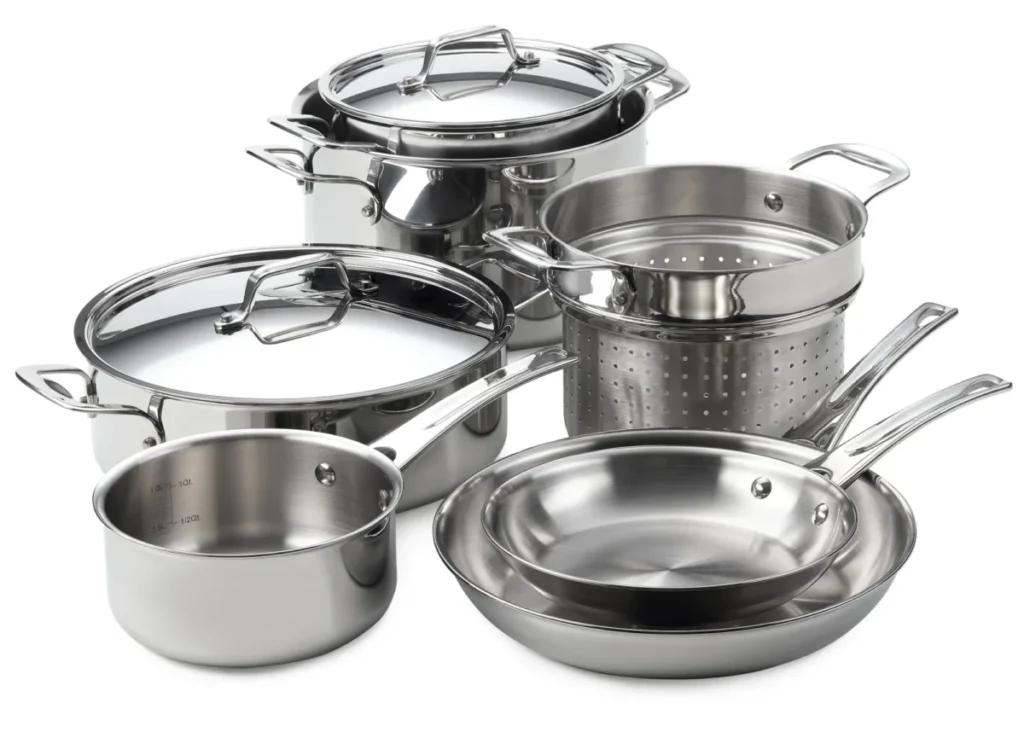
  • Consumer products such as metal cookwaredecorative elements, and electronics enclosures, where aesthetic quality and speed of production are important factors.

Conclusion:

High-speed precision spinning machines are critical for industries where speedaccuracy, and efficiency are paramount. With their ability to form complex parts at high rates, they help manufacturers meet the growing demand for high-quality components in industries such as aerospaceautomotiveenergy, and medical devices. The integration of advanced CNC controlsadaptive feedback systemsreal-time monitoring, and automated material handling makes these machines an essential part of modern metal forming technologies. Whether for producing intricate aerospace components, mass-producing automotive parts, or making durable pressure vessels, high-speed precision spinning machines continue to push the envelope in precision manufacturing, offering manufacturers the ability to meet both quality and production speed demands.

High-speed precision spinning machines are designed to meet the ever-increasing demands of industries where both speed and accuracy are crucial. These machines offer a unique combination of high-speed operation and tight dimensional control, making them indispensable for producing parts that require both efficiency and high quality. The main advantage lies in their ability to quickly form metal components while maintaining precise tolerances, which is essential for applications in sectors such as aerospaceautomotiveenergy, and medical devices.

The core of their functionality is the advanced CNC control system, which enables precise tool movements and real-time adjustments during the forming process. By utilizing multi-axis controls, these machines are able to achieve incredibly complex geometries, from conical shapes to parts with intricate flanged edges or recessed areas. The precision offered by high-speed spinning machines means that even the most detailed and delicate components can be produced without compromising on part integrity or surface finish.

The incorporation of real-time monitoring and adaptive feedback systems further enhances the machine’s capability. Sensors and feedback loops continually adjust parameters like speed, pressure, and tool position to ensure that the forming process remains within specified tolerances. This ensures that parts are consistently high quality, reducing the need for post-processing and minimizing material waste.

One of the notable benefits of high-speed precision spinning is its ability to handle a wide range of materials, including metals that are typically difficult to process, such as titaniumstainless steel, and high-performance alloys. This makes the machine especially valuable in sectors like aerospace, where components need to withstand extreme conditions while maintaining their structural integrity. Moreover, the ability to preheat materials using induction heating or flame heating allows for easier manipulation of hard-to-form metals, improving material flow and reducing the risk of defects like cracking.

While these machines excel at high speeds, their material efficiency is a significant advantage. Since the spinning process is chipless, the amount of scrap generated is minimal, which can lead to substantial cost savings, particularly when working with expensive materials. In industries like aerospace, where the cost of raw materials can be prohibitively high, the ability to maximize material usage is a key consideration.

Automation is another area where high-speed precision spinning machines shine. With automated material handling systems that can load and unload materials quickly and efficiently, these machines operate with minimal human intervention. This reduces the overall labor cost and allows for continuous, uninterrupted production. Automated systems can also account for variations in material thickness and other parameters, making the process more adaptable and less prone to errors.

In addition to the automated material handling systems, these machines often feature automated tooling changeovers, which reduces downtime when switching between different parts or setups. This flexibility allows manufacturers to quickly adapt to changing production demands, whether it’s a shift from producing low-volume prototype parts to high-volume production runs.

The surface finish produced by high-speed precision spinning is another significant advantage. Because the process is carried out at high speeds, it helps to achieve smooth, polished surfaces on the formed parts. This is particularly important in applications where aesthetic quality or low surface roughness is required, such as in consumer electronics, medical devices, or decorative automotive components.

High-speed spinning machines are also equipped with advanced feedback systems that track parameters such as temperature, pressure, and tooling deflection. This data is used to continuously adjust machine settings, ensuring that any fluctuations in material behavior or tool performance do not negatively impact part quality. This level of control contributes to the machine’s ability to maintain consistent part quality over long production runs, reducing scrap and rework rates.

Moreover, the integration of Industry 4.0 technologies into high-speed precision spinning machines allows for enhanced connectivity and data sharing. Operators can access real-time performance data from remote locations, enabling proactive decision-making and timely maintenance. Predictive maintenance algorithms can analyze machine data to forecast when parts or components are likely to need servicing, helping prevent unexpected failures and minimizing downtime.

These machines are particularly valuable in industries where rapid prototyping or low-volume, high-precision production is required. With their fast setup times and ability to produce complex, high-quality parts without the need for secondary operations, they provide a solution for industries that demand both customization and speed.

In the long term, high-speed precision spinning machines represent a significant investment for manufacturers, but the benefits in terms of reduced material waste, increased production efficiency, and improved part quality make them highly cost-effective. The ability to form intricate parts with minimal scrap while maintaining high-speed throughput is invaluable in highly competitive markets.

As technology continues to evolve, it’s likely that these machines will become even faster and more precise, integrating with other advanced manufacturing technologies like additive manufacturing or hybrid production systems to offer even greater flexibility and capability. High-speed precision spinning is poised to remain at the forefront of metal forming technologies, playing a key role in shaping the future of manufacturing across multiple industries.

The evolution of high-speed precision spinning machines continues to shape the manufacturing landscape, and as industries push for greater customizationflexibility, and efficiency, these machines are becoming increasingly integral to production lines. The integration of automation and data-driven systems is paving the way for more intelligent manufacturing processes, where machines not only perform operations at incredible speeds but also adapt to evolving conditions, learn from past data, and optimize themselves in real-time.

One of the significant advancements in high-speed precision spinning is the rise of machine learning and AI-powered optimization. These technologies are integrated into machines to analyze vast amounts of real-time data from sensors and process monitoring systems. The machine can learn patterns of wear, temperature, pressure, and material behavior, enabling it to predict potential issues before they arise. By utilizing predictive analytics, manufacturers can reduce downtime, lower maintenance costs, and increase machine life by addressing issues proactively.

Moreover, advanced process control systems are now able to dynamically adjust operational parameters, such as spindle speedfeed rate, and tooling force, based on feedback from the material and environmental conditions. This level of adaptability means that high-speed precision spinning machines can maintain their performance regardless of variations in raw material properties or changes in ambient conditions, ensuring consistently high-quality parts with minimal operator intervention.

The need for sustainability in manufacturing processes is also driving further innovation in high-speed precision spinning. As global industries increasingly focus on reducing their environmental footprint, these machines play a key role in resource efficiency. The chipless nature of spinning results in minimal material waste, which aligns with lean manufacturing principles. Additionally, the ability to use recyclable metals or eco-friendly alloys in high-speed spinning processes allows companies to meet green manufacturing standards, reducing the consumption of valuable resources and lowering the overall environmental impact.

The use of alternative and composite materials is becoming more prevalent in high-speed precision spinning, as manufacturers experiment with lightweight alloysadvanced composites, and smart materials. These materials often have properties that require precise control over forming techniques to ensure they maintain their strength and structural integrity after the spinning process. High-speed precision spinning machines, with their fine control over deformation, are well-suited to handle these materials, enabling the creation of lightweight yet strong components for industries like automotiveaerospace, and sports equipment.

As industries demand more complex geometries, high-speed precision spinning machines are also evolving to handle multi-stage processes. The incorporation of multi-tool systems allows manufacturers to perform complex forming operations in a single setup, reducing the need for multiple machines or processes. This level of integration not only improves the speed and efficiency of production but also enhances part consistency, as the entire forming process can be executed without the need for part handling between different machine setups.

Customization and rapid prototyping are becoming more critical, particularly in industries like aerospace, where parts often have to be customized for specific applications or missions. High-speed precision spinning allows manufacturers to create bespoke parts in small volumes without compromising on speed or precision. This is especially useful in sectors where design iterations are frequent, or products are required to meet specific standards or certifications.

Another breakthrough in high-speed spinning technology is the incorporation of hybrid manufacturing techniques. Combining spinning with other processes like additive manufacturinglaser cutting, or electron beam welding, enables manufacturers to produce complex parts with multiple characteristics that would traditionally require separate processes. For example, a part might be spun to achieve its general shape and surface finish, and then additively manufactured features are added where needed. This hybrid approach allows for greater design flexibility while reducing the need for multiple machines or setups.

Virtual simulation tools are also transforming how high-speed precision spinning machines are used. By leveraging computer-aided design (CAD) and finite element analysis (FEA) software, manufacturers can simulate the spinning process before actual production begins. This allows for the optimization of part design, tooling, and process parameters, reducing the likelihood of defects and ensuring that the machine settings are as efficient as possible from the start. Virtual simulations also offer a cost-effective way to test different scenarios and refine processes without incurring the cost of trial-and-error in real production environments.

The future of high-speed precision spinning machines will likely see even greater integration of AI and machine learning algorithms, enabling these systems to autonomously fine-tune their operations in response to fluctuating conditions. The vision of smart factories, where machines communicate and adjust to each other to optimize production, is already becoming a reality in many advanced manufacturing environments. This level of autonomy will further push the boundaries of speed, accuracy, and efficiency.

As the world shifts toward digitally connected production lines, high-speed precision spinning machines will also become more connected to the broader ecosystem of manufacturing equipment. They will exchange data with other machines, inventory systems, and supply chains to optimize the flow of materials and finished products. This interconnectedness can lead to greater overall operational efficiency and provide manufacturers with real-time insights that can drive continuous improvements across the production process.

Modular design is another trend in high-speed precision spinning machines, offering manufacturers flexibility to adapt their machines based on the evolving needs of their operations. For example, the ability to swap out components like tooling headsspindles, or heat sources gives operators the flexibility to configure their machines for different materials, part sizes, and production volumes. This modular approach allows manufacturers to scale operations without needing to invest in completely new machinery, thus improving cost-efficiency in the long run.

In summary, high-speed precision spinning machines are transforming the way metal parts are formed, offering unprecedented speedprecision, and adaptability. As manufacturing becomes increasingly digitally connectedsustainable, and customized, these machines will continue to evolve, integrating with new technologies like AIIoT, and hybrid manufacturing systems. With the ability to handle a diverse range of materials, geometries, and production requirements, high-speed precision spinning is set to remain a cornerstone of advanced manufacturing for years to come.

Multiple roller flow forming center

Multiple Roller Flow Forming Center

multiple roller flow forming center is an advanced machine used in metal forming processes to create complex, high-precision parts from sheet metal or metal strips. It is particularly well-suited for high-volume production of components that require uniform wall thicknesshigh strength, and complex geometries. This machine is often employed in industries such as aerospaceautomotiveenergy, and defense, where there is a need for parts that can handle significant stresses and operate under demanding conditions.

The flow forming process, which is the basis of the multiple roller flow forming center, involves the controlled deformation of a metal blank using a series of rollers. The part is rotated while a set of rollers progressively deforms the material, forcing it to flow outward into the desired shape. This process is commonly used to produce hollow parts, such as tubescylinders, and cones, with excellent dimensional accuracy, strength, and surface finish.

Key Features and Capabilities:

  1. Multiple Roller Configuration: The primary distinguishing feature of a multiple roller flow forming center is its use of multiple rollers that work in unison to gradually form the material into the desired shape. These rollers are strategically positioned around the workpiece to apply uniform pressure and control the material flow. This ensures that the material is evenly stretched, leading to consistent wall thickness and minimal distortion. The multiple roller configuration enhances the machine’s ability to produce complex shapes with high precision.
  2. Continuous Forming Process: Flow forming is a continuous process, meaning that the workpiece is gradually transformed through several stages. As the material is passed through the rollers, the wall thickness can be reduced or increased by adjusting the amount of deformation applied by the rollers. This continuous forming approach allows manufacturers to produce long components or parts with consistent properties throughout the length, making it ideal for applications requiring high structural integrity.
  3. Improved Material Properties: One of the main advantages of the multiple roller flow forming process is that it significantly improves the mechanical properties of the material. As the metal is deformed, it undergoes strain hardening, which increases its strength. In addition, because the metal flows uniformly, the parts produced have excellent surface finishes and minimal defects, such as dimensional inaccuracies or warping.
  4. Reduced Material Waste: Flow forming is a chipless forming process, meaning it doesn’t produce the material waste that other methods, such as cutting or machining, generate. This makes it a material-efficient process, particularly beneficial when working with expensive metals or alloys, such as titanium or stainless steel. The process also minimizes the need for additional machining, as the parts come out with near-finished shapes and high surface quality.
  5. Versatile Forming Capabilities: The multiple roller flow forming center can handle a wide range of parts, from simple shapes like tubes and cylinders to more complex geometries like conical or spherical shapes. The flexibility of the system allows manufacturers to produce a variety of components without the need for extensive tool changes or reconfiguration.
  6. High Precision and Tight Tolerances: The use of advanced CNC controls enables the precise manipulation of roller positions, pressure, and rotation speeds, which translates into high dimensional accuracy and tight tolerances. This makes the process ideal for industries like aerospace, where parts must meet exact specifications and withstand extreme conditions without failure.
  7. Automation and Efficiency: The multiple roller flow forming center is often equipped with automated material handling systems, which can load and unload parts automatically, allowing the machine to operate continuously with minimal operator intervention. This increases the overall efficiency of the process and reduces human error. In some systems, robotic arms or conveyor systems can be used to position the workpieces, enhancing the speed and consistency of production.
  8. Material Compatibility: Multiple roller flow forming centers can be used with a variety of materials, including aluminumtitaniumstainless steel, and nickel alloys. These materials are commonly used in industries such as aerospace and automotive, where the parts need to be both lightweight and strong. The ability to handle these advanced materials is a significant advantage for manufacturers who require high-performance components.
  9. Enhanced Flexibility for Part Design: The flexibility of the multiple roller flow forming center allows for the production of parts with varying geometries, wall thicknesses, and lengths. By adjusting the roller pressure, speed, and angle, the machine can adapt to different designs and produce parts that might be challenging or inefficient to create using traditional forming or machining methods.
  10. Integration with Other Manufacturing Processes: The multiple roller flow forming process is often integrated into larger production lines or systems. For example, the formed parts might undergo heat treatment or surface finishing operations post-formation to further improve their mechanical properties or aesthetics. This integration can streamline the production process, reduce the need for manual intervention, and improve overall production efficiency.

Applications:

Multiple roller flow forming centers are particularly well-suited for producing hollow, high-strength components in a variety of industries:

  • Aerospace: For parts such as engine casingsfuel tanksstructural components, and turbine housings, which require both lightweight and high-strength properties.
  • Automotive: For wheel rimsbrake drums, and axle shafts, which benefit from the high-strength and lightweight characteristics that flow forming provides.
  • Energy: For turbine componentspressure vessels, and piping systems used in oil and gasnuclear, and renewable energy sectors, where parts must withstand high pressures and temperatures.
  • Defense: For military vehicle componentsammunition casings, and structural parts that require both durability and precision.
  • Industrial Applications: For producing cylindrical or conical parts used in various machinery, such as shaftsbearing housings, and valves.

Conclusion:

multiple roller flow forming center is an advanced manufacturing solution that offers several benefits, including high precisionmaterial efficiency, and the ability to produce parts with complex geometries and enhanced mechanical properties. By utilizing a series of rollers to gradually shape the material, this machine provides an effective means of creating hollow, high-strength components with minimal waste and superior surface finishes. As industries continue to push for higher performancelighter components, and lower production costs, the multiple roller flow forming center will remain a crucial tool in modern manufacturing.

A multiple roller flow forming center is a highly efficient and versatile machine designed to produce complex, high-precision parts from various metals. The process is highly effective for creating components that require both strength and precision, making it ideal for industries where performance and reliability are paramount, such as aerospace, automotive, and energy. The principle behind flow forming involves using a set of rollers to progressively deform a metal blank as it rotates, gradually shaping it into the desired form.

One of the core advantages of a multiple roller flow forming center is its ability to work with a variety of materials, including aluminum, stainless steel, titanium, and other high-strength alloys. This versatility makes it particularly valuable in sectors like aerospace, where components need to meet stringent material requirements and withstand harsh conditions. The flow forming process itself enhances the material’s mechanical properties, such as strength, by inducing strain hardening as the metal is deformed. This leads to parts with superior durability compared to those made through other processes.

The continuous nature of the process ensures that the material flows evenly, which minimizes defects like warping or uneven thickness, allowing for highly consistent, accurate, and repeatable results. This is particularly crucial when producing parts with tight tolerances or parts that must meet specific safety or performance standards. The process can be applied to a wide range of geometries, from simple cylindrical shapes to more complex conical or spherical designs, making it adaptable to various product types.

In addition to the material benefits, the multiple roller configuration enhances the ability to control the deformation process. By adjusting the position and pressure of each roller, operators can fine-tune the forming process to achieve specific part properties, such as wall thickness and surface finish. This level of control ensures that the finished components meet the desired specifications without requiring extensive post-processing or additional steps.

Moreover, the chipless nature of flow forming significantly reduces material waste compared to traditional cutting or machining methods. Since the material is deformed rather than removed, scrap is minimized, making the process more environmentally friendly and cost-effective, especially when working with expensive metals. This reduction in waste is particularly advantageous for industries that use rare or costly materials, such as aerospace or high-performance automotive sectors.

The automated capabilities of modern flow forming centers further enhance their efficiency. Automated material handling systems can feed the metal blanks into the machine, and advanced control systems monitor and adjust the process in real time. This automation reduces the need for manual intervention, speeds up production cycles, and ensures consistency across long production runs. Additionally, the automation of processes like loading, unloading, and tool changes contributes to a reduction in labor costs and downtime, allowing for continuous operation.

The integration of CNC technology and advanced control systems ensures that operators can maintain tight control over every aspect of the flow forming process. These systems allow for real-time adjustments to machine settings, such as roller pressure, speed, and temperature, ensuring that the parts are consistently produced to specification. The ability to program the machine for multiple stages of the forming process also allows manufacturers to create parts with varying degrees of complexity, improving the machine’s flexibility and adaptability.

The versatility of the multiple roller flow forming center also extends to the size and shape of the parts that can be produced. The machine is capable of producing both small, precise components and larger parts with complex geometries. This flexibility is particularly useful in industries where the design of parts can vary greatly between production runs, such as aerospace and automotive. The ability to produce a wide range of parts from a single machine reduces the need for multiple setups and machines, which increases overall production efficiency.

Furthermore, the flow forming process results in parts with a high-quality surface finish, often requiring little or no additional finishing processes. The smooth surfaces that result from the deformation process can be critical in industries like aerospace, where aerodynamics and surface integrity are important. The reduction in post-processing steps also contributes to cost savings and faster turnaround times for manufacturers.

In the future, as demand for more complex, high-performance components continues to grow, the capabilities of multiple roller flow forming centers are likely to expand. These machines may incorporate even more advanced automation, allowing for greater precision and efficiency. The integration of AI and machine learning could enable predictive maintenance and real-time process optimization, further improving the overall performance and reliability of these machines.

Additionally, advances in materials science could lead to the development of new alloys and composite materials that can be effectively formed using flow forming technology. The ability to process these materials without compromising their properties would open up new opportunities for industries seeking to push the boundaries of what’s possible in manufacturing.

In conclusion, multiple roller flow forming centers represent a powerful and flexible tool for producing high-precision, high-strength components. Their ability to handle a variety of materials, produce complex geometries, and minimize waste makes them a key technology for industries where part performance is critical. With continued advancements in automation, control systems, and materials, the role of flow forming in modern manufacturing is likely to grow, making it an essential process for many high-demand applications.

As industries continue to demand more efficient, cost-effective, and high-performance manufacturing methods, the role of multiple roller flow forming centers will only become more significant. One of the primary reasons for their increasing importance is their ability to adapt to the growing demand for customization and high-precision components. The flow forming process, with its flexible setup and minimal material waste, is well-suited for producing low-volume, high-mix products, a scenario that has become more prevalent in modern manufacturing as products become more specialized and tailored.

The integration of real-time data collection and process monitoring is expected to become a standard feature in multiple roller flow forming systems. These systems can continuously gather data from sensors placed at various points in the machine, such as rollers, spindles, and material infeed points. The data can then be analyzed to optimize the forming process, ensure consistent quality, and predict maintenance needs. This shift towards a data-driven production environment enhances not only the machine’s performance but also its ability to function in a smart factory setup, where machines communicate with each other and adjust parameters in real-time for maximum efficiency.

Predictive analytics integrated into the machine control systems allow manufacturers to optimize machine setups for different part designs and materials without requiring trial and error. These advanced analytics can help anticipate potential issues such as tool wear, material inconsistencies, or process fluctuations, reducing the likelihood of production delays or quality issues. For instance, if a machine’s rollers are showing signs of wear, the system can alert operators in advance, allowing for preventive maintenance before it impacts production.

In addition to the operational improvements, sustainability is becoming a key focus in modern manufacturing processes. With the push towards green manufacturing practices, multiple roller flow forming centers are contributing to lower carbon footprints through their efficiency in material usage. By reducing scrap, optimizing energy consumption, and incorporating recyclable materials, flow forming processes offer a more sustainable approach compared to traditional machining or casting methods. This is particularly important in industries like aerospace, where material costs and environmental concerns are tightly linked.

As material science advances, new, high-performance alloyscomposites, and smart materials are being developed that are tailored for specific applications. These materials are often more difficult to form using conventional methods, but the flow forming process offers the flexibility needed to work with these innovative materials. For instance, the aerospace industry is increasingly using advanced titanium alloys and composites for lightweight yet strong parts. Flow forming machines, with their ability to apply precise and consistent pressure, are well-suited to shape these materials without compromising their structural integrity.

Flow forming also supports the creation of parts with intricate shapes and fine tolerances, such as parts with hollow coresvariable wall thickness, or integrated features like flanges, ribs, and grooves. In industries like aerospace, the need for parts that can handle extreme loads while maintaining lightweight properties has made flow forming essential. The ability to maintain uniform material flow during the forming process ensures the resulting parts meet the rigorous demands for strength-to-weight ratios and aerodynamic performance.

The shift towards automation and Industry 4.0 integration is another trend that is transforming the role of multiple roller flow forming centers. Through the use of roboticsmachine learning, and cloud computing, manufacturers can enhance the overall productivity of these systems. Robots can handle the loading and unloading of parts with precision, reducing human error and cycle times. Furthermore, machine learning algorithms can optimize the forming process by adjusting parameters dynamically based on feedback from the machine’s sensors and real-time conditions, such as material temperature and tool wear.

These systems also enable manufacturers to implement real-time remote monitoring, where engineers and operators can track the performance of flow forming machines from anywhere in the world. Remote diagnostics and troubleshooting ensure that potential issues are caught early, preventing production downtime and minimizing costly repairs. As machines become more connected and capable of self-optimization, the concept of autonomous manufacturing is becoming a reality.

Furthermore, modular designs in flow forming machines are gaining traction. Manufacturers are now able to customize machines based on their specific production needs, adapting them to handle different materials or produce parts with varying geometries. Modular systems allow for quick changeovers, making it easier to adapt to new production runs without significant downtime. This flexibility enhances the machine’s ability to meet the growing demand for customized products while maintaining high efficiency and low operating costs.

Another growing trend is the use of hybrid manufacturing techniques, where flow forming is combined with other technologies, such as additive manufacturing or laser welding, to create more complex, multi-material components. For example, an additive manufacturing system might be used to create a complex internal structure, while the flow forming process can be used to shape the outer geometry. This hybrid approach leverages the strengths of multiple technologies, enabling manufacturers to create parts that would be difficult or impossible to produce with a single process.

As the demand for high-quality, lightweight, and durable components grows, especially in sectors like automotive and aerospace, multiple roller flow forming centers will continue to play a key role in meeting these challenges. The combination of precisionefficiency, and the ability to work with advanced materials makes flow forming an essential process for manufacturers looking to stay ahead in increasingly competitive markets.

In the future, we can expect further advancements in machine automationdata analytics, and material science that will continue to drive the capabilities of multiple roller flow forming centers. With the integration of AI-driven predictive systemsreal-time process optimization, and advanced hybrid technologies, flow forming will evolve into even more powerful, flexible, and sustainable production methods. As industries look for ways to produce high-performance parts faster, with greater precision, and at a lower environmental impact, the multiple roller flow forming center will remain an invaluable tool in the manufacturing landscape.

Custom Tube Forming Machine

Single-Station Tube Necking Machine

custom tube forming machine is a specialized piece of equipment designed for producing tubes with specific shapes, sizes, and properties tailored to meet the unique requirements of various industries. These machines can be used to create a wide range of tubular components, from simple cylindrical tubes to more complex shapes, including conical, elliptical, or hexagonal forms. Custom tube forming is used in industries such as aerospaceautomotivemedicalenergy, and construction, where precision, performance, and material properties are crucial.

The core function of a custom tube forming machine is to shape or form metal sheets, strips, or pre-formed sections into tubes of a desired geometry. This process is highly adaptable, allowing manufacturers to create tubes with customized dimensions, thicknesses, and material properties to suit specific applications. The machine can be designed to handle a wide variety of metals, including aluminumstainless steelcoppertitanium, and nickel alloys, as well as composite materials in some advanced configurations.

Key Features and Capabilities:

  1. Customizable Tube Geometries: The ability to create tubes with varying geometries is one of the key features of custom tube forming machines. These machines can form round, square, or rectangular tubes, as well as more specialized shapes such as ovalelliptical, or triangular. The forming process can be adjusted to produce tapered tubes, tubes with variable wall thicknesses, or tubes with specific flanges or ribs.
  2. Precision and Tight Tolerances: Custom tube forming machines are capable of producing parts with high precision and tight dimensional tolerances, which are essential in industries like aerospace and automotive, where even minor deviations can lead to performance issues or safety concerns. The machines are often equipped with advanced CNC controls that allow for fine adjustments to the forming process, ensuring consistency and accuracy across all parts produced.
  3. Multiple Forming Techniques: Depending on the desired tube shape and material, a custom tube forming machine may use a combination of different techniques, such as roll forminghydroformingtube bending, and welding. These methods can be adapted to produce tubes with specific characteristics, such as increased strength, lightweight properties, or the ability to withstand high pressures. For instance, hydroforming uses fluid pressure to form complex shapes in metal tubes, allowing for more intricate geometries and reduced material waste.
  4. Material Handling and Automation: Many custom tube forming machines come equipped with automated material handling systems that can load, position, and unload the materials with precision. This automation not only increases efficiency but also reduces the risk of human error. For high-volume production, the use of robotic arms or conveyor systems can further enhance the speed and consistency of the manufacturing process.
  5. Versatility in Material Selection: Custom tube forming machines are designed to work with a wide range of materials, including ferrous and non-ferrous metalscomposites, and alloys. The machines can be adjusted to handle different material thicknesses, strengths, and flexibilities, making them suitable for industries that require specialized materials. For example, aerospace manufacturers may require titanium tubes for their high strength-to-weight ratios, while automotive manufacturers might use aluminum for its lightweight properties.
  6. Reduced Material Waste: Unlike traditional methods such as cutting or machining, which often result in significant material waste, custom tube forming is typically a chipless process. This is especially beneficial for industries that work with expensive materials, such as titanium in aerospace or stainless steel in food processing equipment. By utilizing the material more efficiently, custom tube forming machines can significantly reduce the cost of production and improve sustainability.
  7. Customization for Different Applications: These machines are highly customizable, meaning they can be adapted to meet the needs of a particular industry or customer. For example, a custom tube forming machine used in the medical industry may need to meet strict sterility and biocompatibility standards, while a machine used for automotive exhaust systems will focus on durability and high-temperature resistance. The ability to tailor the machine’s features ensures that it can produce the exact specifications required by each application.
  8. Integrated Inspection and Quality Control: Many modern custom tube forming machines come with integrated quality control systems that automatically inspect the tubes as they are being formed. These systems may include laser scannersdimensional measurement sensors, and visual inspection cameras that detect any defects, such as deformationsdimensional inaccuracies, or surface defects. This ensures that the tubes meet high-quality standards and can be immediately sorted or rejected if necessary, minimizing defects and improving product consistency.
  9. High Production Speed: Custom tube forming machines are designed for high production rates, making them ideal for mass production of tubes. Once set up, these machines can operate continuously, producing a large number of tubes in a short amount of time. This high-speed capability is particularly important for industries that need to manufacture large volumes of components quickly and efficiently, such as the automotive or construction industries.
  10. Energy Efficiency: Many newer custom tube forming machines are designed with energy efficiency in mind. With features such as energy-saving motorsoptimized forming processes, and reduced operational downtime, these machines can help lower the overall energy consumption during production. As sustainability becomes more of a priority in manufacturing, energy-efficient machines contribute to lower carbon footprints and can help companies comply with environmental regulations.
  11. Multi-Stage Forming: Some custom tube forming machines offer multi-stage forming, which means the tube undergoes several passes through different forming tools or stations to achieve the final shape. This allows for the creation of more complex tube designs or features that cannot be achieved in a single pass. For example, tube expansionbending, or flanging can be done in separate stages to create multi-functional parts, such as those used in automotive manifolds or aerospace structural components.
  12. Post-Forming Operations: After the tube is formed, additional processes such as cuttingwelding, or end forming may be required to finalize the part. Custom tube forming machines can often be integrated with other equipment for these post-forming steps, streamlining the entire manufacturing process and reducing the need for additional machines. For example, welding stations can be used to join sections of tube, while cutting stations can ensure the tubes are produced to the exact length required.

Applications of Custom Tube Forming Machines:

  • Aerospace: Custom tubes are often used in fuel linesstructural components, and exhaust systems where precision and lightweight properties are essential.
  • Automotive: Tubes are used in exhaust systemsbrake linessuspension systems, and roll cages, where strength, durability, and customization are key.
  • Medical: Medical tubes are used in cathetersneedles, and surgical instruments, where biocompatibility and precision are critical.
  • Energy: Tubes are required in oil and gas drilling equipment, heat exchangers, and piping systems, often made from high-strength alloys to withstand extreme temperatures and pressures.
  • Construction: Tubes are used in scaffoldingfencing, and reinforcement bars where material strength and durability are essential.

Conclusion:

custom tube forming machine is a crucial tool for producing specialized tubes in various industries. By offering the flexibility to work with multiple materials, create complex shapes, and meet stringent specifications, these machines provide manufacturers with the capability to meet the increasing demand for customized, high-performance components. The precision, speed, and versatility of custom tube forming technology make it indispensable in industries such as aerospace, automotive, medical, and energy, where quality, efficiency, and innovation are paramount.

Custom tube forming machines are essential tools for industries that require precision-engineered tubular components. These machines are built to form tubes from a variety of metals and materials, providing manufacturers with the flexibility to produce parts tailored to specific requirements. Unlike traditional tube manufacturing methods that may be limited in the range of shapes and sizes they can produce, custom tube forming machines allow for complex, non-standard geometries. This capability makes them indispensable in industries such as aerospace, automotive, medical, and energy, where the need for high-performance, customized parts is crucial.

The forming process typically begins with a flat metal strip or sheet that is fed into the machine. Depending on the configuration of the tube forming system, it may employ various techniques, such as roll formingbending, or welding to shape the tube. Roll forming, for instance, gradually shapes the material through a series of rollers, allowing the metal to be formed into precise and consistent shapes. For tubes requiring more complex features, such as flanges, conical sections, or variable thicknesses, additional forming steps may be used. These machines can form parts with high dimensional accuracy and tight tolerances, making them well-suited for applications that demand exact specifications.

A significant advantage of custom tube forming machines is their ability to handle a wide range of materials, including stainless steelaluminumcoppertitanium, and other advanced alloys. These materials can be formed to create tubes with properties such as high strength-to-weight ratiosresistance to corrosion, and the ability to withstand extreme temperatures or pressures. This versatility makes custom tube forming ideal for producing parts that are used in demanding environments, such as those found in the aerospace and energy sectors.

The automation integrated into these machines enhances their efficiency and consistency. With the help of CNC controls, manufacturers can program the machine to produce tubes with varying dimensions, shapes, and thicknesses without requiring significant manual intervention. The ability to program multiple steps in the forming process allows for the creation of more complex parts in a single run, reducing cycle times and labor costs. Automated material handling systems also contribute to improving production rates and reducing human error, as they can load, position, and unload materials with precision.

In addition to speed and automation, custom tube forming machines are designed to be energy-efficient and cost-effective. The chipless nature of many forming processes minimizes material waste, making these machines a more environmentally friendly option compared to traditional machining methods. The efficiency of the process also helps reduce production costs, particularly in industries that deal with expensive raw materials. In sectors like aerospace, where materials such as titanium are commonly used, the ability to minimize waste can result in significant cost savings.

The quality control capabilities of custom tube forming machines further enhance their value. Many systems incorporate in-line inspection stations that use sensors and cameras to monitor the tube’s dimensions and surface quality in real time. This ensures that any defects or deviations are caught early in the process, minimizing waste and rework. For applications where precision is critical, such as in the medical or aerospace fields, these inspection systems help maintain the highest standards of quality.

The ability to produce complex and custom-shaped tubes also opens the door for more innovative designs in product development. For example, in the automotive industry, custom tube forming machines can create exhaust system components that have intricate curves or variable wall thicknesses to optimize performance. In the medical field, precision-formed tubes are used in products such as stentscatheters, and needles, where both biocompatibility and accuracy are paramount. The versatility of custom tube forming machines ensures that manufacturers can meet the diverse needs of these industries while adhering to strict regulations.

As manufacturing technology continues to evolve, custom tube forming machines are likely to become even more advanced. The integration of real-time data analyticsmachine learning, and AI-driven predictive maintenance will further enhance the performance and reliability of these machines. These innovations will allow for even more precise control over the forming process, resulting in higher quality products and reduced downtime. Additionally, the ongoing development of new materials and manufacturing techniques will further expand the capabilities of custom tube forming machines, enabling them to handle an even broader range of applications and materials.

In conclusion, custom tube forming machines are a cornerstone of modern manufacturing, offering unparalleled flexibility, precision, and efficiency. Their ability to produce high-quality, customized tubes for demanding industries has made them indispensable in sectors like aerospace, automotive, medical, and energy. With their continued evolution, these machines will play a pivotal role in meeting the growing demand for advanced, high-performance tubular components in the years to come.

The future of custom tube forming machines is poised for even more growth, driven by advancements in digital manufacturingautomation, and sustainability. As industries become more reliant on customized and high-performance components, the demand for specialized tube forming solutions will continue to rise. Companies are increasingly looking for ways to produce lightweightstrong, and complex parts while reducing costs and environmental impacts. Custom tube forming machines, with their ability to produce parts with minimal waste and high efficiency, will remain at the forefront of this transformation.

One of the most significant trends in the custom tube forming industry is the integration of smart technologies and the rise of Industry 4.0. Machines are becoming increasingly connected, with embedded sensors and real-time data analytics that allow for greater control over the manufacturing process. Operators can monitor and adjust the machine’s performance remotely, ensuring that production runs smoothly and efficiently. This data-driven approach also allows for predictive maintenance, where sensors can detect wear and tear on machine components, helping to prevent unplanned downtime and optimize the overall lifespan of the equipment.

Incorporating machine learning into custom tube forming machines will also lead to enhanced process optimization. These systems will learn from historical data and continuously adjust the forming parameters to improve the quality of the tubes and minimize defects. Over time, this leads to more consistent results, reduced scrap, and greater production efficiency. The ability to fine-tune the forming process based on these insights will make custom tube forming even more precise and versatile.

As manufacturers move toward more sustainable practices, there will be a greater emphasis on energy-efficient systems, reducing material waste, and integrating recyclable materials into the production process. Custom tube forming machines will likely incorporate green manufacturing practices, such as using less energy and lowering carbon emissions during production. This could be achieved through the use of energy-efficient motors, regenerative braking systems, and improved heat management in the machines. Additionally, the chipless nature of tube forming already minimizes waste, and further innovations in material handling and recycling will only improve sustainability.

The materials used in tube forming are also evolving. As new alloyscomposite materials, and smart materials are developed, custom tube forming machines will be able to process these materials, expanding the range of applications. Smart materials, such as those with self-healing properties or those that change shape in response to external stimuli, may find their way into automotive or aerospace components, where advanced functionality is required. Custom tube forming machines, capable of handling these cutting-edge materials, will allow manufacturers to explore new design possibilities and create innovative products.

Another exciting development is the potential for hybrid manufacturing systems. These systems combine additive manufacturing (3D printing) with traditional forming techniques to create parts with complex geometries. For example, a custom tube forming machine could form the basic structure of a part, while an additive manufacturing system could be used to create intricate internal structures or add features like reinforcements or fluid channels. This combination of methods offers tremendous flexibility, enabling manufacturers to create parts with both precision and complexity that would be difficult to achieve with a single technology.

Furthermore, the integration of robotics into custom tube forming systems will increase the level of automation and improve productivity. Robots could be used for material handling, loading and unloading parts, or even performing secondary operations like welding or cutting. This automation not only speeds up the production process but also reduces the risk of human error and minimizes labor costs. Robots can work seamlessly with tube forming machines to ensure that every part is produced with the highest precision and efficiency.

In industries like automotive manufacturingexhaust systems and chassis components are increasingly being made from high-performance materials. As emissions regulations become more stringent and fuel efficiency becomes a priority, the demand for lighter, stronger, and more durable tubes in vehicles will continue to rise. Custom tube forming machines will be essential in meeting these requirements, enabling the creation of high-performance parts with reduced weight while maintaining structural integrity. These tubes may also need to meet higher safety standards, such as those required for crashworthiness or fire resistance in the automotive and aerospace industries.

The medical industry is another sector where custom tube forming machines will see growing importance. Precision-formed tubes are often used in medical devicesprostheticscatheters, and implants. As medical technology advances, the need for more intricate and biocompatible tubes will continue to increase. Custom tube forming machines can meet these requirements by offering high accuracytight tolerances, and the ability to handle specialized materials like biodegradable polymers or medical-grade metals. The rise of personalized medicine, where treatments are tailored to the individual patient, will also lead to an increased demand for customized tube components.

The future of custom tube forming machines will be characterized by their ability to adapt quickly to new manufacturing needs, whether it’s producing complex geometries, working with advanced materials, or integrating new technologies into the production process. As industries evolve and demand higher levels of performancecustomization, and sustainability, the role of custom tube forming machines will only become more critical in meeting those challenges. These machines are evolving from basic production tools into high-tech solutions that are capable of addressing the unique demands of tomorrow’s industries.

In conclusion, the continued development of custom tube forming machines will play a pivotal role in shaping the future of manufacturing. With the ongoing trends of digitalizationautomationsustainability, and material innovation, these machines will enable manufacturers to create parts that are lighter, stronger, more efficient, and tailored to meet the specific needs of a wide variety of industries. Whether it’s for aerospaceautomotivemedical, or energy, custom tube forming machines will remain at the forefront of high-precision manufacturing for years to come.

Custom Deep Drawing Metal Forming Machine

Forming Process with Sheet Metal Spinning Machine

Custom Deep Drawing Metal Forming Machine is a specialized piece of equipment used in the metal forming process to produce hollow, cylindrical, or cup-shaped components from flat sheets of metal. This machine uses deep drawing as its primary technique, which involves using a punch to force a metal sheet into a mold or die to form a shape, such as cupscontainersautomotive partselectronics enclosures, or other components with deep or complex shapes.

Deep drawing is particularly beneficial for producing parts with high depth-to-diameter ratios and is commonly used for stainless steelaluminumcopper, and other metals that can withstand the stresses of being drawn without cracking. Custom deep drawing metal forming machines are designed to meet the specific needs of various industries, allowing for flexibility in material types, part shapes, and production volumes. These machines can be tailored to meet precise dimensionstolerances, and production requirements, making them a valuable tool in mass manufacturing environments where both consistency and efficiency are crucial.

Key Features and Capabilities:

  1. High Precision and Tight Tolerances: Custom deep drawing machines are capable of achieving high precision and tight tolerances, which is essential when manufacturing parts that need to fit within specific dimensions or assemble seamlessly into larger systems. Industries such as aerospaceautomotive, and electronics rely on this level of accuracy to ensure performance, safety, and functionality.
  2. Adaptability to Different Materials: Custom machines are engineered to work with a variety of materials, including high-strength metals like titaniumstainless steel, and aluminum. The machine design can be adjusted to suit specific materials with varying thicknesses and mechanical properties. In addition, machines may also be designed to handle non-metallic materials or composite sheets, expanding their versatility.
  3. Optimized Drawing Force Control: Deep drawing requires controlled drawing forces to ensure the material is stretched without excessive thinning or tearing. Custom machines are equipped with advanced systems to precisely control the drawing force, ensuring consistent and high-quality part production. These systems may include hydraulic pressesservo-driven mechanisms, or adaptive controls that adjust to material behavior during the drawing process.
  4. Multiple Stages and Die Configurations: Deep drawing is often performed in multiple stages, with parts being drawn progressively deeper through various dies to achieve the desired shape. Custom machines can be designed to accommodate multi-stage forming processes, allowing for the creation of more complex geometries, such as compound curves or parts with varying wall thicknesses.
  5. High-Speed Production: Custom deep drawing machines are typically designed for high-speed, high-volume production. These machines can efficiently produce thousands of parts with minimal downtime between cycles. Automation is often integrated to speed up material handling, part unloading, and tool changeovers, which helps improve overall production efficiency.
  6. Incorporation of Advanced Monitoring and Feedback Systems: To ensure quality control, many custom deep drawing machines incorporate advanced monitoring systems that track critical parameters such as forcespeed, and material thickness during the forming process. Feedback systems alert operators to any deviations or issues in real-time, allowing for quick corrections to prevent defective parts.
  7. Customizable Die Sets: The machine can be equipped with custom die sets that match the required part design. The dies can be specifically tailored to accommodate different shapes, sizes, and geometries of the formed parts. Custom die sets allow manufacturers to achieve highly specialized components without the need for separate tooling or machines.
  8. Minimizing Material Waste: The custom machine setup ensures that material utilization is optimized, minimizing waste during the deep drawing process. Advanced die designs can reduce the need for additional trimming or secondary operations, leading to material savings and increased sustainability in production.
  9. Automation and Integration: To increase production efficiency, custom deep drawing metal forming machines can be automated with integrated robotic systems or conveyor lines for feeding and unloading materials. Automation reduces labor costs, speeds up the manufacturing process, and ensures consistent results with minimal human intervention.
  10. Surface Quality and Finish: Deep drawing metal forming can sometimes lead to surface defects due to friction or stretching. Custom machines can include lubrication systems to reduce friction, helping to maintain a smooth finish on parts and prevent defects such as wrinklingtearing, or scuffing. Additionally, some machines include post-forming processes to improve surface quality, such as polishing or coating.
  11. Flexible Production Volumes: While deep drawing is often associated with mass production, custom deep drawing machines can be designed to handle both low-volume, high-mix production and high-volume runs. The machines can be configured to switch between different part designs without requiring significant retooling or downtime, making them ideal for manufacturers who need to produce a variety of parts on the same equipment.
  12. Enhanced Safety Features: Custom deep drawing machines often incorporate safety features such as automatic shutdown systemssafety barriers, and light curtains to prevent accidents during the forming process. These features ensure that the machine operates in a safe environment for operators while maintaining high productivity.

Applications of Custom Deep Drawing Metal Forming Machines:

  • Automotive Industry: Deep drawing machines are used to manufacture auto body partsfuel tanksexhaust systemsengine components, and brake parts, all of which require high precision and material strength.
  • Aerospace Industry: Aircraft components such as fuel tanksstructural parts, and cabin components often require deep drawing to achieve complex geometries and meet stringent safety standards.
  • Consumer Electronics: Deep drawing is used to create metal enclosures for electronics such as smartphoneslaptops, and battery cases, where appearance and performance are key factors.
  • Medical Devices: Custom deep drawing machines are used to produce medical instrument housingssurgical tools, and implants, where high precision and biocompatibility are essential.
  • Food and Beverage: Deep drawing machines can be used to create canscontainers, and lids for packaging food and beverage products, which must adhere to strict safety and quality standards.
  • Electronics and Power: For battery casingsconnectors, and other electrical components, deep drawing helps in producing high-performance parts that can withstand environmental conditions and electrical requirements.

Advantages of Custom Deep Drawing Metal Forming Machines:

  • Complex Geometries: Deep drawing allows for the creation of complex shapes that would be difficult or impossible to achieve through traditional machining methods.
  • High Strength-to-Weight Ratio: The deep drawing process can produce parts with a high strength-to-weight ratio, making it ideal for industries such as aerospace and automotive, where reducing weight is critical.
  • Cost-Effectiveness: Once set up, deep drawing is an efficient and cost-effective way to produce large quantities of parts, especially in high-volume manufacturing settings.
  • Minimal Material Waste: Since deep drawing is a chipless forming process, it generates very little material waste, contributing to cost savings and sustainability.
  • Customization: Custom deep drawing machines can be designed for specific part requirements, including specialized material handling, tooling, and part geometries, providing flexibility for manufacturers in diverse industries.

Conclusion:

custom deep drawing metal forming machine is a versatile, high-precision tool for producing complex, high-quality metal components. With the ability to handle various materials, produce complex geometries, and work at high speeds, these machines are essential for industries that require precision and efficiency in mass production. The adaptability of custom machines ensures that they can meet the unique demands of industries such as automotive, aerospace, medical devices, and consumer electronics, making them an indispensable part of modern manufacturing processes.

Custom deep drawing metal forming machines are crucial for the manufacturing of intricate and high-quality metal components. These machines are designed to handle a wide range of materials, from stainless steel to aluminum, and even advanced alloys, with precision and efficiency. The deep drawing process itself involves a punch and die setup, where a flat sheet of metal is drawn into a mold to create complex, hollow parts. These machines are tailored to meet the specific needs of industries that demand high performance and precise results.

The adaptability of custom deep drawing machines makes them ideal for producing parts with high depth-to-diameter ratios, such as cupscontainersautomotive parts, and industrial components. The ability to modify dies, control drawing forces, and optimize material handling ensures that manufacturers can achieve the desired geometry and dimensional accuracy. As these machines are built to accommodate custom tooling and configurations, they are especially beneficial for manufacturers who require flexibility in producing a range of part designs, whether for low-volume, high-mix production or large-scale manufacturing.

Automation is a key feature in modern custom deep drawing machines. These machines are often equipped with robotic systems for feeding, handling, and unloading materials, as well as for performing secondary operations like weldingcutting, or trimming. The integration of automation significantly reduces labor costs, minimizes errors, and speeds up production cycles. The use of hydraulic presses or servo-driven mechanisms further optimizes performance, ensuring precise control over the deep drawing process. These systems are designed to minimize material waste, maintain consistent product quality, and enhance overall production efficiency.

Another crucial aspect of custom deep drawing machines is their quality control capabilities. Many machines are equipped with advanced monitoring systems that continuously track key parameters such as force, material thickness, and part dimensions. Real-time feedback helps operators make necessary adjustments to ensure that the final product meets stringent quality standards. The inclusion of lubrication systems further enhances part quality by reducing friction, preventing surface defects, and ensuring smooth drawing of the material.

The evolution of custom deep drawing machines is also influenced by the ongoing advancements in digital manufacturing. Many modern machines are integrated with CNC (computer numerical control) technology, allowing for precise programming and automation of the forming process. This results in faster setup times, greater consistency, and the ability to produce highly complex shapes without requiring significant retooling. The incorporation of AI and machine learning into these systems will further improve their ability to adapt to changing material properties and part designs, enhancing efficiency and part quality.

In terms of environmental impact, custom deep drawing machines are designed to be energy-efficient and sustainable. The chipless nature of the deep drawing process means that very little material waste is produced, and any scrap generated can often be recycled, contributing to more sustainable manufacturing practices. Additionally, the machines can be optimized to use less energy, reducing the overall carbon footprint of the production process.

Looking forward, the role of custom deep drawing metal forming machines will continue to expand, driven by the increasing demand for customized components and advanced manufacturing techniques. Industries such as aerospaceautomotivemedical devices, and electronics will continue to require parts that are not only lightweight and strong but also precisely shaped to meet exacting specifications. As the need for these high-performance components grows, so too will the capabilities of custom deep drawing machines, making them an essential tool for future manufacturing innovations.

The future of custom deep drawing metal forming machines will be shaped by increasing demands for precisionsustainability, and the need to process a wider range of materials and geometries. As industries continue to evolve, manufacturers are looking for machines that can handle diverse applications and meet tight tolerances while also being energy-efficient and adaptable to new technologies. This will drive innovation in the design and capabilities of custom deep drawing machines, pushing them to handle even more complex components with greater efficiency and fewer material constraints.

Advanced Materials will play a major role in the future of deep drawing. As new alloys, composites, and lightweight materials emerge, manufacturers will need machines that can handle a variety of metal properties, such as high strength-to-weight ratios, heat resistance, or corrosion resistance. For instance, titanium and titanium alloys, which are commonly used in aerospace and medical devices, require precise control and specialized machinery to ensure that they are drawn without defects. High-performance polymers or composite materials may also become more prevalent, demanding machines capable of forming these materials into intricate shapes while maintaining the structural integrity required for the final product.

As the automotive industry moves towards more electric vehicles (EVs), the demand for lighterstronger, and more energy-efficient parts will increase. Custom deep drawing machines will need to accommodate the production of battery casingslightweight chassis components, and powertrain parts that meet the specific requirements for thermal managementimpact resistance, and energy efficiency. These parts may also require special geometries or integrated cooling channels, which deep drawing machines can produce with high precision. As manufacturers continue to focus on reducing vehicle weight for better fuel efficiency and battery range, custom deep drawing machines will be key in producing the required parts with minimal waste.

The integration of real-time data analytics and artificial intelligence (AI) into custom deep drawing machines will allow for even greater process optimization. AI-powered systems can analyze production data to detect patterns and make real-time adjustments to the forming process, such as fine-tuning drawing forceslubrication rates, and die configurations. This continuous feedback loop ensures that the process remains within the optimal range, reducing defects and improving efficiency. Predictive analytics will also allow manufacturers to anticipate wear and tear on machine components, schedule maintenance proactively, and avoid unexpected downtime, ensuring smooth and continuous production.

Robotics and automation will continue to revolutionize the custom deep drawing process. Robots will play a crucial role not only in material handling but also in tasks such as part sortinginspection, and secondary operations like assembly or welding. These robotic systems will work in tandem with deep drawing machines, improving throughput and reducing manual intervention. Additionally, cobots (collaborative robots) could be used alongside human operators to handle tasks that require dexterity or precision, enhancing productivity while maintaining worker safety.

The rise of digital twins in manufacturing could also impact the future of custom deep drawing machines. A digital twin is a virtual representation of the machine or the entire production process, allowing for real-time monitoring, simulation, and optimization. Using this technology, manufacturers could test different configurations or process parameters in a simulated environment before applying them to the actual machine, saving both time and resources. Additionally, digital twins could be used for remote diagnostics, allowing for faster identification and resolution of any issues that arise during production.

Sustainability will be another significant driver in the evolution of custom deep drawing machines. Manufacturers are increasingly looking for ways to reduce the environmental impact of their production processes, and deep drawing offers an advantage due to its chipless nature. Custom machines will continue to be optimized for energy efficiency, and new innovations may include regenerative systems that capture energy during the forming process and reuse it for other stages of production. Furthermore, closed-loop systems for lubrication and material recycling could be integrated into the machines to minimize waste and reduce consumption of raw materials.

Another important trend is the advancement of multi-material forming. As industries require increasingly complex parts that combine different materials with different properties, custom deep drawing machines will need to handle the simultaneous forming of multi-material structures. This could involve the deep drawing of metal parts with integrated components made from polymers, composites, or other materials. For example, in the automotive industry, multi-material forming could be used to create lightweight structures with built-in insulation or thermal management features, offering a combination of strengthweight reduction, and functional performance.

Finally, additive manufacturing and hybrid manufacturing technologies are likely to influence custom deep drawing machines. Hybrid systems that combine deep drawing with additive manufacturing (such as 3D printing) could be used to produce components with complex internal geometries or features that cannot be achieved through traditional forming alone. This hybrid approach would allow manufacturers to use traditional deep drawing for the external structure of a part while adding internal structures or features using additive methods. Such innovations could reduce production times, enhance design flexibility, and lower material costs.

In conclusion, the future of custom deep drawing metal forming machines will be marked by continuous advancements in precisionautomationmaterial handling, and sustainability. As industries demand more specialized and complex components, these machines will evolve to meet those needs, integrating new technologies and capabilities to ensure that manufacturers can continue to produce high-quality, high-performance parts with increased efficiency and reduced environmental impact. From the automotive and aerospace sectors to medical devices and electronics, custom deep drawing machines will remain a crucial part of modern manufacturing, enabling industries to meet the challenges of tomorrow’s advanced product designs.

Rotary Custom Metal Forming Machine

Large-Diameter CNC Spinning Machine

Rotary Custom Metal Forming Machine is a specialized piece of equipment designed for forming metal components through a rotary motion, often used in high-precision and high-volume manufacturing. Unlike traditional metal forming machines that rely on linear motion or static dies, a rotary machine involves the continuous rotation of either the workpiece or the tool, which facilitates efficient metal shaping through various processes such as rollingspinningforging, or bending.

These machines are versatile and can be customized to suit a wide range of metal forming applications. They are particularly effective for producing cylindrical or symmetrical components, where the geometry of the part requires rotational symmetry. Custom rotary forming machines can be engineered to meet specific requirements for shapesizematerial typeprecision, and production volume, making them valuable tools across various industries such as aerospaceautomotiveconsumer goodselectronics, and construction.

Key Features and Capabilities:

  1. Rotary Motion for Continuous Shaping: The core feature of rotary custom metal forming machines is the rotational movement that drives the metal forming process. The machine either rotates the tool or the workpiece to apply forces that deform the material in a controlled manner. This continuous movement allows for efficient processing of materials, especially when producing components with circular symmetry.
  2. Precision and Consistency: Rotary forming machines are designed to deliver high levels of precision and consistency, making them ideal for industries where tight tolerances are critical. For example, in the aerospace industry, where components must meet stringent dimensional requirements, these machines can produce parts such as rotating partsturbine blades, and engine components with exceptional accuracy.
  3. Versatility in Material Handling: Custom rotary machines can be configured to handle a variety of materials, from mild steel to high-strength alloysstainless steel, and composite materials. The machine setup is typically adjustable to accommodate different material thicknesses, hardness levels, and properties, allowing manufacturers to produce a wide range of products.
  4. Multiple Forming Processes: Rotary custom metal forming machines can incorporate several different forming processes, including rollingspinningforging, and bending. Each of these processes can be adjusted for different types of parts and material characteristics:
    • Spinning: For creating hollow, circular components such as metal cupscontainersturbine housings, or automotive body parts.
    • Rolling: For producing platessheets, or profiles with consistent thickness.
    • Forging: For high-strength parts, such as boltsgears, and automotive components, which require compression forces to form the material.
    • Bending: To form specific curvatures in metal components used in structural applications or product housings.
  5. High-Speed Production: The use of rotary motion allows for high-speed processing, which is ideal for high-volume production environments. The continuous operation of the machine ensures that large quantities of parts can be produced efficiently with minimal downtime between cycles. This is especially beneficial in industries such as automotive manufacturing, where fast production times are essential for meeting market demands.
  6. Customization for Specific Applications: Custom rotary forming machines can be tailored to meet the needs of specific industries and part designs. For example, automotive manufacturers may require machines capable of producing parts with complex geometries and thin-walled sections, while aerospace manufacturers might need machines that can handle lightweight materials and produce parts with high precision.
  7. Integrated Automation and Control: Many rotary custom metal forming machines come equipped with advanced automation systems that control the speed, pressure, and temperature of the forming process. Automated loading and unloading systems reduce manual intervention, while sensors and feedback loops monitor the quality of the parts being produced, ensuring that each component meets the required specifications.
  8. Reduced Material Waste: The continuous and efficient nature of rotary forming processes helps to minimize material waste. Optimized die and tool designs can ensure that material is used effectively, and the machine’s precision ensures minimal scrap is produced. In industries where material cost is high, this reduction in waste can lead to significant savings.
  9. Surface Finish Control: Some rotary forming machines are equipped with surface treatment or coating application capabilities that ensure that the metal part has the desired finish. This is particularly useful when producing decorative parts or components that require corrosion resistance or enhanced aesthetic qualities.
  10. Energy Efficiency: Modern custom rotary metal forming machines are designed with energy efficiency in mind. The continuous operation of these machines typically results in less energy consumption per unit produced compared to traditional forming methods. Some machines incorporate regenerative braking or energy recovery systems to further reduce energy usage.
  11. Advanced Tooling: The tooling in rotary custom forming machines can be easily customized for different types of parts, providing greater flexibility for manufacturers. Tool designs are optimized for speed and accuracy, and multi-stage tooling setups can be incorporated to handle more complex parts in a single pass, reducing the need for secondary operations.

Applications of Rotary Custom Metal Forming Machines:

  • Automotive Industry: These machines are used to produce a wide range of automotive components, such as exhaust pipessuspension partswheel rimsbody panels, and engine components. Rotary forming processes, such as spinning and forging, allow for high-strength, lightweight, and precise parts that meet strict regulatory and safety standards.
  • Aerospace Industry: In aerospace, rotary custom forming machines are used to produce turbocharger componentsengine partswing spars, and housings that require high precisionmaterial strength, and light weight.
  • Consumer ElectronicsMetal enclosures for smartphonestablets, and laptops can be manufactured using rotary forming techniques, ensuring that the components are lightweight, durable, and accurately shaped.
  • Industrial Equipment: Rotary forming is used to create parts for heavy machineryequipment housingsbearings, and gears in industries such as constructionmining, and agriculture.
  • Energy and Power Generation: Parts for turbinesgenerators, and engines in the energy sector can be efficiently produced using rotary custom metal forming machines. These parts often require high material strength, precision, and heat resistance, which rotary forming processes can deliver.
  • Medical Devices: In the medical field, rotary forming can be used to create parts for surgical instrumentsprosthetics, and medical device housings, where precision, cleanliness, and material integrity are critical.

Advantages of Rotary Custom Metal Forming Machines:

  • Efficiency and High-Speed Production: Rotary forming allows for faster cycle times compared to traditional forming methods, which is ideal for high-volume production.
  • Precision and Accuracy: The continuous rotational movement ensures high levels of precision and consistency, which is critical in industries like aerospaceautomotive, and electronics.
  • Flexibility: Custom rotary machines can be designed to handle a wide range of part sizes, material types, and geometries, offering manufacturers flexibility in their production capabilities.
  • Reduced Waste: Rotary forming techniques generally result in less material waste compared to traditional processes, making them more cost-effective and sustainable.
  • Complex Part Geometries: Rotary forming is ideal for producing parts with complex geometries such as turbine bladesmetal cones, or cylindrical containers, that require continuous deformation.

Conclusion:

Rotary Custom Metal Forming Machine is a highly versatile and efficient piece of equipment that is widely used across industries where high-precision, high-volume, and complex metal parts are needed. Whether it’s for producing automotive partsaerospace components, or medical devices, rotary forming ensures that manufacturers can achieve tight tolerances, reduce material waste, and speed up production. With the ability to integrate automation, advanced tooling, and real-time monitoring systems, these machines offer the flexibility and capabilities required for modern manufacturing challenges. As technology continues to advance, rotary custom metal forming machines will remain a cornerstone of precision manufacturing, driving innovations in industries that rely on high-quality, cost-effective, and sustainable production processes.

Rotary custom metal forming machines are essential tools for high-precision manufacturing in industries that require intricate metal parts with rotational symmetry. These machines harness the power of rotary motion to shape metal components with a level of accuracy and efficiency that traditional methods can’t match. The ability to rotate either the workpiece or the tool allows for continuous shaping of metal, making the process faster and more consistent, which is particularly valuable in high-volume production environments.

One of the key advantages of rotary metal forming machines is their versatility. Whether it’s for rollingspinningforging, or bending, these machines can be configured to handle a wide variety of forming processes. They can accommodate a broad range of materials, from mild steel to high-strength alloysaluminumstainless steel, and more, providing manufacturers with the flexibility to produce a diverse set of components. These capabilities make rotary forming machines suitable for industries ranging from automotive and aerospace to consumer electronics and industrial equipment.

The precision offered by rotary custom metal forming machines is crucial in sectors where tolerances are tight and component integrity is critical. For example, aerospace and automotive industries require parts that meet stringent specifications for strength, durability, and weight. Rotary forming ensures that components like engine housingsturbine bladeschassis components, and metal body panels can be produced with exceptional accuracy and minimal waste. This is particularly important in manufacturing high-performance parts for engines or vehicles where even the slightest deviation in dimensions can affect functionality and safety.

In addition to precision, the automation capabilities of modern rotary forming machines contribute to efficiency and cost reduction. The integration of automated loading and unloading systems, as well as sensor technology to monitor and control key variables like temperaturepressure, and speed, ensures consistent production quality while minimizing human error. Automation also speeds up the entire production process, allowing manufacturers to meet tight deadlines without sacrificing quality. These systems can be paired with real-time feedback loops, allowing operators to make on-the-fly adjustments to optimize the forming process and prevent defects.

The continuous operation of rotary machines results in higher throughput compared to traditional methods, making them an attractive option for industries that require large quantities of parts. For example, in the automotive industry, the demand for parts such as wheelsbrackets, and suspension components is immense, and rotary custom metal forming machines can meet these needs efficiently. The rotary motion minimizes downtime between cycles, and the machines can work at high speeds without compromising the structural integrity of the material being formed. This is particularly beneficial when producing parts that are both strong and lightweight, such as engine components or turbine blades.

Another advantage is the reduction in material waste. Rotary forming processes, such as spinning and rolling, are known for their ability to create parts from a single sheet or blank, with minimal waste. The nature of these processes allows for the material to be stretched and formed without generating significant scrap, which is a key benefit when working with expensive metals like titanium or stainless steel. Furthermore, these machines are often equipped with advanced tooling and die systems that allow for multi-stage forming, meaning that complex parts can be created in fewer steps, reducing the need for secondary operations and improving overall efficiency.

The customization aspect of rotary forming machines allows for greater flexibility in producing a wide range of parts. Custom tooling can be designed for specific applications, allowing manufacturers to tailor the machine setup to produce parts of varying shapes, sizes, and complexities. Whether it’s producing cylindrical metal containersautomotive body parts, or aerospace components, rotary custom metal forming machines can be adapted to meet the specific demands of each project. The use of modular tooling and adjustable setups ensures that manufacturers can quickly shift between production runs, accommodating a diverse product lineup with minimal downtime.

In terms of surface finish and part quality, rotary custom forming machines also offer significant benefits. Many rotary forming processes can be enhanced with coatingpolishing, or cleaning operations to ensure that the final product meets both functional and aesthetic requirements. For example, components that will be exposed to harsh environmental conditions, such as those in marine or aerospace applications, can be produced with coatings that provide corrosion resistance. The high rotational speeds and tight die tolerances ensure smooth finishes, while integrated systems can apply lubricants or coatings as needed to further enhance the part’s durability and appearance.

The increasing push toward sustainability in manufacturing is another area where rotary custom metal forming machines shine. These machines are designed to be energy-efficient, using advanced power-saving systems that reduce energy consumption during operation. By minimizing scrap and improving material yield, these machines contribute to more sustainable manufacturing processes. Furthermore, some machines are designed to be more environmentally friendly by incorporating energy recovery systems or reducing emissions and waste during production.

The future of rotary custom metal forming machines is likely to be driven by advancements in digital technology. The integration of smart sensorsIoT (Internet of Things) capabilities, and AI (Artificial Intelligence) will allow manufacturers to monitor and control the forming process in real-time, with predictive maintenance capabilities ensuring minimal downtime. Digital tools such as digital twins will allow for virtual simulation of the forming process, enabling manufacturers to test different production parameters and tool configurations before physical production begins. This capability will enhance process optimization, reduce setup times, and allow for the rapid testing of new part designs.

In the context of advanced manufacturing, the customization and flexibility of rotary custom metal forming machines are expected to continue evolving. The machines will become increasingly capable of handling not only traditional materials but also innovative alloyslightweight composites, and hybrid materials. As industries such as aerospaceautomotive, and electronics push the boundaries of material science, rotary forming machines will need to adapt, offering manufacturers the tools to create the next generation of high-performance, complex-shaped components.

In conclusion, rotary custom metal forming machines are integral to modern manufacturing, offering versatility, precision, and high-speed production. Their ability to handle a variety of materials, processes, and part designs makes them an invaluable tool for industries ranging from automotive to aerospace, consumer electronics, and beyond. As manufacturing continues to embrace automationsmart technology, and sustainability, rotary custom forming machines will play a pivotal role in meeting the challenges of the future, delivering high-quality, cost-effective, and innovative solutions for an ever-evolving market.

As industries continue to demand higher performance and tighter tolerances, the role of rotary custom metal forming machines will become even more prominent. One of the most significant areas of growth lies in the integration of advanced control systems, enabling real-time monitoring and adaptive adjustments to the forming process. These intelligent systems can automatically modify forming pressure, rotation speed, or feed rate based on live feedback, ensuring every part is produced within exact specifications. This level of control reduces rejection rates and helps maintain high production yields, particularly critical in sectors where downtime or defects can be extremely costly.

Another important development in the evolution of rotary forming machines is their compatibility with hybrid manufacturing techniques. In some advanced systems, rotary forming can be combined with processes like laser trimming, additive manufacturing (3D printing), or heat treatment—all within a single production cell. This integration significantly shortens the production chain, reduces the need for multiple machines or handling steps, and improves overall efficiency. Manufacturers can form, treat, and finish a part in one streamlined operation, which not only saves time but also improves the repeatability and consistency of the final product.

Additionally, as the global shift toward lightweight and high-strength materials continues, rotary forming machines are being enhanced to work more effectively with exotic alloys like titanium, Inconel, and magnesium alloys. These materials are often challenging to shape using conventional methods due to their hardness, brittleness, or heat sensitivity. Rotary forming, with its gradual and controlled application of force, is well-suited to shaping these advanced materials without compromising their structural integrity. This is particularly important in aerospace and defense industries, where materials must offer the highest strength-to-weight ratios and withstand extreme environments.

The design of the machines themselves is also advancing. Modular architecture in machine construction allows for flexible configurations that can be tailored to specific applications. For instance, tool heads can be swapped out or reprogrammed to accommodate new part designs or forming techniques without the need for an entirely new machine. This modularity is a major benefit for manufacturers who must remain agile and responsive to changing market demands or customer specifications. It also supports lean manufacturing strategies by maximizing equipment utilization and minimizing idle time.

Operator experience is also being revolutionized by the adoption of intuitive human-machine interfaces (HMIs) and touchscreen controls. Modern rotary forming machines often feature 3D visualization of the forming process, allowing operators to see simulations, set parameters with precision, and receive immediate alerts in case of anomalies. This not only makes operation more user-friendly but also lowers the skill barrier, enabling faster training and deployment of new operators while reducing the risk of human error.

From a maintenance standpoint, predictive analytics driven by IoT-enabled sensors can monitor wear patterns, lubrication levels, and vibration trends. These insights are used to predict component failure before it happens, enabling just-in-time maintenance scheduling that avoids unplanned downtimes and extends machine life. This predictive approach transforms the machine from a passive tool into a smart system capable of managing its own performance and alerting technicians before issues arise.

Furthermore, environmental concerns are driving innovation in sustainability. Newer rotary forming machines are being developed with reduced noise levels, enclosed lubrication systems to prevent leakage, and energy-efficient motors that operate only when needed. Some are even equipped with energy regeneration capabilities, where kinetic energy generated during deceleration phases is converted and stored or returned to the grid, improving the overall energy profile of the manufacturing plant.

In global manufacturing ecosystems, these machines are often a key component of automated production lines, where they are synchronized with robotic arms, automated conveyors, and vision systems. This allows for true lights-out manufacturing—fully automated production that can run 24/7 with minimal human intervention. In such environments, rotary custom metal forming machines act as both workhorses and precision instruments, delivering high output while maintaining the exacting standards required for critical applications.

The role of data analytics is also expanding. Production data gathered from the machine’s sensors can be used not only for quality control but also for strategic decision-making. By analyzing trends in material behavior, tooling wear, and cycle times, manufacturers can optimize processes, forecast maintenance needs, and reduce costs. These data-driven insights are helping to shape the next generation of manufacturing, where every detail is optimized for performance, efficiency, and sustainability.

Overall, rotary custom metal forming machines are evolving into sophisticated, intelligent, and environmentally responsible systems. Their ability to deliver high-precision parts at scale, while adapting to new materials and production demands, positions them as essential equipment in the era of advanced manufacturing. Whether used for forming complex aerospace components, lightweight automotive parts, or precision housings in consumer electronics, these machines are not just shaping metal—they’re shaping the future of modern industry.

Hydraulic Custom Metal Forming Machine

Servo-Driven Rotary Forging Machine

Hydraulic custom metal forming machines are powerful and versatile systems designed to shape metal components using hydraulic pressure. These machines harness the force generated by hydraulic cylinders to perform a wide range of forming operations, including deep drawingbendingpunchingflanging, and embossing, making them essential tools in industries that demand high force, accuracy, and repeatability. Their ability to apply controlled, uniform pressure across the entire workpiece allows manufacturers to form intricate and high-strength parts from a variety of metals, including steelaluminumbrass, and advanced alloys.

One of the key advantages of hydraulic forming machines is their ability to deliver extremely high tonnage, which is necessary for shaping thick or high-strength materials. Unlike mechanical systems, hydraulic presses can maintain full tonnage throughout the stroke, enabling deeper, more complex forms without compromising material integrity. This capability is especially important in industries like automotiveaerospacerail, and heavy equipment, where components often require deep drawing or forming with high structural performance.

Customization is a major strength of hydraulic metal forming machines. They can be configured to suit the specific requirements of each application, from the shape and size of the dies to the stroke length, bed size, and tonnage. Custom hydraulic systems can also include programmable controls that allow for precise adjustment of forming parameters such as pressure, speed, dwell time, and stroke depth. This ensures consistent part quality and allows the machine to handle a wide range of geometries and materials with minimal setup time.

Hydraulic forming is also ideal for producing parts with complex or asymmetrical shapes, especially when combined with technologies like hydroforming, where fluid pressure is used inside a die to form hollow or tubular metal parts. This process is particularly useful in producing lightweight, high-strength automotive frames, exhaust components, and aerospace structural elements. The flexibility of hydraulic forming enables manufacturers to reduce the number of welds, joints, and fasteners, which improves both the strength and the appearance of the final product.

Another benefit of hydraulic forming machines is their inherent smoothness and control. The gradual application of pressure minimizes the risk of material tearing or wrinkling, making it suitable for delicate or high-precision parts. In addition, the machines can be equipped with pressure sensorsforce feedback systems, and programmable logic controllers (PLCs) that provide real-time monitoring and adaptive control of the forming process. These features not only improve product quality but also enhance process stability and reduce waste.

Modern hydraulic forming machines are also being developed with energy-efficient systems, such as servo-hydraulic drives or variable-speed pumps, which adjust power consumption based on load requirements. This significantly reduces energy usage, lowers operational costs, and aligns with industry trends toward more sustainable manufacturing. Noise reduction features and safety enhancements, such as light curtains and two-hand controls, are also standard on most high-end machines, ensuring safe and comfortable working conditions for operators.

Maintenance and reliability are important considerations in hydraulic systems, and modern machines are designed with features that simplify upkeep. Centralized lubrication systems, easily accessible hydraulic circuits, and integrated diagnostics allow for quick troubleshooting and reduced downtime. Many machines also support remote monitoring, enabling technicians to track performance metrics and perform predictive maintenance to prevent failures before they occur.

Hydraulic forming machines can be integrated into fully automated production lines, with robotic loading and unloading systems, conveyor integration, and automated die changers to further boost productivity. Their ability to work seamlessly with other forming or finishing equipment—such as trimming, welding, or laser cutting stations—makes them ideal for high-volume and high-complexity manufacturing environments.

Industries that rely on hydraulic custom metal forming machines benefit from the combination of brute strength and refined control. Whether it’s forming large structural panels for construction, producing precision aerospace brackets, or crafting medical device components with complex contours, these machines offer the flexibility, reliability, and performance required in today’s demanding manufacturing landscape. As technology continues to evolve, the role of hydraulic forming will only expand—delivering smarter, cleaner, and more efficient solutions for shaping the metal components of the future.

Hydraulic custom metal forming machines continue to evolve as integral assets in advanced manufacturing, especially where flexibility, force, and form complexity intersect. Their inherent design allows for uniform pressure application over large surfaces or deep draw depths, which makes them exceptionally well-suited for shaping large, complex, or high-strength parts. Unlike mechanical presses that rely on flywheel-driven force and offer fixed stroke characteristics, hydraulic systems provide full tonnage at any point in the stroke. This capability allows manufacturers to fine-tune the forming process in real time, achieving precise control over material flow and eliminating inconsistencies in final product dimensions or mechanical properties.

This level of control is particularly valuable in applications involving variable thicknesses, irregular geometries, or sensitive materials that require careful handling to avoid cracking, warping, or tearing. Through programmable pressure profiles and controlled speed adjustments, operators can accommodate material springback, compensate for tool wear, and optimize each forming cycle based on the specific demands of the workpiece. This ensures a higher first-pass yield, reduces the need for secondary machining, and supports tighter tolerances across production runs, even with complex or custom parts.

Customization extends far beyond just force and speed parameters. Advanced hydraulic forming machines can be equipped with specialized tooling arrangements, such as heated dies for working with temperature-sensitive materials or segmented tooling systems that allow for multi-stage forming within a single press cycle. Tooling changeover can be simplified with quick-change die setups, hydraulic clamping systems, and automated positioning, which significantly shortens downtime between production runs. These improvements are crucial for low-to-medium volume manufacturing where part diversity is high, and setup time can become a major bottleneck.

The machines’ structural designs are also built with scalability and application-specific requirements in mind. Frame configurations can range from C-frame or H-frame layouts for compact operations to four-post or custom horizontal presses designed for forming wide panels or long tubular components. Stroke length, daylight height, and bed dimensions are all tailored to the part requirements, ensuring optimal rigidity and stability during operation. In heavy-duty applications such as shipbuilding, construction, or industrial equipment manufacturing, custom hydraulic presses can exert thousands of tons of force, forming thick plate or structural elements with consistent repeatability and minimal deformation.

Digitally controlled hydraulic systems further enhance machine intelligence. Through the integration of servo-hydraulic actuators and PLC-based controllers, operators can store complex forming recipes, automate stepwise processes, and perform real-time diagnostics of the hydraulic system’s performance. These systems can track oil temperature, pressure fluctuation, pump efficiency, and cylinder velocity to ensure consistent forming quality while triggering maintenance alerts before failures occur. This level of system awareness is key for lights-out or unattended operation in smart factories, where every piece of equipment must function reliably within a connected, data-driven ecosystem.

Energy consumption, often a concern with traditional hydraulic systems, is being addressed through innovations such as regenerative hydraulic circuits, energy-saving pumps, and pressure-on-demand systems that engage only when needed. These enhancements can result in substantial reductions in electricity usage, especially in operations with varying cycle loads or intermittent production. By reducing idle energy draw and heat generation, these systems also contribute to longer component lifespans and less frequent maintenance, further reducing the total cost of ownership.

Hydraulic forming machines also lend themselves well to hybrid applications. In setups where metal forming is part of a multi-process manufacturing flow, these machines can be seamlessly integrated with welding, trimming, or punching stations. Robotic integration enables synchronized handling of parts between processes, allowing for streamlined, automated production cells that reduce handling time and improve part accuracy. Such systems are especially common in the automotive and appliance sectors, where formed panels or frames require multiple finishing operations in quick succession.

Despite the rugged mechanical nature of hydraulic presses, their versatility also serves delicate, high-precision applications. In medical device manufacturing, for instance, hydraulic forming enables the creation of precisely contoured titanium or stainless steel components without inducing stress concentrations or microfractures. The same level of finesse applies to the fabrication of aerospace brackets, battery enclosures, or architectural metal panels, where cosmetic appearance, dimensional accuracy, and structural strength must all be preserved simultaneously.

As digital manufacturing continues to reshape production environments, hydraulic forming machines are adapting with Industry 4.0 compatibility. Cloud-connected systems now collect performance metrics, cycle histories, and part data to feed into enterprise resource planning (ERP) and manufacturing execution systems (MES). This data exchange allows for predictive analytics, automatic order-driven parameter adjustments, and end-to-end process visibility across the factory floor. Combined with remote monitoring and support capabilities, manufacturers gain greater agility in responding to shifts in demand or changes in part specifications.

In summary, the future of hydraulic custom metal forming lies in its fusion of brute power with digital precision. As machines grow smarter, more efficient, and more adaptable, they are increasingly positioned as cornerstone tools in both traditional fabrication and next-generation production systems. Whether it’s for shaping automotive body panels, forming structural aerospace components, or producing niche industrial enclosures, hydraulic forming machines offer unmatched flexibility, force, and formability to meet the evolving challenges of modern manufacturing.

The adaptability of hydraulic custom metal forming machines continues to push the boundaries of what manufacturers can achieve with metals. As industries shift toward smaller batch sizes and increasingly customized components, the ability of these machines to rapidly reconfigure for different tasks becomes a vital asset. With tooling changes that can be automated or assisted by guided operator prompts, even low-volume or prototype production becomes economically feasible. This flexibility is especially important in sectors such as electric vehicles, where rapid innovation cycles and new material requirements call for frequent changes in part designs and production methods.

Material innovation is another driving force behind the evolution of hydraulic forming machines. As manufacturers work with stronger, lighter, and more corrosion-resistant alloys, hydraulic systems are proving capable of meeting the challenges posed by these advanced materials. High-strength steels, aluminum-lithium alloys, and even composites with embedded metal inserts can all be effectively formed using programmable hydraulic presses. The key lies in the machine’s ability to control force profiles precisely, allowing delicate materials to be gradually worked without sudden strain that could lead to cracking, delamination, or other failures.

These capabilities also extend into forming operations for multi-material assemblies, where metal is integrated with plastics or other lightweight structures. Through carefully calibrated forming pressures and optional heated dies, hydraulic systems can accommodate materials with differing thermal and mechanical behaviors. This opens new possibilities for hybrid components that combine the best properties of different materials—for example, forming a lightweight aluminum shell around a rigid composite core for use in aerospace or high-performance automotive applications.

Ergonomics and operator safety remain central considerations in modern hydraulic press design. While these machines are often tasked with handling immense force, advanced safety systems ensure that operators are fully protected. Guarding systems using light curtains, pressure-sensitive mats, and automatic stop functions provide multiple layers of safety without sacrificing efficiency. Intuitive user interfaces with touchscreen HMIs and guided setup workflows allow less experienced personnel to operate the machines with confidence, reducing reliance on highly specialized labor and increasing overall shop flexibility.

Environmental responsibility is also playing a larger role in shaping machine design. Hydraulic systems are increasingly adopting biodegradable or low-toxicity hydraulic fluids and closed-loop fluid systems that minimize leakage and disposal issues. Efficient motor systems combined with idle-time shutdown features significantly lower the carbon footprint of each forming operation. In some implementations, energy recovery systems harness the braking energy from the hydraulic rams and convert it back into usable power, reducing net consumption and helping facilities meet stricter sustainability goals.

The global supply chain landscape is also influencing the way these machines are used. With growing interest in reshoring manufacturing and building more resilient, regionalized supply networks, companies are investing in flexible, high-performance forming equipment that can support a wide variety of products locally. Hydraulic presses, with their capacity for quick changeovers and wide process envelopes, provide a perfect fit for agile production environments where responsiveness is key. In some cases, a single well-equipped hydraulic forming cell can take on the work of several more specialized machines, consolidating operations and reducing footprint while enhancing throughput.

Looking ahead, the integration of AI and machine learning is poised to further transform hydraulic metal forming. As data from forming cycles is analyzed over time, intelligent algorithms will be able to predict optimal pressure curves, identify potential quality issues before they manifest, and even suggest improvements to tooling designs based on historical performance. The combination of machine intelligence and hydraulic muscle creates a platform not only for efficient production, but also for continuous improvement and innovation.

Hydraulic custom metal forming machines are more than just powerful presses—they’re adaptable, intelligent systems that form the backbone of a modern metalworking operation. Their ability to meet the demands of increasingly complex geometries, stringent quality standards, and diverse materials ensures they will remain indispensable tools in a manufacturing world that values precision, performance, and speed. As the pace of industrial change accelerates, these machines will continue to evolve, not just keeping up with the future of manufacturing, but actively shaping it.

Custom CNC Metal Forming Machine

Metal Spinning Lathe for Sale

Custom CNC metal forming machines represent the convergence of precision control, automation, and mechanical versatility in modern manufacturing. By integrating CNC (Computer Numerical Control) systems into the metal forming process, these machines enable highly accurate, repeatable shaping of metal components, even in complex geometries and challenging materials. Unlike traditional manual or semi-automatic forming equipment, CNC systems can execute pre-programmed sequences with micron-level precision, making them essential for industries where tolerances are tight, production demands are high, and design complexity continues to grow.

At the core of these machines is a computerized control system that translates digital part designs—usually from CAD/CAM software—into precise movements of forming tools and workpiece positioning systems. Every element of the forming process, including feed rate, tool angle, pressure application, and stroke depth, can be automatically managed. This results in consistent product quality across large production runs, with minimal operator intervention. The ability to quickly reprogram or adjust parameters also makes CNC forming machines ideal for rapid prototyping or short-run custom parts, providing a huge advantage in markets that demand flexibility and speed.

Custom CNC metal forming machines are highly configurable, with designs tailored to specific operations such as spinning, roll forming, press braking, deep drawing, or multi-axis bending. In spinning applications, for example, CNC lathes can shape symmetrical parts like cones, domes, or cylinders from flat metal discs using a precisely guided forming roller. In press brake configurations, CNC-controlled back gauges and tool positioning allow for the accurate bending of sheet metal into intricate, multi-angled profiles. These systems can be further enhanced with automatic tool changers, multi-axis manipulators, and integrated measurement sensors that ensure part conformity in real time.

One of the most valuable aspects of CNC control is its role in error reduction and quality assurance. Traditional forming processes can be sensitive to operator skill, leading to variability and waste. With CNC forming, every motion is repeatable, and setup errors are minimized. The inclusion of real-time monitoring systems—such as laser sensors, force feedback units, or cameras—enables the machine to detect deviations and make on-the-fly corrections. This is critical in industries like aerospace, medical devices, and electronics, where even slight imperfections can result in functional failures or regulatory noncompliance.

These machines are also designed with integration in mind, playing a central role in automated production lines. Through Industry 4.0 compatibility and industrial network protocols like OPC UA or EtherCAT, CNC metal forming machines can communicate with ERP systems, robotics, and quality control stations. This allows for automated loading/unloading, seamless process handoffs, and full traceability of each part from raw material to finished component. As factories become more digitized, CNC forming machines function not just as tools but as intelligent nodes in a data-driven manufacturing ecosystem.

From a materials perspective, CNC metal forming machines are well-suited to process everything from standard carbon steels and aluminum to exotic alloys like titanium, nickel-based superalloys, or high-strength stainless steels. Thanks to the ability to fine-tune process parameters digitally, these machines can apply the ideal forming pressure, temperature (if equipped with heating systems), and motion profiles to prevent cracking, tearing, or work hardening. This makes them particularly valuable in high-performance applications such as turbine components, surgical instruments, precision housings, and structural automotive parts.

Efficiency and sustainability are further enhanced by the CNC platform’s capability to minimize material waste through optimized toolpaths and nesting strategies. Forming operations can be simulated in software before execution, allowing for verification of feasibility, cycle time, and material usage. In many cases, this simulation-driven approach reduces the need for physical trials, shortens development cycles, and improves overall equipment effectiveness.

As user interfaces become more intuitive, machine operation is no longer confined to experienced technicians. Touchscreen displays, graphical programming environments, and built-in tutorials enable operators to set up and run complex jobs with minimal training. For advanced users, access to machine-level programming languages and integration APIs allows for deep customization and optimization of processes. Remote monitoring and control through mobile devices or cloud platforms further extend the utility and responsiveness of CNC forming systems.

In an industrial landscape that increasingly values agility, precision, and data transparency, custom CNC metal forming machines stand out as vital enablers of modern production. Whether shaping bespoke aerospace panels, intricate architectural metalwork, or lightweight electric vehicle components, these machines deliver unmatched control, consistency, and efficiency. As technology advances, the integration of AI, real-time process simulation, and digital twins will continue to elevate CNC metal forming capabilities, ensuring that manufacturers remain competitive, innovative, and ready to tackle the demands of tomorrow’s products.

The development of custom CNC metal forming machines is also transforming the dynamics of how manufacturers approach design and production. With such machines, there is far less restriction imposed by the limitations of manual methods or fixed tooling setups. This design freedom empowers engineers to create more sophisticated geometries, explore material-saving design strategies, and push the limits of part performance—all without incurring excessive lead times or high tooling costs. Complex compound curves, variable wall thicknesses, asymmetric forms, and integrated functional features can all be achieved more easily when CNC-controlled forming is at the heart of the process.

The ability to digitize and simulate forming operations before actual production adds an enormous layer of value. Through simulation software, manufacturers can model how a particular metal will behave under forming stress, predict where wrinkling or thinning might occur, and refine tool paths or form sequences to eliminate these issues before any material is touched. This not only accelerates product development but also dramatically reduces scrap and die rework. When integrated into a digital workflow, the machine becomes part of an iterative design loop, where testing and modification happen virtually, enabling faster, smarter decisions.

Additionally, the precision offered by CNC systems means that tolerances which would once have been impossible to maintain over long production runs are now well within reach. For industries like electronics enclosures, precision medical tubing, or even components in optical and measuring devices, this level of repeatability is critical. It allows for secure fitment, optimized performance, and reduced reliance on secondary processes such as grinding, welding, or machining. In many cases, what used to require multiple steps and machines can now be completed in a single forming cycle, improving workflow efficiency and part consistency.

Customization of the forming machine itself plays a vital role in maximizing its utility. Machines can be configured to support specific product families or production philosophies. For example, a CNC machine designed for aerospace components might include high-speed servo-driven actuators, temperature-controlled dies, and automated traceability tagging, while one built for decorative architecture may focus on forming large, curved aluminum panels with impeccable surface finishes. In both cases, the CNC platform serves as a common technological backbone that can be tailored with application-specific tools, motion strategies, and data handling capabilities.

The trend toward electrification in automotive and industrial sectors also plays into the strength of CNC metal forming systems. With the growing demand for battery enclosures, lightweight structural supports, and heat dissipation components, manufacturers are seeking forming equipment that can work precisely with thin-gauge aluminum, copper, or hybrid materials without introducing defects or inconsistencies. CNC machines are uniquely positioned to fulfill this need, offering controllable force, adaptive feedback loops, and tool wear compensation that maintains quality over time, even with challenging or fragile materials.

In terms of machine longevity and cost-efficiency, the use of predictive maintenance systems and smart diagnostics within CNC forming platforms is becoming increasingly common. Sensors embedded throughout the hydraulic, mechanical, and control systems can monitor everything from fluid pressure to thermal drift, vibration, and tool wear. This data is fed into onboard analytics or cloud-based platforms, alerting maintenance teams before breakdowns occur and enabling planned interventions that don’t disrupt production. This shift from reactive to proactive maintenance is a major contributor to uptime and lowers the total cost of ownership over the machine’s life cycle.

Looking to the horizon, CNC metal forming machines will increasingly be integrated with robotics, vision systems, and AI to create fully autonomous manufacturing cells. In these smart environments, machines can make in-process adjustments based on visual inspections, self-optimize forming strategies based on past cycle data, and communicate directly with upstream and downstream equipment. These autonomous systems will be capable of producing custom metal components with minimal human input while maintaining traceability, quality control, and just-in-time responsiveness.

Ultimately, the value of custom CNC metal forming machines lies in their ability to transform digital designs into physical reality with speed, precision, and repeatability. They are not simply tools for shaping metal—they are highly intelligent platforms that bring flexibility, innovation, and control to the heart of the manufacturing process. As demands for lighter, stronger, and more complex metal parts continue to rise across every industry, these machines will remain indispensable for those looking to stay ahead in a competitive, fast-changing market.

Automated Circular Shearing Machine

Multiple Roller Flow Forming Center

Automated circular shearing machines represent a critical advancement in precision metal processing, especially for industries that require high-volume, high-accuracy cutting of circular blanks. These machines are designed to take flat sheet or coil material—typically metal—and shear it into perfect circles with minimal material waste, fast cycle times, and outstanding consistency. Automation adds a transformative layer of efficiency by reducing manual handling, ensuring repeatable accuracy, and integrating with upstream or downstream processes such as decoiling, stacking, or forming.

At the core of the automated circular shearing machine is a programmable cutting system capable of adjusting blade position, rotation speed, and feed rate based on the material type and desired blank size. Whether working with mild steel, stainless steel, aluminum, or coated materials, the machine can adjust its parameters automatically to accommodate differences in thickness, hardness, and surface finish requirements. CNC or PLC control systems ensure that each blank is produced to exacting specifications, and recipe management functions allow operators to switch between production batches quickly without extensive recalibration or setup time.

The circular shearing process itself involves a rotating upper blade working against a stationary or counter-rotating lower blade, with the sheet fed between them. The precision of blade geometry and their synchronized movement ensures a clean, burr-free cut, reducing the need for secondary finishing. Automation further enhances the process by integrating servo-driven feed systems that maintain constant tension, avoid slippage, and provide accurate sheet positioning before every cut. Laser or optical sensors are often used to monitor alignment and sheet position in real time, providing dynamic feedback to the control system for precise execution.

Efficiency gains are realized not only through speed but also through intelligent material handling. Modern systems can uncoil sheet metal from rolls, flatten it, align it, and feed it into the shearing mechanism without manual intervention. After cutting, the blanks can be automatically sorted, stacked, or conveyed to the next stage of production, minimizing idle time and labor requirements. These end-to-end systems are especially valuable in applications such as cookware production, pressure vessel manufacturing, automotive wheel or brake components, and any other operation that relies on high volumes of circular parts.

Safety and ergonomics are also enhanced by the move to automation. Manual circular cutting processes—whether using plasma cutters, hand shears, or rotary tools—pose serious risks due to rotating blades, sharp edges, and heavy sheet handling. An automated system encloses all moving parts, offers interlocked guarding, and removes operators from the immediate cutting area, significantly reducing the risk of injury. Additionally, systems can be equipped with automated diagnostics and alarm notifications, enabling quick response to mechanical or control issues.

Energy efficiency and sustainability are increasingly important in today’s manufacturing environment, and automated circular shearing machines are evolving accordingly. Servo-driven systems consume energy only during motion, and modern hydraulic systems, where used, employ energy-saving circuits and pressure-on-demand features to reduce overall consumption. Precision shearing also helps minimize scrap, while optimized nesting strategies in the software ensure that as much of the sheet is utilized as possible, reducing material waste.

As manufacturing becomes more digitized, these machines are increasingly connected to factory networks for real-time monitoring and control. Integration with MES (Manufacturing Execution Systems) and ERP software allows production data to be logged automatically, including batch numbers, material usage, downtime events, and maintenance history. This data can be used to improve planning, verify compliance, or provide full traceability for critical applications like aerospace or medical manufacturing. Additionally, remote diagnostics and software updates ensure that machines stay optimized and secure, even in distributed or multi-facility operations.

Flexibility in design allows these machines to handle a wide range of part sizes and materials. Some models are capable of producing blanks from just a few centimeters in diameter up to several meters, with automatic adjustments for blade clearance and center alignment. Customization can include features like dual-head cutting for increased throughput, heated cutting surfaces for coated materials, or integrated deburring stations for edge refinement.

Ultimately, automated circular shearing machines represent a powerful tool for modern manufacturers seeking speed, precision, and repeatability in blank production. They replace labor-intensive, inconsistent processes with streamlined, intelligent systems that reduce costs and elevate quality. As these machines continue to evolve with smart controls, data integration, and modular expandability, they are becoming essential components of highly efficient, automated metalworking lines poised for the demands of Industry 4.0 and beyond.

Their role in just-in-time manufacturing environments is becoming increasingly vital, particularly as more industries adopt lean production strategies. Automated circular shearing machines allow manufacturers to respond quickly to changing customer demands or design updates, producing only what is needed, when it’s needed, without building up excessive inventory. The high-speed switching between different cutting parameters and job profiles means multiple product lines or custom orders can be accommodated within a single shift, without manual reconfiguration. This agility is key in sectors such as custom cookware, lighting, HVAC, and automotive aftermarket components, where product variety is high and lead times are short.

The software that drives these machines plays a critical role in maintaining performance. Modern interfaces are intuitive, offering graphical touchscreens where operators can select material type, input desired blank diameters, and monitor machine status in real time. Built-in libraries of material characteristics help optimize blade pressure and rotation speed automatically, reducing trial-and-error during setup. Some systems even allow offline programming, so jobs can be prepared and simulated on a PC before being loaded into the machine, minimizing downtime on the shop floor. Advanced error-checking algorithms monitor for potential collisions, sheet misalignment, or tool wear, ensuring that each blank is produced to spec without interruption.

Because circular shearing machines are often at the front end of a forming or fabrication line, their performance directly impacts the efficiency of everything downstream. A poorly cut blank—off-center, uneven, or with rough edges—can cause defects in forming, increase tool wear, or lead to rejections later in the process. High-precision shearing ensures a solid foundation for every subsequent step, from deep drawing to stamping, spinning, or welding. This reliability reduces rework and quality control bottlenecks, leading to smoother overall operations and improved throughput.

Customization is another area where these machines shine. For operations requiring unique hole patterns, off-center blanks, or notched perimeters, optional features can be added to accommodate special cuts within the circular format. Servo-controlled punch heads, rotary indexing tables, or even laser etching systems can be integrated into the cutting line to offer value-added operations without additional material handling. This vertical integration makes the shearing machine more than just a blanking tool—it becomes a multifunctional processing cell that delivers parts closer to their finished state right off the line.

Noise and vibration control are also carefully engineered in high-end models to make these machines suitable for enclosed, clean manufacturing environments. Enclosures with acoustic dampening, balanced rotating components, and fluid damping systems all contribute to quieter, smoother operation, making the machines more acceptable for facilities where workplace noise levels are tightly regulated. In tandem with these ergonomic benefits, maintenance is simplified through modular component design and easy-access service panels, reducing machine downtime and allowing quicker troubleshooting and parts replacement.

From a strategic perspective, investing in an automated circular shearing machine can open up new opportunities for manufacturers looking to enter or expand in precision markets. By bringing blank production in-house, companies gain full control over quality, lead time, and cost. It also eliminates dependence on external suppliers who may not deliver to the same standards or within required timelines. This control is especially important when working with sensitive or high-value materials like copper alloys, pre-polished stainless steel, or coated aluminum, where surface integrity and exact dimensions are critical.

As digital manufacturing continues to evolve, future iterations of automated circular shearing machines will likely incorporate even tighter integration with AI-driven optimization tools, using real-time production data to forecast wear, schedule blade replacements, or suggest material substitutions based on inventory levels. Machine learning algorithms may analyze past production runs to improve cutting patterns or reduce scrap further. Combined with cloud connectivity, this kind of intelligence could make remote monitoring, cross-plant coordination, and predictive supply chain planning seamless and automated.

In essence, these machines are no longer just about cutting metal into circles—they are intelligent systems designed to support flexible, scalable, and high-precision manufacturing. Their evolution reflects the broader trends in industry: more automation, more data, and greater responsiveness to change. Whether used as a standalone cell or part of a fully integrated production line, the automated circular shearing machine is a quiet but powerful driver of quality and efficiency in today’s advanced manufacturing landscape.

As the technology continues to mature, we are also seeing a stronger emphasis on modularity and future-proofing in the design of automated circular shearing machines. Manufacturers increasingly require machines that can evolve with their business—not just handle current production needs but adapt to new product sizes, materials, or process requirements down the line. To meet this demand, machine builders are offering upgrade-ready platforms with modular components like interchangeable cutting heads, adjustable table diameters, and plug-in automation features such as robotic arms or vision-based inspection systems. This approach protects the investment over time, allowing users to scale up capabilities without the cost or disruption of complete machine replacement.

Another emerging focus area is sustainability. In modern manufacturing, waste reduction and energy efficiency are not just cost-saving strategies but also core elements of environmental responsibility and regulatory compliance. Automated shearing systems contribute to this by enabling more precise material utilization—cutting exactly to size with minimal scrap. Integrated nesting software can even analyze full sheets and calculate the most efficient blanking patterns, fitting as many usable parts as possible from a single feedstock. Additionally, advancements in electric servo-driven systems over traditional hydraulics are helping reduce power consumption, especially in applications where high precision does not require constant heavy force.

Connectivity to digital manufacturing platforms is transforming the way these machines are monitored and maintained. With embedded sensors tracking vibration, temperature, current draw, and cycle count, data is continuously collected and transmitted to centralized dashboards, where operators, engineers, or even remote OEM technicians can view the health and performance of the machine in real time. Alerts for abnormal conditions, predictive maintenance schedules, and historical performance logs help avoid unexpected breakdowns and ensure optimal uptime. For multi-facility operations, this centralized oversight makes it possible to coordinate production across different locations and balance workloads based on real-time machine availability and efficiency.

Automation also extends to quality control. With machine vision and laser measurement systems installed inline, every circular blank can be inspected immediately after shearing. Diameter, roundness, edge quality, and concentricity can be checked without halting production, and parts that fall outside tolerance can be automatically diverted. This not only eliminates reliance on post-process inspections but also ensures consistent part quality from the first cut to the last in a batch. The data collected from these inspections can be stored and traced back to specific material lots or production shifts, which is especially important in regulated industries where certification and traceability are critical.

Furthermore, user experience continues to improve as control interfaces become more visual and user-friendly. Large-format touchscreen panels, 3D visualization of cut paths, and simplified setup wizards make it easier for operators of varying skill levels to use the equipment efficiently. For companies with a rotating workforce or a shortage of skilled machine operators, this ease of use reduces training time and increases operational resilience. Many systems also support multiple user profiles with tiered access levels, ensuring that only authorized personnel can change sensitive parameters or access diagnostic tools.

In educational and prototyping environments, compact versions of automated circular shearing machines are being developed that offer the same precision and control in a smaller footprint. These scaled-down systems are ideal for research institutions, R&D labs, or small fabrication shops that need high-quality blanking without the scale or infrastructure of full industrial lines. With open software architectures and standardized communication protocols, these smaller systems can still integrate into smart factory environments, contributing valuable test data or supporting low-volume, high-mix production strategies.

As a whole, the automated circular shearing machine continues to evolve from a specialty piece of equipment into a cornerstone of advanced metalworking operations. It delivers far more than just consistent blanks—it brings together the capabilities of intelligent automation, precision engineering, and integrated data handling to form a complete, future-ready solution. Whether forming the foundation of a high-speed cookware line or supporting flexible aerospace prototyping, these machines are proving to be an essential asset in the pursuit of manufacturing excellence.

Rotary Circular Shearing Machine

CNC Metal Spinning Techniques and Variations

Rotary circular shearing machines are a specialized evolution of traditional circular shearing systems, designed to offer high-efficiency, continuous cutting of round blanks from sheet or coil materials with exceptional speed and accuracy. These machines stand out for their rotating blade mechanism, which enables smooth, burr-free shearing of circles without the need for clamping or repositioning between cuts. The rotary action allows for uninterrupted motion, reducing cycle times and material waste while ensuring consistent part quality across large production runs.

At the heart of the rotary circular shearing machine is a dynamic shearing assembly composed of two rotating blades—typically one upper and one lower—engineered to move in precise synchronization. The sheet metal is fed continuously or in indexed motion between these blades, which slice through the material in a clean circular path. This mechanism allows for the production of discs in rapid succession, making it ideal for operations where high throughput and minimal downtime are critical. Industries such as cookware, HVAC, automotive components, and industrial fan manufacturing often benefit significantly from this approach, where uniformity and volume are key.

The integration of CNC or PLC control systems enhances both the speed and flexibility of rotary shearing machines. Operators can program various disc diameters and material thicknesses with ease, and the system automatically adjusts blade gap, feed speed, and positioning parameters. Material-specific settings ensure optimal edge quality and minimal deformation, even with difficult-to-cut materials such as stainless steel, titanium alloys, or pre-coated aluminum. These digital controls also enable seamless job changes, reducing setup time and enabling fast transitions between different product lines without mechanical adjustment.

Material handling is fully automated in many advanced systems. Sheet metal or coils are loaded into a feeder, straightened, and aligned before being introduced to the shearing head. After cutting, the circular blanks are ejected, sorted, and stacked automatically, reducing labor involvement and ensuring a steady, uninterrupted production flow. Rotary circular shearing machines can also be integrated directly into coil-fed lines, allowing for inline processing where blanking is just one step in a larger automated fabrication system. This connectivity dramatically improves manufacturing efficiency and allows for better use of floor space.

The rotary shearing process minimizes heat and vibration during cutting, resulting in better surface finish and maintaining the structural integrity of the material. Unlike laser or plasma cutting methods, there is no heat-affected zone, making this method particularly suitable for applications requiring precision and cosmetic finish. The consistent edge quality reduces the need for secondary operations like grinding or deburring, further streamlining the production process. This makes rotary shearing especially attractive in industries where post-processing costs are a concern or where downstream forming processes require a perfectly smooth blank edge.

Energy efficiency and machine longevity are also key strengths of rotary systems. The continuous motion and reduced mechanical strain on components translate to lower energy consumption and extended tool life. Blade materials are typically hardened tool steels or carbide composites, capable of withstanding thousands of cuts with minimal wear. Tool changes are fast and infrequent, and some systems feature automated blade condition monitoring, allowing predictive maintenance and reducing unplanned downtime.

Safety and ease of operation are built into the design of modern rotary circular shearing machines. Guarded enclosures, interlock systems, and sensor-driven emergency stops ensure that operators are protected at all times. Ergonomic touch interfaces, remote diagnostics, and real-time monitoring tools provide clear communication between the operator and the machine, ensuring that production is always under control and easily supervised.

As demand continues to grow for automated, high-precision metalworking solutions, rotary circular shearing machines are finding broader adoption in both high-volume production environments and flexible, multi-product manufacturing setups. Their ability to combine speed, precision, and minimal waste with a compact footprint makes them a compelling solution for any manufacturer looking to increase output, reduce operating costs, and maintain high quality standards. With continued advancements in servo technology, digital integration, and modular design, these machines are well-positioned to remain at the forefront of circular blank production for years to come.

As the demand for versatility increases across various industries, rotary circular shearing machines continue to evolve, incorporating features that enable them to handle a broader range of materials and cutting requirements. The ability to shear everything from soft metals to harder alloys with minimal deformation or material wastage is one of the key advantages of this technology. In addition, advancements in machine control systems allow for more sophisticated user inputs, such as real-time adjustments to blade angles or feed speeds based on material characteristics. This adaptability makes the rotary shearing machine an excellent choice for manufacturers that deal with diverse materials or custom orders, enabling rapid changeover between different product sizes or material types.

The integration of digital technologies into rotary circular shearing machines has significantly enhanced operational efficiency and productivity. With real-time data collection capabilities, manufacturers can monitor machine performance, track part quality, and even predict when maintenance or blade replacements are needed. These machines are increasingly being equipped with smart sensors that monitor parameters like blade pressure, rotation speed, and material thickness to ensure that each cut meets the required specifications. The data collected can be used to optimize cutting cycles, adjust settings automatically, and prevent issues like blade dulling or misalignment, all of which contribute to longer tool life and reduced downtime.

Moreover, the push towards Industry 4.0 has driven the incorporation of machine-to-machine communication in rotary shearing systems. These machines can now communicate with other equipment on the shop floor, such as automated material handling systems, quality control stations, or even entire production lines. This interconnectedness allows for coordinated workflows, reduced lead times, and improved flexibility, as each machine can adjust its output based on the requirements of downstream processes. This makes rotary circular shearing machines an integral part of modern, automated production facilities where synchronization between various stages of manufacturing is essential for maintaining efficiency and throughput.

While the focus on automation and speed is vital, precision remains at the forefront of rotary shearing machine design. With the ability to produce circular blanks with tight tolerances and consistent quality, these machines are invaluable in industries where even the smallest variance can lead to product failure or defects. Applications such as aerospace, medical devices, automotive, and electronics rely on parts that must meet stringent dimensional standards, and rotary circular shearing machines ensure that these parts are produced with the necessary precision. Furthermore, the automated sorting and handling features of these machines eliminate human error and inconsistencies in part placement, providing an added layer of quality assurance.

Maintenance of rotary circular shearing machines has also been streamlined with advances in diagnostic technology. Many modern systems are equipped with self-monitoring capabilities that alert operators to issues before they escalate into costly downtime. Predictive maintenance tools, powered by AI and machine learning algorithms, can assess the health of critical components such as the shearing blades, hydraulic systems, and drive motors, providing real-time feedback on wear levels and suggesting optimal times for servicing. This proactive approach to maintenance helps reduce unplanned stoppages, extend the lifespan of the machine, and optimize operational efficiency.

In terms of sustainability, rotary shearing machines are increasingly designed to reduce environmental impact. Their high efficiency in cutting with minimal waste, combined with energy-saving features like servo-driven motors and regenerative braking systems, help lower energy consumption and reduce operational costs. Additionally, the ability to achieve clean, burr-free cuts without the use of high-energy processes such as laser or plasma cutting makes them more environmentally friendly, as they eliminate the need for additional post-processing or finishing steps that might otherwise generate scrap material or consume excessive energy.

With ongoing advancements in automation, material science, and digital technologies, the rotary circular shearing machine is becoming more than just a tool for cutting—it is evolving into a critical component of a highly efficient, flexible, and connected manufacturing ecosystem. The ability to integrate seamlessly with other automated systems, the precision to meet stringent quality standards, and the low maintenance and operational costs make it an indispensable part of modern manufacturing. As industries continue to push for higher productivity, tighter tolerances, and faster turnaround times, rotary circular shearing machines will remain a cornerstone of metalworking, providing the performance, flexibility, and reliability needed to meet these demands.

As manufacturers continue to embrace automation and smart manufacturing technologies, the role of rotary circular shearing machines is expanding. They are no longer just standalone systems, but integral parts of larger, interconnected production lines. The ability to link rotary shearing machines with other automated processes—such as stamping, forming, and welding—provides a seamless workflow where each machine in the line can communicate and adjust based on the status of the others. This level of integration allows for optimized production, minimizing delays and inefficiencies, and enabling manufacturers to produce high-quality parts with greater speed and precision.

The incorporation of artificial intelligence (AI) and machine learning into rotary shearing systems is further revolutionizing the industry. AI algorithms can analyze historical production data to predict the optimal settings for new materials or part designs, making setup times quicker and more accurate. For example, AI can suggest adjustments to cutting speeds, blade pressures, or material feed rates based on subtle changes in material properties such as hardness or thickness. These algorithms can also identify patterns in production that may indicate the onset of issues like tool wear, material inconsistencies, or even operator error, allowing for early intervention and more consistent output quality.

In addition to the operational advantages, rotary circular shearing machines are also enhancing their environmental footprint through innovative design and energy management features. Many machines are now equipped with energy-efficient drive systems, such as servo motors, that adjust power consumption based on demand. This allows for reduced energy waste during idle times or lighter workloads. Regenerative braking systems, which capture and store energy during deceleration or motion stoppage, further contribute to overall energy savings. These sustainable practices not only help manufacturers meet regulatory standards but also reduce operational costs, contributing to both environmental responsibility and improved profitability.

Another area of development is the precision of rotary circular shearing machines when working with non-metal materials or composite materials. While traditionally associated with metals, modern rotary shearing machines are being adapted to process advanced materials such as carbon fiber, plastics, or multi-layer composites, which are gaining traction in industries like aerospace, automotive, and electronics. These materials often present unique challenges due to their varying thicknesses, densities, and cutting behaviors. Rotary shearing machines, with their highly adjustable and customizable settings, are well-suited to these diverse applications, offering precision cutting without causing delamination or material degradation. The integration of material-specific cutting profiles and advanced sensor technology enables the machine to adjust its operation in real time, ensuring that even non-metal materials are processed with the same level of quality and accuracy as traditional metals.

The growing trend of on-demand manufacturing and small-batch production is another factor driving the evolution of rotary circular shearing machines. Traditionally, these machines were built for high-volume, repetitive tasks, but the demand for more customized, short-run products has led to the development of machines that can easily switch between different job specifications. Modern rotary shearing machines are equipped with intuitive control systems that allow for fast changeovers between different part designs, whether it’s altering the cut diameter, material thickness, or blank shape. This flexibility reduces downtime during setup and enables manufacturers to handle a wider range of customer requests with fewer constraints. The ability to process both large and small production runs with minimal lead times is becoming a critical advantage for businesses operating in industries that require quick turnarounds, such as consumer electronics, medical devices, and custom machinery.

As industries move toward more digitalized manufacturing environments, rotary circular shearing machines are embracing cloud connectivity, enabling them to communicate with other machines, devices, and software platforms across the shop floor or even across multiple locations. This connectivity allows for centralized monitoring, data analytics, and real-time decision-making, providing manufacturers with greater visibility into machine performance and production processes. Remote diagnostics and predictive maintenance capabilities are becoming standard features, allowing technicians and operators to identify and resolve potential issues before they cause disruptions. Furthermore, with cloud-based systems, manufacturers can track production metrics, inventory levels, and order statuses, giving them the agility to adjust production schedules or material orders based on real-time market demands or supply chain changes.

The ability to collect and analyze large volumes of data from rotary circular shearing machines also opens up new possibilities for process optimization. Advanced analytics platforms can examine trends in production quality, machine performance, and material utilization, providing actionable insights that lead to continuous improvement. For instance, by analyzing patterns in tool wear or part defects, manufacturers can fine-tune their operations to increase output consistency and reduce scrap rates. Machine learning algorithms can even suggest optimization strategies based on historical performance, helping manufacturers identify ways to improve efficiency without sacrificing quality.

Ultimately, rotary circular shearing machines are becoming indispensable assets in modern manufacturing facilities. Their ability to offer high-speed, precise, and flexible cutting capabilities, combined with the growing trend of automation, data integration, and sustainability, makes them a critical component of future-proofed production lines. As industries continue to demand faster production cycles, lower costs, and higher-quality products, rotary circular shearing machines will remain at the forefront of advanced manufacturing, driving both innovation and operational excellence. Their ongoing evolution, fueled by new technologies and smarter systems, ensures that they will continue to play a key role in shaping the future of metalworking and beyond.

Hydraulic Circular Shearing Machine

Rotary Tube Necking Machine

Hydraulic circular shearing machines are specialized tools used in metalworking to cut circular blanks from sheets or coils of metal with high precision. These machines employ hydraulic systems to provide the force necessary for shearing, making them particularly effective for handling high-strength materials and thicker gauges of metal that require substantial cutting power. The use of hydraulics allows for smooth, controlled cutting with minimal vibration and heat, which helps to preserve the integrity of the material and reduce the likelihood of distortion.

The hydraulic mechanism in these machines operates by using hydraulic fluid to power the movement of the shearing blades. This system is highly adaptable, allowing for fine adjustments in cutting force and speed, depending on the material type and thickness. By controlling the pressure and flow of hydraulic fluid, operators can achieve the ideal cutting conditions for various metals, including steel, stainless steel, aluminum, and copper alloys. Hydraulic circular shearing machines are especially suited for high-volume, industrial applications where both the material thickness and precision requirements are critical.

One of the key advantages of hydraulic circular shearing machines is their ability to produce clean, burr-free cuts with minimal waste. The shearing action in these machines is typically designed to maintain a tight tolerance on part dimensions, ensuring uniformity across a batch of parts. This is particularly important in industries such as automotive, aerospace, and HVAC, where precise blanks are required for subsequent forming or welding operations. The hydraulic system also provides a consistent cutting force, which helps ensure the machine produces parts with uniform edge quality, reducing the need for secondary operations like grinding or deburring.

The hydraulic system’s flexibility is another significant benefit. The ability to fine-tune the force applied during the shearing process allows the machine to handle a wide range of material types and thicknesses without requiring significant mechanical adjustments. For instance, softer metals may require less pressure to shear, while thicker or harder materials can be cut with higher force, without compromising the quality of the cut. This makes hydraulic circular shearing machines versatile enough for various production runs, from small batch custom orders to large-scale manufacturing.

Hydraulic circular shearing machines are also favored for their ability to handle large sheets of material, especially when working with coil-fed lines. The material is typically fed into the machine in a continuous manner, and the hydraulic system ensures that the material remains aligned and securely held in place during the cutting process. Once the material is cut, it is often ejected automatically or conveyed to the next stage in the production process, allowing for a highly efficient workflow. This makes hydraulic shearing machines ideal for industries that rely on continuous production and fast cycle times.

In terms of maintenance and longevity, hydraulic circular shearing machines are designed for durability. The hydraulic system itself is typically built with robust components, including cylinders, pumps, and valves, which are designed to withstand the high forces generated during the shearing process. Regular maintenance of the hydraulic system, such as fluid checks and component lubrication, ensures that the machine continues to operate smoothly and with minimal downtime. Many modern hydraulic shearing machines are also equipped with automated diagnostic systems that provide real-time feedback on machine performance, helping operators identify potential issues before they lead to costly breakdowns.

Safety is a critical consideration in hydraulic shearing machines, and modern designs integrate several features to protect operators. These include safety guards, emergency stop buttons, and sensors that monitor the operation of the machine. For example, many machines are equipped with safety interlocks that prevent the shearing blades from operating if the machine is not properly secured or if safety covers are open. This helps reduce the risk of accidents and ensures that the shearing process is as safe as possible.

The control systems of hydraulic circular shearing machines have also advanced, with many newer models incorporating CNC (computer numerical control) or PLC (programmable logic controller) systems. These systems allow for precise control over the cutting parameters, such as cutting speed, blade pressure, and cycle time, and enable operators to store and recall settings for different materials or product specifications. The ease of programming and the ability to automate various aspects of the operation make hydraulic circular shearing machines highly efficient and user-friendly, even for complex or custom orders.

Overall, hydraulic circular shearing machines are an essential part of modern metal fabrication, offering high precision, adaptability, and reliability in a wide range of industries. Their ability to produce high-quality, burr-free parts with minimal waste, combined with their flexibility in handling different materials and thicknesses, makes them an indispensable tool for manufacturers. Whether used in high-volume production lines or custom fabrication shops, hydraulic circular shearing machines provide the power and precision needed to meet the demands of today’s fast-paced, high-quality manufacturing environment.

Hydraulic circular shearing machines continue to evolve as technology advances, incorporating even more automation and intelligence into their operations. The incorporation of smart sensors and data analytics is improving the way these machines are monitored and maintained. For instance, predictive maintenance systems analyze data from various machine components—such as the hydraulic pumps, cylinders, and cutting blades—to assess wear and tear over time. This information can be used to predict when maintenance is needed, reducing unplanned downtime and extending the life of the machine. In turn, this increases production uptime, optimizing overall efficiency and reducing operational costs. With real-time monitoring, operators can receive alerts for potential issues, such as hydraulic fluid pressure drops or abnormal blade conditions, which can be addressed before they lead to breakdowns.

Furthermore, the integration of advanced CNC or PLC systems is allowing hydraulic circular shearing machines to operate with greater precision and versatility. These control systems enable operators to program a wide range of cutting parameters, making it easy to switch between different materials, thicknesses, and part configurations without manual adjustments. With the ability to store and retrieve multiple cutting profiles, the machine can quickly adapt to various production requirements. This flexibility is especially valuable in environments where a wide variety of parts or custom orders are needed, as the machine can be easily reconfigured to meet changing demands.

In industries where environmental concerns are paramount, hydraulic circular shearing machines are becoming more energy-efficient. The use of servo-driven hydraulic pumps, which adjust the power based on demand, significantly reduces energy consumption compared to traditional constant-speed pumps. Additionally, the use of high-efficiency motors and low-resistance hydraulic fluid systems further contribute to energy savings. Some machines are even equipped with regenerative systems that recover and reuse energy during the cutting process, further enhancing energy efficiency and reducing operating costs. These energy-saving features are not only helping companies reduce their carbon footprint but also making it easier to comply with energy consumption regulations, which are becoming increasingly stringent in many regions.

The versatility of hydraulic circular shearing machines also extends to their ability to handle different cutting methods. While traditional rotary or straight-line shearing machines are designed for specific cutting profiles, hydraulic machines can often be adapted to perform different types of cuts, including offset, contour, and bevel cuts. This makes them well-suited for applications that require more intricate or custom-shaped parts, such as in the production of automotive body components, industrial machinery parts, or decorative metalwork.

Operators are also benefitting from improved user interfaces and control systems. Modern hydraulic circular shearing machines often feature intuitive touch-screen panels that provide clear, easy-to-understand visuals of the machine’s current status, cutting parameters, and performance metrics. These interfaces simplify the programming and operation of the machine, reducing the learning curve for new operators and increasing overall productivity. In addition, many systems are designed with remote diagnostics and troubleshooting capabilities, allowing technical support teams to assist with maintenance or operational issues without being physically present on-site. This connectivity makes it easier for companies to monitor machine performance across multiple locations, providing a centralized view of their entire operation.

Despite the advanced features, the core strength of hydraulic circular shearing machines lies in their ability to deliver powerful and precise cuts across a broad range of materials. Their ability to generate the required cutting force, while maintaining accuracy and preventing distortion, remains one of their most valuable assets. Whether used for thin gauge sheets or thick, high-strength metals, these machines ensure consistent results, making them indispensable in industries where quality control is paramount. The precise, clean edges they produce also reduce the need for secondary processing, such as deburring or grinding, which further streamlines the manufacturing process and reduces costs.

As the demand for custom and small-batch production grows, hydraulic circular shearing machines are becoming an essential tool for manufacturers looking to meet this challenge. The adaptability, automation, and efficiency of these machines enable manufacturers to stay competitive in an ever-changing market, where quick turnaround times and high-quality standards are increasingly important. With continued innovations in hydraulics, control systems, and material handling, hydraulic circular shearing machines are poised to remain a cornerstone of modern manufacturing, delivering high-performance cutting solutions well into the future.

As the manufacturing landscape continues to evolve, the role of hydraulic circular shearing machines in meeting the demands of modern production becomes even more critical. These machines are adapting to industries where high flexibility, customization, and rapid changes in production volumes are necessary. The ability to handle a wide range of materials—from traditional metals to newer, advanced composites—makes hydraulic circular shearing machines an integral part of various sectors such as automotive, aerospace, construction, and electronics. The demand for materials like high-strength steel, carbon fiber composites, and lightweight alloys further emphasizes the need for machines that can not only handle varying thicknesses but also produce precise cuts without compromising the structural integrity of the material.

Hydraulic circular shearing machines are also becoming more compact and ergonomic, with designs that fit into increasingly constrained factory spaces. These machines can be integrated seamlessly into automated production lines, improving space utilization while maintaining efficiency. The addition of automated loading and unloading systems, conveyors, and robotic arms to handle the cut parts enhances the overall throughput and allows for continuous operation, minimizing the need for human intervention. This automation improves not only productivity but also worker safety, as the machines handle the more dangerous aspects of material handling and cutting, leaving human operators to focus on monitoring and control.

The growing trend of Industry 4.0 is also influencing the evolution of hydraulic circular shearing machines. The integration of the Internet of Things (IoT) in manufacturing equipment allows hydraulic shearing machines to be interconnected with other machines and systems on the factory floor. This connectivity facilitates real-time data sharing, enabling operators to monitor machine performance, track production progress, and adjust settings remotely. By connecting to centralized data systems, these machines can provide valuable insights into production efficiency, equipment health, and quality control. For instance, sensors embedded within the machine can track the performance of key components such as the cutting blades, hydraulic pressure systems, and motors, providing real-time feedback and predictive analytics to help prevent failures before they occur.

Moreover, with advancements in artificial intelligence and machine learning, hydraulic circular shearing machines are becoming smarter. These technologies can analyze large sets of production data to optimize cutting parameters automatically, adjusting settings for each specific job based on material properties, thickness, and environmental conditions. For example, AI algorithms can identify patterns in cutting force and quality across different production runs, adjusting machine settings to minimize material waste, improve cut precision, and extend the life of consumables like blades and hydraulic components. This level of automation and self-optimization is driving further improvements in efficiency, quality, and cost-effectiveness.

The push toward sustainability is also influencing the design and operation of hydraulic circular shearing machines. As companies strive to reduce their environmental impact, there is a growing emphasis on minimizing material waste and energy consumption. Hydraulic systems are being designed to be more energy-efficient, with advanced hydraulic circuits that reduce fluid loss and improve power conversion efficiency. The use of biodegradable hydraulic fluids and more efficient heat exchangers also contributes to reducing the environmental footprint of these machines. Additionally, many hydraulic circular shearing machines are being designed with energy recovery systems that harness the energy produced during the shearing process and recycle it back into the machine, further reducing energy consumption and operational costs.

As industries face increasing pressure to reduce production costs and lead times, hydraulic circular shearing machines are becoming more adaptable to small and medium-sized enterprises (SMEs) as well. Historically, these machines were seen as large, capital-intensive investments suited primarily for high-volume operations. However, with the development of more affordable models and flexible features, SMEs now have access to high-performance shearing technology. Smaller machines with modular designs and customizable features can accommodate a variety of production requirements, from prototyping to full-scale manufacturing, allowing businesses of all sizes to benefit from the efficiency and precision offered by hydraulic shearing systems.

In terms of customer demands, hydraulic circular shearing machines are increasingly being adapted to handle complex geometric cuts and custom shapes. While traditional shearing processes were primarily used for straight-line cuts, newer models are capable of making curved, angular, and even irregular cuts with ease. This flexibility opens up new possibilities for industries that require highly specialized parts with unique shapes and profiles. As a result, manufacturers can cater to a wider variety of customer needs, expanding their product offerings and improving their competitive edge in the market.

The ongoing development of hydraulic circular shearing machines is positioning them as indispensable tools in the modern manufacturing landscape. Their combination of power, precision, flexibility, and adaptability makes them an essential part of industries that demand high-quality cutting and efficient production. With the continued integration of automation, digitalization, and sustainable practices, these machines will only become more efficient, smarter, and environmentally friendly. As manufacturers continue to face the challenges of increasing production demands, complex materials, and tighter tolerances, hydraulic circular shearing machines will play a critical role in shaping the future of manufacturing.

CNC Circular Shearing Machine

Hydraulic Rotary Forging Machine

CNC (Computer Numerical Control) circular shearing machines represent a significant advancement in the field of metal cutting. These machines combine the traditional power and precision of shearing with the capabilities of automated control, allowing for high-precision cuts with minimal human intervention. By using a computerized control system, CNC circular shearing machines offer significant improvements in terms of accuracy, repeatability, and efficiency compared to conventional mechanical shearing systems.

The primary function of a CNC circular shearing machine is to cut circular blanks from sheets or coils of metal. These machines can be configured to handle various materials, including ferrous and non-ferrous metals, as well as composite materials, and they can handle different thicknesses and shapes with ease. The CNC system allows for precise control over the cutting process, enabling manufacturers to produce parts with consistent dimensions and smooth edges, which are essential for subsequent processing like stamping, forming, or welding.

One of the key advantages of CNC circular shearing machines is their ability to automate the cutting process. Once the machine is programmed, it can perform multiple cutting tasks without requiring manual setup for each part, reducing the potential for human error. The CNC system allows the operator to input the specifications for the desired part, such as the material thickness, cut diameter, and cut quality, and the machine will automatically adjust the cutting parameters to suit the material and job requirements. This level of automation enhances production efficiency, reduces lead times, and improves overall quality control by eliminating inconsistencies that may arise from manual operation.

CNC circular shearing machines also allow for more complex and intricate cuts than traditional mechanical shearing machines. With the precision of computer control, operators can specify detailed cutting patterns, such as chamfers, grooves, or notches, in addition to basic circular cuts. The machine can adjust its operation in real-time to ensure that each part is cut according to the exact design specifications. This versatility is particularly useful in industries where high levels of customization are required, such as the automotive, aerospace, and electronics industries, where parts often need to be cut to exacting tolerances and in unique shapes.

Another significant benefit of CNC circular shearing machines is their ability to reduce setup times. In conventional shearing machines, operators often need to manually adjust settings, including the shearing angle, blade pressure, and feed rates, which can be time-consuming and prone to error. CNC systems eliminate much of this manual intervention by allowing the operator to simply input the cutting parameters into the machine’s control system. The machine will then automatically adjust its settings based on the input, enabling quick changeovers between different parts or production runs. This feature is particularly advantageous in industries where short production runs or frequent design changes are common, as it minimizes downtime and increases flexibility.

The precise control offered by CNC systems also improves the overall cutting quality. CNC circular shearing machines are capable of producing clean, burr-free cuts with high dimensional accuracy. This reduces the need for secondary operations, such as deburring or grinding, which are often required when using conventional shearing methods. As a result, manufacturers can achieve higher-quality parts in less time, with reduced material waste, which is increasingly important in today’s competitive and cost-conscious manufacturing environment.

Furthermore, CNC systems enhance the ability to track and monitor production performance. Most modern CNC circular shearing machines come with built-in data logging and diagnostics capabilities, allowing operators and maintenance teams to monitor machine health and performance in real-time. These systems can provide valuable insights into key performance indicators (KPIs), such as cutting speed, material consumption, and overall efficiency. By continuously monitoring these parameters, manufacturers can identify areas for improvement, predict maintenance needs, and optimize the machine’s performance to ensure maximum uptime and productivity.

CNC circular shearing machines also offer advantages in terms of safety. With the automation of many of the shearing processes, there is less need for direct human interaction with the cutting area, reducing the risk of operator injury. In addition, many CNC systems include advanced safety features such as automatic shutdowns, emergency stop buttons, and sensor systems that can detect potential hazards or malfunctions. These safety features help ensure that the machine operates in a secure environment, protecting both the machine and the operator from accidents or damage.

As manufacturers move toward more integrated, smart factories, the role of CNC circular shearing machines is becoming even more vital. These machines can be connected to other machines on the shop floor through IoT (Internet of Things) systems, allowing for seamless data sharing and coordination. For example, a CNC circular shearing machine may be linked to an inventory management system that automatically adjusts cutting schedules based on material availability or customer orders. This level of integration helps manufacturers achieve greater efficiency and agility, allowing them to respond quickly to changing production needs or market demands.

Moreover, CNC circular shearing machines are increasingly being designed to be more energy-efficient. With the growing focus on sustainability, many modern machines come equipped with energy-saving features, such as servo motors and regenerative braking systems, which reduce power consumption during idle times and optimize energy use during the cutting process. These innovations help reduce operational costs and contribute to a more sustainable manufacturing process.

Overall, CNC circular shearing machines represent the future of metal cutting, combining the power and precision of traditional shearing with the benefits of automation and digital control. They provide manufacturers with the flexibility, efficiency, and accuracy needed to meet the growing demands of modern industries. With their ability to produce high-quality parts, reduce waste, and optimize production workflows, CNC circular shearing machines are an essential tool in today’s fast-paced and highly competitive manufacturing environment. As technology continues to advance, these machines will only become more sophisticated, further enhancing their capabilities and role in shaping the future of manufacturing.

The ongoing advancements in CNC circular shearing technology continue to push the boundaries of what is possible in metalworking and manufacturing. As the industry moves towards more automated, data-driven production environments, these machines are evolving to become even smarter and more integrated into the broader manufacturing ecosystem. The rise of Artificial Intelligence (AI) and machine learning has begun to influence CNC circular shearing machines, enabling them to learn from past production runs and automatically adjust cutting parameters to improve efficiency and quality. Over time, the system can optimize settings based on data from previous cuts, improving not only the quality of the parts but also the speed and cost-effectiveness of the process.

This data-driven approach also facilitates predictive maintenance, where the machine can monitor its own health and performance in real-time. Sensors embedded in the machine can detect potential issues before they cause downtime or machine failure, such as irregularities in cutting pressure, motor performance, or hydraulic fluid levels. By predicting when maintenance is needed, CNC circular shearing machines help prevent costly repairs and unplanned stoppages, which is especially critical in high-volume manufacturing environments where every minute of downtime translates into lost productivity. This proactive maintenance approach can drastically reduce the overall operating costs and increase machine lifespan, which is crucial for companies looking to maximize the return on their investment in CNC equipment.

In addition to these technological advancements, the push towards sustainability continues to shape the development of CNC circular shearing machines. Energy-efficient designs, such as servo-driven motors and energy recovery systems, reduce the overall power consumption of the machines. Some of these systems are capable of capturing energy generated during braking or idle periods and using it to power other parts of the machine, contributing to more sustainable operations. Additionally, advancements in fluid technology allow for the use of more environmentally friendly hydraulic fluids that perform just as efficiently while being less harmful to the environment. The growing demand for sustainable production practices is driving manufacturers to invest in CNC circular shearing machines that are both energy-efficient and capable of producing less waste, further aligning with eco-conscious business practices.

CNC circular shearing machines are also becoming more flexible in terms of the types of materials they can handle. These machines are no longer limited to just standard metals; many can now efficiently shear harder materials such as titanium alloys, high-strength steels, and composite materials that are increasingly used in aerospace, automotive, and other high-tech industries. This adaptability is particularly important in sectors where material properties vary greatly and demand high precision cutting for specialized applications. The ability to switch between materials with minimal adjustments ensures that manufacturers can cater to diverse production requirements without compromising quality.

In line with increased flexibility, the software used in CNC systems has also become more user-friendly and powerful. Modern CNC programming software allows operators to easily create, edit, and save cutting programs with little prior knowledge of programming or machine operation. These intuitive interfaces reduce the training time required to get operators up to speed and make it easier to modify cutting patterns on the fly to accommodate last-minute design changes. In addition, many CNC systems now support advanced simulation features that allow operators to visualize the cutting process in a virtual environment before executing the program on the machine. This helps identify potential problems, such as material misalignment or tool interference, before they become issues during actual production.

Another significant advantage of CNC circular shearing machines is their ability to integrate into automated production lines. These machines are often part of larger, fully automated systems that can include material handling, sorting, and packaging equipment. This complete automation ensures continuous production flow and reduces the need for manual labor, helping companies reduce operational costs and improve throughput. For example, in a high-volume production setting, a CNC circular shearing machine may automatically feed material from a coil, cut it to size, and then transfer the cut pieces to a sorting or packaging station—all without manual intervention. This level of automation is particularly beneficial in industries where speed and efficiency are critical, such as in mass production of automotive parts, appliance components, or metal parts for construction.

The incorporation of advanced machine monitoring systems has also allowed CNC circular shearing machines to achieve even higher levels of operational efficiency. By collecting and analyzing real-time data from various sensors, these machines can adapt their operations for optimal performance. For instance, if the system detects that the machine is operating at less than optimal efficiency—perhaps due to an issue with the hydraulic system, wear on the blades, or an irregularity in material thickness—it can automatically adjust its cutting parameters or alert the operator to perform maintenance. This ensures that the machine operates continuously at peak efficiency, preventing unnecessary waste and minimizing the chances of defects in the finished parts.

CNC circular shearing machines are becoming essential tools in industries that require precision and versatility in their cutting operations. The ability to produce clean, accurate cuts with minimal waste is helping companies meet the growing demand for high-quality products while reducing costs and production times. Whether it’s for cutting metal parts for the automotive industry, aerospace components, or consumer electronics, CNC circular shearing machines are an indispensable part of modern manufacturing processes. The continued development of automation, machine intelligence, and sustainability-focused technologies will only make these machines more integral to the future of manufacturing, enabling companies to maintain a competitive edge in an ever-evolving market. With their ability to handle diverse materials, adapt to different production needs, and offer unparalleled precision, CNC circular shearing machines will continue to play a critical role in shaping the future of industrial manufacturing.

As CNC circular shearing machines continue to evolve, they are becoming even more integral to modern production systems, adapting to the needs of increasingly complex manufacturing processes. One of the key trends shaping the future of these machines is the growing demand for precision and customization. In industries such as aerospace, automotive, and medical device manufacturing, the need for highly specialized parts is more prominent than ever. CNC circular shearing machines are equipped to handle this demand, offering fine-tuned precision that allows for the production of intricate components with extremely tight tolerances. As design complexity increases, these machines are able to deliver high-quality cuts that meet stringent industry standards, ensuring that components fit together perfectly and function reliably.

Furthermore, the rapid advancements in materials science are pushing CNC circular shearing machines to accommodate a broader range of materials, including new alloys, polymers, and composites that are being used in a variety of industries. For example, in aerospace manufacturing, where weight reduction is critical, lightweight composite materials such as carbon fiber are commonly used. CNC circular shearing machines are capable of cutting these advanced materials with the same precision and reliability they provide for more traditional metals. The ability to seamlessly switch between different materials, with minimal adjustment or downtime, gives manufacturers the flexibility to cater to a diverse array of industries and customer needs.

In addition to material adaptability, there is a growing demand for the integration of CNC circular shearing machines with other technologies in a fully automated production environment. The concept of a smart factory, where all equipment communicates in real-time to ensure optimal performance and output, is becoming increasingly viable thanks to advancements in IoT (Internet of Things) and Industry 4.0 technologies. CNC circular shearing machines are increasingly connected to other machines, control systems, and supply chain management software, creating a fully synchronized production process. This allows for better real-time decision-making, improved production scheduling, and enhanced traceability, which is essential for industries that require high levels of accountability and product integrity, such as pharmaceuticals and food processing.

Another key area of growth for CNC circular shearing machines is in their integration with robotics. The combination of CNC shearing with robotic arms and automated material handling systems can create highly efficient, fully autonomous cutting cells. These robotic systems can load and unload material, transfer cut parts to other processing stages, and even inspect parts for defects—all with minimal human intervention. This further reduces labor costs, improves operational efficiency, and ensures that parts are handled with minimal risk of damage. Robotics also enhances the speed and scalability of production, making it possible to process large volumes of material in a fraction of the time it would take with manual labor.

As part of the broader trend toward digitalization, CNC circular shearing machines are increasingly incorporating advanced diagnostic and maintenance features. These machines can now collect and analyze operational data, which can then be used for machine learning applications. For example, data on cutting speeds, tool wear, or material variances can be used to predict the optimal timing for maintenance or tool replacement, preventing unexpected breakdowns. Predictive maintenance algorithms are becoming a core part of the machinery’s software, allowing for more informed decision-making when it comes to repairs, replacements, and general upkeep. This can not only extend the lifespan of the machine but also prevent costly downtime, which is especially critical in industries that rely on continuous production.

In addition to improving the efficiency of the shearing process itself, these machines are also becoming more energy-efficient. With a growing emphasis on reducing carbon footprints and increasing sustainability, manufacturers are designing machines that consume less power without sacrificing performance. Features like energy-saving servo motors, intelligent power distribution, and regenerative systems that recapture energy during braking cycles are becoming standard. These energy-saving capabilities can make a substantial difference in the overall cost of running a CNC circular shearing machine, especially in large-scale operations that run 24/7.

The flexibility in programming also plays a major role in the CNC circular shearing machine’s ability to adapt to diverse production needs. Operators can input complex geometries, angles, and cutting profiles into the CNC system, which can adjust the shearing process automatically based on the program’s specifications. For example, these machines can be programmed to perform a series of different cuts in a single pass, enabling manufacturers to create multiple parts from a single sheet of material, optimizing material usage and reducing waste. The ability to modify cutting parameters on the fly also makes CNC circular shearing machines highly suited to industries where quick turnaround times and flexibility are essential, such as in custom fabrication or prototype development.

As the demand for smaller, more customized production runs increases, the need for CNC circular shearing machines to handle short production runs and frequent part changes is becoming more critical. These machines can accommodate quick changeovers with minimal setup time, allowing manufacturers to produce smaller batches of highly customized parts without significant delays. This is especially important in industries like consumer electronics, where frequent design iterations and rapid prototyping are common.

One of the major advantages of CNC circular shearing machines is their consistency and repeatability. Once a cutting program is set up, the machine can reproduce the same cut, with the same accuracy, thousands of times without deviation. This consistency ensures that every part produced is identical, which is crucial for industries where precision is non-negotiable, such as medical device manufacturing or aerospace. The ability to produce large volumes of identical parts at a high level of accuracy makes these machines invaluable for high-demand manufacturing environments.

In conclusion, CNC circular shearing machines are at the forefront of the evolution of modern manufacturing. With advancements in automation, energy efficiency, data analytics, material handling, and predictive maintenance, these machines are transforming the way manufacturers approach production. Their versatility in handling diverse materials, their ability to deliver high-precision cuts with minimal waste, and their integration with cutting-edge technologies like AI, IoT, and robotics ensure that they remain an essential tool for industries worldwide. As the manufacturing landscape continues to change, CNC circular shearing machines will undoubtedly play a central role in shaping the future of industrial production, providing manufacturers with the tools they need to stay competitive in an increasingly complex and fast-paced world.

Automated Rotary Forging Machine

Tube Flow Forming with Flow Forming Machine

An automated rotary forging machine is a highly advanced piece of equipment used in manufacturing to shape and form metal parts through a rotational forging process. This type of machine utilizes rotary motion to apply high pressure on the workpiece, typically metal, to reduce its cross-sectional area and change its shape. The automated aspect refers to the integration of advanced control systems, sensors, and robotics, which enable the machine to operate with minimal human intervention while ensuring high precision, consistency, and efficiency.

The rotary forging process involves a workpiece that is rotated while being compressed between two dies. The rotating motion helps to deform the material more uniformly, which can result in better mechanical properties and reduced material waste compared to traditional forging methods. Automated rotary forging machines are designed to handle a wide variety of metals, including steels, aluminum alloys, titanium, and other high-performance materials used in industries like aerospace, automotive, and heavy machinery manufacturing.

One of the key benefits of an automated rotary forging machine is its ability to produce parts with consistent quality and high precision. The automation system ensures that each part undergoes the same forging process, reducing the chances of defects caused by human error or variability in manual operation. The machine’s computerized control system monitors parameters like pressure, temperature, rotational speed, and time, allowing for precise control over the forging process. This level of control helps to ensure that the finished parts meet exact specifications, even for complex geometries or intricate designs.

In addition to improving precision, automation enhances efficiency and productivity in the forging process. The machine’s automation system can continuously monitor and adjust the forging parameters in real-time, ensuring that the process remains optimized for each specific part. Automated loading and unloading systems, often integrated with robotic arms or conveyor belts, further streamline the process by reducing the need for manual labor, decreasing cycle times, and increasing throughput. This is particularly important in high-volume manufacturing environments where the ability to produce large quantities of parts quickly and consistently is a competitive advantage.

The integration of robotics and automated material handling systems allows for the seamless transfer of parts throughout the production process. For example, a robotic arm may pick up a forged part from the machine, inspect it for defects, and then transfer it to a sorting or packaging station. This level of automation minimizes human intervention, reduces the risk of handling errors, and improves overall production speed.

Moreover, automated rotary forging machines are designed to work with minimal downtime. The integration of smart diagnostics and predictive maintenance systems allows the machine to monitor its own performance and predict when maintenance or part replacements are needed. By detecting issues such as wear on the dies, irregularities in the material flow, or any other mechanical malfunctions before they lead to failure, these systems can prevent unplanned stoppages, ensuring that production runs smoothly and continuously.

The versatility of automated rotary forging machines also makes them highly adaptable to different production requirements. These machines can be used to produce a wide range of forged components, including shafts, gears, flanges, and other complex parts that require precise control over material flow. The rotary forging process can be customized to meet the specific needs of different industries, with the ability to adjust parameters such as temperature, pressure, and speed to suit the properties of the material being forged.

Another significant advantage of automated rotary forging machines is their ability to improve material utilization and reduce waste. Since the process is highly controlled and the material is compressed rather than cut away, the amount of material wasted during forging is minimized. This not only helps reduce production costs but also makes the process more sustainable by lowering material consumption and the associated environmental impact.

Automated rotary forging machines also offer improved safety features. With advanced sensor technology, these machines can detect any anomalies in the process, such as overpressure, temperature fluctuations, or other potentially hazardous conditions. In the event of a malfunction, the system can automatically shut down the machine to prevent damage or injury, ensuring a safer working environment for operators.

The benefits of automated rotary forging machines extend beyond production. These machines are increasingly being integrated into Industry 4.0 environments, where data collection, machine connectivity, and real-time monitoring are essential. The machine’s control system can be connected to a central network, enabling remote monitoring and analysis of machine performance. Operators can track key performance indicators (KPIs) such as cycle times, throughput, and energy consumption, which can then be used to optimize operations and reduce costs.

Additionally, automated rotary forging machines contribute to the overall sustainability of manufacturing by improving energy efficiency. Many modern machines are designed with energy-saving features, such as regenerative braking systems, which recover energy during the forging process and reduce overall power consumption. This makes the machines more cost-effective to operate, particularly in high-demand environments.

Overall, automated rotary forging machines represent a significant leap forward in the manufacturing of high-performance forged parts. By combining automation, precision control, and advanced diagnostics, these machines offer greater productivity, reduced costs, and improved product quality. As the demand for complex, high-strength components continues to grow in industries such as aerospace, automotive, and industrial machinery, the role of automated rotary forging machines will become increasingly vital in meeting these demands. With their ability to handle a variety of materials, produce high-precision components, and operate with minimal downtime, these machines are set to play a central role in the future of metalworking and manufacturing.

The continuous development of automated rotary forging machines brings numerous benefits to the manufacturing industry, revolutionizing the way complex metal parts are produced. The automation of the rotary forging process allows manufacturers to meet the rising demand for high-performance parts while ensuring superior quality and efficiency. With the implementation of real-time data analysis and intelligent control systems, these machines adapt quickly to changes in production demands, whether it’s for a batch of small, custom parts or high-volume production of standardized components.

One of the most significant advantages of automated rotary forging machines is their ability to maintain consistent part quality across long production runs. These machines are designed to work under optimal conditions throughout the production process, minimizing any variations that could compromise the finished product’s integrity. This is especially crucial in industries such as aerospace and automotive, where even the slightest deviation in part dimensions can lead to safety issues or performance failures. By precisely controlling variables like temperature, pressure, and rotational speed, automated rotary forging machines ensure that parts meet strict tolerance requirements with minimal deviation.

Automation also allows for greater flexibility in production scheduling. Manufacturers can easily switch between different product designs or adjust production schedules based on changing market demands. The automated systems are capable of rapidly adjusting machine settings, tool configurations, and material handling processes, reducing setup times and allowing for quicker transitions between production runs. This ability to handle both large-scale production and smaller, custom orders makes these machines highly adaptable and valuable for manufacturers aiming to meet a wide variety of customer needs.

Additionally, the integration of real-time monitoring and machine learning capabilities makes automated rotary forging machines smarter over time. These machines can learn from previous production runs and adjust their operations accordingly. Machine learning algorithms can analyze patterns in the data collected during forging, such as material flow, die wear, and pressure distribution, to predict the best operational parameters for upcoming production cycles. This predictive capability can optimize both the quality of the parts and the efficiency of the manufacturing process, further reducing material waste and energy consumption.

The importance of energy efficiency cannot be overstated, especially in high-demand manufacturing environments. Automated rotary forging machines are often equipped with energy-saving features, such as servo-driven motors, regenerative braking, and heat recovery systems. These features not only reduce the machine’s overall energy consumption but also contribute to lowering operational costs, making the manufacturing process more sustainable. For companies looking to improve their sustainability efforts and reduce their carbon footprint, these energy-efficient systems provide a practical solution to both environmental and economic challenges.

As manufacturing processes become more automated, there is also a shift towards improving worker safety. In automated rotary forging systems, human operators are often less involved in direct handling of materials, as robotics and automated material handling systems take on tasks like loading and unloading parts. Furthermore, the machines are often equipped with advanced sensor technologies that monitor the condition of the machine and its surroundings. If an anomaly, such as overheating or overpressure, is detected, the system can automatically shut down to prevent accidents, ensuring that workers remain safe while the machines continue to operate at peak efficiency.

Beyond safety and efficiency, the precision of automated rotary forging machines contributes to better material utilization. By applying controlled pressure and using rotational motion, the forging process results in fewer defects, reduced scrap, and less waste compared to traditional forging methods. These machines help manufacturers maximize the value of raw materials and reduce the overall environmental impact of the production process. This aligns with the increasing focus on sustainability within the manufacturing industry, where minimizing waste and conserving resources are becoming key priorities.

The growing trend of Industry 4.0, where machines and production systems are interconnected through the Internet of Things (IoT), has also influenced the evolution of automated rotary forging machines. These machines can be integrated into larger, interconnected manufacturing systems that allow for seamless communication and real-time data exchange across multiple production stages. For instance, the machine’s performance data can be transmitted to a central control system, which can then be analyzed to identify opportunities for process optimization, predictive maintenance, or even supply chain improvements. Such connectivity helps manufacturers make data-driven decisions that enhance the overall efficiency of their operations, allowing them to stay competitive in a rapidly evolving industry.

Looking ahead, the continued integration of advanced technologies such as artificial intelligence (AI), machine learning, and augmented reality (AR) will likely further enhance the capabilities of automated rotary forging machines. AI could enable these machines to automatically adjust to changing material properties or environmental conditions, while AR could allow operators to visualize the production process and monitor machine performance in real-time through wearable devices or smart glasses. These innovations will contribute to even higher levels of automation, precision, and efficiency, providing manufacturers with the tools they need to meet the growing demands of modern industries.

As the need for complex, high-performance forged parts continues to rise in sectors like aerospace, automotive, energy, and heavy machinery, the role of automated rotary forging machines will only become more critical. These machines offer a unique combination of speed, precision, and adaptability, allowing manufacturers to produce high-quality components at scale while minimizing waste and reducing operational costs. Their ability to integrate into fully automated production lines, alongside innovations in smart technologies, ensures that they will remain at the forefront of the forging industry for years to come.

With the ongoing advancements in automation, data analytics, and materials science, automated rotary forging machines will continue to evolve and improve. As manufacturers strive to meet the challenges of a rapidly changing market, these machines will be an essential tool in achieving the high levels of productivity, precision, and sustainability required for success. The future of manufacturing lies in increasingly intelligent, automated systems that can not only meet the demands of today’s industries but also adapt to the needs of tomorrow’s innovations. Automated rotary forging machines are poised to play a central role in this transformation, helping to shape the future of manufacturing with greater efficiency, safety, and environmental consciousness.

As the global manufacturing landscape continues to evolve, automated rotary forging machines are increasingly becoming a cornerstone of innovation across numerous industries. Their integration into advanced production lines is driving the next generation of high-performance manufacturing systems. The machines’ ability to handle complex geometries with precision and efficiency is particularly valuable in sectors such as aerospace, defense, and automotive, where there is a continuous demand for lightweight yet strong components. For example, in aerospace, these machines are pivotal in producing high-strength components for aircraft engines, landing gear, and structural parts, which must meet strict safety standards while maintaining optimal weight. Automated rotary forging helps ensure that these parts are not only of the highest quality but also produced within tight tolerances that are necessary for such critical applications.

Moreover, with industries embracing more sustainable practices, automated rotary forging machines are aligned with these goals. The controlled forging process is more efficient than traditional methods, using less material and generating less waste. This is crucial in industries that deal with expensive or rare materials, such as titanium, which is widely used in aerospace. By minimizing scrap and optimizing material usage, manufacturers can improve the overall cost-effectiveness of their operations while reducing their environmental impact.

Another emerging trend in the development of automated rotary forging machines is the ability to handle multi-material forging. In many industries, the need for hybrid materials that combine the properties of different metals is growing. Automated rotary forging systems can be designed to handle this more complex process, where two or more materials are simultaneously worked on during the forging process to create a part with varied material properties. This technology is particularly beneficial in industries like automotive manufacturing, where the demand for lightweight yet durable materials is increasing, and in the energy sector, where parts may need to withstand extreme conditions and temperature variations.

The ongoing push towards modularity and flexibility in manufacturing systems also highlights the growing importance of automated rotary forging machines. Modular designs allow for the quick adaptation of machines to different types of workpieces, making them versatile for small-scale custom runs or large-scale mass production. With modular setups, it is possible to quickly switch between different dies, tooling configurations, or material types, providing the agility needed to fulfill varying customer orders with minimal downtime. This is particularly beneficial for manufacturers that need to produce small quantities of custom parts or respond quickly to changes in customer demand, a situation that is becoming increasingly common in fast-moving industries like electronics and medical devices.

Furthermore, automated rotary forging machines are now increasingly being designed with user-friendly interfaces and enhanced visualization capabilities. Modern control systems allow operators to easily program and monitor the forging process, ensuring that the machine operates at its optimal performance level. Enhanced user interfaces also make it easier for operators to intervene and adjust settings in real-time, should the need arise, minimizing the risk of errors and ensuring better outcomes. As the demand for precision increases across all industries, these improved interfaces ensure that operators can make adjustments on the fly without compromising the integrity of the manufacturing process.

The continued expansion of robotics and artificial intelligence (AI) in manufacturing is another factor driving the development of automated rotary forging machines. By integrating AI, these machines can analyze past production runs and suggest adjustments that might improve performance, quality, or efficiency. AI systems can track machine behavior, identify trends, and predict potential issues before they cause problems, providing manufacturers with a proactive approach to maintenance and operational optimization. This minimizes downtime, improves part quality, and enhances the overall efficiency of the production process.

With the increasing use of smart manufacturing technologies, it is also likely that automated rotary forging machines will become more interconnected within larger production ecosystems. In a fully integrated smart factory, machines can communicate not just with each other but also with suppliers, customers, and logistical systems. This allows for real-time updates on material availability, part production status, and shipping requirements. The result is a highly optimized supply chain where production decisions are based on real-time data, reducing lead times and improving responsiveness to customer needs.

Looking ahead, further advancements in material science and process technology will likely unlock even more potential for automated rotary forging machines. For example, advancements in additive manufacturing or 3D printing technologies may enable hybrid manufacturing techniques that combine rotary forging with 3D printed materials. Such innovations could lead to the creation of highly complex parts that are difficult or impossible to produce with traditional methods, opening up new opportunities for industries such as aerospace, medical implants, and energy systems.

In terms of future machine enhancements, the possibility of greater energy efficiency continues to be a focal point. As energy costs rise and environmental regulations tighten, there is increasing pressure on manufacturers to adopt energy-efficient technologies. Many automated rotary forging machines already feature regenerative systems, where energy is captured during deceleration and fed back into the system. Future developments may see even more sophisticated energy-saving features, including the use of alternative power sources like solar or wind power in the forging process, further lowering the carbon footprint of manufacturing operations.

As more companies seek to adopt smart, efficient, and sustainable manufacturing practices, automated rotary forging machines will play a central role in this transition. They offer significant advantages in precision, efficiency, and material conservation that will help meet the demands of a rapidly changing industrial landscape. Manufacturers who embrace these machines will be better positioned to compete in an increasingly globalized and technologically advanced marketplace.

To sum up, the future of automated rotary forging machines looks promising, with advancements in AI, robotics, modularity, and sustainability continuing to enhance their capabilities. These machines are poised to play an increasingly important role in producing high-precision, high-performance components across a wide range of industries. Whether it is creating parts for the aerospace sector or helping manufacturers meet environmental standards, automated rotary forging machines will continue to be an essential tool in achieving both operational excellence and innovation in manufacturing.

Servo-Driven Rotary Forging Machine

Metal Flow Control on a Flowforming Machine

A servo-driven rotary forging machine is a modern and advanced manufacturing tool used to shape metal workpieces with high precision and efficiency. Unlike traditional rotary forging machines, which rely on mechanical drives, a servo-driven system utilizes electric motors powered by servo drives to control the motion and force applied to the workpiece. This technological shift offers a number of advantages in terms of precision, energy efficiency, and flexibility in the forging process.

In a servo-driven rotary forging machine, the core principle of rotary forging remains the same: a rotating workpiece is subjected to compressive forces through dies that mold the material into the desired shape. However, the integration of servo motors allows for much more precise control over various parameters, including speed, force, and stroke. These machines are equipped with highly accurate feedback systems that continuously monitor and adjust the machine’s operation to ensure that the forging process remains optimized at all times.

Advantages of Servo-Driven Rotary Forging Machines

  1. Precision and Control: Servo-driven systems offer significantly improved control over the forging process compared to traditional mechanical systems. By utilizing closed-loop feedback, the machine can precisely adjust the speed, pressure, and stroke of the forging motion in real-time, ensuring a consistent, high-quality product. This is particularly important in industries where parts require extremely tight tolerances, such as aerospace and automotive manufacturing.
  2. Energy Efficiency: Traditional rotary forging machines often rely on hydraulic or mechanical power sources that can be less energy-efficient, especially at higher load demands. Servo-driven systems, on the other hand, use electric motors that can be more energy-efficient by adjusting their power output based on the demand at any given moment. This leads to reduced power consumption, which can significantly lower operating costs and contribute to more sustainable manufacturing practices.
  3. Faster Setup and Flexibility: Servo-driven rotary forging machines offer greater flexibility in terms of machine programming. The ability to fine-tune the speed and force parameters makes these machines adaptable to a wide range of materials and part designs. Whether producing small or large quantities of custom components, manufacturers can quickly adjust the machine settings to meet specific production requirements. This flexibility also means that setup times are shorter, improving the overall efficiency of production and reducing downtime.
  4. Reduced Maintenance: Servo motors generally require less maintenance compared to traditional hydraulic systems, which have more moving parts and are prone to wear and tear. The elimination of hydraulic fluid and the use of electronic components in servo-driven systems result in fewer maintenance requirements and longer machine lifespans. This reduction in maintenance needs helps manufacturers save on downtime and repair costs, further enhancing the machine’s overall efficiency and cost-effectiveness.
  5. Improved Material Utilization: With precise control over the forging parameters, servo-driven rotary forging machines help optimize the material flow during the forging process. This leads to more consistent results and better material utilization, as the forging force is applied exactly where and when it is needed. This is especially beneficial for high-performance materials, where wastage of expensive materials like titanium or specialized alloys can significantly impact production costs.
  6. Higher Throughput: The increased efficiency and precision of servo-driven systems allow for faster production cycles and higher throughput. These machines are capable of operating at higher speeds without sacrificing part quality, which is a critical factor in high-volume manufacturing environments. Faster cycle times, coupled with the flexibility to adjust parameters on the fly, enable manufacturers to meet the demands of large production runs while maintaining tight quality control.
  7. Smarter Integration with Automation Systems: Servo-driven rotary forging machines can be seamlessly integrated into automated production lines, contributing to the overall efficiency of a smart manufacturing ecosystem. These machines can be synchronized with other automated processes, such as robotic loading and unloading, quality inspection systems, and part handling. This level of integration streamlines the entire production process, from raw material intake to finished product delivery, and ensures that the system operates with minimal human intervention.
  8. Reduced Noise and Vibration: Unlike traditional hydraulic and mechanical systems, which can produce significant noise and vibration during operation, servo-driven rotary forging machines tend to operate more smoothly and quietly. This can create a more pleasant work environment for operators and reduce the overall noise pollution in the manufacturing facility.

Applications of Servo-Driven Rotary Forging Machines

Servo-driven rotary forging machines are versatile and can be used in various industries, including:

  • Aerospace: Producing lightweight, high-strength parts like turbine blades, compressor discs, and structural components that require exceptional precision and material performance.
  • Automotive: Forging engine components, gears, axles, and other high-performance parts that require strength, durability, and tight dimensional tolerances.
  • Energy: Manufacturing components for power generation, such as turbine shafts, gears, and valve bodies, which must withstand extreme stress and temperatures.
  • Medical Devices: Forging components used in medical equipment and implants, where precision and material integrity are crucial for safety and performance.
  • Defense: Producing parts for military hardware, including armored vehicles, weapons systems, and specialized components that require high strength and durability.
  • Heavy Machinery: Forging gears, shafts, and structural parts for construction and mining equipment that need to withstand extreme mechanical stress.

Conclusion

Servo-driven rotary forging machines represent a significant advancement in the metalworking industry, providing manufacturers with greater precision, energy efficiency, and flexibility. These machines combine the benefits of advanced control systems with the proven advantages of rotary forging, allowing companies to produce high-performance, high-quality parts in a more cost-effective and sustainable manner. As industries continue to demand higher precision, lower waste, and faster production cycles, servo-driven rotary forging machines will play an increasingly vital role in meeting these needs, while also paving the way for further innovations in manufacturing technology.

Servo-driven rotary forging machines offer a new level of control and performance that traditional machines simply cannot match. Their precision and adaptability are revolutionizing the manufacturing process, providing industries with the ability to produce complex, high-quality parts more efficiently than ever before. These machines allow for real-time adjustments to speed, force, and stroke, ensuring that every part is forged to exact specifications. This leads to fewer defects and higher consistency in production, which is particularly crucial for industries like aerospace, automotive, and energy, where precision is paramount.

The flexibility of servo-driven rotary forging machines also allows manufacturers to easily switch between different materials, part designs, and production runs. This reduces downtime during setup and makes the process more agile, enabling manufacturers to respond quickly to changing customer demands. With the growing emphasis on custom and low-volume production, the ability to adapt and change quickly without compromising quality is an invaluable asset.

Moreover, these machines contribute to improved sustainability in manufacturing. By reducing energy consumption and material waste, servo-driven systems help companies lower their carbon footprint while also reducing operational costs. The ability to apply force precisely where it’s needed ensures that materials are used efficiently, maximizing the value of expensive raw materials like titanium, aluminum, and specialty alloys.

The reduced maintenance requirements of servo-driven rotary forging machines are another key advantage. Traditional machines, particularly hydraulic systems, can experience frequent wear and tear due to their complex mechanical components. Servo motors, on the other hand, are less prone to mechanical failures, reducing the need for repairs and downtime. This leads to longer machine lifespans and more predictable operating costs, further boosting the overall efficiency of the manufacturing process.

The use of servo-driven systems also enhances safety in the workplace. By minimizing the need for manual intervention and reducing the physical strain on operators, these machines allow workers to focus on monitoring the process and making adjustments as needed. Furthermore, servo-driven systems are often equipped with advanced safety features, such as automatic shutdown mechanisms in case of anomalies, further protecting both the equipment and the personnel involved in the process.

The integration of servo-driven rotary forging machines into a smart manufacturing environment is another significant benefit. These machines can be linked with other production systems, enabling real-time data collection and analysis. This allows manufacturers to monitor the performance of the machine, predict maintenance needs, and optimize production schedules. With the rise of Industry 4.0, this level of connectivity ensures that these machines are not just standalone units, but integral parts of a larger, more efficient production network.

Looking to the future, servo-driven rotary forging machines are likely to continue evolving. As advancements in materials, AI, and robotics continue, these machines will become even more sophisticated, capable of handling increasingly complex tasks. Whether it’s the incorporation of multi-material forging, improved AI-driven process optimization, or further reductions in energy consumption, the potential for these machines to transform manufacturing is vast. Manufacturers who invest in these technologies will be well-positioned to remain competitive in an increasingly demanding global market, where speed, quality, and sustainability are key to success.

As the capabilities of servo-driven rotary forging machines continue to evolve, the role they play in modern manufacturing will only become more critical. These machines are paving the way for the next generation of precision metalworking, allowing manufacturers to produce high-performance, custom parts with greater speed and accuracy than ever before. The ability to fine-tune every aspect of the forging process, from force and speed to stroke length and temperature, opens up new possibilities for creating complex geometries that were previously difficult or impossible to achieve with traditional forging methods.

In addition to their technical capabilities, the increased automation and integration of these machines with other digital systems will continue to improve production efficiency. Real-time data collection, coupled with advanced analytics, enables manufacturers to make informed decisions, ensuring that production lines are optimized and that any potential issues are identified before they cause delays or defects. This constant stream of data can also provide insights into process improvements, such as the development of new tooling techniques or the identification of areas where energy consumption can be reduced further.

For industries that require frequent changes in design or small production runs, servo-driven rotary forging machines offer a level of versatility that traditional systems simply cannot match. Their ability to quickly adjust to different workpieces, materials, and production requirements makes them an ideal solution for manufacturers who need to stay agile and responsive in a rapidly changing marketplace. As companies increasingly move toward leaner and more efficient production methods, these machines will be essential in helping to meet customer demands for shorter lead times, higher quality, and lower costs.

The environmental benefits of servo-driven rotary forging machines should not be underestimated either. As sustainability becomes a more important priority across industries, companies are seeking ways to reduce waste, cut energy usage, and minimize their carbon footprint. These machines, by virtue of their energy-efficient design and precise material handling, contribute to a more sustainable manufacturing process. Their ability to reduce scrap, optimize material usage, and consume less energy aligns with the broader trends toward greener, more environmentally responsible manufacturing practices.

The integration of new technologies such as AI and machine learning into servo-driven systems will only increase their impact. With AI, these machines can analyze data from past forging operations to identify trends, predict future performance, and automatically adjust their settings for improved efficiency and output. This predictive capability can extend to maintenance as well, where the machine can anticipate and alert operators to potential failures before they occur, reducing unexpected downtime and extending the life of critical components.

The versatility of these machines in handling a wide range of materials—from high-strength alloys to specialized metals—also positions them as invaluable tools for industries where performance and durability are paramount. For example, in the aerospace industry, parts like turbine blades and structural components require a combination of strength, lightness, and resistance to extreme temperatures. Servo-driven rotary forging machines provide the precision necessary to meet these demanding specifications while optimizing material properties, thus ensuring the production of parts that can withstand the rigors of high-performance applications.

Looking ahead, the potential for servo-driven rotary forging machines in advanced manufacturing applications is immense. As the demand for high-performance, lightweight, and durable parts increases, these machines will become even more indispensable for industries involved in renewable energy, defense, automotive, and medical device manufacturing. The ability to forge components that are not only strong but also highly engineered for specific functions—such as high-stress gears or parts used in extreme environments—will continue to be a major advantage.

Additionally, as the world moves toward more digital and connected manufacturing environments, servo-driven rotary forging machines are poised to be at the heart of Industry 4.0 initiatives. Their ability to communicate with other machines and systems on the factory floor, as well as with supply chain management tools and customer systems, ensures that production is more synchronized and data-driven than ever. This level of connectivity allows for better coordination across the entire production process, from material procurement to final delivery, leading to increased efficiency, reduced costs, and improved customer satisfaction.

As new materials and forging techniques emerge, the role of servo-driven rotary forging machines will continue to expand. The rise of advanced materials such as composites and hybrid alloys, as well as the growing interest in additive manufacturing and hybrid production techniques, will likely open up even more possibilities for these machines to evolve. For instance, hybrid forging processes that combine traditional rotary forging with additive manufacturing could lead to the creation of parts with intricate internal geometries or specialized material properties, offering even greater performance capabilities.

In summary, the future of servo-driven rotary forging machines is incredibly promising. These machines are poised to be at the forefront of modern manufacturing, offering unmatched precision, flexibility, and efficiency. As industries continue to demand higher quality, faster production, and more sustainable practices, servo-driven rotary forging machines will play a crucial role in meeting those needs. With ongoing technological advancements, these machines will continue to drive innovation and shape the future of precision manufacturing, helping manufacturers stay competitive in an increasingly complex and demanding market. The integration of AI, machine learning, and connectivity features will only further enhance their capabilities, enabling manufacturers to achieve greater productivity, quality, and sustainability in their operations.

High-Speed Rotary Forging Machine

Horizontal Rotary Forging Machine

A high-speed rotary forging machine is a specialized piece of equipment used in metalworking to produce parts with complex shapes, high precision, and superior material properties at faster production rates. These machines utilize the rotary forging process, where a workpiece is rapidly rotated while being compressed by one or more dies, shaping it into the desired form. The “high-speed” designation refers to the machine’s ability to operate at much faster cycle times compared to traditional forging machines, significantly boosting production efficiency and throughput.

In a high-speed rotary forging machine, the rotary motion of the workpiece is combined with powerful and precise force applied through the dies. The increased speed results in shorter processing times, enabling the production of more parts in less time. This is particularly beneficial for industries that require large quantities of parts to be produced quickly without compromising on quality, such as the automotive, aerospace, and heavy machinery sectors.

Key Features and Benefits

One of the primary advantages of high-speed rotary forging machines is their ability to produce parts with exceptional dimensional accuracy. The fast rotation and controlled application of pressure result in highly consistent material flow, ensuring that each part meets tight tolerances. The process also helps to align the grains in the material, improving its mechanical properties, such as strength and toughness. This makes high-speed rotary forging machines ideal for manufacturing components that will undergo extreme mechanical stress or exposure to high temperatures, such as turbine blades, gears, shafts, and engine components.

Another major advantage of high-speed rotary forging machines is their ability to handle a wide variety of materials, including high-strength alloys, stainless steel, and titanium. These materials are often difficult to shape using traditional forging methods, but the high-speed rotary forging process allows them to be worked efficiently, resulting in parts that maintain their superior properties without excess waste. The ability to forge these high-performance materials at high speeds without sacrificing quality makes these machines invaluable in industries like aerospace and defense, where both strength and weight are critical considerations.

The increased speed also leads to higher throughput, which is crucial for manufacturers who need to meet high-volume production demands. High-speed rotary forging machines are designed to minimize downtime, allowing for continuous operation and faster part production. With shorter cycle times, manufacturers can produce more parts in a given period, increasing their output without the need for additional machines or workforce.

Additionally, high-speed rotary forging machines are generally more energy-efficient than traditional hydraulic or mechanical forging systems. By utilizing electric motors and servo-driven systems, these machines consume less energy while delivering higher performance, resulting in lower operating costs and a more sustainable manufacturing process. Their precise control over power consumption also contributes to reducing energy waste, making them more environmentally friendly.

The flexibility of high-speed rotary forging machines allows for a wide range of part designs, including those with intricate geometries or features like holes, grooves, or flanges. The machine’s ability to rapidly adjust parameters such as speed, force, and stroke allows manufacturers to produce custom parts tailored to specific applications. This versatility is particularly valuable in industries such as automotive and medical devices, where demand for custom or low-volume parts is increasing.

Applications

High-speed rotary forging machines are used in industries that require precision, efficiency, and high-performance materials. Key applications include:

  • Aerospace: High-speed rotary forging machines are ideal for producing turbine blades, compressor discs, and other critical aerospace components that must be strong, lightweight, and able to withstand extreme conditions. The precision and material properties achieved through this process are essential for ensuring the safety and performance of aircraft.
  • Automotive: In the automotive industry, high-speed rotary forging machines are used to produce gears, axles, crankshafts, and other drivetrain components that need to be both strong and durable. These parts must also meet exacting tolerances to ensure the proper functioning of vehicles.
  • Energy: High-speed rotary forging is frequently used in the production of components for the energy sector, such as gas turbines, shafts, and valves. These parts are subject to high temperatures and mechanical stresses, so the ability to forge them efficiently and with superior material properties is crucial.
  • Defense: The defense industry requires high-strength, lightweight parts for military vehicles, weaponry, and defense systems. High-speed rotary forging allows for the rapid production of these critical components, meeting the stringent performance standards required for defense applications.
  • Heavy Machinery: Large industrial machinery components, such as gears, shafts, and structural parts, benefit from high-speed rotary forging’s ability to create strong, reliable parts with high resistance to wear and fatigue.

Challenges and Considerations

While high-speed rotary forging machines offer numerous benefits, there are also challenges to consider. The machines require a high level of precision in their design and operation, which can make them expensive to acquire and maintain. Manufacturers must also invest in specialized tooling and training for operators to ensure that the machines operate effectively.

Another challenge is ensuring the consistent quality of parts at high speeds. Although the speed of production is a significant advantage, it is essential to maintain strict quality control to prevent defects or inconsistencies in the final product. This requires advanced monitoring systems and automated feedback loops to ensure that each part meets the required specifications.

Lastly, the integration of high-speed rotary forging machines into existing production lines can require significant modifications, particularly if manufacturers are transitioning from older, less automated systems. However, the long-term benefits in terms of increased efficiency and reduced costs often outweigh these initial challenges.

Conclusion

High-speed rotary forging machines represent a leap forward in manufacturing technology, combining speed, precision, and energy efficiency to meet the demands of modern industries. These machines provide manufacturers with the ability to produce complex, high-performance parts quickly and with exceptional quality, making them essential tools in aerospace, automotive, energy, defense, and heavy machinery industries. As the demand for lightweight, high-strength components continues to grow, the capabilities of high-speed rotary forging machines will only become more critical in ensuring the production of parts that meet increasingly stringent requirements for performance, durability, and sustainability.

High-speed rotary forging machines are changing the landscape of precision manufacturing by enabling faster production of high-quality parts with improved material properties. Their ability to operate at increased speeds while maintaining tight tolerances and consistency means they can produce large volumes of components in less time. This makes them ideal for industries that need high-output production without sacrificing quality, such as aerospace, automotive, energy, and defense sectors. The speed of these machines allows manufacturers to meet high demand and reduce lead times, which is crucial in fast-paced industries where time-to-market is critical.

These machines also enhance the flexibility of the manufacturing process. As part designs become more intricate and complex, high-speed rotary forging machines are capable of shaping a wider variety of materials with precise control over the forging process. This adaptability is a significant advantage when working with advanced alloys or materials that require special handling, such as titanium, superalloys, and high-strength steels. By improving material flow and reducing material waste, these machines optimize resource use, which can result in lower costs and better environmental performance.

The enhanced speed and precision provided by these machines also translate into a reduction in the number of defects and a higher overall part quality. In traditional forging methods, imperfections such as cracks, porosity, or uneven grain structure are more likely to occur due to variations in the forging process. However, with high-speed rotary forging, the rapid rotation and controlled application of force help produce parts that exhibit better mechanical properties, including increased strength, fatigue resistance, and wear resistance. These properties are essential in high-stress applications where failure can result in catastrophic consequences.

Furthermore, the energy efficiency of high-speed rotary forging machines is a significant advantage over older mechanical and hydraulic systems. The use of servo motors and advanced control systems allows for more precise power management, which reduces overall energy consumption. This not only leads to cost savings but also contributes to more sustainable manufacturing practices by minimizing waste and lowering the carbon footprint of the production process.

As industries continue to evolve, the demand for customized and low-volume production is growing, and high-speed rotary forging machines are well-suited to meet these needs. The ability to quickly adjust machine settings to produce a wide variety of custom parts without significant downtime is a key feature that makes these machines invaluable. This is especially important in sectors such as medical device manufacturing, where specialized parts need to be produced for specific applications. The adaptability of these machines allows manufacturers to meet the precise requirements of their customers while maintaining high production speeds.

The implementation of high-speed rotary forging machines also aligns with the increasing push toward automation in manufacturing. These machines can be integrated into automated production lines that include robotic loading and unloading systems, automated inspection, and quality control systems. This integration allows for a more streamlined and efficient manufacturing process, reducing the need for manual intervention and human error. Additionally, real-time data collection and analysis capabilities enable manufacturers to monitor machine performance, optimize processes, and predict maintenance needs before they lead to machine downtime.

Looking ahead, the role of high-speed rotary forging machines will continue to grow as industries push for more complex parts, higher precision, and better material properties. The integration of new technologies such as artificial intelligence, machine learning, and advanced sensing systems will further enhance the capabilities of these machines. For instance, AI-driven systems could predict the optimal forging parameters for a given part, ensuring even greater consistency and efficiency in the production process. Similarly, machine learning algorithms could be used to continuously improve machine performance by analyzing data from past forging operations and identifying opportunities for improvement.

Moreover, the potential for combining high-speed rotary forging with other advanced manufacturing techniques, such as additive manufacturing or hybrid processes, will open up new possibilities for part design and production. Hybrid systems could allow for the creation of parts with complex internal structures or custom material properties that were not previously possible with traditional forging methods alone. As these technologies advance, the high-speed rotary forging machine will likely become an even more integral part of the broader manufacturing ecosystem, playing a key role in producing high-performance components across various industries.

In conclusion, high-speed rotary forging machines offer a host of benefits that make them essential for modern manufacturing. Their speed, precision, energy efficiency, and flexibility enable manufacturers to produce high-quality, high-performance parts at a faster pace and lower cost than ever before. As industries continue to demand more customized, high-performance parts, these machines will be crucial in meeting those needs, driving the evolution of manufacturing processes and ensuring that companies remain competitive in a rapidly changing market. With ongoing advancements in technology and the growing need for sustainable practices, high-speed rotary forging machines will continue to shape the future of precision metalworking.

As the demand for more complex, high-performance components increases across various industries, high-speed rotary forging machines are becoming even more crucial. Their precision, combined with rapid production capabilities, positions them as a key tool in industries that require parts to meet stringent performance standards. The ongoing push for lightweight, durable, and high-strength materials in aerospace, automotive, defense, and energy sectors is driving the development of advanced forging techniques that these machines can support.

The future of high-speed rotary forging machines lies in further integrating them into smart manufacturing environments. The rise of Industry 4.0, with its focus on interconnected systems and data-driven decision-making, will lead to more intelligent forging machines that can operate autonomously. These machines will be able to adjust their parameters on the fly based on real-time feedback, optimizing production efficiency and quality. With increased connectivity, high-speed rotary forging machines will be able to share data with other machines and systems, creating a more synchronized and efficient production line.

Incorporating smart sensors and artificial intelligence into these machines will enhance their ability to monitor and control the forging process. These technologies will provide real-time insights into the state of the machine, including its operational health, part quality, and any potential issues that could lead to downtime. Predictive maintenance, enabled by AI algorithms that analyze sensor data, will allow manufacturers to perform maintenance before a failure occurs, reducing unexpected machine stops and increasing overall uptime. This can significantly lower the cost of operation and ensure that production schedules are adhered to more strictly.

As manufacturing systems become increasingly automated, the role of human operators may shift from controlling machines to overseeing systems and ensuring that everything runs smoothly. High-speed rotary forging machines will likely be integrated into larger automated systems where robots handle material loading, unloading, and transfer between machines. This can streamline the entire production process, minimizing the risk of human error and reducing the need for manual labor, which is often subject to fatigue and inconsistency.

Another exciting development on the horizon is the use of hybrid manufacturing processes, which combine traditional forging with modern technologies like additive manufacturing. By integrating these two techniques, manufacturers could create parts that are both highly complex and optimized for performance. For instance, a part could be rotary-forged to form a base shape, and then additive manufacturing could be used to deposit additional material in specific locations to enhance the part’s properties, such as improving strength in high-stress areas or creating internal cavities to reduce weight.

Furthermore, with the continued demand for sustainable manufacturing practices, high-speed rotary forging machines are increasingly being designed with energy efficiency in mind. These machines, equipped with servo-driven motors and advanced control systems, use less energy compared to traditional hydraulic and mechanical systems, thus reducing their environmental impact. The shift toward more sustainable practices not only reduces operational costs but also helps manufacturers comply with stricter environmental regulations and meet their corporate social responsibility goals.

In terms of material science, the ability of high-speed rotary forging machines to process advanced materials is another key advantage. These machines can work with high-performance alloys, including titanium, Inconel, and other superalloys, which are essential in sectors like aerospace and defense. These materials often require precise temperature and force control, which high-speed rotary forging machines can provide, ensuring that parts are forged to the exact material specifications needed for demanding applications.

As the demand for more customized solutions grows, high-speed rotary forging machines will continue to evolve to accommodate low-volume production runs and highly specialized part designs. They allow manufacturers to quickly adapt to changes in customer requirements without the need for major retooling, thus enabling greater flexibility and reducing time to market. This flexibility is especially important in industries like automotive, where companies need to produce prototype parts, limited-edition models, or replacement components that must meet the same stringent standards as mass-produced items.

With ongoing technological advancements, high-speed rotary forging machines will continue to improve in terms of speed, accuracy, and versatility. As they become more integrated with other manufacturing technologies, such as robotics, AI, and advanced analytics, they will help to create highly efficient, automated production systems that will revolutionize the manufacturing landscape. The future of manufacturing will likely see even more sophisticated forging processes that combine speed with precision, allowing for the production of parts that were once impossible to create using traditional methods.

Ultimately, the evolution of high-speed rotary forging machines reflects a broader trend in manufacturing: a move toward smarter, more efficient, and more sustainable production methods. Manufacturers that embrace these technologies will be well-positioned to meet the growing demand for high-quality, high-performance parts while keeping production costs in check and minimizing their environmental footprint. As the capabilities of these machines continue to expand, so too will their role in shaping the future of manufacturing across a wide range of industries.

High Performance Double Arm Spinning Machine

Flowforming Sheet Metal

A high performance double arm spinning machine is a precision metal forming system designed for the efficient and accurate shaping of rotationally symmetrical components using two synchronized spinning arms. This configuration significantly enhances forming capabilities compared to single-arm systems by allowing simultaneous and balanced application of force on the workpiece. As both arms operate in harmony, the machine achieves greater stability, improved material control, and the ability to form more complex or thicker metal parts with higher accuracy and consistency.

The use of dual arms enables the machine to distribute force more evenly, reducing deformation inconsistencies and minimizing residual stress in the finished part. This is particularly important in the production of components that require high structural integrity, such as pressure vessels, aerospace parts, automotive components, and industrial equipment. With synchronized movements controlled through advanced CNC systems, the double arm setup ensures optimal tool path accuracy and repeatability even under high-speed or heavy-load operations.

One of the key advantages of a high performance double arm spinning machine is its increased forming capacity. The machine can handle a broader range of material thicknesses and diameters while maintaining tight tolerances and smooth surface finishes. This makes it especially suitable for forming large or deep-drawn parts, such as gas cylinders, metal cones, lighting reflectors, and cookware bases. The simultaneous engagement of both arms allows the use of higher forming forces without compromising precision or causing workpiece instability.

High performance double arm spinning machines are typically equipped with advanced control systems that allow for fully programmable operations. These systems provide operators with the ability to input complex geometries and tool paths, enabling efficient production of parts with intricate contours or variable wall thicknesses. Modern machines also often include real-time monitoring and adaptive control features that can automatically adjust parameters during the forming process to compensate for material variations or unexpected loads.

In addition to enhanced forming capabilities, the dual arm design also contributes to faster production cycles. With balanced force application, the spinning process can be accelerated without the risk of tool deflection or part distortion. This allows manufacturers to increase throughput without sacrificing quality, making the machine ideal for both high-volume production and custom, high-spec parts.

Overall, a high performance double arm spinning machine combines the benefits of precision, power, and productivity, making it a versatile and valuable tool in modern metal forming operations. Its ability to produce high-strength, dimensionally stable parts with excellent surface finish and minimal material waste positions it as a top choice for industries seeking efficiency, quality, and advanced forming capabilities in one robust system.

The high performance double arm spinning machine continues to play a crucial role in modern manufacturing where both strength and precision are essential. Its ability to operate under demanding conditions while maintaining accuracy makes it especially useful for forming tough materials like stainless steel, aluminum alloys, and even high-strength carbon steels. The use of two coordinated arms working in unison not only reduces the mechanical load on each tool but also allows for deeper and more complex shaping that would be difficult or even impossible with a single-arm system. This enhanced control over the forming process helps in maintaining dimensional integrity throughout the workpiece, even when forming larger diameters or longer lengths.

With advancements in servo drive technology and computer numerical control, these machines are now capable of adapting dynamically to variations in material flow, thickness, or hardness. This intelligent adjustment ensures consistent quality from the first part to the last, which is particularly beneficial for manufacturers operating under strict quality assurance protocols. Furthermore, the double arm setup provides better support for the workpiece during forming, which reduces the likelihood of vibration or chatter, leading to superior surface finishes and less post-processing.

Many of these machines are integrated with automation features such as robotic loading and unloading systems, automated lubrication, and real-time diagnostics, which further increases production efficiency and minimizes operator intervention. This not only boosts output but also improves workplace safety by reducing manual handling of heavy or awkward components. Additionally, the automation capabilities allow for easier transitions between different product types, supporting more flexible and responsive manufacturing workflows.

The double arm spinning machine’s design also supports a wide range of forming processes beyond basic metal spinning. It can be configured for shear forming, necking, expanding, curling, or beading operations, often without needing to move the workpiece to a different machine. This multi-process flexibility makes it ideal for manufacturers seeking to consolidate operations and reduce production time while maintaining high-quality standards.

As customer demand for customized and lightweight yet strong components continues to rise, particularly in industries like aerospace, defense, and energy, the role of the high performance double arm spinning machine will become even more vital. Its precise forming capabilities enable manufacturers to create parts with tailored thickness profiles, which can significantly reduce part weight without compromising structural integrity. This capability is key for applications where weight reduction directly translates into performance gains, such as in aircraft fuel efficiency or vehicle handling dynamics.

The evolution of these machines is also being influenced by digital manufacturing trends. Integration with digital twins, cloud-based production monitoring, and AI-driven optimization systems allows real-time tracking of production metrics, predictive maintenance, and continuous improvement of process efficiency. Operators and engineers can visualize the entire spinning cycle, identify potential bottlenecks or inefficiencies, and make informed decisions to optimize throughput and quality.

In short, the high performance double arm spinning machine is more than just a piece of equipment—it is a strategic asset in advanced metal forming operations. It delivers the combined benefits of strength, precision, flexibility, and digital connectivity. As manufacturing continues to evolve toward smarter, faster, and more sustainable practices, machines like these will remain at the core of high-value production lines, ensuring that manufacturers can meet ever-increasing demands for quality, customization, and speed in a highly competitive global market.

Looking further into the future, high performance double arm spinning machines are expected to become even more intelligent and interconnected. As Industry 4.0 principles continue to be adopted more broadly, these machines will increasingly operate within fully integrated smart factories where machines communicate not only with each other but also with centralized systems that oversee production flow, quality control, and maintenance schedules. This level of integration will lead to greater efficiency, less downtime, and more consistent quality, as machines become capable of self-diagnosing issues and automatically adjusting their operations to maintain optimal performance.

This transition will also be aided by the growing use of artificial intelligence and machine learning. By analyzing large volumes of production data, AI systems will be able to identify subtle patterns that may indicate wear in tooling, variations in material performance, or process inefficiencies. This predictive capability will allow manufacturers to take proactive steps to maintain machine health, improve yields, and reduce waste—key factors in driving down operating costs and improving sustainability metrics.

Another exciting development is the combination of high performance double arm spinning machines with hybrid forming and joining techniques. For example, it may become increasingly common to integrate spinning processes with in-line laser welding or additive manufacturing, allowing the creation of components that are both formed and assembled in a single continuous workflow. This could dramatically reduce the number of production steps required for complex assemblies, leading to faster turnaround times and greater design freedom for engineers.

The double arm spinning machine’s precision and repeatability also make it well-suited for applications requiring very tight tolerances and complex geometries. For instance, in the aerospace sector, where components are often subjected to extreme pressures and temperatures, the ability to produce parts with highly uniform wall thicknesses and no weak points is critical. Similarly, in medical device manufacturing, where part consistency can affect the performance and safety of life-saving equipment, the reliability of the double arm system is a major advantage.

In terms of environmental impact, manufacturers are increasingly focused on reducing material waste and energy consumption. High performance double arm spinning machines support these goals through more efficient material utilization and cleaner forming methods. Unlike traditional subtractive machining, spinning is a near-net-shape process, which means the part is formed close to its final dimensions with minimal material removed. This not only reduces raw material costs but also cuts down on the amount of scrap that must be recycled or disposed of.

Many of these machines are now built with energy-efficient components such as regenerative braking systems, high-efficiency motors, and variable speed drives that help minimize power usage during idle or low-load operations. As manufacturers face increasing pressure to meet environmental regulations and carbon reduction targets, such features will become even more important.

The ergonomic and user-friendly design of modern machines also contributes to improved safety and productivity. Touchscreen interfaces, remote diagnostics, and intuitive programming software reduce the learning curve for operators and make it easier to manage complex jobs. This is especially valuable in industries experiencing skilled labor shortages, as it allows less-experienced workers to operate high-end equipment safely and effectively.

Ultimately, the continued innovation in high performance double arm spinning machines reflects the broader transformation of the manufacturing sector. These machines embody the balance between brute forming power and high-precision control, enabling the production of stronger, lighter, and more advanced components across virtually every industrial sector. As demands on manufacturing continue to increase in complexity, speed, and sustainability, the versatility and performance of double arm spinning technology will make it an indispensable part of the future production landscape.

Radial Rotary Forging Machine

Radial Rotary Forging Machine

The radial rotary forging machine is a specialized metal forming system designed to shape cylindrical or disc-like components through a radial forging process that combines compression and controlled rotation. Unlike traditional forging methods that rely solely on downward force, radial rotary forging uses a series of synchronized dies that apply force radially toward the center of the workpiece while it rotates. This multi-directional forging action allows for highly refined grain structures, improved mechanical properties, and precise dimensional control—all while maintaining a compact footprint and efficient energy use.

At the heart of the radial rotary forging process is its unique approach to deformation. The workpiece is rotated at controlled speeds while multiple hammers or dies move inwards radially, incrementally compressing the material. This repeated application of force in a radial direction gradually reduces the diameter and elongates the workpiece with minimal material waste. The process results in superior material flow characteristics, making it especially suitable for components that must withstand high stresses or require specific directional strength, such as drive shafts, turbine components, and aerospace rings.

One of the key advantages of radial rotary forging is its ability to produce near-net-shape parts, which significantly reduces the need for secondary machining and material removal. This not only lowers production costs but also shortens lead times and minimizes waste. Furthermore, the controlled deformation ensures minimal internal stress and better metallurgical properties, resulting in parts that offer higher fatigue resistance and longer service life.

Modern radial rotary forging machines are typically equipped with CNC or servo-driven controls that allow for precise coordination of the radial dies and rotational speed. These advanced systems provide exceptional control over deformation rates and force distribution, enabling consistent results even in high-volume production settings. Additionally, automated parameter monitoring ensures that forging conditions remain within optimal ranges, which is crucial when working with high-performance alloys like titanium, Inconel, or duplex stainless steels.

This type of machine is particularly valued in industries where performance and reliability are critical. In the aerospace sector, for instance, radial rotary forging is used to manufacture engine rings, rotor hubs, and structural components that must be both lightweight and extremely strong. In the automotive and energy sectors, the process is ideal for forming transmission parts, gears, and flanges that are subject to repeated mechanical stresses.

Another benefit of radial rotary forging is its adaptability to a variety of workpiece sizes and materials. Whether the task is to forge a small precision part or a large structural ring, the process can be fine-tuned to ensure ideal results. Machines can also be configured with different die geometries or integrated with pre-heating systems to handle materials that are otherwise difficult to deform at room temperature. This makes the technology highly versatile and suitable for both high-speed production and low-volume, high-specification parts.

In recent years, the radial rotary forging process has seen increased integration with digital manufacturing systems, such as closed-loop feedback controls and predictive maintenance tools. These features help maximize uptime, improve repeatability, and reduce the risk of part defects. With increasing demands for lightweight, high-performance parts across a wide range of industries, radial rotary forging machines are positioned as a critical enabler of next-generation manufacturing. Their ability to produce tough, precise, and structurally optimized components makes them a key asset in any advanced forming operation.

Radial rotary forging machines are becoming increasingly important as industries push the boundaries of component performance and production efficiency. Their inherent flexibility allows them to adapt quickly to changes in design or material, which is crucial in sectors like aerospace and automotive where innovation is constant and development cycles are short. The ability to produce components with superior mechanical properties while using less raw material aligns with the growing demand for sustainable manufacturing practices. By shaping parts close to their final geometry, these machines drastically reduce the amount of scrap material and the need for extensive post-processing, making the entire production chain more efficient.

The forging process also refines the internal grain structure of the material, orienting it along the contours of the final shape, which dramatically improves fatigue strength and durability. This grain flow optimization is particularly valuable in high-stress applications, where even minor material inconsistencies can lead to premature failure. Radial rotary forging offers manufacturers a way to produce components that are not only dimensionally precise but also structurally superior to those made through traditional methods like casting or machining.

Moreover, with the integration of modern control systems and digital interfaces, radial rotary forging machines are easier to operate and program than ever before. Operators can quickly switch between part programs, monitor real-time performance, and make adjustments on the fly, which minimizes downtime and maximizes throughput. These systems also collect detailed data on every part produced, allowing for robust quality assurance and traceability—an essential feature in regulated industries like aerospace and medical device manufacturing.

As the capabilities of these machines continue to grow, they are being paired with complementary technologies to enhance the forming process even further. For example, thermal imaging and in-line inspection tools can be integrated directly into the machine to monitor the temperature and integrity of the part during forming. This not only improves part quality but also allows for immediate corrective actions if a deviation is detected. Such technologies are paving the way toward fully autonomous forging systems where human oversight is minimized and production efficiency is maximized.

In addition, innovations in tooling materials and design are extending the capabilities of radial rotary forging. Tools made from advanced alloys or ceramics are able to withstand the extreme forces and temperatures involved in the process, enabling longer tool life and more consistent performance. Complex die shapes can be used to form intricate geometries in a single operation, expanding the range of parts that can be forged without requiring multiple forming stages.

Looking ahead, the growing interest in hybrid manufacturing solutions may further enhance the versatility of radial rotary forging machines. By combining them with other forming or additive technologies, it’s possible to produce components that are both functionally optimized and cost-effective. For example, a part could be pre-formed using additive manufacturing and then finished with rotary forging to improve its mechanical properties and surface finish. This blend of techniques could open the door to entirely new design possibilities, especially for components with internal features or graded material properties.

As the manufacturing world continues to evolve toward smarter, faster, and greener solutions, the radial rotary forging machine stands out as a critical piece of equipment that supports all three pillars. Its unique forming method, combined with advanced control and monitoring, offers unmatched consistency, material efficiency, and structural performance. Whether used in high-volume production or for custom-engineered parts, it provides manufacturers with a powerful and adaptable tool capable of meeting the demands of the most advanced industrial applications. With ongoing research and development, its role is set to expand even further, becoming an essential cornerstone in the factories of the future.

As demand increases for more sophisticated components across industries like aerospace, defense, energy, and automotive, the radial rotary forging machine continues to gain relevance as a highly specialized yet increasingly versatile solution. Manufacturers are recognizing its ability to produce strong, lightweight, and geometrically complex parts that meet rigorous performance requirements. With growing global emphasis on supply chain resilience and localized production, these machines offer an avenue for companies to bring critical forming capabilities in-house, reducing reliance on external suppliers and shortening lead times for both prototyping and full-scale production.

The robustness of the radial rotary forging process also means it can accommodate exotic and hard-to-form materials that are typically challenging in traditional forging operations. Superalloys, high-nickel steels, and titanium—all vital to industries like aerospace and medical—can be effectively forged using radial rotary techniques due to the process’s capacity for precision-controlled deformation and high-force application. This makes the machine not only a productivity asset but a strategic one, enabling manufacturers to push into new markets or serve more demanding customer specifications without overhauling their entire production setup.

Additionally, the rise of digital twins and simulation technologies allows manufacturers to model the forging process virtually before physical production begins. This reduces trial-and-error time and optimizes tool paths and force profiles for maximum material flow efficiency and minimal wear. By understanding how the material will behave under various temperature, speed, and pressure conditions, engineers can fine-tune the machine settings in advance, dramatically improving first-pass yield rates and reducing costly rework. The integration of such smart planning tools into the radial rotary forging workflow is making the process even more streamlined, scalable, and cost-effective.

The adaptability of the machine also extends to its form factor. While traditional forging setups often require large presses, extensive foundations, and heavy overhead cranes, radial rotary forging machines are comparatively compact and modular. This makes them easier to install and relocate, even in facilities with limited floor space. Such flexibility allows manufacturers to expand production capacity quickly or introduce specialized lines without massive infrastructure investment.

Further improvements in environmental sustainability are also on the horizon for radial rotary forging. Because the process is inherently material-efficient and can often be done at lower temperatures than conventional forging, energy use is typically lower. With the integration of renewable energy sources and improvements in motor efficiency, emissions and operating costs can be reduced even further. Companies looking to meet stricter environmental, social, and governance (ESG) criteria are increasingly viewing this type of machine as a key contributor to a greener production strategy.

In the broader scope of metal forming, radial rotary forging machines are carving out a unique space—not simply as heavy-duty equipment, but as intelligent, responsive, and strategically essential platforms that bridge the gap between precision and power. Whether forming the next generation of jet engine components or producing lightweight parts for electric vehicles, these machines provide the performance and agility manufacturers need to stay competitive in an evolving global landscape. Their continued development, paired with innovation in controls, materials, and integrated systems, will ensure that radial rotary forging remains a pillar of advanced manufacturing for years to come.

Spindle Rotary Forging Machine

Flowforming Sheet Metal

The spindle rotary forging machine represents a refined and highly specialized evolution of rotary forging technology, focusing on the production of long, axisymmetric parts with exceptional precision and strength. Unlike radial rotary forging, which applies compressive force radially inward around a rotating workpiece, spindle rotary forging involves the axial deformation of a workpiece mounted on a high-speed rotating spindle. Controlled force is applied by one or more forging heads along the length of the rotating part, gradually shaping it into the desired geometry while optimizing material flow and internal grain alignment.

This forging method is particularly suited for producing components such as shafts, axles, rotors, and spindles themselves—parts that must endure continuous mechanical stresses and torque in high-performance applications. The process inherently aligns the grain flow along the axis of the component, which significantly enhances its fatigue resistance, tensile strength, and overall durability. By combining the rotational motion with precision-timed axial forging impacts, the machine enables a level of material consolidation and surface finish that’s hard to match through traditional forging or machining.

One of the main advantages of a spindle rotary forging machine is its ability to produce near-net-shape parts with consistent mechanical properties along the entire workpiece length. This is achieved with high forming efficiency and relatively low energy input compared to conventional press forging. The dynamic plastic deformation during high-speed rotation allows for controlled flow of the material, even in difficult-to-forge alloys like titanium, Inconel, and high-strength steels. These capabilities make spindle rotary forging a prime candidate for aerospace, energy, defense, and transport sectors—anywhere components must be both lightweight and structurally uncompromising.

Modern spindle rotary forging machines are integrated with advanced servo and hydraulic systems, enabling exact control over impact timing, force intensity, spindle speed, and forging head travel. These systems are often paired with CNC and real-time process monitoring software that ensures consistency from part to part, even during high-throughput operations. This level of automation and control not only improves productivity but also reduces the dependence on highly skilled manual intervention, streamlining training and operation in large-scale facilities.

In terms of tooling, the use of modular die systems allows for quick changeovers between different part profiles and sizes. This increases the machine’s flexibility and makes it suitable not only for mass production but also for prototyping and small-batch manufacturing. For industries that require rapid development cycles, this adaptability can drastically reduce lead times while maintaining the ability to meet tight dimensional tolerances and metallurgical standards.

Spindle rotary forging also contributes significantly to sustainability in manufacturing. Since the process is both material- and energy-efficient, it aligns well with modern green manufacturing goals. Material savings are realized through near-net-shape forming, which minimizes machining waste, while energy savings result from lower forming forces and reduced processing times. Furthermore, parts produced through this process often require less post-processing, such as heat treatment or surface finishing, thanks to the improved surface integrity and uniform microstructure achieved during forging.

As manufacturing continues to shift toward smarter and more agile production methods, spindle rotary forging machines are being enhanced with features such as IoT connectivity, digital twins for simulation and predictive modeling, and machine learning algorithms for process optimization. These upgrades make it easier to fine-tune forging parameters for new materials, detect anomalies early in production, and continuously improve output quality. The result is a powerful, data-driven platform capable of supporting the next generation of advanced metal component manufacturing.

In an era where precision, performance, and sustainability are all crucial, spindle rotary forging machines are emerging as a key enabler of innovation. Their ability to produce tough, lightweight, and highly consistent parts puts them at the forefront of high-value industries, offering a competitive edge for manufacturers who demand excellence in both performance and process efficiency.

As spindle rotary forging machines continue to evolve, their role in precision manufacturing is becoming even more pivotal. The integration of adaptive control systems is enabling these machines to adjust in real-time based on feedback from force sensors, temperature probes, and vibration monitors. This responsiveness ensures optimal forging conditions are maintained throughout the process, even when working with variable materials or complex geometries. Such closed-loop systems drastically reduce the risk of defects, improve repeatability, and extend tooling life by preventing excessive wear or misalignment.

Another area of advancement is the development of hybrid machines that combine spindle rotary forging with other forming or finishing processes in a single setup. For instance, after the initial forging pass, the same machine might perform a secondary spinning operation to refine the surface or add complex contours, eliminating the need to transfer the workpiece to a separate machine. This streamlining of operations not only reduces handling time but also maintains alignment and thermal consistency, which can be crucial for parts with tight dimensional tolerances or specific mechanical property requirements.

In sectors like aerospace, where weight reduction without sacrificing strength is a continual challenge, spindle rotary forging has proven ideal for manufacturing jet engine shafts, helicopter rotor spindles, and other rotational components. The uniformity in grain flow and the absence of internal voids or inclusions make these parts especially durable under high rotational speeds and stress. Similarly, in the energy sector, long turbine shafts and pump rotors benefit from the strength and reliability achieved through this forging method, especially in critical systems operating under extreme conditions.

Because the forging process improves internal grain refinement, it also enhances the machinability of the final part. This is particularly beneficial when post-forging operations are required to achieve final precision, such as thread cutting, drilling, or milling of complex interfaces. Components forged on spindle rotary machines tend to respond more predictably to these finishing operations, reducing tool wear and improving surface finish quality.

As materials continue to evolve—particularly with the increased use of composite metal alloys and high-temperature-resistant steels—the ability of spindle rotary forging machines to process these advanced materials with precision and consistency will become even more important. New tool coatings and lubrication systems are being introduced to address the increased demands placed on dies and components when forming ultra-high-strength or low-ductility materials, further expanding the machine’s range of applications.

The growing global emphasis on digital manufacturing and Industry 4.0 practices is also shaping the future of spindle rotary forging. Machines are now being connected to centralized production monitoring systems where performance data from multiple units can be analyzed simultaneously. Predictive analytics can flag potential issues before they lead to downtime, while digital twins allow engineers to simulate the entire forging cycle with unprecedented accuracy. This allows for continuous process improvement and enables rapid adaptation to new design or material requirements with minimal disruption.

In this increasingly interconnected production environment, spindle rotary forging machines are not just isolated forming units but intelligent nodes in a broader smart factory ecosystem. They contribute real-time data to enterprise-level systems, support automated material handling via robotic arms or conveyors, and enable full traceability for every component produced. This is especially critical in industries with stringent compliance standards, where knowing the exact history of each part—from raw billet to final product—is not just a benefit but a necessity.

Ultimately, the spindle rotary forging machine is more than just a forming tool—it’s a cornerstone of modern, high-precision, and sustainable manufacturing. Its unique ability to merge strength, accuracy, and efficiency makes it indispensable for companies looking to maintain a competitive edge while delivering components that perform flawlessly in the most demanding environments. As the technology matures and becomes even more intelligent and versatile, it will undoubtedly play a central role in shaping the future of forged components across a wide range of industries.

Looking forward, the potential for innovation within spindle rotary forging technology continues to grow, driven by the need for greater customization, faster development cycles, and tighter integration with digital manufacturing platforms. One of the most promising directions is the use of AI and machine learning to automatically optimize forging parameters. By analyzing massive datasets generated during production—such as force curves, spindle speeds, temperature profiles, and part geometry—these intelligent systems can learn how to fine-tune the process for each material and shape combination, continuously improving output quality and efficiency over time.

These smart systems not only reduce human error and accelerate setup times but also make it feasible to forge more complex and asymmetrical parts than previously possible. This opens new doors for manufacturers who want to push the boundaries of component design without sacrificing the benefits of forging. For example, a traditionally cylindrical part might now include integrated features like flanges, stepped diameters, or specialized surface profiles that previously required separate machining or welding operations. With AI-driven spindle rotary forging, these can be incorporated directly into the forming cycle.

Additive manufacturing is another field that’s being explored in conjunction with spindle rotary forging. In a hybrid approach, a rough part might be 3D printed using a metal additive process and then subjected to spindle rotary forging to improve its microstructure, density, and mechanical properties. This marriage of flexibility and strength allows manufacturers to produce intricate internal structures or material gradients, while still achieving the structural integrity that only forging can provide. It’s an especially promising technique for high-performance industries such as space exploration and defense, where both form and function must meet exacting standards.

On the materials side, continued research into lightweight, high-strength alloys is pushing spindle rotary forging into even more advanced territory. Materials like aluminum-lithium alloys, titanium aluminides, and new generations of ultra-high-strength steels are being tested with this process to meet the growing demand for parts that are lighter, stronger, and more thermally stable. The forging process not only consolidates these materials more effectively than casting or machining, but it also enhances their natural strengths by aligning grain flow and minimizing internal stress points.

Environmental considerations are also pushing spindle rotary forging toward greener practices. Advanced electric drive systems are replacing traditional hydraulic systems, resulting in lower power consumption, quieter operation, and cleaner production environments. Water-based or dry lubricants are being introduced to reduce reliance on oil-based compounds, which simplifies post-process cleaning and disposal. Meanwhile, recycling of offcuts and trimming waste is becoming more efficient thanks to integrated scrap management systems, helping companies close the loop in their metal use.

Even in terms of workforce development, the user-friendliness of spindle rotary forging machines is improving. Touchscreen interfaces, automated calibration routines, remote diagnostics, and integrated training modules are making it easier for operators to run complex forging programs with confidence. In facilities where skilled labor is in short supply, this accessibility allows for faster onboarding and safer operation without compromising output precision.

The future of spindle rotary forging is one where the machine itself becomes a smart, adaptable, and sustainable partner in the manufacturing process. It will communicate seamlessly with CAD/CAM systems, accept forging instructions directly from cloud-based design platforms, and adjust itself in real-time to ensure each part meets the exact specifications intended by the engineer. In essence, it transforms from a high-force forming device into an intelligent component of a fully connected production ecosystem.

As global industry trends continue to demand higher performance, lighter materials, faster turnarounds, and cleaner processes, spindle rotary forging stands out as a technology capable of meeting all of these challenges simultaneously. It’s a clear example of how traditional metal forming principles, when combined with cutting-edge innovation, can evolve to meet the complex demands of modern manufacturing—without compromising on strength, reliability, or precision.

Multi-Station Rotary Forging Machine

Large-Diameter CNC Spinning Machine

A multi-station rotary forging machine is an advanced manufacturing tool designed to optimize the forging process by utilizing multiple forging stations within a single machine, typically working on the same workpiece sequentially. Each station applies a different stage or type of deformation, allowing for high precision and greater control over the final shape and mechanical properties of the forged part. This setup can significantly improve both production efficiency and part quality by ensuring that the workpiece undergoes a series of carefully controlled forging steps.

Unlike traditional single-station rotary forging, where the workpiece is rotated and deformed in a continuous cycle at one point, a multi-station rotary forging machine incorporates multiple die stations that progressively shape the material in stages. Each station can apply different amounts of force, temperature, and deformation techniques, depending on the specific requirements of the part. This allows for a more uniform material flow, improved grain structure, and the ability to form more complex parts in a single continuous operation.

The advantages of multi-station rotary forging are numerous. One key benefit is the ability to produce high-volume parts with consistent quality, even for intricate shapes that would otherwise require several separate operations. For example, a complex part with multiple geometrical features—such as varying diameters, flanges, and stepped sections—can be forged in a single sequence of stations, ensuring better alignment and precision across the entire part. This eliminates the need for intermediate steps like machining or secondary forging, streamlining the production process and reducing cycle time.

Additionally, multi-station machines are ideal for processing materials that require specific forming conditions, such as high-strength alloys or advanced metals that may need precise control over temperature, speed, and force. Each station can be set up with its own specific parameters to tailor the process to different sections of the workpiece, maximizing material properties like tensile strength, ductility, and fatigue resistance.

From an operational standpoint, multi-station rotary forging machines are often more automated than traditional systems, with CNC controls or robotic systems that handle part positioning, die changes, and force adjustments. This level of automation reduces human error, increases throughput, and enhances process repeatability, making these machines highly suitable for industries with high-quality standards and low tolerance for defects, such as aerospace, automotive, and energy.

The precision and flexibility of multi-station rotary forging machines also help reduce material waste, as the process allows for near-net-shape forming. This means that less material is needed to achieve the desired final part geometry, minimizing excess material that would otherwise need to be trimmed, machined, or discarded. The result is a more cost-effective operation with reduced material costs, making multi-station rotary forging especially attractive for high-value materials like titanium, superalloys, and special steels.

One significant benefit of these machines is their ability to perform intricate forgings that would traditionally require multiple steps, such as upset forging, radial forging, and axial forging. By combining all of these techniques into one cohesive system, multi-station rotary forging machines offer a one-stop solution for producing complex parts with minimal handling and reduced risk of part defects. Moreover, the integration of advanced monitoring systems ensures that each station is performing optimally, with real-time feedback helping to maintain consistent quality throughout the entire forging process.

In terms of maintenance and durability, multi-station rotary forging machines are designed to operate in high-demand environments where uptime and reliability are critical. With automated lubrication systems, advanced cooling mechanisms, and wear-resistant tooling, these machines are built to handle continuous operation in industries with high-volume production needs. Additionally, predictive maintenance technologies help identify potential issues before they lead to downtime, further enhancing the machine’s operational efficiency.

The applications of multi-station rotary forging machines are wide-ranging. In the aerospace industry, they are used to produce turbine blades, engine shafts, and structural components that require precise geometric features and superior mechanical properties. In automotive manufacturing, these machines are employed to create high-performance drivetrain components, such as gears, axle shafts, and suspension parts, all of which must meet stringent strength and fatigue resistance standards. The energy sector, particularly in the production of turbine components and pressure vessels, also benefits from the advanced capabilities of multi-station rotary forging machines.

Looking to the future, multi-station rotary forging technology is expected to evolve alongside advancements in materials science, digital manufacturing, and automation. As newer, more complex alloys and hybrid materials are developed, the ability to adjust parameters at each station in real-time will become increasingly important. Furthermore, integrating these machines with broader Industry 4.0 systems will provide manufacturers with even greater control over their production processes, with real-time data analytics helping to optimize each step for maximum efficiency and product quality.

Overall, the multi-station rotary forging machine is a powerful tool that enhances the capabilities of traditional rotary forging by offering greater versatility, higher precision, and reduced production time. It is particularly well-suited for industries that require high-strength, high-precision parts and are driven by the need for efficiency, cost-effectiveness, and innovation in their manufacturing processes. As technology continues to progress, these machines will remain at the forefront of advanced forging techniques, meeting the ever-growing demands for complex, high-performance components.

The ongoing development of multi-station rotary forging machines is also influenced by the increasing demand for faster production cycles and the ability to adapt to various production volumes. Manufacturers are looking for machines that can switch between small batch production and high-volume manufacturing without significant downtime or reconfiguration. This flexibility is becoming more achievable through enhanced automation and the integration of intelligent systems that can quickly adjust parameters based on the specific requirements of each job. Furthermore, the capability to rapidly switch between different parts, shapes, and materials means that multi-station rotary forging machines can serve a wide range of industries, from aerospace and automotive to energy and defense.

The environmental impact of manufacturing processes is another area where multi-station rotary forging is making significant strides. As companies strive to meet sustainability goals, multi-station rotary forging machines offer a more energy-efficient alternative to traditional manufacturing techniques. The ability to produce near-net-shape parts reduces material waste, and the consolidation of multiple forming steps into one process minimizes energy consumption by eliminating the need for intermediate heating, cooling, or material handling. These machines also tend to be more compact and can operate with lower energy inputs, making them an attractive choice for manufacturers looking to reduce their carbon footprint and lower overall operating costs.

On the technology front, the integration of smart sensors and IoT connectivity is enabling these machines to become even more advanced. Real-time monitoring of temperature, force, and material flow allows for precise adjustments during the forging process. Predictive maintenance algorithms can forecast potential issues with machinery before they lead to failures, helping manufacturers reduce downtime and improve the overall reliability of their operations. Furthermore, digital twin technology is increasingly being used to simulate and optimize the forging process before it even begins, allowing for better planning and troubleshooting. These innovations make multi-station rotary forging machines not only more efficient but also more autonomous, requiring less manual intervention and enabling operators to focus on higher-level tasks like process optimization and troubleshooting.

Another key development is the expansion of multi-station rotary forging’s capabilities to work with an even broader range of materials. Advanced materials like high-temperature alloys, superalloys, and advanced composites are being integrated into the forging process, offering improved strength, corrosion resistance, and performance at extreme temperatures. This is particularly important for industries such as aerospace, where components must endure intense conditions without failure. By utilizing multi-station forging machines, manufacturers can achieve the material properties required for such applications, ensuring that parts meet the rigorous standards set by regulatory bodies.

As the global manufacturing landscape continues to evolve, companies are increasingly focused on automation and precision to stay competitive. Multi-station rotary forging machines fit seamlessly into this trend, as they combine the benefits of traditional forging with cutting-edge automation technologies. This makes them invaluable for companies looking to maintain high-quality standards, reduce cycle times, and meet the growing demands for customized, high-performance parts. In industries like automotive, where components need to be both lightweight and durable, the ability to forge complex shapes with reduced material waste and enhanced structural integrity is a major advantage.

Furthermore, the continued advancements in computational design and simulation are enabling manufacturers to experiment with more complex geometries and forms that would have been challenging or impossible to achieve with traditional forging methods. By optimizing the design through simulation and then applying those insights directly to the forging process, multi-station rotary forging machines are helping to unlock new possibilities in part design. This is particularly useful for industries pushing the envelope of innovation, where components must meet increasingly strict performance specifications without increasing production costs.

The machine’s adaptability also ensures it is well-suited for diverse production environments, from high-mix, low-volume operations to high-volume, mass-production settings. This scalability provides manufacturers with the ability to easily ramp up or down production based on demand, making multi-station rotary forging machines an excellent choice for businesses looking to navigate the volatility of modern manufacturing markets. With future advancements in automation, artificial intelligence, and real-time data analytics, these machines will become even more essential tools for efficient, high-quality metal forming.

In summary, multi-station rotary forging machines represent a convergence of traditional forging techniques with modern automation, precision, and material science advancements. These machines are capable of producing complex, high-performance parts with reduced material waste, shorter lead times, and greater flexibility. As industries continue to demand faster, more precise, and sustainable manufacturing solutions, the role of multi-station rotary forging machines will only grow more central in meeting these evolving challenges.

As the demand for more complex and customized parts increases, the ability of multi-station rotary forging machines to handle intricate geometries and advanced materials becomes even more crucial. This trend is particularly evident in industries such as aerospace, defense, and automotive, where components must meet ever-more demanding performance standards. For example, parts that are lightweight yet strong, resistant to extreme temperatures, and capable of withstanding high pressures and forces can be achieved with greater consistency using multi-station rotary forging. These machines excel in applications where dimensional precision, surface finish, and mechanical properties are paramount, which makes them indispensable in high-stakes sectors.

The ability to integrate multi-station rotary forging machines with broader manufacturing ecosystems further enhances their value. By connecting these machines to advanced manufacturing execution systems (MES) or enterprise resource planning (ERP) software, companies can achieve greater visibility into their production lines. This integration facilitates real-time decision-making and ensures that manufacturing processes are aligned with overall business objectives, improving overall efficiency and reducing waste. This integration also supports predictive analytics, which can forecast potential machine downtime, optimize production schedules, and even adjust parameters dynamically to prevent defects before they occur.

One of the major advantages of multi-station rotary forging is its ability to improve the mechanical properties of forged parts. The multi-stage process allows for the gradual and controlled deformation of the material, ensuring that grain flow is optimized and that the internal structure of the part is homogenous. This results in components that not only have superior strength and fatigue resistance but also exhibit better overall performance under extreme stress conditions. The increased precision also minimizes the need for secondary operations, such as machining or heat treatment, which can further improve the cost-effectiveness of production.

In addition to mechanical strength, the multi-station rotary forging process contributes to enhanced surface integrity. The forces applied in each station are carefully calibrated to improve the surface finish of the part, reducing the need for post-forging operations like polishing or grinding. This is especially beneficial for parts that need to meet stringent surface requirements, such as turbine blades or high-performance automotive components, where even the slightest surface defects can compromise performance.

The growing emphasis on sustainability in manufacturing has also influenced the development of multi-station rotary forging machines. By reducing material waste through near-net-shape forging, these machines contribute to a more sustainable manufacturing process. They also minimize energy consumption by consolidating multiple forging steps into a single operation, reducing the need for energy-intensive heating and cooling cycles. Additionally, the use of advanced materials such as titanium alloys, which are increasingly in demand for aerospace and medical applications, is becoming more feasible with the precision and efficiency offered by multi-station rotary forging.

As manufacturing continues to embrace digitalization, multi-station rotary forging machines are becoming increasingly integrated with Industry 4.0 technologies. With advanced sensors, machine learning, and data analytics, these machines are becoming smarter and more autonomous. They can monitor real-time feedback from the forging process, make automatic adjustments to parameters based on data, and even predict potential failures before they occur, all of which lead to enhanced operational reliability and fewer disruptions in production.

The versatility of multi-station rotary forging machines also makes them adaptable to a range of production volumes. Whether for high-volume, mass production of standard components or low-volume, custom parts for niche applications, these machines can be configured to handle both efficiently. This flexibility is especially important for manufacturers who need to adjust quickly to market demand or shift between different product lines. The ability to change setups quickly without significant downtime is a key competitive advantage, allowing manufacturers to respond to shifting market conditions with greater agility.

Looking ahead, the evolution of materials science, automation, and digital technologies will continue to push the boundaries of what multi-station rotary forging machines can achieve. The future may see these machines capable of forging even more exotic materials, such as superconductor alloys, or handling even more complex geometries with greater precision. Moreover, the growing use of additive manufacturing technologies, coupled with rotary forging, may result in hybrid systems capable of building parts layer by layer and then forging them into their final shape, offering unprecedented design flexibility.

In conclusion, multi-station rotary forging machines represent the cutting edge of forging technology, offering unprecedented precision, efficiency, and adaptability for high-performance manufacturing. As industries demand more complex parts with superior mechanical properties, these machines are well-positioned to meet those challenges. Their ability to reduce material waste, streamline production, and produce parts with enhanced mechanical and surface properties makes them a critical component in modern manufacturing. With continued advancements in automation, AI, and digital integration, the potential for multi-station rotary forging machines will only continue to expand, driving innovations across a range of industries.

Single-Station Rotary Forging Machine

Tube Flow Forming with Flow Forming Machine

A single-station rotary forging machine is a key piece of equipment in the manufacturing industry, primarily used for forming parts from metal by applying rotational force through dies. The machine typically uses a single set of dies and a rotating mechanism to deform the workpiece as it is progressively shaped. The workpiece is generally positioned between two dies, which rotate to compress and shape the material, allowing for the production of components with specific geometries and mechanical properties.

The primary advantage of a single-station rotary forging machine is its ability to produce parts with high precision, particularly in cases where uniform material flow and optimized grain structure are critical. This type of machine works best for simpler, more symmetrical parts, such as shafts, rings, and discs, which are common in industries like aerospace, automotive, and energy. The single station means that the workpiece only undergoes one set of forming operations, making the process relatively straightforward compared to multi-station systems. This can be an advantage when shorter production cycles or simpler parts are required.

Single-station rotary forging machines operate by rotating the die while applying axial or radial force to the workpiece, which undergoes plastic deformation due to the compressive force applied by the rotating die. The process is efficient, as it consolidates the material structure and minimizes voids or internal defects. By optimizing material flow, the process also reduces the chances of defects that could compromise the strength and fatigue resistance of the part.

This machine offers several advantages over other traditional metal forming methods such as casting or machining. One key benefit is the improvement in the material properties of the workpiece, as rotary forging aligns the grain structure in the direction of deformation, which results in better mechanical strength. The process also minimizes the need for post-forming processes such as machining or grinding, saving on time and costs.

In terms of design flexibility, the single-station rotary forging machine is ideal for parts with relatively simple geometries. The machine can produce a variety of shapes, including cylindrical, conical, or annular shapes, making it suitable for parts like bearing rings, gears, and wheel hubs. The machine’s ability to work with high-strength materials such as titanium, stainless steel, and superalloys makes it particularly valuable in industries where component durability and reliability are paramount.

One of the important features of single-station rotary forging machines is the controlled application of heat. Often, the metal is heated to a specific temperature range before being placed in the machine, and the forging process itself generates additional heat due to the friction involved in rotating the dies. The ability to control temperature during the forging process ensures that the material is softened to a workable state, which helps achieve the desired shape without compromising the material’s integrity.

Automation is also a significant feature of modern single-station rotary forging machines. Automated controls allow the machine to adjust parameters like rotational speed, force, and die pressure in real-time, optimizing the forging process and ensuring high repeatability and consistency. This level of control leads to better part quality and minimizes the risk of errors during production.

In terms of production efficiency, the single-station rotary forging machine offers an excellent balance between speed and quality for simpler components. Compared to more complex multi-station systems, a single-station machine can operate faster, especially for parts with less complex geometries. The machine’s streamlined design allows for rapid setup and easier maintenance, which is a significant advantage in high-volume production environments where minimizing downtime is crucial.

A significant area of development in the field of single-station rotary forging is the integration of advanced monitoring systems, including sensors that track critical parameters such as pressure, temperature, and material deformation. These systems provide real-time data feedback, allowing operators to make adjustments during the forging process to prevent defects and ensure the quality of the final part. This level of precision is particularly valuable when working with high-performance materials where even minor deviations in process parameters can lead to significant quality issues.

The future of single-station rotary forging machines also includes advancements in energy efficiency. New technologies are focusing on reducing energy consumption while maintaining high performance, using techniques like regenerative braking systems for rotational motion and more efficient drive systems. These improvements make the machine more environmentally friendly and cost-effective to operate over the long term, especially as energy costs continue to rise.

As industries continue to evolve, the demand for lightweight, high-strength components with complex material requirements will grow. Single-station rotary forging machines will continue to be vital in fulfilling these needs, especially for parts that are subjected to high mechanical stresses and extreme operating conditions, such as in the aerospace, automotive, and defense sectors.

In conclusion, single-station rotary forging machines are integral to the manufacturing of precise, high-quality metal components with optimized mechanical properties. Their ability to deliver high-strength, high-performance parts efficiently makes them a popular choice for manufacturers of simpler parts requiring high reliability and durability. As technology advances, these machines will continue to improve in terms of automation, precision, and energy efficiency, ensuring their continued relevance in the rapidly evolving manufacturing landscape.

Single-station rotary forging machines are not only valued for their efficiency and precision but also for their ability to handle a broad range of materials, including high-strength alloys, stainless steels, and more specialized metals such as titanium or superalloys. These materials, often used in industries like aerospace, automotive, and energy, require careful handling to maintain their mechanical properties. By utilizing the rotary forging process, the material is more evenly compressed, reducing the risk of defects like porosity or weak spots, and enhancing the overall strength and durability of the forged parts. The controlled flow of material in a single-station system helps in achieving uniform grain structure, which is essential for high-performance applications where component reliability is crucial.

One of the notable advantages of a single-station rotary forging machine is its simplicity and ease of operation compared to multi-station systems. These machines are often easier to set up, requiring less time for configuration, and they have fewer moving parts, making them more straightforward to maintain. As a result, manufacturers can reduce downtime and maintain high throughput. The ability to produce parts quickly and efficiently makes these machines particularly suitable for applications where speed and cost-effectiveness are essential. In industries like automotive manufacturing, where large numbers of parts need to be produced within tight timelines, single-station rotary forging machines help optimize production efficiency.

The simplicity of the single-station machine also translates to its versatility in terms of part complexity. While it may not handle highly intricate geometries like a multi-station system, it can still produce a wide range of geometrically simple parts, such as rings, hubs, discs, and shafts. These components are often required in high quantities and with high precision, making rotary forging an ideal choice. The ability to work with a variety of shapes and sizes, combined with the ease of use and quick turnaround, makes single-station rotary forging machines attractive for many manufacturers looking to streamline production processes.

Although single-station rotary forging machines are well-suited for simpler part designs, they also provide excellent results when used in high-performance applications. In sectors like aerospace, where parts are subject to extreme forces, high temperatures, and fatigue, the consistent grain flow and precise material deformation achievable through rotary forging ensure that components meet the strictest quality standards. The forging process can eliminate internal defects such as voids and inclusions that could lead to part failure in critical applications.

The continued integration of automation and digital technologies is playing an increasingly important role in the evolution of single-station rotary forging machines. With automated systems, operators can monitor and adjust key process parameters such as temperature, force, and rotational speed in real time. This dynamic control helps ensure that the parts meet the required specifications and that any variations in the material or process are immediately addressed. Additionally, the implementation of smart sensors and feedback loops allows these machines to self-correct and optimize performance over time, reducing human error and ensuring consistent product quality.

Another area of innovation in single-station rotary forging is the improvement in material handling and part positioning. Advances in robotics and AI-driven systems can improve the accuracy of part placement, helping to ensure that each workpiece is positioned precisely within the machine. This increased accuracy further enhances the overall quality of the final part, ensuring that it meets the desired tolerances and specifications.

As manufacturers look for ways to improve sustainability, single-station rotary forging machines offer an environmentally friendly option. The near-net-shape capabilities of the process reduce material waste, as less material is trimmed or discarded compared to other manufacturing methods. In addition, the efficient use of energy during the forging process, combined with advancements in energy recovery technologies, makes these machines more energy-efficient and cost-effective. This aligns with the growing demand for greener manufacturing practices, especially in industries where sustainability goals are becoming a top priority.

While single-station rotary forging machines are generally used for high-volume production of less complex parts, they are still capable of producing components that require high levels of precision. By fine-tuning the operational parameters, manufacturers can achieve high levels of consistency in part quality, even for components with intricate surface finishes or tight tolerances. This level of precision is particularly beneficial for applications in the medical, aerospace, and defense industries, where part failure can have catastrophic consequences.

As global manufacturing standards continue to evolve, single-station rotary forging machines will remain a vital tool in producing high-quality, high-performance parts. Their ability to efficiently produce parts with superior mechanical properties and reduced material waste makes them an indispensable asset to manufacturers across a variety of industries. With ongoing advancements in machine automation, material handling, and energy efficiency, these machines will continue to evolve to meet the growing demands of modern manufacturing.

In summary, single-station rotary forging machines are integral to high-precision, high-performance manufacturing. Their ability to produce strong, durable parts with reduced material waste and increased efficiency makes them an ideal choice for a wide range of industries. As technology advances, these machines will continue to be a cornerstone of precision manufacturing, offering manufacturers a combination of speed, cost-effectiveness, and high-quality output.

As industries demand even higher standards for performance, single-station rotary forging machines will continue to evolve, pushing the boundaries of what is achievable in terms of material quality, efficiency, and part complexity. One area where these machines will play an increasingly crucial role is in the production of parts for emerging technologies, such as electric vehicles (EVs) and renewable energy systems. For instance, components like motor housings, powertrain components, and structural elements for EVs require precise and durable parts that can withstand the high stresses of operation while maintaining a lightweight profile. Single-station rotary forging machines offer a great solution to these demands by ensuring material integrity, minimizing waste, and improving part consistency.

With the growing emphasis on lighter, stronger, and more efficient materials, such as advanced alloys and composites, the ability of single-station rotary forging machines to handle these materials will be essential. The machine’s capacity to forge metals with enhanced mechanical properties through controlled grain flow means that it can reliably produce parts made from high-performance materials that are increasingly in demand for applications in sectors like aerospace, automotive, and energy. These materials may be more challenging to form through conventional methods, but rotary forging allows for precise control over the material’s behavior, producing stronger parts with better fatigue resistance, which is critical in many high-stress applications.

Another area of focus for future developments in single-station rotary forging machines is the continued integration of smart technologies and artificial intelligence (AI). Through AI algorithms, these machines will be able to predict potential issues before they arise, such as material inconsistencies or process variations, and automatically adjust process parameters to ensure the highest quality parts. Real-time monitoring and data collection will allow for deeper insights into the performance of the machine, improving decision-making and process optimization.

The rise of Industry 4.0 in manufacturing also ties directly into the development of more connected, intelligent single-station rotary forging machines. These machines will increasingly be able to communicate with other machines, systems, and sensors on the production floor, forming part of an interconnected network. This connectivity will help operators track the entire production process, from material input to finished product, ensuring that every aspect of production is as efficient and precise as possible. With this level of digitalization, manufacturers can achieve better traceability, quality control, and predictive maintenance, all of which contribute to longer machine lifespans and less unplanned downtime.

Another benefit of connected, intelligent systems is the ability to leverage data for continuous improvement. Manufacturers can track performance trends over time, enabling them to optimize machine settings, improve part quality, and reduce cycle times. This level of optimization will make single-station rotary forging machines even more efficient, reducing costs and further increasing their appeal for manufacturers looking to remain competitive in a fast-evolving marketplace.

The growing focus on sustainability in manufacturing practices is also likely to accelerate the adoption of single-station rotary forging machines. These machines are more energy-efficient compared to other metal-forming processes, as they require less energy input and generate less waste. Additionally, the ability to produce near-net-shape parts reduces the need for additional machining or finishing processes, further reducing energy consumption and material waste. As regulatory pressures and consumer demand for environmentally friendly products increase, the role of sustainable technologies, like rotary forging, will become more critical in helping manufacturers achieve their sustainability goals.

The versatility of single-station rotary forging machines will continue to be a key advantage. Even though they are typically used for simpler geometries, improvements in machine design and tooling will expand the range of parts they can produce. For example, future innovations may allow single-station rotary forging machines to handle more complex geometries or even parts with variable thicknesses, extending their application to a broader set of industries and product types.

As global competition increases, manufacturers will be looking for ways to improve their production efficiency while maintaining high levels of quality. The use of single-station rotary forging machines will continue to be an essential strategy in achieving these goals. Their ability to quickly and accurately form high-performance parts with minimal waste will provide manufacturers with a competitive edge, particularly in industries where precision and reliability are non-negotiable.

In conclusion, single-station rotary forging machines are set to remain a cornerstone of high-precision, high-performance manufacturing. Their continued evolution, driven by advances in automation, AI, material science, and sustainability, will enable them to meet the growing demands of industries such as aerospace, automotive, energy, and beyond. As these machines become even more capable, efficient, and connected, they will empower manufacturers to produce better parts, faster, and with less environmental impact, solidifying their place as essential tools for the future of manufacturing.

Horizontal Rotary Forging Machine

Multi-Station Tube Necking Machine

horizontal rotary forging machine is a specialized type of forging equipment used in the manufacturing industry to form metal parts through rotary deformation. Unlike traditional forging presses that apply force vertically, horizontal rotary forging machines utilize a horizontal axis of rotation to impart a radial force to the workpiece. This unique orientation makes them particularly well-suited for producing cylindrical or ring-shaped components, such as shafts, hubs, gears, and flanges, which are common in industries like aerospace, automotive, and energy.

The horizontal rotary forging process involves placing the metal workpiece between two dies, which rotate around a horizontal axis while applying compressive force to deform the material. The workpiece undergoes plastic deformation as it is progressively shaped, optimizing its material flow and improving the overall mechanical properties. The rotating motion helps to consolidate the grain structure of the material, reducing voids or defects that might otherwise compromise the strength and fatigue resistance of the final part.

One of the key advantages of horizontal rotary forging machines is their ability to handle large, heavy workpieces. The horizontal orientation allows the machine to apply force more evenly across the material, which is particularly useful when working with large or thick-walled components. Additionally, the design of horizontal machines often allows for better access to the workpiece, making it easier to handle and position during the forging process. This makes them ideal for large-scale manufacturing of heavy-duty parts that require high levels of strength and durability.

Horizontal rotary forging machines are often used for components that need to be formed with high precision and superior mechanical properties. The process produces parts with enhanced grain structure, improving strength, resistance to fatigue, and overall performance. This is particularly important in industries where the parts must perform under high-stress conditions, such as in turbines, engine components, or structural elements in the aerospace industry.

In terms of production efficiency, horizontal rotary forging machines are designed to handle high-volume manufacturing of parts with consistent quality. The machine’s rotary motion helps reduce cycle times, as the workpiece is deformed quickly and efficiently. This is especially beneficial when producing large quantities of parts with uniform properties, as the machine can maintain high throughput without sacrificing quality.

The integration of advanced technologies in modern horizontal rotary forging machines is another key benefit. Automation and digital controls allow for real-time monitoring and adjustment of critical parameters such as die pressure, rotation speed, and temperature. This ensures that the forging process remains within optimal conditions, producing high-quality parts with minimal variation. Additionally, the use of sensors and predictive analytics allows operators to monitor the health of the machine and make adjustments as needed to prevent downtime or defects.

The horizontal rotary forging machine is also adaptable to different materials, including high-strength alloys and superalloys, which are often used in critical applications. The precise control over temperature and deformation forces enables the machine to form these challenging materials without compromising their integrity. This capability is essential for producing components that will be subjected to extreme operating conditions, such as high temperatures, high pressures, or corrosive environments.

One of the ongoing developments in horizontal rotary forging machines is the improvement of energy efficiency. By optimizing the forging process and reducing material waste, these machines help reduce energy consumption and improve the overall sustainability of manufacturing operations. Advances in drive systems and regenerative braking technologies have contributed to making these machines more energy-efficient, further enhancing their cost-effectiveness and reducing their environmental impact.

Furthermore, the flexibility of horizontal rotary forging machines allows them to be used for a variety of component types, from simple geometries to more complex shapes. While the machine is typically best suited for parts with symmetrical or cylindrical designs, innovative tooling and die configurations allow for the production of more intricate parts. This makes the machine versatile enough to meet the needs of a wide range of industries, from automotive and aerospace to defense and energy.

In conclusion, horizontal rotary forging machines are an essential tool in the manufacturing of high-performance, large-scale parts. Their ability to produce components with superior material properties, high precision, and efficiency makes them a valuable asset to industries that require durable, reliable, and strong components. With advancements in automation, energy efficiency, and material handling, horizontal rotary forging machines will continue to evolve and play a pivotal role in meeting the demands of modern manufacturing.

The continued development of horizontal rotary forging machines will likely see further integration of automation and smart technologies. One of the key trends in the manufacturing industry is the adoption of Industry 4.0, which focuses on increasing automation, real-time data collection, and process optimization. Horizontal rotary forging machines are no exception to this trend. By integrating sensors, advanced monitoring systems, and real-time feedback loops, these machines can operate more efficiently, reduce the risk of defects, and ensure consistent part quality.

Automation in horizontal rotary forging machines allows for faster setup times, reduced human error, and more precise control over the forging process. Automated loading and unloading systems, for example, can help streamline production cycles by reducing manual labor and minimizing downtime. This is particularly important for high-volume production environments where maximizing uptime and minimizing operator intervention are crucial for maintaining efficiency.

The integration of predictive maintenance is another aspect of smart technology that is enhancing horizontal rotary forging machines. With the help of sensors that monitor the machine’s condition—such as temperature, pressure, vibration, and wear—manufacturers can predict potential failures before they happen. By identifying issues early, operators can schedule maintenance at optimal times, reducing unplanned downtime and improving machine longevity. This predictive approach not only minimizes disruption in production but also helps to avoid costly repairs and extends the lifespan of the equipment.

Furthermore, digital twin technology—a virtual replica of the machine and its processes—could be employed to simulate the forging process, allowing manufacturers to test different setups and parameters before running the actual production. This digital simulation can optimize parameters like rotational speed, force application, and material flow, helping operators fine-tune the forging process to achieve the best possible results. The use of digital twins can also help identify potential areas for improvement in the machine’s design and manufacturing process, leading to better performance and reduced waste.

Another exciting development is the increasing use of advanced materials in horizontal rotary forging. The demand for high-performance materials like titaniumtungstenhigh-strength steel alloys, and superalloys is rising, especially in industries like aerospace, automotive, and energy, where components are subjected to extreme conditions. Horizontal rotary forging machines, with their precise control over deformation forces, are well-suited for working with these materials. By providing a controlled environment for material flow and reducing internal stresses, these machines can forge parts with improved fatigue resistance, tensile strength, and overall mechanical properties.

The versatility of horizontal rotary forging machines is also a significant advantage. While they are traditionally used to create cylindrical or ring-shaped components, ongoing innovations in tooling and machine configurations allow them to produce more complex geometries. Custom dies and tool designs enable manufacturers to form a wider range of shapes, including parts with varying cross-sections or unique surface finishes. This increased design flexibility opens up new possibilities for industries that require specialized components, such as those in medical device manufacturingdefense, or energy production.

In addition to improved part quality and increased production speedenergy efficiency is another area where horizontal rotary forging machines are making strides. Manufacturing processes, including forging, are typically energy-intensive, but advances in technology are helping reduce energy consumption. For example, regenerative braking in the machine’s motor system can capture and reuse energy that would otherwise be wasted during deceleration. Additionally, newer, more efficient drive systems help minimize energy losses, making the machines more cost-effective to operate and environmentally friendly.

The adoption of additive manufacturing techniques, such as 3D printing, is also influencing the development of horizontal rotary forging machines. By enabling the rapid creation of complex die designs and prototypes, 3D printing helps accelerate the development and testing of new forging processes. In some cases, hybrid systems that combine rotary forging with 3D-printed dies are emerging, offering manufacturers the flexibility to produce parts with intricate features while maintaining the benefits of traditional rotary forging.

Looking forward, the global demand for lightweight, high-strength parts will continue to drive the use of horizontal rotary forging machines. The automotive industry, for example, is increasingly focused on developing lightweight vehicles to improve fuel efficiency and reduce emissions. Horizontal rotary forging machines can produce strong, lightweight components like hubs, gear blanks, and structural elements that contribute to vehicle performance. Similarly, the growing demand for wind turbine parts and energy-efficient machinery will further fuel the need for high-performance, precision-forged components.

The flexibility in part sizes and geometries that horizontal rotary forging machines offer will be increasingly important in the production of customized components for niche applications. From specialized gears in industrial machinery to components used in advanced medical devices, the ability to forge tailored parts with specific material properties and geometries will be crucial as industries continue to demand more specialized solutions.

Finally, as environmental sustainability becomes an even greater focus for manufacturers, horizontal rotary forging machines will play a role in reducing the overall environmental impact of production. The ability to forge parts with minimal material waste, reduce energy consumption through optimized processes, and extend the lifespan of machines through predictive maintenance all contribute to a greener manufacturing process. This aligns with the growing emphasis on reducing the carbon footprint of industrial production and making manufacturing more sustainable for the future.

In conclusion, the horizontal rotary forging machine is a versatile and highly efficient piece of equipment that will continue to play a significant role in producing high-performance, durable parts. With ongoing innovations in automation, material handling, energy efficiency, and customization, these machines will continue to meet the growing demands of industries that require high-precision, high-strength components. As manufacturing technology continues to evolve, horizontal rotary forging machines will remain at the forefront of the industry’s drive for greater efficiency, quality, and sustainability.

As the demand for precision and high-performance parts continues to rise across various industries, the role of horizontal rotary forging machines will become even more critical in meeting these needs. The process allows for the creation of components that not only exhibit superior mechanical properties, such as enhanced strength, fatigue resistance, and toughness, but also contribute to cost savings by reducing the amount of material waste generated during production. In the context of global manufacturing, reducing waste and improving material utilization has become a priority, and horizontal rotary forging machines are well-positioned to address these challenges.

With global competition pushing manufacturers to optimize production processes, horizontal rotary forging machines are increasingly seen as essential tools for improving operational efficiency. They offer a combination of high-speed production and low-cost operation, which makes them highly attractive for industries that require high-volume production of strong, durable components. The ability to mass-produce parts with consistent quality and minimal downtime will help manufacturers meet tight delivery deadlines and satisfy the growing demand for high-quality products.

The advances in computer numerical control (CNC) technology also play a key role in the development of horizontal rotary forging machines. CNC systems allow for more precise control over the machine’s operations, making it possible to achieve tighter tolerances and more complex geometries. Additionally, CNC-controlled machines can integrate seamlessly with other automated systems, creating a fully automated production line that minimizes the need for manual intervention. This reduces human error and increases production accuracy, ensuring that the forged parts meet the highest standards of quality.

Moreover, the integration of robotic automation into the forging process can further enhance efficiency and safety. Robotic arms can be used for loading and unloading workpieces, as well as for handling and inspecting the finished parts. This reduces the need for human labor in potentially hazardous environments, while also improving the speed of production. In industries where safety is a priority, such as aerospace and defense, reducing human involvement in high-risk tasks is an important benefit.

Material advancements will also shape the future of horizontal rotary forging machines. The growing use of advanced compositeslightweight alloys, and high-temperature-resistant metals presents both a challenge and an opportunity for these machines. For example, while materials like titanium and superalloys are difficult to forge using traditional methods, horizontal rotary forging machines excel at processing these materials, thanks to their precise control over deformation. The ability to form these advanced materials into complex shapes without compromising their strength and integrity will open up new applications in fields such as aerospacemedical devices, and energy production.

The increasing use of smart sensors and data analytics is another major trend shaping the future of horizontal rotary forging. These sensors can continuously monitor parameters like temperature, pressure, and vibration, providing real-time feedback that allows for more precise control over the forging process. Data analytics can be used to optimize process parameters, reduce variation in the final part, and predict when maintenance is needed, thereby preventing costly downtime. This ability to continuously monitor and adjust the process ensures that the forging operation is always running at peak efficiency, minimizing material waste and reducing energy consumption.

As the demand for high-quality parts continues to grow, the need for greater flexibility in horizontal rotary forging machines will also increase. Manufacturers will require machines that can produce a wide range of parts with different shapes, sizes, and material requirements, all while maintaining high production speeds and precision. The ability of horizontal rotary forging machines to produce a variety of geometries and handle different materials will make them indispensable in industries that require customized parts for specialized applications.

The energy-efficient design of horizontal rotary forging machines will continue to be a significant factor in their appeal. Energy costs remain a key concern for manufacturers, particularly in regions where energy prices are high. By using advanced drive systems, regenerative braking, and optimized forging cycles, horizontal rotary forging machines are able to minimize energy consumption while still maintaining high throughput. This will not only help manufacturers reduce operational costs but also contribute to sustainability goals by lowering the environmental impact of production.

The future of horizontal rotary forging machines will also likely involve increased collaboration between machine manufacturers and material scientists. As new materials with unique properties become available, machine designs will need to evolve to accommodate these innovations. Collaborative efforts between industries and research institutions will lead to the development of new forging techniques and machine features that allow for the production of even more advanced materials.

As industries increasingly prioritize customizationshorter lead times, and reduced production costs, horizontal rotary forging machines will continue to play a critical role in streamlining manufacturing processes. By enabling the mass production of high-quality, durable parts at a lower cost, they provide manufacturers with a competitive advantage in markets where performance and precision are paramount.

To sum up, the continued advancements in automationmaterial science, and sustainability will position horizontal rotary forging machines as one of the most important tools for high-performance manufacturing in the coming years. Their ability to produce high-strength, high-precision components with minimal waste, combined with enhanced energy efficiency and flexibility, makes them indispensable in industries where quality, speed, and cost-effectiveness are essential. With ongoing technological developments, horizontal rotary forging machines will continue to evolve to meet the ever-changing needs of modern manufacturing, providing manufacturers with the tools they need to stay competitive in a fast-paced, global market.

Vertical Rotary Forging Machine

Rotary Tube Necking Machine

vertical rotary forging machine is a type of metal-forming equipment used in the manufacturing industry for producing high-performance, precision parts through the process of rotary forging. Similar to its horizontal counterpart, the vertical rotary forging machine utilizes rotational motion to apply compressive forces to a workpiece, deforming it into the desired shape. However, unlike the horizontal design, the vertical rotary forging machine operates with a vertical axis of rotation, making it suitable for specific applications where this orientation offers advantages in terms of accessibility, part size, and machine stability.

Key Features and Advantages of Vertical Rotary Forging Machines:

  1. Vertical Axis of Rotation: The primary distinction of a vertical rotary forging machine is the vertical orientation of the rotating dies and workpiece. This setup offers better handling for some parts, especially those that are taller or have complex geometries. The vertical axis helps provide uniform force distribution, ensuring optimal material flow during the forging process.
  2. Heavy-Duty Applications: Vertical rotary forging machines are often used for heavy-duty components that require high strength and durability. These machines excel in applications such as producing large shaftsgearsturbine blades, and flanges, typically used in aerospaceautomotive, and energy industries. The machine’s ability to handle large, robust parts makes it highly useful in sectors where high-performance materials are essential.
  3. Reduced Material Waste: Just like horizontal rotary forging machines, vertical rotary forging machines minimize material waste by utilizing the principle of near-net-shape forging. This means the parts produced need little to no further machining, thus reducing the consumption of raw materials and the need for post-production processes like cutting, grinding, or milling.
  4. Efficient Material Flow: The vertical setup ensures better material flow during forging. The workpiece is typically placed vertically, and as it is compressed between two rotating dies, the material is more easily pushed in a controlled manner. This results in fewer defects, such as voids, cracks, or misalignment in the finished parts. The forging process also leads to better grain structure alignment, improving the mechanical properties of the forged components.
  5. Improved Part Accuracy and Consistency: Vertical rotary forging machines are designed to produce high-precision parts. Due to the uniform application of force, the parts exhibit greater dimensional accuracy and consistency. This precision is critical in applications where tight tolerances are required, such as in aerospace and medical device manufacturing.
  6. Space Efficiency: One significant benefit of the vertical orientation is that these machines are often more compact compared to their horizontal counterparts. This allows for more efficient use of factory floor space, making vertical rotary forging machines ideal for smaller or more confined manufacturing environments.
  7. Increased Flexibility: Vertical rotary forging machines can be configured to accommodate various part sizes and shapes. They can process a wide range of materials, from standard metals to more complex high-strength alloys, such as titaniumsuperalloys, and high-performance steel. This flexibility is beneficial for manufacturers who need to produce a diverse set of parts for multiple industries.

Applications of Vertical Rotary Forging Machines:

  1. Aerospace Industry: Parts like turbine blades, engine shafts, and casings, which require both strength and precision, are ideal for vertical rotary forging. These components often need to withstand extreme conditions, such as high temperatures, pressures, and stresses, making them perfect candidates for the forging process, where the material structure is enhanced.
  2. Automotive Industry: The automotive sector benefits from vertical rotary forging for producing gear blanksdrive shafts, and other high-stress components. These parts must meet stringent safety and durability standards, and vertical rotary forging ensures that the final product meets these performance criteria with reduced waste and fewer defects.
  3. Energy Sector: Power generation and energy transmission parts, such as flangesseals, and housing components, require the robust properties provided by vertical rotary forging. These parts must endure high levels of wear and tear and thermal stress, making the forging process an ideal choice for creating long-lasting and reliable components.
  4. Defense Industry: Vertical rotary forging can be used to produce components for military and defense applications, including high-strength casings, structural components, and weapon systems. These parts often require a high degree of precision and mechanical properties, such as resistance to fatigue and wear, making the process essential in these applications.
  5. Medical Devices: Parts like surgical instruments, orthopedic implants, and structural components for medical devices require extreme precision and the use of biocompatible materials. Vertical rotary forging offers a high level of accuracy and the ability to work with these advanced materials, making it ideal for medical device manufacturing.

Technological Advancements in Vertical Rotary Forging Machines:

  1. Automation and Smart Control: Modern vertical rotary forging machines are increasingly integrated with automated systems that improve production efficiency, reduce human error, and enhance process consistency. Automated feeding, unloading, and die changes ensure that production can continue smoothly with minimal intervention. Additionally, smart control systems can monitor real-time parameters, such as pressure, temperature, and rotation speed, and automatically adjust settings to optimize the forging process.
  2. Predictive Maintenance: As part of the Industry 4.0 revolution, predictive maintenance is gaining traction in vertical rotary forging machines. By integrating sensors and analytics, manufacturers can track the machine’s performance and predict potential issues before they cause downtime or defects in the parts being forged. This reduces the need for unexpected repairs and maintenance, increasing the machine’s uptime and longevity.
  3. Energy Efficiency: New developments in drive systems and regenerative braking technologies have made vertical rotary forging machines more energy-efficient. By recapturing energy during the deceleration phase, these machines can reduce energy consumption, making them more cost-effective to operate. This is a critical factor in industries where energy costs represent a significant portion of operating expenses.
  4. Material Flexibility: Vertical rotary forging machines are being adapted to handle an even broader range of materials. Advanced alloys, such as titaniumnickel-based superalloys, and high-performance steels, present challenges for traditional forging methods. However, thanks to innovations in machine design and tooling, these materials can now be forged efficiently and effectively using vertical rotary forging.

Challenges and Future Directions:

  1. Tool Wear and Maintenance: Due to the high stresses placed on the dies and tooling, tool wear is a significant consideration in the vertical rotary forging process. Advances in die material and surface treatments can help mitigate this wear and extend the lifespan of tools, reducing maintenance costs.
  2. Material Limitations: While vertical rotary forging is highly effective for many materials, certain highly resistant or hard-to-work metals still present challenges. Future developments in machine technology and material science will likely enable the forging of more advanced materials, broadening the scope of industries that can benefit from this process.
  3. Complexity of Parts: While vertical rotary forging machines are highly effective for producing components with relatively simple geometries, producing parts with very intricate or highly variable shapes may still require additional processes or specialized tooling. However, with advancements in additive manufacturing and hybrid forging technologies, machines may evolve to produce even more complex parts in a single process step.

Conclusion:

Vertical rotary forging machines are becoming indispensable in industries that require high-strength, high-performance, and precise parts. Their ability to handle large, heavy workpieces, produce near-net-shape components with minimal material waste, and achieve consistent results makes them an essential tool in aerospace, automotive, energy, defense, and medical device manufacturing. As technology continues to evolve, vertical rotary forging machines will become even more efficient, adaptable, and integrated with smart automation, predictive maintenance, and energy-saving features, allowing them to meet the growing demands of modern manufacturing.

As the manufacturing landscape continues to evolve, vertical rotary forging machines are likely to become even more advanced, addressing the increasing need for precision, efficiency, and flexibility across industries. The growing demand for customized parts, combined with the shift toward sustainability and energy efficiency, will drive further innovations in the design and operation of these machines.

Future Trends and Innovations in Vertical Rotary Forging Machines:

  1. Hybrid Forging Processes: As technology advances, the integration of multiple manufacturing processes into a single machine will become more common. Hybrid forging, which combines traditional rotary forging with additive manufacturing (3D printing), can enable the creation of parts that were previously difficult or impossible to forge with conventional methods. For example, hybrid systems could produce complex, lightweight structures with internal cavities or intricate geometries that traditional forging processes might struggle with. This approach could significantly reduce material waste while allowing for increased design flexibility.
  2. Advanced Material Handling: As industries demand more high-performance materials, vertical rotary forging machines will continue to evolve to accommodate these new materials. Innovations in material handling systems will allow for smoother and more efficient processing of exotic alloys and composite materials. This includes creating custom dies that are better suited for handling materials with specific thermal and mechanical properties. The ability to forge composite materials or more challenging metals such as high-temperature alloys and superalloys will open up new avenues for vertical rotary forging in industries like aerospace, energy, and medical device manufacturing.
  3. Digitalization and AI IntegrationArtificial intelligence (AI) and machine learning technologies are expected to play a significant role in enhancing the performance of vertical rotary forging machines. These technologies can be used to optimize process parameters in real-time based on sensor data, improving the quality and precision of forged components. By analyzing historical data, AI systems can predict the best settings for each batch of parts, reducing trial-and-error adjustments and streamlining the production process. AI can also enable adaptive forging, where the machine autonomously adjusts its operations to accommodate variations in material properties, part geometry, or environmental conditions. In addition, digital twins—virtual replicas of the forging machine and its processes—could become more prevalent. These digital models allow operators to simulate the entire forging process in a virtual environment, identifying potential issues before they occur in real production. By running simulations, manufacturers can optimize the setup and detect flaws in the design or process, improving overall efficiency and reducing costs.
  4. Sustainability and Green Manufacturing: As the manufacturing industry faces increasing pressure to reduce its environmental footprint, sustainability will continue to be a critical focus for vertical rotary forging machines. Manufacturers are likely to push for further energy-efficient technologies, such as regenerative power systems and advanced heat recovery systems, that reduce energy consumption during the forging process. The ability to recycle or reuse materials during production will also become more important, further reducing waste and promoting circular manufacturing practices. Additionally, the adoption of eco-friendly lubricants and non-toxic fluids in the forging process can help reduce the environmental impact of machine operations. By shifting toward sustainable manufacturing methods, vertical rotary forging machines can meet the growing demand for eco-conscious production processes, which is particularly important in industries like automotive and aerospace, where environmental standards are becoming stricter.
  5. Modular and Scalable Designs: The future of vertical rotary forging machines will likely see more modular designs that allow manufacturers to scale their machines according to production needs. These scalable systems would allow for easy upgrades, such as increasing the number of forging stations, upgrading to more advanced CNC controls, or integrating additional robotic automation. A modular approach will also make it easier to adapt the machines to different types of materials and part configurations, giving manufacturers greater flexibility in meeting market demands.
  6. Collaborative Robotics (Cobots)Collaborative robots (or cobots) are increasingly being integrated into manufacturing systems to work alongside human operators in a safe, efficient manner. In vertical rotary forging, cobots could assist in loading and unloading workpieces, inspecting finished parts, or performing secondary operations like deburring and polishing. Cobots can be programmed to adapt to various tasks, improving the flexibility of the production line without requiring significant reconfiguration. Their use in vertical rotary forging machines could increase production speed, reduce the risk of operator injury, and lower labor costs.
  7. Enhanced Surface Finishing Capabilities: Vertical rotary forging is not only focused on the forging process itself but also on improving the surface finish of the final components. As parts are forged under high pressure and temperature, the surface quality often needs additional refinement. New developments in surface treatment technologies, such as laser processingplasma spraying, and nanocoating, will likely be integrated into vertical rotary forging systems. These technologies can improve the surface hardness, corrosion resistance, and aesthetic finish of forged components, making them more suitable for demanding applications in industries like aerospacemedical devices, and defense.
  8. Custom Die Development and Advanced Tooling: As demand grows for more complex shapes and custom geometries, the tooling and die designs for vertical rotary forging machines will also become more advanced. Additive manufacturing (3D printing) can be utilized to produce custom dies or tooling with highly intricate features, which would traditionally be difficult to achieve with conventional machining methods. Additionally, new die materials with superior wear resistance and thermal conductivity could reduce tool wear and extend the operational life of dies, leading to more efficient and cost-effective forging operations.
  9. Integration with Supply Chain Systems: The next evolution of vertical rotary forging machines may involve tighter integration with supply chain management systems. Real-time data from the forging process could be fed into the enterprise resource planning (ERP) or manufacturing execution systems (MES), allowing for better coordination between production, inventory, and distribution. This integration will provide manufacturers with a more comprehensive view of their operations, enabling them to respond more quickly to market demands, optimize production schedules, and minimize lead times.
  10. Smarter Process Control: Enhanced process control systems will further optimize the performance of vertical rotary forging machines. These systems will not only adjust parameters based on real-time data from the machine but also incorporate external factors, such as material batch variations or environmental conditions, to ensure the process remains optimized for every part. As a result, manufacturers will experience fewer defects, less downtime, and more consistent part quality.

Conclusion:

Vertical rotary forging machines are becoming a central part of modern manufacturing, offering advantages in efficiency, flexibility, and precision. As technology continues to progress, these machines will evolve to handle a wider range of materials, produce more complex shapes, and integrate seamlessly with advanced manufacturing systems. With continued innovation in automationmaterial scienceenergy efficiency, and sustainability, vertical rotary forging machines will play an increasingly critical role in producing high-performance components across industries like aerospace, automotive, energy, and medical devices. As they continue to adapt to the changing needs of the market, vertical rotary forging machines will help manufacturers meet the demands of tomorrow’s production challenges.

As vertical rotary forging machines continue to advance, the focus will shift toward further improving their versatility and integration with broader manufacturing ecosystems. These machines, while already highly effective, will need to adapt to emerging technologies and production demands. One of the key drivers of innovation in this field will be the growing complexity of the parts being produced. As industries demand increasingly sophisticated components, vertical rotary forging machines will need to offer greater precisionfaster production speeds, and enhanced customization capabilities. The ability to accommodate a wider variety of materials, including new alloys and composite materials, will also be a major focus, allowing manufacturers to meet specific industry requirements without compromising quality or efficiency.

The integration of artificial intelligence (AI) and machine learning will likely become more prominent in vertical rotary forging, particularly in predictive maintenance and process optimization. By analyzing vast amounts of data from the machines, AI systems can predict when maintenance is required, preventing unexpected downtime and improving machine longevity. AI could also help optimize machine settings in real-time based on varying conditions, ensuring that each part is forged with the highest level of precision. This smart manufacturing approach will reduce waste, improve quality, and lower costs over the long term.

Moreover, with the rise of additive manufacturing (3D printing), there is potential for hybrid systems that combine traditional rotary forging with advanced additive technologies. This hybrid approach could allow for more complex geometries, which are difficult to achieve with conventional forging alone. For example, internal cavities or intricate features could be added using additive manufacturing, followed by rotary forging to refine the outer shape and improve mechanical properties. This would create parts with superior performance characteristics in industries like aerospace, automotive, and medical devices.

Energy efficiency will also be a significant area of focus. As environmental regulations become stricter and companies look to reduce their carbon footprint, manufacturers will increasingly demand machines that use less energy while maintaining high output. The development of energy-saving features, such as regenerative braking systems, and the use of high-efficiency drive motors, will help meet these demands. Furthermore, the ability to reduce material waste during production is becoming more critical. Near-net-shape forging, a key advantage of vertical rotary forging, will continue to be refined to minimize the need for additional machining, reducing material consumption and improving overall sustainability.

The importance of robotic automation in vertical rotary forging will increase, with more machines incorporating collaborative robots (cobots). These robots will assist with tasks such as part loading and unloading, inspection, and quality control, further streamlining operations and increasing throughput. Cobots are especially beneficial in high-precision forging environments, where they can work alongside human operators to handle delicate parts without the risk of damage. The integration of cobots will also help reduce the manual labor required for repetitive tasks, enabling operators to focus on more complex tasks and enhancing overall operational efficiency.

The future of vertical rotary forging will also be influenced by digital twins and advanced simulation software. Manufacturers will be able to create a virtual replica of their forging machines and simulate the entire forging process before ever touching a piece of metal. This technology will allow for the testing of new parts, materials, and designs in a virtual environment, helping manufacturers anticipate potential issues before they arise in the physical world. As a result, production processes will be more predictable and reliable, leading to fewer defects and more consistent product quality.

Furthermore, vertical rotary forging machines are likely to become more customizable, allowing manufacturers to easily adjust machine settings, tooling, and processes to suit specific requirements. This adaptability will make these machines even more valuable in industries where small-batch or low-volume production runs are common. By reducing setup times and making it easier to switch between different part configurations, these machines will offer manufacturers greater flexibility, enabling them to respond to changing market demands more quickly.

In terms of material handling, future vertical rotary forging machines will likely incorporate advanced material handling systems that are fully automated and capable of handling materials with high precision. These systems will improve the flow of materials into the machine, minimize the risk of contamination, and ensure that each part is processed with uniform quality. The machines will also become better at handling high-temperature materials, which will be essential for industries requiring high-performance alloys that need to be forged at elevated temperatures.

As industries continue to demand more customized, high-performance components, vertical rotary forging machines will remain at the forefront of metal-forming technologies. Their ability to produce large, robust, and complex parts with high accuracy and low material waste makes them indispensable in sectors such as aerospace, automotive, defense, and energy. With continued innovation in AI, automation, material science, and sustainability, vertical rotary forging will evolve to meet the challenges of the future, ensuring that manufacturers can continue to produce components that meet the highest standards of quality and performance. The combination of precision, flexibility, and efficiency will keep vertical rotary forging machines in high demand across industries that require the utmost reliability in their forged components.

Hydraulic Rotary Forging Machine

Single-Station Rotary Forging Machine

Hydraulic Rotary Forging Machine is a type of forging machine that uses hydraulic power to rotate and apply force to workpieces, typically for high-precision, high-strength metal forming. These machines are widely used in industries where metal parts need to be formed or shaped under intense pressure, such as in aerospace, automotive, and heavy machinery manufacturing.

The primary mechanism of a hydraulic rotary forging machine combines the principles of rotary forging and hydraulic force. The rotary motion of the machine helps deform the material in a controlled manner, while hydraulic pressure is applied to generate the necessary forging force. The combination of these two elements allows for the precise control of metal deformation, ensuring high-quality components are produced with tight tolerances.

Key Features and Advantages:

  1. Hydraulic Power: The hydraulic system in these machines provides high-force output with smooth control, allowing for the accurate application of pressure. This hydraulic power enables the forging of large and tough workpieces, particularly those made of high-strength alloys or hard-to-machine materials.
  2. Rotary Motion: The rotary motion of the workpiece in the hydraulic rotary forging machine allows for uniform deformation. As the workpiece is rotated, the material is subjected to compressive forces, causing it to flow and take the shape of the die. This results in homogeneous grain structure and high-quality finished products.
  3. Precision: Hydraulic rotary forging machines are designed to produce parts with exceptional dimensional accuracy. The use of computer numerical control (CNC) technology in modern machines allows for the precise adjustment of parameters such as force, rotation speed, and timing, ensuring that every piece meets exact specifications.
  4. Versatility: These machines can be used for a wide range of applications, including ring rollingtubingdiscs, and other complex shapes. The versatility of hydraulic rotary forging machines makes them ideal for producing components used in high-performance industries, such as aerospace and defense, where custom parts with complex geometries are often required.
  5. Energy Efficiency: Compared to mechanical systems, hydraulic systems in forging machines are often more energy-efficient, as they can deliver the exact amount of force required without excessive energy waste. Additionally, modern hydraulic systems are designed to operate at high efficiency, ensuring minimal power consumption while maintaining maximum output.
  6. Ease of Control: The hydraulic system provides excellent control over forging parameters, such as pressure, stroke length, and force application rate. This control allows operators to fine-tune the forging process to suit the material properties and desired end results.
  7. Reduced Tool Wear: Since the forging process is highly controlled and the force is applied gradually, there is less shock loading on the tooling compared to mechanical forging processes. This leads to reduced tool wear and a longer tool life, which helps reduce maintenance costs and downtime.
  8. Better Material Properties: The rotary forging process, especially when coupled with hydraulic power, allows for improved material properties in the finished product. The process can help refine the grain structure of the material, enhancing its mechanical strength, fatigue resistance, and overall performance in demanding applications.

Applications:

Hydraulic rotary forging machines are used in various industries, including:

  • Aerospace: For manufacturing turbine discs, compressor blades, and structural components made of high-strength alloys.
  • Automotive: For producing high-performance engine parts, such as crankshafts, gears, and axles.
  • Energy: For forging components used in turbines and generators, which require precise dimensions and excellent material properties.
  • Defense: For producing components like military vehicle parts and weaponry that demand high-strength and reliability.
  • Heavy Industry: For creating large and complex parts used in mining, construction, and machinery.

Conclusion:

The Hydraulic Rotary Forging Machine is an advanced forging system that combines hydraulic force with rotary motion to produce high-quality, precise, and high-performance metal components. Its ability to handle complex shapes, large workpieces, and tough materials makes it indispensable in industries requiring specialized, durable parts. The machine’s precision, energy efficiency, and reduced tool wear further enhance its value, making it a vital asset for modern manufacturing processes.

Hydraulic rotary forging machines have evolved to offer greater versatility and performance in manufacturing, particularly in industries where the strength and durability of components are paramount. These machines can be tailored for different production needs, with the hydraulic system providing consistent force throughout the forging cycle, which is essential for producing parts that demand precise geometries and material properties. The combination of hydraulic force with the rotary motion enables the forging of large and complex parts in a way that traditional forging methods cannot match, all while maintaining consistent results.

The integration of advanced control systems, such as CNC or PLC-based controls, allows operators to program and adjust the machine’s parameters easily. This automation not only improves the repeatability of the forging process but also reduces the risk of human error, enhancing the overall quality of the product. By fine-tuning parameters such as pressure, rotation speed, and stroke, operators can optimize the process for specific materials, ensuring the best possible outcome for each forging job.

One of the standout features of hydraulic rotary forging machines is their ability to create components with superior mechanical properties. The forging process itself helps to refine the grain structure of the metal, improving its strength, toughness, and fatigue resistance. This is particularly critical for high-performance components used in applications like aerospaceautomotive, and energy production, where reliability and strength are non-negotiable. The uniform distribution of material and the fine-tuned compression help produce parts with fewer defects, reducing the need for post-forging operations like machining or heat treatment.

Another advantage of these machines is their material flexibility. Hydraulic rotary forging machines can handle a wide range of materials, including difficult-to-forge alloys such as titaniumnickel-based superalloys, and high-carbon steels. These materials are often used in demanding industries, and their ability to withstand high stresses and extreme environments makes them essential for aerospace and energy applications. The hydraulic force applied by the machine allows these tough materials to be shaped into complex geometries without compromising their structural integrity.

In addition to material flexibility, the energy efficiency of hydraulic rotary forging machines is an important consideration. Hydraulic systems are inherently more energy-efficient than their mechanical counterparts because they can apply force gradually and adjust pressure as needed, without the rapid fluctuations often seen in mechanical systems. This not only saves energy but also helps reduce wear and tear on the machine components, contributing to a longer operational life and less frequent maintenance. For manufacturers, this means reduced operating costs and increased uptime, which are critical for maintaining high production levels.

Furthermore, the integration of robotic automation in hydraulic rotary forging systems is becoming more common. Robots are being used for tasks such as part loading and unloading, post-forging inspection, and even secondary operations like polishing or deburring. This enhances the machine’s efficiency by reducing manual labor, speeding up the production process, and minimizing the risk of defects caused by human error. In high-volume production settings, automation helps keep costs low and ensures that products are consistently produced to the highest standards.

In terms of maintenance and reliability, hydraulic rotary forging machines tend to require less frequent service compared to mechanical machines. The gradual, controlled application of force reduces the impact on the machine components, leading to less wear on parts like dies, bearings, and seals. Additionally, hydraulic systems are often equipped with self-lubricating systems or advanced fluid filtration, which helps extend the life of the components and ensures the machine operates smoothly over time.

As digitalization continues to shape manufacturing, hydraulic rotary forging machines are also benefiting from the integration of technologies like IoT (Internet of Things) and predictive maintenance. Sensors embedded within the machine can monitor key parameters such as temperature, pressure, and vibration, providing real-time data on the machine’s performance. This data can be analyzed to predict when maintenance or repairs are needed, reducing unplanned downtime and preventing costly breakdowns. For manufacturers, this translates into improved operational efficiency and reduced costs associated with reactive maintenance.

The future of hydraulic rotary forging will likely see the continued development of machines that are more automatedintelligent, and energy-efficient. Innovations in machine learning and AI will enable even greater precision in controlling the forging process, optimizing parameters in real time to adapt to material variations and environmental factors. These advancements will further enhance the machine’s ability to produce complex, high-quality parts while reducing waste and increasing throughput.

Ultimately, hydraulic rotary forging machines will remain an essential part of modern manufacturing, particularly for industries that require high-performance, high-strength components. Their combination of hydraulic precision, rotary motion, and versatility makes them an indispensable tool for producing complex parts in a wide range of materials. As the demands of industries like aerospace, automotive, and energy continue to evolve, hydraulic rotary forging machines will continue to play a crucial role in meeting those challenges.

As industries continue to evolve, the role of hydraulic rotary forging machines will likely expand. They will not only be used to manufacture parts that meet high-performance standards but will also be crucial in addressing sustainability goals. With increasing global emphasis on reducing carbon footprints and improving energy efficiency, hydraulic rotary forging machines offer a unique advantage due to their energy-efficient design. Their ability to apply controlled force in a precise manner minimizes wasted energy, helping manufacturers meet environmental standards while maintaining optimal production rates. Additionally, the reduction of material waste during forging, particularly through near-net-shape production, will contribute significantly to sustainability efforts by maximizing material usage and minimizing scrap.

Customization will be a major trend in hydraulic rotary forging machines as well. The flexibility of modern machines, paired with advanced controls and software, will enable manufacturers to easily adjust the machines to produce highly specialized parts. Whether it’s modifying the shape of the workpiece, switching materials, or adjusting forging parameters, manufacturers will have the ability to tailor the machine to their needs without extensive retooling or reconfiguration. This customization will be especially beneficial in industries like aerospace and medical device manufacturing, where small-batch production runs of highly specialized components are common.

The integration of additive manufacturing (3D printing) technologies with hydraulic rotary forging is another area where innovation is expected to grow. Hybrid systems that combine the precision of rotary forging with the design freedom offered by 3D printing could open up entirely new possibilities for creating intricate, lightweight, and complex parts that traditional forging methods cannot easily achieve. This would be particularly valuable in industries such as aerospace, where part weight is a critical factor, and custom geometries can offer performance advantages.

Smart Manufacturing technologies, including Industry 4.0 integration, will also play a key role in the future of hydraulic rotary forging machines. These machines will likely be interconnected with other systems within a manufacturing facility, allowing for real-time monitoring and remote control of operations. Through cloud-based systems, manufacturers will be able to track machine performance, production metrics, and even individual part quality across multiple machines or production lines. This digital connectivity will ensure that any issues that arise can be identified and addressed immediately, enhancing operational efficiency and minimizing downtime.

Moreover, the future will see collaborative robots (cobots) working alongside hydraulic rotary forging machines. These robots will assist in tasks such as material handling, inspection, and quality control. Since cobots are designed to work safely alongside human operators, they will enable more ergonomic and efficient operations. For example, they might load parts into the machine, remove finished products, or even perform real-time quality checks, helping to increase throughput without compromising safety.

Material science advancements will also influence the development of hydraulic rotary forging machines. As new alloys and composite materials are developed, machines will need to adapt to handle a wider range of workpieces. This will include materials that require different heating and cooling processes or have unique forming characteristics. Hydraulic systems, due to their inherent precision, will be key in shaping these materials without compromising their properties. In industries such as automotiveenergy, and electronics, the demand for such specialized materials will continue to grow, making these machines essential for staying ahead of industry needs.

As the global manufacturing landscape becomes increasingly competitive, precision and speed will be crucial. Hydraulic rotary forging machines, with their ability to produce highly detailed, intricate components with minimal scrap, will help manufacturers meet these challenges. With advancements in machine speedmulti-axis controls, and precision forming, the machines will enable faster production cycles while maintaining the high standards of quality required in industries like aerospace, energy, and defense. As manufacturers work to stay competitive, they will lean heavily on the adaptability and efficiency of these machines to meet the growing demands for precision-engineered parts.

The maintenance and upkeep of hydraulic rotary forging machines will also become increasingly advanced, with smart diagnostics and predictive maintenance systems. These systems will use sensors and real-time data to predict when components are likely to need servicing, reducing the likelihood of unplanned breakdowns and helping to keep operations running smoothly. This proactive maintenance approach will lead to reduced downtime and lower operational costs, making the machines more cost-effective over the long term.

Overall, hydraulic rotary forging machines are poised to continue advancing and adapting to the evolving needs of manufacturers. Their combination of precisionversatilityenergy efficiency, and material adaptability will ensure their ongoing importance in industries that require high-quality, high-strength components. As manufacturers seek more sustainable and efficient ways to produce complex parts, the hydraulic rotary forging machine will remain at the forefront of modern manufacturing, enabling industries to produce components that are stronger, more durable, and more innovative than ever before.

CNC Rotary Forging Machine

Hot Wheel Forming Machine

CNC Rotary Forging Machine combines the advanced capabilities of computer numerical control (CNC) technology with the precision of rotary forging to produce high-quality, complex, and high-strength parts with exceptional accuracy. This type of machine is used in industries that require advanced metal forming processes, such as aerospace, automotive, energy, and heavy manufacturing.

The key feature of a CNC rotary forging machine is its ability to automatically control the rotation and force applied during the forging process, providing precise and repeatable results. The CNC system enables the operator to program the machine to carry out specific tasks, such as adjusting the force, speed, rotation, and stroke length, which allows for fine-tuning based on the material, shape, and design requirements of the part being forged.

The rotary motion is essential for the uniform deformation of the workpiece. As the workpiece is rotated, it is subjected to compressive forces, which cause the material to flow into the shape of the die. The CNC system ensures that this process is controlled with a high degree of accuracy, which is critical for producing parts with tight tolerances and high-strength material properties. This level of control is especially important for industries where safety, reliability, and performance are essential.

Key Features and Benefits:

  1. Precision and Accuracy: CNC rotary forging machines offer extreme precision in shaping materials. The CNC control system ensures that every aspect of the forging process is consistent, allowing for the production of components with exact dimensions and tight tolerances. This precision is vital in industries like aerospace and automotive, where even small variations can lead to part failure.
  2. Versatility: These machines can handle a wide range of materials, including difficult-to-forge metals such as titaniumnickel-based alloys, and high-strength steels. The ability to adjust parameters like force, speed, and temperature allows CNC rotary forging machines to produce a variety of parts, including discsringsshafts, and gears with complex geometries.
  3. Improved Material Properties: Rotary forging helps refine the grain structure of the material, which improves its mechanical properties, including strength, fatigue resistance, and toughness. The controlled nature of the process minimizes defects, resulting in high-quality forged components that exhibit excellent performance under stress and high temperatures.
  4. Automated Control: CNC technology allows for complete automation of the forging process, which reduces human error and increases efficiency. Operators can input detailed programs to control the machine, allowing it to produce identical parts with minimal manual intervention. Additionally, the CNC system allows for rapid reprogramming, which is beneficial for short-run production or customized parts.
  5. Reduced Waste: The CNC rotary forging process, especially when used in near-net-shape forging, minimizes material waste. Since the material is shaped with high accuracy, there is less need for extensive post-forging machining, which leads to reduced scrap and lower material costs.
  6. Energy Efficiency: Compared to traditional mechanical forging machines, CNC rotary forging machines often offer greater energy efficiency. The controlled application of force and rotation leads to optimized energy usage, reducing both operating costs and the environmental impact of the manufacturing process.
  7. Flexibility in Production: CNC rotary forging machines are capable of handling high-volume production while maintaining flexibility. The machines can be quickly adjusted to accommodate different part designs, sizes, and materials, making them ideal for industries with diverse product lines or evolving production requirements.
  8. Advanced Diagnostics and Monitoring: Modern CNC rotary forging machines come equipped with real-time monitoring and diagnostic tools that ensure optimal machine performance. Sensors can detect parameters like temperature, pressure, and vibration, providing data that can be analyzed to detect potential issues before they result in a breakdown. This leads to proactive maintenance and helps avoid unexpected downtime.
  9. Integration with Other Manufacturing Systems: These machines can be integrated into a broader smart manufacturing ecosystem, connecting with other machines, systems, and databases across the production floor. This connectivity enables more efficient scheduling, real-time monitoring, and streamlined operations, increasing overall production efficiency and reducing lead times.

Applications:

CNC rotary forging machines are used in a wide range of industries where precision and strength are paramount. Some of the key applications include:

  • Aerospace: Producing components like turbine discs, compressor blades, and structural elements made from high-performance alloys that need to withstand extreme conditions.
  • Automotive: Manufacturing critical engine components, such as crankshafts, gears, and axles, which require high strength and durability.
  • Energy: Forging parts for turbines, generators, and energy infrastructure that must operate in high-temperature environments and withstand high stresses.
  • Defense: Creating parts for military applications, such as armament and military vehicles, where reliability and strength are critical.
  • Heavy Machinery: Producing components used in construction equipment, mining, and other heavy industries, where durability and wear resistance are essential.

Future Developments:

Looking ahead, CNC rotary forging machines will likely see continued advancements in automationAI-driven optimization, and material science. The integration of machine learning could lead to more adaptive systems that automatically adjust parameters for the best possible results, based on real-time data from the machine and material properties. This would improve efficiency, reduce the risk of defects, and further enhance precision.

Additionally, developments in additive manufacturing and hybrid forging processes could open new opportunities for CNC rotary forging machines. By combining 3D printing with traditional forging techniques, manufacturers could create parts with intricate internal geometries that would be difficult or impossible to produce through conventional methods alone. This hybrid approach could expand the capabilities of CNC rotary forging machines and lead to the creation of even more complex and innovative components.

CNC rotary forging machines will continue to be a cornerstone of high-performance manufacturing, offering precision, flexibility, and efficiency in the production of critical components. As industries demand more customized parts, higher strength materials, and faster production cycles, these machines will adapt to meet those needs, driving future innovation in metal forming technology.

CNC rotary forging machines are at the forefront of metal forming technology, delivering unmatched precision and versatility in producing high-performance components. As industries demand more advanced parts, these machines will become increasingly important in meeting the complex needs of modern manufacturing. The ability to fine-tune parameters like force, speed, and rotation ensures that even the most intricate components can be produced with high accuracy, allowing manufacturers to meet tight tolerances without sacrificing efficiency.

One of the critical advantages of CNC rotary forging machines is their adaptability to various materials. Manufacturers can work with an extensive range of metals and alloys, including stainless steeltitaniumnickel-based superalloys, and high-carbon steels. Each material poses different challenges in terms of flow characteristics, temperature sensitivity, and strength. CNC technology allows for these variables to be carefully controlled, ensuring that the material is deformed precisely and uniformly. The result is a component that not only meets dimensional requirements but also exhibits superior material properties like strengthdurability, and fatigue resistance.

Another significant benefit is the reduction of post-forging operations. CNC rotary forging machines enable near-net-shape forging, meaning that the workpiece is formed with minimal need for additional machining. This leads to a reduction in material waste and processing time. Parts that would otherwise require several steps of machining, grinding, or polishing can often be produced directly on the machine, increasing productivity and reducing costs.

The flexibility of CNC rotary forging machines allows manufacturers to handle both high-volume production and low-volume custom runs. The ability to easily change setups and reprogram machines for different products is essential in industries like aerospace, where custom parts are often needed for different aircraft models. By reprogramming the CNC system, operators can switch between different designs and materials without the need for significant downtime or retooling. This versatility makes CNC rotary forging machines invaluable in modern manufacturing environments where demand for customized products is high.

Beyond flexibility, the precision of CNC rotary forging machines plays a crucial role in producing components that meet strict quality standards. In industries like aerospace and automotive, components are subject to rigorous testing and inspection to ensure they meet safety and performance criteria. CNC rotary forging machines provide the repeatability and consistency required to produce parts that pass these tests, ensuring high reliability for critical applications.

Looking toward the future, the development of smarter CNC systems and AI-driven automation will further enhance the capabilities of rotary forging machines. These systems will be able to analyze data in real time, making adjustments to the forging parameters automatically based on factors like material behavior, environmental conditions, and even the wear of the machine components. This level of adaptability could further streamline production and reduce human intervention, while maintaining the high standards of quality expected in industries that rely on these machines.

In addition, integrated monitoring systems will allow for continuous feedback and predictive maintenance, reducing the likelihood of downtime and costly repairs. With the ability to track machine performance, material flow, and temperature variations, operators will be able to address potential issues before they affect production, ensuring a more reliable and efficient forging process.

The evolution of hybrid manufacturing techniques, such as combining rotary forging with additive manufacturing, is another promising direction for CNC rotary forging machines. This could allow for the creation of parts with complex internal structures or geometries that traditional methods cannot achieve. For example, hybrid systems could produce parts with intricate cooling channels or lattice structures that reduce weight while maintaining strength and durability. This combination of technologies would open up entirely new possibilities for creating parts in industries where innovation is critical, such as aerospacemedical devices, and automotive engineering.

As the demand for customized, high-strength, and lightweight parts grows, particularly in industries such as automotive lightweightingrenewable energy, and biomedical devices, CNC rotary forging machines will play an increasingly important role in providing efficient and sustainable solutions. The combination of precision, speed, and material adaptability ensures that these machines will continue to be a cornerstone of modern manufacturing, enabling the production of complex, high-performance parts at scale.

With the advances in technology, CNC rotary forging machines are poised to remain a key enabler of innovative manufacturing processes, helping industries produce parts that meet the demanding standards of today’s competitive global marketplace. As manufacturers continue to push the boundaries of what’s possible in terms of material performance, precision engineering, and production efficiency, CNC rotary forging machines will continue to evolve to meet these challenges, ensuring that they remain a critical asset in the manufacturing landscape.

As industries push the boundaries of innovation, CNC rotary forging machines will increasingly incorporate advanced technologies such as machine learningbig data analytics, and sensor integration to enhance their capabilities further. These technologies will allow machines to learn from previous operations and adapt to new materials or changes in the environment, offering a level of sophistication that makes them even more reliable and efficient.

With machine learning algorithms, CNC rotary forging machines could predict the best parameters for each forging task based on real-time data, such as temperature fluctuations, material behavior, and previous forging outcomes. This predictive ability would significantly reduce trial and error, allowing for faster setup times and reducing material waste. The integration of these self-optimizing systems can improve part quality and reduce the need for operator intervention, making manufacturing processes more autonomous and streamlined.

Big data analytics will also play a critical role in optimizing the entire forging process. By collecting and analyzing large sets of data from sensors and machine systems, manufacturers can gain insights into patterns, inefficiencies, and areas for improvement. This wealth of data can be used to fine-tune machine operations, identify wear and tear on components before they fail, and even forecast future production needs. As a result, manufacturers will be able to improve predictive maintenance, extend machine lifespans, and reduce downtime, leading to significant cost savings.

The integration of advanced sensors will also enhance the capabilities of CNC rotary forging machines. These sensors will allow for real-time monitoring of various parameters such as pressuretemperaturevibration, and material flow, which are crucial for ensuring that the forging process is running smoothly. With these sensors, the system can provide feedback to the operator, alerting them to any potential issues before they become major problems. This proactive approach to quality control ensures that each component produced meets the highest standards without the need for extensive post-production inspection.

Further improvements in robotics and automation will complement these advanced technologies, particularly in the realm of material handling and post-forging processes. Collaborative robots (cobots), which are designed to work alongside human operators, will assist in loading and unloading materials, positioning workpieces, and even performing finishing tasks like inspection and cleaning. This integration of robotics will increase the efficiency of CNC rotary forging machines, particularly in high-volume production environments where manual labor can become a bottleneck.

Additive manufacturing technologies will likely become even more intertwined with CNC rotary forging in the future. While rotary forging excels at shaping materials under high pressure, additive manufacturing allows for the creation of highly complex geometries that might be difficult or impossible to forge in a traditional way. A hybrid machine that integrates both technologies could open up entirely new possibilities for part designs, creating components with intricate geometries that are both strong and lightweight. This hybrid approach could revolutionize industries like aerospace and medical device manufacturing, where bespoke parts with complex internal structures are needed.

Additionally, sustainability will remain a central focus in the development of CNC rotary forging machines. As the demand for environmentally conscious manufacturing practices grows, machine designers will continue to develop machines that are energy efficient, use minimal resources, and reduce waste. The ability to forge parts with minimal post-processing requirements helps to conserve raw materials and energy. Coupled with advances in material science, the industry may see the development of new alloys and sustainable materials that are well-suited for rotary forging, reducing the environmental impact of production.

The expansion of global supply chains and distributed manufacturing models will also influence the future of CNC rotary forging machines. As industries look to optimize supply chains and reduce transportation costs, manufacturers may use more localized, on-demand production methods. CNC rotary forging machines, with their flexible programming capabilities, will be ideally suited for this trend. By enabling manufacturers to quickly adjust to changing demands and produce parts at the point of need, these machines will become a crucial part of the distributed manufacturing ecosystem.

Smart factory integration will be another key trend. As part of Industry 4.0, CNC rotary forging machines will be integrated into intelligent networks that connect machines, supply chains, and production systems in real-time. This interconnectedness will enable seamless communication between the machines and other elements of the manufacturing process, such as inventory management, quality control, and order fulfillment. It will also enable real-time data sharing, allowing operators and managers to make informed decisions that optimize production flow and minimize downtime.

In the realm of quality control, the use of vision systems and automated inspection will become more prevalent in CNC rotary forging. These systems can scan parts in real-time to ensure they meet specifications, automatically rejecting those that do not. This automated inspection system will ensure that each part is forged to perfection, reducing human error and increasing throughput. Combined with the ability to track and record quality data for each individual part, this system will help manufacturers maintain strict adherence to industry standards and regulations.

Lastly, as global competition continues to intensify, CNC rotary forging machines will play a pivotal role in helping manufacturers stay ahead of the curve. Their ability to produce high-quality, cost-effective parts with minimal wasteshorter lead times, and higher precision will be key differentiators in a competitive marketplace. The ongoing development of these machines will ensure that manufacturers have the tools they need to meet the ever-growing demands for customized, complex components, while also adhering to the increasing pressures of cost, speed, and sustainability.

In conclusion, CNC rotary forging machines are poised for continued evolution, driven by technological advancements in automation, smart manufacturing, material science, and sustainability. As industries push for more innovative solutions and higher-quality components, these machines will remain at the heart of metal forming processes, enabling manufacturers to meet new challenges with precision, efficiency, and flexibility.

Servo-Driven Tube Necking Machine

CNC Metal Spinning Techniques and Variations

servo-driven tube necking machine is an advanced piece of equipment used for the precise forming of tubular components. In particular, it is designed to reduce the diameter of one end of a tube, a process known as “necking,” to form specific shapes or features, such as flanges or tapered sections, commonly used in industries like automotive, aerospace, and manufacturing.

The key feature of a servo-driven tube necking machine is the use of a servo motor to control the movement of the forming tools with high precision. Unlike traditional machines that rely on mechanical or hydraulic systems for motion control, a servo-driven system offers significant advantages in terms of speedaccuracy, and flexibility.

Key Features and Benefits:

  1. Precision and Control: The servo motor provides highly accurate control over the forming process, allowing for fine adjustments to the force and speed applied during the necking operation. This precision is crucial when working with materials that require exact dimensions and tolerances, such as high-strength steels, aluminum, and other alloys used in demanding industries.
  2. Energy Efficiency: Unlike hydraulic systems that can consume significant amounts of energy, servo-driven systems are much more energy-efficient. The servo motor only uses power when necessary, leading to lower energy consumption and reduced operating costs. This makes the machine more environmentally friendly and cost-effective in the long run.
  3. Improved Flexibility: The machine can be easily reprogrammed to perform a variety of necking operations, making it highly versatile. Whether you need to reduce the tube diameter to create a small flange, a taper, or a different shape, the servo-driven system allows for quick adjustments and customization, making it ideal for both low and high-volume production runs.
  4. Enhanced Repeatability: One of the biggest advantages of a servo-driven system is its ability to produce consistent results across multiple parts. The precise control over movement ensures that every tube formed on the machine meets the same specifications, leading to fewer defects, reduced scrap, and increased overall quality.
  5. Real-Time Monitoring and Feedback: Many modern servo-driven tube necking machines come equipped with advanced sensor systems and feedback mechanisms that allow real-time monitoring of the process. These sensors can measure parameters like force, speed, and material behavior during the necking operation. This data can be used to optimize the process, ensuring that the operation remains within the required specifications, and can help identify potential issues early, preventing defects and reducing downtime.
  6. Reduced Maintenance: Servo motors have fewer moving parts compared to traditional hydraulic systems, which means they generally require less maintenance. Additionally, the system’s precision reduces wear and tear on components, which further prolongs the machine’s lifespan and decreases maintenance costs over time.
  7. Quick Setup and Changeover: The digital nature of the servo-controlled system allows for quick setup and easy changeover between different tube sizes or necking configurations. This is particularly beneficial in environments where part designs change frequently, allowing manufacturers to be more agile and responsive to changing production needs.
  8. Customization: Servo-driven tube necking machines can be equipped with custom tooling to accommodate a wide variety of tube types, materials, and necking geometries. This customization allows manufacturers to meet the specific requirements of their products, whether it’s for automotive exhaust systems, aerospace tubing, or industrial piping.
  9. Reduced Material Waste: The precise control over the necking process ensures that minimal material is wasted. The ability to accurately control the deformation allows for the production of near-net-shape parts, which reduces the need for additional machining or finishing processes, thereby saving material and reducing costs.

Applications:

  1. Automotive Industry: In the automotive industry, tube necking machines are commonly used for manufacturing parts like exhaust systemsfuel lines, and brake tubes, where specific features like flanges or tapered ends are necessary for joining, sealing, or fitting parts together.
  2. Aerospace: Aerospace components, such as fuel lineshydraulic systems, and structural tubes, often require tube necking to create flanged ends or other configurations that facilitate connections or enhance the structural integrity of the component.
  3. Heavy Machinery: The construction and heavy machinery sectors use tube necking machines to produce parts for hydraulic cylinderspiping systems, and other structural components that must endure high pressures and stresses.
  4. Oil and Gas: The oil and gas industry uses tube necking to form parts like piping connectionsflanges, and pressure vessels that need to withstand high pressures and corrosive environments.
  5. Medical Device Manufacturing: Tube necking is also used in medical device manufacturing to produce components like catheterstubes, and medical instrumentation where precise shaping of tubes is crucial for function and safety.

Future Developments:

As with other types of servo-driven machines, tube necking machines are expected to become more automated and integrated with smart factory systems. The integration of artificial intelligence (AI) and machine learning will enable these machines to optimize their performance in real-time based on input from various sensors, making the necking process even more efficient and accurate. Predictive maintenance systems could also become more common, ensuring that potential issues with the machine are detected before they cause problems, reducing downtime and extending the life of the equipment.

Additionally, there could be continued advances in materials science, allowing for the handling of more complex alloys and high-performance materials. Servo-driven tube necking machines will continue to adapt to these changes, offering manufacturers greater flexibility in the materials they can process and the types of components they can produce.

As manufacturing industries continue to seek ways to improve efficiencyreduce waste, and produce high-quality parts at a lower cost, servo-driven tube necking machines will remain an essential tool in the metal forming arsenal. The increased emphasis on automationprecision, and energy efficiency will continue to drive the adoption of this technology in a wide variety of industries.

A servo-driven tube necking machine is an advanced tool used to shape and form tubular components with high precision. The core feature of such machines is their use of a servo motor to control the movement of the forming tools, ensuring accurate adjustments in force and speed during the necking process. This precision is essential when dealing with complex material behaviors, high-tolerance parts, and delicate alloys used in industries such as aerospace, automotive, and manufacturing.

The advantages of a servo-driven system are many. One of the most significant benefits is its energy efficiency. Unlike hydraulic systems, which consume energy continuously, servo motors only use power when necessary, significantly reducing overall energy consumption and operational costs. This makes the machine not only more cost-effective but also environmentally friendly.

Another benefit is the improved flexibility of the machine. Servo-driven tube necking machines can easily be reprogrammed to accommodate different tube sizes, geometries, and material types. This flexibility makes them ideal for both high-volume production and small-batch custom runs, where quick changeovers and high-quality outcomes are essential. The system allows manufacturers to adjust the process parameters quickly to meet the specific requirements of each production run, without the need for significant downtime.

The precision of servo-driven machines is unmatched in comparison to traditional systems. Fine-tuning the speed, force, and stroke lengths gives operators the ability to produce parts that meet exacting standards. This is especially important in industries like aerospace or medical device manufacturing, where even minor deviations from specifications can lead to costly defects or safety concerns. The repeatability of servo-driven machines ensures that each part produced is within the specified tolerances, reducing waste and improving overall product quality.

With the real-time feedback provided by integrated sensors and monitoring systems, operators can track key metrics such as temperaturepressure, and material flow during the forming process. This data helps identify potential issues before they result in defects, further improving the quality of the end product. Additionally, the sensor integration allows for predictive maintenance of the machine, ensuring that parts wear out or fail at the optimal time, preventing unexpected breakdowns and reducing downtime.

The setup process on servo-driven machines is significantly faster compared to older systems, allowing for quick tool changes and easy reconfiguration for different product designs. This helps meet tight deadlines, especially in industries with ever-changing demand. When paired with advanced computer numerical control (CNC) systems, the machine can be programmed to handle a wide range of complex geometries, such as tapered sections, flanged ends, or custom profiles, without requiring additional adjustments or downtime.

Furthermore, these machines are versatile and can work with a wide range of materials. They can be used to neck various tube materials such as steelaluminumcopper, and special alloys. Whether it’s forming thin-walled tubes for medical devices or thicker, stronger tubing for automotive or industrial applications, the servo-driven machine’s ability to adjust parameters on the fly ensures that each material is processed with optimal conditions.

In terms of maintenance, the servo-driven system is relatively low-maintenance compared to hydraulic or mechanical systems. The fewer moving parts reduce the potential for breakdowns, and the machine’s ability to self-diagnose issues and notify the operator of necessary repairs or adjustments reduces the reliance on manual inspections and troubleshooting.

For industries such as automotive, aerospace, and medical device manufacturing, the precision and efficiency of servo-driven tube necking machines are critical to meeting the demands for high-performance components. The ability to form tube necks with precision ensures that parts fit perfectly in assembly processes, improving overall production quality. These machines help manufacturers produce parts like exhaust componentsfuel linesmedical catheters, and hydraulic cylinders, all of which require high standards of dimensional accuracy.

Looking toward the future, the integration of advanced technologies such as AI and machine learning could further enhance the capabilities of servo-driven tube necking machines. These technologies could allow the machine to continuously optimize the forming process based on real-time data, automatically adjusting the operational parameters for optimal results. This continuous learning and optimization would make the machine even more efficient, reducing the need for manual adjustments and improving overall productivity.

The potential for hybrid manufacturing—combining traditional forming techniques with newer additive methods—could also extend the capabilities of these machines. Hybrid systems might allow for the creation of more complex part geometries, such as intricate internal structures or lightweight lattice designs, further expanding the range of components that can be produced using tube necking processes.

In conclusion, a servo-driven tube necking machine offers significant advantages over traditional systems in terms of precisionenergy efficiencyflexibility, and maintenance. As manufacturing demands continue to evolve, the ability of these machines to adapt to changing requirements and materials will keep them at the forefront of tube forming technology, helping manufacturers produce high-quality, cost-effective components with minimal waste and maximum efficiency.

The future of servo-driven tube necking machines lies in even more advanced automation and smart technology integration, allowing for improved performance, efficiency, and adaptability across a wide range of applications. The continued evolution of these machines will likely involve the integration of technologies like Industry 4.0robotic automation, and cloud-based data analytics to enhance not only the machine’s capabilities but also its integration within the broader manufacturing environment.

One of the key advancements expected is the deeper integration of robotics and machine vision systems. These technologies can enhance the ability of servo-driven tube necking machines to automate complex tasks such as loading and unloading materials, positioning workpieces, and inspecting parts during and after the necking process. This level of automation will drastically reduce manual labor, improve throughput, and eliminate human error in tasks that are often repetitive and time-consuming. For example, robots could assist in handling tubular materials of varying sizes, and vision systems could perform real-time inspections to ensure each part meets its dimensional specifications.

Another area where significant development is expected is in the area of adaptive learning systems. By incorporating machine learning algorithms into the operation of the tube necking machine, the system could learn from each production cycle, continuously refining its performance and identifying ways to further optimize the forming process. This could include automatically adjusting process parameters like speed, pressure, and stroke length based on the specific characteristics of each material being used or real-time feedback from sensors during the operation. This kind of smart automation will make the machine more self-sufficient, capable of adjusting itself based on real-time conditions, thus further reducing downtime and enhancing productivity.

Data analytics will also play a critical role in the ongoing evolution of servo-driven tube necking machines. The incorporation of big data technologies and cloud computing into manufacturing processes will allow real-time monitoring, analysis, and reporting across entire production lines. The data generated by sensors embedded in the tube necking machine can be used to track performance, identify inefficiencies, and predict failures before they occur. This predictive capability will enable manufacturers to proactively address issues, schedule maintenance, and optimize their production schedules for maximum efficiency.

Moreover, the increasing use of digital twins—virtual models of the physical tube necking machine—will allow manufacturers to simulate the entire forming process before starting actual production. This could help identify potential issues in the design phase or optimize tooling setups for different production runs. By using virtual simulations, manufacturers can test new configurations and materials without the need for expensive physical prototypes, reducing both time and costs in the R&D phase.

The integration of smart tooling is another potential advancement for the servo-driven tube necking machine. These tools could be equipped with embedded sensors that communicate directly with the machine’s control system, adjusting automatically based on the material and part being formed. This could further enhance the precision of the process, ensuring that each piece is formed to exact specifications without the need for manual intervention.

In the context of material advancements, the growing demand for lightweight, high-strength materials in industries like aerospace and automotive is likely to influence the future development of tube necking machines. Servo-driven systems will need to adapt to handle increasingly complex materials, such as composite tubes or advanced alloys. The ability of these systems to process a wide range of materials while maintaining precision will be essential for manufacturers aiming to stay ahead in these competitive markets.

Moreover, the focus on sustainability and green manufacturing practices will push for further advancements in energy efficiency and reduced material waste. As industries continue to focus on sustainable production, servo-driven tube necking machines will play a critical role in minimizing energy consumption, reducing emissions, and ensuring more efficient use of raw materials. Their ability to optimize the forming process and reduce waste during production can contribute to a more sustainable and cost-effective manufacturing environment.

The future also points toward global collaboration and distributed manufacturing. With the growing trend of on-demand manufacturing and localized production, servo-driven tube necking machines will need to be adaptable and capable of being deployed in various locations worldwide. This decentralization of production facilities could lead to greater demand for machines that can quickly adjust to different production volumes, tube specifications, and regional requirements.

Finally, as the demand for high-precision components continues to grow, servo-driven tube necking machines will remain at the forefront of tube forming technologies. Their accuracyenergy efficiency, and flexibility ensure that they will continue to meet the needs of industries that require customized, high-performance parts, whether for automotive exhaust systemsmedical tubingaerospace fuel lines, or industrial machinery.

In conclusion, the future of servo-driven tube necking machines holds a wealth of exciting possibilities. Their ability to incorporate cutting-edge technologies such as AI, robotics, machine learning, and data analytics will make them more intelligent, efficient, and adaptable than ever before. As manufacturers strive for greater productivity, sustainability, and innovation, these machines will continue to play a pivotal role in shaping the future of manufacturing, providing high-precision parts with minimal waste, reduced energy consumption, and superior performance.

The trajectory of servo-driven tube necking machines points toward increasingly integrated, autonomous, and data-driven manufacturing systems. As technology continues to evolve, these machines will become more interconnected within broader smart factory ecosystems, enabling greater levels of collaboration and real-time decision-making across production lines. This interconnectedness is a core component of Industry 4.0, where machines, operators, and management systems can communicate seamlessly to optimize manufacturing processes.

In the realm of automation, advancements in robotic systems will likely lead to a more sophisticated interaction between servo-driven machines and robotic arms for material handling, part inspection, and even post-processing. For example, robotic arms equipped with advanced vision systems could be used to inspect tube necking operations in real-time, immediately flagging parts that do not meet quality standards or requiring adjustments to the necking process. This level of automation will not only increase throughput but also contribute to higher levels of quality control and consistency across production batches.

As these machines become more autonomous, the role of human operators will shift from direct control to overseeing the entire production process and ensuring the system runs smoothly. This shift will likely result in the reduction of human error and the creation of intelligent feedback loops within the system. Operators will be able to rely on machine-generated insights and data-driven reports to make informed decisions and improve machine performance. This means that rather than manually adjusting settings, operators will be able to rely on the system’s self-correcting mechanisms to ensure consistent results.

The integration of cloud computing and big data will allow for more comprehensive performance analytics. With cloud-based platforms, manufacturing plants can monitor their servo-driven tube necking machines across various locations, receiving real-time data about operational efficiency, machine health, and production quality. This information can be aggregated and analyzed to spot trends, identify inefficiencies, and predict when maintenance or adjustments are required. By using predictive analytics, manufacturers can plan for machine downtime during non-peak hours, ensuring that production schedules are not disrupted and that the machines continue to operate at peak efficiency.

Another significant advancement could be the integration of AI-based optimization algorithms that adapt to specific product requirements and material types. These algorithms would adjust parameters such as force, speed, and angle of the forming tools based on data gathered from sensors, ensuring that each product is formed to the highest standard with minimal intervention. Over time, the system will learn from each production run, refining its settings for greater precision and lower error margins.

Moreover, the increased connectivity in the manufacturing ecosystem will open up new opportunities for collaborative design and prototyping. With remote access capabilities, engineers and manufacturers will be able to work together from different parts of the world in real-time, offering feedback, reviewing performance data, and adjusting parameters on the fly. This will allow for faster prototypingquicker product iterations, and the ability to customize parts based on specific needs, all while reducing the time and costs associated with traditional development cycles.

One of the more exciting possibilities for the future of servo-driven tube necking machines is the ability to handle multi-material forming. As industries demand more specialized and lightweight components, combining materials such as metal composites, polymers, and metal alloys in a single part could become more common. These machines could be modified or upgraded to handle multi-material processing, where different materials are necked and formed into a single component, all with different material properties in one go. This technology could be crucial in industries like automotive, where components need to be lightweight yet strong, or aerospace, where parts often need to be made of multiple specialized materials to withstand extreme conditions.

On the environmental front, the future of servo-driven tube necking machines will see a push towards green manufacturing practices. These machines will likely incorporate energy-saving features such as regenerative braking for the servo motors, where excess energy generated during braking is captured and returned to the system. This will reduce energy consumption and further decrease the environmental impact of manufacturing. Additionally, as sustainability becomes a larger focus for manufacturers, servo-driven tube necking machines may feature closed-loop systems that enable the recycling of material waste directly within the process, reducing the need for additional raw materials.

As materials science continues to advance, the ability to work with next-generation alloyssuperalloys, and even smart materials will become increasingly important. Future tube necking machines may be designed to form these advanced materials that are currently difficult to process due to their unique mechanical properties. These materials may be lighter, stronger, or more resistant to heat and corrosion, making them ideal for cutting-edge applications in fields such as space explorationdefense, and renewable energy. Servo-driven systems will likely be equipped with the tools and capabilities to handle the specialized needs of these materials, enabling manufacturers to meet the demands of industries pushing the boundaries of innovation.

Additionally, with the growing trend toward customization and personalization, servo-driven tube necking machines will likely find applications in sectors requiring one-off or low-volume production runs. In these contexts, the ability to easily reprogram the machine for different part specifications or adjust production runs without incurring significant setup costs will be crucial. This flexibility will be particularly useful in industries like medical device manufacturing, where personalized and bespoke components are increasingly required, or in niche automotive markets where specialized, low-volume parts are in demand.

In conclusion, the servo-driven tube necking machine is poised to remain at the forefront of advanced manufacturing technology. With advancements in automationAIrobotics, and smart factory integration, these machines will continue to evolve to meet the growing demands for precisionenergy efficiencymaterial diversity, and sustainability. By combining cutting-edge data analyticspredictive maintenance, and adaptive learning, servo-driven machines will redefine how tube necking processes are performed, leading to faster production times, improved quality, and reduced costs. As industries demand increasingly complex, high-performance components, the versatility and innovation embedded in these machines will ensure they remain integral to the future of manufacturing.

High-Speed Tube Necking Machine

Flowforming Sheet Metal

high-speed tube necking machine is designed to perform the tube necking process at significantly faster speeds compared to traditional machines while maintaining high levels of precision and quality. The tube necking process involves reducing the diameter of a tube at one or both ends, which is commonly used in industries such as automotive, aerospace, medical devices, and heavy machinery. The high-speed nature of these machines makes them ideal for high-volume production of parts that require precise geometries.

Key Features and Advantages of High-Speed Tube Necking Machines:

  1. Increased Production Efficiency:
    • The primary benefit of high-speed tube necking machines is their ability to handle a high volume of parts in a short period. This can significantly reduce cycle times, enabling manufacturers to meet the demands of mass production while maintaining quality standards.
    • Faster processing times lead to higher throughput, making these machines particularly useful in industries where short lead times are essential.
  2. Precision and Accuracy:
    • Despite the increased speed, these machines maintain tight tolerances and high levels of accuracy. The precision in tube necking is crucial, as parts often need to fit perfectly into other components, such as flanges or fittings, without any deformation.
    • Advanced servo-driven motors and CNC (Computer Numerical Control) systems help in achieving these tight tolerances. The feedback systems ensure that the forming process adjusts automatically to maintain consistent quality.
  3. Automation and Integration:
    • High-speed tube necking machines often come with advanced automation features. These include robotic arms for part loading and unloading, automatic tool changes, and real-time monitoring of operational parameters. The integration of these systems reduces the need for manual labor and increases production consistency.
    • Machine vision and sensors can be incorporated into the system to inspect the parts during the forming process and make adjustments on-the-fly, further reducing defects and ensuring that every part meets the required specifications.
  4. Flexibility in Material Handling:
    • High-speed tube necking machines are capable of working with a wide range of materials, including steelaluminumcopper, and special alloys. The ability to handle these materials with precision ensures that manufacturers can produce parts for a variety of applications, from automotive exhaust systems to medical tubing.
    • Some advanced models are also equipped to handle composite tubes or materials with variable thickness, which adds versatility to the machine and allows it to meet the evolving material demands of various industries.
  5. Energy Efficiency:
    • High-speed tube necking machines, particularly those that use servo motors, are more energy-efficient than their hydraulic counterparts. These systems consume energy only when needed, and the precise control of power usage allows for better energy management and reduced operating costs.
    • The machine’s energy-saving features are particularly important in high-speed operations, as reducing energy consumption during continuous production is critical for maintaining cost-effectiveness.
  6. Enhanced Tool Life:
    • With the automation and precision built into high-speed tube necking machines, wear and tear on tools can be minimized. The machine’s real-time adjustment capabilities reduce the likelihood of excessive pressure or forces on tools, extending their lifespan.
    • The smart feedback systems can alert operators when tool wear is detected, enabling predictive maintenance and avoiding unexpected breakdowns.
  7. Customization and Adaptability:
    • High-speed tube necking machines can be programmed for a wide range of tube sizes, shapes, and necking designs, making them highly adaptable. Whether the tube requires a simple reduction in diameter or a more complex multi-stage necking process, these machines can handle various configurations with ease.
    • This flexibility is especially useful for industries that require customized parts for specific applications, such as medical devices or aerospace components, where each batch might have slight differences in dimensions.
  8. Compact and Efficient Design:
    • Despite their high-speed capabilities, these machines are often designed to be compact, requiring less floor space in manufacturing facilities. This makes them ideal for facilities where space is a premium, such as smaller factories or high-density production environments.
    • The compact design doesn’t compromise performance. These machines are engineered to handle rapid forming cycles without losing stability, ensuring that the components produced are of the highest quality.
  9. Data Integration and Monitoring:
    • High-speed tube necking machines are increasingly integrating IoT (Internet of Things) capabilities, allowing them to connect to broader manufacturing networks. Through cloud-based software, manufacturers can track the performance of their machines remotely and get real-time feedback on the quality of production.
    • The machine’s ability to provide data analytics on operational performance, part quality, and efficiency will help improve overall decision-making and guide continuous improvement initiatives.

Applications of High-Speed Tube Necking Machines:

  1. Automotive Industry:
    • High-speed tube necking machines are used to create components such as exhaust pipesfuel lines, and hydraulic tubes, where high-precision, high-volume production is essential. These parts need to have consistent diameters and precise necking to fit perfectly into assembly lines.
  2. Aerospace:
    • In aerospace manufacturing, high-speed tube necking machines are used for lightweight tubing that requires both strength and precision. Components like fuel linesaircraft tubing, and engine parts benefit from the ability of high-speed machines to handle tight tolerances and varied material types.
  3. Medical Devices:
    • High-precision tubes are crucial in the medical field, especially for devices like cathetersneedles, and IV tubes. High-speed tube necking machines help produce these parts with the required dimensional accuracy, as well as meet stringent industry standards for quality.
  4. Energy and Oil & Gas:
    • High-speed tube necking machines are used to create pipeline components such as connectorsflanges, and valves. These industries require durable, high-performance components that can withstand harsh environments, and the high-speed machines ensure that parts are produced quickly while meeting safety and performance specifications.
  5. Heavy Machinery:
    • Components for hydraulic systemsturbines, and industrial piping often require necking operations. High-speed tube necking machines can produce these parts at scale, providing manufacturers with the ability to meet demanding lead times while maintaining the strength and durability required for heavy machinery applications.

Conclusion:

high-speed tube necking machine is an essential tool for modern manufacturing, offering increased efficiency, precision, and versatility. By integrating advanced automationservo-driven motors, and CNC controls, these machines are capable of producing large quantities of high-quality parts at reduced cycle times. Whether it’s for automotive, aerospace, medical, or heavy machinery applications, the ability to quickly adjust to different materials, sizes, and part designs makes these machines indispensable in high-demand industries. As industries continue to push for faster, more precise, and more sustainable manufacturing, high-speed tube necking machines will continue to evolve, providing cutting-edge solutions for tomorrow’s manufacturing challenges.

High-speed tube necking machines are becoming essential in meeting the increasing demand for precision and efficiency in modern manufacturing processes. As industries move towards higher automation and shorter lead times, these machines are expected to evolve with smarter integration of robotics, AI, and real-time data analysis. With enhanced capabilities, they will handle even more complex tasks, such as multi-stage necking, different material types, and variable wall thicknesses, all while maintaining the speed required for mass production.

The future of high-speed tube necking machines will see even more integration with smart factory systems, where these machines will be able to communicate seamlessly with other production units and supervisory systems. This interconnectedness will not only optimize the production process but also enable predictive maintenance, reducing downtime and improving overall machine performance. AI-driven optimizations could lead to machines automatically adjusting parameters to ensure consistent quality, even when material or environmental conditions change.

Another major advancement will be the environmental sustainability of high-speed tube necking machines. Manufacturers are increasingly looking for ways to minimize waste, reduce energy consumption, and adopt more eco-friendly processes. Future machines will be designed to use less power, recover energy through regenerative braking systems, and reduce material waste through more precise forming processes. Additionally, closed-loop recycling systems may be implemented to reuse scrap material in the production process, ensuring that minimal waste is produced during tube necking.

Customization and flexibility will also be central to future developments. As industries demand more specialized and low-volume production runs, high-speed tube necking machines will offer faster changeovers and adaptable tooling. The ability to quickly reprogram the machine to form a variety of tube sizes and neck shapes will allow manufacturers to cater to a broader range of customer needs without significant downtime for adjustments.

Moreover, these machines will likely be capable of handling multi-material processing. Future advancements in material science will demand that tube necking machines process a broader range of materials, including more complex alloys, composites, and even smart materials that change properties under specific conditions. High-speed tube necking machines will be able to handle these materials efficiently, ensuring that industries can continue to innovate and create parts that meet the evolving needs of sectors like aerospace, automotive, and medical device manufacturing.

In addition to these technological advancements, operator safety and ease of use will continue to improve. With the integration of human-machine interfaces (HMIs) and augmented reality (AR), operators will be able to monitor, control, and troubleshoot machines with greater ease. Real-time feedback on the machine’s performance will help operators make immediate adjustments, minimizing human error and improving overall safety.

The digitalization of tube necking processes will also lead to new possibilities for remote monitoring and control. Operators and plant managers will be able to access real-time data on machine performance from anywhere in the world, enabling faster decision-making and remote troubleshooting. Additionally, cloud-based platforms will allow for more in-depth analytics and performance tracking, offering manufacturers insights into areas for improvement, energy savings, and efficiency gains.

With the continued push towards Industry 4.0, the future of high-speed tube necking machines looks incredibly promising. These machines will become more intelligent, adaptable, and efficient, helping manufacturers produce parts with unprecedented speed and precision. The combination of AI-driven optimizationrobotic automation, and smart connectivity will enable manufacturers to meet the demands of an increasingly complex and fast-paced market while driving down costs and improving product quality.

As the development of high-speed tube necking machines continues, future innovations will likely emphasize advanced sensing technologies and data-driven decision-making. The integration of sensor networks within the machine will provide real-time monitoring of critical variables like force, temperature, pressure, and material deformation during the tube necking process. This wealth of data will be processed and analyzed using machine learning algorithms to predict and adapt to any deviations from optimal performance, ensuring consistency and minimizing defects in the final products.

One key area where high-speed tube necking machines will evolve is in the integration of smart tools. These tools, equipped with embedded sensors, will communicate directly with the machine’s control system, allowing for real-time adjustments during the forming process. This will enable faster tool changeovers and reduce setup times, making the machines even more adaptable to varying production needs. Moreover, the ability to use intelligent tooling will not only improve speed and efficiency but will also contribute to enhanced tool life and reduced maintenance costs.

Automation will become more sophisticated in the form of AI-driven predictive maintenance systems. By collecting vast amounts of operational data, these machines will be able to predict potential failures or wear-and-tear issues before they disrupt production. Maintenance schedules can be optimized based on the actual condition of the machine, ensuring that downtime is minimized, and parts are serviced only when necessary. This level of automation will reduce the reliance on operators to manually assess machine health, allowing for a more hands-off approach to machine maintenance.

In terms of material processing, high-speed tube necking machines will increasingly handle a wider variety of materials, including advanced composites and nano-materials. The ability to handle these specialized materials, which require unique processing conditions, will allow manufacturers to meet the needs of industries like aerospace, where lightweight, high-strength materials are essential, or medical device manufacturing, where bio-compatibility and precision are crucial.

The use of additive manufacturing technologies alongside traditional tube necking will also see growth. In certain applications, 3D printing could be used to create hybrid components, where a portion of the tube or component is printed and then necked to meet the necessary dimensional specifications. Combining subtractive and additive methods in the same process will allow manufacturers to create more complex parts while still benefiting from the speed and efficiency of high-speed tube necking machines.

Incorporating eco-friendly production methods will also be an important future direction for these machines. Manufacturers will increasingly demand machines that can reduce waste and energy consumption. High-speed tube necking machines will likely be designed with energy-efficient motors, recyclable components, and eco-friendly lubricants, ensuring that the entire process meets green manufacturing standards. This emphasis on sustainability will help manufacturers meet regulatory requirements and align with industry-wide efforts to reduce the carbon footprint of production.

Furthermore, with the increasing need for customized and small-batch production, high-speed tube necking machines will offer greater flexibility for low-volume runs, allowing for faster reprogramming and minimal downtime. Manufacturers will be able to rapidly change over the machine to create different types of products without sacrificing speed. This adaptability will be particularly useful for industries where quick prototyping and fast production turnaround are key.

The continued trend of globalization will also drive improvements in the communication and control capabilities of high-speed tube necking machines. Remote access features, coupled with cloud computing, will enable manufacturers to monitor and control machines across multiple plants and countries from a centralized location. This will not only streamline operations but also facilitate global coordination and collaboration between design, production, and management teams.

In summary, the future of high-speed tube necking machines is incredibly dynamic and full of potential. Automationdata integrationAI-driven optimization, and smart tooling will make these machines even faster, more precise, and adaptable to a wider range of materials and manufacturing needs. The emphasis on sustainabilitypredictive maintenance, and energy efficiency will help manufacturers meet the growing demand for eco-friendly and cost-effective production. These technological advancements will ultimately provide manufacturers with the tools they need to stay competitive in an increasingly complex and fast-paced industrial landscape.

As high-speed tube necking machines continue to advance, we can expect a greater convergence between digital manufacturing and traditional forming techniques. This convergence will lead to the creation of even more intelligent systems capable of adjusting the tube necking process in real-time based on data inputs from both the physical machine and virtual models. Integration with Digital Twin technology, where a virtual representation of the machine and its processes is continuously updated with data from the physical system, will offer manufacturers the ability to simulate and optimize tube necking operations before they occur on the shop floor.

Additionally, augmented reality (AR) will play a key role in the future of high-speed tube necking machines. With AR, operators and maintenance personnel can receive real-time, context-sensitive instructions through smart glasses or mobile devices. This technology could assist in troubleshootingtraining, and setup, making it easier to maintain consistency and improve operational efficiency without the need for extensive manual intervention. Furthermore, this technology could extend to virtual training environments, where operators could practice troubleshooting and machine setup in a digital environment before working with the actual equipment.

The rise of intelligent supply chains will also impact high-speed tube necking machines. As manufacturing becomes more global and interconnected, machines that can communicate with other parts of the supply chain will become more valuable. These machines will be able to adjust operations based on real-time information about material availability, demand shifts, and shipping timelines. For example, high-speed tube necking machines could automatically reconfigure production schedules or adapt their processes to handle changes in material specifications based on inventory data from a connected supply chain system. This level of integration will ensure that production processes remain fluid and responsive, reducing lead times and improving supply chain efficiency.

Moreover, machine learning will be instrumental in enhancing the predictive capabilities of high-speed tube necking machines. By continuously analyzing data from multiple machines on the shop floor, AI algorithms will be able to detect emerging patterns and provide recommendations for process adjustments, even before issues arise. For instance, if a certain material batch is found to cause deviations in necking precision, the system could automatically adjust parameters such as force, speed, and temperature to mitigate the issue and maintain the desired quality standards. This self-learning capability will help minimize human intervention, ensuring that the machines operate at optimal performance for extended periods.

Another important trend will be the focus on collaborative robots (cobots) that work alongside the tube necking machines. These robots, designed to work safely and efficiently alongside human operators, could be used for tasks such as part handling, inspection, and sorting. Their integration into the manufacturing process will further reduce human error, optimize workflows, and increase flexibility, particularly in scenarios where frequent changeovers are required.

As the demand for customized and complex tube necking operations grows, machine manufacturers will increasingly focus on creating highly adaptable systems that can produce one-off parts with minimal lead time. Advanced software interfaces will allow operators to easily input new tube specifications and design features, with the machine automatically adjusting its settings to meet these requirements. This flexibility is crucial in industries such as medical devices or aerospace, where specialized parts often require rapid prototyping and small-batch production.

Furthermore, as environmental concerns continue to drive industry-wide changes, high-speed tube necking machines will likely incorporate eco-friendly innovations. These could include the use of biodegradable lubricants or the incorporation of energy-saving technologies such as regenerative braking systems and high-efficiency motors. Machines will also be designed for easier recycling and material recovery during the production process. By reducing material waste and energy consumption, these machines will help manufacturers meet increasingly stringent environmental regulations while also reducing production costs.

A growing emphasis on customer-centric design will also influence the development of high-speed tube necking machines. Manufacturers will increasingly look to provide tailored solutions to meet the specific needs of their clients. This could include creating machines with customizable tooling, the ability to handle multiple material types simultaneously, or systems that are optimized for unique tube geometries. As more industries demand increasingly complex and precise parts, tube necking machines will evolve to handle these challenges, offering greater versatility without compromising speed or quality.

The global expansion of industries such as electric vehicles (EVs)renewable energy, and 3D printing will also influence the future of high-speed tube necking machines. As new materials, like composite tubescarbon fiber, and advanced alloys, become more prevalent, these machines will need to evolve to handle such materials with precision. For instance, EV manufacturing will require high-performance tubing for various parts such as battery enclosures and charging systems, and tube necking machines will need to adapt to the unique challenges presented by these new materials.

In the coming years, there will also be a growing trend towards industry-specific customization. High-speed tube necking machines will be tailored to meet the demands of specific industries such as food processingpharmaceuticals, and marine industries, where tube necking operations might have to adhere to very specific standards or conditions. Machines will be built with unique features to address the specific needs of these markets, whether that’s the need for biocompatibility in medical devices or corrosion resistance in marine applications.

As manufacturers look to optimize production quality, real-time quality control will become a more prominent feature in high-speed tube necking machines. In-line inspection systems integrated with machine vision, laser scanning, and ultrasonic testing will enable operators to verify part dimensions and detect defects on the fly. These systems will work hand-in-hand with machine controllers to make adjustments as needed, ensuring that every part meets the specified quality standards without the need for manual checks.

In conclusion, the future of high-speed tube necking machines is shaping up to be a blend of technological advancements that focus on automation, adaptability, precision, sustainability, and efficiency. As industries continue to demand faster, more customizable solutions, these machines will evolve to meet those needs while maintaining a strong emphasis on quality and environmental responsibility. The integration of advanced AIreal-time data processing, and industry-specific customizations will drive innovation in the tube necking process, ensuring that manufacturers are equipped to meet the challenges of the future.

Inline Tube Necking Machine

Metal Flow Control on a Flowforming Machine

An Inline Tube Necking Machine is a specialized piece of equipment used in the manufacturing process to form a precise neck or reduced-diameter portion of a tube. This process is done without the need for extensive retooling or manual intervention, making it suitable for high-speed and high-volume production. Inline tube necking machines are typically integrated into continuous production lines, where tubes are processed seamlessly from one stage to the next.

Key Features and Functions:

  • High Precision: Inline tube necking machines are designed for tight tolerance control, ensuring that the necked portion of the tube is consistent across a large batch of parts. This level of precision is critical in industries where exacting specifications are required, such as in aerospaceautomotive, and medical device manufacturing.
  • Continuous Operation: As part of an inline production system, these machines are designed to process tubes without interruption, offering high throughput while maintaining quality. This is especially valuable in mass production environments where efficiency and speed are paramount.
  • Automatic Adjustments: Inline tube necking machines can be equipped with automatic adjustment systems that change operational parameters based on the tube’s size or material type. These adjustments can be made on the fly, ensuring minimal downtime and better adaptability across different production runs.
  • Flexible Configuration: These machines are highly configurable and can be adapted to work with various tube materials, including metals, alloys, and polymers. Additionally, inline tube necking machines are often designed to handle different tube diameters and thicknesses without requiring major setup changes.
  • Minimal Material Waste: Due to their precise nature and ability to manage the necking process efficiently, inline tube necking machines help reduce material waste, which is a significant advantage for manufacturers concerned with cost-efficiency and environmental sustainability.
  • Integrated Quality Control: Many inline tube necking machines are integrated with real-time quality control systems. These systems typically include vision sensors or laser scanners to check the tube dimensions, wall thickness, and the necking quality during the process. Any deviation from the desired parameters can trigger an immediate correction, ensuring that only high-quality parts leave the production line.

Benefits:

  • High-Speed Production: Inline tube necking machines are designed to operate in continuous cycles, allowing for high-speed processing of tubes in mass-production settings. This efficiency helps to meet the growing demand for fast turnaround times and high-volume manufacturing.
  • Increased Efficiency: These machines minimize manual labor and reduce the need for additional tooling or machine adjustments. As a result, manufacturers experience fewer production interruptions and faster setup times, which contributes to reduced operational costs.
  • Improved Consistency: Since inline tube necking machines are computer-controlled and automated, they offer repeatable precision, ensuring that each part is produced to the exact same specifications, which is crucial for industries requiring high consistency across batches.
  • Seamless Integration into Production Lines: Inline machines can be integrated with other manufacturing processes like weldingcutting, and bending. This creates a fully automated production line, which improves the overall workflow and reduces the need for human intervention.

Applications:

  • Automotive Industry: Inline tube necking machines are widely used in the production of exhaust systemsbrake lines, and fuel lines, where the necking process is crucial for joining or securing components.
  • Aerospace: For aerospace tubing, where precision and material strength are critical, these machines are essential for creating high-quality, lightweight tubing that can withstand extreme conditions.
  • Medical Devices: In the medical device manufacturing industry, inline tube necking machines are used to create tubing for cathetersIV lines, and other critical medical components. The precision required in these applications is often extremely high, making inline tube necking an ideal solution.
  • Electronics and Other Specialized Industries: Inline tube necking machines are also used in the electronicsrenewable energy, and hydraulic systems industries, where the tubes must be processed with precision to meet specific design or functional requirements.

Advanced Features:

  • AI-Powered Process Control: Future developments of inline tube necking machines will likely incorporate artificial intelligence (AI) to optimize the necking process. AI algorithms can analyze machine performance in real-time, making automatic adjustments to improve speed, reduce energy consumption, and ensure product quality.
  • Energy Efficiency: As with other advanced manufacturing technologies, future inline tube necking machines will be built to be more energy-efficient. They will utilize advanced motor technologies, regenerative braking, and other techniques to reduce energy usage while maintaining high performance.
  • Remote Monitoring: To ensure optimal performance and minimize downtime, future models may come equipped with IoT (Internet of Things) connectivity, enabling remote monitoring, troubleshooting, and predictive maintenance.
  • Material Versatility: Next-generation inline tube necking machines will likely be able to handle an even wider range of materials, including composites and smart materials. These materials may require specific adjustments in the necking process, which these advanced machines will be able to handle.

Conclusion:

Inline tube necking machines play a crucial role in modern manufacturing environments by offering high-speed, high-precision tube processing in continuous production lines. Their ability to integrate seamlessly with other machinery, adapt to various materials, and provide automatic quality control makes them indispensable in industries requiring large volumes of precisely necked tubes. As automation, data integration, and material science continue to evolve, inline tube necking machines will likely become even more advanced, offering greater flexibility, efficiency, and sustainability in tube manufacturing.

Inline tube necking machines are poised to become even more integral to modern manufacturing operations, particularly as industries demand higher throughput, greater flexibility, and improved precision. These machines, designed to handle continuous, high-volume production, provide manufacturers with the ability to achieve consistent, precise tube necking without requiring frequent tool changes or manual intervention. With the rise of automation, these machines are also becoming increasingly intelligent, integrating advanced sensors, AI, and predictive analytics to optimize the necking process.

As we move forward, the ability of inline tube necking machines to process a wider range of materials, including new alloys and composite materials, will be a significant factor in their growth. The demand for lightweight, durable components, especially in industries like aerospace and automotive, will drive the need for machines that can handle these advanced materials with high precision and minimal waste. These machines will also continue to evolve in their integration with other processes on the production line, such as bending, cutting, or welding, providing a streamlined and highly efficient production system.

In terms of customization, future inline tube necking machines will likely offer even more flexibility. Operators will be able to quickly adjust settings for different tube sizes, material types, and specifications with minimal setup time. This flexibility will enable manufacturers to respond more rapidly to changing customer demands and market conditions, allowing them to produce smaller batches of customized parts without sacrificing efficiency.

The role of real-time quality control will also continue to grow. As inline tube necking machines incorporate more advanced sensor systems, they will be able to perform continuous, in-process inspection, ensuring that every tube is within specification. These systems will use machine visionlaser scanning, and even ultrasonic testing to detect defects, measure tube geometry, and verify the quality of the necking process on the fly. Any deviation from the desired specifications can be immediately flagged, and the machine can make adjustments to correct the process, minimizing defects and reducing the need for post-production inspection.

Energy efficiency will be another critical focus for future inline tube necking machines. As the industry moves toward more sustainable manufacturing practices, these machines will be designed to consume less power while maintaining or even improving their output. This could involve the use of more efficient motors, energy recovery systems, and optimized processes that reduce the overall energy footprint of the machine. Reducing energy consumption will not only help companies lower their operational costs but also align with global efforts to reduce the environmental impact of manufacturing.

In addition to energy efficiency, inline tube necking machines will increasingly be designed with environmentally friendly materials and eco-friendly lubricants, further reducing their environmental impact. Manufacturers will be able to meet stricter regulations on material waste, emissions, and recycling while still achieving high production standards. The increased use of recyclable components and closed-loop systems will contribute to a more sustainable production cycle.

The future of inline tube necking machines will also be shaped by smart factory initiatives. These machines will be part of larger, interconnected systems where data from each machine is shared across the factory floor and analyzed for process optimization. By integrating with cloud-based platforms and using big data analytics, these machines will provide manufacturers with insights into performance trends, potential issues, and opportunities for improvement. Predictive maintenance algorithms will monitor the health of the machines in real-time, forecasting when components will need to be replaced or serviced, thus minimizing unplanned downtime and improving overall equipment effectiveness (OEE).

As manufacturing becomes increasingly global, inline tube necking machines will be able to operate remotely. Using IoT (Internet of Things) technology, these machines can be controlled and monitored from any location, providing greater flexibility for manufacturers with multiple production sites. This will allow for centralized management of production lines, better coordination across factories, and faster response times to production needs.

Furthermore, inline tube necking machines will be increasingly adaptable to small-batch or customized production. While they have traditionally been used for high-volume production, the ability to quickly switch between different tube specifications and sizes will be critical in industries that require specialized or low-volume runs. This flexibility will be particularly important in industries such as medical device manufacturing, where there is a need for highly customized components and quick prototyping.

Finally, the integration of augmented reality (AR) and virtual reality (VR) technologies will help streamline the training and maintenance of inline tube necking machines. Operators could receive real-time, on-site assistance through AR glasses or mobile devices, allowing them to troubleshoot problems, adjust settings, and perform maintenance tasks without the need for extensive downtime or external support. Additionally, VR-based training programs could be used to train operators on machine setup and maintenance, providing a safe, hands-on learning experience without the risk of damaging actual equipment.

Overall, the future of inline tube necking machines is one of increased automationgreater precisionsustainability, and adaptability. These machines will continue to evolve in response to the growing demands of modern manufacturing, offering manufacturers more control, higher throughput, and the ability to quickly adapt to changing market conditions. With ongoing advancements in technology, inline tube necking machines will remain at the forefront of tube processing innovation, enabling the production of high-quality, precise components with efficiency and minimal waste.

As technology continues to evolve, the future of inline tube necking machines will see even more integration with advanced robotics and artificial intelligence (AI), pushing the boundaries of automation and precision. Robots could be used to handle material transport, loading and unloading tubes, and managing the movement of parts between processes, all while working seamlessly with the necking machine. These robotic systems would be programmed to adapt quickly to changes in production demand or unexpected disruptions, allowing for smooth, uninterrupted operations and reducing human error. By collaborating with AI, these systems would optimize production flow, manage tool changes, and predict the wear and tear of parts, extending the lifespan of the machinery.

In addition to robotic systems, the next generation of inline tube necking machines could leverage machine learning (ML) to continuously improve the necking process. With the vast amounts of data collected during production, machine learning algorithms could analyze trends, identify inefficiencies, and suggest adjustments to improve throughput, reduce defects, and enhance product quality. These systems could even learn from previous production runs to anticipate and address potential issues before they occur, making the entire production process even more reliable and efficient.

Furthermore, as supply chain management becomes more dynamic and responsive, inline tube necking machines could be integrated with cloud-based supply chain platforms to adjust in real time to shifts in raw material availability, shipping schedules, and order quantities. By receiving instant updates on material inventories and customer orders, the machine could adapt its settings or schedule to accommodate new requirements, ensuring that production remains agile and responsive to market demands. This flexibility will be increasingly vital as industries require quicker response times and the ability to adjust to changes without significant lead time.

Another major area of development will be in the traceability and documentation of the manufacturing process. With stricter regulations and demands for greater transparency in industries like aerospace, medical devices, and automotive, inline tube necking machines will be equipped with enhanced tracking systems. These systems will record every step of the production process, including material lot numbers, machine settings, operational parameters, and even environmental conditions, providing full traceability for every part produced. The data generated will be invaluable for ensuring product quality, meeting regulatory requirements, and providing post-production support.

The ability to conduct real-time audits and generate detailed reports will also be enhanced by advances in digital twins and augmented analytics. Digital twins, virtual representations of the machine and the production process, could be used to simulate various production scenarios and predict how changes in one part of the system (e.g., tube material, machine speed, or tooling) will affect the overall outcome. By continuously feeding real-time data into the digital twin, manufacturers will gain deep insights into machine performance, part quality, and process optimization, leading to more proactive decision-making.

Inline tube necking machines will also become better equipped to handle more complex geometries. As industries move toward more intricate and customized tube designs, machines will need to adapt to various shapes and sizes without compromising performance. Innovations in multifunctional tooling and advanced shaping techniques will allow these machines to neck tubes with unusual or non-standard dimensions, offering manufacturers the ability to produce parts that were previously impossible or cost-prohibitive.

Sustainability will remain a key driver for innovation in inline tube necking machines. Manufacturers are likely to continue pushing for greener technologies by integrating energy-efficient motorsregenerative systems, and low-emission technologies. Machines will be designed to minimize energy consumption without sacrificing speed or precision, ensuring that the manufacturing process is as eco-friendly as possible. Furthermore, the ability to recycle waste materials from the tube necking process will become more prominent, contributing to circular manufacturing practices where waste is minimized and materials are repurposed for future production cycles.

The continued emphasis on global collaboration and industry partnerships will also shape the future of inline tube necking machines. As manufacturers face increased pressure to meet global standards and deliver products that are highly specialized and tailored to regional market needs, partnerships between machine manufacturers, material suppliers, and technology developers will become increasingly important. By collaborating on research and development (R&D), the industry will be able to create next-generation machines that can handle emerging materials, integrate with other advanced manufacturing processes, and meet the unique requirements of diverse industries.

As additive manufacturing (3D printing) continues to grow in popularity, there will be an interesting crossover with inline tube necking machines. The ability to incorporate 3D-printed components or utilize additive manufacturing techniques to create complex tooling or prototype parts alongside traditional tube necking processes may offer increased flexibility and faster design-to-production cycles. This hybrid approach could lead to new capabilities in producing highly specialized parts in small quantities without compromising the performance of the mass production system.

Finally, inline tube necking machines will increasingly prioritize user-friendliness and ease of integration. As technology becomes more advanced, manufacturers will need intuitive systems that reduce the complexity of operating the machinery. Touchscreen interfacesmobile app integration, and cloud-based dashboards will allow operators to monitor and control the machine remotely, making it easier to troubleshoot, adjust settings, and oversee production in real time. These advancements will be critical for attracting a new generation of engineers and operators, ensuring that companies can maintain a skilled workforce capable of operating and maintaining highly advanced machinery.

In conclusion, the future of inline tube necking machines is shaped by rapid technological advancements that push the boundaries of precision, automation, and efficiency. From the integration of AI and machine learning to the adoption of energy-saving technologies and sustainable practices, these machines will continue to evolve, offering manufacturers more flexibility, lower costs, and higher quality products. The ongoing development of these machines will enable industries to meet the increasingly complex demands of modern manufacturing while ensuring that production remains fast, cost-effective, and environmentally responsible.

As the future of inline tube necking machines unfolds, the integration of advanced sensors and data analytics will play an increasingly important role in optimizing machine performance. With the implementation of predictive maintenance techniques, machines will be able to monitor their own health in real-time and predict when components need maintenance or replacement. By analyzing vibration, temperature, and pressure data, the machine will not only detect early signs of wear but also forecast potential failures before they impact production. This proactive approach to maintenance will reduce downtime, extend the life of the machinery, and lower overall maintenance costs, leading to a more efficient and cost-effective manufacturing process.

Robotic automation will continue to evolve in tandem with inline tube necking machines, making the entire production process more versatile and streamlined. Robots will handle the loading and unloading of tubes, position them accurately for processing, and even manage post-processing tasks such as quality inspection, packaging, or sorting. These robots will be able to adapt to different tube sizes and configurations, reducing the need for manual intervention and improving throughput. The integration of vision systems will enable robots to inspect and ensure that the tubes are correctly positioned, detecting any flaws before they are processed, further enhancing production accuracy.

Another exciting frontier for inline tube necking machines will be advanced process control. With real-time data feedback, manufacturers will have the ability to adjust machine parameters dynamically to maintain optimal performance. For example, the machine could automatically adjust its speed, pressure, or tool positioning based on factors such as material type, temperature fluctuations, or tube diameter variations. This ensures that the necking process is consistently accurate, even in the face of changing conditions, which is critical for high-precision industries like aerospace and medical device manufacturing.

The trend toward customization and personalization will also shape the evolution of inline tube necking machines. Manufacturers are increasingly being asked to produce small batches of highly customized parts, which requires machines that are flexible and adaptable to different designs. Inline tube necking machines of the future will be capable of seamlessly switching between different configurations, enabling manufacturers to meet customer demands for custom sizes, shapes, and material types without sacrificing production speed or cost-effectiveness. The ability to easily change tooling or adjust machine parameters will be key to making such customization viable in high-volume production environments.

The integration of artificial intelligence (AI) will go hand-in-hand with these advancements. AI algorithms will not only optimize the necking process in real-time but also allow machines to “learn” from previous production runs. By continuously analyzing production data, the AI system will identify patterns, anticipate potential issues, and fine-tune machine settings to improve quality, efficiency, and overall output. This will lead to the creation of “smart” machines that can autonomously manage the manufacturing process, requiring minimal input from operators.

Sustainability will remain a driving force behind the development of inline tube necking machines. Circular manufacturing practices will be a central theme, where the focus will shift from simply minimizing waste to actively reusing materials. For instance, scrap material generated during the tube necking process could be captured, processed, and recycled into new products, reducing the need for raw materials. Additionally, advances in eco-friendly lubricants and green energy technologies will make inline tube necking processes more environmentally sustainable, aligning with the broader trend of carbon neutrality and green manufacturing.

The demand for greater connectivity will see inline tube necking machines becoming key players in the smart factory ecosystem. Through Internet of Things (IoT) technology, machines will communicate with other production equipment, inventory systems, and even enterprise-level resource planning (ERP) platforms. This interconnectedness will allow manufacturers to track real-time production data, manage machine performance, and receive notifications for maintenance or material needs, all while ensuring the efficiency of the production line as a whole. The ability to make adjustments remotely, via cloud-based platforms, will offer unparalleled flexibility and control, enabling manufacturers to optimize their operations across multiple facilities and locations.

As industries increasingly demand higher quality standards, inline tube necking machines will evolve to offer even more sophisticated quality control systems. Vision inspection systems will be integrated with machine learning capabilities to perform automated defect detection, identifying any imperfections or deviations in real-time. This will significantly reduce the need for post-process inspections, which can slow down production and lead to potential defects being missed. The ability to inspect tubes for critical attributes such as wall thicknessdimensional accuracy, and surface quality at every stage of the necking process will ensure that products meet the highest industry standards with minimal risk of defects.

The future also holds the potential for further integration with additive manufacturing techniques. Hybrid systems combining subtractive (traditional machining) and additive processes (3D printing) could allow inline tube necking machines to produce complex geometries that were once challenging or impossible to achieve with conventional methods. For example, manufacturers could use 3D printing to create prototype parts or specialized tooling that are then processed by the inline tube necking machine, allowing for faster prototyping and the ability to produce highly intricate, custom-designed components with greater speed and precision.

In addition, AI-driven simulation tools will become more prevalent in the design phase of tube necking processes. Engineers could use advanced software to simulate various process parameters, material behaviors, and tool configurations before the machine starts production. These simulations would allow for better decision-making, optimizing machine settings and predicting potential issues before physical testing begins, thereby reducing trial-and-error during machine setup and shortening lead times.

As the push for global competitiveness continues, manufacturers will need to consider cost-effective solutions that do not compromise on quality or speed. Inline tube necking machines of the future will be designed to deliver high performance at a lower cost, offering more affordable options for small and medium-sized enterprises (SMEs) while still providing the precision and flexibility needed for large-scale operations. This democratization of technology will allow smaller manufacturers to take advantage of state-of-the-art production capabilities, leveling the playing field in various industries.

Finally, the rise of Industry 4.0 will further reshape the role of inline tube necking machines in modern factories. These machines will not only be part of the broader manufacturing ecosystem but will actively contribute to its digital transformation. They will be capable of operating within a fully digitalized production environment, using cloud-based analytics, real-time performance monitoring, and virtual collaboration tools to ensure the most efficient and cost-effective production outcomes. The integration of machine learning, real-time data, and remote operation will ensure that inline tube necking machines continue to be a vital part of the global manufacturing landscape, meeting the evolving needs of industries across the world.

In summary, the future of inline tube necking machines is bright, with advancements in automation, AI, sustainability, and digital connectivity paving the way for more intelligent, efficient, and adaptable production solutions. These machines will not only continue to improve in performance but will also become central to the smart factories of tomorrow, capable of producing highly customized, high-quality tube components at unprecedented speeds and with minimal waste. With ongoing technological innovations, the capabilities of inline tube necking machines will expand, allowing manufacturers to meet the demands of increasingly complex markets while reducing costs and environmental impact.

Automatic Tube Necking Machine

Mechanical Tube Necking Machine

An automatic tube necking machine is a type of industrial equipment designed to modify the ends (or necks) of tubes for various applications, such as in the production of automotive, aerospace, and medical components. The machine works by reducing the diameter of a tube at one or both ends, creating a uniform, tight-fitting neck for further processing such as welding, threading, or joining to other parts. These machines are often used to produce parts with precise geometries, ensuring high-quality results in mass production settings.

Key Features of Automatic Tube Necking Machines:

  1. Fully Automated Operation:
    • The machine can be set up and operated with minimal manual intervention, providing a high level of automation from tube feeding to the final product.
    • Automated controls adjust the machine settings for different tube sizes, material types, and necking requirements.
    • Integration with robotic systems can help load and unload tubes, reducing manual labor.
  2. High Precision:
    • Automatic tube necking machines are engineered to deliver high precision, ensuring that the necking process results in a consistent, accurate neck every time.
    • Features like CNC controls enable exact control over dimensions, material deformation, and tube alignment during the necking process.
    • Some machines use vision systems for real-time quality control, inspecting the necked area for defects or inconsistencies.
  3. Versatility:
    • These machines are often designed to handle various tube materials (such as steel, aluminum, brass, and alloys) and tube shapes (round, square, or custom).
    • They can process tubes of different sizes and thicknesses, with quick adjustments to accommodate various specifications without extensive downtime.
  4. Increased Efficiency:
    • High-speed operation ensures that tube necking is completed quickly, boosting throughput in production environments.
    • Minimal waste generation is a key feature, as automatic machines optimize the use of raw materials.
    • Reduced cycle times result in greater overall machine efficiency, which lowers production costs in high-volume manufacturing.
  5. Integration with Other Processes:
    • Some automatic tube necking machines can be integrated into larger automated production lines, such as those used in tube bendingcutting, or forming, enabling a continuous workflow.
    • The machine can be linked to other systems for real-time data monitoring and process optimization, enhancing the overall factory operation.
  6. Advanced Control Systems:
    • Many automatic tube necking machines feature advanced programmable logic controllers (PLCs) or touchscreen interfaces, enabling operators to easily set and monitor production parameters.
    • Sensors and feedback systems help maintain consistent production quality, adjusting settings to compensate for material variations or environmental factors like temperature fluctuations.
    • Some machines incorporate AI or machine learning algorithms to further optimize performance and anticipate potential issues during operation.
  7. Safety Features:
    • These machines come with built-in safety mechanisms such as automatic stops in case of equipment malfunction, protective shields, and sensors to prevent accidents during operation.
    • Emergency shutdown buttons and safety interlocks ensure operator safety, especially in high-speed or high-pressure environments.
  8. Compact Design:
    • Automatic tube necking machines are typically designed to be space-efficient, making them suitable for tight production areas.
    • The integration of several functions into one machine, such as tube feeding, necking, and quality inspection, helps save space and reduce the need for additional equipment.

Applications:

Automatic tube necking machines are used in various industries where high-precision tube components are required. Some of the most common applications include:

  1. Automotive Industry:
    • Necking machines are used to create tube necks for components such as fuel linesexhaust systems, and brake pipes.
    • Tube necking is often required to ensure a secure fit for connectors, valves, and other parts that need to be joined to tubes.
  2. Aerospace and Defense:
    • In aerospace, necking is used for fuel, hydraulic, and pneumatic tubes to ensure they fit tightly with other components.
    • Precision necking is essential for maintaining integrity in high-stress environments, such as aircraft and military equipment.
  3. Medical Devices:
    • For medical tubes used in IV systemscatheters, or endoscopic instruments, automatic tube necking ensures a perfect fit for connectors, seals, or fittings.
    • Cleanroom compatibility and high-quality standards are crucial for medical device production.
  4. HVAC Systems:
    • Tubes used in HVAC systems often need to be necked to fit into connectors, compressors, or other equipment.
    • Tube necking helps achieve the precise diameters needed for proper assembly and operation.
  5. Piping and Plumbing:
    • Automatic tube necking machines can produce parts for piping systems that require special fittings, such as compression fittings and elbows.
    • Ensures that the parts fit together securely and meet industry standards for strength and durability.

Advantages of Automatic Tube Necking Machines:

  1. Increased Production Speed:
    • The automation and precision of the machine allow for high-speed production, significantly reducing cycle times and improving throughput.
  2. Consistency and Quality:
    • Automatic tube necking machines ensure uniformity in the final product, reducing the chance of defects and ensuring high-quality standards.
  3. Labor Savings:
    • With the machine’s automation, labor costs are reduced as fewer operators are required, and there is less reliance on manual handling.
    • Robots can take over tasks such as loading, unloading, and quality inspection, streamlining the workflow.
  4. Reduced Material Waste:
    • Automatic tube necking machines are designed to maximize material use and minimize waste by optimizing the process for each batch of tubes.
  5. Cost-Effective:
    • While the initial investment might be significant, the long-term cost savings from reduced labor, material waste, and higher production rates make automatic tube necking machines cost-effective for large-scale manufacturing.

Conclusion:

Automatic tube necking machines are integral to high-precision industries where uniformity and quality are critical. With their advanced automation, speed, and versatility, these machines help manufacturers optimize production efficiency while maintaining high-quality standards. As technological advancements continue, we can expect further improvements in automation, AI integration, and adaptability to diverse materials, ensuring that automatic tube necking machines will continue to play a vital role in a wide range of industries for years to come.

Automatic tube necking machines are crucial in modern manufacturing processes where precision and efficiency are paramount. These machines eliminate the need for extensive manual intervention, streamlining the production of high-quality tube components. With the ability to handle various materials and tube sizes, they provide versatility across different industries, from automotive to aerospace, medical devices, and beyond. The integration of advanced technologies such as CNC controlsrobotic automation, and AI-driven optimization ensures that the process is highly accurate and efficient. As manufacturers face increasing demands for customization and speed, automatic tube necking machines will continue to evolve, offering even higher levels of precision, adaptability, and integration with smart factory systems. The inclusion of features like real-time monitoringpredictive maintenance, and remote operation capabilities will further enhance the machine’s performance, making them an essential tool for manufacturers aiming to stay competitive in a rapidly changing industrial landscape. Additionally, with sustainability becoming a growing concern, future models of automatic tube necking machines will focus on reducing energy consumption and minimizing material waste. The constant evolution of these machines, fueled by technological advancements, will lead to the creation of even more sophisticated systems capable of meeting the needs of diverse industries with minimal downtime and maximum efficiency. These machines will not only remain integral to high-volume production but will also play a critical role in enabling greater flexibility and precision in manufacturing, ensuring manufacturers can meet ever-changing customer demands.

As the demand for greater automation and intelligent systems increases, automatic tube necking machines are set to become even more interconnected within the larger ecosystem of smart factories. These machines will be able to communicate with other equipment, sharing real-time data and insights to optimize the entire production line. This Industry 4.0 transformation will involve machines that are self-optimizing based on feedback from sensors and external sources, significantly reducing the need for human intervention. The Internet of Things (IoT) will allow the machines to be connected to cloud-based systems, enabling manufacturers to access data remotely, monitor performance in real-time, and make adjustments to the production process without being physically present on the factory floor.

The future of automatic tube necking machines also points to the increased adoption of adaptive control algorithms. These algorithms will allow the machines to automatically adjust to changing conditions, such as variations in material properties, tube dimensions, or even environmental factors. This capability will improve product consistency and reduce the likelihood of defects, as the system continuously fine-tunes its performance based on real-time feedback. With machine learning algorithms becoming more prevalent, these systems will be able to learn from past production runs and suggest improvements for future processes, making them smarter and more efficient over time.

Moreover, the growing emphasis on sustainability will drive the design of automatic tube necking machines to focus on reducing energy consumption and material waste. These machines will be engineered to operate with greater energy efficiency, incorporating eco-friendly lubricants, optimized heating and cooling processes, and energy recovery systems. In addition, advancements in recycling capabilities will allow for the reuse of scrap material generated during the necking process. Machines could be equipped with systems to capture, clean, and reprocess scrap material, reducing the need for raw material inputs and minimizing the environmental impact of production.

The trend toward customization and small-batch production will also influence the development of automatic tube necking machines. Manufacturers are increasingly tasked with producing smaller quantities of highly specialized components, which requires greater flexibility in the production process. Future machines will be designed to quickly adapt to a wide range of tube sizes and configurations, allowing for rapid changeovers between different products. This adaptability will ensure that even small production runs can be completed efficiently and without significant downtime.

Additionally, advanced safety features will continue to evolve, ensuring that operators are protected from potential hazards. The integration of machine vision systems and safety sensors will enable the machine to detect the presence of operators or other obstacles, automatically halting operations if necessary. These systems will be crucial in maintaining a safe working environment, especially as automation and robotics continue to play a larger role in manufacturing processes.

In the near future, the collaboration between additive manufacturing (3D printing) and automatic tube necking machines could revolutionize how complex tube geometries are produced. Hybrid manufacturing systems that combine the precision of tube necking with the flexibility of 3D printing could allow for the creation of intricate tube designs with complex internal structures or multi-material components. This would open up new possibilities for industries that require high-performance parts with unique shapes, such as medical implantsaerospace structures, and high-tech automotive components.

Finally, the globalization of manufacturing will drive automatic tube necking machines to become more adaptable to different regulatory and quality standards across regions. These machines will be capable of complying with a wide variety of international certifications, ensuring that products meet the requirements of markets around the world. The ability to easily switch between different production standards and quality control methods will be essential for manufacturers looking to compete in a globalized economy.

As industries increasingly move toward more digitally integrated and automated solutions, the role of automatic tube necking machines will continue to expand, supporting the ongoing evolution of smart manufacturing. These machines will not only meet the demands of traditional high-volume production but will also become key enablers of innovation, flexibility, and sustainability in an increasingly complex industrial landscape.

Looking ahead, the role of artificial intelligence (AI) and machine learning (ML) in automatic tube necking machines will become even more pronounced. These technologies can be integrated into the systems to predict and adjust for potential errors or inefficiencies before they impact production. For instance, machine learning algorithms could analyze historical data from the machine’s operations to identify patterns or anomalies, and automatically make adjustments to improve quality or efficiency. This level of predictive maintenance could drastically reduce machine downtime, as the system could anticipate wear-and-tear or operational issues before they require repairs or halt production.

In addition, adaptive AI systems could enable these machines to not only improve operational performance but also innovate on designs. For example, the system could recommend new geometries or manufacturing techniques based on the specific material or product requirements. This ability to dynamically adjust and create new solutions could lead to breakthroughs in customized tube products for sectors like biomedicalaerospace, and automotive engineering, where precision and specialized design are critical.

As supply chains continue to evolve, automatic tube necking machines could be better integrated with digital twins — a virtual replica of the manufacturing process. Through real-time simulation and data-sharing, these digital models could allow manufacturers to experiment with different setups, predict outcomes, and test new materials without physically modifying the machines. This capability would not only save time and money but also enable virtual prototyping, a vital step for industries looking to innovate quickly while minimizing risk.

The integration of blockchain technology is another future possibility for ensuring transparency, traceability, and security within the production process. By using blockchain, manufacturers can ensure the integrity of data generated by automatic tube necking machines, such as batch production details, material certifications, and quality control reports. This will be particularly important for sectors with strict regulatory requirements, such as pharmaceuticals and aerospace, where maintaining a verifiable, tamper-proof record is essential.

Furthermore, as 3D scanning and metrology technologies continue to advance, we might see automatic tube necking machines incorporate these tools for real-time quality assurance. The system could continuously scan the necked tubes during production and provide instant feedback, allowing for immediate corrections to maintain high-quality standards. This integration would create a more seamless and automated quality control loop, helping to reduce defects and improve overall product consistency.

On the environmental side, sustainable manufacturing will drive the development of energy-efficient tube necking machines with a focus on eco-friendly materials. Manufacturers will increasingly seek to reduce their carbon footprint, and machine makers will respond with machines that consume less energy and produce fewer emissions. These machines will likely incorporate regenerative braking systems to capture and reuse energy during operations, further enhancing energy efficiency.

In addition, the use of biodegradable lubricants and minimalistic cooling systems could reduce the environmental impact of the tube necking process, making the entire operation more sustainable. Moreover, more machines will be designed with recyclable materials in mind, minimizing the environmental footprint from their production, use, and eventual disposal.

Collaboration with Industry-Specific Needs will become increasingly important as tube necking technology is further refined. Manufacturers will continue to require specialized solutions for specific industries, like the creation of necks for lightweight automotive components or highly complex medical tube systems. Machine designers will need to work closely with engineers in these sectors to tailor tube necking machines to meet ever-changing design and regulatory standards.

The development of modular and upgradable tube necking machines is also on the horizon. In the future, manufacturers will be able to easily swap out parts or upgrade individual machine components, rather than replacing entire machines. This modularity will allow businesses to keep up with advancements in technology and meet new industry demands without incurring the significant costs of purchasing entirely new systems. It will also allow for quicker adaptation to changing market conditions and customer requirements, keeping manufacturers agile in a competitive market.

Lastly, the trend toward globalization and global supply chains will influence the development of tube necking machines that can be easily integrated into different markets with varying demands and requirements. These machines will be capable of supporting multi-language interfaces, adaptable production standards, and compliance with international regulations, ensuring that businesses can operate efficiently across different regions without compatibility issues.

In conclusion, the future of automatic tube necking machines looks incredibly promising, driven by advancements in AI, machine learning, energy efficiency, sustainability, and more. As industries evolve and demand for precision, customization, and sustainability grows, these machines will adapt, becoming more intelligent, versatile, and integrated into the larger manufacturing ecosystem. Their role will not only remain critical in high-volume production but will expand to enable innovation, flexibility, and sustainability across a wide range of sectors, marking a new era in manufacturing excellence.

Multi-Station Tube Necking Machine

Large-Diameter CNC Spinning Machine

multi-station tube necking machine is an advanced piece of industrial equipment designed to process tubes in multiple stages, often in a continuous and automated sequence. This machine performs the tube necking operation across several stations or stages, allowing for more complex or intricate necking profiles and faster production times. Multi-station tube necking machines are widely used in industries such as automotiveaerospacemedical device manufacturing, and HVAC systems, where high precision and high-volume production are necessary.

The key feature of a multi-station tube necking machine is its ability to perform several different operations on a tube without needing to unload and reload it. This capability is beneficial for manufacturers who require tubes with multiple necked sections or tubes that need necking at various locations along their length. These machines offer greater flexibility and efficiency compared to single-station machines, which typically process tubes one at a time or in a single operation.

Features and Benefits:

  1. Multi-Stage Processing:
    • The machine operates in multiple stages, with each station performing a different aspect of the necking process. For example, the first station may perform a rough necking operation, followed by further refinement at subsequent stations, ensuring the final product meets exacting specifications.
    • Each station can be customized to perform different operations, such as neckingflaringswaging, or deformation in one unified system, improving production efficiency.
  2. Increased Throughput:
    • The multi-station design allows for a continuous flow of tubes through various necking operations. As a result, the machine can process multiple tubes at the same time or complete multiple operations in a single cycle, drastically improving overall throughput and reducing the time required for each batch.
    • By eliminating the need for manual handling between steps, the machine minimizes downtime and accelerates production, making it ideal for high-volume manufacturing environments.
  3. High Precision and Consistency:
    • Each station is equipped with advanced controls and precision mechanisms to ensure that the necking process is consistent across all stages. CNC controls and automated adjustments allow for precise measurements and adjustments, ensuring the final tube dimensions are within specified tolerances.
    • Sensors and vision systems may be incorporated to inspect and verify the necking quality in real-time, ensuring that all products meet stringent quality standards.
  4. Flexibility:
    • Multi-station machines are highly adaptable, allowing for a wide range of tube sizes, materials, and necking configurations to be processed. Quick changeover features enable manufacturers to easily switch between different tube types or necking specifications with minimal downtime.
    • The modular design of multi-station machines allows them to be customized and scaled according to the specific needs of a given production line.
  5. Automation and Reduced Labor Costs:
    • These machines can be fully automated, which reduces the reliance on manual labor for loading, unloading, and adjusting the machine. This results in both cost savings and improved safety in the workplace, as operators can focus on overseeing operations rather than engaging in repetitive tasks.
    • Automated systems are also more capable of running 24/7, offering increased operational efficiency and reducing the potential for human error.
  6. Integrated Quality Control:
    • Multi-station tube necking machines often include integrated quality control features, such as in-line inspection systems. These systems can use optical sensorslaser measurement systems, or 3D scanning technologies to ensure that each necked section meets the required specifications.
    • Real-time data collection enables operators to track performance and make adjustments immediately, ensuring that quality remains consistent throughout the production run.
  7. Compact and Efficient Design:
    • Despite performing multiple operations, multi-station tube necking machines are designed to be compact and space-efficient. Their ability to perform multiple tasks within a single machine helps save space on the production floor and simplifies the setup compared to using multiple single-station machines.
  8. Energy Efficiency:
    • The continuous operation of multi-station machines ensures that energy usage is optimized. Machines are often designed to minimize energy consumption by integrating energy-saving features such as regenerative braking, efficient motors, and power management systems.

Applications:

  1. Automotive Industry:
    • Multi-station tube necking machines are used to process tubes for components like fuel linesbrake linesexhaust systems, and air conditioning systems. These components often require multiple necking operations at different points along their length to ensure proper fitting with other parts.
  2. Aerospace:
    • Aerospace industries use multi-station tube necking machines for creating specialized tubes that are lightweight yet durable. These tubes may be used in hydraulic systemsfuel lines, and pneumatic systems, where precision and reliability are critical.
  3. Medical Devices:
    • In medical device manufacturing, multi-station tube necking machines are crucial for producing tubes used in cathetersIV lines, and other surgical instruments. These parts require precision in necking to fit with various medical connectors and ensure secure, leak-proof connections.
  4. HVAC and Plumbing:
    • These machines are used to produce necked tubes for fittings, valves, and connections in plumbing and HVAC systems, ensuring that the tubes fit securely into connectors and other components in the system.
  5. Construction and Infrastructure:
    • Multi-station tube necking machines are also used in the construction industry for producing steel pipestubing, and reinforced tubing used in building infrastructure like scaffoldingpiping systems, and support structures.

Advantages:

  • Cost-Effective for High-Volume Production: The efficiency and speed of multi-station machines make them ideal for high-volume manufacturing, where reducing production costs is crucial.
  • Reduced Material Waste: With precise control over the necking process and the ability to adjust for material variations, these machines help minimize waste and maximize the use of raw materials.
  • Improved Quality Assurance: Integrated inspection systems and precise controls at each station ensure high-quality products, reducing the likelihood of defects and the need for rework.

Conclusion:

Multi-station tube necking machines are essential tools for industries requiring fast, high-precision processing of tube components. By performing multiple operations within a single system, these machines help manufacturers achieve higher throughput, lower labor costs, and better quality control. Their flexibility, efficiency, and precision make them a key asset in industries like automotive, aerospace, medical device manufacturing, and HVAC, where both high-quality standards and mass production are essential. With ongoing advancements in automation and control systems, multi-station tube necking machines are poised to remain at the forefront of industrial tube processing.

Multi-station tube necking machines continue to evolve, driven by the increasing demand for efficiency, precision, and adaptability across various industries. These machines are not only crucial for high-volume production but also for the growing need for more customized solutions. With automation at the heart of modern manufacturing, the role of multi-station tube necking machines is expanding, allowing for better integration with the broader factory ecosystem. In an era where speed and quality are paramount, the ability to perform multiple operations in one go allows manufacturers to drastically reduce cycle times, improve consistency, and lower production costs.

The integration of advanced technologies such as AI-driven process optimization and predictive maintenance will allow these machines to become even more intelligent. For instance, machine learning algorithms could be used to analyze data collected from each production run, fine-tuning operational parameters to improve performance and extend the lifespan of components. These predictive systems can foresee potential issues before they cause downtime, allowing for proactive adjustments, reducing the likelihood of defects, and maintaining production schedules without interruptions.

Further advancements in robotic automation could help automate even more aspects of the tube necking process. Robots could handle material loading and unloading, transport tubes between different stations, or perform quality control checks, all without the need for manual intervention. These systems could also be designed to work collaboratively with operators, providing feedback and alerts about the status of the production line, allowing workers to focus on high-level oversight rather than the day-to-day operations.

Incorporating Internet of Things (IoT) technology into these machines would enable real-time data transmission and remote monitoring. Factory managers or operators could access performance metrics and operational data from anywhere in the world, enabling faster decision-making and easier troubleshooting. This connectivity also facilitates remote diagnostics and software updates, ensuring that the machines remain up to date without requiring physical visits from service technicians.

The demand for sustainable manufacturing practices continues to rise, and multi-station tube necking machines are adapting by becoming more energy-efficient and reducing material waste. Machines can be designed to incorporate energy-saving features like regenerative braking and efficient motor systems, which help lower electricity consumption during operation. Additionally, more sophisticated waste management systems could be included to capture and recycle scrap materials produced during the necking process, further reducing environmental impact.

Another emerging trend in the manufacturing of tube components is customization at scale. Industries such as aerospace and medical devices require highly specialized components with complex geometries. Multi-station tube necking machines can be designed to quickly adjust to varying tube sizes, materials, and configurations, making them more versatile and capable of handling a wide range of production requirements. This flexibility not only helps manufacturers meet customer demands but also allows for the rapid introduction of new designs or changes to existing products, reducing lead times and improving the ability to respond to market shifts.

The adoption of 3D scanning and advanced inspection technologies will enhance the quality control capabilities of these machines. Real-time inspection of each tube during the necking process ensures that any deviations from the specified dimensions can be corrected immediately, reducing defects and ensuring that each product is within the required tolerances. The integration of these technologies can also help minimize human error and the variability that can come with manual quality control, ensuring more consistent results across production runs.

Additionally, with global supply chains becoming more interconnected, multi-station tube necking machines will need to be adaptable to various international manufacturing standards and certifications. This will be particularly important for industries like aerospace and medical devices, where regulations vary between regions. Manufacturers will need to ensure that their equipment is capable of meeting the specific regulatory requirements of different countries while maintaining operational efficiency.

Ultimately, multi-station tube necking machines will continue to play a central role in the evolution of manufacturing processes. As industries demand more precision, speed, and flexibility, these machines will evolve to meet those needs, incorporating the latest advancements in automation, artificial intelligence, sustainability, and connectivity. With their ability to process complex geometries, improve operational efficiency, and reduce costs, multi-station tube necking machines will remain an essential part of high-volume production lines across various industries.

The ongoing development of smart manufacturing technologies will further enhance the functionality and performance of multi-station tube necking machines. Digital twins, for instance, could become a crucial part of the manufacturing process. By creating a digital replica of the machine and its operations, manufacturers could simulate different production scenarios, test process changes, and even predict the impact of new materials before implementing those changes on the physical machine. This virtual model allows for a greater understanding of how variables like temperature, pressure, and material properties affect the tube necking process, leading to more efficient and optimized machine operation.

Artificial intelligence (AI) and machine learning (ML) algorithms will not only improve the machine’s ability to detect defects in real-time but also help in designing optimized production schedules. These intelligent systems can analyze historical production data, adapt to variations in raw material quality, and even suggest operational changes to improve efficiency. With such capabilities, the machine could “learn” from its own performance and continuously improve without human intervention, minimizing errors and maximizing productivity.

In addition, the adoption of collaborative robots (cobots) will play a significant role in future multi-station tube necking machines. These robots can work alongside human operators, performing tasks such as material handling, setup, and adjustments. Cobots can be easily programmed to assist with repetitive tasks or handle tasks that are dangerous or difficult for humans. This not only improves safety but also increases throughput, as the machines can operate longer hours with minimal human supervision.

The development of high-strength, lightweight materials is another factor that will influence multi-station tube necking machines. As industries like aerospace, automotive, and medical device manufacturing demand lighter, stronger materials, tube necking machines will need to be equipped to handle these new materials. This could include adapting to work with composite tubestitanium alloys, or advanced polymer-based materials, which may require specialized tooling or processing techniques to maintain the required dimensional accuracy and material integrity.

Another trend to watch is the integration of machine vision and AI-driven inspection systems into multi-station tube necking machines. These systems can provide continuous, high-precision inspection of the necking process, identifying even the smallest defects that may go unnoticed by human operators. The integration of machine vision into the production line enables automated quality control, significantly reducing the chances of defective products making it to the next stage of manufacturing or distribution. These systems can be paired with real-time data analytics to provide operators with valuable insights, including visual feedback on production quality, which can be used to optimize the process further.

The shift toward lean manufacturing principles will also be an important driver for multi-station tube necking machines. Manufacturers will increasingly focus on minimizing waste, reducing lead times, and improving efficiency. By implementing just-in-time (JIT) production systems, multi-station tube necking machines will become a key component in maintaining tight inventory control and supporting fast-paced production environments. This approach ensures that only the necessary materials are used, and production steps are optimized to prevent overproduction, ultimately contributing to cost savings and a more sustainable manufacturing process.

Industry 4.0 will continue to shape the future of multi-station tube necking machines. As factories become more connected and automated, multi-station machines will be integrated into a larger network of smart devices. These devices can communicate with one another to share data, adjust settings automatically, and coordinate production schedules. Such connectivity not only streamlines the manufacturing process but also allows for improved forecasting and supply chain management. The data collected from the machines can be analyzed to predict when maintenance will be needed, how to optimize production schedules, and how to minimize downtime, all of which are critical for maximizing factory output and reducing operating costs.

The customization capabilities of these machines will also continue to improve. As consumer demands evolve, manufacturers will increasingly seek machines that can quickly switch between different production requirements. Multi-station tube necking machines, with their modular design and adaptable features, will allow for easy customization. Whether it’s adjusting to process different materials, making specific modifications for unique geometries, or scaling production volumes up or down, these machines will be designed to meet diverse and changing industry needs.

One area of significant growth is the medical sector, where tube necking processes are essential for manufacturing components used in life-saving devices. In this context, precision is paramount. Multi-station tube necking machines will evolve to ensure that even the most complex medical tubes—used in implants, stents, and surgical instruments—are produced with the highest level of accuracy. The increasing complexity of medical device manufacturing, driven by advances in minimally invasive surgery and biotechnology, will likely spur further innovation in tube necking technology to meet the specific needs of these highly regulated industries.

Moreover, as the world shifts toward sustainability, multi-station tube necking machines will increasingly be designed with green technologies. This includes reducing energy consumption, using recyclable materials for the machines, and incorporating eco-friendly lubricants to reduce environmental impact. Advances in the energy recovery systems, such as capturing energy from the machine’s movement to power other components, could make these machines even more energy-efficient. Similarly, efforts to minimize material waste during the necking process will help companies align with global environmental goals while improving their bottom line.

In the long term, additive manufacturing (3D printing) could complement traditional tube necking operations. While tube necking machines will still play a significant role in shaping metal tubes, additive manufacturing could be used to create custom, complex tube geometries or produce specialized components that are impossible or inefficient to make using traditional methods. This hybrid approach would give manufacturers greater flexibility in producing highly customized parts and allow for more agile production capabilities.

The integration of big data analytics will enable manufacturers to optimize the overall production process. By collecting and analyzing vast amounts of data from multiple machines, production lines, and supply chains, manufacturers can identify inefficiencies, predict demand, and optimize machine settings. The use of advanced analytics will lead to smarter decision-making, better resource allocation, and improved machine performance over time.

In conclusion, multi-station tube necking machines are on the brink of significant transformation. As new materials, smarter technologies, and advanced manufacturing techniques emerge, these machines will become more efficient, versatile, and environmentally friendly. By leveraging the latest advancements in AI, robotics, data analytics, and sustainability, these machines will continue to meet the ever-increasing demand for precision, high-quality tube components across a wide range of industries. The future of tube necking technology promises not only enhanced manufacturing capabilities but also an integrated, intelligent approach to production that will drive innovation and improve overall productivity.

Single-Station Tube Necking Machine

Components of CNC Metal Spinning Machines

single-station tube necking machine is a specialized piece of equipment designed to perform the tube necking process in a single operational stage. The necking process involves reducing the diameter of a section of a tube, typically to create a more refined shape or to allow it to fit with other components. In this machine, only one station is used to perform all the necessary operations for the tube, making it simpler and more compact compared to multi-station tube necking machines.

Key Features and Benefits:

  • Simple Design: Single-station tube necking machines are often simpler in design and operation. They typically have a smaller footprint and require less floor space than multi-station machines. This makes them ideal for smaller production runs or operations where simplicity and ease of use are more important than high-volume production.
  • Precise Necking: Despite being a single-station machine, it is still capable of performing high-precision necking operations. With advanced CNC (Computer Numerical Control) technology, the machine can maintain tight tolerances and ensure consistent necking results.
  • Flexibility: These machines can be used for a wide range of materials, including steelaluminumcopper, and brass, and they can handle different tube sizes. Some single-station tube necking machines can also accommodate custom necking profiles or adjustments to suit specific project requirements.
  • Lower Setup Costs: With fewer components and a simpler design, single-station machines tend to have lower initial purchase and setup costs compared to more complex multi-station models. This makes them a more cost-effective option for smaller manufacturers or those looking to invest in a machine for a specific, smaller-scale project.
  • Ease of Use: These machines typically feature more intuitive controls and interfaces, allowing operators to set up and adjust the machine quickly. This ease of use makes them more suitable for environments where operators may not be as highly trained or where frequent changes in production runs occur.
  • Shorter Production Cycles: For products that only require a single necking operation, single-station machines can be faster and more efficient. Since there is no need to move the tube through multiple stages, the entire process can be completed in a shorter time.
  • Cost-Effective for Low to Medium Volume Production: If a manufacturer’s production needs do not involve high-volume runs, a single-station tube necking machine is a more economical choice. These machines are capable of providing high-quality, reliable necking with relatively low operational costs compared to multi-station machines, which may offer capabilities that exceed the needs of a lower-volume operation.
  • Maintenance and Operation: Maintenance tends to be simpler on single-station machines because they have fewer moving parts and less complexity compared to multi-station systems. This can lead to lower long-term maintenance costs and easier troubleshooting.

Applications:

  • Automotive Industry: In automotive manufacturing, single-station tube necking machines are used to create fuel linesbrake lines, and air conditioning tubing, where precise, one-time necking operations are required.
  • HVAC Systems: Single-station tube necking is also commonly used in HVAC (Heating, Ventilation, and Air Conditioning) systems for creating connectors, valves, and piping with specific necked profiles.
  • Plumbing: Tube necking machines are also used to create fittings for plumbing systems, particularly where tubes need to be necked to fit securely into couplings or other components.
  • Medical Device Manufacturing: Single-station machines are used for producing components like IV tubescatheters, and other medical tubing where necking is a necessary part of the manufacturing process.
  • Aerospace: Aerospace manufacturers use single-station tube necking machines for producing critical components such as fuel lineshydraulic systems, and other tubes that must maintain strict dimensional integrity.

Advantages:

  • Simplicity: A single-station machine’s straightforward design makes it easy to operate and maintain. It requires less training for operators and has fewer chances for operational errors.
  • Cost Efficiency: These machines are generally more affordable, especially for smaller or medium-scale operations. The lower initial investment makes them attractive to manufacturers with less frequent tube necking needs.
  • Faster Setup: Single-station machines require minimal setup time, making them ideal for applications where production runs are short or frequent changes in tube dimensions are needed.
  • Compactness: These machines take up less space on the production floor, which is ideal for factories with limited space or for manufacturers who do not need large-scale production capabilities.

Limitations:

  • Limited Volume: While single-station tube necking machines are excellent for lower-volume production, they may not be suitable for industries that require high throughput or continuous production.
  • Single Operation: These machines are designed to handle one operation at a time, so they may not be ideal for projects requiring multiple necking stages or different types of tube forming.

Conclusion:

Single-station tube necking machines are ideal for manufacturers who need to perform precision tube necking but do not require the complexity or high volume output of multi-station machines. These machines offer a cost-effective solution for producing high-quality tube necking for a wide range of industries, including automotive, medical, aerospace, and HVAC systems. They combine simplicity, cost efficiency, and precision in a compact design, making them a go-to option for operations with more specialized, low- to medium-volume production needs.

Single-station tube necking machines are an excellent choice for manufacturers who need precision in a more compact and straightforward setup. They allow for the efficient necking of tubes with minimal complexity, making them suitable for industries that demand precision but do not require the volume throughput of multi-station machines. These machines are often used in industries where the tube components need to meet specific dimensional requirements, but the volume of production does not justify a more complex system. They offer quick and easy setup and are ideal for handling smaller batches or custom orders where flexibility is needed.

These machines also provide a high level of accuracy, with many incorporating advanced CNC controls for precise adjustments to the necking process. The ability to adapt to a variety of tube sizes and materials makes them versatile tools in production lines where a variety of tubes may be processed, such as automotive, medical device manufacturing, and HVAC industries. Their simple operational design means fewer moving parts and more straightforward maintenance, allowing manufacturers to spend less time on repairs and downtime.

Another advantage of these machines is their adaptability. Manufacturers can use them for a wide range of tube materials, including metals like stainless steel and aluminum, as well as other materials such as plastic and composite tubes. Their flexibility in adjusting to different tube specifications and necking profiles makes them highly adaptable for a wide range of applications, from producing automotive fuel lines to medical tubing for precise medical devices.

In addition to operational efficiency, these machines are also cost-effective, particularly for manufacturers who do not require continuous production or complex multi-step operations. The simplicity of the design allows for a lower initial investment, making it an appealing option for smaller manufacturers or those entering the market who need reliable and affordable tube necking solutions. The low maintenance requirements also contribute to their cost-effectiveness over the long term.

The adoption of automation and digital technologies continues to enhance the performance of single-station tube necking machines. Automation allows for consistent product quality with less human intervention, while digital control systems enable better monitoring of production parameters. Some systems also feature predictive maintenance capabilities, ensuring that the machines operate smoothly and reducing the risk of unexpected breakdowns. This can increase uptime, improve efficiency, and lower the total cost of ownership.

In industries where regulatory standards are stringent, such as medical and aerospace manufacturing, single-station tube necking machines provide the precise control necessary to meet exacting specifications. These industries often require highly specialized components with strict dimensional tolerances, which makes the precise control offered by these machines invaluable.

While the volume capabilities of single-station machines are more suited to lower production runs, they remain highly effective for those operations that focus on customization and specialized tube parts. As industries move towards more flexible and sustainable production models, the role of single-station tube necking machines will continue to evolve, especially as manufacturers look for ways to optimize production efficiency without sacrificing quality. In conclusion, single-station tube necking machines are an important tool for industries requiring precision, versatility, and cost-efficiency, especially in smaller-scale, specialized production environments.

Single-station tube necking machines are also evolving in response to the growing trend of industry customization. As manufacturers increasingly require tailored solutions to meet the demands of diverse markets, the ability of these machines to accommodate custom configurations and adjust quickly to different tube sizes or geometries becomes even more valuable. This adaptability allows manufacturers to remain agile and responsive to customer needs, whether producing small batches of unique products or shifting production between different types of tube components.

Advances in robotics and automation continue to enhance the capabilities of these machines, enabling them to integrate seamlessly into larger, automated production lines. While single-station machines are typically simpler in their design compared to multi-station systems, the integration of automation technology allows for more sophisticated capabilities, such as automated material handling, real-time process adjustments, and robotic assistance during tube loading and unloading. This can reduce human intervention, improve safety, and increase the speed of production, even for smaller runs.

Moreover, the sustainability aspect of manufacturing is gaining increasing importance across industries, and single-station tube necking machines are no exception. The ongoing focus on reducing energy consumption, minimizing waste, and utilizing more eco-friendly materials aligns well with the use of these machines. For instance, energy-efficient motorsrecyclable materials, and low-waste manufacturing processes are increasingly being incorporated into their design. These sustainability efforts not only help companies reduce their environmental impact but also improve their bottom line by reducing operational costs associated with energy consumption and material waste.

The incorporation of data analytics and machine learning into tube necking machines is another emerging trend. By collecting data from various sensors on the machine—such as pressure, speed, and temperature—manufacturers can analyze performance in real-time and make informed decisions to optimize the process. Machine learning algorithms can predict potential issues based on historical performance data, offering insights into when to perform maintenance or adjust parameters to prevent issues from arising. This predictive capability enhances the efficiency and reliability of the machine, allowing for smoother operations and fewer costly breakdowns.

Furthermore, the flexibility of these machines enables them to be customized with a variety of accessories and features to suit specific needs. For example, additional tools or attachments can be added to enable specific necking profiles, different types of tube material, or even complex multi-step processes in a single setup. This adaptability makes single-station machines a versatile solution for manufacturers that work with a wide range of industries and applications, from precision medical tubing to automotive parts and industrial piping.

The ongoing development of smart manufacturing technologies continues to influence the design and function of tube necking machines, pushing for greater levels of connectivity and control. The integration of Internet of Things (IoT) technology allows these machines to communicate with other equipment in the production line, ensuring that all parts of the manufacturing process are synchronized. This can help in managing inventory, optimizing workflows, and reducing delays between processes. For manufacturers, this means better overall efficiency and the ability to monitor production remotely, leading to improved control over quality and process consistency.

In conclusion, the continued development of single-station tube necking machines emphasizes the importance of adaptability, efficiency, and precision. These machines provide manufacturers with a highly effective solution for a wide range of industries, from automotive and medical device production to plumbing and HVAC systems. The integration of automation, sustainability features, and digital technologies will further enhance their performance, enabling manufacturers to meet ever-changing market demands while ensuring high-quality output and reduced operational costs. As the industry evolves, these machines will continue to play a crucial role in maintaining competitive advantages and meeting the complex requirements of modern manufacturing.

Rotary Tube Necking Machine

Draw Forming Machine for Sheet Metal

rotary tube necking machine is a specialized piece of equipment used in the manufacturing process to reduce the diameter of a section of a tube, typically for the purpose of creating a neck or fitting. This machine utilizes a rotating mechanism to precisely shape the tube into a desired profile, providing a high level of control and accuracy. Rotary tube necking is often employed in industries where tubes need to be reduced or reshaped for applications like connectors, fittings, or joints in various systems.

Key Features and Benefits:

  • Rotary Mechanism: The rotary action of the machine ensures uniform pressure and precision during the necking process. The tube is rotated while it is subjected to mechanical force, which shapes it into a smaller diameter at the necked section. This rotation allows for more consistent results, especially in high-precision applications.
  • Versatility: Rotary tube necking machines are highly versatile and can be used for a wide range of materials, including stainless steelaluminumcopper, and brass, among others. These machines are suitable for tubes of various sizes and thicknesses, offering a flexible solution for different manufacturing needs.
  • High Precision: One of the key advantages of rotary tube necking machines is the level of precision they offer. The rotary motion helps in applying uniform pressure along the length of the tube, ensuring that the necking operation results in consistent, accurate dimensions. This is particularly important in industries like aerospaceautomotive, and medical devices, where strict dimensional tolerances are critical.
  • Efficient Process: Rotary tube necking is a fast and efficient process. The rotary mechanism allows for continuous, smooth operations, reducing cycle times compared to other necking methods. This efficiency is particularly beneficial in high-volume production environments, where minimizing cycle time and maximizing throughput is essential.
  • Minimal Material Waste: Due to the high precision and controlled nature of rotary tube necking, the amount of material waste is typically minimized. The process is highly efficient, with minimal deformation or distortion of the tube material, resulting in reduced scrap rates.
  • Customization: These machines can be customized to handle a variety of tube geometries and necking profiles. Some models offer adjustable parameters, allowing manufacturers to modify the necking depth, angle, and other characteristics to meet specific application requirements.
  • Automation and Control: Many modern rotary tube necking machines incorporate CNC (Computer Numerical Control) or PLC (Programmable Logic Control) systems, allowing for automated and precise control over the machine’s operation. This enhances the consistency and quality of the final product, as well as simplifying operation and reducing the potential for human error.

Applications:

  • Automotive Industry: Rotary tube necking machines are used to produce parts such as brake linesfuel lines, and exhaust pipes, where precise tube fitting is required. The necked sections of these tubes often need to meet strict dimensional specifications to fit connectors or other components within automotive systems.
  • Aerospace: In aerospace manufacturing, rotary tube necking machines are employed to create tubing for fuel systemshydraulic systems, and aircraft air conditioning systems. Precision and reliability are paramount in these industries, and rotary necking machines deliver high-quality results with tight tolerances.
  • Medical Devices: The medical industry uses rotary tube necking machines to create components such as cathetersIV tubes, and medical connectors. These applications demand high precision, and the rotary motion ensures that each tube is consistently necked to the correct specifications.
  • HVAC and Plumbing: In HVAC (Heating, Ventilation, and Air Conditioning) systems, rotary tube necking machines are used to form tubes for connections and fittings. Similarly, in plumbing, tubes with necked sections are often needed to fit into couplings or adapters.
  • Industrial Applications: Rotary tube necking is also widely used in various industrial applications, such as creating tubes for hydraulic systems, manufacturing pressure vessels, and other specialized equipment where tube connections are necessary.

Advantages:

  • Consistent Quality: The rotary mechanism provides even pressure and uniformity during the necking process, which results in a higher level of consistency in the final product. This consistency is essential for ensuring the reliability and performance of the components.
  • High-Speed Production: The machine’s ability to perform continuous rotary motion results in faster production cycles, making it ideal for high-volume manufacturing environments. This speed increases throughput while maintaining high levels of quality control.
  • Reduced Tool Wear: The rotary motion spreads the forces evenly across the tube, reducing the likelihood of localized wear on the tooling. This contributes to longer tool life and reduces the cost of frequent tool replacements.
  • Adaptability: The machine can be adjusted to perform various types of necking operations, from mild to more complex reductions in diameter, allowing manufacturers to meet specific requirements for different tube profiles.

Limitations:

  • Setup Complexity: While rotary tube necking machines are efficient once set up, the initial setup process can sometimes be more complex than simpler, single-station machines. Proper calibration and adjustment are necessary to ensure the correct operation, particularly when changing tube sizes or configurations.
  • Size Limitations: Although versatile, rotary tube necking machines may have size limitations depending on the specific model. Tubes with larger diameters or those requiring very deep necks may not be suitable for this type of machine.
  • Initial Cost: While the efficiency and precision of rotary tube necking machines are significant advantages, the initial purchase price can be higher than simpler machines. However, this is often offset by the machine’s performance and durability in high-volume production.

Conclusion:

A rotary tube necking machine is a highly efficient and precise tool for industries requiring tube components with necked sections. Its rotating mechanism allows for uniform application of pressure, ensuring consistent results with high precision, making it ideal for automotive, aerospace, medical, HVAC, and industrial applications. The adaptability, speed, and reduced material waste offered by these machines contribute to their growing popularity in high-volume production environments, while their ability to perform custom tube necking profiles further enhances their versatility. Despite a more complex setup and higher initial cost, the advantages of speed, quality, and reliability make rotary tube necking machines a valuable asset for manufacturers seeking precision and efficiency in tube processing.

A rotary tube necking machine is highly efficient for applications requiring the precise shaping of tubes, particularly when uniformity and consistency are paramount. This type of machine works by rotating the tube while applying force, ensuring that the necking process is done evenly across the tube’s circumference. The rotating action helps minimize material distortion and maintains the integrity of the tube during the reduction in diameter, which is often necessary for creating fittings or connectors. This method ensures that the necking process is smooth and precise, allowing for tighter tolerances and more reliable end products.

Due to its precision, rotary tube necking machines are ideal for high-precision industries like aerospace, automotive, and medical device manufacturing, where exact dimensions are critical. These machines can process various tube materials, including stainless steel, aluminum, copper, and even plastics, making them versatile across a wide range of industries. Whether producing small batches for specialized applications or large-scale production runs, rotary tube necking machines provide the speed, accuracy, and efficiency required to meet demanding specifications.

One of the key advantages of rotary tube necking machines is their ability to handle multiple tube sizes and profiles. Manufacturers can set up the machine to process different tube diameters, necking depths, and angles, making it adaptable to a wide range of parts. This flexibility is essential in industries where custom fittings or connectors are needed regularly. The use of CNC or PLC controls in these machines further enhances precision, providing operators with the ability to fine-tune the process and achieve exact specifications for each part.

Another advantage of the rotary tube necking machine is its high production efficiency. The rotary motion enables continuous processing, which reduces cycle times compared to traditional, non-rotating necking methods. This capability is especially beneficial in environments where high throughput is necessary, such as in automotive or industrial manufacturing. Additionally, because the process is automated, human intervention is minimal, reducing the risk of errors and increasing overall safety on the production line.

Although rotary tube necking machines offer many benefits, they do require proper maintenance to ensure smooth operation. The rotating parts must be kept in good condition, and regular checks should be made to ensure that tools are properly aligned. Additionally, while these machines are generally efficient, they can have a higher upfront cost compared to simpler, non-rotating necking machines. However, the increased speed, precision, and versatility that come with rotary tube necking typically outweigh the initial investment, especially for high-volume manufacturing.

The rotary tube necking machine also plays a significant role in the overall quality control of the manufacturing process. By offering precise control over the tube’s dimensions, manufacturers can ensure that each part is within the required tolerance limits. This level of quality control is particularly important in industries like medical device manufacturing, where even small deviations can result in parts that are unsuitable for their intended application. Additionally, since rotary tube necking is a highly controlled process, the amount of scrap or waste produced is minimal, contributing to cost savings and a more sustainable production process.

In conclusion, rotary tube necking machines offer a sophisticated solution for manufacturers looking to produce precise, high-quality tube components. With their versatility, speed, and precision, these machines provide manufacturers with the capability to meet the high demands of industries such as aerospace, automotive, medical devices, and more. While the initial cost may be higher than simpler alternatives, the long-term benefits in terms of efficiency, consistency, and quality make rotary tube necking machines an essential tool for modern tube processing applications. Their ability to handle a wide variety of tube materials, sizes, and profiles, coupled with their automated operation, ensures that they will continue to play a significant role in the future of precision tube manufacturing.

As the demand for precision and efficiency in manufacturing continues to grow, rotary tube necking machines will increasingly play a key role in industries that require high-quality tube components. One of the significant advantages of these machines is their ability to produce complex necking profiles, which is crucial in applications where tubes need to fit into other components, such as connectors, adapters, or couplings. This makes rotary tube necking machines especially valuable in industries like fluid systemshydraulics, and piping systems, where tube connections must be strong, secure, and resistant to pressure or leaks.

Additionally, rotary tube necking machines are being integrated with advanced monitoring systems that help optimize the necking process. These systems use real-time data to monitor parameters such as pressuretemperaturespeed, and force applied during the operation. This allows operators to make immediate adjustments and ensures that the final product meets precise specifications, which is particularly important in applications where the tubes are subjected to high-pressure conditions. The integration of sensor technology allows for predictive maintenance, alerting operators to potential issues before they result in machine downtime, thereby improving overall machine reliability and reducing maintenance costs.

The evolving trend of smart manufacturing also plays a crucial role in the future of rotary tube necking machines. As factories increasingly adopt Industry 4.0 technologies, rotary tube necking machines will likely be enhanced with IoT (Internet of Things) capabilities, allowing them to communicate with other machines on the production floor. This connectivity can improve the coordination of operations and streamline workflows, resulting in more efficient production processes. Additionally, IoT-enabled machines can collect vast amounts of data, which can be used to further refine manufacturing processes, reduce waste, and improve the quality of the final product.

The growing importance of sustainability in manufacturing will also influence the design and operation of rotary tube necking machines. Manufacturers are under increasing pressure to reduce their environmental impact, and rotary tube necking machines are being designed with energy-efficient motors and low-waste processes in mind. The reduced material waste and minimized need for secondary processing associated with rotary necking make these machines an environmentally friendly option for tube processing. Moreover, as companies seek to reduce energy consumption, innovations in machine design will lead to machines that use less power, further contributing to sustainability efforts.

In addition, robotics integration is becoming more common in rotary tube necking machines. Robotic arms can be used for material handling, loading and unloading the tubes, and even performing secondary operations such as cleaning or inspection. This reduces the need for manual labor, increases the speed and efficiency of the overall production process, and allows for higher safety standards by minimizing human interaction with the machine.

As industries continue to evolve and require more complex tube components, rotary tube necking machines will adapt to meet these needs. Manufacturers are increasingly looking for machines that not only provide high precision but also support flexible production capabilities. Multi-functionality will become a significant feature, with machines capable of performing additional tasks beyond necking, such as swagingflaring, or beading in a single setup. This will help reduce the number of machines required in a production line and improve overall space utilization and cost-effectiveness.

Furthermore, the growing importance of customized production runs will drive the need for rotary tube necking machines that can handle a wide variety of tube sizes and profiles without requiring extensive retooling. Manufacturers are increasingly focused on producing smaller batches of highly customized products, and rotary tube necking machines offer the flexibility to adjust to these varying production needs.

The future of rotary tube necking machines also looks promising with the continued adoption of additive manufacturing (3D printing) and advanced materials. With the rise of new materials and the need for more customized parts, rotary tube necking machines will likely be designed to handle a wider range of tube materials, including advanced composites and non-traditional alloys. These materials often have specific processing requirements, and rotary tube necking machines will evolve to meet these challenges.

In summary, the rotary tube necking machine will continue to evolve alongside advancements in manufacturing technology. Its ability to provide high precision, efficiency, and versatility makes it an indispensable tool in tube processing, especially in industries like automotive, aerospace, medical devices, and fluid systems. With continued developments in automation, smart manufacturing, sustainability, and robotics, rotary tube necking machines will remain at the forefront of precision manufacturing, meeting the increasingly complex demands of modern production lines. The integration of new technologies will enhance their capabilities, making them even more efficient, adaptable, and environmentally friendly, ensuring their continued relevance in the ever-evolving landscape of manufacturing.

Mechanical Tube Necking Machine

CNC Tube Necking Machine

mechanical tube necking machine is a type of equipment designed for the process of necking metal tubes, where the tube is reduced in diameter in a specific section, usually to create a fitting or connector. Unlike hydraulic or CNC-controlled machines, mechanical tube necking machines operate primarily through mechanical force, utilizing gears, levers, and cams to apply the necessary pressure to deform the tube. These machines are often chosen for their simplicity, reliability, and cost-effectiveness, particularly in applications where high precision and advanced automation are not essential.

The basic operation of a mechanical tube necking machine involves feeding a tube into the machine, where it is clamped securely. The machine then applies mechanical pressure through a rotating or reciprocating motion, which deforms the tube at the necking point. The result is a reduced diameter section that can fit into a mating part or component, such as a connector, fitting, or joint.

One of the advantages of mechanical tube necking machines is their simplicity. The mechanical setup of the machine requires fewer components compared to more advanced CNC or hydraulic machines, making it easier to maintain and operate. Mechanical systems are often more robust and durable, and there are fewer electronics involved, which can reduce the likelihood of failure in harsh industrial environments. These machines are ideal for high-volume production runs where speed and durability are crucial, and they are commonly used in industries such as automotive, plumbing, and HVAC (heating, ventilation, and air conditioning).

The operation of a mechanical tube necking machine is relatively straightforward. The tube is placed in a fixture or die, and mechanical force is applied either by rotating the tube or through linear motion from the machine’s working parts. The necking process is controlled through various mechanical adjustments, such as tooling and pressing force, allowing the operator to achieve the desired necking profile. These machines typically feature a manual or semi-automatic system for changing settings, and the necking process can be adjusted for different tube sizes and materials.

In terms of speed and efficiency, mechanical tube necking machines are generally faster than manual tube forming methods, as they can apply consistent pressure to the tube and achieve necking in a single step. They are particularly useful when dealing with smaller tubes or moderate volumes of production. However, mechanical tube necking machines might not offer the same precision or flexibility as CNC-controlled machines, which allow for more complex and highly customized necking profiles. For high-precision applications, like aerospace or medical devices, a more advanced machine with computer-controlled capabilities might be necessary.

In terms of maintenance, mechanical tube necking machines are relatively low maintenance compared to their hydraulic or CNC counterparts. The mechanical components, such as gears and cams, are simpler and less prone to failure, and replacing or repairing them is usually more straightforward. However, over time, mechanical wear can affect performance, particularly if the machine is used extensively for high-volume operations. Regular checks on components like gears, bearings, and clamps are essential to ensure continued efficiency.

While they might not offer the same advanced features as hydraulic or servo-driven machines, mechanical tube necking machines are an ideal choice for situations where cost-effectivenesssimplicity, and high-volume production are prioritized. They provide a solid, reliable solution for industries that need to perform necking on tubes of standard sizes and profiles without requiring high levels of customization or extreme precision.

Applications: Mechanical tube necking machines are commonly used in industries such as:

  • Automotive manufacturing, where they are used to form brake lines, fuel lines, and exhaust systems.
  • HVAC systems, where they are employed to neck tubes for air conditioning and refrigeration systems.
  • Plumbing, where tube necking machines form fittings and connectors for pipes.
  • General industrial applications, for producing tube components for various machinery and equipment.

A mechanical tube necking machine is an essential tool in manufacturing, particularly when high-speed, high-volume production of tube components is required. By using mechanical force to shape and neck metal tubes, it provides a reliable and cost-effective solution for many industries. Its simplicity, compared to more complex hydraulic or CNC machines, makes it an attractive option for businesses that require efficiency without the need for advanced features or extreme precision.

In practice, the mechanical tube necking process is quite straightforward. The tube is inserted into the machine, and mechanical pressure is applied, either through rotating or reciprocating motion, to create a reduction in diameter at a specific point. This allows manufacturers to produce parts that fit into mating components, such as couplings, joints, or connectors. The force required to achieve this shape can be adjusted according to the tube’s material, size, and the desired necking profile.

Though these machines don’t offer the same level of flexibility and customization as their hydraulic or CNC-controlled counterparts, they are highly effective for standard production runs of tube components with consistent necking profiles. They are often used when tight tolerances and highly complex designs are not required, making them perfect for industries that focus on more straightforward, high-volume applications. For example, in automotive manufacturing, where numerous tubes are needed for brake, fuel, and exhaust systems, mechanical tube necking machines offer a perfect balance of speed, cost-effectiveness, and reliability.

Maintenance of mechanical tube necking machines is relatively easy. Because they don’t rely heavily on electronics or hydraulic systems, there are fewer parts to maintain. Most of the maintenance revolves around the mechanical components such as gears, cams, and bearings, which can be monitored and replaced when necessary. As long as these components are properly lubricated and checked periodically, the machine can run efficiently for years with minimal downtime. This durability is a major advantage in industries where equipment is expected to operate continuously in demanding environments.

Moreover, these machines are known for their high throughput and efficiency. Once set up, they can quickly process large quantities of tubes without the need for constant adjustments. This makes them an excellent choice for mass production, reducing the time needed to produce each part and contributing to overall cost savings. In industries like plumbing and HVAC, where large quantities of pipes and fittings are produced, mechanical tube necking machines can significantly improve production efficiency.

Despite their simplicity, mechanical tube necking machines are still highly versatile. They can handle a variety of tube materials, including steel, aluminum, copper, and sometimes even plastics. This versatility enables them to be used across a wide range of industries. The adjustable tooling and force settings make them adaptable to different tube sizes and necking profiles, though they are most effective for standard, less complex shapes. For applications requiring higher precision or more intricate necking profiles, manufacturers may opt for more advanced systems.

Overall, mechanical tube necking machines offer manufacturers a reliable, simple, and cost-effective solution for producing tube components. While they may not provide the level of sophistication found in other types of necking machines, they remain an excellent choice for high-volume, standard production. Their straightforward design and ease of use, coupled with their durability and low maintenance needs, make them an enduring option in industries where time and cost are critical factors.

As mechanical tube necking machines continue to play a significant role in the manufacturing industry, their applications extend beyond just simple tube necking. Their versatility and efficiency make them valuable in processes where consistency and high throughput are paramount. In addition to their primary use in automotive, plumbing, and HVAC industries, these machines are also found in sectors like constructionelectrical, and industrial equipment manufacturing, where tube components with uniform necking are necessary for fittings, connectors, and structural components.

One of the advantages of these machines in industries like construction and heavy equipment manufacturing is their ability to handle larger diameter tubes and pipes. Mechanical tube necking machines can be configured to process tubes ranging from small to large sizes, making them adaptable to different types of construction or industrial components. Whether it’s creating structural tubing for scaffolding, creating joints for pipes used in civil engineering projects, or necking tubes for large machinery components, the mechanical tube necking machine is well-suited to meet the demands of these industries.

Moreover, energy-efficient mechanical tube necking machines are becoming increasingly popular as companies aim to reduce operational costs and environmental impact. As energy prices rise and regulations become stricter, manufacturers are under pressure to optimize their processes to use less energy and minimize waste. Modern mechanical tube necking machines are being designed with low energy consumption in mind, utilizing energy-efficient motors, optimized mechanical drives, and reduced idle times to lower power usage. These machines not only help businesses meet sustainability goals but also reduce long-term operational expenses.

Another important development in the field of mechanical tube necking machines is the integration of advanced sensors. While mechanical systems typically rely on manual adjustments, the addition of sensors allows for more control over key variables like pressure, tube alignment, and speed. With these sensors, the machine can provide real-time feedback to the operator, ensuring that the tube necking process stays consistent and precise throughout the run. This can be especially useful in applications where small variations in tube dimensions can have significant consequences, such as in industries that rely on strict safety standards or regulatory compliance.

Additionally, automation and robotics are gradually being incorporated into mechanical tube necking systems. While traditional mechanical machines often require operators to load and unload tubes manually, newer systems are using robotic arms for tube handling, significantly reducing manual labor and increasing speed and accuracy. The robotic systems can precisely position each tube, ensuring that the necking process is completed without misalignment or defects. This type of automation is particularly beneficial in high-volume production lines, where the need for continuous operation and minimal downtime is crucial.

The integration of computer-based control systems is another advancement that enhances the performance of mechanical tube necking machines. These systems allow for the programmable control of key parameters such as the force applied during necking, the speed of the operation, and the tube’s handling process. With programmable logic controllers (PLCs), manufacturers can store different setup configurations for various tube sizes and profiles, enabling quicker transitions between production runs and reducing the time needed for manual adjustments.

Even as technological innovations continue to shape the world of manufacturing, the affordability and simplicity of mechanical tube necking machines ensure their place in a wide variety of industries. They strike a perfect balance for manufacturers who do not need the complexity or higher investment required by CNC or hydraulic machines but still demand reliable and efficient tube forming solutions. These machines are also easier to operate and require less technical expertise than their more advanced counterparts, making them ideal for businesses with a lower volume of custom orders or those that prefer a more traditional approach.

Despite these advancements, the limitations of mechanical tube necking machines should be acknowledged. For instance, they are best suited for applications with relatively standard tube sizes and necking profiles. When extremely tight tolerances, intricate designs, or high precision are necessary, machines with CNC controlhydraulic systems, or servo-driven technologies are better suited. However, for industries and applications where large quantities of uniform, simple tube components are required, mechanical tube necking machines will continue to be a reliable workhorse.

In conclusion, while the mechanical tube necking machine may not boast the same level of advanced automation and precision as its hydraulic or CNC-controlled counterparts, it remains a cornerstone of tube processing, particularly for industries where cost, efficiency, and simplicity are top priorities. Their reliability, ease of maintenance, and versatility in handling a range of tube sizes and materials make them indispensable for manufacturers who need to produce large volumes of necked tubes quickly and affordably. With the ongoing trend toward sustainabilityautomation, and energy efficiency, mechanical tube necking machines will continue to evolve to meet the needs of modern manufacturing. They will remain a key asset in the production of tube components across a variety of industries, providing an enduring solution for manufacturers seeking to balance qualityspeed, and cost.

Hydraulic Tube Necking Machine

Forming Process with Sheet Metal Spinning Machine

hydraulic tube necking machine is an advanced piece of equipment used to deform metal tubes by reducing their diameter at specific points, typically to create a neck or fitting that can connect with other components. Unlike mechanical tube necking machines, hydraulic machines use the power of hydraulic fluid to generate the force required to perform the necking operation. This allows for more precise control over the pressure applied, making them ideal for situations where higher accuracy, flexibility, and the ability to handle a variety of tube materials and sizes are required.

The core advantage of a hydraulic tube necking machine lies in the application of hydraulic pressure, which is much more controllable and consistent than mechanical force. Hydraulic machines can produce very high levels of force with relatively compact and energy-efficient systems. The use of hydraulic systems also allows the machine to apply force evenly and consistently across the tube, which helps to reduce the risk of defects such as cracking or warping—issues that can occur with mechanical systems when excessive force is unevenly distributed. This makes hydraulic tube necking machines particularly suitable for high-strength materials, including alloys and steel, which require significant force to deform without damaging the tube.

The machine typically consists of a hydraulic power unitactuatorsclamping devices, and dies that shape the tube. The tube is placed into a die, and hydraulic pressure is applied to a punch or ram, which reduces the diameter of the tube at the desired location. The process is highly customizable, as hydraulic pressure can be precisely controlled to vary depending on the material and tube size, allowing manufacturers to produce a wide range of tube profiles without the need for extensive retooling. Tooling can also be easily adjusted or swapped out to accommodate different tube types and necking requirements.

In terms of precision, hydraulic tube necking machines offer significant advantages. The precise control over hydraulic pressure means that necking profiles can be achieved to tight tolerances, making these machines suitable for industries that require high-quality components with minimal variation. This is particularly important in fields such as aerospacemedical devices, and automotive manufacturing, where tubes need to meet stringent quality standards and fit perfectly into other components. For example, in aerospace, where tube fittings need to withstand extreme conditions without failure, hydraulic machines can provide the level of consistency and precision required.

Another notable feature of hydraulic tube necking machines is their adaptability. These machines are capable of handling a wide range of tube materials and sizes, from thin-walled aluminum tubing to thicker stainless steel pipes. The versatility of hydraulic systems allows manufacturers to adjust pressure settings to accommodate different materials and profiles, offering more flexibility in production. In industries where small batches or custom orders are required, the ability to easily adjust settings makes hydraulic tube necking machines ideal for handling both standard and bespoke tube components.

Hydraulic tube necking machines are also favored for their high productivity. The speed at which they can process tubes is generally faster than mechanical systems, particularly when dealing with large or thick-walled tubes. Additionally, the automation potential of hydraulic machines makes them suitable for continuous production runs, where tubes can be processed automatically with minimal operator intervention. This can reduce labor costs and increase overall throughput, making these machines well-suited for mass production or industries that need to produce large quantities of components in a short time.

The maintenance of hydraulic tube necking machines, while generally straightforward, requires regular attention to hydraulic fluid levels, seals, and pumps. Hydraulic systems, if not properly maintained, can suffer from issues such as leakage or loss of pressure, which can affect the machine’s performance. Regular checks and fluid changes are essential to ensure optimal operation. However, once maintained, hydraulic machines tend to be highly durable and reliable, capable of running for long periods without significant downtime.

In recent years, the integration of smart technologies has begun to enhance hydraulic tube necking machines. For example, the incorporation of sensors and real-time monitoring systems allows for precise tracking of pressure, force, and tube positioning during the necking process. This can alert operators to potential issues before they result in defects or machine failure, improving predictive maintenance and reducing unplanned downtime. Additionally, the integration of programmable control systems and robotic automation has made hydraulic tube necking machines more efficient and user-friendly. These machines can now handle complex tasks such as automatic loading and unloading, further reducing the need for human intervention and speeding up production cycles.

The environmental impact of hydraulic tube necking machines is another factor to consider. While hydraulic systems are known for their efficiency, the use of hydraulic fluid does raise concerns about leaks and disposal. However, manufacturers are increasingly looking at sustainable options, such as biodegradable hydraulic oils, to mitigate the environmental impact of these machines. Additionally, innovations in energy-efficient hydraulic systems are helping to reduce power consumption, making hydraulic tube necking machines more environmentally friendly.

In summary, a hydraulic tube necking machine is an essential tool for industries that require precise, high-quality tube forming. Its ability to apply consistent, controlled pressure makes it ideal for high-strength materials and custom tube profiles, while its flexibility and adaptability enable it to handle a variety of tube sizes and materials. Whether used in aerospaceautomotivemedical device manufacturing, or HVAC, these machines provide reliable, cost-effective, and high-precision solutions for tube processing needs. As technology continues to evolve, hydraulic tube necking machines will continue to integrate advanced monitoring, automation, and energy-efficient systems, ensuring their place as a vital component in modern manufacturing.

Hydraulic tube necking machines are particularly valued for their ability to handle demanding production environments where high precision and flexibility are necessary. The ability to apply varying levels of hydraulic pressure ensures that they can effectively manage a broad range of tube materials and sizes. For example, materials like high-strength steel or titanium, which may be difficult to deform with mechanical systems, are no match for the hydraulic force delivered by these machines. This makes them indispensable in industries such as aerospace, where tube components must meet stringent performance standards and hold up under extreme stress.

Another significant advantage of hydraulic tube necking machines is their adaptability. These machines can be easily reconfigured to work with different tube diameters, wall thicknesses, and necking profiles, making them a versatile choice for manufacturers who need to accommodate various product specifications. Custom tooling or dies can be swapped in and out to match the exact shape and dimensions required for a specific project, providing greater flexibility in the types of products that can be produced. This makes hydraulic tube necking machines an excellent choice for industries where custom or low-volume production runs are common, as they can quickly switch between different jobs without requiring extensive setup or downtime.

While hydraulic tube necking machines are generally faster than mechanical ones, they also offer the added benefit of reduced wear and tear on machine components. Since the force is applied hydraulically, there is less mechanical stress on the moving parts, which can result in fewer breakdowns and a longer operational life. This also means that hydraulic systems can operate at higher speeds and under heavier loads, making them ideal for high-output environments where throughput is crucial. For example, in automotive manufacturing, where thousands of components are produced daily, hydraulic tube necking machines can process large volumes of tube parts quickly and efficiently, keeping production lines running at full capacity.

The precision of hydraulic tube necking machines makes them particularly important in industries that require tight tolerances and consistent product quality. The ability to control the pressure with a high degree of accuracy means that manufacturers can create components that are uniform across large production runs. This is essential in industries such as medical device manufacturing, where tube components like stents or catheters must be produced to exact specifications to ensure proper function and safety. Hydraulic machines can easily adjust to the needs of the material being processed, offering a high level of flexibility while maintaining the consistency required for such critical applications.

Maintenance of hydraulic tube necking machines requires attention to the hydraulic fluid, seals, and pump components to ensure smooth operation. Regular checks are essential to prevent issues such as leakage or pressure loss, which can lead to a decrease in machine performance or product quality. However, with proper maintenance, hydraulic systems are highly durable and can operate continuously for extended periods, contributing to increased productivity and reduced downtime in production environments. Additionally, the advanced sensor technologies now being integrated into hydraulic tube necking machines can help monitor the condition of the hydraulic fluid and other vital systems in real time. These sensors can provide early warnings of potential issues, allowing for predictive maintenance and reducing the likelihood of unexpected failures.

As industries continue to prioritize sustainability and efficiency, energy-saving innovations are becoming more prevalent in hydraulic tube necking machines. By optimizing hydraulic fluid flow and incorporating energy-efficient components, these machines can significantly reduce energy consumption. This is particularly important for companies looking to cut operational costs while also meeting environmental regulations. Furthermore, some modern hydraulic systems are designed with environmentally friendly, biodegradable fluids that help minimize the ecological impact of leaks or spills.

Automation and robotics also play a role in enhancing the performance of hydraulic tube necking machines. In many modern systems, robotic arms can load and unload tubes, while sensors monitor the positioning and alignment of the tubes to ensure that each piece is processed correctly. These advancements not only increase throughput but also improve the overall precision and reliability of the necking process. By automating the tube handling and feeding stages, manufacturers can further reduce labor costs and increase operational efficiency. The integration of smart factory technologies allows these machines to become part of larger, fully automated production lines, where they can work seamlessly with other machines and systems, contributing to a more streamlined manufacturing process.

Hydraulic tube necking machines also offer the benefit of being able to process materials with varying degrees of hardness and thickness. Unlike mechanical systems, which might struggle to apply the necessary force to thicker or harder materials, hydraulic systems can be fine-tuned to handle different types of tubes with ease. This versatility allows manufacturers to work with a wider range of materials without having to switch to a different machine or modify the production setup. This is particularly useful in industries where a variety of materials are used, such as in the production of hydraulic pipesfuel lines, and brake systems in automotive applications, where the material properties can vary greatly.

Despite their advantages, one of the challenges of hydraulic tube necking machines is the need for a stable and well-maintained hydraulic system. Any issues with the hydraulic fluid or the pressure system can lead to inconsistencies in the necking process, which may affect the quality of the finished product. However, the advancements in hydraulic system design and the integration of real-time monitoring systems are addressing many of these concerns, making hydraulic tube necking machines increasingly reliable and easy to maintain.

In conclusion, hydraulic tube necking machines represent a critical technology in industries that demand high precision, flexibility, and efficiency. With their ability to handle a variety of materials, tube sizes, and necking profiles, they are invaluable tools in aerospaceautomotivemedical, and industrial manufacturing. The combination of hydraulic powerprecision control, and flexibility makes them ideal for high-precision applications where quality, consistency, and speed are paramount. As technological advancements continue, hydraulic tube necking machines will only become more efficient, versatile, and environmentally friendly, ensuring their continued relevance in modern manufacturing environments.

As we look to the future, the development of hydraulic tube necking machines is likely to continue evolving, driven by the growing demands for higher efficiency, automation, and customization. With industries such as aerospace, automotive, and medical device manufacturing placing increasing pressure on production timelines and quality standards, manufacturers are continuously seeking ways to enhance the capabilities of their equipment.

IoT (Internet of Things) integration is one such trend that could revolutionize hydraulic tube necking machines. By embedding sensors and connectivity features, manufacturers can monitor machine performance remotely, gathering real-time data on parameters such as pressure, fluid levels, and cycle times. This data can be analyzed using advanced algorithms to predict when maintenance is required, potentially preventing breakdowns before they occur. This proactive maintenance approach not only helps to reduce unplanned downtime but also extends the lifespan of the machine, leading to significant cost savings in the long run.

Another area of advancement is the integration of AI-driven control systems. By incorporating artificial intelligence into the control systems of hydraulic tube necking machines, the process could become more adaptive and responsive. AI could analyze data from sensors in real time, automatically adjusting the hydraulic pressure, speed, and force to optimize the process for each specific tube. For instance, the machine could learn how different materials and tube profiles respond to various pressure settings and adjust accordingly for maximum efficiency. This level of intelligence could also help reduce human error and make the operation of the machine easier for workers, as the system would provide constant feedback and adjustments, improving overall process reliability and product quality.

The trend toward sustainable manufacturing will continue to influence the design of hydraulic tube necking machines. Manufacturers are under increasing pressure to reduce their environmental impact, and hydraulic systems, while highly effective, are often criticized for their use of oil-based fluids, which can pose environmental risks if not handled properly. To address this, the industry is focusing on developing bio-based hydraulic fluids and improving fluid filtration systems to reduce the need for fluid changes, cutting down on waste and potential pollution. Additionally, energy-efficient hydraulic pumps and motors are being incorporated to minimize power consumption without compromising the machine’s performance, contributing to a more sustainable production process.

Another potential development is the incorporation of additive manufacturing (3D printing) technologies for producing custom tooling for hydraulic tube necking machines. 3D printing can enable manufacturers to produce highly specialized dies or parts that are not only tailored to specific needs but also cost-effective. This could reduce lead times for tool production and help manufacturers quickly adapt their machines to new tube shapes or sizes without requiring significant downtime or reconfiguration. In combination with the advanced control capabilities of hydraulic systems, this could lead to even greater flexibility and customization for manufacturers producing complex or unique tube components.

In addition to increased flexibility and automation, safety innovations will also play a key role in the future development of hydraulic tube necking machines. Safety is always a critical concern in manufacturing environments, particularly when working with high-pressure hydraulic systems. Advanced safety systems such as pressure relief valvesemergency shut-off switches, and automated safety checks will become even more common to protect operators and ensure that the machine is running safely. As robotic arms and automation become more prevalent, collaborative robots (cobots) could be integrated into the machine setup, allowing for safer interaction between human operators and the machinery, thereby reducing the risk of accidents.

The demand for customization in manufacturing is another trend that is pushing the evolution of hydraulic tube necking machines. Manufacturers are increasingly looking to produce smaller batches of specialized tube components for niche markets or bespoke products. Hydraulic tube necking machines, with their ability to quickly adjust to different tube sizes and profiles, will be crucial for meeting this demand. Their ability to handle a wide variety of materials and sizes with high precision allows manufacturers to cater to industries where uniqueness and tailored specifications are key, such as in high-end automotive partsluxury plumbing fittings, or medical devices that require specialized tube components for unique applications.

The introduction of modular designs in hydraulic tube necking machines could also enhance their flexibility. With modular components that can be swapped in and out based on production needs, these machines can be reconfigured for different tube sizes or necking profiles without requiring a complete overhaul. This modularity would enable manufacturers to maintain a high level of customization and adaptability without incurring significant costs or downtime, further solidifying the hydraulic tube necking machine as a staple of modern manufacturing.

Lastly, globalization and the increasing demand for high-quality, cost-effective manufacturing in developing markets will continue to drive the adoption of hydraulic tube necking machines worldwide. As industries such as automotive and aerospace expand into emerging economies, the need for efficient, high-precision manufacturing processes grows. Hydraulic tube necking machines, with their adaptability, cost-effectiveness, and high-performance capabilities, will be integral to meeting this demand in countries where manufacturers need to produce large volumes of components at competitive prices without compromising quality.

In summary, the future of hydraulic tube necking machines looks bright, with ongoing technological advancements that promise to enhance their precision, efficiency, and versatility. As industries continue to push the boundaries of production demands, these machines will evolve to meet the challenges of higher throughputcustomizationautomation, and sustainability. The integration of smart technologies, sustainable practices, and innovative tooling will only further solidify their role as indispensable tools in high-precision manufacturing environments. Whether in aerospace, automotive, medical devices, or other industries, hydraulic tube necking machines will remain a vital part of the manufacturing landscape for years to come.

CNC Tube Necking Machine

Multi-Station Tube Necking Machine

CNC tube necking machine is a highly specialized piece of equipment used to reduce the diameter of a tube at a specific location, typically to create a neck or a fitting for connections with other components. This process involves deforming the tube using a controlled mechanical or hydraulic force, which is managed with the precision of Computer Numerical Control (CNC) technology. CNC systems allow for high levels of automation and precision, making these machines ideal for industries where tube dimensions must meet strict specifications and high tolerances.

The core function of the CNC tube necking machine is to apply a concentrated force to a specific point along the length of the tube, creating a necked section. This necked area may be intended for further processing, such as welding, insertion into another part, or the attachment of fittings, making this type of machine indispensable in industries like automotiveaerospace, and medical device manufacturing.

CNC technology is the key feature of these machines, allowing operators to program the machine to perform specific necking operations automatically. Unlike manual machines, which require operators to physically control the process, CNC tube necking machines follow pre-programmed instructions to carry out each operation with high precision. The operator can specify parameters such as the tube diameterwall thickness, and desired neck profile, and the CNC system will ensure that the machine applies the appropriate amount of force and follows the exact process steps required. This results in highly consistent and repeatable results, which is especially important when producing large volumes of tube components that must adhere to strict dimensional tolerances.

One of the primary advantages of CNC tube necking machines is their precision. Since the machine is controlled by a computer program, it can produce very accurate and consistent necking results. This is particularly important in applications where the necked portion must fit precisely with another component. For instance, in the aerospace industry, where tube components must connect to form fuel lines or hydraulic systems, ensuring a perfect fit is critical for safety and functionality. Similarly, in the medical device industry, precise tube necking is essential for components like catheters or stents, where even minor variations in the necked section can affect the performance or safety of the device.

Another benefit is flexibility. CNC systems allow for easy adjustment of machine settings, which means that the machine can be reprogrammed to handle different tube sizes, materials, and neck profiles with minimal downtime. If a manufacturer needs to process a new type of tube or change the necking specification for a different part, they can simply input the new settings into the CNC controller, and the machine will adjust its operation accordingly. This flexibility is particularly useful in industries with diverse product lines, where manufacturers need to produce components in a variety of shapes and sizes.

CNC tube necking machines can handle a wide range of materials. They can process tubes made from metals like steelaluminum, and titanium, as well as plastics and other materials, depending on the machine’s design. The CNC system allows for precise control over the necking process, which is important when working with different material properties. Some materials, such as stainless steel, require higher forces to deform, while others, like aluminum, are more malleable and require less pressure. With CNC control, the machine can adapt to these varying requirements, ensuring that the tube is necked properly without damaging the material.

In addition to precision and flexibility, CNC tube necking machines also offer significant productivity benefits. Since these machines are fully automated, they can operate continuously without the need for constant human intervention. This allows for higher production rates and reduced labor costs, as operators can focus on other tasks while the machine performs the necking operation. Additionally, the automation of the process reduces the likelihood of human error, further increasing the consistency and quality of the finished product. For industries that require large quantities of necked tubes, this high throughput can be a major advantage.

Tooling on CNC tube necking machines is generally easy to adjust, allowing for quick changes when different tube sizes or profiles need to be processed. The machine typically includes interchangeable dies or tools that can be swapped in based on the specific requirements of the tube being processed. This means that a manufacturer can produce a variety of tube neck profiles without needing to invest in entirely new machines or setups for each type of component. This versatility makes CNC tube necking machines a valuable asset in manufacturing environments that require flexibility, such as job shops or companies that produce custom tube components in small to medium quantities.

Maintenance of CNC tube necking machines requires attention to both the mechanical components and the CNC control system. The mechanical parts, such as the die, punch, and hydraulic system, need to be kept in good condition to ensure that the necking process is smooth and efficient. Regular maintenance of the CNC system, including software updates and calibration checks, is also essential to maintain the machine’s performance and accuracy. While CNC tube necking machines are generally durable and reliable, regular inspection and care are necessary to avoid downtime and ensure the machine continues to operate at peak efficiency.

In addition to tooling adjustments and maintenance, CNC tube necking machines can be equipped with various quality control systems to ensure that the necked tubes meet the required specifications. For example, laser measurement systems or digital calipers can be integrated into the machine to check the dimensions of the necked area in real time. This allows operators to monitor the process continuously and make adjustments if the machine starts to deviate from the desired specifications. By incorporating real-time inspection, manufacturers can ensure that every tube meets the required tolerances, reducing the likelihood of defects and ensuring that only high-quality parts leave the production line.

The incorporation of automation and robotics can further enhance the efficiency of CNC tube necking machines. Robotic arms can be used to automatically load and unload tubes from the machine, reducing the need for manual labor and speeding up the production process. Automated systems can also be employed to perform additional operations, such as cutting or deburring the tubes after they have been necked. This level of automation makes CNC tube necking machines ideal for high-volume production environments where consistent output and reduced labor costs are critical.

In the long term, the integration of smart technologies will likely play an increasingly important role in CNC tube necking machines. Features like predictive maintenancereal-time data monitoring, and machine learning algorithms can help manufacturers optimize their processes and reduce downtime. By continuously analyzing data from the machine and sensors, these systems can predict potential issues before they occur, allowing for timely interventions and reducing the likelihood of machine failures. Additionally, smart technologies can help optimize the settings for each tube necking job, ensuring that the machine operates at its maximum efficiency and produces the best possible results.

In summary, CNC tube necking machines represent a powerful and efficient solution for manufacturers requiring precision and flexibility in their tube forming operations. Their ability to perform automated, high-precision necking operations makes them indispensable in industries such as aerospace, automotive, and medical device manufacturing. By leveraging CNC technology, these machines provide manufacturers with the ability to produce components with tight tolerances, high repeatability, and at high throughput rates, all while offering flexibility to work with various tube materials and sizes. As technology advances, CNC tube necking machines will continue to evolve, incorporating innovations like smart technologies, enhanced automation, and increased energy efficiency, further solidifying their role in modern manufacturing.

CNC tube necking machines are an essential tool in modern manufacturing, especially in industries where high precision and automation are required. These machines, guided by computer numerical control systems, are capable of executing intricate and highly accurate tube necking operations with minimal human intervention. The integration of CNC technology significantly enhances the machine’s versatility, speed, and consistency compared to traditional manual methods. With the ability to adjust to various tube sizes, materials, and neck profiles, CNC tube necking machines allow for rapid changes in production lines, making them an ideal solution for both high-volume and custom production needs.

One of the most significant advantages of CNC tube necking machines is the precision they offer. Through detailed programming, the machines can replicate exact specifications, ensuring that the tubes are necked with high consistency across large batches. This precision is especially important when the tubes are intended to fit into complex assemblies, such as fuel systems, hydraulic pipes, or medical devices. The high repeatability ensures that every piece is manufactured to the exact same standard, reducing the risk of defects and improving overall product quality.

Another major benefit is the flexibility that CNC tube necking machines offer. Manufacturers can quickly reprogram these machines to handle different tube sizes or materials, reducing downtime and increasing efficiency. Whether a company needs to neck a small batch of tubes with unique specifications or produce thousands of identical parts, the CNC tube necking machine can accommodate both needs with ease. This level of adaptability is critical in industries like aerospace, where product designs are constantly evolving, or automotive production, where parts need to be customized for different models.

Automation in CNC tube necking machines also brings productivity improvements. These machines can operate continuously for long periods without requiring frequent stops for setup or adjustments. Since the machine’s processes are automated, operators can oversee multiple machines simultaneously, reducing the need for large teams of workers. This leads to significant labor cost savings while also increasing throughput. Additionally, automated systems can detect errors or deviations from the desired specifications, making real-time adjustments to correct any inconsistencies before they affect the production process. The ability to quickly detect and correct issues helps to maintain high product quality and minimize waste.

In addition to productivity gains, CNC tube necking machines also contribute to energy efficiency. Many of these machines are designed to optimize their hydraulic or mechanical systems, ensuring that only the required amount of force or pressure is applied during the necking process. This energy-efficient operation reduces operating costs and minimizes environmental impact. As sustainability becomes a growing priority for manufacturers across industries, the energy savings offered by CNC tube necking machines can play a crucial role in helping companies meet their environmental goals.

The versatility of CNC tube necking machines also extends to their ability to handle a wide range of materials. While many machines are designed to work with metal tubes, including steel, aluminum, and titanium, they can also be used for plastic or composite materials. This wide compatibility ensures that manufacturers can use CNC tube necking machines for a diverse array of industries, from automotive to medical devices. By adjusting the machine’s parameters to suit the specific material, operators can achieve the desired necking result without compromising the material’s integrity. This adaptability allows manufacturers to expand their product offerings without investing in separate machines for each material.

Quality control in CNC tube necking machines is another area where technology continues to advance. Many machines are now equipped with real-time measurement systems, such as laser sensors or digital micrometers, to monitor the dimensions of the necked tube throughout the process. These systems provide immediate feedback, ensuring that the tubes remain within the required tolerances and reducing the likelihood of defects. The integration of machine vision systems can also improve the accuracy of quality control by allowing the machine to automatically inspect each tube for surface defects or dimensional inconsistencies. By incorporating these advanced quality control features, CNC tube necking machines can produce high-quality components consistently, even when working at high speeds.

Another area where CNC tube necking machines are expected to see growth is in predictive maintenance. By incorporating sensors and real-time data analytics, these machines can predict when parts may need maintenance or replacement, preventing unexpected downtime. Predictive maintenance technologies can monitor various factors, such as pressure levelstemperature, and vibration, and use this data to predict when a part is likely to fail. This allows manufacturers to schedule maintenance proactively, minimizing production interruptions and extending the lifespan of the machine. Over time, these systems can learn from historical data to improve the accuracy of their predictions, making maintenance even more efficient.

The trend toward smart manufacturing is likely to influence CNC tube necking machines in the future. By connecting these machines to industrial IoT (Internet of Things) networks, manufacturers can collect vast amounts of data from the production floor. This data can be analyzed in real time to provide insights into machine performance, production efficiency, and quality metrics. With machine learning algorithms, manufacturers can identify patterns in the data that indicate potential issues before they become critical. Furthermore, the integration of these smart technologies allows for remote monitoring and troubleshooting, reducing the need for on-site personnel and increasing operational flexibility.

As the demand for customized components increases, CNC tube necking machines will continue to evolve to meet the needs of industries that require precise, bespoke parts. In sectors like aerospace or medical device manufacturing, where even small changes in design can have a significant impact, the ability to produce customized components quickly and efficiently will be a major advantage. CNC tube necking machines, with their high degree of flexibility and precision, can help meet these demands while maintaining cost-effectiveness.

Looking to the future, the continued development of additive manufacturing technologies may complement CNC tube necking machines. The ability to 3D print customized tooling or dies for tube necking operations could lead to even more efficient production processes, enabling faster prototyping and reducing tooling costs. Additive manufacturing could also be used to create complex geometries or unique shapes that are difficult or impossible to achieve using traditional methods. As these technologies evolve, manufacturers may find new ways to integrate additive and subtractive manufacturing processes, enhancing the capabilities of CNC tube necking machines even further.

In conclusion, CNC tube necking machines are an indispensable part of modern manufacturing, offering precision, flexibility, and automation to industries requiring high-quality tube components. As technological advancements continue to improve the efficiency, adaptability, and intelligence of these machines, they will remain a key player in high-precision production environments. Whether it’s through enhanced automationreal-time monitoringpredictive maintenance, or smart manufacturing capabilities, the future of CNC tube necking machines looks set to offer even greater potential for manufacturers to produce high-quality, customized tube components at an efficient rate.

As CNC tube necking machines continue to advance, manufacturers are likely to see even more innovations in terms of speed, precision, and flexibility. The evolving integration of robotics and automation will streamline the process even further, reducing the need for manual labor and optimizing production cycles. For example, robotic arms may be employed not only for loading and unloading the tubes but also for handling additional operations such as deburring or cleaning the necked areas, allowing the CNC tube necking machine to operate seamlessly with minimal intervention.

One of the most exciting prospects for the future of CNC tube necking machines is the integration of AI-based optimization. Artificial intelligence (AI) could be used to automatically adjust the machine’s settings in real-time based on variations in material properties, tube dimensions, or external conditions. For instance, if the machine detects that a tube is slightly off-specification due to material variations, AI could adjust the force, speed, or tool path accordingly to maintain the desired result without operator intervention. This level of adaptive control could greatly improve production efficiency and reduce waste, further solidifying the role of CNC tube necking machines in high-precision manufacturing environments.

Another area of development is the potential for multi-tasking CNC tube necking machines. These machines could be designed to perform a variety of operations beyond necking, such as bendingcutting, or shaping the tubes. By consolidating multiple processes into a single machine, manufacturers could reduce the number of machines needed in the production line, saving valuable floor space and reducing equipment costs. These multi-functional machines would also reduce the need for time-consuming changeovers between different processes, increasing overall throughput.

Furthermore, the materials used in CNC tube necking machines are also evolving. New, more durable, and heat-resistant materials for the dies and tooling could extend the lifespan of the machine while maintaining high precision. Additionally, advanced coating technologies could be applied to tooling components to reduce wear and friction, further improving the machine’s performance and reducing maintenance costs. With these improvements in materials and coatings, CNC tube necking machines could maintain their performance even under demanding production conditions, such as high-volume or high-pressure environments.

In the realm of sustainability, manufacturers are increasingly focused on reducing waste and energy consumption. The ability to optimize processes with smart sensors, coupled with advancements in energy-efficient designs, will play a key role in improving the environmental footprint of CNC tube necking machines. Manufacturers are expected to adopt green manufacturing practices that not only improve the energy efficiency of their machines but also minimize material waste during production. Innovations such as closed-loop recycling systems and systems that optimize the use of raw materials can help to ensure that these machines contribute to a more sustainable manufacturing process.

As the demand for customized products continues to grow across industries, CNC tube necking machines will need to become even more flexible. This might mean the development of modular systems that allow manufacturers to easily configure and reconfigure their machines based on specific production needs. By enabling manufacturers to add or remove modules or tooling components depending on the requirements of a particular production run, these modular systems will enhance the customization capability and provide greater adaptability in response to market shifts or customer demands.

Moreover, cloud connectivity and data analytics are expected to become more prevalent in the next generation of CNC tube necking machines. By enabling remote access to machine performance data, operators and engineers can monitor production in real-time, even from offsite locations. Cloud-connected machines can also provide manufacturers with valuable insights into the performance of their machines, identifying trends, potential inefficiencies, or areas for improvement. For example, predictive analytics could help forecast machine maintenance needs, further reducing the likelihood of unplanned downtime and optimizing production scheduling.

The globalization of manufacturing is another factor driving the evolution of CNC tube necking machines. As more manufacturers move toward international markets, there will be increased pressure to meet diverse customer requirements. CNC tube necking machines that can handle a wide range of tube materials, sizes, and profiles will be in higher demand. The ability to integrate different standards and comply with various international regulations will be a key feature for manufacturers looking to compete on a global scale.

Additionally, the ability to work with multinational supply chains will become increasingly important. CNC tube necking machines that can be remotely monitored, adjusted, and repaired will provide manufacturers with more flexibility, especially in environments where production sites are spread across different regions. This remote capability can also enable virtual commissioning and training, which could save on costs and time typically spent on in-person training and machine setup.

The integration of augmented reality (AR) into CNC tube necking machines may also become commonplace. With AR, operators could receive real-time, visual feedback on the machine’s performance or the tube’s specifications, guiding them through the setup and operation of the machine. This technology could help even less experienced operators troubleshoot and perform adjustments with greater ease, improving the efficiency and accuracy of the operation. For instance, AR could be used to highlight areas of concern on the machine or tube, alerting the operator to potential issues before they become critical.

As industries become more focused on the Internet of Things (IoT), CNC tube necking machines will increasingly incorporate IoT capabilities, enabling them to communicate with other machines and systems on the factory floor. These smart machines can work together to optimize the overall manufacturing process, providing real-time updates on material status, operational performance, and production rates. With IoT integration, a CNC tube necking machine can become an integral part of a fully connected production ecosystem, where all machines, equipment, and processes work in concert to deliver the best results.

In the long run, the future of CNC tube necking machines will likely see a move towards more compact, efficient designs that integrate multiple capabilities into a single, streamlined machine. These machines will not only handle tube necking but may also incorporate other processes like flaringexpanding, or threading in a single cycle, reducing cycle time and improving throughput. Such integrated solutions would significantly enhance operational efficiency and allow manufacturers to meet the growing demand for complex, high-precision tube components without compromising on cost or time.

To conclude, the future of CNC tube necking machines is full of promise. With continuous advancements in automation, AI, materials science, and sustainability, these machines will continue to push the boundaries of precision and efficiency. As industries demand ever more customized solutions, the role of CNC tube necking machines will only grow, providing manufacturers with the tools needed to produce high-quality, complex tube components in an increasingly efficient and sustainable manner. The ongoing evolution of these machines reflects the broader trends in manufacturing, where technology, flexibility, and smart manufacturing are at the forefront of creating the next generation of precision-engineered products.

As the development of CNC tube necking machines continues, we can expect even more innovative features and advancements to emerge, driving further improvements in precision, productivity, and sustainability. Several key trends are expected to shape the future of these machines, from further integration with digital technologies to the increasing use of advanced materials and sustainable manufacturing practices.

One potential area of growth for CNC tube necking machines lies in automation and autonomous operations. While many CNC machines today rely on operator inputs to set parameters and monitor production, future iterations may become fully autonomous. Using machine learning and artificial intelligence, CNC tube necking machines could adjust settings, optimize production parameters, and detect issues without human intervention. This would allow operators to focus more on oversight and troubleshooting, rather than manual adjustments or setup. As these machines continue to evolve, they could become more intelligent, learning from previous runs to continuously improve performance and efficiency.

Multi-tasking capabilities are another key area where we are likely to see innovation. Future CNC tube necking machines might be designed to handle a broader range of tube processing operations, such as swagingbending, or beading, in addition to necking. Combining these processes into a single machine would not only save space on the factory floor but also reduce cycle times and increase the versatility of the production line. This integration of different tube-forming processes could result in a more seamless workflow, as multiple steps are completed in one station rather than across several different machines.

Moreover, advancements in robotic automation and smart tooling will likely contribute to greater precision and flexibility. Robots equipped with advanced vision systems could assist in the automated handling of the tubes, performing functions such as feeding, inspecting, and unloading without operator input. These robotic systems can be paired with smart tooling, which adjusts in real-time based on feedback from sensors integrated into the machine. Smart tooling could adapt to variations in tube material, thickness, and diameter, ensuring that the necking process is always performed under optimal conditions, even as variables change throughout production runs.

Looking at the materials used in CNC tube necking machines, there’s a strong trend toward high-performance materials that can withstand extreme conditions while maintaining long-term durability. These could include ceramic-coated components or high-strength alloys that offer superior resistance to wear and heat. In addition to enhancing the longevity of the machine, these advanced materials could help maintain precision over extended periods of operation, improving the quality and consistency of tube necking.

The integration of digital technologies, including cloud computing and industrial IoT, will enable even greater levels of connectivity in CNC tube necking machines. With the ability to collect and analyze vast amounts of data in real time, manufacturers will have access to insights that were previously difficult to obtain. Cloud-connected machines can share performance data across the entire production network, allowing plant managers to monitor multiple machines and make adjustments remotely. This connectivity also facilitates predictive maintenance, where machine performance data is analyzed to predict when components may need servicing, thus minimizing downtime and preventing costly repairs.

In the realm of sustainability, there will be a strong focus on minimizing energy consumption and reducing waste. Future CNC tube necking machines may be designed to optimize energy use during the necking process, utilizing energy-efficient hydraulic or electric drives that only consume power when necessary. In addition, advanced energy recovery systems could be implemented, capturing energy that would otherwise be lost during operation and redirecting it for reuse. These improvements could make CNC tube necking machines more environmentally friendly and reduce operating costs for manufacturers.

The shift toward sustainable materials will also influence the future of tube necking machines. For example, as industries increasingly adopt recyclable and biodegradable materials for tube manufacturing, CNC tube necking machines will need to adapt to process these new materials without compromising on quality or performance. Machines may be engineered with specialized tooling and control systems to handle these materials efficiently, ensuring that manufacturers can meet the demand for greener products without sacrificing productivity.

Customizable machines will be another trend that shapes the future of CNC tube necking. As manufacturers deal with increasing product variety and customer-specific requirements, the demand for machines that can be easily customized to handle different tube sizes, shapes, and materials will grow. Modular CNC tube necking machines, which allow for quick configuration changes and easy integration of new tooling, will be in high demand. These machines will be able to handle a wide range of production runs, from large batches of standardized parts to small, highly customized orders, all while maintaining high precision.

The rise of additive manufacturing (3D printing) will also play a role in the evolution of CNC tube necking machines. While CNC machines traditionally rely on subtractive manufacturing methods, additive technologies could provide a way to create complex, customized tooling or even enhance machine parts. 3D printing can be used to create tooling that is optimized for specific tube necking processes or designs, which could result in improved production efficiency and reduced material waste. In some cases, 3D-printed tooling may allow for more intricate designs that were previously difficult or impossible to achieve with traditional machining techniques.

Additionally, as smart factories become more common, CNC tube necking machines will become a key component of a more interconnected, automated production environment. These “smart factories” leverage technologies like the Industrial Internet of Things (IIoT)artificial intelligence (AI), and machine learning to improve productivity, reduce waste, and increase product quality. As part of these smart environments, CNC tube necking machines will be able to share data with other machines on the shop floor, ensuring that the entire production process runs smoothly and that real-time adjustments can be made to improve efficiency.

Another important development on the horizon is the customization of user interfaces for CNC tube necking machines. As technology advances, user interfaces are becoming more intuitive and adaptable, making it easier for operators to interact with complex systems. Future CNC tube necking machines could feature augmented reality (AR) or virtual reality (VR) interfaces, allowing operators to visualize and control the production process in entirely new ways. By using AR or VR to interact with machine data, operators could receive detailed visualizations of the tube necking process, pinpoint areas that require attention, and even perform virtual troubleshooting or setup tasks before making any physical adjustments to the machine.

In the future, the development of smart sensors will continue to enhance the performance of CNC tube necking machines. These sensors will be able to detect minute changes in temperature, pressure, and material composition, allowing for real-time adjustments and increasing the accuracy of the necking process. The data gathered by these sensors can also be used to feed into machine learning algorithms, which would help optimize production processes over time, based on the historical performance of the machine and the materials being used.

Ultimately, the ongoing advancements in CNC tube necking machines will continue to push the boundaries of what’s possible in tube manufacturing. Whether it’s through the integration of artificial intelligence, enhanced automation, or the use of sustainable materials, these machines will play an essential role in helping industries meet the challenges of an increasingly complex and fast-paced manufacturing landscape. As technology evolves, manufacturers will have access to increasingly powerful, precise, and adaptable tools, allowing them to create highly customized tube components with unparalleled efficiency and quality.

In conclusion, the future of CNC tube necking machines is bright, with exciting advancements on the horizon that will enhance their performance, efficiency, and sustainability. From AI-driven automation to energy-efficient operations and smart connectivity, these machines will continue to be at the forefront of high-precision manufacturing, driving innovation across a wide range of industries. As the demand for customized and high-quality tube components grows, the evolution of CNC tube necking machines will ensure that manufacturers are well-equipped to meet these challenges while maintaining competitive advantage.

Automated Wheel Forming Machine

Components of CNC Metal Spinning Machines

The Automated Wheel Forming Machine represents a significant advancement in the manufacturing of automotive and industrial wheels, combining high-precision forming technology with smart automation systems. This machine is designed to streamline and accelerate the wheel forming process by incorporating fully automated feeding, forming, and unloading functions, drastically reducing manual intervention and increasing consistency across production runs.

Equipped with advanced servo systems and programmable logic controllers (PLC), the machine ensures accurate control over each stage of the forming process. From pre-formed blanks to the final wheel profile, every step is precisely managed to meet tight tolerances and complex geometries. The integration of real-time sensors allows the system to monitor pressure, material flow, and temperature, making on-the-fly adjustments to maintain optimal forming conditions and product integrity.

The machine is compatible with a range of materials, including steel and various aluminum alloys commonly used in the automotive industry. Its modular tooling design allows for rapid changeovers, making it suitable for both high-volume production and flexible manufacturing environments that require frequent transitions between different wheel sizes and specifications.

Safety and operational efficiency are further enhanced through the use of robotic loading systems and enclosed forming stations. These features not only minimize worker exposure to moving parts and high-temperature zones but also enable continuous operation with minimal downtime. In many configurations, an automated wheel forming machine can be integrated with downstream processes such as heat treatment, precision machining, or surface finishing, enabling a seamless, end-to-end manufacturing workflow.

As the demand for lightweight, aerodynamic, and high-strength wheels continues to grow across the automotive, aerospace, and heavy machinery sectors, automated wheel forming machines are increasingly seen as essential equipment. Their precision, scalability, and intelligent controls make them a cornerstone of modern wheel production, capable of delivering superior quality while maximizing throughput and reducing production costs.

With growing demands for greater efficiency, customization, and material performance in wheel manufacturing, the automated wheel forming machine continues to evolve into an indispensable tool across multiple industries. Its operation revolves around highly synchronized motion control, where servo-driven actuators and high-speed feedback loops allow for precise shaping of complex wheel geometries. This level of control ensures each formed wheel meets exact dimensional standards and structural requirements, which is especially critical for high-performance automotive and aerospace applications where precision and balance are paramount.

Modern automated wheel forming machines are designed with flexibility in mind. Advanced models are equipped with intelligent tooling systems that can be adjusted remotely or automatically, depending on the material and desired wheel profile. This flexibility allows the same machine to switch between forming light truck wheels, passenger car rims, or even custom racing wheels with minimal setup time. As product variety increases, this adaptability becomes essential to stay competitive, particularly for manufacturers serving global markets with diverse specifications.

In addition to their mechanical prowess, these machines are deeply integrated into digital manufacturing environments. Using industrial IoT capabilities, the machine communicates with centralized systems for production scheduling, quality control, and predictive maintenance. This data connectivity allows operators to monitor performance in real-time, track productivity metrics, and anticipate wear or service needs before they impact production. By leveraging machine learning algorithms, the system can even recommend process optimizations based on historical data, further enhancing output quality and efficiency.

Thermal management and material behavior also play a key role in the forming process, especially when working with alloys that require controlled deformation under specific temperatures. The automated wheel forming machine can incorporate induction heating systems or resistance heaters that precisely control the heat applied to the material during forming. This ensures uniform grain structure and prevents cracking or distortion, which is critical for both safety and aesthetics in finished wheels. Some machines even feature integrated quenching systems or automatic cooling cycles to further optimize metallurgical properties and reduce overall cycle time.

Noise and vibration control is another area of focus, especially in facilities operating around the clock. Advanced models feature vibration-damping frames, sealed hydraulic circuits, and acoustic insulation to reduce the noise footprint, creating a more comfortable and compliant working environment. This also contributes to the long-term durability of the machine itself by minimizing wear on mechanical components.

Ergonomics and operator safety are enhanced through touch-screen HMI panels, intuitive software interfaces, and remote monitoring capabilities. These allow technicians to supervise and control the forming process from a safe distance or centralized control room, minimizing direct exposure to moving parts or high-temperature zones. Emergency stop systems and automatic error handling routines are integrated to respond instantly to any irregularity, maintaining a high standard of safety while minimizing downtime.

The energy efficiency of automated wheel forming machines has improved significantly in recent years. By using closed-loop hydraulic systems, regenerative braking in servo drives, and power-on-demand features, these machines can drastically reduce energy consumption without compromising performance. This makes them not only cost-effective but also better aligned with sustainability goals and environmental standards. Manufacturers benefit from both reduced utility costs and compliance with increasingly strict regulatory frameworks on industrial energy use.

In terms of scalability, the modular design of most automated wheel forming systems means they can be expanded or reconfigured as production needs evolve. For example, a base unit can be linked with additional forming stations, robotic arms, or inspection modules to accommodate higher production volumes or new product types. This scalability makes the machine a long-term investment that can grow alongside the business, rather than becoming obsolete as product lines change.

Automated quality inspection is also becoming a standard feature. High-resolution laser scanners or vision systems can be positioned at the output of the forming machine to inspect each wheel for dimensional accuracy, surface defects, or concentricity issues. This not only eliminates the need for manual inspection but also ensures that any non-conforming product is flagged and removed immediately from the line, maintaining high quality standards without slowing down production.

As the automotive industry moves toward lighter and more aerodynamic designs, and as electric vehicles require unique wheel architectures for performance and range optimization, the automated wheel forming machine is well-positioned to meet these new demands. Its ability to form complex, weight-reducing profiles while maintaining strength and durability makes it a key enabler of next-generation mobility. In addition, custom finishes and branding elements can often be incorporated into the forming process, adding value and differentiation for high-end or specialized applications.

Ultimately, the automated wheel forming machine embodies the convergence of mechanical engineering, software intelligence, and materials science. It enables manufacturers to deliver products that meet the highest standards of quality, performance, and efficiency, all while adapting to the fast-changing demands of global markets. Whether used in large-scale OEM production or specialized aftermarket manufacturing, these machines continue to set the benchmark for excellence in modern wheel fabrication.

The integration of these advanced automated wheel forming machines into a digital manufacturing ecosystem also paves the way for full traceability and lifecycle management of each wheel produced. By assigning digital identifiers or RFID tags during the forming process, manufacturers can track each wheel’s production data—including material batch, forming parameters, inspection results, and operator logs—throughout its lifecycle. This kind of traceability is increasingly demanded by OEMs, especially in the aerospace and high-end automotive sectors, where safety and regulatory compliance are paramount.

Moreover, the consistency provided by automation plays a crucial role in reducing material waste. With precise control over deformation parameters, spring-back compensation, and exact repeatability from cycle to cycle, material utilization improves significantly. Not only does this lower raw material costs, but it also supports sustainable production goals by minimizing scrap and reducing the carbon footprint of each wheel produced.

Manufacturers using automated wheel forming machines can also benefit from rapid prototyping capabilities. Because of the flexibility in tooling and programmable controls, new wheel designs can be tested and validated quickly without the need for complete retooling. This shortens the development cycle for custom or next-gen wheel models, which is a competitive advantage in industries where speed to market is critical.

Additionally, the mechanical integrity of wheels produced by these machines is often superior due to optimized material flow and grain orientation achieved during the forming process. This contributes to better fatigue life, increased load-bearing capability, and improved impact resistance, making the wheels more durable and reliable over time. Such performance characteristics are especially valuable in motorsports, military vehicles, and other demanding applications where every component must endure high stresses.

Advanced simulation tools are often used in conjunction with these forming machines, allowing engineers to model the entire process—from blank material properties to final shape and stress distribution—before production even begins. This digital twin approach helps prevent costly trial-and-error iterations and provides predictive insights into the final product’s performance, further enhancing design optimization and process reliability.

In high-volume production environments, these machines can also be integrated with automated logistics systems, such as AGVs (automated guided vehicles) and robotic arms, to create a fully connected production line. From raw material storage and blank preparation to forming, inspection, and packing, every stage can be orchestrated for continuous, unmanned operation, leading to significant labor cost reductions and around-the-clock productivity.

Looking toward the future, the role of artificial intelligence and machine learning will continue to expand within this domain. Predictive maintenance algorithms will anticipate component wear before failure occurs, automatically scheduling service windows and minimizing unplanned downtime. Meanwhile, AI-driven process control systems will learn from historical production data to continuously refine forming parameters, increasing efficiency and product quality with every batch.

The versatility of the automated wheel forming machine also extends to non-automotive applications. For example, wheels and rims for agricultural equipment, heavy machinery, motorcycles, and even aerospace landing gear components can all be produced using the same foundational technology—each tailored with specific tooling, force settings, and material considerations. This cross-industry applicability enhances the return on investment for manufacturers and ensures that the equipment remains relevant even as market demands shift.

In essence, the automated wheel forming machine is no longer just a forming device—it is a smart, adaptable, and data-rich manufacturing platform. It embodies the ideals of Industry 4.0 by enabling interconnected, intelligent production processes that are scalable, efficient, and responsive to the demands of modern manufacturing. Its continuous evolution ensures that it will remain a core component of advanced metal forming operations for years to come.

Hot Wheel Forming Machine

Hot Wheel Forming Machine

The Hot Wheel Forming Machine is specifically engineered for the precise shaping of wheels under elevated temperature conditions, making it ideal for materials that require thermal assistance to enhance their formability, such as certain steel grades and high-strength aluminum alloys. By applying heat during the forming process, this machine reduces material resistance, allowing for complex geometries and thinner wall sections without compromising structural integrity. The hot forming approach is particularly advantageous in producing wheels that demand both high strength and lightweight characteristics—critical for automotive, aerospace, and heavy-duty transport applications.

Central to the hot wheel forming machine is its integrated heating system, which can utilize induction, resistance, or radiant heating to bring the blank material to the optimal temperature before and during deformation. This controlled heat application improves metal flow, refines the grain structure, and enhances mechanical properties such as toughness and fatigue resistance. The forming dies and tooling are often designed with thermal insulation or active cooling systems to maintain dimensional stability and prolong tool life despite the high thermal loads involved.

Automation plays a key role in the performance of the hot wheel forming machine. Robotic arms or servo-driven manipulators handle the hot workpieces with precision, transferring them between heating stations, forming dies, and post-forming cooling systems. This ensures a seamless and consistent workflow, reduces operator exposure to high temperatures, and improves workplace safety. The entire process is monitored in real-time by PLC or CNC controls, which manage heating profiles, forming pressure, cycle times, and material positioning with high accuracy.

Thermal imaging sensors and pyrometers are often integrated into the system to continuously monitor temperature distribution across the workpiece, ensuring that forming occurs within the correct thermal window. This feedback enables automatic adjustments that maintain process stability and product uniformity across large batches. Additionally, the hot wheel forming machine can be programmed for variable forming profiles, allowing manufacturers to produce a wide range of wheel sizes and shapes with the same core equipment.

Post-forming operations such as quenching, trimming, and precision machining can be integrated into the same production line, enabling a continuous hot-to-finish process. This not only improves throughput but also ensures better dimensional accuracy and surface quality, as the formed wheels are immediately processed while still thermally active.

In high-performance wheel production—where strength-to-weight ratio, safety, and fatigue life are paramount—the hot wheel forming machine stands out as an essential solution. Its ability to shape and refine challenging materials under heat makes it a powerful tool for producing wheels that meet the most demanding industry standards.

Building on its specialized capabilities, the hot wheel forming machine also plays a pivotal role in achieving microstructural enhancements that cold-forming techniques cannot always deliver. When the material is shaped at elevated temperatures, the grains within the metal can realign and recrystallize, resulting in a more homogeneous structure with fewer internal stresses. This not only improves the mechanical performance of the finished wheel but also reduces the risk of defects such as cracking or warping during use. In critical applications like motorsports or military vehicles, where extreme loading conditions are common, such reliability becomes a key factor in product selection.

The temperature control across the entire process is exceptionally precise, often managed within a few degrees to maintain the delicate balance between formability and structural integrity. If the material is overheated, it risks becoming too soft, potentially leading to deformation inaccuracies or compromised strength. If underheated, it may resist shaping and require excessive force, increasing tool wear and energy consumption. Therefore, the orchestration of heat, pressure, and timing is fundamental to the hot forming machine’s effectiveness and output quality.

Modern systems often incorporate adaptive forming logic, where the machine adjusts its stroke length, forming force, and rotational speed in real time based on material feedback. This ensures not only repeatability but also the ability to accommodate slight variations in material properties across batches. The dies used in hot forming are typically coated or constructed with advanced materials like H13 tool steel or ceramic composites, chosen for their thermal resilience and ability to withstand prolonged exposure to high temperatures without significant degradation.

Despite the intense conditions, energy efficiency remains a major focus in these systems. Heat recovery systems and insulated chambers are commonly employed to minimize thermal loss, and servo-hydraulic systems ensure that forming energy is applied only as needed, further conserving power. These sustainability features are becoming increasingly valuable as manufacturers look to reduce emissions and operating costs without compromising output or quality.

In terms of production line integration, the hot wheel forming machine is often connected to upstream billet preparation units and downstream finishing stations through a central manufacturing execution system (MES). This allows full digital traceability of each wheel, from raw material through to final inspection, with all process data logged and stored. If any defect is detected in post-processing, the production history of that specific wheel can be instantly retrieved and analyzed, helping to identify and resolve root causes quickly and efficiently.

The ability to form wheels with more aggressive contours, optimized rib structures, or integrated design features like weight-saving cavities is another distinct advantage. With hot forming, the material can flow more freely into intricate die shapes, expanding design possibilities for engineers. As vehicle design trends continue to push for lighter, stronger, and more efficient components, this design freedom becomes a competitive edge. Wheels made through hot forming also tend to require less post-processing to achieve final shape, reducing cycle time and overall manufacturing costs.

In high-volume OEM environments, robotic arms and automated handling carts are deployed to create a fully synchronized operation. From furnace loading to part orientation and transfer between forming stages, each action is programmed for maximum consistency and minimal downtime. Smart vision systems and force sensors ensure alignment is perfect at each stage, eliminating human error and keeping tolerances within extremely tight limits. Many factories operate these machines in multi-shift configurations, sometimes with only remote supervision, demonstrating the robustness and reliability of the equipment.

As industries continue evolving, the versatility of the hot wheel forming machine ensures it remains relevant. Whether forming passenger car wheels, commercial truck rims, high-speed rail components, or industrial vehicle hubs, the machine can be adapted with custom tooling, temperature profiles, and forming strategies. Its enduring value lies not just in its forming power, but in its adaptability, its integration into smart manufacturing environments, and its ability to consistently produce superior wheels that meet the ever-higher expectations of global markets.

Beyond its primary application in wheel forming, the core technology of the hot wheel forming machine is also increasingly being adapted for use in related industries where similar thermal and deformation dynamics are required. Aerospace disc forming, turbine casing production, and certain pressure vessel applications have started to leverage this platform, recognizing its ability to handle complex geometries and high-performance materials with consistency. This cross-sector applicability enhances the investment value of the system and allows manufacturers to diversify production capabilities without significantly expanding their equipment footprint.

From a research and development standpoint, the hot wheel forming process provides a rich environment for material scientists and engineers to study deformation behavior under heat. Many of these machines are now equipped with data acquisition systems that capture detailed metrics such as forming force curves, material displacement, die temperature gradients, and even acoustic emission monitoring for real-time quality assurance. This wealth of process data can be used not only for quality control but also for developing predictive models using AI and machine learning, further pushing the boundaries of forming precision and material innovation.

The maintenance architecture of modern hot forming machines also reflects their high-performance nature. Predictive diagnostics systems continuously monitor the health of hydraulic pumps, servo motors, heating coils, and bearings, issuing alerts before wear becomes failure. Scheduled downtime can thus be minimized, and component replacements can be done proactively, based on actual usage data rather than arbitrary time intervals. This significantly enhances machine uptime and extends equipment life, both crucial for maintaining lean manufacturing systems.

Another notable aspect is the evolution of tooling design. Forming dies in hot wheel forming machines are now developed using advanced simulation software that incorporates material flow analysis, thermal expansion coefficients, and deformation behavior under load. This allows engineers to pre-test multiple die configurations in a virtual environment before physical production, reducing development costs and improving first-pass yield rates. Coupled with precision machining technologies like 5-axis CNC and EDM, tooling can be fabricated with exacting tolerances and complex internal cooling channels that help manage heat transfer more effectively during forming.

Looking into future advancements, the integration of additive manufacturing may soon allow hybrid tooling concepts—where complex, thermally optimized die structures are 3D printed and then finished using traditional subtractive methods. This opens the door to faster tool iteration cycles and bespoke tool geometries that would be otherwise impossible or cost-prohibitive with conventional manufacturing methods.

At the product level, wheels formed with hot techniques can achieve a more refined surface finish and tighter dimensional tolerances. This often eliminates or reduces the need for extensive secondary machining, leading to both cost savings and faster delivery times. In markets where visual aesthetics and aerodynamic profiles are critical—such as high-performance automotive and sports vehicles—the ability to form a wheel closer to its final geometry in one thermal cycle becomes a distinct production advantage.

Environmental regulations are also influencing the direction of development for these machines. As the push for carbon neutrality grows, hot forming machines are being reengineered to work in conjunction with renewable energy sources, such as solar or wind-powered induction systems. Additionally, advancements in refractory and insulation materials are helping reduce thermal leakage and boost overall energy efficiency, making the machines more sustainable without sacrificing productivity.

In essence, the hot wheel forming machine has transcended its original role as a forming device. It has become a central node in a broader, smarter, and more sustainable manufacturing strategy—one that blends material science, automation, AI, and lean principles to deliver superior products at scale. With its continued evolution, it is poised to meet the demands of the next generation of industrial production, where quality, speed, adaptability, and sustainability must coexist seamlessly.

Cold Wheel Forming Machine

Cold Wheel Forming Machine

The Cold Wheel Forming Machine is designed to shape metal wheels at room temperature or slightly elevated temperatures, making it ideal for materials that maintain their integrity and strength without the need for thermal assistance. This machine is widely used in industries such as automotive, rail, and heavy machinery, where durability, high strength, and precision are paramount. Unlike hot forming, which requires heating the material to reduce resistance and enhance flow, cold forming relies on the material’s inherent strength and its ability to undergo deformation without thermal aid.

Cold forming processes often involve using high-pressure mechanical or hydraulic forces to shape the material into the desired wheel profile. The material is typically fed into a die, where it is subjected to compressive forces that mold it into a specific shape. Since the metal is not heated, this process tends to have higher energy efficiency compared to hot forming, as there are no energy costs associated with heating the material. This can lead to reduced operational costs and a more environmentally friendly manufacturing process.

One of the primary advantages of the cold wheel forming machine is its ability to produce parts with superior surface finishes and tighter tolerances. Because the material is not subjected to thermal expansion or contraction, the process tends to produce wheels with minimal distortion. Additionally, the grain structure of the material is preserved, which can contribute to improved strength characteristics, especially in high-performance applications where the fatigue resistance and structural integrity of the wheel are critical.

Cold forming also enables the creation of intricate wheel designs and geometries that may be difficult to achieve with traditional casting or other cold-working techniques. The precision of the cold forming process is ideal for producing wheels with complex features such as reinforced ribs, thinner walls, and integrated design elements. The ability to shape the material with high accuracy can eliminate or reduce the need for additional machining or finishing operations, which further improves production efficiency and reduces costs.

The cold wheel forming machine often incorporates advanced features like CNC control systems, robotic arms, and automated material handling systems to optimize production speed, consistency, and quality. These machines can also be integrated with real-time monitoring tools, including sensors that measure force, temperature, and material behavior during the forming process. Such systems ensure that the deformation parameters are within the optimal range, reducing the likelihood of defects like cracking, excessive deformation, or surface imperfections.

Cold forming is particularly well-suited for high-volume production runs, as the process can be highly automated, reducing the need for manual intervention and enabling continuous, repeatable output. This makes it ideal for producing large quantities of standard wheels, as well as specialized or custom-designed wheels for various applications. With the rise of Industry 4.0, the cold forming process is increasingly connected to data analytics and smart factory systems, enabling manufacturers to monitor and optimize performance in real-time.

However, one limitation of cold forming is that it requires a higher level of force compared to hot forming. Since the material is not softened by heat, the forming machine must apply much more pressure to achieve the desired shape. This requires robust tooling and dies that are capable of withstanding the increased pressure and wear over time. Additionally, materials with higher hardness or lower ductility may not be suitable for cold forming, as they are more likely to fracture or fail under the pressure required.

Overall, the cold wheel forming machine is a versatile and efficient tool that combines precision, speed, and energy efficiency for producing high-quality wheels. Its use in industries such as automotive, aerospace, and rail continues to grow, driven by its ability to meet the stringent performance requirements of modern transportation and heavy machinery applications. As technology continues to evolve, cold forming will likely benefit from further innovations in automation, material science, and process optimization, allowing it to remain a key player in the wheel manufacturing sector.

The cold wheel forming machine also offers significant advantages in terms of material conservation. Unlike casting or hot forming, where excess material is often trimmed or removed, cold forming can utilize almost all of the material, minimizing waste and optimizing material yield. This not only improves the sustainability of the manufacturing process but also reduces costs associated with material procurement and disposal. In industries where raw materials are expensive or scarce, this efficiency is a considerable benefit, making cold forming an attractive option for many manufacturers.

Another important factor is the ability to maintain tighter control over the mechanical properties of the material. Because cold forming does not involve the high temperatures that can alter the microstructure of the metal, the material tends to retain its original characteristics, such as hardness and tensile strength. This is particularly useful in applications that require wheels to have consistent performance over time, as the wheel will retain its structural integrity even under high stress or extreme operating conditions. For instance, in automotive applications, the wheels must withstand various forces, including torque, braking stresses, and impacts. Cold-formed wheels are often more resilient to these stresses and offer longer-lasting durability compared to those produced by other methods.

Cold wheel forming also enables greater flexibility in production. Manufacturers can easily adjust parameters such as speed, force, and tool configuration to accommodate different material grades or wheel designs. This adaptability is crucial in industries where customized or low-volume wheel designs are in demand. The ability to quickly switch between different part designs without significant downtime or retooling is a valuable feature, enabling manufacturers to offer both standard and specialized products with minimal disruption to the production flow.

The use of advanced automation in cold forming machines has further streamlined the process, allowing for enhanced precision and consistency. Automated material feeding systems, robotic arms, and vision-based quality control systems are commonly integrated into modern cold forming machines, reducing human error and increasing throughput. Automated handling of the formed wheels throughout the production line ensures that they are properly positioned for subsequent operations like trimming, finishing, or quality inspection, which speeds up the overall manufacturing process. This level of automation not only improves efficiency but also reduces labor costs and enhances workplace safety, as operators are less exposed to the risks associated with heavy machinery.

While cold forming is an efficient and cost-effective process, one of its challenges is the material’s resistance to deformation. Materials that are too hard or brittle may not be suitable for cold forming, as they are more likely to fracture or exhibit surface defects. Therefore, careful material selection is essential, and some manufacturers may opt to pre-treat or anneal the material to improve its ductility before processing. This ensures that the material can be adequately shaped without compromising its structural integrity.

In terms of future developments, the cold wheel forming machine is likely to benefit from advancements in material science, with manufacturers continuously searching for new alloys and composites that can withstand the rigors of cold forming while maintaining high performance. Moreover, as digitalization and Industry 4.0 technologies continue to advance, cold forming machines are becoming more interconnected and intelligent, capable of monitoring and adjusting process parameters in real-time to optimize productivity and reduce defects. Machine learning algorithms could analyze data from sensors embedded in the machines to predict wear and tear on tools, adjust forming parameters for different materials, and even optimize the speed and force for each individual wheel being produced. This level of sophistication would allow for even higher production rates, improved product quality, and reduced operational costs.

Furthermore, sustainability trends in manufacturing are driving the evolution of cold forming machines. As environmental regulations become stricter, manufacturers are increasingly seeking ways to reduce energy consumption and minimize the carbon footprint of their production processes. Cold forming, with its inherent energy efficiency and reduced material waste, aligns well with these sustainability goals. The continued development of energy-efficient hydraulic systems, the use of renewable energy sources for powering machines, and improvements in the recyclability of formed materials will likely contribute to making cold forming an even greener option in the future.

Ultimately, the cold wheel forming machine represents a versatile and highly efficient solution for producing durable, high-performance wheels. Its precision, cost-effectiveness, and flexibility make it a valuable asset in industries that require high-quality wheel production. As technology advances, the capabilities of cold forming machines will continue to expand, providing manufacturers with even greater opportunities to innovate and meet the evolving demands of global markets. Whether it’s for mass production or custom wheel manufacturing, the cold wheel forming machine is poised to remain a critical component in the wheel manufacturing industry.

As cold wheel forming technology evolves, the potential for incorporating more advanced features into these machines grows. For example, the integration of artificial intelligence (AI) and machine learning algorithms could further improve process optimization. These technologies could analyze historical data and real-time performance metrics to predict potential defects or downtimes, allowing manufacturers to adjust forming parameters proactively before issues arise. Additionally, AI can assist in analyzing material behavior during the forming process, enabling precise adjustments to achieve optimal wheel characteristics, such as strength, durability, and weight distribution.

Another area of growth for cold wheel forming machines lies in the adoption of hybrid technologies that combine cold forming with other advanced processes. For instance, integrating cold forming with surface hardening techniques or coatings can enhance the wear resistance of wheels while maintaining the advantages of cold working. This hybrid approach could be particularly beneficial in industries that require wheels with both high performance and long service life, such as in high-speed rail or aerospace applications. The ability to apply surface treatments like nitriding, shot peening, or thermal spraying in conjunction with cold forming could offer a significant performance boost without compromising the wheel’s structural integrity.

Increased precision in machine design is another avenue of improvement for cold wheel forming systems. As technology advances, new methods such as 3D printing could be utilized for producing custom tooling or die inserts that enable even more complex wheel designs. This would allow manufacturers to experiment with intricate geometries, such as weight-reducing lattice structures, while retaining the benefits of cold forming, such as excellent surface finish and material preservation. Additionally, 3D-printed tooling could allow for quicker design iteration and shorter lead times, especially for low-volume or prototype runs.

Energy efficiency will continue to be a key area of focus for cold wheel forming machines. As manufacturing industries are increasingly pressured to reduce their carbon footprint, companies will seek ways to lower their energy consumption. The design of more energy-efficient hydraulic and servo-electric systems, coupled with enhanced insulation and heat recovery systems, will help minimize the amount of energy lost during the forming process. This is particularly important in regions with strict energy regulations or where electricity costs are high. Manufacturers may also explore ways to incorporate regenerative energy systems that capture and reuse energy from the machine’s movements, further enhancing overall system efficiency.

From a materials perspective, cold forming machines will likely continue to support the use of advanced alloys and composite materials that offer superior mechanical properties while being suitable for cold deformation. New alloys that combine high strength and low weight, along with better resistance to fatigue, will allow cold forming to be used in applications beyond traditional steel-based wheels. For example, aluminum and titanium alloys are increasingly being used in automotive and aerospace applications due to their light weight and high strength-to-weight ratio. Cold forming machines will need to adapt to work with these newer materials, potentially requiring modifications to tooling or process parameters.

Additionally, as global supply chains become more interconnected, cold forming machines may incorporate more advanced monitoring and diagnostic systems to ensure product consistency across different manufacturing facilities. With the rise of global manufacturing networks, having real-time access to data and performance metrics will enable companies to maintain quality standards across their entire production process. This could involve centralizing data from multiple cold forming machines, allowing companies to identify patterns and address issues before they escalate into costly problems.

The demand for custom or low-volume production runs is also expected to rise in the coming years. As industries move toward more personalized products, cold wheel forming machines may be increasingly used to produce wheels tailored to specific customer needs. This could involve smaller batch sizes with unique designs or specialized performance features, as seen in the growing trend of bespoke wheels for high-end automotive brands. Cold forming’s flexibility and ability to produce high-precision components will be essential for meeting these demands efficiently.

Lastly, the potential for global expansion of cold wheel forming technology is immense. Emerging markets in regions such as Asia, South America, and the Middle East are rapidly developing their manufacturing capabilities and are increasingly seeking technologies that offer a competitive edge in terms of precision, cost-efficiency, and sustainability. As these regions invest in their infrastructure and industrial capabilities, the cold forming of wheels will become a key component in their industrial expansion, especially as they begin to adopt modern manufacturing processes like Industry 4.0 and digital twins. These emerging markets will also drive innovations as manufacturers look to create cost-effective solutions that meet the local demands for performance and quality.

In conclusion, cold wheel forming machines will continue to evolve in response to advancements in materials, automation, energy efficiency, and digital technologies. Their flexibility and precision make them an integral part of modern manufacturing, particularly in industries where strength, durability, and customization are key requirements. As the demand for high-quality, high-performance wheels continues to grow across various sectors, cold forming will remain a cornerstone of wheel production, offering manufacturers an efficient and adaptable solution to meet the challenges of the future.

EMS Metalworking Machinery

We design, manufacture and assembly metalworking machinery such as:

  • Hydraulic transfer press
  • Glass mosaic press
  • Hydraulic deep drawing press
  • Casting press
  • Hydraulic cold forming press
  • Hydroforming press
  • Composite press
  • Silicone rubber moulding press
  • Brake pad press
  • Melamine press
  • SMC & BMC Press
  • Labrotaroy press
  • Edge cutting trimming machine
  • Edge curling machine
  • Trimming beading machine
  • Trimming joggling machine
  • Cookware production line
  • Pipe bending machine
  • Profile bending machine
  • Bandsaw for metal
  • Cylindrical welding machine
  • Horizontal pres and cookware
  • Kitchenware, hotelware
  • Bakeware and cuttlery production machinery

as a complete line as well as an individual machine such as:

  • Edge cutting trimming beading machines
  • Polishing and grinding machines for pot and pans
  • Hydraulic drawing presses
  • Circle blanking machines
  • Riveting machine
  • Hole punching machines
  • Press feeding machine

You can check our machinery at work at: EMS Metalworking Machinery – YouTube

Applications:

Flange-punching

Beading and ribbing

Flanging

Trimming

Curling

Lock-seaming

Ribbing
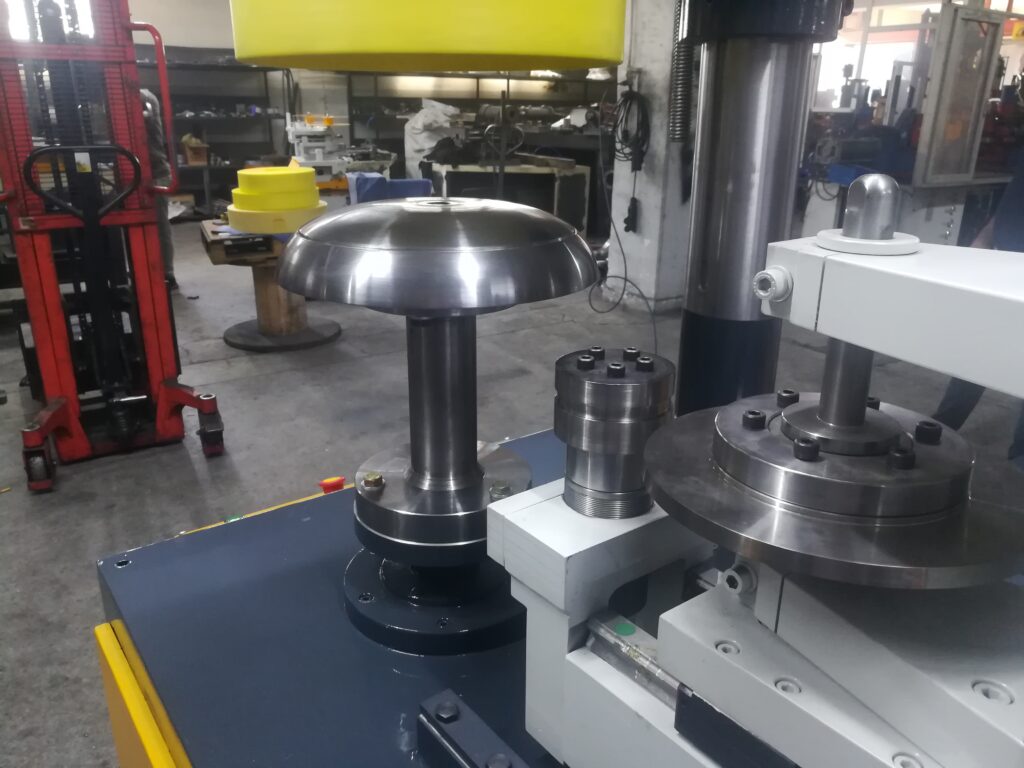
Categories
Machinery

Vertical Rotary Forging Machine

Vertical Rotary Forging Machine

Vertical Rotary Forging Machine: A High Performance Spinning Necking Machine is a specialized piece of industrial equipment used primarily in the metal packaging industry, particularly for manufacturing aluminum or steel cans, such as those used for beverages, aerosols, or food products. Here’s a breakdown of what it is and what it does:

spinning necking machine is used to reduce the diameter of the open end of a can—this process is called necking. The goal is to create a smaller opening for the can so that it can be seamed with a lid or to optimize the material use, strength, and appearance of the final product.

  1. High Speed Operation
    • Up to 600–2000 cans per minute depending on design.
    • Integrated with automated feeding and ejection systems.
  2. Multiple Stages of Necking
    • Progressive necking in several stages (10–30 stations) to avoid material stress or wrinkling.
    • Each stage slightly reduces the diameter for smooth forming.
  3. Rotary Spinning Mechanism
    • Uses spinning tools or rollers instead of fixed dies.
    • Provides more uniform pressure and reduces the risk of deformation.
  4. Servo-Controlled System
    • High precision control of rollers and can positioning.
    • Adaptive to different can sizes and materials.
  5. Tooling Flexibility
    • Quick-change tooling for various can heights and diameters.
  6. Material Handling
    • Gentle handling mechanisms to prevent surface damage or warping.
    • Often includes vacuum or air-assisted conveying.
  • Beverage Cans – Aluminum soda or beer cans.
  • Aerosol Cans – Steel or aluminum cans for sprays.
  • Food Cans – Cans used for preserved goods.
  • Battery Casings – For lithium or alkaline battery enclosures.

A High Performance Spinning Necking Machine is an advanced piece of equipment used primarily in the production of aluminum or steel cans, especially for beverages, food, or aerosols. Its main function is to reduce the diameter at the open end of the can—a process known as necking—so that the can can be sealed efficiently with a lid or end, or to achieve material savings and a sleeker design. Unlike traditional necking machines that use fixed dies, the spinning necking machine employs rotating tools or rollers that apply uniform, radial pressure while the can is spun. This spinning action results in smoother, more precise necking and reduces the chance of wrinkling or deforming the can walls.

High performance models are capable of processing anywhere from 600 to over 2000 cans per minute. They feature multiple necking stations—sometimes over 20—where the can diameter is gradually reduced in stages. This staged reduction is critical to maintaining the structural integrity of thin-walled aluminum cans, especially when operating at high speeds. These machines are often servo-controlled, allowing for precise adjustment of tool position, pressure, and timing. They’re designed to handle a wide variety of can sizes and shapes, with quick-change tooling systems to reduce downtime during product changes.

These machines are integrated into full can production lines, following the bodymaker and before the flanger and seamer stages. They often come with automated can handling systems, including air or vacuum conveyors, and are optimized for minimal maintenance and consistent high throughput. The tooling is typically made of hardened steel or carbide to withstand the high-speed contact and ensure long service life.

Spinning necking machines are essential in modern canmaking facilities, especially for lightweight aluminum cans where dimensional precision and surface quality are paramount. Manufacturers such as Stolle Machinery, Belvac, CarnaudMetalbox, and SLAC Precision are leaders in producing these machines, each offering models tailored to specific production needs, line speeds, and material types.

Continuing further, the precision and repeatability of high performance spinning necking machines play a crucial role in ensuring the final product meets tight dimensional tolerances. This is especially important in beverage can manufacturing where even minute variations in neck diameter or wall thickness can result in sealing issues or lead to failures during filling and distribution.

Modern machines incorporate sensors and monitoring systems that provide real-time feedback on critical parameters like roller pressure, can positioning, and neck diameter. These systems can automatically adjust tooling positions or halt production if an abnormality is detected, helping to minimize waste and maintain consistent quality. Additionally, many high-end machines are equipped with smart diagnostics and remote connectivity, allowing for predictive maintenance, troubleshooting, and updates without the need for on-site service in every case.

One of the key advantages of spinning necking is its adaptability. While traditional die-based necking might be limited by the tooling geometry and material strain limits, spinning allows for smoother transitions and more complex neck profiles, including straight, stepped, or bell-shaped necks. This opens up opportunities for brand differentiation through unique can shapes, while still meeting technical requirements for filling, sealing, and stacking.

In terms of energy and material efficiency, spinning necking machines support sustainability initiatives in the packaging industry. By allowing for thinner walls and optimized neck shapes, they contribute to lighter cans that use less raw material and reduce transportation costs. At the same time, their high efficiency and reduced downtime help lower energy consumption per unit of output.

Safety and ergonomics are also prioritized in newer models. Operators benefit from user-friendly HMIs (Human-Machine Interfaces), enclosed guarding, and simplified tooling changeover systems. This not only boosts productivity but also reduces the risk of workplace accidents and operator fatigue, particularly in high-volume, continuous production environments.

As global demand for canned beverages and sustainable packaging grows, the role of high performance spinning necking machines becomes even more central to modern canmaking operations. Their ability to deliver speed, precision, efficiency, and adaptability makes them indispensable in maintaining competitiveness in the packaging industry.

Diving deeper into the technical aspects, the necking process on a high performance spinning necking machine is divided into multiple incremental stages, each with its own set of rollers. These stages are precisely sequenced to gradually reduce the can’s open-end diameter while maintaining its structural integrity. Each station typically reduces the diameter by a very small amount—often less than a millimeter—because attempting a large reduction in a single step can cause buckling, wrinkling, or cracking, especially with thin-walled aluminum cans.

The can is held in place by a mandrel or turret as it rotates, and the spinning rollers move inwards with controlled force. These rollers can be mounted on cams, levers, or servo-controlled arms, depending on the machine’s design. Tooling geometry, surface finish, and alignment are all critical factors here—improper setup can lead to surface scoring, neck collapse, or inconsistent profiles, which are unacceptable in high-speed filling lines where even a tiny deviation can cause a jam or leak.

The machine’s overall layout typically includes an infeed system, necking turret, and outfeed conveyor. Some machines integrate additional functions such as flanging, beading, or trimming after necking. Others are dedicated solely to necking but are designed to synchronize seamlessly with upstream and downstream equipment through PLCs (programmable logic controllers) and line control software. This integration ensures that if there’s a stoppage or fault in one part of the line, the rest of the system reacts accordingly to prevent can pile-ups or tool damage.

Another key component is the lubrication system. Spinning rollers and mandrels operate under high friction and heat, so precision lubrication—often mist or micro-drop systems—is employed to keep tool wear low and maintain surface quality. The lubricants must be compatible with food-grade requirements and not interfere with later processes like washing, coating, or printing.

Tooling maintenance and longevity are critical cost factors in production. Tooling materials like carbide or high-speed steel are chosen for durability, but even these wear over time due to the abrasive nature of aluminum oxide and the high-speed contact. Many machines now include tool life monitoring systems and automated alerts for replacement or regrinding schedules. Some manufacturers offer modular tooling cassettes that can be swapped out quickly, reducing downtime to minutes instead of hours.

In recent years, digitalization has brought additional enhancements. Digital twins, simulation software, and AI-based performance monitoring are becoming more common in large-scale canmaking plants. These technologies help optimize production parameters, reduce energy consumption, and improve yield by predicting wear patterns or recommending process adjustments based on historical and real-time data.

Lastly, the adaptability of spinning necking machines to handle various can sizes—from slim cans and standard 330ml formats to taller energy drink styles or aerosol bodies—makes them highly versatile. Changeovers are simplified using tool pre-sets, digital controls, and in some cases, automatic tooling alignment. This adaptability not only shortens production downtime but also supports modern manufacturing trends like SKU diversification and rapid product development.

Large-Diameter CNC Spinning Machine

Large-Diameter CNC Spinning Machine

Large-Diameter CNC Spinning Machine is a precision metal forming machine designed to shape large circular metal blanks into symmetrical, hollow forms using computer-controlled spinning techniques. These machines are essential in industries like aerospace, energy, automotive, HVAC, and heavy manufacturing, where forming large components such as pressure vessel ends, cones, satellite dishes, turbine casings, or large reflectors is required.

Unlike conventional forming or stamping, CNC spinning (also known as metal spinning or flow forming) involves rotating a blank on a mandrel while one or more rollers apply localized pressure to gradually deform the material into its desired shape. The process is chipless, meaning there’s no material removed—it’s all formed through plastic deformation, making it highly efficient and material-saving.

Key Characteristics of Large-Diameter CNC Spinning Machines:

  1. Size and Capacity
    • Can handle metal blanks up to 3–5 meters in diameter or more.
    • Typically designed for heavy-gauge materials like aluminum, stainless steel, carbon steel, titanium, and special alloys.
    • Machines may support blank thicknesses from 5 mm up to 30+ mm, depending on material and diameter.
  2. CNC Control System
    • Fully programmable using G-code or proprietary CAM software.
    • Enables repeatable, high-precision forming for complex geometries and contours.
    • Some machines support multi-pass operations, allowing incremental forming in complex layers.
  3. Tooling and Mandrel
    • Uses custom mandrels that replicate the inner shape of the desired part.
    • Rollers are servo-controlled and follow a defined tool path to achieve the final profile.
    • For high-precision aerospace or pressure applications, mandrels may be water-cooled or segmented.
  4. Tailstock and Clamping System
    • Heavy-duty tailstocks provide axial force to press the blank against the mandrel during spinning.
    • Hydraulic or servo-driven pressure systems ensure stability even under high forming loads.
  5. Power and Rigidity
    • These machines feature high-torque main spindles and reinforced machine beds to handle the immense forming forces without vibration or distortion.
    • They may weigh several tons and often require a dedicated foundation.
  6. Hot and Cold Spinning Capability
    • Some large-diameter spinning machines are equipped with in-process heating systems (e.g., gas burners, induction heaters) to assist in hot spinning for tough or thick materials.
    • Hot spinning reduces tool wear and allows forming of alloys that are difficult to shape cold.
  7. Applications
    • Pressure vessel heads (dished, hemispherical, torispherical)
    • Rocket motor casings
    • Aerospace cones or nozzles
    • Wind tunnel or fan housings
    • Large reflectors or antennas
    • Turbine or boiler components

Advantages

  • Precision and Repeatability: CNC automation allows tight tolerances and identical repeat parts.
  • Material Efficiency: No material loss compared to machining.
  • Design Flexibility: Easily programmable for complex profiles or changes in geometry.
  • Forming Strength: The spinning process increases material strength due to grain alignment.

Continuing with the deeper aspects of large-diameter CNC spinning machines, one of the most critical components that sets them apart from smaller systems is the tool path control and the multi-axis synchronization between the forming rollers, the rotating blank, and any auxiliary systems like heating or trimming heads.

Tool Path Programming and Control

Tool paths in CNC spinning are not just simple arcs or linear moves; they involve highly complex, multi-curve profiles that must precisely match the mandrel geometry and account for material springback, thinning, and flow characteristics. CAM software used with these machines often integrates material behavior models that simulate how the metal will deform under pressure and heat.

For example, when forming a torispherical pressure vessel head, the software generates multiple passes—each with slightly deeper penetration—to gradually shape the part without inducing cracks or buckling. These passes are programmed using parameters like feed rate, roller pressure, radial depth, and even dwell time at specific points. The CNC system then synchronizes the rotation (C-axis), roller feed (X-axis), vertical movement (Z-axis), and sometimes additional Y- or A-axis if the roller head tilts or pivots.

Hot vs Cold Spinning

In cold spinning, the material is deformed at ambient temperature. This is feasible for ductile metals and thin sheets, but as wall thickness and diameter increase, the required forming forces become immense. This is where hot spinning becomes essential. Machines designed for hot spinning may include integrated:

  • Induction heaters around the spinning zone for fast, localized heating.
  • Gas burners for broad heating of the blank.
  • Thermal management systems for the mandrel, often water- or air-cooled, to maintain dimensional stability.

Hot spinning allows materials like Inconeltitanium, and high-strength steels to be shaped without cracking, while also extending tool life and improving surface finish.

Mandrel and Tooling Design

The mandrel is a core element, often custom-made for each product. For large parts, mandrels can be:

  • Monolithic steel blocks, machined to tight tolerances.
  • Segmented mandrels, where multiple interlocking pieces allow for easier part removal or cooling.
  • Expandable mandrels, which can change diameter slightly to release the formed part.

Rollers are typically made from hardened steel or carbide, with surface coatings (like TiN or DLC) to reduce wear. Some tooling is internally cooled to counter the heat generated during hot spinning.

Process Monitoring and Quality Control

Modern machines integrate real-time monitoring systems that track:

  • Forming force and torque
  • Material temperature
  • Roller position and velocity
  • Acoustic emissions (used to detect cracking or tool chatter)

These inputs can be fed into a closed-loop control system, allowing the machine to adapt the forming process in real time. For high-spec applications (e.g., aerospace), these machines often include laser scanning or 3D metrology systems to verify final part geometry without removing the part from the machine.

Integration with Other Processes

Large-diameter CNC spinning machines are often part of a larger manufacturing cell. They may be integrated with:

  • Automatic blank loading systems (cranes, robots, hydraulic lifters)
  • Post-forming trimming or welding stations
  • Annealing or heat treatment furnaces
  • Non-destructive testing (NDT) setups like ultrasonic or X-ray inspection

This integration boosts throughput and minimizes manual handling, which is especially important for components that weigh hundreds of kilograms or more.

In high-value industries like aerospace or energy, every part formed on a large-diameter spinning machine is typically traceable, with full process logs, tool wear records, and dimensional inspection reports. As such, these machines are often linked into a plant-wide MES (Manufacturing Execution System) for digital traceability and predictive maintenance.

Let’s continue with the end-to-end journey of a large component—such as a rocket dometurbine casing, or pressure vessel head—from a flat blank to a precision-formed product using a large-diameter CNC spinning machine. This process involves a combination of engineering, simulation, material science, CNC programming, and hands-on machine operation.

Design and Simulation Phase (FEA)

Before a single metal blank is cut, the geometry of the part is modeled using CAD software and then analyzed using Finite Element Analysis (FEA). This simulation predicts how the material will behave under spinning forces. It considers:

  • Material flow and thinning
  • Stress-strain curves
  • Heat distribution (for hot spinning)
  • Springback after unloading
  • Cracking risk zones

FEA helps engineers optimize the number of passes, tool path strategies, roller angles, and forming speeds before any physical setup. For critical aerospace parts, this modeling is often validated through small-scale prototypes or coupon tests.

2. Material Preparation

The metal blank—often aluminum, stainless steel, titanium, or nickel alloy—is either cut from plate or preformed into a shallow dome. The blanks may be up to several meters in diameter and 30+ mm thick, depending on application.

  • Surface cleaning is done to remove scale or oxides.
  • If hot spinning is planned, preheating may occur.
  • The blank is precisely centered and clamped onto the mandrel using a hydraulic tailstock or clamping ring.

3. Machine Setup

The CNC program is loaded and verified. This includes:

  • Mandrel alignment and mounting
  • Roller selection and positioning
  • Heating system configuration (if used)
  • Lubrication system primed
  • Safety checks and interlocks tested

Modern CNC spinning machines allow virtual dry runs to simulate the motion of all axes without engaging the material—helping operators verify clearance and toolpath logic before forming begins.

4. Spinning Process

The actual forming begins. The blank spins at a controlled RPM while the forming roller makes contact. In multi-pass operations, the roller slowly feeds into the material along a spiral or stepped trajectory. Key control variables:

  • Feed rate (mm/rev)
  • Depth of cut per pass
  • Forming force and roller pressure
  • Rotation speed (RPM)

In hot spinning, induction coils or gas burners heat the area just ahead of the roller to increase ductility. The machine constantly adjusts parameters based on feedback from sensors—ensuring consistent deformation.

5. Intermediate Inspection

At certain stages, the process may be paused for dimensional inspection using:

  • Laser profilometry
  • Contact probes
  • Infrared thermography (for hot forming)
  • Ultrasound (for detecting subsurface flaws)

Adjustments can be made on-the-fly to compensate for material variation or unexpected springback.

6. Final Shaping and Finishing

Once the final geometry is formed:

  • The part may be trimmed (edge shaping) using integrated tooling.
  • Beads, flanges, or stiffeners can be added if needed.
  • The part is air or water cooled depending on material.

For high-precision parts, post-forming machining might be used to finish surfaces, bores, or sealing areas.

7. Post-Processing and Inspection

The finished part undergoes thorough inspection, often including:

  • CMM (Coordinate Measuring Machine) measurement
  • Ultrasonic or X-ray NDT
  • Hardness testing
  • Surface roughness measurement
  • Heat treatment or stress relief annealing, if required

All of this data is stored for traceability—especially for parts used in pressure vessels, aerospace structures, or nuclear equipment.

Real-World Example

Let’s say you’re producing a rocket motor dome made of Inconel 718. The blank weighs 400 kg and starts as a 2.5 m wide disc. After FEA-validated programming, it’s spun at 300 RPM with induction heating bringing the forming zone to 900°C. Over 10 passes and 2 hours, the part is formed into a hemispherical shell, trimmed, scanned, and sent for heat treatment. Every forming parameter is logged—temperature curves, force profiles, roller positions—so engineers can track the exact forming history of the part that may one day launch a satellite.

These large-diameter CNC spinning machines aren’t just machines—they’re part of a digitally integrated, high-precision ecosystem that bridges the gap between raw material and high-performance, safety-critical parts.

Vertical End Forming Spinning Machine

Vertical Rotary Forging Machine

Vertical End Forming Spinning Machine is a specialized piece of equipment used to shape or modify the ends of cylindrical or conical metal components through controlled rotary forming processes. Unlike horizontal spinning machines, these systems are oriented vertically, allowing gravity to assist in handling, alignment, and stability—especially useful for long or heavy parts such as pipes, tubes, tanks, or pressure vessel segments.

This type of machine is commonly found in industries like aerospace, petrochemical, HVAC, shipbuilding, and heavy manufacturing, where forming high-strength, large-diameter metal ends is a critical process for achieving pressure resistance, structural strength, or joining geometry.

Key Features and Capabilities

1. Vertical Configuration

  • The workpiece is mounted vertically, typically standing upright on a rotating chuck or mandrel.
  • This setup is ideal for long tubular components or heavy parts that benefit from vertical loading and gravitational support.
  • It enhances operator ergonomics and simplifies automation of loading and unloading.

2. End Forming Functions

Vertical end forming spinning machines can perform a range of forming operations at one or both ends of the workpiece:

  • Closing (dome forming or dishing) – creating domed or hemispherical ends.
  • Flanging – outward or inward flaring of the tube edge for weld prep or mechanical joining.
  • Beading – forming reinforcing ribs or grooves near the edge.
  • Curling – rolling the edge for safe handling or sealing.
  • Tapering or reduction – reducing the end diameter concentrically.
  • Widening or bulging – expanding the mouth or collar of a tube or shell.

3. CNC-Controlled Motion

  • Multi-axis control (usually X, Z, and sometimes Y or B) guides the forming roller precisely along programmed tool paths.
  • Forming can be completed in single-pass or multi-pass cycles, depending on wall thickness and material behavior.
  • Software supports simulation, parameter storage, and real-time adjustment of feed rate, roller position, pressure, and rotation speed.

4. Forming Materials and Sizes

  • Supports materials like carbon steel, stainless steel, aluminum alloys, titanium, copper, and Inconel.
  • Can handle diameters ranging from a few inches to several meters, and wall thicknesses up to 20–30 mm, depending on the machine and material.
  • Machines are typically built for medium to heavy-gauge tubular stock, especially in applications involving pressure or structural loading.

Advantages of Vertical End Forming Spinning Machines

  • High concentricity and symmetry due to vertical alignment.
  • Gravity-assisted support minimizes deflection in long parts.
  • Efficient material flow during closing or flanging.
  • Compact footprint compared to large horizontal machines for similar capacity.
  • Easy integration with vertical loading robots or hoists.

Typical Applications

  • Pressure vessel ends (dished heads, elliptical caps)
  • Gas cylinders and oxygen tanks
  • Boiler tubes
  • Wind tower segments
  • Rocket motor casings
  • Pipeline reducers or collars
  • Compressed air receiver tanks

Supporting Features and Options

  • Hydraulic or servo tailstocks for axial pressure.
  • Induction or flame heating for hot spinning of thicker or hardened materials.
  • Quick-change tooling to allow for different end shapes or sizes.
  • Automatic loading/unloading systems, especially in batch or mass production.
  • Integrated trimming tools for edge cleanup after forming.

In operation, a vertical end forming spinning machine begins by vertically mounting the cylindrical workpiece—often a tube, pipe, or shell segment—onto a rotating chuck or mandrel that holds it securely during the forming cycle. Because of the vertical orientation, the part is naturally aligned by gravity, which minimizes the need for complex centering systems and helps maintain excellent concentricity during forming. This is especially useful for very long or heavy components, where sagging or deflection would be problematic on a horizontal system.

Once the workpiece is clamped, the forming cycle initiates with the rotation of the spindle. A forming roller, driven by servo or hydraulic actuators, moves in along a CNC-programmed path. Depending on the intended end geometry, the roller might start by curling the edge, reducing the diameter, expanding the mouth, or gradually drawing the metal inward to form a domed or elliptical end. In heavier-gauge materials or hard alloys, this forming process may require several progressive passes, with the roller feeding incrementally deeper into the material each time. Precision control of roller pressure, feed rate, and rotational speed ensures the metal flows evenly without buckling, cracking, or surface tearing.

In many cases, heating is introduced to soften the material and reduce forming forces. This is particularly important for stainless steel, titanium, and high-nickel alloys, which may otherwise fracture during cold spinning. Induction heating systems are often mounted directly adjacent to the forming zone, delivering controlled thermal input while the part rotates. In other setups, flame torches may be used, especially for simpler or lower-volume jobs. Regardless of the heating method, temperature must be carefully monitored and balanced with forming speed to avoid oxidation or uneven deformation.

The entire forming cycle is monitored in real time. Sensors track position, forming pressure, rotation speed, and sometimes acoustic or vibrational signals that can indicate tool wear or material anomalies. High-end systems include closed-loop feedback, allowing the machine to automatically adjust forming parameters mid-cycle if needed. For instance, if the system detects excess resistance due to material hard spots, it can reduce feed speed or increase roller dwell time to avoid overstressing the part.

Once forming is complete, the finished end is often trimmed using integrated shear or knife tools to remove any burrs or excess metal, leaving a clean, weld-ready edge. This is especially important for components destined to be joined by TIG or MIG welding, where surface quality directly affects weld integrity. In more advanced setups, the machine may include in-line inspection systems—laser scanners or probing arms that verify dimensions, curvature, and edge geometry before the part is released.

The vertical configuration also simplifies automation. Because parts are upright, they can be easily lifted and loaded with a crane, robot arm, or gantry system. In high-volume production, this is coupled with automated mandrel changeover and part stacking systems to minimize downtime between batches. Combined with CNC programmability and repeatable forming paths, these machines offer excellent flexibility across different part families—one machine might form domed ends for pressure tanks in the morning and flare heat exchanger tubes in the afternoon, simply by swapping tooling and loading new programs.

The combination of vertical alignment, CNC-controlled accuracy, and high forming force makes these machines ideal for producing critical parts that require both strength and precision. In aerospace, vertical end forming is used to produce domes for satellite fuel tanks. In energy and process industries, it forms the thick flanged ends of high-pressure pipes and vessels. In automotive, it’s used to reduce or flare muffler and exhaust components. Each of these applications benefits from the clean, seamless metal flow and tight geometric tolerances that spinning allows—particularly valuable when forming materials that would otherwise require expensive, high-waste machining processes.

As we continue, let’s delve deeper into how vertical end forming spinning machines optimize both material usage and part quality, as well as explore the advanced technological features that make these machines highly efficient and adaptable across a wide range of industries.

One of the key benefits of vertical end forming spinning is the minimized material wastage. Traditional forming methods like stamping or punching involve cutting away significant amounts of material, whereas spinning works by stretching and shaping the material without removing it. This is particularly advantageous in industries where material cost is a significant factor, such as aerospace and automotive manufacturing. For instance, forming a dished or domed end for a pressure vessel using a vertical spinning machine can result in minimal scrap, as the entire blank is used in the finished product. Furthermore, since the process is chipless, the part’s initial geometry can be optimized to reduce material input, leading to cost savings over time.

Additionally, material properties are another area where vertical spinning machines excel. As the material is deformed through controlled plastic flow, it undergoes a natural grain alignment that improves the part’s mechanical properties, especially in high-strength alloys. The metal’s resistance to cracking or fatigue is increased as the grain structure becomes oriented in the direction of the applied force, creating a part that’s both stronger and more durable. This is particularly critical for applications like aerospace, where parts need to withstand extreme conditions. Parts like rocket motor casings, for example, benefit greatly from this process, as it enhances the strength of critical sections without compromising their weight.

In terms of tooling design, vertical end forming machines often require custom-designed mandrels and rollers to achieve precise shapes. The mandrel serves as the internal support structure around which the metal is spun, and its geometry can be complex, depending on the final shape of the component. For example, producing a hemispherical dome for a high-pressure tank requires a mandrel with a very specific curvature to ensure that the material forms symmetrically around the center axis. These mandrels are typically made from hardened steel or cast alloys, and in some applications, they may also feature cooling channels to reduce thermal deformation during hot spinning.

Rollers used in vertical end forming are typically made from carbide or other wear-resistant materials. Over time, rollers may need to be replaced or resurfaced, especially in high-volume production, as they can wear down from constant contact with the material. Some advanced machines have a modular roller system that allows easy exchange of rollers without disrupting the production cycle, reducing downtime and enhancing flexibility.

The integration of heating systems is another key aspect of vertical end forming, especially when working with materials that require a lower forming force at elevated temperatures, such as stainless steeltitanium, or nickel alloys. The heating system can be integrated into the machine in various forms—typically either induction heating, which provides localized heating directly to the forming zone, or flame heating, which may be used for larger areas or less-critical applications. When used effectively, heating softens the material, allowing it to flow more easily during spinning, which not only reduces the required forming force but also reduces the risk of defects such as cracking or strain hardening.

For instance, in aerospace manufacturing, a rocket casing formed from Inconel 718 might be hot-formed to prevent material cracking during the shaping process, with induction heaters applying precise, localized heat to the areas being worked on. The result is a part that is not only dimensionally accurate but also has improved material properties due to the controlled thermal treatment. After the forming is completed, parts are often subjected to post-forming heat treatment processes like stress relief or annealing to further refine their mechanical characteristics.

To ensure precision and consistency in large-scale production, many vertical end forming spinning machines come with advanced CNC controls that manage all aspects of the process, including roller movements, feed rates, and material handling. These machines often feature a multi-axis control system, allowing for highly complex, multi-step forming processes to be carried out with minimal manual intervention. In some high-performance machines, adaptive control algorithms can modify the spinning parameters in real-time based on feedback from sensors that monitor force, temperature, or vibration. This closed-loop system ensures that any changes in material behavior or tooling wear are immediately corrected, resulting in a finished part that adheres to the tightest tolerances.

Real-time process monitoring is also crucial in ensuring high-quality parts. In addition to force and position sensors, advanced systems may include acoustic sensors to detect the sounds of friction or cracks forming in the material, as well as optical systems like laser scanners or CMM (Coordinate Measuring Machines) for measuring part geometry after the forming cycle. These systems are often part of an automated inspection process that can reject parts that don’t meet specifications, providing immediate feedback to operators and preventing defective parts from entering the next stages of production.

Once parts are formed and inspected, the post-forming operations come into play. In some cases, additional shaping, welding, or surface treatments are needed. For instance, if the formed part requires a flange or further diameter reduction, additional tooling can be used to complete the process. This post-forming stage might involve trimminggrinding, or welding to achieve the final geometry required for assembly into the larger system.

These machines can be integrated into broader manufacturing lines that include robotic handling systemswelding cells, and coating or finishing stations, forming a highly automated production flow. This integration is particularly advantageous in industries where high-volume production is necessary, such as the automotive and HVAC industries, where parts like mufflers, flanged pipes, and air conditioning coils are routinely formed.

In conclusion, vertical end forming spinning machines are highly versatile and capable of producing precision-formed metal components for a wide range of applications. Their CNC control systems, coupled with advanced tooling and material management, make them an essential tool in industries that require both strength and accuracy in their parts. The ability to work with a variety of materials, coupled with the reduced material waste, makes them a preferred solution for manufacturers looking to create high-performance components with minimal environmental impact.

High performance double arm spinning machine

Flowforming Sheet Metal

High Performance Double Arm Spinning Machine is a specialized type of metal spinning equipment used for producing high-precision, complex, and large-diameter parts from sheet metal or metal discs. These machines are particularly designed to handle large, heavy, and high-performance components for industries like aerospaceautomotiveenergy, and defense.

What sets the double-arm spinning machine apart is the dual-axis design which provides enhanced flexibility, increased stability, and improved quality control during the spinning process. The double-arm configuration allows for simultaneous movement of two forming rollers or tools, which is beneficial when working on parts that need uniform thickness, complex geometries, or higher material deformation capacity.

Key Features and Capabilities

  • Dual Arm Configuration: The primary feature of a double-arm spinning machine is the presence of two forming arms, each equipped with independent rollers or tool heads. These arms move in coordinated fashion to form the metal blank symmetrically from both sides. This dual-action system is ideal for dished headslarge tank bodies, and other components requiring uniform deformation from both ends.
  • Increased Stability: The double-arm design reduces the load on a single side of the part, distributing the forces more evenly. This allows the machine to form larger and heavier parts without risk of distortion, buckling, or excessive strain on the material.
  • Higher Forming Force: Because of the dual roller setup, the machine can apply more force evenly across the workpiece. This is particularly useful when forming materials that are harder to shape, such as high-strength alloys or materials with high tensile strength. The additional force provided by the two arms ensures more efficient material flow.
  • Precision and Symmetry: The synchronized movement of both arms guarantees that the metal flows uniformly from both ends of the part, resulting in parts with superior concentricity and uniform wall thickness. This is particularly critical for parts used in high-stress applications, like pressure vessels, rocket casings, and turbine components.
  • Versatility: The machine is capable of performing various metal forming operations such as flanging, dishing, deep drawing, and stretching. This makes it versatile enough to handle a wide range of complex geometries, from conical to spherical and cylindrical forms. It can work with a variety of metals including aluminum, steel, titanium, and specialty alloys.
  • Automation and Control: Modern high-performance double-arm spinning machines often incorporate CNC controls, allowing for precise programming of each roller’s path, speed, pressure, and other key parameters. This makes the machine ideal for high-volume production or applications requiring consistent part quality. The CNC system can also integrate real-time monitoring sensors, ensuring that any deviations from the desired forming process are immediately corrected.
  • Tooling and Mandrels: The machine typically utilizes custom mandrels for different parts, which are precisely shaped to match the geometry of the final product. These mandrels can be made from hardened steel, sometimes with cooling channels or temperature-controlled systems to manage the heat generated during the spinning process.
  • Part Size and Material Thickness: The double-arm spinning machine is suited for forming parts of significant size—ranging from smaller components like dished tank heads to large aerospace parts with diameters of several meters. It can handle materials with thicknesses ranging from thin gauge sheet metals (for automotive parts) to thick, heavy-gauge alloys used in aerospace or pressure vessel applications.

Applications of High-Performance Double-Arm Spinning Machines

  • Aerospace: These machines are often used to produce components like fuel tank domesrocket casings, and turbine housings. The aerospace industry benefits from the high strength-to-weight ratio that spinning imparts to the material, as well as the machine’s ability to form large, complex parts with high precision.
  • Pressure Vessels: Double-arm spinning is widely used for forming the ends of large pressure vesselsgas cylinders, and heat exchangers, where the uniformity of the formed part is crucial for pressure resistance and overall integrity.
  • Automotive: In the automotive industry, double-arm spinning machines can be used for creating parts such as exhaust componentsmufflers, and brake drums, where high-performance standards and precise tolerances are necessary.
  • Energy and Power Generation: Components like turbine casingsgenerator housings, and other structural parts for power plants benefit from the heavy-duty capabilities of the double-arm spinning machine.
  • Marine and Shipbuilding: Large marine parts such as propeller hubsdeck plates, and rudders can be produced with high precision, while ensuring their ability to withstand heavy mechanical loads.
  • Defense: For military applications, these machines can be used to form parts for armorshell casings, and other mission-critical components that must meet stringent specifications for both strength and precision.

Technological Enhancements

  • Real-Time Feedback Systems: Many high-performance spinning machines are equipped with real-time sensors that monitor parameters such as pressure, force, speed, and material flow. These systems feed back into the CNC control system, which can adjust the forming process automatically to ensure optimal results.
  • Integrated Heating Systems: For hot spinning applications, the machine can include integrated induction heaters or flame heating elements that locally heat the metal to a specific temperature range before forming, reducing the amount of force required and minimizing the risk of cracking or fracturing during deformation.
  • Advanced Simulation Software: Before actual production, advanced CAE (Computer-Aided Engineering) tools can simulate the spinning process. This allows manufacturers to predict how the material will behave under various conditions, reducing the number of trial runs and ensuring that the part meets all design specifications from the start.
  • Automatic Tool Changeover: For high-efficiency production environments, some machines are designed with automatic tool change systems that reduce downtime between part runs. This is particularly useful when producing parts with different geometries or diameters, where quick tool swapping is necessary.
  • Energy Efficiency: Newer systems are designed with energy-saving features such as regenerative braking on the motors, energy-efficient hydraulic systems, and automated control of heating elements, all of which contribute to reducing operational costs in large-scale production.

Summary

The high-performance double-arm spinning machine is an advanced piece of equipment that is well-suited for industries requiring precision and high-strength parts, especially those with large diameters and complex geometries. By utilizing dual forming arms, it delivers improved stability, symmetry, and force distribution, which results in high-quality components with uniform thickness and minimal material waste. With integrated automation, real-time monitoring, and the ability to work with a wide range of materials, this machine is ideal for demanding applications in aerospace, energy, automotive, and defense.

A high-performance double-arm spinning machine operates with dual arms that move simultaneously, applying forming forces to both sides of a metal blank. This configuration not only increases the stability and precision of the process but also ensures a more even distribution of material, especially in larger or thicker components. As the blank rotates, the forming arms, equipped with rollers or other shaping tools, push the material inward, stretching it into the desired shape. The use of two arms working in tandem allows for the application of a higher forming force compared to single-arm systems, enabling the machine to handle tough materials or thick metals with ease.

The dual-arm design makes it particularly effective for larger parts that would otherwise be difficult to form accurately on a single-arm machine. This includes applications such as forming large, domed ends for pressure vessels or turbine housings in the aerospace and energy industries. The synchronized movement of both arms helps maintain uniformity across the entire workpiece, resulting in a finished part that is structurally sound and dimensionally accurate. The increased force capacity also allows for deeper draws and more complex geometries, which are necessary when working with thicker or high-strength materials like titaniumnickel alloys, or stainless steel.

The precise movement of the forming arms is controlled by advanced CNC systems, which allow operators to program the machine for various geometries and material properties. These systems can also adjust parameters like feed rate, forming pressure, and spindle speed in real-time, based on feedback from sensors that monitor the process. Such automation ensures consistent part quality and minimizes human error, making it especially valuable in high-volume production settings where quality control is paramount. The use of adaptive controls ensures that any changes in material behavior during the spinning process are immediately addressed, resulting in fewer defects and rejections.

One of the key advantages of these machines is their ability to work with a wide range of materials. The double-arm setup provides more control over the material flow, which is particularly useful when working with metals that are prone to cracking or failure under high deformation rates. Hot spinning is also a common feature of high-performance double-arm machines, where induction heating or flame heating is used to preheat the material to make it more malleable. This allows for deeper forming without the risk of material fracture or failure, which is crucial for applications in high-pressure or high-temperature environments.

Another advantage of these machines is the ability to perform multiple operations on a single part during the same spinning cycle. The machine can form, flange, and even bead edges in one pass, which reduces the need for additional machining or post-processing. This makes the process more cost-effective and efficient, as it minimizes setup times and tooling changes between different steps.

The dual-arm spinning machine’s versatility extends to its capacity to handle different part sizes, ranging from smaller components like mufflers or brake drums in the automotive industry to larger, more complex components used in aerospace or energy generation. The ability to easily scale the machine’s settings to accommodate varying workpiece dimensions makes it adaptable for both small batch production and large-scale manufacturing.

For industries like aerospace, where material strength, precision, and durability are paramount, the ability to shape components like fuel tank domes or turbine casings with high accuracy is critical. Similarly, in energy and defense sectors, where parts are subject to high pressures, the ability to form thick-walled, high-strength components with uniform geometry is essential to meet safety standards. The machine’s efficiency also makes it ideal for producing parts in high volumes, as it can consistently produce complex components at a faster rate than traditional methods.

To optimize production, modern double-arm spinning machines often come equipped with features like automatic mandrel changeover systems, which allow operators to switch tooling quickly for different part geometries. This reduces downtime during production, ensuring that parts can be processed without delays. Additionally, integrated real-time process monitoring and quality control systems can detect issues early in the forming process, preventing defective parts from moving forward in the production cycle and ensuring that parts meet the exact specifications required.

With its dual forming arms, these machines can handle heavier parts and larger diameters while ensuring that the formed components maintain their structural integrity and desired specifications. For large-scale manufacturing, such as the production of pressure vessels or aircraft parts, this type of machine is invaluable due to its ability to produce high-precision components quickly and with minimal material waste. This capability is critical when working with expensive materials or parts that require strict tolerances, such as gas turbine components.

The use of induction heating or other localized heating systems, along with the dual-arm configuration, allows these machines to handle high-temperature materials like titanium and nickel-based alloys, which are common in aerospace and defense applications. These materials require controlled forming to prevent cracking or other defects that could compromise the part’s strength and integrity. In this case, the high-performance double-arm machine ensures that the material is heated evenly and formed under controlled conditions, providing an optimal outcome in terms of both mechanical properties and dimensional accuracy.

In conclusion, high-performance double-arm spinning machines offer unparalleled capabilities in the field of metal forming, particularly for large, complex, and high-precision parts. With the ability to handle thicker, tougher materials and form parts with greater accuracy and efficiency, these machines are essential for industries where part quality and performance are non-negotiable. Their advanced controls, high-force capacity, and versatile tooling options make them the go-to solution for producing large-diameter, high-strength components required in sectors like aerospaceenergy, and automotive manufacturing.

Continuing from the previous discussion, the high-performance double-arm spinning machine remains a crucial tool for a wide range of industries that require precision, durability, and efficiency in metal forming processes. Beyond the core capabilities already discussed, there are a few more aspects of these machines that further enhance their utility and value in high-demand production environments.

One of the standout features of high-performance double-arm spinning machines is their flexibility in part design. These machines can handle an extensive variety of shapes and geometries, making them ideal for producing custom parts with intricate features, such as recessed areasconical transitions, or beaded edges. The ability to form complex contours with high accuracy ensures that they can produce parts that would otherwise require multiple steps or different machines to complete. This capability is vital in industries such as aerospace, where parts often need to meet specific aerodynamic and structural requirements. For example, components like turbine blades or fuel tank domes may require complex, multi-stage forming that only the precision and flexibility of a double-arm spinning machine can provide.

These machines also offer substantial advantages when it comes to part integration. In applications such as pressure vessels or aerospace casings, multiple components need to be seamlessly joined together. The ability to form and flange parts in a single operation reduces the need for additional operations like welding or joining, minimizing time, cost, and potential defects. A well-formed, seamless component is often much stronger and more durable, especially in high-stress applications where the quality of the joint can determine the integrity of the entire part.

For manufacturers focused on high-volume production, the automation features of double-arm spinning machines are key to maintaining efficiency. These machines are often equipped with automated material feeding systemsrobotic handling units, and integrated inspection stations. The automated feeding system ensures that the raw material is consistently fed into the spinning process without manual intervention, which reduces labor costs and speeds up production cycles. Additionally, automated systems for handling parts post-spinning, such as robotic arms or conveyors, can quickly move the formed part to the next stage of processing, whether it’s further inspection, finishing, or assembly.

Automated inspection stations are crucial for ensuring the quality of each part. These stations often employ laser scanning3D vision systems, or contact probes to measure the part’s dimensions, wall thickness, and geometry immediately after spinning. This real-time inspection allows for immediate corrective actions if any deviations from the desired specifications are detected. In industries like aerospace or automotive, where precision is critical, the ability to identify and rectify issues on the fly prevents defective parts from moving further down the production line, ensuring that only the highest-quality components are delivered.

Another important consideration when working with high-performance double-arm spinning machines is the maintenance and upkeep of the system. Due to the high forces involved in the spinning process, these machines require regular maintenance to ensure that they continue to perform at optimal levels. Preventive maintenance is essential for reducing downtime and extending the life of the machine. This typically includes checking and lubricating the spindlesbearings, and rollers, as well as ensuring that the CNC system and feedback sensors are functioning properly. Regular maintenance of the heating systems is also crucial, as improper temperature management can lead to poor material flow and defects in the final part.

Moreover, tooling longevity is a key factor in the overall efficiency of the machine. As the rollers or mandrels used in the spinning process can wear down over time, having a system in place to monitor tool wear is critical. Some high-end machines include tool wear detection sensors that can detect if a roller has become uneven or worn out, which can be addressed before it causes defects in the parts. This also contributes to cost-efficiency, as replacing worn tooling promptly ensures that production quality does not deteriorate, and unplanned downtime is minimized.

The energy efficiency of double-arm spinning machines is another aspect worth noting. Modern machines are designed with energy-saving technologies that reduce the environmental footprint of the manufacturing process. For example, hydraulic systems with regenerative capabilities or servo-driven motors help conserve energy by efficiently controlling the machine’s movements and reducing waste. Additionally, intelligent heating systems can be programmed to heat the metal only when necessary and to the precise temperature required, preventing energy waste during the process.

For industries dealing with high material costs—such as aerospace or oil and gas—the material utilization efficiency of double-arm spinning machines is a significant advantage. Since spinning is a chipless process, the amount of scrap generated is minimal, which significantly reduces material costs. The precision of the forming process also ensures that the material used is optimized for the final part’s geometry, further reducing waste. This is particularly important when working with expensive materials like titanium or nickel alloys, where material costs can be a major factor in overall production expenses.

In high-performance manufacturing environments, cycle time optimization is always a priority. While the double-arm spinning machine is capable of forming large and complex parts, manufacturers are always looking for ways to reduce cycle times without compromising on part quality. The advanced CNC systems used in these machines help achieve this by allowing for real-time adjustments to the forming process. For example, the system can alter the feed rate, forming pressure, and spindle speed based on material behavior during the process, ensuring that the part is formed in the shortest time possible while maintaining high quality.

Finally, the versatility of double-arm spinning machines makes them indispensable in industries that require rapid prototyping and custom parts. Due to the high precision and flexibility of the system, it’s possible to produce small batches or prototypes without the need for extensive retooling. This is particularly beneficial in industries where custom components are often needed for testing, design validation, or niche applications. The ability to quickly produce these parts at high quality with minimal setup time allows manufacturers to meet tight deadlines and specific customer requirements.

In conclusion, high-performance double-arm spinning machines offer unparalleled precisionforce distribution, and efficiency in metal forming processes, making them essential for industries that require high-quality, complex components. Whether producing aerospace components, pressure vessels, or automotive parts, these machines provide the flexibility to handle a wide variety of materials and geometries while minimizing waste and reducing production times. With automation, real-time feedback, and energy-efficient systems, they continue to meet the demands of modern manufacturing environments, driving productivity and innovation across industries.

Continuing from where we left off, high-performance double-arm spinning machines continue to evolve and push the boundaries of what is possible in metal forming, offering new opportunities for innovation and efficiency in the manufacturing process. The adaptability and precision of these machines allow for their integration into modern production lines, not only enhancing individual part quality but also enabling a seamless flow of production.

One key area of development is the integration of smart technologies into double-arm spinning machines. These machines are increasingly incorporating Industry 4.0 concepts, including IoT (Internet of Things) connectivity and cloud-based monitoring systems, which help manufacturers keep track of machine performance in real time. With IoT, operators can monitor various parameters such as temperaturepressuretool wear, and material conditions remotely, allowing for faster response times to potential issues. This connectivity ensures that the machine is always running at its optimum performance level, reducing the chance of unscheduled downtime and improving the overall efficiency of the manufacturing process.

In particular, predictive maintenance has become a game-changer in high-performance spinning. By collecting data from various sensors integrated into the machine, the system can predict when components are likely to wear out or malfunction. This allows manufacturers to perform maintenance activities before a failure occurs, reducing downtime and preventing costly repairs. Predictive algorithms, based on machine learning and data analytics, can analyze trends and patterns over time, enhancing the decision-making process for maintenance scheduling and part replacements.

Another significant trend is the use of additive manufacturing (3D printing) in combination with double-arm spinning. While spinning is excellent for forming large, complex parts from sheet metal, additive manufacturing offers advantages in creating intricate internal features or tooling for specific applications. Some companies are using 3D-printed mandrels or tooling components to complement their spinning processes. The use of 3D printing to create custom tooling allows for more preciselightweight, and cost-effective solutions, enhancing the overall versatility of the spinning machine.

Additionally, the material diversity that high-performance double-arm spinning machines can handle continues to expand. With ongoing advancements in alloy technologycomposite materials, and smart metals, these machines are being adapted to work with new material types that require specialized handling. High-temperature alloyssuperalloys, and advanced composites used in aerospace and energy sectors, for instance, can be effectively shaped on these machines, contributing to the production of parts that meet demanding performance requirements. Moreover, the increasing use of recyclable and eco-friendly materials in manufacturing is also pushing the boundaries of what these machines can process, allowing manufacturers to meet sustainability goals while maintaining high performance.

The automation of tool changes and the adaptation of multi-tool systems further improve the production speed and efficiency of double-arm spinning machines. For example, instead of manually swapping out tools for different parts, the machine can automatically select and change the appropriate tooling based on the specific requirements of the part being formed. This can drastically reduce the setup time between production runs, which is essential for just-in-time manufacturing or low-volume, high-precision applications.

As companies increasingly focus on lean manufacturing practices, the importance of minimizing waste and improving process consistency grows. Double-arm spinning, with its minimal scrap generation, is well-suited to these goals. The ability to consistently produce high-quality parts with minimal material wastage not only improves profitability but also contributes to sustainability efforts, particularly in industries like aerospace, where expensive materials such as titanium and aluminum are common. The precision of double-arm spinning machines, combined with the minimal material deformation or loss, is a significant factor in their continued adoption across these industries.

Quality assurance and inspection during the spinning process also play a crucial role in the reliability of parts produced by double-arm spinning machines. With the integration of real-time monitoring and automated inspection systems, manufacturers can check parts as they are being formed, ensuring that any dimensional or quality deviations are identified and corrected immediately. This reduces the need for manual inspections after the process, saving time and improving the overall throughput of the production line. Many modern machines are equipped with laser scanners or 3D vision systems that create digital models of the parts, checking for both geometrical accuracy and surface defects.

The advent of robotic handling systems is another area where double-arm spinning machines are advancing. These robots not only move raw materials and finished components but can also perform secondary operations such as deburringpolishing, or grinding. By automating these steps, manufacturers can further reduce labor costs and improve the consistency of finishing processes. These robots can be programmed to interact with the spinning machine in a highly synchronized manner, ensuring smooth transitions between forming, finishing, and inspection.

Additionally, the ability to integrate with other manufacturing technologies such as CNC machininglaser cutting, and press forming makes double-arm spinning machines highly adaptable in integrated production lines. This integration allows for a seamless transfer of parts between different processing stages, whether it’s performing cutoutsholes, or additional features that cannot be achieved through spinning alone. This kind of flexibility enables manufacturers to handle complex projects where various techniques must be combined to produce a finished part that meets all of the required specifications.

On a global scale, the demand for high-performance double-arm spinning machines is expected to grow, driven by the increasing need for complex, large-diameter parts across industries. As industries like aerospacedefenseenergy, and automotive demand higher-quality, more efficient, and cost-effective solutions, these machines are well-positioned to meet these evolving needs. The ability to minimize scrapincrease throughput, and improve part quality will continue to make double-arm spinning a go-to solution for manufacturers worldwide.

In summary, the high-performance double-arm spinning machine is evolving alongside the industry’s needs, incorporating advanced automationreal-time monitoringenergy-saving technologies, and material innovations. These machines are crucial in producing high-precision partsminimizing waste, and ensuring the highest levels of quality control, making them indispensable in advanced manufacturing sectors. As industries continue to evolve, so too will these machines, embracing new materials, new technologies, and new ways to further improve the efficiency and performance of the metal forming process.

High speed precision spinning machine

Rotary Custom Metal Forming Machine

high-speed precision spinning machine is designed to form metal parts with exceptional speed and accuracy. These machines are commonly used in industries that require high-quality components, particularly in applications where tolerances are critical, such as aerospaceautomotivedefense, and energy sectors. The ability to perform rapid metal forming while maintaining tight dimensional control makes these machines invaluable for manufacturers looking to increase productivity without compromising on the quality of the finished product.

Key Features and Capabilities:

  1. High-Speed Operation: High-speed precision spinning machines operate at much faster speeds than traditional spinning machines. This allows them to form components quickly, making them ideal for mass production environments where throughput is critical. The increase in speed does not come at the expense of quality, as these machines are designed to maintain precision even at high revolutions per minute (RPM).
  2. Advanced CNC Control: These machines are equipped with advanced CNC (Computer Numerical Control) systems that allow for programmed control of both the speed and movements of the forming tools. This level of control ensures that tool paths are precise and repeatable, which is essential for producing complex geometries with tight tolerances. Operators can store multiple programs for different parts, making it easy to switch between product types without significant downtime.
  3. Precision and Accuracy: The precision of these machines is achieved through fine control over several parameters, including feed rate, forming pressure, and spindle speed. The machine’s ability to adjust these factors in real-time, based on feedback from sensors, ensures that the formed part remains within the exact specifications. For example, parts like pressure vessel componentsturbine casings, and aircraft fuselages require exacting standards that high-speed precision spinning machines can meet.
  4. Material Flexibility: These machines are designed to handle a wide range of materials, including metals like aluminumtitaniumstainless steel, and nickel alloys. High-speed spinning is particularly advantageous when working with harder and thicker materials that would otherwise be difficult to form efficiently. By using techniques like induction heating or flame heating, the material is preheated to a manageable temperature, improving malleability and reducing the risk of cracking during the spinning process.
  5. Minimal Waste and Material Efficiency: One of the significant advantages of high-speed precision spinning is its minimal material waste. Since the process is chipless, it avoids the scrap and cutting material that would typically result from other forming techniques, like machining. This is especially important in industries where the cost of raw material is high, such as aerospace or oil and gas.
  6. Automated Material Handling: High-speed precision spinning machines are often equipped with automated material handling systems that help load and unload materials quickly. This reduces manual labor, speeds up the overall process, and allows the machine to continue operating at high speeds without interruption. These systems can also automatically adjust for variations in material thickness or shape, ensuring consistency in the final product.
  7. Enhanced Tooling Systems: The tooling used in high-speed precision spinning machines is designed for long life and minimal wear. Advanced tool coatings or ceramic materials can be used to reduce friction and increase the durability of the forming tools. The precision and speed of these machines put a significant strain on the tooling, so durability is critical to maintaining consistent production quality and reducing downtime for tool changes.
  8. Real-Time Monitoring and Adaptive Controls: Modern high-speed precision spinning machines often include real-time process monitoring systems that track key parameters such as temperature, pressure, and tool deflection. This data is fed back into the machine’s adaptive controls, which automatically adjust settings like speed and pressure to optimize the forming process. This ensures that even if the material’s properties fluctuate or unexpected variations occur, the machine can adapt without compromising on part quality.
  9. Customization for Complex Geometries: These machines are highly versatile and can produce parts with a wide range of geometries. Whether it’s deep drawsflanged edges, or complex conical transitions, high-speed precision spinning machines can handle it all with ease. By using a combination of multi-axis CNC controls and automated tooling, manufacturers can produce custom-designed components without needing separate machines or processes.
  10. Improved Surface Finish: Due to the high-speed nature of the process and the fine control over tool movement, the surface finish on parts produced by high-speed precision spinning machines is typically superior. This makes the machine ideal for applications where aesthetic quality or low surface roughness is required. Industries like consumer electronics and automotive may benefit from this feature when producing decorative or functional metal parts that need to meet specific visual or tactile standards.

Applications:

High-speed precision spinning machines are particularly suited for the production of components such as:

  • Aerospace components like turbine casingsaircraft engine parts, and fuel tank domes, where high precision and material strength are critical.
  • Pressure vessels, such as those used in oil and gas or chemical processing industries, where the formed components need to withstand extreme conditions and be structurally sound.
  • Automotive parts like brake drumsmufflers, or wheel rims, where cost-efficiency and fast production are key.
  • Defense industry components, such as missile casingsradome housings, or munitions, where tight tolerances and strength-to-weight ratios are critical for performance and safety.
  • Large, complex medical devices that require high precision, such as surgical instruments or implantable devices made from specialized alloys.
  • Consumer products such as metal cookwaredecorative elements, and electronics enclosures, where aesthetic quality and speed of production are important factors.

Conclusion:

High-speed precision spinning machines are critical for industries where speedaccuracy, and efficiency are paramount. With their ability to form complex parts at high rates, they help manufacturers meet the growing demand for high-quality components in industries such as aerospaceautomotiveenergy, and medical devices. The integration of advanced CNC controlsadaptive feedback systemsreal-time monitoring, and automated material handling makes these machines an essential part of modern metal forming technologies. Whether for producing intricate aerospace components, mass-producing automotive parts, or making durable pressure vessels, high-speed precision spinning machines continue to push the envelope in precision manufacturing, offering manufacturers the ability to meet both quality and production speed demands.

High-speed precision spinning machines are designed to meet the ever-increasing demands of industries where both speed and accuracy are crucial. These machines offer a unique combination of high-speed operation and tight dimensional control, making them indispensable for producing parts that require both efficiency and high quality. The main advantage lies in their ability to quickly form metal components while maintaining precise tolerances, which is essential for applications in sectors such as aerospaceautomotiveenergy, and medical devices.

The core of their functionality is the advanced CNC control system, which enables precise tool movements and real-time adjustments during the forming process. By utilizing multi-axis controls, these machines are able to achieve incredibly complex geometries, from conical shapes to parts with intricate flanged edges or recessed areas. The precision offered by high-speed spinning machines means that even the most detailed and delicate components can be produced without compromising on part integrity or surface finish.

The incorporation of real-time monitoring and adaptive feedback systems further enhances the machine’s capability. Sensors and feedback loops continually adjust parameters like speed, pressure, and tool position to ensure that the forming process remains within specified tolerances. This ensures that parts are consistently high quality, reducing the need for post-processing and minimizing material waste.

One of the notable benefits of high-speed precision spinning is its ability to handle a wide range of materials, including metals that are typically difficult to process, such as titaniumstainless steel, and high-performance alloys. This makes the machine especially valuable in sectors like aerospace, where components need to withstand extreme conditions while maintaining their structural integrity. Moreover, the ability to preheat materials using induction heating or flame heating allows for easier manipulation of hard-to-form metals, improving material flow and reducing the risk of defects like cracking.

While these machines excel at high speeds, their material efficiency is a significant advantage. Since the spinning process is chipless, the amount of scrap generated is minimal, which can lead to substantial cost savings, particularly when working with expensive materials. In industries like aerospace, where the cost of raw materials can be prohibitively high, the ability to maximize material usage is a key consideration.

Automation is another area where high-speed precision spinning machines shine. With automated material handling systems that can load and unload materials quickly and efficiently, these machines operate with minimal human intervention. This reduces the overall labor cost and allows for continuous, uninterrupted production. Automated systems can also account for variations in material thickness and other parameters, making the process more adaptable and less prone to errors.

In addition to the automated material handling systems, these machines often feature automated tooling changeovers, which reduces downtime when switching between different parts or setups. This flexibility allows manufacturers to quickly adapt to changing production demands, whether it’s a shift from producing low-volume prototype parts to high-volume production runs.

The surface finish produced by high-speed precision spinning is another significant advantage. Because the process is carried out at high speeds, it helps to achieve smooth, polished surfaces on the formed parts. This is particularly important in applications where aesthetic quality or low surface roughness is required, such as in consumer electronics, medical devices, or decorative automotive components.

High-speed spinning machines are also equipped with advanced feedback systems that track parameters such as temperature, pressure, and tooling deflection. This data is used to continuously adjust machine settings, ensuring that any fluctuations in material behavior or tool performance do not negatively impact part quality. This level of control contributes to the machine’s ability to maintain consistent part quality over long production runs, reducing scrap and rework rates.

Moreover, the integration of Industry 4.0 technologies into high-speed precision spinning machines allows for enhanced connectivity and data sharing. Operators can access real-time performance data from remote locations, enabling proactive decision-making and timely maintenance. Predictive maintenance algorithms can analyze machine data to forecast when parts or components are likely to need servicing, helping prevent unexpected failures and minimizing downtime.

These machines are particularly valuable in industries where rapid prototyping or low-volume, high-precision production is required. With their fast setup times and ability to produce complex, high-quality parts without the need for secondary operations, they provide a solution for industries that demand both customization and speed.

In the long term, high-speed precision spinning machines represent a significant investment for manufacturers, but the benefits in terms of reduced material waste, increased production efficiency, and improved part quality make them highly cost-effective. The ability to form intricate parts with minimal scrap while maintaining high-speed throughput is invaluable in highly competitive markets.

As technology continues to evolve, it’s likely that these machines will become even faster and more precise, integrating with other advanced manufacturing technologies like additive manufacturing or hybrid production systems to offer even greater flexibility and capability. High-speed precision spinning is poised to remain at the forefront of metal forming technologies, playing a key role in shaping the future of manufacturing across multiple industries.

The evolution of high-speed precision spinning machines continues to shape the manufacturing landscape, and as industries push for greater customizationflexibility, and efficiency, these machines are becoming increasingly integral to production lines. The integration of automation and data-driven systems is paving the way for more intelligent manufacturing processes, where machines not only perform operations at incredible speeds but also adapt to evolving conditions, learn from past data, and optimize themselves in real-time.

One of the significant advancements in high-speed precision spinning is the rise of machine learning and AI-powered optimization. These technologies are integrated into machines to analyze vast amounts of real-time data from sensors and process monitoring systems. The machine can learn patterns of wear, temperature, pressure, and material behavior, enabling it to predict potential issues before they arise. By utilizing predictive analytics, manufacturers can reduce downtime, lower maintenance costs, and increase machine life by addressing issues proactively.

Moreover, advanced process control systems are now able to dynamically adjust operational parameters, such as spindle speedfeed rate, and tooling force, based on feedback from the material and environmental conditions. This level of adaptability means that high-speed precision spinning machines can maintain their performance regardless of variations in raw material properties or changes in ambient conditions, ensuring consistently high-quality parts with minimal operator intervention.

The need for sustainability in manufacturing processes is also driving further innovation in high-speed precision spinning. As global industries increasingly focus on reducing their environmental footprint, these machines play a key role in resource efficiency. The chipless nature of spinning results in minimal material waste, which aligns with lean manufacturing principles. Additionally, the ability to use recyclable metals or eco-friendly alloys in high-speed spinning processes allows companies to meet green manufacturing standards, reducing the consumption of valuable resources and lowering the overall environmental impact.

The use of alternative and composite materials is becoming more prevalent in high-speed precision spinning, as manufacturers experiment with lightweight alloysadvanced composites, and smart materials. These materials often have properties that require precise control over forming techniques to ensure they maintain their strength and structural integrity after the spinning process. High-speed precision spinning machines, with their fine control over deformation, are well-suited to handle these materials, enabling the creation of lightweight yet strong components for industries like automotiveaerospace, and sports equipment.

As industries demand more complex geometries, high-speed precision spinning machines are also evolving to handle multi-stage processes. The incorporation of multi-tool systems allows manufacturers to perform complex forming operations in a single setup, reducing the need for multiple machines or processes. This level of integration not only improves the speed and efficiency of production but also enhances part consistency, as the entire forming process can be executed without the need for part handling between different machine setups.

Customization and rapid prototyping are becoming more critical, particularly in industries like aerospace, where parts often have to be customized for specific applications or missions. High-speed precision spinning allows manufacturers to create bespoke parts in small volumes without compromising on speed or precision. This is especially useful in sectors where design iterations are frequent, or products are required to meet specific standards or certifications.

Another breakthrough in high-speed spinning technology is the incorporation of hybrid manufacturing techniques. Combining spinning with other processes like additive manufacturinglaser cutting, or electron beam welding, enables manufacturers to produce complex parts with multiple characteristics that would traditionally require separate processes. For example, a part might be spun to achieve its general shape and surface finish, and then additively manufactured features are added where needed. This hybrid approach allows for greater design flexibility while reducing the need for multiple machines or setups.

Virtual simulation tools are also transforming how high-speed precision spinning machines are used. By leveraging computer-aided design (CAD) and finite element analysis (FEA) software, manufacturers can simulate the spinning process before actual production begins. This allows for the optimization of part design, tooling, and process parameters, reducing the likelihood of defects and ensuring that the machine settings are as efficient as possible from the start. Virtual simulations also offer a cost-effective way to test different scenarios and refine processes without incurring the cost of trial-and-error in real production environments.

The future of high-speed precision spinning machines will likely see even greater integration of AI and machine learning algorithms, enabling these systems to autonomously fine-tune their operations in response to fluctuating conditions. The vision of smart factories, where machines communicate and adjust to each other to optimize production, is already becoming a reality in many advanced manufacturing environments. This level of autonomy will further push the boundaries of speed, accuracy, and efficiency.

As the world shifts toward digitally connected production lines, high-speed precision spinning machines will also become more connected to the broader ecosystem of manufacturing equipment. They will exchange data with other machines, inventory systems, and supply chains to optimize the flow of materials and finished products. This interconnectedness can lead to greater overall operational efficiency and provide manufacturers with real-time insights that can drive continuous improvements across the production process.

Modular design is another trend in high-speed precision spinning machines, offering manufacturers flexibility to adapt their machines based on the evolving needs of their operations. For example, the ability to swap out components like tooling headsspindles, or heat sources gives operators the flexibility to configure their machines for different materials, part sizes, and production volumes. This modular approach allows manufacturers to scale operations without needing to invest in completely new machinery, thus improving cost-efficiency in the long run.

In summary, high-speed precision spinning machines are transforming the way metal parts are formed, offering unprecedented speedprecision, and adaptability. As manufacturing becomes increasingly digitally connectedsustainable, and customized, these machines will continue to evolve, integrating with new technologies like AIIoT, and hybrid manufacturing systems. With the ability to handle a diverse range of materials, geometries, and production requirements, high-speed precision spinning is set to remain a cornerstone of advanced manufacturing for years to come.

Multiple roller flow forming center

Multiple Roller Flow Forming Center

multiple roller flow forming center is an advanced machine used in metal forming processes to create complex, high-precision parts from sheet metal or metal strips. It is particularly well-suited for high-volume production of components that require uniform wall thicknesshigh strength, and complex geometries. This machine is often employed in industries such as aerospaceautomotiveenergy, and defense, where there is a need for parts that can handle significant stresses and operate under demanding conditions.

The flow forming process, which is the basis of the multiple roller flow forming center, involves the controlled deformation of a metal blank using a series of rollers. The part is rotated while a set of rollers progressively deforms the material, forcing it to flow outward into the desired shape. This process is commonly used to produce hollow parts, such as tubescylinders, and cones, with excellent dimensional accuracy, strength, and surface finish.

Key Features and Capabilities:

  1. Multiple Roller Configuration: The primary distinguishing feature of a multiple roller flow forming center is its use of multiple rollers that work in unison to gradually form the material into the desired shape. These rollers are strategically positioned around the workpiece to apply uniform pressure and control the material flow. This ensures that the material is evenly stretched, leading to consistent wall thickness and minimal distortion. The multiple roller configuration enhances the machine’s ability to produce complex shapes with high precision.
  2. Continuous Forming Process: Flow forming is a continuous process, meaning that the workpiece is gradually transformed through several stages. As the material is passed through the rollers, the wall thickness can be reduced or increased by adjusting the amount of deformation applied by the rollers. This continuous forming approach allows manufacturers to produce long components or parts with consistent properties throughout the length, making it ideal for applications requiring high structural integrity.
  3. Improved Material Properties: One of the main advantages of the multiple roller flow forming process is that it significantly improves the mechanical properties of the material. As the metal is deformed, it undergoes strain hardening, which increases its strength. In addition, because the metal flows uniformly, the parts produced have excellent surface finishes and minimal defects, such as dimensional inaccuracies or warping.
  4. Reduced Material Waste: Flow forming is a chipless forming process, meaning it doesn’t produce the material waste that other methods, such as cutting or machining, generate. This makes it a material-efficient process, particularly beneficial when working with expensive metals or alloys, such as titanium or stainless steel. The process also minimizes the need for additional machining, as the parts come out with near-finished shapes and high surface quality.
  5. Versatile Forming Capabilities: The multiple roller flow forming center can handle a wide range of parts, from simple shapes like tubes and cylinders to more complex geometries like conical or spherical shapes. The flexibility of the system allows manufacturers to produce a variety of components without the need for extensive tool changes or reconfiguration.
  6. High Precision and Tight Tolerances: The use of advanced CNC controls enables the precise manipulation of roller positions, pressure, and rotation speeds, which translates into high dimensional accuracy and tight tolerances. This makes the process ideal for industries like aerospace, where parts must meet exact specifications and withstand extreme conditions without failure.
  7. Automation and Efficiency: The multiple roller flow forming center is often equipped with automated material handling systems, which can load and unload parts automatically, allowing the machine to operate continuously with minimal operator intervention. This increases the overall efficiency of the process and reduces human error. In some systems, robotic arms or conveyor systems can be used to position the workpieces, enhancing the speed and consistency of production.
  8. Material Compatibility: Multiple roller flow forming centers can be used with a variety of materials, including aluminumtitaniumstainless steel, and nickel alloys. These materials are commonly used in industries such as aerospace and automotive, where the parts need to be both lightweight and strong. The ability to handle these advanced materials is a significant advantage for manufacturers who require high-performance components.
  9. Enhanced Flexibility for Part Design: The flexibility of the multiple roller flow forming center allows for the production of parts with varying geometries, wall thicknesses, and lengths. By adjusting the roller pressure, speed, and angle, the machine can adapt to different designs and produce parts that might be challenging or inefficient to create using traditional forming or machining methods.
  10. Integration with Other Manufacturing Processes: The multiple roller flow forming process is often integrated into larger production lines or systems. For example, the formed parts might undergo heat treatment or surface finishing operations post-formation to further improve their mechanical properties or aesthetics. This integration can streamline the production process, reduce the need for manual intervention, and improve overall production efficiency.

Applications:

Multiple roller flow forming centers are particularly well-suited for producing hollow, high-strength components in a variety of industries:

  • Aerospace: For parts such as engine casingsfuel tanksstructural components, and turbine housings, which require both lightweight and high-strength properties.
  • Automotive: For wheel rimsbrake drums, and axle shafts, which benefit from the high-strength and lightweight characteristics that flow forming provides.
  • Energy: For turbine componentspressure vessels, and piping systems used in oil and gasnuclear, and renewable energy sectors, where parts must withstand high pressures and temperatures.
  • Defense: For military vehicle componentsammunition casings, and structural parts that require both durability and precision.
  • Industrial Applications: For producing cylindrical or conical parts used in various machinery, such as shaftsbearing housings, and valves.

Conclusion:

multiple roller flow forming center is an advanced manufacturing solution that offers several benefits, including high precisionmaterial efficiency, and the ability to produce parts with complex geometries and enhanced mechanical properties. By utilizing a series of rollers to gradually shape the material, this machine provides an effective means of creating hollow, high-strength components with minimal waste and superior surface finishes. As industries continue to push for higher performancelighter components, and lower production costs, the multiple roller flow forming center will remain a crucial tool in modern manufacturing.

A multiple roller flow forming center is a highly efficient and versatile machine designed to produce complex, high-precision parts from various metals. The process is highly effective for creating components that require both strength and precision, making it ideal for industries where performance and reliability are paramount, such as aerospace, automotive, and energy. The principle behind flow forming involves using a set of rollers to progressively deform a metal blank as it rotates, gradually shaping it into the desired form.

One of the core advantages of a multiple roller flow forming center is its ability to work with a variety of materials, including aluminum, stainless steel, titanium, and other high-strength alloys. This versatility makes it particularly valuable in sectors like aerospace, where components need to meet stringent material requirements and withstand harsh conditions. The flow forming process itself enhances the material’s mechanical properties, such as strength, by inducing strain hardening as the metal is deformed. This leads to parts with superior durability compared to those made through other processes.

The continuous nature of the process ensures that the material flows evenly, which minimizes defects like warping or uneven thickness, allowing for highly consistent, accurate, and repeatable results. This is particularly crucial when producing parts with tight tolerances or parts that must meet specific safety or performance standards. The process can be applied to a wide range of geometries, from simple cylindrical shapes to more complex conical or spherical designs, making it adaptable to various product types.

In addition to the material benefits, the multiple roller configuration enhances the ability to control the deformation process. By adjusting the position and pressure of each roller, operators can fine-tune the forming process to achieve specific part properties, such as wall thickness and surface finish. This level of control ensures that the finished components meet the desired specifications without requiring extensive post-processing or additional steps.

Moreover, the chipless nature of flow forming significantly reduces material waste compared to traditional cutting or machining methods. Since the material is deformed rather than removed, scrap is minimized, making the process more environmentally friendly and cost-effective, especially when working with expensive metals. This reduction in waste is particularly advantageous for industries that use rare or costly materials, such as aerospace or high-performance automotive sectors.

The automated capabilities of modern flow forming centers further enhance their efficiency. Automated material handling systems can feed the metal blanks into the machine, and advanced control systems monitor and adjust the process in real time. This automation reduces the need for manual intervention, speeds up production cycles, and ensures consistency across long production runs. Additionally, the automation of processes like loading, unloading, and tool changes contributes to a reduction in labor costs and downtime, allowing for continuous operation.

The integration of CNC technology and advanced control systems ensures that operators can maintain tight control over every aspect of the flow forming process. These systems allow for real-time adjustments to machine settings, such as roller pressure, speed, and temperature, ensuring that the parts are consistently produced to specification. The ability to program the machine for multiple stages of the forming process also allows manufacturers to create parts with varying degrees of complexity, improving the machine’s flexibility and adaptability.

The versatility of the multiple roller flow forming center also extends to the size and shape of the parts that can be produced. The machine is capable of producing both small, precise components and larger parts with complex geometries. This flexibility is particularly useful in industries where the design of parts can vary greatly between production runs, such as aerospace and automotive. The ability to produce a wide range of parts from a single machine reduces the need for multiple setups and machines, which increases overall production efficiency.

Furthermore, the flow forming process results in parts with a high-quality surface finish, often requiring little or no additional finishing processes. The smooth surfaces that result from the deformation process can be critical in industries like aerospace, where aerodynamics and surface integrity are important. The reduction in post-processing steps also contributes to cost savings and faster turnaround times for manufacturers.

In the future, as demand for more complex, high-performance components continues to grow, the capabilities of multiple roller flow forming centers are likely to expand. These machines may incorporate even more advanced automation, allowing for greater precision and efficiency. The integration of AI and machine learning could enable predictive maintenance and real-time process optimization, further improving the overall performance and reliability of these machines.

Additionally, advances in materials science could lead to the development of new alloys and composite materials that can be effectively formed using flow forming technology. The ability to process these materials without compromising their properties would open up new opportunities for industries seeking to push the boundaries of what’s possible in manufacturing.

In conclusion, multiple roller flow forming centers represent a powerful and flexible tool for producing high-precision, high-strength components. Their ability to handle a variety of materials, produce complex geometries, and minimize waste makes them a key technology for industries where part performance is critical. With continued advancements in automation, control systems, and materials, the role of flow forming in modern manufacturing is likely to grow, making it an essential process for many high-demand applications.

As industries continue to demand more efficient, cost-effective, and high-performance manufacturing methods, the role of multiple roller flow forming centers will only become more significant. One of the primary reasons for their increasing importance is their ability to adapt to the growing demand for customization and high-precision components. The flow forming process, with its flexible setup and minimal material waste, is well-suited for producing low-volume, high-mix products, a scenario that has become more prevalent in modern manufacturing as products become more specialized and tailored.

The integration of real-time data collection and process monitoring is expected to become a standard feature in multiple roller flow forming systems. These systems can continuously gather data from sensors placed at various points in the machine, such as rollers, spindles, and material infeed points. The data can then be analyzed to optimize the forming process, ensure consistent quality, and predict maintenance needs. This shift towards a data-driven production environment enhances not only the machine’s performance but also its ability to function in a smart factory setup, where machines communicate with each other and adjust parameters in real-time for maximum efficiency.

Predictive analytics integrated into the machine control systems allow manufacturers to optimize machine setups for different part designs and materials without requiring trial and error. These advanced analytics can help anticipate potential issues such as tool wear, material inconsistencies, or process fluctuations, reducing the likelihood of production delays or quality issues. For instance, if a machine’s rollers are showing signs of wear, the system can alert operators in advance, allowing for preventive maintenance before it impacts production.

In addition to the operational improvements, sustainability is becoming a key focus in modern manufacturing processes. With the push towards green manufacturing practices, multiple roller flow forming centers are contributing to lower carbon footprints through their efficiency in material usage. By reducing scrap, optimizing energy consumption, and incorporating recyclable materials, flow forming processes offer a more sustainable approach compared to traditional machining or casting methods. This is particularly important in industries like aerospace, where material costs and environmental concerns are tightly linked.

As material science advances, new, high-performance alloyscomposites, and smart materials are being developed that are tailored for specific applications. These materials are often more difficult to form using conventional methods, but the flow forming process offers the flexibility needed to work with these innovative materials. For instance, the aerospace industry is increasingly using advanced titanium alloys and composites for lightweight yet strong parts. Flow forming machines, with their ability to apply precise and consistent pressure, are well-suited to shape these materials without compromising their structural integrity.

Flow forming also supports the creation of parts with intricate shapes and fine tolerances, such as parts with hollow coresvariable wall thickness, or integrated features like flanges, ribs, and grooves. In industries like aerospace, the need for parts that can handle extreme loads while maintaining lightweight properties has made flow forming essential. The ability to maintain uniform material flow during the forming process ensures the resulting parts meet the rigorous demands for strength-to-weight ratios and aerodynamic performance.

The shift towards automation and Industry 4.0 integration is another trend that is transforming the role of multiple roller flow forming centers. Through the use of roboticsmachine learning, and cloud computing, manufacturers can enhance the overall productivity of these systems. Robots can handle the loading and unloading of parts with precision, reducing human error and cycle times. Furthermore, machine learning algorithms can optimize the forming process by adjusting parameters dynamically based on feedback from the machine’s sensors and real-time conditions, such as material temperature and tool wear.

These systems also enable manufacturers to implement real-time remote monitoring, where engineers and operators can track the performance of flow forming machines from anywhere in the world. Remote diagnostics and troubleshooting ensure that potential issues are caught early, preventing production downtime and minimizing costly repairs. As machines become more connected and capable of self-optimization, the concept of autonomous manufacturing is becoming a reality.

Furthermore, modular designs in flow forming machines are gaining traction. Manufacturers are now able to customize machines based on their specific production needs, adapting them to handle different materials or produce parts with varying geometries. Modular systems allow for quick changeovers, making it easier to adapt to new production runs without significant downtime. This flexibility enhances the machine’s ability to meet the growing demand for customized products while maintaining high efficiency and low operating costs.

Another growing trend is the use of hybrid manufacturing techniques, where flow forming is combined with other technologies, such as additive manufacturing or laser welding, to create more complex, multi-material components. For example, an additive manufacturing system might be used to create a complex internal structure, while the flow forming process can be used to shape the outer geometry. This hybrid approach leverages the strengths of multiple technologies, enabling manufacturers to create parts that would be difficult or impossible to produce with a single process.

As the demand for high-quality, lightweight, and durable components grows, especially in sectors like automotive and aerospace, multiple roller flow forming centers will continue to play a key role in meeting these challenges. The combination of precisionefficiency, and the ability to work with advanced materials makes flow forming an essential process for manufacturers looking to stay ahead in increasingly competitive markets.

In the future, we can expect further advancements in machine automationdata analytics, and material science that will continue to drive the capabilities of multiple roller flow forming centers. With the integration of AI-driven predictive systemsreal-time process optimization, and advanced hybrid technologies, flow forming will evolve into even more powerful, flexible, and sustainable production methods. As industries look for ways to produce high-performance parts faster, with greater precision, and at a lower environmental impact, the multiple roller flow forming center will remain an invaluable tool in the manufacturing landscape.

Custom Tube Forming Machine

Single-Station Tube Necking Machine

custom tube forming machine is a specialized piece of equipment designed for producing tubes with specific shapes, sizes, and properties tailored to meet the unique requirements of various industries. These machines can be used to create a wide range of tubular components, from simple cylindrical tubes to more complex shapes, including conical, elliptical, or hexagonal forms. Custom tube forming is used in industries such as aerospaceautomotivemedicalenergy, and construction, where precision, performance, and material properties are crucial.

The core function of a custom tube forming machine is to shape or form metal sheets, strips, or pre-formed sections into tubes of a desired geometry. This process is highly adaptable, allowing manufacturers to create tubes with customized dimensions, thicknesses, and material properties to suit specific applications. The machine can be designed to handle a wide variety of metals, including aluminumstainless steelcoppertitanium, and nickel alloys, as well as composite materials in some advanced configurations.

Key Features and Capabilities:

  1. Customizable Tube Geometries: The ability to create tubes with varying geometries is one of the key features of custom tube forming machines. These machines can form round, square, or rectangular tubes, as well as more specialized shapes such as ovalelliptical, or triangular. The forming process can be adjusted to produce tapered tubes, tubes with variable wall thicknesses, or tubes with specific flanges or ribs.
  2. Precision and Tight Tolerances: Custom tube forming machines are capable of producing parts with high precision and tight dimensional tolerances, which are essential in industries like aerospace and automotive, where even minor deviations can lead to performance issues or safety concerns. The machines are often equipped with advanced CNC controls that allow for fine adjustments to the forming process, ensuring consistency and accuracy across all parts produced.
  3. Multiple Forming Techniques: Depending on the desired tube shape and material, a custom tube forming machine may use a combination of different techniques, such as roll forminghydroformingtube bending, and welding. These methods can be adapted to produce tubes with specific characteristics, such as increased strength, lightweight properties, or the ability to withstand high pressures. For instance, hydroforming uses fluid pressure to form complex shapes in metal tubes, allowing for more intricate geometries and reduced material waste.
  4. Material Handling and Automation: Many custom tube forming machines come equipped with automated material handling systems that can load, position, and unload the materials with precision. This automation not only increases efficiency but also reduces the risk of human error. For high-volume production, the use of robotic arms or conveyor systems can further enhance the speed and consistency of the manufacturing process.
  5. Versatility in Material Selection: Custom tube forming machines are designed to work with a wide range of materials, including ferrous and non-ferrous metalscomposites, and alloys. The machines can be adjusted to handle different material thicknesses, strengths, and flexibilities, making them suitable for industries that require specialized materials. For example, aerospace manufacturers may require titanium tubes for their high strength-to-weight ratios, while automotive manufacturers might use aluminum for its lightweight properties.
  6. Reduced Material Waste: Unlike traditional methods such as cutting or machining, which often result in significant material waste, custom tube forming is typically a chipless process. This is especially beneficial for industries that work with expensive materials, such as titanium in aerospace or stainless steel in food processing equipment. By utilizing the material more efficiently, custom tube forming machines can significantly reduce the cost of production and improve sustainability.
  7. Customization for Different Applications: These machines are highly customizable, meaning they can be adapted to meet the needs of a particular industry or customer. For example, a custom tube forming machine used in the medical industry may need to meet strict sterility and biocompatibility standards, while a machine used for automotive exhaust systems will focus on durability and high-temperature resistance. The ability to tailor the machine’s features ensures that it can produce the exact specifications required by each application.
  8. Integrated Inspection and Quality Control: Many modern custom tube forming machines come with integrated quality control systems that automatically inspect the tubes as they are being formed. These systems may include laser scannersdimensional measurement sensors, and visual inspection cameras that detect any defects, such as deformationsdimensional inaccuracies, or surface defects. This ensures that the tubes meet high-quality standards and can be immediately sorted or rejected if necessary, minimizing defects and improving product consistency.
  9. High Production Speed: Custom tube forming machines are designed for high production rates, making them ideal for mass production of tubes. Once set up, these machines can operate continuously, producing a large number of tubes in a short amount of time. This high-speed capability is particularly important for industries that need to manufacture large volumes of components quickly and efficiently, such as the automotive or construction industries.
  10. Energy Efficiency: Many newer custom tube forming machines are designed with energy efficiency in mind. With features such as energy-saving motorsoptimized forming processes, and reduced operational downtime, these machines can help lower the overall energy consumption during production. As sustainability becomes more of a priority in manufacturing, energy-efficient machines contribute to lower carbon footprints and can help companies comply with environmental regulations.
  11. Multi-Stage Forming: Some custom tube forming machines offer multi-stage forming, which means the tube undergoes several passes through different forming tools or stations to achieve the final shape. This allows for the creation of more complex tube designs or features that cannot be achieved in a single pass. For example, tube expansionbending, or flanging can be done in separate stages to create multi-functional parts, such as those used in automotive manifolds or aerospace structural components.
  12. Post-Forming Operations: After the tube is formed, additional processes such as cuttingwelding, or end forming may be required to finalize the part. Custom tube forming machines can often be integrated with other equipment for these post-forming steps, streamlining the entire manufacturing process and reducing the need for additional machines. For example, welding stations can be used to join sections of tube, while cutting stations can ensure the tubes are produced to the exact length required.

Applications of Custom Tube Forming Machines:

  • Aerospace: Custom tubes are often used in fuel linesstructural components, and exhaust systems where precision and lightweight properties are essential.
  • Automotive: Tubes are used in exhaust systemsbrake linessuspension systems, and roll cages, where strength, durability, and customization are key.
  • Medical: Medical tubes are used in cathetersneedles, and surgical instruments, where biocompatibility and precision are critical.
  • Energy: Tubes are required in oil and gas drilling equipment, heat exchangers, and piping systems, often made from high-strength alloys to withstand extreme temperatures and pressures.
  • Construction: Tubes are used in scaffoldingfencing, and reinforcement bars where material strength and durability are essential.

Conclusion:

custom tube forming machine is a crucial tool for producing specialized tubes in various industries. By offering the flexibility to work with multiple materials, create complex shapes, and meet stringent specifications, these machines provide manufacturers with the capability to meet the increasing demand for customized, high-performance components. The precision, speed, and versatility of custom tube forming technology make it indispensable in industries such as aerospace, automotive, medical, and energy, where quality, efficiency, and innovation are paramount.

Custom tube forming machines are essential tools for industries that require precision-engineered tubular components. These machines are built to form tubes from a variety of metals and materials, providing manufacturers with the flexibility to produce parts tailored to specific requirements. Unlike traditional tube manufacturing methods that may be limited in the range of shapes and sizes they can produce, custom tube forming machines allow for complex, non-standard geometries. This capability makes them indispensable in industries such as aerospace, automotive, medical, and energy, where the need for high-performance, customized parts is crucial.

The forming process typically begins with a flat metal strip or sheet that is fed into the machine. Depending on the configuration of the tube forming system, it may employ various techniques, such as roll formingbending, or welding to shape the tube. Roll forming, for instance, gradually shapes the material through a series of rollers, allowing the metal to be formed into precise and consistent shapes. For tubes requiring more complex features, such as flanges, conical sections, or variable thicknesses, additional forming steps may be used. These machines can form parts with high dimensional accuracy and tight tolerances, making them well-suited for applications that demand exact specifications.

A significant advantage of custom tube forming machines is their ability to handle a wide range of materials, including stainless steelaluminumcoppertitanium, and other advanced alloys. These materials can be formed to create tubes with properties such as high strength-to-weight ratiosresistance to corrosion, and the ability to withstand extreme temperatures or pressures. This versatility makes custom tube forming ideal for producing parts that are used in demanding environments, such as those found in the aerospace and energy sectors.

The automation integrated into these machines enhances their efficiency and consistency. With the help of CNC controls, manufacturers can program the machine to produce tubes with varying dimensions, shapes, and thicknesses without requiring significant manual intervention. The ability to program multiple steps in the forming process allows for the creation of more complex parts in a single run, reducing cycle times and labor costs. Automated material handling systems also contribute to improving production rates and reducing human error, as they can load, position, and unload materials with precision.

In addition to speed and automation, custom tube forming machines are designed to be energy-efficient and cost-effective. The chipless nature of many forming processes minimizes material waste, making these machines a more environmentally friendly option compared to traditional machining methods. The efficiency of the process also helps reduce production costs, particularly in industries that deal with expensive raw materials. In sectors like aerospace, where materials such as titanium are commonly used, the ability to minimize waste can result in significant cost savings.

The quality control capabilities of custom tube forming machines further enhance their value. Many systems incorporate in-line inspection stations that use sensors and cameras to monitor the tube’s dimensions and surface quality in real time. This ensures that any defects or deviations are caught early in the process, minimizing waste and rework. For applications where precision is critical, such as in the medical or aerospace fields, these inspection systems help maintain the highest standards of quality.

The ability to produce complex and custom-shaped tubes also opens the door for more innovative designs in product development. For example, in the automotive industry, custom tube forming machines can create exhaust system components that have intricate curves or variable wall thicknesses to optimize performance. In the medical field, precision-formed tubes are used in products such as stentscatheters, and needles, where both biocompatibility and accuracy are paramount. The versatility of custom tube forming machines ensures that manufacturers can meet the diverse needs of these industries while adhering to strict regulations.

As manufacturing technology continues to evolve, custom tube forming machines are likely to become even more advanced. The integration of real-time data analyticsmachine learning, and AI-driven predictive maintenance will further enhance the performance and reliability of these machines. These innovations will allow for even more precise control over the forming process, resulting in higher quality products and reduced downtime. Additionally, the ongoing development of new materials and manufacturing techniques will further expand the capabilities of custom tube forming machines, enabling them to handle an even broader range of applications and materials.

In conclusion, custom tube forming machines are a cornerstone of modern manufacturing, offering unparalleled flexibility, precision, and efficiency. Their ability to produce high-quality, customized tubes for demanding industries has made them indispensable in sectors like aerospace, automotive, medical, and energy. With their continued evolution, these machines will play a pivotal role in meeting the growing demand for advanced, high-performance tubular components in the years to come.

The future of custom tube forming machines is poised for even more growth, driven by advancements in digital manufacturingautomation, and sustainability. As industries become more reliant on customized and high-performance components, the demand for specialized tube forming solutions will continue to rise. Companies are increasingly looking for ways to produce lightweightstrong, and complex parts while reducing costs and environmental impacts. Custom tube forming machines, with their ability to produce parts with minimal waste and high efficiency, will remain at the forefront of this transformation.

One of the most significant trends in the custom tube forming industry is the integration of smart technologies and the rise of Industry 4.0. Machines are becoming increasingly connected, with embedded sensors and real-time data analytics that allow for greater control over the manufacturing process. Operators can monitor and adjust the machine’s performance remotely, ensuring that production runs smoothly and efficiently. This data-driven approach also allows for predictive maintenance, where sensors can detect wear and tear on machine components, helping to prevent unplanned downtime and optimize the overall lifespan of the equipment.

Incorporating machine learning into custom tube forming machines will also lead to enhanced process optimization. These systems will learn from historical data and continuously adjust the forming parameters to improve the quality of the tubes and minimize defects. Over time, this leads to more consistent results, reduced scrap, and greater production efficiency. The ability to fine-tune the forming process based on these insights will make custom tube forming even more precise and versatile.

As manufacturers move toward more sustainable practices, there will be a greater emphasis on energy-efficient systems, reducing material waste, and integrating recyclable materials into the production process. Custom tube forming machines will likely incorporate green manufacturing practices, such as using less energy and lowering carbon emissions during production. This could be achieved through the use of energy-efficient motors, regenerative braking systems, and improved heat management in the machines. Additionally, the chipless nature of tube forming already minimizes waste, and further innovations in material handling and recycling will only improve sustainability.

The materials used in tube forming are also evolving. As new alloyscomposite materials, and smart materials are developed, custom tube forming machines will be able to process these materials, expanding the range of applications. Smart materials, such as those with self-healing properties or those that change shape in response to external stimuli, may find their way into automotive or aerospace components, where advanced functionality is required. Custom tube forming machines, capable of handling these cutting-edge materials, will allow manufacturers to explore new design possibilities and create innovative products.

Another exciting development is the potential for hybrid manufacturing systems. These systems combine additive manufacturing (3D printing) with traditional forming techniques to create parts with complex geometries. For example, a custom tube forming machine could form the basic structure of a part, while an additive manufacturing system could be used to create intricate internal structures or add features like reinforcements or fluid channels. This combination of methods offers tremendous flexibility, enabling manufacturers to create parts with both precision and complexity that would be difficult to achieve with a single technology.

Furthermore, the integration of robotics into custom tube forming systems will increase the level of automation and improve productivity. Robots could be used for material handling, loading and unloading parts, or even performing secondary operations like welding or cutting. This automation not only speeds up the production process but also reduces the risk of human error and minimizes labor costs. Robots can work seamlessly with tube forming machines to ensure that every part is produced with the highest precision and efficiency.

In industries like automotive manufacturingexhaust systems and chassis components are increasingly being made from high-performance materials. As emissions regulations become more stringent and fuel efficiency becomes a priority, the demand for lighter, stronger, and more durable tubes in vehicles will continue to rise. Custom tube forming machines will be essential in meeting these requirements, enabling the creation of high-performance parts with reduced weight while maintaining structural integrity. These tubes may also need to meet higher safety standards, such as those required for crashworthiness or fire resistance in the automotive and aerospace industries.

The medical industry is another sector where custom tube forming machines will see growing importance. Precision-formed tubes are often used in medical devicesprostheticscatheters, and implants. As medical technology advances, the need for more intricate and biocompatible tubes will continue to increase. Custom tube forming machines can meet these requirements by offering high accuracytight tolerances, and the ability to handle specialized materials like biodegradable polymers or medical-grade metals. The rise of personalized medicine, where treatments are tailored to the individual patient, will also lead to an increased demand for customized tube components.

The future of custom tube forming machines will be characterized by their ability to adapt quickly to new manufacturing needs, whether it’s producing complex geometries, working with advanced materials, or integrating new technologies into the production process. As industries evolve and demand higher levels of performancecustomization, and sustainability, the role of custom tube forming machines will only become more critical in meeting those challenges. These machines are evolving from basic production tools into high-tech solutions that are capable of addressing the unique demands of tomorrow’s industries.

In conclusion, the continued development of custom tube forming machines will play a pivotal role in shaping the future of manufacturing. With the ongoing trends of digitalizationautomationsustainability, and material innovation, these machines will enable manufacturers to create parts that are lighter, stronger, more efficient, and tailored to meet the specific needs of a wide variety of industries. Whether it’s for aerospaceautomotivemedical, or energy, custom tube forming machines will remain at the forefront of high-precision manufacturing for years to come.

Custom Deep Drawing Metal Forming Machine

Forming Process with Sheet Metal Spinning Machine

Custom Deep Drawing Metal Forming Machine is a specialized piece of equipment used in the metal forming process to produce hollow, cylindrical, or cup-shaped components from flat sheets of metal. This machine uses deep drawing as its primary technique, which involves using a punch to force a metal sheet into a mold or die to form a shape, such as cupscontainersautomotive partselectronics enclosures, or other components with deep or complex shapes.

Deep drawing is particularly beneficial for producing parts with high depth-to-diameter ratios and is commonly used for stainless steelaluminumcopper, and other metals that can withstand the stresses of being drawn without cracking. Custom deep drawing metal forming machines are designed to meet the specific needs of various industries, allowing for flexibility in material types, part shapes, and production volumes. These machines can be tailored to meet precise dimensionstolerances, and production requirements, making them a valuable tool in mass manufacturing environments where both consistency and efficiency are crucial.

Key Features and Capabilities:

  1. High Precision and Tight Tolerances: Custom deep drawing machines are capable of achieving high precision and tight tolerances, which is essential when manufacturing parts that need to fit within specific dimensions or assemble seamlessly into larger systems. Industries such as aerospaceautomotive, and electronics rely on this level of accuracy to ensure performance, safety, and functionality.
  2. Adaptability to Different Materials: Custom machines are engineered to work with a variety of materials, including high-strength metals like titaniumstainless steel, and aluminum. The machine design can be adjusted to suit specific materials with varying thicknesses and mechanical properties. In addition, machines may also be designed to handle non-metallic materials or composite sheets, expanding their versatility.
  3. Optimized Drawing Force Control: Deep drawing requires controlled drawing forces to ensure the material is stretched without excessive thinning or tearing. Custom machines are equipped with advanced systems to precisely control the drawing force, ensuring consistent and high-quality part production. These systems may include hydraulic pressesservo-driven mechanisms, or adaptive controls that adjust to material behavior during the drawing process.
  4. Multiple Stages and Die Configurations: Deep drawing is often performed in multiple stages, with parts being drawn progressively deeper through various dies to achieve the desired shape. Custom machines can be designed to accommodate multi-stage forming processes, allowing for the creation of more complex geometries, such as compound curves or parts with varying wall thicknesses.
  5. High-Speed Production: Custom deep drawing machines are typically designed for high-speed, high-volume production. These machines can efficiently produce thousands of parts with minimal downtime between cycles. Automation is often integrated to speed up material handling, part unloading, and tool changeovers, which helps improve overall production efficiency.
  6. Incorporation of Advanced Monitoring and Feedback Systems: To ensure quality control, many custom deep drawing machines incorporate advanced monitoring systems that track critical parameters such as forcespeed, and material thickness during the forming process. Feedback systems alert operators to any deviations or issues in real-time, allowing for quick corrections to prevent defective parts.
  7. Customizable Die Sets: The machine can be equipped with custom die sets that match the required part design. The dies can be specifically tailored to accommodate different shapes, sizes, and geometries of the formed parts. Custom die sets allow manufacturers to achieve highly specialized components without the need for separate tooling or machines.
  8. Minimizing Material Waste: The custom machine setup ensures that material utilization is optimized, minimizing waste during the deep drawing process. Advanced die designs can reduce the need for additional trimming or secondary operations, leading to material savings and increased sustainability in production.
  9. Automation and Integration: To increase production efficiency, custom deep drawing metal forming machines can be automated with integrated robotic systems or conveyor lines for feeding and unloading materials. Automation reduces labor costs, speeds up the manufacturing process, and ensures consistent results with minimal human intervention.
  10. Surface Quality and Finish: Deep drawing metal forming can sometimes lead to surface defects due to friction or stretching. Custom machines can include lubrication systems to reduce friction, helping to maintain a smooth finish on parts and prevent defects such as wrinklingtearing, or scuffing. Additionally, some machines include post-forming processes to improve surface quality, such as polishing or coating.
  11. Flexible Production Volumes: While deep drawing is often associated with mass production, custom deep drawing machines can be designed to handle both low-volume, high-mix production and high-volume runs. The machines can be configured to switch between different part designs without requiring significant retooling or downtime, making them ideal for manufacturers who need to produce a variety of parts on the same equipment.
  12. Enhanced Safety Features: Custom deep drawing machines often incorporate safety features such as automatic shutdown systemssafety barriers, and light curtains to prevent accidents during the forming process. These features ensure that the machine operates in a safe environment for operators while maintaining high productivity.

Applications of Custom Deep Drawing Metal Forming Machines:

  • Automotive Industry: Deep drawing machines are used to manufacture auto body partsfuel tanksexhaust systemsengine components, and brake parts, all of which require high precision and material strength.
  • Aerospace Industry: Aircraft components such as fuel tanksstructural parts, and cabin components often require deep drawing to achieve complex geometries and meet stringent safety standards.
  • Consumer Electronics: Deep drawing is used to create metal enclosures for electronics such as smartphoneslaptops, and battery cases, where appearance and performance are key factors.
  • Medical Devices: Custom deep drawing machines are used to produce medical instrument housingssurgical tools, and implants, where high precision and biocompatibility are essential.
  • Food and Beverage: Deep drawing machines can be used to create canscontainers, and lids for packaging food and beverage products, which must adhere to strict safety and quality standards.
  • Electronics and Power: For battery casingsconnectors, and other electrical components, deep drawing helps in producing high-performance parts that can withstand environmental conditions and electrical requirements.

Advantages of Custom Deep Drawing Metal Forming Machines:

  • Complex Geometries: Deep drawing allows for the creation of complex shapes that would be difficult or impossible to achieve through traditional machining methods.
  • High Strength-to-Weight Ratio: The deep drawing process can produce parts with a high strength-to-weight ratio, making it ideal for industries such as aerospace and automotive, where reducing weight is critical.
  • Cost-Effectiveness: Once set up, deep drawing is an efficient and cost-effective way to produce large quantities of parts, especially in high-volume manufacturing settings.
  • Minimal Material Waste: Since deep drawing is a chipless forming process, it generates very little material waste, contributing to cost savings and sustainability.
  • Customization: Custom deep drawing machines can be designed for specific part requirements, including specialized material handling, tooling, and part geometries, providing flexibility for manufacturers in diverse industries.

Conclusion:

custom deep drawing metal forming machine is a versatile, high-precision tool for producing complex, high-quality metal components. With the ability to handle various materials, produce complex geometries, and work at high speeds, these machines are essential for industries that require precision and efficiency in mass production. The adaptability of custom machines ensures that they can meet the unique demands of industries such as automotive, aerospace, medical devices, and consumer electronics, making them an indispensable part of modern manufacturing processes.

Custom deep drawing metal forming machines are crucial for the manufacturing of intricate and high-quality metal components. These machines are designed to handle a wide range of materials, from stainless steel to aluminum, and even advanced alloys, with precision and efficiency. The deep drawing process itself involves a punch and die setup, where a flat sheet of metal is drawn into a mold to create complex, hollow parts. These machines are tailored to meet the specific needs of industries that demand high performance and precise results.

The adaptability of custom deep drawing machines makes them ideal for producing parts with high depth-to-diameter ratios, such as cupscontainersautomotive parts, and industrial components. The ability to modify dies, control drawing forces, and optimize material handling ensures that manufacturers can achieve the desired geometry and dimensional accuracy. As these machines are built to accommodate custom tooling and configurations, they are especially beneficial for manufacturers who require flexibility in producing a range of part designs, whether for low-volume, high-mix production or large-scale manufacturing.

Automation is a key feature in modern custom deep drawing machines. These machines are often equipped with robotic systems for feeding, handling, and unloading materials, as well as for performing secondary operations like weldingcutting, or trimming. The integration of automation significantly reduces labor costs, minimizes errors, and speeds up production cycles. The use of hydraulic presses or servo-driven mechanisms further optimizes performance, ensuring precise control over the deep drawing process. These systems are designed to minimize material waste, maintain consistent product quality, and enhance overall production efficiency.

Another crucial aspect of custom deep drawing machines is their quality control capabilities. Many machines are equipped with advanced monitoring systems that continuously track key parameters such as force, material thickness, and part dimensions. Real-time feedback helps operators make necessary adjustments to ensure that the final product meets stringent quality standards. The inclusion of lubrication systems further enhances part quality by reducing friction, preventing surface defects, and ensuring smooth drawing of the material.

The evolution of custom deep drawing machines is also influenced by the ongoing advancements in digital manufacturing. Many modern machines are integrated with CNC (computer numerical control) technology, allowing for precise programming and automation of the forming process. This results in faster setup times, greater consistency, and the ability to produce highly complex shapes without requiring significant retooling. The incorporation of AI and machine learning into these systems will further improve their ability to adapt to changing material properties and part designs, enhancing efficiency and part quality.

In terms of environmental impact, custom deep drawing machines are designed to be energy-efficient and sustainable. The chipless nature of the deep drawing process means that very little material waste is produced, and any scrap generated can often be recycled, contributing to more sustainable manufacturing practices. Additionally, the machines can be optimized to use less energy, reducing the overall carbon footprint of the production process.

Looking forward, the role of custom deep drawing metal forming machines will continue to expand, driven by the increasing demand for customized components and advanced manufacturing techniques. Industries such as aerospaceautomotivemedical devices, and electronics will continue to require parts that are not only lightweight and strong but also precisely shaped to meet exacting specifications. As the need for these high-performance components grows, so too will the capabilities of custom deep drawing machines, making them an essential tool for future manufacturing innovations.

The future of custom deep drawing metal forming machines will be shaped by increasing demands for precisionsustainability, and the need to process a wider range of materials and geometries. As industries continue to evolve, manufacturers are looking for machines that can handle diverse applications and meet tight tolerances while also being energy-efficient and adaptable to new technologies. This will drive innovation in the design and capabilities of custom deep drawing machines, pushing them to handle even more complex components with greater efficiency and fewer material constraints.

Advanced Materials will play a major role in the future of deep drawing. As new alloys, composites, and lightweight materials emerge, manufacturers will need machines that can handle a variety of metal properties, such as high strength-to-weight ratios, heat resistance, or corrosion resistance. For instance, titanium and titanium alloys, which are commonly used in aerospace and medical devices, require precise control and specialized machinery to ensure that they are drawn without defects. High-performance polymers or composite materials may also become more prevalent, demanding machines capable of forming these materials into intricate shapes while maintaining the structural integrity required for the final product.

As the automotive industry moves towards more electric vehicles (EVs), the demand for lighterstronger, and more energy-efficient parts will increase. Custom deep drawing machines will need to accommodate the production of battery casingslightweight chassis components, and powertrain parts that meet the specific requirements for thermal managementimpact resistance, and energy efficiency. These parts may also require special geometries or integrated cooling channels, which deep drawing machines can produce with high precision. As manufacturers continue to focus on reducing vehicle weight for better fuel efficiency and battery range, custom deep drawing machines will be key in producing the required parts with minimal waste.

The integration of real-time data analytics and artificial intelligence (AI) into custom deep drawing machines will allow for even greater process optimization. AI-powered systems can analyze production data to detect patterns and make real-time adjustments to the forming process, such as fine-tuning drawing forceslubrication rates, and die configurations. This continuous feedback loop ensures that the process remains within the optimal range, reducing defects and improving efficiency. Predictive analytics will also allow manufacturers to anticipate wear and tear on machine components, schedule maintenance proactively, and avoid unexpected downtime, ensuring smooth and continuous production.

Robotics and automation will continue to revolutionize the custom deep drawing process. Robots will play a crucial role not only in material handling but also in tasks such as part sortinginspection, and secondary operations like assembly or welding. These robotic systems will work in tandem with deep drawing machines, improving throughput and reducing manual intervention. Additionally, cobots (collaborative robots) could be used alongside human operators to handle tasks that require dexterity or precision, enhancing productivity while maintaining worker safety.

The rise of digital twins in manufacturing could also impact the future of custom deep drawing machines. A digital twin is a virtual representation of the machine or the entire production process, allowing for real-time monitoring, simulation, and optimization. Using this technology, manufacturers could test different configurations or process parameters in a simulated environment before applying them to the actual machine, saving both time and resources. Additionally, digital twins could be used for remote diagnostics, allowing for faster identification and resolution of any issues that arise during production.

Sustainability will be another significant driver in the evolution of custom deep drawing machines. Manufacturers are increasingly looking for ways to reduce the environmental impact of their production processes, and deep drawing offers an advantage due to its chipless nature. Custom machines will continue to be optimized for energy efficiency, and new innovations may include regenerative systems that capture energy during the forming process and reuse it for other stages of production. Furthermore, closed-loop systems for lubrication and material recycling could be integrated into the machines to minimize waste and reduce consumption of raw materials.

Another important trend is the advancement of multi-material forming. As industries require increasingly complex parts that combine different materials with different properties, custom deep drawing machines will need to handle the simultaneous forming of multi-material structures. This could involve the deep drawing of metal parts with integrated components made from polymers, composites, or other materials. For example, in the automotive industry, multi-material forming could be used to create lightweight structures with built-in insulation or thermal management features, offering a combination of strengthweight reduction, and functional performance.

Finally, additive manufacturing and hybrid manufacturing technologies are likely to influence custom deep drawing machines. Hybrid systems that combine deep drawing with additive manufacturing (such as 3D printing) could be used to produce components with complex internal geometries or features that cannot be achieved through traditional forming alone. This hybrid approach would allow manufacturers to use traditional deep drawing for the external structure of a part while adding internal structures or features using additive methods. Such innovations could reduce production times, enhance design flexibility, and lower material costs.

In conclusion, the future of custom deep drawing metal forming machines will be marked by continuous advancements in precisionautomationmaterial handling, and sustainability. As industries demand more specialized and complex components, these machines will evolve to meet those needs, integrating new technologies and capabilities to ensure that manufacturers can continue to produce high-quality, high-performance parts with increased efficiency and reduced environmental impact. From the automotive and aerospace sectors to medical devices and electronics, custom deep drawing machines will remain a crucial part of modern manufacturing, enabling industries to meet the challenges of tomorrow’s advanced product designs.

Rotary Custom Metal Forming Machine

Large-Diameter CNC Spinning Machine

Rotary Custom Metal Forming Machine is a specialized piece of equipment designed for forming metal components through a rotary motion, often used in high-precision and high-volume manufacturing. Unlike traditional metal forming machines that rely on linear motion or static dies, a rotary machine involves the continuous rotation of either the workpiece or the tool, which facilitates efficient metal shaping through various processes such as rollingspinningforging, or bending.

These machines are versatile and can be customized to suit a wide range of metal forming applications. They are particularly effective for producing cylindrical or symmetrical components, where the geometry of the part requires rotational symmetry. Custom rotary forming machines can be engineered to meet specific requirements for shapesizematerial typeprecision, and production volume, making them valuable tools across various industries such as aerospaceautomotiveconsumer goodselectronics, and construction.

Key Features and Capabilities:

  1. Rotary Motion for Continuous Shaping: The core feature of rotary custom metal forming machines is the rotational movement that drives the metal forming process. The machine either rotates the tool or the workpiece to apply forces that deform the material in a controlled manner. This continuous movement allows for efficient processing of materials, especially when producing components with circular symmetry.
  2. Precision and Consistency: Rotary forming machines are designed to deliver high levels of precision and consistency, making them ideal for industries where tight tolerances are critical. For example, in the aerospace industry, where components must meet stringent dimensional requirements, these machines can produce parts such as rotating partsturbine blades, and engine components with exceptional accuracy.
  3. Versatility in Material Handling: Custom rotary machines can be configured to handle a variety of materials, from mild steel to high-strength alloysstainless steel, and composite materials. The machine setup is typically adjustable to accommodate different material thicknesses, hardness levels, and properties, allowing manufacturers to produce a wide range of products.
  4. Multiple Forming Processes: Rotary custom metal forming machines can incorporate several different forming processes, including rollingspinningforging, and bending. Each of these processes can be adjusted for different types of parts and material characteristics:
    • Spinning: For creating hollow, circular components such as metal cupscontainersturbine housings, or automotive body parts.
    • Rolling: For producing platessheets, or profiles with consistent thickness.
    • Forging: For high-strength parts, such as boltsgears, and automotive components, which require compression forces to form the material.
    • Bending: To form specific curvatures in metal components used in structural applications or product housings.
  5. High-Speed Production: The use of rotary motion allows for high-speed processing, which is ideal for high-volume production environments. The continuous operation of the machine ensures that large quantities of parts can be produced efficiently with minimal downtime between cycles. This is especially beneficial in industries such as automotive manufacturing, where fast production times are essential for meeting market demands.
  6. Customization for Specific Applications: Custom rotary forming machines can be tailored to meet the needs of specific industries and part designs. For example, automotive manufacturers may require machines capable of producing parts with complex geometries and thin-walled sections, while aerospace manufacturers might need machines that can handle lightweight materials and produce parts with high precision.
  7. Integrated Automation and Control: Many rotary custom metal forming machines come equipped with advanced automation systems that control the speed, pressure, and temperature of the forming process. Automated loading and unloading systems reduce manual intervention, while sensors and feedback loops monitor the quality of the parts being produced, ensuring that each component meets the required specifications.
  8. Reduced Material Waste: The continuous and efficient nature of rotary forming processes helps to minimize material waste. Optimized die and tool designs can ensure that material is used effectively, and the machine’s precision ensures minimal scrap is produced. In industries where material cost is high, this reduction in waste can lead to significant savings.
  9. Surface Finish Control: Some rotary forming machines are equipped with surface treatment or coating application capabilities that ensure that the metal part has the desired finish. This is particularly useful when producing decorative parts or components that require corrosion resistance or enhanced aesthetic qualities.
  10. Energy Efficiency: Modern custom rotary metal forming machines are designed with energy efficiency in mind. The continuous operation of these machines typically results in less energy consumption per unit produced compared to traditional forming methods. Some machines incorporate regenerative braking or energy recovery systems to further reduce energy usage.
  11. Advanced Tooling: The tooling in rotary custom forming machines can be easily customized for different types of parts, providing greater flexibility for manufacturers. Tool designs are optimized for speed and accuracy, and multi-stage tooling setups can be incorporated to handle more complex parts in a single pass, reducing the need for secondary operations.

Applications of Rotary Custom Metal Forming Machines:

  • Automotive Industry: These machines are used to produce a wide range of automotive components, such as exhaust pipessuspension partswheel rimsbody panels, and engine components. Rotary forming processes, such as spinning and forging, allow for high-strength, lightweight, and precise parts that meet strict regulatory and safety standards.
  • Aerospace Industry: In aerospace, rotary custom forming machines are used to produce turbocharger componentsengine partswing spars, and housings that require high precisionmaterial strength, and light weight.
  • Consumer ElectronicsMetal enclosures for smartphonestablets, and laptops can be manufactured using rotary forming techniques, ensuring that the components are lightweight, durable, and accurately shaped.
  • Industrial Equipment: Rotary forming is used to create parts for heavy machineryequipment housingsbearings, and gears in industries such as constructionmining, and agriculture.
  • Energy and Power Generation: Parts for turbinesgenerators, and engines in the energy sector can be efficiently produced using rotary custom metal forming machines. These parts often require high material strength, precision, and heat resistance, which rotary forming processes can deliver.
  • Medical Devices: In the medical field, rotary forming can be used to create parts for surgical instrumentsprosthetics, and medical device housings, where precision, cleanliness, and material integrity are critical.

Advantages of Rotary Custom Metal Forming Machines:

  • Efficiency and High-Speed Production: Rotary forming allows for faster cycle times compared to traditional forming methods, which is ideal for high-volume production.
  • Precision and Accuracy: The continuous rotational movement ensures high levels of precision and consistency, which is critical in industries like aerospaceautomotive, and electronics.
  • Flexibility: Custom rotary machines can be designed to handle a wide range of part sizes, material types, and geometries, offering manufacturers flexibility in their production capabilities.
  • Reduced Waste: Rotary forming techniques generally result in less material waste compared to traditional processes, making them more cost-effective and sustainable.
  • Complex Part Geometries: Rotary forming is ideal for producing parts with complex geometries such as turbine bladesmetal cones, or cylindrical containers, that require continuous deformation.

Conclusion:

Rotary Custom Metal Forming Machine is a highly versatile and efficient piece of equipment that is widely used across industries where high-precision, high-volume, and complex metal parts are needed. Whether it’s for producing automotive partsaerospace components, or medical devices, rotary forming ensures that manufacturers can achieve tight tolerances, reduce material waste, and speed up production. With the ability to integrate automation, advanced tooling, and real-time monitoring systems, these machines offer the flexibility and capabilities required for modern manufacturing challenges. As technology continues to advance, rotary custom metal forming machines will remain a cornerstone of precision manufacturing, driving innovations in industries that rely on high-quality, cost-effective, and sustainable production processes.

Rotary custom metal forming machines are essential tools for high-precision manufacturing in industries that require intricate metal parts with rotational symmetry. These machines harness the power of rotary motion to shape metal components with a level of accuracy and efficiency that traditional methods can’t match. The ability to rotate either the workpiece or the tool allows for continuous shaping of metal, making the process faster and more consistent, which is particularly valuable in high-volume production environments.

One of the key advantages of rotary metal forming machines is their versatility. Whether it’s for rollingspinningforging, or bending, these machines can be configured to handle a wide variety of forming processes. They can accommodate a broad range of materials, from mild steel to high-strength alloysaluminumstainless steel, and more, providing manufacturers with the flexibility to produce a diverse set of components. These capabilities make rotary forming machines suitable for industries ranging from automotive and aerospace to consumer electronics and industrial equipment.

The precision offered by rotary custom metal forming machines is crucial in sectors where tolerances are tight and component integrity is critical. For example, aerospace and automotive industries require parts that meet stringent specifications for strength, durability, and weight. Rotary forming ensures that components like engine housingsturbine bladeschassis components, and metal body panels can be produced with exceptional accuracy and minimal waste. This is particularly important in manufacturing high-performance parts for engines or vehicles where even the slightest deviation in dimensions can affect functionality and safety.

In addition to precision, the automation capabilities of modern rotary forming machines contribute to efficiency and cost reduction. The integration of automated loading and unloading systems, as well as sensor technology to monitor and control key variables like temperaturepressure, and speed, ensures consistent production quality while minimizing human error. Automation also speeds up the entire production process, allowing manufacturers to meet tight deadlines without sacrificing quality. These systems can be paired with real-time feedback loops, allowing operators to make on-the-fly adjustments to optimize the forming process and prevent defects.

The continuous operation of rotary machines results in higher throughput compared to traditional methods, making them an attractive option for industries that require large quantities of parts. For example, in the automotive industry, the demand for parts such as wheelsbrackets, and suspension components is immense, and rotary custom metal forming machines can meet these needs efficiently. The rotary motion minimizes downtime between cycles, and the machines can work at high speeds without compromising the structural integrity of the material being formed. This is particularly beneficial when producing parts that are both strong and lightweight, such as engine components or turbine blades.

Another advantage is the reduction in material waste. Rotary forming processes, such as spinning and rolling, are known for their ability to create parts from a single sheet or blank, with minimal waste. The nature of these processes allows for the material to be stretched and formed without generating significant scrap, which is a key benefit when working with expensive metals like titanium or stainless steel. Furthermore, these machines are often equipped with advanced tooling and die systems that allow for multi-stage forming, meaning that complex parts can be created in fewer steps, reducing the need for secondary operations and improving overall efficiency.

The customization aspect of rotary forming machines allows for greater flexibility in producing a wide range of parts. Custom tooling can be designed for specific applications, allowing manufacturers to tailor the machine setup to produce parts of varying shapes, sizes, and complexities. Whether it’s producing cylindrical metal containersautomotive body parts, or aerospace components, rotary custom metal forming machines can be adapted to meet the specific demands of each project. The use of modular tooling and adjustable setups ensures that manufacturers can quickly shift between production runs, accommodating a diverse product lineup with minimal downtime.

In terms of surface finish and part quality, rotary custom forming machines also offer significant benefits. Many rotary forming processes can be enhanced with coatingpolishing, or cleaning operations to ensure that the final product meets both functional and aesthetic requirements. For example, components that will be exposed to harsh environmental conditions, such as those in marine or aerospace applications, can be produced with coatings that provide corrosion resistance. The high rotational speeds and tight die tolerances ensure smooth finishes, while integrated systems can apply lubricants or coatings as needed to further enhance the part’s durability and appearance.

The increasing push toward sustainability in manufacturing is another area where rotary custom metal forming machines shine. These machines are designed to be energy-efficient, using advanced power-saving systems that reduce energy consumption during operation. By minimizing scrap and improving material yield, these machines contribute to more sustainable manufacturing processes. Furthermore, some machines are designed to be more environmentally friendly by incorporating energy recovery systems or reducing emissions and waste during production.

The future of rotary custom metal forming machines is likely to be driven by advancements in digital technology. The integration of smart sensorsIoT (Internet of Things) capabilities, and AI (Artificial Intelligence) will allow manufacturers to monitor and control the forming process in real-time, with predictive maintenance capabilities ensuring minimal downtime. Digital tools such as digital twins will allow for virtual simulation of the forming process, enabling manufacturers to test different production parameters and tool configurations before physical production begins. This capability will enhance process optimization, reduce setup times, and allow for the rapid testing of new part designs.

In the context of advanced manufacturing, the customization and flexibility of rotary custom metal forming machines are expected to continue evolving. The machines will become increasingly capable of handling not only traditional materials but also innovative alloyslightweight composites, and hybrid materials. As industries such as aerospaceautomotive, and electronics push the boundaries of material science, rotary forming machines will need to adapt, offering manufacturers the tools to create the next generation of high-performance, complex-shaped components.

In conclusion, rotary custom metal forming machines are integral to modern manufacturing, offering versatility, precision, and high-speed production. Their ability to handle a variety of materials, processes, and part designs makes them an invaluable tool for industries ranging from automotive to aerospace, consumer electronics, and beyond. As manufacturing continues to embrace automationsmart technology, and sustainability, rotary custom forming machines will play a pivotal role in meeting the challenges of the future, delivering high-quality, cost-effective, and innovative solutions for an ever-evolving market.

As industries continue to demand higher performance and tighter tolerances, the role of rotary custom metal forming machines will become even more prominent. One of the most significant areas of growth lies in the integration of advanced control systems, enabling real-time monitoring and adaptive adjustments to the forming process. These intelligent systems can automatically modify forming pressure, rotation speed, or feed rate based on live feedback, ensuring every part is produced within exact specifications. This level of control reduces rejection rates and helps maintain high production yields, particularly critical in sectors where downtime or defects can be extremely costly.

Another important development in the evolution of rotary forming machines is their compatibility with hybrid manufacturing techniques. In some advanced systems, rotary forming can be combined with processes like laser trimming, additive manufacturing (3D printing), or heat treatment—all within a single production cell. This integration significantly shortens the production chain, reduces the need for multiple machines or handling steps, and improves overall efficiency. Manufacturers can form, treat, and finish a part in one streamlined operation, which not only saves time but also improves the repeatability and consistency of the final product.

Additionally, as the global shift toward lightweight and high-strength materials continues, rotary forming machines are being enhanced to work more effectively with exotic alloys like titanium, Inconel, and magnesium alloys. These materials are often challenging to shape using conventional methods due to their hardness, brittleness, or heat sensitivity. Rotary forming, with its gradual and controlled application of force, is well-suited to shaping these advanced materials without compromising their structural integrity. This is particularly important in aerospace and defense industries, where materials must offer the highest strength-to-weight ratios and withstand extreme environments.

The design of the machines themselves is also advancing. Modular architecture in machine construction allows for flexible configurations that can be tailored to specific applications. For instance, tool heads can be swapped out or reprogrammed to accommodate new part designs or forming techniques without the need for an entirely new machine. This modularity is a major benefit for manufacturers who must remain agile and responsive to changing market demands or customer specifications. It also supports lean manufacturing strategies by maximizing equipment utilization and minimizing idle time.

Operator experience is also being revolutionized by the adoption of intuitive human-machine interfaces (HMIs) and touchscreen controls. Modern rotary forming machines often feature 3D visualization of the forming process, allowing operators to see simulations, set parameters with precision, and receive immediate alerts in case of anomalies. This not only makes operation more user-friendly but also lowers the skill barrier, enabling faster training and deployment of new operators while reducing the risk of human error.

From a maintenance standpoint, predictive analytics driven by IoT-enabled sensors can monitor wear patterns, lubrication levels, and vibration trends. These insights are used to predict component failure before it happens, enabling just-in-time maintenance scheduling that avoids unplanned downtimes and extends machine life. This predictive approach transforms the machine from a passive tool into a smart system capable of managing its own performance and alerting technicians before issues arise.

Furthermore, environmental concerns are driving innovation in sustainability. Newer rotary forming machines are being developed with reduced noise levels, enclosed lubrication systems to prevent leakage, and energy-efficient motors that operate only when needed. Some are even equipped with energy regeneration capabilities, where kinetic energy generated during deceleration phases is converted and stored or returned to the grid, improving the overall energy profile of the manufacturing plant.

In global manufacturing ecosystems, these machines are often a key component of automated production lines, where they are synchronized with robotic arms, automated conveyors, and vision systems. This allows for true lights-out manufacturing—fully automated production that can run 24/7 with minimal human intervention. In such environments, rotary custom metal forming machines act as both workhorses and precision instruments, delivering high output while maintaining the exacting standards required for critical applications.

The role of data analytics is also expanding. Production data gathered from the machine’s sensors can be used not only for quality control but also for strategic decision-making. By analyzing trends in material behavior, tooling wear, and cycle times, manufacturers can optimize processes, forecast maintenance needs, and reduce costs. These data-driven insights are helping to shape the next generation of manufacturing, where every detail is optimized for performance, efficiency, and sustainability.

Overall, rotary custom metal forming machines are evolving into sophisticated, intelligent, and environmentally responsible systems. Their ability to deliver high-precision parts at scale, while adapting to new materials and production demands, positions them as essential equipment in the era of advanced manufacturing. Whether used for forming complex aerospace components, lightweight automotive parts, or precision housings in consumer electronics, these machines are not just shaping metal—they’re shaping the future of modern industry.

Hydraulic Custom Metal Forming Machine

Servo-Driven Rotary Forging Machine

Hydraulic custom metal forming machines are powerful and versatile systems designed to shape metal components using hydraulic pressure. These machines harness the force generated by hydraulic cylinders to perform a wide range of forming operations, including deep drawingbendingpunchingflanging, and embossing, making them essential tools in industries that demand high force, accuracy, and repeatability. Their ability to apply controlled, uniform pressure across the entire workpiece allows manufacturers to form intricate and high-strength parts from a variety of metals, including steelaluminumbrass, and advanced alloys.

One of the key advantages of hydraulic forming machines is their ability to deliver extremely high tonnage, which is necessary for shaping thick or high-strength materials. Unlike mechanical systems, hydraulic presses can maintain full tonnage throughout the stroke, enabling deeper, more complex forms without compromising material integrity. This capability is especially important in industries like automotiveaerospacerail, and heavy equipment, where components often require deep drawing or forming with high structural performance.

Customization is a major strength of hydraulic metal forming machines. They can be configured to suit the specific requirements of each application, from the shape and size of the dies to the stroke length, bed size, and tonnage. Custom hydraulic systems can also include programmable controls that allow for precise adjustment of forming parameters such as pressure, speed, dwell time, and stroke depth. This ensures consistent part quality and allows the machine to handle a wide range of geometries and materials with minimal setup time.

Hydraulic forming is also ideal for producing parts with complex or asymmetrical shapes, especially when combined with technologies like hydroforming, where fluid pressure is used inside a die to form hollow or tubular metal parts. This process is particularly useful in producing lightweight, high-strength automotive frames, exhaust components, and aerospace structural elements. The flexibility of hydraulic forming enables manufacturers to reduce the number of welds, joints, and fasteners, which improves both the strength and the appearance of the final product.

Another benefit of hydraulic forming machines is their inherent smoothness and control. The gradual application of pressure minimizes the risk of material tearing or wrinkling, making it suitable for delicate or high-precision parts. In addition, the machines can be equipped with pressure sensorsforce feedback systems, and programmable logic controllers (PLCs) that provide real-time monitoring and adaptive control of the forming process. These features not only improve product quality but also enhance process stability and reduce waste.

Modern hydraulic forming machines are also being developed with energy-efficient systems, such as servo-hydraulic drives or variable-speed pumps, which adjust power consumption based on load requirements. This significantly reduces energy usage, lowers operational costs, and aligns with industry trends toward more sustainable manufacturing. Noise reduction features and safety enhancements, such as light curtains and two-hand controls, are also standard on most high-end machines, ensuring safe and comfortable working conditions for operators.

Maintenance and reliability are important considerations in hydraulic systems, and modern machines are designed with features that simplify upkeep. Centralized lubrication systems, easily accessible hydraulic circuits, and integrated diagnostics allow for quick troubleshooting and reduced downtime. Many machines also support remote monitoring, enabling technicians to track performance metrics and perform predictive maintenance to prevent failures before they occur.

Hydraulic forming machines can be integrated into fully automated production lines, with robotic loading and unloading systems, conveyor integration, and automated die changers to further boost productivity. Their ability to work seamlessly with other forming or finishing equipment—such as trimming, welding, or laser cutting stations—makes them ideal for high-volume and high-complexity manufacturing environments.

Industries that rely on hydraulic custom metal forming machines benefit from the combination of brute strength and refined control. Whether it’s forming large structural panels for construction, producing precision aerospace brackets, or crafting medical device components with complex contours, these machines offer the flexibility, reliability, and performance required in today’s demanding manufacturing landscape. As technology continues to evolve, the role of hydraulic forming will only expand—delivering smarter, cleaner, and more efficient solutions for shaping the metal components of the future.

Hydraulic custom metal forming machines continue to evolve as integral assets in advanced manufacturing, especially where flexibility, force, and form complexity intersect. Their inherent design allows for uniform pressure application over large surfaces or deep draw depths, which makes them exceptionally well-suited for shaping large, complex, or high-strength parts. Unlike mechanical presses that rely on flywheel-driven force and offer fixed stroke characteristics, hydraulic systems provide full tonnage at any point in the stroke. This capability allows manufacturers to fine-tune the forming process in real time, achieving precise control over material flow and eliminating inconsistencies in final product dimensions or mechanical properties.

This level of control is particularly valuable in applications involving variable thicknesses, irregular geometries, or sensitive materials that require careful handling to avoid cracking, warping, or tearing. Through programmable pressure profiles and controlled speed adjustments, operators can accommodate material springback, compensate for tool wear, and optimize each forming cycle based on the specific demands of the workpiece. This ensures a higher first-pass yield, reduces the need for secondary machining, and supports tighter tolerances across production runs, even with complex or custom parts.

Customization extends far beyond just force and speed parameters. Advanced hydraulic forming machines can be equipped with specialized tooling arrangements, such as heated dies for working with temperature-sensitive materials or segmented tooling systems that allow for multi-stage forming within a single press cycle. Tooling changeover can be simplified with quick-change die setups, hydraulic clamping systems, and automated positioning, which significantly shortens downtime between production runs. These improvements are crucial for low-to-medium volume manufacturing where part diversity is high, and setup time can become a major bottleneck.

The machines’ structural designs are also built with scalability and application-specific requirements in mind. Frame configurations can range from C-frame or H-frame layouts for compact operations to four-post or custom horizontal presses designed for forming wide panels or long tubular components. Stroke length, daylight height, and bed dimensions are all tailored to the part requirements, ensuring optimal rigidity and stability during operation. In heavy-duty applications such as shipbuilding, construction, or industrial equipment manufacturing, custom hydraulic presses can exert thousands of tons of force, forming thick plate or structural elements with consistent repeatability and minimal deformation.

Digitally controlled hydraulic systems further enhance machine intelligence. Through the integration of servo-hydraulic actuators and PLC-based controllers, operators can store complex forming recipes, automate stepwise processes, and perform real-time diagnostics of the hydraulic system’s performance. These systems can track oil temperature, pressure fluctuation, pump efficiency, and cylinder velocity to ensure consistent forming quality while triggering maintenance alerts before failures occur. This level of system awareness is key for lights-out or unattended operation in smart factories, where every piece of equipment must function reliably within a connected, data-driven ecosystem.

Energy consumption, often a concern with traditional hydraulic systems, is being addressed through innovations such as regenerative hydraulic circuits, energy-saving pumps, and pressure-on-demand systems that engage only when needed. These enhancements can result in substantial reductions in electricity usage, especially in operations with varying cycle loads or intermittent production. By reducing idle energy draw and heat generation, these systems also contribute to longer component lifespans and less frequent maintenance, further reducing the total cost of ownership.

Hydraulic forming machines also lend themselves well to hybrid applications. In setups where metal forming is part of a multi-process manufacturing flow, these machines can be seamlessly integrated with welding, trimming, or punching stations. Robotic integration enables synchronized handling of parts between processes, allowing for streamlined, automated production cells that reduce handling time and improve part accuracy. Such systems are especially common in the automotive and appliance sectors, where formed panels or frames require multiple finishing operations in quick succession.

Despite the rugged mechanical nature of hydraulic presses, their versatility also serves delicate, high-precision applications. In medical device manufacturing, for instance, hydraulic forming enables the creation of precisely contoured titanium or stainless steel components without inducing stress concentrations or microfractures. The same level of finesse applies to the fabrication of aerospace brackets, battery enclosures, or architectural metal panels, where cosmetic appearance, dimensional accuracy, and structural strength must all be preserved simultaneously.

As digital manufacturing continues to reshape production environments, hydraulic forming machines are adapting with Industry 4.0 compatibility. Cloud-connected systems now collect performance metrics, cycle histories, and part data to feed into enterprise resource planning (ERP) and manufacturing execution systems (MES). This data exchange allows for predictive analytics, automatic order-driven parameter adjustments, and end-to-end process visibility across the factory floor. Combined with remote monitoring and support capabilities, manufacturers gain greater agility in responding to shifts in demand or changes in part specifications.

In summary, the future of hydraulic custom metal forming lies in its fusion of brute power with digital precision. As machines grow smarter, more efficient, and more adaptable, they are increasingly positioned as cornerstone tools in both traditional fabrication and next-generation production systems. Whether it’s for shaping automotive body panels, forming structural aerospace components, or producing niche industrial enclosures, hydraulic forming machines offer unmatched flexibility, force, and formability to meet the evolving challenges of modern manufacturing.

The adaptability of hydraulic custom metal forming machines continues to push the boundaries of what manufacturers can achieve with metals. As industries shift toward smaller batch sizes and increasingly customized components, the ability of these machines to rapidly reconfigure for different tasks becomes a vital asset. With tooling changes that can be automated or assisted by guided operator prompts, even low-volume or prototype production becomes economically feasible. This flexibility is especially important in sectors such as electric vehicles, where rapid innovation cycles and new material requirements call for frequent changes in part designs and production methods.

Material innovation is another driving force behind the evolution of hydraulic forming machines. As manufacturers work with stronger, lighter, and more corrosion-resistant alloys, hydraulic systems are proving capable of meeting the challenges posed by these advanced materials. High-strength steels, aluminum-lithium alloys, and even composites with embedded metal inserts can all be effectively formed using programmable hydraulic presses. The key lies in the machine’s ability to control force profiles precisely, allowing delicate materials to be gradually worked without sudden strain that could lead to cracking, delamination, or other failures.

These capabilities also extend into forming operations for multi-material assemblies, where metal is integrated with plastics or other lightweight structures. Through carefully calibrated forming pressures and optional heated dies, hydraulic systems can accommodate materials with differing thermal and mechanical behaviors. This opens new possibilities for hybrid components that combine the best properties of different materials—for example, forming a lightweight aluminum shell around a rigid composite core for use in aerospace or high-performance automotive applications.

Ergonomics and operator safety remain central considerations in modern hydraulic press design. While these machines are often tasked with handling immense force, advanced safety systems ensure that operators are fully protected. Guarding systems using light curtains, pressure-sensitive mats, and automatic stop functions provide multiple layers of safety without sacrificing efficiency. Intuitive user interfaces with touchscreen HMIs and guided setup workflows allow less experienced personnel to operate the machines with confidence, reducing reliance on highly specialized labor and increasing overall shop flexibility.

Environmental responsibility is also playing a larger role in shaping machine design. Hydraulic systems are increasingly adopting biodegradable or low-toxicity hydraulic fluids and closed-loop fluid systems that minimize leakage and disposal issues. Efficient motor systems combined with idle-time shutdown features significantly lower the carbon footprint of each forming operation. In some implementations, energy recovery systems harness the braking energy from the hydraulic rams and convert it back into usable power, reducing net consumption and helping facilities meet stricter sustainability goals.

The global supply chain landscape is also influencing the way these machines are used. With growing interest in reshoring manufacturing and building more resilient, regionalized supply networks, companies are investing in flexible, high-performance forming equipment that can support a wide variety of products locally. Hydraulic presses, with their capacity for quick changeovers and wide process envelopes, provide a perfect fit for agile production environments where responsiveness is key. In some cases, a single well-equipped hydraulic forming cell can take on the work of several more specialized machines, consolidating operations and reducing footprint while enhancing throughput.

Looking ahead, the integration of AI and machine learning is poised to further transform hydraulic metal forming. As data from forming cycles is analyzed over time, intelligent algorithms will be able to predict optimal pressure curves, identify potential quality issues before they manifest, and even suggest improvements to tooling designs based on historical performance. The combination of machine intelligence and hydraulic muscle creates a platform not only for efficient production, but also for continuous improvement and innovation.

Hydraulic custom metal forming machines are more than just powerful presses—they’re adaptable, intelligent systems that form the backbone of a modern metalworking operation. Their ability to meet the demands of increasingly complex geometries, stringent quality standards, and diverse materials ensures they will remain indispensable tools in a manufacturing world that values precision, performance, and speed. As the pace of industrial change accelerates, these machines will continue to evolve, not just keeping up with the future of manufacturing, but actively shaping it.

Custom CNC Metal Forming Machine

Metal Spinning Lathe for Sale

Custom CNC metal forming machines represent the convergence of precision control, automation, and mechanical versatility in modern manufacturing. By integrating CNC (Computer Numerical Control) systems into the metal forming process, these machines enable highly accurate, repeatable shaping of metal components, even in complex geometries and challenging materials. Unlike traditional manual or semi-automatic forming equipment, CNC systems can execute pre-programmed sequences with micron-level precision, making them essential for industries where tolerances are tight, production demands are high, and design complexity continues to grow.

At the core of these machines is a computerized control system that translates digital part designs—usually from CAD/CAM software—into precise movements of forming tools and workpiece positioning systems. Every element of the forming process, including feed rate, tool angle, pressure application, and stroke depth, can be automatically managed. This results in consistent product quality across large production runs, with minimal operator intervention. The ability to quickly reprogram or adjust parameters also makes CNC forming machines ideal for rapid prototyping or short-run custom parts, providing a huge advantage in markets that demand flexibility and speed.

Custom CNC metal forming machines are highly configurable, with designs tailored to specific operations such as spinning, roll forming, press braking, deep drawing, or multi-axis bending. In spinning applications, for example, CNC lathes can shape symmetrical parts like cones, domes, or cylinders from flat metal discs using a precisely guided forming roller. In press brake configurations, CNC-controlled back gauges and tool positioning allow for the accurate bending of sheet metal into intricate, multi-angled profiles. These systems can be further enhanced with automatic tool changers, multi-axis manipulators, and integrated measurement sensors that ensure part conformity in real time.

One of the most valuable aspects of CNC control is its role in error reduction and quality assurance. Traditional forming processes can be sensitive to operator skill, leading to variability and waste. With CNC forming, every motion is repeatable, and setup errors are minimized. The inclusion of real-time monitoring systems—such as laser sensors, force feedback units, or cameras—enables the machine to detect deviations and make on-the-fly corrections. This is critical in industries like aerospace, medical devices, and electronics, where even slight imperfections can result in functional failures or regulatory noncompliance.

These machines are also designed with integration in mind, playing a central role in automated production lines. Through Industry 4.0 compatibility and industrial network protocols like OPC UA or EtherCAT, CNC metal forming machines can communicate with ERP systems, robotics, and quality control stations. This allows for automated loading/unloading, seamless process handoffs, and full traceability of each part from raw material to finished component. As factories become more digitized, CNC forming machines function not just as tools but as intelligent nodes in a data-driven manufacturing ecosystem.

From a materials perspective, CNC metal forming machines are well-suited to process everything from standard carbon steels and aluminum to exotic alloys like titanium, nickel-based superalloys, or high-strength stainless steels. Thanks to the ability to fine-tune process parameters digitally, these machines can apply the ideal forming pressure, temperature (if equipped with heating systems), and motion profiles to prevent cracking, tearing, or work hardening. This makes them particularly valuable in high-performance applications such as turbine components, surgical instruments, precision housings, and structural automotive parts.

Efficiency and sustainability are further enhanced by the CNC platform’s capability to minimize material waste through optimized toolpaths and nesting strategies. Forming operations can be simulated in software before execution, allowing for verification of feasibility, cycle time, and material usage. In many cases, this simulation-driven approach reduces the need for physical trials, shortens development cycles, and improves overall equipment effectiveness.

As user interfaces become more intuitive, machine operation is no longer confined to experienced technicians. Touchscreen displays, graphical programming environments, and built-in tutorials enable operators to set up and run complex jobs with minimal training. For advanced users, access to machine-level programming languages and integration APIs allows for deep customization and optimization of processes. Remote monitoring and control through mobile devices or cloud platforms further extend the utility and responsiveness of CNC forming systems.

In an industrial landscape that increasingly values agility, precision, and data transparency, custom CNC metal forming machines stand out as vital enablers of modern production. Whether shaping bespoke aerospace panels, intricate architectural metalwork, or lightweight electric vehicle components, these machines deliver unmatched control, consistency, and efficiency. As technology advances, the integration of AI, real-time process simulation, and digital twins will continue to elevate CNC metal forming capabilities, ensuring that manufacturers remain competitive, innovative, and ready to tackle the demands of tomorrow’s products.

The development of custom CNC metal forming machines is also transforming the dynamics of how manufacturers approach design and production. With such machines, there is far less restriction imposed by the limitations of manual methods or fixed tooling setups. This design freedom empowers engineers to create more sophisticated geometries, explore material-saving design strategies, and push the limits of part performance—all without incurring excessive lead times or high tooling costs. Complex compound curves, variable wall thicknesses, asymmetric forms, and integrated functional features can all be achieved more easily when CNC-controlled forming is at the heart of the process.

The ability to digitize and simulate forming operations before actual production adds an enormous layer of value. Through simulation software, manufacturers can model how a particular metal will behave under forming stress, predict where wrinkling or thinning might occur, and refine tool paths or form sequences to eliminate these issues before any material is touched. This not only accelerates product development but also dramatically reduces scrap and die rework. When integrated into a digital workflow, the machine becomes part of an iterative design loop, where testing and modification happen virtually, enabling faster, smarter decisions.

Additionally, the precision offered by CNC systems means that tolerances which would once have been impossible to maintain over long production runs are now well within reach. For industries like electronics enclosures, precision medical tubing, or even components in optical and measuring devices, this level of repeatability is critical. It allows for secure fitment, optimized performance, and reduced reliance on secondary processes such as grinding, welding, or machining. In many cases, what used to require multiple steps and machines can now be completed in a single forming cycle, improving workflow efficiency and part consistency.

Customization of the forming machine itself plays a vital role in maximizing its utility. Machines can be configured to support specific product families or production philosophies. For example, a CNC machine designed for aerospace components might include high-speed servo-driven actuators, temperature-controlled dies, and automated traceability tagging, while one built for decorative architecture may focus on forming large, curved aluminum panels with impeccable surface finishes. In both cases, the CNC platform serves as a common technological backbone that can be tailored with application-specific tools, motion strategies, and data handling capabilities.

The trend toward electrification in automotive and industrial sectors also plays into the strength of CNC metal forming systems. With the growing demand for battery enclosures, lightweight structural supports, and heat dissipation components, manufacturers are seeking forming equipment that can work precisely with thin-gauge aluminum, copper, or hybrid materials without introducing defects or inconsistencies. CNC machines are uniquely positioned to fulfill this need, offering controllable force, adaptive feedback loops, and tool wear compensation that maintains quality over time, even with challenging or fragile materials.

In terms of machine longevity and cost-efficiency, the use of predictive maintenance systems and smart diagnostics within CNC forming platforms is becoming increasingly common. Sensors embedded throughout the hydraulic, mechanical, and control systems can monitor everything from fluid pressure to thermal drift, vibration, and tool wear. This data is fed into onboard analytics or cloud-based platforms, alerting maintenance teams before breakdowns occur and enabling planned interventions that don’t disrupt production. This shift from reactive to proactive maintenance is a major contributor to uptime and lowers the total cost of ownership over the machine’s life cycle.

Looking to the horizon, CNC metal forming machines will increasingly be integrated with robotics, vision systems, and AI to create fully autonomous manufacturing cells. In these smart environments, machines can make in-process adjustments based on visual inspections, self-optimize forming strategies based on past cycle data, and communicate directly with upstream and downstream equipment. These autonomous systems will be capable of producing custom metal components with minimal human input while maintaining traceability, quality control, and just-in-time responsiveness.

Ultimately, the value of custom CNC metal forming machines lies in their ability to transform digital designs into physical reality with speed, precision, and repeatability. They are not simply tools for shaping metal—they are highly intelligent platforms that bring flexibility, innovation, and control to the heart of the manufacturing process. As demands for lighter, stronger, and more complex metal parts continue to rise across every industry, these machines will remain indispensable for those looking to stay ahead in a competitive, fast-changing market.

Automated Circular Shearing Machine

Multiple Roller Flow Forming Center

Automated circular shearing machines represent a critical advancement in precision metal processing, especially for industries that require high-volume, high-accuracy cutting of circular blanks. These machines are designed to take flat sheet or coil material—typically metal—and shear it into perfect circles with minimal material waste, fast cycle times, and outstanding consistency. Automation adds a transformative layer of efficiency by reducing manual handling, ensuring repeatable accuracy, and integrating with upstream or downstream processes such as decoiling, stacking, or forming.

At the core of the automated circular shearing machine is a programmable cutting system capable of adjusting blade position, rotation speed, and feed rate based on the material type and desired blank size. Whether working with mild steel, stainless steel, aluminum, or coated materials, the machine can adjust its parameters automatically to accommodate differences in thickness, hardness, and surface finish requirements. CNC or PLC control systems ensure that each blank is produced to exacting specifications, and recipe management functions allow operators to switch between production batches quickly without extensive recalibration or setup time.

The circular shearing process itself involves a rotating upper blade working against a stationary or counter-rotating lower blade, with the sheet fed between them. The precision of blade geometry and their synchronized movement ensures a clean, burr-free cut, reducing the need for secondary finishing. Automation further enhances the process by integrating servo-driven feed systems that maintain constant tension, avoid slippage, and provide accurate sheet positioning before every cut. Laser or optical sensors are often used to monitor alignment and sheet position in real time, providing dynamic feedback to the control system for precise execution.

Efficiency gains are realized not only through speed but also through intelligent material handling. Modern systems can uncoil sheet metal from rolls, flatten it, align it, and feed it into the shearing mechanism without manual intervention. After cutting, the blanks can be automatically sorted, stacked, or conveyed to the next stage of production, minimizing idle time and labor requirements. These end-to-end systems are especially valuable in applications such as cookware production, pressure vessel manufacturing, automotive wheel or brake components, and any other operation that relies on high volumes of circular parts.

Safety and ergonomics are also enhanced by the move to automation. Manual circular cutting processes—whether using plasma cutters, hand shears, or rotary tools—pose serious risks due to rotating blades, sharp edges, and heavy sheet handling. An automated system encloses all moving parts, offers interlocked guarding, and removes operators from the immediate cutting area, significantly reducing the risk of injury. Additionally, systems can be equipped with automated diagnostics and alarm notifications, enabling quick response to mechanical or control issues.

Energy efficiency and sustainability are increasingly important in today’s manufacturing environment, and automated circular shearing machines are evolving accordingly. Servo-driven systems consume energy only during motion, and modern hydraulic systems, where used, employ energy-saving circuits and pressure-on-demand features to reduce overall consumption. Precision shearing also helps minimize scrap, while optimized nesting strategies in the software ensure that as much of the sheet is utilized as possible, reducing material waste.

As manufacturing becomes more digitized, these machines are increasingly connected to factory networks for real-time monitoring and control. Integration with MES (Manufacturing Execution Systems) and ERP software allows production data to be logged automatically, including batch numbers, material usage, downtime events, and maintenance history. This data can be used to improve planning, verify compliance, or provide full traceability for critical applications like aerospace or medical manufacturing. Additionally, remote diagnostics and software updates ensure that machines stay optimized and secure, even in distributed or multi-facility operations.

Flexibility in design allows these machines to handle a wide range of part sizes and materials. Some models are capable of producing blanks from just a few centimeters in diameter up to several meters, with automatic adjustments for blade clearance and center alignment. Customization can include features like dual-head cutting for increased throughput, heated cutting surfaces for coated materials, or integrated deburring stations for edge refinement.

Ultimately, automated circular shearing machines represent a powerful tool for modern manufacturers seeking speed, precision, and repeatability in blank production. They replace labor-intensive, inconsistent processes with streamlined, intelligent systems that reduce costs and elevate quality. As these machines continue to evolve with smart controls, data integration, and modular expandability, they are becoming essential components of highly efficient, automated metalworking lines poised for the demands of Industry 4.0 and beyond.

Their role in just-in-time manufacturing environments is becoming increasingly vital, particularly as more industries adopt lean production strategies. Automated circular shearing machines allow manufacturers to respond quickly to changing customer demands or design updates, producing only what is needed, when it’s needed, without building up excessive inventory. The high-speed switching between different cutting parameters and job profiles means multiple product lines or custom orders can be accommodated within a single shift, without manual reconfiguration. This agility is key in sectors such as custom cookware, lighting, HVAC, and automotive aftermarket components, where product variety is high and lead times are short.

The software that drives these machines plays a critical role in maintaining performance. Modern interfaces are intuitive, offering graphical touchscreens where operators can select material type, input desired blank diameters, and monitor machine status in real time. Built-in libraries of material characteristics help optimize blade pressure and rotation speed automatically, reducing trial-and-error during setup. Some systems even allow offline programming, so jobs can be prepared and simulated on a PC before being loaded into the machine, minimizing downtime on the shop floor. Advanced error-checking algorithms monitor for potential collisions, sheet misalignment, or tool wear, ensuring that each blank is produced to spec without interruption.

Because circular shearing machines are often at the front end of a forming or fabrication line, their performance directly impacts the efficiency of everything downstream. A poorly cut blank—off-center, uneven, or with rough edges—can cause defects in forming, increase tool wear, or lead to rejections later in the process. High-precision shearing ensures a solid foundation for every subsequent step, from deep drawing to stamping, spinning, or welding. This reliability reduces rework and quality control bottlenecks, leading to smoother overall operations and improved throughput.

Customization is another area where these machines shine. For operations requiring unique hole patterns, off-center blanks, or notched perimeters, optional features can be added to accommodate special cuts within the circular format. Servo-controlled punch heads, rotary indexing tables, or even laser etching systems can be integrated into the cutting line to offer value-added operations without additional material handling. This vertical integration makes the shearing machine more than just a blanking tool—it becomes a multifunctional processing cell that delivers parts closer to their finished state right off the line.

Noise and vibration control are also carefully engineered in high-end models to make these machines suitable for enclosed, clean manufacturing environments. Enclosures with acoustic dampening, balanced rotating components, and fluid damping systems all contribute to quieter, smoother operation, making the machines more acceptable for facilities where workplace noise levels are tightly regulated. In tandem with these ergonomic benefits, maintenance is simplified through modular component design and easy-access service panels, reducing machine downtime and allowing quicker troubleshooting and parts replacement.

From a strategic perspective, investing in an automated circular shearing machine can open up new opportunities for manufacturers looking to enter or expand in precision markets. By bringing blank production in-house, companies gain full control over quality, lead time, and cost. It also eliminates dependence on external suppliers who may not deliver to the same standards or within required timelines. This control is especially important when working with sensitive or high-value materials like copper alloys, pre-polished stainless steel, or coated aluminum, where surface integrity and exact dimensions are critical.

As digital manufacturing continues to evolve, future iterations of automated circular shearing machines will likely incorporate even tighter integration with AI-driven optimization tools, using real-time production data to forecast wear, schedule blade replacements, or suggest material substitutions based on inventory levels. Machine learning algorithms may analyze past production runs to improve cutting patterns or reduce scrap further. Combined with cloud connectivity, this kind of intelligence could make remote monitoring, cross-plant coordination, and predictive supply chain planning seamless and automated.

In essence, these machines are no longer just about cutting metal into circles—they are intelligent systems designed to support flexible, scalable, and high-precision manufacturing. Their evolution reflects the broader trends in industry: more automation, more data, and greater responsiveness to change. Whether used as a standalone cell or part of a fully integrated production line, the automated circular shearing machine is a quiet but powerful driver of quality and efficiency in today’s advanced manufacturing landscape.

As the technology continues to mature, we are also seeing a stronger emphasis on modularity and future-proofing in the design of automated circular shearing machines. Manufacturers increasingly require machines that can evolve with their business—not just handle current production needs but adapt to new product sizes, materials, or process requirements down the line. To meet this demand, machine builders are offering upgrade-ready platforms with modular components like interchangeable cutting heads, adjustable table diameters, and plug-in automation features such as robotic arms or vision-based inspection systems. This approach protects the investment over time, allowing users to scale up capabilities without the cost or disruption of complete machine replacement.

Another emerging focus area is sustainability. In modern manufacturing, waste reduction and energy efficiency are not just cost-saving strategies but also core elements of environmental responsibility and regulatory compliance. Automated shearing systems contribute to this by enabling more precise material utilization—cutting exactly to size with minimal scrap. Integrated nesting software can even analyze full sheets and calculate the most efficient blanking patterns, fitting as many usable parts as possible from a single feedstock. Additionally, advancements in electric servo-driven systems over traditional hydraulics are helping reduce power consumption, especially in applications where high precision does not require constant heavy force.

Connectivity to digital manufacturing platforms is transforming the way these machines are monitored and maintained. With embedded sensors tracking vibration, temperature, current draw, and cycle count, data is continuously collected and transmitted to centralized dashboards, where operators, engineers, or even remote OEM technicians can view the health and performance of the machine in real time. Alerts for abnormal conditions, predictive maintenance schedules, and historical performance logs help avoid unexpected breakdowns and ensure optimal uptime. For multi-facility operations, this centralized oversight makes it possible to coordinate production across different locations and balance workloads based on real-time machine availability and efficiency.

Automation also extends to quality control. With machine vision and laser measurement systems installed inline, every circular blank can be inspected immediately after shearing. Diameter, roundness, edge quality, and concentricity can be checked without halting production, and parts that fall outside tolerance can be automatically diverted. This not only eliminates reliance on post-process inspections but also ensures consistent part quality from the first cut to the last in a batch. The data collected from these inspections can be stored and traced back to specific material lots or production shifts, which is especially important in regulated industries where certification and traceability are critical.

Furthermore, user experience continues to improve as control interfaces become more visual and user-friendly. Large-format touchscreen panels, 3D visualization of cut paths, and simplified setup wizards make it easier for operators of varying skill levels to use the equipment efficiently. For companies with a rotating workforce or a shortage of skilled machine operators, this ease of use reduces training time and increases operational resilience. Many systems also support multiple user profiles with tiered access levels, ensuring that only authorized personnel can change sensitive parameters or access diagnostic tools.

In educational and prototyping environments, compact versions of automated circular shearing machines are being developed that offer the same precision and control in a smaller footprint. These scaled-down systems are ideal for research institutions, R&D labs, or small fabrication shops that need high-quality blanking without the scale or infrastructure of full industrial lines. With open software architectures and standardized communication protocols, these smaller systems can still integrate into smart factory environments, contributing valuable test data or supporting low-volume, high-mix production strategies.

As a whole, the automated circular shearing machine continues to evolve from a specialty piece of equipment into a cornerstone of advanced metalworking operations. It delivers far more than just consistent blanks—it brings together the capabilities of intelligent automation, precision engineering, and integrated data handling to form a complete, future-ready solution. Whether forming the foundation of a high-speed cookware line or supporting flexible aerospace prototyping, these machines are proving to be an essential asset in the pursuit of manufacturing excellence.

Rotary Circular Shearing Machine

CNC Metal Spinning Techniques and Variations

Rotary circular shearing machines are a specialized evolution of traditional circular shearing systems, designed to offer high-efficiency, continuous cutting of round blanks from sheet or coil materials with exceptional speed and accuracy. These machines stand out for their rotating blade mechanism, which enables smooth, burr-free shearing of circles without the need for clamping or repositioning between cuts. The rotary action allows for uninterrupted motion, reducing cycle times and material waste while ensuring consistent part quality across large production runs.

At the heart of the rotary circular shearing machine is a dynamic shearing assembly composed of two rotating blades—typically one upper and one lower—engineered to move in precise synchronization. The sheet metal is fed continuously or in indexed motion between these blades, which slice through the material in a clean circular path. This mechanism allows for the production of discs in rapid succession, making it ideal for operations where high throughput and minimal downtime are critical. Industries such as cookware, HVAC, automotive components, and industrial fan manufacturing often benefit significantly from this approach, where uniformity and volume are key.

The integration of CNC or PLC control systems enhances both the speed and flexibility of rotary shearing machines. Operators can program various disc diameters and material thicknesses with ease, and the system automatically adjusts blade gap, feed speed, and positioning parameters. Material-specific settings ensure optimal edge quality and minimal deformation, even with difficult-to-cut materials such as stainless steel, titanium alloys, or pre-coated aluminum. These digital controls also enable seamless job changes, reducing setup time and enabling fast transitions between different product lines without mechanical adjustment.

Material handling is fully automated in many advanced systems. Sheet metal or coils are loaded into a feeder, straightened, and aligned before being introduced to the shearing head. After cutting, the circular blanks are ejected, sorted, and stacked automatically, reducing labor involvement and ensuring a steady, uninterrupted production flow. Rotary circular shearing machines can also be integrated directly into coil-fed lines, allowing for inline processing where blanking is just one step in a larger automated fabrication system. This connectivity dramatically improves manufacturing efficiency and allows for better use of floor space.

The rotary shearing process minimizes heat and vibration during cutting, resulting in better surface finish and maintaining the structural integrity of the material. Unlike laser or plasma cutting methods, there is no heat-affected zone, making this method particularly suitable for applications requiring precision and cosmetic finish. The consistent edge quality reduces the need for secondary operations like grinding or deburring, further streamlining the production process. This makes rotary shearing especially attractive in industries where post-processing costs are a concern or where downstream forming processes require a perfectly smooth blank edge.

Energy efficiency and machine longevity are also key strengths of rotary systems. The continuous motion and reduced mechanical strain on components translate to lower energy consumption and extended tool life. Blade materials are typically hardened tool steels or carbide composites, capable of withstanding thousands of cuts with minimal wear. Tool changes are fast and infrequent, and some systems feature automated blade condition monitoring, allowing predictive maintenance and reducing unplanned downtime.

Safety and ease of operation are built into the design of modern rotary circular shearing machines. Guarded enclosures, interlock systems, and sensor-driven emergency stops ensure that operators are protected at all times. Ergonomic touch interfaces, remote diagnostics, and real-time monitoring tools provide clear communication between the operator and the machine, ensuring that production is always under control and easily supervised.

As demand continues to grow for automated, high-precision metalworking solutions, rotary circular shearing machines are finding broader adoption in both high-volume production environments and flexible, multi-product manufacturing setups. Their ability to combine speed, precision, and minimal waste with a compact footprint makes them a compelling solution for any manufacturer looking to increase output, reduce operating costs, and maintain high quality standards. With continued advancements in servo technology, digital integration, and modular design, these machines are well-positioned to remain at the forefront of circular blank production for years to come.

As the demand for versatility increases across various industries, rotary circular shearing machines continue to evolve, incorporating features that enable them to handle a broader range of materials and cutting requirements. The ability to shear everything from soft metals to harder alloys with minimal deformation or material wastage is one of the key advantages of this technology. In addition, advancements in machine control systems allow for more sophisticated user inputs, such as real-time adjustments to blade angles or feed speeds based on material characteristics. This adaptability makes the rotary shearing machine an excellent choice for manufacturers that deal with diverse materials or custom orders, enabling rapid changeover between different product sizes or material types.

The integration of digital technologies into rotary circular shearing machines has significantly enhanced operational efficiency and productivity. With real-time data collection capabilities, manufacturers can monitor machine performance, track part quality, and even predict when maintenance or blade replacements are needed. These machines are increasingly being equipped with smart sensors that monitor parameters like blade pressure, rotation speed, and material thickness to ensure that each cut meets the required specifications. The data collected can be used to optimize cutting cycles, adjust settings automatically, and prevent issues like blade dulling or misalignment, all of which contribute to longer tool life and reduced downtime.

Moreover, the push towards Industry 4.0 has driven the incorporation of machine-to-machine communication in rotary shearing systems. These machines can now communicate with other equipment on the shop floor, such as automated material handling systems, quality control stations, or even entire production lines. This interconnectedness allows for coordinated workflows, reduced lead times, and improved flexibility, as each machine can adjust its output based on the requirements of downstream processes. This makes rotary circular shearing machines an integral part of modern, automated production facilities where synchronization between various stages of manufacturing is essential for maintaining efficiency and throughput.

While the focus on automation and speed is vital, precision remains at the forefront of rotary shearing machine design. With the ability to produce circular blanks with tight tolerances and consistent quality, these machines are invaluable in industries where even the smallest variance can lead to product failure or defects. Applications such as aerospace, medical devices, automotive, and electronics rely on parts that must meet stringent dimensional standards, and rotary circular shearing machines ensure that these parts are produced with the necessary precision. Furthermore, the automated sorting and handling features of these machines eliminate human error and inconsistencies in part placement, providing an added layer of quality assurance.

Maintenance of rotary circular shearing machines has also been streamlined with advances in diagnostic technology. Many modern systems are equipped with self-monitoring capabilities that alert operators to issues before they escalate into costly downtime. Predictive maintenance tools, powered by AI and machine learning algorithms, can assess the health of critical components such as the shearing blades, hydraulic systems, and drive motors, providing real-time feedback on wear levels and suggesting optimal times for servicing. This proactive approach to maintenance helps reduce unplanned stoppages, extend the lifespan of the machine, and optimize operational efficiency.

In terms of sustainability, rotary shearing machines are increasingly designed to reduce environmental impact. Their high efficiency in cutting with minimal waste, combined with energy-saving features like servo-driven motors and regenerative braking systems, help lower energy consumption and reduce operational costs. Additionally, the ability to achieve clean, burr-free cuts without the use of high-energy processes such as laser or plasma cutting makes them more environmentally friendly, as they eliminate the need for additional post-processing or finishing steps that might otherwise generate scrap material or consume excessive energy.

With ongoing advancements in automation, material science, and digital technologies, the rotary circular shearing machine is becoming more than just a tool for cutting—it is evolving into a critical component of a highly efficient, flexible, and connected manufacturing ecosystem. The ability to integrate seamlessly with other automated systems, the precision to meet stringent quality standards, and the low maintenance and operational costs make it an indispensable part of modern manufacturing. As industries continue to push for higher productivity, tighter tolerances, and faster turnaround times, rotary circular shearing machines will remain a cornerstone of metalworking, providing the performance, flexibility, and reliability needed to meet these demands.

As manufacturers continue to embrace automation and smart manufacturing technologies, the role of rotary circular shearing machines is expanding. They are no longer just standalone systems, but integral parts of larger, interconnected production lines. The ability to link rotary shearing machines with other automated processes—such as stamping, forming, and welding—provides a seamless workflow where each machine in the line can communicate and adjust based on the status of the others. This level of integration allows for optimized production, minimizing delays and inefficiencies, and enabling manufacturers to produce high-quality parts with greater speed and precision.

The incorporation of artificial intelligence (AI) and machine learning into rotary shearing systems is further revolutionizing the industry. AI algorithms can analyze historical production data to predict the optimal settings for new materials or part designs, making setup times quicker and more accurate. For example, AI can suggest adjustments to cutting speeds, blade pressures, or material feed rates based on subtle changes in material properties such as hardness or thickness. These algorithms can also identify patterns in production that may indicate the onset of issues like tool wear, material inconsistencies, or even operator error, allowing for early intervention and more consistent output quality.

In addition to the operational advantages, rotary circular shearing machines are also enhancing their environmental footprint through innovative design and energy management features. Many machines are now equipped with energy-efficient drive systems, such as servo motors, that adjust power consumption based on demand. This allows for reduced energy waste during idle times or lighter workloads. Regenerative braking systems, which capture and store energy during deceleration or motion stoppage, further contribute to overall energy savings. These sustainable practices not only help manufacturers meet regulatory standards but also reduce operational costs, contributing to both environmental responsibility and improved profitability.

Another area of development is the precision of rotary circular shearing machines when working with non-metal materials or composite materials. While traditionally associated with metals, modern rotary shearing machines are being adapted to process advanced materials such as carbon fiber, plastics, or multi-layer composites, which are gaining traction in industries like aerospace, automotive, and electronics. These materials often present unique challenges due to their varying thicknesses, densities, and cutting behaviors. Rotary shearing machines, with their highly adjustable and customizable settings, are well-suited to these diverse applications, offering precision cutting without causing delamination or material degradation. The integration of material-specific cutting profiles and advanced sensor technology enables the machine to adjust its operation in real time, ensuring that even non-metal materials are processed with the same level of quality and accuracy as traditional metals.

The growing trend of on-demand manufacturing and small-batch production is another factor driving the evolution of rotary circular shearing machines. Traditionally, these machines were built for high-volume, repetitive tasks, but the demand for more customized, short-run products has led to the development of machines that can easily switch between different job specifications. Modern rotary shearing machines are equipped with intuitive control systems that allow for fast changeovers between different part designs, whether it’s altering the cut diameter, material thickness, or blank shape. This flexibility reduces downtime during setup and enables manufacturers to handle a wider range of customer requests with fewer constraints. The ability to process both large and small production runs with minimal lead times is becoming a critical advantage for businesses operating in industries that require quick turnarounds, such as consumer electronics, medical devices, and custom machinery.

As industries move toward more digitalized manufacturing environments, rotary circular shearing machines are embracing cloud connectivity, enabling them to communicate with other machines, devices, and software platforms across the shop floor or even across multiple locations. This connectivity allows for centralized monitoring, data analytics, and real-time decision-making, providing manufacturers with greater visibility into machine performance and production processes. Remote diagnostics and predictive maintenance capabilities are becoming standard features, allowing technicians and operators to identify and resolve potential issues before they cause disruptions. Furthermore, with cloud-based systems, manufacturers can track production metrics, inventory levels, and order statuses, giving them the agility to adjust production schedules or material orders based on real-time market demands or supply chain changes.

The ability to collect and analyze large volumes of data from rotary circular shearing machines also opens up new possibilities for process optimization. Advanced analytics platforms can examine trends in production quality, machine performance, and material utilization, providing actionable insights that lead to continuous improvement. For instance, by analyzing patterns in tool wear or part defects, manufacturers can fine-tune their operations to increase output consistency and reduce scrap rates. Machine learning algorithms can even suggest optimization strategies based on historical performance, helping manufacturers identify ways to improve efficiency without sacrificing quality.

Ultimately, rotary circular shearing machines are becoming indispensable assets in modern manufacturing facilities. Their ability to offer high-speed, precise, and flexible cutting capabilities, combined with the growing trend of automation, data integration, and sustainability, makes them a critical component of future-proofed production lines. As industries continue to demand faster production cycles, lower costs, and higher-quality products, rotary circular shearing machines will remain at the forefront of advanced manufacturing, driving both innovation and operational excellence. Their ongoing evolution, fueled by new technologies and smarter systems, ensures that they will continue to play a key role in shaping the future of metalworking and beyond.

Hydraulic Circular Shearing Machine

Rotary Tube Necking Machine

Hydraulic circular shearing machines are specialized tools used in metalworking to cut circular blanks from sheets or coils of metal with high precision. These machines employ hydraulic systems to provide the force necessary for shearing, making them particularly effective for handling high-strength materials and thicker gauges of metal that require substantial cutting power. The use of hydraulics allows for smooth, controlled cutting with minimal vibration and heat, which helps to preserve the integrity of the material and reduce the likelihood of distortion.

The hydraulic mechanism in these machines operates by using hydraulic fluid to power the movement of the shearing blades. This system is highly adaptable, allowing for fine adjustments in cutting force and speed, depending on the material type and thickness. By controlling the pressure and flow of hydraulic fluid, operators can achieve the ideal cutting conditions for various metals, including steel, stainless steel, aluminum, and copper alloys. Hydraulic circular shearing machines are especially suited for high-volume, industrial applications where both the material thickness and precision requirements are critical.

One of the key advantages of hydraulic circular shearing machines is their ability to produce clean, burr-free cuts with minimal waste. The shearing action in these machines is typically designed to maintain a tight tolerance on part dimensions, ensuring uniformity across a batch of parts. This is particularly important in industries such as automotive, aerospace, and HVAC, where precise blanks are required for subsequent forming or welding operations. The hydraulic system also provides a consistent cutting force, which helps ensure the machine produces parts with uniform edge quality, reducing the need for secondary operations like grinding or deburring.

The hydraulic system’s flexibility is another significant benefit. The ability to fine-tune the force applied during the shearing process allows the machine to handle a wide range of material types and thicknesses without requiring significant mechanical adjustments. For instance, softer metals may require less pressure to shear, while thicker or harder materials can be cut with higher force, without compromising the quality of the cut. This makes hydraulic circular shearing machines versatile enough for various production runs, from small batch custom orders to large-scale manufacturing.

Hydraulic circular shearing machines are also favored for their ability to handle large sheets of material, especially when working with coil-fed lines. The material is typically fed into the machine in a continuous manner, and the hydraulic system ensures that the material remains aligned and securely held in place during the cutting process. Once the material is cut, it is often ejected automatically or conveyed to the next stage in the production process, allowing for a highly efficient workflow. This makes hydraulic shearing machines ideal for industries that rely on continuous production and fast cycle times.

In terms of maintenance and longevity, hydraulic circular shearing machines are designed for durability. The hydraulic system itself is typically built with robust components, including cylinders, pumps, and valves, which are designed to withstand the high forces generated during the shearing process. Regular maintenance of the hydraulic system, such as fluid checks and component lubrication, ensures that the machine continues to operate smoothly and with minimal downtime. Many modern hydraulic shearing machines are also equipped with automated diagnostic systems that provide real-time feedback on machine performance, helping operators identify potential issues before they lead to costly breakdowns.

Safety is a critical consideration in hydraulic shearing machines, and modern designs integrate several features to protect operators. These include safety guards, emergency stop buttons, and sensors that monitor the operation of the machine. For example, many machines are equipped with safety interlocks that prevent the shearing blades from operating if the machine is not properly secured or if safety covers are open. This helps reduce the risk of accidents and ensures that the shearing process is as safe as possible.

The control systems of hydraulic circular shearing machines have also advanced, with many newer models incorporating CNC (computer numerical control) or PLC (programmable logic controller) systems. These systems allow for precise control over the cutting parameters, such as cutting speed, blade pressure, and cycle time, and enable operators to store and recall settings for different materials or product specifications. The ease of programming and the ability to automate various aspects of the operation make hydraulic circular shearing machines highly efficient and user-friendly, even for complex or custom orders.

Overall, hydraulic circular shearing machines are an essential part of modern metal fabrication, offering high precision, adaptability, and reliability in a wide range of industries. Their ability to produce high-quality, burr-free parts with minimal waste, combined with their flexibility in handling different materials and thicknesses, makes them an indispensable tool for manufacturers. Whether used in high-volume production lines or custom fabrication shops, hydraulic circular shearing machines provide the power and precision needed to meet the demands of today’s fast-paced, high-quality manufacturing environment.

Hydraulic circular shearing machines continue to evolve as technology advances, incorporating even more automation and intelligence into their operations. The incorporation of smart sensors and data analytics is improving the way these machines are monitored and maintained. For instance, predictive maintenance systems analyze data from various machine components—such as the hydraulic pumps, cylinders, and cutting blades—to assess wear and tear over time. This information can be used to predict when maintenance is needed, reducing unplanned downtime and extending the life of the machine. In turn, this increases production uptime, optimizing overall efficiency and reducing operational costs. With real-time monitoring, operators can receive alerts for potential issues, such as hydraulic fluid pressure drops or abnormal blade conditions, which can be addressed before they lead to breakdowns.

Furthermore, the integration of advanced CNC or PLC systems is allowing hydraulic circular shearing machines to operate with greater precision and versatility. These control systems enable operators to program a wide range of cutting parameters, making it easy to switch between different materials, thicknesses, and part configurations without manual adjustments. With the ability to store and retrieve multiple cutting profiles, the machine can quickly adapt to various production requirements. This flexibility is especially valuable in environments where a wide variety of parts or custom orders are needed, as the machine can be easily reconfigured to meet changing demands.

In industries where environmental concerns are paramount, hydraulic circular shearing machines are becoming more energy-efficient. The use of servo-driven hydraulic pumps, which adjust the power based on demand, significantly reduces energy consumption compared to traditional constant-speed pumps. Additionally, the use of high-efficiency motors and low-resistance hydraulic fluid systems further contribute to energy savings. Some machines are even equipped with regenerative systems that recover and reuse energy during the cutting process, further enhancing energy efficiency and reducing operating costs. These energy-saving features are not only helping companies reduce their carbon footprint but also making it easier to comply with energy consumption regulations, which are becoming increasingly stringent in many regions.

The versatility of hydraulic circular shearing machines also extends to their ability to handle different cutting methods. While traditional rotary or straight-line shearing machines are designed for specific cutting profiles, hydraulic machines can often be adapted to perform different types of cuts, including offset, contour, and bevel cuts. This makes them well-suited for applications that require more intricate or custom-shaped parts, such as in the production of automotive body components, industrial machinery parts, or decorative metalwork.

Operators are also benefitting from improved user interfaces and control systems. Modern hydraulic circular shearing machines often feature intuitive touch-screen panels that provide clear, easy-to-understand visuals of the machine’s current status, cutting parameters, and performance metrics. These interfaces simplify the programming and operation of the machine, reducing the learning curve for new operators and increasing overall productivity. In addition, many systems are designed with remote diagnostics and troubleshooting capabilities, allowing technical support teams to assist with maintenance or operational issues without being physically present on-site. This connectivity makes it easier for companies to monitor machine performance across multiple locations, providing a centralized view of their entire operation.

Despite the advanced features, the core strength of hydraulic circular shearing machines lies in their ability to deliver powerful and precise cuts across a broad range of materials. Their ability to generate the required cutting force, while maintaining accuracy and preventing distortion, remains one of their most valuable assets. Whether used for thin gauge sheets or thick, high-strength metals, these machines ensure consistent results, making them indispensable in industries where quality control is paramount. The precise, clean edges they produce also reduce the need for secondary processing, such as deburring or grinding, which further streamlines the manufacturing process and reduces costs.

As the demand for custom and small-batch production grows, hydraulic circular shearing machines are becoming an essential tool for manufacturers looking to meet this challenge. The adaptability, automation, and efficiency of these machines enable manufacturers to stay competitive in an ever-changing market, where quick turnaround times and high-quality standards are increasingly important. With continued innovations in hydraulics, control systems, and material handling, hydraulic circular shearing machines are poised to remain a cornerstone of modern manufacturing, delivering high-performance cutting solutions well into the future.

As the manufacturing landscape continues to evolve, the role of hydraulic circular shearing machines in meeting the demands of modern production becomes even more critical. These machines are adapting to industries where high flexibility, customization, and rapid changes in production volumes are necessary. The ability to handle a wide range of materials—from traditional metals to newer, advanced composites—makes hydraulic circular shearing machines an integral part of various sectors such as automotive, aerospace, construction, and electronics. The demand for materials like high-strength steel, carbon fiber composites, and lightweight alloys further emphasizes the need for machines that can not only handle varying thicknesses but also produce precise cuts without compromising the structural integrity of the material.

Hydraulic circular shearing machines are also becoming more compact and ergonomic, with designs that fit into increasingly constrained factory spaces. These machines can be integrated seamlessly into automated production lines, improving space utilization while maintaining efficiency. The addition of automated loading and unloading systems, conveyors, and robotic arms to handle the cut parts enhances the overall throughput and allows for continuous operation, minimizing the need for human intervention. This automation improves not only productivity but also worker safety, as the machines handle the more dangerous aspects of material handling and cutting, leaving human operators to focus on monitoring and control.

The growing trend of Industry 4.0 is also influencing the evolution of hydraulic circular shearing machines. The integration of the Internet of Things (IoT) in manufacturing equipment allows hydraulic shearing machines to be interconnected with other machines and systems on the factory floor. This connectivity facilitates real-time data sharing, enabling operators to monitor machine performance, track production progress, and adjust settings remotely. By connecting to centralized data systems, these machines can provide valuable insights into production efficiency, equipment health, and quality control. For instance, sensors embedded within the machine can track the performance of key components such as the cutting blades, hydraulic pressure systems, and motors, providing real-time feedback and predictive analytics to help prevent failures before they occur.

Moreover, with advancements in artificial intelligence and machine learning, hydraulic circular shearing machines are becoming smarter. These technologies can analyze large sets of production data to optimize cutting parameters automatically, adjusting settings for each specific job based on material properties, thickness, and environmental conditions. For example, AI algorithms can identify patterns in cutting force and quality across different production runs, adjusting machine settings to minimize material waste, improve cut precision, and extend the life of consumables like blades and hydraulic components. This level of automation and self-optimization is driving further improvements in efficiency, quality, and cost-effectiveness.

The push toward sustainability is also influencing the design and operation of hydraulic circular shearing machines. As companies strive to reduce their environmental impact, there is a growing emphasis on minimizing material waste and energy consumption. Hydraulic systems are being designed to be more energy-efficient, with advanced hydraulic circuits that reduce fluid loss and improve power conversion efficiency. The use of biodegradable hydraulic fluids and more efficient heat exchangers also contributes to reducing the environmental footprint of these machines. Additionally, many hydraulic circular shearing machines are being designed with energy recovery systems that harness the energy produced during the shearing process and recycle it back into the machine, further reducing energy consumption and operational costs.

As industries face increasing pressure to reduce production costs and lead times, hydraulic circular shearing machines are becoming more adaptable to small and medium-sized enterprises (SMEs) as well. Historically, these machines were seen as large, capital-intensive investments suited primarily for high-volume operations. However, with the development of more affordable models and flexible features, SMEs now have access to high-performance shearing technology. Smaller machines with modular designs and customizable features can accommodate a variety of production requirements, from prototyping to full-scale manufacturing, allowing businesses of all sizes to benefit from the efficiency and precision offered by hydraulic shearing systems.

In terms of customer demands, hydraulic circular shearing machines are increasingly being adapted to handle complex geometric cuts and custom shapes. While traditional shearing processes were primarily used for straight-line cuts, newer models are capable of making curved, angular, and even irregular cuts with ease. This flexibility opens up new possibilities for industries that require highly specialized parts with unique shapes and profiles. As a result, manufacturers can cater to a wider variety of customer needs, expanding their product offerings and improving their competitive edge in the market.

The ongoing development of hydraulic circular shearing machines is positioning them as indispensable tools in the modern manufacturing landscape. Their combination of power, precision, flexibility, and adaptability makes them an essential part of industries that demand high-quality cutting and efficient production. With the continued integration of automation, digitalization, and sustainable practices, these machines will only become more efficient, smarter, and environmentally friendly. As manufacturers continue to face the challenges of increasing production demands, complex materials, and tighter tolerances, hydraulic circular shearing machines will play a critical role in shaping the future of manufacturing.

CNC Circular Shearing Machine

Hydraulic Rotary Forging Machine

CNC (Computer Numerical Control) circular shearing machines represent a significant advancement in the field of metal cutting. These machines combine the traditional power and precision of shearing with the capabilities of automated control, allowing for high-precision cuts with minimal human intervention. By using a computerized control system, CNC circular shearing machines offer significant improvements in terms of accuracy, repeatability, and efficiency compared to conventional mechanical shearing systems.

The primary function of a CNC circular shearing machine is to cut circular blanks from sheets or coils of metal. These machines can be configured to handle various materials, including ferrous and non-ferrous metals, as well as composite materials, and they can handle different thicknesses and shapes with ease. The CNC system allows for precise control over the cutting process, enabling manufacturers to produce parts with consistent dimensions and smooth edges, which are essential for subsequent processing like stamping, forming, or welding.

One of the key advantages of CNC circular shearing machines is their ability to automate the cutting process. Once the machine is programmed, it can perform multiple cutting tasks without requiring manual setup for each part, reducing the potential for human error. The CNC system allows the operator to input the specifications for the desired part, such as the material thickness, cut diameter, and cut quality, and the machine will automatically adjust the cutting parameters to suit the material and job requirements. This level of automation enhances production efficiency, reduces lead times, and improves overall quality control by eliminating inconsistencies that may arise from manual operation.

CNC circular shearing machines also allow for more complex and intricate cuts than traditional mechanical shearing machines. With the precision of computer control, operators can specify detailed cutting patterns, such as chamfers, grooves, or notches, in addition to basic circular cuts. The machine can adjust its operation in real-time to ensure that each part is cut according to the exact design specifications. This versatility is particularly useful in industries where high levels of customization are required, such as the automotive, aerospace, and electronics industries, where parts often need to be cut to exacting tolerances and in unique shapes.

Another significant benefit of CNC circular shearing machines is their ability to reduce setup times. In conventional shearing machines, operators often need to manually adjust settings, including the shearing angle, blade pressure, and feed rates, which can be time-consuming and prone to error. CNC systems eliminate much of this manual intervention by allowing the operator to simply input the cutting parameters into the machine’s control system. The machine will then automatically adjust its settings based on the input, enabling quick changeovers between different parts or production runs. This feature is particularly advantageous in industries where short production runs or frequent design changes are common, as it minimizes downtime and increases flexibility.

The precise control offered by CNC systems also improves the overall cutting quality. CNC circular shearing machines are capable of producing clean, burr-free cuts with high dimensional accuracy. This reduces the need for secondary operations, such as deburring or grinding, which are often required when using conventional shearing methods. As a result, manufacturers can achieve higher-quality parts in less time, with reduced material waste, which is increasingly important in today’s competitive and cost-conscious manufacturing environment.

Furthermore, CNC systems enhance the ability to track and monitor production performance. Most modern CNC circular shearing machines come with built-in data logging and diagnostics capabilities, allowing operators and maintenance teams to monitor machine health and performance in real-time. These systems can provide valuable insights into key performance indicators (KPIs), such as cutting speed, material consumption, and overall efficiency. By continuously monitoring these parameters, manufacturers can identify areas for improvement, predict maintenance needs, and optimize the machine’s performance to ensure maximum uptime and productivity.

CNC circular shearing machines also offer advantages in terms of safety. With the automation of many of the shearing processes, there is less need for direct human interaction with the cutting area, reducing the risk of operator injury. In addition, many CNC systems include advanced safety features such as automatic shutdowns, emergency stop buttons, and sensor systems that can detect potential hazards or malfunctions. These safety features help ensure that the machine operates in a secure environment, protecting both the machine and the operator from accidents or damage.

As manufacturers move toward more integrated, smart factories, the role of CNC circular shearing machines is becoming even more vital. These machines can be connected to other machines on the shop floor through IoT (Internet of Things) systems, allowing for seamless data sharing and coordination. For example, a CNC circular shearing machine may be linked to an inventory management system that automatically adjusts cutting schedules based on material availability or customer orders. This level of integration helps manufacturers achieve greater efficiency and agility, allowing them to respond quickly to changing production needs or market demands.

Moreover, CNC circular shearing machines are increasingly being designed to be more energy-efficient. With the growing focus on sustainability, many modern machines come equipped with energy-saving features, such as servo motors and regenerative braking systems, which reduce power consumption during idle times and optimize energy use during the cutting process. These innovations help reduce operational costs and contribute to a more sustainable manufacturing process.

Overall, CNC circular shearing machines represent the future of metal cutting, combining the power and precision of traditional shearing with the benefits of automation and digital control. They provide manufacturers with the flexibility, efficiency, and accuracy needed to meet the growing demands of modern industries. With their ability to produce high-quality parts, reduce waste, and optimize production workflows, CNC circular shearing machines are an essential tool in today’s fast-paced and highly competitive manufacturing environment. As technology continues to advance, these machines will only become more sophisticated, further enhancing their capabilities and role in shaping the future of manufacturing.

The ongoing advancements in CNC circular shearing technology continue to push the boundaries of what is possible in metalworking and manufacturing. As the industry moves towards more automated, data-driven production environments, these machines are evolving to become even smarter and more integrated into the broader manufacturing ecosystem. The rise of Artificial Intelligence (AI) and machine learning has begun to influence CNC circular shearing machines, enabling them to learn from past production runs and automatically adjust cutting parameters to improve efficiency and quality. Over time, the system can optimize settings based on data from previous cuts, improving not only the quality of the parts but also the speed and cost-effectiveness of the process.

This data-driven approach also facilitates predictive maintenance, where the machine can monitor its own health and performance in real-time. Sensors embedded in the machine can detect potential issues before they cause downtime or machine failure, such as irregularities in cutting pressure, motor performance, or hydraulic fluid levels. By predicting when maintenance is needed, CNC circular shearing machines help prevent costly repairs and unplanned stoppages, which is especially critical in high-volume manufacturing environments where every minute of downtime translates into lost productivity. This proactive maintenance approach can drastically reduce the overall operating costs and increase machine lifespan, which is crucial for companies looking to maximize the return on their investment in CNC equipment.

In addition to these technological advancements, the push towards sustainability continues to shape the development of CNC circular shearing machines. Energy-efficient designs, such as servo-driven motors and energy recovery systems, reduce the overall power consumption of the machines. Some of these systems are capable of capturing energy generated during braking or idle periods and using it to power other parts of the machine, contributing to more sustainable operations. Additionally, advancements in fluid technology allow for the use of more environmentally friendly hydraulic fluids that perform just as efficiently while being less harmful to the environment. The growing demand for sustainable production practices is driving manufacturers to invest in CNC circular shearing machines that are both energy-efficient and capable of producing less waste, further aligning with eco-conscious business practices.

CNC circular shearing machines are also becoming more flexible in terms of the types of materials they can handle. These machines are no longer limited to just standard metals; many can now efficiently shear harder materials such as titanium alloys, high-strength steels, and composite materials that are increasingly used in aerospace, automotive, and other high-tech industries. This adaptability is particularly important in sectors where material properties vary greatly and demand high precision cutting for specialized applications. The ability to switch between materials with minimal adjustments ensures that manufacturers can cater to diverse production requirements without compromising quality.

In line with increased flexibility, the software used in CNC systems has also become more user-friendly and powerful. Modern CNC programming software allows operators to easily create, edit, and save cutting programs with little prior knowledge of programming or machine operation. These intuitive interfaces reduce the training time required to get operators up to speed and make it easier to modify cutting patterns on the fly to accommodate last-minute design changes. In addition, many CNC systems now support advanced simulation features that allow operators to visualize the cutting process in a virtual environment before executing the program on the machine. This helps identify potential problems, such as material misalignment or tool interference, before they become issues during actual production.

Another significant advantage of CNC circular shearing machines is their ability to integrate into automated production lines. These machines are often part of larger, fully automated systems that can include material handling, sorting, and packaging equipment. This complete automation ensures continuous production flow and reduces the need for manual labor, helping companies reduce operational costs and improve throughput. For example, in a high-volume production setting, a CNC circular shearing machine may automatically feed material from a coil, cut it to size, and then transfer the cut pieces to a sorting or packaging station—all without manual intervention. This level of automation is particularly beneficial in industries where speed and efficiency are critical, such as in mass production of automotive parts, appliance components, or metal parts for construction.

The incorporation of advanced machine monitoring systems has also allowed CNC circular shearing machines to achieve even higher levels of operational efficiency. By collecting and analyzing real-time data from various sensors, these machines can adapt their operations for optimal performance. For instance, if the system detects that the machine is operating at less than optimal efficiency—perhaps due to an issue with the hydraulic system, wear on the blades, or an irregularity in material thickness—it can automatically adjust its cutting parameters or alert the operator to perform maintenance. This ensures that the machine operates continuously at peak efficiency, preventing unnecessary waste and minimizing the chances of defects in the finished parts.

CNC circular shearing machines are becoming essential tools in industries that require precision and versatility in their cutting operations. The ability to produce clean, accurate cuts with minimal waste is helping companies meet the growing demand for high-quality products while reducing costs and production times. Whether it’s for cutting metal parts for the automotive industry, aerospace components, or consumer electronics, CNC circular shearing machines are an indispensable part of modern manufacturing processes. The continued development of automation, machine intelligence, and sustainability-focused technologies will only make these machines more integral to the future of manufacturing, enabling companies to maintain a competitive edge in an ever-evolving market. With their ability to handle diverse materials, adapt to different production needs, and offer unparalleled precision, CNC circular shearing machines will continue to play a critical role in shaping the future of industrial manufacturing.

As CNC circular shearing machines continue to evolve, they are becoming even more integral to modern production systems, adapting to the needs of increasingly complex manufacturing processes. One of the key trends shaping the future of these machines is the growing demand for precision and customization. In industries such as aerospace, automotive, and medical device manufacturing, the need for highly specialized parts is more prominent than ever. CNC circular shearing machines are equipped to handle this demand, offering fine-tuned precision that allows for the production of intricate components with extremely tight tolerances. As design complexity increases, these machines are able to deliver high-quality cuts that meet stringent industry standards, ensuring that components fit together perfectly and function reliably.

Furthermore, the rapid advancements in materials science are pushing CNC circular shearing machines to accommodate a broader range of materials, including new alloys, polymers, and composites that are being used in a variety of industries. For example, in aerospace manufacturing, where weight reduction is critical, lightweight composite materials such as carbon fiber are commonly used. CNC circular shearing machines are capable of cutting these advanced materials with the same precision and reliability they provide for more traditional metals. The ability to seamlessly switch between different materials, with minimal adjustment or downtime, gives manufacturers the flexibility to cater to a diverse array of industries and customer needs.

In addition to material adaptability, there is a growing demand for the integration of CNC circular shearing machines with other technologies in a fully automated production environment. The concept of a smart factory, where all equipment communicates in real-time to ensure optimal performance and output, is becoming increasingly viable thanks to advancements in IoT (Internet of Things) and Industry 4.0 technologies. CNC circular shearing machines are increasingly connected to other machines, control systems, and supply chain management software, creating a fully synchronized production process. This allows for better real-time decision-making, improved production scheduling, and enhanced traceability, which is essential for industries that require high levels of accountability and product integrity, such as pharmaceuticals and food processing.

Another key area of growth for CNC circular shearing machines is in their integration with robotics. The combination of CNC shearing with robotic arms and automated material handling systems can create highly efficient, fully autonomous cutting cells. These robotic systems can load and unload material, transfer cut parts to other processing stages, and even inspect parts for defects—all with minimal human intervention. This further reduces labor costs, improves operational efficiency, and ensures that parts are handled with minimal risk of damage. Robotics also enhances the speed and scalability of production, making it possible to process large volumes of material in a fraction of the time it would take with manual labor.

As part of the broader trend toward digitalization, CNC circular shearing machines are increasingly incorporating advanced diagnostic and maintenance features. These machines can now collect and analyze operational data, which can then be used for machine learning applications. For example, data on cutting speeds, tool wear, or material variances can be used to predict the optimal timing for maintenance or tool replacement, preventing unexpected breakdowns. Predictive maintenance algorithms are becoming a core part of the machinery’s software, allowing for more informed decision-making when it comes to repairs, replacements, and general upkeep. This can not only extend the lifespan of the machine but also prevent costly downtime, which is especially critical in industries that rely on continuous production.

In addition to improving the efficiency of the shearing process itself, these machines are also becoming more energy-efficient. With a growing emphasis on reducing carbon footprints and increasing sustainability, manufacturers are designing machines that consume less power without sacrificing performance. Features like energy-saving servo motors, intelligent power distribution, and regenerative systems that recapture energy during braking cycles are becoming standard. These energy-saving capabilities can make a substantial difference in the overall cost of running a CNC circular shearing machine, especially in large-scale operations that run 24/7.

The flexibility in programming also plays a major role in the CNC circular shearing machine’s ability to adapt to diverse production needs. Operators can input complex geometries, angles, and cutting profiles into the CNC system, which can adjust the shearing process automatically based on the program’s specifications. For example, these machines can be programmed to perform a series of different cuts in a single pass, enabling manufacturers to create multiple parts from a single sheet of material, optimizing material usage and reducing waste. The ability to modify cutting parameters on the fly also makes CNC circular shearing machines highly suited to industries where quick turnaround times and flexibility are essential, such as in custom fabrication or prototype development.

As the demand for smaller, more customized production runs increases, the need for CNC circular shearing machines to handle short production runs and frequent part changes is becoming more critical. These machines can accommodate quick changeovers with minimal setup time, allowing manufacturers to produce smaller batches of highly customized parts without significant delays. This is especially important in industries like consumer electronics, where frequent design iterations and rapid prototyping are common.

One of the major advantages of CNC circular shearing machines is their consistency and repeatability. Once a cutting program is set up, the machine can reproduce the same cut, with the same accuracy, thousands of times without deviation. This consistency ensures that every part produced is identical, which is crucial for industries where precision is non-negotiable, such as medical device manufacturing or aerospace. The ability to produce large volumes of identical parts at a high level of accuracy makes these machines invaluable for high-demand manufacturing environments.

In conclusion, CNC circular shearing machines are at the forefront of the evolution of modern manufacturing. With advancements in automation, energy efficiency, data analytics, material handling, and predictive maintenance, these machines are transforming the way manufacturers approach production. Their versatility in handling diverse materials, their ability to deliver high-precision cuts with minimal waste, and their integration with cutting-edge technologies like AI, IoT, and robotics ensure that they remain an essential tool for industries worldwide. As the manufacturing landscape continues to change, CNC circular shearing machines will undoubtedly play a central role in shaping the future of industrial production, providing manufacturers with the tools they need to stay competitive in an increasingly complex and fast-paced world.

Automated Rotary Forging Machine

Tube Flow Forming with Flow Forming Machine

An automated rotary forging machine is a highly advanced piece of equipment used in manufacturing to shape and form metal parts through a rotational forging process. This type of machine utilizes rotary motion to apply high pressure on the workpiece, typically metal, to reduce its cross-sectional area and change its shape. The automated aspect refers to the integration of advanced control systems, sensors, and robotics, which enable the machine to operate with minimal human intervention while ensuring high precision, consistency, and efficiency.

The rotary forging process involves a workpiece that is rotated while being compressed between two dies. The rotating motion helps to deform the material more uniformly, which can result in better mechanical properties and reduced material waste compared to traditional forging methods. Automated rotary forging machines are designed to handle a wide variety of metals, including steels, aluminum alloys, titanium, and other high-performance materials used in industries like aerospace, automotive, and heavy machinery manufacturing.

One of the key benefits of an automated rotary forging machine is its ability to produce parts with consistent quality and high precision. The automation system ensures that each part undergoes the same forging process, reducing the chances of defects caused by human error or variability in manual operation. The machine’s computerized control system monitors parameters like pressure, temperature, rotational speed, and time, allowing for precise control over the forging process. This level of control helps to ensure that the finished parts meet exact specifications, even for complex geometries or intricate designs.

In addition to improving precision, automation enhances efficiency and productivity in the forging process. The machine’s automation system can continuously monitor and adjust the forging parameters in real-time, ensuring that the process remains optimized for each specific part. Automated loading and unloading systems, often integrated with robotic arms or conveyor belts, further streamline the process by reducing the need for manual labor, decreasing cycle times, and increasing throughput. This is particularly important in high-volume manufacturing environments where the ability to produce large quantities of parts quickly and consistently is a competitive advantage.

The integration of robotics and automated material handling systems allows for the seamless transfer of parts throughout the production process. For example, a robotic arm may pick up a forged part from the machine, inspect it for defects, and then transfer it to a sorting or packaging station. This level of automation minimizes human intervention, reduces the risk of handling errors, and improves overall production speed.

Moreover, automated rotary forging machines are designed to work with minimal downtime. The integration of smart diagnostics and predictive maintenance systems allows the machine to monitor its own performance and predict when maintenance or part replacements are needed. By detecting issues such as wear on the dies, irregularities in the material flow, or any other mechanical malfunctions before they lead to failure, these systems can prevent unplanned stoppages, ensuring that production runs smoothly and continuously.

The versatility of automated rotary forging machines also makes them highly adaptable to different production requirements. These machines can be used to produce a wide range of forged components, including shafts, gears, flanges, and other complex parts that require precise control over material flow. The rotary forging process can be customized to meet the specific needs of different industries, with the ability to adjust parameters such as temperature, pressure, and speed to suit the properties of the material being forged.

Another significant advantage of automated rotary forging machines is their ability to improve material utilization and reduce waste. Since the process is highly controlled and the material is compressed rather than cut away, the amount of material wasted during forging is minimized. This not only helps reduce production costs but also makes the process more sustainable by lowering material consumption and the associated environmental impact.

Automated rotary forging machines also offer improved safety features. With advanced sensor technology, these machines can detect any anomalies in the process, such as overpressure, temperature fluctuations, or other potentially hazardous conditions. In the event of a malfunction, the system can automatically shut down the machine to prevent damage or injury, ensuring a safer working environment for operators.

The benefits of automated rotary forging machines extend beyond production. These machines are increasingly being integrated into Industry 4.0 environments, where data collection, machine connectivity, and real-time monitoring are essential. The machine’s control system can be connected to a central network, enabling remote monitoring and analysis of machine performance. Operators can track key performance indicators (KPIs) such as cycle times, throughput, and energy consumption, which can then be used to optimize operations and reduce costs.

Additionally, automated rotary forging machines contribute to the overall sustainability of manufacturing by improving energy efficiency. Many modern machines are designed with energy-saving features, such as regenerative braking systems, which recover energy during the forging process and reduce overall power consumption. This makes the machines more cost-effective to operate, particularly in high-demand environments.

Overall, automated rotary forging machines represent a significant leap forward in the manufacturing of high-performance forged parts. By combining automation, precision control, and advanced diagnostics, these machines offer greater productivity, reduced costs, and improved product quality. As the demand for complex, high-strength components continues to grow in industries such as aerospace, automotive, and industrial machinery, the role of automated rotary forging machines will become increasingly vital in meeting these demands. With their ability to handle a variety of materials, produce high-precision components, and operate with minimal downtime, these machines are set to play a central role in the future of metalworking and manufacturing.

The continuous development of automated rotary forging machines brings numerous benefits to the manufacturing industry, revolutionizing the way complex metal parts are produced. The automation of the rotary forging process allows manufacturers to meet the rising demand for high-performance parts while ensuring superior quality and efficiency. With the implementation of real-time data analysis and intelligent control systems, these machines adapt quickly to changes in production demands, whether it’s for a batch of small, custom parts or high-volume production of standardized components.

One of the most significant advantages of automated rotary forging machines is their ability to maintain consistent part quality across long production runs. These machines are designed to work under optimal conditions throughout the production process, minimizing any variations that could compromise the finished product’s integrity. This is especially crucial in industries such as aerospace and automotive, where even the slightest deviation in part dimensions can lead to safety issues or performance failures. By precisely controlling variables like temperature, pressure, and rotational speed, automated rotary forging machines ensure that parts meet strict tolerance requirements with minimal deviation.

Automation also allows for greater flexibility in production scheduling. Manufacturers can easily switch between different product designs or adjust production schedules based on changing market demands. The automated systems are capable of rapidly adjusting machine settings, tool configurations, and material handling processes, reducing setup times and allowing for quicker transitions between production runs. This ability to handle both large-scale production and smaller, custom orders makes these machines highly adaptable and valuable for manufacturers aiming to meet a wide variety of customer needs.

Additionally, the integration of real-time monitoring and machine learning capabilities makes automated rotary forging machines smarter over time. These machines can learn from previous production runs and adjust their operations accordingly. Machine learning algorithms can analyze patterns in the data collected during forging, such as material flow, die wear, and pressure distribution, to predict the best operational parameters for upcoming production cycles. This predictive capability can optimize both the quality of the parts and the efficiency of the manufacturing process, further reducing material waste and energy consumption.

The importance of energy efficiency cannot be overstated, especially in high-demand manufacturing environments. Automated rotary forging machines are often equipped with energy-saving features, such as servo-driven motors, regenerative braking, and heat recovery systems. These features not only reduce the machine’s overall energy consumption but also contribute to lowering operational costs, making the manufacturing process more sustainable. For companies looking to improve their sustainability efforts and reduce their carbon footprint, these energy-efficient systems provide a practical solution to both environmental and economic challenges.

As manufacturing processes become more automated, there is also a shift towards improving worker safety. In automated rotary forging systems, human operators are often less involved in direct handling of materials, as robotics and automated material handling systems take on tasks like loading and unloading parts. Furthermore, the machines are often equipped with advanced sensor technologies that monitor the condition of the machine and its surroundings. If an anomaly, such as overheating or overpressure, is detected, the system can automatically shut down to prevent accidents, ensuring that workers remain safe while the machines continue to operate at peak efficiency.

Beyond safety and efficiency, the precision of automated rotary forging machines contributes to better material utilization. By applying controlled pressure and using rotational motion, the forging process results in fewer defects, reduced scrap, and less waste compared to traditional forging methods. These machines help manufacturers maximize the value of raw materials and reduce the overall environmental impact of the production process. This aligns with the increasing focus on sustainability within the manufacturing industry, where minimizing waste and conserving resources are becoming key priorities.

The growing trend of Industry 4.0, where machines and production systems are interconnected through the Internet of Things (IoT), has also influenced the evolution of automated rotary forging machines. These machines can be integrated into larger, interconnected manufacturing systems that allow for seamless communication and real-time data exchange across multiple production stages. For instance, the machine’s performance data can be transmitted to a central control system, which can then be analyzed to identify opportunities for process optimization, predictive maintenance, or even supply chain improvements. Such connectivity helps manufacturers make data-driven decisions that enhance the overall efficiency of their operations, allowing them to stay competitive in a rapidly evolving industry.

Looking ahead, the continued integration of advanced technologies such as artificial intelligence (AI), machine learning, and augmented reality (AR) will likely further enhance the capabilities of automated rotary forging machines. AI could enable these machines to automatically adjust to changing material properties or environmental conditions, while AR could allow operators to visualize the production process and monitor machine performance in real-time through wearable devices or smart glasses. These innovations will contribute to even higher levels of automation, precision, and efficiency, providing manufacturers with the tools they need to meet the growing demands of modern industries.

As the need for complex, high-performance forged parts continues to rise in sectors like aerospace, automotive, energy, and heavy machinery, the role of automated rotary forging machines will only become more critical. These machines offer a unique combination of speed, precision, and adaptability, allowing manufacturers to produce high-quality components at scale while minimizing waste and reducing operational costs. Their ability to integrate into fully automated production lines, alongside innovations in smart technologies, ensures that they will remain at the forefront of the forging industry for years to come.

With the ongoing advancements in automation, data analytics, and materials science, automated rotary forging machines will continue to evolve and improve. As manufacturers strive to meet the challenges of a rapidly changing market, these machines will be an essential tool in achieving the high levels of productivity, precision, and sustainability required for success. The future of manufacturing lies in increasingly intelligent, automated systems that can not only meet the demands of today’s industries but also adapt to the needs of tomorrow’s innovations. Automated rotary forging machines are poised to play a central role in this transformation, helping to shape the future of manufacturing with greater efficiency, safety, and environmental consciousness.

As the global manufacturing landscape continues to evolve, automated rotary forging machines are increasingly becoming a cornerstone of innovation across numerous industries. Their integration into advanced production lines is driving the next generation of high-performance manufacturing systems. The machines’ ability to handle complex geometries with precision and efficiency is particularly valuable in sectors such as aerospace, defense, and automotive, where there is a continuous demand for lightweight yet strong components. For example, in aerospace, these machines are pivotal in producing high-strength components for aircraft engines, landing gear, and structural parts, which must meet strict safety standards while maintaining optimal weight. Automated rotary forging helps ensure that these parts are not only of the highest quality but also produced within tight tolerances that are necessary for such critical applications.

Moreover, with industries embracing more sustainable practices, automated rotary forging machines are aligned with these goals. The controlled forging process is more efficient than traditional methods, using less material and generating less waste. This is crucial in industries that deal with expensive or rare materials, such as titanium, which is widely used in aerospace. By minimizing scrap and optimizing material usage, manufacturers can improve the overall cost-effectiveness of their operations while reducing their environmental impact.

Another emerging trend in the development of automated rotary forging machines is the ability to handle multi-material forging. In many industries, the need for hybrid materials that combine the properties of different metals is growing. Automated rotary forging systems can be designed to handle this more complex process, where two or more materials are simultaneously worked on during the forging process to create a part with varied material properties. This technology is particularly beneficial in industries like automotive manufacturing, where the demand for lightweight yet durable materials is increasing, and in the energy sector, where parts may need to withstand extreme conditions and temperature variations.

The ongoing push towards modularity and flexibility in manufacturing systems also highlights the growing importance of automated rotary forging machines. Modular designs allow for the quick adaptation of machines to different types of workpieces, making them versatile for small-scale custom runs or large-scale mass production. With modular setups, it is possible to quickly switch between different dies, tooling configurations, or material types, providing the agility needed to fulfill varying customer orders with minimal downtime. This is particularly beneficial for manufacturers that need to produce small quantities of custom parts or respond quickly to changes in customer demand, a situation that is becoming increasingly common in fast-moving industries like electronics and medical devices.

Furthermore, automated rotary forging machines are now increasingly being designed with user-friendly interfaces and enhanced visualization capabilities. Modern control systems allow operators to easily program and monitor the forging process, ensuring that the machine operates at its optimal performance level. Enhanced user interfaces also make it easier for operators to intervene and adjust settings in real-time, should the need arise, minimizing the risk of errors and ensuring better outcomes. As the demand for precision increases across all industries, these improved interfaces ensure that operators can make adjustments on the fly without compromising the integrity of the manufacturing process.

The continued expansion of robotics and artificial intelligence (AI) in manufacturing is another factor driving the development of automated rotary forging machines. By integrating AI, these machines can analyze past production runs and suggest adjustments that might improve performance, quality, or efficiency. AI systems can track machine behavior, identify trends, and predict potential issues before they cause problems, providing manufacturers with a proactive approach to maintenance and operational optimization. This minimizes downtime, improves part quality, and enhances the overall efficiency of the production process.

With the increasing use of smart manufacturing technologies, it is also likely that automated rotary forging machines will become more interconnected within larger production ecosystems. In a fully integrated smart factory, machines can communicate not just with each other but also with suppliers, customers, and logistical systems. This allows for real-time updates on material availability, part production status, and shipping requirements. The result is a highly optimized supply chain where production decisions are based on real-time data, reducing lead times and improving responsiveness to customer needs.

Looking ahead, further advancements in material science and process technology will likely unlock even more potential for automated rotary forging machines. For example, advancements in additive manufacturing or 3D printing technologies may enable hybrid manufacturing techniques that combine rotary forging with 3D printed materials. Such innovations could lead to the creation of highly complex parts that are difficult or impossible to produce with traditional methods, opening up new opportunities for industries such as aerospace, medical implants, and energy systems.

In terms of future machine enhancements, the possibility of greater energy efficiency continues to be a focal point. As energy costs rise and environmental regulations tighten, there is increasing pressure on manufacturers to adopt energy-efficient technologies. Many automated rotary forging machines already feature regenerative systems, where energy is captured during deceleration and fed back into the system. Future developments may see even more sophisticated energy-saving features, including the use of alternative power sources like solar or wind power in the forging process, further lowering the carbon footprint of manufacturing operations.

As more companies seek to adopt smart, efficient, and sustainable manufacturing practices, automated rotary forging machines will play a central role in this transition. They offer significant advantages in precision, efficiency, and material conservation that will help meet the demands of a rapidly changing industrial landscape. Manufacturers who embrace these machines will be better positioned to compete in an increasingly globalized and technologically advanced marketplace.

To sum up, the future of automated rotary forging machines looks promising, with advancements in AI, robotics, modularity, and sustainability continuing to enhance their capabilities. These machines are poised to play an increasingly important role in producing high-precision, high-performance components across a wide range of industries. Whether it is creating parts for the aerospace sector or helping manufacturers meet environmental standards, automated rotary forging machines will continue to be an essential tool in achieving both operational excellence and innovation in manufacturing.

Servo-Driven Rotary Forging Machine

Metal Flow Control on a Flowforming Machine

A servo-driven rotary forging machine is a modern and advanced manufacturing tool used to shape metal workpieces with high precision and efficiency. Unlike traditional rotary forging machines, which rely on mechanical drives, a servo-driven system utilizes electric motors powered by servo drives to control the motion and force applied to the workpiece. This technological shift offers a number of advantages in terms of precision, energy efficiency, and flexibility in the forging process.

In a servo-driven rotary forging machine, the core principle of rotary forging remains the same: a rotating workpiece is subjected to compressive forces through dies that mold the material into the desired shape. However, the integration of servo motors allows for much more precise control over various parameters, including speed, force, and stroke. These machines are equipped with highly accurate feedback systems that continuously monitor and adjust the machine’s operation to ensure that the forging process remains optimized at all times.

Advantages of Servo-Driven Rotary Forging Machines

  1. Precision and Control: Servo-driven systems offer significantly improved control over the forging process compared to traditional mechanical systems. By utilizing closed-loop feedback, the machine can precisely adjust the speed, pressure, and stroke of the forging motion in real-time, ensuring a consistent, high-quality product. This is particularly important in industries where parts require extremely tight tolerances, such as aerospace and automotive manufacturing.
  2. Energy Efficiency: Traditional rotary forging machines often rely on hydraulic or mechanical power sources that can be less energy-efficient, especially at higher load demands. Servo-driven systems, on the other hand, use electric motors that can be more energy-efficient by adjusting their power output based on the demand at any given moment. This leads to reduced power consumption, which can significantly lower operating costs and contribute to more sustainable manufacturing practices.
  3. Faster Setup and Flexibility: Servo-driven rotary forging machines offer greater flexibility in terms of machine programming. The ability to fine-tune the speed and force parameters makes these machines adaptable to a wide range of materials and part designs. Whether producing small or large quantities of custom components, manufacturers can quickly adjust the machine settings to meet specific production requirements. This flexibility also means that setup times are shorter, improving the overall efficiency of production and reducing downtime.
  4. Reduced Maintenance: Servo motors generally require less maintenance compared to traditional hydraulic systems, which have more moving parts and are prone to wear and tear. The elimination of hydraulic fluid and the use of electronic components in servo-driven systems result in fewer maintenance requirements and longer machine lifespans. This reduction in maintenance needs helps manufacturers save on downtime and repair costs, further enhancing the machine’s overall efficiency and cost-effectiveness.
  5. Improved Material Utilization: With precise control over the forging parameters, servo-driven rotary forging machines help optimize the material flow during the forging process. This leads to more consistent results and better material utilization, as the forging force is applied exactly where and when it is needed. This is especially beneficial for high-performance materials, where wastage of expensive materials like titanium or specialized alloys can significantly impact production costs.
  6. Higher Throughput: The increased efficiency and precision of servo-driven systems allow for faster production cycles and higher throughput. These machines are capable of operating at higher speeds without sacrificing part quality, which is a critical factor in high-volume manufacturing environments. Faster cycle times, coupled with the flexibility to adjust parameters on the fly, enable manufacturers to meet the demands of large production runs while maintaining tight quality control.
  7. Smarter Integration with Automation Systems: Servo-driven rotary forging machines can be seamlessly integrated into automated production lines, contributing to the overall efficiency of a smart manufacturing ecosystem. These machines can be synchronized with other automated processes, such as robotic loading and unloading, quality inspection systems, and part handling. This level of integration streamlines the entire production process, from raw material intake to finished product delivery, and ensures that the system operates with minimal human intervention.
  8. Reduced Noise and Vibration: Unlike traditional hydraulic and mechanical systems, which can produce significant noise and vibration during operation, servo-driven rotary forging machines tend to operate more smoothly and quietly. This can create a more pleasant work environment for operators and reduce the overall noise pollution in the manufacturing facility.

Applications of Servo-Driven Rotary Forging Machines

Servo-driven rotary forging machines are versatile and can be used in various industries, including:

  • Aerospace: Producing lightweight, high-strength parts like turbine blades, compressor discs, and structural components that require exceptional precision and material performance.
  • Automotive: Forging engine components, gears, axles, and other high-performance parts that require strength, durability, and tight dimensional tolerances.
  • Energy: Manufacturing components for power generation, such as turbine shafts, gears, and valve bodies, which must withstand extreme stress and temperatures.
  • Medical Devices: Forging components used in medical equipment and implants, where precision and material integrity are crucial for safety and performance.
  • Defense: Producing parts for military hardware, including armored vehicles, weapons systems, and specialized components that require high strength and durability.
  • Heavy Machinery: Forging gears, shafts, and structural parts for construction and mining equipment that need to withstand extreme mechanical stress.

Conclusion

Servo-driven rotary forging machines represent a significant advancement in the metalworking industry, providing manufacturers with greater precision, energy efficiency, and flexibility. These machines combine the benefits of advanced control systems with the proven advantages of rotary forging, allowing companies to produce high-performance, high-quality parts in a more cost-effective and sustainable manner. As industries continue to demand higher precision, lower waste, and faster production cycles, servo-driven rotary forging machines will play an increasingly vital role in meeting these needs, while also paving the way for further innovations in manufacturing technology.

Servo-driven rotary forging machines offer a new level of control and performance that traditional machines simply cannot match. Their precision and adaptability are revolutionizing the manufacturing process, providing industries with the ability to produce complex, high-quality parts more efficiently than ever before. These machines allow for real-time adjustments to speed, force, and stroke, ensuring that every part is forged to exact specifications. This leads to fewer defects and higher consistency in production, which is particularly crucial for industries like aerospace, automotive, and energy, where precision is paramount.

The flexibility of servo-driven rotary forging machines also allows manufacturers to easily switch between different materials, part designs, and production runs. This reduces downtime during setup and makes the process more agile, enabling manufacturers to respond quickly to changing customer demands. With the growing emphasis on custom and low-volume production, the ability to adapt and change quickly without compromising quality is an invaluable asset.

Moreover, these machines contribute to improved sustainability in manufacturing. By reducing energy consumption and material waste, servo-driven systems help companies lower their carbon footprint while also reducing operational costs. The ability to apply force precisely where it’s needed ensures that materials are used efficiently, maximizing the value of expensive raw materials like titanium, aluminum, and specialty alloys.

The reduced maintenance requirements of servo-driven rotary forging machines are another key advantage. Traditional machines, particularly hydraulic systems, can experience frequent wear and tear due to their complex mechanical components. Servo motors, on the other hand, are less prone to mechanical failures, reducing the need for repairs and downtime. This leads to longer machine lifespans and more predictable operating costs, further boosting the overall efficiency of the manufacturing process.

The use of servo-driven systems also enhances safety in the workplace. By minimizing the need for manual intervention and reducing the physical strain on operators, these machines allow workers to focus on monitoring the process and making adjustments as needed. Furthermore, servo-driven systems are often equipped with advanced safety features, such as automatic shutdown mechanisms in case of anomalies, further protecting both the equipment and the personnel involved in the process.

The integration of servo-driven rotary forging machines into a smart manufacturing environment is another significant benefit. These machines can be linked with other production systems, enabling real-time data collection and analysis. This allows manufacturers to monitor the performance of the machine, predict maintenance needs, and optimize production schedules. With the rise of Industry 4.0, this level of connectivity ensures that these machines are not just standalone units, but integral parts of a larger, more efficient production network.

Looking to the future, servo-driven rotary forging machines are likely to continue evolving. As advancements in materials, AI, and robotics continue, these machines will become even more sophisticated, capable of handling increasingly complex tasks. Whether it’s the incorporation of multi-material forging, improved AI-driven process optimization, or further reductions in energy consumption, the potential for these machines to transform manufacturing is vast. Manufacturers who invest in these technologies will be well-positioned to remain competitive in an increasingly demanding global market, where speed, quality, and sustainability are key to success.

As the capabilities of servo-driven rotary forging machines continue to evolve, the role they play in modern manufacturing will only become more critical. These machines are paving the way for the next generation of precision metalworking, allowing manufacturers to produce high-performance, custom parts with greater speed and accuracy than ever before. The ability to fine-tune every aspect of the forging process, from force and speed to stroke length and temperature, opens up new possibilities for creating complex geometries that were previously difficult or impossible to achieve with traditional forging methods.

In addition to their technical capabilities, the increased automation and integration of these machines with other digital systems will continue to improve production efficiency. Real-time data collection, coupled with advanced analytics, enables manufacturers to make informed decisions, ensuring that production lines are optimized and that any potential issues are identified before they cause delays or defects. This constant stream of data can also provide insights into process improvements, such as the development of new tooling techniques or the identification of areas where energy consumption can be reduced further.

For industries that require frequent changes in design or small production runs, servo-driven rotary forging machines offer a level of versatility that traditional systems simply cannot match. Their ability to quickly adjust to different workpieces, materials, and production requirements makes them an ideal solution for manufacturers who need to stay agile and responsive in a rapidly changing marketplace. As companies increasingly move toward leaner and more efficient production methods, these machines will be essential in helping to meet customer demands for shorter lead times, higher quality, and lower costs.

The environmental benefits of servo-driven rotary forging machines should not be underestimated either. As sustainability becomes a more important priority across industries, companies are seeking ways to reduce waste, cut energy usage, and minimize their carbon footprint. These machines, by virtue of their energy-efficient design and precise material handling, contribute to a more sustainable manufacturing process. Their ability to reduce scrap, optimize material usage, and consume less energy aligns with the broader trends toward greener, more environmentally responsible manufacturing practices.

The integration of new technologies such as AI and machine learning into servo-driven systems will only increase their impact. With AI, these machines can analyze data from past forging operations to identify trends, predict future performance, and automatically adjust their settings for improved efficiency and output. This predictive capability can extend to maintenance as well, where the machine can anticipate and alert operators to potential failures before they occur, reducing unexpected downtime and extending the life of critical components.

The versatility of these machines in handling a wide range of materials—from high-strength alloys to specialized metals—also positions them as invaluable tools for industries where performance and durability are paramount. For example, in the aerospace industry, parts like turbine blades and structural components require a combination of strength, lightness, and resistance to extreme temperatures. Servo-driven rotary forging machines provide the precision necessary to meet these demanding specifications while optimizing material properties, thus ensuring the production of parts that can withstand the rigors of high-performance applications.

Looking ahead, the potential for servo-driven rotary forging machines in advanced manufacturing applications is immense. As the demand for high-performance, lightweight, and durable parts increases, these machines will become even more indispensable for industries involved in renewable energy, defense, automotive, and medical device manufacturing. The ability to forge components that are not only strong but also highly engineered for specific functions—such as high-stress gears or parts used in extreme environments—will continue to be a major advantage.

Additionally, as the world moves toward more digital and connected manufacturing environments, servo-driven rotary forging machines are poised to be at the heart of Industry 4.0 initiatives. Their ability to communicate with other machines and systems on the factory floor, as well as with supply chain management tools and customer systems, ensures that production is more synchronized and data-driven than ever. This level of connectivity allows for better coordination across the entire production process, from material procurement to final delivery, leading to increased efficiency, reduced costs, and improved customer satisfaction.

As new materials and forging techniques emerge, the role of servo-driven rotary forging machines will continue to expand. The rise of advanced materials such as composites and hybrid alloys, as well as the growing interest in additive manufacturing and hybrid production techniques, will likely open up even more possibilities for these machines to evolve. For instance, hybrid forging processes that combine traditional rotary forging with additive manufacturing could lead to the creation of parts with intricate internal geometries or specialized material properties, offering even greater performance capabilities.

In summary, the future of servo-driven rotary forging machines is incredibly promising. These machines are poised to be at the forefront of modern manufacturing, offering unmatched precision, flexibility, and efficiency. As industries continue to demand higher quality, faster production, and more sustainable practices, servo-driven rotary forging machines will play a crucial role in meeting those needs. With ongoing technological advancements, these machines will continue to drive innovation and shape the future of precision manufacturing, helping manufacturers stay competitive in an increasingly complex and demanding market. The integration of AI, machine learning, and connectivity features will only further enhance their capabilities, enabling manufacturers to achieve greater productivity, quality, and sustainability in their operations.

High-Speed Rotary Forging Machine

Horizontal Rotary Forging Machine

A high-speed rotary forging machine is a specialized piece of equipment used in metalworking to produce parts with complex shapes, high precision, and superior material properties at faster production rates. These machines utilize the rotary forging process, where a workpiece is rapidly rotated while being compressed by one or more dies, shaping it into the desired form. The “high-speed” designation refers to the machine’s ability to operate at much faster cycle times compared to traditional forging machines, significantly boosting production efficiency and throughput.

In a high-speed rotary forging machine, the rotary motion of the workpiece is combined with powerful and precise force applied through the dies. The increased speed results in shorter processing times, enabling the production of more parts in less time. This is particularly beneficial for industries that require large quantities of parts to be produced quickly without compromising on quality, such as the automotive, aerospace, and heavy machinery sectors.

Key Features and Benefits

One of the primary advantages of high-speed rotary forging machines is their ability to produce parts with exceptional dimensional accuracy. The fast rotation and controlled application of pressure result in highly consistent material flow, ensuring that each part meets tight tolerances. The process also helps to align the grains in the material, improving its mechanical properties, such as strength and toughness. This makes high-speed rotary forging machines ideal for manufacturing components that will undergo extreme mechanical stress or exposure to high temperatures, such as turbine blades, gears, shafts, and engine components.

Another major advantage of high-speed rotary forging machines is their ability to handle a wide variety of materials, including high-strength alloys, stainless steel, and titanium. These materials are often difficult to shape using traditional forging methods, but the high-speed rotary forging process allows them to be worked efficiently, resulting in parts that maintain their superior properties without excess waste. The ability to forge these high-performance materials at high speeds without sacrificing quality makes these machines invaluable in industries like aerospace and defense, where both strength and weight are critical considerations.

The increased speed also leads to higher throughput, which is crucial for manufacturers who need to meet high-volume production demands. High-speed rotary forging machines are designed to minimize downtime, allowing for continuous operation and faster part production. With shorter cycle times, manufacturers can produce more parts in a given period, increasing their output without the need for additional machines or workforce.

Additionally, high-speed rotary forging machines are generally more energy-efficient than traditional hydraulic or mechanical forging systems. By utilizing electric motors and servo-driven systems, these machines consume less energy while delivering higher performance, resulting in lower operating costs and a more sustainable manufacturing process. Their precise control over power consumption also contributes to reducing energy waste, making them more environmentally friendly.

The flexibility of high-speed rotary forging machines allows for a wide range of part designs, including those with intricate geometries or features like holes, grooves, or flanges. The machine’s ability to rapidly adjust parameters such as speed, force, and stroke allows manufacturers to produce custom parts tailored to specific applications. This versatility is particularly valuable in industries such as automotive and medical devices, where demand for custom or low-volume parts is increasing.

Applications

High-speed rotary forging machines are used in industries that require precision, efficiency, and high-performance materials. Key applications include:

  • Aerospace: High-speed rotary forging machines are ideal for producing turbine blades, compressor discs, and other critical aerospace components that must be strong, lightweight, and able to withstand extreme conditions. The precision and material properties achieved through this process are essential for ensuring the safety and performance of aircraft.
  • Automotive: In the automotive industry, high-speed rotary forging machines are used to produce gears, axles, crankshafts, and other drivetrain components that need to be both strong and durable. These parts must also meet exacting tolerances to ensure the proper functioning of vehicles.
  • Energy: High-speed rotary forging is frequently used in the production of components for the energy sector, such as gas turbines, shafts, and valves. These parts are subject to high temperatures and mechanical stresses, so the ability to forge them efficiently and with superior material properties is crucial.
  • Defense: The defense industry requires high-strength, lightweight parts for military vehicles, weaponry, and defense systems. High-speed rotary forging allows for the rapid production of these critical components, meeting the stringent performance standards required for defense applications.
  • Heavy Machinery: Large industrial machinery components, such as gears, shafts, and structural parts, benefit from high-speed rotary forging’s ability to create strong, reliable parts with high resistance to wear and fatigue.

Challenges and Considerations

While high-speed rotary forging machines offer numerous benefits, there are also challenges to consider. The machines require a high level of precision in their design and operation, which can make them expensive to acquire and maintain. Manufacturers must also invest in specialized tooling and training for operators to ensure that the machines operate effectively.

Another challenge is ensuring the consistent quality of parts at high speeds. Although the speed of production is a significant advantage, it is essential to maintain strict quality control to prevent defects or inconsistencies in the final product. This requires advanced monitoring systems and automated feedback loops to ensure that each part meets the required specifications.

Lastly, the integration of high-speed rotary forging machines into existing production lines can require significant modifications, particularly if manufacturers are transitioning from older, less automated systems. However, the long-term benefits in terms of increased efficiency and reduced costs often outweigh these initial challenges.

Conclusion

High-speed rotary forging machines represent a leap forward in manufacturing technology, combining speed, precision, and energy efficiency to meet the demands of modern industries. These machines provide manufacturers with the ability to produce complex, high-performance parts quickly and with exceptional quality, making them essential tools in aerospace, automotive, energy, defense, and heavy machinery industries. As the demand for lightweight, high-strength components continues to grow, the capabilities of high-speed rotary forging machines will only become more critical in ensuring the production of parts that meet increasingly stringent requirements for performance, durability, and sustainability.

High-speed rotary forging machines are changing the landscape of precision manufacturing by enabling faster production of high-quality parts with improved material properties. Their ability to operate at increased speeds while maintaining tight tolerances and consistency means they can produce large volumes of components in less time. This makes them ideal for industries that need high-output production without sacrificing quality, such as aerospace, automotive, energy, and defense sectors. The speed of these machines allows manufacturers to meet high demand and reduce lead times, which is crucial in fast-paced industries where time-to-market is critical.

These machines also enhance the flexibility of the manufacturing process. As part designs become more intricate and complex, high-speed rotary forging machines are capable of shaping a wider variety of materials with precise control over the forging process. This adaptability is a significant advantage when working with advanced alloys or materials that require special handling, such as titanium, superalloys, and high-strength steels. By improving material flow and reducing material waste, these machines optimize resource use, which can result in lower costs and better environmental performance.

The enhanced speed and precision provided by these machines also translate into a reduction in the number of defects and a higher overall part quality. In traditional forging methods, imperfections such as cracks, porosity, or uneven grain structure are more likely to occur due to variations in the forging process. However, with high-speed rotary forging, the rapid rotation and controlled application of force help produce parts that exhibit better mechanical properties, including increased strength, fatigue resistance, and wear resistance. These properties are essential in high-stress applications where failure can result in catastrophic consequences.

Furthermore, the energy efficiency of high-speed rotary forging machines is a significant advantage over older mechanical and hydraulic systems. The use of servo motors and advanced control systems allows for more precise power management, which reduces overall energy consumption. This not only leads to cost savings but also contributes to more sustainable manufacturing practices by minimizing waste and lowering the carbon footprint of the production process.

As industries continue to evolve, the demand for customized and low-volume production is growing, and high-speed rotary forging machines are well-suited to meet these needs. The ability to quickly adjust machine settings to produce a wide variety of custom parts without significant downtime is a key feature that makes these machines invaluable. This is especially important in sectors such as medical device manufacturing, where specialized parts need to be produced for specific applications. The adaptability of these machines allows manufacturers to meet the precise requirements of their customers while maintaining high production speeds.

The implementation of high-speed rotary forging machines also aligns with the increasing push toward automation in manufacturing. These machines can be integrated into automated production lines that include robotic loading and unloading systems, automated inspection, and quality control systems. This integration allows for a more streamlined and efficient manufacturing process, reducing the need for manual intervention and human error. Additionally, real-time data collection and analysis capabilities enable manufacturers to monitor machine performance, optimize processes, and predict maintenance needs before they lead to machine downtime.

Looking ahead, the role of high-speed rotary forging machines will continue to grow as industries push for more complex parts, higher precision, and better material properties. The integration of new technologies such as artificial intelligence, machine learning, and advanced sensing systems will further enhance the capabilities of these machines. For instance, AI-driven systems could predict the optimal forging parameters for a given part, ensuring even greater consistency and efficiency in the production process. Similarly, machine learning algorithms could be used to continuously improve machine performance by analyzing data from past forging operations and identifying opportunities for improvement.

Moreover, the potential for combining high-speed rotary forging with other advanced manufacturing techniques, such as additive manufacturing or hybrid processes, will open up new possibilities for part design and production. Hybrid systems could allow for the creation of parts with complex internal structures or custom material properties that were not previously possible with traditional forging methods alone. As these technologies advance, the high-speed rotary forging machine will likely become an even more integral part of the broader manufacturing ecosystem, playing a key role in producing high-performance components across various industries.

In conclusion, high-speed rotary forging machines offer a host of benefits that make them essential for modern manufacturing. Their speed, precision, energy efficiency, and flexibility enable manufacturers to produce high-quality, high-performance parts at a faster pace and lower cost than ever before. As industries continue to demand more customized, high-performance parts, these machines will be crucial in meeting those needs, driving the evolution of manufacturing processes and ensuring that companies remain competitive in a rapidly changing market. With ongoing advancements in technology and the growing need for sustainable practices, high-speed rotary forging machines will continue to shape the future of precision metalworking.

As the demand for more complex, high-performance components increases across various industries, high-speed rotary forging machines are becoming even more crucial. Their precision, combined with rapid production capabilities, positions them as a key tool in industries that require parts to meet stringent performance standards. The ongoing push for lightweight, durable, and high-strength materials in aerospace, automotive, defense, and energy sectors is driving the development of advanced forging techniques that these machines can support.

The future of high-speed rotary forging machines lies in further integrating them into smart manufacturing environments. The rise of Industry 4.0, with its focus on interconnected systems and data-driven decision-making, will lead to more intelligent forging machines that can operate autonomously. These machines will be able to adjust their parameters on the fly based on real-time feedback, optimizing production efficiency and quality. With increased connectivity, high-speed rotary forging machines will be able to share data with other machines and systems, creating a more synchronized and efficient production line.

Incorporating smart sensors and artificial intelligence into these machines will enhance their ability to monitor and control the forging process. These technologies will provide real-time insights into the state of the machine, including its operational health, part quality, and any potential issues that could lead to downtime. Predictive maintenance, enabled by AI algorithms that analyze sensor data, will allow manufacturers to perform maintenance before a failure occurs, reducing unexpected machine stops and increasing overall uptime. This can significantly lower the cost of operation and ensure that production schedules are adhered to more strictly.

As manufacturing systems become increasingly automated, the role of human operators may shift from controlling machines to overseeing systems and ensuring that everything runs smoothly. High-speed rotary forging machines will likely be integrated into larger automated systems where robots handle material loading, unloading, and transfer between machines. This can streamline the entire production process, minimizing the risk of human error and reducing the need for manual labor, which is often subject to fatigue and inconsistency.

Another exciting development on the horizon is the use of hybrid manufacturing processes, which combine traditional forging with modern technologies like additive manufacturing. By integrating these two techniques, manufacturers could create parts that are both highly complex and optimized for performance. For instance, a part could be rotary-forged to form a base shape, and then additive manufacturing could be used to deposit additional material in specific locations to enhance the part’s properties, such as improving strength in high-stress areas or creating internal cavities to reduce weight.

Furthermore, with the continued demand for sustainable manufacturing practices, high-speed rotary forging machines are increasingly being designed with energy efficiency in mind. These machines, equipped with servo-driven motors and advanced control systems, use less energy compared to traditional hydraulic and mechanical systems, thus reducing their environmental impact. The shift toward more sustainable practices not only reduces operational costs but also helps manufacturers comply with stricter environmental regulations and meet their corporate social responsibility goals.

In terms of material science, the ability of high-speed rotary forging machines to process advanced materials is another key advantage. These machines can work with high-performance alloys, including titanium, Inconel, and other superalloys, which are essential in sectors like aerospace and defense. These materials often require precise temperature and force control, which high-speed rotary forging machines can provide, ensuring that parts are forged to the exact material specifications needed for demanding applications.

As the demand for more customized solutions grows, high-speed rotary forging machines will continue to evolve to accommodate low-volume production runs and highly specialized part designs. They allow manufacturers to quickly adapt to changes in customer requirements without the need for major retooling, thus enabling greater flexibility and reducing time to market. This flexibility is especially important in industries like automotive, where companies need to produce prototype parts, limited-edition models, or replacement components that must meet the same stringent standards as mass-produced items.

With ongoing technological advancements, high-speed rotary forging machines will continue to improve in terms of speed, accuracy, and versatility. As they become more integrated with other manufacturing technologies, such as robotics, AI, and advanced analytics, they will help to create highly efficient, automated production systems that will revolutionize the manufacturing landscape. The future of manufacturing will likely see even more sophisticated forging processes that combine speed with precision, allowing for the production of parts that were once impossible to create using traditional methods.

Ultimately, the evolution of high-speed rotary forging machines reflects a broader trend in manufacturing: a move toward smarter, more efficient, and more sustainable production methods. Manufacturers that embrace these technologies will be well-positioned to meet the growing demand for high-quality, high-performance parts while keeping production costs in check and minimizing their environmental footprint. As the capabilities of these machines continue to expand, so too will their role in shaping the future of manufacturing across a wide range of industries.

High Performance Double Arm Spinning Machine

Flowforming Sheet Metal

A high performance double arm spinning machine is a precision metal forming system designed for the efficient and accurate shaping of rotationally symmetrical components using two synchronized spinning arms. This configuration significantly enhances forming capabilities compared to single-arm systems by allowing simultaneous and balanced application of force on the workpiece. As both arms operate in harmony, the machine achieves greater stability, improved material control, and the ability to form more complex or thicker metal parts with higher accuracy and consistency.

The use of dual arms enables the machine to distribute force more evenly, reducing deformation inconsistencies and minimizing residual stress in the finished part. This is particularly important in the production of components that require high structural integrity, such as pressure vessels, aerospace parts, automotive components, and industrial equipment. With synchronized movements controlled through advanced CNC systems, the double arm setup ensures optimal tool path accuracy and repeatability even under high-speed or heavy-load operations.

One of the key advantages of a high performance double arm spinning machine is its increased forming capacity. The machine can handle a broader range of material thicknesses and diameters while maintaining tight tolerances and smooth surface finishes. This makes it especially suitable for forming large or deep-drawn parts, such as gas cylinders, metal cones, lighting reflectors, and cookware bases. The simultaneous engagement of both arms allows the use of higher forming forces without compromising precision or causing workpiece instability.

High performance double arm spinning machines are typically equipped with advanced control systems that allow for fully programmable operations. These systems provide operators with the ability to input complex geometries and tool paths, enabling efficient production of parts with intricate contours or variable wall thicknesses. Modern machines also often include real-time monitoring and adaptive control features that can automatically adjust parameters during the forming process to compensate for material variations or unexpected loads.

In addition to enhanced forming capabilities, the dual arm design also contributes to faster production cycles. With balanced force application, the spinning process can be accelerated without the risk of tool deflection or part distortion. This allows manufacturers to increase throughput without sacrificing quality, making the machine ideal for both high-volume production and custom, high-spec parts.

Overall, a high performance double arm spinning machine combines the benefits of precision, power, and productivity, making it a versatile and valuable tool in modern metal forming operations. Its ability to produce high-strength, dimensionally stable parts with excellent surface finish and minimal material waste positions it as a top choice for industries seeking efficiency, quality, and advanced forming capabilities in one robust system.

The high performance double arm spinning machine continues to play a crucial role in modern manufacturing where both strength and precision are essential. Its ability to operate under demanding conditions while maintaining accuracy makes it especially useful for forming tough materials like stainless steel, aluminum alloys, and even high-strength carbon steels. The use of two coordinated arms working in unison not only reduces the mechanical load on each tool but also allows for deeper and more complex shaping that would be difficult or even impossible with a single-arm system. This enhanced control over the forming process helps in maintaining dimensional integrity throughout the workpiece, even when forming larger diameters or longer lengths.

With advancements in servo drive technology and computer numerical control, these machines are now capable of adapting dynamically to variations in material flow, thickness, or hardness. This intelligent adjustment ensures consistent quality from the first part to the last, which is particularly beneficial for manufacturers operating under strict quality assurance protocols. Furthermore, the double arm setup provides better support for the workpiece during forming, which reduces the likelihood of vibration or chatter, leading to superior surface finishes and less post-processing.

Many of these machines are integrated with automation features such as robotic loading and unloading systems, automated lubrication, and real-time diagnostics, which further increases production efficiency and minimizes operator intervention. This not only boosts output but also improves workplace safety by reducing manual handling of heavy or awkward components. Additionally, the automation capabilities allow for easier transitions between different product types, supporting more flexible and responsive manufacturing workflows.

The double arm spinning machine’s design also supports a wide range of forming processes beyond basic metal spinning. It can be configured for shear forming, necking, expanding, curling, or beading operations, often without needing to move the workpiece to a different machine. This multi-process flexibility makes it ideal for manufacturers seeking to consolidate operations and reduce production time while maintaining high-quality standards.

As customer demand for customized and lightweight yet strong components continues to rise, particularly in industries like aerospace, defense, and energy, the role of the high performance double arm spinning machine will become even more vital. Its precise forming capabilities enable manufacturers to create parts with tailored thickness profiles, which can significantly reduce part weight without compromising structural integrity. This capability is key for applications where weight reduction directly translates into performance gains, such as in aircraft fuel efficiency or vehicle handling dynamics.

The evolution of these machines is also being influenced by digital manufacturing trends. Integration with digital twins, cloud-based production monitoring, and AI-driven optimization systems allows real-time tracking of production metrics, predictive maintenance, and continuous improvement of process efficiency. Operators and engineers can visualize the entire spinning cycle, identify potential bottlenecks or inefficiencies, and make informed decisions to optimize throughput and quality.

In short, the high performance double arm spinning machine is more than just a piece of equipment—it is a strategic asset in advanced metal forming operations. It delivers the combined benefits of strength, precision, flexibility, and digital connectivity. As manufacturing continues to evolve toward smarter, faster, and more sustainable practices, machines like these will remain at the core of high-value production lines, ensuring that manufacturers can meet ever-increasing demands for quality, customization, and speed in a highly competitive global market.

Looking further into the future, high performance double arm spinning machines are expected to become even more intelligent and interconnected. As Industry 4.0 principles continue to be adopted more broadly, these machines will increasingly operate within fully integrated smart factories where machines communicate not only with each other but also with centralized systems that oversee production flow, quality control, and maintenance schedules. This level of integration will lead to greater efficiency, less downtime, and more consistent quality, as machines become capable of self-diagnosing issues and automatically adjusting their operations to maintain optimal performance.

This transition will also be aided by the growing use of artificial intelligence and machine learning. By analyzing large volumes of production data, AI systems will be able to identify subtle patterns that may indicate wear in tooling, variations in material performance, or process inefficiencies. This predictive capability will allow manufacturers to take proactive steps to maintain machine health, improve yields, and reduce waste—key factors in driving down operating costs and improving sustainability metrics.

Another exciting development is the combination of high performance double arm spinning machines with hybrid forming and joining techniques. For example, it may become increasingly common to integrate spinning processes with in-line laser welding or additive manufacturing, allowing the creation of components that are both formed and assembled in a single continuous workflow. This could dramatically reduce the number of production steps required for complex assemblies, leading to faster turnaround times and greater design freedom for engineers.

The double arm spinning machine’s precision and repeatability also make it well-suited for applications requiring very tight tolerances and complex geometries. For instance, in the aerospace sector, where components are often subjected to extreme pressures and temperatures, the ability to produce parts with highly uniform wall thicknesses and no weak points is critical. Similarly, in medical device manufacturing, where part consistency can affect the performance and safety of life-saving equipment, the reliability of the double arm system is a major advantage.

In terms of environmental impact, manufacturers are increasingly focused on reducing material waste and energy consumption. High performance double arm spinning machines support these goals through more efficient material utilization and cleaner forming methods. Unlike traditional subtractive machining, spinning is a near-net-shape process, which means the part is formed close to its final dimensions with minimal material removed. This not only reduces raw material costs but also cuts down on the amount of scrap that must be recycled or disposed of.

Many of these machines are now built with energy-efficient components such as regenerative braking systems, high-efficiency motors, and variable speed drives that help minimize power usage during idle or low-load operations. As manufacturers face increasing pressure to meet environmental regulations and carbon reduction targets, such features will become even more important.

The ergonomic and user-friendly design of modern machines also contributes to improved safety and productivity. Touchscreen interfaces, remote diagnostics, and intuitive programming software reduce the learning curve for operators and make it easier to manage complex jobs. This is especially valuable in industries experiencing skilled labor shortages, as it allows less-experienced workers to operate high-end equipment safely and effectively.

Ultimately, the continued innovation in high performance double arm spinning machines reflects the broader transformation of the manufacturing sector. These machines embody the balance between brute forming power and high-precision control, enabling the production of stronger, lighter, and more advanced components across virtually every industrial sector. As demands on manufacturing continue to increase in complexity, speed, and sustainability, the versatility and performance of double arm spinning technology will make it an indispensable part of the future production landscape.

Radial Rotary Forging Machine

Radial Rotary Forging Machine

The radial rotary forging machine is a specialized metal forming system designed to shape cylindrical or disc-like components through a radial forging process that combines compression and controlled rotation. Unlike traditional forging methods that rely solely on downward force, radial rotary forging uses a series of synchronized dies that apply force radially toward the center of the workpiece while it rotates. This multi-directional forging action allows for highly refined grain structures, improved mechanical properties, and precise dimensional control—all while maintaining a compact footprint and efficient energy use.

At the heart of the radial rotary forging process is its unique approach to deformation. The workpiece is rotated at controlled speeds while multiple hammers or dies move inwards radially, incrementally compressing the material. This repeated application of force in a radial direction gradually reduces the diameter and elongates the workpiece with minimal material waste. The process results in superior material flow characteristics, making it especially suitable for components that must withstand high stresses or require specific directional strength, such as drive shafts, turbine components, and aerospace rings.

One of the key advantages of radial rotary forging is its ability to produce near-net-shape parts, which significantly reduces the need for secondary machining and material removal. This not only lowers production costs but also shortens lead times and minimizes waste. Furthermore, the controlled deformation ensures minimal internal stress and better metallurgical properties, resulting in parts that offer higher fatigue resistance and longer service life.

Modern radial rotary forging machines are typically equipped with CNC or servo-driven controls that allow for precise coordination of the radial dies and rotational speed. These advanced systems provide exceptional control over deformation rates and force distribution, enabling consistent results even in high-volume production settings. Additionally, automated parameter monitoring ensures that forging conditions remain within optimal ranges, which is crucial when working with high-performance alloys like titanium, Inconel, or duplex stainless steels.

This type of machine is particularly valued in industries where performance and reliability are critical. In the aerospace sector, for instance, radial rotary forging is used to manufacture engine rings, rotor hubs, and structural components that must be both lightweight and extremely strong. In the automotive and energy sectors, the process is ideal for forming transmission parts, gears, and flanges that are subject to repeated mechanical stresses.

Another benefit of radial rotary forging is its adaptability to a variety of workpiece sizes and materials. Whether the task is to forge a small precision part or a large structural ring, the process can be fine-tuned to ensure ideal results. Machines can also be configured with different die geometries or integrated with pre-heating systems to handle materials that are otherwise difficult to deform at room temperature. This makes the technology highly versatile and suitable for both high-speed production and low-volume, high-specification parts.

In recent years, the radial rotary forging process has seen increased integration with digital manufacturing systems, such as closed-loop feedback controls and predictive maintenance tools. These features help maximize uptime, improve repeatability, and reduce the risk of part defects. With increasing demands for lightweight, high-performance parts across a wide range of industries, radial rotary forging machines are positioned as a critical enabler of next-generation manufacturing. Their ability to produce tough, precise, and structurally optimized components makes them a key asset in any advanced forming operation.

Radial rotary forging machines are becoming increasingly important as industries push the boundaries of component performance and production efficiency. Their inherent flexibility allows them to adapt quickly to changes in design or material, which is crucial in sectors like aerospace and automotive where innovation is constant and development cycles are short. The ability to produce components with superior mechanical properties while using less raw material aligns with the growing demand for sustainable manufacturing practices. By shaping parts close to their final geometry, these machines drastically reduce the amount of scrap material and the need for extensive post-processing, making the entire production chain more efficient.

The forging process also refines the internal grain structure of the material, orienting it along the contours of the final shape, which dramatically improves fatigue strength and durability. This grain flow optimization is particularly valuable in high-stress applications, where even minor material inconsistencies can lead to premature failure. Radial rotary forging offers manufacturers a way to produce components that are not only dimensionally precise but also structurally superior to those made through traditional methods like casting or machining.

Moreover, with the integration of modern control systems and digital interfaces, radial rotary forging machines are easier to operate and program than ever before. Operators can quickly switch between part programs, monitor real-time performance, and make adjustments on the fly, which minimizes downtime and maximizes throughput. These systems also collect detailed data on every part produced, allowing for robust quality assurance and traceability—an essential feature in regulated industries like aerospace and medical device manufacturing.

As the capabilities of these machines continue to grow, they are being paired with complementary technologies to enhance the forming process even further. For example, thermal imaging and in-line inspection tools can be integrated directly into the machine to monitor the temperature and integrity of the part during forming. This not only improves part quality but also allows for immediate corrective actions if a deviation is detected. Such technologies are paving the way toward fully autonomous forging systems where human oversight is minimized and production efficiency is maximized.

In addition, innovations in tooling materials and design are extending the capabilities of radial rotary forging. Tools made from advanced alloys or ceramics are able to withstand the extreme forces and temperatures involved in the process, enabling longer tool life and more consistent performance. Complex die shapes can be used to form intricate geometries in a single operation, expanding the range of parts that can be forged without requiring multiple forming stages.

Looking ahead, the growing interest in hybrid manufacturing solutions may further enhance the versatility of radial rotary forging machines. By combining them with other forming or additive technologies, it’s possible to produce components that are both functionally optimized and cost-effective. For example, a part could be pre-formed using additive manufacturing and then finished with rotary forging to improve its mechanical properties and surface finish. This blend of techniques could open the door to entirely new design possibilities, especially for components with internal features or graded material properties.

As the manufacturing world continues to evolve toward smarter, faster, and greener solutions, the radial rotary forging machine stands out as a critical piece of equipment that supports all three pillars. Its unique forming method, combined with advanced control and monitoring, offers unmatched consistency, material efficiency, and structural performance. Whether used in high-volume production or for custom-engineered parts, it provides manufacturers with a powerful and adaptable tool capable of meeting the demands of the most advanced industrial applications. With ongoing research and development, its role is set to expand even further, becoming an essential cornerstone in the factories of the future.

As demand increases for more sophisticated components across industries like aerospace, defense, energy, and automotive, the radial rotary forging machine continues to gain relevance as a highly specialized yet increasingly versatile solution. Manufacturers are recognizing its ability to produce strong, lightweight, and geometrically complex parts that meet rigorous performance requirements. With growing global emphasis on supply chain resilience and localized production, these machines offer an avenue for companies to bring critical forming capabilities in-house, reducing reliance on external suppliers and shortening lead times for both prototyping and full-scale production.

The robustness of the radial rotary forging process also means it can accommodate exotic and hard-to-form materials that are typically challenging in traditional forging operations. Superalloys, high-nickel steels, and titanium—all vital to industries like aerospace and medical—can be effectively forged using radial rotary techniques due to the process’s capacity for precision-controlled deformation and high-force application. This makes the machine not only a productivity asset but a strategic one, enabling manufacturers to push into new markets or serve more demanding customer specifications without overhauling their entire production setup.

Additionally, the rise of digital twins and simulation technologies allows manufacturers to model the forging process virtually before physical production begins. This reduces trial-and-error time and optimizes tool paths and force profiles for maximum material flow efficiency and minimal wear. By understanding how the material will behave under various temperature, speed, and pressure conditions, engineers can fine-tune the machine settings in advance, dramatically improving first-pass yield rates and reducing costly rework. The integration of such smart planning tools into the radial rotary forging workflow is making the process even more streamlined, scalable, and cost-effective.

The adaptability of the machine also extends to its form factor. While traditional forging setups often require large presses, extensive foundations, and heavy overhead cranes, radial rotary forging machines are comparatively compact and modular. This makes them easier to install and relocate, even in facilities with limited floor space. Such flexibility allows manufacturers to expand production capacity quickly or introduce specialized lines without massive infrastructure investment.

Further improvements in environmental sustainability are also on the horizon for radial rotary forging. Because the process is inherently material-efficient and can often be done at lower temperatures than conventional forging, energy use is typically lower. With the integration of renewable energy sources and improvements in motor efficiency, emissions and operating costs can be reduced even further. Companies looking to meet stricter environmental, social, and governance (ESG) criteria are increasingly viewing this type of machine as a key contributor to a greener production strategy.

In the broader scope of metal forming, radial rotary forging machines are carving out a unique space—not simply as heavy-duty equipment, but as intelligent, responsive, and strategically essential platforms that bridge the gap between precision and power. Whether forming the next generation of jet engine components or producing lightweight parts for electric vehicles, these machines provide the performance and agility manufacturers need to stay competitive in an evolving global landscape. Their continued development, paired with innovation in controls, materials, and integrated systems, will ensure that radial rotary forging remains a pillar of advanced manufacturing for years to come.

Spindle Rotary Forging Machine

Flowforming Sheet Metal

The spindle rotary forging machine represents a refined and highly specialized evolution of rotary forging technology, focusing on the production of long, axisymmetric parts with exceptional precision and strength. Unlike radial rotary forging, which applies compressive force radially inward around a rotating workpiece, spindle rotary forging involves the axial deformation of a workpiece mounted on a high-speed rotating spindle. Controlled force is applied by one or more forging heads along the length of the rotating part, gradually shaping it into the desired geometry while optimizing material flow and internal grain alignment.

This forging method is particularly suited for producing components such as shafts, axles, rotors, and spindles themselves—parts that must endure continuous mechanical stresses and torque in high-performance applications. The process inherently aligns the grain flow along the axis of the component, which significantly enhances its fatigue resistance, tensile strength, and overall durability. By combining the rotational motion with precision-timed axial forging impacts, the machine enables a level of material consolidation and surface finish that’s hard to match through traditional forging or machining.

One of the main advantages of a spindle rotary forging machine is its ability to produce near-net-shape parts with consistent mechanical properties along the entire workpiece length. This is achieved with high forming efficiency and relatively low energy input compared to conventional press forging. The dynamic plastic deformation during high-speed rotation allows for controlled flow of the material, even in difficult-to-forge alloys like titanium, Inconel, and high-strength steels. These capabilities make spindle rotary forging a prime candidate for aerospace, energy, defense, and transport sectors—anywhere components must be both lightweight and structurally uncompromising.

Modern spindle rotary forging machines are integrated with advanced servo and hydraulic systems, enabling exact control over impact timing, force intensity, spindle speed, and forging head travel. These systems are often paired with CNC and real-time process monitoring software that ensures consistency from part to part, even during high-throughput operations. This level of automation and control not only improves productivity but also reduces the dependence on highly skilled manual intervention, streamlining training and operation in large-scale facilities.

In terms of tooling, the use of modular die systems allows for quick changeovers between different part profiles and sizes. This increases the machine’s flexibility and makes it suitable not only for mass production but also for prototyping and small-batch manufacturing. For industries that require rapid development cycles, this adaptability can drastically reduce lead times while maintaining the ability to meet tight dimensional tolerances and metallurgical standards.

Spindle rotary forging also contributes significantly to sustainability in manufacturing. Since the process is both material- and energy-efficient, it aligns well with modern green manufacturing goals. Material savings are realized through near-net-shape forming, which minimizes machining waste, while energy savings result from lower forming forces and reduced processing times. Furthermore, parts produced through this process often require less post-processing, such as heat treatment or surface finishing, thanks to the improved surface integrity and uniform microstructure achieved during forging.

As manufacturing continues to shift toward smarter and more agile production methods, spindle rotary forging machines are being enhanced with features such as IoT connectivity, digital twins for simulation and predictive modeling, and machine learning algorithms for process optimization. These upgrades make it easier to fine-tune forging parameters for new materials, detect anomalies early in production, and continuously improve output quality. The result is a powerful, data-driven platform capable of supporting the next generation of advanced metal component manufacturing.

In an era where precision, performance, and sustainability are all crucial, spindle rotary forging machines are emerging as a key enabler of innovation. Their ability to produce tough, lightweight, and highly consistent parts puts them at the forefront of high-value industries, offering a competitive edge for manufacturers who demand excellence in both performance and process efficiency.

As spindle rotary forging machines continue to evolve, their role in precision manufacturing is becoming even more pivotal. The integration of adaptive control systems is enabling these machines to adjust in real-time based on feedback from force sensors, temperature probes, and vibration monitors. This responsiveness ensures optimal forging conditions are maintained throughout the process, even when working with variable materials or complex geometries. Such closed-loop systems drastically reduce the risk of defects, improve repeatability, and extend tooling life by preventing excessive wear or misalignment.

Another area of advancement is the development of hybrid machines that combine spindle rotary forging with other forming or finishing processes in a single setup. For instance, after the initial forging pass, the same machine might perform a secondary spinning operation to refine the surface or add complex contours, eliminating the need to transfer the workpiece to a separate machine. This streamlining of operations not only reduces handling time but also maintains alignment and thermal consistency, which can be crucial for parts with tight dimensional tolerances or specific mechanical property requirements.

In sectors like aerospace, where weight reduction without sacrificing strength is a continual challenge, spindle rotary forging has proven ideal for manufacturing jet engine shafts, helicopter rotor spindles, and other rotational components. The uniformity in grain flow and the absence of internal voids or inclusions make these parts especially durable under high rotational speeds and stress. Similarly, in the energy sector, long turbine shafts and pump rotors benefit from the strength and reliability achieved through this forging method, especially in critical systems operating under extreme conditions.

Because the forging process improves internal grain refinement, it also enhances the machinability of the final part. This is particularly beneficial when post-forging operations are required to achieve final precision, such as thread cutting, drilling, or milling of complex interfaces. Components forged on spindle rotary machines tend to respond more predictably to these finishing operations, reducing tool wear and improving surface finish quality.

As materials continue to evolve—particularly with the increased use of composite metal alloys and high-temperature-resistant steels—the ability of spindle rotary forging machines to process these advanced materials with precision and consistency will become even more important. New tool coatings and lubrication systems are being introduced to address the increased demands placed on dies and components when forming ultra-high-strength or low-ductility materials, further expanding the machine’s range of applications.

The growing global emphasis on digital manufacturing and Industry 4.0 practices is also shaping the future of spindle rotary forging. Machines are now being connected to centralized production monitoring systems where performance data from multiple units can be analyzed simultaneously. Predictive analytics can flag potential issues before they lead to downtime, while digital twins allow engineers to simulate the entire forging cycle with unprecedented accuracy. This allows for continuous process improvement and enables rapid adaptation to new design or material requirements with minimal disruption.

In this increasingly interconnected production environment, spindle rotary forging machines are not just isolated forming units but intelligent nodes in a broader smart factory ecosystem. They contribute real-time data to enterprise-level systems, support automated material handling via robotic arms or conveyors, and enable full traceability for every component produced. This is especially critical in industries with stringent compliance standards, where knowing the exact history of each part—from raw billet to final product—is not just a benefit but a necessity.

Ultimately, the spindle rotary forging machine is more than just a forming tool—it’s a cornerstone of modern, high-precision, and sustainable manufacturing. Its unique ability to merge strength, accuracy, and efficiency makes it indispensable for companies looking to maintain a competitive edge while delivering components that perform flawlessly in the most demanding environments. As the technology matures and becomes even more intelligent and versatile, it will undoubtedly play a central role in shaping the future of forged components across a wide range of industries.

Looking forward, the potential for innovation within spindle rotary forging technology continues to grow, driven by the need for greater customization, faster development cycles, and tighter integration with digital manufacturing platforms. One of the most promising directions is the use of AI and machine learning to automatically optimize forging parameters. By analyzing massive datasets generated during production—such as force curves, spindle speeds, temperature profiles, and part geometry—these intelligent systems can learn how to fine-tune the process for each material and shape combination, continuously improving output quality and efficiency over time.

These smart systems not only reduce human error and accelerate setup times but also make it feasible to forge more complex and asymmetrical parts than previously possible. This opens new doors for manufacturers who want to push the boundaries of component design without sacrificing the benefits of forging. For example, a traditionally cylindrical part might now include integrated features like flanges, stepped diameters, or specialized surface profiles that previously required separate machining or welding operations. With AI-driven spindle rotary forging, these can be incorporated directly into the forming cycle.

Additive manufacturing is another field that’s being explored in conjunction with spindle rotary forging. In a hybrid approach, a rough part might be 3D printed using a metal additive process and then subjected to spindle rotary forging to improve its microstructure, density, and mechanical properties. This marriage of flexibility and strength allows manufacturers to produce intricate internal structures or material gradients, while still achieving the structural integrity that only forging can provide. It’s an especially promising technique for high-performance industries such as space exploration and defense, where both form and function must meet exacting standards.

On the materials side, continued research into lightweight, high-strength alloys is pushing spindle rotary forging into even more advanced territory. Materials like aluminum-lithium alloys, titanium aluminides, and new generations of ultra-high-strength steels are being tested with this process to meet the growing demand for parts that are lighter, stronger, and more thermally stable. The forging process not only consolidates these materials more effectively than casting or machining, but it also enhances their natural strengths by aligning grain flow and minimizing internal stress points.

Environmental considerations are also pushing spindle rotary forging toward greener practices. Advanced electric drive systems are replacing traditional hydraulic systems, resulting in lower power consumption, quieter operation, and cleaner production environments. Water-based or dry lubricants are being introduced to reduce reliance on oil-based compounds, which simplifies post-process cleaning and disposal. Meanwhile, recycling of offcuts and trimming waste is becoming more efficient thanks to integrated scrap management systems, helping companies close the loop in their metal use.

Even in terms of workforce development, the user-friendliness of spindle rotary forging machines is improving. Touchscreen interfaces, automated calibration routines, remote diagnostics, and integrated training modules are making it easier for operators to run complex forging programs with confidence. In facilities where skilled labor is in short supply, this accessibility allows for faster onboarding and safer operation without compromising output precision.

The future of spindle rotary forging is one where the machine itself becomes a smart, adaptable, and sustainable partner in the manufacturing process. It will communicate seamlessly with CAD/CAM systems, accept forging instructions directly from cloud-based design platforms, and adjust itself in real-time to ensure each part meets the exact specifications intended by the engineer. In essence, it transforms from a high-force forming device into an intelligent component of a fully connected production ecosystem.

As global industry trends continue to demand higher performance, lighter materials, faster turnarounds, and cleaner processes, spindle rotary forging stands out as a technology capable of meeting all of these challenges simultaneously. It’s a clear example of how traditional metal forming principles, when combined with cutting-edge innovation, can evolve to meet the complex demands of modern manufacturing—without compromising on strength, reliability, or precision.

Multi-Station Rotary Forging Machine

Large-Diameter CNC Spinning Machine

A multi-station rotary forging machine is an advanced manufacturing tool designed to optimize the forging process by utilizing multiple forging stations within a single machine, typically working on the same workpiece sequentially. Each station applies a different stage or type of deformation, allowing for high precision and greater control over the final shape and mechanical properties of the forged part. This setup can significantly improve both production efficiency and part quality by ensuring that the workpiece undergoes a series of carefully controlled forging steps.

Unlike traditional single-station rotary forging, where the workpiece is rotated and deformed in a continuous cycle at one point, a multi-station rotary forging machine incorporates multiple die stations that progressively shape the material in stages. Each station can apply different amounts of force, temperature, and deformation techniques, depending on the specific requirements of the part. This allows for a more uniform material flow, improved grain structure, and the ability to form more complex parts in a single continuous operation.

The advantages of multi-station rotary forging are numerous. One key benefit is the ability to produce high-volume parts with consistent quality, even for intricate shapes that would otherwise require several separate operations. For example, a complex part with multiple geometrical features—such as varying diameters, flanges, and stepped sections—can be forged in a single sequence of stations, ensuring better alignment and precision across the entire part. This eliminates the need for intermediate steps like machining or secondary forging, streamlining the production process and reducing cycle time.

Additionally, multi-station machines are ideal for processing materials that require specific forming conditions, such as high-strength alloys or advanced metals that may need precise control over temperature, speed, and force. Each station can be set up with its own specific parameters to tailor the process to different sections of the workpiece, maximizing material properties like tensile strength, ductility, and fatigue resistance.

From an operational standpoint, multi-station rotary forging machines are often more automated than traditional systems, with CNC controls or robotic systems that handle part positioning, die changes, and force adjustments. This level of automation reduces human error, increases throughput, and enhances process repeatability, making these machines highly suitable for industries with high-quality standards and low tolerance for defects, such as aerospace, automotive, and energy.

The precision and flexibility of multi-station rotary forging machines also help reduce material waste, as the process allows for near-net-shape forming. This means that less material is needed to achieve the desired final part geometry, minimizing excess material that would otherwise need to be trimmed, machined, or discarded. The result is a more cost-effective operation with reduced material costs, making multi-station rotary forging especially attractive for high-value materials like titanium, superalloys, and special steels.

One significant benefit of these machines is their ability to perform intricate forgings that would traditionally require multiple steps, such as upset forging, radial forging, and axial forging. By combining all of these techniques into one cohesive system, multi-station rotary forging machines offer a one-stop solution for producing complex parts with minimal handling and reduced risk of part defects. Moreover, the integration of advanced monitoring systems ensures that each station is performing optimally, with real-time feedback helping to maintain consistent quality throughout the entire forging process.

In terms of maintenance and durability, multi-station rotary forging machines are designed to operate in high-demand environments where uptime and reliability are critical. With automated lubrication systems, advanced cooling mechanisms, and wear-resistant tooling, these machines are built to handle continuous operation in industries with high-volume production needs. Additionally, predictive maintenance technologies help identify potential issues before they lead to downtime, further enhancing the machine’s operational efficiency.

The applications of multi-station rotary forging machines are wide-ranging. In the aerospace industry, they are used to produce turbine blades, engine shafts, and structural components that require precise geometric features and superior mechanical properties. In automotive manufacturing, these machines are employed to create high-performance drivetrain components, such as gears, axle shafts, and suspension parts, all of which must meet stringent strength and fatigue resistance standards. The energy sector, particularly in the production of turbine components and pressure vessels, also benefits from the advanced capabilities of multi-station rotary forging machines.

Looking to the future, multi-station rotary forging technology is expected to evolve alongside advancements in materials science, digital manufacturing, and automation. As newer, more complex alloys and hybrid materials are developed, the ability to adjust parameters at each station in real-time will become increasingly important. Furthermore, integrating these machines with broader Industry 4.0 systems will provide manufacturers with even greater control over their production processes, with real-time data analytics helping to optimize each step for maximum efficiency and product quality.

Overall, the multi-station rotary forging machine is a powerful tool that enhances the capabilities of traditional rotary forging by offering greater versatility, higher precision, and reduced production time. It is particularly well-suited for industries that require high-strength, high-precision parts and are driven by the need for efficiency, cost-effectiveness, and innovation in their manufacturing processes. As technology continues to progress, these machines will remain at the forefront of advanced forging techniques, meeting the ever-growing demands for complex, high-performance components.

The ongoing development of multi-station rotary forging machines is also influenced by the increasing demand for faster production cycles and the ability to adapt to various production volumes. Manufacturers are looking for machines that can switch between small batch production and high-volume manufacturing without significant downtime or reconfiguration. This flexibility is becoming more achievable through enhanced automation and the integration of intelligent systems that can quickly adjust parameters based on the specific requirements of each job. Furthermore, the capability to rapidly switch between different parts, shapes, and materials means that multi-station rotary forging machines can serve a wide range of industries, from aerospace and automotive to energy and defense.

The environmental impact of manufacturing processes is another area where multi-station rotary forging is making significant strides. As companies strive to meet sustainability goals, multi-station rotary forging machines offer a more energy-efficient alternative to traditional manufacturing techniques. The ability to produce near-net-shape parts reduces material waste, and the consolidation of multiple forming steps into one process minimizes energy consumption by eliminating the need for intermediate heating, cooling, or material handling. These machines also tend to be more compact and can operate with lower energy inputs, making them an attractive choice for manufacturers looking to reduce their carbon footprint and lower overall operating costs.

On the technology front, the integration of smart sensors and IoT connectivity is enabling these machines to become even more advanced. Real-time monitoring of temperature, force, and material flow allows for precise adjustments during the forging process. Predictive maintenance algorithms can forecast potential issues with machinery before they lead to failures, helping manufacturers reduce downtime and improve the overall reliability of their operations. Furthermore, digital twin technology is increasingly being used to simulate and optimize the forging process before it even begins, allowing for better planning and troubleshooting. These innovations make multi-station rotary forging machines not only more efficient but also more autonomous, requiring less manual intervention and enabling operators to focus on higher-level tasks like process optimization and troubleshooting.

Another key development is the expansion of multi-station rotary forging’s capabilities to work with an even broader range of materials. Advanced materials like high-temperature alloys, superalloys, and advanced composites are being integrated into the forging process, offering improved strength, corrosion resistance, and performance at extreme temperatures. This is particularly important for industries such as aerospace, where components must endure intense conditions without failure. By utilizing multi-station forging machines, manufacturers can achieve the material properties required for such applications, ensuring that parts meet the rigorous standards set by regulatory bodies.

As the global manufacturing landscape continues to evolve, companies are increasingly focused on automation and precision to stay competitive. Multi-station rotary forging machines fit seamlessly into this trend, as they combine the benefits of traditional forging with cutting-edge automation technologies. This makes them invaluable for companies looking to maintain high-quality standards, reduce cycle times, and meet the growing demands for customized, high-performance parts. In industries like automotive, where components need to be both lightweight and durable, the ability to forge complex shapes with reduced material waste and enhanced structural integrity is a major advantage.

Furthermore, the continued advancements in computational design and simulation are enabling manufacturers to experiment with more complex geometries and forms that would have been challenging or impossible to achieve with traditional forging methods. By optimizing the design through simulation and then applying those insights directly to the forging process, multi-station rotary forging machines are helping to unlock new possibilities in part design. This is particularly useful for industries pushing the envelope of innovation, where components must meet increasingly strict performance specifications without increasing production costs.

The machine’s adaptability also ensures it is well-suited for diverse production environments, from high-mix, low-volume operations to high-volume, mass-production settings. This scalability provides manufacturers with the ability to easily ramp up or down production based on demand, making multi-station rotary forging machines an excellent choice for businesses looking to navigate the volatility of modern manufacturing markets. With future advancements in automation, artificial intelligence, and real-time data analytics, these machines will become even more essential tools for efficient, high-quality metal forming.

In summary, multi-station rotary forging machines represent a convergence of traditional forging techniques with modern automation, precision, and material science advancements. These machines are capable of producing complex, high-performance parts with reduced material waste, shorter lead times, and greater flexibility. As industries continue to demand faster, more precise, and sustainable manufacturing solutions, the role of multi-station rotary forging machines will only grow more central in meeting these evolving challenges.

As the demand for more complex and customized parts increases, the ability of multi-station rotary forging machines to handle intricate geometries and advanced materials becomes even more crucial. This trend is particularly evident in industries such as aerospace, defense, and automotive, where components must meet ever-more demanding performance standards. For example, parts that are lightweight yet strong, resistant to extreme temperatures, and capable of withstanding high pressures and forces can be achieved with greater consistency using multi-station rotary forging. These machines excel in applications where dimensional precision, surface finish, and mechanical properties are paramount, which makes them indispensable in high-stakes sectors.

The ability to integrate multi-station rotary forging machines with broader manufacturing ecosystems further enhances their value. By connecting these machines to advanced manufacturing execution systems (MES) or enterprise resource planning (ERP) software, companies can achieve greater visibility into their production lines. This integration facilitates real-time decision-making and ensures that manufacturing processes are aligned with overall business objectives, improving overall efficiency and reducing waste. This integration also supports predictive analytics, which can forecast potential machine downtime, optimize production schedules, and even adjust parameters dynamically to prevent defects before they occur.

One of the major advantages of multi-station rotary forging is its ability to improve the mechanical properties of forged parts. The multi-stage process allows for the gradual and controlled deformation of the material, ensuring that grain flow is optimized and that the internal structure of the part is homogenous. This results in components that not only have superior strength and fatigue resistance but also exhibit better overall performance under extreme stress conditions. The increased precision also minimizes the need for secondary operations, such as machining or heat treatment, which can further improve the cost-effectiveness of production.

In addition to mechanical strength, the multi-station rotary forging process contributes to enhanced surface integrity. The forces applied in each station are carefully calibrated to improve the surface finish of the part, reducing the need for post-forging operations like polishing or grinding. This is especially beneficial for parts that need to meet stringent surface requirements, such as turbine blades or high-performance automotive components, where even the slightest surface defects can compromise performance.

The growing emphasis on sustainability in manufacturing has also influenced the development of multi-station rotary forging machines. By reducing material waste through near-net-shape forging, these machines contribute to a more sustainable manufacturing process. They also minimize energy consumption by consolidating multiple forging steps into a single operation, reducing the need for energy-intensive heating and cooling cycles. Additionally, the use of advanced materials such as titanium alloys, which are increasingly in demand for aerospace and medical applications, is becoming more feasible with the precision and efficiency offered by multi-station rotary forging.

As manufacturing continues to embrace digitalization, multi-station rotary forging machines are becoming increasingly integrated with Industry 4.0 technologies. With advanced sensors, machine learning, and data analytics, these machines are becoming smarter and more autonomous. They can monitor real-time feedback from the forging process, make automatic adjustments to parameters based on data, and even predict potential failures before they occur, all of which lead to enhanced operational reliability and fewer disruptions in production.

The versatility of multi-station rotary forging machines also makes them adaptable to a range of production volumes. Whether for high-volume, mass production of standard components or low-volume, custom parts for niche applications, these machines can be configured to handle both efficiently. This flexibility is especially important for manufacturers who need to adjust quickly to market demand or shift between different product lines. The ability to change setups quickly without significant downtime is a key competitive advantage, allowing manufacturers to respond to shifting market conditions with greater agility.

Looking ahead, the evolution of materials science, automation, and digital technologies will continue to push the boundaries of what multi-station rotary forging machines can achieve. The future may see these machines capable of forging even more exotic materials, such as superconductor alloys, or handling even more complex geometries with greater precision. Moreover, the growing use of additive manufacturing technologies, coupled with rotary forging, may result in hybrid systems capable of building parts layer by layer and then forging them into their final shape, offering unprecedented design flexibility.

In conclusion, multi-station rotary forging machines represent the cutting edge of forging technology, offering unprecedented precision, efficiency, and adaptability for high-performance manufacturing. As industries demand more complex parts with superior mechanical properties, these machines are well-positioned to meet those challenges. Their ability to reduce material waste, streamline production, and produce parts with enhanced mechanical and surface properties makes them a critical component in modern manufacturing. With continued advancements in automation, AI, and digital integration, the potential for multi-station rotary forging machines will only continue to expand, driving innovations across a range of industries.

Single-Station Rotary Forging Machine

Tube Flow Forming with Flow Forming Machine

A single-station rotary forging machine is a key piece of equipment in the manufacturing industry, primarily used for forming parts from metal by applying rotational force through dies. The machine typically uses a single set of dies and a rotating mechanism to deform the workpiece as it is progressively shaped. The workpiece is generally positioned between two dies, which rotate to compress and shape the material, allowing for the production of components with specific geometries and mechanical properties.

The primary advantage of a single-station rotary forging machine is its ability to produce parts with high precision, particularly in cases where uniform material flow and optimized grain structure are critical. This type of machine works best for simpler, more symmetrical parts, such as shafts, rings, and discs, which are common in industries like aerospace, automotive, and energy. The single station means that the workpiece only undergoes one set of forming operations, making the process relatively straightforward compared to multi-station systems. This can be an advantage when shorter production cycles or simpler parts are required.

Single-station rotary forging machines operate by rotating the die while applying axial or radial force to the workpiece, which undergoes plastic deformation due to the compressive force applied by the rotating die. The process is efficient, as it consolidates the material structure and minimizes voids or internal defects. By optimizing material flow, the process also reduces the chances of defects that could compromise the strength and fatigue resistance of the part.

This machine offers several advantages over other traditional metal forming methods such as casting or machining. One key benefit is the improvement in the material properties of the workpiece, as rotary forging aligns the grain structure in the direction of deformation, which results in better mechanical strength. The process also minimizes the need for post-forming processes such as machining or grinding, saving on time and costs.

In terms of design flexibility, the single-station rotary forging machine is ideal for parts with relatively simple geometries. The machine can produce a variety of shapes, including cylindrical, conical, or annular shapes, making it suitable for parts like bearing rings, gears, and wheel hubs. The machine’s ability to work with high-strength materials such as titanium, stainless steel, and superalloys makes it particularly valuable in industries where component durability and reliability are paramount.

One of the important features of single-station rotary forging machines is the controlled application of heat. Often, the metal is heated to a specific temperature range before being placed in the machine, and the forging process itself generates additional heat due to the friction involved in rotating the dies. The ability to control temperature during the forging process ensures that the material is softened to a workable state, which helps achieve the desired shape without compromising the material’s integrity.

Automation is also a significant feature of modern single-station rotary forging machines. Automated controls allow the machine to adjust parameters like rotational speed, force, and die pressure in real-time, optimizing the forging process and ensuring high repeatability and consistency. This level of control leads to better part quality and minimizes the risk of errors during production.

In terms of production efficiency, the single-station rotary forging machine offers an excellent balance between speed and quality for simpler components. Compared to more complex multi-station systems, a single-station machine can operate faster, especially for parts with less complex geometries. The machine’s streamlined design allows for rapid setup and easier maintenance, which is a significant advantage in high-volume production environments where minimizing downtime is crucial.

A significant area of development in the field of single-station rotary forging is the integration of advanced monitoring systems, including sensors that track critical parameters such as pressure, temperature, and material deformation. These systems provide real-time data feedback, allowing operators to make adjustments during the forging process to prevent defects and ensure the quality of the final part. This level of precision is particularly valuable when working with high-performance materials where even minor deviations in process parameters can lead to significant quality issues.

The future of single-station rotary forging machines also includes advancements in energy efficiency. New technologies are focusing on reducing energy consumption while maintaining high performance, using techniques like regenerative braking systems for rotational motion and more efficient drive systems. These improvements make the machine more environmentally friendly and cost-effective to operate over the long term, especially as energy costs continue to rise.

As industries continue to evolve, the demand for lightweight, high-strength components with complex material requirements will grow. Single-station rotary forging machines will continue to be vital in fulfilling these needs, especially for parts that are subjected to high mechanical stresses and extreme operating conditions, such as in the aerospace, automotive, and defense sectors.

In conclusion, single-station rotary forging machines are integral to the manufacturing of precise, high-quality metal components with optimized mechanical properties. Their ability to deliver high-strength, high-performance parts efficiently makes them a popular choice for manufacturers of simpler parts requiring high reliability and durability. As technology advances, these machines will continue to improve in terms of automation, precision, and energy efficiency, ensuring their continued relevance in the rapidly evolving manufacturing landscape.

Single-station rotary forging machines are not only valued for their efficiency and precision but also for their ability to handle a broad range of materials, including high-strength alloys, stainless steels, and more specialized metals such as titanium or superalloys. These materials, often used in industries like aerospace, automotive, and energy, require careful handling to maintain their mechanical properties. By utilizing the rotary forging process, the material is more evenly compressed, reducing the risk of defects like porosity or weak spots, and enhancing the overall strength and durability of the forged parts. The controlled flow of material in a single-station system helps in achieving uniform grain structure, which is essential for high-performance applications where component reliability is crucial.

One of the notable advantages of a single-station rotary forging machine is its simplicity and ease of operation compared to multi-station systems. These machines are often easier to set up, requiring less time for configuration, and they have fewer moving parts, making them more straightforward to maintain. As a result, manufacturers can reduce downtime and maintain high throughput. The ability to produce parts quickly and efficiently makes these machines particularly suitable for applications where speed and cost-effectiveness are essential. In industries like automotive manufacturing, where large numbers of parts need to be produced within tight timelines, single-station rotary forging machines help optimize production efficiency.

The simplicity of the single-station machine also translates to its versatility in terms of part complexity. While it may not handle highly intricate geometries like a multi-station system, it can still produce a wide range of geometrically simple parts, such as rings, hubs, discs, and shafts. These components are often required in high quantities and with high precision, making rotary forging an ideal choice. The ability to work with a variety of shapes and sizes, combined with the ease of use and quick turnaround, makes single-station rotary forging machines attractive for many manufacturers looking to streamline production processes.

Although single-station rotary forging machines are well-suited for simpler part designs, they also provide excellent results when used in high-performance applications. In sectors like aerospace, where parts are subject to extreme forces, high temperatures, and fatigue, the consistent grain flow and precise material deformation achievable through rotary forging ensure that components meet the strictest quality standards. The forging process can eliminate internal defects such as voids and inclusions that could lead to part failure in critical applications.

The continued integration of automation and digital technologies is playing an increasingly important role in the evolution of single-station rotary forging machines. With automated systems, operators can monitor and adjust key process parameters such as temperature, force, and rotational speed in real time. This dynamic control helps ensure that the parts meet the required specifications and that any variations in the material or process are immediately addressed. Additionally, the implementation of smart sensors and feedback loops allows these machines to self-correct and optimize performance over time, reducing human error and ensuring consistent product quality.

Another area of innovation in single-station rotary forging is the improvement in material handling and part positioning. Advances in robotics and AI-driven systems can improve the accuracy of part placement, helping to ensure that each workpiece is positioned precisely within the machine. This increased accuracy further enhances the overall quality of the final part, ensuring that it meets the desired tolerances and specifications.

As manufacturers look for ways to improve sustainability, single-station rotary forging machines offer an environmentally friendly option. The near-net-shape capabilities of the process reduce material waste, as less material is trimmed or discarded compared to other manufacturing methods. In addition, the efficient use of energy during the forging process, combined with advancements in energy recovery technologies, makes these machines more energy-efficient and cost-effective. This aligns with the growing demand for greener manufacturing practices, especially in industries where sustainability goals are becoming a top priority.

While single-station rotary forging machines are generally used for high-volume production of less complex parts, they are still capable of producing components that require high levels of precision. By fine-tuning the operational parameters, manufacturers can achieve high levels of consistency in part quality, even for components with intricate surface finishes or tight tolerances. This level of precision is particularly beneficial for applications in the medical, aerospace, and defense industries, where part failure can have catastrophic consequences.

As global manufacturing standards continue to evolve, single-station rotary forging machines will remain a vital tool in producing high-quality, high-performance parts. Their ability to efficiently produce parts with superior mechanical properties and reduced material waste makes them an indispensable asset to manufacturers across a variety of industries. With ongoing advancements in machine automation, material handling, and energy efficiency, these machines will continue to evolve to meet the growing demands of modern manufacturing.

In summary, single-station rotary forging machines are integral to high-precision, high-performance manufacturing. Their ability to produce strong, durable parts with reduced material waste and increased efficiency makes them an ideal choice for a wide range of industries. As technology advances, these machines will continue to be a cornerstone of precision manufacturing, offering manufacturers a combination of speed, cost-effectiveness, and high-quality output.

As industries demand even higher standards for performance, single-station rotary forging machines will continue to evolve, pushing the boundaries of what is achievable in terms of material quality, efficiency, and part complexity. One area where these machines will play an increasingly crucial role is in the production of parts for emerging technologies, such as electric vehicles (EVs) and renewable energy systems. For instance, components like motor housings, powertrain components, and structural elements for EVs require precise and durable parts that can withstand the high stresses of operation while maintaining a lightweight profile. Single-station rotary forging machines offer a great solution to these demands by ensuring material integrity, minimizing waste, and improving part consistency.

With the growing emphasis on lighter, stronger, and more efficient materials, such as advanced alloys and composites, the ability of single-station rotary forging machines to handle these materials will be essential. The machine’s capacity to forge metals with enhanced mechanical properties through controlled grain flow means that it can reliably produce parts made from high-performance materials that are increasingly in demand for applications in sectors like aerospace, automotive, and energy. These materials may be more challenging to form through conventional methods, but rotary forging allows for precise control over the material’s behavior, producing stronger parts with better fatigue resistance, which is critical in many high-stress applications.

Another area of focus for future developments in single-station rotary forging machines is the continued integration of smart technologies and artificial intelligence (AI). Through AI algorithms, these machines will be able to predict potential issues before they arise, such as material inconsistencies or process variations, and automatically adjust process parameters to ensure the highest quality parts. Real-time monitoring and data collection will allow for deeper insights into the performance of the machine, improving decision-making and process optimization.

The rise of Industry 4.0 in manufacturing also ties directly into the development of more connected, intelligent single-station rotary forging machines. These machines will increasingly be able to communicate with other machines, systems, and sensors on the production floor, forming part of an interconnected network. This connectivity will help operators track the entire production process, from material input to finished product, ensuring that every aspect of production is as efficient and precise as possible. With this level of digitalization, manufacturers can achieve better traceability, quality control, and predictive maintenance, all of which contribute to longer machine lifespans and less unplanned downtime.

Another benefit of connected, intelligent systems is the ability to leverage data for continuous improvement. Manufacturers can track performance trends over time, enabling them to optimize machine settings, improve part quality, and reduce cycle times. This level of optimization will make single-station rotary forging machines even more efficient, reducing costs and further increasing their appeal for manufacturers looking to remain competitive in a fast-evolving marketplace.

The growing focus on sustainability in manufacturing practices is also likely to accelerate the adoption of single-station rotary forging machines. These machines are more energy-efficient compared to other metal-forming processes, as they require less energy input and generate less waste. Additionally, the ability to produce near-net-shape parts reduces the need for additional machining or finishing processes, further reducing energy consumption and material waste. As regulatory pressures and consumer demand for environmentally friendly products increase, the role of sustainable technologies, like rotary forging, will become more critical in helping manufacturers achieve their sustainability goals.

The versatility of single-station rotary forging machines will continue to be a key advantage. Even though they are typically used for simpler geometries, improvements in machine design and tooling will expand the range of parts they can produce. For example, future innovations may allow single-station rotary forging machines to handle more complex geometries or even parts with variable thicknesses, extending their application to a broader set of industries and product types.

As global competition increases, manufacturers will be looking for ways to improve their production efficiency while maintaining high levels of quality. The use of single-station rotary forging machines will continue to be an essential strategy in achieving these goals. Their ability to quickly and accurately form high-performance parts with minimal waste will provide manufacturers with a competitive edge, particularly in industries where precision and reliability are non-negotiable.

In conclusion, single-station rotary forging machines are set to remain a cornerstone of high-precision, high-performance manufacturing. Their continued evolution, driven by advances in automation, AI, material science, and sustainability, will enable them to meet the growing demands of industries such as aerospace, automotive, energy, and beyond. As these machines become even more capable, efficient, and connected, they will empower manufacturers to produce better parts, faster, and with less environmental impact, solidifying their place as essential tools for the future of manufacturing.

Horizontal Rotary Forging Machine

Multi-Station Tube Necking Machine

horizontal rotary forging machine is a specialized type of forging equipment used in the manufacturing industry to form metal parts through rotary deformation. Unlike traditional forging presses that apply force vertically, horizontal rotary forging machines utilize a horizontal axis of rotation to impart a radial force to the workpiece. This unique orientation makes them particularly well-suited for producing cylindrical or ring-shaped components, such as shafts, hubs, gears, and flanges, which are common in industries like aerospace, automotive, and energy.

The horizontal rotary forging process involves placing the metal workpiece between two dies, which rotate around a horizontal axis while applying compressive force to deform the material. The workpiece undergoes plastic deformation as it is progressively shaped, optimizing its material flow and improving the overall mechanical properties. The rotating motion helps to consolidate the grain structure of the material, reducing voids or defects that might otherwise compromise the strength and fatigue resistance of the final part.

One of the key advantages of horizontal rotary forging machines is their ability to handle large, heavy workpieces. The horizontal orientation allows the machine to apply force more evenly across the material, which is particularly useful when working with large or thick-walled components. Additionally, the design of horizontal machines often allows for better access to the workpiece, making it easier to handle and position during the forging process. This makes them ideal for large-scale manufacturing of heavy-duty parts that require high levels of strength and durability.

Horizontal rotary forging machines are often used for components that need to be formed with high precision and superior mechanical properties. The process produces parts with enhanced grain structure, improving strength, resistance to fatigue, and overall performance. This is particularly important in industries where the parts must perform under high-stress conditions, such as in turbines, engine components, or structural elements in the aerospace industry.

In terms of production efficiency, horizontal rotary forging machines are designed to handle high-volume manufacturing of parts with consistent quality. The machine’s rotary motion helps reduce cycle times, as the workpiece is deformed quickly and efficiently. This is especially beneficial when producing large quantities of parts with uniform properties, as the machine can maintain high throughput without sacrificing quality.

The integration of advanced technologies in modern horizontal rotary forging machines is another key benefit. Automation and digital controls allow for real-time monitoring and adjustment of critical parameters such as die pressure, rotation speed, and temperature. This ensures that the forging process remains within optimal conditions, producing high-quality parts with minimal variation. Additionally, the use of sensors and predictive analytics allows operators to monitor the health of the machine and make adjustments as needed to prevent downtime or defects.

The horizontal rotary forging machine is also adaptable to different materials, including high-strength alloys and superalloys, which are often used in critical applications. The precise control over temperature and deformation forces enables the machine to form these challenging materials without compromising their integrity. This capability is essential for producing components that will be subjected to extreme operating conditions, such as high temperatures, high pressures, or corrosive environments.

One of the ongoing developments in horizontal rotary forging machines is the improvement of energy efficiency. By optimizing the forging process and reducing material waste, these machines help reduce energy consumption and improve the overall sustainability of manufacturing operations. Advances in drive systems and regenerative braking technologies have contributed to making these machines more energy-efficient, further enhancing their cost-effectiveness and reducing their environmental impact.

Furthermore, the flexibility of horizontal rotary forging machines allows them to be used for a variety of component types, from simple geometries to more complex shapes. While the machine is typically best suited for parts with symmetrical or cylindrical designs, innovative tooling and die configurations allow for the production of more intricate parts. This makes the machine versatile enough to meet the needs of a wide range of industries, from automotive and aerospace to defense and energy.

In conclusion, horizontal rotary forging machines are an essential tool in the manufacturing of high-performance, large-scale parts. Their ability to produce components with superior material properties, high precision, and efficiency makes them a valuable asset to industries that require durable, reliable, and strong components. With advancements in automation, energy efficiency, and material handling, horizontal rotary forging machines will continue to evolve and play a pivotal role in meeting the demands of modern manufacturing.

The continued development of horizontal rotary forging machines will likely see further integration of automation and smart technologies. One of the key trends in the manufacturing industry is the adoption of Industry 4.0, which focuses on increasing automation, real-time data collection, and process optimization. Horizontal rotary forging machines are no exception to this trend. By integrating sensors, advanced monitoring systems, and real-time feedback loops, these machines can operate more efficiently, reduce the risk of defects, and ensure consistent part quality.

Automation in horizontal rotary forging machines allows for faster setup times, reduced human error, and more precise control over the forging process. Automated loading and unloading systems, for example, can help streamline production cycles by reducing manual labor and minimizing downtime. This is particularly important for high-volume production environments where maximizing uptime and minimizing operator intervention are crucial for maintaining efficiency.

The integration of predictive maintenance is another aspect of smart technology that is enhancing horizontal rotary forging machines. With the help of sensors that monitor the machine’s condition—such as temperature, pressure, vibration, and wear—manufacturers can predict potential failures before they happen. By identifying issues early, operators can schedule maintenance at optimal times, reducing unplanned downtime and improving machine longevity. This predictive approach not only minimizes disruption in production but also helps to avoid costly repairs and extends the lifespan of the equipment.

Furthermore, digital twin technology—a virtual replica of the machine and its processes—could be employed to simulate the forging process, allowing manufacturers to test different setups and parameters before running the actual production. This digital simulation can optimize parameters like rotational speed, force application, and material flow, helping operators fine-tune the forging process to achieve the best possible results. The use of digital twins can also help identify potential areas for improvement in the machine’s design and manufacturing process, leading to better performance and reduced waste.

Another exciting development is the increasing use of advanced materials in horizontal rotary forging. The demand for high-performance materials like titaniumtungstenhigh-strength steel alloys, and superalloys is rising, especially in industries like aerospace, automotive, and energy, where components are subjected to extreme conditions. Horizontal rotary forging machines, with their precise control over deformation forces, are well-suited for working with these materials. By providing a controlled environment for material flow and reducing internal stresses, these machines can forge parts with improved fatigue resistance, tensile strength, and overall mechanical properties.

The versatility of horizontal rotary forging machines is also a significant advantage. While they are traditionally used to create cylindrical or ring-shaped components, ongoing innovations in tooling and machine configurations allow them to produce more complex geometries. Custom dies and tool designs enable manufacturers to form a wider range of shapes, including parts with varying cross-sections or unique surface finishes. This increased design flexibility opens up new possibilities for industries that require specialized components, such as those in medical device manufacturingdefense, or energy production.

In addition to improved part quality and increased production speedenergy efficiency is another area where horizontal rotary forging machines are making strides. Manufacturing processes, including forging, are typically energy-intensive, but advances in technology are helping reduce energy consumption. For example, regenerative braking in the machine’s motor system can capture and reuse energy that would otherwise be wasted during deceleration. Additionally, newer, more efficient drive systems help minimize energy losses, making the machines more cost-effective to operate and environmentally friendly.

The adoption of additive manufacturing techniques, such as 3D printing, is also influencing the development of horizontal rotary forging machines. By enabling the rapid creation of complex die designs and prototypes, 3D printing helps accelerate the development and testing of new forging processes. In some cases, hybrid systems that combine rotary forging with 3D-printed dies are emerging, offering manufacturers the flexibility to produce parts with intricate features while maintaining the benefits of traditional rotary forging.

Looking forward, the global demand for lightweight, high-strength parts will continue to drive the use of horizontal rotary forging machines. The automotive industry, for example, is increasingly focused on developing lightweight vehicles to improve fuel efficiency and reduce emissions. Horizontal rotary forging machines can produce strong, lightweight components like hubs, gear blanks, and structural elements that contribute to vehicle performance. Similarly, the growing demand for wind turbine parts and energy-efficient machinery will further fuel the need for high-performance, precision-forged components.

The flexibility in part sizes and geometries that horizontal rotary forging machines offer will be increasingly important in the production of customized components for niche applications. From specialized gears in industrial machinery to components used in advanced medical devices, the ability to forge tailored parts with specific material properties and geometries will be crucial as industries continue to demand more specialized solutions.

Finally, as environmental sustainability becomes an even greater focus for manufacturers, horizontal rotary forging machines will play a role in reducing the overall environmental impact of production. The ability to forge parts with minimal material waste, reduce energy consumption through optimized processes, and extend the lifespan of machines through predictive maintenance all contribute to a greener manufacturing process. This aligns with the growing emphasis on reducing the carbon footprint of industrial production and making manufacturing more sustainable for the future.

In conclusion, the horizontal rotary forging machine is a versatile and highly efficient piece of equipment that will continue to play a significant role in producing high-performance, durable parts. With ongoing innovations in automation, material handling, energy efficiency, and customization, these machines will continue to meet the growing demands of industries that require high-precision, high-strength components. As manufacturing technology continues to evolve, horizontal rotary forging machines will remain at the forefront of the industry’s drive for greater efficiency, quality, and sustainability.

As the demand for precision and high-performance parts continues to rise across various industries, the role of horizontal rotary forging machines will become even more critical in meeting these needs. The process allows for the creation of components that not only exhibit superior mechanical properties, such as enhanced strength, fatigue resistance, and toughness, but also contribute to cost savings by reducing the amount of material waste generated during production. In the context of global manufacturing, reducing waste and improving material utilization has become a priority, and horizontal rotary forging machines are well-positioned to address these challenges.

With global competition pushing manufacturers to optimize production processes, horizontal rotary forging machines are increasingly seen as essential tools for improving operational efficiency. They offer a combination of high-speed production and low-cost operation, which makes them highly attractive for industries that require high-volume production of strong, durable components. The ability to mass-produce parts with consistent quality and minimal downtime will help manufacturers meet tight delivery deadlines and satisfy the growing demand for high-quality products.

The advances in computer numerical control (CNC) technology also play a key role in the development of horizontal rotary forging machines. CNC systems allow for more precise control over the machine’s operations, making it possible to achieve tighter tolerances and more complex geometries. Additionally, CNC-controlled machines can integrate seamlessly with other automated systems, creating a fully automated production line that minimizes the need for manual intervention. This reduces human error and increases production accuracy, ensuring that the forged parts meet the highest standards of quality.

Moreover, the integration of robotic automation into the forging process can further enhance efficiency and safety. Robotic arms can be used for loading and unloading workpieces, as well as for handling and inspecting the finished parts. This reduces the need for human labor in potentially hazardous environments, while also improving the speed of production. In industries where safety is a priority, such as aerospace and defense, reducing human involvement in high-risk tasks is an important benefit.

Material advancements will also shape the future of horizontal rotary forging machines. The growing use of advanced compositeslightweight alloys, and high-temperature-resistant metals presents both a challenge and an opportunity for these machines. For example, while materials like titanium and superalloys are difficult to forge using traditional methods, horizontal rotary forging machines excel at processing these materials, thanks to their precise control over deformation. The ability to form these advanced materials into complex shapes without compromising their strength and integrity will open up new applications in fields such as aerospacemedical devices, and energy production.

The increasing use of smart sensors and data analytics is another major trend shaping the future of horizontal rotary forging. These sensors can continuously monitor parameters like temperature, pressure, and vibration, providing real-time feedback that allows for more precise control over the forging process. Data analytics can be used to optimize process parameters, reduce variation in the final part, and predict when maintenance is needed, thereby preventing costly downtime. This ability to continuously monitor and adjust the process ensures that the forging operation is always running at peak efficiency, minimizing material waste and reducing energy consumption.

As the demand for high-quality parts continues to grow, the need for greater flexibility in horizontal rotary forging machines will also increase. Manufacturers will require machines that can produce a wide range of parts with different shapes, sizes, and material requirements, all while maintaining high production speeds and precision. The ability of horizontal rotary forging machines to produce a variety of geometries and handle different materials will make them indispensable in industries that require customized parts for specialized applications.

The energy-efficient design of horizontal rotary forging machines will continue to be a significant factor in their appeal. Energy costs remain a key concern for manufacturers, particularly in regions where energy prices are high. By using advanced drive systems, regenerative braking, and optimized forging cycles, horizontal rotary forging machines are able to minimize energy consumption while still maintaining high throughput. This will not only help manufacturers reduce operational costs but also contribute to sustainability goals by lowering the environmental impact of production.

The future of horizontal rotary forging machines will also likely involve increased collaboration between machine manufacturers and material scientists. As new materials with unique properties become available, machine designs will need to evolve to accommodate these innovations. Collaborative efforts between industries and research institutions will lead to the development of new forging techniques and machine features that allow for the production of even more advanced materials.

As industries increasingly prioritize customizationshorter lead times, and reduced production costs, horizontal rotary forging machines will continue to play a critical role in streamlining manufacturing processes. By enabling the mass production of high-quality, durable parts at a lower cost, they provide manufacturers with a competitive advantage in markets where performance and precision are paramount.

To sum up, the continued advancements in automationmaterial science, and sustainability will position horizontal rotary forging machines as one of the most important tools for high-performance manufacturing in the coming years. Their ability to produce high-strength, high-precision components with minimal waste, combined with enhanced energy efficiency and flexibility, makes them indispensable in industries where quality, speed, and cost-effectiveness are essential. With ongoing technological developments, horizontal rotary forging machines will continue to evolve to meet the ever-changing needs of modern manufacturing, providing manufacturers with the tools they need to stay competitive in a fast-paced, global market.

Vertical Rotary Forging Machine

Rotary Tube Necking Machine

vertical rotary forging machine is a type of metal-forming equipment used in the manufacturing industry for producing high-performance, precision parts through the process of rotary forging. Similar to its horizontal counterpart, the vertical rotary forging machine utilizes rotational motion to apply compressive forces to a workpiece, deforming it into the desired shape. However, unlike the horizontal design, the vertical rotary forging machine operates with a vertical axis of rotation, making it suitable for specific applications where this orientation offers advantages in terms of accessibility, part size, and machine stability.

Key Features and Advantages of Vertical Rotary Forging Machines:

  1. Vertical Axis of Rotation: The primary distinction of a vertical rotary forging machine is the vertical orientation of the rotating dies and workpiece. This setup offers better handling for some parts, especially those that are taller or have complex geometries. The vertical axis helps provide uniform force distribution, ensuring optimal material flow during the forging process.
  2. Heavy-Duty Applications: Vertical rotary forging machines are often used for heavy-duty components that require high strength and durability. These machines excel in applications such as producing large shaftsgearsturbine blades, and flanges, typically used in aerospaceautomotive, and energy industries. The machine’s ability to handle large, robust parts makes it highly useful in sectors where high-performance materials are essential.
  3. Reduced Material Waste: Just like horizontal rotary forging machines, vertical rotary forging machines minimize material waste by utilizing the principle of near-net-shape forging. This means the parts produced need little to no further machining, thus reducing the consumption of raw materials and the need for post-production processes like cutting, grinding, or milling.
  4. Efficient Material Flow: The vertical setup ensures better material flow during forging. The workpiece is typically placed vertically, and as it is compressed between two rotating dies, the material is more easily pushed in a controlled manner. This results in fewer defects, such as voids, cracks, or misalignment in the finished parts. The forging process also leads to better grain structure alignment, improving the mechanical properties of the forged components.
  5. Improved Part Accuracy and Consistency: Vertical rotary forging machines are designed to produce high-precision parts. Due to the uniform application of force, the parts exhibit greater dimensional accuracy and consistency. This precision is critical in applications where tight tolerances are required, such as in aerospace and medical device manufacturing.
  6. Space Efficiency: One significant benefit of the vertical orientation is that these machines are often more compact compared to their horizontal counterparts. This allows for more efficient use of factory floor space, making vertical rotary forging machines ideal for smaller or more confined manufacturing environments.
  7. Increased Flexibility: Vertical rotary forging machines can be configured to accommodate various part sizes and shapes. They can process a wide range of materials, from standard metals to more complex high-strength alloys, such as titaniumsuperalloys, and high-performance steel. This flexibility is beneficial for manufacturers who need to produce a diverse set of parts for multiple industries.

Applications of Vertical Rotary Forging Machines:

  1. Aerospace Industry: Parts like turbine blades, engine shafts, and casings, which require both strength and precision, are ideal for vertical rotary forging. These components often need to withstand extreme conditions, such as high temperatures, pressures, and stresses, making them perfect candidates for the forging process, where the material structure is enhanced.
  2. Automotive Industry: The automotive sector benefits from vertical rotary forging for producing gear blanksdrive shafts, and other high-stress components. These parts must meet stringent safety and durability standards, and vertical rotary forging ensures that the final product meets these performance criteria with reduced waste and fewer defects.
  3. Energy Sector: Power generation and energy transmission parts, such as flangesseals, and housing components, require the robust properties provided by vertical rotary forging. These parts must endure high levels of wear and tear and thermal stress, making the forging process an ideal choice for creating long-lasting and reliable components.
  4. Defense Industry: Vertical rotary forging can be used to produce components for military and defense applications, including high-strength casings, structural components, and weapon systems. These parts often require a high degree of precision and mechanical properties, such as resistance to fatigue and wear, making the process essential in these applications.
  5. Medical Devices: Parts like surgical instruments, orthopedic implants, and structural components for medical devices require extreme precision and the use of biocompatible materials. Vertical rotary forging offers a high level of accuracy and the ability to work with these advanced materials, making it ideal for medical device manufacturing.

Technological Advancements in Vertical Rotary Forging Machines:

  1. Automation and Smart Control: Modern vertical rotary forging machines are increasingly integrated with automated systems that improve production efficiency, reduce human error, and enhance process consistency. Automated feeding, unloading, and die changes ensure that production can continue smoothly with minimal intervention. Additionally, smart control systems can monitor real-time parameters, such as pressure, temperature, and rotation speed, and automatically adjust settings to optimize the forging process.
  2. Predictive Maintenance: As part of the Industry 4.0 revolution, predictive maintenance is gaining traction in vertical rotary forging machines. By integrating sensors and analytics, manufacturers can track the machine’s performance and predict potential issues before they cause downtime or defects in the parts being forged. This reduces the need for unexpected repairs and maintenance, increasing the machine’s uptime and longevity.
  3. Energy Efficiency: New developments in drive systems and regenerative braking technologies have made vertical rotary forging machines more energy-efficient. By recapturing energy during the deceleration phase, these machines can reduce energy consumption, making them more cost-effective to operate. This is a critical factor in industries where energy costs represent a significant portion of operating expenses.
  4. Material Flexibility: Vertical rotary forging machines are being adapted to handle an even broader range of materials. Advanced alloys, such as titaniumnickel-based superalloys, and high-performance steels, present challenges for traditional forging methods. However, thanks to innovations in machine design and tooling, these materials can now be forged efficiently and effectively using vertical rotary forging.

Challenges and Future Directions:

  1. Tool Wear and Maintenance: Due to the high stresses placed on the dies and tooling, tool wear is a significant consideration in the vertical rotary forging process. Advances in die material and surface treatments can help mitigate this wear and extend the lifespan of tools, reducing maintenance costs.
  2. Material Limitations: While vertical rotary forging is highly effective for many materials, certain highly resistant or hard-to-work metals still present challenges. Future developments in machine technology and material science will likely enable the forging of more advanced materials, broadening the scope of industries that can benefit from this process.
  3. Complexity of Parts: While vertical rotary forging machines are highly effective for producing components with relatively simple geometries, producing parts with very intricate or highly variable shapes may still require additional processes or specialized tooling. However, with advancements in additive manufacturing and hybrid forging technologies, machines may evolve to produce even more complex parts in a single process step.

Conclusion:

Vertical rotary forging machines are becoming indispensable in industries that require high-strength, high-performance, and precise parts. Their ability to handle large, heavy workpieces, produce near-net-shape components with minimal material waste, and achieve consistent results makes them an essential tool in aerospace, automotive, energy, defense, and medical device manufacturing. As technology continues to evolve, vertical rotary forging machines will become even more efficient, adaptable, and integrated with smart automation, predictive maintenance, and energy-saving features, allowing them to meet the growing demands of modern manufacturing.

As the manufacturing landscape continues to evolve, vertical rotary forging machines are likely to become even more advanced, addressing the increasing need for precision, efficiency, and flexibility across industries. The growing demand for customized parts, combined with the shift toward sustainability and energy efficiency, will drive further innovations in the design and operation of these machines.

Future Trends and Innovations in Vertical Rotary Forging Machines:

  1. Hybrid Forging Processes: As technology advances, the integration of multiple manufacturing processes into a single machine will become more common. Hybrid forging, which combines traditional rotary forging with additive manufacturing (3D printing), can enable the creation of parts that were previously difficult or impossible to forge with conventional methods. For example, hybrid systems could produce complex, lightweight structures with internal cavities or intricate geometries that traditional forging processes might struggle with. This approach could significantly reduce material waste while allowing for increased design flexibility.
  2. Advanced Material Handling: As industries demand more high-performance materials, vertical rotary forging machines will continue to evolve to accommodate these new materials. Innovations in material handling systems will allow for smoother and more efficient processing of exotic alloys and composite materials. This includes creating custom dies that are better suited for handling materials with specific thermal and mechanical properties. The ability to forge composite materials or more challenging metals such as high-temperature alloys and superalloys will open up new avenues for vertical rotary forging in industries like aerospace, energy, and medical device manufacturing.
  3. Digitalization and AI IntegrationArtificial intelligence (AI) and machine learning technologies are expected to play a significant role in enhancing the performance of vertical rotary forging machines. These technologies can be used to optimize process parameters in real-time based on sensor data, improving the quality and precision of forged components. By analyzing historical data, AI systems can predict the best settings for each batch of parts, reducing trial-and-error adjustments and streamlining the production process. AI can also enable adaptive forging, where the machine autonomously adjusts its operations to accommodate variations in material properties, part geometry, or environmental conditions. In addition, digital twins—virtual replicas of the forging machine and its processes—could become more prevalent. These digital models allow operators to simulate the entire forging process in a virtual environment, identifying potential issues before they occur in real production. By running simulations, manufacturers can optimize the setup and detect flaws in the design or process, improving overall efficiency and reducing costs.
  4. Sustainability and Green Manufacturing: As the manufacturing industry faces increasing pressure to reduce its environmental footprint, sustainability will continue to be a critical focus for vertical rotary forging machines. Manufacturers are likely to push for further energy-efficient technologies, such as regenerative power systems and advanced heat recovery systems, that reduce energy consumption during the forging process. The ability to recycle or reuse materials during production will also become more important, further reducing waste and promoting circular manufacturing practices. Additionally, the adoption of eco-friendly lubricants and non-toxic fluids in the forging process can help reduce the environmental impact of machine operations. By shifting toward sustainable manufacturing methods, vertical rotary forging machines can meet the growing demand for eco-conscious production processes, which is particularly important in industries like automotive and aerospace, where environmental standards are becoming stricter.
  5. Modular and Scalable Designs: The future of vertical rotary forging machines will likely see more modular designs that allow manufacturers to scale their machines according to production needs. These scalable systems would allow for easy upgrades, such as increasing the number of forging stations, upgrading to more advanced CNC controls, or integrating additional robotic automation. A modular approach will also make it easier to adapt the machines to different types of materials and part configurations, giving manufacturers greater flexibility in meeting market demands.
  6. Collaborative Robotics (Cobots)Collaborative robots (or cobots) are increasingly being integrated into manufacturing systems to work alongside human operators in a safe, efficient manner. In vertical rotary forging, cobots could assist in loading and unloading workpieces, inspecting finished parts, or performing secondary operations like deburring and polishing. Cobots can be programmed to adapt to various tasks, improving the flexibility of the production line without requiring significant reconfiguration. Their use in vertical rotary forging machines could increase production speed, reduce the risk of operator injury, and lower labor costs.
  7. Enhanced Surface Finishing Capabilities: Vertical rotary forging is not only focused on the forging process itself but also on improving the surface finish of the final components. As parts are forged under high pressure and temperature, the surface quality often needs additional refinement. New developments in surface treatment technologies, such as laser processingplasma spraying, and nanocoating, will likely be integrated into vertical rotary forging systems. These technologies can improve the surface hardness, corrosion resistance, and aesthetic finish of forged components, making them more suitable for demanding applications in industries like aerospacemedical devices, and defense.
  8. Custom Die Development and Advanced Tooling: As demand grows for more complex shapes and custom geometries, the tooling and die designs for vertical rotary forging machines will also become more advanced. Additive manufacturing (3D printing) can be utilized to produce custom dies or tooling with highly intricate features, which would traditionally be difficult to achieve with conventional machining methods. Additionally, new die materials with superior wear resistance and thermal conductivity could reduce tool wear and extend the operational life of dies, leading to more efficient and cost-effective forging operations.
  9. Integration with Supply Chain Systems: The next evolution of vertical rotary forging machines may involve tighter integration with supply chain management systems. Real-time data from the forging process could be fed into the enterprise resource planning (ERP) or manufacturing execution systems (MES), allowing for better coordination between production, inventory, and distribution. This integration will provide manufacturers with a more comprehensive view of their operations, enabling them to respond more quickly to market demands, optimize production schedules, and minimize lead times.
  10. Smarter Process Control: Enhanced process control systems will further optimize the performance of vertical rotary forging machines. These systems will not only adjust parameters based on real-time data from the machine but also incorporate external factors, such as material batch variations or environmental conditions, to ensure the process remains optimized for every part. As a result, manufacturers will experience fewer defects, less downtime, and more consistent part quality.

Conclusion:

Vertical rotary forging machines are becoming a central part of modern manufacturing, offering advantages in efficiency, flexibility, and precision. As technology continues to progress, these machines will evolve to handle a wider range of materials, produce more complex shapes, and integrate seamlessly with advanced manufacturing systems. With continued innovation in automationmaterial scienceenergy efficiency, and sustainability, vertical rotary forging machines will play an increasingly critical role in producing high-performance components across industries like aerospace, automotive, energy, and medical devices. As they continue to adapt to the changing needs of the market, vertical rotary forging machines will help manufacturers meet the demands of tomorrow’s production challenges.

As vertical rotary forging machines continue to advance, the focus will shift toward further improving their versatility and integration with broader manufacturing ecosystems. These machines, while already highly effective, will need to adapt to emerging technologies and production demands. One of the key drivers of innovation in this field will be the growing complexity of the parts being produced. As industries demand increasingly sophisticated components, vertical rotary forging machines will need to offer greater precisionfaster production speeds, and enhanced customization capabilities. The ability to accommodate a wider variety of materials, including new alloys and composite materials, will also be a major focus, allowing manufacturers to meet specific industry requirements without compromising quality or efficiency.

The integration of artificial intelligence (AI) and machine learning will likely become more prominent in vertical rotary forging, particularly in predictive maintenance and process optimization. By analyzing vast amounts of data from the machines, AI systems can predict when maintenance is required, preventing unexpected downtime and improving machine longevity. AI could also help optimize machine settings in real-time based on varying conditions, ensuring that each part is forged with the highest level of precision. This smart manufacturing approach will reduce waste, improve quality, and lower costs over the long term.

Moreover, with the rise of additive manufacturing (3D printing), there is potential for hybrid systems that combine traditional rotary forging with advanced additive technologies. This hybrid approach could allow for more complex geometries, which are difficult to achieve with conventional forging alone. For example, internal cavities or intricate features could be added using additive manufacturing, followed by rotary forging to refine the outer shape and improve mechanical properties. This would create parts with superior performance characteristics in industries like aerospace, automotive, and medical devices.

Energy efficiency will also be a significant area of focus. As environmental regulations become stricter and companies look to reduce their carbon footprint, manufacturers will increasingly demand machines that use less energy while maintaining high output. The development of energy-saving features, such as regenerative braking systems, and the use of high-efficiency drive motors, will help meet these demands. Furthermore, the ability to reduce material waste during production is becoming more critical. Near-net-shape forging, a key advantage of vertical rotary forging, will continue to be refined to minimize the need for additional machining, reducing material consumption and improving overall sustainability.

The importance of robotic automation in vertical rotary forging will increase, with more machines incorporating collaborative robots (cobots). These robots will assist with tasks such as part loading and unloading, inspection, and quality control, further streamlining operations and increasing throughput. Cobots are especially beneficial in high-precision forging environments, where they can work alongside human operators to handle delicate parts without the risk of damage. The integration of cobots will also help reduce the manual labor required for repetitive tasks, enabling operators to focus on more complex tasks and enhancing overall operational efficiency.

The future of vertical rotary forging will also be influenced by digital twins and advanced simulation software. Manufacturers will be able to create a virtual replica of their forging machines and simulate the entire forging process before ever touching a piece of metal. This technology will allow for the testing of new parts, materials, and designs in a virtual environment, helping manufacturers anticipate potential issues before they arise in the physical world. As a result, production processes will be more predictable and reliable, leading to fewer defects and more consistent product quality.

Furthermore, vertical rotary forging machines are likely to become more customizable, allowing manufacturers to easily adjust machine settings, tooling, and processes to suit specific requirements. This adaptability will make these machines even more valuable in industries where small-batch or low-volume production runs are common. By reducing setup times and making it easier to switch between different part configurations, these machines will offer manufacturers greater flexibility, enabling them to respond to changing market demands more quickly.

In terms of material handling, future vertical rotary forging machines will likely incorporate advanced material handling systems that are fully automated and capable of handling materials with high precision. These systems will improve the flow of materials into the machine, minimize the risk of contamination, and ensure that each part is processed with uniform quality. The machines will also become better at handling high-temperature materials, which will be essential for industries requiring high-performance alloys that need to be forged at elevated temperatures.

As industries continue to demand more customized, high-performance components, vertical rotary forging machines will remain at the forefront of metal-forming technologies. Their ability to produce large, robust, and complex parts with high accuracy and low material waste makes them indispensable in sectors such as aerospace, automotive, defense, and energy. With continued innovation in AI, automation, material science, and sustainability, vertical rotary forging will evolve to meet the challenges of the future, ensuring that manufacturers can continue to produce components that meet the highest standards of quality and performance. The combination of precision, flexibility, and efficiency will keep vertical rotary forging machines in high demand across industries that require the utmost reliability in their forged components.

Hydraulic Rotary Forging Machine

Single-Station Rotary Forging Machine

Hydraulic Rotary Forging Machine is a type of forging machine that uses hydraulic power to rotate and apply force to workpieces, typically for high-precision, high-strength metal forming. These machines are widely used in industries where metal parts need to be formed or shaped under intense pressure, such as in aerospace, automotive, and heavy machinery manufacturing.

The primary mechanism of a hydraulic rotary forging machine combines the principles of rotary forging and hydraulic force. The rotary motion of the machine helps deform the material in a controlled manner, while hydraulic pressure is applied to generate the necessary forging force. The combination of these two elements allows for the precise control of metal deformation, ensuring high-quality components are produced with tight tolerances.

Key Features and Advantages:

  1. Hydraulic Power: The hydraulic system in these machines provides high-force output with smooth control, allowing for the accurate application of pressure. This hydraulic power enables the forging of large and tough workpieces, particularly those made of high-strength alloys or hard-to-machine materials.
  2. Rotary Motion: The rotary motion of the workpiece in the hydraulic rotary forging machine allows for uniform deformation. As the workpiece is rotated, the material is subjected to compressive forces, causing it to flow and take the shape of the die. This results in homogeneous grain structure and high-quality finished products.
  3. Precision: Hydraulic rotary forging machines are designed to produce parts with exceptional dimensional accuracy. The use of computer numerical control (CNC) technology in modern machines allows for the precise adjustment of parameters such as force, rotation speed, and timing, ensuring that every piece meets exact specifications.
  4. Versatility: These machines can be used for a wide range of applications, including ring rollingtubingdiscs, and other complex shapes. The versatility of hydraulic rotary forging machines makes them ideal for producing components used in high-performance industries, such as aerospace and defense, where custom parts with complex geometries are often required.
  5. Energy Efficiency: Compared to mechanical systems, hydraulic systems in forging machines are often more energy-efficient, as they can deliver the exact amount of force required without excessive energy waste. Additionally, modern hydraulic systems are designed to operate at high efficiency, ensuring minimal power consumption while maintaining maximum output.
  6. Ease of Control: The hydraulic system provides excellent control over forging parameters, such as pressure, stroke length, and force application rate. This control allows operators to fine-tune the forging process to suit the material properties and desired end results.
  7. Reduced Tool Wear: Since the forging process is highly controlled and the force is applied gradually, there is less shock loading on the tooling compared to mechanical forging processes. This leads to reduced tool wear and a longer tool life, which helps reduce maintenance costs and downtime.
  8. Better Material Properties: The rotary forging process, especially when coupled with hydraulic power, allows for improved material properties in the finished product. The process can help refine the grain structure of the material, enhancing its mechanical strength, fatigue resistance, and overall performance in demanding applications.

Applications:

Hydraulic rotary forging machines are used in various industries, including:

  • Aerospace: For manufacturing turbine discs, compressor blades, and structural components made of high-strength alloys.
  • Automotive: For producing high-performance engine parts, such as crankshafts, gears, and axles.
  • Energy: For forging components used in turbines and generators, which require precise dimensions and excellent material properties.
  • Defense: For producing components like military vehicle parts and weaponry that demand high-strength and reliability.
  • Heavy Industry: For creating large and complex parts used in mining, construction, and machinery.

Conclusion:

The Hydraulic Rotary Forging Machine is an advanced forging system that combines hydraulic force with rotary motion to produce high-quality, precise, and high-performance metal components. Its ability to handle complex shapes, large workpieces, and tough materials makes it indispensable in industries requiring specialized, durable parts. The machine’s precision, energy efficiency, and reduced tool wear further enhance its value, making it a vital asset for modern manufacturing processes.

Hydraulic rotary forging machines have evolved to offer greater versatility and performance in manufacturing, particularly in industries where the strength and durability of components are paramount. These machines can be tailored for different production needs, with the hydraulic system providing consistent force throughout the forging cycle, which is essential for producing parts that demand precise geometries and material properties. The combination of hydraulic force with the rotary motion enables the forging of large and complex parts in a way that traditional forging methods cannot match, all while maintaining consistent results.

The integration of advanced control systems, such as CNC or PLC-based controls, allows operators to program and adjust the machine’s parameters easily. This automation not only improves the repeatability of the forging process but also reduces the risk of human error, enhancing the overall quality of the product. By fine-tuning parameters such as pressure, rotation speed, and stroke, operators can optimize the process for specific materials, ensuring the best possible outcome for each forging job.

One of the standout features of hydraulic rotary forging machines is their ability to create components with superior mechanical properties. The forging process itself helps to refine the grain structure of the metal, improving its strength, toughness, and fatigue resistance. This is particularly critical for high-performance components used in applications like aerospaceautomotive, and energy production, where reliability and strength are non-negotiable. The uniform distribution of material and the fine-tuned compression help produce parts with fewer defects, reducing the need for post-forging operations like machining or heat treatment.

Another advantage of these machines is their material flexibility. Hydraulic rotary forging machines can handle a wide range of materials, including difficult-to-forge alloys such as titaniumnickel-based superalloys, and high-carbon steels. These materials are often used in demanding industries, and their ability to withstand high stresses and extreme environments makes them essential for aerospace and energy applications. The hydraulic force applied by the machine allows these tough materials to be shaped into complex geometries without compromising their structural integrity.

In addition to material flexibility, the energy efficiency of hydraulic rotary forging machines is an important consideration. Hydraulic systems are inherently more energy-efficient than their mechanical counterparts because they can apply force gradually and adjust pressure as needed, without the rapid fluctuations often seen in mechanical systems. This not only saves energy but also helps reduce wear and tear on the machine components, contributing to a longer operational life and less frequent maintenance. For manufacturers, this means reduced operating costs and increased uptime, which are critical for maintaining high production levels.

Furthermore, the integration of robotic automation in hydraulic rotary forging systems is becoming more common. Robots are being used for tasks such as part loading and unloading, post-forging inspection, and even secondary operations like polishing or deburring. This enhances the machine’s efficiency by reducing manual labor, speeding up the production process, and minimizing the risk of defects caused by human error. In high-volume production settings, automation helps keep costs low and ensures that products are consistently produced to the highest standards.

In terms of maintenance and reliability, hydraulic rotary forging machines tend to require less frequent service compared to mechanical machines. The gradual, controlled application of force reduces the impact on the machine components, leading to less wear on parts like dies, bearings, and seals. Additionally, hydraulic systems are often equipped with self-lubricating systems or advanced fluid filtration, which helps extend the life of the components and ensures the machine operates smoothly over time.

As digitalization continues to shape manufacturing, hydraulic rotary forging machines are also benefiting from the integration of technologies like IoT (Internet of Things) and predictive maintenance. Sensors embedded within the machine can monitor key parameters such as temperature, pressure, and vibration, providing real-time data on the machine’s performance. This data can be analyzed to predict when maintenance or repairs are needed, reducing unplanned downtime and preventing costly breakdowns. For manufacturers, this translates into improved operational efficiency and reduced costs associated with reactive maintenance.

The future of hydraulic rotary forging will likely see the continued development of machines that are more automatedintelligent, and energy-efficient. Innovations in machine learning and AI will enable even greater precision in controlling the forging process, optimizing parameters in real time to adapt to material variations and environmental factors. These advancements will further enhance the machine’s ability to produce complex, high-quality parts while reducing waste and increasing throughput.

Ultimately, hydraulic rotary forging machines will remain an essential part of modern manufacturing, particularly for industries that require high-performance, high-strength components. Their combination of hydraulic precision, rotary motion, and versatility makes them an indispensable tool for producing complex parts in a wide range of materials. As the demands of industries like aerospace, automotive, and energy continue to evolve, hydraulic rotary forging machines will continue to play a crucial role in meeting those challenges.

As industries continue to evolve, the role of hydraulic rotary forging machines will likely expand. They will not only be used to manufacture parts that meet high-performance standards but will also be crucial in addressing sustainability goals. With increasing global emphasis on reducing carbon footprints and improving energy efficiency, hydraulic rotary forging machines offer a unique advantage due to their energy-efficient design. Their ability to apply controlled force in a precise manner minimizes wasted energy, helping manufacturers meet environmental standards while maintaining optimal production rates. Additionally, the reduction of material waste during forging, particularly through near-net-shape production, will contribute significantly to sustainability efforts by maximizing material usage and minimizing scrap.

Customization will be a major trend in hydraulic rotary forging machines as well. The flexibility of modern machines, paired with advanced controls and software, will enable manufacturers to easily adjust the machines to produce highly specialized parts. Whether it’s modifying the shape of the workpiece, switching materials, or adjusting forging parameters, manufacturers will have the ability to tailor the machine to their needs without extensive retooling or reconfiguration. This customization will be especially beneficial in industries like aerospace and medical device manufacturing, where small-batch production runs of highly specialized components are common.

The integration of additive manufacturing (3D printing) technologies with hydraulic rotary forging is another area where innovation is expected to grow. Hybrid systems that combine the precision of rotary forging with the design freedom offered by 3D printing could open up entirely new possibilities for creating intricate, lightweight, and complex parts that traditional forging methods cannot easily achieve. This would be particularly valuable in industries such as aerospace, where part weight is a critical factor, and custom geometries can offer performance advantages.

Smart Manufacturing technologies, including Industry 4.0 integration, will also play a key role in the future of hydraulic rotary forging machines. These machines will likely be interconnected with other systems within a manufacturing facility, allowing for real-time monitoring and remote control of operations. Through cloud-based systems, manufacturers will be able to track machine performance, production metrics, and even individual part quality across multiple machines or production lines. This digital connectivity will ensure that any issues that arise can be identified and addressed immediately, enhancing operational efficiency and minimizing downtime.

Moreover, the future will see collaborative robots (cobots) working alongside hydraulic rotary forging machines. These robots will assist in tasks such as material handling, inspection, and quality control. Since cobots are designed to work safely alongside human operators, they will enable more ergonomic and efficient operations. For example, they might load parts into the machine, remove finished products, or even perform real-time quality checks, helping to increase throughput without compromising safety.

Material science advancements will also influence the development of hydraulic rotary forging machines. As new alloys and composite materials are developed, machines will need to adapt to handle a wider range of workpieces. This will include materials that require different heating and cooling processes or have unique forming characteristics. Hydraulic systems, due to their inherent precision, will be key in shaping these materials without compromising their properties. In industries such as automotiveenergy, and electronics, the demand for such specialized materials will continue to grow, making these machines essential for staying ahead of industry needs.

As the global manufacturing landscape becomes increasingly competitive, precision and speed will be crucial. Hydraulic rotary forging machines, with their ability to produce highly detailed, intricate components with minimal scrap, will help manufacturers meet these challenges. With advancements in machine speedmulti-axis controls, and precision forming, the machines will enable faster production cycles while maintaining the high standards of quality required in industries like aerospace, energy, and defense. As manufacturers work to stay competitive, they will lean heavily on the adaptability and efficiency of these machines to meet the growing demands for precision-engineered parts.

The maintenance and upkeep of hydraulic rotary forging machines will also become increasingly advanced, with smart diagnostics and predictive maintenance systems. These systems will use sensors and real-time data to predict when components are likely to need servicing, reducing the likelihood of unplanned breakdowns and helping to keep operations running smoothly. This proactive maintenance approach will lead to reduced downtime and lower operational costs, making the machines more cost-effective over the long term.

Overall, hydraulic rotary forging machines are poised to continue advancing and adapting to the evolving needs of manufacturers. Their combination of precisionversatilityenergy efficiency, and material adaptability will ensure their ongoing importance in industries that require high-quality, high-strength components. As manufacturers seek more sustainable and efficient ways to produce complex parts, the hydraulic rotary forging machine will remain at the forefront of modern manufacturing, enabling industries to produce components that are stronger, more durable, and more innovative than ever before.

CNC Rotary Forging Machine

Hot Wheel Forming Machine

CNC Rotary Forging Machine combines the advanced capabilities of computer numerical control (CNC) technology with the precision of rotary forging to produce high-quality, complex, and high-strength parts with exceptional accuracy. This type of machine is used in industries that require advanced metal forming processes, such as aerospace, automotive, energy, and heavy manufacturing.

The key feature of a CNC rotary forging machine is its ability to automatically control the rotation and force applied during the forging process, providing precise and repeatable results. The CNC system enables the operator to program the machine to carry out specific tasks, such as adjusting the force, speed, rotation, and stroke length, which allows for fine-tuning based on the material, shape, and design requirements of the part being forged.

The rotary motion is essential for the uniform deformation of the workpiece. As the workpiece is rotated, it is subjected to compressive forces, which cause the material to flow into the shape of the die. The CNC system ensures that this process is controlled with a high degree of accuracy, which is critical for producing parts with tight tolerances and high-strength material properties. This level of control is especially important for industries where safety, reliability, and performance are essential.

Key Features and Benefits:

  1. Precision and Accuracy: CNC rotary forging machines offer extreme precision in shaping materials. The CNC control system ensures that every aspect of the forging process is consistent, allowing for the production of components with exact dimensions and tight tolerances. This precision is vital in industries like aerospace and automotive, where even small variations can lead to part failure.
  2. Versatility: These machines can handle a wide range of materials, including difficult-to-forge metals such as titaniumnickel-based alloys, and high-strength steels. The ability to adjust parameters like force, speed, and temperature allows CNC rotary forging machines to produce a variety of parts, including discsringsshafts, and gears with complex geometries.
  3. Improved Material Properties: Rotary forging helps refine the grain structure of the material, which improves its mechanical properties, including strength, fatigue resistance, and toughness. The controlled nature of the process minimizes defects, resulting in high-quality forged components that exhibit excellent performance under stress and high temperatures.
  4. Automated Control: CNC technology allows for complete automation of the forging process, which reduces human error and increases efficiency. Operators can input detailed programs to control the machine, allowing it to produce identical parts with minimal manual intervention. Additionally, the CNC system allows for rapid reprogramming, which is beneficial for short-run production or customized parts.
  5. Reduced Waste: The CNC rotary forging process, especially when used in near-net-shape forging, minimizes material waste. Since the material is shaped with high accuracy, there is less need for extensive post-forging machining, which leads to reduced scrap and lower material costs.
  6. Energy Efficiency: Compared to traditional mechanical forging machines, CNC rotary forging machines often offer greater energy efficiency. The controlled application of force and rotation leads to optimized energy usage, reducing both operating costs and the environmental impact of the manufacturing process.
  7. Flexibility in Production: CNC rotary forging machines are capable of handling high-volume production while maintaining flexibility. The machines can be quickly adjusted to accommodate different part designs, sizes, and materials, making them ideal for industries with diverse product lines or evolving production requirements.
  8. Advanced Diagnostics and Monitoring: Modern CNC rotary forging machines come equipped with real-time monitoring and diagnostic tools that ensure optimal machine performance. Sensors can detect parameters like temperature, pressure, and vibration, providing data that can be analyzed to detect potential issues before they result in a breakdown. This leads to proactive maintenance and helps avoid unexpected downtime.
  9. Integration with Other Manufacturing Systems: These machines can be integrated into a broader smart manufacturing ecosystem, connecting with other machines, systems, and databases across the production floor. This connectivity enables more efficient scheduling, real-time monitoring, and streamlined operations, increasing overall production efficiency and reducing lead times.

Applications:

CNC rotary forging machines are used in a wide range of industries where precision and strength are paramount. Some of the key applications include:

  • Aerospace: Producing components like turbine discs, compressor blades, and structural elements made from high-performance alloys that need to withstand extreme conditions.
  • Automotive: Manufacturing critical engine components, such as crankshafts, gears, and axles, which require high strength and durability.
  • Energy: Forging parts for turbines, generators, and energy infrastructure that must operate in high-temperature environments and withstand high stresses.
  • Defense: Creating parts for military applications, such as armament and military vehicles, where reliability and strength are critical.
  • Heavy Machinery: Producing components used in construction equipment, mining, and other heavy industries, where durability and wear resistance are essential.

Future Developments:

Looking ahead, CNC rotary forging machines will likely see continued advancements in automationAI-driven optimization, and material science. The integration of machine learning could lead to more adaptive systems that automatically adjust parameters for the best possible results, based on real-time data from the machine and material properties. This would improve efficiency, reduce the risk of defects, and further enhance precision.

Additionally, developments in additive manufacturing and hybrid forging processes could open new opportunities for CNC rotary forging machines. By combining 3D printing with traditional forging techniques, manufacturers could create parts with intricate internal geometries that would be difficult or impossible to produce through conventional methods alone. This hybrid approach could expand the capabilities of CNC rotary forging machines and lead to the creation of even more complex and innovative components.

CNC rotary forging machines will continue to be a cornerstone of high-performance manufacturing, offering precision, flexibility, and efficiency in the production of critical components. As industries demand more customized parts, higher strength materials, and faster production cycles, these machines will adapt to meet those needs, driving future innovation in metal forming technology.

CNC rotary forging machines are at the forefront of metal forming technology, delivering unmatched precision and versatility in producing high-performance components. As industries demand more advanced parts, these machines will become increasingly important in meeting the complex needs of modern manufacturing. The ability to fine-tune parameters like force, speed, and rotation ensures that even the most intricate components can be produced with high accuracy, allowing manufacturers to meet tight tolerances without sacrificing efficiency.

One of the critical advantages of CNC rotary forging machines is their adaptability to various materials. Manufacturers can work with an extensive range of metals and alloys, including stainless steeltitaniumnickel-based superalloys, and high-carbon steels. Each material poses different challenges in terms of flow characteristics, temperature sensitivity, and strength. CNC technology allows for these variables to be carefully controlled, ensuring that the material is deformed precisely and uniformly. The result is a component that not only meets dimensional requirements but also exhibits superior material properties like strengthdurability, and fatigue resistance.

Another significant benefit is the reduction of post-forging operations. CNC rotary forging machines enable near-net-shape forging, meaning that the workpiece is formed with minimal need for additional machining. This leads to a reduction in material waste and processing time. Parts that would otherwise require several steps of machining, grinding, or polishing can often be produced directly on the machine, increasing productivity and reducing costs.

The flexibility of CNC rotary forging machines allows manufacturers to handle both high-volume production and low-volume custom runs. The ability to easily change setups and reprogram machines for different products is essential in industries like aerospace, where custom parts are often needed for different aircraft models. By reprogramming the CNC system, operators can switch between different designs and materials without the need for significant downtime or retooling. This versatility makes CNC rotary forging machines invaluable in modern manufacturing environments where demand for customized products is high.

Beyond flexibility, the precision of CNC rotary forging machines plays a crucial role in producing components that meet strict quality standards. In industries like aerospace and automotive, components are subject to rigorous testing and inspection to ensure they meet safety and performance criteria. CNC rotary forging machines provide the repeatability and consistency required to produce parts that pass these tests, ensuring high reliability for critical applications.

Looking toward the future, the development of smarter CNC systems and AI-driven automation will further enhance the capabilities of rotary forging machines. These systems will be able to analyze data in real time, making adjustments to the forging parameters automatically based on factors like material behavior, environmental conditions, and even the wear of the machine components. This level of adaptability could further streamline production and reduce human intervention, while maintaining the high standards of quality expected in industries that rely on these machines.

In addition, integrated monitoring systems will allow for continuous feedback and predictive maintenance, reducing the likelihood of downtime and costly repairs. With the ability to track machine performance, material flow, and temperature variations, operators will be able to address potential issues before they affect production, ensuring a more reliable and efficient forging process.

The evolution of hybrid manufacturing techniques, such as combining rotary forging with additive manufacturing, is another promising direction for CNC rotary forging machines. This could allow for the creation of parts with complex internal structures or geometries that traditional methods cannot achieve. For example, hybrid systems could produce parts with intricate cooling channels or lattice structures that reduce weight while maintaining strength and durability. This combination of technologies would open up entirely new possibilities for creating parts in industries where innovation is critical, such as aerospacemedical devices, and automotive engineering.

As the demand for customized, high-strength, and lightweight parts grows, particularly in industries such as automotive lightweightingrenewable energy, and biomedical devices, CNC rotary forging machines will play an increasingly important role in providing efficient and sustainable solutions. The combination of precision, speed, and material adaptability ensures that these machines will continue to be a cornerstone of modern manufacturing, enabling the production of complex, high-performance parts at scale.

With the advances in technology, CNC rotary forging machines are poised to remain a key enabler of innovative manufacturing processes, helping industries produce parts that meet the demanding standards of today’s competitive global marketplace. As manufacturers continue to push the boundaries of what’s possible in terms of material performance, precision engineering, and production efficiency, CNC rotary forging machines will continue to evolve to meet these challenges, ensuring that they remain a critical asset in the manufacturing landscape.

As industries push the boundaries of innovation, CNC rotary forging machines will increasingly incorporate advanced technologies such as machine learningbig data analytics, and sensor integration to enhance their capabilities further. These technologies will allow machines to learn from previous operations and adapt to new materials or changes in the environment, offering a level of sophistication that makes them even more reliable and efficient.

With machine learning algorithms, CNC rotary forging machines could predict the best parameters for each forging task based on real-time data, such as temperature fluctuations, material behavior, and previous forging outcomes. This predictive ability would significantly reduce trial and error, allowing for faster setup times and reducing material waste. The integration of these self-optimizing systems can improve part quality and reduce the need for operator intervention, making manufacturing processes more autonomous and streamlined.

Big data analytics will also play a critical role in optimizing the entire forging process. By collecting and analyzing large sets of data from sensors and machine systems, manufacturers can gain insights into patterns, inefficiencies, and areas for improvement. This wealth of data can be used to fine-tune machine operations, identify wear and tear on components before they fail, and even forecast future production needs. As a result, manufacturers will be able to improve predictive maintenance, extend machine lifespans, and reduce downtime, leading to significant cost savings.

The integration of advanced sensors will also enhance the capabilities of CNC rotary forging machines. These sensors will allow for real-time monitoring of various parameters such as pressuretemperaturevibration, and material flow, which are crucial for ensuring that the forging process is running smoothly. With these sensors, the system can provide feedback to the operator, alerting them to any potential issues before they become major problems. This proactive approach to quality control ensures that each component produced meets the highest standards without the need for extensive post-production inspection.

Further improvements in robotics and automation will complement these advanced technologies, particularly in the realm of material handling and post-forging processes. Collaborative robots (cobots), which are designed to work alongside human operators, will assist in loading and unloading materials, positioning workpieces, and even performing finishing tasks like inspection and cleaning. This integration of robotics will increase the efficiency of CNC rotary forging machines, particularly in high-volume production environments where manual labor can become a bottleneck.

Additive manufacturing technologies will likely become even more intertwined with CNC rotary forging in the future. While rotary forging excels at shaping materials under high pressure, additive manufacturing allows for the creation of highly complex geometries that might be difficult or impossible to forge in a traditional way. A hybrid machine that integrates both technologies could open up entirely new possibilities for part designs, creating components with intricate geometries that are both strong and lightweight. This hybrid approach could revolutionize industries like aerospace and medical device manufacturing, where bespoke parts with complex internal structures are needed.

Additionally, sustainability will remain a central focus in the development of CNC rotary forging machines. As the demand for environmentally conscious manufacturing practices grows, machine designers will continue to develop machines that are energy efficient, use minimal resources, and reduce waste. The ability to forge parts with minimal post-processing requirements helps to conserve raw materials and energy. Coupled with advances in material science, the industry may see the development of new alloys and sustainable materials that are well-suited for rotary forging, reducing the environmental impact of production.

The expansion of global supply chains and distributed manufacturing models will also influence the future of CNC rotary forging machines. As industries look to optimize supply chains and reduce transportation costs, manufacturers may use more localized, on-demand production methods. CNC rotary forging machines, with their flexible programming capabilities, will be ideally suited for this trend. By enabling manufacturers to quickly adjust to changing demands and produce parts at the point of need, these machines will become a crucial part of the distributed manufacturing ecosystem.

Smart factory integration will be another key trend. As part of Industry 4.0, CNC rotary forging machines will be integrated into intelligent networks that connect machines, supply chains, and production systems in real-time. This interconnectedness will enable seamless communication between the machines and other elements of the manufacturing process, such as inventory management, quality control, and order fulfillment. It will also enable real-time data sharing, allowing operators and managers to make informed decisions that optimize production flow and minimize downtime.

In the realm of quality control, the use of vision systems and automated inspection will become more prevalent in CNC rotary forging. These systems can scan parts in real-time to ensure they meet specifications, automatically rejecting those that do not. This automated inspection system will ensure that each part is forged to perfection, reducing human error and increasing throughput. Combined with the ability to track and record quality data for each individual part, this system will help manufacturers maintain strict adherence to industry standards and regulations.

Lastly, as global competition continues to intensify, CNC rotary forging machines will play a pivotal role in helping manufacturers stay ahead of the curve. Their ability to produce high-quality, cost-effective parts with minimal wasteshorter lead times, and higher precision will be key differentiators in a competitive marketplace. The ongoing development of these machines will ensure that manufacturers have the tools they need to meet the ever-growing demands for customized, complex components, while also adhering to the increasing pressures of cost, speed, and sustainability.

In conclusion, CNC rotary forging machines are poised for continued evolution, driven by technological advancements in automation, smart manufacturing, material science, and sustainability. As industries push for more innovative solutions and higher-quality components, these machines will remain at the heart of metal forming processes, enabling manufacturers to meet new challenges with precision, efficiency, and flexibility.

Servo-Driven Tube Necking Machine

CNC Metal Spinning Techniques and Variations

servo-driven tube necking machine is an advanced piece of equipment used for the precise forming of tubular components. In particular, it is designed to reduce the diameter of one end of a tube, a process known as “necking,” to form specific shapes or features, such as flanges or tapered sections, commonly used in industries like automotive, aerospace, and manufacturing.

The key feature of a servo-driven tube necking machine is the use of a servo motor to control the movement of the forming tools with high precision. Unlike traditional machines that rely on mechanical or hydraulic systems for motion control, a servo-driven system offers significant advantages in terms of speedaccuracy, and flexibility.

Key Features and Benefits:

  1. Precision and Control: The servo motor provides highly accurate control over the forming process, allowing for fine adjustments to the force and speed applied during the necking operation. This precision is crucial when working with materials that require exact dimensions and tolerances, such as high-strength steels, aluminum, and other alloys used in demanding industries.
  2. Energy Efficiency: Unlike hydraulic systems that can consume significant amounts of energy, servo-driven systems are much more energy-efficient. The servo motor only uses power when necessary, leading to lower energy consumption and reduced operating costs. This makes the machine more environmentally friendly and cost-effective in the long run.
  3. Improved Flexibility: The machine can be easily reprogrammed to perform a variety of necking operations, making it highly versatile. Whether you need to reduce the tube diameter to create a small flange, a taper, or a different shape, the servo-driven system allows for quick adjustments and customization, making it ideal for both low and high-volume production runs.
  4. Enhanced Repeatability: One of the biggest advantages of a servo-driven system is its ability to produce consistent results across multiple parts. The precise control over movement ensures that every tube formed on the machine meets the same specifications, leading to fewer defects, reduced scrap, and increased overall quality.
  5. Real-Time Monitoring and Feedback: Many modern servo-driven tube necking machines come equipped with advanced sensor systems and feedback mechanisms that allow real-time monitoring of the process. These sensors can measure parameters like force, speed, and material behavior during the necking operation. This data can be used to optimize the process, ensuring that the operation remains within the required specifications, and can help identify potential issues early, preventing defects and reducing downtime.
  6. Reduced Maintenance: Servo motors have fewer moving parts compared to traditional hydraulic systems, which means they generally require less maintenance. Additionally, the system’s precision reduces wear and tear on components, which further prolongs the machine’s lifespan and decreases maintenance costs over time.
  7. Quick Setup and Changeover: The digital nature of the servo-controlled system allows for quick setup and easy changeover between different tube sizes or necking configurations. This is particularly beneficial in environments where part designs change frequently, allowing manufacturers to be more agile and responsive to changing production needs.
  8. Customization: Servo-driven tube necking machines can be equipped with custom tooling to accommodate a wide variety of tube types, materials, and necking geometries. This customization allows manufacturers to meet the specific requirements of their products, whether it’s for automotive exhaust systems, aerospace tubing, or industrial piping.
  9. Reduced Material Waste: The precise control over the necking process ensures that minimal material is wasted. The ability to accurately control the deformation allows for the production of near-net-shape parts, which reduces the need for additional machining or finishing processes, thereby saving material and reducing costs.

Applications:

  1. Automotive Industry: In the automotive industry, tube necking machines are commonly used for manufacturing parts like exhaust systemsfuel lines, and brake tubes, where specific features like flanges or tapered ends are necessary for joining, sealing, or fitting parts together.
  2. Aerospace: Aerospace components, such as fuel lineshydraulic systems, and structural tubes, often require tube necking to create flanged ends or other configurations that facilitate connections or enhance the structural integrity of the component.
  3. Heavy Machinery: The construction and heavy machinery sectors use tube necking machines to produce parts for hydraulic cylinderspiping systems, and other structural components that must endure high pressures and stresses.
  4. Oil and Gas: The oil and gas industry uses tube necking to form parts like piping connectionsflanges, and pressure vessels that need to withstand high pressures and corrosive environments.
  5. Medical Device Manufacturing: Tube necking is also used in medical device manufacturing to produce components like catheterstubes, and medical instrumentation where precise shaping of tubes is crucial for function and safety.

Future Developments:

As with other types of servo-driven machines, tube necking machines are expected to become more automated and integrated with smart factory systems. The integration of artificial intelligence (AI) and machine learning will enable these machines to optimize their performance in real-time based on input from various sensors, making the necking process even more efficient and accurate. Predictive maintenance systems could also become more common, ensuring that potential issues with the machine are detected before they cause problems, reducing downtime and extending the life of the equipment.

Additionally, there could be continued advances in materials science, allowing for the handling of more complex alloys and high-performance materials. Servo-driven tube necking machines will continue to adapt to these changes, offering manufacturers greater flexibility in the materials they can process and the types of components they can produce.

As manufacturing industries continue to seek ways to improve efficiencyreduce waste, and produce high-quality parts at a lower cost, servo-driven tube necking machines will remain an essential tool in the metal forming arsenal. The increased emphasis on automationprecision, and energy efficiency will continue to drive the adoption of this technology in a wide variety of industries.

A servo-driven tube necking machine is an advanced tool used to shape and form tubular components with high precision. The core feature of such machines is their use of a servo motor to control the movement of the forming tools, ensuring accurate adjustments in force and speed during the necking process. This precision is essential when dealing with complex material behaviors, high-tolerance parts, and delicate alloys used in industries such as aerospace, automotive, and manufacturing.

The advantages of a servo-driven system are many. One of the most significant benefits is its energy efficiency. Unlike hydraulic systems, which consume energy continuously, servo motors only use power when necessary, significantly reducing overall energy consumption and operational costs. This makes the machine not only more cost-effective but also environmentally friendly.

Another benefit is the improved flexibility of the machine. Servo-driven tube necking machines can easily be reprogrammed to accommodate different tube sizes, geometries, and material types. This flexibility makes them ideal for both high-volume production and small-batch custom runs, where quick changeovers and high-quality outcomes are essential. The system allows manufacturers to adjust the process parameters quickly to meet the specific requirements of each production run, without the need for significant downtime.

The precision of servo-driven machines is unmatched in comparison to traditional systems. Fine-tuning the speed, force, and stroke lengths gives operators the ability to produce parts that meet exacting standards. This is especially important in industries like aerospace or medical device manufacturing, where even minor deviations from specifications can lead to costly defects or safety concerns. The repeatability of servo-driven machines ensures that each part produced is within the specified tolerances, reducing waste and improving overall product quality.

With the real-time feedback provided by integrated sensors and monitoring systems, operators can track key metrics such as temperaturepressure, and material flow during the forming process. This data helps identify potential issues before they result in defects, further improving the quality of the end product. Additionally, the sensor integration allows for predictive maintenance of the machine, ensuring that parts wear out or fail at the optimal time, preventing unexpected breakdowns and reducing downtime.

The setup process on servo-driven machines is significantly faster compared to older systems, allowing for quick tool changes and easy reconfiguration for different product designs. This helps meet tight deadlines, especially in industries with ever-changing demand. When paired with advanced computer numerical control (CNC) systems, the machine can be programmed to handle a wide range of complex geometries, such as tapered sections, flanged ends, or custom profiles, without requiring additional adjustments or downtime.

Furthermore, these machines are versatile and can work with a wide range of materials. They can be used to neck various tube materials such as steelaluminumcopper, and special alloys. Whether it’s forming thin-walled tubes for medical devices or thicker, stronger tubing for automotive or industrial applications, the servo-driven machine’s ability to adjust parameters on the fly ensures that each material is processed with optimal conditions.

In terms of maintenance, the servo-driven system is relatively low-maintenance compared to hydraulic or mechanical systems. The fewer moving parts reduce the potential for breakdowns, and the machine’s ability to self-diagnose issues and notify the operator of necessary repairs or adjustments reduces the reliance on manual inspections and troubleshooting.

For industries such as automotive, aerospace, and medical device manufacturing, the precision and efficiency of servo-driven tube necking machines are critical to meeting the demands for high-performance components. The ability to form tube necks with precision ensures that parts fit perfectly in assembly processes, improving overall production quality. These machines help manufacturers produce parts like exhaust componentsfuel linesmedical catheters, and hydraulic cylinders, all of which require high standards of dimensional accuracy.

Looking toward the future, the integration of advanced technologies such as AI and machine learning could further enhance the capabilities of servo-driven tube necking machines. These technologies could allow the machine to continuously optimize the forming process based on real-time data, automatically adjusting the operational parameters for optimal results. This continuous learning and optimization would make the machine even more efficient, reducing the need for manual adjustments and improving overall productivity.

The potential for hybrid manufacturing—combining traditional forming techniques with newer additive methods—could also extend the capabilities of these machines. Hybrid systems might allow for the creation of more complex part geometries, such as intricate internal structures or lightweight lattice designs, further expanding the range of components that can be produced using tube necking processes.

In conclusion, a servo-driven tube necking machine offers significant advantages over traditional systems in terms of precisionenergy efficiencyflexibility, and maintenance. As manufacturing demands continue to evolve, the ability of these machines to adapt to changing requirements and materials will keep them at the forefront of tube forming technology, helping manufacturers produce high-quality, cost-effective components with minimal waste and maximum efficiency.

The future of servo-driven tube necking machines lies in even more advanced automation and smart technology integration, allowing for improved performance, efficiency, and adaptability across a wide range of applications. The continued evolution of these machines will likely involve the integration of technologies like Industry 4.0robotic automation, and cloud-based data analytics to enhance not only the machine’s capabilities but also its integration within the broader manufacturing environment.

One of the key advancements expected is the deeper integration of robotics and machine vision systems. These technologies can enhance the ability of servo-driven tube necking machines to automate complex tasks such as loading and unloading materials, positioning workpieces, and inspecting parts during and after the necking process. This level of automation will drastically reduce manual labor, improve throughput, and eliminate human error in tasks that are often repetitive and time-consuming. For example, robots could assist in handling tubular materials of varying sizes, and vision systems could perform real-time inspections to ensure each part meets its dimensional specifications.

Another area where significant development is expected is in the area of adaptive learning systems. By incorporating machine learning algorithms into the operation of the tube necking machine, the system could learn from each production cycle, continuously refining its performance and identifying ways to further optimize the forming process. This could include automatically adjusting process parameters like speed, pressure, and stroke length based on the specific characteristics of each material being used or real-time feedback from sensors during the operation. This kind of smart automation will make the machine more self-sufficient, capable of adjusting itself based on real-time conditions, thus further reducing downtime and enhancing productivity.

Data analytics will also play a critical role in the ongoing evolution of servo-driven tube necking machines. The incorporation of big data technologies and cloud computing into manufacturing processes will allow real-time monitoring, analysis, and reporting across entire production lines. The data generated by sensors embedded in the tube necking machine can be used to track performance, identify inefficiencies, and predict failures before they occur. This predictive capability will enable manufacturers to proactively address issues, schedule maintenance, and optimize their production schedules for maximum efficiency.

Moreover, the increasing use of digital twins—virtual models of the physical tube necking machine—will allow manufacturers to simulate the entire forming process before starting actual production. This could help identify potential issues in the design phase or optimize tooling setups for different production runs. By using virtual simulations, manufacturers can test new configurations and materials without the need for expensive physical prototypes, reducing both time and costs in the R&D phase.

The integration of smart tooling is another potential advancement for the servo-driven tube necking machine. These tools could be equipped with embedded sensors that communicate directly with the machine’s control system, adjusting automatically based on the material and part being formed. This could further enhance the precision of the process, ensuring that each piece is formed to exact specifications without the need for manual intervention.

In the context of material advancements, the growing demand for lightweight, high-strength materials in industries like aerospace and automotive is likely to influence the future development of tube necking machines. Servo-driven systems will need to adapt to handle increasingly complex materials, such as composite tubes or advanced alloys. The ability of these systems to process a wide range of materials while maintaining precision will be essential for manufacturers aiming to stay ahead in these competitive markets.

Moreover, the focus on sustainability and green manufacturing practices will push for further advancements in energy efficiency and reduced material waste. As industries continue to focus on sustainable production, servo-driven tube necking machines will play a critical role in minimizing energy consumption, reducing emissions, and ensuring more efficient use of raw materials. Their ability to optimize the forming process and reduce waste during production can contribute to a more sustainable and cost-effective manufacturing environment.

The future also points toward global collaboration and distributed manufacturing. With the growing trend of on-demand manufacturing and localized production, servo-driven tube necking machines will need to be adaptable and capable of being deployed in various locations worldwide. This decentralization of production facilities could lead to greater demand for machines that can quickly adjust to different production volumes, tube specifications, and regional requirements.

Finally, as the demand for high-precision components continues to grow, servo-driven tube necking machines will remain at the forefront of tube forming technologies. Their accuracyenergy efficiency, and flexibility ensure that they will continue to meet the needs of industries that require customized, high-performance parts, whether for automotive exhaust systemsmedical tubingaerospace fuel lines, or industrial machinery.

In conclusion, the future of servo-driven tube necking machines holds a wealth of exciting possibilities. Their ability to incorporate cutting-edge technologies such as AI, robotics, machine learning, and data analytics will make them more intelligent, efficient, and adaptable than ever before. As manufacturers strive for greater productivity, sustainability, and innovation, these machines will continue to play a pivotal role in shaping the future of manufacturing, providing high-precision parts with minimal waste, reduced energy consumption, and superior performance.

The trajectory of servo-driven tube necking machines points toward increasingly integrated, autonomous, and data-driven manufacturing systems. As technology continues to evolve, these machines will become more interconnected within broader smart factory ecosystems, enabling greater levels of collaboration and real-time decision-making across production lines. This interconnectedness is a core component of Industry 4.0, where machines, operators, and management systems can communicate seamlessly to optimize manufacturing processes.

In the realm of automation, advancements in robotic systems will likely lead to a more sophisticated interaction between servo-driven machines and robotic arms for material handling, part inspection, and even post-processing. For example, robotic arms equipped with advanced vision systems could be used to inspect tube necking operations in real-time, immediately flagging parts that do not meet quality standards or requiring adjustments to the necking process. This level of automation will not only increase throughput but also contribute to higher levels of quality control and consistency across production batches.

As these machines become more autonomous, the role of human operators will shift from direct control to overseeing the entire production process and ensuring the system runs smoothly. This shift will likely result in the reduction of human error and the creation of intelligent feedback loops within the system. Operators will be able to rely on machine-generated insights and data-driven reports to make informed decisions and improve machine performance. This means that rather than manually adjusting settings, operators will be able to rely on the system’s self-correcting mechanisms to ensure consistent results.

The integration of cloud computing and big data will allow for more comprehensive performance analytics. With cloud-based platforms, manufacturing plants can monitor their servo-driven tube necking machines across various locations, receiving real-time data about operational efficiency, machine health, and production quality. This information can be aggregated and analyzed to spot trends, identify inefficiencies, and predict when maintenance or adjustments are required. By using predictive analytics, manufacturers can plan for machine downtime during non-peak hours, ensuring that production schedules are not disrupted and that the machines continue to operate at peak efficiency.

Another significant advancement could be the integration of AI-based optimization algorithms that adapt to specific product requirements and material types. These algorithms would adjust parameters such as force, speed, and angle of the forming tools based on data gathered from sensors, ensuring that each product is formed to the highest standard with minimal intervention. Over time, the system will learn from each production run, refining its settings for greater precision and lower error margins.

Moreover, the increased connectivity in the manufacturing ecosystem will open up new opportunities for collaborative design and prototyping. With remote access capabilities, engineers and manufacturers will be able to work together from different parts of the world in real-time, offering feedback, reviewing performance data, and adjusting parameters on the fly. This will allow for faster prototypingquicker product iterations, and the ability to customize parts based on specific needs, all while reducing the time and costs associated with traditional development cycles.

One of the more exciting possibilities for the future of servo-driven tube necking machines is the ability to handle multi-material forming. As industries demand more specialized and lightweight components, combining materials such as metal composites, polymers, and metal alloys in a single part could become more common. These machines could be modified or upgraded to handle multi-material processing, where different materials are necked and formed into a single component, all with different material properties in one go. This technology could be crucial in industries like automotive, where components need to be lightweight yet strong, or aerospace, where parts often need to be made of multiple specialized materials to withstand extreme conditions.

On the environmental front, the future of servo-driven tube necking machines will see a push towards green manufacturing practices. These machines will likely incorporate energy-saving features such as regenerative braking for the servo motors, where excess energy generated during braking is captured and returned to the system. This will reduce energy consumption and further decrease the environmental impact of manufacturing. Additionally, as sustainability becomes a larger focus for manufacturers, servo-driven tube necking machines may feature closed-loop systems that enable the recycling of material waste directly within the process, reducing the need for additional raw materials.

As materials science continues to advance, the ability to work with next-generation alloyssuperalloys, and even smart materials will become increasingly important. Future tube necking machines may be designed to form these advanced materials that are currently difficult to process due to their unique mechanical properties. These materials may be lighter, stronger, or more resistant to heat and corrosion, making them ideal for cutting-edge applications in fields such as space explorationdefense, and renewable energy. Servo-driven systems will likely be equipped with the tools and capabilities to handle the specialized needs of these materials, enabling manufacturers to meet the demands of industries pushing the boundaries of innovation.

Additionally, with the growing trend toward customization and personalization, servo-driven tube necking machines will likely find applications in sectors requiring one-off or low-volume production runs. In these contexts, the ability to easily reprogram the machine for different part specifications or adjust production runs without incurring significant setup costs will be crucial. This flexibility will be particularly useful in industries like medical device manufacturing, where personalized and bespoke components are increasingly required, or in niche automotive markets where specialized, low-volume parts are in demand.

In conclusion, the servo-driven tube necking machine is poised to remain at the forefront of advanced manufacturing technology. With advancements in automationAIrobotics, and smart factory integration, these machines will continue to evolve to meet the growing demands for precisionenergy efficiencymaterial diversity, and sustainability. By combining cutting-edge data analyticspredictive maintenance, and adaptive learning, servo-driven machines will redefine how tube necking processes are performed, leading to faster production times, improved quality, and reduced costs. As industries demand increasingly complex, high-performance components, the versatility and innovation embedded in these machines will ensure they remain integral to the future of manufacturing.

High-Speed Tube Necking Machine

Flowforming Sheet Metal

high-speed tube necking machine is designed to perform the tube necking process at significantly faster speeds compared to traditional machines while maintaining high levels of precision and quality. The tube necking process involves reducing the diameter of a tube at one or both ends, which is commonly used in industries such as automotive, aerospace, medical devices, and heavy machinery. The high-speed nature of these machines makes them ideal for high-volume production of parts that require precise geometries.

Key Features and Advantages of High-Speed Tube Necking Machines:

  1. Increased Production Efficiency:
    • The primary benefit of high-speed tube necking machines is their ability to handle a high volume of parts in a short period. This can significantly reduce cycle times, enabling manufacturers to meet the demands of mass production while maintaining quality standards.
    • Faster processing times lead to higher throughput, making these machines particularly useful in industries where short lead times are essential.
  2. Precision and Accuracy:
    • Despite the increased speed, these machines maintain tight tolerances and high levels of accuracy. The precision in tube necking is crucial, as parts often need to fit perfectly into other components, such as flanges or fittings, without any deformation.
    • Advanced servo-driven motors and CNC (Computer Numerical Control) systems help in achieving these tight tolerances. The feedback systems ensure that the forming process adjusts automatically to maintain consistent quality.
  3. Automation and Integration:
    • High-speed tube necking machines often come with advanced automation features. These include robotic arms for part loading and unloading, automatic tool changes, and real-time monitoring of operational parameters. The integration of these systems reduces the need for manual labor and increases production consistency.
    • Machine vision and sensors can be incorporated into the system to inspect the parts during the forming process and make adjustments on-the-fly, further reducing defects and ensuring that every part meets the required specifications.
  4. Flexibility in Material Handling:
    • High-speed tube necking machines are capable of working with a wide range of materials, including steelaluminumcopper, and special alloys. The ability to handle these materials with precision ensures that manufacturers can produce parts for a variety of applications, from automotive exhaust systems to medical tubing.
    • Some advanced models are also equipped to handle composite tubes or materials with variable thickness, which adds versatility to the machine and allows it to meet the evolving material demands of various industries.
  5. Energy Efficiency:
    • High-speed tube necking machines, particularly those that use servo motors, are more energy-efficient than their hydraulic counterparts. These systems consume energy only when needed, and the precise control of power usage allows for better energy management and reduced operating costs.
    • The machine’s energy-saving features are particularly important in high-speed operations, as reducing energy consumption during continuous production is critical for maintaining cost-effectiveness.
  6. Enhanced Tool Life:
    • With the automation and precision built into high-speed tube necking machines, wear and tear on tools can be minimized. The machine’s real-time adjustment capabilities reduce the likelihood of excessive pressure or forces on tools, extending their lifespan.
    • The smart feedback systems can alert operators when tool wear is detected, enabling predictive maintenance and avoiding unexpected breakdowns.
  7. Customization and Adaptability:
    • High-speed tube necking machines can be programmed for a wide range of tube sizes, shapes, and necking designs, making them highly adaptable. Whether the tube requires a simple reduction in diameter or a more complex multi-stage necking process, these machines can handle various configurations with ease.
    • This flexibility is especially useful for industries that require customized parts for specific applications, such as medical devices or aerospace components, where each batch might have slight differences in dimensions.
  8. Compact and Efficient Design:
    • Despite their high-speed capabilities, these machines are often designed to be compact, requiring less floor space in manufacturing facilities. This makes them ideal for facilities where space is a premium, such as smaller factories or high-density production environments.
    • The compact design doesn’t compromise performance. These machines are engineered to handle rapid forming cycles without losing stability, ensuring that the components produced are of the highest quality.
  9. Data Integration and Monitoring:
    • High-speed tube necking machines are increasingly integrating IoT (Internet of Things) capabilities, allowing them to connect to broader manufacturing networks. Through cloud-based software, manufacturers can track the performance of their machines remotely and get real-time feedback on the quality of production.
    • The machine’s ability to provide data analytics on operational performance, part quality, and efficiency will help improve overall decision-making and guide continuous improvement initiatives.

Applications of High-Speed Tube Necking Machines:

  1. Automotive Industry:
    • High-speed tube necking machines are used to create components such as exhaust pipesfuel lines, and hydraulic tubes, where high-precision, high-volume production is essential. These parts need to have consistent diameters and precise necking to fit perfectly into assembly lines.
  2. Aerospace:
    • In aerospace manufacturing, high-speed tube necking machines are used for lightweight tubing that requires both strength and precision. Components like fuel linesaircraft tubing, and engine parts benefit from the ability of high-speed machines to handle tight tolerances and varied material types.
  3. Medical Devices:
    • High-precision tubes are crucial in the medical field, especially for devices like cathetersneedles, and IV tubes. High-speed tube necking machines help produce these parts with the required dimensional accuracy, as well as meet stringent industry standards for quality.
  4. Energy and Oil & Gas:
    • High-speed tube necking machines are used to create pipeline components such as connectorsflanges, and valves. These industries require durable, high-performance components that can withstand harsh environments, and the high-speed machines ensure that parts are produced quickly while meeting safety and performance specifications.
  5. Heavy Machinery:
    • Components for hydraulic systemsturbines, and industrial piping often require necking operations. High-speed tube necking machines can produce these parts at scale, providing manufacturers with the ability to meet demanding lead times while maintaining the strength and durability required for heavy machinery applications.

Conclusion:

high-speed tube necking machine is an essential tool for modern manufacturing, offering increased efficiency, precision, and versatility. By integrating advanced automationservo-driven motors, and CNC controls, these machines are capable of producing large quantities of high-quality parts at reduced cycle times. Whether it’s for automotive, aerospace, medical, or heavy machinery applications, the ability to quickly adjust to different materials, sizes, and part designs makes these machines indispensable in high-demand industries. As industries continue to push for faster, more precise, and more sustainable manufacturing, high-speed tube necking machines will continue to evolve, providing cutting-edge solutions for tomorrow’s manufacturing challenges.

High-speed tube necking machines are becoming essential in meeting the increasing demand for precision and efficiency in modern manufacturing processes. As industries move towards higher automation and shorter lead times, these machines are expected to evolve with smarter integration of robotics, AI, and real-time data analysis. With enhanced capabilities, they will handle even more complex tasks, such as multi-stage necking, different material types, and variable wall thicknesses, all while maintaining the speed required for mass production.

The future of high-speed tube necking machines will see even more integration with smart factory systems, where these machines will be able to communicate seamlessly with other production units and supervisory systems. This interconnectedness will not only optimize the production process but also enable predictive maintenance, reducing downtime and improving overall machine performance. AI-driven optimizations could lead to machines automatically adjusting parameters to ensure consistent quality, even when material or environmental conditions change.

Another major advancement will be the environmental sustainability of high-speed tube necking machines. Manufacturers are increasingly looking for ways to minimize waste, reduce energy consumption, and adopt more eco-friendly processes. Future machines will be designed to use less power, recover energy through regenerative braking systems, and reduce material waste through more precise forming processes. Additionally, closed-loop recycling systems may be implemented to reuse scrap material in the production process, ensuring that minimal waste is produced during tube necking.

Customization and flexibility will also be central to future developments. As industries demand more specialized and low-volume production runs, high-speed tube necking machines will offer faster changeovers and adaptable tooling. The ability to quickly reprogram the machine to form a variety of tube sizes and neck shapes will allow manufacturers to cater to a broader range of customer needs without significant downtime for adjustments.

Moreover, these machines will likely be capable of handling multi-material processing. Future advancements in material science will demand that tube necking machines process a broader range of materials, including more complex alloys, composites, and even smart materials that change properties under specific conditions. High-speed tube necking machines will be able to handle these materials efficiently, ensuring that industries can continue to innovate and create parts that meet the evolving needs of sectors like aerospace, automotive, and medical device manufacturing.

In addition to these technological advancements, operator safety and ease of use will continue to improve. With the integration of human-machine interfaces (HMIs) and augmented reality (AR), operators will be able to monitor, control, and troubleshoot machines with greater ease. Real-time feedback on the machine’s performance will help operators make immediate adjustments, minimizing human error and improving overall safety.

The digitalization of tube necking processes will also lead to new possibilities for remote monitoring and control. Operators and plant managers will be able to access real-time data on machine performance from anywhere in the world, enabling faster decision-making and remote troubleshooting. Additionally, cloud-based platforms will allow for more in-depth analytics and performance tracking, offering manufacturers insights into areas for improvement, energy savings, and efficiency gains.

With the continued push towards Industry 4.0, the future of high-speed tube necking machines looks incredibly promising. These machines will become more intelligent, adaptable, and efficient, helping manufacturers produce parts with unprecedented speed and precision. The combination of AI-driven optimizationrobotic automation, and smart connectivity will enable manufacturers to meet the demands of an increasingly complex and fast-paced market while driving down costs and improving product quality.

As the development of high-speed tube necking machines continues, future innovations will likely emphasize advanced sensing technologies and data-driven decision-making. The integration of sensor networks within the machine will provide real-time monitoring of critical variables like force, temperature, pressure, and material deformation during the tube necking process. This wealth of data will be processed and analyzed using machine learning algorithms to predict and adapt to any deviations from optimal performance, ensuring consistency and minimizing defects in the final products.

One key area where high-speed tube necking machines will evolve is in the integration of smart tools. These tools, equipped with embedded sensors, will communicate directly with the machine’s control system, allowing for real-time adjustments during the forming process. This will enable faster tool changeovers and reduce setup times, making the machines even more adaptable to varying production needs. Moreover, the ability to use intelligent tooling will not only improve speed and efficiency but will also contribute to enhanced tool life and reduced maintenance costs.

Automation will become more sophisticated in the form of AI-driven predictive maintenance systems. By collecting vast amounts of operational data, these machines will be able to predict potential failures or wear-and-tear issues before they disrupt production. Maintenance schedules can be optimized based on the actual condition of the machine, ensuring that downtime is minimized, and parts are serviced only when necessary. This level of automation will reduce the reliance on operators to manually assess machine health, allowing for a more hands-off approach to machine maintenance.

In terms of material processing, high-speed tube necking machines will increasingly handle a wider variety of materials, including advanced composites and nano-materials. The ability to handle these specialized materials, which require unique processing conditions, will allow manufacturers to meet the needs of industries like aerospace, where lightweight, high-strength materials are essential, or medical device manufacturing, where bio-compatibility and precision are crucial.

The use of additive manufacturing technologies alongside traditional tube necking will also see growth. In certain applications, 3D printing could be used to create hybrid components, where a portion of the tube or component is printed and then necked to meet the necessary dimensional specifications. Combining subtractive and additive methods in the same process will allow manufacturers to create more complex parts while still benefiting from the speed and efficiency of high-speed tube necking machines.

Incorporating eco-friendly production methods will also be an important future direction for these machines. Manufacturers will increasingly demand machines that can reduce waste and energy consumption. High-speed tube necking machines will likely be designed with energy-efficient motors, recyclable components, and eco-friendly lubricants, ensuring that the entire process meets green manufacturing standards. This emphasis on sustainability will help manufacturers meet regulatory requirements and align with industry-wide efforts to reduce the carbon footprint of production.

Furthermore, with the increasing need for customized and small-batch production, high-speed tube necking machines will offer greater flexibility for low-volume runs, allowing for faster reprogramming and minimal downtime. Manufacturers will be able to rapidly change over the machine to create different types of products without sacrificing speed. This adaptability will be particularly useful for industries where quick prototyping and fast production turnaround are key.

The continued trend of globalization will also drive improvements in the communication and control capabilities of high-speed tube necking machines. Remote access features, coupled with cloud computing, will enable manufacturers to monitor and control machines across multiple plants and countries from a centralized location. This will not only streamline operations but also facilitate global coordination and collaboration between design, production, and management teams.

In summary, the future of high-speed tube necking machines is incredibly dynamic and full of potential. Automationdata integrationAI-driven optimization, and smart tooling will make these machines even faster, more precise, and adaptable to a wider range of materials and manufacturing needs. The emphasis on sustainabilitypredictive maintenance, and energy efficiency will help manufacturers meet the growing demand for eco-friendly and cost-effective production. These technological advancements will ultimately provide manufacturers with the tools they need to stay competitive in an increasingly complex and fast-paced industrial landscape.

As high-speed tube necking machines continue to advance, we can expect a greater convergence between digital manufacturing and traditional forming techniques. This convergence will lead to the creation of even more intelligent systems capable of adjusting the tube necking process in real-time based on data inputs from both the physical machine and virtual models. Integration with Digital Twin technology, where a virtual representation of the machine and its processes is continuously updated with data from the physical system, will offer manufacturers the ability to simulate and optimize tube necking operations before they occur on the shop floor.

Additionally, augmented reality (AR) will play a key role in the future of high-speed tube necking machines. With AR, operators and maintenance personnel can receive real-time, context-sensitive instructions through smart glasses or mobile devices. This technology could assist in troubleshootingtraining, and setup, making it easier to maintain consistency and improve operational efficiency without the need for extensive manual intervention. Furthermore, this technology could extend to virtual training environments, where operators could practice troubleshooting and machine setup in a digital environment before working with the actual equipment.

The rise of intelligent supply chains will also impact high-speed tube necking machines. As manufacturing becomes more global and interconnected, machines that can communicate with other parts of the supply chain will become more valuable. These machines will be able to adjust operations based on real-time information about material availability, demand shifts, and shipping timelines. For example, high-speed tube necking machines could automatically reconfigure production schedules or adapt their processes to handle changes in material specifications based on inventory data from a connected supply chain system. This level of integration will ensure that production processes remain fluid and responsive, reducing lead times and improving supply chain efficiency.

Moreover, machine learning will be instrumental in enhancing the predictive capabilities of high-speed tube necking machines. By continuously analyzing data from multiple machines on the shop floor, AI algorithms will be able to detect emerging patterns and provide recommendations for process adjustments, even before issues arise. For instance, if a certain material batch is found to cause deviations in necking precision, the system could automatically adjust parameters such as force, speed, and temperature to mitigate the issue and maintain the desired quality standards. This self-learning capability will help minimize human intervention, ensuring that the machines operate at optimal performance for extended periods.

Another important trend will be the focus on collaborative robots (cobots) that work alongside the tube necking machines. These robots, designed to work safely and efficiently alongside human operators, could be used for tasks such as part handling, inspection, and sorting. Their integration into the manufacturing process will further reduce human error, optimize workflows, and increase flexibility, particularly in scenarios where frequent changeovers are required.

As the demand for customized and complex tube necking operations grows, machine manufacturers will increasingly focus on creating highly adaptable systems that can produce one-off parts with minimal lead time. Advanced software interfaces will allow operators to easily input new tube specifications and design features, with the machine automatically adjusting its settings to meet these requirements. This flexibility is crucial in industries such as medical devices or aerospace, where specialized parts often require rapid prototyping and small-batch production.

Furthermore, as environmental concerns continue to drive industry-wide changes, high-speed tube necking machines will likely incorporate eco-friendly innovations. These could include the use of biodegradable lubricants or the incorporation of energy-saving technologies such as regenerative braking systems and high-efficiency motors. Machines will also be designed for easier recycling and material recovery during the production process. By reducing material waste and energy consumption, these machines will help manufacturers meet increasingly stringent environmental regulations while also reducing production costs.

A growing emphasis on customer-centric design will also influence the development of high-speed tube necking machines. Manufacturers will increasingly look to provide tailored solutions to meet the specific needs of their clients. This could include creating machines with customizable tooling, the ability to handle multiple material types simultaneously, or systems that are optimized for unique tube geometries. As more industries demand increasingly complex and precise parts, tube necking machines will evolve to handle these challenges, offering greater versatility without compromising speed or quality.

The global expansion of industries such as electric vehicles (EVs)renewable energy, and 3D printing will also influence the future of high-speed tube necking machines. As new materials, like composite tubescarbon fiber, and advanced alloys, become more prevalent, these machines will need to evolve to handle such materials with precision. For instance, EV manufacturing will require high-performance tubing for various parts such as battery enclosures and charging systems, and tube necking machines will need to adapt to the unique challenges presented by these new materials.

In the coming years, there will also be a growing trend towards industry-specific customization. High-speed tube necking machines will be tailored to meet the demands of specific industries such as food processingpharmaceuticals, and marine industries, where tube necking operations might have to adhere to very specific standards or conditions. Machines will be built with unique features to address the specific needs of these markets, whether that’s the need for biocompatibility in medical devices or corrosion resistance in marine applications.

As manufacturers look to optimize production quality, real-time quality control will become a more prominent feature in high-speed tube necking machines. In-line inspection systems integrated with machine vision, laser scanning, and ultrasonic testing will enable operators to verify part dimensions and detect defects on the fly. These systems will work hand-in-hand with machine controllers to make adjustments as needed, ensuring that every part meets the specified quality standards without the need for manual checks.

In conclusion, the future of high-speed tube necking machines is shaping up to be a blend of technological advancements that focus on automation, adaptability, precision, sustainability, and efficiency. As industries continue to demand faster, more customizable solutions, these machines will evolve to meet those needs while maintaining a strong emphasis on quality and environmental responsibility. The integration of advanced AIreal-time data processing, and industry-specific customizations will drive innovation in the tube necking process, ensuring that manufacturers are equipped to meet the challenges of the future.

Inline Tube Necking Machine

Metal Flow Control on a Flowforming Machine

An Inline Tube Necking Machine is a specialized piece of equipment used in the manufacturing process to form a precise neck or reduced-diameter portion of a tube. This process is done without the need for extensive retooling or manual intervention, making it suitable for high-speed and high-volume production. Inline tube necking machines are typically integrated into continuous production lines, where tubes are processed seamlessly from one stage to the next.

Key Features and Functions:

  • High Precision: Inline tube necking machines are designed for tight tolerance control, ensuring that the necked portion of the tube is consistent across a large batch of parts. This level of precision is critical in industries where exacting specifications are required, such as in aerospaceautomotive, and medical device manufacturing.
  • Continuous Operation: As part of an inline production system, these machines are designed to process tubes without interruption, offering high throughput while maintaining quality. This is especially valuable in mass production environments where efficiency and speed are paramount.
  • Automatic Adjustments: Inline tube necking machines can be equipped with automatic adjustment systems that change operational parameters based on the tube’s size or material type. These adjustments can be made on the fly, ensuring minimal downtime and better adaptability across different production runs.
  • Flexible Configuration: These machines are highly configurable and can be adapted to work with various tube materials, including metals, alloys, and polymers. Additionally, inline tube necking machines are often designed to handle different tube diameters and thicknesses without requiring major setup changes.
  • Minimal Material Waste: Due to their precise nature and ability to manage the necking process efficiently, inline tube necking machines help reduce material waste, which is a significant advantage for manufacturers concerned with cost-efficiency and environmental sustainability.
  • Integrated Quality Control: Many inline tube necking machines are integrated with real-time quality control systems. These systems typically include vision sensors or laser scanners to check the tube dimensions, wall thickness, and the necking quality during the process. Any deviation from the desired parameters can trigger an immediate correction, ensuring that only high-quality parts leave the production line.

Benefits:

  • High-Speed Production: Inline tube necking machines are designed to operate in continuous cycles, allowing for high-speed processing of tubes in mass-production settings. This efficiency helps to meet the growing demand for fast turnaround times and high-volume manufacturing.
  • Increased Efficiency: These machines minimize manual labor and reduce the need for additional tooling or machine adjustments. As a result, manufacturers experience fewer production interruptions and faster setup times, which contributes to reduced operational costs.
  • Improved Consistency: Since inline tube necking machines are computer-controlled and automated, they offer repeatable precision, ensuring that each part is produced to the exact same specifications, which is crucial for industries requiring high consistency across batches.
  • Seamless Integration into Production Lines: Inline machines can be integrated with other manufacturing processes like weldingcutting, and bending. This creates a fully automated production line, which improves the overall workflow and reduces the need for human intervention.

Applications:

  • Automotive Industry: Inline tube necking machines are widely used in the production of exhaust systemsbrake lines, and fuel lines, where the necking process is crucial for joining or securing components.
  • Aerospace: For aerospace tubing, where precision and material strength are critical, these machines are essential for creating high-quality, lightweight tubing that can withstand extreme conditions.
  • Medical Devices: In the medical device manufacturing industry, inline tube necking machines are used to create tubing for cathetersIV lines, and other critical medical components. The precision required in these applications is often extremely high, making inline tube necking an ideal solution.
  • Electronics and Other Specialized Industries: Inline tube necking machines are also used in the electronicsrenewable energy, and hydraulic systems industries, where the tubes must be processed with precision to meet specific design or functional requirements.

Advanced Features:

  • AI-Powered Process Control: Future developments of inline tube necking machines will likely incorporate artificial intelligence (AI) to optimize the necking process. AI algorithms can analyze machine performance in real-time, making automatic adjustments to improve speed, reduce energy consumption, and ensure product quality.
  • Energy Efficiency: As with other advanced manufacturing technologies, future inline tube necking machines will be built to be more energy-efficient. They will utilize advanced motor technologies, regenerative braking, and other techniques to reduce energy usage while maintaining high performance.
  • Remote Monitoring: To ensure optimal performance and minimize downtime, future models may come equipped with IoT (Internet of Things) connectivity, enabling remote monitoring, troubleshooting, and predictive maintenance.
  • Material Versatility: Next-generation inline tube necking machines will likely be able to handle an even wider range of materials, including composites and smart materials. These materials may require specific adjustments in the necking process, which these advanced machines will be able to handle.

Conclusion:

Inline tube necking machines play a crucial role in modern manufacturing environments by offering high-speed, high-precision tube processing in continuous production lines. Their ability to integrate seamlessly with other machinery, adapt to various materials, and provide automatic quality control makes them indispensable in industries requiring large volumes of precisely necked tubes. As automation, data integration, and material science continue to evolve, inline tube necking machines will likely become even more advanced, offering greater flexibility, efficiency, and sustainability in tube manufacturing.

Inline tube necking machines are poised to become even more integral to modern manufacturing operations, particularly as industries demand higher throughput, greater flexibility, and improved precision. These machines, designed to handle continuous, high-volume production, provide manufacturers with the ability to achieve consistent, precise tube necking without requiring frequent tool changes or manual intervention. With the rise of automation, these machines are also becoming increasingly intelligent, integrating advanced sensors, AI, and predictive analytics to optimize the necking process.

As we move forward, the ability of inline tube necking machines to process a wider range of materials, including new alloys and composite materials, will be a significant factor in their growth. The demand for lightweight, durable components, especially in industries like aerospace and automotive, will drive the need for machines that can handle these advanced materials with high precision and minimal waste. These machines will also continue to evolve in their integration with other processes on the production line, such as bending, cutting, or welding, providing a streamlined and highly efficient production system.

In terms of customization, future inline tube necking machines will likely offer even more flexibility. Operators will be able to quickly adjust settings for different tube sizes, material types, and specifications with minimal setup time. This flexibility will enable manufacturers to respond more rapidly to changing customer demands and market conditions, allowing them to produce smaller batches of customized parts without sacrificing efficiency.

The role of real-time quality control will also continue to grow. As inline tube necking machines incorporate more advanced sensor systems, they will be able to perform continuous, in-process inspection, ensuring that every tube is within specification. These systems will use machine visionlaser scanning, and even ultrasonic testing to detect defects, measure tube geometry, and verify the quality of the necking process on the fly. Any deviation from the desired specifications can be immediately flagged, and the machine can make adjustments to correct the process, minimizing defects and reducing the need for post-production inspection.

Energy efficiency will be another critical focus for future inline tube necking machines. As the industry moves toward more sustainable manufacturing practices, these machines will be designed to consume less power while maintaining or even improving their output. This could involve the use of more efficient motors, energy recovery systems, and optimized processes that reduce the overall energy footprint of the machine. Reducing energy consumption will not only help companies lower their operational costs but also align with global efforts to reduce the environmental impact of manufacturing.

In addition to energy efficiency, inline tube necking machines will increasingly be designed with environmentally friendly materials and eco-friendly lubricants, further reducing their environmental impact. Manufacturers will be able to meet stricter regulations on material waste, emissions, and recycling while still achieving high production standards. The increased use of recyclable components and closed-loop systems will contribute to a more sustainable production cycle.

The future of inline tube necking machines will also be shaped by smart factory initiatives. These machines will be part of larger, interconnected systems where data from each machine is shared across the factory floor and analyzed for process optimization. By integrating with cloud-based platforms and using big data analytics, these machines will provide manufacturers with insights into performance trends, potential issues, and opportunities for improvement. Predictive maintenance algorithms will monitor the health of the machines in real-time, forecasting when components will need to be replaced or serviced, thus minimizing unplanned downtime and improving overall equipment effectiveness (OEE).

As manufacturing becomes increasingly global, inline tube necking machines will be able to operate remotely. Using IoT (Internet of Things) technology, these machines can be controlled and monitored from any location, providing greater flexibility for manufacturers with multiple production sites. This will allow for centralized management of production lines, better coordination across factories, and faster response times to production needs.

Furthermore, inline tube necking machines will be increasingly adaptable to small-batch or customized production. While they have traditionally been used for high-volume production, the ability to quickly switch between different tube specifications and sizes will be critical in industries that require specialized or low-volume runs. This flexibility will be particularly important in industries such as medical device manufacturing, where there is a need for highly customized components and quick prototyping.

Finally, the integration of augmented reality (AR) and virtual reality (VR) technologies will help streamline the training and maintenance of inline tube necking machines. Operators could receive real-time, on-site assistance through AR glasses or mobile devices, allowing them to troubleshoot problems, adjust settings, and perform maintenance tasks without the need for extensive downtime or external support. Additionally, VR-based training programs could be used to train operators on machine setup and maintenance, providing a safe, hands-on learning experience without the risk of damaging actual equipment.

Overall, the future of inline tube necking machines is one of increased automationgreater precisionsustainability, and adaptability. These machines will continue to evolve in response to the growing demands of modern manufacturing, offering manufacturers more control, higher throughput, and the ability to quickly adapt to changing market conditions. With ongoing advancements in technology, inline tube necking machines will remain at the forefront of tube processing innovation, enabling the production of high-quality, precise components with efficiency and minimal waste.

As technology continues to evolve, the future of inline tube necking machines will see even more integration with advanced robotics and artificial intelligence (AI), pushing the boundaries of automation and precision. Robots could be used to handle material transport, loading and unloading tubes, and managing the movement of parts between processes, all while working seamlessly with the necking machine. These robotic systems would be programmed to adapt quickly to changes in production demand or unexpected disruptions, allowing for smooth, uninterrupted operations and reducing human error. By collaborating with AI, these systems would optimize production flow, manage tool changes, and predict the wear and tear of parts, extending the lifespan of the machinery.

In addition to robotic systems, the next generation of inline tube necking machines could leverage machine learning (ML) to continuously improve the necking process. With the vast amounts of data collected during production, machine learning algorithms could analyze trends, identify inefficiencies, and suggest adjustments to improve throughput, reduce defects, and enhance product quality. These systems could even learn from previous production runs to anticipate and address potential issues before they occur, making the entire production process even more reliable and efficient.

Furthermore, as supply chain management becomes more dynamic and responsive, inline tube necking machines could be integrated with cloud-based supply chain platforms to adjust in real time to shifts in raw material availability, shipping schedules, and order quantities. By receiving instant updates on material inventories and customer orders, the machine could adapt its settings or schedule to accommodate new requirements, ensuring that production remains agile and responsive to market demands. This flexibility will be increasingly vital as industries require quicker response times and the ability to adjust to changes without significant lead time.

Another major area of development will be in the traceability and documentation of the manufacturing process. With stricter regulations and demands for greater transparency in industries like aerospace, medical devices, and automotive, inline tube necking machines will be equipped with enhanced tracking systems. These systems will record every step of the production process, including material lot numbers, machine settings, operational parameters, and even environmental conditions, providing full traceability for every part produced. The data generated will be invaluable for ensuring product quality, meeting regulatory requirements, and providing post-production support.

The ability to conduct real-time audits and generate detailed reports will also be enhanced by advances in digital twins and augmented analytics. Digital twins, virtual representations of the machine and the production process, could be used to simulate various production scenarios and predict how changes in one part of the system (e.g., tube material, machine speed, or tooling) will affect the overall outcome. By continuously feeding real-time data into the digital twin, manufacturers will gain deep insights into machine performance, part quality, and process optimization, leading to more proactive decision-making.

Inline tube necking machines will also become better equipped to handle more complex geometries. As industries move toward more intricate and customized tube designs, machines will need to adapt to various shapes and sizes without compromising performance. Innovations in multifunctional tooling and advanced shaping techniques will allow these machines to neck tubes with unusual or non-standard dimensions, offering manufacturers the ability to produce parts that were previously impossible or cost-prohibitive.

Sustainability will remain a key driver for innovation in inline tube necking machines. Manufacturers are likely to continue pushing for greener technologies by integrating energy-efficient motorsregenerative systems, and low-emission technologies. Machines will be designed to minimize energy consumption without sacrificing speed or precision, ensuring that the manufacturing process is as eco-friendly as possible. Furthermore, the ability to recycle waste materials from the tube necking process will become more prominent, contributing to circular manufacturing practices where waste is minimized and materials are repurposed for future production cycles.

The continued emphasis on global collaboration and industry partnerships will also shape the future of inline tube necking machines. As manufacturers face increased pressure to meet global standards and deliver products that are highly specialized and tailored to regional market needs, partnerships between machine manufacturers, material suppliers, and technology developers will become increasingly important. By collaborating on research and development (R&D), the industry will be able to create next-generation machines that can handle emerging materials, integrate with other advanced manufacturing processes, and meet the unique requirements of diverse industries.

As additive manufacturing (3D printing) continues to grow in popularity, there will be an interesting crossover with inline tube necking machines. The ability to incorporate 3D-printed components or utilize additive manufacturing techniques to create complex tooling or prototype parts alongside traditional tube necking processes may offer increased flexibility and faster design-to-production cycles. This hybrid approach could lead to new capabilities in producing highly specialized parts in small quantities without compromising the performance of the mass production system.

Finally, inline tube necking machines will increasingly prioritize user-friendliness and ease of integration. As technology becomes more advanced, manufacturers will need intuitive systems that reduce the complexity of operating the machinery. Touchscreen interfacesmobile app integration, and cloud-based dashboards will allow operators to monitor and control the machine remotely, making it easier to troubleshoot, adjust settings, and oversee production in real time. These advancements will be critical for attracting a new generation of engineers and operators, ensuring that companies can maintain a skilled workforce capable of operating and maintaining highly advanced machinery.

In conclusion, the future of inline tube necking machines is shaped by rapid technological advancements that push the boundaries of precision, automation, and efficiency. From the integration of AI and machine learning to the adoption of energy-saving technologies and sustainable practices, these machines will continue to evolve, offering manufacturers more flexibility, lower costs, and higher quality products. The ongoing development of these machines will enable industries to meet the increasingly complex demands of modern manufacturing while ensuring that production remains fast, cost-effective, and environmentally responsible.

As the future of inline tube necking machines unfolds, the integration of advanced sensors and data analytics will play an increasingly important role in optimizing machine performance. With the implementation of predictive maintenance techniques, machines will be able to monitor their own health in real-time and predict when components need maintenance or replacement. By analyzing vibration, temperature, and pressure data, the machine will not only detect early signs of wear but also forecast potential failures before they impact production. This proactive approach to maintenance will reduce downtime, extend the life of the machinery, and lower overall maintenance costs, leading to a more efficient and cost-effective manufacturing process.

Robotic automation will continue to evolve in tandem with inline tube necking machines, making the entire production process more versatile and streamlined. Robots will handle the loading and unloading of tubes, position them accurately for processing, and even manage post-processing tasks such as quality inspection, packaging, or sorting. These robots will be able to adapt to different tube sizes and configurations, reducing the need for manual intervention and improving throughput. The integration of vision systems will enable robots to inspect and ensure that the tubes are correctly positioned, detecting any flaws before they are processed, further enhancing production accuracy.

Another exciting frontier for inline tube necking machines will be advanced process control. With real-time data feedback, manufacturers will have the ability to adjust machine parameters dynamically to maintain optimal performance. For example, the machine could automatically adjust its speed, pressure, or tool positioning based on factors such as material type, temperature fluctuations, or tube diameter variations. This ensures that the necking process is consistently accurate, even in the face of changing conditions, which is critical for high-precision industries like aerospace and medical device manufacturing.

The trend toward customization and personalization will also shape the evolution of inline tube necking machines. Manufacturers are increasingly being asked to produce small batches of highly customized parts, which requires machines that are flexible and adaptable to different designs. Inline tube necking machines of the future will be capable of seamlessly switching between different configurations, enabling manufacturers to meet customer demands for custom sizes, shapes, and material types without sacrificing production speed or cost-effectiveness. The ability to easily change tooling or adjust machine parameters will be key to making such customization viable in high-volume production environments.

The integration of artificial intelligence (AI) will go hand-in-hand with these advancements. AI algorithms will not only optimize the necking process in real-time but also allow machines to “learn” from previous production runs. By continuously analyzing production data, the AI system will identify patterns, anticipate potential issues, and fine-tune machine settings to improve quality, efficiency, and overall output. This will lead to the creation of “smart” machines that can autonomously manage the manufacturing process, requiring minimal input from operators.

Sustainability will remain a driving force behind the development of inline tube necking machines. Circular manufacturing practices will be a central theme, where the focus will shift from simply minimizing waste to actively reusing materials. For instance, scrap material generated during the tube necking process could be captured, processed, and recycled into new products, reducing the need for raw materials. Additionally, advances in eco-friendly lubricants and green energy technologies will make inline tube necking processes more environmentally sustainable, aligning with the broader trend of carbon neutrality and green manufacturing.

The demand for greater connectivity will see inline tube necking machines becoming key players in the smart factory ecosystem. Through Internet of Things (IoT) technology, machines will communicate with other production equipment, inventory systems, and even enterprise-level resource planning (ERP) platforms. This interconnectedness will allow manufacturers to track real-time production data, manage machine performance, and receive notifications for maintenance or material needs, all while ensuring the efficiency of the production line as a whole. The ability to make adjustments remotely, via cloud-based platforms, will offer unparalleled flexibility and control, enabling manufacturers to optimize their operations across multiple facilities and locations.

As industries increasingly demand higher quality standards, inline tube necking machines will evolve to offer even more sophisticated quality control systems. Vision inspection systems will be integrated with machine learning capabilities to perform automated defect detection, identifying any imperfections or deviations in real-time. This will significantly reduce the need for post-process inspections, which can slow down production and lead to potential defects being missed. The ability to inspect tubes for critical attributes such as wall thicknessdimensional accuracy, and surface quality at every stage of the necking process will ensure that products meet the highest industry standards with minimal risk of defects.

The future also holds the potential for further integration with additive manufacturing techniques. Hybrid systems combining subtractive (traditional machining) and additive processes (3D printing) could allow inline tube necking machines to produce complex geometries that were once challenging or impossible to achieve with conventional methods. For example, manufacturers could use 3D printing to create prototype parts or specialized tooling that are then processed by the inline tube necking machine, allowing for faster prototyping and the ability to produce highly intricate, custom-designed components with greater speed and precision.

In addition, AI-driven simulation tools will become more prevalent in the design phase of tube necking processes. Engineers could use advanced software to simulate various process parameters, material behaviors, and tool configurations before the machine starts production. These simulations would allow for better decision-making, optimizing machine settings and predicting potential issues before physical testing begins, thereby reducing trial-and-error during machine setup and shortening lead times.

As the push for global competitiveness continues, manufacturers will need to consider cost-effective solutions that do not compromise on quality or speed. Inline tube necking machines of the future will be designed to deliver high performance at a lower cost, offering more affordable options for small and medium-sized enterprises (SMEs) while still providing the precision and flexibility needed for large-scale operations. This democratization of technology will allow smaller manufacturers to take advantage of state-of-the-art production capabilities, leveling the playing field in various industries.

Finally, the rise of Industry 4.0 will further reshape the role of inline tube necking machines in modern factories. These machines will not only be part of the broader manufacturing ecosystem but will actively contribute to its digital transformation. They will be capable of operating within a fully digitalized production environment, using cloud-based analytics, real-time performance monitoring, and virtual collaboration tools to ensure the most efficient and cost-effective production outcomes. The integration of machine learning, real-time data, and remote operation will ensure that inline tube necking machines continue to be a vital part of the global manufacturing landscape, meeting the evolving needs of industries across the world.

In summary, the future of inline tube necking machines is bright, with advancements in automation, AI, sustainability, and digital connectivity paving the way for more intelligent, efficient, and adaptable production solutions. These machines will not only continue to improve in performance but will also become central to the smart factories of tomorrow, capable of producing highly customized, high-quality tube components at unprecedented speeds and with minimal waste. With ongoing technological innovations, the capabilities of inline tube necking machines will expand, allowing manufacturers to meet the demands of increasingly complex markets while reducing costs and environmental impact.

Automatic Tube Necking Machine

Mechanical Tube Necking Machine

An automatic tube necking machine is a type of industrial equipment designed to modify the ends (or necks) of tubes for various applications, such as in the production of automotive, aerospace, and medical components. The machine works by reducing the diameter of a tube at one or both ends, creating a uniform, tight-fitting neck for further processing such as welding, threading, or joining to other parts. These machines are often used to produce parts with precise geometries, ensuring high-quality results in mass production settings.

Key Features of Automatic Tube Necking Machines:

  1. Fully Automated Operation:
    • The machine can be set up and operated with minimal manual intervention, providing a high level of automation from tube feeding to the final product.
    • Automated controls adjust the machine settings for different tube sizes, material types, and necking requirements.
    • Integration with robotic systems can help load and unload tubes, reducing manual labor.
  2. High Precision:
    • Automatic tube necking machines are engineered to deliver high precision, ensuring that the necking process results in a consistent, accurate neck every time.
    • Features like CNC controls enable exact control over dimensions, material deformation, and tube alignment during the necking process.
    • Some machines use vision systems for real-time quality control, inspecting the necked area for defects or inconsistencies.
  3. Versatility:
    • These machines are often designed to handle various tube materials (such as steel, aluminum, brass, and alloys) and tube shapes (round, square, or custom).
    • They can process tubes of different sizes and thicknesses, with quick adjustments to accommodate various specifications without extensive downtime.
  4. Increased Efficiency:
    • High-speed operation ensures that tube necking is completed quickly, boosting throughput in production environments.
    • Minimal waste generation is a key feature, as automatic machines optimize the use of raw materials.
    • Reduced cycle times result in greater overall machine efficiency, which lowers production costs in high-volume manufacturing.
  5. Integration with Other Processes:
    • Some automatic tube necking machines can be integrated into larger automated production lines, such as those used in tube bendingcutting, or forming, enabling a continuous workflow.
    • The machine can be linked to other systems for real-time data monitoring and process optimization, enhancing the overall factory operation.
  6. Advanced Control Systems:
    • Many automatic tube necking machines feature advanced programmable logic controllers (PLCs) or touchscreen interfaces, enabling operators to easily set and monitor production parameters.
    • Sensors and feedback systems help maintain consistent production quality, adjusting settings to compensate for material variations or environmental factors like temperature fluctuations.
    • Some machines incorporate AI or machine learning algorithms to further optimize performance and anticipate potential issues during operation.
  7. Safety Features:
    • These machines come with built-in safety mechanisms such as automatic stops in case of equipment malfunction, protective shields, and sensors to prevent accidents during operation.
    • Emergency shutdown buttons and safety interlocks ensure operator safety, especially in high-speed or high-pressure environments.
  8. Compact Design:
    • Automatic tube necking machines are typically designed to be space-efficient, making them suitable for tight production areas.
    • The integration of several functions into one machine, such as tube feeding, necking, and quality inspection, helps save space and reduce the need for additional equipment.

Applications:

Automatic tube necking machines are used in various industries where high-precision tube components are required. Some of the most common applications include:

  1. Automotive Industry:
    • Necking machines are used to create tube necks for components such as fuel linesexhaust systems, and brake pipes.
    • Tube necking is often required to ensure a secure fit for connectors, valves, and other parts that need to be joined to tubes.
  2. Aerospace and Defense:
    • In aerospace, necking is used for fuel, hydraulic, and pneumatic tubes to ensure they fit tightly with other components.
    • Precision necking is essential for maintaining integrity in high-stress environments, such as aircraft and military equipment.
  3. Medical Devices:
    • For medical tubes used in IV systemscatheters, or endoscopic instruments, automatic tube necking ensures a perfect fit for connectors, seals, or fittings.
    • Cleanroom compatibility and high-quality standards are crucial for medical device production.
  4. HVAC Systems:
    • Tubes used in HVAC systems often need to be necked to fit into connectors, compressors, or other equipment.
    • Tube necking helps achieve the precise diameters needed for proper assembly and operation.
  5. Piping and Plumbing:
    • Automatic tube necking machines can produce parts for piping systems that require special fittings, such as compression fittings and elbows.
    • Ensures that the parts fit together securely and meet industry standards for strength and durability.

Advantages of Automatic Tube Necking Machines:

  1. Increased Production Speed:
    • The automation and precision of the machine allow for high-speed production, significantly reducing cycle times and improving throughput.
  2. Consistency and Quality:
    • Automatic tube necking machines ensure uniformity in the final product, reducing the chance of defects and ensuring high-quality standards.
  3. Labor Savings:
    • With the machine’s automation, labor costs are reduced as fewer operators are required, and there is less reliance on manual handling.
    • Robots can take over tasks such as loading, unloading, and quality inspection, streamlining the workflow.
  4. Reduced Material Waste:
    • Automatic tube necking machines are designed to maximize material use and minimize waste by optimizing the process for each batch of tubes.
  5. Cost-Effective:
    • While the initial investment might be significant, the long-term cost savings from reduced labor, material waste, and higher production rates make automatic tube necking machines cost-effective for large-scale manufacturing.

Conclusion:

Automatic tube necking machines are integral to high-precision industries where uniformity and quality are critical. With their advanced automation, speed, and versatility, these machines help manufacturers optimize production efficiency while maintaining high-quality standards. As technological advancements continue, we can expect further improvements in automation, AI integration, and adaptability to diverse materials, ensuring that automatic tube necking machines will continue to play a vital role in a wide range of industries for years to come.

Automatic tube necking machines are crucial in modern manufacturing processes where precision and efficiency are paramount. These machines eliminate the need for extensive manual intervention, streamlining the production of high-quality tube components. With the ability to handle various materials and tube sizes, they provide versatility across different industries, from automotive to aerospace, medical devices, and beyond. The integration of advanced technologies such as CNC controlsrobotic automation, and AI-driven optimization ensures that the process is highly accurate and efficient. As manufacturers face increasing demands for customization and speed, automatic tube necking machines will continue to evolve, offering even higher levels of precision, adaptability, and integration with smart factory systems. The inclusion of features like real-time monitoringpredictive maintenance, and remote operation capabilities will further enhance the machine’s performance, making them an essential tool for manufacturers aiming to stay competitive in a rapidly changing industrial landscape. Additionally, with sustainability becoming a growing concern, future models of automatic tube necking machines will focus on reducing energy consumption and minimizing material waste. The constant evolution of these machines, fueled by technological advancements, will lead to the creation of even more sophisticated systems capable of meeting the needs of diverse industries with minimal downtime and maximum efficiency. These machines will not only remain integral to high-volume production but will also play a critical role in enabling greater flexibility and precision in manufacturing, ensuring manufacturers can meet ever-changing customer demands.

As the demand for greater automation and intelligent systems increases, automatic tube necking machines are set to become even more interconnected within the larger ecosystem of smart factories. These machines will be able to communicate with other equipment, sharing real-time data and insights to optimize the entire production line. This Industry 4.0 transformation will involve machines that are self-optimizing based on feedback from sensors and external sources, significantly reducing the need for human intervention. The Internet of Things (IoT) will allow the machines to be connected to cloud-based systems, enabling manufacturers to access data remotely, monitor performance in real-time, and make adjustments to the production process without being physically present on the factory floor.

The future of automatic tube necking machines also points to the increased adoption of adaptive control algorithms. These algorithms will allow the machines to automatically adjust to changing conditions, such as variations in material properties, tube dimensions, or even environmental factors. This capability will improve product consistency and reduce the likelihood of defects, as the system continuously fine-tunes its performance based on real-time feedback. With machine learning algorithms becoming more prevalent, these systems will be able to learn from past production runs and suggest improvements for future processes, making them smarter and more efficient over time.

Moreover, the growing emphasis on sustainability will drive the design of automatic tube necking machines to focus on reducing energy consumption and material waste. These machines will be engineered to operate with greater energy efficiency, incorporating eco-friendly lubricants, optimized heating and cooling processes, and energy recovery systems. In addition, advancements in recycling capabilities will allow for the reuse of scrap material generated during the necking process. Machines could be equipped with systems to capture, clean, and reprocess scrap material, reducing the need for raw material inputs and minimizing the environmental impact of production.

The trend toward customization and small-batch production will also influence the development of automatic tube necking machines. Manufacturers are increasingly tasked with producing smaller quantities of highly specialized components, which requires greater flexibility in the production process. Future machines will be designed to quickly adapt to a wide range of tube sizes and configurations, allowing for rapid changeovers between different products. This adaptability will ensure that even small production runs can be completed efficiently and without significant downtime.

Additionally, advanced safety features will continue to evolve, ensuring that operators are protected from potential hazards. The integration of machine vision systems and safety sensors will enable the machine to detect the presence of operators or other obstacles, automatically halting operations if necessary. These systems will be crucial in maintaining a safe working environment, especially as automation and robotics continue to play a larger role in manufacturing processes.

In the near future, the collaboration between additive manufacturing (3D printing) and automatic tube necking machines could revolutionize how complex tube geometries are produced. Hybrid manufacturing systems that combine the precision of tube necking with the flexibility of 3D printing could allow for the creation of intricate tube designs with complex internal structures or multi-material components. This would open up new possibilities for industries that require high-performance parts with unique shapes, such as medical implantsaerospace structures, and high-tech automotive components.

Finally, the globalization of manufacturing will drive automatic tube necking machines to become more adaptable to different regulatory and quality standards across regions. These machines will be capable of complying with a wide variety of international certifications, ensuring that products meet the requirements of markets around the world. The ability to easily switch between different production standards and quality control methods will be essential for manufacturers looking to compete in a globalized economy.

As industries increasingly move toward more digitally integrated and automated solutions, the role of automatic tube necking machines will continue to expand, supporting the ongoing evolution of smart manufacturing. These machines will not only meet the demands of traditional high-volume production but will also become key enablers of innovation, flexibility, and sustainability in an increasingly complex industrial landscape.

Looking ahead, the role of artificial intelligence (AI) and machine learning (ML) in automatic tube necking machines will become even more pronounced. These technologies can be integrated into the systems to predict and adjust for potential errors or inefficiencies before they impact production. For instance, machine learning algorithms could analyze historical data from the machine’s operations to identify patterns or anomalies, and automatically make adjustments to improve quality or efficiency. This level of predictive maintenance could drastically reduce machine downtime, as the system could anticipate wear-and-tear or operational issues before they require repairs or halt production.

In addition, adaptive AI systems could enable these machines to not only improve operational performance but also innovate on designs. For example, the system could recommend new geometries or manufacturing techniques based on the specific material or product requirements. This ability to dynamically adjust and create new solutions could lead to breakthroughs in customized tube products for sectors like biomedicalaerospace, and automotive engineering, where precision and specialized design are critical.

As supply chains continue to evolve, automatic tube necking machines could be better integrated with digital twins — a virtual replica of the manufacturing process. Through real-time simulation and data-sharing, these digital models could allow manufacturers to experiment with different setups, predict outcomes, and test new materials without physically modifying the machines. This capability would not only save time and money but also enable virtual prototyping, a vital step for industries looking to innovate quickly while minimizing risk.

The integration of blockchain technology is another future possibility for ensuring transparency, traceability, and security within the production process. By using blockchain, manufacturers can ensure the integrity of data generated by automatic tube necking machines, such as batch production details, material certifications, and quality control reports. This will be particularly important for sectors with strict regulatory requirements, such as pharmaceuticals and aerospace, where maintaining a verifiable, tamper-proof record is essential.

Furthermore, as 3D scanning and metrology technologies continue to advance, we might see automatic tube necking machines incorporate these tools for real-time quality assurance. The system could continuously scan the necked tubes during production and provide instant feedback, allowing for immediate corrections to maintain high-quality standards. This integration would create a more seamless and automated quality control loop, helping to reduce defects and improve overall product consistency.

On the environmental side, sustainable manufacturing will drive the development of energy-efficient tube necking machines with a focus on eco-friendly materials. Manufacturers will increasingly seek to reduce their carbon footprint, and machine makers will respond with machines that consume less energy and produce fewer emissions. These machines will likely incorporate regenerative braking systems to capture and reuse energy during operations, further enhancing energy efficiency.

In addition, the use of biodegradable lubricants and minimalistic cooling systems could reduce the environmental impact of the tube necking process, making the entire operation more sustainable. Moreover, more machines will be designed with recyclable materials in mind, minimizing the environmental footprint from their production, use, and eventual disposal.

Collaboration with Industry-Specific Needs will become increasingly important as tube necking technology is further refined. Manufacturers will continue to require specialized solutions for specific industries, like the creation of necks for lightweight automotive components or highly complex medical tube systems. Machine designers will need to work closely with engineers in these sectors to tailor tube necking machines to meet ever-changing design and regulatory standards.

The development of modular and upgradable tube necking machines is also on the horizon. In the future, manufacturers will be able to easily swap out parts or upgrade individual machine components, rather than replacing entire machines. This modularity will allow businesses to keep up with advancements in technology and meet new industry demands without incurring the significant costs of purchasing entirely new systems. It will also allow for quicker adaptation to changing market conditions and customer requirements, keeping manufacturers agile in a competitive market.

Lastly, the trend toward globalization and global supply chains will influence the development of tube necking machines that can be easily integrated into different markets with varying demands and requirements. These machines will be capable of supporting multi-language interfaces, adaptable production standards, and compliance with international regulations, ensuring that businesses can operate efficiently across different regions without compatibility issues.

In conclusion, the future of automatic tube necking machines looks incredibly promising, driven by advancements in AI, machine learning, energy efficiency, sustainability, and more. As industries evolve and demand for precision, customization, and sustainability grows, these machines will adapt, becoming more intelligent, versatile, and integrated into the larger manufacturing ecosystem. Their role will not only remain critical in high-volume production but will expand to enable innovation, flexibility, and sustainability across a wide range of sectors, marking a new era in manufacturing excellence.

Multi-Station Tube Necking Machine

Large-Diameter CNC Spinning Machine

multi-station tube necking machine is an advanced piece of industrial equipment designed to process tubes in multiple stages, often in a continuous and automated sequence. This machine performs the tube necking operation across several stations or stages, allowing for more complex or intricate necking profiles and faster production times. Multi-station tube necking machines are widely used in industries such as automotiveaerospacemedical device manufacturing, and HVAC systems, where high precision and high-volume production are necessary.

The key feature of a multi-station tube necking machine is its ability to perform several different operations on a tube without needing to unload and reload it. This capability is beneficial for manufacturers who require tubes with multiple necked sections or tubes that need necking at various locations along their length. These machines offer greater flexibility and efficiency compared to single-station machines, which typically process tubes one at a time or in a single operation.

Features and Benefits:

  1. Multi-Stage Processing:
    • The machine operates in multiple stages, with each station performing a different aspect of the necking process. For example, the first station may perform a rough necking operation, followed by further refinement at subsequent stations, ensuring the final product meets exacting specifications.
    • Each station can be customized to perform different operations, such as neckingflaringswaging, or deformation in one unified system, improving production efficiency.
  2. Increased Throughput:
    • The multi-station design allows for a continuous flow of tubes through various necking operations. As a result, the machine can process multiple tubes at the same time or complete multiple operations in a single cycle, drastically improving overall throughput and reducing the time required for each batch.
    • By eliminating the need for manual handling between steps, the machine minimizes downtime and accelerates production, making it ideal for high-volume manufacturing environments.
  3. High Precision and Consistency:
    • Each station is equipped with advanced controls and precision mechanisms to ensure that the necking process is consistent across all stages. CNC controls and automated adjustments allow for precise measurements and adjustments, ensuring the final tube dimensions are within specified tolerances.
    • Sensors and vision systems may be incorporated to inspect and verify the necking quality in real-time, ensuring that all products meet stringent quality standards.
  4. Flexibility:
    • Multi-station machines are highly adaptable, allowing for a wide range of tube sizes, materials, and necking configurations to be processed. Quick changeover features enable manufacturers to easily switch between different tube types or necking specifications with minimal downtime.
    • The modular design of multi-station machines allows them to be customized and scaled according to the specific needs of a given production line.
  5. Automation and Reduced Labor Costs:
    • These machines can be fully automated, which reduces the reliance on manual labor for loading, unloading, and adjusting the machine. This results in both cost savings and improved safety in the workplace, as operators can focus on overseeing operations rather than engaging in repetitive tasks.
    • Automated systems are also more capable of running 24/7, offering increased operational efficiency and reducing the potential for human error.
  6. Integrated Quality Control:
    • Multi-station tube necking machines often include integrated quality control features, such as in-line inspection systems. These systems can use optical sensorslaser measurement systems, or 3D scanning technologies to ensure that each necked section meets the required specifications.
    • Real-time data collection enables operators to track performance and make adjustments immediately, ensuring that quality remains consistent throughout the production run.
  7. Compact and Efficient Design:
    • Despite performing multiple operations, multi-station tube necking machines are designed to be compact and space-efficient. Their ability to perform multiple tasks within a single machine helps save space on the production floor and simplifies the setup compared to using multiple single-station machines.
  8. Energy Efficiency:
    • The continuous operation of multi-station machines ensures that energy usage is optimized. Machines are often designed to minimize energy consumption by integrating energy-saving features such as regenerative braking, efficient motors, and power management systems.

Applications:

  1. Automotive Industry:
    • Multi-station tube necking machines are used to process tubes for components like fuel linesbrake linesexhaust systems, and air conditioning systems. These components often require multiple necking operations at different points along their length to ensure proper fitting with other parts.
  2. Aerospace:
    • Aerospace industries use multi-station tube necking machines for creating specialized tubes that are lightweight yet durable. These tubes may be used in hydraulic systemsfuel lines, and pneumatic systems, where precision and reliability are critical.
  3. Medical Devices:
    • In medical device manufacturing, multi-station tube necking machines are crucial for producing tubes used in cathetersIV lines, and other surgical instruments. These parts require precision in necking to fit with various medical connectors and ensure secure, leak-proof connections.
  4. HVAC and Plumbing:
    • These machines are used to produce necked tubes for fittings, valves, and connections in plumbing and HVAC systems, ensuring that the tubes fit securely into connectors and other components in the system.
  5. Construction and Infrastructure:
    • Multi-station tube necking machines are also used in the construction industry for producing steel pipestubing, and reinforced tubing used in building infrastructure like scaffoldingpiping systems, and support structures.

Advantages:

  • Cost-Effective for High-Volume Production: The efficiency and speed of multi-station machines make them ideal for high-volume manufacturing, where reducing production costs is crucial.
  • Reduced Material Waste: With precise control over the necking process and the ability to adjust for material variations, these machines help minimize waste and maximize the use of raw materials.
  • Improved Quality Assurance: Integrated inspection systems and precise controls at each station ensure high-quality products, reducing the likelihood of defects and the need for rework.

Conclusion:

Multi-station tube necking machines are essential tools for industries requiring fast, high-precision processing of tube components. By performing multiple operations within a single system, these machines help manufacturers achieve higher throughput, lower labor costs, and better quality control. Their flexibility, efficiency, and precision make them a key asset in industries like automotive, aerospace, medical device manufacturing, and HVAC, where both high-quality standards and mass production are essential. With ongoing advancements in automation and control systems, multi-station tube necking machines are poised to remain at the forefront of industrial tube processing.

Multi-station tube necking machines continue to evolve, driven by the increasing demand for efficiency, precision, and adaptability across various industries. These machines are not only crucial for high-volume production but also for the growing need for more customized solutions. With automation at the heart of modern manufacturing, the role of multi-station tube necking machines is expanding, allowing for better integration with the broader factory ecosystem. In an era where speed and quality are paramount, the ability to perform multiple operations in one go allows manufacturers to drastically reduce cycle times, improve consistency, and lower production costs.

The integration of advanced technologies such as AI-driven process optimization and predictive maintenance will allow these machines to become even more intelligent. For instance, machine learning algorithms could be used to analyze data collected from each production run, fine-tuning operational parameters to improve performance and extend the lifespan of components. These predictive systems can foresee potential issues before they cause downtime, allowing for proactive adjustments, reducing the likelihood of defects, and maintaining production schedules without interruptions.

Further advancements in robotic automation could help automate even more aspects of the tube necking process. Robots could handle material loading and unloading, transport tubes between different stations, or perform quality control checks, all without the need for manual intervention. These systems could also be designed to work collaboratively with operators, providing feedback and alerts about the status of the production line, allowing workers to focus on high-level oversight rather than the day-to-day operations.

Incorporating Internet of Things (IoT) technology into these machines would enable real-time data transmission and remote monitoring. Factory managers or operators could access performance metrics and operational data from anywhere in the world, enabling faster decision-making and easier troubleshooting. This connectivity also facilitates remote diagnostics and software updates, ensuring that the machines remain up to date without requiring physical visits from service technicians.

The demand for sustainable manufacturing practices continues to rise, and multi-station tube necking machines are adapting by becoming more energy-efficient and reducing material waste. Machines can be designed to incorporate energy-saving features like regenerative braking and efficient motor systems, which help lower electricity consumption during operation. Additionally, more sophisticated waste management systems could be included to capture and recycle scrap materials produced during the necking process, further reducing environmental impact.

Another emerging trend in the manufacturing of tube components is customization at scale. Industries such as aerospace and medical devices require highly specialized components with complex geometries. Multi-station tube necking machines can be designed to quickly adjust to varying tube sizes, materials, and configurations, making them more versatile and capable of handling a wide range of production requirements. This flexibility not only helps manufacturers meet customer demands but also allows for the rapid introduction of new designs or changes to existing products, reducing lead times and improving the ability to respond to market shifts.

The adoption of 3D scanning and advanced inspection technologies will enhance the quality control capabilities of these machines. Real-time inspection of each tube during the necking process ensures that any deviations from the specified dimensions can be corrected immediately, reducing defects and ensuring that each product is within the required tolerances. The integration of these technologies can also help minimize human error and the variability that can come with manual quality control, ensuring more consistent results across production runs.

Additionally, with global supply chains becoming more interconnected, multi-station tube necking machines will need to be adaptable to various international manufacturing standards and certifications. This will be particularly important for industries like aerospace and medical devices, where regulations vary between regions. Manufacturers will need to ensure that their equipment is capable of meeting the specific regulatory requirements of different countries while maintaining operational efficiency.

Ultimately, multi-station tube necking machines will continue to play a central role in the evolution of manufacturing processes. As industries demand more precision, speed, and flexibility, these machines will evolve to meet those needs, incorporating the latest advancements in automation, artificial intelligence, sustainability, and connectivity. With their ability to process complex geometries, improve operational efficiency, and reduce costs, multi-station tube necking machines will remain an essential part of high-volume production lines across various industries.

The ongoing development of smart manufacturing technologies will further enhance the functionality and performance of multi-station tube necking machines. Digital twins, for instance, could become a crucial part of the manufacturing process. By creating a digital replica of the machine and its operations, manufacturers could simulate different production scenarios, test process changes, and even predict the impact of new materials before implementing those changes on the physical machine. This virtual model allows for a greater understanding of how variables like temperature, pressure, and material properties affect the tube necking process, leading to more efficient and optimized machine operation.

Artificial intelligence (AI) and machine learning (ML) algorithms will not only improve the machine’s ability to detect defects in real-time but also help in designing optimized production schedules. These intelligent systems can analyze historical production data, adapt to variations in raw material quality, and even suggest operational changes to improve efficiency. With such capabilities, the machine could “learn” from its own performance and continuously improve without human intervention, minimizing errors and maximizing productivity.

In addition, the adoption of collaborative robots (cobots) will play a significant role in future multi-station tube necking machines. These robots can work alongside human operators, performing tasks such as material handling, setup, and adjustments. Cobots can be easily programmed to assist with repetitive tasks or handle tasks that are dangerous or difficult for humans. This not only improves safety but also increases throughput, as the machines can operate longer hours with minimal human supervision.

The development of high-strength, lightweight materials is another factor that will influence multi-station tube necking machines. As industries like aerospace, automotive, and medical device manufacturing demand lighter, stronger materials, tube necking machines will need to be equipped to handle these new materials. This could include adapting to work with composite tubestitanium alloys, or advanced polymer-based materials, which may require specialized tooling or processing techniques to maintain the required dimensional accuracy and material integrity.

Another trend to watch is the integration of machine vision and AI-driven inspection systems into multi-station tube necking machines. These systems can provide continuous, high-precision inspection of the necking process, identifying even the smallest defects that may go unnoticed by human operators. The integration of machine vision into the production line enables automated quality control, significantly reducing the chances of defective products making it to the next stage of manufacturing or distribution. These systems can be paired with real-time data analytics to provide operators with valuable insights, including visual feedback on production quality, which can be used to optimize the process further.

The shift toward lean manufacturing principles will also be an important driver for multi-station tube necking machines. Manufacturers will increasingly focus on minimizing waste, reducing lead times, and improving efficiency. By implementing just-in-time (JIT) production systems, multi-station tube necking machines will become a key component in maintaining tight inventory control and supporting fast-paced production environments. This approach ensures that only the necessary materials are used, and production steps are optimized to prevent overproduction, ultimately contributing to cost savings and a more sustainable manufacturing process.

Industry 4.0 will continue to shape the future of multi-station tube necking machines. As factories become more connected and automated, multi-station machines will be integrated into a larger network of smart devices. These devices can communicate with one another to share data, adjust settings automatically, and coordinate production schedules. Such connectivity not only streamlines the manufacturing process but also allows for improved forecasting and supply chain management. The data collected from the machines can be analyzed to predict when maintenance will be needed, how to optimize production schedules, and how to minimize downtime, all of which are critical for maximizing factory output and reducing operating costs.

The customization capabilities of these machines will also continue to improve. As consumer demands evolve, manufacturers will increasingly seek machines that can quickly switch between different production requirements. Multi-station tube necking machines, with their modular design and adaptable features, will allow for easy customization. Whether it’s adjusting to process different materials, making specific modifications for unique geometries, or scaling production volumes up or down, these machines will be designed to meet diverse and changing industry needs.

One area of significant growth is the medical sector, where tube necking processes are essential for manufacturing components used in life-saving devices. In this context, precision is paramount. Multi-station tube necking machines will evolve to ensure that even the most complex medical tubes—used in implants, stents, and surgical instruments—are produced with the highest level of accuracy. The increasing complexity of medical device manufacturing, driven by advances in minimally invasive surgery and biotechnology, will likely spur further innovation in tube necking technology to meet the specific needs of these highly regulated industries.

Moreover, as the world shifts toward sustainability, multi-station tube necking machines will increasingly be designed with green technologies. This includes reducing energy consumption, using recyclable materials for the machines, and incorporating eco-friendly lubricants to reduce environmental impact. Advances in the energy recovery systems, such as capturing energy from the machine’s movement to power other components, could make these machines even more energy-efficient. Similarly, efforts to minimize material waste during the necking process will help companies align with global environmental goals while improving their bottom line.

In the long term, additive manufacturing (3D printing) could complement traditional tube necking operations. While tube necking machines will still play a significant role in shaping metal tubes, additive manufacturing could be used to create custom, complex tube geometries or produce specialized components that are impossible or inefficient to make using traditional methods. This hybrid approach would give manufacturers greater flexibility in producing highly customized parts and allow for more agile production capabilities.

The integration of big data analytics will enable manufacturers to optimize the overall production process. By collecting and analyzing vast amounts of data from multiple machines, production lines, and supply chains, manufacturers can identify inefficiencies, predict demand, and optimize machine settings. The use of advanced analytics will lead to smarter decision-making, better resource allocation, and improved machine performance over time.

In conclusion, multi-station tube necking machines are on the brink of significant transformation. As new materials, smarter technologies, and advanced manufacturing techniques emerge, these machines will become more efficient, versatile, and environmentally friendly. By leveraging the latest advancements in AI, robotics, data analytics, and sustainability, these machines will continue to meet the ever-increasing demand for precision, high-quality tube components across a wide range of industries. The future of tube necking technology promises not only enhanced manufacturing capabilities but also an integrated, intelligent approach to production that will drive innovation and improve overall productivity.

Single-Station Tube Necking Machine

Components of CNC Metal Spinning Machines

single-station tube necking machine is a specialized piece of equipment designed to perform the tube necking process in a single operational stage. The necking process involves reducing the diameter of a section of a tube, typically to create a more refined shape or to allow it to fit with other components. In this machine, only one station is used to perform all the necessary operations for the tube, making it simpler and more compact compared to multi-station tube necking machines.

Key Features and Benefits:

  • Simple Design: Single-station tube necking machines are often simpler in design and operation. They typically have a smaller footprint and require less floor space than multi-station machines. This makes them ideal for smaller production runs or operations where simplicity and ease of use are more important than high-volume production.
  • Precise Necking: Despite being a single-station machine, it is still capable of performing high-precision necking operations. With advanced CNC (Computer Numerical Control) technology, the machine can maintain tight tolerances and ensure consistent necking results.
  • Flexibility: These machines can be used for a wide range of materials, including steelaluminumcopper, and brass, and they can handle different tube sizes. Some single-station tube necking machines can also accommodate custom necking profiles or adjustments to suit specific project requirements.
  • Lower Setup Costs: With fewer components and a simpler design, single-station machines tend to have lower initial purchase and setup costs compared to more complex multi-station models. This makes them a more cost-effective option for smaller manufacturers or those looking to invest in a machine for a specific, smaller-scale project.
  • Ease of Use: These machines typically feature more intuitive controls and interfaces, allowing operators to set up and adjust the machine quickly. This ease of use makes them more suitable for environments where operators may not be as highly trained or where frequent changes in production runs occur.
  • Shorter Production Cycles: For products that only require a single necking operation, single-station machines can be faster and more efficient. Since there is no need to move the tube through multiple stages, the entire process can be completed in a shorter time.
  • Cost-Effective for Low to Medium Volume Production: If a manufacturer’s production needs do not involve high-volume runs, a single-station tube necking machine is a more economical choice. These machines are capable of providing high-quality, reliable necking with relatively low operational costs compared to multi-station machines, which may offer capabilities that exceed the needs of a lower-volume operation.
  • Maintenance and Operation: Maintenance tends to be simpler on single-station machines because they have fewer moving parts and less complexity compared to multi-station systems. This can lead to lower long-term maintenance costs and easier troubleshooting.

Applications:

  • Automotive Industry: In automotive manufacturing, single-station tube necking machines are used to create fuel linesbrake lines, and air conditioning tubing, where precise, one-time necking operations are required.
  • HVAC Systems: Single-station tube necking is also commonly used in HVAC (Heating, Ventilation, and Air Conditioning) systems for creating connectors, valves, and piping with specific necked profiles.
  • Plumbing: Tube necking machines are also used to create fittings for plumbing systems, particularly where tubes need to be necked to fit securely into couplings or other components.
  • Medical Device Manufacturing: Single-station machines are used for producing components like IV tubescatheters, and other medical tubing where necking is a necessary part of the manufacturing process.
  • Aerospace: Aerospace manufacturers use single-station tube necking machines for producing critical components such as fuel lineshydraulic systems, and other tubes that must maintain strict dimensional integrity.

Advantages:

  • Simplicity: A single-station machine’s straightforward design makes it easy to operate and maintain. It requires less training for operators and has fewer chances for operational errors.
  • Cost Efficiency: These machines are generally more affordable, especially for smaller or medium-scale operations. The lower initial investment makes them attractive to manufacturers with less frequent tube necking needs.
  • Faster Setup: Single-station machines require minimal setup time, making them ideal for applications where production runs are short or frequent changes in tube dimensions are needed.
  • Compactness: These machines take up less space on the production floor, which is ideal for factories with limited space or for manufacturers who do not need large-scale production capabilities.

Limitations:

  • Limited Volume: While single-station tube necking machines are excellent for lower-volume production, they may not be suitable for industries that require high throughput or continuous production.
  • Single Operation: These machines are designed to handle one operation at a time, so they may not be ideal for projects requiring multiple necking stages or different types of tube forming.

Conclusion:

Single-station tube necking machines are ideal for manufacturers who need to perform precision tube necking but do not require the complexity or high volume output of multi-station machines. These machines offer a cost-effective solution for producing high-quality tube necking for a wide range of industries, including automotive, medical, aerospace, and HVAC systems. They combine simplicity, cost efficiency, and precision in a compact design, making them a go-to option for operations with more specialized, low- to medium-volume production needs.

Single-station tube necking machines are an excellent choice for manufacturers who need precision in a more compact and straightforward setup. They allow for the efficient necking of tubes with minimal complexity, making them suitable for industries that demand precision but do not require the volume throughput of multi-station machines. These machines are often used in industries where the tube components need to meet specific dimensional requirements, but the volume of production does not justify a more complex system. They offer quick and easy setup and are ideal for handling smaller batches or custom orders where flexibility is needed.

These machines also provide a high level of accuracy, with many incorporating advanced CNC controls for precise adjustments to the necking process. The ability to adapt to a variety of tube sizes and materials makes them versatile tools in production lines where a variety of tubes may be processed, such as automotive, medical device manufacturing, and HVAC industries. Their simple operational design means fewer moving parts and more straightforward maintenance, allowing manufacturers to spend less time on repairs and downtime.

Another advantage of these machines is their adaptability. Manufacturers can use them for a wide range of tube materials, including metals like stainless steel and aluminum, as well as other materials such as plastic and composite tubes. Their flexibility in adjusting to different tube specifications and necking profiles makes them highly adaptable for a wide range of applications, from producing automotive fuel lines to medical tubing for precise medical devices.

In addition to operational efficiency, these machines are also cost-effective, particularly for manufacturers who do not require continuous production or complex multi-step operations. The simplicity of the design allows for a lower initial investment, making it an appealing option for smaller manufacturers or those entering the market who need reliable and affordable tube necking solutions. The low maintenance requirements also contribute to their cost-effectiveness over the long term.

The adoption of automation and digital technologies continues to enhance the performance of single-station tube necking machines. Automation allows for consistent product quality with less human intervention, while digital control systems enable better monitoring of production parameters. Some systems also feature predictive maintenance capabilities, ensuring that the machines operate smoothly and reducing the risk of unexpected breakdowns. This can increase uptime, improve efficiency, and lower the total cost of ownership.

In industries where regulatory standards are stringent, such as medical and aerospace manufacturing, single-station tube necking machines provide the precise control necessary to meet exacting specifications. These industries often require highly specialized components with strict dimensional tolerances, which makes the precise control offered by these machines invaluable.

While the volume capabilities of single-station machines are more suited to lower production runs, they remain highly effective for those operations that focus on customization and specialized tube parts. As industries move towards more flexible and sustainable production models, the role of single-station tube necking machines will continue to evolve, especially as manufacturers look for ways to optimize production efficiency without sacrificing quality. In conclusion, single-station tube necking machines are an important tool for industries requiring precision, versatility, and cost-efficiency, especially in smaller-scale, specialized production environments.

Single-station tube necking machines are also evolving in response to the growing trend of industry customization. As manufacturers increasingly require tailored solutions to meet the demands of diverse markets, the ability of these machines to accommodate custom configurations and adjust quickly to different tube sizes or geometries becomes even more valuable. This adaptability allows manufacturers to remain agile and responsive to customer needs, whether producing small batches of unique products or shifting production between different types of tube components.

Advances in robotics and automation continue to enhance the capabilities of these machines, enabling them to integrate seamlessly into larger, automated production lines. While single-station machines are typically simpler in their design compared to multi-station systems, the integration of automation technology allows for more sophisticated capabilities, such as automated material handling, real-time process adjustments, and robotic assistance during tube loading and unloading. This can reduce human intervention, improve safety, and increase the speed of production, even for smaller runs.

Moreover, the sustainability aspect of manufacturing is gaining increasing importance across industries, and single-station tube necking machines are no exception. The ongoing focus on reducing energy consumption, minimizing waste, and utilizing more eco-friendly materials aligns well with the use of these machines. For instance, energy-efficient motorsrecyclable materials, and low-waste manufacturing processes are increasingly being incorporated into their design. These sustainability efforts not only help companies reduce their environmental impact but also improve their bottom line by reducing operational costs associated with energy consumption and material waste.

The incorporation of data analytics and machine learning into tube necking machines is another emerging trend. By collecting data from various sensors on the machine—such as pressure, speed, and temperature—manufacturers can analyze performance in real-time and make informed decisions to optimize the process. Machine learning algorithms can predict potential issues based on historical performance data, offering insights into when to perform maintenance or adjust parameters to prevent issues from arising. This predictive capability enhances the efficiency and reliability of the machine, allowing for smoother operations and fewer costly breakdowns.

Furthermore, the flexibility of these machines enables them to be customized with a variety of accessories and features to suit specific needs. For example, additional tools or attachments can be added to enable specific necking profiles, different types of tube material, or even complex multi-step processes in a single setup. This adaptability makes single-station machines a versatile solution for manufacturers that work with a wide range of industries and applications, from precision medical tubing to automotive parts and industrial piping.

The ongoing development of smart manufacturing technologies continues to influence the design and function of tube necking machines, pushing for greater levels of connectivity and control. The integration of Internet of Things (IoT) technology allows these machines to communicate with other equipment in the production line, ensuring that all parts of the manufacturing process are synchronized. This can help in managing inventory, optimizing workflows, and reducing delays between processes. For manufacturers, this means better overall efficiency and the ability to monitor production remotely, leading to improved control over quality and process consistency.

In conclusion, the continued development of single-station tube necking machines emphasizes the importance of adaptability, efficiency, and precision. These machines provide manufacturers with a highly effective solution for a wide range of industries, from automotive and medical device production to plumbing and HVAC systems. The integration of automation, sustainability features, and digital technologies will further enhance their performance, enabling manufacturers to meet ever-changing market demands while ensuring high-quality output and reduced operational costs. As the industry evolves, these machines will continue to play a crucial role in maintaining competitive advantages and meeting the complex requirements of modern manufacturing.

Rotary Tube Necking Machine

Draw Forming Machine for Sheet Metal

rotary tube necking machine is a specialized piece of equipment used in the manufacturing process to reduce the diameter of a section of a tube, typically for the purpose of creating a neck or fitting. This machine utilizes a rotating mechanism to precisely shape the tube into a desired profile, providing a high level of control and accuracy. Rotary tube necking is often employed in industries where tubes need to be reduced or reshaped for applications like connectors, fittings, or joints in various systems.

Key Features and Benefits:

  • Rotary Mechanism: The rotary action of the machine ensures uniform pressure and precision during the necking process. The tube is rotated while it is subjected to mechanical force, which shapes it into a smaller diameter at the necked section. This rotation allows for more consistent results, especially in high-precision applications.
  • Versatility: Rotary tube necking machines are highly versatile and can be used for a wide range of materials, including stainless steelaluminumcopper, and brass, among others. These machines are suitable for tubes of various sizes and thicknesses, offering a flexible solution for different manufacturing needs.
  • High Precision: One of the key advantages of rotary tube necking machines is the level of precision they offer. The rotary motion helps in applying uniform pressure along the length of the tube, ensuring that the necking operation results in consistent, accurate dimensions. This is particularly important in industries like aerospaceautomotive, and medical devices, where strict dimensional tolerances are critical.
  • Efficient Process: Rotary tube necking is a fast and efficient process. The rotary mechanism allows for continuous, smooth operations, reducing cycle times compared to other necking methods. This efficiency is particularly beneficial in high-volume production environments, where minimizing cycle time and maximizing throughput is essential.
  • Minimal Material Waste: Due to the high precision and controlled nature of rotary tube necking, the amount of material waste is typically minimized. The process is highly efficient, with minimal deformation or distortion of the tube material, resulting in reduced scrap rates.
  • Customization: These machines can be customized to handle a variety of tube geometries and necking profiles. Some models offer adjustable parameters, allowing manufacturers to modify the necking depth, angle, and other characteristics to meet specific application requirements.
  • Automation and Control: Many modern rotary tube necking machines incorporate CNC (Computer Numerical Control) or PLC (Programmable Logic Control) systems, allowing for automated and precise control over the machine’s operation. This enhances the consistency and quality of the final product, as well as simplifying operation and reducing the potential for human error.

Applications:

  • Automotive Industry: Rotary tube necking machines are used to produce parts such as brake linesfuel lines, and exhaust pipes, where precise tube fitting is required. The necked sections of these tubes often need to meet strict dimensional specifications to fit connectors or other components within automotive systems.
  • Aerospace: In aerospace manufacturing, rotary tube necking machines are employed to create tubing for fuel systemshydraulic systems, and aircraft air conditioning systems. Precision and reliability are paramount in these industries, and rotary necking machines deliver high-quality results with tight tolerances.
  • Medical Devices: The medical industry uses rotary tube necking machines to create components such as cathetersIV tubes, and medical connectors. These applications demand high precision, and the rotary motion ensures that each tube is consistently necked to the correct specifications.
  • HVAC and Plumbing: In HVAC (Heating, Ventilation, and Air Conditioning) systems, rotary tube necking machines are used to form tubes for connections and fittings. Similarly, in plumbing, tubes with necked sections are often needed to fit into couplings or adapters.
  • Industrial Applications: Rotary tube necking is also widely used in various industrial applications, such as creating tubes for hydraulic systems, manufacturing pressure vessels, and other specialized equipment where tube connections are necessary.

Advantages:

  • Consistent Quality: The rotary mechanism provides even pressure and uniformity during the necking process, which results in a higher level of consistency in the final product. This consistency is essential for ensuring the reliability and performance of the components.
  • High-Speed Production: The machine’s ability to perform continuous rotary motion results in faster production cycles, making it ideal for high-volume manufacturing environments. This speed increases throughput while maintaining high levels of quality control.
  • Reduced Tool Wear: The rotary motion spreads the forces evenly across the tube, reducing the likelihood of localized wear on the tooling. This contributes to longer tool life and reduces the cost of frequent tool replacements.
  • Adaptability: The machine can be adjusted to perform various types of necking operations, from mild to more complex reductions in diameter, allowing manufacturers to meet specific requirements for different tube profiles.

Limitations:

  • Setup Complexity: While rotary tube necking machines are efficient once set up, the initial setup process can sometimes be more complex than simpler, single-station machines. Proper calibration and adjustment are necessary to ensure the correct operation, particularly when changing tube sizes or configurations.
  • Size Limitations: Although versatile, rotary tube necking machines may have size limitations depending on the specific model. Tubes with larger diameters or those requiring very deep necks may not be suitable for this type of machine.
  • Initial Cost: While the efficiency and precision of rotary tube necking machines are significant advantages, the initial purchase price can be higher than simpler machines. However, this is often offset by the machine’s performance and durability in high-volume production.

Conclusion:

A rotary tube necking machine is a highly efficient and precise tool for industries requiring tube components with necked sections. Its rotating mechanism allows for uniform application of pressure, ensuring consistent results with high precision, making it ideal for automotive, aerospace, medical, HVAC, and industrial applications. The adaptability, speed, and reduced material waste offered by these machines contribute to their growing popularity in high-volume production environments, while their ability to perform custom tube necking profiles further enhances their versatility. Despite a more complex setup and higher initial cost, the advantages of speed, quality, and reliability make rotary tube necking machines a valuable asset for manufacturers seeking precision and efficiency in tube processing.

A rotary tube necking machine is highly efficient for applications requiring the precise shaping of tubes, particularly when uniformity and consistency are paramount. This type of machine works by rotating the tube while applying force, ensuring that the necking process is done evenly across the tube’s circumference. The rotating action helps minimize material distortion and maintains the integrity of the tube during the reduction in diameter, which is often necessary for creating fittings or connectors. This method ensures that the necking process is smooth and precise, allowing for tighter tolerances and more reliable end products.

Due to its precision, rotary tube necking machines are ideal for high-precision industries like aerospace, automotive, and medical device manufacturing, where exact dimensions are critical. These machines can process various tube materials, including stainless steel, aluminum, copper, and even plastics, making them versatile across a wide range of industries. Whether producing small batches for specialized applications or large-scale production runs, rotary tube necking machines provide the speed, accuracy, and efficiency required to meet demanding specifications.

One of the key advantages of rotary tube necking machines is their ability to handle multiple tube sizes and profiles. Manufacturers can set up the machine to process different tube diameters, necking depths, and angles, making it adaptable to a wide range of parts. This flexibility is essential in industries where custom fittings or connectors are needed regularly. The use of CNC or PLC controls in these machines further enhances precision, providing operators with the ability to fine-tune the process and achieve exact specifications for each part.

Another advantage of the rotary tube necking machine is its high production efficiency. The rotary motion enables continuous processing, which reduces cycle times compared to traditional, non-rotating necking methods. This capability is especially beneficial in environments where high throughput is necessary, such as in automotive or industrial manufacturing. Additionally, because the process is automated, human intervention is minimal, reducing the risk of errors and increasing overall safety on the production line.

Although rotary tube necking machines offer many benefits, they do require proper maintenance to ensure smooth operation. The rotating parts must be kept in good condition, and regular checks should be made to ensure that tools are properly aligned. Additionally, while these machines are generally efficient, they can have a higher upfront cost compared to simpler, non-rotating necking machines. However, the increased speed, precision, and versatility that come with rotary tube necking typically outweigh the initial investment, especially for high-volume manufacturing.

The rotary tube necking machine also plays a significant role in the overall quality control of the manufacturing process. By offering precise control over the tube’s dimensions, manufacturers can ensure that each part is within the required tolerance limits. This level of quality control is particularly important in industries like medical device manufacturing, where even small deviations can result in parts that are unsuitable for their intended application. Additionally, since rotary tube necking is a highly controlled process, the amount of scrap or waste produced is minimal, contributing to cost savings and a more sustainable production process.

In conclusion, rotary tube necking machines offer a sophisticated solution for manufacturers looking to produce precise, high-quality tube components. With their versatility, speed, and precision, these machines provide manufacturers with the capability to meet the high demands of industries such as aerospace, automotive, medical devices, and more. While the initial cost may be higher than simpler alternatives, the long-term benefits in terms of efficiency, consistency, and quality make rotary tube necking machines an essential tool for modern tube processing applications. Their ability to handle a wide variety of tube materials, sizes, and profiles, coupled with their automated operation, ensures that they will continue to play a significant role in the future of precision tube manufacturing.

As the demand for precision and efficiency in manufacturing continues to grow, rotary tube necking machines will increasingly play a key role in industries that require high-quality tube components. One of the significant advantages of these machines is their ability to produce complex necking profiles, which is crucial in applications where tubes need to fit into other components, such as connectors, adapters, or couplings. This makes rotary tube necking machines especially valuable in industries like fluid systemshydraulics, and piping systems, where tube connections must be strong, secure, and resistant to pressure or leaks.

Additionally, rotary tube necking machines are being integrated with advanced monitoring systems that help optimize the necking process. These systems use real-time data to monitor parameters such as pressuretemperaturespeed, and force applied during the operation. This allows operators to make immediate adjustments and ensures that the final product meets precise specifications, which is particularly important in applications where the tubes are subjected to high-pressure conditions. The integration of sensor technology allows for predictive maintenance, alerting operators to potential issues before they result in machine downtime, thereby improving overall machine reliability and reducing maintenance costs.

The evolving trend of smart manufacturing also plays a crucial role in the future of rotary tube necking machines. As factories increasingly adopt Industry 4.0 technologies, rotary tube necking machines will likely be enhanced with IoT (Internet of Things) capabilities, allowing them to communicate with other machines on the production floor. This connectivity can improve the coordination of operations and streamline workflows, resulting in more efficient production processes. Additionally, IoT-enabled machines can collect vast amounts of data, which can be used to further refine manufacturing processes, reduce waste, and improve the quality of the final product.

The growing importance of sustainability in manufacturing will also influence the design and operation of rotary tube necking machines. Manufacturers are under increasing pressure to reduce their environmental impact, and rotary tube necking machines are being designed with energy-efficient motors and low-waste processes in mind. The reduced material waste and minimized need for secondary processing associated with rotary necking make these machines an environmentally friendly option for tube processing. Moreover, as companies seek to reduce energy consumption, innovations in machine design will lead to machines that use less power, further contributing to sustainability efforts.

In addition, robotics integration is becoming more common in rotary tube necking machines. Robotic arms can be used for material handling, loading and unloading the tubes, and even performing secondary operations such as cleaning or inspection. This reduces the need for manual labor, increases the speed and efficiency of the overall production process, and allows for higher safety standards by minimizing human interaction with the machine.

As industries continue to evolve and require more complex tube components, rotary tube necking machines will adapt to meet these needs. Manufacturers are increasingly looking for machines that not only provide high precision but also support flexible production capabilities. Multi-functionality will become a significant feature, with machines capable of performing additional tasks beyond necking, such as swagingflaring, or beading in a single setup. This will help reduce the number of machines required in a production line and improve overall space utilization and cost-effectiveness.

Furthermore, the growing importance of customized production runs will drive the need for rotary tube necking machines that can handle a wide variety of tube sizes and profiles without requiring extensive retooling. Manufacturers are increasingly focused on producing smaller batches of highly customized products, and rotary tube necking machines offer the flexibility to adjust to these varying production needs.

The future of rotary tube necking machines also looks promising with the continued adoption of additive manufacturing (3D printing) and advanced materials. With the rise of new materials and the need for more customized parts, rotary tube necking machines will likely be designed to handle a wider range of tube materials, including advanced composites and non-traditional alloys. These materials often have specific processing requirements, and rotary tube necking machines will evolve to meet these challenges.

In summary, the rotary tube necking machine will continue to evolve alongside advancements in manufacturing technology. Its ability to provide high precision, efficiency, and versatility makes it an indispensable tool in tube processing, especially in industries like automotive, aerospace, medical devices, and fluid systems. With continued developments in automation, smart manufacturing, sustainability, and robotics, rotary tube necking machines will remain at the forefront of precision manufacturing, meeting the increasingly complex demands of modern production lines. The integration of new technologies will enhance their capabilities, making them even more efficient, adaptable, and environmentally friendly, ensuring their continued relevance in the ever-evolving landscape of manufacturing.

Mechanical Tube Necking Machine

CNC Tube Necking Machine

mechanical tube necking machine is a type of equipment designed for the process of necking metal tubes, where the tube is reduced in diameter in a specific section, usually to create a fitting or connector. Unlike hydraulic or CNC-controlled machines, mechanical tube necking machines operate primarily through mechanical force, utilizing gears, levers, and cams to apply the necessary pressure to deform the tube. These machines are often chosen for their simplicity, reliability, and cost-effectiveness, particularly in applications where high precision and advanced automation are not essential.

The basic operation of a mechanical tube necking machine involves feeding a tube into the machine, where it is clamped securely. The machine then applies mechanical pressure through a rotating or reciprocating motion, which deforms the tube at the necking point. The result is a reduced diameter section that can fit into a mating part or component, such as a connector, fitting, or joint.

One of the advantages of mechanical tube necking machines is their simplicity. The mechanical setup of the machine requires fewer components compared to more advanced CNC or hydraulic machines, making it easier to maintain and operate. Mechanical systems are often more robust and durable, and there are fewer electronics involved, which can reduce the likelihood of failure in harsh industrial environments. These machines are ideal for high-volume production runs where speed and durability are crucial, and they are commonly used in industries such as automotive, plumbing, and HVAC (heating, ventilation, and air conditioning).

The operation of a mechanical tube necking machine is relatively straightforward. The tube is placed in a fixture or die, and mechanical force is applied either by rotating the tube or through linear motion from the machine’s working parts. The necking process is controlled through various mechanical adjustments, such as tooling and pressing force, allowing the operator to achieve the desired necking profile. These machines typically feature a manual or semi-automatic system for changing settings, and the necking process can be adjusted for different tube sizes and materials.

In terms of speed and efficiency, mechanical tube necking machines are generally faster than manual tube forming methods, as they can apply consistent pressure to the tube and achieve necking in a single step. They are particularly useful when dealing with smaller tubes or moderate volumes of production. However, mechanical tube necking machines might not offer the same precision or flexibility as CNC-controlled machines, which allow for more complex and highly customized necking profiles. For high-precision applications, like aerospace or medical devices, a more advanced machine with computer-controlled capabilities might be necessary.

In terms of maintenance, mechanical tube necking machines are relatively low maintenance compared to their hydraulic or CNC counterparts. The mechanical components, such as gears and cams, are simpler and less prone to failure, and replacing or repairing them is usually more straightforward. However, over time, mechanical wear can affect performance, particularly if the machine is used extensively for high-volume operations. Regular checks on components like gears, bearings, and clamps are essential to ensure continued efficiency.

While they might not offer the same advanced features as hydraulic or servo-driven machines, mechanical tube necking machines are an ideal choice for situations where cost-effectivenesssimplicity, and high-volume production are prioritized. They provide a solid, reliable solution for industries that need to perform necking on tubes of standard sizes and profiles without requiring high levels of customization or extreme precision.

Applications: Mechanical tube necking machines are commonly used in industries such as:

  • Automotive manufacturing, where they are used to form brake lines, fuel lines, and exhaust systems.
  • HVAC systems, where they are employed to neck tubes for air conditioning and refrigeration systems.
  • Plumbing, where tube necking machines form fittings and connectors for pipes.
  • General industrial applications, for producing tube components for various machinery and equipment.

A mechanical tube necking machine is an essential tool in manufacturing, particularly when high-speed, high-volume production of tube components is required. By using mechanical force to shape and neck metal tubes, it provides a reliable and cost-effective solution for many industries. Its simplicity, compared to more complex hydraulic or CNC machines, makes it an attractive option for businesses that require efficiency without the need for advanced features or extreme precision.

In practice, the mechanical tube necking process is quite straightforward. The tube is inserted into the machine, and mechanical pressure is applied, either through rotating or reciprocating motion, to create a reduction in diameter at a specific point. This allows manufacturers to produce parts that fit into mating components, such as couplings, joints, or connectors. The force required to achieve this shape can be adjusted according to the tube’s material, size, and the desired necking profile.

Though these machines don’t offer the same level of flexibility and customization as their hydraulic or CNC-controlled counterparts, they are highly effective for standard production runs of tube components with consistent necking profiles. They are often used when tight tolerances and highly complex designs are not required, making them perfect for industries that focus on more straightforward, high-volume applications. For example, in automotive manufacturing, where numerous tubes are needed for brake, fuel, and exhaust systems, mechanical tube necking machines offer a perfect balance of speed, cost-effectiveness, and reliability.

Maintenance of mechanical tube necking machines is relatively easy. Because they don’t rely heavily on electronics or hydraulic systems, there are fewer parts to maintain. Most of the maintenance revolves around the mechanical components such as gears, cams, and bearings, which can be monitored and replaced when necessary. As long as these components are properly lubricated and checked periodically, the machine can run efficiently for years with minimal downtime. This durability is a major advantage in industries where equipment is expected to operate continuously in demanding environments.

Moreover, these machines are known for their high throughput and efficiency. Once set up, they can quickly process large quantities of tubes without the need for constant adjustments. This makes them an excellent choice for mass production, reducing the time needed to produce each part and contributing to overall cost savings. In industries like plumbing and HVAC, where large quantities of pipes and fittings are produced, mechanical tube necking machines can significantly improve production efficiency.

Despite their simplicity, mechanical tube necking machines are still highly versatile. They can handle a variety of tube materials, including steel, aluminum, copper, and sometimes even plastics. This versatility enables them to be used across a wide range of industries. The adjustable tooling and force settings make them adaptable to different tube sizes and necking profiles, though they are most effective for standard, less complex shapes. For applications requiring higher precision or more intricate necking profiles, manufacturers may opt for more advanced systems.

Overall, mechanical tube necking machines offer manufacturers a reliable, simple, and cost-effective solution for producing tube components. While they may not provide the level of sophistication found in other types of necking machines, they remain an excellent choice for high-volume, standard production. Their straightforward design and ease of use, coupled with their durability and low maintenance needs, make them an enduring option in industries where time and cost are critical factors.

As mechanical tube necking machines continue to play a significant role in the manufacturing industry, their applications extend beyond just simple tube necking. Their versatility and efficiency make them valuable in processes where consistency and high throughput are paramount. In addition to their primary use in automotive, plumbing, and HVAC industries, these machines are also found in sectors like constructionelectrical, and industrial equipment manufacturing, where tube components with uniform necking are necessary for fittings, connectors, and structural components.

One of the advantages of these machines in industries like construction and heavy equipment manufacturing is their ability to handle larger diameter tubes and pipes. Mechanical tube necking machines can be configured to process tubes ranging from small to large sizes, making them adaptable to different types of construction or industrial components. Whether it’s creating structural tubing for scaffolding, creating joints for pipes used in civil engineering projects, or necking tubes for large machinery components, the mechanical tube necking machine is well-suited to meet the demands of these industries.

Moreover, energy-efficient mechanical tube necking machines are becoming increasingly popular as companies aim to reduce operational costs and environmental impact. As energy prices rise and regulations become stricter, manufacturers are under pressure to optimize their processes to use less energy and minimize waste. Modern mechanical tube necking machines are being designed with low energy consumption in mind, utilizing energy-efficient motors, optimized mechanical drives, and reduced idle times to lower power usage. These machines not only help businesses meet sustainability goals but also reduce long-term operational expenses.

Another important development in the field of mechanical tube necking machines is the integration of advanced sensors. While mechanical systems typically rely on manual adjustments, the addition of sensors allows for more control over key variables like pressure, tube alignment, and speed. With these sensors, the machine can provide real-time feedback to the operator, ensuring that the tube necking process stays consistent and precise throughout the run. This can be especially useful in applications where small variations in tube dimensions can have significant consequences, such as in industries that rely on strict safety standards or regulatory compliance.

Additionally, automation and robotics are gradually being incorporated into mechanical tube necking systems. While traditional mechanical machines often require operators to load and unload tubes manually, newer systems are using robotic arms for tube handling, significantly reducing manual labor and increasing speed and accuracy. The robotic systems can precisely position each tube, ensuring that the necking process is completed without misalignment or defects. This type of automation is particularly beneficial in high-volume production lines, where the need for continuous operation and minimal downtime is crucial.

The integration of computer-based control systems is another advancement that enhances the performance of mechanical tube necking machines. These systems allow for the programmable control of key parameters such as the force applied during necking, the speed of the operation, and the tube’s handling process. With programmable logic controllers (PLCs), manufacturers can store different setup configurations for various tube sizes and profiles, enabling quicker transitions between production runs and reducing the time needed for manual adjustments.

Even as technological innovations continue to shape the world of manufacturing, the affordability and simplicity of mechanical tube necking machines ensure their place in a wide variety of industries. They strike a perfect balance for manufacturers who do not need the complexity or higher investment required by CNC or hydraulic machines but still demand reliable and efficient tube forming solutions. These machines are also easier to operate and require less technical expertise than their more advanced counterparts, making them ideal for businesses with a lower volume of custom orders or those that prefer a more traditional approach.

Despite these advancements, the limitations of mechanical tube necking machines should be acknowledged. For instance, they are best suited for applications with relatively standard tube sizes and necking profiles. When extremely tight tolerances, intricate designs, or high precision are necessary, machines with CNC controlhydraulic systems, or servo-driven technologies are better suited. However, for industries and applications where large quantities of uniform, simple tube components are required, mechanical tube necking machines will continue to be a reliable workhorse.

In conclusion, while the mechanical tube necking machine may not boast the same level of advanced automation and precision as its hydraulic or CNC-controlled counterparts, it remains a cornerstone of tube processing, particularly for industries where cost, efficiency, and simplicity are top priorities. Their reliability, ease of maintenance, and versatility in handling a range of tube sizes and materials make them indispensable for manufacturers who need to produce large volumes of necked tubes quickly and affordably. With the ongoing trend toward sustainabilityautomation, and energy efficiency, mechanical tube necking machines will continue to evolve to meet the needs of modern manufacturing. They will remain a key asset in the production of tube components across a variety of industries, providing an enduring solution for manufacturers seeking to balance qualityspeed, and cost.

Hydraulic Tube Necking Machine

Forming Process with Sheet Metal Spinning Machine

hydraulic tube necking machine is an advanced piece of equipment used to deform metal tubes by reducing their diameter at specific points, typically to create a neck or fitting that can connect with other components. Unlike mechanical tube necking machines, hydraulic machines use the power of hydraulic fluid to generate the force required to perform the necking operation. This allows for more precise control over the pressure applied, making them ideal for situations where higher accuracy, flexibility, and the ability to handle a variety of tube materials and sizes are required.

The core advantage of a hydraulic tube necking machine lies in the application of hydraulic pressure, which is much more controllable and consistent than mechanical force. Hydraulic machines can produce very high levels of force with relatively compact and energy-efficient systems. The use of hydraulic systems also allows the machine to apply force evenly and consistently across the tube, which helps to reduce the risk of defects such as cracking or warping—issues that can occur with mechanical systems when excessive force is unevenly distributed. This makes hydraulic tube necking machines particularly suitable for high-strength materials, including alloys and steel, which require significant force to deform without damaging the tube.

The machine typically consists of a hydraulic power unitactuatorsclamping devices, and dies that shape the tube. The tube is placed into a die, and hydraulic pressure is applied to a punch or ram, which reduces the diameter of the tube at the desired location. The process is highly customizable, as hydraulic pressure can be precisely controlled to vary depending on the material and tube size, allowing manufacturers to produce a wide range of tube profiles without the need for extensive retooling. Tooling can also be easily adjusted or swapped out to accommodate different tube types and necking requirements.

In terms of precision, hydraulic tube necking machines offer significant advantages. The precise control over hydraulic pressure means that necking profiles can be achieved to tight tolerances, making these machines suitable for industries that require high-quality components with minimal variation. This is particularly important in fields such as aerospacemedical devices, and automotive manufacturing, where tubes need to meet stringent quality standards and fit perfectly into other components. For example, in aerospace, where tube fittings need to withstand extreme conditions without failure, hydraulic machines can provide the level of consistency and precision required.

Another notable feature of hydraulic tube necking machines is their adaptability. These machines are capable of handling a wide range of tube materials and sizes, from thin-walled aluminum tubing to thicker stainless steel pipes. The versatility of hydraulic systems allows manufacturers to adjust pressure settings to accommodate different materials and profiles, offering more flexibility in production. In industries where small batches or custom orders are required, the ability to easily adjust settings makes hydraulic tube necking machines ideal for handling both standard and bespoke tube components.

Hydraulic tube necking machines are also favored for their high productivity. The speed at which they can process tubes is generally faster than mechanical systems, particularly when dealing with large or thick-walled tubes. Additionally, the automation potential of hydraulic machines makes them suitable for continuous production runs, where tubes can be processed automatically with minimal operator intervention. This can reduce labor costs and increase overall throughput, making these machines well-suited for mass production or industries that need to produce large quantities of components in a short time.

The maintenance of hydraulic tube necking machines, while generally straightforward, requires regular attention to hydraulic fluid levels, seals, and pumps. Hydraulic systems, if not properly maintained, can suffer from issues such as leakage or loss of pressure, which can affect the machine’s performance. Regular checks and fluid changes are essential to ensure optimal operation. However, once maintained, hydraulic machines tend to be highly durable and reliable, capable of running for long periods without significant downtime.

In recent years, the integration of smart technologies has begun to enhance hydraulic tube necking machines. For example, the incorporation of sensors and real-time monitoring systems allows for precise tracking of pressure, force, and tube positioning during the necking process. This can alert operators to potential issues before they result in defects or machine failure, improving predictive maintenance and reducing unplanned downtime. Additionally, the integration of programmable control systems and robotic automation has made hydraulic tube necking machines more efficient and user-friendly. These machines can now handle complex tasks such as automatic loading and unloading, further reducing the need for human intervention and speeding up production cycles.

The environmental impact of hydraulic tube necking machines is another factor to consider. While hydraulic systems are known for their efficiency, the use of hydraulic fluid does raise concerns about leaks and disposal. However, manufacturers are increasingly looking at sustainable options, such as biodegradable hydraulic oils, to mitigate the environmental impact of these machines. Additionally, innovations in energy-efficient hydraulic systems are helping to reduce power consumption, making hydraulic tube necking machines more environmentally friendly.

In summary, a hydraulic tube necking machine is an essential tool for industries that require precise, high-quality tube forming. Its ability to apply consistent, controlled pressure makes it ideal for high-strength materials and custom tube profiles, while its flexibility and adaptability enable it to handle a variety of tube sizes and materials. Whether used in aerospaceautomotivemedical device manufacturing, or HVAC, these machines provide reliable, cost-effective, and high-precision solutions for tube processing needs. As technology continues to evolve, hydraulic tube necking machines will continue to integrate advanced monitoring, automation, and energy-efficient systems, ensuring their place as a vital component in modern manufacturing.

Hydraulic tube necking machines are particularly valued for their ability to handle demanding production environments where high precision and flexibility are necessary. The ability to apply varying levels of hydraulic pressure ensures that they can effectively manage a broad range of tube materials and sizes. For example, materials like high-strength steel or titanium, which may be difficult to deform with mechanical systems, are no match for the hydraulic force delivered by these machines. This makes them indispensable in industries such as aerospace, where tube components must meet stringent performance standards and hold up under extreme stress.

Another significant advantage of hydraulic tube necking machines is their adaptability. These machines can be easily reconfigured to work with different tube diameters, wall thicknesses, and necking profiles, making them a versatile choice for manufacturers who need to accommodate various product specifications. Custom tooling or dies can be swapped in and out to match the exact shape and dimensions required for a specific project, providing greater flexibility in the types of products that can be produced. This makes hydraulic tube necking machines an excellent choice for industries where custom or low-volume production runs are common, as they can quickly switch between different jobs without requiring extensive setup or downtime.

While hydraulic tube necking machines are generally faster than mechanical ones, they also offer the added benefit of reduced wear and tear on machine components. Since the force is applied hydraulically, there is less mechanical stress on the moving parts, which can result in fewer breakdowns and a longer operational life. This also means that hydraulic systems can operate at higher speeds and under heavier loads, making them ideal for high-output environments where throughput is crucial. For example, in automotive manufacturing, where thousands of components are produced daily, hydraulic tube necking machines can process large volumes of tube parts quickly and efficiently, keeping production lines running at full capacity.

The precision of hydraulic tube necking machines makes them particularly important in industries that require tight tolerances and consistent product quality. The ability to control the pressure with a high degree of accuracy means that manufacturers can create components that are uniform across large production runs. This is essential in industries such as medical device manufacturing, where tube components like stents or catheters must be produced to exact specifications to ensure proper function and safety. Hydraulic machines can easily adjust to the needs of the material being processed, offering a high level of flexibility while maintaining the consistency required for such critical applications.

Maintenance of hydraulic tube necking machines requires attention to the hydraulic fluid, seals, and pump components to ensure smooth operation. Regular checks are essential to prevent issues such as leakage or pressure loss, which can lead to a decrease in machine performance or product quality. However, with proper maintenance, hydraulic systems are highly durable and can operate continuously for extended periods, contributing to increased productivity and reduced downtime in production environments. Additionally, the advanced sensor technologies now being integrated into hydraulic tube necking machines can help monitor the condition of the hydraulic fluid and other vital systems in real time. These sensors can provide early warnings of potential issues, allowing for predictive maintenance and reducing the likelihood of unexpected failures.

As industries continue to prioritize sustainability and efficiency, energy-saving innovations are becoming more prevalent in hydraulic tube necking machines. By optimizing hydraulic fluid flow and incorporating energy-efficient components, these machines can significantly reduce energy consumption. This is particularly important for companies looking to cut operational costs while also meeting environmental regulations. Furthermore, some modern hydraulic systems are designed with environmentally friendly, biodegradable fluids that help minimize the ecological impact of leaks or spills.

Automation and robotics also play a role in enhancing the performance of hydraulic tube necking machines. In many modern systems, robotic arms can load and unload tubes, while sensors monitor the positioning and alignment of the tubes to ensure that each piece is processed correctly. These advancements not only increase throughput but also improve the overall precision and reliability of the necking process. By automating the tube handling and feeding stages, manufacturers can further reduce labor costs and increase operational efficiency. The integration of smart factory technologies allows these machines to become part of larger, fully automated production lines, where they can work seamlessly with other machines and systems, contributing to a more streamlined manufacturing process.

Hydraulic tube necking machines also offer the benefit of being able to process materials with varying degrees of hardness and thickness. Unlike mechanical systems, which might struggle to apply the necessary force to thicker or harder materials, hydraulic systems can be fine-tuned to handle different types of tubes with ease. This versatility allows manufacturers to work with a wider range of materials without having to switch to a different machine or modify the production setup. This is particularly useful in industries where a variety of materials are used, such as in the production of hydraulic pipesfuel lines, and brake systems in automotive applications, where the material properties can vary greatly.

Despite their advantages, one of the challenges of hydraulic tube necking machines is the need for a stable and well-maintained hydraulic system. Any issues with the hydraulic fluid or the pressure system can lead to inconsistencies in the necking process, which may affect the quality of the finished product. However, the advancements in hydraulic system design and the integration of real-time monitoring systems are addressing many of these concerns, making hydraulic tube necking machines increasingly reliable and easy to maintain.

In conclusion, hydraulic tube necking machines represent a critical technology in industries that demand high precision, flexibility, and efficiency. With their ability to handle a variety of materials, tube sizes, and necking profiles, they are invaluable tools in aerospaceautomotivemedical, and industrial manufacturing. The combination of hydraulic powerprecision control, and flexibility makes them ideal for high-precision applications where quality, consistency, and speed are paramount. As technological advancements continue, hydraulic tube necking machines will only become more efficient, versatile, and environmentally friendly, ensuring their continued relevance in modern manufacturing environments.

As we look to the future, the development of hydraulic tube necking machines is likely to continue evolving, driven by the growing demands for higher efficiency, automation, and customization. With industries such as aerospace, automotive, and medical device manufacturing placing increasing pressure on production timelines and quality standards, manufacturers are continuously seeking ways to enhance the capabilities of their equipment.

IoT (Internet of Things) integration is one such trend that could revolutionize hydraulic tube necking machines. By embedding sensors and connectivity features, manufacturers can monitor machine performance remotely, gathering real-time data on parameters such as pressure, fluid levels, and cycle times. This data can be analyzed using advanced algorithms to predict when maintenance is required, potentially preventing breakdowns before they occur. This proactive maintenance approach not only helps to reduce unplanned downtime but also extends the lifespan of the machine, leading to significant cost savings in the long run.

Another area of advancement is the integration of AI-driven control systems. By incorporating artificial intelligence into the control systems of hydraulic tube necking machines, the process could become more adaptive and responsive. AI could analyze data from sensors in real time, automatically adjusting the hydraulic pressure, speed, and force to optimize the process for each specific tube. For instance, the machine could learn how different materials and tube profiles respond to various pressure settings and adjust accordingly for maximum efficiency. This level of intelligence could also help reduce human error and make the operation of the machine easier for workers, as the system would provide constant feedback and adjustments, improving overall process reliability and product quality.

The trend toward sustainable manufacturing will continue to influence the design of hydraulic tube necking machines. Manufacturers are under increasing pressure to reduce their environmental impact, and hydraulic systems, while highly effective, are often criticized for their use of oil-based fluids, which can pose environmental risks if not handled properly. To address this, the industry is focusing on developing bio-based hydraulic fluids and improving fluid filtration systems to reduce the need for fluid changes, cutting down on waste and potential pollution. Additionally, energy-efficient hydraulic pumps and motors are being incorporated to minimize power consumption without compromising the machine’s performance, contributing to a more sustainable production process.

Another potential development is the incorporation of additive manufacturing (3D printing) technologies for producing custom tooling for hydraulic tube necking machines. 3D printing can enable manufacturers to produce highly specialized dies or parts that are not only tailored to specific needs but also cost-effective. This could reduce lead times for tool production and help manufacturers quickly adapt their machines to new tube shapes or sizes without requiring significant downtime or reconfiguration. In combination with the advanced control capabilities of hydraulic systems, this could lead to even greater flexibility and customization for manufacturers producing complex or unique tube components.

In addition to increased flexibility and automation, safety innovations will also play a key role in the future development of hydraulic tube necking machines. Safety is always a critical concern in manufacturing environments, particularly when working with high-pressure hydraulic systems. Advanced safety systems such as pressure relief valvesemergency shut-off switches, and automated safety checks will become even more common to protect operators and ensure that the machine is running safely. As robotic arms and automation become more prevalent, collaborative robots (cobots) could be integrated into the machine setup, allowing for safer interaction between human operators and the machinery, thereby reducing the risk of accidents.

The demand for customization in manufacturing is another trend that is pushing the evolution of hydraulic tube necking machines. Manufacturers are increasingly looking to produce smaller batches of specialized tube components for niche markets or bespoke products. Hydraulic tube necking machines, with their ability to quickly adjust to different tube sizes and profiles, will be crucial for meeting this demand. Their ability to handle a wide variety of materials and sizes with high precision allows manufacturers to cater to industries where uniqueness and tailored specifications are key, such as in high-end automotive partsluxury plumbing fittings, or medical devices that require specialized tube components for unique applications.

The introduction of modular designs in hydraulic tube necking machines could also enhance their flexibility. With modular components that can be swapped in and out based on production needs, these machines can be reconfigured for different tube sizes or necking profiles without requiring a complete overhaul. This modularity would enable manufacturers to maintain a high level of customization and adaptability without incurring significant costs or downtime, further solidifying the hydraulic tube necking machine as a staple of modern manufacturing.

Lastly, globalization and the increasing demand for high-quality, cost-effective manufacturing in developing markets will continue to drive the adoption of hydraulic tube necking machines worldwide. As industries such as automotive and aerospace expand into emerging economies, the need for efficient, high-precision manufacturing processes grows. Hydraulic tube necking machines, with their adaptability, cost-effectiveness, and high-performance capabilities, will be integral to meeting this demand in countries where manufacturers need to produce large volumes of components at competitive prices without compromising quality.

In summary, the future of hydraulic tube necking machines looks bright, with ongoing technological advancements that promise to enhance their precision, efficiency, and versatility. As industries continue to push the boundaries of production demands, these machines will evolve to meet the challenges of higher throughputcustomizationautomation, and sustainability. The integration of smart technologies, sustainable practices, and innovative tooling will only further solidify their role as indispensable tools in high-precision manufacturing environments. Whether in aerospace, automotive, medical devices, or other industries, hydraulic tube necking machines will remain a vital part of the manufacturing landscape for years to come.

CNC Tube Necking Machine

Multi-Station Tube Necking Machine

CNC tube necking machine is a highly specialized piece of equipment used to reduce the diameter of a tube at a specific location, typically to create a neck or a fitting for connections with other components. This process involves deforming the tube using a controlled mechanical or hydraulic force, which is managed with the precision of Computer Numerical Control (CNC) technology. CNC systems allow for high levels of automation and precision, making these machines ideal for industries where tube dimensions must meet strict specifications and high tolerances.

The core function of the CNC tube necking machine is to apply a concentrated force to a specific point along the length of the tube, creating a necked section. This necked area may be intended for further processing, such as welding, insertion into another part, or the attachment of fittings, making this type of machine indispensable in industries like automotiveaerospace, and medical device manufacturing.

CNC technology is the key feature of these machines, allowing operators to program the machine to perform specific necking operations automatically. Unlike manual machines, which require operators to physically control the process, CNC tube necking machines follow pre-programmed instructions to carry out each operation with high precision. The operator can specify parameters such as the tube diameterwall thickness, and desired neck profile, and the CNC system will ensure that the machine applies the appropriate amount of force and follows the exact process steps required. This results in highly consistent and repeatable results, which is especially important when producing large volumes of tube components that must adhere to strict dimensional tolerances.

One of the primary advantages of CNC tube necking machines is their precision. Since the machine is controlled by a computer program, it can produce very accurate and consistent necking results. This is particularly important in applications where the necked portion must fit precisely with another component. For instance, in the aerospace industry, where tube components must connect to form fuel lines or hydraulic systems, ensuring a perfect fit is critical for safety and functionality. Similarly, in the medical device industry, precise tube necking is essential for components like catheters or stents, where even minor variations in the necked section can affect the performance or safety of the device.

Another benefit is flexibility. CNC systems allow for easy adjustment of machine settings, which means that the machine can be reprogrammed to handle different tube sizes, materials, and neck profiles with minimal downtime. If a manufacturer needs to process a new type of tube or change the necking specification for a different part, they can simply input the new settings into the CNC controller, and the machine will adjust its operation accordingly. This flexibility is particularly useful in industries with diverse product lines, where manufacturers need to produce components in a variety of shapes and sizes.

CNC tube necking machines can handle a wide range of materials. They can process tubes made from metals like steelaluminum, and titanium, as well as plastics and other materials, depending on the machine’s design. The CNC system allows for precise control over the necking process, which is important when working with different material properties. Some materials, such as stainless steel, require higher forces to deform, while others, like aluminum, are more malleable and require less pressure. With CNC control, the machine can adapt to these varying requirements, ensuring that the tube is necked properly without damaging the material.

In addition to precision and flexibility, CNC tube necking machines also offer significant productivity benefits. Since these machines are fully automated, they can operate continuously without the need for constant human intervention. This allows for higher production rates and reduced labor costs, as operators can focus on other tasks while the machine performs the necking operation. Additionally, the automation of the process reduces the likelihood of human error, further increasing the consistency and quality of the finished product. For industries that require large quantities of necked tubes, this high throughput can be a major advantage.

Tooling on CNC tube necking machines is generally easy to adjust, allowing for quick changes when different tube sizes or profiles need to be processed. The machine typically includes interchangeable dies or tools that can be swapped in based on the specific requirements of the tube being processed. This means that a manufacturer can produce a variety of tube neck profiles without needing to invest in entirely new machines or setups for each type of component. This versatility makes CNC tube necking machines a valuable asset in manufacturing environments that require flexibility, such as job shops or companies that produce custom tube components in small to medium quantities.

Maintenance of CNC tube necking machines requires attention to both the mechanical components and the CNC control system. The mechanical parts, such as the die, punch, and hydraulic system, need to be kept in good condition to ensure that the necking process is smooth and efficient. Regular maintenance of the CNC system, including software updates and calibration checks, is also essential to maintain the machine’s performance and accuracy. While CNC tube necking machines are generally durable and reliable, regular inspection and care are necessary to avoid downtime and ensure the machine continues to operate at peak efficiency.

In addition to tooling adjustments and maintenance, CNC tube necking machines can be equipped with various quality control systems to ensure that the necked tubes meet the required specifications. For example, laser measurement systems or digital calipers can be integrated into the machine to check the dimensions of the necked area in real time. This allows operators to monitor the process continuously and make adjustments if the machine starts to deviate from the desired specifications. By incorporating real-time inspection, manufacturers can ensure that every tube meets the required tolerances, reducing the likelihood of defects and ensuring that only high-quality parts leave the production line.

The incorporation of automation and robotics can further enhance the efficiency of CNC tube necking machines. Robotic arms can be used to automatically load and unload tubes from the machine, reducing the need for manual labor and speeding up the production process. Automated systems can also be employed to perform additional operations, such as cutting or deburring the tubes after they have been necked. This level of automation makes CNC tube necking machines ideal for high-volume production environments where consistent output and reduced labor costs are critical.

In the long term, the integration of smart technologies will likely play an increasingly important role in CNC tube necking machines. Features like predictive maintenancereal-time data monitoring, and machine learning algorithms can help manufacturers optimize their processes and reduce downtime. By continuously analyzing data from the machine and sensors, these systems can predict potential issues before they occur, allowing for timely interventions and reducing the likelihood of machine failures. Additionally, smart technologies can help optimize the settings for each tube necking job, ensuring that the machine operates at its maximum efficiency and produces the best possible results.

In summary, CNC tube necking machines represent a powerful and efficient solution for manufacturers requiring precision and flexibility in their tube forming operations. Their ability to perform automated, high-precision necking operations makes them indispensable in industries such as aerospace, automotive, and medical device manufacturing. By leveraging CNC technology, these machines provide manufacturers with the ability to produce components with tight tolerances, high repeatability, and at high throughput rates, all while offering flexibility to work with various tube materials and sizes. As technology advances, CNC tube necking machines will continue to evolve, incorporating innovations like smart technologies, enhanced automation, and increased energy efficiency, further solidifying their role in modern manufacturing.

CNC tube necking machines are an essential tool in modern manufacturing, especially in industries where high precision and automation are required. These machines, guided by computer numerical control systems, are capable of executing intricate and highly accurate tube necking operations with minimal human intervention. The integration of CNC technology significantly enhances the machine’s versatility, speed, and consistency compared to traditional manual methods. With the ability to adjust to various tube sizes, materials, and neck profiles, CNC tube necking machines allow for rapid changes in production lines, making them an ideal solution for both high-volume and custom production needs.

One of the most significant advantages of CNC tube necking machines is the precision they offer. Through detailed programming, the machines can replicate exact specifications, ensuring that the tubes are necked with high consistency across large batches. This precision is especially important when the tubes are intended to fit into complex assemblies, such as fuel systems, hydraulic pipes, or medical devices. The high repeatability ensures that every piece is manufactured to the exact same standard, reducing the risk of defects and improving overall product quality.

Another major benefit is the flexibility that CNC tube necking machines offer. Manufacturers can quickly reprogram these machines to handle different tube sizes or materials, reducing downtime and increasing efficiency. Whether a company needs to neck a small batch of tubes with unique specifications or produce thousands of identical parts, the CNC tube necking machine can accommodate both needs with ease. This level of adaptability is critical in industries like aerospace, where product designs are constantly evolving, or automotive production, where parts need to be customized for different models.

Automation in CNC tube necking machines also brings productivity improvements. These machines can operate continuously for long periods without requiring frequent stops for setup or adjustments. Since the machine’s processes are automated, operators can oversee multiple machines simultaneously, reducing the need for large teams of workers. This leads to significant labor cost savings while also increasing throughput. Additionally, automated systems can detect errors or deviations from the desired specifications, making real-time adjustments to correct any inconsistencies before they affect the production process. The ability to quickly detect and correct issues helps to maintain high product quality and minimize waste.

In addition to productivity gains, CNC tube necking machines also contribute to energy efficiency. Many of these machines are designed to optimize their hydraulic or mechanical systems, ensuring that only the required amount of force or pressure is applied during the necking process. This energy-efficient operation reduces operating costs and minimizes environmental impact. As sustainability becomes a growing priority for manufacturers across industries, the energy savings offered by CNC tube necking machines can play a crucial role in helping companies meet their environmental goals.

The versatility of CNC tube necking machines also extends to their ability to handle a wide range of materials. While many machines are designed to work with metal tubes, including steel, aluminum, and titanium, they can also be used for plastic or composite materials. This wide compatibility ensures that manufacturers can use CNC tube necking machines for a diverse array of industries, from automotive to medical devices. By adjusting the machine’s parameters to suit the specific material, operators can achieve the desired necking result without compromising the material’s integrity. This adaptability allows manufacturers to expand their product offerings without investing in separate machines for each material.

Quality control in CNC tube necking machines is another area where technology continues to advance. Many machines are now equipped with real-time measurement systems, such as laser sensors or digital micrometers, to monitor the dimensions of the necked tube throughout the process. These systems provide immediate feedback, ensuring that the tubes remain within the required tolerances and reducing the likelihood of defects. The integration of machine vision systems can also improve the accuracy of quality control by allowing the machine to automatically inspect each tube for surface defects or dimensional inconsistencies. By incorporating these advanced quality control features, CNC tube necking machines can produce high-quality components consistently, even when working at high speeds.

Another area where CNC tube necking machines are expected to see growth is in predictive maintenance. By incorporating sensors and real-time data analytics, these machines can predict when parts may need maintenance or replacement, preventing unexpected downtime. Predictive maintenance technologies can monitor various factors, such as pressure levelstemperature, and vibration, and use this data to predict when a part is likely to fail. This allows manufacturers to schedule maintenance proactively, minimizing production interruptions and extending the lifespan of the machine. Over time, these systems can learn from historical data to improve the accuracy of their predictions, making maintenance even more efficient.

The trend toward smart manufacturing is likely to influence CNC tube necking machines in the future. By connecting these machines to industrial IoT (Internet of Things) networks, manufacturers can collect vast amounts of data from the production floor. This data can be analyzed in real time to provide insights into machine performance, production efficiency, and quality metrics. With machine learning algorithms, manufacturers can identify patterns in the data that indicate potential issues before they become critical. Furthermore, the integration of these smart technologies allows for remote monitoring and troubleshooting, reducing the need for on-site personnel and increasing operational flexibility.

As the demand for customized components increases, CNC tube necking machines will continue to evolve to meet the needs of industries that require precise, bespoke parts. In sectors like aerospace or medical device manufacturing, where even small changes in design can have a significant impact, the ability to produce customized components quickly and efficiently will be a major advantage. CNC tube necking machines, with their high degree of flexibility and precision, can help meet these demands while maintaining cost-effectiveness.

Looking to the future, the continued development of additive manufacturing technologies may complement CNC tube necking machines. The ability to 3D print customized tooling or dies for tube necking operations could lead to even more efficient production processes, enabling faster prototyping and reducing tooling costs. Additive manufacturing could also be used to create complex geometries or unique shapes that are difficult or impossible to achieve using traditional methods. As these technologies evolve, manufacturers may find new ways to integrate additive and subtractive manufacturing processes, enhancing the capabilities of CNC tube necking machines even further.

In conclusion, CNC tube necking machines are an indispensable part of modern manufacturing, offering precision, flexibility, and automation to industries requiring high-quality tube components. As technological advancements continue to improve the efficiency, adaptability, and intelligence of these machines, they will remain a key player in high-precision production environments. Whether it’s through enhanced automationreal-time monitoringpredictive maintenance, or smart manufacturing capabilities, the future of CNC tube necking machines looks set to offer even greater potential for manufacturers to produce high-quality, customized tube components at an efficient rate.

As CNC tube necking machines continue to advance, manufacturers are likely to see even more innovations in terms of speed, precision, and flexibility. The evolving integration of robotics and automation will streamline the process even further, reducing the need for manual labor and optimizing production cycles. For example, robotic arms may be employed not only for loading and unloading the tubes but also for handling additional operations such as deburring or cleaning the necked areas, allowing the CNC tube necking machine to operate seamlessly with minimal intervention.

One of the most exciting prospects for the future of CNC tube necking machines is the integration of AI-based optimization. Artificial intelligence (AI) could be used to automatically adjust the machine’s settings in real-time based on variations in material properties, tube dimensions, or external conditions. For instance, if the machine detects that a tube is slightly off-specification due to material variations, AI could adjust the force, speed, or tool path accordingly to maintain the desired result without operator intervention. This level of adaptive control could greatly improve production efficiency and reduce waste, further solidifying the role of CNC tube necking machines in high-precision manufacturing environments.

Another area of development is the potential for multi-tasking CNC tube necking machines. These machines could be designed to perform a variety of operations beyond necking, such as bendingcutting, or shaping the tubes. By consolidating multiple processes into a single machine, manufacturers could reduce the number of machines needed in the production line, saving valuable floor space and reducing equipment costs. These multi-functional machines would also reduce the need for time-consuming changeovers between different processes, increasing overall throughput.

Furthermore, the materials used in CNC tube necking machines are also evolving. New, more durable, and heat-resistant materials for the dies and tooling could extend the lifespan of the machine while maintaining high precision. Additionally, advanced coating technologies could be applied to tooling components to reduce wear and friction, further improving the machine’s performance and reducing maintenance costs. With these improvements in materials and coatings, CNC tube necking machines could maintain their performance even under demanding production conditions, such as high-volume or high-pressure environments.

In the realm of sustainability, manufacturers are increasingly focused on reducing waste and energy consumption. The ability to optimize processes with smart sensors, coupled with advancements in energy-efficient designs, will play a key role in improving the environmental footprint of CNC tube necking machines. Manufacturers are expected to adopt green manufacturing practices that not only improve the energy efficiency of their machines but also minimize material waste during production. Innovations such as closed-loop recycling systems and systems that optimize the use of raw materials can help to ensure that these machines contribute to a more sustainable manufacturing process.

As the demand for customized products continues to grow across industries, CNC tube necking machines will need to become even more flexible. This might mean the development of modular systems that allow manufacturers to easily configure and reconfigure their machines based on specific production needs. By enabling manufacturers to add or remove modules or tooling components depending on the requirements of a particular production run, these modular systems will enhance the customization capability and provide greater adaptability in response to market shifts or customer demands.

Moreover, cloud connectivity and data analytics are expected to become more prevalent in the next generation of CNC tube necking machines. By enabling remote access to machine performance data, operators and engineers can monitor production in real-time, even from offsite locations. Cloud-connected machines can also provide manufacturers with valuable insights into the performance of their machines, identifying trends, potential inefficiencies, or areas for improvement. For example, predictive analytics could help forecast machine maintenance needs, further reducing the likelihood of unplanned downtime and optimizing production scheduling.

The globalization of manufacturing is another factor driving the evolution of CNC tube necking machines. As more manufacturers move toward international markets, there will be increased pressure to meet diverse customer requirements. CNC tube necking machines that can handle a wide range of tube materials, sizes, and profiles will be in higher demand. The ability to integrate different standards and comply with various international regulations will be a key feature for manufacturers looking to compete on a global scale.

Additionally, the ability to work with multinational supply chains will become increasingly important. CNC tube necking machines that can be remotely monitored, adjusted, and repaired will provide manufacturers with more flexibility, especially in environments where production sites are spread across different regions. This remote capability can also enable virtual commissioning and training, which could save on costs and time typically spent on in-person training and machine setup.

The integration of augmented reality (AR) into CNC tube necking machines may also become commonplace. With AR, operators could receive real-time, visual feedback on the machine’s performance or the tube’s specifications, guiding them through the setup and operation of the machine. This technology could help even less experienced operators troubleshoot and perform adjustments with greater ease, improving the efficiency and accuracy of the operation. For instance, AR could be used to highlight areas of concern on the machine or tube, alerting the operator to potential issues before they become critical.

As industries become more focused on the Internet of Things (IoT), CNC tube necking machines will increasingly incorporate IoT capabilities, enabling them to communicate with other machines and systems on the factory floor. These smart machines can work together to optimize the overall manufacturing process, providing real-time updates on material status, operational performance, and production rates. With IoT integration, a CNC tube necking machine can become an integral part of a fully connected production ecosystem, where all machines, equipment, and processes work in concert to deliver the best results.

In the long run, the future of CNC tube necking machines will likely see a move towards more compact, efficient designs that integrate multiple capabilities into a single, streamlined machine. These machines will not only handle tube necking but may also incorporate other processes like flaringexpanding, or threading in a single cycle, reducing cycle time and improving throughput. Such integrated solutions would significantly enhance operational efficiency and allow manufacturers to meet the growing demand for complex, high-precision tube components without compromising on cost or time.

To conclude, the future of CNC tube necking machines is full of promise. With continuous advancements in automation, AI, materials science, and sustainability, these machines will continue to push the boundaries of precision and efficiency. As industries demand ever more customized solutions, the role of CNC tube necking machines will only grow, providing manufacturers with the tools needed to produce high-quality, complex tube components in an increasingly efficient and sustainable manner. The ongoing evolution of these machines reflects the broader trends in manufacturing, where technology, flexibility, and smart manufacturing are at the forefront of creating the next generation of precision-engineered products.

As the development of CNC tube necking machines continues, we can expect even more innovative features and advancements to emerge, driving further improvements in precision, productivity, and sustainability. Several key trends are expected to shape the future of these machines, from further integration with digital technologies to the increasing use of advanced materials and sustainable manufacturing practices.

One potential area of growth for CNC tube necking machines lies in automation and autonomous operations. While many CNC machines today rely on operator inputs to set parameters and monitor production, future iterations may become fully autonomous. Using machine learning and artificial intelligence, CNC tube necking machines could adjust settings, optimize production parameters, and detect issues without human intervention. This would allow operators to focus more on oversight and troubleshooting, rather than manual adjustments or setup. As these machines continue to evolve, they could become more intelligent, learning from previous runs to continuously improve performance and efficiency.

Multi-tasking capabilities are another key area where we are likely to see innovation. Future CNC tube necking machines might be designed to handle a broader range of tube processing operations, such as swagingbending, or beading, in addition to necking. Combining these processes into a single machine would not only save space on the factory floor but also reduce cycle times and increase the versatility of the production line. This integration of different tube-forming processes could result in a more seamless workflow, as multiple steps are completed in one station rather than across several different machines.

Moreover, advancements in robotic automation and smart tooling will likely contribute to greater precision and flexibility. Robots equipped with advanced vision systems could assist in the automated handling of the tubes, performing functions such as feeding, inspecting, and unloading without operator input. These robotic systems can be paired with smart tooling, which adjusts in real-time based on feedback from sensors integrated into the machine. Smart tooling could adapt to variations in tube material, thickness, and diameter, ensuring that the necking process is always performed under optimal conditions, even as variables change throughout production runs.

Looking at the materials used in CNC tube necking machines, there’s a strong trend toward high-performance materials that can withstand extreme conditions while maintaining long-term durability. These could include ceramic-coated components or high-strength alloys that offer superior resistance to wear and heat. In addition to enhancing the longevity of the machine, these advanced materials could help maintain precision over extended periods of operation, improving the quality and consistency of tube necking.

The integration of digital technologies, including cloud computing and industrial IoT, will enable even greater levels of connectivity in CNC tube necking machines. With the ability to collect and analyze vast amounts of data in real time, manufacturers will have access to insights that were previously difficult to obtain. Cloud-connected machines can share performance data across the entire production network, allowing plant managers to monitor multiple machines and make adjustments remotely. This connectivity also facilitates predictive maintenance, where machine performance data is analyzed to predict when components may need servicing, thus minimizing downtime and preventing costly repairs.

In the realm of sustainability, there will be a strong focus on minimizing energy consumption and reducing waste. Future CNC tube necking machines may be designed to optimize energy use during the necking process, utilizing energy-efficient hydraulic or electric drives that only consume power when necessary. In addition, advanced energy recovery systems could be implemented, capturing energy that would otherwise be lost during operation and redirecting it for reuse. These improvements could make CNC tube necking machines more environmentally friendly and reduce operating costs for manufacturers.

The shift toward sustainable materials will also influence the future of tube necking machines. For example, as industries increasingly adopt recyclable and biodegradable materials for tube manufacturing, CNC tube necking machines will need to adapt to process these new materials without compromising on quality or performance. Machines may be engineered with specialized tooling and control systems to handle these materials efficiently, ensuring that manufacturers can meet the demand for greener products without sacrificing productivity.

Customizable machines will be another trend that shapes the future of CNC tube necking. As manufacturers deal with increasing product variety and customer-specific requirements, the demand for machines that can be easily customized to handle different tube sizes, shapes, and materials will grow. Modular CNC tube necking machines, which allow for quick configuration changes and easy integration of new tooling, will be in high demand. These machines will be able to handle a wide range of production runs, from large batches of standardized parts to small, highly customized orders, all while maintaining high precision.

The rise of additive manufacturing (3D printing) will also play a role in the evolution of CNC tube necking machines. While CNC machines traditionally rely on subtractive manufacturing methods, additive technologies could provide a way to create complex, customized tooling or even enhance machine parts. 3D printing can be used to create tooling that is optimized for specific tube necking processes or designs, which could result in improved production efficiency and reduced material waste. In some cases, 3D-printed tooling may allow for more intricate designs that were previously difficult or impossible to achieve with traditional machining techniques.

Additionally, as smart factories become more common, CNC tube necking machines will become a key component of a more interconnected, automated production environment. These “smart factories” leverage technologies like the Industrial Internet of Things (IIoT)artificial intelligence (AI), and machine learning to improve productivity, reduce waste, and increase product quality. As part of these smart environments, CNC tube necking machines will be able to share data with other machines on the shop floor, ensuring that the entire production process runs smoothly and that real-time adjustments can be made to improve efficiency.

Another important development on the horizon is the customization of user interfaces for CNC tube necking machines. As technology advances, user interfaces are becoming more intuitive and adaptable, making it easier for operators to interact with complex systems. Future CNC tube necking machines could feature augmented reality (AR) or virtual reality (VR) interfaces, allowing operators to visualize and control the production process in entirely new ways. By using AR or VR to interact with machine data, operators could receive detailed visualizations of the tube necking process, pinpoint areas that require attention, and even perform virtual troubleshooting or setup tasks before making any physical adjustments to the machine.

In the future, the development of smart sensors will continue to enhance the performance of CNC tube necking machines. These sensors will be able to detect minute changes in temperature, pressure, and material composition, allowing for real-time adjustments and increasing the accuracy of the necking process. The data gathered by these sensors can also be used to feed into machine learning algorithms, which would help optimize production processes over time, based on the historical performance of the machine and the materials being used.

Ultimately, the ongoing advancements in CNC tube necking machines will continue to push the boundaries of what’s possible in tube manufacturing. Whether it’s through the integration of artificial intelligence, enhanced automation, or the use of sustainable materials, these machines will play an essential role in helping industries meet the challenges of an increasingly complex and fast-paced manufacturing landscape. As technology evolves, manufacturers will have access to increasingly powerful, precise, and adaptable tools, allowing them to create highly customized tube components with unparalleled efficiency and quality.

In conclusion, the future of CNC tube necking machines is bright, with exciting advancements on the horizon that will enhance their performance, efficiency, and sustainability. From AI-driven automation to energy-efficient operations and smart connectivity, these machines will continue to be at the forefront of high-precision manufacturing, driving innovation across a wide range of industries. As the demand for customized and high-quality tube components grows, the evolution of CNC tube necking machines will ensure that manufacturers are well-equipped to meet these challenges while maintaining competitive advantage.

Automated Wheel Forming Machine

Components of CNC Metal Spinning Machines

The Automated Wheel Forming Machine represents a significant advancement in the manufacturing of automotive and industrial wheels, combining high-precision forming technology with smart automation systems. This machine is designed to streamline and accelerate the wheel forming process by incorporating fully automated feeding, forming, and unloading functions, drastically reducing manual intervention and increasing consistency across production runs.

Equipped with advanced servo systems and programmable logic controllers (PLC), the machine ensures accurate control over each stage of the forming process. From pre-formed blanks to the final wheel profile, every step is precisely managed to meet tight tolerances and complex geometries. The integration of real-time sensors allows the system to monitor pressure, material flow, and temperature, making on-the-fly adjustments to maintain optimal forming conditions and product integrity.

The machine is compatible with a range of materials, including steel and various aluminum alloys commonly used in the automotive industry. Its modular tooling design allows for rapid changeovers, making it suitable for both high-volume production and flexible manufacturing environments that require frequent transitions between different wheel sizes and specifications.

Safety and operational efficiency are further enhanced through the use of robotic loading systems and enclosed forming stations. These features not only minimize worker exposure to moving parts and high-temperature zones but also enable continuous operation with minimal downtime. In many configurations, an automated wheel forming machine can be integrated with downstream processes such as heat treatment, precision machining, or surface finishing, enabling a seamless, end-to-end manufacturing workflow.

As the demand for lightweight, aerodynamic, and high-strength wheels continues to grow across the automotive, aerospace, and heavy machinery sectors, automated wheel forming machines are increasingly seen as essential equipment. Their precision, scalability, and intelligent controls make them a cornerstone of modern wheel production, capable of delivering superior quality while maximizing throughput and reducing production costs.

With growing demands for greater efficiency, customization, and material performance in wheel manufacturing, the automated wheel forming machine continues to evolve into an indispensable tool across multiple industries. Its operation revolves around highly synchronized motion control, where servo-driven actuators and high-speed feedback loops allow for precise shaping of complex wheel geometries. This level of control ensures each formed wheel meets exact dimensional standards and structural requirements, which is especially critical for high-performance automotive and aerospace applications where precision and balance are paramount.

Modern automated wheel forming machines are designed with flexibility in mind. Advanced models are equipped with intelligent tooling systems that can be adjusted remotely or automatically, depending on the material and desired wheel profile. This flexibility allows the same machine to switch between forming light truck wheels, passenger car rims, or even custom racing wheels with minimal setup time. As product variety increases, this adaptability becomes essential to stay competitive, particularly for manufacturers serving global markets with diverse specifications.

In addition to their mechanical prowess, these machines are deeply integrated into digital manufacturing environments. Using industrial IoT capabilities, the machine communicates with centralized systems for production scheduling, quality control, and predictive maintenance. This data connectivity allows operators to monitor performance in real-time, track productivity metrics, and anticipate wear or service needs before they impact production. By leveraging machine learning algorithms, the system can even recommend process optimizations based on historical data, further enhancing output quality and efficiency.

Thermal management and material behavior also play a key role in the forming process, especially when working with alloys that require controlled deformation under specific temperatures. The automated wheel forming machine can incorporate induction heating systems or resistance heaters that precisely control the heat applied to the material during forming. This ensures uniform grain structure and prevents cracking or distortion, which is critical for both safety and aesthetics in finished wheels. Some machines even feature integrated quenching systems or automatic cooling cycles to further optimize metallurgical properties and reduce overall cycle time.

Noise and vibration control is another area of focus, especially in facilities operating around the clock. Advanced models feature vibration-damping frames, sealed hydraulic circuits, and acoustic insulation to reduce the noise footprint, creating a more comfortable and compliant working environment. This also contributes to the long-term durability of the machine itself by minimizing wear on mechanical components.

Ergonomics and operator safety are enhanced through touch-screen HMI panels, intuitive software interfaces, and remote monitoring capabilities. These allow technicians to supervise and control the forming process from a safe distance or centralized control room, minimizing direct exposure to moving parts or high-temperature zones. Emergency stop systems and automatic error handling routines are integrated to respond instantly to any irregularity, maintaining a high standard of safety while minimizing downtime.

The energy efficiency of automated wheel forming machines has improved significantly in recent years. By using closed-loop hydraulic systems, regenerative braking in servo drives, and power-on-demand features, these machines can drastically reduce energy consumption without compromising performance. This makes them not only cost-effective but also better aligned with sustainability goals and environmental standards. Manufacturers benefit from both reduced utility costs and compliance with increasingly strict regulatory frameworks on industrial energy use.

In terms of scalability, the modular design of most automated wheel forming systems means they can be expanded or reconfigured as production needs evolve. For example, a base unit can be linked with additional forming stations, robotic arms, or inspection modules to accommodate higher production volumes or new product types. This scalability makes the machine a long-term investment that can grow alongside the business, rather than becoming obsolete as product lines change.

Automated quality inspection is also becoming a standard feature. High-resolution laser scanners or vision systems can be positioned at the output of the forming machine to inspect each wheel for dimensional accuracy, surface defects, or concentricity issues. This not only eliminates the need for manual inspection but also ensures that any non-conforming product is flagged and removed immediately from the line, maintaining high quality standards without slowing down production.

As the automotive industry moves toward lighter and more aerodynamic designs, and as electric vehicles require unique wheel architectures for performance and range optimization, the automated wheel forming machine is well-positioned to meet these new demands. Its ability to form complex, weight-reducing profiles while maintaining strength and durability makes it a key enabler of next-generation mobility. In addition, custom finishes and branding elements can often be incorporated into the forming process, adding value and differentiation for high-end or specialized applications.

Ultimately, the automated wheel forming machine embodies the convergence of mechanical engineering, software intelligence, and materials science. It enables manufacturers to deliver products that meet the highest standards of quality, performance, and efficiency, all while adapting to the fast-changing demands of global markets. Whether used in large-scale OEM production or specialized aftermarket manufacturing, these machines continue to set the benchmark for excellence in modern wheel fabrication.

The integration of these advanced automated wheel forming machines into a digital manufacturing ecosystem also paves the way for full traceability and lifecycle management of each wheel produced. By assigning digital identifiers or RFID tags during the forming process, manufacturers can track each wheel’s production data—including material batch, forming parameters, inspection results, and operator logs—throughout its lifecycle. This kind of traceability is increasingly demanded by OEMs, especially in the aerospace and high-end automotive sectors, where safety and regulatory compliance are paramount.

Moreover, the consistency provided by automation plays a crucial role in reducing material waste. With precise control over deformation parameters, spring-back compensation, and exact repeatability from cycle to cycle, material utilization improves significantly. Not only does this lower raw material costs, but it also supports sustainable production goals by minimizing scrap and reducing the carbon footprint of each wheel produced.

Manufacturers using automated wheel forming machines can also benefit from rapid prototyping capabilities. Because of the flexibility in tooling and programmable controls, new wheel designs can be tested and validated quickly without the need for complete retooling. This shortens the development cycle for custom or next-gen wheel models, which is a competitive advantage in industries where speed to market is critical.

Additionally, the mechanical integrity of wheels produced by these machines is often superior due to optimized material flow and grain orientation achieved during the forming process. This contributes to better fatigue life, increased load-bearing capability, and improved impact resistance, making the wheels more durable and reliable over time. Such performance characteristics are especially valuable in motorsports, military vehicles, and other demanding applications where every component must endure high stresses.

Advanced simulation tools are often used in conjunction with these forming machines, allowing engineers to model the entire process—from blank material properties to final shape and stress distribution—before production even begins. This digital twin approach helps prevent costly trial-and-error iterations and provides predictive insights into the final product’s performance, further enhancing design optimization and process reliability.

In high-volume production environments, these machines can also be integrated with automated logistics systems, such as AGVs (automated guided vehicles) and robotic arms, to create a fully connected production line. From raw material storage and blank preparation to forming, inspection, and packing, every stage can be orchestrated for continuous, unmanned operation, leading to significant labor cost reductions and around-the-clock productivity.

Looking toward the future, the role of artificial intelligence and machine learning will continue to expand within this domain. Predictive maintenance algorithms will anticipate component wear before failure occurs, automatically scheduling service windows and minimizing unplanned downtime. Meanwhile, AI-driven process control systems will learn from historical production data to continuously refine forming parameters, increasing efficiency and product quality with every batch.

The versatility of the automated wheel forming machine also extends to non-automotive applications. For example, wheels and rims for agricultural equipment, heavy machinery, motorcycles, and even aerospace landing gear components can all be produced using the same foundational technology—each tailored with specific tooling, force settings, and material considerations. This cross-industry applicability enhances the return on investment for manufacturers and ensures that the equipment remains relevant even as market demands shift.

In essence, the automated wheel forming machine is no longer just a forming device—it is a smart, adaptable, and data-rich manufacturing platform. It embodies the ideals of Industry 4.0 by enabling interconnected, intelligent production processes that are scalable, efficient, and responsive to the demands of modern manufacturing. Its continuous evolution ensures that it will remain a core component of advanced metal forming operations for years to come.

Hot Wheel Forming Machine

Hot Wheel Forming Machine

The Hot Wheel Forming Machine is specifically engineered for the precise shaping of wheels under elevated temperature conditions, making it ideal for materials that require thermal assistance to enhance their formability, such as certain steel grades and high-strength aluminum alloys. By applying heat during the forming process, this machine reduces material resistance, allowing for complex geometries and thinner wall sections without compromising structural integrity. The hot forming approach is particularly advantageous in producing wheels that demand both high strength and lightweight characteristics—critical for automotive, aerospace, and heavy-duty transport applications.

Central to the hot wheel forming machine is its integrated heating system, which can utilize induction, resistance, or radiant heating to bring the blank material to the optimal temperature before and during deformation. This controlled heat application improves metal flow, refines the grain structure, and enhances mechanical properties such as toughness and fatigue resistance. The forming dies and tooling are often designed with thermal insulation or active cooling systems to maintain dimensional stability and prolong tool life despite the high thermal loads involved.

Automation plays a key role in the performance of the hot wheel forming machine. Robotic arms or servo-driven manipulators handle the hot workpieces with precision, transferring them between heating stations, forming dies, and post-forming cooling systems. This ensures a seamless and consistent workflow, reduces operator exposure to high temperatures, and improves workplace safety. The entire process is monitored in real-time by PLC or CNC controls, which manage heating profiles, forming pressure, cycle times, and material positioning with high accuracy.

Thermal imaging sensors and pyrometers are often integrated into the system to continuously monitor temperature distribution across the workpiece, ensuring that forming occurs within the correct thermal window. This feedback enables automatic adjustments that maintain process stability and product uniformity across large batches. Additionally, the hot wheel forming machine can be programmed for variable forming profiles, allowing manufacturers to produce a wide range of wheel sizes and shapes with the same core equipment.

Post-forming operations such as quenching, trimming, and precision machining can be integrated into the same production line, enabling a continuous hot-to-finish process. This not only improves throughput but also ensures better dimensional accuracy and surface quality, as the formed wheels are immediately processed while still thermally active.

In high-performance wheel production—where strength-to-weight ratio, safety, and fatigue life are paramount—the hot wheel forming machine stands out as an essential solution. Its ability to shape and refine challenging materials under heat makes it a powerful tool for producing wheels that meet the most demanding industry standards.

Building on its specialized capabilities, the hot wheel forming machine also plays a pivotal role in achieving microstructural enhancements that cold-forming techniques cannot always deliver. When the material is shaped at elevated temperatures, the grains within the metal can realign and recrystallize, resulting in a more homogeneous structure with fewer internal stresses. This not only improves the mechanical performance of the finished wheel but also reduces the risk of defects such as cracking or warping during use. In critical applications like motorsports or military vehicles, where extreme loading conditions are common, such reliability becomes a key factor in product selection.

The temperature control across the entire process is exceptionally precise, often managed within a few degrees to maintain the delicate balance between formability and structural integrity. If the material is overheated, it risks becoming too soft, potentially leading to deformation inaccuracies or compromised strength. If underheated, it may resist shaping and require excessive force, increasing tool wear and energy consumption. Therefore, the orchestration of heat, pressure, and timing is fundamental to the hot forming machine’s effectiveness and output quality.

Modern systems often incorporate adaptive forming logic, where the machine adjusts its stroke length, forming force, and rotational speed in real time based on material feedback. This ensures not only repeatability but also the ability to accommodate slight variations in material properties across batches. The dies used in hot forming are typically coated or constructed with advanced materials like H13 tool steel or ceramic composites, chosen for their thermal resilience and ability to withstand prolonged exposure to high temperatures without significant degradation.

Despite the intense conditions, energy efficiency remains a major focus in these systems. Heat recovery systems and insulated chambers are commonly employed to minimize thermal loss, and servo-hydraulic systems ensure that forming energy is applied only as needed, further conserving power. These sustainability features are becoming increasingly valuable as manufacturers look to reduce emissions and operating costs without compromising output or quality.

In terms of production line integration, the hot wheel forming machine is often connected to upstream billet preparation units and downstream finishing stations through a central manufacturing execution system (MES). This allows full digital traceability of each wheel, from raw material through to final inspection, with all process data logged and stored. If any defect is detected in post-processing, the production history of that specific wheel can be instantly retrieved and analyzed, helping to identify and resolve root causes quickly and efficiently.

The ability to form wheels with more aggressive contours, optimized rib structures, or integrated design features like weight-saving cavities is another distinct advantage. With hot forming, the material can flow more freely into intricate die shapes, expanding design possibilities for engineers. As vehicle design trends continue to push for lighter, stronger, and more efficient components, this design freedom becomes a competitive edge. Wheels made through hot forming also tend to require less post-processing to achieve final shape, reducing cycle time and overall manufacturing costs.

In high-volume OEM environments, robotic arms and automated handling carts are deployed to create a fully synchronized operation. From furnace loading to part orientation and transfer between forming stages, each action is programmed for maximum consistency and minimal downtime. Smart vision systems and force sensors ensure alignment is perfect at each stage, eliminating human error and keeping tolerances within extremely tight limits. Many factories operate these machines in multi-shift configurations, sometimes with only remote supervision, demonstrating the robustness and reliability of the equipment.

As industries continue evolving, the versatility of the hot wheel forming machine ensures it remains relevant. Whether forming passenger car wheels, commercial truck rims, high-speed rail components, or industrial vehicle hubs, the machine can be adapted with custom tooling, temperature profiles, and forming strategies. Its enduring value lies not just in its forming power, but in its adaptability, its integration into smart manufacturing environments, and its ability to consistently produce superior wheels that meet the ever-higher expectations of global markets.

Beyond its primary application in wheel forming, the core technology of the hot wheel forming machine is also increasingly being adapted for use in related industries where similar thermal and deformation dynamics are required. Aerospace disc forming, turbine casing production, and certain pressure vessel applications have started to leverage this platform, recognizing its ability to handle complex geometries and high-performance materials with consistency. This cross-sector applicability enhances the investment value of the system and allows manufacturers to diversify production capabilities without significantly expanding their equipment footprint.

From a research and development standpoint, the hot wheel forming process provides a rich environment for material scientists and engineers to study deformation behavior under heat. Many of these machines are now equipped with data acquisition systems that capture detailed metrics such as forming force curves, material displacement, die temperature gradients, and even acoustic emission monitoring for real-time quality assurance. This wealth of process data can be used not only for quality control but also for developing predictive models using AI and machine learning, further pushing the boundaries of forming precision and material innovation.

The maintenance architecture of modern hot forming machines also reflects their high-performance nature. Predictive diagnostics systems continuously monitor the health of hydraulic pumps, servo motors, heating coils, and bearings, issuing alerts before wear becomes failure. Scheduled downtime can thus be minimized, and component replacements can be done proactively, based on actual usage data rather than arbitrary time intervals. This significantly enhances machine uptime and extends equipment life, both crucial for maintaining lean manufacturing systems.

Another notable aspect is the evolution of tooling design. Forming dies in hot wheel forming machines are now developed using advanced simulation software that incorporates material flow analysis, thermal expansion coefficients, and deformation behavior under load. This allows engineers to pre-test multiple die configurations in a virtual environment before physical production, reducing development costs and improving first-pass yield rates. Coupled with precision machining technologies like 5-axis CNC and EDM, tooling can be fabricated with exacting tolerances and complex internal cooling channels that help manage heat transfer more effectively during forming.

Looking into future advancements, the integration of additive manufacturing may soon allow hybrid tooling concepts—where complex, thermally optimized die structures are 3D printed and then finished using traditional subtractive methods. This opens the door to faster tool iteration cycles and bespoke tool geometries that would be otherwise impossible or cost-prohibitive with conventional manufacturing methods.

At the product level, wheels formed with hot techniques can achieve a more refined surface finish and tighter dimensional tolerances. This often eliminates or reduces the need for extensive secondary machining, leading to both cost savings and faster delivery times. In markets where visual aesthetics and aerodynamic profiles are critical—such as high-performance automotive and sports vehicles—the ability to form a wheel closer to its final geometry in one thermal cycle becomes a distinct production advantage.

Environmental regulations are also influencing the direction of development for these machines. As the push for carbon neutrality grows, hot forming machines are being reengineered to work in conjunction with renewable energy sources, such as solar or wind-powered induction systems. Additionally, advancements in refractory and insulation materials are helping reduce thermal leakage and boost overall energy efficiency, making the machines more sustainable without sacrificing productivity.

In essence, the hot wheel forming machine has transcended its original role as a forming device. It has become a central node in a broader, smarter, and more sustainable manufacturing strategy—one that blends material science, automation, AI, and lean principles to deliver superior products at scale. With its continued evolution, it is poised to meet the demands of the next generation of industrial production, where quality, speed, adaptability, and sustainability must coexist seamlessly.

Cold Wheel Forming Machine

Cold Wheel Forming Machine

The Cold Wheel Forming Machine is designed to shape metal wheels at room temperature or slightly elevated temperatures, making it ideal for materials that maintain their integrity and strength without the need for thermal assistance. This machine is widely used in industries such as automotive, rail, and heavy machinery, where durability, high strength, and precision are paramount. Unlike hot forming, which requires heating the material to reduce resistance and enhance flow, cold forming relies on the material’s inherent strength and its ability to undergo deformation without thermal aid.

Cold forming processes often involve using high-pressure mechanical or hydraulic forces to shape the material into the desired wheel profile. The material is typically fed into a die, where it is subjected to compressive forces that mold it into a specific shape. Since the metal is not heated, this process tends to have higher energy efficiency compared to hot forming, as there are no energy costs associated with heating the material. This can lead to reduced operational costs and a more environmentally friendly manufacturing process.

One of the primary advantages of the cold wheel forming machine is its ability to produce parts with superior surface finishes and tighter tolerances. Because the material is not subjected to thermal expansion or contraction, the process tends to produce wheels with minimal distortion. Additionally, the grain structure of the material is preserved, which can contribute to improved strength characteristics, especially in high-performance applications where the fatigue resistance and structural integrity of the wheel are critical.

Cold forming also enables the creation of intricate wheel designs and geometries that may be difficult to achieve with traditional casting or other cold-working techniques. The precision of the cold forming process is ideal for producing wheels with complex features such as reinforced ribs, thinner walls, and integrated design elements. The ability to shape the material with high accuracy can eliminate or reduce the need for additional machining or finishing operations, which further improves production efficiency and reduces costs.

The cold wheel forming machine often incorporates advanced features like CNC control systems, robotic arms, and automated material handling systems to optimize production speed, consistency, and quality. These machines can also be integrated with real-time monitoring tools, including sensors that measure force, temperature, and material behavior during the forming process. Such systems ensure that the deformation parameters are within the optimal range, reducing the likelihood of defects like cracking, excessive deformation, or surface imperfections.

Cold forming is particularly well-suited for high-volume production runs, as the process can be highly automated, reducing the need for manual intervention and enabling continuous, repeatable output. This makes it ideal for producing large quantities of standard wheels, as well as specialized or custom-designed wheels for various applications. With the rise of Industry 4.0, the cold forming process is increasingly connected to data analytics and smart factory systems, enabling manufacturers to monitor and optimize performance in real-time.

However, one limitation of cold forming is that it requires a higher level of force compared to hot forming. Since the material is not softened by heat, the forming machine must apply much more pressure to achieve the desired shape. This requires robust tooling and dies that are capable of withstanding the increased pressure and wear over time. Additionally, materials with higher hardness or lower ductility may not be suitable for cold forming, as they are more likely to fracture or fail under the pressure required.

Overall, the cold wheel forming machine is a versatile and efficient tool that combines precision, speed, and energy efficiency for producing high-quality wheels. Its use in industries such as automotive, aerospace, and rail continues to grow, driven by its ability to meet the stringent performance requirements of modern transportation and heavy machinery applications. As technology continues to evolve, cold forming will likely benefit from further innovations in automation, material science, and process optimization, allowing it to remain a key player in the wheel manufacturing sector.

The cold wheel forming machine also offers significant advantages in terms of material conservation. Unlike casting or hot forming, where excess material is often trimmed or removed, cold forming can utilize almost all of the material, minimizing waste and optimizing material yield. This not only improves the sustainability of the manufacturing process but also reduces costs associated with material procurement and disposal. In industries where raw materials are expensive or scarce, this efficiency is a considerable benefit, making cold forming an attractive option for many manufacturers.

Another important factor is the ability to maintain tighter control over the mechanical properties of the material. Because cold forming does not involve the high temperatures that can alter the microstructure of the metal, the material tends to retain its original characteristics, such as hardness and tensile strength. This is particularly useful in applications that require wheels to have consistent performance over time, as the wheel will retain its structural integrity even under high stress or extreme operating conditions. For instance, in automotive applications, the wheels must withstand various forces, including torque, braking stresses, and impacts. Cold-formed wheels are often more resilient to these stresses and offer longer-lasting durability compared to those produced by other methods.

Cold wheel forming also enables greater flexibility in production. Manufacturers can easily adjust parameters such as speed, force, and tool configuration to accommodate different material grades or wheel designs. This adaptability is crucial in industries where customized or low-volume wheel designs are in demand. The ability to quickly switch between different part designs without significant downtime or retooling is a valuable feature, enabling manufacturers to offer both standard and specialized products with minimal disruption to the production flow.

The use of advanced automation in cold forming machines has further streamlined the process, allowing for enhanced precision and consistency. Automated material feeding systems, robotic arms, and vision-based quality control systems are commonly integrated into modern cold forming machines, reducing human error and increasing throughput. Automated handling of the formed wheels throughout the production line ensures that they are properly positioned for subsequent operations like trimming, finishing, or quality inspection, which speeds up the overall manufacturing process. This level of automation not only improves efficiency but also reduces labor costs and enhances workplace safety, as operators are less exposed to the risks associated with heavy machinery.

While cold forming is an efficient and cost-effective process, one of its challenges is the material’s resistance to deformation. Materials that are too hard or brittle may not be suitable for cold forming, as they are more likely to fracture or exhibit surface defects. Therefore, careful material selection is essential, and some manufacturers may opt to pre-treat or anneal the material to improve its ductility before processing. This ensures that the material can be adequately shaped without compromising its structural integrity.

In terms of future developments, the cold wheel forming machine is likely to benefit from advancements in material science, with manufacturers continuously searching for new alloys and composites that can withstand the rigors of cold forming while maintaining high performance. Moreover, as digitalization and Industry 4.0 technologies continue to advance, cold forming machines are becoming more interconnected and intelligent, capable of monitoring and adjusting process parameters in real-time to optimize productivity and reduce defects. Machine learning algorithms could analyze data from sensors embedded in the machines to predict wear and tear on tools, adjust forming parameters for different materials, and even optimize the speed and force for each individual wheel being produced. This level of sophistication would allow for even higher production rates, improved product quality, and reduced operational costs.

Furthermore, sustainability trends in manufacturing are driving the evolution of cold forming machines. As environmental regulations become stricter, manufacturers are increasingly seeking ways to reduce energy consumption and minimize the carbon footprint of their production processes. Cold forming, with its inherent energy efficiency and reduced material waste, aligns well with these sustainability goals. The continued development of energy-efficient hydraulic systems, the use of renewable energy sources for powering machines, and improvements in the recyclability of formed materials will likely contribute to making cold forming an even greener option in the future.

Ultimately, the cold wheel forming machine represents a versatile and highly efficient solution for producing durable, high-performance wheels. Its precision, cost-effectiveness, and flexibility make it a valuable asset in industries that require high-quality wheel production. As technology advances, the capabilities of cold forming machines will continue to expand, providing manufacturers with even greater opportunities to innovate and meet the evolving demands of global markets. Whether it’s for mass production or custom wheel manufacturing, the cold wheel forming machine is poised to remain a critical component in the wheel manufacturing industry.

As cold wheel forming technology evolves, the potential for incorporating more advanced features into these machines grows. For example, the integration of artificial intelligence (AI) and machine learning algorithms could further improve process optimization. These technologies could analyze historical data and real-time performance metrics to predict potential defects or downtimes, allowing manufacturers to adjust forming parameters proactively before issues arise. Additionally, AI can assist in analyzing material behavior during the forming process, enabling precise adjustments to achieve optimal wheel characteristics, such as strength, durability, and weight distribution.

Another area of growth for cold wheel forming machines lies in the adoption of hybrid technologies that combine cold forming with other advanced processes. For instance, integrating cold forming with surface hardening techniques or coatings can enhance the wear resistance of wheels while maintaining the advantages of cold working. This hybrid approach could be particularly beneficial in industries that require wheels with both high performance and long service life, such as in high-speed rail or aerospace applications. The ability to apply surface treatments like nitriding, shot peening, or thermal spraying in conjunction with cold forming could offer a significant performance boost without compromising the wheel’s structural integrity.

Increased precision in machine design is another avenue of improvement for cold wheel forming systems. As technology advances, new methods such as 3D printing could be utilized for producing custom tooling or die inserts that enable even more complex wheel designs. This would allow manufacturers to experiment with intricate geometries, such as weight-reducing lattice structures, while retaining the benefits of cold forming, such as excellent surface finish and material preservation. Additionally, 3D-printed tooling could allow for quicker design iteration and shorter lead times, especially for low-volume or prototype runs.

Energy efficiency will continue to be a key area of focus for cold wheel forming machines. As manufacturing industries are increasingly pressured to reduce their carbon footprint, companies will seek ways to lower their energy consumption. The design of more energy-efficient hydraulic and servo-electric systems, coupled with enhanced insulation and heat recovery systems, will help minimize the amount of energy lost during the forming process. This is particularly important in regions with strict energy regulations or where electricity costs are high. Manufacturers may also explore ways to incorporate regenerative energy systems that capture and reuse energy from the machine’s movements, further enhancing overall system efficiency.

From a materials perspective, cold forming machines will likely continue to support the use of advanced alloys and composite materials that offer superior mechanical properties while being suitable for cold deformation. New alloys that combine high strength and low weight, along with better resistance to fatigue, will allow cold forming to be used in applications beyond traditional steel-based wheels. For example, aluminum and titanium alloys are increasingly being used in automotive and aerospace applications due to their light weight and high strength-to-weight ratio. Cold forming machines will need to adapt to work with these newer materials, potentially requiring modifications to tooling or process parameters.

Additionally, as global supply chains become more interconnected, cold forming machines may incorporate more advanced monitoring and diagnostic systems to ensure product consistency across different manufacturing facilities. With the rise of global manufacturing networks, having real-time access to data and performance metrics will enable companies to maintain quality standards across their entire production process. This could involve centralizing data from multiple cold forming machines, allowing companies to identify patterns and address issues before they escalate into costly problems.

The demand for custom or low-volume production runs is also expected to rise in the coming years. As industries move toward more personalized products, cold wheel forming machines may be increasingly used to produce wheels tailored to specific customer needs. This could involve smaller batch sizes with unique designs or specialized performance features, as seen in the growing trend of bespoke wheels for high-end automotive brands. Cold forming’s flexibility and ability to produce high-precision components will be essential for meeting these demands efficiently.

Lastly, the potential for global expansion of cold wheel forming technology is immense. Emerging markets in regions such as Asia, South America, and the Middle East are rapidly developing their manufacturing capabilities and are increasingly seeking technologies that offer a competitive edge in terms of precision, cost-efficiency, and sustainability. As these regions invest in their infrastructure and industrial capabilities, the cold forming of wheels will become a key component in their industrial expansion, especially as they begin to adopt modern manufacturing processes like Industry 4.0 and digital twins. These emerging markets will also drive innovations as manufacturers look to create cost-effective solutions that meet the local demands for performance and quality.

In conclusion, cold wheel forming machines will continue to evolve in response to advancements in materials, automation, energy efficiency, and digital technologies. Their flexibility and precision make them an integral part of modern manufacturing, particularly in industries where strength, durability, and customization are key requirements. As the demand for high-quality, high-performance wheels continues to grow across various sectors, cold forming will remain a cornerstone of wheel production, offering manufacturers an efficient and adaptable solution to meet the challenges of the future.

EMS Metalworking Machinery

We design, manufacture and assembly metalworking machinery such as:

  • Hydraulic transfer press
  • Glass mosaic press
  • Hydraulic deep drawing press
  • Casting press
  • Hydraulic cold forming press
  • Hydroforming press
  • Composite press
  • Silicone rubber moulding press
  • Brake pad press
  • Melamine press
  • SMC & BMC Press
  • Labrotaroy press
  • Edge cutting trimming machine
  • Edge curling machine
  • Trimming beading machine
  • Trimming joggling machine
  • Cookware production line
  • Pipe bending machine
  • Profile bending machine
  • Bandsaw for metal
  • Cylindrical welding machine
  • Horizontal pres and cookware
  • Kitchenware, hotelware
  • Bakeware and cuttlery production machinery

as a complete line as well as an individual machine such as:

  • Edge cutting trimming beading machines
  • Polishing and grinding machines for pot and pans
  • Hydraulic drawing presses
  • Circle blanking machines
  • Riveting machine
  • Hole punching machines
  • Press feeding machine

You can check our machinery at work at: EMS Metalworking Machinery – YouTube

Applications:

Flange-punching

Beading and ribbing

Flanging

Trimming

Curling

Lock-seaming

Ribbing
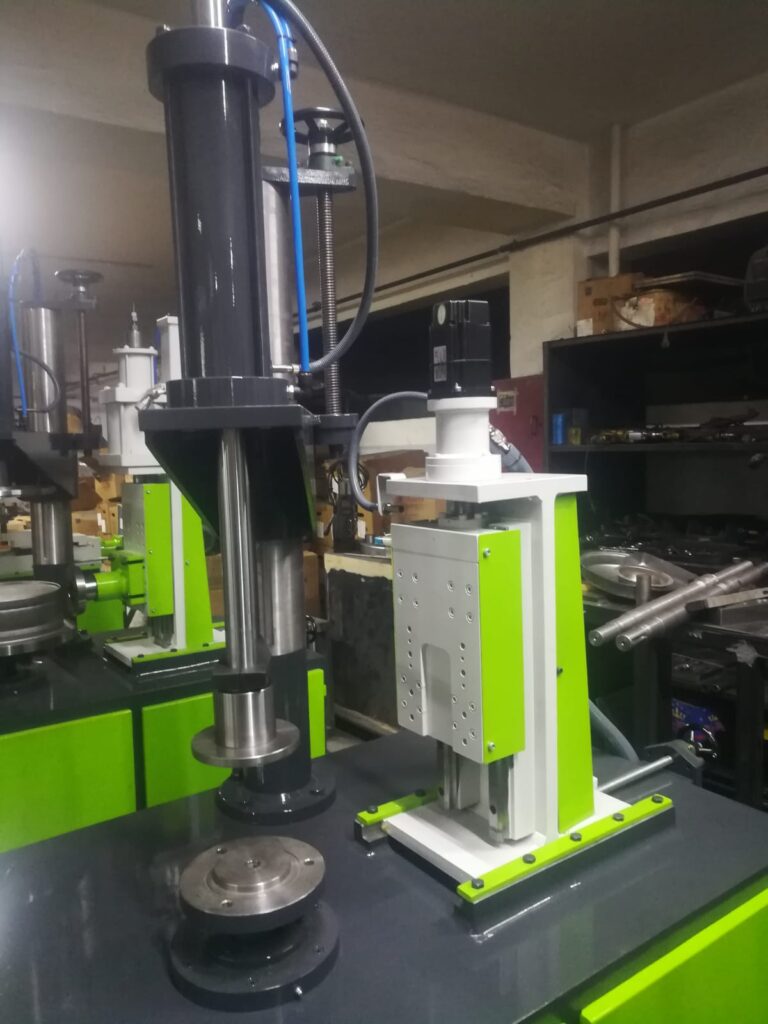
Categories
Machinery

Multi-Station Rotary Forging Machine

Multi-Station Rotary Forging Machine

Multi-Station Rotary Forging Machine: A High Performance Spinning Necking Machine is a specialized piece of industrial equipment used primarily in the metal packaging industry, particularly for manufacturing aluminum or steel cans, such as those used for beverages, aerosols, or food products. Here’s a breakdown of what it is and what it does:

spinning necking machine is used to reduce the diameter of the open end of a can—this process is called necking. The goal is to create a smaller opening for the can so that it can be seamed with a lid or to optimize the material use, strength, and appearance of the final product.

  1. High Speed Operation
    • Up to 600–2000 cans per minute depending on design.
    • Integrated with automated feeding and ejection systems.
  2. Multiple Stages of Necking
    • Progressive necking in several stages (10–30 stations) to avoid material stress or wrinkling.
    • Each stage slightly reduces the diameter for smooth forming.
  3. Rotary Spinning Mechanism
    • Uses spinning tools or rollers instead of fixed dies.
    • Provides more uniform pressure and reduces the risk of deformation.
  4. Servo-Controlled System
    • High precision control of rollers and can positioning.
    • Adaptive to different can sizes and materials.
  5. Tooling Flexibility
    • Quick-change tooling for various can heights and diameters.
  6. Material Handling
    • Gentle handling mechanisms to prevent surface damage or warping.
    • Often includes vacuum or air-assisted conveying.
  • Beverage Cans – Aluminum soda or beer cans.
  • Aerosol Cans – Steel or aluminum cans for sprays.
  • Food Cans – Cans used for preserved goods.
  • Battery Casings – For lithium or alkaline battery enclosures.

A High Performance Spinning Necking Machine is an advanced piece of equipment used primarily in the production of aluminum or steel cans, especially for beverages, food, or aerosols. Its main function is to reduce the diameter at the open end of the can—a process known as necking—so that the can can be sealed efficiently with a lid or end, or to achieve material savings and a sleeker design. Unlike traditional necking machines that use fixed dies, the spinning necking machine employs rotating tools or rollers that apply uniform, radial pressure while the can is spun. This spinning action results in smoother, more precise necking and reduces the chance of wrinkling or deforming the can walls.

High performance models are capable of processing anywhere from 600 to over 2000 cans per minute. They feature multiple necking stations—sometimes over 20—where the can diameter is gradually reduced in stages. This staged reduction is critical to maintaining the structural integrity of thin-walled aluminum cans, especially when operating at high speeds. These machines are often servo-controlled, allowing for precise adjustment of tool position, pressure, and timing. They’re designed to handle a wide variety of can sizes and shapes, with quick-change tooling systems to reduce downtime during product changes.

These machines are integrated into full can production lines, following the bodymaker and before the flanger and seamer stages. They often come with automated can handling systems, including air or vacuum conveyors, and are optimized for minimal maintenance and consistent high throughput. The tooling is typically made of hardened steel or carbide to withstand the high-speed contact and ensure long service life.

Spinning necking machines are essential in modern canmaking facilities, especially for lightweight aluminum cans where dimensional precision and surface quality are paramount. Manufacturers such as Stolle Machinery, Belvac, CarnaudMetalbox, and SLAC Precision are leaders in producing these machines, each offering models tailored to specific production needs, line speeds, and material types.

Continuing further, the precision and repeatability of high performance spinning necking machines play a crucial role in ensuring the final product meets tight dimensional tolerances. This is especially important in beverage can manufacturing where even minute variations in neck diameter or wall thickness can result in sealing issues or lead to failures during filling and distribution.

Modern machines incorporate sensors and monitoring systems that provide real-time feedback on critical parameters like roller pressure, can positioning, and neck diameter. These systems can automatically adjust tooling positions or halt production if an abnormality is detected, helping to minimize waste and maintain consistent quality. Additionally, many high-end machines are equipped with smart diagnostics and remote connectivity, allowing for predictive maintenance, troubleshooting, and updates without the need for on-site service in every case.

One of the key advantages of spinning necking is its adaptability. While traditional die-based necking might be limited by the tooling geometry and material strain limits, spinning allows for smoother transitions and more complex neck profiles, including straight, stepped, or bell-shaped necks. This opens up opportunities for brand differentiation through unique can shapes, while still meeting technical requirements for filling, sealing, and stacking.

In terms of energy and material efficiency, spinning necking machines support sustainability initiatives in the packaging industry. By allowing for thinner walls and optimized neck shapes, they contribute to lighter cans that use less raw material and reduce transportation costs. At the same time, their high efficiency and reduced downtime help lower energy consumption per unit of output.

Safety and ergonomics are also prioritized in newer models. Operators benefit from user-friendly HMIs (Human-Machine Interfaces), enclosed guarding, and simplified tooling changeover systems. This not only boosts productivity but also reduces the risk of workplace accidents and operator fatigue, particularly in high-volume, continuous production environments.

As global demand for canned beverages and sustainable packaging grows, the role of high performance spinning necking machines becomes even more central to modern canmaking operations. Their ability to deliver speed, precision, efficiency, and adaptability makes them indispensable in maintaining competitiveness in the packaging industry.

Diving deeper into the technical aspects, the necking process on a high performance spinning necking machine is divided into multiple incremental stages, each with its own set of rollers. These stages are precisely sequenced to gradually reduce the can’s open-end diameter while maintaining its structural integrity. Each station typically reduces the diameter by a very small amount—often less than a millimeter—because attempting a large reduction in a single step can cause buckling, wrinkling, or cracking, especially with thin-walled aluminum cans.

The can is held in place by a mandrel or turret as it rotates, and the spinning rollers move inwards with controlled force. These rollers can be mounted on cams, levers, or servo-controlled arms, depending on the machine’s design. Tooling geometry, surface finish, and alignment are all critical factors here—improper setup can lead to surface scoring, neck collapse, or inconsistent profiles, which are unacceptable in high-speed filling lines where even a tiny deviation can cause a jam or leak.

The machine’s overall layout typically includes an infeed system, necking turret, and outfeed conveyor. Some machines integrate additional functions such as flanging, beading, or trimming after necking. Others are dedicated solely to necking but are designed to synchronize seamlessly with upstream and downstream equipment through PLCs (programmable logic controllers) and line control software. This integration ensures that if there’s a stoppage or fault in one part of the line, the rest of the system reacts accordingly to prevent can pile-ups or tool damage.

Another key component is the lubrication system. Spinning rollers and mandrels operate under high friction and heat, so precision lubrication—often mist or micro-drop systems—is employed to keep tool wear low and maintain surface quality. The lubricants must be compatible with food-grade requirements and not interfere with later processes like washing, coating, or printing.

Tooling maintenance and longevity are critical cost factors in production. Tooling materials like carbide or high-speed steel are chosen for durability, but even these wear over time due to the abrasive nature of aluminum oxide and the high-speed contact. Many machines now include tool life monitoring systems and automated alerts for replacement or regrinding schedules. Some manufacturers offer modular tooling cassettes that can be swapped out quickly, reducing downtime to minutes instead of hours.

In recent years, digitalization has brought additional enhancements. Digital twins, simulation software, and AI-based performance monitoring are becoming more common in large-scale canmaking plants. These technologies help optimize production parameters, reduce energy consumption, and improve yield by predicting wear patterns or recommending process adjustments based on historical and real-time data.

Lastly, the adaptability of spinning necking machines to handle various can sizes—from slim cans and standard 330ml formats to taller energy drink styles or aerosol bodies—makes them highly versatile. Changeovers are simplified using tool pre-sets, digital controls, and in some cases, automatic tooling alignment. This adaptability not only shortens production downtime but also supports modern manufacturing trends like SKU diversification and rapid product development.

Large-Diameter CNC Spinning Machine

Large-Diameter CNC Spinning Machine

Large-Diameter CNC Spinning Machine is a precision metal forming machine designed to shape large circular metal blanks into symmetrical, hollow forms using computer-controlled spinning techniques. These machines are essential in industries like aerospace, energy, automotive, HVAC, and heavy manufacturing, where forming large components such as pressure vessel ends, cones, satellite dishes, turbine casings, or large reflectors is required.

Unlike conventional forming or stamping, CNC spinning (also known as metal spinning or flow forming) involves rotating a blank on a mandrel while one or more rollers apply localized pressure to gradually deform the material into its desired shape. The process is chipless, meaning there’s no material removed—it’s all formed through plastic deformation, making it highly efficient and material-saving.

Key Characteristics of Large-Diameter CNC Spinning Machines:

  1. Size and Capacity
    • Can handle metal blanks up to 3–5 meters in diameter or more.
    • Typically designed for heavy-gauge materials like aluminum, stainless steel, carbon steel, titanium, and special alloys.
    • Machines may support blank thicknesses from 5 mm up to 30+ mm, depending on material and diameter.
  2. CNC Control System
    • Fully programmable using G-code or proprietary CAM software.
    • Enables repeatable, high-precision forming for complex geometries and contours.
    • Some machines support multi-pass operations, allowing incremental forming in complex layers.
  3. Tooling and Mandrel
    • Uses custom mandrels that replicate the inner shape of the desired part.
    • Rollers are servo-controlled and follow a defined tool path to achieve the final profile.
    • For high-precision aerospace or pressure applications, mandrels may be water-cooled or segmented.
  4. Tailstock and Clamping System
    • Heavy-duty tailstocks provide axial force to press the blank against the mandrel during spinning.
    • Hydraulic or servo-driven pressure systems ensure stability even under high forming loads.
  5. Power and Rigidity
    • These machines feature high-torque main spindles and reinforced machine beds to handle the immense forming forces without vibration or distortion.
    • They may weigh several tons and often require a dedicated foundation.
  6. Hot and Cold Spinning Capability
    • Some large-diameter spinning machines are equipped with in-process heating systems (e.g., gas burners, induction heaters) to assist in hot spinning for tough or thick materials.
    • Hot spinning reduces tool wear and allows forming of alloys that are difficult to shape cold.
  7. Applications
    • Pressure vessel heads (dished, hemispherical, torispherical)
    • Rocket motor casings
    • Aerospace cones or nozzles
    • Wind tunnel or fan housings
    • Large reflectors or antennas
    • Turbine or boiler components

Advantages

  • Precision and Repeatability: CNC automation allows tight tolerances and identical repeat parts.
  • Material Efficiency: No material loss compared to machining.
  • Design Flexibility: Easily programmable for complex profiles or changes in geometry.
  • Forming Strength: The spinning process increases material strength due to grain alignment.

Continuing with the deeper aspects of large-diameter CNC spinning machines, one of the most critical components that sets them apart from smaller systems is the tool path control and the multi-axis synchronization between the forming rollers, the rotating blank, and any auxiliary systems like heating or trimming heads.

Tool Path Programming and Control

Tool paths in CNC spinning are not just simple arcs or linear moves; they involve highly complex, multi-curve profiles that must precisely match the mandrel geometry and account for material springback, thinning, and flow characteristics. CAM software used with these machines often integrates material behavior models that simulate how the metal will deform under pressure and heat.

For example, when forming a torispherical pressure vessel head, the software generates multiple passes—each with slightly deeper penetration—to gradually shape the part without inducing cracks or buckling. These passes are programmed using parameters like feed rate, roller pressure, radial depth, and even dwell time at specific points. The CNC system then synchronizes the rotation (C-axis), roller feed (X-axis), vertical movement (Z-axis), and sometimes additional Y- or A-axis if the roller head tilts or pivots.

Hot vs Cold Spinning

In cold spinning, the material is deformed at ambient temperature. This is feasible for ductile metals and thin sheets, but as wall thickness and diameter increase, the required forming forces become immense. This is where hot spinning becomes essential. Machines designed for hot spinning may include integrated:

  • Induction heaters around the spinning zone for fast, localized heating.
  • Gas burners for broad heating of the blank.
  • Thermal management systems for the mandrel, often water- or air-cooled, to maintain dimensional stability.

Hot spinning allows materials like Inconeltitanium, and high-strength steels to be shaped without cracking, while also extending tool life and improving surface finish.

Mandrel and Tooling Design

The mandrel is a core element, often custom-made for each product. For large parts, mandrels can be:

  • Monolithic steel blocks, machined to tight tolerances.
  • Segmented mandrels, where multiple interlocking pieces allow for easier part removal or cooling.
  • Expandable mandrels, which can change diameter slightly to release the formed part.

Rollers are typically made from hardened steel or carbide, with surface coatings (like TiN or DLC) to reduce wear. Some tooling is internally cooled to counter the heat generated during hot spinning.

Process Monitoring and Quality Control

Modern machines integrate real-time monitoring systems that track:

  • Forming force and torque
  • Material temperature
  • Roller position and velocity
  • Acoustic emissions (used to detect cracking or tool chatter)

These inputs can be fed into a closed-loop control system, allowing the machine to adapt the forming process in real time. For high-spec applications (e.g., aerospace), these machines often include laser scanning or 3D metrology systems to verify final part geometry without removing the part from the machine.

Integration with Other Processes

Large-diameter CNC spinning machines are often part of a larger manufacturing cell. They may be integrated with:

  • Automatic blank loading systems (cranes, robots, hydraulic lifters)
  • Post-forming trimming or welding stations
  • Annealing or heat treatment furnaces
  • Non-destructive testing (NDT) setups like ultrasonic or X-ray inspection

This integration boosts throughput and minimizes manual handling, which is especially important for components that weigh hundreds of kilograms or more.

In high-value industries like aerospace or energy, every part formed on a large-diameter spinning machine is typically traceable, with full process logs, tool wear records, and dimensional inspection reports. As such, these machines are often linked into a plant-wide MES (Manufacturing Execution System) for digital traceability and predictive maintenance.

Let’s continue with the end-to-end journey of a large component—such as a rocket dometurbine casing, or pressure vessel head—from a flat blank to a precision-formed product using a large-diameter CNC spinning machine. This process involves a combination of engineering, simulation, material science, CNC programming, and hands-on machine operation.

Design and Simulation Phase (FEA)

Before a single metal blank is cut, the geometry of the part is modeled using CAD software and then analyzed using Finite Element Analysis (FEA). This simulation predicts how the material will behave under spinning forces. It considers:

  • Material flow and thinning
  • Stress-strain curves
  • Heat distribution (for hot spinning)
  • Springback after unloading
  • Cracking risk zones

FEA helps engineers optimize the number of passes, tool path strategies, roller angles, and forming speeds before any physical setup. For critical aerospace parts, this modeling is often validated through small-scale prototypes or coupon tests.

2. Material Preparation

The metal blank—often aluminum, stainless steel, titanium, or nickel alloy—is either cut from plate or preformed into a shallow dome. The blanks may be up to several meters in diameter and 30+ mm thick, depending on application.

  • Surface cleaning is done to remove scale or oxides.
  • If hot spinning is planned, preheating may occur.
  • The blank is precisely centered and clamped onto the mandrel using a hydraulic tailstock or clamping ring.

3. Machine Setup

The CNC program is loaded and verified. This includes:

  • Mandrel alignment and mounting
  • Roller selection and positioning
  • Heating system configuration (if used)
  • Lubrication system primed
  • Safety checks and interlocks tested

Modern CNC spinning machines allow virtual dry runs to simulate the motion of all axes without engaging the material—helping operators verify clearance and toolpath logic before forming begins.

4. Spinning Process

The actual forming begins. The blank spins at a controlled RPM while the forming roller makes contact. In multi-pass operations, the roller slowly feeds into the material along a spiral or stepped trajectory. Key control variables:

  • Feed rate (mm/rev)
  • Depth of cut per pass
  • Forming force and roller pressure
  • Rotation speed (RPM)

In hot spinning, induction coils or gas burners heat the area just ahead of the roller to increase ductility. The machine constantly adjusts parameters based on feedback from sensors—ensuring consistent deformation.

5. Intermediate Inspection

At certain stages, the process may be paused for dimensional inspection using:

  • Laser profilometry
  • Contact probes
  • Infrared thermography (for hot forming)
  • Ultrasound (for detecting subsurface flaws)

Adjustments can be made on-the-fly to compensate for material variation or unexpected springback.

6. Final Shaping and Finishing

Once the final geometry is formed:

  • The part may be trimmed (edge shaping) using integrated tooling.
  • Beads, flanges, or stiffeners can be added if needed.
  • The part is air or water cooled depending on material.

For high-precision parts, post-forming machining might be used to finish surfaces, bores, or sealing areas.

7. Post-Processing and Inspection

The finished part undergoes thorough inspection, often including:

  • CMM (Coordinate Measuring Machine) measurement
  • Ultrasonic or X-ray NDT
  • Hardness testing
  • Surface roughness measurement
  • Heat treatment or stress relief annealing, if required

All of this data is stored for traceability—especially for parts used in pressure vessels, aerospace structures, or nuclear equipment.

Real-World Example

Let’s say you’re producing a rocket motor dome made of Inconel 718. The blank weighs 400 kg and starts as a 2.5 m wide disc. After FEA-validated programming, it’s spun at 300 RPM with induction heating bringing the forming zone to 900°C. Over 10 passes and 2 hours, the part is formed into a hemispherical shell, trimmed, scanned, and sent for heat treatment. Every forming parameter is logged—temperature curves, force profiles, roller positions—so engineers can track the exact forming history of the part that may one day launch a satellite.

These large-diameter CNC spinning machines aren’t just machines—they’re part of a digitally integrated, high-precision ecosystem that bridges the gap between raw material and high-performance, safety-critical parts.

Vertical End Forming Spinning Machine

Vertical Rotary Forging Machine

Vertical End Forming Spinning Machine is a specialized piece of equipment used to shape or modify the ends of cylindrical or conical metal components through controlled rotary forming processes. Unlike horizontal spinning machines, these systems are oriented vertically, allowing gravity to assist in handling, alignment, and stability—especially useful for long or heavy parts such as pipes, tubes, tanks, or pressure vessel segments.

This type of machine is commonly found in industries like aerospace, petrochemical, HVAC, shipbuilding, and heavy manufacturing, where forming high-strength, large-diameter metal ends is a critical process for achieving pressure resistance, structural strength, or joining geometry.

Key Features and Capabilities

1. Vertical Configuration

  • The workpiece is mounted vertically, typically standing upright on a rotating chuck or mandrel.
  • This setup is ideal for long tubular components or heavy parts that benefit from vertical loading and gravitational support.
  • It enhances operator ergonomics and simplifies automation of loading and unloading.

2. End Forming Functions

Vertical end forming spinning machines can perform a range of forming operations at one or both ends of the workpiece:

  • Closing (dome forming or dishing) – creating domed or hemispherical ends.
  • Flanging – outward or inward flaring of the tube edge for weld prep or mechanical joining.
  • Beading – forming reinforcing ribs or grooves near the edge.
  • Curling – rolling the edge for safe handling or sealing.
  • Tapering or reduction – reducing the end diameter concentrically.
  • Widening or bulging – expanding the mouth or collar of a tube or shell.

3. CNC-Controlled Motion

  • Multi-axis control (usually X, Z, and sometimes Y or B) guides the forming roller precisely along programmed tool paths.
  • Forming can be completed in single-pass or multi-pass cycles, depending on wall thickness and material behavior.
  • Software supports simulation, parameter storage, and real-time adjustment of feed rate, roller position, pressure, and rotation speed.

4. Forming Materials and Sizes

  • Supports materials like carbon steel, stainless steel, aluminum alloys, titanium, copper, and Inconel.
  • Can handle diameters ranging from a few inches to several meters, and wall thicknesses up to 20–30 mm, depending on the machine and material.
  • Machines are typically built for medium to heavy-gauge tubular stock, especially in applications involving pressure or structural loading.

Advantages of Vertical End Forming Spinning Machines

  • High concentricity and symmetry due to vertical alignment.
  • Gravity-assisted support minimizes deflection in long parts.
  • Efficient material flow during closing or flanging.
  • Compact footprint compared to large horizontal machines for similar capacity.
  • Easy integration with vertical loading robots or hoists.

Typical Applications

  • Pressure vessel ends (dished heads, elliptical caps)
  • Gas cylinders and oxygen tanks
  • Boiler tubes
  • Wind tower segments
  • Rocket motor casings
  • Pipeline reducers or collars
  • Compressed air receiver tanks

Supporting Features and Options

  • Hydraulic or servo tailstocks for axial pressure.
  • Induction or flame heating for hot spinning of thicker or hardened materials.
  • Quick-change tooling to allow for different end shapes or sizes.
  • Automatic loading/unloading systems, especially in batch or mass production.
  • Integrated trimming tools for edge cleanup after forming.

In operation, a vertical end forming spinning machine begins by vertically mounting the cylindrical workpiece—often a tube, pipe, or shell segment—onto a rotating chuck or mandrel that holds it securely during the forming cycle. Because of the vertical orientation, the part is naturally aligned by gravity, which minimizes the need for complex centering systems and helps maintain excellent concentricity during forming. This is especially useful for very long or heavy components, where sagging or deflection would be problematic on a horizontal system.

Once the workpiece is clamped, the forming cycle initiates with the rotation of the spindle. A forming roller, driven by servo or hydraulic actuators, moves in along a CNC-programmed path. Depending on the intended end geometry, the roller might start by curling the edge, reducing the diameter, expanding the mouth, or gradually drawing the metal inward to form a domed or elliptical end. In heavier-gauge materials or hard alloys, this forming process may require several progressive passes, with the roller feeding incrementally deeper into the material each time. Precision control of roller pressure, feed rate, and rotational speed ensures the metal flows evenly without buckling, cracking, or surface tearing.

In many cases, heating is introduced to soften the material and reduce forming forces. This is particularly important for stainless steel, titanium, and high-nickel alloys, which may otherwise fracture during cold spinning. Induction heating systems are often mounted directly adjacent to the forming zone, delivering controlled thermal input while the part rotates. In other setups, flame torches may be used, especially for simpler or lower-volume jobs. Regardless of the heating method, temperature must be carefully monitored and balanced with forming speed to avoid oxidation or uneven deformation.

The entire forming cycle is monitored in real time. Sensors track position, forming pressure, rotation speed, and sometimes acoustic or vibrational signals that can indicate tool wear or material anomalies. High-end systems include closed-loop feedback, allowing the machine to automatically adjust forming parameters mid-cycle if needed. For instance, if the system detects excess resistance due to material hard spots, it can reduce feed speed or increase roller dwell time to avoid overstressing the part.

Once forming is complete, the finished end is often trimmed using integrated shear or knife tools to remove any burrs or excess metal, leaving a clean, weld-ready edge. This is especially important for components destined to be joined by TIG or MIG welding, where surface quality directly affects weld integrity. In more advanced setups, the machine may include in-line inspection systems—laser scanners or probing arms that verify dimensions, curvature, and edge geometry before the part is released.

The vertical configuration also simplifies automation. Because parts are upright, they can be easily lifted and loaded with a crane, robot arm, or gantry system. In high-volume production, this is coupled with automated mandrel changeover and part stacking systems to minimize downtime between batches. Combined with CNC programmability and repeatable forming paths, these machines offer excellent flexibility across different part families—one machine might form domed ends for pressure tanks in the morning and flare heat exchanger tubes in the afternoon, simply by swapping tooling and loading new programs.

The combination of vertical alignment, CNC-controlled accuracy, and high forming force makes these machines ideal for producing critical parts that require both strength and precision. In aerospace, vertical end forming is used to produce domes for satellite fuel tanks. In energy and process industries, it forms the thick flanged ends of high-pressure pipes and vessels. In automotive, it’s used to reduce or flare muffler and exhaust components. Each of these applications benefits from the clean, seamless metal flow and tight geometric tolerances that spinning allows—particularly valuable when forming materials that would otherwise require expensive, high-waste machining processes.

As we continue, let’s delve deeper into how vertical end forming spinning machines optimize both material usage and part quality, as well as explore the advanced technological features that make these machines highly efficient and adaptable across a wide range of industries.

One of the key benefits of vertical end forming spinning is the minimized material wastage. Traditional forming methods like stamping or punching involve cutting away significant amounts of material, whereas spinning works by stretching and shaping the material without removing it. This is particularly advantageous in industries where material cost is a significant factor, such as aerospace and automotive manufacturing. For instance, forming a dished or domed end for a pressure vessel using a vertical spinning machine can result in minimal scrap, as the entire blank is used in the finished product. Furthermore, since the process is chipless, the part’s initial geometry can be optimized to reduce material input, leading to cost savings over time.

Additionally, material properties are another area where vertical spinning machines excel. As the material is deformed through controlled plastic flow, it undergoes a natural grain alignment that improves the part’s mechanical properties, especially in high-strength alloys. The metal’s resistance to cracking or fatigue is increased as the grain structure becomes oriented in the direction of the applied force, creating a part that’s both stronger and more durable. This is particularly critical for applications like aerospace, where parts need to withstand extreme conditions. Parts like rocket motor casings, for example, benefit greatly from this process, as it enhances the strength of critical sections without compromising their weight.

In terms of tooling design, vertical end forming machines often require custom-designed mandrels and rollers to achieve precise shapes. The mandrel serves as the internal support structure around which the metal is spun, and its geometry can be complex, depending on the final shape of the component. For example, producing a hemispherical dome for a high-pressure tank requires a mandrel with a very specific curvature to ensure that the material forms symmetrically around the center axis. These mandrels are typically made from hardened steel or cast alloys, and in some applications, they may also feature cooling channels to reduce thermal deformation during hot spinning.

Rollers used in vertical end forming are typically made from carbide or other wear-resistant materials. Over time, rollers may need to be replaced or resurfaced, especially in high-volume production, as they can wear down from constant contact with the material. Some advanced machines have a modular roller system that allows easy exchange of rollers without disrupting the production cycle, reducing downtime and enhancing flexibility.

The integration of heating systems is another key aspect of vertical end forming, especially when working with materials that require a lower forming force at elevated temperatures, such as stainless steeltitanium, or nickel alloys. The heating system can be integrated into the machine in various forms—typically either induction heating, which provides localized heating directly to the forming zone, or flame heating, which may be used for larger areas or less-critical applications. When used effectively, heating softens the material, allowing it to flow more easily during spinning, which not only reduces the required forming force but also reduces the risk of defects such as cracking or strain hardening.

For instance, in aerospace manufacturing, a rocket casing formed from Inconel 718 might be hot-formed to prevent material cracking during the shaping process, with induction heaters applying precise, localized heat to the areas being worked on. The result is a part that is not only dimensionally accurate but also has improved material properties due to the controlled thermal treatment. After the forming is completed, parts are often subjected to post-forming heat treatment processes like stress relief or annealing to further refine their mechanical characteristics.

To ensure precision and consistency in large-scale production, many vertical end forming spinning machines come with advanced CNC controls that manage all aspects of the process, including roller movements, feed rates, and material handling. These machines often feature a multi-axis control system, allowing for highly complex, multi-step forming processes to be carried out with minimal manual intervention. In some high-performance machines, adaptive control algorithms can modify the spinning parameters in real-time based on feedback from sensors that monitor force, temperature, or vibration. This closed-loop system ensures that any changes in material behavior or tooling wear are immediately corrected, resulting in a finished part that adheres to the tightest tolerances.

Real-time process monitoring is also crucial in ensuring high-quality parts. In addition to force and position sensors, advanced systems may include acoustic sensors to detect the sounds of friction or cracks forming in the material, as well as optical systems like laser scanners or CMM (Coordinate Measuring Machines) for measuring part geometry after the forming cycle. These systems are often part of an automated inspection process that can reject parts that don’t meet specifications, providing immediate feedback to operators and preventing defective parts from entering the next stages of production.

Once parts are formed and inspected, the post-forming operations come into play. In some cases, additional shaping, welding, or surface treatments are needed. For instance, if the formed part requires a flange or further diameter reduction, additional tooling can be used to complete the process. This post-forming stage might involve trimminggrinding, or welding to achieve the final geometry required for assembly into the larger system.

These machines can be integrated into broader manufacturing lines that include robotic handling systemswelding cells, and coating or finishing stations, forming a highly automated production flow. This integration is particularly advantageous in industries where high-volume production is necessary, such as the automotive and HVAC industries, where parts like mufflers, flanged pipes, and air conditioning coils are routinely formed.

In conclusion, vertical end forming spinning machines are highly versatile and capable of producing precision-formed metal components for a wide range of applications. Their CNC control systems, coupled with advanced tooling and material management, make them an essential tool in industries that require both strength and accuracy in their parts. The ability to work with a variety of materials, coupled with the reduced material waste, makes them a preferred solution for manufacturers looking to create high-performance components with minimal environmental impact.

High performance double arm spinning machine

Flowforming Sheet Metal

High Performance Double Arm Spinning Machine is a specialized type of metal spinning equipment used for producing high-precision, complex, and large-diameter parts from sheet metal or metal discs. These machines are particularly designed to handle large, heavy, and high-performance components for industries like aerospaceautomotiveenergy, and defense.

What sets the double-arm spinning machine apart is the dual-axis design which provides enhanced flexibility, increased stability, and improved quality control during the spinning process. The double-arm configuration allows for simultaneous movement of two forming rollers or tools, which is beneficial when working on parts that need uniform thickness, complex geometries, or higher material deformation capacity.

Key Features and Capabilities

  • Dual Arm Configuration: The primary feature of a double-arm spinning machine is the presence of two forming arms, each equipped with independent rollers or tool heads. These arms move in coordinated fashion to form the metal blank symmetrically from both sides. This dual-action system is ideal for dished headslarge tank bodies, and other components requiring uniform deformation from both ends.
  • Increased Stability: The double-arm design reduces the load on a single side of the part, distributing the forces more evenly. This allows the machine to form larger and heavier parts without risk of distortion, buckling, or excessive strain on the material.
  • Higher Forming Force: Because of the dual roller setup, the machine can apply more force evenly across the workpiece. This is particularly useful when forming materials that are harder to shape, such as high-strength alloys or materials with high tensile strength. The additional force provided by the two arms ensures more efficient material flow.
  • Precision and Symmetry: The synchronized movement of both arms guarantees that the metal flows uniformly from both ends of the part, resulting in parts with superior concentricity and uniform wall thickness. This is particularly critical for parts used in high-stress applications, like pressure vessels, rocket casings, and turbine components.
  • Versatility: The machine is capable of performing various metal forming operations such as flanging, dishing, deep drawing, and stretching. This makes it versatile enough to handle a wide range of complex geometries, from conical to spherical and cylindrical forms. It can work with a variety of metals including aluminum, steel, titanium, and specialty alloys.
  • Automation and Control: Modern high-performance double-arm spinning machines often incorporate CNC controls, allowing for precise programming of each roller’s path, speed, pressure, and other key parameters. This makes the machine ideal for high-volume production or applications requiring consistent part quality. The CNC system can also integrate real-time monitoring sensors, ensuring that any deviations from the desired forming process are immediately corrected.
  • Tooling and Mandrels: The machine typically utilizes custom mandrels for different parts, which are precisely shaped to match the geometry of the final product. These mandrels can be made from hardened steel, sometimes with cooling channels or temperature-controlled systems to manage the heat generated during the spinning process.
  • Part Size and Material Thickness: The double-arm spinning machine is suited for forming parts of significant size—ranging from smaller components like dished tank heads to large aerospace parts with diameters of several meters. It can handle materials with thicknesses ranging from thin gauge sheet metals (for automotive parts) to thick, heavy-gauge alloys used in aerospace or pressure vessel applications.

Applications of High-Performance Double-Arm Spinning Machines

  • Aerospace: These machines are often used to produce components like fuel tank domesrocket casings, and turbine housings. The aerospace industry benefits from the high strength-to-weight ratio that spinning imparts to the material, as well as the machine’s ability to form large, complex parts with high precision.
  • Pressure Vessels: Double-arm spinning is widely used for forming the ends of large pressure vesselsgas cylinders, and heat exchangers, where the uniformity of the formed part is crucial for pressure resistance and overall integrity.
  • Automotive: In the automotive industry, double-arm spinning machines can be used for creating parts such as exhaust componentsmufflers, and brake drums, where high-performance standards and precise tolerances are necessary.
  • Energy and Power Generation: Components like turbine casingsgenerator housings, and other structural parts for power plants benefit from the heavy-duty capabilities of the double-arm spinning machine.
  • Marine and Shipbuilding: Large marine parts such as propeller hubsdeck plates, and rudders can be produced with high precision, while ensuring their ability to withstand heavy mechanical loads.
  • Defense: For military applications, these machines can be used to form parts for armorshell casings, and other mission-critical components that must meet stringent specifications for both strength and precision.

Technological Enhancements

  • Real-Time Feedback Systems: Many high-performance spinning machines are equipped with real-time sensors that monitor parameters such as pressure, force, speed, and material flow. These systems feed back into the CNC control system, which can adjust the forming process automatically to ensure optimal results.
  • Integrated Heating Systems: For hot spinning applications, the machine can include integrated induction heaters or flame heating elements that locally heat the metal to a specific temperature range before forming, reducing the amount of force required and minimizing the risk of cracking or fracturing during deformation.
  • Advanced Simulation Software: Before actual production, advanced CAE (Computer-Aided Engineering) tools can simulate the spinning process. This allows manufacturers to predict how the material will behave under various conditions, reducing the number of trial runs and ensuring that the part meets all design specifications from the start.
  • Automatic Tool Changeover: For high-efficiency production environments, some machines are designed with automatic tool change systems that reduce downtime between part runs. This is particularly useful when producing parts with different geometries or diameters, where quick tool swapping is necessary.
  • Energy Efficiency: Newer systems are designed with energy-saving features such as regenerative braking on the motors, energy-efficient hydraulic systems, and automated control of heating elements, all of which contribute to reducing operational costs in large-scale production.

Summary

The high-performance double-arm spinning machine is an advanced piece of equipment that is well-suited for industries requiring precision and high-strength parts, especially those with large diameters and complex geometries. By utilizing dual forming arms, it delivers improved stability, symmetry, and force distribution, which results in high-quality components with uniform thickness and minimal material waste. With integrated automation, real-time monitoring, and the ability to work with a wide range of materials, this machine is ideal for demanding applications in aerospace, energy, automotive, and defense.

A high-performance double-arm spinning machine operates with dual arms that move simultaneously, applying forming forces to both sides of a metal blank. This configuration not only increases the stability and precision of the process but also ensures a more even distribution of material, especially in larger or thicker components. As the blank rotates, the forming arms, equipped with rollers or other shaping tools, push the material inward, stretching it into the desired shape. The use of two arms working in tandem allows for the application of a higher forming force compared to single-arm systems, enabling the machine to handle tough materials or thick metals with ease.

The dual-arm design makes it particularly effective for larger parts that would otherwise be difficult to form accurately on a single-arm machine. This includes applications such as forming large, domed ends for pressure vessels or turbine housings in the aerospace and energy industries. The synchronized movement of both arms helps maintain uniformity across the entire workpiece, resulting in a finished part that is structurally sound and dimensionally accurate. The increased force capacity also allows for deeper draws and more complex geometries, which are necessary when working with thicker or high-strength materials like titaniumnickel alloys, or stainless steel.

The precise movement of the forming arms is controlled by advanced CNC systems, which allow operators to program the machine for various geometries and material properties. These systems can also adjust parameters like feed rate, forming pressure, and spindle speed in real-time, based on feedback from sensors that monitor the process. Such automation ensures consistent part quality and minimizes human error, making it especially valuable in high-volume production settings where quality control is paramount. The use of adaptive controls ensures that any changes in material behavior during the spinning process are immediately addressed, resulting in fewer defects and rejections.

One of the key advantages of these machines is their ability to work with a wide range of materials. The double-arm setup provides more control over the material flow, which is particularly useful when working with metals that are prone to cracking or failure under high deformation rates. Hot spinning is also a common feature of high-performance double-arm machines, where induction heating or flame heating is used to preheat the material to make it more malleable. This allows for deeper forming without the risk of material fracture or failure, which is crucial for applications in high-pressure or high-temperature environments.

Another advantage of these machines is the ability to perform multiple operations on a single part during the same spinning cycle. The machine can form, flange, and even bead edges in one pass, which reduces the need for additional machining or post-processing. This makes the process more cost-effective and efficient, as it minimizes setup times and tooling changes between different steps.

The dual-arm spinning machine’s versatility extends to its capacity to handle different part sizes, ranging from smaller components like mufflers or brake drums in the automotive industry to larger, more complex components used in aerospace or energy generation. The ability to easily scale the machine’s settings to accommodate varying workpiece dimensions makes it adaptable for both small batch production and large-scale manufacturing.

For industries like aerospace, where material strength, precision, and durability are paramount, the ability to shape components like fuel tank domes or turbine casings with high accuracy is critical. Similarly, in energy and defense sectors, where parts are subject to high pressures, the ability to form thick-walled, high-strength components with uniform geometry is essential to meet safety standards. The machine’s efficiency also makes it ideal for producing parts in high volumes, as it can consistently produce complex components at a faster rate than traditional methods.

To optimize production, modern double-arm spinning machines often come equipped with features like automatic mandrel changeover systems, which allow operators to switch tooling quickly for different part geometries. This reduces downtime during production, ensuring that parts can be processed without delays. Additionally, integrated real-time process monitoring and quality control systems can detect issues early in the forming process, preventing defective parts from moving forward in the production cycle and ensuring that parts meet the exact specifications required.

With its dual forming arms, these machines can handle heavier parts and larger diameters while ensuring that the formed components maintain their structural integrity and desired specifications. For large-scale manufacturing, such as the production of pressure vessels or aircraft parts, this type of machine is invaluable due to its ability to produce high-precision components quickly and with minimal material waste. This capability is critical when working with expensive materials or parts that require strict tolerances, such as gas turbine components.

The use of induction heating or other localized heating systems, along with the dual-arm configuration, allows these machines to handle high-temperature materials like titanium and nickel-based alloys, which are common in aerospace and defense applications. These materials require controlled forming to prevent cracking or other defects that could compromise the part’s strength and integrity. In this case, the high-performance double-arm machine ensures that the material is heated evenly and formed under controlled conditions, providing an optimal outcome in terms of both mechanical properties and dimensional accuracy.

In conclusion, high-performance double-arm spinning machines offer unparalleled capabilities in the field of metal forming, particularly for large, complex, and high-precision parts. With the ability to handle thicker, tougher materials and form parts with greater accuracy and efficiency, these machines are essential for industries where part quality and performance are non-negotiable. Their advanced controls, high-force capacity, and versatile tooling options make them the go-to solution for producing large-diameter, high-strength components required in sectors like aerospaceenergy, and automotive manufacturing.

Continuing from the previous discussion, the high-performance double-arm spinning machine remains a crucial tool for a wide range of industries that require precision, durability, and efficiency in metal forming processes. Beyond the core capabilities already discussed, there are a few more aspects of these machines that further enhance their utility and value in high-demand production environments.

One of the standout features of high-performance double-arm spinning machines is their flexibility in part design. These machines can handle an extensive variety of shapes and geometries, making them ideal for producing custom parts with intricate features, such as recessed areasconical transitions, or beaded edges. The ability to form complex contours with high accuracy ensures that they can produce parts that would otherwise require multiple steps or different machines to complete. This capability is vital in industries such as aerospace, where parts often need to meet specific aerodynamic and structural requirements. For example, components like turbine blades or fuel tank domes may require complex, multi-stage forming that only the precision and flexibility of a double-arm spinning machine can provide.

These machines also offer substantial advantages when it comes to part integration. In applications such as pressure vessels or aerospace casings, multiple components need to be seamlessly joined together. The ability to form and flange parts in a single operation reduces the need for additional operations like welding or joining, minimizing time, cost, and potential defects. A well-formed, seamless component is often much stronger and more durable, especially in high-stress applications where the quality of the joint can determine the integrity of the entire part.

For manufacturers focused on high-volume production, the automation features of double-arm spinning machines are key to maintaining efficiency. These machines are often equipped with automated material feeding systemsrobotic handling units, and integrated inspection stations. The automated feeding system ensures that the raw material is consistently fed into the spinning process without manual intervention, which reduces labor costs and speeds up production cycles. Additionally, automated systems for handling parts post-spinning, such as robotic arms or conveyors, can quickly move the formed part to the next stage of processing, whether it’s further inspection, finishing, or assembly.

Automated inspection stations are crucial for ensuring the quality of each part. These stations often employ laser scanning3D vision systems, or contact probes to measure the part’s dimensions, wall thickness, and geometry immediately after spinning. This real-time inspection allows for immediate corrective actions if any deviations from the desired specifications are detected. In industries like aerospace or automotive, where precision is critical, the ability to identify and rectify issues on the fly prevents defective parts from moving further down the production line, ensuring that only the highest-quality components are delivered.

Another important consideration when working with high-performance double-arm spinning machines is the maintenance and upkeep of the system. Due to the high forces involved in the spinning process, these machines require regular maintenance to ensure that they continue to perform at optimal levels. Preventive maintenance is essential for reducing downtime and extending the life of the machine. This typically includes checking and lubricating the spindlesbearings, and rollers, as well as ensuring that the CNC system and feedback sensors are functioning properly. Regular maintenance of the heating systems is also crucial, as improper temperature management can lead to poor material flow and defects in the final part.

Moreover, tooling longevity is a key factor in the overall efficiency of the machine. As the rollers or mandrels used in the spinning process can wear down over time, having a system in place to monitor tool wear is critical. Some high-end machines include tool wear detection sensors that can detect if a roller has become uneven or worn out, which can be addressed before it causes defects in the parts. This also contributes to cost-efficiency, as replacing worn tooling promptly ensures that production quality does not deteriorate, and unplanned downtime is minimized.

The energy efficiency of double-arm spinning machines is another aspect worth noting. Modern machines are designed with energy-saving technologies that reduce the environmental footprint of the manufacturing process. For example, hydraulic systems with regenerative capabilities or servo-driven motors help conserve energy by efficiently controlling the machine’s movements and reducing waste. Additionally, intelligent heating systems can be programmed to heat the metal only when necessary and to the precise temperature required, preventing energy waste during the process.

For industries dealing with high material costs—such as aerospace or oil and gas—the material utilization efficiency of double-arm spinning machines is a significant advantage. Since spinning is a chipless process, the amount of scrap generated is minimal, which significantly reduces material costs. The precision of the forming process also ensures that the material used is optimized for the final part’s geometry, further reducing waste. This is particularly important when working with expensive materials like titanium or nickel alloys, where material costs can be a major factor in overall production expenses.

In high-performance manufacturing environments, cycle time optimization is always a priority. While the double-arm spinning machine is capable of forming large and complex parts, manufacturers are always looking for ways to reduce cycle times without compromising on part quality. The advanced CNC systems used in these machines help achieve this by allowing for real-time adjustments to the forming process. For example, the system can alter the feed rate, forming pressure, and spindle speed based on material behavior during the process, ensuring that the part is formed in the shortest time possible while maintaining high quality.

Finally, the versatility of double-arm spinning machines makes them indispensable in industries that require rapid prototyping and custom parts. Due to the high precision and flexibility of the system, it’s possible to produce small batches or prototypes without the need for extensive retooling. This is particularly beneficial in industries where custom components are often needed for testing, design validation, or niche applications. The ability to quickly produce these parts at high quality with minimal setup time allows manufacturers to meet tight deadlines and specific customer requirements.

In conclusion, high-performance double-arm spinning machines offer unparalleled precisionforce distribution, and efficiency in metal forming processes, making them essential for industries that require high-quality, complex components. Whether producing aerospace components, pressure vessels, or automotive parts, these machines provide the flexibility to handle a wide variety of materials and geometries while minimizing waste and reducing production times. With automation, real-time feedback, and energy-efficient systems, they continue to meet the demands of modern manufacturing environments, driving productivity and innovation across industries.

Continuing from where we left off, high-performance double-arm spinning machines continue to evolve and push the boundaries of what is possible in metal forming, offering new opportunities for innovation and efficiency in the manufacturing process. The adaptability and precision of these machines allow for their integration into modern production lines, not only enhancing individual part quality but also enabling a seamless flow of production.

One key area of development is the integration of smart technologies into double-arm spinning machines. These machines are increasingly incorporating Industry 4.0 concepts, including IoT (Internet of Things) connectivity and cloud-based monitoring systems, which help manufacturers keep track of machine performance in real time. With IoT, operators can monitor various parameters such as temperaturepressuretool wear, and material conditions remotely, allowing for faster response times to potential issues. This connectivity ensures that the machine is always running at its optimum performance level, reducing the chance of unscheduled downtime and improving the overall efficiency of the manufacturing process.

In particular, predictive maintenance has become a game-changer in high-performance spinning. By collecting data from various sensors integrated into the machine, the system can predict when components are likely to wear out or malfunction. This allows manufacturers to perform maintenance activities before a failure occurs, reducing downtime and preventing costly repairs. Predictive algorithms, based on machine learning and data analytics, can analyze trends and patterns over time, enhancing the decision-making process for maintenance scheduling and part replacements.

Another significant trend is the use of additive manufacturing (3D printing) in combination with double-arm spinning. While spinning is excellent for forming large, complex parts from sheet metal, additive manufacturing offers advantages in creating intricate internal features or tooling for specific applications. Some companies are using 3D-printed mandrels or tooling components to complement their spinning processes. The use of 3D printing to create custom tooling allows for more preciselightweight, and cost-effective solutions, enhancing the overall versatility of the spinning machine.

Additionally, the material diversity that high-performance double-arm spinning machines can handle continues to expand. With ongoing advancements in alloy technologycomposite materials, and smart metals, these machines are being adapted to work with new material types that require specialized handling. High-temperature alloyssuperalloys, and advanced composites used in aerospace and energy sectors, for instance, can be effectively shaped on these machines, contributing to the production of parts that meet demanding performance requirements. Moreover, the increasing use of recyclable and eco-friendly materials in manufacturing is also pushing the boundaries of what these machines can process, allowing manufacturers to meet sustainability goals while maintaining high performance.

The automation of tool changes and the adaptation of multi-tool systems further improve the production speed and efficiency of double-arm spinning machines. For example, instead of manually swapping out tools for different parts, the machine can automatically select and change the appropriate tooling based on the specific requirements of the part being formed. This can drastically reduce the setup time between production runs, which is essential for just-in-time manufacturing or low-volume, high-precision applications.

As companies increasingly focus on lean manufacturing practices, the importance of minimizing waste and improving process consistency grows. Double-arm spinning, with its minimal scrap generation, is well-suited to these goals. The ability to consistently produce high-quality parts with minimal material wastage not only improves profitability but also contributes to sustainability efforts, particularly in industries like aerospace, where expensive materials such as titanium and aluminum are common. The precision of double-arm spinning machines, combined with the minimal material deformation or loss, is a significant factor in their continued adoption across these industries.

Quality assurance and inspection during the spinning process also play a crucial role in the reliability of parts produced by double-arm spinning machines. With the integration of real-time monitoring and automated inspection systems, manufacturers can check parts as they are being formed, ensuring that any dimensional or quality deviations are identified and corrected immediately. This reduces the need for manual inspections after the process, saving time and improving the overall throughput of the production line. Many modern machines are equipped with laser scanners or 3D vision systems that create digital models of the parts, checking for both geometrical accuracy and surface defects.

The advent of robotic handling systems is another area where double-arm spinning machines are advancing. These robots not only move raw materials and finished components but can also perform secondary operations such as deburringpolishing, or grinding. By automating these steps, manufacturers can further reduce labor costs and improve the consistency of finishing processes. These robots can be programmed to interact with the spinning machine in a highly synchronized manner, ensuring smooth transitions between forming, finishing, and inspection.

Additionally, the ability to integrate with other manufacturing technologies such as CNC machininglaser cutting, and press forming makes double-arm spinning machines highly adaptable in integrated production lines. This integration allows for a seamless transfer of parts between different processing stages, whether it’s performing cutoutsholes, or additional features that cannot be achieved through spinning alone. This kind of flexibility enables manufacturers to handle complex projects where various techniques must be combined to produce a finished part that meets all of the required specifications.

On a global scale, the demand for high-performance double-arm spinning machines is expected to grow, driven by the increasing need for complex, large-diameter parts across industries. As industries like aerospacedefenseenergy, and automotive demand higher-quality, more efficient, and cost-effective solutions, these machines are well-positioned to meet these evolving needs. The ability to minimize scrapincrease throughput, and improve part quality will continue to make double-arm spinning a go-to solution for manufacturers worldwide.

In summary, the high-performance double-arm spinning machine is evolving alongside the industry’s needs, incorporating advanced automationreal-time monitoringenergy-saving technologies, and material innovations. These machines are crucial in producing high-precision partsminimizing waste, and ensuring the highest levels of quality control, making them indispensable in advanced manufacturing sectors. As industries continue to evolve, so too will these machines, embracing new materials, new technologies, and new ways to further improve the efficiency and performance of the metal forming process.

High speed precision spinning machine

Rotary Custom Metal Forming Machine

high-speed precision spinning machine is designed to form metal parts with exceptional speed and accuracy. These machines are commonly used in industries that require high-quality components, particularly in applications where tolerances are critical, such as aerospaceautomotivedefense, and energy sectors. The ability to perform rapid metal forming while maintaining tight dimensional control makes these machines invaluable for manufacturers looking to increase productivity without compromising on the quality of the finished product.

Key Features and Capabilities:

  1. High-Speed Operation: High-speed precision spinning machines operate at much faster speeds than traditional spinning machines. This allows them to form components quickly, making them ideal for mass production environments where throughput is critical. The increase in speed does not come at the expense of quality, as these machines are designed to maintain precision even at high revolutions per minute (RPM).
  2. Advanced CNC Control: These machines are equipped with advanced CNC (Computer Numerical Control) systems that allow for programmed control of both the speed and movements of the forming tools. This level of control ensures that tool paths are precise and repeatable, which is essential for producing complex geometries with tight tolerances. Operators can store multiple programs for different parts, making it easy to switch between product types without significant downtime.
  3. Precision and Accuracy: The precision of these machines is achieved through fine control over several parameters, including feed rate, forming pressure, and spindle speed. The machine’s ability to adjust these factors in real-time, based on feedback from sensors, ensures that the formed part remains within the exact specifications. For example, parts like pressure vessel componentsturbine casings, and aircraft fuselages require exacting standards that high-speed precision spinning machines can meet.
  4. Material Flexibility: These machines are designed to handle a wide range of materials, including metals like aluminumtitaniumstainless steel, and nickel alloys. High-speed spinning is particularly advantageous when working with harder and thicker materials that would otherwise be difficult to form efficiently. By using techniques like induction heating or flame heating, the material is preheated to a manageable temperature, improving malleability and reducing the risk of cracking during the spinning process.
  5. Minimal Waste and Material Efficiency: One of the significant advantages of high-speed precision spinning is its minimal material waste. Since the process is chipless, it avoids the scrap and cutting material that would typically result from other forming techniques, like machining. This is especially important in industries where the cost of raw material is high, such as aerospace or oil and gas.
  6. Automated Material Handling: High-speed precision spinning machines are often equipped with automated material handling systems that help load and unload materials quickly. This reduces manual labor, speeds up the overall process, and allows the machine to continue operating at high speeds without interruption. These systems can also automatically adjust for variations in material thickness or shape, ensuring consistency in the final product.
  7. Enhanced Tooling Systems: The tooling used in high-speed precision spinning machines is designed for long life and minimal wear. Advanced tool coatings or ceramic materials can be used to reduce friction and increase the durability of the forming tools. The precision and speed of these machines put a significant strain on the tooling, so durability is critical to maintaining consistent production quality and reducing downtime for tool changes.
  8. Real-Time Monitoring and Adaptive Controls: Modern high-speed precision spinning machines often include real-time process monitoring systems that track key parameters such as temperature, pressure, and tool deflection. This data is fed back into the machine’s adaptive controls, which automatically adjust settings like speed and pressure to optimize the forming process. This ensures that even if the material’s properties fluctuate or unexpected variations occur, the machine can adapt without compromising on part quality.
  9. Customization for Complex Geometries: These machines are highly versatile and can produce parts with a wide range of geometries. Whether it’s deep drawsflanged edges, or complex conical transitions, high-speed precision spinning machines can handle it all with ease. By using a combination of multi-axis CNC controls and automated tooling, manufacturers can produce custom-designed components without needing separate machines or processes.
  10. Improved Surface Finish: Due to the high-speed nature of the process and the fine control over tool movement, the surface finish on parts produced by high-speed precision spinning machines is typically superior. This makes the machine ideal for applications where aesthetic quality or low surface roughness is required. Industries like consumer electronics and automotive may benefit from this feature when producing decorative or functional metal parts that need to meet specific visual or tactile standards.

Applications:

High-speed precision spinning machines are particularly suited for the production of components such as:

  • Aerospace components like turbine casingsaircraft engine parts, and fuel tank domes, where high precision and material strength are critical.
  • Pressure vessels, such as those used in oil and gas or chemical processing industries, where the formed components need to withstand extreme conditions and be structurally sound.
  • Automotive parts like brake drumsmufflers, or wheel rims, where cost-efficiency and fast production are key.
  • Defense industry components, such as missile casingsradome housings, or munitions, where tight tolerances and strength-to-weight ratios are critical for performance and safety.
  • Large, complex medical devices that require high precision, such as surgical instruments or implantable devices made from specialized alloys.
  • Consumer products such as metal cookwaredecorative elements, and electronics enclosures, where aesthetic quality and speed of production are important factors.

Conclusion:

High-speed precision spinning machines are critical for industries where speedaccuracy, and efficiency are paramount. With their ability to form complex parts at high rates, they help manufacturers meet the growing demand for high-quality components in industries such as aerospaceautomotiveenergy, and medical devices. The integration of advanced CNC controlsadaptive feedback systemsreal-time monitoring, and automated material handling makes these machines an essential part of modern metal forming technologies. Whether for producing intricate aerospace components, mass-producing automotive parts, or making durable pressure vessels, high-speed precision spinning machines continue to push the envelope in precision manufacturing, offering manufacturers the ability to meet both quality and production speed demands.

High-speed precision spinning machines are designed to meet the ever-increasing demands of industries where both speed and accuracy are crucial. These machines offer a unique combination of high-speed operation and tight dimensional control, making them indispensable for producing parts that require both efficiency and high quality. The main advantage lies in their ability to quickly form metal components while maintaining precise tolerances, which is essential for applications in sectors such as aerospaceautomotiveenergy, and medical devices.

The core of their functionality is the advanced CNC control system, which enables precise tool movements and real-time adjustments during the forming process. By utilizing multi-axis controls, these machines are able to achieve incredibly complex geometries, from conical shapes to parts with intricate flanged edges or recessed areas. The precision offered by high-speed spinning machines means that even the most detailed and delicate components can be produced without compromising on part integrity or surface finish.

The incorporation of real-time monitoring and adaptive feedback systems further enhances the machine’s capability. Sensors and feedback loops continually adjust parameters like speed, pressure, and tool position to ensure that the forming process remains within specified tolerances. This ensures that parts are consistently high quality, reducing the need for post-processing and minimizing material waste.

One of the notable benefits of high-speed precision spinning is its ability to handle a wide range of materials, including metals that are typically difficult to process, such as titaniumstainless steel, and high-performance alloys. This makes the machine especially valuable in sectors like aerospace, where components need to withstand extreme conditions while maintaining their structural integrity. Moreover, the ability to preheat materials using induction heating or flame heating allows for easier manipulation of hard-to-form metals, improving material flow and reducing the risk of defects like cracking.

While these machines excel at high speeds, their material efficiency is a significant advantage. Since the spinning process is chipless, the amount of scrap generated is minimal, which can lead to substantial cost savings, particularly when working with expensive materials. In industries like aerospace, where the cost of raw materials can be prohibitively high, the ability to maximize material usage is a key consideration.

Automation is another area where high-speed precision spinning machines shine. With automated material handling systems that can load and unload materials quickly and efficiently, these machines operate with minimal human intervention. This reduces the overall labor cost and allows for continuous, uninterrupted production. Automated systems can also account for variations in material thickness and other parameters, making the process more adaptable and less prone to errors.

In addition to the automated material handling systems, these machines often feature automated tooling changeovers, which reduces downtime when switching between different parts or setups. This flexibility allows manufacturers to quickly adapt to changing production demands, whether it’s a shift from producing low-volume prototype parts to high-volume production runs.

The surface finish produced by high-speed precision spinning is another significant advantage. Because the process is carried out at high speeds, it helps to achieve smooth, polished surfaces on the formed parts. This is particularly important in applications where aesthetic quality or low surface roughness is required, such as in consumer electronics, medical devices, or decorative automotive components.

High-speed spinning machines are also equipped with advanced feedback systems that track parameters such as temperature, pressure, and tooling deflection. This data is used to continuously adjust machine settings, ensuring that any fluctuations in material behavior or tool performance do not negatively impact part quality. This level of control contributes to the machine’s ability to maintain consistent part quality over long production runs, reducing scrap and rework rates.

Moreover, the integration of Industry 4.0 technologies into high-speed precision spinning machines allows for enhanced connectivity and data sharing. Operators can access real-time performance data from remote locations, enabling proactive decision-making and timely maintenance. Predictive maintenance algorithms can analyze machine data to forecast when parts or components are likely to need servicing, helping prevent unexpected failures and minimizing downtime.

These machines are particularly valuable in industries where rapid prototyping or low-volume, high-precision production is required. With their fast setup times and ability to produce complex, high-quality parts without the need for secondary operations, they provide a solution for industries that demand both customization and speed.

In the long term, high-speed precision spinning machines represent a significant investment for manufacturers, but the benefits in terms of reduced material waste, increased production efficiency, and improved part quality make them highly cost-effective. The ability to form intricate parts with minimal scrap while maintaining high-speed throughput is invaluable in highly competitive markets.

As technology continues to evolve, it’s likely that these machines will become even faster and more precise, integrating with other advanced manufacturing technologies like additive manufacturing or hybrid production systems to offer even greater flexibility and capability. High-speed precision spinning is poised to remain at the forefront of metal forming technologies, playing a key role in shaping the future of manufacturing across multiple industries.

The evolution of high-speed precision spinning machines continues to shape the manufacturing landscape, and as industries push for greater customizationflexibility, and efficiency, these machines are becoming increasingly integral to production lines. The integration of automation and data-driven systems is paving the way for more intelligent manufacturing processes, where machines not only perform operations at incredible speeds but also adapt to evolving conditions, learn from past data, and optimize themselves in real-time.

One of the significant advancements in high-speed precision spinning is the rise of machine learning and AI-powered optimization. These technologies are integrated into machines to analyze vast amounts of real-time data from sensors and process monitoring systems. The machine can learn patterns of wear, temperature, pressure, and material behavior, enabling it to predict potential issues before they arise. By utilizing predictive analytics, manufacturers can reduce downtime, lower maintenance costs, and increase machine life by addressing issues proactively.

Moreover, advanced process control systems are now able to dynamically adjust operational parameters, such as spindle speedfeed rate, and tooling force, based on feedback from the material and environmental conditions. This level of adaptability means that high-speed precision spinning machines can maintain their performance regardless of variations in raw material properties or changes in ambient conditions, ensuring consistently high-quality parts with minimal operator intervention.

The need for sustainability in manufacturing processes is also driving further innovation in high-speed precision spinning. As global industries increasingly focus on reducing their environmental footprint, these machines play a key role in resource efficiency. The chipless nature of spinning results in minimal material waste, which aligns with lean manufacturing principles. Additionally, the ability to use recyclable metals or eco-friendly alloys in high-speed spinning processes allows companies to meet green manufacturing standards, reducing the consumption of valuable resources and lowering the overall environmental impact.

The use of alternative and composite materials is becoming more prevalent in high-speed precision spinning, as manufacturers experiment with lightweight alloysadvanced composites, and smart materials. These materials often have properties that require precise control over forming techniques to ensure they maintain their strength and structural integrity after the spinning process. High-speed precision spinning machines, with their fine control over deformation, are well-suited to handle these materials, enabling the creation of lightweight yet strong components for industries like automotiveaerospace, and sports equipment.

As industries demand more complex geometries, high-speed precision spinning machines are also evolving to handle multi-stage processes. The incorporation of multi-tool systems allows manufacturers to perform complex forming operations in a single setup, reducing the need for multiple machines or processes. This level of integration not only improves the speed and efficiency of production but also enhances part consistency, as the entire forming process can be executed without the need for part handling between different machine setups.

Customization and rapid prototyping are becoming more critical, particularly in industries like aerospace, where parts often have to be customized for specific applications or missions. High-speed precision spinning allows manufacturers to create bespoke parts in small volumes without compromising on speed or precision. This is especially useful in sectors where design iterations are frequent, or products are required to meet specific standards or certifications.

Another breakthrough in high-speed spinning technology is the incorporation of hybrid manufacturing techniques. Combining spinning with other processes like additive manufacturinglaser cutting, or electron beam welding, enables manufacturers to produce complex parts with multiple characteristics that would traditionally require separate processes. For example, a part might be spun to achieve its general shape and surface finish, and then additively manufactured features are added where needed. This hybrid approach allows for greater design flexibility while reducing the need for multiple machines or setups.

Virtual simulation tools are also transforming how high-speed precision spinning machines are used. By leveraging computer-aided design (CAD) and finite element analysis (FEA) software, manufacturers can simulate the spinning process before actual production begins. This allows for the optimization of part design, tooling, and process parameters, reducing the likelihood of defects and ensuring that the machine settings are as efficient as possible from the start. Virtual simulations also offer a cost-effective way to test different scenarios and refine processes without incurring the cost of trial-and-error in real production environments.

The future of high-speed precision spinning machines will likely see even greater integration of AI and machine learning algorithms, enabling these systems to autonomously fine-tune their operations in response to fluctuating conditions. The vision of smart factories, where machines communicate and adjust to each other to optimize production, is already becoming a reality in many advanced manufacturing environments. This level of autonomy will further push the boundaries of speed, accuracy, and efficiency.

As the world shifts toward digitally connected production lines, high-speed precision spinning machines will also become more connected to the broader ecosystem of manufacturing equipment. They will exchange data with other machines, inventory systems, and supply chains to optimize the flow of materials and finished products. This interconnectedness can lead to greater overall operational efficiency and provide manufacturers with real-time insights that can drive continuous improvements across the production process.

Modular design is another trend in high-speed precision spinning machines, offering manufacturers flexibility to adapt their machines based on the evolving needs of their operations. For example, the ability to swap out components like tooling headsspindles, or heat sources gives operators the flexibility to configure their machines for different materials, part sizes, and production volumes. This modular approach allows manufacturers to scale operations without needing to invest in completely new machinery, thus improving cost-efficiency in the long run.

In summary, high-speed precision spinning machines are transforming the way metal parts are formed, offering unprecedented speedprecision, and adaptability. As manufacturing becomes increasingly digitally connectedsustainable, and customized, these machines will continue to evolve, integrating with new technologies like AIIoT, and hybrid manufacturing systems. With the ability to handle a diverse range of materials, geometries, and production requirements, high-speed precision spinning is set to remain a cornerstone of advanced manufacturing for years to come.

Multiple roller flow forming center

Multiple Roller Flow Forming Center

multiple roller flow forming center is an advanced machine used in metal forming processes to create complex, high-precision parts from sheet metal or metal strips. It is particularly well-suited for high-volume production of components that require uniform wall thicknesshigh strength, and complex geometries. This machine is often employed in industries such as aerospaceautomotiveenergy, and defense, where there is a need for parts that can handle significant stresses and operate under demanding conditions.

The flow forming process, which is the basis of the multiple roller flow forming center, involves the controlled deformation of a metal blank using a series of rollers. The part is rotated while a set of rollers progressively deforms the material, forcing it to flow outward into the desired shape. This process is commonly used to produce hollow parts, such as tubescylinders, and cones, with excellent dimensional accuracy, strength, and surface finish.

Key Features and Capabilities:

  1. Multiple Roller Configuration: The primary distinguishing feature of a multiple roller flow forming center is its use of multiple rollers that work in unison to gradually form the material into the desired shape. These rollers are strategically positioned around the workpiece to apply uniform pressure and control the material flow. This ensures that the material is evenly stretched, leading to consistent wall thickness and minimal distortion. The multiple roller configuration enhances the machine’s ability to produce complex shapes with high precision.
  2. Continuous Forming Process: Flow forming is a continuous process, meaning that the workpiece is gradually transformed through several stages. As the material is passed through the rollers, the wall thickness can be reduced or increased by adjusting the amount of deformation applied by the rollers. This continuous forming approach allows manufacturers to produce long components or parts with consistent properties throughout the length, making it ideal for applications requiring high structural integrity.
  3. Improved Material Properties: One of the main advantages of the multiple roller flow forming process is that it significantly improves the mechanical properties of the material. As the metal is deformed, it undergoes strain hardening, which increases its strength. In addition, because the metal flows uniformly, the parts produced have excellent surface finishes and minimal defects, such as dimensional inaccuracies or warping.
  4. Reduced Material Waste: Flow forming is a chipless forming process, meaning it doesn’t produce the material waste that other methods, such as cutting or machining, generate. This makes it a material-efficient process, particularly beneficial when working with expensive metals or alloys, such as titanium or stainless steel. The process also minimizes the need for additional machining, as the parts come out with near-finished shapes and high surface quality.
  5. Versatile Forming Capabilities: The multiple roller flow forming center can handle a wide range of parts, from simple shapes like tubes and cylinders to more complex geometries like conical or spherical shapes. The flexibility of the system allows manufacturers to produce a variety of components without the need for extensive tool changes or reconfiguration.
  6. High Precision and Tight Tolerances: The use of advanced CNC controls enables the precise manipulation of roller positions, pressure, and rotation speeds, which translates into high dimensional accuracy and tight tolerances. This makes the process ideal for industries like aerospace, where parts must meet exact specifications and withstand extreme conditions without failure.
  7. Automation and Efficiency: The multiple roller flow forming center is often equipped with automated material handling systems, which can load and unload parts automatically, allowing the machine to operate continuously with minimal operator intervention. This increases the overall efficiency of the process and reduces human error. In some systems, robotic arms or conveyor systems can be used to position the workpieces, enhancing the speed and consistency of production.
  8. Material Compatibility: Multiple roller flow forming centers can be used with a variety of materials, including aluminumtitaniumstainless steel, and nickel alloys. These materials are commonly used in industries such as aerospace and automotive, where the parts need to be both lightweight and strong. The ability to handle these advanced materials is a significant advantage for manufacturers who require high-performance components.
  9. Enhanced Flexibility for Part Design: The flexibility of the multiple roller flow forming center allows for the production of parts with varying geometries, wall thicknesses, and lengths. By adjusting the roller pressure, speed, and angle, the machine can adapt to different designs and produce parts that might be challenging or inefficient to create using traditional forming or machining methods.
  10. Integration with Other Manufacturing Processes: The multiple roller flow forming process is often integrated into larger production lines or systems. For example, the formed parts might undergo heat treatment or surface finishing operations post-formation to further improve their mechanical properties or aesthetics. This integration can streamline the production process, reduce the need for manual intervention, and improve overall production efficiency.

Applications:

Multiple roller flow forming centers are particularly well-suited for producing hollow, high-strength components in a variety of industries:

  • Aerospace: For parts such as engine casingsfuel tanksstructural components, and turbine housings, which require both lightweight and high-strength properties.
  • Automotive: For wheel rimsbrake drums, and axle shafts, which benefit from the high-strength and lightweight characteristics that flow forming provides.
  • Energy: For turbine componentspressure vessels, and piping systems used in oil and gasnuclear, and renewable energy sectors, where parts must withstand high pressures and temperatures.
  • Defense: For military vehicle componentsammunition casings, and structural parts that require both durability and precision.
  • Industrial Applications: For producing cylindrical or conical parts used in various machinery, such as shaftsbearing housings, and valves.

Conclusion:

multiple roller flow forming center is an advanced manufacturing solution that offers several benefits, including high precisionmaterial efficiency, and the ability to produce parts with complex geometries and enhanced mechanical properties. By utilizing a series of rollers to gradually shape the material, this machine provides an effective means of creating hollow, high-strength components with minimal waste and superior surface finishes. As industries continue to push for higher performancelighter components, and lower production costs, the multiple roller flow forming center will remain a crucial tool in modern manufacturing.

A multiple roller flow forming center is a highly efficient and versatile machine designed to produce complex, high-precision parts from various metals. The process is highly effective for creating components that require both strength and precision, making it ideal for industries where performance and reliability are paramount, such as aerospace, automotive, and energy. The principle behind flow forming involves using a set of rollers to progressively deform a metal blank as it rotates, gradually shaping it into the desired form.

One of the core advantages of a multiple roller flow forming center is its ability to work with a variety of materials, including aluminum, stainless steel, titanium, and other high-strength alloys. This versatility makes it particularly valuable in sectors like aerospace, where components need to meet stringent material requirements and withstand harsh conditions. The flow forming process itself enhances the material’s mechanical properties, such as strength, by inducing strain hardening as the metal is deformed. This leads to parts with superior durability compared to those made through other processes.

The continuous nature of the process ensures that the material flows evenly, which minimizes defects like warping or uneven thickness, allowing for highly consistent, accurate, and repeatable results. This is particularly crucial when producing parts with tight tolerances or parts that must meet specific safety or performance standards. The process can be applied to a wide range of geometries, from simple cylindrical shapes to more complex conical or spherical designs, making it adaptable to various product types.

In addition to the material benefits, the multiple roller configuration enhances the ability to control the deformation process. By adjusting the position and pressure of each roller, operators can fine-tune the forming process to achieve specific part properties, such as wall thickness and surface finish. This level of control ensures that the finished components meet the desired specifications without requiring extensive post-processing or additional steps.

Moreover, the chipless nature of flow forming significantly reduces material waste compared to traditional cutting or machining methods. Since the material is deformed rather than removed, scrap is minimized, making the process more environmentally friendly and cost-effective, especially when working with expensive metals. This reduction in waste is particularly advantageous for industries that use rare or costly materials, such as aerospace or high-performance automotive sectors.

The automated capabilities of modern flow forming centers further enhance their efficiency. Automated material handling systems can feed the metal blanks into the machine, and advanced control systems monitor and adjust the process in real time. This automation reduces the need for manual intervention, speeds up production cycles, and ensures consistency across long production runs. Additionally, the automation of processes like loading, unloading, and tool changes contributes to a reduction in labor costs and downtime, allowing for continuous operation.

The integration of CNC technology and advanced control systems ensures that operators can maintain tight control over every aspect of the flow forming process. These systems allow for real-time adjustments to machine settings, such as roller pressure, speed, and temperature, ensuring that the parts are consistently produced to specification. The ability to program the machine for multiple stages of the forming process also allows manufacturers to create parts with varying degrees of complexity, improving the machine’s flexibility and adaptability.

The versatility of the multiple roller flow forming center also extends to the size and shape of the parts that can be produced. The machine is capable of producing both small, precise components and larger parts with complex geometries. This flexibility is particularly useful in industries where the design of parts can vary greatly between production runs, such as aerospace and automotive. The ability to produce a wide range of parts from a single machine reduces the need for multiple setups and machines, which increases overall production efficiency.

Furthermore, the flow forming process results in parts with a high-quality surface finish, often requiring little or no additional finishing processes. The smooth surfaces that result from the deformation process can be critical in industries like aerospace, where aerodynamics and surface integrity are important. The reduction in post-processing steps also contributes to cost savings and faster turnaround times for manufacturers.

In the future, as demand for more complex, high-performance components continues to grow, the capabilities of multiple roller flow forming centers are likely to expand. These machines may incorporate even more advanced automation, allowing for greater precision and efficiency. The integration of AI and machine learning could enable predictive maintenance and real-time process optimization, further improving the overall performance and reliability of these machines.

Additionally, advances in materials science could lead to the development of new alloys and composite materials that can be effectively formed using flow forming technology. The ability to process these materials without compromising their properties would open up new opportunities for industries seeking to push the boundaries of what’s possible in manufacturing.

In conclusion, multiple roller flow forming centers represent a powerful and flexible tool for producing high-precision, high-strength components. Their ability to handle a variety of materials, produce complex geometries, and minimize waste makes them a key technology for industries where part performance is critical. With continued advancements in automation, control systems, and materials, the role of flow forming in modern manufacturing is likely to grow, making it an essential process for many high-demand applications.

As industries continue to demand more efficient, cost-effective, and high-performance manufacturing methods, the role of multiple roller flow forming centers will only become more significant. One of the primary reasons for their increasing importance is their ability to adapt to the growing demand for customization and high-precision components. The flow forming process, with its flexible setup and minimal material waste, is well-suited for producing low-volume, high-mix products, a scenario that has become more prevalent in modern manufacturing as products become more specialized and tailored.

The integration of real-time data collection and process monitoring is expected to become a standard feature in multiple roller flow forming systems. These systems can continuously gather data from sensors placed at various points in the machine, such as rollers, spindles, and material infeed points. The data can then be analyzed to optimize the forming process, ensure consistent quality, and predict maintenance needs. This shift towards a data-driven production environment enhances not only the machine’s performance but also its ability to function in a smart factory setup, where machines communicate with each other and adjust parameters in real-time for maximum efficiency.

Predictive analytics integrated into the machine control systems allow manufacturers to optimize machine setups for different part designs and materials without requiring trial and error. These advanced analytics can help anticipate potential issues such as tool wear, material inconsistencies, or process fluctuations, reducing the likelihood of production delays or quality issues. For instance, if a machine’s rollers are showing signs of wear, the system can alert operators in advance, allowing for preventive maintenance before it impacts production.

In addition to the operational improvements, sustainability is becoming a key focus in modern manufacturing processes. With the push towards green manufacturing practices, multiple roller flow forming centers are contributing to lower carbon footprints through their efficiency in material usage. By reducing scrap, optimizing energy consumption, and incorporating recyclable materials, flow forming processes offer a more sustainable approach compared to traditional machining or casting methods. This is particularly important in industries like aerospace, where material costs and environmental concerns are tightly linked.

As material science advances, new, high-performance alloyscomposites, and smart materials are being developed that are tailored for specific applications. These materials are often more difficult to form using conventional methods, but the flow forming process offers the flexibility needed to work with these innovative materials. For instance, the aerospace industry is increasingly using advanced titanium alloys and composites for lightweight yet strong parts. Flow forming machines, with their ability to apply precise and consistent pressure, are well-suited to shape these materials without compromising their structural integrity.

Flow forming also supports the creation of parts with intricate shapes and fine tolerances, such as parts with hollow coresvariable wall thickness, or integrated features like flanges, ribs, and grooves. In industries like aerospace, the need for parts that can handle extreme loads while maintaining lightweight properties has made flow forming essential. The ability to maintain uniform material flow during the forming process ensures the resulting parts meet the rigorous demands for strength-to-weight ratios and aerodynamic performance.

The shift towards automation and Industry 4.0 integration is another trend that is transforming the role of multiple roller flow forming centers. Through the use of roboticsmachine learning, and cloud computing, manufacturers can enhance the overall productivity of these systems. Robots can handle the loading and unloading of parts with precision, reducing human error and cycle times. Furthermore, machine learning algorithms can optimize the forming process by adjusting parameters dynamically based on feedback from the machine’s sensors and real-time conditions, such as material temperature and tool wear.

These systems also enable manufacturers to implement real-time remote monitoring, where engineers and operators can track the performance of flow forming machines from anywhere in the world. Remote diagnostics and troubleshooting ensure that potential issues are caught early, preventing production downtime and minimizing costly repairs. As machines become more connected and capable of self-optimization, the concept of autonomous manufacturing is becoming a reality.

Furthermore, modular designs in flow forming machines are gaining traction. Manufacturers are now able to customize machines based on their specific production needs, adapting them to handle different materials or produce parts with varying geometries. Modular systems allow for quick changeovers, making it easier to adapt to new production runs without significant downtime. This flexibility enhances the machine’s ability to meet the growing demand for customized products while maintaining high efficiency and low operating costs.

Another growing trend is the use of hybrid manufacturing techniques, where flow forming is combined with other technologies, such as additive manufacturing or laser welding, to create more complex, multi-material components. For example, an additive manufacturing system might be used to create a complex internal structure, while the flow forming process can be used to shape the outer geometry. This hybrid approach leverages the strengths of multiple technologies, enabling manufacturers to create parts that would be difficult or impossible to produce with a single process.

As the demand for high-quality, lightweight, and durable components grows, especially in sectors like automotive and aerospace, multiple roller flow forming centers will continue to play a key role in meeting these challenges. The combination of precisionefficiency, and the ability to work with advanced materials makes flow forming an essential process for manufacturers looking to stay ahead in increasingly competitive markets.

In the future, we can expect further advancements in machine automationdata analytics, and material science that will continue to drive the capabilities of multiple roller flow forming centers. With the integration of AI-driven predictive systemsreal-time process optimization, and advanced hybrid technologies, flow forming will evolve into even more powerful, flexible, and sustainable production methods. As industries look for ways to produce high-performance parts faster, with greater precision, and at a lower environmental impact, the multiple roller flow forming center will remain an invaluable tool in the manufacturing landscape.

Custom Tube Forming Machine

Single-Station Tube Necking Machine

custom tube forming machine is a specialized piece of equipment designed for producing tubes with specific shapes, sizes, and properties tailored to meet the unique requirements of various industries. These machines can be used to create a wide range of tubular components, from simple cylindrical tubes to more complex shapes, including conical, elliptical, or hexagonal forms. Custom tube forming is used in industries such as aerospaceautomotivemedicalenergy, and construction, where precision, performance, and material properties are crucial.

The core function of a custom tube forming machine is to shape or form metal sheets, strips, or pre-formed sections into tubes of a desired geometry. This process is highly adaptable, allowing manufacturers to create tubes with customized dimensions, thicknesses, and material properties to suit specific applications. The machine can be designed to handle a wide variety of metals, including aluminumstainless steelcoppertitanium, and nickel alloys, as well as composite materials in some advanced configurations.

Key Features and Capabilities:

  1. Customizable Tube Geometries: The ability to create tubes with varying geometries is one of the key features of custom tube forming machines. These machines can form round, square, or rectangular tubes, as well as more specialized shapes such as ovalelliptical, or triangular. The forming process can be adjusted to produce tapered tubes, tubes with variable wall thicknesses, or tubes with specific flanges or ribs.
  2. Precision and Tight Tolerances: Custom tube forming machines are capable of producing parts with high precision and tight dimensional tolerances, which are essential in industries like aerospace and automotive, where even minor deviations can lead to performance issues or safety concerns. The machines are often equipped with advanced CNC controls that allow for fine adjustments to the forming process, ensuring consistency and accuracy across all parts produced.
  3. Multiple Forming Techniques: Depending on the desired tube shape and material, a custom tube forming machine may use a combination of different techniques, such as roll forminghydroformingtube bending, and welding. These methods can be adapted to produce tubes with specific characteristics, such as increased strength, lightweight properties, or the ability to withstand high pressures. For instance, hydroforming uses fluid pressure to form complex shapes in metal tubes, allowing for more intricate geometries and reduced material waste.
  4. Material Handling and Automation: Many custom tube forming machines come equipped with automated material handling systems that can load, position, and unload the materials with precision. This automation not only increases efficiency but also reduces the risk of human error. For high-volume production, the use of robotic arms or conveyor systems can further enhance the speed and consistency of the manufacturing process.
  5. Versatility in Material Selection: Custom tube forming machines are designed to work with a wide range of materials, including ferrous and non-ferrous metalscomposites, and alloys. The machines can be adjusted to handle different material thicknesses, strengths, and flexibilities, making them suitable for industries that require specialized materials. For example, aerospace manufacturers may require titanium tubes for their high strength-to-weight ratios, while automotive manufacturers might use aluminum for its lightweight properties.
  6. Reduced Material Waste: Unlike traditional methods such as cutting or machining, which often result in significant material waste, custom tube forming is typically a chipless process. This is especially beneficial for industries that work with expensive materials, such as titanium in aerospace or stainless steel in food processing equipment. By utilizing the material more efficiently, custom tube forming machines can significantly reduce the cost of production and improve sustainability.
  7. Customization for Different Applications: These machines are highly customizable, meaning they can be adapted to meet the needs of a particular industry or customer. For example, a custom tube forming machine used in the medical industry may need to meet strict sterility and biocompatibility standards, while a machine used for automotive exhaust systems will focus on durability and high-temperature resistance. The ability to tailor the machine’s features ensures that it can produce the exact specifications required by each application.
  8. Integrated Inspection and Quality Control: Many modern custom tube forming machines come with integrated quality control systems that automatically inspect the tubes as they are being formed. These systems may include laser scannersdimensional measurement sensors, and visual inspection cameras that detect any defects, such as deformationsdimensional inaccuracies, or surface defects. This ensures that the tubes meet high-quality standards and can be immediately sorted or rejected if necessary, minimizing defects and improving product consistency.
  9. High Production Speed: Custom tube forming machines are designed for high production rates, making them ideal for mass production of tubes. Once set up, these machines can operate continuously, producing a large number of tubes in a short amount of time. This high-speed capability is particularly important for industries that need to manufacture large volumes of components quickly and efficiently, such as the automotive or construction industries.
  10. Energy Efficiency: Many newer custom tube forming machines are designed with energy efficiency in mind. With features such as energy-saving motorsoptimized forming processes, and reduced operational downtime, these machines can help lower the overall energy consumption during production. As sustainability becomes more of a priority in manufacturing, energy-efficient machines contribute to lower carbon footprints and can help companies comply with environmental regulations.
  11. Multi-Stage Forming: Some custom tube forming machines offer multi-stage forming, which means the tube undergoes several passes through different forming tools or stations to achieve the final shape. This allows for the creation of more complex tube designs or features that cannot be achieved in a single pass. For example, tube expansionbending, or flanging can be done in separate stages to create multi-functional parts, such as those used in automotive manifolds or aerospace structural components.
  12. Post-Forming Operations: After the tube is formed, additional processes such as cuttingwelding, or end forming may be required to finalize the part. Custom tube forming machines can often be integrated with other equipment for these post-forming steps, streamlining the entire manufacturing process and reducing the need for additional machines. For example, welding stations can be used to join sections of tube, while cutting stations can ensure the tubes are produced to the exact length required.

Applications of Custom Tube Forming Machines:

  • Aerospace: Custom tubes are often used in fuel linesstructural components, and exhaust systems where precision and lightweight properties are essential.
  • Automotive: Tubes are used in exhaust systemsbrake linessuspension systems, and roll cages, where strength, durability, and customization are key.
  • Medical: Medical tubes are used in cathetersneedles, and surgical instruments, where biocompatibility and precision are critical.
  • Energy: Tubes are required in oil and gas drilling equipment, heat exchangers, and piping systems, often made from high-strength alloys to withstand extreme temperatures and pressures.
  • Construction: Tubes are used in scaffoldingfencing, and reinforcement bars where material strength and durability are essential.

Conclusion:

custom tube forming machine is a crucial tool for producing specialized tubes in various industries. By offering the flexibility to work with multiple materials, create complex shapes, and meet stringent specifications, these machines provide manufacturers with the capability to meet the increasing demand for customized, high-performance components. The precision, speed, and versatility of custom tube forming technology make it indispensable in industries such as aerospace, automotive, medical, and energy, where quality, efficiency, and innovation are paramount.

Custom tube forming machines are essential tools for industries that require precision-engineered tubular components. These machines are built to form tubes from a variety of metals and materials, providing manufacturers with the flexibility to produce parts tailored to specific requirements. Unlike traditional tube manufacturing methods that may be limited in the range of shapes and sizes they can produce, custom tube forming machines allow for complex, non-standard geometries. This capability makes them indispensable in industries such as aerospace, automotive, medical, and energy, where the need for high-performance, customized parts is crucial.

The forming process typically begins with a flat metal strip or sheet that is fed into the machine. Depending on the configuration of the tube forming system, it may employ various techniques, such as roll formingbending, or welding to shape the tube. Roll forming, for instance, gradually shapes the material through a series of rollers, allowing the metal to be formed into precise and consistent shapes. For tubes requiring more complex features, such as flanges, conical sections, or variable thicknesses, additional forming steps may be used. These machines can form parts with high dimensional accuracy and tight tolerances, making them well-suited for applications that demand exact specifications.

A significant advantage of custom tube forming machines is their ability to handle a wide range of materials, including stainless steelaluminumcoppertitanium, and other advanced alloys. These materials can be formed to create tubes with properties such as high strength-to-weight ratiosresistance to corrosion, and the ability to withstand extreme temperatures or pressures. This versatility makes custom tube forming ideal for producing parts that are used in demanding environments, such as those found in the aerospace and energy sectors.

The automation integrated into these machines enhances their efficiency and consistency. With the help of CNC controls, manufacturers can program the machine to produce tubes with varying dimensions, shapes, and thicknesses without requiring significant manual intervention. The ability to program multiple steps in the forming process allows for the creation of more complex parts in a single run, reducing cycle times and labor costs. Automated material handling systems also contribute to improving production rates and reducing human error, as they can load, position, and unload materials with precision.

In addition to speed and automation, custom tube forming machines are designed to be energy-efficient and cost-effective. The chipless nature of many forming processes minimizes material waste, making these machines a more environmentally friendly option compared to traditional machining methods. The efficiency of the process also helps reduce production costs, particularly in industries that deal with expensive raw materials. In sectors like aerospace, where materials such as titanium are commonly used, the ability to minimize waste can result in significant cost savings.

The quality control capabilities of custom tube forming machines further enhance their value. Many systems incorporate in-line inspection stations that use sensors and cameras to monitor the tube’s dimensions and surface quality in real time. This ensures that any defects or deviations are caught early in the process, minimizing waste and rework. For applications where precision is critical, such as in the medical or aerospace fields, these inspection systems help maintain the highest standards of quality.

The ability to produce complex and custom-shaped tubes also opens the door for more innovative designs in product development. For example, in the automotive industry, custom tube forming machines can create exhaust system components that have intricate curves or variable wall thicknesses to optimize performance. In the medical field, precision-formed tubes are used in products such as stentscatheters, and needles, where both biocompatibility and accuracy are paramount. The versatility of custom tube forming machines ensures that manufacturers can meet the diverse needs of these industries while adhering to strict regulations.

As manufacturing technology continues to evolve, custom tube forming machines are likely to become even more advanced. The integration of real-time data analyticsmachine learning, and AI-driven predictive maintenance will further enhance the performance and reliability of these machines. These innovations will allow for even more precise control over the forming process, resulting in higher quality products and reduced downtime. Additionally, the ongoing development of new materials and manufacturing techniques will further expand the capabilities of custom tube forming machines, enabling them to handle an even broader range of applications and materials.

In conclusion, custom tube forming machines are a cornerstone of modern manufacturing, offering unparalleled flexibility, precision, and efficiency. Their ability to produce high-quality, customized tubes for demanding industries has made them indispensable in sectors like aerospace, automotive, medical, and energy. With their continued evolution, these machines will play a pivotal role in meeting the growing demand for advanced, high-performance tubular components in the years to come.

The future of custom tube forming machines is poised for even more growth, driven by advancements in digital manufacturingautomation, and sustainability. As industries become more reliant on customized and high-performance components, the demand for specialized tube forming solutions will continue to rise. Companies are increasingly looking for ways to produce lightweightstrong, and complex parts while reducing costs and environmental impacts. Custom tube forming machines, with their ability to produce parts with minimal waste and high efficiency, will remain at the forefront of this transformation.

One of the most significant trends in the custom tube forming industry is the integration of smart technologies and the rise of Industry 4.0. Machines are becoming increasingly connected, with embedded sensors and real-time data analytics that allow for greater control over the manufacturing process. Operators can monitor and adjust the machine’s performance remotely, ensuring that production runs smoothly and efficiently. This data-driven approach also allows for predictive maintenance, where sensors can detect wear and tear on machine components, helping to prevent unplanned downtime and optimize the overall lifespan of the equipment.

Incorporating machine learning into custom tube forming machines will also lead to enhanced process optimization. These systems will learn from historical data and continuously adjust the forming parameters to improve the quality of the tubes and minimize defects. Over time, this leads to more consistent results, reduced scrap, and greater production efficiency. The ability to fine-tune the forming process based on these insights will make custom tube forming even more precise and versatile.

As manufacturers move toward more sustainable practices, there will be a greater emphasis on energy-efficient systems, reducing material waste, and integrating recyclable materials into the production process. Custom tube forming machines will likely incorporate green manufacturing practices, such as using less energy and lowering carbon emissions during production. This could be achieved through the use of energy-efficient motors, regenerative braking systems, and improved heat management in the machines. Additionally, the chipless nature of tube forming already minimizes waste, and further innovations in material handling and recycling will only improve sustainability.

The materials used in tube forming are also evolving. As new alloyscomposite materials, and smart materials are developed, custom tube forming machines will be able to process these materials, expanding the range of applications. Smart materials, such as those with self-healing properties or those that change shape in response to external stimuli, may find their way into automotive or aerospace components, where advanced functionality is required. Custom tube forming machines, capable of handling these cutting-edge materials, will allow manufacturers to explore new design possibilities and create innovative products.

Another exciting development is the potential for hybrid manufacturing systems. These systems combine additive manufacturing (3D printing) with traditional forming techniques to create parts with complex geometries. For example, a custom tube forming machine could form the basic structure of a part, while an additive manufacturing system could be used to create intricate internal structures or add features like reinforcements or fluid channels. This combination of methods offers tremendous flexibility, enabling manufacturers to create parts with both precision and complexity that would be difficult to achieve with a single technology.

Furthermore, the integration of robotics into custom tube forming systems will increase the level of automation and improve productivity. Robots could be used for material handling, loading and unloading parts, or even performing secondary operations like welding or cutting. This automation not only speeds up the production process but also reduces the risk of human error and minimizes labor costs. Robots can work seamlessly with tube forming machines to ensure that every part is produced with the highest precision and efficiency.

In industries like automotive manufacturingexhaust systems and chassis components are increasingly being made from high-performance materials. As emissions regulations become more stringent and fuel efficiency becomes a priority, the demand for lighter, stronger, and more durable tubes in vehicles will continue to rise. Custom tube forming machines will be essential in meeting these requirements, enabling the creation of high-performance parts with reduced weight while maintaining structural integrity. These tubes may also need to meet higher safety standards, such as those required for crashworthiness or fire resistance in the automotive and aerospace industries.

The medical industry is another sector where custom tube forming machines will see growing importance. Precision-formed tubes are often used in medical devicesprostheticscatheters, and implants. As medical technology advances, the need for more intricate and biocompatible tubes will continue to increase. Custom tube forming machines can meet these requirements by offering high accuracytight tolerances, and the ability to handle specialized materials like biodegradable polymers or medical-grade metals. The rise of personalized medicine, where treatments are tailored to the individual patient, will also lead to an increased demand for customized tube components.

The future of custom tube forming machines will be characterized by their ability to adapt quickly to new manufacturing needs, whether it’s producing complex geometries, working with advanced materials, or integrating new technologies into the production process. As industries evolve and demand higher levels of performancecustomization, and sustainability, the role of custom tube forming machines will only become more critical in meeting those challenges. These machines are evolving from basic production tools into high-tech solutions that are capable of addressing the unique demands of tomorrow’s industries.

In conclusion, the continued development of custom tube forming machines will play a pivotal role in shaping the future of manufacturing. With the ongoing trends of digitalizationautomationsustainability, and material innovation, these machines will enable manufacturers to create parts that are lighter, stronger, more efficient, and tailored to meet the specific needs of a wide variety of industries. Whether it’s for aerospaceautomotivemedical, or energy, custom tube forming machines will remain at the forefront of high-precision manufacturing for years to come.

Custom Deep Drawing Metal Forming Machine

Forming Process with Sheet Metal Spinning Machine

Custom Deep Drawing Metal Forming Machine is a specialized piece of equipment used in the metal forming process to produce hollow, cylindrical, or cup-shaped components from flat sheets of metal. This machine uses deep drawing as its primary technique, which involves using a punch to force a metal sheet into a mold or die to form a shape, such as cupscontainersautomotive partselectronics enclosures, or other components with deep or complex shapes.

Deep drawing is particularly beneficial for producing parts with high depth-to-diameter ratios and is commonly used for stainless steelaluminumcopper, and other metals that can withstand the stresses of being drawn without cracking. Custom deep drawing metal forming machines are designed to meet the specific needs of various industries, allowing for flexibility in material types, part shapes, and production volumes. These machines can be tailored to meet precise dimensionstolerances, and production requirements, making them a valuable tool in mass manufacturing environments where both consistency and efficiency are crucial.

Key Features and Capabilities:

  1. High Precision and Tight Tolerances: Custom deep drawing machines are capable of achieving high precision and tight tolerances, which is essential when manufacturing parts that need to fit within specific dimensions or assemble seamlessly into larger systems. Industries such as aerospaceautomotive, and electronics rely on this level of accuracy to ensure performance, safety, and functionality.
  2. Adaptability to Different Materials: Custom machines are engineered to work with a variety of materials, including high-strength metals like titaniumstainless steel, and aluminum. The machine design can be adjusted to suit specific materials with varying thicknesses and mechanical properties. In addition, machines may also be designed to handle non-metallic materials or composite sheets, expanding their versatility.
  3. Optimized Drawing Force Control: Deep drawing requires controlled drawing forces to ensure the material is stretched without excessive thinning or tearing. Custom machines are equipped with advanced systems to precisely control the drawing force, ensuring consistent and high-quality part production. These systems may include hydraulic pressesservo-driven mechanisms, or adaptive controls that adjust to material behavior during the drawing process.
  4. Multiple Stages and Die Configurations: Deep drawing is often performed in multiple stages, with parts being drawn progressively deeper through various dies to achieve the desired shape. Custom machines can be designed to accommodate multi-stage forming processes, allowing for the creation of more complex geometries, such as compound curves or parts with varying wall thicknesses.
  5. High-Speed Production: Custom deep drawing machines are typically designed for high-speed, high-volume production. These machines can efficiently produce thousands of parts with minimal downtime between cycles. Automation is often integrated to speed up material handling, part unloading, and tool changeovers, which helps improve overall production efficiency.
  6. Incorporation of Advanced Monitoring and Feedback Systems: To ensure quality control, many custom deep drawing machines incorporate advanced monitoring systems that track critical parameters such as forcespeed, and material thickness during the forming process. Feedback systems alert operators to any deviations or issues in real-time, allowing for quick corrections to prevent defective parts.
  7. Customizable Die Sets: The machine can be equipped with custom die sets that match the required part design. The dies can be specifically tailored to accommodate different shapes, sizes, and geometries of the formed parts. Custom die sets allow manufacturers to achieve highly specialized components without the need for separate tooling or machines.
  8. Minimizing Material Waste: The custom machine setup ensures that material utilization is optimized, minimizing waste during the deep drawing process. Advanced die designs can reduce the need for additional trimming or secondary operations, leading to material savings and increased sustainability in production.
  9. Automation and Integration: To increase production efficiency, custom deep drawing metal forming machines can be automated with integrated robotic systems or conveyor lines for feeding and unloading materials. Automation reduces labor costs, speeds up the manufacturing process, and ensures consistent results with minimal human intervention.
  10. Surface Quality and Finish: Deep drawing metal forming can sometimes lead to surface defects due to friction or stretching. Custom machines can include lubrication systems to reduce friction, helping to maintain a smooth finish on parts and prevent defects such as wrinklingtearing, or scuffing. Additionally, some machines include post-forming processes to improve surface quality, such as polishing or coating.
  11. Flexible Production Volumes: While deep drawing is often associated with mass production, custom deep drawing machines can be designed to handle both low-volume, high-mix production and high-volume runs. The machines can be configured to switch between different part designs without requiring significant retooling or downtime, making them ideal for manufacturers who need to produce a variety of parts on the same equipment.
  12. Enhanced Safety Features: Custom deep drawing machines often incorporate safety features such as automatic shutdown systemssafety barriers, and light curtains to prevent accidents during the forming process. These features ensure that the machine operates in a safe environment for operators while maintaining high productivity.

Applications of Custom Deep Drawing Metal Forming Machines:

  • Automotive Industry: Deep drawing machines are used to manufacture auto body partsfuel tanksexhaust systemsengine components, and brake parts, all of which require high precision and material strength.
  • Aerospace Industry: Aircraft components such as fuel tanksstructural parts, and cabin components often require deep drawing to achieve complex geometries and meet stringent safety standards.
  • Consumer Electronics: Deep drawing is used to create metal enclosures for electronics such as smartphoneslaptops, and battery cases, where appearance and performance are key factors.
  • Medical Devices: Custom deep drawing machines are used to produce medical instrument housingssurgical tools, and implants, where high precision and biocompatibility are essential.
  • Food and Beverage: Deep drawing machines can be used to create canscontainers, and lids for packaging food and beverage products, which must adhere to strict safety and quality standards.
  • Electronics and Power: For battery casingsconnectors, and other electrical components, deep drawing helps in producing high-performance parts that can withstand environmental conditions and electrical requirements.

Advantages of Custom Deep Drawing Metal Forming Machines:

  • Complex Geometries: Deep drawing allows for the creation of complex shapes that would be difficult or impossible to achieve through traditional machining methods.
  • High Strength-to-Weight Ratio: The deep drawing process can produce parts with a high strength-to-weight ratio, making it ideal for industries such as aerospace and automotive, where reducing weight is critical.
  • Cost-Effectiveness: Once set up, deep drawing is an efficient and cost-effective way to produce large quantities of parts, especially in high-volume manufacturing settings.
  • Minimal Material Waste: Since deep drawing is a chipless forming process, it generates very little material waste, contributing to cost savings and sustainability.
  • Customization: Custom deep drawing machines can be designed for specific part requirements, including specialized material handling, tooling, and part geometries, providing flexibility for manufacturers in diverse industries.

Conclusion:

custom deep drawing metal forming machine is a versatile, high-precision tool for producing complex, high-quality metal components. With the ability to handle various materials, produce complex geometries, and work at high speeds, these machines are essential for industries that require precision and efficiency in mass production. The adaptability of custom machines ensures that they can meet the unique demands of industries such as automotive, aerospace, medical devices, and consumer electronics, making them an indispensable part of modern manufacturing processes.

Custom deep drawing metal forming machines are crucial for the manufacturing of intricate and high-quality metal components. These machines are designed to handle a wide range of materials, from stainless steel to aluminum, and even advanced alloys, with precision and efficiency. The deep drawing process itself involves a punch and die setup, where a flat sheet of metal is drawn into a mold to create complex, hollow parts. These machines are tailored to meet the specific needs of industries that demand high performance and precise results.

The adaptability of custom deep drawing machines makes them ideal for producing parts with high depth-to-diameter ratios, such as cupscontainersautomotive parts, and industrial components. The ability to modify dies, control drawing forces, and optimize material handling ensures that manufacturers can achieve the desired geometry and dimensional accuracy. As these machines are built to accommodate custom tooling and configurations, they are especially beneficial for manufacturers who require flexibility in producing a range of part designs, whether for low-volume, high-mix production or large-scale manufacturing.

Automation is a key feature in modern custom deep drawing machines. These machines are often equipped with robotic systems for feeding, handling, and unloading materials, as well as for performing secondary operations like weldingcutting, or trimming. The integration of automation significantly reduces labor costs, minimizes errors, and speeds up production cycles. The use of hydraulic presses or servo-driven mechanisms further optimizes performance, ensuring precise control over the deep drawing process. These systems are designed to minimize material waste, maintain consistent product quality, and enhance overall production efficiency.

Another crucial aspect of custom deep drawing machines is their quality control capabilities. Many machines are equipped with advanced monitoring systems that continuously track key parameters such as force, material thickness, and part dimensions. Real-time feedback helps operators make necessary adjustments to ensure that the final product meets stringent quality standards. The inclusion of lubrication systems further enhances part quality by reducing friction, preventing surface defects, and ensuring smooth drawing of the material.

The evolution of custom deep drawing machines is also influenced by the ongoing advancements in digital manufacturing. Many modern machines are integrated with CNC (computer numerical control) technology, allowing for precise programming and automation of the forming process. This results in faster setup times, greater consistency, and the ability to produce highly complex shapes without requiring significant retooling. The incorporation of AI and machine learning into these systems will further improve their ability to adapt to changing material properties and part designs, enhancing efficiency and part quality.

In terms of environmental impact, custom deep drawing machines are designed to be energy-efficient and sustainable. The chipless nature of the deep drawing process means that very little material waste is produced, and any scrap generated can often be recycled, contributing to more sustainable manufacturing practices. Additionally, the machines can be optimized to use less energy, reducing the overall carbon footprint of the production process.

Looking forward, the role of custom deep drawing metal forming machines will continue to expand, driven by the increasing demand for customized components and advanced manufacturing techniques. Industries such as aerospaceautomotivemedical devices, and electronics will continue to require parts that are not only lightweight and strong but also precisely shaped to meet exacting specifications. As the need for these high-performance components grows, so too will the capabilities of custom deep drawing machines, making them an essential tool for future manufacturing innovations.

The future of custom deep drawing metal forming machines will be shaped by increasing demands for precisionsustainability, and the need to process a wider range of materials and geometries. As industries continue to evolve, manufacturers are looking for machines that can handle diverse applications and meet tight tolerances while also being energy-efficient and adaptable to new technologies. This will drive innovation in the design and capabilities of custom deep drawing machines, pushing them to handle even more complex components with greater efficiency and fewer material constraints.

Advanced Materials will play a major role in the future of deep drawing. As new alloys, composites, and lightweight materials emerge, manufacturers will need machines that can handle a variety of metal properties, such as high strength-to-weight ratios, heat resistance, or corrosion resistance. For instance, titanium and titanium alloys, which are commonly used in aerospace and medical devices, require precise control and specialized machinery to ensure that they are drawn without defects. High-performance polymers or composite materials may also become more prevalent, demanding machines capable of forming these materials into intricate shapes while maintaining the structural integrity required for the final product.

As the automotive industry moves towards more electric vehicles (EVs), the demand for lighterstronger, and more energy-efficient parts will increase. Custom deep drawing machines will need to accommodate the production of battery casingslightweight chassis components, and powertrain parts that meet the specific requirements for thermal managementimpact resistance, and energy efficiency. These parts may also require special geometries or integrated cooling channels, which deep drawing machines can produce with high precision. As manufacturers continue to focus on reducing vehicle weight for better fuel efficiency and battery range, custom deep drawing machines will be key in producing the required parts with minimal waste.

The integration of real-time data analytics and artificial intelligence (AI) into custom deep drawing machines will allow for even greater process optimization. AI-powered systems can analyze production data to detect patterns and make real-time adjustments to the forming process, such as fine-tuning drawing forceslubrication rates, and die configurations. This continuous feedback loop ensures that the process remains within the optimal range, reducing defects and improving efficiency. Predictive analytics will also allow manufacturers to anticipate wear and tear on machine components, schedule maintenance proactively, and avoid unexpected downtime, ensuring smooth and continuous production.

Robotics and automation will continue to revolutionize the custom deep drawing process. Robots will play a crucial role not only in material handling but also in tasks such as part sortinginspection, and secondary operations like assembly or welding. These robotic systems will work in tandem with deep drawing machines, improving throughput and reducing manual intervention. Additionally, cobots (collaborative robots) could be used alongside human operators to handle tasks that require dexterity or precision, enhancing productivity while maintaining worker safety.

The rise of digital twins in manufacturing could also impact the future of custom deep drawing machines. A digital twin is a virtual representation of the machine or the entire production process, allowing for real-time monitoring, simulation, and optimization. Using this technology, manufacturers could test different configurations or process parameters in a simulated environment before applying them to the actual machine, saving both time and resources. Additionally, digital twins could be used for remote diagnostics, allowing for faster identification and resolution of any issues that arise during production.

Sustainability will be another significant driver in the evolution of custom deep drawing machines. Manufacturers are increasingly looking for ways to reduce the environmental impact of their production processes, and deep drawing offers an advantage due to its chipless nature. Custom machines will continue to be optimized for energy efficiency, and new innovations may include regenerative systems that capture energy during the forming process and reuse it for other stages of production. Furthermore, closed-loop systems for lubrication and material recycling could be integrated into the machines to minimize waste and reduce consumption of raw materials.

Another important trend is the advancement of multi-material forming. As industries require increasingly complex parts that combine different materials with different properties, custom deep drawing machines will need to handle the simultaneous forming of multi-material structures. This could involve the deep drawing of metal parts with integrated components made from polymers, composites, or other materials. For example, in the automotive industry, multi-material forming could be used to create lightweight structures with built-in insulation or thermal management features, offering a combination of strengthweight reduction, and functional performance.

Finally, additive manufacturing and hybrid manufacturing technologies are likely to influence custom deep drawing machines. Hybrid systems that combine deep drawing with additive manufacturing (such as 3D printing) could be used to produce components with complex internal geometries or features that cannot be achieved through traditional forming alone. This hybrid approach would allow manufacturers to use traditional deep drawing for the external structure of a part while adding internal structures or features using additive methods. Such innovations could reduce production times, enhance design flexibility, and lower material costs.

In conclusion, the future of custom deep drawing metal forming machines will be marked by continuous advancements in precisionautomationmaterial handling, and sustainability. As industries demand more specialized and complex components, these machines will evolve to meet those needs, integrating new technologies and capabilities to ensure that manufacturers can continue to produce high-quality, high-performance parts with increased efficiency and reduced environmental impact. From the automotive and aerospace sectors to medical devices and electronics, custom deep drawing machines will remain a crucial part of modern manufacturing, enabling industries to meet the challenges of tomorrow’s advanced product designs.

Rotary Custom Metal Forming Machine

Large-Diameter CNC Spinning Machine

Rotary Custom Metal Forming Machine is a specialized piece of equipment designed for forming metal components through a rotary motion, often used in high-precision and high-volume manufacturing. Unlike traditional metal forming machines that rely on linear motion or static dies, a rotary machine involves the continuous rotation of either the workpiece or the tool, which facilitates efficient metal shaping through various processes such as rollingspinningforging, or bending.

These machines are versatile and can be customized to suit a wide range of metal forming applications. They are particularly effective for producing cylindrical or symmetrical components, where the geometry of the part requires rotational symmetry. Custom rotary forming machines can be engineered to meet specific requirements for shapesizematerial typeprecision, and production volume, making them valuable tools across various industries such as aerospaceautomotiveconsumer goodselectronics, and construction.

Key Features and Capabilities:

  1. Rotary Motion for Continuous Shaping: The core feature of rotary custom metal forming machines is the rotational movement that drives the metal forming process. The machine either rotates the tool or the workpiece to apply forces that deform the material in a controlled manner. This continuous movement allows for efficient processing of materials, especially when producing components with circular symmetry.
  2. Precision and Consistency: Rotary forming machines are designed to deliver high levels of precision and consistency, making them ideal for industries where tight tolerances are critical. For example, in the aerospace industry, where components must meet stringent dimensional requirements, these machines can produce parts such as rotating partsturbine blades, and engine components with exceptional accuracy.
  3. Versatility in Material Handling: Custom rotary machines can be configured to handle a variety of materials, from mild steel to high-strength alloysstainless steel, and composite materials. The machine setup is typically adjustable to accommodate different material thicknesses, hardness levels, and properties, allowing manufacturers to produce a wide range of products.
  4. Multiple Forming Processes: Rotary custom metal forming machines can incorporate several different forming processes, including rollingspinningforging, and bending. Each of these processes can be adjusted for different types of parts and material characteristics:
    • Spinning: For creating hollow, circular components such as metal cupscontainersturbine housings, or automotive body parts.
    • Rolling: For producing platessheets, or profiles with consistent thickness.
    • Forging: For high-strength parts, such as boltsgears, and automotive components, which require compression forces to form the material.
    • Bending: To form specific curvatures in metal components used in structural applications or product housings.
  5. High-Speed Production: The use of rotary motion allows for high-speed processing, which is ideal for high-volume production environments. The continuous operation of the machine ensures that large quantities of parts can be produced efficiently with minimal downtime between cycles. This is especially beneficial in industries such as automotive manufacturing, where fast production times are essential for meeting market demands.
  6. Customization for Specific Applications: Custom rotary forming machines can be tailored to meet the needs of specific industries and part designs. For example, automotive manufacturers may require machines capable of producing parts with complex geometries and thin-walled sections, while aerospace manufacturers might need machines that can handle lightweight materials and produce parts with high precision.
  7. Integrated Automation and Control: Many rotary custom metal forming machines come equipped with advanced automation systems that control the speed, pressure, and temperature of the forming process. Automated loading and unloading systems reduce manual intervention, while sensors and feedback loops monitor the quality of the parts being produced, ensuring that each component meets the required specifications.
  8. Reduced Material Waste: The continuous and efficient nature of rotary forming processes helps to minimize material waste. Optimized die and tool designs can ensure that material is used effectively, and the machine’s precision ensures minimal scrap is produced. In industries where material cost is high, this reduction in waste can lead to significant savings.
  9. Surface Finish Control: Some rotary forming machines are equipped with surface treatment or coating application capabilities that ensure that the metal part has the desired finish. This is particularly useful when producing decorative parts or components that require corrosion resistance or enhanced aesthetic qualities.
  10. Energy Efficiency: Modern custom rotary metal forming machines are designed with energy efficiency in mind. The continuous operation of these machines typically results in less energy consumption per unit produced compared to traditional forming methods. Some machines incorporate regenerative braking or energy recovery systems to further reduce energy usage.
  11. Advanced Tooling: The tooling in rotary custom forming machines can be easily customized for different types of parts, providing greater flexibility for manufacturers. Tool designs are optimized for speed and accuracy, and multi-stage tooling setups can be incorporated to handle more complex parts in a single pass, reducing the need for secondary operations.

Applications of Rotary Custom Metal Forming Machines:

  • Automotive Industry: These machines are used to produce a wide range of automotive components, such as exhaust pipessuspension partswheel rimsbody panels, and engine components. Rotary forming processes, such as spinning and forging, allow for high-strength, lightweight, and precise parts that meet strict regulatory and safety standards.
  • Aerospace Industry: In aerospace, rotary custom forming machines are used to produce turbocharger componentsengine partswing spars, and housings that require high precisionmaterial strength, and light weight.
  • Consumer ElectronicsMetal enclosures for smartphonestablets, and laptops can be manufactured using rotary forming techniques, ensuring that the components are lightweight, durable, and accurately shaped.
  • Industrial Equipment: Rotary forming is used to create parts for heavy machineryequipment housingsbearings, and gears in industries such as constructionmining, and agriculture.
  • Energy and Power Generation: Parts for turbinesgenerators, and engines in the energy sector can be efficiently produced using rotary custom metal forming machines. These parts often require high material strength, precision, and heat resistance, which rotary forming processes can deliver.
  • Medical Devices: In the medical field, rotary forming can be used to create parts for surgical instrumentsprosthetics, and medical device housings, where precision, cleanliness, and material integrity are critical.

Advantages of Rotary Custom Metal Forming Machines:

  • Efficiency and High-Speed Production: Rotary forming allows for faster cycle times compared to traditional forming methods, which is ideal for high-volume production.
  • Precision and Accuracy: The continuous rotational movement ensures high levels of precision and consistency, which is critical in industries like aerospaceautomotive, and electronics.
  • Flexibility: Custom rotary machines can be designed to handle a wide range of part sizes, material types, and geometries, offering manufacturers flexibility in their production capabilities.
  • Reduced Waste: Rotary forming techniques generally result in less material waste compared to traditional processes, making them more cost-effective and sustainable.
  • Complex Part Geometries: Rotary forming is ideal for producing parts with complex geometries such as turbine bladesmetal cones, or cylindrical containers, that require continuous deformation.

Conclusion:

Rotary Custom Metal Forming Machine is a highly versatile and efficient piece of equipment that is widely used across industries where high-precision, high-volume, and complex metal parts are needed. Whether it’s for producing automotive partsaerospace components, or medical devices, rotary forming ensures that manufacturers can achieve tight tolerances, reduce material waste, and speed up production. With the ability to integrate automation, advanced tooling, and real-time monitoring systems, these machines offer the flexibility and capabilities required for modern manufacturing challenges. As technology continues to advance, rotary custom metal forming machines will remain a cornerstone of precision manufacturing, driving innovations in industries that rely on high-quality, cost-effective, and sustainable production processes.

Rotary custom metal forming machines are essential tools for high-precision manufacturing in industries that require intricate metal parts with rotational symmetry. These machines harness the power of rotary motion to shape metal components with a level of accuracy and efficiency that traditional methods can’t match. The ability to rotate either the workpiece or the tool allows for continuous shaping of metal, making the process faster and more consistent, which is particularly valuable in high-volume production environments.

One of the key advantages of rotary metal forming machines is their versatility. Whether it’s for rollingspinningforging, or bending, these machines can be configured to handle a wide variety of forming processes. They can accommodate a broad range of materials, from mild steel to high-strength alloysaluminumstainless steel, and more, providing manufacturers with the flexibility to produce a diverse set of components. These capabilities make rotary forming machines suitable for industries ranging from automotive and aerospace to consumer electronics and industrial equipment.

The precision offered by rotary custom metal forming machines is crucial in sectors where tolerances are tight and component integrity is critical. For example, aerospace and automotive industries require parts that meet stringent specifications for strength, durability, and weight. Rotary forming ensures that components like engine housingsturbine bladeschassis components, and metal body panels can be produced with exceptional accuracy and minimal waste. This is particularly important in manufacturing high-performance parts for engines or vehicles where even the slightest deviation in dimensions can affect functionality and safety.

In addition to precision, the automation capabilities of modern rotary forming machines contribute to efficiency and cost reduction. The integration of automated loading and unloading systems, as well as sensor technology to monitor and control key variables like temperaturepressure, and speed, ensures consistent production quality while minimizing human error. Automation also speeds up the entire production process, allowing manufacturers to meet tight deadlines without sacrificing quality. These systems can be paired with real-time feedback loops, allowing operators to make on-the-fly adjustments to optimize the forming process and prevent defects.

The continuous operation of rotary machines results in higher throughput compared to traditional methods, making them an attractive option for industries that require large quantities of parts. For example, in the automotive industry, the demand for parts such as wheelsbrackets, and suspension components is immense, and rotary custom metal forming machines can meet these needs efficiently. The rotary motion minimizes downtime between cycles, and the machines can work at high speeds without compromising the structural integrity of the material being formed. This is particularly beneficial when producing parts that are both strong and lightweight, such as engine components or turbine blades.

Another advantage is the reduction in material waste. Rotary forming processes, such as spinning and rolling, are known for their ability to create parts from a single sheet or blank, with minimal waste. The nature of these processes allows for the material to be stretched and formed without generating significant scrap, which is a key benefit when working with expensive metals like titanium or stainless steel. Furthermore, these machines are often equipped with advanced tooling and die systems that allow for multi-stage forming, meaning that complex parts can be created in fewer steps, reducing the need for secondary operations and improving overall efficiency.

The customization aspect of rotary forming machines allows for greater flexibility in producing a wide range of parts. Custom tooling can be designed for specific applications, allowing manufacturers to tailor the machine setup to produce parts of varying shapes, sizes, and complexities. Whether it’s producing cylindrical metal containersautomotive body parts, or aerospace components, rotary custom metal forming machines can be adapted to meet the specific demands of each project. The use of modular tooling and adjustable setups ensures that manufacturers can quickly shift between production runs, accommodating a diverse product lineup with minimal downtime.

In terms of surface finish and part quality, rotary custom forming machines also offer significant benefits. Many rotary forming processes can be enhanced with coatingpolishing, or cleaning operations to ensure that the final product meets both functional and aesthetic requirements. For example, components that will be exposed to harsh environmental conditions, such as those in marine or aerospace applications, can be produced with coatings that provide corrosion resistance. The high rotational speeds and tight die tolerances ensure smooth finishes, while integrated systems can apply lubricants or coatings as needed to further enhance the part’s durability and appearance.

The increasing push toward sustainability in manufacturing is another area where rotary custom metal forming machines shine. These machines are designed to be energy-efficient, using advanced power-saving systems that reduce energy consumption during operation. By minimizing scrap and improving material yield, these machines contribute to more sustainable manufacturing processes. Furthermore, some machines are designed to be more environmentally friendly by incorporating energy recovery systems or reducing emissions and waste during production.

The future of rotary custom metal forming machines is likely to be driven by advancements in digital technology. The integration of smart sensorsIoT (Internet of Things) capabilities, and AI (Artificial Intelligence) will allow manufacturers to monitor and control the forming process in real-time, with predictive maintenance capabilities ensuring minimal downtime. Digital tools such as digital twins will allow for virtual simulation of the forming process, enabling manufacturers to test different production parameters and tool configurations before physical production begins. This capability will enhance process optimization, reduce setup times, and allow for the rapid testing of new part designs.

In the context of advanced manufacturing, the customization and flexibility of rotary custom metal forming machines are expected to continue evolving. The machines will become increasingly capable of handling not only traditional materials but also innovative alloyslightweight composites, and hybrid materials. As industries such as aerospaceautomotive, and electronics push the boundaries of material science, rotary forming machines will need to adapt, offering manufacturers the tools to create the next generation of high-performance, complex-shaped components.

In conclusion, rotary custom metal forming machines are integral to modern manufacturing, offering versatility, precision, and high-speed production. Their ability to handle a variety of materials, processes, and part designs makes them an invaluable tool for industries ranging from automotive to aerospace, consumer electronics, and beyond. As manufacturing continues to embrace automationsmart technology, and sustainability, rotary custom forming machines will play a pivotal role in meeting the challenges of the future, delivering high-quality, cost-effective, and innovative solutions for an ever-evolving market.

As industries continue to demand higher performance and tighter tolerances, the role of rotary custom metal forming machines will become even more prominent. One of the most significant areas of growth lies in the integration of advanced control systems, enabling real-time monitoring and adaptive adjustments to the forming process. These intelligent systems can automatically modify forming pressure, rotation speed, or feed rate based on live feedback, ensuring every part is produced within exact specifications. This level of control reduces rejection rates and helps maintain high production yields, particularly critical in sectors where downtime or defects can be extremely costly.

Another important development in the evolution of rotary forming machines is their compatibility with hybrid manufacturing techniques. In some advanced systems, rotary forming can be combined with processes like laser trimming, additive manufacturing (3D printing), or heat treatment—all within a single production cell. This integration significantly shortens the production chain, reduces the need for multiple machines or handling steps, and improves overall efficiency. Manufacturers can form, treat, and finish a part in one streamlined operation, which not only saves time but also improves the repeatability and consistency of the final product.

Additionally, as the global shift toward lightweight and high-strength materials continues, rotary forming machines are being enhanced to work more effectively with exotic alloys like titanium, Inconel, and magnesium alloys. These materials are often challenging to shape using conventional methods due to their hardness, brittleness, or heat sensitivity. Rotary forming, with its gradual and controlled application of force, is well-suited to shaping these advanced materials without compromising their structural integrity. This is particularly important in aerospace and defense industries, where materials must offer the highest strength-to-weight ratios and withstand extreme environments.

The design of the machines themselves is also advancing. Modular architecture in machine construction allows for flexible configurations that can be tailored to specific applications. For instance, tool heads can be swapped out or reprogrammed to accommodate new part designs or forming techniques without the need for an entirely new machine. This modularity is a major benefit for manufacturers who must remain agile and responsive to changing market demands or customer specifications. It also supports lean manufacturing strategies by maximizing equipment utilization and minimizing idle time.

Operator experience is also being revolutionized by the adoption of intuitive human-machine interfaces (HMIs) and touchscreen controls. Modern rotary forming machines often feature 3D visualization of the forming process, allowing operators to see simulations, set parameters with precision, and receive immediate alerts in case of anomalies. This not only makes operation more user-friendly but also lowers the skill barrier, enabling faster training and deployment of new operators while reducing the risk of human error.

From a maintenance standpoint, predictive analytics driven by IoT-enabled sensors can monitor wear patterns, lubrication levels, and vibration trends. These insights are used to predict component failure before it happens, enabling just-in-time maintenance scheduling that avoids unplanned downtimes and extends machine life. This predictive approach transforms the machine from a passive tool into a smart system capable of managing its own performance and alerting technicians before issues arise.

Furthermore, environmental concerns are driving innovation in sustainability. Newer rotary forming machines are being developed with reduced noise levels, enclosed lubrication systems to prevent leakage, and energy-efficient motors that operate only when needed. Some are even equipped with energy regeneration capabilities, where kinetic energy generated during deceleration phases is converted and stored or returned to the grid, improving the overall energy profile of the manufacturing plant.

In global manufacturing ecosystems, these machines are often a key component of automated production lines, where they are synchronized with robotic arms, automated conveyors, and vision systems. This allows for true lights-out manufacturing—fully automated production that can run 24/7 with minimal human intervention. In such environments, rotary custom metal forming machines act as both workhorses and precision instruments, delivering high output while maintaining the exacting standards required for critical applications.

The role of data analytics is also expanding. Production data gathered from the machine’s sensors can be used not only for quality control but also for strategic decision-making. By analyzing trends in material behavior, tooling wear, and cycle times, manufacturers can optimize processes, forecast maintenance needs, and reduce costs. These data-driven insights are helping to shape the next generation of manufacturing, where every detail is optimized for performance, efficiency, and sustainability.

Overall, rotary custom metal forming machines are evolving into sophisticated, intelligent, and environmentally responsible systems. Their ability to deliver high-precision parts at scale, while adapting to new materials and production demands, positions them as essential equipment in the era of advanced manufacturing. Whether used for forming complex aerospace components, lightweight automotive parts, or precision housings in consumer electronics, these machines are not just shaping metal—they’re shaping the future of modern industry.

Hydraulic Custom Metal Forming Machine

Servo-Driven Rotary Forging Machine

Hydraulic custom metal forming machines are powerful and versatile systems designed to shape metal components using hydraulic pressure. These machines harness the force generated by hydraulic cylinders to perform a wide range of forming operations, including deep drawingbendingpunchingflanging, and embossing, making them essential tools in industries that demand high force, accuracy, and repeatability. Their ability to apply controlled, uniform pressure across the entire workpiece allows manufacturers to form intricate and high-strength parts from a variety of metals, including steelaluminumbrass, and advanced alloys.

One of the key advantages of hydraulic forming machines is their ability to deliver extremely high tonnage, which is necessary for shaping thick or high-strength materials. Unlike mechanical systems, hydraulic presses can maintain full tonnage throughout the stroke, enabling deeper, more complex forms without compromising material integrity. This capability is especially important in industries like automotiveaerospacerail, and heavy equipment, where components often require deep drawing or forming with high structural performance.

Customization is a major strength of hydraulic metal forming machines. They can be configured to suit the specific requirements of each application, from the shape and size of the dies to the stroke length, bed size, and tonnage. Custom hydraulic systems can also include programmable controls that allow for precise adjustment of forming parameters such as pressure, speed, dwell time, and stroke depth. This ensures consistent part quality and allows the machine to handle a wide range of geometries and materials with minimal setup time.

Hydraulic forming is also ideal for producing parts with complex or asymmetrical shapes, especially when combined with technologies like hydroforming, where fluid pressure is used inside a die to form hollow or tubular metal parts. This process is particularly useful in producing lightweight, high-strength automotive frames, exhaust components, and aerospace structural elements. The flexibility of hydraulic forming enables manufacturers to reduce the number of welds, joints, and fasteners, which improves both the strength and the appearance of the final product.

Another benefit of hydraulic forming machines is their inherent smoothness and control. The gradual application of pressure minimizes the risk of material tearing or wrinkling, making it suitable for delicate or high-precision parts. In addition, the machines can be equipped with pressure sensorsforce feedback systems, and programmable logic controllers (PLCs) that provide real-time monitoring and adaptive control of the forming process. These features not only improve product quality but also enhance process stability and reduce waste.

Modern hydraulic forming machines are also being developed with energy-efficient systems, such as servo-hydraulic drives or variable-speed pumps, which adjust power consumption based on load requirements. This significantly reduces energy usage, lowers operational costs, and aligns with industry trends toward more sustainable manufacturing. Noise reduction features and safety enhancements, such as light curtains and two-hand controls, are also standard on most high-end machines, ensuring safe and comfortable working conditions for operators.

Maintenance and reliability are important considerations in hydraulic systems, and modern machines are designed with features that simplify upkeep. Centralized lubrication systems, easily accessible hydraulic circuits, and integrated diagnostics allow for quick troubleshooting and reduced downtime. Many machines also support remote monitoring, enabling technicians to track performance metrics and perform predictive maintenance to prevent failures before they occur.

Hydraulic forming machines can be integrated into fully automated production lines, with robotic loading and unloading systems, conveyor integration, and automated die changers to further boost productivity. Their ability to work seamlessly with other forming or finishing equipment—such as trimming, welding, or laser cutting stations—makes them ideal for high-volume and high-complexity manufacturing environments.

Industries that rely on hydraulic custom metal forming machines benefit from the combination of brute strength and refined control. Whether it’s forming large structural panels for construction, producing precision aerospace brackets, or crafting medical device components with complex contours, these machines offer the flexibility, reliability, and performance required in today’s demanding manufacturing landscape. As technology continues to evolve, the role of hydraulic forming will only expand—delivering smarter, cleaner, and more efficient solutions for shaping the metal components of the future.

Hydraulic custom metal forming machines continue to evolve as integral assets in advanced manufacturing, especially where flexibility, force, and form complexity intersect. Their inherent design allows for uniform pressure application over large surfaces or deep draw depths, which makes them exceptionally well-suited for shaping large, complex, or high-strength parts. Unlike mechanical presses that rely on flywheel-driven force and offer fixed stroke characteristics, hydraulic systems provide full tonnage at any point in the stroke. This capability allows manufacturers to fine-tune the forming process in real time, achieving precise control over material flow and eliminating inconsistencies in final product dimensions or mechanical properties.

This level of control is particularly valuable in applications involving variable thicknesses, irregular geometries, or sensitive materials that require careful handling to avoid cracking, warping, or tearing. Through programmable pressure profiles and controlled speed adjustments, operators can accommodate material springback, compensate for tool wear, and optimize each forming cycle based on the specific demands of the workpiece. This ensures a higher first-pass yield, reduces the need for secondary machining, and supports tighter tolerances across production runs, even with complex or custom parts.

Customization extends far beyond just force and speed parameters. Advanced hydraulic forming machines can be equipped with specialized tooling arrangements, such as heated dies for working with temperature-sensitive materials or segmented tooling systems that allow for multi-stage forming within a single press cycle. Tooling changeover can be simplified with quick-change die setups, hydraulic clamping systems, and automated positioning, which significantly shortens downtime between production runs. These improvements are crucial for low-to-medium volume manufacturing where part diversity is high, and setup time can become a major bottleneck.

The machines’ structural designs are also built with scalability and application-specific requirements in mind. Frame configurations can range from C-frame or H-frame layouts for compact operations to four-post or custom horizontal presses designed for forming wide panels or long tubular components. Stroke length, daylight height, and bed dimensions are all tailored to the part requirements, ensuring optimal rigidity and stability during operation. In heavy-duty applications such as shipbuilding, construction, or industrial equipment manufacturing, custom hydraulic presses can exert thousands of tons of force, forming thick plate or structural elements with consistent repeatability and minimal deformation.

Digitally controlled hydraulic systems further enhance machine intelligence. Through the integration of servo-hydraulic actuators and PLC-based controllers, operators can store complex forming recipes, automate stepwise processes, and perform real-time diagnostics of the hydraulic system’s performance. These systems can track oil temperature, pressure fluctuation, pump efficiency, and cylinder velocity to ensure consistent forming quality while triggering maintenance alerts before failures occur. This level of system awareness is key for lights-out or unattended operation in smart factories, where every piece of equipment must function reliably within a connected, data-driven ecosystem.

Energy consumption, often a concern with traditional hydraulic systems, is being addressed through innovations such as regenerative hydraulic circuits, energy-saving pumps, and pressure-on-demand systems that engage only when needed. These enhancements can result in substantial reductions in electricity usage, especially in operations with varying cycle loads or intermittent production. By reducing idle energy draw and heat generation, these systems also contribute to longer component lifespans and less frequent maintenance, further reducing the total cost of ownership.

Hydraulic forming machines also lend themselves well to hybrid applications. In setups where metal forming is part of a multi-process manufacturing flow, these machines can be seamlessly integrated with welding, trimming, or punching stations. Robotic integration enables synchronized handling of parts between processes, allowing for streamlined, automated production cells that reduce handling time and improve part accuracy. Such systems are especially common in the automotive and appliance sectors, where formed panels or frames require multiple finishing operations in quick succession.

Despite the rugged mechanical nature of hydraulic presses, their versatility also serves delicate, high-precision applications. In medical device manufacturing, for instance, hydraulic forming enables the creation of precisely contoured titanium or stainless steel components without inducing stress concentrations or microfractures. The same level of finesse applies to the fabrication of aerospace brackets, battery enclosures, or architectural metal panels, where cosmetic appearance, dimensional accuracy, and structural strength must all be preserved simultaneously.

As digital manufacturing continues to reshape production environments, hydraulic forming machines are adapting with Industry 4.0 compatibility. Cloud-connected systems now collect performance metrics, cycle histories, and part data to feed into enterprise resource planning (ERP) and manufacturing execution systems (MES). This data exchange allows for predictive analytics, automatic order-driven parameter adjustments, and end-to-end process visibility across the factory floor. Combined with remote monitoring and support capabilities, manufacturers gain greater agility in responding to shifts in demand or changes in part specifications.

In summary, the future of hydraulic custom metal forming lies in its fusion of brute power with digital precision. As machines grow smarter, more efficient, and more adaptable, they are increasingly positioned as cornerstone tools in both traditional fabrication and next-generation production systems. Whether it’s for shaping automotive body panels, forming structural aerospace components, or producing niche industrial enclosures, hydraulic forming machines offer unmatched flexibility, force, and formability to meet the evolving challenges of modern manufacturing.

The adaptability of hydraulic custom metal forming machines continues to push the boundaries of what manufacturers can achieve with metals. As industries shift toward smaller batch sizes and increasingly customized components, the ability of these machines to rapidly reconfigure for different tasks becomes a vital asset. With tooling changes that can be automated or assisted by guided operator prompts, even low-volume or prototype production becomes economically feasible. This flexibility is especially important in sectors such as electric vehicles, where rapid innovation cycles and new material requirements call for frequent changes in part designs and production methods.

Material innovation is another driving force behind the evolution of hydraulic forming machines. As manufacturers work with stronger, lighter, and more corrosion-resistant alloys, hydraulic systems are proving capable of meeting the challenges posed by these advanced materials. High-strength steels, aluminum-lithium alloys, and even composites with embedded metal inserts can all be effectively formed using programmable hydraulic presses. The key lies in the machine’s ability to control force profiles precisely, allowing delicate materials to be gradually worked without sudden strain that could lead to cracking, delamination, or other failures.

These capabilities also extend into forming operations for multi-material assemblies, where metal is integrated with plastics or other lightweight structures. Through carefully calibrated forming pressures and optional heated dies, hydraulic systems can accommodate materials with differing thermal and mechanical behaviors. This opens new possibilities for hybrid components that combine the best properties of different materials—for example, forming a lightweight aluminum shell around a rigid composite core for use in aerospace or high-performance automotive applications.

Ergonomics and operator safety remain central considerations in modern hydraulic press design. While these machines are often tasked with handling immense force, advanced safety systems ensure that operators are fully protected. Guarding systems using light curtains, pressure-sensitive mats, and automatic stop functions provide multiple layers of safety without sacrificing efficiency. Intuitive user interfaces with touchscreen HMIs and guided setup workflows allow less experienced personnel to operate the machines with confidence, reducing reliance on highly specialized labor and increasing overall shop flexibility.

Environmental responsibility is also playing a larger role in shaping machine design. Hydraulic systems are increasingly adopting biodegradable or low-toxicity hydraulic fluids and closed-loop fluid systems that minimize leakage and disposal issues. Efficient motor systems combined with idle-time shutdown features significantly lower the carbon footprint of each forming operation. In some implementations, energy recovery systems harness the braking energy from the hydraulic rams and convert it back into usable power, reducing net consumption and helping facilities meet stricter sustainability goals.

The global supply chain landscape is also influencing the way these machines are used. With growing interest in reshoring manufacturing and building more resilient, regionalized supply networks, companies are investing in flexible, high-performance forming equipment that can support a wide variety of products locally. Hydraulic presses, with their capacity for quick changeovers and wide process envelopes, provide a perfect fit for agile production environments where responsiveness is key. In some cases, a single well-equipped hydraulic forming cell can take on the work of several more specialized machines, consolidating operations and reducing footprint while enhancing throughput.

Looking ahead, the integration of AI and machine learning is poised to further transform hydraulic metal forming. As data from forming cycles is analyzed over time, intelligent algorithms will be able to predict optimal pressure curves, identify potential quality issues before they manifest, and even suggest improvements to tooling designs based on historical performance. The combination of machine intelligence and hydraulic muscle creates a platform not only for efficient production, but also for continuous improvement and innovation.

Hydraulic custom metal forming machines are more than just powerful presses—they’re adaptable, intelligent systems that form the backbone of a modern metalworking operation. Their ability to meet the demands of increasingly complex geometries, stringent quality standards, and diverse materials ensures they will remain indispensable tools in a manufacturing world that values precision, performance, and speed. As the pace of industrial change accelerates, these machines will continue to evolve, not just keeping up with the future of manufacturing, but actively shaping it.

Custom CNC Metal Forming Machine

Metal Spinning Lathe for Sale

Custom CNC metal forming machines represent the convergence of precision control, automation, and mechanical versatility in modern manufacturing. By integrating CNC (Computer Numerical Control) systems into the metal forming process, these machines enable highly accurate, repeatable shaping of metal components, even in complex geometries and challenging materials. Unlike traditional manual or semi-automatic forming equipment, CNC systems can execute pre-programmed sequences with micron-level precision, making them essential for industries where tolerances are tight, production demands are high, and design complexity continues to grow.

At the core of these machines is a computerized control system that translates digital part designs—usually from CAD/CAM software—into precise movements of forming tools and workpiece positioning systems. Every element of the forming process, including feed rate, tool angle, pressure application, and stroke depth, can be automatically managed. This results in consistent product quality across large production runs, with minimal operator intervention. The ability to quickly reprogram or adjust parameters also makes CNC forming machines ideal for rapid prototyping or short-run custom parts, providing a huge advantage in markets that demand flexibility and speed.

Custom CNC metal forming machines are highly configurable, with designs tailored to specific operations such as spinning, roll forming, press braking, deep drawing, or multi-axis bending. In spinning applications, for example, CNC lathes can shape symmetrical parts like cones, domes, or cylinders from flat metal discs using a precisely guided forming roller. In press brake configurations, CNC-controlled back gauges and tool positioning allow for the accurate bending of sheet metal into intricate, multi-angled profiles. These systems can be further enhanced with automatic tool changers, multi-axis manipulators, and integrated measurement sensors that ensure part conformity in real time.

One of the most valuable aspects of CNC control is its role in error reduction and quality assurance. Traditional forming processes can be sensitive to operator skill, leading to variability and waste. With CNC forming, every motion is repeatable, and setup errors are minimized. The inclusion of real-time monitoring systems—such as laser sensors, force feedback units, or cameras—enables the machine to detect deviations and make on-the-fly corrections. This is critical in industries like aerospace, medical devices, and electronics, where even slight imperfections can result in functional failures or regulatory noncompliance.

These machines are also designed with integration in mind, playing a central role in automated production lines. Through Industry 4.0 compatibility and industrial network protocols like OPC UA or EtherCAT, CNC metal forming machines can communicate with ERP systems, robotics, and quality control stations. This allows for automated loading/unloading, seamless process handoffs, and full traceability of each part from raw material to finished component. As factories become more digitized, CNC forming machines function not just as tools but as intelligent nodes in a data-driven manufacturing ecosystem.

From a materials perspective, CNC metal forming machines are well-suited to process everything from standard carbon steels and aluminum to exotic alloys like titanium, nickel-based superalloys, or high-strength stainless steels. Thanks to the ability to fine-tune process parameters digitally, these machines can apply the ideal forming pressure, temperature (if equipped with heating systems), and motion profiles to prevent cracking, tearing, or work hardening. This makes them particularly valuable in high-performance applications such as turbine components, surgical instruments, precision housings, and structural automotive parts.

Efficiency and sustainability are further enhanced by the CNC platform’s capability to minimize material waste through optimized toolpaths and nesting strategies. Forming operations can be simulated in software before execution, allowing for verification of feasibility, cycle time, and material usage. In many cases, this simulation-driven approach reduces the need for physical trials, shortens development cycles, and improves overall equipment effectiveness.

As user interfaces become more intuitive, machine operation is no longer confined to experienced technicians. Touchscreen displays, graphical programming environments, and built-in tutorials enable operators to set up and run complex jobs with minimal training. For advanced users, access to machine-level programming languages and integration APIs allows for deep customization and optimization of processes. Remote monitoring and control through mobile devices or cloud platforms further extend the utility and responsiveness of CNC forming systems.

In an industrial landscape that increasingly values agility, precision, and data transparency, custom CNC metal forming machines stand out as vital enablers of modern production. Whether shaping bespoke aerospace panels, intricate architectural metalwork, or lightweight electric vehicle components, these machines deliver unmatched control, consistency, and efficiency. As technology advances, the integration of AI, real-time process simulation, and digital twins will continue to elevate CNC metal forming capabilities, ensuring that manufacturers remain competitive, innovative, and ready to tackle the demands of tomorrow’s products.

The development of custom CNC metal forming machines is also transforming the dynamics of how manufacturers approach design and production. With such machines, there is far less restriction imposed by the limitations of manual methods or fixed tooling setups. This design freedom empowers engineers to create more sophisticated geometries, explore material-saving design strategies, and push the limits of part performance—all without incurring excessive lead times or high tooling costs. Complex compound curves, variable wall thicknesses, asymmetric forms, and integrated functional features can all be achieved more easily when CNC-controlled forming is at the heart of the process.

The ability to digitize and simulate forming operations before actual production adds an enormous layer of value. Through simulation software, manufacturers can model how a particular metal will behave under forming stress, predict where wrinkling or thinning might occur, and refine tool paths or form sequences to eliminate these issues before any material is touched. This not only accelerates product development but also dramatically reduces scrap and die rework. When integrated into a digital workflow, the machine becomes part of an iterative design loop, where testing and modification happen virtually, enabling faster, smarter decisions.

Additionally, the precision offered by CNC systems means that tolerances which would once have been impossible to maintain over long production runs are now well within reach. For industries like electronics enclosures, precision medical tubing, or even components in optical and measuring devices, this level of repeatability is critical. It allows for secure fitment, optimized performance, and reduced reliance on secondary processes such as grinding, welding, or machining. In many cases, what used to require multiple steps and machines can now be completed in a single forming cycle, improving workflow efficiency and part consistency.

Customization of the forming machine itself plays a vital role in maximizing its utility. Machines can be configured to support specific product families or production philosophies. For example, a CNC machine designed for aerospace components might include high-speed servo-driven actuators, temperature-controlled dies, and automated traceability tagging, while one built for decorative architecture may focus on forming large, curved aluminum panels with impeccable surface finishes. In both cases, the CNC platform serves as a common technological backbone that can be tailored with application-specific tools, motion strategies, and data handling capabilities.

The trend toward electrification in automotive and industrial sectors also plays into the strength of CNC metal forming systems. With the growing demand for battery enclosures, lightweight structural supports, and heat dissipation components, manufacturers are seeking forming equipment that can work precisely with thin-gauge aluminum, copper, or hybrid materials without introducing defects or inconsistencies. CNC machines are uniquely positioned to fulfill this need, offering controllable force, adaptive feedback loops, and tool wear compensation that maintains quality over time, even with challenging or fragile materials.

In terms of machine longevity and cost-efficiency, the use of predictive maintenance systems and smart diagnostics within CNC forming platforms is becoming increasingly common. Sensors embedded throughout the hydraulic, mechanical, and control systems can monitor everything from fluid pressure to thermal drift, vibration, and tool wear. This data is fed into onboard analytics or cloud-based platforms, alerting maintenance teams before breakdowns occur and enabling planned interventions that don’t disrupt production. This shift from reactive to proactive maintenance is a major contributor to uptime and lowers the total cost of ownership over the machine’s life cycle.

Looking to the horizon, CNC metal forming machines will increasingly be integrated with robotics, vision systems, and AI to create fully autonomous manufacturing cells. In these smart environments, machines can make in-process adjustments based on visual inspections, self-optimize forming strategies based on past cycle data, and communicate directly with upstream and downstream equipment. These autonomous systems will be capable of producing custom metal components with minimal human input while maintaining traceability, quality control, and just-in-time responsiveness.

Ultimately, the value of custom CNC metal forming machines lies in their ability to transform digital designs into physical reality with speed, precision, and repeatability. They are not simply tools for shaping metal—they are highly intelligent platforms that bring flexibility, innovation, and control to the heart of the manufacturing process. As demands for lighter, stronger, and more complex metal parts continue to rise across every industry, these machines will remain indispensable for those looking to stay ahead in a competitive, fast-changing market.

Automated Circular Shearing Machine

Multiple Roller Flow Forming Center

Automated circular shearing machines represent a critical advancement in precision metal processing, especially for industries that require high-volume, high-accuracy cutting of circular blanks. These machines are designed to take flat sheet or coil material—typically metal—and shear it into perfect circles with minimal material waste, fast cycle times, and outstanding consistency. Automation adds a transformative layer of efficiency by reducing manual handling, ensuring repeatable accuracy, and integrating with upstream or downstream processes such as decoiling, stacking, or forming.

At the core of the automated circular shearing machine is a programmable cutting system capable of adjusting blade position, rotation speed, and feed rate based on the material type and desired blank size. Whether working with mild steel, stainless steel, aluminum, or coated materials, the machine can adjust its parameters automatically to accommodate differences in thickness, hardness, and surface finish requirements. CNC or PLC control systems ensure that each blank is produced to exacting specifications, and recipe management functions allow operators to switch between production batches quickly without extensive recalibration or setup time.

The circular shearing process itself involves a rotating upper blade working against a stationary or counter-rotating lower blade, with the sheet fed between them. The precision of blade geometry and their synchronized movement ensures a clean, burr-free cut, reducing the need for secondary finishing. Automation further enhances the process by integrating servo-driven feed systems that maintain constant tension, avoid slippage, and provide accurate sheet positioning before every cut. Laser or optical sensors are often used to monitor alignment and sheet position in real time, providing dynamic feedback to the control system for precise execution.

Efficiency gains are realized not only through speed but also through intelligent material handling. Modern systems can uncoil sheet metal from rolls, flatten it, align it, and feed it into the shearing mechanism without manual intervention. After cutting, the blanks can be automatically sorted, stacked, or conveyed to the next stage of production, minimizing idle time and labor requirements. These end-to-end systems are especially valuable in applications such as cookware production, pressure vessel manufacturing, automotive wheel or brake components, and any other operation that relies on high volumes of circular parts.

Safety and ergonomics are also enhanced by the move to automation. Manual circular cutting processes—whether using plasma cutters, hand shears, or rotary tools—pose serious risks due to rotating blades, sharp edges, and heavy sheet handling. An automated system encloses all moving parts, offers interlocked guarding, and removes operators from the immediate cutting area, significantly reducing the risk of injury. Additionally, systems can be equipped with automated diagnostics and alarm notifications, enabling quick response to mechanical or control issues.

Energy efficiency and sustainability are increasingly important in today’s manufacturing environment, and automated circular shearing machines are evolving accordingly. Servo-driven systems consume energy only during motion, and modern hydraulic systems, where used, employ energy-saving circuits and pressure-on-demand features to reduce overall consumption. Precision shearing also helps minimize scrap, while optimized nesting strategies in the software ensure that as much of the sheet is utilized as possible, reducing material waste.

As manufacturing becomes more digitized, these machines are increasingly connected to factory networks for real-time monitoring and control. Integration with MES (Manufacturing Execution Systems) and ERP software allows production data to be logged automatically, including batch numbers, material usage, downtime events, and maintenance history. This data can be used to improve planning, verify compliance, or provide full traceability for critical applications like aerospace or medical manufacturing. Additionally, remote diagnostics and software updates ensure that machines stay optimized and secure, even in distributed or multi-facility operations.

Flexibility in design allows these machines to handle a wide range of part sizes and materials. Some models are capable of producing blanks from just a few centimeters in diameter up to several meters, with automatic adjustments for blade clearance and center alignment. Customization can include features like dual-head cutting for increased throughput, heated cutting surfaces for coated materials, or integrated deburring stations for edge refinement.

Ultimately, automated circular shearing machines represent a powerful tool for modern manufacturers seeking speed, precision, and repeatability in blank production. They replace labor-intensive, inconsistent processes with streamlined, intelligent systems that reduce costs and elevate quality. As these machines continue to evolve with smart controls, data integration, and modular expandability, they are becoming essential components of highly efficient, automated metalworking lines poised for the demands of Industry 4.0 and beyond.

Their role in just-in-time manufacturing environments is becoming increasingly vital, particularly as more industries adopt lean production strategies. Automated circular shearing machines allow manufacturers to respond quickly to changing customer demands or design updates, producing only what is needed, when it’s needed, without building up excessive inventory. The high-speed switching between different cutting parameters and job profiles means multiple product lines or custom orders can be accommodated within a single shift, without manual reconfiguration. This agility is key in sectors such as custom cookware, lighting, HVAC, and automotive aftermarket components, where product variety is high and lead times are short.

The software that drives these machines plays a critical role in maintaining performance. Modern interfaces are intuitive, offering graphical touchscreens where operators can select material type, input desired blank diameters, and monitor machine status in real time. Built-in libraries of material characteristics help optimize blade pressure and rotation speed automatically, reducing trial-and-error during setup. Some systems even allow offline programming, so jobs can be prepared and simulated on a PC before being loaded into the machine, minimizing downtime on the shop floor. Advanced error-checking algorithms monitor for potential collisions, sheet misalignment, or tool wear, ensuring that each blank is produced to spec without interruption.

Because circular shearing machines are often at the front end of a forming or fabrication line, their performance directly impacts the efficiency of everything downstream. A poorly cut blank—off-center, uneven, or with rough edges—can cause defects in forming, increase tool wear, or lead to rejections later in the process. High-precision shearing ensures a solid foundation for every subsequent step, from deep drawing to stamping, spinning, or welding. This reliability reduces rework and quality control bottlenecks, leading to smoother overall operations and improved throughput.

Customization is another area where these machines shine. For operations requiring unique hole patterns, off-center blanks, or notched perimeters, optional features can be added to accommodate special cuts within the circular format. Servo-controlled punch heads, rotary indexing tables, or even laser etching systems can be integrated into the cutting line to offer value-added operations without additional material handling. This vertical integration makes the shearing machine more than just a blanking tool—it becomes a multifunctional processing cell that delivers parts closer to their finished state right off the line.

Noise and vibration control are also carefully engineered in high-end models to make these machines suitable for enclosed, clean manufacturing environments. Enclosures with acoustic dampening, balanced rotating components, and fluid damping systems all contribute to quieter, smoother operation, making the machines more acceptable for facilities where workplace noise levels are tightly regulated. In tandem with these ergonomic benefits, maintenance is simplified through modular component design and easy-access service panels, reducing machine downtime and allowing quicker troubleshooting and parts replacement.

From a strategic perspective, investing in an automated circular shearing machine can open up new opportunities for manufacturers looking to enter or expand in precision markets. By bringing blank production in-house, companies gain full control over quality, lead time, and cost. It also eliminates dependence on external suppliers who may not deliver to the same standards or within required timelines. This control is especially important when working with sensitive or high-value materials like copper alloys, pre-polished stainless steel, or coated aluminum, where surface integrity and exact dimensions are critical.

As digital manufacturing continues to evolve, future iterations of automated circular shearing machines will likely incorporate even tighter integration with AI-driven optimization tools, using real-time production data to forecast wear, schedule blade replacements, or suggest material substitutions based on inventory levels. Machine learning algorithms may analyze past production runs to improve cutting patterns or reduce scrap further. Combined with cloud connectivity, this kind of intelligence could make remote monitoring, cross-plant coordination, and predictive supply chain planning seamless and automated.

In essence, these machines are no longer just about cutting metal into circles—they are intelligent systems designed to support flexible, scalable, and high-precision manufacturing. Their evolution reflects the broader trends in industry: more automation, more data, and greater responsiveness to change. Whether used as a standalone cell or part of a fully integrated production line, the automated circular shearing machine is a quiet but powerful driver of quality and efficiency in today’s advanced manufacturing landscape.

As the technology continues to mature, we are also seeing a stronger emphasis on modularity and future-proofing in the design of automated circular shearing machines. Manufacturers increasingly require machines that can evolve with their business—not just handle current production needs but adapt to new product sizes, materials, or process requirements down the line. To meet this demand, machine builders are offering upgrade-ready platforms with modular components like interchangeable cutting heads, adjustable table diameters, and plug-in automation features such as robotic arms or vision-based inspection systems. This approach protects the investment over time, allowing users to scale up capabilities without the cost or disruption of complete machine replacement.

Another emerging focus area is sustainability. In modern manufacturing, waste reduction and energy efficiency are not just cost-saving strategies but also core elements of environmental responsibility and regulatory compliance. Automated shearing systems contribute to this by enabling more precise material utilization—cutting exactly to size with minimal scrap. Integrated nesting software can even analyze full sheets and calculate the most efficient blanking patterns, fitting as many usable parts as possible from a single feedstock. Additionally, advancements in electric servo-driven systems over traditional hydraulics are helping reduce power consumption, especially in applications where high precision does not require constant heavy force.

Connectivity to digital manufacturing platforms is transforming the way these machines are monitored and maintained. With embedded sensors tracking vibration, temperature, current draw, and cycle count, data is continuously collected and transmitted to centralized dashboards, where operators, engineers, or even remote OEM technicians can view the health and performance of the machine in real time. Alerts for abnormal conditions, predictive maintenance schedules, and historical performance logs help avoid unexpected breakdowns and ensure optimal uptime. For multi-facility operations, this centralized oversight makes it possible to coordinate production across different locations and balance workloads based on real-time machine availability and efficiency.

Automation also extends to quality control. With machine vision and laser measurement systems installed inline, every circular blank can be inspected immediately after shearing. Diameter, roundness, edge quality, and concentricity can be checked without halting production, and parts that fall outside tolerance can be automatically diverted. This not only eliminates reliance on post-process inspections but also ensures consistent part quality from the first cut to the last in a batch. The data collected from these inspections can be stored and traced back to specific material lots or production shifts, which is especially important in regulated industries where certification and traceability are critical.

Furthermore, user experience continues to improve as control interfaces become more visual and user-friendly. Large-format touchscreen panels, 3D visualization of cut paths, and simplified setup wizards make it easier for operators of varying skill levels to use the equipment efficiently. For companies with a rotating workforce or a shortage of skilled machine operators, this ease of use reduces training time and increases operational resilience. Many systems also support multiple user profiles with tiered access levels, ensuring that only authorized personnel can change sensitive parameters or access diagnostic tools.

In educational and prototyping environments, compact versions of automated circular shearing machines are being developed that offer the same precision and control in a smaller footprint. These scaled-down systems are ideal for research institutions, R&D labs, or small fabrication shops that need high-quality blanking without the scale or infrastructure of full industrial lines. With open software architectures and standardized communication protocols, these smaller systems can still integrate into smart factory environments, contributing valuable test data or supporting low-volume, high-mix production strategies.

As a whole, the automated circular shearing machine continues to evolve from a specialty piece of equipment into a cornerstone of advanced metalworking operations. It delivers far more than just consistent blanks—it brings together the capabilities of intelligent automation, precision engineering, and integrated data handling to form a complete, future-ready solution. Whether forming the foundation of a high-speed cookware line or supporting flexible aerospace prototyping, these machines are proving to be an essential asset in the pursuit of manufacturing excellence.

Rotary Circular Shearing Machine

CNC Metal Spinning Techniques and Variations

Rotary circular shearing machines are a specialized evolution of traditional circular shearing systems, designed to offer high-efficiency, continuous cutting of round blanks from sheet or coil materials with exceptional speed and accuracy. These machines stand out for their rotating blade mechanism, which enables smooth, burr-free shearing of circles without the need for clamping or repositioning between cuts. The rotary action allows for uninterrupted motion, reducing cycle times and material waste while ensuring consistent part quality across large production runs.

At the heart of the rotary circular shearing machine is a dynamic shearing assembly composed of two rotating blades—typically one upper and one lower—engineered to move in precise synchronization. The sheet metal is fed continuously or in indexed motion between these blades, which slice through the material in a clean circular path. This mechanism allows for the production of discs in rapid succession, making it ideal for operations where high throughput and minimal downtime are critical. Industries such as cookware, HVAC, automotive components, and industrial fan manufacturing often benefit significantly from this approach, where uniformity and volume are key.

The integration of CNC or PLC control systems enhances both the speed and flexibility of rotary shearing machines. Operators can program various disc diameters and material thicknesses with ease, and the system automatically adjusts blade gap, feed speed, and positioning parameters. Material-specific settings ensure optimal edge quality and minimal deformation, even with difficult-to-cut materials such as stainless steel, titanium alloys, or pre-coated aluminum. These digital controls also enable seamless job changes, reducing setup time and enabling fast transitions between different product lines without mechanical adjustment.

Material handling is fully automated in many advanced systems. Sheet metal or coils are loaded into a feeder, straightened, and aligned before being introduced to the shearing head. After cutting, the circular blanks are ejected, sorted, and stacked automatically, reducing labor involvement and ensuring a steady, uninterrupted production flow. Rotary circular shearing machines can also be integrated directly into coil-fed lines, allowing for inline processing where blanking is just one step in a larger automated fabrication system. This connectivity dramatically improves manufacturing efficiency and allows for better use of floor space.

The rotary shearing process minimizes heat and vibration during cutting, resulting in better surface finish and maintaining the structural integrity of the material. Unlike laser or plasma cutting methods, there is no heat-affected zone, making this method particularly suitable for applications requiring precision and cosmetic finish. The consistent edge quality reduces the need for secondary operations like grinding or deburring, further streamlining the production process. This makes rotary shearing especially attractive in industries where post-processing costs are a concern or where downstream forming processes require a perfectly smooth blank edge.

Energy efficiency and machine longevity are also key strengths of rotary systems. The continuous motion and reduced mechanical strain on components translate to lower energy consumption and extended tool life. Blade materials are typically hardened tool steels or carbide composites, capable of withstanding thousands of cuts with minimal wear. Tool changes are fast and infrequent, and some systems feature automated blade condition monitoring, allowing predictive maintenance and reducing unplanned downtime.

Safety and ease of operation are built into the design of modern rotary circular shearing machines. Guarded enclosures, interlock systems, and sensor-driven emergency stops ensure that operators are protected at all times. Ergonomic touch interfaces, remote diagnostics, and real-time monitoring tools provide clear communication between the operator and the machine, ensuring that production is always under control and easily supervised.

As demand continues to grow for automated, high-precision metalworking solutions, rotary circular shearing machines are finding broader adoption in both high-volume production environments and flexible, multi-product manufacturing setups. Their ability to combine speed, precision, and minimal waste with a compact footprint makes them a compelling solution for any manufacturer looking to increase output, reduce operating costs, and maintain high quality standards. With continued advancements in servo technology, digital integration, and modular design, these machines are well-positioned to remain at the forefront of circular blank production for years to come.

As the demand for versatility increases across various industries, rotary circular shearing machines continue to evolve, incorporating features that enable them to handle a broader range of materials and cutting requirements. The ability to shear everything from soft metals to harder alloys with minimal deformation or material wastage is one of the key advantages of this technology. In addition, advancements in machine control systems allow for more sophisticated user inputs, such as real-time adjustments to blade angles or feed speeds based on material characteristics. This adaptability makes the rotary shearing machine an excellent choice for manufacturers that deal with diverse materials or custom orders, enabling rapid changeover between different product sizes or material types.

The integration of digital technologies into rotary circular shearing machines has significantly enhanced operational efficiency and productivity. With real-time data collection capabilities, manufacturers can monitor machine performance, track part quality, and even predict when maintenance or blade replacements are needed. These machines are increasingly being equipped with smart sensors that monitor parameters like blade pressure, rotation speed, and material thickness to ensure that each cut meets the required specifications. The data collected can be used to optimize cutting cycles, adjust settings automatically, and prevent issues like blade dulling or misalignment, all of which contribute to longer tool life and reduced downtime.

Moreover, the push towards Industry 4.0 has driven the incorporation of machine-to-machine communication in rotary shearing systems. These machines can now communicate with other equipment on the shop floor, such as automated material handling systems, quality control stations, or even entire production lines. This interconnectedness allows for coordinated workflows, reduced lead times, and improved flexibility, as each machine can adjust its output based on the requirements of downstream processes. This makes rotary circular shearing machines an integral part of modern, automated production facilities where synchronization between various stages of manufacturing is essential for maintaining efficiency and throughput.

While the focus on automation and speed is vital, precision remains at the forefront of rotary shearing machine design. With the ability to produce circular blanks with tight tolerances and consistent quality, these machines are invaluable in industries where even the smallest variance can lead to product failure or defects. Applications such as aerospace, medical devices, automotive, and electronics rely on parts that must meet stringent dimensional standards, and rotary circular shearing machines ensure that these parts are produced with the necessary precision. Furthermore, the automated sorting and handling features of these machines eliminate human error and inconsistencies in part placement, providing an added layer of quality assurance.

Maintenance of rotary circular shearing machines has also been streamlined with advances in diagnostic technology. Many modern systems are equipped with self-monitoring capabilities that alert operators to issues before they escalate into costly downtime. Predictive maintenance tools, powered by AI and machine learning algorithms, can assess the health of critical components such as the shearing blades, hydraulic systems, and drive motors, providing real-time feedback on wear levels and suggesting optimal times for servicing. This proactive approach to maintenance helps reduce unplanned stoppages, extend the lifespan of the machine, and optimize operational efficiency.

In terms of sustainability, rotary shearing machines are increasingly designed to reduce environmental impact. Their high efficiency in cutting with minimal waste, combined with energy-saving features like servo-driven motors and regenerative braking systems, help lower energy consumption and reduce operational costs. Additionally, the ability to achieve clean, burr-free cuts without the use of high-energy processes such as laser or plasma cutting makes them more environmentally friendly, as they eliminate the need for additional post-processing or finishing steps that might otherwise generate scrap material or consume excessive energy.

With ongoing advancements in automation, material science, and digital technologies, the rotary circular shearing machine is becoming more than just a tool for cutting—it is evolving into a critical component of a highly efficient, flexible, and connected manufacturing ecosystem. The ability to integrate seamlessly with other automated systems, the precision to meet stringent quality standards, and the low maintenance and operational costs make it an indispensable part of modern manufacturing. As industries continue to push for higher productivity, tighter tolerances, and faster turnaround times, rotary circular shearing machines will remain a cornerstone of metalworking, providing the performance, flexibility, and reliability needed to meet these demands.

As manufacturers continue to embrace automation and smart manufacturing technologies, the role of rotary circular shearing machines is expanding. They are no longer just standalone systems, but integral parts of larger, interconnected production lines. The ability to link rotary shearing machines with other automated processes—such as stamping, forming, and welding—provides a seamless workflow where each machine in the line can communicate and adjust based on the status of the others. This level of integration allows for optimized production, minimizing delays and inefficiencies, and enabling manufacturers to produce high-quality parts with greater speed and precision.

The incorporation of artificial intelligence (AI) and machine learning into rotary shearing systems is further revolutionizing the industry. AI algorithms can analyze historical production data to predict the optimal settings for new materials or part designs, making setup times quicker and more accurate. For example, AI can suggest adjustments to cutting speeds, blade pressures, or material feed rates based on subtle changes in material properties such as hardness or thickness. These algorithms can also identify patterns in production that may indicate the onset of issues like tool wear, material inconsistencies, or even operator error, allowing for early intervention and more consistent output quality.

In addition to the operational advantages, rotary circular shearing machines are also enhancing their environmental footprint through innovative design and energy management features. Many machines are now equipped with energy-efficient drive systems, such as servo motors, that adjust power consumption based on demand. This allows for reduced energy waste during idle times or lighter workloads. Regenerative braking systems, which capture and store energy during deceleration or motion stoppage, further contribute to overall energy savings. These sustainable practices not only help manufacturers meet regulatory standards but also reduce operational costs, contributing to both environmental responsibility and improved profitability.

Another area of development is the precision of rotary circular shearing machines when working with non-metal materials or composite materials. While traditionally associated with metals, modern rotary shearing machines are being adapted to process advanced materials such as carbon fiber, plastics, or multi-layer composites, which are gaining traction in industries like aerospace, automotive, and electronics. These materials often present unique challenges due to their varying thicknesses, densities, and cutting behaviors. Rotary shearing machines, with their highly adjustable and customizable settings, are well-suited to these diverse applications, offering precision cutting without causing delamination or material degradation. The integration of material-specific cutting profiles and advanced sensor technology enables the machine to adjust its operation in real time, ensuring that even non-metal materials are processed with the same level of quality and accuracy as traditional metals.

The growing trend of on-demand manufacturing and small-batch production is another factor driving the evolution of rotary circular shearing machines. Traditionally, these machines were built for high-volume, repetitive tasks, but the demand for more customized, short-run products has led to the development of machines that can easily switch between different job specifications. Modern rotary shearing machines are equipped with intuitive control systems that allow for fast changeovers between different part designs, whether it’s altering the cut diameter, material thickness, or blank shape. This flexibility reduces downtime during setup and enables manufacturers to handle a wider range of customer requests with fewer constraints. The ability to process both large and small production runs with minimal lead times is becoming a critical advantage for businesses operating in industries that require quick turnarounds, such as consumer electronics, medical devices, and custom machinery.

As industries move toward more digitalized manufacturing environments, rotary circular shearing machines are embracing cloud connectivity, enabling them to communicate with other machines, devices, and software platforms across the shop floor or even across multiple locations. This connectivity allows for centralized monitoring, data analytics, and real-time decision-making, providing manufacturers with greater visibility into machine performance and production processes. Remote diagnostics and predictive maintenance capabilities are becoming standard features, allowing technicians and operators to identify and resolve potential issues before they cause disruptions. Furthermore, with cloud-based systems, manufacturers can track production metrics, inventory levels, and order statuses, giving them the agility to adjust production schedules or material orders based on real-time market demands or supply chain changes.

The ability to collect and analyze large volumes of data from rotary circular shearing machines also opens up new possibilities for process optimization. Advanced analytics platforms can examine trends in production quality, machine performance, and material utilization, providing actionable insights that lead to continuous improvement. For instance, by analyzing patterns in tool wear or part defects, manufacturers can fine-tune their operations to increase output consistency and reduce scrap rates. Machine learning algorithms can even suggest optimization strategies based on historical performance, helping manufacturers identify ways to improve efficiency without sacrificing quality.

Ultimately, rotary circular shearing machines are becoming indispensable assets in modern manufacturing facilities. Their ability to offer high-speed, precise, and flexible cutting capabilities, combined with the growing trend of automation, data integration, and sustainability, makes them a critical component of future-proofed production lines. As industries continue to demand faster production cycles, lower costs, and higher-quality products, rotary circular shearing machines will remain at the forefront of advanced manufacturing, driving both innovation and operational excellence. Their ongoing evolution, fueled by new technologies and smarter systems, ensures that they will continue to play a key role in shaping the future of metalworking and beyond.

Hydraulic Circular Shearing Machine

Rotary Tube Necking Machine

Hydraulic circular shearing machines are specialized tools used in metalworking to cut circular blanks from sheets or coils of metal with high precision. These machines employ hydraulic systems to provide the force necessary for shearing, making them particularly effective for handling high-strength materials and thicker gauges of metal that require substantial cutting power. The use of hydraulics allows for smooth, controlled cutting with minimal vibration and heat, which helps to preserve the integrity of the material and reduce the likelihood of distortion.

The hydraulic mechanism in these machines operates by using hydraulic fluid to power the movement of the shearing blades. This system is highly adaptable, allowing for fine adjustments in cutting force and speed, depending on the material type and thickness. By controlling the pressure and flow of hydraulic fluid, operators can achieve the ideal cutting conditions for various metals, including steel, stainless steel, aluminum, and copper alloys. Hydraulic circular shearing machines are especially suited for high-volume, industrial applications where both the material thickness and precision requirements are critical.

One of the key advantages of hydraulic circular shearing machines is their ability to produce clean, burr-free cuts with minimal waste. The shearing action in these machines is typically designed to maintain a tight tolerance on part dimensions, ensuring uniformity across a batch of parts. This is particularly important in industries such as automotive, aerospace, and HVAC, where precise blanks are required for subsequent forming or welding operations. The hydraulic system also provides a consistent cutting force, which helps ensure the machine produces parts with uniform edge quality, reducing the need for secondary operations like grinding or deburring.

The hydraulic system’s flexibility is another significant benefit. The ability to fine-tune the force applied during the shearing process allows the machine to handle a wide range of material types and thicknesses without requiring significant mechanical adjustments. For instance, softer metals may require less pressure to shear, while thicker or harder materials can be cut with higher force, without compromising the quality of the cut. This makes hydraulic circular shearing machines versatile enough for various production runs, from small batch custom orders to large-scale manufacturing.

Hydraulic circular shearing machines are also favored for their ability to handle large sheets of material, especially when working with coil-fed lines. The material is typically fed into the machine in a continuous manner, and the hydraulic system ensures that the material remains aligned and securely held in place during the cutting process. Once the material is cut, it is often ejected automatically or conveyed to the next stage in the production process, allowing for a highly efficient workflow. This makes hydraulic shearing machines ideal for industries that rely on continuous production and fast cycle times.

In terms of maintenance and longevity, hydraulic circular shearing machines are designed for durability. The hydraulic system itself is typically built with robust components, including cylinders, pumps, and valves, which are designed to withstand the high forces generated during the shearing process. Regular maintenance of the hydraulic system, such as fluid checks and component lubrication, ensures that the machine continues to operate smoothly and with minimal downtime. Many modern hydraulic shearing machines are also equipped with automated diagnostic systems that provide real-time feedback on machine performance, helping operators identify potential issues before they lead to costly breakdowns.

Safety is a critical consideration in hydraulic shearing machines, and modern designs integrate several features to protect operators. These include safety guards, emergency stop buttons, and sensors that monitor the operation of the machine. For example, many machines are equipped with safety interlocks that prevent the shearing blades from operating if the machine is not properly secured or if safety covers are open. This helps reduce the risk of accidents and ensures that the shearing process is as safe as possible.

The control systems of hydraulic circular shearing machines have also advanced, with many newer models incorporating CNC (computer numerical control) or PLC (programmable logic controller) systems. These systems allow for precise control over the cutting parameters, such as cutting speed, blade pressure, and cycle time, and enable operators to store and recall settings for different materials or product specifications. The ease of programming and the ability to automate various aspects of the operation make hydraulic circular shearing machines highly efficient and user-friendly, even for complex or custom orders.

Overall, hydraulic circular shearing machines are an essential part of modern metal fabrication, offering high precision, adaptability, and reliability in a wide range of industries. Their ability to produce high-quality, burr-free parts with minimal waste, combined with their flexibility in handling different materials and thicknesses, makes them an indispensable tool for manufacturers. Whether used in high-volume production lines or custom fabrication shops, hydraulic circular shearing machines provide the power and precision needed to meet the demands of today’s fast-paced, high-quality manufacturing environment.

Hydraulic circular shearing machines continue to evolve as technology advances, incorporating even more automation and intelligence into their operations. The incorporation of smart sensors and data analytics is improving the way these machines are monitored and maintained. For instance, predictive maintenance systems analyze data from various machine components—such as the hydraulic pumps, cylinders, and cutting blades—to assess wear and tear over time. This information can be used to predict when maintenance is needed, reducing unplanned downtime and extending the life of the machine. In turn, this increases production uptime, optimizing overall efficiency and reducing operational costs. With real-time monitoring, operators can receive alerts for potential issues, such as hydraulic fluid pressure drops or abnormal blade conditions, which can be addressed before they lead to breakdowns.

Furthermore, the integration of advanced CNC or PLC systems is allowing hydraulic circular shearing machines to operate with greater precision and versatility. These control systems enable operators to program a wide range of cutting parameters, making it easy to switch between different materials, thicknesses, and part configurations without manual adjustments. With the ability to store and retrieve multiple cutting profiles, the machine can quickly adapt to various production requirements. This flexibility is especially valuable in environments where a wide variety of parts or custom orders are needed, as the machine can be easily reconfigured to meet changing demands.

In industries where environmental concerns are paramount, hydraulic circular shearing machines are becoming more energy-efficient. The use of servo-driven hydraulic pumps, which adjust the power based on demand, significantly reduces energy consumption compared to traditional constant-speed pumps. Additionally, the use of high-efficiency motors and low-resistance hydraulic fluid systems further contribute to energy savings. Some machines are even equipped with regenerative systems that recover and reuse energy during the cutting process, further enhancing energy efficiency and reducing operating costs. These energy-saving features are not only helping companies reduce their carbon footprint but also making it easier to comply with energy consumption regulations, which are becoming increasingly stringent in many regions.

The versatility of hydraulic circular shearing machines also extends to their ability to handle different cutting methods. While traditional rotary or straight-line shearing machines are designed for specific cutting profiles, hydraulic machines can often be adapted to perform different types of cuts, including offset, contour, and bevel cuts. This makes them well-suited for applications that require more intricate or custom-shaped parts, such as in the production of automotive body components, industrial machinery parts, or decorative metalwork.

Operators are also benefitting from improved user interfaces and control systems. Modern hydraulic circular shearing machines often feature intuitive touch-screen panels that provide clear, easy-to-understand visuals of the machine’s current status, cutting parameters, and performance metrics. These interfaces simplify the programming and operation of the machine, reducing the learning curve for new operators and increasing overall productivity. In addition, many systems are designed with remote diagnostics and troubleshooting capabilities, allowing technical support teams to assist with maintenance or operational issues without being physically present on-site. This connectivity makes it easier for companies to monitor machine performance across multiple locations, providing a centralized view of their entire operation.

Despite the advanced features, the core strength of hydraulic circular shearing machines lies in their ability to deliver powerful and precise cuts across a broad range of materials. Their ability to generate the required cutting force, while maintaining accuracy and preventing distortion, remains one of their most valuable assets. Whether used for thin gauge sheets or thick, high-strength metals, these machines ensure consistent results, making them indispensable in industries where quality control is paramount. The precise, clean edges they produce also reduce the need for secondary processing, such as deburring or grinding, which further streamlines the manufacturing process and reduces costs.

As the demand for custom and small-batch production grows, hydraulic circular shearing machines are becoming an essential tool for manufacturers looking to meet this challenge. The adaptability, automation, and efficiency of these machines enable manufacturers to stay competitive in an ever-changing market, where quick turnaround times and high-quality standards are increasingly important. With continued innovations in hydraulics, control systems, and material handling, hydraulic circular shearing machines are poised to remain a cornerstone of modern manufacturing, delivering high-performance cutting solutions well into the future.

As the manufacturing landscape continues to evolve, the role of hydraulic circular shearing machines in meeting the demands of modern production becomes even more critical. These machines are adapting to industries where high flexibility, customization, and rapid changes in production volumes are necessary. The ability to handle a wide range of materials—from traditional metals to newer, advanced composites—makes hydraulic circular shearing machines an integral part of various sectors such as automotive, aerospace, construction, and electronics. The demand for materials like high-strength steel, carbon fiber composites, and lightweight alloys further emphasizes the need for machines that can not only handle varying thicknesses but also produce precise cuts without compromising the structural integrity of the material.

Hydraulic circular shearing machines are also becoming more compact and ergonomic, with designs that fit into increasingly constrained factory spaces. These machines can be integrated seamlessly into automated production lines, improving space utilization while maintaining efficiency. The addition of automated loading and unloading systems, conveyors, and robotic arms to handle the cut parts enhances the overall throughput and allows for continuous operation, minimizing the need for human intervention. This automation improves not only productivity but also worker safety, as the machines handle the more dangerous aspects of material handling and cutting, leaving human operators to focus on monitoring and control.

The growing trend of Industry 4.0 is also influencing the evolution of hydraulic circular shearing machines. The integration of the Internet of Things (IoT) in manufacturing equipment allows hydraulic shearing machines to be interconnected with other machines and systems on the factory floor. This connectivity facilitates real-time data sharing, enabling operators to monitor machine performance, track production progress, and adjust settings remotely. By connecting to centralized data systems, these machines can provide valuable insights into production efficiency, equipment health, and quality control. For instance, sensors embedded within the machine can track the performance of key components such as the cutting blades, hydraulic pressure systems, and motors, providing real-time feedback and predictive analytics to help prevent failures before they occur.

Moreover, with advancements in artificial intelligence and machine learning, hydraulic circular shearing machines are becoming smarter. These technologies can analyze large sets of production data to optimize cutting parameters automatically, adjusting settings for each specific job based on material properties, thickness, and environmental conditions. For example, AI algorithms can identify patterns in cutting force and quality across different production runs, adjusting machine settings to minimize material waste, improve cut precision, and extend the life of consumables like blades and hydraulic components. This level of automation and self-optimization is driving further improvements in efficiency, quality, and cost-effectiveness.

The push toward sustainability is also influencing the design and operation of hydraulic circular shearing machines. As companies strive to reduce their environmental impact, there is a growing emphasis on minimizing material waste and energy consumption. Hydraulic systems are being designed to be more energy-efficient, with advanced hydraulic circuits that reduce fluid loss and improve power conversion efficiency. The use of biodegradable hydraulic fluids and more efficient heat exchangers also contributes to reducing the environmental footprint of these machines. Additionally, many hydraulic circular shearing machines are being designed with energy recovery systems that harness the energy produced during the shearing process and recycle it back into the machine, further reducing energy consumption and operational costs.

As industries face increasing pressure to reduce production costs and lead times, hydraulic circular shearing machines are becoming more adaptable to small and medium-sized enterprises (SMEs) as well. Historically, these machines were seen as large, capital-intensive investments suited primarily for high-volume operations. However, with the development of more affordable models and flexible features, SMEs now have access to high-performance shearing technology. Smaller machines with modular designs and customizable features can accommodate a variety of production requirements, from prototyping to full-scale manufacturing, allowing businesses of all sizes to benefit from the efficiency and precision offered by hydraulic shearing systems.

In terms of customer demands, hydraulic circular shearing machines are increasingly being adapted to handle complex geometric cuts and custom shapes. While traditional shearing processes were primarily used for straight-line cuts, newer models are capable of making curved, angular, and even irregular cuts with ease. This flexibility opens up new possibilities for industries that require highly specialized parts with unique shapes and profiles. As a result, manufacturers can cater to a wider variety of customer needs, expanding their product offerings and improving their competitive edge in the market.

The ongoing development of hydraulic circular shearing machines is positioning them as indispensable tools in the modern manufacturing landscape. Their combination of power, precision, flexibility, and adaptability makes them an essential part of industries that demand high-quality cutting and efficient production. With the continued integration of automation, digitalization, and sustainable practices, these machines will only become more efficient, smarter, and environmentally friendly. As manufacturers continue to face the challenges of increasing production demands, complex materials, and tighter tolerances, hydraulic circular shearing machines will play a critical role in shaping the future of manufacturing.

CNC Circular Shearing Machine

Hydraulic Rotary Forging Machine

CNC (Computer Numerical Control) circular shearing machines represent a significant advancement in the field of metal cutting. These machines combine the traditional power and precision of shearing with the capabilities of automated control, allowing for high-precision cuts with minimal human intervention. By using a computerized control system, CNC circular shearing machines offer significant improvements in terms of accuracy, repeatability, and efficiency compared to conventional mechanical shearing systems.

The primary function of a CNC circular shearing machine is to cut circular blanks from sheets or coils of metal. These machines can be configured to handle various materials, including ferrous and non-ferrous metals, as well as composite materials, and they can handle different thicknesses and shapes with ease. The CNC system allows for precise control over the cutting process, enabling manufacturers to produce parts with consistent dimensions and smooth edges, which are essential for subsequent processing like stamping, forming, or welding.

One of the key advantages of CNC circular shearing machines is their ability to automate the cutting process. Once the machine is programmed, it can perform multiple cutting tasks without requiring manual setup for each part, reducing the potential for human error. The CNC system allows the operator to input the specifications for the desired part, such as the material thickness, cut diameter, and cut quality, and the machine will automatically adjust the cutting parameters to suit the material and job requirements. This level of automation enhances production efficiency, reduces lead times, and improves overall quality control by eliminating inconsistencies that may arise from manual operation.

CNC circular shearing machines also allow for more complex and intricate cuts than traditional mechanical shearing machines. With the precision of computer control, operators can specify detailed cutting patterns, such as chamfers, grooves, or notches, in addition to basic circular cuts. The machine can adjust its operation in real-time to ensure that each part is cut according to the exact design specifications. This versatility is particularly useful in industries where high levels of customization are required, such as the automotive, aerospace, and electronics industries, where parts often need to be cut to exacting tolerances and in unique shapes.

Another significant benefit of CNC circular shearing machines is their ability to reduce setup times. In conventional shearing machines, operators often need to manually adjust settings, including the shearing angle, blade pressure, and feed rates, which can be time-consuming and prone to error. CNC systems eliminate much of this manual intervention by allowing the operator to simply input the cutting parameters into the machine’s control system. The machine will then automatically adjust its settings based on the input, enabling quick changeovers between different parts or production runs. This feature is particularly advantageous in industries where short production runs or frequent design changes are common, as it minimizes downtime and increases flexibility.

The precise control offered by CNC systems also improves the overall cutting quality. CNC circular shearing machines are capable of producing clean, burr-free cuts with high dimensional accuracy. This reduces the need for secondary operations, such as deburring or grinding, which are often required when using conventional shearing methods. As a result, manufacturers can achieve higher-quality parts in less time, with reduced material waste, which is increasingly important in today’s competitive and cost-conscious manufacturing environment.

Furthermore, CNC systems enhance the ability to track and monitor production performance. Most modern CNC circular shearing machines come with built-in data logging and diagnostics capabilities, allowing operators and maintenance teams to monitor machine health and performance in real-time. These systems can provide valuable insights into key performance indicators (KPIs), such as cutting speed, material consumption, and overall efficiency. By continuously monitoring these parameters, manufacturers can identify areas for improvement, predict maintenance needs, and optimize the machine’s performance to ensure maximum uptime and productivity.

CNC circular shearing machines also offer advantages in terms of safety. With the automation of many of the shearing processes, there is less need for direct human interaction with the cutting area, reducing the risk of operator injury. In addition, many CNC systems include advanced safety features such as automatic shutdowns, emergency stop buttons, and sensor systems that can detect potential hazards or malfunctions. These safety features help ensure that the machine operates in a secure environment, protecting both the machine and the operator from accidents or damage.

As manufacturers move toward more integrated, smart factories, the role of CNC circular shearing machines is becoming even more vital. These machines can be connected to other machines on the shop floor through IoT (Internet of Things) systems, allowing for seamless data sharing and coordination. For example, a CNC circular shearing machine may be linked to an inventory management system that automatically adjusts cutting schedules based on material availability or customer orders. This level of integration helps manufacturers achieve greater efficiency and agility, allowing them to respond quickly to changing production needs or market demands.

Moreover, CNC circular shearing machines are increasingly being designed to be more energy-efficient. With the growing focus on sustainability, many modern machines come equipped with energy-saving features, such as servo motors and regenerative braking systems, which reduce power consumption during idle times and optimize energy use during the cutting process. These innovations help reduce operational costs and contribute to a more sustainable manufacturing process.

Overall, CNC circular shearing machines represent the future of metal cutting, combining the power and precision of traditional shearing with the benefits of automation and digital control. They provide manufacturers with the flexibility, efficiency, and accuracy needed to meet the growing demands of modern industries. With their ability to produce high-quality parts, reduce waste, and optimize production workflows, CNC circular shearing machines are an essential tool in today’s fast-paced and highly competitive manufacturing environment. As technology continues to advance, these machines will only become more sophisticated, further enhancing their capabilities and role in shaping the future of manufacturing.

The ongoing advancements in CNC circular shearing technology continue to push the boundaries of what is possible in metalworking and manufacturing. As the industry moves towards more automated, data-driven production environments, these machines are evolving to become even smarter and more integrated into the broader manufacturing ecosystem. The rise of Artificial Intelligence (AI) and machine learning has begun to influence CNC circular shearing machines, enabling them to learn from past production runs and automatically adjust cutting parameters to improve efficiency and quality. Over time, the system can optimize settings based on data from previous cuts, improving not only the quality of the parts but also the speed and cost-effectiveness of the process.

This data-driven approach also facilitates predictive maintenance, where the machine can monitor its own health and performance in real-time. Sensors embedded in the machine can detect potential issues before they cause downtime or machine failure, such as irregularities in cutting pressure, motor performance, or hydraulic fluid levels. By predicting when maintenance is needed, CNC circular shearing machines help prevent costly repairs and unplanned stoppages, which is especially critical in high-volume manufacturing environments where every minute of downtime translates into lost productivity. This proactive maintenance approach can drastically reduce the overall operating costs and increase machine lifespan, which is crucial for companies looking to maximize the return on their investment in CNC equipment.

In addition to these technological advancements, the push towards sustainability continues to shape the development of CNC circular shearing machines. Energy-efficient designs, such as servo-driven motors and energy recovery systems, reduce the overall power consumption of the machines. Some of these systems are capable of capturing energy generated during braking or idle periods and using it to power other parts of the machine, contributing to more sustainable operations. Additionally, advancements in fluid technology allow for the use of more environmentally friendly hydraulic fluids that perform just as efficiently while being less harmful to the environment. The growing demand for sustainable production practices is driving manufacturers to invest in CNC circular shearing machines that are both energy-efficient and capable of producing less waste, further aligning with eco-conscious business practices.

CNC circular shearing machines are also becoming more flexible in terms of the types of materials they can handle. These machines are no longer limited to just standard metals; many can now efficiently shear harder materials such as titanium alloys, high-strength steels, and composite materials that are increasingly used in aerospace, automotive, and other high-tech industries. This adaptability is particularly important in sectors where material properties vary greatly and demand high precision cutting for specialized applications. The ability to switch between materials with minimal adjustments ensures that manufacturers can cater to diverse production requirements without compromising quality.

In line with increased flexibility, the software used in CNC systems has also become more user-friendly and powerful. Modern CNC programming software allows operators to easily create, edit, and save cutting programs with little prior knowledge of programming or machine operation. These intuitive interfaces reduce the training time required to get operators up to speed and make it easier to modify cutting patterns on the fly to accommodate last-minute design changes. In addition, many CNC systems now support advanced simulation features that allow operators to visualize the cutting process in a virtual environment before executing the program on the machine. This helps identify potential problems, such as material misalignment or tool interference, before they become issues during actual production.

Another significant advantage of CNC circular shearing machines is their ability to integrate into automated production lines. These machines are often part of larger, fully automated systems that can include material handling, sorting, and packaging equipment. This complete automation ensures continuous production flow and reduces the need for manual labor, helping companies reduce operational costs and improve throughput. For example, in a high-volume production setting, a CNC circular shearing machine may automatically feed material from a coil, cut it to size, and then transfer the cut pieces to a sorting or packaging station—all without manual intervention. This level of automation is particularly beneficial in industries where speed and efficiency are critical, such as in mass production of automotive parts, appliance components, or metal parts for construction.

The incorporation of advanced machine monitoring systems has also allowed CNC circular shearing machines to achieve even higher levels of operational efficiency. By collecting and analyzing real-time data from various sensors, these machines can adapt their operations for optimal performance. For instance, if the system detects that the machine is operating at less than optimal efficiency—perhaps due to an issue with the hydraulic system, wear on the blades, or an irregularity in material thickness—it can automatically adjust its cutting parameters or alert the operator to perform maintenance. This ensures that the machine operates continuously at peak efficiency, preventing unnecessary waste and minimizing the chances of defects in the finished parts.

CNC circular shearing machines are becoming essential tools in industries that require precision and versatility in their cutting operations. The ability to produce clean, accurate cuts with minimal waste is helping companies meet the growing demand for high-quality products while reducing costs and production times. Whether it’s for cutting metal parts for the automotive industry, aerospace components, or consumer electronics, CNC circular shearing machines are an indispensable part of modern manufacturing processes. The continued development of automation, machine intelligence, and sustainability-focused technologies will only make these machines more integral to the future of manufacturing, enabling companies to maintain a competitive edge in an ever-evolving market. With their ability to handle diverse materials, adapt to different production needs, and offer unparalleled precision, CNC circular shearing machines will continue to play a critical role in shaping the future of industrial manufacturing.

As CNC circular shearing machines continue to evolve, they are becoming even more integral to modern production systems, adapting to the needs of increasingly complex manufacturing processes. One of the key trends shaping the future of these machines is the growing demand for precision and customization. In industries such as aerospace, automotive, and medical device manufacturing, the need for highly specialized parts is more prominent than ever. CNC circular shearing machines are equipped to handle this demand, offering fine-tuned precision that allows for the production of intricate components with extremely tight tolerances. As design complexity increases, these machines are able to deliver high-quality cuts that meet stringent industry standards, ensuring that components fit together perfectly and function reliably.

Furthermore, the rapid advancements in materials science are pushing CNC circular shearing machines to accommodate a broader range of materials, including new alloys, polymers, and composites that are being used in a variety of industries. For example, in aerospace manufacturing, where weight reduction is critical, lightweight composite materials such as carbon fiber are commonly used. CNC circular shearing machines are capable of cutting these advanced materials with the same precision and reliability they provide for more traditional metals. The ability to seamlessly switch between different materials, with minimal adjustment or downtime, gives manufacturers the flexibility to cater to a diverse array of industries and customer needs.

In addition to material adaptability, there is a growing demand for the integration of CNC circular shearing machines with other technologies in a fully automated production environment. The concept of a smart factory, where all equipment communicates in real-time to ensure optimal performance and output, is becoming increasingly viable thanks to advancements in IoT (Internet of Things) and Industry 4.0 technologies. CNC circular shearing machines are increasingly connected to other machines, control systems, and supply chain management software, creating a fully synchronized production process. This allows for better real-time decision-making, improved production scheduling, and enhanced traceability, which is essential for industries that require high levels of accountability and product integrity, such as pharmaceuticals and food processing.

Another key area of growth for CNC circular shearing machines is in their integration with robotics. The combination of CNC shearing with robotic arms and automated material handling systems can create highly efficient, fully autonomous cutting cells. These robotic systems can load and unload material, transfer cut parts to other processing stages, and even inspect parts for defects—all with minimal human intervention. This further reduces labor costs, improves operational efficiency, and ensures that parts are handled with minimal risk of damage. Robotics also enhances the speed and scalability of production, making it possible to process large volumes of material in a fraction of the time it would take with manual labor.

As part of the broader trend toward digitalization, CNC circular shearing machines are increasingly incorporating advanced diagnostic and maintenance features. These machines can now collect and analyze operational data, which can then be used for machine learning applications. For example, data on cutting speeds, tool wear, or material variances can be used to predict the optimal timing for maintenance or tool replacement, preventing unexpected breakdowns. Predictive maintenance algorithms are becoming a core part of the machinery’s software, allowing for more informed decision-making when it comes to repairs, replacements, and general upkeep. This can not only extend the lifespan of the machine but also prevent costly downtime, which is especially critical in industries that rely on continuous production.

In addition to improving the efficiency of the shearing process itself, these machines are also becoming more energy-efficient. With a growing emphasis on reducing carbon footprints and increasing sustainability, manufacturers are designing machines that consume less power without sacrificing performance. Features like energy-saving servo motors, intelligent power distribution, and regenerative systems that recapture energy during braking cycles are becoming standard. These energy-saving capabilities can make a substantial difference in the overall cost of running a CNC circular shearing machine, especially in large-scale operations that run 24/7.

The flexibility in programming also plays a major role in the CNC circular shearing machine’s ability to adapt to diverse production needs. Operators can input complex geometries, angles, and cutting profiles into the CNC system, which can adjust the shearing process automatically based on the program’s specifications. For example, these machines can be programmed to perform a series of different cuts in a single pass, enabling manufacturers to create multiple parts from a single sheet of material, optimizing material usage and reducing waste. The ability to modify cutting parameters on the fly also makes CNC circular shearing machines highly suited to industries where quick turnaround times and flexibility are essential, such as in custom fabrication or prototype development.

As the demand for smaller, more customized production runs increases, the need for CNC circular shearing machines to handle short production runs and frequent part changes is becoming more critical. These machines can accommodate quick changeovers with minimal setup time, allowing manufacturers to produce smaller batches of highly customized parts without significant delays. This is especially important in industries like consumer electronics, where frequent design iterations and rapid prototyping are common.

One of the major advantages of CNC circular shearing machines is their consistency and repeatability. Once a cutting program is set up, the machine can reproduce the same cut, with the same accuracy, thousands of times without deviation. This consistency ensures that every part produced is identical, which is crucial for industries where precision is non-negotiable, such as medical device manufacturing or aerospace. The ability to produce large volumes of identical parts at a high level of accuracy makes these machines invaluable for high-demand manufacturing environments.

In conclusion, CNC circular shearing machines are at the forefront of the evolution of modern manufacturing. With advancements in automation, energy efficiency, data analytics, material handling, and predictive maintenance, these machines are transforming the way manufacturers approach production. Their versatility in handling diverse materials, their ability to deliver high-precision cuts with minimal waste, and their integration with cutting-edge technologies like AI, IoT, and robotics ensure that they remain an essential tool for industries worldwide. As the manufacturing landscape continues to change, CNC circular shearing machines will undoubtedly play a central role in shaping the future of industrial production, providing manufacturers with the tools they need to stay competitive in an increasingly complex and fast-paced world.

Automated Rotary Forging Machine

Tube Flow Forming with Flow Forming Machine

An automated rotary forging machine is a highly advanced piece of equipment used in manufacturing to shape and form metal parts through a rotational forging process. This type of machine utilizes rotary motion to apply high pressure on the workpiece, typically metal, to reduce its cross-sectional area and change its shape. The automated aspect refers to the integration of advanced control systems, sensors, and robotics, which enable the machine to operate with minimal human intervention while ensuring high precision, consistency, and efficiency.

The rotary forging process involves a workpiece that is rotated while being compressed between two dies. The rotating motion helps to deform the material more uniformly, which can result in better mechanical properties and reduced material waste compared to traditional forging methods. Automated rotary forging machines are designed to handle a wide variety of metals, including steels, aluminum alloys, titanium, and other high-performance materials used in industries like aerospace, automotive, and heavy machinery manufacturing.

One of the key benefits of an automated rotary forging machine is its ability to produce parts with consistent quality and high precision. The automation system ensures that each part undergoes the same forging process, reducing the chances of defects caused by human error or variability in manual operation. The machine’s computerized control system monitors parameters like pressure, temperature, rotational speed, and time, allowing for precise control over the forging process. This level of control helps to ensure that the finished parts meet exact specifications, even for complex geometries or intricate designs.

In addition to improving precision, automation enhances efficiency and productivity in the forging process. The machine’s automation system can continuously monitor and adjust the forging parameters in real-time, ensuring that the process remains optimized for each specific part. Automated loading and unloading systems, often integrated with robotic arms or conveyor belts, further streamline the process by reducing the need for manual labor, decreasing cycle times, and increasing throughput. This is particularly important in high-volume manufacturing environments where the ability to produce large quantities of parts quickly and consistently is a competitive advantage.

The integration of robotics and automated material handling systems allows for the seamless transfer of parts throughout the production process. For example, a robotic arm may pick up a forged part from the machine, inspect it for defects, and then transfer it to a sorting or packaging station. This level of automation minimizes human intervention, reduces the risk of handling errors, and improves overall production speed.

Moreover, automated rotary forging machines are designed to work with minimal downtime. The integration of smart diagnostics and predictive maintenance systems allows the machine to monitor its own performance and predict when maintenance or part replacements are needed. By detecting issues such as wear on the dies, irregularities in the material flow, or any other mechanical malfunctions before they lead to failure, these systems can prevent unplanned stoppages, ensuring that production runs smoothly and continuously.

The versatility of automated rotary forging machines also makes them highly adaptable to different production requirements. These machines can be used to produce a wide range of forged components, including shafts, gears, flanges, and other complex parts that require precise control over material flow. The rotary forging process can be customized to meet the specific needs of different industries, with the ability to adjust parameters such as temperature, pressure, and speed to suit the properties of the material being forged.

Another significant advantage of automated rotary forging machines is their ability to improve material utilization and reduce waste. Since the process is highly controlled and the material is compressed rather than cut away, the amount of material wasted during forging is minimized. This not only helps reduce production costs but also makes the process more sustainable by lowering material consumption and the associated environmental impact.

Automated rotary forging machines also offer improved safety features. With advanced sensor technology, these machines can detect any anomalies in the process, such as overpressure, temperature fluctuations, or other potentially hazardous conditions. In the event of a malfunction, the system can automatically shut down the machine to prevent damage or injury, ensuring a safer working environment for operators.

The benefits of automated rotary forging machines extend beyond production. These machines are increasingly being integrated into Industry 4.0 environments, where data collection, machine connectivity, and real-time monitoring are essential. The machine’s control system can be connected to a central network, enabling remote monitoring and analysis of machine performance. Operators can track key performance indicators (KPIs) such as cycle times, throughput, and energy consumption, which can then be used to optimize operations and reduce costs.

Additionally, automated rotary forging machines contribute to the overall sustainability of manufacturing by improving energy efficiency. Many modern machines are designed with energy-saving features, such as regenerative braking systems, which recover energy during the forging process and reduce overall power consumption. This makes the machines more cost-effective to operate, particularly in high-demand environments.

Overall, automated rotary forging machines represent a significant leap forward in the manufacturing of high-performance forged parts. By combining automation, precision control, and advanced diagnostics, these machines offer greater productivity, reduced costs, and improved product quality. As the demand for complex, high-strength components continues to grow in industries such as aerospace, automotive, and industrial machinery, the role of automated rotary forging machines will become increasingly vital in meeting these demands. With their ability to handle a variety of materials, produce high-precision components, and operate with minimal downtime, these machines are set to play a central role in the future of metalworking and manufacturing.

The continuous development of automated rotary forging machines brings numerous benefits to the manufacturing industry, revolutionizing the way complex metal parts are produced. The automation of the rotary forging process allows manufacturers to meet the rising demand for high-performance parts while ensuring superior quality and efficiency. With the implementation of real-time data analysis and intelligent control systems, these machines adapt quickly to changes in production demands, whether it’s for a batch of small, custom parts or high-volume production of standardized components.

One of the most significant advantages of automated rotary forging machines is their ability to maintain consistent part quality across long production runs. These machines are designed to work under optimal conditions throughout the production process, minimizing any variations that could compromise the finished product’s integrity. This is especially crucial in industries such as aerospace and automotive, where even the slightest deviation in part dimensions can lead to safety issues or performance failures. By precisely controlling variables like temperature, pressure, and rotational speed, automated rotary forging machines ensure that parts meet strict tolerance requirements with minimal deviation.

Automation also allows for greater flexibility in production scheduling. Manufacturers can easily switch between different product designs or adjust production schedules based on changing market demands. The automated systems are capable of rapidly adjusting machine settings, tool configurations, and material handling processes, reducing setup times and allowing for quicker transitions between production runs. This ability to handle both large-scale production and smaller, custom orders makes these machines highly adaptable and valuable for manufacturers aiming to meet a wide variety of customer needs.

Additionally, the integration of real-time monitoring and machine learning capabilities makes automated rotary forging machines smarter over time. These machines can learn from previous production runs and adjust their operations accordingly. Machine learning algorithms can analyze patterns in the data collected during forging, such as material flow, die wear, and pressure distribution, to predict the best operational parameters for upcoming production cycles. This predictive capability can optimize both the quality of the parts and the efficiency of the manufacturing process, further reducing material waste and energy consumption.

The importance of energy efficiency cannot be overstated, especially in high-demand manufacturing environments. Automated rotary forging machines are often equipped with energy-saving features, such as servo-driven motors, regenerative braking, and heat recovery systems. These features not only reduce the machine’s overall energy consumption but also contribute to lowering operational costs, making the manufacturing process more sustainable. For companies looking to improve their sustainability efforts and reduce their carbon footprint, these energy-efficient systems provide a practical solution to both environmental and economic challenges.

As manufacturing processes become more automated, there is also a shift towards improving worker safety. In automated rotary forging systems, human operators are often less involved in direct handling of materials, as robotics and automated material handling systems take on tasks like loading and unloading parts. Furthermore, the machines are often equipped with advanced sensor technologies that monitor the condition of the machine and its surroundings. If an anomaly, such as overheating or overpressure, is detected, the system can automatically shut down to prevent accidents, ensuring that workers remain safe while the machines continue to operate at peak efficiency.

Beyond safety and efficiency, the precision of automated rotary forging machines contributes to better material utilization. By applying controlled pressure and using rotational motion, the forging process results in fewer defects, reduced scrap, and less waste compared to traditional forging methods. These machines help manufacturers maximize the value of raw materials and reduce the overall environmental impact of the production process. This aligns with the increasing focus on sustainability within the manufacturing industry, where minimizing waste and conserving resources are becoming key priorities.

The growing trend of Industry 4.0, where machines and production systems are interconnected through the Internet of Things (IoT), has also influenced the evolution of automated rotary forging machines. These machines can be integrated into larger, interconnected manufacturing systems that allow for seamless communication and real-time data exchange across multiple production stages. For instance, the machine’s performance data can be transmitted to a central control system, which can then be analyzed to identify opportunities for process optimization, predictive maintenance, or even supply chain improvements. Such connectivity helps manufacturers make data-driven decisions that enhance the overall efficiency of their operations, allowing them to stay competitive in a rapidly evolving industry.

Looking ahead, the continued integration of advanced technologies such as artificial intelligence (AI), machine learning, and augmented reality (AR) will likely further enhance the capabilities of automated rotary forging machines. AI could enable these machines to automatically adjust to changing material properties or environmental conditions, while AR could allow operators to visualize the production process and monitor machine performance in real-time through wearable devices or smart glasses. These innovations will contribute to even higher levels of automation, precision, and efficiency, providing manufacturers with the tools they need to meet the growing demands of modern industries.

As the need for complex, high-performance forged parts continues to rise in sectors like aerospace, automotive, energy, and heavy machinery, the role of automated rotary forging machines will only become more critical. These machines offer a unique combination of speed, precision, and adaptability, allowing manufacturers to produce high-quality components at scale while minimizing waste and reducing operational costs. Their ability to integrate into fully automated production lines, alongside innovations in smart technologies, ensures that they will remain at the forefront of the forging industry for years to come.

With the ongoing advancements in automation, data analytics, and materials science, automated rotary forging machines will continue to evolve and improve. As manufacturers strive to meet the challenges of a rapidly changing market, these machines will be an essential tool in achieving the high levels of productivity, precision, and sustainability required for success. The future of manufacturing lies in increasingly intelligent, automated systems that can not only meet the demands of today’s industries but also adapt to the needs of tomorrow’s innovations. Automated rotary forging machines are poised to play a central role in this transformation, helping to shape the future of manufacturing with greater efficiency, safety, and environmental consciousness.

As the global manufacturing landscape continues to evolve, automated rotary forging machines are increasingly becoming a cornerstone of innovation across numerous industries. Their integration into advanced production lines is driving the next generation of high-performance manufacturing systems. The machines’ ability to handle complex geometries with precision and efficiency is particularly valuable in sectors such as aerospace, defense, and automotive, where there is a continuous demand for lightweight yet strong components. For example, in aerospace, these machines are pivotal in producing high-strength components for aircraft engines, landing gear, and structural parts, which must meet strict safety standards while maintaining optimal weight. Automated rotary forging helps ensure that these parts are not only of the highest quality but also produced within tight tolerances that are necessary for such critical applications.

Moreover, with industries embracing more sustainable practices, automated rotary forging machines are aligned with these goals. The controlled forging process is more efficient than traditional methods, using less material and generating less waste. This is crucial in industries that deal with expensive or rare materials, such as titanium, which is widely used in aerospace. By minimizing scrap and optimizing material usage, manufacturers can improve the overall cost-effectiveness of their operations while reducing their environmental impact.

Another emerging trend in the development of automated rotary forging machines is the ability to handle multi-material forging. In many industries, the need for hybrid materials that combine the properties of different metals is growing. Automated rotary forging systems can be designed to handle this more complex process, where two or more materials are simultaneously worked on during the forging process to create a part with varied material properties. This technology is particularly beneficial in industries like automotive manufacturing, where the demand for lightweight yet durable materials is increasing, and in the energy sector, where parts may need to withstand extreme conditions and temperature variations.

The ongoing push towards modularity and flexibility in manufacturing systems also highlights the growing importance of automated rotary forging machines. Modular designs allow for the quick adaptation of machines to different types of workpieces, making them versatile for small-scale custom runs or large-scale mass production. With modular setups, it is possible to quickly switch between different dies, tooling configurations, or material types, providing the agility needed to fulfill varying customer orders with minimal downtime. This is particularly beneficial for manufacturers that need to produce small quantities of custom parts or respond quickly to changes in customer demand, a situation that is becoming increasingly common in fast-moving industries like electronics and medical devices.

Furthermore, automated rotary forging machines are now increasingly being designed with user-friendly interfaces and enhanced visualization capabilities. Modern control systems allow operators to easily program and monitor the forging process, ensuring that the machine operates at its optimal performance level. Enhanced user interfaces also make it easier for operators to intervene and adjust settings in real-time, should the need arise, minimizing the risk of errors and ensuring better outcomes. As the demand for precision increases across all industries, these improved interfaces ensure that operators can make adjustments on the fly without compromising the integrity of the manufacturing process.

The continued expansion of robotics and artificial intelligence (AI) in manufacturing is another factor driving the development of automated rotary forging machines. By integrating AI, these machines can analyze past production runs and suggest adjustments that might improve performance, quality, or efficiency. AI systems can track machine behavior, identify trends, and predict potential issues before they cause problems, providing manufacturers with a proactive approach to maintenance and operational optimization. This minimizes downtime, improves part quality, and enhances the overall efficiency of the production process.

With the increasing use of smart manufacturing technologies, it is also likely that automated rotary forging machines will become more interconnected within larger production ecosystems. In a fully integrated smart factory, machines can communicate not just with each other but also with suppliers, customers, and logistical systems. This allows for real-time updates on material availability, part production status, and shipping requirements. The result is a highly optimized supply chain where production decisions are based on real-time data, reducing lead times and improving responsiveness to customer needs.

Looking ahead, further advancements in material science and process technology will likely unlock even more potential for automated rotary forging machines. For example, advancements in additive manufacturing or 3D printing technologies may enable hybrid manufacturing techniques that combine rotary forging with 3D printed materials. Such innovations could lead to the creation of highly complex parts that are difficult or impossible to produce with traditional methods, opening up new opportunities for industries such as aerospace, medical implants, and energy systems.

In terms of future machine enhancements, the possibility of greater energy efficiency continues to be a focal point. As energy costs rise and environmental regulations tighten, there is increasing pressure on manufacturers to adopt energy-efficient technologies. Many automated rotary forging machines already feature regenerative systems, where energy is captured during deceleration and fed back into the system. Future developments may see even more sophisticated energy-saving features, including the use of alternative power sources like solar or wind power in the forging process, further lowering the carbon footprint of manufacturing operations.

As more companies seek to adopt smart, efficient, and sustainable manufacturing practices, automated rotary forging machines will play a central role in this transition. They offer significant advantages in precision, efficiency, and material conservation that will help meet the demands of a rapidly changing industrial landscape. Manufacturers who embrace these machines will be better positioned to compete in an increasingly globalized and technologically advanced marketplace.

To sum up, the future of automated rotary forging machines looks promising, with advancements in AI, robotics, modularity, and sustainability continuing to enhance their capabilities. These machines are poised to play an increasingly important role in producing high-precision, high-performance components across a wide range of industries. Whether it is creating parts for the aerospace sector or helping manufacturers meet environmental standards, automated rotary forging machines will continue to be an essential tool in achieving both operational excellence and innovation in manufacturing.

Servo-Driven Rotary Forging Machine

Metal Flow Control on a Flowforming Machine

A servo-driven rotary forging machine is a modern and advanced manufacturing tool used to shape metal workpieces with high precision and efficiency. Unlike traditional rotary forging machines, which rely on mechanical drives, a servo-driven system utilizes electric motors powered by servo drives to control the motion and force applied to the workpiece. This technological shift offers a number of advantages in terms of precision, energy efficiency, and flexibility in the forging process.

In a servo-driven rotary forging machine, the core principle of rotary forging remains the same: a rotating workpiece is subjected to compressive forces through dies that mold the material into the desired shape. However, the integration of servo motors allows for much more precise control over various parameters, including speed, force, and stroke. These machines are equipped with highly accurate feedback systems that continuously monitor and adjust the machine’s operation to ensure that the forging process remains optimized at all times.

Advantages of Servo-Driven Rotary Forging Machines

  1. Precision and Control: Servo-driven systems offer significantly improved control over the forging process compared to traditional mechanical systems. By utilizing closed-loop feedback, the machine can precisely adjust the speed, pressure, and stroke of the forging motion in real-time, ensuring a consistent, high-quality product. This is particularly important in industries where parts require extremely tight tolerances, such as aerospace and automotive manufacturing.
  2. Energy Efficiency: Traditional rotary forging machines often rely on hydraulic or mechanical power sources that can be less energy-efficient, especially at higher load demands. Servo-driven systems, on the other hand, use electric motors that can be more energy-efficient by adjusting their power output based on the demand at any given moment. This leads to reduced power consumption, which can significantly lower operating costs and contribute to more sustainable manufacturing practices.
  3. Faster Setup and Flexibility: Servo-driven rotary forging machines offer greater flexibility in terms of machine programming. The ability to fine-tune the speed and force parameters makes these machines adaptable to a wide range of materials and part designs. Whether producing small or large quantities of custom components, manufacturers can quickly adjust the machine settings to meet specific production requirements. This flexibility also means that setup times are shorter, improving the overall efficiency of production and reducing downtime.
  4. Reduced Maintenance: Servo motors generally require less maintenance compared to traditional hydraulic systems, which have more moving parts and are prone to wear and tear. The elimination of hydraulic fluid and the use of electronic components in servo-driven systems result in fewer maintenance requirements and longer machine lifespans. This reduction in maintenance needs helps manufacturers save on downtime and repair costs, further enhancing the machine’s overall efficiency and cost-effectiveness.
  5. Improved Material Utilization: With precise control over the forging parameters, servo-driven rotary forging machines help optimize the material flow during the forging process. This leads to more consistent results and better material utilization, as the forging force is applied exactly where and when it is needed. This is especially beneficial for high-performance materials, where wastage of expensive materials like titanium or specialized alloys can significantly impact production costs.
  6. Higher Throughput: The increased efficiency and precision of servo-driven systems allow for faster production cycles and higher throughput. These machines are capable of operating at higher speeds without sacrificing part quality, which is a critical factor in high-volume manufacturing environments. Faster cycle times, coupled with the flexibility to adjust parameters on the fly, enable manufacturers to meet the demands of large production runs while maintaining tight quality control.
  7. Smarter Integration with Automation Systems: Servo-driven rotary forging machines can be seamlessly integrated into automated production lines, contributing to the overall efficiency of a smart manufacturing ecosystem. These machines can be synchronized with other automated processes, such as robotic loading and unloading, quality inspection systems, and part handling. This level of integration streamlines the entire production process, from raw material intake to finished product delivery, and ensures that the system operates with minimal human intervention.
  8. Reduced Noise and Vibration: Unlike traditional hydraulic and mechanical systems, which can produce significant noise and vibration during operation, servo-driven rotary forging machines tend to operate more smoothly and quietly. This can create a more pleasant work environment for operators and reduce the overall noise pollution in the manufacturing facility.

Applications of Servo-Driven Rotary Forging Machines

Servo-driven rotary forging machines are versatile and can be used in various industries, including:

  • Aerospace: Producing lightweight, high-strength parts like turbine blades, compressor discs, and structural components that require exceptional precision and material performance.
  • Automotive: Forging engine components, gears, axles, and other high-performance parts that require strength, durability, and tight dimensional tolerances.
  • Energy: Manufacturing components for power generation, such as turbine shafts, gears, and valve bodies, which must withstand extreme stress and temperatures.
  • Medical Devices: Forging components used in medical equipment and implants, where precision and material integrity are crucial for safety and performance.
  • Defense: Producing parts for military hardware, including armored vehicles, weapons systems, and specialized components that require high strength and durability.
  • Heavy Machinery: Forging gears, shafts, and structural parts for construction and mining equipment that need to withstand extreme mechanical stress.

Conclusion

Servo-driven rotary forging machines represent a significant advancement in the metalworking industry, providing manufacturers with greater precision, energy efficiency, and flexibility. These machines combine the benefits of advanced control systems with the proven advantages of rotary forging, allowing companies to produce high-performance, high-quality parts in a more cost-effective and sustainable manner. As industries continue to demand higher precision, lower waste, and faster production cycles, servo-driven rotary forging machines will play an increasingly vital role in meeting these needs, while also paving the way for further innovations in manufacturing technology.

Servo-driven rotary forging machines offer a new level of control and performance that traditional machines simply cannot match. Their precision and adaptability are revolutionizing the manufacturing process, providing industries with the ability to produce complex, high-quality parts more efficiently than ever before. These machines allow for real-time adjustments to speed, force, and stroke, ensuring that every part is forged to exact specifications. This leads to fewer defects and higher consistency in production, which is particularly crucial for industries like aerospace, automotive, and energy, where precision is paramount.

The flexibility of servo-driven rotary forging machines also allows manufacturers to easily switch between different materials, part designs, and production runs. This reduces downtime during setup and makes the process more agile, enabling manufacturers to respond quickly to changing customer demands. With the growing emphasis on custom and low-volume production, the ability to adapt and change quickly without compromising quality is an invaluable asset.

Moreover, these machines contribute to improved sustainability in manufacturing. By reducing energy consumption and material waste, servo-driven systems help companies lower their carbon footprint while also reducing operational costs. The ability to apply force precisely where it’s needed ensures that materials are used efficiently, maximizing the value of expensive raw materials like titanium, aluminum, and specialty alloys.

The reduced maintenance requirements of servo-driven rotary forging machines are another key advantage. Traditional machines, particularly hydraulic systems, can experience frequent wear and tear due to their complex mechanical components. Servo motors, on the other hand, are less prone to mechanical failures, reducing the need for repairs and downtime. This leads to longer machine lifespans and more predictable operating costs, further boosting the overall efficiency of the manufacturing process.

The use of servo-driven systems also enhances safety in the workplace. By minimizing the need for manual intervention and reducing the physical strain on operators, these machines allow workers to focus on monitoring the process and making adjustments as needed. Furthermore, servo-driven systems are often equipped with advanced safety features, such as automatic shutdown mechanisms in case of anomalies, further protecting both the equipment and the personnel involved in the process.

The integration of servo-driven rotary forging machines into a smart manufacturing environment is another significant benefit. These machines can be linked with other production systems, enabling real-time data collection and analysis. This allows manufacturers to monitor the performance of the machine, predict maintenance needs, and optimize production schedules. With the rise of Industry 4.0, this level of connectivity ensures that these machines are not just standalone units, but integral parts of a larger, more efficient production network.

Looking to the future, servo-driven rotary forging machines are likely to continue evolving. As advancements in materials, AI, and robotics continue, these machines will become even more sophisticated, capable of handling increasingly complex tasks. Whether it’s the incorporation of multi-material forging, improved AI-driven process optimization, or further reductions in energy consumption, the potential for these machines to transform manufacturing is vast. Manufacturers who invest in these technologies will be well-positioned to remain competitive in an increasingly demanding global market, where speed, quality, and sustainability are key to success.

As the capabilities of servo-driven rotary forging machines continue to evolve, the role they play in modern manufacturing will only become more critical. These machines are paving the way for the next generation of precision metalworking, allowing manufacturers to produce high-performance, custom parts with greater speed and accuracy than ever before. The ability to fine-tune every aspect of the forging process, from force and speed to stroke length and temperature, opens up new possibilities for creating complex geometries that were previously difficult or impossible to achieve with traditional forging methods.

In addition to their technical capabilities, the increased automation and integration of these machines with other digital systems will continue to improve production efficiency. Real-time data collection, coupled with advanced analytics, enables manufacturers to make informed decisions, ensuring that production lines are optimized and that any potential issues are identified before they cause delays or defects. This constant stream of data can also provide insights into process improvements, such as the development of new tooling techniques or the identification of areas where energy consumption can be reduced further.

For industries that require frequent changes in design or small production runs, servo-driven rotary forging machines offer a level of versatility that traditional systems simply cannot match. Their ability to quickly adjust to different workpieces, materials, and production requirements makes them an ideal solution for manufacturers who need to stay agile and responsive in a rapidly changing marketplace. As companies increasingly move toward leaner and more efficient production methods, these machines will be essential in helping to meet customer demands for shorter lead times, higher quality, and lower costs.

The environmental benefits of servo-driven rotary forging machines should not be underestimated either. As sustainability becomes a more important priority across industries, companies are seeking ways to reduce waste, cut energy usage, and minimize their carbon footprint. These machines, by virtue of their energy-efficient design and precise material handling, contribute to a more sustainable manufacturing process. Their ability to reduce scrap, optimize material usage, and consume less energy aligns with the broader trends toward greener, more environmentally responsible manufacturing practices.

The integration of new technologies such as AI and machine learning into servo-driven systems will only increase their impact. With AI, these machines can analyze data from past forging operations to identify trends, predict future performance, and automatically adjust their settings for improved efficiency and output. This predictive capability can extend to maintenance as well, where the machine can anticipate and alert operators to potential failures before they occur, reducing unexpected downtime and extending the life of critical components.

The versatility of these machines in handling a wide range of materials—from high-strength alloys to specialized metals—also positions them as invaluable tools for industries where performance and durability are paramount. For example, in the aerospace industry, parts like turbine blades and structural components require a combination of strength, lightness, and resistance to extreme temperatures. Servo-driven rotary forging machines provide the precision necessary to meet these demanding specifications while optimizing material properties, thus ensuring the production of parts that can withstand the rigors of high-performance applications.

Looking ahead, the potential for servo-driven rotary forging machines in advanced manufacturing applications is immense. As the demand for high-performance, lightweight, and durable parts increases, these machines will become even more indispensable for industries involved in renewable energy, defense, automotive, and medical device manufacturing. The ability to forge components that are not only strong but also highly engineered for specific functions—such as high-stress gears or parts used in extreme environments—will continue to be a major advantage.

Additionally, as the world moves toward more digital and connected manufacturing environments, servo-driven rotary forging machines are poised to be at the heart of Industry 4.0 initiatives. Their ability to communicate with other machines and systems on the factory floor, as well as with supply chain management tools and customer systems, ensures that production is more synchronized and data-driven than ever. This level of connectivity allows for better coordination across the entire production process, from material procurement to final delivery, leading to increased efficiency, reduced costs, and improved customer satisfaction.

As new materials and forging techniques emerge, the role of servo-driven rotary forging machines will continue to expand. The rise of advanced materials such as composites and hybrid alloys, as well as the growing interest in additive manufacturing and hybrid production techniques, will likely open up even more possibilities for these machines to evolve. For instance, hybrid forging processes that combine traditional rotary forging with additive manufacturing could lead to the creation of parts with intricate internal geometries or specialized material properties, offering even greater performance capabilities.

In summary, the future of servo-driven rotary forging machines is incredibly promising. These machines are poised to be at the forefront of modern manufacturing, offering unmatched precision, flexibility, and efficiency. As industries continue to demand higher quality, faster production, and more sustainable practices, servo-driven rotary forging machines will play a crucial role in meeting those needs. With ongoing technological advancements, these machines will continue to drive innovation and shape the future of precision manufacturing, helping manufacturers stay competitive in an increasingly complex and demanding market. The integration of AI, machine learning, and connectivity features will only further enhance their capabilities, enabling manufacturers to achieve greater productivity, quality, and sustainability in their operations.

High-Speed Rotary Forging Machine

Horizontal Rotary Forging Machine

A high-speed rotary forging machine is a specialized piece of equipment used in metalworking to produce parts with complex shapes, high precision, and superior material properties at faster production rates. These machines utilize the rotary forging process, where a workpiece is rapidly rotated while being compressed by one or more dies, shaping it into the desired form. The “high-speed” designation refers to the machine’s ability to operate at much faster cycle times compared to traditional forging machines, significantly boosting production efficiency and throughput.

In a high-speed rotary forging machine, the rotary motion of the workpiece is combined with powerful and precise force applied through the dies. The increased speed results in shorter processing times, enabling the production of more parts in less time. This is particularly beneficial for industries that require large quantities of parts to be produced quickly without compromising on quality, such as the automotive, aerospace, and heavy machinery sectors.

Key Features and Benefits

One of the primary advantages of high-speed rotary forging machines is their ability to produce parts with exceptional dimensional accuracy. The fast rotation and controlled application of pressure result in highly consistent material flow, ensuring that each part meets tight tolerances. The process also helps to align the grains in the material, improving its mechanical properties, such as strength and toughness. This makes high-speed rotary forging machines ideal for manufacturing components that will undergo extreme mechanical stress or exposure to high temperatures, such as turbine blades, gears, shafts, and engine components.

Another major advantage of high-speed rotary forging machines is their ability to handle a wide variety of materials, including high-strength alloys, stainless steel, and titanium. These materials are often difficult to shape using traditional forging methods, but the high-speed rotary forging process allows them to be worked efficiently, resulting in parts that maintain their superior properties without excess waste. The ability to forge these high-performance materials at high speeds without sacrificing quality makes these machines invaluable in industries like aerospace and defense, where both strength and weight are critical considerations.

The increased speed also leads to higher throughput, which is crucial for manufacturers who need to meet high-volume production demands. High-speed rotary forging machines are designed to minimize downtime, allowing for continuous operation and faster part production. With shorter cycle times, manufacturers can produce more parts in a given period, increasing their output without the need for additional machines or workforce.

Additionally, high-speed rotary forging machines are generally more energy-efficient than traditional hydraulic or mechanical forging systems. By utilizing electric motors and servo-driven systems, these machines consume less energy while delivering higher performance, resulting in lower operating costs and a more sustainable manufacturing process. Their precise control over power consumption also contributes to reducing energy waste, making them more environmentally friendly.

The flexibility of high-speed rotary forging machines allows for a wide range of part designs, including those with intricate geometries or features like holes, grooves, or flanges. The machine’s ability to rapidly adjust parameters such as speed, force, and stroke allows manufacturers to produce custom parts tailored to specific applications. This versatility is particularly valuable in industries such as automotive and medical devices, where demand for custom or low-volume parts is increasing.

Applications

High-speed rotary forging machines are used in industries that require precision, efficiency, and high-performance materials. Key applications include:

  • Aerospace: High-speed rotary forging machines are ideal for producing turbine blades, compressor discs, and other critical aerospace components that must be strong, lightweight, and able to withstand extreme conditions. The precision and material properties achieved through this process are essential for ensuring the safety and performance of aircraft.
  • Automotive: In the automotive industry, high-speed rotary forging machines are used to produce gears, axles, crankshafts, and other drivetrain components that need to be both strong and durable. These parts must also meet exacting tolerances to ensure the proper functioning of vehicles.
  • Energy: High-speed rotary forging is frequently used in the production of components for the energy sector, such as gas turbines, shafts, and valves. These parts are subject to high temperatures and mechanical stresses, so the ability to forge them efficiently and with superior material properties is crucial.
  • Defense: The defense industry requires high-strength, lightweight parts for military vehicles, weaponry, and defense systems. High-speed rotary forging allows for the rapid production of these critical components, meeting the stringent performance standards required for defense applications.
  • Heavy Machinery: Large industrial machinery components, such as gears, shafts, and structural parts, benefit from high-speed rotary forging’s ability to create strong, reliable parts with high resistance to wear and fatigue.

Challenges and Considerations

While high-speed rotary forging machines offer numerous benefits, there are also challenges to consider. The machines require a high level of precision in their design and operation, which can make them expensive to acquire and maintain. Manufacturers must also invest in specialized tooling and training for operators to ensure that the machines operate effectively.

Another challenge is ensuring the consistent quality of parts at high speeds. Although the speed of production is a significant advantage, it is essential to maintain strict quality control to prevent defects or inconsistencies in the final product. This requires advanced monitoring systems and automated feedback loops to ensure that each part meets the required specifications.

Lastly, the integration of high-speed rotary forging machines into existing production lines can require significant modifications, particularly if manufacturers are transitioning from older, less automated systems. However, the long-term benefits in terms of increased efficiency and reduced costs often outweigh these initial challenges.

Conclusion

High-speed rotary forging machines represent a leap forward in manufacturing technology, combining speed, precision, and energy efficiency to meet the demands of modern industries. These machines provide manufacturers with the ability to produce complex, high-performance parts quickly and with exceptional quality, making them essential tools in aerospace, automotive, energy, defense, and heavy machinery industries. As the demand for lightweight, high-strength components continues to grow, the capabilities of high-speed rotary forging machines will only become more critical in ensuring the production of parts that meet increasingly stringent requirements for performance, durability, and sustainability.

High-speed rotary forging machines are changing the landscape of precision manufacturing by enabling faster production of high-quality parts with improved material properties. Their ability to operate at increased speeds while maintaining tight tolerances and consistency means they can produce large volumes of components in less time. This makes them ideal for industries that need high-output production without sacrificing quality, such as aerospace, automotive, energy, and defense sectors. The speed of these machines allows manufacturers to meet high demand and reduce lead times, which is crucial in fast-paced industries where time-to-market is critical.

These machines also enhance the flexibility of the manufacturing process. As part designs become more intricate and complex, high-speed rotary forging machines are capable of shaping a wider variety of materials with precise control over the forging process. This adaptability is a significant advantage when working with advanced alloys or materials that require special handling, such as titanium, superalloys, and high-strength steels. By improving material flow and reducing material waste, these machines optimize resource use, which can result in lower costs and better environmental performance.

The enhanced speed and precision provided by these machines also translate into a reduction in the number of defects and a higher overall part quality. In traditional forging methods, imperfections such as cracks, porosity, or uneven grain structure are more likely to occur due to variations in the forging process. However, with high-speed rotary forging, the rapid rotation and controlled application of force help produce parts that exhibit better mechanical properties, including increased strength, fatigue resistance, and wear resistance. These properties are essential in high-stress applications where failure can result in catastrophic consequences.

Furthermore, the energy efficiency of high-speed rotary forging machines is a significant advantage over older mechanical and hydraulic systems. The use of servo motors and advanced control systems allows for more precise power management, which reduces overall energy consumption. This not only leads to cost savings but also contributes to more sustainable manufacturing practices by minimizing waste and lowering the carbon footprint of the production process.

As industries continue to evolve, the demand for customized and low-volume production is growing, and high-speed rotary forging machines are well-suited to meet these needs. The ability to quickly adjust machine settings to produce a wide variety of custom parts without significant downtime is a key feature that makes these machines invaluable. This is especially important in sectors such as medical device manufacturing, where specialized parts need to be produced for specific applications. The adaptability of these machines allows manufacturers to meet the precise requirements of their customers while maintaining high production speeds.

The implementation of high-speed rotary forging machines also aligns with the increasing push toward automation in manufacturing. These machines can be integrated into automated production lines that include robotic loading and unloading systems, automated inspection, and quality control systems. This integration allows for a more streamlined and efficient manufacturing process, reducing the need for manual intervention and human error. Additionally, real-time data collection and analysis capabilities enable manufacturers to monitor machine performance, optimize processes, and predict maintenance needs before they lead to machine downtime.

Looking ahead, the role of high-speed rotary forging machines will continue to grow as industries push for more complex parts, higher precision, and better material properties. The integration of new technologies such as artificial intelligence, machine learning, and advanced sensing systems will further enhance the capabilities of these machines. For instance, AI-driven systems could predict the optimal forging parameters for a given part, ensuring even greater consistency and efficiency in the production process. Similarly, machine learning algorithms could be used to continuously improve machine performance by analyzing data from past forging operations and identifying opportunities for improvement.

Moreover, the potential for combining high-speed rotary forging with other advanced manufacturing techniques, such as additive manufacturing or hybrid processes, will open up new possibilities for part design and production. Hybrid systems could allow for the creation of parts with complex internal structures or custom material properties that were not previously possible with traditional forging methods alone. As these technologies advance, the high-speed rotary forging machine will likely become an even more integral part of the broader manufacturing ecosystem, playing a key role in producing high-performance components across various industries.

In conclusion, high-speed rotary forging machines offer a host of benefits that make them essential for modern manufacturing. Their speed, precision, energy efficiency, and flexibility enable manufacturers to produce high-quality, high-performance parts at a faster pace and lower cost than ever before. As industries continue to demand more customized, high-performance parts, these machines will be crucial in meeting those needs, driving the evolution of manufacturing processes and ensuring that companies remain competitive in a rapidly changing market. With ongoing advancements in technology and the growing need for sustainable practices, high-speed rotary forging machines will continue to shape the future of precision metalworking.

As the demand for more complex, high-performance components increases across various industries, high-speed rotary forging machines are becoming even more crucial. Their precision, combined with rapid production capabilities, positions them as a key tool in industries that require parts to meet stringent performance standards. The ongoing push for lightweight, durable, and high-strength materials in aerospace, automotive, defense, and energy sectors is driving the development of advanced forging techniques that these machines can support.

The future of high-speed rotary forging machines lies in further integrating them into smart manufacturing environments. The rise of Industry 4.0, with its focus on interconnected systems and data-driven decision-making, will lead to more intelligent forging machines that can operate autonomously. These machines will be able to adjust their parameters on the fly based on real-time feedback, optimizing production efficiency and quality. With increased connectivity, high-speed rotary forging machines will be able to share data with other machines and systems, creating a more synchronized and efficient production line.

Incorporating smart sensors and artificial intelligence into these machines will enhance their ability to monitor and control the forging process. These technologies will provide real-time insights into the state of the machine, including its operational health, part quality, and any potential issues that could lead to downtime. Predictive maintenance, enabled by AI algorithms that analyze sensor data, will allow manufacturers to perform maintenance before a failure occurs, reducing unexpected machine stops and increasing overall uptime. This can significantly lower the cost of operation and ensure that production schedules are adhered to more strictly.

As manufacturing systems become increasingly automated, the role of human operators may shift from controlling machines to overseeing systems and ensuring that everything runs smoothly. High-speed rotary forging machines will likely be integrated into larger automated systems where robots handle material loading, unloading, and transfer between machines. This can streamline the entire production process, minimizing the risk of human error and reducing the need for manual labor, which is often subject to fatigue and inconsistency.

Another exciting development on the horizon is the use of hybrid manufacturing processes, which combine traditional forging with modern technologies like additive manufacturing. By integrating these two techniques, manufacturers could create parts that are both highly complex and optimized for performance. For instance, a part could be rotary-forged to form a base shape, and then additive manufacturing could be used to deposit additional material in specific locations to enhance the part’s properties, such as improving strength in high-stress areas or creating internal cavities to reduce weight.

Furthermore, with the continued demand for sustainable manufacturing practices, high-speed rotary forging machines are increasingly being designed with energy efficiency in mind. These machines, equipped with servo-driven motors and advanced control systems, use less energy compared to traditional hydraulic and mechanical systems, thus reducing their environmental impact. The shift toward more sustainable practices not only reduces operational costs but also helps manufacturers comply with stricter environmental regulations and meet their corporate social responsibility goals.

In terms of material science, the ability of high-speed rotary forging machines to process advanced materials is another key advantage. These machines can work with high-performance alloys, including titanium, Inconel, and other superalloys, which are essential in sectors like aerospace and defense. These materials often require precise temperature and force control, which high-speed rotary forging machines can provide, ensuring that parts are forged to the exact material specifications needed for demanding applications.

As the demand for more customized solutions grows, high-speed rotary forging machines will continue to evolve to accommodate low-volume production runs and highly specialized part designs. They allow manufacturers to quickly adapt to changes in customer requirements without the need for major retooling, thus enabling greater flexibility and reducing time to market. This flexibility is especially important in industries like automotive, where companies need to produce prototype parts, limited-edition models, or replacement components that must meet the same stringent standards as mass-produced items.

With ongoing technological advancements, high-speed rotary forging machines will continue to improve in terms of speed, accuracy, and versatility. As they become more integrated with other manufacturing technologies, such as robotics, AI, and advanced analytics, they will help to create highly efficient, automated production systems that will revolutionize the manufacturing landscape. The future of manufacturing will likely see even more sophisticated forging processes that combine speed with precision, allowing for the production of parts that were once impossible to create using traditional methods.

Ultimately, the evolution of high-speed rotary forging machines reflects a broader trend in manufacturing: a move toward smarter, more efficient, and more sustainable production methods. Manufacturers that embrace these technologies will be well-positioned to meet the growing demand for high-quality, high-performance parts while keeping production costs in check and minimizing their environmental footprint. As the capabilities of these machines continue to expand, so too will their role in shaping the future of manufacturing across a wide range of industries.

High Performance Double Arm Spinning Machine

Flowforming Sheet Metal

A high performance double arm spinning machine is a precision metal forming system designed for the efficient and accurate shaping of rotationally symmetrical components using two synchronized spinning arms. This configuration significantly enhances forming capabilities compared to single-arm systems by allowing simultaneous and balanced application of force on the workpiece. As both arms operate in harmony, the machine achieves greater stability, improved material control, and the ability to form more complex or thicker metal parts with higher accuracy and consistency.

The use of dual arms enables the machine to distribute force more evenly, reducing deformation inconsistencies and minimizing residual stress in the finished part. This is particularly important in the production of components that require high structural integrity, such as pressure vessels, aerospace parts, automotive components, and industrial equipment. With synchronized movements controlled through advanced CNC systems, the double arm setup ensures optimal tool path accuracy and repeatability even under high-speed or heavy-load operations.

One of the key advantages of a high performance double arm spinning machine is its increased forming capacity. The machine can handle a broader range of material thicknesses and diameters while maintaining tight tolerances and smooth surface finishes. This makes it especially suitable for forming large or deep-drawn parts, such as gas cylinders, metal cones, lighting reflectors, and cookware bases. The simultaneous engagement of both arms allows the use of higher forming forces without compromising precision or causing workpiece instability.

High performance double arm spinning machines are typically equipped with advanced control systems that allow for fully programmable operations. These systems provide operators with the ability to input complex geometries and tool paths, enabling efficient production of parts with intricate contours or variable wall thicknesses. Modern machines also often include real-time monitoring and adaptive control features that can automatically adjust parameters during the forming process to compensate for material variations or unexpected loads.

In addition to enhanced forming capabilities, the dual arm design also contributes to faster production cycles. With balanced force application, the spinning process can be accelerated without the risk of tool deflection or part distortion. This allows manufacturers to increase throughput without sacrificing quality, making the machine ideal for both high-volume production and custom, high-spec parts.

Overall, a high performance double arm spinning machine combines the benefits of precision, power, and productivity, making it a versatile and valuable tool in modern metal forming operations. Its ability to produce high-strength, dimensionally stable parts with excellent surface finish and minimal material waste positions it as a top choice for industries seeking efficiency, quality, and advanced forming capabilities in one robust system.

The high performance double arm spinning machine continues to play a crucial role in modern manufacturing where both strength and precision are essential. Its ability to operate under demanding conditions while maintaining accuracy makes it especially useful for forming tough materials like stainless steel, aluminum alloys, and even high-strength carbon steels. The use of two coordinated arms working in unison not only reduces the mechanical load on each tool but also allows for deeper and more complex shaping that would be difficult or even impossible with a single-arm system. This enhanced control over the forming process helps in maintaining dimensional integrity throughout the workpiece, even when forming larger diameters or longer lengths.

With advancements in servo drive technology and computer numerical control, these machines are now capable of adapting dynamically to variations in material flow, thickness, or hardness. This intelligent adjustment ensures consistent quality from the first part to the last, which is particularly beneficial for manufacturers operating under strict quality assurance protocols. Furthermore, the double arm setup provides better support for the workpiece during forming, which reduces the likelihood of vibration or chatter, leading to superior surface finishes and less post-processing.

Many of these machines are integrated with automation features such as robotic loading and unloading systems, automated lubrication, and real-time diagnostics, which further increases production efficiency and minimizes operator intervention. This not only boosts output but also improves workplace safety by reducing manual handling of heavy or awkward components. Additionally, the automation capabilities allow for easier transitions between different product types, supporting more flexible and responsive manufacturing workflows.

The double arm spinning machine’s design also supports a wide range of forming processes beyond basic metal spinning. It can be configured for shear forming, necking, expanding, curling, or beading operations, often without needing to move the workpiece to a different machine. This multi-process flexibility makes it ideal for manufacturers seeking to consolidate operations and reduce production time while maintaining high-quality standards.

As customer demand for customized and lightweight yet strong components continues to rise, particularly in industries like aerospace, defense, and energy, the role of the high performance double arm spinning machine will become even more vital. Its precise forming capabilities enable manufacturers to create parts with tailored thickness profiles, which can significantly reduce part weight without compromising structural integrity. This capability is key for applications where weight reduction directly translates into performance gains, such as in aircraft fuel efficiency or vehicle handling dynamics.

The evolution of these machines is also being influenced by digital manufacturing trends. Integration with digital twins, cloud-based production monitoring, and AI-driven optimization systems allows real-time tracking of production metrics, predictive maintenance, and continuous improvement of process efficiency. Operators and engineers can visualize the entire spinning cycle, identify potential bottlenecks or inefficiencies, and make informed decisions to optimize throughput and quality.

In short, the high performance double arm spinning machine is more than just a piece of equipment—it is a strategic asset in advanced metal forming operations. It delivers the combined benefits of strength, precision, flexibility, and digital connectivity. As manufacturing continues to evolve toward smarter, faster, and more sustainable practices, machines like these will remain at the core of high-value production lines, ensuring that manufacturers can meet ever-increasing demands for quality, customization, and speed in a highly competitive global market.

Looking further into the future, high performance double arm spinning machines are expected to become even more intelligent and interconnected. As Industry 4.0 principles continue to be adopted more broadly, these machines will increasingly operate within fully integrated smart factories where machines communicate not only with each other but also with centralized systems that oversee production flow, quality control, and maintenance schedules. This level of integration will lead to greater efficiency, less downtime, and more consistent quality, as machines become capable of self-diagnosing issues and automatically adjusting their operations to maintain optimal performance.

This transition will also be aided by the growing use of artificial intelligence and machine learning. By analyzing large volumes of production data, AI systems will be able to identify subtle patterns that may indicate wear in tooling, variations in material performance, or process inefficiencies. This predictive capability will allow manufacturers to take proactive steps to maintain machine health, improve yields, and reduce waste—key factors in driving down operating costs and improving sustainability metrics.

Another exciting development is the combination of high performance double arm spinning machines with hybrid forming and joining techniques. For example, it may become increasingly common to integrate spinning processes with in-line laser welding or additive manufacturing, allowing the creation of components that are both formed and assembled in a single continuous workflow. This could dramatically reduce the number of production steps required for complex assemblies, leading to faster turnaround times and greater design freedom for engineers.

The double arm spinning machine’s precision and repeatability also make it well-suited for applications requiring very tight tolerances and complex geometries. For instance, in the aerospace sector, where components are often subjected to extreme pressures and temperatures, the ability to produce parts with highly uniform wall thicknesses and no weak points is critical. Similarly, in medical device manufacturing, where part consistency can affect the performance and safety of life-saving equipment, the reliability of the double arm system is a major advantage.

In terms of environmental impact, manufacturers are increasingly focused on reducing material waste and energy consumption. High performance double arm spinning machines support these goals through more efficient material utilization and cleaner forming methods. Unlike traditional subtractive machining, spinning is a near-net-shape process, which means the part is formed close to its final dimensions with minimal material removed. This not only reduces raw material costs but also cuts down on the amount of scrap that must be recycled or disposed of.

Many of these machines are now built with energy-efficient components such as regenerative braking systems, high-efficiency motors, and variable speed drives that help minimize power usage during idle or low-load operations. As manufacturers face increasing pressure to meet environmental regulations and carbon reduction targets, such features will become even more important.

The ergonomic and user-friendly design of modern machines also contributes to improved safety and productivity. Touchscreen interfaces, remote diagnostics, and intuitive programming software reduce the learning curve for operators and make it easier to manage complex jobs. This is especially valuable in industries experiencing skilled labor shortages, as it allows less-experienced workers to operate high-end equipment safely and effectively.

Ultimately, the continued innovation in high performance double arm spinning machines reflects the broader transformation of the manufacturing sector. These machines embody the balance between brute forming power and high-precision control, enabling the production of stronger, lighter, and more advanced components across virtually every industrial sector. As demands on manufacturing continue to increase in complexity, speed, and sustainability, the versatility and performance of double arm spinning technology will make it an indispensable part of the future production landscape.

Radial Rotary Forging Machine

Radial Rotary Forging Machine

The radial rotary forging machine is a specialized metal forming system designed to shape cylindrical or disc-like components through a radial forging process that combines compression and controlled rotation. Unlike traditional forging methods that rely solely on downward force, radial rotary forging uses a series of synchronized dies that apply force radially toward the center of the workpiece while it rotates. This multi-directional forging action allows for highly refined grain structures, improved mechanical properties, and precise dimensional control—all while maintaining a compact footprint and efficient energy use.

At the heart of the radial rotary forging process is its unique approach to deformation. The workpiece is rotated at controlled speeds while multiple hammers or dies move inwards radially, incrementally compressing the material. This repeated application of force in a radial direction gradually reduces the diameter and elongates the workpiece with minimal material waste. The process results in superior material flow characteristics, making it especially suitable for components that must withstand high stresses or require specific directional strength, such as drive shafts, turbine components, and aerospace rings.

One of the key advantages of radial rotary forging is its ability to produce near-net-shape parts, which significantly reduces the need for secondary machining and material removal. This not only lowers production costs but also shortens lead times and minimizes waste. Furthermore, the controlled deformation ensures minimal internal stress and better metallurgical properties, resulting in parts that offer higher fatigue resistance and longer service life.

Modern radial rotary forging machines are typically equipped with CNC or servo-driven controls that allow for precise coordination of the radial dies and rotational speed. These advanced systems provide exceptional control over deformation rates and force distribution, enabling consistent results even in high-volume production settings. Additionally, automated parameter monitoring ensures that forging conditions remain within optimal ranges, which is crucial when working with high-performance alloys like titanium, Inconel, or duplex stainless steels.

This type of machine is particularly valued in industries where performance and reliability are critical. In the aerospace sector, for instance, radial rotary forging is used to manufacture engine rings, rotor hubs, and structural components that must be both lightweight and extremely strong. In the automotive and energy sectors, the process is ideal for forming transmission parts, gears, and flanges that are subject to repeated mechanical stresses.

Another benefit of radial rotary forging is its adaptability to a variety of workpiece sizes and materials. Whether the task is to forge a small precision part or a large structural ring, the process can be fine-tuned to ensure ideal results. Machines can also be configured with different die geometries or integrated with pre-heating systems to handle materials that are otherwise difficult to deform at room temperature. This makes the technology highly versatile and suitable for both high-speed production and low-volume, high-specification parts.

In recent years, the radial rotary forging process has seen increased integration with digital manufacturing systems, such as closed-loop feedback controls and predictive maintenance tools. These features help maximize uptime, improve repeatability, and reduce the risk of part defects. With increasing demands for lightweight, high-performance parts across a wide range of industries, radial rotary forging machines are positioned as a critical enabler of next-generation manufacturing. Their ability to produce tough, precise, and structurally optimized components makes them a key asset in any advanced forming operation.

Radial rotary forging machines are becoming increasingly important as industries push the boundaries of component performance and production efficiency. Their inherent flexibility allows them to adapt quickly to changes in design or material, which is crucial in sectors like aerospace and automotive where innovation is constant and development cycles are short. The ability to produce components with superior mechanical properties while using less raw material aligns with the growing demand for sustainable manufacturing practices. By shaping parts close to their final geometry, these machines drastically reduce the amount of scrap material and the need for extensive post-processing, making the entire production chain more efficient.

The forging process also refines the internal grain structure of the material, orienting it along the contours of the final shape, which dramatically improves fatigue strength and durability. This grain flow optimization is particularly valuable in high-stress applications, where even minor material inconsistencies can lead to premature failure. Radial rotary forging offers manufacturers a way to produce components that are not only dimensionally precise but also structurally superior to those made through traditional methods like casting or machining.

Moreover, with the integration of modern control systems and digital interfaces, radial rotary forging machines are easier to operate and program than ever before. Operators can quickly switch between part programs, monitor real-time performance, and make adjustments on the fly, which minimizes downtime and maximizes throughput. These systems also collect detailed data on every part produced, allowing for robust quality assurance and traceability—an essential feature in regulated industries like aerospace and medical device manufacturing.

As the capabilities of these machines continue to grow, they are being paired with complementary technologies to enhance the forming process even further. For example, thermal imaging and in-line inspection tools can be integrated directly into the machine to monitor the temperature and integrity of the part during forming. This not only improves part quality but also allows for immediate corrective actions if a deviation is detected. Such technologies are paving the way toward fully autonomous forging systems where human oversight is minimized and production efficiency is maximized.

In addition, innovations in tooling materials and design are extending the capabilities of radial rotary forging. Tools made from advanced alloys or ceramics are able to withstand the extreme forces and temperatures involved in the process, enabling longer tool life and more consistent performance. Complex die shapes can be used to form intricate geometries in a single operation, expanding the range of parts that can be forged without requiring multiple forming stages.

Looking ahead, the growing interest in hybrid manufacturing solutions may further enhance the versatility of radial rotary forging machines. By combining them with other forming or additive technologies, it’s possible to produce components that are both functionally optimized and cost-effective. For example, a part could be pre-formed using additive manufacturing and then finished with rotary forging to improve its mechanical properties and surface finish. This blend of techniques could open the door to entirely new design possibilities, especially for components with internal features or graded material properties.

As the manufacturing world continues to evolve toward smarter, faster, and greener solutions, the radial rotary forging machine stands out as a critical piece of equipment that supports all three pillars. Its unique forming method, combined with advanced control and monitoring, offers unmatched consistency, material efficiency, and structural performance. Whether used in high-volume production or for custom-engineered parts, it provides manufacturers with a powerful and adaptable tool capable of meeting the demands of the most advanced industrial applications. With ongoing research and development, its role is set to expand even further, becoming an essential cornerstone in the factories of the future.

As demand increases for more sophisticated components across industries like aerospace, defense, energy, and automotive, the radial rotary forging machine continues to gain relevance as a highly specialized yet increasingly versatile solution. Manufacturers are recognizing its ability to produce strong, lightweight, and geometrically complex parts that meet rigorous performance requirements. With growing global emphasis on supply chain resilience and localized production, these machines offer an avenue for companies to bring critical forming capabilities in-house, reducing reliance on external suppliers and shortening lead times for both prototyping and full-scale production.

The robustness of the radial rotary forging process also means it can accommodate exotic and hard-to-form materials that are typically challenging in traditional forging operations. Superalloys, high-nickel steels, and titanium—all vital to industries like aerospace and medical—can be effectively forged using radial rotary techniques due to the process’s capacity for precision-controlled deformation and high-force application. This makes the machine not only a productivity asset but a strategic one, enabling manufacturers to push into new markets or serve more demanding customer specifications without overhauling their entire production setup.

Additionally, the rise of digital twins and simulation technologies allows manufacturers to model the forging process virtually before physical production begins. This reduces trial-and-error time and optimizes tool paths and force profiles for maximum material flow efficiency and minimal wear. By understanding how the material will behave under various temperature, speed, and pressure conditions, engineers can fine-tune the machine settings in advance, dramatically improving first-pass yield rates and reducing costly rework. The integration of such smart planning tools into the radial rotary forging workflow is making the process even more streamlined, scalable, and cost-effective.

The adaptability of the machine also extends to its form factor. While traditional forging setups often require large presses, extensive foundations, and heavy overhead cranes, radial rotary forging machines are comparatively compact and modular. This makes them easier to install and relocate, even in facilities with limited floor space. Such flexibility allows manufacturers to expand production capacity quickly or introduce specialized lines without massive infrastructure investment.

Further improvements in environmental sustainability are also on the horizon for radial rotary forging. Because the process is inherently material-efficient and can often be done at lower temperatures than conventional forging, energy use is typically lower. With the integration of renewable energy sources and improvements in motor efficiency, emissions and operating costs can be reduced even further. Companies looking to meet stricter environmental, social, and governance (ESG) criteria are increasingly viewing this type of machine as a key contributor to a greener production strategy.

In the broader scope of metal forming, radial rotary forging machines are carving out a unique space—not simply as heavy-duty equipment, but as intelligent, responsive, and strategically essential platforms that bridge the gap between precision and power. Whether forming the next generation of jet engine components or producing lightweight parts for electric vehicles, these machines provide the performance and agility manufacturers need to stay competitive in an evolving global landscape. Their continued development, paired with innovation in controls, materials, and integrated systems, will ensure that radial rotary forging remains a pillar of advanced manufacturing for years to come.

Spindle Rotary Forging Machine

Flowforming Sheet Metal

The spindle rotary forging machine represents a refined and highly specialized evolution of rotary forging technology, focusing on the production of long, axisymmetric parts with exceptional precision and strength. Unlike radial rotary forging, which applies compressive force radially inward around a rotating workpiece, spindle rotary forging involves the axial deformation of a workpiece mounted on a high-speed rotating spindle. Controlled force is applied by one or more forging heads along the length of the rotating part, gradually shaping it into the desired geometry while optimizing material flow and internal grain alignment.

This forging method is particularly suited for producing components such as shafts, axles, rotors, and spindles themselves—parts that must endure continuous mechanical stresses and torque in high-performance applications. The process inherently aligns the grain flow along the axis of the component, which significantly enhances its fatigue resistance, tensile strength, and overall durability. By combining the rotational motion with precision-timed axial forging impacts, the machine enables a level of material consolidation and surface finish that’s hard to match through traditional forging or machining.

One of the main advantages of a spindle rotary forging machine is its ability to produce near-net-shape parts with consistent mechanical properties along the entire workpiece length. This is achieved with high forming efficiency and relatively low energy input compared to conventional press forging. The dynamic plastic deformation during high-speed rotation allows for controlled flow of the material, even in difficult-to-forge alloys like titanium, Inconel, and high-strength steels. These capabilities make spindle rotary forging a prime candidate for aerospace, energy, defense, and transport sectors—anywhere components must be both lightweight and structurally uncompromising.

Modern spindle rotary forging machines are integrated with advanced servo and hydraulic systems, enabling exact control over impact timing, force intensity, spindle speed, and forging head travel. These systems are often paired with CNC and real-time process monitoring software that ensures consistency from part to part, even during high-throughput operations. This level of automation and control not only improves productivity but also reduces the dependence on highly skilled manual intervention, streamlining training and operation in large-scale facilities.

In terms of tooling, the use of modular die systems allows for quick changeovers between different part profiles and sizes. This increases the machine’s flexibility and makes it suitable not only for mass production but also for prototyping and small-batch manufacturing. For industries that require rapid development cycles, this adaptability can drastically reduce lead times while maintaining the ability to meet tight dimensional tolerances and metallurgical standards.

Spindle rotary forging also contributes significantly to sustainability in manufacturing. Since the process is both material- and energy-efficient, it aligns well with modern green manufacturing goals. Material savings are realized through near-net-shape forming, which minimizes machining waste, while energy savings result from lower forming forces and reduced processing times. Furthermore, parts produced through this process often require less post-processing, such as heat treatment or surface finishing, thanks to the improved surface integrity and uniform microstructure achieved during forging.

As manufacturing continues to shift toward smarter and more agile production methods, spindle rotary forging machines are being enhanced with features such as IoT connectivity, digital twins for simulation and predictive modeling, and machine learning algorithms for process optimization. These upgrades make it easier to fine-tune forging parameters for new materials, detect anomalies early in production, and continuously improve output quality. The result is a powerful, data-driven platform capable of supporting the next generation of advanced metal component manufacturing.

In an era where precision, performance, and sustainability are all crucial, spindle rotary forging machines are emerging as a key enabler of innovation. Their ability to produce tough, lightweight, and highly consistent parts puts them at the forefront of high-value industries, offering a competitive edge for manufacturers who demand excellence in both performance and process efficiency.

As spindle rotary forging machines continue to evolve, their role in precision manufacturing is becoming even more pivotal. The integration of adaptive control systems is enabling these machines to adjust in real-time based on feedback from force sensors, temperature probes, and vibration monitors. This responsiveness ensures optimal forging conditions are maintained throughout the process, even when working with variable materials or complex geometries. Such closed-loop systems drastically reduce the risk of defects, improve repeatability, and extend tooling life by preventing excessive wear or misalignment.

Another area of advancement is the development of hybrid machines that combine spindle rotary forging with other forming or finishing processes in a single setup. For instance, after the initial forging pass, the same machine might perform a secondary spinning operation to refine the surface or add complex contours, eliminating the need to transfer the workpiece to a separate machine. This streamlining of operations not only reduces handling time but also maintains alignment and thermal consistency, which can be crucial for parts with tight dimensional tolerances or specific mechanical property requirements.

In sectors like aerospace, where weight reduction without sacrificing strength is a continual challenge, spindle rotary forging has proven ideal for manufacturing jet engine shafts, helicopter rotor spindles, and other rotational components. The uniformity in grain flow and the absence of internal voids or inclusions make these parts especially durable under high rotational speeds and stress. Similarly, in the energy sector, long turbine shafts and pump rotors benefit from the strength and reliability achieved through this forging method, especially in critical systems operating under extreme conditions.

Because the forging process improves internal grain refinement, it also enhances the machinability of the final part. This is particularly beneficial when post-forging operations are required to achieve final precision, such as thread cutting, drilling, or milling of complex interfaces. Components forged on spindle rotary machines tend to respond more predictably to these finishing operations, reducing tool wear and improving surface finish quality.

As materials continue to evolve—particularly with the increased use of composite metal alloys and high-temperature-resistant steels—the ability of spindle rotary forging machines to process these advanced materials with precision and consistency will become even more important. New tool coatings and lubrication systems are being introduced to address the increased demands placed on dies and components when forming ultra-high-strength or low-ductility materials, further expanding the machine’s range of applications.

The growing global emphasis on digital manufacturing and Industry 4.0 practices is also shaping the future of spindle rotary forging. Machines are now being connected to centralized production monitoring systems where performance data from multiple units can be analyzed simultaneously. Predictive analytics can flag potential issues before they lead to downtime, while digital twins allow engineers to simulate the entire forging cycle with unprecedented accuracy. This allows for continuous process improvement and enables rapid adaptation to new design or material requirements with minimal disruption.

In this increasingly interconnected production environment, spindle rotary forging machines are not just isolated forming units but intelligent nodes in a broader smart factory ecosystem. They contribute real-time data to enterprise-level systems, support automated material handling via robotic arms or conveyors, and enable full traceability for every component produced. This is especially critical in industries with stringent compliance standards, where knowing the exact history of each part—from raw billet to final product—is not just a benefit but a necessity.

Ultimately, the spindle rotary forging machine is more than just a forming tool—it’s a cornerstone of modern, high-precision, and sustainable manufacturing. Its unique ability to merge strength, accuracy, and efficiency makes it indispensable for companies looking to maintain a competitive edge while delivering components that perform flawlessly in the most demanding environments. As the technology matures and becomes even more intelligent and versatile, it will undoubtedly play a central role in shaping the future of forged components across a wide range of industries.

Looking forward, the potential for innovation within spindle rotary forging technology continues to grow, driven by the need for greater customization, faster development cycles, and tighter integration with digital manufacturing platforms. One of the most promising directions is the use of AI and machine learning to automatically optimize forging parameters. By analyzing massive datasets generated during production—such as force curves, spindle speeds, temperature profiles, and part geometry—these intelligent systems can learn how to fine-tune the process for each material and shape combination, continuously improving output quality and efficiency over time.

These smart systems not only reduce human error and accelerate setup times but also make it feasible to forge more complex and asymmetrical parts than previously possible. This opens new doors for manufacturers who want to push the boundaries of component design without sacrificing the benefits of forging. For example, a traditionally cylindrical part might now include integrated features like flanges, stepped diameters, or specialized surface profiles that previously required separate machining or welding operations. With AI-driven spindle rotary forging, these can be incorporated directly into the forming cycle.

Additive manufacturing is another field that’s being explored in conjunction with spindle rotary forging. In a hybrid approach, a rough part might be 3D printed using a metal additive process and then subjected to spindle rotary forging to improve its microstructure, density, and mechanical properties. This marriage of flexibility and strength allows manufacturers to produce intricate internal structures or material gradients, while still achieving the structural integrity that only forging can provide. It’s an especially promising technique for high-performance industries such as space exploration and defense, where both form and function must meet exacting standards.

On the materials side, continued research into lightweight, high-strength alloys is pushing spindle rotary forging into even more advanced territory. Materials like aluminum-lithium alloys, titanium aluminides, and new generations of ultra-high-strength steels are being tested with this process to meet the growing demand for parts that are lighter, stronger, and more thermally stable. The forging process not only consolidates these materials more effectively than casting or machining, but it also enhances their natural strengths by aligning grain flow and minimizing internal stress points.

Environmental considerations are also pushing spindle rotary forging toward greener practices. Advanced electric drive systems are replacing traditional hydraulic systems, resulting in lower power consumption, quieter operation, and cleaner production environments. Water-based or dry lubricants are being introduced to reduce reliance on oil-based compounds, which simplifies post-process cleaning and disposal. Meanwhile, recycling of offcuts and trimming waste is becoming more efficient thanks to integrated scrap management systems, helping companies close the loop in their metal use.

Even in terms of workforce development, the user-friendliness of spindle rotary forging machines is improving. Touchscreen interfaces, automated calibration routines, remote diagnostics, and integrated training modules are making it easier for operators to run complex forging programs with confidence. In facilities where skilled labor is in short supply, this accessibility allows for faster onboarding and safer operation without compromising output precision.

The future of spindle rotary forging is one where the machine itself becomes a smart, adaptable, and sustainable partner in the manufacturing process. It will communicate seamlessly with CAD/CAM systems, accept forging instructions directly from cloud-based design platforms, and adjust itself in real-time to ensure each part meets the exact specifications intended by the engineer. In essence, it transforms from a high-force forming device into an intelligent component of a fully connected production ecosystem.

As global industry trends continue to demand higher performance, lighter materials, faster turnarounds, and cleaner processes, spindle rotary forging stands out as a technology capable of meeting all of these challenges simultaneously. It’s a clear example of how traditional metal forming principles, when combined with cutting-edge innovation, can evolve to meet the complex demands of modern manufacturing—without compromising on strength, reliability, or precision.

Multi-Station Rotary Forging Machine

Large-Diameter CNC Spinning Machine

A multi-station rotary forging machine is an advanced manufacturing tool designed to optimize the forging process by utilizing multiple forging stations within a single machine, typically working on the same workpiece sequentially. Each station applies a different stage or type of deformation, allowing for high precision and greater control over the final shape and mechanical properties of the forged part. This setup can significantly improve both production efficiency and part quality by ensuring that the workpiece undergoes a series of carefully controlled forging steps.

Unlike traditional single-station rotary forging, where the workpiece is rotated and deformed in a continuous cycle at one point, a multi-station rotary forging machine incorporates multiple die stations that progressively shape the material in stages. Each station can apply different amounts of force, temperature, and deformation techniques, depending on the specific requirements of the part. This allows for a more uniform material flow, improved grain structure, and the ability to form more complex parts in a single continuous operation.

The advantages of multi-station rotary forging are numerous. One key benefit is the ability to produce high-volume parts with consistent quality, even for intricate shapes that would otherwise require several separate operations. For example, a complex part with multiple geometrical features—such as varying diameters, flanges, and stepped sections—can be forged in a single sequence of stations, ensuring better alignment and precision across the entire part. This eliminates the need for intermediate steps like machining or secondary forging, streamlining the production process and reducing cycle time.

Additionally, multi-station machines are ideal for processing materials that require specific forming conditions, such as high-strength alloys or advanced metals that may need precise control over temperature, speed, and force. Each station can be set up with its own specific parameters to tailor the process to different sections of the workpiece, maximizing material properties like tensile strength, ductility, and fatigue resistance.

From an operational standpoint, multi-station rotary forging machines are often more automated than traditional systems, with CNC controls or robotic systems that handle part positioning, die changes, and force adjustments. This level of automation reduces human error, increases throughput, and enhances process repeatability, making these machines highly suitable for industries with high-quality standards and low tolerance for defects, such as aerospace, automotive, and energy.

The precision and flexibility of multi-station rotary forging machines also help reduce material waste, as the process allows for near-net-shape forming. This means that less material is needed to achieve the desired final part geometry, minimizing excess material that would otherwise need to be trimmed, machined, or discarded. The result is a more cost-effective operation with reduced material costs, making multi-station rotary forging especially attractive for high-value materials like titanium, superalloys, and special steels.

One significant benefit of these machines is their ability to perform intricate forgings that would traditionally require multiple steps, such as upset forging, radial forging, and axial forging. By combining all of these techniques into one cohesive system, multi-station rotary forging machines offer a one-stop solution for producing complex parts with minimal handling and reduced risk of part defects. Moreover, the integration of advanced monitoring systems ensures that each station is performing optimally, with real-time feedback helping to maintain consistent quality throughout the entire forging process.

In terms of maintenance and durability, multi-station rotary forging machines are designed to operate in high-demand environments where uptime and reliability are critical. With automated lubrication systems, advanced cooling mechanisms, and wear-resistant tooling, these machines are built to handle continuous operation in industries with high-volume production needs. Additionally, predictive maintenance technologies help identify potential issues before they lead to downtime, further enhancing the machine’s operational efficiency.

The applications of multi-station rotary forging machines are wide-ranging. In the aerospace industry, they are used to produce turbine blades, engine shafts, and structural components that require precise geometric features and superior mechanical properties. In automotive manufacturing, these machines are employed to create high-performance drivetrain components, such as gears, axle shafts, and suspension parts, all of which must meet stringent strength and fatigue resistance standards. The energy sector, particularly in the production of turbine components and pressure vessels, also benefits from the advanced capabilities of multi-station rotary forging machines.

Looking to the future, multi-station rotary forging technology is expected to evolve alongside advancements in materials science, digital manufacturing, and automation. As newer, more complex alloys and hybrid materials are developed, the ability to adjust parameters at each station in real-time will become increasingly important. Furthermore, integrating these machines with broader Industry 4.0 systems will provide manufacturers with even greater control over their production processes, with real-time data analytics helping to optimize each step for maximum efficiency and product quality.

Overall, the multi-station rotary forging machine is a powerful tool that enhances the capabilities of traditional rotary forging by offering greater versatility, higher precision, and reduced production time. It is particularly well-suited for industries that require high-strength, high-precision parts and are driven by the need for efficiency, cost-effectiveness, and innovation in their manufacturing processes. As technology continues to progress, these machines will remain at the forefront of advanced forging techniques, meeting the ever-growing demands for complex, high-performance components.

The ongoing development of multi-station rotary forging machines is also influenced by the increasing demand for faster production cycles and the ability to adapt to various production volumes. Manufacturers are looking for machines that can switch between small batch production and high-volume manufacturing without significant downtime or reconfiguration. This flexibility is becoming more achievable through enhanced automation and the integration of intelligent systems that can quickly adjust parameters based on the specific requirements of each job. Furthermore, the capability to rapidly switch between different parts, shapes, and materials means that multi-station rotary forging machines can serve a wide range of industries, from aerospace and automotive to energy and defense.

The environmental impact of manufacturing processes is another area where multi-station rotary forging is making significant strides. As companies strive to meet sustainability goals, multi-station rotary forging machines offer a more energy-efficient alternative to traditional manufacturing techniques. The ability to produce near-net-shape parts reduces material waste, and the consolidation of multiple forming steps into one process minimizes energy consumption by eliminating the need for intermediate heating, cooling, or material handling. These machines also tend to be more compact and can operate with lower energy inputs, making them an attractive choice for manufacturers looking to reduce their carbon footprint and lower overall operating costs.

On the technology front, the integration of smart sensors and IoT connectivity is enabling these machines to become even more advanced. Real-time monitoring of temperature, force, and material flow allows for precise adjustments during the forging process. Predictive maintenance algorithms can forecast potential issues with machinery before they lead to failures, helping manufacturers reduce downtime and improve the overall reliability of their operations. Furthermore, digital twin technology is increasingly being used to simulate and optimize the forging process before it even begins, allowing for better planning and troubleshooting. These innovations make multi-station rotary forging machines not only more efficient but also more autonomous, requiring less manual intervention and enabling operators to focus on higher-level tasks like process optimization and troubleshooting.

Another key development is the expansion of multi-station rotary forging’s capabilities to work with an even broader range of materials. Advanced materials like high-temperature alloys, superalloys, and advanced composites are being integrated into the forging process, offering improved strength, corrosion resistance, and performance at extreme temperatures. This is particularly important for industries such as aerospace, where components must endure intense conditions without failure. By utilizing multi-station forging machines, manufacturers can achieve the material properties required for such applications, ensuring that parts meet the rigorous standards set by regulatory bodies.

As the global manufacturing landscape continues to evolve, companies are increasingly focused on automation and precision to stay competitive. Multi-station rotary forging machines fit seamlessly into this trend, as they combine the benefits of traditional forging with cutting-edge automation technologies. This makes them invaluable for companies looking to maintain high-quality standards, reduce cycle times, and meet the growing demands for customized, high-performance parts. In industries like automotive, where components need to be both lightweight and durable, the ability to forge complex shapes with reduced material waste and enhanced structural integrity is a major advantage.

Furthermore, the continued advancements in computational design and simulation are enabling manufacturers to experiment with more complex geometries and forms that would have been challenging or impossible to achieve with traditional forging methods. By optimizing the design through simulation and then applying those insights directly to the forging process, multi-station rotary forging machines are helping to unlock new possibilities in part design. This is particularly useful for industries pushing the envelope of innovation, where components must meet increasingly strict performance specifications without increasing production costs.

The machine’s adaptability also ensures it is well-suited for diverse production environments, from high-mix, low-volume operations to high-volume, mass-production settings. This scalability provides manufacturers with the ability to easily ramp up or down production based on demand, making multi-station rotary forging machines an excellent choice for businesses looking to navigate the volatility of modern manufacturing markets. With future advancements in automation, artificial intelligence, and real-time data analytics, these machines will become even more essential tools for efficient, high-quality metal forming.

In summary, multi-station rotary forging machines represent a convergence of traditional forging techniques with modern automation, precision, and material science advancements. These machines are capable of producing complex, high-performance parts with reduced material waste, shorter lead times, and greater flexibility. As industries continue to demand faster, more precise, and sustainable manufacturing solutions, the role of multi-station rotary forging machines will only grow more central in meeting these evolving challenges.

As the demand for more complex and customized parts increases, the ability of multi-station rotary forging machines to handle intricate geometries and advanced materials becomes even more crucial. This trend is particularly evident in industries such as aerospace, defense, and automotive, where components must meet ever-more demanding performance standards. For example, parts that are lightweight yet strong, resistant to extreme temperatures, and capable of withstanding high pressures and forces can be achieved with greater consistency using multi-station rotary forging. These machines excel in applications where dimensional precision, surface finish, and mechanical properties are paramount, which makes them indispensable in high-stakes sectors.

The ability to integrate multi-station rotary forging machines with broader manufacturing ecosystems further enhances their value. By connecting these machines to advanced manufacturing execution systems (MES) or enterprise resource planning (ERP) software, companies can achieve greater visibility into their production lines. This integration facilitates real-time decision-making and ensures that manufacturing processes are aligned with overall business objectives, improving overall efficiency and reducing waste. This integration also supports predictive analytics, which can forecast potential machine downtime, optimize production schedules, and even adjust parameters dynamically to prevent defects before they occur.

One of the major advantages of multi-station rotary forging is its ability to improve the mechanical properties of forged parts. The multi-stage process allows for the gradual and controlled deformation of the material, ensuring that grain flow is optimized and that the internal structure of the part is homogenous. This results in components that not only have superior strength and fatigue resistance but also exhibit better overall performance under extreme stress conditions. The increased precision also minimizes the need for secondary operations, such as machining or heat treatment, which can further improve the cost-effectiveness of production.

In addition to mechanical strength, the multi-station rotary forging process contributes to enhanced surface integrity. The forces applied in each station are carefully calibrated to improve the surface finish of the part, reducing the need for post-forging operations like polishing or grinding. This is especially beneficial for parts that need to meet stringent surface requirements, such as turbine blades or high-performance automotive components, where even the slightest surface defects can compromise performance.

The growing emphasis on sustainability in manufacturing has also influenced the development of multi-station rotary forging machines. By reducing material waste through near-net-shape forging, these machines contribute to a more sustainable manufacturing process. They also minimize energy consumption by consolidating multiple forging steps into a single operation, reducing the need for energy-intensive heating and cooling cycles. Additionally, the use of advanced materials such as titanium alloys, which are increasingly in demand for aerospace and medical applications, is becoming more feasible with the precision and efficiency offered by multi-station rotary forging.

As manufacturing continues to embrace digitalization, multi-station rotary forging machines are becoming increasingly integrated with Industry 4.0 technologies. With advanced sensors, machine learning, and data analytics, these machines are becoming smarter and more autonomous. They can monitor real-time feedback from the forging process, make automatic adjustments to parameters based on data, and even predict potential failures before they occur, all of which lead to enhanced operational reliability and fewer disruptions in production.

The versatility of multi-station rotary forging machines also makes them adaptable to a range of production volumes. Whether for high-volume, mass production of standard components or low-volume, custom parts for niche applications, these machines can be configured to handle both efficiently. This flexibility is especially important for manufacturers who need to adjust quickly to market demand or shift between different product lines. The ability to change setups quickly without significant downtime is a key competitive advantage, allowing manufacturers to respond to shifting market conditions with greater agility.

Looking ahead, the evolution of materials science, automation, and digital technologies will continue to push the boundaries of what multi-station rotary forging machines can achieve. The future may see these machines capable of forging even more exotic materials, such as superconductor alloys, or handling even more complex geometries with greater precision. Moreover, the growing use of additive manufacturing technologies, coupled with rotary forging, may result in hybrid systems capable of building parts layer by layer and then forging them into their final shape, offering unprecedented design flexibility.

In conclusion, multi-station rotary forging machines represent the cutting edge of forging technology, offering unprecedented precision, efficiency, and adaptability for high-performance manufacturing. As industries demand more complex parts with superior mechanical properties, these machines are well-positioned to meet those challenges. Their ability to reduce material waste, streamline production, and produce parts with enhanced mechanical and surface properties makes them a critical component in modern manufacturing. With continued advancements in automation, AI, and digital integration, the potential for multi-station rotary forging machines will only continue to expand, driving innovations across a range of industries.

Single-Station Rotary Forging Machine

Tube Flow Forming with Flow Forming Machine

A single-station rotary forging machine is a key piece of equipment in the manufacturing industry, primarily used for forming parts from metal by applying rotational force through dies. The machine typically uses a single set of dies and a rotating mechanism to deform the workpiece as it is progressively shaped. The workpiece is generally positioned between two dies, which rotate to compress and shape the material, allowing for the production of components with specific geometries and mechanical properties.

The primary advantage of a single-station rotary forging machine is its ability to produce parts with high precision, particularly in cases where uniform material flow and optimized grain structure are critical. This type of machine works best for simpler, more symmetrical parts, such as shafts, rings, and discs, which are common in industries like aerospace, automotive, and energy. The single station means that the workpiece only undergoes one set of forming operations, making the process relatively straightforward compared to multi-station systems. This can be an advantage when shorter production cycles or simpler parts are required.

Single-station rotary forging machines operate by rotating the die while applying axial or radial force to the workpiece, which undergoes plastic deformation due to the compressive force applied by the rotating die. The process is efficient, as it consolidates the material structure and minimizes voids or internal defects. By optimizing material flow, the process also reduces the chances of defects that could compromise the strength and fatigue resistance of the part.

This machine offers several advantages over other traditional metal forming methods such as casting or machining. One key benefit is the improvement in the material properties of the workpiece, as rotary forging aligns the grain structure in the direction of deformation, which results in better mechanical strength. The process also minimizes the need for post-forming processes such as machining or grinding, saving on time and costs.

In terms of design flexibility, the single-station rotary forging machine is ideal for parts with relatively simple geometries. The machine can produce a variety of shapes, including cylindrical, conical, or annular shapes, making it suitable for parts like bearing rings, gears, and wheel hubs. The machine’s ability to work with high-strength materials such as titanium, stainless steel, and superalloys makes it particularly valuable in industries where component durability and reliability are paramount.

One of the important features of single-station rotary forging machines is the controlled application of heat. Often, the metal is heated to a specific temperature range before being placed in the machine, and the forging process itself generates additional heat due to the friction involved in rotating the dies. The ability to control temperature during the forging process ensures that the material is softened to a workable state, which helps achieve the desired shape without compromising the material’s integrity.

Automation is also a significant feature of modern single-station rotary forging machines. Automated controls allow the machine to adjust parameters like rotational speed, force, and die pressure in real-time, optimizing the forging process and ensuring high repeatability and consistency. This level of control leads to better part quality and minimizes the risk of errors during production.

In terms of production efficiency, the single-station rotary forging machine offers an excellent balance between speed and quality for simpler components. Compared to more complex multi-station systems, a single-station machine can operate faster, especially for parts with less complex geometries. The machine’s streamlined design allows for rapid setup and easier maintenance, which is a significant advantage in high-volume production environments where minimizing downtime is crucial.

A significant area of development in the field of single-station rotary forging is the integration of advanced monitoring systems, including sensors that track critical parameters such as pressure, temperature, and material deformation. These systems provide real-time data feedback, allowing operators to make adjustments during the forging process to prevent defects and ensure the quality of the final part. This level of precision is particularly valuable when working with high-performance materials where even minor deviations in process parameters can lead to significant quality issues.

The future of single-station rotary forging machines also includes advancements in energy efficiency. New technologies are focusing on reducing energy consumption while maintaining high performance, using techniques like regenerative braking systems for rotational motion and more efficient drive systems. These improvements make the machine more environmentally friendly and cost-effective to operate over the long term, especially as energy costs continue to rise.

As industries continue to evolve, the demand for lightweight, high-strength components with complex material requirements will grow. Single-station rotary forging machines will continue to be vital in fulfilling these needs, especially for parts that are subjected to high mechanical stresses and extreme operating conditions, such as in the aerospace, automotive, and defense sectors.

In conclusion, single-station rotary forging machines are integral to the manufacturing of precise, high-quality metal components with optimized mechanical properties. Their ability to deliver high-strength, high-performance parts efficiently makes them a popular choice for manufacturers of simpler parts requiring high reliability and durability. As technology advances, these machines will continue to improve in terms of automation, precision, and energy efficiency, ensuring their continued relevance in the rapidly evolving manufacturing landscape.

Single-station rotary forging machines are not only valued for their efficiency and precision but also for their ability to handle a broad range of materials, including high-strength alloys, stainless steels, and more specialized metals such as titanium or superalloys. These materials, often used in industries like aerospace, automotive, and energy, require careful handling to maintain their mechanical properties. By utilizing the rotary forging process, the material is more evenly compressed, reducing the risk of defects like porosity or weak spots, and enhancing the overall strength and durability of the forged parts. The controlled flow of material in a single-station system helps in achieving uniform grain structure, which is essential for high-performance applications where component reliability is crucial.

One of the notable advantages of a single-station rotary forging machine is its simplicity and ease of operation compared to multi-station systems. These machines are often easier to set up, requiring less time for configuration, and they have fewer moving parts, making them more straightforward to maintain. As a result, manufacturers can reduce downtime and maintain high throughput. The ability to produce parts quickly and efficiently makes these machines particularly suitable for applications where speed and cost-effectiveness are essential. In industries like automotive manufacturing, where large numbers of parts need to be produced within tight timelines, single-station rotary forging machines help optimize production efficiency.

The simplicity of the single-station machine also translates to its versatility in terms of part complexity. While it may not handle highly intricate geometries like a multi-station system, it can still produce a wide range of geometrically simple parts, such as rings, hubs, discs, and shafts. These components are often required in high quantities and with high precision, making rotary forging an ideal choice. The ability to work with a variety of shapes and sizes, combined with the ease of use and quick turnaround, makes single-station rotary forging machines attractive for many manufacturers looking to streamline production processes.

Although single-station rotary forging machines are well-suited for simpler part designs, they also provide excellent results when used in high-performance applications. In sectors like aerospace, where parts are subject to extreme forces, high temperatures, and fatigue, the consistent grain flow and precise material deformation achievable through rotary forging ensure that components meet the strictest quality standards. The forging process can eliminate internal defects such as voids and inclusions that could lead to part failure in critical applications.

The continued integration of automation and digital technologies is playing an increasingly important role in the evolution of single-station rotary forging machines. With automated systems, operators can monitor and adjust key process parameters such as temperature, force, and rotational speed in real time. This dynamic control helps ensure that the parts meet the required specifications and that any variations in the material or process are immediately addressed. Additionally, the implementation of smart sensors and feedback loops allows these machines to self-correct and optimize performance over time, reducing human error and ensuring consistent product quality.

Another area of innovation in single-station rotary forging is the improvement in material handling and part positioning. Advances in robotics and AI-driven systems can improve the accuracy of part placement, helping to ensure that each workpiece is positioned precisely within the machine. This increased accuracy further enhances the overall quality of the final part, ensuring that it meets the desired tolerances and specifications.

As manufacturers look for ways to improve sustainability, single-station rotary forging machines offer an environmentally friendly option. The near-net-shape capabilities of the process reduce material waste, as less material is trimmed or discarded compared to other manufacturing methods. In addition, the efficient use of energy during the forging process, combined with advancements in energy recovery technologies, makes these machines more energy-efficient and cost-effective. This aligns with the growing demand for greener manufacturing practices, especially in industries where sustainability goals are becoming a top priority.

While single-station rotary forging machines are generally used for high-volume production of less complex parts, they are still capable of producing components that require high levels of precision. By fine-tuning the operational parameters, manufacturers can achieve high levels of consistency in part quality, even for components with intricate surface finishes or tight tolerances. This level of precision is particularly beneficial for applications in the medical, aerospace, and defense industries, where part failure can have catastrophic consequences.

As global manufacturing standards continue to evolve, single-station rotary forging machines will remain a vital tool in producing high-quality, high-performance parts. Their ability to efficiently produce parts with superior mechanical properties and reduced material waste makes them an indispensable asset to manufacturers across a variety of industries. With ongoing advancements in machine automation, material handling, and energy efficiency, these machines will continue to evolve to meet the growing demands of modern manufacturing.

In summary, single-station rotary forging machines are integral to high-precision, high-performance manufacturing. Their ability to produce strong, durable parts with reduced material waste and increased efficiency makes them an ideal choice for a wide range of industries. As technology advances, these machines will continue to be a cornerstone of precision manufacturing, offering manufacturers a combination of speed, cost-effectiveness, and high-quality output.

As industries demand even higher standards for performance, single-station rotary forging machines will continue to evolve, pushing the boundaries of what is achievable in terms of material quality, efficiency, and part complexity. One area where these machines will play an increasingly crucial role is in the production of parts for emerging technologies, such as electric vehicles (EVs) and renewable energy systems. For instance, components like motor housings, powertrain components, and structural elements for EVs require precise and durable parts that can withstand the high stresses of operation while maintaining a lightweight profile. Single-station rotary forging machines offer a great solution to these demands by ensuring material integrity, minimizing waste, and improving part consistency.

With the growing emphasis on lighter, stronger, and more efficient materials, such as advanced alloys and composites, the ability of single-station rotary forging machines to handle these materials will be essential. The machine’s capacity to forge metals with enhanced mechanical properties through controlled grain flow means that it can reliably produce parts made from high-performance materials that are increasingly in demand for applications in sectors like aerospace, automotive, and energy. These materials may be more challenging to form through conventional methods, but rotary forging allows for precise control over the material’s behavior, producing stronger parts with better fatigue resistance, which is critical in many high-stress applications.

Another area of focus for future developments in single-station rotary forging machines is the continued integration of smart technologies and artificial intelligence (AI). Through AI algorithms, these machines will be able to predict potential issues before they arise, such as material inconsistencies or process variations, and automatically adjust process parameters to ensure the highest quality parts. Real-time monitoring and data collection will allow for deeper insights into the performance of the machine, improving decision-making and process optimization.

The rise of Industry 4.0 in manufacturing also ties directly into the development of more connected, intelligent single-station rotary forging machines. These machines will increasingly be able to communicate with other machines, systems, and sensors on the production floor, forming part of an interconnected network. This connectivity will help operators track the entire production process, from material input to finished product, ensuring that every aspect of production is as efficient and precise as possible. With this level of digitalization, manufacturers can achieve better traceability, quality control, and predictive maintenance, all of which contribute to longer machine lifespans and less unplanned downtime.

Another benefit of connected, intelligent systems is the ability to leverage data for continuous improvement. Manufacturers can track performance trends over time, enabling them to optimize machine settings, improve part quality, and reduce cycle times. This level of optimization will make single-station rotary forging machines even more efficient, reducing costs and further increasing their appeal for manufacturers looking to remain competitive in a fast-evolving marketplace.

The growing focus on sustainability in manufacturing practices is also likely to accelerate the adoption of single-station rotary forging machines. These machines are more energy-efficient compared to other metal-forming processes, as they require less energy input and generate less waste. Additionally, the ability to produce near-net-shape parts reduces the need for additional machining or finishing processes, further reducing energy consumption and material waste. As regulatory pressures and consumer demand for environmentally friendly products increase, the role of sustainable technologies, like rotary forging, will become more critical in helping manufacturers achieve their sustainability goals.

The versatility of single-station rotary forging machines will continue to be a key advantage. Even though they are typically used for simpler geometries, improvements in machine design and tooling will expand the range of parts they can produce. For example, future innovations may allow single-station rotary forging machines to handle more complex geometries or even parts with variable thicknesses, extending their application to a broader set of industries and product types.

As global competition increases, manufacturers will be looking for ways to improve their production efficiency while maintaining high levels of quality. The use of single-station rotary forging machines will continue to be an essential strategy in achieving these goals. Their ability to quickly and accurately form high-performance parts with minimal waste will provide manufacturers with a competitive edge, particularly in industries where precision and reliability are non-negotiable.

In conclusion, single-station rotary forging machines are set to remain a cornerstone of high-precision, high-performance manufacturing. Their continued evolution, driven by advances in automation, AI, material science, and sustainability, will enable them to meet the growing demands of industries such as aerospace, automotive, energy, and beyond. As these machines become even more capable, efficient, and connected, they will empower manufacturers to produce better parts, faster, and with less environmental impact, solidifying their place as essential tools for the future of manufacturing.

Horizontal Rotary Forging Machine

Multi-Station Tube Necking Machine

horizontal rotary forging machine is a specialized type of forging equipment used in the manufacturing industry to form metal parts through rotary deformation. Unlike traditional forging presses that apply force vertically, horizontal rotary forging machines utilize a horizontal axis of rotation to impart a radial force to the workpiece. This unique orientation makes them particularly well-suited for producing cylindrical or ring-shaped components, such as shafts, hubs, gears, and flanges, which are common in industries like aerospace, automotive, and energy.

The horizontal rotary forging process involves placing the metal workpiece between two dies, which rotate around a horizontal axis while applying compressive force to deform the material. The workpiece undergoes plastic deformation as it is progressively shaped, optimizing its material flow and improving the overall mechanical properties. The rotating motion helps to consolidate the grain structure of the material, reducing voids or defects that might otherwise compromise the strength and fatigue resistance of the final part.

One of the key advantages of horizontal rotary forging machines is their ability to handle large, heavy workpieces. The horizontal orientation allows the machine to apply force more evenly across the material, which is particularly useful when working with large or thick-walled components. Additionally, the design of horizontal machines often allows for better access to the workpiece, making it easier to handle and position during the forging process. This makes them ideal for large-scale manufacturing of heavy-duty parts that require high levels of strength and durability.

Horizontal rotary forging machines are often used for components that need to be formed with high precision and superior mechanical properties. The process produces parts with enhanced grain structure, improving strength, resistance to fatigue, and overall performance. This is particularly important in industries where the parts must perform under high-stress conditions, such as in turbines, engine components, or structural elements in the aerospace industry.

In terms of production efficiency, horizontal rotary forging machines are designed to handle high-volume manufacturing of parts with consistent quality. The machine’s rotary motion helps reduce cycle times, as the workpiece is deformed quickly and efficiently. This is especially beneficial when producing large quantities of parts with uniform properties, as the machine can maintain high throughput without sacrificing quality.

The integration of advanced technologies in modern horizontal rotary forging machines is another key benefit. Automation and digital controls allow for real-time monitoring and adjustment of critical parameters such as die pressure, rotation speed, and temperature. This ensures that the forging process remains within optimal conditions, producing high-quality parts with minimal variation. Additionally, the use of sensors and predictive analytics allows operators to monitor the health of the machine and make adjustments as needed to prevent downtime or defects.

The horizontal rotary forging machine is also adaptable to different materials, including high-strength alloys and superalloys, which are often used in critical applications. The precise control over temperature and deformation forces enables the machine to form these challenging materials without compromising their integrity. This capability is essential for producing components that will be subjected to extreme operating conditions, such as high temperatures, high pressures, or corrosive environments.

One of the ongoing developments in horizontal rotary forging machines is the improvement of energy efficiency. By optimizing the forging process and reducing material waste, these machines help reduce energy consumption and improve the overall sustainability of manufacturing operations. Advances in drive systems and regenerative braking technologies have contributed to making these machines more energy-efficient, further enhancing their cost-effectiveness and reducing their environmental impact.

Furthermore, the flexibility of horizontal rotary forging machines allows them to be used for a variety of component types, from simple geometries to more complex shapes. While the machine is typically best suited for parts with symmetrical or cylindrical designs, innovative tooling and die configurations allow for the production of more intricate parts. This makes the machine versatile enough to meet the needs of a wide range of industries, from automotive and aerospace to defense and energy.

In conclusion, horizontal rotary forging machines are an essential tool in the manufacturing of high-performance, large-scale parts. Their ability to produce components with superior material properties, high precision, and efficiency makes them a valuable asset to industries that require durable, reliable, and strong components. With advancements in automation, energy efficiency, and material handling, horizontal rotary forging machines will continue to evolve and play a pivotal role in meeting the demands of modern manufacturing.

The continued development of horizontal rotary forging machines will likely see further integration of automation and smart technologies. One of the key trends in the manufacturing industry is the adoption of Industry 4.0, which focuses on increasing automation, real-time data collection, and process optimization. Horizontal rotary forging machines are no exception to this trend. By integrating sensors, advanced monitoring systems, and real-time feedback loops, these machines can operate more efficiently, reduce the risk of defects, and ensure consistent part quality.

Automation in horizontal rotary forging machines allows for faster setup times, reduced human error, and more precise control over the forging process. Automated loading and unloading systems, for example, can help streamline production cycles by reducing manual labor and minimizing downtime. This is particularly important for high-volume production environments where maximizing uptime and minimizing operator intervention are crucial for maintaining efficiency.

The integration of predictive maintenance is another aspect of smart technology that is enhancing horizontal rotary forging machines. With the help of sensors that monitor the machine’s condition—such as temperature, pressure, vibration, and wear—manufacturers can predict potential failures before they happen. By identifying issues early, operators can schedule maintenance at optimal times, reducing unplanned downtime and improving machine longevity. This predictive approach not only minimizes disruption in production but also helps to avoid costly repairs and extends the lifespan of the equipment.

Furthermore, digital twin technology—a virtual replica of the machine and its processes—could be employed to simulate the forging process, allowing manufacturers to test different setups and parameters before running the actual production. This digital simulation can optimize parameters like rotational speed, force application, and material flow, helping operators fine-tune the forging process to achieve the best possible results. The use of digital twins can also help identify potential areas for improvement in the machine’s design and manufacturing process, leading to better performance and reduced waste.

Another exciting development is the increasing use of advanced materials in horizontal rotary forging. The demand for high-performance materials like titaniumtungstenhigh-strength steel alloys, and superalloys is rising, especially in industries like aerospace, automotive, and energy, where components are subjected to extreme conditions. Horizontal rotary forging machines, with their precise control over deformation forces, are well-suited for working with these materials. By providing a controlled environment for material flow and reducing internal stresses, these machines can forge parts with improved fatigue resistance, tensile strength, and overall mechanical properties.

The versatility of horizontal rotary forging machines is also a significant advantage. While they are traditionally used to create cylindrical or ring-shaped components, ongoing innovations in tooling and machine configurations allow them to produce more complex geometries. Custom dies and tool designs enable manufacturers to form a wider range of shapes, including parts with varying cross-sections or unique surface finishes. This increased design flexibility opens up new possibilities for industries that require specialized components, such as those in medical device manufacturingdefense, or energy production.

In addition to improved part quality and increased production speedenergy efficiency is another area where horizontal rotary forging machines are making strides. Manufacturing processes, including forging, are typically energy-intensive, but advances in technology are helping reduce energy consumption. For example, regenerative braking in the machine’s motor system can capture and reuse energy that would otherwise be wasted during deceleration. Additionally, newer, more efficient drive systems help minimize energy losses, making the machines more cost-effective to operate and environmentally friendly.

The adoption of additive manufacturing techniques, such as 3D printing, is also influencing the development of horizontal rotary forging machines. By enabling the rapid creation of complex die designs and prototypes, 3D printing helps accelerate the development and testing of new forging processes. In some cases, hybrid systems that combine rotary forging with 3D-printed dies are emerging, offering manufacturers the flexibility to produce parts with intricate features while maintaining the benefits of traditional rotary forging.

Looking forward, the global demand for lightweight, high-strength parts will continue to drive the use of horizontal rotary forging machines. The automotive industry, for example, is increasingly focused on developing lightweight vehicles to improve fuel efficiency and reduce emissions. Horizontal rotary forging machines can produce strong, lightweight components like hubs, gear blanks, and structural elements that contribute to vehicle performance. Similarly, the growing demand for wind turbine parts and energy-efficient machinery will further fuel the need for high-performance, precision-forged components.

The flexibility in part sizes and geometries that horizontal rotary forging machines offer will be increasingly important in the production of customized components for niche applications. From specialized gears in industrial machinery to components used in advanced medical devices, the ability to forge tailored parts with specific material properties and geometries will be crucial as industries continue to demand more specialized solutions.

Finally, as environmental sustainability becomes an even greater focus for manufacturers, horizontal rotary forging machines will play a role in reducing the overall environmental impact of production. The ability to forge parts with minimal material waste, reduce energy consumption through optimized processes, and extend the lifespan of machines through predictive maintenance all contribute to a greener manufacturing process. This aligns with the growing emphasis on reducing the carbon footprint of industrial production and making manufacturing more sustainable for the future.

In conclusion, the horizontal rotary forging machine is a versatile and highly efficient piece of equipment that will continue to play a significant role in producing high-performance, durable parts. With ongoing innovations in automation, material handling, energy efficiency, and customization, these machines will continue to meet the growing demands of industries that require high-precision, high-strength components. As manufacturing technology continues to evolve, horizontal rotary forging machines will remain at the forefront of the industry’s drive for greater efficiency, quality, and sustainability.

As the demand for precision and high-performance parts continues to rise across various industries, the role of horizontal rotary forging machines will become even more critical in meeting these needs. The process allows for the creation of components that not only exhibit superior mechanical properties, such as enhanced strength, fatigue resistance, and toughness, but also contribute to cost savings by reducing the amount of material waste generated during production. In the context of global manufacturing, reducing waste and improving material utilization has become a priority, and horizontal rotary forging machines are well-positioned to address these challenges.

With global competition pushing manufacturers to optimize production processes, horizontal rotary forging machines are increasingly seen as essential tools for improving operational efficiency. They offer a combination of high-speed production and low-cost operation, which makes them highly attractive for industries that require high-volume production of strong, durable components. The ability to mass-produce parts with consistent quality and minimal downtime will help manufacturers meet tight delivery deadlines and satisfy the growing demand for high-quality products.

The advances in computer numerical control (CNC) technology also play a key role in the development of horizontal rotary forging machines. CNC systems allow for more precise control over the machine’s operations, making it possible to achieve tighter tolerances and more complex geometries. Additionally, CNC-controlled machines can integrate seamlessly with other automated systems, creating a fully automated production line that minimizes the need for manual intervention. This reduces human error and increases production accuracy, ensuring that the forged parts meet the highest standards of quality.

Moreover, the integration of robotic automation into the forging process can further enhance efficiency and safety. Robotic arms can be used for loading and unloading workpieces, as well as for handling and inspecting the finished parts. This reduces the need for human labor in potentially hazardous environments, while also improving the speed of production. In industries where safety is a priority, such as aerospace and defense, reducing human involvement in high-risk tasks is an important benefit.

Material advancements will also shape the future of horizontal rotary forging machines. The growing use of advanced compositeslightweight alloys, and high-temperature-resistant metals presents both a challenge and an opportunity for these machines. For example, while materials like titanium and superalloys are difficult to forge using traditional methods, horizontal rotary forging machines excel at processing these materials, thanks to their precise control over deformation. The ability to form these advanced materials into complex shapes without compromising their strength and integrity will open up new applications in fields such as aerospacemedical devices, and energy production.

The increasing use of smart sensors and data analytics is another major trend shaping the future of horizontal rotary forging. These sensors can continuously monitor parameters like temperature, pressure, and vibration, providing real-time feedback that allows for more precise control over the forging process. Data analytics can be used to optimize process parameters, reduce variation in the final part, and predict when maintenance is needed, thereby preventing costly downtime. This ability to continuously monitor and adjust the process ensures that the forging operation is always running at peak efficiency, minimizing material waste and reducing energy consumption.

As the demand for high-quality parts continues to grow, the need for greater flexibility in horizontal rotary forging machines will also increase. Manufacturers will require machines that can produce a wide range of parts with different shapes, sizes, and material requirements, all while maintaining high production speeds and precision. The ability of horizontal rotary forging machines to produce a variety of geometries and handle different materials will make them indispensable in industries that require customized parts for specialized applications.

The energy-efficient design of horizontal rotary forging machines will continue to be a significant factor in their appeal. Energy costs remain a key concern for manufacturers, particularly in regions where energy prices are high. By using advanced drive systems, regenerative braking, and optimized forging cycles, horizontal rotary forging machines are able to minimize energy consumption while still maintaining high throughput. This will not only help manufacturers reduce operational costs but also contribute to sustainability goals by lowering the environmental impact of production.

The future of horizontal rotary forging machines will also likely involve increased collaboration between machine manufacturers and material scientists. As new materials with unique properties become available, machine designs will need to evolve to accommodate these innovations. Collaborative efforts between industries and research institutions will lead to the development of new forging techniques and machine features that allow for the production of even more advanced materials.

As industries increasingly prioritize customizationshorter lead times, and reduced production costs, horizontal rotary forging machines will continue to play a critical role in streamlining manufacturing processes. By enabling the mass production of high-quality, durable parts at a lower cost, they provide manufacturers with a competitive advantage in markets where performance and precision are paramount.

To sum up, the continued advancements in automationmaterial science, and sustainability will position horizontal rotary forging machines as one of the most important tools for high-performance manufacturing in the coming years. Their ability to produce high-strength, high-precision components with minimal waste, combined with enhanced energy efficiency and flexibility, makes them indispensable in industries where quality, speed, and cost-effectiveness are essential. With ongoing technological developments, horizontal rotary forging machines will continue to evolve to meet the ever-changing needs of modern manufacturing, providing manufacturers with the tools they need to stay competitive in a fast-paced, global market.

Vertical Rotary Forging Machine

Rotary Tube Necking Machine

vertical rotary forging machine is a type of metal-forming equipment used in the manufacturing industry for producing high-performance, precision parts through the process of rotary forging. Similar to its horizontal counterpart, the vertical rotary forging machine utilizes rotational motion to apply compressive forces to a workpiece, deforming it into the desired shape. However, unlike the horizontal design, the vertical rotary forging machine operates with a vertical axis of rotation, making it suitable for specific applications where this orientation offers advantages in terms of accessibility, part size, and machine stability.

Key Features and Advantages of Vertical Rotary Forging Machines:

  1. Vertical Axis of Rotation: The primary distinction of a vertical rotary forging machine is the vertical orientation of the rotating dies and workpiece. This setup offers better handling for some parts, especially those that are taller or have complex geometries. The vertical axis helps provide uniform force distribution, ensuring optimal material flow during the forging process.
  2. Heavy-Duty Applications: Vertical rotary forging machines are often used for heavy-duty components that require high strength and durability. These machines excel in applications such as producing large shaftsgearsturbine blades, and flanges, typically used in aerospaceautomotive, and energy industries. The machine’s ability to handle large, robust parts makes it highly useful in sectors where high-performance materials are essential.
  3. Reduced Material Waste: Just like horizontal rotary forging machines, vertical rotary forging machines minimize material waste by utilizing the principle of near-net-shape forging. This means the parts produced need little to no further machining, thus reducing the consumption of raw materials and the need for post-production processes like cutting, grinding, or milling.
  4. Efficient Material Flow: The vertical setup ensures better material flow during forging. The workpiece is typically placed vertically, and as it is compressed between two rotating dies, the material is more easily pushed in a controlled manner. This results in fewer defects, such as voids, cracks, or misalignment in the finished parts. The forging process also leads to better grain structure alignment, improving the mechanical properties of the forged components.
  5. Improved Part Accuracy and Consistency: Vertical rotary forging machines are designed to produce high-precision parts. Due to the uniform application of force, the parts exhibit greater dimensional accuracy and consistency. This precision is critical in applications where tight tolerances are required, such as in aerospace and medical device manufacturing.
  6. Space Efficiency: One significant benefit of the vertical orientation is that these machines are often more compact compared to their horizontal counterparts. This allows for more efficient use of factory floor space, making vertical rotary forging machines ideal for smaller or more confined manufacturing environments.
  7. Increased Flexibility: Vertical rotary forging machines can be configured to accommodate various part sizes and shapes. They can process a wide range of materials, from standard metals to more complex high-strength alloys, such as titaniumsuperalloys, and high-performance steel. This flexibility is beneficial for manufacturers who need to produce a diverse set of parts for multiple industries.

Applications of Vertical Rotary Forging Machines:

  1. Aerospace Industry: Parts like turbine blades, engine shafts, and casings, which require both strength and precision, are ideal for vertical rotary forging. These components often need to withstand extreme conditions, such as high temperatures, pressures, and stresses, making them perfect candidates for the forging process, where the material structure is enhanced.
  2. Automotive Industry: The automotive sector benefits from vertical rotary forging for producing gear blanksdrive shafts, and other high-stress components. These parts must meet stringent safety and durability standards, and vertical rotary forging ensures that the final product meets these performance criteria with reduced waste and fewer defects.
  3. Energy Sector: Power generation and energy transmission parts, such as flangesseals, and housing components, require the robust properties provided by vertical rotary forging. These parts must endure high levels of wear and tear and thermal stress, making the forging process an ideal choice for creating long-lasting and reliable components.
  4. Defense Industry: Vertical rotary forging can be used to produce components for military and defense applications, including high-strength casings, structural components, and weapon systems. These parts often require a high degree of precision and mechanical properties, such as resistance to fatigue and wear, making the process essential in these applications.
  5. Medical Devices: Parts like surgical instruments, orthopedic implants, and structural components for medical devices require extreme precision and the use of biocompatible materials. Vertical rotary forging offers a high level of accuracy and the ability to work with these advanced materials, making it ideal for medical device manufacturing.

Technological Advancements in Vertical Rotary Forging Machines:

  1. Automation and Smart Control: Modern vertical rotary forging machines are increasingly integrated with automated systems that improve production efficiency, reduce human error, and enhance process consistency. Automated feeding, unloading, and die changes ensure that production can continue smoothly with minimal intervention. Additionally, smart control systems can monitor real-time parameters, such as pressure, temperature, and rotation speed, and automatically adjust settings to optimize the forging process.
  2. Predictive Maintenance: As part of the Industry 4.0 revolution, predictive maintenance is gaining traction in vertical rotary forging machines. By integrating sensors and analytics, manufacturers can track the machine’s performance and predict potential issues before they cause downtime or defects in the parts being forged. This reduces the need for unexpected repairs and maintenance, increasing the machine’s uptime and longevity.
  3. Energy Efficiency: New developments in drive systems and regenerative braking technologies have made vertical rotary forging machines more energy-efficient. By recapturing energy during the deceleration phase, these machines can reduce energy consumption, making them more cost-effective to operate. This is a critical factor in industries where energy costs represent a significant portion of operating expenses.
  4. Material Flexibility: Vertical rotary forging machines are being adapted to handle an even broader range of materials. Advanced alloys, such as titaniumnickel-based superalloys, and high-performance steels, present challenges for traditional forging methods. However, thanks to innovations in machine design and tooling, these materials can now be forged efficiently and effectively using vertical rotary forging.

Challenges and Future Directions:

  1. Tool Wear and Maintenance: Due to the high stresses placed on the dies and tooling, tool wear is a significant consideration in the vertical rotary forging process. Advances in die material and surface treatments can help mitigate this wear and extend the lifespan of tools, reducing maintenance costs.
  2. Material Limitations: While vertical rotary forging is highly effective for many materials, certain highly resistant or hard-to-work metals still present challenges. Future developments in machine technology and material science will likely enable the forging of more advanced materials, broadening the scope of industries that can benefit from this process.
  3. Complexity of Parts: While vertical rotary forging machines are highly effective for producing components with relatively simple geometries, producing parts with very intricate or highly variable shapes may still require additional processes or specialized tooling. However, with advancements in additive manufacturing and hybrid forging technologies, machines may evolve to produce even more complex parts in a single process step.

Conclusion:

Vertical rotary forging machines are becoming indispensable in industries that require high-strength, high-performance, and precise parts. Their ability to handle large, heavy workpieces, produce near-net-shape components with minimal material waste, and achieve consistent results makes them an essential tool in aerospace, automotive, energy, defense, and medical device manufacturing. As technology continues to evolve, vertical rotary forging machines will become even more efficient, adaptable, and integrated with smart automation, predictive maintenance, and energy-saving features, allowing them to meet the growing demands of modern manufacturing.

As the manufacturing landscape continues to evolve, vertical rotary forging machines are likely to become even more advanced, addressing the increasing need for precision, efficiency, and flexibility across industries. The growing demand for customized parts, combined with the shift toward sustainability and energy efficiency, will drive further innovations in the design and operation of these machines.

Future Trends and Innovations in Vertical Rotary Forging Machines:

  1. Hybrid Forging Processes: As technology advances, the integration of multiple manufacturing processes into a single machine will become more common. Hybrid forging, which combines traditional rotary forging with additive manufacturing (3D printing), can enable the creation of parts that were previously difficult or impossible to forge with conventional methods. For example, hybrid systems could produce complex, lightweight structures with internal cavities or intricate geometries that traditional forging processes might struggle with. This approach could significantly reduce material waste while allowing for increased design flexibility.
  2. Advanced Material Handling: As industries demand more high-performance materials, vertical rotary forging machines will continue to evolve to accommodate these new materials. Innovations in material handling systems will allow for smoother and more efficient processing of exotic alloys and composite materials. This includes creating custom dies that are better suited for handling materials with specific thermal and mechanical properties. The ability to forge composite materials or more challenging metals such as high-temperature alloys and superalloys will open up new avenues for vertical rotary forging in industries like aerospace, energy, and medical device manufacturing.
  3. Digitalization and AI IntegrationArtificial intelligence (AI) and machine learning technologies are expected to play a significant role in enhancing the performance of vertical rotary forging machines. These technologies can be used to optimize process parameters in real-time based on sensor data, improving the quality and precision of forged components. By analyzing historical data, AI systems can predict the best settings for each batch of parts, reducing trial-and-error adjustments and streamlining the production process. AI can also enable adaptive forging, where the machine autonomously adjusts its operations to accommodate variations in material properties, part geometry, or environmental conditions. In addition, digital twins—virtual replicas of the forging machine and its processes—could become more prevalent. These digital models allow operators to simulate the entire forging process in a virtual environment, identifying potential issues before they occur in real production. By running simulations, manufacturers can optimize the setup and detect flaws in the design or process, improving overall efficiency and reducing costs.
  4. Sustainability and Green Manufacturing: As the manufacturing industry faces increasing pressure to reduce its environmental footprint, sustainability will continue to be a critical focus for vertical rotary forging machines. Manufacturers are likely to push for further energy-efficient technologies, such as regenerative power systems and advanced heat recovery systems, that reduce energy consumption during the forging process. The ability to recycle or reuse materials during production will also become more important, further reducing waste and promoting circular manufacturing practices. Additionally, the adoption of eco-friendly lubricants and non-toxic fluids in the forging process can help reduce the environmental impact of machine operations. By shifting toward sustainable manufacturing methods, vertical rotary forging machines can meet the growing demand for eco-conscious production processes, which is particularly important in industries like automotive and aerospace, where environmental standards are becoming stricter.
  5. Modular and Scalable Designs: The future of vertical rotary forging machines will likely see more modular designs that allow manufacturers to scale their machines according to production needs. These scalable systems would allow for easy upgrades, such as increasing the number of forging stations, upgrading to more advanced CNC controls, or integrating additional robotic automation. A modular approach will also make it easier to adapt the machines to different types of materials and part configurations, giving manufacturers greater flexibility in meeting market demands.
  6. Collaborative Robotics (Cobots)Collaborative robots (or cobots) are increasingly being integrated into manufacturing systems to work alongside human operators in a safe, efficient manner. In vertical rotary forging, cobots could assist in loading and unloading workpieces, inspecting finished parts, or performing secondary operations like deburring and polishing. Cobots can be programmed to adapt to various tasks, improving the flexibility of the production line without requiring significant reconfiguration. Their use in vertical rotary forging machines could increase production speed, reduce the risk of operator injury, and lower labor costs.
  7. Enhanced Surface Finishing Capabilities: Vertical rotary forging is not only focused on the forging process itself but also on improving the surface finish of the final components. As parts are forged under high pressure and temperature, the surface quality often needs additional refinement. New developments in surface treatment technologies, such as laser processingplasma spraying, and nanocoating, will likely be integrated into vertical rotary forging systems. These technologies can improve the surface hardness, corrosion resistance, and aesthetic finish of forged components, making them more suitable for demanding applications in industries like aerospacemedical devices, and defense.
  8. Custom Die Development and Advanced Tooling: As demand grows for more complex shapes and custom geometries, the tooling and die designs for vertical rotary forging machines will also become more advanced. Additive manufacturing (3D printing) can be utilized to produce custom dies or tooling with highly intricate features, which would traditionally be difficult to achieve with conventional machining methods. Additionally, new die materials with superior wear resistance and thermal conductivity could reduce tool wear and extend the operational life of dies, leading to more efficient and cost-effective forging operations.
  9. Integration with Supply Chain Systems: The next evolution of vertical rotary forging machines may involve tighter integration with supply chain management systems. Real-time data from the forging process could be fed into the enterprise resource planning (ERP) or manufacturing execution systems (MES), allowing for better coordination between production, inventory, and distribution. This integration will provide manufacturers with a more comprehensive view of their operations, enabling them to respond more quickly to market demands, optimize production schedules, and minimize lead times.
  10. Smarter Process Control: Enhanced process control systems will further optimize the performance of vertical rotary forging machines. These systems will not only adjust parameters based on real-time data from the machine but also incorporate external factors, such as material batch variations or environmental conditions, to ensure the process remains optimized for every part. As a result, manufacturers will experience fewer defects, less downtime, and more consistent part quality.

Conclusion:

Vertical rotary forging machines are becoming a central part of modern manufacturing, offering advantages in efficiency, flexibility, and precision. As technology continues to progress, these machines will evolve to handle a wider range of materials, produce more complex shapes, and integrate seamlessly with advanced manufacturing systems. With continued innovation in automationmaterial scienceenergy efficiency, and sustainability, vertical rotary forging machines will play an increasingly critical role in producing high-performance components across industries like aerospace, automotive, energy, and medical devices. As they continue to adapt to the changing needs of the market, vertical rotary forging machines will help manufacturers meet the demands of tomorrow’s production challenges.

As vertical rotary forging machines continue to advance, the focus will shift toward further improving their versatility and integration with broader manufacturing ecosystems. These machines, while already highly effective, will need to adapt to emerging technologies and production demands. One of the key drivers of innovation in this field will be the growing complexity of the parts being produced. As industries demand increasingly sophisticated components, vertical rotary forging machines will need to offer greater precisionfaster production speeds, and enhanced customization capabilities. The ability to accommodate a wider variety of materials, including new alloys and composite materials, will also be a major focus, allowing manufacturers to meet specific industry requirements without compromising quality or efficiency.

The integration of artificial intelligence (AI) and machine learning will likely become more prominent in vertical rotary forging, particularly in predictive maintenance and process optimization. By analyzing vast amounts of data from the machines, AI systems can predict when maintenance is required, preventing unexpected downtime and improving machine longevity. AI could also help optimize machine settings in real-time based on varying conditions, ensuring that each part is forged with the highest level of precision. This smart manufacturing approach will reduce waste, improve quality, and lower costs over the long term.

Moreover, with the rise of additive manufacturing (3D printing), there is potential for hybrid systems that combine traditional rotary forging with advanced additive technologies. This hybrid approach could allow for more complex geometries, which are difficult to achieve with conventional forging alone. For example, internal cavities or intricate features could be added using additive manufacturing, followed by rotary forging to refine the outer shape and improve mechanical properties. This would create parts with superior performance characteristics in industries like aerospace, automotive, and medical devices.

Energy efficiency will also be a significant area of focus. As environmental regulations become stricter and companies look to reduce their carbon footprint, manufacturers will increasingly demand machines that use less energy while maintaining high output. The development of energy-saving features, such as regenerative braking systems, and the use of high-efficiency drive motors, will help meet these demands. Furthermore, the ability to reduce material waste during production is becoming more critical. Near-net-shape forging, a key advantage of vertical rotary forging, will continue to be refined to minimize the need for additional machining, reducing material consumption and improving overall sustainability.

The importance of robotic automation in vertical rotary forging will increase, with more machines incorporating collaborative robots (cobots). These robots will assist with tasks such as part loading and unloading, inspection, and quality control, further streamlining operations and increasing throughput. Cobots are especially beneficial in high-precision forging environments, where they can work alongside human operators to handle delicate parts without the risk of damage. The integration of cobots will also help reduce the manual labor required for repetitive tasks, enabling operators to focus on more complex tasks and enhancing overall operational efficiency.

The future of vertical rotary forging will also be influenced by digital twins and advanced simulation software. Manufacturers will be able to create a virtual replica of their forging machines and simulate the entire forging process before ever touching a piece of metal. This technology will allow for the testing of new parts, materials, and designs in a virtual environment, helping manufacturers anticipate potential issues before they arise in the physical world. As a result, production processes will be more predictable and reliable, leading to fewer defects and more consistent product quality.

Furthermore, vertical rotary forging machines are likely to become more customizable, allowing manufacturers to easily adjust machine settings, tooling, and processes to suit specific requirements. This adaptability will make these machines even more valuable in industries where small-batch or low-volume production runs are common. By reducing setup times and making it easier to switch between different part configurations, these machines will offer manufacturers greater flexibility, enabling them to respond to changing market demands more quickly.

In terms of material handling, future vertical rotary forging machines will likely incorporate advanced material handling systems that are fully automated and capable of handling materials with high precision. These systems will improve the flow of materials into the machine, minimize the risk of contamination, and ensure that each part is processed with uniform quality. The machines will also become better at handling high-temperature materials, which will be essential for industries requiring high-performance alloys that need to be forged at elevated temperatures.

As industries continue to demand more customized, high-performance components, vertical rotary forging machines will remain at the forefront of metal-forming technologies. Their ability to produce large, robust, and complex parts with high accuracy and low material waste makes them indispensable in sectors such as aerospace, automotive, defense, and energy. With continued innovation in AI, automation, material science, and sustainability, vertical rotary forging will evolve to meet the challenges of the future, ensuring that manufacturers can continue to produce components that meet the highest standards of quality and performance. The combination of precision, flexibility, and efficiency will keep vertical rotary forging machines in high demand across industries that require the utmost reliability in their forged components.

Hydraulic Rotary Forging Machine

Single-Station Rotary Forging Machine

Hydraulic Rotary Forging Machine is a type of forging machine that uses hydraulic power to rotate and apply force to workpieces, typically for high-precision, high-strength metal forming. These machines are widely used in industries where metal parts need to be formed or shaped under intense pressure, such as in aerospace, automotive, and heavy machinery manufacturing.

The primary mechanism of a hydraulic rotary forging machine combines the principles of rotary forging and hydraulic force. The rotary motion of the machine helps deform the material in a controlled manner, while hydraulic pressure is applied to generate the necessary forging force. The combination of these two elements allows for the precise control of metal deformation, ensuring high-quality components are produced with tight tolerances.

Key Features and Advantages:

  1. Hydraulic Power: The hydraulic system in these machines provides high-force output with smooth control, allowing for the accurate application of pressure. This hydraulic power enables the forging of large and tough workpieces, particularly those made of high-strength alloys or hard-to-machine materials.
  2. Rotary Motion: The rotary motion of the workpiece in the hydraulic rotary forging machine allows for uniform deformation. As the workpiece is rotated, the material is subjected to compressive forces, causing it to flow and take the shape of the die. This results in homogeneous grain structure and high-quality finished products.
  3. Precision: Hydraulic rotary forging machines are designed to produce parts with exceptional dimensional accuracy. The use of computer numerical control (CNC) technology in modern machines allows for the precise adjustment of parameters such as force, rotation speed, and timing, ensuring that every piece meets exact specifications.
  4. Versatility: These machines can be used for a wide range of applications, including ring rollingtubingdiscs, and other complex shapes. The versatility of hydraulic rotary forging machines makes them ideal for producing components used in high-performance industries, such as aerospace and defense, where custom parts with complex geometries are often required.
  5. Energy Efficiency: Compared to mechanical systems, hydraulic systems in forging machines are often more energy-efficient, as they can deliver the exact amount of force required without excessive energy waste. Additionally, modern hydraulic systems are designed to operate at high efficiency, ensuring minimal power consumption while maintaining maximum output.
  6. Ease of Control: The hydraulic system provides excellent control over forging parameters, such as pressure, stroke length, and force application rate. This control allows operators to fine-tune the forging process to suit the material properties and desired end results.
  7. Reduced Tool Wear: Since the forging process is highly controlled and the force is applied gradually, there is less shock loading on the tooling compared to mechanical forging processes. This leads to reduced tool wear and a longer tool life, which helps reduce maintenance costs and downtime.
  8. Better Material Properties: The rotary forging process, especially when coupled with hydraulic power, allows for improved material properties in the finished product. The process can help refine the grain structure of the material, enhancing its mechanical strength, fatigue resistance, and overall performance in demanding applications.

Applications:

Hydraulic rotary forging machines are used in various industries, including:

  • Aerospace: For manufacturing turbine discs, compressor blades, and structural components made of high-strength alloys.
  • Automotive: For producing high-performance engine parts, such as crankshafts, gears, and axles.
  • Energy: For forging components used in turbines and generators, which require precise dimensions and excellent material properties.
  • Defense: For producing components like military vehicle parts and weaponry that demand high-strength and reliability.
  • Heavy Industry: For creating large and complex parts used in mining, construction, and machinery.

Conclusion:

The Hydraulic Rotary Forging Machine is an advanced forging system that combines hydraulic force with rotary motion to produce high-quality, precise, and high-performance metal components. Its ability to handle complex shapes, large workpieces, and tough materials makes it indispensable in industries requiring specialized, durable parts. The machine’s precision, energy efficiency, and reduced tool wear further enhance its value, making it a vital asset for modern manufacturing processes.

Hydraulic rotary forging machines have evolved to offer greater versatility and performance in manufacturing, particularly in industries where the strength and durability of components are paramount. These machines can be tailored for different production needs, with the hydraulic system providing consistent force throughout the forging cycle, which is essential for producing parts that demand precise geometries and material properties. The combination of hydraulic force with the rotary motion enables the forging of large and complex parts in a way that traditional forging methods cannot match, all while maintaining consistent results.

The integration of advanced control systems, such as CNC or PLC-based controls, allows operators to program and adjust the machine’s parameters easily. This automation not only improves the repeatability of the forging process but also reduces the risk of human error, enhancing the overall quality of the product. By fine-tuning parameters such as pressure, rotation speed, and stroke, operators can optimize the process for specific materials, ensuring the best possible outcome for each forging job.

One of the standout features of hydraulic rotary forging machines is their ability to create components with superior mechanical properties. The forging process itself helps to refine the grain structure of the metal, improving its strength, toughness, and fatigue resistance. This is particularly critical for high-performance components used in applications like aerospaceautomotive, and energy production, where reliability and strength are non-negotiable. The uniform distribution of material and the fine-tuned compression help produce parts with fewer defects, reducing the need for post-forging operations like machining or heat treatment.

Another advantage of these machines is their material flexibility. Hydraulic rotary forging machines can handle a wide range of materials, including difficult-to-forge alloys such as titaniumnickel-based superalloys, and high-carbon steels. These materials are often used in demanding industries, and their ability to withstand high stresses and extreme environments makes them essential for aerospace and energy applications. The hydraulic force applied by the machine allows these tough materials to be shaped into complex geometries without compromising their structural integrity.

In addition to material flexibility, the energy efficiency of hydraulic rotary forging machines is an important consideration. Hydraulic systems are inherently more energy-efficient than their mechanical counterparts because they can apply force gradually and adjust pressure as needed, without the rapid fluctuations often seen in mechanical systems. This not only saves energy but also helps reduce wear and tear on the machine components, contributing to a longer operational life and less frequent maintenance. For manufacturers, this means reduced operating costs and increased uptime, which are critical for maintaining high production levels.

Furthermore, the integration of robotic automation in hydraulic rotary forging systems is becoming more common. Robots are being used for tasks such as part loading and unloading, post-forging inspection, and even secondary operations like polishing or deburring. This enhances the machine’s efficiency by reducing manual labor, speeding up the production process, and minimizing the risk of defects caused by human error. In high-volume production settings, automation helps keep costs low and ensures that products are consistently produced to the highest standards.

In terms of maintenance and reliability, hydraulic rotary forging machines tend to require less frequent service compared to mechanical machines. The gradual, controlled application of force reduces the impact on the machine components, leading to less wear on parts like dies, bearings, and seals. Additionally, hydraulic systems are often equipped with self-lubricating systems or advanced fluid filtration, which helps extend the life of the components and ensures the machine operates smoothly over time.

As digitalization continues to shape manufacturing, hydraulic rotary forging machines are also benefiting from the integration of technologies like IoT (Internet of Things) and predictive maintenance. Sensors embedded within the machine can monitor key parameters such as temperature, pressure, and vibration, providing real-time data on the machine’s performance. This data can be analyzed to predict when maintenance or repairs are needed, reducing unplanned downtime and preventing costly breakdowns. For manufacturers, this translates into improved operational efficiency and reduced costs associated with reactive maintenance.

The future of hydraulic rotary forging will likely see the continued development of machines that are more automatedintelligent, and energy-efficient. Innovations in machine learning and AI will enable even greater precision in controlling the forging process, optimizing parameters in real time to adapt to material variations and environmental factors. These advancements will further enhance the machine’s ability to produce complex, high-quality parts while reducing waste and increasing throughput.

Ultimately, hydraulic rotary forging machines will remain an essential part of modern manufacturing, particularly for industries that require high-performance, high-strength components. Their combination of hydraulic precision, rotary motion, and versatility makes them an indispensable tool for producing complex parts in a wide range of materials. As the demands of industries like aerospace, automotive, and energy continue to evolve, hydraulic rotary forging machines will continue to play a crucial role in meeting those challenges.

As industries continue to evolve, the role of hydraulic rotary forging machines will likely expand. They will not only be used to manufacture parts that meet high-performance standards but will also be crucial in addressing sustainability goals. With increasing global emphasis on reducing carbon footprints and improving energy efficiency, hydraulic rotary forging machines offer a unique advantage due to their energy-efficient design. Their ability to apply controlled force in a precise manner minimizes wasted energy, helping manufacturers meet environmental standards while maintaining optimal production rates. Additionally, the reduction of material waste during forging, particularly through near-net-shape production, will contribute significantly to sustainability efforts by maximizing material usage and minimizing scrap.

Customization will be a major trend in hydraulic rotary forging machines as well. The flexibility of modern machines, paired with advanced controls and software, will enable manufacturers to easily adjust the machines to produce highly specialized parts. Whether it’s modifying the shape of the workpiece, switching materials, or adjusting forging parameters, manufacturers will have the ability to tailor the machine to their needs without extensive retooling or reconfiguration. This customization will be especially beneficial in industries like aerospace and medical device manufacturing, where small-batch production runs of highly specialized components are common.

The integration of additive manufacturing (3D printing) technologies with hydraulic rotary forging is another area where innovation is expected to grow. Hybrid systems that combine the precision of rotary forging with the design freedom offered by 3D printing could open up entirely new possibilities for creating intricate, lightweight, and complex parts that traditional forging methods cannot easily achieve. This would be particularly valuable in industries such as aerospace, where part weight is a critical factor, and custom geometries can offer performance advantages.

Smart Manufacturing technologies, including Industry 4.0 integration, will also play a key role in the future of hydraulic rotary forging machines. These machines will likely be interconnected with other systems within a manufacturing facility, allowing for real-time monitoring and remote control of operations. Through cloud-based systems, manufacturers will be able to track machine performance, production metrics, and even individual part quality across multiple machines or production lines. This digital connectivity will ensure that any issues that arise can be identified and addressed immediately, enhancing operational efficiency and minimizing downtime.

Moreover, the future will see collaborative robots (cobots) working alongside hydraulic rotary forging machines. These robots will assist in tasks such as material handling, inspection, and quality control. Since cobots are designed to work safely alongside human operators, they will enable more ergonomic and efficient operations. For example, they might load parts into the machine, remove finished products, or even perform real-time quality checks, helping to increase throughput without compromising safety.

Material science advancements will also influence the development of hydraulic rotary forging machines. As new alloys and composite materials are developed, machines will need to adapt to handle a wider range of workpieces. This will include materials that require different heating and cooling processes or have unique forming characteristics. Hydraulic systems, due to their inherent precision, will be key in shaping these materials without compromising their properties. In industries such as automotiveenergy, and electronics, the demand for such specialized materials will continue to grow, making these machines essential for staying ahead of industry needs.

As the global manufacturing landscape becomes increasingly competitive, precision and speed will be crucial. Hydraulic rotary forging machines, with their ability to produce highly detailed, intricate components with minimal scrap, will help manufacturers meet these challenges. With advancements in machine speedmulti-axis controls, and precision forming, the machines will enable faster production cycles while maintaining the high standards of quality required in industries like aerospace, energy, and defense. As manufacturers work to stay competitive, they will lean heavily on the adaptability and efficiency of these machines to meet the growing demands for precision-engineered parts.

The maintenance and upkeep of hydraulic rotary forging machines will also become increasingly advanced, with smart diagnostics and predictive maintenance systems. These systems will use sensors and real-time data to predict when components are likely to need servicing, reducing the likelihood of unplanned breakdowns and helping to keep operations running smoothly. This proactive maintenance approach will lead to reduced downtime and lower operational costs, making the machines more cost-effective over the long term.

Overall, hydraulic rotary forging machines are poised to continue advancing and adapting to the evolving needs of manufacturers. Their combination of precisionversatilityenergy efficiency, and material adaptability will ensure their ongoing importance in industries that require high-quality, high-strength components. As manufacturers seek more sustainable and efficient ways to produce complex parts, the hydraulic rotary forging machine will remain at the forefront of modern manufacturing, enabling industries to produce components that are stronger, more durable, and more innovative than ever before.

CNC Rotary Forging Machine

Hot Wheel Forming Machine

CNC Rotary Forging Machine combines the advanced capabilities of computer numerical control (CNC) technology with the precision of rotary forging to produce high-quality, complex, and high-strength parts with exceptional accuracy. This type of machine is used in industries that require advanced metal forming processes, such as aerospace, automotive, energy, and heavy manufacturing.

The key feature of a CNC rotary forging machine is its ability to automatically control the rotation and force applied during the forging process, providing precise and repeatable results. The CNC system enables the operator to program the machine to carry out specific tasks, such as adjusting the force, speed, rotation, and stroke length, which allows for fine-tuning based on the material, shape, and design requirements of the part being forged.

The rotary motion is essential for the uniform deformation of the workpiece. As the workpiece is rotated, it is subjected to compressive forces, which cause the material to flow into the shape of the die. The CNC system ensures that this process is controlled with a high degree of accuracy, which is critical for producing parts with tight tolerances and high-strength material properties. This level of control is especially important for industries where safety, reliability, and performance are essential.

Key Features and Benefits:

  1. Precision and Accuracy: CNC rotary forging machines offer extreme precision in shaping materials. The CNC control system ensures that every aspect of the forging process is consistent, allowing for the production of components with exact dimensions and tight tolerances. This precision is vital in industries like aerospace and automotive, where even small variations can lead to part failure.
  2. Versatility: These machines can handle a wide range of materials, including difficult-to-forge metals such as titaniumnickel-based alloys, and high-strength steels. The ability to adjust parameters like force, speed, and temperature allows CNC rotary forging machines to produce a variety of parts, including discsringsshafts, and gears with complex geometries.
  3. Improved Material Properties: Rotary forging helps refine the grain structure of the material, which improves its mechanical properties, including strength, fatigue resistance, and toughness. The controlled nature of the process minimizes defects, resulting in high-quality forged components that exhibit excellent performance under stress and high temperatures.
  4. Automated Control: CNC technology allows for complete automation of the forging process, which reduces human error and increases efficiency. Operators can input detailed programs to control the machine, allowing it to produce identical parts with minimal manual intervention. Additionally, the CNC system allows for rapid reprogramming, which is beneficial for short-run production or customized parts.
  5. Reduced Waste: The CNC rotary forging process, especially when used in near-net-shape forging, minimizes material waste. Since the material is shaped with high accuracy, there is less need for extensive post-forging machining, which leads to reduced scrap and lower material costs.
  6. Energy Efficiency: Compared to traditional mechanical forging machines, CNC rotary forging machines often offer greater energy efficiency. The controlled application of force and rotation leads to optimized energy usage, reducing both operating costs and the environmental impact of the manufacturing process.
  7. Flexibility in Production: CNC rotary forging machines are capable of handling high-volume production while maintaining flexibility. The machines can be quickly adjusted to accommodate different part designs, sizes, and materials, making them ideal for industries with diverse product lines or evolving production requirements.
  8. Advanced Diagnostics and Monitoring: Modern CNC rotary forging machines come equipped with real-time monitoring and diagnostic tools that ensure optimal machine performance. Sensors can detect parameters like temperature, pressure, and vibration, providing data that can be analyzed to detect potential issues before they result in a breakdown. This leads to proactive maintenance and helps avoid unexpected downtime.
  9. Integration with Other Manufacturing Systems: These machines can be integrated into a broader smart manufacturing ecosystem, connecting with other machines, systems, and databases across the production floor. This connectivity enables more efficient scheduling, real-time monitoring, and streamlined operations, increasing overall production efficiency and reducing lead times.

Applications:

CNC rotary forging machines are used in a wide range of industries where precision and strength are paramount. Some of the key applications include:

  • Aerospace: Producing components like turbine discs, compressor blades, and structural elements made from high-performance alloys that need to withstand extreme conditions.
  • Automotive: Manufacturing critical engine components, such as crankshafts, gears, and axles, which require high strength and durability.
  • Energy: Forging parts for turbines, generators, and energy infrastructure that must operate in high-temperature environments and withstand high stresses.
  • Defense: Creating parts for military applications, such as armament and military vehicles, where reliability and strength are critical.
  • Heavy Machinery: Producing components used in construction equipment, mining, and other heavy industries, where durability and wear resistance are essential.

Future Developments:

Looking ahead, CNC rotary forging machines will likely see continued advancements in automationAI-driven optimization, and material science. The integration of machine learning could lead to more adaptive systems that automatically adjust parameters for the best possible results, based on real-time data from the machine and material properties. This would improve efficiency, reduce the risk of defects, and further enhance precision.

Additionally, developments in additive manufacturing and hybrid forging processes could open new opportunities for CNC rotary forging machines. By combining 3D printing with traditional forging techniques, manufacturers could create parts with intricate internal geometries that would be difficult or impossible to produce through conventional methods alone. This hybrid approach could expand the capabilities of CNC rotary forging machines and lead to the creation of even more complex and innovative components.

CNC rotary forging machines will continue to be a cornerstone of high-performance manufacturing, offering precision, flexibility, and efficiency in the production of critical components. As industries demand more customized parts, higher strength materials, and faster production cycles, these machines will adapt to meet those needs, driving future innovation in metal forming technology.

CNC rotary forging machines are at the forefront of metal forming technology, delivering unmatched precision and versatility in producing high-performance components. As industries demand more advanced parts, these machines will become increasingly important in meeting the complex needs of modern manufacturing. The ability to fine-tune parameters like force, speed, and rotation ensures that even the most intricate components can be produced with high accuracy, allowing manufacturers to meet tight tolerances without sacrificing efficiency.

One of the critical advantages of CNC rotary forging machines is their adaptability to various materials. Manufacturers can work with an extensive range of metals and alloys, including stainless steeltitaniumnickel-based superalloys, and high-carbon steels. Each material poses different challenges in terms of flow characteristics, temperature sensitivity, and strength. CNC technology allows for these variables to be carefully controlled, ensuring that the material is deformed precisely and uniformly. The result is a component that not only meets dimensional requirements but also exhibits superior material properties like strengthdurability, and fatigue resistance.

Another significant benefit is the reduction of post-forging operations. CNC rotary forging machines enable near-net-shape forging, meaning that the workpiece is formed with minimal need for additional machining. This leads to a reduction in material waste and processing time. Parts that would otherwise require several steps of machining, grinding, or polishing can often be produced directly on the machine, increasing productivity and reducing costs.

The flexibility of CNC rotary forging machines allows manufacturers to handle both high-volume production and low-volume custom runs. The ability to easily change setups and reprogram machines for different products is essential in industries like aerospace, where custom parts are often needed for different aircraft models. By reprogramming the CNC system, operators can switch between different designs and materials without the need for significant downtime or retooling. This versatility makes CNC rotary forging machines invaluable in modern manufacturing environments where demand for customized products is high.

Beyond flexibility, the precision of CNC rotary forging machines plays a crucial role in producing components that meet strict quality standards. In industries like aerospace and automotive, components are subject to rigorous testing and inspection to ensure they meet safety and performance criteria. CNC rotary forging machines provide the repeatability and consistency required to produce parts that pass these tests, ensuring high reliability for critical applications.

Looking toward the future, the development of smarter CNC systems and AI-driven automation will further enhance the capabilities of rotary forging machines. These systems will be able to analyze data in real time, making adjustments to the forging parameters automatically based on factors like material behavior, environmental conditions, and even the wear of the machine components. This level of adaptability could further streamline production and reduce human intervention, while maintaining the high standards of quality expected in industries that rely on these machines.

In addition, integrated monitoring systems will allow for continuous feedback and predictive maintenance, reducing the likelihood of downtime and costly repairs. With the ability to track machine performance, material flow, and temperature variations, operators will be able to address potential issues before they affect production, ensuring a more reliable and efficient forging process.

The evolution of hybrid manufacturing techniques, such as combining rotary forging with additive manufacturing, is another promising direction for CNC rotary forging machines. This could allow for the creation of parts with complex internal structures or geometries that traditional methods cannot achieve. For example, hybrid systems could produce parts with intricate cooling channels or lattice structures that reduce weight while maintaining strength and durability. This combination of technologies would open up entirely new possibilities for creating parts in industries where innovation is critical, such as aerospacemedical devices, and automotive engineering.

As the demand for customized, high-strength, and lightweight parts grows, particularly in industries such as automotive lightweightingrenewable energy, and biomedical devices, CNC rotary forging machines will play an increasingly important role in providing efficient and sustainable solutions. The combination of precision, speed, and material adaptability ensures that these machines will continue to be a cornerstone of modern manufacturing, enabling the production of complex, high-performance parts at scale.

With the advances in technology, CNC rotary forging machines are poised to remain a key enabler of innovative manufacturing processes, helping industries produce parts that meet the demanding standards of today’s competitive global marketplace. As manufacturers continue to push the boundaries of what’s possible in terms of material performance, precision engineering, and production efficiency, CNC rotary forging machines will continue to evolve to meet these challenges, ensuring that they remain a critical asset in the manufacturing landscape.

As industries push the boundaries of innovation, CNC rotary forging machines will increasingly incorporate advanced technologies such as machine learningbig data analytics, and sensor integration to enhance their capabilities further. These technologies will allow machines to learn from previous operations and adapt to new materials or changes in the environment, offering a level of sophistication that makes them even more reliable and efficient.

With machine learning algorithms, CNC rotary forging machines could predict the best parameters for each forging task based on real-time data, such as temperature fluctuations, material behavior, and previous forging outcomes. This predictive ability would significantly reduce trial and error, allowing for faster setup times and reducing material waste. The integration of these self-optimizing systems can improve part quality and reduce the need for operator intervention, making manufacturing processes more autonomous and streamlined.

Big data analytics will also play a critical role in optimizing the entire forging process. By collecting and analyzing large sets of data from sensors and machine systems, manufacturers can gain insights into patterns, inefficiencies, and areas for improvement. This wealth of data can be used to fine-tune machine operations, identify wear and tear on components before they fail, and even forecast future production needs. As a result, manufacturers will be able to improve predictive maintenance, extend machine lifespans, and reduce downtime, leading to significant cost savings.

The integration of advanced sensors will also enhance the capabilities of CNC rotary forging machines. These sensors will allow for real-time monitoring of various parameters such as pressuretemperaturevibration, and material flow, which are crucial for ensuring that the forging process is running smoothly. With these sensors, the system can provide feedback to the operator, alerting them to any potential issues before they become major problems. This proactive approach to quality control ensures that each component produced meets the highest standards without the need for extensive post-production inspection.

Further improvements in robotics and automation will complement these advanced technologies, particularly in the realm of material handling and post-forging processes. Collaborative robots (cobots), which are designed to work alongside human operators, will assist in loading and unloading materials, positioning workpieces, and even performing finishing tasks like inspection and cleaning. This integration of robotics will increase the efficiency of CNC rotary forging machines, particularly in high-volume production environments where manual labor can become a bottleneck.

Additive manufacturing technologies will likely become even more intertwined with CNC rotary forging in the future. While rotary forging excels at shaping materials under high pressure, additive manufacturing allows for the creation of highly complex geometries that might be difficult or impossible to forge in a traditional way. A hybrid machine that integrates both technologies could open up entirely new possibilities for part designs, creating components with intricate geometries that are both strong and lightweight. This hybrid approach could revolutionize industries like aerospace and medical device manufacturing, where bespoke parts with complex internal structures are needed.

Additionally, sustainability will remain a central focus in the development of CNC rotary forging machines. As the demand for environmentally conscious manufacturing practices grows, machine designers will continue to develop machines that are energy efficient, use minimal resources, and reduce waste. The ability to forge parts with minimal post-processing requirements helps to conserve raw materials and energy. Coupled with advances in material science, the industry may see the development of new alloys and sustainable materials that are well-suited for rotary forging, reducing the environmental impact of production.

The expansion of global supply chains and distributed manufacturing models will also influence the future of CNC rotary forging machines. As industries look to optimize supply chains and reduce transportation costs, manufacturers may use more localized, on-demand production methods. CNC rotary forging machines, with their flexible programming capabilities, will be ideally suited for this trend. By enabling manufacturers to quickly adjust to changing demands and produce parts at the point of need, these machines will become a crucial part of the distributed manufacturing ecosystem.

Smart factory integration will be another key trend. As part of Industry 4.0, CNC rotary forging machines will be integrated into intelligent networks that connect machines, supply chains, and production systems in real-time. This interconnectedness will enable seamless communication between the machines and other elements of the manufacturing process, such as inventory management, quality control, and order fulfillment. It will also enable real-time data sharing, allowing operators and managers to make informed decisions that optimize production flow and minimize downtime.

In the realm of quality control, the use of vision systems and automated inspection will become more prevalent in CNC rotary forging. These systems can scan parts in real-time to ensure they meet specifications, automatically rejecting those that do not. This automated inspection system will ensure that each part is forged to perfection, reducing human error and increasing throughput. Combined with the ability to track and record quality data for each individual part, this system will help manufacturers maintain strict adherence to industry standards and regulations.

Lastly, as global competition continues to intensify, CNC rotary forging machines will play a pivotal role in helping manufacturers stay ahead of the curve. Their ability to produce high-quality, cost-effective parts with minimal wasteshorter lead times, and higher precision will be key differentiators in a competitive marketplace. The ongoing development of these machines will ensure that manufacturers have the tools they need to meet the ever-growing demands for customized, complex components, while also adhering to the increasing pressures of cost, speed, and sustainability.

In conclusion, CNC rotary forging machines are poised for continued evolution, driven by technological advancements in automation, smart manufacturing, material science, and sustainability. As industries push for more innovative solutions and higher-quality components, these machines will remain at the heart of metal forming processes, enabling manufacturers to meet new challenges with precision, efficiency, and flexibility.

Servo-Driven Tube Necking Machine

CNC Metal Spinning Techniques and Variations

servo-driven tube necking machine is an advanced piece of equipment used for the precise forming of tubular components. In particular, it is designed to reduce the diameter of one end of a tube, a process known as “necking,” to form specific shapes or features, such as flanges or tapered sections, commonly used in industries like automotive, aerospace, and manufacturing.

The key feature of a servo-driven tube necking machine is the use of a servo motor to control the movement of the forming tools with high precision. Unlike traditional machines that rely on mechanical or hydraulic systems for motion control, a servo-driven system offers significant advantages in terms of speedaccuracy, and flexibility.

Key Features and Benefits:

  1. Precision and Control: The servo motor provides highly accurate control over the forming process, allowing for fine adjustments to the force and speed applied during the necking operation. This precision is crucial when working with materials that require exact dimensions and tolerances, such as high-strength steels, aluminum, and other alloys used in demanding industries.
  2. Energy Efficiency: Unlike hydraulic systems that can consume significant amounts of energy, servo-driven systems are much more energy-efficient. The servo motor only uses power when necessary, leading to lower energy consumption and reduced operating costs. This makes the machine more environmentally friendly and cost-effective in the long run.
  3. Improved Flexibility: The machine can be easily reprogrammed to perform a variety of necking operations, making it highly versatile. Whether you need to reduce the tube diameter to create a small flange, a taper, or a different shape, the servo-driven system allows for quick adjustments and customization, making it ideal for both low and high-volume production runs.
  4. Enhanced Repeatability: One of the biggest advantages of a servo-driven system is its ability to produce consistent results across multiple parts. The precise control over movement ensures that every tube formed on the machine meets the same specifications, leading to fewer defects, reduced scrap, and increased overall quality.
  5. Real-Time Monitoring and Feedback: Many modern servo-driven tube necking machines come equipped with advanced sensor systems and feedback mechanisms that allow real-time monitoring of the process. These sensors can measure parameters like force, speed, and material behavior during the necking operation. This data can be used to optimize the process, ensuring that the operation remains within the required specifications, and can help identify potential issues early, preventing defects and reducing downtime.
  6. Reduced Maintenance: Servo motors have fewer moving parts compared to traditional hydraulic systems, which means they generally require less maintenance. Additionally, the system’s precision reduces wear and tear on components, which further prolongs the machine’s lifespan and decreases maintenance costs over time.
  7. Quick Setup and Changeover: The digital nature of the servo-controlled system allows for quick setup and easy changeover between different tube sizes or necking configurations. This is particularly beneficial in environments where part designs change frequently, allowing manufacturers to be more agile and responsive to changing production needs.
  8. Customization: Servo-driven tube necking machines can be equipped with custom tooling to accommodate a wide variety of tube types, materials, and necking geometries. This customization allows manufacturers to meet the specific requirements of their products, whether it’s for automotive exhaust systems, aerospace tubing, or industrial piping.
  9. Reduced Material Waste: The precise control over the necking process ensures that minimal material is wasted. The ability to accurately control the deformation allows for the production of near-net-shape parts, which reduces the need for additional machining or finishing processes, thereby saving material and reducing costs.

Applications:

  1. Automotive Industry: In the automotive industry, tube necking machines are commonly used for manufacturing parts like exhaust systemsfuel lines, and brake tubes, where specific features like flanges or tapered ends are necessary for joining, sealing, or fitting parts together.
  2. Aerospace: Aerospace components, such as fuel lineshydraulic systems, and structural tubes, often require tube necking to create flanged ends or other configurations that facilitate connections or enhance the structural integrity of the component.
  3. Heavy Machinery: The construction and heavy machinery sectors use tube necking machines to produce parts for hydraulic cylinderspiping systems, and other structural components that must endure high pressures and stresses.
  4. Oil and Gas: The oil and gas industry uses tube necking to form parts like piping connectionsflanges, and pressure vessels that need to withstand high pressures and corrosive environments.
  5. Medical Device Manufacturing: Tube necking is also used in medical device manufacturing to produce components like catheterstubes, and medical instrumentation where precise shaping of tubes is crucial for function and safety.

Future Developments:

As with other types of servo-driven machines, tube necking machines are expected to become more automated and integrated with smart factory systems. The integration of artificial intelligence (AI) and machine learning will enable these machines to optimize their performance in real-time based on input from various sensors, making the necking process even more efficient and accurate. Predictive maintenance systems could also become more common, ensuring that potential issues with the machine are detected before they cause problems, reducing downtime and extending the life of the equipment.

Additionally, there could be continued advances in materials science, allowing for the handling of more complex alloys and high-performance materials. Servo-driven tube necking machines will continue to adapt to these changes, offering manufacturers greater flexibility in the materials they can process and the types of components they can produce.

As manufacturing industries continue to seek ways to improve efficiencyreduce waste, and produce high-quality parts at a lower cost, servo-driven tube necking machines will remain an essential tool in the metal forming arsenal. The increased emphasis on automationprecision, and energy efficiency will continue to drive the adoption of this technology in a wide variety of industries.

A servo-driven tube necking machine is an advanced tool used to shape and form tubular components with high precision. The core feature of such machines is their use of a servo motor to control the movement of the forming tools, ensuring accurate adjustments in force and speed during the necking process. This precision is essential when dealing with complex material behaviors, high-tolerance parts, and delicate alloys used in industries such as aerospace, automotive, and manufacturing.

The advantages of a servo-driven system are many. One of the most significant benefits is its energy efficiency. Unlike hydraulic systems, which consume energy continuously, servo motors only use power when necessary, significantly reducing overall energy consumption and operational costs. This makes the machine not only more cost-effective but also environmentally friendly.

Another benefit is the improved flexibility of the machine. Servo-driven tube necking machines can easily be reprogrammed to accommodate different tube sizes, geometries, and material types. This flexibility makes them ideal for both high-volume production and small-batch custom runs, where quick changeovers and high-quality outcomes are essential. The system allows manufacturers to adjust the process parameters quickly to meet the specific requirements of each production run, without the need for significant downtime.

The precision of servo-driven machines is unmatched in comparison to traditional systems. Fine-tuning the speed, force, and stroke lengths gives operators the ability to produce parts that meet exacting standards. This is especially important in industries like aerospace or medical device manufacturing, where even minor deviations from specifications can lead to costly defects or safety concerns. The repeatability of servo-driven machines ensures that each part produced is within the specified tolerances, reducing waste and improving overall product quality.

With the real-time feedback provided by integrated sensors and monitoring systems, operators can track key metrics such as temperaturepressure, and material flow during the forming process. This data helps identify potential issues before they result in defects, further improving the quality of the end product. Additionally, the sensor integration allows for predictive maintenance of the machine, ensuring that parts wear out or fail at the optimal time, preventing unexpected breakdowns and reducing downtime.

The setup process on servo-driven machines is significantly faster compared to older systems, allowing for quick tool changes and easy reconfiguration for different product designs. This helps meet tight deadlines, especially in industries with ever-changing demand. When paired with advanced computer numerical control (CNC) systems, the machine can be programmed to handle a wide range of complex geometries, such as tapered sections, flanged ends, or custom profiles, without requiring additional adjustments or downtime.

Furthermore, these machines are versatile and can work with a wide range of materials. They can be used to neck various tube materials such as steelaluminumcopper, and special alloys. Whether it’s forming thin-walled tubes for medical devices or thicker, stronger tubing for automotive or industrial applications, the servo-driven machine’s ability to adjust parameters on the fly ensures that each material is processed with optimal conditions.

In terms of maintenance, the servo-driven system is relatively low-maintenance compared to hydraulic or mechanical systems. The fewer moving parts reduce the potential for breakdowns, and the machine’s ability to self-diagnose issues and notify the operator of necessary repairs or adjustments reduces the reliance on manual inspections and troubleshooting.

For industries such as automotive, aerospace, and medical device manufacturing, the precision and efficiency of servo-driven tube necking machines are critical to meeting the demands for high-performance components. The ability to form tube necks with precision ensures that parts fit perfectly in assembly processes, improving overall production quality. These machines help manufacturers produce parts like exhaust componentsfuel linesmedical catheters, and hydraulic cylinders, all of which require high standards of dimensional accuracy.

Looking toward the future, the integration of advanced technologies such as AI and machine learning could further enhance the capabilities of servo-driven tube necking machines. These technologies could allow the machine to continuously optimize the forming process based on real-time data, automatically adjusting the operational parameters for optimal results. This continuous learning and optimization would make the machine even more efficient, reducing the need for manual adjustments and improving overall productivity.

The potential for hybrid manufacturing—combining traditional forming techniques with newer additive methods—could also extend the capabilities of these machines. Hybrid systems might allow for the creation of more complex part geometries, such as intricate internal structures or lightweight lattice designs, further expanding the range of components that can be produced using tube necking processes.

In conclusion, a servo-driven tube necking machine offers significant advantages over traditional systems in terms of precisionenergy efficiencyflexibility, and maintenance. As manufacturing demands continue to evolve, the ability of these machines to adapt to changing requirements and materials will keep them at the forefront of tube forming technology, helping manufacturers produce high-quality, cost-effective components with minimal waste and maximum efficiency.

The future of servo-driven tube necking machines lies in even more advanced automation and smart technology integration, allowing for improved performance, efficiency, and adaptability across a wide range of applications. The continued evolution of these machines will likely involve the integration of technologies like Industry 4.0robotic automation, and cloud-based data analytics to enhance not only the machine’s capabilities but also its integration within the broader manufacturing environment.

One of the key advancements expected is the deeper integration of robotics and machine vision systems. These technologies can enhance the ability of servo-driven tube necking machines to automate complex tasks such as loading and unloading materials, positioning workpieces, and inspecting parts during and after the necking process. This level of automation will drastically reduce manual labor, improve throughput, and eliminate human error in tasks that are often repetitive and time-consuming. For example, robots could assist in handling tubular materials of varying sizes, and vision systems could perform real-time inspections to ensure each part meets its dimensional specifications.

Another area where significant development is expected is in the area of adaptive learning systems. By incorporating machine learning algorithms into the operation of the tube necking machine, the system could learn from each production cycle, continuously refining its performance and identifying ways to further optimize the forming process. This could include automatically adjusting process parameters like speed, pressure, and stroke length based on the specific characteristics of each material being used or real-time feedback from sensors during the operation. This kind of smart automation will make the machine more self-sufficient, capable of adjusting itself based on real-time conditions, thus further reducing downtime and enhancing productivity.

Data analytics will also play a critical role in the ongoing evolution of servo-driven tube necking machines. The incorporation of big data technologies and cloud computing into manufacturing processes will allow real-time monitoring, analysis, and reporting across entire production lines. The data generated by sensors embedded in the tube necking machine can be used to track performance, identify inefficiencies, and predict failures before they occur. This predictive capability will enable manufacturers to proactively address issues, schedule maintenance, and optimize their production schedules for maximum efficiency.

Moreover, the increasing use of digital twins—virtual models of the physical tube necking machine—will allow manufacturers to simulate the entire forming process before starting actual production. This could help identify potential issues in the design phase or optimize tooling setups for different production runs. By using virtual simulations, manufacturers can test new configurations and materials without the need for expensive physical prototypes, reducing both time and costs in the R&D phase.

The integration of smart tooling is another potential advancement for the servo-driven tube necking machine. These tools could be equipped with embedded sensors that communicate directly with the machine’s control system, adjusting automatically based on the material and part being formed. This could further enhance the precision of the process, ensuring that each piece is formed to exact specifications without the need for manual intervention.

In the context of material advancements, the growing demand for lightweight, high-strength materials in industries like aerospace and automotive is likely to influence the future development of tube necking machines. Servo-driven systems will need to adapt to handle increasingly complex materials, such as composite tubes or advanced alloys. The ability of these systems to process a wide range of materials while maintaining precision will be essential for manufacturers aiming to stay ahead in these competitive markets.

Moreover, the focus on sustainability and green manufacturing practices will push for further advancements in energy efficiency and reduced material waste. As industries continue to focus on sustainable production, servo-driven tube necking machines will play a critical role in minimizing energy consumption, reducing emissions, and ensuring more efficient use of raw materials. Their ability to optimize the forming process and reduce waste during production can contribute to a more sustainable and cost-effective manufacturing environment.

The future also points toward global collaboration and distributed manufacturing. With the growing trend of on-demand manufacturing and localized production, servo-driven tube necking machines will need to be adaptable and capable of being deployed in various locations worldwide. This decentralization of production facilities could lead to greater demand for machines that can quickly adjust to different production volumes, tube specifications, and regional requirements.

Finally, as the demand for high-precision components continues to grow, servo-driven tube necking machines will remain at the forefront of tube forming technologies. Their accuracyenergy efficiency, and flexibility ensure that they will continue to meet the needs of industries that require customized, high-performance parts, whether for automotive exhaust systemsmedical tubingaerospace fuel lines, or industrial machinery.

In conclusion, the future of servo-driven tube necking machines holds a wealth of exciting possibilities. Their ability to incorporate cutting-edge technologies such as AI, robotics, machine learning, and data analytics will make them more intelligent, efficient, and adaptable than ever before. As manufacturers strive for greater productivity, sustainability, and innovation, these machines will continue to play a pivotal role in shaping the future of manufacturing, providing high-precision parts with minimal waste, reduced energy consumption, and superior performance.

The trajectory of servo-driven tube necking machines points toward increasingly integrated, autonomous, and data-driven manufacturing systems. As technology continues to evolve, these machines will become more interconnected within broader smart factory ecosystems, enabling greater levels of collaboration and real-time decision-making across production lines. This interconnectedness is a core component of Industry 4.0, where machines, operators, and management systems can communicate seamlessly to optimize manufacturing processes.

In the realm of automation, advancements in robotic systems will likely lead to a more sophisticated interaction between servo-driven machines and robotic arms for material handling, part inspection, and even post-processing. For example, robotic arms equipped with advanced vision systems could be used to inspect tube necking operations in real-time, immediately flagging parts that do not meet quality standards or requiring adjustments to the necking process. This level of automation will not only increase throughput but also contribute to higher levels of quality control and consistency across production batches.

As these machines become more autonomous, the role of human operators will shift from direct control to overseeing the entire production process and ensuring the system runs smoothly. This shift will likely result in the reduction of human error and the creation of intelligent feedback loops within the system. Operators will be able to rely on machine-generated insights and data-driven reports to make informed decisions and improve machine performance. This means that rather than manually adjusting settings, operators will be able to rely on the system’s self-correcting mechanisms to ensure consistent results.

The integration of cloud computing and big data will allow for more comprehensive performance analytics. With cloud-based platforms, manufacturing plants can monitor their servo-driven tube necking machines across various locations, receiving real-time data about operational efficiency, machine health, and production quality. This information can be aggregated and analyzed to spot trends, identify inefficiencies, and predict when maintenance or adjustments are required. By using predictive analytics, manufacturers can plan for machine downtime during non-peak hours, ensuring that production schedules are not disrupted and that the machines continue to operate at peak efficiency.

Another significant advancement could be the integration of AI-based optimization algorithms that adapt to specific product requirements and material types. These algorithms would adjust parameters such as force, speed, and angle of the forming tools based on data gathered from sensors, ensuring that each product is formed to the highest standard with minimal intervention. Over time, the system will learn from each production run, refining its settings for greater precision and lower error margins.

Moreover, the increased connectivity in the manufacturing ecosystem will open up new opportunities for collaborative design and prototyping. With remote access capabilities, engineers and manufacturers will be able to work together from different parts of the world in real-time, offering feedback, reviewing performance data, and adjusting parameters on the fly. This will allow for faster prototypingquicker product iterations, and the ability to customize parts based on specific needs, all while reducing the time and costs associated with traditional development cycles.

One of the more exciting possibilities for the future of servo-driven tube necking machines is the ability to handle multi-material forming. As industries demand more specialized and lightweight components, combining materials such as metal composites, polymers, and metal alloys in a single part could become more common. These machines could be modified or upgraded to handle multi-material processing, where different materials are necked and formed into a single component, all with different material properties in one go. This technology could be crucial in industries like automotive, where components need to be lightweight yet strong, or aerospace, where parts often need to be made of multiple specialized materials to withstand extreme conditions.

On the environmental front, the future of servo-driven tube necking machines will see a push towards green manufacturing practices. These machines will likely incorporate energy-saving features such as regenerative braking for the servo motors, where excess energy generated during braking is captured and returned to the system. This will reduce energy consumption and further decrease the environmental impact of manufacturing. Additionally, as sustainability becomes a larger focus for manufacturers, servo-driven tube necking machines may feature closed-loop systems that enable the recycling of material waste directly within the process, reducing the need for additional raw materials.

As materials science continues to advance, the ability to work with next-generation alloyssuperalloys, and even smart materials will become increasingly important. Future tube necking machines may be designed to form these advanced materials that are currently difficult to process due to their unique mechanical properties. These materials may be lighter, stronger, or more resistant to heat and corrosion, making them ideal for cutting-edge applications in fields such as space explorationdefense, and renewable energy. Servo-driven systems will likely be equipped with the tools and capabilities to handle the specialized needs of these materials, enabling manufacturers to meet the demands of industries pushing the boundaries of innovation.

Additionally, with the growing trend toward customization and personalization, servo-driven tube necking machines will likely find applications in sectors requiring one-off or low-volume production runs. In these contexts, the ability to easily reprogram the machine for different part specifications or adjust production runs without incurring significant setup costs will be crucial. This flexibility will be particularly useful in industries like medical device manufacturing, where personalized and bespoke components are increasingly required, or in niche automotive markets where specialized, low-volume parts are in demand.

In conclusion, the servo-driven tube necking machine is poised to remain at the forefront of advanced manufacturing technology. With advancements in automationAIrobotics, and smart factory integration, these machines will continue to evolve to meet the growing demands for precisionenergy efficiencymaterial diversity, and sustainability. By combining cutting-edge data analyticspredictive maintenance, and adaptive learning, servo-driven machines will redefine how tube necking processes are performed, leading to faster production times, improved quality, and reduced costs. As industries demand increasingly complex, high-performance components, the versatility and innovation embedded in these machines will ensure they remain integral to the future of manufacturing.

High-Speed Tube Necking Machine

Flowforming Sheet Metal

high-speed tube necking machine is designed to perform the tube necking process at significantly faster speeds compared to traditional machines while maintaining high levels of precision and quality. The tube necking process involves reducing the diameter of a tube at one or both ends, which is commonly used in industries such as automotive, aerospace, medical devices, and heavy machinery. The high-speed nature of these machines makes them ideal for high-volume production of parts that require precise geometries.

Key Features and Advantages of High-Speed Tube Necking Machines:

  1. Increased Production Efficiency:
    • The primary benefit of high-speed tube necking machines is their ability to handle a high volume of parts in a short period. This can significantly reduce cycle times, enabling manufacturers to meet the demands of mass production while maintaining quality standards.
    • Faster processing times lead to higher throughput, making these machines particularly useful in industries where short lead times are essential.
  2. Precision and Accuracy:
    • Despite the increased speed, these machines maintain tight tolerances and high levels of accuracy. The precision in tube necking is crucial, as parts often need to fit perfectly into other components, such as flanges or fittings, without any deformation.
    • Advanced servo-driven motors and CNC (Computer Numerical Control) systems help in achieving these tight tolerances. The feedback systems ensure that the forming process adjusts automatically to maintain consistent quality.
  3. Automation and Integration:
    • High-speed tube necking machines often come with advanced automation features. These include robotic arms for part loading and unloading, automatic tool changes, and real-time monitoring of operational parameters. The integration of these systems reduces the need for manual labor and increases production consistency.
    • Machine vision and sensors can be incorporated into the system to inspect the parts during the forming process and make adjustments on-the-fly, further reducing defects and ensuring that every part meets the required specifications.
  4. Flexibility in Material Handling:
    • High-speed tube necking machines are capable of working with a wide range of materials, including steelaluminumcopper, and special alloys. The ability to handle these materials with precision ensures that manufacturers can produce parts for a variety of applications, from automotive exhaust systems to medical tubing.
    • Some advanced models are also equipped to handle composite tubes or materials with variable thickness, which adds versatility to the machine and allows it to meet the evolving material demands of various industries.
  5. Energy Efficiency:
    • High-speed tube necking machines, particularly those that use servo motors, are more energy-efficient than their hydraulic counterparts. These systems consume energy only when needed, and the precise control of power usage allows for better energy management and reduced operating costs.
    • The machine’s energy-saving features are particularly important in high-speed operations, as reducing energy consumption during continuous production is critical for maintaining cost-effectiveness.
  6. Enhanced Tool Life:
    • With the automation and precision built into high-speed tube necking machines, wear and tear on tools can be minimized. The machine’s real-time adjustment capabilities reduce the likelihood of excessive pressure or forces on tools, extending their lifespan.
    • The smart feedback systems can alert operators when tool wear is detected, enabling predictive maintenance and avoiding unexpected breakdowns.
  7. Customization and Adaptability:
    • High-speed tube necking machines can be programmed for a wide range of tube sizes, shapes, and necking designs, making them highly adaptable. Whether the tube requires a simple reduction in diameter or a more complex multi-stage necking process, these machines can handle various configurations with ease.
    • This flexibility is especially useful for industries that require customized parts for specific applications, such as medical devices or aerospace components, where each batch might have slight differences in dimensions.
  8. Compact and Efficient Design:
    • Despite their high-speed capabilities, these machines are often designed to be compact, requiring less floor space in manufacturing facilities. This makes them ideal for facilities where space is a premium, such as smaller factories or high-density production environments.
    • The compact design doesn’t compromise performance. These machines are engineered to handle rapid forming cycles without losing stability, ensuring that the components produced are of the highest quality.
  9. Data Integration and Monitoring:
    • High-speed tube necking machines are increasingly integrating IoT (Internet of Things) capabilities, allowing them to connect to broader manufacturing networks. Through cloud-based software, manufacturers can track the performance of their machines remotely and get real-time feedback on the quality of production.
    • The machine’s ability to provide data analytics on operational performance, part quality, and efficiency will help improve overall decision-making and guide continuous improvement initiatives.

Applications of High-Speed Tube Necking Machines:

  1. Automotive Industry:
    • High-speed tube necking machines are used to create components such as exhaust pipesfuel lines, and hydraulic tubes, where high-precision, high-volume production is essential. These parts need to have consistent diameters and precise necking to fit perfectly into assembly lines.
  2. Aerospace:
    • In aerospace manufacturing, high-speed tube necking machines are used for lightweight tubing that requires both strength and precision. Components like fuel linesaircraft tubing, and engine parts benefit from the ability of high-speed machines to handle tight tolerances and varied material types.
  3. Medical Devices:
    • High-precision tubes are crucial in the medical field, especially for devices like cathetersneedles, and IV tubes. High-speed tube necking machines help produce these parts with the required dimensional accuracy, as well as meet stringent industry standards for quality.
  4. Energy and Oil & Gas:
    • High-speed tube necking machines are used to create pipeline components such as connectorsflanges, and valves. These industries require durable, high-performance components that can withstand harsh environments, and the high-speed machines ensure that parts are produced quickly while meeting safety and performance specifications.
  5. Heavy Machinery:
    • Components for hydraulic systemsturbines, and industrial piping often require necking operations. High-speed tube necking machines can produce these parts at scale, providing manufacturers with the ability to meet demanding lead times while maintaining the strength and durability required for heavy machinery applications.

Conclusion:

high-speed tube necking machine is an essential tool for modern manufacturing, offering increased efficiency, precision, and versatility. By integrating advanced automationservo-driven motors, and CNC controls, these machines are capable of producing large quantities of high-quality parts at reduced cycle times. Whether it’s for automotive, aerospace, medical, or heavy machinery applications, the ability to quickly adjust to different materials, sizes, and part designs makes these machines indispensable in high-demand industries. As industries continue to push for faster, more precise, and more sustainable manufacturing, high-speed tube necking machines will continue to evolve, providing cutting-edge solutions for tomorrow’s manufacturing challenges.

High-speed tube necking machines are becoming essential in meeting the increasing demand for precision and efficiency in modern manufacturing processes. As industries move towards higher automation and shorter lead times, these machines are expected to evolve with smarter integration of robotics, AI, and real-time data analysis. With enhanced capabilities, they will handle even more complex tasks, such as multi-stage necking, different material types, and variable wall thicknesses, all while maintaining the speed required for mass production.

The future of high-speed tube necking machines will see even more integration with smart factory systems, where these machines will be able to communicate seamlessly with other production units and supervisory systems. This interconnectedness will not only optimize the production process but also enable predictive maintenance, reducing downtime and improving overall machine performance. AI-driven optimizations could lead to machines automatically adjusting parameters to ensure consistent quality, even when material or environmental conditions change.

Another major advancement will be the environmental sustainability of high-speed tube necking machines. Manufacturers are increasingly looking for ways to minimize waste, reduce energy consumption, and adopt more eco-friendly processes. Future machines will be designed to use less power, recover energy through regenerative braking systems, and reduce material waste through more precise forming processes. Additionally, closed-loop recycling systems may be implemented to reuse scrap material in the production process, ensuring that minimal waste is produced during tube necking.

Customization and flexibility will also be central to future developments. As industries demand more specialized and low-volume production runs, high-speed tube necking machines will offer faster changeovers and adaptable tooling. The ability to quickly reprogram the machine to form a variety of tube sizes and neck shapes will allow manufacturers to cater to a broader range of customer needs without significant downtime for adjustments.

Moreover, these machines will likely be capable of handling multi-material processing. Future advancements in material science will demand that tube necking machines process a broader range of materials, including more complex alloys, composites, and even smart materials that change properties under specific conditions. High-speed tube necking machines will be able to handle these materials efficiently, ensuring that industries can continue to innovate and create parts that meet the evolving needs of sectors like aerospace, automotive, and medical device manufacturing.

In addition to these technological advancements, operator safety and ease of use will continue to improve. With the integration of human-machine interfaces (HMIs) and augmented reality (AR), operators will be able to monitor, control, and troubleshoot machines with greater ease. Real-time feedback on the machine’s performance will help operators make immediate adjustments, minimizing human error and improving overall safety.

The digitalization of tube necking processes will also lead to new possibilities for remote monitoring and control. Operators and plant managers will be able to access real-time data on machine performance from anywhere in the world, enabling faster decision-making and remote troubleshooting. Additionally, cloud-based platforms will allow for more in-depth analytics and performance tracking, offering manufacturers insights into areas for improvement, energy savings, and efficiency gains.

With the continued push towards Industry 4.0, the future of high-speed tube necking machines looks incredibly promising. These machines will become more intelligent, adaptable, and efficient, helping manufacturers produce parts with unprecedented speed and precision. The combination of AI-driven optimizationrobotic automation, and smart connectivity will enable manufacturers to meet the demands of an increasingly complex and fast-paced market while driving down costs and improving product quality.

As the development of high-speed tube necking machines continues, future innovations will likely emphasize advanced sensing technologies and data-driven decision-making. The integration of sensor networks within the machine will provide real-time monitoring of critical variables like force, temperature, pressure, and material deformation during the tube necking process. This wealth of data will be processed and analyzed using machine learning algorithms to predict and adapt to any deviations from optimal performance, ensuring consistency and minimizing defects in the final products.

One key area where high-speed tube necking machines will evolve is in the integration of smart tools. These tools, equipped with embedded sensors, will communicate directly with the machine’s control system, allowing for real-time adjustments during the forming process. This will enable faster tool changeovers and reduce setup times, making the machines even more adaptable to varying production needs. Moreover, the ability to use intelligent tooling will not only improve speed and efficiency but will also contribute to enhanced tool life and reduced maintenance costs.

Automation will become more sophisticated in the form of AI-driven predictive maintenance systems. By collecting vast amounts of operational data, these machines will be able to predict potential failures or wear-and-tear issues before they disrupt production. Maintenance schedules can be optimized based on the actual condition of the machine, ensuring that downtime is minimized, and parts are serviced only when necessary. This level of automation will reduce the reliance on operators to manually assess machine health, allowing for a more hands-off approach to machine maintenance.

In terms of material processing, high-speed tube necking machines will increasingly handle a wider variety of materials, including advanced composites and nano-materials. The ability to handle these specialized materials, which require unique processing conditions, will allow manufacturers to meet the needs of industries like aerospace, where lightweight, high-strength materials are essential, or medical device manufacturing, where bio-compatibility and precision are crucial.

The use of additive manufacturing technologies alongside traditional tube necking will also see growth. In certain applications, 3D printing could be used to create hybrid components, where a portion of the tube or component is printed and then necked to meet the necessary dimensional specifications. Combining subtractive and additive methods in the same process will allow manufacturers to create more complex parts while still benefiting from the speed and efficiency of high-speed tube necking machines.

Incorporating eco-friendly production methods will also be an important future direction for these machines. Manufacturers will increasingly demand machines that can reduce waste and energy consumption. High-speed tube necking machines will likely be designed with energy-efficient motors, recyclable components, and eco-friendly lubricants, ensuring that the entire process meets green manufacturing standards. This emphasis on sustainability will help manufacturers meet regulatory requirements and align with industry-wide efforts to reduce the carbon footprint of production.

Furthermore, with the increasing need for customized and small-batch production, high-speed tube necking machines will offer greater flexibility for low-volume runs, allowing for faster reprogramming and minimal downtime. Manufacturers will be able to rapidly change over the machine to create different types of products without sacrificing speed. This adaptability will be particularly useful for industries where quick prototyping and fast production turnaround are key.

The continued trend of globalization will also drive improvements in the communication and control capabilities of high-speed tube necking machines. Remote access features, coupled with cloud computing, will enable manufacturers to monitor and control machines across multiple plants and countries from a centralized location. This will not only streamline operations but also facilitate global coordination and collaboration between design, production, and management teams.

In summary, the future of high-speed tube necking machines is incredibly dynamic and full of potential. Automationdata integrationAI-driven optimization, and smart tooling will make these machines even faster, more precise, and adaptable to a wider range of materials and manufacturing needs. The emphasis on sustainabilitypredictive maintenance, and energy efficiency will help manufacturers meet the growing demand for eco-friendly and cost-effective production. These technological advancements will ultimately provide manufacturers with the tools they need to stay competitive in an increasingly complex and fast-paced industrial landscape.

As high-speed tube necking machines continue to advance, we can expect a greater convergence between digital manufacturing and traditional forming techniques. This convergence will lead to the creation of even more intelligent systems capable of adjusting the tube necking process in real-time based on data inputs from both the physical machine and virtual models. Integration with Digital Twin technology, where a virtual representation of the machine and its processes is continuously updated with data from the physical system, will offer manufacturers the ability to simulate and optimize tube necking operations before they occur on the shop floor.

Additionally, augmented reality (AR) will play a key role in the future of high-speed tube necking machines. With AR, operators and maintenance personnel can receive real-time, context-sensitive instructions through smart glasses or mobile devices. This technology could assist in troubleshootingtraining, and setup, making it easier to maintain consistency and improve operational efficiency without the need for extensive manual intervention. Furthermore, this technology could extend to virtual training environments, where operators could practice troubleshooting and machine setup in a digital environment before working with the actual equipment.

The rise of intelligent supply chains will also impact high-speed tube necking machines. As manufacturing becomes more global and interconnected, machines that can communicate with other parts of the supply chain will become more valuable. These machines will be able to adjust operations based on real-time information about material availability, demand shifts, and shipping timelines. For example, high-speed tube necking machines could automatically reconfigure production schedules or adapt their processes to handle changes in material specifications based on inventory data from a connected supply chain system. This level of integration will ensure that production processes remain fluid and responsive, reducing lead times and improving supply chain efficiency.

Moreover, machine learning will be instrumental in enhancing the predictive capabilities of high-speed tube necking machines. By continuously analyzing data from multiple machines on the shop floor, AI algorithms will be able to detect emerging patterns and provide recommendations for process adjustments, even before issues arise. For instance, if a certain material batch is found to cause deviations in necking precision, the system could automatically adjust parameters such as force, speed, and temperature to mitigate the issue and maintain the desired quality standards. This self-learning capability will help minimize human intervention, ensuring that the machines operate at optimal performance for extended periods.

Another important trend will be the focus on collaborative robots (cobots) that work alongside the tube necking machines. These robots, designed to work safely and efficiently alongside human operators, could be used for tasks such as part handling, inspection, and sorting. Their integration into the manufacturing process will further reduce human error, optimize workflows, and increase flexibility, particularly in scenarios where frequent changeovers are required.

As the demand for customized and complex tube necking operations grows, machine manufacturers will increasingly focus on creating highly adaptable systems that can produce one-off parts with minimal lead time. Advanced software interfaces will allow operators to easily input new tube specifications and design features, with the machine automatically adjusting its settings to meet these requirements. This flexibility is crucial in industries such as medical devices or aerospace, where specialized parts often require rapid prototyping and small-batch production.

Furthermore, as environmental concerns continue to drive industry-wide changes, high-speed tube necking machines will likely incorporate eco-friendly innovations. These could include the use of biodegradable lubricants or the incorporation of energy-saving technologies such as regenerative braking systems and high-efficiency motors. Machines will also be designed for easier recycling and material recovery during the production process. By reducing material waste and energy consumption, these machines will help manufacturers meet increasingly stringent environmental regulations while also reducing production costs.

A growing emphasis on customer-centric design will also influence the development of high-speed tube necking machines. Manufacturers will increasingly look to provide tailored solutions to meet the specific needs of their clients. This could include creating machines with customizable tooling, the ability to handle multiple material types simultaneously, or systems that are optimized for unique tube geometries. As more industries demand increasingly complex and precise parts, tube necking machines will evolve to handle these challenges, offering greater versatility without compromising speed or quality.

The global expansion of industries such as electric vehicles (EVs)renewable energy, and 3D printing will also influence the future of high-speed tube necking machines. As new materials, like composite tubescarbon fiber, and advanced alloys, become more prevalent, these machines will need to evolve to handle such materials with precision. For instance, EV manufacturing will require high-performance tubing for various parts such as battery enclosures and charging systems, and tube necking machines will need to adapt to the unique challenges presented by these new materials.

In the coming years, there will also be a growing trend towards industry-specific customization. High-speed tube necking machines will be tailored to meet the demands of specific industries such as food processingpharmaceuticals, and marine industries, where tube necking operations might have to adhere to very specific standards or conditions. Machines will be built with unique features to address the specific needs of these markets, whether that’s the need for biocompatibility in medical devices or corrosion resistance in marine applications.

As manufacturers look to optimize production quality, real-time quality control will become a more prominent feature in high-speed tube necking machines. In-line inspection systems integrated with machine vision, laser scanning, and ultrasonic testing will enable operators to verify part dimensions and detect defects on the fly. These systems will work hand-in-hand with machine controllers to make adjustments as needed, ensuring that every part meets the specified quality standards without the need for manual checks.

In conclusion, the future of high-speed tube necking machines is shaping up to be a blend of technological advancements that focus on automation, adaptability, precision, sustainability, and efficiency. As industries continue to demand faster, more customizable solutions, these machines will evolve to meet those needs while maintaining a strong emphasis on quality and environmental responsibility. The integration of advanced AIreal-time data processing, and industry-specific customizations will drive innovation in the tube necking process, ensuring that manufacturers are equipped to meet the challenges of the future.

Inline Tube Necking Machine

Metal Flow Control on a Flowforming Machine

An Inline Tube Necking Machine is a specialized piece of equipment used in the manufacturing process to form a precise neck or reduced-diameter portion of a tube. This process is done without the need for extensive retooling or manual intervention, making it suitable for high-speed and high-volume production. Inline tube necking machines are typically integrated into continuous production lines, where tubes are processed seamlessly from one stage to the next.

Key Features and Functions:

  • High Precision: Inline tube necking machines are designed for tight tolerance control, ensuring that the necked portion of the tube is consistent across a large batch of parts. This level of precision is critical in industries where exacting specifications are required, such as in aerospaceautomotive, and medical device manufacturing.
  • Continuous Operation: As part of an inline production system, these machines are designed to process tubes without interruption, offering high throughput while maintaining quality. This is especially valuable in mass production environments where efficiency and speed are paramount.
  • Automatic Adjustments: Inline tube necking machines can be equipped with automatic adjustment systems that change operational parameters based on the tube’s size or material type. These adjustments can be made on the fly, ensuring minimal downtime and better adaptability across different production runs.
  • Flexible Configuration: These machines are highly configurable and can be adapted to work with various tube materials, including metals, alloys, and polymers. Additionally, inline tube necking machines are often designed to handle different tube diameters and thicknesses without requiring major setup changes.
  • Minimal Material Waste: Due to their precise nature and ability to manage the necking process efficiently, inline tube necking machines help reduce material waste, which is a significant advantage for manufacturers concerned with cost-efficiency and environmental sustainability.
  • Integrated Quality Control: Many inline tube necking machines are integrated with real-time quality control systems. These systems typically include vision sensors or laser scanners to check the tube dimensions, wall thickness, and the necking quality during the process. Any deviation from the desired parameters can trigger an immediate correction, ensuring that only high-quality parts leave the production line.

Benefits:

  • High-Speed Production: Inline tube necking machines are designed to operate in continuous cycles, allowing for high-speed processing of tubes in mass-production settings. This efficiency helps to meet the growing demand for fast turnaround times and high-volume manufacturing.
  • Increased Efficiency: These machines minimize manual labor and reduce the need for additional tooling or machine adjustments. As a result, manufacturers experience fewer production interruptions and faster setup times, which contributes to reduced operational costs.
  • Improved Consistency: Since inline tube necking machines are computer-controlled and automated, they offer repeatable precision, ensuring that each part is produced to the exact same specifications, which is crucial for industries requiring high consistency across batches.
  • Seamless Integration into Production Lines: Inline machines can be integrated with other manufacturing processes like weldingcutting, and bending. This creates a fully automated production line, which improves the overall workflow and reduces the need for human intervention.

Applications:

  • Automotive Industry: Inline tube necking machines are widely used in the production of exhaust systemsbrake lines, and fuel lines, where the necking process is crucial for joining or securing components.
  • Aerospace: For aerospace tubing, where precision and material strength are critical, these machines are essential for creating high-quality, lightweight tubing that can withstand extreme conditions.
  • Medical Devices: In the medical device manufacturing industry, inline tube necking machines are used to create tubing for cathetersIV lines, and other critical medical components. The precision required in these applications is often extremely high, making inline tube necking an ideal solution.
  • Electronics and Other Specialized Industries: Inline tube necking machines are also used in the electronicsrenewable energy, and hydraulic systems industries, where the tubes must be processed with precision to meet specific design or functional requirements.

Advanced Features:

  • AI-Powered Process Control: Future developments of inline tube necking machines will likely incorporate artificial intelligence (AI) to optimize the necking process. AI algorithms can analyze machine performance in real-time, making automatic adjustments to improve speed, reduce energy consumption, and ensure product quality.
  • Energy Efficiency: As with other advanced manufacturing technologies, future inline tube necking machines will be built to be more energy-efficient. They will utilize advanced motor technologies, regenerative braking, and other techniques to reduce energy usage while maintaining high performance.
  • Remote Monitoring: To ensure optimal performance and minimize downtime, future models may come equipped with IoT (Internet of Things) connectivity, enabling remote monitoring, troubleshooting, and predictive maintenance.
  • Material Versatility: Next-generation inline tube necking machines will likely be able to handle an even wider range of materials, including composites and smart materials. These materials may require specific adjustments in the necking process, which these advanced machines will be able to handle.

Conclusion:

Inline tube necking machines play a crucial role in modern manufacturing environments by offering high-speed, high-precision tube processing in continuous production lines. Their ability to integrate seamlessly with other machinery, adapt to various materials, and provide automatic quality control makes them indispensable in industries requiring large volumes of precisely necked tubes. As automation, data integration, and material science continue to evolve, inline tube necking machines will likely become even more advanced, offering greater flexibility, efficiency, and sustainability in tube manufacturing.

Inline tube necking machines are poised to become even more integral to modern manufacturing operations, particularly as industries demand higher throughput, greater flexibility, and improved precision. These machines, designed to handle continuous, high-volume production, provide manufacturers with the ability to achieve consistent, precise tube necking without requiring frequent tool changes or manual intervention. With the rise of automation, these machines are also becoming increasingly intelligent, integrating advanced sensors, AI, and predictive analytics to optimize the necking process.

As we move forward, the ability of inline tube necking machines to process a wider range of materials, including new alloys and composite materials, will be a significant factor in their growth. The demand for lightweight, durable components, especially in industries like aerospace and automotive, will drive the need for machines that can handle these advanced materials with high precision and minimal waste. These machines will also continue to evolve in their integration with other processes on the production line, such as bending, cutting, or welding, providing a streamlined and highly efficient production system.

In terms of customization, future inline tube necking machines will likely offer even more flexibility. Operators will be able to quickly adjust settings for different tube sizes, material types, and specifications with minimal setup time. This flexibility will enable manufacturers to respond more rapidly to changing customer demands and market conditions, allowing them to produce smaller batches of customized parts without sacrificing efficiency.

The role of real-time quality control will also continue to grow. As inline tube necking machines incorporate more advanced sensor systems, they will be able to perform continuous, in-process inspection, ensuring that every tube is within specification. These systems will use machine visionlaser scanning, and even ultrasonic testing to detect defects, measure tube geometry, and verify the quality of the necking process on the fly. Any deviation from the desired specifications can be immediately flagged, and the machine can make adjustments to correct the process, minimizing defects and reducing the need for post-production inspection.

Energy efficiency will be another critical focus for future inline tube necking machines. As the industry moves toward more sustainable manufacturing practices, these machines will be designed to consume less power while maintaining or even improving their output. This could involve the use of more efficient motors, energy recovery systems, and optimized processes that reduce the overall energy footprint of the machine. Reducing energy consumption will not only help companies lower their operational costs but also align with global efforts to reduce the environmental impact of manufacturing.

In addition to energy efficiency, inline tube necking machines will increasingly be designed with environmentally friendly materials and eco-friendly lubricants, further reducing their environmental impact. Manufacturers will be able to meet stricter regulations on material waste, emissions, and recycling while still achieving high production standards. The increased use of recyclable components and closed-loop systems will contribute to a more sustainable production cycle.

The future of inline tube necking machines will also be shaped by smart factory initiatives. These machines will be part of larger, interconnected systems where data from each machine is shared across the factory floor and analyzed for process optimization. By integrating with cloud-based platforms and using big data analytics, these machines will provide manufacturers with insights into performance trends, potential issues, and opportunities for improvement. Predictive maintenance algorithms will monitor the health of the machines in real-time, forecasting when components will need to be replaced or serviced, thus minimizing unplanned downtime and improving overall equipment effectiveness (OEE).

As manufacturing becomes increasingly global, inline tube necking machines will be able to operate remotely. Using IoT (Internet of Things) technology, these machines can be controlled and monitored from any location, providing greater flexibility for manufacturers with multiple production sites. This will allow for centralized management of production lines, better coordination across factories, and faster response times to production needs.

Furthermore, inline tube necking machines will be increasingly adaptable to small-batch or customized production. While they have traditionally been used for high-volume production, the ability to quickly switch between different tube specifications and sizes will be critical in industries that require specialized or low-volume runs. This flexibility will be particularly important in industries such as medical device manufacturing, where there is a need for highly customized components and quick prototyping.

Finally, the integration of augmented reality (AR) and virtual reality (VR) technologies will help streamline the training and maintenance of inline tube necking machines. Operators could receive real-time, on-site assistance through AR glasses or mobile devices, allowing them to troubleshoot problems, adjust settings, and perform maintenance tasks without the need for extensive downtime or external support. Additionally, VR-based training programs could be used to train operators on machine setup and maintenance, providing a safe, hands-on learning experience without the risk of damaging actual equipment.

Overall, the future of inline tube necking machines is one of increased automationgreater precisionsustainability, and adaptability. These machines will continue to evolve in response to the growing demands of modern manufacturing, offering manufacturers more control, higher throughput, and the ability to quickly adapt to changing market conditions. With ongoing advancements in technology, inline tube necking machines will remain at the forefront of tube processing innovation, enabling the production of high-quality, precise components with efficiency and minimal waste.

As technology continues to evolve, the future of inline tube necking machines will see even more integration with advanced robotics and artificial intelligence (AI), pushing the boundaries of automation and precision. Robots could be used to handle material transport, loading and unloading tubes, and managing the movement of parts between processes, all while working seamlessly with the necking machine. These robotic systems would be programmed to adapt quickly to changes in production demand or unexpected disruptions, allowing for smooth, uninterrupted operations and reducing human error. By collaborating with AI, these systems would optimize production flow, manage tool changes, and predict the wear and tear of parts, extending the lifespan of the machinery.

In addition to robotic systems, the next generation of inline tube necking machines could leverage machine learning (ML) to continuously improve the necking process. With the vast amounts of data collected during production, machine learning algorithms could analyze trends, identify inefficiencies, and suggest adjustments to improve throughput, reduce defects, and enhance product quality. These systems could even learn from previous production runs to anticipate and address potential issues before they occur, making the entire production process even more reliable and efficient.

Furthermore, as supply chain management becomes more dynamic and responsive, inline tube necking machines could be integrated with cloud-based supply chain platforms to adjust in real time to shifts in raw material availability, shipping schedules, and order quantities. By receiving instant updates on material inventories and customer orders, the machine could adapt its settings or schedule to accommodate new requirements, ensuring that production remains agile and responsive to market demands. This flexibility will be increasingly vital as industries require quicker response times and the ability to adjust to changes without significant lead time.

Another major area of development will be in the traceability and documentation of the manufacturing process. With stricter regulations and demands for greater transparency in industries like aerospace, medical devices, and automotive, inline tube necking machines will be equipped with enhanced tracking systems. These systems will record every step of the production process, including material lot numbers, machine settings, operational parameters, and even environmental conditions, providing full traceability for every part produced. The data generated will be invaluable for ensuring product quality, meeting regulatory requirements, and providing post-production support.

The ability to conduct real-time audits and generate detailed reports will also be enhanced by advances in digital twins and augmented analytics. Digital twins, virtual representations of the machine and the production process, could be used to simulate various production scenarios and predict how changes in one part of the system (e.g., tube material, machine speed, or tooling) will affect the overall outcome. By continuously feeding real-time data into the digital twin, manufacturers will gain deep insights into machine performance, part quality, and process optimization, leading to more proactive decision-making.

Inline tube necking machines will also become better equipped to handle more complex geometries. As industries move toward more intricate and customized tube designs, machines will need to adapt to various shapes and sizes without compromising performance. Innovations in multifunctional tooling and advanced shaping techniques will allow these machines to neck tubes with unusual or non-standard dimensions, offering manufacturers the ability to produce parts that were previously impossible or cost-prohibitive.

Sustainability will remain a key driver for innovation in inline tube necking machines. Manufacturers are likely to continue pushing for greener technologies by integrating energy-efficient motorsregenerative systems, and low-emission technologies. Machines will be designed to minimize energy consumption without sacrificing speed or precision, ensuring that the manufacturing process is as eco-friendly as possible. Furthermore, the ability to recycle waste materials from the tube necking process will become more prominent, contributing to circular manufacturing practices where waste is minimized and materials are repurposed for future production cycles.

The continued emphasis on global collaboration and industry partnerships will also shape the future of inline tube necking machines. As manufacturers face increased pressure to meet global standards and deliver products that are highly specialized and tailored to regional market needs, partnerships between machine manufacturers, material suppliers, and technology developers will become increasingly important. By collaborating on research and development (R&D), the industry will be able to create next-generation machines that can handle emerging materials, integrate with other advanced manufacturing processes, and meet the unique requirements of diverse industries.

As additive manufacturing (3D printing) continues to grow in popularity, there will be an interesting crossover with inline tube necking machines. The ability to incorporate 3D-printed components or utilize additive manufacturing techniques to create complex tooling or prototype parts alongside traditional tube necking processes may offer increased flexibility and faster design-to-production cycles. This hybrid approach could lead to new capabilities in producing highly specialized parts in small quantities without compromising the performance of the mass production system.

Finally, inline tube necking machines will increasingly prioritize user-friendliness and ease of integration. As technology becomes more advanced, manufacturers will need intuitive systems that reduce the complexity of operating the machinery. Touchscreen interfacesmobile app integration, and cloud-based dashboards will allow operators to monitor and control the machine remotely, making it easier to troubleshoot, adjust settings, and oversee production in real time. These advancements will be critical for attracting a new generation of engineers and operators, ensuring that companies can maintain a skilled workforce capable of operating and maintaining highly advanced machinery.

In conclusion, the future of inline tube necking machines is shaped by rapid technological advancements that push the boundaries of precision, automation, and efficiency. From the integration of AI and machine learning to the adoption of energy-saving technologies and sustainable practices, these machines will continue to evolve, offering manufacturers more flexibility, lower costs, and higher quality products. The ongoing development of these machines will enable industries to meet the increasingly complex demands of modern manufacturing while ensuring that production remains fast, cost-effective, and environmentally responsible.

As the future of inline tube necking machines unfolds, the integration of advanced sensors and data analytics will play an increasingly important role in optimizing machine performance. With the implementation of predictive maintenance techniques, machines will be able to monitor their own health in real-time and predict when components need maintenance or replacement. By analyzing vibration, temperature, and pressure data, the machine will not only detect early signs of wear but also forecast potential failures before they impact production. This proactive approach to maintenance will reduce downtime, extend the life of the machinery, and lower overall maintenance costs, leading to a more efficient and cost-effective manufacturing process.

Robotic automation will continue to evolve in tandem with inline tube necking machines, making the entire production process more versatile and streamlined. Robots will handle the loading and unloading of tubes, position them accurately for processing, and even manage post-processing tasks such as quality inspection, packaging, or sorting. These robots will be able to adapt to different tube sizes and configurations, reducing the need for manual intervention and improving throughput. The integration of vision systems will enable robots to inspect and ensure that the tubes are correctly positioned, detecting any flaws before they are processed, further enhancing production accuracy.

Another exciting frontier for inline tube necking machines will be advanced process control. With real-time data feedback, manufacturers will have the ability to adjust machine parameters dynamically to maintain optimal performance. For example, the machine could automatically adjust its speed, pressure, or tool positioning based on factors such as material type, temperature fluctuations, or tube diameter variations. This ensures that the necking process is consistently accurate, even in the face of changing conditions, which is critical for high-precision industries like aerospace and medical device manufacturing.

The trend toward customization and personalization will also shape the evolution of inline tube necking machines. Manufacturers are increasingly being asked to produce small batches of highly customized parts, which requires machines that are flexible and adaptable to different designs. Inline tube necking machines of the future will be capable of seamlessly switching between different configurations, enabling manufacturers to meet customer demands for custom sizes, shapes, and material types without sacrificing production speed or cost-effectiveness. The ability to easily change tooling or adjust machine parameters will be key to making such customization viable in high-volume production environments.

The integration of artificial intelligence (AI) will go hand-in-hand with these advancements. AI algorithms will not only optimize the necking process in real-time but also allow machines to “learn” from previous production runs. By continuously analyzing production data, the AI system will identify patterns, anticipate potential issues, and fine-tune machine settings to improve quality, efficiency, and overall output. This will lead to the creation of “smart” machines that can autonomously manage the manufacturing process, requiring minimal input from operators.

Sustainability will remain a driving force behind the development of inline tube necking machines. Circular manufacturing practices will be a central theme, where the focus will shift from simply minimizing waste to actively reusing materials. For instance, scrap material generated during the tube necking process could be captured, processed, and recycled into new products, reducing the need for raw materials. Additionally, advances in eco-friendly lubricants and green energy technologies will make inline tube necking processes more environmentally sustainable, aligning with the broader trend of carbon neutrality and green manufacturing.

The demand for greater connectivity will see inline tube necking machines becoming key players in the smart factory ecosystem. Through Internet of Things (IoT) technology, machines will communicate with other production equipment, inventory systems, and even enterprise-level resource planning (ERP) platforms. This interconnectedness will allow manufacturers to track real-time production data, manage machine performance, and receive notifications for maintenance or material needs, all while ensuring the efficiency of the production line as a whole. The ability to make adjustments remotely, via cloud-based platforms, will offer unparalleled flexibility and control, enabling manufacturers to optimize their operations across multiple facilities and locations.

As industries increasingly demand higher quality standards, inline tube necking machines will evolve to offer even more sophisticated quality control systems. Vision inspection systems will be integrated with machine learning capabilities to perform automated defect detection, identifying any imperfections or deviations in real-time. This will significantly reduce the need for post-process inspections, which can slow down production and lead to potential defects being missed. The ability to inspect tubes for critical attributes such as wall thicknessdimensional accuracy, and surface quality at every stage of the necking process will ensure that products meet the highest industry standards with minimal risk of defects.

The future also holds the potential for further integration with additive manufacturing techniques. Hybrid systems combining subtractive (traditional machining) and additive processes (3D printing) could allow inline tube necking machines to produce complex geometries that were once challenging or impossible to achieve with conventional methods. For example, manufacturers could use 3D printing to create prototype parts or specialized tooling that are then processed by the inline tube necking machine, allowing for faster prototyping and the ability to produce highly intricate, custom-designed components with greater speed and precision.

In addition, AI-driven simulation tools will become more prevalent in the design phase of tube necking processes. Engineers could use advanced software to simulate various process parameters, material behaviors, and tool configurations before the machine starts production. These simulations would allow for better decision-making, optimizing machine settings and predicting potential issues before physical testing begins, thereby reducing trial-and-error during machine setup and shortening lead times.

As the push for global competitiveness continues, manufacturers will need to consider cost-effective solutions that do not compromise on quality or speed. Inline tube necking machines of the future will be designed to deliver high performance at a lower cost, offering more affordable options for small and medium-sized enterprises (SMEs) while still providing the precision and flexibility needed for large-scale operations. This democratization of technology will allow smaller manufacturers to take advantage of state-of-the-art production capabilities, leveling the playing field in various industries.

Finally, the rise of Industry 4.0 will further reshape the role of inline tube necking machines in modern factories. These machines will not only be part of the broader manufacturing ecosystem but will actively contribute to its digital transformation. They will be capable of operating within a fully digitalized production environment, using cloud-based analytics, real-time performance monitoring, and virtual collaboration tools to ensure the most efficient and cost-effective production outcomes. The integration of machine learning, real-time data, and remote operation will ensure that inline tube necking machines continue to be a vital part of the global manufacturing landscape, meeting the evolving needs of industries across the world.

In summary, the future of inline tube necking machines is bright, with advancements in automation, AI, sustainability, and digital connectivity paving the way for more intelligent, efficient, and adaptable production solutions. These machines will not only continue to improve in performance but will also become central to the smart factories of tomorrow, capable of producing highly customized, high-quality tube components at unprecedented speeds and with minimal waste. With ongoing technological innovations, the capabilities of inline tube necking machines will expand, allowing manufacturers to meet the demands of increasingly complex markets while reducing costs and environmental impact.

Automatic Tube Necking Machine

Mechanical Tube Necking Machine

An automatic tube necking machine is a type of industrial equipment designed to modify the ends (or necks) of tubes for various applications, such as in the production of automotive, aerospace, and medical components. The machine works by reducing the diameter of a tube at one or both ends, creating a uniform, tight-fitting neck for further processing such as welding, threading, or joining to other parts. These machines are often used to produce parts with precise geometries, ensuring high-quality results in mass production settings.

Key Features of Automatic Tube Necking Machines:

  1. Fully Automated Operation:
    • The machine can be set up and operated with minimal manual intervention, providing a high level of automation from tube feeding to the final product.
    • Automated controls adjust the machine settings for different tube sizes, material types, and necking requirements.
    • Integration with robotic systems can help load and unload tubes, reducing manual labor.
  2. High Precision:
    • Automatic tube necking machines are engineered to deliver high precision, ensuring that the necking process results in a consistent, accurate neck every time.
    • Features like CNC controls enable exact control over dimensions, material deformation, and tube alignment during the necking process.
    • Some machines use vision systems for real-time quality control, inspecting the necked area for defects or inconsistencies.
  3. Versatility:
    • These machines are often designed to handle various tube materials (such as steel, aluminum, brass, and alloys) and tube shapes (round, square, or custom).
    • They can process tubes of different sizes and thicknesses, with quick adjustments to accommodate various specifications without extensive downtime.
  4. Increased Efficiency:
    • High-speed operation ensures that tube necking is completed quickly, boosting throughput in production environments.
    • Minimal waste generation is a key feature, as automatic machines optimize the use of raw materials.
    • Reduced cycle times result in greater overall machine efficiency, which lowers production costs in high-volume manufacturing.
  5. Integration with Other Processes:
    • Some automatic tube necking machines can be integrated into larger automated production lines, such as those used in tube bendingcutting, or forming, enabling a continuous workflow.
    • The machine can be linked to other systems for real-time data monitoring and process optimization, enhancing the overall factory operation.
  6. Advanced Control Systems:
    • Many automatic tube necking machines feature advanced programmable logic controllers (PLCs) or touchscreen interfaces, enabling operators to easily set and monitor production parameters.
    • Sensors and feedback systems help maintain consistent production quality, adjusting settings to compensate for material variations or environmental factors like temperature fluctuations.
    • Some machines incorporate AI or machine learning algorithms to further optimize performance and anticipate potential issues during operation.
  7. Safety Features:
    • These machines come with built-in safety mechanisms such as automatic stops in case of equipment malfunction, protective shields, and sensors to prevent accidents during operation.
    • Emergency shutdown buttons and safety interlocks ensure operator safety, especially in high-speed or high-pressure environments.
  8. Compact Design:
    • Automatic tube necking machines are typically designed to be space-efficient, making them suitable for tight production areas.
    • The integration of several functions into one machine, such as tube feeding, necking, and quality inspection, helps save space and reduce the need for additional equipment.

Applications:

Automatic tube necking machines are used in various industries where high-precision tube components are required. Some of the most common applications include:

  1. Automotive Industry:
    • Necking machines are used to create tube necks for components such as fuel linesexhaust systems, and brake pipes.
    • Tube necking is often required to ensure a secure fit for connectors, valves, and other parts that need to be joined to tubes.
  2. Aerospace and Defense:
    • In aerospace, necking is used for fuel, hydraulic, and pneumatic tubes to ensure they fit tightly with other components.
    • Precision necking is essential for maintaining integrity in high-stress environments, such as aircraft and military equipment.
  3. Medical Devices:
    • For medical tubes used in IV systemscatheters, or endoscopic instruments, automatic tube necking ensures a perfect fit for connectors, seals, or fittings.
    • Cleanroom compatibility and high-quality standards are crucial for medical device production.
  4. HVAC Systems:
    • Tubes used in HVAC systems often need to be necked to fit into connectors, compressors, or other equipment.
    • Tube necking helps achieve the precise diameters needed for proper assembly and operation.
  5. Piping and Plumbing:
    • Automatic tube necking machines can produce parts for piping systems that require special fittings, such as compression fittings and elbows.
    • Ensures that the parts fit together securely and meet industry standards for strength and durability.

Advantages of Automatic Tube Necking Machines:

  1. Increased Production Speed:
    • The automation and precision of the machine allow for high-speed production, significantly reducing cycle times and improving throughput.
  2. Consistency and Quality:
    • Automatic tube necking machines ensure uniformity in the final product, reducing the chance of defects and ensuring high-quality standards.
  3. Labor Savings:
    • With the machine’s automation, labor costs are reduced as fewer operators are required, and there is less reliance on manual handling.
    • Robots can take over tasks such as loading, unloading, and quality inspection, streamlining the workflow.
  4. Reduced Material Waste:
    • Automatic tube necking machines are designed to maximize material use and minimize waste by optimizing the process for each batch of tubes.
  5. Cost-Effective:
    • While the initial investment might be significant, the long-term cost savings from reduced labor, material waste, and higher production rates make automatic tube necking machines cost-effective for large-scale manufacturing.

Conclusion:

Automatic tube necking machines are integral to high-precision industries where uniformity and quality are critical. With their advanced automation, speed, and versatility, these machines help manufacturers optimize production efficiency while maintaining high-quality standards. As technological advancements continue, we can expect further improvements in automation, AI integration, and adaptability to diverse materials, ensuring that automatic tube necking machines will continue to play a vital role in a wide range of industries for years to come.

Automatic tube necking machines are crucial in modern manufacturing processes where precision and efficiency are paramount. These machines eliminate the need for extensive manual intervention, streamlining the production of high-quality tube components. With the ability to handle various materials and tube sizes, they provide versatility across different industries, from automotive to aerospace, medical devices, and beyond. The integration of advanced technologies such as CNC controlsrobotic automation, and AI-driven optimization ensures that the process is highly accurate and efficient. As manufacturers face increasing demands for customization and speed, automatic tube necking machines will continue to evolve, offering even higher levels of precision, adaptability, and integration with smart factory systems. The inclusion of features like real-time monitoringpredictive maintenance, and remote operation capabilities will further enhance the machine’s performance, making them an essential tool for manufacturers aiming to stay competitive in a rapidly changing industrial landscape. Additionally, with sustainability becoming a growing concern, future models of automatic tube necking machines will focus on reducing energy consumption and minimizing material waste. The constant evolution of these machines, fueled by technological advancements, will lead to the creation of even more sophisticated systems capable of meeting the needs of diverse industries with minimal downtime and maximum efficiency. These machines will not only remain integral to high-volume production but will also play a critical role in enabling greater flexibility and precision in manufacturing, ensuring manufacturers can meet ever-changing customer demands.

As the demand for greater automation and intelligent systems increases, automatic tube necking machines are set to become even more interconnected within the larger ecosystem of smart factories. These machines will be able to communicate with other equipment, sharing real-time data and insights to optimize the entire production line. This Industry 4.0 transformation will involve machines that are self-optimizing based on feedback from sensors and external sources, significantly reducing the need for human intervention. The Internet of Things (IoT) will allow the machines to be connected to cloud-based systems, enabling manufacturers to access data remotely, monitor performance in real-time, and make adjustments to the production process without being physically present on the factory floor.

The future of automatic tube necking machines also points to the increased adoption of adaptive control algorithms. These algorithms will allow the machines to automatically adjust to changing conditions, such as variations in material properties, tube dimensions, or even environmental factors. This capability will improve product consistency and reduce the likelihood of defects, as the system continuously fine-tunes its performance based on real-time feedback. With machine learning algorithms becoming more prevalent, these systems will be able to learn from past production runs and suggest improvements for future processes, making them smarter and more efficient over time.

Moreover, the growing emphasis on sustainability will drive the design of automatic tube necking machines to focus on reducing energy consumption and material waste. These machines will be engineered to operate with greater energy efficiency, incorporating eco-friendly lubricants, optimized heating and cooling processes, and energy recovery systems. In addition, advancements in recycling capabilities will allow for the reuse of scrap material generated during the necking process. Machines could be equipped with systems to capture, clean, and reprocess scrap material, reducing the need for raw material inputs and minimizing the environmental impact of production.

The trend toward customization and small-batch production will also influence the development of automatic tube necking machines. Manufacturers are increasingly tasked with producing smaller quantities of highly specialized components, which requires greater flexibility in the production process. Future machines will be designed to quickly adapt to a wide range of tube sizes and configurations, allowing for rapid changeovers between different products. This adaptability will ensure that even small production runs can be completed efficiently and without significant downtime.

Additionally, advanced safety features will continue to evolve, ensuring that operators are protected from potential hazards. The integration of machine vision systems and safety sensors will enable the machine to detect the presence of operators or other obstacles, automatically halting operations if necessary. These systems will be crucial in maintaining a safe working environment, especially as automation and robotics continue to play a larger role in manufacturing processes.

In the near future, the collaboration between additive manufacturing (3D printing) and automatic tube necking machines could revolutionize how complex tube geometries are produced. Hybrid manufacturing systems that combine the precision of tube necking with the flexibility of 3D printing could allow for the creation of intricate tube designs with complex internal structures or multi-material components. This would open up new possibilities for industries that require high-performance parts with unique shapes, such as medical implantsaerospace structures, and high-tech automotive components.

Finally, the globalization of manufacturing will drive automatic tube necking machines to become more adaptable to different regulatory and quality standards across regions. These machines will be capable of complying with a wide variety of international certifications, ensuring that products meet the requirements of markets around the world. The ability to easily switch between different production standards and quality control methods will be essential for manufacturers looking to compete in a globalized economy.

As industries increasingly move toward more digitally integrated and automated solutions, the role of automatic tube necking machines will continue to expand, supporting the ongoing evolution of smart manufacturing. These machines will not only meet the demands of traditional high-volume production but will also become key enablers of innovation, flexibility, and sustainability in an increasingly complex industrial landscape.

Looking ahead, the role of artificial intelligence (AI) and machine learning (ML) in automatic tube necking machines will become even more pronounced. These technologies can be integrated into the systems to predict and adjust for potential errors or inefficiencies before they impact production. For instance, machine learning algorithms could analyze historical data from the machine’s operations to identify patterns or anomalies, and automatically make adjustments to improve quality or efficiency. This level of predictive maintenance could drastically reduce machine downtime, as the system could anticipate wear-and-tear or operational issues before they require repairs or halt production.

In addition, adaptive AI systems could enable these machines to not only improve operational performance but also innovate on designs. For example, the system could recommend new geometries or manufacturing techniques based on the specific material or product requirements. This ability to dynamically adjust and create new solutions could lead to breakthroughs in customized tube products for sectors like biomedicalaerospace, and automotive engineering, where precision and specialized design are critical.

As supply chains continue to evolve, automatic tube necking machines could be better integrated with digital twins — a virtual replica of the manufacturing process. Through real-time simulation and data-sharing, these digital models could allow manufacturers to experiment with different setups, predict outcomes, and test new materials without physically modifying the machines. This capability would not only save time and money but also enable virtual prototyping, a vital step for industries looking to innovate quickly while minimizing risk.

The integration of blockchain technology is another future possibility for ensuring transparency, traceability, and security within the production process. By using blockchain, manufacturers can ensure the integrity of data generated by automatic tube necking machines, such as batch production details, material certifications, and quality control reports. This will be particularly important for sectors with strict regulatory requirements, such as pharmaceuticals and aerospace, where maintaining a verifiable, tamper-proof record is essential.

Furthermore, as 3D scanning and metrology technologies continue to advance, we might see automatic tube necking machines incorporate these tools for real-time quality assurance. The system could continuously scan the necked tubes during production and provide instant feedback, allowing for immediate corrections to maintain high-quality standards. This integration would create a more seamless and automated quality control loop, helping to reduce defects and improve overall product consistency.

On the environmental side, sustainable manufacturing will drive the development of energy-efficient tube necking machines with a focus on eco-friendly materials. Manufacturers will increasingly seek to reduce their carbon footprint, and machine makers will respond with machines that consume less energy and produce fewer emissions. These machines will likely incorporate regenerative braking systems to capture and reuse energy during operations, further enhancing energy efficiency.

In addition, the use of biodegradable lubricants and minimalistic cooling systems could reduce the environmental impact of the tube necking process, making the entire operation more sustainable. Moreover, more machines will be designed with recyclable materials in mind, minimizing the environmental footprint from their production, use, and eventual disposal.

Collaboration with Industry-Specific Needs will become increasingly important as tube necking technology is further refined. Manufacturers will continue to require specialized solutions for specific industries, like the creation of necks for lightweight automotive components or highly complex medical tube systems. Machine designers will need to work closely with engineers in these sectors to tailor tube necking machines to meet ever-changing design and regulatory standards.

The development of modular and upgradable tube necking machines is also on the horizon. In the future, manufacturers will be able to easily swap out parts or upgrade individual machine components, rather than replacing entire machines. This modularity will allow businesses to keep up with advancements in technology and meet new industry demands without incurring the significant costs of purchasing entirely new systems. It will also allow for quicker adaptation to changing market conditions and customer requirements, keeping manufacturers agile in a competitive market.

Lastly, the trend toward globalization and global supply chains will influence the development of tube necking machines that can be easily integrated into different markets with varying demands and requirements. These machines will be capable of supporting multi-language interfaces, adaptable production standards, and compliance with international regulations, ensuring that businesses can operate efficiently across different regions without compatibility issues.

In conclusion, the future of automatic tube necking machines looks incredibly promising, driven by advancements in AI, machine learning, energy efficiency, sustainability, and more. As industries evolve and demand for precision, customization, and sustainability grows, these machines will adapt, becoming more intelligent, versatile, and integrated into the larger manufacturing ecosystem. Their role will not only remain critical in high-volume production but will expand to enable innovation, flexibility, and sustainability across a wide range of sectors, marking a new era in manufacturing excellence.

Multi-Station Tube Necking Machine

Large-Diameter CNC Spinning Machine

multi-station tube necking machine is an advanced piece of industrial equipment designed to process tubes in multiple stages, often in a continuous and automated sequence. This machine performs the tube necking operation across several stations or stages, allowing for more complex or intricate necking profiles and faster production times. Multi-station tube necking machines are widely used in industries such as automotiveaerospacemedical device manufacturing, and HVAC systems, where high precision and high-volume production are necessary.

The key feature of a multi-station tube necking machine is its ability to perform several different operations on a tube without needing to unload and reload it. This capability is beneficial for manufacturers who require tubes with multiple necked sections or tubes that need necking at various locations along their length. These machines offer greater flexibility and efficiency compared to single-station machines, which typically process tubes one at a time or in a single operation.

Features and Benefits:

  1. Multi-Stage Processing:
    • The machine operates in multiple stages, with each station performing a different aspect of the necking process. For example, the first station may perform a rough necking operation, followed by further refinement at subsequent stations, ensuring the final product meets exacting specifications.
    • Each station can be customized to perform different operations, such as neckingflaringswaging, or deformation in one unified system, improving production efficiency.
  2. Increased Throughput:
    • The multi-station design allows for a continuous flow of tubes through various necking operations. As a result, the machine can process multiple tubes at the same time or complete multiple operations in a single cycle, drastically improving overall throughput and reducing the time required for each batch.
    • By eliminating the need for manual handling between steps, the machine minimizes downtime and accelerates production, making it ideal for high-volume manufacturing environments.
  3. High Precision and Consistency:
    • Each station is equipped with advanced controls and precision mechanisms to ensure that the necking process is consistent across all stages. CNC controls and automated adjustments allow for precise measurements and adjustments, ensuring the final tube dimensions are within specified tolerances.
    • Sensors and vision systems may be incorporated to inspect and verify the necking quality in real-time, ensuring that all products meet stringent quality standards.
  4. Flexibility:
    • Multi-station machines are highly adaptable, allowing for a wide range of tube sizes, materials, and necking configurations to be processed. Quick changeover features enable manufacturers to easily switch between different tube types or necking specifications with minimal downtime.
    • The modular design of multi-station machines allows them to be customized and scaled according to the specific needs of a given production line.
  5. Automation and Reduced Labor Costs:
    • These machines can be fully automated, which reduces the reliance on manual labor for loading, unloading, and adjusting the machine. This results in both cost savings and improved safety in the workplace, as operators can focus on overseeing operations rather than engaging in repetitive tasks.
    • Automated systems are also more capable of running 24/7, offering increased operational efficiency and reducing the potential for human error.
  6. Integrated Quality Control:
    • Multi-station tube necking machines often include integrated quality control features, such as in-line inspection systems. These systems can use optical sensorslaser measurement systems, or 3D scanning technologies to ensure that each necked section meets the required specifications.
    • Real-time data collection enables operators to track performance and make adjustments immediately, ensuring that quality remains consistent throughout the production run.
  7. Compact and Efficient Design:
    • Despite performing multiple operations, multi-station tube necking machines are designed to be compact and space-efficient. Their ability to perform multiple tasks within a single machine helps save space on the production floor and simplifies the setup compared to using multiple single-station machines.
  8. Energy Efficiency:
    • The continuous operation of multi-station machines ensures that energy usage is optimized. Machines are often designed to minimize energy consumption by integrating energy-saving features such as regenerative braking, efficient motors, and power management systems.

Applications:

  1. Automotive Industry:
    • Multi-station tube necking machines are used to process tubes for components like fuel linesbrake linesexhaust systems, and air conditioning systems. These components often require multiple necking operations at different points along their length to ensure proper fitting with other parts.
  2. Aerospace:
    • Aerospace industries use multi-station tube necking machines for creating specialized tubes that are lightweight yet durable. These tubes may be used in hydraulic systemsfuel lines, and pneumatic systems, where precision and reliability are critical.
  3. Medical Devices:
    • In medical device manufacturing, multi-station tube necking machines are crucial for producing tubes used in cathetersIV lines, and other surgical instruments. These parts require precision in necking to fit with various medical connectors and ensure secure, leak-proof connections.
  4. HVAC and Plumbing:
    • These machines are used to produce necked tubes for fittings, valves, and connections in plumbing and HVAC systems, ensuring that the tubes fit securely into connectors and other components in the system.
  5. Construction and Infrastructure:
    • Multi-station tube necking machines are also used in the construction industry for producing steel pipestubing, and reinforced tubing used in building infrastructure like scaffoldingpiping systems, and support structures.

Advantages:

  • Cost-Effective for High-Volume Production: The efficiency and speed of multi-station machines make them ideal for high-volume manufacturing, where reducing production costs is crucial.
  • Reduced Material Waste: With precise control over the necking process and the ability to adjust for material variations, these machines help minimize waste and maximize the use of raw materials.
  • Improved Quality Assurance: Integrated inspection systems and precise controls at each station ensure high-quality products, reducing the likelihood of defects and the need for rework.

Conclusion:

Multi-station tube necking machines are essential tools for industries requiring fast, high-precision processing of tube components. By performing multiple operations within a single system, these machines help manufacturers achieve higher throughput, lower labor costs, and better quality control. Their flexibility, efficiency, and precision make them a key asset in industries like automotive, aerospace, medical device manufacturing, and HVAC, where both high-quality standards and mass production are essential. With ongoing advancements in automation and control systems, multi-station tube necking machines are poised to remain at the forefront of industrial tube processing.

Multi-station tube necking machines continue to evolve, driven by the increasing demand for efficiency, precision, and adaptability across various industries. These machines are not only crucial for high-volume production but also for the growing need for more customized solutions. With automation at the heart of modern manufacturing, the role of multi-station tube necking machines is expanding, allowing for better integration with the broader factory ecosystem. In an era where speed and quality are paramount, the ability to perform multiple operations in one go allows manufacturers to drastically reduce cycle times, improve consistency, and lower production costs.

The integration of advanced technologies such as AI-driven process optimization and predictive maintenance will allow these machines to become even more intelligent. For instance, machine learning algorithms could be used to analyze data collected from each production run, fine-tuning operational parameters to improve performance and extend the lifespan of components. These predictive systems can foresee potential issues before they cause downtime, allowing for proactive adjustments, reducing the likelihood of defects, and maintaining production schedules without interruptions.

Further advancements in robotic automation could help automate even more aspects of the tube necking process. Robots could handle material loading and unloading, transport tubes between different stations, or perform quality control checks, all without the need for manual intervention. These systems could also be designed to work collaboratively with operators, providing feedback and alerts about the status of the production line, allowing workers to focus on high-level oversight rather than the day-to-day operations.

Incorporating Internet of Things (IoT) technology into these machines would enable real-time data transmission and remote monitoring. Factory managers or operators could access performance metrics and operational data from anywhere in the world, enabling faster decision-making and easier troubleshooting. This connectivity also facilitates remote diagnostics and software updates, ensuring that the machines remain up to date without requiring physical visits from service technicians.

The demand for sustainable manufacturing practices continues to rise, and multi-station tube necking machines are adapting by becoming more energy-efficient and reducing material waste. Machines can be designed to incorporate energy-saving features like regenerative braking and efficient motor systems, which help lower electricity consumption during operation. Additionally, more sophisticated waste management systems could be included to capture and recycle scrap materials produced during the necking process, further reducing environmental impact.

Another emerging trend in the manufacturing of tube components is customization at scale. Industries such as aerospace and medical devices require highly specialized components with complex geometries. Multi-station tube necking machines can be designed to quickly adjust to varying tube sizes, materials, and configurations, making them more versatile and capable of handling a wide range of production requirements. This flexibility not only helps manufacturers meet customer demands but also allows for the rapid introduction of new designs or changes to existing products, reducing lead times and improving the ability to respond to market shifts.

The adoption of 3D scanning and advanced inspection technologies will enhance the quality control capabilities of these machines. Real-time inspection of each tube during the necking process ensures that any deviations from the specified dimensions can be corrected immediately, reducing defects and ensuring that each product is within the required tolerances. The integration of these technologies can also help minimize human error and the variability that can come with manual quality control, ensuring more consistent results across production runs.

Additionally, with global supply chains becoming more interconnected, multi-station tube necking machines will need to be adaptable to various international manufacturing standards and certifications. This will be particularly important for industries like aerospace and medical devices, where regulations vary between regions. Manufacturers will need to ensure that their equipment is capable of meeting the specific regulatory requirements of different countries while maintaining operational efficiency.

Ultimately, multi-station tube necking machines will continue to play a central role in the evolution of manufacturing processes. As industries demand more precision, speed, and flexibility, these machines will evolve to meet those needs, incorporating the latest advancements in automation, artificial intelligence, sustainability, and connectivity. With their ability to process complex geometries, improve operational efficiency, and reduce costs, multi-station tube necking machines will remain an essential part of high-volume production lines across various industries.

The ongoing development of smart manufacturing technologies will further enhance the functionality and performance of multi-station tube necking machines. Digital twins, for instance, could become a crucial part of the manufacturing process. By creating a digital replica of the machine and its operations, manufacturers could simulate different production scenarios, test process changes, and even predict the impact of new materials before implementing those changes on the physical machine. This virtual model allows for a greater understanding of how variables like temperature, pressure, and material properties affect the tube necking process, leading to more efficient and optimized machine operation.

Artificial intelligence (AI) and machine learning (ML) algorithms will not only improve the machine’s ability to detect defects in real-time but also help in designing optimized production schedules. These intelligent systems can analyze historical production data, adapt to variations in raw material quality, and even suggest operational changes to improve efficiency. With such capabilities, the machine could “learn” from its own performance and continuously improve without human intervention, minimizing errors and maximizing productivity.

In addition, the adoption of collaborative robots (cobots) will play a significant role in future multi-station tube necking machines. These robots can work alongside human operators, performing tasks such as material handling, setup, and adjustments. Cobots can be easily programmed to assist with repetitive tasks or handle tasks that are dangerous or difficult for humans. This not only improves safety but also increases throughput, as the machines can operate longer hours with minimal human supervision.

The development of high-strength, lightweight materials is another factor that will influence multi-station tube necking machines. As industries like aerospace, automotive, and medical device manufacturing demand lighter, stronger materials, tube necking machines will need to be equipped to handle these new materials. This could include adapting to work with composite tubestitanium alloys, or advanced polymer-based materials, which may require specialized tooling or processing techniques to maintain the required dimensional accuracy and material integrity.

Another trend to watch is the integration of machine vision and AI-driven inspection systems into multi-station tube necking machines. These systems can provide continuous, high-precision inspection of the necking process, identifying even the smallest defects that may go unnoticed by human operators. The integration of machine vision into the production line enables automated quality control, significantly reducing the chances of defective products making it to the next stage of manufacturing or distribution. These systems can be paired with real-time data analytics to provide operators with valuable insights, including visual feedback on production quality, which can be used to optimize the process further.

The shift toward lean manufacturing principles will also be an important driver for multi-station tube necking machines. Manufacturers will increasingly focus on minimizing waste, reducing lead times, and improving efficiency. By implementing just-in-time (JIT) production systems, multi-station tube necking machines will become a key component in maintaining tight inventory control and supporting fast-paced production environments. This approach ensures that only the necessary materials are used, and production steps are optimized to prevent overproduction, ultimately contributing to cost savings and a more sustainable manufacturing process.

Industry 4.0 will continue to shape the future of multi-station tube necking machines. As factories become more connected and automated, multi-station machines will be integrated into a larger network of smart devices. These devices can communicate with one another to share data, adjust settings automatically, and coordinate production schedules. Such connectivity not only streamlines the manufacturing process but also allows for improved forecasting and supply chain management. The data collected from the machines can be analyzed to predict when maintenance will be needed, how to optimize production schedules, and how to minimize downtime, all of which are critical for maximizing factory output and reducing operating costs.

The customization capabilities of these machines will also continue to improve. As consumer demands evolve, manufacturers will increasingly seek machines that can quickly switch between different production requirements. Multi-station tube necking machines, with their modular design and adaptable features, will allow for easy customization. Whether it’s adjusting to process different materials, making specific modifications for unique geometries, or scaling production volumes up or down, these machines will be designed to meet diverse and changing industry needs.

One area of significant growth is the medical sector, where tube necking processes are essential for manufacturing components used in life-saving devices. In this context, precision is paramount. Multi-station tube necking machines will evolve to ensure that even the most complex medical tubes—used in implants, stents, and surgical instruments—are produced with the highest level of accuracy. The increasing complexity of medical device manufacturing, driven by advances in minimally invasive surgery and biotechnology, will likely spur further innovation in tube necking technology to meet the specific needs of these highly regulated industries.

Moreover, as the world shifts toward sustainability, multi-station tube necking machines will increasingly be designed with green technologies. This includes reducing energy consumption, using recyclable materials for the machines, and incorporating eco-friendly lubricants to reduce environmental impact. Advances in the energy recovery systems, such as capturing energy from the machine’s movement to power other components, could make these machines even more energy-efficient. Similarly, efforts to minimize material waste during the necking process will help companies align with global environmental goals while improving their bottom line.

In the long term, additive manufacturing (3D printing) could complement traditional tube necking operations. While tube necking machines will still play a significant role in shaping metal tubes, additive manufacturing could be used to create custom, complex tube geometries or produce specialized components that are impossible or inefficient to make using traditional methods. This hybrid approach would give manufacturers greater flexibility in producing highly customized parts and allow for more agile production capabilities.

The integration of big data analytics will enable manufacturers to optimize the overall production process. By collecting and analyzing vast amounts of data from multiple machines, production lines, and supply chains, manufacturers can identify inefficiencies, predict demand, and optimize machine settings. The use of advanced analytics will lead to smarter decision-making, better resource allocation, and improved machine performance over time.

In conclusion, multi-station tube necking machines are on the brink of significant transformation. As new materials, smarter technologies, and advanced manufacturing techniques emerge, these machines will become more efficient, versatile, and environmentally friendly. By leveraging the latest advancements in AI, robotics, data analytics, and sustainability, these machines will continue to meet the ever-increasing demand for precision, high-quality tube components across a wide range of industries. The future of tube necking technology promises not only enhanced manufacturing capabilities but also an integrated, intelligent approach to production that will drive innovation and improve overall productivity.

Single-Station Tube Necking Machine

Components of CNC Metal Spinning Machines

single-station tube necking machine is a specialized piece of equipment designed to perform the tube necking process in a single operational stage. The necking process involves reducing the diameter of a section of a tube, typically to create a more refined shape or to allow it to fit with other components. In this machine, only one station is used to perform all the necessary operations for the tube, making it simpler and more compact compared to multi-station tube necking machines.

Key Features and Benefits:

  • Simple Design: Single-station tube necking machines are often simpler in design and operation. They typically have a smaller footprint and require less floor space than multi-station machines. This makes them ideal for smaller production runs or operations where simplicity and ease of use are more important than high-volume production.
  • Precise Necking: Despite being a single-station machine, it is still capable of performing high-precision necking operations. With advanced CNC (Computer Numerical Control) technology, the machine can maintain tight tolerances and ensure consistent necking results.
  • Flexibility: These machines can be used for a wide range of materials, including steelaluminumcopper, and brass, and they can handle different tube sizes. Some single-station tube necking machines can also accommodate custom necking profiles or adjustments to suit specific project requirements.
  • Lower Setup Costs: With fewer components and a simpler design, single-station machines tend to have lower initial purchase and setup costs compared to more complex multi-station models. This makes them a more cost-effective option for smaller manufacturers or those looking to invest in a machine for a specific, smaller-scale project.
  • Ease of Use: These machines typically feature more intuitive controls and interfaces, allowing operators to set up and adjust the machine quickly. This ease of use makes them more suitable for environments where operators may not be as highly trained or where frequent changes in production runs occur.
  • Shorter Production Cycles: For products that only require a single necking operation, single-station machines can be faster and more efficient. Since there is no need to move the tube through multiple stages, the entire process can be completed in a shorter time.
  • Cost-Effective for Low to Medium Volume Production: If a manufacturer’s production needs do not involve high-volume runs, a single-station tube necking machine is a more economical choice. These machines are capable of providing high-quality, reliable necking with relatively low operational costs compared to multi-station machines, which may offer capabilities that exceed the needs of a lower-volume operation.
  • Maintenance and Operation: Maintenance tends to be simpler on single-station machines because they have fewer moving parts and less complexity compared to multi-station systems. This can lead to lower long-term maintenance costs and easier troubleshooting.

Applications:

  • Automotive Industry: In automotive manufacturing, single-station tube necking machines are used to create fuel linesbrake lines, and air conditioning tubing, where precise, one-time necking operations are required.
  • HVAC Systems: Single-station tube necking is also commonly used in HVAC (Heating, Ventilation, and Air Conditioning) systems for creating connectors, valves, and piping with specific necked profiles.
  • Plumbing: Tube necking machines are also used to create fittings for plumbing systems, particularly where tubes need to be necked to fit securely into couplings or other components.
  • Medical Device Manufacturing: Single-station machines are used for producing components like IV tubescatheters, and other medical tubing where necking is a necessary part of the manufacturing process.
  • Aerospace: Aerospace manufacturers use single-station tube necking machines for producing critical components such as fuel lineshydraulic systems, and other tubes that must maintain strict dimensional integrity.

Advantages:

  • Simplicity: A single-station machine’s straightforward design makes it easy to operate and maintain. It requires less training for operators and has fewer chances for operational errors.
  • Cost Efficiency: These machines are generally more affordable, especially for smaller or medium-scale operations. The lower initial investment makes them attractive to manufacturers with less frequent tube necking needs.
  • Faster Setup: Single-station machines require minimal setup time, making them ideal for applications where production runs are short or frequent changes in tube dimensions are needed.
  • Compactness: These machines take up less space on the production floor, which is ideal for factories with limited space or for manufacturers who do not need large-scale production capabilities.

Limitations:

  • Limited Volume: While single-station tube necking machines are excellent for lower-volume production, they may not be suitable for industries that require high throughput or continuous production.
  • Single Operation: These machines are designed to handle one operation at a time, so they may not be ideal for projects requiring multiple necking stages or different types of tube forming.

Conclusion:

Single-station tube necking machines are ideal for manufacturers who need to perform precision tube necking but do not require the complexity or high volume output of multi-station machines. These machines offer a cost-effective solution for producing high-quality tube necking for a wide range of industries, including automotive, medical, aerospace, and HVAC systems. They combine simplicity, cost efficiency, and precision in a compact design, making them a go-to option for operations with more specialized, low- to medium-volume production needs.

Single-station tube necking machines are an excellent choice for manufacturers who need precision in a more compact and straightforward setup. They allow for the efficient necking of tubes with minimal complexity, making them suitable for industries that demand precision but do not require the volume throughput of multi-station machines. These machines are often used in industries where the tube components need to meet specific dimensional requirements, but the volume of production does not justify a more complex system. They offer quick and easy setup and are ideal for handling smaller batches or custom orders where flexibility is needed.

These machines also provide a high level of accuracy, with many incorporating advanced CNC controls for precise adjustments to the necking process. The ability to adapt to a variety of tube sizes and materials makes them versatile tools in production lines where a variety of tubes may be processed, such as automotive, medical device manufacturing, and HVAC industries. Their simple operational design means fewer moving parts and more straightforward maintenance, allowing manufacturers to spend less time on repairs and downtime.

Another advantage of these machines is their adaptability. Manufacturers can use them for a wide range of tube materials, including metals like stainless steel and aluminum, as well as other materials such as plastic and composite tubes. Their flexibility in adjusting to different tube specifications and necking profiles makes them highly adaptable for a wide range of applications, from producing automotive fuel lines to medical tubing for precise medical devices.

In addition to operational efficiency, these machines are also cost-effective, particularly for manufacturers who do not require continuous production or complex multi-step operations. The simplicity of the design allows for a lower initial investment, making it an appealing option for smaller manufacturers or those entering the market who need reliable and affordable tube necking solutions. The low maintenance requirements also contribute to their cost-effectiveness over the long term.

The adoption of automation and digital technologies continues to enhance the performance of single-station tube necking machines. Automation allows for consistent product quality with less human intervention, while digital control systems enable better monitoring of production parameters. Some systems also feature predictive maintenance capabilities, ensuring that the machines operate smoothly and reducing the risk of unexpected breakdowns. This can increase uptime, improve efficiency, and lower the total cost of ownership.

In industries where regulatory standards are stringent, such as medical and aerospace manufacturing, single-station tube necking machines provide the precise control necessary to meet exacting specifications. These industries often require highly specialized components with strict dimensional tolerances, which makes the precise control offered by these machines invaluable.

While the volume capabilities of single-station machines are more suited to lower production runs, they remain highly effective for those operations that focus on customization and specialized tube parts. As industries move towards more flexible and sustainable production models, the role of single-station tube necking machines will continue to evolve, especially as manufacturers look for ways to optimize production efficiency without sacrificing quality. In conclusion, single-station tube necking machines are an important tool for industries requiring precision, versatility, and cost-efficiency, especially in smaller-scale, specialized production environments.

Single-station tube necking machines are also evolving in response to the growing trend of industry customization. As manufacturers increasingly require tailored solutions to meet the demands of diverse markets, the ability of these machines to accommodate custom configurations and adjust quickly to different tube sizes or geometries becomes even more valuable. This adaptability allows manufacturers to remain agile and responsive to customer needs, whether producing small batches of unique products or shifting production between different types of tube components.

Advances in robotics and automation continue to enhance the capabilities of these machines, enabling them to integrate seamlessly into larger, automated production lines. While single-station machines are typically simpler in their design compared to multi-station systems, the integration of automation technology allows for more sophisticated capabilities, such as automated material handling, real-time process adjustments, and robotic assistance during tube loading and unloading. This can reduce human intervention, improve safety, and increase the speed of production, even for smaller runs.

Moreover, the sustainability aspect of manufacturing is gaining increasing importance across industries, and single-station tube necking machines are no exception. The ongoing focus on reducing energy consumption, minimizing waste, and utilizing more eco-friendly materials aligns well with the use of these machines. For instance, energy-efficient motorsrecyclable materials, and low-waste manufacturing processes are increasingly being incorporated into their design. These sustainability efforts not only help companies reduce their environmental impact but also improve their bottom line by reducing operational costs associated with energy consumption and material waste.

The incorporation of data analytics and machine learning into tube necking machines is another emerging trend. By collecting data from various sensors on the machine—such as pressure, speed, and temperature—manufacturers can analyze performance in real-time and make informed decisions to optimize the process. Machine learning algorithms can predict potential issues based on historical performance data, offering insights into when to perform maintenance or adjust parameters to prevent issues from arising. This predictive capability enhances the efficiency and reliability of the machine, allowing for smoother operations and fewer costly breakdowns.

Furthermore, the flexibility of these machines enables them to be customized with a variety of accessories and features to suit specific needs. For example, additional tools or attachments can be added to enable specific necking profiles, different types of tube material, or even complex multi-step processes in a single setup. This adaptability makes single-station machines a versatile solution for manufacturers that work with a wide range of industries and applications, from precision medical tubing to automotive parts and industrial piping.

The ongoing development of smart manufacturing technologies continues to influence the design and function of tube necking machines, pushing for greater levels of connectivity and control. The integration of Internet of Things (IoT) technology allows these machines to communicate with other equipment in the production line, ensuring that all parts of the manufacturing process are synchronized. This can help in managing inventory, optimizing workflows, and reducing delays between processes. For manufacturers, this means better overall efficiency and the ability to monitor production remotely, leading to improved control over quality and process consistency.

In conclusion, the continued development of single-station tube necking machines emphasizes the importance of adaptability, efficiency, and precision. These machines provide manufacturers with a highly effective solution for a wide range of industries, from automotive and medical device production to plumbing and HVAC systems. The integration of automation, sustainability features, and digital technologies will further enhance their performance, enabling manufacturers to meet ever-changing market demands while ensuring high-quality output and reduced operational costs. As the industry evolves, these machines will continue to play a crucial role in maintaining competitive advantages and meeting the complex requirements of modern manufacturing.

Rotary Tube Necking Machine

Draw Forming Machine for Sheet Metal

rotary tube necking machine is a specialized piece of equipment used in the manufacturing process to reduce the diameter of a section of a tube, typically for the purpose of creating a neck or fitting. This machine utilizes a rotating mechanism to precisely shape the tube into a desired profile, providing a high level of control and accuracy. Rotary tube necking is often employed in industries where tubes need to be reduced or reshaped for applications like connectors, fittings, or joints in various systems.

Key Features and Benefits:

  • Rotary Mechanism: The rotary action of the machine ensures uniform pressure and precision during the necking process. The tube is rotated while it is subjected to mechanical force, which shapes it into a smaller diameter at the necked section. This rotation allows for more consistent results, especially in high-precision applications.
  • Versatility: Rotary tube necking machines are highly versatile and can be used for a wide range of materials, including stainless steelaluminumcopper, and brass, among others. These machines are suitable for tubes of various sizes and thicknesses, offering a flexible solution for different manufacturing needs.
  • High Precision: One of the key advantages of rotary tube necking machines is the level of precision they offer. The rotary motion helps in applying uniform pressure along the length of the tube, ensuring that the necking operation results in consistent, accurate dimensions. This is particularly important in industries like aerospaceautomotive, and medical devices, where strict dimensional tolerances are critical.
  • Efficient Process: Rotary tube necking is a fast and efficient process. The rotary mechanism allows for continuous, smooth operations, reducing cycle times compared to other necking methods. This efficiency is particularly beneficial in high-volume production environments, where minimizing cycle time and maximizing throughput is essential.
  • Minimal Material Waste: Due to the high precision and controlled nature of rotary tube necking, the amount of material waste is typically minimized. The process is highly efficient, with minimal deformation or distortion of the tube material, resulting in reduced scrap rates.
  • Customization: These machines can be customized to handle a variety of tube geometries and necking profiles. Some models offer adjustable parameters, allowing manufacturers to modify the necking depth, angle, and other characteristics to meet specific application requirements.
  • Automation and Control: Many modern rotary tube necking machines incorporate CNC (Computer Numerical Control) or PLC (Programmable Logic Control) systems, allowing for automated and precise control over the machine’s operation. This enhances the consistency and quality of the final product, as well as simplifying operation and reducing the potential for human error.

Applications:

  • Automotive Industry: Rotary tube necking machines are used to produce parts such as brake linesfuel lines, and exhaust pipes, where precise tube fitting is required. The necked sections of these tubes often need to meet strict dimensional specifications to fit connectors or other components within automotive systems.
  • Aerospace: In aerospace manufacturing, rotary tube necking machines are employed to create tubing for fuel systemshydraulic systems, and aircraft air conditioning systems. Precision and reliability are paramount in these industries, and rotary necking machines deliver high-quality results with tight tolerances.
  • Medical Devices: The medical industry uses rotary tube necking machines to create components such as cathetersIV tubes, and medical connectors. These applications demand high precision, and the rotary motion ensures that each tube is consistently necked to the correct specifications.
  • HVAC and Plumbing: In HVAC (Heating, Ventilation, and Air Conditioning) systems, rotary tube necking machines are used to form tubes for connections and fittings. Similarly, in plumbing, tubes with necked sections are often needed to fit into couplings or adapters.
  • Industrial Applications: Rotary tube necking is also widely used in various industrial applications, such as creating tubes for hydraulic systems, manufacturing pressure vessels, and other specialized equipment where tube connections are necessary.

Advantages:

  • Consistent Quality: The rotary mechanism provides even pressure and uniformity during the necking process, which results in a higher level of consistency in the final product. This consistency is essential for ensuring the reliability and performance of the components.
  • High-Speed Production: The machine’s ability to perform continuous rotary motion results in faster production cycles, making it ideal for high-volume manufacturing environments. This speed increases throughput while maintaining high levels of quality control.
  • Reduced Tool Wear: The rotary motion spreads the forces evenly across the tube, reducing the likelihood of localized wear on the tooling. This contributes to longer tool life and reduces the cost of frequent tool replacements.
  • Adaptability: The machine can be adjusted to perform various types of necking operations, from mild to more complex reductions in diameter, allowing manufacturers to meet specific requirements for different tube profiles.

Limitations:

  • Setup Complexity: While rotary tube necking machines are efficient once set up, the initial setup process can sometimes be more complex than simpler, single-station machines. Proper calibration and adjustment are necessary to ensure the correct operation, particularly when changing tube sizes or configurations.
  • Size Limitations: Although versatile, rotary tube necking machines may have size limitations depending on the specific model. Tubes with larger diameters or those requiring very deep necks may not be suitable for this type of machine.
  • Initial Cost: While the efficiency and precision of rotary tube necking machines are significant advantages, the initial purchase price can be higher than simpler machines. However, this is often offset by the machine’s performance and durability in high-volume production.

Conclusion:

A rotary tube necking machine is a highly efficient and precise tool for industries requiring tube components with necked sections. Its rotating mechanism allows for uniform application of pressure, ensuring consistent results with high precision, making it ideal for automotive, aerospace, medical, HVAC, and industrial applications. The adaptability, speed, and reduced material waste offered by these machines contribute to their growing popularity in high-volume production environments, while their ability to perform custom tube necking profiles further enhances their versatility. Despite a more complex setup and higher initial cost, the advantages of speed, quality, and reliability make rotary tube necking machines a valuable asset for manufacturers seeking precision and efficiency in tube processing.

A rotary tube necking machine is highly efficient for applications requiring the precise shaping of tubes, particularly when uniformity and consistency are paramount. This type of machine works by rotating the tube while applying force, ensuring that the necking process is done evenly across the tube’s circumference. The rotating action helps minimize material distortion and maintains the integrity of the tube during the reduction in diameter, which is often necessary for creating fittings or connectors. This method ensures that the necking process is smooth and precise, allowing for tighter tolerances and more reliable end products.

Due to its precision, rotary tube necking machines are ideal for high-precision industries like aerospace, automotive, and medical device manufacturing, where exact dimensions are critical. These machines can process various tube materials, including stainless steel, aluminum, copper, and even plastics, making them versatile across a wide range of industries. Whether producing small batches for specialized applications or large-scale production runs, rotary tube necking machines provide the speed, accuracy, and efficiency required to meet demanding specifications.

One of the key advantages of rotary tube necking machines is their ability to handle multiple tube sizes and profiles. Manufacturers can set up the machine to process different tube diameters, necking depths, and angles, making it adaptable to a wide range of parts. This flexibility is essential in industries where custom fittings or connectors are needed regularly. The use of CNC or PLC controls in these machines further enhances precision, providing operators with the ability to fine-tune the process and achieve exact specifications for each part.

Another advantage of the rotary tube necking machine is its high production efficiency. The rotary motion enables continuous processing, which reduces cycle times compared to traditional, non-rotating necking methods. This capability is especially beneficial in environments where high throughput is necessary, such as in automotive or industrial manufacturing. Additionally, because the process is automated, human intervention is minimal, reducing the risk of errors and increasing overall safety on the production line.

Although rotary tube necking machines offer many benefits, they do require proper maintenance to ensure smooth operation. The rotating parts must be kept in good condition, and regular checks should be made to ensure that tools are properly aligned. Additionally, while these machines are generally efficient, they can have a higher upfront cost compared to simpler, non-rotating necking machines. However, the increased speed, precision, and versatility that come with rotary tube necking typically outweigh the initial investment, especially for high-volume manufacturing.

The rotary tube necking machine also plays a significant role in the overall quality control of the manufacturing process. By offering precise control over the tube’s dimensions, manufacturers can ensure that each part is within the required tolerance limits. This level of quality control is particularly important in industries like medical device manufacturing, where even small deviations can result in parts that are unsuitable for their intended application. Additionally, since rotary tube necking is a highly controlled process, the amount of scrap or waste produced is minimal, contributing to cost savings and a more sustainable production process.

In conclusion, rotary tube necking machines offer a sophisticated solution for manufacturers looking to produce precise, high-quality tube components. With their versatility, speed, and precision, these machines provide manufacturers with the capability to meet the high demands of industries such as aerospace, automotive, medical devices, and more. While the initial cost may be higher than simpler alternatives, the long-term benefits in terms of efficiency, consistency, and quality make rotary tube necking machines an essential tool for modern tube processing applications. Their ability to handle a wide variety of tube materials, sizes, and profiles, coupled with their automated operation, ensures that they will continue to play a significant role in the future of precision tube manufacturing.

As the demand for precision and efficiency in manufacturing continues to grow, rotary tube necking machines will increasingly play a key role in industries that require high-quality tube components. One of the significant advantages of these machines is their ability to produce complex necking profiles, which is crucial in applications where tubes need to fit into other components, such as connectors, adapters, or couplings. This makes rotary tube necking machines especially valuable in industries like fluid systemshydraulics, and piping systems, where tube connections must be strong, secure, and resistant to pressure or leaks.

Additionally, rotary tube necking machines are being integrated with advanced monitoring systems that help optimize the necking process. These systems use real-time data to monitor parameters such as pressuretemperaturespeed, and force applied during the operation. This allows operators to make immediate adjustments and ensures that the final product meets precise specifications, which is particularly important in applications where the tubes are subjected to high-pressure conditions. The integration of sensor technology allows for predictive maintenance, alerting operators to potential issues before they result in machine downtime, thereby improving overall machine reliability and reducing maintenance costs.

The evolving trend of smart manufacturing also plays a crucial role in the future of rotary tube necking machines. As factories increasingly adopt Industry 4.0 technologies, rotary tube necking machines will likely be enhanced with IoT (Internet of Things) capabilities, allowing them to communicate with other machines on the production floor. This connectivity can improve the coordination of operations and streamline workflows, resulting in more efficient production processes. Additionally, IoT-enabled machines can collect vast amounts of data, which can be used to further refine manufacturing processes, reduce waste, and improve the quality of the final product.

The growing importance of sustainability in manufacturing will also influence the design and operation of rotary tube necking machines. Manufacturers are under increasing pressure to reduce their environmental impact, and rotary tube necking machines are being designed with energy-efficient motors and low-waste processes in mind. The reduced material waste and minimized need for secondary processing associated with rotary necking make these machines an environmentally friendly option for tube processing. Moreover, as companies seek to reduce energy consumption, innovations in machine design will lead to machines that use less power, further contributing to sustainability efforts.

In addition, robotics integration is becoming more common in rotary tube necking machines. Robotic arms can be used for material handling, loading and unloading the tubes, and even performing secondary operations such as cleaning or inspection. This reduces the need for manual labor, increases the speed and efficiency of the overall production process, and allows for higher safety standards by minimizing human interaction with the machine.

As industries continue to evolve and require more complex tube components, rotary tube necking machines will adapt to meet these needs. Manufacturers are increasingly looking for machines that not only provide high precision but also support flexible production capabilities. Multi-functionality will become a significant feature, with machines capable of performing additional tasks beyond necking, such as swagingflaring, or beading in a single setup. This will help reduce the number of machines required in a production line and improve overall space utilization and cost-effectiveness.

Furthermore, the growing importance of customized production runs will drive the need for rotary tube necking machines that can handle a wide variety of tube sizes and profiles without requiring extensive retooling. Manufacturers are increasingly focused on producing smaller batches of highly customized products, and rotary tube necking machines offer the flexibility to adjust to these varying production needs.

The future of rotary tube necking machines also looks promising with the continued adoption of additive manufacturing (3D printing) and advanced materials. With the rise of new materials and the need for more customized parts, rotary tube necking machines will likely be designed to handle a wider range of tube materials, including advanced composites and non-traditional alloys. These materials often have specific processing requirements, and rotary tube necking machines will evolve to meet these challenges.

In summary, the rotary tube necking machine will continue to evolve alongside advancements in manufacturing technology. Its ability to provide high precision, efficiency, and versatility makes it an indispensable tool in tube processing, especially in industries like automotive, aerospace, medical devices, and fluid systems. With continued developments in automation, smart manufacturing, sustainability, and robotics, rotary tube necking machines will remain at the forefront of precision manufacturing, meeting the increasingly complex demands of modern production lines. The integration of new technologies will enhance their capabilities, making them even more efficient, adaptable, and environmentally friendly, ensuring their continued relevance in the ever-evolving landscape of manufacturing.

Mechanical Tube Necking Machine

CNC Tube Necking Machine

mechanical tube necking machine is a type of equipment designed for the process of necking metal tubes, where the tube is reduced in diameter in a specific section, usually to create a fitting or connector. Unlike hydraulic or CNC-controlled machines, mechanical tube necking machines operate primarily through mechanical force, utilizing gears, levers, and cams to apply the necessary pressure to deform the tube. These machines are often chosen for their simplicity, reliability, and cost-effectiveness, particularly in applications where high precision and advanced automation are not essential.

The basic operation of a mechanical tube necking machine involves feeding a tube into the machine, where it is clamped securely. The machine then applies mechanical pressure through a rotating or reciprocating motion, which deforms the tube at the necking point. The result is a reduced diameter section that can fit into a mating part or component, such as a connector, fitting, or joint.

One of the advantages of mechanical tube necking machines is their simplicity. The mechanical setup of the machine requires fewer components compared to more advanced CNC or hydraulic machines, making it easier to maintain and operate. Mechanical systems are often more robust and durable, and there are fewer electronics involved, which can reduce the likelihood of failure in harsh industrial environments. These machines are ideal for high-volume production runs where speed and durability are crucial, and they are commonly used in industries such as automotive, plumbing, and HVAC (heating, ventilation, and air conditioning).

The operation of a mechanical tube necking machine is relatively straightforward. The tube is placed in a fixture or die, and mechanical force is applied either by rotating the tube or through linear motion from the machine’s working parts. The necking process is controlled through various mechanical adjustments, such as tooling and pressing force, allowing the operator to achieve the desired necking profile. These machines typically feature a manual or semi-automatic system for changing settings, and the necking process can be adjusted for different tube sizes and materials.

In terms of speed and efficiency, mechanical tube necking machines are generally faster than manual tube forming methods, as they can apply consistent pressure to the tube and achieve necking in a single step. They are particularly useful when dealing with smaller tubes or moderate volumes of production. However, mechanical tube necking machines might not offer the same precision or flexibility as CNC-controlled machines, which allow for more complex and highly customized necking profiles. For high-precision applications, like aerospace or medical devices, a more advanced machine with computer-controlled capabilities might be necessary.

In terms of maintenance, mechanical tube necking machines are relatively low maintenance compared to their hydraulic or CNC counterparts. The mechanical components, such as gears and cams, are simpler and less prone to failure, and replacing or repairing them is usually more straightforward. However, over time, mechanical wear can affect performance, particularly if the machine is used extensively for high-volume operations. Regular checks on components like gears, bearings, and clamps are essential to ensure continued efficiency.

While they might not offer the same advanced features as hydraulic or servo-driven machines, mechanical tube necking machines are an ideal choice for situations where cost-effectivenesssimplicity, and high-volume production are prioritized. They provide a solid, reliable solution for industries that need to perform necking on tubes of standard sizes and profiles without requiring high levels of customization or extreme precision.

Applications: Mechanical tube necking machines are commonly used in industries such as:

  • Automotive manufacturing, where they are used to form brake lines, fuel lines, and exhaust systems.
  • HVAC systems, where they are employed to neck tubes for air conditioning and refrigeration systems.
  • Plumbing, where tube necking machines form fittings and connectors for pipes.
  • General industrial applications, for producing tube components for various machinery and equipment.

A mechanical tube necking machine is an essential tool in manufacturing, particularly when high-speed, high-volume production of tube components is required. By using mechanical force to shape and neck metal tubes, it provides a reliable and cost-effective solution for many industries. Its simplicity, compared to more complex hydraulic or CNC machines, makes it an attractive option for businesses that require efficiency without the need for advanced features or extreme precision.

In practice, the mechanical tube necking process is quite straightforward. The tube is inserted into the machine, and mechanical pressure is applied, either through rotating or reciprocating motion, to create a reduction in diameter at a specific point. This allows manufacturers to produce parts that fit into mating components, such as couplings, joints, or connectors. The force required to achieve this shape can be adjusted according to the tube’s material, size, and the desired necking profile.

Though these machines don’t offer the same level of flexibility and customization as their hydraulic or CNC-controlled counterparts, they are highly effective for standard production runs of tube components with consistent necking profiles. They are often used when tight tolerances and highly complex designs are not required, making them perfect for industries that focus on more straightforward, high-volume applications. For example, in automotive manufacturing, where numerous tubes are needed for brake, fuel, and exhaust systems, mechanical tube necking machines offer a perfect balance of speed, cost-effectiveness, and reliability.

Maintenance of mechanical tube necking machines is relatively easy. Because they don’t rely heavily on electronics or hydraulic systems, there are fewer parts to maintain. Most of the maintenance revolves around the mechanical components such as gears, cams, and bearings, which can be monitored and replaced when necessary. As long as these components are properly lubricated and checked periodically, the machine can run efficiently for years with minimal downtime. This durability is a major advantage in industries where equipment is expected to operate continuously in demanding environments.

Moreover, these machines are known for their high throughput and efficiency. Once set up, they can quickly process large quantities of tubes without the need for constant adjustments. This makes them an excellent choice for mass production, reducing the time needed to produce each part and contributing to overall cost savings. In industries like plumbing and HVAC, where large quantities of pipes and fittings are produced, mechanical tube necking machines can significantly improve production efficiency.

Despite their simplicity, mechanical tube necking machines are still highly versatile. They can handle a variety of tube materials, including steel, aluminum, copper, and sometimes even plastics. This versatility enables them to be used across a wide range of industries. The adjustable tooling and force settings make them adaptable to different tube sizes and necking profiles, though they are most effective for standard, less complex shapes. For applications requiring higher precision or more intricate necking profiles, manufacturers may opt for more advanced systems.

Overall, mechanical tube necking machines offer manufacturers a reliable, simple, and cost-effective solution for producing tube components. While they may not provide the level of sophistication found in other types of necking machines, they remain an excellent choice for high-volume, standard production. Their straightforward design and ease of use, coupled with their durability and low maintenance needs, make them an enduring option in industries where time and cost are critical factors.

As mechanical tube necking machines continue to play a significant role in the manufacturing industry, their applications extend beyond just simple tube necking. Their versatility and efficiency make them valuable in processes where consistency and high throughput are paramount. In addition to their primary use in automotive, plumbing, and HVAC industries, these machines are also found in sectors like constructionelectrical, and industrial equipment manufacturing, where tube components with uniform necking are necessary for fittings, connectors, and structural components.

One of the advantages of these machines in industries like construction and heavy equipment manufacturing is their ability to handle larger diameter tubes and pipes. Mechanical tube necking machines can be configured to process tubes ranging from small to large sizes, making them adaptable to different types of construction or industrial components. Whether it’s creating structural tubing for scaffolding, creating joints for pipes used in civil engineering projects, or necking tubes for large machinery components, the mechanical tube necking machine is well-suited to meet the demands of these industries.

Moreover, energy-efficient mechanical tube necking machines are becoming increasingly popular as companies aim to reduce operational costs and environmental impact. As energy prices rise and regulations become stricter, manufacturers are under pressure to optimize their processes to use less energy and minimize waste. Modern mechanical tube necking machines are being designed with low energy consumption in mind, utilizing energy-efficient motors, optimized mechanical drives, and reduced idle times to lower power usage. These machines not only help businesses meet sustainability goals but also reduce long-term operational expenses.

Another important development in the field of mechanical tube necking machines is the integration of advanced sensors. While mechanical systems typically rely on manual adjustments, the addition of sensors allows for more control over key variables like pressure, tube alignment, and speed. With these sensors, the machine can provide real-time feedback to the operator, ensuring that the tube necking process stays consistent and precise throughout the run. This can be especially useful in applications where small variations in tube dimensions can have significant consequences, such as in industries that rely on strict safety standards or regulatory compliance.

Additionally, automation and robotics are gradually being incorporated into mechanical tube necking systems. While traditional mechanical machines often require operators to load and unload tubes manually, newer systems are using robotic arms for tube handling, significantly reducing manual labor and increasing speed and accuracy. The robotic systems can precisely position each tube, ensuring that the necking process is completed without misalignment or defects. This type of automation is particularly beneficial in high-volume production lines, where the need for continuous operation and minimal downtime is crucial.

The integration of computer-based control systems is another advancement that enhances the performance of mechanical tube necking machines. These systems allow for the programmable control of key parameters such as the force applied during necking, the speed of the operation, and the tube’s handling process. With programmable logic controllers (PLCs), manufacturers can store different setup configurations for various tube sizes and profiles, enabling quicker transitions between production runs and reducing the time needed for manual adjustments.

Even as technological innovations continue to shape the world of manufacturing, the affordability and simplicity of mechanical tube necking machines ensure their place in a wide variety of industries. They strike a perfect balance for manufacturers who do not need the complexity or higher investment required by CNC or hydraulic machines but still demand reliable and efficient tube forming solutions. These machines are also easier to operate and require less technical expertise than their more advanced counterparts, making them ideal for businesses with a lower volume of custom orders or those that prefer a more traditional approach.

Despite these advancements, the limitations of mechanical tube necking machines should be acknowledged. For instance, they are best suited for applications with relatively standard tube sizes and necking profiles. When extremely tight tolerances, intricate designs, or high precision are necessary, machines with CNC controlhydraulic systems, or servo-driven technologies are better suited. However, for industries and applications where large quantities of uniform, simple tube components are required, mechanical tube necking machines will continue to be a reliable workhorse.

In conclusion, while the mechanical tube necking machine may not boast the same level of advanced automation and precision as its hydraulic or CNC-controlled counterparts, it remains a cornerstone of tube processing, particularly for industries where cost, efficiency, and simplicity are top priorities. Their reliability, ease of maintenance, and versatility in handling a range of tube sizes and materials make them indispensable for manufacturers who need to produce large volumes of necked tubes quickly and affordably. With the ongoing trend toward sustainabilityautomation, and energy efficiency, mechanical tube necking machines will continue to evolve to meet the needs of modern manufacturing. They will remain a key asset in the production of tube components across a variety of industries, providing an enduring solution for manufacturers seeking to balance qualityspeed, and cost.

Hydraulic Tube Necking Machine

Forming Process with Sheet Metal Spinning Machine

hydraulic tube necking machine is an advanced piece of equipment used to deform metal tubes by reducing their diameter at specific points, typically to create a neck or fitting that can connect with other components. Unlike mechanical tube necking machines, hydraulic machines use the power of hydraulic fluid to generate the force required to perform the necking operation. This allows for more precise control over the pressure applied, making them ideal for situations where higher accuracy, flexibility, and the ability to handle a variety of tube materials and sizes are required.

The core advantage of a hydraulic tube necking machine lies in the application of hydraulic pressure, which is much more controllable and consistent than mechanical force. Hydraulic machines can produce very high levels of force with relatively compact and energy-efficient systems. The use of hydraulic systems also allows the machine to apply force evenly and consistently across the tube, which helps to reduce the risk of defects such as cracking or warping—issues that can occur with mechanical systems when excessive force is unevenly distributed. This makes hydraulic tube necking machines particularly suitable for high-strength materials, including alloys and steel, which require significant force to deform without damaging the tube.

The machine typically consists of a hydraulic power unitactuatorsclamping devices, and dies that shape the tube. The tube is placed into a die, and hydraulic pressure is applied to a punch or ram, which reduces the diameter of the tube at the desired location. The process is highly customizable, as hydraulic pressure can be precisely controlled to vary depending on the material and tube size, allowing manufacturers to produce a wide range of tube profiles without the need for extensive retooling. Tooling can also be easily adjusted or swapped out to accommodate different tube types and necking requirements.

In terms of precision, hydraulic tube necking machines offer significant advantages. The precise control over hydraulic pressure means that necking profiles can be achieved to tight tolerances, making these machines suitable for industries that require high-quality components with minimal variation. This is particularly important in fields such as aerospacemedical devices, and automotive manufacturing, where tubes need to meet stringent quality standards and fit perfectly into other components. For example, in aerospace, where tube fittings need to withstand extreme conditions without failure, hydraulic machines can provide the level of consistency and precision required.

Another notable feature of hydraulic tube necking machines is their adaptability. These machines are capable of handling a wide range of tube materials and sizes, from thin-walled aluminum tubing to thicker stainless steel pipes. The versatility of hydraulic systems allows manufacturers to adjust pressure settings to accommodate different materials and profiles, offering more flexibility in production. In industries where small batches or custom orders are required, the ability to easily adjust settings makes hydraulic tube necking machines ideal for handling both standard and bespoke tube components.

Hydraulic tube necking machines are also favored for their high productivity. The speed at which they can process tubes is generally faster than mechanical systems, particularly when dealing with large or thick-walled tubes. Additionally, the automation potential of hydraulic machines makes them suitable for continuous production runs, where tubes can be processed automatically with minimal operator intervention. This can reduce labor costs and increase overall throughput, making these machines well-suited for mass production or industries that need to produce large quantities of components in a short time.

The maintenance of hydraulic tube necking machines, while generally straightforward, requires regular attention to hydraulic fluid levels, seals, and pumps. Hydraulic systems, if not properly maintained, can suffer from issues such as leakage or loss of pressure, which can affect the machine’s performance. Regular checks and fluid changes are essential to ensure optimal operation. However, once maintained, hydraulic machines tend to be highly durable and reliable, capable of running for long periods without significant downtime.

In recent years, the integration of smart technologies has begun to enhance hydraulic tube necking machines. For example, the incorporation of sensors and real-time monitoring systems allows for precise tracking of pressure, force, and tube positioning during the necking process. This can alert operators to potential issues before they result in defects or machine failure, improving predictive maintenance and reducing unplanned downtime. Additionally, the integration of programmable control systems and robotic automation has made hydraulic tube necking machines more efficient and user-friendly. These machines can now handle complex tasks such as automatic loading and unloading, further reducing the need for human intervention and speeding up production cycles.

The environmental impact of hydraulic tube necking machines is another factor to consider. While hydraulic systems are known for their efficiency, the use of hydraulic fluid does raise concerns about leaks and disposal. However, manufacturers are increasingly looking at sustainable options, such as biodegradable hydraulic oils, to mitigate the environmental impact of these machines. Additionally, innovations in energy-efficient hydraulic systems are helping to reduce power consumption, making hydraulic tube necking machines more environmentally friendly.

In summary, a hydraulic tube necking machine is an essential tool for industries that require precise, high-quality tube forming. Its ability to apply consistent, controlled pressure makes it ideal for high-strength materials and custom tube profiles, while its flexibility and adaptability enable it to handle a variety of tube sizes and materials. Whether used in aerospaceautomotivemedical device manufacturing, or HVAC, these machines provide reliable, cost-effective, and high-precision solutions for tube processing needs. As technology continues to evolve, hydraulic tube necking machines will continue to integrate advanced monitoring, automation, and energy-efficient systems, ensuring their place as a vital component in modern manufacturing.

Hydraulic tube necking machines are particularly valued for their ability to handle demanding production environments where high precision and flexibility are necessary. The ability to apply varying levels of hydraulic pressure ensures that they can effectively manage a broad range of tube materials and sizes. For example, materials like high-strength steel or titanium, which may be difficult to deform with mechanical systems, are no match for the hydraulic force delivered by these machines. This makes them indispensable in industries such as aerospace, where tube components must meet stringent performance standards and hold up under extreme stress.

Another significant advantage of hydraulic tube necking machines is their adaptability. These machines can be easily reconfigured to work with different tube diameters, wall thicknesses, and necking profiles, making them a versatile choice for manufacturers who need to accommodate various product specifications. Custom tooling or dies can be swapped in and out to match the exact shape and dimensions required for a specific project, providing greater flexibility in the types of products that can be produced. This makes hydraulic tube necking machines an excellent choice for industries where custom or low-volume production runs are common, as they can quickly switch between different jobs without requiring extensive setup or downtime.

While hydraulic tube necking machines are generally faster than mechanical ones, they also offer the added benefit of reduced wear and tear on machine components. Since the force is applied hydraulically, there is less mechanical stress on the moving parts, which can result in fewer breakdowns and a longer operational life. This also means that hydraulic systems can operate at higher speeds and under heavier loads, making them ideal for high-output environments where throughput is crucial. For example, in automotive manufacturing, where thousands of components are produced daily, hydraulic tube necking machines can process large volumes of tube parts quickly and efficiently, keeping production lines running at full capacity.

The precision of hydraulic tube necking machines makes them particularly important in industries that require tight tolerances and consistent product quality. The ability to control the pressure with a high degree of accuracy means that manufacturers can create components that are uniform across large production runs. This is essential in industries such as medical device manufacturing, where tube components like stents or catheters must be produced to exact specifications to ensure proper function and safety. Hydraulic machines can easily adjust to the needs of the material being processed, offering a high level of flexibility while maintaining the consistency required for such critical applications.

Maintenance of hydraulic tube necking machines requires attention to the hydraulic fluid, seals, and pump components to ensure smooth operation. Regular checks are essential to prevent issues such as leakage or pressure loss, which can lead to a decrease in machine performance or product quality. However, with proper maintenance, hydraulic systems are highly durable and can operate continuously for extended periods, contributing to increased productivity and reduced downtime in production environments. Additionally, the advanced sensor technologies now being integrated into hydraulic tube necking machines can help monitor the condition of the hydraulic fluid and other vital systems in real time. These sensors can provide early warnings of potential issues, allowing for predictive maintenance and reducing the likelihood of unexpected failures.

As industries continue to prioritize sustainability and efficiency, energy-saving innovations are becoming more prevalent in hydraulic tube necking machines. By optimizing hydraulic fluid flow and incorporating energy-efficient components, these machines can significantly reduce energy consumption. This is particularly important for companies looking to cut operational costs while also meeting environmental regulations. Furthermore, some modern hydraulic systems are designed with environmentally friendly, biodegradable fluids that help minimize the ecological impact of leaks or spills.

Automation and robotics also play a role in enhancing the performance of hydraulic tube necking machines. In many modern systems, robotic arms can load and unload tubes, while sensors monitor the positioning and alignment of the tubes to ensure that each piece is processed correctly. These advancements not only increase throughput but also improve the overall precision and reliability of the necking process. By automating the tube handling and feeding stages, manufacturers can further reduce labor costs and increase operational efficiency. The integration of smart factory technologies allows these machines to become part of larger, fully automated production lines, where they can work seamlessly with other machines and systems, contributing to a more streamlined manufacturing process.

Hydraulic tube necking machines also offer the benefit of being able to process materials with varying degrees of hardness and thickness. Unlike mechanical systems, which might struggle to apply the necessary force to thicker or harder materials, hydraulic systems can be fine-tuned to handle different types of tubes with ease. This versatility allows manufacturers to work with a wider range of materials without having to switch to a different machine or modify the production setup. This is particularly useful in industries where a variety of materials are used, such as in the production of hydraulic pipesfuel lines, and brake systems in automotive applications, where the material properties can vary greatly.

Despite their advantages, one of the challenges of hydraulic tube necking machines is the need for a stable and well-maintained hydraulic system. Any issues with the hydraulic fluid or the pressure system can lead to inconsistencies in the necking process, which may affect the quality of the finished product. However, the advancements in hydraulic system design and the integration of real-time monitoring systems are addressing many of these concerns, making hydraulic tube necking machines increasingly reliable and easy to maintain.

In conclusion, hydraulic tube necking machines represent a critical technology in industries that demand high precision, flexibility, and efficiency. With their ability to handle a variety of materials, tube sizes, and necking profiles, they are invaluable tools in aerospaceautomotivemedical, and industrial manufacturing. The combination of hydraulic powerprecision control, and flexibility makes them ideal for high-precision applications where quality, consistency, and speed are paramount. As technological advancements continue, hydraulic tube necking machines will only become more efficient, versatile, and environmentally friendly, ensuring their continued relevance in modern manufacturing environments.

As we look to the future, the development of hydraulic tube necking machines is likely to continue evolving, driven by the growing demands for higher efficiency, automation, and customization. With industries such as aerospace, automotive, and medical device manufacturing placing increasing pressure on production timelines and quality standards, manufacturers are continuously seeking ways to enhance the capabilities of their equipment.

IoT (Internet of Things) integration is one such trend that could revolutionize hydraulic tube necking machines. By embedding sensors and connectivity features, manufacturers can monitor machine performance remotely, gathering real-time data on parameters such as pressure, fluid levels, and cycle times. This data can be analyzed using advanced algorithms to predict when maintenance is required, potentially preventing breakdowns before they occur. This proactive maintenance approach not only helps to reduce unplanned downtime but also extends the lifespan of the machine, leading to significant cost savings in the long run.

Another area of advancement is the integration of AI-driven control systems. By incorporating artificial intelligence into the control systems of hydraulic tube necking machines, the process could become more adaptive and responsive. AI could analyze data from sensors in real time, automatically adjusting the hydraulic pressure, speed, and force to optimize the process for each specific tube. For instance, the machine could learn how different materials and tube profiles respond to various pressure settings and adjust accordingly for maximum efficiency. This level of intelligence could also help reduce human error and make the operation of the machine easier for workers, as the system would provide constant feedback and adjustments, improving overall process reliability and product quality.

The trend toward sustainable manufacturing will continue to influence the design of hydraulic tube necking machines. Manufacturers are under increasing pressure to reduce their environmental impact, and hydraulic systems, while highly effective, are often criticized for their use of oil-based fluids, which can pose environmental risks if not handled properly. To address this, the industry is focusing on developing bio-based hydraulic fluids and improving fluid filtration systems to reduce the need for fluid changes, cutting down on waste and potential pollution. Additionally, energy-efficient hydraulic pumps and motors are being incorporated to minimize power consumption without compromising the machine’s performance, contributing to a more sustainable production process.

Another potential development is the incorporation of additive manufacturing (3D printing) technologies for producing custom tooling for hydraulic tube necking machines. 3D printing can enable manufacturers to produce highly specialized dies or parts that are not only tailored to specific needs but also cost-effective. This could reduce lead times for tool production and help manufacturers quickly adapt their machines to new tube shapes or sizes without requiring significant downtime or reconfiguration. In combination with the advanced control capabilities of hydraulic systems, this could lead to even greater flexibility and customization for manufacturers producing complex or unique tube components.

In addition to increased flexibility and automation, safety innovations will also play a key role in the future development of hydraulic tube necking machines. Safety is always a critical concern in manufacturing environments, particularly when working with high-pressure hydraulic systems. Advanced safety systems such as pressure relief valvesemergency shut-off switches, and automated safety checks will become even more common to protect operators and ensure that the machine is running safely. As robotic arms and automation become more prevalent, collaborative robots (cobots) could be integrated into the machine setup, allowing for safer interaction between human operators and the machinery, thereby reducing the risk of accidents.

The demand for customization in manufacturing is another trend that is pushing the evolution of hydraulic tube necking machines. Manufacturers are increasingly looking to produce smaller batches of specialized tube components for niche markets or bespoke products. Hydraulic tube necking machines, with their ability to quickly adjust to different tube sizes and profiles, will be crucial for meeting this demand. Their ability to handle a wide variety of materials and sizes with high precision allows manufacturers to cater to industries where uniqueness and tailored specifications are key, such as in high-end automotive partsluxury plumbing fittings, or medical devices that require specialized tube components for unique applications.

The introduction of modular designs in hydraulic tube necking machines could also enhance their flexibility. With modular components that can be swapped in and out based on production needs, these machines can be reconfigured for different tube sizes or necking profiles without requiring a complete overhaul. This modularity would enable manufacturers to maintain a high level of customization and adaptability without incurring significant costs or downtime, further solidifying the hydraulic tube necking machine as a staple of modern manufacturing.

Lastly, globalization and the increasing demand for high-quality, cost-effective manufacturing in developing markets will continue to drive the adoption of hydraulic tube necking machines worldwide. As industries such as automotive and aerospace expand into emerging economies, the need for efficient, high-precision manufacturing processes grows. Hydraulic tube necking machines, with their adaptability, cost-effectiveness, and high-performance capabilities, will be integral to meeting this demand in countries where manufacturers need to produce large volumes of components at competitive prices without compromising quality.

In summary, the future of hydraulic tube necking machines looks bright, with ongoing technological advancements that promise to enhance their precision, efficiency, and versatility. As industries continue to push the boundaries of production demands, these machines will evolve to meet the challenges of higher throughputcustomizationautomation, and sustainability. The integration of smart technologies, sustainable practices, and innovative tooling will only further solidify their role as indispensable tools in high-precision manufacturing environments. Whether in aerospace, automotive, medical devices, or other industries, hydraulic tube necking machines will remain a vital part of the manufacturing landscape for years to come.

CNC Tube Necking Machine

Multi-Station Tube Necking Machine

CNC tube necking machine is a highly specialized piece of equipment used to reduce the diameter of a tube at a specific location, typically to create a neck or a fitting for connections with other components. This process involves deforming the tube using a controlled mechanical or hydraulic force, which is managed with the precision of Computer Numerical Control (CNC) technology. CNC systems allow for high levels of automation and precision, making these machines ideal for industries where tube dimensions must meet strict specifications and high tolerances.

The core function of the CNC tube necking machine is to apply a concentrated force to a specific point along the length of the tube, creating a necked section. This necked area may be intended for further processing, such as welding, insertion into another part, or the attachment of fittings, making this type of machine indispensable in industries like automotiveaerospace, and medical device manufacturing.

CNC technology is the key feature of these machines, allowing operators to program the machine to perform specific necking operations automatically. Unlike manual machines, which require operators to physically control the process, CNC tube necking machines follow pre-programmed instructions to carry out each operation with high precision. The operator can specify parameters such as the tube diameterwall thickness, and desired neck profile, and the CNC system will ensure that the machine applies the appropriate amount of force and follows the exact process steps required. This results in highly consistent and repeatable results, which is especially important when producing large volumes of tube components that must adhere to strict dimensional tolerances.

One of the primary advantages of CNC tube necking machines is their precision. Since the machine is controlled by a computer program, it can produce very accurate and consistent necking results. This is particularly important in applications where the necked portion must fit precisely with another component. For instance, in the aerospace industry, where tube components must connect to form fuel lines or hydraulic systems, ensuring a perfect fit is critical for safety and functionality. Similarly, in the medical device industry, precise tube necking is essential for components like catheters or stents, where even minor variations in the necked section can affect the performance or safety of the device.

Another benefit is flexibility. CNC systems allow for easy adjustment of machine settings, which means that the machine can be reprogrammed to handle different tube sizes, materials, and neck profiles with minimal downtime. If a manufacturer needs to process a new type of tube or change the necking specification for a different part, they can simply input the new settings into the CNC controller, and the machine will adjust its operation accordingly. This flexibility is particularly useful in industries with diverse product lines, where manufacturers need to produce components in a variety of shapes and sizes.

CNC tube necking machines can handle a wide range of materials. They can process tubes made from metals like steelaluminum, and titanium, as well as plastics and other materials, depending on the machine’s design. The CNC system allows for precise control over the necking process, which is important when working with different material properties. Some materials, such as stainless steel, require higher forces to deform, while others, like aluminum, are more malleable and require less pressure. With CNC control, the machine can adapt to these varying requirements, ensuring that the tube is necked properly without damaging the material.

In addition to precision and flexibility, CNC tube necking machines also offer significant productivity benefits. Since these machines are fully automated, they can operate continuously without the need for constant human intervention. This allows for higher production rates and reduced labor costs, as operators can focus on other tasks while the machine performs the necking operation. Additionally, the automation of the process reduces the likelihood of human error, further increasing the consistency and quality of the finished product. For industries that require large quantities of necked tubes, this high throughput can be a major advantage.

Tooling on CNC tube necking machines is generally easy to adjust, allowing for quick changes when different tube sizes or profiles need to be processed. The machine typically includes interchangeable dies or tools that can be swapped in based on the specific requirements of the tube being processed. This means that a manufacturer can produce a variety of tube neck profiles without needing to invest in entirely new machines or setups for each type of component. This versatility makes CNC tube necking machines a valuable asset in manufacturing environments that require flexibility, such as job shops or companies that produce custom tube components in small to medium quantities.

Maintenance of CNC tube necking machines requires attention to both the mechanical components and the CNC control system. The mechanical parts, such as the die, punch, and hydraulic system, need to be kept in good condition to ensure that the necking process is smooth and efficient. Regular maintenance of the CNC system, including software updates and calibration checks, is also essential to maintain the machine’s performance and accuracy. While CNC tube necking machines are generally durable and reliable, regular inspection and care are necessary to avoid downtime and ensure the machine continues to operate at peak efficiency.

In addition to tooling adjustments and maintenance, CNC tube necking machines can be equipped with various quality control systems to ensure that the necked tubes meet the required specifications. For example, laser measurement systems or digital calipers can be integrated into the machine to check the dimensions of the necked area in real time. This allows operators to monitor the process continuously and make adjustments if the machine starts to deviate from the desired specifications. By incorporating real-time inspection, manufacturers can ensure that every tube meets the required tolerances, reducing the likelihood of defects and ensuring that only high-quality parts leave the production line.

The incorporation of automation and robotics can further enhance the efficiency of CNC tube necking machines. Robotic arms can be used to automatically load and unload tubes from the machine, reducing the need for manual labor and speeding up the production process. Automated systems can also be employed to perform additional operations, such as cutting or deburring the tubes after they have been necked. This level of automation makes CNC tube necking machines ideal for high-volume production environments where consistent output and reduced labor costs are critical.

In the long term, the integration of smart technologies will likely play an increasingly important role in CNC tube necking machines. Features like predictive maintenancereal-time data monitoring, and machine learning algorithms can help manufacturers optimize their processes and reduce downtime. By continuously analyzing data from the machine and sensors, these systems can predict potential issues before they occur, allowing for timely interventions and reducing the likelihood of machine failures. Additionally, smart technologies can help optimize the settings for each tube necking job, ensuring that the machine operates at its maximum efficiency and produces the best possible results.

In summary, CNC tube necking machines represent a powerful and efficient solution for manufacturers requiring precision and flexibility in their tube forming operations. Their ability to perform automated, high-precision necking operations makes them indispensable in industries such as aerospace, automotive, and medical device manufacturing. By leveraging CNC technology, these machines provide manufacturers with the ability to produce components with tight tolerances, high repeatability, and at high throughput rates, all while offering flexibility to work with various tube materials and sizes. As technology advances, CNC tube necking machines will continue to evolve, incorporating innovations like smart technologies, enhanced automation, and increased energy efficiency, further solidifying their role in modern manufacturing.

CNC tube necking machines are an essential tool in modern manufacturing, especially in industries where high precision and automation are required. These machines, guided by computer numerical control systems, are capable of executing intricate and highly accurate tube necking operations with minimal human intervention. The integration of CNC technology significantly enhances the machine’s versatility, speed, and consistency compared to traditional manual methods. With the ability to adjust to various tube sizes, materials, and neck profiles, CNC tube necking machines allow for rapid changes in production lines, making them an ideal solution for both high-volume and custom production needs.

One of the most significant advantages of CNC tube necking machines is the precision they offer. Through detailed programming, the machines can replicate exact specifications, ensuring that the tubes are necked with high consistency across large batches. This precision is especially important when the tubes are intended to fit into complex assemblies, such as fuel systems, hydraulic pipes, or medical devices. The high repeatability ensures that every piece is manufactured to the exact same standard, reducing the risk of defects and improving overall product quality.

Another major benefit is the flexibility that CNC tube necking machines offer. Manufacturers can quickly reprogram these machines to handle different tube sizes or materials, reducing downtime and increasing efficiency. Whether a company needs to neck a small batch of tubes with unique specifications or produce thousands of identical parts, the CNC tube necking machine can accommodate both needs with ease. This level of adaptability is critical in industries like aerospace, where product designs are constantly evolving, or automotive production, where parts need to be customized for different models.

Automation in CNC tube necking machines also brings productivity improvements. These machines can operate continuously for long periods without requiring frequent stops for setup or adjustments. Since the machine’s processes are automated, operators can oversee multiple machines simultaneously, reducing the need for large teams of workers. This leads to significant labor cost savings while also increasing throughput. Additionally, automated systems can detect errors or deviations from the desired specifications, making real-time adjustments to correct any inconsistencies before they affect the production process. The ability to quickly detect and correct issues helps to maintain high product quality and minimize waste.

In addition to productivity gains, CNC tube necking machines also contribute to energy efficiency. Many of these machines are designed to optimize their hydraulic or mechanical systems, ensuring that only the required amount of force or pressure is applied during the necking process. This energy-efficient operation reduces operating costs and minimizes environmental impact. As sustainability becomes a growing priority for manufacturers across industries, the energy savings offered by CNC tube necking machines can play a crucial role in helping companies meet their environmental goals.

The versatility of CNC tube necking machines also extends to their ability to handle a wide range of materials. While many machines are designed to work with metal tubes, including steel, aluminum, and titanium, they can also be used for plastic or composite materials. This wide compatibility ensures that manufacturers can use CNC tube necking machines for a diverse array of industries, from automotive to medical devices. By adjusting the machine’s parameters to suit the specific material, operators can achieve the desired necking result without compromising the material’s integrity. This adaptability allows manufacturers to expand their product offerings without investing in separate machines for each material.

Quality control in CNC tube necking machines is another area where technology continues to advance. Many machines are now equipped with real-time measurement systems, such as laser sensors or digital micrometers, to monitor the dimensions of the necked tube throughout the process. These systems provide immediate feedback, ensuring that the tubes remain within the required tolerances and reducing the likelihood of defects. The integration of machine vision systems can also improve the accuracy of quality control by allowing the machine to automatically inspect each tube for surface defects or dimensional inconsistencies. By incorporating these advanced quality control features, CNC tube necking machines can produce high-quality components consistently, even when working at high speeds.

Another area where CNC tube necking machines are expected to see growth is in predictive maintenance. By incorporating sensors and real-time data analytics, these machines can predict when parts may need maintenance or replacement, preventing unexpected downtime. Predictive maintenance technologies can monitor various factors, such as pressure levelstemperature, and vibration, and use this data to predict when a part is likely to fail. This allows manufacturers to schedule maintenance proactively, minimizing production interruptions and extending the lifespan of the machine. Over time, these systems can learn from historical data to improve the accuracy of their predictions, making maintenance even more efficient.

The trend toward smart manufacturing is likely to influence CNC tube necking machines in the future. By connecting these machines to industrial IoT (Internet of Things) networks, manufacturers can collect vast amounts of data from the production floor. This data can be analyzed in real time to provide insights into machine performance, production efficiency, and quality metrics. With machine learning algorithms, manufacturers can identify patterns in the data that indicate potential issues before they become critical. Furthermore, the integration of these smart technologies allows for remote monitoring and troubleshooting, reducing the need for on-site personnel and increasing operational flexibility.

As the demand for customized components increases, CNC tube necking machines will continue to evolve to meet the needs of industries that require precise, bespoke parts. In sectors like aerospace or medical device manufacturing, where even small changes in design can have a significant impact, the ability to produce customized components quickly and efficiently will be a major advantage. CNC tube necking machines, with their high degree of flexibility and precision, can help meet these demands while maintaining cost-effectiveness.

Looking to the future, the continued development of additive manufacturing technologies may complement CNC tube necking machines. The ability to 3D print customized tooling or dies for tube necking operations could lead to even more efficient production processes, enabling faster prototyping and reducing tooling costs. Additive manufacturing could also be used to create complex geometries or unique shapes that are difficult or impossible to achieve using traditional methods. As these technologies evolve, manufacturers may find new ways to integrate additive and subtractive manufacturing processes, enhancing the capabilities of CNC tube necking machines even further.

In conclusion, CNC tube necking machines are an indispensable part of modern manufacturing, offering precision, flexibility, and automation to industries requiring high-quality tube components. As technological advancements continue to improve the efficiency, adaptability, and intelligence of these machines, they will remain a key player in high-precision production environments. Whether it’s through enhanced automationreal-time monitoringpredictive maintenance, or smart manufacturing capabilities, the future of CNC tube necking machines looks set to offer even greater potential for manufacturers to produce high-quality, customized tube components at an efficient rate.

As CNC tube necking machines continue to advance, manufacturers are likely to see even more innovations in terms of speed, precision, and flexibility. The evolving integration of robotics and automation will streamline the process even further, reducing the need for manual labor and optimizing production cycles. For example, robotic arms may be employed not only for loading and unloading the tubes but also for handling additional operations such as deburring or cleaning the necked areas, allowing the CNC tube necking machine to operate seamlessly with minimal intervention.

One of the most exciting prospects for the future of CNC tube necking machines is the integration of AI-based optimization. Artificial intelligence (AI) could be used to automatically adjust the machine’s settings in real-time based on variations in material properties, tube dimensions, or external conditions. For instance, if the machine detects that a tube is slightly off-specification due to material variations, AI could adjust the force, speed, or tool path accordingly to maintain the desired result without operator intervention. This level of adaptive control could greatly improve production efficiency and reduce waste, further solidifying the role of CNC tube necking machines in high-precision manufacturing environments.

Another area of development is the potential for multi-tasking CNC tube necking machines. These machines could be designed to perform a variety of operations beyond necking, such as bendingcutting, or shaping the tubes. By consolidating multiple processes into a single machine, manufacturers could reduce the number of machines needed in the production line, saving valuable floor space and reducing equipment costs. These multi-functional machines would also reduce the need for time-consuming changeovers between different processes, increasing overall throughput.

Furthermore, the materials used in CNC tube necking machines are also evolving. New, more durable, and heat-resistant materials for the dies and tooling could extend the lifespan of the machine while maintaining high precision. Additionally, advanced coating technologies could be applied to tooling components to reduce wear and friction, further improving the machine’s performance and reducing maintenance costs. With these improvements in materials and coatings, CNC tube necking machines could maintain their performance even under demanding production conditions, such as high-volume or high-pressure environments.

In the realm of sustainability, manufacturers are increasingly focused on reducing waste and energy consumption. The ability to optimize processes with smart sensors, coupled with advancements in energy-efficient designs, will play a key role in improving the environmental footprint of CNC tube necking machines. Manufacturers are expected to adopt green manufacturing practices that not only improve the energy efficiency of their machines but also minimize material waste during production. Innovations such as closed-loop recycling systems and systems that optimize the use of raw materials can help to ensure that these machines contribute to a more sustainable manufacturing process.

As the demand for customized products continues to grow across industries, CNC tube necking machines will need to become even more flexible. This might mean the development of modular systems that allow manufacturers to easily configure and reconfigure their machines based on specific production needs. By enabling manufacturers to add or remove modules or tooling components depending on the requirements of a particular production run, these modular systems will enhance the customization capability and provide greater adaptability in response to market shifts or customer demands.

Moreover, cloud connectivity and data analytics are expected to become more prevalent in the next generation of CNC tube necking machines. By enabling remote access to machine performance data, operators and engineers can monitor production in real-time, even from offsite locations. Cloud-connected machines can also provide manufacturers with valuable insights into the performance of their machines, identifying trends, potential inefficiencies, or areas for improvement. For example, predictive analytics could help forecast machine maintenance needs, further reducing the likelihood of unplanned downtime and optimizing production scheduling.

The globalization of manufacturing is another factor driving the evolution of CNC tube necking machines. As more manufacturers move toward international markets, there will be increased pressure to meet diverse customer requirements. CNC tube necking machines that can handle a wide range of tube materials, sizes, and profiles will be in higher demand. The ability to integrate different standards and comply with various international regulations will be a key feature for manufacturers looking to compete on a global scale.

Additionally, the ability to work with multinational supply chains will become increasingly important. CNC tube necking machines that can be remotely monitored, adjusted, and repaired will provide manufacturers with more flexibility, especially in environments where production sites are spread across different regions. This remote capability can also enable virtual commissioning and training, which could save on costs and time typically spent on in-person training and machine setup.

The integration of augmented reality (AR) into CNC tube necking machines may also become commonplace. With AR, operators could receive real-time, visual feedback on the machine’s performance or the tube’s specifications, guiding them through the setup and operation of the machine. This technology could help even less experienced operators troubleshoot and perform adjustments with greater ease, improving the efficiency and accuracy of the operation. For instance, AR could be used to highlight areas of concern on the machine or tube, alerting the operator to potential issues before they become critical.

As industries become more focused on the Internet of Things (IoT), CNC tube necking machines will increasingly incorporate IoT capabilities, enabling them to communicate with other machines and systems on the factory floor. These smart machines can work together to optimize the overall manufacturing process, providing real-time updates on material status, operational performance, and production rates. With IoT integration, a CNC tube necking machine can become an integral part of a fully connected production ecosystem, where all machines, equipment, and processes work in concert to deliver the best results.

In the long run, the future of CNC tube necking machines will likely see a move towards more compact, efficient designs that integrate multiple capabilities into a single, streamlined machine. These machines will not only handle tube necking but may also incorporate other processes like flaringexpanding, or threading in a single cycle, reducing cycle time and improving throughput. Such integrated solutions would significantly enhance operational efficiency and allow manufacturers to meet the growing demand for complex, high-precision tube components without compromising on cost or time.

To conclude, the future of CNC tube necking machines is full of promise. With continuous advancements in automation, AI, materials science, and sustainability, these machines will continue to push the boundaries of precision and efficiency. As industries demand ever more customized solutions, the role of CNC tube necking machines will only grow, providing manufacturers with the tools needed to produce high-quality, complex tube components in an increasingly efficient and sustainable manner. The ongoing evolution of these machines reflects the broader trends in manufacturing, where technology, flexibility, and smart manufacturing are at the forefront of creating the next generation of precision-engineered products.

As the development of CNC tube necking machines continues, we can expect even more innovative features and advancements to emerge, driving further improvements in precision, productivity, and sustainability. Several key trends are expected to shape the future of these machines, from further integration with digital technologies to the increasing use of advanced materials and sustainable manufacturing practices.

One potential area of growth for CNC tube necking machines lies in automation and autonomous operations. While many CNC machines today rely on operator inputs to set parameters and monitor production, future iterations may become fully autonomous. Using machine learning and artificial intelligence, CNC tube necking machines could adjust settings, optimize production parameters, and detect issues without human intervention. This would allow operators to focus more on oversight and troubleshooting, rather than manual adjustments or setup. As these machines continue to evolve, they could become more intelligent, learning from previous runs to continuously improve performance and efficiency.

Multi-tasking capabilities are another key area where we are likely to see innovation. Future CNC tube necking machines might be designed to handle a broader range of tube processing operations, such as swagingbending, or beading, in addition to necking. Combining these processes into a single machine would not only save space on the factory floor but also reduce cycle times and increase the versatility of the production line. This integration of different tube-forming processes could result in a more seamless workflow, as multiple steps are completed in one station rather than across several different machines.

Moreover, advancements in robotic automation and smart tooling will likely contribute to greater precision and flexibility. Robots equipped with advanced vision systems could assist in the automated handling of the tubes, performing functions such as feeding, inspecting, and unloading without operator input. These robotic systems can be paired with smart tooling, which adjusts in real-time based on feedback from sensors integrated into the machine. Smart tooling could adapt to variations in tube material, thickness, and diameter, ensuring that the necking process is always performed under optimal conditions, even as variables change throughout production runs.

Looking at the materials used in CNC tube necking machines, there’s a strong trend toward high-performance materials that can withstand extreme conditions while maintaining long-term durability. These could include ceramic-coated components or high-strength alloys that offer superior resistance to wear and heat. In addition to enhancing the longevity of the machine, these advanced materials could help maintain precision over extended periods of operation, improving the quality and consistency of tube necking.

The integration of digital technologies, including cloud computing and industrial IoT, will enable even greater levels of connectivity in CNC tube necking machines. With the ability to collect and analyze vast amounts of data in real time, manufacturers will have access to insights that were previously difficult to obtain. Cloud-connected machines can share performance data across the entire production network, allowing plant managers to monitor multiple machines and make adjustments remotely. This connectivity also facilitates predictive maintenance, where machine performance data is analyzed to predict when components may need servicing, thus minimizing downtime and preventing costly repairs.

In the realm of sustainability, there will be a strong focus on minimizing energy consumption and reducing waste. Future CNC tube necking machines may be designed to optimize energy use during the necking process, utilizing energy-efficient hydraulic or electric drives that only consume power when necessary. In addition, advanced energy recovery systems could be implemented, capturing energy that would otherwise be lost during operation and redirecting it for reuse. These improvements could make CNC tube necking machines more environmentally friendly and reduce operating costs for manufacturers.

The shift toward sustainable materials will also influence the future of tube necking machines. For example, as industries increasingly adopt recyclable and biodegradable materials for tube manufacturing, CNC tube necking machines will need to adapt to process these new materials without compromising on quality or performance. Machines may be engineered with specialized tooling and control systems to handle these materials efficiently, ensuring that manufacturers can meet the demand for greener products without sacrificing productivity.

Customizable machines will be another trend that shapes the future of CNC tube necking. As manufacturers deal with increasing product variety and customer-specific requirements, the demand for machines that can be easily customized to handle different tube sizes, shapes, and materials will grow. Modular CNC tube necking machines, which allow for quick configuration changes and easy integration of new tooling, will be in high demand. These machines will be able to handle a wide range of production runs, from large batches of standardized parts to small, highly customized orders, all while maintaining high precision.

The rise of additive manufacturing (3D printing) will also play a role in the evolution of CNC tube necking machines. While CNC machines traditionally rely on subtractive manufacturing methods, additive technologies could provide a way to create complex, customized tooling or even enhance machine parts. 3D printing can be used to create tooling that is optimized for specific tube necking processes or designs, which could result in improved production efficiency and reduced material waste. In some cases, 3D-printed tooling may allow for more intricate designs that were previously difficult or impossible to achieve with traditional machining techniques.

Additionally, as smart factories become more common, CNC tube necking machines will become a key component of a more interconnected, automated production environment. These “smart factories” leverage technologies like the Industrial Internet of Things (IIoT)artificial intelligence (AI), and machine learning to improve productivity, reduce waste, and increase product quality. As part of these smart environments, CNC tube necking machines will be able to share data with other machines on the shop floor, ensuring that the entire production process runs smoothly and that real-time adjustments can be made to improve efficiency.

Another important development on the horizon is the customization of user interfaces for CNC tube necking machines. As technology advances, user interfaces are becoming more intuitive and adaptable, making it easier for operators to interact with complex systems. Future CNC tube necking machines could feature augmented reality (AR) or virtual reality (VR) interfaces, allowing operators to visualize and control the production process in entirely new ways. By using AR or VR to interact with machine data, operators could receive detailed visualizations of the tube necking process, pinpoint areas that require attention, and even perform virtual troubleshooting or setup tasks before making any physical adjustments to the machine.

In the future, the development of smart sensors will continue to enhance the performance of CNC tube necking machines. These sensors will be able to detect minute changes in temperature, pressure, and material composition, allowing for real-time adjustments and increasing the accuracy of the necking process. The data gathered by these sensors can also be used to feed into machine learning algorithms, which would help optimize production processes over time, based on the historical performance of the machine and the materials being used.

Ultimately, the ongoing advancements in CNC tube necking machines will continue to push the boundaries of what’s possible in tube manufacturing. Whether it’s through the integration of artificial intelligence, enhanced automation, or the use of sustainable materials, these machines will play an essential role in helping industries meet the challenges of an increasingly complex and fast-paced manufacturing landscape. As technology evolves, manufacturers will have access to increasingly powerful, precise, and adaptable tools, allowing them to create highly customized tube components with unparalleled efficiency and quality.

In conclusion, the future of CNC tube necking machines is bright, with exciting advancements on the horizon that will enhance their performance, efficiency, and sustainability. From AI-driven automation to energy-efficient operations and smart connectivity, these machines will continue to be at the forefront of high-precision manufacturing, driving innovation across a wide range of industries. As the demand for customized and high-quality tube components grows, the evolution of CNC tube necking machines will ensure that manufacturers are well-equipped to meet these challenges while maintaining competitive advantage.

Automated Wheel Forming Machine

Components of CNC Metal Spinning Machines

The Automated Wheel Forming Machine represents a significant advancement in the manufacturing of automotive and industrial wheels, combining high-precision forming technology with smart automation systems. This machine is designed to streamline and accelerate the wheel forming process by incorporating fully automated feeding, forming, and unloading functions, drastically reducing manual intervention and increasing consistency across production runs.

Equipped with advanced servo systems and programmable logic controllers (PLC), the machine ensures accurate control over each stage of the forming process. From pre-formed blanks to the final wheel profile, every step is precisely managed to meet tight tolerances and complex geometries. The integration of real-time sensors allows the system to monitor pressure, material flow, and temperature, making on-the-fly adjustments to maintain optimal forming conditions and product integrity.

The machine is compatible with a range of materials, including steel and various aluminum alloys commonly used in the automotive industry. Its modular tooling design allows for rapid changeovers, making it suitable for both high-volume production and flexible manufacturing environments that require frequent transitions between different wheel sizes and specifications.

Safety and operational efficiency are further enhanced through the use of robotic loading systems and enclosed forming stations. These features not only minimize worker exposure to moving parts and high-temperature zones but also enable continuous operation with minimal downtime. In many configurations, an automated wheel forming machine can be integrated with downstream processes such as heat treatment, precision machining, or surface finishing, enabling a seamless, end-to-end manufacturing workflow.

As the demand for lightweight, aerodynamic, and high-strength wheels continues to grow across the automotive, aerospace, and heavy machinery sectors, automated wheel forming machines are increasingly seen as essential equipment. Their precision, scalability, and intelligent controls make them a cornerstone of modern wheel production, capable of delivering superior quality while maximizing throughput and reducing production costs.

With growing demands for greater efficiency, customization, and material performance in wheel manufacturing, the automated wheel forming machine continues to evolve into an indispensable tool across multiple industries. Its operation revolves around highly synchronized motion control, where servo-driven actuators and high-speed feedback loops allow for precise shaping of complex wheel geometries. This level of control ensures each formed wheel meets exact dimensional standards and structural requirements, which is especially critical for high-performance automotive and aerospace applications where precision and balance are paramount.

Modern automated wheel forming machines are designed with flexibility in mind. Advanced models are equipped with intelligent tooling systems that can be adjusted remotely or automatically, depending on the material and desired wheel profile. This flexibility allows the same machine to switch between forming light truck wheels, passenger car rims, or even custom racing wheels with minimal setup time. As product variety increases, this adaptability becomes essential to stay competitive, particularly for manufacturers serving global markets with diverse specifications.

In addition to their mechanical prowess, these machines are deeply integrated into digital manufacturing environments. Using industrial IoT capabilities, the machine communicates with centralized systems for production scheduling, quality control, and predictive maintenance. This data connectivity allows operators to monitor performance in real-time, track productivity metrics, and anticipate wear or service needs before they impact production. By leveraging machine learning algorithms, the system can even recommend process optimizations based on historical data, further enhancing output quality and efficiency.

Thermal management and material behavior also play a key role in the forming process, especially when working with alloys that require controlled deformation under specific temperatures. The automated wheel forming machine can incorporate induction heating systems or resistance heaters that precisely control the heat applied to the material during forming. This ensures uniform grain structure and prevents cracking or distortion, which is critical for both safety and aesthetics in finished wheels. Some machines even feature integrated quenching systems or automatic cooling cycles to further optimize metallurgical properties and reduce overall cycle time.

Noise and vibration control is another area of focus, especially in facilities operating around the clock. Advanced models feature vibration-damping frames, sealed hydraulic circuits, and acoustic insulation to reduce the noise footprint, creating a more comfortable and compliant working environment. This also contributes to the long-term durability of the machine itself by minimizing wear on mechanical components.

Ergonomics and operator safety are enhanced through touch-screen HMI panels, intuitive software interfaces, and remote monitoring capabilities. These allow technicians to supervise and control the forming process from a safe distance or centralized control room, minimizing direct exposure to moving parts or high-temperature zones. Emergency stop systems and automatic error handling routines are integrated to respond instantly to any irregularity, maintaining a high standard of safety while minimizing downtime.

The energy efficiency of automated wheel forming machines has improved significantly in recent years. By using closed-loop hydraulic systems, regenerative braking in servo drives, and power-on-demand features, these machines can drastically reduce energy consumption without compromising performance. This makes them not only cost-effective but also better aligned with sustainability goals and environmental standards. Manufacturers benefit from both reduced utility costs and compliance with increasingly strict regulatory frameworks on industrial energy use.

In terms of scalability, the modular design of most automated wheel forming systems means they can be expanded or reconfigured as production needs evolve. For example, a base unit can be linked with additional forming stations, robotic arms, or inspection modules to accommodate higher production volumes or new product types. This scalability makes the machine a long-term investment that can grow alongside the business, rather than becoming obsolete as product lines change.

Automated quality inspection is also becoming a standard feature. High-resolution laser scanners or vision systems can be positioned at the output of the forming machine to inspect each wheel for dimensional accuracy, surface defects, or concentricity issues. This not only eliminates the need for manual inspection but also ensures that any non-conforming product is flagged and removed immediately from the line, maintaining high quality standards without slowing down production.

As the automotive industry moves toward lighter and more aerodynamic designs, and as electric vehicles require unique wheel architectures for performance and range optimization, the automated wheel forming machine is well-positioned to meet these new demands. Its ability to form complex, weight-reducing profiles while maintaining strength and durability makes it a key enabler of next-generation mobility. In addition, custom finishes and branding elements can often be incorporated into the forming process, adding value and differentiation for high-end or specialized applications.

Ultimately, the automated wheel forming machine embodies the convergence of mechanical engineering, software intelligence, and materials science. It enables manufacturers to deliver products that meet the highest standards of quality, performance, and efficiency, all while adapting to the fast-changing demands of global markets. Whether used in large-scale OEM production or specialized aftermarket manufacturing, these machines continue to set the benchmark for excellence in modern wheel fabrication.

The integration of these advanced automated wheel forming machines into a digital manufacturing ecosystem also paves the way for full traceability and lifecycle management of each wheel produced. By assigning digital identifiers or RFID tags during the forming process, manufacturers can track each wheel’s production data—including material batch, forming parameters, inspection results, and operator logs—throughout its lifecycle. This kind of traceability is increasingly demanded by OEMs, especially in the aerospace and high-end automotive sectors, where safety and regulatory compliance are paramount.

Moreover, the consistency provided by automation plays a crucial role in reducing material waste. With precise control over deformation parameters, spring-back compensation, and exact repeatability from cycle to cycle, material utilization improves significantly. Not only does this lower raw material costs, but it also supports sustainable production goals by minimizing scrap and reducing the carbon footprint of each wheel produced.

Manufacturers using automated wheel forming machines can also benefit from rapid prototyping capabilities. Because of the flexibility in tooling and programmable controls, new wheel designs can be tested and validated quickly without the need for complete retooling. This shortens the development cycle for custom or next-gen wheel models, which is a competitive advantage in industries where speed to market is critical.

Additionally, the mechanical integrity of wheels produced by these machines is often superior due to optimized material flow and grain orientation achieved during the forming process. This contributes to better fatigue life, increased load-bearing capability, and improved impact resistance, making the wheels more durable and reliable over time. Such performance characteristics are especially valuable in motorsports, military vehicles, and other demanding applications where every component must endure high stresses.

Advanced simulation tools are often used in conjunction with these forming machines, allowing engineers to model the entire process—from blank material properties to final shape and stress distribution—before production even begins. This digital twin approach helps prevent costly trial-and-error iterations and provides predictive insights into the final product’s performance, further enhancing design optimization and process reliability.

In high-volume production environments, these machines can also be integrated with automated logistics systems, such as AGVs (automated guided vehicles) and robotic arms, to create a fully connected production line. From raw material storage and blank preparation to forming, inspection, and packing, every stage can be orchestrated for continuous, unmanned operation, leading to significant labor cost reductions and around-the-clock productivity.

Looking toward the future, the role of artificial intelligence and machine learning will continue to expand within this domain. Predictive maintenance algorithms will anticipate component wear before failure occurs, automatically scheduling service windows and minimizing unplanned downtime. Meanwhile, AI-driven process control systems will learn from historical production data to continuously refine forming parameters, increasing efficiency and product quality with every batch.

The versatility of the automated wheel forming machine also extends to non-automotive applications. For example, wheels and rims for agricultural equipment, heavy machinery, motorcycles, and even aerospace landing gear components can all be produced using the same foundational technology—each tailored with specific tooling, force settings, and material considerations. This cross-industry applicability enhances the return on investment for manufacturers and ensures that the equipment remains relevant even as market demands shift.

In essence, the automated wheel forming machine is no longer just a forming device—it is a smart, adaptable, and data-rich manufacturing platform. It embodies the ideals of Industry 4.0 by enabling interconnected, intelligent production processes that are scalable, efficient, and responsive to the demands of modern manufacturing. Its continuous evolution ensures that it will remain a core component of advanced metal forming operations for years to come.

Hot Wheel Forming Machine

Hot Wheel Forming Machine

The Hot Wheel Forming Machine is specifically engineered for the precise shaping of wheels under elevated temperature conditions, making it ideal for materials that require thermal assistance to enhance their formability, such as certain steel grades and high-strength aluminum alloys. By applying heat during the forming process, this machine reduces material resistance, allowing for complex geometries and thinner wall sections without compromising structural integrity. The hot forming approach is particularly advantageous in producing wheels that demand both high strength and lightweight characteristics—critical for automotive, aerospace, and heavy-duty transport applications.

Central to the hot wheel forming machine is its integrated heating system, which can utilize induction, resistance, or radiant heating to bring the blank material to the optimal temperature before and during deformation. This controlled heat application improves metal flow, refines the grain structure, and enhances mechanical properties such as toughness and fatigue resistance. The forming dies and tooling are often designed with thermal insulation or active cooling systems to maintain dimensional stability and prolong tool life despite the high thermal loads involved.

Automation plays a key role in the performance of the hot wheel forming machine. Robotic arms or servo-driven manipulators handle the hot workpieces with precision, transferring them between heating stations, forming dies, and post-forming cooling systems. This ensures a seamless and consistent workflow, reduces operator exposure to high temperatures, and improves workplace safety. The entire process is monitored in real-time by PLC or CNC controls, which manage heating profiles, forming pressure, cycle times, and material positioning with high accuracy.

Thermal imaging sensors and pyrometers are often integrated into the system to continuously monitor temperature distribution across the workpiece, ensuring that forming occurs within the correct thermal window. This feedback enables automatic adjustments that maintain process stability and product uniformity across large batches. Additionally, the hot wheel forming machine can be programmed for variable forming profiles, allowing manufacturers to produce a wide range of wheel sizes and shapes with the same core equipment.

Post-forming operations such as quenching, trimming, and precision machining can be integrated into the same production line, enabling a continuous hot-to-finish process. This not only improves throughput but also ensures better dimensional accuracy and surface quality, as the formed wheels are immediately processed while still thermally active.

In high-performance wheel production—where strength-to-weight ratio, safety, and fatigue life are paramount—the hot wheel forming machine stands out as an essential solution. Its ability to shape and refine challenging materials under heat makes it a powerful tool for producing wheels that meet the most demanding industry standards.

Building on its specialized capabilities, the hot wheel forming machine also plays a pivotal role in achieving microstructural enhancements that cold-forming techniques cannot always deliver. When the material is shaped at elevated temperatures, the grains within the metal can realign and recrystallize, resulting in a more homogeneous structure with fewer internal stresses. This not only improves the mechanical performance of the finished wheel but also reduces the risk of defects such as cracking or warping during use. In critical applications like motorsports or military vehicles, where extreme loading conditions are common, such reliability becomes a key factor in product selection.

The temperature control across the entire process is exceptionally precise, often managed within a few degrees to maintain the delicate balance between formability and structural integrity. If the material is overheated, it risks becoming too soft, potentially leading to deformation inaccuracies or compromised strength. If underheated, it may resist shaping and require excessive force, increasing tool wear and energy consumption. Therefore, the orchestration of heat, pressure, and timing is fundamental to the hot forming machine’s effectiveness and output quality.

Modern systems often incorporate adaptive forming logic, where the machine adjusts its stroke length, forming force, and rotational speed in real time based on material feedback. This ensures not only repeatability but also the ability to accommodate slight variations in material properties across batches. The dies used in hot forming are typically coated or constructed with advanced materials like H13 tool steel or ceramic composites, chosen for their thermal resilience and ability to withstand prolonged exposure to high temperatures without significant degradation.

Despite the intense conditions, energy efficiency remains a major focus in these systems. Heat recovery systems and insulated chambers are commonly employed to minimize thermal loss, and servo-hydraulic systems ensure that forming energy is applied only as needed, further conserving power. These sustainability features are becoming increasingly valuable as manufacturers look to reduce emissions and operating costs without compromising output or quality.

In terms of production line integration, the hot wheel forming machine is often connected to upstream billet preparation units and downstream finishing stations through a central manufacturing execution system (MES). This allows full digital traceability of each wheel, from raw material through to final inspection, with all process data logged and stored. If any defect is detected in post-processing, the production history of that specific wheel can be instantly retrieved and analyzed, helping to identify and resolve root causes quickly and efficiently.

The ability to form wheels with more aggressive contours, optimized rib structures, or integrated design features like weight-saving cavities is another distinct advantage. With hot forming, the material can flow more freely into intricate die shapes, expanding design possibilities for engineers. As vehicle design trends continue to push for lighter, stronger, and more efficient components, this design freedom becomes a competitive edge. Wheels made through hot forming also tend to require less post-processing to achieve final shape, reducing cycle time and overall manufacturing costs.

In high-volume OEM environments, robotic arms and automated handling carts are deployed to create a fully synchronized operation. From furnace loading to part orientation and transfer between forming stages, each action is programmed for maximum consistency and minimal downtime. Smart vision systems and force sensors ensure alignment is perfect at each stage, eliminating human error and keeping tolerances within extremely tight limits. Many factories operate these machines in multi-shift configurations, sometimes with only remote supervision, demonstrating the robustness and reliability of the equipment.

As industries continue evolving, the versatility of the hot wheel forming machine ensures it remains relevant. Whether forming passenger car wheels, commercial truck rims, high-speed rail components, or industrial vehicle hubs, the machine can be adapted with custom tooling, temperature profiles, and forming strategies. Its enduring value lies not just in its forming power, but in its adaptability, its integration into smart manufacturing environments, and its ability to consistently produce superior wheels that meet the ever-higher expectations of global markets.

Beyond its primary application in wheel forming, the core technology of the hot wheel forming machine is also increasingly being adapted for use in related industries where similar thermal and deformation dynamics are required. Aerospace disc forming, turbine casing production, and certain pressure vessel applications have started to leverage this platform, recognizing its ability to handle complex geometries and high-performance materials with consistency. This cross-sector applicability enhances the investment value of the system and allows manufacturers to diversify production capabilities without significantly expanding their equipment footprint.

From a research and development standpoint, the hot wheel forming process provides a rich environment for material scientists and engineers to study deformation behavior under heat. Many of these machines are now equipped with data acquisition systems that capture detailed metrics such as forming force curves, material displacement, die temperature gradients, and even acoustic emission monitoring for real-time quality assurance. This wealth of process data can be used not only for quality control but also for developing predictive models using AI and machine learning, further pushing the boundaries of forming precision and material innovation.

The maintenance architecture of modern hot forming machines also reflects their high-performance nature. Predictive diagnostics systems continuously monitor the health of hydraulic pumps, servo motors, heating coils, and bearings, issuing alerts before wear becomes failure. Scheduled downtime can thus be minimized, and component replacements can be done proactively, based on actual usage data rather than arbitrary time intervals. This significantly enhances machine uptime and extends equipment life, both crucial for maintaining lean manufacturing systems.

Another notable aspect is the evolution of tooling design. Forming dies in hot wheel forming machines are now developed using advanced simulation software that incorporates material flow analysis, thermal expansion coefficients, and deformation behavior under load. This allows engineers to pre-test multiple die configurations in a virtual environment before physical production, reducing development costs and improving first-pass yield rates. Coupled with precision machining technologies like 5-axis CNC and EDM, tooling can be fabricated with exacting tolerances and complex internal cooling channels that help manage heat transfer more effectively during forming.

Looking into future advancements, the integration of additive manufacturing may soon allow hybrid tooling concepts—where complex, thermally optimized die structures are 3D printed and then finished using traditional subtractive methods. This opens the door to faster tool iteration cycles and bespoke tool geometries that would be otherwise impossible or cost-prohibitive with conventional manufacturing methods.

At the product level, wheels formed with hot techniques can achieve a more refined surface finish and tighter dimensional tolerances. This often eliminates or reduces the need for extensive secondary machining, leading to both cost savings and faster delivery times. In markets where visual aesthetics and aerodynamic profiles are critical—such as high-performance automotive and sports vehicles—the ability to form a wheel closer to its final geometry in one thermal cycle becomes a distinct production advantage.

Environmental regulations are also influencing the direction of development for these machines. As the push for carbon neutrality grows, hot forming machines are being reengineered to work in conjunction with renewable energy sources, such as solar or wind-powered induction systems. Additionally, advancements in refractory and insulation materials are helping reduce thermal leakage and boost overall energy efficiency, making the machines more sustainable without sacrificing productivity.

In essence, the hot wheel forming machine has transcended its original role as a forming device. It has become a central node in a broader, smarter, and more sustainable manufacturing strategy—one that blends material science, automation, AI, and lean principles to deliver superior products at scale. With its continued evolution, it is poised to meet the demands of the next generation of industrial production, where quality, speed, adaptability, and sustainability must coexist seamlessly.

Cold Wheel Forming Machine

Cold Wheel Forming Machine

The Cold Wheel Forming Machine is designed to shape metal wheels at room temperature or slightly elevated temperatures, making it ideal for materials that maintain their integrity and strength without the need for thermal assistance. This machine is widely used in industries such as automotive, rail, and heavy machinery, where durability, high strength, and precision are paramount. Unlike hot forming, which requires heating the material to reduce resistance and enhance flow, cold forming relies on the material’s inherent strength and its ability to undergo deformation without thermal aid.

Cold forming processes often involve using high-pressure mechanical or hydraulic forces to shape the material into the desired wheel profile. The material is typically fed into a die, where it is subjected to compressive forces that mold it into a specific shape. Since the metal is not heated, this process tends to have higher energy efficiency compared to hot forming, as there are no energy costs associated with heating the material. This can lead to reduced operational costs and a more environmentally friendly manufacturing process.

One of the primary advantages of the cold wheel forming machine is its ability to produce parts with superior surface finishes and tighter tolerances. Because the material is not subjected to thermal expansion or contraction, the process tends to produce wheels with minimal distortion. Additionally, the grain structure of the material is preserved, which can contribute to improved strength characteristics, especially in high-performance applications where the fatigue resistance and structural integrity of the wheel are critical.

Cold forming also enables the creation of intricate wheel designs and geometries that may be difficult to achieve with traditional casting or other cold-working techniques. The precision of the cold forming process is ideal for producing wheels with complex features such as reinforced ribs, thinner walls, and integrated design elements. The ability to shape the material with high accuracy can eliminate or reduce the need for additional machining or finishing operations, which further improves production efficiency and reduces costs.

The cold wheel forming machine often incorporates advanced features like CNC control systems, robotic arms, and automated material handling systems to optimize production speed, consistency, and quality. These machines can also be integrated with real-time monitoring tools, including sensors that measure force, temperature, and material behavior during the forming process. Such systems ensure that the deformation parameters are within the optimal range, reducing the likelihood of defects like cracking, excessive deformation, or surface imperfections.

Cold forming is particularly well-suited for high-volume production runs, as the process can be highly automated, reducing the need for manual intervention and enabling continuous, repeatable output. This makes it ideal for producing large quantities of standard wheels, as well as specialized or custom-designed wheels for various applications. With the rise of Industry 4.0, the cold forming process is increasingly connected to data analytics and smart factory systems, enabling manufacturers to monitor and optimize performance in real-time.

However, one limitation of cold forming is that it requires a higher level of force compared to hot forming. Since the material is not softened by heat, the forming machine must apply much more pressure to achieve the desired shape. This requires robust tooling and dies that are capable of withstanding the increased pressure and wear over time. Additionally, materials with higher hardness or lower ductility may not be suitable for cold forming, as they are more likely to fracture or fail under the pressure required.

Overall, the cold wheel forming machine is a versatile and efficient tool that combines precision, speed, and energy efficiency for producing high-quality wheels. Its use in industries such as automotive, aerospace, and rail continues to grow, driven by its ability to meet the stringent performance requirements of modern transportation and heavy machinery applications. As technology continues to evolve, cold forming will likely benefit from further innovations in automation, material science, and process optimization, allowing it to remain a key player in the wheel manufacturing sector.

The cold wheel forming machine also offers significant advantages in terms of material conservation. Unlike casting or hot forming, where excess material is often trimmed or removed, cold forming can utilize almost all of the material, minimizing waste and optimizing material yield. This not only improves the sustainability of the manufacturing process but also reduces costs associated with material procurement and disposal. In industries where raw materials are expensive or scarce, this efficiency is a considerable benefit, making cold forming an attractive option for many manufacturers.

Another important factor is the ability to maintain tighter control over the mechanical properties of the material. Because cold forming does not involve the high temperatures that can alter the microstructure of the metal, the material tends to retain its original characteristics, such as hardness and tensile strength. This is particularly useful in applications that require wheels to have consistent performance over time, as the wheel will retain its structural integrity even under high stress or extreme operating conditions. For instance, in automotive applications, the wheels must withstand various forces, including torque, braking stresses, and impacts. Cold-formed wheels are often more resilient to these stresses and offer longer-lasting durability compared to those produced by other methods.

Cold wheel forming also enables greater flexibility in production. Manufacturers can easily adjust parameters such as speed, force, and tool configuration to accommodate different material grades or wheel designs. This adaptability is crucial in industries where customized or low-volume wheel designs are in demand. The ability to quickly switch between different part designs without significant downtime or retooling is a valuable feature, enabling manufacturers to offer both standard and specialized products with minimal disruption to the production flow.

The use of advanced automation in cold forming machines has further streamlined the process, allowing for enhanced precision and consistency. Automated material feeding systems, robotic arms, and vision-based quality control systems are commonly integrated into modern cold forming machines, reducing human error and increasing throughput. Automated handling of the formed wheels throughout the production line ensures that they are properly positioned for subsequent operations like trimming, finishing, or quality inspection, which speeds up the overall manufacturing process. This level of automation not only improves efficiency but also reduces labor costs and enhances workplace safety, as operators are less exposed to the risks associated with heavy machinery.

While cold forming is an efficient and cost-effective process, one of its challenges is the material’s resistance to deformation. Materials that are too hard or brittle may not be suitable for cold forming, as they are more likely to fracture or exhibit surface defects. Therefore, careful material selection is essential, and some manufacturers may opt to pre-treat or anneal the material to improve its ductility before processing. This ensures that the material can be adequately shaped without compromising its structural integrity.

In terms of future developments, the cold wheel forming machine is likely to benefit from advancements in material science, with manufacturers continuously searching for new alloys and composites that can withstand the rigors of cold forming while maintaining high performance. Moreover, as digitalization and Industry 4.0 technologies continue to advance, cold forming machines are becoming more interconnected and intelligent, capable of monitoring and adjusting process parameters in real-time to optimize productivity and reduce defects. Machine learning algorithms could analyze data from sensors embedded in the machines to predict wear and tear on tools, adjust forming parameters for different materials, and even optimize the speed and force for each individual wheel being produced. This level of sophistication would allow for even higher production rates, improved product quality, and reduced operational costs.

Furthermore, sustainability trends in manufacturing are driving the evolution of cold forming machines. As environmental regulations become stricter, manufacturers are increasingly seeking ways to reduce energy consumption and minimize the carbon footprint of their production processes. Cold forming, with its inherent energy efficiency and reduced material waste, aligns well with these sustainability goals. The continued development of energy-efficient hydraulic systems, the use of renewable energy sources for powering machines, and improvements in the recyclability of formed materials will likely contribute to making cold forming an even greener option in the future.

Ultimately, the cold wheel forming machine represents a versatile and highly efficient solution for producing durable, high-performance wheels. Its precision, cost-effectiveness, and flexibility make it a valuable asset in industries that require high-quality wheel production. As technology advances, the capabilities of cold forming machines will continue to expand, providing manufacturers with even greater opportunities to innovate and meet the evolving demands of global markets. Whether it’s for mass production or custom wheel manufacturing, the cold wheel forming machine is poised to remain a critical component in the wheel manufacturing industry.

As cold wheel forming technology evolves, the potential for incorporating more advanced features into these machines grows. For example, the integration of artificial intelligence (AI) and machine learning algorithms could further improve process optimization. These technologies could analyze historical data and real-time performance metrics to predict potential defects or downtimes, allowing manufacturers to adjust forming parameters proactively before issues arise. Additionally, AI can assist in analyzing material behavior during the forming process, enabling precise adjustments to achieve optimal wheel characteristics, such as strength, durability, and weight distribution.

Another area of growth for cold wheel forming machines lies in the adoption of hybrid technologies that combine cold forming with other advanced processes. For instance, integrating cold forming with surface hardening techniques or coatings can enhance the wear resistance of wheels while maintaining the advantages of cold working. This hybrid approach could be particularly beneficial in industries that require wheels with both high performance and long service life, such as in high-speed rail or aerospace applications. The ability to apply surface treatments like nitriding, shot peening, or thermal spraying in conjunction with cold forming could offer a significant performance boost without compromising the wheel’s structural integrity.

Increased precision in machine design is another avenue of improvement for cold wheel forming systems. As technology advances, new methods such as 3D printing could be utilized for producing custom tooling or die inserts that enable even more complex wheel designs. This would allow manufacturers to experiment with intricate geometries, such as weight-reducing lattice structures, while retaining the benefits of cold forming, such as excellent surface finish and material preservation. Additionally, 3D-printed tooling could allow for quicker design iteration and shorter lead times, especially for low-volume or prototype runs.

Energy efficiency will continue to be a key area of focus for cold wheel forming machines. As manufacturing industries are increasingly pressured to reduce their carbon footprint, companies will seek ways to lower their energy consumption. The design of more energy-efficient hydraulic and servo-electric systems, coupled with enhanced insulation and heat recovery systems, will help minimize the amount of energy lost during the forming process. This is particularly important in regions with strict energy regulations or where electricity costs are high. Manufacturers may also explore ways to incorporate regenerative energy systems that capture and reuse energy from the machine’s movements, further enhancing overall system efficiency.

From a materials perspective, cold forming machines will likely continue to support the use of advanced alloys and composite materials that offer superior mechanical properties while being suitable for cold deformation. New alloys that combine high strength and low weight, along with better resistance to fatigue, will allow cold forming to be used in applications beyond traditional steel-based wheels. For example, aluminum and titanium alloys are increasingly being used in automotive and aerospace applications due to their light weight and high strength-to-weight ratio. Cold forming machines will need to adapt to work with these newer materials, potentially requiring modifications to tooling or process parameters.

Additionally, as global supply chains become more interconnected, cold forming machines may incorporate more advanced monitoring and diagnostic systems to ensure product consistency across different manufacturing facilities. With the rise of global manufacturing networks, having real-time access to data and performance metrics will enable companies to maintain quality standards across their entire production process. This could involve centralizing data from multiple cold forming machines, allowing companies to identify patterns and address issues before they escalate into costly problems.

The demand for custom or low-volume production runs is also expected to rise in the coming years. As industries move toward more personalized products, cold wheel forming machines may be increasingly used to produce wheels tailored to specific customer needs. This could involve smaller batch sizes with unique designs or specialized performance features, as seen in the growing trend of bespoke wheels for high-end automotive brands. Cold forming’s flexibility and ability to produce high-precision components will be essential for meeting these demands efficiently.

Lastly, the potential for global expansion of cold wheel forming technology is immense. Emerging markets in regions such as Asia, South America, and the Middle East are rapidly developing their manufacturing capabilities and are increasingly seeking technologies that offer a competitive edge in terms of precision, cost-efficiency, and sustainability. As these regions invest in their infrastructure and industrial capabilities, the cold forming of wheels will become a key component in their industrial expansion, especially as they begin to adopt modern manufacturing processes like Industry 4.0 and digital twins. These emerging markets will also drive innovations as manufacturers look to create cost-effective solutions that meet the local demands for performance and quality.

In conclusion, cold wheel forming machines will continue to evolve in response to advancements in materials, automation, energy efficiency, and digital technologies. Their flexibility and precision make them an integral part of modern manufacturing, particularly in industries where strength, durability, and customization are key requirements. As the demand for high-quality, high-performance wheels continues to grow across various sectors, cold forming will remain a cornerstone of wheel production, offering manufacturers an efficient and adaptable solution to meet the challenges of the future.

EMS Metalworking Machinery

We design, manufacture and assembly metalworking machinery such as:

  • Hydraulic transfer press
  • Glass mosaic press
  • Hydraulic deep drawing press
  • Casting press
  • Hydraulic cold forming press
  • Hydroforming press
  • Composite press
  • Silicone rubber moulding press
  • Brake pad press
  • Melamine press
  • SMC & BMC Press
  • Labrotaroy press
  • Edge cutting trimming machine
  • Edge curling machine
  • Trimming beading machine
  • Trimming joggling machine
  • Cookware production line
  • Pipe bending machine
  • Profile bending machine
  • Bandsaw for metal
  • Cylindrical welding machine
  • Horizontal pres and cookware
  • Kitchenware, hotelware
  • Bakeware and cuttlery production machinery

as a complete line as well as an individual machine such as:

  • Edge cutting trimming beading machines
  • Polishing and grinding machines for pot and pans
  • Hydraulic drawing presses
  • Circle blanking machines
  • Riveting machine
  • Hole punching machines
  • Press feeding machine

You can check our machinery at work at: EMS Metalworking Machinery – YouTube

Applications:

Flange-punching

Beading and ribbing

Flanging

Trimming

Curling

Lock-seaming

Ribbing
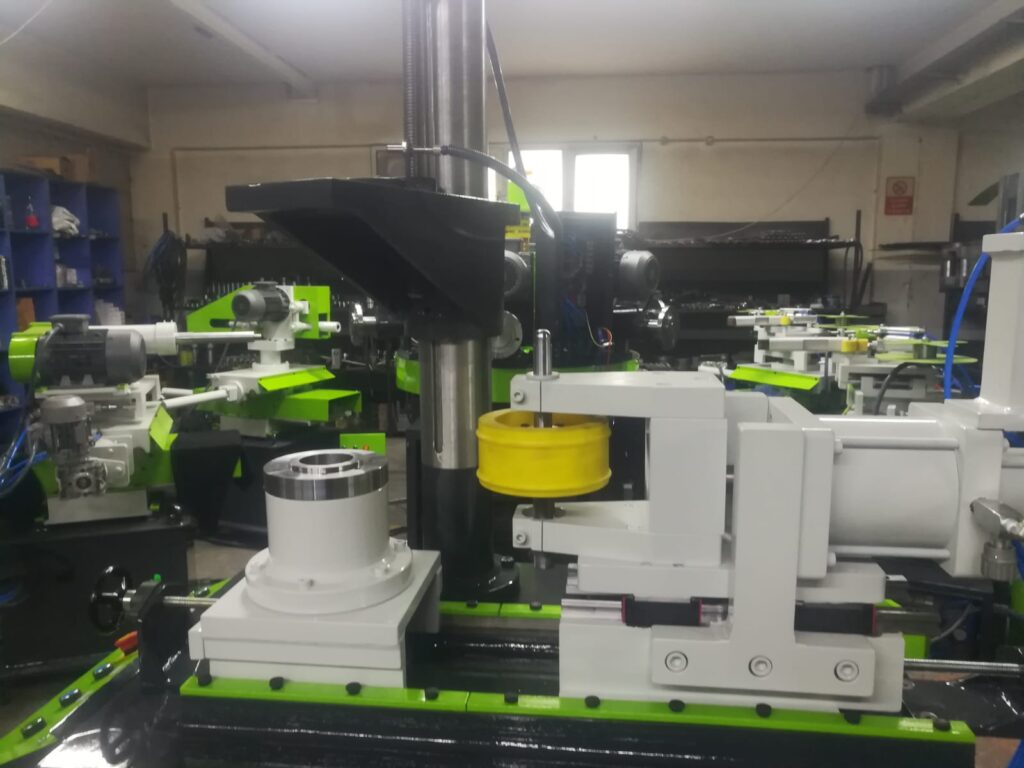
Categories
Machinery

Spindle Rotary Forging Machine

Spindle Rotary Forging Machine

Spindle Rotary Forging Machine: A High Performance Spinning Necking Machine is a specialized piece of industrial equipment used primarily in the metal packaging industry, particularly for manufacturing aluminum or steel cans, such as those used for beverages, aerosols, or food products. Here’s a breakdown of what it is and what it does:

A spinning necking machine is used to reduce the diameter of the open end of a can—this process is called necking. The goal is to create a smaller opening for the can so that it can be seamed with a lid or to optimize the material use, strength, and appearance of the final product.

  1. High Speed Operation
    • Up to 600–2000 cans per minute depending on design.
    • Integrated with automated feeding and ejection systems.
  2. Multiple Stages of Necking
    • Progressive necking in several stages (10–30 stations) to avoid material stress or wrinkling.
    • Each stage slightly reduces the diameter for smooth forming.
  3. Rotary Spinning Mechanism
    • Uses spinning tools or rollers instead of fixed dies.
    • Provides more uniform pressure and reduces the risk of deformation.
  4. Servo-Controlled System
    • High precision control of rollers and can positioning.
    • Adaptive to different can sizes and materials.
  5. Tooling Flexibility
    • Quick-change tooling for various can heights and diameters.
  6. Material Handling
    • Gentle handling mechanisms to prevent surface damage or warping.
    • Often includes vacuum or air-assisted conveying.
  • Beverage Cans – Aluminum soda or beer cans.
  • Aerosol Cans – Steel or aluminum cans for sprays.
  • Food Cans – Cans used for preserved goods.
  • Battery Casings – For lithium or alkaline battery enclosures.

A High Performance Spinning Necking Machine is an advanced piece of equipment used primarily in the production of aluminum or steel cans, especially for beverages, food, or aerosols. Its main function is to reduce the diameter at the open end of the can—a process known as necking—so that the can can be sealed efficiently with a lid or end, or to achieve material savings and a sleeker design. Unlike traditional necking machines that use fixed dies, the spinning necking machine employs rotating tools or rollers that apply uniform, radial pressure while the can is spun. This spinning action results in smoother, more precise necking and reduces the chance of wrinkling or deforming the can walls.

High performance models are capable of processing anywhere from 600 to over 2000 cans per minute. They feature multiple necking stations—sometimes over 20—where the can diameter is gradually reduced in stages. This staged reduction is critical to maintaining the structural integrity of thin-walled aluminum cans, especially when operating at high speeds. These machines are often servo-controlled, allowing for precise adjustment of tool position, pressure, and timing. They’re designed to handle a wide variety of can sizes and shapes, with quick-change tooling systems to reduce downtime during product changes.

These machines are integrated into full can production lines, following the bodymaker and before the flanger and seamer stages. They often come with automated can handling systems, including air or vacuum conveyors, and are optimized for minimal maintenance and consistent high throughput. The tooling is typically made of hardened steel or carbide to withstand the high-speed contact and ensure long service life.

Spinning necking machines are essential in modern canmaking facilities, especially for lightweight aluminum cans where dimensional precision and surface quality are paramount. Manufacturers such as Stolle Machinery, Belvac, CarnaudMetalbox, and SLAC Precision are leaders in producing these machines, each offering models tailored to specific production needs, line speeds, and material types.

Continuing further, the precision and repeatability of high performance spinning necking machines play a crucial role in ensuring the final product meets tight dimensional tolerances. This is especially important in beverage can manufacturing where even minute variations in neck diameter or wall thickness can result in sealing issues or lead to failures during filling and distribution.

Modern machines incorporate sensors and monitoring systems that provide real-time feedback on critical parameters like roller pressure, can positioning, and neck diameter. These systems can automatically adjust tooling positions or halt production if an abnormality is detected, helping to minimize waste and maintain consistent quality. Additionally, many high-end machines are equipped with smart diagnostics and remote connectivity, allowing for predictive maintenance, troubleshooting, and updates without the need for on-site service in every case.

One of the key advantages of spinning necking is its adaptability. While traditional die-based necking might be limited by the tooling geometry and material strain limits, spinning allows for smoother transitions and more complex neck profiles, including straight, stepped, or bell-shaped necks. This opens up opportunities for brand differentiation through unique can shapes, while still meeting technical requirements for filling, sealing, and stacking.

In terms of energy and material efficiency, spinning necking machines support sustainability initiatives in the packaging industry. By allowing for thinner walls and optimized neck shapes, they contribute to lighter cans that use less raw material and reduce transportation costs. At the same time, their high efficiency and reduced downtime help lower energy consumption per unit of output.

Safety and ergonomics are also prioritized in newer models. Operators benefit from user-friendly HMIs (Human-Machine Interfaces), enclosed guarding, and simplified tooling changeover systems. This not only boosts productivity but also reduces the risk of workplace accidents and operator fatigue, particularly in high-volume, continuous production environments.

As global demand for canned beverages and sustainable packaging grows, the role of high performance spinning necking machines becomes even more central to modern canmaking operations. Their ability to deliver speed, precision, efficiency, and adaptability makes them indispensable in maintaining competitiveness in the packaging industry.

Diving deeper into the technical aspects, the necking process on a high performance spinning necking machine is divided into multiple incremental stages, each with its own set of rollers. These stages are precisely sequenced to gradually reduce the can’s open-end diameter while maintaining its structural integrity. Each station typically reduces the diameter by a very small amount—often less than a millimeter—because attempting a large reduction in a single step can cause buckling, wrinkling, or cracking, especially with thin-walled aluminum cans.

The can is held in place by a mandrel or turret as it rotates, and the spinning rollers move inwards with controlled force. These rollers can be mounted on cams, levers, or servo-controlled arms, depending on the machine’s design. Tooling geometry, surface finish, and alignment are all critical factors here—improper setup can lead to surface scoring, neck collapse, or inconsistent profiles, which are unacceptable in high-speed filling lines where even a tiny deviation can cause a jam or leak.

The machine’s overall layout typically includes an infeed system, necking turret, and outfeed conveyor. Some machines integrate additional functions such as flanging, beading, or trimming after necking. Others are dedicated solely to necking but are designed to synchronize seamlessly with upstream and downstream equipment through PLCs (programmable logic controllers) and line control software. This integration ensures that if there’s a stoppage or fault in one part of the line, the rest of the system reacts accordingly to prevent can pile-ups or tool damage.

Another key component is the lubrication system. Spinning rollers and mandrels operate under high friction and heat, so precision lubrication—often mist or micro-drop systems—is employed to keep tool wear low and maintain surface quality. The lubricants must be compatible with food-grade requirements and not interfere with later processes like washing, coating, or printing.

Tooling maintenance and longevity are critical cost factors in production. Tooling materials like carbide or high-speed steel are chosen for durability, but even these wear over time due to the abrasive nature of aluminum oxide and the high-speed contact. Many machines now include tool life monitoring systems and automated alerts for replacement or regrinding schedules. Some manufacturers offer modular tooling cassettes that can be swapped out quickly, reducing downtime to minutes instead of hours.

In recent years, digitalization has brought additional enhancements. Digital twins, simulation software, and AI-based performance monitoring are becoming more common in large-scale canmaking plants. These technologies help optimize production parameters, reduce energy consumption, and improve yield by predicting wear patterns or recommending process adjustments based on historical and real-time data.

Lastly, the adaptability of spinning necking machines to handle various can sizes—from slim cans and standard 330ml formats to taller energy drink styles or aerosol bodies—makes them highly versatile. Changeovers are simplified using tool pre-sets, digital controls, and in some cases, automatic tooling alignment. This adaptability not only shortens production downtime but also supports modern manufacturing trends like SKU diversification and rapid product development.

Large-Diameter CNC Spinning Machine

Large-Diameter CNC Spinning Machine

A Large-Diameter CNC Spinning Machine is a precision metal forming machine designed to shape large circular metal blanks into symmetrical, hollow forms using computer-controlled spinning techniques. These machines are essential in industries like aerospace, energy, automotive, HVAC, and heavy manufacturing, where forming large components such as pressure vessel ends, cones, satellite dishes, turbine casings, or large reflectors is required.

Unlike conventional forming or stamping, CNC spinning (also known as metal spinning or flow forming) involves rotating a blank on a mandrel while one or more rollers apply localized pressure to gradually deform the material into its desired shape. The process is chipless, meaning there’s no material removed—it’s all formed through plastic deformation, making it highly efficient and material-saving.

Key Characteristics of Large-Diameter CNC Spinning Machines:

  1. Size and Capacity
    • Can handle metal blanks up to 3–5 meters in diameter or more.
    • Typically designed for heavy-gauge materials like aluminum, stainless steel, carbon steel, titanium, and special alloys.
    • Machines may support blank thicknesses from 5 mm up to 30+ mm, depending on material and diameter.
  2. CNC Control System
    • Fully programmable using G-code or proprietary CAM software.
    • Enables repeatable, high-precision forming for complex geometries and contours.
    • Some machines support multi-pass operations, allowing incremental forming in complex layers.
  3. Tooling and Mandrel
    • Uses custom mandrels that replicate the inner shape of the desired part.
    • Rollers are servo-controlled and follow a defined tool path to achieve the final profile.
    • For high-precision aerospace or pressure applications, mandrels may be water-cooled or segmented.
  4. Tailstock and Clamping System
    • Heavy-duty tailstocks provide axial force to press the blank against the mandrel during spinning.
    • Hydraulic or servo-driven pressure systems ensure stability even under high forming loads.
  5. Power and Rigidity
    • These machines feature high-torque main spindles and reinforced machine beds to handle the immense forming forces without vibration or distortion.
    • They may weigh several tons and often require a dedicated foundation.
  6. Hot and Cold Spinning Capability
    • Some large-diameter spinning machines are equipped with in-process heating systems (e.g., gas burners, induction heaters) to assist in hot spinning for tough or thick materials.
    • Hot spinning reduces tool wear and allows forming of alloys that are difficult to shape cold.
  7. Applications
    • Pressure vessel heads (dished, hemispherical, torispherical)
    • Rocket motor casings
    • Aerospace cones or nozzles
    • Wind tunnel or fan housings
    • Large reflectors or antennas
    • Turbine or boiler components

Advantages

  • Precision and Repeatability: CNC automation allows tight tolerances and identical repeat parts.
  • Material Efficiency: No material loss compared to machining.
  • Design Flexibility: Easily programmable for complex profiles or changes in geometry.
  • Forming Strength: The spinning process increases material strength due to grain alignment.

Continuing with the deeper aspects of large-diameter CNC spinning machines, one of the most critical components that sets them apart from smaller systems is the tool path control and the multi-axis synchronization between the forming rollers, the rotating blank, and any auxiliary systems like heating or trimming heads.

Tool Path Programming and Control

Tool paths in CNC spinning are not just simple arcs or linear moves; they involve highly complex, multi-curve profiles that must precisely match the mandrel geometry and account for material springback, thinning, and flow characteristics. CAM software used with these machines often integrates material behavior models that simulate how the metal will deform under pressure and heat.

For example, when forming a torispherical pressure vessel head, the software generates multiple passes—each with slightly deeper penetration—to gradually shape the part without inducing cracks or buckling. These passes are programmed using parameters like feed rate, roller pressure, radial depth, and even dwell time at specific points. The CNC system then synchronizes the rotation (C-axis), roller feed (X-axis), vertical movement (Z-axis), and sometimes additional Y- or A-axis if the roller head tilts or pivots.

Hot vs Cold Spinning

In cold spinning, the material is deformed at ambient temperature. This is feasible for ductile metals and thin sheets, but as wall thickness and diameter increase, the required forming forces become immense. This is where hot spinning becomes essential. Machines designed for hot spinning may include integrated:

  • Induction heaters around the spinning zone for fast, localized heating.
  • Gas burners for broad heating of the blank.
  • Thermal management systems for the mandrel, often water- or air-cooled, to maintain dimensional stability.

Hot spinning allows materials like Inconel, titanium, and high-strength steels to be shaped without cracking, while also extending tool life and improving surface finish.

Mandrel and Tooling Design

The mandrel is a core element, often custom-made for each product. For large parts, mandrels can be:

  • Monolithic steel blocks, machined to tight tolerances.
  • Segmented mandrels, where multiple interlocking pieces allow for easier part removal or cooling.
  • Expandable mandrels, which can change diameter slightly to release the formed part.

Rollers are typically made from hardened steel or carbide, with surface coatings (like TiN or DLC) to reduce wear. Some tooling is internally cooled to counter the heat generated during hot spinning.

Process Monitoring and Quality Control

Modern machines integrate real-time monitoring systems that track:

  • Forming force and torque
  • Material temperature
  • Roller position and velocity
  • Acoustic emissions (used to detect cracking or tool chatter)

These inputs can be fed into a closed-loop control system, allowing the machine to adapt the forming process in real time. For high-spec applications (e.g., aerospace), these machines often include laser scanning or 3D metrology systems to verify final part geometry without removing the part from the machine.

Integration with Other Processes

Large-diameter CNC spinning machines are often part of a larger manufacturing cell. They may be integrated with:

  • Automatic blank loading systems (cranes, robots, hydraulic lifters)
  • Post-forming trimming or welding stations
  • Annealing or heat treatment furnaces
  • Non-destructive testing (NDT) setups like ultrasonic or X-ray inspection

This integration boosts throughput and minimizes manual handling, which is especially important for components that weigh hundreds of kilograms or more.

In high-value industries like aerospace or energy, every part formed on a large-diameter spinning machine is typically traceable, with full process logs, tool wear records, and dimensional inspection reports. As such, these machines are often linked into a plant-wide MES (Manufacturing Execution System) for digital traceability and predictive maintenance.

Let’s continue with the end-to-end journey of a large component—such as a rocket dome, turbine casing, or pressure vessel head—from a flat blank to a precision-formed product using a large-diameter CNC spinning machine. This process involves a combination of engineering, simulation, material science, CNC programming, and hands-on machine operation.

Design and Simulation Phase (FEA)

Before a single metal blank is cut, the geometry of the part is modeled using CAD software and then analyzed using Finite Element Analysis (FEA). This simulation predicts how the material will behave under spinning forces. It considers:

  • Material flow and thinning
  • Stress-strain curves
  • Heat distribution (for hot spinning)
  • Springback after unloading
  • Cracking risk zones

FEA helps engineers optimize the number of passes, tool path strategies, roller angles, and forming speeds before any physical setup. For critical aerospace parts, this modeling is often validated through small-scale prototypes or coupon tests.

2. Material Preparation

The metal blank—often aluminum, stainless steel, titanium, or nickel alloy—is either cut from plate or preformed into a shallow dome. The blanks may be up to several meters in diameter and 30+ mm thick, depending on application.

  • Surface cleaning is done to remove scale or oxides.
  • If hot spinning is planned, preheating may occur.
  • The blank is precisely centered and clamped onto the mandrel using a hydraulic tailstock or clamping ring.

3. Machine Setup

The CNC program is loaded and verified. This includes:

  • Mandrel alignment and mounting
  • Roller selection and positioning
  • Heating system configuration (if used)
  • Lubrication system primed
  • Safety checks and interlocks tested

Modern CNC spinning machines allow virtual dry runs to simulate the motion of all axes without engaging the material—helping operators verify clearance and toolpath logic before forming begins.

4. Spinning Process

The actual forming begins. The blank spins at a controlled RPM while the forming roller makes contact. In multi-pass operations, the roller slowly feeds into the material along a spiral or stepped trajectory. Key control variables:

  • Feed rate (mm/rev)
  • Depth of cut per pass
  • Forming force and roller pressure
  • Rotation speed (RPM)

In hot spinning, induction coils or gas burners heat the area just ahead of the roller to increase ductility. The machine constantly adjusts parameters based on feedback from sensors—ensuring consistent deformation.

5. Intermediate Inspection

At certain stages, the process may be paused for dimensional inspection using:

  • Laser profilometry
  • Contact probes
  • Infrared thermography (for hot forming)
  • Ultrasound (for detecting subsurface flaws)

Adjustments can be made on-the-fly to compensate for material variation or unexpected springback.

6. Final Shaping and Finishing

Once the final geometry is formed:

  • The part may be trimmed (edge shaping) using integrated tooling.
  • Beads, flanges, or stiffeners can be added if needed.
  • The part is air or water cooled depending on material.

For high-precision parts, post-forming machining might be used to finish surfaces, bores, or sealing areas.

7. Post-Processing and Inspection

The finished part undergoes thorough inspection, often including:

  • CMM (Coordinate Measuring Machine) measurement
  • Ultrasonic or X-ray NDT
  • Hardness testing
  • Surface roughness measurement
  • Heat treatment or stress relief annealing, if required

All of this data is stored for traceability—especially for parts used in pressure vessels, aerospace structures, or nuclear equipment.

Real-World Example

Let’s say you’re producing a rocket motor dome made of Inconel 718. The blank weighs 400 kg and starts as a 2.5 m wide disc. After FEA-validated programming, it’s spun at 300 RPM with induction heating bringing the forming zone to 900°C. Over 10 passes and 2 hours, the part is formed into a hemispherical shell, trimmed, scanned, and sent for heat treatment. Every forming parameter is logged—temperature curves, force profiles, roller positions—so engineers can track the exact forming history of the part that may one day launch a satellite.

These large-diameter CNC spinning machines aren’t just machines—they’re part of a digitally integrated, high-precision ecosystem that bridges the gap between raw material and high-performance, safety-critical parts.

Vertical End Forming Spinning Machine

Vertical Rotary Forging Machine

A Vertical End Forming Spinning Machine is a specialized piece of equipment used to shape or modify the ends of cylindrical or conical metal components through controlled rotary forming processes. Unlike horizontal spinning machines, these systems are oriented vertically, allowing gravity to assist in handling, alignment, and stability—especially useful for long or heavy parts such as pipes, tubes, tanks, or pressure vessel segments.

This type of machine is commonly found in industries like aerospace, petrochemical, HVAC, shipbuilding, and heavy manufacturing, where forming high-strength, large-diameter metal ends is a critical process for achieving pressure resistance, structural strength, or joining geometry.

Key Features and Capabilities

1. Vertical Configuration

  • The workpiece is mounted vertically, typically standing upright on a rotating chuck or mandrel.
  • This setup is ideal for long tubular components or heavy parts that benefit from vertical loading and gravitational support.
  • It enhances operator ergonomics and simplifies automation of loading and unloading.

2. End Forming Functions

Vertical end forming spinning machines can perform a range of forming operations at one or both ends of the workpiece:

  • Closing (dome forming or dishing) – creating domed or hemispherical ends.
  • Flanging – outward or inward flaring of the tube edge for weld prep or mechanical joining.
  • Beading – forming reinforcing ribs or grooves near the edge.
  • Curling – rolling the edge for safe handling or sealing.
  • Tapering or reduction – reducing the end diameter concentrically.
  • Widening or bulging – expanding the mouth or collar of a tube or shell.

3. CNC-Controlled Motion

  • Multi-axis control (usually X, Z, and sometimes Y or B) guides the forming roller precisely along programmed tool paths.
  • Forming can be completed in single-pass or multi-pass cycles, depending on wall thickness and material behavior.
  • Software supports simulation, parameter storage, and real-time adjustment of feed rate, roller position, pressure, and rotation speed.

4. Forming Materials and Sizes

  • Supports materials like carbon steel, stainless steel, aluminum alloys, titanium, copper, and Inconel.
  • Can handle diameters ranging from a few inches to several meters, and wall thicknesses up to 20–30 mm, depending on the machine and material.
  • Machines are typically built for medium to heavy-gauge tubular stock, especially in applications involving pressure or structural loading.

Advantages of Vertical End Forming Spinning Machines

  • High concentricity and symmetry due to vertical alignment.
  • Gravity-assisted support minimizes deflection in long parts.
  • Efficient material flow during closing or flanging.
  • Compact footprint compared to large horizontal machines for similar capacity.
  • Easy integration with vertical loading robots or hoists.

Typical Applications

  • Pressure vessel ends (dished heads, elliptical caps)
  • Gas cylinders and oxygen tanks
  • Boiler tubes
  • Wind tower segments
  • Rocket motor casings
  • Pipeline reducers or collars
  • Compressed air receiver tanks

Supporting Features and Options

  • Hydraulic or servo tailstocks for axial pressure.
  • Induction or flame heating for hot spinning of thicker or hardened materials.
  • Quick-change tooling to allow for different end shapes or sizes.
  • Automatic loading/unloading systems, especially in batch or mass production.
  • Integrated trimming tools for edge cleanup after forming.

In operation, a vertical end forming spinning machine begins by vertically mounting the cylindrical workpiece—often a tube, pipe, or shell segment—onto a rotating chuck or mandrel that holds it securely during the forming cycle. Because of the vertical orientation, the part is naturally aligned by gravity, which minimizes the need for complex centering systems and helps maintain excellent concentricity during forming. This is especially useful for very long or heavy components, where sagging or deflection would be problematic on a horizontal system.

Once the workpiece is clamped, the forming cycle initiates with the rotation of the spindle. A forming roller, driven by servo or hydraulic actuators, moves in along a CNC-programmed path. Depending on the intended end geometry, the roller might start by curling the edge, reducing the diameter, expanding the mouth, or gradually drawing the metal inward to form a domed or elliptical end. In heavier-gauge materials or hard alloys, this forming process may require several progressive passes, with the roller feeding incrementally deeper into the material each time. Precision control of roller pressure, feed rate, and rotational speed ensures the metal flows evenly without buckling, cracking, or surface tearing.

In many cases, heating is introduced to soften the material and reduce forming forces. This is particularly important for stainless steel, titanium, and high-nickel alloys, which may otherwise fracture during cold spinning. Induction heating systems are often mounted directly adjacent to the forming zone, delivering controlled thermal input while the part rotates. In other setups, flame torches may be used, especially for simpler or lower-volume jobs. Regardless of the heating method, temperature must be carefully monitored and balanced with forming speed to avoid oxidation or uneven deformation.

The entire forming cycle is monitored in real time. Sensors track position, forming pressure, rotation speed, and sometimes acoustic or vibrational signals that can indicate tool wear or material anomalies. High-end systems include closed-loop feedback, allowing the machine to automatically adjust forming parameters mid-cycle if needed. For instance, if the system detects excess resistance due to material hard spots, it can reduce feed speed or increase roller dwell time to avoid overstressing the part.

Once forming is complete, the finished end is often trimmed using integrated shear or knife tools to remove any burrs or excess metal, leaving a clean, weld-ready edge. This is especially important for components destined to be joined by TIG or MIG welding, where surface quality directly affects weld integrity. In more advanced setups, the machine may include in-line inspection systems—laser scanners or probing arms that verify dimensions, curvature, and edge geometry before the part is released.

The vertical configuration also simplifies automation. Because parts are upright, they can be easily lifted and loaded with a crane, robot arm, or gantry system. In high-volume production, this is coupled with automated mandrel changeover and part stacking systems to minimize downtime between batches. Combined with CNC programmability and repeatable forming paths, these machines offer excellent flexibility across different part families—one machine might form domed ends for pressure tanks in the morning and flare heat exchanger tubes in the afternoon, simply by swapping tooling and loading new programs.

The combination of vertical alignment, CNC-controlled accuracy, and high forming force makes these machines ideal for producing critical parts that require both strength and precision. In aerospace, vertical end forming is used to produce domes for satellite fuel tanks. In energy and process industries, it forms the thick flanged ends of high-pressure pipes and vessels. In automotive, it’s used to reduce or flare muffler and exhaust components. Each of these applications benefits from the clean, seamless metal flow and tight geometric tolerances that spinning allows—particularly valuable when forming materials that would otherwise require expensive, high-waste machining processes.

As we continue, let’s delve deeper into how vertical end forming spinning machines optimize both material usage and part quality, as well as explore the advanced technological features that make these machines highly efficient and adaptable across a wide range of industries.

One of the key benefits of vertical end forming spinning is the minimized material wastage. Traditional forming methods like stamping or punching involve cutting away significant amounts of material, whereas spinning works by stretching and shaping the material without removing it. This is particularly advantageous in industries where material cost is a significant factor, such as aerospace and automotive manufacturing. For instance, forming a dished or domed end for a pressure vessel using a vertical spinning machine can result in minimal scrap, as the entire blank is used in the finished product. Furthermore, since the process is chipless, the part’s initial geometry can be optimized to reduce material input, leading to cost savings over time.

Additionally, material properties are another area where vertical spinning machines excel. As the material is deformed through controlled plastic flow, it undergoes a natural grain alignment that improves the part’s mechanical properties, especially in high-strength alloys. The metal’s resistance to cracking or fatigue is increased as the grain structure becomes oriented in the direction of the applied force, creating a part that’s both stronger and more durable. This is particularly critical for applications like aerospace, where parts need to withstand extreme conditions. Parts like rocket motor casings, for example, benefit greatly from this process, as it enhances the strength of critical sections without compromising their weight.

In terms of tooling design, vertical end forming machines often require custom-designed mandrels and rollers to achieve precise shapes. The mandrel serves as the internal support structure around which the metal is spun, and its geometry can be complex, depending on the final shape of the component. For example, producing a hemispherical dome for a high-pressure tank requires a mandrel with a very specific curvature to ensure that the material forms symmetrically around the center axis. These mandrels are typically made from hardened steel or cast alloys, and in some applications, they may also feature cooling channels to reduce thermal deformation during hot spinning.

Rollers used in vertical end forming are typically made from carbide or other wear-resistant materials. Over time, rollers may need to be replaced or resurfaced, especially in high-volume production, as they can wear down from constant contact with the material. Some advanced machines have a modular roller system that allows easy exchange of rollers without disrupting the production cycle, reducing downtime and enhancing flexibility.

The integration of heating systems is another key aspect of vertical end forming, especially when working with materials that require a lower forming force at elevated temperatures, such as stainless steel, titanium, or nickel alloys. The heating system can be integrated into the machine in various forms—typically either induction heating, which provides localized heating directly to the forming zone, or flame heating, which may be used for larger areas or less-critical applications. When used effectively, heating softens the material, allowing it to flow more easily during spinning, which not only reduces the required forming force but also reduces the risk of defects such as cracking or strain hardening.

For instance, in aerospace manufacturing, a rocket casing formed from Inconel 718 might be hot-formed to prevent material cracking during the shaping process, with induction heaters applying precise, localized heat to the areas being worked on. The result is a part that is not only dimensionally accurate but also has improved material properties due to the controlled thermal treatment. After the forming is completed, parts are often subjected to post-forming heat treatment processes like stress relief or annealing to further refine their mechanical characteristics.

To ensure precision and consistency in large-scale production, many vertical end forming spinning machines come with advanced CNC controls that manage all aspects of the process, including roller movements, feed rates, and material handling. These machines often feature a multi-axis control system, allowing for highly complex, multi-step forming processes to be carried out with minimal manual intervention. In some high-performance machines, adaptive control algorithms can modify the spinning parameters in real-time based on feedback from sensors that monitor force, temperature, or vibration. This closed-loop system ensures that any changes in material behavior or tooling wear are immediately corrected, resulting in a finished part that adheres to the tightest tolerances.

Real-time process monitoring is also crucial in ensuring high-quality parts. In addition to force and position sensors, advanced systems may include acoustic sensors to detect the sounds of friction or cracks forming in the material, as well as optical systems like laser scanners or CMM (Coordinate Measuring Machines) for measuring part geometry after the forming cycle. These systems are often part of an automated inspection process that can reject parts that don’t meet specifications, providing immediate feedback to operators and preventing defective parts from entering the next stages of production.

Once parts are formed and inspected, the post-forming operations come into play. In some cases, additional shaping, welding, or surface treatments are needed. For instance, if the formed part requires a flange or further diameter reduction, additional tooling can be used to complete the process. This post-forming stage might involve trimming, grinding, or welding to achieve the final geometry required for assembly into the larger system.

These machines can be integrated into broader manufacturing lines that include robotic handling systems, welding cells, and coating or finishing stations, forming a highly automated production flow. This integration is particularly advantageous in industries where high-volume production is necessary, such as the automotive and HVAC industries, where parts like mufflers, flanged pipes, and air conditioning coils are routinely formed.

In conclusion, vertical end forming spinning machines are highly versatile and capable of producing precision-formed metal components for a wide range of applications. Their CNC control systems, coupled with advanced tooling and material management, make them an essential tool in industries that require both strength and accuracy in their parts. The ability to work with a variety of materials, coupled with the reduced material waste, makes them a preferred solution for manufacturers looking to create high-performance components with minimal environmental impact.

High performance double arm spinning machine

Flowforming Sheet Metal

A High Performance Double Arm Spinning Machine is a specialized type of metal spinning equipment used for producing high-precision, complex, and large-diameter parts from sheet metal or metal discs. These machines are particularly designed to handle large, heavy, and high-performance components for industries like aerospace, automotive, energy, and defense.

What sets the double-arm spinning machine apart is the dual-axis design which provides enhanced flexibility, increased stability, and improved quality control during the spinning process. The double-arm configuration allows for simultaneous movement of two forming rollers or tools, which is beneficial when working on parts that need uniform thickness, complex geometries, or higher material deformation capacity.

Key Features and Capabilities

  • Dual Arm Configuration: The primary feature of a double-arm spinning machine is the presence of two forming arms, each equipped with independent rollers or tool heads. These arms move in coordinated fashion to form the metal blank symmetrically from both sides. This dual-action system is ideal for dished heads, large tank bodies, and other components requiring uniform deformation from both ends.
  • Increased Stability: The double-arm design reduces the load on a single side of the part, distributing the forces more evenly. This allows the machine to form larger and heavier parts without risk of distortion, buckling, or excessive strain on the material.
  • Higher Forming Force: Because of the dual roller setup, the machine can apply more force evenly across the workpiece. This is particularly useful when forming materials that are harder to shape, such as high-strength alloys or materials with high tensile strength. The additional force provided by the two arms ensures more efficient material flow.
  • Precision and Symmetry: The synchronized movement of both arms guarantees that the metal flows uniformly from both ends of the part, resulting in parts with superior concentricity and uniform wall thickness. This is particularly critical for parts used in high-stress applications, like pressure vessels, rocket casings, and turbine components.
  • Versatility: The machine is capable of performing various metal forming operations such as flanging, dishing, deep drawing, and stretching. This makes it versatile enough to handle a wide range of complex geometries, from conical to spherical and cylindrical forms. It can work with a variety of metals including aluminum, steel, titanium, and specialty alloys.
  • Automation and Control: Modern high-performance double-arm spinning machines often incorporate CNC controls, allowing for precise programming of each roller’s path, speed, pressure, and other key parameters. This makes the machine ideal for high-volume production or applications requiring consistent part quality. The CNC system can also integrate real-time monitoring sensors, ensuring that any deviations from the desired forming process are immediately corrected.
  • Tooling and Mandrels: The machine typically utilizes custom mandrels for different parts, which are precisely shaped to match the geometry of the final product. These mandrels can be made from hardened steel, sometimes with cooling channels or temperature-controlled systems to manage the heat generated during the spinning process.
  • Part Size and Material Thickness: The double-arm spinning machine is suited for forming parts of significant size—ranging from smaller components like dished tank heads to large aerospace parts with diameters of several meters. It can handle materials with thicknesses ranging from thin gauge sheet metals (for automotive parts) to thick, heavy-gauge alloys used in aerospace or pressure vessel applications.

Applications of High-Performance Double-Arm Spinning Machines

  • Aerospace: These machines are often used to produce components like fuel tank domes, rocket casings, and turbine housings. The aerospace industry benefits from the high strength-to-weight ratio that spinning imparts to the material, as well as the machine’s ability to form large, complex parts with high precision.
  • Pressure Vessels: Double-arm spinning is widely used for forming the ends of large pressure vessels, gas cylinders, and heat exchangers, where the uniformity of the formed part is crucial for pressure resistance and overall integrity.
  • Automotive: In the automotive industry, double-arm spinning machines can be used for creating parts such as exhaust components, mufflers, and brake drums, where high-performance standards and precise tolerances are necessary.
  • Energy and Power Generation: Components like turbine casings, generator housings, and other structural parts for power plants benefit from the heavy-duty capabilities of the double-arm spinning machine.
  • Marine and Shipbuilding: Large marine parts such as propeller hubs, deck plates, and rudders can be produced with high precision, while ensuring their ability to withstand heavy mechanical loads.
  • Defense: For military applications, these machines can be used to form parts for armor, shell casings, and other mission-critical components that must meet stringent specifications for both strength and precision.

Technological Enhancements

  • Real-Time Feedback Systems: Many high-performance spinning machines are equipped with real-time sensors that monitor parameters such as pressure, force, speed, and material flow. These systems feed back into the CNC control system, which can adjust the forming process automatically to ensure optimal results.
  • Integrated Heating Systems: For hot spinning applications, the machine can include integrated induction heaters or flame heating elements that locally heat the metal to a specific temperature range before forming, reducing the amount of force required and minimizing the risk of cracking or fracturing during deformation.
  • Advanced Simulation Software: Before actual production, advanced CAE (Computer-Aided Engineering) tools can simulate the spinning process. This allows manufacturers to predict how the material will behave under various conditions, reducing the number of trial runs and ensuring that the part meets all design specifications from the start.
  • Automatic Tool Changeover: For high-efficiency production environments, some machines are designed with automatic tool change systems that reduce downtime between part runs. This is particularly useful when producing parts with different geometries or diameters, where quick tool swapping is necessary.
  • Energy Efficiency: Newer systems are designed with energy-saving features such as regenerative braking on the motors, energy-efficient hydraulic systems, and automated control of heating elements, all of which contribute to reducing operational costs in large-scale production.

Summary

The high-performance double-arm spinning machine is an advanced piece of equipment that is well-suited for industries requiring precision and high-strength parts, especially those with large diameters and complex geometries. By utilizing dual forming arms, it delivers improved stability, symmetry, and force distribution, which results in high-quality components with uniform thickness and minimal material waste. With integrated automation, real-time monitoring, and the ability to work with a wide range of materials, this machine is ideal for demanding applications in aerospace, energy, automotive, and defense.

A high-performance double-arm spinning machine operates with dual arms that move simultaneously, applying forming forces to both sides of a metal blank. This configuration not only increases the stability and precision of the process but also ensures a more even distribution of material, especially in larger or thicker components. As the blank rotates, the forming arms, equipped with rollers or other shaping tools, push the material inward, stretching it into the desired shape. The use of two arms working in tandem allows for the application of a higher forming force compared to single-arm systems, enabling the machine to handle tough materials or thick metals with ease.

The dual-arm design makes it particularly effective for larger parts that would otherwise be difficult to form accurately on a single-arm machine. This includes applications such as forming large, domed ends for pressure vessels or turbine housings in the aerospace and energy industries. The synchronized movement of both arms helps maintain uniformity across the entire workpiece, resulting in a finished part that is structurally sound and dimensionally accurate. The increased force capacity also allows for deeper draws and more complex geometries, which are necessary when working with thicker or high-strength materials like titanium, nickel alloys, or stainless steel.

The precise movement of the forming arms is controlled by advanced CNC systems, which allow operators to program the machine for various geometries and material properties. These systems can also adjust parameters like feed rate, forming pressure, and spindle speed in real-time, based on feedback from sensors that monitor the process. Such automation ensures consistent part quality and minimizes human error, making it especially valuable in high-volume production settings where quality control is paramount. The use of adaptive controls ensures that any changes in material behavior during the spinning process are immediately addressed, resulting in fewer defects and rejections.

One of the key advantages of these machines is their ability to work with a wide range of materials. The double-arm setup provides more control over the material flow, which is particularly useful when working with metals that are prone to cracking or failure under high deformation rates. Hot spinning is also a common feature of high-performance double-arm machines, where induction heating or flame heating is used to preheat the material to make it more malleable. This allows for deeper forming without the risk of material fracture or failure, which is crucial for applications in high-pressure or high-temperature environments.

Another advantage of these machines is the ability to perform multiple operations on a single part during the same spinning cycle. The machine can form, flange, and even bead edges in one pass, which reduces the need for additional machining or post-processing. This makes the process more cost-effective and efficient, as it minimizes setup times and tooling changes between different steps.

The dual-arm spinning machine’s versatility extends to its capacity to handle different part sizes, ranging from smaller components like mufflers or brake drums in the automotive industry to larger, more complex components used in aerospace or energy generation. The ability to easily scale the machine’s settings to accommodate varying workpiece dimensions makes it adaptable for both small batch production and large-scale manufacturing.

For industries like aerospace, where material strength, precision, and durability are paramount, the ability to shape components like fuel tank domes or turbine casings with high accuracy is critical. Similarly, in energy and defense sectors, where parts are subject to high pressures, the ability to form thick-walled, high-strength components with uniform geometry is essential to meet safety standards. The machine’s efficiency also makes it ideal for producing parts in high volumes, as it can consistently produce complex components at a faster rate than traditional methods.

To optimize production, modern double-arm spinning machines often come equipped with features like automatic mandrel changeover systems, which allow operators to switch tooling quickly for different part geometries. This reduces downtime during production, ensuring that parts can be processed without delays. Additionally, integrated real-time process monitoring and quality control systems can detect issues early in the forming process, preventing defective parts from moving forward in the production cycle and ensuring that parts meet the exact specifications required.

With its dual forming arms, these machines can handle heavier parts and larger diameters while ensuring that the formed components maintain their structural integrity and desired specifications. For large-scale manufacturing, such as the production of pressure vessels or aircraft parts, this type of machine is invaluable due to its ability to produce high-precision components quickly and with minimal material waste. This capability is critical when working with expensive materials or parts that require strict tolerances, such as gas turbine components.

The use of induction heating or other localized heating systems, along with the dual-arm configuration, allows these machines to handle high-temperature materials like titanium and nickel-based alloys, which are common in aerospace and defense applications. These materials require controlled forming to prevent cracking or other defects that could compromise the part’s strength and integrity. In this case, the high-performance double-arm machine ensures that the material is heated evenly and formed under controlled conditions, providing an optimal outcome in terms of both mechanical properties and dimensional accuracy.

In conclusion, high-performance double-arm spinning machines offer unparalleled capabilities in the field of metal forming, particularly for large, complex, and high-precision parts. With the ability to handle thicker, tougher materials and form parts with greater accuracy and efficiency, these machines are essential for industries where part quality and performance are non-negotiable. Their advanced controls, high-force capacity, and versatile tooling options make them the go-to solution for producing large-diameter, high-strength components required in sectors like aerospace, energy, and automotive manufacturing.

Continuing from the previous discussion, the high-performance double-arm spinning machine remains a crucial tool for a wide range of industries that require precision, durability, and efficiency in metal forming processes. Beyond the core capabilities already discussed, there are a few more aspects of these machines that further enhance their utility and value in high-demand production environments.

One of the standout features of high-performance double-arm spinning machines is their flexibility in part design. These machines can handle an extensive variety of shapes and geometries, making them ideal for producing custom parts with intricate features, such as recessed areas, conical transitions, or beaded edges. The ability to form complex contours with high accuracy ensures that they can produce parts that would otherwise require multiple steps or different machines to complete. This capability is vital in industries such as aerospace, where parts often need to meet specific aerodynamic and structural requirements. For example, components like turbine blades or fuel tank domes may require complex, multi-stage forming that only the precision and flexibility of a double-arm spinning machine can provide.

These machines also offer substantial advantages when it comes to part integration. In applications such as pressure vessels or aerospace casings, multiple components need to be seamlessly joined together. The ability to form and flange parts in a single operation reduces the need for additional operations like welding or joining, minimizing time, cost, and potential defects. A well-formed, seamless component is often much stronger and more durable, especially in high-stress applications where the quality of the joint can determine the integrity of the entire part.

For manufacturers focused on high-volume production, the automation features of double-arm spinning machines are key to maintaining efficiency. These machines are often equipped with automated material feeding systems, robotic handling units, and integrated inspection stations. The automated feeding system ensures that the raw material is consistently fed into the spinning process without manual intervention, which reduces labor costs and speeds up production cycles. Additionally, automated systems for handling parts post-spinning, such as robotic arms or conveyors, can quickly move the formed part to the next stage of processing, whether it’s further inspection, finishing, or assembly.

Automated inspection stations are crucial for ensuring the quality of each part. These stations often employ laser scanning, 3D vision systems, or contact probes to measure the part’s dimensions, wall thickness, and geometry immediately after spinning. This real-time inspection allows for immediate corrective actions if any deviations from the desired specifications are detected. In industries like aerospace or automotive, where precision is critical, the ability to identify and rectify issues on the fly prevents defective parts from moving further down the production line, ensuring that only the highest-quality components are delivered.

Another important consideration when working with high-performance double-arm spinning machines is the maintenance and upkeep of the system. Due to the high forces involved in the spinning process, these machines require regular maintenance to ensure that they continue to perform at optimal levels. Preventive maintenance is essential for reducing downtime and extending the life of the machine. This typically includes checking and lubricating the spindles, bearings, and rollers, as well as ensuring that the CNC system and feedback sensors are functioning properly. Regular maintenance of the heating systems is also crucial, as improper temperature management can lead to poor material flow and defects in the final part.

Moreover, tooling longevity is a key factor in the overall efficiency of the machine. As the rollers or mandrels used in the spinning process can wear down over time, having a system in place to monitor tool wear is critical. Some high-end machines include tool wear detection sensors that can detect if a roller has become uneven or worn out, which can be addressed before it causes defects in the parts. This also contributes to cost-efficiency, as replacing worn tooling promptly ensures that production quality does not deteriorate, and unplanned downtime is minimized.

The energy efficiency of double-arm spinning machines is another aspect worth noting. Modern machines are designed with energy-saving technologies that reduce the environmental footprint of the manufacturing process. For example, hydraulic systems with regenerative capabilities or servo-driven motors help conserve energy by efficiently controlling the machine’s movements and reducing waste. Additionally, intelligent heating systems can be programmed to heat the metal only when necessary and to the precise temperature required, preventing energy waste during the process.

For industries dealing with high material costs—such as aerospace or oil and gas—the material utilization efficiency of double-arm spinning machines is a significant advantage. Since spinning is a chipless process, the amount of scrap generated is minimal, which significantly reduces material costs. The precision of the forming process also ensures that the material used is optimized for the final part’s geometry, further reducing waste. This is particularly important when working with expensive materials like titanium or nickel alloys, where material costs can be a major factor in overall production expenses.

In high-performance manufacturing environments, cycle time optimization is always a priority. While the double-arm spinning machine is capable of forming large and complex parts, manufacturers are always looking for ways to reduce cycle times without compromising on part quality. The advanced CNC systems used in these machines help achieve this by allowing for real-time adjustments to the forming process. For example, the system can alter the feed rate, forming pressure, and spindle speed based on material behavior during the process, ensuring that the part is formed in the shortest time possible while maintaining high quality.

Finally, the versatility of double-arm spinning machines makes them indispensable in industries that require rapid prototyping and custom parts. Due to the high precision and flexibility of the system, it’s possible to produce small batches or prototypes without the need for extensive retooling. This is particularly beneficial in industries where custom components are often needed for testing, design validation, or niche applications. The ability to quickly produce these parts at high quality with minimal setup time allows manufacturers to meet tight deadlines and specific customer requirements.

In conclusion, high-performance double-arm spinning machines offer unparalleled precision, force distribution, and efficiency in metal forming processes, making them essential for industries that require high-quality, complex components. Whether producing aerospace components, pressure vessels, or automotive parts, these machines provide the flexibility to handle a wide variety of materials and geometries while minimizing waste and reducing production times. With automation, real-time feedback, and energy-efficient systems, they continue to meet the demands of modern manufacturing environments, driving productivity and innovation across industries.

Continuing from where we left off, high-performance double-arm spinning machines continue to evolve and push the boundaries of what is possible in metal forming, offering new opportunities for innovation and efficiency in the manufacturing process. The adaptability and precision of these machines allow for their integration into modern production lines, not only enhancing individual part quality but also enabling a seamless flow of production.

One key area of development is the integration of smart technologies into double-arm spinning machines. These machines are increasingly incorporating Industry 4.0 concepts, including IoT (Internet of Things) connectivity and cloud-based monitoring systems, which help manufacturers keep track of machine performance in real time. With IoT, operators can monitor various parameters such as temperature, pressure, tool wear, and material conditions remotely, allowing for faster response times to potential issues. This connectivity ensures that the machine is always running at its optimum performance level, reducing the chance of unscheduled downtime and improving the overall efficiency of the manufacturing process.

In particular, predictive maintenance has become a game-changer in high-performance spinning. By collecting data from various sensors integrated into the machine, the system can predict when components are likely to wear out or malfunction. This allows manufacturers to perform maintenance activities before a failure occurs, reducing downtime and preventing costly repairs. Predictive algorithms, based on machine learning and data analytics, can analyze trends and patterns over time, enhancing the decision-making process for maintenance scheduling and part replacements.

Another significant trend is the use of additive manufacturing (3D printing) in combination with double-arm spinning. While spinning is excellent for forming large, complex parts from sheet metal, additive manufacturing offers advantages in creating intricate internal features or tooling for specific applications. Some companies are using 3D-printed mandrels or tooling components to complement their spinning processes. The use of 3D printing to create custom tooling allows for more precise, lightweight, and cost-effective solutions, enhancing the overall versatility of the spinning machine.

Additionally, the material diversity that high-performance double-arm spinning machines can handle continues to expand. With ongoing advancements in alloy technology, composite materials, and smart metals, these machines are being adapted to work with new material types that require specialized handling. High-temperature alloys, superalloys, and advanced composites used in aerospace and energy sectors, for instance, can be effectively shaped on these machines, contributing to the production of parts that meet demanding performance requirements. Moreover, the increasing use of recyclable and eco-friendly materials in manufacturing is also pushing the boundaries of what these machines can process, allowing manufacturers to meet sustainability goals while maintaining high performance.

The automation of tool changes and the adaptation of multi-tool systems further improve the production speed and efficiency of double-arm spinning machines. For example, instead of manually swapping out tools for different parts, the machine can automatically select and change the appropriate tooling based on the specific requirements of the part being formed. This can drastically reduce the setup time between production runs, which is essential for just-in-time manufacturing or low-volume, high-precision applications.

As companies increasingly focus on lean manufacturing practices, the importance of minimizing waste and improving process consistency grows. Double-arm spinning, with its minimal scrap generation, is well-suited to these goals. The ability to consistently produce high-quality parts with minimal material wastage not only improves profitability but also contributes to sustainability efforts, particularly in industries like aerospace, where expensive materials such as titanium and aluminum are common. The precision of double-arm spinning machines, combined with the minimal material deformation or loss, is a significant factor in their continued adoption across these industries.

Quality assurance and inspection during the spinning process also play a crucial role in the reliability of parts produced by double-arm spinning machines. With the integration of real-time monitoring and automated inspection systems, manufacturers can check parts as they are being formed, ensuring that any dimensional or quality deviations are identified and corrected immediately. This reduces the need for manual inspections after the process, saving time and improving the overall throughput of the production line. Many modern machines are equipped with laser scanners or 3D vision systems that create digital models of the parts, checking for both geometrical accuracy and surface defects.

The advent of robotic handling systems is another area where double-arm spinning machines are advancing. These robots not only move raw materials and finished components but can also perform secondary operations such as deburring, polishing, or grinding. By automating these steps, manufacturers can further reduce labor costs and improve the consistency of finishing processes. These robots can be programmed to interact with the spinning machine in a highly synchronized manner, ensuring smooth transitions between forming, finishing, and inspection.

Additionally, the ability to integrate with other manufacturing technologies such as CNC machining, laser cutting, and press forming makes double-arm spinning machines highly adaptable in integrated production lines. This integration allows for a seamless transfer of parts between different processing stages, whether it’s performing cutouts, holes, or additional features that cannot be achieved through spinning alone. This kind of flexibility enables manufacturers to handle complex projects where various techniques must be combined to produce a finished part that meets all of the required specifications.

On a global scale, the demand for high-performance double-arm spinning machines is expected to grow, driven by the increasing need for complex, large-diameter parts across industries. As industries like aerospace, defense, energy, and automotive demand higher-quality, more efficient, and cost-effective solutions, these machines are well-positioned to meet these evolving needs. The ability to minimize scrap, increase throughput, and improve part quality will continue to make double-arm spinning a go-to solution for manufacturers worldwide.

In summary, the high-performance double-arm spinning machine is evolving alongside the industry’s needs, incorporating advanced automation, real-time monitoring, energy-saving technologies, and material innovations. These machines are crucial in producing high-precision parts, minimizing waste, and ensuring the highest levels of quality control, making them indispensable in advanced manufacturing sectors. As industries continue to evolve, so too will these machines, embracing new materials, new technologies, and new ways to further improve the efficiency and performance of the metal forming process.

High speed precision spinning machine

Rotary Custom Metal Forming Machine

A high-speed precision spinning machine is designed to form metal parts with exceptional speed and accuracy. These machines are commonly used in industries that require high-quality components, particularly in applications where tolerances are critical, such as aerospace, automotive, defense, and energy sectors. The ability to perform rapid metal forming while maintaining tight dimensional control makes these machines invaluable for manufacturers looking to increase productivity without compromising on the quality of the finished product.

Key Features and Capabilities:

  1. High-Speed Operation: High-speed precision spinning machines operate at much faster speeds than traditional spinning machines. This allows them to form components quickly, making them ideal for mass production environments where throughput is critical. The increase in speed does not come at the expense of quality, as these machines are designed to maintain precision even at high revolutions per minute (RPM).
  2. Advanced CNC Control: These machines are equipped with advanced CNC (Computer Numerical Control) systems that allow for programmed control of both the speed and movements of the forming tools. This level of control ensures that tool paths are precise and repeatable, which is essential for producing complex geometries with tight tolerances. Operators can store multiple programs for different parts, making it easy to switch between product types without significant downtime.
  3. Precision and Accuracy: The precision of these machines is achieved through fine control over several parameters, including feed rate, forming pressure, and spindle speed. The machine’s ability to adjust these factors in real-time, based on feedback from sensors, ensures that the formed part remains within the exact specifications. For example, parts like pressure vessel components, turbine casings, and aircraft fuselages require exacting standards that high-speed precision spinning machines can meet.
  4. Material Flexibility: These machines are designed to handle a wide range of materials, including metals like aluminum, titanium, stainless steel, and nickel alloys. High-speed spinning is particularly advantageous when working with harder and thicker materials that would otherwise be difficult to form efficiently. By using techniques like induction heating or flame heating, the material is preheated to a manageable temperature, improving malleability and reducing the risk of cracking during the spinning process.
  5. Minimal Waste and Material Efficiency: One of the significant advantages of high-speed precision spinning is its minimal material waste. Since the process is chipless, it avoids the scrap and cutting material that would typically result from other forming techniques, like machining. This is especially important in industries where the cost of raw material is high, such as aerospace or oil and gas.
  6. Automated Material Handling: High-speed precision spinning machines are often equipped with automated material handling systems that help load and unload materials quickly. This reduces manual labor, speeds up the overall process, and allows the machine to continue operating at high speeds without interruption. These systems can also automatically adjust for variations in material thickness or shape, ensuring consistency in the final product.
  7. Enhanced Tooling Systems: The tooling used in high-speed precision spinning machines is designed for long life and minimal wear. Advanced tool coatings or ceramic materials can be used to reduce friction and increase the durability of the forming tools. The precision and speed of these machines put a significant strain on the tooling, so durability is critical to maintaining consistent production quality and reducing downtime for tool changes.
  8. Real-Time Monitoring and Adaptive Controls: Modern high-speed precision spinning machines often include real-time process monitoring systems that track key parameters such as temperature, pressure, and tool deflection. This data is fed back into the machine’s adaptive controls, which automatically adjust settings like speed and pressure to optimize the forming process. This ensures that even if the material’s properties fluctuate or unexpected variations occur, the machine can adapt without compromising on part quality.
  9. Customization for Complex Geometries: These machines are highly versatile and can produce parts with a wide range of geometries. Whether it’s deep draws, flanged edges, or complex conical transitions, high-speed precision spinning machines can handle it all with ease. By using a combination of multi-axis CNC controls and automated tooling, manufacturers can produce custom-designed components without needing separate machines or processes.
  10. Improved Surface Finish: Due to the high-speed nature of the process and the fine control over tool movement, the surface finish on parts produced by high-speed precision spinning machines is typically superior. This makes the machine ideal for applications where aesthetic quality or low surface roughness is required. Industries like consumer electronics and automotive may benefit from this feature when producing decorative or functional metal parts that need to meet specific visual or tactile standards.

Applications:

High-speed precision spinning machines are particularly suited for the production of components such as:

  • Aerospace components like turbine casings, aircraft engine parts, and fuel tank domes, where high precision and material strength are critical.
  • Pressure vessels, such as those used in oil and gas or chemical processing industries, where the formed components need to withstand extreme conditions and be structurally sound.
  • Automotive parts like brake drums, mufflers, or wheel rims, where cost-efficiency and fast production are key.
  • Defense industry components, such as missile casings, radome housings, or munitions, where tight tolerances and strength-to-weight ratios are critical for performance and safety.
  • Large, complex medical devices that require high precision, such as surgical instruments or implantable devices made from specialized alloys.
  • Consumer products such as metal cookware, decorative elements, and electronics enclosures, where aesthetic quality and speed of production are important factors.

Conclusion:

High-speed precision spinning machines are critical for industries where speed, accuracy, and efficiency are paramount. With their ability to form complex parts at high rates, they help manufacturers meet the growing demand for high-quality components in industries such as aerospace, automotive, energy, and medical devices. The integration of advanced CNC controls, adaptive feedback systems, real-time monitoring, and automated material handling makes these machines an essential part of modern metal forming technologies. Whether for producing intricate aerospace components, mass-producing automotive parts, or making durable pressure vessels, high-speed precision spinning machines continue to push the envelope in precision manufacturing, offering manufacturers the ability to meet both quality and production speed demands.

High-speed precision spinning machines are designed to meet the ever-increasing demands of industries where both speed and accuracy are crucial. These machines offer a unique combination of high-speed operation and tight dimensional control, making them indispensable for producing parts that require both efficiency and high quality. The main advantage lies in their ability to quickly form metal components while maintaining precise tolerances, which is essential for applications in sectors such as aerospace, automotive, energy, and medical devices.

The core of their functionality is the advanced CNC control system, which enables precise tool movements and real-time adjustments during the forming process. By utilizing multi-axis controls, these machines are able to achieve incredibly complex geometries, from conical shapes to parts with intricate flanged edges or recessed areas. The precision offered by high-speed spinning machines means that even the most detailed and delicate components can be produced without compromising on part integrity or surface finish.

The incorporation of real-time monitoring and adaptive feedback systems further enhances the machine’s capability. Sensors and feedback loops continually adjust parameters like speed, pressure, and tool position to ensure that the forming process remains within specified tolerances. This ensures that parts are consistently high quality, reducing the need for post-processing and minimizing material waste.

One of the notable benefits of high-speed precision spinning is its ability to handle a wide range of materials, including metals that are typically difficult to process, such as titanium, stainless steel, and high-performance alloys. This makes the machine especially valuable in sectors like aerospace, where components need to withstand extreme conditions while maintaining their structural integrity. Moreover, the ability to preheat materials using induction heating or flame heating allows for easier manipulation of hard-to-form metals, improving material flow and reducing the risk of defects like cracking.

While these machines excel at high speeds, their material efficiency is a significant advantage. Since the spinning process is chipless, the amount of scrap generated is minimal, which can lead to substantial cost savings, particularly when working with expensive materials. In industries like aerospace, where the cost of raw materials can be prohibitively high, the ability to maximize material usage is a key consideration.

Automation is another area where high-speed precision spinning machines shine. With automated material handling systems that can load and unload materials quickly and efficiently, these machines operate with minimal human intervention. This reduces the overall labor cost and allows for continuous, uninterrupted production. Automated systems can also account for variations in material thickness and other parameters, making the process more adaptable and less prone to errors.

In addition to the automated material handling systems, these machines often feature automated tooling changeovers, which reduces downtime when switching between different parts or setups. This flexibility allows manufacturers to quickly adapt to changing production demands, whether it’s a shift from producing low-volume prototype parts to high-volume production runs.

The surface finish produced by high-speed precision spinning is another significant advantage. Because the process is carried out at high speeds, it helps to achieve smooth, polished surfaces on the formed parts. This is particularly important in applications where aesthetic quality or low surface roughness is required, such as in consumer electronics, medical devices, or decorative automotive components.

High-speed spinning machines are also equipped with advanced feedback systems that track parameters such as temperature, pressure, and tooling deflection. This data is used to continuously adjust machine settings, ensuring that any fluctuations in material behavior or tool performance do not negatively impact part quality. This level of control contributes to the machine’s ability to maintain consistent part quality over long production runs, reducing scrap and rework rates.

Moreover, the integration of Industry 4.0 technologies into high-speed precision spinning machines allows for enhanced connectivity and data sharing. Operators can access real-time performance data from remote locations, enabling proactive decision-making and timely maintenance. Predictive maintenance algorithms can analyze machine data to forecast when parts or components are likely to need servicing, helping prevent unexpected failures and minimizing downtime.

These machines are particularly valuable in industries where rapid prototyping or low-volume, high-precision production is required. With their fast setup times and ability to produce complex, high-quality parts without the need for secondary operations, they provide a solution for industries that demand both customization and speed.

In the long term, high-speed precision spinning machines represent a significant investment for manufacturers, but the benefits in terms of reduced material waste, increased production efficiency, and improved part quality make them highly cost-effective. The ability to form intricate parts with minimal scrap while maintaining high-speed throughput is invaluable in highly competitive markets.

As technology continues to evolve, it’s likely that these machines will become even faster and more precise, integrating with other advanced manufacturing technologies like additive manufacturing or hybrid production systems to offer even greater flexibility and capability. High-speed precision spinning is poised to remain at the forefront of metal forming technologies, playing a key role in shaping the future of manufacturing across multiple industries.

The evolution of high-speed precision spinning machines continues to shape the manufacturing landscape, and as industries push for greater customization, flexibility, and efficiency, these machines are becoming increasingly integral to production lines. The integration of automation and data-driven systems is paving the way for more intelligent manufacturing processes, where machines not only perform operations at incredible speeds but also adapt to evolving conditions, learn from past data, and optimize themselves in real-time.

One of the significant advancements in high-speed precision spinning is the rise of machine learning and AI-powered optimization. These technologies are integrated into machines to analyze vast amounts of real-time data from sensors and process monitoring systems. The machine can learn patterns of wear, temperature, pressure, and material behavior, enabling it to predict potential issues before they arise. By utilizing predictive analytics, manufacturers can reduce downtime, lower maintenance costs, and increase machine life by addressing issues proactively.

Moreover, advanced process control systems are now able to dynamically adjust operational parameters, such as spindle speed, feed rate, and tooling force, based on feedback from the material and environmental conditions. This level of adaptability means that high-speed precision spinning machines can maintain their performance regardless of variations in raw material properties or changes in ambient conditions, ensuring consistently high-quality parts with minimal operator intervention.

The need for sustainability in manufacturing processes is also driving further innovation in high-speed precision spinning. As global industries increasingly focus on reducing their environmental footprint, these machines play a key role in resource efficiency. The chipless nature of spinning results in minimal material waste, which aligns with lean manufacturing principles. Additionally, the ability to use recyclable metals or eco-friendly alloys in high-speed spinning processes allows companies to meet green manufacturing standards, reducing the consumption of valuable resources and lowering the overall environmental impact.

The use of alternative and composite materials is becoming more prevalent in high-speed precision spinning, as manufacturers experiment with lightweight alloys, advanced composites, and smart materials. These materials often have properties that require precise control over forming techniques to ensure they maintain their strength and structural integrity after the spinning process. High-speed precision spinning machines, with their fine control over deformation, are well-suited to handle these materials, enabling the creation of lightweight yet strong components for industries like automotive, aerospace, and sports equipment.

As industries demand more complex geometries, high-speed precision spinning machines are also evolving to handle multi-stage processes. The incorporation of multi-tool systems allows manufacturers to perform complex forming operations in a single setup, reducing the need for multiple machines or processes. This level of integration not only improves the speed and efficiency of production but also enhances part consistency, as the entire forming process can be executed without the need for part handling between different machine setups.

Customization and rapid prototyping are becoming more critical, particularly in industries like aerospace, where parts often have to be customized for specific applications or missions. High-speed precision spinning allows manufacturers to create bespoke parts in small volumes without compromising on speed or precision. This is especially useful in sectors where design iterations are frequent, or products are required to meet specific standards or certifications.

Another breakthrough in high-speed spinning technology is the incorporation of hybrid manufacturing techniques. Combining spinning with other processes like additive manufacturing, laser cutting, or electron beam welding, enables manufacturers to produce complex parts with multiple characteristics that would traditionally require separate processes. For example, a part might be spun to achieve its general shape and surface finish, and then additively manufactured features are added where needed. This hybrid approach allows for greater design flexibility while reducing the need for multiple machines or setups.

Virtual simulation tools are also transforming how high-speed precision spinning machines are used. By leveraging computer-aided design (CAD) and finite element analysis (FEA) software, manufacturers can simulate the spinning process before actual production begins. This allows for the optimization of part design, tooling, and process parameters, reducing the likelihood of defects and ensuring that the machine settings are as efficient as possible from the start. Virtual simulations also offer a cost-effective way to test different scenarios and refine processes without incurring the cost of trial-and-error in real production environments.

The future of high-speed precision spinning machines will likely see even greater integration of AI and machine learning algorithms, enabling these systems to autonomously fine-tune their operations in response to fluctuating conditions. The vision of smart factories, where machines communicate and adjust to each other to optimize production, is already becoming a reality in many advanced manufacturing environments. This level of autonomy will further push the boundaries of speed, accuracy, and efficiency.

As the world shifts toward digitally connected production lines, high-speed precision spinning machines will also become more connected to the broader ecosystem of manufacturing equipment. They will exchange data with other machines, inventory systems, and supply chains to optimize the flow of materials and finished products. This interconnectedness can lead to greater overall operational efficiency and provide manufacturers with real-time insights that can drive continuous improvements across the production process.

Modular design is another trend in high-speed precision spinning machines, offering manufacturers flexibility to adapt their machines based on the evolving needs of their operations. For example, the ability to swap out components like tooling heads, spindles, or heat sources gives operators the flexibility to configure their machines for different materials, part sizes, and production volumes. This modular approach allows manufacturers to scale operations without needing to invest in completely new machinery, thus improving cost-efficiency in the long run.

In summary, high-speed precision spinning machines are transforming the way metal parts are formed, offering unprecedented speed, precision, and adaptability. As manufacturing becomes increasingly digitally connected, sustainable, and customized, these machines will continue to evolve, integrating with new technologies like AI, IoT, and hybrid manufacturing systems. With the ability to handle a diverse range of materials, geometries, and production requirements, high-speed precision spinning is set to remain a cornerstone of advanced manufacturing for years to come.

Multiple roller flow forming center

Multiple Roller Flow Forming Center

A multiple roller flow forming center is an advanced machine used in metal forming processes to create complex, high-precision parts from sheet metal or metal strips. It is particularly well-suited for high-volume production of components that require uniform wall thickness, high strength, and complex geometries. This machine is often employed in industries such as aerospace, automotive, energy, and defense, where there is a need for parts that can handle significant stresses and operate under demanding conditions.

The flow forming process, which is the basis of the multiple roller flow forming center, involves the controlled deformation of a metal blank using a series of rollers. The part is rotated while a set of rollers progressively deforms the material, forcing it to flow outward into the desired shape. This process is commonly used to produce hollow parts, such as tubes, cylinders, and cones, with excellent dimensional accuracy, strength, and surface finish.

Key Features and Capabilities:

  1. Multiple Roller Configuration: The primary distinguishing feature of a multiple roller flow forming center is its use of multiple rollers that work in unison to gradually form the material into the desired shape. These rollers are strategically positioned around the workpiece to apply uniform pressure and control the material flow. This ensures that the material is evenly stretched, leading to consistent wall thickness and minimal distortion. The multiple roller configuration enhances the machine’s ability to produce complex shapes with high precision.
  2. Continuous Forming Process: Flow forming is a continuous process, meaning that the workpiece is gradually transformed through several stages. As the material is passed through the rollers, the wall thickness can be reduced or increased by adjusting the amount of deformation applied by the rollers. This continuous forming approach allows manufacturers to produce long components or parts with consistent properties throughout the length, making it ideal for applications requiring high structural integrity.
  3. Improved Material Properties: One of the main advantages of the multiple roller flow forming process is that it significantly improves the mechanical properties of the material. As the metal is deformed, it undergoes strain hardening, which increases its strength. In addition, because the metal flows uniformly, the parts produced have excellent surface finishes and minimal defects, such as dimensional inaccuracies or warping.
  4. Reduced Material Waste: Flow forming is a chipless forming process, meaning it doesn’t produce the material waste that other methods, such as cutting or machining, generate. This makes it a material-efficient process, particularly beneficial when working with expensive metals or alloys, such as titanium or stainless steel. The process also minimizes the need for additional machining, as the parts come out with near-finished shapes and high surface quality.
  5. Versatile Forming Capabilities: The multiple roller flow forming center can handle a wide range of parts, from simple shapes like tubes and cylinders to more complex geometries like conical or spherical shapes. The flexibility of the system allows manufacturers to produce a variety of components without the need for extensive tool changes or reconfiguration.
  6. High Precision and Tight Tolerances: The use of advanced CNC controls enables the precise manipulation of roller positions, pressure, and rotation speeds, which translates into high dimensional accuracy and tight tolerances. This makes the process ideal for industries like aerospace, where parts must meet exact specifications and withstand extreme conditions without failure.
  7. Automation and Efficiency: The multiple roller flow forming center is often equipped with automated material handling systems, which can load and unload parts automatically, allowing the machine to operate continuously with minimal operator intervention. This increases the overall efficiency of the process and reduces human error. In some systems, robotic arms or conveyor systems can be used to position the workpieces, enhancing the speed and consistency of production.
  8. Material Compatibility: Multiple roller flow forming centers can be used with a variety of materials, including aluminum, titanium, stainless steel, and nickel alloys. These materials are commonly used in industries such as aerospace and automotive, where the parts need to be both lightweight and strong. The ability to handle these advanced materials is a significant advantage for manufacturers who require high-performance components.
  9. Enhanced Flexibility for Part Design: The flexibility of the multiple roller flow forming center allows for the production of parts with varying geometries, wall thicknesses, and lengths. By adjusting the roller pressure, speed, and angle, the machine can adapt to different designs and produce parts that might be challenging or inefficient to create using traditional forming or machining methods.
  10. Integration with Other Manufacturing Processes: The multiple roller flow forming process is often integrated into larger production lines or systems. For example, the formed parts might undergo heat treatment or surface finishing operations post-formation to further improve their mechanical properties or aesthetics. This integration can streamline the production process, reduce the need for manual intervention, and improve overall production efficiency.

Applications:

Multiple roller flow forming centers are particularly well-suited for producing hollow, high-strength components in a variety of industries:

  • Aerospace: For parts such as engine casings, fuel tanks, structural components, and turbine housings, which require both lightweight and high-strength properties.
  • Automotive: For wheel rims, brake drums, and axle shafts, which benefit from the high-strength and lightweight characteristics that flow forming provides.
  • Energy: For turbine components, pressure vessels, and piping systems used in oil and gas, nuclear, and renewable energy sectors, where parts must withstand high pressures and temperatures.
  • Defense: For military vehicle components, ammunition casings, and structural parts that require both durability and precision.
  • Industrial Applications: For producing cylindrical or conical parts used in various machinery, such as shafts, bearing housings, and valves.

Conclusion:

A multiple roller flow forming center is an advanced manufacturing solution that offers several benefits, including high precision, material efficiency, and the ability to produce parts with complex geometries and enhanced mechanical properties. By utilizing a series of rollers to gradually shape the material, this machine provides an effective means of creating hollow, high-strength components with minimal waste and superior surface finishes. As industries continue to push for higher performance, lighter components, and lower production costs, the multiple roller flow forming center will remain a crucial tool in modern manufacturing.

A multiple roller flow forming center is a highly efficient and versatile machine designed to produce complex, high-precision parts from various metals. The process is highly effective for creating components that require both strength and precision, making it ideal for industries where performance and reliability are paramount, such as aerospace, automotive, and energy. The principle behind flow forming involves using a set of rollers to progressively deform a metal blank as it rotates, gradually shaping it into the desired form.

One of the core advantages of a multiple roller flow forming center is its ability to work with a variety of materials, including aluminum, stainless steel, titanium, and other high-strength alloys. This versatility makes it particularly valuable in sectors like aerospace, where components need to meet stringent material requirements and withstand harsh conditions. The flow forming process itself enhances the material’s mechanical properties, such as strength, by inducing strain hardening as the metal is deformed. This leads to parts with superior durability compared to those made through other processes.

The continuous nature of the process ensures that the material flows evenly, which minimizes defects like warping or uneven thickness, allowing for highly consistent, accurate, and repeatable results. This is particularly crucial when producing parts with tight tolerances or parts that must meet specific safety or performance standards. The process can be applied to a wide range of geometries, from simple cylindrical shapes to more complex conical or spherical designs, making it adaptable to various product types.

In addition to the material benefits, the multiple roller configuration enhances the ability to control the deformation process. By adjusting the position and pressure of each roller, operators can fine-tune the forming process to achieve specific part properties, such as wall thickness and surface finish. This level of control ensures that the finished components meet the desired specifications without requiring extensive post-processing or additional steps.

Moreover, the chipless nature of flow forming significantly reduces material waste compared to traditional cutting or machining methods. Since the material is deformed rather than removed, scrap is minimized, making the process more environmentally friendly and cost-effective, especially when working with expensive metals. This reduction in waste is particularly advantageous for industries that use rare or costly materials, such as aerospace or high-performance automotive sectors.

The automated capabilities of modern flow forming centers further enhance their efficiency. Automated material handling systems can feed the metal blanks into the machine, and advanced control systems monitor and adjust the process in real time. This automation reduces the need for manual intervention, speeds up production cycles, and ensures consistency across long production runs. Additionally, the automation of processes like loading, unloading, and tool changes contributes to a reduction in labor costs and downtime, allowing for continuous operation.

The integration of CNC technology and advanced control systems ensures that operators can maintain tight control over every aspect of the flow forming process. These systems allow for real-time adjustments to machine settings, such as roller pressure, speed, and temperature, ensuring that the parts are consistently produced to specification. The ability to program the machine for multiple stages of the forming process also allows manufacturers to create parts with varying degrees of complexity, improving the machine’s flexibility and adaptability.

The versatility of the multiple roller flow forming center also extends to the size and shape of the parts that can be produced. The machine is capable of producing both small, precise components and larger parts with complex geometries. This flexibility is particularly useful in industries where the design of parts can vary greatly between production runs, such as aerospace and automotive. The ability to produce a wide range of parts from a single machine reduces the need for multiple setups and machines, which increases overall production efficiency.

Furthermore, the flow forming process results in parts with a high-quality surface finish, often requiring little or no additional finishing processes. The smooth surfaces that result from the deformation process can be critical in industries like aerospace, where aerodynamics and surface integrity are important. The reduction in post-processing steps also contributes to cost savings and faster turnaround times for manufacturers.

In the future, as demand for more complex, high-performance components continues to grow, the capabilities of multiple roller flow forming centers are likely to expand. These machines may incorporate even more advanced automation, allowing for greater precision and efficiency. The integration of AI and machine learning could enable predictive maintenance and real-time process optimization, further improving the overall performance and reliability of these machines.

Additionally, advances in materials science could lead to the development of new alloys and composite materials that can be effectively formed using flow forming technology. The ability to process these materials without compromising their properties would open up new opportunities for industries seeking to push the boundaries of what’s possible in manufacturing.

In conclusion, multiple roller flow forming centers represent a powerful and flexible tool for producing high-precision, high-strength components. Their ability to handle a variety of materials, produce complex geometries, and minimize waste makes them a key technology for industries where part performance is critical. With continued advancements in automation, control systems, and materials, the role of flow forming in modern manufacturing is likely to grow, making it an essential process for many high-demand applications.

As industries continue to demand more efficient, cost-effective, and high-performance manufacturing methods, the role of multiple roller flow forming centers will only become more significant. One of the primary reasons for their increasing importance is their ability to adapt to the growing demand for customization and high-precision components. The flow forming process, with its flexible setup and minimal material waste, is well-suited for producing low-volume, high-mix products, a scenario that has become more prevalent in modern manufacturing as products become more specialized and tailored.

The integration of real-time data collection and process monitoring is expected to become a standard feature in multiple roller flow forming systems. These systems can continuously gather data from sensors placed at various points in the machine, such as rollers, spindles, and material infeed points. The data can then be analyzed to optimize the forming process, ensure consistent quality, and predict maintenance needs. This shift towards a data-driven production environment enhances not only the machine’s performance but also its ability to function in a smart factory setup, where machines communicate with each other and adjust parameters in real-time for maximum efficiency.

Predictive analytics integrated into the machine control systems allow manufacturers to optimize machine setups for different part designs and materials without requiring trial and error. These advanced analytics can help anticipate potential issues such as tool wear, material inconsistencies, or process fluctuations, reducing the likelihood of production delays or quality issues. For instance, if a machine’s rollers are showing signs of wear, the system can alert operators in advance, allowing for preventive maintenance before it impacts production.

In addition to the operational improvements, sustainability is becoming a key focus in modern manufacturing processes. With the push towards green manufacturing practices, multiple roller flow forming centers are contributing to lower carbon footprints through their efficiency in material usage. By reducing scrap, optimizing energy consumption, and incorporating recyclable materials, flow forming processes offer a more sustainable approach compared to traditional machining or casting methods. This is particularly important in industries like aerospace, where material costs and environmental concerns are tightly linked.

As material science advances, new, high-performance alloys, composites, and smart materials are being developed that are tailored for specific applications. These materials are often more difficult to form using conventional methods, but the flow forming process offers the flexibility needed to work with these innovative materials. For instance, the aerospace industry is increasingly using advanced titanium alloys and composites for lightweight yet strong parts. Flow forming machines, with their ability to apply precise and consistent pressure, are well-suited to shape these materials without compromising their structural integrity.

Flow forming also supports the creation of parts with intricate shapes and fine tolerances, such as parts with hollow cores, variable wall thickness, or integrated features like flanges, ribs, and grooves. In industries like aerospace, the need for parts that can handle extreme loads while maintaining lightweight properties has made flow forming essential. The ability to maintain uniform material flow during the forming process ensures the resulting parts meet the rigorous demands for strength-to-weight ratios and aerodynamic performance.

The shift towards automation and Industry 4.0 integration is another trend that is transforming the role of multiple roller flow forming centers. Through the use of robotics, machine learning, and cloud computing, manufacturers can enhance the overall productivity of these systems. Robots can handle the loading and unloading of parts with precision, reducing human error and cycle times. Furthermore, machine learning algorithms can optimize the forming process by adjusting parameters dynamically based on feedback from the machine’s sensors and real-time conditions, such as material temperature and tool wear.

These systems also enable manufacturers to implement real-time remote monitoring, where engineers and operators can track the performance of flow forming machines from anywhere in the world. Remote diagnostics and troubleshooting ensure that potential issues are caught early, preventing production downtime and minimizing costly repairs. As machines become more connected and capable of self-optimization, the concept of autonomous manufacturing is becoming a reality.

Furthermore, modular designs in flow forming machines are gaining traction. Manufacturers are now able to customize machines based on their specific production needs, adapting them to handle different materials or produce parts with varying geometries. Modular systems allow for quick changeovers, making it easier to adapt to new production runs without significant downtime. This flexibility enhances the machine’s ability to meet the growing demand for customized products while maintaining high efficiency and low operating costs.

Another growing trend is the use of hybrid manufacturing techniques, where flow forming is combined with other technologies, such as additive manufacturing or laser welding, to create more complex, multi-material components. For example, an additive manufacturing system might be used to create a complex internal structure, while the flow forming process can be used to shape the outer geometry. This hybrid approach leverages the strengths of multiple technologies, enabling manufacturers to create parts that would be difficult or impossible to produce with a single process.

As the demand for high-quality, lightweight, and durable components grows, especially in sectors like automotive and aerospace, multiple roller flow forming centers will continue to play a key role in meeting these challenges. The combination of precision, efficiency, and the ability to work with advanced materials makes flow forming an essential process for manufacturers looking to stay ahead in increasingly competitive markets.

In the future, we can expect further advancements in machine automation, data analytics, and material science that will continue to drive the capabilities of multiple roller flow forming centers. With the integration of AI-driven predictive systems, real-time process optimization, and advanced hybrid technologies, flow forming will evolve into even more powerful, flexible, and sustainable production methods. As industries look for ways to produce high-performance parts faster, with greater precision, and at a lower environmental impact, the multiple roller flow forming center will remain an invaluable tool in the manufacturing landscape.

Custom Tube Forming Machine

Single-Station Tube Necking Machine

A custom tube forming machine is a specialized piece of equipment designed for producing tubes with specific shapes, sizes, and properties tailored to meet the unique requirements of various industries. These machines can be used to create a wide range of tubular components, from simple cylindrical tubes to more complex shapes, including conical, elliptical, or hexagonal forms. Custom tube forming is used in industries such as aerospace, automotive, medical, energy, and construction, where precision, performance, and material properties are crucial.

The core function of a custom tube forming machine is to shape or form metal sheets, strips, or pre-formed sections into tubes of a desired geometry. This process is highly adaptable, allowing manufacturers to create tubes with customized dimensions, thicknesses, and material properties to suit specific applications. The machine can be designed to handle a wide variety of metals, including aluminum, stainless steel, copper, titanium, and nickel alloys, as well as composite materials in some advanced configurations.

Key Features and Capabilities:

  1. Customizable Tube Geometries: The ability to create tubes with varying geometries is one of the key features of custom tube forming machines. These machines can form round, square, or rectangular tubes, as well as more specialized shapes such as oval, elliptical, or triangular. The forming process can be adjusted to produce tapered tubes, tubes with variable wall thicknesses, or tubes with specific flanges or ribs.
  2. Precision and Tight Tolerances: Custom tube forming machines are capable of producing parts with high precision and tight dimensional tolerances, which are essential in industries like aerospace and automotive, where even minor deviations can lead to performance issues or safety concerns. The machines are often equipped with advanced CNC controls that allow for fine adjustments to the forming process, ensuring consistency and accuracy across all parts produced.
  3. Multiple Forming Techniques: Depending on the desired tube shape and material, a custom tube forming machine may use a combination of different techniques, such as roll forming, hydroforming, tube bending, and welding. These methods can be adapted to produce tubes with specific characteristics, such as increased strength, lightweight properties, or the ability to withstand high pressures. For instance, hydroforming uses fluid pressure to form complex shapes in metal tubes, allowing for more intricate geometries and reduced material waste.
  4. Material Handling and Automation: Many custom tube forming machines come equipped with automated material handling systems that can load, position, and unload the materials with precision. This automation not only increases efficiency but also reduces the risk of human error. For high-volume production, the use of robotic arms or conveyor systems can further enhance the speed and consistency of the manufacturing process.
  5. Versatility in Material Selection: Custom tube forming machines are designed to work with a wide range of materials, including ferrous and non-ferrous metals, composites, and alloys. The machines can be adjusted to handle different material thicknesses, strengths, and flexibilities, making them suitable for industries that require specialized materials. For example, aerospace manufacturers may require titanium tubes for their high strength-to-weight ratios, while automotive manufacturers might use aluminum for its lightweight properties.
  6. Reduced Material Waste: Unlike traditional methods such as cutting or machining, which often result in significant material waste, custom tube forming is typically a chipless process. This is especially beneficial for industries that work with expensive materials, such as titanium in aerospace or stainless steel in food processing equipment. By utilizing the material more efficiently, custom tube forming machines can significantly reduce the cost of production and improve sustainability.
  7. Customization for Different Applications: These machines are highly customizable, meaning they can be adapted to meet the needs of a particular industry or customer. For example, a custom tube forming machine used in the medical industry may need to meet strict sterility and biocompatibility standards, while a machine used for automotive exhaust systems will focus on durability and high-temperature resistance. The ability to tailor the machine’s features ensures that it can produce the exact specifications required by each application.
  8. Integrated Inspection and Quality Control: Many modern custom tube forming machines come with integrated quality control systems that automatically inspect the tubes as they are being formed. These systems may include laser scanners, dimensional measurement sensors, and visual inspection cameras that detect any defects, such as deformations, dimensional inaccuracies, or surface defects. This ensures that the tubes meet high-quality standards and can be immediately sorted or rejected if necessary, minimizing defects and improving product consistency.
  9. High Production Speed: Custom tube forming machines are designed for high production rates, making them ideal for mass production of tubes. Once set up, these machines can operate continuously, producing a large number of tubes in a short amount of time. This high-speed capability is particularly important for industries that need to manufacture large volumes of components quickly and efficiently, such as the automotive or construction industries.
  10. Energy Efficiency: Many newer custom tube forming machines are designed with energy efficiency in mind. With features such as energy-saving motors, optimized forming processes, and reduced operational downtime, these machines can help lower the overall energy consumption during production. As sustainability becomes more of a priority in manufacturing, energy-efficient machines contribute to lower carbon footprints and can help companies comply with environmental regulations.
  11. Multi-Stage Forming: Some custom tube forming machines offer multi-stage forming, which means the tube undergoes several passes through different forming tools or stations to achieve the final shape. This allows for the creation of more complex tube designs or features that cannot be achieved in a single pass. For example, tube expansion, bending, or flanging can be done in separate stages to create multi-functional parts, such as those used in automotive manifolds or aerospace structural components.
  12. Post-Forming Operations: After the tube is formed, additional processes such as cutting, welding, or end forming may be required to finalize the part. Custom tube forming machines can often be integrated with other equipment for these post-forming steps, streamlining the entire manufacturing process and reducing the need for additional machines. For example, welding stations can be used to join sections of tube, while cutting stations can ensure the tubes are produced to the exact length required.

Applications of Custom Tube Forming Machines:

  • Aerospace: Custom tubes are often used in fuel lines, structural components, and exhaust systems where precision and lightweight properties are essential.
  • Automotive: Tubes are used in exhaust systems, brake lines, suspension systems, and roll cages, where strength, durability, and customization are key.
  • Medical: Medical tubes are used in catheters, needles, and surgical instruments, where biocompatibility and precision are critical.
  • Energy: Tubes are required in oil and gas drilling equipment, heat exchangers, and piping systems, often made from high-strength alloys to withstand extreme temperatures and pressures.
  • Construction: Tubes are used in scaffolding, fencing, and reinforcement bars where material strength and durability are essential.

Conclusion:

A custom tube forming machine is a crucial tool for producing specialized tubes in various industries. By offering the flexibility to work with multiple materials, create complex shapes, and meet stringent specifications, these machines provide manufacturers with the capability to meet the increasing demand for customized, high-performance components. The precision, speed, and versatility of custom tube forming technology make it indispensable in industries such as aerospace, automotive, medical, and energy, where quality, efficiency, and innovation are paramount.

Custom tube forming machines are essential tools for industries that require precision-engineered tubular components. These machines are built to form tubes from a variety of metals and materials, providing manufacturers with the flexibility to produce parts tailored to specific requirements. Unlike traditional tube manufacturing methods that may be limited in the range of shapes and sizes they can produce, custom tube forming machines allow for complex, non-standard geometries. This capability makes them indispensable in industries such as aerospace, automotive, medical, and energy, where the need for high-performance, customized parts is crucial.

The forming process typically begins with a flat metal strip or sheet that is fed into the machine. Depending on the configuration of the tube forming system, it may employ various techniques, such as roll forming, bending, or welding to shape the tube. Roll forming, for instance, gradually shapes the material through a series of rollers, allowing the metal to be formed into precise and consistent shapes. For tubes requiring more complex features, such as flanges, conical sections, or variable thicknesses, additional forming steps may be used. These machines can form parts with high dimensional accuracy and tight tolerances, making them well-suited for applications that demand exact specifications.

A significant advantage of custom tube forming machines is their ability to handle a wide range of materials, including stainless steel, aluminum, copper, titanium, and other advanced alloys. These materials can be formed to create tubes with properties such as high strength-to-weight ratios, resistance to corrosion, and the ability to withstand extreme temperatures or pressures. This versatility makes custom tube forming ideal for producing parts that are used in demanding environments, such as those found in the aerospace and energy sectors.

The automation integrated into these machines enhances their efficiency and consistency. With the help of CNC controls, manufacturers can program the machine to produce tubes with varying dimensions, shapes, and thicknesses without requiring significant manual intervention. The ability to program multiple steps in the forming process allows for the creation of more complex parts in a single run, reducing cycle times and labor costs. Automated material handling systems also contribute to improving production rates and reducing human error, as they can load, position, and unload materials with precision.

In addition to speed and automation, custom tube forming machines are designed to be energy-efficient and cost-effective. The chipless nature of many forming processes minimizes material waste, making these machines a more environmentally friendly option compared to traditional machining methods. The efficiency of the process also helps reduce production costs, particularly in industries that deal with expensive raw materials. In sectors like aerospace, where materials such as titanium are commonly used, the ability to minimize waste can result in significant cost savings.

The quality control capabilities of custom tube forming machines further enhance their value. Many systems incorporate in-line inspection stations that use sensors and cameras to monitor the tube’s dimensions and surface quality in real time. This ensures that any defects or deviations are caught early in the process, minimizing waste and rework. For applications where precision is critical, such as in the medical or aerospace fields, these inspection systems help maintain the highest standards of quality.

The ability to produce complex and custom-shaped tubes also opens the door for more innovative designs in product development. For example, in the automotive industry, custom tube forming machines can create exhaust system components that have intricate curves or variable wall thicknesses to optimize performance. In the medical field, precision-formed tubes are used in products such as stents, catheters, and needles, where both biocompatibility and accuracy are paramount. The versatility of custom tube forming machines ensures that manufacturers can meet the diverse needs of these industries while adhering to strict regulations.

As manufacturing technology continues to evolve, custom tube forming machines are likely to become even more advanced. The integration of real-time data analytics, machine learning, and AI-driven predictive maintenance will further enhance the performance and reliability of these machines. These innovations will allow for even more precise control over the forming process, resulting in higher quality products and reduced downtime. Additionally, the ongoing development of new materials and manufacturing techniques will further expand the capabilities of custom tube forming machines, enabling them to handle an even broader range of applications and materials.

In conclusion, custom tube forming machines are a cornerstone of modern manufacturing, offering unparalleled flexibility, precision, and efficiency. Their ability to produce high-quality, customized tubes for demanding industries has made them indispensable in sectors like aerospace, automotive, medical, and energy. With their continued evolution, these machines will play a pivotal role in meeting the growing demand for advanced, high-performance tubular components in the years to come.

The future of custom tube forming machines is poised for even more growth, driven by advancements in digital manufacturing, automation, and sustainability. As industries become more reliant on customized and high-performance components, the demand for specialized tube forming solutions will continue to rise. Companies are increasingly looking for ways to produce lightweight, strong, and complex parts while reducing costs and environmental impacts. Custom tube forming machines, with their ability to produce parts with minimal waste and high efficiency, will remain at the forefront of this transformation.

One of the most significant trends in the custom tube forming industry is the integration of smart technologies and the rise of Industry 4.0. Machines are becoming increasingly connected, with embedded sensors and real-time data analytics that allow for greater control over the manufacturing process. Operators can monitor and adjust the machine’s performance remotely, ensuring that production runs smoothly and efficiently. This data-driven approach also allows for predictive maintenance, where sensors can detect wear and tear on machine components, helping to prevent unplanned downtime and optimize the overall lifespan of the equipment.

Incorporating machine learning into custom tube forming machines will also lead to enhanced process optimization. These systems will learn from historical data and continuously adjust the forming parameters to improve the quality of the tubes and minimize defects. Over time, this leads to more consistent results, reduced scrap, and greater production efficiency. The ability to fine-tune the forming process based on these insights will make custom tube forming even more precise and versatile.

As manufacturers move toward more sustainable practices, there will be a greater emphasis on energy-efficient systems, reducing material waste, and integrating recyclable materials into the production process. Custom tube forming machines will likely incorporate green manufacturing practices, such as using less energy and lowering carbon emissions during production. This could be achieved through the use of energy-efficient motors, regenerative braking systems, and improved heat management in the machines. Additionally, the chipless nature of tube forming already minimizes waste, and further innovations in material handling and recycling will only improve sustainability.

The materials used in tube forming are also evolving. As new alloys, composite materials, and smart materials are developed, custom tube forming machines will be able to process these materials, expanding the range of applications. Smart materials, such as those with self-healing properties or those that change shape in response to external stimuli, may find their way into automotive or aerospace components, where advanced functionality is required. Custom tube forming machines, capable of handling these cutting-edge materials, will allow manufacturers to explore new design possibilities and create innovative products.

Another exciting development is the potential for hybrid manufacturing systems. These systems combine additive manufacturing (3D printing) with traditional forming techniques to create parts with complex geometries. For example, a custom tube forming machine could form the basic structure of a part, while an additive manufacturing system could be used to create intricate internal structures or add features like reinforcements or fluid channels. This combination of methods offers tremendous flexibility, enabling manufacturers to create parts with both precision and complexity that would be difficult to achieve with a single technology.

Furthermore, the integration of robotics into custom tube forming systems will increase the level of automation and improve productivity. Robots could be used for material handling, loading and unloading parts, or even performing secondary operations like welding or cutting. This automation not only speeds up the production process but also reduces the risk of human error and minimizes labor costs. Robots can work seamlessly with tube forming machines to ensure that every part is produced with the highest precision and efficiency.

In industries like automotive manufacturing, exhaust systems and chassis components are increasingly being made from high-performance materials. As emissions regulations become more stringent and fuel efficiency becomes a priority, the demand for lighter, stronger, and more durable tubes in vehicles will continue to rise. Custom tube forming machines will be essential in meeting these requirements, enabling the creation of high-performance parts with reduced weight while maintaining structural integrity. These tubes may also need to meet higher safety standards, such as those required for crashworthiness or fire resistance in the automotive and aerospace industries.

The medical industry is another sector where custom tube forming machines will see growing importance. Precision-formed tubes are often used in medical devices, prosthetics, catheters, and implants. As medical technology advances, the need for more intricate and biocompatible tubes will continue to increase. Custom tube forming machines can meet these requirements by offering high accuracy, tight tolerances, and the ability to handle specialized materials like biodegradable polymers or medical-grade metals. The rise of personalized medicine, where treatments are tailored to the individual patient, will also lead to an increased demand for customized tube components.

The future of custom tube forming machines will be characterized by their ability to adapt quickly to new manufacturing needs, whether it’s producing complex geometries, working with advanced materials, or integrating new technologies into the production process. As industries evolve and demand higher levels of performance, customization, and sustainability, the role of custom tube forming machines will only become more critical in meeting those challenges. These machines are evolving from basic production tools into high-tech solutions that are capable of addressing the unique demands of tomorrow’s industries.

In conclusion, the continued development of custom tube forming machines will play a pivotal role in shaping the future of manufacturing. With the ongoing trends of digitalization, automation, sustainability, and material innovation, these machines will enable manufacturers to create parts that are lighter, stronger, more efficient, and tailored to meet the specific needs of a wide variety of industries. Whether it’s for aerospace, automotive, medical, or energy, custom tube forming machines will remain at the forefront of high-precision manufacturing for years to come.

Custom Deep Drawing Metal Forming Machine

Forming Process with Sheet Metal Spinning Machine

A Custom Deep Drawing Metal Forming Machine is a specialized piece of equipment used in the metal forming process to produce hollow, cylindrical, or cup-shaped components from flat sheets of metal. This machine uses deep drawing as its primary technique, which involves using a punch to force a metal sheet into a mold or die to form a shape, such as cups, containers, automotive parts, electronics enclosures, or other components with deep or complex shapes.

Deep drawing is particularly beneficial for producing parts with high depth-to-diameter ratios and is commonly used for stainless steel, aluminum, copper, and other metals that can withstand the stresses of being drawn without cracking. Custom deep drawing metal forming machines are designed to meet the specific needs of various industries, allowing for flexibility in material types, part shapes, and production volumes. These machines can be tailored to meet precise dimensions, tolerances, and production requirements, making them a valuable tool in mass manufacturing environments where both consistency and efficiency are crucial.

Key Features and Capabilities:

  1. High Precision and Tight Tolerances: Custom deep drawing machines are capable of achieving high precision and tight tolerances, which is essential when manufacturing parts that need to fit within specific dimensions or assemble seamlessly into larger systems. Industries such as aerospace, automotive, and electronics rely on this level of accuracy to ensure performance, safety, and functionality.
  2. Adaptability to Different Materials: Custom machines are engineered to work with a variety of materials, including high-strength metals like titanium, stainless steel, and aluminum. The machine design can be adjusted to suit specific materials with varying thicknesses and mechanical properties. In addition, machines may also be designed to handle non-metallic materials or composite sheets, expanding their versatility.
  3. Optimized Drawing Force Control: Deep drawing requires controlled drawing forces to ensure the material is stretched without excessive thinning or tearing. Custom machines are equipped with advanced systems to precisely control the drawing force, ensuring consistent and high-quality part production. These systems may include hydraulic presses, servo-driven mechanisms, or adaptive controls that adjust to material behavior during the drawing process.
  4. Multiple Stages and Die Configurations: Deep drawing is often performed in multiple stages, with parts being drawn progressively deeper through various dies to achieve the desired shape. Custom machines can be designed to accommodate multi-stage forming processes, allowing for the creation of more complex geometries, such as compound curves or parts with varying wall thicknesses.
  5. High-Speed Production: Custom deep drawing machines are typically designed for high-speed, high-volume production. These machines can efficiently produce thousands of parts with minimal downtime between cycles. Automation is often integrated to speed up material handling, part unloading, and tool changeovers, which helps improve overall production efficiency.
  6. Incorporation of Advanced Monitoring and Feedback Systems: To ensure quality control, many custom deep drawing machines incorporate advanced monitoring systems that track critical parameters such as force, speed, and material thickness during the forming process. Feedback systems alert operators to any deviations or issues in real-time, allowing for quick corrections to prevent defective parts.
  7. Customizable Die Sets: The machine can be equipped with custom die sets that match the required part design. The dies can be specifically tailored to accommodate different shapes, sizes, and geometries of the formed parts. Custom die sets allow manufacturers to achieve highly specialized components without the need for separate tooling or machines.
  8. Minimizing Material Waste: The custom machine setup ensures that material utilization is optimized, minimizing waste during the deep drawing process. Advanced die designs can reduce the need for additional trimming or secondary operations, leading to material savings and increased sustainability in production.
  9. Automation and Integration: To increase production efficiency, custom deep drawing metal forming machines can be automated with integrated robotic systems or conveyor lines for feeding and unloading materials. Automation reduces labor costs, speeds up the manufacturing process, and ensures consistent results with minimal human intervention.
  10. Surface Quality and Finish: Deep drawing metal forming can sometimes lead to surface defects due to friction or stretching. Custom machines can include lubrication systems to reduce friction, helping to maintain a smooth finish on parts and prevent defects such as wrinkling, tearing, or scuffing. Additionally, some machines include post-forming processes to improve surface quality, such as polishing or coating.
  11. Flexible Production Volumes: While deep drawing is often associated with mass production, custom deep drawing machines can be designed to handle both low-volume, high-mix production and high-volume runs. The machines can be configured to switch between different part designs without requiring significant retooling or downtime, making them ideal for manufacturers who need to produce a variety of parts on the same equipment.
  12. Enhanced Safety Features: Custom deep drawing machines often incorporate safety features such as automatic shutdown systems, safety barriers, and light curtains to prevent accidents during the forming process. These features ensure that the machine operates in a safe environment for operators while maintaining high productivity.

Applications of Custom Deep Drawing Metal Forming Machines:

  • Automotive Industry: Deep drawing machines are used to manufacture auto body parts, fuel tanks, exhaust systems, engine components, and brake parts, all of which require high precision and material strength.
  • Aerospace Industry: Aircraft components such as fuel tanks, structural parts, and cabin components often require deep drawing to achieve complex geometries and meet stringent safety standards.
  • Consumer Electronics: Deep drawing is used to create metal enclosures for electronics such as smartphones, laptops, and battery cases, where appearance and performance are key factors.
  • Medical Devices: Custom deep drawing machines are used to produce medical instrument housings, surgical tools, and implants, where high precision and biocompatibility are essential.
  • Food and Beverage: Deep drawing machines can be used to create cans, containers, and lids for packaging food and beverage products, which must adhere to strict safety and quality standards.
  • Electronics and Power: For battery casings, connectors, and other electrical components, deep drawing helps in producing high-performance parts that can withstand environmental conditions and electrical requirements.

Advantages of Custom Deep Drawing Metal Forming Machines:

  • Complex Geometries: Deep drawing allows for the creation of complex shapes that would be difficult or impossible to achieve through traditional machining methods.
  • High Strength-to-Weight Ratio: The deep drawing process can produce parts with a high strength-to-weight ratio, making it ideal for industries such as aerospace and automotive, where reducing weight is critical.
  • Cost-Effectiveness: Once set up, deep drawing is an efficient and cost-effective way to produce large quantities of parts, especially in high-volume manufacturing settings.
  • Minimal Material Waste: Since deep drawing is a chipless forming process, it generates very little material waste, contributing to cost savings and sustainability.
  • Customization: Custom deep drawing machines can be designed for specific part requirements, including specialized material handling, tooling, and part geometries, providing flexibility for manufacturers in diverse industries.

Conclusion:

A custom deep drawing metal forming machine is a versatile, high-precision tool for producing complex, high-quality metal components. With the ability to handle various materials, produce complex geometries, and work at high speeds, these machines are essential for industries that require precision and efficiency in mass production. The adaptability of custom machines ensures that they can meet the unique demands of industries such as automotive, aerospace, medical devices, and consumer electronics, making them an indispensable part of modern manufacturing processes.

Custom deep drawing metal forming machines are crucial for the manufacturing of intricate and high-quality metal components. These machines are designed to handle a wide range of materials, from stainless steel to aluminum, and even advanced alloys, with precision and efficiency. The deep drawing process itself involves a punch and die setup, where a flat sheet of metal is drawn into a mold to create complex, hollow parts. These machines are tailored to meet the specific needs of industries that demand high performance and precise results.

The adaptability of custom deep drawing machines makes them ideal for producing parts with high depth-to-diameter ratios, such as cups, containers, automotive parts, and industrial components. The ability to modify dies, control drawing forces, and optimize material handling ensures that manufacturers can achieve the desired geometry and dimensional accuracy. As these machines are built to accommodate custom tooling and configurations, they are especially beneficial for manufacturers who require flexibility in producing a range of part designs, whether for low-volume, high-mix production or large-scale manufacturing.

Automation is a key feature in modern custom deep drawing machines. These machines are often equipped with robotic systems for feeding, handling, and unloading materials, as well as for performing secondary operations like welding, cutting, or trimming. The integration of automation significantly reduces labor costs, minimizes errors, and speeds up production cycles. The use of hydraulic presses or servo-driven mechanisms further optimizes performance, ensuring precise control over the deep drawing process. These systems are designed to minimize material waste, maintain consistent product quality, and enhance overall production efficiency.

Another crucial aspect of custom deep drawing machines is their quality control capabilities. Many machines are equipped with advanced monitoring systems that continuously track key parameters such as force, material thickness, and part dimensions. Real-time feedback helps operators make necessary adjustments to ensure that the final product meets stringent quality standards. The inclusion of lubrication systems further enhances part quality by reducing friction, preventing surface defects, and ensuring smooth drawing of the material.

The evolution of custom deep drawing machines is also influenced by the ongoing advancements in digital manufacturing. Many modern machines are integrated with CNC (computer numerical control) technology, allowing for precise programming and automation of the forming process. This results in faster setup times, greater consistency, and the ability to produce highly complex shapes without requiring significant retooling. The incorporation of AI and machine learning into these systems will further improve their ability to adapt to changing material properties and part designs, enhancing efficiency and part quality.

In terms of environmental impact, custom deep drawing machines are designed to be energy-efficient and sustainable. The chipless nature of the deep drawing process means that very little material waste is produced, and any scrap generated can often be recycled, contributing to more sustainable manufacturing practices. Additionally, the machines can be optimized to use less energy, reducing the overall carbon footprint of the production process.

Looking forward, the role of custom deep drawing metal forming machines will continue to expand, driven by the increasing demand for customized components and advanced manufacturing techniques. Industries such as aerospace, automotive, medical devices, and electronics will continue to require parts that are not only lightweight and strong but also precisely shaped to meet exacting specifications. As the need for these high-performance components grows, so too will the capabilities of custom deep drawing machines, making them an essential tool for future manufacturing innovations.

The future of custom deep drawing metal forming machines will be shaped by increasing demands for precision, sustainability, and the need to process a wider range of materials and geometries. As industries continue to evolve, manufacturers are looking for machines that can handle diverse applications and meet tight tolerances while also being energy-efficient and adaptable to new technologies. This will drive innovation in the design and capabilities of custom deep drawing machines, pushing them to handle even more complex components with greater efficiency and fewer material constraints.

Advanced Materials will play a major role in the future of deep drawing. As new alloys, composites, and lightweight materials emerge, manufacturers will need machines that can handle a variety of metal properties, such as high strength-to-weight ratios, heat resistance, or corrosion resistance. For instance, titanium and titanium alloys, which are commonly used in aerospace and medical devices, require precise control and specialized machinery to ensure that they are drawn without defects. High-performance polymers or composite materials may also become more prevalent, demanding machines capable of forming these materials into intricate shapes while maintaining the structural integrity required for the final product.

As the automotive industry moves towards more electric vehicles (EVs), the demand for lighter, stronger, and more energy-efficient parts will increase. Custom deep drawing machines will need to accommodate the production of battery casings, lightweight chassis components, and powertrain parts that meet the specific requirements for thermal management, impact resistance, and energy efficiency. These parts may also require special geometries or integrated cooling channels, which deep drawing machines can produce with high precision. As manufacturers continue to focus on reducing vehicle weight for better fuel efficiency and battery range, custom deep drawing machines will be key in producing the required parts with minimal waste.

The integration of real-time data analytics and artificial intelligence (AI) into custom deep drawing machines will allow for even greater process optimization. AI-powered systems can analyze production data to detect patterns and make real-time adjustments to the forming process, such as fine-tuning drawing forces, lubrication rates, and die configurations. This continuous feedback loop ensures that the process remains within the optimal range, reducing defects and improving efficiency. Predictive analytics will also allow manufacturers to anticipate wear and tear on machine components, schedule maintenance proactively, and avoid unexpected downtime, ensuring smooth and continuous production.

Robotics and automation will continue to revolutionize the custom deep drawing process. Robots will play a crucial role not only in material handling but also in tasks such as part sorting, inspection, and secondary operations like assembly or welding. These robotic systems will work in tandem with deep drawing machines, improving throughput and reducing manual intervention. Additionally, cobots (collaborative robots) could be used alongside human operators to handle tasks that require dexterity or precision, enhancing productivity while maintaining worker safety.

The rise of digital twins in manufacturing could also impact the future of custom deep drawing machines. A digital twin is a virtual representation of the machine or the entire production process, allowing for real-time monitoring, simulation, and optimization. Using this technology, manufacturers could test different configurations or process parameters in a simulated environment before applying them to the actual machine, saving both time and resources. Additionally, digital twins could be used for remote diagnostics, allowing for faster identification and resolution of any issues that arise during production.

Sustainability will be another significant driver in the evolution of custom deep drawing machines. Manufacturers are increasingly looking for ways to reduce the environmental impact of their production processes, and deep drawing offers an advantage due to its chipless nature. Custom machines will continue to be optimized for energy efficiency, and new innovations may include regenerative systems that capture energy during the forming process and reuse it for other stages of production. Furthermore, closed-loop systems for lubrication and material recycling could be integrated into the machines to minimize waste and reduce consumption of raw materials.

Another important trend is the advancement of multi-material forming. As industries require increasingly complex parts that combine different materials with different properties, custom deep drawing machines will need to handle the simultaneous forming of multi-material structures. This could involve the deep drawing of metal parts with integrated components made from polymers, composites, or other materials. For example, in the automotive industry, multi-material forming could be used to create lightweight structures with built-in insulation or thermal management features, offering a combination of strength, weight reduction, and functional performance.

Finally, additive manufacturing and hybrid manufacturing technologies are likely to influence custom deep drawing machines. Hybrid systems that combine deep drawing with additive manufacturing (such as 3D printing) could be used to produce components with complex internal geometries or features that cannot be achieved through traditional forming alone. This hybrid approach would allow manufacturers to use traditional deep drawing for the external structure of a part while adding internal structures or features using additive methods. Such innovations could reduce production times, enhance design flexibility, and lower material costs.

In conclusion, the future of custom deep drawing metal forming machines will be marked by continuous advancements in precision, automation, material handling, and sustainability. As industries demand more specialized and complex components, these machines will evolve to meet those needs, integrating new technologies and capabilities to ensure that manufacturers can continue to produce high-quality, high-performance parts with increased efficiency and reduced environmental impact. From the automotive and aerospace sectors to medical devices and electronics, custom deep drawing machines will remain a crucial part of modern manufacturing, enabling industries to meet the challenges of tomorrow’s advanced product designs.

Rotary Custom Metal Forming Machine

Large-Diameter CNC Spinning Machine

A Rotary Custom Metal Forming Machine is a specialized piece of equipment designed for forming metal components through a rotary motion, often used in high-precision and high-volume manufacturing. Unlike traditional metal forming machines that rely on linear motion or static dies, a rotary machine involves the continuous rotation of either the workpiece or the tool, which facilitates efficient metal shaping through various processes such as rolling, spinning, forging, or bending.

These machines are versatile and can be customized to suit a wide range of metal forming applications. They are particularly effective for producing cylindrical or symmetrical components, where the geometry of the part requires rotational symmetry. Custom rotary forming machines can be engineered to meet specific requirements for shape, size, material type, precision, and production volume, making them valuable tools across various industries such as aerospace, automotive, consumer goods, electronics, and construction.

Key Features and Capabilities:

  1. Rotary Motion for Continuous Shaping: The core feature of rotary custom metal forming machines is the rotational movement that drives the metal forming process. The machine either rotates the tool or the workpiece to apply forces that deform the material in a controlled manner. This continuous movement allows for efficient processing of materials, especially when producing components with circular symmetry.
  2. Precision and Consistency: Rotary forming machines are designed to deliver high levels of precision and consistency, making them ideal for industries where tight tolerances are critical. For example, in the aerospace industry, where components must meet stringent dimensional requirements, these machines can produce parts such as rotating parts, turbine blades, and engine components with exceptional accuracy.
  3. Versatility in Material Handling: Custom rotary machines can be configured to handle a variety of materials, from mild steel to high-strength alloys, stainless steel, and composite materials. The machine setup is typically adjustable to accommodate different material thicknesses, hardness levels, and properties, allowing manufacturers to produce a wide range of products.
  4. Multiple Forming Processes: Rotary custom metal forming machines can incorporate several different forming processes, including rolling, spinning, forging, and bending. Each of these processes can be adjusted for different types of parts and material characteristics:
    • Spinning: For creating hollow, circular components such as metal cups, containers, turbine housings, or automotive body parts.
    • Rolling: For producing plates, sheets, or profiles with consistent thickness.
    • Forging: For high-strength parts, such as bolts, gears, and automotive components, which require compression forces to form the material.
    • Bending: To form specific curvatures in metal components used in structural applications or product housings.
  5. High-Speed Production: The use of rotary motion allows for high-speed processing, which is ideal for high-volume production environments. The continuous operation of the machine ensures that large quantities of parts can be produced efficiently with minimal downtime between cycles. This is especially beneficial in industries such as automotive manufacturing, where fast production times are essential for meeting market demands.
  6. Customization for Specific Applications: Custom rotary forming machines can be tailored to meet the needs of specific industries and part designs. For example, automotive manufacturers may require machines capable of producing parts with complex geometries and thin-walled sections, while aerospace manufacturers might need machines that can handle lightweight materials and produce parts with high precision.
  7. Integrated Automation and Control: Many rotary custom metal forming machines come equipped with advanced automation systems that control the speed, pressure, and temperature of the forming process. Automated loading and unloading systems reduce manual intervention, while sensors and feedback loops monitor the quality of the parts being produced, ensuring that each component meets the required specifications.
  8. Reduced Material Waste: The continuous and efficient nature of rotary forming processes helps to minimize material waste. Optimized die and tool designs can ensure that material is used effectively, and the machine’s precision ensures minimal scrap is produced. In industries where material cost is high, this reduction in waste can lead to significant savings.
  9. Surface Finish Control: Some rotary forming machines are equipped with surface treatment or coating application capabilities that ensure that the metal part has the desired finish. This is particularly useful when producing decorative parts or components that require corrosion resistance or enhanced aesthetic qualities.
  10. Energy Efficiency: Modern custom rotary metal forming machines are designed with energy efficiency in mind. The continuous operation of these machines typically results in less energy consumption per unit produced compared to traditional forming methods. Some machines incorporate regenerative braking or energy recovery systems to further reduce energy usage.
  11. Advanced Tooling: The tooling in rotary custom forming machines can be easily customized for different types of parts, providing greater flexibility for manufacturers. Tool designs are optimized for speed and accuracy, and multi-stage tooling setups can be incorporated to handle more complex parts in a single pass, reducing the need for secondary operations.

Applications of Rotary Custom Metal Forming Machines:

  • Automotive Industry: These machines are used to produce a wide range of automotive components, such as exhaust pipes, suspension parts, wheel rims, body panels, and engine components. Rotary forming processes, such as spinning and forging, allow for high-strength, lightweight, and precise parts that meet strict regulatory and safety standards.
  • Aerospace Industry: In aerospace, rotary custom forming machines are used to produce turbocharger components, engine parts, wing spars, and housings that require high precision, material strength, and light weight.
  • Consumer Electronics: Metal enclosures for smartphones, tablets, and laptops can be manufactured using rotary forming techniques, ensuring that the components are lightweight, durable, and accurately shaped.
  • Industrial Equipment: Rotary forming is used to create parts for heavy machinery, equipment housings, bearings, and gears in industries such as construction, mining, and agriculture.
  • Energy and Power Generation: Parts for turbines, generators, and engines in the energy sector can be efficiently produced using rotary custom metal forming machines. These parts often require high material strength, precision, and heat resistance, which rotary forming processes can deliver.
  • Medical Devices: In the medical field, rotary forming can be used to create parts for surgical instruments, prosthetics, and medical device housings, where precision, cleanliness, and material integrity are critical.

Advantages of Rotary Custom Metal Forming Machines:

  • Efficiency and High-Speed Production: Rotary forming allows for faster cycle times compared to traditional forming methods, which is ideal for high-volume production.
  • Precision and Accuracy: The continuous rotational movement ensures high levels of precision and consistency, which is critical in industries like aerospace, automotive, and electronics.
  • Flexibility: Custom rotary machines can be designed to handle a wide range of part sizes, material types, and geometries, offering manufacturers flexibility in their production capabilities.
  • Reduced Waste: Rotary forming techniques generally result in less material waste compared to traditional processes, making them more cost-effective and sustainable.
  • Complex Part Geometries: Rotary forming is ideal for producing parts with complex geometries such as turbine blades, metal cones, or cylindrical containers, that require continuous deformation.

Conclusion:

A Rotary Custom Metal Forming Machine is a highly versatile and efficient piece of equipment that is widely used across industries where high-precision, high-volume, and complex metal parts are needed. Whether it’s for producing automotive parts, aerospace components, or medical devices, rotary forming ensures that manufacturers can achieve tight tolerances, reduce material waste, and speed up production. With the ability to integrate automation, advanced tooling, and real-time monitoring systems, these machines offer the flexibility and capabilities required for modern manufacturing challenges. As technology continues to advance, rotary custom metal forming machines will remain a cornerstone of precision manufacturing, driving innovations in industries that rely on high-quality, cost-effective, and sustainable production processes.

Rotary custom metal forming machines are essential tools for high-precision manufacturing in industries that require intricate metal parts with rotational symmetry. These machines harness the power of rotary motion to shape metal components with a level of accuracy and efficiency that traditional methods can’t match. The ability to rotate either the workpiece or the tool allows for continuous shaping of metal, making the process faster and more consistent, which is particularly valuable in high-volume production environments.

One of the key advantages of rotary metal forming machines is their versatility. Whether it’s for rolling, spinning, forging, or bending, these machines can be configured to handle a wide variety of forming processes. They can accommodate a broad range of materials, from mild steel to high-strength alloys, aluminum, stainless steel, and more, providing manufacturers with the flexibility to produce a diverse set of components. These capabilities make rotary forming machines suitable for industries ranging from automotive and aerospace to consumer electronics and industrial equipment.

The precision offered by rotary custom metal forming machines is crucial in sectors where tolerances are tight and component integrity is critical. For example, aerospace and automotive industries require parts that meet stringent specifications for strength, durability, and weight. Rotary forming ensures that components like engine housings, turbine blades, chassis components, and metal body panels can be produced with exceptional accuracy and minimal waste. This is particularly important in manufacturing high-performance parts for engines or vehicles where even the slightest deviation in dimensions can affect functionality and safety.

In addition to precision, the automation capabilities of modern rotary forming machines contribute to efficiency and cost reduction. The integration of automated loading and unloading systems, as well as sensor technology to monitor and control key variables like temperature, pressure, and speed, ensures consistent production quality while minimizing human error. Automation also speeds up the entire production process, allowing manufacturers to meet tight deadlines without sacrificing quality. These systems can be paired with real-time feedback loops, allowing operators to make on-the-fly adjustments to optimize the forming process and prevent defects.

The continuous operation of rotary machines results in higher throughput compared to traditional methods, making them an attractive option for industries that require large quantities of parts. For example, in the automotive industry, the demand for parts such as wheels, brackets, and suspension components is immense, and rotary custom metal forming machines can meet these needs efficiently. The rotary motion minimizes downtime between cycles, and the machines can work at high speeds without compromising the structural integrity of the material being formed. This is particularly beneficial when producing parts that are both strong and lightweight, such as engine components or turbine blades.

Another advantage is the reduction in material waste. Rotary forming processes, such as spinning and rolling, are known for their ability to create parts from a single sheet or blank, with minimal waste. The nature of these processes allows for the material to be stretched and formed without generating significant scrap, which is a key benefit when working with expensive metals like titanium or stainless steel. Furthermore, these machines are often equipped with advanced tooling and die systems that allow for multi-stage forming, meaning that complex parts can be created in fewer steps, reducing the need for secondary operations and improving overall efficiency.

The customization aspect of rotary forming machines allows for greater flexibility in producing a wide range of parts. Custom tooling can be designed for specific applications, allowing manufacturers to tailor the machine setup to produce parts of varying shapes, sizes, and complexities. Whether it’s producing cylindrical metal containers, automotive body parts, or aerospace components, rotary custom metal forming machines can be adapted to meet the specific demands of each project. The use of modular tooling and adjustable setups ensures that manufacturers can quickly shift between production runs, accommodating a diverse product lineup with minimal downtime.

In terms of surface finish and part quality, rotary custom forming machines also offer significant benefits. Many rotary forming processes can be enhanced with coating, polishing, or cleaning operations to ensure that the final product meets both functional and aesthetic requirements. For example, components that will be exposed to harsh environmental conditions, such as those in marine or aerospace applications, can be produced with coatings that provide corrosion resistance. The high rotational speeds and tight die tolerances ensure smooth finishes, while integrated systems can apply lubricants or coatings as needed to further enhance the part’s durability and appearance.

The increasing push toward sustainability in manufacturing is another area where rotary custom metal forming machines shine. These machines are designed to be energy-efficient, using advanced power-saving systems that reduce energy consumption during operation. By minimizing scrap and improving material yield, these machines contribute to more sustainable manufacturing processes. Furthermore, some machines are designed to be more environmentally friendly by incorporating energy recovery systems or reducing emissions and waste during production.

The future of rotary custom metal forming machines is likely to be driven by advancements in digital technology. The integration of smart sensors, IoT (Internet of Things) capabilities, and AI (Artificial Intelligence) will allow manufacturers to monitor and control the forming process in real-time, with predictive maintenance capabilities ensuring minimal downtime. Digital tools such as digital twins will allow for virtual simulation of the forming process, enabling manufacturers to test different production parameters and tool configurations before physical production begins. This capability will enhance process optimization, reduce setup times, and allow for the rapid testing of new part designs.

In the context of advanced manufacturing, the customization and flexibility of rotary custom metal forming machines are expected to continue evolving. The machines will become increasingly capable of handling not only traditional materials but also innovative alloys, lightweight composites, and hybrid materials. As industries such as aerospace, automotive, and electronics push the boundaries of material science, rotary forming machines will need to adapt, offering manufacturers the tools to create the next generation of high-performance, complex-shaped components.

In conclusion, rotary custom metal forming machines are integral to modern manufacturing, offering versatility, precision, and high-speed production. Their ability to handle a variety of materials, processes, and part designs makes them an invaluable tool for industries ranging from automotive to aerospace, consumer electronics, and beyond. As manufacturing continues to embrace automation, smart technology, and sustainability, rotary custom forming machines will play a pivotal role in meeting the challenges of the future, delivering high-quality, cost-effective, and innovative solutions for an ever-evolving market.

As industries continue to demand higher performance and tighter tolerances, the role of rotary custom metal forming machines will become even more prominent. One of the most significant areas of growth lies in the integration of advanced control systems, enabling real-time monitoring and adaptive adjustments to the forming process. These intelligent systems can automatically modify forming pressure, rotation speed, or feed rate based on live feedback, ensuring every part is produced within exact specifications. This level of control reduces rejection rates and helps maintain high production yields, particularly critical in sectors where downtime or defects can be extremely costly.

Another important development in the evolution of rotary forming machines is their compatibility with hybrid manufacturing techniques. In some advanced systems, rotary forming can be combined with processes like laser trimming, additive manufacturing (3D printing), or heat treatment—all within a single production cell. This integration significantly shortens the production chain, reduces the need for multiple machines or handling steps, and improves overall efficiency. Manufacturers can form, treat, and finish a part in one streamlined operation, which not only saves time but also improves the repeatability and consistency of the final product.

Additionally, as the global shift toward lightweight and high-strength materials continues, rotary forming machines are being enhanced to work more effectively with exotic alloys like titanium, Inconel, and magnesium alloys. These materials are often challenging to shape using conventional methods due to their hardness, brittleness, or heat sensitivity. Rotary forming, with its gradual and controlled application of force, is well-suited to shaping these advanced materials without compromising their structural integrity. This is particularly important in aerospace and defense industries, where materials must offer the highest strength-to-weight ratios and withstand extreme environments.

The design of the machines themselves is also advancing. Modular architecture in machine construction allows for flexible configurations that can be tailored to specific applications. For instance, tool heads can be swapped out or reprogrammed to accommodate new part designs or forming techniques without the need for an entirely new machine. This modularity is a major benefit for manufacturers who must remain agile and responsive to changing market demands or customer specifications. It also supports lean manufacturing strategies by maximizing equipment utilization and minimizing idle time.

Operator experience is also being revolutionized by the adoption of intuitive human-machine interfaces (HMIs) and touchscreen controls. Modern rotary forming machines often feature 3D visualization of the forming process, allowing operators to see simulations, set parameters with precision, and receive immediate alerts in case of anomalies. This not only makes operation more user-friendly but also lowers the skill barrier, enabling faster training and deployment of new operators while reducing the risk of human error.

From a maintenance standpoint, predictive analytics driven by IoT-enabled sensors can monitor wear patterns, lubrication levels, and vibration trends. These insights are used to predict component failure before it happens, enabling just-in-time maintenance scheduling that avoids unplanned downtimes and extends machine life. This predictive approach transforms the machine from a passive tool into a smart system capable of managing its own performance and alerting technicians before issues arise.

Furthermore, environmental concerns are driving innovation in sustainability. Newer rotary forming machines are being developed with reduced noise levels, enclosed lubrication systems to prevent leakage, and energy-efficient motors that operate only when needed. Some are even equipped with energy regeneration capabilities, where kinetic energy generated during deceleration phases is converted and stored or returned to the grid, improving the overall energy profile of the manufacturing plant.

In global manufacturing ecosystems, these machines are often a key component of automated production lines, where they are synchronized with robotic arms, automated conveyors, and vision systems. This allows for true lights-out manufacturing—fully automated production that can run 24/7 with minimal human intervention. In such environments, rotary custom metal forming machines act as both workhorses and precision instruments, delivering high output while maintaining the exacting standards required for critical applications.

The role of data analytics is also expanding. Production data gathered from the machine’s sensors can be used not only for quality control but also for strategic decision-making. By analyzing trends in material behavior, tooling wear, and cycle times, manufacturers can optimize processes, forecast maintenance needs, and reduce costs. These data-driven insights are helping to shape the next generation of manufacturing, where every detail is optimized for performance, efficiency, and sustainability.

Overall, rotary custom metal forming machines are evolving into sophisticated, intelligent, and environmentally responsible systems. Their ability to deliver high-precision parts at scale, while adapting to new materials and production demands, positions them as essential equipment in the era of advanced manufacturing. Whether used for forming complex aerospace components, lightweight automotive parts, or precision housings in consumer electronics, these machines are not just shaping metal—they’re shaping the future of modern industry.

Hydraulic Custom Metal Forming Machine

Servo-Driven Rotary Forging Machine

Hydraulic custom metal forming machines are powerful and versatile systems designed to shape metal components using hydraulic pressure. These machines harness the force generated by hydraulic cylinders to perform a wide range of forming operations, including deep drawing, bending, punching, flanging, and embossing, making them essential tools in industries that demand high force, accuracy, and repeatability. Their ability to apply controlled, uniform pressure across the entire workpiece allows manufacturers to form intricate and high-strength parts from a variety of metals, including steel, aluminum, brass, and advanced alloys.

One of the key advantages of hydraulic forming machines is their ability to deliver extremely high tonnage, which is necessary for shaping thick or high-strength materials. Unlike mechanical systems, hydraulic presses can maintain full tonnage throughout the stroke, enabling deeper, more complex forms without compromising material integrity. This capability is especially important in industries like automotive, aerospace, rail, and heavy equipment, where components often require deep drawing or forming with high structural performance.

Customization is a major strength of hydraulic metal forming machines. They can be configured to suit the specific requirements of each application, from the shape and size of the dies to the stroke length, bed size, and tonnage. Custom hydraulic systems can also include programmable controls that allow for precise adjustment of forming parameters such as pressure, speed, dwell time, and stroke depth. This ensures consistent part quality and allows the machine to handle a wide range of geometries and materials with minimal setup time.

Hydraulic forming is also ideal for producing parts with complex or asymmetrical shapes, especially when combined with technologies like hydroforming, where fluid pressure is used inside a die to form hollow or tubular metal parts. This process is particularly useful in producing lightweight, high-strength automotive frames, exhaust components, and aerospace structural elements. The flexibility of hydraulic forming enables manufacturers to reduce the number of welds, joints, and fasteners, which improves both the strength and the appearance of the final product.

Another benefit of hydraulic forming machines is their inherent smoothness and control. The gradual application of pressure minimizes the risk of material tearing or wrinkling, making it suitable for delicate or high-precision parts. In addition, the machines can be equipped with pressure sensors, force feedback systems, and programmable logic controllers (PLCs) that provide real-time monitoring and adaptive control of the forming process. These features not only improve product quality but also enhance process stability and reduce waste.

Modern hydraulic forming machines are also being developed with energy-efficient systems, such as servo-hydraulic drives or variable-speed pumps, which adjust power consumption based on load requirements. This significantly reduces energy usage, lowers operational costs, and aligns with industry trends toward more sustainable manufacturing. Noise reduction features and safety enhancements, such as light curtains and two-hand controls, are also standard on most high-end machines, ensuring safe and comfortable working conditions for operators.

Maintenance and reliability are important considerations in hydraulic systems, and modern machines are designed with features that simplify upkeep. Centralized lubrication systems, easily accessible hydraulic circuits, and integrated diagnostics allow for quick troubleshooting and reduced downtime. Many machines also support remote monitoring, enabling technicians to track performance metrics and perform predictive maintenance to prevent failures before they occur.

Hydraulic forming machines can be integrated into fully automated production lines, with robotic loading and unloading systems, conveyor integration, and automated die changers to further boost productivity. Their ability to work seamlessly with other forming or finishing equipment—such as trimming, welding, or laser cutting stations—makes them ideal for high-volume and high-complexity manufacturing environments.

Industries that rely on hydraulic custom metal forming machines benefit from the combination of brute strength and refined control. Whether it’s forming large structural panels for construction, producing precision aerospace brackets, or crafting medical device components with complex contours, these machines offer the flexibility, reliability, and performance required in today’s demanding manufacturing landscape. As technology continues to evolve, the role of hydraulic forming will only expand—delivering smarter, cleaner, and more efficient solutions for shaping the metal components of the future.

Hydraulic custom metal forming machines continue to evolve as integral assets in advanced manufacturing, especially where flexibility, force, and form complexity intersect. Their inherent design allows for uniform pressure application over large surfaces or deep draw depths, which makes them exceptionally well-suited for shaping large, complex, or high-strength parts. Unlike mechanical presses that rely on flywheel-driven force and offer fixed stroke characteristics, hydraulic systems provide full tonnage at any point in the stroke. This capability allows manufacturers to fine-tune the forming process in real time, achieving precise control over material flow and eliminating inconsistencies in final product dimensions or mechanical properties.

This level of control is particularly valuable in applications involving variable thicknesses, irregular geometries, or sensitive materials that require careful handling to avoid cracking, warping, or tearing. Through programmable pressure profiles and controlled speed adjustments, operators can accommodate material springback, compensate for tool wear, and optimize each forming cycle based on the specific demands of the workpiece. This ensures a higher first-pass yield, reduces the need for secondary machining, and supports tighter tolerances across production runs, even with complex or custom parts.

Customization extends far beyond just force and speed parameters. Advanced hydraulic forming machines can be equipped with specialized tooling arrangements, such as heated dies for working with temperature-sensitive materials or segmented tooling systems that allow for multi-stage forming within a single press cycle. Tooling changeover can be simplified with quick-change die setups, hydraulic clamping systems, and automated positioning, which significantly shortens downtime between production runs. These improvements are crucial for low-to-medium volume manufacturing where part diversity is high, and setup time can become a major bottleneck.

The machines’ structural designs are also built with scalability and application-specific requirements in mind. Frame configurations can range from C-frame or H-frame layouts for compact operations to four-post or custom horizontal presses designed for forming wide panels or long tubular components. Stroke length, daylight height, and bed dimensions are all tailored to the part requirements, ensuring optimal rigidity and stability during operation. In heavy-duty applications such as shipbuilding, construction, or industrial equipment manufacturing, custom hydraulic presses can exert thousands of tons of force, forming thick plate or structural elements with consistent repeatability and minimal deformation.

Digitally controlled hydraulic systems further enhance machine intelligence. Through the integration of servo-hydraulic actuators and PLC-based controllers, operators can store complex forming recipes, automate stepwise processes, and perform real-time diagnostics of the hydraulic system’s performance. These systems can track oil temperature, pressure fluctuation, pump efficiency, and cylinder velocity to ensure consistent forming quality while triggering maintenance alerts before failures occur. This level of system awareness is key for lights-out or unattended operation in smart factories, where every piece of equipment must function reliably within a connected, data-driven ecosystem.

Energy consumption, often a concern with traditional hydraulic systems, is being addressed through innovations such as regenerative hydraulic circuits, energy-saving pumps, and pressure-on-demand systems that engage only when needed. These enhancements can result in substantial reductions in electricity usage, especially in operations with varying cycle loads or intermittent production. By reducing idle energy draw and heat generation, these systems also contribute to longer component lifespans and less frequent maintenance, further reducing the total cost of ownership.

Hydraulic forming machines also lend themselves well to hybrid applications. In setups where metal forming is part of a multi-process manufacturing flow, these machines can be seamlessly integrated with welding, trimming, or punching stations. Robotic integration enables synchronized handling of parts between processes, allowing for streamlined, automated production cells that reduce handling time and improve part accuracy. Such systems are especially common in the automotive and appliance sectors, where formed panels or frames require multiple finishing operations in quick succession.

Despite the rugged mechanical nature of hydraulic presses, their versatility also serves delicate, high-precision applications. In medical device manufacturing, for instance, hydraulic forming enables the creation of precisely contoured titanium or stainless steel components without inducing stress concentrations or microfractures. The same level of finesse applies to the fabrication of aerospace brackets, battery enclosures, or architectural metal panels, where cosmetic appearance, dimensional accuracy, and structural strength must all be preserved simultaneously.

As digital manufacturing continues to reshape production environments, hydraulic forming machines are adapting with Industry 4.0 compatibility. Cloud-connected systems now collect performance metrics, cycle histories, and part data to feed into enterprise resource planning (ERP) and manufacturing execution systems (MES). This data exchange allows for predictive analytics, automatic order-driven parameter adjustments, and end-to-end process visibility across the factory floor. Combined with remote monitoring and support capabilities, manufacturers gain greater agility in responding to shifts in demand or changes in part specifications.

In summary, the future of hydraulic custom metal forming lies in its fusion of brute power with digital precision. As machines grow smarter, more efficient, and more adaptable, they are increasingly positioned as cornerstone tools in both traditional fabrication and next-generation production systems. Whether it’s for shaping automotive body panels, forming structural aerospace components, or producing niche industrial enclosures, hydraulic forming machines offer unmatched flexibility, force, and formability to meet the evolving challenges of modern manufacturing.

The adaptability of hydraulic custom metal forming machines continues to push the boundaries of what manufacturers can achieve with metals. As industries shift toward smaller batch sizes and increasingly customized components, the ability of these machines to rapidly reconfigure for different tasks becomes a vital asset. With tooling changes that can be automated or assisted by guided operator prompts, even low-volume or prototype production becomes economically feasible. This flexibility is especially important in sectors such as electric vehicles, where rapid innovation cycles and new material requirements call for frequent changes in part designs and production methods.

Material innovation is another driving force behind the evolution of hydraulic forming machines. As manufacturers work with stronger, lighter, and more corrosion-resistant alloys, hydraulic systems are proving capable of meeting the challenges posed by these advanced materials. High-strength steels, aluminum-lithium alloys, and even composites with embedded metal inserts can all be effectively formed using programmable hydraulic presses. The key lies in the machine’s ability to control force profiles precisely, allowing delicate materials to be gradually worked without sudden strain that could lead to cracking, delamination, or other failures.

These capabilities also extend into forming operations for multi-material assemblies, where metal is integrated with plastics or other lightweight structures. Through carefully calibrated forming pressures and optional heated dies, hydraulic systems can accommodate materials with differing thermal and mechanical behaviors. This opens new possibilities for hybrid components that combine the best properties of different materials—for example, forming a lightweight aluminum shell around a rigid composite core for use in aerospace or high-performance automotive applications.

Ergonomics and operator safety remain central considerations in modern hydraulic press design. While these machines are often tasked with handling immense force, advanced safety systems ensure that operators are fully protected. Guarding systems using light curtains, pressure-sensitive mats, and automatic stop functions provide multiple layers of safety without sacrificing efficiency. Intuitive user interfaces with touchscreen HMIs and guided setup workflows allow less experienced personnel to operate the machines with confidence, reducing reliance on highly specialized labor and increasing overall shop flexibility.

Environmental responsibility is also playing a larger role in shaping machine design. Hydraulic systems are increasingly adopting biodegradable or low-toxicity hydraulic fluids and closed-loop fluid systems that minimize leakage and disposal issues. Efficient motor systems combined with idle-time shutdown features significantly lower the carbon footprint of each forming operation. In some implementations, energy recovery systems harness the braking energy from the hydraulic rams and convert it back into usable power, reducing net consumption and helping facilities meet stricter sustainability goals.

The global supply chain landscape is also influencing the way these machines are used. With growing interest in reshoring manufacturing and building more resilient, regionalized supply networks, companies are investing in flexible, high-performance forming equipment that can support a wide variety of products locally. Hydraulic presses, with their capacity for quick changeovers and wide process envelopes, provide a perfect fit for agile production environments where responsiveness is key. In some cases, a single well-equipped hydraulic forming cell can take on the work of several more specialized machines, consolidating operations and reducing footprint while enhancing throughput.

Looking ahead, the integration of AI and machine learning is poised to further transform hydraulic metal forming. As data from forming cycles is analyzed over time, intelligent algorithms will be able to predict optimal pressure curves, identify potential quality issues before they manifest, and even suggest improvements to tooling designs based on historical performance. The combination of machine intelligence and hydraulic muscle creates a platform not only for efficient production, but also for continuous improvement and innovation.

Hydraulic custom metal forming machines are more than just powerful presses—they’re adaptable, intelligent systems that form the backbone of a modern metalworking operation. Their ability to meet the demands of increasingly complex geometries, stringent quality standards, and diverse materials ensures they will remain indispensable tools in a manufacturing world that values precision, performance, and speed. As the pace of industrial change accelerates, these machines will continue to evolve, not just keeping up with the future of manufacturing, but actively shaping it.

Custom CNC Metal Forming Machine

Metal Spinning Lathe for Sale

Custom CNC metal forming machines represent the convergence of precision control, automation, and mechanical versatility in modern manufacturing. By integrating CNC (Computer Numerical Control) systems into the metal forming process, these machines enable highly accurate, repeatable shaping of metal components, even in complex geometries and challenging materials. Unlike traditional manual or semi-automatic forming equipment, CNC systems can execute pre-programmed sequences with micron-level precision, making them essential for industries where tolerances are tight, production demands are high, and design complexity continues to grow.

At the core of these machines is a computerized control system that translates digital part designs—usually from CAD/CAM software—into precise movements of forming tools and workpiece positioning systems. Every element of the forming process, including feed rate, tool angle, pressure application, and stroke depth, can be automatically managed. This results in consistent product quality across large production runs, with minimal operator intervention. The ability to quickly reprogram or adjust parameters also makes CNC forming machines ideal for rapid prototyping or short-run custom parts, providing a huge advantage in markets that demand flexibility and speed.

Custom CNC metal forming machines are highly configurable, with designs tailored to specific operations such as spinning, roll forming, press braking, deep drawing, or multi-axis bending. In spinning applications, for example, CNC lathes can shape symmetrical parts like cones, domes, or cylinders from flat metal discs using a precisely guided forming roller. In press brake configurations, CNC-controlled back gauges and tool positioning allow for the accurate bending of sheet metal into intricate, multi-angled profiles. These systems can be further enhanced with automatic tool changers, multi-axis manipulators, and integrated measurement sensors that ensure part conformity in real time.

One of the most valuable aspects of CNC control is its role in error reduction and quality assurance. Traditional forming processes can be sensitive to operator skill, leading to variability and waste. With CNC forming, every motion is repeatable, and setup errors are minimized. The inclusion of real-time monitoring systems—such as laser sensors, force feedback units, or cameras—enables the machine to detect deviations and make on-the-fly corrections. This is critical in industries like aerospace, medical devices, and electronics, where even slight imperfections can result in functional failures or regulatory noncompliance.

These machines are also designed with integration in mind, playing a central role in automated production lines. Through Industry 4.0 compatibility and industrial network protocols like OPC UA or EtherCAT, CNC metal forming machines can communicate with ERP systems, robotics, and quality control stations. This allows for automated loading/unloading, seamless process handoffs, and full traceability of each part from raw material to finished component. As factories become more digitized, CNC forming machines function not just as tools but as intelligent nodes in a data-driven manufacturing ecosystem.

From a materials perspective, CNC metal forming machines are well-suited to process everything from standard carbon steels and aluminum to exotic alloys like titanium, nickel-based superalloys, or high-strength stainless steels. Thanks to the ability to fine-tune process parameters digitally, these machines can apply the ideal forming pressure, temperature (if equipped with heating systems), and motion profiles to prevent cracking, tearing, or work hardening. This makes them particularly valuable in high-performance applications such as turbine components, surgical instruments, precision housings, and structural automotive parts.

Efficiency and sustainability are further enhanced by the CNC platform’s capability to minimize material waste through optimized toolpaths and nesting strategies. Forming operations can be simulated in software before execution, allowing for verification of feasibility, cycle time, and material usage. In many cases, this simulation-driven approach reduces the need for physical trials, shortens development cycles, and improves overall equipment effectiveness.

As user interfaces become more intuitive, machine operation is no longer confined to experienced technicians. Touchscreen displays, graphical programming environments, and built-in tutorials enable operators to set up and run complex jobs with minimal training. For advanced users, access to machine-level programming languages and integration APIs allows for deep customization and optimization of processes. Remote monitoring and control through mobile devices or cloud platforms further extend the utility and responsiveness of CNC forming systems.

In an industrial landscape that increasingly values agility, precision, and data transparency, custom CNC metal forming machines stand out as vital enablers of modern production. Whether shaping bespoke aerospace panels, intricate architectural metalwork, or lightweight electric vehicle components, these machines deliver unmatched control, consistency, and efficiency. As technology advances, the integration of AI, real-time process simulation, and digital twins will continue to elevate CNC metal forming capabilities, ensuring that manufacturers remain competitive, innovative, and ready to tackle the demands of tomorrow’s products.

The development of custom CNC metal forming machines is also transforming the dynamics of how manufacturers approach design and production. With such machines, there is far less restriction imposed by the limitations of manual methods or fixed tooling setups. This design freedom empowers engineers to create more sophisticated geometries, explore material-saving design strategies, and push the limits of part performance—all without incurring excessive lead times or high tooling costs. Complex compound curves, variable wall thicknesses, asymmetric forms, and integrated functional features can all be achieved more easily when CNC-controlled forming is at the heart of the process.

The ability to digitize and simulate forming operations before actual production adds an enormous layer of value. Through simulation software, manufacturers can model how a particular metal will behave under forming stress, predict where wrinkling or thinning might occur, and refine tool paths or form sequences to eliminate these issues before any material is touched. This not only accelerates product development but also dramatically reduces scrap and die rework. When integrated into a digital workflow, the machine becomes part of an iterative design loop, where testing and modification happen virtually, enabling faster, smarter decisions.

Additionally, the precision offered by CNC systems means that tolerances which would once have been impossible to maintain over long production runs are now well within reach. For industries like electronics enclosures, precision medical tubing, or even components in optical and measuring devices, this level of repeatability is critical. It allows for secure fitment, optimized performance, and reduced reliance on secondary processes such as grinding, welding, or machining. In many cases, what used to require multiple steps and machines can now be completed in a single forming cycle, improving workflow efficiency and part consistency.

Customization of the forming machine itself plays a vital role in maximizing its utility. Machines can be configured to support specific product families or production philosophies. For example, a CNC machine designed for aerospace components might include high-speed servo-driven actuators, temperature-controlled dies, and automated traceability tagging, while one built for decorative architecture may focus on forming large, curved aluminum panels with impeccable surface finishes. In both cases, the CNC platform serves as a common technological backbone that can be tailored with application-specific tools, motion strategies, and data handling capabilities.

The trend toward electrification in automotive and industrial sectors also plays into the strength of CNC metal forming systems. With the growing demand for battery enclosures, lightweight structural supports, and heat dissipation components, manufacturers are seeking forming equipment that can work precisely with thin-gauge aluminum, copper, or hybrid materials without introducing defects or inconsistencies. CNC machines are uniquely positioned to fulfill this need, offering controllable force, adaptive feedback loops, and tool wear compensation that maintains quality over time, even with challenging or fragile materials.

In terms of machine longevity and cost-efficiency, the use of predictive maintenance systems and smart diagnostics within CNC forming platforms is becoming increasingly common. Sensors embedded throughout the hydraulic, mechanical, and control systems can monitor everything from fluid pressure to thermal drift, vibration, and tool wear. This data is fed into onboard analytics or cloud-based platforms, alerting maintenance teams before breakdowns occur and enabling planned interventions that don’t disrupt production. This shift from reactive to proactive maintenance is a major contributor to uptime and lowers the total cost of ownership over the machine’s life cycle.

Looking to the horizon, CNC metal forming machines will increasingly be integrated with robotics, vision systems, and AI to create fully autonomous manufacturing cells. In these smart environments, machines can make in-process adjustments based on visual inspections, self-optimize forming strategies based on past cycle data, and communicate directly with upstream and downstream equipment. These autonomous systems will be capable of producing custom metal components with minimal human input while maintaining traceability, quality control, and just-in-time responsiveness.

Ultimately, the value of custom CNC metal forming machines lies in their ability to transform digital designs into physical reality with speed, precision, and repeatability. They are not simply tools for shaping metal—they are highly intelligent platforms that bring flexibility, innovation, and control to the heart of the manufacturing process. As demands for lighter, stronger, and more complex metal parts continue to rise across every industry, these machines will remain indispensable for those looking to stay ahead in a competitive, fast-changing market.

Automated Circular Shearing Machine

Multiple Roller Flow Forming Center

Automated circular shearing machines represent a critical advancement in precision metal processing, especially for industries that require high-volume, high-accuracy cutting of circular blanks. These machines are designed to take flat sheet or coil material—typically metal—and shear it into perfect circles with minimal material waste, fast cycle times, and outstanding consistency. Automation adds a transformative layer of efficiency by reducing manual handling, ensuring repeatable accuracy, and integrating with upstream or downstream processes such as decoiling, stacking, or forming.

At the core of the automated circular shearing machine is a programmable cutting system capable of adjusting blade position, rotation speed, and feed rate based on the material type and desired blank size. Whether working with mild steel, stainless steel, aluminum, or coated materials, the machine can adjust its parameters automatically to accommodate differences in thickness, hardness, and surface finish requirements. CNC or PLC control systems ensure that each blank is produced to exacting specifications, and recipe management functions allow operators to switch between production batches quickly without extensive recalibration or setup time.

The circular shearing process itself involves a rotating upper blade working against a stationary or counter-rotating lower blade, with the sheet fed between them. The precision of blade geometry and their synchronized movement ensures a clean, burr-free cut, reducing the need for secondary finishing. Automation further enhances the process by integrating servo-driven feed systems that maintain constant tension, avoid slippage, and provide accurate sheet positioning before every cut. Laser or optical sensors are often used to monitor alignment and sheet position in real time, providing dynamic feedback to the control system for precise execution.

Efficiency gains are realized not only through speed but also through intelligent material handling. Modern systems can uncoil sheet metal from rolls, flatten it, align it, and feed it into the shearing mechanism without manual intervention. After cutting, the blanks can be automatically sorted, stacked, or conveyed to the next stage of production, minimizing idle time and labor requirements. These end-to-end systems are especially valuable in applications such as cookware production, pressure vessel manufacturing, automotive wheel or brake components, and any other operation that relies on high volumes of circular parts.

Safety and ergonomics are also enhanced by the move to automation. Manual circular cutting processes—whether using plasma cutters, hand shears, or rotary tools—pose serious risks due to rotating blades, sharp edges, and heavy sheet handling. An automated system encloses all moving parts, offers interlocked guarding, and removes operators from the immediate cutting area, significantly reducing the risk of injury. Additionally, systems can be equipped with automated diagnostics and alarm notifications, enabling quick response to mechanical or control issues.

Energy efficiency and sustainability are increasingly important in today’s manufacturing environment, and automated circular shearing machines are evolving accordingly. Servo-driven systems consume energy only during motion, and modern hydraulic systems, where used, employ energy-saving circuits and pressure-on-demand features to reduce overall consumption. Precision shearing also helps minimize scrap, while optimized nesting strategies in the software ensure that as much of the sheet is utilized as possible, reducing material waste.

As manufacturing becomes more digitized, these machines are increasingly connected to factory networks for real-time monitoring and control. Integration with MES (Manufacturing Execution Systems) and ERP software allows production data to be logged automatically, including batch numbers, material usage, downtime events, and maintenance history. This data can be used to improve planning, verify compliance, or provide full traceability for critical applications like aerospace or medical manufacturing. Additionally, remote diagnostics and software updates ensure that machines stay optimized and secure, even in distributed or multi-facility operations.

Flexibility in design allows these machines to handle a wide range of part sizes and materials. Some models are capable of producing blanks from just a few centimeters in diameter up to several meters, with automatic adjustments for blade clearance and center alignment. Customization can include features like dual-head cutting for increased throughput, heated cutting surfaces for coated materials, or integrated deburring stations for edge refinement.

Ultimately, automated circular shearing machines represent a powerful tool for modern manufacturers seeking speed, precision, and repeatability in blank production. They replace labor-intensive, inconsistent processes with streamlined, intelligent systems that reduce costs and elevate quality. As these machines continue to evolve with smart controls, data integration, and modular expandability, they are becoming essential components of highly efficient, automated metalworking lines poised for the demands of Industry 4.0 and beyond.

Their role in just-in-time manufacturing environments is becoming increasingly vital, particularly as more industries adopt lean production strategies. Automated circular shearing machines allow manufacturers to respond quickly to changing customer demands or design updates, producing only what is needed, when it’s needed, without building up excessive inventory. The high-speed switching between different cutting parameters and job profiles means multiple product lines or custom orders can be accommodated within a single shift, without manual reconfiguration. This agility is key in sectors such as custom cookware, lighting, HVAC, and automotive aftermarket components, where product variety is high and lead times are short.

The software that drives these machines plays a critical role in maintaining performance. Modern interfaces are intuitive, offering graphical touchscreens where operators can select material type, input desired blank diameters, and monitor machine status in real time. Built-in libraries of material characteristics help optimize blade pressure and rotation speed automatically, reducing trial-and-error during setup. Some systems even allow offline programming, so jobs can be prepared and simulated on a PC before being loaded into the machine, minimizing downtime on the shop floor. Advanced error-checking algorithms monitor for potential collisions, sheet misalignment, or tool wear, ensuring that each blank is produced to spec without interruption.

Because circular shearing machines are often at the front end of a forming or fabrication line, their performance directly impacts the efficiency of everything downstream. A poorly cut blank—off-center, uneven, or with rough edges—can cause defects in forming, increase tool wear, or lead to rejections later in the process. High-precision shearing ensures a solid foundation for every subsequent step, from deep drawing to stamping, spinning, or welding. This reliability reduces rework and quality control bottlenecks, leading to smoother overall operations and improved throughput.

Customization is another area where these machines shine. For operations requiring unique hole patterns, off-center blanks, or notched perimeters, optional features can be added to accommodate special cuts within the circular format. Servo-controlled punch heads, rotary indexing tables, or even laser etching systems can be integrated into the cutting line to offer value-added operations without additional material handling. This vertical integration makes the shearing machine more than just a blanking tool—it becomes a multifunctional processing cell that delivers parts closer to their finished state right off the line.

Noise and vibration control are also carefully engineered in high-end models to make these machines suitable for enclosed, clean manufacturing environments. Enclosures with acoustic dampening, balanced rotating components, and fluid damping systems all contribute to quieter, smoother operation, making the machines more acceptable for facilities where workplace noise levels are tightly regulated. In tandem with these ergonomic benefits, maintenance is simplified through modular component design and easy-access service panels, reducing machine downtime and allowing quicker troubleshooting and parts replacement.

From a strategic perspective, investing in an automated circular shearing machine can open up new opportunities for manufacturers looking to enter or expand in precision markets. By bringing blank production in-house, companies gain full control over quality, lead time, and cost. It also eliminates dependence on external suppliers who may not deliver to the same standards or within required timelines. This control is especially important when working with sensitive or high-value materials like copper alloys, pre-polished stainless steel, or coated aluminum, where surface integrity and exact dimensions are critical.

As digital manufacturing continues to evolve, future iterations of automated circular shearing machines will likely incorporate even tighter integration with AI-driven optimization tools, using real-time production data to forecast wear, schedule blade replacements, or suggest material substitutions based on inventory levels. Machine learning algorithms may analyze past production runs to improve cutting patterns or reduce scrap further. Combined with cloud connectivity, this kind of intelligence could make remote monitoring, cross-plant coordination, and predictive supply chain planning seamless and automated.

In essence, these machines are no longer just about cutting metal into circles—they are intelligent systems designed to support flexible, scalable, and high-precision manufacturing. Their evolution reflects the broader trends in industry: more automation, more data, and greater responsiveness to change. Whether used as a standalone cell or part of a fully integrated production line, the automated circular shearing machine is a quiet but powerful driver of quality and efficiency in today’s advanced manufacturing landscape.

As the technology continues to mature, we are also seeing a stronger emphasis on modularity and future-proofing in the design of automated circular shearing machines. Manufacturers increasingly require machines that can evolve with their business—not just handle current production needs but adapt to new product sizes, materials, or process requirements down the line. To meet this demand, machine builders are offering upgrade-ready platforms with modular components like interchangeable cutting heads, adjustable table diameters, and plug-in automation features such as robotic arms or vision-based inspection systems. This approach protects the investment over time, allowing users to scale up capabilities without the cost or disruption of complete machine replacement.

Another emerging focus area is sustainability. In modern manufacturing, waste reduction and energy efficiency are not just cost-saving strategies but also core elements of environmental responsibility and regulatory compliance. Automated shearing systems contribute to this by enabling more precise material utilization—cutting exactly to size with minimal scrap. Integrated nesting software can even analyze full sheets and calculate the most efficient blanking patterns, fitting as many usable parts as possible from a single feedstock. Additionally, advancements in electric servo-driven systems over traditional hydraulics are helping reduce power consumption, especially in applications where high precision does not require constant heavy force.

Connectivity to digital manufacturing platforms is transforming the way these machines are monitored and maintained. With embedded sensors tracking vibration, temperature, current draw, and cycle count, data is continuously collected and transmitted to centralized dashboards, where operators, engineers, or even remote OEM technicians can view the health and performance of the machine in real time. Alerts for abnormal conditions, predictive maintenance schedules, and historical performance logs help avoid unexpected breakdowns and ensure optimal uptime. For multi-facility operations, this centralized oversight makes it possible to coordinate production across different locations and balance workloads based on real-time machine availability and efficiency.

Automation also extends to quality control. With machine vision and laser measurement systems installed inline, every circular blank can be inspected immediately after shearing. Diameter, roundness, edge quality, and concentricity can be checked without halting production, and parts that fall outside tolerance can be automatically diverted. This not only eliminates reliance on post-process inspections but also ensures consistent part quality from the first cut to the last in a batch. The data collected from these inspections can be stored and traced back to specific material lots or production shifts, which is especially important in regulated industries where certification and traceability are critical.

Furthermore, user experience continues to improve as control interfaces become more visual and user-friendly. Large-format touchscreen panels, 3D visualization of cut paths, and simplified setup wizards make it easier for operators of varying skill levels to use the equipment efficiently. For companies with a rotating workforce or a shortage of skilled machine operators, this ease of use reduces training time and increases operational resilience. Many systems also support multiple user profiles with tiered access levels, ensuring that only authorized personnel can change sensitive parameters or access diagnostic tools.

In educational and prototyping environments, compact versions of automated circular shearing machines are being developed that offer the same precision and control in a smaller footprint. These scaled-down systems are ideal for research institutions, R&D labs, or small fabrication shops that need high-quality blanking without the scale or infrastructure of full industrial lines. With open software architectures and standardized communication protocols, these smaller systems can still integrate into smart factory environments, contributing valuable test data or supporting low-volume, high-mix production strategies.

As a whole, the automated circular shearing machine continues to evolve from a specialty piece of equipment into a cornerstone of advanced metalworking operations. It delivers far more than just consistent blanks—it brings together the capabilities of intelligent automation, precision engineering, and integrated data handling to form a complete, future-ready solution. Whether forming the foundation of a high-speed cookware line or supporting flexible aerospace prototyping, these machines are proving to be an essential asset in the pursuit of manufacturing excellence.

Rotary Circular Shearing Machine

CNC Metal Spinning Techniques and Variations

Rotary circular shearing machines are a specialized evolution of traditional circular shearing systems, designed to offer high-efficiency, continuous cutting of round blanks from sheet or coil materials with exceptional speed and accuracy. These machines stand out for their rotating blade mechanism, which enables smooth, burr-free shearing of circles without the need for clamping or repositioning between cuts. The rotary action allows for uninterrupted motion, reducing cycle times and material waste while ensuring consistent part quality across large production runs.

At the heart of the rotary circular shearing machine is a dynamic shearing assembly composed of two rotating blades—typically one upper and one lower—engineered to move in precise synchronization. The sheet metal is fed continuously or in indexed motion between these blades, which slice through the material in a clean circular path. This mechanism allows for the production of discs in rapid succession, making it ideal for operations where high throughput and minimal downtime are critical. Industries such as cookware, HVAC, automotive components, and industrial fan manufacturing often benefit significantly from this approach, where uniformity and volume are key.

The integration of CNC or PLC control systems enhances both the speed and flexibility of rotary shearing machines. Operators can program various disc diameters and material thicknesses with ease, and the system automatically adjusts blade gap, feed speed, and positioning parameters. Material-specific settings ensure optimal edge quality and minimal deformation, even with difficult-to-cut materials such as stainless steel, titanium alloys, or pre-coated aluminum. These digital controls also enable seamless job changes, reducing setup time and enabling fast transitions between different product lines without mechanical adjustment.

Material handling is fully automated in many advanced systems. Sheet metal or coils are loaded into a feeder, straightened, and aligned before being introduced to the shearing head. After cutting, the circular blanks are ejected, sorted, and stacked automatically, reducing labor involvement and ensuring a steady, uninterrupted production flow. Rotary circular shearing machines can also be integrated directly into coil-fed lines, allowing for inline processing where blanking is just one step in a larger automated fabrication system. This connectivity dramatically improves manufacturing efficiency and allows for better use of floor space.

The rotary shearing process minimizes heat and vibration during cutting, resulting in better surface finish and maintaining the structural integrity of the material. Unlike laser or plasma cutting methods, there is no heat-affected zone, making this method particularly suitable for applications requiring precision and cosmetic finish. The consistent edge quality reduces the need for secondary operations like grinding or deburring, further streamlining the production process. This makes rotary shearing especially attractive in industries where post-processing costs are a concern or where downstream forming processes require a perfectly smooth blank edge.

Energy efficiency and machine longevity are also key strengths of rotary systems. The continuous motion and reduced mechanical strain on components translate to lower energy consumption and extended tool life. Blade materials are typically hardened tool steels or carbide composites, capable of withstanding thousands of cuts with minimal wear. Tool changes are fast and infrequent, and some systems feature automated blade condition monitoring, allowing predictive maintenance and reducing unplanned downtime.

Safety and ease of operation are built into the design of modern rotary circular shearing machines. Guarded enclosures, interlock systems, and sensor-driven emergency stops ensure that operators are protected at all times. Ergonomic touch interfaces, remote diagnostics, and real-time monitoring tools provide clear communication between the operator and the machine, ensuring that production is always under control and easily supervised.

As demand continues to grow for automated, high-precision metalworking solutions, rotary circular shearing machines are finding broader adoption in both high-volume production environments and flexible, multi-product manufacturing setups. Their ability to combine speed, precision, and minimal waste with a compact footprint makes them a compelling solution for any manufacturer looking to increase output, reduce operating costs, and maintain high quality standards. With continued advancements in servo technology, digital integration, and modular design, these machines are well-positioned to remain at the forefront of circular blank production for years to come.

As the demand for versatility increases across various industries, rotary circular shearing machines continue to evolve, incorporating features that enable them to handle a broader range of materials and cutting requirements. The ability to shear everything from soft metals to harder alloys with minimal deformation or material wastage is one of the key advantages of this technology. In addition, advancements in machine control systems allow for more sophisticated user inputs, such as real-time adjustments to blade angles or feed speeds based on material characteristics. This adaptability makes the rotary shearing machine an excellent choice for manufacturers that deal with diverse materials or custom orders, enabling rapid changeover between different product sizes or material types.

The integration of digital technologies into rotary circular shearing machines has significantly enhanced operational efficiency and productivity. With real-time data collection capabilities, manufacturers can monitor machine performance, track part quality, and even predict when maintenance or blade replacements are needed. These machines are increasingly being equipped with smart sensors that monitor parameters like blade pressure, rotation speed, and material thickness to ensure that each cut meets the required specifications. The data collected can be used to optimize cutting cycles, adjust settings automatically, and prevent issues like blade dulling or misalignment, all of which contribute to longer tool life and reduced downtime.

Moreover, the push towards Industry 4.0 has driven the incorporation of machine-to-machine communication in rotary shearing systems. These machines can now communicate with other equipment on the shop floor, such as automated material handling systems, quality control stations, or even entire production lines. This interconnectedness allows for coordinated workflows, reduced lead times, and improved flexibility, as each machine can adjust its output based on the requirements of downstream processes. This makes rotary circular shearing machines an integral part of modern, automated production facilities where synchronization between various stages of manufacturing is essential for maintaining efficiency and throughput.

While the focus on automation and speed is vital, precision remains at the forefront of rotary shearing machine design. With the ability to produce circular blanks with tight tolerances and consistent quality, these machines are invaluable in industries where even the smallest variance can lead to product failure or defects. Applications such as aerospace, medical devices, automotive, and electronics rely on parts that must meet stringent dimensional standards, and rotary circular shearing machines ensure that these parts are produced with the necessary precision. Furthermore, the automated sorting and handling features of these machines eliminate human error and inconsistencies in part placement, providing an added layer of quality assurance.

Maintenance of rotary circular shearing machines has also been streamlined with advances in diagnostic technology. Many modern systems are equipped with self-monitoring capabilities that alert operators to issues before they escalate into costly downtime. Predictive maintenance tools, powered by AI and machine learning algorithms, can assess the health of critical components such as the shearing blades, hydraulic systems, and drive motors, providing real-time feedback on wear levels and suggesting optimal times for servicing. This proactive approach to maintenance helps reduce unplanned stoppages, extend the lifespan of the machine, and optimize operational efficiency.

In terms of sustainability, rotary shearing machines are increasingly designed to reduce environmental impact. Their high efficiency in cutting with minimal waste, combined with energy-saving features like servo-driven motors and regenerative braking systems, help lower energy consumption and reduce operational costs. Additionally, the ability to achieve clean, burr-free cuts without the use of high-energy processes such as laser or plasma cutting makes them more environmentally friendly, as they eliminate the need for additional post-processing or finishing steps that might otherwise generate scrap material or consume excessive energy.

With ongoing advancements in automation, material science, and digital technologies, the rotary circular shearing machine is becoming more than just a tool for cutting—it is evolving into a critical component of a highly efficient, flexible, and connected manufacturing ecosystem. The ability to integrate seamlessly with other automated systems, the precision to meet stringent quality standards, and the low maintenance and operational costs make it an indispensable part of modern manufacturing. As industries continue to push for higher productivity, tighter tolerances, and faster turnaround times, rotary circular shearing machines will remain a cornerstone of metalworking, providing the performance, flexibility, and reliability needed to meet these demands.

As manufacturers continue to embrace automation and smart manufacturing technologies, the role of rotary circular shearing machines is expanding. They are no longer just standalone systems, but integral parts of larger, interconnected production lines. The ability to link rotary shearing machines with other automated processes—such as stamping, forming, and welding—provides a seamless workflow where each machine in the line can communicate and adjust based on the status of the others. This level of integration allows for optimized production, minimizing delays and inefficiencies, and enabling manufacturers to produce high-quality parts with greater speed and precision.

The incorporation of artificial intelligence (AI) and machine learning into rotary shearing systems is further revolutionizing the industry. AI algorithms can analyze historical production data to predict the optimal settings for new materials or part designs, making setup times quicker and more accurate. For example, AI can suggest adjustments to cutting speeds, blade pressures, or material feed rates based on subtle changes in material properties such as hardness or thickness. These algorithms can also identify patterns in production that may indicate the onset of issues like tool wear, material inconsistencies, or even operator error, allowing for early intervention and more consistent output quality.

In addition to the operational advantages, rotary circular shearing machines are also enhancing their environmental footprint through innovative design and energy management features. Many machines are now equipped with energy-efficient drive systems, such as servo motors, that adjust power consumption based on demand. This allows for reduced energy waste during idle times or lighter workloads. Regenerative braking systems, which capture and store energy during deceleration or motion stoppage, further contribute to overall energy savings. These sustainable practices not only help manufacturers meet regulatory standards but also reduce operational costs, contributing to both environmental responsibility and improved profitability.

Another area of development is the precision of rotary circular shearing machines when working with non-metal materials or composite materials. While traditionally associated with metals, modern rotary shearing machines are being adapted to process advanced materials such as carbon fiber, plastics, or multi-layer composites, which are gaining traction in industries like aerospace, automotive, and electronics. These materials often present unique challenges due to their varying thicknesses, densities, and cutting behaviors. Rotary shearing machines, with their highly adjustable and customizable settings, are well-suited to these diverse applications, offering precision cutting without causing delamination or material degradation. The integration of material-specific cutting profiles and advanced sensor technology enables the machine to adjust its operation in real time, ensuring that even non-metal materials are processed with the same level of quality and accuracy as traditional metals.

The growing trend of on-demand manufacturing and small-batch production is another factor driving the evolution of rotary circular shearing machines. Traditionally, these machines were built for high-volume, repetitive tasks, but the demand for more customized, short-run products has led to the development of machines that can easily switch between different job specifications. Modern rotary shearing machines are equipped with intuitive control systems that allow for fast changeovers between different part designs, whether it’s altering the cut diameter, material thickness, or blank shape. This flexibility reduces downtime during setup and enables manufacturers to handle a wider range of customer requests with fewer constraints. The ability to process both large and small production runs with minimal lead times is becoming a critical advantage for businesses operating in industries that require quick turnarounds, such as consumer electronics, medical devices, and custom machinery.

As industries move toward more digitalized manufacturing environments, rotary circular shearing machines are embracing cloud connectivity, enabling them to communicate with other machines, devices, and software platforms across the shop floor or even across multiple locations. This connectivity allows for centralized monitoring, data analytics, and real-time decision-making, providing manufacturers with greater visibility into machine performance and production processes. Remote diagnostics and predictive maintenance capabilities are becoming standard features, allowing technicians and operators to identify and resolve potential issues before they cause disruptions. Furthermore, with cloud-based systems, manufacturers can track production metrics, inventory levels, and order statuses, giving them the agility to adjust production schedules or material orders based on real-time market demands or supply chain changes.

The ability to collect and analyze large volumes of data from rotary circular shearing machines also opens up new possibilities for process optimization. Advanced analytics platforms can examine trends in production quality, machine performance, and material utilization, providing actionable insights that lead to continuous improvement. For instance, by analyzing patterns in tool wear or part defects, manufacturers can fine-tune their operations to increase output consistency and reduce scrap rates. Machine learning algorithms can even suggest optimization strategies based on historical performance, helping manufacturers identify ways to improve efficiency without sacrificing quality.

Ultimately, rotary circular shearing machines are becoming indispensable assets in modern manufacturing facilities. Their ability to offer high-speed, precise, and flexible cutting capabilities, combined with the growing trend of automation, data integration, and sustainability, makes them a critical component of future-proofed production lines. As industries continue to demand faster production cycles, lower costs, and higher-quality products, rotary circular shearing machines will remain at the forefront of advanced manufacturing, driving both innovation and operational excellence. Their ongoing evolution, fueled by new technologies and smarter systems, ensures that they will continue to play a key role in shaping the future of metalworking and beyond.

Hydraulic Circular Shearing Machine

Rotary Tube Necking Machine

Hydraulic circular shearing machines are specialized tools used in metalworking to cut circular blanks from sheets or coils of metal with high precision. These machines employ hydraulic systems to provide the force necessary for shearing, making them particularly effective for handling high-strength materials and thicker gauges of metal that require substantial cutting power. The use of hydraulics allows for smooth, controlled cutting with minimal vibration and heat, which helps to preserve the integrity of the material and reduce the likelihood of distortion.

The hydraulic mechanism in these machines operates by using hydraulic fluid to power the movement of the shearing blades. This system is highly adaptable, allowing for fine adjustments in cutting force and speed, depending on the material type and thickness. By controlling the pressure and flow of hydraulic fluid, operators can achieve the ideal cutting conditions for various metals, including steel, stainless steel, aluminum, and copper alloys. Hydraulic circular shearing machines are especially suited for high-volume, industrial applications where both the material thickness and precision requirements are critical.

One of the key advantages of hydraulic circular shearing machines is their ability to produce clean, burr-free cuts with minimal waste. The shearing action in these machines is typically designed to maintain a tight tolerance on part dimensions, ensuring uniformity across a batch of parts. This is particularly important in industries such as automotive, aerospace, and HVAC, where precise blanks are required for subsequent forming or welding operations. The hydraulic system also provides a consistent cutting force, which helps ensure the machine produces parts with uniform edge quality, reducing the need for secondary operations like grinding or deburring.

The hydraulic system’s flexibility is another significant benefit. The ability to fine-tune the force applied during the shearing process allows the machine to handle a wide range of material types and thicknesses without requiring significant mechanical adjustments. For instance, softer metals may require less pressure to shear, while thicker or harder materials can be cut with higher force, without compromising the quality of the cut. This makes hydraulic circular shearing machines versatile enough for various production runs, from small batch custom orders to large-scale manufacturing.

Hydraulic circular shearing machines are also favored for their ability to handle large sheets of material, especially when working with coil-fed lines. The material is typically fed into the machine in a continuous manner, and the hydraulic system ensures that the material remains aligned and securely held in place during the cutting process. Once the material is cut, it is often ejected automatically or conveyed to the next stage in the production process, allowing for a highly efficient workflow. This makes hydraulic shearing machines ideal for industries that rely on continuous production and fast cycle times.

In terms of maintenance and longevity, hydraulic circular shearing machines are designed for durability. The hydraulic system itself is typically built with robust components, including cylinders, pumps, and valves, which are designed to withstand the high forces generated during the shearing process. Regular maintenance of the hydraulic system, such as fluid checks and component lubrication, ensures that the machine continues to operate smoothly and with minimal downtime. Many modern hydraulic shearing machines are also equipped with automated diagnostic systems that provide real-time feedback on machine performance, helping operators identify potential issues before they lead to costly breakdowns.

Safety is a critical consideration in hydraulic shearing machines, and modern designs integrate several features to protect operators. These include safety guards, emergency stop buttons, and sensors that monitor the operation of the machine. For example, many machines are equipped with safety interlocks that prevent the shearing blades from operating if the machine is not properly secured or if safety covers are open. This helps reduce the risk of accidents and ensures that the shearing process is as safe as possible.

The control systems of hydraulic circular shearing machines have also advanced, with many newer models incorporating CNC (computer numerical control) or PLC (programmable logic controller) systems. These systems allow for precise control over the cutting parameters, such as cutting speed, blade pressure, and cycle time, and enable operators to store and recall settings for different materials or product specifications. The ease of programming and the ability to automate various aspects of the operation make hydraulic circular shearing machines highly efficient and user-friendly, even for complex or custom orders.

Overall, hydraulic circular shearing machines are an essential part of modern metal fabrication, offering high precision, adaptability, and reliability in a wide range of industries. Their ability to produce high-quality, burr-free parts with minimal waste, combined with their flexibility in handling different materials and thicknesses, makes them an indispensable tool for manufacturers. Whether used in high-volume production lines or custom fabrication shops, hydraulic circular shearing machines provide the power and precision needed to meet the demands of today’s fast-paced, high-quality manufacturing environment.

Hydraulic circular shearing machines continue to evolve as technology advances, incorporating even more automation and intelligence into their operations. The incorporation of smart sensors and data analytics is improving the way these machines are monitored and maintained. For instance, predictive maintenance systems analyze data from various machine components—such as the hydraulic pumps, cylinders, and cutting blades—to assess wear and tear over time. This information can be used to predict when maintenance is needed, reducing unplanned downtime and extending the life of the machine. In turn, this increases production uptime, optimizing overall efficiency and reducing operational costs. With real-time monitoring, operators can receive alerts for potential issues, such as hydraulic fluid pressure drops or abnormal blade conditions, which can be addressed before they lead to breakdowns.

Furthermore, the integration of advanced CNC or PLC systems is allowing hydraulic circular shearing machines to operate with greater precision and versatility. These control systems enable operators to program a wide range of cutting parameters, making it easy to switch between different materials, thicknesses, and part configurations without manual adjustments. With the ability to store and retrieve multiple cutting profiles, the machine can quickly adapt to various production requirements. This flexibility is especially valuable in environments where a wide variety of parts or custom orders are needed, as the machine can be easily reconfigured to meet changing demands.

In industries where environmental concerns are paramount, hydraulic circular shearing machines are becoming more energy-efficient. The use of servo-driven hydraulic pumps, which adjust the power based on demand, significantly reduces energy consumption compared to traditional constant-speed pumps. Additionally, the use of high-efficiency motors and low-resistance hydraulic fluid systems further contribute to energy savings. Some machines are even equipped with regenerative systems that recover and reuse energy during the cutting process, further enhancing energy efficiency and reducing operating costs. These energy-saving features are not only helping companies reduce their carbon footprint but also making it easier to comply with energy consumption regulations, which are becoming increasingly stringent in many regions.

The versatility of hydraulic circular shearing machines also extends to their ability to handle different cutting methods. While traditional rotary or straight-line shearing machines are designed for specific cutting profiles, hydraulic machines can often be adapted to perform different types of cuts, including offset, contour, and bevel cuts. This makes them well-suited for applications that require more intricate or custom-shaped parts, such as in the production of automotive body components, industrial machinery parts, or decorative metalwork.

Operators are also benefitting from improved user interfaces and control systems. Modern hydraulic circular shearing machines often feature intuitive touch-screen panels that provide clear, easy-to-understand visuals of the machine’s current status, cutting parameters, and performance metrics. These interfaces simplify the programming and operation of the machine, reducing the learning curve for new operators and increasing overall productivity. In addition, many systems are designed with remote diagnostics and troubleshooting capabilities, allowing technical support teams to assist with maintenance or operational issues without being physically present on-site. This connectivity makes it easier for companies to monitor machine performance across multiple locations, providing a centralized view of their entire operation.

Despite the advanced features, the core strength of hydraulic circular shearing machines lies in their ability to deliver powerful and precise cuts across a broad range of materials. Their ability to generate the required cutting force, while maintaining accuracy and preventing distortion, remains one of their most valuable assets. Whether used for thin gauge sheets or thick, high-strength metals, these machines ensure consistent results, making them indispensable in industries where quality control is paramount. The precise, clean edges they produce also reduce the need for secondary processing, such as deburring or grinding, which further streamlines the manufacturing process and reduces costs.

As the demand for custom and small-batch production grows, hydraulic circular shearing machines are becoming an essential tool for manufacturers looking to meet this challenge. The adaptability, automation, and efficiency of these machines enable manufacturers to stay competitive in an ever-changing market, where quick turnaround times and high-quality standards are increasingly important. With continued innovations in hydraulics, control systems, and material handling, hydraulic circular shearing machines are poised to remain a cornerstone of modern manufacturing, delivering high-performance cutting solutions well into the future.

As the manufacturing landscape continues to evolve, the role of hydraulic circular shearing machines in meeting the demands of modern production becomes even more critical. These machines are adapting to industries where high flexibility, customization, and rapid changes in production volumes are necessary. The ability to handle a wide range of materials—from traditional metals to newer, advanced composites—makes hydraulic circular shearing machines an integral part of various sectors such as automotive, aerospace, construction, and electronics. The demand for materials like high-strength steel, carbon fiber composites, and lightweight alloys further emphasizes the need for machines that can not only handle varying thicknesses but also produce precise cuts without compromising the structural integrity of the material.

Hydraulic circular shearing machines are also becoming more compact and ergonomic, with designs that fit into increasingly constrained factory spaces. These machines can be integrated seamlessly into automated production lines, improving space utilization while maintaining efficiency. The addition of automated loading and unloading systems, conveyors, and robotic arms to handle the cut parts enhances the overall throughput and allows for continuous operation, minimizing the need for human intervention. This automation improves not only productivity but also worker safety, as the machines handle the more dangerous aspects of material handling and cutting, leaving human operators to focus on monitoring and control.

The growing trend of Industry 4.0 is also influencing the evolution of hydraulic circular shearing machines. The integration of the Internet of Things (IoT) in manufacturing equipment allows hydraulic shearing machines to be interconnected with other machines and systems on the factory floor. This connectivity facilitates real-time data sharing, enabling operators to monitor machine performance, track production progress, and adjust settings remotely. By connecting to centralized data systems, these machines can provide valuable insights into production efficiency, equipment health, and quality control. For instance, sensors embedded within the machine can track the performance of key components such as the cutting blades, hydraulic pressure systems, and motors, providing real-time feedback and predictive analytics to help prevent failures before they occur.

Moreover, with advancements in artificial intelligence and machine learning, hydraulic circular shearing machines are becoming smarter. These technologies can analyze large sets of production data to optimize cutting parameters automatically, adjusting settings for each specific job based on material properties, thickness, and environmental conditions. For example, AI algorithms can identify patterns in cutting force and quality across different production runs, adjusting machine settings to minimize material waste, improve cut precision, and extend the life of consumables like blades and hydraulic components. This level of automation and self-optimization is driving further improvements in efficiency, quality, and cost-effectiveness.

The push toward sustainability is also influencing the design and operation of hydraulic circular shearing machines. As companies strive to reduce their environmental impact, there is a growing emphasis on minimizing material waste and energy consumption. Hydraulic systems are being designed to be more energy-efficient, with advanced hydraulic circuits that reduce fluid loss and improve power conversion efficiency. The use of biodegradable hydraulic fluids and more efficient heat exchangers also contributes to reducing the environmental footprint of these machines. Additionally, many hydraulic circular shearing machines are being designed with energy recovery systems that harness the energy produced during the shearing process and recycle it back into the machine, further reducing energy consumption and operational costs.

As industries face increasing pressure to reduce production costs and lead times, hydraulic circular shearing machines are becoming more adaptable to small and medium-sized enterprises (SMEs) as well. Historically, these machines were seen as large, capital-intensive investments suited primarily for high-volume operations. However, with the development of more affordable models and flexible features, SMEs now have access to high-performance shearing technology. Smaller machines with modular designs and customizable features can accommodate a variety of production requirements, from prototyping to full-scale manufacturing, allowing businesses of all sizes to benefit from the efficiency and precision offered by hydraulic shearing systems.

In terms of customer demands, hydraulic circular shearing machines are increasingly being adapted to handle complex geometric cuts and custom shapes. While traditional shearing processes were primarily used for straight-line cuts, newer models are capable of making curved, angular, and even irregular cuts with ease. This flexibility opens up new possibilities for industries that require highly specialized parts with unique shapes and profiles. As a result, manufacturers can cater to a wider variety of customer needs, expanding their product offerings and improving their competitive edge in the market.

The ongoing development of hydraulic circular shearing machines is positioning them as indispensable tools in the modern manufacturing landscape. Their combination of power, precision, flexibility, and adaptability makes them an essential part of industries that demand high-quality cutting and efficient production. With the continued integration of automation, digitalization, and sustainable practices, these machines will only become more efficient, smarter, and environmentally friendly. As manufacturers continue to face the challenges of increasing production demands, complex materials, and tighter tolerances, hydraulic circular shearing machines will play a critical role in shaping the future of manufacturing.

CNC Circular Shearing Machine

Hydraulic Rotary Forging Machine

CNC (Computer Numerical Control) circular shearing machines represent a significant advancement in the field of metal cutting. These machines combine the traditional power and precision of shearing with the capabilities of automated control, allowing for high-precision cuts with minimal human intervention. By using a computerized control system, CNC circular shearing machines offer significant improvements in terms of accuracy, repeatability, and efficiency compared to conventional mechanical shearing systems.

The primary function of a CNC circular shearing machine is to cut circular blanks from sheets or coils of metal. These machines can be configured to handle various materials, including ferrous and non-ferrous metals, as well as composite materials, and they can handle different thicknesses and shapes with ease. The CNC system allows for precise control over the cutting process, enabling manufacturers to produce parts with consistent dimensions and smooth edges, which are essential for subsequent processing like stamping, forming, or welding.

One of the key advantages of CNC circular shearing machines is their ability to automate the cutting process. Once the machine is programmed, it can perform multiple cutting tasks without requiring manual setup for each part, reducing the potential for human error. The CNC system allows the operator to input the specifications for the desired part, such as the material thickness, cut diameter, and cut quality, and the machine will automatically adjust the cutting parameters to suit the material and job requirements. This level of automation enhances production efficiency, reduces lead times, and improves overall quality control by eliminating inconsistencies that may arise from manual operation.

CNC circular shearing machines also allow for more complex and intricate cuts than traditional mechanical shearing machines. With the precision of computer control, operators can specify detailed cutting patterns, such as chamfers, grooves, or notches, in addition to basic circular cuts. The machine can adjust its operation in real-time to ensure that each part is cut according to the exact design specifications. This versatility is particularly useful in industries where high levels of customization are required, such as the automotive, aerospace, and electronics industries, where parts often need to be cut to exacting tolerances and in unique shapes.

Another significant benefit of CNC circular shearing machines is their ability to reduce setup times. In conventional shearing machines, operators often need to manually adjust settings, including the shearing angle, blade pressure, and feed rates, which can be time-consuming and prone to error. CNC systems eliminate much of this manual intervention by allowing the operator to simply input the cutting parameters into the machine’s control system. The machine will then automatically adjust its settings based on the input, enabling quick changeovers between different parts or production runs. This feature is particularly advantageous in industries where short production runs or frequent design changes are common, as it minimizes downtime and increases flexibility.

The precise control offered by CNC systems also improves the overall cutting quality. CNC circular shearing machines are capable of producing clean, burr-free cuts with high dimensional accuracy. This reduces the need for secondary operations, such as deburring or grinding, which are often required when using conventional shearing methods. As a result, manufacturers can achieve higher-quality parts in less time, with reduced material waste, which is increasingly important in today’s competitive and cost-conscious manufacturing environment.

Furthermore, CNC systems enhance the ability to track and monitor production performance. Most modern CNC circular shearing machines come with built-in data logging and diagnostics capabilities, allowing operators and maintenance teams to monitor machine health and performance in real-time. These systems can provide valuable insights into key performance indicators (KPIs), such as cutting speed, material consumption, and overall efficiency. By continuously monitoring these parameters, manufacturers can identify areas for improvement, predict maintenance needs, and optimize the machine’s performance to ensure maximum uptime and productivity.

CNC circular shearing machines also offer advantages in terms of safety. With the automation of many of the shearing processes, there is less need for direct human interaction with the cutting area, reducing the risk of operator injury. In addition, many CNC systems include advanced safety features such as automatic shutdowns, emergency stop buttons, and sensor systems that can detect potential hazards or malfunctions. These safety features help ensure that the machine operates in a secure environment, protecting both the machine and the operator from accidents or damage.

As manufacturers move toward more integrated, smart factories, the role of CNC circular shearing machines is becoming even more vital. These machines can be connected to other machines on the shop floor through IoT (Internet of Things) systems, allowing for seamless data sharing and coordination. For example, a CNC circular shearing machine may be linked to an inventory management system that automatically adjusts cutting schedules based on material availability or customer orders. This level of integration helps manufacturers achieve greater efficiency and agility, allowing them to respond quickly to changing production needs or market demands.

Moreover, CNC circular shearing machines are increasingly being designed to be more energy-efficient. With the growing focus on sustainability, many modern machines come equipped with energy-saving features, such as servo motors and regenerative braking systems, which reduce power consumption during idle times and optimize energy use during the cutting process. These innovations help reduce operational costs and contribute to a more sustainable manufacturing process.

Overall, CNC circular shearing machines represent the future of metal cutting, combining the power and precision of traditional shearing with the benefits of automation and digital control. They provide manufacturers with the flexibility, efficiency, and accuracy needed to meet the growing demands of modern industries. With their ability to produce high-quality parts, reduce waste, and optimize production workflows, CNC circular shearing machines are an essential tool in today’s fast-paced and highly competitive manufacturing environment. As technology continues to advance, these machines will only become more sophisticated, further enhancing their capabilities and role in shaping the future of manufacturing.

The ongoing advancements in CNC circular shearing technology continue to push the boundaries of what is possible in metalworking and manufacturing. As the industry moves towards more automated, data-driven production environments, these machines are evolving to become even smarter and more integrated into the broader manufacturing ecosystem. The rise of Artificial Intelligence (AI) and machine learning has begun to influence CNC circular shearing machines, enabling them to learn from past production runs and automatically adjust cutting parameters to improve efficiency and quality. Over time, the system can optimize settings based on data from previous cuts, improving not only the quality of the parts but also the speed and cost-effectiveness of the process.

This data-driven approach also facilitates predictive maintenance, where the machine can monitor its own health and performance in real-time. Sensors embedded in the machine can detect potential issues before they cause downtime or machine failure, such as irregularities in cutting pressure, motor performance, or hydraulic fluid levels. By predicting when maintenance is needed, CNC circular shearing machines help prevent costly repairs and unplanned stoppages, which is especially critical in high-volume manufacturing environments where every minute of downtime translates into lost productivity. This proactive maintenance approach can drastically reduce the overall operating costs and increase machine lifespan, which is crucial for companies looking to maximize the return on their investment in CNC equipment.

In addition to these technological advancements, the push towards sustainability continues to shape the development of CNC circular shearing machines. Energy-efficient designs, such as servo-driven motors and energy recovery systems, reduce the overall power consumption of the machines. Some of these systems are capable of capturing energy generated during braking or idle periods and using it to power other parts of the machine, contributing to more sustainable operations. Additionally, advancements in fluid technology allow for the use of more environmentally friendly hydraulic fluids that perform just as efficiently while being less harmful to the environment. The growing demand for sustainable production practices is driving manufacturers to invest in CNC circular shearing machines that are both energy-efficient and capable of producing less waste, further aligning with eco-conscious business practices.

CNC circular shearing machines are also becoming more flexible in terms of the types of materials they can handle. These machines are no longer limited to just standard metals; many can now efficiently shear harder materials such as titanium alloys, high-strength steels, and composite materials that are increasingly used in aerospace, automotive, and other high-tech industries. This adaptability is particularly important in sectors where material properties vary greatly and demand high precision cutting for specialized applications. The ability to switch between materials with minimal adjustments ensures that manufacturers can cater to diverse production requirements without compromising quality.

In line with increased flexibility, the software used in CNC systems has also become more user-friendly and powerful. Modern CNC programming software allows operators to easily create, edit, and save cutting programs with little prior knowledge of programming or machine operation. These intuitive interfaces reduce the training time required to get operators up to speed and make it easier to modify cutting patterns on the fly to accommodate last-minute design changes. In addition, many CNC systems now support advanced simulation features that allow operators to visualize the cutting process in a virtual environment before executing the program on the machine. This helps identify potential problems, such as material misalignment or tool interference, before they become issues during actual production.

Another significant advantage of CNC circular shearing machines is their ability to integrate into automated production lines. These machines are often part of larger, fully automated systems that can include material handling, sorting, and packaging equipment. This complete automation ensures continuous production flow and reduces the need for manual labor, helping companies reduce operational costs and improve throughput. For example, in a high-volume production setting, a CNC circular shearing machine may automatically feed material from a coil, cut it to size, and then transfer the cut pieces to a sorting or packaging station—all without manual intervention. This level of automation is particularly beneficial in industries where speed and efficiency are critical, such as in mass production of automotive parts, appliance components, or metal parts for construction.

The incorporation of advanced machine monitoring systems has also allowed CNC circular shearing machines to achieve even higher levels of operational efficiency. By collecting and analyzing real-time data from various sensors, these machines can adapt their operations for optimal performance. For instance, if the system detects that the machine is operating at less than optimal efficiency—perhaps due to an issue with the hydraulic system, wear on the blades, or an irregularity in material thickness—it can automatically adjust its cutting parameters or alert the operator to perform maintenance. This ensures that the machine operates continuously at peak efficiency, preventing unnecessary waste and minimizing the chances of defects in the finished parts.

CNC circular shearing machines are becoming essential tools in industries that require precision and versatility in their cutting operations. The ability to produce clean, accurate cuts with minimal waste is helping companies meet the growing demand for high-quality products while reducing costs and production times. Whether it’s for cutting metal parts for the automotive industry, aerospace components, or consumer electronics, CNC circular shearing machines are an indispensable part of modern manufacturing processes. The continued development of automation, machine intelligence, and sustainability-focused technologies will only make these machines more integral to the future of manufacturing, enabling companies to maintain a competitive edge in an ever-evolving market. With their ability to handle diverse materials, adapt to different production needs, and offer unparalleled precision, CNC circular shearing machines will continue to play a critical role in shaping the future of industrial manufacturing.

As CNC circular shearing machines continue to evolve, they are becoming even more integral to modern production systems, adapting to the needs of increasingly complex manufacturing processes. One of the key trends shaping the future of these machines is the growing demand for precision and customization. In industries such as aerospace, automotive, and medical device manufacturing, the need for highly specialized parts is more prominent than ever. CNC circular shearing machines are equipped to handle this demand, offering fine-tuned precision that allows for the production of intricate components with extremely tight tolerances. As design complexity increases, these machines are able to deliver high-quality cuts that meet stringent industry standards, ensuring that components fit together perfectly and function reliably.

Furthermore, the rapid advancements in materials science are pushing CNC circular shearing machines to accommodate a broader range of materials, including new alloys, polymers, and composites that are being used in a variety of industries. For example, in aerospace manufacturing, where weight reduction is critical, lightweight composite materials such as carbon fiber are commonly used. CNC circular shearing machines are capable of cutting these advanced materials with the same precision and reliability they provide for more traditional metals. The ability to seamlessly switch between different materials, with minimal adjustment or downtime, gives manufacturers the flexibility to cater to a diverse array of industries and customer needs.

In addition to material adaptability, there is a growing demand for the integration of CNC circular shearing machines with other technologies in a fully automated production environment. The concept of a smart factory, where all equipment communicates in real-time to ensure optimal performance and output, is becoming increasingly viable thanks to advancements in IoT (Internet of Things) and Industry 4.0 technologies. CNC circular shearing machines are increasingly connected to other machines, control systems, and supply chain management software, creating a fully synchronized production process. This allows for better real-time decision-making, improved production scheduling, and enhanced traceability, which is essential for industries that require high levels of accountability and product integrity, such as pharmaceuticals and food processing.

Another key area of growth for CNC circular shearing machines is in their integration with robotics. The combination of CNC shearing with robotic arms and automated material handling systems can create highly efficient, fully autonomous cutting cells. These robotic systems can load and unload material, transfer cut parts to other processing stages, and even inspect parts for defects—all with minimal human intervention. This further reduces labor costs, improves operational efficiency, and ensures that parts are handled with minimal risk of damage. Robotics also enhances the speed and scalability of production, making it possible to process large volumes of material in a fraction of the time it would take with manual labor.

As part of the broader trend toward digitalization, CNC circular shearing machines are increasingly incorporating advanced diagnostic and maintenance features. These machines can now collect and analyze operational data, which can then be used for machine learning applications. For example, data on cutting speeds, tool wear, or material variances can be used to predict the optimal timing for maintenance or tool replacement, preventing unexpected breakdowns. Predictive maintenance algorithms are becoming a core part of the machinery’s software, allowing for more informed decision-making when it comes to repairs, replacements, and general upkeep. This can not only extend the lifespan of the machine but also prevent costly downtime, which is especially critical in industries that rely on continuous production.

In addition to improving the efficiency of the shearing process itself, these machines are also becoming more energy-efficient. With a growing emphasis on reducing carbon footprints and increasing sustainability, manufacturers are designing machines that consume less power without sacrificing performance. Features like energy-saving servo motors, intelligent power distribution, and regenerative systems that recapture energy during braking cycles are becoming standard. These energy-saving capabilities can make a substantial difference in the overall cost of running a CNC circular shearing machine, especially in large-scale operations that run 24/7.

The flexibility in programming also plays a major role in the CNC circular shearing machine’s ability to adapt to diverse production needs. Operators can input complex geometries, angles, and cutting profiles into the CNC system, which can adjust the shearing process automatically based on the program’s specifications. For example, these machines can be programmed to perform a series of different cuts in a single pass, enabling manufacturers to create multiple parts from a single sheet of material, optimizing material usage and reducing waste. The ability to modify cutting parameters on the fly also makes CNC circular shearing machines highly suited to industries where quick turnaround times and flexibility are essential, such as in custom fabrication or prototype development.

As the demand for smaller, more customized production runs increases, the need for CNC circular shearing machines to handle short production runs and frequent part changes is becoming more critical. These machines can accommodate quick changeovers with minimal setup time, allowing manufacturers to produce smaller batches of highly customized parts without significant delays. This is especially important in industries like consumer electronics, where frequent design iterations and rapid prototyping are common.

One of the major advantages of CNC circular shearing machines is their consistency and repeatability. Once a cutting program is set up, the machine can reproduce the same cut, with the same accuracy, thousands of times without deviation. This consistency ensures that every part produced is identical, which is crucial for industries where precision is non-negotiable, such as medical device manufacturing or aerospace. The ability to produce large volumes of identical parts at a high level of accuracy makes these machines invaluable for high-demand manufacturing environments.

In conclusion, CNC circular shearing machines are at the forefront of the evolution of modern manufacturing. With advancements in automation, energy efficiency, data analytics, material handling, and predictive maintenance, these machines are transforming the way manufacturers approach production. Their versatility in handling diverse materials, their ability to deliver high-precision cuts with minimal waste, and their integration with cutting-edge technologies like AI, IoT, and robotics ensure that they remain an essential tool for industries worldwide. As the manufacturing landscape continues to change, CNC circular shearing machines will undoubtedly play a central role in shaping the future of industrial production, providing manufacturers with the tools they need to stay competitive in an increasingly complex and fast-paced world.

Automated Rotary Forging Machine

Tube Flow Forming with Flow Forming Machine

An automated rotary forging machine is a highly advanced piece of equipment used in manufacturing to shape and form metal parts through a rotational forging process. This type of machine utilizes rotary motion to apply high pressure on the workpiece, typically metal, to reduce its cross-sectional area and change its shape. The automated aspect refers to the integration of advanced control systems, sensors, and robotics, which enable the machine to operate with minimal human intervention while ensuring high precision, consistency, and efficiency.

The rotary forging process involves a workpiece that is rotated while being compressed between two dies. The rotating motion helps to deform the material more uniformly, which can result in better mechanical properties and reduced material waste compared to traditional forging methods. Automated rotary forging machines are designed to handle a wide variety of metals, including steels, aluminum alloys, titanium, and other high-performance materials used in industries like aerospace, automotive, and heavy machinery manufacturing.

One of the key benefits of an automated rotary forging machine is its ability to produce parts with consistent quality and high precision. The automation system ensures that each part undergoes the same forging process, reducing the chances of defects caused by human error or variability in manual operation. The machine’s computerized control system monitors parameters like pressure, temperature, rotational speed, and time, allowing for precise control over the forging process. This level of control helps to ensure that the finished parts meet exact specifications, even for complex geometries or intricate designs.

In addition to improving precision, automation enhances efficiency and productivity in the forging process. The machine’s automation system can continuously monitor and adjust the forging parameters in real-time, ensuring that the process remains optimized for each specific part. Automated loading and unloading systems, often integrated with robotic arms or conveyor belts, further streamline the process by reducing the need for manual labor, decreasing cycle times, and increasing throughput. This is particularly important in high-volume manufacturing environments where the ability to produce large quantities of parts quickly and consistently is a competitive advantage.

The integration of robotics and automated material handling systems allows for the seamless transfer of parts throughout the production process. For example, a robotic arm may pick up a forged part from the machine, inspect it for defects, and then transfer it to a sorting or packaging station. This level of automation minimizes human intervention, reduces the risk of handling errors, and improves overall production speed.

Moreover, automated rotary forging machines are designed to work with minimal downtime. The integration of smart diagnostics and predictive maintenance systems allows the machine to monitor its own performance and predict when maintenance or part replacements are needed. By detecting issues such as wear on the dies, irregularities in the material flow, or any other mechanical malfunctions before they lead to failure, these systems can prevent unplanned stoppages, ensuring that production runs smoothly and continuously.

The versatility of automated rotary forging machines also makes them highly adaptable to different production requirements. These machines can be used to produce a wide range of forged components, including shafts, gears, flanges, and other complex parts that require precise control over material flow. The rotary forging process can be customized to meet the specific needs of different industries, with the ability to adjust parameters such as temperature, pressure, and speed to suit the properties of the material being forged.

Another significant advantage of automated rotary forging machines is their ability to improve material utilization and reduce waste. Since the process is highly controlled and the material is compressed rather than cut away, the amount of material wasted during forging is minimized. This not only helps reduce production costs but also makes the process more sustainable by lowering material consumption and the associated environmental impact.

Automated rotary forging machines also offer improved safety features. With advanced sensor technology, these machines can detect any anomalies in the process, such as overpressure, temperature fluctuations, or other potentially hazardous conditions. In the event of a malfunction, the system can automatically shut down the machine to prevent damage or injury, ensuring a safer working environment for operators.

The benefits of automated rotary forging machines extend beyond production. These machines are increasingly being integrated into Industry 4.0 environments, where data collection, machine connectivity, and real-time monitoring are essential. The machine’s control system can be connected to a central network, enabling remote monitoring and analysis of machine performance. Operators can track key performance indicators (KPIs) such as cycle times, throughput, and energy consumption, which can then be used to optimize operations and reduce costs.

Additionally, automated rotary forging machines contribute to the overall sustainability of manufacturing by improving energy efficiency. Many modern machines are designed with energy-saving features, such as regenerative braking systems, which recover energy during the forging process and reduce overall power consumption. This makes the machines more cost-effective to operate, particularly in high-demand environments.

Overall, automated rotary forging machines represent a significant leap forward in the manufacturing of high-performance forged parts. By combining automation, precision control, and advanced diagnostics, these machines offer greater productivity, reduced costs, and improved product quality. As the demand for complex, high-strength components continues to grow in industries such as aerospace, automotive, and industrial machinery, the role of automated rotary forging machines will become increasingly vital in meeting these demands. With their ability to handle a variety of materials, produce high-precision components, and operate with minimal downtime, these machines are set to play a central role in the future of metalworking and manufacturing.

The continuous development of automated rotary forging machines brings numerous benefits to the manufacturing industry, revolutionizing the way complex metal parts are produced. The automation of the rotary forging process allows manufacturers to meet the rising demand for high-performance parts while ensuring superior quality and efficiency. With the implementation of real-time data analysis and intelligent control systems, these machines adapt quickly to changes in production demands, whether it’s for a batch of small, custom parts or high-volume production of standardized components.

One of the most significant advantages of automated rotary forging machines is their ability to maintain consistent part quality across long production runs. These machines are designed to work under optimal conditions throughout the production process, minimizing any variations that could compromise the finished product’s integrity. This is especially crucial in industries such as aerospace and automotive, where even the slightest deviation in part dimensions can lead to safety issues or performance failures. By precisely controlling variables like temperature, pressure, and rotational speed, automated rotary forging machines ensure that parts meet strict tolerance requirements with minimal deviation.

Automation also allows for greater flexibility in production scheduling. Manufacturers can easily switch between different product designs or adjust production schedules based on changing market demands. The automated systems are capable of rapidly adjusting machine settings, tool configurations, and material handling processes, reducing setup times and allowing for quicker transitions between production runs. This ability to handle both large-scale production and smaller, custom orders makes these machines highly adaptable and valuable for manufacturers aiming to meet a wide variety of customer needs.

Additionally, the integration of real-time monitoring and machine learning capabilities makes automated rotary forging machines smarter over time. These machines can learn from previous production runs and adjust their operations accordingly. Machine learning algorithms can analyze patterns in the data collected during forging, such as material flow, die wear, and pressure distribution, to predict the best operational parameters for upcoming production cycles. This predictive capability can optimize both the quality of the parts and the efficiency of the manufacturing process, further reducing material waste and energy consumption.

The importance of energy efficiency cannot be overstated, especially in high-demand manufacturing environments. Automated rotary forging machines are often equipped with energy-saving features, such as servo-driven motors, regenerative braking, and heat recovery systems. These features not only reduce the machine’s overall energy consumption but also contribute to lowering operational costs, making the manufacturing process more sustainable. For companies looking to improve their sustainability efforts and reduce their carbon footprint, these energy-efficient systems provide a practical solution to both environmental and economic challenges.

As manufacturing processes become more automated, there is also a shift towards improving worker safety. In automated rotary forging systems, human operators are often less involved in direct handling of materials, as robotics and automated material handling systems take on tasks like loading and unloading parts. Furthermore, the machines are often equipped with advanced sensor technologies that monitor the condition of the machine and its surroundings. If an anomaly, such as overheating or overpressure, is detected, the system can automatically shut down to prevent accidents, ensuring that workers remain safe while the machines continue to operate at peak efficiency.

Beyond safety and efficiency, the precision of automated rotary forging machines contributes to better material utilization. By applying controlled pressure and using rotational motion, the forging process results in fewer defects, reduced scrap, and less waste compared to traditional forging methods. These machines help manufacturers maximize the value of raw materials and reduce the overall environmental impact of the production process. This aligns with the increasing focus on sustainability within the manufacturing industry, where minimizing waste and conserving resources are becoming key priorities.

The growing trend of Industry 4.0, where machines and production systems are interconnected through the Internet of Things (IoT), has also influenced the evolution of automated rotary forging machines. These machines can be integrated into larger, interconnected manufacturing systems that allow for seamless communication and real-time data exchange across multiple production stages. For instance, the machine’s performance data can be transmitted to a central control system, which can then be analyzed to identify opportunities for process optimization, predictive maintenance, or even supply chain improvements. Such connectivity helps manufacturers make data-driven decisions that enhance the overall efficiency of their operations, allowing them to stay competitive in a rapidly evolving industry.

Looking ahead, the continued integration of advanced technologies such as artificial intelligence (AI), machine learning, and augmented reality (AR) will likely further enhance the capabilities of automated rotary forging machines. AI could enable these machines to automatically adjust to changing material properties or environmental conditions, while AR could allow operators to visualize the production process and monitor machine performance in real-time through wearable devices or smart glasses. These innovations will contribute to even higher levels of automation, precision, and efficiency, providing manufacturers with the tools they need to meet the growing demands of modern industries.

As the need for complex, high-performance forged parts continues to rise in sectors like aerospace, automotive, energy, and heavy machinery, the role of automated rotary forging machines will only become more critical. These machines offer a unique combination of speed, precision, and adaptability, allowing manufacturers to produce high-quality components at scale while minimizing waste and reducing operational costs. Their ability to integrate into fully automated production lines, alongside innovations in smart technologies, ensures that they will remain at the forefront of the forging industry for years to come.

With the ongoing advancements in automation, data analytics, and materials science, automated rotary forging machines will continue to evolve and improve. As manufacturers strive to meet the challenges of a rapidly changing market, these machines will be an essential tool in achieving the high levels of productivity, precision, and sustainability required for success. The future of manufacturing lies in increasingly intelligent, automated systems that can not only meet the demands of today’s industries but also adapt to the needs of tomorrow’s innovations. Automated rotary forging machines are poised to play a central role in this transformation, helping to shape the future of manufacturing with greater efficiency, safety, and environmental consciousness.

As the global manufacturing landscape continues to evolve, automated rotary forging machines are increasingly becoming a cornerstone of innovation across numerous industries. Their integration into advanced production lines is driving the next generation of high-performance manufacturing systems. The machines’ ability to handle complex geometries with precision and efficiency is particularly valuable in sectors such as aerospace, defense, and automotive, where there is a continuous demand for lightweight yet strong components. For example, in aerospace, these machines are pivotal in producing high-strength components for aircraft engines, landing gear, and structural parts, which must meet strict safety standards while maintaining optimal weight. Automated rotary forging helps ensure that these parts are not only of the highest quality but also produced within tight tolerances that are necessary for such critical applications.

Moreover, with industries embracing more sustainable practices, automated rotary forging machines are aligned with these goals. The controlled forging process is more efficient than traditional methods, using less material and generating less waste. This is crucial in industries that deal with expensive or rare materials, such as titanium, which is widely used in aerospace. By minimizing scrap and optimizing material usage, manufacturers can improve the overall cost-effectiveness of their operations while reducing their environmental impact.

Another emerging trend in the development of automated rotary forging machines is the ability to handle multi-material forging. In many industries, the need for hybrid materials that combine the properties of different metals is growing. Automated rotary forging systems can be designed to handle this more complex process, where two or more materials are simultaneously worked on during the forging process to create a part with varied material properties. This technology is particularly beneficial in industries like automotive manufacturing, where the demand for lightweight yet durable materials is increasing, and in the energy sector, where parts may need to withstand extreme conditions and temperature variations.

The ongoing push towards modularity and flexibility in manufacturing systems also highlights the growing importance of automated rotary forging machines. Modular designs allow for the quick adaptation of machines to different types of workpieces, making them versatile for small-scale custom runs or large-scale mass production. With modular setups, it is possible to quickly switch between different dies, tooling configurations, or material types, providing the agility needed to fulfill varying customer orders with minimal downtime. This is particularly beneficial for manufacturers that need to produce small quantities of custom parts or respond quickly to changes in customer demand, a situation that is becoming increasingly common in fast-moving industries like electronics and medical devices.

Furthermore, automated rotary forging machines are now increasingly being designed with user-friendly interfaces and enhanced visualization capabilities. Modern control systems allow operators to easily program and monitor the forging process, ensuring that the machine operates at its optimal performance level. Enhanced user interfaces also make it easier for operators to intervene and adjust settings in real-time, should the need arise, minimizing the risk of errors and ensuring better outcomes. As the demand for precision increases across all industries, these improved interfaces ensure that operators can make adjustments on the fly without compromising the integrity of the manufacturing process.

The continued expansion of robotics and artificial intelligence (AI) in manufacturing is another factor driving the development of automated rotary forging machines. By integrating AI, these machines can analyze past production runs and suggest adjustments that might improve performance, quality, or efficiency. AI systems can track machine behavior, identify trends, and predict potential issues before they cause problems, providing manufacturers with a proactive approach to maintenance and operational optimization. This minimizes downtime, improves part quality, and enhances the overall efficiency of the production process.

With the increasing use of smart manufacturing technologies, it is also likely that automated rotary forging machines will become more interconnected within larger production ecosystems. In a fully integrated smart factory, machines can communicate not just with each other but also with suppliers, customers, and logistical systems. This allows for real-time updates on material availability, part production status, and shipping requirements. The result is a highly optimized supply chain where production decisions are based on real-time data, reducing lead times and improving responsiveness to customer needs.

Looking ahead, further advancements in material science and process technology will likely unlock even more potential for automated rotary forging machines. For example, advancements in additive manufacturing or 3D printing technologies may enable hybrid manufacturing techniques that combine rotary forging with 3D printed materials. Such innovations could lead to the creation of highly complex parts that are difficult or impossible to produce with traditional methods, opening up new opportunities for industries such as aerospace, medical implants, and energy systems.

In terms of future machine enhancements, the possibility of greater energy efficiency continues to be a focal point. As energy costs rise and environmental regulations tighten, there is increasing pressure on manufacturers to adopt energy-efficient technologies. Many automated rotary forging machines already feature regenerative systems, where energy is captured during deceleration and fed back into the system. Future developments may see even more sophisticated energy-saving features, including the use of alternative power sources like solar or wind power in the forging process, further lowering the carbon footprint of manufacturing operations.

As more companies seek to adopt smart, efficient, and sustainable manufacturing practices, automated rotary forging machines will play a central role in this transition. They offer significant advantages in precision, efficiency, and material conservation that will help meet the demands of a rapidly changing industrial landscape. Manufacturers who embrace these machines will be better positioned to compete in an increasingly globalized and technologically advanced marketplace.

To sum up, the future of automated rotary forging machines looks promising, with advancements in AI, robotics, modularity, and sustainability continuing to enhance their capabilities. These machines are poised to play an increasingly important role in producing high-precision, high-performance components across a wide range of industries. Whether it is creating parts for the aerospace sector or helping manufacturers meet environmental standards, automated rotary forging machines will continue to be an essential tool in achieving both operational excellence and innovation in manufacturing.

Servo-Driven Rotary Forging Machine

Metal Flow Control on a Flowforming Machine

A servo-driven rotary forging machine is a modern and advanced manufacturing tool used to shape metal workpieces with high precision and efficiency. Unlike traditional rotary forging machines, which rely on mechanical drives, a servo-driven system utilizes electric motors powered by servo drives to control the motion and force applied to the workpiece. This technological shift offers a number of advantages in terms of precision, energy efficiency, and flexibility in the forging process.

In a servo-driven rotary forging machine, the core principle of rotary forging remains the same: a rotating workpiece is subjected to compressive forces through dies that mold the material into the desired shape. However, the integration of servo motors allows for much more precise control over various parameters, including speed, force, and stroke. These machines are equipped with highly accurate feedback systems that continuously monitor and adjust the machine’s operation to ensure that the forging process remains optimized at all times.

Advantages of Servo-Driven Rotary Forging Machines

  1. Precision and Control: Servo-driven systems offer significantly improved control over the forging process compared to traditional mechanical systems. By utilizing closed-loop feedback, the machine can precisely adjust the speed, pressure, and stroke of the forging motion in real-time, ensuring a consistent, high-quality product. This is particularly important in industries where parts require extremely tight tolerances, such as aerospace and automotive manufacturing.
  2. Energy Efficiency: Traditional rotary forging machines often rely on hydraulic or mechanical power sources that can be less energy-efficient, especially at higher load demands. Servo-driven systems, on the other hand, use electric motors that can be more energy-efficient by adjusting their power output based on the demand at any given moment. This leads to reduced power consumption, which can significantly lower operating costs and contribute to more sustainable manufacturing practices.
  3. Faster Setup and Flexibility: Servo-driven rotary forging machines offer greater flexibility in terms of machine programming. The ability to fine-tune the speed and force parameters makes these machines adaptable to a wide range of materials and part designs. Whether producing small or large quantities of custom components, manufacturers can quickly adjust the machine settings to meet specific production requirements. This flexibility also means that setup times are shorter, improving the overall efficiency of production and reducing downtime.
  4. Reduced Maintenance: Servo motors generally require less maintenance compared to traditional hydraulic systems, which have more moving parts and are prone to wear and tear. The elimination of hydraulic fluid and the use of electronic components in servo-driven systems result in fewer maintenance requirements and longer machine lifespans. This reduction in maintenance needs helps manufacturers save on downtime and repair costs, further enhancing the machine’s overall efficiency and cost-effectiveness.
  5. Improved Material Utilization: With precise control over the forging parameters, servo-driven rotary forging machines help optimize the material flow during the forging process. This leads to more consistent results and better material utilization, as the forging force is applied exactly where and when it is needed. This is especially beneficial for high-performance materials, where wastage of expensive materials like titanium or specialized alloys can significantly impact production costs.
  6. Higher Throughput: The increased efficiency and precision of servo-driven systems allow for faster production cycles and higher throughput. These machines are capable of operating at higher speeds without sacrificing part quality, which is a critical factor in high-volume manufacturing environments. Faster cycle times, coupled with the flexibility to adjust parameters on the fly, enable manufacturers to meet the demands of large production runs while maintaining tight quality control.
  7. Smarter Integration with Automation Systems: Servo-driven rotary forging machines can be seamlessly integrated into automated production lines, contributing to the overall efficiency of a smart manufacturing ecosystem. These machines can be synchronized with other automated processes, such as robotic loading and unloading, quality inspection systems, and part handling. This level of integration streamlines the entire production process, from raw material intake to finished product delivery, and ensures that the system operates with minimal human intervention.
  8. Reduced Noise and Vibration: Unlike traditional hydraulic and mechanical systems, which can produce significant noise and vibration during operation, servo-driven rotary forging machines tend to operate more smoothly and quietly. This can create a more pleasant work environment for operators and reduce the overall noise pollution in the manufacturing facility.

Applications of Servo-Driven Rotary Forging Machines

Servo-driven rotary forging machines are versatile and can be used in various industries, including:

  • Aerospace: Producing lightweight, high-strength parts like turbine blades, compressor discs, and structural components that require exceptional precision and material performance.
  • Automotive: Forging engine components, gears, axles, and other high-performance parts that require strength, durability, and tight dimensional tolerances.
  • Energy: Manufacturing components for power generation, such as turbine shafts, gears, and valve bodies, which must withstand extreme stress and temperatures.
  • Medical Devices: Forging components used in medical equipment and implants, where precision and material integrity are crucial for safety and performance.
  • Defense: Producing parts for military hardware, including armored vehicles, weapons systems, and specialized components that require high strength and durability.
  • Heavy Machinery: Forging gears, shafts, and structural parts for construction and mining equipment that need to withstand extreme mechanical stress.

Conclusion

Servo-driven rotary forging machines represent a significant advancement in the metalworking industry, providing manufacturers with greater precision, energy efficiency, and flexibility. These machines combine the benefits of advanced control systems with the proven advantages of rotary forging, allowing companies to produce high-performance, high-quality parts in a more cost-effective and sustainable manner. As industries continue to demand higher precision, lower waste, and faster production cycles, servo-driven rotary forging machines will play an increasingly vital role in meeting these needs, while also paving the way for further innovations in manufacturing technology.

Servo-driven rotary forging machines offer a new level of control and performance that traditional machines simply cannot match. Their precision and adaptability are revolutionizing the manufacturing process, providing industries with the ability to produce complex, high-quality parts more efficiently than ever before. These machines allow for real-time adjustments to speed, force, and stroke, ensuring that every part is forged to exact specifications. This leads to fewer defects and higher consistency in production, which is particularly crucial for industries like aerospace, automotive, and energy, where precision is paramount.

The flexibility of servo-driven rotary forging machines also allows manufacturers to easily switch between different materials, part designs, and production runs. This reduces downtime during setup and makes the process more agile, enabling manufacturers to respond quickly to changing customer demands. With the growing emphasis on custom and low-volume production, the ability to adapt and change quickly without compromising quality is an invaluable asset.

Moreover, these machines contribute to improved sustainability in manufacturing. By reducing energy consumption and material waste, servo-driven systems help companies lower their carbon footprint while also reducing operational costs. The ability to apply force precisely where it’s needed ensures that materials are used efficiently, maximizing the value of expensive raw materials like titanium, aluminum, and specialty alloys.

The reduced maintenance requirements of servo-driven rotary forging machines are another key advantage. Traditional machines, particularly hydraulic systems, can experience frequent wear and tear due to their complex mechanical components. Servo motors, on the other hand, are less prone to mechanical failures, reducing the need for repairs and downtime. This leads to longer machine lifespans and more predictable operating costs, further boosting the overall efficiency of the manufacturing process.

The use of servo-driven systems also enhances safety in the workplace. By minimizing the need for manual intervention and reducing the physical strain on operators, these machines allow workers to focus on monitoring the process and making adjustments as needed. Furthermore, servo-driven systems are often equipped with advanced safety features, such as automatic shutdown mechanisms in case of anomalies, further protecting both the equipment and the personnel involved in the process.

The integration of servo-driven rotary forging machines into a smart manufacturing environment is another significant benefit. These machines can be linked with other production systems, enabling real-time data collection and analysis. This allows manufacturers to monitor the performance of the machine, predict maintenance needs, and optimize production schedules. With the rise of Industry 4.0, this level of connectivity ensures that these machines are not just standalone units, but integral parts of a larger, more efficient production network.

Looking to the future, servo-driven rotary forging machines are likely to continue evolving. As advancements in materials, AI, and robotics continue, these machines will become even more sophisticated, capable of handling increasingly complex tasks. Whether it’s the incorporation of multi-material forging, improved AI-driven process optimization, or further reductions in energy consumption, the potential for these machines to transform manufacturing is vast. Manufacturers who invest in these technologies will be well-positioned to remain competitive in an increasingly demanding global market, where speed, quality, and sustainability are key to success.

As the capabilities of servo-driven rotary forging machines continue to evolve, the role they play in modern manufacturing will only become more critical. These machines are paving the way for the next generation of precision metalworking, allowing manufacturers to produce high-performance, custom parts with greater speed and accuracy than ever before. The ability to fine-tune every aspect of the forging process, from force and speed to stroke length and temperature, opens up new possibilities for creating complex geometries that were previously difficult or impossible to achieve with traditional forging methods.

In addition to their technical capabilities, the increased automation and integration of these machines with other digital systems will continue to improve production efficiency. Real-time data collection, coupled with advanced analytics, enables manufacturers to make informed decisions, ensuring that production lines are optimized and that any potential issues are identified before they cause delays or defects. This constant stream of data can also provide insights into process improvements, such as the development of new tooling techniques or the identification of areas where energy consumption can be reduced further.

For industries that require frequent changes in design or small production runs, servo-driven rotary forging machines offer a level of versatility that traditional systems simply cannot match. Their ability to quickly adjust to different workpieces, materials, and production requirements makes them an ideal solution for manufacturers who need to stay agile and responsive in a rapidly changing marketplace. As companies increasingly move toward leaner and more efficient production methods, these machines will be essential in helping to meet customer demands for shorter lead times, higher quality, and lower costs.

The environmental benefits of servo-driven rotary forging machines should not be underestimated either. As sustainability becomes a more important priority across industries, companies are seeking ways to reduce waste, cut energy usage, and minimize their carbon footprint. These machines, by virtue of their energy-efficient design and precise material handling, contribute to a more sustainable manufacturing process. Their ability to reduce scrap, optimize material usage, and consume less energy aligns with the broader trends toward greener, more environmentally responsible manufacturing practices.

The integration of new technologies such as AI and machine learning into servo-driven systems will only increase their impact. With AI, these machines can analyze data from past forging operations to identify trends, predict future performance, and automatically adjust their settings for improved efficiency and output. This predictive capability can extend to maintenance as well, where the machine can anticipate and alert operators to potential failures before they occur, reducing unexpected downtime and extending the life of critical components.

The versatility of these machines in handling a wide range of materials—from high-strength alloys to specialized metals—also positions them as invaluable tools for industries where performance and durability are paramount. For example, in the aerospace industry, parts like turbine blades and structural components require a combination of strength, lightness, and resistance to extreme temperatures. Servo-driven rotary forging machines provide the precision necessary to meet these demanding specifications while optimizing material properties, thus ensuring the production of parts that can withstand the rigors of high-performance applications.

Looking ahead, the potential for servo-driven rotary forging machines in advanced manufacturing applications is immense. As the demand for high-performance, lightweight, and durable parts increases, these machines will become even more indispensable for industries involved in renewable energy, defense, automotive, and medical device manufacturing. The ability to forge components that are not only strong but also highly engineered for specific functions—such as high-stress gears or parts used in extreme environments—will continue to be a major advantage.

Additionally, as the world moves toward more digital and connected manufacturing environments, servo-driven rotary forging machines are poised to be at the heart of Industry 4.0 initiatives. Their ability to communicate with other machines and systems on the factory floor, as well as with supply chain management tools and customer systems, ensures that production is more synchronized and data-driven than ever. This level of connectivity allows for better coordination across the entire production process, from material procurement to final delivery, leading to increased efficiency, reduced costs, and improved customer satisfaction.

As new materials and forging techniques emerge, the role of servo-driven rotary forging machines will continue to expand. The rise of advanced materials such as composites and hybrid alloys, as well as the growing interest in additive manufacturing and hybrid production techniques, will likely open up even more possibilities for these machines to evolve. For instance, hybrid forging processes that combine traditional rotary forging with additive manufacturing could lead to the creation of parts with intricate internal geometries or specialized material properties, offering even greater performance capabilities.

In summary, the future of servo-driven rotary forging machines is incredibly promising. These machines are poised to be at the forefront of modern manufacturing, offering unmatched precision, flexibility, and efficiency. As industries continue to demand higher quality, faster production, and more sustainable practices, servo-driven rotary forging machines will play a crucial role in meeting those needs. With ongoing technological advancements, these machines will continue to drive innovation and shape the future of precision manufacturing, helping manufacturers stay competitive in an increasingly complex and demanding market. The integration of AI, machine learning, and connectivity features will only further enhance their capabilities, enabling manufacturers to achieve greater productivity, quality, and sustainability in their operations.

High-Speed Rotary Forging Machine

Horizontal Rotary Forging Machine

A high-speed rotary forging machine is a specialized piece of equipment used in metalworking to produce parts with complex shapes, high precision, and superior material properties at faster production rates. These machines utilize the rotary forging process, where a workpiece is rapidly rotated while being compressed by one or more dies, shaping it into the desired form. The “high-speed” designation refers to the machine’s ability to operate at much faster cycle times compared to traditional forging machines, significantly boosting production efficiency and throughput.

In a high-speed rotary forging machine, the rotary motion of the workpiece is combined with powerful and precise force applied through the dies. The increased speed results in shorter processing times, enabling the production of more parts in less time. This is particularly beneficial for industries that require large quantities of parts to be produced quickly without compromising on quality, such as the automotive, aerospace, and heavy machinery sectors.

Key Features and Benefits

One of the primary advantages of high-speed rotary forging machines is their ability to produce parts with exceptional dimensional accuracy. The fast rotation and controlled application of pressure result in highly consistent material flow, ensuring that each part meets tight tolerances. The process also helps to align the grains in the material, improving its mechanical properties, such as strength and toughness. This makes high-speed rotary forging machines ideal for manufacturing components that will undergo extreme mechanical stress or exposure to high temperatures, such as turbine blades, gears, shafts, and engine components.

Another major advantage of high-speed rotary forging machines is their ability to handle a wide variety of materials, including high-strength alloys, stainless steel, and titanium. These materials are often difficult to shape using traditional forging methods, but the high-speed rotary forging process allows them to be worked efficiently, resulting in parts that maintain their superior properties without excess waste. The ability to forge these high-performance materials at high speeds without sacrificing quality makes these machines invaluable in industries like aerospace and defense, where both strength and weight are critical considerations.

The increased speed also leads to higher throughput, which is crucial for manufacturers who need to meet high-volume production demands. High-speed rotary forging machines are designed to minimize downtime, allowing for continuous operation and faster part production. With shorter cycle times, manufacturers can produce more parts in a given period, increasing their output without the need for additional machines or workforce.

Additionally, high-speed rotary forging machines are generally more energy-efficient than traditional hydraulic or mechanical forging systems. By utilizing electric motors and servo-driven systems, these machines consume less energy while delivering higher performance, resulting in lower operating costs and a more sustainable manufacturing process. Their precise control over power consumption also contributes to reducing energy waste, making them more environmentally friendly.

The flexibility of high-speed rotary forging machines allows for a wide range of part designs, including those with intricate geometries or features like holes, grooves, or flanges. The machine’s ability to rapidly adjust parameters such as speed, force, and stroke allows manufacturers to produce custom parts tailored to specific applications. This versatility is particularly valuable in industries such as automotive and medical devices, where demand for custom or low-volume parts is increasing.

Applications

High-speed rotary forging machines are used in industries that require precision, efficiency, and high-performance materials. Key applications include:

  • Aerospace: High-speed rotary forging machines are ideal for producing turbine blades, compressor discs, and other critical aerospace components that must be strong, lightweight, and able to withstand extreme conditions. The precision and material properties achieved through this process are essential for ensuring the safety and performance of aircraft.
  • Automotive: In the automotive industry, high-speed rotary forging machines are used to produce gears, axles, crankshafts, and other drivetrain components that need to be both strong and durable. These parts must also meet exacting tolerances to ensure the proper functioning of vehicles.
  • Energy: High-speed rotary forging is frequently used in the production of components for the energy sector, such as gas turbines, shafts, and valves. These parts are subject to high temperatures and mechanical stresses, so the ability to forge them efficiently and with superior material properties is crucial.
  • Defense: The defense industry requires high-strength, lightweight parts for military vehicles, weaponry, and defense systems. High-speed rotary forging allows for the rapid production of these critical components, meeting the stringent performance standards required for defense applications.
  • Heavy Machinery: Large industrial machinery components, such as gears, shafts, and structural parts, benefit from high-speed rotary forging’s ability to create strong, reliable parts with high resistance to wear and fatigue.

Challenges and Considerations

While high-speed rotary forging machines offer numerous benefits, there are also challenges to consider. The machines require a high level of precision in their design and operation, which can make them expensive to acquire and maintain. Manufacturers must also invest in specialized tooling and training for operators to ensure that the machines operate effectively.

Another challenge is ensuring the consistent quality of parts at high speeds. Although the speed of production is a significant advantage, it is essential to maintain strict quality control to prevent defects or inconsistencies in the final product. This requires advanced monitoring systems and automated feedback loops to ensure that each part meets the required specifications.

Lastly, the integration of high-speed rotary forging machines into existing production lines can require significant modifications, particularly if manufacturers are transitioning from older, less automated systems. However, the long-term benefits in terms of increased efficiency and reduced costs often outweigh these initial challenges.

Conclusion

High-speed rotary forging machines represent a leap forward in manufacturing technology, combining speed, precision, and energy efficiency to meet the demands of modern industries. These machines provide manufacturers with the ability to produce complex, high-performance parts quickly and with exceptional quality, making them essential tools in aerospace, automotive, energy, defense, and heavy machinery industries. As the demand for lightweight, high-strength components continues to grow, the capabilities of high-speed rotary forging machines will only become more critical in ensuring the production of parts that meet increasingly stringent requirements for performance, durability, and sustainability.

High-speed rotary forging machines are changing the landscape of precision manufacturing by enabling faster production of high-quality parts with improved material properties. Their ability to operate at increased speeds while maintaining tight tolerances and consistency means they can produce large volumes of components in less time. This makes them ideal for industries that need high-output production without sacrificing quality, such as aerospace, automotive, energy, and defense sectors. The speed of these machines allows manufacturers to meet high demand and reduce lead times, which is crucial in fast-paced industries where time-to-market is critical.

These machines also enhance the flexibility of the manufacturing process. As part designs become more intricate and complex, high-speed rotary forging machines are capable of shaping a wider variety of materials with precise control over the forging process. This adaptability is a significant advantage when working with advanced alloys or materials that require special handling, such as titanium, superalloys, and high-strength steels. By improving material flow and reducing material waste, these machines optimize resource use, which can result in lower costs and better environmental performance.

The enhanced speed and precision provided by these machines also translate into a reduction in the number of defects and a higher overall part quality. In traditional forging methods, imperfections such as cracks, porosity, or uneven grain structure are more likely to occur due to variations in the forging process. However, with high-speed rotary forging, the rapid rotation and controlled application of force help produce parts that exhibit better mechanical properties, including increased strength, fatigue resistance, and wear resistance. These properties are essential in high-stress applications where failure can result in catastrophic consequences.

Furthermore, the energy efficiency of high-speed rotary forging machines is a significant advantage over older mechanical and hydraulic systems. The use of servo motors and advanced control systems allows for more precise power management, which reduces overall energy consumption. This not only leads to cost savings but also contributes to more sustainable manufacturing practices by minimizing waste and lowering the carbon footprint of the production process.

As industries continue to evolve, the demand for customized and low-volume production is growing, and high-speed rotary forging machines are well-suited to meet these needs. The ability to quickly adjust machine settings to produce a wide variety of custom parts without significant downtime is a key feature that makes these machines invaluable. This is especially important in sectors such as medical device manufacturing, where specialized parts need to be produced for specific applications. The adaptability of these machines allows manufacturers to meet the precise requirements of their customers while maintaining high production speeds.

The implementation of high-speed rotary forging machines also aligns with the increasing push toward automation in manufacturing. These machines can be integrated into automated production lines that include robotic loading and unloading systems, automated inspection, and quality control systems. This integration allows for a more streamlined and efficient manufacturing process, reducing the need for manual intervention and human error. Additionally, real-time data collection and analysis capabilities enable manufacturers to monitor machine performance, optimize processes, and predict maintenance needs before they lead to machine downtime.

Looking ahead, the role of high-speed rotary forging machines will continue to grow as industries push for more complex parts, higher precision, and better material properties. The integration of new technologies such as artificial intelligence, machine learning, and advanced sensing systems will further enhance the capabilities of these machines. For instance, AI-driven systems could predict the optimal forging parameters for a given part, ensuring even greater consistency and efficiency in the production process. Similarly, machine learning algorithms could be used to continuously improve machine performance by analyzing data from past forging operations and identifying opportunities for improvement.

Moreover, the potential for combining high-speed rotary forging with other advanced manufacturing techniques, such as additive manufacturing or hybrid processes, will open up new possibilities for part design and production. Hybrid systems could allow for the creation of parts with complex internal structures or custom material properties that were not previously possible with traditional forging methods alone. As these technologies advance, the high-speed rotary forging machine will likely become an even more integral part of the broader manufacturing ecosystem, playing a key role in producing high-performance components across various industries.

In conclusion, high-speed rotary forging machines offer a host of benefits that make them essential for modern manufacturing. Their speed, precision, energy efficiency, and flexibility enable manufacturers to produce high-quality, high-performance parts at a faster pace and lower cost than ever before. As industries continue to demand more customized, high-performance parts, these machines will be crucial in meeting those needs, driving the evolution of manufacturing processes and ensuring that companies remain competitive in a rapidly changing market. With ongoing advancements in technology and the growing need for sustainable practices, high-speed rotary forging machines will continue to shape the future of precision metalworking.

As the demand for more complex, high-performance components increases across various industries, high-speed rotary forging machines are becoming even more crucial. Their precision, combined with rapid production capabilities, positions them as a key tool in industries that require parts to meet stringent performance standards. The ongoing push for lightweight, durable, and high-strength materials in aerospace, automotive, defense, and energy sectors is driving the development of advanced forging techniques that these machines can support.

The future of high-speed rotary forging machines lies in further integrating them into smart manufacturing environments. The rise of Industry 4.0, with its focus on interconnected systems and data-driven decision-making, will lead to more intelligent forging machines that can operate autonomously. These machines will be able to adjust their parameters on the fly based on real-time feedback, optimizing production efficiency and quality. With increased connectivity, high-speed rotary forging machines will be able to share data with other machines and systems, creating a more synchronized and efficient production line.

Incorporating smart sensors and artificial intelligence into these machines will enhance their ability to monitor and control the forging process. These technologies will provide real-time insights into the state of the machine, including its operational health, part quality, and any potential issues that could lead to downtime. Predictive maintenance, enabled by AI algorithms that analyze sensor data, will allow manufacturers to perform maintenance before a failure occurs, reducing unexpected machine stops and increasing overall uptime. This can significantly lower the cost of operation and ensure that production schedules are adhered to more strictly.

As manufacturing systems become increasingly automated, the role of human operators may shift from controlling machines to overseeing systems and ensuring that everything runs smoothly. High-speed rotary forging machines will likely be integrated into larger automated systems where robots handle material loading, unloading, and transfer between machines. This can streamline the entire production process, minimizing the risk of human error and reducing the need for manual labor, which is often subject to fatigue and inconsistency.

Another exciting development on the horizon is the use of hybrid manufacturing processes, which combine traditional forging with modern technologies like additive manufacturing. By integrating these two techniques, manufacturers could create parts that are both highly complex and optimized for performance. For instance, a part could be rotary-forged to form a base shape, and then additive manufacturing could be used to deposit additional material in specific locations to enhance the part’s properties, such as improving strength in high-stress areas or creating internal cavities to reduce weight.

Furthermore, with the continued demand for sustainable manufacturing practices, high-speed rotary forging machines are increasingly being designed with energy efficiency in mind. These machines, equipped with servo-driven motors and advanced control systems, use less energy compared to traditional hydraulic and mechanical systems, thus reducing their environmental impact. The shift toward more sustainable practices not only reduces operational costs but also helps manufacturers comply with stricter environmental regulations and meet their corporate social responsibility goals.

In terms of material science, the ability of high-speed rotary forging machines to process advanced materials is another key advantage. These machines can work with high-performance alloys, including titanium, Inconel, and other superalloys, which are essential in sectors like aerospace and defense. These materials often require precise temperature and force control, which high-speed rotary forging machines can provide, ensuring that parts are forged to the exact material specifications needed for demanding applications.

As the demand for more customized solutions grows, high-speed rotary forging machines will continue to evolve to accommodate low-volume production runs and highly specialized part designs. They allow manufacturers to quickly adapt to changes in customer requirements without the need for major retooling, thus enabling greater flexibility and reducing time to market. This flexibility is especially important in industries like automotive, where companies need to produce prototype parts, limited-edition models, or replacement components that must meet the same stringent standards as mass-produced items.

With ongoing technological advancements, high-speed rotary forging machines will continue to improve in terms of speed, accuracy, and versatility. As they become more integrated with other manufacturing technologies, such as robotics, AI, and advanced analytics, they will help to create highly efficient, automated production systems that will revolutionize the manufacturing landscape. The future of manufacturing will likely see even more sophisticated forging processes that combine speed with precision, allowing for the production of parts that were once impossible to create using traditional methods.

Ultimately, the evolution of high-speed rotary forging machines reflects a broader trend in manufacturing: a move toward smarter, more efficient, and more sustainable production methods. Manufacturers that embrace these technologies will be well-positioned to meet the growing demand for high-quality, high-performance parts while keeping production costs in check and minimizing their environmental footprint. As the capabilities of these machines continue to expand, so too will their role in shaping the future of manufacturing across a wide range of industries.

High Performance Double Arm Spinning Machine

Flowforming Sheet Metal

A high performance double arm spinning machine is a precision metal forming system designed for the efficient and accurate shaping of rotationally symmetrical components using two synchronized spinning arms. This configuration significantly enhances forming capabilities compared to single-arm systems by allowing simultaneous and balanced application of force on the workpiece. As both arms operate in harmony, the machine achieves greater stability, improved material control, and the ability to form more complex or thicker metal parts with higher accuracy and consistency.

The use of dual arms enables the machine to distribute force more evenly, reducing deformation inconsistencies and minimizing residual stress in the finished part. This is particularly important in the production of components that require high structural integrity, such as pressure vessels, aerospace parts, automotive components, and industrial equipment. With synchronized movements controlled through advanced CNC systems, the double arm setup ensures optimal tool path accuracy and repeatability even under high-speed or heavy-load operations.

One of the key advantages of a high performance double arm spinning machine is its increased forming capacity. The machine can handle a broader range of material thicknesses and diameters while maintaining tight tolerances and smooth surface finishes. This makes it especially suitable for forming large or deep-drawn parts, such as gas cylinders, metal cones, lighting reflectors, and cookware bases. The simultaneous engagement of both arms allows the use of higher forming forces without compromising precision or causing workpiece instability.

High performance double arm spinning machines are typically equipped with advanced control systems that allow for fully programmable operations. These systems provide operators with the ability to input complex geometries and tool paths, enabling efficient production of parts with intricate contours or variable wall thicknesses. Modern machines also often include real-time monitoring and adaptive control features that can automatically adjust parameters during the forming process to compensate for material variations or unexpected loads.

In addition to enhanced forming capabilities, the dual arm design also contributes to faster production cycles. With balanced force application, the spinning process can be accelerated without the risk of tool deflection or part distortion. This allows manufacturers to increase throughput without sacrificing quality, making the machine ideal for both high-volume production and custom, high-spec parts.

Overall, a high performance double arm spinning machine combines the benefits of precision, power, and productivity, making it a versatile and valuable tool in modern metal forming operations. Its ability to produce high-strength, dimensionally stable parts with excellent surface finish and minimal material waste positions it as a top choice for industries seeking efficiency, quality, and advanced forming capabilities in one robust system.

The high performance double arm spinning machine continues to play a crucial role in modern manufacturing where both strength and precision are essential. Its ability to operate under demanding conditions while maintaining accuracy makes it especially useful for forming tough materials like stainless steel, aluminum alloys, and even high-strength carbon steels. The use of two coordinated arms working in unison not only reduces the mechanical load on each tool but also allows for deeper and more complex shaping that would be difficult or even impossible with a single-arm system. This enhanced control over the forming process helps in maintaining dimensional integrity throughout the workpiece, even when forming larger diameters or longer lengths.

With advancements in servo drive technology and computer numerical control, these machines are now capable of adapting dynamically to variations in material flow, thickness, or hardness. This intelligent adjustment ensures consistent quality from the first part to the last, which is particularly beneficial for manufacturers operating under strict quality assurance protocols. Furthermore, the double arm setup provides better support for the workpiece during forming, which reduces the likelihood of vibration or chatter, leading to superior surface finishes and less post-processing.

Many of these machines are integrated with automation features such as robotic loading and unloading systems, automated lubrication, and real-time diagnostics, which further increases production efficiency and minimizes operator intervention. This not only boosts output but also improves workplace safety by reducing manual handling of heavy or awkward components. Additionally, the automation capabilities allow for easier transitions between different product types, supporting more flexible and responsive manufacturing workflows.

The double arm spinning machine’s design also supports a wide range of forming processes beyond basic metal spinning. It can be configured for shear forming, necking, expanding, curling, or beading operations, often without needing to move the workpiece to a different machine. This multi-process flexibility makes it ideal for manufacturers seeking to consolidate operations and reduce production time while maintaining high-quality standards.

As customer demand for customized and lightweight yet strong components continues to rise, particularly in industries like aerospace, defense, and energy, the role of the high performance double arm spinning machine will become even more vital. Its precise forming capabilities enable manufacturers to create parts with tailored thickness profiles, which can significantly reduce part weight without compromising structural integrity. This capability is key for applications where weight reduction directly translates into performance gains, such as in aircraft fuel efficiency or vehicle handling dynamics.

The evolution of these machines is also being influenced by digital manufacturing trends. Integration with digital twins, cloud-based production monitoring, and AI-driven optimization systems allows real-time tracking of production metrics, predictive maintenance, and continuous improvement of process efficiency. Operators and engineers can visualize the entire spinning cycle, identify potential bottlenecks or inefficiencies, and make informed decisions to optimize throughput and quality.

In short, the high performance double arm spinning machine is more than just a piece of equipment—it is a strategic asset in advanced metal forming operations. It delivers the combined benefits of strength, precision, flexibility, and digital connectivity. As manufacturing continues to evolve toward smarter, faster, and more sustainable practices, machines like these will remain at the core of high-value production lines, ensuring that manufacturers can meet ever-increasing demands for quality, customization, and speed in a highly competitive global market.

Looking further into the future, high performance double arm spinning machines are expected to become even more intelligent and interconnected. As Industry 4.0 principles continue to be adopted more broadly, these machines will increasingly operate within fully integrated smart factories where machines communicate not only with each other but also with centralized systems that oversee production flow, quality control, and maintenance schedules. This level of integration will lead to greater efficiency, less downtime, and more consistent quality, as machines become capable of self-diagnosing issues and automatically adjusting their operations to maintain optimal performance.

This transition will also be aided by the growing use of artificial intelligence and machine learning. By analyzing large volumes of production data, AI systems will be able to identify subtle patterns that may indicate wear in tooling, variations in material performance, or process inefficiencies. This predictive capability will allow manufacturers to take proactive steps to maintain machine health, improve yields, and reduce waste—key factors in driving down operating costs and improving sustainability metrics.

Another exciting development is the combination of high performance double arm spinning machines with hybrid forming and joining techniques. For example, it may become increasingly common to integrate spinning processes with in-line laser welding or additive manufacturing, allowing the creation of components that are both formed and assembled in a single continuous workflow. This could dramatically reduce the number of production steps required for complex assemblies, leading to faster turnaround times and greater design freedom for engineers.

The double arm spinning machine’s precision and repeatability also make it well-suited for applications requiring very tight tolerances and complex geometries. For instance, in the aerospace sector, where components are often subjected to extreme pressures and temperatures, the ability to produce parts with highly uniform wall thicknesses and no weak points is critical. Similarly, in medical device manufacturing, where part consistency can affect the performance and safety of life-saving equipment, the reliability of the double arm system is a major advantage.

In terms of environmental impact, manufacturers are increasingly focused on reducing material waste and energy consumption. High performance double arm spinning machines support these goals through more efficient material utilization and cleaner forming methods. Unlike traditional subtractive machining, spinning is a near-net-shape process, which means the part is formed close to its final dimensions with minimal material removed. This not only reduces raw material costs but also cuts down on the amount of scrap that must be recycled or disposed of.

Many of these machines are now built with energy-efficient components such as regenerative braking systems, high-efficiency motors, and variable speed drives that help minimize power usage during idle or low-load operations. As manufacturers face increasing pressure to meet environmental regulations and carbon reduction targets, such features will become even more important.

The ergonomic and user-friendly design of modern machines also contributes to improved safety and productivity. Touchscreen interfaces, remote diagnostics, and intuitive programming software reduce the learning curve for operators and make it easier to manage complex jobs. This is especially valuable in industries experiencing skilled labor shortages, as it allows less-experienced workers to operate high-end equipment safely and effectively.

Ultimately, the continued innovation in high performance double arm spinning machines reflects the broader transformation of the manufacturing sector. These machines embody the balance between brute forming power and high-precision control, enabling the production of stronger, lighter, and more advanced components across virtually every industrial sector. As demands on manufacturing continue to increase in complexity, speed, and sustainability, the versatility and performance of double arm spinning technology will make it an indispensable part of the future production landscape.

Radial Rotary Forging Machine

Radial Rotary Forging Machine

The radial rotary forging machine is a specialized metal forming system designed to shape cylindrical or disc-like components through a radial forging process that combines compression and controlled rotation. Unlike traditional forging methods that rely solely on downward force, radial rotary forging uses a series of synchronized dies that apply force radially toward the center of the workpiece while it rotates. This multi-directional forging action allows for highly refined grain structures, improved mechanical properties, and precise dimensional control—all while maintaining a compact footprint and efficient energy use.

At the heart of the radial rotary forging process is its unique approach to deformation. The workpiece is rotated at controlled speeds while multiple hammers or dies move inwards radially, incrementally compressing the material. This repeated application of force in a radial direction gradually reduces the diameter and elongates the workpiece with minimal material waste. The process results in superior material flow characteristics, making it especially suitable for components that must withstand high stresses or require specific directional strength, such as drive shafts, turbine components, and aerospace rings.

One of the key advantages of radial rotary forging is its ability to produce near-net-shape parts, which significantly reduces the need for secondary machining and material removal. This not only lowers production costs but also shortens lead times and minimizes waste. Furthermore, the controlled deformation ensures minimal internal stress and better metallurgical properties, resulting in parts that offer higher fatigue resistance and longer service life.

Modern radial rotary forging machines are typically equipped with CNC or servo-driven controls that allow for precise coordination of the radial dies and rotational speed. These advanced systems provide exceptional control over deformation rates and force distribution, enabling consistent results even in high-volume production settings. Additionally, automated parameter monitoring ensures that forging conditions remain within optimal ranges, which is crucial when working with high-performance alloys like titanium, Inconel, or duplex stainless steels.

This type of machine is particularly valued in industries where performance and reliability are critical. In the aerospace sector, for instance, radial rotary forging is used to manufacture engine rings, rotor hubs, and structural components that must be both lightweight and extremely strong. In the automotive and energy sectors, the process is ideal for forming transmission parts, gears, and flanges that are subject to repeated mechanical stresses.

Another benefit of radial rotary forging is its adaptability to a variety of workpiece sizes and materials. Whether the task is to forge a small precision part or a large structural ring, the process can be fine-tuned to ensure ideal results. Machines can also be configured with different die geometries or integrated with pre-heating systems to handle materials that are otherwise difficult to deform at room temperature. This makes the technology highly versatile and suitable for both high-speed production and low-volume, high-specification parts.

In recent years, the radial rotary forging process has seen increased integration with digital manufacturing systems, such as closed-loop feedback controls and predictive maintenance tools. These features help maximize uptime, improve repeatability, and reduce the risk of part defects. With increasing demands for lightweight, high-performance parts across a wide range of industries, radial rotary forging machines are positioned as a critical enabler of next-generation manufacturing. Their ability to produce tough, precise, and structurally optimized components makes them a key asset in any advanced forming operation.

Radial rotary forging machines are becoming increasingly important as industries push the boundaries of component performance and production efficiency. Their inherent flexibility allows them to adapt quickly to changes in design or material, which is crucial in sectors like aerospace and automotive where innovation is constant and development cycles are short. The ability to produce components with superior mechanical properties while using less raw material aligns with the growing demand for sustainable manufacturing practices. By shaping parts close to their final geometry, these machines drastically reduce the amount of scrap material and the need for extensive post-processing, making the entire production chain more efficient.

The forging process also refines the internal grain structure of the material, orienting it along the contours of the final shape, which dramatically improves fatigue strength and durability. This grain flow optimization is particularly valuable in high-stress applications, where even minor material inconsistencies can lead to premature failure. Radial rotary forging offers manufacturers a way to produce components that are not only dimensionally precise but also structurally superior to those made through traditional methods like casting or machining.

Moreover, with the integration of modern control systems and digital interfaces, radial rotary forging machines are easier to operate and program than ever before. Operators can quickly switch between part programs, monitor real-time performance, and make adjustments on the fly, which minimizes downtime and maximizes throughput. These systems also collect detailed data on every part produced, allowing for robust quality assurance and traceability—an essential feature in regulated industries like aerospace and medical device manufacturing.

As the capabilities of these machines continue to grow, they are being paired with complementary technologies to enhance the forming process even further. For example, thermal imaging and in-line inspection tools can be integrated directly into the machine to monitor the temperature and integrity of the part during forming. This not only improves part quality but also allows for immediate corrective actions if a deviation is detected. Such technologies are paving the way toward fully autonomous forging systems where human oversight is minimized and production efficiency is maximized.

In addition, innovations in tooling materials and design are extending the capabilities of radial rotary forging. Tools made from advanced alloys or ceramics are able to withstand the extreme forces and temperatures involved in the process, enabling longer tool life and more consistent performance. Complex die shapes can be used to form intricate geometries in a single operation, expanding the range of parts that can be forged without requiring multiple forming stages.

Looking ahead, the growing interest in hybrid manufacturing solutions may further enhance the versatility of radial rotary forging machines. By combining them with other forming or additive technologies, it’s possible to produce components that are both functionally optimized and cost-effective. For example, a part could be pre-formed using additive manufacturing and then finished with rotary forging to improve its mechanical properties and surface finish. This blend of techniques could open the door to entirely new design possibilities, especially for components with internal features or graded material properties.

As the manufacturing world continues to evolve toward smarter, faster, and greener solutions, the radial rotary forging machine stands out as a critical piece of equipment that supports all three pillars. Its unique forming method, combined with advanced control and monitoring, offers unmatched consistency, material efficiency, and structural performance. Whether used in high-volume production or for custom-engineered parts, it provides manufacturers with a powerful and adaptable tool capable of meeting the demands of the most advanced industrial applications. With ongoing research and development, its role is set to expand even further, becoming an essential cornerstone in the factories of the future.

As demand increases for more sophisticated components across industries like aerospace, defense, energy, and automotive, the radial rotary forging machine continues to gain relevance as a highly specialized yet increasingly versatile solution. Manufacturers are recognizing its ability to produce strong, lightweight, and geometrically complex parts that meet rigorous performance requirements. With growing global emphasis on supply chain resilience and localized production, these machines offer an avenue for companies to bring critical forming capabilities in-house, reducing reliance on external suppliers and shortening lead times for both prototyping and full-scale production.

The robustness of the radial rotary forging process also means it can accommodate exotic and hard-to-form materials that are typically challenging in traditional forging operations. Superalloys, high-nickel steels, and titanium—all vital to industries like aerospace and medical—can be effectively forged using radial rotary techniques due to the process’s capacity for precision-controlled deformation and high-force application. This makes the machine not only a productivity asset but a strategic one, enabling manufacturers to push into new markets or serve more demanding customer specifications without overhauling their entire production setup.

Additionally, the rise of digital twins and simulation technologies allows manufacturers to model the forging process virtually before physical production begins. This reduces trial-and-error time and optimizes tool paths and force profiles for maximum material flow efficiency and minimal wear. By understanding how the material will behave under various temperature, speed, and pressure conditions, engineers can fine-tune the machine settings in advance, dramatically improving first-pass yield rates and reducing costly rework. The integration of such smart planning tools into the radial rotary forging workflow is making the process even more streamlined, scalable, and cost-effective.

The adaptability of the machine also extends to its form factor. While traditional forging setups often require large presses, extensive foundations, and heavy overhead cranes, radial rotary forging machines are comparatively compact and modular. This makes them easier to install and relocate, even in facilities with limited floor space. Such flexibility allows manufacturers to expand production capacity quickly or introduce specialized lines without massive infrastructure investment.

Further improvements in environmental sustainability are also on the horizon for radial rotary forging. Because the process is inherently material-efficient and can often be done at lower temperatures than conventional forging, energy use is typically lower. With the integration of renewable energy sources and improvements in motor efficiency, emissions and operating costs can be reduced even further. Companies looking to meet stricter environmental, social, and governance (ESG) criteria are increasingly viewing this type of machine as a key contributor to a greener production strategy.

In the broader scope of metal forming, radial rotary forging machines are carving out a unique space—not simply as heavy-duty equipment, but as intelligent, responsive, and strategically essential platforms that bridge the gap between precision and power. Whether forming the next generation of jet engine components or producing lightweight parts for electric vehicles, these machines provide the performance and agility manufacturers need to stay competitive in an evolving global landscape. Their continued development, paired with innovation in controls, materials, and integrated systems, will ensure that radial rotary forging remains a pillar of advanced manufacturing for years to come.

Spindle Rotary Forging Machine

Flowforming Sheet Metal

The spindle rotary forging machine represents a refined and highly specialized evolution of rotary forging technology, focusing on the production of long, axisymmetric parts with exceptional precision and strength. Unlike radial rotary forging, which applies compressive force radially inward around a rotating workpiece, spindle rotary forging involves the axial deformation of a workpiece mounted on a high-speed rotating spindle. Controlled force is applied by one or more forging heads along the length of the rotating part, gradually shaping it into the desired geometry while optimizing material flow and internal grain alignment.

This forging method is particularly suited for producing components such as shafts, axles, rotors, and spindles themselves—parts that must endure continuous mechanical stresses and torque in high-performance applications. The process inherently aligns the grain flow along the axis of the component, which significantly enhances its fatigue resistance, tensile strength, and overall durability. By combining the rotational motion with precision-timed axial forging impacts, the machine enables a level of material consolidation and surface finish that’s hard to match through traditional forging or machining.

One of the main advantages of a spindle rotary forging machine is its ability to produce near-net-shape parts with consistent mechanical properties along the entire workpiece length. This is achieved with high forming efficiency and relatively low energy input compared to conventional press forging. The dynamic plastic deformation during high-speed rotation allows for controlled flow of the material, even in difficult-to-forge alloys like titanium, Inconel, and high-strength steels. These capabilities make spindle rotary forging a prime candidate for aerospace, energy, defense, and transport sectors—anywhere components must be both lightweight and structurally uncompromising.

Modern spindle rotary forging machines are integrated with advanced servo and hydraulic systems, enabling exact control over impact timing, force intensity, spindle speed, and forging head travel. These systems are often paired with CNC and real-time process monitoring software that ensures consistency from part to part, even during high-throughput operations. This level of automation and control not only improves productivity but also reduces the dependence on highly skilled manual intervention, streamlining training and operation in large-scale facilities.

In terms of tooling, the use of modular die systems allows for quick changeovers between different part profiles and sizes. This increases the machine’s flexibility and makes it suitable not only for mass production but also for prototyping and small-batch manufacturing. For industries that require rapid development cycles, this adaptability can drastically reduce lead times while maintaining the ability to meet tight dimensional tolerances and metallurgical standards.

Spindle rotary forging also contributes significantly to sustainability in manufacturing. Since the process is both material- and energy-efficient, it aligns well with modern green manufacturing goals. Material savings are realized through near-net-shape forming, which minimizes machining waste, while energy savings result from lower forming forces and reduced processing times. Furthermore, parts produced through this process often require less post-processing, such as heat treatment or surface finishing, thanks to the improved surface integrity and uniform microstructure achieved during forging.

As manufacturing continues to shift toward smarter and more agile production methods, spindle rotary forging machines are being enhanced with features such as IoT connectivity, digital twins for simulation and predictive modeling, and machine learning algorithms for process optimization. These upgrades make it easier to fine-tune forging parameters for new materials, detect anomalies early in production, and continuously improve output quality. The result is a powerful, data-driven platform capable of supporting the next generation of advanced metal component manufacturing.

In an era where precision, performance, and sustainability are all crucial, spindle rotary forging machines are emerging as a key enabler of innovation. Their ability to produce tough, lightweight, and highly consistent parts puts them at the forefront of high-value industries, offering a competitive edge for manufacturers who demand excellence in both performance and process efficiency.

As spindle rotary forging machines continue to evolve, their role in precision manufacturing is becoming even more pivotal. The integration of adaptive control systems is enabling these machines to adjust in real-time based on feedback from force sensors, temperature probes, and vibration monitors. This responsiveness ensures optimal forging conditions are maintained throughout the process, even when working with variable materials or complex geometries. Such closed-loop systems drastically reduce the risk of defects, improve repeatability, and extend tooling life by preventing excessive wear or misalignment.

Another area of advancement is the development of hybrid machines that combine spindle rotary forging with other forming or finishing processes in a single setup. For instance, after the initial forging pass, the same machine might perform a secondary spinning operation to refine the surface or add complex contours, eliminating the need to transfer the workpiece to a separate machine. This streamlining of operations not only reduces handling time but also maintains alignment and thermal consistency, which can be crucial for parts with tight dimensional tolerances or specific mechanical property requirements.

In sectors like aerospace, where weight reduction without sacrificing strength is a continual challenge, spindle rotary forging has proven ideal for manufacturing jet engine shafts, helicopter rotor spindles, and other rotational components. The uniformity in grain flow and the absence of internal voids or inclusions make these parts especially durable under high rotational speeds and stress. Similarly, in the energy sector, long turbine shafts and pump rotors benefit from the strength and reliability achieved through this forging method, especially in critical systems operating under extreme conditions.

Because the forging process improves internal grain refinement, it also enhances the machinability of the final part. This is particularly beneficial when post-forging operations are required to achieve final precision, such as thread cutting, drilling, or milling of complex interfaces. Components forged on spindle rotary machines tend to respond more predictably to these finishing operations, reducing tool wear and improving surface finish quality.

As materials continue to evolve—particularly with the increased use of composite metal alloys and high-temperature-resistant steels—the ability of spindle rotary forging machines to process these advanced materials with precision and consistency will become even more important. New tool coatings and lubrication systems are being introduced to address the increased demands placed on dies and components when forming ultra-high-strength or low-ductility materials, further expanding the machine’s range of applications.

The growing global emphasis on digital manufacturing and Industry 4.0 practices is also shaping the future of spindle rotary forging. Machines are now being connected to centralized production monitoring systems where performance data from multiple units can be analyzed simultaneously. Predictive analytics can flag potential issues before they lead to downtime, while digital twins allow engineers to simulate the entire forging cycle with unprecedented accuracy. This allows for continuous process improvement and enables rapid adaptation to new design or material requirements with minimal disruption.

In this increasingly interconnected production environment, spindle rotary forging machines are not just isolated forming units but intelligent nodes in a broader smart factory ecosystem. They contribute real-time data to enterprise-level systems, support automated material handling via robotic arms or conveyors, and enable full traceability for every component produced. This is especially critical in industries with stringent compliance standards, where knowing the exact history of each part—from raw billet to final product—is not just a benefit but a necessity.

Ultimately, the spindle rotary forging machine is more than just a forming tool—it’s a cornerstone of modern, high-precision, and sustainable manufacturing. Its unique ability to merge strength, accuracy, and efficiency makes it indispensable for companies looking to maintain a competitive edge while delivering components that perform flawlessly in the most demanding environments. As the technology matures and becomes even more intelligent and versatile, it will undoubtedly play a central role in shaping the future of forged components across a wide range of industries.

Looking forward, the potential for innovation within spindle rotary forging technology continues to grow, driven by the need for greater customization, faster development cycles, and tighter integration with digital manufacturing platforms. One of the most promising directions is the use of AI and machine learning to automatically optimize forging parameters. By analyzing massive datasets generated during production—such as force curves, spindle speeds, temperature profiles, and part geometry—these intelligent systems can learn how to fine-tune the process for each material and shape combination, continuously improving output quality and efficiency over time.

These smart systems not only reduce human error and accelerate setup times but also make it feasible to forge more complex and asymmetrical parts than previously possible. This opens new doors for manufacturers who want to push the boundaries of component design without sacrificing the benefits of forging. For example, a traditionally cylindrical part might now include integrated features like flanges, stepped diameters, or specialized surface profiles that previously required separate machining or welding operations. With AI-driven spindle rotary forging, these can be incorporated directly into the forming cycle.

Additive manufacturing is another field that’s being explored in conjunction with spindle rotary forging. In a hybrid approach, a rough part might be 3D printed using a metal additive process and then subjected to spindle rotary forging to improve its microstructure, density, and mechanical properties. This marriage of flexibility and strength allows manufacturers to produce intricate internal structures or material gradients, while still achieving the structural integrity that only forging can provide. It’s an especially promising technique for high-performance industries such as space exploration and defense, where both form and function must meet exacting standards.

On the materials side, continued research into lightweight, high-strength alloys is pushing spindle rotary forging into even more advanced territory. Materials like aluminum-lithium alloys, titanium aluminides, and new generations of ultra-high-strength steels are being tested with this process to meet the growing demand for parts that are lighter, stronger, and more thermally stable. The forging process not only consolidates these materials more effectively than casting or machining, but it also enhances their natural strengths by aligning grain flow and minimizing internal stress points.

Environmental considerations are also pushing spindle rotary forging toward greener practices. Advanced electric drive systems are replacing traditional hydraulic systems, resulting in lower power consumption, quieter operation, and cleaner production environments. Water-based or dry lubricants are being introduced to reduce reliance on oil-based compounds, which simplifies post-process cleaning and disposal. Meanwhile, recycling of offcuts and trimming waste is becoming more efficient thanks to integrated scrap management systems, helping companies close the loop in their metal use.

Even in terms of workforce development, the user-friendliness of spindle rotary forging machines is improving. Touchscreen interfaces, automated calibration routines, remote diagnostics, and integrated training modules are making it easier for operators to run complex forging programs with confidence. In facilities where skilled labor is in short supply, this accessibility allows for faster onboarding and safer operation without compromising output precision.

The future of spindle rotary forging is one where the machine itself becomes a smart, adaptable, and sustainable partner in the manufacturing process. It will communicate seamlessly with CAD/CAM systems, accept forging instructions directly from cloud-based design platforms, and adjust itself in real-time to ensure each part meets the exact specifications intended by the engineer. In essence, it transforms from a high-force forming device into an intelligent component of a fully connected production ecosystem.

As global industry trends continue to demand higher performance, lighter materials, faster turnarounds, and cleaner processes, spindle rotary forging stands out as a technology capable of meeting all of these challenges simultaneously. It’s a clear example of how traditional metal forming principles, when combined with cutting-edge innovation, can evolve to meet the complex demands of modern manufacturing—without compromising on strength, reliability, or precision.

Multi-Station Rotary Forging Machine

Large-Diameter CNC Spinning Machine

A multi-station rotary forging machine is an advanced manufacturing tool designed to optimize the forging process by utilizing multiple forging stations within a single machine, typically working on the same workpiece sequentially. Each station applies a different stage or type of deformation, allowing for high precision and greater control over the final shape and mechanical properties of the forged part. This setup can significantly improve both production efficiency and part quality by ensuring that the workpiece undergoes a series of carefully controlled forging steps.

Unlike traditional single-station rotary forging, where the workpiece is rotated and deformed in a continuous cycle at one point, a multi-station rotary forging machine incorporates multiple die stations that progressively shape the material in stages. Each station can apply different amounts of force, temperature, and deformation techniques, depending on the specific requirements of the part. This allows for a more uniform material flow, improved grain structure, and the ability to form more complex parts in a single continuous operation.

The advantages of multi-station rotary forging are numerous. One key benefit is the ability to produce high-volume parts with consistent quality, even for intricate shapes that would otherwise require several separate operations. For example, a complex part with multiple geometrical features—such as varying diameters, flanges, and stepped sections—can be forged in a single sequence of stations, ensuring better alignment and precision across the entire part. This eliminates the need for intermediate steps like machining or secondary forging, streamlining the production process and reducing cycle time.

Additionally, multi-station machines are ideal for processing materials that require specific forming conditions, such as high-strength alloys or advanced metals that may need precise control over temperature, speed, and force. Each station can be set up with its own specific parameters to tailor the process to different sections of the workpiece, maximizing material properties like tensile strength, ductility, and fatigue resistance.

From an operational standpoint, multi-station rotary forging machines are often more automated than traditional systems, with CNC controls or robotic systems that handle part positioning, die changes, and force adjustments. This level of automation reduces human error, increases throughput, and enhances process repeatability, making these machines highly suitable for industries with high-quality standards and low tolerance for defects, such as aerospace, automotive, and energy.

The precision and flexibility of multi-station rotary forging machines also help reduce material waste, as the process allows for near-net-shape forming. This means that less material is needed to achieve the desired final part geometry, minimizing excess material that would otherwise need to be trimmed, machined, or discarded. The result is a more cost-effective operation with reduced material costs, making multi-station rotary forging especially attractive for high-value materials like titanium, superalloys, and special steels.

One significant benefit of these machines is their ability to perform intricate forgings that would traditionally require multiple steps, such as upset forging, radial forging, and axial forging. By combining all of these techniques into one cohesive system, multi-station rotary forging machines offer a one-stop solution for producing complex parts with minimal handling and reduced risk of part defects. Moreover, the integration of advanced monitoring systems ensures that each station is performing optimally, with real-time feedback helping to maintain consistent quality throughout the entire forging process.

In terms of maintenance and durability, multi-station rotary forging machines are designed to operate in high-demand environments where uptime and reliability are critical. With automated lubrication systems, advanced cooling mechanisms, and wear-resistant tooling, these machines are built to handle continuous operation in industries with high-volume production needs. Additionally, predictive maintenance technologies help identify potential issues before they lead to downtime, further enhancing the machine’s operational efficiency.

The applications of multi-station rotary forging machines are wide-ranging. In the aerospace industry, they are used to produce turbine blades, engine shafts, and structural components that require precise geometric features and superior mechanical properties. In automotive manufacturing, these machines are employed to create high-performance drivetrain components, such as gears, axle shafts, and suspension parts, all of which must meet stringent strength and fatigue resistance standards. The energy sector, particularly in the production of turbine components and pressure vessels, also benefits from the advanced capabilities of multi-station rotary forging machines.

Looking to the future, multi-station rotary forging technology is expected to evolve alongside advancements in materials science, digital manufacturing, and automation. As newer, more complex alloys and hybrid materials are developed, the ability to adjust parameters at each station in real-time will become increasingly important. Furthermore, integrating these machines with broader Industry 4.0 systems will provide manufacturers with even greater control over their production processes, with real-time data analytics helping to optimize each step for maximum efficiency and product quality.

Overall, the multi-station rotary forging machine is a powerful tool that enhances the capabilities of traditional rotary forging by offering greater versatility, higher precision, and reduced production time. It is particularly well-suited for industries that require high-strength, high-precision parts and are driven by the need for efficiency, cost-effectiveness, and innovation in their manufacturing processes. As technology continues to progress, these machines will remain at the forefront of advanced forging techniques, meeting the ever-growing demands for complex, high-performance components.

The ongoing development of multi-station rotary forging machines is also influenced by the increasing demand for faster production cycles and the ability to adapt to various production volumes. Manufacturers are looking for machines that can switch between small batch production and high-volume manufacturing without significant downtime or reconfiguration. This flexibility is becoming more achievable through enhanced automation and the integration of intelligent systems that can quickly adjust parameters based on the specific requirements of each job. Furthermore, the capability to rapidly switch between different parts, shapes, and materials means that multi-station rotary forging machines can serve a wide range of industries, from aerospace and automotive to energy and defense.

The environmental impact of manufacturing processes is another area where multi-station rotary forging is making significant strides. As companies strive to meet sustainability goals, multi-station rotary forging machines offer a more energy-efficient alternative to traditional manufacturing techniques. The ability to produce near-net-shape parts reduces material waste, and the consolidation of multiple forming steps into one process minimizes energy consumption by eliminating the need for intermediate heating, cooling, or material handling. These machines also tend to be more compact and can operate with lower energy inputs, making them an attractive choice for manufacturers looking to reduce their carbon footprint and lower overall operating costs.

On the technology front, the integration of smart sensors and IoT connectivity is enabling these machines to become even more advanced. Real-time monitoring of temperature, force, and material flow allows for precise adjustments during the forging process. Predictive maintenance algorithms can forecast potential issues with machinery before they lead to failures, helping manufacturers reduce downtime and improve the overall reliability of their operations. Furthermore, digital twin technology is increasingly being used to simulate and optimize the forging process before it even begins, allowing for better planning and troubleshooting. These innovations make multi-station rotary forging machines not only more efficient but also more autonomous, requiring less manual intervention and enabling operators to focus on higher-level tasks like process optimization and troubleshooting.

Another key development is the expansion of multi-station rotary forging’s capabilities to work with an even broader range of materials. Advanced materials like high-temperature alloys, superalloys, and advanced composites are being integrated into the forging process, offering improved strength, corrosion resistance, and performance at extreme temperatures. This is particularly important for industries such as aerospace, where components must endure intense conditions without failure. By utilizing multi-station forging machines, manufacturers can achieve the material properties required for such applications, ensuring that parts meet the rigorous standards set by regulatory bodies.

As the global manufacturing landscape continues to evolve, companies are increasingly focused on automation and precision to stay competitive. Multi-station rotary forging machines fit seamlessly into this trend, as they combine the benefits of traditional forging with cutting-edge automation technologies. This makes them invaluable for companies looking to maintain high-quality standards, reduce cycle times, and meet the growing demands for customized, high-performance parts. In industries like automotive, where components need to be both lightweight and durable, the ability to forge complex shapes with reduced material waste and enhanced structural integrity is a major advantage.

Furthermore, the continued advancements in computational design and simulation are enabling manufacturers to experiment with more complex geometries and forms that would have been challenging or impossible to achieve with traditional forging methods. By optimizing the design through simulation and then applying those insights directly to the forging process, multi-station rotary forging machines are helping to unlock new possibilities in part design. This is particularly useful for industries pushing the envelope of innovation, where components must meet increasingly strict performance specifications without increasing production costs.

The machine’s adaptability also ensures it is well-suited for diverse production environments, from high-mix, low-volume operations to high-volume, mass-production settings. This scalability provides manufacturers with the ability to easily ramp up or down production based on demand, making multi-station rotary forging machines an excellent choice for businesses looking to navigate the volatility of modern manufacturing markets. With future advancements in automation, artificial intelligence, and real-time data analytics, these machines will become even more essential tools for efficient, high-quality metal forming.

In summary, multi-station rotary forging machines represent a convergence of traditional forging techniques with modern automation, precision, and material science advancements. These machines are capable of producing complex, high-performance parts with reduced material waste, shorter lead times, and greater flexibility. As industries continue to demand faster, more precise, and sustainable manufacturing solutions, the role of multi-station rotary forging machines will only grow more central in meeting these evolving challenges.

As the demand for more complex and customized parts increases, the ability of multi-station rotary forging machines to handle intricate geometries and advanced materials becomes even more crucial. This trend is particularly evident in industries such as aerospace, defense, and automotive, where components must meet ever-more demanding performance standards. For example, parts that are lightweight yet strong, resistant to extreme temperatures, and capable of withstanding high pressures and forces can be achieved with greater consistency using multi-station rotary forging. These machines excel in applications where dimensional precision, surface finish, and mechanical properties are paramount, which makes them indispensable in high-stakes sectors.

The ability to integrate multi-station rotary forging machines with broader manufacturing ecosystems further enhances their value. By connecting these machines to advanced manufacturing execution systems (MES) or enterprise resource planning (ERP) software, companies can achieve greater visibility into their production lines. This integration facilitates real-time decision-making and ensures that manufacturing processes are aligned with overall business objectives, improving overall efficiency and reducing waste. This integration also supports predictive analytics, which can forecast potential machine downtime, optimize production schedules, and even adjust parameters dynamically to prevent defects before they occur.

One of the major advantages of multi-station rotary forging is its ability to improve the mechanical properties of forged parts. The multi-stage process allows for the gradual and controlled deformation of the material, ensuring that grain flow is optimized and that the internal structure of the part is homogenous. This results in components that not only have superior strength and fatigue resistance but also exhibit better overall performance under extreme stress conditions. The increased precision also minimizes the need for secondary operations, such as machining or heat treatment, which can further improve the cost-effectiveness of production.

In addition to mechanical strength, the multi-station rotary forging process contributes to enhanced surface integrity. The forces applied in each station are carefully calibrated to improve the surface finish of the part, reducing the need for post-forging operations like polishing or grinding. This is especially beneficial for parts that need to meet stringent surface requirements, such as turbine blades or high-performance automotive components, where even the slightest surface defects can compromise performance.

The growing emphasis on sustainability in manufacturing has also influenced the development of multi-station rotary forging machines. By reducing material waste through near-net-shape forging, these machines contribute to a more sustainable manufacturing process. They also minimize energy consumption by consolidating multiple forging steps into a single operation, reducing the need for energy-intensive heating and cooling cycles. Additionally, the use of advanced materials such as titanium alloys, which are increasingly in demand for aerospace and medical applications, is becoming more feasible with the precision and efficiency offered by multi-station rotary forging.

As manufacturing continues to embrace digitalization, multi-station rotary forging machines are becoming increasingly integrated with Industry 4.0 technologies. With advanced sensors, machine learning, and data analytics, these machines are becoming smarter and more autonomous. They can monitor real-time feedback from the forging process, make automatic adjustments to parameters based on data, and even predict potential failures before they occur, all of which lead to enhanced operational reliability and fewer disruptions in production.

The versatility of multi-station rotary forging machines also makes them adaptable to a range of production volumes. Whether for high-volume, mass production of standard components or low-volume, custom parts for niche applications, these machines can be configured to handle both efficiently. This flexibility is especially important for manufacturers who need to adjust quickly to market demand or shift between different product lines. The ability to change setups quickly without significant downtime is a key competitive advantage, allowing manufacturers to respond to shifting market conditions with greater agility.

Looking ahead, the evolution of materials science, automation, and digital technologies will continue to push the boundaries of what multi-station rotary forging machines can achieve. The future may see these machines capable of forging even more exotic materials, such as superconductor alloys, or handling even more complex geometries with greater precision. Moreover, the growing use of additive manufacturing technologies, coupled with rotary forging, may result in hybrid systems capable of building parts layer by layer and then forging them into their final shape, offering unprecedented design flexibility.

In conclusion, multi-station rotary forging machines represent the cutting edge of forging technology, offering unprecedented precision, efficiency, and adaptability for high-performance manufacturing. As industries demand more complex parts with superior mechanical properties, these machines are well-positioned to meet those challenges. Their ability to reduce material waste, streamline production, and produce parts with enhanced mechanical and surface properties makes them a critical component in modern manufacturing. With continued advancements in automation, AI, and digital integration, the potential for multi-station rotary forging machines will only continue to expand, driving innovations across a range of industries.

Single-Station Rotary Forging Machine

Tube Flow Forming with Flow Forming Machine

A single-station rotary forging machine is a key piece of equipment in the manufacturing industry, primarily used for forming parts from metal by applying rotational force through dies. The machine typically uses a single set of dies and a rotating mechanism to deform the workpiece as it is progressively shaped. The workpiece is generally positioned between two dies, which rotate to compress and shape the material, allowing for the production of components with specific geometries and mechanical properties.

The primary advantage of a single-station rotary forging machine is its ability to produce parts with high precision, particularly in cases where uniform material flow and optimized grain structure are critical. This type of machine works best for simpler, more symmetrical parts, such as shafts, rings, and discs, which are common in industries like aerospace, automotive, and energy. The single station means that the workpiece only undergoes one set of forming operations, making the process relatively straightforward compared to multi-station systems. This can be an advantage when shorter production cycles or simpler parts are required.

Single-station rotary forging machines operate by rotating the die while applying axial or radial force to the workpiece, which undergoes plastic deformation due to the compressive force applied by the rotating die. The process is efficient, as it consolidates the material structure and minimizes voids or internal defects. By optimizing material flow, the process also reduces the chances of defects that could compromise the strength and fatigue resistance of the part.

This machine offers several advantages over other traditional metal forming methods such as casting or machining. One key benefit is the improvement in the material properties of the workpiece, as rotary forging aligns the grain structure in the direction of deformation, which results in better mechanical strength. The process also minimizes the need for post-forming processes such as machining or grinding, saving on time and costs.

In terms of design flexibility, the single-station rotary forging machine is ideal for parts with relatively simple geometries. The machine can produce a variety of shapes, including cylindrical, conical, or annular shapes, making it suitable for parts like bearing rings, gears, and wheel hubs. The machine’s ability to work with high-strength materials such as titanium, stainless steel, and superalloys makes it particularly valuable in industries where component durability and reliability are paramount.

One of the important features of single-station rotary forging machines is the controlled application of heat. Often, the metal is heated to a specific temperature range before being placed in the machine, and the forging process itself generates additional heat due to the friction involved in rotating the dies. The ability to control temperature during the forging process ensures that the material is softened to a workable state, which helps achieve the desired shape without compromising the material’s integrity.

Automation is also a significant feature of modern single-station rotary forging machines. Automated controls allow the machine to adjust parameters like rotational speed, force, and die pressure in real-time, optimizing the forging process and ensuring high repeatability and consistency. This level of control leads to better part quality and minimizes the risk of errors during production.

In terms of production efficiency, the single-station rotary forging machine offers an excellent balance between speed and quality for simpler components. Compared to more complex multi-station systems, a single-station machine can operate faster, especially for parts with less complex geometries. The machine’s streamlined design allows for rapid setup and easier maintenance, which is a significant advantage in high-volume production environments where minimizing downtime is crucial.

A significant area of development in the field of single-station rotary forging is the integration of advanced monitoring systems, including sensors that track critical parameters such as pressure, temperature, and material deformation. These systems provide real-time data feedback, allowing operators to make adjustments during the forging process to prevent defects and ensure the quality of the final part. This level of precision is particularly valuable when working with high-performance materials where even minor deviations in process parameters can lead to significant quality issues.

The future of single-station rotary forging machines also includes advancements in energy efficiency. New technologies are focusing on reducing energy consumption while maintaining high performance, using techniques like regenerative braking systems for rotational motion and more efficient drive systems. These improvements make the machine more environmentally friendly and cost-effective to operate over the long term, especially as energy costs continue to rise.

As industries continue to evolve, the demand for lightweight, high-strength components with complex material requirements will grow. Single-station rotary forging machines will continue to be vital in fulfilling these needs, especially for parts that are subjected to high mechanical stresses and extreme operating conditions, such as in the aerospace, automotive, and defense sectors.

In conclusion, single-station rotary forging machines are integral to the manufacturing of precise, high-quality metal components with optimized mechanical properties. Their ability to deliver high-strength, high-performance parts efficiently makes them a popular choice for manufacturers of simpler parts requiring high reliability and durability. As technology advances, these machines will continue to improve in terms of automation, precision, and energy efficiency, ensuring their continued relevance in the rapidly evolving manufacturing landscape.

Single-station rotary forging machines are not only valued for their efficiency and precision but also for their ability to handle a broad range of materials, including high-strength alloys, stainless steels, and more specialized metals such as titanium or superalloys. These materials, often used in industries like aerospace, automotive, and energy, require careful handling to maintain their mechanical properties. By utilizing the rotary forging process, the material is more evenly compressed, reducing the risk of defects like porosity or weak spots, and enhancing the overall strength and durability of the forged parts. The controlled flow of material in a single-station system helps in achieving uniform grain structure, which is essential for high-performance applications where component reliability is crucial.

One of the notable advantages of a single-station rotary forging machine is its simplicity and ease of operation compared to multi-station systems. These machines are often easier to set up, requiring less time for configuration, and they have fewer moving parts, making them more straightforward to maintain. As a result, manufacturers can reduce downtime and maintain high throughput. The ability to produce parts quickly and efficiently makes these machines particularly suitable for applications where speed and cost-effectiveness are essential. In industries like automotive manufacturing, where large numbers of parts need to be produced within tight timelines, single-station rotary forging machines help optimize production efficiency.

The simplicity of the single-station machine also translates to its versatility in terms of part complexity. While it may not handle highly intricate geometries like a multi-station system, it can still produce a wide range of geometrically simple parts, such as rings, hubs, discs, and shafts. These components are often required in high quantities and with high precision, making rotary forging an ideal choice. The ability to work with a variety of shapes and sizes, combined with the ease of use and quick turnaround, makes single-station rotary forging machines attractive for many manufacturers looking to streamline production processes.

Although single-station rotary forging machines are well-suited for simpler part designs, they also provide excellent results when used in high-performance applications. In sectors like aerospace, where parts are subject to extreme forces, high temperatures, and fatigue, the consistent grain flow and precise material deformation achievable through rotary forging ensure that components meet the strictest quality standards. The forging process can eliminate internal defects such as voids and inclusions that could lead to part failure in critical applications.

The continued integration of automation and digital technologies is playing an increasingly important role in the evolution of single-station rotary forging machines. With automated systems, operators can monitor and adjust key process parameters such as temperature, force, and rotational speed in real time. This dynamic control helps ensure that the parts meet the required specifications and that any variations in the material or process are immediately addressed. Additionally, the implementation of smart sensors and feedback loops allows these machines to self-correct and optimize performance over time, reducing human error and ensuring consistent product quality.

Another area of innovation in single-station rotary forging is the improvement in material handling and part positioning. Advances in robotics and AI-driven systems can improve the accuracy of part placement, helping to ensure that each workpiece is positioned precisely within the machine. This increased accuracy further enhances the overall quality of the final part, ensuring that it meets the desired tolerances and specifications.

As manufacturers look for ways to improve sustainability, single-station rotary forging machines offer an environmentally friendly option. The near-net-shape capabilities of the process reduce material waste, as less material is trimmed or discarded compared to other manufacturing methods. In addition, the efficient use of energy during the forging process, combined with advancements in energy recovery technologies, makes these machines more energy-efficient and cost-effective. This aligns with the growing demand for greener manufacturing practices, especially in industries where sustainability goals are becoming a top priority.

While single-station rotary forging machines are generally used for high-volume production of less complex parts, they are still capable of producing components that require high levels of precision. By fine-tuning the operational parameters, manufacturers can achieve high levels of consistency in part quality, even for components with intricate surface finishes or tight tolerances. This level of precision is particularly beneficial for applications in the medical, aerospace, and defense industries, where part failure can have catastrophic consequences.

As global manufacturing standards continue to evolve, single-station rotary forging machines will remain a vital tool in producing high-quality, high-performance parts. Their ability to efficiently produce parts with superior mechanical properties and reduced material waste makes them an indispensable asset to manufacturers across a variety of industries. With ongoing advancements in machine automation, material handling, and energy efficiency, these machines will continue to evolve to meet the growing demands of modern manufacturing.

In summary, single-station rotary forging machines are integral to high-precision, high-performance manufacturing. Their ability to produce strong, durable parts with reduced material waste and increased efficiency makes them an ideal choice for a wide range of industries. As technology advances, these machines will continue to be a cornerstone of precision manufacturing, offering manufacturers a combination of speed, cost-effectiveness, and high-quality output.

As industries demand even higher standards for performance, single-station rotary forging machines will continue to evolve, pushing the boundaries of what is achievable in terms of material quality, efficiency, and part complexity. One area where these machines will play an increasingly crucial role is in the production of parts for emerging technologies, such as electric vehicles (EVs) and renewable energy systems. For instance, components like motor housings, powertrain components, and structural elements for EVs require precise and durable parts that can withstand the high stresses of operation while maintaining a lightweight profile. Single-station rotary forging machines offer a great solution to these demands by ensuring material integrity, minimizing waste, and improving part consistency.

With the growing emphasis on lighter, stronger, and more efficient materials, such as advanced alloys and composites, the ability of single-station rotary forging machines to handle these materials will be essential. The machine’s capacity to forge metals with enhanced mechanical properties through controlled grain flow means that it can reliably produce parts made from high-performance materials that are increasingly in demand for applications in sectors like aerospace, automotive, and energy. These materials may be more challenging to form through conventional methods, but rotary forging allows for precise control over the material’s behavior, producing stronger parts with better fatigue resistance, which is critical in many high-stress applications.

Another area of focus for future developments in single-station rotary forging machines is the continued integration of smart technologies and artificial intelligence (AI). Through AI algorithms, these machines will be able to predict potential issues before they arise, such as material inconsistencies or process variations, and automatically adjust process parameters to ensure the highest quality parts. Real-time monitoring and data collection will allow for deeper insights into the performance of the machine, improving decision-making and process optimization.

The rise of Industry 4.0 in manufacturing also ties directly into the development of more connected, intelligent single-station rotary forging machines. These machines will increasingly be able to communicate with other machines, systems, and sensors on the production floor, forming part of an interconnected network. This connectivity will help operators track the entire production process, from material input to finished product, ensuring that every aspect of production is as efficient and precise as possible. With this level of digitalization, manufacturers can achieve better traceability, quality control, and predictive maintenance, all of which contribute to longer machine lifespans and less unplanned downtime.

Another benefit of connected, intelligent systems is the ability to leverage data for continuous improvement. Manufacturers can track performance trends over time, enabling them to optimize machine settings, improve part quality, and reduce cycle times. This level of optimization will make single-station rotary forging machines even more efficient, reducing costs and further increasing their appeal for manufacturers looking to remain competitive in a fast-evolving marketplace.

The growing focus on sustainability in manufacturing practices is also likely to accelerate the adoption of single-station rotary forging machines. These machines are more energy-efficient compared to other metal-forming processes, as they require less energy input and generate less waste. Additionally, the ability to produce near-net-shape parts reduces the need for additional machining or finishing processes, further reducing energy consumption and material waste. As regulatory pressures and consumer demand for environmentally friendly products increase, the role of sustainable technologies, like rotary forging, will become more critical in helping manufacturers achieve their sustainability goals.

The versatility of single-station rotary forging machines will continue to be a key advantage. Even though they are typically used for simpler geometries, improvements in machine design and tooling will expand the range of parts they can produce. For example, future innovations may allow single-station rotary forging machines to handle more complex geometries or even parts with variable thicknesses, extending their application to a broader set of industries and product types.

As global competition increases, manufacturers will be looking for ways to improve their production efficiency while maintaining high levels of quality. The use of single-station rotary forging machines will continue to be an essential strategy in achieving these goals. Their ability to quickly and accurately form high-performance parts with minimal waste will provide manufacturers with a competitive edge, particularly in industries where precision and reliability are non-negotiable.

In conclusion, single-station rotary forging machines are set to remain a cornerstone of high-precision, high-performance manufacturing. Their continued evolution, driven by advances in automation, AI, material science, and sustainability, will enable them to meet the growing demands of industries such as aerospace, automotive, energy, and beyond. As these machines become even more capable, efficient, and connected, they will empower manufacturers to produce better parts, faster, and with less environmental impact, solidifying their place as essential tools for the future of manufacturing.

Horizontal Rotary Forging Machine

Multi-Station Tube Necking Machine

A horizontal rotary forging machine is a specialized type of forging equipment used in the manufacturing industry to form metal parts through rotary deformation. Unlike traditional forging presses that apply force vertically, horizontal rotary forging machines utilize a horizontal axis of rotation to impart a radial force to the workpiece. This unique orientation makes them particularly well-suited for producing cylindrical or ring-shaped components, such as shafts, hubs, gears, and flanges, which are common in industries like aerospace, automotive, and energy.

The horizontal rotary forging process involves placing the metal workpiece between two dies, which rotate around a horizontal axis while applying compressive force to deform the material. The workpiece undergoes plastic deformation as it is progressively shaped, optimizing its material flow and improving the overall mechanical properties. The rotating motion helps to consolidate the grain structure of the material, reducing voids or defects that might otherwise compromise the strength and fatigue resistance of the final part.

One of the key advantages of horizontal rotary forging machines is their ability to handle large, heavy workpieces. The horizontal orientation allows the machine to apply force more evenly across the material, which is particularly useful when working with large or thick-walled components. Additionally, the design of horizontal machines often allows for better access to the workpiece, making it easier to handle and position during the forging process. This makes them ideal for large-scale manufacturing of heavy-duty parts that require high levels of strength and durability.

Horizontal rotary forging machines are often used for components that need to be formed with high precision and superior mechanical properties. The process produces parts with enhanced grain structure, improving strength, resistance to fatigue, and overall performance. This is particularly important in industries where the parts must perform under high-stress conditions, such as in turbines, engine components, or structural elements in the aerospace industry.

In terms of production efficiency, horizontal rotary forging machines are designed to handle high-volume manufacturing of parts with consistent quality. The machine’s rotary motion helps reduce cycle times, as the workpiece is deformed quickly and efficiently. This is especially beneficial when producing large quantities of parts with uniform properties, as the machine can maintain high throughput without sacrificing quality.

The integration of advanced technologies in modern horizontal rotary forging machines is another key benefit. Automation and digital controls allow for real-time monitoring and adjustment of critical parameters such as die pressure, rotation speed, and temperature. This ensures that the forging process remains within optimal conditions, producing high-quality parts with minimal variation. Additionally, the use of sensors and predictive analytics allows operators to monitor the health of the machine and make adjustments as needed to prevent downtime or defects.

The horizontal rotary forging machine is also adaptable to different materials, including high-strength alloys and superalloys, which are often used in critical applications. The precise control over temperature and deformation forces enables the machine to form these challenging materials without compromising their integrity. This capability is essential for producing components that will be subjected to extreme operating conditions, such as high temperatures, high pressures, or corrosive environments.

One of the ongoing developments in horizontal rotary forging machines is the improvement of energy efficiency. By optimizing the forging process and reducing material waste, these machines help reduce energy consumption and improve the overall sustainability of manufacturing operations. Advances in drive systems and regenerative braking technologies have contributed to making these machines more energy-efficient, further enhancing their cost-effectiveness and reducing their environmental impact.

Furthermore, the flexibility of horizontal rotary forging machines allows them to be used for a variety of component types, from simple geometries to more complex shapes. While the machine is typically best suited for parts with symmetrical or cylindrical designs, innovative tooling and die configurations allow for the production of more intricate parts. This makes the machine versatile enough to meet the needs of a wide range of industries, from automotive and aerospace to defense and energy.

In conclusion, horizontal rotary forging machines are an essential tool in the manufacturing of high-performance, large-scale parts. Their ability to produce components with superior material properties, high precision, and efficiency makes them a valuable asset to industries that require durable, reliable, and strong components. With advancements in automation, energy efficiency, and material handling, horizontal rotary forging machines will continue to evolve and play a pivotal role in meeting the demands of modern manufacturing.

The continued development of horizontal rotary forging machines will likely see further integration of automation and smart technologies. One of the key trends in the manufacturing industry is the adoption of Industry 4.0, which focuses on increasing automation, real-time data collection, and process optimization. Horizontal rotary forging machines are no exception to this trend. By integrating sensors, advanced monitoring systems, and real-time feedback loops, these machines can operate more efficiently, reduce the risk of defects, and ensure consistent part quality.

Automation in horizontal rotary forging machines allows for faster setup times, reduced human error, and more precise control over the forging process. Automated loading and unloading systems, for example, can help streamline production cycles by reducing manual labor and minimizing downtime. This is particularly important for high-volume production environments where maximizing uptime and minimizing operator intervention are crucial for maintaining efficiency.

The integration of predictive maintenance is another aspect of smart technology that is enhancing horizontal rotary forging machines. With the help of sensors that monitor the machine’s condition—such as temperature, pressure, vibration, and wear—manufacturers can predict potential failures before they happen. By identifying issues early, operators can schedule maintenance at optimal times, reducing unplanned downtime and improving machine longevity. This predictive approach not only minimizes disruption in production but also helps to avoid costly repairs and extends the lifespan of the equipment.

Furthermore, digital twin technology—a virtual replica of the machine and its processes—could be employed to simulate the forging process, allowing manufacturers to test different setups and parameters before running the actual production. This digital simulation can optimize parameters like rotational speed, force application, and material flow, helping operators fine-tune the forging process to achieve the best possible results. The use of digital twins can also help identify potential areas for improvement in the machine’s design and manufacturing process, leading to better performance and reduced waste.

Another exciting development is the increasing use of advanced materials in horizontal rotary forging. The demand for high-performance materials like titanium, tungsten, high-strength steel alloys, and superalloys is rising, especially in industries like aerospace, automotive, and energy, where components are subjected to extreme conditions. Horizontal rotary forging machines, with their precise control over deformation forces, are well-suited for working with these materials. By providing a controlled environment for material flow and reducing internal stresses, these machines can forge parts with improved fatigue resistance, tensile strength, and overall mechanical properties.

The versatility of horizontal rotary forging machines is also a significant advantage. While they are traditionally used to create cylindrical or ring-shaped components, ongoing innovations in tooling and machine configurations allow them to produce more complex geometries. Custom dies and tool designs enable manufacturers to form a wider range of shapes, including parts with varying cross-sections or unique surface finishes. This increased design flexibility opens up new possibilities for industries that require specialized components, such as those in medical device manufacturing, defense, or energy production.

In addition to improved part quality and increased production speed, energy efficiency is another area where horizontal rotary forging machines are making strides. Manufacturing processes, including forging, are typically energy-intensive, but advances in technology are helping reduce energy consumption. For example, regenerative braking in the machine’s motor system can capture and reuse energy that would otherwise be wasted during deceleration. Additionally, newer, more efficient drive systems help minimize energy losses, making the machines more cost-effective to operate and environmentally friendly.

The adoption of additive manufacturing techniques, such as 3D printing, is also influencing the development of horizontal rotary forging machines. By enabling the rapid creation of complex die designs and prototypes, 3D printing helps accelerate the development and testing of new forging processes. In some cases, hybrid systems that combine rotary forging with 3D-printed dies are emerging, offering manufacturers the flexibility to produce parts with intricate features while maintaining the benefits of traditional rotary forging.

Looking forward, the global demand for lightweight, high-strength parts will continue to drive the use of horizontal rotary forging machines. The automotive industry, for example, is increasingly focused on developing lightweight vehicles to improve fuel efficiency and reduce emissions. Horizontal rotary forging machines can produce strong, lightweight components like hubs, gear blanks, and structural elements that contribute to vehicle performance. Similarly, the growing demand for wind turbine parts and energy-efficient machinery will further fuel the need for high-performance, precision-forged components.

The flexibility in part sizes and geometries that horizontal rotary forging machines offer will be increasingly important in the production of customized components for niche applications. From specialized gears in industrial machinery to components used in advanced medical devices, the ability to forge tailored parts with specific material properties and geometries will be crucial as industries continue to demand more specialized solutions.

Finally, as environmental sustainability becomes an even greater focus for manufacturers, horizontal rotary forging machines will play a role in reducing the overall environmental impact of production. The ability to forge parts with minimal material waste, reduce energy consumption through optimized processes, and extend the lifespan of machines through predictive maintenance all contribute to a greener manufacturing process. This aligns with the growing emphasis on reducing the carbon footprint of industrial production and making manufacturing more sustainable for the future.

In conclusion, the horizontal rotary forging machine is a versatile and highly efficient piece of equipment that will continue to play a significant role in producing high-performance, durable parts. With ongoing innovations in automation, material handling, energy efficiency, and customization, these machines will continue to meet the growing demands of industries that require high-precision, high-strength components. As manufacturing technology continues to evolve, horizontal rotary forging machines will remain at the forefront of the industry’s drive for greater efficiency, quality, and sustainability.

As the demand for precision and high-performance parts continues to rise across various industries, the role of horizontal rotary forging machines will become even more critical in meeting these needs. The process allows for the creation of components that not only exhibit superior mechanical properties, such as enhanced strength, fatigue resistance, and toughness, but also contribute to cost savings by reducing the amount of material waste generated during production. In the context of global manufacturing, reducing waste and improving material utilization has become a priority, and horizontal rotary forging machines are well-positioned to address these challenges.

With global competition pushing manufacturers to optimize production processes, horizontal rotary forging machines are increasingly seen as essential tools for improving operational efficiency. They offer a combination of high-speed production and low-cost operation, which makes them highly attractive for industries that require high-volume production of strong, durable components. The ability to mass-produce parts with consistent quality and minimal downtime will help manufacturers meet tight delivery deadlines and satisfy the growing demand for high-quality products.

The advances in computer numerical control (CNC) technology also play a key role in the development of horizontal rotary forging machines. CNC systems allow for more precise control over the machine’s operations, making it possible to achieve tighter tolerances and more complex geometries. Additionally, CNC-controlled machines can integrate seamlessly with other automated systems, creating a fully automated production line that minimizes the need for manual intervention. This reduces human error and increases production accuracy, ensuring that the forged parts meet the highest standards of quality.

Moreover, the integration of robotic automation into the forging process can further enhance efficiency and safety. Robotic arms can be used for loading and unloading workpieces, as well as for handling and inspecting the finished parts. This reduces the need for human labor in potentially hazardous environments, while also improving the speed of production. In industries where safety is a priority, such as aerospace and defense, reducing human involvement in high-risk tasks is an important benefit.

Material advancements will also shape the future of horizontal rotary forging machines. The growing use of advanced composites, lightweight alloys, and high-temperature-resistant metals presents both a challenge and an opportunity for these machines. For example, while materials like titanium and superalloys are difficult to forge using traditional methods, horizontal rotary forging machines excel at processing these materials, thanks to their precise control over deformation. The ability to form these advanced materials into complex shapes without compromising their strength and integrity will open up new applications in fields such as aerospace, medical devices, and energy production.

The increasing use of smart sensors and data analytics is another major trend shaping the future of horizontal rotary forging. These sensors can continuously monitor parameters like temperature, pressure, and vibration, providing real-time feedback that allows for more precise control over the forging process. Data analytics can be used to optimize process parameters, reduce variation in the final part, and predict when maintenance is needed, thereby preventing costly downtime. This ability to continuously monitor and adjust the process ensures that the forging operation is always running at peak efficiency, minimizing material waste and reducing energy consumption.

As the demand for high-quality parts continues to grow, the need for greater flexibility in horizontal rotary forging machines will also increase. Manufacturers will require machines that can produce a wide range of parts with different shapes, sizes, and material requirements, all while maintaining high production speeds and precision. The ability of horizontal rotary forging machines to produce a variety of geometries and handle different materials will make them indispensable in industries that require customized parts for specialized applications.

The energy-efficient design of horizontal rotary forging machines will continue to be a significant factor in their appeal. Energy costs remain a key concern for manufacturers, particularly in regions where energy prices are high. By using advanced drive systems, regenerative braking, and optimized forging cycles, horizontal rotary forging machines are able to minimize energy consumption while still maintaining high throughput. This will not only help manufacturers reduce operational costs but also contribute to sustainability goals by lowering the environmental impact of production.

The future of horizontal rotary forging machines will also likely involve increased collaboration between machine manufacturers and material scientists. As new materials with unique properties become available, machine designs will need to evolve to accommodate these innovations. Collaborative efforts between industries and research institutions will lead to the development of new forging techniques and machine features that allow for the production of even more advanced materials.

As industries increasingly prioritize customization, shorter lead times, and reduced production costs, horizontal rotary forging machines will continue to play a critical role in streamlining manufacturing processes. By enabling the mass production of high-quality, durable parts at a lower cost, they provide manufacturers with a competitive advantage in markets where performance and precision are paramount.

To sum up, the continued advancements in automation, material science, and sustainability will position horizontal rotary forging machines as one of the most important tools for high-performance manufacturing in the coming years. Their ability to produce high-strength, high-precision components with minimal waste, combined with enhanced energy efficiency and flexibility, makes them indispensable in industries where quality, speed, and cost-effectiveness are essential. With ongoing technological developments, horizontal rotary forging machines will continue to evolve to meet the ever-changing needs of modern manufacturing, providing manufacturers with the tools they need to stay competitive in a fast-paced, global market.

Vertical Rotary Forging Machine

Rotary Tube Necking Machine

A vertical rotary forging machine is a type of metal-forming equipment used in the manufacturing industry for producing high-performance, precision parts through the process of rotary forging. Similar to its horizontal counterpart, the vertical rotary forging machine utilizes rotational motion to apply compressive forces to a workpiece, deforming it into the desired shape. However, unlike the horizontal design, the vertical rotary forging machine operates with a vertical axis of rotation, making it suitable for specific applications where this orientation offers advantages in terms of accessibility, part size, and machine stability.

Key Features and Advantages of Vertical Rotary Forging Machines:

  1. Vertical Axis of Rotation: The primary distinction of a vertical rotary forging machine is the vertical orientation of the rotating dies and workpiece. This setup offers better handling for some parts, especially those that are taller or have complex geometries. The vertical axis helps provide uniform force distribution, ensuring optimal material flow during the forging process.
  2. Heavy-Duty Applications: Vertical rotary forging machines are often used for heavy-duty components that require high strength and durability. These machines excel in applications such as producing large shafts, gears, turbine blades, and flanges, typically used in aerospace, automotive, and energy industries. The machine’s ability to handle large, robust parts makes it highly useful in sectors where high-performance materials are essential.
  3. Reduced Material Waste: Just like horizontal rotary forging machines, vertical rotary forging machines minimize material waste by utilizing the principle of near-net-shape forging. This means the parts produced need little to no further machining, thus reducing the consumption of raw materials and the need for post-production processes like cutting, grinding, or milling.
  4. Efficient Material Flow: The vertical setup ensures better material flow during forging. The workpiece is typically placed vertically, and as it is compressed between two rotating dies, the material is more easily pushed in a controlled manner. This results in fewer defects, such as voids, cracks, or misalignment in the finished parts. The forging process also leads to better grain structure alignment, improving the mechanical properties of the forged components.
  5. Improved Part Accuracy and Consistency: Vertical rotary forging machines are designed to produce high-precision parts. Due to the uniform application of force, the parts exhibit greater dimensional accuracy and consistency. This precision is critical in applications where tight tolerances are required, such as in aerospace and medical device manufacturing.
  6. Space Efficiency: One significant benefit of the vertical orientation is that these machines are often more compact compared to their horizontal counterparts. This allows for more efficient use of factory floor space, making vertical rotary forging machines ideal for smaller or more confined manufacturing environments.
  7. Increased Flexibility: Vertical rotary forging machines can be configured to accommodate various part sizes and shapes. They can process a wide range of materials, from standard metals to more complex high-strength alloys, such as titanium, superalloys, and high-performance steel. This flexibility is beneficial for manufacturers who need to produce a diverse set of parts for multiple industries.

Applications of Vertical Rotary Forging Machines:

  1. Aerospace Industry: Parts like turbine blades, engine shafts, and casings, which require both strength and precision, are ideal for vertical rotary forging. These components often need to withstand extreme conditions, such as high temperatures, pressures, and stresses, making them perfect candidates for the forging process, where the material structure is enhanced.
  2. Automotive Industry: The automotive sector benefits from vertical rotary forging for producing gear blanks, drive shafts, and other high-stress components. These parts must meet stringent safety and durability standards, and vertical rotary forging ensures that the final product meets these performance criteria with reduced waste and fewer defects.
  3. Energy Sector: Power generation and energy transmission parts, such as flanges, seals, and housing components, require the robust properties provided by vertical rotary forging. These parts must endure high levels of wear and tear and thermal stress, making the forging process an ideal choice for creating long-lasting and reliable components.
  4. Defense Industry: Vertical rotary forging can be used to produce components for military and defense applications, including high-strength casings, structural components, and weapon systems. These parts often require a high degree of precision and mechanical properties, such as resistance to fatigue and wear, making the process essential in these applications.
  5. Medical Devices: Parts like surgical instruments, orthopedic implants, and structural components for medical devices require extreme precision and the use of biocompatible materials. Vertical rotary forging offers a high level of accuracy and the ability to work with these advanced materials, making it ideal for medical device manufacturing.

Technological Advancements in Vertical Rotary Forging Machines:

  1. Automation and Smart Control: Modern vertical rotary forging machines are increasingly integrated with automated systems that improve production efficiency, reduce human error, and enhance process consistency. Automated feeding, unloading, and die changes ensure that production can continue smoothly with minimal intervention. Additionally, smart control systems can monitor real-time parameters, such as pressure, temperature, and rotation speed, and automatically adjust settings to optimize the forging process.
  2. Predictive Maintenance: As part of the Industry 4.0 revolution, predictive maintenance is gaining traction in vertical rotary forging machines. By integrating sensors and analytics, manufacturers can track the machine’s performance and predict potential issues before they cause downtime or defects in the parts being forged. This reduces the need for unexpected repairs and maintenance, increasing the machine’s uptime and longevity.
  3. Energy Efficiency: New developments in drive systems and regenerative braking technologies have made vertical rotary forging machines more energy-efficient. By recapturing energy during the deceleration phase, these machines can reduce energy consumption, making them more cost-effective to operate. This is a critical factor in industries where energy costs represent a significant portion of operating expenses.
  4. Material Flexibility: Vertical rotary forging machines are being adapted to handle an even broader range of materials. Advanced alloys, such as titanium, nickel-based superalloys, and high-performance steels, present challenges for traditional forging methods. However, thanks to innovations in machine design and tooling, these materials can now be forged efficiently and effectively using vertical rotary forging.

Challenges and Future Directions:

  1. Tool Wear and Maintenance: Due to the high stresses placed on the dies and tooling, tool wear is a significant consideration in the vertical rotary forging process. Advances in die material and surface treatments can help mitigate this wear and extend the lifespan of tools, reducing maintenance costs.
  2. Material Limitations: While vertical rotary forging is highly effective for many materials, certain highly resistant or hard-to-work metals still present challenges. Future developments in machine technology and material science will likely enable the forging of more advanced materials, broadening the scope of industries that can benefit from this process.
  3. Complexity of Parts: While vertical rotary forging machines are highly effective for producing components with relatively simple geometries, producing parts with very intricate or highly variable shapes may still require additional processes or specialized tooling. However, with advancements in additive manufacturing and hybrid forging technologies, machines may evolve to produce even more complex parts in a single process step.

Conclusion:

Vertical rotary forging machines are becoming indispensable in industries that require high-strength, high-performance, and precise parts. Their ability to handle large, heavy workpieces, produce near-net-shape components with minimal material waste, and achieve consistent results makes them an essential tool in aerospace, automotive, energy, defense, and medical device manufacturing. As technology continues to evolve, vertical rotary forging machines will become even more efficient, adaptable, and integrated with smart automation, predictive maintenance, and energy-saving features, allowing them to meet the growing demands of modern manufacturing.

As the manufacturing landscape continues to evolve, vertical rotary forging machines are likely to become even more advanced, addressing the increasing need for precision, efficiency, and flexibility across industries. The growing demand for customized parts, combined with the shift toward sustainability and energy efficiency, will drive further innovations in the design and operation of these machines.

Future Trends and Innovations in Vertical Rotary Forging Machines:

  1. Hybrid Forging Processes: As technology advances, the integration of multiple manufacturing processes into a single machine will become more common. Hybrid forging, which combines traditional rotary forging with additive manufacturing (3D printing), can enable the creation of parts that were previously difficult or impossible to forge with conventional methods. For example, hybrid systems could produce complex, lightweight structures with internal cavities or intricate geometries that traditional forging processes might struggle with. This approach could significantly reduce material waste while allowing for increased design flexibility.
  2. Advanced Material Handling: As industries demand more high-performance materials, vertical rotary forging machines will continue to evolve to accommodate these new materials. Innovations in material handling systems will allow for smoother and more efficient processing of exotic alloys and composite materials. This includes creating custom dies that are better suited for handling materials with specific thermal and mechanical properties. The ability to forge composite materials or more challenging metals such as high-temperature alloys and superalloys will open up new avenues for vertical rotary forging in industries like aerospace, energy, and medical device manufacturing.
  3. Digitalization and AI Integration: Artificial intelligence (AI) and machine learning technologies are expected to play a significant role in enhancing the performance of vertical rotary forging machines. These technologies can be used to optimize process parameters in real-time based on sensor data, improving the quality and precision of forged components. By analyzing historical data, AI systems can predict the best settings for each batch of parts, reducing trial-and-error adjustments and streamlining the production process. AI can also enable adaptive forging, where the machine autonomously adjusts its operations to accommodate variations in material properties, part geometry, or environmental conditions. In addition, digital twins—virtual replicas of the forging machine and its processes—could become more prevalent. These digital models allow operators to simulate the entire forging process in a virtual environment, identifying potential issues before they occur in real production. By running simulations, manufacturers can optimize the setup and detect flaws in the design or process, improving overall efficiency and reducing costs.
  4. Sustainability and Green Manufacturing: As the manufacturing industry faces increasing pressure to reduce its environmental footprint, sustainability will continue to be a critical focus for vertical rotary forging machines. Manufacturers are likely to push for further energy-efficient technologies, such as regenerative power systems and advanced heat recovery systems, that reduce energy consumption during the forging process. The ability to recycle or reuse materials during production will also become more important, further reducing waste and promoting circular manufacturing practices. Additionally, the adoption of eco-friendly lubricants and non-toxic fluids in the forging process can help reduce the environmental impact of machine operations. By shifting toward sustainable manufacturing methods, vertical rotary forging machines can meet the growing demand for eco-conscious production processes, which is particularly important in industries like automotive and aerospace, where environmental standards are becoming stricter.
  5. Modular and Scalable Designs: The future of vertical rotary forging machines will likely see more modular designs that allow manufacturers to scale their machines according to production needs. These scalable systems would allow for easy upgrades, such as increasing the number of forging stations, upgrading to more advanced CNC controls, or integrating additional robotic automation. A modular approach will also make it easier to adapt the machines to different types of materials and part configurations, giving manufacturers greater flexibility in meeting market demands.
  6. Collaborative Robotics (Cobots): Collaborative robots (or cobots) are increasingly being integrated into manufacturing systems to work alongside human operators in a safe, efficient manner. In vertical rotary forging, cobots could assist in loading and unloading workpieces, inspecting finished parts, or performing secondary operations like deburring and polishing. Cobots can be programmed to adapt to various tasks, improving the flexibility of the production line without requiring significant reconfiguration. Their use in vertical rotary forging machines could increase production speed, reduce the risk of operator injury, and lower labor costs.
  7. Enhanced Surface Finishing Capabilities: Vertical rotary forging is not only focused on the forging process itself but also on improving the surface finish of the final components. As parts are forged under high pressure and temperature, the surface quality often needs additional refinement. New developments in surface treatment technologies, such as laser processing, plasma spraying, and nanocoating, will likely be integrated into vertical rotary forging systems. These technologies can improve the surface hardness, corrosion resistance, and aesthetic finish of forged components, making them more suitable for demanding applications in industries like aerospace, medical devices, and defense.
  8. Custom Die Development and Advanced Tooling: As demand grows for more complex shapes and custom geometries, the tooling and die designs for vertical rotary forging machines will also become more advanced. Additive manufacturing (3D printing) can be utilized to produce custom dies or tooling with highly intricate features, which would traditionally be difficult to achieve with conventional machining methods. Additionally, new die materials with superior wear resistance and thermal conductivity could reduce tool wear and extend the operational life of dies, leading to more efficient and cost-effective forging operations.
  9. Integration with Supply Chain Systems: The next evolution of vertical rotary forging machines may involve tighter integration with supply chain management systems. Real-time data from the forging process could be fed into the enterprise resource planning (ERP) or manufacturing execution systems (MES), allowing for better coordination between production, inventory, and distribution. This integration will provide manufacturers with a more comprehensive view of their operations, enabling them to respond more quickly to market demands, optimize production schedules, and minimize lead times.
  10. Smarter Process Control: Enhanced process control systems will further optimize the performance of vertical rotary forging machines. These systems will not only adjust parameters based on real-time data from the machine but also incorporate external factors, such as material batch variations or environmental conditions, to ensure the process remains optimized for every part. As a result, manufacturers will experience fewer defects, less downtime, and more consistent part quality.

Conclusion:

Vertical rotary forging machines are becoming a central part of modern manufacturing, offering advantages in efficiency, flexibility, and precision. As technology continues to progress, these machines will evolve to handle a wider range of materials, produce more complex shapes, and integrate seamlessly with advanced manufacturing systems. With continued innovation in automation, material science, energy efficiency, and sustainability, vertical rotary forging machines will play an increasingly critical role in producing high-performance components across industries like aerospace, automotive, energy, and medical devices. As they continue to adapt to the changing needs of the market, vertical rotary forging machines will help manufacturers meet the demands of tomorrow’s production challenges.

As vertical rotary forging machines continue to advance, the focus will shift toward further improving their versatility and integration with broader manufacturing ecosystems. These machines, while already highly effective, will need to adapt to emerging technologies and production demands. One of the key drivers of innovation in this field will be the growing complexity of the parts being produced. As industries demand increasingly sophisticated components, vertical rotary forging machines will need to offer greater precision, faster production speeds, and enhanced customization capabilities. The ability to accommodate a wider variety of materials, including new alloys and composite materials, will also be a major focus, allowing manufacturers to meet specific industry requirements without compromising quality or efficiency.

The integration of artificial intelligence (AI) and machine learning will likely become more prominent in vertical rotary forging, particularly in predictive maintenance and process optimization. By analyzing vast amounts of data from the machines, AI systems can predict when maintenance is required, preventing unexpected downtime and improving machine longevity. AI could also help optimize machine settings in real-time based on varying conditions, ensuring that each part is forged with the highest level of precision. This smart manufacturing approach will reduce waste, improve quality, and lower costs over the long term.

Moreover, with the rise of additive manufacturing (3D printing), there is potential for hybrid systems that combine traditional rotary forging with advanced additive technologies. This hybrid approach could allow for more complex geometries, which are difficult to achieve with conventional forging alone. For example, internal cavities or intricate features could be added using additive manufacturing, followed by rotary forging to refine the outer shape and improve mechanical properties. This would create parts with superior performance characteristics in industries like aerospace, automotive, and medical devices.

Energy efficiency will also be a significant area of focus. As environmental regulations become stricter and companies look to reduce their carbon footprint, manufacturers will increasingly demand machines that use less energy while maintaining high output. The development of energy-saving features, such as regenerative braking systems, and the use of high-efficiency drive motors, will help meet these demands. Furthermore, the ability to reduce material waste during production is becoming more critical. Near-net-shape forging, a key advantage of vertical rotary forging, will continue to be refined to minimize the need for additional machining, reducing material consumption and improving overall sustainability.

The importance of robotic automation in vertical rotary forging will increase, with more machines incorporating collaborative robots (cobots). These robots will assist with tasks such as part loading and unloading, inspection, and quality control, further streamlining operations and increasing throughput. Cobots are especially beneficial in high-precision forging environments, where they can work alongside human operators to handle delicate parts without the risk of damage. The integration of cobots will also help reduce the manual labor required for repetitive tasks, enabling operators to focus on more complex tasks and enhancing overall operational efficiency.

The future of vertical rotary forging will also be influenced by digital twins and advanced simulation software. Manufacturers will be able to create a virtual replica of their forging machines and simulate the entire forging process before ever touching a piece of metal. This technology will allow for the testing of new parts, materials, and designs in a virtual environment, helping manufacturers anticipate potential issues before they arise in the physical world. As a result, production processes will be more predictable and reliable, leading to fewer defects and more consistent product quality.

Furthermore, vertical rotary forging machines are likely to become more customizable, allowing manufacturers to easily adjust machine settings, tooling, and processes to suit specific requirements. This adaptability will make these machines even more valuable in industries where small-batch or low-volume production runs are common. By reducing setup times and making it easier to switch between different part configurations, these machines will offer manufacturers greater flexibility, enabling them to respond to changing market demands more quickly.

In terms of material handling, future vertical rotary forging machines will likely incorporate advanced material handling systems that are fully automated and capable of handling materials with high precision. These systems will improve the flow of materials into the machine, minimize the risk of contamination, and ensure that each part is processed with uniform quality. The machines will also become better at handling high-temperature materials, which will be essential for industries requiring high-performance alloys that need to be forged at elevated temperatures.

As industries continue to demand more customized, high-performance components, vertical rotary forging machines will remain at the forefront of metal-forming technologies. Their ability to produce large, robust, and complex parts with high accuracy and low material waste makes them indispensable in sectors such as aerospace, automotive, defense, and energy. With continued innovation in AI, automation, material science, and sustainability, vertical rotary forging will evolve to meet the challenges of the future, ensuring that manufacturers can continue to produce components that meet the highest standards of quality and performance. The combination of precision, flexibility, and efficiency will keep vertical rotary forging machines in high demand across industries that require the utmost reliability in their forged components.

Hydraulic Rotary Forging Machine

Single-Station Rotary Forging Machine

A Hydraulic Rotary Forging Machine is a type of forging machine that uses hydraulic power to rotate and apply force to workpieces, typically for high-precision, high-strength metal forming. These machines are widely used in industries where metal parts need to be formed or shaped under intense pressure, such as in aerospace, automotive, and heavy machinery manufacturing.

The primary mechanism of a hydraulic rotary forging machine combines the principles of rotary forging and hydraulic force. The rotary motion of the machine helps deform the material in a controlled manner, while hydraulic pressure is applied to generate the necessary forging force. The combination of these two elements allows for the precise control of metal deformation, ensuring high-quality components are produced with tight tolerances.

Key Features and Advantages:

  1. Hydraulic Power: The hydraulic system in these machines provides high-force output with smooth control, allowing for the accurate application of pressure. This hydraulic power enables the forging of large and tough workpieces, particularly those made of high-strength alloys or hard-to-machine materials.
  2. Rotary Motion: The rotary motion of the workpiece in the hydraulic rotary forging machine allows for uniform deformation. As the workpiece is rotated, the material is subjected to compressive forces, causing it to flow and take the shape of the die. This results in homogeneous grain structure and high-quality finished products.
  3. Precision: Hydraulic rotary forging machines are designed to produce parts with exceptional dimensional accuracy. The use of computer numerical control (CNC) technology in modern machines allows for the precise adjustment of parameters such as force, rotation speed, and timing, ensuring that every piece meets exact specifications.
  4. Versatility: These machines can be used for a wide range of applications, including ring rolling, tubing, discs, and other complex shapes. The versatility of hydraulic rotary forging machines makes them ideal for producing components used in high-performance industries, such as aerospace and defense, where custom parts with complex geometries are often required.
  5. Energy Efficiency: Compared to mechanical systems, hydraulic systems in forging machines are often more energy-efficient, as they can deliver the exact amount of force required without excessive energy waste. Additionally, modern hydraulic systems are designed to operate at high efficiency, ensuring minimal power consumption while maintaining maximum output.
  6. Ease of Control: The hydraulic system provides excellent control over forging parameters, such as pressure, stroke length, and force application rate. This control allows operators to fine-tune the forging process to suit the material properties and desired end results.
  7. Reduced Tool Wear: Since the forging process is highly controlled and the force is applied gradually, there is less shock loading on the tooling compared to mechanical forging processes. This leads to reduced tool wear and a longer tool life, which helps reduce maintenance costs and downtime.
  8. Better Material Properties: The rotary forging process, especially when coupled with hydraulic power, allows for improved material properties in the finished product. The process can help refine the grain structure of the material, enhancing its mechanical strength, fatigue resistance, and overall performance in demanding applications.

Applications:

Hydraulic rotary forging machines are used in various industries, including:

  • Aerospace: For manufacturing turbine discs, compressor blades, and structural components made of high-strength alloys.
  • Automotive: For producing high-performance engine parts, such as crankshafts, gears, and axles.
  • Energy: For forging components used in turbines and generators, which require precise dimensions and excellent material properties.
  • Defense: For producing components like military vehicle parts and weaponry that demand high-strength and reliability.
  • Heavy Industry: For creating large and complex parts used in mining, construction, and machinery.

Conclusion:

The Hydraulic Rotary Forging Machine is an advanced forging system that combines hydraulic force with rotary motion to produce high-quality, precise, and high-performance metal components. Its ability to handle complex shapes, large workpieces, and tough materials makes it indispensable in industries requiring specialized, durable parts. The machine’s precision, energy efficiency, and reduced tool wear further enhance its value, making it a vital asset for modern manufacturing processes.

Hydraulic rotary forging machines have evolved to offer greater versatility and performance in manufacturing, particularly in industries where the strength and durability of components are paramount. These machines can be tailored for different production needs, with the hydraulic system providing consistent force throughout the forging cycle, which is essential for producing parts that demand precise geometries and material properties. The combination of hydraulic force with the rotary motion enables the forging of large and complex parts in a way that traditional forging methods cannot match, all while maintaining consistent results.

The integration of advanced control systems, such as CNC or PLC-based controls, allows operators to program and adjust the machine’s parameters easily. This automation not only improves the repeatability of the forging process but also reduces the risk of human error, enhancing the overall quality of the product. By fine-tuning parameters such as pressure, rotation speed, and stroke, operators can optimize the process for specific materials, ensuring the best possible outcome for each forging job.

One of the standout features of hydraulic rotary forging machines is their ability to create components with superior mechanical properties. The forging process itself helps to refine the grain structure of the metal, improving its strength, toughness, and fatigue resistance. This is particularly critical for high-performance components used in applications like aerospace, automotive, and energy production, where reliability and strength are non-negotiable. The uniform distribution of material and the fine-tuned compression help produce parts with fewer defects, reducing the need for post-forging operations like machining or heat treatment.

Another advantage of these machines is their material flexibility. Hydraulic rotary forging machines can handle a wide range of materials, including difficult-to-forge alloys such as titanium, nickel-based superalloys, and high-carbon steels. These materials are often used in demanding industries, and their ability to withstand high stresses and extreme environments makes them essential for aerospace and energy applications. The hydraulic force applied by the machine allows these tough materials to be shaped into complex geometries without compromising their structural integrity.

In addition to material flexibility, the energy efficiency of hydraulic rotary forging machines is an important consideration. Hydraulic systems are inherently more energy-efficient than their mechanical counterparts because they can apply force gradually and adjust pressure as needed, without the rapid fluctuations often seen in mechanical systems. This not only saves energy but also helps reduce wear and tear on the machine components, contributing to a longer operational life and less frequent maintenance. For manufacturers, this means reduced operating costs and increased uptime, which are critical for maintaining high production levels.

Furthermore, the integration of robotic automation in hydraulic rotary forging systems is becoming more common. Robots are being used for tasks such as part loading and unloading, post-forging inspection, and even secondary operations like polishing or deburring. This enhances the machine’s efficiency by reducing manual labor, speeding up the production process, and minimizing the risk of defects caused by human error. In high-volume production settings, automation helps keep costs low and ensures that products are consistently produced to the highest standards.

In terms of maintenance and reliability, hydraulic rotary forging machines tend to require less frequent service compared to mechanical machines. The gradual, controlled application of force reduces the impact on the machine components, leading to less wear on parts like dies, bearings, and seals. Additionally, hydraulic systems are often equipped with self-lubricating systems or advanced fluid filtration, which helps extend the life of the components and ensures the machine operates smoothly over time.

As digitalization continues to shape manufacturing, hydraulic rotary forging machines are also benefiting from the integration of technologies like IoT (Internet of Things) and predictive maintenance. Sensors embedded within the machine can monitor key parameters such as temperature, pressure, and vibration, providing real-time data on the machine’s performance. This data can be analyzed to predict when maintenance or repairs are needed, reducing unplanned downtime and preventing costly breakdowns. For manufacturers, this translates into improved operational efficiency and reduced costs associated with reactive maintenance.

The future of hydraulic rotary forging will likely see the continued development of machines that are more automated, intelligent, and energy-efficient. Innovations in machine learning and AI will enable even greater precision in controlling the forging process, optimizing parameters in real time to adapt to material variations and environmental factors. These advancements will further enhance the machine’s ability to produce complex, high-quality parts while reducing waste and increasing throughput.

Ultimately, hydraulic rotary forging machines will remain an essential part of modern manufacturing, particularly for industries that require high-performance, high-strength components. Their combination of hydraulic precision, rotary motion, and versatility makes them an indispensable tool for producing complex parts in a wide range of materials. As the demands of industries like aerospace, automotive, and energy continue to evolve, hydraulic rotary forging machines will continue to play a crucial role in meeting those challenges.

As industries continue to evolve, the role of hydraulic rotary forging machines will likely expand. They will not only be used to manufacture parts that meet high-performance standards but will also be crucial in addressing sustainability goals. With increasing global emphasis on reducing carbon footprints and improving energy efficiency, hydraulic rotary forging machines offer a unique advantage due to their energy-efficient design. Their ability to apply controlled force in a precise manner minimizes wasted energy, helping manufacturers meet environmental standards while maintaining optimal production rates. Additionally, the reduction of material waste during forging, particularly through near-net-shape production, will contribute significantly to sustainability efforts by maximizing material usage and minimizing scrap.

Customization will be a major trend in hydraulic rotary forging machines as well. The flexibility of modern machines, paired with advanced controls and software, will enable manufacturers to easily adjust the machines to produce highly specialized parts. Whether it’s modifying the shape of the workpiece, switching materials, or adjusting forging parameters, manufacturers will have the ability to tailor the machine to their needs without extensive retooling or reconfiguration. This customization will be especially beneficial in industries like aerospace and medical device manufacturing, where small-batch production runs of highly specialized components are common.

The integration of additive manufacturing (3D printing) technologies with hydraulic rotary forging is another area where innovation is expected to grow. Hybrid systems that combine the precision of rotary forging with the design freedom offered by 3D printing could open up entirely new possibilities for creating intricate, lightweight, and complex parts that traditional forging methods cannot easily achieve. This would be particularly valuable in industries such as aerospace, where part weight is a critical factor, and custom geometries can offer performance advantages.

Smart Manufacturing technologies, including Industry 4.0 integration, will also play a key role in the future of hydraulic rotary forging machines. These machines will likely be interconnected with other systems within a manufacturing facility, allowing for real-time monitoring and remote control of operations. Through cloud-based systems, manufacturers will be able to track machine performance, production metrics, and even individual part quality across multiple machines or production lines. This digital connectivity will ensure that any issues that arise can be identified and addressed immediately, enhancing operational efficiency and minimizing downtime.

Moreover, the future will see collaborative robots (cobots) working alongside hydraulic rotary forging machines. These robots will assist in tasks such as material handling, inspection, and quality control. Since cobots are designed to work safely alongside human operators, they will enable more ergonomic and efficient operations. For example, they might load parts into the machine, remove finished products, or even perform real-time quality checks, helping to increase throughput without compromising safety.

Material science advancements will also influence the development of hydraulic rotary forging machines. As new alloys and composite materials are developed, machines will need to adapt to handle a wider range of workpieces. This will include materials that require different heating and cooling processes or have unique forming characteristics. Hydraulic systems, due to their inherent precision, will be key in shaping these materials without compromising their properties. In industries such as automotive, energy, and electronics, the demand for such specialized materials will continue to grow, making these machines essential for staying ahead of industry needs.

As the global manufacturing landscape becomes increasingly competitive, precision and speed will be crucial. Hydraulic rotary forging machines, with their ability to produce highly detailed, intricate components with minimal scrap, will help manufacturers meet these challenges. With advancements in machine speed, multi-axis controls, and precision forming, the machines will enable faster production cycles while maintaining the high standards of quality required in industries like aerospace, energy, and defense. As manufacturers work to stay competitive, they will lean heavily on the adaptability and efficiency of these machines to meet the growing demands for precision-engineered parts.

The maintenance and upkeep of hydraulic rotary forging machines will also become increasingly advanced, with smart diagnostics and predictive maintenance systems. These systems will use sensors and real-time data to predict when components are likely to need servicing, reducing the likelihood of unplanned breakdowns and helping to keep operations running smoothly. This proactive maintenance approach will lead to reduced downtime and lower operational costs, making the machines more cost-effective over the long term.

Overall, hydraulic rotary forging machines are poised to continue advancing and adapting to the evolving needs of manufacturers. Their combination of precision, versatility, energy efficiency, and material adaptability will ensure their ongoing importance in industries that require high-quality, high-strength components. As manufacturers seek more sustainable and efficient ways to produce complex parts, the hydraulic rotary forging machine will remain at the forefront of modern manufacturing, enabling industries to produce components that are stronger, more durable, and more innovative than ever before.

CNC Rotary Forging Machine

Hot Wheel Forming Machine

A CNC Rotary Forging Machine combines the advanced capabilities of computer numerical control (CNC) technology with the precision of rotary forging to produce high-quality, complex, and high-strength parts with exceptional accuracy. This type of machine is used in industries that require advanced metal forming processes, such as aerospace, automotive, energy, and heavy manufacturing.

The key feature of a CNC rotary forging machine is its ability to automatically control the rotation and force applied during the forging process, providing precise and repeatable results. The CNC system enables the operator to program the machine to carry out specific tasks, such as adjusting the force, speed, rotation, and stroke length, which allows for fine-tuning based on the material, shape, and design requirements of the part being forged.

The rotary motion is essential for the uniform deformation of the workpiece. As the workpiece is rotated, it is subjected to compressive forces, which cause the material to flow into the shape of the die. The CNC system ensures that this process is controlled with a high degree of accuracy, which is critical for producing parts with tight tolerances and high-strength material properties. This level of control is especially important for industries where safety, reliability, and performance are essential.

Key Features and Benefits:

  1. Precision and Accuracy: CNC rotary forging machines offer extreme precision in shaping materials. The CNC control system ensures that every aspect of the forging process is consistent, allowing for the production of components with exact dimensions and tight tolerances. This precision is vital in industries like aerospace and automotive, where even small variations can lead to part failure.
  2. Versatility: These machines can handle a wide range of materials, including difficult-to-forge metals such as titanium, nickel-based alloys, and high-strength steels. The ability to adjust parameters like force, speed, and temperature allows CNC rotary forging machines to produce a variety of parts, including discs, rings, shafts, and gears with complex geometries.
  3. Improved Material Properties: Rotary forging helps refine the grain structure of the material, which improves its mechanical properties, including strength, fatigue resistance, and toughness. The controlled nature of the process minimizes defects, resulting in high-quality forged components that exhibit excellent performance under stress and high temperatures.
  4. Automated Control: CNC technology allows for complete automation of the forging process, which reduces human error and increases efficiency. Operators can input detailed programs to control the machine, allowing it to produce identical parts with minimal manual intervention. Additionally, the CNC system allows for rapid reprogramming, which is beneficial for short-run production or customized parts.
  5. Reduced Waste: The CNC rotary forging process, especially when used in near-net-shape forging, minimizes material waste. Since the material is shaped with high accuracy, there is less need for extensive post-forging machining, which leads to reduced scrap and lower material costs.
  6. Energy Efficiency: Compared to traditional mechanical forging machines, CNC rotary forging machines often offer greater energy efficiency. The controlled application of force and rotation leads to optimized energy usage, reducing both operating costs and the environmental impact of the manufacturing process.
  7. Flexibility in Production: CNC rotary forging machines are capable of handling high-volume production while maintaining flexibility. The machines can be quickly adjusted to accommodate different part designs, sizes, and materials, making them ideal for industries with diverse product lines or evolving production requirements.
  8. Advanced Diagnostics and Monitoring: Modern CNC rotary forging machines come equipped with real-time monitoring and diagnostic tools that ensure optimal machine performance. Sensors can detect parameters like temperature, pressure, and vibration, providing data that can be analyzed to detect potential issues before they result in a breakdown. This leads to proactive maintenance and helps avoid unexpected downtime.
  9. Integration with Other Manufacturing Systems: These machines can be integrated into a broader smart manufacturing ecosystem, connecting with other machines, systems, and databases across the production floor. This connectivity enables more efficient scheduling, real-time monitoring, and streamlined operations, increasing overall production efficiency and reducing lead times.

Applications:

CNC rotary forging machines are used in a wide range of industries where precision and strength are paramount. Some of the key applications include:

  • Aerospace: Producing components like turbine discs, compressor blades, and structural elements made from high-performance alloys that need to withstand extreme conditions.
  • Automotive: Manufacturing critical engine components, such as crankshafts, gears, and axles, which require high strength and durability.
  • Energy: Forging parts for turbines, generators, and energy infrastructure that must operate in high-temperature environments and withstand high stresses.
  • Defense: Creating parts for military applications, such as armament and military vehicles, where reliability and strength are critical.
  • Heavy Machinery: Producing components used in construction equipment, mining, and other heavy industries, where durability and wear resistance are essential.

Future Developments:

Looking ahead, CNC rotary forging machines will likely see continued advancements in automation, AI-driven optimization, and material science. The integration of machine learning could lead to more adaptive systems that automatically adjust parameters for the best possible results, based on real-time data from the machine and material properties. This would improve efficiency, reduce the risk of defects, and further enhance precision.

Additionally, developments in additive manufacturing and hybrid forging processes could open new opportunities for CNC rotary forging machines. By combining 3D printing with traditional forging techniques, manufacturers could create parts with intricate internal geometries that would be difficult or impossible to produce through conventional methods alone. This hybrid approach could expand the capabilities of CNC rotary forging machines and lead to the creation of even more complex and innovative components.

CNC rotary forging machines will continue to be a cornerstone of high-performance manufacturing, offering precision, flexibility, and efficiency in the production of critical components. As industries demand more customized parts, higher strength materials, and faster production cycles, these machines will adapt to meet those needs, driving future innovation in metal forming technology.

CNC rotary forging machines are at the forefront of metal forming technology, delivering unmatched precision and versatility in producing high-performance components. As industries demand more advanced parts, these machines will become increasingly important in meeting the complex needs of modern manufacturing. The ability to fine-tune parameters like force, speed, and rotation ensures that even the most intricate components can be produced with high accuracy, allowing manufacturers to meet tight tolerances without sacrificing efficiency.

One of the critical advantages of CNC rotary forging machines is their adaptability to various materials. Manufacturers can work with an extensive range of metals and alloys, including stainless steel, titanium, nickel-based superalloys, and high-carbon steels. Each material poses different challenges in terms of flow characteristics, temperature sensitivity, and strength. CNC technology allows for these variables to be carefully controlled, ensuring that the material is deformed precisely and uniformly. The result is a component that not only meets dimensional requirements but also exhibits superior material properties like strength, durability, and fatigue resistance.

Another significant benefit is the reduction of post-forging operations. CNC rotary forging machines enable near-net-shape forging, meaning that the workpiece is formed with minimal need for additional machining. This leads to a reduction in material waste and processing time. Parts that would otherwise require several steps of machining, grinding, or polishing can often be produced directly on the machine, increasing productivity and reducing costs.

The flexibility of CNC rotary forging machines allows manufacturers to handle both high-volume production and low-volume custom runs. The ability to easily change setups and reprogram machines for different products is essential in industries like aerospace, where custom parts are often needed for different aircraft models. By reprogramming the CNC system, operators can switch between different designs and materials without the need for significant downtime or retooling. This versatility makes CNC rotary forging machines invaluable in modern manufacturing environments where demand for customized products is high.

Beyond flexibility, the precision of CNC rotary forging machines plays a crucial role in producing components that meet strict quality standards. In industries like aerospace and automotive, components are subject to rigorous testing and inspection to ensure they meet safety and performance criteria. CNC rotary forging machines provide the repeatability and consistency required to produce parts that pass these tests, ensuring high reliability for critical applications.

Looking toward the future, the development of smarter CNC systems and AI-driven automation will further enhance the capabilities of rotary forging machines. These systems will be able to analyze data in real time, making adjustments to the forging parameters automatically based on factors like material behavior, environmental conditions, and even the wear of the machine components. This level of adaptability could further streamline production and reduce human intervention, while maintaining the high standards of quality expected in industries that rely on these machines.

In addition, integrated monitoring systems will allow for continuous feedback and predictive maintenance, reducing the likelihood of downtime and costly repairs. With the ability to track machine performance, material flow, and temperature variations, operators will be able to address potential issues before they affect production, ensuring a more reliable and efficient forging process.

The evolution of hybrid manufacturing techniques, such as combining rotary forging with additive manufacturing, is another promising direction for CNC rotary forging machines. This could allow for the creation of parts with complex internal structures or geometries that traditional methods cannot achieve. For example, hybrid systems could produce parts with intricate cooling channels or lattice structures that reduce weight while maintaining strength and durability. This combination of technologies would open up entirely new possibilities for creating parts in industries where innovation is critical, such as aerospace, medical devices, and automotive engineering.

As the demand for customized, high-strength, and lightweight parts grows, particularly in industries such as automotive lightweighting, renewable energy, and biomedical devices, CNC rotary forging machines will play an increasingly important role in providing efficient and sustainable solutions. The combination of precision, speed, and material adaptability ensures that these machines will continue to be a cornerstone of modern manufacturing, enabling the production of complex, high-performance parts at scale.

With the advances in technology, CNC rotary forging machines are poised to remain a key enabler of innovative manufacturing processes, helping industries produce parts that meet the demanding standards of today’s competitive global marketplace. As manufacturers continue to push the boundaries of what’s possible in terms of material performance, precision engineering, and production efficiency, CNC rotary forging machines will continue to evolve to meet these challenges, ensuring that they remain a critical asset in the manufacturing landscape.

As industries push the boundaries of innovation, CNC rotary forging machines will increasingly incorporate advanced technologies such as machine learning, big data analytics, and sensor integration to enhance their capabilities further. These technologies will allow machines to learn from previous operations and adapt to new materials or changes in the environment, offering a level of sophistication that makes them even more reliable and efficient.

With machine learning algorithms, CNC rotary forging machines could predict the best parameters for each forging task based on real-time data, such as temperature fluctuations, material behavior, and previous forging outcomes. This predictive ability would significantly reduce trial and error, allowing for faster setup times and reducing material waste. The integration of these self-optimizing systems can improve part quality and reduce the need for operator intervention, making manufacturing processes more autonomous and streamlined.

Big data analytics will also play a critical role in optimizing the entire forging process. By collecting and analyzing large sets of data from sensors and machine systems, manufacturers can gain insights into patterns, inefficiencies, and areas for improvement. This wealth of data can be used to fine-tune machine operations, identify wear and tear on components before they fail, and even forecast future production needs. As a result, manufacturers will be able to improve predictive maintenance, extend machine lifespans, and reduce downtime, leading to significant cost savings.

The integration of advanced sensors will also enhance the capabilities of CNC rotary forging machines. These sensors will allow for real-time monitoring of various parameters such as pressure, temperature, vibration, and material flow, which are crucial for ensuring that the forging process is running smoothly. With these sensors, the system can provide feedback to the operator, alerting them to any potential issues before they become major problems. This proactive approach to quality control ensures that each component produced meets the highest standards without the need for extensive post-production inspection.

Further improvements in robotics and automation will complement these advanced technologies, particularly in the realm of material handling and post-forging processes. Collaborative robots (cobots), which are designed to work alongside human operators, will assist in loading and unloading materials, positioning workpieces, and even performing finishing tasks like inspection and cleaning. This integration of robotics will increase the efficiency of CNC rotary forging machines, particularly in high-volume production environments where manual labor can become a bottleneck.

Additive manufacturing technologies will likely become even more intertwined with CNC rotary forging in the future. While rotary forging excels at shaping materials under high pressure, additive manufacturing allows for the creation of highly complex geometries that might be difficult or impossible to forge in a traditional way. A hybrid machine that integrates both technologies could open up entirely new possibilities for part designs, creating components with intricate geometries that are both strong and lightweight. This hybrid approach could revolutionize industries like aerospace and medical device manufacturing, where bespoke parts with complex internal structures are needed.

Additionally, sustainability will remain a central focus in the development of CNC rotary forging machines. As the demand for environmentally conscious manufacturing practices grows, machine designers will continue to develop machines that are energy efficient, use minimal resources, and reduce waste. The ability to forge parts with minimal post-processing requirements helps to conserve raw materials and energy. Coupled with advances in material science, the industry may see the development of new alloys and sustainable materials that are well-suited for rotary forging, reducing the environmental impact of production.

The expansion of global supply chains and distributed manufacturing models will also influence the future of CNC rotary forging machines. As industries look to optimize supply chains and reduce transportation costs, manufacturers may use more localized, on-demand production methods. CNC rotary forging machines, with their flexible programming capabilities, will be ideally suited for this trend. By enabling manufacturers to quickly adjust to changing demands and produce parts at the point of need, these machines will become a crucial part of the distributed manufacturing ecosystem.

Smart factory integration will be another key trend. As part of Industry 4.0, CNC rotary forging machines will be integrated into intelligent networks that connect machines, supply chains, and production systems in real-time. This interconnectedness will enable seamless communication between the machines and other elements of the manufacturing process, such as inventory management, quality control, and order fulfillment. It will also enable real-time data sharing, allowing operators and managers to make informed decisions that optimize production flow and minimize downtime.

In the realm of quality control, the use of vision systems and automated inspection will become more prevalent in CNC rotary forging. These systems can scan parts in real-time to ensure they meet specifications, automatically rejecting those that do not. This automated inspection system will ensure that each part is forged to perfection, reducing human error and increasing throughput. Combined with the ability to track and record quality data for each individual part, this system will help manufacturers maintain strict adherence to industry standards and regulations.

Lastly, as global competition continues to intensify, CNC rotary forging machines will play a pivotal role in helping manufacturers stay ahead of the curve. Their ability to produce high-quality, cost-effective parts with minimal waste, shorter lead times, and higher precision will be key differentiators in a competitive marketplace. The ongoing development of these machines will ensure that manufacturers have the tools they need to meet the ever-growing demands for customized, complex components, while also adhering to the increasing pressures of cost, speed, and sustainability.

In conclusion, CNC rotary forging machines are poised for continued evolution, driven by technological advancements in automation, smart manufacturing, material science, and sustainability. As industries push for more innovative solutions and higher-quality components, these machines will remain at the heart of metal forming processes, enabling manufacturers to meet new challenges with precision, efficiency, and flexibility.

Servo-Driven Tube Necking Machine

CNC Metal Spinning Techniques and Variations

A servo-driven tube necking machine is an advanced piece of equipment used for the precise forming of tubular components. In particular, it is designed to reduce the diameter of one end of a tube, a process known as “necking,” to form specific shapes or features, such as flanges or tapered sections, commonly used in industries like automotive, aerospace, and manufacturing.

The key feature of a servo-driven tube necking machine is the use of a servo motor to control the movement of the forming tools with high precision. Unlike traditional machines that rely on mechanical or hydraulic systems for motion control, a servo-driven system offers significant advantages in terms of speed, accuracy, and flexibility.

Key Features and Benefits:

  1. Precision and Control: The servo motor provides highly accurate control over the forming process, allowing for fine adjustments to the force and speed applied during the necking operation. This precision is crucial when working with materials that require exact dimensions and tolerances, such as high-strength steels, aluminum, and other alloys used in demanding industries.
  2. Energy Efficiency: Unlike hydraulic systems that can consume significant amounts of energy, servo-driven systems are much more energy-efficient. The servo motor only uses power when necessary, leading to lower energy consumption and reduced operating costs. This makes the machine more environmentally friendly and cost-effective in the long run.
  3. Improved Flexibility: The machine can be easily reprogrammed to perform a variety of necking operations, making it highly versatile. Whether you need to reduce the tube diameter to create a small flange, a taper, or a different shape, the servo-driven system allows for quick adjustments and customization, making it ideal for both low and high-volume production runs.
  4. Enhanced Repeatability: One of the biggest advantages of a servo-driven system is its ability to produce consistent results across multiple parts. The precise control over movement ensures that every tube formed on the machine meets the same specifications, leading to fewer defects, reduced scrap, and increased overall quality.
  5. Real-Time Monitoring and Feedback: Many modern servo-driven tube necking machines come equipped with advanced sensor systems and feedback mechanisms that allow real-time monitoring of the process. These sensors can measure parameters like force, speed, and material behavior during the necking operation. This data can be used to optimize the process, ensuring that the operation remains within the required specifications, and can help identify potential issues early, preventing defects and reducing downtime.
  6. Reduced Maintenance: Servo motors have fewer moving parts compared to traditional hydraulic systems, which means they generally require less maintenance. Additionally, the system’s precision reduces wear and tear on components, which further prolongs the machine’s lifespan and decreases maintenance costs over time.
  7. Quick Setup and Changeover: The digital nature of the servo-controlled system allows for quick setup and easy changeover between different tube sizes or necking configurations. This is particularly beneficial in environments where part designs change frequently, allowing manufacturers to be more agile and responsive to changing production needs.
  8. Customization: Servo-driven tube necking machines can be equipped with custom tooling to accommodate a wide variety of tube types, materials, and necking geometries. This customization allows manufacturers to meet the specific requirements of their products, whether it’s for automotive exhaust systems, aerospace tubing, or industrial piping.
  9. Reduced Material Waste: The precise control over the necking process ensures that minimal material is wasted. The ability to accurately control the deformation allows for the production of near-net-shape parts, which reduces the need for additional machining or finishing processes, thereby saving material and reducing costs.

Applications:

  1. Automotive Industry: In the automotive industry, tube necking machines are commonly used for manufacturing parts like exhaust systems, fuel lines, and brake tubes, where specific features like flanges or tapered ends are necessary for joining, sealing, or fitting parts together.
  2. Aerospace: Aerospace components, such as fuel lines, hydraulic systems, and structural tubes, often require tube necking to create flanged ends or other configurations that facilitate connections or enhance the structural integrity of the component.
  3. Heavy Machinery: The construction and heavy machinery sectors use tube necking machines to produce parts for hydraulic cylinders, piping systems, and other structural components that must endure high pressures and stresses.
  4. Oil and Gas: The oil and gas industry uses tube necking to form parts like piping connections, flanges, and pressure vessels that need to withstand high pressures and corrosive environments.
  5. Medical Device Manufacturing: Tube necking is also used in medical device manufacturing to produce components like catheters, tubes, and medical instrumentation where precise shaping of tubes is crucial for function and safety.

Future Developments:

As with other types of servo-driven machines, tube necking machines are expected to become more automated and integrated with smart factory systems. The integration of artificial intelligence (AI) and machine learning will enable these machines to optimize their performance in real-time based on input from various sensors, making the necking process even more efficient and accurate. Predictive maintenance systems could also become more common, ensuring that potential issues with the machine are detected before they cause problems, reducing downtime and extending the life of the equipment.

Additionally, there could be continued advances in materials science, allowing for the handling of more complex alloys and high-performance materials. Servo-driven tube necking machines will continue to adapt to these changes, offering manufacturers greater flexibility in the materials they can process and the types of components they can produce.

As manufacturing industries continue to seek ways to improve efficiency, reduce waste, and produce high-quality parts at a lower cost, servo-driven tube necking machines will remain an essential tool in the metal forming arsenal. The increased emphasis on automation, precision, and energy efficiency will continue to drive the adoption of this technology in a wide variety of industries.

A servo-driven tube necking machine is an advanced tool used to shape and form tubular components with high precision. The core feature of such machines is their use of a servo motor to control the movement of the forming tools, ensuring accurate adjustments in force and speed during the necking process. This precision is essential when dealing with complex material behaviors, high-tolerance parts, and delicate alloys used in industries such as aerospace, automotive, and manufacturing.

The advantages of a servo-driven system are many. One of the most significant benefits is its energy efficiency. Unlike hydraulic systems, which consume energy continuously, servo motors only use power when necessary, significantly reducing overall energy consumption and operational costs. This makes the machine not only more cost-effective but also environmentally friendly.

Another benefit is the improved flexibility of the machine. Servo-driven tube necking machines can easily be reprogrammed to accommodate different tube sizes, geometries, and material types. This flexibility makes them ideal for both high-volume production and small-batch custom runs, where quick changeovers and high-quality outcomes are essential. The system allows manufacturers to adjust the process parameters quickly to meet the specific requirements of each production run, without the need for significant downtime.

The precision of servo-driven machines is unmatched in comparison to traditional systems. Fine-tuning the speed, force, and stroke lengths gives operators the ability to produce parts that meet exacting standards. This is especially important in industries like aerospace or medical device manufacturing, where even minor deviations from specifications can lead to costly defects or safety concerns. The repeatability of servo-driven machines ensures that each part produced is within the specified tolerances, reducing waste and improving overall product quality.

With the real-time feedback provided by integrated sensors and monitoring systems, operators can track key metrics such as temperature, pressure, and material flow during the forming process. This data helps identify potential issues before they result in defects, further improving the quality of the end product. Additionally, the sensor integration allows for predictive maintenance of the machine, ensuring that parts wear out or fail at the optimal time, preventing unexpected breakdowns and reducing downtime.

The setup process on servo-driven machines is significantly faster compared to older systems, allowing for quick tool changes and easy reconfiguration for different product designs. This helps meet tight deadlines, especially in industries with ever-changing demand. When paired with advanced computer numerical control (CNC) systems, the machine can be programmed to handle a wide range of complex geometries, such as tapered sections, flanged ends, or custom profiles, without requiring additional adjustments or downtime.

Furthermore, these machines are versatile and can work with a wide range of materials. They can be used to neck various tube materials such as steel, aluminum, copper, and special alloys. Whether it’s forming thin-walled tubes for medical devices or thicker, stronger tubing for automotive or industrial applications, the servo-driven machine’s ability to adjust parameters on the fly ensures that each material is processed with optimal conditions.

In terms of maintenance, the servo-driven system is relatively low-maintenance compared to hydraulic or mechanical systems. The fewer moving parts reduce the potential for breakdowns, and the machine’s ability to self-diagnose issues and notify the operator of necessary repairs or adjustments reduces the reliance on manual inspections and troubleshooting.

For industries such as automotive, aerospace, and medical device manufacturing, the precision and efficiency of servo-driven tube necking machines are critical to meeting the demands for high-performance components. The ability to form tube necks with precision ensures that parts fit perfectly in assembly processes, improving overall production quality. These machines help manufacturers produce parts like exhaust components, fuel lines, medical catheters, and hydraulic cylinders, all of which require high standards of dimensional accuracy.

Looking toward the future, the integration of advanced technologies such as AI and machine learning could further enhance the capabilities of servo-driven tube necking machines. These technologies could allow the machine to continuously optimize the forming process based on real-time data, automatically adjusting the operational parameters for optimal results. This continuous learning and optimization would make the machine even more efficient, reducing the need for manual adjustments and improving overall productivity.

The potential for hybrid manufacturing—combining traditional forming techniques with newer additive methods—could also extend the capabilities of these machines. Hybrid systems might allow for the creation of more complex part geometries, such as intricate internal structures or lightweight lattice designs, further expanding the range of components that can be produced using tube necking processes.

In conclusion, a servo-driven tube necking machine offers significant advantages over traditional systems in terms of precision, energy efficiency, flexibility, and maintenance. As manufacturing demands continue to evolve, the ability of these machines to adapt to changing requirements and materials will keep them at the forefront of tube forming technology, helping manufacturers produce high-quality, cost-effective components with minimal waste and maximum efficiency.

The future of servo-driven tube necking machines lies in even more advanced automation and smart technology integration, allowing for improved performance, efficiency, and adaptability across a wide range of applications. The continued evolution of these machines will likely involve the integration of technologies like Industry 4.0, robotic automation, and cloud-based data analytics to enhance not only the machine’s capabilities but also its integration within the broader manufacturing environment.

One of the key advancements expected is the deeper integration of robotics and machine vision systems. These technologies can enhance the ability of servo-driven tube necking machines to automate complex tasks such as loading and unloading materials, positioning workpieces, and inspecting parts during and after the necking process. This level of automation will drastically reduce manual labor, improve throughput, and eliminate human error in tasks that are often repetitive and time-consuming. For example, robots could assist in handling tubular materials of varying sizes, and vision systems could perform real-time inspections to ensure each part meets its dimensional specifications.

Another area where significant development is expected is in the area of adaptive learning systems. By incorporating machine learning algorithms into the operation of the tube necking machine, the system could learn from each production cycle, continuously refining its performance and identifying ways to further optimize the forming process. This could include automatically adjusting process parameters like speed, pressure, and stroke length based on the specific characteristics of each material being used or real-time feedback from sensors during the operation. This kind of smart automation will make the machine more self-sufficient, capable of adjusting itself based on real-time conditions, thus further reducing downtime and enhancing productivity.

Data analytics will also play a critical role in the ongoing evolution of servo-driven tube necking machines. The incorporation of big data technologies and cloud computing into manufacturing processes will allow real-time monitoring, analysis, and reporting across entire production lines. The data generated by sensors embedded in the tube necking machine can be used to track performance, identify inefficiencies, and predict failures before they occur. This predictive capability will enable manufacturers to proactively address issues, schedule maintenance, and optimize their production schedules for maximum efficiency.

Moreover, the increasing use of digital twins—virtual models of the physical tube necking machine—will allow manufacturers to simulate the entire forming process before starting actual production. This could help identify potential issues in the design phase or optimize tooling setups for different production runs. By using virtual simulations, manufacturers can test new configurations and materials without the need for expensive physical prototypes, reducing both time and costs in the R&D phase.

The integration of smart tooling is another potential advancement for the servo-driven tube necking machine. These tools could be equipped with embedded sensors that communicate directly with the machine’s control system, adjusting automatically based on the material and part being formed. This could further enhance the precision of the process, ensuring that each piece is formed to exact specifications without the need for manual intervention.

In the context of material advancements, the growing demand for lightweight, high-strength materials in industries like aerospace and automotive is likely to influence the future development of tube necking machines. Servo-driven systems will need to adapt to handle increasingly complex materials, such as composite tubes or advanced alloys. The ability of these systems to process a wide range of materials while maintaining precision will be essential for manufacturers aiming to stay ahead in these competitive markets.

Moreover, the focus on sustainability and green manufacturing practices will push for further advancements in energy efficiency and reduced material waste. As industries continue to focus on sustainable production, servo-driven tube necking machines will play a critical role in minimizing energy consumption, reducing emissions, and ensuring more efficient use of raw materials. Their ability to optimize the forming process and reduce waste during production can contribute to a more sustainable and cost-effective manufacturing environment.

The future also points toward global collaboration and distributed manufacturing. With the growing trend of on-demand manufacturing and localized production, servo-driven tube necking machines will need to be adaptable and capable of being deployed in various locations worldwide. This decentralization of production facilities could lead to greater demand for machines that can quickly adjust to different production volumes, tube specifications, and regional requirements.

Finally, as the demand for high-precision components continues to grow, servo-driven tube necking machines will remain at the forefront of tube forming technologies. Their accuracy, energy efficiency, and flexibility ensure that they will continue to meet the needs of industries that require customized, high-performance parts, whether for automotive exhaust systems, medical tubing, aerospace fuel lines, or industrial machinery.

In conclusion, the future of servo-driven tube necking machines holds a wealth of exciting possibilities. Their ability to incorporate cutting-edge technologies such as AI, robotics, machine learning, and data analytics will make them more intelligent, efficient, and adaptable than ever before. As manufacturers strive for greater productivity, sustainability, and innovation, these machines will continue to play a pivotal role in shaping the future of manufacturing, providing high-precision parts with minimal waste, reduced energy consumption, and superior performance.

The trajectory of servo-driven tube necking machines points toward increasingly integrated, autonomous, and data-driven manufacturing systems. As technology continues to evolve, these machines will become more interconnected within broader smart factory ecosystems, enabling greater levels of collaboration and real-time decision-making across production lines. This interconnectedness is a core component of Industry 4.0, where machines, operators, and management systems can communicate seamlessly to optimize manufacturing processes.

In the realm of automation, advancements in robotic systems will likely lead to a more sophisticated interaction between servo-driven machines and robotic arms for material handling, part inspection, and even post-processing. For example, robotic arms equipped with advanced vision systems could be used to inspect tube necking operations in real-time, immediately flagging parts that do not meet quality standards or requiring adjustments to the necking process. This level of automation will not only increase throughput but also contribute to higher levels of quality control and consistency across production batches.

As these machines become more autonomous, the role of human operators will shift from direct control to overseeing the entire production process and ensuring the system runs smoothly. This shift will likely result in the reduction of human error and the creation of intelligent feedback loops within the system. Operators will be able to rely on machine-generated insights and data-driven reports to make informed decisions and improve machine performance. This means that rather than manually adjusting settings, operators will be able to rely on the system’s self-correcting mechanisms to ensure consistent results.

The integration of cloud computing and big data will allow for more comprehensive performance analytics. With cloud-based platforms, manufacturing plants can monitor their servo-driven tube necking machines across various locations, receiving real-time data about operational efficiency, machine health, and production quality. This information can be aggregated and analyzed to spot trends, identify inefficiencies, and predict when maintenance or adjustments are required. By using predictive analytics, manufacturers can plan for machine downtime during non-peak hours, ensuring that production schedules are not disrupted and that the machines continue to operate at peak efficiency.

Another significant advancement could be the integration of AI-based optimization algorithms that adapt to specific product requirements and material types. These algorithms would adjust parameters such as force, speed, and angle of the forming tools based on data gathered from sensors, ensuring that each product is formed to the highest standard with minimal intervention. Over time, the system will learn from each production run, refining its settings for greater precision and lower error margins.

Moreover, the increased connectivity in the manufacturing ecosystem will open up new opportunities for collaborative design and prototyping. With remote access capabilities, engineers and manufacturers will be able to work together from different parts of the world in real-time, offering feedback, reviewing performance data, and adjusting parameters on the fly. This will allow for faster prototyping, quicker product iterations, and the ability to customize parts based on specific needs, all while reducing the time and costs associated with traditional development cycles.

One of the more exciting possibilities for the future of servo-driven tube necking machines is the ability to handle multi-material forming. As industries demand more specialized and lightweight components, combining materials such as metal composites, polymers, and metal alloys in a single part could become more common. These machines could be modified or upgraded to handle multi-material processing, where different materials are necked and formed into a single component, all with different material properties in one go. This technology could be crucial in industries like automotive, where components need to be lightweight yet strong, or aerospace, where parts often need to be made of multiple specialized materials to withstand extreme conditions.

On the environmental front, the future of servo-driven tube necking machines will see a push towards green manufacturing practices. These machines will likely incorporate energy-saving features such as regenerative braking for the servo motors, where excess energy generated during braking is captured and returned to the system. This will reduce energy consumption and further decrease the environmental impact of manufacturing. Additionally, as sustainability becomes a larger focus for manufacturers, servo-driven tube necking machines may feature closed-loop systems that enable the recycling of material waste directly within the process, reducing the need for additional raw materials.

As materials science continues to advance, the ability to work with next-generation alloys, superalloys, and even smart materials will become increasingly important. Future tube necking machines may be designed to form these advanced materials that are currently difficult to process due to their unique mechanical properties. These materials may be lighter, stronger, or more resistant to heat and corrosion, making them ideal for cutting-edge applications in fields such as space exploration, defense, and renewable energy. Servo-driven systems will likely be equipped with the tools and capabilities to handle the specialized needs of these materials, enabling manufacturers to meet the demands of industries pushing the boundaries of innovation.

Additionally, with the growing trend toward customization and personalization, servo-driven tube necking machines will likely find applications in sectors requiring one-off or low-volume production runs. In these contexts, the ability to easily reprogram the machine for different part specifications or adjust production runs without incurring significant setup costs will be crucial. This flexibility will be particularly useful in industries like medical device manufacturing, where personalized and bespoke components are increasingly required, or in niche automotive markets where specialized, low-volume parts are in demand.

In conclusion, the servo-driven tube necking machine is poised to remain at the forefront of advanced manufacturing technology. With advancements in automation, AI, robotics, and smart factory integration, these machines will continue to evolve to meet the growing demands for precision, energy efficiency, material diversity, and sustainability. By combining cutting-edge data analytics, predictive maintenance, and adaptive learning, servo-driven machines will redefine how tube necking processes are performed, leading to faster production times, improved quality, and reduced costs. As industries demand increasingly complex, high-performance components, the versatility and innovation embedded in these machines will ensure they remain integral to the future of manufacturing.

High-Speed Tube Necking Machine

Flowforming Sheet Metal

A high-speed tube necking machine is designed to perform the tube necking process at significantly faster speeds compared to traditional machines while maintaining high levels of precision and quality. The tube necking process involves reducing the diameter of a tube at one or both ends, which is commonly used in industries such as automotive, aerospace, medical devices, and heavy machinery. The high-speed nature of these machines makes them ideal for high-volume production of parts that require precise geometries.

Key Features and Advantages of High-Speed Tube Necking Machines:

  1. Increased Production Efficiency:
    • The primary benefit of high-speed tube necking machines is their ability to handle a high volume of parts in a short period. This can significantly reduce cycle times, enabling manufacturers to meet the demands of mass production while maintaining quality standards.
    • Faster processing times lead to higher throughput, making these machines particularly useful in industries where short lead times are essential.
  2. Precision and Accuracy:
    • Despite the increased speed, these machines maintain tight tolerances and high levels of accuracy. The precision in tube necking is crucial, as parts often need to fit perfectly into other components, such as flanges or fittings, without any deformation.
    • Advanced servo-driven motors and CNC (Computer Numerical Control) systems help in achieving these tight tolerances. The feedback systems ensure that the forming process adjusts automatically to maintain consistent quality.
  3. Automation and Integration:
    • High-speed tube necking machines often come with advanced automation features. These include robotic arms for part loading and unloading, automatic tool changes, and real-time monitoring of operational parameters. The integration of these systems reduces the need for manual labor and increases production consistency.
    • Machine vision and sensors can be incorporated into the system to inspect the parts during the forming process and make adjustments on-the-fly, further reducing defects and ensuring that every part meets the required specifications.
  4. Flexibility in Material Handling:
    • High-speed tube necking machines are capable of working with a wide range of materials, including steel, aluminum, copper, and special alloys. The ability to handle these materials with precision ensures that manufacturers can produce parts for a variety of applications, from automotive exhaust systems to medical tubing.
    • Some advanced models are also equipped to handle composite tubes or materials with variable thickness, which adds versatility to the machine and allows it to meet the evolving material demands of various industries.
  5. Energy Efficiency:
    • High-speed tube necking machines, particularly those that use servo motors, are more energy-efficient than their hydraulic counterparts. These systems consume energy only when needed, and the precise control of power usage allows for better energy management and reduced operating costs.
    • The machine’s energy-saving features are particularly important in high-speed operations, as reducing energy consumption during continuous production is critical for maintaining cost-effectiveness.
  6. Enhanced Tool Life:
    • With the automation and precision built into high-speed tube necking machines, wear and tear on tools can be minimized. The machine’s real-time adjustment capabilities reduce the likelihood of excessive pressure or forces on tools, extending their lifespan.
    • The smart feedback systems can alert operators when tool wear is detected, enabling predictive maintenance and avoiding unexpected breakdowns.
  7. Customization and Adaptability:
    • High-speed tube necking machines can be programmed for a wide range of tube sizes, shapes, and necking designs, making them highly adaptable. Whether the tube requires a simple reduction in diameter or a more complex multi-stage necking process, these machines can handle various configurations with ease.
    • This flexibility is especially useful for industries that require customized parts for specific applications, such as medical devices or aerospace components, where each batch might have slight differences in dimensions.
  8. Compact and Efficient Design:
    • Despite their high-speed capabilities, these machines are often designed to be compact, requiring less floor space in manufacturing facilities. This makes them ideal for facilities where space is a premium, such as smaller factories or high-density production environments.
    • The compact design doesn’t compromise performance. These machines are engineered to handle rapid forming cycles without losing stability, ensuring that the components produced are of the highest quality.
  9. Data Integration and Monitoring:
    • High-speed tube necking machines are increasingly integrating IoT (Internet of Things) capabilities, allowing them to connect to broader manufacturing networks. Through cloud-based software, manufacturers can track the performance of their machines remotely and get real-time feedback on the quality of production.
    • The machine’s ability to provide data analytics on operational performance, part quality, and efficiency will help improve overall decision-making and guide continuous improvement initiatives.

Applications of High-Speed Tube Necking Machines:

  1. Automotive Industry:
    • High-speed tube necking machines are used to create components such as exhaust pipes, fuel lines, and hydraulic tubes, where high-precision, high-volume production is essential. These parts need to have consistent diameters and precise necking to fit perfectly into assembly lines.
  2. Aerospace:
    • In aerospace manufacturing, high-speed tube necking machines are used for lightweight tubing that requires both strength and precision. Components like fuel lines, aircraft tubing, and engine parts benefit from the ability of high-speed machines to handle tight tolerances and varied material types.
  3. Medical Devices:
    • High-precision tubes are crucial in the medical field, especially for devices like catheters, needles, and IV tubes. High-speed tube necking machines help produce these parts with the required dimensional accuracy, as well as meet stringent industry standards for quality.
  4. Energy and Oil & Gas:
    • High-speed tube necking machines are used to create pipeline components such as connectors, flanges, and valves. These industries require durable, high-performance components that can withstand harsh environments, and the high-speed machines ensure that parts are produced quickly while meeting safety and performance specifications.
  5. Heavy Machinery:
    • Components for hydraulic systems, turbines, and industrial piping often require necking operations. High-speed tube necking machines can produce these parts at scale, providing manufacturers with the ability to meet demanding lead times while maintaining the strength and durability required for heavy machinery applications.

Conclusion:

A high-speed tube necking machine is an essential tool for modern manufacturing, offering increased efficiency, precision, and versatility. By integrating advanced automation, servo-driven motors, and CNC controls, these machines are capable of producing large quantities of high-quality parts at reduced cycle times. Whether it’s for automotive, aerospace, medical, or heavy machinery applications, the ability to quickly adjust to different materials, sizes, and part designs makes these machines indispensable in high-demand industries. As industries continue to push for faster, more precise, and more sustainable manufacturing, high-speed tube necking machines will continue to evolve, providing cutting-edge solutions for tomorrow’s manufacturing challenges.

High-speed tube necking machines are becoming essential in meeting the increasing demand for precision and efficiency in modern manufacturing processes. As industries move towards higher automation and shorter lead times, these machines are expected to evolve with smarter integration of robotics, AI, and real-time data analysis. With enhanced capabilities, they will handle even more complex tasks, such as multi-stage necking, different material types, and variable wall thicknesses, all while maintaining the speed required for mass production.

The future of high-speed tube necking machines will see even more integration with smart factory systems, where these machines will be able to communicate seamlessly with other production units and supervisory systems. This interconnectedness will not only optimize the production process but also enable predictive maintenance, reducing downtime and improving overall machine performance. AI-driven optimizations could lead to machines automatically adjusting parameters to ensure consistent quality, even when material or environmental conditions change.

Another major advancement will be the environmental sustainability of high-speed tube necking machines. Manufacturers are increasingly looking for ways to minimize waste, reduce energy consumption, and adopt more eco-friendly processes. Future machines will be designed to use less power, recover energy through regenerative braking systems, and reduce material waste through more precise forming processes. Additionally, closed-loop recycling systems may be implemented to reuse scrap material in the production process, ensuring that minimal waste is produced during tube necking.

Customization and flexibility will also be central to future developments. As industries demand more specialized and low-volume production runs, high-speed tube necking machines will offer faster changeovers and adaptable tooling. The ability to quickly reprogram the machine to form a variety of tube sizes and neck shapes will allow manufacturers to cater to a broader range of customer needs without significant downtime for adjustments.

Moreover, these machines will likely be capable of handling multi-material processing. Future advancements in material science will demand that tube necking machines process a broader range of materials, including more complex alloys, composites, and even smart materials that change properties under specific conditions. High-speed tube necking machines will be able to handle these materials efficiently, ensuring that industries can continue to innovate and create parts that meet the evolving needs of sectors like aerospace, automotive, and medical device manufacturing.

In addition to these technological advancements, operator safety and ease of use will continue to improve. With the integration of human-machine interfaces (HMIs) and augmented reality (AR), operators will be able to monitor, control, and troubleshoot machines with greater ease. Real-time feedback on the machine’s performance will help operators make immediate adjustments, minimizing human error and improving overall safety.

The digitalization of tube necking processes will also lead to new possibilities for remote monitoring and control. Operators and plant managers will be able to access real-time data on machine performance from anywhere in the world, enabling faster decision-making and remote troubleshooting. Additionally, cloud-based platforms will allow for more in-depth analytics and performance tracking, offering manufacturers insights into areas for improvement, energy savings, and efficiency gains.

With the continued push towards Industry 4.0, the future of high-speed tube necking machines looks incredibly promising. These machines will become more intelligent, adaptable, and efficient, helping manufacturers produce parts with unprecedented speed and precision. The combination of AI-driven optimization, robotic automation, and smart connectivity will enable manufacturers to meet the demands of an increasingly complex and fast-paced market while driving down costs and improving product quality.

As the development of high-speed tube necking machines continues, future innovations will likely emphasize advanced sensing technologies and data-driven decision-making. The integration of sensor networks within the machine will provide real-time monitoring of critical variables like force, temperature, pressure, and material deformation during the tube necking process. This wealth of data will be processed and analyzed using machine learning algorithms to predict and adapt to any deviations from optimal performance, ensuring consistency and minimizing defects in the final products.

One key area where high-speed tube necking machines will evolve is in the integration of smart tools. These tools, equipped with embedded sensors, will communicate directly with the machine’s control system, allowing for real-time adjustments during the forming process. This will enable faster tool changeovers and reduce setup times, making the machines even more adaptable to varying production needs. Moreover, the ability to use intelligent tooling will not only improve speed and efficiency but will also contribute to enhanced tool life and reduced maintenance costs.

Automation will become more sophisticated in the form of AI-driven predictive maintenance systems. By collecting vast amounts of operational data, these machines will be able to predict potential failures or wear-and-tear issues before they disrupt production. Maintenance schedules can be optimized based on the actual condition of the machine, ensuring that downtime is minimized, and parts are serviced only when necessary. This level of automation will reduce the reliance on operators to manually assess machine health, allowing for a more hands-off approach to machine maintenance.

In terms of material processing, high-speed tube necking machines will increasingly handle a wider variety of materials, including advanced composites and nano-materials. The ability to handle these specialized materials, which require unique processing conditions, will allow manufacturers to meet the needs of industries like aerospace, where lightweight, high-strength materials are essential, or medical device manufacturing, where bio-compatibility and precision are crucial.

The use of additive manufacturing technologies alongside traditional tube necking will also see growth. In certain applications, 3D printing could be used to create hybrid components, where a portion of the tube or component is printed and then necked to meet the necessary dimensional specifications. Combining subtractive and additive methods in the same process will allow manufacturers to create more complex parts while still benefiting from the speed and efficiency of high-speed tube necking machines.

Incorporating eco-friendly production methods will also be an important future direction for these machines. Manufacturers will increasingly demand machines that can reduce waste and energy consumption. High-speed tube necking machines will likely be designed with energy-efficient motors, recyclable components, and eco-friendly lubricants, ensuring that the entire process meets green manufacturing standards. This emphasis on sustainability will help manufacturers meet regulatory requirements and align with industry-wide efforts to reduce the carbon footprint of production.

Furthermore, with the increasing need for customized and small-batch production, high-speed tube necking machines will offer greater flexibility for low-volume runs, allowing for faster reprogramming and minimal downtime. Manufacturers will be able to rapidly change over the machine to create different types of products without sacrificing speed. This adaptability will be particularly useful for industries where quick prototyping and fast production turnaround are key.

The continued trend of globalization will also drive improvements in the communication and control capabilities of high-speed tube necking machines. Remote access features, coupled with cloud computing, will enable manufacturers to monitor and control machines across multiple plants and countries from a centralized location. This will not only streamline operations but also facilitate global coordination and collaboration between design, production, and management teams.

In summary, the future of high-speed tube necking machines is incredibly dynamic and full of potential. Automation, data integration, AI-driven optimization, and smart tooling will make these machines even faster, more precise, and adaptable to a wider range of materials and manufacturing needs. The emphasis on sustainability, predictive maintenance, and energy efficiency will help manufacturers meet the growing demand for eco-friendly and cost-effective production. These technological advancements will ultimately provide manufacturers with the tools they need to stay competitive in an increasingly complex and fast-paced industrial landscape.

As high-speed tube necking machines continue to advance, we can expect a greater convergence between digital manufacturing and traditional forming techniques. This convergence will lead to the creation of even more intelligent systems capable of adjusting the tube necking process in real-time based on data inputs from both the physical machine and virtual models. Integration with Digital Twin technology, where a virtual representation of the machine and its processes is continuously updated with data from the physical system, will offer manufacturers the ability to simulate and optimize tube necking operations before they occur on the shop floor.

Additionally, augmented reality (AR) will play a key role in the future of high-speed tube necking machines. With AR, operators and maintenance personnel can receive real-time, context-sensitive instructions through smart glasses or mobile devices. This technology could assist in troubleshooting, training, and setup, making it easier to maintain consistency and improve operational efficiency without the need for extensive manual intervention. Furthermore, this technology could extend to virtual training environments, where operators could practice troubleshooting and machine setup in a digital environment before working with the actual equipment.

The rise of intelligent supply chains will also impact high-speed tube necking machines. As manufacturing becomes more global and interconnected, machines that can communicate with other parts of the supply chain will become more valuable. These machines will be able to adjust operations based on real-time information about material availability, demand shifts, and shipping timelines. For example, high-speed tube necking machines could automatically reconfigure production schedules or adapt their processes to handle changes in material specifications based on inventory data from a connected supply chain system. This level of integration will ensure that production processes remain fluid and responsive, reducing lead times and improving supply chain efficiency.

Moreover, machine learning will be instrumental in enhancing the predictive capabilities of high-speed tube necking machines. By continuously analyzing data from multiple machines on the shop floor, AI algorithms will be able to detect emerging patterns and provide recommendations for process adjustments, even before issues arise. For instance, if a certain material batch is found to cause deviations in necking precision, the system could automatically adjust parameters such as force, speed, and temperature to mitigate the issue and maintain the desired quality standards. This self-learning capability will help minimize human intervention, ensuring that the machines operate at optimal performance for extended periods.

Another important trend will be the focus on collaborative robots (cobots) that work alongside the tube necking machines. These robots, designed to work safely and efficiently alongside human operators, could be used for tasks such as part handling, inspection, and sorting. Their integration into the manufacturing process will further reduce human error, optimize workflows, and increase flexibility, particularly in scenarios where frequent changeovers are required.

As the demand for customized and complex tube necking operations grows, machine manufacturers will increasingly focus on creating highly adaptable systems that can produce one-off parts with minimal lead time. Advanced software interfaces will allow operators to easily input new tube specifications and design features, with the machine automatically adjusting its settings to meet these requirements. This flexibility is crucial in industries such as medical devices or aerospace, where specialized parts often require rapid prototyping and small-batch production.

Furthermore, as environmental concerns continue to drive industry-wide changes, high-speed tube necking machines will likely incorporate eco-friendly innovations. These could include the use of biodegradable lubricants or the incorporation of energy-saving technologies such as regenerative braking systems and high-efficiency motors. Machines will also be designed for easier recycling and material recovery during the production process. By reducing material waste and energy consumption, these machines will help manufacturers meet increasingly stringent environmental regulations while also reducing production costs.

A growing emphasis on customer-centric design will also influence the development of high-speed tube necking machines. Manufacturers will increasingly look to provide tailored solutions to meet the specific needs of their clients. This could include creating machines with customizable tooling, the ability to handle multiple material types simultaneously, or systems that are optimized for unique tube geometries. As more industries demand increasingly complex and precise parts, tube necking machines will evolve to handle these challenges, offering greater versatility without compromising speed or quality.

The global expansion of industries such as electric vehicles (EVs), renewable energy, and 3D printing will also influence the future of high-speed tube necking machines. As new materials, like composite tubes, carbon fiber, and advanced alloys, become more prevalent, these machines will need to evolve to handle such materials with precision. For instance, EV manufacturing will require high-performance tubing for various parts such as battery enclosures and charging systems, and tube necking machines will need to adapt to the unique challenges presented by these new materials.

In the coming years, there will also be a growing trend towards industry-specific customization. High-speed tube necking machines will be tailored to meet the demands of specific industries such as food processing, pharmaceuticals, and marine industries, where tube necking operations might have to adhere to very specific standards or conditions. Machines will be built with unique features to address the specific needs of these markets, whether that’s the need for biocompatibility in medical devices or corrosion resistance in marine applications.

As manufacturers look to optimize production quality, real-time quality control will become a more prominent feature in high-speed tube necking machines. In-line inspection systems integrated with machine vision, laser scanning, and ultrasonic testing will enable operators to verify part dimensions and detect defects on the fly. These systems will work hand-in-hand with machine controllers to make adjustments as needed, ensuring that every part meets the specified quality standards without the need for manual checks.

In conclusion, the future of high-speed tube necking machines is shaping up to be a blend of technological advancements that focus on automation, adaptability, precision, sustainability, and efficiency. As industries continue to demand faster, more customizable solutions, these machines will evolve to meet those needs while maintaining a strong emphasis on quality and environmental responsibility. The integration of advanced AI, real-time data processing, and industry-specific customizations will drive innovation in the tube necking process, ensuring that manufacturers are equipped to meet the challenges of the future.

Inline Tube Necking Machine

Metal Flow Control on a Flowforming Machine

An Inline Tube Necking Machine is a specialized piece of equipment used in the manufacturing process to form a precise neck or reduced-diameter portion of a tube. This process is done without the need for extensive retooling or manual intervention, making it suitable for high-speed and high-volume production. Inline tube necking machines are typically integrated into continuous production lines, where tubes are processed seamlessly from one stage to the next.

Key Features and Functions:

  • High Precision: Inline tube necking machines are designed for tight tolerance control, ensuring that the necked portion of the tube is consistent across a large batch of parts. This level of precision is critical in industries where exacting specifications are required, such as in aerospace, automotive, and medical device manufacturing.
  • Continuous Operation: As part of an inline production system, these machines are designed to process tubes without interruption, offering high throughput while maintaining quality. This is especially valuable in mass production environments where efficiency and speed are paramount.
  • Automatic Adjustments: Inline tube necking machines can be equipped with automatic adjustment systems that change operational parameters based on the tube’s size or material type. These adjustments can be made on the fly, ensuring minimal downtime and better adaptability across different production runs.
  • Flexible Configuration: These machines are highly configurable and can be adapted to work with various tube materials, including metals, alloys, and polymers. Additionally, inline tube necking machines are often designed to handle different tube diameters and thicknesses without requiring major setup changes.
  • Minimal Material Waste: Due to their precise nature and ability to manage the necking process efficiently, inline tube necking machines help reduce material waste, which is a significant advantage for manufacturers concerned with cost-efficiency and environmental sustainability.
  • Integrated Quality Control: Many inline tube necking machines are integrated with real-time quality control systems. These systems typically include vision sensors or laser scanners to check the tube dimensions, wall thickness, and the necking quality during the process. Any deviation from the desired parameters can trigger an immediate correction, ensuring that only high-quality parts leave the production line.

Benefits:

  • High-Speed Production: Inline tube necking machines are designed to operate in continuous cycles, allowing for high-speed processing of tubes in mass-production settings. This efficiency helps to meet the growing demand for fast turnaround times and high-volume manufacturing.
  • Increased Efficiency: These machines minimize manual labor and reduce the need for additional tooling or machine adjustments. As a result, manufacturers experience fewer production interruptions and faster setup times, which contributes to reduced operational costs.
  • Improved Consistency: Since inline tube necking machines are computer-controlled and automated, they offer repeatable precision, ensuring that each part is produced to the exact same specifications, which is crucial for industries requiring high consistency across batches.
  • Seamless Integration into Production Lines: Inline machines can be integrated with other manufacturing processes like welding, cutting, and bending. This creates a fully automated production line, which improves the overall workflow and reduces the need for human intervention.

Applications:

  • Automotive Industry: Inline tube necking machines are widely used in the production of exhaust systems, brake lines, and fuel lines, where the necking process is crucial for joining or securing components.
  • Aerospace: For aerospace tubing, where precision and material strength are critical, these machines are essential for creating high-quality, lightweight tubing that can withstand extreme conditions.
  • Medical Devices: In the medical device manufacturing industry, inline tube necking machines are used to create tubing for catheters, IV lines, and other critical medical components. The precision required in these applications is often extremely high, making inline tube necking an ideal solution.
  • Electronics and Other Specialized Industries: Inline tube necking machines are also used in the electronics, renewable energy, and hydraulic systems industries, where the tubes must be processed with precision to meet specific design or functional requirements.

Advanced Features:

  • AI-Powered Process Control: Future developments of inline tube necking machines will likely incorporate artificial intelligence (AI) to optimize the necking process. AI algorithms can analyze machine performance in real-time, making automatic adjustments to improve speed, reduce energy consumption, and ensure product quality.
  • Energy Efficiency: As with other advanced manufacturing technologies, future inline tube necking machines will be built to be more energy-efficient. They will utilize advanced motor technologies, regenerative braking, and other techniques to reduce energy usage while maintaining high performance.
  • Remote Monitoring: To ensure optimal performance and minimize downtime, future models may come equipped with IoT (Internet of Things) connectivity, enabling remote monitoring, troubleshooting, and predictive maintenance.
  • Material Versatility: Next-generation inline tube necking machines will likely be able to handle an even wider range of materials, including composites and smart materials. These materials may require specific adjustments in the necking process, which these advanced machines will be able to handle.

Conclusion:

Inline tube necking machines play a crucial role in modern manufacturing environments by offering high-speed, high-precision tube processing in continuous production lines. Their ability to integrate seamlessly with other machinery, adapt to various materials, and provide automatic quality control makes them indispensable in industries requiring large volumes of precisely necked tubes. As automation, data integration, and material science continue to evolve, inline tube necking machines will likely become even more advanced, offering greater flexibility, efficiency, and sustainability in tube manufacturing.

Inline tube necking machines are poised to become even more integral to modern manufacturing operations, particularly as industries demand higher throughput, greater flexibility, and improved precision. These machines, designed to handle continuous, high-volume production, provide manufacturers with the ability to achieve consistent, precise tube necking without requiring frequent tool changes or manual intervention. With the rise of automation, these machines are also becoming increasingly intelligent, integrating advanced sensors, AI, and predictive analytics to optimize the necking process.

As we move forward, the ability of inline tube necking machines to process a wider range of materials, including new alloys and composite materials, will be a significant factor in their growth. The demand for lightweight, durable components, especially in industries like aerospace and automotive, will drive the need for machines that can handle these advanced materials with high precision and minimal waste. These machines will also continue to evolve in their integration with other processes on the production line, such as bending, cutting, or welding, providing a streamlined and highly efficient production system.

In terms of customization, future inline tube necking machines will likely offer even more flexibility. Operators will be able to quickly adjust settings for different tube sizes, material types, and specifications with minimal setup time. This flexibility will enable manufacturers to respond more rapidly to changing customer demands and market conditions, allowing them to produce smaller batches of customized parts without sacrificing efficiency.

The role of real-time quality control will also continue to grow. As inline tube necking machines incorporate more advanced sensor systems, they will be able to perform continuous, in-process inspection, ensuring that every tube is within specification. These systems will use machine vision, laser scanning, and even ultrasonic testing to detect defects, measure tube geometry, and verify the quality of the necking process on the fly. Any deviation from the desired specifications can be immediately flagged, and the machine can make adjustments to correct the process, minimizing defects and reducing the need for post-production inspection.

Energy efficiency will be another critical focus for future inline tube necking machines. As the industry moves toward more sustainable manufacturing practices, these machines will be designed to consume less power while maintaining or even improving their output. This could involve the use of more efficient motors, energy recovery systems, and optimized processes that reduce the overall energy footprint of the machine. Reducing energy consumption will not only help companies lower their operational costs but also align with global efforts to reduce the environmental impact of manufacturing.

In addition to energy efficiency, inline tube necking machines will increasingly be designed with environmentally friendly materials and eco-friendly lubricants, further reducing their environmental impact. Manufacturers will be able to meet stricter regulations on material waste, emissions, and recycling while still achieving high production standards. The increased use of recyclable components and closed-loop systems will contribute to a more sustainable production cycle.

The future of inline tube necking machines will also be shaped by smart factory initiatives. These machines will be part of larger, interconnected systems where data from each machine is shared across the factory floor and analyzed for process optimization. By integrating with cloud-based platforms and using big data analytics, these machines will provide manufacturers with insights into performance trends, potential issues, and opportunities for improvement. Predictive maintenance algorithms will monitor the health of the machines in real-time, forecasting when components will need to be replaced or serviced, thus minimizing unplanned downtime and improving overall equipment effectiveness (OEE).

As manufacturing becomes increasingly global, inline tube necking machines will be able to operate remotely. Using IoT (Internet of Things) technology, these machines can be controlled and monitored from any location, providing greater flexibility for manufacturers with multiple production sites. This will allow for centralized management of production lines, better coordination across factories, and faster response times to production needs.

Furthermore, inline tube necking machines will be increasingly adaptable to small-batch or customized production. While they have traditionally been used for high-volume production, the ability to quickly switch between different tube specifications and sizes will be critical in industries that require specialized or low-volume runs. This flexibility will be particularly important in industries such as medical device manufacturing, where there is a need for highly customized components and quick prototyping.

Finally, the integration of augmented reality (AR) and virtual reality (VR) technologies will help streamline the training and maintenance of inline tube necking machines. Operators could receive real-time, on-site assistance through AR glasses or mobile devices, allowing them to troubleshoot problems, adjust settings, and perform maintenance tasks without the need for extensive downtime or external support. Additionally, VR-based training programs could be used to train operators on machine setup and maintenance, providing a safe, hands-on learning experience without the risk of damaging actual equipment.

Overall, the future of inline tube necking machines is one of increased automation, greater precision, sustainability, and adaptability. These machines will continue to evolve in response to the growing demands of modern manufacturing, offering manufacturers more control, higher throughput, and the ability to quickly adapt to changing market conditions. With ongoing advancements in technology, inline tube necking machines will remain at the forefront of tube processing innovation, enabling the production of high-quality, precise components with efficiency and minimal waste.

As technology continues to evolve, the future of inline tube necking machines will see even more integration with advanced robotics and artificial intelligence (AI), pushing the boundaries of automation and precision. Robots could be used to handle material transport, loading and unloading tubes, and managing the movement of parts between processes, all while working seamlessly with the necking machine. These robotic systems would be programmed to adapt quickly to changes in production demand or unexpected disruptions, allowing for smooth, uninterrupted operations and reducing human error. By collaborating with AI, these systems would optimize production flow, manage tool changes, and predict the wear and tear of parts, extending the lifespan of the machinery.

In addition to robotic systems, the next generation of inline tube necking machines could leverage machine learning (ML) to continuously improve the necking process. With the vast amounts of data collected during production, machine learning algorithms could analyze trends, identify inefficiencies, and suggest adjustments to improve throughput, reduce defects, and enhance product quality. These systems could even learn from previous production runs to anticipate and address potential issues before they occur, making the entire production process even more reliable and efficient.

Furthermore, as supply chain management becomes more dynamic and responsive, inline tube necking machines could be integrated with cloud-based supply chain platforms to adjust in real time to shifts in raw material availability, shipping schedules, and order quantities. By receiving instant updates on material inventories and customer orders, the machine could adapt its settings or schedule to accommodate new requirements, ensuring that production remains agile and responsive to market demands. This flexibility will be increasingly vital as industries require quicker response times and the ability to adjust to changes without significant lead time.

Another major area of development will be in the traceability and documentation of the manufacturing process. With stricter regulations and demands for greater transparency in industries like aerospace, medical devices, and automotive, inline tube necking machines will be equipped with enhanced tracking systems. These systems will record every step of the production process, including material lot numbers, machine settings, operational parameters, and even environmental conditions, providing full traceability for every part produced. The data generated will be invaluable for ensuring product quality, meeting regulatory requirements, and providing post-production support.

The ability to conduct real-time audits and generate detailed reports will also be enhanced by advances in digital twins and augmented analytics. Digital twins, virtual representations of the machine and the production process, could be used to simulate various production scenarios and predict how changes in one part of the system (e.g., tube material, machine speed, or tooling) will affect the overall outcome. By continuously feeding real-time data into the digital twin, manufacturers will gain deep insights into machine performance, part quality, and process optimization, leading to more proactive decision-making.

Inline tube necking machines will also become better equipped to handle more complex geometries. As industries move toward more intricate and customized tube designs, machines will need to adapt to various shapes and sizes without compromising performance. Innovations in multifunctional tooling and advanced shaping techniques will allow these machines to neck tubes with unusual or non-standard dimensions, offering manufacturers the ability to produce parts that were previously impossible or cost-prohibitive.

Sustainability will remain a key driver for innovation in inline tube necking machines. Manufacturers are likely to continue pushing for greener technologies by integrating energy-efficient motors, regenerative systems, and low-emission technologies. Machines will be designed to minimize energy consumption without sacrificing speed or precision, ensuring that the manufacturing process is as eco-friendly as possible. Furthermore, the ability to recycle waste materials from the tube necking process will become more prominent, contributing to circular manufacturing practices where waste is minimized and materials are repurposed for future production cycles.

The continued emphasis on global collaboration and industry partnerships will also shape the future of inline tube necking machines. As manufacturers face increased pressure to meet global standards and deliver products that are highly specialized and tailored to regional market needs, partnerships between machine manufacturers, material suppliers, and technology developers will become increasingly important. By collaborating on research and development (R&D), the industry will be able to create next-generation machines that can handle emerging materials, integrate with other advanced manufacturing processes, and meet the unique requirements of diverse industries.

As additive manufacturing (3D printing) continues to grow in popularity, there will be an interesting crossover with inline tube necking machines. The ability to incorporate 3D-printed components or utilize additive manufacturing techniques to create complex tooling or prototype parts alongside traditional tube necking processes may offer increased flexibility and faster design-to-production cycles. This hybrid approach could lead to new capabilities in producing highly specialized parts in small quantities without compromising the performance of the mass production system.

Finally, inline tube necking machines will increasingly prioritize user-friendliness and ease of integration. As technology becomes more advanced, manufacturers will need intuitive systems that reduce the complexity of operating the machinery. Touchscreen interfaces, mobile app integration, and cloud-based dashboards will allow operators to monitor and control the machine remotely, making it easier to troubleshoot, adjust settings, and oversee production in real time. These advancements will be critical for attracting a new generation of engineers and operators, ensuring that companies can maintain a skilled workforce capable of operating and maintaining highly advanced machinery.

In conclusion, the future of inline tube necking machines is shaped by rapid technological advancements that push the boundaries of precision, automation, and efficiency. From the integration of AI and machine learning to the adoption of energy-saving technologies and sustainable practices, these machines will continue to evolve, offering manufacturers more flexibility, lower costs, and higher quality products. The ongoing development of these machines will enable industries to meet the increasingly complex demands of modern manufacturing while ensuring that production remains fast, cost-effective, and environmentally responsible.

As the future of inline tube necking machines unfolds, the integration of advanced sensors and data analytics will play an increasingly important role in optimizing machine performance. With the implementation of predictive maintenance techniques, machines will be able to monitor their own health in real-time and predict when components need maintenance or replacement. By analyzing vibration, temperature, and pressure data, the machine will not only detect early signs of wear but also forecast potential failures before they impact production. This proactive approach to maintenance will reduce downtime, extend the life of the machinery, and lower overall maintenance costs, leading to a more efficient and cost-effective manufacturing process.

Robotic automation will continue to evolve in tandem with inline tube necking machines, making the entire production process more versatile and streamlined. Robots will handle the loading and unloading of tubes, position them accurately for processing, and even manage post-processing tasks such as quality inspection, packaging, or sorting. These robots will be able to adapt to different tube sizes and configurations, reducing the need for manual intervention and improving throughput. The integration of vision systems will enable robots to inspect and ensure that the tubes are correctly positioned, detecting any flaws before they are processed, further enhancing production accuracy.

Another exciting frontier for inline tube necking machines will be advanced process control. With real-time data feedback, manufacturers will have the ability to adjust machine parameters dynamically to maintain optimal performance. For example, the machine could automatically adjust its speed, pressure, or tool positioning based on factors such as material type, temperature fluctuations, or tube diameter variations. This ensures that the necking process is consistently accurate, even in the face of changing conditions, which is critical for high-precision industries like aerospace and medical device manufacturing.

The trend toward customization and personalization will also shape the evolution of inline tube necking machines. Manufacturers are increasingly being asked to produce small batches of highly customized parts, which requires machines that are flexible and adaptable to different designs. Inline tube necking machines of the future will be capable of seamlessly switching between different configurations, enabling manufacturers to meet customer demands for custom sizes, shapes, and material types without sacrificing production speed or cost-effectiveness. The ability to easily change tooling or adjust machine parameters will be key to making such customization viable in high-volume production environments.

The integration of artificial intelligence (AI) will go hand-in-hand with these advancements. AI algorithms will not only optimize the necking process in real-time but also allow machines to “learn” from previous production runs. By continuously analyzing production data, the AI system will identify patterns, anticipate potential issues, and fine-tune machine settings to improve quality, efficiency, and overall output. This will lead to the creation of “smart” machines that can autonomously manage the manufacturing process, requiring minimal input from operators.

Sustainability will remain a driving force behind the development of inline tube necking machines. Circular manufacturing practices will be a central theme, where the focus will shift from simply minimizing waste to actively reusing materials. For instance, scrap material generated during the tube necking process could be captured, processed, and recycled into new products, reducing the need for raw materials. Additionally, advances in eco-friendly lubricants and green energy technologies will make inline tube necking processes more environmentally sustainable, aligning with the broader trend of carbon neutrality and green manufacturing.

The demand for greater connectivity will see inline tube necking machines becoming key players in the smart factory ecosystem. Through Internet of Things (IoT) technology, machines will communicate with other production equipment, inventory systems, and even enterprise-level resource planning (ERP) platforms. This interconnectedness will allow manufacturers to track real-time production data, manage machine performance, and receive notifications for maintenance or material needs, all while ensuring the efficiency of the production line as a whole. The ability to make adjustments remotely, via cloud-based platforms, will offer unparalleled flexibility and control, enabling manufacturers to optimize their operations across multiple facilities and locations.

As industries increasingly demand higher quality standards, inline tube necking machines will evolve to offer even more sophisticated quality control systems. Vision inspection systems will be integrated with machine learning capabilities to perform automated defect detection, identifying any imperfections or deviations in real-time. This will significantly reduce the need for post-process inspections, which can slow down production and lead to potential defects being missed. The ability to inspect tubes for critical attributes such as wall thickness, dimensional accuracy, and surface quality at every stage of the necking process will ensure that products meet the highest industry standards with minimal risk of defects.

The future also holds the potential for further integration with additive manufacturing techniques. Hybrid systems combining subtractive (traditional machining) and additive processes (3D printing) could allow inline tube necking machines to produce complex geometries that were once challenging or impossible to achieve with conventional methods. For example, manufacturers could use 3D printing to create prototype parts or specialized tooling that are then processed by the inline tube necking machine, allowing for faster prototyping and the ability to produce highly intricate, custom-designed components with greater speed and precision.

In addition, AI-driven simulation tools will become more prevalent in the design phase of tube necking processes. Engineers could use advanced software to simulate various process parameters, material behaviors, and tool configurations before the machine starts production. These simulations would allow for better decision-making, optimizing machine settings and predicting potential issues before physical testing begins, thereby reducing trial-and-error during machine setup and shortening lead times.

As the push for global competitiveness continues, manufacturers will need to consider cost-effective solutions that do not compromise on quality or speed. Inline tube necking machines of the future will be designed to deliver high performance at a lower cost, offering more affordable options for small and medium-sized enterprises (SMEs) while still providing the precision and flexibility needed for large-scale operations. This democratization of technology will allow smaller manufacturers to take advantage of state-of-the-art production capabilities, leveling the playing field in various industries.

Finally, the rise of Industry 4.0 will further reshape the role of inline tube necking machines in modern factories. These machines will not only be part of the broader manufacturing ecosystem but will actively contribute to its digital transformation. They will be capable of operating within a fully digitalized production environment, using cloud-based analytics, real-time performance monitoring, and virtual collaboration tools to ensure the most efficient and cost-effective production outcomes. The integration of machine learning, real-time data, and remote operation will ensure that inline tube necking machines continue to be a vital part of the global manufacturing landscape, meeting the evolving needs of industries across the world.

In summary, the future of inline tube necking machines is bright, with advancements in automation, AI, sustainability, and digital connectivity paving the way for more intelligent, efficient, and adaptable production solutions. These machines will not only continue to improve in performance but will also become central to the smart factories of tomorrow, capable of producing highly customized, high-quality tube components at unprecedented speeds and with minimal waste. With ongoing technological innovations, the capabilities of inline tube necking machines will expand, allowing manufacturers to meet the demands of increasingly complex markets while reducing costs and environmental impact.

Automatic Tube Necking Machine

Mechanical Tube Necking Machine

An automatic tube necking machine is a type of industrial equipment designed to modify the ends (or necks) of tubes for various applications, such as in the production of automotive, aerospace, and medical components. The machine works by reducing the diameter of a tube at one or both ends, creating a uniform, tight-fitting neck for further processing such as welding, threading, or joining to other parts. These machines are often used to produce parts with precise geometries, ensuring high-quality results in mass production settings.

Key Features of Automatic Tube Necking Machines:

  1. Fully Automated Operation:
    • The machine can be set up and operated with minimal manual intervention, providing a high level of automation from tube feeding to the final product.
    • Automated controls adjust the machine settings for different tube sizes, material types, and necking requirements.
    • Integration with robotic systems can help load and unload tubes, reducing manual labor.
  2. High Precision:
    • Automatic tube necking machines are engineered to deliver high precision, ensuring that the necking process results in a consistent, accurate neck every time.
    • Features like CNC controls enable exact control over dimensions, material deformation, and tube alignment during the necking process.
    • Some machines use vision systems for real-time quality control, inspecting the necked area for defects or inconsistencies.
  3. Versatility:
    • These machines are often designed to handle various tube materials (such as steel, aluminum, brass, and alloys) and tube shapes (round, square, or custom).
    • They can process tubes of different sizes and thicknesses, with quick adjustments to accommodate various specifications without extensive downtime.
  4. Increased Efficiency:
    • High-speed operation ensures that tube necking is completed quickly, boosting throughput in production environments.
    • Minimal waste generation is a key feature, as automatic machines optimize the use of raw materials.
    • Reduced cycle times result in greater overall machine efficiency, which lowers production costs in high-volume manufacturing.
  5. Integration with Other Processes:
    • Some automatic tube necking machines can be integrated into larger automated production lines, such as those used in tube bending, cutting, or forming, enabling a continuous workflow.
    • The machine can be linked to other systems for real-time data monitoring and process optimization, enhancing the overall factory operation.
  6. Advanced Control Systems:
    • Many automatic tube necking machines feature advanced programmable logic controllers (PLCs) or touchscreen interfaces, enabling operators to easily set and monitor production parameters.
    • Sensors and feedback systems help maintain consistent production quality, adjusting settings to compensate for material variations or environmental factors like temperature fluctuations.
    • Some machines incorporate AI or machine learning algorithms to further optimize performance and anticipate potential issues during operation.
  7. Safety Features:
    • These machines come with built-in safety mechanisms such as automatic stops in case of equipment malfunction, protective shields, and sensors to prevent accidents during operation.
    • Emergency shutdown buttons and safety interlocks ensure operator safety, especially in high-speed or high-pressure environments.
  8. Compact Design:
    • Automatic tube necking machines are typically designed to be space-efficient, making them suitable for tight production areas.
    • The integration of several functions into one machine, such as tube feeding, necking, and quality inspection, helps save space and reduce the need for additional equipment.

Applications:

Automatic tube necking machines are used in various industries where high-precision tube components are required. Some of the most common applications include:

  1. Automotive Industry:
    • Necking machines are used to create tube necks for components such as fuel lines, exhaust systems, and brake pipes.
    • Tube necking is often required to ensure a secure fit for connectors, valves, and other parts that need to be joined to tubes.
  2. Aerospace and Defense:
    • In aerospace, necking is used for fuel, hydraulic, and pneumatic tubes to ensure they fit tightly with other components.
    • Precision necking is essential for maintaining integrity in high-stress environments, such as aircraft and military equipment.
  3. Medical Devices:
    • For medical tubes used in IV systems, catheters, or endoscopic instruments, automatic tube necking ensures a perfect fit for connectors, seals, or fittings.
    • Cleanroom compatibility and high-quality standards are crucial for medical device production.
  4. HVAC Systems:
    • Tubes used in HVAC systems often need to be necked to fit into connectors, compressors, or other equipment.
    • Tube necking helps achieve the precise diameters needed for proper assembly and operation.
  5. Piping and Plumbing:
    • Automatic tube necking machines can produce parts for piping systems that require special fittings, such as compression fittings and elbows.
    • Ensures that the parts fit together securely and meet industry standards for strength and durability.

Advantages of Automatic Tube Necking Machines:

  1. Increased Production Speed:
    • The automation and precision of the machine allow for high-speed production, significantly reducing cycle times and improving throughput.
  2. Consistency and Quality:
    • Automatic tube necking machines ensure uniformity in the final product, reducing the chance of defects and ensuring high-quality standards.
  3. Labor Savings:
    • With the machine’s automation, labor costs are reduced as fewer operators are required, and there is less reliance on manual handling.
    • Robots can take over tasks such as loading, unloading, and quality inspection, streamlining the workflow.
  4. Reduced Material Waste:
    • Automatic tube necking machines are designed to maximize material use and minimize waste by optimizing the process for each batch of tubes.
  5. Cost-Effective:
    • While the initial investment might be significant, the long-term cost savings from reduced labor, material waste, and higher production rates make automatic tube necking machines cost-effective for large-scale manufacturing.

Conclusion:

Automatic tube necking machines are integral to high-precision industries where uniformity and quality are critical. With their advanced automation, speed, and versatility, these machines help manufacturers optimize production efficiency while maintaining high-quality standards. As technological advancements continue, we can expect further improvements in automation, AI integration, and adaptability to diverse materials, ensuring that automatic tube necking machines will continue to play a vital role in a wide range of industries for years to come.

Automatic tube necking machines are crucial in modern manufacturing processes where precision and efficiency are paramount. These machines eliminate the need for extensive manual intervention, streamlining the production of high-quality tube components. With the ability to handle various materials and tube sizes, they provide versatility across different industries, from automotive to aerospace, medical devices, and beyond. The integration of advanced technologies such as CNC controls, robotic automation, and AI-driven optimization ensures that the process is highly accurate and efficient. As manufacturers face increasing demands for customization and speed, automatic tube necking machines will continue to evolve, offering even higher levels of precision, adaptability, and integration with smart factory systems. The inclusion of features like real-time monitoring, predictive maintenance, and remote operation capabilities will further enhance the machine’s performance, making them an essential tool for manufacturers aiming to stay competitive in a rapidly changing industrial landscape. Additionally, with sustainability becoming a growing concern, future models of automatic tube necking machines will focus on reducing energy consumption and minimizing material waste. The constant evolution of these machines, fueled by technological advancements, will lead to the creation of even more sophisticated systems capable of meeting the needs of diverse industries with minimal downtime and maximum efficiency. These machines will not only remain integral to high-volume production but will also play a critical role in enabling greater flexibility and precision in manufacturing, ensuring manufacturers can meet ever-changing customer demands.

As the demand for greater automation and intelligent systems increases, automatic tube necking machines are set to become even more interconnected within the larger ecosystem of smart factories. These machines will be able to communicate with other equipment, sharing real-time data and insights to optimize the entire production line. This Industry 4.0 transformation will involve machines that are self-optimizing based on feedback from sensors and external sources, significantly reducing the need for human intervention. The Internet of Things (IoT) will allow the machines to be connected to cloud-based systems, enabling manufacturers to access data remotely, monitor performance in real-time, and make adjustments to the production process without being physically present on the factory floor.

The future of automatic tube necking machines also points to the increased adoption of adaptive control algorithms. These algorithms will allow the machines to automatically adjust to changing conditions, such as variations in material properties, tube dimensions, or even environmental factors. This capability will improve product consistency and reduce the likelihood of defects, as the system continuously fine-tunes its performance based on real-time feedback. With machine learning algorithms becoming more prevalent, these systems will be able to learn from past production runs and suggest improvements for future processes, making them smarter and more efficient over time.

Moreover, the growing emphasis on sustainability will drive the design of automatic tube necking machines to focus on reducing energy consumption and material waste. These machines will be engineered to operate with greater energy efficiency, incorporating eco-friendly lubricants, optimized heating and cooling processes, and energy recovery systems. In addition, advancements in recycling capabilities will allow for the reuse of scrap material generated during the necking process. Machines could be equipped with systems to capture, clean, and reprocess scrap material, reducing the need for raw material inputs and minimizing the environmental impact of production.

The trend toward customization and small-batch production will also influence the development of automatic tube necking machines. Manufacturers are increasingly tasked with producing smaller quantities of highly specialized components, which requires greater flexibility in the production process. Future machines will be designed to quickly adapt to a wide range of tube sizes and configurations, allowing for rapid changeovers between different products. This adaptability will ensure that even small production runs can be completed efficiently and without significant downtime.

Additionally, advanced safety features will continue to evolve, ensuring that operators are protected from potential hazards. The integration of machine vision systems and safety sensors will enable the machine to detect the presence of operators or other obstacles, automatically halting operations if necessary. These systems will be crucial in maintaining a safe working environment, especially as automation and robotics continue to play a larger role in manufacturing processes.

In the near future, the collaboration between additive manufacturing (3D printing) and automatic tube necking machines could revolutionize how complex tube geometries are produced. Hybrid manufacturing systems that combine the precision of tube necking with the flexibility of 3D printing could allow for the creation of intricate tube designs with complex internal structures or multi-material components. This would open up new possibilities for industries that require high-performance parts with unique shapes, such as medical implants, aerospace structures, and high-tech automotive components.

Finally, the globalization of manufacturing will drive automatic tube necking machines to become more adaptable to different regulatory and quality standards across regions. These machines will be capable of complying with a wide variety of international certifications, ensuring that products meet the requirements of markets around the world. The ability to easily switch between different production standards and quality control methods will be essential for manufacturers looking to compete in a globalized economy.

As industries increasingly move toward more digitally integrated and automated solutions, the role of automatic tube necking machines will continue to expand, supporting the ongoing evolution of smart manufacturing. These machines will not only meet the demands of traditional high-volume production but will also become key enablers of innovation, flexibility, and sustainability in an increasingly complex industrial landscape.

Looking ahead, the role of artificial intelligence (AI) and machine learning (ML) in automatic tube necking machines will become even more pronounced. These technologies can be integrated into the systems to predict and adjust for potential errors or inefficiencies before they impact production. For instance, machine learning algorithms could analyze historical data from the machine’s operations to identify patterns or anomalies, and automatically make adjustments to improve quality or efficiency. This level of predictive maintenance could drastically reduce machine downtime, as the system could anticipate wear-and-tear or operational issues before they require repairs or halt production.

In addition, adaptive AI systems could enable these machines to not only improve operational performance but also innovate on designs. For example, the system could recommend new geometries or manufacturing techniques based on the specific material or product requirements. This ability to dynamically adjust and create new solutions could lead to breakthroughs in customized tube products for sectors like biomedical, aerospace, and automotive engineering, where precision and specialized design are critical.

As supply chains continue to evolve, automatic tube necking machines could be better integrated with digital twins — a virtual replica of the manufacturing process. Through real-time simulation and data-sharing, these digital models could allow manufacturers to experiment with different setups, predict outcomes, and test new materials without physically modifying the machines. This capability would not only save time and money but also enable virtual prototyping, a vital step for industries looking to innovate quickly while minimizing risk.

The integration of blockchain technology is another future possibility for ensuring transparency, traceability, and security within the production process. By using blockchain, manufacturers can ensure the integrity of data generated by automatic tube necking machines, such as batch production details, material certifications, and quality control reports. This will be particularly important for sectors with strict regulatory requirements, such as pharmaceuticals and aerospace, where maintaining a verifiable, tamper-proof record is essential.

Furthermore, as 3D scanning and metrology technologies continue to advance, we might see automatic tube necking machines incorporate these tools for real-time quality assurance. The system could continuously scan the necked tubes during production and provide instant feedback, allowing for immediate corrections to maintain high-quality standards. This integration would create a more seamless and automated quality control loop, helping to reduce defects and improve overall product consistency.

On the environmental side, sustainable manufacturing will drive the development of energy-efficient tube necking machines with a focus on eco-friendly materials. Manufacturers will increasingly seek to reduce their carbon footprint, and machine makers will respond with machines that consume less energy and produce fewer emissions. These machines will likely incorporate regenerative braking systems to capture and reuse energy during operations, further enhancing energy efficiency.

In addition, the use of biodegradable lubricants and minimalistic cooling systems could reduce the environmental impact of the tube necking process, making the entire operation more sustainable. Moreover, more machines will be designed with recyclable materials in mind, minimizing the environmental footprint from their production, use, and eventual disposal.

Collaboration with Industry-Specific Needs will become increasingly important as tube necking technology is further refined. Manufacturers will continue to require specialized solutions for specific industries, like the creation of necks for lightweight automotive components or highly complex medical tube systems. Machine designers will need to work closely with engineers in these sectors to tailor tube necking machines to meet ever-changing design and regulatory standards.

The development of modular and upgradable tube necking machines is also on the horizon. In the future, manufacturers will be able to easily swap out parts or upgrade individual machine components, rather than replacing entire machines. This modularity will allow businesses to keep up with advancements in technology and meet new industry demands without incurring the significant costs of purchasing entirely new systems. It will also allow for quicker adaptation to changing market conditions and customer requirements, keeping manufacturers agile in a competitive market.

Lastly, the trend toward globalization and global supply chains will influence the development of tube necking machines that can be easily integrated into different markets with varying demands and requirements. These machines will be capable of supporting multi-language interfaces, adaptable production standards, and compliance with international regulations, ensuring that businesses can operate efficiently across different regions without compatibility issues.

In conclusion, the future of automatic tube necking machines looks incredibly promising, driven by advancements in AI, machine learning, energy efficiency, sustainability, and more. As industries evolve and demand for precision, customization, and sustainability grows, these machines will adapt, becoming more intelligent, versatile, and integrated into the larger manufacturing ecosystem. Their role will not only remain critical in high-volume production but will expand to enable innovation, flexibility, and sustainability across a wide range of sectors, marking a new era in manufacturing excellence.

Multi-Station Tube Necking Machine

Large-Diameter CNC Spinning Machine

A multi-station tube necking machine is an advanced piece of industrial equipment designed to process tubes in multiple stages, often in a continuous and automated sequence. This machine performs the tube necking operation across several stations or stages, allowing for more complex or intricate necking profiles and faster production times. Multi-station tube necking machines are widely used in industries such as automotive, aerospace, medical device manufacturing, and HVAC systems, where high precision and high-volume production are necessary.

The key feature of a multi-station tube necking machine is its ability to perform several different operations on a tube without needing to unload and reload it. This capability is beneficial for manufacturers who require tubes with multiple necked sections or tubes that need necking at various locations along their length. These machines offer greater flexibility and efficiency compared to single-station machines, which typically process tubes one at a time or in a single operation.

Features and Benefits:

  1. Multi-Stage Processing:
    • The machine operates in multiple stages, with each station performing a different aspect of the necking process. For example, the first station may perform a rough necking operation, followed by further refinement at subsequent stations, ensuring the final product meets exacting specifications.
    • Each station can be customized to perform different operations, such as necking, flaring, swaging, or deformation in one unified system, improving production efficiency.
  2. Increased Throughput:
    • The multi-station design allows for a continuous flow of tubes through various necking operations. As a result, the machine can process multiple tubes at the same time or complete multiple operations in a single cycle, drastically improving overall throughput and reducing the time required for each batch.
    • By eliminating the need for manual handling between steps, the machine minimizes downtime and accelerates production, making it ideal for high-volume manufacturing environments.
  3. High Precision and Consistency:
    • Each station is equipped with advanced controls and precision mechanisms to ensure that the necking process is consistent across all stages. CNC controls and automated adjustments allow for precise measurements and adjustments, ensuring the final tube dimensions are within specified tolerances.
    • Sensors and vision systems may be incorporated to inspect and verify the necking quality in real-time, ensuring that all products meet stringent quality standards.
  4. Flexibility:
    • Multi-station machines are highly adaptable, allowing for a wide range of tube sizes, materials, and necking configurations to be processed. Quick changeover features enable manufacturers to easily switch between different tube types or necking specifications with minimal downtime.
    • The modular design of multi-station machines allows them to be customized and scaled according to the specific needs of a given production line.
  5. Automation and Reduced Labor Costs:
    • These machines can be fully automated, which reduces the reliance on manual labor for loading, unloading, and adjusting the machine. This results in both cost savings and improved safety in the workplace, as operators can focus on overseeing operations rather than engaging in repetitive tasks.
    • Automated systems are also more capable of running 24/7, offering increased operational efficiency and reducing the potential for human error.
  6. Integrated Quality Control:
    • Multi-station tube necking machines often include integrated quality control features, such as in-line inspection systems. These systems can use optical sensors, laser measurement systems, or 3D scanning technologies to ensure that each necked section meets the required specifications.
    • Real-time data collection enables operators to track performance and make adjustments immediately, ensuring that quality remains consistent throughout the production run.
  7. Compact and Efficient Design:
    • Despite performing multiple operations, multi-station tube necking machines are designed to be compact and space-efficient. Their ability to perform multiple tasks within a single machine helps save space on the production floor and simplifies the setup compared to using multiple single-station machines.
  8. Energy Efficiency:
    • The continuous operation of multi-station machines ensures that energy usage is optimized. Machines are often designed to minimize energy consumption by integrating energy-saving features such as regenerative braking, efficient motors, and power management systems.

Applications:

  1. Automotive Industry:
    • Multi-station tube necking machines are used to process tubes for components like fuel lines, brake lines, exhaust systems, and air conditioning systems. These components often require multiple necking operations at different points along their length to ensure proper fitting with other parts.
  2. Aerospace:
    • Aerospace industries use multi-station tube necking machines for creating specialized tubes that are lightweight yet durable. These tubes may be used in hydraulic systems, fuel lines, and pneumatic systems, where precision and reliability are critical.
  3. Medical Devices:
    • In medical device manufacturing, multi-station tube necking machines are crucial for producing tubes used in catheters, IV lines, and other surgical instruments. These parts require precision in necking to fit with various medical connectors and ensure secure, leak-proof connections.
  4. HVAC and Plumbing:
    • These machines are used to produce necked tubes for fittings, valves, and connections in plumbing and HVAC systems, ensuring that the tubes fit securely into connectors and other components in the system.
  5. Construction and Infrastructure:
    • Multi-station tube necking machines are also used in the construction industry for producing steel pipes, tubing, and reinforced tubing used in building infrastructure like scaffolding, piping systems, and support structures.

Advantages:

  • Cost-Effective for High-Volume Production: The efficiency and speed of multi-station machines make them ideal for high-volume manufacturing, where reducing production costs is crucial.
  • Reduced Material Waste: With precise control over the necking process and the ability to adjust for material variations, these machines help minimize waste and maximize the use of raw materials.
  • Improved Quality Assurance: Integrated inspection systems and precise controls at each station ensure high-quality products, reducing the likelihood of defects and the need for rework.

Conclusion:

Multi-station tube necking machines are essential tools for industries requiring fast, high-precision processing of tube components. By performing multiple operations within a single system, these machines help manufacturers achieve higher throughput, lower labor costs, and better quality control. Their flexibility, efficiency, and precision make them a key asset in industries like automotive, aerospace, medical device manufacturing, and HVAC, where both high-quality standards and mass production are essential. With ongoing advancements in automation and control systems, multi-station tube necking machines are poised to remain at the forefront of industrial tube processing.

Multi-station tube necking machines continue to evolve, driven by the increasing demand for efficiency, precision, and adaptability across various industries. These machines are not only crucial for high-volume production but also for the growing need for more customized solutions. With automation at the heart of modern manufacturing, the role of multi-station tube necking machines is expanding, allowing for better integration with the broader factory ecosystem. In an era where speed and quality are paramount, the ability to perform multiple operations in one go allows manufacturers to drastically reduce cycle times, improve consistency, and lower production costs.

The integration of advanced technologies such as AI-driven process optimization and predictive maintenance will allow these machines to become even more intelligent. For instance, machine learning algorithms could be used to analyze data collected from each production run, fine-tuning operational parameters to improve performance and extend the lifespan of components. These predictive systems can foresee potential issues before they cause downtime, allowing for proactive adjustments, reducing the likelihood of defects, and maintaining production schedules without interruptions.

Further advancements in robotic automation could help automate even more aspects of the tube necking process. Robots could handle material loading and unloading, transport tubes between different stations, or perform quality control checks, all without the need for manual intervention. These systems could also be designed to work collaboratively with operators, providing feedback and alerts about the status of the production line, allowing workers to focus on high-level oversight rather than the day-to-day operations.

Incorporating Internet of Things (IoT) technology into these machines would enable real-time data transmission and remote monitoring. Factory managers or operators could access performance metrics and operational data from anywhere in the world, enabling faster decision-making and easier troubleshooting. This connectivity also facilitates remote diagnostics and software updates, ensuring that the machines remain up to date without requiring physical visits from service technicians.

The demand for sustainable manufacturing practices continues to rise, and multi-station tube necking machines are adapting by becoming more energy-efficient and reducing material waste. Machines can be designed to incorporate energy-saving features like regenerative braking and efficient motor systems, which help lower electricity consumption during operation. Additionally, more sophisticated waste management systems could be included to capture and recycle scrap materials produced during the necking process, further reducing environmental impact.

Another emerging trend in the manufacturing of tube components is customization at scale. Industries such as aerospace and medical devices require highly specialized components with complex geometries. Multi-station tube necking machines can be designed to quickly adjust to varying tube sizes, materials, and configurations, making them more versatile and capable of handling a wide range of production requirements. This flexibility not only helps manufacturers meet customer demands but also allows for the rapid introduction of new designs or changes to existing products, reducing lead times and improving the ability to respond to market shifts.

The adoption of 3D scanning and advanced inspection technologies will enhance the quality control capabilities of these machines. Real-time inspection of each tube during the necking process ensures that any deviations from the specified dimensions can be corrected immediately, reducing defects and ensuring that each product is within the required tolerances. The integration of these technologies can also help minimize human error and the variability that can come with manual quality control, ensuring more consistent results across production runs.

Additionally, with global supply chains becoming more interconnected, multi-station tube necking machines will need to be adaptable to various international manufacturing standards and certifications. This will be particularly important for industries like aerospace and medical devices, where regulations vary between regions. Manufacturers will need to ensure that their equipment is capable of meeting the specific regulatory requirements of different countries while maintaining operational efficiency.

Ultimately, multi-station tube necking machines will continue to play a central role in the evolution of manufacturing processes. As industries demand more precision, speed, and flexibility, these machines will evolve to meet those needs, incorporating the latest advancements in automation, artificial intelligence, sustainability, and connectivity. With their ability to process complex geometries, improve operational efficiency, and reduce costs, multi-station tube necking machines will remain an essential part of high-volume production lines across various industries.

The ongoing development of smart manufacturing technologies will further enhance the functionality and performance of multi-station tube necking machines. Digital twins, for instance, could become a crucial part of the manufacturing process. By creating a digital replica of the machine and its operations, manufacturers could simulate different production scenarios, test process changes, and even predict the impact of new materials before implementing those changes on the physical machine. This virtual model allows for a greater understanding of how variables like temperature, pressure, and material properties affect the tube necking process, leading to more efficient and optimized machine operation.

Artificial intelligence (AI) and machine learning (ML) algorithms will not only improve the machine’s ability to detect defects in real-time but also help in designing optimized production schedules. These intelligent systems can analyze historical production data, adapt to variations in raw material quality, and even suggest operational changes to improve efficiency. With such capabilities, the machine could “learn” from its own performance and continuously improve without human intervention, minimizing errors and maximizing productivity.

In addition, the adoption of collaborative robots (cobots) will play a significant role in future multi-station tube necking machines. These robots can work alongside human operators, performing tasks such as material handling, setup, and adjustments. Cobots can be easily programmed to assist with repetitive tasks or handle tasks that are dangerous or difficult for humans. This not only improves safety but also increases throughput, as the machines can operate longer hours with minimal human supervision.

The development of high-strength, lightweight materials is another factor that will influence multi-station tube necking machines. As industries like aerospace, automotive, and medical device manufacturing demand lighter, stronger materials, tube necking machines will need to be equipped to handle these new materials. This could include adapting to work with composite tubes, titanium alloys, or advanced polymer-based materials, which may require specialized tooling or processing techniques to maintain the required dimensional accuracy and material integrity.

Another trend to watch is the integration of machine vision and AI-driven inspection systems into multi-station tube necking machines. These systems can provide continuous, high-precision inspection of the necking process, identifying even the smallest defects that may go unnoticed by human operators. The integration of machine vision into the production line enables automated quality control, significantly reducing the chances of defective products making it to the next stage of manufacturing or distribution. These systems can be paired with real-time data analytics to provide operators with valuable insights, including visual feedback on production quality, which can be used to optimize the process further.

The shift toward lean manufacturing principles will also be an important driver for multi-station tube necking machines. Manufacturers will increasingly focus on minimizing waste, reducing lead times, and improving efficiency. By implementing just-in-time (JIT) production systems, multi-station tube necking machines will become a key component in maintaining tight inventory control and supporting fast-paced production environments. This approach ensures that only the necessary materials are used, and production steps are optimized to prevent overproduction, ultimately contributing to cost savings and a more sustainable manufacturing process.

Industry 4.0 will continue to shape the future of multi-station tube necking machines. As factories become more connected and automated, multi-station machines will be integrated into a larger network of smart devices. These devices can communicate with one another to share data, adjust settings automatically, and coordinate production schedules. Such connectivity not only streamlines the manufacturing process but also allows for improved forecasting and supply chain management. The data collected from the machines can be analyzed to predict when maintenance will be needed, how to optimize production schedules, and how to minimize downtime, all of which are critical for maximizing factory output and reducing operating costs.

The customization capabilities of these machines will also continue to improve. As consumer demands evolve, manufacturers will increasingly seek machines that can quickly switch between different production requirements. Multi-station tube necking machines, with their modular design and adaptable features, will allow for easy customization. Whether it’s adjusting to process different materials, making specific modifications for unique geometries, or scaling production volumes up or down, these machines will be designed to meet diverse and changing industry needs.

One area of significant growth is the medical sector, where tube necking processes are essential for manufacturing components used in life-saving devices. In this context, precision is paramount. Multi-station tube necking machines will evolve to ensure that even the most complex medical tubes—used in implants, stents, and surgical instruments—are produced with the highest level of accuracy. The increasing complexity of medical device manufacturing, driven by advances in minimally invasive surgery and biotechnology, will likely spur further innovation in tube necking technology to meet the specific needs of these highly regulated industries.

Moreover, as the world shifts toward sustainability, multi-station tube necking machines will increasingly be designed with green technologies. This includes reducing energy consumption, using recyclable materials for the machines, and incorporating eco-friendly lubricants to reduce environmental impact. Advances in the energy recovery systems, such as capturing energy from the machine’s movement to power other components, could make these machines even more energy-efficient. Similarly, efforts to minimize material waste during the necking process will help companies align with global environmental goals while improving their bottom line.

In the long term, additive manufacturing (3D printing) could complement traditional tube necking operations. While tube necking machines will still play a significant role in shaping metal tubes, additive manufacturing could be used to create custom, complex tube geometries or produce specialized components that are impossible or inefficient to make using traditional methods. This hybrid approach would give manufacturers greater flexibility in producing highly customized parts and allow for more agile production capabilities.

The integration of big data analytics will enable manufacturers to optimize the overall production process. By collecting and analyzing vast amounts of data from multiple machines, production lines, and supply chains, manufacturers can identify inefficiencies, predict demand, and optimize machine settings. The use of advanced analytics will lead to smarter decision-making, better resource allocation, and improved machine performance over time.

In conclusion, multi-station tube necking machines are on the brink of significant transformation. As new materials, smarter technologies, and advanced manufacturing techniques emerge, these machines will become more efficient, versatile, and environmentally friendly. By leveraging the latest advancements in AI, robotics, data analytics, and sustainability, these machines will continue to meet the ever-increasing demand for precision, high-quality tube components across a wide range of industries. The future of tube necking technology promises not only enhanced manufacturing capabilities but also an integrated, intelligent approach to production that will drive innovation and improve overall productivity.

Single-Station Tube Necking Machine

Components of CNC Metal Spinning Machines

A single-station tube necking machine is a specialized piece of equipment designed to perform the tube necking process in a single operational stage. The necking process involves reducing the diameter of a section of a tube, typically to create a more refined shape or to allow it to fit with other components. In this machine, only one station is used to perform all the necessary operations for the tube, making it simpler and more compact compared to multi-station tube necking machines.

Key Features and Benefits:

  • Simple Design: Single-station tube necking machines are often simpler in design and operation. They typically have a smaller footprint and require less floor space than multi-station machines. This makes them ideal for smaller production runs or operations where simplicity and ease of use are more important than high-volume production.
  • Precise Necking: Despite being a single-station machine, it is still capable of performing high-precision necking operations. With advanced CNC (Computer Numerical Control) technology, the machine can maintain tight tolerances and ensure consistent necking results.
  • Flexibility: These machines can be used for a wide range of materials, including steel, aluminum, copper, and brass, and they can handle different tube sizes. Some single-station tube necking machines can also accommodate custom necking profiles or adjustments to suit specific project requirements.
  • Lower Setup Costs: With fewer components and a simpler design, single-station machines tend to have lower initial purchase and setup costs compared to more complex multi-station models. This makes them a more cost-effective option for smaller manufacturers or those looking to invest in a machine for a specific, smaller-scale project.
  • Ease of Use: These machines typically feature more intuitive controls and interfaces, allowing operators to set up and adjust the machine quickly. This ease of use makes them more suitable for environments where operators may not be as highly trained or where frequent changes in production runs occur.
  • Shorter Production Cycles: For products that only require a single necking operation, single-station machines can be faster and more efficient. Since there is no need to move the tube through multiple stages, the entire process can be completed in a shorter time.
  • Cost-Effective for Low to Medium Volume Production: If a manufacturer’s production needs do not involve high-volume runs, a single-station tube necking machine is a more economical choice. These machines are capable of providing high-quality, reliable necking with relatively low operational costs compared to multi-station machines, which may offer capabilities that exceed the needs of a lower-volume operation.
  • Maintenance and Operation: Maintenance tends to be simpler on single-station machines because they have fewer moving parts and less complexity compared to multi-station systems. This can lead to lower long-term maintenance costs and easier troubleshooting.

Applications:

  • Automotive Industry: In automotive manufacturing, single-station tube necking machines are used to create fuel lines, brake lines, and air conditioning tubing, where precise, one-time necking operations are required.
  • HVAC Systems: Single-station tube necking is also commonly used in HVAC (Heating, Ventilation, and Air Conditioning) systems for creating connectors, valves, and piping with specific necked profiles.
  • Plumbing: Tube necking machines are also used to create fittings for plumbing systems, particularly where tubes need to be necked to fit securely into couplings or other components.
  • Medical Device Manufacturing: Single-station machines are used for producing components like IV tubes, catheters, and other medical tubing where necking is a necessary part of the manufacturing process.
  • Aerospace: Aerospace manufacturers use single-station tube necking machines for producing critical components such as fuel lines, hydraulic systems, and other tubes that must maintain strict dimensional integrity.

Advantages:

  • Simplicity: A single-station machine’s straightforward design makes it easy to operate and maintain. It requires less training for operators and has fewer chances for operational errors.
  • Cost Efficiency: These machines are generally more affordable, especially for smaller or medium-scale operations. The lower initial investment makes them attractive to manufacturers with less frequent tube necking needs.
  • Faster Setup: Single-station machines require minimal setup time, making them ideal for applications where production runs are short or frequent changes in tube dimensions are needed.
  • Compactness: These machines take up less space on the production floor, which is ideal for factories with limited space or for manufacturers who do not need large-scale production capabilities.

Limitations:

  • Limited Volume: While single-station tube necking machines are excellent for lower-volume production, they may not be suitable for industries that require high throughput or continuous production.
  • Single Operation: These machines are designed to handle one operation at a time, so they may not be ideal for projects requiring multiple necking stages or different types of tube forming.

Conclusion:

Single-station tube necking machines are ideal for manufacturers who need to perform precision tube necking but do not require the complexity or high volume output of multi-station machines. These machines offer a cost-effective solution for producing high-quality tube necking for a wide range of industries, including automotive, medical, aerospace, and HVAC systems. They combine simplicity, cost efficiency, and precision in a compact design, making them a go-to option for operations with more specialized, low- to medium-volume production needs.

Single-station tube necking machines are an excellent choice for manufacturers who need precision in a more compact and straightforward setup. They allow for the efficient necking of tubes with minimal complexity, making them suitable for industries that demand precision but do not require the volume throughput of multi-station machines. These machines are often used in industries where the tube components need to meet specific dimensional requirements, but the volume of production does not justify a more complex system. They offer quick and easy setup and are ideal for handling smaller batches or custom orders where flexibility is needed.

These machines also provide a high level of accuracy, with many incorporating advanced CNC controls for precise adjustments to the necking process. The ability to adapt to a variety of tube sizes and materials makes them versatile tools in production lines where a variety of tubes may be processed, such as automotive, medical device manufacturing, and HVAC industries. Their simple operational design means fewer moving parts and more straightforward maintenance, allowing manufacturers to spend less time on repairs and downtime.

Another advantage of these machines is their adaptability. Manufacturers can use them for a wide range of tube materials, including metals like stainless steel and aluminum, as well as other materials such as plastic and composite tubes. Their flexibility in adjusting to different tube specifications and necking profiles makes them highly adaptable for a wide range of applications, from producing automotive fuel lines to medical tubing for precise medical devices.

In addition to operational efficiency, these machines are also cost-effective, particularly for manufacturers who do not require continuous production or complex multi-step operations. The simplicity of the design allows for a lower initial investment, making it an appealing option for smaller manufacturers or those entering the market who need reliable and affordable tube necking solutions. The low maintenance requirements also contribute to their cost-effectiveness over the long term.

The adoption of automation and digital technologies continues to enhance the performance of single-station tube necking machines. Automation allows for consistent product quality with less human intervention, while digital control systems enable better monitoring of production parameters. Some systems also feature predictive maintenance capabilities, ensuring that the machines operate smoothly and reducing the risk of unexpected breakdowns. This can increase uptime, improve efficiency, and lower the total cost of ownership.

In industries where regulatory standards are stringent, such as medical and aerospace manufacturing, single-station tube necking machines provide the precise control necessary to meet exacting specifications. These industries often require highly specialized components with strict dimensional tolerances, which makes the precise control offered by these machines invaluable.

While the volume capabilities of single-station machines are more suited to lower production runs, they remain highly effective for those operations that focus on customization and specialized tube parts. As industries move towards more flexible and sustainable production models, the role of single-station tube necking machines will continue to evolve, especially as manufacturers look for ways to optimize production efficiency without sacrificing quality. In conclusion, single-station tube necking machines are an important tool for industries requiring precision, versatility, and cost-efficiency, especially in smaller-scale, specialized production environments.

Single-station tube necking machines are also evolving in response to the growing trend of industry customization. As manufacturers increasingly require tailored solutions to meet the demands of diverse markets, the ability of these machines to accommodate custom configurations and adjust quickly to different tube sizes or geometries becomes even more valuable. This adaptability allows manufacturers to remain agile and responsive to customer needs, whether producing small batches of unique products or shifting production between different types of tube components.

Advances in robotics and automation continue to enhance the capabilities of these machines, enabling them to integrate seamlessly into larger, automated production lines. While single-station machines are typically simpler in their design compared to multi-station systems, the integration of automation technology allows for more sophisticated capabilities, such as automated material handling, real-time process adjustments, and robotic assistance during tube loading and unloading. This can reduce human intervention, improve safety, and increase the speed of production, even for smaller runs.

Moreover, the sustainability aspect of manufacturing is gaining increasing importance across industries, and single-station tube necking machines are no exception. The ongoing focus on reducing energy consumption, minimizing waste, and utilizing more eco-friendly materials aligns well with the use of these machines. For instance, energy-efficient motors, recyclable materials, and low-waste manufacturing processes are increasingly being incorporated into their design. These sustainability efforts not only help companies reduce their environmental impact but also improve their bottom line by reducing operational costs associated with energy consumption and material waste.

The incorporation of data analytics and machine learning into tube necking machines is another emerging trend. By collecting data from various sensors on the machine—such as pressure, speed, and temperature—manufacturers can analyze performance in real-time and make informed decisions to optimize the process. Machine learning algorithms can predict potential issues based on historical performance data, offering insights into when to perform maintenance or adjust parameters to prevent issues from arising. This predictive capability enhances the efficiency and reliability of the machine, allowing for smoother operations and fewer costly breakdowns.

Furthermore, the flexibility of these machines enables them to be customized with a variety of accessories and features to suit specific needs. For example, additional tools or attachments can be added to enable specific necking profiles, different types of tube material, or even complex multi-step processes in a single setup. This adaptability makes single-station machines a versatile solution for manufacturers that work with a wide range of industries and applications, from precision medical tubing to automotive parts and industrial piping.

The ongoing development of smart manufacturing technologies continues to influence the design and function of tube necking machines, pushing for greater levels of connectivity and control. The integration of Internet of Things (IoT) technology allows these machines to communicate with other equipment in the production line, ensuring that all parts of the manufacturing process are synchronized. This can help in managing inventory, optimizing workflows, and reducing delays between processes. For manufacturers, this means better overall efficiency and the ability to monitor production remotely, leading to improved control over quality and process consistency.

In conclusion, the continued development of single-station tube necking machines emphasizes the importance of adaptability, efficiency, and precision. These machines provide manufacturers with a highly effective solution for a wide range of industries, from automotive and medical device production to plumbing and HVAC systems. The integration of automation, sustainability features, and digital technologies will further enhance their performance, enabling manufacturers to meet ever-changing market demands while ensuring high-quality output and reduced operational costs. As the industry evolves, these machines will continue to play a crucial role in maintaining competitive advantages and meeting the complex requirements of modern manufacturing.

Rotary Tube Necking Machine

Draw Forming Machine for Sheet Metal

A rotary tube necking machine is a specialized piece of equipment used in the manufacturing process to reduce the diameter of a section of a tube, typically for the purpose of creating a neck or fitting. This machine utilizes a rotating mechanism to precisely shape the tube into a desired profile, providing a high level of control and accuracy. Rotary tube necking is often employed in industries where tubes need to be reduced or reshaped for applications like connectors, fittings, or joints in various systems.

Key Features and Benefits:

  • Rotary Mechanism: The rotary action of the machine ensures uniform pressure and precision during the necking process. The tube is rotated while it is subjected to mechanical force, which shapes it into a smaller diameter at the necked section. This rotation allows for more consistent results, especially in high-precision applications.
  • Versatility: Rotary tube necking machines are highly versatile and can be used for a wide range of materials, including stainless steel, aluminum, copper, and brass, among others. These machines are suitable for tubes of various sizes and thicknesses, offering a flexible solution for different manufacturing needs.
  • High Precision: One of the key advantages of rotary tube necking machines is the level of precision they offer. The rotary motion helps in applying uniform pressure along the length of the tube, ensuring that the necking operation results in consistent, accurate dimensions. This is particularly important in industries like aerospace, automotive, and medical devices, where strict dimensional tolerances are critical.
  • Efficient Process: Rotary tube necking is a fast and efficient process. The rotary mechanism allows for continuous, smooth operations, reducing cycle times compared to other necking methods. This efficiency is particularly beneficial in high-volume production environments, where minimizing cycle time and maximizing throughput is essential.
  • Minimal Material Waste: Due to the high precision and controlled nature of rotary tube necking, the amount of material waste is typically minimized. The process is highly efficient, with minimal deformation or distortion of the tube material, resulting in reduced scrap rates.
  • Customization: These machines can be customized to handle a variety of tube geometries and necking profiles. Some models offer adjustable parameters, allowing manufacturers to modify the necking depth, angle, and other characteristics to meet specific application requirements.
  • Automation and Control: Many modern rotary tube necking machines incorporate CNC (Computer Numerical Control) or PLC (Programmable Logic Control) systems, allowing for automated and precise control over the machine’s operation. This enhances the consistency and quality of the final product, as well as simplifying operation and reducing the potential for human error.

Applications:

  • Automotive Industry: Rotary tube necking machines are used to produce parts such as brake lines, fuel lines, and exhaust pipes, where precise tube fitting is required. The necked sections of these tubes often need to meet strict dimensional specifications to fit connectors or other components within automotive systems.
  • Aerospace: In aerospace manufacturing, rotary tube necking machines are employed to create tubing for fuel systems, hydraulic systems, and aircraft air conditioning systems. Precision and reliability are paramount in these industries, and rotary necking machines deliver high-quality results with tight tolerances.
  • Medical Devices: The medical industry uses rotary tube necking machines to create components such as catheters, IV tubes, and medical connectors. These applications demand high precision, and the rotary motion ensures that each tube is consistently necked to the correct specifications.
  • HVAC and Plumbing: In HVAC (Heating, Ventilation, and Air Conditioning) systems, rotary tube necking machines are used to form tubes for connections and fittings. Similarly, in plumbing, tubes with necked sections are often needed to fit into couplings or adapters.
  • Industrial Applications: Rotary tube necking is also widely used in various industrial applications, such as creating tubes for hydraulic systems, manufacturing pressure vessels, and other specialized equipment where tube connections are necessary.

Advantages:

  • Consistent Quality: The rotary mechanism provides even pressure and uniformity during the necking process, which results in a higher level of consistency in the final product. This consistency is essential for ensuring the reliability and performance of the components.
  • High-Speed Production: The machine’s ability to perform continuous rotary motion results in faster production cycles, making it ideal for high-volume manufacturing environments. This speed increases throughput while maintaining high levels of quality control.
  • Reduced Tool Wear: The rotary motion spreads the forces evenly across the tube, reducing the likelihood of localized wear on the tooling. This contributes to longer tool life and reduces the cost of frequent tool replacements.
  • Adaptability: The machine can be adjusted to perform various types of necking operations, from mild to more complex reductions in diameter, allowing manufacturers to meet specific requirements for different tube profiles.

Limitations:

  • Setup Complexity: While rotary tube necking machines are efficient once set up, the initial setup process can sometimes be more complex than simpler, single-station machines. Proper calibration and adjustment are necessary to ensure the correct operation, particularly when changing tube sizes or configurations.
  • Size Limitations: Although versatile, rotary tube necking machines may have size limitations depending on the specific model. Tubes with larger diameters or those requiring very deep necks may not be suitable for this type of machine.
  • Initial Cost: While the efficiency and precision of rotary tube necking machines are significant advantages, the initial purchase price can be higher than simpler machines. However, this is often offset by the machine’s performance and durability in high-volume production.

Conclusion:

A rotary tube necking machine is a highly efficient and precise tool for industries requiring tube components with necked sections. Its rotating mechanism allows for uniform application of pressure, ensuring consistent results with high precision, making it ideal for automotive, aerospace, medical, HVAC, and industrial applications. The adaptability, speed, and reduced material waste offered by these machines contribute to their growing popularity in high-volume production environments, while their ability to perform custom tube necking profiles further enhances their versatility. Despite a more complex setup and higher initial cost, the advantages of speed, quality, and reliability make rotary tube necking machines a valuable asset for manufacturers seeking precision and efficiency in tube processing.

A rotary tube necking machine is highly efficient for applications requiring the precise shaping of tubes, particularly when uniformity and consistency are paramount. This type of machine works by rotating the tube while applying force, ensuring that the necking process is done evenly across the tube’s circumference. The rotating action helps minimize material distortion and maintains the integrity of the tube during the reduction in diameter, which is often necessary for creating fittings or connectors. This method ensures that the necking process is smooth and precise, allowing for tighter tolerances and more reliable end products.

Due to its precision, rotary tube necking machines are ideal for high-precision industries like aerospace, automotive, and medical device manufacturing, where exact dimensions are critical. These machines can process various tube materials, including stainless steel, aluminum, copper, and even plastics, making them versatile across a wide range of industries. Whether producing small batches for specialized applications or large-scale production runs, rotary tube necking machines provide the speed, accuracy, and efficiency required to meet demanding specifications.

One of the key advantages of rotary tube necking machines is their ability to handle multiple tube sizes and profiles. Manufacturers can set up the machine to process different tube diameters, necking depths, and angles, making it adaptable to a wide range of parts. This flexibility is essential in industries where custom fittings or connectors are needed regularly. The use of CNC or PLC controls in these machines further enhances precision, providing operators with the ability to fine-tune the process and achieve exact specifications for each part.

Another advantage of the rotary tube necking machine is its high production efficiency. The rotary motion enables continuous processing, which reduces cycle times compared to traditional, non-rotating necking methods. This capability is especially beneficial in environments where high throughput is necessary, such as in automotive or industrial manufacturing. Additionally, because the process is automated, human intervention is minimal, reducing the risk of errors and increasing overall safety on the production line.

Although rotary tube necking machines offer many benefits, they do require proper maintenance to ensure smooth operation. The rotating parts must be kept in good condition, and regular checks should be made to ensure that tools are properly aligned. Additionally, while these machines are generally efficient, they can have a higher upfront cost compared to simpler, non-rotating necking machines. However, the increased speed, precision, and versatility that come with rotary tube necking typically outweigh the initial investment, especially for high-volume manufacturing.

The rotary tube necking machine also plays a significant role in the overall quality control of the manufacturing process. By offering precise control over the tube’s dimensions, manufacturers can ensure that each part is within the required tolerance limits. This level of quality control is particularly important in industries like medical device manufacturing, where even small deviations can result in parts that are unsuitable for their intended application. Additionally, since rotary tube necking is a highly controlled process, the amount of scrap or waste produced is minimal, contributing to cost savings and a more sustainable production process.

In conclusion, rotary tube necking machines offer a sophisticated solution for manufacturers looking to produce precise, high-quality tube components. With their versatility, speed, and precision, these machines provide manufacturers with the capability to meet the high demands of industries such as aerospace, automotive, medical devices, and more. While the initial cost may be higher than simpler alternatives, the long-term benefits in terms of efficiency, consistency, and quality make rotary tube necking machines an essential tool for modern tube processing applications. Their ability to handle a wide variety of tube materials, sizes, and profiles, coupled with their automated operation, ensures that they will continue to play a significant role in the future of precision tube manufacturing.

As the demand for precision and efficiency in manufacturing continues to grow, rotary tube necking machines will increasingly play a key role in industries that require high-quality tube components. One of the significant advantages of these machines is their ability to produce complex necking profiles, which is crucial in applications where tubes need to fit into other components, such as connectors, adapters, or couplings. This makes rotary tube necking machines especially valuable in industries like fluid systems, hydraulics, and piping systems, where tube connections must be strong, secure, and resistant to pressure or leaks.

Additionally, rotary tube necking machines are being integrated with advanced monitoring systems that help optimize the necking process. These systems use real-time data to monitor parameters such as pressure, temperature, speed, and force applied during the operation. This allows operators to make immediate adjustments and ensures that the final product meets precise specifications, which is particularly important in applications where the tubes are subjected to high-pressure conditions. The integration of sensor technology allows for predictive maintenance, alerting operators to potential issues before they result in machine downtime, thereby improving overall machine reliability and reducing maintenance costs.

The evolving trend of smart manufacturing also plays a crucial role in the future of rotary tube necking machines. As factories increasingly adopt Industry 4.0 technologies, rotary tube necking machines will likely be enhanced with IoT (Internet of Things) capabilities, allowing them to communicate with other machines on the production floor. This connectivity can improve the coordination of operations and streamline workflows, resulting in more efficient production processes. Additionally, IoT-enabled machines can collect vast amounts of data, which can be used to further refine manufacturing processes, reduce waste, and improve the quality of the final product.

The growing importance of sustainability in manufacturing will also influence the design and operation of rotary tube necking machines. Manufacturers are under increasing pressure to reduce their environmental impact, and rotary tube necking machines are being designed with energy-efficient motors and low-waste processes in mind. The reduced material waste and minimized need for secondary processing associated with rotary necking make these machines an environmentally friendly option for tube processing. Moreover, as companies seek to reduce energy consumption, innovations in machine design will lead to machines that use less power, further contributing to sustainability efforts.

In addition, robotics integration is becoming more common in rotary tube necking machines. Robotic arms can be used for material handling, loading and unloading the tubes, and even performing secondary operations such as cleaning or inspection. This reduces the need for manual labor, increases the speed and efficiency of the overall production process, and allows for higher safety standards by minimizing human interaction with the machine.

As industries continue to evolve and require more complex tube components, rotary tube necking machines will adapt to meet these needs. Manufacturers are increasingly looking for machines that not only provide high precision but also support flexible production capabilities. Multi-functionality will become a significant feature, with machines capable of performing additional tasks beyond necking, such as swaging, flaring, or beading in a single setup. This will help reduce the number of machines required in a production line and improve overall space utilization and cost-effectiveness.

Furthermore, the growing importance of customized production runs will drive the need for rotary tube necking machines that can handle a wide variety of tube sizes and profiles without requiring extensive retooling. Manufacturers are increasingly focused on producing smaller batches of highly customized products, and rotary tube necking machines offer the flexibility to adjust to these varying production needs.

The future of rotary tube necking machines also looks promising with the continued adoption of additive manufacturing (3D printing) and advanced materials. With the rise of new materials and the need for more customized parts, rotary tube necking machines will likely be designed to handle a wider range of tube materials, including advanced composites and non-traditional alloys. These materials often have specific processing requirements, and rotary tube necking machines will evolve to meet these challenges.

In summary, the rotary tube necking machine will continue to evolve alongside advancements in manufacturing technology. Its ability to provide high precision, efficiency, and versatility makes it an indispensable tool in tube processing, especially in industries like automotive, aerospace, medical devices, and fluid systems. With continued developments in automation, smart manufacturing, sustainability, and robotics, rotary tube necking machines will remain at the forefront of precision manufacturing, meeting the increasingly complex demands of modern production lines. The integration of new technologies will enhance their capabilities, making them even more efficient, adaptable, and environmentally friendly, ensuring their continued relevance in the ever-evolving landscape of manufacturing.

Mechanical Tube Necking Machine

CNC Tube Necking Machine

A mechanical tube necking machine is a type of equipment designed for the process of necking metal tubes, where the tube is reduced in diameter in a specific section, usually to create a fitting or connector. Unlike hydraulic or CNC-controlled machines, mechanical tube necking machines operate primarily through mechanical force, utilizing gears, levers, and cams to apply the necessary pressure to deform the tube. These machines are often chosen for their simplicity, reliability, and cost-effectiveness, particularly in applications where high precision and advanced automation are not essential.

The basic operation of a mechanical tube necking machine involves feeding a tube into the machine, where it is clamped securely. The machine then applies mechanical pressure through a rotating or reciprocating motion, which deforms the tube at the necking point. The result is a reduced diameter section that can fit into a mating part or component, such as a connector, fitting, or joint.

One of the advantages of mechanical tube necking machines is their simplicity. The mechanical setup of the machine requires fewer components compared to more advanced CNC or hydraulic machines, making it easier to maintain and operate. Mechanical systems are often more robust and durable, and there are fewer electronics involved, which can reduce the likelihood of failure in harsh industrial environments. These machines are ideal for high-volume production runs where speed and durability are crucial, and they are commonly used in industries such as automotive, plumbing, and HVAC (heating, ventilation, and air conditioning).

The operation of a mechanical tube necking machine is relatively straightforward. The tube is placed in a fixture or die, and mechanical force is applied either by rotating the tube or through linear motion from the machine’s working parts. The necking process is controlled through various mechanical adjustments, such as tooling and pressing force, allowing the operator to achieve the desired necking profile. These machines typically feature a manual or semi-automatic system for changing settings, and the necking process can be adjusted for different tube sizes and materials.

In terms of speed and efficiency, mechanical tube necking machines are generally faster than manual tube forming methods, as they can apply consistent pressure to the tube and achieve necking in a single step. They are particularly useful when dealing with smaller tubes or moderate volumes of production. However, mechanical tube necking machines might not offer the same precision or flexibility as CNC-controlled machines, which allow for more complex and highly customized necking profiles. For high-precision applications, like aerospace or medical devices, a more advanced machine with computer-controlled capabilities might be necessary.

In terms of maintenance, mechanical tube necking machines are relatively low maintenance compared to their hydraulic or CNC counterparts. The mechanical components, such as gears and cams, are simpler and less prone to failure, and replacing or repairing them is usually more straightforward. However, over time, mechanical wear can affect performance, particularly if the machine is used extensively for high-volume operations. Regular checks on components like gears, bearings, and clamps are essential to ensure continued efficiency.

While they might not offer the same advanced features as hydraulic or servo-driven machines, mechanical tube necking machines are an ideal choice for situations where cost-effectiveness, simplicity, and high-volume production are prioritized. They provide a solid, reliable solution for industries that need to perform necking on tubes of standard sizes and profiles without requiring high levels of customization or extreme precision.

Applications: Mechanical tube necking machines are commonly used in industries such as:

  • Automotive manufacturing, where they are used to form brake lines, fuel lines, and exhaust systems.
  • HVAC systems, where they are employed to neck tubes for air conditioning and refrigeration systems.
  • Plumbing, where tube necking machines form fittings and connectors for pipes.
  • General industrial applications, for producing tube components for various machinery and equipment.

A mechanical tube necking machine is an essential tool in manufacturing, particularly when high-speed, high-volume production of tube components is required. By using mechanical force to shape and neck metal tubes, it provides a reliable and cost-effective solution for many industries. Its simplicity, compared to more complex hydraulic or CNC machines, makes it an attractive option for businesses that require efficiency without the need for advanced features or extreme precision.

In practice, the mechanical tube necking process is quite straightforward. The tube is inserted into the machine, and mechanical pressure is applied, either through rotating or reciprocating motion, to create a reduction in diameter at a specific point. This allows manufacturers to produce parts that fit into mating components, such as couplings, joints, or connectors. The force required to achieve this shape can be adjusted according to the tube’s material, size, and the desired necking profile.

Though these machines don’t offer the same level of flexibility and customization as their hydraulic or CNC-controlled counterparts, they are highly effective for standard production runs of tube components with consistent necking profiles. They are often used when tight tolerances and highly complex designs are not required, making them perfect for industries that focus on more straightforward, high-volume applications. For example, in automotive manufacturing, where numerous tubes are needed for brake, fuel, and exhaust systems, mechanical tube necking machines offer a perfect balance of speed, cost-effectiveness, and reliability.

Maintenance of mechanical tube necking machines is relatively easy. Because they don’t rely heavily on electronics or hydraulic systems, there are fewer parts to maintain. Most of the maintenance revolves around the mechanical components such as gears, cams, and bearings, which can be monitored and replaced when necessary. As long as these components are properly lubricated and checked periodically, the machine can run efficiently for years with minimal downtime. This durability is a major advantage in industries where equipment is expected to operate continuously in demanding environments.

Moreover, these machines are known for their high throughput and efficiency. Once set up, they can quickly process large quantities of tubes without the need for constant adjustments. This makes them an excellent choice for mass production, reducing the time needed to produce each part and contributing to overall cost savings. In industries like plumbing and HVAC, where large quantities of pipes and fittings are produced, mechanical tube necking machines can significantly improve production efficiency.

Despite their simplicity, mechanical tube necking machines are still highly versatile. They can handle a variety of tube materials, including steel, aluminum, copper, and sometimes even plastics. This versatility enables them to be used across a wide range of industries. The adjustable tooling and force settings make them adaptable to different tube sizes and necking profiles, though they are most effective for standard, less complex shapes. For applications requiring higher precision or more intricate necking profiles, manufacturers may opt for more advanced systems.

Overall, mechanical tube necking machines offer manufacturers a reliable, simple, and cost-effective solution for producing tube components. While they may not provide the level of sophistication found in other types of necking machines, they remain an excellent choice for high-volume, standard production. Their straightforward design and ease of use, coupled with their durability and low maintenance needs, make them an enduring option in industries where time and cost are critical factors.

As mechanical tube necking machines continue to play a significant role in the manufacturing industry, their applications extend beyond just simple tube necking. Their versatility and efficiency make them valuable in processes where consistency and high throughput are paramount. In addition to their primary use in automotive, plumbing, and HVAC industries, these machines are also found in sectors like construction, electrical, and industrial equipment manufacturing, where tube components with uniform necking are necessary for fittings, connectors, and structural components.

One of the advantages of these machines in industries like construction and heavy equipment manufacturing is their ability to handle larger diameter tubes and pipes. Mechanical tube necking machines can be configured to process tubes ranging from small to large sizes, making them adaptable to different types of construction or industrial components. Whether it’s creating structural tubing for scaffolding, creating joints for pipes used in civil engineering projects, or necking tubes for large machinery components, the mechanical tube necking machine is well-suited to meet the demands of these industries.

Moreover, energy-efficient mechanical tube necking machines are becoming increasingly popular as companies aim to reduce operational costs and environmental impact. As energy prices rise and regulations become stricter, manufacturers are under pressure to optimize their processes to use less energy and minimize waste. Modern mechanical tube necking machines are being designed with low energy consumption in mind, utilizing energy-efficient motors, optimized mechanical drives, and reduced idle times to lower power usage. These machines not only help businesses meet sustainability goals but also reduce long-term operational expenses.

Another important development in the field of mechanical tube necking machines is the integration of advanced sensors. While mechanical systems typically rely on manual adjustments, the addition of sensors allows for more control over key variables like pressure, tube alignment, and speed. With these sensors, the machine can provide real-time feedback to the operator, ensuring that the tube necking process stays consistent and precise throughout the run. This can be especially useful in applications where small variations in tube dimensions can have significant consequences, such as in industries that rely on strict safety standards or regulatory compliance.

Additionally, automation and robotics are gradually being incorporated into mechanical tube necking systems. While traditional mechanical machines often require operators to load and unload tubes manually, newer systems are using robotic arms for tube handling, significantly reducing manual labor and increasing speed and accuracy. The robotic systems can precisely position each tube, ensuring that the necking process is completed without misalignment or defects. This type of automation is particularly beneficial in high-volume production lines, where the need for continuous operation and minimal downtime is crucial.

The integration of computer-based control systems is another advancement that enhances the performance of mechanical tube necking machines. These systems allow for the programmable control of key parameters such as the force applied during necking, the speed of the operation, and the tube’s handling process. With programmable logic controllers (PLCs), manufacturers can store different setup configurations for various tube sizes and profiles, enabling quicker transitions between production runs and reducing the time needed for manual adjustments.

Even as technological innovations continue to shape the world of manufacturing, the affordability and simplicity of mechanical tube necking machines ensure their place in a wide variety of industries. They strike a perfect balance for manufacturers who do not need the complexity or higher investment required by CNC or hydraulic machines but still demand reliable and efficient tube forming solutions. These machines are also easier to operate and require less technical expertise than their more advanced counterparts, making them ideal for businesses with a lower volume of custom orders or those that prefer a more traditional approach.

Despite these advancements, the limitations of mechanical tube necking machines should be acknowledged. For instance, they are best suited for applications with relatively standard tube sizes and necking profiles. When extremely tight tolerances, intricate designs, or high precision are necessary, machines with CNC control, hydraulic systems, or servo-driven technologies are better suited. However, for industries and applications where large quantities of uniform, simple tube components are required, mechanical tube necking machines will continue to be a reliable workhorse.

In conclusion, while the mechanical tube necking machine may not boast the same level of advanced automation and precision as its hydraulic or CNC-controlled counterparts, it remains a cornerstone of tube processing, particularly for industries where cost, efficiency, and simplicity are top priorities. Their reliability, ease of maintenance, and versatility in handling a range of tube sizes and materials make them indispensable for manufacturers who need to produce large volumes of necked tubes quickly and affordably. With the ongoing trend toward sustainability, automation, and energy efficiency, mechanical tube necking machines will continue to evolve to meet the needs of modern manufacturing. They will remain a key asset in the production of tube components across a variety of industries, providing an enduring solution for manufacturers seeking to balance quality, speed, and cost.

Hydraulic Tube Necking Machine

Forming Process with Sheet Metal Spinning Machine

A hydraulic tube necking machine is an advanced piece of equipment used to deform metal tubes by reducing their diameter at specific points, typically to create a neck or fitting that can connect with other components. Unlike mechanical tube necking machines, hydraulic machines use the power of hydraulic fluid to generate the force required to perform the necking operation. This allows for more precise control over the pressure applied, making them ideal for situations where higher accuracy, flexibility, and the ability to handle a variety of tube materials and sizes are required.

The core advantage of a hydraulic tube necking machine lies in the application of hydraulic pressure, which is much more controllable and consistent than mechanical force. Hydraulic machines can produce very high levels of force with relatively compact and energy-efficient systems. The use of hydraulic systems also allows the machine to apply force evenly and consistently across the tube, which helps to reduce the risk of defects such as cracking or warping—issues that can occur with mechanical systems when excessive force is unevenly distributed. This makes hydraulic tube necking machines particularly suitable for high-strength materials, including alloys and steel, which require significant force to deform without damaging the tube.

The machine typically consists of a hydraulic power unit, actuators, clamping devices, and dies that shape the tube. The tube is placed into a die, and hydraulic pressure is applied to a punch or ram, which reduces the diameter of the tube at the desired location. The process is highly customizable, as hydraulic pressure can be precisely controlled to vary depending on the material and tube size, allowing manufacturers to produce a wide range of tube profiles without the need for extensive retooling. Tooling can also be easily adjusted or swapped out to accommodate different tube types and necking requirements.

In terms of precision, hydraulic tube necking machines offer significant advantages. The precise control over hydraulic pressure means that necking profiles can be achieved to tight tolerances, making these machines suitable for industries that require high-quality components with minimal variation. This is particularly important in fields such as aerospace, medical devices, and automotive manufacturing, where tubes need to meet stringent quality standards and fit perfectly into other components. For example, in aerospace, where tube fittings need to withstand extreme conditions without failure, hydraulic machines can provide the level of consistency and precision required.

Another notable feature of hydraulic tube necking machines is their adaptability. These machines are capable of handling a wide range of tube materials and sizes, from thin-walled aluminum tubing to thicker stainless steel pipes. The versatility of hydraulic systems allows manufacturers to adjust pressure settings to accommodate different materials and profiles, offering more flexibility in production. In industries where small batches or custom orders are required, the ability to easily adjust settings makes hydraulic tube necking machines ideal for handling both standard and bespoke tube components.

Hydraulic tube necking machines are also favored for their high productivity. The speed at which they can process tubes is generally faster than mechanical systems, particularly when dealing with large or thick-walled tubes. Additionally, the automation potential of hydraulic machines makes them suitable for continuous production runs, where tubes can be processed automatically with minimal operator intervention. This can reduce labor costs and increase overall throughput, making these machines well-suited for mass production or industries that need to produce large quantities of components in a short time.

The maintenance of hydraulic tube necking machines, while generally straightforward, requires regular attention to hydraulic fluid levels, seals, and pumps. Hydraulic systems, if not properly maintained, can suffer from issues such as leakage or loss of pressure, which can affect the machine’s performance. Regular checks and fluid changes are essential to ensure optimal operation. However, once maintained, hydraulic machines tend to be highly durable and reliable, capable of running for long periods without significant downtime.

In recent years, the integration of smart technologies has begun to enhance hydraulic tube necking machines. For example, the incorporation of sensors and real-time monitoring systems allows for precise tracking of pressure, force, and tube positioning during the necking process. This can alert operators to potential issues before they result in defects or machine failure, improving predictive maintenance and reducing unplanned downtime. Additionally, the integration of programmable control systems and robotic automation has made hydraulic tube necking machines more efficient and user-friendly. These machines can now handle complex tasks such as automatic loading and unloading, further reducing the need for human intervention and speeding up production cycles.

The environmental impact of hydraulic tube necking machines is another factor to consider. While hydraulic systems are known for their efficiency, the use of hydraulic fluid does raise concerns about leaks and disposal. However, manufacturers are increasingly looking at sustainable options, such as biodegradable hydraulic oils, to mitigate the environmental impact of these machines. Additionally, innovations in energy-efficient hydraulic systems are helping to reduce power consumption, making hydraulic tube necking machines more environmentally friendly.

In summary, a hydraulic tube necking machine is an essential tool for industries that require precise, high-quality tube forming. Its ability to apply consistent, controlled pressure makes it ideal for high-strength materials and custom tube profiles, while its flexibility and adaptability enable it to handle a variety of tube sizes and materials. Whether used in aerospace, automotive, medical device manufacturing, or HVAC, these machines provide reliable, cost-effective, and high-precision solutions for tube processing needs. As technology continues to evolve, hydraulic tube necking machines will continue to integrate advanced monitoring, automation, and energy-efficient systems, ensuring their place as a vital component in modern manufacturing.

Hydraulic tube necking machines are particularly valued for their ability to handle demanding production environments where high precision and flexibility are necessary. The ability to apply varying levels of hydraulic pressure ensures that they can effectively manage a broad range of tube materials and sizes. For example, materials like high-strength steel or titanium, which may be difficult to deform with mechanical systems, are no match for the hydraulic force delivered by these machines. This makes them indispensable in industries such as aerospace, where tube components must meet stringent performance standards and hold up under extreme stress.

Another significant advantage of hydraulic tube necking machines is their adaptability. These machines can be easily reconfigured to work with different tube diameters, wall thicknesses, and necking profiles, making them a versatile choice for manufacturers who need to accommodate various product specifications. Custom tooling or dies can be swapped in and out to match the exact shape and dimensions required for a specific project, providing greater flexibility in the types of products that can be produced. This makes hydraulic tube necking machines an excellent choice for industries where custom or low-volume production runs are common, as they can quickly switch between different jobs without requiring extensive setup or downtime.

While hydraulic tube necking machines are generally faster than mechanical ones, they also offer the added benefit of reduced wear and tear on machine components. Since the force is applied hydraulically, there is less mechanical stress on the moving parts, which can result in fewer breakdowns and a longer operational life. This also means that hydraulic systems can operate at higher speeds and under heavier loads, making them ideal for high-output environments where throughput is crucial. For example, in automotive manufacturing, where thousands of components are produced daily, hydraulic tube necking machines can process large volumes of tube parts quickly and efficiently, keeping production lines running at full capacity.

The precision of hydraulic tube necking machines makes them particularly important in industries that require tight tolerances and consistent product quality. The ability to control the pressure with a high degree of accuracy means that manufacturers can create components that are uniform across large production runs. This is essential in industries such as medical device manufacturing, where tube components like stents or catheters must be produced to exact specifications to ensure proper function and safety. Hydraulic machines can easily adjust to the needs of the material being processed, offering a high level of flexibility while maintaining the consistency required for such critical applications.

Maintenance of hydraulic tube necking machines requires attention to the hydraulic fluid, seals, and pump components to ensure smooth operation. Regular checks are essential to prevent issues such as leakage or pressure loss, which can lead to a decrease in machine performance or product quality. However, with proper maintenance, hydraulic systems are highly durable and can operate continuously for extended periods, contributing to increased productivity and reduced downtime in production environments. Additionally, the advanced sensor technologies now being integrated into hydraulic tube necking machines can help monitor the condition of the hydraulic fluid and other vital systems in real time. These sensors can provide early warnings of potential issues, allowing for predictive maintenance and reducing the likelihood of unexpected failures.

As industries continue to prioritize sustainability and efficiency, energy-saving innovations are becoming more prevalent in hydraulic tube necking machines. By optimizing hydraulic fluid flow and incorporating energy-efficient components, these machines can significantly reduce energy consumption. This is particularly important for companies looking to cut operational costs while also meeting environmental regulations. Furthermore, some modern hydraulic systems are designed with environmentally friendly, biodegradable fluids that help minimize the ecological impact of leaks or spills.

Automation and robotics also play a role in enhancing the performance of hydraulic tube necking machines. In many modern systems, robotic arms can load and unload tubes, while sensors monitor the positioning and alignment of the tubes to ensure that each piece is processed correctly. These advancements not only increase throughput but also improve the overall precision and reliability of the necking process. By automating the tube handling and feeding stages, manufacturers can further reduce labor costs and increase operational efficiency. The integration of smart factory technologies allows these machines to become part of larger, fully automated production lines, where they can work seamlessly with other machines and systems, contributing to a more streamlined manufacturing process.

Hydraulic tube necking machines also offer the benefit of being able to process materials with varying degrees of hardness and thickness. Unlike mechanical systems, which might struggle to apply the necessary force to thicker or harder materials, hydraulic systems can be fine-tuned to handle different types of tubes with ease. This versatility allows manufacturers to work with a wider range of materials without having to switch to a different machine or modify the production setup. This is particularly useful in industries where a variety of materials are used, such as in the production of hydraulic pipes, fuel lines, and brake systems in automotive applications, where the material properties can vary greatly.

Despite their advantages, one of the challenges of hydraulic tube necking machines is the need for a stable and well-maintained hydraulic system. Any issues with the hydraulic fluid or the pressure system can lead to inconsistencies in the necking process, which may affect the quality of the finished product. However, the advancements in hydraulic system design and the integration of real-time monitoring systems are addressing many of these concerns, making hydraulic tube necking machines increasingly reliable and easy to maintain.

In conclusion, hydraulic tube necking machines represent a critical technology in industries that demand high precision, flexibility, and efficiency. With their ability to handle a variety of materials, tube sizes, and necking profiles, they are invaluable tools in aerospace, automotive, medical, and industrial manufacturing. The combination of hydraulic power, precision control, and flexibility makes them ideal for high-precision applications where quality, consistency, and speed are paramount. As technological advancements continue, hydraulic tube necking machines will only become more efficient, versatile, and environmentally friendly, ensuring their continued relevance in modern manufacturing environments.

As we look to the future, the development of hydraulic tube necking machines is likely to continue evolving, driven by the growing demands for higher efficiency, automation, and customization. With industries such as aerospace, automotive, and medical device manufacturing placing increasing pressure on production timelines and quality standards, manufacturers are continuously seeking ways to enhance the capabilities of their equipment.

IoT (Internet of Things) integration is one such trend that could revolutionize hydraulic tube necking machines. By embedding sensors and connectivity features, manufacturers can monitor machine performance remotely, gathering real-time data on parameters such as pressure, fluid levels, and cycle times. This data can be analyzed using advanced algorithms to predict when maintenance is required, potentially preventing breakdowns before they occur. This proactive maintenance approach not only helps to reduce unplanned downtime but also extends the lifespan of the machine, leading to significant cost savings in the long run.

Another area of advancement is the integration of AI-driven control systems. By incorporating artificial intelligence into the control systems of hydraulic tube necking machines, the process could become more adaptive and responsive. AI could analyze data from sensors in real time, automatically adjusting the hydraulic pressure, speed, and force to optimize the process for each specific tube. For instance, the machine could learn how different materials and tube profiles respond to various pressure settings and adjust accordingly for maximum efficiency. This level of intelligence could also help reduce human error and make the operation of the machine easier for workers, as the system would provide constant feedback and adjustments, improving overall process reliability and product quality.

The trend toward sustainable manufacturing will continue to influence the design of hydraulic tube necking machines. Manufacturers are under increasing pressure to reduce their environmental impact, and hydraulic systems, while highly effective, are often criticized for their use of oil-based fluids, which can pose environmental risks if not handled properly. To address this, the industry is focusing on developing bio-based hydraulic fluids and improving fluid filtration systems to reduce the need for fluid changes, cutting down on waste and potential pollution. Additionally, energy-efficient hydraulic pumps and motors are being incorporated to minimize power consumption without compromising the machine’s performance, contributing to a more sustainable production process.

Another potential development is the incorporation of additive manufacturing (3D printing) technologies for producing custom tooling for hydraulic tube necking machines. 3D printing can enable manufacturers to produce highly specialized dies or parts that are not only tailored to specific needs but also cost-effective. This could reduce lead times for tool production and help manufacturers quickly adapt their machines to new tube shapes or sizes without requiring significant downtime or reconfiguration. In combination with the advanced control capabilities of hydraulic systems, this could lead to even greater flexibility and customization for manufacturers producing complex or unique tube components.

In addition to increased flexibility and automation, safety innovations will also play a key role in the future development of hydraulic tube necking machines. Safety is always a critical concern in manufacturing environments, particularly when working with high-pressure hydraulic systems. Advanced safety systems such as pressure relief valves, emergency shut-off switches, and automated safety checks will become even more common to protect operators and ensure that the machine is running safely. As robotic arms and automation become more prevalent, collaborative robots (cobots) could be integrated into the machine setup, allowing for safer interaction between human operators and the machinery, thereby reducing the risk of accidents.

The demand for customization in manufacturing is another trend that is pushing the evolution of hydraulic tube necking machines. Manufacturers are increasingly looking to produce smaller batches of specialized tube components for niche markets or bespoke products. Hydraulic tube necking machines, with their ability to quickly adjust to different tube sizes and profiles, will be crucial for meeting this demand. Their ability to handle a wide variety of materials and sizes with high precision allows manufacturers to cater to industries where uniqueness and tailored specifications are key, such as in high-end automotive parts, luxury plumbing fittings, or medical devices that require specialized tube components for unique applications.

The introduction of modular designs in hydraulic tube necking machines could also enhance their flexibility. With modular components that can be swapped in and out based on production needs, these machines can be reconfigured for different tube sizes or necking profiles without requiring a complete overhaul. This modularity would enable manufacturers to maintain a high level of customization and adaptability without incurring significant costs or downtime, further solidifying the hydraulic tube necking machine as a staple of modern manufacturing.

Lastly, globalization and the increasing demand for high-quality, cost-effective manufacturing in developing markets will continue to drive the adoption of hydraulic tube necking machines worldwide. As industries such as automotive and aerospace expand into emerging economies, the need for efficient, high-precision manufacturing processes grows. Hydraulic tube necking machines, with their adaptability, cost-effectiveness, and high-performance capabilities, will be integral to meeting this demand in countries where manufacturers need to produce large volumes of components at competitive prices without compromising quality.

In summary, the future of hydraulic tube necking machines looks bright, with ongoing technological advancements that promise to enhance their precision, efficiency, and versatility. As industries continue to push the boundaries of production demands, these machines will evolve to meet the challenges of higher throughput, customization, automation, and sustainability. The integration of smart technologies, sustainable practices, and innovative tooling will only further solidify their role as indispensable tools in high-precision manufacturing environments. Whether in aerospace, automotive, medical devices, or other industries, hydraulic tube necking machines will remain a vital part of the manufacturing landscape for years to come.

CNC Tube Necking Machine

Multi-Station Tube Necking Machine

A CNC tube necking machine is a highly specialized piece of equipment used to reduce the diameter of a tube at a specific location, typically to create a neck or a fitting for connections with other components. This process involves deforming the tube using a controlled mechanical or hydraulic force, which is managed with the precision of Computer Numerical Control (CNC) technology. CNC systems allow for high levels of automation and precision, making these machines ideal for industries where tube dimensions must meet strict specifications and high tolerances.

The core function of the CNC tube necking machine is to apply a concentrated force to a specific point along the length of the tube, creating a necked section. This necked area may be intended for further processing, such as welding, insertion into another part, or the attachment of fittings, making this type of machine indispensable in industries like automotive, aerospace, and medical device manufacturing.

CNC technology is the key feature of these machines, allowing operators to program the machine to perform specific necking operations automatically. Unlike manual machines, which require operators to physically control the process, CNC tube necking machines follow pre-programmed instructions to carry out each operation with high precision. The operator can specify parameters such as the tube diameter, wall thickness, and desired neck profile, and the CNC system will ensure that the machine applies the appropriate amount of force and follows the exact process steps required. This results in highly consistent and repeatable results, which is especially important when producing large volumes of tube components that must adhere to strict dimensional tolerances.

One of the primary advantages of CNC tube necking machines is their precision. Since the machine is controlled by a computer program, it can produce very accurate and consistent necking results. This is particularly important in applications where the necked portion must fit precisely with another component. For instance, in the aerospace industry, where tube components must connect to form fuel lines or hydraulic systems, ensuring a perfect fit is critical for safety and functionality. Similarly, in the medical device industry, precise tube necking is essential for components like catheters or stents, where even minor variations in the necked section can affect the performance or safety of the device.

Another benefit is flexibility. CNC systems allow for easy adjustment of machine settings, which means that the machine can be reprogrammed to handle different tube sizes, materials, and neck profiles with minimal downtime. If a manufacturer needs to process a new type of tube or change the necking specification for a different part, they can simply input the new settings into the CNC controller, and the machine will adjust its operation accordingly. This flexibility is particularly useful in industries with diverse product lines, where manufacturers need to produce components in a variety of shapes and sizes.

CNC tube necking machines can handle a wide range of materials. They can process tubes made from metals like steel, aluminum, and titanium, as well as plastics and other materials, depending on the machine’s design. The CNC system allows for precise control over the necking process, which is important when working with different material properties. Some materials, such as stainless steel, require higher forces to deform, while others, like aluminum, are more malleable and require less pressure. With CNC control, the machine can adapt to these varying requirements, ensuring that the tube is necked properly without damaging the material.

In addition to precision and flexibility, CNC tube necking machines also offer significant productivity benefits. Since these machines are fully automated, they can operate continuously without the need for constant human intervention. This allows for higher production rates and reduced labor costs, as operators can focus on other tasks while the machine performs the necking operation. Additionally, the automation of the process reduces the likelihood of human error, further increasing the consistency and quality of the finished product. For industries that require large quantities of necked tubes, this high throughput can be a major advantage.

Tooling on CNC tube necking machines is generally easy to adjust, allowing for quick changes when different tube sizes or profiles need to be processed. The machine typically includes interchangeable dies or tools that can be swapped in based on the specific requirements of the tube being processed. This means that a manufacturer can produce a variety of tube neck profiles without needing to invest in entirely new machines or setups for each type of component. This versatility makes CNC tube necking machines a valuable asset in manufacturing environments that require flexibility, such as job shops or companies that produce custom tube components in small to medium quantities.

Maintenance of CNC tube necking machines requires attention to both the mechanical components and the CNC control system. The mechanical parts, such as the die, punch, and hydraulic system, need to be kept in good condition to ensure that the necking process is smooth and efficient. Regular maintenance of the CNC system, including software updates and calibration checks, is also essential to maintain the machine’s performance and accuracy. While CNC tube necking machines are generally durable and reliable, regular inspection and care are necessary to avoid downtime and ensure the machine continues to operate at peak efficiency.

In addition to tooling adjustments and maintenance, CNC tube necking machines can be equipped with various quality control systems to ensure that the necked tubes meet the required specifications. For example, laser measurement systems or digital calipers can be integrated into the machine to check the dimensions of the necked area in real time. This allows operators to monitor the process continuously and make adjustments if the machine starts to deviate from the desired specifications. By incorporating real-time inspection, manufacturers can ensure that every tube meets the required tolerances, reducing the likelihood of defects and ensuring that only high-quality parts leave the production line.

The incorporation of automation and robotics can further enhance the efficiency of CNC tube necking machines. Robotic arms can be used to automatically load and unload tubes from the machine, reducing the need for manual labor and speeding up the production process. Automated systems can also be employed to perform additional operations, such as cutting or deburring the tubes after they have been necked. This level of automation makes CNC tube necking machines ideal for high-volume production environments where consistent output and reduced labor costs are critical.

In the long term, the integration of smart technologies will likely play an increasingly important role in CNC tube necking machines. Features like predictive maintenance, real-time data monitoring, and machine learning algorithms can help manufacturers optimize their processes and reduce downtime. By continuously analyzing data from the machine and sensors, these systems can predict potential issues before they occur, allowing for timely interventions and reducing the likelihood of machine failures. Additionally, smart technologies can help optimize the settings for each tube necking job, ensuring that the machine operates at its maximum efficiency and produces the best possible results.

In summary, CNC tube necking machines represent a powerful and efficient solution for manufacturers requiring precision and flexibility in their tube forming operations. Their ability to perform automated, high-precision necking operations makes them indispensable in industries such as aerospace, automotive, and medical device manufacturing. By leveraging CNC technology, these machines provide manufacturers with the ability to produce components with tight tolerances, high repeatability, and at high throughput rates, all while offering flexibility to work with various tube materials and sizes. As technology advances, CNC tube necking machines will continue to evolve, incorporating innovations like smart technologies, enhanced automation, and increased energy efficiency, further solidifying their role in modern manufacturing.

CNC tube necking machines are an essential tool in modern manufacturing, especially in industries where high precision and automation are required. These machines, guided by computer numerical control systems, are capable of executing intricate and highly accurate tube necking operations with minimal human intervention. The integration of CNC technology significantly enhances the machine’s versatility, speed, and consistency compared to traditional manual methods. With the ability to adjust to various tube sizes, materials, and neck profiles, CNC tube necking machines allow for rapid changes in production lines, making them an ideal solution for both high-volume and custom production needs.

One of the most significant advantages of CNC tube necking machines is the precision they offer. Through detailed programming, the machines can replicate exact specifications, ensuring that the tubes are necked with high consistency across large batches. This precision is especially important when the tubes are intended to fit into complex assemblies, such as fuel systems, hydraulic pipes, or medical devices. The high repeatability ensures that every piece is manufactured to the exact same standard, reducing the risk of defects and improving overall product quality.

Another major benefit is the flexibility that CNC tube necking machines offer. Manufacturers can quickly reprogram these machines to handle different tube sizes or materials, reducing downtime and increasing efficiency. Whether a company needs to neck a small batch of tubes with unique specifications or produce thousands of identical parts, the CNC tube necking machine can accommodate both needs with ease. This level of adaptability is critical in industries like aerospace, where product designs are constantly evolving, or automotive production, where parts need to be customized for different models.

Automation in CNC tube necking machines also brings productivity improvements. These machines can operate continuously for long periods without requiring frequent stops for setup or adjustments. Since the machine’s processes are automated, operators can oversee multiple machines simultaneously, reducing the need for large teams of workers. This leads to significant labor cost savings while also increasing throughput. Additionally, automated systems can detect errors or deviations from the desired specifications, making real-time adjustments to correct any inconsistencies before they affect the production process. The ability to quickly detect and correct issues helps to maintain high product quality and minimize waste.

In addition to productivity gains, CNC tube necking machines also contribute to energy efficiency. Many of these machines are designed to optimize their hydraulic or mechanical systems, ensuring that only the required amount of force or pressure is applied during the necking process. This energy-efficient operation reduces operating costs and minimizes environmental impact. As sustainability becomes a growing priority for manufacturers across industries, the energy savings offered by CNC tube necking machines can play a crucial role in helping companies meet their environmental goals.

The versatility of CNC tube necking machines also extends to their ability to handle a wide range of materials. While many machines are designed to work with metal tubes, including steel, aluminum, and titanium, they can also be used for plastic or composite materials. This wide compatibility ensures that manufacturers can use CNC tube necking machines for a diverse array of industries, from automotive to medical devices. By adjusting the machine’s parameters to suit the specific material, operators can achieve the desired necking result without compromising the material’s integrity. This adaptability allows manufacturers to expand their product offerings without investing in separate machines for each material.

Quality control in CNC tube necking machines is another area where technology continues to advance. Many machines are now equipped with real-time measurement systems, such as laser sensors or digital micrometers, to monitor the dimensions of the necked tube throughout the process. These systems provide immediate feedback, ensuring that the tubes remain within the required tolerances and reducing the likelihood of defects. The integration of machine vision systems can also improve the accuracy of quality control by allowing the machine to automatically inspect each tube for surface defects or dimensional inconsistencies. By incorporating these advanced quality control features, CNC tube necking machines can produce high-quality components consistently, even when working at high speeds.

Another area where CNC tube necking machines are expected to see growth is in predictive maintenance. By incorporating sensors and real-time data analytics, these machines can predict when parts may need maintenance or replacement, preventing unexpected downtime. Predictive maintenance technologies can monitor various factors, such as pressure levels, temperature, and vibration, and use this data to predict when a part is likely to fail. This allows manufacturers to schedule maintenance proactively, minimizing production interruptions and extending the lifespan of the machine. Over time, these systems can learn from historical data to improve the accuracy of their predictions, making maintenance even more efficient.

The trend toward smart manufacturing is likely to influence CNC tube necking machines in the future. By connecting these machines to industrial IoT (Internet of Things) networks, manufacturers can collect vast amounts of data from the production floor. This data can be analyzed in real time to provide insights into machine performance, production efficiency, and quality metrics. With machine learning algorithms, manufacturers can identify patterns in the data that indicate potential issues before they become critical. Furthermore, the integration of these smart technologies allows for remote monitoring and troubleshooting, reducing the need for on-site personnel and increasing operational flexibility.

As the demand for customized components increases, CNC tube necking machines will continue to evolve to meet the needs of industries that require precise, bespoke parts. In sectors like aerospace or medical device manufacturing, where even small changes in design can have a significant impact, the ability to produce customized components quickly and efficiently will be a major advantage. CNC tube necking machines, with their high degree of flexibility and precision, can help meet these demands while maintaining cost-effectiveness.

Looking to the future, the continued development of additive manufacturing technologies may complement CNC tube necking machines. The ability to 3D print customized tooling or dies for tube necking operations could lead to even more efficient production processes, enabling faster prototyping and reducing tooling costs. Additive manufacturing could also be used to create complex geometries or unique shapes that are difficult or impossible to achieve using traditional methods. As these technologies evolve, manufacturers may find new ways to integrate additive and subtractive manufacturing processes, enhancing the capabilities of CNC tube necking machines even further.

In conclusion, CNC tube necking machines are an indispensable part of modern manufacturing, offering precision, flexibility, and automation to industries requiring high-quality tube components. As technological advancements continue to improve the efficiency, adaptability, and intelligence of these machines, they will remain a key player in high-precision production environments. Whether it’s through enhanced automation, real-time monitoring, predictive maintenance, or smart manufacturing capabilities, the future of CNC tube necking machines looks set to offer even greater potential for manufacturers to produce high-quality, customized tube components at an efficient rate.

As CNC tube necking machines continue to advance, manufacturers are likely to see even more innovations in terms of speed, precision, and flexibility. The evolving integration of robotics and automation will streamline the process even further, reducing the need for manual labor and optimizing production cycles. For example, robotic arms may be employed not only for loading and unloading the tubes but also for handling additional operations such as deburring or cleaning the necked areas, allowing the CNC tube necking machine to operate seamlessly with minimal intervention.

One of the most exciting prospects for the future of CNC tube necking machines is the integration of AI-based optimization. Artificial intelligence (AI) could be used to automatically adjust the machine’s settings in real-time based on variations in material properties, tube dimensions, or external conditions. For instance, if the machine detects that a tube is slightly off-specification due to material variations, AI could adjust the force, speed, or tool path accordingly to maintain the desired result without operator intervention. This level of adaptive control could greatly improve production efficiency and reduce waste, further solidifying the role of CNC tube necking machines in high-precision manufacturing environments.

Another area of development is the potential for multi-tasking CNC tube necking machines. These machines could be designed to perform a variety of operations beyond necking, such as bending, cutting, or shaping the tubes. By consolidating multiple processes into a single machine, manufacturers could reduce the number of machines needed in the production line, saving valuable floor space and reducing equipment costs. These multi-functional machines would also reduce the need for time-consuming changeovers between different processes, increasing overall throughput.

Furthermore, the materials used in CNC tube necking machines are also evolving. New, more durable, and heat-resistant materials for the dies and tooling could extend the lifespan of the machine while maintaining high precision. Additionally, advanced coating technologies could be applied to tooling components to reduce wear and friction, further improving the machine’s performance and reducing maintenance costs. With these improvements in materials and coatings, CNC tube necking machines could maintain their performance even under demanding production conditions, such as high-volume or high-pressure environments.

In the realm of sustainability, manufacturers are increasingly focused on reducing waste and energy consumption. The ability to optimize processes with smart sensors, coupled with advancements in energy-efficient designs, will play a key role in improving the environmental footprint of CNC tube necking machines. Manufacturers are expected to adopt green manufacturing practices that not only improve the energy efficiency of their machines but also minimize material waste during production. Innovations such as closed-loop recycling systems and systems that optimize the use of raw materials can help to ensure that these machines contribute to a more sustainable manufacturing process.

As the demand for customized products continues to grow across industries, CNC tube necking machines will need to become even more flexible. This might mean the development of modular systems that allow manufacturers to easily configure and reconfigure their machines based on specific production needs. By enabling manufacturers to add or remove modules or tooling components depending on the requirements of a particular production run, these modular systems will enhance the customization capability and provide greater adaptability in response to market shifts or customer demands.

Moreover, cloud connectivity and data analytics are expected to become more prevalent in the next generation of CNC tube necking machines. By enabling remote access to machine performance data, operators and engineers can monitor production in real-time, even from offsite locations. Cloud-connected machines can also provide manufacturers with valuable insights into the performance of their machines, identifying trends, potential inefficiencies, or areas for improvement. For example, predictive analytics could help forecast machine maintenance needs, further reducing the likelihood of unplanned downtime and optimizing production scheduling.

The globalization of manufacturing is another factor driving the evolution of CNC tube necking machines. As more manufacturers move toward international markets, there will be increased pressure to meet diverse customer requirements. CNC tube necking machines that can handle a wide range of tube materials, sizes, and profiles will be in higher demand. The ability to integrate different standards and comply with various international regulations will be a key feature for manufacturers looking to compete on a global scale.

Additionally, the ability to work with multinational supply chains will become increasingly important. CNC tube necking machines that can be remotely monitored, adjusted, and repaired will provide manufacturers with more flexibility, especially in environments where production sites are spread across different regions. This remote capability can also enable virtual commissioning and training, which could save on costs and time typically spent on in-person training and machine setup.

The integration of augmented reality (AR) into CNC tube necking machines may also become commonplace. With AR, operators could receive real-time, visual feedback on the machine’s performance or the tube’s specifications, guiding them through the setup and operation of the machine. This technology could help even less experienced operators troubleshoot and perform adjustments with greater ease, improving the efficiency and accuracy of the operation. For instance, AR could be used to highlight areas of concern on the machine or tube, alerting the operator to potential issues before they become critical.

As industries become more focused on the Internet of Things (IoT), CNC tube necking machines will increasingly incorporate IoT capabilities, enabling them to communicate with other machines and systems on the factory floor. These smart machines can work together to optimize the overall manufacturing process, providing real-time updates on material status, operational performance, and production rates. With IoT integration, a CNC tube necking machine can become an integral part of a fully connected production ecosystem, where all machines, equipment, and processes work in concert to deliver the best results.

In the long run, the future of CNC tube necking machines will likely see a move towards more compact, efficient designs that integrate multiple capabilities into a single, streamlined machine. These machines will not only handle tube necking but may also incorporate other processes like flaring, expanding, or threading in a single cycle, reducing cycle time and improving throughput. Such integrated solutions would significantly enhance operational efficiency and allow manufacturers to meet the growing demand for complex, high-precision tube components without compromising on cost or time.

To conclude, the future of CNC tube necking machines is full of promise. With continuous advancements in automation, AI, materials science, and sustainability, these machines will continue to push the boundaries of precision and efficiency. As industries demand ever more customized solutions, the role of CNC tube necking machines will only grow, providing manufacturers with the tools needed to produce high-quality, complex tube components in an increasingly efficient and sustainable manner. The ongoing evolution of these machines reflects the broader trends in manufacturing, where technology, flexibility, and smart manufacturing are at the forefront of creating the next generation of precision-engineered products.

As the development of CNC tube necking machines continues, we can expect even more innovative features and advancements to emerge, driving further improvements in precision, productivity, and sustainability. Several key trends are expected to shape the future of these machines, from further integration with digital technologies to the increasing use of advanced materials and sustainable manufacturing practices.

One potential area of growth for CNC tube necking machines lies in automation and autonomous operations. While many CNC machines today rely on operator inputs to set parameters and monitor production, future iterations may become fully autonomous. Using machine learning and artificial intelligence, CNC tube necking machines could adjust settings, optimize production parameters, and detect issues without human intervention. This would allow operators to focus more on oversight and troubleshooting, rather than manual adjustments or setup. As these machines continue to evolve, they could become more intelligent, learning from previous runs to continuously improve performance and efficiency.

Multi-tasking capabilities are another key area where we are likely to see innovation. Future CNC tube necking machines might be designed to handle a broader range of tube processing operations, such as swaging, bending, or beading, in addition to necking. Combining these processes into a single machine would not only save space on the factory floor but also reduce cycle times and increase the versatility of the production line. This integration of different tube-forming processes could result in a more seamless workflow, as multiple steps are completed in one station rather than across several different machines.

Moreover, advancements in robotic automation and smart tooling will likely contribute to greater precision and flexibility. Robots equipped with advanced vision systems could assist in the automated handling of the tubes, performing functions such as feeding, inspecting, and unloading without operator input. These robotic systems can be paired with smart tooling, which adjusts in real-time based on feedback from sensors integrated into the machine. Smart tooling could adapt to variations in tube material, thickness, and diameter, ensuring that the necking process is always performed under optimal conditions, even as variables change throughout production runs.

Looking at the materials used in CNC tube necking machines, there’s a strong trend toward high-performance materials that can withstand extreme conditions while maintaining long-term durability. These could include ceramic-coated components or high-strength alloys that offer superior resistance to wear and heat. In addition to enhancing the longevity of the machine, these advanced materials could help maintain precision over extended periods of operation, improving the quality and consistency of tube necking.

The integration of digital technologies, including cloud computing and industrial IoT, will enable even greater levels of connectivity in CNC tube necking machines. With the ability to collect and analyze vast amounts of data in real time, manufacturers will have access to insights that were previously difficult to obtain. Cloud-connected machines can share performance data across the entire production network, allowing plant managers to monitor multiple machines and make adjustments remotely. This connectivity also facilitates predictive maintenance, where machine performance data is analyzed to predict when components may need servicing, thus minimizing downtime and preventing costly repairs.

In the realm of sustainability, there will be a strong focus on minimizing energy consumption and reducing waste. Future CNC tube necking machines may be designed to optimize energy use during the necking process, utilizing energy-efficient hydraulic or electric drives that only consume power when necessary. In addition, advanced energy recovery systems could be implemented, capturing energy that would otherwise be lost during operation and redirecting it for reuse. These improvements could make CNC tube necking machines more environmentally friendly and reduce operating costs for manufacturers.

The shift toward sustainable materials will also influence the future of tube necking machines. For example, as industries increasingly adopt recyclable and biodegradable materials for tube manufacturing, CNC tube necking machines will need to adapt to process these new materials without compromising on quality or performance. Machines may be engineered with specialized tooling and control systems to handle these materials efficiently, ensuring that manufacturers can meet the demand for greener products without sacrificing productivity.

Customizable machines will be another trend that shapes the future of CNC tube necking. As manufacturers deal with increasing product variety and customer-specific requirements, the demand for machines that can be easily customized to handle different tube sizes, shapes, and materials will grow. Modular CNC tube necking machines, which allow for quick configuration changes and easy integration of new tooling, will be in high demand. These machines will be able to handle a wide range of production runs, from large batches of standardized parts to small, highly customized orders, all while maintaining high precision.

The rise of additive manufacturing (3D printing) will also play a role in the evolution of CNC tube necking machines. While CNC machines traditionally rely on subtractive manufacturing methods, additive technologies could provide a way to create complex, customized tooling or even enhance machine parts. 3D printing can be used to create tooling that is optimized for specific tube necking processes or designs, which could result in improved production efficiency and reduced material waste. In some cases, 3D-printed tooling may allow for more intricate designs that were previously difficult or impossible to achieve with traditional machining techniques.

Additionally, as smart factories become more common, CNC tube necking machines will become a key component of a more interconnected, automated production environment. These “smart factories” leverage technologies like the Industrial Internet of Things (IIoT), artificial intelligence (AI), and machine learning to improve productivity, reduce waste, and increase product quality. As part of these smart environments, CNC tube necking machines will be able to share data with other machines on the shop floor, ensuring that the entire production process runs smoothly and that real-time adjustments can be made to improve efficiency.

Another important development on the horizon is the customization of user interfaces for CNC tube necking machines. As technology advances, user interfaces are becoming more intuitive and adaptable, making it easier for operators to interact with complex systems. Future CNC tube necking machines could feature augmented reality (AR) or virtual reality (VR) interfaces, allowing operators to visualize and control the production process in entirely new ways. By using AR or VR to interact with machine data, operators could receive detailed visualizations of the tube necking process, pinpoint areas that require attention, and even perform virtual troubleshooting or setup tasks before making any physical adjustments to the machine.

In the future, the development of smart sensors will continue to enhance the performance of CNC tube necking machines. These sensors will be able to detect minute changes in temperature, pressure, and material composition, allowing for real-time adjustments and increasing the accuracy of the necking process. The data gathered by these sensors can also be used to feed into machine learning algorithms, which would help optimize production processes over time, based on the historical performance of the machine and the materials being used.

Ultimately, the ongoing advancements in CNC tube necking machines will continue to push the boundaries of what’s possible in tube manufacturing. Whether it’s through the integration of artificial intelligence, enhanced automation, or the use of sustainable materials, these machines will play an essential role in helping industries meet the challenges of an increasingly complex and fast-paced manufacturing landscape. As technology evolves, manufacturers will have access to increasingly powerful, precise, and adaptable tools, allowing them to create highly customized tube components with unparalleled efficiency and quality.

In conclusion, the future of CNC tube necking machines is bright, with exciting advancements on the horizon that will enhance their performance, efficiency, and sustainability. From AI-driven automation to energy-efficient operations and smart connectivity, these machines will continue to be at the forefront of high-precision manufacturing, driving innovation across a wide range of industries. As the demand for customized and high-quality tube components grows, the evolution of CNC tube necking machines will ensure that manufacturers are well-equipped to meet these challenges while maintaining competitive advantage.

Automated Wheel Forming Machine

Components of CNC Metal Spinning Machines

The Automated Wheel Forming Machine represents a significant advancement in the manufacturing of automotive and industrial wheels, combining high-precision forming technology with smart automation systems. This machine is designed to streamline and accelerate the wheel forming process by incorporating fully automated feeding, forming, and unloading functions, drastically reducing manual intervention and increasing consistency across production runs.

Equipped with advanced servo systems and programmable logic controllers (PLC), the machine ensures accurate control over each stage of the forming process. From pre-formed blanks to the final wheel profile, every step is precisely managed to meet tight tolerances and complex geometries. The integration of real-time sensors allows the system to monitor pressure, material flow, and temperature, making on-the-fly adjustments to maintain optimal forming conditions and product integrity.

The machine is compatible with a range of materials, including steel and various aluminum alloys commonly used in the automotive industry. Its modular tooling design allows for rapid changeovers, making it suitable for both high-volume production and flexible manufacturing environments that require frequent transitions between different wheel sizes and specifications.

Safety and operational efficiency are further enhanced through the use of robotic loading systems and enclosed forming stations. These features not only minimize worker exposure to moving parts and high-temperature zones but also enable continuous operation with minimal downtime. In many configurations, an automated wheel forming machine can be integrated with downstream processes such as heat treatment, precision machining, or surface finishing, enabling a seamless, end-to-end manufacturing workflow.

As the demand for lightweight, aerodynamic, and high-strength wheels continues to grow across the automotive, aerospace, and heavy machinery sectors, automated wheel forming machines are increasingly seen as essential equipment. Their precision, scalability, and intelligent controls make them a cornerstone of modern wheel production, capable of delivering superior quality while maximizing throughput and reducing production costs.

With growing demands for greater efficiency, customization, and material performance in wheel manufacturing, the automated wheel forming machine continues to evolve into an indispensable tool across multiple industries. Its operation revolves around highly synchronized motion control, where servo-driven actuators and high-speed feedback loops allow for precise shaping of complex wheel geometries. This level of control ensures each formed wheel meets exact dimensional standards and structural requirements, which is especially critical for high-performance automotive and aerospace applications where precision and balance are paramount.

Modern automated wheel forming machines are designed with flexibility in mind. Advanced models are equipped with intelligent tooling systems that can be adjusted remotely or automatically, depending on the material and desired wheel profile. This flexibility allows the same machine to switch between forming light truck wheels, passenger car rims, or even custom racing wheels with minimal setup time. As product variety increases, this adaptability becomes essential to stay competitive, particularly for manufacturers serving global markets with diverse specifications.

In addition to their mechanical prowess, these machines are deeply integrated into digital manufacturing environments. Using industrial IoT capabilities, the machine communicates with centralized systems for production scheduling, quality control, and predictive maintenance. This data connectivity allows operators to monitor performance in real-time, track productivity metrics, and anticipate wear or service needs before they impact production. By leveraging machine learning algorithms, the system can even recommend process optimizations based on historical data, further enhancing output quality and efficiency.

Thermal management and material behavior also play a key role in the forming process, especially when working with alloys that require controlled deformation under specific temperatures. The automated wheel forming machine can incorporate induction heating systems or resistance heaters that precisely control the heat applied to the material during forming. This ensures uniform grain structure and prevents cracking or distortion, which is critical for both safety and aesthetics in finished wheels. Some machines even feature integrated quenching systems or automatic cooling cycles to further optimize metallurgical properties and reduce overall cycle time.

Noise and vibration control is another area of focus, especially in facilities operating around the clock. Advanced models feature vibration-damping frames, sealed hydraulic circuits, and acoustic insulation to reduce the noise footprint, creating a more comfortable and compliant working environment. This also contributes to the long-term durability of the machine itself by minimizing wear on mechanical components.

Ergonomics and operator safety are enhanced through touch-screen HMI panels, intuitive software interfaces, and remote monitoring capabilities. These allow technicians to supervise and control the forming process from a safe distance or centralized control room, minimizing direct exposure to moving parts or high-temperature zones. Emergency stop systems and automatic error handling routines are integrated to respond instantly to any irregularity, maintaining a high standard of safety while minimizing downtime.

The energy efficiency of automated wheel forming machines has improved significantly in recent years. By using closed-loop hydraulic systems, regenerative braking in servo drives, and power-on-demand features, these machines can drastically reduce energy consumption without compromising performance. This makes them not only cost-effective but also better aligned with sustainability goals and environmental standards. Manufacturers benefit from both reduced utility costs and compliance with increasingly strict regulatory frameworks on industrial energy use.

In terms of scalability, the modular design of most automated wheel forming systems means they can be expanded or reconfigured as production needs evolve. For example, a base unit can be linked with additional forming stations, robotic arms, or inspection modules to accommodate higher production volumes or new product types. This scalability makes the machine a long-term investment that can grow alongside the business, rather than becoming obsolete as product lines change.

Automated quality inspection is also becoming a standard feature. High-resolution laser scanners or vision systems can be positioned at the output of the forming machine to inspect each wheel for dimensional accuracy, surface defects, or concentricity issues. This not only eliminates the need for manual inspection but also ensures that any non-conforming product is flagged and removed immediately from the line, maintaining high quality standards without slowing down production.

As the automotive industry moves toward lighter and more aerodynamic designs, and as electric vehicles require unique wheel architectures for performance and range optimization, the automated wheel forming machine is well-positioned to meet these new demands. Its ability to form complex, weight-reducing profiles while maintaining strength and durability makes it a key enabler of next-generation mobility. In addition, custom finishes and branding elements can often be incorporated into the forming process, adding value and differentiation for high-end or specialized applications.

Ultimately, the automated wheel forming machine embodies the convergence of mechanical engineering, software intelligence, and materials science. It enables manufacturers to deliver products that meet the highest standards of quality, performance, and efficiency, all while adapting to the fast-changing demands of global markets. Whether used in large-scale OEM production or specialized aftermarket manufacturing, these machines continue to set the benchmark for excellence in modern wheel fabrication.

The integration of these advanced automated wheel forming machines into a digital manufacturing ecosystem also paves the way for full traceability and lifecycle management of each wheel produced. By assigning digital identifiers or RFID tags during the forming process, manufacturers can track each wheel’s production data—including material batch, forming parameters, inspection results, and operator logs—throughout its lifecycle. This kind of traceability is increasingly demanded by OEMs, especially in the aerospace and high-end automotive sectors, where safety and regulatory compliance are paramount.

Moreover, the consistency provided by automation plays a crucial role in reducing material waste. With precise control over deformation parameters, spring-back compensation, and exact repeatability from cycle to cycle, material utilization improves significantly. Not only does this lower raw material costs, but it also supports sustainable production goals by minimizing scrap and reducing the carbon footprint of each wheel produced.

Manufacturers using automated wheel forming machines can also benefit from rapid prototyping capabilities. Because of the flexibility in tooling and programmable controls, new wheel designs can be tested and validated quickly without the need for complete retooling. This shortens the development cycle for custom or next-gen wheel models, which is a competitive advantage in industries where speed to market is critical.

Additionally, the mechanical integrity of wheels produced by these machines is often superior due to optimized material flow and grain orientation achieved during the forming process. This contributes to better fatigue life, increased load-bearing capability, and improved impact resistance, making the wheels more durable and reliable over time. Such performance characteristics are especially valuable in motorsports, military vehicles, and other demanding applications where every component must endure high stresses.

Advanced simulation tools are often used in conjunction with these forming machines, allowing engineers to model the entire process—from blank material properties to final shape and stress distribution—before production even begins. This digital twin approach helps prevent costly trial-and-error iterations and provides predictive insights into the final product’s performance, further enhancing design optimization and process reliability.

In high-volume production environments, these machines can also be integrated with automated logistics systems, such as AGVs (automated guided vehicles) and robotic arms, to create a fully connected production line. From raw material storage and blank preparation to forming, inspection, and packing, every stage can be orchestrated for continuous, unmanned operation, leading to significant labor cost reductions and around-the-clock productivity.

Looking toward the future, the role of artificial intelligence and machine learning will continue to expand within this domain. Predictive maintenance algorithms will anticipate component wear before failure occurs, automatically scheduling service windows and minimizing unplanned downtime. Meanwhile, AI-driven process control systems will learn from historical production data to continuously refine forming parameters, increasing efficiency and product quality with every batch.

The versatility of the automated wheel forming machine also extends to non-automotive applications. For example, wheels and rims for agricultural equipment, heavy machinery, motorcycles, and even aerospace landing gear components can all be produced using the same foundational technology—each tailored with specific tooling, force settings, and material considerations. This cross-industry applicability enhances the return on investment for manufacturers and ensures that the equipment remains relevant even as market demands shift.

In essence, the automated wheel forming machine is no longer just a forming device—it is a smart, adaptable, and data-rich manufacturing platform. It embodies the ideals of Industry 4.0 by enabling interconnected, intelligent production processes that are scalable, efficient, and responsive to the demands of modern manufacturing. Its continuous evolution ensures that it will remain a core component of advanced metal forming operations for years to come.

Hot Wheel Forming Machine

Hot Wheel Forming Machine

The Hot Wheel Forming Machine is specifically engineered for the precise shaping of wheels under elevated temperature conditions, making it ideal for materials that require thermal assistance to enhance their formability, such as certain steel grades and high-strength aluminum alloys. By applying heat during the forming process, this machine reduces material resistance, allowing for complex geometries and thinner wall sections without compromising structural integrity. The hot forming approach is particularly advantageous in producing wheels that demand both high strength and lightweight characteristics—critical for automotive, aerospace, and heavy-duty transport applications.

Central to the hot wheel forming machine is its integrated heating system, which can utilize induction, resistance, or radiant heating to bring the blank material to the optimal temperature before and during deformation. This controlled heat application improves metal flow, refines the grain structure, and enhances mechanical properties such as toughness and fatigue resistance. The forming dies and tooling are often designed with thermal insulation or active cooling systems to maintain dimensional stability and prolong tool life despite the high thermal loads involved.

Automation plays a key role in the performance of the hot wheel forming machine. Robotic arms or servo-driven manipulators handle the hot workpieces with precision, transferring them between heating stations, forming dies, and post-forming cooling systems. This ensures a seamless and consistent workflow, reduces operator exposure to high temperatures, and improves workplace safety. The entire process is monitored in real-time by PLC or CNC controls, which manage heating profiles, forming pressure, cycle times, and material positioning with high accuracy.

Thermal imaging sensors and pyrometers are often integrated into the system to continuously monitor temperature distribution across the workpiece, ensuring that forming occurs within the correct thermal window. This feedback enables automatic adjustments that maintain process stability and product uniformity across large batches. Additionally, the hot wheel forming machine can be programmed for variable forming profiles, allowing manufacturers to produce a wide range of wheel sizes and shapes with the same core equipment.

Post-forming operations such as quenching, trimming, and precision machining can be integrated into the same production line, enabling a continuous hot-to-finish process. This not only improves throughput but also ensures better dimensional accuracy and surface quality, as the formed wheels are immediately processed while still thermally active.

In high-performance wheel production—where strength-to-weight ratio, safety, and fatigue life are paramount—the hot wheel forming machine stands out as an essential solution. Its ability to shape and refine challenging materials under heat makes it a powerful tool for producing wheels that meet the most demanding industry standards.

Building on its specialized capabilities, the hot wheel forming machine also plays a pivotal role in achieving microstructural enhancements that cold-forming techniques cannot always deliver. When the material is shaped at elevated temperatures, the grains within the metal can realign and recrystallize, resulting in a more homogeneous structure with fewer internal stresses. This not only improves the mechanical performance of the finished wheel but also reduces the risk of defects such as cracking or warping during use. In critical applications like motorsports or military vehicles, where extreme loading conditions are common, such reliability becomes a key factor in product selection.

The temperature control across the entire process is exceptionally precise, often managed within a few degrees to maintain the delicate balance between formability and structural integrity. If the material is overheated, it risks becoming too soft, potentially leading to deformation inaccuracies or compromised strength. If underheated, it may resist shaping and require excessive force, increasing tool wear and energy consumption. Therefore, the orchestration of heat, pressure, and timing is fundamental to the hot forming machine’s effectiveness and output quality.

Modern systems often incorporate adaptive forming logic, where the machine adjusts its stroke length, forming force, and rotational speed in real time based on material feedback. This ensures not only repeatability but also the ability to accommodate slight variations in material properties across batches. The dies used in hot forming are typically coated or constructed with advanced materials like H13 tool steel or ceramic composites, chosen for their thermal resilience and ability to withstand prolonged exposure to high temperatures without significant degradation.

Despite the intense conditions, energy efficiency remains a major focus in these systems. Heat recovery systems and insulated chambers are commonly employed to minimize thermal loss, and servo-hydraulic systems ensure that forming energy is applied only as needed, further conserving power. These sustainability features are becoming increasingly valuable as manufacturers look to reduce emissions and operating costs without compromising output or quality.

In terms of production line integration, the hot wheel forming machine is often connected to upstream billet preparation units and downstream finishing stations through a central manufacturing execution system (MES). This allows full digital traceability of each wheel, from raw material through to final inspection, with all process data logged and stored. If any defect is detected in post-processing, the production history of that specific wheel can be instantly retrieved and analyzed, helping to identify and resolve root causes quickly and efficiently.

The ability to form wheels with more aggressive contours, optimized rib structures, or integrated design features like weight-saving cavities is another distinct advantage. With hot forming, the material can flow more freely into intricate die shapes, expanding design possibilities for engineers. As vehicle design trends continue to push for lighter, stronger, and more efficient components, this design freedom becomes a competitive edge. Wheels made through hot forming also tend to require less post-processing to achieve final shape, reducing cycle time and overall manufacturing costs.

In high-volume OEM environments, robotic arms and automated handling carts are deployed to create a fully synchronized operation. From furnace loading to part orientation and transfer between forming stages, each action is programmed for maximum consistency and minimal downtime. Smart vision systems and force sensors ensure alignment is perfect at each stage, eliminating human error and keeping tolerances within extremely tight limits. Many factories operate these machines in multi-shift configurations, sometimes with only remote supervision, demonstrating the robustness and reliability of the equipment.

As industries continue evolving, the versatility of the hot wheel forming machine ensures it remains relevant. Whether forming passenger car wheels, commercial truck rims, high-speed rail components, or industrial vehicle hubs, the machine can be adapted with custom tooling, temperature profiles, and forming strategies. Its enduring value lies not just in its forming power, but in its adaptability, its integration into smart manufacturing environments, and its ability to consistently produce superior wheels that meet the ever-higher expectations of global markets.

Beyond its primary application in wheel forming, the core technology of the hot wheel forming machine is also increasingly being adapted for use in related industries where similar thermal and deformation dynamics are required. Aerospace disc forming, turbine casing production, and certain pressure vessel applications have started to leverage this platform, recognizing its ability to handle complex geometries and high-performance materials with consistency. This cross-sector applicability enhances the investment value of the system and allows manufacturers to diversify production capabilities without significantly expanding their equipment footprint.

From a research and development standpoint, the hot wheel forming process provides a rich environment for material scientists and engineers to study deformation behavior under heat. Many of these machines are now equipped with data acquisition systems that capture detailed metrics such as forming force curves, material displacement, die temperature gradients, and even acoustic emission monitoring for real-time quality assurance. This wealth of process data can be used not only for quality control but also for developing predictive models using AI and machine learning, further pushing the boundaries of forming precision and material innovation.

The maintenance architecture of modern hot forming machines also reflects their high-performance nature. Predictive diagnostics systems continuously monitor the health of hydraulic pumps, servo motors, heating coils, and bearings, issuing alerts before wear becomes failure. Scheduled downtime can thus be minimized, and component replacements can be done proactively, based on actual usage data rather than arbitrary time intervals. This significantly enhances machine uptime and extends equipment life, both crucial for maintaining lean manufacturing systems.

Another notable aspect is the evolution of tooling design. Forming dies in hot wheel forming machines are now developed using advanced simulation software that incorporates material flow analysis, thermal expansion coefficients, and deformation behavior under load. This allows engineers to pre-test multiple die configurations in a virtual environment before physical production, reducing development costs and improving first-pass yield rates. Coupled with precision machining technologies like 5-axis CNC and EDM, tooling can be fabricated with exacting tolerances and complex internal cooling channels that help manage heat transfer more effectively during forming.

Looking into future advancements, the integration of additive manufacturing may soon allow hybrid tooling concepts—where complex, thermally optimized die structures are 3D printed and then finished using traditional subtractive methods. This opens the door to faster tool iteration cycles and bespoke tool geometries that would be otherwise impossible or cost-prohibitive with conventional manufacturing methods.

At the product level, wheels formed with hot techniques can achieve a more refined surface finish and tighter dimensional tolerances. This often eliminates or reduces the need for extensive secondary machining, leading to both cost savings and faster delivery times. In markets where visual aesthetics and aerodynamic profiles are critical—such as high-performance automotive and sports vehicles—the ability to form a wheel closer to its final geometry in one thermal cycle becomes a distinct production advantage.

Environmental regulations are also influencing the direction of development for these machines. As the push for carbon neutrality grows, hot forming machines are being reengineered to work in conjunction with renewable energy sources, such as solar or wind-powered induction systems. Additionally, advancements in refractory and insulation materials are helping reduce thermal leakage and boost overall energy efficiency, making the machines more sustainable without sacrificing productivity.

In essence, the hot wheel forming machine has transcended its original role as a forming device. It has become a central node in a broader, smarter, and more sustainable manufacturing strategy—one that blends material science, automation, AI, and lean principles to deliver superior products at scale. With its continued evolution, it is poised to meet the demands of the next generation of industrial production, where quality, speed, adaptability, and sustainability must coexist seamlessly.

Cold Wheel Forming Machine

Cold Wheel Forming Machine

The Cold Wheel Forming Machine is designed to shape metal wheels at room temperature or slightly elevated temperatures, making it ideal for materials that maintain their integrity and strength without the need for thermal assistance. This machine is widely used in industries such as automotive, rail, and heavy machinery, where durability, high strength, and precision are paramount. Unlike hot forming, which requires heating the material to reduce resistance and enhance flow, cold forming relies on the material’s inherent strength and its ability to undergo deformation without thermal aid.

Cold forming processes often involve using high-pressure mechanical or hydraulic forces to shape the material into the desired wheel profile. The material is typically fed into a die, where it is subjected to compressive forces that mold it into a specific shape. Since the metal is not heated, this process tends to have higher energy efficiency compared to hot forming, as there are no energy costs associated with heating the material. This can lead to reduced operational costs and a more environmentally friendly manufacturing process.

One of the primary advantages of the cold wheel forming machine is its ability to produce parts with superior surface finishes and tighter tolerances. Because the material is not subjected to thermal expansion or contraction, the process tends to produce wheels with minimal distortion. Additionally, the grain structure of the material is preserved, which can contribute to improved strength characteristics, especially in high-performance applications where the fatigue resistance and structural integrity of the wheel are critical.

Cold forming also enables the creation of intricate wheel designs and geometries that may be difficult to achieve with traditional casting or other cold-working techniques. The precision of the cold forming process is ideal for producing wheels with complex features such as reinforced ribs, thinner walls, and integrated design elements. The ability to shape the material with high accuracy can eliminate or reduce the need for additional machining or finishing operations, which further improves production efficiency and reduces costs.

The cold wheel forming machine often incorporates advanced features like CNC control systems, robotic arms, and automated material handling systems to optimize production speed, consistency, and quality. These machines can also be integrated with real-time monitoring tools, including sensors that measure force, temperature, and material behavior during the forming process. Such systems ensure that the deformation parameters are within the optimal range, reducing the likelihood of defects like cracking, excessive deformation, or surface imperfections.

Cold forming is particularly well-suited for high-volume production runs, as the process can be highly automated, reducing the need for manual intervention and enabling continuous, repeatable output. This makes it ideal for producing large quantities of standard wheels, as well as specialized or custom-designed wheels for various applications. With the rise of Industry 4.0, the cold forming process is increasingly connected to data analytics and smart factory systems, enabling manufacturers to monitor and optimize performance in real-time.

However, one limitation of cold forming is that it requires a higher level of force compared to hot forming. Since the material is not softened by heat, the forming machine must apply much more pressure to achieve the desired shape. This requires robust tooling and dies that are capable of withstanding the increased pressure and wear over time. Additionally, materials with higher hardness or lower ductility may not be suitable for cold forming, as they are more likely to fracture or fail under the pressure required.

Overall, the cold wheel forming machine is a versatile and efficient tool that combines precision, speed, and energy efficiency for producing high-quality wheels. Its use in industries such as automotive, aerospace, and rail continues to grow, driven by its ability to meet the stringent performance requirements of modern transportation and heavy machinery applications. As technology continues to evolve, cold forming will likely benefit from further innovations in automation, material science, and process optimization, allowing it to remain a key player in the wheel manufacturing sector.

The cold wheel forming machine also offers significant advantages in terms of material conservation. Unlike casting or hot forming, where excess material is often trimmed or removed, cold forming can utilize almost all of the material, minimizing waste and optimizing material yield. This not only improves the sustainability of the manufacturing process but also reduces costs associated with material procurement and disposal. In industries where raw materials are expensive or scarce, this efficiency is a considerable benefit, making cold forming an attractive option for many manufacturers.

Another important factor is the ability to maintain tighter control over the mechanical properties of the material. Because cold forming does not involve the high temperatures that can alter the microstructure of the metal, the material tends to retain its original characteristics, such as hardness and tensile strength. This is particularly useful in applications that require wheels to have consistent performance over time, as the wheel will retain its structural integrity even under high stress or extreme operating conditions. For instance, in automotive applications, the wheels must withstand various forces, including torque, braking stresses, and impacts. Cold-formed wheels are often more resilient to these stresses and offer longer-lasting durability compared to those produced by other methods.

Cold wheel forming also enables greater flexibility in production. Manufacturers can easily adjust parameters such as speed, force, and tool configuration to accommodate different material grades or wheel designs. This adaptability is crucial in industries where customized or low-volume wheel designs are in demand. The ability to quickly switch between different part designs without significant downtime or retooling is a valuable feature, enabling manufacturers to offer both standard and specialized products with minimal disruption to the production flow.

The use of advanced automation in cold forming machines has further streamlined the process, allowing for enhanced precision and consistency. Automated material feeding systems, robotic arms, and vision-based quality control systems are commonly integrated into modern cold forming machines, reducing human error and increasing throughput. Automated handling of the formed wheels throughout the production line ensures that they are properly positioned for subsequent operations like trimming, finishing, or quality inspection, which speeds up the overall manufacturing process. This level of automation not only improves efficiency but also reduces labor costs and enhances workplace safety, as operators are less exposed to the risks associated with heavy machinery.

While cold forming is an efficient and cost-effective process, one of its challenges is the material’s resistance to deformation. Materials that are too hard or brittle may not be suitable for cold forming, as they are more likely to fracture or exhibit surface defects. Therefore, careful material selection is essential, and some manufacturers may opt to pre-treat or anneal the material to improve its ductility before processing. This ensures that the material can be adequately shaped without compromising its structural integrity.

In terms of future developments, the cold wheel forming machine is likely to benefit from advancements in material science, with manufacturers continuously searching for new alloys and composites that can withstand the rigors of cold forming while maintaining high performance. Moreover, as digitalization and Industry 4.0 technologies continue to advance, cold forming machines are becoming more interconnected and intelligent, capable of monitoring and adjusting process parameters in real-time to optimize productivity and reduce defects. Machine learning algorithms could analyze data from sensors embedded in the machines to predict wear and tear on tools, adjust forming parameters for different materials, and even optimize the speed and force for each individual wheel being produced. This level of sophistication would allow for even higher production rates, improved product quality, and reduced operational costs.

Furthermore, sustainability trends in manufacturing are driving the evolution of cold forming machines. As environmental regulations become stricter, manufacturers are increasingly seeking ways to reduce energy consumption and minimize the carbon footprint of their production processes. Cold forming, with its inherent energy efficiency and reduced material waste, aligns well with these sustainability goals. The continued development of energy-efficient hydraulic systems, the use of renewable energy sources for powering machines, and improvements in the recyclability of formed materials will likely contribute to making cold forming an even greener option in the future.

Ultimately, the cold wheel forming machine represents a versatile and highly efficient solution for producing durable, high-performance wheels. Its precision, cost-effectiveness, and flexibility make it a valuable asset in industries that require high-quality wheel production. As technology advances, the capabilities of cold forming machines will continue to expand, providing manufacturers with even greater opportunities to innovate and meet the evolving demands of global markets. Whether it’s for mass production or custom wheel manufacturing, the cold wheel forming machine is poised to remain a critical component in the wheel manufacturing industry.

As cold wheel forming technology evolves, the potential for incorporating more advanced features into these machines grows. For example, the integration of artificial intelligence (AI) and machine learning algorithms could further improve process optimization. These technologies could analyze historical data and real-time performance metrics to predict potential defects or downtimes, allowing manufacturers to adjust forming parameters proactively before issues arise. Additionally, AI can assist in analyzing material behavior during the forming process, enabling precise adjustments to achieve optimal wheel characteristics, such as strength, durability, and weight distribution.

Another area of growth for cold wheel forming machines lies in the adoption of hybrid technologies that combine cold forming with other advanced processes. For instance, integrating cold forming with surface hardening techniques or coatings can enhance the wear resistance of wheels while maintaining the advantages of cold working. This hybrid approach could be particularly beneficial in industries that require wheels with both high performance and long service life, such as in high-speed rail or aerospace applications. The ability to apply surface treatments like nitriding, shot peening, or thermal spraying in conjunction with cold forming could offer a significant performance boost without compromising the wheel’s structural integrity.

Increased precision in machine design is another avenue of improvement for cold wheel forming systems. As technology advances, new methods such as 3D printing could be utilized for producing custom tooling or die inserts that enable even more complex wheel designs. This would allow manufacturers to experiment with intricate geometries, such as weight-reducing lattice structures, while retaining the benefits of cold forming, such as excellent surface finish and material preservation. Additionally, 3D-printed tooling could allow for quicker design iteration and shorter lead times, especially for low-volume or prototype runs.

Energy efficiency will continue to be a key area of focus for cold wheel forming machines. As manufacturing industries are increasingly pressured to reduce their carbon footprint, companies will seek ways to lower their energy consumption. The design of more energy-efficient hydraulic and servo-electric systems, coupled with enhanced insulation and heat recovery systems, will help minimize the amount of energy lost during the forming process. This is particularly important in regions with strict energy regulations or where electricity costs are high. Manufacturers may also explore ways to incorporate regenerative energy systems that capture and reuse energy from the machine’s movements, further enhancing overall system efficiency.

From a materials perspective, cold forming machines will likely continue to support the use of advanced alloys and composite materials that offer superior mechanical properties while being suitable for cold deformation. New alloys that combine high strength and low weight, along with better resistance to fatigue, will allow cold forming to be used in applications beyond traditional steel-based wheels. For example, aluminum and titanium alloys are increasingly being used in automotive and aerospace applications due to their light weight and high strength-to-weight ratio. Cold forming machines will need to adapt to work with these newer materials, potentially requiring modifications to tooling or process parameters.

Additionally, as global supply chains become more interconnected, cold forming machines may incorporate more advanced monitoring and diagnostic systems to ensure product consistency across different manufacturing facilities. With the rise of global manufacturing networks, having real-time access to data and performance metrics will enable companies to maintain quality standards across their entire production process. This could involve centralizing data from multiple cold forming machines, allowing companies to identify patterns and address issues before they escalate into costly problems.

The demand for custom or low-volume production runs is also expected to rise in the coming years. As industries move toward more personalized products, cold wheel forming machines may be increasingly used to produce wheels tailored to specific customer needs. This could involve smaller batch sizes with unique designs or specialized performance features, as seen in the growing trend of bespoke wheels for high-end automotive brands. Cold forming’s flexibility and ability to produce high-precision components will be essential for meeting these demands efficiently.

Lastly, the potential for global expansion of cold wheel forming technology is immense. Emerging markets in regions such as Asia, South America, and the Middle East are rapidly developing their manufacturing capabilities and are increasingly seeking technologies that offer a competitive edge in terms of precision, cost-efficiency, and sustainability. As these regions invest in their infrastructure and industrial capabilities, the cold forming of wheels will become a key component in their industrial expansion, especially as they begin to adopt modern manufacturing processes like Industry 4.0 and digital twins. These emerging markets will also drive innovations as manufacturers look to create cost-effective solutions that meet the local demands for performance and quality.

In conclusion, cold wheel forming machines will continue to evolve in response to advancements in materials, automation, energy efficiency, and digital technologies. Their flexibility and precision make them an integral part of modern manufacturing, particularly in industries where strength, durability, and customization are key requirements. As the demand for high-quality, high-performance wheels continues to grow across various sectors, cold forming will remain a cornerstone of wheel production, offering manufacturers an efficient and adaptable solution to meet the challenges of the future.

EMS Metalworking Machinery

We design, manufacture and assembly metalworking machinery such as:

  • Hydraulic transfer press
  • Glass mosaic press
  • Hydraulic deep drawing press
  • Casting press
  • Hydraulic cold forming press
  • Hydroforming press
  • Composite press
  • Silicone rubber moulding press
  • Brake pad press
  • Melamine press
  • SMC & BMC Press
  • Labrotaroy press
  • Edge cutting trimming machine
  • Edge curling machine
  • Trimming beading machine
  • Trimming joggling machine
  • Cookware production line
  • Pipe bending machine
  • Profile bending machine
  • Bandsaw for metal
  • Cylindrical welding machine
  • Horizontal pres and cookware
  • Kitchenware, hotelware
  • Bakeware and cuttlery production machinery

as a complete line as well as an individual machine such as:

  • Edge cutting trimming beading machines
  • Polishing and grinding machines for pot and pans
  • Hydraulic drawing presses
  • Circle blanking machines
  • Riveting machine
  • Hole punching machines
  • Press feeding machine

You can check our machinery at work at: EMS Metalworking Machinery – YouTube

Applications:

Flange-punching

Beading and ribbing

Flanging

Trimming

Curling

Lock-seaming

Ribbing
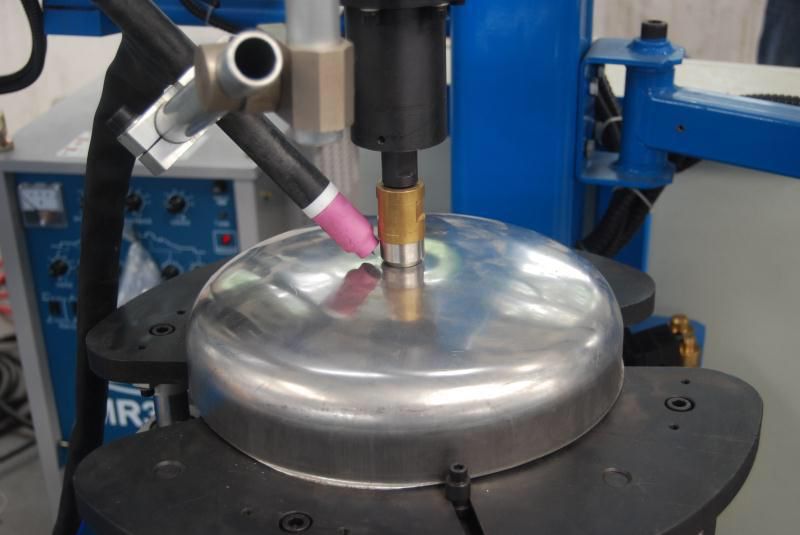
Categories
Machinery

Beading and Trimming Press

Beading and Trimming Press

Beading and Trimming Press: A Trimming Beading Machine is an industrial machine used primarily in the metalworking and fabrication industries, especially in the manufacturing of cylindrical or conical metal components, such as drums, cans, pressure vessels, or HVAC ducting.

Purpose & Function of the Trimming-Beading Machine

  1. Trimming:
    • Removes excess metal from the edges of round or cylindrical workpieces after deep drawing or forming.
    • Ensures a uniform edge or prepares the part for welding or further processing.
  2. Beading:
    • Forms a bead (a rounded protrusion or indentation) on the edge of the metal part.
    • This adds strength and rigidity to the part, helps in sealing (in case of containers), or improves aesthetics and safety (e.g., eliminating sharp edges).

Key Features:

  • Rotary system: Workpieces are usually mounted and rotated while tooling trims or beads the edge.
  • Manual, semi-automatic, or fully automatic operation.
  • Adjustable tooling: To accommodate different diameters, thicknesses, or bead profiles.
  • Material compatibility: Works with steel, stainless steel, aluminum, copper, etc.

Common Applications:

  • Drum manufacturing
  • HVAC duct parts
  • Automotive mufflers or filters
  • Pressure vessels
  • Kitchenware & cookware production

Variants:

  • Vertical or horizontal configurations
  • Integrated into production lines or used as standalone units.
  • Can include CNC controls for high precision and repeatability.

A trimming beading machine is used in metal fabrication to finish and reinforce the edges of cylindrical or conical metal parts such as drums, tanks, HVAC ducting, and pressure vessels. It performs two main operations: trimming and beading. Trimming involves removing any excess material from the edge of a workpiece after it has been formed, ensuring the edge is smooth, uniform, and ready for further processing like welding or sealing. Beading, on the other hand, forms a raised or indented bead along the edge of the metal, which strengthens the part, improves its appearance, and removes sharp edges for safety or sealing purposes.

The machine typically works by rotating the metal part while a set of forming tools or rollers engage with the edge to carry out trimming and beading. It can be operated manually, semi-automatically, or fully automatically depending on the production requirements. These machines are designed to handle various materials including mild steel, stainless steel, aluminum, and copper, and they come in different configurations such as vertical or horizontal types to suit different workshop layouts.

Tooling can be adjusted to accommodate different diameters, metal thicknesses, and bead profiles, making the machine versatile for a wide range of products. In higher-end models, CNC systems are integrated for better precision, speed, and repeatability, especially important in large-scale or high-specification manufacturing. The process not only ensures dimensional accuracy but also adds mechanical strength to the finished product by creating a reinforced edge, which is particularly important in containers that experience internal pressure or need secure sealing.

Trimming beading machines are essential in industries where the final product must meet strict dimensional and aesthetic standards. In applications such as drum manufacturing, the beading process ensures that the rim can support stacking or attachment of lids, while in HVAC ducting, beads improve airflow characteristics and provide locations for fastening or sealing. The machine’s ability to precisely control the depth and shape of the bead also plays a role in meeting regulatory or safety requirements, especially in pressure-rated vessels or food-grade containers.

The operational efficiency of a trimming beading machine greatly impacts production throughput. Modern machines often include quick-change tooling systems, digital position readouts, and automated clamping or centering devices to minimize setup time and improve consistency across batches. In high-volume production environments, these features are crucial in maintaining tight production schedules while reducing material waste and labor costs.

In addition to industrial use, smaller-scale or artisan manufacturers may also use simpler versions of these machines for products like cookware, artisanal metal containers, or decorative items. In such settings, the machine’s flexibility and ease of operation are often prioritized over full automation.

Maintenance of trimming beading machines involves regular inspection of tooling wear, lubrication of moving parts, and ensuring alignment of the rotating components to prevent runout or uneven finishes. High-quality machines are typically constructed with rigid frames and precision bearings to withstand the stresses of continuous operation while maintaining alignment and surface finish quality.

With the increasing integration of Industry 4.0 technologies, some trimming beading machines are also being equipped with sensors and IoT connectivity to enable real-time monitoring, predictive maintenance, and integration into smart manufacturing systems. This allows operators and managers to optimize machine usage, track performance data, and respond quickly to maintenance needs before they result in downtime.

Overall, the trimming beading machine is a versatile and indispensable piece of equipment in any manufacturing environment where round metal parts need to be finished with precision, strength, and consistency.

Integrated Trimming-Flanging-Beading Machine

An Integrated Trimming-Flanging-Beading Machine is a multifunctional piece of metal-forming equipment designed to streamline production by combining three essential operations—trimmingflanging, and beading—into a single, continuous process. This machine is especially useful in industries that manufacture cylindrical or conical components like drums, pressure vessels, tanks, and ducts, where these edge-finishing processes are critical to structural integrity, functionality, and aesthetics.

The process begins with trimming, which removes excess or uneven material from the edges of a spun, drawn, or welded workpiece. This ensures the part has a clean, uniform edge, which is crucial for downstream operations. Following trimming, the machine proceeds to flanging, where the edge is bent or turned outward (or inward) at a defined angle, typically to facilitate joining or to reinforce the structure. Finally, the beading operation forms a rounded protrusion or indentation along the edge, further strengthening the part, preventing deformation, and improving sealing or handling characteristics.

This integrated machine operates in a rotary fashion—holding the workpiece in a spinning chuck while sequential tooling units perform their respective operations. It may be manually operated for small-batch or low-complexity jobs, or fully automated for high-volume production lines. Advanced models often feature servo-controlled axesprogrammable tooling paths, and touchscreen HMIs (Human Machine Interfaces), allowing for precise control over each step of the process and quick changeovers between different part sizes or specifications.

The major advantages of using an integrated trimming-flanging-beading machine include reduced handling time, increased dimensional accuracy, space efficiency, and better overall productivity. Since the workpiece remains clamped and centered throughout the entire sequence, misalignment between operations is minimized, ensuring consistent quality and tight tolerances. Additionally, these machines reduce operator fatigue and training requirements, as multiple operations are handled automatically without manual repositioning of the part.

Industries such as automotiveappliance manufacturingoil and gas, and HVAC benefit greatly from this type of machine, especially when producing components like mufflers, filters, expansion tanks, or ducting collars. By centralizing operations, manufacturers can improve workflow, reduce machinery footprints, and meet increasing demands for speed and quality in competitive production environments.

An integrated trimming-flanging-beading machine represents a highly efficient evolution in metal fabrication, where multiple edge-forming processes are combined into one continuous cycle. Instead of transferring a part between separate machines for each step, the workpiece remains fixed in position while the machine sequentially performs trimming, flanging, and beading. This not only saves time but also enhances precision by eliminating the risk of misalignment that can occur during manual repositioning. The machine typically grips the cylindrical or conical workpiece in a rotating chuck, and tooling heads engage the edge as it spins, each performing its specific function in a pre-programmed sequence.

Trimming ensures the edge is smooth and dimensionally accurate, flanging then forms a bent lip that may serve as a mounting or sealing surface, and beading adds structural strength while improving the part’s functionality and sometimes its visual appeal. Because these steps are closely linked, integrating them into one cycle greatly benefits production speed and consistency. This is particularly important in industries where high volumes of standardized components are required, such as in the manufacture of metal drums, fire extinguishers, gas cylinders, air reservoirs, and HVAC parts.

Modern versions of these machines often include advanced features like servo motors, automated clamping systems, digital control panels, and recipe-based programming that allows operators to switch between product types with minimal downtime. These features enable high repeatability and tight tolerances even across large batches. In a production environment where efficiency and cost control are paramount, having a single operator manage a machine that performs three functions reduces labor costs and simplifies training.

Machine rigidity and build quality play a crucial role in achieving consistent results, especially when working with thicker materials or larger diameters. High-end models are engineered with vibration-dampening frames and heavy-duty bearings to maintain accuracy during continuous operation. Tooling life is also a consideration, with quick-change tool holders and hardened forming rollers helping reduce maintenance time and increase uptime.

In applications requiring strict compliance with safety or performance standards—such as pressure vessels or food-grade containers—the precise edge preparation and repeatable finish provided by an integrated machine can be critical. Moreover, as demand grows for connected and data-driven manufacturing, some integrated machines now feature IoT-enabled diagnostics and process monitoring, giving operators real-time feedback and allowing predictive maintenance to avoid unplanned stoppages.

Overall, the integrated trimming-flanging-beading machine offers a smart, compact, and highly capable solution for any manufacturing process involving round or cylindrical metal components. Its ability to increase output, reduce human error, and ensure uniform product quality makes it an indispensable asset in modern fabrication shops.

In production environments where time, precision, and consistency are critical, the integrated trimming-flanging-beading machine plays a central role in optimizing workflow. Its ability to handle multiple operations in a single clamping not only shortens cycle times but also enhances part integrity, as each process flows seamlessly into the next without interruptions or the need for re-alignment. This uninterrupted sequence ensures that all dimensional references—such as the trimmed edge, the flange angle, and the bead placement—are held to tighter tolerances than what is typically possible using separate machines.

As product designs evolve to meet more demanding specifications—whether it’s to reduce weight, improve sealing, or meet aesthetic expectations—machines like this allow for precise customization of edge geometry. Flange angles, bead radii, and edge profiles can be programmed or adjusted with minimal effort, often through a digital interface. This makes the machine especially useful in facilities that produce a wide range of components in varying sizes, wall thicknesses, and materials. From thin-walled aluminum ducts to heavy-gauge steel drums, the adaptability of the tooling and control systems allows the same machine to be used across different production lines with only minor adjustments.

Another important benefit is the reduction in material waste. Because trimming is performed as the first step with high precision, operators can work with slightly oversized blanks and then achieve perfect final dimensions during the process. Combined with consistent flanging and beading, this improves nesting and stacking of finished parts, as well as compatibility with lids, clamps, or mating components—especially in modular or interchangeable systems.

In terms of ergonomics and operator safety, integrated machines are often designed with protective enclosures, interlocks, and simplified control schemes. This not only prevents accidents but also makes the machine easier to operate, even for less-experienced workers. The automation of repetitive tasks reduces fatigue and minimizes the chances of human error, allowing operators to focus more on quality control and less on manual handling.

For manufacturers aiming to scale production without a corresponding increase in floor space, an integrated solution also addresses spatial efficiency. Replacing three standalone machines with a single integrated unit saves valuable factory real estate, simplifies material flow, and reduces energy consumption, especially when all processes are powered from a shared drive system or central control panel.

As the manufacturing sector increasingly leans toward lean production, energy efficiency, and smart manufacturing, integrated machines offer the technological edge to stay competitive. Whether it’s through networked controls, feedback loops that adjust forming pressure in real time, or cloud-based analytics that track cycle performance and machine health, these machines are positioned not only as workhorses but as intelligent nodes in the digital factory of the future.

Ultimately, the integrated trimming-flanging-beading machine exemplifies the evolution of metal-forming equipment—merging mechanical precision with digital intelligence to meet the growing demands of modern industry. It represents a shift from isolated, manual processes to streamlined, automated, and data-informed production systems capable of delivering high-quality results at scale.

In the broader context of industrial automation, the integrated trimming-flanging-beading machine also contributes to reducing production variability. In traditional setups where each process—trimming, flanging, and beading—is handled by a different operator or separate station, even small discrepancies in setup or handling can accumulate, resulting in parts that deviate from the design specification. By consolidating these operations into one controlled cycle, the machine minimizes those variables, ensuring uniformity across hundreds or thousands of components.

This level of control is especially beneficial in quality-sensitive applications such as in the food and beverage industry, where stainless steel containers must have smooth, sealed edges to comply with hygiene standards. Similarly, in the automotive and aerospace sectors, where every millimeter counts in terms of fit and performance, the machine’s ability to repeatedly form precise beads and flanges ensures the part will function reliably under pressure, vibration, or thermal stress.

One often overlooked advantage of this machine is its impact on inventory management and production scheduling. With fewer machines involved in the process, fewer parts are waiting in queues between operations, which means reduced work-in-progress (WIP) inventory. This leads to faster turnaround times and better flexibility in responding to urgent orders or design changes. For just-in-time (JIT) manufacturing systems, where excess inventory is seen as a cost burden, integrated machines align perfectly with lean production principles.

Maintenance-wise, the centralized nature of this machine simplifies upkeep. Instead of maintaining three separate machines with their own motors, lubrication systems, and wear components, technicians can focus on a single system. Scheduled maintenance becomes more predictable, and downtime is easier to manage, especially when the machine is equipped with diagnostic software or sensor feedback loops that alert operators to component wear or alignment issues before they escalate into breakdowns.

In terms of machine learning and adaptive manufacturing, future-ready versions of these machines can incorporate real-time monitoring systems that analyze force feedback, torque variations, or temperature fluctuations during forming. These systems can automatically adjust forming parameters on the fly, compensating for material inconsistencies or tooling wear without stopping the machine. Over time, the machine can build a data profile of each batch, helping engineers optimize not just the product but the process itself.

From a return-on-investment perspective, the initial capital cost of an integrated machine is often offset quickly by the cumulative savings in labor, floor space, tooling, and maintenance. The streamlined workflow also enhances traceability and documentation, which are critical in industries requiring audit trails, such as medical device manufacturing or pressure vessel certification. Many models are now built with connectivity in mind, allowing remote diagnostics, software updates, and even performance optimization from the manufacturer’s side, further enhancing uptime and long-term value.

At the end of the day, the integrated trimming-flanging-beading machine isn’t just a tool for shaping metal—it’s a platform for production efficiency, quality control, and process innovation. Whether for a high-volume production line or a precision-driven specialty workshop, this kind of machinery embodies the direction modern fabrication is heading: fewer steps, smarter control, tighter tolerances, and greater adaptability.

High-Speed Trimming and Beading Line

Integrated Trimming-Flanging-Beading Machine

High-Speed Trimming and Beading Line is a fully automated, continuous production system designed for rapid, precise processing of cylindrical or conical metal components—typically used in industries like packaging, automotive, HVAC, and container manufacturing. Unlike standalone or semi-automated machines, this line is engineered to operate at high throughput rates, often handling hundreds of parts per hour with minimal operator intervention.

In a typical configuration, components—such as can bodies, drum shells, or duct segments—enter the line via a conveyor or feeding system. They are automatically centered, clamped, and rotated while high-speed tooling units carry out trimming to remove any excess or uneven edge material, followed immediately by beading, where a reinforcing groove or profile is formed around the edge. These operations are completed in quick succession, synchronized by servo drives and PLC-based control systems to ensure perfect timing and minimal idle movement.

The key advantage of a high-speed line is not just speed, but consistency. Every part undergoes the same programmed cycle, eliminating the variability that can occur with manual or semi-automatic systems. The line typically includes automatic part detection, positioning sensors, and quality control features like laser measurement or vision systems to verify dimensions and detect defects in real-time. Faulty parts can be automatically rejected without stopping the line.

These systems are built for non-stop industrial environments, often running 24/7 with features like automatic lubrication, centralized dust or chip extraction, and quick-change tooling systems to minimize downtime during product changeovers. Material compatibility ranges from thin-gauge aluminum and tinplate to thicker steel and stainless steel, depending on the product and forming requirements.

For applications like food and chemical drums, paint cans, filter housings, or HVAC tubes, where edge quality, dimensional accuracy, and structural strength are essential, the high-speed trimming and beading line ensures products meet those demands at scale. Some setups also integrate with upstream and downstream processes, such as welding, leak testing, or flanging stations, creating a seamless manufacturing flow from raw shell to finished, edge-formed product.

With digital control systems and industry 4.0 integration, operators can monitor production metrics, schedule maintenance, and even perform remote diagnostics. All of this contributes to higher yield, lower scrap rates, and a faster return on investment, making these lines a cornerstone of modern high-volume metalworking facilities.

In a high-speed trimming and beading line, every component of the system is designed for efficiency, precision, and endurance. From the moment a shell or part enters the line, it is automatically aligned, clamped, and engaged with the tooling in one fluid motion. The trimming station, typically equipped with hardened rotary blades or shearing tools, removes any excess material from the edges with clean, burr-free cuts. The operation is synchronized so that the transition to the beading station is immediate and seamless, without the need for stopping or manual repositioning. The beading station then forms one or more reinforcing grooves, depending on the product requirements, using hardened rollers that are precisely positioned and pressure-controlled for consistent depth and profile.

Because the entire process is automated and continuous, the line can run at extremely high speeds—sometimes processing up to 60 to 120 parts per minute, depending on part size and complexity. This makes it ideal for mass production environments where downtime and inconsistency can be costly. Tooling setups are optimized for rapid changeovers, allowing manufacturers to switch between different product sizes or styles with minimal interruption. In more advanced systems, recipe-based controls store multiple configurations, so operators can switch batches with just a few inputs on a touchscreen interface.

The mechanical design of the line emphasizes both speed and stability. The rotating spindles, feeding mechanisms, and forming rollers are often driven by servo motors that allow for real-time adjustments in torque and speed, reducing stress on the components and ensuring a smooth forming cycle. The frame is built to absorb vibration and maintain tight tolerances over extended periods of operation, even under heavy workloads. Automated part ejection systems remove finished parts swiftly, often transferring them directly to a conveyor, stacker, or the next stage of assembly or inspection.

Integrated quality control is another hallmark of these systems. Vision cameras or laser scanners monitor each part as it passes through, checking for proper edge formation, bead depth, or surface defects. If an anomaly is detected, the system flags the part for removal without halting the entire line. This kind of in-line inspection ensures that only fully compliant parts move forward, reducing the risk of defective products reaching final assembly or packaging.

Energy efficiency and maintenance have also been addressed in modern high-speed lines. Regenerative drives recycle energy during deceleration, and lubrication systems are automated to keep moving parts in top condition without constant manual intervention. Some machines are equipped with predictive maintenance algorithms that alert operators to wear patterns or performance deviations, allowing them to schedule service before a failure occurs.

Manufacturers who invest in high-speed trimming and beading lines typically do so to support high-volume production while maintaining consistent quality and traceability. These lines are often found in facilities that operate around the clock, where every second of uptime translates directly to increased output and profitability. As production demands evolve and product designs become more complex, these systems can be upgraded or customized with additional forming heads, integrated flanging, embossing, or even marking systems, making them highly adaptable and future-proof.

The high-speed trimming and beading line represents the convergence of mechanical engineering, automation, and smart manufacturing. It transforms what were once labor-intensive, multi-step processes into a streamlined, high-output production system capable of meeting the tightest tolerances and fastest delivery schedules in the industry.

The reliability and repeatability of a high-speed trimming and beading line make it a core investment for companies focused on large-scale production where both throughput and precision are non-negotiable. These lines are built not just to run fast, but to run smart—capable of maintaining consistent quality over thousands of cycles without compromising dimensional tolerances or edge finish. This level of precision is especially critical when dealing with downstream automated assembly systems, where even minor variations in part geometry can cause jams, misfits, or alignment issues. By producing perfectly trimmed and beaded edges every time, the line ensures smooth integration into subsequent processes such as welding, sealing, painting, or packaging.

In facilities where product traceability is essential—such as in the food, chemical, or pharmaceutical sectors—these lines can be equipped with part serialization modules, barcode printers, or even direct part marking systems that log production details like date, batch number, and machine settings in real time. This data can be pushed to central production monitoring software, helping manufacturers maintain full traceability and comply with industry standards or customer audits.

Another major benefit lies in the operator experience. High-speed trimming and beading lines are designed for intuitive operation, often featuring centralized control panels with real-time diagnostics, maintenance reminders, and production analytics. Operators can view cycle counts, part output rates, alarm histories, and even get suggestions for optimal tool change intervals or cleaning schedules. This drastically reduces the learning curve and empowers production teams to run the equipment with confidence and minimal supervision.

Tool wear and part fatigue are inevitable in any high-speed operation, but the best systems address this with precision-engineered tooling made from high-durability alloys or carbide materials. Tooling stations are usually modular, allowing quick swaps for regrinding or replacement. Some lines are even equipped with automatic compensation systems that adjust tool positioning based on feedback from inline sensors, ensuring that even as tools wear, the product quality remains stable until the next scheduled change.

As environmental and sustainability standards grow more stringent, many manufacturers are turning to trimming and beading lines that optimize not just performance, but also energy usage and waste reduction. Scrap management systems, such as integrated chip collectors or magnetic conveyors, remove trimmings cleanly and efficiently, often recycling the waste directly into the production ecosystem. Reduced noise levels, enclosed tooling areas, and dust extraction also contribute to cleaner, safer working environments, helping companies meet occupational health and environmental safety targets.

Ultimately, the high-speed trimming and beading line is not just about maximizing output—it’s about achieving reliable, repeatable excellence at scale. Whether used in the production of paint cans, fire extinguishers, air ducts, or specialty industrial containers, these systems deliver a level of process control that manual or segmented setups simply can’t match. They enable manufacturers to stay competitive in an increasingly fast-paced market, providing the capacity to meet tight deadlines, accommodate custom orders, and maintain consistent product quality without compromise. With continued advancements in automation, software integration, and material science, these lines will only grow smarter, faster, and more essential to next-generation manufacturing.

Double Head Beading Machine

Detailed Description of the Trimming Process

Double Head Beading Machine is a specialized piece of equipment used in metal forming to create beads or reinforcing ridges along the edges of cylindrical or conical parts, such as drums, tanks, or HVAC ducts. Unlike single-head beading machines, which work on one edge at a time, the double head version is designed to form beads on both edges of a part simultaneously, significantly improving production efficiency, particularly in high-volume manufacturing environments.

The machine typically consists of two beading heads, each equipped with rollers that press into the edge of the rotating workpiece to form a raised or indented bead. The workpiece, often a metal cylinder or sheet, is fed into the machine, where it is clamped and rotated. As it rotates, the beading heads engage the edges, applying pressure and shaping the metal to the desired bead profile. By operating two heads at once, the machine doubles the output rate compared to a single-head system, making it ideal for operations that require high-speed processing and consistent quality across large batches.

Double head beading machines are used extensively in industries like automotive manufacturingpressure vessel productionHVAC, and metal container fabrication. For example, in the production of cylindrical tanks or drums, the beading process strengthens the edges, improving both structural integrity and ease of sealing. The bead also prevents the edges from deforming during handling or transport, ensuring that the parts maintain their shape and functionality under pressure.

The design of the double head machine often includes features like adjustable tooling, which allows for different bead sizes and shapes to be created depending on the part specifications. The tooling can be swapped or adjusted to accommodate varying metal thicknesses and diameters, making the machine highly versatile for different applications. Some models also feature servo-driven controls or CNC capabilities, enabling more precise control over the depth, shape, and placement of the beads, and allowing for easy programming for different production runs.

In addition to high-speed production, the double head beading machine offers improved precision and consistency in bead formation. Because both heads operate simultaneously, there is less risk of misalignment or variation between the edges, ensuring that both beads are identical and meet strict quality standards. This is particularly important when the beads need to align with other parts or fit securely into mounting brackets, lids, or seals.

The automation in modern double head beading machines also means that operators can monitor the entire production process through digital interfaces, reducing the risk of human error. Real-time feedback and diagnostics help operators ensure that the machine is functioning at optimal efficiency, and quick changeover features allow for faster transition between different part designs or sizes. Many advanced machines come with automatic part handling systems, further reducing the need for manual intervention and increasing overall throughput.

Double head beading machines are also equipped with safety features, such as enclosed work areasinterlock systems, and emergency stop buttons, ensuring that the operator can work safely during the high-speed operation. Additionally, dust collection and chip removal systems are often incorporated to maintain a clean workspace, improving both machine longevity and the operator’s working environment.

In summary, the double head beading machine offers a powerful solution for manufacturers looking to boost their production efficiency while maintaining high levels of precision and consistency. By simultaneously creating beads on both edges of the workpiece, it helps to reduce cycle times and increase output, making it a valuable asset in industries that require large-scale, high-quality metal forming.

A Double Head Beading Machine is a specialized tool used in metalworking to form reinforcing beads along the edges of cylindrical or conical metal parts. By utilizing two beading heads, this machine is capable of processing both edges of a workpiece simultaneously, significantly enhancing production speed and efficiency. The machine operates by feeding the part, which is typically a drum, tank, or duct component, into the system where it is clamped and rotated. As the workpiece rotates, each beading head engages one edge at a time, using rollers to apply pressure and shape the metal into a defined bead. This design essentially doubles the output rate compared to a single-head machine, making it particularly valuable in high-volume manufacturing environments where speed and consistency are paramount.

The primary function of the beads formed on these edges is to provide additional strength and structural integrity. In applications such as tank or drum production, the beads reinforce the edges, preventing deformation during handling and improving the sealing ability of the components. They also serve aesthetic purposes in some cases, giving the finished product a clean and uniform appearance. Beyond strengthening, beading also helps in parts fitting into other components, such as when parts need to align with mounting brackets, lids, or seals. The machine’s versatility allows it to work on a wide range of materials and part sizes, and it can be adjusted for varying metal thicknesses and diameters. With adjustable tooling and advanced control systems like servo motors or CNC interfaces, manufacturers can easily alter the bead size, shape, and depth to meet specific production requirements.

By simultaneously processing both edges, the double head design ensures high-quality consistency across large batches, reducing the chance of misalignment between the two beads and ensuring that they meet tight quality standards. This is essential for applications where precise, uniform bead formation is necessary for part compatibility and performance. The machine’s automation features allow for efficient operation, with many modern models incorporating digital interfaces for easy monitoring and adjustment of settings. This reduces the need for operator intervention and minimizes the risk of human error, thus increasing overall productivity.

Double Head Beading Machines are commonly used in industries such as automotive manufacturing, pressure vessel production, HVAC, and metal container fabrication. Their ability to handle high-speed production while maintaining precision makes them indispensable in these sectors. They not only improve production throughput but also reduce material waste by ensuring clean, uniform bead formation with minimal scrap. The machine is designed with safety in mind, incorporating protective enclosures and emergency stop mechanisms to ensure a safe working environment for operators. Additionally, dust collection and chip removal systems are built into the design to maintain cleanliness and prevent buildup that could affect machine performance or the operator’s health.

In conclusion, the Double Head Beading Machine is a powerful tool for manufacturers looking to increase their production capacity and maintain high standards of quality. By automating and streamlining the beading process, it reduces cycle times, improves output, and ensures consistent results, making it an invaluable asset in metalworking and manufacturing industries that require high-volume, precision metal forming.

The Double Head Beading Machine’s capacity for high-speed, simultaneous beading makes it a highly efficient solution for companies looking to scale production without sacrificing quality. Its dual-head design is particularly advantageous in industries where tight production deadlines and high-volume demands are standard. By processing two edges at once, the machine maximizes throughput and minimizes the time spent per part. This is a critical factor in industries where profitability is closely tied to the ability to produce large quantities of products quickly and efficiently, such as in the manufacturing of metal drums, pressure vessels, air ducts, and industrial tanks.

Furthermore, the use of advanced automation systems in modern double head beading machines not only improves production efficiency but also enhances control over the manufacturing process. These systems can be programmed to adjust the depth, shape, and position of the beads automatically, which ensures consistent results even with different part sizes or material types. Automated sensors and feedback loops monitor key parameters, such as pressure and speed, to ensure optimal performance during each cycle. This level of control minimizes the risk of defects, reduces waste, and maximizes the lifespan of tooling.

Another significant benefit is the reduced downtime associated with maintenance and tool changes. The modular design of these machines allows operators to quickly swap or adjust tools, ensuring that the line can continue operating with minimal interruption. With the use of predictive maintenance technologies, operators can be alerted to potential issues before they lead to machine failure, helping to avoid costly and time-consuming repairs.

For manufacturers focused on lean production, the high efficiency and reduced waste generated by the Double Head Beading Machine align well with modern manufacturing practices. The machine’s design helps to minimize the amount of scrap produced during the beading process, ensuring that more of the raw material is utilized effectively. This not only reduces costs but also contributes to more sustainable production practices, which are increasingly important in today’s environmentally conscious market.

Additionally, as industries push for greater product customization and variation, the flexibility of double head beading machines allows manufacturers to easily switch between different bead profiles and sizes. This versatility is critical for producing a wide range of products while maintaining high standards of quality and efficiency. Whether it’s creating a deep bead for structural reinforcement or a shallow bead for aesthetic purposes, the machine can be adjusted to accommodate these varying needs with ease.

As manufacturers continue to adopt Industry 4.0 principles, newer models of Double Head Beading Machines often come equipped with IoT (Internet of Things) capabilities, allowing for remote monitoring and data collection. This connectivity provides operators and managers with real-time insights into machine performance, which can be used to optimize production schedules, track productivity, and analyze trends in part quality. This level of data integration supports informed decision-making and helps manufacturers stay competitive in an increasingly data-driven industrial landscape.

Overall, the Double Head Beading Machine is a powerful tool that addresses the need for high-speed production, precision, and flexibility. By simultaneously processing two edges, it improves throughput, reduces cycle time, and maintains consistent product quality. Its integration with modern automation systems and predictive maintenance technology further enhances its value, making it an essential piece of equipment for manufacturers looking to streamline operations, reduce waste, and meet the demands of high-volume production while maintaining the flexibility to adapt to custom orders.

The continued evolution of the Double Head Beading Machine also includes innovations in user interface and integration with other parts of the production line. With the advent of more intuitive control systems, operators now have access to touchscreen interfaces, which allow them to easily input parameters such as bead size, material thickness, and speed. These systems also provide visual feedback, such as real-time machine status, cycle completion, and alerts for any malfunctions. The ability to control and monitor the beading process with greater precision and ease enhances operator efficiency and reduces the chances of human error.

For manufacturers with a diverse range of products or frequent design changes, the flexibility of the Double Head Beading Machine is a major asset. With programmable settings and quick-change tooling options, it is possible to seamlessly switch between different beading patterns, sizes, and materials. This adaptability ensures that the machine can handle variations in product design without the need for major adjustments or downtime, enabling manufacturers to meet a wide range of customer requirements and respond quickly to changing market demands.

One of the key factors that drive the adoption of Double Head Beading Machines in modern manufacturing is the emphasis on quality control. The precision with which beads are formed is critical, especially when components need to meet stringent specifications or must fit seamlessly into other parts. The dual-head configuration allows manufacturers to maintain uniform bead formation across large batches, ensuring that every part meets the same high standards for strength, appearance, and functionality. This consistency is essential in industries where even minor variations can affect the integrity of the final product.

The integration of robotic arms or automated part handling systems with Double Head Beading Machines is another emerging trend. These systems work in tandem with the beading process, removing finished parts from the machine and transferring them to the next stage of production, such as assembly or inspection. This automation reduces manual labor and accelerates the flow of materials, increasing overall throughput while reducing the risk of human error and handling damage.

With the push for sustainability in modern manufacturing, Double Head Beading Machines also contribute to more eco-friendly production. By reducing waste and scrap material, manufacturers can minimize their environmental impact. Additionally, many of these machines are built with energy-efficient components that reduce the power consumption during operation. The ability to recycle waste material, such as metal trimmings, further helps manufacturers contribute to sustainable practices while reducing costs.

The maintenance aspect of Double Head Beading Machines has also been significantly enhanced in recent years. In addition to automatic lubrication systems that ensure optimal tool performance and reduce wear, many models now come with condition monitoring systems. These systems track the performance of critical components, such as motors, rollers, and sensors, and can predict when maintenance is needed. This predictive approach helps to reduce unexpected downtime and extend the overall life of the machine, improving the return on investment.

As production facilities continue to adopt smart manufacturing techniques, the integration of data analytics into Double Head Beading Machines allows for the optimization of the beading process. Data collected during production, such as bead depth, machine speed, and part size, can be analyzed to identify patterns and inefficiencies. This information can be used to adjust the process parameters in real-time, ensuring that each part is produced to the highest standards while reducing waste and improving cycle times.

In the long term, the flexibility, efficiency, and precision of Double Head Beading Machines will continue to make them a valuable investment for manufacturers looking to stay competitive. As industry standards evolve and product designs become more complex, these machines will adapt to meet the needs of modern manufacturing, offering faster cycle times, higher-quality products, and greater flexibility to accommodate a diverse range of customer specifications. With the ongoing advancements in automation, digital control systems, and data analytics, the future of Double Head Beading Machines is poised to bring even greater improvements in productivity, quality, and cost-effectiveness.

Multi-Operation Trimming Beading System

Hydraulic Beading Machine

Multi-Operation Trimming Beading System is an advanced machine used in metalworking that integrates several distinct processes—trimming, beading, and often other secondary operations—into one unified system. This type of system is designed for high-volume production environments, where precision, speed, and versatility are paramount. The integration of multiple operations into a single machine streamlines production and reduces the need for separate machines, resulting in lower overall operating costs and increased efficiency.

The key features of a Multi-Operation Trimming Beading System include its ability to simultaneously trim the edges of a metal part to remove excess material while forming beads along the edges to strengthen, reinforce, or create specific geometries. This dual function eliminates the need for separate trimming and beading stations, improving throughput and reducing material handling time.

In the trimming process, the machine uses high-speed rotary cutters, shears, or blades to cleanly remove the excess material from the workpiece, ensuring a smooth, burr-free edge. Following trimming, the beading operation is carried out, typically using rollers or dies that apply pressure to form a raised bead or ridge along the edge of the part. This bead may serve multiple purposes, such as improving the structural integrity of the part, facilitating better sealing during assembly, or enhancing the product’s aesthetic appearance.

One of the most significant advantages of a Multi-Operation Trimming Beading System is its flexibility. These systems are capable of processing a wide range of materials, including thin-gauge metals like aluminum and steel, as well as thicker materials for more demanding applications. They can also handle varying part sizes, with adjustments made via the machine’s control system. Automated adjustments for different part sizes and bead profiles allow for quick changeovers between different production runs, ensuring minimal downtime and maximizing machine utilization.

Advanced versions of these systems are often equipped with servo-driven motors and programmable logic controllers (PLCs), enabling precise control over the trimming and beading operations. This precise control allows manufacturers to achieve tight tolerances, consistent bead depths, and high-quality finishes, which are critical in industries such as aerospace, automotive, HVAC, and container manufacturing. Some systems also feature CNC capabilities, allowing for automated, computer-controlled operations that can be programmed to handle complex part geometries or custom specifications.

Another benefit of these systems is their integration with downstream processes. Many multi-operation systems are designed to work seamlessly with other equipment, such as welding stations, flanging machines, or part handling systems. This integration enables a continuous flow of parts through the production line, minimizing the need for manual intervention and enhancing overall productivity. For example, once a part is trimmed and beaded, it can be automatically ejected and transferred to the next station for further processing, packaging, or inspection.

The addition of quality control features is another hallmark of a Multi-Operation Trimming Beading System. Many systems are equipped with sensors, vision cameras, or laser scanning technology to inspect the parts as they are processed. These systems can detect defects such as incorrect bead depth, uneven trimming, or dimensional inconsistencies. If any issues are detected, the system can either correct them automatically or reject faulty parts before they move further down the production line, ensuring that only high-quality components are produced.

Maintenance is simplified in multi-operation systems, as these machines typically include self-lubricating systemscondition monitoring, and predictive maintenance capabilities. Sensors monitor the condition of critical components, such as rollers, motors, and blades, and alert operators when maintenance is required, reducing unplanned downtime and prolonging the life of the equipment.

The efficiency of a Multi-Operation Trimming Beading System also extends to material handling. Parts are typically fed into the system by automated feeders or conveyors, which align and position the workpieces for processing. Once the parts are finished, they are automatically ejected and transferred to the next station, minimizing manual labor and reducing handling time. This high degree of automation not only increases throughput but also helps reduce the risk of defects caused by human error during part handling.

In summary, a Multi-Operation Trimming Beading System offers a streamlined, highly efficient solution for manufacturers looking to combine trimming and beading operations in a single system. Its ability to process various materials and part sizes, while ensuring high precision and consistent quality, makes it ideal for high-volume production environments. The integration of advanced controls, automation, and quality inspection systems further enhances its capabilities, allowing manufacturers to meet the demands of modern industrial production with reduced costs, faster cycle times, and greater product consistency.

The versatility and efficiency of a Multi-Operation Trimming Beading System can significantly impact a manufacturer’s ability to meet customer demands for both quality and turnaround time. With industries requiring increasingly precise and intricate components, these systems allow for customization without sacrificing speed or operational efficiency. Manufacturers can adjust the system to handle a variety of part sizes, bead profiles, and material types, ensuring that each batch meets strict specifications. This adaptability is particularly valuable in sectors such as automotiveconstructionelectronics, and consumer goods, where custom parts with unique geometries or functional requirements are frequently needed.

Additionally, as lean manufacturing continues to be a driving force in modern production, the multi-operation system aligns perfectly with these principles. By combining multiple processes in a single machine, manufacturers can reduce the need for additional equipment and labor, minimizing resource waste and operational costs. The ability to quickly switch between different part designs, combined with the automated handling of raw materials and finished products, ensures that production runs are more efficient and less prone to bottlenecks. This helps improve the overall efficiency of the manufacturing process and enhances output capacity.

Another important advantage of these systems is the reduced risk of human error. Automation plays a key role in ensuring consistent results across large production volumes. With manual intervention minimized, especially in high-speed production, the chances of mistakes due to improper setup, part misalignment, or inconsistent material handling are greatly reduced. Automated systems can also adjust processing parameters in real-time based on feedback, further enhancing product consistency.

From an operational standpoint, energy efficiency is increasingly a focus in industrial production. Many Multi-Operation Trimming Beading Systems are built with energy-saving technologies. These systems optimize energy usage by utilizing variable-speed drives, intelligent power management, and energy-efficient motors. Reducing energy consumption not only lowers operational costs but also supports sustainability initiatives by reducing the carbon footprint of production.

Moreover, data-driven insights are becoming a key part of modern manufacturing, and the multi-operation systems are increasingly equipped with advanced data-collection and analytics capabilities. Sensors embedded in the system capture critical operational data, including machine speed, processing time, tool wear, material throughput, and part quality. This data can be monitored in real-time through integrated systems, allowing production managers to make informed decisions and adjustments to optimize efficiency. Machine performance can also be tracked over time to predict when maintenance is due, reducing unplanned downtime and further increasing the overall productivity of the manufacturing line.

Another growing trend in multi-operation trimming beading systems is integration with Industry 4.0 technologies. This includes the ability to connect the system to cloud-based platforms or the company’s ERP (Enterprise Resource Planning) system, allowing for seamless data exchange across the entire production network. By connecting the trimming and beading process with other stages in the manufacturing workflow, manufacturers can gain end-to-end visibility into their operations, further improving decision-making, resource allocation, and production scheduling.

For companies that prioritize product traceability and compliance, multi-operation systems often come with built-in features such as barcode readersQR code scanners, and automatic part marking systems. These allow each part to be traced throughout its production journey, ensuring that it meets regulatory or quality standards. This is especially important in industries with stringent quality control requirements, such as aerospace or food-grade container production.

The use of these systems in flexible manufacturing environments also provides manufacturers with the capability to manage custom orders with ease. In today’s competitive landscape, companies are frequently tasked with producing smaller batch sizes or custom products to meet specific customer needs. The multi-operation trimming and beading system’s programmable control systems can quickly switch between different part configurations and produce complex parts with a high degree of accuracy, making it ideal for fulfilling customized orders efficiently.

As environmental concerns continue to shape the manufacturing industry, waste reduction is a major focus for many manufacturers. The multi-operation system can be designed to optimize material usage during the trimming phase, reducing scrap rates. Additionally, features like recycling systems or automatic scrap separation allow manufacturers to recycle the waste material from the process and reuse it in future production, further contributing to sustainability.

Lastly, the cost-effectiveness of these systems makes them a wise investment for manufacturers. While the initial cost of purchasing and setting up a multi-operation trimming beading system may be higher compared to simpler, standalone machines, the long-term savings in labor, operational efficiency, energy consumption, and material waste typically make up for this investment. The increased outputimproved product quality, and reduced need for maintenance also contribute to a quicker return on investment (ROI).

In conclusion, a Multi-Operation Trimming Beading System is an essential asset for manufacturers looking to streamline operations, improve product quality, and increase production efficiency. The combination of trimming, beading, and often additional processes within a single system allows for higher throughput, less downtime, and more flexibility in production. The ability to easily adapt to different part specifications and materials, while maintaining precision and reducing human error, makes these systems a cornerstone of modern manufacturing. Whether optimizing production flow, increasing sustainability, or meeting custom orders, these machines provide manufacturers with the tools they need to stay competitive in an ever-evolving industry.

As manufacturing continues to evolve in the face of new technologies and market demands, the role of Multi-Operation Trimming Beading Systems becomes even more critical in maintaining a competitive edge. Beyond the operational benefits of efficiency and precision, these systems are also central to supporting advanced manufacturing techniques such as just-in-time (JIT) production and mass customization.

For manufacturers working within JIT frameworks, the speed and flexibility of multi-operation systems are especially valuable. These systems can quickly adapt to different production volumes and part variations, making it easier for companies to maintain a lean inventory and reduce waste. The ability to rapidly produce small batches of customized parts without sacrificing quality or efficiency allows manufacturers to meet customer demands on tight timelines, all while keeping costs low. This becomes especially important when parts need to be delivered quickly to avoid production delays in industries such as automotiveaerospace, and consumer electronics.

The increasing trend of mass customization — where consumers or clients demand tailored products in high volumes — also benefits from the capabilities of multi-operation systems. These systems offer the flexibility to create custom parts with varying specifications, sizes, and features while maintaining high-speed production and minimal downtime. Customization can be accommodated without the need for entirely new setups, making it easier to deliver individualized components within larger production runs. This level of adaptability makes multi-operation trimming beading systems essential for companies that cater to specific client needs, offering both personalized solutions and the ability to scale production without delays.

Another critical aspect is the impact of advanced materials and new production techniques. As manufacturing continues to explore lighter, stronger, and more sustainable materials, multi-operation systems must evolve to accommodate these changes. Whether it’s lightweight alloys, composites, or advanced coatings, these systems can be adapted to handle a variety of materials with differing properties. With their ability to adjust parameters like speed, pressure, and tooling configurations, manufacturers can maintain quality standards when working with these new materials. For example, when using materials that are more susceptible to deformation or require delicate handling, the machine’s advanced control systems ensure that the right amount of force is applied to achieve precise beading and trimming without damaging the workpiece.

The evolution of additive manufacturing (3D printing) and hybrid manufacturing — which combines both additive and subtractive processes — is also influencing the capabilities of multi-operation systems. These systems can now work alongside or in conjunction with additive processes, allowing for greater flexibility in producing complex parts. Hybrid systems that integrate additive manufacturing processes, such as laser sintering or metal 3D printing, with trimming and beading processes, can offer more intricate and lightweight designs that were previously impossible or too costly to produce. By integrating these technologies, manufacturers can push the boundaries of part complexity while maintaining the cost-efficiency and speed of traditional manufacturing.

Automation and robotic systems continue to play a major role in expanding the functionality of multi-operation trimming beading systems. Integrating robotic arms into the system allows for more precise manipulation of parts, reducing the risk of deformation during handling and improving accuracy in both trimming and beading processes. Robots can also be used to load and unload parts automatically, reducing labor requirements and enhancing the overall throughput of the system. Furthermore, vision systems or AI-powered analytics can continuously inspect parts during processing to identify any inconsistencies in bead depth, trim alignment, or other features. If any flaws are detected, the system can make real-time adjustments or alert the operator, ensuring that only parts that meet strict quality standards continue through the production line.

The integration of digital twins and augmented reality (AR) technologies into multi-operation systems is also on the rise. A digital twin is a virtual replica of the physical system that allows manufacturers to simulate different production scenarios, predict potential issues, and optimize workflows before they even occur in the real world. This predictive capability can help manufacturers refine their processes, reduce downtime, and improve quality assurance. Similarly, augmented reality can assist operators by overlaying critical process information directly onto the workspace through AR glasses or screens, helping them with setup, adjustments, and troubleshooting in real-time. This cutting-edge technology ensures that operators have all the necessary information to make quick decisions and perform tasks efficiently.

Another area of continuous improvement in multi-operation systems is predictive quality control. Traditionally, quality control has been done at the end of the production line or after the part is finished. With the integration of real-time data collection and analytics, however, quality control can now occur throughout the entire production process. Sensors and machine learning algorithms can detect subtle variations in material properties, processing conditions, and machine performance, allowing for immediate corrective actions. This ensures that quality is maintained consistently from the start to the end of the manufacturing cycle, improving the overall quality of the finished product and reducing the risk of defects or rework.

As manufacturers face increasing pressure to operate more sustainably, energy consumption and resource optimization are becoming more important considerations for multi-operation systems. Energy-efficient design, low-waste manufacturing practices, and environmentally friendly processes are becoming standard features in newer models. For example, servo motors and variable-speed drives optimize power usage by adjusting energy consumption based on machine load and operational requirements, reducing energy waste during idle or low-load periods. Additionally, as scrap material is minimized through more accurate trimming and beading processes, manufacturers can improve their environmental footprint by using fewer raw materials and generating less waste. Some systems even include integrated systems for collecting and recycling scrap materials, further supporting sustainability goals.

Finally, as global supply chains and manufacturing networks become more interconnected, the ability to monitor and control multi-operation systems remotely is becoming an essential feature. With cloud-based platforms and Internet of Things (IoT) connectivity, manufacturers can access real-time data, troubleshoot issues, and make adjustments to the production line from anywhere in the world. This remote monitoring capability allows companies to optimize operations across multiple facilities, ensuring that machines are running at their peak performance no matter where they are located. It also enables more efficient collaboration between teams and suppliers, reducing lead times and improving communication throughout the supply chain.

In conclusion, the evolution of Multi-Operation Trimming Beading Systems reflects the continuous push toward greater flexibilityspeedprecision, and automation in manufacturing. By integrating the latest technologies — from AI-driven quality control to cloud-based remote monitoring — these systems provide manufacturers with a powerful tool for producing high-quality parts quickly and efficiently, all while reducing waste and enhancing sustainability. As the industry embraces new materials, manufacturing techniques, and production methods, multi-operation systems will remain at the forefront of ensuring that manufacturers can meet the growing demands for customization, speed, and precision in an increasingly competitive market.

Automatic Beading Machine

Multi-Operation Trimming Beading System

An Automatic Beading Machine is a specialized piece of equipment used in metalworking and manufacturing processes to form consistent, precise beads or ridges along the edges of metal sheets or parts. Beading is a critical process in industries where strength, reinforcement, and aesthetic appeal are required. This machine is designed to perform the beading operation automatically, making it an ideal choice for high-volume production environments where speed, precision, and consistency are essential.

Key Features and Benefits

  1. Automated Operation: The primary advantage of an automatic beading machine is its ability to operate with minimal manual intervention. Once the parameters are set (such as bead size, material type, and part configuration), the machine will perform the beading process continuously without the need for operator involvement during each cycle. This automation leads to significant improvements in production speed and reduces the likelihood of human error.
  2. Precision and Consistency: Automatic beading machines use advanced control systems, often powered by PLC (Programmable Logic Controllers) or CNC (Computer Numerical Control), to maintain highly accurate bead depth and alignment. This ensures that each part produced has consistent beads, even when manufacturing large quantities. Whether producing parts for the automotiveaerospace, or HVAC industries, the machine’s precision is critical to maintaining product integrity and quality standards.
  3. Versatility: Modern automatic beading machines can handle a wide variety of materials, including metals like steelaluminumcopper, and stainless steel, as well as composite materials. They are also capable of processing parts in various sizes, from small components to larger, more complex shapes. The machine can be adjusted to create beads with different profiles, such as shallow or deep beads, depending on the application.
  4. High-Speed Production: These machines are designed for high-speed operations, making them ideal for mass production. Their efficiency reduces cycle times significantly, enabling manufacturers to meet high-volume demands without compromising on quality. The ability to automate both the beading and the feeding process ensures that parts move smoothly through the production line with minimal downtime.
  5. Custom Bead Profiles: Automatic beading machines can produce a variety of bead profiles, including single beadsdouble beads, or complex shapes. The bead shape and depth can be easily modified through the machine’s control interface, allowing manufacturers to meet specific design requirements or functional needs (e.g., reinforcement for structural integrity, improved sealability, or aesthetic finishing).
  6. Reduced Labor Costs: By automating the beading process, manufacturers can significantly reduce labor costs. The machine’s high throughput and automated operation reduce the need for manual handling, setup, and supervision, allowing operators to focus on other aspects of production or quality control.
  7. Tooling and Maintenance: Automatic beading machines typically feature modular tooling systems, which makes it easier to change tooling and adapt the machine for different part sizes or bead profiles. This is particularly important when dealing with custom or frequent design changes. Additionally, many automatic beading machines have self-lubricating systems and condition monitoring features, reducing maintenance needs and extending the life of the machine.
  8. Quality Control Integration: Many modern automatic beading machines are equipped with vision systems or sensors to monitor the beading process in real time. These systems ensure that the beads are being formed correctly and to the required specifications. If any deviations are detected, the machine can make adjustments automatically or alert the operator for corrective action. This ensures that every part produced meets the quality standards without requiring additional manual inspection.
  9. Energy Efficiency: With the increasing focus on sustainability and cost savings, automatic beading machines are designed to be energy-efficient. Features such as variable-speed motorsservo-driven mechanisms, and intelligent power management help reduce energy consumption during production, lowering operational costs and supporting green manufacturing initiatives.

Applications

  1. Automotive Industry: In automotive manufacturing, beading is often used for metal components like body panels, exhaust systems, and structural elements. The automatic beading machine can efficiently create the required beads to reinforce parts and ensure they are both durable and visually appealing.
  2. HVAC Systems: Automatic beading machines are used to form beads on ductwork and other HVAC components. Beads help improve the structural integrity of air ducts and other parts, ensuring they can withstand pressure and stress during operation.
  3. Container Manufacturing: In industries like food and beverage or chemicals, automatic beading machines are used to form beads on metal containers, such as cans and barrels. The beads not only strengthen the containers but also improve their aesthetic appeal and ensure that they fit together tightly during sealing.
  4. Pressure Vessels: Beading is also crucial in the production of pressure vessels, where the beads help provide reinforcement and maintain the strength of the vessel under high-pressure conditions.
  5. Consumer Goods: In the production of household appliances, metal furniture, and other consumer goods, automatic beading machines can be used to add decorative beads, as well as functional beads to reinforce edges and joints.

Technological Advancements

  1. CNC Control: Many automatic beading machines are now equipped with CNC controls that allow for precise adjustments to bead size, depth, and pattern. CNC systems also enable batch production with consistent quality and easy program changes for different part designs.
  2. Robotic Integration: To improve automation and efficiency further, some machines are integrated with robotic arms to automatically load and unload parts. Robotic systems can also assist in moving parts through various stages of the production line, reducing manual labor and speeding up the overall production process.
  3. Remote Monitoring and IoT: Newer models of automatic beading machines are equipped with IoT capabilities, enabling remote monitoring and diagnostics. Operators can access performance data, receive alerts for potential issues, and even adjust machine settings from a remote location, optimizing uptime and minimizing downtime.
  4. Adaptive Control Systems: Advanced control systems equipped with machine learning algorithms are capable of adjusting the process in real-time based on the data they gather from each cycle. This adaptability ensures optimal beading quality throughout a long production run, reducing defects and scrap rates.

Conclusion

An Automatic Beading Machine is a crucial investment for manufacturers focused on high-volume production, precision, and cost efficiency. Its ability to automatically produce consistent, high-quality beads on metal components reduces labor costs, increases throughput, and improves the overall quality of the final product. With the integration of advanced technologies such as CNC control, robotics, and real-time monitoring systems, these machines are not only enhancing operational efficiency but are also positioning manufacturers to meet the growing demands for customization and sustainability in today’s competitive market. Whether for automotive, aerospace, HVAC, or consumer goods, an automatic beading machine helps ensure that parts are consistently produced with high strength, precision, and reliability.

An automatic beading machine is a highly efficient and specialized piece of equipment used in various industries for forming consistent beads or ridges along the edges of metal parts. These beads serve different purposes, including reinforcing edges, improving structural integrity, facilitating better sealing during assembly, and sometimes for aesthetic purposes. The key benefit of an automatic beading machine is its automation of the entire beading process, reducing the need for manual labor and increasing the speed and precision of production. Once the settings are configured, the machine can continuously produce parts with little to no operator intervention, reducing both labor costs and the risk of human error.

The primary advantage of an automatic beading machine is its ability to produce parts with highly consistent bead profiles. Whether it’s a shallow or deep bead, the machine maintains precision across large production volumes, which is crucial in industries where part consistency is key, such as in automotive manufacturing or aerospace. The ability to create beads that meet exacting standards, every time, makes these machines indispensable for manufacturers who need to maintain high product quality over long production runs.

The versatility of these machines is another important feature. Automatic beading machines can handle a variety of metals like aluminum, steel, copper, and stainless steel, and they can also work with composite materials. This versatility allows manufacturers to cater to different industry needs and adapt the machine for different part sizes and configurations. The bead profiles can be adjusted easily through the machine’s control system, which gives manufacturers the flexibility to meet specific design requirements, whether it’s for reinforcement, better sealing, or for visual appeal.

High-speed production is another key benefit. Automatic beading machines are designed to operate quickly, allowing for large quantities of parts to be processed in a short amount of time. This makes them ideal for high-volume manufacturing where the demand for efficiency is paramount. The automation of both the beading process and part feeding ensures that production is continuous, with minimal downtime between cycles. This is particularly important in industries like automotive and HVAC, where high volumes of parts need to be produced to tight deadlines.

In addition to speed, automatic beading machines also enhance the quality of the finished parts. Many modern machines come equipped with sensors, vision systems, and feedback mechanisms that monitor the beading process in real-time. If any deviation from the desired bead depth, alignment, or consistency is detected, the machine can automatically correct the issue or alert the operator. This ensures that defects are minimized, and only parts that meet the required specifications are produced, improving overall quality control.

The integration of robotics and automation in these machines has further enhanced their capabilities. Robotic arms can automatically load and unload parts, move them through different stages of production, or handle complex part geometries that might be difficult for human operators to manage. This automation reduces the need for manual intervention, speeds up the overall process, and ensures that parts are handled in a consistent manner, reducing the risk of damage or misalignment during production.

Energy efficiency is also becoming a significant focus in the design of automatic beading machines. Manufacturers are increasingly looking for ways to reduce energy consumption without sacrificing performance. Many new machines are equipped with servo-driven motors and variable-speed drives that adjust power usage based on the operational needs of the system. This not only lowers energy consumption but also reduces operational costs, contributing to more sustainable manufacturing practices.

The development of IoT (Internet of Things) capabilities has added another layer of sophistication to automatic beading machines. With IoT, manufacturers can monitor the performance of the machine remotely, access real-time production data, and even perform diagnostics or make adjustments without being physically present at the machine. This remote monitoring can help prevent downtime by alerting operators to potential issues before they become critical, thus enabling faster troubleshooting and minimizing interruptions in the production process.

Predictive maintenance is another growing trend in automatic beading machines. By collecting data on machine performance, such as tool wear, motor performance, and material handling, manufacturers can predict when maintenance will be needed and take proactive measures to prevent unexpected breakdowns. This predictive approach can significantly reduce downtime and extend the lifespan of the equipment, contributing to more efficient and cost-effective operations.

As industries continue to move toward more customized and flexible production systems, automatic beading machines are also evolving to handle smaller batch sizes and more complex part designs. The ability to quickly adjust the machine settings and switch between different part configurations without extensive downtime or retooling is crucial for manufacturers who need to produce custom parts on demand. This capability is especially beneficial for industries like aerospace, where custom components are often required, and for automotive manufacturers who produce a wide range of parts for different vehicle models.

In addition to the technical capabilities, automatic beading machines also contribute to reducing waste and improving resource efficiency. Since the machine processes material with high precision, it minimizes scrap rates and optimizes material usage. Many systems even include built-in scrap collection and recycling systems, allowing manufacturers to reuse the waste material from the beading process, contributing to sustainability efforts by reducing material waste.

The overall cost-effectiveness of automatic beading machines lies in their ability to combine high-speed production with precision, reducing both labor costs and scrap rates while improving quality and throughput. The initial investment in an automatic beading machine is often offset by the long-term savings in labor, energy, and material costs. For companies with high-volume, high-precision production needs, these machines offer a solid return on investment by enabling faster cycle times, reducing defects, and improving overall operational efficiency.

In conclusion, the automatic beading machine is an essential tool in modern manufacturing, offering a range of benefits from speed and precision to versatility and automation. These machines streamline the production process, reduce labor costs, enhance quality control, and contribute to sustainability efforts by minimizing waste. With advancements in technology, including the integration of robotics, IoT, and predictive maintenance, automatic beading machines are continually evolving to meet the demands of industries like automotive, aerospace, HVAC, and beyond. Their ability to handle a wide range of materials, part sizes, and bead profiles makes them invaluable for manufacturers looking to optimize their production processes, improve part quality, and stay competitive in a rapidly changing marketplace.

As the demand for higher production efficiency, precision, and customization continues to grow, the capabilities of automatic beading machines are expanding to meet these challenges. The integration of advanced control systems and sensor technologies has enabled these machines to not only improve production speeds but also optimize the overall process in real-time. One such development is the inclusion of adaptive control algorithms that adjust the operation of the machine based on the feedback it receives during the production process. This ensures that even if material properties or part designs change, the machine can automatically adjust its settings to maintain consistent bead formation and quality.

Another significant advancement is the development of multi-axis and multi-tool capabilities in some automatic beading machines. These systems can operate on multiple axes simultaneously, which allows for complex bead patterns and more intricate designs. By using different tools or molds in conjunction with each other, these machines can create more varied and unique bead profiles, further enhancing the machine’s versatility and adaptability to diverse manufacturing needs. This capability is especially important in industries like aerospace or automotive, where components require custom features and intricate designs for optimal performance.

Furthermore, the rise of Industry 4.0 principles—focused on the automation and data exchange in manufacturing technologies—has had a significant impact on automatic beading machines. Smart manufacturing systems, enabled by big data analytics and cloud computing, are now integrated into these machines. By collecting vast amounts of data throughout the production process, manufacturers can analyze performance trends, track machine health, and even predict when parts or components will need to be replaced. This wealth of data can be used to further fine-tune production lines and optimize the machine’s output, contributing to enhanced productivity and cost savings over time.

Collaborative robots (cobots) are also becoming more integrated into the beading process, particularly in environments where human interaction is still necessary but cannot be easily performed by traditional robots. Cobots can work alongside operators, assisting in tasks such as part loading, material handling, or even monitoring the production process. These machines have safety features that allow them to work in close proximity to humans without causing harm, increasing both productivity and flexibility.

An additional trend in the automatic beading machine landscape is the move towards modular design. Modular machines allow manufacturers to adapt their equipment quickly to meet changing production needs. Whether the demand increases, or new product lines need to be introduced, the modular nature of these systems means manufacturers can easily add or remove components such as additional beading headscustomized tooling, or extra automation modules. This scalability makes the machine a long-term investment, able to grow and evolve with the business, rather than requiring a complete overhaul when production needs change.

Another area where automatic beading machines are evolving is in the use of additive manufacturing technologies, often referred to as 3D printing, in conjunction with traditional methods. Some systems are now integrating additive and subtractive technologies into a hybrid process, allowing manufacturers to create more complex and customized part geometries. These hybrid machines can produce intricate parts using additive methods and then apply beading with traditional machining techniques to reinforce or finish the parts. This synergy allows for faster prototyping, reduced lead times, and the production of high-performance components that are tailored for specific functions.

Moreover, automatic beading machines are becoming more user-friendly, with advanced human-machine interfaces (HMIs) that feature intuitive touchscreen controls, making setup and operation easier for workers. These interfaces allow operators to quickly change settings, view real-time production data, and receive troubleshooting assistance through integrated diagnostic systems. This simplification of machine control helps reduce training time for operators and allows even less experienced workers to manage the beading process effectively.

The push towards sustainability is also influencing the design and operation of automatic beading machines. Manufacturers are increasingly looking for ways to reduce the environmental impact of their operations, and one way to achieve this is by minimizing material waste and energy consumption. Many newer models incorporate energy-saving features, such as regenerative braking systems, where the machine can capture and store energy from deceleration phases of operation, which can then be reused during other stages of production. Additionally, lean manufacturing principles are often embedded in the machine’s design, helping to optimize the use of materials, reduce scrap, and enhance resource efficiency.

The focus on quality assurance is another major development. With the integration of advanced machine vision systems, automatic beading machines can continuously monitor the quality of the bead as it is being formed. These systems use high-resolution cameras and sensors to inspect the bead in real time for defects such as uneven bead height, misalignment, or material inconsistencies. If a flaw is detected, the machine can adjust its parameters automatically or alert the operator to take corrective action. This level of automation in quality control reduces the need for post-production inspection and ensures that defective parts are identified early in the process.

As industries continue to push for faster product development cycles and more customized solutions, the ability of automatic beading machines to quickly adapt to new designs and specifications becomes even more critical. These machines are increasingly being incorporated into flexible, agile manufacturing systems where short production runs of customized parts are the norm, and turnaround times are tight. With their rapid retooling capabilities, these machines can produce a wide range of part designs in a short period, making them invaluable in industries that demand flexibility, such as electronicsmedical devices, and consumer products.

Finally, the increasing integration of artificial intelligence (AI) into manufacturing processes is helping to optimize the performance of automatic beading machines even further. AI algorithms can be used to predict potential issues with parts or tooling, suggest adjustments to improve part quality, or even recommend process changes based on historical data and trends. By leveraging the power of AI, manufacturers can anticipate problems before they occur, streamline production processes, and improve overall machine performance, leading to reduced downtime and higher productivity.

In summary, the automatic beading machine continues to evolve in response to the increasing demand for precision, efficiency, and flexibility in manufacturing. With advancements in automationroboticssustainability, and smart manufacturing technologies, these machines are now more capable than ever of meeting the challenges of modern production environments. They offer manufacturers significant advantages, including increased production speed, enhanced product quality, and reduced labor costs, all while contributing to more sustainable and efficient manufacturing processes. As these technologies continue to develop, automatic beading machines will play an even more crucial role in the future of manufacturing across a wide range of industries.

As the automatic beading machine technology continues to advance, further innovations are expected to transform the landscape of manufacturing even more significantly. These developments will continue to focus on improving overall efficiencyflexibility, and product quality, while reducing downtime and operational costs. The following are key areas where we expect further advancements to shape the future of automatic beading machines:

Increased Automation Integration

One of the most exciting trends in the evolution of automatic beading machines is the increasing use of full system integration across the production line. With more manufacturers adopting Industry 4.0 principles, the automatic beading machine will become a vital part of a larger smart factory. These systems will connect not just the beading machine itself, but also other stages of the manufacturing process, such as cutting, forming, and welding. This interconnectedness allows for a seamless workflow where the entire production line operates based on real-time data, with automated adjustments happening across machines to ensure peak performance. Integration with systems like enterprise resource planning (ERP) or manufacturing execution systems (MES) will also allow for better coordination, tracking, and optimization of resources and materials.

Predictive and Prescriptive Maintenance

While predictive maintenance has already gained traction, advancements in machine learning and artificial intelligence are making it increasingly accurate and actionable. Predictive models are being enhanced to predict not just when maintenance is needed, but to also offer prescriptive maintenance advice. In this scenario, the machine could not only alert the operator of an impending issue but also recommend specific actions to prevent breakdowns or minimize downtime, such as recalibrating a tool or replacing a specific component. This predictive and prescriptive maintenance approach reduces the reliance on scheduled downtime and avoids unscheduled stops, increasing the overall uptime and productivity of the machine.

Advanced Material Handling

Future automatic beading machines are likely to feature even more sophisticated material handling systems. Materials may be automatically identified and sorted using advanced sensors and machine vision, with robotic arms or automated guided vehicles (AGVs) moving parts from one machine to the next. These handling systems would work seamlessly with the beading machine, ensuring that each part is positioned correctly and that there are no errors in the flow of production. Such systems could even adjust material feeding rates in real-time based on the material’s condition or changes in production speed, further optimizing the process.

Real-time Quality Monitoring with AI

While many machines already incorporate vision systems for basic quality checks, the future of quality monitoring lies in the integration of artificial intelligence (AI) with deep learning capabilities. By analyzing vast amounts of image data from high-resolution cameras, AI systems can recognize subtle defects that may not be visible to the human eye. This could include detecting minor variations in bead shape, slight imperfections in metal thickness, or even identifying material inconsistencies. These AI-driven systems will not just flag defects but also offer insights on how to correct the process, ensuring that every part produced meets the highest standards.

Higher Customization Capabilities

As product designs continue to evolve and industries demand increasingly customized solutions, automatic beading machines will need to be able to handle a broader range of configurations. The ability to quickly change bead profiles and accommodate complex geometries with minimal downtime is crucial. Future machines could feature intelligent tooling systems that automatically adjust to different part shapes and sizes, or even fully programmable tooling, where the system can generate new bead designs without needing to manually change parts. This level of flexibility would allow manufacturers to produce highly customized parts with much faster turnaround times, offering a significant advantage in industries that demand agility, such as medical device manufacturing or aerospace.

Improved Energy Efficiency and Sustainability

Sustainability will continue to be a driving force in the development of automatic beading machines. As manufacturers face increasing pressure to reduce their carbon footprint and lower operational costs, energy-efficient technologies will become even more important. Machines will be designed with eco-friendly materialsenergy-saving motors, and recyclable components. Advanced systems will also minimize energy use by adjusting power consumption in real time, using smart energy management techniques that allow the machine to draw energy only when necessary, and optimize power usage during off-peak hours. Additionally, waste reduction technologies will be embedded into these systems, allowing for the recycling of scrap material directly into the production process, further contributing to zero-waste manufacturing.

Modular and Scalable Systems

The future of automatic beading machines is likely to feature more modular designs that allow for scalable production. In environments where production volume fluctuates, modular systems can be easily expanded or downsized to meet demand. This adaptability ensures that manufacturers can maintain flexibility in production without incurring the cost of purchasing new machines for each new product line. For example, a company manufacturing a limited run of parts could add only the necessary beading heads or adjust the machine’s capacity without needing to reconfigure the entire system. This ability to scale up or down based on production needs will become increasingly valuable, especially for industries that deal with custom orders or short-run productions.

Hybrid Manufacturing Technologies

The integration of hybrid manufacturing methods will also become more prominent in automatic beading machines. By combining traditional subtractive manufacturing (like cutting and beading) with additive manufacturing (3D printing), manufacturers can produce more complex parts in a shorter period. For example, 3D printed components could be used to create intricate geometries or internal structures within a part, and then beaded to reinforce the edges or enhance the sealing properties. Hybrid machines would allow manufacturers to offer innovative solutions with significantly reduced lead times, providing them with a competitive edge in industries requiring complex parts, like medical implants or aerospace components.

Human-Machine Collaboration

While automation will continue to play a significant role in automatic beading machines, there will also be a growing focus on enhancing human-machine collaboration. In the future, the relationship between human operators and machines will become more integrated. With augmented reality (AR) and virtual reality (VR) technologies, operators may be able to access real-time data and machine performance metrics through headsets or smart glasses. These devices could display critical information such as bead quality, machine status, and predictive maintenance alerts, allowing operators to intervene when necessary. Additionally, machine controls could become more intuitive, leveraging natural language processing or gesture-based controls to allow operators to interact with the machine more naturally and efficiently.

Global Supply Chain Integration

As manufacturing becomes more globalized, the need for machines that can be integrated into global supply chains is also increasing. Future automatic beading machines may be capable of being remotely operated or monitored from any location, allowing manufacturers to access real-time performance data, conduct remote diagnostics, and even make adjustments to the production process from across the globe. This level of connectivity could help companies improve their supply chain management, reduce delays, and ensure that parts are being produced to specification regardless of where the manufacturing facility is located.

Cost Efficiency

As automatic beading machines evolve with these advancements, the cost of operation will continue to decrease due to improved energy efficiencypredictive maintenance, and better material management. While the initial investment in advanced systems may be high, the long-term operational savings will make them increasingly attractive to manufacturers, especially those involved in high-volume or custom manufacturing. The ability to reduce downtime, maintain high-quality production standards, and reduce energy and material costs will result in a significant return on investment for companies.

In conclusion, the future of automatic beading machines is highly promising, driven by the continued integration of advanced technologies such as artificial intelligenceroboticsIoT, and sustainable manufacturing practices. These machines will not only become more efficient, flexible, and precise but also increasingly intelligent, capable of adapting to changing production needs, monitoring quality in real time, and reducing operational costs. The continued evolution of these machines will ensure that manufacturers can meet the demands of modern production, offering both high-quality products and cost-effective solutions to meet the ever-changing market landscape.

Cylinder End Trimming Machine

Cylinder End Trimming Machine

Cylinder End Trimming Machine is a specialized piece of equipment designed primarily for trimming the ends of cylindrical parts, such as tubes, pipes, or other round metal or plastic components, to a specific length or shape. These machines are widely used in industries such as automotiveaerospaceHVACoil and gas, and manufacturing, where precision trimming of cylinder ends is critical for subsequent processes like welding, assembly, or fitting into larger systems.

Key Features and Functions

  1. Precise End Trimming: The primary function of the cylinder end trimming machine is to remove excess material from the ends of cylindrical parts. The trimming is often done with high precision, ensuring that the parts meet tight dimensional tolerances. The machine can cut the ends of cylinders to a flat, beveled, or other custom shapes depending on the specific requirements of the application.
  2. High-Speed Operation: Cylinder end trimming machines are generally designed to operate at high speeds, allowing manufacturers to process large volumes of cylindrical parts in a short period of time. This speed is critical in high-volume production environments where efficiency is a priority.
  3. Versatility: These machines can accommodate a wide range of cylinder sizes, materials, and shapes. Depending on the design, they can handle both short and long tubes and often have adjustable fixtures or tooling to secure and center the cylinders accurately during the trimming process.
  4. Automation: Modern cylinder end trimming machines often include automated features, such as auto-feeding systemsautomated loading and unloading, and computerized controls. These systems can optimize the trimming process and reduce the need for manual intervention, making the operation more efficient and consistent. Some machines may also include vision systems to ensure proper alignment and quality checks in real time.
  5. Cutting Tools: The cutting tools used in cylinder end trimming machines vary depending on the material being processed. Common cutting tools include rotary cutterssaw blades, or laser cutting heads. The choice of cutting tool influences the quality of the cut, the smoothness of the edges, and the overall efficiency of the operation.
  6. Edge Quality: Cylinder end trimming machines are designed to achieve smooth, clean cuts on the cylinder ends, ensuring that the edges are free from burrs, sharp edges, or deformations. This is important because rough edges can interfere with the fitting and assembly of parts and can cause issues during subsequent processes like welding or sealing.
  7. Customization: Many cylinder end trimming machines can be customized to meet the specific requirements of a particular manufacturing operation. This includes the ability to trim different lengths, bevel the edges, or even add other features such as marking or engraving on the cylinder ends.

Advantages

  • Precision and Consistency: The ability to maintain tight tolerances ensures that the cylinder ends are uniform across a large batch of parts, improving quality control and reducing the need for post-production adjustments.
  • Increased Productivity: With automated feeding and trimming processes, cylinder end trimming machines increase throughput and reduce production times compared to manual trimming or less automated equipment.
  • Reduced Labor Costs: Automation in cylinder end trimming machines reduces the need for manual labor and the associated costs, allowing workers to focus on other areas of production.
  • Enhanced Safety: Modern machines are designed with safety in mind, incorporating features such as safety guardsemergency stops, and enclosed cutting areas to protect operators from potential hazards.

Applications

  • Automotive Industry: Cylinder end trimming machines are used for trimming metal parts such as exhaust pipes, shock absorber housings, and other cylindrical components that need precise end trimming for fitment in vehicle assemblies.
  • Aerospace: In aerospace manufacturing, cylinder end trimming is crucial for parts like fuel lines, engine components, and other tubing that must meet exacting standards for length and edge quality.
  • HVAC Systems: In the HVAC industry, cylindrical ducts and pipes are often trimmed to the correct length and fitted with precise edges to ensure they fit together properly during installation.
  • Oil and Gas: The oil and gas industry relies on cylinder end trimming machines to process pipes and tubing used in drilling, transportation, and installation of systems in both onshore and offshore environments.
  • Construction and Manufacturing: Cylinder end trimming machines are used to prepare pipes and tubes for assembly in various systems, such as plumbing, irrigation, and industrial systems.

Types of Cylinder End Trimming Machines

  1. Manual Cylinder End Trimming Machines: These machines require operators to manually load and align the cylinders. While they are less expensive, they are generally slower and less precise than automated systems.
  2. Semi-Automatic Cylinder End Trimming Machines: These machines offer a balance between manual labor and automation. Operators may need to load the cylinders and perform basic tasks, but the machine takes care of the cutting, allowing for faster processing and more consistent results.
  3. Fully Automatic Cylinder End Trimming Machines: These machines are entirely automated, with systems in place to load, align, cut, and unload cylinders with minimal human intervention. Fully automated machines are used in high-volume production environments where precision, speed, and efficiency are critical.
  4. CNC Cylinder End Trimming Machines: Computer Numerical Control (CNC) machines allow for high precision and flexibility in trimming cylinder ends. These machines are programmed with specific cutting parameters, enabling them to trim cylinders to precise lengths and shapes. They are ideal for custom applications or small-batch production where different sizes and shapes of cylinders are required.

Technological Trends

  • Laser Cutting: Some advanced cylinder end trimming machines are now incorporating laser cutting technology, allowing for even greater precision and faster cutting speeds. Laser systems are particularly useful for cutting harder materials or for applications that require a very clean, burr-free edge.
  • Integration with Robotic Systems: For high-precision and high-throughput environments, cylinder end trimming machines can be integrated with robotic arms for loading and unloading, as well as for part handling. This integration enables full automation of the entire process, from material input to finished part output.
  • IoT Connectivity: Some cylinder end trimming machines are incorporating Internet of Things (IoT) technologies, enabling remote monitoring and predictive maintenance capabilities. With IoT integration, operators and managers can access real-time data on machine performance, tool wear, and other critical factors, allowing for proactive maintenance and fewer unexpected breakdowns.

Conclusion

Cylinder End Trimming Machine is an essential tool for manufacturers that deal with cylindrical parts requiring precise, consistent trimming. By automating and optimizing the trimming process, these machines improve overall production efficiency and quality. As industries demand higher precision and faster turnarounds, the technological advancements in these machines are expected to continue. With the integration of advanced features such as robotic automation, laser cutting technology, and IoT connectivity, cylinder end trimming machines will be able to handle more complex and varied tasks while maintaining high accuracy. These advancements will also contribute to reducing operational costs and increasing flexibility in production.

The rise of smart manufacturing will further enhance the capabilities of cylinder end trimming machines. Operators will be able to monitor and control the trimming process in real time through integrated software systems. This will allow for immediate adjustments to be made if there are any inconsistencies or deviations from the desired specifications, ensuring that every part meets the required standards. Additionally, predictive analytics and machine learning algorithms will help to forecast potential maintenance issues before they disrupt production, reducing downtime and increasing machine lifespan.

Sustainability will also play a larger role in the design of future cylinder end trimming machines. Manufacturers are likely to focus on reducing energy consumption and material waste, adopting more eco-friendly production methods. This could include the development of energy-efficient motors and the incorporation of regenerative braking systems that capture and reuse energy during operation. By optimizing these aspects, cylinder end trimming machines can contribute to a more sustainable production process, which is becoming increasingly important in a world focused on reducing environmental impact.

The flexibility of these machines will be further enhanced through modular designs. Manufacturers will be able to add or remove components as needed to meet specific production requirements, which will make the machines more adaptable to different production runs or product variations. This scalability will allow businesses to adjust their production lines quickly and efficiently without needing to invest in entirely new equipment for every change in the product design.

Overall, as automatic systems and advanced technologies become more integrated, cylinder end trimming machines will continue to evolve to meet the growing demands of industries around the world. These machines will not only offer enhanced precision and faster processing times but also contribute to greater overall productivity and cost-effectiveness in manufacturing environments.

As the demand for faster production cycles and higher precision increases across various industries, the cylinder end trimming machine’s role will continue to expand. Beyond simple trimming, these machines will become integral to ensuring the overall efficiency and adaptability of manufacturing lines.

One key development will be enhanced material handling systems, such as automated conveyor belts or robotic arms, that work in tandem with cylinder end trimming machines. These systems can automatically load and unload cylinders, reducing the time spent by operators on manual handling and minimizing the risk of human error. Furthermore, vision systems integrated into the machine will improve part alignment and positioning before the trimming process, ensuring that each cylinder is correctly positioned for optimal precision.

In addition, customizable trimming capabilities will become a hallmark of future cylinder end trimming machines. As manufacturers increasingly require specialized parts with unique geometries, these machines will be able to trim parts to non-standard specifications, including beveled edgesangled cuts, and more complex profiles. The flexibility to modify trim lengths and designs without requiring extensive machine reconfiguration will make these machines even more valuable, especially for industries involved in producing customized or low-volume parts.

Data analytics will also play a larger role in the operation of these machines. Real-time data collection will allow operators to track trends in production, identify any inefficiencies, and optimize workflows. For instance, data on cutting speeds, material types, and tool wear could be analyzed to adjust machine settings for maximum efficiency. This level of insight into machine performance will not only streamline the trimming process but also improve the longevity of cutting tools and other machine components by enabling more precise and proactive maintenance schedules.

Another area for growth is advanced edge finishing technologies. While trimming ensures that cylinders are cut to the correct length, further processes like deburringpolishing, or sealing are often required to ensure that the edges are smooth and fit for their intended purpose. Future cylinder end trimming machines could incorporate these secondary processes into the same machine, streamlining the production process and reducing the need for separate machines. This integration could significantly cut down on handling time and reduce the chances of contamination or damage to parts between processes.

Remote monitoring and control will also become more common. With connected systems, operators and engineers could remotely access machine diagnostics, monitor performance metrics, and even adjust parameters from off-site locations. This is particularly beneficial for large-scale manufacturers with multiple production sites, as it allows for centralized oversight and easier coordination across different facilities. With such capabilities, troubleshooting and repair tasks could also be done remotely, ensuring faster resolutions to any issues and reducing downtime.

As the focus on sustainable manufacturing continues, cylinder end trimming machines will evolve to minimize material waste. Improved cutting techniques, such as laser-assisted trimming, could be employed to ensure cleaner cuts with minimal excess material. Additionally, waste materials generated during the trimming process can be recycled and reused in the production of new parts, contributing to a more circular economy.

The next generation of cylinder end trimming machines will likely integrate cutting-edge technologies such as AI-powered decision-making, enabling the machine to automatically adjust parameters based on environmental conditions, material changes, or quality checks. For instance, if a material batch has slight variances in thickness or hardness, the machine could self-adjust its cutting process to maintain the quality of the trim.

Overall, the continuous advancement of cylinder end trimming machines will lead to a future where these machines are not only more accurate and efficient but also smarter, greener, and more adaptable to the evolving needs of industries worldwide. The combination of automation, data-driven insights, and advanced cutting techniques will make cylinder end trimming machines indispensable in high-volume manufacturing environments and industries requiring precision and customization.

Tank Beading and Trimming Machine

Tank Beading and Trimming Machine

Tank Beading and Trimming Machine is an industrial machine designed to perform both beading and trimming operations on cylindrical tanks or similar vessels. These operations are crucial in industries where metal or plastic tanks, such as fuel tanks, pressure vessels, or HVAC units, need precise edge shaping and trimming for functionality, durability, and aesthetics.

Key Functions and Features

The tank beading and trimming machine combines two critical processes, ensuring that tanks are properly shaped and finished for their intended use. Below is an overview of its core functions:

  1. Beading: The beading process involves forming a raised bead or ridge around the perimeter of the tank. This bead strengthens the edge of the tank, preventing deformation, and ensures that the tank will fit securely when installed. The machine typically uses a rotating tool or roller to create a uniform bead, applying controlled pressure to the material to form a precise shape. This process is essential for tanks that need reinforcement around openings or for ensuring a proper seal during assembly.
  2. Trimming: The trimming function is used to ensure that the edges of the tank are clean and precisely cut to the desired length. This could involve removing excess material from the edges, ensuring smooth, even cuts that will allow the tank to fit into its intended position without sharp edges or burrs. Trimming is essential for ensuring a clean finish and eliminating any material defects that could compromise the tank’s integrity during later manufacturing stages, such as welding or sealing.
  3. Automated Operation: Many tank beading and trimming machines are automated to improve efficiency and precision. Automated feeding systems help feed the tanks into the machine, while adjustable tooling allows for quick changes to accommodate different tank sizes and shapes. The automation reduces manual labor and speeds up production, making it ideal for high-volume environments.
  4. Precision Control: These machines come equipped with advanced control systems, allowing for fine adjustments to be made to beading depth, trimming length, and other key parameters. Modern machines use CNC (Computer Numerical Control) systems to provide precise control over the process, ensuring consistent quality and reducing the chance of human error.
  5. Versatility: Tank beading and trimming machines can typically handle a variety of materials, including metals such as stainless steel, aluminum, and carbon steel, as well as some plastics. This versatility makes them suitable for industries such as automotive, aerospaceoil and gas, and HVAC systems, where tanks and cylindrical vessels are commonly used.

Advantages of Using a Tank Beading and Trimming Machine

  1. Improved Strength and Durability: The beading process reinforces the edges of the tank, making it more resistant to external forces, pressure changes, and potential leaks. It is particularly important for pressure vessels or fuel tanks, where the integrity of the tank must be maintained under various conditions.
  2. Enhanced Precision and Efficiency: By automating both beading and trimming, the machine ensures consistent results across large batches of tanks, which is difficult to achieve through manual labor. The precision ensures that all parts meet the required specifications without needing additional post-processing work, increasing overall production efficiency.
  3. Reduced Material Waste: Trimming machines remove excess material from tanks, but they do so in a controlled and efficient manner, minimizing material waste. This is especially important in industries where raw material costs are high, and the ability to maximize the use of available materials can improve cost-effectiveness.
  4. Faster Production: With high-speed operations, automated feeding, and precision trimming, the tank beading and trimming machine can process large volumes of tanks in a relatively short period, reducing cycle times and increasing overall throughput.
  5. Enhanced Edge Quality: The trimming function ensures that tank edges are smooth, burr-free, and ready for further processing, such as welding or fitting with seals. This is important for ensuring that parts fit together properly and maintain the structural integrity of the tank.

Applications of Tank Beading and Trimming Machines

Tank beading and trimming machines are used in a variety of industries where cylindrical tanks or vessels are a common component:

  1. Automotive: In the automotive industry, tanks such as fuel tanks or reservoirs are often formed using these machines. The beading process strengthens the tank’s edges, while trimming ensures a clean, precise finish that fits into the vehicle’s design.
  2. Aerospace: The aerospace industry uses high-precision tanks for fuel storage, hydraulic systems, and other purposes. Tank beading and trimming machines ensure that these tanks are reinforced and finished to exacting standards, with an emphasis on safety and structural integrity.
  3. Oil and Gas: Tanks used in the oil and gas industry must withstand high pressure and environmental stresses. Beading provides the necessary reinforcement, while trimming ensures that the tanks are shaped properly for installation and operation within pipeline systems or offshore platforms.
  4. HVAC: In heating, ventilation, and air conditioning (HVAC) systems, tanks are often used to hold refrigerants or pressurized fluids. The tank beading and trimming process ensures that the tanks are durable and capable of maintaining the necessary pressure levels.
  5. Industrial Manufacturing: Various other industrial applications require precise, strong tanks or cylindrical vessels, such as storage tanks for chemicals or liquids. The beading and trimming machine plays a critical role in ensuring that these vessels are correctly shaped and meet industry standards.

Technological Trends

  1. Automation and Robotics: As with many manufacturing processes, automation and robotics are being increasingly integrated into tank beading and trimming machines. The use of robotic arms for handling and positioning tanks helps reduce cycle time, while ensuring consistent, error-free placement. This automation also reduces labor costs and increases overall efficiency in production.
  2. CNC Integration: With the rise of CNC technology, many modern tank beading and trimming machines feature programmable controls that enable precise adjustments to be made during production. Operators can input specifications for various tank sizes and edge profiles, and the machine will automatically adjust settings to match these requirements. This capability is particularly valuable for high-mix, low-volume production, where multiple tank designs are needed in a short timeframe.
  3. Advanced Sensors: Some advanced machines now feature sensor-based technology that can detect defects in real-time. These sensors can ensure that the trimming and beading processes are carried out to the exact tolerances required, and any deviations are flagged for correction. This reduces the need for manual inspection and ensures higher quality assurance.
  4. Energy Efficiency: The demand for energy-efficient equipment continues to grow. Many modern tank beading and trimming machines incorporate features such as variable-speed motors and regenerative braking systems to reduce energy consumption. These improvements not only lower operational costs but also align with global sustainability trends, reducing the carbon footprint of the manufacturing process.
  5. Data Analytics and IoT Integration: With the increasing use of Internet of Things (IoT) in manufacturing, tank beading and trimming machines can now be connected to central control systems for real-time monitoring and performance tracking. Operators can remotely monitor the machine’s performance, track maintenance schedules, and identify any potential issues before they cause disruptions. This real-time data collection and analysis allow for optimized workflows, predictive maintenance, and improved decision-making.
  6. Customization Capabilities: As demand for customized products increases, tank beading and trimming machines are evolving to accommodate a wider range of shapes, sizes, and edge profiles. Adjustable tooling and modular systems allow for quick changes to accommodate different designs, making these machines more versatile in meeting customer-specific requirements.

Conclusion

Tank Beading and Trimming Machine is a critical piece of equipment in the manufacturing process of cylindrical tanks, providing both beading and trimming operations that enhance the strength, durability, and precision of the final product. With the integration of automation, CNC technology, and advanced monitoring systems, these machines will continue to evolve, offering manufacturers faster, more efficient, and more cost-effective ways to produce high-quality tanks. As industries demand greater customization, energy efficiency, and precision, the tank beading and trimming machine will remain an indispensable tool for producing strong, reliable, and precisely finished tanks across a variety of sectors.

Tank beading and trimming machines are becoming increasingly integral to modern manufacturing processes. With the continuous drive for improved efficiency and precision in industries such as automotive, aerospace, oil and gas, and HVAC, the capabilities of these machines are expanding. The combination of beading and trimming operations ensures that tanks are not only structurally sound but also ready for the next stages in production with minimal manual intervention. These machines are evolving to meet the growing demands for customized solutions, faster production times, and higher-quality products.

One of the biggest trends in tank beading and trimming machines is the integration of Industry 4.0 technologies. As more manufacturers look to adopt smart factories, tank beading and trimming machines are being outfitted with advanced sensorsautomated feedback loops, and predictive maintenance tools. These technologies enable the machines to continuously monitor performance, adjust settings in real-time, and even detect potential issues before they lead to downtime. This proactive approach helps keep production lines running smoothly and reduces the need for costly repairs.

Another notable development is the ability to handle more complex and diverse tank shapes. As industries demand increasingly customized designs, the versatility of these machines will expand to accommodate various tank geometries and edge profiles. This flexibility is important as it allows manufacturers to produce tanks with specific features, such as different bead profilesangle cuts, or non-standard shapes. The use of modular tooling and CNC programming allows for rapid adjustments between different production runs without requiring extensive reconfiguration.

Additionally, robotic integration is pushing the capabilities of tank beading and trimming machines even further. Robotics can be used for tasks such as loading and unloading tanks, which streamlines the entire process. When combined with machine vision systems, robots can also perform quality checks, ensuring that the beading and trimming operations meet exact specifications before parts are sent to the next stage. This combination of robotics, automation, and smart sensors makes it easier for manufacturers to scale up production and maintain high-quality standards across large batches of tanks.

As manufacturers focus on sustainability, energy-efficient tank beading and trimming machines are becoming more common. These machines are designed with energy-saving features, such as variable-speed motors and regenerative braking systems, which reduce power consumption during operation. This aligns with broader industry trends that seek to lower the environmental impact of manufacturing processes while keeping operating costs under control.

In the long term, the evolution of tank beading and trimming machines is likely to include further advancements in material handling automationsmart factory integration, and data-driven optimization. By tapping into real-time data and using analytics to improve decision-making, manufacturers will be able to streamline operations, reduce waste, and improve product quality. As industries continue to seek out greater productivity, precision, and sustainability, these machines will play an increasingly important role in shaping the future of manufacturing.

Looking ahead, the future of tank beading and trimming machines will be heavily influenced by advancements in artificial intelligence (AI) and machine learning. These technologies will enable machines to continuously learn from operational data, optimizing their settings for different materials, tank shapes, and production runs. AI-powered systems will not only enhance the accuracy of the beading and trimming processes but will also allow the machines to automatically adjust parameters in real time, adapting to changes in material properties or environmental conditions. For example, if a batch of raw material has slight variations in thickness or hardness, the system could detect these differences and adjust the trimming depth or beading pressure accordingly, ensuring that the final product meets stringent quality standards.

Another significant development is the integration of additive manufacturing (3D printing) technologies into tank production processes. While 3D printing is often used for prototyping and small-scale production, its role in large-scale manufacturing is increasing. In the future, tank beading and trimming machines may incorporate 3D-printed parts or features to enhance the production of complex, customized tanks. For example, 3D-printed molds or tooling could be used to quickly create custom beading or trimming profiles, allowing for faster iteration and greater design flexibility. This would also make it easier to manufacture low-volume, high-complexity tanks without the need for costly, specialized tooling.

Furthermore, the shift towards connected machines and industrial Internet of Things (IIoT) will play a crucial role in the development of tank beading and trimming machines. By integrating with centralized cloud-based platforms, these machines can exchange data with other machines on the production line and factory-wide systems. This connectivity will enable real-time monitoring of production, facilitate remote diagnostics, and offer greater insights into machine performance. Operators and managers will be able to make data-driven decisions on-the-fly, adjusting workflows or production schedules to optimize output. Additionally, this connectivity will improve the accuracy of predictive maintenance, helping to avoid unexpected breakdowns and extend the lifespan of machine components.

The global supply chain will also influence the design and operation of these machines. As manufacturers look to streamline their processes and reduce dependence on manual labor, the demand for highly automated and efficient systems will continue to rise. Manufacturers may also seek to increase the scalability of their operations, allowing them to produce different sizes of tanks or handle varying production volumes without requiring significant retooling. Modular designs, which allow for the addition or removal of specific features based on production needs, will become increasingly common in tank beading and trimming machines.

The drive for sustainable manufacturing practices will likely see even more focus on reducing material waste and improving resource efficiency in the production of tanks. The development of eco-friendly materials and recycling technologies could lead to the integration of systems that process waste materials from the trimming and beading process, converting them into reusable material for future production cycles. These measures will help manufacturers meet green certification standards and appeal to environmentally conscious consumers.

Moreover, virtual reality (VR) and augmented reality (AR) technologies could revolutionize the maintenance, training, and design of tank beading and trimming machines. VR and AR could be used for remote troubleshooting, enabling engineers to perform diagnostics on machines in real time without being physically present. Operators could use AR glasses to overlay instructions or troubleshooting steps directly onto their field of view, making it easier to perform maintenance tasks quickly and accurately. Similarly, VR-based training programs could provide new operators with immersive experiences of machine operations, improving their skills without requiring access to physical machines.

The increasing need for high-precision manufacturing in sectors like aerospacemedical devices, and automotive will push tank beading and trimming machines to operate with even tighter tolerances. Advances in laser-assisted trimming or high-precision cutting tools could be implemented to meet these demands, allowing for cleaner cuts, better edge finishes, and reduced post-processing work. With ultra-high-definition vision systems, these machines could automatically inspect the edges and surface quality of every tank, flagging any defects or discrepancies that could compromise the product’s performance.

Additionally, globalization will continue to influence the production of tank beading and trimming machines. As manufacturers in emerging markets adopt these advanced machines, the demand for affordable yet high-performance machines will increase. This could lead to more cost-effective models designed with simpler controls but still offering advanced capabilities such as quick-change tooling systemsautomated set-ups, and remote monitoring.

As the industry becomes more globalized, the machines may also need to adhere to more diverse international standards for quality, safety, and environmental impact. Manufacturers will need to keep up with these ever-evolving regulations, leading to the development of compliant, adaptable machines that can be easily upgraded to meet new requirements.

Finally, the focus on customization and flexibility in production lines will continue to drive improvements in tank beading and trimming machines. Companies that need to produce both large volumes of standard tanks and small batches of custom or specialty tanks will benefit from machines that can be quickly reconfigured to accommodate different designs. The ability to handle a wide variety of materials, tank shapes, and edge profiles will become a key selling point for these machines.

In summary, tank beading and trimming machines will continue to evolve, driven by the need for increased automation, precision, sustainability, and adaptability. As new technologies such as AI, robotics, and IoT become more integrated, the capabilities of these machines will expand, enabling manufacturers to meet the demands of a fast-changing, globalized market. Whether it’s producing tanks for the automotive industry or for specialized applications like aerospace, the future of tank beading and trimming machines will be shaped by the continued advancement of manufacturing technologies and the growing need for smarter, more efficient production systems.

Sheet Metal Beading Press

Sheet Metal Beading Press

Sheet Metal Beading Press is a specialized piece of equipment used to form beads or ridges on sheet metal. Beading, a process that involves creating a raised edge or profile along the length of a metal sheet, is crucial for adding strength, rigidity, and sometimes aesthetics to the material. Beading presses are widely used in various industries, including automotive, aerospace, HVAC (heating, ventilation, and air conditioning), and manufacturing of various metal parts, such as tanks, enclosures, and panels.

Key Functions of a Sheet Metal Beading Press

  1. Beading Formation: The primary function of a beading press is to create consistent beads or raised ridges on sheet metal. These beads are usually formed by passing the metal sheet through a set of dies that are specifically designed to impart the desired bead shape. The process strengthens the sheet metal and provides additional support for applications where the metal will be subjected to pressure or weight.
  2. Customization and Design: Sheet metal beading presses can be adjusted to create different bead profiles, sizes, and shapes based on specific design requirements. The ability to customize the beading process ensures that the metal sheets meet the exact needs of a particular application, whether it’s for reinforcement, aesthetic purposes, or functionality in parts that require a specific mechanical property.
  3. Material Handling: The beading press typically includes a material handling system, which helps feed the sheet metal into the machine automatically or manually. The metal sheet is held firmly in place during the beading process, preventing it from slipping or shifting, which could affect the consistency and accuracy of the beads.
  4. Trimming and Finishing: Some advanced sheet metal beading presses may incorporate additional features, such as trimming capabilities or edge finishing processes. These functions ensure that the metal sheet is precisely cut and that the bead formation is clean and free of burrs or imperfections.
  5. Speed and Efficiency: Modern sheet metal beading presses are designed for high-speed operation, allowing for the rapid production of large quantities of beaded metal sheets. This high-speed performance is essential for industries that require high throughput and efficiency in their manufacturing processes.
  6. Automated Systems: Many sheet metal beading presses are automated, reducing the need for manual intervention. Automated feeding, beading, and finishing systems make it easier to maintain consistent quality and throughput. They also enable operators to focus on other aspects of production, improving overall operational efficiency.

Types of Sheet Metal Beading Press Machines

  1. Manual Beading Press: These are more basic machines where the operator manually adjusts settings and feeds the metal into the press. While this type of machine may be slower and require more direct operator involvement, it is typically less expensive and suitable for small-scale operations or prototyping.
  2. Hydraulic Beading Press: These presses use hydraulic force to apply the necessary pressure for forming beads on sheet metal. Hydraulic beading presses are more powerful and capable of handling thicker or tougher materials compared to manual presses. They provide more consistent pressure and are typically more accurate, making them ideal for high-volume or high-precision production.
  3. Pneumatic Beading Press: Pneumatic beading presses operate using air pressure to create the necessary force for beading. These machines are often used in industries where quick setups and shorter cycle times are needed. They are less powerful than hydraulic presses but are often favored for their ability to handle lighter materials and their relatively low maintenance costs.
  4. CNC Beading Press: CNC (Computer Numerical Control) beading presses are advanced machines equipped with computer controls, allowing operators to program and automate the beading process with high precision. These machines can be used for complex designs and repetitive production runs, and the ability to store and recall settings makes them highly flexible for manufacturing a variety of parts.

Applications of Sheet Metal Beading Presses

  1. Automotive Industry: In the automotive sector, sheet metal beading presses are used to create reinforcement beads on parts such as body panelsfuel tanks, and engine components. Beads are essential in automotive manufacturing to increase the strength of thin sheet metal without adding significant weight.
  2. Aerospace Industry: Beading presses are used to produce parts such as aircraft skins and fuel cells. These components require precision and strength, and beading helps to maintain structural integrity while also reducing the weight of the final part.
  3. HVAC Systems: Beading is crucial in the production of air ductsventilation panels, and air conditioning units, where strength and durability are critical. Beads provide reinforcement for these parts, allowing them to withstand pressure changes and environmental factors.
  4. Construction: In the construction industry, beading presses are often used for producing roof panelswall panels, and enclosures that require additional rigidity. The beads help to prevent warping or deformation of large sheet metal surfaces when exposed to heavy loads or environmental stressors.
  5. Industrial Equipment: Beading presses are used in the production of tanksvessels, and other equipment that require strong, reinforced metal sheets. These parts are often subjected to internal pressure, so the beads enhance their ability to withstand such forces without failure.
  6. Appliances: Household appliances, such as refrigerators and washing machines, often feature sheet metal parts that have been beaded for added strength and longevity. Beading presses are used in the production of these components to ensure they can handle wear and tear over time.

Advantages of Sheet Metal Beading Presses

  1. Increased Strength: Beading provides additional reinforcement to sheet metal, making it stronger and more resistant to bending, deformation, and pressure. This is especially important in industries such as automotive and aerospace, where the integrity of metal parts is crucial.
  2. Precision and Consistency: With automated or CNC-controlled presses, manufacturers can achieve consistent bead formation with high precision, ensuring that every part meets the required specifications. This consistency improves product quality and reduces the risk of defects or errors.
  3. Speed and Efficiency: Modern beading presses are capable of handling high-speed production, allowing for fast and efficient manufacturing. This is particularly beneficial in high-volume production environments where time and cost savings are essential.
  4. Customization: Sheet metal beading presses offer flexibility in the types of beads they can create. This adaptability is important for industries that require unique bead shapes, sizes, or profiles, as it allows manufacturers to tailor the beading process to meet specific design requirements.
  5. Cost-Effective: While sheet metal beading presses may involve an initial investment, they often lead to cost savings in the long run. The ability to produce strong, precise parts with minimal waste reduces overall manufacturing costs, especially in industries with large-scale production.
  6. Durability: Beaded sheet metal parts tend to last longer, particularly when exposed to harsh environments or mechanical stress. This durability can be a critical factor in industries where the lifespan of equipment is a key concern, such as in aerospace or oil and gas production.

Future Trends

As technology continues to evolve, sheet metal beading presses are expected to incorporate even more advanced features. This includes further integration of automation and robotics, enabling fully automated production lines where the machines handle everything from material handling to final inspection. The use of smart sensors will also increase, allowing real-time monitoring and adjustments during the beading process for even greater precision and efficiency.

The demand for sustainable production is another trend influencing the development of these machines. Manufacturers are increasingly focused on reducing material waste, improving energy efficiency, and using environmentally friendly practices in their operations. New designs in sheet metal beading presses may focus on minimizing energy consumption while maximizing throughput, helping companies reduce their environmental footprint.

Finally, the rise of advanced materials and 3D printing may also influence the future design and capabilities of beading presses. These technologies may lead to the creation of machines capable of handling newer, more complex materials that require different approaches to beading or forming.

In conclusion, sheet metal beading presses are essential for industries that rely on the production of strong, precise, and durable metal components. With technological advancements, these machines will continue to evolve, offering greater flexibility, speed, and precision, while addressing the increasing demands for automation and sustainability in manufacturing.

As we continue to explore the future of sheet metal beading presses, it’s clear that several key innovations and trends will shape their evolution, enabling manufacturers to meet the growing demands for more complex, customized, and environmentally sustainable production processes. These developments will not only enhance the functionality of beading presses but also drive improvements in overall manufacturing efficiency and product quality.

Integration with Industry 4.0

One of the most exciting advancements is the integration of Industry 4.0 technologies into sheet metal beading presses. Industry 4.0, characterized by the use of smart factoriesInternet of Things (IoT), and cyber-physical systems, will enable beading presses to become more intelligent and interconnected. These machines will be capable of collecting and analyzing large amounts of data in real time, which can be used to optimize the beading process for various materials, thicknesses, and production runs.

With real-time data collection, the press could automatically adjust its operations to maintain consistent quality and precision, ensuring minimal defects and a reduction in material waste. For example, the machine could monitor the pressure applied to the sheet metal, detect slight variations in material thickness, and make real-time adjustments to ensure consistent bead formation without requiring manual intervention. This capability would greatly reduce human error, improve production accuracy, and lead to significant time and cost savings.

Furthermore, predictive maintenance is another aspect of Industry 4.0 that will enhance the performance of sheet metal beading presses. By continuously monitoring the machine’s components (e.g., hydraulic systems, pneumatic valves, or electrical motors), the press can predict when certain parts may require maintenance or replacement. This proactive approach helps avoid unexpected breakdowns, reduces downtime, and extends the machine’s lifespan, making operations more cost-effective.

Robotics and Automation

The use of robotics in conjunction with sheet metal beading presses is another area set for significant growth. Robots are already being employed in some industries for tasks like loading and unloading metal sheets or handling finished parts, but in the future, they will play an even more integral role in the beading process itself. For example, robots could assist with positioning the metal sheets accurately within the beading press or move completed parts to subsequent stages of production with minimal human involvement.

In addition, robots could be equipped with advanced vision systems and AI algorithms to assist in quality control. Using machine vision, robots can detect defects in the beads or metal sheets and reject any parts that don’t meet the required specifications. This would not only improve the quality of the final product but also reduce the need for manual inspection, saving both time and labor costs.

Automated setups could also become more common, where robotic arms or automated tool changers can quickly adjust the tooling and settings of the beading press to accommodate different sizes, profiles, or designs. This level of automation can drastically reduce setup time and improve the overall flexibility of the manufacturing process, especially for companies that need to switch between different product designs frequently.

Advanced Materials and New Technologies

The demand for advanced materials in industries like aerospace, automotive, and renewable energy is driving the development of beading presses capable of handling more specialized materials. These materials, such as high-strength alloyslightweight composites, and advanced steels, require more precise control during the beading process due to their unique properties. Sheet metal beading presses will need to evolve to accommodate these materials, potentially incorporating features like laser-assisted formingelectric field-assisted forming, or ultrasonic technology to reduce the risk of material damage while achieving the necessary bead formation.

For example, laser-assisted trimming could be incorporated into beading presses to cut through tougher materials with higher precision, while ultrasonic welding could be used in the beading process to join metal sheets more effectively, particularly in high-performance applications. As manufacturers move toward using lightweight materials in the production of parts for electric vehicles (EVs) or aircraft, beading presses will likely be designed to handle thin, flexible sheets that require gentler handling to avoid warping or distortion.

Sustainability and Eco-Friendly Practices

With growing environmental awareness and regulatory pressure, there is a significant push within the manufacturing industry to adopt more sustainable practices. Sheet metal beading presses will increasingly be designed with energy efficiency in mind. Innovations in motor design, such as the use of variable frequency drives (VFDs), will help reduce energy consumption by adjusting motor speeds based on demand, rather than running at constant speeds.

Another key area of focus will be material waste reduction. As beading presses are optimized for higher precision, the amount of scrap metal generated during production can be minimized. This not only reduces material costs but also minimizes the environmental impact of production. The ability to recycle scrap metal and incorporate it back into the production process is likely to become more widespread as part of the broader movement toward a circular economy. Beading presses may even feature on-site recycling systems that capture excess material during the beading process and reuse it in future runs.

Additionally, as manufacturers look to reduce their carbon footprint, the integration of green manufacturing processes will become more prominent. For example, water-based lubricants and environmentally friendly cooling fluids may replace traditional chemical coolants, helping to reduce the environmental impact of metalworking. The overall design of the beading press could also be optimized for easy disassembly and recycling at the end of its life cycle.

Flexible and Modular Systems

The demand for greater flexibility in manufacturing will lead to the development of modular beading presses. These systems can be easily reconfigured to handle different types of metal sheets, bead profiles, or production volumes. The ability to add or remove modules, such as extra pressing stations, robotic arms, or additional tooling, will allow manufacturers to scale operations according to their specific needs. This adaptability will be particularly beneficial for small-to-medium-sized businesses or manufacturers who need to produce a wide range of parts with varying specifications.

Furthermore, modular systems could be designed to handle multi-functional operations. For instance, a single machine might combine beading, trimming, punching, and even surface finishing in one streamlined operation. This integration would reduce the need for multiple machines and simplify production lines, lowering both costs and floor space requirements in factories.

Customization and 3D-Printed Tools

The increasing need for customized metal parts and short-run production will drive the adoption of 3D-printed tooling in sheet metal beading presses. 3D printing allows for rapid prototyping and the creation of complex tool geometries that were previously difficult or expensive to produce. Tooling such as dies, molds, and punches used in beading presses can be 3D-printed with high precision, reducing lead times and costs associated with traditional manufacturing methods.

Additionally, additive manufacturing may even be incorporated into the beading process itself. For example, a 3D printer could print temporary beads on a metal sheet for quick prototype testing, allowing manufacturers to assess different bead shapes and designs before committing to the final production tooling. This flexibility would enable faster iteration, improved product design, and more personalized solutions for customers.

Conclusion: The Future of Sheet Metal Beading Presses

The future of sheet metal beading presses looks promising, with continuous technological advancements driving efficiency, customization, and sustainability in manufacturing. The incorporation of Industry 4.0 technologies, automation, robotics, AI, and new materials will result in smarter, faster, and more versatile machines. At the same time, the push for eco-friendly practices and energy-efficient operations will help companies meet global environmental standards.

As industries demand more precise, durable, and lightweight components, sheet metal beading presses will evolve to handle more complex shapes and materials with greater accuracy. The integration of advanced manufacturing technologies will lead to smarter production systems, enabling manufacturers to respond more rapidly to market demands, reduce waste, and improve overall product quality.

In conclusion, sheet metal beading presses will continue to be a critical part of the production process, evolving to meet the changing needs of modern industries. Manufacturers who adopt these new technologies will benefit from greater flexibility, increased productivity, and a more sustainable approach to metalworking.

The future of sheet metal beading presses will be deeply influenced by the ongoing technological advancements that continue to shape manufacturing processes. As industries move toward more personalized products and shorter production cycles, the need for faster, more adaptable, and smarter machines becomes increasingly important. Automation will play a central role, making it possible to produce highly customized parts with minimal human intervention. The ability to quickly reconfigure beading presses for different sheet metal sizes, material types, or bead profiles will be critical to meeting the diverse demands of modern production lines.

The integration of advanced materials and multi-functional technologies will further expand the versatility of these machines. New, lightweight materials that require specific handling techniques will push the limits of current beading press technology. To keep up, manufacturers will need machines that can handle these materials without compromising on precision. Additionally, as industries move towards additive manufacturing and 3D printing, these technologies may complement beading presses, allowing for faster iterations of prototypes and highly specialized tool creation. The potential to print custom tooling directly in-house could drastically reduce lead times and increase flexibility, especially in industries like aerospace or automotive, where customized parts are frequently required.

The shift toward more sustainable manufacturing practices will also significantly influence the future of sheet metal beading presses. With the growing demand for reduced waste, energy consumption, and environmentally friendly processes, manufacturers will increasingly seek machines that align with green practices. Innovations like energy-efficient motorsrecyclable materials, and the development of closed-loop production systems will become common features in new beading presses. These machines will aim not only to reduce material waste but also to optimize power consumption, ensuring that the manufacturing process is as energy-efficient as possible. As regulatory pressure to reduce carbon footprints increases, businesses will be incentivized to adopt these greener technologies in order to remain competitive.

Another area of development lies in smart sensors and AI integration. Sheet metal beading presses equipped with advanced sensors will continuously monitor parameters like pressure, material thickness, and even temperature during the beading process. These sensors will feed data to an AI system that can make real-time adjustments to ensure the optimal formation of beads, preventing defects and minimizing the likelihood of downtime. The use of AI will allow these machines to learn from past performance and predict adjustments based on material variations, reducing the need for manual interventions and improving the consistency of production.

On the horizon, we may see cloud-connected systems that allow sheet metal beading presses to be part of a larger, interconnected manufacturing ecosystem. This connectivity will allow for real-time monitoring and remote diagnostics, meaning operators can troubleshoot problems or adjust machine settings from anywhere in the world. Data collected from various machines across production lines can also be analyzed to predict maintenance needs and optimize the performance of all equipment. This level of integration would enable manufacturers to achieve greater production efficiency, improve uptime, and reduce the likelihood of errors across entire factories.

One of the key drivers of future success will be customization and adaptability. As product designs continue to become more complex and specialized, sheet metal beading presses will need to be highly adaptable. Machines that can quickly change tooling, adjust bead profiles, and handle multiple types of sheet metal will be in high demand. The development of modular systems will allow manufacturers to easily modify or upgrade their equipment to meet changing demands without needing to replace entire machines.

As industries strive to meet increasing demand for high-performance parts that are both lightweight and strong, beading presses will evolve to accommodate more demanding production requirements. The trend toward more integrated systems means that beading presses will likely merge with other processes like trimming, punching, or even surface finishing, streamlining workflows and reducing the need for multiple machines. This combination of capabilities will make the production process faster, more efficient, and cost-effective, as it reduces the number of manual operations required and lowers the potential for errors.

With the global shift toward digitalization and smart manufacturing, the role of data-driven decision making will only grow. By collecting and analyzing detailed data on each step of the beading process, operators will be able to make more informed decisions, ensuring consistent quality and precision. In fact, the integration of machine learning algorithms could allow the press to adapt to slight variations in material quality or other production variables automatically, further reducing the need for human oversight.

In conclusion, the future of sheet metal beading presses will be shaped by a blend of automation, sustainability, and technological integration. These advances will allow for more precise, faster, and environmentally friendly manufacturing processes. As industries evolve, manufacturers will require machines that are not only highly efficient but also adaptable to new materials, designs, and production demands. The continued development of smart, connected, and energy-efficient sheet metal beading presses will be essential in meeting these growing expectations and in securing a competitive advantage in an increasingly complex global market.

Shell Trimming Beading Unit

Shell Trimming Beading Unit

Shell Trimming Beading Unit is a specialized piece of equipment commonly used in the production of metal shells, particularly in the manufacturing of tanks, pressure vessels, automotive components, and other similar products. This unit combines two essential processes—trimming and beading—into a single integrated machine, providing efficiency and accuracy in shaping and reinforcing metal shells.

Key Functions of a Shell Trimming Beading Unit

  1. Shell Trimming: The trimming function of the unit is responsible for cutting or removing excess material from the edges of the metal shell. This is typically done after the metal has been formed or shaped into a shell but before any final finishes are applied. The trimming process ensures that the metal shell is precisely cut to the required size and shape. It also removes any burrs or rough edges that might be present after the initial forming process. This step is essential to ensure that the shell fits correctly with other components or parts and that it meets the required specifications.
  2. Beading: Beading involves the creation of raised, often circular, ridges or beads along the edge or surface of the metal shell. Beads are typically used to provide additional strength, enhance the rigidity of the shell, or improve its appearance. Beads also help prevent the shell from warping or deforming under pressure. In the case of pressure vessels, for example, beads can enhance the structural integrity of the shell by reinforcing its ability to withstand internal pressure.
  3. Integrated Operation: The main advantage of a Shell Trimming Beading Unit is the integration of both trimming and beading functions into a single machine. This eliminates the need for multiple separate machines and streamlines the production process. After the shell is trimmed to the desired size, the unit automatically creates the required beads, ensuring that both processes are completed in one continuous operation.
  4. Customization: Depending on the specific requirements of the application, the machine can be adjusted to produce different bead shapes, sizes, and profiles. The beading process can be customized to fit the needs of different industries, such as automotive, aerospace, or heavy machinery manufacturing.
  5. Speed and Efficiency: Modern Shell Trimming Beading Units are designed to operate at high speeds, allowing for the efficient production of metal shells in large quantities. The integration of trimming and beading into one unit reduces the need for manual intervention and increases production throughput.

Applications of Shell Trimming Beading Units

  1. Pressure Vessels: In the production of pressure vessels (such as gas cylinders, storage tanks, or boilers), the integrity of the shell is critical to its performance. The Shell Trimming Beading Unit ensures that the shell is precisely trimmed and reinforced with beads to withstand internal pressure safely. The beading also helps to prevent the vessel from deformation over time.
  2. Automotive Components: Automotive manufacturers use shell trimming and beading units to produce metal components such as fuel tanks, engine parts, and chassis. Beading helps provide strength and durability to these components, allowing them to withstand the rigors of daily use, including vibrations and stresses during operation.
  3. Aerospace Manufacturing: Aerospace components, which require both strength and lightweight properties, benefit from the use of beaded metal shells. Shell trimming and beading units help to ensure that the components are precisely shaped and reinforced to meet the stringent safety and performance requirements of the aerospace industry.
  4. Heavy Machinery: Components such as tanks, casings, and other shell-like structures used in heavy machinery and industrial equipment are often produced using shell trimming beading units. The added rigidity from the beading helps these parts endure the stresses and strains they face in industrial environments.
  5. Consumer Appliances: Many household appliances, such as washing machines and refrigerators, contain metal parts that benefit from beading and trimming, including external panels or structural components. The Shell Trimming Beading Unit allows manufacturers to produce these parts quickly and efficiently while ensuring they are durable and aesthetically appealing.

Advantages of Shell Trimming Beading Units

  1. Cost Efficiency: By integrating both trimming and beading functions into one machine, manufacturers can reduce the need for multiple machines, lowering capital investment and maintenance costs. Additionally, the increased efficiency of production translates into lower labor and operational costs.
  2. Improved Product Quality: The precision of the trimming and beading processes ensures that metal shells are produced to tight tolerances, improving the overall quality of the final product. Beads also enhance the strength and rigidity of the shell, contributing to its durability and performance.
  3. Increased Productivity: The speed at which shell trimming beading units operate allows manufacturers to produce large quantities of parts in a relatively short amount of time. This makes the process ideal for high-volume manufacturing environments where time is critical.
  4. Reduced Waste: The trimming function ensures that metal sheets or shells are precisely cut to the correct dimensions, minimizing material waste. Additionally, the beading process helps to reinforce the material without adding significant weight or consuming excessive amounts of material.
  5. Customization Flexibility: The ability to adjust the machine for different sizes, bead shapes, and profiles allows manufacturers to tailor the output to specific design requirements. This versatility makes the shell trimming beading unit suitable for a wide range of applications across various industries.
  6. Simplified Production Flow: The integration of trimming and beading into a single machine reduces the need for manual handling and additional setups between different stages of production. This streamlined process results in fewer chances for errors, faster turnaround times, and more efficient workflows.

Future Trends in Shell Trimming Beading Units

As the manufacturing industry continues to evolve, shell trimming and beading units will likely see further advancements in technology, making them even more efficient and capable of handling a wider range of materials and production demands. Some potential trends include:

  1. Automation: The continued growth of automation in manufacturing will likely lead to more advanced shell trimming beading units that incorporate robotic arms, automatic loading and unloading, and fully automated setups. This will further reduce labor costs, improve consistency, and increase throughput.
  2. Smart Technology Integration: Incorporating AI and machine learning into shell trimming beading units could enhance their ability to detect defects, predict maintenance needs, and optimize production parameters. This technology could enable the machine to automatically adjust its settings in real time to accommodate different material properties or changing production conditions.
  3. Energy Efficiency: With increasing focus on sustainability, future shell trimming beading units may incorporate energy-efficient motors and advanced systems for reducing energy consumption. This is particularly important for industries that rely on large-scale production and are looking to reduce their environmental impact.
  4. Flexible Design: The ability to easily reconfigure and adapt machines for different production requirements will become more prevalent. Modular systems that can be quickly customized for different part sizes, bead designs, and material types will allow manufacturers to maintain flexibility in their production processes while meeting changing customer demands.
  5. Advanced Materials Handling: As the use of advanced materials like high-strength alloys, composites, and lightweight metals increases, shell trimming beading units will evolve to handle these materials more efficiently. Future machines may be equipped with specialized tooling and more advanced control systems to accommodate these materials without compromising quality.

In conclusion, a Shell Trimming Beading Unit plays a crucial role in the efficient and precise production of metal shells across various industries. By combining trimming and beading into one streamlined process, these units help reduce costs, improve product quality, and enhance productivity. As technological advancements continue to shape the manufacturing landscape, shell trimming beading units will continue to evolve, offering more flexibility, precision, and efficiency in their operation.

The future of Shell Trimming Beading Units will be greatly influenced by continued innovations in automation, material science, and smart manufacturing. As industries demand greater precision, speed, and flexibility, these units will evolve to meet the needs of modern production environments. The integration of cutting-edge technologies like artificial intelligence (AI), robotics, and Industry 4.0 principles will make Shell Trimming Beading Units more intelligent, adaptable, and efficient. For instance, AI could optimize machine settings based on real-time data, adjusting trimming and beading parameters automatically as the material properties change during production. This ability to respond dynamically to variations in material, thickness, or temperature would improve product consistency and reduce human error.

The trend toward fully automated production lines will also play a significant role. Shell Trimming Beading Units will likely be integrated with other machines and systems in a completely automated workflow. Robotic arms, conveyor systems, and smart sensors could be used to move parts from one stage of production to the next, minimizing the need for human intervention and speeding up production times. This automation will not only improve throughput but also reduce labor costs and improve safety by minimizing the risk of human error.

Furthermore, the demand for customization and flexibility in manufacturing will drive innovation in modular and scalable systems. Future Shell Trimming Beading Units might offer quick-change tooling or software that can be easily reprogrammed for different bead profiles, material types, or shell designs. This level of flexibility will be particularly important as industries shift towards just-in-time production and the need for rapid changeovers between production runs increases.

As manufacturing processes continue to be scrutinized for their environmental impact, there will be a greater emphasis on energy-efficient operations. Shell Trimming Beading Units of the future are likely to be designed with advanced motors and control systems to optimize power consumption. Additionally, machines may incorporate eco-friendly lubricants and cooling systems to reduce waste and environmental footprint. The overall design of these units will also focus on minimizing material waste, with advanced trimming techniques that ensure minimal scrap and enhanced yield from each metal sheet.

The integration of smart sensors will also be an important aspect of the future of these machines. These sensors can monitor factors like pressure, temperature, and material thickness, allowing for real-time adjustments during the trimming and beading processes. In addition to improving the quality of the final product, the sensors can be linked to a cloud-based system, allowing manufacturers to monitor machine performance remotely. This will help with predictive maintenance, identifying potential issues before they lead to costly downtime.

In terms of materials, as industries continue to explore advanced alloys and composite materials, Shell Trimming Beading Units will need to adapt to these new challenges. The ability to handle lighter, stronger materials such as carbon fiber compositeshigh-strength steel, or even aluminum alloys will be crucial for these machines. New tooling designs and adjustments to the beading and trimming processes may be necessary to handle these materials without causing damage or warping.

The increasing use of 3D printing in manufacturing will also influence the development of Shell Trimming Beading Units. 3D printing allows for rapid prototyping of metal parts and tooling, enabling manufacturers to experiment with different designs and configurations before finalizing the production process. Some Shell Trimming Beading Units may incorporate additive manufacturing capabilities, such as 3D-printed dies or custom tool heads, allowing for more customized and rapid production of metal parts.

The demand for precision and quality in industries such as aerospace, automotive, and energy will drive further improvements in the technology behind Shell Trimming Beading Units. These machines will need to meet higher standards for surface finish, dimensional accuracy, and structural integrity. The precision of both the trimming and beading processes will be crucial for components that must meet stringent regulatory standards or withstand extreme conditions, such as those found in pressure vessels, fuel tanks, or automotive chassis.

In addition to technological improvements, the role of data analytics will become more important in the future. By collecting data on every step of the trimming and beading process, manufacturers will be able to analyze performance and identify opportunities for improvement. This could include optimizing cycle times, reducing waste, improving quality control, and enhancing the overall efficiency of production. Advanced algorithms and machine learning techniques could be used to predict failures or inefficiencies in the process, leading to more proactive and efficient maintenance schedules.

Overall, the future of Shell Trimming Beading Units looks promising, with significant opportunities for innovation in automation, material handling, sustainability, and precision manufacturing. As the global manufacturing landscape becomes increasingly competitive, these units will need to evolve to stay ahead of the curve, meeting the demands of industries that require faster production times, higher-quality products, and greater customization. The combination of advanced technologies, sustainable practices, and adaptable design will make Shell Trimming Beading Units an even more integral part of modern manufacturing.

The continuous development of Shell Trimming Beading Units will also see advancements in integration with other manufacturing processes. In the future, these units may not just be standalone machines but part of a larger interconnected manufacturing ecosystem. By utilizing smart factory systems, such as Internet of Things (IoT) devices and cloud computing, Shell Trimming Beading Units could communicate with other machines on the production floor, sharing real-time data and allowing for a more synchronized operation. This integration will provide manufacturers with a holistic view of the entire production line, helping them make data-driven decisions that optimize efficiency and reduce downtime.

Additionally, the ability to monitor and control these units remotely will become more prevalent. With the rise of cloud-based monitoring systems, operators and maintenance teams could access the machine’s performance data from anywhere in the world. This remote monitoring could help in troubleshooting and ensuring optimal machine operation, even in cases where operators aren’t physically present on the shop floor. In this way, these systems could enhance operational flexibility, reduce the need for on-site personnel, and make it easier for manufacturers to manage multiple production sites.

The predictive maintenance capabilities in future Shell Trimming Beading Units will continue to evolve, moving beyond simple alerts to sophisticated predictive algorithms that foresee potential failures before they happen. By analyzing patterns in machine behavior and using data analytics, these units will be able to predict wear on components, requiring less frequent maintenance, and reducing the risk of unexpected breakdowns. This predictive approach could extend the lifespan of the equipment and increase uptime, ultimately improving the overall productivity of the production line.

Moreover, as companies strive for greater productivity and cost-efficiency, the need for multi-tasking machines will rise. Shell Trimming Beading Units will likely continue to evolve into multi-functional machines that can carry out not only trimming and beading but also additional tasks such as punching, embossing, or even welding. The ability to combine multiple processes into a single machine will save space, reduce the need for additional equipment, and streamline the production process, all of which are crucial factors for modern manufacturing environments.

The use of advanced simulation software in the design phase will also allow for better optimization of these units. By using virtual models to simulate the trimming and beading processes before actual production begins, manufacturers can fine-tune machine settings, tool designs, and production workflows to maximize efficiency and reduce errors. These simulations could also be used to test how different materials or designs would react during the trimming and beading processes, providing manufacturers with valuable insights into product quality and potential challenges ahead of time.

As the demand for personalized and small-batch production continues to rise, Shell Trimming Beading Units will need to offer even more flexibility. Instead of being limited to high-volume, standardized runs, these units will be optimized for rapid changeovers and adjustments between different part designs and sizes. Customization of products—whether for automotive, aerospace, or consumer goods—will require flexible systems capable of handling a variety of parts with different specifications, all while maintaining the high standards of quality and precision expected from these units.

The development of hybrid production methods is another emerging trend that could influence Shell Trimming Beading Units. For instance, combining traditional machining techniques with additive manufacturing (3D printing) could lead to new possibilities for production. In such a system, Shell Trimming Beading Units could be used in conjunction with 3D printers to create parts that would be difficult or costly to produce using conventional methods. This hybrid approach would enable manufacturers to combine the best of both worlds—speed and flexibility from 3D printing with the durability and precision of traditional metalworking techniques.

The focus on sustainability will also continue to be a driving force in the evolution of Shell Trimming Beading Units. As manufacturers face increasing pressure to reduce their carbon footprint and minimize waste, these machines will likely become more energy-efficient and capable of handling more sustainable materials. The demand for recycled metals and eco-friendly coatings is expected to rise, and these units will need to adapt to ensure that they can work with such materials without compromising the quality of the final product.

The development of advanced tooling will also contribute to the efficiency and flexibility of these units. Future Shell Trimming Beading Units may feature modular tooling systems that can be easily replaced or adjusted based on production needs. This could allow manufacturers to switch between different beading profiles or trimming methods without having to invest in entirely new machines or spend significant time on setup.

Finally, the human-machine interface (HMI) of Shell Trimming Beading Units will likely become even more intuitive and user-friendly. As machines become more complex, operators will need tools that make the operation of the equipment easier and more efficient. Advances in touchscreen interfacesaugmented reality (AR) support, and voice-controlled systems could help operators better understand machine performance, troubleshoot problems, and make adjustments in real time, all while reducing the learning curve associated with new technologies.

In conclusion, the future of Shell Trimming Beading Units will see a blend of automation, flexibility, and smart manufacturing practices. These machines will become integral components in modern, interconnected production lines, providing enhanced performance, higher quality, and faster production times. The combination of cutting-edge technologies—ranging from AI and IoT to predictive maintenance and advanced materials—will ensure that Shell Trimming Beading Units remain at the forefront of industrial manufacturing, enabling companies to meet the increasingly complex demands of the global market. As the industry continues to prioritize speed, efficiency, and sustainability, these machines will evolve to deliver on those promises while providing a platform for innovative new manufacturing techniques.

Metal Edge Beading Machine

Metal Edge Beading Machine

Metal Edge Beading Machine is a specialized piece of equipment used in the manufacturing of metal parts that require edge reinforcement or aesthetic enhancement. This machine is primarily employed in industries like automotive, aerospace, construction, and consumer goods, where metal sheets or components need to be strengthened along their edges or given a specific shape. The beading process involves creating a raised, often circular, ridge along the edge of the metal, which enhances its strength, durability, and appearance.

Key Functions of a Metal Edge Beading Machine

  1. Edge Beading: The primary function of this machine is to form beads along the edges of metal sheets or components. The beads can be used for several purposes, including increasing the metal’s resistance to deformation, enhancing the aesthetic appearance of the component, and providing additional structural support. The process can involve creating either a continuous bead or multiple beads, depending on the design specifications.
  2. Strengthening and Reinforcement: The edge beading process is often used to improve the strength and rigidity of metal parts. By adding beads to the edges, manufacturers can increase the metal’s ability to withstand mechanical stresses, vibrations, and external forces. This is especially important in applications where the metal parts are subjected to high pressure or stress, such as in tanks, pressure vessels, automotive bodies, and aerospace components.
  3. Customization: Metal Edge Beading Machines offer flexibility in the bead design, size, and pattern. The machine can be adjusted to create different bead profiles, such as round, oval, or custom shapes, based on the specific needs of the application. The distance between beads, as well as the depth and width of the bead, can be customized to match the part’s structural or aesthetic requirements.
  4. Versatility: These machines are capable of processing a wide range of materials, including steel, aluminum, and other alloys, which makes them suitable for various industries. The metal edge beading machine can work with sheets of different thicknesses and lengths, providing versatility in production.
  5. Enhanced Durability: The beads added to the edges of the metal components provide additional surface area, improving the part’s overall durability. This is particularly important in industries like construction, where components need to endure environmental exposure and mechanical wear.
  6. Aesthetic Benefits: In addition to its functional benefits, the beading process can improve the appearance of metal parts. For example, automotive manufacturers may use edge beading to create a smooth, polished look for parts like doors, hoods, and fenders. The beaded edges can also provide a uniform and consistent finish across large batches of parts, contributing to the overall quality of the product.

Applications of Metal Edge Beading Machines

  1. Automotive Industry: In automotive manufacturing, edge beading is used to reinforce and improve the appearance of metal body panels, doors, hoods, and other parts. The beading process enhances the strength of these components, helping them resist damage during impacts or accidents while contributing to the vehicle’s overall aesthetic appeal.
  2. Aerospace: Metal Edge Beading Machines are often used in the aerospace industry to create parts like fuel tanks, structural panels, and casings that need to withstand high stress and pressure. Beading can reinforce the edges of these parts, ensuring they maintain their integrity under extreme conditions, such as high-speed flight or exposure to harsh environments.
  3. Construction: In the construction industry, metal components like roofing sheets, siding, and structural elements often benefit from edge beading. The beads improve the structural stability of these components, helping them endure the physical demands of construction and long-term exposure to the elements.
  4. Pressure Vessels and Tanks: Metal Edge Beading Machines are crucial in the production of pressure vessels and tanks, such as those used in gas storage, chemical processing, and other industrial applications. Beads along the edges of these vessels provide reinforcement to withstand high internal pressures, reducing the risk of deformation or failure.
  5. Consumer Goods: Appliances such as refrigerators, washing machines, and air conditioners also benefit from edge beading. The process is used to add strength and visual appeal to parts like door panels, chassis, and other structural components.
  6. Heavy Machinery: Heavy machinery, including agricultural equipment, construction machinery, and industrial machines, often features beaded metal parts for additional strength and rigidity. The edge beading process can help these machines endure the harsh conditions they are exposed to in fields and construction sites.

Advantages of a Metal Edge Beading Machine

  1. Improved Strength and Durability: Beading increases the rigidity and overall strength of the metal part, making it more resistant to external forces, pressure, and wear. This leads to longer-lasting components that can perform reliably over time.
  2. Increased Efficiency: Metal Edge Beading Machines are designed for high-speed operation, making them ideal for large-scale manufacturing. They can process large volumes of metal parts quickly, reducing production time and increasing output.
  3. Cost-Effective: By integrating the beading process into the production line, manufacturers can avoid the need for additional steps or separate machines. This streamlines the process, reduces labor costs, and minimizes material waste, ultimately leading to cost savings.
  4. Customization: The ability to adjust the machine for different bead shapes, sizes, and spacing makes it highly customizable for a wide variety of products. This flexibility allows manufacturers to produce parts with different specifications or requirements without needing separate machines.
  5. Aesthetic Appeal: The beading process can be used to improve the visual appeal of metal parts. For industries where appearance is a key factor—such as in the automotive and consumer goods sectors—this adds significant value to the final product.
  6. Reduced Material Waste: Metal Edge Beading Machines are designed to optimize material usage by precisely shaping the beads. This minimizes scrap and waste, contributing to more sustainable manufacturing practices.
  7. Quality Control: Modern Metal Edge Beading Machines are often equipped with automated controls and sensors that monitor the production process. This ensures that each part meets the desired specifications for bead quality, strength, and uniformity, improving the consistency of the final product.

Future Trends in Metal Edge Beading Machines

  1. Automation and Smart Manufacturing: As manufacturing moves toward more automated and smart systems, Metal Edge Beading Machines will likely be integrated with robotic arms and automated material handling systems. These systems can reduce human intervention and enhance precision. AI and machine learning will also play a role in optimizing the beading process, automatically adjusting machine settings based on real-time data and improving the overall efficiency of production.
  2. Energy Efficiency: Future Metal Edge Beading Machines will likely feature more energy-efficient motors and systems designed to reduce energy consumption. As sustainability becomes more important in industrial manufacturing, the focus will shift toward machines that minimize their carbon footprint and energy use.
  3. Hybrid Production: With the increasing adoption of hybrid manufacturing methods, Metal Edge Beading Machines might combine traditional beading techniques with newer technologies, such as additive manufacturing (3D printing), to produce more complex parts. This could open up new possibilities for creating custom-shaped beads and optimizing material properties in ways that were previously not possible.
  4. Remote Monitoring and Maintenance: As part of the trend toward Industry 4.0, future machines may include features for remote monitoring, allowing operators to access performance data from anywhere in the world. Predictive maintenance capabilities will allow for more proactive machine servicing, reducing downtime and improving reliability.
  5. Material Versatility: As manufacturers work with a wider variety of materials, Metal Edge Beading Machines will need to adapt to handle new, lightweight alloys, composite materials, and high-strength metals. These advancements will require modifications in tooling and machine capabilities to ensure high-quality beading on diverse material types.

In conclusion, Metal Edge Beading Machines play a vital role in enhancing the strength, durability, and aesthetic appeal of metal components. By integrating edge reinforcement and customization into the production process, these machines offer significant advantages in efficiency, cost-effectiveness, and product quality. As manufacturing technologies evolve, Metal Edge Beading Machines will continue to adapt, offering greater flexibility, precision, and sustainability in producing high-performance metal parts across various industries.

As the manufacturing industry evolves, the demand for more advanced and efficient Metal Edge Beading Machines will increase. One of the most notable trends in this evolution will be the integration of automation and smart technologies. These machines will be able to operate with minimal human intervention, thanks to robotic armsautomated material handling systems, and advanced sensors that help monitor and control the beading process in real time. This automation will not only increase production speed but will also enhance precision and consistency in the final product, ensuring that each part meets the exact specifications required by the manufacturer.

Another critical development is the shift towards energy efficiency. Manufacturers are under increasing pressure to reduce their environmental impact, and Metal Edge Beading Machines will adapt by incorporating energy-saving motorslow-power control systems, and eco-friendly materials. These improvements will make it possible to run the machines more sustainably, reducing operational costs and minimizing their carbon footprint. Additionally, advancements in predictive maintenance will help keep machines running at peak efficiency, reducing unexpected downtime and costly repairs by identifying issues before they occur.

The ability to handle a wider range of materials will be another major trend. As industries push the boundaries of what’s possible with new alloys, lightweight materials, and even composites, Metal Edge Beading Machines will need to be adaptable. Machines that can process these diverse materials while maintaining the quality of the beads—whether on aluminumhigh-strength steel, or carbon fiber—will be in high demand. Manufacturers will need machines that can adjust to the different material properties, providing the same level of strength and finish required for each specific material.

Customization will continue to be a driving force in the future of Metal Edge Beading Machines. As products become more specialized and industries require unique shapes, sizes, and configurations, machines will be designed with modular tooling systems that allow easy adjustments to produce custom beads. These modular systems could allow manufacturers to change the bead size, shape, and profile quickly, ensuring that production lines can handle both large batches and small runs with equal efficiency.

The ability to monitor and control Metal Edge Beading Machines remotely will also become a standard feature. Operators will be able to track machine performance, analyze production data, and even adjust settings through cloud-based systems. This remote access will allow for faster troubleshooting and better overall management of the production process. Data gathered from these machines will be analyzed for insights into ways to improve efficiency, product quality, and overall machine performance, contributing to smarter and more data-driven decision-making in factories.

As part of the push for hybrid manufacturing, these machines might also integrate 3D printing technologies. This could allow for parts to be printed with a bead-like structure or provide an added layer of customization, opening up new possibilities for part design. Combining traditional metalworking techniques with additive manufacturing would offer more flexibility and reduce production costs for complex components. For example, manufacturers could use a combination of additive and subtractive methods to create parts that are lightweight yet structurally sound, incorporating beads directly into the printed designs.

Another significant focus in the future of these machines will be on quality control and real-time monitoring. With the help of advanced sensors and vision systems, Metal Edge Beading Machines will be able to ensure that every bead is formed according to precise standards, and any imperfections can be detected immediately. These systems will enable manufacturers to identify defects in the early stages of production, reducing scrap rates and minimizing the need for costly rework. Furthermore, the machines will be able to adjust the beading process automatically if any deviations from the ideal are detected, ensuring that the final product consistently meets quality standards.

The development of modular and scalable production lines will also play a significant role in the future. Metal Edge Beading Machines will be designed to work in interconnected manufacturing ecosystems, where they can communicate seamlessly with other equipment on the floor. This integration will allow for more streamlined workflows and faster production cycles, especially in high-volume manufacturing settings. The ability to scale production up or down based on demand, and to switch between different products with minimal downtime, will be crucial as industries move towards just-in-time production and lean manufacturing principles.

Finally, sustainability will continue to shape the future of Metal Edge Beading Machines. As industries place a greater emphasis on environmental responsibility, these machines will likely be designed to minimize material waste, optimize the use of resources, and reduce energy consumption. The goal will be to create more eco-friendly production processes, using less energy and generating less scrap metal. This could also include innovations such as closed-loop systems where metal waste is recycled back into the production process, helping manufacturers reduce their environmental footprint.

Overall, the future of Metal Edge Beading Machines is one that is marked by innovation, efficiency, and sustainability. As technology continues to advance, these machines will become more automated, versatile, and environmentally friendly, meeting the increasing demands of modern manufacturing while improving product quality and reducing operational costs. The combination of smarter, more connected systems and a focus on sustainable practices will help ensure that Metal Edge Beading Machines remain at the forefront of industrial production, enabling manufacturers to produce stronger, more durable, and aesthetically pleasing metal components for a variety of industries.

As manufacturing processes continue to evolve, Metal Edge Beading Machines are poised to become even more integral to industries requiring high-precision, durable, and aesthetically appealing metal parts. One of the key trends that will shape the future of these machines is the increasing importance of advanced robotics and artificial intelligence (AI) in manufacturing operations. With AI integration, these machines could become more intelligent in terms of adapting to different production environments. AI systems could learn from ongoing operations, identifying the most efficient parameters for specific materials or production requirements. The incorporation of machine learning would allow these machines to optimize themselves continuously, adjusting speeds, forces, and tooling on the fly, based on real-time data. This would result in better quality consistency and faster production rates.

Another important shift is the growing demand for multi-functional capabilities. As companies strive to reduce production costs and floor space, there will be an increasing preference for machines that can handle multiple operations. For instance, a single machine could be capable of not only edge beading but also other processes such as bending, punching, or even welding. This versatility will allow manufacturers to streamline their operations by consolidating different manufacturing steps into one machine, ultimately improving overall efficiency and reducing equipment needs. These multifunctional machines would be particularly valuable in industries like automotive manufacturing, where high-speed production with minimal downtime is crucial.

As the trend towards customization and personalized products grows, Metal Edge Beading Machines will need to provide greater flexibility in terms of part design. The machines may become more adaptable to handle small batch production runs, including prototypes or custom-made parts. The ability to quickly adjust to different part sizes and configurations without extensive downtime for retooling will be a key advantage. This will also be bolstered by the trend of digital twins and advanced simulation technologies, which will allow manufacturers to simulate the beading process before physical production begins. This could lead to better design optimization, cost reduction, and fewer errors in the final product.

The integration of additive manufacturing (3D printing) with Metal Edge Beading Machines will open up new possibilities in product development. While traditional beading methods focus on strengthening and shaping edges, additive manufacturing could allow for the creation of more complex designs that would be impossible or cost-prohibitive with conventional methods. For example, manufacturers could print complex lattice structures or intricate geometries and then use the edge beading process to reinforce the edges. This hybrid approach could produce parts with high strength-to-weight ratios and enhanced performance characteristics, perfect for industries like aerospace, where lightweight yet strong components are critical.

Moreover, the increased use of automation and machine connectivity will drive the evolution of Metal Edge Beading Machines. These machines will increasingly be linked to central management systems, allowing for real-time monitoring of production metrics such as bead uniformitymachine performance, and material consumption. This interconnected approach will enable predictive maintenance, meaning that the system can notify operators when a part is nearing the end of its lifespan or when performance is beginning to degrade, ensuring that issues are addressed before they result in costly downtime. Operators will be able to make adjustments remotely, often before problems arise, leading to a more efficient production flow.

The development of augmented reality (AR) for machine interfaces is another exciting avenue for the future of Metal Edge Beading Machines. With AR, operators could receive real-time data overlays directly in their field of view, showing them how the beading process is progressing, where adjustments need to be made, and where potential problems might arise. This hands-free system could enhance productivity by streamlining the decision-making process, reducing errors, and enabling faster troubleshooting. This could become particularly useful in high-volume environments where split-second decisions are critical to maintaining production efficiency.

As sustainability becomes a central concern across all manufacturing sectors, Metal Edge Beading Machines will need to be more energy-efficient and produce less waste. For example, they could incorporate closed-loop recycling systems where scrap metal generated during the beading process is automatically captured and recycled, minimizing material waste and reducing the environmental impact of production. These systems could also utilize energy-efficient drive systems and advanced cooling mechanisms, helping to reduce the overall energy consumption of machines.

Another important trend will be the increasing use of sustainable and recyclable materials in production. As the demand for eco-friendly and recycled metals grows, Metal Edge Beading Machines will be designed to work with these materials without compromising the quality of the bead or the strength of the finished part. The ability to process recycled metals could help companies meet environmental regulations while also reducing material costs. In industries like automotive and construction, where materials like aluminum and steel are often recycled, the ability to work with these materials efficiently will be a key competitive advantage.

Additionally, there will be a greater emphasis on product traceability in the future. As industries move towards Industry 4.0 standards, ensuring that each part can be traced from raw material to finished product will become increasingly important. With integrated data systems, Metal Edge Beading Machines will log every detail of the production process, including material used, machine settings, and output results. This data will help manufacturers maintain high levels of quality control, track the source of any defects, and comply with regulations that require traceability in sectors like aerospace and automotive manufacturing.

Furthermore, the continued development of robotic automation and machine learning algorithms will drive improvements in the efficiency and precision of Metal Edge Beading Machines. Robots could handle part loading, unloading, and even material handling in-between processes, reducing the need for manual labor and increasing speed. With machine learning, the machines can improve their own performance over time, adapting to material variations and continuously refining their operations based on past production runs.

Finally, the demand for smarter factory solutions will push the development of Metal Edge Beading Machines to integrate seamlessly with other manufacturing equipment on the shop floor. As factories become more digitally connected, these machines will be able to work alongside other automated systems, sharing data, adjusting schedules based on real-time feedback, and coordinating with other processes to optimize the production flow. This interconnectedness will lead to even greater efficiency, faster production times, and higher-quality products, providing manufacturers with a competitive edge in the global marketplace.

In summary, the future of Metal Edge Beading Machines is marked by technological innovation and the integration of automationAIsustainability, and flexibility. These advancements will not only improve the machines’ operational efficiency and product quality but will also help manufacturers meet the ever-growing demand for customized, high-performance, and eco-friendly products. The future of metal edge beading lies in adaptability—machines that can handle a wide range of materials, design specifications, and production volumes, all while operating more efficiently and sustainably. As industries continue to embrace the principles of smart manufacturing, Metal Edge Beading Machines will remain a cornerstone of high-quality, high-efficiency metal processing.

Circular Trimming Machine

Rotary Trimming Machine

Circular Trimming Machine is a specialized machine designed to trim the edges of circular or cylindrical metal parts, typically used in industries that manufacture pipes, tanks, drums, and other round components. The trimming process involves cutting off excess material or uneven edges to ensure that the part has a smooth, uniform, and precise circular edge. These machines are essential for ensuring the quality and consistency of metal parts, particularly those that require a perfect fit for further processing or assembly.

Key Features and Functions of a Circular Trimming Machine

  1. Precision Cutting: The primary function of a circular trimming machine is to trim the circular edges of metal parts with high precision. This ensures that the parts fit accurately in the next stages of production, whether they are being welded, assembled, or further processed. The precision is critical, as even minor imperfections in the trim can lead to issues in subsequent steps, such as poor welding or uneven assembly.
  2. Versatility: Circular trimming machines can accommodate a wide range of part sizes and thicknesses, from small, thin metal components to larger, thicker pieces. This makes them suitable for use in various industries, including aerospaceautomotiveconstruction, and oil & gas, where circular parts need to be trimmed with precision.
  3. Types of Trimming Tools: Circular trimming machines typically use rotating blades, circular cutters, or oscillating knives to remove excess material from the edges of circular parts. These tools are designed to provide clean cuts without distorting or damaging the underlying material. Depending on the part and material type, different cutting tools and techniques may be used to achieve the desired finish.
  4. Edge Finishing: In addition to trimming, these machines often feature an edge-finishing capability, which involves smoothing or rounding the cut edges to create a polished or deburred finish. This is especially important in industries where the parts will be exposed to high stress or pressure, such as in the production of pressure vessels, pipelines, or tanks.
  5. Automation and Control: Modern circular trimming machines are equipped with advanced numerical control (NC) or computer numerical control (CNC) systems, which provide precise control over the trimming process. These automated systems allow operators to program the machine for different part sizes, trimming angles, and cutting depths, ensuring consistency across multiple parts. The use of CNC systems reduces human error, increases repeatability, and enables high-volume production with minimal downtime.
  6. High-Speed Operation: Circular trimming machines are designed for high-speed operation to maximize productivity. They can trim multiple parts in quick succession, which is essential for large-scale manufacturing environments. The speed of the machine is typically adjustable, depending on the material being processed and the desired level of precision.
  7. Material Compatibility: Circular trimming machines can handle various materials, including steelaluminumstainless steel, and copper, as well as different alloys. The ability to work with multiple materials makes these machines highly versatile and valuable in industries where different metal types are used.
  8. Customizable Settings: Many circular trimming machines offer customizable settings for adjusting the cutting speeddepth, and tool type based on the specific requirements of the part being processed. This flexibility allows manufacturers to optimize the trimming process for different materials, shapes, and production needs.

Applications of Circular Trimming Machines

  1. Pipe and Tube Manufacturing: In the production of pipes and tubes, a circular trimming machine is used to trim the edges of pipes after they have been formed. This ensures that the pipes have smooth, uniform edges that are ready for welding, threading, or other finishing processes.
  2. Tank and Pressure Vessel Production: For the construction of tanks and pressure vessels, circular trimming machines are used to trim the edges of metal sheets that are rolled into cylindrical shapes. These parts often need to meet stringent quality and precision standards, especially when they are used to hold fluids or gases under pressure.
  3. Automotive Industry: In automotive manufacturing, circular trimming machines are used to trim parts such as wheelsbumpers, and exhaust pipes. These parts often need to be trimmed to precise dimensions to fit with other components in the vehicle assembly process.
  4. Aerospace: In aerospace manufacturing, where the tolerance and quality requirements are extremely high, circular trimming machines are used to trim and finish parts such as engine componentsfuel tanks, and aircraft body panels. The precision of the trimming ensures that parts meet the strict requirements for safety, performance, and durability.
  5. Food and Beverage Industry: Circular trimming machines can also be found in the food and beverage industry, where they are used to trim the edges of metal containers such as cans, bottles, or drums. The smooth edges created by trimming are essential to ensure safety and improve the overall appearance of the containers.
  6. Metal Fabrication: In general metal fabrication, circular trimming machines are used to create clean, accurate edges on metal discs, rings, or other round components that will be used in a variety of applications. This is especially important when producing parts for industries that demand high standards, such as medical devices and electrical equipment.
  7. Construction: Circular trimming machines are employed in the construction industry to trim components used in structural steel fabricationHVAC systems, and other infrastructure projects. Trimming the edges of metal components ensures that they fit together properly and maintain the structural integrity of the finished construction.

Advantages of Circular Trimming Machines

  1. High Precision: Circular trimming machines are designed for accuracy, ensuring that parts are trimmed to the exact specifications required. This level of precision is crucial in industries like aerospace, automotive, and heavy machinery, where even the smallest deviation can result in product failure.
  2. Increased Productivity: By automating the trimming process, circular trimming machines can significantly increase production rates. The ability to trim multiple parts in a short period reduces labor costs and speeds up the overall manufacturing process.
  3. Consistency: With CNC or NC control, these machines deliver consistent results across high volumes of parts, ensuring uniformity in product quality. This is important in industries where high-quality standards must be maintained for each component, such as in pressure vessel or aerospace production.
  4. Cost Efficiency: By improving speed and precision, circular trimming machines help reduce material waste and rework costs. This leads to more cost-effective production and a better return on investment for manufacturers.
  5. Versatility: Circular trimming machines are adaptable to a variety of part sizes, materials, and thicknesses. They can be used in multiple industries, from manufacturing simple metal discs to more complex parts used in industrial and aerospace applications.
  6. Safety and Ease of Operation: Modern circular trimming machines come with safety features such as automatic shut-off mechanismsguarding, and emergency stop buttons. These safety features protect operators from accidents and reduce the risk of injury. Additionally, user-friendly interfaces make it easier for operators to set up and monitor the machine, even for those with limited technical expertise.
  7. Edge Finishing: The trimming process can include additional steps like deburring or edge rounding, which further improves the quality of the final product. This is important when parts need to have smooth, polished edges for aesthetic or functional reasons.

Future Trends in Circular Trimming Machines

  1. Integration with Industry 4.0: As part of the move towards smart manufacturing, circular trimming machines will become more connected to other machines and systems in the factory. They will be able to communicate in real-time with other equipment, monitor performance, and provide data that can be used for predictive maintenance and production optimization.
  2. Increased Automation: Future circular trimming machines will likely become even more automated, with robots handling part loading and unloading, while advanced sensors provide real-time quality checks and adjustments. The result will be even faster production with higher precision.
  3. Customization and Adaptability: Circular trimming machines will increasingly be able to accommodate a wide variety of part shapes, sizes, and materials, allowing manufacturers to quickly switch between different production runs. This flexibility will be essential as industries demand more customized products and smaller production batches.
  4. Sustainability: As sustainability becomes a more significant concern in manufacturing, circular trimming machines may be designed to reduce energy consumption, minimize waste, and use eco-friendly materials. This could include incorporating energy-efficient drive systems and improving the recyclability of metal scrap.
  5. Advanced Cutting Tools: The development of new cutting technologies, such as laser cutting or water jet cutting, could be integrated into circular trimming machines, allowing for even more precise and versatile trimming options. These advanced cutting methods could handle complex or harder-to-machine materials that traditional methods might struggle with.

In conclusion, Circular Trimming Machines are essential tools in a variety of industries where precise and clean cuts are required on circular or cylindrical metal parts. They offer advantages in terms of speed, precision, and consistency, all of which contribute to more efficient and cost-effective manufacturing processes. As technology continues to evolve, these machines will likely become more automated, energy-efficient, and adaptable, meeting the growing demand for higher-quality products and smarter manufacturing systems.

Circular trimming machines are evolving rapidly to keep up with advancements in manufacturing and production demands. In particular, the integration of advanced automation systems is making these machines faster and more efficient. Through the use of robotic armsAI-driven sensors, and machine learning algorithms, the machines can now automatically adjust settings based on the material type, thickness, and desired edge finish, without requiring manual intervention. This results in higher production speeds, greater accuracy, and reduced chances of human error. The addition of real-time data analysis allows operators to track performance and detect potential issues before they cause any significant disruptions, improving overall operational efficiency.

As the demand for customized products continues to rise, circular trimming machines are also evolving to handle a greater variety of materials and part configurations. Modern machines are designed to work with not only traditional metals such as steel and aluminum but also composites and alloys that may require specialized trimming tools. By offering more flexibility in processing, these machines allow manufacturers to diversify their production capabilities and quickly adapt to market changes or new product designs. This adaptability is particularly beneficial for industries like aerospaceautomotive, and medical devices, where the need for specialized, custom components is common.

In terms of sustainability, circular trimming machines are being developed with a focus on reducing energy consumption and minimizing waste. New energy-efficient motors, intelligent power management systems, and closed-loop material recycling systems are becoming more common. These systems allow for the reuse of metal scrap, which reduces material waste and helps companies lower their environmental footprint. Additionally, the use of eco-friendly cutting fluids and lubricants is being explored to minimize the environmental impact of the cutting process itself. With growing pressure to meet sustainability goals, these machines are becoming an essential part of green manufacturing initiatives.

Circular trimming machines are also incorporating more advanced safety features. For example, laser scanners and advanced sensors can detect the position of the operator and automatically stop the machine if they come too close, reducing the risk of accidents. Guarding systems and emergency stop buttons are now more commonly built into the machines to protect workers from moving parts and potential hazards. Moreover, the ability to remotely monitor and control the machines via cloud-based platforms allows operators to manage production from a distance, enhancing both operational safety and flexibility.

The incorporation of Industry 4.0 technologies into circular trimming machines is one of the most exciting developments. As part of this trend, these machines are increasingly being integrated into larger smart factory ecosystems. This means that circular trimming machines can communicate seamlessly with other machines and systems, such as material handling equipmentrobotic arms, and quality control systems. This interconnectedness enables real-time optimization of the production line, with machines adjusting parameters automatically based on production demands or material availability. Predictive maintenance capabilities are also integrated, which use machine learning algorithms to analyze data from sensors and anticipate when a part will need maintenance or replacement, thus preventing unplanned downtime.

In the future, we can expect circular trimming machines to become more modular, offering manufacturers the ability to configure machines based on specific production needs. The modularity will extend to the trimming tools themselves, allowing quick changes between different tools or cutting methods. This will make it easier for manufacturers to switch between different production runs, reducing setup times and enhancing operational efficiency. Additionally, these modular systems may enable the integration of additive manufacturing (3D printing) and other hybrid technologies, enabling the creation of complex, customized geometries alongside traditional trimming operations.

The role of advanced cutting technologies, such as laser cutting and waterjet cutting, is likely to grow in the circular trimming machine sector. These technologies offer unparalleled precision and versatility, allowing manufacturers to trim parts with complex contours or intricate details that traditional cutting methods may struggle to achieve. The integration of these advanced cutting technologies could open up new possibilities for industries requiring highly specialized parts, such as medical equipmentaerospace components, and high-performance automotive parts. The ability to perform such intricate trimming processes would allow manufacturers to produce parts with more complex designs and functionality, driving innovation across multiple industries.

As manufacturers continue to demand faster, more flexible, and higher-quality production methods, circular trimming machines are becoming a key component in smart manufacturing systems. The integration of artificial intelligence, real-time data analytics, and advanced automation is making these machines more than just tools—they are becoming critical players in the efficient, high-quality production of metal parts. By offering greater precision, increased versatility, and enhanced sustainability, circular trimming machines will continue to evolve to meet the needs of an ever-changing manufacturing landscape. This ongoing innovation promises to shape the future of industries that rely on high-precision metal components, making circular trimming machines indispensable in the world of advanced manufacturing.

Looking forward, circular trimming machines will increasingly become an essential part of automated production lines. The integration of these machines into larger, highly automated workflows will allow manufacturers to maximize throughput while maintaining superior quality standards. As production lines become more complex, circular trimming machines will need to communicate not only with other machines but also with enterprise resource planning (ERP) systems, supply chain management tools, and inventory control systems. This connectivity will enable a streamlined approach to manufacturing, where parts are trimmed and processed in real-time according to demand, rather than being produced in large batches that require significant storage space and manual inventory management.

Furthermore, the rise of digital twins—virtual representations of physical machines—will enhance the monitoring and performance optimization of circular trimming machines. With digital twin technology, manufacturers will be able to simulate the trimming process, predict potential bottlenecks, and conduct virtual trials before executing on the physical machine. This simulation capability can drastically reduce setup times, improve the accuracy of the trimming process, and identify potential design flaws in components before they enter the production cycle. For example, designers could test how different materials or part geometries would respond to trimming before committing to a particular process, reducing the risks associated with physical trials.

Another promising advancement for circular trimming machines lies in their ability to support adaptive manufacturing. By incorporating advanced sensors and data-driven insights into the trimming process, machines could continuously adapt to fluctuations in material properties. For instance, if the hardness or thickness of the material changes between production runs, the machine could adjust its trimming parameters automatically, ensuring optimal performance without manual intervention. This would result in improved consistency, faster turnaround times, and less material waste, which is particularly important in industries with tight tolerances, such as aerospacemedical device manufacturing, and high-performance automotive components.

The development of intelligent feedback loops in these machines is another key feature that will shape their future. With the integration of real-time quality control systems, circular trimming machines will not only trim parts but also continuously inspect them during the trimming process. Automated vision systems or laser scanners could assess the trim’s quality, immediately identifying defects like burrs, irregular cuts, or dimensional discrepancies. If any defects are detected, the system could adjust the trimming operation instantly, maintaining part quality without the need for human intervention or rework. This real-time feedback would dramatically reduce the number of defective parts in production, lowering waste and improving overall throughput.

With the continued emphasis on sustainability, circular trimming machines are likely to evolve to handle recyclable materials more efficiently. As the pressure on industries to meet environmental regulations increases, these machines will likely be designed to work with a greater range of recycled metals and materials, which often require more delicate handling. Furthermore, the ability to recycle waste material directly within the trimming machine, through integrated material recovery systems, will play an important role in reducing overall production costs and environmental impacts. The machines will be capable of collecting and storing metal scrap generated during trimming, then returning it for reuse in the manufacturing process, helping to create a circular production loop.

Another key trend will be the growing focus on user interfaces and operator experience. Modern circular trimming machines will feature touchscreen panels with intuitive controls that enable even less experienced operators to efficiently adjust settings, monitor performance, and troubleshoot issues. These interfaces will be designed with augmented reality (AR) capabilities, allowing operators to overlay real-time production data and visual guidance on their work area. This enhanced visualization will simplify machine setup, reduce errors, and improve the training process for new operators, making the machines easier to use in diverse production environments.

On the material science front, advances in cutting tool technology are likely to revolutionize the circular trimming process. New materials such as diamond-coated toolssuperhard alloys, and ceramic inserts will offer better durability and sharper cutting edges, leading to longer tool life and less frequent tool changes. These improvements will result in fewer interruptions to the trimming process, increasing machine uptime and reducing maintenance costs. Additionally, cutting-edge technologies like laser-assisted cutting could allow circular trimming machines to cut through harder metals or composite materials more efficiently, opening up new applications in industries that require these advanced materials.

As industries continue to globalize, machine localization will become an important factor in circular trimming machines’ design and operation. To meet the diverse needs of different regions and production environments, manufacturers of circular trimming machines will likely offer machines that are adaptable to different voltage systems, operating conditions, and regional standards. These machines will also be capable of communicating in multiple languages and adapting to the local regulatory requirements for environmental safety and labor protection, making them suitable for international markets.

Looking ahead, hybrid manufacturing systems may also emerge, where circular trimming machines collaborate with additive manufacturing (3D printing) systems to create parts with both trimmed edges and additive features. This integration would allow for more complex and intricate part designs that combine the benefits of both traditional subtractive processes and modern additive technologies. For example, a part could be 3D printed with a complex internal structure and then have its edges precisely trimmed using a circular trimming machine, providing optimal strength and material efficiency.

As the need for higher performance and zero-defect manufacturing grows, circular trimming machines will become more intelligent, self-regulating systems, providing feedback, adjustments, and predictive insights to keep production running smoothly. Their role in manufacturing will continue to evolve from a simple trimming operation to a crucial component in smart manufacturing ecosystems. By continuously improving precision, adaptability, and integration with other systems, circular trimming machines will help businesses maintain a competitive edge in an increasingly fast-paced, globalized market.

In conclusion, circular trimming machines are set to become more automated, intelligent, sustainable, and integrated into the broader ecosystem of smart manufacturing. With advancements in technology, these machines will not only improve production speed and quality but also offer more flexibility to meet the evolving demands of diverse industries. Their role will be crucial in driving the future of high-precision metalworking, enabling manufacturers to create innovative, high-performance parts while reducing environmental impact and operational costs.

End Flanging and Beading Machine

End Flanging and Beading Machine

An End Flanging and Beading Machine is a specialized piece of equipment used in the metalworking and manufacturing industries, particularly in the production of cylindrical parts like tanks, drums, pipes, and other similar components. The machine performs two main operations—flanging and beading—on the ends of metal cylinders or sheets. These operations are critical for ensuring the structural integrity, ease of assembly, and functionality of metal components that are used in various industries like automotiveaerospacepressure vessel production, and construction.

Functionality of the End Flanging and Beading Machine

  1. End Flanging:
    • Flanging is the process of bending or curling the edge of a metal sheet or tube to create a flange—a raised rim or edge—at the end of a component. The flange is used for various purposes, such as creating a seal when joining parts together or for strength when attaching the component to another surface (such as bolting a drum lid or securing a pipe fitting).
    • In an end flanging machine, the metal part is fed into the machine, where the end is pressed or rolled to form the flange. The machine can precisely control the size of the flange, ensuring that it meets specific engineering requirements for the part’s intended use.
  2. End Beading:
    • Beading is the process of adding a bead or raised ridge along the edge of the metal part. Beads serve multiple purposes, such as reinforcing the edge for increased strength, improving the appearance of the part, or creating a tighter seal when joining two parts together (such as in tanks or drums).
    • In a beading machine, the end of the component is fed into rollers or dies that form a bead along the circumference. The bead can be smooth or patterned depending on the requirements and the type of material being processed.

Key Features of the End Flanging and Beading Machine

  • Precision and Accuracy: These machines are highly accurate, ensuring that the flange and bead dimensions are consistent across large production runs. This is especially important in applications where parts must fit together tightly or be able to withstand significant pressure, such as in the creation of pressure vessels or tanks.
  • Versatility: End flanging and beading machines can be used on a wide range of materials, including steelaluminum, and stainless steel, as well as copper and brass in some cases. The machine is adjustable to accommodate various thicknesses and diameters of the workpieces.
  • Automated and Manual Controls: Modern machines feature both manual and automatic controls. Automatic settings can adjust parameters such as flange size, bead height, and part feeding speed. The ability to automate these processes reduces labor costs, improves consistency, and increases throughput.
  • Customizable Die and Rollers: End flanging and beading machines come with interchangeable dies and rollers that can be customized for specific applications. This flexibility ensures that the machine can process different shapes and sizes of parts, from small components to large tanks or cylindrical parts.
  • High-Speed Production: These machines are often designed for high-speed operation, ensuring that large volumes of parts can be produced quickly and efficiently. This makes them ideal for industries that require mass production, such as the manufacturing of drums, pressure vessels, or HVAC components.
  • Enhanced Safety Features: Given that these machines handle metal sheets and parts under significant pressure, modern end flanging and beading machines come equipped with safety features such as emergency stop buttonsprotective guards, and sensors to prevent accidents and ensure operator safety.

Applications of End Flanging and Beading Machines

  1. Tank and Drum Production:
    • In the production of tanksdrums, and pressure vessels, end flanging and beading machines are used to create the flanged and beaded edges that allow for secure lids and better structural integrity. The flanges created are used for welding, bolting, or securing the ends of the tank or drum.
  2. Automotive Industry:
    • These machines are used in the automotive industry to produce components like exhaust systemsfuel tanks, and other cylindrical parts that require flanged and beaded edges for secure fitting, joining, or reinforcement.
  3. Aerospace Manufacturing:
    • In aerospace, where precision and strength are paramount, end flanging and beading machines are employed to produce parts such as aircraft fuel tankspressure vessels, and other cylindrical components that must withstand high pressure and environmental stress.
  4. Construction and HVAC Systems:
    • In the construction industry, these machines are used to produce ductingventilation pipes, and HVAC system components, where flanged edges are necessary for the connection of different segments of piping. Beading adds additional strength to these parts, ensuring they can withstand air pressure and external stresses.
  5. Food and Beverage Industry:
    • In the food and beverage industry, end flanging and beading machines are used for the production of metal cansbottles, and containers that require a sealed, secure edge. The beading process ensures a tighter seal for better preservation.

Advantages of Using End Flanging and Beading Machines

  • Improved Strength and Durability: Flanging and beading not only improve the appearance of the part but also significantly enhance its strength and structural integrity, making it more resistant to pressure, deformation, and wear.
  • Consistent Quality: The use of automated controls and interchangeable dies ensures that parts are consistently produced with the same high-quality standards. This consistency is essential in industries where precision is critical, such as aerospace and automotive manufacturing.
  • Efficiency: By automating the flanging and beading processes, these machines increase production speeds and reduce labor costs, making them ideal for high-volume manufacturing.
  • Cost-Effective: Although initial setup costs for these machines can be high, the long-term benefits of faster production, reduced waste, and improved part quality make them a cost-effective solution in industries with high production demands.
  • Customization: End flanging and beading machines can be customized to handle a variety of part sizes, materials, and configurations. This adaptability makes them suitable for use across different industries and for the production of a wide range of parts.

Future Trends in End Flanging and Beading Machines

The future of end flanging and beading machines will likely focus on further automation, with greater integration into Industry 4.0 systems. This would allow these machines to work seamlessly with other equipment on the factory floor, exchanging data and optimizing production in real time. Additionally, advancements in robotics may lead to even more automation, where robotic arms handle the feeding, positioning, and removal of parts, further improving efficiency and reducing human error.

There will also be a growing focus on sustainability. End flanging and beading machines will be designed to work with more eco-friendly materials and be more energy-efficient, reducing both costs and environmental impact. Furthermore, the ability to integrate recyclable materials into the production process will become increasingly important, especially as industries face greater regulatory pressures regarding sustainability.

Finally, as the demand for customized components continues to rise, these machines will evolve to allow for even more precise and flexible production. The use of advanced cutting technologieslaser systems, and smart tooling will likely play a role in making these machines more versatile and able to handle more complex geometries or materials.

In conclusion, end flanging and beading machines are crucial for the production of high-quality cylindrical parts used in a wide range of industries. Their ability to provide precision, strength, and versatility makes them indispensable in the manufacture of tanks, drums, pipes, and many other products. As technology advances, these machines will become even more automated, sustainable, and adaptable to meet the changing demands of modern manufacturing.

End flanging and beading machines are increasingly becoming integral to the production processes of industries that require cylindrical or tubular components. These machines not only streamline production but also enhance the functionality and durability of the parts they produce. With advancements in automationprecision, and sustainability, these machines are evolving to meet the growing demand for high-quality, high-performance parts.

In terms of automation, the integration of smart systems is revolutionizing the way end flanging and beading machines operate. These systems allow for continuous monitoring and adjustment of production parameters in real-time. As a result, manufacturers can optimize machine performance, reduce downtime, and prevent defects in parts before they occur. For example, the machine can automatically detect variations in material thickness or hardness and adjust the flanging and beading process to accommodate those changes, ensuring consistent product quality.

Moreover, the trend toward Industry 4.0 is pushing these machines to become more interconnected with other equipment on the shop floor. This interconnectivity enables data-driven decision-making, where information from sensors and control systems is gathered, analyzed, and acted upon instantly. Machines can adjust settings based on real-time feedback, optimize production schedules, and even predict when maintenance is needed, minimizing unplanned downtime and enhancing operational efficiency.

Another important development is the growing emphasis on energy efficiency and sustainability. Manufacturers are under increasing pressure to reduce their carbon footprint and minimize waste in production processes. Modern end flanging and beading machines are designed with energy-efficient motors and advanced power management systems that reduce energy consumption without sacrificing performance. Additionally, the ability to recycle material scrap generated during the flanging and beading process is becoming more common. Integrated systems can collect and reuse metal scrap, which helps reduce material costs and minimizes waste, contributing to more sustainable manufacturing practices.

As the global demand for customized products rises, end flanging and beading machines are being designed to offer greater flexibility in part configuration. The introduction of modular tooling systems enables manufacturers to quickly swap out dies and rollers, allowing for fast adjustments between production runs. This modularity allows for efficient transitions between different part designs, helping manufacturers meet diverse customer needs without sacrificing productivity or quality.

The evolution of smart manufacturing technologies also means that these machines will soon be able to process more advanced materials. With industries like aerospace, medical devices, and automotive pushing the boundaries of material science, end flanging and beading machines are being developed to handle composite materialshigh-strength alloys, and other non-traditional metals. These materials often require specialized tools and cutting techniques, and modern machines are incorporating the necessary adjustments to handle such materials effectively. The ability to handle a wider variety of materials opens up new markets for these machines and helps manufacturers stay competitive in industries that require advanced materials for their parts.

The trend of increasing machine intelligence is also a key factor in the future of end flanging and beading machines. With the integration of artificial intelligence (AI) and machine learning (ML), these machines will be able to adapt to production conditions autonomously, identifying patterns in the production process and making real-time adjustments for improved quality and efficiency. For example, the system might learn to detect subtle irregularities in the material that would normally go unnoticed by a human operator, preventing defects from occurring in the finished product. This level of automation significantly reduces the need for manual oversight, allowing operators to focus on other critical tasks.

In terms of operator experience, there is a shift towards user-friendly interfaces that make these machines easier to operate, even for less experienced personnel. Touchscreen controls and intuitive software are increasingly being incorporated into end flanging and beading machines, providing operators with real-time feedback, production data, and diagnostic information at their fingertips. Furthermore, the inclusion of augmented reality (AR) in operator training programs allows users to better understand machine functions and operation procedures, reducing the time it takes for new operators to become proficient and reducing human error during production.

The integration of predictive maintenance is another growing trend in these machines. By utilizing real-time data from sensors and machine learning algorithms, the system can predict when a component will fail or when maintenance is needed before it becomes a problem. This proactive approach to maintenance reduces the risk of unplanned downtime and extends the lifespan of the machine, leading to lower operating costs and improved machine reliability. Predictive maintenance not only improves the overall efficiency of the manufacturing process but also ensures that the machine operates at peak performance, reducing the chances of defects and ensuring consistent product quality.

As manufacturing processes become more globalized, end flanging and beading machines are being designed to be more adaptable to different regional standards and production requirements. This includes compatibility with various voltage systems, integration into different supply chains, and compliance with regional environmental regulations. The flexibility of these machines ensures they can be used in a wide range of manufacturing environments, from small-scale operations to large-scale industrial plants.

Looking further ahead, there is potential for even greater integration with additive manufacturing (3D printing). In the future, end flanging and beading machines could be used in hybrid production systems that combine traditional subtractive processes, such as flanging and beading, with additive techniques like 3D printing. This would allow for the creation of more complex part geometries that were previously difficult or impossible to achieve with traditional manufacturing methods alone. For example, 3D printing could be used to create intricate internal structures, while flanging and beading could reinforce the outer edges and provide strength to the part.

The future of end flanging and beading machines will also see improvements in accuracy and precision. As industries continue to demand higher precision, especially in fields like aerospace and medical device manufacturing, machines will need to achieve tighter tolerances and more complex geometries. Advancements in laser-assisted cuttingprecision forming tools, and adaptive control systems will allow these machines to achieve previously unachievable levels of accuracy, enabling manufacturers to produce parts with exceptional detail and strength.

In conclusion, end flanging and beading machines will continue to evolve to meet the demands of modern manufacturing. As automation, smart technologies, and sustainability continue to play a larger role in production, these machines will become even more efficient, adaptable, and intelligent. Their ability to produce high-quality, customizable parts with minimal waste will keep them at the forefront of industries such as aerospace, automotive, construction, and more. With continued innovation, end flanging and beading machines will remain essential tools in the production of cylindrical components, contributing to a more efficient and sustainable manufacturing future.

As we move forward, the role of data analytics and IoT integration in end flanging and beading machines will continue to expand. Machines will become increasingly connected, enabling manufacturers to collect vast amounts of operational data. This data can be analyzed in real time to detect potential inefficiencies, monitor machine health, and optimize performance. With the advent of real-time monitoring systems, operators will receive alerts about potential issues such as tool wear, material inconsistencies, or even system malfunctions before they escalate into costly downtime. By integrating with central cloud-based platforms, manufacturers can also access historical production data and perform deeper analyses on trends and patterns across different production batches, enabling them to make data-driven decisions to improve overall efficiency.

Another important trend is the move towards zero-defect manufacturing. In order to meet the increasingly stringent quality demands from industries like aerospace, medical devices, and automotive, the quality assurance aspect of end flanging and beading machines will become more sophisticated. These machines will integrate advanced inspection systems, such as 3D scanning or automated visual inspection technologies, which can detect microscopic defects or inconsistencies in the flanged or beaded edges. This level of precision will ensure that every component leaving the production line meets the required quality standards without the need for additional manual inspection or rework. The integration of machine vision systems can also improve the feedback loop, where the machine automatically adjusts its settings if an issue is detected during the production process, preventing defects from propagating through the system.

In terms of flexibility, future end flanging and beading machines will likely incorporate multi-functional tooling systems. These systems allow the machine to perform a variety of tasks beyond just flanging and beading. For example, the machine could include features like cutting, punching, or welding in addition to its core functions, allowing for a more streamlined production process. This all-in-one approach would reduce the need for multiple machines, optimize space on the shop floor, and decrease the number of manual interventions required during production.

Moreover, as manufacturers seek to reduce costs and improve lead times, the demand for rapid prototyping capabilities in end flanging and beading machines is expected to increase. The ability to quickly test new designs or adjust machine settings without long retooling times or complex setup procedures will give manufacturers a significant competitive edge. As a result, machines will incorporate quick-change tooling and automated setup routines to allow for faster transitions between product types or production runs. This adaptability will be particularly valuable in industries where customization and fast turnarounds are crucial.

In the future, there may also be a greater emphasis on smart tools and tool wear monitoring. As end flanging and beading machines process high volumes of parts, tool wear can significantly impact performance and product quality. Advanced monitoring systems could track the condition of tools in real-time, providing data on when tools need to be replaced or sharpened. This ensures that the machines are always operating at peak efficiency, reducing downtime and maintaining part consistency throughout production runs. Additionally, predictive algorithms could optimize tool life by adjusting parameters such as pressure, speed, or temperature based on the wear patterns detected.

Furthermore, the global trend toward sustainability will push manufacturers to design more eco-friendly machines. End flanging and beading machines will need to incorporate materials and processes that reduce energy consumption, waste, and emissions. For example, the machine’s power system could be optimized to use regenerative energy, where energy generated during the flanging or beading process (such as through braking) is captured and reused elsewhere in the machine. Additionally, closed-loop water systems or heat recovery systems could be incorporated to minimize water and energy usage during the cooling and lubrication stages, aligning with green manufacturing initiatives.

Additionally, as global supply chains become more complex and geographically dispersed, end flanging and beading machines will be increasingly designed for easy installation and remote diagnostics. Remote troubleshooting capabilities will allow technicians to diagnose and resolve issues from anywhere in the world without needing to be physically present, thereby reducing maintenance costs and downtime. Through the use of cloud-connected software platforms, service teams can access machine data, analyze performance metrics, and provide solutions in real time, even across vast distances. This will be especially helpful for multinational manufacturers with production facilities spread across different regions, ensuring consistent machine performance across all sites.

In terms of customization, end flanging and beading machines will cater to smaller production runs and more specialized orders. The demand for low-volume, high-mix production will rise, where manufacturers need to produce customized parts on-demand without long lead times. Machines will need to offer a greater level of adaptability to handle these varied production requirements, allowing manufacturers to quickly switch between different part designs without the need for extensive reconfiguration. Software-driven solutions will make it easier for operators to set up different production parameters for custom orders, further enhancing production flexibility.

The integration of artificial intelligence (AI) and machine learning (ML) will also play a larger role in future end flanging and beading machines. These technologies will allow machines to learn from historical production data and adjust parameters dynamically, ensuring optimal performance even in unpredictable or challenging conditions. The AI algorithms will help the machine predict how certain materials or environmental conditions will affect the flanging and beading process and automatically adjust its settings to account for these changes. Over time, these systems will continue to improve and refine production processes, leading to even greater efficiency and part quality.

With the advancement of 3D simulation and modeling tools, manufacturers will be able to test and optimize their end flanging and beading processes in virtual environments before committing to production. This reduces the need for physical prototypes, speeds up product development cycles, and cuts costs associated with trial-and-error testing. Virtual simulation tools will also allow manufacturers to evaluate the potential performance of a part after the flanging and beading process, ensuring that it meets both engineering requirements and quality standards before production begins.

As global markets continue to evolve, multi-market compatibility will also become a critical factor. Machines will be designed with features that enable easy adaptation to different market needs and regulatory environments. This could include the ability to work with a variety of local power supplies, customizable software interfaces, or compliance with regional manufacturing standards. Such flexibility will allow manufacturers to enter new markets or adapt to changing industry demands more seamlessly.

In conclusion, end flanging and beading machines will continue to evolve in response to the increasing demands for efficiency, flexibility, quality, and sustainability in modern manufacturing. Automation, smart technology integration, and environmental considerations will all play significant roles in shaping the future of these machines. By embracing these advancements, manufacturers will be able to produce high-quality, customizable, and sustainable parts more quickly and at lower costs, keeping them competitive in an ever-evolving global marketplace.

Servo-Controlled Beading Machine

Servo-Controlled Beading Machine

Servo-Controlled Beading Machine is a highly specialized and advanced piece of equipment used in the manufacturing of cylindrical or sheet metal parts that require a beaded edge. These machines are equipped with servo motors that provide precise control over the beading process, offering enhanced flexibility, efficiency, and accuracy compared to traditional machines.

The key advantage of a servo-controlled beading machine lies in its ability to use servo motors to control various aspects of the beading operation, including speed, force, and positioning. Servo motors allow for precise, repeatable movements, which is essential for producing parts with consistent beaded edges, especially in high-precision industries like automotive, aerospace, and HVAC manufacturing.

Features and Benefits of Servo-Controlled Beading Machines

  1. Precision Control:
    • Servo motors provide highly accurate positioning and speed control, allowing for precise adjustment of beading parameters. This means the machine can create consistent bead sizes, shapes, and placements even during long production runs or when handling different materials.
    • The high level of control ensures that parts meet strict engineering specifications for beaded edges, which is particularly important in applications that require parts to fit perfectly or handle pressure, such as in tanks, pipes, or drums.
  2. Enhanced Flexibility:
    • The machine can be easily adjusted to accommodate various part sizes, material types, and bead designs. Operators can change the settings quickly, enabling the machine to handle different production orders or switch between different part designs without significant downtime.
    • The system can be programmed to perform multiple beading operations on the same part or even handle customized bead patterns for specialized applications.
  3. High-Speed Production:
    • Servo-controlled beading machines are designed to operate at high speeds, improving overall production efficiency. The precise control of servo motors reduces cycle times, which helps to keep the production process fast and cost-effective while maintaining high-quality output.
    • Faster cycle times and reduced downtime for adjustments or retooling can significantly increase throughput, making the machine ideal for high-volume production environments.
  4. Reduced Wear and Tear:
    • Traditional mechanical beading machines often rely on gears or hydraulic systems, which can experience wear and tear over time, leading to maintenance issues and inconsistencies in the parts produced. Servo motors, on the other hand, are more durable and less prone to mechanical failures, reducing the frequency of maintenance and improving machine longevity.
    • The lack of traditional mechanical linkages reduces vibrations, which helps maintain the accuracy of the machine and the quality of the parts being produced.
  5. Energy Efficiency:
    • Servo motors are more energy-efficient compared to traditional drive systems. They consume power only when needed, adjusting speed and torque dynamically based on the demands of the beading operation. This leads to lower energy consumption, reducing operating costs over time.
    • The machine’s overall energy efficiency makes it a more sustainable option for manufacturers seeking to reduce their carbon footprint and operating costs.
  6. Automation and Integration:
    • Many servo-controlled beading machines are equipped with automation features, allowing for seamless integration into fully automated production lines. These machines can be connected to a central computer control system for monitoring and data collection, enabling manufacturers to analyze performance metrics, optimize production, and reduce human error.
    • The machine can also be equipped with automated material handling systems such as robotic arms or conveyor belts, allowing for continuous production without requiring manual intervention.
  7. Versatile Application:
    • Servo-controlled beading machines are versatile and can be used in a wide range of industries. They are commonly employed in the production of metal canstanksdrumspipesautomotive parts, and aerospace components, all of which require precise and consistent beading for sealing, reinforcement, or aesthetic purposes.
    • The flexibility of the machine allows for different materials, such as steelaluminum, and stainless steel, as well as composite materials, to be processed, ensuring it can meet the diverse needs of various manufacturing sectors.
  8. User-Friendly Interface:
    • Modern servo-controlled beading machines often feature touchscreen interfaces and programmable controllers that make it easy for operators to input desired settings, monitor machine status, and adjust parameters on the fly.
    • With intuitive controls, operators can quickly learn how to operate the machine, and adjustments to production parameters can be made with minimal training, improving overall workforce efficiency.
  9. Reduced Maintenance:
    • With fewer moving parts compared to traditional mechanical or hydraulic systems, servo-controlled beading machines require less frequent maintenance. The absence of gears, pulleys, and complex mechanical linkages reduces the potential for breakdowns and extends the lifespan of the machine.
    • Many modern servo-controlled machines come equipped with self-diagnostics and predictive maintenance features, which alert operators to potential issues before they cause a failure. This helps prevent costly downtime and ensures that the machine remains in optimal working condition.
  10. Enhanced Quality Control:
    • The precision and repeatability of servo motors mean that the quality of the beaded edges remains consistent across production runs. This is essential for industries that require parts with tight tolerances and high reliability.
    • Some machines are equipped with integrated inspection systems to automatically check the quality of the beads during production. If any inconsistencies are detected, the machine can adjust its settings to correct the issue in real time, ensuring that each part meets the required specifications.

Applications of Servo-Controlled Beading Machines

  • Automotive Manufacturing: In automotive production, servo-controlled beading machines are used to create beaded edges on components like fuel tanksexhaust systems, and body panels. The precision and speed of these machines are critical for ensuring that parts fit correctly and meet the required safety standards.
  • Aerospace: In the aerospace industry, these machines are used to manufacture high-precision parts, such as fuel tankspressure vessels, and other critical components that need to meet stringent weight, strength, and safety specifications.
  • HVAC Systems: Beading machines are used in the production of ductingpiping, and ventilation systems, where the beaded edges help to create stronger joints and more secure fittings.
  • Metal Containers: Servo-controlled beading machines are used to create consistent and reliable beads in metal cansbarrels, and drums, ensuring they are sealed tightly and ready for use in industries like food and beverage and chemical processing.
  • Industrial Tanks and Pressure Vessels: These machines are critical in industries where pressure vessels are required, such as oil & gaspharmaceutical, and chemical industries, to form beaded and flanged edges that ensure a tight, secure seal.

Future Trends

The future of servo-controlled beading machines lies in the integration of smart technologies. This includes the use of artificial intelligence (AI) and machine learning (ML) to predict optimal settings for different materials and production scenarios, as well as the integration with IoT platforms to allow for real-time data analysis and remote monitoring.

Additionally, the trend toward Industry 4.0 will see servo-controlled beading machines becoming even more interconnected, with seamless integration into larger production ecosystems. This will allow for better coordination across multiple machines, optimizing overall production efficiency.

Sustainability will also continue to be a key consideration, with energy-saving features and eco-friendly designs driving the development of more energy-efficient and environmentally responsible machines. The growing demand for customized parts will also push manufacturers to further develop flexible and adaptable machine solutions that can quickly switch between different product designs.

In conclusion, servo-controlled beading machines represent a leap forward in terms of precision, speed, and flexibility in the beading process. Their advanced capabilities make them invaluable in high-precision manufacturing environments, ensuring that parts are produced with consistent quality and efficiency. As technology continues to evolve, these machines will likely become even more automated, intelligent, and adaptable, further cementing their role in the modern manufacturing landscape.

Servo-controlled beading machines are becoming an essential tool in modern manufacturing processes, offering significant improvements over traditional mechanical or hydraulic systems. Their ability to precisely control speed, positioning, and force through servo motors provides a level of accuracy that is crucial for industries requiring high-quality, consistent parts. This precise control leads to reduced material waste, minimized errors, and enhanced product quality, making these machines a valuable asset in high-volume production environments.

One of the standout features of servo-controlled beading machines is their flexibility. These machines are adaptable to various materials and product sizes, enabling quick adjustments between different production runs without long downtime. This ability to change settings efficiently makes it easier to meet the demands of industries requiring customized or low-volume, high-mix production. Whether it’s metal cans, aerospace components, or automotive parts, the machine can easily accommodate diverse requirements, improving productivity and reducing the cost of retooling.

The energy efficiency of servo motors is another significant benefit, as they consume power only when necessary, dynamically adjusting to the demands of the beading process. This efficiency not only reduces electricity costs but also makes the machine more sustainable, which is increasingly important in the manufacturing world. The lack of traditional mechanical linkages, like gears or belts, also contributes to energy savings while reducing the wear and tear that can affect performance over time. As a result, manufacturers benefit from lower maintenance costs, fewer breakdowns, and increased uptime, ultimately leading to a more reliable and cost-effective production process.

Moreover, automation is another key advantage of servo-controlled beading machines. These machines can be integrated into fully automated production lines, enabling continuous operations with minimal human intervention. With the rise of Industry 4.0, the integration of smart technologies such as sensors, real-time monitoring systems, and predictive maintenance software has become more common. These technologies help ensure that machines operate at peak performance by automatically adjusting parameters based on feedback from the production process. This results in fewer errors, improved operational efficiency, and faster troubleshooting, reducing both the need for manual oversight and the risk of downtime.

In terms of quality control, servo-controlled beading machines offer unmatched precision. With the ability to create consistent, uniform beads, they are perfect for parts that require tight tolerances and strong, reliable seals. The use of real-time inspection systems further enhances this precision by automatically detecting defects or irregularities as they occur and making adjustments to correct them before they affect the production process. This eliminates the need for secondary inspections or rework, ensuring that every part meets the required standards without additional delays or costs.

The adaptability of these machines also allows for integration with other advanced manufacturing technologies, such as 3D printing or laser cutting, opening up new possibilities for hybrid production methods. These innovations enable manufacturers to experiment with more complex part designs or materials, pushing the boundaries of what is possible in terms of part geometry and functionality.

As industries continue to move toward sustainability, servo-controlled beading machines will play a key role in reducing energy consumption and material waste. By optimizing production processes through automation, minimizing the need for frequent tool changes, and maximizing the use of raw materials, these machines help manufacturers meet both their financial and environmental goals.

Looking ahead, servo-controlled beading machines will likely become even more advanced, incorporating AI-driven systems that not only optimize production based on real-time data but also predict potential issues before they occur. These systems will be able to analyze trends in production data, learn from past performance, and adjust the beading process autonomously, further improving efficiency and product quality.

In conclusion, servo-controlled beading machines represent a significant step forward in the evolution of manufacturing technology. By offering precisionflexibilityenergy efficiency, and automation, these machines are ideally suited to meet the demands of industries that require high-quality, customized parts. As technology continues to evolve, these machines will only become more integrated, intelligent, and capable, further enhancing their role in modern manufacturing and contributing to more efficient and sustainable production processes.

As servo-controlled beading machines evolve, they are expected to integrate even more advanced features that further enhance their capabilities and contribute to the overall efficiency of manufacturing processes. The continued integration of AI and machine learning will allow these machines to self-optimize based on real-time data, adapting to fluctuations in material properties, environmental conditions, or production speed without the need for human intervention. Machine learning algorithms could analyze historical performance data to predict the ideal settings for a particular job, reducing the time spent on trial and error and increasing the consistency of the finished product.

Another area of development is predictive maintenance. As these machines become more connected and data-driven, they will be equipped with sensors that monitor not only the condition of the motor and tooling but also the performance of other critical components, such as hydraulic systemspneumatic tools, or cooling mechanisms. By continuously tracking machine health, these systems will predict potential failures before they occur, allowing for scheduled maintenance that minimizes downtime and avoids costly repairs. Predictive maintenance can also extend the lifespan of the machine by preventing overuse of certain components, thus reducing the need for frequent replacements.

In addition to real-time diagnosticsremote monitoring is becoming more common in servo-controlled beading machines. Manufacturers can remotely access machine data from any location, enabling service teams to troubleshoot issues, adjust settings, and make improvements without needing to be physically present. This remote capability will be especially beneficial for companies with multiple production sites or large-scale operations, as it ensures consistent machine performance across all locations while reducing the need for on-site technicians.

The growing trend of customized production will also drive demand for machines that can handle a greater variety of part designs. Servo-controlled beading machines are well-suited to meet this demand, as they can easily be programmed to produce different bead shapes, sizes, and patterns depending on the product specifications. As the need for low-volume, high-mix production grows, these machines’ quick-change tooling and programmable control systems will allow manufacturers to switch between different tasks without lengthy retooling processes. This flexibility reduces setup times and improves overall productivity, especially when working with specialized or niche products that require customized beading.

On the material side, the growing use of advanced materials, such as composites and high-strength alloys, will also influence the design of future servo-controlled beading machines. These materials often have unique properties that require specialized handling. Servo-controlled machines can adapt to these materials more easily, adjusting the force and speed of the beading process to account for variations in material thickness, hardness, or flexibility. Additionally, the integration of laser scanning and 3D modeling technology can provide real-time feedback about material characteristics, allowing for more precise adjustments during the beading operation.

The user interface of servo-controlled beading machines will also evolve, with intuitive touchscreensvoice control, and augmented reality (AR) interfaces becoming more common. AR can overlay real-time data on physical machinery, guiding operators through setup procedures and troubleshooting processes with visual cues. This approach can significantly reduce human error, especially in training environments, and improve operational efficiency by providing operators with a clearer understanding of machine status, production metrics, and potential issues.

Another notable trend is the push for greener manufacturing processes. As environmental concerns continue to rise, companies are placing more emphasis on reducing their ecological footprint. Servo-controlled beading machines are inherently more energy-efficient than their mechanical counterparts, but future innovations could further enhance their sustainability. Closed-loop cooling systems and energy recovery technologies could help reduce energy consumption during production, while eco-friendly lubricants and non-toxic cleaning agents will make the machines more compatible with green manufacturing initiatives.

At the same time, the drive for increased throughput and faster production cycles will continue to be a major factor in the development of these machines. As industries like automotive, aerospace, and consumer electronics demand faster delivery times and more personalized products, servo-controlled beading machines will need to evolve to handle higher production volumes while maintaining high levels of quality. Manufacturers will need machines that can run 24/7 with minimal downtime, yet still produce parts with high precision, reliability, and minimal waste.

As the use of robotics becomes more widespread in manufacturing, servo-controlled beading machines will also be integrated with robotic arms and automated handling systems. These integrations will allow for fully automated production lines that require minimal human oversight, reducing labor costs and improving overall operational efficiency. Robotic systems can also help reduce the risk of injuries by performing repetitive or hazardous tasks, such as loading and unloading parts, while the machine focuses on the beading process itself.

In the coming years, collaborative robots (cobots) could work alongside human operators, offering flexibility and increasing safety in environments where humans are still needed for certain tasks. These cobots could interact with the servo-controlled beading machine, assisting with tasks like part alignment, inspection, or unloading finished parts, thereby allowing operators to focus on more complex tasks and reducing production cycle time.

Looking at the broader impact on the manufacturing industry, supply chain integration is another area where servo-controlled beading machines could see improvements. With the rise of smart factories, these machines could be connected to broader supply chain management systems, ensuring that materials, tools, and replacement parts are delivered just-in-time. This type of integration reduces inventory costs and ensures that the machine is always operating at its full capacity without unnecessary delays.

The development of data-driven manufacturing will also lead to the adoption of real-time performance analytics and cloud-based monitoring systems for servo-controlled beading machines. These systems will allow operators to track machine efficiency, quality metrics, and production rates remotely. Additionally, historical production data will help manufacturers identify trends, predict future production needs, and optimize workflows across entire production facilities.

Overall, the future of servo-controlled beading machines looks bright, with continuous improvements in precisionautomationenergy efficiency, and integration with new technologies. As industries continue to demand more customized, high-quality products delivered quickly and sustainably, these machines will play a critical role in meeting those challenges. Their ability to adapt to new materials, handle complex designs, and operate more efficiently positions them as a vital component of the future of manufacturing, contributing to both increased productivity and reduced environmental impact.

As we look further into the future of servo-controlled beading machines, we can expect more groundbreaking advancements in both the technology and their applications, driven by global trends in automationsustainability, and customization. These machines will increasingly be a core element of the manufacturing process, adapting to meet the demands of Industries 4.0 and contributing to a smarter, more efficient production ecosystem.

The rise of artificial intelligence (AI) will continue to influence the functionality of these machines. For instance, AI-powered systems can analyze vast amounts of production data to identify patterns, predict potential failures, and optimize the beading process on a micro level. Over time, AI algorithms will become more adept at adjusting not only machine parameters (such as speed, pressure, and force) but also material handling and post-production inspection, ensuring the highest possible quality while maintaining speed and reducing the likelihood of defects. This type of system will reduce reliance on operators for routine adjustments, allowing them to focus on higher-level tasks while the machine autonomously fine-tunes its performance in real-time.

The introduction of advanced sensor technology will further enhance the capabilities of servo-controlled beading machines. Sensors embedded in the machine or in the materials themselves will provide continuous feedback on a variety of parameters, including material thickness, temperature, surface roughness, and even the molecular structure of the metal being processed. This data can be integrated into the machine’s control system, enabling it to make real-time adjustments to its operations based on the material’s characteristics. This level of adaptability ensures that even the most challenging materials can be handled efficiently and precisely, making servo-controlled beading machines an invaluable tool for industries using exotic or custom-engineered materials, such as aerospace or specialized automotive applications.

In addition to these advancements, the integration of 3D printing or additive manufacturing technologies with servo-controlled beading machines could open up new possibilities in creating complex, multi-material parts with integrated beading features. For example, 3D printing could be used to produce a part with a customized structure that is then finished using a servo-controlled beading machine to add functional or decorative beads. This hybrid approach would allow manufacturers to produce highly complex components with intricate details that are difficult or impossible to achieve with traditional methods, all while maintaining high consistency and quality.

One of the most exciting possibilities in the future of these machines is their potential integration with blockchain technology, especially in industries that require stringent traceability and security of their production processes. In such applications, the production data from each step of the beading process could be recorded on an immutable blockchain ledger, ensuring that the integrity of the production process is verified and auditable. This would be particularly useful in sectors like pharmaceuticalsdefense, and aerospace, where product quality and regulatory compliance are paramount.

The growing importance of sustainability will also shape the future of servo-controlled beading machines. Manufacturers are increasingly being held accountable for their environmental impact, and reducing waste and energy consumption will be key areas of focus. Innovations in energy recovery systems will allow these machines to recycle energy from the beading process, improving their energy efficiency even further. Additionally, the use of eco-friendly materials and low-emission coatings will become more common in the production of these machines, ensuring that they align with the global push toward sustainable manufacturing practices.

As servo-controlled beading machines become more advanced, they will also become more intuitive and user-friendly, with increasingly sophisticated human-machine interfaces (HMIs). These HMIs will likely feature voice recognition and gesture control, allowing operators to interact with the machine more naturally and efficiently. Augmented Reality (AR) systems could overlay helpful data and instructions directly onto the machine or workpiece, offering real-time guidance for setup, maintenance, and troubleshooting. This could make it easier for workers with limited experience to operate the machines, ensuring that even in fast-paced or high-demand environments, the machines are run optimally.

Moreover, collaborative robots (cobots) will play a larger role in these production environments. Cobots can work alongside human operators, handling tasks like loading and unloading parts, handling raw materials, or inspecting the finished product. These robots will be designed to be easily reprogrammed and adaptable to different tasks, allowing manufacturers to quickly adjust to changing production requirements. Cobots will also help reduce repetitive strain injuries and improve worker safety by taking over physically demanding or potentially hazardous tasks, such as handling heavy materials or performing high-speed operations.

The continued development of internet of things (IoT) technology will also play a key role in the evolution of servo-controlled beading machines. These machines will become part of a larger networked manufacturing ecosystem, where each machine communicates with other systems on the factory floor. By sharing data about machine performance, production output, and material usage, manufacturers will gain a more comprehensive view of their operations. This will enable them to fine-tune processes across multiple machines and identify opportunities for improvement, ultimately leading to smart factories that are more adaptive, efficient, and profitable.

In terms of global competitiveness, servo-controlled beading machines will allow manufacturers in emerging markets to leapfrog traditional technologies, skipping over outdated systems and adopting cutting-edge solutions directly. This will provide these regions with the ability to produce high-quality, complex products while reducing labor costs, enhancing product consistency, and adhering to international standards. This shift could also lead to more localized production, with smaller manufacturers in diverse regions being able to compete with larger, more established players in the global market.

Looking forward, we can also expect to see more collaborative design processes between machine manufacturers and end-users. Through data sharing and the development of open-source platforms, companies will be able to tailor servo-controlled beading machines to meet the specific needs of their production environments. This level of collaboration will encourage more customized solutions, ensuring that each beading machine is optimized for the particular materials, designs, and manufacturing workflows of the user.

In summary, the future of servo-controlled beading machines looks incredibly promising, with advanced technologyincreased automationsustainability initiatives, and customization driving their evolution. These machines will continue to push the boundaries of precision, efficiency, and adaptability, enabling manufacturers to produce higher-quality products faster and at a lower cost. As these technologies converge, the role of servo-controlled beading machines in the global manufacturing ecosystem will become even more pivotal, ensuring that industries can meet the ever-growing demand for complex, high-performance products in an increasingly competitive and sustainable world.

Hydraulic Beading Machine

Hydraulic Beading Machine

Hydraulic Beading Machine is a specialized piece of equipment used in the manufacturing and shaping of sheet metal parts by creating uniform beads or ridges along the edges or surface of a metal workpiece. These beads provide strength, aesthetic appeal, and can be used to facilitate joining parts together or adding structural integrity. Hydraulic beading machines utilize a hydraulic system to generate the force required for these operations, making them ideal for working with thicker, harder materials or when high precision is necessary.

Key Features and Advantages of Hydraulic Beading Machines:

  1. High Force Capability:
    • Hydraulic systems are capable of generating very high forces, which makes hydraulic beading machines suitable for processing materials that are difficult to form with mechanical or pneumatic systems.
    • This feature allows them to work with a wide range of metals, including steelaluminumstainless steel, and copper, as well as other sheet metal materials that require significant force for shaping.
  2. Precision and Consistency:
    • The hydraulic system’s ability to provide constant pressure throughout the beading process ensures that beads are formed consistently and accurately. This is crucial when tight tolerances or uniform bead sizes are required.
    • The adjustable pressure settings enable operators to fine-tune the force for different material thicknesses and bead profiles, resulting in high-quality, repeatable outcomes.
  3. Adjustable Settings for Flexibility:
    • Many hydraulic beading machines come with adjustable stroke lengths, speeds, and pressure controls, allowing the machine to be adapted for various production needs.
    • This flexibility makes them versatile for different types of operations, such as single or multi-beading, flanging, or edge-forming.
  4. Increased Productivity:
    • Hydraulic systems enable fast cycle times by delivering high force quickly and efficiently. The power-driven nature of the hydraulic press makes the process faster than manual methods and is suitable for high-volume production runs.
    • Many machines are designed with automatic feeding systems and multi-stage processes, further boosting productivity.
  5. Durability and Low Maintenance:
    • Hydraulic beading machines are generally more durable and require less maintenance than mechanical machines. The absence of mechanical linkages like gears, pulleys, and belts reduces wear and tear, leading to longer machine life and fewer breakdowns.
    • Regular maintenance generally involves checking hydraulic fluid levels, ensuring seals are intact, and inspecting hydraulic components, which can be simpler and more cost-effective than maintaining traditional mechanical systems.
  6. Energy Efficiency:
    • While hydraulic systems are typically more energy-efficient than mechanical systems when performing tasks that require high force, they do consume more energy during operation than pneumatic machines. However, they do not require the same level of constant operation as mechanical machines, allowing them to save energy when not in use.
    • Many modern hydraulic beading machines have energy-saving features, such as variable displacement pumps, which adjust the energy consumption based on the workload.

Applications of Hydraulic Beading Machines:

  1. Automotive Manufacturing:
    • Hydraulic beading machines are used in the automotive industry to create strong, decorative, or functional beads in components like body panels, fuel tanks, and chassis parts.
    • The beads in automotive parts help enhance the overall strength of the panels and contribute to the aesthetics, such as in bumpers, fenders, and doors.
  2. Aerospace:
    • In aerospace manufacturing, hydraulic beading machines are employed to create structural features like ribs and beads that improve the strength-to-weight ratio of metal sheets used in aircraft components.
    • These machines are often used to process aluminum and other light yet strong materials that are common in aerospace applications.
  3. Sheet Metal Fabrication:
    • Hydraulic beading machines are often used in general sheet metal fabrication shops to form beads in products such as tankscylindrical containersductwork, and enclosures.
    • These beads provide both strength and aesthetic value, especially for products that need to be both durable and visually appealing.
  4. HVAC Systems:
    • In the manufacture of heating, ventilation, and air conditioning (HVAC) ducts, hydraulic beading machines help create the structural grooves or beads necessary for joining parts together securely.
    • The beads also help increase the rigidity of the ducting, ensuring the structural integrity of HVAC systems.
  5. Consumer Goods:
    • Hydraulic beading machines are also used to create decorative or functional beads in products such as kitchen applianceshome decor, and furniture.
    • The beading process can give these items a polished look while also adding strength to areas that may experience stress or wear.

Types of Hydraulic Beading Machines:

  1. Single-Station Hydraulic Beading Machine:
    • These machines are designed for a single beading operation at a time. Typically, they are used for lower-volume production or applications where only one specific bead profile is required.
  2. Multi-Station Hydraulic Beading Machine:
    • Multi-station machines are capable of performing multiple operations in a single cycle, such as beading, flanging, trimming, or forming. These machines are ideal for high-volume manufacturing runs where efficiency is key.
  3. CNC-Controlled Hydraulic Beading Machine:
    • For higher precision and automation, CNC (Computer Numerical Control) hydraulic beading machines are equipped with programmable controllers that allow operators to pre-set the desired bead patterns, pressure, speed, and cycle times.
    • These machines are ideal for complex, high-precision work that requires fine adjustments and quick changeovers between different products.
  4. Portable Hydraulic Beading Machine:
    • Portable versions of hydraulic beading machines are used for on-site applications, such as creating beads on larger parts that may not fit on a stationary machine. These portable units can be more compact but still offer powerful hydraulic force for on-the-go operations.

Conclusion:

Hydraulic beading machines are essential in industries where high precision, force, and versatility are required for the production of strong, durable, and aesthetically appealing metal components. With their ability to handle a wide range of materials and thicknesses, adjustable settings for various production requirements, and minimal maintenance needs, these machines are key to efficient, high-quality sheet metal forming. Whether in automotive manufacturingaerospace, or general fabrication, hydraulic beading machines help streamline production processes while ensuring optimal strength and consistency in the finished product.

Hydraulic beading machines are integral tools in industries requiring high-precision and high-force applications for shaping sheet metal. Their power comes from hydraulic systems, which allow them to generate the immense forces necessary to form beads on materials like steel, aluminum, and stainless steel. This enables the machine to create strong, uniform ridges or beads that can be both decorative and functional. Unlike mechanical machines, hydraulic beading machines don’t rely on mechanical linkages such as gears or belts, making them more reliable and easier to maintain over time. The hydraulic system is also very efficient at providing constant force, making it ideal for high-demand tasks.

These machines can be equipped with adjustable stroke lengths and pressure settings, which provide flexibility when working with different material thicknesses or when producing various bead sizes. This adaptability is a significant advantage in industries where material specifications and design details can change frequently. The ability to make quick adjustments and produce precise results with minimal human intervention ensures that these machines maintain high levels of accuracy and consistency. Moreover, since they use hydraulic fluid to transfer force, they tend to generate less wear and tear compared to mechanical systems, leading to a longer service life and reduced downtime.

The use of hydraulic beading machines is widespread in industries such as automotive, aerospace, HVAC, and general sheet metal fabrication. In automotive manufacturing, for instance, these machines are used to add structural integrity to vehicle body panels, such as doors, fenders, and bumpers, while also enhancing their aesthetic appearance. In aerospace, where materials need to be both lightweight and incredibly strong, hydraulic beading machines help create the structural components of aircraft, like ribs and flanges, with precision and reliability. Similarly, in HVAC systems, these machines are used to form beads that aid in joining and securing ductwork. Beyond industrial applications, hydraulic beading machines are also used in consumer goods manufacturing for parts that require a combination of functionality and visual appeal.

One of the key advantages of hydraulic beading machines is their high force capacity. Hydraulic systems can generate significantly more force than mechanical systems, which is essential when working with thicker or harder materials. This capability allows manufacturers to tackle a broader range of applications, from thin-gauge materials to thicker, high-strength alloys, with the same machine. This versatility is particularly important in industries that require a wide variety of part designs and material types. Additionally, hydraulic systems offer greater precision in force application, ensuring that the beads are formed with exacting detail and uniformity, reducing material waste and rework.

Moreover, the ease of automation in hydraulic beading machines has made them a popular choice in high-volume production environments. These machines can be equipped with automated feeders, robotic arms, or conveyor systems to streamline the production process, ensuring that parts are processed quickly and consistently. By using programmable controls or even CNC technology, manufacturers can quickly switch between different bead patterns or operational settings, minimizing setup times and maximizing productivity. This ability to adapt to a wide range of products and configurations is invaluable in industries where rapid production and customization are key.

Furthermore, the integration of sensor technology and machine monitoring systems has begun to enhance hydraulic beading machines. Sensors can provide real-time feedback on factors such as pressure, stroke length, and speed, allowing operators to fine-tune settings for optimal performance. These systems also help monitor the health of the machine, identifying potential issues before they cause breakdowns. This predictive maintenance reduces unexpected downtime and ensures machines remain operational for longer periods. Manufacturers are increasingly adopting Industry 4.0 technologies, and these machines are becoming more connected to broader production systems, allowing for greater data collection, analysis, and real-time decision-making.

Hydraulic beading machines are also growing in popularity because of their energy efficiency. While hydraulic systems can consume more energy compared to pneumatic systems, advancements in hydraulic technology, such as variable displacement pumps and energy recovery systems, have led to improvements in energy use. These innovations help optimize energy consumption by adjusting the hydraulic output based on the required force, leading to reduced overall energy costs. Additionally, hydraulic beading machines are more efficient when performing tasks that require high force, as they do not need to work continuously like pneumatic systems might, leading to overall energy savings during operation.

Despite their many advantages, one challenge with hydraulic beading machines is their need for regular maintenance. Since the system relies on hydraulic fluid to operate, it’s crucial to regularly check and replace the fluid to prevent wear or system failure. The seals and components of the hydraulic system also need periodic inspection to ensure proper performance. However, these maintenance tasks are generally straightforward compared to the more complex upkeep that mechanical systems require, and many machines come equipped with self-diagnostics to assist operators in identifying and addressing issues quickly.

As automation continues to evolve, hydraulic beading machines are expected to integrate with robotic systems and advanced control software. Cobots (collaborative robots) and other robotic technologies can work alongside human operators, taking over repetitive tasks like loading or unloading materials, while the beading machine focuses on its primary function. Such integration will increase operational efficiency, reduce human error, and improve safety on the production floor.

Another important area where hydraulic beading machines will continue to evolve is in their customization. With industries moving toward smaller, more specialized production runs, the need for machines that can easily switch between tasks or adjust for different product designs is increasing. Hydraulic systems, with their ability to be precisely controlled, make it easier to produce custom bead profiles for a wide range of parts, from automotive components to complex industrial machinery. These machines are likely to become even more programmable and adaptable, allowing manufacturers to change settings quickly and efficiently for different jobs.

Looking ahead, the integration of smart factory technologies will lead to even greater automation, efficiency, and data collection capabilities. Hydraulic beading machines will be able to communicate with other machines on the production line, adjusting their processes based on real-time data and feedback. This will lead to closed-loop systems that optimize production without human intervention, improving both output quality and speed. Manufacturers will be able to monitor performance, track part production, and even predict maintenance needs from centralized control systems, enhancing decision-making and improving overall factory operations.

In conclusion, hydraulic beading machines represent an essential part of modern metalworking operations, offering a unique combination of force, precision, and flexibility. As industries demand more complex designs and faster production cycles, these machines will continue to evolve with advancements in automation, energy efficiency, and material handling. Their ability to deliver high-quality, consistent results while handling a wide variety of materials and applications makes them indispensable for manufacturers in many sectors. The future of hydraulic beading machines looks promising, with innovations in AI, predictive maintenance, and smart manufacturing further increasing their capabilities and efficiencies.

The evolution of hydraulic beading machines is poised to continue in tandem with advancements in manufacturing technologies, driven by the increasing need for customizationprecision, and efficiency across a variety of industries. As manufacturing becomes more focused on personalized production, hydraulic beading machines are likely to incorporate more adaptive technologies that enable them to perform multiple functions without requiring significant reconfiguration. This will help companies produce diverse products at scale, with rapid changeover times and high consistency.

One of the key areas of future development is the integration of Artificial Intelligence (AI) and Machine Learning (ML) algorithms into hydraulic beading machines. These technologies can enhance the machine’s ability to learn from past operations, adapt to new materials, and optimize the beading process automatically. For instance, an AI-powered hydraulic beading machine could continuously adjust force and stroke length based on real-time feedback from sensors monitoring material properties like thickness, temperature, and even hardness. Over time, the system would learn how to process different materials more effectively, minimizing scrap, reducing the need for human intervention, and ensuring more consistent quality across different production runs.

Furthermore, the ability to integrate these machines into a networked environment is another exciting prospect. As more manufacturers move toward Industry 4.0, hydraulic beading machines will become part of an interconnected ecosystem where each machine communicates with others on the production floor. Real-time data exchange will allow manufacturers to track machine performance, identify bottlenecks, and optimize workflows dynamically. In a connected factory, hydraulic beading machines could automatically adjust to changes in production schedules, maintenance cycles, or material availability, minimizing downtime and maximizing throughput.

Another potential area for growth is the integration of smart sensors and IoT (Internet of Things) technology. These sensors can provide continuous, real-time monitoring of critical factors such as hydraulic fluid pressuremachine temperature, and force distribution, which will help improve both process monitoring and quality control. The data from these sensors can be used to predict maintenance needs, alert operators to potential issues, or even trigger automatic adjustments to maintain optimal performance. This predictive maintenance capability will drastically reduce the risk of unexpected breakdowns, which could otherwise halt production and lead to costly delays.

As energy efficiency becomes a central concern for manufacturers worldwide, hydraulic beading machines will continue to improve in this area. New technologies, like variable displacement pumps and energy regeneration systems, will allow the machines to use energy more efficiently. For example, excess hydraulic pressure from certain stages of the beading process could be captured and reused in other stages, significantly reducing overall energy consumption. These energy-saving features not only lower operating costs but also align with global sustainability goals by helping reduce the carbon footprint of manufacturing operations.

Additionally, advancements in material science may lead to new applications for hydraulic beading machines. With the development of lighterstronger materials—such as advanced composites or nano-engineered alloys—hydraulic beading machines will need to adapt to process these innovative materials. As manufacturers explore new possibilities for multi-material structures, the ability to bead different combinations of materials will become crucial. For example, hydraulic beading machines might need to be adjusted to handle materials that behave differently than traditional metals, such as composites used in aerospace or automotive industries, which may require special tooling or beading techniques.

Another interesting prospect is the growing trend toward additive manufacturing (3D printing) alongside traditional sheet metal forming. Hybrid systems that integrate beading with 3D printing could allow manufacturers to produce complex parts with integrated beads or structural features in a single operation. For example, additive manufacturing could be used to build a part layer by layer, and a hydraulic beading machine could then be used to add structural reinforcements or aesthetic details to the part. This combination of technologies could revolutionize industries like aerospace, automotive, and medical device manufacturing, where parts require both strength and light weight, or where intricate shapes with specific bead profiles are needed.

In terms of sustainability, as environmental regulations continue to tighten, the use of eco-friendly hydraulic fluids and recyclable materials in the manufacturing process will become more critical. Manufacturers are already looking into alternatives to conventional hydraulic fluids that are more biodegradable and less harmful to the environment. Moreover, efforts will be made to reduce the amount of waste produced during the beading process by utilizing closed-loop systems that recycle material scraps and hydraulic fluid.

As manufacturers strive for smarter, more efficient production environments, the development of modular hydraulic beading systems could also gain traction. These machines could be designed with interchangeable modules that allow manufacturers to switch between different types of operations or product configurations with minimal downtime. For instance, one module might be focused on single-pass beading, while another could handle multi-stage operations such as flangingtrimming, and beading in one automated cycle. This modular approach would increase flexibility and adaptability in the factory, allowing for fast reconfiguration without the need for entirely new machines.

Finally, the user interface for hydraulic beading machines is likely to undergo a transformation, becoming more intuitive and accessible. Operators will benefit from touchscreen panelsvoice command integration, and even augmented reality (AR) tools that provide real-time feedback and visual guidance for machine settings and operation. In high-skilled production environments, AR could even allow operators to see visual overlays of the beading process directly on the machine or part, offering step-by-step instructions and real-time alerts if issues arise. This could make it easier for both experienced and novice operators to manage complex beading tasks and ensure consistent results.

As the demand for high-quality, customized parts continues to grow, hydraulic beading machines will remain at the forefront of modern manufacturing. These machines will evolve with the technologies and needs of their industries, becoming more preciseenergy-efficientautomated, and flexible than ever before. Their ability to handle a variety of materials and applications, from basic sheet metal fabrication to cutting-edge aerospace components, ensures that hydraulic beading machines will play a key role in shaping the future of manufacturing. As these technologies converge, manufacturers can expect more cost-effective, faster, and environmentally-friendly solutions that deliver higher-quality products and contribute to a smarter, more sustainable industrial future.

CNC Trimming Beading Machine

CNC Trimming Beading Machine

CNC Trimming Beading Machine is a highly advanced and automated piece of equipment used in the sheet metal industry to perform precise trimming and beading operations on metal workpieces. The machine is controlled by Computer Numerical Control (CNC), which allows for highly accurate and repeatable processing of materials, offering the flexibility to create complex shapes, trim edges, and form beads with precision. CNC technology is integral to the machine’s ability to perform intricate operations without the need for manual adjustments, significantly improving productivity, consistency, and quality.

Key Features and Benefits of CNC Trimming Beading Machines:

  1. Precision and Accuracy:
    • CNC control ensures that trimming and beading operations are performed with high precision. The machine follows detailed digital instructions based on pre-programmed designs, ensuring that each part is consistently produced with the same dimensions and tolerances. This eliminates human error and significantly improves product quality.
    • High Repeatability: Once a program is set, the CNC system can repeatedly execute the same process with minimal deviation, ensuring uniformity across large production batches.
  2. Flexibility and Versatility:
    • CNC trimming beading machines are versatile and can be programmed to handle a wide range of tasks, from basic trimming and simple bead formation to more complex operations, such as multi-pass beading or edge-flanging. The ability to change programs quickly makes these machines highly adaptable to different production needs and part designs.
    • The programming capabilities allow for the creation of custom bead profiles, trim patterns, and multi-stage operations. This flexibility makes the machine ideal for industries with high customization demands, such as aerospaceautomotiveHVAC, and consumer goods manufacturing.
  3. Increased Efficiency:
    • The automated nature of CNC machines significantly reduces the need for manual labor, improving production speeds and reducing cycle times. Operators can input design files directly into the CNC system, which then takes over the entire trimming and beading process, reducing operator intervention and errors.
    • Faster Setup: Changing from one part design to another is quick and easy with CNC programming, enabling faster turnarounds for different production runs without needing to physically adjust or reconfigure the machine for each new task.
  4. Complex and Intricate Designs:
    • CNC technology enables the creation of more intricate and complex bead patterns and trim designs that would be difficult, if not impossible, to achieve with manual or semi-automated machines. The precision of CNC control allows for finer details, sharp corners, and tight radii that are consistent across all pieces.
    • Complex parts, such as those required in aerospace or automotive components, can be processed with great precision, where accuracy is crucial for both structural integrity and aesthetic appeal.
  5. Reduced Waste and Material Savings:
    • With CNC-controlled trimming and beading, material usage is optimized as the machine can follow the most efficient paths for cutting and shaping the metal. This reduces scrap and material waste compared to manual methods, leading to cost savings and more sustainable manufacturing practices.
    • The system also reduces the likelihood of over-trimming or under-trimming, ensuring that parts are precisely formed to the correct dimensions.
  6. Automated Monitoring and Control:
    • Many CNC trimming beading machines come equipped with real-time monitoring and diagnostic features, which allow operators to track the machine’s performance and make adjustments as needed. This reduces downtime by identifying potential issues before they become significant problems.
    • Error detection systems ensure that any deviations from the programmed design are immediately detected, minimizing defects and ensuring high-quality production.
  7. Advanced Tooling Integration:
    • CNC trimming beading machines can accommodate a range of advanced tooling options, allowing for multiple types of cuts, beads, and edges to be formed in a single cycle. Tooling changes are usually done automatically, further improving production efficiency and reducing the need for manual tool changes.
    • Depending on the machine’s configuration, it can perform additional operations like flangingnotching, or punching, making it a versatile tool for a wide variety of applications.
  8. High-Speed Operation:
    • Thanks to the automated and precise nature of CNC machines, trimming and beading can be completed at high speeds without sacrificing quality. These machines can handle large quantities of material in a short amount of time, making them ideal for industries requiring mass production or high throughput.
  9. Improved Safety:
    • CNC trimming beading machines are designed with built-in safety features, such as automatic shut-off systemsguards, and safety interlocks, which protect operators from potential hazards associated with metalworking. The automated nature of the machine also reduces the direct interaction of operators with the moving parts, further enhancing workplace safety.
    • The computerized control system ensures that all operations are precisely coordinated, minimizing the risk of accidents that may occur in manual or semi-automated machines.

Applications of CNC Trimming Beading Machines:

  1. Automotive Manufacturing:
    • In the automotive industry, CNC trimming beading machines are used to process body panels, doors, hoods, and other components. The precise beading and trimming provide not only structural strength but also contribute to the aesthetic appeal of the finished product. The ability to create intricate bead patterns ensures high-quality parts that meet strict safety and design standards.
    • Custom trim profiles can be created quickly for various vehicle models, allowing manufacturers to meet unique customer requirements.
  2. Aerospace:
    • CNC trimming beading machines are crucial for aerospace manufacturing, where precision is essential for parts like fuselage components, wing structures, and engine casings. The high precision ensures that parts fit together perfectly and meet the stringent regulatory standards for strength and safety in aircraft design.
    • These machines can handle both aluminum and titanium alloys, common in the aerospace industry, allowing for the creation of lightweight yet strong components.
  3. HVAC Industry:
    • CNC trimming beading machines are widely used in the manufacture of HVAC ducts, pipes, and fittings. Beads formed on sheet metal help to increase the strength and rigidity of the ducts and ensure proper sealing during assembly. The machine’s ability to precisely trim and bead these components ensures that they fit together with high accuracy, leading to fewer leaks and improved overall performance of the HVAC system.
  4. Consumer Electronics and Appliances:
    • CNC trimming beading machines are used in the manufacture of sheet metal parts for consumer electronics and home appliances. Whether it’s for the casing of a microwave, refrigerator, or computer, these machines can form precise beads and edges that provide both functional strength and an appealing design.
    • With the increasing demand for customized and compact designs, CNC machines are able to accommodate these specific needs efficiently.
  5. General Metal Fabrication:
    • CNC trimming beading machines are an essential tool for general sheet metal fabrication, including the production of tankscontainersenclosures, and furniture. Their ability to quickly and accurately process large sheets of metal ensures that products are manufactured efficiently with minimal waste and high quality.

Conclusion:

CNC Trimming Beading Machines are a significant technological advancement in sheet metal processing. By offering precision, flexibility, high-speed operation, and improved safety, these machines play a pivotal role in industries that require intricate, high-quality metal parts. With the ability to automate trimming, beading, and even multi-stage operations, these machines help improve productivity, reduce waste, and enhance the overall quality of the final product. The integration of CNC technology into the beading and trimming process allows manufacturers to meet the ever-increasing demand for custom designs, high precision, and cost efficiency, making them an indispensable tool in modern manufacturing.

CNC trimming beading machines have become essential in modern manufacturing due to their ability to automate and optimize the metalworking process. With the precision provided by CNC control, these machines can handle complex operations with ease, making them ideal for high-precision industries that demand exacting standards. The machines are programmed to execute trimming, beading, and even other related processes such as flanging and notching, all with consistent results. This level of automation not only reduces labor costs but also minimizes human error, ensuring uniformity across large batches of parts.

As the demand for precision and speed continues to rise, these machines are evolving with enhanced control systems, advanced tooling options, and better energy efficiency. The ability to process diverse materials, from mild steel to advanced alloys, gives CNC trimming beading machines a versatility that is unmatched by other systems. Additionally, many of these machines are designed to handle more than one operation in a single cycle, which increases throughput and reduces the need for multiple machines or manual intervention. The integration of advanced sensors and real-time monitoring allows operators to keep a constant check on the machine’s performance, ensuring optimal results and reducing downtime.

One of the major advantages of CNC trimming beading machines is their capacity for customizability. They can be programmed to produce various bead profiles, sizes, and shapes depending on the specific requirements of the part being produced. This flexibility is especially important in industries where product specifications frequently change or where complex shapes are needed. For instance, in the automotive industry, CNC beading machines can create strong and aesthetically pleasing beads on car body panels, improving both the durability and appearance of the parts. Similarly, in aerospace, the ability to form accurate and lightweight components is critical, and CNC machines ensure these parts meet the highest standards of quality.

Another benefit is the machine’s contribution to lean manufacturing. By reducing material waste through optimized trimming paths and efficient beading operations, CNC trimming beading machines help manufacturers meet sustainability goals. The automation of the processes also leads to faster production times, which is crucial for industries that operate under tight deadlines or in high-volume production environments. By streamlining operations, companies can increase their production capacity without compromising on quality, leading to improved overall performance and competitiveness in the marketplace.

With the growing need for smarter, more efficient factories, Industry 4.0 technologies are beginning to influence the development of CNC trimming beading machines. The integration of IoT (Internet of Things) capabilities allows these machines to collect data during the manufacturing process, which can be analyzed for insights on performance, maintenance needs, and operational improvements. This data-driven approach supports predictive maintenance, reducing the likelihood of unexpected breakdowns and minimizing downtime. Additionally, through better data analytics, manufacturers can fine-tune the performance of the machines to adapt to different materials and production requirements.

The future of CNC trimming beading machines lies in their integration with other technologies. Robotic systems may work alongside these machines to automate part handling, which will further reduce labor costs and improve operational efficiency. Robots can handle the loading and unloading of parts while the CNC machine focuses on the precision tasks of trimming and beading. This level of automation could lead to more streamlined workflows, reducing cycle times and further boosting production capacity. The development of advanced user interfaces also promises to make these machines easier to operate and configure, allowing even less experienced operators to achieve the same high-quality results with minimal training.

Additionally, CNC trimming beading machines are expected to become even more energy-efficient as new innovations in hydraulic systems, drive motors, and control algorithms are developed. With energy costs becoming an increasing concern for manufacturers worldwide, these improvements will help reduce overall operating expenses while ensuring that the machines maintain high performance. New servo-driven motors and energy recovery systems may allow these machines to conserve power during idle periods, further contributing to sustainable manufacturing practices.

In conclusion, CNC trimming beading machines represent the cutting edge of sheet metal processing technology. Their precision, versatility, and automation capabilities make them indispensable in industries ranging from automotive to aerospace and beyond. As manufacturing continues to evolve with advancements in automation, robotics, and data analytics, CNC trimming beading machines will remain at the forefront of production innovation, helping companies meet the demands for quality, efficiency, and customization.

As CNC trimming beading machines continue to evolve, the integration of Artificial Intelligence (AI) and Machine Learning (ML) could significantly enhance their capabilities. These technologies could enable the machines to learn from previous production runs, adapt to new materials, and continuously improve the accuracy and efficiency of trimming and beading operations. For instance, AI algorithms could monitor machine performance in real-time, analyzing data from sensors to detect patterns and predict potential issues before they arise, further reducing downtime and improving maintenance cycles.

AI could also optimize the beading process by automatically adjusting settings like pressure, speed, and tooling based on the material type, thickness, or desired bead profile. This means that manufacturers can produce a wider variety of parts with different specifications on the same machine, without needing to manually adjust settings or reprogram the machine for each new material or design. Over time, this would result in better overall efficiency and a more intelligent, self-optimizing production system.

Additionally, cloud computing is poised to play a key role in the future of CNC trimming beading machines. By connecting machines to cloud platforms, manufacturers can store production data remotely, analyze trends, and even control machines from distant locations. This cloud integration could allow for remote monitoring, enabling engineers or operators to diagnose issues, update programs, and even adjust machine parameters from anywhere in the world. This level of connectivity would be particularly beneficial in industries with multiple production sites or for manufacturers that operate on a global scale, enabling better coordination and quicker response times to any operational challenges.

Collaborative robots (cobots) might also complement CNC trimming beading machines, especially in environments where human operators still play a role in overseeing production but could benefit from assistance in handling parts or performing repetitive tasks. Cobots can work safely alongside human operators, helping with material handling, machine loading/unloading, or even adjusting the positioning of parts. With these robotic assistants, manufacturers can further reduce the physical strain on workers, allowing them to focus on higher-level tasks like quality control or process optimization.

As the demand for customized, small-batch production continues to grow, CNC trimming beading machines will likely become even more adaptable. They could evolve to handle smaller production runs with greater efficiency, offering quick changeovers from one design to another without the need for excessive downtime. This will make the machines more valuable for manufacturers in industries such as consumer electronicsmedical devices, or high-end automotive, where custom or low-volume parts are often required.

The advancements in material science will also have a significant impact on CNC trimming beading machines. As manufacturers begin using new, advanced materials such as compositescarbon fiber, and nano-engineered metals, the machines will need to adapt to these different material properties. These materials often have unique characteristics, such as different hardness, flexibility, and thermal conductivity, which will require fine-tuned processing parameters to achieve optimal results. CNC trimming beading machines, with their programmable control systems, will be well-suited to meet these challenges and enable manufacturers to process a wider range of materials efficiently.

Sustainability is becoming an increasingly important consideration for manufacturers, and CNC trimming beading machines will continue to play a role in meeting sustainability goals. Innovations in energy-efficient hydraulicsrecyclable materials, and the reduction of waste will further enhance the eco-friendly aspects of CNC machining. For example, the ability to recycle waste material generated during trimming and beading could be integrated into the machine’s system, reducing material costs and promoting sustainability. Furthermore, the move towards zero-waste manufacturing is becoming a key objective in many industries, and CNC trimming beading machines, with their precision and optimized material usage, will help companies achieve these goals.

In industries where high production volumes and short turnaround times are essential, CNC trimming beading machines will remain indispensable due to their ability to perform repetitive operations consistently at high speeds. Their ability to process large quantities of parts without sacrificing quality makes them ideal for applications like metal canscontainers, and large-scale industrial equipment. The ability to perform trimming and beading in a single operation reduces the need for additional handling and secondary operations, streamlining the overall production process and cutting down lead times.

Finally, as cybersecurity becomes a growing concern for connected manufacturing systems, CNC trimming beading machines will need to incorporate robust security features to safeguard sensitive production data and prevent unauthorized access to machine control systems. Manufacturers will likely prioritize machines with built-in encryption, secure communication protocols, and multi-layered authentication systems to ensure the integrity of their operations, particularly as they become increasingly connected to the broader Internet of Things (IoT) and other smart factory systems.

In summary, CNC trimming beading machines are poised to become even more advanced in the coming years, incorporating AI, cloud computing, robotics, and energy-efficient technologies. These innovations will increase the precision, flexibility, and efficiency of manufacturing, while also helping companies reduce costs, improve quality, and meet the growing demand for customized products. As the machine tool industry continues to innovate, CNC trimming beading machines will remain a crucial component of modern production systems, driving the next generation of smart manufacturing.

Rotary Trimming Machine

Rotary Trimming Machine

Rotary Trimming Machine is a specialized equipment used in various industries, particularly in metalworking and sheet metal fabrication, to trim or remove excess material from workpieces with the help of rotary tools. These machines are designed to provide high-speed trimming with precise control over the cutting process, resulting in clean, accurate edges. Rotary trimming machines are especially useful in applications where high-speed cutting, minimal heat generation, and consistent results are required.

Key Features and Benefits of Rotary Trimming Machines:

  1. High-Speed Operation:
    • Rotary trimming machines operate at high speeds, enabling them to trim large volumes of material quickly and efficiently. The rotary tool, usually in the form of a high-speed spinning blade or cutter, continuously removes material from the workpiece as it passes through the machine.
    • The speed at which the rotary cutter operates helps reduce cycle times, increasing production efficiency, especially for high-volume manufacturing processes.
  2. Precision Cutting:
    • These machines are known for their ability to deliver precise cuts, often with very tight tolerances. The rotary motion of the cutting tool allows for smooth and clean edges without excessive burrs or roughness, which is especially important in industries that require high-quality finishing, such as automotiveaerospace, and electronics manufacturing.
    • The accuracy of rotary trimming ensures that parts are consistently produced to exact specifications, minimizing rework and material waste.
  3. Versatility:
    • Rotary trimming machines are versatile and can be used on a wide range of materials, including metals, plastics, composites, and non-ferrous alloys. The type of cutting tool can be customized to suit the material being processed, allowing the machine to handle different thicknesses, shapes, and hardness levels.
    • The machine can be used for edge trimmingnotchingrounding, or shaping materials, offering flexibility for different types of part designs.
  4. Low Heat Generation:
    • Since the cutting tool is rotating at high speed, the heat generated during the cutting process is minimized. This is particularly beneficial when working with heat-sensitive materials like plastics and thin metal sheets, where excessive heat could cause warping, discoloration, or other undesirable effects.
    • Low heat generation also reduces the wear and tear on the cutting tools, improving their longevity and reducing the need for frequent tool replacements.
  5. Minimal Material Waste:
    • The precise nature of rotary trimming ensures that there is minimal material loss during the cutting process. Unlike traditional cutting methods, which may produce more scrap material, rotary trimming uses efficient cutting paths, resulting in less waste.
    • The machine can be programmed or adjusted to optimize the cutting pattern, ensuring that parts are maximized from the raw material, further enhancing cost-effectiveness.
  6. Automated and Continuous Operation:
    • Rotary trimming machines are often automated, which reduces the need for manual labor and increases productivity. Automation also ensures that the trimming process is consistent from part to part, eliminating variability and improving overall quality control.
    • The continuous operation capability of rotary trimming machines makes them ideal for large-scale production environments, where high throughput is necessary to meet demanding production schedules.
  7. Reduced Tool Wear:
    • The rotary motion of the cutting tool allows for even wear across the tool’s surface, reducing the likelihood of localized damage or excessive wear that can result from more traditional cutting methods. This even wear helps maintain the quality of the cut and prolongs the life of the tooling.
    • Additionally, some rotary trimming machines are designed with tool wear compensation mechanisms, which adjust the cutting parameters based on the condition of the tool, ensuring optimal performance throughout the production run.
  8. Compact and Space-Efficient Design:
    • Rotary trimming machines are often designed with compact footprints, making them suitable for smaller production areas where space is limited. Despite their small size, these machines are capable of handling high-speed operations and producing precise, clean cuts.
    • Their efficiency in terms of space and power usage makes them a good fit for both small-scale workshops and large industrial operations.
  9. Safety Features:
    • Modern rotary trimming machines come equipped with various safety features to protect operators. These can include emergency stop buttonsprotective shields, and safety interlocks that prevent access to the cutting area during operation.
    • The high-speed operation of rotary tools necessitates proper safety measures to prevent accidents and ensure a safe working environment for operators.

Applications of Rotary Trimming Machines:

  1. Automotive Industry:
    • In the automotive sector, rotary trimming machines are used to trim body panels, exterior trimdoor edges, and interior components. The precision cutting capability of these machines ensures that automotive parts fit together perfectly, contributing to both the structural integrity and aesthetics of the vehicle.
    • The high-speed trimming operation is essential for meeting the fast-paced demands of automotive manufacturing.
  2. Aerospace:
    • Rotary trimming machines are also crucial in the aerospace industry, where precision is key. These machines are used to trim parts like aircraft panelsengine components, and support structures. The ability to trim complex shapes and profiles with high accuracy is essential for aerospace applications, where safety and performance are paramount.
  3. Electronics Manufacturing:
    • In electronics, rotary trimming machines are used to trim components such as circuit boardsplastic enclosures, and electrical housings. The precision of these machines ensures that the parts are trimmed to exact specifications, contributing to the overall functionality and reliability of the electronic devices.
  4. Medical Devices:
    • Rotary trimming machines are used in the production of medical device components, such as surgical instrumentsdiagnostic equipment housings, and prosthetics. These parts often require precise trimming to ensure both functionality and safety for medical applications.
  5. Consumer Goods:
    • Rotary trimming machines are used to trim various components of consumer goods, including appliancesfurniture, and plastic products. The speed and accuracy of rotary trimming make it ideal for producing parts in large quantities while maintaining high levels of quality.
  6. Metal Fabrication:
    • In general metal fabrication, rotary trimming machines are used to trim edges, round corners, or remove excess material from metal sheets or tubes. The ability to handle high-speed cutting with minimal material loss makes them ideal for sheet metalwork, where clean edges are essential for further processing or assembly.
  7. Plastic and Composite Materials:
    • Rotary trimming is highly effective for processing plastics and composites, where clean cuts are required for injection-molded partsthermoformed plastics, and composite materials used in construction or automotive applications.
    • The low heat generation prevents distortion or melting of the plastic during the trimming process, ensuring high-quality results.

Conclusion:

Rotary trimming machines offer numerous advantages in precision, efficiency, and versatility across a range of industries. Their ability to handle high-speed operations with minimal heat generation makes them ideal for both metal and non-metal materials, providing manufacturers with a tool that ensures clean, precise cuts with minimal waste. Whether in the automotive, aerospace, electronics, or medical industries, rotary trimming machines enable high-quality production runs that meet the demands of modern manufacturing environments. The combination of speed, accuracy, and flexibility makes them a crucial asset in industries that require both high throughput and stringent quality control.

Rotary trimming machines are highly sought after in modern manufacturing due to their ability to efficiently and precisely trim materials at high speeds. They are capable of processing a variety of materials, including metals, plastics, and composites, and are designed to deliver clean, consistent cuts. The rotary action of the cutting tool helps minimize heat generation during the cutting process, making these machines particularly effective for materials that are sensitive to temperature changes, such as plastics or thin metal sheets. This precision and the reduced thermal impact contribute to maintaining the integrity of the material, preventing distortion, warping, or other quality issues.

One of the most significant benefits of rotary trimming machines is their speed. The high rotational speed of the cutting tools allows for quick trimming operations, which is essential for industries where high-volume production is key. This capability enables manufacturers to meet tight deadlines and produce large quantities of parts with minimal downtime. Coupled with automation features, rotary trimming machines often operate with minimal operator intervention, further boosting productivity and reducing the risk of human error.

Additionally, these machines are incredibly versatile, capable of performing not only trimming but also notching, rounding, and edge shaping operations. This versatility is beneficial for manufacturers who need to process a range of different parts, especially when the design requirements of each part change frequently. For example, automotive manufacturers may need to trim and shape body panels, door edges, or chassis components, while aerospace companies require precise trimming of engine components or aircraft panels. The adaptability of rotary trimming machines allows them to handle these diverse applications without the need for multiple different machines.

Another advantage is the reduced material waste. Because rotary trimming machines are highly precise, they use less material during the cutting process. This not only makes the operation more efficient but also leads to cost savings in raw materials, which can be a significant factor in industries where material costs are high. The ability to create parts with minimal scrap is especially important for manufacturers who are working with expensive metals or specialty materials, such as aerospace-grade alloys or medical-grade plastics.

Tool longevity is another benefit of rotary trimming machines. The design of the rotary cutters often allows for even wear across the tool’s surface, preventing localized damage that could affect the quality of the cuts. Additionally, many modern rotary trimming machines feature automatic tool wear monitoring and compensation systems. These features adjust cutting parameters as the tool wears, ensuring consistent performance over longer production runs and reducing the need for frequent tool replacements.

In addition to their technical capabilities, rotary trimming machines are energy-efficient compared to other types of cutting equipment. With advancements in motor technology and improved hydraulic or servo systems, these machines are designed to optimize energy use, reducing operational costs and helping manufacturers meet sustainability goals. As the demand for green manufacturing grows, rotary trimming machines can contribute to reducing the carbon footprint of production processes.

The integration of Industry 4.0 technologies is also playing a role in the evolution of rotary trimming machines. These machines are increasingly being equipped with IoT sensors that provide real-time data on their performance, allowing operators to monitor parameters like cutting speed, temperature, and tool condition remotely. By using cloud-based software and advanced analytics, manufacturers can track performance over time and identify potential issues before they lead to machine failure or quality issues. This predictive maintenance capability further reduces downtime and extends the lifespan of the equipment.

The safety features of rotary trimming machines have also evolved. Modern machines are equipped with various safeguards such as protective shields, emergency stop functions, and automated shutdown systems in the event of malfunctions. Additionally, some machines have integrated safety sensors that prevent the operator from accessing the cutting area while the machine is in operation, ensuring a safer working environment.

As rotary trimming machines continue to advance, the integration of robotics is becoming increasingly common. Collaborative robots (cobots) can work alongside the trimming machines, helping with tasks such as loading and unloading workpieces or handling complex part positioning. This can significantly improve the overall efficiency of the manufacturing process by reducing the time spent on manual labor and enhancing throughput. The synergy between robotic systems and rotary trimming machines will become even more crucial as manufacturers strive to meet rising production demands and push for faster cycle times.

In conclusion, rotary trimming machines are integral to modern manufacturing, offering a combination of speed, precision, and versatility that is essential for producing high-quality parts across a wide range of industries. Whether it’s the automotive, aerospace, electronics, or medical sectors, these machines contribute to enhanced productivity, reduced material waste, and improved part quality. With continued advancements in technology, rotary trimming machines will become even more efficient, adaptable, and connected, providing manufacturers with the tools they need to stay competitive in a rapidly evolving market.

The future of rotary trimming machines is likely to be shaped by several key trends and advancements in manufacturing technologies. One of the most notable developments is the increasing automation of trimming processes. As industries continue to demand higher productivity and faster turnaround times, rotary trimming machines are evolving to incorporate advanced automation systems. This shift reduces the dependency on manual labor and ensures consistent output with minimal human intervention. Automated features like automatic part feedingtool changes, and adjustment of trimming parameters based on real-time feedback will further optimize the trimming process, ensuring faster setups and more precise results.

In tandem with automation, smart manufacturing technologies will play a significant role in the future of rotary trimming machines. The integration of artificial intelligence (AI) and machine learning (ML) into the operation of rotary trimming machines will provide unprecedented levels of control and efficiency. These technologies can analyze data from sensors embedded in the machine to optimize performance dynamically. For instance, AI algorithms could learn from previous trimming runs and adjust parameters like speed, pressure, and cutting angle to improve the overall quality of cuts, minimize tool wear, and reduce material wastage. Additionally, these systems can offer predictive maintenance capabilities, identifying signs of potential machine failure before they cause significant downtime or damage.

Data-driven decision-making will be another benefit of these advancements. With the increased connectivity of rotary trimming machines to cloud-based platforms or manufacturing execution systems (MES), manufacturers will have real-time access to performance data and machine analytics. This data can be used to track trends, identify inefficiencies, and make informed decisions regarding production schedules, maintenance needs, and tool management. The ability to access this data remotely means that operators or production managers can monitor machine performance from anywhere, enabling more agile and responsive decision-making.

Another significant trend is the continued focus on sustainability and environmental responsibility. Rotary trimming machines are already becoming more energy-efficient, but the future will likely see even greater emphasis on reducing energy consumption and lowering carbon footprints. Manufacturers are increasingly looking for ways to make their processes more environmentally friendly, and the adoption of more energy-efficient motorsadvanced cooling systems, and waste-reduction technologies in rotary trimming machines will help meet these goals. Additionally, as more materials are recycled or repurposed, the ability of rotary trimming machines to handle a wider range of recyclable and eco-friendly materials will become increasingly important.

As manufacturing becomes more globalized and customized, rotary trimming machines will also be designed with flexibility in mind. The need to produce small batches of custom or made-to-order parts is growing across various industries. Rotary trimming machines will evolve to accommodate these demands by allowing for quick changeovers between different part types and designs. With user-friendly interfaces and programmable controls, operators will be able to adjust settings rapidly, reducing downtime and increasing the adaptability of the machines. This flexibility is particularly useful for industries like aerospaceautomotive, and consumer electronics, where each production run may involve unique specifications or require the trimming of complex geometries.

The ongoing development of advanced materials will also have a significant impact on the capabilities of rotary trimming machines. As new materials, such as high-strength alloyscomposites, and lightweight polymers, become more common in manufacturing, rotary trimming machines will need to be equipped with specialized cutting tools and adaptive control systems to handle these challenging materials. For example, composite materials can be particularly difficult to trim due to their unique properties, and rotary trimming machines will need to incorporate specialized tools and cutting techniques to ensure a clean cut without damaging the material. The ability to handle these advanced materials with precision and efficiency will be a key differentiator for rotary trimming machines in the future.

Customization of tooling will continue to be a key feature, as rotary trimming machines adapt to meet the needs of specific industries. Manufacturers will likely demand even more specialized tools to process certain materials or produce specific features, such as intricate engravingnotching, or shaping. The development of modular tool systems that can be quickly swapped or adjusted to handle different tasks will enhance the versatility and efficiency of rotary trimming machines.

Integration with other processes will also become increasingly common. In many production environments, rotary trimming machines are just one part of a larger production line that may include processes like stampingbendingwelding, and finishing. The future of rotary trimming machines may see them integrated more closely with other equipment, creating a more streamlined and automated workflow. For example, trimming and shaping could be combined with laser markingdeburrring, or coating operations in a single continuous process. This integration reduces handling times and lowers production costs while increasing overall throughput.

As the global manufacturing landscape becomes more interconnected and competitive, the demand for precisionefficiency, and flexibility will continue to grow. Rotary trimming machines, with their ability to provide high-speed, high-quality trimming, will remain at the forefront of these advancements. Their role in meeting the demands of modern manufacturing, especially as industries continue to evolve and adapt to new technologies, will remain crucial.

With these advancements in automation, smart technology, sustainability, and material versatility, the future of rotary trimming machines looks promising. As manufacturers seek ways to reduce costs, improve production efficiency, and meet changing customer demands, these machines will evolve to offer even greater precision, flexibility, and performance. In doing so, they will continue to play an essential role in high-speed, high-volume production across a broad spectrum of industries.

Bead Rolling Machine

Bead Rolling Machine

Bead Rolling Machine is a specialized piece of equipment used in metalworking, particularly in sheet metal fabrication, to create beads, grooves, or patterns on metal sheets or panels. The bead rolling process involves passing a metal sheet through rollers that exert pressure to form raised or indented lines or patterns, also known as beads, along the surface of the material. This technique is commonly used in industries like automotive, aerospace, HVAC, and construction to improve the strength, appearance, or functionality of parts.

Key Features of a Bead Rolling Machine:

  1. Roller Design:
    • The core component of a bead rolling machine is its set of rollers. These rollers are designed to create different shapes, including beads, grooves, and flanges, as the material passes through them. The rollers are often interchangeable, allowing for customization depending on the required bead pattern or size.
    • Rollers typically consist of upper and lower rollers: the upper roller applies the pressure that shapes the material, while the lower roller supports the sheet to prevent bending or deformation.
  2. Material Compatibility:
    • Bead rolling machines are typically used to process metal sheets, such as aluminum, steel, copper, and brass. However, they can also be used for other materials like plastic or thin composites depending on the machine’s configuration and the type of tooling used.
    • The thickness of the material being processed can vary, with machines designed to handle thin to moderately thick materials, making them versatile for a variety of applications.
  3. Customization of Beads:
    • Bead rolling machines allow for precise control over the size, depth, and shape of the beads. Different types of rollers or dies can create various bead profiles, including round, flat, oval, and more complex shapes.
    • The ability to control bead spacing, bead size, and depth ensures that the final product meets specific design requirements, whether for aesthetic, structural, or functional purposes.
  4. Manual or Powered Operation:
    • Bead rolling machines can be either manual or poweredManual bead rolling machines require the operator to rotate a handle or lever to feed the sheet metal through the rollers. This type is usually used for smaller-scale operations or hobbyist applications.
    • Powered bead rolling machines use electric or hydraulic motors to rotate the rollers, allowing for faster and more consistent processing. Powered machines are typically used for high-volume production in industrial settings, offering more control and precision.
  5. Adjustable Speed and Pressure:
    • Many bead rolling machines allow operators to adjust the speed and pressure at which the material passes through the rollers. This adjustment is crucial for handling different material thicknesses, achieving the desired bead depth, and preventing material damage.
    • Some machines also feature variable speed controls that help optimize the process for different types of materials and production needs.
  6. Applications of Bead Rolling Machines:
    • Automotive Manufacturing: Bead rolling machines are widely used in the automotive industry to add strength and rigidity to vehicle parts such as body panels, fenders, and hoods. The beads enhance the structural integrity of the parts without adding significant weight.
    • HVAC Ductwork: In the HVAC (Heating, Ventilation, and Air Conditioning) industry, bead rolling is used to create raised beads on sheet metal ducts. These beads improve the strength of the ductwork, making it more resistant to damage and providing better airflow.
    • Aerospace: Bead rolling machines are employed in the aerospace industry to manufacture lightweight, durable components for aircraft. Beads on metal panels help increase the stiffness of the material, which is crucial for maintaining the structural integrity of aircraft parts.
    • Construction and Roofing: Bead rolling is used in the construction industry for creating roof panelsmetal siding, and structural beams. The raised beads can provide additional strength and a more aesthetically pleasing finish.
    • Custom Fabrication: Bead rolling machines are also used for custom sheet metal fabrication, where unique designs and specific patterns are required for specialized parts, such as custom grills, metal enclosures, and decorative elements.
  7. Safety and Ergonomics:
    • Modern bead rolling machines come equipped with various safety features to protect operators. These include emergency stop buttonsprotective covers, and safety shields to prevent accidental contact with moving parts.
    • Many powered machines also include foot pedals or automatic controls to minimize operator fatigue and allow for better control during the rolling process.
  8. Maintenance and Tooling:
    • Regular maintenance is crucial for ensuring that bead rolling machines perform efficiently over time. This includes routine lubrication, checking the rollers for wear, and ensuring that the alignment is correct.
    • The rollers and dies used in bead rolling machines may need to be replaced or reconditioned periodically, depending on the intensity of usage and the materials being processed. Some machines offer easy access for quick changes of tooling.

Conclusion:

Bead rolling machines are essential tools in industries that require metal forming and shaping. By creating beads or grooves on metal sheets, these machines enhance the structural integrity, aesthetics, and functionality of parts. Whether in automotive manufacturing, HVAC production, aerospace, or custom fabrication, bead rolling machines provide an efficient and precise solution for producing high-quality, durable components. The combination of adjustable speed, customizable roller profiles, and automated or manual operation makes bead rolling machines versatile enough to meet a wide range of manufacturing needs.

Bead rolling machines play a vital role in various manufacturing processes where precision metalworking is required. Their ability to add beads, grooves, and intricate patterns to metal sheets enhances the functionality and visual appeal of parts, making them indispensable across multiple industries. These machines are designed to meet the needs of high-volume production while offering versatility for custom or low-volume runs. The process itself, involving the passage of metal sheets through rollers that shape the material into specific forms, is an effective way to increase the strength and stiffness of parts without adding significant weight.

The bead rolling process is particularly advantageous for industries where rigidity and structural integrity are crucial, but without compromising on the material’s lightness. The beads that are rolled onto the metal sheets serve to reinforce the material, enabling parts to bear more stress and impact. In automotive and aerospace industries, for example, reducing weight while maintaining strength is essential for fuel efficiency and performance, which is why bead rolling is a popular technique for creating body panels, brackets, and other structural components. Similarly, in construction and HVAC industries, the raised beads ensure that ductwork, roofing, and structural panels are more durable and capable of withstanding pressure and wear over time.

Another significant advantage of bead rolling is its ability to create aesthetic designs. For manufacturers involved in decorative metalworking or custom fabrication, bead rolling machines offer the flexibility to produce a wide range of patterns and textures. This makes them particularly valuable in applications where the appearance of the material is as important as its functionality, such as in decorative panels, custom grills, or architectural accents. With adjustable roller settings, operators can produce unique patterns that add texture, depth, and visual interest to otherwise flat metal surfaces.

The automation of bead rolling machines has made them even more effective in modern manufacturing environments. Powered bead rolling machines, equipped with motorized rollers and automated controls, can process materials faster and with greater consistency than manual machines. This increased automation reduces labor costs and minimizes the risk of human error, contributing to higher production rates and more uniform results. Automated systems can also be integrated with CNC controls, enabling precise adjustments to the machine’s settings based on the material’s characteristics or the desired bead pattern. This level of control enhances the machine’s flexibility and ensures that each piece meets the exact specifications required for a particular job.

While manual bead rolling machines remain in use for smaller-scale operations or when precise, hands-on control is needed, powered machines have become the preferred choice for larger operations that require speed and precision. The ability to quickly swap out tooling and adjust settings for different materials and part designs makes modern bead rolling machines adaptable to a wide range of projects. As industries continue to prioritize efficiency and quality, the demand for automated and versatile bead rolling machines will likely grow, pushing manufacturers to innovate and enhance their designs.

For maintenance, keeping bead rolling machines in optimal working condition is crucial for ensuring consistent performance. Regular checks for wear and tear, as well as lubrication of moving parts, help to prevent breakdowns and ensure the machine operates smoothly. The longevity of the rollers and dies is a key factor in maintaining the precision and quality of the bead rolling process. Some machines come with self-cleaning mechanisms or maintenance alerts to assist operators in keeping the equipment in top shape.

In terms of safety, modern bead rolling machines are designed with various protective features to prevent accidents and ensure the safety of operators. These features include emergency stopssafety shields, and guardrails that prevent hands or clothing from coming into contact with the rollers. Foot pedals or automatic shutoff functions further reduce the risk of injury by allowing operators to maintain control without needing to manually adjust the machine while it is in operation.

Finally, the future of bead rolling machines looks promising, with continued advancements in automation, smart technology, and energy efficiency. As industries increasingly adopt Industry 4.0 principles, bead rolling machines will likely become more integrated with real-time monitoring systems that can track machine performance, predict maintenance needs, and adjust parameters on the fly for optimal results. This move towards more intelligent, interconnected machines will not only enhance production capabilities but also contribute to a more sustainable manufacturing process by reducing waste, energy consumption, and material costs.

In conclusion, bead rolling machines are a cornerstone of precision metalworking in various industries, offering versatility, efficiency, and reliability in creating functional and decorative metal parts. As technology continues to evolve, these machines will adapt to meet the changing demands of modern manufacturing, providing greater flexibility, speed, and quality for a wide range of applications.

As manufacturing continues to evolve, Bead Rolling Machines will increasingly integrate cutting-edge technologies that enhance both their functionality and overall performance. One such advancement is the integration of robotic automation. Robotic systems can load and unload materials automatically, allowing bead rolling machines to work continuously without the need for manual intervention. This improves overall workflow efficiency and reduces the risk of human error. Additionally, the use of collaborative robots (cobots) could streamline operations even further by assisting with complex tasks such as part alignment, quality inspection, and secondary operations like deburring, all while ensuring a safe working environment.

Moreover, data analytics and IoT (Internet of Things) are expected to play a significant role in the future of bead rolling machines. As more machines are connected to the internet, they will provide valuable data on their operational performance. Machine learning algorithms can process this data to detect trends, identify inefficiencies, and predict potential failures before they occur. By monitoring the health of the machine in real-time, manufacturers can reduce downtime, avoid costly repairs, and improve overall equipment effectiveness (OEE). This predictive maintenance is already proving to be a game-changer in various industries by helping manufacturers optimize their operations and extend the life of their equipment.

The use of customized tooling will also see growth in the bead rolling machine market. Manufacturers often have unique requirements for part shapes, sizes, and specific patterns. The ability to quickly design and implement specialized rollers or dies will provide companies with the flexibility they need to cater to a diverse range of applications. Advanced CAD (computer-aided design) software, integrated into bead rolling systems, allows for the rapid prototyping and creation of tooling, making it easier to produce custom parts that meet precise specifications.

The drive for sustainability will also have an increasing impact on the design of bead rolling machines. Manufacturers are under pressure to reduce waste and energy consumption, and this will lead to innovations aimed at improving the environmental footprint of production processes. For example, newer bead rolling machines may feature energy-efficient motorseco-friendly lubrication systems, and designs that reduce material waste by optimizing the cutting process. Additionally, advances in the recycling of materials, especially metals, could lead to bead rolling machines that are better suited for processing recycled or repurposed materials, further contributing to a more sustainable manufacturing ecosystem.

As industries face heightened competition, the speed and precision of bead rolling machines will remain a key factor in staying competitive. The faster the machines can process materials without sacrificing quality, the more manufacturers will be able to meet the growing demands for high-quality, cost-effective products. This trend is particularly important in sectors where just-in-time production is crucial, as bead rolling machines capable of rapid setups and quick cycle times allow for smoother integration into lean manufacturing systems.

User interface and machine controls will continue to improve, making bead rolling machines even more accessible and easier to operate. Touchscreen interfaces, visual programming systems, and advanced software features are likely to become standard, allowing operators to quickly adjust settings, monitor performance, and troubleshoot problems. This user-friendly approach will also help reduce training time for new operators, ensuring that manufacturing teams can maximize machine productivity with minimal delays.

The versatility of bead rolling machines is expected to continue growing. In the past, these machines were primarily used for basic bead formation, but their functionality has expanded to accommodate various secondary operations, including flangingnotchingcutting, and shaping. The ability to combine these processes in a single machine not only increases efficiency but also reduces the need for additional equipment, further streamlining production lines.

In industries where aesthetic appeal is as important as functionality, such as the decorative metalwork and furniture design sectors, bead rolling machines are playing an increasingly important role. By offering a diverse array of patterns and textures, manufacturers can produce visually appealing products that also meet functional requirements, such as durability and strength. As design trends evolve, the bead rolling process will likely incorporate even more intricate patterns, contributing to the overall appeal of the finished product.

Looking ahead, globalization and the rise of custom manufacturing will drive the need for bead rolling machines capable of handling diverse materials, part designs, and production schedules. As companies compete in a global marketplace, those that can produce high-quality, cost-effective, and customized parts at speed will gain a competitive advantage. Bead rolling machines will continue to evolve, becoming more adaptable to changes in customer demand, material availability, and production processes.

In conclusion, bead rolling machines are set to become more integratedintelligent, and efficient as technology advances. The combination of automation, data analytics, energy efficiency, and customization will ensure that bead rolling remains a vital process in manufacturing for years to come. Whether in automotive, aerospace, construction, HVAC, or custom fabrication, these machines will continue to play a crucial role in shaping the products we rely on daily, enhancing both their strength and aesthetic appeal. With ongoing advancements, bead rolling machines will remain at the forefront of precision metalworking, helping manufacturers meet the challenges of an ever-evolving industrial landscape.

Edge Trimming Machine

Edge Trimming Machine

An Edge Trimming Machine is a type of industrial equipment used for the precise trimming or cutting of edges on various materials, especially in metalworking, woodworking, and plastics. These machines are typically employed to achieve a smooth, uniform, and finished edge on materials like sheet metal, panels, and other products that require neat, clean borders after they have been cut or shaped. Edge trimming is essential in industries that require high-quality finishes and accurate dimensions, such as aerospace, automotive, and manufacturing of consumer goods.

Edge trimming machines are designed to remove excess material from the edges of workpieces, improving their appearance and ensuring that the final product adheres to tight tolerances. In addition to offering a clean, finished edge, these machines can also help improve the material’s structural integrity by removing burrs, sharp edges, or any imperfections that may have resulted from previous machining processes.

Key Features of an Edge Trimming Machine:

  1. Precision Cutting:
    • One of the most significant advantages of an edge trimming machine is its ability to provide precise cuts, ensuring that the edges of materials are uniform and meet the required specifications. The machine is designed to trim the material in a way that eliminates any jagged or rough edges that may result from earlier stages in the production process.
  2. Variable Cutting Tools:
    • Many edge trimming machines come with adjustable or interchangeable cutting tools that can be used for various materials and thicknesses. Rotary cutting headsoscillating knives, or circular blades are commonly used in edge trimming machines, allowing for flexibility in operation. Depending on the specific requirements of the material or part, different tools can be selected to achieve the best results.
  3. Material Compatibility:
    • Edge trimming machines can handle a wide range of materials, including sheet metalplasticwood, and composite materials. This makes them highly versatile and useful in a broad range of industries, from automotive and aerospace to construction and consumer products.
  4. Automated Operation:
    • Many modern edge trimming machines are automated and incorporate CNC (Computer Numerical Control) technology, allowing for high precision and repeatability. Automated systems can adjust the cutting speed, pressure, and angle based on real-time data, ensuring that each edge is trimmed to the desired specification. This automation reduces the need for manual adjustments and speeds up the production process.
  5. Adjustable Speed and Pressure:
    • The speed and pressure of the cutting process can often be adjusted to accommodate different materials and trimming requirements. For example, softer materials may require slower cutting speeds or lighter pressure to prevent damage, while harder materials may require higher cutting speeds or more pressure to achieve an efficient cut.
  6. Deburring and Finishing:
    • In addition to trimming, many edge trimming machines also include features that can deburr the edges of the material, removing sharp or jagged edges. This ensures that the material is not only cleanly cut but also safe to handle. The machine may also perform a final finishing operation, smoothing out the edges and improving the overall surface finish.
  7. Safety Features:
    • Edge trimming machines come with various safety mechanisms to protect operators. These include emergency stop buttonsprotective coversguardrails, and interlocks to prevent accidental injury during operation. Ensuring safety is a priority, especially when handling high-speed cutting tools.
  8. Ease of Use:
    • Modern edge trimming machines are designed to be user-friendly, with intuitive controls and digital displays that allow operators to easily set up and operate the machine. Some machines also have preset programs for common trimming operations, making it easier to switch between different tasks or product types.
  9. Integration with Other Machines:
    • Edge trimming machines are often integrated into larger production lines, where they work in conjunction with other machinery such as cutting machinesbending machines, or forming machines. This integration helps optimize the production flow, reducing manual handling and streamlining operations.

Applications of Edge Trimming Machines:

  1. Automotive Industry:
    • Edge trimming machines are widely used in the automotive industry to trim the edges of metal body panelsdoors, and other components. These machines ensure that the edges are smooth and free from any burrs or rough spots, which could interfere with the assembly process or the quality of the finished product.
  2. Aerospace:
    • In the aerospace sector, edge trimming machines are used to trim the edges of aircraft parts and panels, ensuring that the materials meet strict standards for dimensional accuracy and finish. The precision offered by edge trimming machines is critical in ensuring the safety and performance of aircraft.
  3. Construction and HVAC:
    • In construction, edge trimming machines are used to trim metal sheetsducts, and roofing panels to ensure they fit correctly in building structures. Similarly, HVAC manufacturers use these machines to trim and finish the edges of ductwork and ventilation components for a perfect fit and enhanced durability.
  4. Woodworking:
    • In woodworking, edge trimming machines are used to trim the edges of wooden panels, boards, and veneer. These machines create smooth, uniform edges that are ready for further processing or finishing, ensuring that the final product has a polished, professional appearance.
  5. Plastic and Composite Materials:
    • Edge trimming machines are used to cut and finish the edges of plastic sheets, composite panels, and fiberglass components. These materials often require specific cutting techniques to prevent chipping or cracking, and edge trimming machines are well-suited for the task.
  6. Custom Fabrication:
    • For custom fabrication, edge trimming machines are essential in ensuring that materials are accurately trimmed to the required dimensions. Whether it’s for small-scale custom work or large production runs, these machines provide the precision and flexibility needed to meet specific customer demands.

Conclusion:

Edge trimming machines are critical tools in the manufacturing process, offering a precise and efficient solution for finishing the edges of materials across a wide range of industries. By removing burrs, imperfections, and rough edges, they ensure that materials not only meet strict dimensional tolerances but also have a smooth, aesthetically pleasing finish. As technology continues to improve, edge trimming machines are becoming increasingly automated, providing manufacturers with even greater precision, efficiency, and ease of operation. With their ability to handle various materials, provide deburring capabilities, and integrate with larger production lines, these machines will continue to be essential in high-quality production environments.

Edge trimming machines are fundamental to ensuring the quality and precision of materials in manufacturing processes. Their versatility allows them to accommodate a wide variety of materials, from metals to plastics, wood, and composites. The use of these machines helps streamline production lines, providing clean and accurate edge finishes that meet both aesthetic and functional requirements. This capability is particularly valuable in industries where part integrity, safety, and appearance are paramount, such as aerospace, automotive, and construction.

The machine’s ability to deliver precise edge cuts helps reduce the risk of material wastage, ensuring that parts are produced efficiently and within tolerances. By removing rough or jagged edges, edge trimming machines also improve the material’s overall structural integrity, especially in sheet metal applications where sharp edges could pose safety hazards or compromise assembly. Additionally, the smooth, finished edges produced by these machines often require less post-production work, allowing for faster turnaround times.

In industries such as automotive manufacturing, where a high volume of parts must be processed quickly and consistently, edge trimming machines are integral to maintaining product quality. These machines ensure that each component, from body panels to smaller components, is free from imperfections that could affect its fitment or functionality. Similarly, in the aerospace sector, where the strictest precision is required, edge trimming machines help create components that adhere to tight tolerances, ensuring safety and performance.

Automation has greatly enhanced the capabilities of edge trimming machines. Many modern systems are CNC-controlled, allowing for highly precise and repeatable cuts. This automation not only improves the consistency of edge trimming but also minimizes human error and reduces setup times. The integration of automated systems also boosts productivity by allowing machines to operate at higher speeds, processing materials faster without sacrificing quality. As industries demand faster production times while maintaining high standards, automated edge trimming machines will continue to be a vital component in manufacturing processes.

As with any machinery, proper maintenance is crucial for optimal performance. Regular inspection of parts such as cutting toolsrollers, and guides helps ensure the machine continues to operate at peak efficiency. Lubrication systems, for example, prevent wear and tear on moving parts, while wear-resistant materials extend the life of critical components. Predictive maintenance features, enabled by smart technologies, can alert operators to potential issues before they lead to machine downtime, making operations smoother and more cost-effective.

Looking to the future, edge trimming machines are likely to evolve further, incorporating smart technologies and integrating with broader manufacturing networks. This means edge trimming processes will not only be more efficient but also more adaptable. With IoT connectivity, machines will be able to share performance data in real time, allowing manufacturers to optimize production schedules, monitor machine health, and even adjust parameters automatically for different materials. This level of integration will lead to smarter factories, where machines communicate with each other and work in unison to improve the overall efficiency of the production line.

In the end, edge trimming machines offer manufacturers the ability to produce high-quality, functional, and visually appealing products. They ensure the edges of materials are clean, smooth, and free from imperfections, which is crucial for the structural and aesthetic requirements of various applications. As technology advances, these machines will only become more efficient, precise, and integrated, further solidifying their importance in modern manufacturing processes.

As manufacturing continues to evolve, edge trimming machines will increasingly incorporate new technologies that will enhance their capabilities even further. The adoption of advanced sensors and machine vision systems is expected to provide even more precise control over the trimming process. By using real-time feedback, these systems can detect minute deviations in the material’s thickness or surface quality, automatically adjusting the machine’s parameters to ensure consistent results. This level of precision will be especially beneficial in industries such as semiconductor manufacturing or optical products, where even the smallest defect can be detrimental.

Additionally, the trend toward sustainability will influence the development of edge trimming machines. As environmental concerns grow, manufacturers will seek ways to reduce waste and optimize material usage. Edge trimming machines could play a significant role in this by incorporating recycling systems that collect and reprocess trimmed material for reuse. This not only cuts down on scrap but also contributes to a circular manufacturing model, where materials are continuously reused and repurposed rather than discarded.

Energy efficiency will also be a key consideration in the future design of edge trimming machines. Manufacturers will continue to focus on reducing energy consumption during the operation of these machines. This could involve the use of low-power motorsmore efficient hydraulic systems, and regenerative energy technologies that capture and reuse energy produced during the trimming process. By improving the energy efficiency of these machines, manufacturers can lower their operational costs and reduce their environmental footprint.

Another area of growth for edge trimming machines is customization and adaptability. As consumer demand for personalized and bespoke products increases, the ability of edge trimming machines to handle a wide variety of materials and geometries will become even more important. Manufacturers will require machines that can easily switch between different trimming processes and work with a range of materials, thicknesses, and sizes. This versatility will make edge trimming machines even more essential in industries such as furniture manufacturingcustom automotive parts, and architectural components.

The role of data analytics in edge trimming operations will also continue to grow. By collecting data from the machines, manufacturers can gain valuable insights into production trendsmachine performance, and quality control. Advanced analytics tools can help manufacturers identify patterns in the production process that might indicate areas for improvement or potential problems. For example, if a machine consistently produces trimmed edges that do not meet quality standards, data analytics can help pinpoint the root cause, such as tool wear or material inconsistencies. This predictive approach allows for more proactive maintenance and better overall production management.

Furthermore, as the push toward Industry 4.0 accelerates, edge trimming machines will become even more integrated with the broader smart factory ecosystem. These machines will not only collect data but also be able to adjust operations autonomously based on inputs from other machines or sensors throughout the production line. This interconnectedness will lead to highly efficient, self-optimizing systems that can make real-time adjustments based on changes in material properties, production schedules, or product specifications.

In summary, the future of edge trimming machines will be defined by greater integration, adaptability, sustainability, and efficiency. Manufacturers will increasingly demand machines that offer smart capabilitiesdata-driven insights, and the flexibility to handle diverse materials and production needs. As these machines continue to evolve, they will remain a critical part of the manufacturing process, enabling industries to meet the growing demand for high-quality, precision-engineered products while simultaneously reducing costs, waste, and environmental impact.

Beading and Trimming Press

Integrated Trimming-Flanging-Beading Machine

Beading and Trimming Press is a type of industrial machine designed to perform both beading and trimming operations on sheet metal or other materials, typically used in the manufacturing of components for industries like automotive, HVAC, aerospace, and consumer goods. This press is particularly useful when precise edges and bead formations are required on parts such as metal panelscylindrical components, or decorative elements. By combining two distinct operations—beading and trimming—into one machine, manufacturers can streamline their production process, increase efficiency, and reduce the need for multiple machines.

Beading Process:

In the beading process, the machine creates raised, rolled, or shaped beads along the edge of the material. This is often done to enhance the material’s strength and rigidity, especially in thin sheet metal, as the beads reinforce the structure and prevent it from warping. Additionally, the beaded edges are often used for aesthetic purposes, providing a clean, finished appearance. The beading press uses specialized dies and rolls to form consistent beads, ensuring uniformity in both appearance and function.

Trimming Process:

The trimming aspect of the press refers to the precise cutting or removal of excess material from the edges or contours of a workpiece. The goal is to ensure that the material meets the required dimensions and tolerances, providing a smooth and accurate edge. In many cases, trimming removes burrssharp edges, or any irregularities resulting from previous manufacturing steps. Trimming operations help create parts that are not only functional but also ready for assembly or further processing.

Key Features of Beading and Trimming Presses:

  1. Dual Functionality:
    • The press combines both beading and trimming operations in a single machine, optimizing production time and reducing the need for multiple machines on the shop floor. This is particularly beneficial in high-volume manufacturing environments where efficiency and cost-saving are critical.
  2. Precision:
    • Beading and trimming presses offer high precision, ensuring that both the beading and trimming processes are consistent and meet tight tolerances. This is essential for industries that require exact specifications, such as aerospace or automotive manufacturing, where even small deviations can affect the final product’s functionality or fitment.
  3. Customization of Bead Shape:
    • The design of the bead can often be customized to meet the specific needs of the part being produced. The press allows manufacturers to create various bead shapes, such as round beadsV-shaped beads, or flat beads, depending on the application.
  4. Adjustable Press Settings:
    • Many beading and trimming presses come with adjustable settings that allow operators to control the amount of force applied, the size and shape of the bead, and the trimming depth. This versatility ensures that the press can handle a wide range of materials, from lightweight metals to heavier gauge materials, while maintaining consistent quality.
  5. Automated or Manual Operation:
    • Some models of beading and trimming presses are fully automated, while others may be semi-automated or require manual operation. Automated presses use CNC technology to control the machine’s movements, offering high precision and repeatability. Manual models, on the other hand, may be more affordable and suitable for smaller production runs or simpler operations.
  6. Energy Efficiency:
    • Modern presses are often designed with energy-efficient motors and hydraulic systems to reduce power consumption. Energy-efficient designs help lower operational costs, making them more economical in the long term.
  7. Safety Features:
    • Beading and trimming presses are equipped with various safety features to protect operators during use. These include emergency stop buttonsguard rails, and interlocking mechanisms that prevent the machine from operating when it’s unsafe to do so. Proper safety measures ensure a safe working environment in industrial settings.
  8. Integration with Other Equipment:
    • These presses can often be integrated into larger production lines, working in tandem with other machinery such as cutting machinespress brakes, and forming machines. This integration helps create a streamlined, continuous production process, minimizing the need for manual intervention and reducing the risk of errors.

Applications of Beading and Trimming Presses:

  1. Automotive Industry:
    • Beading and trimming presses are widely used in automotive manufacturing to process car body panelsdoors, and roofing sheets. These machines help form beads for added strength and trim the panels to precise dimensions, ensuring they fit correctly during assembly.
  2. Aerospace:
    • In the aerospace sector, these presses are used to process aircraft panels, ensuring that they meet strict aerodynamic and structural requirements. The ability to form beaded edges enhances the part’s strength and durability, which is crucial for flight safety.
  3. HVAC and Sheet Metal Fabrication:
    • In HVAC (Heating, Ventilation, and Air Conditioning) systems, beading and trimming presses are used to process sheet metal components such as ductsventilation panels, and fittings. The precise beading adds structural integrity, while the trimming ensures proper sizing and edge finish.
  4. Furniture Manufacturing:
    • Beading and trimming presses are also utilized in the furniture industry to process metal parts used in products like metal frames and decorative elements. The beading adds strength, while the trimming ensures that edges are clean and smooth for easy handling and assembly.
  5. Consumer Goods:
    • Manufacturers of appliance housingselectrical enclosures, and decorative metal items often rely on beading and trimming presses to produce components with precise dimensions and aesthetically pleasing finishes.
  6. Construction:
    • In construction, especially for the manufacture of roofing sheets and metal panels, these presses are used to ensure that parts fit together accurately and are structurally sound. Beading helps prevent warping, while trimming ensures clean edges for installation.

Conclusion:

Beading and trimming presses are crucial pieces of equipment in various manufacturing processes, providing both functional and aesthetic benefits. By combining two essential operations into one machine, they offer a cost-effective, efficient solution for high-volume production. Whether used in the automotive, aerospace, construction, or HVAC industries, these presses help manufacturers achieve precise results, minimize waste, and enhance the strength and appearance of the final product. With advances in automation, energy efficiency, and customization, beading and trimming presses will continue to play a significant role in shaping the future of precision manufacturing.

Beading and trimming presses are essential tools in modern manufacturing processes, offering a streamlined approach to improving the quality and precision of various components. These presses help manufacturers achieve both functional and aesthetic objectives, enabling the production of parts with clean, uniform edges and reinforced structures. The ability to combine two critical operations—beading and trimming—into one machine allows for greater efficiency and cost-effectiveness, making it an indispensable asset on production lines.

The versatility of beading and trimming presses is demonstrated by their ability to handle a wide range of materials, from thin sheet metal to thicker gauge metals and even plastics. This adaptability ensures that these machines can be used in multiple industries, such as automotive, aerospace, construction, and consumer goods manufacturing. By incorporating customizable settings for both beading and trimming, manufacturers can tailor the press to suit specific material types and product requirements, ensuring consistent quality across various applications.

As automation becomes more prevalent in the industry, many beading and trimming presses are now equipped with advanced CNC systems that offer precise control over both the beading and trimming processes. This automation allows for quicker setups, reduces human error, and ensures that every piece produced meets strict tolerance levels. It also allows for increased flexibility, as these machines can quickly switch between different part designs or material specifications without requiring significant downtime.

One of the key benefits of these machines is their ability to not only trim the material to the required dimensions but also to remove any imperfections such as burrs or sharp edges. This results in safer, higher-quality parts that are ready for further processing or assembly. In addition, the beading process itself helps increase the material’s strength and rigidity, making the end product more durable. For industries where performance and safety are critical, such as aerospace or automotive, these two operations are essential for ensuring that components are both functional and reliable.

In terms of production speed, beading and trimming presses help manufacturers meet high-volume demands without sacrificing quality. The combined functionality of both processes in a single machine reduces the need for multiple operations and, consequently, shortens production cycles. This increased throughput is particularly beneficial in industries where demand for components is high, such as in the production of automotive parts or HVAC systems.

The integration of energy-efficient motors and hydraulic systems in modern machines helps reduce operational costs, making these presses more economical for manufacturers in the long term. This is especially important as industries seek to reduce their carbon footprint and operating expenses. By consuming less energy, these presses help lower environmental impact while maintaining high performance.

As technology advances, the future of beading and trimming presses will likely involve greater integration with other production systems, allowing for real-time data exchange and process optimization. This could involve the use of IoT (Internet of Things) technology, where machines share data regarding their performance, allowing operators to monitor machine health and adjust parameters automatically to optimize production. Additionally, predictive maintenance tools will help ensure that machines remain in top condition by alerting operators to potential issues before they cause downtime, improving overall operational efficiency.

Overall, beading and trimming presses are indispensable tools that provide manufacturers with the precision, versatility, and efficiency required to meet the demands of modern production environments. With ongoing advancements in automation, energy efficiency, and smart technologies, these presses will continue to evolve, offering manufacturers new ways to optimize their processes, reduce costs, and improve the quality of their products. The combination of beading and trimming capabilities in one machine ensures that manufacturers can produce high-quality components quickly and efficiently, making these presses a critical part of a well-integrated manufacturing system.

As the manufacturing industry continues to evolve, the role of beading and trimming presses will become even more crucial in helping manufacturers stay competitive and meet increasing production demands. The continuous drive for higher efficiencybetter quality, and lower costs means that innovations in these machines will focus on incorporating smarter technologies, improved automation, and enhanced material compatibility.

One such advancement is the incorporation of advanced sensor technologies and machine learning capabilities into these presses. With sensors integrated into the machine, manufacturers can monitor the performance of the press in real-time, analyzing factors such as the condition of the beading and trimming tools, the temperature of critical components, and the alignment of the material being processed. This real-time data can be fed into machine learning algorithms that continuously optimize the machine’s performance based on historical data, material types, and specific production needs. This ensures that the press operates at peak efficiency, minimizing downtime and maximizing throughput.

Additionally, collaborative robots (cobots) are expected to play a growing role in beading and trimming operations. Cobots, which work alongside human operators, can assist with the loading and unloading of materials, freeing up the operator to focus on more complex tasks or adjusting settings. These robotic assistants can help reduce the physical strain on operators, improve safety, and increase the overall speed of production. With their ability to work in close proximity to human workers without posing a safety risk, cobots are becoming an integral part of many automated manufacturing systems.

The drive toward sustainability in manufacturing will also influence the design and function of beading and trimming presses. Manufacturers are increasingly focusing on reducing material waste and energy consumption while improving product quality. As a result, recycling systems that capture and repurpose scrap material will become a standard feature in many new beading and trimming presses. By collecting the excess material generated during the beading and trimming processes, these machines help minimize waste and lower the environmental impact of manufacturing. Additionally, the implementation of energy-efficient components such as servo motors or regenerative braking systems will help reduce the amount of electricity consumed during operation, contributing to a more sustainable manufacturing process.

Another significant trend is the customization of tooling and die sets to handle a broader range of materials and product designs. As industries move toward more customized products and smaller batch production runs, beading and trimming presses will need to be adaptable to meet these new demands. This means manufacturers will require presses with quick-change tooling systems, enabling them to easily switch between different materials, part sizes, and design specifications without requiring lengthy retooling processes. The ability to quickly adjust the machine for various production needs will be vital in maintaining flexibility and reducing lead times in today’s fast-paced market.

Moreover, as Industry 4.0 continues to gain traction, beading and trimming presses will be increasingly integrated into larger smart factory ecosystems. These smart factories use data-driven insights to monitor and optimize every aspect of the production process, from raw material input to finished product output. Beading and trimming presses equipped with IoT sensors can contribute to this process by providing valuable data on machine performance, quality control, and maintenance needs. By feeding this data into the overall manufacturing system, companies can create a more connected, agile, and efficient production environment.

In the future, we may also see an increased emphasis on predictive analytics and digital twins—virtual models of the machines and production processes that simulate performance and predict potential failures. Using predictive analytics, manufacturers can anticipate issues before they occur, such as tool wear, misalignments, or other operational inefficiencies. This proactive approach will help prevent costly downtime and reduce the need for emergency repairs, ultimately improving the reliability and longevity of the equipment.

The ergonomics of beading and trimming presses are also set to improve. As workplace safety and comfort become more critical in modern factories, manufacturers are designing machines with user-friendly interfaces and adjustable workstations to improve the ergonomics of the machine. These adjustments can reduce operator fatigue, improve precision, and enhance overall workflow efficiency, allowing for a smoother and more comfortable working experience.

Finally, as industries continue to demand more advanced, high-performance materials, beading and trimming presses will need to be able to handle a broader range of materials with varying properties. Whether it’s composite materialsadvanced alloys, or lightweight metals, the presses must be capable of adapting to different material types without compromising quality or efficiency. As more industries move towards lightweighting and material innovation, beading and trimming presses will need to incorporate features that can handle both conventional and emerging materials, ensuring they remain versatile and relevant in future manufacturing processes.

In summary, the future of beading and trimming presses is highly promising, with advancements in automation, smart technologies, and sustainability driving the development of more efficient, versatile, and adaptable machines. As the manufacturing industry continues to prioritize speed, quality, and cost reduction, these presses will remain essential tools in achieving precise, high-quality components for a wide range of industries. With continued innovation, the beading and trimming press will evolve to meet the ever-changing needs of modern manufacturing, helping companies stay ahead of the competition and deliver products that meet the highest standards of performance and design.

EMS Metalworking Machinery

We design, manufacture and assembly metalworking machinery such as:

  • Hydraulic transfer press
  • Glass mosaic press
  • Hydraulic deep drawing press
  • Casting press
  • Hydraulic cold forming press
  • Hydroforming press
  • Composite press
  • Silicone rubber moulding press
  • Brake pad press
  • Melamine press
  • SMC & BMC Press
  • Labrotaroy press
  • Edge cutting trimming machine
  • Edge curling machine
  • Trimming beading machine
  • Trimming joggling machine
  • Cookware production line
  • Pipe bending machine
  • Profile bending machine
  • Bandsaw for metal
  • Cylindrical welding machine
  • Horizontal pres and cookware
  • Kitchenware, hotelware
  • Bakeware and cuttlery production machinery

as a complete line as well as an individual machine such as:

  • Edge cutting trimming beading machines
  • Polishing and grinding machines for pot and pans
  • Hydraulic drawing presses
  • Circle blanking machines
  • Riveting machine
  • Hole punching machines
  • Press feeding machine

You can check our machinery at work at: EMS Metalworking Machinery – YouTube

Applications:

Flange-punching

Beading and ribbing

Flanging

Trimming

Curling

Lock-seaming

Ribbing
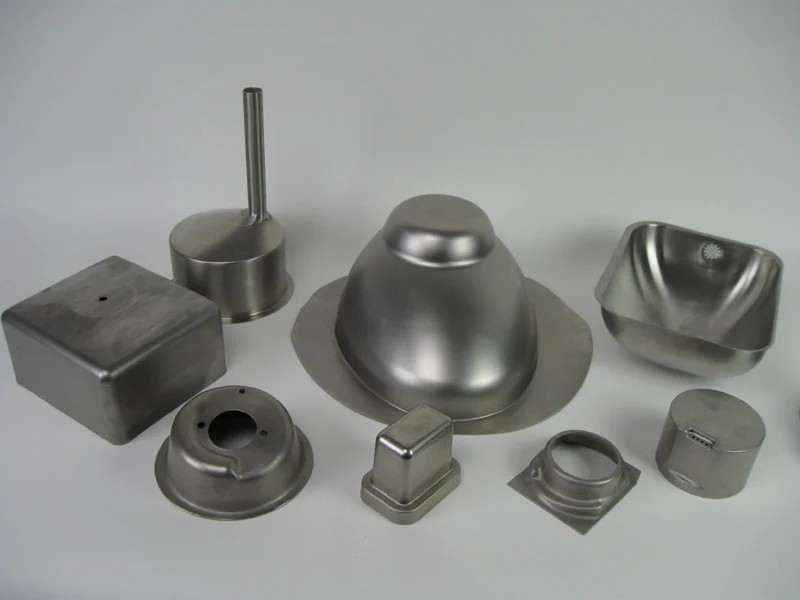
Categories
Machinery

Edge Trimming Machine

Edge Trimming Machine

Edge Trimming Machine: A Trimming Beading Machine is an industrial machine used primarily in the metalworking and fabrication industries, especially in the manufacturing of cylindrical or conical metal components, such as drums, cans, pressure vessels, or HVAC ducting.

Purpose & Function of the Trimming-Beading Machine

  1. Trimming:
    • Removes excess metal from the edges of round or cylindrical workpieces after deep drawing or forming.
    • Ensures a uniform edge or prepares the part for welding or further processing.
  2. Beading:
    • Forms a bead (a rounded protrusion or indentation) on the edge of the metal part.
    • This adds strength and rigidity to the part, helps in sealing (in case of containers), or improves aesthetics and safety (e.g., eliminating sharp edges).

Key Features:

  • Rotary system: Workpieces are usually mounted and rotated while tooling trims or beads the edge.
  • Manual, semi-automatic, or fully automatic operation.
  • Adjustable tooling: To accommodate different diameters, thicknesses, or bead profiles.
  • Material compatibility: Works with steel, stainless steel, aluminum, copper, etc.

Common Applications:

  • Drum manufacturing
  • HVAC duct parts
  • Automotive mufflers or filters
  • Pressure vessels
  • Kitchenware & cookware production

Variants:

  • Vertical or horizontal configurations
  • Integrated into production lines or used as standalone units.
  • Can include CNC controls for high precision and repeatability.

A trimming beading machine is used in metal fabrication to finish and reinforce the edges of cylindrical or conical metal parts such as drums, tanks, HVAC ducting, and pressure vessels. It performs two main operations: trimming and beading. Trimming involves removing any excess material from the edge of a workpiece after it has been formed, ensuring the edge is smooth, uniform, and ready for further processing like welding or sealing. Beading, on the other hand, forms a raised or indented bead along the edge of the metal, which strengthens the part, improves its appearance, and removes sharp edges for safety or sealing purposes.

The machine typically works by rotating the metal part while a set of forming tools or rollers engage with the edge to carry out trimming and beading. It can be operated manually, semi-automatically, or fully automatically depending on the production requirements. These machines are designed to handle various materials including mild steel, stainless steel, aluminum, and copper, and they come in different configurations such as vertical or horizontal types to suit different workshop layouts.

Tooling can be adjusted to accommodate different diameters, metal thicknesses, and bead profiles, making the machine versatile for a wide range of products. In higher-end models, CNC systems are integrated for better precision, speed, and repeatability, especially important in large-scale or high-specification manufacturing. The process not only ensures dimensional accuracy but also adds mechanical strength to the finished product by creating a reinforced edge, which is particularly important in containers that experience internal pressure or need secure sealing.

Trimming beading machines are essential in industries where the final product must meet strict dimensional and aesthetic standards. In applications such as drum manufacturing, the beading process ensures that the rim can support stacking or attachment of lids, while in HVAC ducting, beads improve airflow characteristics and provide locations for fastening or sealing. The machine’s ability to precisely control the depth and shape of the bead also plays a role in meeting regulatory or safety requirements, especially in pressure-rated vessels or food-grade containers.

The operational efficiency of a trimming beading machine greatly impacts production throughput. Modern machines often include quick-change tooling systems, digital position readouts, and automated clamping or centering devices to minimize setup time and improve consistency across batches. In high-volume production environments, these features are crucial in maintaining tight production schedules while reducing material waste and labor costs.

In addition to industrial use, smaller-scale or artisan manufacturers may also use simpler versions of these machines for products like cookware, artisanal metal containers, or decorative items. In such settings, the machine’s flexibility and ease of operation are often prioritized over full automation.

Maintenance of trimming beading machines involves regular inspection of tooling wear, lubrication of moving parts, and ensuring alignment of the rotating components to prevent runout or uneven finishes. High-quality machines are typically constructed with rigid frames and precision bearings to withstand the stresses of continuous operation while maintaining alignment and surface finish quality.

With the increasing integration of Industry 4.0 technologies, some trimming beading machines are also being equipped with sensors and IoT connectivity to enable real-time monitoring, predictive maintenance, and integration into smart manufacturing systems. This allows operators and managers to optimize machine usage, track performance data, and respond quickly to maintenance needs before they result in downtime.

Overall, the trimming beading machine is a versatile and indispensable piece of equipment in any manufacturing environment where round metal parts need to be finished with precision, strength, and consistency.

Integrated Trimming-Flanging-Beading Machine

An Integrated Trimming-Flanging-Beading Machine is a multifunctional piece of metal-forming equipment designed to streamline production by combining three essential operations—trimmingflanging, and beading—into a single, continuous process. This machine is especially useful in industries that manufacture cylindrical or conical components like drums, pressure vessels, tanks, and ducts, where these edge-finishing processes are critical to structural integrity, functionality, and aesthetics.

The process begins with trimming, which removes excess or uneven material from the edges of a spun, drawn, or welded workpiece. This ensures the part has a clean, uniform edge, which is crucial for downstream operations. Following trimming, the machine proceeds to flanging, where the edge is bent or turned outward (or inward) at a defined angle, typically to facilitate joining or to reinforce the structure. Finally, the beading operation forms a rounded protrusion or indentation along the edge, further strengthening the part, preventing deformation, and improving sealing or handling characteristics.

This integrated machine operates in a rotary fashion—holding the workpiece in a spinning chuck while sequential tooling units perform their respective operations. It may be manually operated for small-batch or low-complexity jobs, or fully automated for high-volume production lines. Advanced models often feature servo-controlled axesprogrammable tooling paths, and touchscreen HMIs (Human Machine Interfaces), allowing for precise control over each step of the process and quick changeovers between different part sizes or specifications.

The major advantages of using an integrated trimming-flanging-beading machine include reduced handling time, increased dimensional accuracy, space efficiency, and better overall productivity. Since the workpiece remains clamped and centered throughout the entire sequence, misalignment between operations is minimized, ensuring consistent quality and tight tolerances. Additionally, these machines reduce operator fatigue and training requirements, as multiple operations are handled automatically without manual repositioning of the part.

Industries such as automotiveappliance manufacturingoil and gas, and HVAC benefit greatly from this type of machine, especially when producing components like mufflers, filters, expansion tanks, or ducting collars. By centralizing operations, manufacturers can improve workflow, reduce machinery footprints, and meet increasing demands for speed and quality in competitive production environments.

An integrated trimming-flanging-beading machine represents a highly efficient evolution in metal fabrication, where multiple edge-forming processes are combined into one continuous cycle. Instead of transferring a part between separate machines for each step, the workpiece remains fixed in position while the machine sequentially performs trimming, flanging, and beading. This not only saves time but also enhances precision by eliminating the risk of misalignment that can occur during manual repositioning. The machine typically grips the cylindrical or conical workpiece in a rotating chuck, and tooling heads engage the edge as it spins, each performing its specific function in a pre-programmed sequence.

Trimming ensures the edge is smooth and dimensionally accurate, flanging then forms a bent lip that may serve as a mounting or sealing surface, and beading adds structural strength while improving the part’s functionality and sometimes its visual appeal. Because these steps are closely linked, integrating them into one cycle greatly benefits production speed and consistency. This is particularly important in industries where high volumes of standardized components are required, such as in the manufacture of metal drums, fire extinguishers, gas cylinders, air reservoirs, and HVAC parts.

Modern versions of these machines often include advanced features like servo motors, automated clamping systems, digital control panels, and recipe-based programming that allows operators to switch between product types with minimal downtime. These features enable high repeatability and tight tolerances even across large batches. In a production environment where efficiency and cost control are paramount, having a single operator manage a machine that performs three functions reduces labor costs and simplifies training.

Machine rigidity and build quality play a crucial role in achieving consistent results, especially when working with thicker materials or larger diameters. High-end models are engineered with vibration-dampening frames and heavy-duty bearings to maintain accuracy during continuous operation. Tooling life is also a consideration, with quick-change tool holders and hardened forming rollers helping reduce maintenance time and increase uptime.

In applications requiring strict compliance with safety or performance standards—such as pressure vessels or food-grade containers—the precise edge preparation and repeatable finish provided by an integrated machine can be critical. Moreover, as demand grows for connected and data-driven manufacturing, some integrated machines now feature IoT-enabled diagnostics and process monitoring, giving operators real-time feedback and allowing predictive maintenance to avoid unplanned stoppages.

Overall, the integrated trimming-flanging-beading machine offers a smart, compact, and highly capable solution for any manufacturing process involving round or cylindrical metal components. Its ability to increase output, reduce human error, and ensure uniform product quality makes it an indispensable asset in modern fabrication shops.

In production environments where time, precision, and consistency are critical, the integrated trimming-flanging-beading machine plays a central role in optimizing workflow. Its ability to handle multiple operations in a single clamping not only shortens cycle times but also enhances part integrity, as each process flows seamlessly into the next without interruptions or the need for re-alignment. This uninterrupted sequence ensures that all dimensional references—such as the trimmed edge, the flange angle, and the bead placement—are held to tighter tolerances than what is typically possible using separate machines.

As product designs evolve to meet more demanding specifications—whether it’s to reduce weight, improve sealing, or meet aesthetic expectations—machines like this allow for precise customization of edge geometry. Flange angles, bead radii, and edge profiles can be programmed or adjusted with minimal effort, often through a digital interface. This makes the machine especially useful in facilities that produce a wide range of components in varying sizes, wall thicknesses, and materials. From thin-walled aluminum ducts to heavy-gauge steel drums, the adaptability of the tooling and control systems allows the same machine to be used across different production lines with only minor adjustments.

Another important benefit is the reduction in material waste. Because trimming is performed as the first step with high precision, operators can work with slightly oversized blanks and then achieve perfect final dimensions during the process. Combined with consistent flanging and beading, this improves nesting and stacking of finished parts, as well as compatibility with lids, clamps, or mating components—especially in modular or interchangeable systems.

In terms of ergonomics and operator safety, integrated machines are often designed with protective enclosures, interlocks, and simplified control schemes. This not only prevents accidents but also makes the machine easier to operate, even for less-experienced workers. The automation of repetitive tasks reduces fatigue and minimizes the chances of human error, allowing operators to focus more on quality control and less on manual handling.

For manufacturers aiming to scale production without a corresponding increase in floor space, an integrated solution also addresses spatial efficiency. Replacing three standalone machines with a single integrated unit saves valuable factory real estate, simplifies material flow, and reduces energy consumption, especially when all processes are powered from a shared drive system or central control panel.

As the manufacturing sector increasingly leans toward lean production, energy efficiency, and smart manufacturing, integrated machines offer the technological edge to stay competitive. Whether it’s through networked controls, feedback loops that adjust forming pressure in real time, or cloud-based analytics that track cycle performance and machine health, these machines are positioned not only as workhorses but as intelligent nodes in the digital factory of the future.

Ultimately, the integrated trimming-flanging-beading machine exemplifies the evolution of metal-forming equipment—merging mechanical precision with digital intelligence to meet the growing demands of modern industry. It represents a shift from isolated, manual processes to streamlined, automated, and data-informed production systems capable of delivering high-quality results at scale.

In the broader context of industrial automation, the integrated trimming-flanging-beading machine also contributes to reducing production variability. In traditional setups where each process—trimming, flanging, and beading—is handled by a different operator or separate station, even small discrepancies in setup or handling can accumulate, resulting in parts that deviate from the design specification. By consolidating these operations into one controlled cycle, the machine minimizes those variables, ensuring uniformity across hundreds or thousands of components.

This level of control is especially beneficial in quality-sensitive applications such as in the food and beverage industry, where stainless steel containers must have smooth, sealed edges to comply with hygiene standards. Similarly, in the automotive and aerospace sectors, where every millimeter counts in terms of fit and performance, the machine’s ability to repeatedly form precise beads and flanges ensures the part will function reliably under pressure, vibration, or thermal stress.

One often overlooked advantage of this machine is its impact on inventory management and production scheduling. With fewer machines involved in the process, fewer parts are waiting in queues between operations, which means reduced work-in-progress (WIP) inventory. This leads to faster turnaround times and better flexibility in responding to urgent orders or design changes. For just-in-time (JIT) manufacturing systems, where excess inventory is seen as a cost burden, integrated machines align perfectly with lean production principles.

Maintenance-wise, the centralized nature of this machine simplifies upkeep. Instead of maintaining three separate machines with their own motors, lubrication systems, and wear components, technicians can focus on a single system. Scheduled maintenance becomes more predictable, and downtime is easier to manage, especially when the machine is equipped with diagnostic software or sensor feedback loops that alert operators to component wear or alignment issues before they escalate into breakdowns.

In terms of machine learning and adaptive manufacturing, future-ready versions of these machines can incorporate real-time monitoring systems that analyze force feedback, torque variations, or temperature fluctuations during forming. These systems can automatically adjust forming parameters on the fly, compensating for material inconsistencies or tooling wear without stopping the machine. Over time, the machine can build a data profile of each batch, helping engineers optimize not just the product but the process itself.

From a return-on-investment perspective, the initial capital cost of an integrated machine is often offset quickly by the cumulative savings in labor, floor space, tooling, and maintenance. The streamlined workflow also enhances traceability and documentation, which are critical in industries requiring audit trails, such as medical device manufacturing or pressure vessel certification. Many models are now built with connectivity in mind, allowing remote diagnostics, software updates, and even performance optimization from the manufacturer’s side, further enhancing uptime and long-term value.

At the end of the day, the integrated trimming-flanging-beading machine isn’t just a tool for shaping metal—it’s a platform for production efficiency, quality control, and process innovation. Whether for a high-volume production line or a precision-driven specialty workshop, this kind of machinery embodies the direction modern fabrication is heading: fewer steps, smarter control, tighter tolerances, and greater adaptability.

High-Speed Trimming and Beading Line

Integrated Trimming-Flanging-Beading Machine

High-Speed Trimming and Beading Line is a fully automated, continuous production system designed for rapid, precise processing of cylindrical or conical metal components—typically used in industries like packaging, automotive, HVAC, and container manufacturing. Unlike standalone or semi-automated machines, this line is engineered to operate at high throughput rates, often handling hundreds of parts per hour with minimal operator intervention.

In a typical configuration, components—such as can bodies, drum shells, or duct segments—enter the line via a conveyor or feeding system. They are automatically centered, clamped, and rotated while high-speed tooling units carry out trimming to remove any excess or uneven edge material, followed immediately by beading, where a reinforcing groove or profile is formed around the edge. These operations are completed in quick succession, synchronized by servo drives and PLC-based control systems to ensure perfect timing and minimal idle movement.

The key advantage of a high-speed line is not just speed, but consistency. Every part undergoes the same programmed cycle, eliminating the variability that can occur with manual or semi-automatic systems. The line typically includes automatic part detection, positioning sensors, and quality control features like laser measurement or vision systems to verify dimensions and detect defects in real-time. Faulty parts can be automatically rejected without stopping the line.

These systems are built for non-stop industrial environments, often running 24/7 with features like automatic lubrication, centralized dust or chip extraction, and quick-change tooling systems to minimize downtime during product changeovers. Material compatibility ranges from thin-gauge aluminum and tinplate to thicker steel and stainless steel, depending on the product and forming requirements.

For applications like food and chemical drums, paint cans, filter housings, or HVAC tubes, where edge quality, dimensional accuracy, and structural strength are essential, the high-speed trimming and beading line ensures products meet those demands at scale. Some setups also integrate with upstream and downstream processes, such as welding, leak testing, or flanging stations, creating a seamless manufacturing flow from raw shell to finished, edge-formed product.

With digital control systems and industry 4.0 integration, operators can monitor production metrics, schedule maintenance, and even perform remote diagnostics. All of this contributes to higher yield, lower scrap rates, and a faster return on investment, making these lines a cornerstone of modern high-volume metalworking facilities.

In a high-speed trimming and beading line, every component of the system is designed for efficiency, precision, and endurance. From the moment a shell or part enters the line, it is automatically aligned, clamped, and engaged with the tooling in one fluid motion. The trimming station, typically equipped with hardened rotary blades or shearing tools, removes any excess material from the edges with clean, burr-free cuts. The operation is synchronized so that the transition to the beading station is immediate and seamless, without the need for stopping or manual repositioning. The beading station then forms one or more reinforcing grooves, depending on the product requirements, using hardened rollers that are precisely positioned and pressure-controlled for consistent depth and profile.

Because the entire process is automated and continuous, the line can run at extremely high speeds—sometimes processing up to 60 to 120 parts per minute, depending on part size and complexity. This makes it ideal for mass production environments where downtime and inconsistency can be costly. Tooling setups are optimized for rapid changeovers, allowing manufacturers to switch between different product sizes or styles with minimal interruption. In more advanced systems, recipe-based controls store multiple configurations, so operators can switch batches with just a few inputs on a touchscreen interface.

The mechanical design of the line emphasizes both speed and stability. The rotating spindles, feeding mechanisms, and forming rollers are often driven by servo motors that allow for real-time adjustments in torque and speed, reducing stress on the components and ensuring a smooth forming cycle. The frame is built to absorb vibration and maintain tight tolerances over extended periods of operation, even under heavy workloads. Automated part ejection systems remove finished parts swiftly, often transferring them directly to a conveyor, stacker, or the next stage of assembly or inspection.

Integrated quality control is another hallmark of these systems. Vision cameras or laser scanners monitor each part as it passes through, checking for proper edge formation, bead depth, or surface defects. If an anomaly is detected, the system flags the part for removal without halting the entire line. This kind of in-line inspection ensures that only fully compliant parts move forward, reducing the risk of defective products reaching final assembly or packaging.

Energy efficiency and maintenance have also been addressed in modern high-speed lines. Regenerative drives recycle energy during deceleration, and lubrication systems are automated to keep moving parts in top condition without constant manual intervention. Some machines are equipped with predictive maintenance algorithms that alert operators to wear patterns or performance deviations, allowing them to schedule service before a failure occurs.

Manufacturers who invest in high-speed trimming and beading lines typically do so to support high-volume production while maintaining consistent quality and traceability. These lines are often found in facilities that operate around the clock, where every second of uptime translates directly to increased output and profitability. As production demands evolve and product designs become more complex, these systems can be upgraded or customized with additional forming heads, integrated flanging, embossing, or even marking systems, making them highly adaptable and future-proof.

The high-speed trimming and beading line represents the convergence of mechanical engineering, automation, and smart manufacturing. It transforms what were once labor-intensive, multi-step processes into a streamlined, high-output production system capable of meeting the tightest tolerances and fastest delivery schedules in the industry.

The reliability and repeatability of a high-speed trimming and beading line make it a core investment for companies focused on large-scale production where both throughput and precision are non-negotiable. These lines are built not just to run fast, but to run smart—capable of maintaining consistent quality over thousands of cycles without compromising dimensional tolerances or edge finish. This level of precision is especially critical when dealing with downstream automated assembly systems, where even minor variations in part geometry can cause jams, misfits, or alignment issues. By producing perfectly trimmed and beaded edges every time, the line ensures smooth integration into subsequent processes such as welding, sealing, painting, or packaging.

In facilities where product traceability is essential—such as in the food, chemical, or pharmaceutical sectors—these lines can be equipped with part serialization modules, barcode printers, or even direct part marking systems that log production details like date, batch number, and machine settings in real time. This data can be pushed to central production monitoring software, helping manufacturers maintain full traceability and comply with industry standards or customer audits.

Another major benefit lies in the operator experience. High-speed trimming and beading lines are designed for intuitive operation, often featuring centralized control panels with real-time diagnostics, maintenance reminders, and production analytics. Operators can view cycle counts, part output rates, alarm histories, and even get suggestions for optimal tool change intervals or cleaning schedules. This drastically reduces the learning curve and empowers production teams to run the equipment with confidence and minimal supervision.

Tool wear and part fatigue are inevitable in any high-speed operation, but the best systems address this with precision-engineered tooling made from high-durability alloys or carbide materials. Tooling stations are usually modular, allowing quick swaps for regrinding or replacement. Some lines are even equipped with automatic compensation systems that adjust tool positioning based on feedback from inline sensors, ensuring that even as tools wear, the product quality remains stable until the next scheduled change.

As environmental and sustainability standards grow more stringent, many manufacturers are turning to trimming and beading lines that optimize not just performance, but also energy usage and waste reduction. Scrap management systems, such as integrated chip collectors or magnetic conveyors, remove trimmings cleanly and efficiently, often recycling the waste directly into the production ecosystem. Reduced noise levels, enclosed tooling areas, and dust extraction also contribute to cleaner, safer working environments, helping companies meet occupational health and environmental safety targets.

Ultimately, the high-speed trimming and beading line is not just about maximizing output—it’s about achieving reliable, repeatable excellence at scale. Whether used in the production of paint cans, fire extinguishers, air ducts, or specialty industrial containers, these systems deliver a level of process control that manual or segmented setups simply can’t match. They enable manufacturers to stay competitive in an increasingly fast-paced market, providing the capacity to meet tight deadlines, accommodate custom orders, and maintain consistent product quality without compromise. With continued advancements in automation, software integration, and material science, these lines will only grow smarter, faster, and more essential to next-generation manufacturing.

Double Head Beading Machine

Detailed Description of the Trimming Process

Double Head Beading Machine is a specialized piece of equipment used in metal forming to create beads or reinforcing ridges along the edges of cylindrical or conical parts, such as drums, tanks, or HVAC ducts. Unlike single-head beading machines, which work on one edge at a time, the double head version is designed to form beads on both edges of a part simultaneously, significantly improving production efficiency, particularly in high-volume manufacturing environments.

The machine typically consists of two beading heads, each equipped with rollers that press into the edge of the rotating workpiece to form a raised or indented bead. The workpiece, often a metal cylinder or sheet, is fed into the machine, where it is clamped and rotated. As it rotates, the beading heads engage the edges, applying pressure and shaping the metal to the desired bead profile. By operating two heads at once, the machine doubles the output rate compared to a single-head system, making it ideal for operations that require high-speed processing and consistent quality across large batches.

Double head beading machines are used extensively in industries like automotive manufacturingpressure vessel productionHVAC, and metal container fabrication. For example, in the production of cylindrical tanks or drums, the beading process strengthens the edges, improving both structural integrity and ease of sealing. The bead also prevents the edges from deforming during handling or transport, ensuring that the parts maintain their shape and functionality under pressure.

The design of the double head machine often includes features like adjustable tooling, which allows for different bead sizes and shapes to be created depending on the part specifications. The tooling can be swapped or adjusted to accommodate varying metal thicknesses and diameters, making the machine highly versatile for different applications. Some models also feature servo-driven controls or CNC capabilities, enabling more precise control over the depth, shape, and placement of the beads, and allowing for easy programming for different production runs.

In addition to high-speed production, the double head beading machine offers improved precision and consistency in bead formation. Because both heads operate simultaneously, there is less risk of misalignment or variation between the edges, ensuring that both beads are identical and meet strict quality standards. This is particularly important when the beads need to align with other parts or fit securely into mounting brackets, lids, or seals.

The automation in modern double head beading machines also means that operators can monitor the entire production process through digital interfaces, reducing the risk of human error. Real-time feedback and diagnostics help operators ensure that the machine is functioning at optimal efficiency, and quick changeover features allow for faster transition between different part designs or sizes. Many advanced machines come with automatic part handling systems, further reducing the need for manual intervention and increasing overall throughput.

Double head beading machines are also equipped with safety features, such as enclosed work areasinterlock systems, and emergency stop buttons, ensuring that the operator can work safely during the high-speed operation. Additionally, dust collection and chip removal systems are often incorporated to maintain a clean workspace, improving both machine longevity and the operator’s working environment.

In summary, the double head beading machine offers a powerful solution for manufacturers looking to boost their production efficiency while maintaining high levels of precision and consistency. By simultaneously creating beads on both edges of the workpiece, it helps to reduce cycle times and increase output, making it a valuable asset in industries that require large-scale, high-quality metal forming.

A Double Head Beading Machine is a specialized tool used in metalworking to form reinforcing beads along the edges of cylindrical or conical metal parts. By utilizing two beading heads, this machine is capable of processing both edges of a workpiece simultaneously, significantly enhancing production speed and efficiency. The machine operates by feeding the part, which is typically a drum, tank, or duct component, into the system where it is clamped and rotated. As the workpiece rotates, each beading head engages one edge at a time, using rollers to apply pressure and shape the metal into a defined bead. This design essentially doubles the output rate compared to a single-head machine, making it particularly valuable in high-volume manufacturing environments where speed and consistency are paramount.

The primary function of the beads formed on these edges is to provide additional strength and structural integrity. In applications such as tank or drum production, the beads reinforce the edges, preventing deformation during handling and improving the sealing ability of the components. They also serve aesthetic purposes in some cases, giving the finished product a clean and uniform appearance. Beyond strengthening, beading also helps in parts fitting into other components, such as when parts need to align with mounting brackets, lids, or seals. The machine’s versatility allows it to work on a wide range of materials and part sizes, and it can be adjusted for varying metal thicknesses and diameters. With adjustable tooling and advanced control systems like servo motors or CNC interfaces, manufacturers can easily alter the bead size, shape, and depth to meet specific production requirements.

By simultaneously processing both edges, the double head design ensures high-quality consistency across large batches, reducing the chance of misalignment between the two beads and ensuring that they meet tight quality standards. This is essential for applications where precise, uniform bead formation is necessary for part compatibility and performance. The machine’s automation features allow for efficient operation, with many modern models incorporating digital interfaces for easy monitoring and adjustment of settings. This reduces the need for operator intervention and minimizes the risk of human error, thus increasing overall productivity.

Double Head Beading Machines are commonly used in industries such as automotive manufacturing, pressure vessel production, HVAC, and metal container fabrication. Their ability to handle high-speed production while maintaining precision makes them indispensable in these sectors. They not only improve production throughput but also reduce material waste by ensuring clean, uniform bead formation with minimal scrap. The machine is designed with safety in mind, incorporating protective enclosures and emergency stop mechanisms to ensure a safe working environment for operators. Additionally, dust collection and chip removal systems are built into the design to maintain cleanliness and prevent buildup that could affect machine performance or the operator’s health.

In conclusion, the Double Head Beading Machine is a powerful tool for manufacturers looking to increase their production capacity and maintain high standards of quality. By automating and streamlining the beading process, it reduces cycle times, improves output, and ensures consistent results, making it an invaluable asset in metalworking and manufacturing industries that require high-volume, precision metal forming.

The Double Head Beading Machine’s capacity for high-speed, simultaneous beading makes it a highly efficient solution for companies looking to scale production without sacrificing quality. Its dual-head design is particularly advantageous in industries where tight production deadlines and high-volume demands are standard. By processing two edges at once, the machine maximizes throughput and minimizes the time spent per part. This is a critical factor in industries where profitability is closely tied to the ability to produce large quantities of products quickly and efficiently, such as in the manufacturing of metal drums, pressure vessels, air ducts, and industrial tanks.

Furthermore, the use of advanced automation systems in modern double head beading machines not only improves production efficiency but also enhances control over the manufacturing process. These systems can be programmed to adjust the depth, shape, and position of the beads automatically, which ensures consistent results even with different part sizes or material types. Automated sensors and feedback loops monitor key parameters, such as pressure and speed, to ensure optimal performance during each cycle. This level of control minimizes the risk of defects, reduces waste, and maximizes the lifespan of tooling.

Another significant benefit is the reduced downtime associated with maintenance and tool changes. The modular design of these machines allows operators to quickly swap or adjust tools, ensuring that the line can continue operating with minimal interruption. With the use of predictive maintenance technologies, operators can be alerted to potential issues before they lead to machine failure, helping to avoid costly and time-consuming repairs.

For manufacturers focused on lean production, the high efficiency and reduced waste generated by the Double Head Beading Machine align well with modern manufacturing practices. The machine’s design helps to minimize the amount of scrap produced during the beading process, ensuring that more of the raw material is utilized effectively. This not only reduces costs but also contributes to more sustainable production practices, which are increasingly important in today’s environmentally conscious market.

Additionally, as industries push for greater product customization and variation, the flexibility of double head beading machines allows manufacturers to easily switch between different bead profiles and sizes. This versatility is critical for producing a wide range of products while maintaining high standards of quality and efficiency. Whether it’s creating a deep bead for structural reinforcement or a shallow bead for aesthetic purposes, the machine can be adjusted to accommodate these varying needs with ease.

As manufacturers continue to adopt Industry 4.0 principles, newer models of Double Head Beading Machines often come equipped with IoT (Internet of Things) capabilities, allowing for remote monitoring and data collection. This connectivity provides operators and managers with real-time insights into machine performance, which can be used to optimize production schedules, track productivity, and analyze trends in part quality. This level of data integration supports informed decision-making and helps manufacturers stay competitive in an increasingly data-driven industrial landscape.

Overall, the Double Head Beading Machine is a powerful tool that addresses the need for high-speed production, precision, and flexibility. By simultaneously processing two edges, it improves throughput, reduces cycle time, and maintains consistent product quality. Its integration with modern automation systems and predictive maintenance technology further enhances its value, making it an essential piece of equipment for manufacturers looking to streamline operations, reduce waste, and meet the demands of high-volume production while maintaining the flexibility to adapt to custom orders.

The continued evolution of the Double Head Beading Machine also includes innovations in user interface and integration with other parts of the production line. With the advent of more intuitive control systems, operators now have access to touchscreen interfaces, which allow them to easily input parameters such as bead size, material thickness, and speed. These systems also provide visual feedback, such as real-time machine status, cycle completion, and alerts for any malfunctions. The ability to control and monitor the beading process with greater precision and ease enhances operator efficiency and reduces the chances of human error.

For manufacturers with a diverse range of products or frequent design changes, the flexibility of the Double Head Beading Machine is a major asset. With programmable settings and quick-change tooling options, it is possible to seamlessly switch between different beading patterns, sizes, and materials. This adaptability ensures that the machine can handle variations in product design without the need for major adjustments or downtime, enabling manufacturers to meet a wide range of customer requirements and respond quickly to changing market demands.

One of the key factors that drive the adoption of Double Head Beading Machines in modern manufacturing is the emphasis on quality control. The precision with which beads are formed is critical, especially when components need to meet stringent specifications or must fit seamlessly into other parts. The dual-head configuration allows manufacturers to maintain uniform bead formation across large batches, ensuring that every part meets the same high standards for strength, appearance, and functionality. This consistency is essential in industries where even minor variations can affect the integrity of the final product.

The integration of robotic arms or automated part handling systems with Double Head Beading Machines is another emerging trend. These systems work in tandem with the beading process, removing finished parts from the machine and transferring them to the next stage of production, such as assembly or inspection. This automation reduces manual labor and accelerates the flow of materials, increasing overall throughput while reducing the risk of human error and handling damage.

With the push for sustainability in modern manufacturing, Double Head Beading Machines also contribute to more eco-friendly production. By reducing waste and scrap material, manufacturers can minimize their environmental impact. Additionally, many of these machines are built with energy-efficient components that reduce the power consumption during operation. The ability to recycle waste material, such as metal trimmings, further helps manufacturers contribute to sustainable practices while reducing costs.

The maintenance aspect of Double Head Beading Machines has also been significantly enhanced in recent years. In addition to automatic lubrication systems that ensure optimal tool performance and reduce wear, many models now come with condition monitoring systems. These systems track the performance of critical components, such as motors, rollers, and sensors, and can predict when maintenance is needed. This predictive approach helps to reduce unexpected downtime and extend the overall life of the machine, improving the return on investment.

As production facilities continue to adopt smart manufacturing techniques, the integration of data analytics into Double Head Beading Machines allows for the optimization of the beading process. Data collected during production, such as bead depth, machine speed, and part size, can be analyzed to identify patterns and inefficiencies. This information can be used to adjust the process parameters in real-time, ensuring that each part is produced to the highest standards while reducing waste and improving cycle times.

In the long term, the flexibility, efficiency, and precision of Double Head Beading Machines will continue to make them a valuable investment for manufacturers looking to stay competitive. As industry standards evolve and product designs become more complex, these machines will adapt to meet the needs of modern manufacturing, offering faster cycle times, higher-quality products, and greater flexibility to accommodate a diverse range of customer specifications. With the ongoing advancements in automation, digital control systems, and data analytics, the future of Double Head Beading Machines is poised to bring even greater improvements in productivity, quality, and cost-effectiveness.

Multi-Operation Trimming Beading System

Hydraulic Beading Machine

Multi-Operation Trimming Beading System is an advanced machine used in metalworking that integrates several distinct processes—trimming, beading, and often other secondary operations—into one unified system. This type of system is designed for high-volume production environments, where precision, speed, and versatility are paramount. The integration of multiple operations into a single machine streamlines production and reduces the need for separate machines, resulting in lower overall operating costs and increased efficiency.

The key features of a Multi-Operation Trimming Beading System include its ability to simultaneously trim the edges of a metal part to remove excess material while forming beads along the edges to strengthen, reinforce, or create specific geometries. This dual function eliminates the need for separate trimming and beading stations, improving throughput and reducing material handling time.

In the trimming process, the machine uses high-speed rotary cutters, shears, or blades to cleanly remove the excess material from the workpiece, ensuring a smooth, burr-free edge. Following trimming, the beading operation is carried out, typically using rollers or dies that apply pressure to form a raised bead or ridge along the edge of the part. This bead may serve multiple purposes, such as improving the structural integrity of the part, facilitating better sealing during assembly, or enhancing the product’s aesthetic appearance.

One of the most significant advantages of a Multi-Operation Trimming Beading System is its flexibility. These systems are capable of processing a wide range of materials, including thin-gauge metals like aluminum and steel, as well as thicker materials for more demanding applications. They can also handle varying part sizes, with adjustments made via the machine’s control system. Automated adjustments for different part sizes and bead profiles allow for quick changeovers between different production runs, ensuring minimal downtime and maximizing machine utilization.

Advanced versions of these systems are often equipped with servo-driven motors and programmable logic controllers (PLCs), enabling precise control over the trimming and beading operations. This precise control allows manufacturers to achieve tight tolerances, consistent bead depths, and high-quality finishes, which are critical in industries such as aerospace, automotive, HVAC, and container manufacturing. Some systems also feature CNC capabilities, allowing for automated, computer-controlled operations that can be programmed to handle complex part geometries or custom specifications.

Another benefit of these systems is their integration with downstream processes. Many multi-operation systems are designed to work seamlessly with other equipment, such as welding stations, flanging machines, or part handling systems. This integration enables a continuous flow of parts through the production line, minimizing the need for manual intervention and enhancing overall productivity. For example, once a part is trimmed and beaded, it can be automatically ejected and transferred to the next station for further processing, packaging, or inspection.

The addition of quality control features is another hallmark of a Multi-Operation Trimming Beading System. Many systems are equipped with sensors, vision cameras, or laser scanning technology to inspect the parts as they are processed. These systems can detect defects such as incorrect bead depth, uneven trimming, or dimensional inconsistencies. If any issues are detected, the system can either correct them automatically or reject faulty parts before they move further down the production line, ensuring that only high-quality components are produced.

Maintenance is simplified in multi-operation systems, as these machines typically include self-lubricating systemscondition monitoring, and predictive maintenance capabilities. Sensors monitor the condition of critical components, such as rollers, motors, and blades, and alert operators when maintenance is required, reducing unplanned downtime and prolonging the life of the equipment.

The efficiency of a Multi-Operation Trimming Beading System also extends to material handling. Parts are typically fed into the system by automated feeders or conveyors, which align and position the workpieces for processing. Once the parts are finished, they are automatically ejected and transferred to the next station, minimizing manual labor and reducing handling time. This high degree of automation not only increases throughput but also helps reduce the risk of defects caused by human error during part handling.

In summary, a Multi-Operation Trimming Beading System offers a streamlined, highly efficient solution for manufacturers looking to combine trimming and beading operations in a single system. Its ability to process various materials and part sizes, while ensuring high precision and consistent quality, makes it ideal for high-volume production environments. The integration of advanced controls, automation, and quality inspection systems further enhances its capabilities, allowing manufacturers to meet the demands of modern industrial production with reduced costs, faster cycle times, and greater product consistency.

The versatility and efficiency of a Multi-Operation Trimming Beading System can significantly impact a manufacturer’s ability to meet customer demands for both quality and turnaround time. With industries requiring increasingly precise and intricate components, these systems allow for customization without sacrificing speed or operational efficiency. Manufacturers can adjust the system to handle a variety of part sizes, bead profiles, and material types, ensuring that each batch meets strict specifications. This adaptability is particularly valuable in sectors such as automotiveconstructionelectronics, and consumer goods, where custom parts with unique geometries or functional requirements are frequently needed.

Additionally, as lean manufacturing continues to be a driving force in modern production, the multi-operation system aligns perfectly with these principles. By combining multiple processes in a single machine, manufacturers can reduce the need for additional equipment and labor, minimizing resource waste and operational costs. The ability to quickly switch between different part designs, combined with the automated handling of raw materials and finished products, ensures that production runs are more efficient and less prone to bottlenecks. This helps improve the overall efficiency of the manufacturing process and enhances output capacity.

Another important advantage of these systems is the reduced risk of human error. Automation plays a key role in ensuring consistent results across large production volumes. With manual intervention minimized, especially in high-speed production, the chances of mistakes due to improper setup, part misalignment, or inconsistent material handling are greatly reduced. Automated systems can also adjust processing parameters in real-time based on feedback, further enhancing product consistency.

From an operational standpoint, energy efficiency is increasingly a focus in industrial production. Many Multi-Operation Trimming Beading Systems are built with energy-saving technologies. These systems optimize energy usage by utilizing variable-speed drives, intelligent power management, and energy-efficient motors. Reducing energy consumption not only lowers operational costs but also supports sustainability initiatives by reducing the carbon footprint of production.

Moreover, data-driven insights are becoming a key part of modern manufacturing, and the multi-operation systems are increasingly equipped with advanced data-collection and analytics capabilities. Sensors embedded in the system capture critical operational data, including machine speed, processing time, tool wear, material throughput, and part quality. This data can be monitored in real-time through integrated systems, allowing production managers to make informed decisions and adjustments to optimize efficiency. Machine performance can also be tracked over time to predict when maintenance is due, reducing unplanned downtime and further increasing the overall productivity of the manufacturing line.

Another growing trend in multi-operation trimming beading systems is integration with Industry 4.0 technologies. This includes the ability to connect the system to cloud-based platforms or the company’s ERP (Enterprise Resource Planning) system, allowing for seamless data exchange across the entire production network. By connecting the trimming and beading process with other stages in the manufacturing workflow, manufacturers can gain end-to-end visibility into their operations, further improving decision-making, resource allocation, and production scheduling.

For companies that prioritize product traceability and compliance, multi-operation systems often come with built-in features such as barcode readersQR code scanners, and automatic part marking systems. These allow each part to be traced throughout its production journey, ensuring that it meets regulatory or quality standards. This is especially important in industries with stringent quality control requirements, such as aerospace or food-grade container production.

The use of these systems in flexible manufacturing environments also provides manufacturers with the capability to manage custom orders with ease. In today’s competitive landscape, companies are frequently tasked with producing smaller batch sizes or custom products to meet specific customer needs. The multi-operation trimming and beading system’s programmable control systems can quickly switch between different part configurations and produce complex parts with a high degree of accuracy, making it ideal for fulfilling customized orders efficiently.

As environmental concerns continue to shape the manufacturing industry, waste reduction is a major focus for many manufacturers. The multi-operation system can be designed to optimize material usage during the trimming phase, reducing scrap rates. Additionally, features like recycling systems or automatic scrap separation allow manufacturers to recycle the waste material from the process and reuse it in future production, further contributing to sustainability.

Lastly, the cost-effectiveness of these systems makes them a wise investment for manufacturers. While the initial cost of purchasing and setting up a multi-operation trimming beading system may be higher compared to simpler, standalone machines, the long-term savings in labor, operational efficiency, energy consumption, and material waste typically make up for this investment. The increased outputimproved product quality, and reduced need for maintenance also contribute to a quicker return on investment (ROI).

In conclusion, a Multi-Operation Trimming Beading System is an essential asset for manufacturers looking to streamline operations, improve product quality, and increase production efficiency. The combination of trimming, beading, and often additional processes within a single system allows for higher throughput, less downtime, and more flexibility in production. The ability to easily adapt to different part specifications and materials, while maintaining precision and reducing human error, makes these systems a cornerstone of modern manufacturing. Whether optimizing production flow, increasing sustainability, or meeting custom orders, these machines provide manufacturers with the tools they need to stay competitive in an ever-evolving industry.

As manufacturing continues to evolve in the face of new technologies and market demands, the role of Multi-Operation Trimming Beading Systems becomes even more critical in maintaining a competitive edge. Beyond the operational benefits of efficiency and precision, these systems are also central to supporting advanced manufacturing techniques such as just-in-time (JIT) production and mass customization.

For manufacturers working within JIT frameworks, the speed and flexibility of multi-operation systems are especially valuable. These systems can quickly adapt to different production volumes and part variations, making it easier for companies to maintain a lean inventory and reduce waste. The ability to rapidly produce small batches of customized parts without sacrificing quality or efficiency allows manufacturers to meet customer demands on tight timelines, all while keeping costs low. This becomes especially important when parts need to be delivered quickly to avoid production delays in industries such as automotiveaerospace, and consumer electronics.

The increasing trend of mass customization — where consumers or clients demand tailored products in high volumes — also benefits from the capabilities of multi-operation systems. These systems offer the flexibility to create custom parts with varying specifications, sizes, and features while maintaining high-speed production and minimal downtime. Customization can be accommodated without the need for entirely new setups, making it easier to deliver individualized components within larger production runs. This level of adaptability makes multi-operation trimming beading systems essential for companies that cater to specific client needs, offering both personalized solutions and the ability to scale production without delays.

Another critical aspect is the impact of advanced materials and new production techniques. As manufacturing continues to explore lighter, stronger, and more sustainable materials, multi-operation systems must evolve to accommodate these changes. Whether it’s lightweight alloys, composites, or advanced coatings, these systems can be adapted to handle a variety of materials with differing properties. With their ability to adjust parameters like speed, pressure, and tooling configurations, manufacturers can maintain quality standards when working with these new materials. For example, when using materials that are more susceptible to deformation or require delicate handling, the machine’s advanced control systems ensure that the right amount of force is applied to achieve precise beading and trimming without damaging the workpiece.

The evolution of additive manufacturing (3D printing) and hybrid manufacturing — which combines both additive and subtractive processes — is also influencing the capabilities of multi-operation systems. These systems can now work alongside or in conjunction with additive processes, allowing for greater flexibility in producing complex parts. Hybrid systems that integrate additive manufacturing processes, such as laser sintering or metal 3D printing, with trimming and beading processes, can offer more intricate and lightweight designs that were previously impossible or too costly to produce. By integrating these technologies, manufacturers can push the boundaries of part complexity while maintaining the cost-efficiency and speed of traditional manufacturing.

Automation and robotic systems continue to play a major role in expanding the functionality of multi-operation trimming beading systems. Integrating robotic arms into the system allows for more precise manipulation of parts, reducing the risk of deformation during handling and improving accuracy in both trimming and beading processes. Robots can also be used to load and unload parts automatically, reducing labor requirements and enhancing the overall throughput of the system. Furthermore, vision systems or AI-powered analytics can continuously inspect parts during processing to identify any inconsistencies in bead depth, trim alignment, or other features. If any flaws are detected, the system can make real-time adjustments or alert the operator, ensuring that only parts that meet strict quality standards continue through the production line.

The integration of digital twins and augmented reality (AR) technologies into multi-operation systems is also on the rise. A digital twin is a virtual replica of the physical system that allows manufacturers to simulate different production scenarios, predict potential issues, and optimize workflows before they even occur in the real world. This predictive capability can help manufacturers refine their processes, reduce downtime, and improve quality assurance. Similarly, augmented reality can assist operators by overlaying critical process information directly onto the workspace through AR glasses or screens, helping them with setup, adjustments, and troubleshooting in real-time. This cutting-edge technology ensures that operators have all the necessary information to make quick decisions and perform tasks efficiently.

Another area of continuous improvement in multi-operation systems is predictive quality control. Traditionally, quality control has been done at the end of the production line or after the part is finished. With the integration of real-time data collection and analytics, however, quality control can now occur throughout the entire production process. Sensors and machine learning algorithms can detect subtle variations in material properties, processing conditions, and machine performance, allowing for immediate corrective actions. This ensures that quality is maintained consistently from the start to the end of the manufacturing cycle, improving the overall quality of the finished product and reducing the risk of defects or rework.

As manufacturers face increasing pressure to operate more sustainably, energy consumption and resource optimization are becoming more important considerations for multi-operation systems. Energy-efficient design, low-waste manufacturing practices, and environmentally friendly processes are becoming standard features in newer models. For example, servo motors and variable-speed drives optimize power usage by adjusting energy consumption based on machine load and operational requirements, reducing energy waste during idle or low-load periods. Additionally, as scrap material is minimized through more accurate trimming and beading processes, manufacturers can improve their environmental footprint by using fewer raw materials and generating less waste. Some systems even include integrated systems for collecting and recycling scrap materials, further supporting sustainability goals.

Finally, as global supply chains and manufacturing networks become more interconnected, the ability to monitor and control multi-operation systems remotely is becoming an essential feature. With cloud-based platforms and Internet of Things (IoT) connectivity, manufacturers can access real-time data, troubleshoot issues, and make adjustments to the production line from anywhere in the world. This remote monitoring capability allows companies to optimize operations across multiple facilities, ensuring that machines are running at their peak performance no matter where they are located. It also enables more efficient collaboration between teams and suppliers, reducing lead times and improving communication throughout the supply chain.

In conclusion, the evolution of Multi-Operation Trimming Beading Systems reflects the continuous push toward greater flexibilityspeedprecision, and automation in manufacturing. By integrating the latest technologies — from AI-driven quality control to cloud-based remote monitoring — these systems provide manufacturers with a powerful tool for producing high-quality parts quickly and efficiently, all while reducing waste and enhancing sustainability. As the industry embraces new materials, manufacturing techniques, and production methods, multi-operation systems will remain at the forefront of ensuring that manufacturers can meet the growing demands for customization, speed, and precision in an increasingly competitive market.

Automatic Beading Machine

Multi-Operation Trimming Beading System

An Automatic Beading Machine is a specialized piece of equipment used in metalworking and manufacturing processes to form consistent, precise beads or ridges along the edges of metal sheets or parts. Beading is a critical process in industries where strength, reinforcement, and aesthetic appeal are required. This machine is designed to perform the beading operation automatically, making it an ideal choice for high-volume production environments where speed, precision, and consistency are essential.

Key Features and Benefits

  1. Automated Operation: The primary advantage of an automatic beading machine is its ability to operate with minimal manual intervention. Once the parameters are set (such as bead size, material type, and part configuration), the machine will perform the beading process continuously without the need for operator involvement during each cycle. This automation leads to significant improvements in production speed and reduces the likelihood of human error.
  2. Precision and Consistency: Automatic beading machines use advanced control systems, often powered by PLC (Programmable Logic Controllers) or CNC (Computer Numerical Control), to maintain highly accurate bead depth and alignment. This ensures that each part produced has consistent beads, even when manufacturing large quantities. Whether producing parts for the automotiveaerospace, or HVAC industries, the machine’s precision is critical to maintaining product integrity and quality standards.
  3. Versatility: Modern automatic beading machines can handle a wide variety of materials, including metals like steelaluminumcopper, and stainless steel, as well as composite materials. They are also capable of processing parts in various sizes, from small components to larger, more complex shapes. The machine can be adjusted to create beads with different profiles, such as shallow or deep beads, depending on the application.
  4. High-Speed Production: These machines are designed for high-speed operations, making them ideal for mass production. Their efficiency reduces cycle times significantly, enabling manufacturers to meet high-volume demands without compromising on quality. The ability to automate both the beading and the feeding process ensures that parts move smoothly through the production line with minimal downtime.
  5. Custom Bead Profiles: Automatic beading machines can produce a variety of bead profiles, including single beadsdouble beads, or complex shapes. The bead shape and depth can be easily modified through the machine’s control interface, allowing manufacturers to meet specific design requirements or functional needs (e.g., reinforcement for structural integrity, improved sealability, or aesthetic finishing).
  6. Reduced Labor Costs: By automating the beading process, manufacturers can significantly reduce labor costs. The machine’s high throughput and automated operation reduce the need for manual handling, setup, and supervision, allowing operators to focus on other aspects of production or quality control.
  7. Tooling and Maintenance: Automatic beading machines typically feature modular tooling systems, which makes it easier to change tooling and adapt the machine for different part sizes or bead profiles. This is particularly important when dealing with custom or frequent design changes. Additionally, many automatic beading machines have self-lubricating systems and condition monitoring features, reducing maintenance needs and extending the life of the machine.
  8. Quality Control Integration: Many modern automatic beading machines are equipped with vision systems or sensors to monitor the beading process in real time. These systems ensure that the beads are being formed correctly and to the required specifications. If any deviations are detected, the machine can make adjustments automatically or alert the operator for corrective action. This ensures that every part produced meets the quality standards without requiring additional manual inspection.
  9. Energy Efficiency: With the increasing focus on sustainability and cost savings, automatic beading machines are designed to be energy-efficient. Features such as variable-speed motorsservo-driven mechanisms, and intelligent power management help reduce energy consumption during production, lowering operational costs and supporting green manufacturing initiatives.

Applications

  1. Automotive Industry: In automotive manufacturing, beading is often used for metal components like body panels, exhaust systems, and structural elements. The automatic beading machine can efficiently create the required beads to reinforce parts and ensure they are both durable and visually appealing.
  2. HVAC Systems: Automatic beading machines are used to form beads on ductwork and other HVAC components. Beads help improve the structural integrity of air ducts and other parts, ensuring they can withstand pressure and stress during operation.
  3. Container Manufacturing: In industries like food and beverage or chemicals, automatic beading machines are used to form beads on metal containers, such as cans and barrels. The beads not only strengthen the containers but also improve their aesthetic appeal and ensure that they fit together tightly during sealing.
  4. Pressure Vessels: Beading is also crucial in the production of pressure vessels, where the beads help provide reinforcement and maintain the strength of the vessel under high-pressure conditions.
  5. Consumer Goods: In the production of household appliances, metal furniture, and other consumer goods, automatic beading machines can be used to add decorative beads, as well as functional beads to reinforce edges and joints.

Technological Advancements

  1. CNC Control: Many automatic beading machines are now equipped with CNC controls that allow for precise adjustments to bead size, depth, and pattern. CNC systems also enable batch production with consistent quality and easy program changes for different part designs.
  2. Robotic Integration: To improve automation and efficiency further, some machines are integrated with robotic arms to automatically load and unload parts. Robotic systems can also assist in moving parts through various stages of the production line, reducing manual labor and speeding up the overall production process.
  3. Remote Monitoring and IoT: Newer models of automatic beading machines are equipped with IoT capabilities, enabling remote monitoring and diagnostics. Operators can access performance data, receive alerts for potential issues, and even adjust machine settings from a remote location, optimizing uptime and minimizing downtime.
  4. Adaptive Control Systems: Advanced control systems equipped with machine learning algorithms are capable of adjusting the process in real-time based on the data they gather from each cycle. This adaptability ensures optimal beading quality throughout a long production run, reducing defects and scrap rates.

Conclusion

An Automatic Beading Machine is a crucial investment for manufacturers focused on high-volume production, precision, and cost efficiency. Its ability to automatically produce consistent, high-quality beads on metal components reduces labor costs, increases throughput, and improves the overall quality of the final product. With the integration of advanced technologies such as CNC control, robotics, and real-time monitoring systems, these machines are not only enhancing operational efficiency but are also positioning manufacturers to meet the growing demands for customization and sustainability in today’s competitive market. Whether for automotive, aerospace, HVAC, or consumer goods, an automatic beading machine helps ensure that parts are consistently produced with high strength, precision, and reliability.

An automatic beading machine is a highly efficient and specialized piece of equipment used in various industries for forming consistent beads or ridges along the edges of metal parts. These beads serve different purposes, including reinforcing edges, improving structural integrity, facilitating better sealing during assembly, and sometimes for aesthetic purposes. The key benefit of an automatic beading machine is its automation of the entire beading process, reducing the need for manual labor and increasing the speed and precision of production. Once the settings are configured, the machine can continuously produce parts with little to no operator intervention, reducing both labor costs and the risk of human error.

The primary advantage of an automatic beading machine is its ability to produce parts with highly consistent bead profiles. Whether it’s a shallow or deep bead, the machine maintains precision across large production volumes, which is crucial in industries where part consistency is key, such as in automotive manufacturing or aerospace. The ability to create beads that meet exacting standards, every time, makes these machines indispensable for manufacturers who need to maintain high product quality over long production runs.

The versatility of these machines is another important feature. Automatic beading machines can handle a variety of metals like aluminum, steel, copper, and stainless steel, and they can also work with composite materials. This versatility allows manufacturers to cater to different industry needs and adapt the machine for different part sizes and configurations. The bead profiles can be adjusted easily through the machine’s control system, which gives manufacturers the flexibility to meet specific design requirements, whether it’s for reinforcement, better sealing, or for visual appeal.

High-speed production is another key benefit. Automatic beading machines are designed to operate quickly, allowing for large quantities of parts to be processed in a short amount of time. This makes them ideal for high-volume manufacturing where the demand for efficiency is paramount. The automation of both the beading process and part feeding ensures that production is continuous, with minimal downtime between cycles. This is particularly important in industries like automotive and HVAC, where high volumes of parts need to be produced to tight deadlines.

In addition to speed, automatic beading machines also enhance the quality of the finished parts. Many modern machines come equipped with sensors, vision systems, and feedback mechanisms that monitor the beading process in real-time. If any deviation from the desired bead depth, alignment, or consistency is detected, the machine can automatically correct the issue or alert the operator. This ensures that defects are minimized, and only parts that meet the required specifications are produced, improving overall quality control.

The integration of robotics and automation in these machines has further enhanced their capabilities. Robotic arms can automatically load and unload parts, move them through different stages of production, or handle complex part geometries that might be difficult for human operators to manage. This automation reduces the need for manual intervention, speeds up the overall process, and ensures that parts are handled in a consistent manner, reducing the risk of damage or misalignment during production.

Energy efficiency is also becoming a significant focus in the design of automatic beading machines. Manufacturers are increasingly looking for ways to reduce energy consumption without sacrificing performance. Many new machines are equipped with servo-driven motors and variable-speed drives that adjust power usage based on the operational needs of the system. This not only lowers energy consumption but also reduces operational costs, contributing to more sustainable manufacturing practices.

The development of IoT (Internet of Things) capabilities has added another layer of sophistication to automatic beading machines. With IoT, manufacturers can monitor the performance of the machine remotely, access real-time production data, and even perform diagnostics or make adjustments without being physically present at the machine. This remote monitoring can help prevent downtime by alerting operators to potential issues before they become critical, thus enabling faster troubleshooting and minimizing interruptions in the production process.

Predictive maintenance is another growing trend in automatic beading machines. By collecting data on machine performance, such as tool wear, motor performance, and material handling, manufacturers can predict when maintenance will be needed and take proactive measures to prevent unexpected breakdowns. This predictive approach can significantly reduce downtime and extend the lifespan of the equipment, contributing to more efficient and cost-effective operations.

As industries continue to move toward more customized and flexible production systems, automatic beading machines are also evolving to handle smaller batch sizes and more complex part designs. The ability to quickly adjust the machine settings and switch between different part configurations without extensive downtime or retooling is crucial for manufacturers who need to produce custom parts on demand. This capability is especially beneficial for industries like aerospace, where custom components are often required, and for automotive manufacturers who produce a wide range of parts for different vehicle models.

In addition to the technical capabilities, automatic beading machines also contribute to reducing waste and improving resource efficiency. Since the machine processes material with high precision, it minimizes scrap rates and optimizes material usage. Many systems even include built-in scrap collection and recycling systems, allowing manufacturers to reuse the waste material from the beading process, contributing to sustainability efforts by reducing material waste.

The overall cost-effectiveness of automatic beading machines lies in their ability to combine high-speed production with precision, reducing both labor costs and scrap rates while improving quality and throughput. The initial investment in an automatic beading machine is often offset by the long-term savings in labor, energy, and material costs. For companies with high-volume, high-precision production needs, these machines offer a solid return on investment by enabling faster cycle times, reducing defects, and improving overall operational efficiency.

In conclusion, the automatic beading machine is an essential tool in modern manufacturing, offering a range of benefits from speed and precision to versatility and automation. These machines streamline the production process, reduce labor costs, enhance quality control, and contribute to sustainability efforts by minimizing waste. With advancements in technology, including the integration of robotics, IoT, and predictive maintenance, automatic beading machines are continually evolving to meet the demands of industries like automotive, aerospace, HVAC, and beyond. Their ability to handle a wide range of materials, part sizes, and bead profiles makes them invaluable for manufacturers looking to optimize their production processes, improve part quality, and stay competitive in a rapidly changing marketplace.

As the demand for higher production efficiency, precision, and customization continues to grow, the capabilities of automatic beading machines are expanding to meet these challenges. The integration of advanced control systems and sensor technologies has enabled these machines to not only improve production speeds but also optimize the overall process in real-time. One such development is the inclusion of adaptive control algorithms that adjust the operation of the machine based on the feedback it receives during the production process. This ensures that even if material properties or part designs change, the machine can automatically adjust its settings to maintain consistent bead formation and quality.

Another significant advancement is the development of multi-axis and multi-tool capabilities in some automatic beading machines. These systems can operate on multiple axes simultaneously, which allows for complex bead patterns and more intricate designs. By using different tools or molds in conjunction with each other, these machines can create more varied and unique bead profiles, further enhancing the machine’s versatility and adaptability to diverse manufacturing needs. This capability is especially important in industries like aerospace or automotive, where components require custom features and intricate designs for optimal performance.

Furthermore, the rise of Industry 4.0 principles—focused on the automation and data exchange in manufacturing technologies—has had a significant impact on automatic beading machines. Smart manufacturing systems, enabled by big data analytics and cloud computing, are now integrated into these machines. By collecting vast amounts of data throughout the production process, manufacturers can analyze performance trends, track machine health, and even predict when parts or components will need to be replaced. This wealth of data can be used to further fine-tune production lines and optimize the machine’s output, contributing to enhanced productivity and cost savings over time.

Collaborative robots (cobots) are also becoming more integrated into the beading process, particularly in environments where human interaction is still necessary but cannot be easily performed by traditional robots. Cobots can work alongside operators, assisting in tasks such as part loading, material handling, or even monitoring the production process. These machines have safety features that allow them to work in close proximity to humans without causing harm, increasing both productivity and flexibility.

An additional trend in the automatic beading machine landscape is the move towards modular design. Modular machines allow manufacturers to adapt their equipment quickly to meet changing production needs. Whether the demand increases, or new product lines need to be introduced, the modular nature of these systems means manufacturers can easily add or remove components such as additional beading headscustomized tooling, or extra automation modules. This scalability makes the machine a long-term investment, able to grow and evolve with the business, rather than requiring a complete overhaul when production needs change.

Another area where automatic beading machines are evolving is in the use of additive manufacturing technologies, often referred to as 3D printing, in conjunction with traditional methods. Some systems are now integrating additive and subtractive technologies into a hybrid process, allowing manufacturers to create more complex and customized part geometries. These hybrid machines can produce intricate parts using additive methods and then apply beading with traditional machining techniques to reinforce or finish the parts. This synergy allows for faster prototyping, reduced lead times, and the production of high-performance components that are tailored for specific functions.

Moreover, automatic beading machines are becoming more user-friendly, with advanced human-machine interfaces (HMIs) that feature intuitive touchscreen controls, making setup and operation easier for workers. These interfaces allow operators to quickly change settings, view real-time production data, and receive troubleshooting assistance through integrated diagnostic systems. This simplification of machine control helps reduce training time for operators and allows even less experienced workers to manage the beading process effectively.

The push towards sustainability is also influencing the design and operation of automatic beading machines. Manufacturers are increasingly looking for ways to reduce the environmental impact of their operations, and one way to achieve this is by minimizing material waste and energy consumption. Many newer models incorporate energy-saving features, such as regenerative braking systems, where the machine can capture and store energy from deceleration phases of operation, which can then be reused during other stages of production. Additionally, lean manufacturing principles are often embedded in the machine’s design, helping to optimize the use of materials, reduce scrap, and enhance resource efficiency.

The focus on quality assurance is another major development. With the integration of advanced machine vision systems, automatic beading machines can continuously monitor the quality of the bead as it is being formed. These systems use high-resolution cameras and sensors to inspect the bead in real time for defects such as uneven bead height, misalignment, or material inconsistencies. If a flaw is detected, the machine can adjust its parameters automatically or alert the operator to take corrective action. This level of automation in quality control reduces the need for post-production inspection and ensures that defective parts are identified early in the process.

As industries continue to push for faster product development cycles and more customized solutions, the ability of automatic beading machines to quickly adapt to new designs and specifications becomes even more critical. These machines are increasingly being incorporated into flexible, agile manufacturing systems where short production runs of customized parts are the norm, and turnaround times are tight. With their rapid retooling capabilities, these machines can produce a wide range of part designs in a short period, making them invaluable in industries that demand flexibility, such as electronicsmedical devices, and consumer products.

Finally, the increasing integration of artificial intelligence (AI) into manufacturing processes is helping to optimize the performance of automatic beading machines even further. AI algorithms can be used to predict potential issues with parts or tooling, suggest adjustments to improve part quality, or even recommend process changes based on historical data and trends. By leveraging the power of AI, manufacturers can anticipate problems before they occur, streamline production processes, and improve overall machine performance, leading to reduced downtime and higher productivity.

In summary, the automatic beading machine continues to evolve in response to the increasing demand for precision, efficiency, and flexibility in manufacturing. With advancements in automationroboticssustainability, and smart manufacturing technologies, these machines are now more capable than ever of meeting the challenges of modern production environments. They offer manufacturers significant advantages, including increased production speed, enhanced product quality, and reduced labor costs, all while contributing to more sustainable and efficient manufacturing processes. As these technologies continue to develop, automatic beading machines will play an even more crucial role in the future of manufacturing across a wide range of industries.

As the automatic beading machine technology continues to advance, further innovations are expected to transform the landscape of manufacturing even more significantly. These developments will continue to focus on improving overall efficiencyflexibility, and product quality, while reducing downtime and operational costs. The following are key areas where we expect further advancements to shape the future of automatic beading machines:

Increased Automation Integration

One of the most exciting trends in the evolution of automatic beading machines is the increasing use of full system integration across the production line. With more manufacturers adopting Industry 4.0 principles, the automatic beading machine will become a vital part of a larger smart factory. These systems will connect not just the beading machine itself, but also other stages of the manufacturing process, such as cutting, forming, and welding. This interconnectedness allows for a seamless workflow where the entire production line operates based on real-time data, with automated adjustments happening across machines to ensure peak performance. Integration with systems like enterprise resource planning (ERP) or manufacturing execution systems (MES) will also allow for better coordination, tracking, and optimization of resources and materials.

Predictive and Prescriptive Maintenance

While predictive maintenance has already gained traction, advancements in machine learning and artificial intelligence are making it increasingly accurate and actionable. Predictive models are being enhanced to predict not just when maintenance is needed, but to also offer prescriptive maintenance advice. In this scenario, the machine could not only alert the operator of an impending issue but also recommend specific actions to prevent breakdowns or minimize downtime, such as recalibrating a tool or replacing a specific component. This predictive and prescriptive maintenance approach reduces the reliance on scheduled downtime and avoids unscheduled stops, increasing the overall uptime and productivity of the machine.

Advanced Material Handling

Future automatic beading machines are likely to feature even more sophisticated material handling systems. Materials may be automatically identified and sorted using advanced sensors and machine vision, with robotic arms or automated guided vehicles (AGVs) moving parts from one machine to the next. These handling systems would work seamlessly with the beading machine, ensuring that each part is positioned correctly and that there are no errors in the flow of production. Such systems could even adjust material feeding rates in real-time based on the material’s condition or changes in production speed, further optimizing the process.

Real-time Quality Monitoring with AI

While many machines already incorporate vision systems for basic quality checks, the future of quality monitoring lies in the integration of artificial intelligence (AI) with deep learning capabilities. By analyzing vast amounts of image data from high-resolution cameras, AI systems can recognize subtle defects that may not be visible to the human eye. This could include detecting minor variations in bead shape, slight imperfections in metal thickness, or even identifying material inconsistencies. These AI-driven systems will not just flag defects but also offer insights on how to correct the process, ensuring that every part produced meets the highest standards.

Higher Customization Capabilities

As product designs continue to evolve and industries demand increasingly customized solutions, automatic beading machines will need to be able to handle a broader range of configurations. The ability to quickly change bead profiles and accommodate complex geometries with minimal downtime is crucial. Future machines could feature intelligent tooling systems that automatically adjust to different part shapes and sizes, or even fully programmable tooling, where the system can generate new bead designs without needing to manually change parts. This level of flexibility would allow manufacturers to produce highly customized parts with much faster turnaround times, offering a significant advantage in industries that demand agility, such as medical device manufacturing or aerospace.

Improved Energy Efficiency and Sustainability

Sustainability will continue to be a driving force in the development of automatic beading machines. As manufacturers face increasing pressure to reduce their carbon footprint and lower operational costs, energy-efficient technologies will become even more important. Machines will be designed with eco-friendly materialsenergy-saving motors, and recyclable components. Advanced systems will also minimize energy use by adjusting power consumption in real time, using smart energy management techniques that allow the machine to draw energy only when necessary, and optimize power usage during off-peak hours. Additionally, waste reduction technologies will be embedded into these systems, allowing for the recycling of scrap material directly into the production process, further contributing to zero-waste manufacturing.

Modular and Scalable Systems

The future of automatic beading machines is likely to feature more modular designs that allow for scalable production. In environments where production volume fluctuates, modular systems can be easily expanded or downsized to meet demand. This adaptability ensures that manufacturers can maintain flexibility in production without incurring the cost of purchasing new machines for each new product line. For example, a company manufacturing a limited run of parts could add only the necessary beading heads or adjust the machine’s capacity without needing to reconfigure the entire system. This ability to scale up or down based on production needs will become increasingly valuable, especially for industries that deal with custom orders or short-run productions.

Hybrid Manufacturing Technologies

The integration of hybrid manufacturing methods will also become more prominent in automatic beading machines. By combining traditional subtractive manufacturing (like cutting and beading) with additive manufacturing (3D printing), manufacturers can produce more complex parts in a shorter period. For example, 3D printed components could be used to create intricate geometries or internal structures within a part, and then beaded to reinforce the edges or enhance the sealing properties. Hybrid machines would allow manufacturers to offer innovative solutions with significantly reduced lead times, providing them with a competitive edge in industries requiring complex parts, like medical implants or aerospace components.

Human-Machine Collaboration

While automation will continue to play a significant role in automatic beading machines, there will also be a growing focus on enhancing human-machine collaboration. In the future, the relationship between human operators and machines will become more integrated. With augmented reality (AR) and virtual reality (VR) technologies, operators may be able to access real-time data and machine performance metrics through headsets or smart glasses. These devices could display critical information such as bead quality, machine status, and predictive maintenance alerts, allowing operators to intervene when necessary. Additionally, machine controls could become more intuitive, leveraging natural language processing or gesture-based controls to allow operators to interact with the machine more naturally and efficiently.

Global Supply Chain Integration

As manufacturing becomes more globalized, the need for machines that can be integrated into global supply chains is also increasing. Future automatic beading machines may be capable of being remotely operated or monitored from any location, allowing manufacturers to access real-time performance data, conduct remote diagnostics, and even make adjustments to the production process from across the globe. This level of connectivity could help companies improve their supply chain management, reduce delays, and ensure that parts are being produced to specification regardless of where the manufacturing facility is located.

Cost Efficiency

As automatic beading machines evolve with these advancements, the cost of operation will continue to decrease due to improved energy efficiencypredictive maintenance, and better material management. While the initial investment in advanced systems may be high, the long-term operational savings will make them increasingly attractive to manufacturers, especially those involved in high-volume or custom manufacturing. The ability to reduce downtime, maintain high-quality production standards, and reduce energy and material costs will result in a significant return on investment for companies.

In conclusion, the future of automatic beading machines is highly promising, driven by the continued integration of advanced technologies such as artificial intelligenceroboticsIoT, and sustainable manufacturing practices. These machines will not only become more efficient, flexible, and precise but also increasingly intelligent, capable of adapting to changing production needs, monitoring quality in real time, and reducing operational costs. The continued evolution of these machines will ensure that manufacturers can meet the demands of modern production, offering both high-quality products and cost-effective solutions to meet the ever-changing market landscape.

Cylinder End Trimming Machine

Cylinder End Trimming Machine

Cylinder End Trimming Machine is a specialized piece of equipment designed primarily for trimming the ends of cylindrical parts, such as tubes, pipes, or other round metal or plastic components, to a specific length or shape. These machines are widely used in industries such as automotiveaerospaceHVACoil and gas, and manufacturing, where precision trimming of cylinder ends is critical for subsequent processes like welding, assembly, or fitting into larger systems.

Key Features and Functions

  1. Precise End Trimming: The primary function of the cylinder end trimming machine is to remove excess material from the ends of cylindrical parts. The trimming is often done with high precision, ensuring that the parts meet tight dimensional tolerances. The machine can cut the ends of cylinders to a flat, beveled, or other custom shapes depending on the specific requirements of the application.
  2. High-Speed Operation: Cylinder end trimming machines are generally designed to operate at high speeds, allowing manufacturers to process large volumes of cylindrical parts in a short period of time. This speed is critical in high-volume production environments where efficiency is a priority.
  3. Versatility: These machines can accommodate a wide range of cylinder sizes, materials, and shapes. Depending on the design, they can handle both short and long tubes and often have adjustable fixtures or tooling to secure and center the cylinders accurately during the trimming process.
  4. Automation: Modern cylinder end trimming machines often include automated features, such as auto-feeding systemsautomated loading and unloading, and computerized controls. These systems can optimize the trimming process and reduce the need for manual intervention, making the operation more efficient and consistent. Some machines may also include vision systems to ensure proper alignment and quality checks in real time.
  5. Cutting Tools: The cutting tools used in cylinder end trimming machines vary depending on the material being processed. Common cutting tools include rotary cutterssaw blades, or laser cutting heads. The choice of cutting tool influences the quality of the cut, the smoothness of the edges, and the overall efficiency of the operation.
  6. Edge Quality: Cylinder end trimming machines are designed to achieve smooth, clean cuts on the cylinder ends, ensuring that the edges are free from burrs, sharp edges, or deformations. This is important because rough edges can interfere with the fitting and assembly of parts and can cause issues during subsequent processes like welding or sealing.
  7. Customization: Many cylinder end trimming machines can be customized to meet the specific requirements of a particular manufacturing operation. This includes the ability to trim different lengths, bevel the edges, or even add other features such as marking or engraving on the cylinder ends.

Advantages

  • Precision and Consistency: The ability to maintain tight tolerances ensures that the cylinder ends are uniform across a large batch of parts, improving quality control and reducing the need for post-production adjustments.
  • Increased Productivity: With automated feeding and trimming processes, cylinder end trimming machines increase throughput and reduce production times compared to manual trimming or less automated equipment.
  • Reduced Labor Costs: Automation in cylinder end trimming machines reduces the need for manual labor and the associated costs, allowing workers to focus on other areas of production.
  • Enhanced Safety: Modern machines are designed with safety in mind, incorporating features such as safety guardsemergency stops, and enclosed cutting areas to protect operators from potential hazards.

Applications

  • Automotive Industry: Cylinder end trimming machines are used for trimming metal parts such as exhaust pipes, shock absorber housings, and other cylindrical components that need precise end trimming for fitment in vehicle assemblies.
  • Aerospace: In aerospace manufacturing, cylinder end trimming is crucial for parts like fuel lines, engine components, and other tubing that must meet exacting standards for length and edge quality.
  • HVAC Systems: In the HVAC industry, cylindrical ducts and pipes are often trimmed to the correct length and fitted with precise edges to ensure they fit together properly during installation.
  • Oil and Gas: The oil and gas industry relies on cylinder end trimming machines to process pipes and tubing used in drilling, transportation, and installation of systems in both onshore and offshore environments.
  • Construction and Manufacturing: Cylinder end trimming machines are used to prepare pipes and tubes for assembly in various systems, such as plumbing, irrigation, and industrial systems.

Types of Cylinder End Trimming Machines

  1. Manual Cylinder End Trimming Machines: These machines require operators to manually load and align the cylinders. While they are less expensive, they are generally slower and less precise than automated systems.
  2. Semi-Automatic Cylinder End Trimming Machines: These machines offer a balance between manual labor and automation. Operators may need to load the cylinders and perform basic tasks, but the machine takes care of the cutting, allowing for faster processing and more consistent results.
  3. Fully Automatic Cylinder End Trimming Machines: These machines are entirely automated, with systems in place to load, align, cut, and unload cylinders with minimal human intervention. Fully automated machines are used in high-volume production environments where precision, speed, and efficiency are critical.
  4. CNC Cylinder End Trimming Machines: Computer Numerical Control (CNC) machines allow for high precision and flexibility in trimming cylinder ends. These machines are programmed with specific cutting parameters, enabling them to trim cylinders to precise lengths and shapes. They are ideal for custom applications or small-batch production where different sizes and shapes of cylinders are required.

Technological Trends

  • Laser Cutting: Some advanced cylinder end trimming machines are now incorporating laser cutting technology, allowing for even greater precision and faster cutting speeds. Laser systems are particularly useful for cutting harder materials or for applications that require a very clean, burr-free edge.
  • Integration with Robotic Systems: For high-precision and high-throughput environments, cylinder end trimming machines can be integrated with robotic arms for loading and unloading, as well as for part handling. This integration enables full automation of the entire process, from material input to finished part output.
  • IoT Connectivity: Some cylinder end trimming machines are incorporating Internet of Things (IoT) technologies, enabling remote monitoring and predictive maintenance capabilities. With IoT integration, operators and managers can access real-time data on machine performance, tool wear, and other critical factors, allowing for proactive maintenance and fewer unexpected breakdowns.

Conclusion

Cylinder End Trimming Machine is an essential tool for manufacturers that deal with cylindrical parts requiring precise, consistent trimming. By automating and optimizing the trimming process, these machines improve overall production efficiency and quality. As industries demand higher precision and faster turnarounds, the technological advancements in these machines are expected to continue. With the integration of advanced features such as robotic automation, laser cutting technology, and IoT connectivity, cylinder end trimming machines will be able to handle more complex and varied tasks while maintaining high accuracy. These advancements will also contribute to reducing operational costs and increasing flexibility in production.

The rise of smart manufacturing will further enhance the capabilities of cylinder end trimming machines. Operators will be able to monitor and control the trimming process in real time through integrated software systems. This will allow for immediate adjustments to be made if there are any inconsistencies or deviations from the desired specifications, ensuring that every part meets the required standards. Additionally, predictive analytics and machine learning algorithms will help to forecast potential maintenance issues before they disrupt production, reducing downtime and increasing machine lifespan.

Sustainability will also play a larger role in the design of future cylinder end trimming machines. Manufacturers are likely to focus on reducing energy consumption and material waste, adopting more eco-friendly production methods. This could include the development of energy-efficient motors and the incorporation of regenerative braking systems that capture and reuse energy during operation. By optimizing these aspects, cylinder end trimming machines can contribute to a more sustainable production process, which is becoming increasingly important in a world focused on reducing environmental impact.

The flexibility of these machines will be further enhanced through modular designs. Manufacturers will be able to add or remove components as needed to meet specific production requirements, which will make the machines more adaptable to different production runs or product variations. This scalability will allow businesses to adjust their production lines quickly and efficiently without needing to invest in entirely new equipment for every change in the product design.

Overall, as automatic systems and advanced technologies become more integrated, cylinder end trimming machines will continue to evolve to meet the growing demands of industries around the world. These machines will not only offer enhanced precision and faster processing times but also contribute to greater overall productivity and cost-effectiveness in manufacturing environments.

As the demand for faster production cycles and higher precision increases across various industries, the cylinder end trimming machine’s role will continue to expand. Beyond simple trimming, these machines will become integral to ensuring the overall efficiency and adaptability of manufacturing lines.

One key development will be enhanced material handling systems, such as automated conveyor belts or robotic arms, that work in tandem with cylinder end trimming machines. These systems can automatically load and unload cylinders, reducing the time spent by operators on manual handling and minimizing the risk of human error. Furthermore, vision systems integrated into the machine will improve part alignment and positioning before the trimming process, ensuring that each cylinder is correctly positioned for optimal precision.

In addition, customizable trimming capabilities will become a hallmark of future cylinder end trimming machines. As manufacturers increasingly require specialized parts with unique geometries, these machines will be able to trim parts to non-standard specifications, including beveled edgesangled cuts, and more complex profiles. The flexibility to modify trim lengths and designs without requiring extensive machine reconfiguration will make these machines even more valuable, especially for industries involved in producing customized or low-volume parts.

Data analytics will also play a larger role in the operation of these machines. Real-time data collection will allow operators to track trends in production, identify any inefficiencies, and optimize workflows. For instance, data on cutting speeds, material types, and tool wear could be analyzed to adjust machine settings for maximum efficiency. This level of insight into machine performance will not only streamline the trimming process but also improve the longevity of cutting tools and other machine components by enabling more precise and proactive maintenance schedules.

Another area for growth is advanced edge finishing technologies. While trimming ensures that cylinders are cut to the correct length, further processes like deburringpolishing, or sealing are often required to ensure that the edges are smooth and fit for their intended purpose. Future cylinder end trimming machines could incorporate these secondary processes into the same machine, streamlining the production process and reducing the need for separate machines. This integration could significantly cut down on handling time and reduce the chances of contamination or damage to parts between processes.

Remote monitoring and control will also become more common. With connected systems, operators and engineers could remotely access machine diagnostics, monitor performance metrics, and even adjust parameters from off-site locations. This is particularly beneficial for large-scale manufacturers with multiple production sites, as it allows for centralized oversight and easier coordination across different facilities. With such capabilities, troubleshooting and repair tasks could also be done remotely, ensuring faster resolutions to any issues and reducing downtime.

As the focus on sustainable manufacturing continues, cylinder end trimming machines will evolve to minimize material waste. Improved cutting techniques, such as laser-assisted trimming, could be employed to ensure cleaner cuts with minimal excess material. Additionally, waste materials generated during the trimming process can be recycled and reused in the production of new parts, contributing to a more circular economy.

The next generation of cylinder end trimming machines will likely integrate cutting-edge technologies such as AI-powered decision-making, enabling the machine to automatically adjust parameters based on environmental conditions, material changes, or quality checks. For instance, if a material batch has slight variances in thickness or hardness, the machine could self-adjust its cutting process to maintain the quality of the trim.

Overall, the continuous advancement of cylinder end trimming machines will lead to a future where these machines are not only more accurate and efficient but also smarter, greener, and more adaptable to the evolving needs of industries worldwide. The combination of automation, data-driven insights, and advanced cutting techniques will make cylinder end trimming machines indispensable in high-volume manufacturing environments and industries requiring precision and customization.

Tank Beading and Trimming Machine

Tank Beading and Trimming Machine

Tank Beading and Trimming Machine is an industrial machine designed to perform both beading and trimming operations on cylindrical tanks or similar vessels. These operations are crucial in industries where metal or plastic tanks, such as fuel tanks, pressure vessels, or HVAC units, need precise edge shaping and trimming for functionality, durability, and aesthetics.

Key Functions and Features

The tank beading and trimming machine combines two critical processes, ensuring that tanks are properly shaped and finished for their intended use. Below is an overview of its core functions:

  1. Beading: The beading process involves forming a raised bead or ridge around the perimeter of the tank. This bead strengthens the edge of the tank, preventing deformation, and ensures that the tank will fit securely when installed. The machine typically uses a rotating tool or roller to create a uniform bead, applying controlled pressure to the material to form a precise shape. This process is essential for tanks that need reinforcement around openings or for ensuring a proper seal during assembly.
  2. Trimming: The trimming function is used to ensure that the edges of the tank are clean and precisely cut to the desired length. This could involve removing excess material from the edges, ensuring smooth, even cuts that will allow the tank to fit into its intended position without sharp edges or burrs. Trimming is essential for ensuring a clean finish and eliminating any material defects that could compromise the tank’s integrity during later manufacturing stages, such as welding or sealing.
  3. Automated Operation: Many tank beading and trimming machines are automated to improve efficiency and precision. Automated feeding systems help feed the tanks into the machine, while adjustable tooling allows for quick changes to accommodate different tank sizes and shapes. The automation reduces manual labor and speeds up production, making it ideal for high-volume environments.
  4. Precision Control: These machines come equipped with advanced control systems, allowing for fine adjustments to be made to beading depth, trimming length, and other key parameters. Modern machines use CNC (Computer Numerical Control) systems to provide precise control over the process, ensuring consistent quality and reducing the chance of human error.
  5. Versatility: Tank beading and trimming machines can typically handle a variety of materials, including metals such as stainless steel, aluminum, and carbon steel, as well as some plastics. This versatility makes them suitable for industries such as automotive, aerospaceoil and gas, and HVAC systems, where tanks and cylindrical vessels are commonly used.

Advantages of Using a Tank Beading and Trimming Machine

  1. Improved Strength and Durability: The beading process reinforces the edges of the tank, making it more resistant to external forces, pressure changes, and potential leaks. It is particularly important for pressure vessels or fuel tanks, where the integrity of the tank must be maintained under various conditions.
  2. Enhanced Precision and Efficiency: By automating both beading and trimming, the machine ensures consistent results across large batches of tanks, which is difficult to achieve through manual labor. The precision ensures that all parts meet the required specifications without needing additional post-processing work, increasing overall production efficiency.
  3. Reduced Material Waste: Trimming machines remove excess material from tanks, but they do so in a controlled and efficient manner, minimizing material waste. This is especially important in industries where raw material costs are high, and the ability to maximize the use of available materials can improve cost-effectiveness.
  4. Faster Production: With high-speed operations, automated feeding, and precision trimming, the tank beading and trimming machine can process large volumes of tanks in a relatively short period, reducing cycle times and increasing overall throughput.
  5. Enhanced Edge Quality: The trimming function ensures that tank edges are smooth, burr-free, and ready for further processing, such as welding or fitting with seals. This is important for ensuring that parts fit together properly and maintain the structural integrity of the tank.

Applications of Tank Beading and Trimming Machines

Tank beading and trimming machines are used in a variety of industries where cylindrical tanks or vessels are a common component:

  1. Automotive: In the automotive industry, tanks such as fuel tanks or reservoirs are often formed using these machines. The beading process strengthens the tank’s edges, while trimming ensures a clean, precise finish that fits into the vehicle’s design.
  2. Aerospace: The aerospace industry uses high-precision tanks for fuel storage, hydraulic systems, and other purposes. Tank beading and trimming machines ensure that these tanks are reinforced and finished to exacting standards, with an emphasis on safety and structural integrity.
  3. Oil and Gas: Tanks used in the oil and gas industry must withstand high pressure and environmental stresses. Beading provides the necessary reinforcement, while trimming ensures that the tanks are shaped properly for installation and operation within pipeline systems or offshore platforms.
  4. HVAC: In heating, ventilation, and air conditioning (HVAC) systems, tanks are often used to hold refrigerants or pressurized fluids. The tank beading and trimming process ensures that the tanks are durable and capable of maintaining the necessary pressure levels.
  5. Industrial Manufacturing: Various other industrial applications require precise, strong tanks or cylindrical vessels, such as storage tanks for chemicals or liquids. The beading and trimming machine plays a critical role in ensuring that these vessels are correctly shaped and meet industry standards.

Technological Trends

  1. Automation and Robotics: As with many manufacturing processes, automation and robotics are being increasingly integrated into tank beading and trimming machines. The use of robotic arms for handling and positioning tanks helps reduce cycle time, while ensuring consistent, error-free placement. This automation also reduces labor costs and increases overall efficiency in production.
  2. CNC Integration: With the rise of CNC technology, many modern tank beading and trimming machines feature programmable controls that enable precise adjustments to be made during production. Operators can input specifications for various tank sizes and edge profiles, and the machine will automatically adjust settings to match these requirements. This capability is particularly valuable for high-mix, low-volume production, where multiple tank designs are needed in a short timeframe.
  3. Advanced Sensors: Some advanced machines now feature sensor-based technology that can detect defects in real-time. These sensors can ensure that the trimming and beading processes are carried out to the exact tolerances required, and any deviations are flagged for correction. This reduces the need for manual inspection and ensures higher quality assurance.
  4. Energy Efficiency: The demand for energy-efficient equipment continues to grow. Many modern tank beading and trimming machines incorporate features such as variable-speed motors and regenerative braking systems to reduce energy consumption. These improvements not only lower operational costs but also align with global sustainability trends, reducing the carbon footprint of the manufacturing process.
  5. Data Analytics and IoT Integration: With the increasing use of Internet of Things (IoT) in manufacturing, tank beading and trimming machines can now be connected to central control systems for real-time monitoring and performance tracking. Operators can remotely monitor the machine’s performance, track maintenance schedules, and identify any potential issues before they cause disruptions. This real-time data collection and analysis allow for optimized workflows, predictive maintenance, and improved decision-making.
  6. Customization Capabilities: As demand for customized products increases, tank beading and trimming machines are evolving to accommodate a wider range of shapes, sizes, and edge profiles. Adjustable tooling and modular systems allow for quick changes to accommodate different designs, making these machines more versatile in meeting customer-specific requirements.

Conclusion

Tank Beading and Trimming Machine is a critical piece of equipment in the manufacturing process of cylindrical tanks, providing both beading and trimming operations that enhance the strength, durability, and precision of the final product. With the integration of automation, CNC technology, and advanced monitoring systems, these machines will continue to evolve, offering manufacturers faster, more efficient, and more cost-effective ways to produce high-quality tanks. As industries demand greater customization, energy efficiency, and precision, the tank beading and trimming machine will remain an indispensable tool for producing strong, reliable, and precisely finished tanks across a variety of sectors.

Tank beading and trimming machines are becoming increasingly integral to modern manufacturing processes. With the continuous drive for improved efficiency and precision in industries such as automotive, aerospace, oil and gas, and HVAC, the capabilities of these machines are expanding. The combination of beading and trimming operations ensures that tanks are not only structurally sound but also ready for the next stages in production with minimal manual intervention. These machines are evolving to meet the growing demands for customized solutions, faster production times, and higher-quality products.

One of the biggest trends in tank beading and trimming machines is the integration of Industry 4.0 technologies. As more manufacturers look to adopt smart factories, tank beading and trimming machines are being outfitted with advanced sensorsautomated feedback loops, and predictive maintenance tools. These technologies enable the machines to continuously monitor performance, adjust settings in real-time, and even detect potential issues before they lead to downtime. This proactive approach helps keep production lines running smoothly and reduces the need for costly repairs.

Another notable development is the ability to handle more complex and diverse tank shapes. As industries demand increasingly customized designs, the versatility of these machines will expand to accommodate various tank geometries and edge profiles. This flexibility is important as it allows manufacturers to produce tanks with specific features, such as different bead profilesangle cuts, or non-standard shapes. The use of modular tooling and CNC programming allows for rapid adjustments between different production runs without requiring extensive reconfiguration.

Additionally, robotic integration is pushing the capabilities of tank beading and trimming machines even further. Robotics can be used for tasks such as loading and unloading tanks, which streamlines the entire process. When combined with machine vision systems, robots can also perform quality checks, ensuring that the beading and trimming operations meet exact specifications before parts are sent to the next stage. This combination of robotics, automation, and smart sensors makes it easier for manufacturers to scale up production and maintain high-quality standards across large batches of tanks.

As manufacturers focus on sustainability, energy-efficient tank beading and trimming machines are becoming more common. These machines are designed with energy-saving features, such as variable-speed motors and regenerative braking systems, which reduce power consumption during operation. This aligns with broader industry trends that seek to lower the environmental impact of manufacturing processes while keeping operating costs under control.

In the long term, the evolution of tank beading and trimming machines is likely to include further advancements in material handling automationsmart factory integration, and data-driven optimization. By tapping into real-time data and using analytics to improve decision-making, manufacturers will be able to streamline operations, reduce waste, and improve product quality. As industries continue to seek out greater productivity, precision, and sustainability, these machines will play an increasingly important role in shaping the future of manufacturing.

Looking ahead, the future of tank beading and trimming machines will be heavily influenced by advancements in artificial intelligence (AI) and machine learning. These technologies will enable machines to continuously learn from operational data, optimizing their settings for different materials, tank shapes, and production runs. AI-powered systems will not only enhance the accuracy of the beading and trimming processes but will also allow the machines to automatically adjust parameters in real time, adapting to changes in material properties or environmental conditions. For example, if a batch of raw material has slight variations in thickness or hardness, the system could detect these differences and adjust the trimming depth or beading pressure accordingly, ensuring that the final product meets stringent quality standards.

Another significant development is the integration of additive manufacturing (3D printing) technologies into tank production processes. While 3D printing is often used for prototyping and small-scale production, its role in large-scale manufacturing is increasing. In the future, tank beading and trimming machines may incorporate 3D-printed parts or features to enhance the production of complex, customized tanks. For example, 3D-printed molds or tooling could be used to quickly create custom beading or trimming profiles, allowing for faster iteration and greater design flexibility. This would also make it easier to manufacture low-volume, high-complexity tanks without the need for costly, specialized tooling.

Furthermore, the shift towards connected machines and industrial Internet of Things (IIoT) will play a crucial role in the development of tank beading and trimming machines. By integrating with centralized cloud-based platforms, these machines can exchange data with other machines on the production line and factory-wide systems. This connectivity will enable real-time monitoring of production, facilitate remote diagnostics, and offer greater insights into machine performance. Operators and managers will be able to make data-driven decisions on-the-fly, adjusting workflows or production schedules to optimize output. Additionally, this connectivity will improve the accuracy of predictive maintenance, helping to avoid unexpected breakdowns and extend the lifespan of machine components.

The global supply chain will also influence the design and operation of these machines. As manufacturers look to streamline their processes and reduce dependence on manual labor, the demand for highly automated and efficient systems will continue to rise. Manufacturers may also seek to increase the scalability of their operations, allowing them to produce different sizes of tanks or handle varying production volumes without requiring significant retooling. Modular designs, which allow for the addition or removal of specific features based on production needs, will become increasingly common in tank beading and trimming machines.

The drive for sustainable manufacturing practices will likely see even more focus on reducing material waste and improving resource efficiency in the production of tanks. The development of eco-friendly materials and recycling technologies could lead to the integration of systems that process waste materials from the trimming and beading process, converting them into reusable material for future production cycles. These measures will help manufacturers meet green certification standards and appeal to environmentally conscious consumers.

Moreover, virtual reality (VR) and augmented reality (AR) technologies could revolutionize the maintenance, training, and design of tank beading and trimming machines. VR and AR could be used for remote troubleshooting, enabling engineers to perform diagnostics on machines in real time without being physically present. Operators could use AR glasses to overlay instructions or troubleshooting steps directly onto their field of view, making it easier to perform maintenance tasks quickly and accurately. Similarly, VR-based training programs could provide new operators with immersive experiences of machine operations, improving their skills without requiring access to physical machines.

The increasing need for high-precision manufacturing in sectors like aerospacemedical devices, and automotive will push tank beading and trimming machines to operate with even tighter tolerances. Advances in laser-assisted trimming or high-precision cutting tools could be implemented to meet these demands, allowing for cleaner cuts, better edge finishes, and reduced post-processing work. With ultra-high-definition vision systems, these machines could automatically inspect the edges and surface quality of every tank, flagging any defects or discrepancies that could compromise the product’s performance.

Additionally, globalization will continue to influence the production of tank beading and trimming machines. As manufacturers in emerging markets adopt these advanced machines, the demand for affordable yet high-performance machines will increase. This could lead to more cost-effective models designed with simpler controls but still offering advanced capabilities such as quick-change tooling systemsautomated set-ups, and remote monitoring.

As the industry becomes more globalized, the machines may also need to adhere to more diverse international standards for quality, safety, and environmental impact. Manufacturers will need to keep up with these ever-evolving regulations, leading to the development of compliant, adaptable machines that can be easily upgraded to meet new requirements.

Finally, the focus on customization and flexibility in production lines will continue to drive improvements in tank beading and trimming machines. Companies that need to produce both large volumes of standard tanks and small batches of custom or specialty tanks will benefit from machines that can be quickly reconfigured to accommodate different designs. The ability to handle a wide variety of materials, tank shapes, and edge profiles will become a key selling point for these machines.

In summary, tank beading and trimming machines will continue to evolve, driven by the need for increased automation, precision, sustainability, and adaptability. As new technologies such as AI, robotics, and IoT become more integrated, the capabilities of these machines will expand, enabling manufacturers to meet the demands of a fast-changing, globalized market. Whether it’s producing tanks for the automotive industry or for specialized applications like aerospace, the future of tank beading and trimming machines will be shaped by the continued advancement of manufacturing technologies and the growing need for smarter, more efficient production systems.

Sheet Metal Beading Press

Sheet Metal Beading Press

Sheet Metal Beading Press is a specialized piece of equipment used to form beads or ridges on sheet metal. Beading, a process that involves creating a raised edge or profile along the length of a metal sheet, is crucial for adding strength, rigidity, and sometimes aesthetics to the material. Beading presses are widely used in various industries, including automotive, aerospace, HVAC (heating, ventilation, and air conditioning), and manufacturing of various metal parts, such as tanks, enclosures, and panels.

Key Functions of a Sheet Metal Beading Press

  1. Beading Formation: The primary function of a beading press is to create consistent beads or raised ridges on sheet metal. These beads are usually formed by passing the metal sheet through a set of dies that are specifically designed to impart the desired bead shape. The process strengthens the sheet metal and provides additional support for applications where the metal will be subjected to pressure or weight.
  2. Customization and Design: Sheet metal beading presses can be adjusted to create different bead profiles, sizes, and shapes based on specific design requirements. The ability to customize the beading process ensures that the metal sheets meet the exact needs of a particular application, whether it’s for reinforcement, aesthetic purposes, or functionality in parts that require a specific mechanical property.
  3. Material Handling: The beading press typically includes a material handling system, which helps feed the sheet metal into the machine automatically or manually. The metal sheet is held firmly in place during the beading process, preventing it from slipping or shifting, which could affect the consistency and accuracy of the beads.
  4. Trimming and Finishing: Some advanced sheet metal beading presses may incorporate additional features, such as trimming capabilities or edge finishing processes. These functions ensure that the metal sheet is precisely cut and that the bead formation is clean and free of burrs or imperfections.
  5. Speed and Efficiency: Modern sheet metal beading presses are designed for high-speed operation, allowing for the rapid production of large quantities of beaded metal sheets. This high-speed performance is essential for industries that require high throughput and efficiency in their manufacturing processes.
  6. Automated Systems: Many sheet metal beading presses are automated, reducing the need for manual intervention. Automated feeding, beading, and finishing systems make it easier to maintain consistent quality and throughput. They also enable operators to focus on other aspects of production, improving overall operational efficiency.

Types of Sheet Metal Beading Press Machines

  1. Manual Beading Press: These are more basic machines where the operator manually adjusts settings and feeds the metal into the press. While this type of machine may be slower and require more direct operator involvement, it is typically less expensive and suitable for small-scale operations or prototyping.
  2. Hydraulic Beading Press: These presses use hydraulic force to apply the necessary pressure for forming beads on sheet metal. Hydraulic beading presses are more powerful and capable of handling thicker or tougher materials compared to manual presses. They provide more consistent pressure and are typically more accurate, making them ideal for high-volume or high-precision production.
  3. Pneumatic Beading Press: Pneumatic beading presses operate using air pressure to create the necessary force for beading. These machines are often used in industries where quick setups and shorter cycle times are needed. They are less powerful than hydraulic presses but are often favored for their ability to handle lighter materials and their relatively low maintenance costs.
  4. CNC Beading Press: CNC (Computer Numerical Control) beading presses are advanced machines equipped with computer controls, allowing operators to program and automate the beading process with high precision. These machines can be used for complex designs and repetitive production runs, and the ability to store and recall settings makes them highly flexible for manufacturing a variety of parts.

Applications of Sheet Metal Beading Presses

  1. Automotive Industry: In the automotive sector, sheet metal beading presses are used to create reinforcement beads on parts such as body panelsfuel tanks, and engine components. Beads are essential in automotive manufacturing to increase the strength of thin sheet metal without adding significant weight.
  2. Aerospace Industry: Beading presses are used to produce parts such as aircraft skins and fuel cells. These components require precision and strength, and beading helps to maintain structural integrity while also reducing the weight of the final part.
  3. HVAC Systems: Beading is crucial in the production of air ductsventilation panels, and air conditioning units, where strength and durability are critical. Beads provide reinforcement for these parts, allowing them to withstand pressure changes and environmental factors.
  4. Construction: In the construction industry, beading presses are often used for producing roof panelswall panels, and enclosures that require additional rigidity. The beads help to prevent warping or deformation of large sheet metal surfaces when exposed to heavy loads or environmental stressors.
  5. Industrial Equipment: Beading presses are used in the production of tanksvessels, and other equipment that require strong, reinforced metal sheets. These parts are often subjected to internal pressure, so the beads enhance their ability to withstand such forces without failure.
  6. Appliances: Household appliances, such as refrigerators and washing machines, often feature sheet metal parts that have been beaded for added strength and longevity. Beading presses are used in the production of these components to ensure they can handle wear and tear over time.

Advantages of Sheet Metal Beading Presses

  1. Increased Strength: Beading provides additional reinforcement to sheet metal, making it stronger and more resistant to bending, deformation, and pressure. This is especially important in industries such as automotive and aerospace, where the integrity of metal parts is crucial.
  2. Precision and Consistency: With automated or CNC-controlled presses, manufacturers can achieve consistent bead formation with high precision, ensuring that every part meets the required specifications. This consistency improves product quality and reduces the risk of defects or errors.
  3. Speed and Efficiency: Modern beading presses are capable of handling high-speed production, allowing for fast and efficient manufacturing. This is particularly beneficial in high-volume production environments where time and cost savings are essential.
  4. Customization: Sheet metal beading presses offer flexibility in the types of beads they can create. This adaptability is important for industries that require unique bead shapes, sizes, or profiles, as it allows manufacturers to tailor the beading process to meet specific design requirements.
  5. Cost-Effective: While sheet metal beading presses may involve an initial investment, they often lead to cost savings in the long run. The ability to produce strong, precise parts with minimal waste reduces overall manufacturing costs, especially in industries with large-scale production.
  6. Durability: Beaded sheet metal parts tend to last longer, particularly when exposed to harsh environments or mechanical stress. This durability can be a critical factor in industries where the lifespan of equipment is a key concern, such as in aerospace or oil and gas production.

Future Trends

As technology continues to evolve, sheet metal beading presses are expected to incorporate even more advanced features. This includes further integration of automation and robotics, enabling fully automated production lines where the machines handle everything from material handling to final inspection. The use of smart sensors will also increase, allowing real-time monitoring and adjustments during the beading process for even greater precision and efficiency.

The demand for sustainable production is another trend influencing the development of these machines. Manufacturers are increasingly focused on reducing material waste, improving energy efficiency, and using environmentally friendly practices in their operations. New designs in sheet metal beading presses may focus on minimizing energy consumption while maximizing throughput, helping companies reduce their environmental footprint.

Finally, the rise of advanced materials and 3D printing may also influence the future design and capabilities of beading presses. These technologies may lead to the creation of machines capable of handling newer, more complex materials that require different approaches to beading or forming.

In conclusion, sheet metal beading presses are essential for industries that rely on the production of strong, precise, and durable metal components. With technological advancements, these machines will continue to evolve, offering greater flexibility, speed, and precision, while addressing the increasing demands for automation and sustainability in manufacturing.

As we continue to explore the future of sheet metal beading presses, it’s clear that several key innovations and trends will shape their evolution, enabling manufacturers to meet the growing demands for more complex, customized, and environmentally sustainable production processes. These developments will not only enhance the functionality of beading presses but also drive improvements in overall manufacturing efficiency and product quality.

Integration with Industry 4.0

One of the most exciting advancements is the integration of Industry 4.0 technologies into sheet metal beading presses. Industry 4.0, characterized by the use of smart factoriesInternet of Things (IoT), and cyber-physical systems, will enable beading presses to become more intelligent and interconnected. These machines will be capable of collecting and analyzing large amounts of data in real time, which can be used to optimize the beading process for various materials, thicknesses, and production runs.

With real-time data collection, the press could automatically adjust its operations to maintain consistent quality and precision, ensuring minimal defects and a reduction in material waste. For example, the machine could monitor the pressure applied to the sheet metal, detect slight variations in material thickness, and make real-time adjustments to ensure consistent bead formation without requiring manual intervention. This capability would greatly reduce human error, improve production accuracy, and lead to significant time and cost savings.

Furthermore, predictive maintenance is another aspect of Industry 4.0 that will enhance the performance of sheet metal beading presses. By continuously monitoring the machine’s components (e.g., hydraulic systems, pneumatic valves, or electrical motors), the press can predict when certain parts may require maintenance or replacement. This proactive approach helps avoid unexpected breakdowns, reduces downtime, and extends the machine’s lifespan, making operations more cost-effective.

Robotics and Automation

The use of robotics in conjunction with sheet metal beading presses is another area set for significant growth. Robots are already being employed in some industries for tasks like loading and unloading metal sheets or handling finished parts, but in the future, they will play an even more integral role in the beading process itself. For example, robots could assist with positioning the metal sheets accurately within the beading press or move completed parts to subsequent stages of production with minimal human involvement.

In addition, robots could be equipped with advanced vision systems and AI algorithms to assist in quality control. Using machine vision, robots can detect defects in the beads or metal sheets and reject any parts that don’t meet the required specifications. This would not only improve the quality of the final product but also reduce the need for manual inspection, saving both time and labor costs.

Automated setups could also become more common, where robotic arms or automated tool changers can quickly adjust the tooling and settings of the beading press to accommodate different sizes, profiles, or designs. This level of automation can drastically reduce setup time and improve the overall flexibility of the manufacturing process, especially for companies that need to switch between different product designs frequently.

Advanced Materials and New Technologies

The demand for advanced materials in industries like aerospace, automotive, and renewable energy is driving the development of beading presses capable of handling more specialized materials. These materials, such as high-strength alloyslightweight composites, and advanced steels, require more precise control during the beading process due to their unique properties. Sheet metal beading presses will need to evolve to accommodate these materials, potentially incorporating features like laser-assisted formingelectric field-assisted forming, or ultrasonic technology to reduce the risk of material damage while achieving the necessary bead formation.

For example, laser-assisted trimming could be incorporated into beading presses to cut through tougher materials with higher precision, while ultrasonic welding could be used in the beading process to join metal sheets more effectively, particularly in high-performance applications. As manufacturers move toward using lightweight materials in the production of parts for electric vehicles (EVs) or aircraft, beading presses will likely be designed to handle thin, flexible sheets that require gentler handling to avoid warping or distortion.

Sustainability and Eco-Friendly Practices

With growing environmental awareness and regulatory pressure, there is a significant push within the manufacturing industry to adopt more sustainable practices. Sheet metal beading presses will increasingly be designed with energy efficiency in mind. Innovations in motor design, such as the use of variable frequency drives (VFDs), will help reduce energy consumption by adjusting motor speeds based on demand, rather than running at constant speeds.

Another key area of focus will be material waste reduction. As beading presses are optimized for higher precision, the amount of scrap metal generated during production can be minimized. This not only reduces material costs but also minimizes the environmental impact of production. The ability to recycle scrap metal and incorporate it back into the production process is likely to become more widespread as part of the broader movement toward a circular economy. Beading presses may even feature on-site recycling systems that capture excess material during the beading process and reuse it in future runs.

Additionally, as manufacturers look to reduce their carbon footprint, the integration of green manufacturing processes will become more prominent. For example, water-based lubricants and environmentally friendly cooling fluids may replace traditional chemical coolants, helping to reduce the environmental impact of metalworking. The overall design of the beading press could also be optimized for easy disassembly and recycling at the end of its life cycle.

Flexible and Modular Systems

The demand for greater flexibility in manufacturing will lead to the development of modular beading presses. These systems can be easily reconfigured to handle different types of metal sheets, bead profiles, or production volumes. The ability to add or remove modules, such as extra pressing stations, robotic arms, or additional tooling, will allow manufacturers to scale operations according to their specific needs. This adaptability will be particularly beneficial for small-to-medium-sized businesses or manufacturers who need to produce a wide range of parts with varying specifications.

Furthermore, modular systems could be designed to handle multi-functional operations. For instance, a single machine might combine beading, trimming, punching, and even surface finishing in one streamlined operation. This integration would reduce the need for multiple machines and simplify production lines, lowering both costs and floor space requirements in factories.

Customization and 3D-Printed Tools

The increasing need for customized metal parts and short-run production will drive the adoption of 3D-printed tooling in sheet metal beading presses. 3D printing allows for rapid prototyping and the creation of complex tool geometries that were previously difficult or expensive to produce. Tooling such as dies, molds, and punches used in beading presses can be 3D-printed with high precision, reducing lead times and costs associated with traditional manufacturing methods.

Additionally, additive manufacturing may even be incorporated into the beading process itself. For example, a 3D printer could print temporary beads on a metal sheet for quick prototype testing, allowing manufacturers to assess different bead shapes and designs before committing to the final production tooling. This flexibility would enable faster iteration, improved product design, and more personalized solutions for customers.

Conclusion: The Future of Sheet Metal Beading Presses

The future of sheet metal beading presses looks promising, with continuous technological advancements driving efficiency, customization, and sustainability in manufacturing. The incorporation of Industry 4.0 technologies, automation, robotics, AI, and new materials will result in smarter, faster, and more versatile machines. At the same time, the push for eco-friendly practices and energy-efficient operations will help companies meet global environmental standards.

As industries demand more precise, durable, and lightweight components, sheet metal beading presses will evolve to handle more complex shapes and materials with greater accuracy. The integration of advanced manufacturing technologies will lead to smarter production systems, enabling manufacturers to respond more rapidly to market demands, reduce waste, and improve overall product quality.

In conclusion, sheet metal beading presses will continue to be a critical part of the production process, evolving to meet the changing needs of modern industries. Manufacturers who adopt these new technologies will benefit from greater flexibility, increased productivity, and a more sustainable approach to metalworking.

The future of sheet metal beading presses will be deeply influenced by the ongoing technological advancements that continue to shape manufacturing processes. As industries move toward more personalized products and shorter production cycles, the need for faster, more adaptable, and smarter machines becomes increasingly important. Automation will play a central role, making it possible to produce highly customized parts with minimal human intervention. The ability to quickly reconfigure beading presses for different sheet metal sizes, material types, or bead profiles will be critical to meeting the diverse demands of modern production lines.

The integration of advanced materials and multi-functional technologies will further expand the versatility of these machines. New, lightweight materials that require specific handling techniques will push the limits of current beading press technology. To keep up, manufacturers will need machines that can handle these materials without compromising on precision. Additionally, as industries move towards additive manufacturing and 3D printing, these technologies may complement beading presses, allowing for faster iterations of prototypes and highly specialized tool creation. The potential to print custom tooling directly in-house could drastically reduce lead times and increase flexibility, especially in industries like aerospace or automotive, where customized parts are frequently required.

The shift toward more sustainable manufacturing practices will also significantly influence the future of sheet metal beading presses. With the growing demand for reduced waste, energy consumption, and environmentally friendly processes, manufacturers will increasingly seek machines that align with green practices. Innovations like energy-efficient motorsrecyclable materials, and the development of closed-loop production systems will become common features in new beading presses. These machines will aim not only to reduce material waste but also to optimize power consumption, ensuring that the manufacturing process is as energy-efficient as possible. As regulatory pressure to reduce carbon footprints increases, businesses will be incentivized to adopt these greener technologies in order to remain competitive.

Another area of development lies in smart sensors and AI integration. Sheet metal beading presses equipped with advanced sensors will continuously monitor parameters like pressure, material thickness, and even temperature during the beading process. These sensors will feed data to an AI system that can make real-time adjustments to ensure the optimal formation of beads, preventing defects and minimizing the likelihood of downtime. The use of AI will allow these machines to learn from past performance and predict adjustments based on material variations, reducing the need for manual interventions and improving the consistency of production.

On the horizon, we may see cloud-connected systems that allow sheet metal beading presses to be part of a larger, interconnected manufacturing ecosystem. This connectivity will allow for real-time monitoring and remote diagnostics, meaning operators can troubleshoot problems or adjust machine settings from anywhere in the world. Data collected from various machines across production lines can also be analyzed to predict maintenance needs and optimize the performance of all equipment. This level of integration would enable manufacturers to achieve greater production efficiency, improve uptime, and reduce the likelihood of errors across entire factories.

One of the key drivers of future success will be customization and adaptability. As product designs continue to become more complex and specialized, sheet metal beading presses will need to be highly adaptable. Machines that can quickly change tooling, adjust bead profiles, and handle multiple types of sheet metal will be in high demand. The development of modular systems will allow manufacturers to easily modify or upgrade their equipment to meet changing demands without needing to replace entire machines.

As industries strive to meet increasing demand for high-performance parts that are both lightweight and strong, beading presses will evolve to accommodate more demanding production requirements. The trend toward more integrated systems means that beading presses will likely merge with other processes like trimming, punching, or even surface finishing, streamlining workflows and reducing the need for multiple machines. This combination of capabilities will make the production process faster, more efficient, and cost-effective, as it reduces the number of manual operations required and lowers the potential for errors.

With the global shift toward digitalization and smart manufacturing, the role of data-driven decision making will only grow. By collecting and analyzing detailed data on each step of the beading process, operators will be able to make more informed decisions, ensuring consistent quality and precision. In fact, the integration of machine learning algorithms could allow the press to adapt to slight variations in material quality or other production variables automatically, further reducing the need for human oversight.

In conclusion, the future of sheet metal beading presses will be shaped by a blend of automation, sustainability, and technological integration. These advances will allow for more precise, faster, and environmentally friendly manufacturing processes. As industries evolve, manufacturers will require machines that are not only highly efficient but also adaptable to new materials, designs, and production demands. The continued development of smart, connected, and energy-efficient sheet metal beading presses will be essential in meeting these growing expectations and in securing a competitive advantage in an increasingly complex global market.

Shell Trimming Beading Unit

Shell Trimming Beading Unit

Shell Trimming Beading Unit is a specialized piece of equipment commonly used in the production of metal shells, particularly in the manufacturing of tanks, pressure vessels, automotive components, and other similar products. This unit combines two essential processes—trimming and beading—into a single integrated machine, providing efficiency and accuracy in shaping and reinforcing metal shells.

Key Functions of a Shell Trimming Beading Unit

  1. Shell Trimming: The trimming function of the unit is responsible for cutting or removing excess material from the edges of the metal shell. This is typically done after the metal has been formed or shaped into a shell but before any final finishes are applied. The trimming process ensures that the metal shell is precisely cut to the required size and shape. It also removes any burrs or rough edges that might be present after the initial forming process. This step is essential to ensure that the shell fits correctly with other components or parts and that it meets the required specifications.
  2. Beading: Beading involves the creation of raised, often circular, ridges or beads along the edge or surface of the metal shell. Beads are typically used to provide additional strength, enhance the rigidity of the shell, or improve its appearance. Beads also help prevent the shell from warping or deforming under pressure. In the case of pressure vessels, for example, beads can enhance the structural integrity of the shell by reinforcing its ability to withstand internal pressure.
  3. Integrated Operation: The main advantage of a Shell Trimming Beading Unit is the integration of both trimming and beading functions into a single machine. This eliminates the need for multiple separate machines and streamlines the production process. After the shell is trimmed to the desired size, the unit automatically creates the required beads, ensuring that both processes are completed in one continuous operation.
  4. Customization: Depending on the specific requirements of the application, the machine can be adjusted to produce different bead shapes, sizes, and profiles. The beading process can be customized to fit the needs of different industries, such as automotive, aerospace, or heavy machinery manufacturing.
  5. Speed and Efficiency: Modern Shell Trimming Beading Units are designed to operate at high speeds, allowing for the efficient production of metal shells in large quantities. The integration of trimming and beading into one unit reduces the need for manual intervention and increases production throughput.

Applications of Shell Trimming Beading Units

  1. Pressure Vessels: In the production of pressure vessels (such as gas cylinders, storage tanks, or boilers), the integrity of the shell is critical to its performance. The Shell Trimming Beading Unit ensures that the shell is precisely trimmed and reinforced with beads to withstand internal pressure safely. The beading also helps to prevent the vessel from deformation over time.
  2. Automotive Components: Automotive manufacturers use shell trimming and beading units to produce metal components such as fuel tanks, engine parts, and chassis. Beading helps provide strength and durability to these components, allowing them to withstand the rigors of daily use, including vibrations and stresses during operation.
  3. Aerospace Manufacturing: Aerospace components, which require both strength and lightweight properties, benefit from the use of beaded metal shells. Shell trimming and beading units help to ensure that the components are precisely shaped and reinforced to meet the stringent safety and performance requirements of the aerospace industry.
  4. Heavy Machinery: Components such as tanks, casings, and other shell-like structures used in heavy machinery and industrial equipment are often produced using shell trimming beading units. The added rigidity from the beading helps these parts endure the stresses and strains they face in industrial environments.
  5. Consumer Appliances: Many household appliances, such as washing machines and refrigerators, contain metal parts that benefit from beading and trimming, including external panels or structural components. The Shell Trimming Beading Unit allows manufacturers to produce these parts quickly and efficiently while ensuring they are durable and aesthetically appealing.

Advantages of Shell Trimming Beading Units

  1. Cost Efficiency: By integrating both trimming and beading functions into one machine, manufacturers can reduce the need for multiple machines, lowering capital investment and maintenance costs. Additionally, the increased efficiency of production translates into lower labor and operational costs.
  2. Improved Product Quality: The precision of the trimming and beading processes ensures that metal shells are produced to tight tolerances, improving the overall quality of the final product. Beads also enhance the strength and rigidity of the shell, contributing to its durability and performance.
  3. Increased Productivity: The speed at which shell trimming beading units operate allows manufacturers to produce large quantities of parts in a relatively short amount of time. This makes the process ideal for high-volume manufacturing environments where time is critical.
  4. Reduced Waste: The trimming function ensures that metal sheets or shells are precisely cut to the correct dimensions, minimizing material waste. Additionally, the beading process helps to reinforce the material without adding significant weight or consuming excessive amounts of material.
  5. Customization Flexibility: The ability to adjust the machine for different sizes, bead shapes, and profiles allows manufacturers to tailor the output to specific design requirements. This versatility makes the shell trimming beading unit suitable for a wide range of applications across various industries.
  6. Simplified Production Flow: The integration of trimming and beading into a single machine reduces the need for manual handling and additional setups between different stages of production. This streamlined process results in fewer chances for errors, faster turnaround times, and more efficient workflows.

Future Trends in Shell Trimming Beading Units

As the manufacturing industry continues to evolve, shell trimming and beading units will likely see further advancements in technology, making them even more efficient and capable of handling a wider range of materials and production demands. Some potential trends include:

  1. Automation: The continued growth of automation in manufacturing will likely lead to more advanced shell trimming beading units that incorporate robotic arms, automatic loading and unloading, and fully automated setups. This will further reduce labor costs, improve consistency, and increase throughput.
  2. Smart Technology Integration: Incorporating AI and machine learning into shell trimming beading units could enhance their ability to detect defects, predict maintenance needs, and optimize production parameters. This technology could enable the machine to automatically adjust its settings in real time to accommodate different material properties or changing production conditions.
  3. Energy Efficiency: With increasing focus on sustainability, future shell trimming beading units may incorporate energy-efficient motors and advanced systems for reducing energy consumption. This is particularly important for industries that rely on large-scale production and are looking to reduce their environmental impact.
  4. Flexible Design: The ability to easily reconfigure and adapt machines for different production requirements will become more prevalent. Modular systems that can be quickly customized for different part sizes, bead designs, and material types will allow manufacturers to maintain flexibility in their production processes while meeting changing customer demands.
  5. Advanced Materials Handling: As the use of advanced materials like high-strength alloys, composites, and lightweight metals increases, shell trimming beading units will evolve to handle these materials more efficiently. Future machines may be equipped with specialized tooling and more advanced control systems to accommodate these materials without compromising quality.

In conclusion, a Shell Trimming Beading Unit plays a crucial role in the efficient and precise production of metal shells across various industries. By combining trimming and beading into one streamlined process, these units help reduce costs, improve product quality, and enhance productivity. As technological advancements continue to shape the manufacturing landscape, shell trimming beading units will continue to evolve, offering more flexibility, precision, and efficiency in their operation.

The future of Shell Trimming Beading Units will be greatly influenced by continued innovations in automation, material science, and smart manufacturing. As industries demand greater precision, speed, and flexibility, these units will evolve to meet the needs of modern production environments. The integration of cutting-edge technologies like artificial intelligence (AI), robotics, and Industry 4.0 principles will make Shell Trimming Beading Units more intelligent, adaptable, and efficient. For instance, AI could optimize machine settings based on real-time data, adjusting trimming and beading parameters automatically as the material properties change during production. This ability to respond dynamically to variations in material, thickness, or temperature would improve product consistency and reduce human error.

The trend toward fully automated production lines will also play a significant role. Shell Trimming Beading Units will likely be integrated with other machines and systems in a completely automated workflow. Robotic arms, conveyor systems, and smart sensors could be used to move parts from one stage of production to the next, minimizing the need for human intervention and speeding up production times. This automation will not only improve throughput but also reduce labor costs and improve safety by minimizing the risk of human error.

Furthermore, the demand for customization and flexibility in manufacturing will drive innovation in modular and scalable systems. Future Shell Trimming Beading Units might offer quick-change tooling or software that can be easily reprogrammed for different bead profiles, material types, or shell designs. This level of flexibility will be particularly important as industries shift towards just-in-time production and the need for rapid changeovers between production runs increases.

As manufacturing processes continue to be scrutinized for their environmental impact, there will be a greater emphasis on energy-efficient operations. Shell Trimming Beading Units of the future are likely to be designed with advanced motors and control systems to optimize power consumption. Additionally, machines may incorporate eco-friendly lubricants and cooling systems to reduce waste and environmental footprint. The overall design of these units will also focus on minimizing material waste, with advanced trimming techniques that ensure minimal scrap and enhanced yield from each metal sheet.

The integration of smart sensors will also be an important aspect of the future of these machines. These sensors can monitor factors like pressure, temperature, and material thickness, allowing for real-time adjustments during the trimming and beading processes. In addition to improving the quality of the final product, the sensors can be linked to a cloud-based system, allowing manufacturers to monitor machine performance remotely. This will help with predictive maintenance, identifying potential issues before they lead to costly downtime.

In terms of materials, as industries continue to explore advanced alloys and composite materials, Shell Trimming Beading Units will need to adapt to these new challenges. The ability to handle lighter, stronger materials such as carbon fiber compositeshigh-strength steel, or even aluminum alloys will be crucial for these machines. New tooling designs and adjustments to the beading and trimming processes may be necessary to handle these materials without causing damage or warping.

The increasing use of 3D printing in manufacturing will also influence the development of Shell Trimming Beading Units. 3D printing allows for rapid prototyping of metal parts and tooling, enabling manufacturers to experiment with different designs and configurations before finalizing the production process. Some Shell Trimming Beading Units may incorporate additive manufacturing capabilities, such as 3D-printed dies or custom tool heads, allowing for more customized and rapid production of metal parts.

The demand for precision and quality in industries such as aerospace, automotive, and energy will drive further improvements in the technology behind Shell Trimming Beading Units. These machines will need to meet higher standards for surface finish, dimensional accuracy, and structural integrity. The precision of both the trimming and beading processes will be crucial for components that must meet stringent regulatory standards or withstand extreme conditions, such as those found in pressure vessels, fuel tanks, or automotive chassis.

In addition to technological improvements, the role of data analytics will become more important in the future. By collecting data on every step of the trimming and beading process, manufacturers will be able to analyze performance and identify opportunities for improvement. This could include optimizing cycle times, reducing waste, improving quality control, and enhancing the overall efficiency of production. Advanced algorithms and machine learning techniques could be used to predict failures or inefficiencies in the process, leading to more proactive and efficient maintenance schedules.

Overall, the future of Shell Trimming Beading Units looks promising, with significant opportunities for innovation in automation, material handling, sustainability, and precision manufacturing. As the global manufacturing landscape becomes increasingly competitive, these units will need to evolve to stay ahead of the curve, meeting the demands of industries that require faster production times, higher-quality products, and greater customization. The combination of advanced technologies, sustainable practices, and adaptable design will make Shell Trimming Beading Units an even more integral part of modern manufacturing.

The continuous development of Shell Trimming Beading Units will also see advancements in integration with other manufacturing processes. In the future, these units may not just be standalone machines but part of a larger interconnected manufacturing ecosystem. By utilizing smart factory systems, such as Internet of Things (IoT) devices and cloud computing, Shell Trimming Beading Units could communicate with other machines on the production floor, sharing real-time data and allowing for a more synchronized operation. This integration will provide manufacturers with a holistic view of the entire production line, helping them make data-driven decisions that optimize efficiency and reduce downtime.

Additionally, the ability to monitor and control these units remotely will become more prevalent. With the rise of cloud-based monitoring systems, operators and maintenance teams could access the machine’s performance data from anywhere in the world. This remote monitoring could help in troubleshooting and ensuring optimal machine operation, even in cases where operators aren’t physically present on the shop floor. In this way, these systems could enhance operational flexibility, reduce the need for on-site personnel, and make it easier for manufacturers to manage multiple production sites.

The predictive maintenance capabilities in future Shell Trimming Beading Units will continue to evolve, moving beyond simple alerts to sophisticated predictive algorithms that foresee potential failures before they happen. By analyzing patterns in machine behavior and using data analytics, these units will be able to predict wear on components, requiring less frequent maintenance, and reducing the risk of unexpected breakdowns. This predictive approach could extend the lifespan of the equipment and increase uptime, ultimately improving the overall productivity of the production line.

Moreover, as companies strive for greater productivity and cost-efficiency, the need for multi-tasking machines will rise. Shell Trimming Beading Units will likely continue to evolve into multi-functional machines that can carry out not only trimming and beading but also additional tasks such as punching, embossing, or even welding. The ability to combine multiple processes into a single machine will save space, reduce the need for additional equipment, and streamline the production process, all of which are crucial factors for modern manufacturing environments.

The use of advanced simulation software in the design phase will also allow for better optimization of these units. By using virtual models to simulate the trimming and beading processes before actual production begins, manufacturers can fine-tune machine settings, tool designs, and production workflows to maximize efficiency and reduce errors. These simulations could also be used to test how different materials or designs would react during the trimming and beading processes, providing manufacturers with valuable insights into product quality and potential challenges ahead of time.

As the demand for personalized and small-batch production continues to rise, Shell Trimming Beading Units will need to offer even more flexibility. Instead of being limited to high-volume, standardized runs, these units will be optimized for rapid changeovers and adjustments between different part designs and sizes. Customization of products—whether for automotive, aerospace, or consumer goods—will require flexible systems capable of handling a variety of parts with different specifications, all while maintaining the high standards of quality and precision expected from these units.

The development of hybrid production methods is another emerging trend that could influence Shell Trimming Beading Units. For instance, combining traditional machining techniques with additive manufacturing (3D printing) could lead to new possibilities for production. In such a system, Shell Trimming Beading Units could be used in conjunction with 3D printers to create parts that would be difficult or costly to produce using conventional methods. This hybrid approach would enable manufacturers to combine the best of both worlds—speed and flexibility from 3D printing with the durability and precision of traditional metalworking techniques.

The focus on sustainability will also continue to be a driving force in the evolution of Shell Trimming Beading Units. As manufacturers face increasing pressure to reduce their carbon footprint and minimize waste, these machines will likely become more energy-efficient and capable of handling more sustainable materials. The demand for recycled metals and eco-friendly coatings is expected to rise, and these units will need to adapt to ensure that they can work with such materials without compromising the quality of the final product.

The development of advanced tooling will also contribute to the efficiency and flexibility of these units. Future Shell Trimming Beading Units may feature modular tooling systems that can be easily replaced or adjusted based on production needs. This could allow manufacturers to switch between different beading profiles or trimming methods without having to invest in entirely new machines or spend significant time on setup.

Finally, the human-machine interface (HMI) of Shell Trimming Beading Units will likely become even more intuitive and user-friendly. As machines become more complex, operators will need tools that make the operation of the equipment easier and more efficient. Advances in touchscreen interfacesaugmented reality (AR) support, and voice-controlled systems could help operators better understand machine performance, troubleshoot problems, and make adjustments in real time, all while reducing the learning curve associated with new technologies.

In conclusion, the future of Shell Trimming Beading Units will see a blend of automation, flexibility, and smart manufacturing practices. These machines will become integral components in modern, interconnected production lines, providing enhanced performance, higher quality, and faster production times. The combination of cutting-edge technologies—ranging from AI and IoT to predictive maintenance and advanced materials—will ensure that Shell Trimming Beading Units remain at the forefront of industrial manufacturing, enabling companies to meet the increasingly complex demands of the global market. As the industry continues to prioritize speed, efficiency, and sustainability, these machines will evolve to deliver on those promises while providing a platform for innovative new manufacturing techniques.

Metal Edge Beading Machine

Metal Edge Beading Machine

Metal Edge Beading Machine is a specialized piece of equipment used in the manufacturing of metal parts that require edge reinforcement or aesthetic enhancement. This machine is primarily employed in industries like automotive, aerospace, construction, and consumer goods, where metal sheets or components need to be strengthened along their edges or given a specific shape. The beading process involves creating a raised, often circular, ridge along the edge of the metal, which enhances its strength, durability, and appearance.

Key Functions of a Metal Edge Beading Machine

  1. Edge Beading: The primary function of this machine is to form beads along the edges of metal sheets or components. The beads can be used for several purposes, including increasing the metal’s resistance to deformation, enhancing the aesthetic appearance of the component, and providing additional structural support. The process can involve creating either a continuous bead or multiple beads, depending on the design specifications.
  2. Strengthening and Reinforcement: The edge beading process is often used to improve the strength and rigidity of metal parts. By adding beads to the edges, manufacturers can increase the metal’s ability to withstand mechanical stresses, vibrations, and external forces. This is especially important in applications where the metal parts are subjected to high pressure or stress, such as in tanks, pressure vessels, automotive bodies, and aerospace components.
  3. Customization: Metal Edge Beading Machines offer flexibility in the bead design, size, and pattern. The machine can be adjusted to create different bead profiles, such as round, oval, or custom shapes, based on the specific needs of the application. The distance between beads, as well as the depth and width of the bead, can be customized to match the part’s structural or aesthetic requirements.
  4. Versatility: These machines are capable of processing a wide range of materials, including steel, aluminum, and other alloys, which makes them suitable for various industries. The metal edge beading machine can work with sheets of different thicknesses and lengths, providing versatility in production.
  5. Enhanced Durability: The beads added to the edges of the metal components provide additional surface area, improving the part’s overall durability. This is particularly important in industries like construction, where components need to endure environmental exposure and mechanical wear.
  6. Aesthetic Benefits: In addition to its functional benefits, the beading process can improve the appearance of metal parts. For example, automotive manufacturers may use edge beading to create a smooth, polished look for parts like doors, hoods, and fenders. The beaded edges can also provide a uniform and consistent finish across large batches of parts, contributing to the overall quality of the product.

Applications of Metal Edge Beading Machines

  1. Automotive Industry: In automotive manufacturing, edge beading is used to reinforce and improve the appearance of metal body panels, doors, hoods, and other parts. The beading process enhances the strength of these components, helping them resist damage during impacts or accidents while contributing to the vehicle’s overall aesthetic appeal.
  2. Aerospace: Metal Edge Beading Machines are often used in the aerospace industry to create parts like fuel tanks, structural panels, and casings that need to withstand high stress and pressure. Beading can reinforce the edges of these parts, ensuring they maintain their integrity under extreme conditions, such as high-speed flight or exposure to harsh environments.
  3. Construction: In the construction industry, metal components like roofing sheets, siding, and structural elements often benefit from edge beading. The beads improve the structural stability of these components, helping them endure the physical demands of construction and long-term exposure to the elements.
  4. Pressure Vessels and Tanks: Metal Edge Beading Machines are crucial in the production of pressure vessels and tanks, such as those used in gas storage, chemical processing, and other industrial applications. Beads along the edges of these vessels provide reinforcement to withstand high internal pressures, reducing the risk of deformation or failure.
  5. Consumer Goods: Appliances such as refrigerators, washing machines, and air conditioners also benefit from edge beading. The process is used to add strength and visual appeal to parts like door panels, chassis, and other structural components.
  6. Heavy Machinery: Heavy machinery, including agricultural equipment, construction machinery, and industrial machines, often features beaded metal parts for additional strength and rigidity. The edge beading process can help these machines endure the harsh conditions they are exposed to in fields and construction sites.

Advantages of a Metal Edge Beading Machine

  1. Improved Strength and Durability: Beading increases the rigidity and overall strength of the metal part, making it more resistant to external forces, pressure, and wear. This leads to longer-lasting components that can perform reliably over time.
  2. Increased Efficiency: Metal Edge Beading Machines are designed for high-speed operation, making them ideal for large-scale manufacturing. They can process large volumes of metal parts quickly, reducing production time and increasing output.
  3. Cost-Effective: By integrating the beading process into the production line, manufacturers can avoid the need for additional steps or separate machines. This streamlines the process, reduces labor costs, and minimizes material waste, ultimately leading to cost savings.
  4. Customization: The ability to adjust the machine for different bead shapes, sizes, and spacing makes it highly customizable for a wide variety of products. This flexibility allows manufacturers to produce parts with different specifications or requirements without needing separate machines.
  5. Aesthetic Appeal: The beading process can be used to improve the visual appeal of metal parts. For industries where appearance is a key factor—such as in the automotive and consumer goods sectors—this adds significant value to the final product.
  6. Reduced Material Waste: Metal Edge Beading Machines are designed to optimize material usage by precisely shaping the beads. This minimizes scrap and waste, contributing to more sustainable manufacturing practices.
  7. Quality Control: Modern Metal Edge Beading Machines are often equipped with automated controls and sensors that monitor the production process. This ensures that each part meets the desired specifications for bead quality, strength, and uniformity, improving the consistency of the final product.

Future Trends in Metal Edge Beading Machines

  1. Automation and Smart Manufacturing: As manufacturing moves toward more automated and smart systems, Metal Edge Beading Machines will likely be integrated with robotic arms and automated material handling systems. These systems can reduce human intervention and enhance precision. AI and machine learning will also play a role in optimizing the beading process, automatically adjusting machine settings based on real-time data and improving the overall efficiency of production.
  2. Energy Efficiency: Future Metal Edge Beading Machines will likely feature more energy-efficient motors and systems designed to reduce energy consumption. As sustainability becomes more important in industrial manufacturing, the focus will shift toward machines that minimize their carbon footprint and energy use.
  3. Hybrid Production: With the increasing adoption of hybrid manufacturing methods, Metal Edge Beading Machines might combine traditional beading techniques with newer technologies, such as additive manufacturing (3D printing), to produce more complex parts. This could open up new possibilities for creating custom-shaped beads and optimizing material properties in ways that were previously not possible.
  4. Remote Monitoring and Maintenance: As part of the trend toward Industry 4.0, future machines may include features for remote monitoring, allowing operators to access performance data from anywhere in the world. Predictive maintenance capabilities will allow for more proactive machine servicing, reducing downtime and improving reliability.
  5. Material Versatility: As manufacturers work with a wider variety of materials, Metal Edge Beading Machines will need to adapt to handle new, lightweight alloys, composite materials, and high-strength metals. These advancements will require modifications in tooling and machine capabilities to ensure high-quality beading on diverse material types.

In conclusion, Metal Edge Beading Machines play a vital role in enhancing the strength, durability, and aesthetic appeal of metal components. By integrating edge reinforcement and customization into the production process, these machines offer significant advantages in efficiency, cost-effectiveness, and product quality. As manufacturing technologies evolve, Metal Edge Beading Machines will continue to adapt, offering greater flexibility, precision, and sustainability in producing high-performance metal parts across various industries.

As the manufacturing industry evolves, the demand for more advanced and efficient Metal Edge Beading Machines will increase. One of the most notable trends in this evolution will be the integration of automation and smart technologies. These machines will be able to operate with minimal human intervention, thanks to robotic armsautomated material handling systems, and advanced sensors that help monitor and control the beading process in real time. This automation will not only increase production speed but will also enhance precision and consistency in the final product, ensuring that each part meets the exact specifications required by the manufacturer.

Another critical development is the shift towards energy efficiency. Manufacturers are under increasing pressure to reduce their environmental impact, and Metal Edge Beading Machines will adapt by incorporating energy-saving motorslow-power control systems, and eco-friendly materials. These improvements will make it possible to run the machines more sustainably, reducing operational costs and minimizing their carbon footprint. Additionally, advancements in predictive maintenance will help keep machines running at peak efficiency, reducing unexpected downtime and costly repairs by identifying issues before they occur.

The ability to handle a wider range of materials will be another major trend. As industries push the boundaries of what’s possible with new alloys, lightweight materials, and even composites, Metal Edge Beading Machines will need to be adaptable. Machines that can process these diverse materials while maintaining the quality of the beads—whether on aluminumhigh-strength steel, or carbon fiber—will be in high demand. Manufacturers will need machines that can adjust to the different material properties, providing the same level of strength and finish required for each specific material.

Customization will continue to be a driving force in the future of Metal Edge Beading Machines. As products become more specialized and industries require unique shapes, sizes, and configurations, machines will be designed with modular tooling systems that allow easy adjustments to produce custom beads. These modular systems could allow manufacturers to change the bead size, shape, and profile quickly, ensuring that production lines can handle both large batches and small runs with equal efficiency.

The ability to monitor and control Metal Edge Beading Machines remotely will also become a standard feature. Operators will be able to track machine performance, analyze production data, and even adjust settings through cloud-based systems. This remote access will allow for faster troubleshooting and better overall management of the production process. Data gathered from these machines will be analyzed for insights into ways to improve efficiency, product quality, and overall machine performance, contributing to smarter and more data-driven decision-making in factories.

As part of the push for hybrid manufacturing, these machines might also integrate 3D printing technologies. This could allow for parts to be printed with a bead-like structure or provide an added layer of customization, opening up new possibilities for part design. Combining traditional metalworking techniques with additive manufacturing would offer more flexibility and reduce production costs for complex components. For example, manufacturers could use a combination of additive and subtractive methods to create parts that are lightweight yet structurally sound, incorporating beads directly into the printed designs.

Another significant focus in the future of these machines will be on quality control and real-time monitoring. With the help of advanced sensors and vision systems, Metal Edge Beading Machines will be able to ensure that every bead is formed according to precise standards, and any imperfections can be detected immediately. These systems will enable manufacturers to identify defects in the early stages of production, reducing scrap rates and minimizing the need for costly rework. Furthermore, the machines will be able to adjust the beading process automatically if any deviations from the ideal are detected, ensuring that the final product consistently meets quality standards.

The development of modular and scalable production lines will also play a significant role in the future. Metal Edge Beading Machines will be designed to work in interconnected manufacturing ecosystems, where they can communicate seamlessly with other equipment on the floor. This integration will allow for more streamlined workflows and faster production cycles, especially in high-volume manufacturing settings. The ability to scale production up or down based on demand, and to switch between different products with minimal downtime, will be crucial as industries move towards just-in-time production and lean manufacturing principles.

Finally, sustainability will continue to shape the future of Metal Edge Beading Machines. As industries place a greater emphasis on environmental responsibility, these machines will likely be designed to minimize material waste, optimize the use of resources, and reduce energy consumption. The goal will be to create more eco-friendly production processes, using less energy and generating less scrap metal. This could also include innovations such as closed-loop systems where metal waste is recycled back into the production process, helping manufacturers reduce their environmental footprint.

Overall, the future of Metal Edge Beading Machines is one that is marked by innovation, efficiency, and sustainability. As technology continues to advance, these machines will become more automated, versatile, and environmentally friendly, meeting the increasing demands of modern manufacturing while improving product quality and reducing operational costs. The combination of smarter, more connected systems and a focus on sustainable practices will help ensure that Metal Edge Beading Machines remain at the forefront of industrial production, enabling manufacturers to produce stronger, more durable, and aesthetically pleasing metal components for a variety of industries.

As manufacturing processes continue to evolve, Metal Edge Beading Machines are poised to become even more integral to industries requiring high-precision, durable, and aesthetically appealing metal parts. One of the key trends that will shape the future of these machines is the increasing importance of advanced robotics and artificial intelligence (AI) in manufacturing operations. With AI integration, these machines could become more intelligent in terms of adapting to different production environments. AI systems could learn from ongoing operations, identifying the most efficient parameters for specific materials or production requirements. The incorporation of machine learning would allow these machines to optimize themselves continuously, adjusting speeds, forces, and tooling on the fly, based on real-time data. This would result in better quality consistency and faster production rates.

Another important shift is the growing demand for multi-functional capabilities. As companies strive to reduce production costs and floor space, there will be an increasing preference for machines that can handle multiple operations. For instance, a single machine could be capable of not only edge beading but also other processes such as bending, punching, or even welding. This versatility will allow manufacturers to streamline their operations by consolidating different manufacturing steps into one machine, ultimately improving overall efficiency and reducing equipment needs. These multifunctional machines would be particularly valuable in industries like automotive manufacturing, where high-speed production with minimal downtime is crucial.

As the trend towards customization and personalized products grows, Metal Edge Beading Machines will need to provide greater flexibility in terms of part design. The machines may become more adaptable to handle small batch production runs, including prototypes or custom-made parts. The ability to quickly adjust to different part sizes and configurations without extensive downtime for retooling will be a key advantage. This will also be bolstered by the trend of digital twins and advanced simulation technologies, which will allow manufacturers to simulate the beading process before physical production begins. This could lead to better design optimization, cost reduction, and fewer errors in the final product.

The integration of additive manufacturing (3D printing) with Metal Edge Beading Machines will open up new possibilities in product development. While traditional beading methods focus on strengthening and shaping edges, additive manufacturing could allow for the creation of more complex designs that would be impossible or cost-prohibitive with conventional methods. For example, manufacturers could print complex lattice structures or intricate geometries and then use the edge beading process to reinforce the edges. This hybrid approach could produce parts with high strength-to-weight ratios and enhanced performance characteristics, perfect for industries like aerospace, where lightweight yet strong components are critical.

Moreover, the increased use of automation and machine connectivity will drive the evolution of Metal Edge Beading Machines. These machines will increasingly be linked to central management systems, allowing for real-time monitoring of production metrics such as bead uniformitymachine performance, and material consumption. This interconnected approach will enable predictive maintenance, meaning that the system can notify operators when a part is nearing the end of its lifespan or when performance is beginning to degrade, ensuring that issues are addressed before they result in costly downtime. Operators will be able to make adjustments remotely, often before problems arise, leading to a more efficient production flow.

The development of augmented reality (AR) for machine interfaces is another exciting avenue for the future of Metal Edge Beading Machines. With AR, operators could receive real-time data overlays directly in their field of view, showing them how the beading process is progressing, where adjustments need to be made, and where potential problems might arise. This hands-free system could enhance productivity by streamlining the decision-making process, reducing errors, and enabling faster troubleshooting. This could become particularly useful in high-volume environments where split-second decisions are critical to maintaining production efficiency.

As sustainability becomes a central concern across all manufacturing sectors, Metal Edge Beading Machines will need to be more energy-efficient and produce less waste. For example, they could incorporate closed-loop recycling systems where scrap metal generated during the beading process is automatically captured and recycled, minimizing material waste and reducing the environmental impact of production. These systems could also utilize energy-efficient drive systems and advanced cooling mechanisms, helping to reduce the overall energy consumption of machines.

Another important trend will be the increasing use of sustainable and recyclable materials in production. As the demand for eco-friendly and recycled metals grows, Metal Edge Beading Machines will be designed to work with these materials without compromising the quality of the bead or the strength of the finished part. The ability to process recycled metals could help companies meet environmental regulations while also reducing material costs. In industries like automotive and construction, where materials like aluminum and steel are often recycled, the ability to work with these materials efficiently will be a key competitive advantage.

Additionally, there will be a greater emphasis on product traceability in the future. As industries move towards Industry 4.0 standards, ensuring that each part can be traced from raw material to finished product will become increasingly important. With integrated data systems, Metal Edge Beading Machines will log every detail of the production process, including material used, machine settings, and output results. This data will help manufacturers maintain high levels of quality control, track the source of any defects, and comply with regulations that require traceability in sectors like aerospace and automotive manufacturing.

Furthermore, the continued development of robotic automation and machine learning algorithms will drive improvements in the efficiency and precision of Metal Edge Beading Machines. Robots could handle part loading, unloading, and even material handling in-between processes, reducing the need for manual labor and increasing speed. With machine learning, the machines can improve their own performance over time, adapting to material variations and continuously refining their operations based on past production runs.

Finally, the demand for smarter factory solutions will push the development of Metal Edge Beading Machines to integrate seamlessly with other manufacturing equipment on the shop floor. As factories become more digitally connected, these machines will be able to work alongside other automated systems, sharing data, adjusting schedules based on real-time feedback, and coordinating with other processes to optimize the production flow. This interconnectedness will lead to even greater efficiency, faster production times, and higher-quality products, providing manufacturers with a competitive edge in the global marketplace.

In summary, the future of Metal Edge Beading Machines is marked by technological innovation and the integration of automationAIsustainability, and flexibility. These advancements will not only improve the machines’ operational efficiency and product quality but will also help manufacturers meet the ever-growing demand for customized, high-performance, and eco-friendly products. The future of metal edge beading lies in adaptability—machines that can handle a wide range of materials, design specifications, and production volumes, all while operating more efficiently and sustainably. As industries continue to embrace the principles of smart manufacturing, Metal Edge Beading Machines will remain a cornerstone of high-quality, high-efficiency metal processing.

Circular Trimming Machine

Rotary Trimming Machine

Circular Trimming Machine is a specialized machine designed to trim the edges of circular or cylindrical metal parts, typically used in industries that manufacture pipes, tanks, drums, and other round components. The trimming process involves cutting off excess material or uneven edges to ensure that the part has a smooth, uniform, and precise circular edge. These machines are essential for ensuring the quality and consistency of metal parts, particularly those that require a perfect fit for further processing or assembly.

Key Features and Functions of a Circular Trimming Machine

  1. Precision Cutting: The primary function of a circular trimming machine is to trim the circular edges of metal parts with high precision. This ensures that the parts fit accurately in the next stages of production, whether they are being welded, assembled, or further processed. The precision is critical, as even minor imperfections in the trim can lead to issues in subsequent steps, such as poor welding or uneven assembly.
  2. Versatility: Circular trimming machines can accommodate a wide range of part sizes and thicknesses, from small, thin metal components to larger, thicker pieces. This makes them suitable for use in various industries, including aerospaceautomotiveconstruction, and oil & gas, where circular parts need to be trimmed with precision.
  3. Types of Trimming Tools: Circular trimming machines typically use rotating blades, circular cutters, or oscillating knives to remove excess material from the edges of circular parts. These tools are designed to provide clean cuts without distorting or damaging the underlying material. Depending on the part and material type, different cutting tools and techniques may be used to achieve the desired finish.
  4. Edge Finishing: In addition to trimming, these machines often feature an edge-finishing capability, which involves smoothing or rounding the cut edges to create a polished or deburred finish. This is especially important in industries where the parts will be exposed to high stress or pressure, such as in the production of pressure vessels, pipelines, or tanks.
  5. Automation and Control: Modern circular trimming machines are equipped with advanced numerical control (NC) or computer numerical control (CNC) systems, which provide precise control over the trimming process. These automated systems allow operators to program the machine for different part sizes, trimming angles, and cutting depths, ensuring consistency across multiple parts. The use of CNC systems reduces human error, increases repeatability, and enables high-volume production with minimal downtime.
  6. High-Speed Operation: Circular trimming machines are designed for high-speed operation to maximize productivity. They can trim multiple parts in quick succession, which is essential for large-scale manufacturing environments. The speed of the machine is typically adjustable, depending on the material being processed and the desired level of precision.
  7. Material Compatibility: Circular trimming machines can handle various materials, including steelaluminumstainless steel, and copper, as well as different alloys. The ability to work with multiple materials makes these machines highly versatile and valuable in industries where different metal types are used.
  8. Customizable Settings: Many circular trimming machines offer customizable settings for adjusting the cutting speeddepth, and tool type based on the specific requirements of the part being processed. This flexibility allows manufacturers to optimize the trimming process for different materials, shapes, and production needs.

Applications of Circular Trimming Machines

  1. Pipe and Tube Manufacturing: In the production of pipes and tubes, a circular trimming machine is used to trim the edges of pipes after they have been formed. This ensures that the pipes have smooth, uniform edges that are ready for welding, threading, or other finishing processes.
  2. Tank and Pressure Vessel Production: For the construction of tanks and pressure vessels, circular trimming machines are used to trim the edges of metal sheets that are rolled into cylindrical shapes. These parts often need to meet stringent quality and precision standards, especially when they are used to hold fluids or gases under pressure.
  3. Automotive Industry: In automotive manufacturing, circular trimming machines are used to trim parts such as wheelsbumpers, and exhaust pipes. These parts often need to be trimmed to precise dimensions to fit with other components in the vehicle assembly process.
  4. Aerospace: In aerospace manufacturing, where the tolerance and quality requirements are extremely high, circular trimming machines are used to trim and finish parts such as engine componentsfuel tanks, and aircraft body panels. The precision of the trimming ensures that parts meet the strict requirements for safety, performance, and durability.
  5. Food and Beverage Industry: Circular trimming machines can also be found in the food and beverage industry, where they are used to trim the edges of metal containers such as cans, bottles, or drums. The smooth edges created by trimming are essential to ensure safety and improve the overall appearance of the containers.
  6. Metal Fabrication: In general metal fabrication, circular trimming machines are used to create clean, accurate edges on metal discs, rings, or other round components that will be used in a variety of applications. This is especially important when producing parts for industries that demand high standards, such as medical devices and electrical equipment.
  7. Construction: Circular trimming machines are employed in the construction industry to trim components used in structural steel fabricationHVAC systems, and other infrastructure projects. Trimming the edges of metal components ensures that they fit together properly and maintain the structural integrity of the finished construction.

Advantages of Circular Trimming Machines

  1. High Precision: Circular trimming machines are designed for accuracy, ensuring that parts are trimmed to the exact specifications required. This level of precision is crucial in industries like aerospace, automotive, and heavy machinery, where even the smallest deviation can result in product failure.
  2. Increased Productivity: By automating the trimming process, circular trimming machines can significantly increase production rates. The ability to trim multiple parts in a short period reduces labor costs and speeds up the overall manufacturing process.
  3. Consistency: With CNC or NC control, these machines deliver consistent results across high volumes of parts, ensuring uniformity in product quality. This is important in industries where high-quality standards must be maintained for each component, such as in pressure vessel or aerospace production.
  4. Cost Efficiency: By improving speed and precision, circular trimming machines help reduce material waste and rework costs. This leads to more cost-effective production and a better return on investment for manufacturers.
  5. Versatility: Circular trimming machines are adaptable to a variety of part sizes, materials, and thicknesses. They can be used in multiple industries, from manufacturing simple metal discs to more complex parts used in industrial and aerospace applications.
  6. Safety and Ease of Operation: Modern circular trimming machines come with safety features such as automatic shut-off mechanismsguarding, and emergency stop buttons. These safety features protect operators from accidents and reduce the risk of injury. Additionally, user-friendly interfaces make it easier for operators to set up and monitor the machine, even for those with limited technical expertise.
  7. Edge Finishing: The trimming process can include additional steps like deburring or edge rounding, which further improves the quality of the final product. This is important when parts need to have smooth, polished edges for aesthetic or functional reasons.

Future Trends in Circular Trimming Machines

  1. Integration with Industry 4.0: As part of the move towards smart manufacturing, circular trimming machines will become more connected to other machines and systems in the factory. They will be able to communicate in real-time with other equipment, monitor performance, and provide data that can be used for predictive maintenance and production optimization.
  2. Increased Automation: Future circular trimming machines will likely become even more automated, with robots handling part loading and unloading, while advanced sensors provide real-time quality checks and adjustments. The result will be even faster production with higher precision.
  3. Customization and Adaptability: Circular trimming machines will increasingly be able to accommodate a wide variety of part shapes, sizes, and materials, allowing manufacturers to quickly switch between different production runs. This flexibility will be essential as industries demand more customized products and smaller production batches.
  4. Sustainability: As sustainability becomes a more significant concern in manufacturing, circular trimming machines may be designed to reduce energy consumption, minimize waste, and use eco-friendly materials. This could include incorporating energy-efficient drive systems and improving the recyclability of metal scrap.
  5. Advanced Cutting Tools: The development of new cutting technologies, such as laser cutting or water jet cutting, could be integrated into circular trimming machines, allowing for even more precise and versatile trimming options. These advanced cutting methods could handle complex or harder-to-machine materials that traditional methods might struggle with.

In conclusion, Circular Trimming Machines are essential tools in a variety of industries where precise and clean cuts are required on circular or cylindrical metal parts. They offer advantages in terms of speed, precision, and consistency, all of which contribute to more efficient and cost-effective manufacturing processes. As technology continues to evolve, these machines will likely become more automated, energy-efficient, and adaptable, meeting the growing demand for higher-quality products and smarter manufacturing systems.

Circular trimming machines are evolving rapidly to keep up with advancements in manufacturing and production demands. In particular, the integration of advanced automation systems is making these machines faster and more efficient. Through the use of robotic armsAI-driven sensors, and machine learning algorithms, the machines can now automatically adjust settings based on the material type, thickness, and desired edge finish, without requiring manual intervention. This results in higher production speeds, greater accuracy, and reduced chances of human error. The addition of real-time data analysis allows operators to track performance and detect potential issues before they cause any significant disruptions, improving overall operational efficiency.

As the demand for customized products continues to rise, circular trimming machines are also evolving to handle a greater variety of materials and part configurations. Modern machines are designed to work with not only traditional metals such as steel and aluminum but also composites and alloys that may require specialized trimming tools. By offering more flexibility in processing, these machines allow manufacturers to diversify their production capabilities and quickly adapt to market changes or new product designs. This adaptability is particularly beneficial for industries like aerospaceautomotive, and medical devices, where the need for specialized, custom components is common.

In terms of sustainability, circular trimming machines are being developed with a focus on reducing energy consumption and minimizing waste. New energy-efficient motors, intelligent power management systems, and closed-loop material recycling systems are becoming more common. These systems allow for the reuse of metal scrap, which reduces material waste and helps companies lower their environmental footprint. Additionally, the use of eco-friendly cutting fluids and lubricants is being explored to minimize the environmental impact of the cutting process itself. With growing pressure to meet sustainability goals, these machines are becoming an essential part of green manufacturing initiatives.

Circular trimming machines are also incorporating more advanced safety features. For example, laser scanners and advanced sensors can detect the position of the operator and automatically stop the machine if they come too close, reducing the risk of accidents. Guarding systems and emergency stop buttons are now more commonly built into the machines to protect workers from moving parts and potential hazards. Moreover, the ability to remotely monitor and control the machines via cloud-based platforms allows operators to manage production from a distance, enhancing both operational safety and flexibility.

The incorporation of Industry 4.0 technologies into circular trimming machines is one of the most exciting developments. As part of this trend, these machines are increasingly being integrated into larger smart factory ecosystems. This means that circular trimming machines can communicate seamlessly with other machines and systems, such as material handling equipmentrobotic arms, and quality control systems. This interconnectedness enables real-time optimization of the production line, with machines adjusting parameters automatically based on production demands or material availability. Predictive maintenance capabilities are also integrated, which use machine learning algorithms to analyze data from sensors and anticipate when a part will need maintenance or replacement, thus preventing unplanned downtime.

In the future, we can expect circular trimming machines to become more modular, offering manufacturers the ability to configure machines based on specific production needs. The modularity will extend to the trimming tools themselves, allowing quick changes between different tools or cutting methods. This will make it easier for manufacturers to switch between different production runs, reducing setup times and enhancing operational efficiency. Additionally, these modular systems may enable the integration of additive manufacturing (3D printing) and other hybrid technologies, enabling the creation of complex, customized geometries alongside traditional trimming operations.

The role of advanced cutting technologies, such as laser cutting and waterjet cutting, is likely to grow in the circular trimming machine sector. These technologies offer unparalleled precision and versatility, allowing manufacturers to trim parts with complex contours or intricate details that traditional cutting methods may struggle to achieve. The integration of these advanced cutting technologies could open up new possibilities for industries requiring highly specialized parts, such as medical equipmentaerospace components, and high-performance automotive parts. The ability to perform such intricate trimming processes would allow manufacturers to produce parts with more complex designs and functionality, driving innovation across multiple industries.

As manufacturers continue to demand faster, more flexible, and higher-quality production methods, circular trimming machines are becoming a key component in smart manufacturing systems. The integration of artificial intelligence, real-time data analytics, and advanced automation is making these machines more than just tools—they are becoming critical players in the efficient, high-quality production of metal parts. By offering greater precision, increased versatility, and enhanced sustainability, circular trimming machines will continue to evolve to meet the needs of an ever-changing manufacturing landscape. This ongoing innovation promises to shape the future of industries that rely on high-precision metal components, making circular trimming machines indispensable in the world of advanced manufacturing.

Looking forward, circular trimming machines will increasingly become an essential part of automated production lines. The integration of these machines into larger, highly automated workflows will allow manufacturers to maximize throughput while maintaining superior quality standards. As production lines become more complex, circular trimming machines will need to communicate not only with other machines but also with enterprise resource planning (ERP) systems, supply chain management tools, and inventory control systems. This connectivity will enable a streamlined approach to manufacturing, where parts are trimmed and processed in real-time according to demand, rather than being produced in large batches that require significant storage space and manual inventory management.

Furthermore, the rise of digital twins—virtual representations of physical machines—will enhance the monitoring and performance optimization of circular trimming machines. With digital twin technology, manufacturers will be able to simulate the trimming process, predict potential bottlenecks, and conduct virtual trials before executing on the physical machine. This simulation capability can drastically reduce setup times, improve the accuracy of the trimming process, and identify potential design flaws in components before they enter the production cycle. For example, designers could test how different materials or part geometries would respond to trimming before committing to a particular process, reducing the risks associated with physical trials.

Another promising advancement for circular trimming machines lies in their ability to support adaptive manufacturing. By incorporating advanced sensors and data-driven insights into the trimming process, machines could continuously adapt to fluctuations in material properties. For instance, if the hardness or thickness of the material changes between production runs, the machine could adjust its trimming parameters automatically, ensuring optimal performance without manual intervention. This would result in improved consistency, faster turnaround times, and less material waste, which is particularly important in industries with tight tolerances, such as aerospacemedical device manufacturing, and high-performance automotive components.

The development of intelligent feedback loops in these machines is another key feature that will shape their future. With the integration of real-time quality control systems, circular trimming machines will not only trim parts but also continuously inspect them during the trimming process. Automated vision systems or laser scanners could assess the trim’s quality, immediately identifying defects like burrs, irregular cuts, or dimensional discrepancies. If any defects are detected, the system could adjust the trimming operation instantly, maintaining part quality without the need for human intervention or rework. This real-time feedback would dramatically reduce the number of defective parts in production, lowering waste and improving overall throughput.

With the continued emphasis on sustainability, circular trimming machines are likely to evolve to handle recyclable materials more efficiently. As the pressure on industries to meet environmental regulations increases, these machines will likely be designed to work with a greater range of recycled metals and materials, which often require more delicate handling. Furthermore, the ability to recycle waste material directly within the trimming machine, through integrated material recovery systems, will play an important role in reducing overall production costs and environmental impacts. The machines will be capable of collecting and storing metal scrap generated during trimming, then returning it for reuse in the manufacturing process, helping to create a circular production loop.

Another key trend will be the growing focus on user interfaces and operator experience. Modern circular trimming machines will feature touchscreen panels with intuitive controls that enable even less experienced operators to efficiently adjust settings, monitor performance, and troubleshoot issues. These interfaces will be designed with augmented reality (AR) capabilities, allowing operators to overlay real-time production data and visual guidance on their work area. This enhanced visualization will simplify machine setup, reduce errors, and improve the training process for new operators, making the machines easier to use in diverse production environments.

On the material science front, advances in cutting tool technology are likely to revolutionize the circular trimming process. New materials such as diamond-coated toolssuperhard alloys, and ceramic inserts will offer better durability and sharper cutting edges, leading to longer tool life and less frequent tool changes. These improvements will result in fewer interruptions to the trimming process, increasing machine uptime and reducing maintenance costs. Additionally, cutting-edge technologies like laser-assisted cutting could allow circular trimming machines to cut through harder metals or composite materials more efficiently, opening up new applications in industries that require these advanced materials.

As industries continue to globalize, machine localization will become an important factor in circular trimming machines’ design and operation. To meet the diverse needs of different regions and production environments, manufacturers of circular trimming machines will likely offer machines that are adaptable to different voltage systems, operating conditions, and regional standards. These machines will also be capable of communicating in multiple languages and adapting to the local regulatory requirements for environmental safety and labor protection, making them suitable for international markets.

Looking ahead, hybrid manufacturing systems may also emerge, where circular trimming machines collaborate with additive manufacturing (3D printing) systems to create parts with both trimmed edges and additive features. This integration would allow for more complex and intricate part designs that combine the benefits of both traditional subtractive processes and modern additive technologies. For example, a part could be 3D printed with a complex internal structure and then have its edges precisely trimmed using a circular trimming machine, providing optimal strength and material efficiency.

As the need for higher performance and zero-defect manufacturing grows, circular trimming machines will become more intelligent, self-regulating systems, providing feedback, adjustments, and predictive insights to keep production running smoothly. Their role in manufacturing will continue to evolve from a simple trimming operation to a crucial component in smart manufacturing ecosystems. By continuously improving precision, adaptability, and integration with other systems, circular trimming machines will help businesses maintain a competitive edge in an increasingly fast-paced, globalized market.

In conclusion, circular trimming machines are set to become more automated, intelligent, sustainable, and integrated into the broader ecosystem of smart manufacturing. With advancements in technology, these machines will not only improve production speed and quality but also offer more flexibility to meet the evolving demands of diverse industries. Their role will be crucial in driving the future of high-precision metalworking, enabling manufacturers to create innovative, high-performance parts while reducing environmental impact and operational costs.

End Flanging and Beading Machine

End Flanging and Beading Machine

An End Flanging and Beading Machine is a specialized piece of equipment used in the metalworking and manufacturing industries, particularly in the production of cylindrical parts like tanks, drums, pipes, and other similar components. The machine performs two main operations—flanging and beading—on the ends of metal cylinders or sheets. These operations are critical for ensuring the structural integrity, ease of assembly, and functionality of metal components that are used in various industries like automotiveaerospacepressure vessel production, and construction.

Functionality of the End Flanging and Beading Machine

  1. End Flanging:
    • Flanging is the process of bending or curling the edge of a metal sheet or tube to create a flange—a raised rim or edge—at the end of a component. The flange is used for various purposes, such as creating a seal when joining parts together or for strength when attaching the component to another surface (such as bolting a drum lid or securing a pipe fitting).
    • In an end flanging machine, the metal part is fed into the machine, where the end is pressed or rolled to form the flange. The machine can precisely control the size of the flange, ensuring that it meets specific engineering requirements for the part’s intended use.
  2. End Beading:
    • Beading is the process of adding a bead or raised ridge along the edge of the metal part. Beads serve multiple purposes, such as reinforcing the edge for increased strength, improving the appearance of the part, or creating a tighter seal when joining two parts together (such as in tanks or drums).
    • In a beading machine, the end of the component is fed into rollers or dies that form a bead along the circumference. The bead can be smooth or patterned depending on the requirements and the type of material being processed.

Key Features of the End Flanging and Beading Machine

  • Precision and Accuracy: These machines are highly accurate, ensuring that the flange and bead dimensions are consistent across large production runs. This is especially important in applications where parts must fit together tightly or be able to withstand significant pressure, such as in the creation of pressure vessels or tanks.
  • Versatility: End flanging and beading machines can be used on a wide range of materials, including steelaluminum, and stainless steel, as well as copper and brass in some cases. The machine is adjustable to accommodate various thicknesses and diameters of the workpieces.
  • Automated and Manual Controls: Modern machines feature both manual and automatic controls. Automatic settings can adjust parameters such as flange size, bead height, and part feeding speed. The ability to automate these processes reduces labor costs, improves consistency, and increases throughput.
  • Customizable Die and Rollers: End flanging and beading machines come with interchangeable dies and rollers that can be customized for specific applications. This flexibility ensures that the machine can process different shapes and sizes of parts, from small components to large tanks or cylindrical parts.
  • High-Speed Production: These machines are often designed for high-speed operation, ensuring that large volumes of parts can be produced quickly and efficiently. This makes them ideal for industries that require mass production, such as the manufacturing of drums, pressure vessels, or HVAC components.
  • Enhanced Safety Features: Given that these machines handle metal sheets and parts under significant pressure, modern end flanging and beading machines come equipped with safety features such as emergency stop buttonsprotective guards, and sensors to prevent accidents and ensure operator safety.

Applications of End Flanging and Beading Machines

  1. Tank and Drum Production:
    • In the production of tanksdrums, and pressure vessels, end flanging and beading machines are used to create the flanged and beaded edges that allow for secure lids and better structural integrity. The flanges created are used for welding, bolting, or securing the ends of the tank or drum.
  2. Automotive Industry:
    • These machines are used in the automotive industry to produce components like exhaust systemsfuel tanks, and other cylindrical parts that require flanged and beaded edges for secure fitting, joining, or reinforcement.
  3. Aerospace Manufacturing:
    • In aerospace, where precision and strength are paramount, end flanging and beading machines are employed to produce parts such as aircraft fuel tankspressure vessels, and other cylindrical components that must withstand high pressure and environmental stress.
  4. Construction and HVAC Systems:
    • In the construction industry, these machines are used to produce ductingventilation pipes, and HVAC system components, where flanged edges are necessary for the connection of different segments of piping. Beading adds additional strength to these parts, ensuring they can withstand air pressure and external stresses.
  5. Food and Beverage Industry:
    • In the food and beverage industry, end flanging and beading machines are used for the production of metal cansbottles, and containers that require a sealed, secure edge. The beading process ensures a tighter seal for better preservation.

Advantages of Using End Flanging and Beading Machines

  • Improved Strength and Durability: Flanging and beading not only improve the appearance of the part but also significantly enhance its strength and structural integrity, making it more resistant to pressure, deformation, and wear.
  • Consistent Quality: The use of automated controls and interchangeable dies ensures that parts are consistently produced with the same high-quality standards. This consistency is essential in industries where precision is critical, such as aerospace and automotive manufacturing.
  • Efficiency: By automating the flanging and beading processes, these machines increase production speeds and reduce labor costs, making them ideal for high-volume manufacturing.
  • Cost-Effective: Although initial setup costs for these machines can be high, the long-term benefits of faster production, reduced waste, and improved part quality make them a cost-effective solution in industries with high production demands.
  • Customization: End flanging and beading machines can be customized to handle a variety of part sizes, materials, and configurations. This adaptability makes them suitable for use across different industries and for the production of a wide range of parts.

Future Trends in End Flanging and Beading Machines

The future of end flanging and beading machines will likely focus on further automation, with greater integration into Industry 4.0 systems. This would allow these machines to work seamlessly with other equipment on the factory floor, exchanging data and optimizing production in real time. Additionally, advancements in robotics may lead to even more automation, where robotic arms handle the feeding, positioning, and removal of parts, further improving efficiency and reducing human error.

There will also be a growing focus on sustainability. End flanging and beading machines will be designed to work with more eco-friendly materials and be more energy-efficient, reducing both costs and environmental impact. Furthermore, the ability to integrate recyclable materials into the production process will become increasingly important, especially as industries face greater regulatory pressures regarding sustainability.

Finally, as the demand for customized components continues to rise, these machines will evolve to allow for even more precise and flexible production. The use of advanced cutting technologieslaser systems, and smart tooling will likely play a role in making these machines more versatile and able to handle more complex geometries or materials.

In conclusion, end flanging and beading machines are crucial for the production of high-quality cylindrical parts used in a wide range of industries. Their ability to provide precision, strength, and versatility makes them indispensable in the manufacture of tanks, drums, pipes, and many other products. As technology advances, these machines will become even more automated, sustainable, and adaptable to meet the changing demands of modern manufacturing.

End flanging and beading machines are increasingly becoming integral to the production processes of industries that require cylindrical or tubular components. These machines not only streamline production but also enhance the functionality and durability of the parts they produce. With advancements in automationprecision, and sustainability, these machines are evolving to meet the growing demand for high-quality, high-performance parts.

In terms of automation, the integration of smart systems is revolutionizing the way end flanging and beading machines operate. These systems allow for continuous monitoring and adjustment of production parameters in real-time. As a result, manufacturers can optimize machine performance, reduce downtime, and prevent defects in parts before they occur. For example, the machine can automatically detect variations in material thickness or hardness and adjust the flanging and beading process to accommodate those changes, ensuring consistent product quality.

Moreover, the trend toward Industry 4.0 is pushing these machines to become more interconnected with other equipment on the shop floor. This interconnectivity enables data-driven decision-making, where information from sensors and control systems is gathered, analyzed, and acted upon instantly. Machines can adjust settings based on real-time feedback, optimize production schedules, and even predict when maintenance is needed, minimizing unplanned downtime and enhancing operational efficiency.

Another important development is the growing emphasis on energy efficiency and sustainability. Manufacturers are under increasing pressure to reduce their carbon footprint and minimize waste in production processes. Modern end flanging and beading machines are designed with energy-efficient motors and advanced power management systems that reduce energy consumption without sacrificing performance. Additionally, the ability to recycle material scrap generated during the flanging and beading process is becoming more common. Integrated systems can collect and reuse metal scrap, which helps reduce material costs and minimizes waste, contributing to more sustainable manufacturing practices.

As the global demand for customized products rises, end flanging and beading machines are being designed to offer greater flexibility in part configuration. The introduction of modular tooling systems enables manufacturers to quickly swap out dies and rollers, allowing for fast adjustments between production runs. This modularity allows for efficient transitions between different part designs, helping manufacturers meet diverse customer needs without sacrificing productivity or quality.

The evolution of smart manufacturing technologies also means that these machines will soon be able to process more advanced materials. With industries like aerospace, medical devices, and automotive pushing the boundaries of material science, end flanging and beading machines are being developed to handle composite materialshigh-strength alloys, and other non-traditional metals. These materials often require specialized tools and cutting techniques, and modern machines are incorporating the necessary adjustments to handle such materials effectively. The ability to handle a wider variety of materials opens up new markets for these machines and helps manufacturers stay competitive in industries that require advanced materials for their parts.

The trend of increasing machine intelligence is also a key factor in the future of end flanging and beading machines. With the integration of artificial intelligence (AI) and machine learning (ML), these machines will be able to adapt to production conditions autonomously, identifying patterns in the production process and making real-time adjustments for improved quality and efficiency. For example, the system might learn to detect subtle irregularities in the material that would normally go unnoticed by a human operator, preventing defects from occurring in the finished product. This level of automation significantly reduces the need for manual oversight, allowing operators to focus on other critical tasks.

In terms of operator experience, there is a shift towards user-friendly interfaces that make these machines easier to operate, even for less experienced personnel. Touchscreen controls and intuitive software are increasingly being incorporated into end flanging and beading machines, providing operators with real-time feedback, production data, and diagnostic information at their fingertips. Furthermore, the inclusion of augmented reality (AR) in operator training programs allows users to better understand machine functions and operation procedures, reducing the time it takes for new operators to become proficient and reducing human error during production.

The integration of predictive maintenance is another growing trend in these machines. By utilizing real-time data from sensors and machine learning algorithms, the system can predict when a component will fail or when maintenance is needed before it becomes a problem. This proactive approach to maintenance reduces the risk of unplanned downtime and extends the lifespan of the machine, leading to lower operating costs and improved machine reliability. Predictive maintenance not only improves the overall efficiency of the manufacturing process but also ensures that the machine operates at peak performance, reducing the chances of defects and ensuring consistent product quality.

As manufacturing processes become more globalized, end flanging and beading machines are being designed to be more adaptable to different regional standards and production requirements. This includes compatibility with various voltage systems, integration into different supply chains, and compliance with regional environmental regulations. The flexibility of these machines ensures they can be used in a wide range of manufacturing environments, from small-scale operations to large-scale industrial plants.

Looking further ahead, there is potential for even greater integration with additive manufacturing (3D printing). In the future, end flanging and beading machines could be used in hybrid production systems that combine traditional subtractive processes, such as flanging and beading, with additive techniques like 3D printing. This would allow for the creation of more complex part geometries that were previously difficult or impossible to achieve with traditional manufacturing methods alone. For example, 3D printing could be used to create intricate internal structures, while flanging and beading could reinforce the outer edges and provide strength to the part.

The future of end flanging and beading machines will also see improvements in accuracy and precision. As industries continue to demand higher precision, especially in fields like aerospace and medical device manufacturing, machines will need to achieve tighter tolerances and more complex geometries. Advancements in laser-assisted cuttingprecision forming tools, and adaptive control systems will allow these machines to achieve previously unachievable levels of accuracy, enabling manufacturers to produce parts with exceptional detail and strength.

In conclusion, end flanging and beading machines will continue to evolve to meet the demands of modern manufacturing. As automation, smart technologies, and sustainability continue to play a larger role in production, these machines will become even more efficient, adaptable, and intelligent. Their ability to produce high-quality, customizable parts with minimal waste will keep them at the forefront of industries such as aerospace, automotive, construction, and more. With continued innovation, end flanging and beading machines will remain essential tools in the production of cylindrical components, contributing to a more efficient and sustainable manufacturing future.

As we move forward, the role of data analytics and IoT integration in end flanging and beading machines will continue to expand. Machines will become increasingly connected, enabling manufacturers to collect vast amounts of operational data. This data can be analyzed in real time to detect potential inefficiencies, monitor machine health, and optimize performance. With the advent of real-time monitoring systems, operators will receive alerts about potential issues such as tool wear, material inconsistencies, or even system malfunctions before they escalate into costly downtime. By integrating with central cloud-based platforms, manufacturers can also access historical production data and perform deeper analyses on trends and patterns across different production batches, enabling them to make data-driven decisions to improve overall efficiency.

Another important trend is the move towards zero-defect manufacturing. In order to meet the increasingly stringent quality demands from industries like aerospace, medical devices, and automotive, the quality assurance aspect of end flanging and beading machines will become more sophisticated. These machines will integrate advanced inspection systems, such as 3D scanning or automated visual inspection technologies, which can detect microscopic defects or inconsistencies in the flanged or beaded edges. This level of precision will ensure that every component leaving the production line meets the required quality standards without the need for additional manual inspection or rework. The integration of machine vision systems can also improve the feedback loop, where the machine automatically adjusts its settings if an issue is detected during the production process, preventing defects from propagating through the system.

In terms of flexibility, future end flanging and beading machines will likely incorporate multi-functional tooling systems. These systems allow the machine to perform a variety of tasks beyond just flanging and beading. For example, the machine could include features like cutting, punching, or welding in addition to its core functions, allowing for a more streamlined production process. This all-in-one approach would reduce the need for multiple machines, optimize space on the shop floor, and decrease the number of manual interventions required during production.

Moreover, as manufacturers seek to reduce costs and improve lead times, the demand for rapid prototyping capabilities in end flanging and beading machines is expected to increase. The ability to quickly test new designs or adjust machine settings without long retooling times or complex setup procedures will give manufacturers a significant competitive edge. As a result, machines will incorporate quick-change tooling and automated setup routines to allow for faster transitions between product types or production runs. This adaptability will be particularly valuable in industries where customization and fast turnarounds are crucial.

In the future, there may also be a greater emphasis on smart tools and tool wear monitoring. As end flanging and beading machines process high volumes of parts, tool wear can significantly impact performance and product quality. Advanced monitoring systems could track the condition of tools in real-time, providing data on when tools need to be replaced or sharpened. This ensures that the machines are always operating at peak efficiency, reducing downtime and maintaining part consistency throughout production runs. Additionally, predictive algorithms could optimize tool life by adjusting parameters such as pressure, speed, or temperature based on the wear patterns detected.

Furthermore, the global trend toward sustainability will push manufacturers to design more eco-friendly machines. End flanging and beading machines will need to incorporate materials and processes that reduce energy consumption, waste, and emissions. For example, the machine’s power system could be optimized to use regenerative energy, where energy generated during the flanging or beading process (such as through braking) is captured and reused elsewhere in the machine. Additionally, closed-loop water systems or heat recovery systems could be incorporated to minimize water and energy usage during the cooling and lubrication stages, aligning with green manufacturing initiatives.

Additionally, as global supply chains become more complex and geographically dispersed, end flanging and beading machines will be increasingly designed for easy installation and remote diagnostics. Remote troubleshooting capabilities will allow technicians to diagnose and resolve issues from anywhere in the world without needing to be physically present, thereby reducing maintenance costs and downtime. Through the use of cloud-connected software platforms, service teams can access machine data, analyze performance metrics, and provide solutions in real time, even across vast distances. This will be especially helpful for multinational manufacturers with production facilities spread across different regions, ensuring consistent machine performance across all sites.

In terms of customization, end flanging and beading machines will cater to smaller production runs and more specialized orders. The demand for low-volume, high-mix production will rise, where manufacturers need to produce customized parts on-demand without long lead times. Machines will need to offer a greater level of adaptability to handle these varied production requirements, allowing manufacturers to quickly switch between different part designs without the need for extensive reconfiguration. Software-driven solutions will make it easier for operators to set up different production parameters for custom orders, further enhancing production flexibility.

The integration of artificial intelligence (AI) and machine learning (ML) will also play a larger role in future end flanging and beading machines. These technologies will allow machines to learn from historical production data and adjust parameters dynamically, ensuring optimal performance even in unpredictable or challenging conditions. The AI algorithms will help the machine predict how certain materials or environmental conditions will affect the flanging and beading process and automatically adjust its settings to account for these changes. Over time, these systems will continue to improve and refine production processes, leading to even greater efficiency and part quality.

With the advancement of 3D simulation and modeling tools, manufacturers will be able to test and optimize their end flanging and beading processes in virtual environments before committing to production. This reduces the need for physical prototypes, speeds up product development cycles, and cuts costs associated with trial-and-error testing. Virtual simulation tools will also allow manufacturers to evaluate the potential performance of a part after the flanging and beading process, ensuring that it meets both engineering requirements and quality standards before production begins.

As global markets continue to evolve, multi-market compatibility will also become a critical factor. Machines will be designed with features that enable easy adaptation to different market needs and regulatory environments. This could include the ability to work with a variety of local power supplies, customizable software interfaces, or compliance with regional manufacturing standards. Such flexibility will allow manufacturers to enter new markets or adapt to changing industry demands more seamlessly.

In conclusion, end flanging and beading machines will continue to evolve in response to the increasing demands for efficiency, flexibility, quality, and sustainability in modern manufacturing. Automation, smart technology integration, and environmental considerations will all play significant roles in shaping the future of these machines. By embracing these advancements, manufacturers will be able to produce high-quality, customizable, and sustainable parts more quickly and at lower costs, keeping them competitive in an ever-evolving global marketplace.

Servo-Controlled Beading Machine

Servo-Controlled Beading Machine

Servo-Controlled Beading Machine is a highly specialized and advanced piece of equipment used in the manufacturing of cylindrical or sheet metal parts that require a beaded edge. These machines are equipped with servo motors that provide precise control over the beading process, offering enhanced flexibility, efficiency, and accuracy compared to traditional machines.

The key advantage of a servo-controlled beading machine lies in its ability to use servo motors to control various aspects of the beading operation, including speed, force, and positioning. Servo motors allow for precise, repeatable movements, which is essential for producing parts with consistent beaded edges, especially in high-precision industries like automotive, aerospace, and HVAC manufacturing.

Features and Benefits of Servo-Controlled Beading Machines

  1. Precision Control:
    • Servo motors provide highly accurate positioning and speed control, allowing for precise adjustment of beading parameters. This means the machine can create consistent bead sizes, shapes, and placements even during long production runs or when handling different materials.
    • The high level of control ensures that parts meet strict engineering specifications for beaded edges, which is particularly important in applications that require parts to fit perfectly or handle pressure, such as in tanks, pipes, or drums.
  2. Enhanced Flexibility:
    • The machine can be easily adjusted to accommodate various part sizes, material types, and bead designs. Operators can change the settings quickly, enabling the machine to handle different production orders or switch between different part designs without significant downtime.
    • The system can be programmed to perform multiple beading operations on the same part or even handle customized bead patterns for specialized applications.
  3. High-Speed Production:
    • Servo-controlled beading machines are designed to operate at high speeds, improving overall production efficiency. The precise control of servo motors reduces cycle times, which helps to keep the production process fast and cost-effective while maintaining high-quality output.
    • Faster cycle times and reduced downtime for adjustments or retooling can significantly increase throughput, making the machine ideal for high-volume production environments.
  4. Reduced Wear and Tear:
    • Traditional mechanical beading machines often rely on gears or hydraulic systems, which can experience wear and tear over time, leading to maintenance issues and inconsistencies in the parts produced. Servo motors, on the other hand, are more durable and less prone to mechanical failures, reducing the frequency of maintenance and improving machine longevity.
    • The lack of traditional mechanical linkages reduces vibrations, which helps maintain the accuracy of the machine and the quality of the parts being produced.
  5. Energy Efficiency:
    • Servo motors are more energy-efficient compared to traditional drive systems. They consume power only when needed, adjusting speed and torque dynamically based on the demands of the beading operation. This leads to lower energy consumption, reducing operating costs over time.
    • The machine’s overall energy efficiency makes it a more sustainable option for manufacturers seeking to reduce their carbon footprint and operating costs.
  6. Automation and Integration:
    • Many servo-controlled beading machines are equipped with automation features, allowing for seamless integration into fully automated production lines. These machines can be connected to a central computer control system for monitoring and data collection, enabling manufacturers to analyze performance metrics, optimize production, and reduce human error.
    • The machine can also be equipped with automated material handling systems such as robotic arms or conveyor belts, allowing for continuous production without requiring manual intervention.
  7. Versatile Application:
    • Servo-controlled beading machines are versatile and can be used in a wide range of industries. They are commonly employed in the production of metal canstanksdrumspipesautomotive parts, and aerospace components, all of which require precise and consistent beading for sealing, reinforcement, or aesthetic purposes.
    • The flexibility of the machine allows for different materials, such as steelaluminum, and stainless steel, as well as composite materials, to be processed, ensuring it can meet the diverse needs of various manufacturing sectors.
  8. User-Friendly Interface:
    • Modern servo-controlled beading machines often feature touchscreen interfaces and programmable controllers that make it easy for operators to input desired settings, monitor machine status, and adjust parameters on the fly.
    • With intuitive controls, operators can quickly learn how to operate the machine, and adjustments to production parameters can be made with minimal training, improving overall workforce efficiency.
  9. Reduced Maintenance:
    • With fewer moving parts compared to traditional mechanical or hydraulic systems, servo-controlled beading machines require less frequent maintenance. The absence of gears, pulleys, and complex mechanical linkages reduces the potential for breakdowns and extends the lifespan of the machine.
    • Many modern servo-controlled machines come equipped with self-diagnostics and predictive maintenance features, which alert operators to potential issues before they cause a failure. This helps prevent costly downtime and ensures that the machine remains in optimal working condition.
  10. Enhanced Quality Control:
    • The precision and repeatability of servo motors mean that the quality of the beaded edges remains consistent across production runs. This is essential for industries that require parts with tight tolerances and high reliability.
    • Some machines are equipped with integrated inspection systems to automatically check the quality of the beads during production. If any inconsistencies are detected, the machine can adjust its settings to correct the issue in real time, ensuring that each part meets the required specifications.

Applications of Servo-Controlled Beading Machines

  • Automotive Manufacturing: In automotive production, servo-controlled beading machines are used to create beaded edges on components like fuel tanksexhaust systems, and body panels. The precision and speed of these machines are critical for ensuring that parts fit correctly and meet the required safety standards.
  • Aerospace: In the aerospace industry, these machines are used to manufacture high-precision parts, such as fuel tankspressure vessels, and other critical components that need to meet stringent weight, strength, and safety specifications.
  • HVAC Systems: Beading machines are used in the production of ductingpiping, and ventilation systems, where the beaded edges help to create stronger joints and more secure fittings.
  • Metal Containers: Servo-controlled beading machines are used to create consistent and reliable beads in metal cansbarrels, and drums, ensuring they are sealed tightly and ready for use in industries like food and beverage and chemical processing.
  • Industrial Tanks and Pressure Vessels: These machines are critical in industries where pressure vessels are required, such as oil & gaspharmaceutical, and chemical industries, to form beaded and flanged edges that ensure a tight, secure seal.

Future Trends

The future of servo-controlled beading machines lies in the integration of smart technologies. This includes the use of artificial intelligence (AI) and machine learning (ML) to predict optimal settings for different materials and production scenarios, as well as the integration with IoT platforms to allow for real-time data analysis and remote monitoring.

Additionally, the trend toward Industry 4.0 will see servo-controlled beading machines becoming even more interconnected, with seamless integration into larger production ecosystems. This will allow for better coordination across multiple machines, optimizing overall production efficiency.

Sustainability will also continue to be a key consideration, with energy-saving features and eco-friendly designs driving the development of more energy-efficient and environmentally responsible machines. The growing demand for customized parts will also push manufacturers to further develop flexible and adaptable machine solutions that can quickly switch between different product designs.

In conclusion, servo-controlled beading machines represent a leap forward in terms of precision, speed, and flexibility in the beading process. Their advanced capabilities make them invaluable in high-precision manufacturing environments, ensuring that parts are produced with consistent quality and efficiency. As technology continues to evolve, these machines will likely become even more automated, intelligent, and adaptable, further cementing their role in the modern manufacturing landscape.

Servo-controlled beading machines are becoming an essential tool in modern manufacturing processes, offering significant improvements over traditional mechanical or hydraulic systems. Their ability to precisely control speed, positioning, and force through servo motors provides a level of accuracy that is crucial for industries requiring high-quality, consistent parts. This precise control leads to reduced material waste, minimized errors, and enhanced product quality, making these machines a valuable asset in high-volume production environments.

One of the standout features of servo-controlled beading machines is their flexibility. These machines are adaptable to various materials and product sizes, enabling quick adjustments between different production runs without long downtime. This ability to change settings efficiently makes it easier to meet the demands of industries requiring customized or low-volume, high-mix production. Whether it’s metal cans, aerospace components, or automotive parts, the machine can easily accommodate diverse requirements, improving productivity and reducing the cost of retooling.

The energy efficiency of servo motors is another significant benefit, as they consume power only when necessary, dynamically adjusting to the demands of the beading process. This efficiency not only reduces electricity costs but also makes the machine more sustainable, which is increasingly important in the manufacturing world. The lack of traditional mechanical linkages, like gears or belts, also contributes to energy savings while reducing the wear and tear that can affect performance over time. As a result, manufacturers benefit from lower maintenance costs, fewer breakdowns, and increased uptime, ultimately leading to a more reliable and cost-effective production process.

Moreover, automation is another key advantage of servo-controlled beading machines. These machines can be integrated into fully automated production lines, enabling continuous operations with minimal human intervention. With the rise of Industry 4.0, the integration of smart technologies such as sensors, real-time monitoring systems, and predictive maintenance software has become more common. These technologies help ensure that machines operate at peak performance by automatically adjusting parameters based on feedback from the production process. This results in fewer errors, improved operational efficiency, and faster troubleshooting, reducing both the need for manual oversight and the risk of downtime.

In terms of quality control, servo-controlled beading machines offer unmatched precision. With the ability to create consistent, uniform beads, they are perfect for parts that require tight tolerances and strong, reliable seals. The use of real-time inspection systems further enhances this precision by automatically detecting defects or irregularities as they occur and making adjustments to correct them before they affect the production process. This eliminates the need for secondary inspections or rework, ensuring that every part meets the required standards without additional delays or costs.

The adaptability of these machines also allows for integration with other advanced manufacturing technologies, such as 3D printing or laser cutting, opening up new possibilities for hybrid production methods. These innovations enable manufacturers to experiment with more complex part designs or materials, pushing the boundaries of what is possible in terms of part geometry and functionality.

As industries continue to move toward sustainability, servo-controlled beading machines will play a key role in reducing energy consumption and material waste. By optimizing production processes through automation, minimizing the need for frequent tool changes, and maximizing the use of raw materials, these machines help manufacturers meet both their financial and environmental goals.

Looking ahead, servo-controlled beading machines will likely become even more advanced, incorporating AI-driven systems that not only optimize production based on real-time data but also predict potential issues before they occur. These systems will be able to analyze trends in production data, learn from past performance, and adjust the beading process autonomously, further improving efficiency and product quality.

In conclusion, servo-controlled beading machines represent a significant step forward in the evolution of manufacturing technology. By offering precisionflexibilityenergy efficiency, and automation, these machines are ideally suited to meet the demands of industries that require high-quality, customized parts. As technology continues to evolve, these machines will only become more integrated, intelligent, and capable, further enhancing their role in modern manufacturing and contributing to more efficient and sustainable production processes.

As servo-controlled beading machines evolve, they are expected to integrate even more advanced features that further enhance their capabilities and contribute to the overall efficiency of manufacturing processes. The continued integration of AI and machine learning will allow these machines to self-optimize based on real-time data, adapting to fluctuations in material properties, environmental conditions, or production speed without the need for human intervention. Machine learning algorithms could analyze historical performance data to predict the ideal settings for a particular job, reducing the time spent on trial and error and increasing the consistency of the finished product.

Another area of development is predictive maintenance. As these machines become more connected and data-driven, they will be equipped with sensors that monitor not only the condition of the motor and tooling but also the performance of other critical components, such as hydraulic systemspneumatic tools, or cooling mechanisms. By continuously tracking machine health, these systems will predict potential failures before they occur, allowing for scheduled maintenance that minimizes downtime and avoids costly repairs. Predictive maintenance can also extend the lifespan of the machine by preventing overuse of certain components, thus reducing the need for frequent replacements.

In addition to real-time diagnosticsremote monitoring is becoming more common in servo-controlled beading machines. Manufacturers can remotely access machine data from any location, enabling service teams to troubleshoot issues, adjust settings, and make improvements without needing to be physically present. This remote capability will be especially beneficial for companies with multiple production sites or large-scale operations, as it ensures consistent machine performance across all locations while reducing the need for on-site technicians.

The growing trend of customized production will also drive demand for machines that can handle a greater variety of part designs. Servo-controlled beading machines are well-suited to meet this demand, as they can easily be programmed to produce different bead shapes, sizes, and patterns depending on the product specifications. As the need for low-volume, high-mix production grows, these machines’ quick-change tooling and programmable control systems will allow manufacturers to switch between different tasks without lengthy retooling processes. This flexibility reduces setup times and improves overall productivity, especially when working with specialized or niche products that require customized beading.

On the material side, the growing use of advanced materials, such as composites and high-strength alloys, will also influence the design of future servo-controlled beading machines. These materials often have unique properties that require specialized handling. Servo-controlled machines can adapt to these materials more easily, adjusting the force and speed of the beading process to account for variations in material thickness, hardness, or flexibility. Additionally, the integration of laser scanning and 3D modeling technology can provide real-time feedback about material characteristics, allowing for more precise adjustments during the beading operation.

The user interface of servo-controlled beading machines will also evolve, with intuitive touchscreensvoice control, and augmented reality (AR) interfaces becoming more common. AR can overlay real-time data on physical machinery, guiding operators through setup procedures and troubleshooting processes with visual cues. This approach can significantly reduce human error, especially in training environments, and improve operational efficiency by providing operators with a clearer understanding of machine status, production metrics, and potential issues.

Another notable trend is the push for greener manufacturing processes. As environmental concerns continue to rise, companies are placing more emphasis on reducing their ecological footprint. Servo-controlled beading machines are inherently more energy-efficient than their mechanical counterparts, but future innovations could further enhance their sustainability. Closed-loop cooling systems and energy recovery technologies could help reduce energy consumption during production, while eco-friendly lubricants and non-toxic cleaning agents will make the machines more compatible with green manufacturing initiatives.

At the same time, the drive for increased throughput and faster production cycles will continue to be a major factor in the development of these machines. As industries like automotive, aerospace, and consumer electronics demand faster delivery times and more personalized products, servo-controlled beading machines will need to evolve to handle higher production volumes while maintaining high levels of quality. Manufacturers will need machines that can run 24/7 with minimal downtime, yet still produce parts with high precision, reliability, and minimal waste.

As the use of robotics becomes more widespread in manufacturing, servo-controlled beading machines will also be integrated with robotic arms and automated handling systems. These integrations will allow for fully automated production lines that require minimal human oversight, reducing labor costs and improving overall operational efficiency. Robotic systems can also help reduce the risk of injuries by performing repetitive or hazardous tasks, such as loading and unloading parts, while the machine focuses on the beading process itself.

In the coming years, collaborative robots (cobots) could work alongside human operators, offering flexibility and increasing safety in environments where humans are still needed for certain tasks. These cobots could interact with the servo-controlled beading machine, assisting with tasks like part alignment, inspection, or unloading finished parts, thereby allowing operators to focus on more complex tasks and reducing production cycle time.

Looking at the broader impact on the manufacturing industry, supply chain integration is another area where servo-controlled beading machines could see improvements. With the rise of smart factories, these machines could be connected to broader supply chain management systems, ensuring that materials, tools, and replacement parts are delivered just-in-time. This type of integration reduces inventory costs and ensures that the machine is always operating at its full capacity without unnecessary delays.

The development of data-driven manufacturing will also lead to the adoption of real-time performance analytics and cloud-based monitoring systems for servo-controlled beading machines. These systems will allow operators to track machine efficiency, quality metrics, and production rates remotely. Additionally, historical production data will help manufacturers identify trends, predict future production needs, and optimize workflows across entire production facilities.

Overall, the future of servo-controlled beading machines looks bright, with continuous improvements in precisionautomationenergy efficiency, and integration with new technologies. As industries continue to demand more customized, high-quality products delivered quickly and sustainably, these machines will play a critical role in meeting those challenges. Their ability to adapt to new materials, handle complex designs, and operate more efficiently positions them as a vital component of the future of manufacturing, contributing to both increased productivity and reduced environmental impact.

As we look further into the future of servo-controlled beading machines, we can expect more groundbreaking advancements in both the technology and their applications, driven by global trends in automationsustainability, and customization. These machines will increasingly be a core element of the manufacturing process, adapting to meet the demands of Industries 4.0 and contributing to a smarter, more efficient production ecosystem.

The rise of artificial intelligence (AI) will continue to influence the functionality of these machines. For instance, AI-powered systems can analyze vast amounts of production data to identify patterns, predict potential failures, and optimize the beading process on a micro level. Over time, AI algorithms will become more adept at adjusting not only machine parameters (such as speed, pressure, and force) but also material handling and post-production inspection, ensuring the highest possible quality while maintaining speed and reducing the likelihood of defects. This type of system will reduce reliance on operators for routine adjustments, allowing them to focus on higher-level tasks while the machine autonomously fine-tunes its performance in real-time.

The introduction of advanced sensor technology will further enhance the capabilities of servo-controlled beading machines. Sensors embedded in the machine or in the materials themselves will provide continuous feedback on a variety of parameters, including material thickness, temperature, surface roughness, and even the molecular structure of the metal being processed. This data can be integrated into the machine’s control system, enabling it to make real-time adjustments to its operations based on the material’s characteristics. This level of adaptability ensures that even the most challenging materials can be handled efficiently and precisely, making servo-controlled beading machines an invaluable tool for industries using exotic or custom-engineered materials, such as aerospace or specialized automotive applications.

In addition to these advancements, the integration of 3D printing or additive manufacturing technologies with servo-controlled beading machines could open up new possibilities in creating complex, multi-material parts with integrated beading features. For example, 3D printing could be used to produce a part with a customized structure that is then finished using a servo-controlled beading machine to add functional or decorative beads. This hybrid approach would allow manufacturers to produce highly complex components with intricate details that are difficult or impossible to achieve with traditional methods, all while maintaining high consistency and quality.

One of the most exciting possibilities in the future of these machines is their potential integration with blockchain technology, especially in industries that require stringent traceability and security of their production processes. In such applications, the production data from each step of the beading process could be recorded on an immutable blockchain ledger, ensuring that the integrity of the production process is verified and auditable. This would be particularly useful in sectors like pharmaceuticalsdefense, and aerospace, where product quality and regulatory compliance are paramount.

The growing importance of sustainability will also shape the future of servo-controlled beading machines. Manufacturers are increasingly being held accountable for their environmental impact, and reducing waste and energy consumption will be key areas of focus. Innovations in energy recovery systems will allow these machines to recycle energy from the beading process, improving their energy efficiency even further. Additionally, the use of eco-friendly materials and low-emission coatings will become more common in the production of these machines, ensuring that they align with the global push toward sustainable manufacturing practices.

As servo-controlled beading machines become more advanced, they will also become more intuitive and user-friendly, with increasingly sophisticated human-machine interfaces (HMIs). These HMIs will likely feature voice recognition and gesture control, allowing operators to interact with the machine more naturally and efficiently. Augmented Reality (AR) systems could overlay helpful data and instructions directly onto the machine or workpiece, offering real-time guidance for setup, maintenance, and troubleshooting. This could make it easier for workers with limited experience to operate the machines, ensuring that even in fast-paced or high-demand environments, the machines are run optimally.

Moreover, collaborative robots (cobots) will play a larger role in these production environments. Cobots can work alongside human operators, handling tasks like loading and unloading parts, handling raw materials, or inspecting the finished product. These robots will be designed to be easily reprogrammed and adaptable to different tasks, allowing manufacturers to quickly adjust to changing production requirements. Cobots will also help reduce repetitive strain injuries and improve worker safety by taking over physically demanding or potentially hazardous tasks, such as handling heavy materials or performing high-speed operations.

The continued development of internet of things (IoT) technology will also play a key role in the evolution of servo-controlled beading machines. These machines will become part of a larger networked manufacturing ecosystem, where each machine communicates with other systems on the factory floor. By sharing data about machine performance, production output, and material usage, manufacturers will gain a more comprehensive view of their operations. This will enable them to fine-tune processes across multiple machines and identify opportunities for improvement, ultimately leading to smart factories that are more adaptive, efficient, and profitable.

In terms of global competitiveness, servo-controlled beading machines will allow manufacturers in emerging markets to leapfrog traditional technologies, skipping over outdated systems and adopting cutting-edge solutions directly. This will provide these regions with the ability to produce high-quality, complex products while reducing labor costs, enhancing product consistency, and adhering to international standards. This shift could also lead to more localized production, with smaller manufacturers in diverse regions being able to compete with larger, more established players in the global market.

Looking forward, we can also expect to see more collaborative design processes between machine manufacturers and end-users. Through data sharing and the development of open-source platforms, companies will be able to tailor servo-controlled beading machines to meet the specific needs of their production environments. This level of collaboration will encourage more customized solutions, ensuring that each beading machine is optimized for the particular materials, designs, and manufacturing workflows of the user.

In summary, the future of servo-controlled beading machines looks incredibly promising, with advanced technologyincreased automationsustainability initiatives, and customization driving their evolution. These machines will continue to push the boundaries of precision, efficiency, and adaptability, enabling manufacturers to produce higher-quality products faster and at a lower cost. As these technologies converge, the role of servo-controlled beading machines in the global manufacturing ecosystem will become even more pivotal, ensuring that industries can meet the ever-growing demand for complex, high-performance products in an increasingly competitive and sustainable world.

Hydraulic Beading Machine

Hydraulic Beading Machine

Hydraulic Beading Machine is a specialized piece of equipment used in the manufacturing and shaping of sheet metal parts by creating uniform beads or ridges along the edges or surface of a metal workpiece. These beads provide strength, aesthetic appeal, and can be used to facilitate joining parts together or adding structural integrity. Hydraulic beading machines utilize a hydraulic system to generate the force required for these operations, making them ideal for working with thicker, harder materials or when high precision is necessary.

Key Features and Advantages of Hydraulic Beading Machines:

  1. High Force Capability:
    • Hydraulic systems are capable of generating very high forces, which makes hydraulic beading machines suitable for processing materials that are difficult to form with mechanical or pneumatic systems.
    • This feature allows them to work with a wide range of metals, including steelaluminumstainless steel, and copper, as well as other sheet metal materials that require significant force for shaping.
  2. Precision and Consistency:
    • The hydraulic system’s ability to provide constant pressure throughout the beading process ensures that beads are formed consistently and accurately. This is crucial when tight tolerances or uniform bead sizes are required.
    • The adjustable pressure settings enable operators to fine-tune the force for different material thicknesses and bead profiles, resulting in high-quality, repeatable outcomes.
  3. Adjustable Settings for Flexibility:
    • Many hydraulic beading machines come with adjustable stroke lengths, speeds, and pressure controls, allowing the machine to be adapted for various production needs.
    • This flexibility makes them versatile for different types of operations, such as single or multi-beading, flanging, or edge-forming.
  4. Increased Productivity:
    • Hydraulic systems enable fast cycle times by delivering high force quickly and efficiently. The power-driven nature of the hydraulic press makes the process faster than manual methods and is suitable for high-volume production runs.
    • Many machines are designed with automatic feeding systems and multi-stage processes, further boosting productivity.
  5. Durability and Low Maintenance:
    • Hydraulic beading machines are generally more durable and require less maintenance than mechanical machines. The absence of mechanical linkages like gears, pulleys, and belts reduces wear and tear, leading to longer machine life and fewer breakdowns.
    • Regular maintenance generally involves checking hydraulic fluid levels, ensuring seals are intact, and inspecting hydraulic components, which can be simpler and more cost-effective than maintaining traditional mechanical systems.
  6. Energy Efficiency:
    • While hydraulic systems are typically more energy-efficient than mechanical systems when performing tasks that require high force, they do consume more energy during operation than pneumatic machines. However, they do not require the same level of constant operation as mechanical machines, allowing them to save energy when not in use.
    • Many modern hydraulic beading machines have energy-saving features, such as variable displacement pumps, which adjust the energy consumption based on the workload.

Applications of Hydraulic Beading Machines:

  1. Automotive Manufacturing:
    • Hydraulic beading machines are used in the automotive industry to create strong, decorative, or functional beads in components like body panels, fuel tanks, and chassis parts.
    • The beads in automotive parts help enhance the overall strength of the panels and contribute to the aesthetics, such as in bumpers, fenders, and doors.
  2. Aerospace:
    • In aerospace manufacturing, hydraulic beading machines are employed to create structural features like ribs and beads that improve the strength-to-weight ratio of metal sheets used in aircraft components.
    • These machines are often used to process aluminum and other light yet strong materials that are common in aerospace applications.
  3. Sheet Metal Fabrication:
    • Hydraulic beading machines are often used in general sheet metal fabrication shops to form beads in products such as tankscylindrical containersductwork, and enclosures.
    • These beads provide both strength and aesthetic value, especially for products that need to be both durable and visually appealing.
  4. HVAC Systems:
    • In the manufacture of heating, ventilation, and air conditioning (HVAC) ducts, hydraulic beading machines help create the structural grooves or beads necessary for joining parts together securely.
    • The beads also help increase the rigidity of the ducting, ensuring the structural integrity of HVAC systems.
  5. Consumer Goods:
    • Hydraulic beading machines are also used to create decorative or functional beads in products such as kitchen applianceshome decor, and furniture.
    • The beading process can give these items a polished look while also adding strength to areas that may experience stress or wear.

Types of Hydraulic Beading Machines:

  1. Single-Station Hydraulic Beading Machine:
    • These machines are designed for a single beading operation at a time. Typically, they are used for lower-volume production or applications where only one specific bead profile is required.
  2. Multi-Station Hydraulic Beading Machine:
    • Multi-station machines are capable of performing multiple operations in a single cycle, such as beading, flanging, trimming, or forming. These machines are ideal for high-volume manufacturing runs where efficiency is key.
  3. CNC-Controlled Hydraulic Beading Machine:
    • For higher precision and automation, CNC (Computer Numerical Control) hydraulic beading machines are equipped with programmable controllers that allow operators to pre-set the desired bead patterns, pressure, speed, and cycle times.
    • These machines are ideal for complex, high-precision work that requires fine adjustments and quick changeovers between different products.
  4. Portable Hydraulic Beading Machine:
    • Portable versions of hydraulic beading machines are used for on-site applications, such as creating beads on larger parts that may not fit on a stationary machine. These portable units can be more compact but still offer powerful hydraulic force for on-the-go operations.

Conclusion:

Hydraulic beading machines are essential in industries where high precision, force, and versatility are required for the production of strong, durable, and aesthetically appealing metal components. With their ability to handle a wide range of materials and thicknesses, adjustable settings for various production requirements, and minimal maintenance needs, these machines are key to efficient, high-quality sheet metal forming. Whether in automotive manufacturingaerospace, or general fabrication, hydraulic beading machines help streamline production processes while ensuring optimal strength and consistency in the finished product.

Hydraulic beading machines are integral tools in industries requiring high-precision and high-force applications for shaping sheet metal. Their power comes from hydraulic systems, which allow them to generate the immense forces necessary to form beads on materials like steel, aluminum, and stainless steel. This enables the machine to create strong, uniform ridges or beads that can be both decorative and functional. Unlike mechanical machines, hydraulic beading machines don’t rely on mechanical linkages such as gears or belts, making them more reliable and easier to maintain over time. The hydraulic system is also very efficient at providing constant force, making it ideal for high-demand tasks.

These machines can be equipped with adjustable stroke lengths and pressure settings, which provide flexibility when working with different material thicknesses or when producing various bead sizes. This adaptability is a significant advantage in industries where material specifications and design details can change frequently. The ability to make quick adjustments and produce precise results with minimal human intervention ensures that these machines maintain high levels of accuracy and consistency. Moreover, since they use hydraulic fluid to transfer force, they tend to generate less wear and tear compared to mechanical systems, leading to a longer service life and reduced downtime.

The use of hydraulic beading machines is widespread in industries such as automotive, aerospace, HVAC, and general sheet metal fabrication. In automotive manufacturing, for instance, these machines are used to add structural integrity to vehicle body panels, such as doors, fenders, and bumpers, while also enhancing their aesthetic appearance. In aerospace, where materials need to be both lightweight and incredibly strong, hydraulic beading machines help create the structural components of aircraft, like ribs and flanges, with precision and reliability. Similarly, in HVAC systems, these machines are used to form beads that aid in joining and securing ductwork. Beyond industrial applications, hydraulic beading machines are also used in consumer goods manufacturing for parts that require a combination of functionality and visual appeal.

One of the key advantages of hydraulic beading machines is their high force capacity. Hydraulic systems can generate significantly more force than mechanical systems, which is essential when working with thicker or harder materials. This capability allows manufacturers to tackle a broader range of applications, from thin-gauge materials to thicker, high-strength alloys, with the same machine. This versatility is particularly important in industries that require a wide variety of part designs and material types. Additionally, hydraulic systems offer greater precision in force application, ensuring that the beads are formed with exacting detail and uniformity, reducing material waste and rework.

Moreover, the ease of automation in hydraulic beading machines has made them a popular choice in high-volume production environments. These machines can be equipped with automated feeders, robotic arms, or conveyor systems to streamline the production process, ensuring that parts are processed quickly and consistently. By using programmable controls or even CNC technology, manufacturers can quickly switch between different bead patterns or operational settings, minimizing setup times and maximizing productivity. This ability to adapt to a wide range of products and configurations is invaluable in industries where rapid production and customization are key.

Furthermore, the integration of sensor technology and machine monitoring systems has begun to enhance hydraulic beading machines. Sensors can provide real-time feedback on factors such as pressure, stroke length, and speed, allowing operators to fine-tune settings for optimal performance. These systems also help monitor the health of the machine, identifying potential issues before they cause breakdowns. This predictive maintenance reduces unexpected downtime and ensures machines remain operational for longer periods. Manufacturers are increasingly adopting Industry 4.0 technologies, and these machines are becoming more connected to broader production systems, allowing for greater data collection, analysis, and real-time decision-making.

Hydraulic beading machines are also growing in popularity because of their energy efficiency. While hydraulic systems can consume more energy compared to pneumatic systems, advancements in hydraulic technology, such as variable displacement pumps and energy recovery systems, have led to improvements in energy use. These innovations help optimize energy consumption by adjusting the hydraulic output based on the required force, leading to reduced overall energy costs. Additionally, hydraulic beading machines are more efficient when performing tasks that require high force, as they do not need to work continuously like pneumatic systems might, leading to overall energy savings during operation.

Despite their many advantages, one challenge with hydraulic beading machines is their need for regular maintenance. Since the system relies on hydraulic fluid to operate, it’s crucial to regularly check and replace the fluid to prevent wear or system failure. The seals and components of the hydraulic system also need periodic inspection to ensure proper performance. However, these maintenance tasks are generally straightforward compared to the more complex upkeep that mechanical systems require, and many machines come equipped with self-diagnostics to assist operators in identifying and addressing issues quickly.

As automation continues to evolve, hydraulic beading machines are expected to integrate with robotic systems and advanced control software. Cobots (collaborative robots) and other robotic technologies can work alongside human operators, taking over repetitive tasks like loading or unloading materials, while the beading machine focuses on its primary function. Such integration will increase operational efficiency, reduce human error, and improve safety on the production floor.

Another important area where hydraulic beading machines will continue to evolve is in their customization. With industries moving toward smaller, more specialized production runs, the need for machines that can easily switch between tasks or adjust for different product designs is increasing. Hydraulic systems, with their ability to be precisely controlled, make it easier to produce custom bead profiles for a wide range of parts, from automotive components to complex industrial machinery. These machines are likely to become even more programmable and adaptable, allowing manufacturers to change settings quickly and efficiently for different jobs.

Looking ahead, the integration of smart factory technologies will lead to even greater automation, efficiency, and data collection capabilities. Hydraulic beading machines will be able to communicate with other machines on the production line, adjusting their processes based on real-time data and feedback. This will lead to closed-loop systems that optimize production without human intervention, improving both output quality and speed. Manufacturers will be able to monitor performance, track part production, and even predict maintenance needs from centralized control systems, enhancing decision-making and improving overall factory operations.

In conclusion, hydraulic beading machines represent an essential part of modern metalworking operations, offering a unique combination of force, precision, and flexibility. As industries demand more complex designs and faster production cycles, these machines will continue to evolve with advancements in automation, energy efficiency, and material handling. Their ability to deliver high-quality, consistent results while handling a wide variety of materials and applications makes them indispensable for manufacturers in many sectors. The future of hydraulic beading machines looks promising, with innovations in AI, predictive maintenance, and smart manufacturing further increasing their capabilities and efficiencies.

The evolution of hydraulic beading machines is poised to continue in tandem with advancements in manufacturing technologies, driven by the increasing need for customizationprecision, and efficiency across a variety of industries. As manufacturing becomes more focused on personalized production, hydraulic beading machines are likely to incorporate more adaptive technologies that enable them to perform multiple functions without requiring significant reconfiguration. This will help companies produce diverse products at scale, with rapid changeover times and high consistency.

One of the key areas of future development is the integration of Artificial Intelligence (AI) and Machine Learning (ML) algorithms into hydraulic beading machines. These technologies can enhance the machine’s ability to learn from past operations, adapt to new materials, and optimize the beading process automatically. For instance, an AI-powered hydraulic beading machine could continuously adjust force and stroke length based on real-time feedback from sensors monitoring material properties like thickness, temperature, and even hardness. Over time, the system would learn how to process different materials more effectively, minimizing scrap, reducing the need for human intervention, and ensuring more consistent quality across different production runs.

Furthermore, the ability to integrate these machines into a networked environment is another exciting prospect. As more manufacturers move toward Industry 4.0, hydraulic beading machines will become part of an interconnected ecosystem where each machine communicates with others on the production floor. Real-time data exchange will allow manufacturers to track machine performance, identify bottlenecks, and optimize workflows dynamically. In a connected factory, hydraulic beading machines could automatically adjust to changes in production schedules, maintenance cycles, or material availability, minimizing downtime and maximizing throughput.

Another potential area for growth is the integration of smart sensors and IoT (Internet of Things) technology. These sensors can provide continuous, real-time monitoring of critical factors such as hydraulic fluid pressuremachine temperature, and force distribution, which will help improve both process monitoring and quality control. The data from these sensors can be used to predict maintenance needs, alert operators to potential issues, or even trigger automatic adjustments to maintain optimal performance. This predictive maintenance capability will drastically reduce the risk of unexpected breakdowns, which could otherwise halt production and lead to costly delays.

As energy efficiency becomes a central concern for manufacturers worldwide, hydraulic beading machines will continue to improve in this area. New technologies, like variable displacement pumps and energy regeneration systems, will allow the machines to use energy more efficiently. For example, excess hydraulic pressure from certain stages of the beading process could be captured and reused in other stages, significantly reducing overall energy consumption. These energy-saving features not only lower operating costs but also align with global sustainability goals by helping reduce the carbon footprint of manufacturing operations.

Additionally, advancements in material science may lead to new applications for hydraulic beading machines. With the development of lighterstronger materials—such as advanced composites or nano-engineered alloys—hydraulic beading machines will need to adapt to process these innovative materials. As manufacturers explore new possibilities for multi-material structures, the ability to bead different combinations of materials will become crucial. For example, hydraulic beading machines might need to be adjusted to handle materials that behave differently than traditional metals, such as composites used in aerospace or automotive industries, which may require special tooling or beading techniques.

Another interesting prospect is the growing trend toward additive manufacturing (3D printing) alongside traditional sheet metal forming. Hybrid systems that integrate beading with 3D printing could allow manufacturers to produce complex parts with integrated beads or structural features in a single operation. For example, additive manufacturing could be used to build a part layer by layer, and a hydraulic beading machine could then be used to add structural reinforcements or aesthetic details to the part. This combination of technologies could revolutionize industries like aerospace, automotive, and medical device manufacturing, where parts require both strength and light weight, or where intricate shapes with specific bead profiles are needed.

In terms of sustainability, as environmental regulations continue to tighten, the use of eco-friendly hydraulic fluids and recyclable materials in the manufacturing process will become more critical. Manufacturers are already looking into alternatives to conventional hydraulic fluids that are more biodegradable and less harmful to the environment. Moreover, efforts will be made to reduce the amount of waste produced during the beading process by utilizing closed-loop systems that recycle material scraps and hydraulic fluid.

As manufacturers strive for smarter, more efficient production environments, the development of modular hydraulic beading systems could also gain traction. These machines could be designed with interchangeable modules that allow manufacturers to switch between different types of operations or product configurations with minimal downtime. For instance, one module might be focused on single-pass beading, while another could handle multi-stage operations such as flangingtrimming, and beading in one automated cycle. This modular approach would increase flexibility and adaptability in the factory, allowing for fast reconfiguration without the need for entirely new machines.

Finally, the user interface for hydraulic beading machines is likely to undergo a transformation, becoming more intuitive and accessible. Operators will benefit from touchscreen panelsvoice command integration, and even augmented reality (AR) tools that provide real-time feedback and visual guidance for machine settings and operation. In high-skilled production environments, AR could even allow operators to see visual overlays of the beading process directly on the machine or part, offering step-by-step instructions and real-time alerts if issues arise. This could make it easier for both experienced and novice operators to manage complex beading tasks and ensure consistent results.

As the demand for high-quality, customized parts continues to grow, hydraulic beading machines will remain at the forefront of modern manufacturing. These machines will evolve with the technologies and needs of their industries, becoming more preciseenergy-efficientautomated, and flexible than ever before. Their ability to handle a variety of materials and applications, from basic sheet metal fabrication to cutting-edge aerospace components, ensures that hydraulic beading machines will play a key role in shaping the future of manufacturing. As these technologies converge, manufacturers can expect more cost-effective, faster, and environmentally-friendly solutions that deliver higher-quality products and contribute to a smarter, more sustainable industrial future.

CNC Trimming Beading Machine

CNC Trimming Beading Machine

CNC Trimming Beading Machine is a highly advanced and automated piece of equipment used in the sheet metal industry to perform precise trimming and beading operations on metal workpieces. The machine is controlled by Computer Numerical Control (CNC), which allows for highly accurate and repeatable processing of materials, offering the flexibility to create complex shapes, trim edges, and form beads with precision. CNC technology is integral to the machine’s ability to perform intricate operations without the need for manual adjustments, significantly improving productivity, consistency, and quality.

Key Features and Benefits of CNC Trimming Beading Machines:

  1. Precision and Accuracy:
    • CNC control ensures that trimming and beading operations are performed with high precision. The machine follows detailed digital instructions based on pre-programmed designs, ensuring that each part is consistently produced with the same dimensions and tolerances. This eliminates human error and significantly improves product quality.
    • High Repeatability: Once a program is set, the CNC system can repeatedly execute the same process with minimal deviation, ensuring uniformity across large production batches.
  2. Flexibility and Versatility:
    • CNC trimming beading machines are versatile and can be programmed to handle a wide range of tasks, from basic trimming and simple bead formation to more complex operations, such as multi-pass beading or edge-flanging. The ability to change programs quickly makes these machines highly adaptable to different production needs and part designs.
    • The programming capabilities allow for the creation of custom bead profiles, trim patterns, and multi-stage operations. This flexibility makes the machine ideal for industries with high customization demands, such as aerospaceautomotiveHVAC, and consumer goods manufacturing.
  3. Increased Efficiency:
    • The automated nature of CNC machines significantly reduces the need for manual labor, improving production speeds and reducing cycle times. Operators can input design files directly into the CNC system, which then takes over the entire trimming and beading process, reducing operator intervention and errors.
    • Faster Setup: Changing from one part design to another is quick and easy with CNC programming, enabling faster turnarounds for different production runs without needing to physically adjust or reconfigure the machine for each new task.
  4. Complex and Intricate Designs:
    • CNC technology enables the creation of more intricate and complex bead patterns and trim designs that would be difficult, if not impossible, to achieve with manual or semi-automated machines. The precision of CNC control allows for finer details, sharp corners, and tight radii that are consistent across all pieces.
    • Complex parts, such as those required in aerospace or automotive components, can be processed with great precision, where accuracy is crucial for both structural integrity and aesthetic appeal.
  5. Reduced Waste and Material Savings:
    • With CNC-controlled trimming and beading, material usage is optimized as the machine can follow the most efficient paths for cutting and shaping the metal. This reduces scrap and material waste compared to manual methods, leading to cost savings and more sustainable manufacturing practices.
    • The system also reduces the likelihood of over-trimming or under-trimming, ensuring that parts are precisely formed to the correct dimensions.
  6. Automated Monitoring and Control:
    • Many CNC trimming beading machines come equipped with real-time monitoring and diagnostic features, which allow operators to track the machine’s performance and make adjustments as needed. This reduces downtime by identifying potential issues before they become significant problems.
    • Error detection systems ensure that any deviations from the programmed design are immediately detected, minimizing defects and ensuring high-quality production.
  7. Advanced Tooling Integration:
    • CNC trimming beading machines can accommodate a range of advanced tooling options, allowing for multiple types of cuts, beads, and edges to be formed in a single cycle. Tooling changes are usually done automatically, further improving production efficiency and reducing the need for manual tool changes.
    • Depending on the machine’s configuration, it can perform additional operations like flangingnotching, or punching, making it a versatile tool for a wide variety of applications.
  8. High-Speed Operation:
    • Thanks to the automated and precise nature of CNC machines, trimming and beading can be completed at high speeds without sacrificing quality. These machines can handle large quantities of material in a short amount of time, making them ideal for industries requiring mass production or high throughput.
  9. Improved Safety:
    • CNC trimming beading machines are designed with built-in safety features, such as automatic shut-off systemsguards, and safety interlocks, which protect operators from potential hazards associated with metalworking. The automated nature of the machine also reduces the direct interaction of operators with the moving parts, further enhancing workplace safety.
    • The computerized control system ensures that all operations are precisely coordinated, minimizing the risk of accidents that may occur in manual or semi-automated machines.

Applications of CNC Trimming Beading Machines:

  1. Automotive Manufacturing:
    • In the automotive industry, CNC trimming beading machines are used to process body panels, doors, hoods, and other components. The precise beading and trimming provide not only structural strength but also contribute to the aesthetic appeal of the finished product. The ability to create intricate bead patterns ensures high-quality parts that meet strict safety and design standards.
    • Custom trim profiles can be created quickly for various vehicle models, allowing manufacturers to meet unique customer requirements.
  2. Aerospace:
    • CNC trimming beading machines are crucial for aerospace manufacturing, where precision is essential for parts like fuselage components, wing structures, and engine casings. The high precision ensures that parts fit together perfectly and meet the stringent regulatory standards for strength and safety in aircraft design.
    • These machines can handle both aluminum and titanium alloys, common in the aerospace industry, allowing for the creation of lightweight yet strong components.
  3. HVAC Industry:
    • CNC trimming beading machines are widely used in the manufacture of HVAC ducts, pipes, and fittings. Beads formed on sheet metal help to increase the strength and rigidity of the ducts and ensure proper sealing during assembly. The machine’s ability to precisely trim and bead these components ensures that they fit together with high accuracy, leading to fewer leaks and improved overall performance of the HVAC system.
  4. Consumer Electronics and Appliances:
    • CNC trimming beading machines are used in the manufacture of sheet metal parts for consumer electronics and home appliances. Whether it’s for the casing of a microwave, refrigerator, or computer, these machines can form precise beads and edges that provide both functional strength and an appealing design.
    • With the increasing demand for customized and compact designs, CNC machines are able to accommodate these specific needs efficiently.
  5. General Metal Fabrication:
    • CNC trimming beading machines are an essential tool for general sheet metal fabrication, including the production of tankscontainersenclosures, and furniture. Their ability to quickly and accurately process large sheets of metal ensures that products are manufactured efficiently with minimal waste and high quality.

Conclusion:

CNC Trimming Beading Machines are a significant technological advancement in sheet metal processing. By offering precision, flexibility, high-speed operation, and improved safety, these machines play a pivotal role in industries that require intricate, high-quality metal parts. With the ability to automate trimming, beading, and even multi-stage operations, these machines help improve productivity, reduce waste, and enhance the overall quality of the final product. The integration of CNC technology into the beading and trimming process allows manufacturers to meet the ever-increasing demand for custom designs, high precision, and cost efficiency, making them an indispensable tool in modern manufacturing.

CNC trimming beading machines have become essential in modern manufacturing due to their ability to automate and optimize the metalworking process. With the precision provided by CNC control, these machines can handle complex operations with ease, making them ideal for high-precision industries that demand exacting standards. The machines are programmed to execute trimming, beading, and even other related processes such as flanging and notching, all with consistent results. This level of automation not only reduces labor costs but also minimizes human error, ensuring uniformity across large batches of parts.

As the demand for precision and speed continues to rise, these machines are evolving with enhanced control systems, advanced tooling options, and better energy efficiency. The ability to process diverse materials, from mild steel to advanced alloys, gives CNC trimming beading machines a versatility that is unmatched by other systems. Additionally, many of these machines are designed to handle more than one operation in a single cycle, which increases throughput and reduces the need for multiple machines or manual intervention. The integration of advanced sensors and real-time monitoring allows operators to keep a constant check on the machine’s performance, ensuring optimal results and reducing downtime.

One of the major advantages of CNC trimming beading machines is their capacity for customizability. They can be programmed to produce various bead profiles, sizes, and shapes depending on the specific requirements of the part being produced. This flexibility is especially important in industries where product specifications frequently change or where complex shapes are needed. For instance, in the automotive industry, CNC beading machines can create strong and aesthetically pleasing beads on car body panels, improving both the durability and appearance of the parts. Similarly, in aerospace, the ability to form accurate and lightweight components is critical, and CNC machines ensure these parts meet the highest standards of quality.

Another benefit is the machine’s contribution to lean manufacturing. By reducing material waste through optimized trimming paths and efficient beading operations, CNC trimming beading machines help manufacturers meet sustainability goals. The automation of the processes also leads to faster production times, which is crucial for industries that operate under tight deadlines or in high-volume production environments. By streamlining operations, companies can increase their production capacity without compromising on quality, leading to improved overall performance and competitiveness in the marketplace.

With the growing need for smarter, more efficient factories, Industry 4.0 technologies are beginning to influence the development of CNC trimming beading machines. The integration of IoT (Internet of Things) capabilities allows these machines to collect data during the manufacturing process, which can be analyzed for insights on performance, maintenance needs, and operational improvements. This data-driven approach supports predictive maintenance, reducing the likelihood of unexpected breakdowns and minimizing downtime. Additionally, through better data analytics, manufacturers can fine-tune the performance of the machines to adapt to different materials and production requirements.

The future of CNC trimming beading machines lies in their integration with other technologies. Robotic systems may work alongside these machines to automate part handling, which will further reduce labor costs and improve operational efficiency. Robots can handle the loading and unloading of parts while the CNC machine focuses on the precision tasks of trimming and beading. This level of automation could lead to more streamlined workflows, reducing cycle times and further boosting production capacity. The development of advanced user interfaces also promises to make these machines easier to operate and configure, allowing even less experienced operators to achieve the same high-quality results with minimal training.

Additionally, CNC trimming beading machines are expected to become even more energy-efficient as new innovations in hydraulic systems, drive motors, and control algorithms are developed. With energy costs becoming an increasing concern for manufacturers worldwide, these improvements will help reduce overall operating expenses while ensuring that the machines maintain high performance. New servo-driven motors and energy recovery systems may allow these machines to conserve power during idle periods, further contributing to sustainable manufacturing practices.

In conclusion, CNC trimming beading machines represent the cutting edge of sheet metal processing technology. Their precision, versatility, and automation capabilities make them indispensable in industries ranging from automotive to aerospace and beyond. As manufacturing continues to evolve with advancements in automation, robotics, and data analytics, CNC trimming beading machines will remain at the forefront of production innovation, helping companies meet the demands for quality, efficiency, and customization.

As CNC trimming beading machines continue to evolve, the integration of Artificial Intelligence (AI) and Machine Learning (ML) could significantly enhance their capabilities. These technologies could enable the machines to learn from previous production runs, adapt to new materials, and continuously improve the accuracy and efficiency of trimming and beading operations. For instance, AI algorithms could monitor machine performance in real-time, analyzing data from sensors to detect patterns and predict potential issues before they arise, further reducing downtime and improving maintenance cycles.

AI could also optimize the beading process by automatically adjusting settings like pressure, speed, and tooling based on the material type, thickness, or desired bead profile. This means that manufacturers can produce a wider variety of parts with different specifications on the same machine, without needing to manually adjust settings or reprogram the machine for each new material or design. Over time, this would result in better overall efficiency and a more intelligent, self-optimizing production system.

Additionally, cloud computing is poised to play a key role in the future of CNC trimming beading machines. By connecting machines to cloud platforms, manufacturers can store production data remotely, analyze trends, and even control machines from distant locations. This cloud integration could allow for remote monitoring, enabling engineers or operators to diagnose issues, update programs, and even adjust machine parameters from anywhere in the world. This level of connectivity would be particularly beneficial in industries with multiple production sites or for manufacturers that operate on a global scale, enabling better coordination and quicker response times to any operational challenges.

Collaborative robots (cobots) might also complement CNC trimming beading machines, especially in environments where human operators still play a role in overseeing production but could benefit from assistance in handling parts or performing repetitive tasks. Cobots can work safely alongside human operators, helping with material handling, machine loading/unloading, or even adjusting the positioning of parts. With these robotic assistants, manufacturers can further reduce the physical strain on workers, allowing them to focus on higher-level tasks like quality control or process optimization.

As the demand for customized, small-batch production continues to grow, CNC trimming beading machines will likely become even more adaptable. They could evolve to handle smaller production runs with greater efficiency, offering quick changeovers from one design to another without the need for excessive downtime. This will make the machines more valuable for manufacturers in industries such as consumer electronicsmedical devices, or high-end automotive, where custom or low-volume parts are often required.

The advancements in material science will also have a significant impact on CNC trimming beading machines. As manufacturers begin using new, advanced materials such as compositescarbon fiber, and nano-engineered metals, the machines will need to adapt to these different material properties. These materials often have unique characteristics, such as different hardness, flexibility, and thermal conductivity, which will require fine-tuned processing parameters to achieve optimal results. CNC trimming beading machines, with their programmable control systems, will be well-suited to meet these challenges and enable manufacturers to process a wider range of materials efficiently.

Sustainability is becoming an increasingly important consideration for manufacturers, and CNC trimming beading machines will continue to play a role in meeting sustainability goals. Innovations in energy-efficient hydraulicsrecyclable materials, and the reduction of waste will further enhance the eco-friendly aspects of CNC machining. For example, the ability to recycle waste material generated during trimming and beading could be integrated into the machine’s system, reducing material costs and promoting sustainability. Furthermore, the move towards zero-waste manufacturing is becoming a key objective in many industries, and CNC trimming beading machines, with their precision and optimized material usage, will help companies achieve these goals.

In industries where high production volumes and short turnaround times are essential, CNC trimming beading machines will remain indispensable due to their ability to perform repetitive operations consistently at high speeds. Their ability to process large quantities of parts without sacrificing quality makes them ideal for applications like metal canscontainers, and large-scale industrial equipment. The ability to perform trimming and beading in a single operation reduces the need for additional handling and secondary operations, streamlining the overall production process and cutting down lead times.

Finally, as cybersecurity becomes a growing concern for connected manufacturing systems, CNC trimming beading machines will need to incorporate robust security features to safeguard sensitive production data and prevent unauthorized access to machine control systems. Manufacturers will likely prioritize machines with built-in encryption, secure communication protocols, and multi-layered authentication systems to ensure the integrity of their operations, particularly as they become increasingly connected to the broader Internet of Things (IoT) and other smart factory systems.

In summary, CNC trimming beading machines are poised to become even more advanced in the coming years, incorporating AI, cloud computing, robotics, and energy-efficient technologies. These innovations will increase the precision, flexibility, and efficiency of manufacturing, while also helping companies reduce costs, improve quality, and meet the growing demand for customized products. As the machine tool industry continues to innovate, CNC trimming beading machines will remain a crucial component of modern production systems, driving the next generation of smart manufacturing.

Rotary Trimming Machine

Rotary Trimming Machine

Rotary Trimming Machine is a specialized equipment used in various industries, particularly in metalworking and sheet metal fabrication, to trim or remove excess material from workpieces with the help of rotary tools. These machines are designed to provide high-speed trimming with precise control over the cutting process, resulting in clean, accurate edges. Rotary trimming machines are especially useful in applications where high-speed cutting, minimal heat generation, and consistent results are required.

Key Features and Benefits of Rotary Trimming Machines:

  1. High-Speed Operation:
    • Rotary trimming machines operate at high speeds, enabling them to trim large volumes of material quickly and efficiently. The rotary tool, usually in the form of a high-speed spinning blade or cutter, continuously removes material from the workpiece as it passes through the machine.
    • The speed at which the rotary cutter operates helps reduce cycle times, increasing production efficiency, especially for high-volume manufacturing processes.
  2. Precision Cutting:
    • These machines are known for their ability to deliver precise cuts, often with very tight tolerances. The rotary motion of the cutting tool allows for smooth and clean edges without excessive burrs or roughness, which is especially important in industries that require high-quality finishing, such as automotiveaerospace, and electronics manufacturing.
    • The accuracy of rotary trimming ensures that parts are consistently produced to exact specifications, minimizing rework and material waste.
  3. Versatility:
    • Rotary trimming machines are versatile and can be used on a wide range of materials, including metals, plastics, composites, and non-ferrous alloys. The type of cutting tool can be customized to suit the material being processed, allowing the machine to handle different thicknesses, shapes, and hardness levels.
    • The machine can be used for edge trimmingnotchingrounding, or shaping materials, offering flexibility for different types of part designs.
  4. Low Heat Generation:
    • Since the cutting tool is rotating at high speed, the heat generated during the cutting process is minimized. This is particularly beneficial when working with heat-sensitive materials like plastics and thin metal sheets, where excessive heat could cause warping, discoloration, or other undesirable effects.
    • Low heat generation also reduces the wear and tear on the cutting tools, improving their longevity and reducing the need for frequent tool replacements.
  5. Minimal Material Waste:
    • The precise nature of rotary trimming ensures that there is minimal material loss during the cutting process. Unlike traditional cutting methods, which may produce more scrap material, rotary trimming uses efficient cutting paths, resulting in less waste.
    • The machine can be programmed or adjusted to optimize the cutting pattern, ensuring that parts are maximized from the raw material, further enhancing cost-effectiveness.
  6. Automated and Continuous Operation:
    • Rotary trimming machines are often automated, which reduces the need for manual labor and increases productivity. Automation also ensures that the trimming process is consistent from part to part, eliminating variability and improving overall quality control.
    • The continuous operation capability of rotary trimming machines makes them ideal for large-scale production environments, where high throughput is necessary to meet demanding production schedules.
  7. Reduced Tool Wear:
    • The rotary motion of the cutting tool allows for even wear across the tool’s surface, reducing the likelihood of localized damage or excessive wear that can result from more traditional cutting methods. This even wear helps maintain the quality of the cut and prolongs the life of the tooling.
    • Additionally, some rotary trimming machines are designed with tool wear compensation mechanisms, which adjust the cutting parameters based on the condition of the tool, ensuring optimal performance throughout the production run.
  8. Compact and Space-Efficient Design:
    • Rotary trimming machines are often designed with compact footprints, making them suitable for smaller production areas where space is limited. Despite their small size, these machines are capable of handling high-speed operations and producing precise, clean cuts.
    • Their efficiency in terms of space and power usage makes them a good fit for both small-scale workshops and large industrial operations.
  9. Safety Features:
    • Modern rotary trimming machines come equipped with various safety features to protect operators. These can include emergency stop buttonsprotective shields, and safety interlocks that prevent access to the cutting area during operation.
    • The high-speed operation of rotary tools necessitates proper safety measures to prevent accidents and ensure a safe working environment for operators.

Applications of Rotary Trimming Machines:

  1. Automotive Industry:
    • In the automotive sector, rotary trimming machines are used to trim body panels, exterior trimdoor edges, and interior components. The precision cutting capability of these machines ensures that automotive parts fit together perfectly, contributing to both the structural integrity and aesthetics of the vehicle.
    • The high-speed trimming operation is essential for meeting the fast-paced demands of automotive manufacturing.
  2. Aerospace:
    • Rotary trimming machines are also crucial in the aerospace industry, where precision is key. These machines are used to trim parts like aircraft panelsengine components, and support structures. The ability to trim complex shapes and profiles with high accuracy is essential for aerospace applications, where safety and performance are paramount.
  3. Electronics Manufacturing:
    • In electronics, rotary trimming machines are used to trim components such as circuit boardsplastic enclosures, and electrical housings. The precision of these machines ensures that the parts are trimmed to exact specifications, contributing to the overall functionality and reliability of the electronic devices.
  4. Medical Devices:
    • Rotary trimming machines are used in the production of medical device components, such as surgical instrumentsdiagnostic equipment housings, and prosthetics. These parts often require precise trimming to ensure both functionality and safety for medical applications.
  5. Consumer Goods:
    • Rotary trimming machines are used to trim various components of consumer goods, including appliancesfurniture, and plastic products. The speed and accuracy of rotary trimming make it ideal for producing parts in large quantities while maintaining high levels of quality.
  6. Metal Fabrication:
    • In general metal fabrication, rotary trimming machines are used to trim edges, round corners, or remove excess material from metal sheets or tubes. The ability to handle high-speed cutting with minimal material loss makes them ideal for sheet metalwork, where clean edges are essential for further processing or assembly.
  7. Plastic and Composite Materials:
    • Rotary trimming is highly effective for processing plastics and composites, where clean cuts are required for injection-molded partsthermoformed plastics, and composite materials used in construction or automotive applications.
    • The low heat generation prevents distortion or melting of the plastic during the trimming process, ensuring high-quality results.

Conclusion:

Rotary trimming machines offer numerous advantages in precision, efficiency, and versatility across a range of industries. Their ability to handle high-speed operations with minimal heat generation makes them ideal for both metal and non-metal materials, providing manufacturers with a tool that ensures clean, precise cuts with minimal waste. Whether in the automotive, aerospace, electronics, or medical industries, rotary trimming machines enable high-quality production runs that meet the demands of modern manufacturing environments. The combination of speed, accuracy, and flexibility makes them a crucial asset in industries that require both high throughput and stringent quality control.

Rotary trimming machines are highly sought after in modern manufacturing due to their ability to efficiently and precisely trim materials at high speeds. They are capable of processing a variety of materials, including metals, plastics, and composites, and are designed to deliver clean, consistent cuts. The rotary action of the cutting tool helps minimize heat generation during the cutting process, making these machines particularly effective for materials that are sensitive to temperature changes, such as plastics or thin metal sheets. This precision and the reduced thermal impact contribute to maintaining the integrity of the material, preventing distortion, warping, or other quality issues.

One of the most significant benefits of rotary trimming machines is their speed. The high rotational speed of the cutting tools allows for quick trimming operations, which is essential for industries where high-volume production is key. This capability enables manufacturers to meet tight deadlines and produce large quantities of parts with minimal downtime. Coupled with automation features, rotary trimming machines often operate with minimal operator intervention, further boosting productivity and reducing the risk of human error.

Additionally, these machines are incredibly versatile, capable of performing not only trimming but also notching, rounding, and edge shaping operations. This versatility is beneficial for manufacturers who need to process a range of different parts, especially when the design requirements of each part change frequently. For example, automotive manufacturers may need to trim and shape body panels, door edges, or chassis components, while aerospace companies require precise trimming of engine components or aircraft panels. The adaptability of rotary trimming machines allows them to handle these diverse applications without the need for multiple different machines.

Another advantage is the reduced material waste. Because rotary trimming machines are highly precise, they use less material during the cutting process. This not only makes the operation more efficient but also leads to cost savings in raw materials, which can be a significant factor in industries where material costs are high. The ability to create parts with minimal scrap is especially important for manufacturers who are working with expensive metals or specialty materials, such as aerospace-grade alloys or medical-grade plastics.

Tool longevity is another benefit of rotary trimming machines. The design of the rotary cutters often allows for even wear across the tool’s surface, preventing localized damage that could affect the quality of the cuts. Additionally, many modern rotary trimming machines feature automatic tool wear monitoring and compensation systems. These features adjust cutting parameters as the tool wears, ensuring consistent performance over longer production runs and reducing the need for frequent tool replacements.

In addition to their technical capabilities, rotary trimming machines are energy-efficient compared to other types of cutting equipment. With advancements in motor technology and improved hydraulic or servo systems, these machines are designed to optimize energy use, reducing operational costs and helping manufacturers meet sustainability goals. As the demand for green manufacturing grows, rotary trimming machines can contribute to reducing the carbon footprint of production processes.

The integration of Industry 4.0 technologies is also playing a role in the evolution of rotary trimming machines. These machines are increasingly being equipped with IoT sensors that provide real-time data on their performance, allowing operators to monitor parameters like cutting speed, temperature, and tool condition remotely. By using cloud-based software and advanced analytics, manufacturers can track performance over time and identify potential issues before they lead to machine failure or quality issues. This predictive maintenance capability further reduces downtime and extends the lifespan of the equipment.

The safety features of rotary trimming machines have also evolved. Modern machines are equipped with various safeguards such as protective shields, emergency stop functions, and automated shutdown systems in the event of malfunctions. Additionally, some machines have integrated safety sensors that prevent the operator from accessing the cutting area while the machine is in operation, ensuring a safer working environment.

As rotary trimming machines continue to advance, the integration of robotics is becoming increasingly common. Collaborative robots (cobots) can work alongside the trimming machines, helping with tasks such as loading and unloading workpieces or handling complex part positioning. This can significantly improve the overall efficiency of the manufacturing process by reducing the time spent on manual labor and enhancing throughput. The synergy between robotic systems and rotary trimming machines will become even more crucial as manufacturers strive to meet rising production demands and push for faster cycle times.

In conclusion, rotary trimming machines are integral to modern manufacturing, offering a combination of speed, precision, and versatility that is essential for producing high-quality parts across a wide range of industries. Whether it’s the automotive, aerospace, electronics, or medical sectors, these machines contribute to enhanced productivity, reduced material waste, and improved part quality. With continued advancements in technology, rotary trimming machines will become even more efficient, adaptable, and connected, providing manufacturers with the tools they need to stay competitive in a rapidly evolving market.

The future of rotary trimming machines is likely to be shaped by several key trends and advancements in manufacturing technologies. One of the most notable developments is the increasing automation of trimming processes. As industries continue to demand higher productivity and faster turnaround times, rotary trimming machines are evolving to incorporate advanced automation systems. This shift reduces the dependency on manual labor and ensures consistent output with minimal human intervention. Automated features like automatic part feedingtool changes, and adjustment of trimming parameters based on real-time feedback will further optimize the trimming process, ensuring faster setups and more precise results.

In tandem with automation, smart manufacturing technologies will play a significant role in the future of rotary trimming machines. The integration of artificial intelligence (AI) and machine learning (ML) into the operation of rotary trimming machines will provide unprecedented levels of control and efficiency. These technologies can analyze data from sensors embedded in the machine to optimize performance dynamically. For instance, AI algorithms could learn from previous trimming runs and adjust parameters like speed, pressure, and cutting angle to improve the overall quality of cuts, minimize tool wear, and reduce material wastage. Additionally, these systems can offer predictive maintenance capabilities, identifying signs of potential machine failure before they cause significant downtime or damage.

Data-driven decision-making will be another benefit of these advancements. With the increased connectivity of rotary trimming machines to cloud-based platforms or manufacturing execution systems (MES), manufacturers will have real-time access to performance data and machine analytics. This data can be used to track trends, identify inefficiencies, and make informed decisions regarding production schedules, maintenance needs, and tool management. The ability to access this data remotely means that operators or production managers can monitor machine performance from anywhere, enabling more agile and responsive decision-making.

Another significant trend is the continued focus on sustainability and environmental responsibility. Rotary trimming machines are already becoming more energy-efficient, but the future will likely see even greater emphasis on reducing energy consumption and lowering carbon footprints. Manufacturers are increasingly looking for ways to make their processes more environmentally friendly, and the adoption of more energy-efficient motorsadvanced cooling systems, and waste-reduction technologies in rotary trimming machines will help meet these goals. Additionally, as more materials are recycled or repurposed, the ability of rotary trimming machines to handle a wider range of recyclable and eco-friendly materials will become increasingly important.

As manufacturing becomes more globalized and customized, rotary trimming machines will also be designed with flexibility in mind. The need to produce small batches of custom or made-to-order parts is growing across various industries. Rotary trimming machines will evolve to accommodate these demands by allowing for quick changeovers between different part types and designs. With user-friendly interfaces and programmable controls, operators will be able to adjust settings rapidly, reducing downtime and increasing the adaptability of the machines. This flexibility is particularly useful for industries like aerospaceautomotive, and consumer electronics, where each production run may involve unique specifications or require the trimming of complex geometries.

The ongoing development of advanced materials will also have a significant impact on the capabilities of rotary trimming machines. As new materials, such as high-strength alloyscomposites, and lightweight polymers, become more common in manufacturing, rotary trimming machines will need to be equipped with specialized cutting tools and adaptive control systems to handle these challenging materials. For example, composite materials can be particularly difficult to trim due to their unique properties, and rotary trimming machines will need to incorporate specialized tools and cutting techniques to ensure a clean cut without damaging the material. The ability to handle these advanced materials with precision and efficiency will be a key differentiator for rotary trimming machines in the future.

Customization of tooling will continue to be a key feature, as rotary trimming machines adapt to meet the needs of specific industries. Manufacturers will likely demand even more specialized tools to process certain materials or produce specific features, such as intricate engravingnotching, or shaping. The development of modular tool systems that can be quickly swapped or adjusted to handle different tasks will enhance the versatility and efficiency of rotary trimming machines.

Integration with other processes will also become increasingly common. In many production environments, rotary trimming machines are just one part of a larger production line that may include processes like stampingbendingwelding, and finishing. The future of rotary trimming machines may see them integrated more closely with other equipment, creating a more streamlined and automated workflow. For example, trimming and shaping could be combined with laser markingdeburrring, or coating operations in a single continuous process. This integration reduces handling times and lowers production costs while increasing overall throughput.

As the global manufacturing landscape becomes more interconnected and competitive, the demand for precisionefficiency, and flexibility will continue to grow. Rotary trimming machines, with their ability to provide high-speed, high-quality trimming, will remain at the forefront of these advancements. Their role in meeting the demands of modern manufacturing, especially as industries continue to evolve and adapt to new technologies, will remain crucial.

With these advancements in automation, smart technology, sustainability, and material versatility, the future of rotary trimming machines looks promising. As manufacturers seek ways to reduce costs, improve production efficiency, and meet changing customer demands, these machines will evolve to offer even greater precision, flexibility, and performance. In doing so, they will continue to play an essential role in high-speed, high-volume production across a broad spectrum of industries.

Bead Rolling Machine

Bead Rolling Machine

Bead Rolling Machine is a specialized piece of equipment used in metalworking, particularly in sheet metal fabrication, to create beads, grooves, or patterns on metal sheets or panels. The bead rolling process involves passing a metal sheet through rollers that exert pressure to form raised or indented lines or patterns, also known as beads, along the surface of the material. This technique is commonly used in industries like automotive, aerospace, HVAC, and construction to improve the strength, appearance, or functionality of parts.

Key Features of a Bead Rolling Machine:

  1. Roller Design:
    • The core component of a bead rolling machine is its set of rollers. These rollers are designed to create different shapes, including beads, grooves, and flanges, as the material passes through them. The rollers are often interchangeable, allowing for customization depending on the required bead pattern or size.
    • Rollers typically consist of upper and lower rollers: the upper roller applies the pressure that shapes the material, while the lower roller supports the sheet to prevent bending or deformation.
  2. Material Compatibility:
    • Bead rolling machines are typically used to process metal sheets, such as aluminum, steel, copper, and brass. However, they can also be used for other materials like plastic or thin composites depending on the machine’s configuration and the type of tooling used.
    • The thickness of the material being processed can vary, with machines designed to handle thin to moderately thick materials, making them versatile for a variety of applications.
  3. Customization of Beads:
    • Bead rolling machines allow for precise control over the size, depth, and shape of the beads. Different types of rollers or dies can create various bead profiles, including round, flat, oval, and more complex shapes.
    • The ability to control bead spacing, bead size, and depth ensures that the final product meets specific design requirements, whether for aesthetic, structural, or functional purposes.
  4. Manual or Powered Operation:
    • Bead rolling machines can be either manual or poweredManual bead rolling machines require the operator to rotate a handle or lever to feed the sheet metal through the rollers. This type is usually used for smaller-scale operations or hobbyist applications.
    • Powered bead rolling machines use electric or hydraulic motors to rotate the rollers, allowing for faster and more consistent processing. Powered machines are typically used for high-volume production in industrial settings, offering more control and precision.
  5. Adjustable Speed and Pressure:
    • Many bead rolling machines allow operators to adjust the speed and pressure at which the material passes through the rollers. This adjustment is crucial for handling different material thicknesses, achieving the desired bead depth, and preventing material damage.
    • Some machines also feature variable speed controls that help optimize the process for different types of materials and production needs.
  6. Applications of Bead Rolling Machines:
    • Automotive Manufacturing: Bead rolling machines are widely used in the automotive industry to add strength and rigidity to vehicle parts such as body panels, fenders, and hoods. The beads enhance the structural integrity of the parts without adding significant weight.
    • HVAC Ductwork: In the HVAC (Heating, Ventilation, and Air Conditioning) industry, bead rolling is used to create raised beads on sheet metal ducts. These beads improve the strength of the ductwork, making it more resistant to damage and providing better airflow.
    • Aerospace: Bead rolling machines are employed in the aerospace industry to manufacture lightweight, durable components for aircraft. Beads on metal panels help increase the stiffness of the material, which is crucial for maintaining the structural integrity of aircraft parts.
    • Construction and Roofing: Bead rolling is used in the construction industry for creating roof panelsmetal siding, and structural beams. The raised beads can provide additional strength and a more aesthetically pleasing finish.
    • Custom Fabrication: Bead rolling machines are also used for custom sheet metal fabrication, where unique designs and specific patterns are required for specialized parts, such as custom grills, metal enclosures, and decorative elements.
  7. Safety and Ergonomics:
    • Modern bead rolling machines come equipped with various safety features to protect operators. These include emergency stop buttonsprotective covers, and safety shields to prevent accidental contact with moving parts.
    • Many powered machines also include foot pedals or automatic controls to minimize operator fatigue and allow for better control during the rolling process.
  8. Maintenance and Tooling:
    • Regular maintenance is crucial for ensuring that bead rolling machines perform efficiently over time. This includes routine lubrication, checking the rollers for wear, and ensuring that the alignment is correct.
    • The rollers and dies used in bead rolling machines may need to be replaced or reconditioned periodically, depending on the intensity of usage and the materials being processed. Some machines offer easy access for quick changes of tooling.

Conclusion:

Bead rolling machines are essential tools in industries that require metal forming and shaping. By creating beads or grooves on metal sheets, these machines enhance the structural integrity, aesthetics, and functionality of parts. Whether in automotive manufacturing, HVAC production, aerospace, or custom fabrication, bead rolling machines provide an efficient and precise solution for producing high-quality, durable components. The combination of adjustable speed, customizable roller profiles, and automated or manual operation makes bead rolling machines versatile enough to meet a wide range of manufacturing needs.

Bead rolling machines play a vital role in various manufacturing processes where precision metalworking is required. Their ability to add beads, grooves, and intricate patterns to metal sheets enhances the functionality and visual appeal of parts, making them indispensable across multiple industries. These machines are designed to meet the needs of high-volume production while offering versatility for custom or low-volume runs. The process itself, involving the passage of metal sheets through rollers that shape the material into specific forms, is an effective way to increase the strength and stiffness of parts without adding significant weight.

The bead rolling process is particularly advantageous for industries where rigidity and structural integrity are crucial, but without compromising on the material’s lightness. The beads that are rolled onto the metal sheets serve to reinforce the material, enabling parts to bear more stress and impact. In automotive and aerospace industries, for example, reducing weight while maintaining strength is essential for fuel efficiency and performance, which is why bead rolling is a popular technique for creating body panels, brackets, and other structural components. Similarly, in construction and HVAC industries, the raised beads ensure that ductwork, roofing, and structural panels are more durable and capable of withstanding pressure and wear over time.

Another significant advantage of bead rolling is its ability to create aesthetic designs. For manufacturers involved in decorative metalworking or custom fabrication, bead rolling machines offer the flexibility to produce a wide range of patterns and textures. This makes them particularly valuable in applications where the appearance of the material is as important as its functionality, such as in decorative panels, custom grills, or architectural accents. With adjustable roller settings, operators can produce unique patterns that add texture, depth, and visual interest to otherwise flat metal surfaces.

The automation of bead rolling machines has made them even more effective in modern manufacturing environments. Powered bead rolling machines, equipped with motorized rollers and automated controls, can process materials faster and with greater consistency than manual machines. This increased automation reduces labor costs and minimizes the risk of human error, contributing to higher production rates and more uniform results. Automated systems can also be integrated with CNC controls, enabling precise adjustments to the machine’s settings based on the material’s characteristics or the desired bead pattern. This level of control enhances the machine’s flexibility and ensures that each piece meets the exact specifications required for a particular job.

While manual bead rolling machines remain in use for smaller-scale operations or when precise, hands-on control is needed, powered machines have become the preferred choice for larger operations that require speed and precision. The ability to quickly swap out tooling and adjust settings for different materials and part designs makes modern bead rolling machines adaptable to a wide range of projects. As industries continue to prioritize efficiency and quality, the demand for automated and versatile bead rolling machines will likely grow, pushing manufacturers to innovate and enhance their designs.

For maintenance, keeping bead rolling machines in optimal working condition is crucial for ensuring consistent performance. Regular checks for wear and tear, as well as lubrication of moving parts, help to prevent breakdowns and ensure the machine operates smoothly. The longevity of the rollers and dies is a key factor in maintaining the precision and quality of the bead rolling process. Some machines come with self-cleaning mechanisms or maintenance alerts to assist operators in keeping the equipment in top shape.

In terms of safety, modern bead rolling machines are designed with various protective features to prevent accidents and ensure the safety of operators. These features include emergency stopssafety shields, and guardrails that prevent hands or clothing from coming into contact with the rollers. Foot pedals or automatic shutoff functions further reduce the risk of injury by allowing operators to maintain control without needing to manually adjust the machine while it is in operation.

Finally, the future of bead rolling machines looks promising, with continued advancements in automation, smart technology, and energy efficiency. As industries increasingly adopt Industry 4.0 principles, bead rolling machines will likely become more integrated with real-time monitoring systems that can track machine performance, predict maintenance needs, and adjust parameters on the fly for optimal results. This move towards more intelligent, interconnected machines will not only enhance production capabilities but also contribute to a more sustainable manufacturing process by reducing waste, energy consumption, and material costs.

In conclusion, bead rolling machines are a cornerstone of precision metalworking in various industries, offering versatility, efficiency, and reliability in creating functional and decorative metal parts. As technology continues to evolve, these machines will adapt to meet the changing demands of modern manufacturing, providing greater flexibility, speed, and quality for a wide range of applications.

As manufacturing continues to evolve, Bead Rolling Machines will increasingly integrate cutting-edge technologies that enhance both their functionality and overall performance. One such advancement is the integration of robotic automation. Robotic systems can load and unload materials automatically, allowing bead rolling machines to work continuously without the need for manual intervention. This improves overall workflow efficiency and reduces the risk of human error. Additionally, the use of collaborative robots (cobots) could streamline operations even further by assisting with complex tasks such as part alignment, quality inspection, and secondary operations like deburring, all while ensuring a safe working environment.

Moreover, data analytics and IoT (Internet of Things) are expected to play a significant role in the future of bead rolling machines. As more machines are connected to the internet, they will provide valuable data on their operational performance. Machine learning algorithms can process this data to detect trends, identify inefficiencies, and predict potential failures before they occur. By monitoring the health of the machine in real-time, manufacturers can reduce downtime, avoid costly repairs, and improve overall equipment effectiveness (OEE). This predictive maintenance is already proving to be a game-changer in various industries by helping manufacturers optimize their operations and extend the life of their equipment.

The use of customized tooling will also see growth in the bead rolling machine market. Manufacturers often have unique requirements for part shapes, sizes, and specific patterns. The ability to quickly design and implement specialized rollers or dies will provide companies with the flexibility they need to cater to a diverse range of applications. Advanced CAD (computer-aided design) software, integrated into bead rolling systems, allows for the rapid prototyping and creation of tooling, making it easier to produce custom parts that meet precise specifications.

The drive for sustainability will also have an increasing impact on the design of bead rolling machines. Manufacturers are under pressure to reduce waste and energy consumption, and this will lead to innovations aimed at improving the environmental footprint of production processes. For example, newer bead rolling machines may feature energy-efficient motorseco-friendly lubrication systems, and designs that reduce material waste by optimizing the cutting process. Additionally, advances in the recycling of materials, especially metals, could lead to bead rolling machines that are better suited for processing recycled or repurposed materials, further contributing to a more sustainable manufacturing ecosystem.

As industries face heightened competition, the speed and precision of bead rolling machines will remain a key factor in staying competitive. The faster the machines can process materials without sacrificing quality, the more manufacturers will be able to meet the growing demands for high-quality, cost-effective products. This trend is particularly important in sectors where just-in-time production is crucial, as bead rolling machines capable of rapid setups and quick cycle times allow for smoother integration into lean manufacturing systems.

User interface and machine controls will continue to improve, making bead rolling machines even more accessible and easier to operate. Touchscreen interfaces, visual programming systems, and advanced software features are likely to become standard, allowing operators to quickly adjust settings, monitor performance, and troubleshoot problems. This user-friendly approach will also help reduce training time for new operators, ensuring that manufacturing teams can maximize machine productivity with minimal delays.

The versatility of bead rolling machines is expected to continue growing. In the past, these machines were primarily used for basic bead formation, but their functionality has expanded to accommodate various secondary operations, including flangingnotchingcutting, and shaping. The ability to combine these processes in a single machine not only increases efficiency but also reduces the need for additional equipment, further streamlining production lines.

In industries where aesthetic appeal is as important as functionality, such as the decorative metalwork and furniture design sectors, bead rolling machines are playing an increasingly important role. By offering a diverse array of patterns and textures, manufacturers can produce visually appealing products that also meet functional requirements, such as durability and strength. As design trends evolve, the bead rolling process will likely incorporate even more intricate patterns, contributing to the overall appeal of the finished product.

Looking ahead, globalization and the rise of custom manufacturing will drive the need for bead rolling machines capable of handling diverse materials, part designs, and production schedules. As companies compete in a global marketplace, those that can produce high-quality, cost-effective, and customized parts at speed will gain a competitive advantage. Bead rolling machines will continue to evolve, becoming more adaptable to changes in customer demand, material availability, and production processes.

In conclusion, bead rolling machines are set to become more integratedintelligent, and efficient as technology advances. The combination of automation, data analytics, energy efficiency, and customization will ensure that bead rolling remains a vital process in manufacturing for years to come. Whether in automotive, aerospace, construction, HVAC, or custom fabrication, these machines will continue to play a crucial role in shaping the products we rely on daily, enhancing both their strength and aesthetic appeal. With ongoing advancements, bead rolling machines will remain at the forefront of precision metalworking, helping manufacturers meet the challenges of an ever-evolving industrial landscape.

Edge Trimming Machine

Edge Trimming Machine

An Edge Trimming Machine is a type of industrial equipment used for the precise trimming or cutting of edges on various materials, especially in metalworking, woodworking, and plastics. These machines are typically employed to achieve a smooth, uniform, and finished edge on materials like sheet metal, panels, and other products that require neat, clean borders after they have been cut or shaped. Edge trimming is essential in industries that require high-quality finishes and accurate dimensions, such as aerospace, automotive, and manufacturing of consumer goods.

Edge trimming machines are designed to remove excess material from the edges of workpieces, improving their appearance and ensuring that the final product adheres to tight tolerances. In addition to offering a clean, finished edge, these machines can also help improve the material’s structural integrity by removing burrs, sharp edges, or any imperfections that may have resulted from previous machining processes.

Key Features of an Edge Trimming Machine:

  1. Precision Cutting:
    • One of the most significant advantages of an edge trimming machine is its ability to provide precise cuts, ensuring that the edges of materials are uniform and meet the required specifications. The machine is designed to trim the material in a way that eliminates any jagged or rough edges that may result from earlier stages in the production process.
  2. Variable Cutting Tools:
    • Many edge trimming machines come with adjustable or interchangeable cutting tools that can be used for various materials and thicknesses. Rotary cutting headsoscillating knives, or circular blades are commonly used in edge trimming machines, allowing for flexibility in operation. Depending on the specific requirements of the material or part, different tools can be selected to achieve the best results.
  3. Material Compatibility:
    • Edge trimming machines can handle a wide range of materials, including sheet metalplasticwood, and composite materials. This makes them highly versatile and useful in a broad range of industries, from automotive and aerospace to construction and consumer products.
  4. Automated Operation:
    • Many modern edge trimming machines are automated and incorporate CNC (Computer Numerical Control) technology, allowing for high precision and repeatability. Automated systems can adjust the cutting speed, pressure, and angle based on real-time data, ensuring that each edge is trimmed to the desired specification. This automation reduces the need for manual adjustments and speeds up the production process.
  5. Adjustable Speed and Pressure:
    • The speed and pressure of the cutting process can often be adjusted to accommodate different materials and trimming requirements. For example, softer materials may require slower cutting speeds or lighter pressure to prevent damage, while harder materials may require higher cutting speeds or more pressure to achieve an efficient cut.
  6. Deburring and Finishing:
    • In addition to trimming, many edge trimming machines also include features that can deburr the edges of the material, removing sharp or jagged edges. This ensures that the material is not only cleanly cut but also safe to handle. The machine may also perform a final finishing operation, smoothing out the edges and improving the overall surface finish.
  7. Safety Features:
    • Edge trimming machines come with various safety mechanisms to protect operators. These include emergency stop buttonsprotective coversguardrails, and interlocks to prevent accidental injury during operation. Ensuring safety is a priority, especially when handling high-speed cutting tools.
  8. Ease of Use:
    • Modern edge trimming machines are designed to be user-friendly, with intuitive controls and digital displays that allow operators to easily set up and operate the machine. Some machines also have preset programs for common trimming operations, making it easier to switch between different tasks or product types.
  9. Integration with Other Machines:
    • Edge trimming machines are often integrated into larger production lines, where they work in conjunction with other machinery such as cutting machinesbending machines, or forming machines. This integration helps optimize the production flow, reducing manual handling and streamlining operations.

Applications of Edge Trimming Machines:

  1. Automotive Industry:
    • Edge trimming machines are widely used in the automotive industry to trim the edges of metal body panelsdoors, and other components. These machines ensure that the edges are smooth and free from any burrs or rough spots, which could interfere with the assembly process or the quality of the finished product.
  2. Aerospace:
    • In the aerospace sector, edge trimming machines are used to trim the edges of aircraft parts and panels, ensuring that the materials meet strict standards for dimensional accuracy and finish. The precision offered by edge trimming machines is critical in ensuring the safety and performance of aircraft.
  3. Construction and HVAC:
    • In construction, edge trimming machines are used to trim metal sheetsducts, and roofing panels to ensure they fit correctly in building structures. Similarly, HVAC manufacturers use these machines to trim and finish the edges of ductwork and ventilation components for a perfect fit and enhanced durability.
  4. Woodworking:
    • In woodworking, edge trimming machines are used to trim the edges of wooden panels, boards, and veneer. These machines create smooth, uniform edges that are ready for further processing or finishing, ensuring that the final product has a polished, professional appearance.
  5. Plastic and Composite Materials:
    • Edge trimming machines are used to cut and finish the edges of plastic sheets, composite panels, and fiberglass components. These materials often require specific cutting techniques to prevent chipping or cracking, and edge trimming machines are well-suited for the task.
  6. Custom Fabrication:
    • For custom fabrication, edge trimming machines are essential in ensuring that materials are accurately trimmed to the required dimensions. Whether it’s for small-scale custom work or large production runs, these machines provide the precision and flexibility needed to meet specific customer demands.

Conclusion:

Edge trimming machines are critical tools in the manufacturing process, offering a precise and efficient solution for finishing the edges of materials across a wide range of industries. By removing burrs, imperfections, and rough edges, they ensure that materials not only meet strict dimensional tolerances but also have a smooth, aesthetically pleasing finish. As technology continues to improve, edge trimming machines are becoming increasingly automated, providing manufacturers with even greater precision, efficiency, and ease of operation. With their ability to handle various materials, provide deburring capabilities, and integrate with larger production lines, these machines will continue to be essential in high-quality production environments.

Edge trimming machines are fundamental to ensuring the quality and precision of materials in manufacturing processes. Their versatility allows them to accommodate a wide variety of materials, from metals to plastics, wood, and composites. The use of these machines helps streamline production lines, providing clean and accurate edge finishes that meet both aesthetic and functional requirements. This capability is particularly valuable in industries where part integrity, safety, and appearance are paramount, such as aerospace, automotive, and construction.

The machine’s ability to deliver precise edge cuts helps reduce the risk of material wastage, ensuring that parts are produced efficiently and within tolerances. By removing rough or jagged edges, edge trimming machines also improve the material’s overall structural integrity, especially in sheet metal applications where sharp edges could pose safety hazards or compromise assembly. Additionally, the smooth, finished edges produced by these machines often require less post-production work, allowing for faster turnaround times.

In industries such as automotive manufacturing, where a high volume of parts must be processed quickly and consistently, edge trimming machines are integral to maintaining product quality. These machines ensure that each component, from body panels to smaller components, is free from imperfections that could affect its fitment or functionality. Similarly, in the aerospace sector, where the strictest precision is required, edge trimming machines help create components that adhere to tight tolerances, ensuring safety and performance.

Automation has greatly enhanced the capabilities of edge trimming machines. Many modern systems are CNC-controlled, allowing for highly precise and repeatable cuts. This automation not only improves the consistency of edge trimming but also minimizes human error and reduces setup times. The integration of automated systems also boosts productivity by allowing machines to operate at higher speeds, processing materials faster without sacrificing quality. As industries demand faster production times while maintaining high standards, automated edge trimming machines will continue to be a vital component in manufacturing processes.

As with any machinery, proper maintenance is crucial for optimal performance. Regular inspection of parts such as cutting toolsrollers, and guides helps ensure the machine continues to operate at peak efficiency. Lubrication systems, for example, prevent wear and tear on moving parts, while wear-resistant materials extend the life of critical components. Predictive maintenance features, enabled by smart technologies, can alert operators to potential issues before they lead to machine downtime, making operations smoother and more cost-effective.

Looking to the future, edge trimming machines are likely to evolve further, incorporating smart technologies and integrating with broader manufacturing networks. This means edge trimming processes will not only be more efficient but also more adaptable. With IoT connectivity, machines will be able to share performance data in real time, allowing manufacturers to optimize production schedules, monitor machine health, and even adjust parameters automatically for different materials. This level of integration will lead to smarter factories, where machines communicate with each other and work in unison to improve the overall efficiency of the production line.

In the end, edge trimming machines offer manufacturers the ability to produce high-quality, functional, and visually appealing products. They ensure the edges of materials are clean, smooth, and free from imperfections, which is crucial for the structural and aesthetic requirements of various applications. As technology advances, these machines will only become more efficient, precise, and integrated, further solidifying their importance in modern manufacturing processes.

As manufacturing continues to evolve, edge trimming machines will increasingly incorporate new technologies that will enhance their capabilities even further. The adoption of advanced sensors and machine vision systems is expected to provide even more precise control over the trimming process. By using real-time feedback, these systems can detect minute deviations in the material’s thickness or surface quality, automatically adjusting the machine’s parameters to ensure consistent results. This level of precision will be especially beneficial in industries such as semiconductor manufacturing or optical products, where even the smallest defect can be detrimental.

Additionally, the trend toward sustainability will influence the development of edge trimming machines. As environmental concerns grow, manufacturers will seek ways to reduce waste and optimize material usage. Edge trimming machines could play a significant role in this by incorporating recycling systems that collect and reprocess trimmed material for reuse. This not only cuts down on scrap but also contributes to a circular manufacturing model, where materials are continuously reused and repurposed rather than discarded.

Energy efficiency will also be a key consideration in the future design of edge trimming machines. Manufacturers will continue to focus on reducing energy consumption during the operation of these machines. This could involve the use of low-power motorsmore efficient hydraulic systems, and regenerative energy technologies that capture and reuse energy produced during the trimming process. By improving the energy efficiency of these machines, manufacturers can lower their operational costs and reduce their environmental footprint.

Another area of growth for edge trimming machines is customization and adaptability. As consumer demand for personalized and bespoke products increases, the ability of edge trimming machines to handle a wide variety of materials and geometries will become even more important. Manufacturers will require machines that can easily switch between different trimming processes and work with a range of materials, thicknesses, and sizes. This versatility will make edge trimming machines even more essential in industries such as furniture manufacturingcustom automotive parts, and architectural components.

The role of data analytics in edge trimming operations will also continue to grow. By collecting data from the machines, manufacturers can gain valuable insights into production trendsmachine performance, and quality control. Advanced analytics tools can help manufacturers identify patterns in the production process that might indicate areas for improvement or potential problems. For example, if a machine consistently produces trimmed edges that do not meet quality standards, data analytics can help pinpoint the root cause, such as tool wear or material inconsistencies. This predictive approach allows for more proactive maintenance and better overall production management.

Furthermore, as the push toward Industry 4.0 accelerates, edge trimming machines will become even more integrated with the broader smart factory ecosystem. These machines will not only collect data but also be able to adjust operations autonomously based on inputs from other machines or sensors throughout the production line. This interconnectedness will lead to highly efficient, self-optimizing systems that can make real-time adjustments based on changes in material properties, production schedules, or product specifications.

In summary, the future of edge trimming machines will be defined by greater integration, adaptability, sustainability, and efficiency. Manufacturers will increasingly demand machines that offer smart capabilitiesdata-driven insights, and the flexibility to handle diverse materials and production needs. As these machines continue to evolve, they will remain a critical part of the manufacturing process, enabling industries to meet the growing demand for high-quality, precision-engineered products while simultaneously reducing costs, waste, and environmental impact.

Beading and Trimming Press

Integrated Trimming-Flanging-Beading Machine

Beading and Trimming Press is a type of industrial machine designed to perform both beading and trimming operations on sheet metal or other materials, typically used in the manufacturing of components for industries like automotive, HVAC, aerospace, and consumer goods. This press is particularly useful when precise edges and bead formations are required on parts such as metal panelscylindrical components, or decorative elements. By combining two distinct operations—beading and trimming—into one machine, manufacturers can streamline their production process, increase efficiency, and reduce the need for multiple machines.

Beading Process:

In the beading process, the machine creates raised, rolled, or shaped beads along the edge of the material. This is often done to enhance the material’s strength and rigidity, especially in thin sheet metal, as the beads reinforce the structure and prevent it from warping. Additionally, the beaded edges are often used for aesthetic purposes, providing a clean, finished appearance. The beading press uses specialized dies and rolls to form consistent beads, ensuring uniformity in both appearance and function.

Trimming Process:

The trimming aspect of the press refers to the precise cutting or removal of excess material from the edges or contours of a workpiece. The goal is to ensure that the material meets the required dimensions and tolerances, providing a smooth and accurate edge. In many cases, trimming removes burrssharp edges, or any irregularities resulting from previous manufacturing steps. Trimming operations help create parts that are not only functional but also ready for assembly or further processing.

Key Features of Beading and Trimming Presses:

  1. Dual Functionality:
    • The press combines both beading and trimming operations in a single machine, optimizing production time and reducing the need for multiple machines on the shop floor. This is particularly beneficial in high-volume manufacturing environments where efficiency and cost-saving are critical.
  2. Precision:
    • Beading and trimming presses offer high precision, ensuring that both the beading and trimming processes are consistent and meet tight tolerances. This is essential for industries that require exact specifications, such as aerospace or automotive manufacturing, where even small deviations can affect the final product’s functionality or fitment.
  3. Customization of Bead Shape:
    • The design of the bead can often be customized to meet the specific needs of the part being produced. The press allows manufacturers to create various bead shapes, such as round beadsV-shaped beads, or flat beads, depending on the application.
  4. Adjustable Press Settings:
    • Many beading and trimming presses come with adjustable settings that allow operators to control the amount of force applied, the size and shape of the bead, and the trimming depth. This versatility ensures that the press can handle a wide range of materials, from lightweight metals to heavier gauge materials, while maintaining consistent quality.
  5. Automated or Manual Operation:
    • Some models of beading and trimming presses are fully automated, while others may be semi-automated or require manual operation. Automated presses use CNC technology to control the machine’s movements, offering high precision and repeatability. Manual models, on the other hand, may be more affordable and suitable for smaller production runs or simpler operations.
  6. Energy Efficiency:
    • Modern presses are often designed with energy-efficient motors and hydraulic systems to reduce power consumption. Energy-efficient designs help lower operational costs, making them more economical in the long term.
  7. Safety Features:
    • Beading and trimming presses are equipped with various safety features to protect operators during use. These include emergency stop buttonsguard rails, and interlocking mechanisms that prevent the machine from operating when it’s unsafe to do so. Proper safety measures ensure a safe working environment in industrial settings.
  8. Integration with Other Equipment:
    • These presses can often be integrated into larger production lines, working in tandem with other machinery such as cutting machinespress brakes, and forming machines. This integration helps create a streamlined, continuous production process, minimizing the need for manual intervention and reducing the risk of errors.

Applications of Beading and Trimming Presses:

  1. Automotive Industry:
    • Beading and trimming presses are widely used in automotive manufacturing to process car body panelsdoors, and roofing sheets. These machines help form beads for added strength and trim the panels to precise dimensions, ensuring they fit correctly during assembly.
  2. Aerospace:
    • In the aerospace sector, these presses are used to process aircraft panels, ensuring that they meet strict aerodynamic and structural requirements. The ability to form beaded edges enhances the part’s strength and durability, which is crucial for flight safety.
  3. HVAC and Sheet Metal Fabrication:
    • In HVAC (Heating, Ventilation, and Air Conditioning) systems, beading and trimming presses are used to process sheet metal components such as ductsventilation panels, and fittings. The precise beading adds structural integrity, while the trimming ensures proper sizing and edge finish.
  4. Furniture Manufacturing:
    • Beading and trimming presses are also utilized in the furniture industry to process metal parts used in products like metal frames and decorative elements. The beading adds strength, while the trimming ensures that edges are clean and smooth for easy handling and assembly.
  5. Consumer Goods:
    • Manufacturers of appliance housingselectrical enclosures, and decorative metal items often rely on beading and trimming presses to produce components with precise dimensions and aesthetically pleasing finishes.
  6. Construction:
    • In construction, especially for the manufacture of roofing sheets and metal panels, these presses are used to ensure that parts fit together accurately and are structurally sound. Beading helps prevent warping, while trimming ensures clean edges for installation.

Conclusion:

Beading and trimming presses are crucial pieces of equipment in various manufacturing processes, providing both functional and aesthetic benefits. By combining two essential operations into one machine, they offer a cost-effective, efficient solution for high-volume production. Whether used in the automotive, aerospace, construction, or HVAC industries, these presses help manufacturers achieve precise results, minimize waste, and enhance the strength and appearance of the final product. With advances in automation, energy efficiency, and customization, beading and trimming presses will continue to play a significant role in shaping the future of precision manufacturing.

Beading and trimming presses are essential tools in modern manufacturing processes, offering a streamlined approach to improving the quality and precision of various components. These presses help manufacturers achieve both functional and aesthetic objectives, enabling the production of parts with clean, uniform edges and reinforced structures. The ability to combine two critical operations—beading and trimming—into one machine allows for greater efficiency and cost-effectiveness, making it an indispensable asset on production lines.

The versatility of beading and trimming presses is demonstrated by their ability to handle a wide range of materials, from thin sheet metal to thicker gauge metals and even plastics. This adaptability ensures that these machines can be used in multiple industries, such as automotive, aerospace, construction, and consumer goods manufacturing. By incorporating customizable settings for both beading and trimming, manufacturers can tailor the press to suit specific material types and product requirements, ensuring consistent quality across various applications.

As automation becomes more prevalent in the industry, many beading and trimming presses are now equipped with advanced CNC systems that offer precise control over both the beading and trimming processes. This automation allows for quicker setups, reduces human error, and ensures that every piece produced meets strict tolerance levels. It also allows for increased flexibility, as these machines can quickly switch between different part designs or material specifications without requiring significant downtime.

One of the key benefits of these machines is their ability to not only trim the material to the required dimensions but also to remove any imperfections such as burrs or sharp edges. This results in safer, higher-quality parts that are ready for further processing or assembly. In addition, the beading process itself helps increase the material’s strength and rigidity, making the end product more durable. For industries where performance and safety are critical, such as aerospace or automotive, these two operations are essential for ensuring that components are both functional and reliable.

In terms of production speed, beading and trimming presses help manufacturers meet high-volume demands without sacrificing quality. The combined functionality of both processes in a single machine reduces the need for multiple operations and, consequently, shortens production cycles. This increased throughput is particularly beneficial in industries where demand for components is high, such as in the production of automotive parts or HVAC systems.

The integration of energy-efficient motors and hydraulic systems in modern machines helps reduce operational costs, making these presses more economical for manufacturers in the long term. This is especially important as industries seek to reduce their carbon footprint and operating expenses. By consuming less energy, these presses help lower environmental impact while maintaining high performance.

As technology advances, the future of beading and trimming presses will likely involve greater integration with other production systems, allowing for real-time data exchange and process optimization. This could involve the use of IoT (Internet of Things) technology, where machines share data regarding their performance, allowing operators to monitor machine health and adjust parameters automatically to optimize production. Additionally, predictive maintenance tools will help ensure that machines remain in top condition by alerting operators to potential issues before they cause downtime, improving overall operational efficiency.

Overall, beading and trimming presses are indispensable tools that provide manufacturers with the precision, versatility, and efficiency required to meet the demands of modern production environments. With ongoing advancements in automation, energy efficiency, and smart technologies, these presses will continue to evolve, offering manufacturers new ways to optimize their processes, reduce costs, and improve the quality of their products. The combination of beading and trimming capabilities in one machine ensures that manufacturers can produce high-quality components quickly and efficiently, making these presses a critical part of a well-integrated manufacturing system.

As the manufacturing industry continues to evolve, the role of beading and trimming presses will become even more crucial in helping manufacturers stay competitive and meet increasing production demands. The continuous drive for higher efficiencybetter quality, and lower costs means that innovations in these machines will focus on incorporating smarter technologies, improved automation, and enhanced material compatibility.

One such advancement is the incorporation of advanced sensor technologies and machine learning capabilities into these presses. With sensors integrated into the machine, manufacturers can monitor the performance of the press in real-time, analyzing factors such as the condition of the beading and trimming tools, the temperature of critical components, and the alignment of the material being processed. This real-time data can be fed into machine learning algorithms that continuously optimize the machine’s performance based on historical data, material types, and specific production needs. This ensures that the press operates at peak efficiency, minimizing downtime and maximizing throughput.

Additionally, collaborative robots (cobots) are expected to play a growing role in beading and trimming operations. Cobots, which work alongside human operators, can assist with the loading and unloading of materials, freeing up the operator to focus on more complex tasks or adjusting settings. These robotic assistants can help reduce the physical strain on operators, improve safety, and increase the overall speed of production. With their ability to work in close proximity to human workers without posing a safety risk, cobots are becoming an integral part of many automated manufacturing systems.

The drive toward sustainability in manufacturing will also influence the design and function of beading and trimming presses. Manufacturers are increasingly focusing on reducing material waste and energy consumption while improving product quality. As a result, recycling systems that capture and repurpose scrap material will become a standard feature in many new beading and trimming presses. By collecting the excess material generated during the beading and trimming processes, these machines help minimize waste and lower the environmental impact of manufacturing. Additionally, the implementation of energy-efficient components such as servo motors or regenerative braking systems will help reduce the amount of electricity consumed during operation, contributing to a more sustainable manufacturing process.

Another significant trend is the customization of tooling and die sets to handle a broader range of materials and product designs. As industries move toward more customized products and smaller batch production runs, beading and trimming presses will need to be adaptable to meet these new demands. This means manufacturers will require presses with quick-change tooling systems, enabling them to easily switch between different materials, part sizes, and design specifications without requiring lengthy retooling processes. The ability to quickly adjust the machine for various production needs will be vital in maintaining flexibility and reducing lead times in today’s fast-paced market.

Moreover, as Industry 4.0 continues to gain traction, beading and trimming presses will be increasingly integrated into larger smart factory ecosystems. These smart factories use data-driven insights to monitor and optimize every aspect of the production process, from raw material input to finished product output. Beading and trimming presses equipped with IoT sensors can contribute to this process by providing valuable data on machine performance, quality control, and maintenance needs. By feeding this data into the overall manufacturing system, companies can create a more connected, agile, and efficient production environment.

In the future, we may also see an increased emphasis on predictive analytics and digital twins—virtual models of the machines and production processes that simulate performance and predict potential failures. Using predictive analytics, manufacturers can anticipate issues before they occur, such as tool wear, misalignments, or other operational inefficiencies. This proactive approach will help prevent costly downtime and reduce the need for emergency repairs, ultimately improving the reliability and longevity of the equipment.

The ergonomics of beading and trimming presses are also set to improve. As workplace safety and comfort become more critical in modern factories, manufacturers are designing machines with user-friendly interfaces and adjustable workstations to improve the ergonomics of the machine. These adjustments can reduce operator fatigue, improve precision, and enhance overall workflow efficiency, allowing for a smoother and more comfortable working experience.

Finally, as industries continue to demand more advanced, high-performance materials, beading and trimming presses will need to be able to handle a broader range of materials with varying properties. Whether it’s composite materialsadvanced alloys, or lightweight metals, the presses must be capable of adapting to different material types without compromising quality or efficiency. As more industries move towards lightweighting and material innovation, beading and trimming presses will need to incorporate features that can handle both conventional and emerging materials, ensuring they remain versatile and relevant in future manufacturing processes.

In summary, the future of beading and trimming presses is highly promising, with advancements in automation, smart technologies, and sustainability driving the development of more efficient, versatile, and adaptable machines. As the manufacturing industry continues to prioritize speed, quality, and cost reduction, these presses will remain essential tools in achieving precise, high-quality components for a wide range of industries. With continued innovation, the beading and trimming press will evolve to meet the ever-changing needs of modern manufacturing, helping companies stay ahead of the competition and deliver products that meet the highest standards of performance and design.

EMS Metalworking Machinery

We design, manufacture and assembly metalworking machinery such as:

  • Hydraulic transfer press
  • Glass mosaic press
  • Hydraulic deep drawing press
  • Casting press
  • Hydraulic cold forming press
  • Hydroforming press
  • Composite press
  • Silicone rubber moulding press
  • Brake pad press
  • Melamine press
  • SMC & BMC Press
  • Labrotaroy press
  • Edge cutting trimming machine
  • Edge curling machine
  • Trimming beading machine
  • Trimming joggling machine
  • Cookware production line
  • Pipe bending machine
  • Profile bending machine
  • Bandsaw for metal
  • Cylindrical welding machine
  • Horizontal pres and cookware
  • Kitchenware, hotelware
  • Bakeware and cuttlery production machinery

as a complete line as well as an individual machine such as:

  • Edge cutting trimming beading machines
  • Polishing and grinding machines for pot and pans
  • Hydraulic drawing presses
  • Circle blanking machines
  • Riveting machine
  • Hole punching machines
  • Press feeding machine

You can check our machinery at work at: EMS Metalworking Machinery – YouTube

Applications:

Flange-punching

Beading and ribbing

Flanging

Trimming

Curling

Lock-seaming

Ribbing
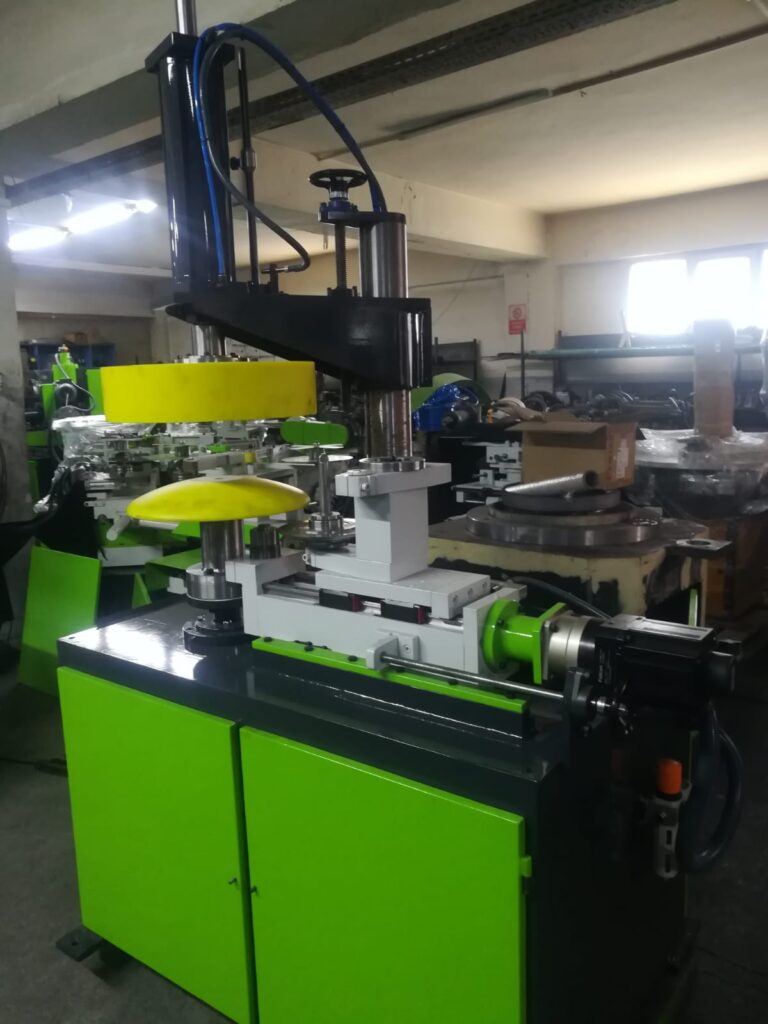
Categories
Machinery

Bead Rolling Machine

Bead Rolling Machine

Bead Rolling Machine: A Trimming Beading Machine is an industrial machine used primarily in the metalworking and fabrication industries, especially in the manufacturing of cylindrical or conical metal components, such as drums, cans, pressure vessels, or HVAC ducting.

Purpose & Function of the Trimming-Beading Machine

  1. Trimming:
    • Removes excess metal from the edges of round or cylindrical workpieces after deep drawing or forming.
    • Ensures a uniform edge or prepares the part for welding or further processing.
  2. Beading:
    • Forms a bead (a rounded protrusion or indentation) on the edge of the metal part.
    • This adds strength and rigidity to the part, helps in sealing (in case of containers), or improves aesthetics and safety (e.g., eliminating sharp edges).

Key Features:

  • Rotary system: Workpieces are usually mounted and rotated while tooling trims or beads the edge.
  • Manual, semi-automatic, or fully automatic operation.
  • Adjustable tooling: To accommodate different diameters, thicknesses, or bead profiles.
  • Material compatibility: Works with steel, stainless steel, aluminum, copper, etc.

Common Applications:

  • Drum manufacturing
  • HVAC duct parts
  • Automotive mufflers or filters
  • Pressure vessels
  • Kitchenware & cookware production

Variants:

  • Vertical or horizontal configurations
  • Integrated into production lines or used as standalone units.
  • Can include CNC controls for high precision and repeatability.

A trimming beading machine is used in metal fabrication to finish and reinforce the edges of cylindrical or conical metal parts such as drums, tanks, HVAC ducting, and pressure vessels. It performs two main operations: trimming and beading. Trimming involves removing any excess material from the edge of a workpiece after it has been formed, ensuring the edge is smooth, uniform, and ready for further processing like welding or sealing. Beading, on the other hand, forms a raised or indented bead along the edge of the metal, which strengthens the part, improves its appearance, and removes sharp edges for safety or sealing purposes.

The machine typically works by rotating the metal part while a set of forming tools or rollers engage with the edge to carry out trimming and beading. It can be operated manually, semi-automatically, or fully automatically depending on the production requirements. These machines are designed to handle various materials including mild steel, stainless steel, aluminum, and copper, and they come in different configurations such as vertical or horizontal types to suit different workshop layouts.

Tooling can be adjusted to accommodate different diameters, metal thicknesses, and bead profiles, making the machine versatile for a wide range of products. In higher-end models, CNC systems are integrated for better precision, speed, and repeatability, especially important in large-scale or high-specification manufacturing. The process not only ensures dimensional accuracy but also adds mechanical strength to the finished product by creating a reinforced edge, which is particularly important in containers that experience internal pressure or need secure sealing.

Trimming beading machines are essential in industries where the final product must meet strict dimensional and aesthetic standards. In applications such as drum manufacturing, the beading process ensures that the rim can support stacking or attachment of lids, while in HVAC ducting, beads improve airflow characteristics and provide locations for fastening or sealing. The machine’s ability to precisely control the depth and shape of the bead also plays a role in meeting regulatory or safety requirements, especially in pressure-rated vessels or food-grade containers.

The operational efficiency of a trimming beading machine greatly impacts production throughput. Modern machines often include quick-change tooling systems, digital position readouts, and automated clamping or centering devices to minimize setup time and improve consistency across batches. In high-volume production environments, these features are crucial in maintaining tight production schedules while reducing material waste and labor costs.

In addition to industrial use, smaller-scale or artisan manufacturers may also use simpler versions of these machines for products like cookware, artisanal metal containers, or decorative items. In such settings, the machine’s flexibility and ease of operation are often prioritized over full automation.

Maintenance of trimming beading machines involves regular inspection of tooling wear, lubrication of moving parts, and ensuring alignment of the rotating components to prevent runout or uneven finishes. High-quality machines are typically constructed with rigid frames and precision bearings to withstand the stresses of continuous operation while maintaining alignment and surface finish quality.

With the increasing integration of Industry 4.0 technologies, some trimming beading machines are also being equipped with sensors and IoT connectivity to enable real-time monitoring, predictive maintenance, and integration into smart manufacturing systems. This allows operators and managers to optimize machine usage, track performance data, and respond quickly to maintenance needs before they result in downtime.

Overall, the trimming beading machine is a versatile and indispensable piece of equipment in any manufacturing environment where round metal parts need to be finished with precision, strength, and consistency.

Integrated Trimming-Flanging-Beading Machine

An Integrated Trimming-Flanging-Beading Machine is a multifunctional piece of metal-forming equipment designed to streamline production by combining three essential operations—trimmingflanging, and beading—into a single, continuous process. This machine is especially useful in industries that manufacture cylindrical or conical components like drums, pressure vessels, tanks, and ducts, where these edge-finishing processes are critical to structural integrity, functionality, and aesthetics.

The process begins with trimming, which removes excess or uneven material from the edges of a spun, drawn, or welded workpiece. This ensures the part has a clean, uniform edge, which is crucial for downstream operations. Following trimming, the machine proceeds to flanging, where the edge is bent or turned outward (or inward) at a defined angle, typically to facilitate joining or to reinforce the structure. Finally, the beading operation forms a rounded protrusion or indentation along the edge, further strengthening the part, preventing deformation, and improving sealing or handling characteristics.

This integrated machine operates in a rotary fashion—holding the workpiece in a spinning chuck while sequential tooling units perform their respective operations. It may be manually operated for small-batch or low-complexity jobs, or fully automated for high-volume production lines. Advanced models often feature servo-controlled axesprogrammable tooling paths, and touchscreen HMIs (Human Machine Interfaces), allowing for precise control over each step of the process and quick changeovers between different part sizes or specifications.

The major advantages of using an integrated trimming-flanging-beading machine include reduced handling time, increased dimensional accuracy, space efficiency, and better overall productivity. Since the workpiece remains clamped and centered throughout the entire sequence, misalignment between operations is minimized, ensuring consistent quality and tight tolerances. Additionally, these machines reduce operator fatigue and training requirements, as multiple operations are handled automatically without manual repositioning of the part.

Industries such as automotiveappliance manufacturingoil and gas, and HVAC benefit greatly from this type of machine, especially when producing components like mufflers, filters, expansion tanks, or ducting collars. By centralizing operations, manufacturers can improve workflow, reduce machinery footprints, and meet increasing demands for speed and quality in competitive production environments.

An integrated trimming-flanging-beading machine represents a highly efficient evolution in metal fabrication, where multiple edge-forming processes are combined into one continuous cycle. Instead of transferring a part between separate machines for each step, the workpiece remains fixed in position while the machine sequentially performs trimming, flanging, and beading. This not only saves time but also enhances precision by eliminating the risk of misalignment that can occur during manual repositioning. The machine typically grips the cylindrical or conical workpiece in a rotating chuck, and tooling heads engage the edge as it spins, each performing its specific function in a pre-programmed sequence.

Trimming ensures the edge is smooth and dimensionally accurate, flanging then forms a bent lip that may serve as a mounting or sealing surface, and beading adds structural strength while improving the part’s functionality and sometimes its visual appeal. Because these steps are closely linked, integrating them into one cycle greatly benefits production speed and consistency. This is particularly important in industries where high volumes of standardized components are required, such as in the manufacture of metal drums, fire extinguishers, gas cylinders, air reservoirs, and HVAC parts.

Modern versions of these machines often include advanced features like servo motors, automated clamping systems, digital control panels, and recipe-based programming that allows operators to switch between product types with minimal downtime. These features enable high repeatability and tight tolerances even across large batches. In a production environment where efficiency and cost control are paramount, having a single operator manage a machine that performs three functions reduces labor costs and simplifies training.

Machine rigidity and build quality play a crucial role in achieving consistent results, especially when working with thicker materials or larger diameters. High-end models are engineered with vibration-dampening frames and heavy-duty bearings to maintain accuracy during continuous operation. Tooling life is also a consideration, with quick-change tool holders and hardened forming rollers helping reduce maintenance time and increase uptime.

In applications requiring strict compliance with safety or performance standards—such as pressure vessels or food-grade containers—the precise edge preparation and repeatable finish provided by an integrated machine can be critical. Moreover, as demand grows for connected and data-driven manufacturing, some integrated machines now feature IoT-enabled diagnostics and process monitoring, giving operators real-time feedback and allowing predictive maintenance to avoid unplanned stoppages.

Overall, the integrated trimming-flanging-beading machine offers a smart, compact, and highly capable solution for any manufacturing process involving round or cylindrical metal components. Its ability to increase output, reduce human error, and ensure uniform product quality makes it an indispensable asset in modern fabrication shops.

In production environments where time, precision, and consistency are critical, the integrated trimming-flanging-beading machine plays a central role in optimizing workflow. Its ability to handle multiple operations in a single clamping not only shortens cycle times but also enhances part integrity, as each process flows seamlessly into the next without interruptions or the need for re-alignment. This uninterrupted sequence ensures that all dimensional references—such as the trimmed edge, the flange angle, and the bead placement—are held to tighter tolerances than what is typically possible using separate machines.

As product designs evolve to meet more demanding specifications—whether it’s to reduce weight, improve sealing, or meet aesthetic expectations—machines like this allow for precise customization of edge geometry. Flange angles, bead radii, and edge profiles can be programmed or adjusted with minimal effort, often through a digital interface. This makes the machine especially useful in facilities that produce a wide range of components in varying sizes, wall thicknesses, and materials. From thin-walled aluminum ducts to heavy-gauge steel drums, the adaptability of the tooling and control systems allows the same machine to be used across different production lines with only minor adjustments.

Another important benefit is the reduction in material waste. Because trimming is performed as the first step with high precision, operators can work with slightly oversized blanks and then achieve perfect final dimensions during the process. Combined with consistent flanging and beading, this improves nesting and stacking of finished parts, as well as compatibility with lids, clamps, or mating components—especially in modular or interchangeable systems.

In terms of ergonomics and operator safety, integrated machines are often designed with protective enclosures, interlocks, and simplified control schemes. This not only prevents accidents but also makes the machine easier to operate, even for less-experienced workers. The automation of repetitive tasks reduces fatigue and minimizes the chances of human error, allowing operators to focus more on quality control and less on manual handling.

For manufacturers aiming to scale production without a corresponding increase in floor space, an integrated solution also addresses spatial efficiency. Replacing three standalone machines with a single integrated unit saves valuable factory real estate, simplifies material flow, and reduces energy consumption, especially when all processes are powered from a shared drive system or central control panel.

As the manufacturing sector increasingly leans toward lean production, energy efficiency, and smart manufacturing, integrated machines offer the technological edge to stay competitive. Whether it’s through networked controls, feedback loops that adjust forming pressure in real time, or cloud-based analytics that track cycle performance and machine health, these machines are positioned not only as workhorses but as intelligent nodes in the digital factory of the future.

Ultimately, the integrated trimming-flanging-beading machine exemplifies the evolution of metal-forming equipment—merging mechanical precision with digital intelligence to meet the growing demands of modern industry. It represents a shift from isolated, manual processes to streamlined, automated, and data-informed production systems capable of delivering high-quality results at scale.

In the broader context of industrial automation, the integrated trimming-flanging-beading machine also contributes to reducing production variability. In traditional setups where each process—trimming, flanging, and beading—is handled by a different operator or separate station, even small discrepancies in setup or handling can accumulate, resulting in parts that deviate from the design specification. By consolidating these operations into one controlled cycle, the machine minimizes those variables, ensuring uniformity across hundreds or thousands of components.

This level of control is especially beneficial in quality-sensitive applications such as in the food and beverage industry, where stainless steel containers must have smooth, sealed edges to comply with hygiene standards. Similarly, in the automotive and aerospace sectors, where every millimeter counts in terms of fit and performance, the machine’s ability to repeatedly form precise beads and flanges ensures the part will function reliably under pressure, vibration, or thermal stress.

One often overlooked advantage of this machine is its impact on inventory management and production scheduling. With fewer machines involved in the process, fewer parts are waiting in queues between operations, which means reduced work-in-progress (WIP) inventory. This leads to faster turnaround times and better flexibility in responding to urgent orders or design changes. For just-in-time (JIT) manufacturing systems, where excess inventory is seen as a cost burden, integrated machines align perfectly with lean production principles.

Maintenance-wise, the centralized nature of this machine simplifies upkeep. Instead of maintaining three separate machines with their own motors, lubrication systems, and wear components, technicians can focus on a single system. Scheduled maintenance becomes more predictable, and downtime is easier to manage, especially when the machine is equipped with diagnostic software or sensor feedback loops that alert operators to component wear or alignment issues before they escalate into breakdowns.

In terms of machine learning and adaptive manufacturing, future-ready versions of these machines can incorporate real-time monitoring systems that analyze force feedback, torque variations, or temperature fluctuations during forming. These systems can automatically adjust forming parameters on the fly, compensating for material inconsistencies or tooling wear without stopping the machine. Over time, the machine can build a data profile of each batch, helping engineers optimize not just the product but the process itself.

From a return-on-investment perspective, the initial capital cost of an integrated machine is often offset quickly by the cumulative savings in labor, floor space, tooling, and maintenance. The streamlined workflow also enhances traceability and documentation, which are critical in industries requiring audit trails, such as medical device manufacturing or pressure vessel certification. Many models are now built with connectivity in mind, allowing remote diagnostics, software updates, and even performance optimization from the manufacturer’s side, further enhancing uptime and long-term value.

At the end of the day, the integrated trimming-flanging-beading machine isn’t just a tool for shaping metal—it’s a platform for production efficiency, quality control, and process innovation. Whether for a high-volume production line or a precision-driven specialty workshop, this kind of machinery embodies the direction modern fabrication is heading: fewer steps, smarter control, tighter tolerances, and greater adaptability.

High-Speed Trimming and Beading Line

Integrated Trimming-Flanging-Beading Machine

High-Speed Trimming and Beading Line is a fully automated, continuous production system designed for rapid, precise processing of cylindrical or conical metal components—typically used in industries like packaging, automotive, HVAC, and container manufacturing. Unlike standalone or semi-automated machines, this line is engineered to operate at high throughput rates, often handling hundreds of parts per hour with minimal operator intervention.

In a typical configuration, components—such as can bodies, drum shells, or duct segments—enter the line via a conveyor or feeding system. They are automatically centered, clamped, and rotated while high-speed tooling units carry out trimming to remove any excess or uneven edge material, followed immediately by beading, where a reinforcing groove or profile is formed around the edge. These operations are completed in quick succession, synchronized by servo drives and PLC-based control systems to ensure perfect timing and minimal idle movement.

The key advantage of a high-speed line is not just speed, but consistency. Every part undergoes the same programmed cycle, eliminating the variability that can occur with manual or semi-automatic systems. The line typically includes automatic part detection, positioning sensors, and quality control features like laser measurement or vision systems to verify dimensions and detect defects in real-time. Faulty parts can be automatically rejected without stopping the line.

These systems are built for non-stop industrial environments, often running 24/7 with features like automatic lubrication, centralized dust or chip extraction, and quick-change tooling systems to minimize downtime during product changeovers. Material compatibility ranges from thin-gauge aluminum and tinplate to thicker steel and stainless steel, depending on the product and forming requirements.

For applications like food and chemical drums, paint cans, filter housings, or HVAC tubes, where edge quality, dimensional accuracy, and structural strength are essential, the high-speed trimming and beading line ensures products meet those demands at scale. Some setups also integrate with upstream and downstream processes, such as welding, leak testing, or flanging stations, creating a seamless manufacturing flow from raw shell to finished, edge-formed product.

With digital control systems and industry 4.0 integration, operators can monitor production metrics, schedule maintenance, and even perform remote diagnostics. All of this contributes to higher yield, lower scrap rates, and a faster return on investment, making these lines a cornerstone of modern high-volume metalworking facilities.

In a high-speed trimming and beading line, every component of the system is designed for efficiency, precision, and endurance. From the moment a shell or part enters the line, it is automatically aligned, clamped, and engaged with the tooling in one fluid motion. The trimming station, typically equipped with hardened rotary blades or shearing tools, removes any excess material from the edges with clean, burr-free cuts. The operation is synchronized so that the transition to the beading station is immediate and seamless, without the need for stopping or manual repositioning. The beading station then forms one or more reinforcing grooves, depending on the product requirements, using hardened rollers that are precisely positioned and pressure-controlled for consistent depth and profile.

Because the entire process is automated and continuous, the line can run at extremely high speeds—sometimes processing up to 60 to 120 parts per minute, depending on part size and complexity. This makes it ideal for mass production environments where downtime and inconsistency can be costly. Tooling setups are optimized for rapid changeovers, allowing manufacturers to switch between different product sizes or styles with minimal interruption. In more advanced systems, recipe-based controls store multiple configurations, so operators can switch batches with just a few inputs on a touchscreen interface.

The mechanical design of the line emphasizes both speed and stability. The rotating spindles, feeding mechanisms, and forming rollers are often driven by servo motors that allow for real-time adjustments in torque and speed, reducing stress on the components and ensuring a smooth forming cycle. The frame is built to absorb vibration and maintain tight tolerances over extended periods of operation, even under heavy workloads. Automated part ejection systems remove finished parts swiftly, often transferring them directly to a conveyor, stacker, or the next stage of assembly or inspection.

Integrated quality control is another hallmark of these systems. Vision cameras or laser scanners monitor each part as it passes through, checking for proper edge formation, bead depth, or surface defects. If an anomaly is detected, the system flags the part for removal without halting the entire line. This kind of in-line inspection ensures that only fully compliant parts move forward, reducing the risk of defective products reaching final assembly or packaging.

Energy efficiency and maintenance have also been addressed in modern high-speed lines. Regenerative drives recycle energy during deceleration, and lubrication systems are automated to keep moving parts in top condition without constant manual intervention. Some machines are equipped with predictive maintenance algorithms that alert operators to wear patterns or performance deviations, allowing them to schedule service before a failure occurs.

Manufacturers who invest in high-speed trimming and beading lines typically do so to support high-volume production while maintaining consistent quality and traceability. These lines are often found in facilities that operate around the clock, where every second of uptime translates directly to increased output and profitability. As production demands evolve and product designs become more complex, these systems can be upgraded or customized with additional forming heads, integrated flanging, embossing, or even marking systems, making them highly adaptable and future-proof.

The high-speed trimming and beading line represents the convergence of mechanical engineering, automation, and smart manufacturing. It transforms what were once labor-intensive, multi-step processes into a streamlined, high-output production system capable of meeting the tightest tolerances and fastest delivery schedules in the industry.

The reliability and repeatability of a high-speed trimming and beading line make it a core investment for companies focused on large-scale production where both throughput and precision are non-negotiable. These lines are built not just to run fast, but to run smart—capable of maintaining consistent quality over thousands of cycles without compromising dimensional tolerances or edge finish. This level of precision is especially critical when dealing with downstream automated assembly systems, where even minor variations in part geometry can cause jams, misfits, or alignment issues. By producing perfectly trimmed and beaded edges every time, the line ensures smooth integration into subsequent processes such as welding, sealing, painting, or packaging.

In facilities where product traceability is essential—such as in the food, chemical, or pharmaceutical sectors—these lines can be equipped with part serialization modules, barcode printers, or even direct part marking systems that log production details like date, batch number, and machine settings in real time. This data can be pushed to central production monitoring software, helping manufacturers maintain full traceability and comply with industry standards or customer audits.

Another major benefit lies in the operator experience. High-speed trimming and beading lines are designed for intuitive operation, often featuring centralized control panels with real-time diagnostics, maintenance reminders, and production analytics. Operators can view cycle counts, part output rates, alarm histories, and even get suggestions for optimal tool change intervals or cleaning schedules. This drastically reduces the learning curve and empowers production teams to run the equipment with confidence and minimal supervision.

Tool wear and part fatigue are inevitable in any high-speed operation, but the best systems address this with precision-engineered tooling made from high-durability alloys or carbide materials. Tooling stations are usually modular, allowing quick swaps for regrinding or replacement. Some lines are even equipped with automatic compensation systems that adjust tool positioning based on feedback from inline sensors, ensuring that even as tools wear, the product quality remains stable until the next scheduled change.

As environmental and sustainability standards grow more stringent, many manufacturers are turning to trimming and beading lines that optimize not just performance, but also energy usage and waste reduction. Scrap management systems, such as integrated chip collectors or magnetic conveyors, remove trimmings cleanly and efficiently, often recycling the waste directly into the production ecosystem. Reduced noise levels, enclosed tooling areas, and dust extraction also contribute to cleaner, safer working environments, helping companies meet occupational health and environmental safety targets.

Ultimately, the high-speed trimming and beading line is not just about maximizing output—it’s about achieving reliable, repeatable excellence at scale. Whether used in the production of paint cans, fire extinguishers, air ducts, or specialty industrial containers, these systems deliver a level of process control that manual or segmented setups simply can’t match. They enable manufacturers to stay competitive in an increasingly fast-paced market, providing the capacity to meet tight deadlines, accommodate custom orders, and maintain consistent product quality without compromise. With continued advancements in automation, software integration, and material science, these lines will only grow smarter, faster, and more essential to next-generation manufacturing.

Double Head Beading Machine

Detailed Description of the Trimming Process

Double Head Beading Machine is a specialized piece of equipment used in metal forming to create beads or reinforcing ridges along the edges of cylindrical or conical parts, such as drums, tanks, or HVAC ducts. Unlike single-head beading machines, which work on one edge at a time, the double head version is designed to form beads on both edges of a part simultaneously, significantly improving production efficiency, particularly in high-volume manufacturing environments.

The machine typically consists of two beading heads, each equipped with rollers that press into the edge of the rotating workpiece to form a raised or indented bead. The workpiece, often a metal cylinder or sheet, is fed into the machine, where it is clamped and rotated. As it rotates, the beading heads engage the edges, applying pressure and shaping the metal to the desired bead profile. By operating two heads at once, the machine doubles the output rate compared to a single-head system, making it ideal for operations that require high-speed processing and consistent quality across large batches.

Double head beading machines are used extensively in industries like automotive manufacturingpressure vessel productionHVAC, and metal container fabrication. For example, in the production of cylindrical tanks or drums, the beading process strengthens the edges, improving both structural integrity and ease of sealing. The bead also prevents the edges from deforming during handling or transport, ensuring that the parts maintain their shape and functionality under pressure.

The design of the double head machine often includes features like adjustable tooling, which allows for different bead sizes and shapes to be created depending on the part specifications. The tooling can be swapped or adjusted to accommodate varying metal thicknesses and diameters, making the machine highly versatile for different applications. Some models also feature servo-driven controls or CNC capabilities, enabling more precise control over the depth, shape, and placement of the beads, and allowing for easy programming for different production runs.

In addition to high-speed production, the double head beading machine offers improved precision and consistency in bead formation. Because both heads operate simultaneously, there is less risk of misalignment or variation between the edges, ensuring that both beads are identical and meet strict quality standards. This is particularly important when the beads need to align with other parts or fit securely into mounting brackets, lids, or seals.

The automation in modern double head beading machines also means that operators can monitor the entire production process through digital interfaces, reducing the risk of human error. Real-time feedback and diagnostics help operators ensure that the machine is functioning at optimal efficiency, and quick changeover features allow for faster transition between different part designs or sizes. Many advanced machines come with automatic part handling systems, further reducing the need for manual intervention and increasing overall throughput.

Double head beading machines are also equipped with safety features, such as enclosed work areasinterlock systems, and emergency stop buttons, ensuring that the operator can work safely during the high-speed operation. Additionally, dust collection and chip removal systems are often incorporated to maintain a clean workspace, improving both machine longevity and the operator’s working environment.

In summary, the double head beading machine offers a powerful solution for manufacturers looking to boost their production efficiency while maintaining high levels of precision and consistency. By simultaneously creating beads on both edges of the workpiece, it helps to reduce cycle times and increase output, making it a valuable asset in industries that require large-scale, high-quality metal forming.

A Double Head Beading Machine is a specialized tool used in metalworking to form reinforcing beads along the edges of cylindrical or conical metal parts. By utilizing two beading heads, this machine is capable of processing both edges of a workpiece simultaneously, significantly enhancing production speed and efficiency. The machine operates by feeding the part, which is typically a drum, tank, or duct component, into the system where it is clamped and rotated. As the workpiece rotates, each beading head engages one edge at a time, using rollers to apply pressure and shape the metal into a defined bead. This design essentially doubles the output rate compared to a single-head machine, making it particularly valuable in high-volume manufacturing environments where speed and consistency are paramount.

The primary function of the beads formed on these edges is to provide additional strength and structural integrity. In applications such as tank or drum production, the beads reinforce the edges, preventing deformation during handling and improving the sealing ability of the components. They also serve aesthetic purposes in some cases, giving the finished product a clean and uniform appearance. Beyond strengthening, beading also helps in parts fitting into other components, such as when parts need to align with mounting brackets, lids, or seals. The machine’s versatility allows it to work on a wide range of materials and part sizes, and it can be adjusted for varying metal thicknesses and diameters. With adjustable tooling and advanced control systems like servo motors or CNC interfaces, manufacturers can easily alter the bead size, shape, and depth to meet specific production requirements.

By simultaneously processing both edges, the double head design ensures high-quality consistency across large batches, reducing the chance of misalignment between the two beads and ensuring that they meet tight quality standards. This is essential for applications where precise, uniform bead formation is necessary for part compatibility and performance. The machine’s automation features allow for efficient operation, with many modern models incorporating digital interfaces for easy monitoring and adjustment of settings. This reduces the need for operator intervention and minimizes the risk of human error, thus increasing overall productivity.

Double Head Beading Machines are commonly used in industries such as automotive manufacturing, pressure vessel production, HVAC, and metal container fabrication. Their ability to handle high-speed production while maintaining precision makes them indispensable in these sectors. They not only improve production throughput but also reduce material waste by ensuring clean, uniform bead formation with minimal scrap. The machine is designed with safety in mind, incorporating protective enclosures and emergency stop mechanisms to ensure a safe working environment for operators. Additionally, dust collection and chip removal systems are built into the design to maintain cleanliness and prevent buildup that could affect machine performance or the operator’s health.

In conclusion, the Double Head Beading Machine is a powerful tool for manufacturers looking to increase their production capacity and maintain high standards of quality. By automating and streamlining the beading process, it reduces cycle times, improves output, and ensures consistent results, making it an invaluable asset in metalworking and manufacturing industries that require high-volume, precision metal forming.

The Double Head Beading Machine’s capacity for high-speed, simultaneous beading makes it a highly efficient solution for companies looking to scale production without sacrificing quality. Its dual-head design is particularly advantageous in industries where tight production deadlines and high-volume demands are standard. By processing two edges at once, the machine maximizes throughput and minimizes the time spent per part. This is a critical factor in industries where profitability is closely tied to the ability to produce large quantities of products quickly and efficiently, such as in the manufacturing of metal drums, pressure vessels, air ducts, and industrial tanks.

Furthermore, the use of advanced automation systems in modern double head beading machines not only improves production efficiency but also enhances control over the manufacturing process. These systems can be programmed to adjust the depth, shape, and position of the beads automatically, which ensures consistent results even with different part sizes or material types. Automated sensors and feedback loops monitor key parameters, such as pressure and speed, to ensure optimal performance during each cycle. This level of control minimizes the risk of defects, reduces waste, and maximizes the lifespan of tooling.

Another significant benefit is the reduced downtime associated with maintenance and tool changes. The modular design of these machines allows operators to quickly swap or adjust tools, ensuring that the line can continue operating with minimal interruption. With the use of predictive maintenance technologies, operators can be alerted to potential issues before they lead to machine failure, helping to avoid costly and time-consuming repairs.

For manufacturers focused on lean production, the high efficiency and reduced waste generated by the Double Head Beading Machine align well with modern manufacturing practices. The machine’s design helps to minimize the amount of scrap produced during the beading process, ensuring that more of the raw material is utilized effectively. This not only reduces costs but also contributes to more sustainable production practices, which are increasingly important in today’s environmentally conscious market.

Additionally, as industries push for greater product customization and variation, the flexibility of double head beading machines allows manufacturers to easily switch between different bead profiles and sizes. This versatility is critical for producing a wide range of products while maintaining high standards of quality and efficiency. Whether it’s creating a deep bead for structural reinforcement or a shallow bead for aesthetic purposes, the machine can be adjusted to accommodate these varying needs with ease.

As manufacturers continue to adopt Industry 4.0 principles, newer models of Double Head Beading Machines often come equipped with IoT (Internet of Things) capabilities, allowing for remote monitoring and data collection. This connectivity provides operators and managers with real-time insights into machine performance, which can be used to optimize production schedules, track productivity, and analyze trends in part quality. This level of data integration supports informed decision-making and helps manufacturers stay competitive in an increasingly data-driven industrial landscape.

Overall, the Double Head Beading Machine is a powerful tool that addresses the need for high-speed production, precision, and flexibility. By simultaneously processing two edges, it improves throughput, reduces cycle time, and maintains consistent product quality. Its integration with modern automation systems and predictive maintenance technology further enhances its value, making it an essential piece of equipment for manufacturers looking to streamline operations, reduce waste, and meet the demands of high-volume production while maintaining the flexibility to adapt to custom orders.

The continued evolution of the Double Head Beading Machine also includes innovations in user interface and integration with other parts of the production line. With the advent of more intuitive control systems, operators now have access to touchscreen interfaces, which allow them to easily input parameters such as bead size, material thickness, and speed. These systems also provide visual feedback, such as real-time machine status, cycle completion, and alerts for any malfunctions. The ability to control and monitor the beading process with greater precision and ease enhances operator efficiency and reduces the chances of human error.

For manufacturers with a diverse range of products or frequent design changes, the flexibility of the Double Head Beading Machine is a major asset. With programmable settings and quick-change tooling options, it is possible to seamlessly switch between different beading patterns, sizes, and materials. This adaptability ensures that the machine can handle variations in product design without the need for major adjustments or downtime, enabling manufacturers to meet a wide range of customer requirements and respond quickly to changing market demands.

One of the key factors that drive the adoption of Double Head Beading Machines in modern manufacturing is the emphasis on quality control. The precision with which beads are formed is critical, especially when components need to meet stringent specifications or must fit seamlessly into other parts. The dual-head configuration allows manufacturers to maintain uniform bead formation across large batches, ensuring that every part meets the same high standards for strength, appearance, and functionality. This consistency is essential in industries where even minor variations can affect the integrity of the final product.

The integration of robotic arms or automated part handling systems with Double Head Beading Machines is another emerging trend. These systems work in tandem with the beading process, removing finished parts from the machine and transferring them to the next stage of production, such as assembly or inspection. This automation reduces manual labor and accelerates the flow of materials, increasing overall throughput while reducing the risk of human error and handling damage.

With the push for sustainability in modern manufacturing, Double Head Beading Machines also contribute to more eco-friendly production. By reducing waste and scrap material, manufacturers can minimize their environmental impact. Additionally, many of these machines are built with energy-efficient components that reduce the power consumption during operation. The ability to recycle waste material, such as metal trimmings, further helps manufacturers contribute to sustainable practices while reducing costs.

The maintenance aspect of Double Head Beading Machines has also been significantly enhanced in recent years. In addition to automatic lubrication systems that ensure optimal tool performance and reduce wear, many models now come with condition monitoring systems. These systems track the performance of critical components, such as motors, rollers, and sensors, and can predict when maintenance is needed. This predictive approach helps to reduce unexpected downtime and extend the overall life of the machine, improving the return on investment.

As production facilities continue to adopt smart manufacturing techniques, the integration of data analytics into Double Head Beading Machines allows for the optimization of the beading process. Data collected during production, such as bead depth, machine speed, and part size, can be analyzed to identify patterns and inefficiencies. This information can be used to adjust the process parameters in real-time, ensuring that each part is produced to the highest standards while reducing waste and improving cycle times.

In the long term, the flexibility, efficiency, and precision of Double Head Beading Machines will continue to make them a valuable investment for manufacturers looking to stay competitive. As industry standards evolve and product designs become more complex, these machines will adapt to meet the needs of modern manufacturing, offering faster cycle times, higher-quality products, and greater flexibility to accommodate a diverse range of customer specifications. With the ongoing advancements in automation, digital control systems, and data analytics, the future of Double Head Beading Machines is poised to bring even greater improvements in productivity, quality, and cost-effectiveness.

Multi-Operation Trimming Beading System

Hydraulic Beading Machine

Multi-Operation Trimming Beading System is an advanced machine used in metalworking that integrates several distinct processes—trimming, beading, and often other secondary operations—into one unified system. This type of system is designed for high-volume production environments, where precision, speed, and versatility are paramount. The integration of multiple operations into a single machine streamlines production and reduces the need for separate machines, resulting in lower overall operating costs and increased efficiency.

The key features of a Multi-Operation Trimming Beading System include its ability to simultaneously trim the edges of a metal part to remove excess material while forming beads along the edges to strengthen, reinforce, or create specific geometries. This dual function eliminates the need for separate trimming and beading stations, improving throughput and reducing material handling time.

In the trimming process, the machine uses high-speed rotary cutters, shears, or blades to cleanly remove the excess material from the workpiece, ensuring a smooth, burr-free edge. Following trimming, the beading operation is carried out, typically using rollers or dies that apply pressure to form a raised bead or ridge along the edge of the part. This bead may serve multiple purposes, such as improving the structural integrity of the part, facilitating better sealing during assembly, or enhancing the product’s aesthetic appearance.

One of the most significant advantages of a Multi-Operation Trimming Beading System is its flexibility. These systems are capable of processing a wide range of materials, including thin-gauge metals like aluminum and steel, as well as thicker materials for more demanding applications. They can also handle varying part sizes, with adjustments made via the machine’s control system. Automated adjustments for different part sizes and bead profiles allow for quick changeovers between different production runs, ensuring minimal downtime and maximizing machine utilization.

Advanced versions of these systems are often equipped with servo-driven motors and programmable logic controllers (PLCs), enabling precise control over the trimming and beading operations. This precise control allows manufacturers to achieve tight tolerances, consistent bead depths, and high-quality finishes, which are critical in industries such as aerospace, automotive, HVAC, and container manufacturing. Some systems also feature CNC capabilities, allowing for automated, computer-controlled operations that can be programmed to handle complex part geometries or custom specifications.

Another benefit of these systems is their integration with downstream processes. Many multi-operation systems are designed to work seamlessly with other equipment, such as welding stations, flanging machines, or part handling systems. This integration enables a continuous flow of parts through the production line, minimizing the need for manual intervention and enhancing overall productivity. For example, once a part is trimmed and beaded, it can be automatically ejected and transferred to the next station for further processing, packaging, or inspection.

The addition of quality control features is another hallmark of a Multi-Operation Trimming Beading System. Many systems are equipped with sensors, vision cameras, or laser scanning technology to inspect the parts as they are processed. These systems can detect defects such as incorrect bead depth, uneven trimming, or dimensional inconsistencies. If any issues are detected, the system can either correct them automatically or reject faulty parts before they move further down the production line, ensuring that only high-quality components are produced.

Maintenance is simplified in multi-operation systems, as these machines typically include self-lubricating systemscondition monitoring, and predictive maintenance capabilities. Sensors monitor the condition of critical components, such as rollers, motors, and blades, and alert operators when maintenance is required, reducing unplanned downtime and prolonging the life of the equipment.

The efficiency of a Multi-Operation Trimming Beading System also extends to material handling. Parts are typically fed into the system by automated feeders or conveyors, which align and position the workpieces for processing. Once the parts are finished, they are automatically ejected and transferred to the next station, minimizing manual labor and reducing handling time. This high degree of automation not only increases throughput but also helps reduce the risk of defects caused by human error during part handling.

In summary, a Multi-Operation Trimming Beading System offers a streamlined, highly efficient solution for manufacturers looking to combine trimming and beading operations in a single system. Its ability to process various materials and part sizes, while ensuring high precision and consistent quality, makes it ideal for high-volume production environments. The integration of advanced controls, automation, and quality inspection systems further enhances its capabilities, allowing manufacturers to meet the demands of modern industrial production with reduced costs, faster cycle times, and greater product consistency.

The versatility and efficiency of a Multi-Operation Trimming Beading System can significantly impact a manufacturer’s ability to meet customer demands for both quality and turnaround time. With industries requiring increasingly precise and intricate components, these systems allow for customization without sacrificing speed or operational efficiency. Manufacturers can adjust the system to handle a variety of part sizes, bead profiles, and material types, ensuring that each batch meets strict specifications. This adaptability is particularly valuable in sectors such as automotiveconstructionelectronics, and consumer goods, where custom parts with unique geometries or functional requirements are frequently needed.

Additionally, as lean manufacturing continues to be a driving force in modern production, the multi-operation system aligns perfectly with these principles. By combining multiple processes in a single machine, manufacturers can reduce the need for additional equipment and labor, minimizing resource waste and operational costs. The ability to quickly switch between different part designs, combined with the automated handling of raw materials and finished products, ensures that production runs are more efficient and less prone to bottlenecks. This helps improve the overall efficiency of the manufacturing process and enhances output capacity.

Another important advantage of these systems is the reduced risk of human error. Automation plays a key role in ensuring consistent results across large production volumes. With manual intervention minimized, especially in high-speed production, the chances of mistakes due to improper setup, part misalignment, or inconsistent material handling are greatly reduced. Automated systems can also adjust processing parameters in real-time based on feedback, further enhancing product consistency.

From an operational standpoint, energy efficiency is increasingly a focus in industrial production. Many Multi-Operation Trimming Beading Systems are built with energy-saving technologies. These systems optimize energy usage by utilizing variable-speed drives, intelligent power management, and energy-efficient motors. Reducing energy consumption not only lowers operational costs but also supports sustainability initiatives by reducing the carbon footprint of production.

Moreover, data-driven insights are becoming a key part of modern manufacturing, and the multi-operation systems are increasingly equipped with advanced data-collection and analytics capabilities. Sensors embedded in the system capture critical operational data, including machine speed, processing time, tool wear, material throughput, and part quality. This data can be monitored in real-time through integrated systems, allowing production managers to make informed decisions and adjustments to optimize efficiency. Machine performance can also be tracked over time to predict when maintenance is due, reducing unplanned downtime and further increasing the overall productivity of the manufacturing line.

Another growing trend in multi-operation trimming beading systems is integration with Industry 4.0 technologies. This includes the ability to connect the system to cloud-based platforms or the company’s ERP (Enterprise Resource Planning) system, allowing for seamless data exchange across the entire production network. By connecting the trimming and beading process with other stages in the manufacturing workflow, manufacturers can gain end-to-end visibility into their operations, further improving decision-making, resource allocation, and production scheduling.

For companies that prioritize product traceability and compliance, multi-operation systems often come with built-in features such as barcode readersQR code scanners, and automatic part marking systems. These allow each part to be traced throughout its production journey, ensuring that it meets regulatory or quality standards. This is especially important in industries with stringent quality control requirements, such as aerospace or food-grade container production.

The use of these systems in flexible manufacturing environments also provides manufacturers with the capability to manage custom orders with ease. In today’s competitive landscape, companies are frequently tasked with producing smaller batch sizes or custom products to meet specific customer needs. The multi-operation trimming and beading system’s programmable control systems can quickly switch between different part configurations and produce complex parts with a high degree of accuracy, making it ideal for fulfilling customized orders efficiently.

As environmental concerns continue to shape the manufacturing industry, waste reduction is a major focus for many manufacturers. The multi-operation system can be designed to optimize material usage during the trimming phase, reducing scrap rates. Additionally, features like recycling systems or automatic scrap separation allow manufacturers to recycle the waste material from the process and reuse it in future production, further contributing to sustainability.

Lastly, the cost-effectiveness of these systems makes them a wise investment for manufacturers. While the initial cost of purchasing and setting up a multi-operation trimming beading system may be higher compared to simpler, standalone machines, the long-term savings in labor, operational efficiency, energy consumption, and material waste typically make up for this investment. The increased outputimproved product quality, and reduced need for maintenance also contribute to a quicker return on investment (ROI).

In conclusion, a Multi-Operation Trimming Beading System is an essential asset for manufacturers looking to streamline operations, improve product quality, and increase production efficiency. The combination of trimming, beading, and often additional processes within a single system allows for higher throughput, less downtime, and more flexibility in production. The ability to easily adapt to different part specifications and materials, while maintaining precision and reducing human error, makes these systems a cornerstone of modern manufacturing. Whether optimizing production flow, increasing sustainability, or meeting custom orders, these machines provide manufacturers with the tools they need to stay competitive in an ever-evolving industry.

As manufacturing continues to evolve in the face of new technologies and market demands, the role of Multi-Operation Trimming Beading Systems becomes even more critical in maintaining a competitive edge. Beyond the operational benefits of efficiency and precision, these systems are also central to supporting advanced manufacturing techniques such as just-in-time (JIT) production and mass customization.

For manufacturers working within JIT frameworks, the speed and flexibility of multi-operation systems are especially valuable. These systems can quickly adapt to different production volumes and part variations, making it easier for companies to maintain a lean inventory and reduce waste. The ability to rapidly produce small batches of customized parts without sacrificing quality or efficiency allows manufacturers to meet customer demands on tight timelines, all while keeping costs low. This becomes especially important when parts need to be delivered quickly to avoid production delays in industries such as automotiveaerospace, and consumer electronics.

The increasing trend of mass customization — where consumers or clients demand tailored products in high volumes — also benefits from the capabilities of multi-operation systems. These systems offer the flexibility to create custom parts with varying specifications, sizes, and features while maintaining high-speed production and minimal downtime. Customization can be accommodated without the need for entirely new setups, making it easier to deliver individualized components within larger production runs. This level of adaptability makes multi-operation trimming beading systems essential for companies that cater to specific client needs, offering both personalized solutions and the ability to scale production without delays.

Another critical aspect is the impact of advanced materials and new production techniques. As manufacturing continues to explore lighter, stronger, and more sustainable materials, multi-operation systems must evolve to accommodate these changes. Whether it’s lightweight alloys, composites, or advanced coatings, these systems can be adapted to handle a variety of materials with differing properties. With their ability to adjust parameters like speed, pressure, and tooling configurations, manufacturers can maintain quality standards when working with these new materials. For example, when using materials that are more susceptible to deformation or require delicate handling, the machine’s advanced control systems ensure that the right amount of force is applied to achieve precise beading and trimming without damaging the workpiece.

The evolution of additive manufacturing (3D printing) and hybrid manufacturing — which combines both additive and subtractive processes — is also influencing the capabilities of multi-operation systems. These systems can now work alongside or in conjunction with additive processes, allowing for greater flexibility in producing complex parts. Hybrid systems that integrate additive manufacturing processes, such as laser sintering or metal 3D printing, with trimming and beading processes, can offer more intricate and lightweight designs that were previously impossible or too costly to produce. By integrating these technologies, manufacturers can push the boundaries of part complexity while maintaining the cost-efficiency and speed of traditional manufacturing.

Automation and robotic systems continue to play a major role in expanding the functionality of multi-operation trimming beading systems. Integrating robotic arms into the system allows for more precise manipulation of parts, reducing the risk of deformation during handling and improving accuracy in both trimming and beading processes. Robots can also be used to load and unload parts automatically, reducing labor requirements and enhancing the overall throughput of the system. Furthermore, vision systems or AI-powered analytics can continuously inspect parts during processing to identify any inconsistencies in bead depth, trim alignment, or other features. If any flaws are detected, the system can make real-time adjustments or alert the operator, ensuring that only parts that meet strict quality standards continue through the production line.

The integration of digital twins and augmented reality (AR) technologies into multi-operation systems is also on the rise. A digital twin is a virtual replica of the physical system that allows manufacturers to simulate different production scenarios, predict potential issues, and optimize workflows before they even occur in the real world. This predictive capability can help manufacturers refine their processes, reduce downtime, and improve quality assurance. Similarly, augmented reality can assist operators by overlaying critical process information directly onto the workspace through AR glasses or screens, helping them with setup, adjustments, and troubleshooting in real-time. This cutting-edge technology ensures that operators have all the necessary information to make quick decisions and perform tasks efficiently.

Another area of continuous improvement in multi-operation systems is predictive quality control. Traditionally, quality control has been done at the end of the production line or after the part is finished. With the integration of real-time data collection and analytics, however, quality control can now occur throughout the entire production process. Sensors and machine learning algorithms can detect subtle variations in material properties, processing conditions, and machine performance, allowing for immediate corrective actions. This ensures that quality is maintained consistently from the start to the end of the manufacturing cycle, improving the overall quality of the finished product and reducing the risk of defects or rework.

As manufacturers face increasing pressure to operate more sustainably, energy consumption and resource optimization are becoming more important considerations for multi-operation systems. Energy-efficient design, low-waste manufacturing practices, and environmentally friendly processes are becoming standard features in newer models. For example, servo motors and variable-speed drives optimize power usage by adjusting energy consumption based on machine load and operational requirements, reducing energy waste during idle or low-load periods. Additionally, as scrap material is minimized through more accurate trimming and beading processes, manufacturers can improve their environmental footprint by using fewer raw materials and generating less waste. Some systems even include integrated systems for collecting and recycling scrap materials, further supporting sustainability goals.

Finally, as global supply chains and manufacturing networks become more interconnected, the ability to monitor and control multi-operation systems remotely is becoming an essential feature. With cloud-based platforms and Internet of Things (IoT) connectivity, manufacturers can access real-time data, troubleshoot issues, and make adjustments to the production line from anywhere in the world. This remote monitoring capability allows companies to optimize operations across multiple facilities, ensuring that machines are running at their peak performance no matter where they are located. It also enables more efficient collaboration between teams and suppliers, reducing lead times and improving communication throughout the supply chain.

In conclusion, the evolution of Multi-Operation Trimming Beading Systems reflects the continuous push toward greater flexibilityspeedprecision, and automation in manufacturing. By integrating the latest technologies — from AI-driven quality control to cloud-based remote monitoring — these systems provide manufacturers with a powerful tool for producing high-quality parts quickly and efficiently, all while reducing waste and enhancing sustainability. As the industry embraces new materials, manufacturing techniques, and production methods, multi-operation systems will remain at the forefront of ensuring that manufacturers can meet the growing demands for customization, speed, and precision in an increasingly competitive market.

Automatic Beading Machine

Multi-Operation Trimming Beading System

An Automatic Beading Machine is a specialized piece of equipment used in metalworking and manufacturing processes to form consistent, precise beads or ridges along the edges of metal sheets or parts. Beading is a critical process in industries where strength, reinforcement, and aesthetic appeal are required. This machine is designed to perform the beading operation automatically, making it an ideal choice for high-volume production environments where speed, precision, and consistency are essential.

Key Features and Benefits

  1. Automated Operation: The primary advantage of an automatic beading machine is its ability to operate with minimal manual intervention. Once the parameters are set (such as bead size, material type, and part configuration), the machine will perform the beading process continuously without the need for operator involvement during each cycle. This automation leads to significant improvements in production speed and reduces the likelihood of human error.
  2. Precision and Consistency: Automatic beading machines use advanced control systems, often powered by PLC (Programmable Logic Controllers) or CNC (Computer Numerical Control), to maintain highly accurate bead depth and alignment. This ensures that each part produced has consistent beads, even when manufacturing large quantities. Whether producing parts for the automotiveaerospace, or HVAC industries, the machine’s precision is critical to maintaining product integrity and quality standards.
  3. Versatility: Modern automatic beading machines can handle a wide variety of materials, including metals like steelaluminumcopper, and stainless steel, as well as composite materials. They are also capable of processing parts in various sizes, from small components to larger, more complex shapes. The machine can be adjusted to create beads with different profiles, such as shallow or deep beads, depending on the application.
  4. High-Speed Production: These machines are designed for high-speed operations, making them ideal for mass production. Their efficiency reduces cycle times significantly, enabling manufacturers to meet high-volume demands without compromising on quality. The ability to automate both the beading and the feeding process ensures that parts move smoothly through the production line with minimal downtime.
  5. Custom Bead Profiles: Automatic beading machines can produce a variety of bead profiles, including single beadsdouble beads, or complex shapes. The bead shape and depth can be easily modified through the machine’s control interface, allowing manufacturers to meet specific design requirements or functional needs (e.g., reinforcement for structural integrity, improved sealability, or aesthetic finishing).
  6. Reduced Labor Costs: By automating the beading process, manufacturers can significantly reduce labor costs. The machine’s high throughput and automated operation reduce the need for manual handling, setup, and supervision, allowing operators to focus on other aspects of production or quality control.
  7. Tooling and Maintenance: Automatic beading machines typically feature modular tooling systems, which makes it easier to change tooling and adapt the machine for different part sizes or bead profiles. This is particularly important when dealing with custom or frequent design changes. Additionally, many automatic beading machines have self-lubricating systems and condition monitoring features, reducing maintenance needs and extending the life of the machine.
  8. Quality Control Integration: Many modern automatic beading machines are equipped with vision systems or sensors to monitor the beading process in real time. These systems ensure that the beads are being formed correctly and to the required specifications. If any deviations are detected, the machine can make adjustments automatically or alert the operator for corrective action. This ensures that every part produced meets the quality standards without requiring additional manual inspection.
  9. Energy Efficiency: With the increasing focus on sustainability and cost savings, automatic beading machines are designed to be energy-efficient. Features such as variable-speed motorsservo-driven mechanisms, and intelligent power management help reduce energy consumption during production, lowering operational costs and supporting green manufacturing initiatives.

Applications

  1. Automotive Industry: In automotive manufacturing, beading is often used for metal components like body panels, exhaust systems, and structural elements. The automatic beading machine can efficiently create the required beads to reinforce parts and ensure they are both durable and visually appealing.
  2. HVAC Systems: Automatic beading machines are used to form beads on ductwork and other HVAC components. Beads help improve the structural integrity of air ducts and other parts, ensuring they can withstand pressure and stress during operation.
  3. Container Manufacturing: In industries like food and beverage or chemicals, automatic beading machines are used to form beads on metal containers, such as cans and barrels. The beads not only strengthen the containers but also improve their aesthetic appeal and ensure that they fit together tightly during sealing.
  4. Pressure Vessels: Beading is also crucial in the production of pressure vessels, where the beads help provide reinforcement and maintain the strength of the vessel under high-pressure conditions.
  5. Consumer Goods: In the production of household appliances, metal furniture, and other consumer goods, automatic beading machines can be used to add decorative beads, as well as functional beads to reinforce edges and joints.

Technological Advancements

  1. CNC Control: Many automatic beading machines are now equipped with CNC controls that allow for precise adjustments to bead size, depth, and pattern. CNC systems also enable batch production with consistent quality and easy program changes for different part designs.
  2. Robotic Integration: To improve automation and efficiency further, some machines are integrated with robotic arms to automatically load and unload parts. Robotic systems can also assist in moving parts through various stages of the production line, reducing manual labor and speeding up the overall production process.
  3. Remote Monitoring and IoT: Newer models of automatic beading machines are equipped with IoT capabilities, enabling remote monitoring and diagnostics. Operators can access performance data, receive alerts for potential issues, and even adjust machine settings from a remote location, optimizing uptime and minimizing downtime.
  4. Adaptive Control Systems: Advanced control systems equipped with machine learning algorithms are capable of adjusting the process in real-time based on the data they gather from each cycle. This adaptability ensures optimal beading quality throughout a long production run, reducing defects and scrap rates.

Conclusion

An Automatic Beading Machine is a crucial investment for manufacturers focused on high-volume production, precision, and cost efficiency. Its ability to automatically produce consistent, high-quality beads on metal components reduces labor costs, increases throughput, and improves the overall quality of the final product. With the integration of advanced technologies such as CNC control, robotics, and real-time monitoring systems, these machines are not only enhancing operational efficiency but are also positioning manufacturers to meet the growing demands for customization and sustainability in today’s competitive market. Whether for automotive, aerospace, HVAC, or consumer goods, an automatic beading machine helps ensure that parts are consistently produced with high strength, precision, and reliability.

An automatic beading machine is a highly efficient and specialized piece of equipment used in various industries for forming consistent beads or ridges along the edges of metal parts. These beads serve different purposes, including reinforcing edges, improving structural integrity, facilitating better sealing during assembly, and sometimes for aesthetic purposes. The key benefit of an automatic beading machine is its automation of the entire beading process, reducing the need for manual labor and increasing the speed and precision of production. Once the settings are configured, the machine can continuously produce parts with little to no operator intervention, reducing both labor costs and the risk of human error.

The primary advantage of an automatic beading machine is its ability to produce parts with highly consistent bead profiles. Whether it’s a shallow or deep bead, the machine maintains precision across large production volumes, which is crucial in industries where part consistency is key, such as in automotive manufacturing or aerospace. The ability to create beads that meet exacting standards, every time, makes these machines indispensable for manufacturers who need to maintain high product quality over long production runs.

The versatility of these machines is another important feature. Automatic beading machines can handle a variety of metals like aluminum, steel, copper, and stainless steel, and they can also work with composite materials. This versatility allows manufacturers to cater to different industry needs and adapt the machine for different part sizes and configurations. The bead profiles can be adjusted easily through the machine’s control system, which gives manufacturers the flexibility to meet specific design requirements, whether it’s for reinforcement, better sealing, or for visual appeal.

High-speed production is another key benefit. Automatic beading machines are designed to operate quickly, allowing for large quantities of parts to be processed in a short amount of time. This makes them ideal for high-volume manufacturing where the demand for efficiency is paramount. The automation of both the beading process and part feeding ensures that production is continuous, with minimal downtime between cycles. This is particularly important in industries like automotive and HVAC, where high volumes of parts need to be produced to tight deadlines.

In addition to speed, automatic beading machines also enhance the quality of the finished parts. Many modern machines come equipped with sensors, vision systems, and feedback mechanisms that monitor the beading process in real-time. If any deviation from the desired bead depth, alignment, or consistency is detected, the machine can automatically correct the issue or alert the operator. This ensures that defects are minimized, and only parts that meet the required specifications are produced, improving overall quality control.

The integration of robotics and automation in these machines has further enhanced their capabilities. Robotic arms can automatically load and unload parts, move them through different stages of production, or handle complex part geometries that might be difficult for human operators to manage. This automation reduces the need for manual intervention, speeds up the overall process, and ensures that parts are handled in a consistent manner, reducing the risk of damage or misalignment during production.

Energy efficiency is also becoming a significant focus in the design of automatic beading machines. Manufacturers are increasingly looking for ways to reduce energy consumption without sacrificing performance. Many new machines are equipped with servo-driven motors and variable-speed drives that adjust power usage based on the operational needs of the system. This not only lowers energy consumption but also reduces operational costs, contributing to more sustainable manufacturing practices.

The development of IoT (Internet of Things) capabilities has added another layer of sophistication to automatic beading machines. With IoT, manufacturers can monitor the performance of the machine remotely, access real-time production data, and even perform diagnostics or make adjustments without being physically present at the machine. This remote monitoring can help prevent downtime by alerting operators to potential issues before they become critical, thus enabling faster troubleshooting and minimizing interruptions in the production process.

Predictive maintenance is another growing trend in automatic beading machines. By collecting data on machine performance, such as tool wear, motor performance, and material handling, manufacturers can predict when maintenance will be needed and take proactive measures to prevent unexpected breakdowns. This predictive approach can significantly reduce downtime and extend the lifespan of the equipment, contributing to more efficient and cost-effective operations.

As industries continue to move toward more customized and flexible production systems, automatic beading machines are also evolving to handle smaller batch sizes and more complex part designs. The ability to quickly adjust the machine settings and switch between different part configurations without extensive downtime or retooling is crucial for manufacturers who need to produce custom parts on demand. This capability is especially beneficial for industries like aerospace, where custom components are often required, and for automotive manufacturers who produce a wide range of parts for different vehicle models.

In addition to the technical capabilities, automatic beading machines also contribute to reducing waste and improving resource efficiency. Since the machine processes material with high precision, it minimizes scrap rates and optimizes material usage. Many systems even include built-in scrap collection and recycling systems, allowing manufacturers to reuse the waste material from the beading process, contributing to sustainability efforts by reducing material waste.

The overall cost-effectiveness of automatic beading machines lies in their ability to combine high-speed production with precision, reducing both labor costs and scrap rates while improving quality and throughput. The initial investment in an automatic beading machine is often offset by the long-term savings in labor, energy, and material costs. For companies with high-volume, high-precision production needs, these machines offer a solid return on investment by enabling faster cycle times, reducing defects, and improving overall operational efficiency.

In conclusion, the automatic beading machine is an essential tool in modern manufacturing, offering a range of benefits from speed and precision to versatility and automation. These machines streamline the production process, reduce labor costs, enhance quality control, and contribute to sustainability efforts by minimizing waste. With advancements in technology, including the integration of robotics, IoT, and predictive maintenance, automatic beading machines are continually evolving to meet the demands of industries like automotive, aerospace, HVAC, and beyond. Their ability to handle a wide range of materials, part sizes, and bead profiles makes them invaluable for manufacturers looking to optimize their production processes, improve part quality, and stay competitive in a rapidly changing marketplace.

As the demand for higher production efficiency, precision, and customization continues to grow, the capabilities of automatic beading machines are expanding to meet these challenges. The integration of advanced control systems and sensor technologies has enabled these machines to not only improve production speeds but also optimize the overall process in real-time. One such development is the inclusion of adaptive control algorithms that adjust the operation of the machine based on the feedback it receives during the production process. This ensures that even if material properties or part designs change, the machine can automatically adjust its settings to maintain consistent bead formation and quality.

Another significant advancement is the development of multi-axis and multi-tool capabilities in some automatic beading machines. These systems can operate on multiple axes simultaneously, which allows for complex bead patterns and more intricate designs. By using different tools or molds in conjunction with each other, these machines can create more varied and unique bead profiles, further enhancing the machine’s versatility and adaptability to diverse manufacturing needs. This capability is especially important in industries like aerospace or automotive, where components require custom features and intricate designs for optimal performance.

Furthermore, the rise of Industry 4.0 principles—focused on the automation and data exchange in manufacturing technologies—has had a significant impact on automatic beading machines. Smart manufacturing systems, enabled by big data analytics and cloud computing, are now integrated into these machines. By collecting vast amounts of data throughout the production process, manufacturers can analyze performance trends, track machine health, and even predict when parts or components will need to be replaced. This wealth of data can be used to further fine-tune production lines and optimize the machine’s output, contributing to enhanced productivity and cost savings over time.

Collaborative robots (cobots) are also becoming more integrated into the beading process, particularly in environments where human interaction is still necessary but cannot be easily performed by traditional robots. Cobots can work alongside operators, assisting in tasks such as part loading, material handling, or even monitoring the production process. These machines have safety features that allow them to work in close proximity to humans without causing harm, increasing both productivity and flexibility.

An additional trend in the automatic beading machine landscape is the move towards modular design. Modular machines allow manufacturers to adapt their equipment quickly to meet changing production needs. Whether the demand increases, or new product lines need to be introduced, the modular nature of these systems means manufacturers can easily add or remove components such as additional beading headscustomized tooling, or extra automation modules. This scalability makes the machine a long-term investment, able to grow and evolve with the business, rather than requiring a complete overhaul when production needs change.

Another area where automatic beading machines are evolving is in the use of additive manufacturing technologies, often referred to as 3D printing, in conjunction with traditional methods. Some systems are now integrating additive and subtractive technologies into a hybrid process, allowing manufacturers to create more complex and customized part geometries. These hybrid machines can produce intricate parts using additive methods and then apply beading with traditional machining techniques to reinforce or finish the parts. This synergy allows for faster prototyping, reduced lead times, and the production of high-performance components that are tailored for specific functions.

Moreover, automatic beading machines are becoming more user-friendly, with advanced human-machine interfaces (HMIs) that feature intuitive touchscreen controls, making setup and operation easier for workers. These interfaces allow operators to quickly change settings, view real-time production data, and receive troubleshooting assistance through integrated diagnostic systems. This simplification of machine control helps reduce training time for operators and allows even less experienced workers to manage the beading process effectively.

The push towards sustainability is also influencing the design and operation of automatic beading machines. Manufacturers are increasingly looking for ways to reduce the environmental impact of their operations, and one way to achieve this is by minimizing material waste and energy consumption. Many newer models incorporate energy-saving features, such as regenerative braking systems, where the machine can capture and store energy from deceleration phases of operation, which can then be reused during other stages of production. Additionally, lean manufacturing principles are often embedded in the machine’s design, helping to optimize the use of materials, reduce scrap, and enhance resource efficiency.

The focus on quality assurance is another major development. With the integration of advanced machine vision systems, automatic beading machines can continuously monitor the quality of the bead as it is being formed. These systems use high-resolution cameras and sensors to inspect the bead in real time for defects such as uneven bead height, misalignment, or material inconsistencies. If a flaw is detected, the machine can adjust its parameters automatically or alert the operator to take corrective action. This level of automation in quality control reduces the need for post-production inspection and ensures that defective parts are identified early in the process.

As industries continue to push for faster product development cycles and more customized solutions, the ability of automatic beading machines to quickly adapt to new designs and specifications becomes even more critical. These machines are increasingly being incorporated into flexible, agile manufacturing systems where short production runs of customized parts are the norm, and turnaround times are tight. With their rapid retooling capabilities, these machines can produce a wide range of part designs in a short period, making them invaluable in industries that demand flexibility, such as electronicsmedical devices, and consumer products.

Finally, the increasing integration of artificial intelligence (AI) into manufacturing processes is helping to optimize the performance of automatic beading machines even further. AI algorithms can be used to predict potential issues with parts or tooling, suggest adjustments to improve part quality, or even recommend process changes based on historical data and trends. By leveraging the power of AI, manufacturers can anticipate problems before they occur, streamline production processes, and improve overall machine performance, leading to reduced downtime and higher productivity.

In summary, the automatic beading machine continues to evolve in response to the increasing demand for precision, efficiency, and flexibility in manufacturing. With advancements in automationroboticssustainability, and smart manufacturing technologies, these machines are now more capable than ever of meeting the challenges of modern production environments. They offer manufacturers significant advantages, including increased production speed, enhanced product quality, and reduced labor costs, all while contributing to more sustainable and efficient manufacturing processes. As these technologies continue to develop, automatic beading machines will play an even more crucial role in the future of manufacturing across a wide range of industries.

As the automatic beading machine technology continues to advance, further innovations are expected to transform the landscape of manufacturing even more significantly. These developments will continue to focus on improving overall efficiencyflexibility, and product quality, while reducing downtime and operational costs. The following are key areas where we expect further advancements to shape the future of automatic beading machines:

Increased Automation Integration

One of the most exciting trends in the evolution of automatic beading machines is the increasing use of full system integration across the production line. With more manufacturers adopting Industry 4.0 principles, the automatic beading machine will become a vital part of a larger smart factory. These systems will connect not just the beading machine itself, but also other stages of the manufacturing process, such as cutting, forming, and welding. This interconnectedness allows for a seamless workflow where the entire production line operates based on real-time data, with automated adjustments happening across machines to ensure peak performance. Integration with systems like enterprise resource planning (ERP) or manufacturing execution systems (MES) will also allow for better coordination, tracking, and optimization of resources and materials.

Predictive and Prescriptive Maintenance

While predictive maintenance has already gained traction, advancements in machine learning and artificial intelligence are making it increasingly accurate and actionable. Predictive models are being enhanced to predict not just when maintenance is needed, but to also offer prescriptive maintenance advice. In this scenario, the machine could not only alert the operator of an impending issue but also recommend specific actions to prevent breakdowns or minimize downtime, such as recalibrating a tool or replacing a specific component. This predictive and prescriptive maintenance approach reduces the reliance on scheduled downtime and avoids unscheduled stops, increasing the overall uptime and productivity of the machine.

Advanced Material Handling

Future automatic beading machines are likely to feature even more sophisticated material handling systems. Materials may be automatically identified and sorted using advanced sensors and machine vision, with robotic arms or automated guided vehicles (AGVs) moving parts from one machine to the next. These handling systems would work seamlessly with the beading machine, ensuring that each part is positioned correctly and that there are no errors in the flow of production. Such systems could even adjust material feeding rates in real-time based on the material’s condition or changes in production speed, further optimizing the process.

Real-time Quality Monitoring with AI

While many machines already incorporate vision systems for basic quality checks, the future of quality monitoring lies in the integration of artificial intelligence (AI) with deep learning capabilities. By analyzing vast amounts of image data from high-resolution cameras, AI systems can recognize subtle defects that may not be visible to the human eye. This could include detecting minor variations in bead shape, slight imperfections in metal thickness, or even identifying material inconsistencies. These AI-driven systems will not just flag defects but also offer insights on how to correct the process, ensuring that every part produced meets the highest standards.

Higher Customization Capabilities

As product designs continue to evolve and industries demand increasingly customized solutions, automatic beading machines will need to be able to handle a broader range of configurations. The ability to quickly change bead profiles and accommodate complex geometries with minimal downtime is crucial. Future machines could feature intelligent tooling systems that automatically adjust to different part shapes and sizes, or even fully programmable tooling, where the system can generate new bead designs without needing to manually change parts. This level of flexibility would allow manufacturers to produce highly customized parts with much faster turnaround times, offering a significant advantage in industries that demand agility, such as medical device manufacturing or aerospace.

Improved Energy Efficiency and Sustainability

Sustainability will continue to be a driving force in the development of automatic beading machines. As manufacturers face increasing pressure to reduce their carbon footprint and lower operational costs, energy-efficient technologies will become even more important. Machines will be designed with eco-friendly materialsenergy-saving motors, and recyclable components. Advanced systems will also minimize energy use by adjusting power consumption in real time, using smart energy management techniques that allow the machine to draw energy only when necessary, and optimize power usage during off-peak hours. Additionally, waste reduction technologies will be embedded into these systems, allowing for the recycling of scrap material directly into the production process, further contributing to zero-waste manufacturing.

Modular and Scalable Systems

The future of automatic beading machines is likely to feature more modular designs that allow for scalable production. In environments where production volume fluctuates, modular systems can be easily expanded or downsized to meet demand. This adaptability ensures that manufacturers can maintain flexibility in production without incurring the cost of purchasing new machines for each new product line. For example, a company manufacturing a limited run of parts could add only the necessary beading heads or adjust the machine’s capacity without needing to reconfigure the entire system. This ability to scale up or down based on production needs will become increasingly valuable, especially for industries that deal with custom orders or short-run productions.

Hybrid Manufacturing Technologies

The integration of hybrid manufacturing methods will also become more prominent in automatic beading machines. By combining traditional subtractive manufacturing (like cutting and beading) with additive manufacturing (3D printing), manufacturers can produce more complex parts in a shorter period. For example, 3D printed components could be used to create intricate geometries or internal structures within a part, and then beaded to reinforce the edges or enhance the sealing properties. Hybrid machines would allow manufacturers to offer innovative solutions with significantly reduced lead times, providing them with a competitive edge in industries requiring complex parts, like medical implants or aerospace components.

Human-Machine Collaboration

While automation will continue to play a significant role in automatic beading machines, there will also be a growing focus on enhancing human-machine collaboration. In the future, the relationship between human operators and machines will become more integrated. With augmented reality (AR) and virtual reality (VR) technologies, operators may be able to access real-time data and machine performance metrics through headsets or smart glasses. These devices could display critical information such as bead quality, machine status, and predictive maintenance alerts, allowing operators to intervene when necessary. Additionally, machine controls could become more intuitive, leveraging natural language processing or gesture-based controls to allow operators to interact with the machine more naturally and efficiently.

Global Supply Chain Integration

As manufacturing becomes more globalized, the need for machines that can be integrated into global supply chains is also increasing. Future automatic beading machines may be capable of being remotely operated or monitored from any location, allowing manufacturers to access real-time performance data, conduct remote diagnostics, and even make adjustments to the production process from across the globe. This level of connectivity could help companies improve their supply chain management, reduce delays, and ensure that parts are being produced to specification regardless of where the manufacturing facility is located.

Cost Efficiency

As automatic beading machines evolve with these advancements, the cost of operation will continue to decrease due to improved energy efficiencypredictive maintenance, and better material management. While the initial investment in advanced systems may be high, the long-term operational savings will make them increasingly attractive to manufacturers, especially those involved in high-volume or custom manufacturing. The ability to reduce downtime, maintain high-quality production standards, and reduce energy and material costs will result in a significant return on investment for companies.

In conclusion, the future of automatic beading machines is highly promising, driven by the continued integration of advanced technologies such as artificial intelligenceroboticsIoT, and sustainable manufacturing practices. These machines will not only become more efficient, flexible, and precise but also increasingly intelligent, capable of adapting to changing production needs, monitoring quality in real time, and reducing operational costs. The continued evolution of these machines will ensure that manufacturers can meet the demands of modern production, offering both high-quality products and cost-effective solutions to meet the ever-changing market landscape.

Cylinder End Trimming Machine

Cylinder End Trimming Machine

Cylinder End Trimming Machine is a specialized piece of equipment designed primarily for trimming the ends of cylindrical parts, such as tubes, pipes, or other round metal or plastic components, to a specific length or shape. These machines are widely used in industries such as automotiveaerospaceHVACoil and gas, and manufacturing, where precision trimming of cylinder ends is critical for subsequent processes like welding, assembly, or fitting into larger systems.

Key Features and Functions

  1. Precise End Trimming: The primary function of the cylinder end trimming machine is to remove excess material from the ends of cylindrical parts. The trimming is often done with high precision, ensuring that the parts meet tight dimensional tolerances. The machine can cut the ends of cylinders to a flat, beveled, or other custom shapes depending on the specific requirements of the application.
  2. High-Speed Operation: Cylinder end trimming machines are generally designed to operate at high speeds, allowing manufacturers to process large volumes of cylindrical parts in a short period of time. This speed is critical in high-volume production environments where efficiency is a priority.
  3. Versatility: These machines can accommodate a wide range of cylinder sizes, materials, and shapes. Depending on the design, they can handle both short and long tubes and often have adjustable fixtures or tooling to secure and center the cylinders accurately during the trimming process.
  4. Automation: Modern cylinder end trimming machines often include automated features, such as auto-feeding systemsautomated loading and unloading, and computerized controls. These systems can optimize the trimming process and reduce the need for manual intervention, making the operation more efficient and consistent. Some machines may also include vision systems to ensure proper alignment and quality checks in real time.
  5. Cutting Tools: The cutting tools used in cylinder end trimming machines vary depending on the material being processed. Common cutting tools include rotary cutterssaw blades, or laser cutting heads. The choice of cutting tool influences the quality of the cut, the smoothness of the edges, and the overall efficiency of the operation.
  6. Edge Quality: Cylinder end trimming machines are designed to achieve smooth, clean cuts on the cylinder ends, ensuring that the edges are free from burrs, sharp edges, or deformations. This is important because rough edges can interfere with the fitting and assembly of parts and can cause issues during subsequent processes like welding or sealing.
  7. Customization: Many cylinder end trimming machines can be customized to meet the specific requirements of a particular manufacturing operation. This includes the ability to trim different lengths, bevel the edges, or even add other features such as marking or engraving on the cylinder ends.

Advantages

  • Precision and Consistency: The ability to maintain tight tolerances ensures that the cylinder ends are uniform across a large batch of parts, improving quality control and reducing the need for post-production adjustments.
  • Increased Productivity: With automated feeding and trimming processes, cylinder end trimming machines increase throughput and reduce production times compared to manual trimming or less automated equipment.
  • Reduced Labor Costs: Automation in cylinder end trimming machines reduces the need for manual labor and the associated costs, allowing workers to focus on other areas of production.
  • Enhanced Safety: Modern machines are designed with safety in mind, incorporating features such as safety guardsemergency stops, and enclosed cutting areas to protect operators from potential hazards.

Applications

  • Automotive Industry: Cylinder end trimming machines are used for trimming metal parts such as exhaust pipes, shock absorber housings, and other cylindrical components that need precise end trimming for fitment in vehicle assemblies.
  • Aerospace: In aerospace manufacturing, cylinder end trimming is crucial for parts like fuel lines, engine components, and other tubing that must meet exacting standards for length and edge quality.
  • HVAC Systems: In the HVAC industry, cylindrical ducts and pipes are often trimmed to the correct length and fitted with precise edges to ensure they fit together properly during installation.
  • Oil and Gas: The oil and gas industry relies on cylinder end trimming machines to process pipes and tubing used in drilling, transportation, and installation of systems in both onshore and offshore environments.
  • Construction and Manufacturing: Cylinder end trimming machines are used to prepare pipes and tubes for assembly in various systems, such as plumbing, irrigation, and industrial systems.

Types of Cylinder End Trimming Machines

  1. Manual Cylinder End Trimming Machines: These machines require operators to manually load and align the cylinders. While they are less expensive, they are generally slower and less precise than automated systems.
  2. Semi-Automatic Cylinder End Trimming Machines: These machines offer a balance between manual labor and automation. Operators may need to load the cylinders and perform basic tasks, but the machine takes care of the cutting, allowing for faster processing and more consistent results.
  3. Fully Automatic Cylinder End Trimming Machines: These machines are entirely automated, with systems in place to load, align, cut, and unload cylinders with minimal human intervention. Fully automated machines are used in high-volume production environments where precision, speed, and efficiency are critical.
  4. CNC Cylinder End Trimming Machines: Computer Numerical Control (CNC) machines allow for high precision and flexibility in trimming cylinder ends. These machines are programmed with specific cutting parameters, enabling them to trim cylinders to precise lengths and shapes. They are ideal for custom applications or small-batch production where different sizes and shapes of cylinders are required.

Technological Trends

  • Laser Cutting: Some advanced cylinder end trimming machines are now incorporating laser cutting technology, allowing for even greater precision and faster cutting speeds. Laser systems are particularly useful for cutting harder materials or for applications that require a very clean, burr-free edge.
  • Integration with Robotic Systems: For high-precision and high-throughput environments, cylinder end trimming machines can be integrated with robotic arms for loading and unloading, as well as for part handling. This integration enables full automation of the entire process, from material input to finished part output.
  • IoT Connectivity: Some cylinder end trimming machines are incorporating Internet of Things (IoT) technologies, enabling remote monitoring and predictive maintenance capabilities. With IoT integration, operators and managers can access real-time data on machine performance, tool wear, and other critical factors, allowing for proactive maintenance and fewer unexpected breakdowns.

Conclusion

Cylinder End Trimming Machine is an essential tool for manufacturers that deal with cylindrical parts requiring precise, consistent trimming. By automating and optimizing the trimming process, these machines improve overall production efficiency and quality. As industries demand higher precision and faster turnarounds, the technological advancements in these machines are expected to continue. With the integration of advanced features such as robotic automation, laser cutting technology, and IoT connectivity, cylinder end trimming machines will be able to handle more complex and varied tasks while maintaining high accuracy. These advancements will also contribute to reducing operational costs and increasing flexibility in production.

The rise of smart manufacturing will further enhance the capabilities of cylinder end trimming machines. Operators will be able to monitor and control the trimming process in real time through integrated software systems. This will allow for immediate adjustments to be made if there are any inconsistencies or deviations from the desired specifications, ensuring that every part meets the required standards. Additionally, predictive analytics and machine learning algorithms will help to forecast potential maintenance issues before they disrupt production, reducing downtime and increasing machine lifespan.

Sustainability will also play a larger role in the design of future cylinder end trimming machines. Manufacturers are likely to focus on reducing energy consumption and material waste, adopting more eco-friendly production methods. This could include the development of energy-efficient motors and the incorporation of regenerative braking systems that capture and reuse energy during operation. By optimizing these aspects, cylinder end trimming machines can contribute to a more sustainable production process, which is becoming increasingly important in a world focused on reducing environmental impact.

The flexibility of these machines will be further enhanced through modular designs. Manufacturers will be able to add or remove components as needed to meet specific production requirements, which will make the machines more adaptable to different production runs or product variations. This scalability will allow businesses to adjust their production lines quickly and efficiently without needing to invest in entirely new equipment for every change in the product design.

Overall, as automatic systems and advanced technologies become more integrated, cylinder end trimming machines will continue to evolve to meet the growing demands of industries around the world. These machines will not only offer enhanced precision and faster processing times but also contribute to greater overall productivity and cost-effectiveness in manufacturing environments.

As the demand for faster production cycles and higher precision increases across various industries, the cylinder end trimming machine’s role will continue to expand. Beyond simple trimming, these machines will become integral to ensuring the overall efficiency and adaptability of manufacturing lines.

One key development will be enhanced material handling systems, such as automated conveyor belts or robotic arms, that work in tandem with cylinder end trimming machines. These systems can automatically load and unload cylinders, reducing the time spent by operators on manual handling and minimizing the risk of human error. Furthermore, vision systems integrated into the machine will improve part alignment and positioning before the trimming process, ensuring that each cylinder is correctly positioned for optimal precision.

In addition, customizable trimming capabilities will become a hallmark of future cylinder end trimming machines. As manufacturers increasingly require specialized parts with unique geometries, these machines will be able to trim parts to non-standard specifications, including beveled edgesangled cuts, and more complex profiles. The flexibility to modify trim lengths and designs without requiring extensive machine reconfiguration will make these machines even more valuable, especially for industries involved in producing customized or low-volume parts.

Data analytics will also play a larger role in the operation of these machines. Real-time data collection will allow operators to track trends in production, identify any inefficiencies, and optimize workflows. For instance, data on cutting speeds, material types, and tool wear could be analyzed to adjust machine settings for maximum efficiency. This level of insight into machine performance will not only streamline the trimming process but also improve the longevity of cutting tools and other machine components by enabling more precise and proactive maintenance schedules.

Another area for growth is advanced edge finishing technologies. While trimming ensures that cylinders are cut to the correct length, further processes like deburringpolishing, or sealing are often required to ensure that the edges are smooth and fit for their intended purpose. Future cylinder end trimming machines could incorporate these secondary processes into the same machine, streamlining the production process and reducing the need for separate machines. This integration could significantly cut down on handling time and reduce the chances of contamination or damage to parts between processes.

Remote monitoring and control will also become more common. With connected systems, operators and engineers could remotely access machine diagnostics, monitor performance metrics, and even adjust parameters from off-site locations. This is particularly beneficial for large-scale manufacturers with multiple production sites, as it allows for centralized oversight and easier coordination across different facilities. With such capabilities, troubleshooting and repair tasks could also be done remotely, ensuring faster resolutions to any issues and reducing downtime.

As the focus on sustainable manufacturing continues, cylinder end trimming machines will evolve to minimize material waste. Improved cutting techniques, such as laser-assisted trimming, could be employed to ensure cleaner cuts with minimal excess material. Additionally, waste materials generated during the trimming process can be recycled and reused in the production of new parts, contributing to a more circular economy.

The next generation of cylinder end trimming machines will likely integrate cutting-edge technologies such as AI-powered decision-making, enabling the machine to automatically adjust parameters based on environmental conditions, material changes, or quality checks. For instance, if a material batch has slight variances in thickness or hardness, the machine could self-adjust its cutting process to maintain the quality of the trim.

Overall, the continuous advancement of cylinder end trimming machines will lead to a future where these machines are not only more accurate and efficient but also smarter, greener, and more adaptable to the evolving needs of industries worldwide. The combination of automation, data-driven insights, and advanced cutting techniques will make cylinder end trimming machines indispensable in high-volume manufacturing environments and industries requiring precision and customization.

Tank Beading and Trimming Machine

Tank Beading and Trimming Machine

Tank Beading and Trimming Machine is an industrial machine designed to perform both beading and trimming operations on cylindrical tanks or similar vessels. These operations are crucial in industries where metal or plastic tanks, such as fuel tanks, pressure vessels, or HVAC units, need precise edge shaping and trimming for functionality, durability, and aesthetics.

Key Functions and Features

The tank beading and trimming machine combines two critical processes, ensuring that tanks are properly shaped and finished for their intended use. Below is an overview of its core functions:

  1. Beading: The beading process involves forming a raised bead or ridge around the perimeter of the tank. This bead strengthens the edge of the tank, preventing deformation, and ensures that the tank will fit securely when installed. The machine typically uses a rotating tool or roller to create a uniform bead, applying controlled pressure to the material to form a precise shape. This process is essential for tanks that need reinforcement around openings or for ensuring a proper seal during assembly.
  2. Trimming: The trimming function is used to ensure that the edges of the tank are clean and precisely cut to the desired length. This could involve removing excess material from the edges, ensuring smooth, even cuts that will allow the tank to fit into its intended position without sharp edges or burrs. Trimming is essential for ensuring a clean finish and eliminating any material defects that could compromise the tank’s integrity during later manufacturing stages, such as welding or sealing.
  3. Automated Operation: Many tank beading and trimming machines are automated to improve efficiency and precision. Automated feeding systems help feed the tanks into the machine, while adjustable tooling allows for quick changes to accommodate different tank sizes and shapes. The automation reduces manual labor and speeds up production, making it ideal for high-volume environments.
  4. Precision Control: These machines come equipped with advanced control systems, allowing for fine adjustments to be made to beading depth, trimming length, and other key parameters. Modern machines use CNC (Computer Numerical Control) systems to provide precise control over the process, ensuring consistent quality and reducing the chance of human error.
  5. Versatility: Tank beading and trimming machines can typically handle a variety of materials, including metals such as stainless steel, aluminum, and carbon steel, as well as some plastics. This versatility makes them suitable for industries such as automotive, aerospaceoil and gas, and HVAC systems, where tanks and cylindrical vessels are commonly used.

Advantages of Using a Tank Beading and Trimming Machine

  1. Improved Strength and Durability: The beading process reinforces the edges of the tank, making it more resistant to external forces, pressure changes, and potential leaks. It is particularly important for pressure vessels or fuel tanks, where the integrity of the tank must be maintained under various conditions.
  2. Enhanced Precision and Efficiency: By automating both beading and trimming, the machine ensures consistent results across large batches of tanks, which is difficult to achieve through manual labor. The precision ensures that all parts meet the required specifications without needing additional post-processing work, increasing overall production efficiency.
  3. Reduced Material Waste: Trimming machines remove excess material from tanks, but they do so in a controlled and efficient manner, minimizing material waste. This is especially important in industries where raw material costs are high, and the ability to maximize the use of available materials can improve cost-effectiveness.
  4. Faster Production: With high-speed operations, automated feeding, and precision trimming, the tank beading and trimming machine can process large volumes of tanks in a relatively short period, reducing cycle times and increasing overall throughput.
  5. Enhanced Edge Quality: The trimming function ensures that tank edges are smooth, burr-free, and ready for further processing, such as welding or fitting with seals. This is important for ensuring that parts fit together properly and maintain the structural integrity of the tank.

Applications of Tank Beading and Trimming Machines

Tank beading and trimming machines are used in a variety of industries where cylindrical tanks or vessels are a common component:

  1. Automotive: In the automotive industry, tanks such as fuel tanks or reservoirs are often formed using these machines. The beading process strengthens the tank’s edges, while trimming ensures a clean, precise finish that fits into the vehicle’s design.
  2. Aerospace: The aerospace industry uses high-precision tanks for fuel storage, hydraulic systems, and other purposes. Tank beading and trimming machines ensure that these tanks are reinforced and finished to exacting standards, with an emphasis on safety and structural integrity.
  3. Oil and Gas: Tanks used in the oil and gas industry must withstand high pressure and environmental stresses. Beading provides the necessary reinforcement, while trimming ensures that the tanks are shaped properly for installation and operation within pipeline systems or offshore platforms.
  4. HVAC: In heating, ventilation, and air conditioning (HVAC) systems, tanks are often used to hold refrigerants or pressurized fluids. The tank beading and trimming process ensures that the tanks are durable and capable of maintaining the necessary pressure levels.
  5. Industrial Manufacturing: Various other industrial applications require precise, strong tanks or cylindrical vessels, such as storage tanks for chemicals or liquids. The beading and trimming machine plays a critical role in ensuring that these vessels are correctly shaped and meet industry standards.

Technological Trends

  1. Automation and Robotics: As with many manufacturing processes, automation and robotics are being increasingly integrated into tank beading and trimming machines. The use of robotic arms for handling and positioning tanks helps reduce cycle time, while ensuring consistent, error-free placement. This automation also reduces labor costs and increases overall efficiency in production.
  2. CNC Integration: With the rise of CNC technology, many modern tank beading and trimming machines feature programmable controls that enable precise adjustments to be made during production. Operators can input specifications for various tank sizes and edge profiles, and the machine will automatically adjust settings to match these requirements. This capability is particularly valuable for high-mix, low-volume production, where multiple tank designs are needed in a short timeframe.
  3. Advanced Sensors: Some advanced machines now feature sensor-based technology that can detect defects in real-time. These sensors can ensure that the trimming and beading processes are carried out to the exact tolerances required, and any deviations are flagged for correction. This reduces the need for manual inspection and ensures higher quality assurance.
  4. Energy Efficiency: The demand for energy-efficient equipment continues to grow. Many modern tank beading and trimming machines incorporate features such as variable-speed motors and regenerative braking systems to reduce energy consumption. These improvements not only lower operational costs but also align with global sustainability trends, reducing the carbon footprint of the manufacturing process.
  5. Data Analytics and IoT Integration: With the increasing use of Internet of Things (IoT) in manufacturing, tank beading and trimming machines can now be connected to central control systems for real-time monitoring and performance tracking. Operators can remotely monitor the machine’s performance, track maintenance schedules, and identify any potential issues before they cause disruptions. This real-time data collection and analysis allow for optimized workflows, predictive maintenance, and improved decision-making.
  6. Customization Capabilities: As demand for customized products increases, tank beading and trimming machines are evolving to accommodate a wider range of shapes, sizes, and edge profiles. Adjustable tooling and modular systems allow for quick changes to accommodate different designs, making these machines more versatile in meeting customer-specific requirements.

Conclusion

Tank Beading and Trimming Machine is a critical piece of equipment in the manufacturing process of cylindrical tanks, providing both beading and trimming operations that enhance the strength, durability, and precision of the final product. With the integration of automation, CNC technology, and advanced monitoring systems, these machines will continue to evolve, offering manufacturers faster, more efficient, and more cost-effective ways to produce high-quality tanks. As industries demand greater customization, energy efficiency, and precision, the tank beading and trimming machine will remain an indispensable tool for producing strong, reliable, and precisely finished tanks across a variety of sectors.

Tank beading and trimming machines are becoming increasingly integral to modern manufacturing processes. With the continuous drive for improved efficiency and precision in industries such as automotive, aerospace, oil and gas, and HVAC, the capabilities of these machines are expanding. The combination of beading and trimming operations ensures that tanks are not only structurally sound but also ready for the next stages in production with minimal manual intervention. These machines are evolving to meet the growing demands for customized solutions, faster production times, and higher-quality products.

One of the biggest trends in tank beading and trimming machines is the integration of Industry 4.0 technologies. As more manufacturers look to adopt smart factories, tank beading and trimming machines are being outfitted with advanced sensorsautomated feedback loops, and predictive maintenance tools. These technologies enable the machines to continuously monitor performance, adjust settings in real-time, and even detect potential issues before they lead to downtime. This proactive approach helps keep production lines running smoothly and reduces the need for costly repairs.

Another notable development is the ability to handle more complex and diverse tank shapes. As industries demand increasingly customized designs, the versatility of these machines will expand to accommodate various tank geometries and edge profiles. This flexibility is important as it allows manufacturers to produce tanks with specific features, such as different bead profilesangle cuts, or non-standard shapes. The use of modular tooling and CNC programming allows for rapid adjustments between different production runs without requiring extensive reconfiguration.

Additionally, robotic integration is pushing the capabilities of tank beading and trimming machines even further. Robotics can be used for tasks such as loading and unloading tanks, which streamlines the entire process. When combined with machine vision systems, robots can also perform quality checks, ensuring that the beading and trimming operations meet exact specifications before parts are sent to the next stage. This combination of robotics, automation, and smart sensors makes it easier for manufacturers to scale up production and maintain high-quality standards across large batches of tanks.

As manufacturers focus on sustainability, energy-efficient tank beading and trimming machines are becoming more common. These machines are designed with energy-saving features, such as variable-speed motors and regenerative braking systems, which reduce power consumption during operation. This aligns with broader industry trends that seek to lower the environmental impact of manufacturing processes while keeping operating costs under control.

In the long term, the evolution of tank beading and trimming machines is likely to include further advancements in material handling automationsmart factory integration, and data-driven optimization. By tapping into real-time data and using analytics to improve decision-making, manufacturers will be able to streamline operations, reduce waste, and improve product quality. As industries continue to seek out greater productivity, precision, and sustainability, these machines will play an increasingly important role in shaping the future of manufacturing.

Looking ahead, the future of tank beading and trimming machines will be heavily influenced by advancements in artificial intelligence (AI) and machine learning. These technologies will enable machines to continuously learn from operational data, optimizing their settings for different materials, tank shapes, and production runs. AI-powered systems will not only enhance the accuracy of the beading and trimming processes but will also allow the machines to automatically adjust parameters in real time, adapting to changes in material properties or environmental conditions. For example, if a batch of raw material has slight variations in thickness or hardness, the system could detect these differences and adjust the trimming depth or beading pressure accordingly, ensuring that the final product meets stringent quality standards.

Another significant development is the integration of additive manufacturing (3D printing) technologies into tank production processes. While 3D printing is often used for prototyping and small-scale production, its role in large-scale manufacturing is increasing. In the future, tank beading and trimming machines may incorporate 3D-printed parts or features to enhance the production of complex, customized tanks. For example, 3D-printed molds or tooling could be used to quickly create custom beading or trimming profiles, allowing for faster iteration and greater design flexibility. This would also make it easier to manufacture low-volume, high-complexity tanks without the need for costly, specialized tooling.

Furthermore, the shift towards connected machines and industrial Internet of Things (IIoT) will play a crucial role in the development of tank beading and trimming machines. By integrating with centralized cloud-based platforms, these machines can exchange data with other machines on the production line and factory-wide systems. This connectivity will enable real-time monitoring of production, facilitate remote diagnostics, and offer greater insights into machine performance. Operators and managers will be able to make data-driven decisions on-the-fly, adjusting workflows or production schedules to optimize output. Additionally, this connectivity will improve the accuracy of predictive maintenance, helping to avoid unexpected breakdowns and extend the lifespan of machine components.

The global supply chain will also influence the design and operation of these machines. As manufacturers look to streamline their processes and reduce dependence on manual labor, the demand for highly automated and efficient systems will continue to rise. Manufacturers may also seek to increase the scalability of their operations, allowing them to produce different sizes of tanks or handle varying production volumes without requiring significant retooling. Modular designs, which allow for the addition or removal of specific features based on production needs, will become increasingly common in tank beading and trimming machines.

The drive for sustainable manufacturing practices will likely see even more focus on reducing material waste and improving resource efficiency in the production of tanks. The development of eco-friendly materials and recycling technologies could lead to the integration of systems that process waste materials from the trimming and beading process, converting them into reusable material for future production cycles. These measures will help manufacturers meet green certification standards and appeal to environmentally conscious consumers.

Moreover, virtual reality (VR) and augmented reality (AR) technologies could revolutionize the maintenance, training, and design of tank beading and trimming machines. VR and AR could be used for remote troubleshooting, enabling engineers to perform diagnostics on machines in real time without being physically present. Operators could use AR glasses to overlay instructions or troubleshooting steps directly onto their field of view, making it easier to perform maintenance tasks quickly and accurately. Similarly, VR-based training programs could provide new operators with immersive experiences of machine operations, improving their skills without requiring access to physical machines.

The increasing need for high-precision manufacturing in sectors like aerospacemedical devices, and automotive will push tank beading and trimming machines to operate with even tighter tolerances. Advances in laser-assisted trimming or high-precision cutting tools could be implemented to meet these demands, allowing for cleaner cuts, better edge finishes, and reduced post-processing work. With ultra-high-definition vision systems, these machines could automatically inspect the edges and surface quality of every tank, flagging any defects or discrepancies that could compromise the product’s performance.

Additionally, globalization will continue to influence the production of tank beading and trimming machines. As manufacturers in emerging markets adopt these advanced machines, the demand for affordable yet high-performance machines will increase. This could lead to more cost-effective models designed with simpler controls but still offering advanced capabilities such as quick-change tooling systemsautomated set-ups, and remote monitoring.

As the industry becomes more globalized, the machines may also need to adhere to more diverse international standards for quality, safety, and environmental impact. Manufacturers will need to keep up with these ever-evolving regulations, leading to the development of compliant, adaptable machines that can be easily upgraded to meet new requirements.

Finally, the focus on customization and flexibility in production lines will continue to drive improvements in tank beading and trimming machines. Companies that need to produce both large volumes of standard tanks and small batches of custom or specialty tanks will benefit from machines that can be quickly reconfigured to accommodate different designs. The ability to handle a wide variety of materials, tank shapes, and edge profiles will become a key selling point for these machines.

In summary, tank beading and trimming machines will continue to evolve, driven by the need for increased automation, precision, sustainability, and adaptability. As new technologies such as AI, robotics, and IoT become more integrated, the capabilities of these machines will expand, enabling manufacturers to meet the demands of a fast-changing, globalized market. Whether it’s producing tanks for the automotive industry or for specialized applications like aerospace, the future of tank beading and trimming machines will be shaped by the continued advancement of manufacturing technologies and the growing need for smarter, more efficient production systems.

Sheet Metal Beading Press

Sheet Metal Beading Press

Sheet Metal Beading Press is a specialized piece of equipment used to form beads or ridges on sheet metal. Beading, a process that involves creating a raised edge or profile along the length of a metal sheet, is crucial for adding strength, rigidity, and sometimes aesthetics to the material. Beading presses are widely used in various industries, including automotive, aerospace, HVAC (heating, ventilation, and air conditioning), and manufacturing of various metal parts, such as tanks, enclosures, and panels.

Key Functions of a Sheet Metal Beading Press

  1. Beading Formation: The primary function of a beading press is to create consistent beads or raised ridges on sheet metal. These beads are usually formed by passing the metal sheet through a set of dies that are specifically designed to impart the desired bead shape. The process strengthens the sheet metal and provides additional support for applications where the metal will be subjected to pressure or weight.
  2. Customization and Design: Sheet metal beading presses can be adjusted to create different bead profiles, sizes, and shapes based on specific design requirements. The ability to customize the beading process ensures that the metal sheets meet the exact needs of a particular application, whether it’s for reinforcement, aesthetic purposes, or functionality in parts that require a specific mechanical property.
  3. Material Handling: The beading press typically includes a material handling system, which helps feed the sheet metal into the machine automatically or manually. The metal sheet is held firmly in place during the beading process, preventing it from slipping or shifting, which could affect the consistency and accuracy of the beads.
  4. Trimming and Finishing: Some advanced sheet metal beading presses may incorporate additional features, such as trimming capabilities or edge finishing processes. These functions ensure that the metal sheet is precisely cut and that the bead formation is clean and free of burrs or imperfections.
  5. Speed and Efficiency: Modern sheet metal beading presses are designed for high-speed operation, allowing for the rapid production of large quantities of beaded metal sheets. This high-speed performance is essential for industries that require high throughput and efficiency in their manufacturing processes.
  6. Automated Systems: Many sheet metal beading presses are automated, reducing the need for manual intervention. Automated feeding, beading, and finishing systems make it easier to maintain consistent quality and throughput. They also enable operators to focus on other aspects of production, improving overall operational efficiency.

Types of Sheet Metal Beading Press Machines

  1. Manual Beading Press: These are more basic machines where the operator manually adjusts settings and feeds the metal into the press. While this type of machine may be slower and require more direct operator involvement, it is typically less expensive and suitable for small-scale operations or prototyping.
  2. Hydraulic Beading Press: These presses use hydraulic force to apply the necessary pressure for forming beads on sheet metal. Hydraulic beading presses are more powerful and capable of handling thicker or tougher materials compared to manual presses. They provide more consistent pressure and are typically more accurate, making them ideal for high-volume or high-precision production.
  3. Pneumatic Beading Press: Pneumatic beading presses operate using air pressure to create the necessary force for beading. These machines are often used in industries where quick setups and shorter cycle times are needed. They are less powerful than hydraulic presses but are often favored for their ability to handle lighter materials and their relatively low maintenance costs.
  4. CNC Beading Press: CNC (Computer Numerical Control) beading presses are advanced machines equipped with computer controls, allowing operators to program and automate the beading process with high precision. These machines can be used for complex designs and repetitive production runs, and the ability to store and recall settings makes them highly flexible for manufacturing a variety of parts.

Applications of Sheet Metal Beading Presses

  1. Automotive Industry: In the automotive sector, sheet metal beading presses are used to create reinforcement beads on parts such as body panelsfuel tanks, and engine components. Beads are essential in automotive manufacturing to increase the strength of thin sheet metal without adding significant weight.
  2. Aerospace Industry: Beading presses are used to produce parts such as aircraft skins and fuel cells. These components require precision and strength, and beading helps to maintain structural integrity while also reducing the weight of the final part.
  3. HVAC Systems: Beading is crucial in the production of air ductsventilation panels, and air conditioning units, where strength and durability are critical. Beads provide reinforcement for these parts, allowing them to withstand pressure changes and environmental factors.
  4. Construction: In the construction industry, beading presses are often used for producing roof panelswall panels, and enclosures that require additional rigidity. The beads help to prevent warping or deformation of large sheet metal surfaces when exposed to heavy loads or environmental stressors.
  5. Industrial Equipment: Beading presses are used in the production of tanksvessels, and other equipment that require strong, reinforced metal sheets. These parts are often subjected to internal pressure, so the beads enhance their ability to withstand such forces without failure.
  6. Appliances: Household appliances, such as refrigerators and washing machines, often feature sheet metal parts that have been beaded for added strength and longevity. Beading presses are used in the production of these components to ensure they can handle wear and tear over time.

Advantages of Sheet Metal Beading Presses

  1. Increased Strength: Beading provides additional reinforcement to sheet metal, making it stronger and more resistant to bending, deformation, and pressure. This is especially important in industries such as automotive and aerospace, where the integrity of metal parts is crucial.
  2. Precision and Consistency: With automated or CNC-controlled presses, manufacturers can achieve consistent bead formation with high precision, ensuring that every part meets the required specifications. This consistency improves product quality and reduces the risk of defects or errors.
  3. Speed and Efficiency: Modern beading presses are capable of handling high-speed production, allowing for fast and efficient manufacturing. This is particularly beneficial in high-volume production environments where time and cost savings are essential.
  4. Customization: Sheet metal beading presses offer flexibility in the types of beads they can create. This adaptability is important for industries that require unique bead shapes, sizes, or profiles, as it allows manufacturers to tailor the beading process to meet specific design requirements.
  5. Cost-Effective: While sheet metal beading presses may involve an initial investment, they often lead to cost savings in the long run. The ability to produce strong, precise parts with minimal waste reduces overall manufacturing costs, especially in industries with large-scale production.
  6. Durability: Beaded sheet metal parts tend to last longer, particularly when exposed to harsh environments or mechanical stress. This durability can be a critical factor in industries where the lifespan of equipment is a key concern, such as in aerospace or oil and gas production.

Future Trends

As technology continues to evolve, sheet metal beading presses are expected to incorporate even more advanced features. This includes further integration of automation and robotics, enabling fully automated production lines where the machines handle everything from material handling to final inspection. The use of smart sensors will also increase, allowing real-time monitoring and adjustments during the beading process for even greater precision and efficiency.

The demand for sustainable production is another trend influencing the development of these machines. Manufacturers are increasingly focused on reducing material waste, improving energy efficiency, and using environmentally friendly practices in their operations. New designs in sheet metal beading presses may focus on minimizing energy consumption while maximizing throughput, helping companies reduce their environmental footprint.

Finally, the rise of advanced materials and 3D printing may also influence the future design and capabilities of beading presses. These technologies may lead to the creation of machines capable of handling newer, more complex materials that require different approaches to beading or forming.

In conclusion, sheet metal beading presses are essential for industries that rely on the production of strong, precise, and durable metal components. With technological advancements, these machines will continue to evolve, offering greater flexibility, speed, and precision, while addressing the increasing demands for automation and sustainability in manufacturing.

As we continue to explore the future of sheet metal beading presses, it’s clear that several key innovations and trends will shape their evolution, enabling manufacturers to meet the growing demands for more complex, customized, and environmentally sustainable production processes. These developments will not only enhance the functionality of beading presses but also drive improvements in overall manufacturing efficiency and product quality.

Integration with Industry 4.0

One of the most exciting advancements is the integration of Industry 4.0 technologies into sheet metal beading presses. Industry 4.0, characterized by the use of smart factoriesInternet of Things (IoT), and cyber-physical systems, will enable beading presses to become more intelligent and interconnected. These machines will be capable of collecting and analyzing large amounts of data in real time, which can be used to optimize the beading process for various materials, thicknesses, and production runs.

With real-time data collection, the press could automatically adjust its operations to maintain consistent quality and precision, ensuring minimal defects and a reduction in material waste. For example, the machine could monitor the pressure applied to the sheet metal, detect slight variations in material thickness, and make real-time adjustments to ensure consistent bead formation without requiring manual intervention. This capability would greatly reduce human error, improve production accuracy, and lead to significant time and cost savings.

Furthermore, predictive maintenance is another aspect of Industry 4.0 that will enhance the performance of sheet metal beading presses. By continuously monitoring the machine’s components (e.g., hydraulic systems, pneumatic valves, or electrical motors), the press can predict when certain parts may require maintenance or replacement. This proactive approach helps avoid unexpected breakdowns, reduces downtime, and extends the machine’s lifespan, making operations more cost-effective.

Robotics and Automation

The use of robotics in conjunction with sheet metal beading presses is another area set for significant growth. Robots are already being employed in some industries for tasks like loading and unloading metal sheets or handling finished parts, but in the future, they will play an even more integral role in the beading process itself. For example, robots could assist with positioning the metal sheets accurately within the beading press or move completed parts to subsequent stages of production with minimal human involvement.

In addition, robots could be equipped with advanced vision systems and AI algorithms to assist in quality control. Using machine vision, robots can detect defects in the beads or metal sheets and reject any parts that don’t meet the required specifications. This would not only improve the quality of the final product but also reduce the need for manual inspection, saving both time and labor costs.

Automated setups could also become more common, where robotic arms or automated tool changers can quickly adjust the tooling and settings of the beading press to accommodate different sizes, profiles, or designs. This level of automation can drastically reduce setup time and improve the overall flexibility of the manufacturing process, especially for companies that need to switch between different product designs frequently.

Advanced Materials and New Technologies

The demand for advanced materials in industries like aerospace, automotive, and renewable energy is driving the development of beading presses capable of handling more specialized materials. These materials, such as high-strength alloyslightweight composites, and advanced steels, require more precise control during the beading process due to their unique properties. Sheet metal beading presses will need to evolve to accommodate these materials, potentially incorporating features like laser-assisted formingelectric field-assisted forming, or ultrasonic technology to reduce the risk of material damage while achieving the necessary bead formation.

For example, laser-assisted trimming could be incorporated into beading presses to cut through tougher materials with higher precision, while ultrasonic welding could be used in the beading process to join metal sheets more effectively, particularly in high-performance applications. As manufacturers move toward using lightweight materials in the production of parts for electric vehicles (EVs) or aircraft, beading presses will likely be designed to handle thin, flexible sheets that require gentler handling to avoid warping or distortion.

Sustainability and Eco-Friendly Practices

With growing environmental awareness and regulatory pressure, there is a significant push within the manufacturing industry to adopt more sustainable practices. Sheet metal beading presses will increasingly be designed with energy efficiency in mind. Innovations in motor design, such as the use of variable frequency drives (VFDs), will help reduce energy consumption by adjusting motor speeds based on demand, rather than running at constant speeds.

Another key area of focus will be material waste reduction. As beading presses are optimized for higher precision, the amount of scrap metal generated during production can be minimized. This not only reduces material costs but also minimizes the environmental impact of production. The ability to recycle scrap metal and incorporate it back into the production process is likely to become more widespread as part of the broader movement toward a circular economy. Beading presses may even feature on-site recycling systems that capture excess material during the beading process and reuse it in future runs.

Additionally, as manufacturers look to reduce their carbon footprint, the integration of green manufacturing processes will become more prominent. For example, water-based lubricants and environmentally friendly cooling fluids may replace traditional chemical coolants, helping to reduce the environmental impact of metalworking. The overall design of the beading press could also be optimized for easy disassembly and recycling at the end of its life cycle.

Flexible and Modular Systems

The demand for greater flexibility in manufacturing will lead to the development of modular beading presses. These systems can be easily reconfigured to handle different types of metal sheets, bead profiles, or production volumes. The ability to add or remove modules, such as extra pressing stations, robotic arms, or additional tooling, will allow manufacturers to scale operations according to their specific needs. This adaptability will be particularly beneficial for small-to-medium-sized businesses or manufacturers who need to produce a wide range of parts with varying specifications.

Furthermore, modular systems could be designed to handle multi-functional operations. For instance, a single machine might combine beading, trimming, punching, and even surface finishing in one streamlined operation. This integration would reduce the need for multiple machines and simplify production lines, lowering both costs and floor space requirements in factories.

Customization and 3D-Printed Tools

The increasing need for customized metal parts and short-run production will drive the adoption of 3D-printed tooling in sheet metal beading presses. 3D printing allows for rapid prototyping and the creation of complex tool geometries that were previously difficult or expensive to produce. Tooling such as dies, molds, and punches used in beading presses can be 3D-printed with high precision, reducing lead times and costs associated with traditional manufacturing methods.

Additionally, additive manufacturing may even be incorporated into the beading process itself. For example, a 3D printer could print temporary beads on a metal sheet for quick prototype testing, allowing manufacturers to assess different bead shapes and designs before committing to the final production tooling. This flexibility would enable faster iteration, improved product design, and more personalized solutions for customers.

Conclusion: The Future of Sheet Metal Beading Presses

The future of sheet metal beading presses looks promising, with continuous technological advancements driving efficiency, customization, and sustainability in manufacturing. The incorporation of Industry 4.0 technologies, automation, robotics, AI, and new materials will result in smarter, faster, and more versatile machines. At the same time, the push for eco-friendly practices and energy-efficient operations will help companies meet global environmental standards.

As industries demand more precise, durable, and lightweight components, sheet metal beading presses will evolve to handle more complex shapes and materials with greater accuracy. The integration of advanced manufacturing technologies will lead to smarter production systems, enabling manufacturers to respond more rapidly to market demands, reduce waste, and improve overall product quality.

In conclusion, sheet metal beading presses will continue to be a critical part of the production process, evolving to meet the changing needs of modern industries. Manufacturers who adopt these new technologies will benefit from greater flexibility, increased productivity, and a more sustainable approach to metalworking.

The future of sheet metal beading presses will be deeply influenced by the ongoing technological advancements that continue to shape manufacturing processes. As industries move toward more personalized products and shorter production cycles, the need for faster, more adaptable, and smarter machines becomes increasingly important. Automation will play a central role, making it possible to produce highly customized parts with minimal human intervention. The ability to quickly reconfigure beading presses for different sheet metal sizes, material types, or bead profiles will be critical to meeting the diverse demands of modern production lines.

The integration of advanced materials and multi-functional technologies will further expand the versatility of these machines. New, lightweight materials that require specific handling techniques will push the limits of current beading press technology. To keep up, manufacturers will need machines that can handle these materials without compromising on precision. Additionally, as industries move towards additive manufacturing and 3D printing, these technologies may complement beading presses, allowing for faster iterations of prototypes and highly specialized tool creation. The potential to print custom tooling directly in-house could drastically reduce lead times and increase flexibility, especially in industries like aerospace or automotive, where customized parts are frequently required.

The shift toward more sustainable manufacturing practices will also significantly influence the future of sheet metal beading presses. With the growing demand for reduced waste, energy consumption, and environmentally friendly processes, manufacturers will increasingly seek machines that align with green practices. Innovations like energy-efficient motorsrecyclable materials, and the development of closed-loop production systems will become common features in new beading presses. These machines will aim not only to reduce material waste but also to optimize power consumption, ensuring that the manufacturing process is as energy-efficient as possible. As regulatory pressure to reduce carbon footprints increases, businesses will be incentivized to adopt these greener technologies in order to remain competitive.

Another area of development lies in smart sensors and AI integration. Sheet metal beading presses equipped with advanced sensors will continuously monitor parameters like pressure, material thickness, and even temperature during the beading process. These sensors will feed data to an AI system that can make real-time adjustments to ensure the optimal formation of beads, preventing defects and minimizing the likelihood of downtime. The use of AI will allow these machines to learn from past performance and predict adjustments based on material variations, reducing the need for manual interventions and improving the consistency of production.

On the horizon, we may see cloud-connected systems that allow sheet metal beading presses to be part of a larger, interconnected manufacturing ecosystem. This connectivity will allow for real-time monitoring and remote diagnostics, meaning operators can troubleshoot problems or adjust machine settings from anywhere in the world. Data collected from various machines across production lines can also be analyzed to predict maintenance needs and optimize the performance of all equipment. This level of integration would enable manufacturers to achieve greater production efficiency, improve uptime, and reduce the likelihood of errors across entire factories.

One of the key drivers of future success will be customization and adaptability. As product designs continue to become more complex and specialized, sheet metal beading presses will need to be highly adaptable. Machines that can quickly change tooling, adjust bead profiles, and handle multiple types of sheet metal will be in high demand. The development of modular systems will allow manufacturers to easily modify or upgrade their equipment to meet changing demands without needing to replace entire machines.

As industries strive to meet increasing demand for high-performance parts that are both lightweight and strong, beading presses will evolve to accommodate more demanding production requirements. The trend toward more integrated systems means that beading presses will likely merge with other processes like trimming, punching, or even surface finishing, streamlining workflows and reducing the need for multiple machines. This combination of capabilities will make the production process faster, more efficient, and cost-effective, as it reduces the number of manual operations required and lowers the potential for errors.

With the global shift toward digitalization and smart manufacturing, the role of data-driven decision making will only grow. By collecting and analyzing detailed data on each step of the beading process, operators will be able to make more informed decisions, ensuring consistent quality and precision. In fact, the integration of machine learning algorithms could allow the press to adapt to slight variations in material quality or other production variables automatically, further reducing the need for human oversight.

In conclusion, the future of sheet metal beading presses will be shaped by a blend of automation, sustainability, and technological integration. These advances will allow for more precise, faster, and environmentally friendly manufacturing processes. As industries evolve, manufacturers will require machines that are not only highly efficient but also adaptable to new materials, designs, and production demands. The continued development of smart, connected, and energy-efficient sheet metal beading presses will be essential in meeting these growing expectations and in securing a competitive advantage in an increasingly complex global market.

Shell Trimming Beading Unit

Shell Trimming Beading Unit

Shell Trimming Beading Unit is a specialized piece of equipment commonly used in the production of metal shells, particularly in the manufacturing of tanks, pressure vessels, automotive components, and other similar products. This unit combines two essential processes—trimming and beading—into a single integrated machine, providing efficiency and accuracy in shaping and reinforcing metal shells.

Key Functions of a Shell Trimming Beading Unit

  1. Shell Trimming: The trimming function of the unit is responsible for cutting or removing excess material from the edges of the metal shell. This is typically done after the metal has been formed or shaped into a shell but before any final finishes are applied. The trimming process ensures that the metal shell is precisely cut to the required size and shape. It also removes any burrs or rough edges that might be present after the initial forming process. This step is essential to ensure that the shell fits correctly with other components or parts and that it meets the required specifications.
  2. Beading: Beading involves the creation of raised, often circular, ridges or beads along the edge or surface of the metal shell. Beads are typically used to provide additional strength, enhance the rigidity of the shell, or improve its appearance. Beads also help prevent the shell from warping or deforming under pressure. In the case of pressure vessels, for example, beads can enhance the structural integrity of the shell by reinforcing its ability to withstand internal pressure.
  3. Integrated Operation: The main advantage of a Shell Trimming Beading Unit is the integration of both trimming and beading functions into a single machine. This eliminates the need for multiple separate machines and streamlines the production process. After the shell is trimmed to the desired size, the unit automatically creates the required beads, ensuring that both processes are completed in one continuous operation.
  4. Customization: Depending on the specific requirements of the application, the machine can be adjusted to produce different bead shapes, sizes, and profiles. The beading process can be customized to fit the needs of different industries, such as automotive, aerospace, or heavy machinery manufacturing.
  5. Speed and Efficiency: Modern Shell Trimming Beading Units are designed to operate at high speeds, allowing for the efficient production of metal shells in large quantities. The integration of trimming and beading into one unit reduces the need for manual intervention and increases production throughput.

Applications of Shell Trimming Beading Units

  1. Pressure Vessels: In the production of pressure vessels (such as gas cylinders, storage tanks, or boilers), the integrity of the shell is critical to its performance. The Shell Trimming Beading Unit ensures that the shell is precisely trimmed and reinforced with beads to withstand internal pressure safely. The beading also helps to prevent the vessel from deformation over time.
  2. Automotive Components: Automotive manufacturers use shell trimming and beading units to produce metal components such as fuel tanks, engine parts, and chassis. Beading helps provide strength and durability to these components, allowing them to withstand the rigors of daily use, including vibrations and stresses during operation.
  3. Aerospace Manufacturing: Aerospace components, which require both strength and lightweight properties, benefit from the use of beaded metal shells. Shell trimming and beading units help to ensure that the components are precisely shaped and reinforced to meet the stringent safety and performance requirements of the aerospace industry.
  4. Heavy Machinery: Components such as tanks, casings, and other shell-like structures used in heavy machinery and industrial equipment are often produced using shell trimming beading units. The added rigidity from the beading helps these parts endure the stresses and strains they face in industrial environments.
  5. Consumer Appliances: Many household appliances, such as washing machines and refrigerators, contain metal parts that benefit from beading and trimming, including external panels or structural components. The Shell Trimming Beading Unit allows manufacturers to produce these parts quickly and efficiently while ensuring they are durable and aesthetically appealing.

Advantages of Shell Trimming Beading Units

  1. Cost Efficiency: By integrating both trimming and beading functions into one machine, manufacturers can reduce the need for multiple machines, lowering capital investment and maintenance costs. Additionally, the increased efficiency of production translates into lower labor and operational costs.
  2. Improved Product Quality: The precision of the trimming and beading processes ensures that metal shells are produced to tight tolerances, improving the overall quality of the final product. Beads also enhance the strength and rigidity of the shell, contributing to its durability and performance.
  3. Increased Productivity: The speed at which shell trimming beading units operate allows manufacturers to produce large quantities of parts in a relatively short amount of time. This makes the process ideal for high-volume manufacturing environments where time is critical.
  4. Reduced Waste: The trimming function ensures that metal sheets or shells are precisely cut to the correct dimensions, minimizing material waste. Additionally, the beading process helps to reinforce the material without adding significant weight or consuming excessive amounts of material.
  5. Customization Flexibility: The ability to adjust the machine for different sizes, bead shapes, and profiles allows manufacturers to tailor the output to specific design requirements. This versatility makes the shell trimming beading unit suitable for a wide range of applications across various industries.
  6. Simplified Production Flow: The integration of trimming and beading into a single machine reduces the need for manual handling and additional setups between different stages of production. This streamlined process results in fewer chances for errors, faster turnaround times, and more efficient workflows.

Future Trends in Shell Trimming Beading Units

As the manufacturing industry continues to evolve, shell trimming and beading units will likely see further advancements in technology, making them even more efficient and capable of handling a wider range of materials and production demands. Some potential trends include:

  1. Automation: The continued growth of automation in manufacturing will likely lead to more advanced shell trimming beading units that incorporate robotic arms, automatic loading and unloading, and fully automated setups. This will further reduce labor costs, improve consistency, and increase throughput.
  2. Smart Technology Integration: Incorporating AI and machine learning into shell trimming beading units could enhance their ability to detect defects, predict maintenance needs, and optimize production parameters. This technology could enable the machine to automatically adjust its settings in real time to accommodate different material properties or changing production conditions.
  3. Energy Efficiency: With increasing focus on sustainability, future shell trimming beading units may incorporate energy-efficient motors and advanced systems for reducing energy consumption. This is particularly important for industries that rely on large-scale production and are looking to reduce their environmental impact.
  4. Flexible Design: The ability to easily reconfigure and adapt machines for different production requirements will become more prevalent. Modular systems that can be quickly customized for different part sizes, bead designs, and material types will allow manufacturers to maintain flexibility in their production processes while meeting changing customer demands.
  5. Advanced Materials Handling: As the use of advanced materials like high-strength alloys, composites, and lightweight metals increases, shell trimming beading units will evolve to handle these materials more efficiently. Future machines may be equipped with specialized tooling and more advanced control systems to accommodate these materials without compromising quality.

In conclusion, a Shell Trimming Beading Unit plays a crucial role in the efficient and precise production of metal shells across various industries. By combining trimming and beading into one streamlined process, these units help reduce costs, improve product quality, and enhance productivity. As technological advancements continue to shape the manufacturing landscape, shell trimming beading units will continue to evolve, offering more flexibility, precision, and efficiency in their operation.

The future of Shell Trimming Beading Units will be greatly influenced by continued innovations in automation, material science, and smart manufacturing. As industries demand greater precision, speed, and flexibility, these units will evolve to meet the needs of modern production environments. The integration of cutting-edge technologies like artificial intelligence (AI), robotics, and Industry 4.0 principles will make Shell Trimming Beading Units more intelligent, adaptable, and efficient. For instance, AI could optimize machine settings based on real-time data, adjusting trimming and beading parameters automatically as the material properties change during production. This ability to respond dynamically to variations in material, thickness, or temperature would improve product consistency and reduce human error.

The trend toward fully automated production lines will also play a significant role. Shell Trimming Beading Units will likely be integrated with other machines and systems in a completely automated workflow. Robotic arms, conveyor systems, and smart sensors could be used to move parts from one stage of production to the next, minimizing the need for human intervention and speeding up production times. This automation will not only improve throughput but also reduce labor costs and improve safety by minimizing the risk of human error.

Furthermore, the demand for customization and flexibility in manufacturing will drive innovation in modular and scalable systems. Future Shell Trimming Beading Units might offer quick-change tooling or software that can be easily reprogrammed for different bead profiles, material types, or shell designs. This level of flexibility will be particularly important as industries shift towards just-in-time production and the need for rapid changeovers between production runs increases.

As manufacturing processes continue to be scrutinized for their environmental impact, there will be a greater emphasis on energy-efficient operations. Shell Trimming Beading Units of the future are likely to be designed with advanced motors and control systems to optimize power consumption. Additionally, machines may incorporate eco-friendly lubricants and cooling systems to reduce waste and environmental footprint. The overall design of these units will also focus on minimizing material waste, with advanced trimming techniques that ensure minimal scrap and enhanced yield from each metal sheet.

The integration of smart sensors will also be an important aspect of the future of these machines. These sensors can monitor factors like pressure, temperature, and material thickness, allowing for real-time adjustments during the trimming and beading processes. In addition to improving the quality of the final product, the sensors can be linked to a cloud-based system, allowing manufacturers to monitor machine performance remotely. This will help with predictive maintenance, identifying potential issues before they lead to costly downtime.

In terms of materials, as industries continue to explore advanced alloys and composite materials, Shell Trimming Beading Units will need to adapt to these new challenges. The ability to handle lighter, stronger materials such as carbon fiber compositeshigh-strength steel, or even aluminum alloys will be crucial for these machines. New tooling designs and adjustments to the beading and trimming processes may be necessary to handle these materials without causing damage or warping.

The increasing use of 3D printing in manufacturing will also influence the development of Shell Trimming Beading Units. 3D printing allows for rapid prototyping of metal parts and tooling, enabling manufacturers to experiment with different designs and configurations before finalizing the production process. Some Shell Trimming Beading Units may incorporate additive manufacturing capabilities, such as 3D-printed dies or custom tool heads, allowing for more customized and rapid production of metal parts.

The demand for precision and quality in industries such as aerospace, automotive, and energy will drive further improvements in the technology behind Shell Trimming Beading Units. These machines will need to meet higher standards for surface finish, dimensional accuracy, and structural integrity. The precision of both the trimming and beading processes will be crucial for components that must meet stringent regulatory standards or withstand extreme conditions, such as those found in pressure vessels, fuel tanks, or automotive chassis.

In addition to technological improvements, the role of data analytics will become more important in the future. By collecting data on every step of the trimming and beading process, manufacturers will be able to analyze performance and identify opportunities for improvement. This could include optimizing cycle times, reducing waste, improving quality control, and enhancing the overall efficiency of production. Advanced algorithms and machine learning techniques could be used to predict failures or inefficiencies in the process, leading to more proactive and efficient maintenance schedules.

Overall, the future of Shell Trimming Beading Units looks promising, with significant opportunities for innovation in automation, material handling, sustainability, and precision manufacturing. As the global manufacturing landscape becomes increasingly competitive, these units will need to evolve to stay ahead of the curve, meeting the demands of industries that require faster production times, higher-quality products, and greater customization. The combination of advanced technologies, sustainable practices, and adaptable design will make Shell Trimming Beading Units an even more integral part of modern manufacturing.

The continuous development of Shell Trimming Beading Units will also see advancements in integration with other manufacturing processes. In the future, these units may not just be standalone machines but part of a larger interconnected manufacturing ecosystem. By utilizing smart factory systems, such as Internet of Things (IoT) devices and cloud computing, Shell Trimming Beading Units could communicate with other machines on the production floor, sharing real-time data and allowing for a more synchronized operation. This integration will provide manufacturers with a holistic view of the entire production line, helping them make data-driven decisions that optimize efficiency and reduce downtime.

Additionally, the ability to monitor and control these units remotely will become more prevalent. With the rise of cloud-based monitoring systems, operators and maintenance teams could access the machine’s performance data from anywhere in the world. This remote monitoring could help in troubleshooting and ensuring optimal machine operation, even in cases where operators aren’t physically present on the shop floor. In this way, these systems could enhance operational flexibility, reduce the need for on-site personnel, and make it easier for manufacturers to manage multiple production sites.

The predictive maintenance capabilities in future Shell Trimming Beading Units will continue to evolve, moving beyond simple alerts to sophisticated predictive algorithms that foresee potential failures before they happen. By analyzing patterns in machine behavior and using data analytics, these units will be able to predict wear on components, requiring less frequent maintenance, and reducing the risk of unexpected breakdowns. This predictive approach could extend the lifespan of the equipment and increase uptime, ultimately improving the overall productivity of the production line.

Moreover, as companies strive for greater productivity and cost-efficiency, the need for multi-tasking machines will rise. Shell Trimming Beading Units will likely continue to evolve into multi-functional machines that can carry out not only trimming and beading but also additional tasks such as punching, embossing, or even welding. The ability to combine multiple processes into a single machine will save space, reduce the need for additional equipment, and streamline the production process, all of which are crucial factors for modern manufacturing environments.

The use of advanced simulation software in the design phase will also allow for better optimization of these units. By using virtual models to simulate the trimming and beading processes before actual production begins, manufacturers can fine-tune machine settings, tool designs, and production workflows to maximize efficiency and reduce errors. These simulations could also be used to test how different materials or designs would react during the trimming and beading processes, providing manufacturers with valuable insights into product quality and potential challenges ahead of time.

As the demand for personalized and small-batch production continues to rise, Shell Trimming Beading Units will need to offer even more flexibility. Instead of being limited to high-volume, standardized runs, these units will be optimized for rapid changeovers and adjustments between different part designs and sizes. Customization of products—whether for automotive, aerospace, or consumer goods—will require flexible systems capable of handling a variety of parts with different specifications, all while maintaining the high standards of quality and precision expected from these units.

The development of hybrid production methods is another emerging trend that could influence Shell Trimming Beading Units. For instance, combining traditional machining techniques with additive manufacturing (3D printing) could lead to new possibilities for production. In such a system, Shell Trimming Beading Units could be used in conjunction with 3D printers to create parts that would be difficult or costly to produce using conventional methods. This hybrid approach would enable manufacturers to combine the best of both worlds—speed and flexibility from 3D printing with the durability and precision of traditional metalworking techniques.

The focus on sustainability will also continue to be a driving force in the evolution of Shell Trimming Beading Units. As manufacturers face increasing pressure to reduce their carbon footprint and minimize waste, these machines will likely become more energy-efficient and capable of handling more sustainable materials. The demand for recycled metals and eco-friendly coatings is expected to rise, and these units will need to adapt to ensure that they can work with such materials without compromising the quality of the final product.

The development of advanced tooling will also contribute to the efficiency and flexibility of these units. Future Shell Trimming Beading Units may feature modular tooling systems that can be easily replaced or adjusted based on production needs. This could allow manufacturers to switch between different beading profiles or trimming methods without having to invest in entirely new machines or spend significant time on setup.

Finally, the human-machine interface (HMI) of Shell Trimming Beading Units will likely become even more intuitive and user-friendly. As machines become more complex, operators will need tools that make the operation of the equipment easier and more efficient. Advances in touchscreen interfacesaugmented reality (AR) support, and voice-controlled systems could help operators better understand machine performance, troubleshoot problems, and make adjustments in real time, all while reducing the learning curve associated with new technologies.

In conclusion, the future of Shell Trimming Beading Units will see a blend of automation, flexibility, and smart manufacturing practices. These machines will become integral components in modern, interconnected production lines, providing enhanced performance, higher quality, and faster production times. The combination of cutting-edge technologies—ranging from AI and IoT to predictive maintenance and advanced materials—will ensure that Shell Trimming Beading Units remain at the forefront of industrial manufacturing, enabling companies to meet the increasingly complex demands of the global market. As the industry continues to prioritize speed, efficiency, and sustainability, these machines will evolve to deliver on those promises while providing a platform for innovative new manufacturing techniques.

Metal Edge Beading Machine

Metal Edge Beading Machine

Metal Edge Beading Machine is a specialized piece of equipment used in the manufacturing of metal parts that require edge reinforcement or aesthetic enhancement. This machine is primarily employed in industries like automotive, aerospace, construction, and consumer goods, where metal sheets or components need to be strengthened along their edges or given a specific shape. The beading process involves creating a raised, often circular, ridge along the edge of the metal, which enhances its strength, durability, and appearance.

Key Functions of a Metal Edge Beading Machine

  1. Edge Beading: The primary function of this machine is to form beads along the edges of metal sheets or components. The beads can be used for several purposes, including increasing the metal’s resistance to deformation, enhancing the aesthetic appearance of the component, and providing additional structural support. The process can involve creating either a continuous bead or multiple beads, depending on the design specifications.
  2. Strengthening and Reinforcement: The edge beading process is often used to improve the strength and rigidity of metal parts. By adding beads to the edges, manufacturers can increase the metal’s ability to withstand mechanical stresses, vibrations, and external forces. This is especially important in applications where the metal parts are subjected to high pressure or stress, such as in tanks, pressure vessels, automotive bodies, and aerospace components.
  3. Customization: Metal Edge Beading Machines offer flexibility in the bead design, size, and pattern. The machine can be adjusted to create different bead profiles, such as round, oval, or custom shapes, based on the specific needs of the application. The distance between beads, as well as the depth and width of the bead, can be customized to match the part’s structural or aesthetic requirements.
  4. Versatility: These machines are capable of processing a wide range of materials, including steel, aluminum, and other alloys, which makes them suitable for various industries. The metal edge beading machine can work with sheets of different thicknesses and lengths, providing versatility in production.
  5. Enhanced Durability: The beads added to the edges of the metal components provide additional surface area, improving the part’s overall durability. This is particularly important in industries like construction, where components need to endure environmental exposure and mechanical wear.
  6. Aesthetic Benefits: In addition to its functional benefits, the beading process can improve the appearance of metal parts. For example, automotive manufacturers may use edge beading to create a smooth, polished look for parts like doors, hoods, and fenders. The beaded edges can also provide a uniform and consistent finish across large batches of parts, contributing to the overall quality of the product.

Applications of Metal Edge Beading Machines

  1. Automotive Industry: In automotive manufacturing, edge beading is used to reinforce and improve the appearance of metal body panels, doors, hoods, and other parts. The beading process enhances the strength of these components, helping them resist damage during impacts or accidents while contributing to the vehicle’s overall aesthetic appeal.
  2. Aerospace: Metal Edge Beading Machines are often used in the aerospace industry to create parts like fuel tanks, structural panels, and casings that need to withstand high stress and pressure. Beading can reinforce the edges of these parts, ensuring they maintain their integrity under extreme conditions, such as high-speed flight or exposure to harsh environments.
  3. Construction: In the construction industry, metal components like roofing sheets, siding, and structural elements often benefit from edge beading. The beads improve the structural stability of these components, helping them endure the physical demands of construction and long-term exposure to the elements.
  4. Pressure Vessels and Tanks: Metal Edge Beading Machines are crucial in the production of pressure vessels and tanks, such as those used in gas storage, chemical processing, and other industrial applications. Beads along the edges of these vessels provide reinforcement to withstand high internal pressures, reducing the risk of deformation or failure.
  5. Consumer Goods: Appliances such as refrigerators, washing machines, and air conditioners also benefit from edge beading. The process is used to add strength and visual appeal to parts like door panels, chassis, and other structural components.
  6. Heavy Machinery: Heavy machinery, including agricultural equipment, construction machinery, and industrial machines, often features beaded metal parts for additional strength and rigidity. The edge beading process can help these machines endure the harsh conditions they are exposed to in fields and construction sites.

Advantages of a Metal Edge Beading Machine

  1. Improved Strength and Durability: Beading increases the rigidity and overall strength of the metal part, making it more resistant to external forces, pressure, and wear. This leads to longer-lasting components that can perform reliably over time.
  2. Increased Efficiency: Metal Edge Beading Machines are designed for high-speed operation, making them ideal for large-scale manufacturing. They can process large volumes of metal parts quickly, reducing production time and increasing output.
  3. Cost-Effective: By integrating the beading process into the production line, manufacturers can avoid the need for additional steps or separate machines. This streamlines the process, reduces labor costs, and minimizes material waste, ultimately leading to cost savings.
  4. Customization: The ability to adjust the machine for different bead shapes, sizes, and spacing makes it highly customizable for a wide variety of products. This flexibility allows manufacturers to produce parts with different specifications or requirements without needing separate machines.
  5. Aesthetic Appeal: The beading process can be used to improve the visual appeal of metal parts. For industries where appearance is a key factor—such as in the automotive and consumer goods sectors—this adds significant value to the final product.
  6. Reduced Material Waste: Metal Edge Beading Machines are designed to optimize material usage by precisely shaping the beads. This minimizes scrap and waste, contributing to more sustainable manufacturing practices.
  7. Quality Control: Modern Metal Edge Beading Machines are often equipped with automated controls and sensors that monitor the production process. This ensures that each part meets the desired specifications for bead quality, strength, and uniformity, improving the consistency of the final product.

Future Trends in Metal Edge Beading Machines

  1. Automation and Smart Manufacturing: As manufacturing moves toward more automated and smart systems, Metal Edge Beading Machines will likely be integrated with robotic arms and automated material handling systems. These systems can reduce human intervention and enhance precision. AI and machine learning will also play a role in optimizing the beading process, automatically adjusting machine settings based on real-time data and improving the overall efficiency of production.
  2. Energy Efficiency: Future Metal Edge Beading Machines will likely feature more energy-efficient motors and systems designed to reduce energy consumption. As sustainability becomes more important in industrial manufacturing, the focus will shift toward machines that minimize their carbon footprint and energy use.
  3. Hybrid Production: With the increasing adoption of hybrid manufacturing methods, Metal Edge Beading Machines might combine traditional beading techniques with newer technologies, such as additive manufacturing (3D printing), to produce more complex parts. This could open up new possibilities for creating custom-shaped beads and optimizing material properties in ways that were previously not possible.
  4. Remote Monitoring and Maintenance: As part of the trend toward Industry 4.0, future machines may include features for remote monitoring, allowing operators to access performance data from anywhere in the world. Predictive maintenance capabilities will allow for more proactive machine servicing, reducing downtime and improving reliability.
  5. Material Versatility: As manufacturers work with a wider variety of materials, Metal Edge Beading Machines will need to adapt to handle new, lightweight alloys, composite materials, and high-strength metals. These advancements will require modifications in tooling and machine capabilities to ensure high-quality beading on diverse material types.

In conclusion, Metal Edge Beading Machines play a vital role in enhancing the strength, durability, and aesthetic appeal of metal components. By integrating edge reinforcement and customization into the production process, these machines offer significant advantages in efficiency, cost-effectiveness, and product quality. As manufacturing technologies evolve, Metal Edge Beading Machines will continue to adapt, offering greater flexibility, precision, and sustainability in producing high-performance metal parts across various industries.

As the manufacturing industry evolves, the demand for more advanced and efficient Metal Edge Beading Machines will increase. One of the most notable trends in this evolution will be the integration of automation and smart technologies. These machines will be able to operate with minimal human intervention, thanks to robotic armsautomated material handling systems, and advanced sensors that help monitor and control the beading process in real time. This automation will not only increase production speed but will also enhance precision and consistency in the final product, ensuring that each part meets the exact specifications required by the manufacturer.

Another critical development is the shift towards energy efficiency. Manufacturers are under increasing pressure to reduce their environmental impact, and Metal Edge Beading Machines will adapt by incorporating energy-saving motorslow-power control systems, and eco-friendly materials. These improvements will make it possible to run the machines more sustainably, reducing operational costs and minimizing their carbon footprint. Additionally, advancements in predictive maintenance will help keep machines running at peak efficiency, reducing unexpected downtime and costly repairs by identifying issues before they occur.

The ability to handle a wider range of materials will be another major trend. As industries push the boundaries of what’s possible with new alloys, lightweight materials, and even composites, Metal Edge Beading Machines will need to be adaptable. Machines that can process these diverse materials while maintaining the quality of the beads—whether on aluminumhigh-strength steel, or carbon fiber—will be in high demand. Manufacturers will need machines that can adjust to the different material properties, providing the same level of strength and finish required for each specific material.

Customization will continue to be a driving force in the future of Metal Edge Beading Machines. As products become more specialized and industries require unique shapes, sizes, and configurations, machines will be designed with modular tooling systems that allow easy adjustments to produce custom beads. These modular systems could allow manufacturers to change the bead size, shape, and profile quickly, ensuring that production lines can handle both large batches and small runs with equal efficiency.

The ability to monitor and control Metal Edge Beading Machines remotely will also become a standard feature. Operators will be able to track machine performance, analyze production data, and even adjust settings through cloud-based systems. This remote access will allow for faster troubleshooting and better overall management of the production process. Data gathered from these machines will be analyzed for insights into ways to improve efficiency, product quality, and overall machine performance, contributing to smarter and more data-driven decision-making in factories.

As part of the push for hybrid manufacturing, these machines might also integrate 3D printing technologies. This could allow for parts to be printed with a bead-like structure or provide an added layer of customization, opening up new possibilities for part design. Combining traditional metalworking techniques with additive manufacturing would offer more flexibility and reduce production costs for complex components. For example, manufacturers could use a combination of additive and subtractive methods to create parts that are lightweight yet structurally sound, incorporating beads directly into the printed designs.

Another significant focus in the future of these machines will be on quality control and real-time monitoring. With the help of advanced sensors and vision systems, Metal Edge Beading Machines will be able to ensure that every bead is formed according to precise standards, and any imperfections can be detected immediately. These systems will enable manufacturers to identify defects in the early stages of production, reducing scrap rates and minimizing the need for costly rework. Furthermore, the machines will be able to adjust the beading process automatically if any deviations from the ideal are detected, ensuring that the final product consistently meets quality standards.

The development of modular and scalable production lines will also play a significant role in the future. Metal Edge Beading Machines will be designed to work in interconnected manufacturing ecosystems, where they can communicate seamlessly with other equipment on the floor. This integration will allow for more streamlined workflows and faster production cycles, especially in high-volume manufacturing settings. The ability to scale production up or down based on demand, and to switch between different products with minimal downtime, will be crucial as industries move towards just-in-time production and lean manufacturing principles.

Finally, sustainability will continue to shape the future of Metal Edge Beading Machines. As industries place a greater emphasis on environmental responsibility, these machines will likely be designed to minimize material waste, optimize the use of resources, and reduce energy consumption. The goal will be to create more eco-friendly production processes, using less energy and generating less scrap metal. This could also include innovations such as closed-loop systems where metal waste is recycled back into the production process, helping manufacturers reduce their environmental footprint.

Overall, the future of Metal Edge Beading Machines is one that is marked by innovation, efficiency, and sustainability. As technology continues to advance, these machines will become more automated, versatile, and environmentally friendly, meeting the increasing demands of modern manufacturing while improving product quality and reducing operational costs. The combination of smarter, more connected systems and a focus on sustainable practices will help ensure that Metal Edge Beading Machines remain at the forefront of industrial production, enabling manufacturers to produce stronger, more durable, and aesthetically pleasing metal components for a variety of industries.

As manufacturing processes continue to evolve, Metal Edge Beading Machines are poised to become even more integral to industries requiring high-precision, durable, and aesthetically appealing metal parts. One of the key trends that will shape the future of these machines is the increasing importance of advanced robotics and artificial intelligence (AI) in manufacturing operations. With AI integration, these machines could become more intelligent in terms of adapting to different production environments. AI systems could learn from ongoing operations, identifying the most efficient parameters for specific materials or production requirements. The incorporation of machine learning would allow these machines to optimize themselves continuously, adjusting speeds, forces, and tooling on the fly, based on real-time data. This would result in better quality consistency and faster production rates.

Another important shift is the growing demand for multi-functional capabilities. As companies strive to reduce production costs and floor space, there will be an increasing preference for machines that can handle multiple operations. For instance, a single machine could be capable of not only edge beading but also other processes such as bending, punching, or even welding. This versatility will allow manufacturers to streamline their operations by consolidating different manufacturing steps into one machine, ultimately improving overall efficiency and reducing equipment needs. These multifunctional machines would be particularly valuable in industries like automotive manufacturing, where high-speed production with minimal downtime is crucial.

As the trend towards customization and personalized products grows, Metal Edge Beading Machines will need to provide greater flexibility in terms of part design. The machines may become more adaptable to handle small batch production runs, including prototypes or custom-made parts. The ability to quickly adjust to different part sizes and configurations without extensive downtime for retooling will be a key advantage. This will also be bolstered by the trend of digital twins and advanced simulation technologies, which will allow manufacturers to simulate the beading process before physical production begins. This could lead to better design optimization, cost reduction, and fewer errors in the final product.

The integration of additive manufacturing (3D printing) with Metal Edge Beading Machines will open up new possibilities in product development. While traditional beading methods focus on strengthening and shaping edges, additive manufacturing could allow for the creation of more complex designs that would be impossible or cost-prohibitive with conventional methods. For example, manufacturers could print complex lattice structures or intricate geometries and then use the edge beading process to reinforce the edges. This hybrid approach could produce parts with high strength-to-weight ratios and enhanced performance characteristics, perfect for industries like aerospace, where lightweight yet strong components are critical.

Moreover, the increased use of automation and machine connectivity will drive the evolution of Metal Edge Beading Machines. These machines will increasingly be linked to central management systems, allowing for real-time monitoring of production metrics such as bead uniformitymachine performance, and material consumption. This interconnected approach will enable predictive maintenance, meaning that the system can notify operators when a part is nearing the end of its lifespan or when performance is beginning to degrade, ensuring that issues are addressed before they result in costly downtime. Operators will be able to make adjustments remotely, often before problems arise, leading to a more efficient production flow.

The development of augmented reality (AR) for machine interfaces is another exciting avenue for the future of Metal Edge Beading Machines. With AR, operators could receive real-time data overlays directly in their field of view, showing them how the beading process is progressing, where adjustments need to be made, and where potential problems might arise. This hands-free system could enhance productivity by streamlining the decision-making process, reducing errors, and enabling faster troubleshooting. This could become particularly useful in high-volume environments where split-second decisions are critical to maintaining production efficiency.

As sustainability becomes a central concern across all manufacturing sectors, Metal Edge Beading Machines will need to be more energy-efficient and produce less waste. For example, they could incorporate closed-loop recycling systems where scrap metal generated during the beading process is automatically captured and recycled, minimizing material waste and reducing the environmental impact of production. These systems could also utilize energy-efficient drive systems and advanced cooling mechanisms, helping to reduce the overall energy consumption of machines.

Another important trend will be the increasing use of sustainable and recyclable materials in production. As the demand for eco-friendly and recycled metals grows, Metal Edge Beading Machines will be designed to work with these materials without compromising the quality of the bead or the strength of the finished part. The ability to process recycled metals could help companies meet environmental regulations while also reducing material costs. In industries like automotive and construction, where materials like aluminum and steel are often recycled, the ability to work with these materials efficiently will be a key competitive advantage.

Additionally, there will be a greater emphasis on product traceability in the future. As industries move towards Industry 4.0 standards, ensuring that each part can be traced from raw material to finished product will become increasingly important. With integrated data systems, Metal Edge Beading Machines will log every detail of the production process, including material used, machine settings, and output results. This data will help manufacturers maintain high levels of quality control, track the source of any defects, and comply with regulations that require traceability in sectors like aerospace and automotive manufacturing.

Furthermore, the continued development of robotic automation and machine learning algorithms will drive improvements in the efficiency and precision of Metal Edge Beading Machines. Robots could handle part loading, unloading, and even material handling in-between processes, reducing the need for manual labor and increasing speed. With machine learning, the machines can improve their own performance over time, adapting to material variations and continuously refining their operations based on past production runs.

Finally, the demand for smarter factory solutions will push the development of Metal Edge Beading Machines to integrate seamlessly with other manufacturing equipment on the shop floor. As factories become more digitally connected, these machines will be able to work alongside other automated systems, sharing data, adjusting schedules based on real-time feedback, and coordinating with other processes to optimize the production flow. This interconnectedness will lead to even greater efficiency, faster production times, and higher-quality products, providing manufacturers with a competitive edge in the global marketplace.

In summary, the future of Metal Edge Beading Machines is marked by technological innovation and the integration of automationAIsustainability, and flexibility. These advancements will not only improve the machines’ operational efficiency and product quality but will also help manufacturers meet the ever-growing demand for customized, high-performance, and eco-friendly products. The future of metal edge beading lies in adaptability—machines that can handle a wide range of materials, design specifications, and production volumes, all while operating more efficiently and sustainably. As industries continue to embrace the principles of smart manufacturing, Metal Edge Beading Machines will remain a cornerstone of high-quality, high-efficiency metal processing.

Circular Trimming Machine

Rotary Trimming Machine

Circular Trimming Machine is a specialized machine designed to trim the edges of circular or cylindrical metal parts, typically used in industries that manufacture pipes, tanks, drums, and other round components. The trimming process involves cutting off excess material or uneven edges to ensure that the part has a smooth, uniform, and precise circular edge. These machines are essential for ensuring the quality and consistency of metal parts, particularly those that require a perfect fit for further processing or assembly.

Key Features and Functions of a Circular Trimming Machine

  1. Precision Cutting: The primary function of a circular trimming machine is to trim the circular edges of metal parts with high precision. This ensures that the parts fit accurately in the next stages of production, whether they are being welded, assembled, or further processed. The precision is critical, as even minor imperfections in the trim can lead to issues in subsequent steps, such as poor welding or uneven assembly.
  2. Versatility: Circular trimming machines can accommodate a wide range of part sizes and thicknesses, from small, thin metal components to larger, thicker pieces. This makes them suitable for use in various industries, including aerospaceautomotiveconstruction, and oil & gas, where circular parts need to be trimmed with precision.
  3. Types of Trimming Tools: Circular trimming machines typically use rotating blades, circular cutters, or oscillating knives to remove excess material from the edges of circular parts. These tools are designed to provide clean cuts without distorting or damaging the underlying material. Depending on the part and material type, different cutting tools and techniques may be used to achieve the desired finish.
  4. Edge Finishing: In addition to trimming, these machines often feature an edge-finishing capability, which involves smoothing or rounding the cut edges to create a polished or deburred finish. This is especially important in industries where the parts will be exposed to high stress or pressure, such as in the production of pressure vessels, pipelines, or tanks.
  5. Automation and Control: Modern circular trimming machines are equipped with advanced numerical control (NC) or computer numerical control (CNC) systems, which provide precise control over the trimming process. These automated systems allow operators to program the machine for different part sizes, trimming angles, and cutting depths, ensuring consistency across multiple parts. The use of CNC systems reduces human error, increases repeatability, and enables high-volume production with minimal downtime.
  6. High-Speed Operation: Circular trimming machines are designed for high-speed operation to maximize productivity. They can trim multiple parts in quick succession, which is essential for large-scale manufacturing environments. The speed of the machine is typically adjustable, depending on the material being processed and the desired level of precision.
  7. Material Compatibility: Circular trimming machines can handle various materials, including steelaluminumstainless steel, and copper, as well as different alloys. The ability to work with multiple materials makes these machines highly versatile and valuable in industries where different metal types are used.
  8. Customizable Settings: Many circular trimming machines offer customizable settings for adjusting the cutting speeddepth, and tool type based on the specific requirements of the part being processed. This flexibility allows manufacturers to optimize the trimming process for different materials, shapes, and production needs.

Applications of Circular Trimming Machines

  1. Pipe and Tube Manufacturing: In the production of pipes and tubes, a circular trimming machine is used to trim the edges of pipes after they have been formed. This ensures that the pipes have smooth, uniform edges that are ready for welding, threading, or other finishing processes.
  2. Tank and Pressure Vessel Production: For the construction of tanks and pressure vessels, circular trimming machines are used to trim the edges of metal sheets that are rolled into cylindrical shapes. These parts often need to meet stringent quality and precision standards, especially when they are used to hold fluids or gases under pressure.
  3. Automotive Industry: In automotive manufacturing, circular trimming machines are used to trim parts such as wheelsbumpers, and exhaust pipes. These parts often need to be trimmed to precise dimensions to fit with other components in the vehicle assembly process.
  4. Aerospace: In aerospace manufacturing, where the tolerance and quality requirements are extremely high, circular trimming machines are used to trim and finish parts such as engine componentsfuel tanks, and aircraft body panels. The precision of the trimming ensures that parts meet the strict requirements for safety, performance, and durability.
  5. Food and Beverage Industry: Circular trimming machines can also be found in the food and beverage industry, where they are used to trim the edges of metal containers such as cans, bottles, or drums. The smooth edges created by trimming are essential to ensure safety and improve the overall appearance of the containers.
  6. Metal Fabrication: In general metal fabrication, circular trimming machines are used to create clean, accurate edges on metal discs, rings, or other round components that will be used in a variety of applications. This is especially important when producing parts for industries that demand high standards, such as medical devices and electrical equipment.
  7. Construction: Circular trimming machines are employed in the construction industry to trim components used in structural steel fabricationHVAC systems, and other infrastructure projects. Trimming the edges of metal components ensures that they fit together properly and maintain the structural integrity of the finished construction.

Advantages of Circular Trimming Machines

  1. High Precision: Circular trimming machines are designed for accuracy, ensuring that parts are trimmed to the exact specifications required. This level of precision is crucial in industries like aerospace, automotive, and heavy machinery, where even the smallest deviation can result in product failure.
  2. Increased Productivity: By automating the trimming process, circular trimming machines can significantly increase production rates. The ability to trim multiple parts in a short period reduces labor costs and speeds up the overall manufacturing process.
  3. Consistency: With CNC or NC control, these machines deliver consistent results across high volumes of parts, ensuring uniformity in product quality. This is important in industries where high-quality standards must be maintained for each component, such as in pressure vessel or aerospace production.
  4. Cost Efficiency: By improving speed and precision, circular trimming machines help reduce material waste and rework costs. This leads to more cost-effective production and a better return on investment for manufacturers.
  5. Versatility: Circular trimming machines are adaptable to a variety of part sizes, materials, and thicknesses. They can be used in multiple industries, from manufacturing simple metal discs to more complex parts used in industrial and aerospace applications.
  6. Safety and Ease of Operation: Modern circular trimming machines come with safety features such as automatic shut-off mechanismsguarding, and emergency stop buttons. These safety features protect operators from accidents and reduce the risk of injury. Additionally, user-friendly interfaces make it easier for operators to set up and monitor the machine, even for those with limited technical expertise.
  7. Edge Finishing: The trimming process can include additional steps like deburring or edge rounding, which further improves the quality of the final product. This is important when parts need to have smooth, polished edges for aesthetic or functional reasons.

Future Trends in Circular Trimming Machines

  1. Integration with Industry 4.0: As part of the move towards smart manufacturing, circular trimming machines will become more connected to other machines and systems in the factory. They will be able to communicate in real-time with other equipment, monitor performance, and provide data that can be used for predictive maintenance and production optimization.
  2. Increased Automation: Future circular trimming machines will likely become even more automated, with robots handling part loading and unloading, while advanced sensors provide real-time quality checks and adjustments. The result will be even faster production with higher precision.
  3. Customization and Adaptability: Circular trimming machines will increasingly be able to accommodate a wide variety of part shapes, sizes, and materials, allowing manufacturers to quickly switch between different production runs. This flexibility will be essential as industries demand more customized products and smaller production batches.
  4. Sustainability: As sustainability becomes a more significant concern in manufacturing, circular trimming machines may be designed to reduce energy consumption, minimize waste, and use eco-friendly materials. This could include incorporating energy-efficient drive systems and improving the recyclability of metal scrap.
  5. Advanced Cutting Tools: The development of new cutting technologies, such as laser cutting or water jet cutting, could be integrated into circular trimming machines, allowing for even more precise and versatile trimming options. These advanced cutting methods could handle complex or harder-to-machine materials that traditional methods might struggle with.

In conclusion, Circular Trimming Machines are essential tools in a variety of industries where precise and clean cuts are required on circular or cylindrical metal parts. They offer advantages in terms of speed, precision, and consistency, all of which contribute to more efficient and cost-effective manufacturing processes. As technology continues to evolve, these machines will likely become more automated, energy-efficient, and adaptable, meeting the growing demand for higher-quality products and smarter manufacturing systems.

Circular trimming machines are evolving rapidly to keep up with advancements in manufacturing and production demands. In particular, the integration of advanced automation systems is making these machines faster and more efficient. Through the use of robotic armsAI-driven sensors, and machine learning algorithms, the machines can now automatically adjust settings based on the material type, thickness, and desired edge finish, without requiring manual intervention. This results in higher production speeds, greater accuracy, and reduced chances of human error. The addition of real-time data analysis allows operators to track performance and detect potential issues before they cause any significant disruptions, improving overall operational efficiency.

As the demand for customized products continues to rise, circular trimming machines are also evolving to handle a greater variety of materials and part configurations. Modern machines are designed to work with not only traditional metals such as steel and aluminum but also composites and alloys that may require specialized trimming tools. By offering more flexibility in processing, these machines allow manufacturers to diversify their production capabilities and quickly adapt to market changes or new product designs. This adaptability is particularly beneficial for industries like aerospaceautomotive, and medical devices, where the need for specialized, custom components is common.

In terms of sustainability, circular trimming machines are being developed with a focus on reducing energy consumption and minimizing waste. New energy-efficient motors, intelligent power management systems, and closed-loop material recycling systems are becoming more common. These systems allow for the reuse of metal scrap, which reduces material waste and helps companies lower their environmental footprint. Additionally, the use of eco-friendly cutting fluids and lubricants is being explored to minimize the environmental impact of the cutting process itself. With growing pressure to meet sustainability goals, these machines are becoming an essential part of green manufacturing initiatives.

Circular trimming machines are also incorporating more advanced safety features. For example, laser scanners and advanced sensors can detect the position of the operator and automatically stop the machine if they come too close, reducing the risk of accidents. Guarding systems and emergency stop buttons are now more commonly built into the machines to protect workers from moving parts and potential hazards. Moreover, the ability to remotely monitor and control the machines via cloud-based platforms allows operators to manage production from a distance, enhancing both operational safety and flexibility.

The incorporation of Industry 4.0 technologies into circular trimming machines is one of the most exciting developments. As part of this trend, these machines are increasingly being integrated into larger smart factory ecosystems. This means that circular trimming machines can communicate seamlessly with other machines and systems, such as material handling equipmentrobotic arms, and quality control systems. This interconnectedness enables real-time optimization of the production line, with machines adjusting parameters automatically based on production demands or material availability. Predictive maintenance capabilities are also integrated, which use machine learning algorithms to analyze data from sensors and anticipate when a part will need maintenance or replacement, thus preventing unplanned downtime.

In the future, we can expect circular trimming machines to become more modular, offering manufacturers the ability to configure machines based on specific production needs. The modularity will extend to the trimming tools themselves, allowing quick changes between different tools or cutting methods. This will make it easier for manufacturers to switch between different production runs, reducing setup times and enhancing operational efficiency. Additionally, these modular systems may enable the integration of additive manufacturing (3D printing) and other hybrid technologies, enabling the creation of complex, customized geometries alongside traditional trimming operations.

The role of advanced cutting technologies, such as laser cutting and waterjet cutting, is likely to grow in the circular trimming machine sector. These technologies offer unparalleled precision and versatility, allowing manufacturers to trim parts with complex contours or intricate details that traditional cutting methods may struggle to achieve. The integration of these advanced cutting technologies could open up new possibilities for industries requiring highly specialized parts, such as medical equipmentaerospace components, and high-performance automotive parts. The ability to perform such intricate trimming processes would allow manufacturers to produce parts with more complex designs and functionality, driving innovation across multiple industries.

As manufacturers continue to demand faster, more flexible, and higher-quality production methods, circular trimming machines are becoming a key component in smart manufacturing systems. The integration of artificial intelligence, real-time data analytics, and advanced automation is making these machines more than just tools—they are becoming critical players in the efficient, high-quality production of metal parts. By offering greater precision, increased versatility, and enhanced sustainability, circular trimming machines will continue to evolve to meet the needs of an ever-changing manufacturing landscape. This ongoing innovation promises to shape the future of industries that rely on high-precision metal components, making circular trimming machines indispensable in the world of advanced manufacturing.

Looking forward, circular trimming machines will increasingly become an essential part of automated production lines. The integration of these machines into larger, highly automated workflows will allow manufacturers to maximize throughput while maintaining superior quality standards. As production lines become more complex, circular trimming machines will need to communicate not only with other machines but also with enterprise resource planning (ERP) systems, supply chain management tools, and inventory control systems. This connectivity will enable a streamlined approach to manufacturing, where parts are trimmed and processed in real-time according to demand, rather than being produced in large batches that require significant storage space and manual inventory management.

Furthermore, the rise of digital twins—virtual representations of physical machines—will enhance the monitoring and performance optimization of circular trimming machines. With digital twin technology, manufacturers will be able to simulate the trimming process, predict potential bottlenecks, and conduct virtual trials before executing on the physical machine. This simulation capability can drastically reduce setup times, improve the accuracy of the trimming process, and identify potential design flaws in components before they enter the production cycle. For example, designers could test how different materials or part geometries would respond to trimming before committing to a particular process, reducing the risks associated with physical trials.

Another promising advancement for circular trimming machines lies in their ability to support adaptive manufacturing. By incorporating advanced sensors and data-driven insights into the trimming process, machines could continuously adapt to fluctuations in material properties. For instance, if the hardness or thickness of the material changes between production runs, the machine could adjust its trimming parameters automatically, ensuring optimal performance without manual intervention. This would result in improved consistency, faster turnaround times, and less material waste, which is particularly important in industries with tight tolerances, such as aerospacemedical device manufacturing, and high-performance automotive components.

The development of intelligent feedback loops in these machines is another key feature that will shape their future. With the integration of real-time quality control systems, circular trimming machines will not only trim parts but also continuously inspect them during the trimming process. Automated vision systems or laser scanners could assess the trim’s quality, immediately identifying defects like burrs, irregular cuts, or dimensional discrepancies. If any defects are detected, the system could adjust the trimming operation instantly, maintaining part quality without the need for human intervention or rework. This real-time feedback would dramatically reduce the number of defective parts in production, lowering waste and improving overall throughput.

With the continued emphasis on sustainability, circular trimming machines are likely to evolve to handle recyclable materials more efficiently. As the pressure on industries to meet environmental regulations increases, these machines will likely be designed to work with a greater range of recycled metals and materials, which often require more delicate handling. Furthermore, the ability to recycle waste material directly within the trimming machine, through integrated material recovery systems, will play an important role in reducing overall production costs and environmental impacts. The machines will be capable of collecting and storing metal scrap generated during trimming, then returning it for reuse in the manufacturing process, helping to create a circular production loop.

Another key trend will be the growing focus on user interfaces and operator experience. Modern circular trimming machines will feature touchscreen panels with intuitive controls that enable even less experienced operators to efficiently adjust settings, monitor performance, and troubleshoot issues. These interfaces will be designed with augmented reality (AR) capabilities, allowing operators to overlay real-time production data and visual guidance on their work area. This enhanced visualization will simplify machine setup, reduce errors, and improve the training process for new operators, making the machines easier to use in diverse production environments.

On the material science front, advances in cutting tool technology are likely to revolutionize the circular trimming process. New materials such as diamond-coated toolssuperhard alloys, and ceramic inserts will offer better durability and sharper cutting edges, leading to longer tool life and less frequent tool changes. These improvements will result in fewer interruptions to the trimming process, increasing machine uptime and reducing maintenance costs. Additionally, cutting-edge technologies like laser-assisted cutting could allow circular trimming machines to cut through harder metals or composite materials more efficiently, opening up new applications in industries that require these advanced materials.

As industries continue to globalize, machine localization will become an important factor in circular trimming machines’ design and operation. To meet the diverse needs of different regions and production environments, manufacturers of circular trimming machines will likely offer machines that are adaptable to different voltage systems, operating conditions, and regional standards. These machines will also be capable of communicating in multiple languages and adapting to the local regulatory requirements for environmental safety and labor protection, making them suitable for international markets.

Looking ahead, hybrid manufacturing systems may also emerge, where circular trimming machines collaborate with additive manufacturing (3D printing) systems to create parts with both trimmed edges and additive features. This integration would allow for more complex and intricate part designs that combine the benefits of both traditional subtractive processes and modern additive technologies. For example, a part could be 3D printed with a complex internal structure and then have its edges precisely trimmed using a circular trimming machine, providing optimal strength and material efficiency.

As the need for higher performance and zero-defect manufacturing grows, circular trimming machines will become more intelligent, self-regulating systems, providing feedback, adjustments, and predictive insights to keep production running smoothly. Their role in manufacturing will continue to evolve from a simple trimming operation to a crucial component in smart manufacturing ecosystems. By continuously improving precision, adaptability, and integration with other systems, circular trimming machines will help businesses maintain a competitive edge in an increasingly fast-paced, globalized market.

In conclusion, circular trimming machines are set to become more automated, intelligent, sustainable, and integrated into the broader ecosystem of smart manufacturing. With advancements in technology, these machines will not only improve production speed and quality but also offer more flexibility to meet the evolving demands of diverse industries. Their role will be crucial in driving the future of high-precision metalworking, enabling manufacturers to create innovative, high-performance parts while reducing environmental impact and operational costs.

End Flanging and Beading Machine

End Flanging and Beading Machine

An End Flanging and Beading Machine is a specialized piece of equipment used in the metalworking and manufacturing industries, particularly in the production of cylindrical parts like tanks, drums, pipes, and other similar components. The machine performs two main operations—flanging and beading—on the ends of metal cylinders or sheets. These operations are critical for ensuring the structural integrity, ease of assembly, and functionality of metal components that are used in various industries like automotiveaerospacepressure vessel production, and construction.

Functionality of the End Flanging and Beading Machine

  1. End Flanging:
    • Flanging is the process of bending or curling the edge of a metal sheet or tube to create a flange—a raised rim or edge—at the end of a component. The flange is used for various purposes, such as creating a seal when joining parts together or for strength when attaching the component to another surface (such as bolting a drum lid or securing a pipe fitting).
    • In an end flanging machine, the metal part is fed into the machine, where the end is pressed or rolled to form the flange. The machine can precisely control the size of the flange, ensuring that it meets specific engineering requirements for the part’s intended use.
  2. End Beading:
    • Beading is the process of adding a bead or raised ridge along the edge of the metal part. Beads serve multiple purposes, such as reinforcing the edge for increased strength, improving the appearance of the part, or creating a tighter seal when joining two parts together (such as in tanks or drums).
    • In a beading machine, the end of the component is fed into rollers or dies that form a bead along the circumference. The bead can be smooth or patterned depending on the requirements and the type of material being processed.

Key Features of the End Flanging and Beading Machine

  • Precision and Accuracy: These machines are highly accurate, ensuring that the flange and bead dimensions are consistent across large production runs. This is especially important in applications where parts must fit together tightly or be able to withstand significant pressure, such as in the creation of pressure vessels or tanks.
  • Versatility: End flanging and beading machines can be used on a wide range of materials, including steelaluminum, and stainless steel, as well as copper and brass in some cases. The machine is adjustable to accommodate various thicknesses and diameters of the workpieces.
  • Automated and Manual Controls: Modern machines feature both manual and automatic controls. Automatic settings can adjust parameters such as flange size, bead height, and part feeding speed. The ability to automate these processes reduces labor costs, improves consistency, and increases throughput.
  • Customizable Die and Rollers: End flanging and beading machines come with interchangeable dies and rollers that can be customized for specific applications. This flexibility ensures that the machine can process different shapes and sizes of parts, from small components to large tanks or cylindrical parts.
  • High-Speed Production: These machines are often designed for high-speed operation, ensuring that large volumes of parts can be produced quickly and efficiently. This makes them ideal for industries that require mass production, such as the manufacturing of drums, pressure vessels, or HVAC components.
  • Enhanced Safety Features: Given that these machines handle metal sheets and parts under significant pressure, modern end flanging and beading machines come equipped with safety features such as emergency stop buttonsprotective guards, and sensors to prevent accidents and ensure operator safety.

Applications of End Flanging and Beading Machines

  1. Tank and Drum Production:
    • In the production of tanksdrums, and pressure vessels, end flanging and beading machines are used to create the flanged and beaded edges that allow for secure lids and better structural integrity. The flanges created are used for welding, bolting, or securing the ends of the tank or drum.
  2. Automotive Industry:
    • These machines are used in the automotive industry to produce components like exhaust systemsfuel tanks, and other cylindrical parts that require flanged and beaded edges for secure fitting, joining, or reinforcement.
  3. Aerospace Manufacturing:
    • In aerospace, where precision and strength are paramount, end flanging and beading machines are employed to produce parts such as aircraft fuel tankspressure vessels, and other cylindrical components that must withstand high pressure and environmental stress.
  4. Construction and HVAC Systems:
    • In the construction industry, these machines are used to produce ductingventilation pipes, and HVAC system components, where flanged edges are necessary for the connection of different segments of piping. Beading adds additional strength to these parts, ensuring they can withstand air pressure and external stresses.
  5. Food and Beverage Industry:
    • In the food and beverage industry, end flanging and beading machines are used for the production of metal cansbottles, and containers that require a sealed, secure edge. The beading process ensures a tighter seal for better preservation.

Advantages of Using End Flanging and Beading Machines

  • Improved Strength and Durability: Flanging and beading not only improve the appearance of the part but also significantly enhance its strength and structural integrity, making it more resistant to pressure, deformation, and wear.
  • Consistent Quality: The use of automated controls and interchangeable dies ensures that parts are consistently produced with the same high-quality standards. This consistency is essential in industries where precision is critical, such as aerospace and automotive manufacturing.
  • Efficiency: By automating the flanging and beading processes, these machines increase production speeds and reduce labor costs, making them ideal for high-volume manufacturing.
  • Cost-Effective: Although initial setup costs for these machines can be high, the long-term benefits of faster production, reduced waste, and improved part quality make them a cost-effective solution in industries with high production demands.
  • Customization: End flanging and beading machines can be customized to handle a variety of part sizes, materials, and configurations. This adaptability makes them suitable for use across different industries and for the production of a wide range of parts.

Future Trends in End Flanging and Beading Machines

The future of end flanging and beading machines will likely focus on further automation, with greater integration into Industry 4.0 systems. This would allow these machines to work seamlessly with other equipment on the factory floor, exchanging data and optimizing production in real time. Additionally, advancements in robotics may lead to even more automation, where robotic arms handle the feeding, positioning, and removal of parts, further improving efficiency and reducing human error.

There will also be a growing focus on sustainability. End flanging and beading machines will be designed to work with more eco-friendly materials and be more energy-efficient, reducing both costs and environmental impact. Furthermore, the ability to integrate recyclable materials into the production process will become increasingly important, especially as industries face greater regulatory pressures regarding sustainability.

Finally, as the demand for customized components continues to rise, these machines will evolve to allow for even more precise and flexible production. The use of advanced cutting technologieslaser systems, and smart tooling will likely play a role in making these machines more versatile and able to handle more complex geometries or materials.

In conclusion, end flanging and beading machines are crucial for the production of high-quality cylindrical parts used in a wide range of industries. Their ability to provide precision, strength, and versatility makes them indispensable in the manufacture of tanks, drums, pipes, and many other products. As technology advances, these machines will become even more automated, sustainable, and adaptable to meet the changing demands of modern manufacturing.

End flanging and beading machines are increasingly becoming integral to the production processes of industries that require cylindrical or tubular components. These machines not only streamline production but also enhance the functionality and durability of the parts they produce. With advancements in automationprecision, and sustainability, these machines are evolving to meet the growing demand for high-quality, high-performance parts.

In terms of automation, the integration of smart systems is revolutionizing the way end flanging and beading machines operate. These systems allow for continuous monitoring and adjustment of production parameters in real-time. As a result, manufacturers can optimize machine performance, reduce downtime, and prevent defects in parts before they occur. For example, the machine can automatically detect variations in material thickness or hardness and adjust the flanging and beading process to accommodate those changes, ensuring consistent product quality.

Moreover, the trend toward Industry 4.0 is pushing these machines to become more interconnected with other equipment on the shop floor. This interconnectivity enables data-driven decision-making, where information from sensors and control systems is gathered, analyzed, and acted upon instantly. Machines can adjust settings based on real-time feedback, optimize production schedules, and even predict when maintenance is needed, minimizing unplanned downtime and enhancing operational efficiency.

Another important development is the growing emphasis on energy efficiency and sustainability. Manufacturers are under increasing pressure to reduce their carbon footprint and minimize waste in production processes. Modern end flanging and beading machines are designed with energy-efficient motors and advanced power management systems that reduce energy consumption without sacrificing performance. Additionally, the ability to recycle material scrap generated during the flanging and beading process is becoming more common. Integrated systems can collect and reuse metal scrap, which helps reduce material costs and minimizes waste, contributing to more sustainable manufacturing practices.

As the global demand for customized products rises, end flanging and beading machines are being designed to offer greater flexibility in part configuration. The introduction of modular tooling systems enables manufacturers to quickly swap out dies and rollers, allowing for fast adjustments between production runs. This modularity allows for efficient transitions between different part designs, helping manufacturers meet diverse customer needs without sacrificing productivity or quality.

The evolution of smart manufacturing technologies also means that these machines will soon be able to process more advanced materials. With industries like aerospace, medical devices, and automotive pushing the boundaries of material science, end flanging and beading machines are being developed to handle composite materialshigh-strength alloys, and other non-traditional metals. These materials often require specialized tools and cutting techniques, and modern machines are incorporating the necessary adjustments to handle such materials effectively. The ability to handle a wider variety of materials opens up new markets for these machines and helps manufacturers stay competitive in industries that require advanced materials for their parts.

The trend of increasing machine intelligence is also a key factor in the future of end flanging and beading machines. With the integration of artificial intelligence (AI) and machine learning (ML), these machines will be able to adapt to production conditions autonomously, identifying patterns in the production process and making real-time adjustments for improved quality and efficiency. For example, the system might learn to detect subtle irregularities in the material that would normally go unnoticed by a human operator, preventing defects from occurring in the finished product. This level of automation significantly reduces the need for manual oversight, allowing operators to focus on other critical tasks.

In terms of operator experience, there is a shift towards user-friendly interfaces that make these machines easier to operate, even for less experienced personnel. Touchscreen controls and intuitive software are increasingly being incorporated into end flanging and beading machines, providing operators with real-time feedback, production data, and diagnostic information at their fingertips. Furthermore, the inclusion of augmented reality (AR) in operator training programs allows users to better understand machine functions and operation procedures, reducing the time it takes for new operators to become proficient and reducing human error during production.

The integration of predictive maintenance is another growing trend in these machines. By utilizing real-time data from sensors and machine learning algorithms, the system can predict when a component will fail or when maintenance is needed before it becomes a problem. This proactive approach to maintenance reduces the risk of unplanned downtime and extends the lifespan of the machine, leading to lower operating costs and improved machine reliability. Predictive maintenance not only improves the overall efficiency of the manufacturing process but also ensures that the machine operates at peak performance, reducing the chances of defects and ensuring consistent product quality.

As manufacturing processes become more globalized, end flanging and beading machines are being designed to be more adaptable to different regional standards and production requirements. This includes compatibility with various voltage systems, integration into different supply chains, and compliance with regional environmental regulations. The flexibility of these machines ensures they can be used in a wide range of manufacturing environments, from small-scale operations to large-scale industrial plants.

Looking further ahead, there is potential for even greater integration with additive manufacturing (3D printing). In the future, end flanging and beading machines could be used in hybrid production systems that combine traditional subtractive processes, such as flanging and beading, with additive techniques like 3D printing. This would allow for the creation of more complex part geometries that were previously difficult or impossible to achieve with traditional manufacturing methods alone. For example, 3D printing could be used to create intricate internal structures, while flanging and beading could reinforce the outer edges and provide strength to the part.

The future of end flanging and beading machines will also see improvements in accuracy and precision. As industries continue to demand higher precision, especially in fields like aerospace and medical device manufacturing, machines will need to achieve tighter tolerances and more complex geometries. Advancements in laser-assisted cuttingprecision forming tools, and adaptive control systems will allow these machines to achieve previously unachievable levels of accuracy, enabling manufacturers to produce parts with exceptional detail and strength.

In conclusion, end flanging and beading machines will continue to evolve to meet the demands of modern manufacturing. As automation, smart technologies, and sustainability continue to play a larger role in production, these machines will become even more efficient, adaptable, and intelligent. Their ability to produce high-quality, customizable parts with minimal waste will keep them at the forefront of industries such as aerospace, automotive, construction, and more. With continued innovation, end flanging and beading machines will remain essential tools in the production of cylindrical components, contributing to a more efficient and sustainable manufacturing future.

As we move forward, the role of data analytics and IoT integration in end flanging and beading machines will continue to expand. Machines will become increasingly connected, enabling manufacturers to collect vast amounts of operational data. This data can be analyzed in real time to detect potential inefficiencies, monitor machine health, and optimize performance. With the advent of real-time monitoring systems, operators will receive alerts about potential issues such as tool wear, material inconsistencies, or even system malfunctions before they escalate into costly downtime. By integrating with central cloud-based platforms, manufacturers can also access historical production data and perform deeper analyses on trends and patterns across different production batches, enabling them to make data-driven decisions to improve overall efficiency.

Another important trend is the move towards zero-defect manufacturing. In order to meet the increasingly stringent quality demands from industries like aerospace, medical devices, and automotive, the quality assurance aspect of end flanging and beading machines will become more sophisticated. These machines will integrate advanced inspection systems, such as 3D scanning or automated visual inspection technologies, which can detect microscopic defects or inconsistencies in the flanged or beaded edges. This level of precision will ensure that every component leaving the production line meets the required quality standards without the need for additional manual inspection or rework. The integration of machine vision systems can also improve the feedback loop, where the machine automatically adjusts its settings if an issue is detected during the production process, preventing defects from propagating through the system.

In terms of flexibility, future end flanging and beading machines will likely incorporate multi-functional tooling systems. These systems allow the machine to perform a variety of tasks beyond just flanging and beading. For example, the machine could include features like cutting, punching, or welding in addition to its core functions, allowing for a more streamlined production process. This all-in-one approach would reduce the need for multiple machines, optimize space on the shop floor, and decrease the number of manual interventions required during production.

Moreover, as manufacturers seek to reduce costs and improve lead times, the demand for rapid prototyping capabilities in end flanging and beading machines is expected to increase. The ability to quickly test new designs or adjust machine settings without long retooling times or complex setup procedures will give manufacturers a significant competitive edge. As a result, machines will incorporate quick-change tooling and automated setup routines to allow for faster transitions between product types or production runs. This adaptability will be particularly valuable in industries where customization and fast turnarounds are crucial.

In the future, there may also be a greater emphasis on smart tools and tool wear monitoring. As end flanging and beading machines process high volumes of parts, tool wear can significantly impact performance and product quality. Advanced monitoring systems could track the condition of tools in real-time, providing data on when tools need to be replaced or sharpened. This ensures that the machines are always operating at peak efficiency, reducing downtime and maintaining part consistency throughout production runs. Additionally, predictive algorithms could optimize tool life by adjusting parameters such as pressure, speed, or temperature based on the wear patterns detected.

Furthermore, the global trend toward sustainability will push manufacturers to design more eco-friendly machines. End flanging and beading machines will need to incorporate materials and processes that reduce energy consumption, waste, and emissions. For example, the machine’s power system could be optimized to use regenerative energy, where energy generated during the flanging or beading process (such as through braking) is captured and reused elsewhere in the machine. Additionally, closed-loop water systems or heat recovery systems could be incorporated to minimize water and energy usage during the cooling and lubrication stages, aligning with green manufacturing initiatives.

Additionally, as global supply chains become more complex and geographically dispersed, end flanging and beading machines will be increasingly designed for easy installation and remote diagnostics. Remote troubleshooting capabilities will allow technicians to diagnose and resolve issues from anywhere in the world without needing to be physically present, thereby reducing maintenance costs and downtime. Through the use of cloud-connected software platforms, service teams can access machine data, analyze performance metrics, and provide solutions in real time, even across vast distances. This will be especially helpful for multinational manufacturers with production facilities spread across different regions, ensuring consistent machine performance across all sites.

In terms of customization, end flanging and beading machines will cater to smaller production runs and more specialized orders. The demand for low-volume, high-mix production will rise, where manufacturers need to produce customized parts on-demand without long lead times. Machines will need to offer a greater level of adaptability to handle these varied production requirements, allowing manufacturers to quickly switch between different part designs without the need for extensive reconfiguration. Software-driven solutions will make it easier for operators to set up different production parameters for custom orders, further enhancing production flexibility.

The integration of artificial intelligence (AI) and machine learning (ML) will also play a larger role in future end flanging and beading machines. These technologies will allow machines to learn from historical production data and adjust parameters dynamically, ensuring optimal performance even in unpredictable or challenging conditions. The AI algorithms will help the machine predict how certain materials or environmental conditions will affect the flanging and beading process and automatically adjust its settings to account for these changes. Over time, these systems will continue to improve and refine production processes, leading to even greater efficiency and part quality.

With the advancement of 3D simulation and modeling tools, manufacturers will be able to test and optimize their end flanging and beading processes in virtual environments before committing to production. This reduces the need for physical prototypes, speeds up product development cycles, and cuts costs associated with trial-and-error testing. Virtual simulation tools will also allow manufacturers to evaluate the potential performance of a part after the flanging and beading process, ensuring that it meets both engineering requirements and quality standards before production begins.

As global markets continue to evolve, multi-market compatibility will also become a critical factor. Machines will be designed with features that enable easy adaptation to different market needs and regulatory environments. This could include the ability to work with a variety of local power supplies, customizable software interfaces, or compliance with regional manufacturing standards. Such flexibility will allow manufacturers to enter new markets or adapt to changing industry demands more seamlessly.

In conclusion, end flanging and beading machines will continue to evolve in response to the increasing demands for efficiency, flexibility, quality, and sustainability in modern manufacturing. Automation, smart technology integration, and environmental considerations will all play significant roles in shaping the future of these machines. By embracing these advancements, manufacturers will be able to produce high-quality, customizable, and sustainable parts more quickly and at lower costs, keeping them competitive in an ever-evolving global marketplace.

Servo-Controlled Beading Machine

Servo-Controlled Beading Machine

Servo-Controlled Beading Machine is a highly specialized and advanced piece of equipment used in the manufacturing of cylindrical or sheet metal parts that require a beaded edge. These machines are equipped with servo motors that provide precise control over the beading process, offering enhanced flexibility, efficiency, and accuracy compared to traditional machines.

The key advantage of a servo-controlled beading machine lies in its ability to use servo motors to control various aspects of the beading operation, including speed, force, and positioning. Servo motors allow for precise, repeatable movements, which is essential for producing parts with consistent beaded edges, especially in high-precision industries like automotive, aerospace, and HVAC manufacturing.

Features and Benefits of Servo-Controlled Beading Machines

  1. Precision Control:
    • Servo motors provide highly accurate positioning and speed control, allowing for precise adjustment of beading parameters. This means the machine can create consistent bead sizes, shapes, and placements even during long production runs or when handling different materials.
    • The high level of control ensures that parts meet strict engineering specifications for beaded edges, which is particularly important in applications that require parts to fit perfectly or handle pressure, such as in tanks, pipes, or drums.
  2. Enhanced Flexibility:
    • The machine can be easily adjusted to accommodate various part sizes, material types, and bead designs. Operators can change the settings quickly, enabling the machine to handle different production orders or switch between different part designs without significant downtime.
    • The system can be programmed to perform multiple beading operations on the same part or even handle customized bead patterns for specialized applications.
  3. High-Speed Production:
    • Servo-controlled beading machines are designed to operate at high speeds, improving overall production efficiency. The precise control of servo motors reduces cycle times, which helps to keep the production process fast and cost-effective while maintaining high-quality output.
    • Faster cycle times and reduced downtime for adjustments or retooling can significantly increase throughput, making the machine ideal for high-volume production environments.
  4. Reduced Wear and Tear:
    • Traditional mechanical beading machines often rely on gears or hydraulic systems, which can experience wear and tear over time, leading to maintenance issues and inconsistencies in the parts produced. Servo motors, on the other hand, are more durable and less prone to mechanical failures, reducing the frequency of maintenance and improving machine longevity.
    • The lack of traditional mechanical linkages reduces vibrations, which helps maintain the accuracy of the machine and the quality of the parts being produced.
  5. Energy Efficiency:
    • Servo motors are more energy-efficient compared to traditional drive systems. They consume power only when needed, adjusting speed and torque dynamically based on the demands of the beading operation. This leads to lower energy consumption, reducing operating costs over time.
    • The machine’s overall energy efficiency makes it a more sustainable option for manufacturers seeking to reduce their carbon footprint and operating costs.
  6. Automation and Integration:
    • Many servo-controlled beading machines are equipped with automation features, allowing for seamless integration into fully automated production lines. These machines can be connected to a central computer control system for monitoring and data collection, enabling manufacturers to analyze performance metrics, optimize production, and reduce human error.
    • The machine can also be equipped with automated material handling systems such as robotic arms or conveyor belts, allowing for continuous production without requiring manual intervention.
  7. Versatile Application:
    • Servo-controlled beading machines are versatile and can be used in a wide range of industries. They are commonly employed in the production of metal canstanksdrumspipesautomotive parts, and aerospace components, all of which require precise and consistent beading for sealing, reinforcement, or aesthetic purposes.
    • The flexibility of the machine allows for different materials, such as steelaluminum, and stainless steel, as well as composite materials, to be processed, ensuring it can meet the diverse needs of various manufacturing sectors.
  8. User-Friendly Interface:
    • Modern servo-controlled beading machines often feature touchscreen interfaces and programmable controllers that make it easy for operators to input desired settings, monitor machine status, and adjust parameters on the fly.
    • With intuitive controls, operators can quickly learn how to operate the machine, and adjustments to production parameters can be made with minimal training, improving overall workforce efficiency.
  9. Reduced Maintenance:
    • With fewer moving parts compared to traditional mechanical or hydraulic systems, servo-controlled beading machines require less frequent maintenance. The absence of gears, pulleys, and complex mechanical linkages reduces the potential for breakdowns and extends the lifespan of the machine.
    • Many modern servo-controlled machines come equipped with self-diagnostics and predictive maintenance features, which alert operators to potential issues before they cause a failure. This helps prevent costly downtime and ensures that the machine remains in optimal working condition.
  10. Enhanced Quality Control:
    • The precision and repeatability of servo motors mean that the quality of the beaded edges remains consistent across production runs. This is essential for industries that require parts with tight tolerances and high reliability.
    • Some machines are equipped with integrated inspection systems to automatically check the quality of the beads during production. If any inconsistencies are detected, the machine can adjust its settings to correct the issue in real time, ensuring that each part meets the required specifications.

Applications of Servo-Controlled Beading Machines

  • Automotive Manufacturing: In automotive production, servo-controlled beading machines are used to create beaded edges on components like fuel tanksexhaust systems, and body panels. The precision and speed of these machines are critical for ensuring that parts fit correctly and meet the required safety standards.
  • Aerospace: In the aerospace industry, these machines are used to manufacture high-precision parts, such as fuel tankspressure vessels, and other critical components that need to meet stringent weight, strength, and safety specifications.
  • HVAC Systems: Beading machines are used in the production of ductingpiping, and ventilation systems, where the beaded edges help to create stronger joints and more secure fittings.
  • Metal Containers: Servo-controlled beading machines are used to create consistent and reliable beads in metal cansbarrels, and drums, ensuring they are sealed tightly and ready for use in industries like food and beverage and chemical processing.
  • Industrial Tanks and Pressure Vessels: These machines are critical in industries where pressure vessels are required, such as oil & gaspharmaceutical, and chemical industries, to form beaded and flanged edges that ensure a tight, secure seal.

Future Trends

The future of servo-controlled beading machines lies in the integration of smart technologies. This includes the use of artificial intelligence (AI) and machine learning (ML) to predict optimal settings for different materials and production scenarios, as well as the integration with IoT platforms to allow for real-time data analysis and remote monitoring.

Additionally, the trend toward Industry 4.0 will see servo-controlled beading machines becoming even more interconnected, with seamless integration into larger production ecosystems. This will allow for better coordination across multiple machines, optimizing overall production efficiency.

Sustainability will also continue to be a key consideration, with energy-saving features and eco-friendly designs driving the development of more energy-efficient and environmentally responsible machines. The growing demand for customized parts will also push manufacturers to further develop flexible and adaptable machine solutions that can quickly switch between different product designs.

In conclusion, servo-controlled beading machines represent a leap forward in terms of precision, speed, and flexibility in the beading process. Their advanced capabilities make them invaluable in high-precision manufacturing environments, ensuring that parts are produced with consistent quality and efficiency. As technology continues to evolve, these machines will likely become even more automated, intelligent, and adaptable, further cementing their role in the modern manufacturing landscape.

Servo-controlled beading machines are becoming an essential tool in modern manufacturing processes, offering significant improvements over traditional mechanical or hydraulic systems. Their ability to precisely control speed, positioning, and force through servo motors provides a level of accuracy that is crucial for industries requiring high-quality, consistent parts. This precise control leads to reduced material waste, minimized errors, and enhanced product quality, making these machines a valuable asset in high-volume production environments.

One of the standout features of servo-controlled beading machines is their flexibility. These machines are adaptable to various materials and product sizes, enabling quick adjustments between different production runs without long downtime. This ability to change settings efficiently makes it easier to meet the demands of industries requiring customized or low-volume, high-mix production. Whether it’s metal cans, aerospace components, or automotive parts, the machine can easily accommodate diverse requirements, improving productivity and reducing the cost of retooling.

The energy efficiency of servo motors is another significant benefit, as they consume power only when necessary, dynamically adjusting to the demands of the beading process. This efficiency not only reduces electricity costs but also makes the machine more sustainable, which is increasingly important in the manufacturing world. The lack of traditional mechanical linkages, like gears or belts, also contributes to energy savings while reducing the wear and tear that can affect performance over time. As a result, manufacturers benefit from lower maintenance costs, fewer breakdowns, and increased uptime, ultimately leading to a more reliable and cost-effective production process.

Moreover, automation is another key advantage of servo-controlled beading machines. These machines can be integrated into fully automated production lines, enabling continuous operations with minimal human intervention. With the rise of Industry 4.0, the integration of smart technologies such as sensors, real-time monitoring systems, and predictive maintenance software has become more common. These technologies help ensure that machines operate at peak performance by automatically adjusting parameters based on feedback from the production process. This results in fewer errors, improved operational efficiency, and faster troubleshooting, reducing both the need for manual oversight and the risk of downtime.

In terms of quality control, servo-controlled beading machines offer unmatched precision. With the ability to create consistent, uniform beads, they are perfect for parts that require tight tolerances and strong, reliable seals. The use of real-time inspection systems further enhances this precision by automatically detecting defects or irregularities as they occur and making adjustments to correct them before they affect the production process. This eliminates the need for secondary inspections or rework, ensuring that every part meets the required standards without additional delays or costs.

The adaptability of these machines also allows for integration with other advanced manufacturing technologies, such as 3D printing or laser cutting, opening up new possibilities for hybrid production methods. These innovations enable manufacturers to experiment with more complex part designs or materials, pushing the boundaries of what is possible in terms of part geometry and functionality.

As industries continue to move toward sustainability, servo-controlled beading machines will play a key role in reducing energy consumption and material waste. By optimizing production processes through automation, minimizing the need for frequent tool changes, and maximizing the use of raw materials, these machines help manufacturers meet both their financial and environmental goals.

Looking ahead, servo-controlled beading machines will likely become even more advanced, incorporating AI-driven systems that not only optimize production based on real-time data but also predict potential issues before they occur. These systems will be able to analyze trends in production data, learn from past performance, and adjust the beading process autonomously, further improving efficiency and product quality.

In conclusion, servo-controlled beading machines represent a significant step forward in the evolution of manufacturing technology. By offering precisionflexibilityenergy efficiency, and automation, these machines are ideally suited to meet the demands of industries that require high-quality, customized parts. As technology continues to evolve, these machines will only become more integrated, intelligent, and capable, further enhancing their role in modern manufacturing and contributing to more efficient and sustainable production processes.

As servo-controlled beading machines evolve, they are expected to integrate even more advanced features that further enhance their capabilities and contribute to the overall efficiency of manufacturing processes. The continued integration of AI and machine learning will allow these machines to self-optimize based on real-time data, adapting to fluctuations in material properties, environmental conditions, or production speed without the need for human intervention. Machine learning algorithms could analyze historical performance data to predict the ideal settings for a particular job, reducing the time spent on trial and error and increasing the consistency of the finished product.

Another area of development is predictive maintenance. As these machines become more connected and data-driven, they will be equipped with sensors that monitor not only the condition of the motor and tooling but also the performance of other critical components, such as hydraulic systemspneumatic tools, or cooling mechanisms. By continuously tracking machine health, these systems will predict potential failures before they occur, allowing for scheduled maintenance that minimizes downtime and avoids costly repairs. Predictive maintenance can also extend the lifespan of the machine by preventing overuse of certain components, thus reducing the need for frequent replacements.

In addition to real-time diagnosticsremote monitoring is becoming more common in servo-controlled beading machines. Manufacturers can remotely access machine data from any location, enabling service teams to troubleshoot issues, adjust settings, and make improvements without needing to be physically present. This remote capability will be especially beneficial for companies with multiple production sites or large-scale operations, as it ensures consistent machine performance across all locations while reducing the need for on-site technicians.

The growing trend of customized production will also drive demand for machines that can handle a greater variety of part designs. Servo-controlled beading machines are well-suited to meet this demand, as they can easily be programmed to produce different bead shapes, sizes, and patterns depending on the product specifications. As the need for low-volume, high-mix production grows, these machines’ quick-change tooling and programmable control systems will allow manufacturers to switch between different tasks without lengthy retooling processes. This flexibility reduces setup times and improves overall productivity, especially when working with specialized or niche products that require customized beading.

On the material side, the growing use of advanced materials, such as composites and high-strength alloys, will also influence the design of future servo-controlled beading machines. These materials often have unique properties that require specialized handling. Servo-controlled machines can adapt to these materials more easily, adjusting the force and speed of the beading process to account for variations in material thickness, hardness, or flexibility. Additionally, the integration of laser scanning and 3D modeling technology can provide real-time feedback about material characteristics, allowing for more precise adjustments during the beading operation.

The user interface of servo-controlled beading machines will also evolve, with intuitive touchscreensvoice control, and augmented reality (AR) interfaces becoming more common. AR can overlay real-time data on physical machinery, guiding operators through setup procedures and troubleshooting processes with visual cues. This approach can significantly reduce human error, especially in training environments, and improve operational efficiency by providing operators with a clearer understanding of machine status, production metrics, and potential issues.

Another notable trend is the push for greener manufacturing processes. As environmental concerns continue to rise, companies are placing more emphasis on reducing their ecological footprint. Servo-controlled beading machines are inherently more energy-efficient than their mechanical counterparts, but future innovations could further enhance their sustainability. Closed-loop cooling systems and energy recovery technologies could help reduce energy consumption during production, while eco-friendly lubricants and non-toxic cleaning agents will make the machines more compatible with green manufacturing initiatives.

At the same time, the drive for increased throughput and faster production cycles will continue to be a major factor in the development of these machines. As industries like automotive, aerospace, and consumer electronics demand faster delivery times and more personalized products, servo-controlled beading machines will need to evolve to handle higher production volumes while maintaining high levels of quality. Manufacturers will need machines that can run 24/7 with minimal downtime, yet still produce parts with high precision, reliability, and minimal waste.

As the use of robotics becomes more widespread in manufacturing, servo-controlled beading machines will also be integrated with robotic arms and automated handling systems. These integrations will allow for fully automated production lines that require minimal human oversight, reducing labor costs and improving overall operational efficiency. Robotic systems can also help reduce the risk of injuries by performing repetitive or hazardous tasks, such as loading and unloading parts, while the machine focuses on the beading process itself.

In the coming years, collaborative robots (cobots) could work alongside human operators, offering flexibility and increasing safety in environments where humans are still needed for certain tasks. These cobots could interact with the servo-controlled beading machine, assisting with tasks like part alignment, inspection, or unloading finished parts, thereby allowing operators to focus on more complex tasks and reducing production cycle time.

Looking at the broader impact on the manufacturing industry, supply chain integration is another area where servo-controlled beading machines could see improvements. With the rise of smart factories, these machines could be connected to broader supply chain management systems, ensuring that materials, tools, and replacement parts are delivered just-in-time. This type of integration reduces inventory costs and ensures that the machine is always operating at its full capacity without unnecessary delays.

The development of data-driven manufacturing will also lead to the adoption of real-time performance analytics and cloud-based monitoring systems for servo-controlled beading machines. These systems will allow operators to track machine efficiency, quality metrics, and production rates remotely. Additionally, historical production data will help manufacturers identify trends, predict future production needs, and optimize workflows across entire production facilities.

Overall, the future of servo-controlled beading machines looks bright, with continuous improvements in precisionautomationenergy efficiency, and integration with new technologies. As industries continue to demand more customized, high-quality products delivered quickly and sustainably, these machines will play a critical role in meeting those challenges. Their ability to adapt to new materials, handle complex designs, and operate more efficiently positions them as a vital component of the future of manufacturing, contributing to both increased productivity and reduced environmental impact.

As we look further into the future of servo-controlled beading machines, we can expect more groundbreaking advancements in both the technology and their applications, driven by global trends in automationsustainability, and customization. These machines will increasingly be a core element of the manufacturing process, adapting to meet the demands of Industries 4.0 and contributing to a smarter, more efficient production ecosystem.

The rise of artificial intelligence (AI) will continue to influence the functionality of these machines. For instance, AI-powered systems can analyze vast amounts of production data to identify patterns, predict potential failures, and optimize the beading process on a micro level. Over time, AI algorithms will become more adept at adjusting not only machine parameters (such as speed, pressure, and force) but also material handling and post-production inspection, ensuring the highest possible quality while maintaining speed and reducing the likelihood of defects. This type of system will reduce reliance on operators for routine adjustments, allowing them to focus on higher-level tasks while the machine autonomously fine-tunes its performance in real-time.

The introduction of advanced sensor technology will further enhance the capabilities of servo-controlled beading machines. Sensors embedded in the machine or in the materials themselves will provide continuous feedback on a variety of parameters, including material thickness, temperature, surface roughness, and even the molecular structure of the metal being processed. This data can be integrated into the machine’s control system, enabling it to make real-time adjustments to its operations based on the material’s characteristics. This level of adaptability ensures that even the most challenging materials can be handled efficiently and precisely, making servo-controlled beading machines an invaluable tool for industries using exotic or custom-engineered materials, such as aerospace or specialized automotive applications.

In addition to these advancements, the integration of 3D printing or additive manufacturing technologies with servo-controlled beading machines could open up new possibilities in creating complex, multi-material parts with integrated beading features. For example, 3D printing could be used to produce a part with a customized structure that is then finished using a servo-controlled beading machine to add functional or decorative beads. This hybrid approach would allow manufacturers to produce highly complex components with intricate details that are difficult or impossible to achieve with traditional methods, all while maintaining high consistency and quality.

One of the most exciting possibilities in the future of these machines is their potential integration with blockchain technology, especially in industries that require stringent traceability and security of their production processes. In such applications, the production data from each step of the beading process could be recorded on an immutable blockchain ledger, ensuring that the integrity of the production process is verified and auditable. This would be particularly useful in sectors like pharmaceuticalsdefense, and aerospace, where product quality and regulatory compliance are paramount.

The growing importance of sustainability will also shape the future of servo-controlled beading machines. Manufacturers are increasingly being held accountable for their environmental impact, and reducing waste and energy consumption will be key areas of focus. Innovations in energy recovery systems will allow these machines to recycle energy from the beading process, improving their energy efficiency even further. Additionally, the use of eco-friendly materials and low-emission coatings will become more common in the production of these machines, ensuring that they align with the global push toward sustainable manufacturing practices.

As servo-controlled beading machines become more advanced, they will also become more intuitive and user-friendly, with increasingly sophisticated human-machine interfaces (HMIs). These HMIs will likely feature voice recognition and gesture control, allowing operators to interact with the machine more naturally and efficiently. Augmented Reality (AR) systems could overlay helpful data and instructions directly onto the machine or workpiece, offering real-time guidance for setup, maintenance, and troubleshooting. This could make it easier for workers with limited experience to operate the machines, ensuring that even in fast-paced or high-demand environments, the machines are run optimally.

Moreover, collaborative robots (cobots) will play a larger role in these production environments. Cobots can work alongside human operators, handling tasks like loading and unloading parts, handling raw materials, or inspecting the finished product. These robots will be designed to be easily reprogrammed and adaptable to different tasks, allowing manufacturers to quickly adjust to changing production requirements. Cobots will also help reduce repetitive strain injuries and improve worker safety by taking over physically demanding or potentially hazardous tasks, such as handling heavy materials or performing high-speed operations.

The continued development of internet of things (IoT) technology will also play a key role in the evolution of servo-controlled beading machines. These machines will become part of a larger networked manufacturing ecosystem, where each machine communicates with other systems on the factory floor. By sharing data about machine performance, production output, and material usage, manufacturers will gain a more comprehensive view of their operations. This will enable them to fine-tune processes across multiple machines and identify opportunities for improvement, ultimately leading to smart factories that are more adaptive, efficient, and profitable.

In terms of global competitiveness, servo-controlled beading machines will allow manufacturers in emerging markets to leapfrog traditional technologies, skipping over outdated systems and adopting cutting-edge solutions directly. This will provide these regions with the ability to produce high-quality, complex products while reducing labor costs, enhancing product consistency, and adhering to international standards. This shift could also lead to more localized production, with smaller manufacturers in diverse regions being able to compete with larger, more established players in the global market.

Looking forward, we can also expect to see more collaborative design processes between machine manufacturers and end-users. Through data sharing and the development of open-source platforms, companies will be able to tailor servo-controlled beading machines to meet the specific needs of their production environments. This level of collaboration will encourage more customized solutions, ensuring that each beading machine is optimized for the particular materials, designs, and manufacturing workflows of the user.

In summary, the future of servo-controlled beading machines looks incredibly promising, with advanced technologyincreased automationsustainability initiatives, and customization driving their evolution. These machines will continue to push the boundaries of precision, efficiency, and adaptability, enabling manufacturers to produce higher-quality products faster and at a lower cost. As these technologies converge, the role of servo-controlled beading machines in the global manufacturing ecosystem will become even more pivotal, ensuring that industries can meet the ever-growing demand for complex, high-performance products in an increasingly competitive and sustainable world.

Hydraulic Beading Machine

Hydraulic Beading Machine

Hydraulic Beading Machine is a specialized piece of equipment used in the manufacturing and shaping of sheet metal parts by creating uniform beads or ridges along the edges or surface of a metal workpiece. These beads provide strength, aesthetic appeal, and can be used to facilitate joining parts together or adding structural integrity. Hydraulic beading machines utilize a hydraulic system to generate the force required for these operations, making them ideal for working with thicker, harder materials or when high precision is necessary.

Key Features and Advantages of Hydraulic Beading Machines:

  1. High Force Capability:
    • Hydraulic systems are capable of generating very high forces, which makes hydraulic beading machines suitable for processing materials that are difficult to form with mechanical or pneumatic systems.
    • This feature allows them to work with a wide range of metals, including steelaluminumstainless steel, and copper, as well as other sheet metal materials that require significant force for shaping.
  2. Precision and Consistency:
    • The hydraulic system’s ability to provide constant pressure throughout the beading process ensures that beads are formed consistently and accurately. This is crucial when tight tolerances or uniform bead sizes are required.
    • The adjustable pressure settings enable operators to fine-tune the force for different material thicknesses and bead profiles, resulting in high-quality, repeatable outcomes.
  3. Adjustable Settings for Flexibility:
    • Many hydraulic beading machines come with adjustable stroke lengths, speeds, and pressure controls, allowing the machine to be adapted for various production needs.
    • This flexibility makes them versatile for different types of operations, such as single or multi-beading, flanging, or edge-forming.
  4. Increased Productivity:
    • Hydraulic systems enable fast cycle times by delivering high force quickly and efficiently. The power-driven nature of the hydraulic press makes the process faster than manual methods and is suitable for high-volume production runs.
    • Many machines are designed with automatic feeding systems and multi-stage processes, further boosting productivity.
  5. Durability and Low Maintenance:
    • Hydraulic beading machines are generally more durable and require less maintenance than mechanical machines. The absence of mechanical linkages like gears, pulleys, and belts reduces wear and tear, leading to longer machine life and fewer breakdowns.
    • Regular maintenance generally involves checking hydraulic fluid levels, ensuring seals are intact, and inspecting hydraulic components, which can be simpler and more cost-effective than maintaining traditional mechanical systems.
  6. Energy Efficiency:
    • While hydraulic systems are typically more energy-efficient than mechanical systems when performing tasks that require high force, they do consume more energy during operation than pneumatic machines. However, they do not require the same level of constant operation as mechanical machines, allowing them to save energy when not in use.
    • Many modern hydraulic beading machines have energy-saving features, such as variable displacement pumps, which adjust the energy consumption based on the workload.

Applications of Hydraulic Beading Machines:

  1. Automotive Manufacturing:
    • Hydraulic beading machines are used in the automotive industry to create strong, decorative, or functional beads in components like body panels, fuel tanks, and chassis parts.
    • The beads in automotive parts help enhance the overall strength of the panels and contribute to the aesthetics, such as in bumpers, fenders, and doors.
  2. Aerospace:
    • In aerospace manufacturing, hydraulic beading machines are employed to create structural features like ribs and beads that improve the strength-to-weight ratio of metal sheets used in aircraft components.
    • These machines are often used to process aluminum and other light yet strong materials that are common in aerospace applications.
  3. Sheet Metal Fabrication:
    • Hydraulic beading machines are often used in general sheet metal fabrication shops to form beads in products such as tankscylindrical containersductwork, and enclosures.
    • These beads provide both strength and aesthetic value, especially for products that need to be both durable and visually appealing.
  4. HVAC Systems:
    • In the manufacture of heating, ventilation, and air conditioning (HVAC) ducts, hydraulic beading machines help create the structural grooves or beads necessary for joining parts together securely.
    • The beads also help increase the rigidity of the ducting, ensuring the structural integrity of HVAC systems.
  5. Consumer Goods:
    • Hydraulic beading machines are also used to create decorative or functional beads in products such as kitchen applianceshome decor, and furniture.
    • The beading process can give these items a polished look while also adding strength to areas that may experience stress or wear.

Types of Hydraulic Beading Machines:

  1. Single-Station Hydraulic Beading Machine:
    • These machines are designed for a single beading operation at a time. Typically, they are used for lower-volume production or applications where only one specific bead profile is required.
  2. Multi-Station Hydraulic Beading Machine:
    • Multi-station machines are capable of performing multiple operations in a single cycle, such as beading, flanging, trimming, or forming. These machines are ideal for high-volume manufacturing runs where efficiency is key.
  3. CNC-Controlled Hydraulic Beading Machine:
    • For higher precision and automation, CNC (Computer Numerical Control) hydraulic beading machines are equipped with programmable controllers that allow operators to pre-set the desired bead patterns, pressure, speed, and cycle times.
    • These machines are ideal for complex, high-precision work that requires fine adjustments and quick changeovers between different products.
  4. Portable Hydraulic Beading Machine:
    • Portable versions of hydraulic beading machines are used for on-site applications, such as creating beads on larger parts that may not fit on a stationary machine. These portable units can be more compact but still offer powerful hydraulic force for on-the-go operations.

Conclusion:

Hydraulic beading machines are essential in industries where high precision, force, and versatility are required for the production of strong, durable, and aesthetically appealing metal components. With their ability to handle a wide range of materials and thicknesses, adjustable settings for various production requirements, and minimal maintenance needs, these machines are key to efficient, high-quality sheet metal forming. Whether in automotive manufacturingaerospace, or general fabrication, hydraulic beading machines help streamline production processes while ensuring optimal strength and consistency in the finished product.

Hydraulic beading machines are integral tools in industries requiring high-precision and high-force applications for shaping sheet metal. Their power comes from hydraulic systems, which allow them to generate the immense forces necessary to form beads on materials like steel, aluminum, and stainless steel. This enables the machine to create strong, uniform ridges or beads that can be both decorative and functional. Unlike mechanical machines, hydraulic beading machines don’t rely on mechanical linkages such as gears or belts, making them more reliable and easier to maintain over time. The hydraulic system is also very efficient at providing constant force, making it ideal for high-demand tasks.

These machines can be equipped with adjustable stroke lengths and pressure settings, which provide flexibility when working with different material thicknesses or when producing various bead sizes. This adaptability is a significant advantage in industries where material specifications and design details can change frequently. The ability to make quick adjustments and produce precise results with minimal human intervention ensures that these machines maintain high levels of accuracy and consistency. Moreover, since they use hydraulic fluid to transfer force, they tend to generate less wear and tear compared to mechanical systems, leading to a longer service life and reduced downtime.

The use of hydraulic beading machines is widespread in industries such as automotive, aerospace, HVAC, and general sheet metal fabrication. In automotive manufacturing, for instance, these machines are used to add structural integrity to vehicle body panels, such as doors, fenders, and bumpers, while also enhancing their aesthetic appearance. In aerospace, where materials need to be both lightweight and incredibly strong, hydraulic beading machines help create the structural components of aircraft, like ribs and flanges, with precision and reliability. Similarly, in HVAC systems, these machines are used to form beads that aid in joining and securing ductwork. Beyond industrial applications, hydraulic beading machines are also used in consumer goods manufacturing for parts that require a combination of functionality and visual appeal.

One of the key advantages of hydraulic beading machines is their high force capacity. Hydraulic systems can generate significantly more force than mechanical systems, which is essential when working with thicker or harder materials. This capability allows manufacturers to tackle a broader range of applications, from thin-gauge materials to thicker, high-strength alloys, with the same machine. This versatility is particularly important in industries that require a wide variety of part designs and material types. Additionally, hydraulic systems offer greater precision in force application, ensuring that the beads are formed with exacting detail and uniformity, reducing material waste and rework.

Moreover, the ease of automation in hydraulic beading machines has made them a popular choice in high-volume production environments. These machines can be equipped with automated feeders, robotic arms, or conveyor systems to streamline the production process, ensuring that parts are processed quickly and consistently. By using programmable controls or even CNC technology, manufacturers can quickly switch between different bead patterns or operational settings, minimizing setup times and maximizing productivity. This ability to adapt to a wide range of products and configurations is invaluable in industries where rapid production and customization are key.

Furthermore, the integration of sensor technology and machine monitoring systems has begun to enhance hydraulic beading machines. Sensors can provide real-time feedback on factors such as pressure, stroke length, and speed, allowing operators to fine-tune settings for optimal performance. These systems also help monitor the health of the machine, identifying potential issues before they cause breakdowns. This predictive maintenance reduces unexpected downtime and ensures machines remain operational for longer periods. Manufacturers are increasingly adopting Industry 4.0 technologies, and these machines are becoming more connected to broader production systems, allowing for greater data collection, analysis, and real-time decision-making.

Hydraulic beading machines are also growing in popularity because of their energy efficiency. While hydraulic systems can consume more energy compared to pneumatic systems, advancements in hydraulic technology, such as variable displacement pumps and energy recovery systems, have led to improvements in energy use. These innovations help optimize energy consumption by adjusting the hydraulic output based on the required force, leading to reduced overall energy costs. Additionally, hydraulic beading machines are more efficient when performing tasks that require high force, as they do not need to work continuously like pneumatic systems might, leading to overall energy savings during operation.

Despite their many advantages, one challenge with hydraulic beading machines is their need for regular maintenance. Since the system relies on hydraulic fluid to operate, it’s crucial to regularly check and replace the fluid to prevent wear or system failure. The seals and components of the hydraulic system also need periodic inspection to ensure proper performance. However, these maintenance tasks are generally straightforward compared to the more complex upkeep that mechanical systems require, and many machines come equipped with self-diagnostics to assist operators in identifying and addressing issues quickly.

As automation continues to evolve, hydraulic beading machines are expected to integrate with robotic systems and advanced control software. Cobots (collaborative robots) and other robotic technologies can work alongside human operators, taking over repetitive tasks like loading or unloading materials, while the beading machine focuses on its primary function. Such integration will increase operational efficiency, reduce human error, and improve safety on the production floor.

Another important area where hydraulic beading machines will continue to evolve is in their customization. With industries moving toward smaller, more specialized production runs, the need for machines that can easily switch between tasks or adjust for different product designs is increasing. Hydraulic systems, with their ability to be precisely controlled, make it easier to produce custom bead profiles for a wide range of parts, from automotive components to complex industrial machinery. These machines are likely to become even more programmable and adaptable, allowing manufacturers to change settings quickly and efficiently for different jobs.

Looking ahead, the integration of smart factory technologies will lead to even greater automation, efficiency, and data collection capabilities. Hydraulic beading machines will be able to communicate with other machines on the production line, adjusting their processes based on real-time data and feedback. This will lead to closed-loop systems that optimize production without human intervention, improving both output quality and speed. Manufacturers will be able to monitor performance, track part production, and even predict maintenance needs from centralized control systems, enhancing decision-making and improving overall factory operations.

In conclusion, hydraulic beading machines represent an essential part of modern metalworking operations, offering a unique combination of force, precision, and flexibility. As industries demand more complex designs and faster production cycles, these machines will continue to evolve with advancements in automation, energy efficiency, and material handling. Their ability to deliver high-quality, consistent results while handling a wide variety of materials and applications makes them indispensable for manufacturers in many sectors. The future of hydraulic beading machines looks promising, with innovations in AI, predictive maintenance, and smart manufacturing further increasing their capabilities and efficiencies.

The evolution of hydraulic beading machines is poised to continue in tandem with advancements in manufacturing technologies, driven by the increasing need for customizationprecision, and efficiency across a variety of industries. As manufacturing becomes more focused on personalized production, hydraulic beading machines are likely to incorporate more adaptive technologies that enable them to perform multiple functions without requiring significant reconfiguration. This will help companies produce diverse products at scale, with rapid changeover times and high consistency.

One of the key areas of future development is the integration of Artificial Intelligence (AI) and Machine Learning (ML) algorithms into hydraulic beading machines. These technologies can enhance the machine’s ability to learn from past operations, adapt to new materials, and optimize the beading process automatically. For instance, an AI-powered hydraulic beading machine could continuously adjust force and stroke length based on real-time feedback from sensors monitoring material properties like thickness, temperature, and even hardness. Over time, the system would learn how to process different materials more effectively, minimizing scrap, reducing the need for human intervention, and ensuring more consistent quality across different production runs.

Furthermore, the ability to integrate these machines into a networked environment is another exciting prospect. As more manufacturers move toward Industry 4.0, hydraulic beading machines will become part of an interconnected ecosystem where each machine communicates with others on the production floor. Real-time data exchange will allow manufacturers to track machine performance, identify bottlenecks, and optimize workflows dynamically. In a connected factory, hydraulic beading machines could automatically adjust to changes in production schedules, maintenance cycles, or material availability, minimizing downtime and maximizing throughput.

Another potential area for growth is the integration of smart sensors and IoT (Internet of Things) technology. These sensors can provide continuous, real-time monitoring of critical factors such as hydraulic fluid pressuremachine temperature, and force distribution, which will help improve both process monitoring and quality control. The data from these sensors can be used to predict maintenance needs, alert operators to potential issues, or even trigger automatic adjustments to maintain optimal performance. This predictive maintenance capability will drastically reduce the risk of unexpected breakdowns, which could otherwise halt production and lead to costly delays.

As energy efficiency becomes a central concern for manufacturers worldwide, hydraulic beading machines will continue to improve in this area. New technologies, like variable displacement pumps and energy regeneration systems, will allow the machines to use energy more efficiently. For example, excess hydraulic pressure from certain stages of the beading process could be captured and reused in other stages, significantly reducing overall energy consumption. These energy-saving features not only lower operating costs but also align with global sustainability goals by helping reduce the carbon footprint of manufacturing operations.

Additionally, advancements in material science may lead to new applications for hydraulic beading machines. With the development of lighterstronger materials—such as advanced composites or nano-engineered alloys—hydraulic beading machines will need to adapt to process these innovative materials. As manufacturers explore new possibilities for multi-material structures, the ability to bead different combinations of materials will become crucial. For example, hydraulic beading machines might need to be adjusted to handle materials that behave differently than traditional metals, such as composites used in aerospace or automotive industries, which may require special tooling or beading techniques.

Another interesting prospect is the growing trend toward additive manufacturing (3D printing) alongside traditional sheet metal forming. Hybrid systems that integrate beading with 3D printing could allow manufacturers to produce complex parts with integrated beads or structural features in a single operation. For example, additive manufacturing could be used to build a part layer by layer, and a hydraulic beading machine could then be used to add structural reinforcements or aesthetic details to the part. This combination of technologies could revolutionize industries like aerospace, automotive, and medical device manufacturing, where parts require both strength and light weight, or where intricate shapes with specific bead profiles are needed.

In terms of sustainability, as environmental regulations continue to tighten, the use of eco-friendly hydraulic fluids and recyclable materials in the manufacturing process will become more critical. Manufacturers are already looking into alternatives to conventional hydraulic fluids that are more biodegradable and less harmful to the environment. Moreover, efforts will be made to reduce the amount of waste produced during the beading process by utilizing closed-loop systems that recycle material scraps and hydraulic fluid.

As manufacturers strive for smarter, more efficient production environments, the development of modular hydraulic beading systems could also gain traction. These machines could be designed with interchangeable modules that allow manufacturers to switch between different types of operations or product configurations with minimal downtime. For instance, one module might be focused on single-pass beading, while another could handle multi-stage operations such as flangingtrimming, and beading in one automated cycle. This modular approach would increase flexibility and adaptability in the factory, allowing for fast reconfiguration without the need for entirely new machines.

Finally, the user interface for hydraulic beading machines is likely to undergo a transformation, becoming more intuitive and accessible. Operators will benefit from touchscreen panelsvoice command integration, and even augmented reality (AR) tools that provide real-time feedback and visual guidance for machine settings and operation. In high-skilled production environments, AR could even allow operators to see visual overlays of the beading process directly on the machine or part, offering step-by-step instructions and real-time alerts if issues arise. This could make it easier for both experienced and novice operators to manage complex beading tasks and ensure consistent results.

As the demand for high-quality, customized parts continues to grow, hydraulic beading machines will remain at the forefront of modern manufacturing. These machines will evolve with the technologies and needs of their industries, becoming more preciseenergy-efficientautomated, and flexible than ever before. Their ability to handle a variety of materials and applications, from basic sheet metal fabrication to cutting-edge aerospace components, ensures that hydraulic beading machines will play a key role in shaping the future of manufacturing. As these technologies converge, manufacturers can expect more cost-effective, faster, and environmentally-friendly solutions that deliver higher-quality products and contribute to a smarter, more sustainable industrial future.

CNC Trimming Beading Machine

CNC Trimming Beading Machine

CNC Trimming Beading Machine is a highly advanced and automated piece of equipment used in the sheet metal industry to perform precise trimming and beading operations on metal workpieces. The machine is controlled by Computer Numerical Control (CNC), which allows for highly accurate and repeatable processing of materials, offering the flexibility to create complex shapes, trim edges, and form beads with precision. CNC technology is integral to the machine’s ability to perform intricate operations without the need for manual adjustments, significantly improving productivity, consistency, and quality.

Key Features and Benefits of CNC Trimming Beading Machines:

  1. Precision and Accuracy:
    • CNC control ensures that trimming and beading operations are performed with high precision. The machine follows detailed digital instructions based on pre-programmed designs, ensuring that each part is consistently produced with the same dimensions and tolerances. This eliminates human error and significantly improves product quality.
    • High Repeatability: Once a program is set, the CNC system can repeatedly execute the same process with minimal deviation, ensuring uniformity across large production batches.
  2. Flexibility and Versatility:
    • CNC trimming beading machines are versatile and can be programmed to handle a wide range of tasks, from basic trimming and simple bead formation to more complex operations, such as multi-pass beading or edge-flanging. The ability to change programs quickly makes these machines highly adaptable to different production needs and part designs.
    • The programming capabilities allow for the creation of custom bead profiles, trim patterns, and multi-stage operations. This flexibility makes the machine ideal for industries with high customization demands, such as aerospaceautomotiveHVAC, and consumer goods manufacturing.
  3. Increased Efficiency:
    • The automated nature of CNC machines significantly reduces the need for manual labor, improving production speeds and reducing cycle times. Operators can input design files directly into the CNC system, which then takes over the entire trimming and beading process, reducing operator intervention and errors.
    • Faster Setup: Changing from one part design to another is quick and easy with CNC programming, enabling faster turnarounds for different production runs without needing to physically adjust or reconfigure the machine for each new task.
  4. Complex and Intricate Designs:
    • CNC technology enables the creation of more intricate and complex bead patterns and trim designs that would be difficult, if not impossible, to achieve with manual or semi-automated machines. The precision of CNC control allows for finer details, sharp corners, and tight radii that are consistent across all pieces.
    • Complex parts, such as those required in aerospace or automotive components, can be processed with great precision, where accuracy is crucial for both structural integrity and aesthetic appeal.
  5. Reduced Waste and Material Savings:
    • With CNC-controlled trimming and beading, material usage is optimized as the machine can follow the most efficient paths for cutting and shaping the metal. This reduces scrap and material waste compared to manual methods, leading to cost savings and more sustainable manufacturing practices.
    • The system also reduces the likelihood of over-trimming or under-trimming, ensuring that parts are precisely formed to the correct dimensions.
  6. Automated Monitoring and Control:
    • Many CNC trimming beading machines come equipped with real-time monitoring and diagnostic features, which allow operators to track the machine’s performance and make adjustments as needed. This reduces downtime by identifying potential issues before they become significant problems.
    • Error detection systems ensure that any deviations from the programmed design are immediately detected, minimizing defects and ensuring high-quality production.
  7. Advanced Tooling Integration:
    • CNC trimming beading machines can accommodate a range of advanced tooling options, allowing for multiple types of cuts, beads, and edges to be formed in a single cycle. Tooling changes are usually done automatically, further improving production efficiency and reducing the need for manual tool changes.
    • Depending on the machine’s configuration, it can perform additional operations like flangingnotching, or punching, making it a versatile tool for a wide variety of applications.
  8. High-Speed Operation:
    • Thanks to the automated and precise nature of CNC machines, trimming and beading can be completed at high speeds without sacrificing quality. These machines can handle large quantities of material in a short amount of time, making them ideal for industries requiring mass production or high throughput.
  9. Improved Safety:
    • CNC trimming beading machines are designed with built-in safety features, such as automatic shut-off systemsguards, and safety interlocks, which protect operators from potential hazards associated with metalworking. The automated nature of the machine also reduces the direct interaction of operators with the moving parts, further enhancing workplace safety.
    • The computerized control system ensures that all operations are precisely coordinated, minimizing the risk of accidents that may occur in manual or semi-automated machines.

Applications of CNC Trimming Beading Machines:

  1. Automotive Manufacturing:
    • In the automotive industry, CNC trimming beading machines are used to process body panels, doors, hoods, and other components. The precise beading and trimming provide not only structural strength but also contribute to the aesthetic appeal of the finished product. The ability to create intricate bead patterns ensures high-quality parts that meet strict safety and design standards.
    • Custom trim profiles can be created quickly for various vehicle models, allowing manufacturers to meet unique customer requirements.
  2. Aerospace:
    • CNC trimming beading machines are crucial for aerospace manufacturing, where precision is essential for parts like fuselage components, wing structures, and engine casings. The high precision ensures that parts fit together perfectly and meet the stringent regulatory standards for strength and safety in aircraft design.
    • These machines can handle both aluminum and titanium alloys, common in the aerospace industry, allowing for the creation of lightweight yet strong components.
  3. HVAC Industry:
    • CNC trimming beading machines are widely used in the manufacture of HVAC ducts, pipes, and fittings. Beads formed on sheet metal help to increase the strength and rigidity of the ducts and ensure proper sealing during assembly. The machine’s ability to precisely trim and bead these components ensures that they fit together with high accuracy, leading to fewer leaks and improved overall performance of the HVAC system.
  4. Consumer Electronics and Appliances:
    • CNC trimming beading machines are used in the manufacture of sheet metal parts for consumer electronics and home appliances. Whether it’s for the casing of a microwave, refrigerator, or computer, these machines can form precise beads and edges that provide both functional strength and an appealing design.
    • With the increasing demand for customized and compact designs, CNC machines are able to accommodate these specific needs efficiently.
  5. General Metal Fabrication:
    • CNC trimming beading machines are an essential tool for general sheet metal fabrication, including the production of tankscontainersenclosures, and furniture. Their ability to quickly and accurately process large sheets of metal ensures that products are manufactured efficiently with minimal waste and high quality.

Conclusion:

CNC Trimming Beading Machines are a significant technological advancement in sheet metal processing. By offering precision, flexibility, high-speed operation, and improved safety, these machines play a pivotal role in industries that require intricate, high-quality metal parts. With the ability to automate trimming, beading, and even multi-stage operations, these machines help improve productivity, reduce waste, and enhance the overall quality of the final product. The integration of CNC technology into the beading and trimming process allows manufacturers to meet the ever-increasing demand for custom designs, high precision, and cost efficiency, making them an indispensable tool in modern manufacturing.

CNC trimming beading machines have become essential in modern manufacturing due to their ability to automate and optimize the metalworking process. With the precision provided by CNC control, these machines can handle complex operations with ease, making them ideal for high-precision industries that demand exacting standards. The machines are programmed to execute trimming, beading, and even other related processes such as flanging and notching, all with consistent results. This level of automation not only reduces labor costs but also minimizes human error, ensuring uniformity across large batches of parts.

As the demand for precision and speed continues to rise, these machines are evolving with enhanced control systems, advanced tooling options, and better energy efficiency. The ability to process diverse materials, from mild steel to advanced alloys, gives CNC trimming beading machines a versatility that is unmatched by other systems. Additionally, many of these machines are designed to handle more than one operation in a single cycle, which increases throughput and reduces the need for multiple machines or manual intervention. The integration of advanced sensors and real-time monitoring allows operators to keep a constant check on the machine’s performance, ensuring optimal results and reducing downtime.

One of the major advantages of CNC trimming beading machines is their capacity for customizability. They can be programmed to produce various bead profiles, sizes, and shapes depending on the specific requirements of the part being produced. This flexibility is especially important in industries where product specifications frequently change or where complex shapes are needed. For instance, in the automotive industry, CNC beading machines can create strong and aesthetically pleasing beads on car body panels, improving both the durability and appearance of the parts. Similarly, in aerospace, the ability to form accurate and lightweight components is critical, and CNC machines ensure these parts meet the highest standards of quality.

Another benefit is the machine’s contribution to lean manufacturing. By reducing material waste through optimized trimming paths and efficient beading operations, CNC trimming beading machines help manufacturers meet sustainability goals. The automation of the processes also leads to faster production times, which is crucial for industries that operate under tight deadlines or in high-volume production environments. By streamlining operations, companies can increase their production capacity without compromising on quality, leading to improved overall performance and competitiveness in the marketplace.

With the growing need for smarter, more efficient factories, Industry 4.0 technologies are beginning to influence the development of CNC trimming beading machines. The integration of IoT (Internet of Things) capabilities allows these machines to collect data during the manufacturing process, which can be analyzed for insights on performance, maintenance needs, and operational improvements. This data-driven approach supports predictive maintenance, reducing the likelihood of unexpected breakdowns and minimizing downtime. Additionally, through better data analytics, manufacturers can fine-tune the performance of the machines to adapt to different materials and production requirements.

The future of CNC trimming beading machines lies in their integration with other technologies. Robotic systems may work alongside these machines to automate part handling, which will further reduce labor costs and improve operational efficiency. Robots can handle the loading and unloading of parts while the CNC machine focuses on the precision tasks of trimming and beading. This level of automation could lead to more streamlined workflows, reducing cycle times and further boosting production capacity. The development of advanced user interfaces also promises to make these machines easier to operate and configure, allowing even less experienced operators to achieve the same high-quality results with minimal training.

Additionally, CNC trimming beading machines are expected to become even more energy-efficient as new innovations in hydraulic systems, drive motors, and control algorithms are developed. With energy costs becoming an increasing concern for manufacturers worldwide, these improvements will help reduce overall operating expenses while ensuring that the machines maintain high performance. New servo-driven motors and energy recovery systems may allow these machines to conserve power during idle periods, further contributing to sustainable manufacturing practices.

In conclusion, CNC trimming beading machines represent the cutting edge of sheet metal processing technology. Their precision, versatility, and automation capabilities make them indispensable in industries ranging from automotive to aerospace and beyond. As manufacturing continues to evolve with advancements in automation, robotics, and data analytics, CNC trimming beading machines will remain at the forefront of production innovation, helping companies meet the demands for quality, efficiency, and customization.

As CNC trimming beading machines continue to evolve, the integration of Artificial Intelligence (AI) and Machine Learning (ML) could significantly enhance their capabilities. These technologies could enable the machines to learn from previous production runs, adapt to new materials, and continuously improve the accuracy and efficiency of trimming and beading operations. For instance, AI algorithms could monitor machine performance in real-time, analyzing data from sensors to detect patterns and predict potential issues before they arise, further reducing downtime and improving maintenance cycles.

AI could also optimize the beading process by automatically adjusting settings like pressure, speed, and tooling based on the material type, thickness, or desired bead profile. This means that manufacturers can produce a wider variety of parts with different specifications on the same machine, without needing to manually adjust settings or reprogram the machine for each new material or design. Over time, this would result in better overall efficiency and a more intelligent, self-optimizing production system.

Additionally, cloud computing is poised to play a key role in the future of CNC trimming beading machines. By connecting machines to cloud platforms, manufacturers can store production data remotely, analyze trends, and even control machines from distant locations. This cloud integration could allow for remote monitoring, enabling engineers or operators to diagnose issues, update programs, and even adjust machine parameters from anywhere in the world. This level of connectivity would be particularly beneficial in industries with multiple production sites or for manufacturers that operate on a global scale, enabling better coordination and quicker response times to any operational challenges.

Collaborative robots (cobots) might also complement CNC trimming beading machines, especially in environments where human operators still play a role in overseeing production but could benefit from assistance in handling parts or performing repetitive tasks. Cobots can work safely alongside human operators, helping with material handling, machine loading/unloading, or even adjusting the positioning of parts. With these robotic assistants, manufacturers can further reduce the physical strain on workers, allowing them to focus on higher-level tasks like quality control or process optimization.

As the demand for customized, small-batch production continues to grow, CNC trimming beading machines will likely become even more adaptable. They could evolve to handle smaller production runs with greater efficiency, offering quick changeovers from one design to another without the need for excessive downtime. This will make the machines more valuable for manufacturers in industries such as consumer electronicsmedical devices, or high-end automotive, where custom or low-volume parts are often required.

The advancements in material science will also have a significant impact on CNC trimming beading machines. As manufacturers begin using new, advanced materials such as compositescarbon fiber, and nano-engineered metals, the machines will need to adapt to these different material properties. These materials often have unique characteristics, such as different hardness, flexibility, and thermal conductivity, which will require fine-tuned processing parameters to achieve optimal results. CNC trimming beading machines, with their programmable control systems, will be well-suited to meet these challenges and enable manufacturers to process a wider range of materials efficiently.

Sustainability is becoming an increasingly important consideration for manufacturers, and CNC trimming beading machines will continue to play a role in meeting sustainability goals. Innovations in energy-efficient hydraulicsrecyclable materials, and the reduction of waste will further enhance the eco-friendly aspects of CNC machining. For example, the ability to recycle waste material generated during trimming and beading could be integrated into the machine’s system, reducing material costs and promoting sustainability. Furthermore, the move towards zero-waste manufacturing is becoming a key objective in many industries, and CNC trimming beading machines, with their precision and optimized material usage, will help companies achieve these goals.

In industries where high production volumes and short turnaround times are essential, CNC trimming beading machines will remain indispensable due to their ability to perform repetitive operations consistently at high speeds. Their ability to process large quantities of parts without sacrificing quality makes them ideal for applications like metal canscontainers, and large-scale industrial equipment. The ability to perform trimming and beading in a single operation reduces the need for additional handling and secondary operations, streamlining the overall production process and cutting down lead times.

Finally, as cybersecurity becomes a growing concern for connected manufacturing systems, CNC trimming beading machines will need to incorporate robust security features to safeguard sensitive production data and prevent unauthorized access to machine control systems. Manufacturers will likely prioritize machines with built-in encryption, secure communication protocols, and multi-layered authentication systems to ensure the integrity of their operations, particularly as they become increasingly connected to the broader Internet of Things (IoT) and other smart factory systems.

In summary, CNC trimming beading machines are poised to become even more advanced in the coming years, incorporating AI, cloud computing, robotics, and energy-efficient technologies. These innovations will increase the precision, flexibility, and efficiency of manufacturing, while also helping companies reduce costs, improve quality, and meet the growing demand for customized products. As the machine tool industry continues to innovate, CNC trimming beading machines will remain a crucial component of modern production systems, driving the next generation of smart manufacturing.

Rotary Trimming Machine

Rotary Trimming Machine

Rotary Trimming Machine is a specialized equipment used in various industries, particularly in metalworking and sheet metal fabrication, to trim or remove excess material from workpieces with the help of rotary tools. These machines are designed to provide high-speed trimming with precise control over the cutting process, resulting in clean, accurate edges. Rotary trimming machines are especially useful in applications where high-speed cutting, minimal heat generation, and consistent results are required.

Key Features and Benefits of Rotary Trimming Machines:

  1. High-Speed Operation:
    • Rotary trimming machines operate at high speeds, enabling them to trim large volumes of material quickly and efficiently. The rotary tool, usually in the form of a high-speed spinning blade or cutter, continuously removes material from the workpiece as it passes through the machine.
    • The speed at which the rotary cutter operates helps reduce cycle times, increasing production efficiency, especially for high-volume manufacturing processes.
  2. Precision Cutting:
    • These machines are known for their ability to deliver precise cuts, often with very tight tolerances. The rotary motion of the cutting tool allows for smooth and clean edges without excessive burrs or roughness, which is especially important in industries that require high-quality finishing, such as automotiveaerospace, and electronics manufacturing.
    • The accuracy of rotary trimming ensures that parts are consistently produced to exact specifications, minimizing rework and material waste.
  3. Versatility:
    • Rotary trimming machines are versatile and can be used on a wide range of materials, including metals, plastics, composites, and non-ferrous alloys. The type of cutting tool can be customized to suit the material being processed, allowing the machine to handle different thicknesses, shapes, and hardness levels.
    • The machine can be used for edge trimmingnotchingrounding, or shaping materials, offering flexibility for different types of part designs.
  4. Low Heat Generation:
    • Since the cutting tool is rotating at high speed, the heat generated during the cutting process is minimized. This is particularly beneficial when working with heat-sensitive materials like plastics and thin metal sheets, where excessive heat could cause warping, discoloration, or other undesirable effects.
    • Low heat generation also reduces the wear and tear on the cutting tools, improving their longevity and reducing the need for frequent tool replacements.
  5. Minimal Material Waste:
    • The precise nature of rotary trimming ensures that there is minimal material loss during the cutting process. Unlike traditional cutting methods, which may produce more scrap material, rotary trimming uses efficient cutting paths, resulting in less waste.
    • The machine can be programmed or adjusted to optimize the cutting pattern, ensuring that parts are maximized from the raw material, further enhancing cost-effectiveness.
  6. Automated and Continuous Operation:
    • Rotary trimming machines are often automated, which reduces the need for manual labor and increases productivity. Automation also ensures that the trimming process is consistent from part to part, eliminating variability and improving overall quality control.
    • The continuous operation capability of rotary trimming machines makes them ideal for large-scale production environments, where high throughput is necessary to meet demanding production schedules.
  7. Reduced Tool Wear:
    • The rotary motion of the cutting tool allows for even wear across the tool’s surface, reducing the likelihood of localized damage or excessive wear that can result from more traditional cutting methods. This even wear helps maintain the quality of the cut and prolongs the life of the tooling.
    • Additionally, some rotary trimming machines are designed with tool wear compensation mechanisms, which adjust the cutting parameters based on the condition of the tool, ensuring optimal performance throughout the production run.
  8. Compact and Space-Efficient Design:
    • Rotary trimming machines are often designed with compact footprints, making them suitable for smaller production areas where space is limited. Despite their small size, these machines are capable of handling high-speed operations and producing precise, clean cuts.
    • Their efficiency in terms of space and power usage makes them a good fit for both small-scale workshops and large industrial operations.
  9. Safety Features:
    • Modern rotary trimming machines come equipped with various safety features to protect operators. These can include emergency stop buttonsprotective shields, and safety interlocks that prevent access to the cutting area during operation.
    • The high-speed operation of rotary tools necessitates proper safety measures to prevent accidents and ensure a safe working environment for operators.

Applications of Rotary Trimming Machines:

  1. Automotive Industry:
    • In the automotive sector, rotary trimming machines are used to trim body panels, exterior trimdoor edges, and interior components. The precision cutting capability of these machines ensures that automotive parts fit together perfectly, contributing to both the structural integrity and aesthetics of the vehicle.
    • The high-speed trimming operation is essential for meeting the fast-paced demands of automotive manufacturing.
  2. Aerospace:
    • Rotary trimming machines are also crucial in the aerospace industry, where precision is key. These machines are used to trim parts like aircraft panelsengine components, and support structures. The ability to trim complex shapes and profiles with high accuracy is essential for aerospace applications, where safety and performance are paramount.
  3. Electronics Manufacturing:
    • In electronics, rotary trimming machines are used to trim components such as circuit boardsplastic enclosures, and electrical housings. The precision of these machines ensures that the parts are trimmed to exact specifications, contributing to the overall functionality and reliability of the electronic devices.
  4. Medical Devices:
    • Rotary trimming machines are used in the production of medical device components, such as surgical instrumentsdiagnostic equipment housings, and prosthetics. These parts often require precise trimming to ensure both functionality and safety for medical applications.
  5. Consumer Goods:
    • Rotary trimming machines are used to trim various components of consumer goods, including appliancesfurniture, and plastic products. The speed and accuracy of rotary trimming make it ideal for producing parts in large quantities while maintaining high levels of quality.
  6. Metal Fabrication:
    • In general metal fabrication, rotary trimming machines are used to trim edges, round corners, or remove excess material from metal sheets or tubes. The ability to handle high-speed cutting with minimal material loss makes them ideal for sheet metalwork, where clean edges are essential for further processing or assembly.
  7. Plastic and Composite Materials:
    • Rotary trimming is highly effective for processing plastics and composites, where clean cuts are required for injection-molded partsthermoformed plastics, and composite materials used in construction or automotive applications.
    • The low heat generation prevents distortion or melting of the plastic during the trimming process, ensuring high-quality results.

Conclusion:

Rotary trimming machines offer numerous advantages in precision, efficiency, and versatility across a range of industries. Their ability to handle high-speed operations with minimal heat generation makes them ideal for both metal and non-metal materials, providing manufacturers with a tool that ensures clean, precise cuts with minimal waste. Whether in the automotive, aerospace, electronics, or medical industries, rotary trimming machines enable high-quality production runs that meet the demands of modern manufacturing environments. The combination of speed, accuracy, and flexibility makes them a crucial asset in industries that require both high throughput and stringent quality control.

Rotary trimming machines are highly sought after in modern manufacturing due to their ability to efficiently and precisely trim materials at high speeds. They are capable of processing a variety of materials, including metals, plastics, and composites, and are designed to deliver clean, consistent cuts. The rotary action of the cutting tool helps minimize heat generation during the cutting process, making these machines particularly effective for materials that are sensitive to temperature changes, such as plastics or thin metal sheets. This precision and the reduced thermal impact contribute to maintaining the integrity of the material, preventing distortion, warping, or other quality issues.

One of the most significant benefits of rotary trimming machines is their speed. The high rotational speed of the cutting tools allows for quick trimming operations, which is essential for industries where high-volume production is key. This capability enables manufacturers to meet tight deadlines and produce large quantities of parts with minimal downtime. Coupled with automation features, rotary trimming machines often operate with minimal operator intervention, further boosting productivity and reducing the risk of human error.

Additionally, these machines are incredibly versatile, capable of performing not only trimming but also notching, rounding, and edge shaping operations. This versatility is beneficial for manufacturers who need to process a range of different parts, especially when the design requirements of each part change frequently. For example, automotive manufacturers may need to trim and shape body panels, door edges, or chassis components, while aerospace companies require precise trimming of engine components or aircraft panels. The adaptability of rotary trimming machines allows them to handle these diverse applications without the need for multiple different machines.

Another advantage is the reduced material waste. Because rotary trimming machines are highly precise, they use less material during the cutting process. This not only makes the operation more efficient but also leads to cost savings in raw materials, which can be a significant factor in industries where material costs are high. The ability to create parts with minimal scrap is especially important for manufacturers who are working with expensive metals or specialty materials, such as aerospace-grade alloys or medical-grade plastics.

Tool longevity is another benefit of rotary trimming machines. The design of the rotary cutters often allows for even wear across the tool’s surface, preventing localized damage that could affect the quality of the cuts. Additionally, many modern rotary trimming machines feature automatic tool wear monitoring and compensation systems. These features adjust cutting parameters as the tool wears, ensuring consistent performance over longer production runs and reducing the need for frequent tool replacements.

In addition to their technical capabilities, rotary trimming machines are energy-efficient compared to other types of cutting equipment. With advancements in motor technology and improved hydraulic or servo systems, these machines are designed to optimize energy use, reducing operational costs and helping manufacturers meet sustainability goals. As the demand for green manufacturing grows, rotary trimming machines can contribute to reducing the carbon footprint of production processes.

The integration of Industry 4.0 technologies is also playing a role in the evolution of rotary trimming machines. These machines are increasingly being equipped with IoT sensors that provide real-time data on their performance, allowing operators to monitor parameters like cutting speed, temperature, and tool condition remotely. By using cloud-based software and advanced analytics, manufacturers can track performance over time and identify potential issues before they lead to machine failure or quality issues. This predictive maintenance capability further reduces downtime and extends the lifespan of the equipment.

The safety features of rotary trimming machines have also evolved. Modern machines are equipped with various safeguards such as protective shields, emergency stop functions, and automated shutdown systems in the event of malfunctions. Additionally, some machines have integrated safety sensors that prevent the operator from accessing the cutting area while the machine is in operation, ensuring a safer working environment.

As rotary trimming machines continue to advance, the integration of robotics is becoming increasingly common. Collaborative robots (cobots) can work alongside the trimming machines, helping with tasks such as loading and unloading workpieces or handling complex part positioning. This can significantly improve the overall efficiency of the manufacturing process by reducing the time spent on manual labor and enhancing throughput. The synergy between robotic systems and rotary trimming machines will become even more crucial as manufacturers strive to meet rising production demands and push for faster cycle times.

In conclusion, rotary trimming machines are integral to modern manufacturing, offering a combination of speed, precision, and versatility that is essential for producing high-quality parts across a wide range of industries. Whether it’s the automotive, aerospace, electronics, or medical sectors, these machines contribute to enhanced productivity, reduced material waste, and improved part quality. With continued advancements in technology, rotary trimming machines will become even more efficient, adaptable, and connected, providing manufacturers with the tools they need to stay competitive in a rapidly evolving market.

The future of rotary trimming machines is likely to be shaped by several key trends and advancements in manufacturing technologies. One of the most notable developments is the increasing automation of trimming processes. As industries continue to demand higher productivity and faster turnaround times, rotary trimming machines are evolving to incorporate advanced automation systems. This shift reduces the dependency on manual labor and ensures consistent output with minimal human intervention. Automated features like automatic part feedingtool changes, and adjustment of trimming parameters based on real-time feedback will further optimize the trimming process, ensuring faster setups and more precise results.

In tandem with automation, smart manufacturing technologies will play a significant role in the future of rotary trimming machines. The integration of artificial intelligence (AI) and machine learning (ML) into the operation of rotary trimming machines will provide unprecedented levels of control and efficiency. These technologies can analyze data from sensors embedded in the machine to optimize performance dynamically. For instance, AI algorithms could learn from previous trimming runs and adjust parameters like speed, pressure, and cutting angle to improve the overall quality of cuts, minimize tool wear, and reduce material wastage. Additionally, these systems can offer predictive maintenance capabilities, identifying signs of potential machine failure before they cause significant downtime or damage.

Data-driven decision-making will be another benefit of these advancements. With the increased connectivity of rotary trimming machines to cloud-based platforms or manufacturing execution systems (MES), manufacturers will have real-time access to performance data and machine analytics. This data can be used to track trends, identify inefficiencies, and make informed decisions regarding production schedules, maintenance needs, and tool management. The ability to access this data remotely means that operators or production managers can monitor machine performance from anywhere, enabling more agile and responsive decision-making.

Another significant trend is the continued focus on sustainability and environmental responsibility. Rotary trimming machines are already becoming more energy-efficient, but the future will likely see even greater emphasis on reducing energy consumption and lowering carbon footprints. Manufacturers are increasingly looking for ways to make their processes more environmentally friendly, and the adoption of more energy-efficient motorsadvanced cooling systems, and waste-reduction technologies in rotary trimming machines will help meet these goals. Additionally, as more materials are recycled or repurposed, the ability of rotary trimming machines to handle a wider range of recyclable and eco-friendly materials will become increasingly important.

As manufacturing becomes more globalized and customized, rotary trimming machines will also be designed with flexibility in mind. The need to produce small batches of custom or made-to-order parts is growing across various industries. Rotary trimming machines will evolve to accommodate these demands by allowing for quick changeovers between different part types and designs. With user-friendly interfaces and programmable controls, operators will be able to adjust settings rapidly, reducing downtime and increasing the adaptability of the machines. This flexibility is particularly useful for industries like aerospaceautomotive, and consumer electronics, where each production run may involve unique specifications or require the trimming of complex geometries.

The ongoing development of advanced materials will also have a significant impact on the capabilities of rotary trimming machines. As new materials, such as high-strength alloyscomposites, and lightweight polymers, become more common in manufacturing, rotary trimming machines will need to be equipped with specialized cutting tools and adaptive control systems to handle these challenging materials. For example, composite materials can be particularly difficult to trim due to their unique properties, and rotary trimming machines will need to incorporate specialized tools and cutting techniques to ensure a clean cut without damaging the material. The ability to handle these advanced materials with precision and efficiency will be a key differentiator for rotary trimming machines in the future.

Customization of tooling will continue to be a key feature, as rotary trimming machines adapt to meet the needs of specific industries. Manufacturers will likely demand even more specialized tools to process certain materials or produce specific features, such as intricate engravingnotching, or shaping. The development of modular tool systems that can be quickly swapped or adjusted to handle different tasks will enhance the versatility and efficiency of rotary trimming machines.

Integration with other processes will also become increasingly common. In many production environments, rotary trimming machines are just one part of a larger production line that may include processes like stampingbendingwelding, and finishing. The future of rotary trimming machines may see them integrated more closely with other equipment, creating a more streamlined and automated workflow. For example, trimming and shaping could be combined with laser markingdeburrring, or coating operations in a single continuous process. This integration reduces handling times and lowers production costs while increasing overall throughput.

As the global manufacturing landscape becomes more interconnected and competitive, the demand for precisionefficiency, and flexibility will continue to grow. Rotary trimming machines, with their ability to provide high-speed, high-quality trimming, will remain at the forefront of these advancements. Their role in meeting the demands of modern manufacturing, especially as industries continue to evolve and adapt to new technologies, will remain crucial.

With these advancements in automation, smart technology, sustainability, and material versatility, the future of rotary trimming machines looks promising. As manufacturers seek ways to reduce costs, improve production efficiency, and meet changing customer demands, these machines will evolve to offer even greater precision, flexibility, and performance. In doing so, they will continue to play an essential role in high-speed, high-volume production across a broad spectrum of industries.

Bead Rolling Machine

Bead Rolling Machine

Bead Rolling Machine is a specialized piece of equipment used in metalworking, particularly in sheet metal fabrication, to create beads, grooves, or patterns on metal sheets or panels. The bead rolling process involves passing a metal sheet through rollers that exert pressure to form raised or indented lines or patterns, also known as beads, along the surface of the material. This technique is commonly used in industries like automotive, aerospace, HVAC, and construction to improve the strength, appearance, or functionality of parts.

Key Features of a Bead Rolling Machine:

  1. Roller Design:
    • The core component of a bead rolling machine is its set of rollers. These rollers are designed to create different shapes, including beads, grooves, and flanges, as the material passes through them. The rollers are often interchangeable, allowing for customization depending on the required bead pattern or size.
    • Rollers typically consist of upper and lower rollers: the upper roller applies the pressure that shapes the material, while the lower roller supports the sheet to prevent bending or deformation.
  2. Material Compatibility:
    • Bead rolling machines are typically used to process metal sheets, such as aluminum, steel, copper, and brass. However, they can also be used for other materials like plastic or thin composites depending on the machine’s configuration and the type of tooling used.
    • The thickness of the material being processed can vary, with machines designed to handle thin to moderately thick materials, making them versatile for a variety of applications.
  3. Customization of Beads:
    • Bead rolling machines allow for precise control over the size, depth, and shape of the beads. Different types of rollers or dies can create various bead profiles, including round, flat, oval, and more complex shapes.
    • The ability to control bead spacing, bead size, and depth ensures that the final product meets specific design requirements, whether for aesthetic, structural, or functional purposes.
  4. Manual or Powered Operation:
    • Bead rolling machines can be either manual or poweredManual bead rolling machines require the operator to rotate a handle or lever to feed the sheet metal through the rollers. This type is usually used for smaller-scale operations or hobbyist applications.
    • Powered bead rolling machines use electric or hydraulic motors to rotate the rollers, allowing for faster and more consistent processing. Powered machines are typically used for high-volume production in industrial settings, offering more control and precision.
  5. Adjustable Speed and Pressure:
    • Many bead rolling machines allow operators to adjust the speed and pressure at which the material passes through the rollers. This adjustment is crucial for handling different material thicknesses, achieving the desired bead depth, and preventing material damage.
    • Some machines also feature variable speed controls that help optimize the process for different types of materials and production needs.
  6. Applications of Bead Rolling Machines:
    • Automotive Manufacturing: Bead rolling machines are widely used in the automotive industry to add strength and rigidity to vehicle parts such as body panels, fenders, and hoods. The beads enhance the structural integrity of the parts without adding significant weight.
    • HVAC Ductwork: In the HVAC (Heating, Ventilation, and Air Conditioning) industry, bead rolling is used to create raised beads on sheet metal ducts. These beads improve the strength of the ductwork, making it more resistant to damage and providing better airflow.
    • Aerospace: Bead rolling machines are employed in the aerospace industry to manufacture lightweight, durable components for aircraft. Beads on metal panels help increase the stiffness of the material, which is crucial for maintaining the structural integrity of aircraft parts.
    • Construction and Roofing: Bead rolling is used in the construction industry for creating roof panelsmetal siding, and structural beams. The raised beads can provide additional strength and a more aesthetically pleasing finish.
    • Custom Fabrication: Bead rolling machines are also used for custom sheet metal fabrication, where unique designs and specific patterns are required for specialized parts, such as custom grills, metal enclosures, and decorative elements.
  7. Safety and Ergonomics:
    • Modern bead rolling machines come equipped with various safety features to protect operators. These include emergency stop buttonsprotective covers, and safety shields to prevent accidental contact with moving parts.
    • Many powered machines also include foot pedals or automatic controls to minimize operator fatigue and allow for better control during the rolling process.
  8. Maintenance and Tooling:
    • Regular maintenance is crucial for ensuring that bead rolling machines perform efficiently over time. This includes routine lubrication, checking the rollers for wear, and ensuring that the alignment is correct.
    • The rollers and dies used in bead rolling machines may need to be replaced or reconditioned periodically, depending on the intensity of usage and the materials being processed. Some machines offer easy access for quick changes of tooling.

Conclusion:

Bead rolling machines are essential tools in industries that require metal forming and shaping. By creating beads or grooves on metal sheets, these machines enhance the structural integrity, aesthetics, and functionality of parts. Whether in automotive manufacturing, HVAC production, aerospace, or custom fabrication, bead rolling machines provide an efficient and precise solution for producing high-quality, durable components. The combination of adjustable speed, customizable roller profiles, and automated or manual operation makes bead rolling machines versatile enough to meet a wide range of manufacturing needs.

Bead rolling machines play a vital role in various manufacturing processes where precision metalworking is required. Their ability to add beads, grooves, and intricate patterns to metal sheets enhances the functionality and visual appeal of parts, making them indispensable across multiple industries. These machines are designed to meet the needs of high-volume production while offering versatility for custom or low-volume runs. The process itself, involving the passage of metal sheets through rollers that shape the material into specific forms, is an effective way to increase the strength and stiffness of parts without adding significant weight.

The bead rolling process is particularly advantageous for industries where rigidity and structural integrity are crucial, but without compromising on the material’s lightness. The beads that are rolled onto the metal sheets serve to reinforce the material, enabling parts to bear more stress and impact. In automotive and aerospace industries, for example, reducing weight while maintaining strength is essential for fuel efficiency and performance, which is why bead rolling is a popular technique for creating body panels, brackets, and other structural components. Similarly, in construction and HVAC industries, the raised beads ensure that ductwork, roofing, and structural panels are more durable and capable of withstanding pressure and wear over time.

Another significant advantage of bead rolling is its ability to create aesthetic designs. For manufacturers involved in decorative metalworking or custom fabrication, bead rolling machines offer the flexibility to produce a wide range of patterns and textures. This makes them particularly valuable in applications where the appearance of the material is as important as its functionality, such as in decorative panels, custom grills, or architectural accents. With adjustable roller settings, operators can produce unique patterns that add texture, depth, and visual interest to otherwise flat metal surfaces.

The automation of bead rolling machines has made them even more effective in modern manufacturing environments. Powered bead rolling machines, equipped with motorized rollers and automated controls, can process materials faster and with greater consistency than manual machines. This increased automation reduces labor costs and minimizes the risk of human error, contributing to higher production rates and more uniform results. Automated systems can also be integrated with CNC controls, enabling precise adjustments to the machine’s settings based on the material’s characteristics or the desired bead pattern. This level of control enhances the machine’s flexibility and ensures that each piece meets the exact specifications required for a particular job.

While manual bead rolling machines remain in use for smaller-scale operations or when precise, hands-on control is needed, powered machines have become the preferred choice for larger operations that require speed and precision. The ability to quickly swap out tooling and adjust settings for different materials and part designs makes modern bead rolling machines adaptable to a wide range of projects. As industries continue to prioritize efficiency and quality, the demand for automated and versatile bead rolling machines will likely grow, pushing manufacturers to innovate and enhance their designs.

For maintenance, keeping bead rolling machines in optimal working condition is crucial for ensuring consistent performance. Regular checks for wear and tear, as well as lubrication of moving parts, help to prevent breakdowns and ensure the machine operates smoothly. The longevity of the rollers and dies is a key factor in maintaining the precision and quality of the bead rolling process. Some machines come with self-cleaning mechanisms or maintenance alerts to assist operators in keeping the equipment in top shape.

In terms of safety, modern bead rolling machines are designed with various protective features to prevent accidents and ensure the safety of operators. These features include emergency stopssafety shields, and guardrails that prevent hands or clothing from coming into contact with the rollers. Foot pedals or automatic shutoff functions further reduce the risk of injury by allowing operators to maintain control without needing to manually adjust the machine while it is in operation.

Finally, the future of bead rolling machines looks promising, with continued advancements in automation, smart technology, and energy efficiency. As industries increasingly adopt Industry 4.0 principles, bead rolling machines will likely become more integrated with real-time monitoring systems that can track machine performance, predict maintenance needs, and adjust parameters on the fly for optimal results. This move towards more intelligent, interconnected machines will not only enhance production capabilities but also contribute to a more sustainable manufacturing process by reducing waste, energy consumption, and material costs.

In conclusion, bead rolling machines are a cornerstone of precision metalworking in various industries, offering versatility, efficiency, and reliability in creating functional and decorative metal parts. As technology continues to evolve, these machines will adapt to meet the changing demands of modern manufacturing, providing greater flexibility, speed, and quality for a wide range of applications.

As manufacturing continues to evolve, Bead Rolling Machines will increasingly integrate cutting-edge technologies that enhance both their functionality and overall performance. One such advancement is the integration of robotic automation. Robotic systems can load and unload materials automatically, allowing bead rolling machines to work continuously without the need for manual intervention. This improves overall workflow efficiency and reduces the risk of human error. Additionally, the use of collaborative robots (cobots) could streamline operations even further by assisting with complex tasks such as part alignment, quality inspection, and secondary operations like deburring, all while ensuring a safe working environment.

Moreover, data analytics and IoT (Internet of Things) are expected to play a significant role in the future of bead rolling machines. As more machines are connected to the internet, they will provide valuable data on their operational performance. Machine learning algorithms can process this data to detect trends, identify inefficiencies, and predict potential failures before they occur. By monitoring the health of the machine in real-time, manufacturers can reduce downtime, avoid costly repairs, and improve overall equipment effectiveness (OEE). This predictive maintenance is already proving to be a game-changer in various industries by helping manufacturers optimize their operations and extend the life of their equipment.

The use of customized tooling will also see growth in the bead rolling machine market. Manufacturers often have unique requirements for part shapes, sizes, and specific patterns. The ability to quickly design and implement specialized rollers or dies will provide companies with the flexibility they need to cater to a diverse range of applications. Advanced CAD (computer-aided design) software, integrated into bead rolling systems, allows for the rapid prototyping and creation of tooling, making it easier to produce custom parts that meet precise specifications.

The drive for sustainability will also have an increasing impact on the design of bead rolling machines. Manufacturers are under pressure to reduce waste and energy consumption, and this will lead to innovations aimed at improving the environmental footprint of production processes. For example, newer bead rolling machines may feature energy-efficient motorseco-friendly lubrication systems, and designs that reduce material waste by optimizing the cutting process. Additionally, advances in the recycling of materials, especially metals, could lead to bead rolling machines that are better suited for processing recycled or repurposed materials, further contributing to a more sustainable manufacturing ecosystem.

As industries face heightened competition, the speed and precision of bead rolling machines will remain a key factor in staying competitive. The faster the machines can process materials without sacrificing quality, the more manufacturers will be able to meet the growing demands for high-quality, cost-effective products. This trend is particularly important in sectors where just-in-time production is crucial, as bead rolling machines capable of rapid setups and quick cycle times allow for smoother integration into lean manufacturing systems.

User interface and machine controls will continue to improve, making bead rolling machines even more accessible and easier to operate. Touchscreen interfaces, visual programming systems, and advanced software features are likely to become standard, allowing operators to quickly adjust settings, monitor performance, and troubleshoot problems. This user-friendly approach will also help reduce training time for new operators, ensuring that manufacturing teams can maximize machine productivity with minimal delays.

The versatility of bead rolling machines is expected to continue growing. In the past, these machines were primarily used for basic bead formation, but their functionality has expanded to accommodate various secondary operations, including flangingnotchingcutting, and shaping. The ability to combine these processes in a single machine not only increases efficiency but also reduces the need for additional equipment, further streamlining production lines.

In industries where aesthetic appeal is as important as functionality, such as the decorative metalwork and furniture design sectors, bead rolling machines are playing an increasingly important role. By offering a diverse array of patterns and textures, manufacturers can produce visually appealing products that also meet functional requirements, such as durability and strength. As design trends evolve, the bead rolling process will likely incorporate even more intricate patterns, contributing to the overall appeal of the finished product.

Looking ahead, globalization and the rise of custom manufacturing will drive the need for bead rolling machines capable of handling diverse materials, part designs, and production schedules. As companies compete in a global marketplace, those that can produce high-quality, cost-effective, and customized parts at speed will gain a competitive advantage. Bead rolling machines will continue to evolve, becoming more adaptable to changes in customer demand, material availability, and production processes.

In conclusion, bead rolling machines are set to become more integratedintelligent, and efficient as technology advances. The combination of automation, data analytics, energy efficiency, and customization will ensure that bead rolling remains a vital process in manufacturing for years to come. Whether in automotive, aerospace, construction, HVAC, or custom fabrication, these machines will continue to play a crucial role in shaping the products we rely on daily, enhancing both their strength and aesthetic appeal. With ongoing advancements, bead rolling machines will remain at the forefront of precision metalworking, helping manufacturers meet the challenges of an ever-evolving industrial landscape.

Edge Trimming Machine

Edge Trimming Machine

An Edge Trimming Machine is a type of industrial equipment used for the precise trimming or cutting of edges on various materials, especially in metalworking, woodworking, and plastics. These machines are typically employed to achieve a smooth, uniform, and finished edge on materials like sheet metal, panels, and other products that require neat, clean borders after they have been cut or shaped. Edge trimming is essential in industries that require high-quality finishes and accurate dimensions, such as aerospace, automotive, and manufacturing of consumer goods.

Edge trimming machines are designed to remove excess material from the edges of workpieces, improving their appearance and ensuring that the final product adheres to tight tolerances. In addition to offering a clean, finished edge, these machines can also help improve the material’s structural integrity by removing burrs, sharp edges, or any imperfections that may have resulted from previous machining processes.

Key Features of an Edge Trimming Machine:

  1. Precision Cutting:
    • One of the most significant advantages of an edge trimming machine is its ability to provide precise cuts, ensuring that the edges of materials are uniform and meet the required specifications. The machine is designed to trim the material in a way that eliminates any jagged or rough edges that may result from earlier stages in the production process.
  2. Variable Cutting Tools:
    • Many edge trimming machines come with adjustable or interchangeable cutting tools that can be used for various materials and thicknesses. Rotary cutting headsoscillating knives, or circular blades are commonly used in edge trimming machines, allowing for flexibility in operation. Depending on the specific requirements of the material or part, different tools can be selected to achieve the best results.
  3. Material Compatibility:
    • Edge trimming machines can handle a wide range of materials, including sheet metalplasticwood, and composite materials. This makes them highly versatile and useful in a broad range of industries, from automotive and aerospace to construction and consumer products.
  4. Automated Operation:
    • Many modern edge trimming machines are automated and incorporate CNC (Computer Numerical Control) technology, allowing for high precision and repeatability. Automated systems can adjust the cutting speed, pressure, and angle based on real-time data, ensuring that each edge is trimmed to the desired specification. This automation reduces the need for manual adjustments and speeds up the production process.
  5. Adjustable Speed and Pressure:
    • The speed and pressure of the cutting process can often be adjusted to accommodate different materials and trimming requirements. For example, softer materials may require slower cutting speeds or lighter pressure to prevent damage, while harder materials may require higher cutting speeds or more pressure to achieve an efficient cut.
  6. Deburring and Finishing:
    • In addition to trimming, many edge trimming machines also include features that can deburr the edges of the material, removing sharp or jagged edges. This ensures that the material is not only cleanly cut but also safe to handle. The machine may also perform a final finishing operation, smoothing out the edges and improving the overall surface finish.
  7. Safety Features:
    • Edge trimming machines come with various safety mechanisms to protect operators. These include emergency stop buttonsprotective coversguardrails, and interlocks to prevent accidental injury during operation. Ensuring safety is a priority, especially when handling high-speed cutting tools.
  8. Ease of Use:
    • Modern edge trimming machines are designed to be user-friendly, with intuitive controls and digital displays that allow operators to easily set up and operate the machine. Some machines also have preset programs for common trimming operations, making it easier to switch between different tasks or product types.
  9. Integration with Other Machines:
    • Edge trimming machines are often integrated into larger production lines, where they work in conjunction with other machinery such as cutting machinesbending machines, or forming machines. This integration helps optimize the production flow, reducing manual handling and streamlining operations.

Applications of Edge Trimming Machines:

  1. Automotive Industry:
    • Edge trimming machines are widely used in the automotive industry to trim the edges of metal body panelsdoors, and other components. These machines ensure that the edges are smooth and free from any burrs or rough spots, which could interfere with the assembly process or the quality of the finished product.
  2. Aerospace:
    • In the aerospace sector, edge trimming machines are used to trim the edges of aircraft parts and panels, ensuring that the materials meet strict standards for dimensional accuracy and finish. The precision offered by edge trimming machines is critical in ensuring the safety and performance of aircraft.
  3. Construction and HVAC:
    • In construction, edge trimming machines are used to trim metal sheetsducts, and roofing panels to ensure they fit correctly in building structures. Similarly, HVAC manufacturers use these machines to trim and finish the edges of ductwork and ventilation components for a perfect fit and enhanced durability.
  4. Woodworking:
    • In woodworking, edge trimming machines are used to trim the edges of wooden panels, boards, and veneer. These machines create smooth, uniform edges that are ready for further processing or finishing, ensuring that the final product has a polished, professional appearance.
  5. Plastic and Composite Materials:
    • Edge trimming machines are used to cut and finish the edges of plastic sheets, composite panels, and fiberglass components. These materials often require specific cutting techniques to prevent chipping or cracking, and edge trimming machines are well-suited for the task.
  6. Custom Fabrication:
    • For custom fabrication, edge trimming machines are essential in ensuring that materials are accurately trimmed to the required dimensions. Whether it’s for small-scale custom work or large production runs, these machines provide the precision and flexibility needed to meet specific customer demands.

Conclusion:

Edge trimming machines are critical tools in the manufacturing process, offering a precise and efficient solution for finishing the edges of materials across a wide range of industries. By removing burrs, imperfections, and rough edges, they ensure that materials not only meet strict dimensional tolerances but also have a smooth, aesthetically pleasing finish. As technology continues to improve, edge trimming machines are becoming increasingly automated, providing manufacturers with even greater precision, efficiency, and ease of operation. With their ability to handle various materials, provide deburring capabilities, and integrate with larger production lines, these machines will continue to be essential in high-quality production environments.

Edge trimming machines are fundamental to ensuring the quality and precision of materials in manufacturing processes. Their versatility allows them to accommodate a wide variety of materials, from metals to plastics, wood, and composites. The use of these machines helps streamline production lines, providing clean and accurate edge finishes that meet both aesthetic and functional requirements. This capability is particularly valuable in industries where part integrity, safety, and appearance are paramount, such as aerospace, automotive, and construction.

The machine’s ability to deliver precise edge cuts helps reduce the risk of material wastage, ensuring that parts are produced efficiently and within tolerances. By removing rough or jagged edges, edge trimming machines also improve the material’s overall structural integrity, especially in sheet metal applications where sharp edges could pose safety hazards or compromise assembly. Additionally, the smooth, finished edges produced by these machines often require less post-production work, allowing for faster turnaround times.

In industries such as automotive manufacturing, where a high volume of parts must be processed quickly and consistently, edge trimming machines are integral to maintaining product quality. These machines ensure that each component, from body panels to smaller components, is free from imperfections that could affect its fitment or functionality. Similarly, in the aerospace sector, where the strictest precision is required, edge trimming machines help create components that adhere to tight tolerances, ensuring safety and performance.

Automation has greatly enhanced the capabilities of edge trimming machines. Many modern systems are CNC-controlled, allowing for highly precise and repeatable cuts. This automation not only improves the consistency of edge trimming but also minimizes human error and reduces setup times. The integration of automated systems also boosts productivity by allowing machines to operate at higher speeds, processing materials faster without sacrificing quality. As industries demand faster production times while maintaining high standards, automated edge trimming machines will continue to be a vital component in manufacturing processes.

As with any machinery, proper maintenance is crucial for optimal performance. Regular inspection of parts such as cutting toolsrollers, and guides helps ensure the machine continues to operate at peak efficiency. Lubrication systems, for example, prevent wear and tear on moving parts, while wear-resistant materials extend the life of critical components. Predictive maintenance features, enabled by smart technologies, can alert operators to potential issues before they lead to machine downtime, making operations smoother and more cost-effective.

Looking to the future, edge trimming machines are likely to evolve further, incorporating smart technologies and integrating with broader manufacturing networks. This means edge trimming processes will not only be more efficient but also more adaptable. With IoT connectivity, machines will be able to share performance data in real time, allowing manufacturers to optimize production schedules, monitor machine health, and even adjust parameters automatically for different materials. This level of integration will lead to smarter factories, where machines communicate with each other and work in unison to improve the overall efficiency of the production line.

In the end, edge trimming machines offer manufacturers the ability to produce high-quality, functional, and visually appealing products. They ensure the edges of materials are clean, smooth, and free from imperfections, which is crucial for the structural and aesthetic requirements of various applications. As technology advances, these machines will only become more efficient, precise, and integrated, further solidifying their importance in modern manufacturing processes.

As manufacturing continues to evolve, edge trimming machines will increasingly incorporate new technologies that will enhance their capabilities even further. The adoption of advanced sensors and machine vision systems is expected to provide even more precise control over the trimming process. By using real-time feedback, these systems can detect minute deviations in the material’s thickness or surface quality, automatically adjusting the machine’s parameters to ensure consistent results. This level of precision will be especially beneficial in industries such as semiconductor manufacturing or optical products, where even the smallest defect can be detrimental.

Additionally, the trend toward sustainability will influence the development of edge trimming machines. As environmental concerns grow, manufacturers will seek ways to reduce waste and optimize material usage. Edge trimming machines could play a significant role in this by incorporating recycling systems that collect and reprocess trimmed material for reuse. This not only cuts down on scrap but also contributes to a circular manufacturing model, where materials are continuously reused and repurposed rather than discarded.

Energy efficiency will also be a key consideration in the future design of edge trimming machines. Manufacturers will continue to focus on reducing energy consumption during the operation of these machines. This could involve the use of low-power motorsmore efficient hydraulic systems, and regenerative energy technologies that capture and reuse energy produced during the trimming process. By improving the energy efficiency of these machines, manufacturers can lower their operational costs and reduce their environmental footprint.

Another area of growth for edge trimming machines is customization and adaptability. As consumer demand for personalized and bespoke products increases, the ability of edge trimming machines to handle a wide variety of materials and geometries will become even more important. Manufacturers will require machines that can easily switch between different trimming processes and work with a range of materials, thicknesses, and sizes. This versatility will make edge trimming machines even more essential in industries such as furniture manufacturingcustom automotive parts, and architectural components.

The role of data analytics in edge trimming operations will also continue to grow. By collecting data from the machines, manufacturers can gain valuable insights into production trendsmachine performance, and quality control. Advanced analytics tools can help manufacturers identify patterns in the production process that might indicate areas for improvement or potential problems. For example, if a machine consistently produces trimmed edges that do not meet quality standards, data analytics can help pinpoint the root cause, such as tool wear or material inconsistencies. This predictive approach allows for more proactive maintenance and better overall production management.

Furthermore, as the push toward Industry 4.0 accelerates, edge trimming machines will become even more integrated with the broader smart factory ecosystem. These machines will not only collect data but also be able to adjust operations autonomously based on inputs from other machines or sensors throughout the production line. This interconnectedness will lead to highly efficient, self-optimizing systems that can make real-time adjustments based on changes in material properties, production schedules, or product specifications.

In summary, the future of edge trimming machines will be defined by greater integration, adaptability, sustainability, and efficiency. Manufacturers will increasingly demand machines that offer smart capabilitiesdata-driven insights, and the flexibility to handle diverse materials and production needs. As these machines continue to evolve, they will remain a critical part of the manufacturing process, enabling industries to meet the growing demand for high-quality, precision-engineered products while simultaneously reducing costs, waste, and environmental impact.

Beading and Trimming Press

Integrated Trimming-Flanging-Beading Machine

Beading and Trimming Press is a type of industrial machine designed to perform both beading and trimming operations on sheet metal or other materials, typically used in the manufacturing of components for industries like automotive, HVAC, aerospace, and consumer goods. This press is particularly useful when precise edges and bead formations are required on parts such as metal panelscylindrical components, or decorative elements. By combining two distinct operations—beading and trimming—into one machine, manufacturers can streamline their production process, increase efficiency, and reduce the need for multiple machines.

Beading Process:

In the beading process, the machine creates raised, rolled, or shaped beads along the edge of the material. This is often done to enhance the material’s strength and rigidity, especially in thin sheet metal, as the beads reinforce the structure and prevent it from warping. Additionally, the beaded edges are often used for aesthetic purposes, providing a clean, finished appearance. The beading press uses specialized dies and rolls to form consistent beads, ensuring uniformity in both appearance and function.

Trimming Process:

The trimming aspect of the press refers to the precise cutting or removal of excess material from the edges or contours of a workpiece. The goal is to ensure that the material meets the required dimensions and tolerances, providing a smooth and accurate edge. In many cases, trimming removes burrssharp edges, or any irregularities resulting from previous manufacturing steps. Trimming operations help create parts that are not only functional but also ready for assembly or further processing.

Key Features of Beading and Trimming Presses:

  1. Dual Functionality:
    • The press combines both beading and trimming operations in a single machine, optimizing production time and reducing the need for multiple machines on the shop floor. This is particularly beneficial in high-volume manufacturing environments where efficiency and cost-saving are critical.
  2. Precision:
    • Beading and trimming presses offer high precision, ensuring that both the beading and trimming processes are consistent and meet tight tolerances. This is essential for industries that require exact specifications, such as aerospace or automotive manufacturing, where even small deviations can affect the final product’s functionality or fitment.
  3. Customization of Bead Shape:
    • The design of the bead can often be customized to meet the specific needs of the part being produced. The press allows manufacturers to create various bead shapes, such as round beadsV-shaped beads, or flat beads, depending on the application.
  4. Adjustable Press Settings:
    • Many beading and trimming presses come with adjustable settings that allow operators to control the amount of force applied, the size and shape of the bead, and the trimming depth. This versatility ensures that the press can handle a wide range of materials, from lightweight metals to heavier gauge materials, while maintaining consistent quality.
  5. Automated or Manual Operation:
    • Some models of beading and trimming presses are fully automated, while others may be semi-automated or require manual operation. Automated presses use CNC technology to control the machine’s movements, offering high precision and repeatability. Manual models, on the other hand, may be more affordable and suitable for smaller production runs or simpler operations.
  6. Energy Efficiency:
    • Modern presses are often designed with energy-efficient motors and hydraulic systems to reduce power consumption. Energy-efficient designs help lower operational costs, making them more economical in the long term.
  7. Safety Features:
    • Beading and trimming presses are equipped with various safety features to protect operators during use. These include emergency stop buttonsguard rails, and interlocking mechanisms that prevent the machine from operating when it’s unsafe to do so. Proper safety measures ensure a safe working environment in industrial settings.
  8. Integration with Other Equipment:
    • These presses can often be integrated into larger production lines, working in tandem with other machinery such as cutting machinespress brakes, and forming machines. This integration helps create a streamlined, continuous production process, minimizing the need for manual intervention and reducing the risk of errors.

Applications of Beading and Trimming Presses:

  1. Automotive Industry:
    • Beading and trimming presses are widely used in automotive manufacturing to process car body panelsdoors, and roofing sheets. These machines help form beads for added strength and trim the panels to precise dimensions, ensuring they fit correctly during assembly.
  2. Aerospace:
    • In the aerospace sector, these presses are used to process aircraft panels, ensuring that they meet strict aerodynamic and structural requirements. The ability to form beaded edges enhances the part’s strength and durability, which is crucial for flight safety.
  3. HVAC and Sheet Metal Fabrication:
    • In HVAC (Heating, Ventilation, and Air Conditioning) systems, beading and trimming presses are used to process sheet metal components such as ductsventilation panels, and fittings. The precise beading adds structural integrity, while the trimming ensures proper sizing and edge finish.
  4. Furniture Manufacturing:
    • Beading and trimming presses are also utilized in the furniture industry to process metal parts used in products like metal frames and decorative elements. The beading adds strength, while the trimming ensures that edges are clean and smooth for easy handling and assembly.
  5. Consumer Goods:
    • Manufacturers of appliance housingselectrical enclosures, and decorative metal items often rely on beading and trimming presses to produce components with precise dimensions and aesthetically pleasing finishes.
  6. Construction:
    • In construction, especially for the manufacture of roofing sheets and metal panels, these presses are used to ensure that parts fit together accurately and are structurally sound. Beading helps prevent warping, while trimming ensures clean edges for installation.

Conclusion:

Beading and trimming presses are crucial pieces of equipment in various manufacturing processes, providing both functional and aesthetic benefits. By combining two essential operations into one machine, they offer a cost-effective, efficient solution for high-volume production. Whether used in the automotive, aerospace, construction, or HVAC industries, these presses help manufacturers achieve precise results, minimize waste, and enhance the strength and appearance of the final product. With advances in automation, energy efficiency, and customization, beading and trimming presses will continue to play a significant role in shaping the future of precision manufacturing.

Beading and trimming presses are essential tools in modern manufacturing processes, offering a streamlined approach to improving the quality and precision of various components. These presses help manufacturers achieve both functional and aesthetic objectives, enabling the production of parts with clean, uniform edges and reinforced structures. The ability to combine two critical operations—beading and trimming—into one machine allows for greater efficiency and cost-effectiveness, making it an indispensable asset on production lines.

The versatility of beading and trimming presses is demonstrated by their ability to handle a wide range of materials, from thin sheet metal to thicker gauge metals and even plastics. This adaptability ensures that these machines can be used in multiple industries, such as automotive, aerospace, construction, and consumer goods manufacturing. By incorporating customizable settings for both beading and trimming, manufacturers can tailor the press to suit specific material types and product requirements, ensuring consistent quality across various applications.

As automation becomes more prevalent in the industry, many beading and trimming presses are now equipped with advanced CNC systems that offer precise control over both the beading and trimming processes. This automation allows for quicker setups, reduces human error, and ensures that every piece produced meets strict tolerance levels. It also allows for increased flexibility, as these machines can quickly switch between different part designs or material specifications without requiring significant downtime.

One of the key benefits of these machines is their ability to not only trim the material to the required dimensions but also to remove any imperfections such as burrs or sharp edges. This results in safer, higher-quality parts that are ready for further processing or assembly. In addition, the beading process itself helps increase the material’s strength and rigidity, making the end product more durable. For industries where performance and safety are critical, such as aerospace or automotive, these two operations are essential for ensuring that components are both functional and reliable.

In terms of production speed, beading and trimming presses help manufacturers meet high-volume demands without sacrificing quality. The combined functionality of both processes in a single machine reduces the need for multiple operations and, consequently, shortens production cycles. This increased throughput is particularly beneficial in industries where demand for components is high, such as in the production of automotive parts or HVAC systems.

The integration of energy-efficient motors and hydraulic systems in modern machines helps reduce operational costs, making these presses more economical for manufacturers in the long term. This is especially important as industries seek to reduce their carbon footprint and operating expenses. By consuming less energy, these presses help lower environmental impact while maintaining high performance.

As technology advances, the future of beading and trimming presses will likely involve greater integration with other production systems, allowing for real-time data exchange and process optimization. This could involve the use of IoT (Internet of Things) technology, where machines share data regarding their performance, allowing operators to monitor machine health and adjust parameters automatically to optimize production. Additionally, predictive maintenance tools will help ensure that machines remain in top condition by alerting operators to potential issues before they cause downtime, improving overall operational efficiency.

Overall, beading and trimming presses are indispensable tools that provide manufacturers with the precision, versatility, and efficiency required to meet the demands of modern production environments. With ongoing advancements in automation, energy efficiency, and smart technologies, these presses will continue to evolve, offering manufacturers new ways to optimize their processes, reduce costs, and improve the quality of their products. The combination of beading and trimming capabilities in one machine ensures that manufacturers can produce high-quality components quickly and efficiently, making these presses a critical part of a well-integrated manufacturing system.

As the manufacturing industry continues to evolve, the role of beading and trimming presses will become even more crucial in helping manufacturers stay competitive and meet increasing production demands. The continuous drive for higher efficiencybetter quality, and lower costs means that innovations in these machines will focus on incorporating smarter technologies, improved automation, and enhanced material compatibility.

One such advancement is the incorporation of advanced sensor technologies and machine learning capabilities into these presses. With sensors integrated into the machine, manufacturers can monitor the performance of the press in real-time, analyzing factors such as the condition of the beading and trimming tools, the temperature of critical components, and the alignment of the material being processed. This real-time data can be fed into machine learning algorithms that continuously optimize the machine’s performance based on historical data, material types, and specific production needs. This ensures that the press operates at peak efficiency, minimizing downtime and maximizing throughput.

Additionally, collaborative robots (cobots) are expected to play a growing role in beading and trimming operations. Cobots, which work alongside human operators, can assist with the loading and unloading of materials, freeing up the operator to focus on more complex tasks or adjusting settings. These robotic assistants can help reduce the physical strain on operators, improve safety, and increase the overall speed of production. With their ability to work in close proximity to human workers without posing a safety risk, cobots are becoming an integral part of many automated manufacturing systems.

The drive toward sustainability in manufacturing will also influence the design and function of beading and trimming presses. Manufacturers are increasingly focusing on reducing material waste and energy consumption while improving product quality. As a result, recycling systems that capture and repurpose scrap material will become a standard feature in many new beading and trimming presses. By collecting the excess material generated during the beading and trimming processes, these machines help minimize waste and lower the environmental impact of manufacturing. Additionally, the implementation of energy-efficient components such as servo motors or regenerative braking systems will help reduce the amount of electricity consumed during operation, contributing to a more sustainable manufacturing process.

Another significant trend is the customization of tooling and die sets to handle a broader range of materials and product designs. As industries move toward more customized products and smaller batch production runs, beading and trimming presses will need to be adaptable to meet these new demands. This means manufacturers will require presses with quick-change tooling systems, enabling them to easily switch between different materials, part sizes, and design specifications without requiring lengthy retooling processes. The ability to quickly adjust the machine for various production needs will be vital in maintaining flexibility and reducing lead times in today’s fast-paced market.

Moreover, as Industry 4.0 continues to gain traction, beading and trimming presses will be increasingly integrated into larger smart factory ecosystems. These smart factories use data-driven insights to monitor and optimize every aspect of the production process, from raw material input to finished product output. Beading and trimming presses equipped with IoT sensors can contribute to this process by providing valuable data on machine performance, quality control, and maintenance needs. By feeding this data into the overall manufacturing system, companies can create a more connected, agile, and efficient production environment.

In the future, we may also see an increased emphasis on predictive analytics and digital twins—virtual models of the machines and production processes that simulate performance and predict potential failures. Using predictive analytics, manufacturers can anticipate issues before they occur, such as tool wear, misalignments, or other operational inefficiencies. This proactive approach will help prevent costly downtime and reduce the need for emergency repairs, ultimately improving the reliability and longevity of the equipment.

The ergonomics of beading and trimming presses are also set to improve. As workplace safety and comfort become more critical in modern factories, manufacturers are designing machines with user-friendly interfaces and adjustable workstations to improve the ergonomics of the machine. These adjustments can reduce operator fatigue, improve precision, and enhance overall workflow efficiency, allowing for a smoother and more comfortable working experience.

Finally, as industries continue to demand more advanced, high-performance materials, beading and trimming presses will need to be able to handle a broader range of materials with varying properties. Whether it’s composite materialsadvanced alloys, or lightweight metals, the presses must be capable of adapting to different material types without compromising quality or efficiency. As more industries move towards lightweighting and material innovation, beading and trimming presses will need to incorporate features that can handle both conventional and emerging materials, ensuring they remain versatile and relevant in future manufacturing processes.

In summary, the future of beading and trimming presses is highly promising, with advancements in automation, smart technologies, and sustainability driving the development of more efficient, versatile, and adaptable machines. As the manufacturing industry continues to prioritize speed, quality, and cost reduction, these presses will remain essential tools in achieving precise, high-quality components for a wide range of industries. With continued innovation, the beading and trimming press will evolve to meet the ever-changing needs of modern manufacturing, helping companies stay ahead of the competition and deliver products that meet the highest standards of performance and design.

EMS Metalworking Machinery

We design, manufacture and assembly metalworking machinery such as:

  • Hydraulic transfer press
  • Glass mosaic press
  • Hydraulic deep drawing press
  • Casting press
  • Hydraulic cold forming press
  • Hydroforming press
  • Composite press
  • Silicone rubber moulding press
  • Brake pad press
  • Melamine press
  • SMC & BMC Press
  • Labrotaroy press
  • Edge cutting trimming machine
  • Edge curling machine
  • Trimming beading machine
  • Trimming joggling machine
  • Cookware production line
  • Pipe bending machine
  • Profile bending machine
  • Bandsaw for metal
  • Cylindrical welding machine
  • Horizontal pres and cookware
  • Kitchenware, hotelware
  • Bakeware and cuttlery production machinery

as a complete line as well as an individual machine such as:

  • Edge cutting trimming beading machines
  • Polishing and grinding machines for pot and pans
  • Hydraulic drawing presses
  • Circle blanking machines
  • Riveting machine
  • Hole punching machines
  • Press feeding machine

You can check our machinery at work at: EMS Metalworking Machinery – YouTube

Applications:

Flange-punching

Beading and ribbing

Flanging

Trimming

Curling

Lock-seaming

Ribbing
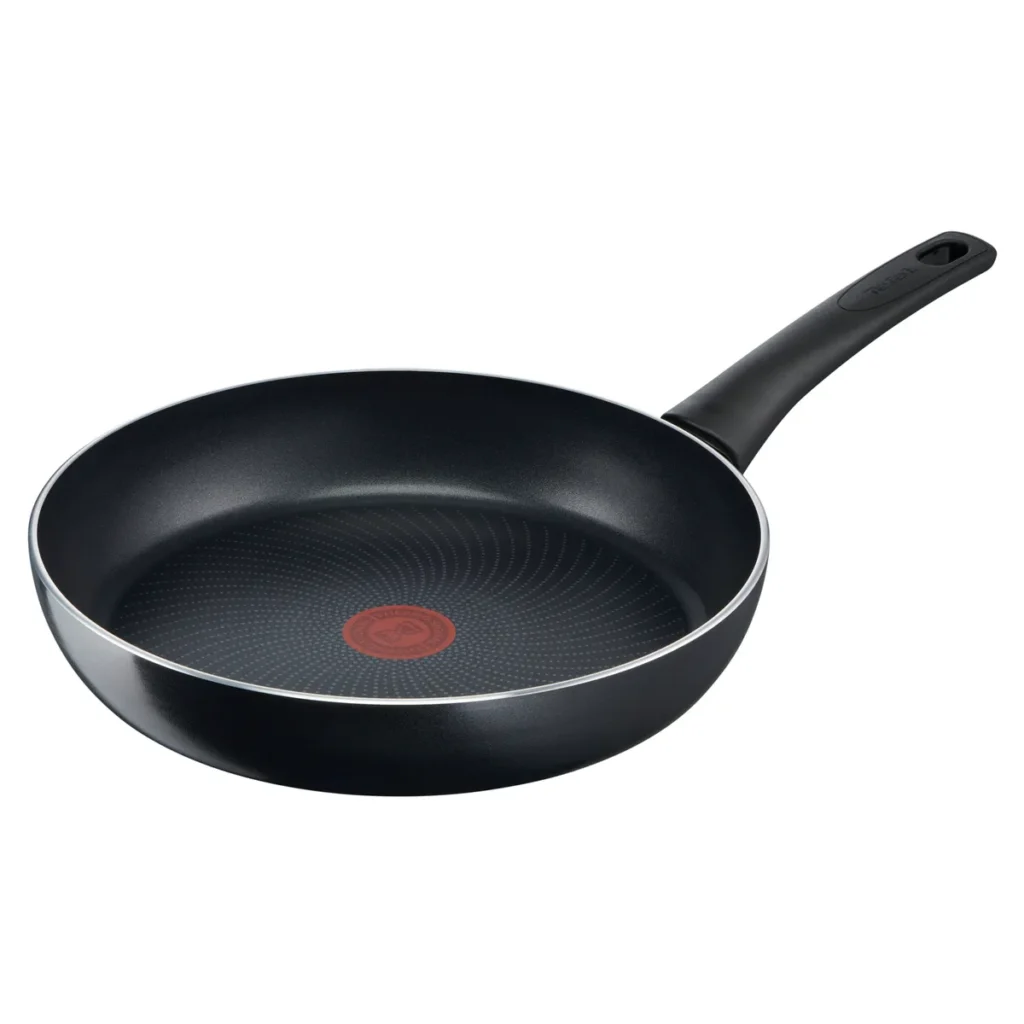
Categories
Machinery

Rotary Trimming Machine

Rotary Trimming Machine

Rotary Trimming Machine: A Trimming Beading Machine is an industrial machine used primarily in the metalworking and fabrication industries, especially in the manufacturing of cylindrical or conical metal components, such as drums, cans, pressure vessels, or HVAC ducting.

Purpose & Function of the Trimming-Beading Machine

  1. Trimming:
    • Removes excess metal from the edges of round or cylindrical workpieces after deep drawing or forming.
    • Ensures a uniform edge or prepares the part for welding or further processing.
  2. Beading:
    • Forms a bead (a rounded protrusion or indentation) on the edge of the metal part.
    • This adds strength and rigidity to the part, helps in sealing (in case of containers), or improves aesthetics and safety (e.g., eliminating sharp edges).

Key Features:

  • Rotary system: Workpieces are usually mounted and rotated while tooling trims or beads the edge.
  • Manual, semi-automatic, or fully automatic operation.
  • Adjustable tooling: To accommodate different diameters, thicknesses, or bead profiles.
  • Material compatibility: Works with steel, stainless steel, aluminum, copper, etc.

Common Applications:

  • Drum manufacturing
  • HVAC duct parts
  • Automotive mufflers or filters
  • Pressure vessels
  • Kitchenware & cookware production

Variants:

  • Vertical or horizontal configurations
  • Integrated into production lines or used as standalone units.
  • Can include CNC controls for high precision and repeatability.

A trimming beading machine is used in metal fabrication to finish and reinforce the edges of cylindrical or conical metal parts such as drums, tanks, HVAC ducting, and pressure vessels. It performs two main operations: trimming and beading. Trimming involves removing any excess material from the edge of a workpiece after it has been formed, ensuring the edge is smooth, uniform, and ready for further processing like welding or sealing. Beading, on the other hand, forms a raised or indented bead along the edge of the metal, which strengthens the part, improves its appearance, and removes sharp edges for safety or sealing purposes.

The machine typically works by rotating the metal part while a set of forming tools or rollers engage with the edge to carry out trimming and beading. It can be operated manually, semi-automatically, or fully automatically depending on the production requirements. These machines are designed to handle various materials including mild steel, stainless steel, aluminum, and copper, and they come in different configurations such as vertical or horizontal types to suit different workshop layouts.

Tooling can be adjusted to accommodate different diameters, metal thicknesses, and bead profiles, making the machine versatile for a wide range of products. In higher-end models, CNC systems are integrated for better precision, speed, and repeatability, especially important in large-scale or high-specification manufacturing. The process not only ensures dimensional accuracy but also adds mechanical strength to the finished product by creating a reinforced edge, which is particularly important in containers that experience internal pressure or need secure sealing.

Trimming beading machines are essential in industries where the final product must meet strict dimensional and aesthetic standards. In applications such as drum manufacturing, the beading process ensures that the rim can support stacking or attachment of lids, while in HVAC ducting, beads improve airflow characteristics and provide locations for fastening or sealing. The machine’s ability to precisely control the depth and shape of the bead also plays a role in meeting regulatory or safety requirements, especially in pressure-rated vessels or food-grade containers.

The operational efficiency of a trimming beading machine greatly impacts production throughput. Modern machines often include quick-change tooling systems, digital position readouts, and automated clamping or centering devices to minimize setup time and improve consistency across batches. In high-volume production environments, these features are crucial in maintaining tight production schedules while reducing material waste and labor costs.

In addition to industrial use, smaller-scale or artisan manufacturers may also use simpler versions of these machines for products like cookware, artisanal metal containers, or decorative items. In such settings, the machine’s flexibility and ease of operation are often prioritized over full automation.

Maintenance of trimming beading machines involves regular inspection of tooling wear, lubrication of moving parts, and ensuring alignment of the rotating components to prevent runout or uneven finishes. High-quality machines are typically constructed with rigid frames and precision bearings to withstand the stresses of continuous operation while maintaining alignment and surface finish quality.

With the increasing integration of Industry 4.0 technologies, some trimming beading machines are also being equipped with sensors and IoT connectivity to enable real-time monitoring, predictive maintenance, and integration into smart manufacturing systems. This allows operators and managers to optimize machine usage, track performance data, and respond quickly to maintenance needs before they result in downtime.

Overall, the trimming beading machine is a versatile and indispensable piece of equipment in any manufacturing environment where round metal parts need to be finished with precision, strength, and consistency.

Integrated Trimming-Flanging-Beading Machine

An Integrated Trimming-Flanging-Beading Machine is a multifunctional piece of metal-forming equipment designed to streamline production by combining three essential operations—trimmingflanging, and beading—into a single, continuous process. This machine is especially useful in industries that manufacture cylindrical or conical components like drums, pressure vessels, tanks, and ducts, where these edge-finishing processes are critical to structural integrity, functionality, and aesthetics.

The process begins with trimming, which removes excess or uneven material from the edges of a spun, drawn, or welded workpiece. This ensures the part has a clean, uniform edge, which is crucial for downstream operations. Following trimming, the machine proceeds to flanging, where the edge is bent or turned outward (or inward) at a defined angle, typically to facilitate joining or to reinforce the structure. Finally, the beading operation forms a rounded protrusion or indentation along the edge, further strengthening the part, preventing deformation, and improving sealing or handling characteristics.

This integrated machine operates in a rotary fashion—holding the workpiece in a spinning chuck while sequential tooling units perform their respective operations. It may be manually operated for small-batch or low-complexity jobs, or fully automated for high-volume production lines. Advanced models often feature servo-controlled axesprogrammable tooling paths, and touchscreen HMIs (Human Machine Interfaces), allowing for precise control over each step of the process and quick changeovers between different part sizes or specifications.

The major advantages of using an integrated trimming-flanging-beading machine include reduced handling time, increased dimensional accuracy, space efficiency, and better overall productivity. Since the workpiece remains clamped and centered throughout the entire sequence, misalignment between operations is minimized, ensuring consistent quality and tight tolerances. Additionally, these machines reduce operator fatigue and training requirements, as multiple operations are handled automatically without manual repositioning of the part.

Industries such as automotiveappliance manufacturingoil and gas, and HVAC benefit greatly from this type of machine, especially when producing components like mufflers, filters, expansion tanks, or ducting collars. By centralizing operations, manufacturers can improve workflow, reduce machinery footprints, and meet increasing demands for speed and quality in competitive production environments.

An integrated trimming-flanging-beading machine represents a highly efficient evolution in metal fabrication, where multiple edge-forming processes are combined into one continuous cycle. Instead of transferring a part between separate machines for each step, the workpiece remains fixed in position while the machine sequentially performs trimming, flanging, and beading. This not only saves time but also enhances precision by eliminating the risk of misalignment that can occur during manual repositioning. The machine typically grips the cylindrical or conical workpiece in a rotating chuck, and tooling heads engage the edge as it spins, each performing its specific function in a pre-programmed sequence.

Trimming ensures the edge is smooth and dimensionally accurate, flanging then forms a bent lip that may serve as a mounting or sealing surface, and beading adds structural strength while improving the part’s functionality and sometimes its visual appeal. Because these steps are closely linked, integrating them into one cycle greatly benefits production speed and consistency. This is particularly important in industries where high volumes of standardized components are required, such as in the manufacture of metal drums, fire extinguishers, gas cylinders, air reservoirs, and HVAC parts.

Modern versions of these machines often include advanced features like servo motors, automated clamping systems, digital control panels, and recipe-based programming that allows operators to switch between product types with minimal downtime. These features enable high repeatability and tight tolerances even across large batches. In a production environment where efficiency and cost control are paramount, having a single operator manage a machine that performs three functions reduces labor costs and simplifies training.

Machine rigidity and build quality play a crucial role in achieving consistent results, especially when working with thicker materials or larger diameters. High-end models are engineered with vibration-dampening frames and heavy-duty bearings to maintain accuracy during continuous operation. Tooling life is also a consideration, with quick-change tool holders and hardened forming rollers helping reduce maintenance time and increase uptime.

In applications requiring strict compliance with safety or performance standards—such as pressure vessels or food-grade containers—the precise edge preparation and repeatable finish provided by an integrated machine can be critical. Moreover, as demand grows for connected and data-driven manufacturing, some integrated machines now feature IoT-enabled diagnostics and process monitoring, giving operators real-time feedback and allowing predictive maintenance to avoid unplanned stoppages.

Overall, the integrated trimming-flanging-beading machine offers a smart, compact, and highly capable solution for any manufacturing process involving round or cylindrical metal components. Its ability to increase output, reduce human error, and ensure uniform product quality makes it an indispensable asset in modern fabrication shops.

In production environments where time, precision, and consistency are critical, the integrated trimming-flanging-beading machine plays a central role in optimizing workflow. Its ability to handle multiple operations in a single clamping not only shortens cycle times but also enhances part integrity, as each process flows seamlessly into the next without interruptions or the need for re-alignment. This uninterrupted sequence ensures that all dimensional references—such as the trimmed edge, the flange angle, and the bead placement—are held to tighter tolerances than what is typically possible using separate machines.

As product designs evolve to meet more demanding specifications—whether it’s to reduce weight, improve sealing, or meet aesthetic expectations—machines like this allow for precise customization of edge geometry. Flange angles, bead radii, and edge profiles can be programmed or adjusted with minimal effort, often through a digital interface. This makes the machine especially useful in facilities that produce a wide range of components in varying sizes, wall thicknesses, and materials. From thin-walled aluminum ducts to heavy-gauge steel drums, the adaptability of the tooling and control systems allows the same machine to be used across different production lines with only minor adjustments.

Another important benefit is the reduction in material waste. Because trimming is performed as the first step with high precision, operators can work with slightly oversized blanks and then achieve perfect final dimensions during the process. Combined with consistent flanging and beading, this improves nesting and stacking of finished parts, as well as compatibility with lids, clamps, or mating components—especially in modular or interchangeable systems.

In terms of ergonomics and operator safety, integrated machines are often designed with protective enclosures, interlocks, and simplified control schemes. This not only prevents accidents but also makes the machine easier to operate, even for less-experienced workers. The automation of repetitive tasks reduces fatigue and minimizes the chances of human error, allowing operators to focus more on quality control and less on manual handling.

For manufacturers aiming to scale production without a corresponding increase in floor space, an integrated solution also addresses spatial efficiency. Replacing three standalone machines with a single integrated unit saves valuable factory real estate, simplifies material flow, and reduces energy consumption, especially when all processes are powered from a shared drive system or central control panel.

As the manufacturing sector increasingly leans toward lean production, energy efficiency, and smart manufacturing, integrated machines offer the technological edge to stay competitive. Whether it’s through networked controls, feedback loops that adjust forming pressure in real time, or cloud-based analytics that track cycle performance and machine health, these machines are positioned not only as workhorses but as intelligent nodes in the digital factory of the future.

Ultimately, the integrated trimming-flanging-beading machine exemplifies the evolution of metal-forming equipment—merging mechanical precision with digital intelligence to meet the growing demands of modern industry. It represents a shift from isolated, manual processes to streamlined, automated, and data-informed production systems capable of delivering high-quality results at scale.

In the broader context of industrial automation, the integrated trimming-flanging-beading machine also contributes to reducing production variability. In traditional setups where each process—trimming, flanging, and beading—is handled by a different operator or separate station, even small discrepancies in setup or handling can accumulate, resulting in parts that deviate from the design specification. By consolidating these operations into one controlled cycle, the machine minimizes those variables, ensuring uniformity across hundreds or thousands of components.

This level of control is especially beneficial in quality-sensitive applications such as in the food and beverage industry, where stainless steel containers must have smooth, sealed edges to comply with hygiene standards. Similarly, in the automotive and aerospace sectors, where every millimeter counts in terms of fit and performance, the machine’s ability to repeatedly form precise beads and flanges ensures the part will function reliably under pressure, vibration, or thermal stress.

One often overlooked advantage of this machine is its impact on inventory management and production scheduling. With fewer machines involved in the process, fewer parts are waiting in queues between operations, which means reduced work-in-progress (WIP) inventory. This leads to faster turnaround times and better flexibility in responding to urgent orders or design changes. For just-in-time (JIT) manufacturing systems, where excess inventory is seen as a cost burden, integrated machines align perfectly with lean production principles.

Maintenance-wise, the centralized nature of this machine simplifies upkeep. Instead of maintaining three separate machines with their own motors, lubrication systems, and wear components, technicians can focus on a single system. Scheduled maintenance becomes more predictable, and downtime is easier to manage, especially when the machine is equipped with diagnostic software or sensor feedback loops that alert operators to component wear or alignment issues before they escalate into breakdowns.

In terms of machine learning and adaptive manufacturing, future-ready versions of these machines can incorporate real-time monitoring systems that analyze force feedback, torque variations, or temperature fluctuations during forming. These systems can automatically adjust forming parameters on the fly, compensating for material inconsistencies or tooling wear without stopping the machine. Over time, the machine can build a data profile of each batch, helping engineers optimize not just the product but the process itself.

From a return-on-investment perspective, the initial capital cost of an integrated machine is often offset quickly by the cumulative savings in labor, floor space, tooling, and maintenance. The streamlined workflow also enhances traceability and documentation, which are critical in industries requiring audit trails, such as medical device manufacturing or pressure vessel certification. Many models are now built with connectivity in mind, allowing remote diagnostics, software updates, and even performance optimization from the manufacturer’s side, further enhancing uptime and long-term value.

At the end of the day, the integrated trimming-flanging-beading machine isn’t just a tool for shaping metal—it’s a platform for production efficiency, quality control, and process innovation. Whether for a high-volume production line or a precision-driven specialty workshop, this kind of machinery embodies the direction modern fabrication is heading: fewer steps, smarter control, tighter tolerances, and greater adaptability.

High-Speed Trimming and Beading Line

Integrated Trimming-Flanging-Beading Machine

High-Speed Trimming and Beading Line is a fully automated, continuous production system designed for rapid, precise processing of cylindrical or conical metal components—typically used in industries like packaging, automotive, HVAC, and container manufacturing. Unlike standalone or semi-automated machines, this line is engineered to operate at high throughput rates, often handling hundreds of parts per hour with minimal operator intervention.

In a typical configuration, components—such as can bodies, drum shells, or duct segments—enter the line via a conveyor or feeding system. They are automatically centered, clamped, and rotated while high-speed tooling units carry out trimming to remove any excess or uneven edge material, followed immediately by beading, where a reinforcing groove or profile is formed around the edge. These operations are completed in quick succession, synchronized by servo drives and PLC-based control systems to ensure perfect timing and minimal idle movement.

The key advantage of a high-speed line is not just speed, but consistency. Every part undergoes the same programmed cycle, eliminating the variability that can occur with manual or semi-automatic systems. The line typically includes automatic part detection, positioning sensors, and quality control features like laser measurement or vision systems to verify dimensions and detect defects in real-time. Faulty parts can be automatically rejected without stopping the line.

These systems are built for non-stop industrial environments, often running 24/7 with features like automatic lubrication, centralized dust or chip extraction, and quick-change tooling systems to minimize downtime during product changeovers. Material compatibility ranges from thin-gauge aluminum and tinplate to thicker steel and stainless steel, depending on the product and forming requirements.

For applications like food and chemical drums, paint cans, filter housings, or HVAC tubes, where edge quality, dimensional accuracy, and structural strength are essential, the high-speed trimming and beading line ensures products meet those demands at scale. Some setups also integrate with upstream and downstream processes, such as welding, leak testing, or flanging stations, creating a seamless manufacturing flow from raw shell to finished, edge-formed product.

With digital control systems and industry 4.0 integration, operators can monitor production metrics, schedule maintenance, and even perform remote diagnostics. All of this contributes to higher yield, lower scrap rates, and a faster return on investment, making these lines a cornerstone of modern high-volume metalworking facilities.

In a high-speed trimming and beading line, every component of the system is designed for efficiency, precision, and endurance. From the moment a shell or part enters the line, it is automatically aligned, clamped, and engaged with the tooling in one fluid motion. The trimming station, typically equipped with hardened rotary blades or shearing tools, removes any excess material from the edges with clean, burr-free cuts. The operation is synchronized so that the transition to the beading station is immediate and seamless, without the need for stopping or manual repositioning. The beading station then forms one or more reinforcing grooves, depending on the product requirements, using hardened rollers that are precisely positioned and pressure-controlled for consistent depth and profile.

Because the entire process is automated and continuous, the line can run at extremely high speeds—sometimes processing up to 60 to 120 parts per minute, depending on part size and complexity. This makes it ideal for mass production environments where downtime and inconsistency can be costly. Tooling setups are optimized for rapid changeovers, allowing manufacturers to switch between different product sizes or styles with minimal interruption. In more advanced systems, recipe-based controls store multiple configurations, so operators can switch batches with just a few inputs on a touchscreen interface.

The mechanical design of the line emphasizes both speed and stability. The rotating spindles, feeding mechanisms, and forming rollers are often driven by servo motors that allow for real-time adjustments in torque and speed, reducing stress on the components and ensuring a smooth forming cycle. The frame is built to absorb vibration and maintain tight tolerances over extended periods of operation, even under heavy workloads. Automated part ejection systems remove finished parts swiftly, often transferring them directly to a conveyor, stacker, or the next stage of assembly or inspection.

Integrated quality control is another hallmark of these systems. Vision cameras or laser scanners monitor each part as it passes through, checking for proper edge formation, bead depth, or surface defects. If an anomaly is detected, the system flags the part for removal without halting the entire line. This kind of in-line inspection ensures that only fully compliant parts move forward, reducing the risk of defective products reaching final assembly or packaging.

Energy efficiency and maintenance have also been addressed in modern high-speed lines. Regenerative drives recycle energy during deceleration, and lubrication systems are automated to keep moving parts in top condition without constant manual intervention. Some machines are equipped with predictive maintenance algorithms that alert operators to wear patterns or performance deviations, allowing them to schedule service before a failure occurs.

Manufacturers who invest in high-speed trimming and beading lines typically do so to support high-volume production while maintaining consistent quality and traceability. These lines are often found in facilities that operate around the clock, where every second of uptime translates directly to increased output and profitability. As production demands evolve and product designs become more complex, these systems can be upgraded or customized with additional forming heads, integrated flanging, embossing, or even marking systems, making them highly adaptable and future-proof.

The high-speed trimming and beading line represents the convergence of mechanical engineering, automation, and smart manufacturing. It transforms what were once labor-intensive, multi-step processes into a streamlined, high-output production system capable of meeting the tightest tolerances and fastest delivery schedules in the industry.

The reliability and repeatability of a high-speed trimming and beading line make it a core investment for companies focused on large-scale production where both throughput and precision are non-negotiable. These lines are built not just to run fast, but to run smart—capable of maintaining consistent quality over thousands of cycles without compromising dimensional tolerances or edge finish. This level of precision is especially critical when dealing with downstream automated assembly systems, where even minor variations in part geometry can cause jams, misfits, or alignment issues. By producing perfectly trimmed and beaded edges every time, the line ensures smooth integration into subsequent processes such as welding, sealing, painting, or packaging.

In facilities where product traceability is essential—such as in the food, chemical, or pharmaceutical sectors—these lines can be equipped with part serialization modules, barcode printers, or even direct part marking systems that log production details like date, batch number, and machine settings in real time. This data can be pushed to central production monitoring software, helping manufacturers maintain full traceability and comply with industry standards or customer audits.

Another major benefit lies in the operator experience. High-speed trimming and beading lines are designed for intuitive operation, often featuring centralized control panels with real-time diagnostics, maintenance reminders, and production analytics. Operators can view cycle counts, part output rates, alarm histories, and even get suggestions for optimal tool change intervals or cleaning schedules. This drastically reduces the learning curve and empowers production teams to run the equipment with confidence and minimal supervision.

Tool wear and part fatigue are inevitable in any high-speed operation, but the best systems address this with precision-engineered tooling made from high-durability alloys or carbide materials. Tooling stations are usually modular, allowing quick swaps for regrinding or replacement. Some lines are even equipped with automatic compensation systems that adjust tool positioning based on feedback from inline sensors, ensuring that even as tools wear, the product quality remains stable until the next scheduled change.

As environmental and sustainability standards grow more stringent, many manufacturers are turning to trimming and beading lines that optimize not just performance, but also energy usage and waste reduction. Scrap management systems, such as integrated chip collectors or magnetic conveyors, remove trimmings cleanly and efficiently, often recycling the waste directly into the production ecosystem. Reduced noise levels, enclosed tooling areas, and dust extraction also contribute to cleaner, safer working environments, helping companies meet occupational health and environmental safety targets.

Ultimately, the high-speed trimming and beading line is not just about maximizing output—it’s about achieving reliable, repeatable excellence at scale. Whether used in the production of paint cans, fire extinguishers, air ducts, or specialty industrial containers, these systems deliver a level of process control that manual or segmented setups simply can’t match. They enable manufacturers to stay competitive in an increasingly fast-paced market, providing the capacity to meet tight deadlines, accommodate custom orders, and maintain consistent product quality without compromise. With continued advancements in automation, software integration, and material science, these lines will only grow smarter, faster, and more essential to next-generation manufacturing.

Double Head Beading Machine

Detailed Description of the Trimming Process

Double Head Beading Machine is a specialized piece of equipment used in metal forming to create beads or reinforcing ridges along the edges of cylindrical or conical parts, such as drums, tanks, or HVAC ducts. Unlike single-head beading machines, which work on one edge at a time, the double head version is designed to form beads on both edges of a part simultaneously, significantly improving production efficiency, particularly in high-volume manufacturing environments.

The machine typically consists of two beading heads, each equipped with rollers that press into the edge of the rotating workpiece to form a raised or indented bead. The workpiece, often a metal cylinder or sheet, is fed into the machine, where it is clamped and rotated. As it rotates, the beading heads engage the edges, applying pressure and shaping the metal to the desired bead profile. By operating two heads at once, the machine doubles the output rate compared to a single-head system, making it ideal for operations that require high-speed processing and consistent quality across large batches.

Double head beading machines are used extensively in industries like automotive manufacturingpressure vessel productionHVAC, and metal container fabrication. For example, in the production of cylindrical tanks or drums, the beading process strengthens the edges, improving both structural integrity and ease of sealing. The bead also prevents the edges from deforming during handling or transport, ensuring that the parts maintain their shape and functionality under pressure.

The design of the double head machine often includes features like adjustable tooling, which allows for different bead sizes and shapes to be created depending on the part specifications. The tooling can be swapped or adjusted to accommodate varying metal thicknesses and diameters, making the machine highly versatile for different applications. Some models also feature servo-driven controls or CNC capabilities, enabling more precise control over the depth, shape, and placement of the beads, and allowing for easy programming for different production runs.

In addition to high-speed production, the double head beading machine offers improved precision and consistency in bead formation. Because both heads operate simultaneously, there is less risk of misalignment or variation between the edges, ensuring that both beads are identical and meet strict quality standards. This is particularly important when the beads need to align with other parts or fit securely into mounting brackets, lids, or seals.

The automation in modern double head beading machines also means that operators can monitor the entire production process through digital interfaces, reducing the risk of human error. Real-time feedback and diagnostics help operators ensure that the machine is functioning at optimal efficiency, and quick changeover features allow for faster transition between different part designs or sizes. Many advanced machines come with automatic part handling systems, further reducing the need for manual intervention and increasing overall throughput.

Double head beading machines are also equipped with safety features, such as enclosed work areasinterlock systems, and emergency stop buttons, ensuring that the operator can work safely during the high-speed operation. Additionally, dust collection and chip removal systems are often incorporated to maintain a clean workspace, improving both machine longevity and the operator’s working environment.

In summary, the double head beading machine offers a powerful solution for manufacturers looking to boost their production efficiency while maintaining high levels of precision and consistency. By simultaneously creating beads on both edges of the workpiece, it helps to reduce cycle times and increase output, making it a valuable asset in industries that require large-scale, high-quality metal forming.

A Double Head Beading Machine is a specialized tool used in metalworking to form reinforcing beads along the edges of cylindrical or conical metal parts. By utilizing two beading heads, this machine is capable of processing both edges of a workpiece simultaneously, significantly enhancing production speed and efficiency. The machine operates by feeding the part, which is typically a drum, tank, or duct component, into the system where it is clamped and rotated. As the workpiece rotates, each beading head engages one edge at a time, using rollers to apply pressure and shape the metal into a defined bead. This design essentially doubles the output rate compared to a single-head machine, making it particularly valuable in high-volume manufacturing environments where speed and consistency are paramount.

The primary function of the beads formed on these edges is to provide additional strength and structural integrity. In applications such as tank or drum production, the beads reinforce the edges, preventing deformation during handling and improving the sealing ability of the components. They also serve aesthetic purposes in some cases, giving the finished product a clean and uniform appearance. Beyond strengthening, beading also helps in parts fitting into other components, such as when parts need to align with mounting brackets, lids, or seals. The machine’s versatility allows it to work on a wide range of materials and part sizes, and it can be adjusted for varying metal thicknesses and diameters. With adjustable tooling and advanced control systems like servo motors or CNC interfaces, manufacturers can easily alter the bead size, shape, and depth to meet specific production requirements.

By simultaneously processing both edges, the double head design ensures high-quality consistency across large batches, reducing the chance of misalignment between the two beads and ensuring that they meet tight quality standards. This is essential for applications where precise, uniform bead formation is necessary for part compatibility and performance. The machine’s automation features allow for efficient operation, with many modern models incorporating digital interfaces for easy monitoring and adjustment of settings. This reduces the need for operator intervention and minimizes the risk of human error, thus increasing overall productivity.

Double Head Beading Machines are commonly used in industries such as automotive manufacturing, pressure vessel production, HVAC, and metal container fabrication. Their ability to handle high-speed production while maintaining precision makes them indispensable in these sectors. They not only improve production throughput but also reduce material waste by ensuring clean, uniform bead formation with minimal scrap. The machine is designed with safety in mind, incorporating protective enclosures and emergency stop mechanisms to ensure a safe working environment for operators. Additionally, dust collection and chip removal systems are built into the design to maintain cleanliness and prevent buildup that could affect machine performance or the operator’s health.

In conclusion, the Double Head Beading Machine is a powerful tool for manufacturers looking to increase their production capacity and maintain high standards of quality. By automating and streamlining the beading process, it reduces cycle times, improves output, and ensures consistent results, making it an invaluable asset in metalworking and manufacturing industries that require high-volume, precision metal forming.

The Double Head Beading Machine’s capacity for high-speed, simultaneous beading makes it a highly efficient solution for companies looking to scale production without sacrificing quality. Its dual-head design is particularly advantageous in industries where tight production deadlines and high-volume demands are standard. By processing two edges at once, the machine maximizes throughput and minimizes the time spent per part. This is a critical factor in industries where profitability is closely tied to the ability to produce large quantities of products quickly and efficiently, such as in the manufacturing of metal drums, pressure vessels, air ducts, and industrial tanks.

Furthermore, the use of advanced automation systems in modern double head beading machines not only improves production efficiency but also enhances control over the manufacturing process. These systems can be programmed to adjust the depth, shape, and position of the beads automatically, which ensures consistent results even with different part sizes or material types. Automated sensors and feedback loops monitor key parameters, such as pressure and speed, to ensure optimal performance during each cycle. This level of control minimizes the risk of defects, reduces waste, and maximizes the lifespan of tooling.

Another significant benefit is the reduced downtime associated with maintenance and tool changes. The modular design of these machines allows operators to quickly swap or adjust tools, ensuring that the line can continue operating with minimal interruption. With the use of predictive maintenance technologies, operators can be alerted to potential issues before they lead to machine failure, helping to avoid costly and time-consuming repairs.

For manufacturers focused on lean production, the high efficiency and reduced waste generated by the Double Head Beading Machine align well with modern manufacturing practices. The machine’s design helps to minimize the amount of scrap produced during the beading process, ensuring that more of the raw material is utilized effectively. This not only reduces costs but also contributes to more sustainable production practices, which are increasingly important in today’s environmentally conscious market.

Additionally, as industries push for greater product customization and variation, the flexibility of double head beading machines allows manufacturers to easily switch between different bead profiles and sizes. This versatility is critical for producing a wide range of products while maintaining high standards of quality and efficiency. Whether it’s creating a deep bead for structural reinforcement or a shallow bead for aesthetic purposes, the machine can be adjusted to accommodate these varying needs with ease.

As manufacturers continue to adopt Industry 4.0 principles, newer models of Double Head Beading Machines often come equipped with IoT (Internet of Things) capabilities, allowing for remote monitoring and data collection. This connectivity provides operators and managers with real-time insights into machine performance, which can be used to optimize production schedules, track productivity, and analyze trends in part quality. This level of data integration supports informed decision-making and helps manufacturers stay competitive in an increasingly data-driven industrial landscape.

Overall, the Double Head Beading Machine is a powerful tool that addresses the need for high-speed production, precision, and flexibility. By simultaneously processing two edges, it improves throughput, reduces cycle time, and maintains consistent product quality. Its integration with modern automation systems and predictive maintenance technology further enhances its value, making it an essential piece of equipment for manufacturers looking to streamline operations, reduce waste, and meet the demands of high-volume production while maintaining the flexibility to adapt to custom orders.

The continued evolution of the Double Head Beading Machine also includes innovations in user interface and integration with other parts of the production line. With the advent of more intuitive control systems, operators now have access to touchscreen interfaces, which allow them to easily input parameters such as bead size, material thickness, and speed. These systems also provide visual feedback, such as real-time machine status, cycle completion, and alerts for any malfunctions. The ability to control and monitor the beading process with greater precision and ease enhances operator efficiency and reduces the chances of human error.

For manufacturers with a diverse range of products or frequent design changes, the flexibility of the Double Head Beading Machine is a major asset. With programmable settings and quick-change tooling options, it is possible to seamlessly switch between different beading patterns, sizes, and materials. This adaptability ensures that the machine can handle variations in product design without the need for major adjustments or downtime, enabling manufacturers to meet a wide range of customer requirements and respond quickly to changing market demands.

One of the key factors that drive the adoption of Double Head Beading Machines in modern manufacturing is the emphasis on quality control. The precision with which beads are formed is critical, especially when components need to meet stringent specifications or must fit seamlessly into other parts. The dual-head configuration allows manufacturers to maintain uniform bead formation across large batches, ensuring that every part meets the same high standards for strength, appearance, and functionality. This consistency is essential in industries where even minor variations can affect the integrity of the final product.

The integration of robotic arms or automated part handling systems with Double Head Beading Machines is another emerging trend. These systems work in tandem with the beading process, removing finished parts from the machine and transferring them to the next stage of production, such as assembly or inspection. This automation reduces manual labor and accelerates the flow of materials, increasing overall throughput while reducing the risk of human error and handling damage.

With the push for sustainability in modern manufacturing, Double Head Beading Machines also contribute to more eco-friendly production. By reducing waste and scrap material, manufacturers can minimize their environmental impact. Additionally, many of these machines are built with energy-efficient components that reduce the power consumption during operation. The ability to recycle waste material, such as metal trimmings, further helps manufacturers contribute to sustainable practices while reducing costs.

The maintenance aspect of Double Head Beading Machines has also been significantly enhanced in recent years. In addition to automatic lubrication systems that ensure optimal tool performance and reduce wear, many models now come with condition monitoring systems. These systems track the performance of critical components, such as motors, rollers, and sensors, and can predict when maintenance is needed. This predictive approach helps to reduce unexpected downtime and extend the overall life of the machine, improving the return on investment.

As production facilities continue to adopt smart manufacturing techniques, the integration of data analytics into Double Head Beading Machines allows for the optimization of the beading process. Data collected during production, such as bead depth, machine speed, and part size, can be analyzed to identify patterns and inefficiencies. This information can be used to adjust the process parameters in real-time, ensuring that each part is produced to the highest standards while reducing waste and improving cycle times.

In the long term, the flexibility, efficiency, and precision of Double Head Beading Machines will continue to make them a valuable investment for manufacturers looking to stay competitive. As industry standards evolve and product designs become more complex, these machines will adapt to meet the needs of modern manufacturing, offering faster cycle times, higher-quality products, and greater flexibility to accommodate a diverse range of customer specifications. With the ongoing advancements in automation, digital control systems, and data analytics, the future of Double Head Beading Machines is poised to bring even greater improvements in productivity, quality, and cost-effectiveness.

Multi-Operation Trimming Beading System

Hydraulic Beading Machine

Multi-Operation Trimming Beading System is an advanced machine used in metalworking that integrates several distinct processes—trimming, beading, and often other secondary operations—into one unified system. This type of system is designed for high-volume production environments, where precision, speed, and versatility are paramount. The integration of multiple operations into a single machine streamlines production and reduces the need for separate machines, resulting in lower overall operating costs and increased efficiency.

The key features of a Multi-Operation Trimming Beading System include its ability to simultaneously trim the edges of a metal part to remove excess material while forming beads along the edges to strengthen, reinforce, or create specific geometries. This dual function eliminates the need for separate trimming and beading stations, improving throughput and reducing material handling time.

In the trimming process, the machine uses high-speed rotary cutters, shears, or blades to cleanly remove the excess material from the workpiece, ensuring a smooth, burr-free edge. Following trimming, the beading operation is carried out, typically using rollers or dies that apply pressure to form a raised bead or ridge along the edge of the part. This bead may serve multiple purposes, such as improving the structural integrity of the part, facilitating better sealing during assembly, or enhancing the product’s aesthetic appearance.

One of the most significant advantages of a Multi-Operation Trimming Beading System is its flexibility. These systems are capable of processing a wide range of materials, including thin-gauge metals like aluminum and steel, as well as thicker materials for more demanding applications. They can also handle varying part sizes, with adjustments made via the machine’s control system. Automated adjustments for different part sizes and bead profiles allow for quick changeovers between different production runs, ensuring minimal downtime and maximizing machine utilization.

Advanced versions of these systems are often equipped with servo-driven motors and programmable logic controllers (PLCs), enabling precise control over the trimming and beading operations. This precise control allows manufacturers to achieve tight tolerances, consistent bead depths, and high-quality finishes, which are critical in industries such as aerospace, automotive, HVAC, and container manufacturing. Some systems also feature CNC capabilities, allowing for automated, computer-controlled operations that can be programmed to handle complex part geometries or custom specifications.

Another benefit of these systems is their integration with downstream processes. Many multi-operation systems are designed to work seamlessly with other equipment, such as welding stations, flanging machines, or part handling systems. This integration enables a continuous flow of parts through the production line, minimizing the need for manual intervention and enhancing overall productivity. For example, once a part is trimmed and beaded, it can be automatically ejected and transferred to the next station for further processing, packaging, or inspection.

The addition of quality control features is another hallmark of a Multi-Operation Trimming Beading System. Many systems are equipped with sensors, vision cameras, or laser scanning technology to inspect the parts as they are processed. These systems can detect defects such as incorrect bead depth, uneven trimming, or dimensional inconsistencies. If any issues are detected, the system can either correct them automatically or reject faulty parts before they move further down the production line, ensuring that only high-quality components are produced.

Maintenance is simplified in multi-operation systems, as these machines typically include self-lubricating systemscondition monitoring, and predictive maintenance capabilities. Sensors monitor the condition of critical components, such as rollers, motors, and blades, and alert operators when maintenance is required, reducing unplanned downtime and prolonging the life of the equipment.

The efficiency of a Multi-Operation Trimming Beading System also extends to material handling. Parts are typically fed into the system by automated feeders or conveyors, which align and position the workpieces for processing. Once the parts are finished, they are automatically ejected and transferred to the next station, minimizing manual labor and reducing handling time. This high degree of automation not only increases throughput but also helps reduce the risk of defects caused by human error during part handling.

In summary, a Multi-Operation Trimming Beading System offers a streamlined, highly efficient solution for manufacturers looking to combine trimming and beading operations in a single system. Its ability to process various materials and part sizes, while ensuring high precision and consistent quality, makes it ideal for high-volume production environments. The integration of advanced controls, automation, and quality inspection systems further enhances its capabilities, allowing manufacturers to meet the demands of modern industrial production with reduced costs, faster cycle times, and greater product consistency.

The versatility and efficiency of a Multi-Operation Trimming Beading System can significantly impact a manufacturer’s ability to meet customer demands for both quality and turnaround time. With industries requiring increasingly precise and intricate components, these systems allow for customization without sacrificing speed or operational efficiency. Manufacturers can adjust the system to handle a variety of part sizes, bead profiles, and material types, ensuring that each batch meets strict specifications. This adaptability is particularly valuable in sectors such as automotiveconstructionelectronics, and consumer goods, where custom parts with unique geometries or functional requirements are frequently needed.

Additionally, as lean manufacturing continues to be a driving force in modern production, the multi-operation system aligns perfectly with these principles. By combining multiple processes in a single machine, manufacturers can reduce the need for additional equipment and labor, minimizing resource waste and operational costs. The ability to quickly switch between different part designs, combined with the automated handling of raw materials and finished products, ensures that production runs are more efficient and less prone to bottlenecks. This helps improve the overall efficiency of the manufacturing process and enhances output capacity.

Another important advantage of these systems is the reduced risk of human error. Automation plays a key role in ensuring consistent results across large production volumes. With manual intervention minimized, especially in high-speed production, the chances of mistakes due to improper setup, part misalignment, or inconsistent material handling are greatly reduced. Automated systems can also adjust processing parameters in real-time based on feedback, further enhancing product consistency.

From an operational standpoint, energy efficiency is increasingly a focus in industrial production. Many Multi-Operation Trimming Beading Systems are built with energy-saving technologies. These systems optimize energy usage by utilizing variable-speed drives, intelligent power management, and energy-efficient motors. Reducing energy consumption not only lowers operational costs but also supports sustainability initiatives by reducing the carbon footprint of production.

Moreover, data-driven insights are becoming a key part of modern manufacturing, and the multi-operation systems are increasingly equipped with advanced data-collection and analytics capabilities. Sensors embedded in the system capture critical operational data, including machine speed, processing time, tool wear, material throughput, and part quality. This data can be monitored in real-time through integrated systems, allowing production managers to make informed decisions and adjustments to optimize efficiency. Machine performance can also be tracked over time to predict when maintenance is due, reducing unplanned downtime and further increasing the overall productivity of the manufacturing line.

Another growing trend in multi-operation trimming beading systems is integration with Industry 4.0 technologies. This includes the ability to connect the system to cloud-based platforms or the company’s ERP (Enterprise Resource Planning) system, allowing for seamless data exchange across the entire production network. By connecting the trimming and beading process with other stages in the manufacturing workflow, manufacturers can gain end-to-end visibility into their operations, further improving decision-making, resource allocation, and production scheduling.

For companies that prioritize product traceability and compliance, multi-operation systems often come with built-in features such as barcode readersQR code scanners, and automatic part marking systems. These allow each part to be traced throughout its production journey, ensuring that it meets regulatory or quality standards. This is especially important in industries with stringent quality control requirements, such as aerospace or food-grade container production.

The use of these systems in flexible manufacturing environments also provides manufacturers with the capability to manage custom orders with ease. In today’s competitive landscape, companies are frequently tasked with producing smaller batch sizes or custom products to meet specific customer needs. The multi-operation trimming and beading system’s programmable control systems can quickly switch between different part configurations and produce complex parts with a high degree of accuracy, making it ideal for fulfilling customized orders efficiently.

As environmental concerns continue to shape the manufacturing industry, waste reduction is a major focus for many manufacturers. The multi-operation system can be designed to optimize material usage during the trimming phase, reducing scrap rates. Additionally, features like recycling systems or automatic scrap separation allow manufacturers to recycle the waste material from the process and reuse it in future production, further contributing to sustainability.

Lastly, the cost-effectiveness of these systems makes them a wise investment for manufacturers. While the initial cost of purchasing and setting up a multi-operation trimming beading system may be higher compared to simpler, standalone machines, the long-term savings in labor, operational efficiency, energy consumption, and material waste typically make up for this investment. The increased outputimproved product quality, and reduced need for maintenance also contribute to a quicker return on investment (ROI).

In conclusion, a Multi-Operation Trimming Beading System is an essential asset for manufacturers looking to streamline operations, improve product quality, and increase production efficiency. The combination of trimming, beading, and often additional processes within a single system allows for higher throughput, less downtime, and more flexibility in production. The ability to easily adapt to different part specifications and materials, while maintaining precision and reducing human error, makes these systems a cornerstone of modern manufacturing. Whether optimizing production flow, increasing sustainability, or meeting custom orders, these machines provide manufacturers with the tools they need to stay competitive in an ever-evolving industry.

As manufacturing continues to evolve in the face of new technologies and market demands, the role of Multi-Operation Trimming Beading Systems becomes even more critical in maintaining a competitive edge. Beyond the operational benefits of efficiency and precision, these systems are also central to supporting advanced manufacturing techniques such as just-in-time (JIT) production and mass customization.

For manufacturers working within JIT frameworks, the speed and flexibility of multi-operation systems are especially valuable. These systems can quickly adapt to different production volumes and part variations, making it easier for companies to maintain a lean inventory and reduce waste. The ability to rapidly produce small batches of customized parts without sacrificing quality or efficiency allows manufacturers to meet customer demands on tight timelines, all while keeping costs low. This becomes especially important when parts need to be delivered quickly to avoid production delays in industries such as automotiveaerospace, and consumer electronics.

The increasing trend of mass customization — where consumers or clients demand tailored products in high volumes — also benefits from the capabilities of multi-operation systems. These systems offer the flexibility to create custom parts with varying specifications, sizes, and features while maintaining high-speed production and minimal downtime. Customization can be accommodated without the need for entirely new setups, making it easier to deliver individualized components within larger production runs. This level of adaptability makes multi-operation trimming beading systems essential for companies that cater to specific client needs, offering both personalized solutions and the ability to scale production without delays.

Another critical aspect is the impact of advanced materials and new production techniques. As manufacturing continues to explore lighter, stronger, and more sustainable materials, multi-operation systems must evolve to accommodate these changes. Whether it’s lightweight alloys, composites, or advanced coatings, these systems can be adapted to handle a variety of materials with differing properties. With their ability to adjust parameters like speed, pressure, and tooling configurations, manufacturers can maintain quality standards when working with these new materials. For example, when using materials that are more susceptible to deformation or require delicate handling, the machine’s advanced control systems ensure that the right amount of force is applied to achieve precise beading and trimming without damaging the workpiece.

The evolution of additive manufacturing (3D printing) and hybrid manufacturing — which combines both additive and subtractive processes — is also influencing the capabilities of multi-operation systems. These systems can now work alongside or in conjunction with additive processes, allowing for greater flexibility in producing complex parts. Hybrid systems that integrate additive manufacturing processes, such as laser sintering or metal 3D printing, with trimming and beading processes, can offer more intricate and lightweight designs that were previously impossible or too costly to produce. By integrating these technologies, manufacturers can push the boundaries of part complexity while maintaining the cost-efficiency and speed of traditional manufacturing.

Automation and robotic systems continue to play a major role in expanding the functionality of multi-operation trimming beading systems. Integrating robotic arms into the system allows for more precise manipulation of parts, reducing the risk of deformation during handling and improving accuracy in both trimming and beading processes. Robots can also be used to load and unload parts automatically, reducing labor requirements and enhancing the overall throughput of the system. Furthermore, vision systems or AI-powered analytics can continuously inspect parts during processing to identify any inconsistencies in bead depth, trim alignment, or other features. If any flaws are detected, the system can make real-time adjustments or alert the operator, ensuring that only parts that meet strict quality standards continue through the production line.

The integration of digital twins and augmented reality (AR) technologies into multi-operation systems is also on the rise. A digital twin is a virtual replica of the physical system that allows manufacturers to simulate different production scenarios, predict potential issues, and optimize workflows before they even occur in the real world. This predictive capability can help manufacturers refine their processes, reduce downtime, and improve quality assurance. Similarly, augmented reality can assist operators by overlaying critical process information directly onto the workspace through AR glasses or screens, helping them with setup, adjustments, and troubleshooting in real-time. This cutting-edge technology ensures that operators have all the necessary information to make quick decisions and perform tasks efficiently.

Another area of continuous improvement in multi-operation systems is predictive quality control. Traditionally, quality control has been done at the end of the production line or after the part is finished. With the integration of real-time data collection and analytics, however, quality control can now occur throughout the entire production process. Sensors and machine learning algorithms can detect subtle variations in material properties, processing conditions, and machine performance, allowing for immediate corrective actions. This ensures that quality is maintained consistently from the start to the end of the manufacturing cycle, improving the overall quality of the finished product and reducing the risk of defects or rework.

As manufacturers face increasing pressure to operate more sustainably, energy consumption and resource optimization are becoming more important considerations for multi-operation systems. Energy-efficient design, low-waste manufacturing practices, and environmentally friendly processes are becoming standard features in newer models. For example, servo motors and variable-speed drives optimize power usage by adjusting energy consumption based on machine load and operational requirements, reducing energy waste during idle or low-load periods. Additionally, as scrap material is minimized through more accurate trimming and beading processes, manufacturers can improve their environmental footprint by using fewer raw materials and generating less waste. Some systems even include integrated systems for collecting and recycling scrap materials, further supporting sustainability goals.

Finally, as global supply chains and manufacturing networks become more interconnected, the ability to monitor and control multi-operation systems remotely is becoming an essential feature. With cloud-based platforms and Internet of Things (IoT) connectivity, manufacturers can access real-time data, troubleshoot issues, and make adjustments to the production line from anywhere in the world. This remote monitoring capability allows companies to optimize operations across multiple facilities, ensuring that machines are running at their peak performance no matter where they are located. It also enables more efficient collaboration between teams and suppliers, reducing lead times and improving communication throughout the supply chain.

In conclusion, the evolution of Multi-Operation Trimming Beading Systems reflects the continuous push toward greater flexibilityspeedprecision, and automation in manufacturing. By integrating the latest technologies — from AI-driven quality control to cloud-based remote monitoring — these systems provide manufacturers with a powerful tool for producing high-quality parts quickly and efficiently, all while reducing waste and enhancing sustainability. As the industry embraces new materials, manufacturing techniques, and production methods, multi-operation systems will remain at the forefront of ensuring that manufacturers can meet the growing demands for customization, speed, and precision in an increasingly competitive market.

Automatic Beading Machine

Multi-Operation Trimming Beading System

An Automatic Beading Machine is a specialized piece of equipment used in metalworking and manufacturing processes to form consistent, precise beads or ridges along the edges of metal sheets or parts. Beading is a critical process in industries where strength, reinforcement, and aesthetic appeal are required. This machine is designed to perform the beading operation automatically, making it an ideal choice for high-volume production environments where speed, precision, and consistency are essential.

Key Features and Benefits

  1. Automated Operation: The primary advantage of an automatic beading machine is its ability to operate with minimal manual intervention. Once the parameters are set (such as bead size, material type, and part configuration), the machine will perform the beading process continuously without the need for operator involvement during each cycle. This automation leads to significant improvements in production speed and reduces the likelihood of human error.
  2. Precision and Consistency: Automatic beading machines use advanced control systems, often powered by PLC (Programmable Logic Controllers) or CNC (Computer Numerical Control), to maintain highly accurate bead depth and alignment. This ensures that each part produced has consistent beads, even when manufacturing large quantities. Whether producing parts for the automotiveaerospace, or HVAC industries, the machine’s precision is critical to maintaining product integrity and quality standards.
  3. Versatility: Modern automatic beading machines can handle a wide variety of materials, including metals like steelaluminumcopper, and stainless steel, as well as composite materials. They are also capable of processing parts in various sizes, from small components to larger, more complex shapes. The machine can be adjusted to create beads with different profiles, such as shallow or deep beads, depending on the application.
  4. High-Speed Production: These machines are designed for high-speed operations, making them ideal for mass production. Their efficiency reduces cycle times significantly, enabling manufacturers to meet high-volume demands without compromising on quality. The ability to automate both the beading and the feeding process ensures that parts move smoothly through the production line with minimal downtime.
  5. Custom Bead Profiles: Automatic beading machines can produce a variety of bead profiles, including single beadsdouble beads, or complex shapes. The bead shape and depth can be easily modified through the machine’s control interface, allowing manufacturers to meet specific design requirements or functional needs (e.g., reinforcement for structural integrity, improved sealability, or aesthetic finishing).
  6. Reduced Labor Costs: By automating the beading process, manufacturers can significantly reduce labor costs. The machine’s high throughput and automated operation reduce the need for manual handling, setup, and supervision, allowing operators to focus on other aspects of production or quality control.
  7. Tooling and Maintenance: Automatic beading machines typically feature modular tooling systems, which makes it easier to change tooling and adapt the machine for different part sizes or bead profiles. This is particularly important when dealing with custom or frequent design changes. Additionally, many automatic beading machines have self-lubricating systems and condition monitoring features, reducing maintenance needs and extending the life of the machine.
  8. Quality Control Integration: Many modern automatic beading machines are equipped with vision systems or sensors to monitor the beading process in real time. These systems ensure that the beads are being formed correctly and to the required specifications. If any deviations are detected, the machine can make adjustments automatically or alert the operator for corrective action. This ensures that every part produced meets the quality standards without requiring additional manual inspection.
  9. Energy Efficiency: With the increasing focus on sustainability and cost savings, automatic beading machines are designed to be energy-efficient. Features such as variable-speed motorsservo-driven mechanisms, and intelligent power management help reduce energy consumption during production, lowering operational costs and supporting green manufacturing initiatives.

Applications

  1. Automotive Industry: In automotive manufacturing, beading is often used for metal components like body panels, exhaust systems, and structural elements. The automatic beading machine can efficiently create the required beads to reinforce parts and ensure they are both durable and visually appealing.
  2. HVAC Systems: Automatic beading machines are used to form beads on ductwork and other HVAC components. Beads help improve the structural integrity of air ducts and other parts, ensuring they can withstand pressure and stress during operation.
  3. Container Manufacturing: In industries like food and beverage or chemicals, automatic beading machines are used to form beads on metal containers, such as cans and barrels. The beads not only strengthen the containers but also improve their aesthetic appeal and ensure that they fit together tightly during sealing.
  4. Pressure Vessels: Beading is also crucial in the production of pressure vessels, where the beads help provide reinforcement and maintain the strength of the vessel under high-pressure conditions.
  5. Consumer Goods: In the production of household appliances, metal furniture, and other consumer goods, automatic beading machines can be used to add decorative beads, as well as functional beads to reinforce edges and joints.

Technological Advancements

  1. CNC Control: Many automatic beading machines are now equipped with CNC controls that allow for precise adjustments to bead size, depth, and pattern. CNC systems also enable batch production with consistent quality and easy program changes for different part designs.
  2. Robotic Integration: To improve automation and efficiency further, some machines are integrated with robotic arms to automatically load and unload parts. Robotic systems can also assist in moving parts through various stages of the production line, reducing manual labor and speeding up the overall production process.
  3. Remote Monitoring and IoT: Newer models of automatic beading machines are equipped with IoT capabilities, enabling remote monitoring and diagnostics. Operators can access performance data, receive alerts for potential issues, and even adjust machine settings from a remote location, optimizing uptime and minimizing downtime.
  4. Adaptive Control Systems: Advanced control systems equipped with machine learning algorithms are capable of adjusting the process in real-time based on the data they gather from each cycle. This adaptability ensures optimal beading quality throughout a long production run, reducing defects and scrap rates.

Conclusion

An Automatic Beading Machine is a crucial investment for manufacturers focused on high-volume production, precision, and cost efficiency. Its ability to automatically produce consistent, high-quality beads on metal components reduces labor costs, increases throughput, and improves the overall quality of the final product. With the integration of advanced technologies such as CNC control, robotics, and real-time monitoring systems, these machines are not only enhancing operational efficiency but are also positioning manufacturers to meet the growing demands for customization and sustainability in today’s competitive market. Whether for automotive, aerospace, HVAC, or consumer goods, an automatic beading machine helps ensure that parts are consistently produced with high strength, precision, and reliability.

An automatic beading machine is a highly efficient and specialized piece of equipment used in various industries for forming consistent beads or ridges along the edges of metal parts. These beads serve different purposes, including reinforcing edges, improving structural integrity, facilitating better sealing during assembly, and sometimes for aesthetic purposes. The key benefit of an automatic beading machine is its automation of the entire beading process, reducing the need for manual labor and increasing the speed and precision of production. Once the settings are configured, the machine can continuously produce parts with little to no operator intervention, reducing both labor costs and the risk of human error.

The primary advantage of an automatic beading machine is its ability to produce parts with highly consistent bead profiles. Whether it’s a shallow or deep bead, the machine maintains precision across large production volumes, which is crucial in industries where part consistency is key, such as in automotive manufacturing or aerospace. The ability to create beads that meet exacting standards, every time, makes these machines indispensable for manufacturers who need to maintain high product quality over long production runs.

The versatility of these machines is another important feature. Automatic beading machines can handle a variety of metals like aluminum, steel, copper, and stainless steel, and they can also work with composite materials. This versatility allows manufacturers to cater to different industry needs and adapt the machine for different part sizes and configurations. The bead profiles can be adjusted easily through the machine’s control system, which gives manufacturers the flexibility to meet specific design requirements, whether it’s for reinforcement, better sealing, or for visual appeal.

High-speed production is another key benefit. Automatic beading machines are designed to operate quickly, allowing for large quantities of parts to be processed in a short amount of time. This makes them ideal for high-volume manufacturing where the demand for efficiency is paramount. The automation of both the beading process and part feeding ensures that production is continuous, with minimal downtime between cycles. This is particularly important in industries like automotive and HVAC, where high volumes of parts need to be produced to tight deadlines.

In addition to speed, automatic beading machines also enhance the quality of the finished parts. Many modern machines come equipped with sensors, vision systems, and feedback mechanisms that monitor the beading process in real-time. If any deviation from the desired bead depth, alignment, or consistency is detected, the machine can automatically correct the issue or alert the operator. This ensures that defects are minimized, and only parts that meet the required specifications are produced, improving overall quality control.

The integration of robotics and automation in these machines has further enhanced their capabilities. Robotic arms can automatically load and unload parts, move them through different stages of production, or handle complex part geometries that might be difficult for human operators to manage. This automation reduces the need for manual intervention, speeds up the overall process, and ensures that parts are handled in a consistent manner, reducing the risk of damage or misalignment during production.

Energy efficiency is also becoming a significant focus in the design of automatic beading machines. Manufacturers are increasingly looking for ways to reduce energy consumption without sacrificing performance. Many new machines are equipped with servo-driven motors and variable-speed drives that adjust power usage based on the operational needs of the system. This not only lowers energy consumption but also reduces operational costs, contributing to more sustainable manufacturing practices.

The development of IoT (Internet of Things) capabilities has added another layer of sophistication to automatic beading machines. With IoT, manufacturers can monitor the performance of the machine remotely, access real-time production data, and even perform diagnostics or make adjustments without being physically present at the machine. This remote monitoring can help prevent downtime by alerting operators to potential issues before they become critical, thus enabling faster troubleshooting and minimizing interruptions in the production process.

Predictive maintenance is another growing trend in automatic beading machines. By collecting data on machine performance, such as tool wear, motor performance, and material handling, manufacturers can predict when maintenance will be needed and take proactive measures to prevent unexpected breakdowns. This predictive approach can significantly reduce downtime and extend the lifespan of the equipment, contributing to more efficient and cost-effective operations.

As industries continue to move toward more customized and flexible production systems, automatic beading machines are also evolving to handle smaller batch sizes and more complex part designs. The ability to quickly adjust the machine settings and switch between different part configurations without extensive downtime or retooling is crucial for manufacturers who need to produce custom parts on demand. This capability is especially beneficial for industries like aerospace, where custom components are often required, and for automotive manufacturers who produce a wide range of parts for different vehicle models.

In addition to the technical capabilities, automatic beading machines also contribute to reducing waste and improving resource efficiency. Since the machine processes material with high precision, it minimizes scrap rates and optimizes material usage. Many systems even include built-in scrap collection and recycling systems, allowing manufacturers to reuse the waste material from the beading process, contributing to sustainability efforts by reducing material waste.

The overall cost-effectiveness of automatic beading machines lies in their ability to combine high-speed production with precision, reducing both labor costs and scrap rates while improving quality and throughput. The initial investment in an automatic beading machine is often offset by the long-term savings in labor, energy, and material costs. For companies with high-volume, high-precision production needs, these machines offer a solid return on investment by enabling faster cycle times, reducing defects, and improving overall operational efficiency.

In conclusion, the automatic beading machine is an essential tool in modern manufacturing, offering a range of benefits from speed and precision to versatility and automation. These machines streamline the production process, reduce labor costs, enhance quality control, and contribute to sustainability efforts by minimizing waste. With advancements in technology, including the integration of robotics, IoT, and predictive maintenance, automatic beading machines are continually evolving to meet the demands of industries like automotive, aerospace, HVAC, and beyond. Their ability to handle a wide range of materials, part sizes, and bead profiles makes them invaluable for manufacturers looking to optimize their production processes, improve part quality, and stay competitive in a rapidly changing marketplace.

As the demand for higher production efficiency, precision, and customization continues to grow, the capabilities of automatic beading machines are expanding to meet these challenges. The integration of advanced control systems and sensor technologies has enabled these machines to not only improve production speeds but also optimize the overall process in real-time. One such development is the inclusion of adaptive control algorithms that adjust the operation of the machine based on the feedback it receives during the production process. This ensures that even if material properties or part designs change, the machine can automatically adjust its settings to maintain consistent bead formation and quality.

Another significant advancement is the development of multi-axis and multi-tool capabilities in some automatic beading machines. These systems can operate on multiple axes simultaneously, which allows for complex bead patterns and more intricate designs. By using different tools or molds in conjunction with each other, these machines can create more varied and unique bead profiles, further enhancing the machine’s versatility and adaptability to diverse manufacturing needs. This capability is especially important in industries like aerospace or automotive, where components require custom features and intricate designs for optimal performance.

Furthermore, the rise of Industry 4.0 principles—focused on the automation and data exchange in manufacturing technologies—has had a significant impact on automatic beading machines. Smart manufacturing systems, enabled by big data analytics and cloud computing, are now integrated into these machines. By collecting vast amounts of data throughout the production process, manufacturers can analyze performance trends, track machine health, and even predict when parts or components will need to be replaced. This wealth of data can be used to further fine-tune production lines and optimize the machine’s output, contributing to enhanced productivity and cost savings over time.

Collaborative robots (cobots) are also becoming more integrated into the beading process, particularly in environments where human interaction is still necessary but cannot be easily performed by traditional robots. Cobots can work alongside operators, assisting in tasks such as part loading, material handling, or even monitoring the production process. These machines have safety features that allow them to work in close proximity to humans without causing harm, increasing both productivity and flexibility.

An additional trend in the automatic beading machine landscape is the move towards modular design. Modular machines allow manufacturers to adapt their equipment quickly to meet changing production needs. Whether the demand increases, or new product lines need to be introduced, the modular nature of these systems means manufacturers can easily add or remove components such as additional beading headscustomized tooling, or extra automation modules. This scalability makes the machine a long-term investment, able to grow and evolve with the business, rather than requiring a complete overhaul when production needs change.

Another area where automatic beading machines are evolving is in the use of additive manufacturing technologies, often referred to as 3D printing, in conjunction with traditional methods. Some systems are now integrating additive and subtractive technologies into a hybrid process, allowing manufacturers to create more complex and customized part geometries. These hybrid machines can produce intricate parts using additive methods and then apply beading with traditional machining techniques to reinforce or finish the parts. This synergy allows for faster prototyping, reduced lead times, and the production of high-performance components that are tailored for specific functions.

Moreover, automatic beading machines are becoming more user-friendly, with advanced human-machine interfaces (HMIs) that feature intuitive touchscreen controls, making setup and operation easier for workers. These interfaces allow operators to quickly change settings, view real-time production data, and receive troubleshooting assistance through integrated diagnostic systems. This simplification of machine control helps reduce training time for operators and allows even less experienced workers to manage the beading process effectively.

The push towards sustainability is also influencing the design and operation of automatic beading machines. Manufacturers are increasingly looking for ways to reduce the environmental impact of their operations, and one way to achieve this is by minimizing material waste and energy consumption. Many newer models incorporate energy-saving features, such as regenerative braking systems, where the machine can capture and store energy from deceleration phases of operation, which can then be reused during other stages of production. Additionally, lean manufacturing principles are often embedded in the machine’s design, helping to optimize the use of materials, reduce scrap, and enhance resource efficiency.

The focus on quality assurance is another major development. With the integration of advanced machine vision systems, automatic beading machines can continuously monitor the quality of the bead as it is being formed. These systems use high-resolution cameras and sensors to inspect the bead in real time for defects such as uneven bead height, misalignment, or material inconsistencies. If a flaw is detected, the machine can adjust its parameters automatically or alert the operator to take corrective action. This level of automation in quality control reduces the need for post-production inspection and ensures that defective parts are identified early in the process.

As industries continue to push for faster product development cycles and more customized solutions, the ability of automatic beading machines to quickly adapt to new designs and specifications becomes even more critical. These machines are increasingly being incorporated into flexible, agile manufacturing systems where short production runs of customized parts are the norm, and turnaround times are tight. With their rapid retooling capabilities, these machines can produce a wide range of part designs in a short period, making them invaluable in industries that demand flexibility, such as electronicsmedical devices, and consumer products.

Finally, the increasing integration of artificial intelligence (AI) into manufacturing processes is helping to optimize the performance of automatic beading machines even further. AI algorithms can be used to predict potential issues with parts or tooling, suggest adjustments to improve part quality, or even recommend process changes based on historical data and trends. By leveraging the power of AI, manufacturers can anticipate problems before they occur, streamline production processes, and improve overall machine performance, leading to reduced downtime and higher productivity.

In summary, the automatic beading machine continues to evolve in response to the increasing demand for precision, efficiency, and flexibility in manufacturing. With advancements in automationroboticssustainability, and smart manufacturing technologies, these machines are now more capable than ever of meeting the challenges of modern production environments. They offer manufacturers significant advantages, including increased production speed, enhanced product quality, and reduced labor costs, all while contributing to more sustainable and efficient manufacturing processes. As these technologies continue to develop, automatic beading machines will play an even more crucial role in the future of manufacturing across a wide range of industries.

As the automatic beading machine technology continues to advance, further innovations are expected to transform the landscape of manufacturing even more significantly. These developments will continue to focus on improving overall efficiencyflexibility, and product quality, while reducing downtime and operational costs. The following are key areas where we expect further advancements to shape the future of automatic beading machines:

Increased Automation Integration

One of the most exciting trends in the evolution of automatic beading machines is the increasing use of full system integration across the production line. With more manufacturers adopting Industry 4.0 principles, the automatic beading machine will become a vital part of a larger smart factory. These systems will connect not just the beading machine itself, but also other stages of the manufacturing process, such as cutting, forming, and welding. This interconnectedness allows for a seamless workflow where the entire production line operates based on real-time data, with automated adjustments happening across machines to ensure peak performance. Integration with systems like enterprise resource planning (ERP) or manufacturing execution systems (MES) will also allow for better coordination, tracking, and optimization of resources and materials.

Predictive and Prescriptive Maintenance

While predictive maintenance has already gained traction, advancements in machine learning and artificial intelligence are making it increasingly accurate and actionable. Predictive models are being enhanced to predict not just when maintenance is needed, but to also offer prescriptive maintenance advice. In this scenario, the machine could not only alert the operator of an impending issue but also recommend specific actions to prevent breakdowns or minimize downtime, such as recalibrating a tool or replacing a specific component. This predictive and prescriptive maintenance approach reduces the reliance on scheduled downtime and avoids unscheduled stops, increasing the overall uptime and productivity of the machine.

Advanced Material Handling

Future automatic beading machines are likely to feature even more sophisticated material handling systems. Materials may be automatically identified and sorted using advanced sensors and machine vision, with robotic arms or automated guided vehicles (AGVs) moving parts from one machine to the next. These handling systems would work seamlessly with the beading machine, ensuring that each part is positioned correctly and that there are no errors in the flow of production. Such systems could even adjust material feeding rates in real-time based on the material’s condition or changes in production speed, further optimizing the process.

Real-time Quality Monitoring with AI

While many machines already incorporate vision systems for basic quality checks, the future of quality monitoring lies in the integration of artificial intelligence (AI) with deep learning capabilities. By analyzing vast amounts of image data from high-resolution cameras, AI systems can recognize subtle defects that may not be visible to the human eye. This could include detecting minor variations in bead shape, slight imperfections in metal thickness, or even identifying material inconsistencies. These AI-driven systems will not just flag defects but also offer insights on how to correct the process, ensuring that every part produced meets the highest standards.

Higher Customization Capabilities

As product designs continue to evolve and industries demand increasingly customized solutions, automatic beading machines will need to be able to handle a broader range of configurations. The ability to quickly change bead profiles and accommodate complex geometries with minimal downtime is crucial. Future machines could feature intelligent tooling systems that automatically adjust to different part shapes and sizes, or even fully programmable tooling, where the system can generate new bead designs without needing to manually change parts. This level of flexibility would allow manufacturers to produce highly customized parts with much faster turnaround times, offering a significant advantage in industries that demand agility, such as medical device manufacturing or aerospace.

Improved Energy Efficiency and Sustainability

Sustainability will continue to be a driving force in the development of automatic beading machines. As manufacturers face increasing pressure to reduce their carbon footprint and lower operational costs, energy-efficient technologies will become even more important. Machines will be designed with eco-friendly materialsenergy-saving motors, and recyclable components. Advanced systems will also minimize energy use by adjusting power consumption in real time, using smart energy management techniques that allow the machine to draw energy only when necessary, and optimize power usage during off-peak hours. Additionally, waste reduction technologies will be embedded into these systems, allowing for the recycling of scrap material directly into the production process, further contributing to zero-waste manufacturing.

Modular and Scalable Systems

The future of automatic beading machines is likely to feature more modular designs that allow for scalable production. In environments where production volume fluctuates, modular systems can be easily expanded or downsized to meet demand. This adaptability ensures that manufacturers can maintain flexibility in production without incurring the cost of purchasing new machines for each new product line. For example, a company manufacturing a limited run of parts could add only the necessary beading heads or adjust the machine’s capacity without needing to reconfigure the entire system. This ability to scale up or down based on production needs will become increasingly valuable, especially for industries that deal with custom orders or short-run productions.

Hybrid Manufacturing Technologies

The integration of hybrid manufacturing methods will also become more prominent in automatic beading machines. By combining traditional subtractive manufacturing (like cutting and beading) with additive manufacturing (3D printing), manufacturers can produce more complex parts in a shorter period. For example, 3D printed components could be used to create intricate geometries or internal structures within a part, and then beaded to reinforce the edges or enhance the sealing properties. Hybrid machines would allow manufacturers to offer innovative solutions with significantly reduced lead times, providing them with a competitive edge in industries requiring complex parts, like medical implants or aerospace components.

Human-Machine Collaboration

While automation will continue to play a significant role in automatic beading machines, there will also be a growing focus on enhancing human-machine collaboration. In the future, the relationship between human operators and machines will become more integrated. With augmented reality (AR) and virtual reality (VR) technologies, operators may be able to access real-time data and machine performance metrics through headsets or smart glasses. These devices could display critical information such as bead quality, machine status, and predictive maintenance alerts, allowing operators to intervene when necessary. Additionally, machine controls could become more intuitive, leveraging natural language processing or gesture-based controls to allow operators to interact with the machine more naturally and efficiently.

Global Supply Chain Integration

As manufacturing becomes more globalized, the need for machines that can be integrated into global supply chains is also increasing. Future automatic beading machines may be capable of being remotely operated or monitored from any location, allowing manufacturers to access real-time performance data, conduct remote diagnostics, and even make adjustments to the production process from across the globe. This level of connectivity could help companies improve their supply chain management, reduce delays, and ensure that parts are being produced to specification regardless of where the manufacturing facility is located.

Cost Efficiency

As automatic beading machines evolve with these advancements, the cost of operation will continue to decrease due to improved energy efficiencypredictive maintenance, and better material management. While the initial investment in advanced systems may be high, the long-term operational savings will make them increasingly attractive to manufacturers, especially those involved in high-volume or custom manufacturing. The ability to reduce downtime, maintain high-quality production standards, and reduce energy and material costs will result in a significant return on investment for companies.

In conclusion, the future of automatic beading machines is highly promising, driven by the continued integration of advanced technologies such as artificial intelligenceroboticsIoT, and sustainable manufacturing practices. These machines will not only become more efficient, flexible, and precise but also increasingly intelligent, capable of adapting to changing production needs, monitoring quality in real time, and reducing operational costs. The continued evolution of these machines will ensure that manufacturers can meet the demands of modern production, offering both high-quality products and cost-effective solutions to meet the ever-changing market landscape.

Cylinder End Trimming Machine

Cylinder End Trimming Machine

Cylinder End Trimming Machine is a specialized piece of equipment designed primarily for trimming the ends of cylindrical parts, such as tubes, pipes, or other round metal or plastic components, to a specific length or shape. These machines are widely used in industries such as automotiveaerospaceHVACoil and gas, and manufacturing, where precision trimming of cylinder ends is critical for subsequent processes like welding, assembly, or fitting into larger systems.

Key Features and Functions

  1. Precise End Trimming: The primary function of the cylinder end trimming machine is to remove excess material from the ends of cylindrical parts. The trimming is often done with high precision, ensuring that the parts meet tight dimensional tolerances. The machine can cut the ends of cylinders to a flat, beveled, or other custom shapes depending on the specific requirements of the application.
  2. High-Speed Operation: Cylinder end trimming machines are generally designed to operate at high speeds, allowing manufacturers to process large volumes of cylindrical parts in a short period of time. This speed is critical in high-volume production environments where efficiency is a priority.
  3. Versatility: These machines can accommodate a wide range of cylinder sizes, materials, and shapes. Depending on the design, they can handle both short and long tubes and often have adjustable fixtures or tooling to secure and center the cylinders accurately during the trimming process.
  4. Automation: Modern cylinder end trimming machines often include automated features, such as auto-feeding systemsautomated loading and unloading, and computerized controls. These systems can optimize the trimming process and reduce the need for manual intervention, making the operation more efficient and consistent. Some machines may also include vision systems to ensure proper alignment and quality checks in real time.
  5. Cutting Tools: The cutting tools used in cylinder end trimming machines vary depending on the material being processed. Common cutting tools include rotary cutterssaw blades, or laser cutting heads. The choice of cutting tool influences the quality of the cut, the smoothness of the edges, and the overall efficiency of the operation.
  6. Edge Quality: Cylinder end trimming machines are designed to achieve smooth, clean cuts on the cylinder ends, ensuring that the edges are free from burrs, sharp edges, or deformations. This is important because rough edges can interfere with the fitting and assembly of parts and can cause issues during subsequent processes like welding or sealing.
  7. Customization: Many cylinder end trimming machines can be customized to meet the specific requirements of a particular manufacturing operation. This includes the ability to trim different lengths, bevel the edges, or even add other features such as marking or engraving on the cylinder ends.

Advantages

  • Precision and Consistency: The ability to maintain tight tolerances ensures that the cylinder ends are uniform across a large batch of parts, improving quality control and reducing the need for post-production adjustments.
  • Increased Productivity: With automated feeding and trimming processes, cylinder end trimming machines increase throughput and reduce production times compared to manual trimming or less automated equipment.
  • Reduced Labor Costs: Automation in cylinder end trimming machines reduces the need for manual labor and the associated costs, allowing workers to focus on other areas of production.
  • Enhanced Safety: Modern machines are designed with safety in mind, incorporating features such as safety guardsemergency stops, and enclosed cutting areas to protect operators from potential hazards.

Applications

  • Automotive Industry: Cylinder end trimming machines are used for trimming metal parts such as exhaust pipes, shock absorber housings, and other cylindrical components that need precise end trimming for fitment in vehicle assemblies.
  • Aerospace: In aerospace manufacturing, cylinder end trimming is crucial for parts like fuel lines, engine components, and other tubing that must meet exacting standards for length and edge quality.
  • HVAC Systems: In the HVAC industry, cylindrical ducts and pipes are often trimmed to the correct length and fitted with precise edges to ensure they fit together properly during installation.
  • Oil and Gas: The oil and gas industry relies on cylinder end trimming machines to process pipes and tubing used in drilling, transportation, and installation of systems in both onshore and offshore environments.
  • Construction and Manufacturing: Cylinder end trimming machines are used to prepare pipes and tubes for assembly in various systems, such as plumbing, irrigation, and industrial systems.

Types of Cylinder End Trimming Machines

  1. Manual Cylinder End Trimming Machines: These machines require operators to manually load and align the cylinders. While they are less expensive, they are generally slower and less precise than automated systems.
  2. Semi-Automatic Cylinder End Trimming Machines: These machines offer a balance between manual labor and automation. Operators may need to load the cylinders and perform basic tasks, but the machine takes care of the cutting, allowing for faster processing and more consistent results.
  3. Fully Automatic Cylinder End Trimming Machines: These machines are entirely automated, with systems in place to load, align, cut, and unload cylinders with minimal human intervention. Fully automated machines are used in high-volume production environments where precision, speed, and efficiency are critical.
  4. CNC Cylinder End Trimming Machines: Computer Numerical Control (CNC) machines allow for high precision and flexibility in trimming cylinder ends. These machines are programmed with specific cutting parameters, enabling them to trim cylinders to precise lengths and shapes. They are ideal for custom applications or small-batch production where different sizes and shapes of cylinders are required.

Technological Trends

  • Laser Cutting: Some advanced cylinder end trimming machines are now incorporating laser cutting technology, allowing for even greater precision and faster cutting speeds. Laser systems are particularly useful for cutting harder materials or for applications that require a very clean, burr-free edge.
  • Integration with Robotic Systems: For high-precision and high-throughput environments, cylinder end trimming machines can be integrated with robotic arms for loading and unloading, as well as for part handling. This integration enables full automation of the entire process, from material input to finished part output.
  • IoT Connectivity: Some cylinder end trimming machines are incorporating Internet of Things (IoT) technologies, enabling remote monitoring and predictive maintenance capabilities. With IoT integration, operators and managers can access real-time data on machine performance, tool wear, and other critical factors, allowing for proactive maintenance and fewer unexpected breakdowns.

Conclusion

Cylinder End Trimming Machine is an essential tool for manufacturers that deal with cylindrical parts requiring precise, consistent trimming. By automating and optimizing the trimming process, these machines improve overall production efficiency and quality. As industries demand higher precision and faster turnarounds, the technological advancements in these machines are expected to continue. With the integration of advanced features such as robotic automation, laser cutting technology, and IoT connectivity, cylinder end trimming machines will be able to handle more complex and varied tasks while maintaining high accuracy. These advancements will also contribute to reducing operational costs and increasing flexibility in production.

The rise of smart manufacturing will further enhance the capabilities of cylinder end trimming machines. Operators will be able to monitor and control the trimming process in real time through integrated software systems. This will allow for immediate adjustments to be made if there are any inconsistencies or deviations from the desired specifications, ensuring that every part meets the required standards. Additionally, predictive analytics and machine learning algorithms will help to forecast potential maintenance issues before they disrupt production, reducing downtime and increasing machine lifespan.

Sustainability will also play a larger role in the design of future cylinder end trimming machines. Manufacturers are likely to focus on reducing energy consumption and material waste, adopting more eco-friendly production methods. This could include the development of energy-efficient motors and the incorporation of regenerative braking systems that capture and reuse energy during operation. By optimizing these aspects, cylinder end trimming machines can contribute to a more sustainable production process, which is becoming increasingly important in a world focused on reducing environmental impact.

The flexibility of these machines will be further enhanced through modular designs. Manufacturers will be able to add or remove components as needed to meet specific production requirements, which will make the machines more adaptable to different production runs or product variations. This scalability will allow businesses to adjust their production lines quickly and efficiently without needing to invest in entirely new equipment for every change in the product design.

Overall, as automatic systems and advanced technologies become more integrated, cylinder end trimming machines will continue to evolve to meet the growing demands of industries around the world. These machines will not only offer enhanced precision and faster processing times but also contribute to greater overall productivity and cost-effectiveness in manufacturing environments.

As the demand for faster production cycles and higher precision increases across various industries, the cylinder end trimming machine’s role will continue to expand. Beyond simple trimming, these machines will become integral to ensuring the overall efficiency and adaptability of manufacturing lines.

One key development will be enhanced material handling systems, such as automated conveyor belts or robotic arms, that work in tandem with cylinder end trimming machines. These systems can automatically load and unload cylinders, reducing the time spent by operators on manual handling and minimizing the risk of human error. Furthermore, vision systems integrated into the machine will improve part alignment and positioning before the trimming process, ensuring that each cylinder is correctly positioned for optimal precision.

In addition, customizable trimming capabilities will become a hallmark of future cylinder end trimming machines. As manufacturers increasingly require specialized parts with unique geometries, these machines will be able to trim parts to non-standard specifications, including beveled edgesangled cuts, and more complex profiles. The flexibility to modify trim lengths and designs without requiring extensive machine reconfiguration will make these machines even more valuable, especially for industries involved in producing customized or low-volume parts.

Data analytics will also play a larger role in the operation of these machines. Real-time data collection will allow operators to track trends in production, identify any inefficiencies, and optimize workflows. For instance, data on cutting speeds, material types, and tool wear could be analyzed to adjust machine settings for maximum efficiency. This level of insight into machine performance will not only streamline the trimming process but also improve the longevity of cutting tools and other machine components by enabling more precise and proactive maintenance schedules.

Another area for growth is advanced edge finishing technologies. While trimming ensures that cylinders are cut to the correct length, further processes like deburringpolishing, or sealing are often required to ensure that the edges are smooth and fit for their intended purpose. Future cylinder end trimming machines could incorporate these secondary processes into the same machine, streamlining the production process and reducing the need for separate machines. This integration could significantly cut down on handling time and reduce the chances of contamination or damage to parts between processes.

Remote monitoring and control will also become more common. With connected systems, operators and engineers could remotely access machine diagnostics, monitor performance metrics, and even adjust parameters from off-site locations. This is particularly beneficial for large-scale manufacturers with multiple production sites, as it allows for centralized oversight and easier coordination across different facilities. With such capabilities, troubleshooting and repair tasks could also be done remotely, ensuring faster resolutions to any issues and reducing downtime.

As the focus on sustainable manufacturing continues, cylinder end trimming machines will evolve to minimize material waste. Improved cutting techniques, such as laser-assisted trimming, could be employed to ensure cleaner cuts with minimal excess material. Additionally, waste materials generated during the trimming process can be recycled and reused in the production of new parts, contributing to a more circular economy.

The next generation of cylinder end trimming machines will likely integrate cutting-edge technologies such as AI-powered decision-making, enabling the machine to automatically adjust parameters based on environmental conditions, material changes, or quality checks. For instance, if a material batch has slight variances in thickness or hardness, the machine could self-adjust its cutting process to maintain the quality of the trim.

Overall, the continuous advancement of cylinder end trimming machines will lead to a future where these machines are not only more accurate and efficient but also smarter, greener, and more adaptable to the evolving needs of industries worldwide. The combination of automation, data-driven insights, and advanced cutting techniques will make cylinder end trimming machines indispensable in high-volume manufacturing environments and industries requiring precision and customization.

Tank Beading and Trimming Machine

Tank Beading and Trimming Machine

Tank Beading and Trimming Machine is an industrial machine designed to perform both beading and trimming operations on cylindrical tanks or similar vessels. These operations are crucial in industries where metal or plastic tanks, such as fuel tanks, pressure vessels, or HVAC units, need precise edge shaping and trimming for functionality, durability, and aesthetics.

Key Functions and Features

The tank beading and trimming machine combines two critical processes, ensuring that tanks are properly shaped and finished for their intended use. Below is an overview of its core functions:

  1. Beading: The beading process involves forming a raised bead or ridge around the perimeter of the tank. This bead strengthens the edge of the tank, preventing deformation, and ensures that the tank will fit securely when installed. The machine typically uses a rotating tool or roller to create a uniform bead, applying controlled pressure to the material to form a precise shape. This process is essential for tanks that need reinforcement around openings or for ensuring a proper seal during assembly.
  2. Trimming: The trimming function is used to ensure that the edges of the tank are clean and precisely cut to the desired length. This could involve removing excess material from the edges, ensuring smooth, even cuts that will allow the tank to fit into its intended position without sharp edges or burrs. Trimming is essential for ensuring a clean finish and eliminating any material defects that could compromise the tank’s integrity during later manufacturing stages, such as welding or sealing.
  3. Automated Operation: Many tank beading and trimming machines are automated to improve efficiency and precision. Automated feeding systems help feed the tanks into the machine, while adjustable tooling allows for quick changes to accommodate different tank sizes and shapes. The automation reduces manual labor and speeds up production, making it ideal for high-volume environments.
  4. Precision Control: These machines come equipped with advanced control systems, allowing for fine adjustments to be made to beading depth, trimming length, and other key parameters. Modern machines use CNC (Computer Numerical Control) systems to provide precise control over the process, ensuring consistent quality and reducing the chance of human error.
  5. Versatility: Tank beading and trimming machines can typically handle a variety of materials, including metals such as stainless steel, aluminum, and carbon steel, as well as some plastics. This versatility makes them suitable for industries such as automotive, aerospaceoil and gas, and HVAC systems, where tanks and cylindrical vessels are commonly used.

Advantages of Using a Tank Beading and Trimming Machine

  1. Improved Strength and Durability: The beading process reinforces the edges of the tank, making it more resistant to external forces, pressure changes, and potential leaks. It is particularly important for pressure vessels or fuel tanks, where the integrity of the tank must be maintained under various conditions.
  2. Enhanced Precision and Efficiency: By automating both beading and trimming, the machine ensures consistent results across large batches of tanks, which is difficult to achieve through manual labor. The precision ensures that all parts meet the required specifications without needing additional post-processing work, increasing overall production efficiency.
  3. Reduced Material Waste: Trimming machines remove excess material from tanks, but they do so in a controlled and efficient manner, minimizing material waste. This is especially important in industries where raw material costs are high, and the ability to maximize the use of available materials can improve cost-effectiveness.
  4. Faster Production: With high-speed operations, automated feeding, and precision trimming, the tank beading and trimming machine can process large volumes of tanks in a relatively short period, reducing cycle times and increasing overall throughput.
  5. Enhanced Edge Quality: The trimming function ensures that tank edges are smooth, burr-free, and ready for further processing, such as welding or fitting with seals. This is important for ensuring that parts fit together properly and maintain the structural integrity of the tank.

Applications of Tank Beading and Trimming Machines

Tank beading and trimming machines are used in a variety of industries where cylindrical tanks or vessels are a common component:

  1. Automotive: In the automotive industry, tanks such as fuel tanks or reservoirs are often formed using these machines. The beading process strengthens the tank’s edges, while trimming ensures a clean, precise finish that fits into the vehicle’s design.
  2. Aerospace: The aerospace industry uses high-precision tanks for fuel storage, hydraulic systems, and other purposes. Tank beading and trimming machines ensure that these tanks are reinforced and finished to exacting standards, with an emphasis on safety and structural integrity.
  3. Oil and Gas: Tanks used in the oil and gas industry must withstand high pressure and environmental stresses. Beading provides the necessary reinforcement, while trimming ensures that the tanks are shaped properly for installation and operation within pipeline systems or offshore platforms.
  4. HVAC: In heating, ventilation, and air conditioning (HVAC) systems, tanks are often used to hold refrigerants or pressurized fluids. The tank beading and trimming process ensures that the tanks are durable and capable of maintaining the necessary pressure levels.
  5. Industrial Manufacturing: Various other industrial applications require precise, strong tanks or cylindrical vessels, such as storage tanks for chemicals or liquids. The beading and trimming machine plays a critical role in ensuring that these vessels are correctly shaped and meet industry standards.

Technological Trends

  1. Automation and Robotics: As with many manufacturing processes, automation and robotics are being increasingly integrated into tank beading and trimming machines. The use of robotic arms for handling and positioning tanks helps reduce cycle time, while ensuring consistent, error-free placement. This automation also reduces labor costs and increases overall efficiency in production.
  2. CNC Integration: With the rise of CNC technology, many modern tank beading and trimming machines feature programmable controls that enable precise adjustments to be made during production. Operators can input specifications for various tank sizes and edge profiles, and the machine will automatically adjust settings to match these requirements. This capability is particularly valuable for high-mix, low-volume production, where multiple tank designs are needed in a short timeframe.
  3. Advanced Sensors: Some advanced machines now feature sensor-based technology that can detect defects in real-time. These sensors can ensure that the trimming and beading processes are carried out to the exact tolerances required, and any deviations are flagged for correction. This reduces the need for manual inspection and ensures higher quality assurance.
  4. Energy Efficiency: The demand for energy-efficient equipment continues to grow. Many modern tank beading and trimming machines incorporate features such as variable-speed motors and regenerative braking systems to reduce energy consumption. These improvements not only lower operational costs but also align with global sustainability trends, reducing the carbon footprint of the manufacturing process.
  5. Data Analytics and IoT Integration: With the increasing use of Internet of Things (IoT) in manufacturing, tank beading and trimming machines can now be connected to central control systems for real-time monitoring and performance tracking. Operators can remotely monitor the machine’s performance, track maintenance schedules, and identify any potential issues before they cause disruptions. This real-time data collection and analysis allow for optimized workflows, predictive maintenance, and improved decision-making.
  6. Customization Capabilities: As demand for customized products increases, tank beading and trimming machines are evolving to accommodate a wider range of shapes, sizes, and edge profiles. Adjustable tooling and modular systems allow for quick changes to accommodate different designs, making these machines more versatile in meeting customer-specific requirements.

Conclusion

Tank Beading and Trimming Machine is a critical piece of equipment in the manufacturing process of cylindrical tanks, providing both beading and trimming operations that enhance the strength, durability, and precision of the final product. With the integration of automation, CNC technology, and advanced monitoring systems, these machines will continue to evolve, offering manufacturers faster, more efficient, and more cost-effective ways to produce high-quality tanks. As industries demand greater customization, energy efficiency, and precision, the tank beading and trimming machine will remain an indispensable tool for producing strong, reliable, and precisely finished tanks across a variety of sectors.

Tank beading and trimming machines are becoming increasingly integral to modern manufacturing processes. With the continuous drive for improved efficiency and precision in industries such as automotive, aerospace, oil and gas, and HVAC, the capabilities of these machines are expanding. The combination of beading and trimming operations ensures that tanks are not only structurally sound but also ready for the next stages in production with minimal manual intervention. These machines are evolving to meet the growing demands for customized solutions, faster production times, and higher-quality products.

One of the biggest trends in tank beading and trimming machines is the integration of Industry 4.0 technologies. As more manufacturers look to adopt smart factories, tank beading and trimming machines are being outfitted with advanced sensorsautomated feedback loops, and predictive maintenance tools. These technologies enable the machines to continuously monitor performance, adjust settings in real-time, and even detect potential issues before they lead to downtime. This proactive approach helps keep production lines running smoothly and reduces the need for costly repairs.

Another notable development is the ability to handle more complex and diverse tank shapes. As industries demand increasingly customized designs, the versatility of these machines will expand to accommodate various tank geometries and edge profiles. This flexibility is important as it allows manufacturers to produce tanks with specific features, such as different bead profilesangle cuts, or non-standard shapes. The use of modular tooling and CNC programming allows for rapid adjustments between different production runs without requiring extensive reconfiguration.

Additionally, robotic integration is pushing the capabilities of tank beading and trimming machines even further. Robotics can be used for tasks such as loading and unloading tanks, which streamlines the entire process. When combined with machine vision systems, robots can also perform quality checks, ensuring that the beading and trimming operations meet exact specifications before parts are sent to the next stage. This combination of robotics, automation, and smart sensors makes it easier for manufacturers to scale up production and maintain high-quality standards across large batches of tanks.

As manufacturers focus on sustainability, energy-efficient tank beading and trimming machines are becoming more common. These machines are designed with energy-saving features, such as variable-speed motors and regenerative braking systems, which reduce power consumption during operation. This aligns with broader industry trends that seek to lower the environmental impact of manufacturing processes while keeping operating costs under control.

In the long term, the evolution of tank beading and trimming machines is likely to include further advancements in material handling automationsmart factory integration, and data-driven optimization. By tapping into real-time data and using analytics to improve decision-making, manufacturers will be able to streamline operations, reduce waste, and improve product quality. As industries continue to seek out greater productivity, precision, and sustainability, these machines will play an increasingly important role in shaping the future of manufacturing.

Looking ahead, the future of tank beading and trimming machines will be heavily influenced by advancements in artificial intelligence (AI) and machine learning. These technologies will enable machines to continuously learn from operational data, optimizing their settings for different materials, tank shapes, and production runs. AI-powered systems will not only enhance the accuracy of the beading and trimming processes but will also allow the machines to automatically adjust parameters in real time, adapting to changes in material properties or environmental conditions. For example, if a batch of raw material has slight variations in thickness or hardness, the system could detect these differences and adjust the trimming depth or beading pressure accordingly, ensuring that the final product meets stringent quality standards.

Another significant development is the integration of additive manufacturing (3D printing) technologies into tank production processes. While 3D printing is often used for prototyping and small-scale production, its role in large-scale manufacturing is increasing. In the future, tank beading and trimming machines may incorporate 3D-printed parts or features to enhance the production of complex, customized tanks. For example, 3D-printed molds or tooling could be used to quickly create custom beading or trimming profiles, allowing for faster iteration and greater design flexibility. This would also make it easier to manufacture low-volume, high-complexity tanks without the need for costly, specialized tooling.

Furthermore, the shift towards connected machines and industrial Internet of Things (IIoT) will play a crucial role in the development of tank beading and trimming machines. By integrating with centralized cloud-based platforms, these machines can exchange data with other machines on the production line and factory-wide systems. This connectivity will enable real-time monitoring of production, facilitate remote diagnostics, and offer greater insights into machine performance. Operators and managers will be able to make data-driven decisions on-the-fly, adjusting workflows or production schedules to optimize output. Additionally, this connectivity will improve the accuracy of predictive maintenance, helping to avoid unexpected breakdowns and extend the lifespan of machine components.

The global supply chain will also influence the design and operation of these machines. As manufacturers look to streamline their processes and reduce dependence on manual labor, the demand for highly automated and efficient systems will continue to rise. Manufacturers may also seek to increase the scalability of their operations, allowing them to produce different sizes of tanks or handle varying production volumes without requiring significant retooling. Modular designs, which allow for the addition or removal of specific features based on production needs, will become increasingly common in tank beading and trimming machines.

The drive for sustainable manufacturing practices will likely see even more focus on reducing material waste and improving resource efficiency in the production of tanks. The development of eco-friendly materials and recycling technologies could lead to the integration of systems that process waste materials from the trimming and beading process, converting them into reusable material for future production cycles. These measures will help manufacturers meet green certification standards and appeal to environmentally conscious consumers.

Moreover, virtual reality (VR) and augmented reality (AR) technologies could revolutionize the maintenance, training, and design of tank beading and trimming machines. VR and AR could be used for remote troubleshooting, enabling engineers to perform diagnostics on machines in real time without being physically present. Operators could use AR glasses to overlay instructions or troubleshooting steps directly onto their field of view, making it easier to perform maintenance tasks quickly and accurately. Similarly, VR-based training programs could provide new operators with immersive experiences of machine operations, improving their skills without requiring access to physical machines.

The increasing need for high-precision manufacturing in sectors like aerospacemedical devices, and automotive will push tank beading and trimming machines to operate with even tighter tolerances. Advances in laser-assisted trimming or high-precision cutting tools could be implemented to meet these demands, allowing for cleaner cuts, better edge finishes, and reduced post-processing work. With ultra-high-definition vision systems, these machines could automatically inspect the edges and surface quality of every tank, flagging any defects or discrepancies that could compromise the product’s performance.

Additionally, globalization will continue to influence the production of tank beading and trimming machines. As manufacturers in emerging markets adopt these advanced machines, the demand for affordable yet high-performance machines will increase. This could lead to more cost-effective models designed with simpler controls but still offering advanced capabilities such as quick-change tooling systemsautomated set-ups, and remote monitoring.

As the industry becomes more globalized, the machines may also need to adhere to more diverse international standards for quality, safety, and environmental impact. Manufacturers will need to keep up with these ever-evolving regulations, leading to the development of compliant, adaptable machines that can be easily upgraded to meet new requirements.

Finally, the focus on customization and flexibility in production lines will continue to drive improvements in tank beading and trimming machines. Companies that need to produce both large volumes of standard tanks and small batches of custom or specialty tanks will benefit from machines that can be quickly reconfigured to accommodate different designs. The ability to handle a wide variety of materials, tank shapes, and edge profiles will become a key selling point for these machines.

In summary, tank beading and trimming machines will continue to evolve, driven by the need for increased automation, precision, sustainability, and adaptability. As new technologies such as AI, robotics, and IoT become more integrated, the capabilities of these machines will expand, enabling manufacturers to meet the demands of a fast-changing, globalized market. Whether it’s producing tanks for the automotive industry or for specialized applications like aerospace, the future of tank beading and trimming machines will be shaped by the continued advancement of manufacturing technologies and the growing need for smarter, more efficient production systems.

Sheet Metal Beading Press

Sheet Metal Beading Press

Sheet Metal Beading Press is a specialized piece of equipment used to form beads or ridges on sheet metal. Beading, a process that involves creating a raised edge or profile along the length of a metal sheet, is crucial for adding strength, rigidity, and sometimes aesthetics to the material. Beading presses are widely used in various industries, including automotive, aerospace, HVAC (heating, ventilation, and air conditioning), and manufacturing of various metal parts, such as tanks, enclosures, and panels.

Key Functions of a Sheet Metal Beading Press

  1. Beading Formation: The primary function of a beading press is to create consistent beads or raised ridges on sheet metal. These beads are usually formed by passing the metal sheet through a set of dies that are specifically designed to impart the desired bead shape. The process strengthens the sheet metal and provides additional support for applications where the metal will be subjected to pressure or weight.
  2. Customization and Design: Sheet metal beading presses can be adjusted to create different bead profiles, sizes, and shapes based on specific design requirements. The ability to customize the beading process ensures that the metal sheets meet the exact needs of a particular application, whether it’s for reinforcement, aesthetic purposes, or functionality in parts that require a specific mechanical property.
  3. Material Handling: The beading press typically includes a material handling system, which helps feed the sheet metal into the machine automatically or manually. The metal sheet is held firmly in place during the beading process, preventing it from slipping or shifting, which could affect the consistency and accuracy of the beads.
  4. Trimming and Finishing: Some advanced sheet metal beading presses may incorporate additional features, such as trimming capabilities or edge finishing processes. These functions ensure that the metal sheet is precisely cut and that the bead formation is clean and free of burrs or imperfections.
  5. Speed and Efficiency: Modern sheet metal beading presses are designed for high-speed operation, allowing for the rapid production of large quantities of beaded metal sheets. This high-speed performance is essential for industries that require high throughput and efficiency in their manufacturing processes.
  6. Automated Systems: Many sheet metal beading presses are automated, reducing the need for manual intervention. Automated feeding, beading, and finishing systems make it easier to maintain consistent quality and throughput. They also enable operators to focus on other aspects of production, improving overall operational efficiency.

Types of Sheet Metal Beading Press Machines

  1. Manual Beading Press: These are more basic machines where the operator manually adjusts settings and feeds the metal into the press. While this type of machine may be slower and require more direct operator involvement, it is typically less expensive and suitable for small-scale operations or prototyping.
  2. Hydraulic Beading Press: These presses use hydraulic force to apply the necessary pressure for forming beads on sheet metal. Hydraulic beading presses are more powerful and capable of handling thicker or tougher materials compared to manual presses. They provide more consistent pressure and are typically more accurate, making them ideal for high-volume or high-precision production.
  3. Pneumatic Beading Press: Pneumatic beading presses operate using air pressure to create the necessary force for beading. These machines are often used in industries where quick setups and shorter cycle times are needed. They are less powerful than hydraulic presses but are often favored for their ability to handle lighter materials and their relatively low maintenance costs.
  4. CNC Beading Press: CNC (Computer Numerical Control) beading presses are advanced machines equipped with computer controls, allowing operators to program and automate the beading process with high precision. These machines can be used for complex designs and repetitive production runs, and the ability to store and recall settings makes them highly flexible for manufacturing a variety of parts.

Applications of Sheet Metal Beading Presses

  1. Automotive Industry: In the automotive sector, sheet metal beading presses are used to create reinforcement beads on parts such as body panelsfuel tanks, and engine components. Beads are essential in automotive manufacturing to increase the strength of thin sheet metal without adding significant weight.
  2. Aerospace Industry: Beading presses are used to produce parts such as aircraft skins and fuel cells. These components require precision and strength, and beading helps to maintain structural integrity while also reducing the weight of the final part.
  3. HVAC Systems: Beading is crucial in the production of air ductsventilation panels, and air conditioning units, where strength and durability are critical. Beads provide reinforcement for these parts, allowing them to withstand pressure changes and environmental factors.
  4. Construction: In the construction industry, beading presses are often used for producing roof panelswall panels, and enclosures that require additional rigidity. The beads help to prevent warping or deformation of large sheet metal surfaces when exposed to heavy loads or environmental stressors.
  5. Industrial Equipment: Beading presses are used in the production of tanksvessels, and other equipment that require strong, reinforced metal sheets. These parts are often subjected to internal pressure, so the beads enhance their ability to withstand such forces without failure.
  6. Appliances: Household appliances, such as refrigerators and washing machines, often feature sheet metal parts that have been beaded for added strength and longevity. Beading presses are used in the production of these components to ensure they can handle wear and tear over time.

Advantages of Sheet Metal Beading Presses

  1. Increased Strength: Beading provides additional reinforcement to sheet metal, making it stronger and more resistant to bending, deformation, and pressure. This is especially important in industries such as automotive and aerospace, where the integrity of metal parts is crucial.
  2. Precision and Consistency: With automated or CNC-controlled presses, manufacturers can achieve consistent bead formation with high precision, ensuring that every part meets the required specifications. This consistency improves product quality and reduces the risk of defects or errors.
  3. Speed and Efficiency: Modern beading presses are capable of handling high-speed production, allowing for fast and efficient manufacturing. This is particularly beneficial in high-volume production environments where time and cost savings are essential.
  4. Customization: Sheet metal beading presses offer flexibility in the types of beads they can create. This adaptability is important for industries that require unique bead shapes, sizes, or profiles, as it allows manufacturers to tailor the beading process to meet specific design requirements.
  5. Cost-Effective: While sheet metal beading presses may involve an initial investment, they often lead to cost savings in the long run. The ability to produce strong, precise parts with minimal waste reduces overall manufacturing costs, especially in industries with large-scale production.
  6. Durability: Beaded sheet metal parts tend to last longer, particularly when exposed to harsh environments or mechanical stress. This durability can be a critical factor in industries where the lifespan of equipment is a key concern, such as in aerospace or oil and gas production.

Future Trends

As technology continues to evolve, sheet metal beading presses are expected to incorporate even more advanced features. This includes further integration of automation and robotics, enabling fully automated production lines where the machines handle everything from material handling to final inspection. The use of smart sensors will also increase, allowing real-time monitoring and adjustments during the beading process for even greater precision and efficiency.

The demand for sustainable production is another trend influencing the development of these machines. Manufacturers are increasingly focused on reducing material waste, improving energy efficiency, and using environmentally friendly practices in their operations. New designs in sheet metal beading presses may focus on minimizing energy consumption while maximizing throughput, helping companies reduce their environmental footprint.

Finally, the rise of advanced materials and 3D printing may also influence the future design and capabilities of beading presses. These technologies may lead to the creation of machines capable of handling newer, more complex materials that require different approaches to beading or forming.

In conclusion, sheet metal beading presses are essential for industries that rely on the production of strong, precise, and durable metal components. With technological advancements, these machines will continue to evolve, offering greater flexibility, speed, and precision, while addressing the increasing demands for automation and sustainability in manufacturing.

As we continue to explore the future of sheet metal beading presses, it’s clear that several key innovations and trends will shape their evolution, enabling manufacturers to meet the growing demands for more complex, customized, and environmentally sustainable production processes. These developments will not only enhance the functionality of beading presses but also drive improvements in overall manufacturing efficiency and product quality.

Integration with Industry 4.0

One of the most exciting advancements is the integration of Industry 4.0 technologies into sheet metal beading presses. Industry 4.0, characterized by the use of smart factoriesInternet of Things (IoT), and cyber-physical systems, will enable beading presses to become more intelligent and interconnected. These machines will be capable of collecting and analyzing large amounts of data in real time, which can be used to optimize the beading process for various materials, thicknesses, and production runs.

With real-time data collection, the press could automatically adjust its operations to maintain consistent quality and precision, ensuring minimal defects and a reduction in material waste. For example, the machine could monitor the pressure applied to the sheet metal, detect slight variations in material thickness, and make real-time adjustments to ensure consistent bead formation without requiring manual intervention. This capability would greatly reduce human error, improve production accuracy, and lead to significant time and cost savings.

Furthermore, predictive maintenance is another aspect of Industry 4.0 that will enhance the performance of sheet metal beading presses. By continuously monitoring the machine’s components (e.g., hydraulic systems, pneumatic valves, or electrical motors), the press can predict when certain parts may require maintenance or replacement. This proactive approach helps avoid unexpected breakdowns, reduces downtime, and extends the machine’s lifespan, making operations more cost-effective.

Robotics and Automation

The use of robotics in conjunction with sheet metal beading presses is another area set for significant growth. Robots are already being employed in some industries for tasks like loading and unloading metal sheets or handling finished parts, but in the future, they will play an even more integral role in the beading process itself. For example, robots could assist with positioning the metal sheets accurately within the beading press or move completed parts to subsequent stages of production with minimal human involvement.

In addition, robots could be equipped with advanced vision systems and AI algorithms to assist in quality control. Using machine vision, robots can detect defects in the beads or metal sheets and reject any parts that don’t meet the required specifications. This would not only improve the quality of the final product but also reduce the need for manual inspection, saving both time and labor costs.

Automated setups could also become more common, where robotic arms or automated tool changers can quickly adjust the tooling and settings of the beading press to accommodate different sizes, profiles, or designs. This level of automation can drastically reduce setup time and improve the overall flexibility of the manufacturing process, especially for companies that need to switch between different product designs frequently.

Advanced Materials and New Technologies

The demand for advanced materials in industries like aerospace, automotive, and renewable energy is driving the development of beading presses capable of handling more specialized materials. These materials, such as high-strength alloyslightweight composites, and advanced steels, require more precise control during the beading process due to their unique properties. Sheet metal beading presses will need to evolve to accommodate these materials, potentially incorporating features like laser-assisted formingelectric field-assisted forming, or ultrasonic technology to reduce the risk of material damage while achieving the necessary bead formation.

For example, laser-assisted trimming could be incorporated into beading presses to cut through tougher materials with higher precision, while ultrasonic welding could be used in the beading process to join metal sheets more effectively, particularly in high-performance applications. As manufacturers move toward using lightweight materials in the production of parts for electric vehicles (EVs) or aircraft, beading presses will likely be designed to handle thin, flexible sheets that require gentler handling to avoid warping or distortion.

Sustainability and Eco-Friendly Practices

With growing environmental awareness and regulatory pressure, there is a significant push within the manufacturing industry to adopt more sustainable practices. Sheet metal beading presses will increasingly be designed with energy efficiency in mind. Innovations in motor design, such as the use of variable frequency drives (VFDs), will help reduce energy consumption by adjusting motor speeds based on demand, rather than running at constant speeds.

Another key area of focus will be material waste reduction. As beading presses are optimized for higher precision, the amount of scrap metal generated during production can be minimized. This not only reduces material costs but also minimizes the environmental impact of production. The ability to recycle scrap metal and incorporate it back into the production process is likely to become more widespread as part of the broader movement toward a circular economy. Beading presses may even feature on-site recycling systems that capture excess material during the beading process and reuse it in future runs.

Additionally, as manufacturers look to reduce their carbon footprint, the integration of green manufacturing processes will become more prominent. For example, water-based lubricants and environmentally friendly cooling fluids may replace traditional chemical coolants, helping to reduce the environmental impact of metalworking. The overall design of the beading press could also be optimized for easy disassembly and recycling at the end of its life cycle.

Flexible and Modular Systems

The demand for greater flexibility in manufacturing will lead to the development of modular beading presses. These systems can be easily reconfigured to handle different types of metal sheets, bead profiles, or production volumes. The ability to add or remove modules, such as extra pressing stations, robotic arms, or additional tooling, will allow manufacturers to scale operations according to their specific needs. This adaptability will be particularly beneficial for small-to-medium-sized businesses or manufacturers who need to produce a wide range of parts with varying specifications.

Furthermore, modular systems could be designed to handle multi-functional operations. For instance, a single machine might combine beading, trimming, punching, and even surface finishing in one streamlined operation. This integration would reduce the need for multiple machines and simplify production lines, lowering both costs and floor space requirements in factories.

Customization and 3D-Printed Tools

The increasing need for customized metal parts and short-run production will drive the adoption of 3D-printed tooling in sheet metal beading presses. 3D printing allows for rapid prototyping and the creation of complex tool geometries that were previously difficult or expensive to produce. Tooling such as dies, molds, and punches used in beading presses can be 3D-printed with high precision, reducing lead times and costs associated with traditional manufacturing methods.

Additionally, additive manufacturing may even be incorporated into the beading process itself. For example, a 3D printer could print temporary beads on a metal sheet for quick prototype testing, allowing manufacturers to assess different bead shapes and designs before committing to the final production tooling. This flexibility would enable faster iteration, improved product design, and more personalized solutions for customers.

Conclusion: The Future of Sheet Metal Beading Presses

The future of sheet metal beading presses looks promising, with continuous technological advancements driving efficiency, customization, and sustainability in manufacturing. The incorporation of Industry 4.0 technologies, automation, robotics, AI, and new materials will result in smarter, faster, and more versatile machines. At the same time, the push for eco-friendly practices and energy-efficient operations will help companies meet global environmental standards.

As industries demand more precise, durable, and lightweight components, sheet metal beading presses will evolve to handle more complex shapes and materials with greater accuracy. The integration of advanced manufacturing technologies will lead to smarter production systems, enabling manufacturers to respond more rapidly to market demands, reduce waste, and improve overall product quality.

In conclusion, sheet metal beading presses will continue to be a critical part of the production process, evolving to meet the changing needs of modern industries. Manufacturers who adopt these new technologies will benefit from greater flexibility, increased productivity, and a more sustainable approach to metalworking.

The future of sheet metal beading presses will be deeply influenced by the ongoing technological advancements that continue to shape manufacturing processes. As industries move toward more personalized products and shorter production cycles, the need for faster, more adaptable, and smarter machines becomes increasingly important. Automation will play a central role, making it possible to produce highly customized parts with minimal human intervention. The ability to quickly reconfigure beading presses for different sheet metal sizes, material types, or bead profiles will be critical to meeting the diverse demands of modern production lines.

The integration of advanced materials and multi-functional technologies will further expand the versatility of these machines. New, lightweight materials that require specific handling techniques will push the limits of current beading press technology. To keep up, manufacturers will need machines that can handle these materials without compromising on precision. Additionally, as industries move towards additive manufacturing and 3D printing, these technologies may complement beading presses, allowing for faster iterations of prototypes and highly specialized tool creation. The potential to print custom tooling directly in-house could drastically reduce lead times and increase flexibility, especially in industries like aerospace or automotive, where customized parts are frequently required.

The shift toward more sustainable manufacturing practices will also significantly influence the future of sheet metal beading presses. With the growing demand for reduced waste, energy consumption, and environmentally friendly processes, manufacturers will increasingly seek machines that align with green practices. Innovations like energy-efficient motorsrecyclable materials, and the development of closed-loop production systems will become common features in new beading presses. These machines will aim not only to reduce material waste but also to optimize power consumption, ensuring that the manufacturing process is as energy-efficient as possible. As regulatory pressure to reduce carbon footprints increases, businesses will be incentivized to adopt these greener technologies in order to remain competitive.

Another area of development lies in smart sensors and AI integration. Sheet metal beading presses equipped with advanced sensors will continuously monitor parameters like pressure, material thickness, and even temperature during the beading process. These sensors will feed data to an AI system that can make real-time adjustments to ensure the optimal formation of beads, preventing defects and minimizing the likelihood of downtime. The use of AI will allow these machines to learn from past performance and predict adjustments based on material variations, reducing the need for manual interventions and improving the consistency of production.

On the horizon, we may see cloud-connected systems that allow sheet metal beading presses to be part of a larger, interconnected manufacturing ecosystem. This connectivity will allow for real-time monitoring and remote diagnostics, meaning operators can troubleshoot problems or adjust machine settings from anywhere in the world. Data collected from various machines across production lines can also be analyzed to predict maintenance needs and optimize the performance of all equipment. This level of integration would enable manufacturers to achieve greater production efficiency, improve uptime, and reduce the likelihood of errors across entire factories.

One of the key drivers of future success will be customization and adaptability. As product designs continue to become more complex and specialized, sheet metal beading presses will need to be highly adaptable. Machines that can quickly change tooling, adjust bead profiles, and handle multiple types of sheet metal will be in high demand. The development of modular systems will allow manufacturers to easily modify or upgrade their equipment to meet changing demands without needing to replace entire machines.

As industries strive to meet increasing demand for high-performance parts that are both lightweight and strong, beading presses will evolve to accommodate more demanding production requirements. The trend toward more integrated systems means that beading presses will likely merge with other processes like trimming, punching, or even surface finishing, streamlining workflows and reducing the need for multiple machines. This combination of capabilities will make the production process faster, more efficient, and cost-effective, as it reduces the number of manual operations required and lowers the potential for errors.

With the global shift toward digitalization and smart manufacturing, the role of data-driven decision making will only grow. By collecting and analyzing detailed data on each step of the beading process, operators will be able to make more informed decisions, ensuring consistent quality and precision. In fact, the integration of machine learning algorithms could allow the press to adapt to slight variations in material quality or other production variables automatically, further reducing the need for human oversight.

In conclusion, the future of sheet metal beading presses will be shaped by a blend of automation, sustainability, and technological integration. These advances will allow for more precise, faster, and environmentally friendly manufacturing processes. As industries evolve, manufacturers will require machines that are not only highly efficient but also adaptable to new materials, designs, and production demands. The continued development of smart, connected, and energy-efficient sheet metal beading presses will be essential in meeting these growing expectations and in securing a competitive advantage in an increasingly complex global market.

Shell Trimming Beading Unit

Shell Trimming Beading Unit

Shell Trimming Beading Unit is a specialized piece of equipment commonly used in the production of metal shells, particularly in the manufacturing of tanks, pressure vessels, automotive components, and other similar products. This unit combines two essential processes—trimming and beading—into a single integrated machine, providing efficiency and accuracy in shaping and reinforcing metal shells.

Key Functions of a Shell Trimming Beading Unit

  1. Shell Trimming: The trimming function of the unit is responsible for cutting or removing excess material from the edges of the metal shell. This is typically done after the metal has been formed or shaped into a shell but before any final finishes are applied. The trimming process ensures that the metal shell is precisely cut to the required size and shape. It also removes any burrs or rough edges that might be present after the initial forming process. This step is essential to ensure that the shell fits correctly with other components or parts and that it meets the required specifications.
  2. Beading: Beading involves the creation of raised, often circular, ridges or beads along the edge or surface of the metal shell. Beads are typically used to provide additional strength, enhance the rigidity of the shell, or improve its appearance. Beads also help prevent the shell from warping or deforming under pressure. In the case of pressure vessels, for example, beads can enhance the structural integrity of the shell by reinforcing its ability to withstand internal pressure.
  3. Integrated Operation: The main advantage of a Shell Trimming Beading Unit is the integration of both trimming and beading functions into a single machine. This eliminates the need for multiple separate machines and streamlines the production process. After the shell is trimmed to the desired size, the unit automatically creates the required beads, ensuring that both processes are completed in one continuous operation.
  4. Customization: Depending on the specific requirements of the application, the machine can be adjusted to produce different bead shapes, sizes, and profiles. The beading process can be customized to fit the needs of different industries, such as automotive, aerospace, or heavy machinery manufacturing.
  5. Speed and Efficiency: Modern Shell Trimming Beading Units are designed to operate at high speeds, allowing for the efficient production of metal shells in large quantities. The integration of trimming and beading into one unit reduces the need for manual intervention and increases production throughput.

Applications of Shell Trimming Beading Units

  1. Pressure Vessels: In the production of pressure vessels (such as gas cylinders, storage tanks, or boilers), the integrity of the shell is critical to its performance. The Shell Trimming Beading Unit ensures that the shell is precisely trimmed and reinforced with beads to withstand internal pressure safely. The beading also helps to prevent the vessel from deformation over time.
  2. Automotive Components: Automotive manufacturers use shell trimming and beading units to produce metal components such as fuel tanks, engine parts, and chassis. Beading helps provide strength and durability to these components, allowing them to withstand the rigors of daily use, including vibrations and stresses during operation.
  3. Aerospace Manufacturing: Aerospace components, which require both strength and lightweight properties, benefit from the use of beaded metal shells. Shell trimming and beading units help to ensure that the components are precisely shaped and reinforced to meet the stringent safety and performance requirements of the aerospace industry.
  4. Heavy Machinery: Components such as tanks, casings, and other shell-like structures used in heavy machinery and industrial equipment are often produced using shell trimming beading units. The added rigidity from the beading helps these parts endure the stresses and strains they face in industrial environments.
  5. Consumer Appliances: Many household appliances, such as washing machines and refrigerators, contain metal parts that benefit from beading and trimming, including external panels or structural components. The Shell Trimming Beading Unit allows manufacturers to produce these parts quickly and efficiently while ensuring they are durable and aesthetically appealing.

Advantages of Shell Trimming Beading Units

  1. Cost Efficiency: By integrating both trimming and beading functions into one machine, manufacturers can reduce the need for multiple machines, lowering capital investment and maintenance costs. Additionally, the increased efficiency of production translates into lower labor and operational costs.
  2. Improved Product Quality: The precision of the trimming and beading processes ensures that metal shells are produced to tight tolerances, improving the overall quality of the final product. Beads also enhance the strength and rigidity of the shell, contributing to its durability and performance.
  3. Increased Productivity: The speed at which shell trimming beading units operate allows manufacturers to produce large quantities of parts in a relatively short amount of time. This makes the process ideal for high-volume manufacturing environments where time is critical.
  4. Reduced Waste: The trimming function ensures that metal sheets or shells are precisely cut to the correct dimensions, minimizing material waste. Additionally, the beading process helps to reinforce the material without adding significant weight or consuming excessive amounts of material.
  5. Customization Flexibility: The ability to adjust the machine for different sizes, bead shapes, and profiles allows manufacturers to tailor the output to specific design requirements. This versatility makes the shell trimming beading unit suitable for a wide range of applications across various industries.
  6. Simplified Production Flow: The integration of trimming and beading into a single machine reduces the need for manual handling and additional setups between different stages of production. This streamlined process results in fewer chances for errors, faster turnaround times, and more efficient workflows.

Future Trends in Shell Trimming Beading Units

As the manufacturing industry continues to evolve, shell trimming and beading units will likely see further advancements in technology, making them even more efficient and capable of handling a wider range of materials and production demands. Some potential trends include:

  1. Automation: The continued growth of automation in manufacturing will likely lead to more advanced shell trimming beading units that incorporate robotic arms, automatic loading and unloading, and fully automated setups. This will further reduce labor costs, improve consistency, and increase throughput.
  2. Smart Technology Integration: Incorporating AI and machine learning into shell trimming beading units could enhance their ability to detect defects, predict maintenance needs, and optimize production parameters. This technology could enable the machine to automatically adjust its settings in real time to accommodate different material properties or changing production conditions.
  3. Energy Efficiency: With increasing focus on sustainability, future shell trimming beading units may incorporate energy-efficient motors and advanced systems for reducing energy consumption. This is particularly important for industries that rely on large-scale production and are looking to reduce their environmental impact.
  4. Flexible Design: The ability to easily reconfigure and adapt machines for different production requirements will become more prevalent. Modular systems that can be quickly customized for different part sizes, bead designs, and material types will allow manufacturers to maintain flexibility in their production processes while meeting changing customer demands.
  5. Advanced Materials Handling: As the use of advanced materials like high-strength alloys, composites, and lightweight metals increases, shell trimming beading units will evolve to handle these materials more efficiently. Future machines may be equipped with specialized tooling and more advanced control systems to accommodate these materials without compromising quality.

In conclusion, a Shell Trimming Beading Unit plays a crucial role in the efficient and precise production of metal shells across various industries. By combining trimming and beading into one streamlined process, these units help reduce costs, improve product quality, and enhance productivity. As technological advancements continue to shape the manufacturing landscape, shell trimming beading units will continue to evolve, offering more flexibility, precision, and efficiency in their operation.

The future of Shell Trimming Beading Units will be greatly influenced by continued innovations in automation, material science, and smart manufacturing. As industries demand greater precision, speed, and flexibility, these units will evolve to meet the needs of modern production environments. The integration of cutting-edge technologies like artificial intelligence (AI), robotics, and Industry 4.0 principles will make Shell Trimming Beading Units more intelligent, adaptable, and efficient. For instance, AI could optimize machine settings based on real-time data, adjusting trimming and beading parameters automatically as the material properties change during production. This ability to respond dynamically to variations in material, thickness, or temperature would improve product consistency and reduce human error.

The trend toward fully automated production lines will also play a significant role. Shell Trimming Beading Units will likely be integrated with other machines and systems in a completely automated workflow. Robotic arms, conveyor systems, and smart sensors could be used to move parts from one stage of production to the next, minimizing the need for human intervention and speeding up production times. This automation will not only improve throughput but also reduce labor costs and improve safety by minimizing the risk of human error.

Furthermore, the demand for customization and flexibility in manufacturing will drive innovation in modular and scalable systems. Future Shell Trimming Beading Units might offer quick-change tooling or software that can be easily reprogrammed for different bead profiles, material types, or shell designs. This level of flexibility will be particularly important as industries shift towards just-in-time production and the need for rapid changeovers between production runs increases.

As manufacturing processes continue to be scrutinized for their environmental impact, there will be a greater emphasis on energy-efficient operations. Shell Trimming Beading Units of the future are likely to be designed with advanced motors and control systems to optimize power consumption. Additionally, machines may incorporate eco-friendly lubricants and cooling systems to reduce waste and environmental footprint. The overall design of these units will also focus on minimizing material waste, with advanced trimming techniques that ensure minimal scrap and enhanced yield from each metal sheet.

The integration of smart sensors will also be an important aspect of the future of these machines. These sensors can monitor factors like pressure, temperature, and material thickness, allowing for real-time adjustments during the trimming and beading processes. In addition to improving the quality of the final product, the sensors can be linked to a cloud-based system, allowing manufacturers to monitor machine performance remotely. This will help with predictive maintenance, identifying potential issues before they lead to costly downtime.

In terms of materials, as industries continue to explore advanced alloys and composite materials, Shell Trimming Beading Units will need to adapt to these new challenges. The ability to handle lighter, stronger materials such as carbon fiber compositeshigh-strength steel, or even aluminum alloys will be crucial for these machines. New tooling designs and adjustments to the beading and trimming processes may be necessary to handle these materials without causing damage or warping.

The increasing use of 3D printing in manufacturing will also influence the development of Shell Trimming Beading Units. 3D printing allows for rapid prototyping of metal parts and tooling, enabling manufacturers to experiment with different designs and configurations before finalizing the production process. Some Shell Trimming Beading Units may incorporate additive manufacturing capabilities, such as 3D-printed dies or custom tool heads, allowing for more customized and rapid production of metal parts.

The demand for precision and quality in industries such as aerospace, automotive, and energy will drive further improvements in the technology behind Shell Trimming Beading Units. These machines will need to meet higher standards for surface finish, dimensional accuracy, and structural integrity. The precision of both the trimming and beading processes will be crucial for components that must meet stringent regulatory standards or withstand extreme conditions, such as those found in pressure vessels, fuel tanks, or automotive chassis.

In addition to technological improvements, the role of data analytics will become more important in the future. By collecting data on every step of the trimming and beading process, manufacturers will be able to analyze performance and identify opportunities for improvement. This could include optimizing cycle times, reducing waste, improving quality control, and enhancing the overall efficiency of production. Advanced algorithms and machine learning techniques could be used to predict failures or inefficiencies in the process, leading to more proactive and efficient maintenance schedules.

Overall, the future of Shell Trimming Beading Units looks promising, with significant opportunities for innovation in automation, material handling, sustainability, and precision manufacturing. As the global manufacturing landscape becomes increasingly competitive, these units will need to evolve to stay ahead of the curve, meeting the demands of industries that require faster production times, higher-quality products, and greater customization. The combination of advanced technologies, sustainable practices, and adaptable design will make Shell Trimming Beading Units an even more integral part of modern manufacturing.

The continuous development of Shell Trimming Beading Units will also see advancements in integration with other manufacturing processes. In the future, these units may not just be standalone machines but part of a larger interconnected manufacturing ecosystem. By utilizing smart factory systems, such as Internet of Things (IoT) devices and cloud computing, Shell Trimming Beading Units could communicate with other machines on the production floor, sharing real-time data and allowing for a more synchronized operation. This integration will provide manufacturers with a holistic view of the entire production line, helping them make data-driven decisions that optimize efficiency and reduce downtime.

Additionally, the ability to monitor and control these units remotely will become more prevalent. With the rise of cloud-based monitoring systems, operators and maintenance teams could access the machine’s performance data from anywhere in the world. This remote monitoring could help in troubleshooting and ensuring optimal machine operation, even in cases where operators aren’t physically present on the shop floor. In this way, these systems could enhance operational flexibility, reduce the need for on-site personnel, and make it easier for manufacturers to manage multiple production sites.

The predictive maintenance capabilities in future Shell Trimming Beading Units will continue to evolve, moving beyond simple alerts to sophisticated predictive algorithms that foresee potential failures before they happen. By analyzing patterns in machine behavior and using data analytics, these units will be able to predict wear on components, requiring less frequent maintenance, and reducing the risk of unexpected breakdowns. This predictive approach could extend the lifespan of the equipment and increase uptime, ultimately improving the overall productivity of the production line.

Moreover, as companies strive for greater productivity and cost-efficiency, the need for multi-tasking machines will rise. Shell Trimming Beading Units will likely continue to evolve into multi-functional machines that can carry out not only trimming and beading but also additional tasks such as punching, embossing, or even welding. The ability to combine multiple processes into a single machine will save space, reduce the need for additional equipment, and streamline the production process, all of which are crucial factors for modern manufacturing environments.

The use of advanced simulation software in the design phase will also allow for better optimization of these units. By using virtual models to simulate the trimming and beading processes before actual production begins, manufacturers can fine-tune machine settings, tool designs, and production workflows to maximize efficiency and reduce errors. These simulations could also be used to test how different materials or designs would react during the trimming and beading processes, providing manufacturers with valuable insights into product quality and potential challenges ahead of time.

As the demand for personalized and small-batch production continues to rise, Shell Trimming Beading Units will need to offer even more flexibility. Instead of being limited to high-volume, standardized runs, these units will be optimized for rapid changeovers and adjustments between different part designs and sizes. Customization of products—whether for automotive, aerospace, or consumer goods—will require flexible systems capable of handling a variety of parts with different specifications, all while maintaining the high standards of quality and precision expected from these units.

The development of hybrid production methods is another emerging trend that could influence Shell Trimming Beading Units. For instance, combining traditional machining techniques with additive manufacturing (3D printing) could lead to new possibilities for production. In such a system, Shell Trimming Beading Units could be used in conjunction with 3D printers to create parts that would be difficult or costly to produce using conventional methods. This hybrid approach would enable manufacturers to combine the best of both worlds—speed and flexibility from 3D printing with the durability and precision of traditional metalworking techniques.

The focus on sustainability will also continue to be a driving force in the evolution of Shell Trimming Beading Units. As manufacturers face increasing pressure to reduce their carbon footprint and minimize waste, these machines will likely become more energy-efficient and capable of handling more sustainable materials. The demand for recycled metals and eco-friendly coatings is expected to rise, and these units will need to adapt to ensure that they can work with such materials without compromising the quality of the final product.

The development of advanced tooling will also contribute to the efficiency and flexibility of these units. Future Shell Trimming Beading Units may feature modular tooling systems that can be easily replaced or adjusted based on production needs. This could allow manufacturers to switch between different beading profiles or trimming methods without having to invest in entirely new machines or spend significant time on setup.

Finally, the human-machine interface (HMI) of Shell Trimming Beading Units will likely become even more intuitive and user-friendly. As machines become more complex, operators will need tools that make the operation of the equipment easier and more efficient. Advances in touchscreen interfacesaugmented reality (AR) support, and voice-controlled systems could help operators better understand machine performance, troubleshoot problems, and make adjustments in real time, all while reducing the learning curve associated with new technologies.

In conclusion, the future of Shell Trimming Beading Units will see a blend of automation, flexibility, and smart manufacturing practices. These machines will become integral components in modern, interconnected production lines, providing enhanced performance, higher quality, and faster production times. The combination of cutting-edge technologies—ranging from AI and IoT to predictive maintenance and advanced materials—will ensure that Shell Trimming Beading Units remain at the forefront of industrial manufacturing, enabling companies to meet the increasingly complex demands of the global market. As the industry continues to prioritize speed, efficiency, and sustainability, these machines will evolve to deliver on those promises while providing a platform for innovative new manufacturing techniques.

Metal Edge Beading Machine

Metal Edge Beading Machine

Metal Edge Beading Machine is a specialized piece of equipment used in the manufacturing of metal parts that require edge reinforcement or aesthetic enhancement. This machine is primarily employed in industries like automotive, aerospace, construction, and consumer goods, where metal sheets or components need to be strengthened along their edges or given a specific shape. The beading process involves creating a raised, often circular, ridge along the edge of the metal, which enhances its strength, durability, and appearance.

Key Functions of a Metal Edge Beading Machine

  1. Edge Beading: The primary function of this machine is to form beads along the edges of metal sheets or components. The beads can be used for several purposes, including increasing the metal’s resistance to deformation, enhancing the aesthetic appearance of the component, and providing additional structural support. The process can involve creating either a continuous bead or multiple beads, depending on the design specifications.
  2. Strengthening and Reinforcement: The edge beading process is often used to improve the strength and rigidity of metal parts. By adding beads to the edges, manufacturers can increase the metal’s ability to withstand mechanical stresses, vibrations, and external forces. This is especially important in applications where the metal parts are subjected to high pressure or stress, such as in tanks, pressure vessels, automotive bodies, and aerospace components.
  3. Customization: Metal Edge Beading Machines offer flexibility in the bead design, size, and pattern. The machine can be adjusted to create different bead profiles, such as round, oval, or custom shapes, based on the specific needs of the application. The distance between beads, as well as the depth and width of the bead, can be customized to match the part’s structural or aesthetic requirements.
  4. Versatility: These machines are capable of processing a wide range of materials, including steel, aluminum, and other alloys, which makes them suitable for various industries. The metal edge beading machine can work with sheets of different thicknesses and lengths, providing versatility in production.
  5. Enhanced Durability: The beads added to the edges of the metal components provide additional surface area, improving the part’s overall durability. This is particularly important in industries like construction, where components need to endure environmental exposure and mechanical wear.
  6. Aesthetic Benefits: In addition to its functional benefits, the beading process can improve the appearance of metal parts. For example, automotive manufacturers may use edge beading to create a smooth, polished look for parts like doors, hoods, and fenders. The beaded edges can also provide a uniform and consistent finish across large batches of parts, contributing to the overall quality of the product.

Applications of Metal Edge Beading Machines

  1. Automotive Industry: In automotive manufacturing, edge beading is used to reinforce and improve the appearance of metal body panels, doors, hoods, and other parts. The beading process enhances the strength of these components, helping them resist damage during impacts or accidents while contributing to the vehicle’s overall aesthetic appeal.
  2. Aerospace: Metal Edge Beading Machines are often used in the aerospace industry to create parts like fuel tanks, structural panels, and casings that need to withstand high stress and pressure. Beading can reinforce the edges of these parts, ensuring they maintain their integrity under extreme conditions, such as high-speed flight or exposure to harsh environments.
  3. Construction: In the construction industry, metal components like roofing sheets, siding, and structural elements often benefit from edge beading. The beads improve the structural stability of these components, helping them endure the physical demands of construction and long-term exposure to the elements.
  4. Pressure Vessels and Tanks: Metal Edge Beading Machines are crucial in the production of pressure vessels and tanks, such as those used in gas storage, chemical processing, and other industrial applications. Beads along the edges of these vessels provide reinforcement to withstand high internal pressures, reducing the risk of deformation or failure.
  5. Consumer Goods: Appliances such as refrigerators, washing machines, and air conditioners also benefit from edge beading. The process is used to add strength and visual appeal to parts like door panels, chassis, and other structural components.
  6. Heavy Machinery: Heavy machinery, including agricultural equipment, construction machinery, and industrial machines, often features beaded metal parts for additional strength and rigidity. The edge beading process can help these machines endure the harsh conditions they are exposed to in fields and construction sites.

Advantages of a Metal Edge Beading Machine

  1. Improved Strength and Durability: Beading increases the rigidity and overall strength of the metal part, making it more resistant to external forces, pressure, and wear. This leads to longer-lasting components that can perform reliably over time.
  2. Increased Efficiency: Metal Edge Beading Machines are designed for high-speed operation, making them ideal for large-scale manufacturing. They can process large volumes of metal parts quickly, reducing production time and increasing output.
  3. Cost-Effective: By integrating the beading process into the production line, manufacturers can avoid the need for additional steps or separate machines. This streamlines the process, reduces labor costs, and minimizes material waste, ultimately leading to cost savings.
  4. Customization: The ability to adjust the machine for different bead shapes, sizes, and spacing makes it highly customizable for a wide variety of products. This flexibility allows manufacturers to produce parts with different specifications or requirements without needing separate machines.
  5. Aesthetic Appeal: The beading process can be used to improve the visual appeal of metal parts. For industries where appearance is a key factor—such as in the automotive and consumer goods sectors—this adds significant value to the final product.
  6. Reduced Material Waste: Metal Edge Beading Machines are designed to optimize material usage by precisely shaping the beads. This minimizes scrap and waste, contributing to more sustainable manufacturing practices.
  7. Quality Control: Modern Metal Edge Beading Machines are often equipped with automated controls and sensors that monitor the production process. This ensures that each part meets the desired specifications for bead quality, strength, and uniformity, improving the consistency of the final product.

Future Trends in Metal Edge Beading Machines

  1. Automation and Smart Manufacturing: As manufacturing moves toward more automated and smart systems, Metal Edge Beading Machines will likely be integrated with robotic arms and automated material handling systems. These systems can reduce human intervention and enhance precision. AI and machine learning will also play a role in optimizing the beading process, automatically adjusting machine settings based on real-time data and improving the overall efficiency of production.
  2. Energy Efficiency: Future Metal Edge Beading Machines will likely feature more energy-efficient motors and systems designed to reduce energy consumption. As sustainability becomes more important in industrial manufacturing, the focus will shift toward machines that minimize their carbon footprint and energy use.
  3. Hybrid Production: With the increasing adoption of hybrid manufacturing methods, Metal Edge Beading Machines might combine traditional beading techniques with newer technologies, such as additive manufacturing (3D printing), to produce more complex parts. This could open up new possibilities for creating custom-shaped beads and optimizing material properties in ways that were previously not possible.
  4. Remote Monitoring and Maintenance: As part of the trend toward Industry 4.0, future machines may include features for remote monitoring, allowing operators to access performance data from anywhere in the world. Predictive maintenance capabilities will allow for more proactive machine servicing, reducing downtime and improving reliability.
  5. Material Versatility: As manufacturers work with a wider variety of materials, Metal Edge Beading Machines will need to adapt to handle new, lightweight alloys, composite materials, and high-strength metals. These advancements will require modifications in tooling and machine capabilities to ensure high-quality beading on diverse material types.

In conclusion, Metal Edge Beading Machines play a vital role in enhancing the strength, durability, and aesthetic appeal of metal components. By integrating edge reinforcement and customization into the production process, these machines offer significant advantages in efficiency, cost-effectiveness, and product quality. As manufacturing technologies evolve, Metal Edge Beading Machines will continue to adapt, offering greater flexibility, precision, and sustainability in producing high-performance metal parts across various industries.

As the manufacturing industry evolves, the demand for more advanced and efficient Metal Edge Beading Machines will increase. One of the most notable trends in this evolution will be the integration of automation and smart technologies. These machines will be able to operate with minimal human intervention, thanks to robotic armsautomated material handling systems, and advanced sensors that help monitor and control the beading process in real time. This automation will not only increase production speed but will also enhance precision and consistency in the final product, ensuring that each part meets the exact specifications required by the manufacturer.

Another critical development is the shift towards energy efficiency. Manufacturers are under increasing pressure to reduce their environmental impact, and Metal Edge Beading Machines will adapt by incorporating energy-saving motorslow-power control systems, and eco-friendly materials. These improvements will make it possible to run the machines more sustainably, reducing operational costs and minimizing their carbon footprint. Additionally, advancements in predictive maintenance will help keep machines running at peak efficiency, reducing unexpected downtime and costly repairs by identifying issues before they occur.

The ability to handle a wider range of materials will be another major trend. As industries push the boundaries of what’s possible with new alloys, lightweight materials, and even composites, Metal Edge Beading Machines will need to be adaptable. Machines that can process these diverse materials while maintaining the quality of the beads—whether on aluminumhigh-strength steel, or carbon fiber—will be in high demand. Manufacturers will need machines that can adjust to the different material properties, providing the same level of strength and finish required for each specific material.

Customization will continue to be a driving force in the future of Metal Edge Beading Machines. As products become more specialized and industries require unique shapes, sizes, and configurations, machines will be designed with modular tooling systems that allow easy adjustments to produce custom beads. These modular systems could allow manufacturers to change the bead size, shape, and profile quickly, ensuring that production lines can handle both large batches and small runs with equal efficiency.

The ability to monitor and control Metal Edge Beading Machines remotely will also become a standard feature. Operators will be able to track machine performance, analyze production data, and even adjust settings through cloud-based systems. This remote access will allow for faster troubleshooting and better overall management of the production process. Data gathered from these machines will be analyzed for insights into ways to improve efficiency, product quality, and overall machine performance, contributing to smarter and more data-driven decision-making in factories.

As part of the push for hybrid manufacturing, these machines might also integrate 3D printing technologies. This could allow for parts to be printed with a bead-like structure or provide an added layer of customization, opening up new possibilities for part design. Combining traditional metalworking techniques with additive manufacturing would offer more flexibility and reduce production costs for complex components. For example, manufacturers could use a combination of additive and subtractive methods to create parts that are lightweight yet structurally sound, incorporating beads directly into the printed designs.

Another significant focus in the future of these machines will be on quality control and real-time monitoring. With the help of advanced sensors and vision systems, Metal Edge Beading Machines will be able to ensure that every bead is formed according to precise standards, and any imperfections can be detected immediately. These systems will enable manufacturers to identify defects in the early stages of production, reducing scrap rates and minimizing the need for costly rework. Furthermore, the machines will be able to adjust the beading process automatically if any deviations from the ideal are detected, ensuring that the final product consistently meets quality standards.

The development of modular and scalable production lines will also play a significant role in the future. Metal Edge Beading Machines will be designed to work in interconnected manufacturing ecosystems, where they can communicate seamlessly with other equipment on the floor. This integration will allow for more streamlined workflows and faster production cycles, especially in high-volume manufacturing settings. The ability to scale production up or down based on demand, and to switch between different products with minimal downtime, will be crucial as industries move towards just-in-time production and lean manufacturing principles.

Finally, sustainability will continue to shape the future of Metal Edge Beading Machines. As industries place a greater emphasis on environmental responsibility, these machines will likely be designed to minimize material waste, optimize the use of resources, and reduce energy consumption. The goal will be to create more eco-friendly production processes, using less energy and generating less scrap metal. This could also include innovations such as closed-loop systems where metal waste is recycled back into the production process, helping manufacturers reduce their environmental footprint.

Overall, the future of Metal Edge Beading Machines is one that is marked by innovation, efficiency, and sustainability. As technology continues to advance, these machines will become more automated, versatile, and environmentally friendly, meeting the increasing demands of modern manufacturing while improving product quality and reducing operational costs. The combination of smarter, more connected systems and a focus on sustainable practices will help ensure that Metal Edge Beading Machines remain at the forefront of industrial production, enabling manufacturers to produce stronger, more durable, and aesthetically pleasing metal components for a variety of industries.

As manufacturing processes continue to evolve, Metal Edge Beading Machines are poised to become even more integral to industries requiring high-precision, durable, and aesthetically appealing metal parts. One of the key trends that will shape the future of these machines is the increasing importance of advanced robotics and artificial intelligence (AI) in manufacturing operations. With AI integration, these machines could become more intelligent in terms of adapting to different production environments. AI systems could learn from ongoing operations, identifying the most efficient parameters for specific materials or production requirements. The incorporation of machine learning would allow these machines to optimize themselves continuously, adjusting speeds, forces, and tooling on the fly, based on real-time data. This would result in better quality consistency and faster production rates.

Another important shift is the growing demand for multi-functional capabilities. As companies strive to reduce production costs and floor space, there will be an increasing preference for machines that can handle multiple operations. For instance, a single machine could be capable of not only edge beading but also other processes such as bending, punching, or even welding. This versatility will allow manufacturers to streamline their operations by consolidating different manufacturing steps into one machine, ultimately improving overall efficiency and reducing equipment needs. These multifunctional machines would be particularly valuable in industries like automotive manufacturing, where high-speed production with minimal downtime is crucial.

As the trend towards customization and personalized products grows, Metal Edge Beading Machines will need to provide greater flexibility in terms of part design. The machines may become more adaptable to handle small batch production runs, including prototypes or custom-made parts. The ability to quickly adjust to different part sizes and configurations without extensive downtime for retooling will be a key advantage. This will also be bolstered by the trend of digital twins and advanced simulation technologies, which will allow manufacturers to simulate the beading process before physical production begins. This could lead to better design optimization, cost reduction, and fewer errors in the final product.

The integration of additive manufacturing (3D printing) with Metal Edge Beading Machines will open up new possibilities in product development. While traditional beading methods focus on strengthening and shaping edges, additive manufacturing could allow for the creation of more complex designs that would be impossible or cost-prohibitive with conventional methods. For example, manufacturers could print complex lattice structures or intricate geometries and then use the edge beading process to reinforce the edges. This hybrid approach could produce parts with high strength-to-weight ratios and enhanced performance characteristics, perfect for industries like aerospace, where lightweight yet strong components are critical.

Moreover, the increased use of automation and machine connectivity will drive the evolution of Metal Edge Beading Machines. These machines will increasingly be linked to central management systems, allowing for real-time monitoring of production metrics such as bead uniformitymachine performance, and material consumption. This interconnected approach will enable predictive maintenance, meaning that the system can notify operators when a part is nearing the end of its lifespan or when performance is beginning to degrade, ensuring that issues are addressed before they result in costly downtime. Operators will be able to make adjustments remotely, often before problems arise, leading to a more efficient production flow.

The development of augmented reality (AR) for machine interfaces is another exciting avenue for the future of Metal Edge Beading Machines. With AR, operators could receive real-time data overlays directly in their field of view, showing them how the beading process is progressing, where adjustments need to be made, and where potential problems might arise. This hands-free system could enhance productivity by streamlining the decision-making process, reducing errors, and enabling faster troubleshooting. This could become particularly useful in high-volume environments where split-second decisions are critical to maintaining production efficiency.

As sustainability becomes a central concern across all manufacturing sectors, Metal Edge Beading Machines will need to be more energy-efficient and produce less waste. For example, they could incorporate closed-loop recycling systems where scrap metal generated during the beading process is automatically captured and recycled, minimizing material waste and reducing the environmental impact of production. These systems could also utilize energy-efficient drive systems and advanced cooling mechanisms, helping to reduce the overall energy consumption of machines.

Another important trend will be the increasing use of sustainable and recyclable materials in production. As the demand for eco-friendly and recycled metals grows, Metal Edge Beading Machines will be designed to work with these materials without compromising the quality of the bead or the strength of the finished part. The ability to process recycled metals could help companies meet environmental regulations while also reducing material costs. In industries like automotive and construction, where materials like aluminum and steel are often recycled, the ability to work with these materials efficiently will be a key competitive advantage.

Additionally, there will be a greater emphasis on product traceability in the future. As industries move towards Industry 4.0 standards, ensuring that each part can be traced from raw material to finished product will become increasingly important. With integrated data systems, Metal Edge Beading Machines will log every detail of the production process, including material used, machine settings, and output results. This data will help manufacturers maintain high levels of quality control, track the source of any defects, and comply with regulations that require traceability in sectors like aerospace and automotive manufacturing.

Furthermore, the continued development of robotic automation and machine learning algorithms will drive improvements in the efficiency and precision of Metal Edge Beading Machines. Robots could handle part loading, unloading, and even material handling in-between processes, reducing the need for manual labor and increasing speed. With machine learning, the machines can improve their own performance over time, adapting to material variations and continuously refining their operations based on past production runs.

Finally, the demand for smarter factory solutions will push the development of Metal Edge Beading Machines to integrate seamlessly with other manufacturing equipment on the shop floor. As factories become more digitally connected, these machines will be able to work alongside other automated systems, sharing data, adjusting schedules based on real-time feedback, and coordinating with other processes to optimize the production flow. This interconnectedness will lead to even greater efficiency, faster production times, and higher-quality products, providing manufacturers with a competitive edge in the global marketplace.

In summary, the future of Metal Edge Beading Machines is marked by technological innovation and the integration of automationAIsustainability, and flexibility. These advancements will not only improve the machines’ operational efficiency and product quality but will also help manufacturers meet the ever-growing demand for customized, high-performance, and eco-friendly products. The future of metal edge beading lies in adaptability—machines that can handle a wide range of materials, design specifications, and production volumes, all while operating more efficiently and sustainably. As industries continue to embrace the principles of smart manufacturing, Metal Edge Beading Machines will remain a cornerstone of high-quality, high-efficiency metal processing.

Circular Trimming Machine

Rotary Trimming Machine

Circular Trimming Machine is a specialized machine designed to trim the edges of circular or cylindrical metal parts, typically used in industries that manufacture pipes, tanks, drums, and other round components. The trimming process involves cutting off excess material or uneven edges to ensure that the part has a smooth, uniform, and precise circular edge. These machines are essential for ensuring the quality and consistency of metal parts, particularly those that require a perfect fit for further processing or assembly.

Key Features and Functions of a Circular Trimming Machine

  1. Precision Cutting: The primary function of a circular trimming machine is to trim the circular edges of metal parts with high precision. This ensures that the parts fit accurately in the next stages of production, whether they are being welded, assembled, or further processed. The precision is critical, as even minor imperfections in the trim can lead to issues in subsequent steps, such as poor welding or uneven assembly.
  2. Versatility: Circular trimming machines can accommodate a wide range of part sizes and thicknesses, from small, thin metal components to larger, thicker pieces. This makes them suitable for use in various industries, including aerospaceautomotiveconstruction, and oil & gas, where circular parts need to be trimmed with precision.
  3. Types of Trimming Tools: Circular trimming machines typically use rotating blades, circular cutters, or oscillating knives to remove excess material from the edges of circular parts. These tools are designed to provide clean cuts without distorting or damaging the underlying material. Depending on the part and material type, different cutting tools and techniques may be used to achieve the desired finish.
  4. Edge Finishing: In addition to trimming, these machines often feature an edge-finishing capability, which involves smoothing or rounding the cut edges to create a polished or deburred finish. This is especially important in industries where the parts will be exposed to high stress or pressure, such as in the production of pressure vessels, pipelines, or tanks.
  5. Automation and Control: Modern circular trimming machines are equipped with advanced numerical control (NC) or computer numerical control (CNC) systems, which provide precise control over the trimming process. These automated systems allow operators to program the machine for different part sizes, trimming angles, and cutting depths, ensuring consistency across multiple parts. The use of CNC systems reduces human error, increases repeatability, and enables high-volume production with minimal downtime.
  6. High-Speed Operation: Circular trimming machines are designed for high-speed operation to maximize productivity. They can trim multiple parts in quick succession, which is essential for large-scale manufacturing environments. The speed of the machine is typically adjustable, depending on the material being processed and the desired level of precision.
  7. Material Compatibility: Circular trimming machines can handle various materials, including steelaluminumstainless steel, and copper, as well as different alloys. The ability to work with multiple materials makes these machines highly versatile and valuable in industries where different metal types are used.
  8. Customizable Settings: Many circular trimming machines offer customizable settings for adjusting the cutting speeddepth, and tool type based on the specific requirements of the part being processed. This flexibility allows manufacturers to optimize the trimming process for different materials, shapes, and production needs.

Applications of Circular Trimming Machines

  1. Pipe and Tube Manufacturing: In the production of pipes and tubes, a circular trimming machine is used to trim the edges of pipes after they have been formed. This ensures that the pipes have smooth, uniform edges that are ready for welding, threading, or other finishing processes.
  2. Tank and Pressure Vessel Production: For the construction of tanks and pressure vessels, circular trimming machines are used to trim the edges of metal sheets that are rolled into cylindrical shapes. These parts often need to meet stringent quality and precision standards, especially when they are used to hold fluids or gases under pressure.
  3. Automotive Industry: In automotive manufacturing, circular trimming machines are used to trim parts such as wheelsbumpers, and exhaust pipes. These parts often need to be trimmed to precise dimensions to fit with other components in the vehicle assembly process.
  4. Aerospace: In aerospace manufacturing, where the tolerance and quality requirements are extremely high, circular trimming machines are used to trim and finish parts such as engine componentsfuel tanks, and aircraft body panels. The precision of the trimming ensures that parts meet the strict requirements for safety, performance, and durability.
  5. Food and Beverage Industry: Circular trimming machines can also be found in the food and beverage industry, where they are used to trim the edges of metal containers such as cans, bottles, or drums. The smooth edges created by trimming are essential to ensure safety and improve the overall appearance of the containers.
  6. Metal Fabrication: In general metal fabrication, circular trimming machines are used to create clean, accurate edges on metal discs, rings, or other round components that will be used in a variety of applications. This is especially important when producing parts for industries that demand high standards, such as medical devices and electrical equipment.
  7. Construction: Circular trimming machines are employed in the construction industry to trim components used in structural steel fabricationHVAC systems, and other infrastructure projects. Trimming the edges of metal components ensures that they fit together properly and maintain the structural integrity of the finished construction.

Advantages of Circular Trimming Machines

  1. High Precision: Circular trimming machines are designed for accuracy, ensuring that parts are trimmed to the exact specifications required. This level of precision is crucial in industries like aerospace, automotive, and heavy machinery, where even the smallest deviation can result in product failure.
  2. Increased Productivity: By automating the trimming process, circular trimming machines can significantly increase production rates. The ability to trim multiple parts in a short period reduces labor costs and speeds up the overall manufacturing process.
  3. Consistency: With CNC or NC control, these machines deliver consistent results across high volumes of parts, ensuring uniformity in product quality. This is important in industries where high-quality standards must be maintained for each component, such as in pressure vessel or aerospace production.
  4. Cost Efficiency: By improving speed and precision, circular trimming machines help reduce material waste and rework costs. This leads to more cost-effective production and a better return on investment for manufacturers.
  5. Versatility: Circular trimming machines are adaptable to a variety of part sizes, materials, and thicknesses. They can be used in multiple industries, from manufacturing simple metal discs to more complex parts used in industrial and aerospace applications.
  6. Safety and Ease of Operation: Modern circular trimming machines come with safety features such as automatic shut-off mechanismsguarding, and emergency stop buttons. These safety features protect operators from accidents and reduce the risk of injury. Additionally, user-friendly interfaces make it easier for operators to set up and monitor the machine, even for those with limited technical expertise.
  7. Edge Finishing: The trimming process can include additional steps like deburring or edge rounding, which further improves the quality of the final product. This is important when parts need to have smooth, polished edges for aesthetic or functional reasons.

Future Trends in Circular Trimming Machines

  1. Integration with Industry 4.0: As part of the move towards smart manufacturing, circular trimming machines will become more connected to other machines and systems in the factory. They will be able to communicate in real-time with other equipment, monitor performance, and provide data that can be used for predictive maintenance and production optimization.
  2. Increased Automation: Future circular trimming machines will likely become even more automated, with robots handling part loading and unloading, while advanced sensors provide real-time quality checks and adjustments. The result will be even faster production with higher precision.
  3. Customization and Adaptability: Circular trimming machines will increasingly be able to accommodate a wide variety of part shapes, sizes, and materials, allowing manufacturers to quickly switch between different production runs. This flexibility will be essential as industries demand more customized products and smaller production batches.
  4. Sustainability: As sustainability becomes a more significant concern in manufacturing, circular trimming machines may be designed to reduce energy consumption, minimize waste, and use eco-friendly materials. This could include incorporating energy-efficient drive systems and improving the recyclability of metal scrap.
  5. Advanced Cutting Tools: The development of new cutting technologies, such as laser cutting or water jet cutting, could be integrated into circular trimming machines, allowing for even more precise and versatile trimming options. These advanced cutting methods could handle complex or harder-to-machine materials that traditional methods might struggle with.

In conclusion, Circular Trimming Machines are essential tools in a variety of industries where precise and clean cuts are required on circular or cylindrical metal parts. They offer advantages in terms of speed, precision, and consistency, all of which contribute to more efficient and cost-effective manufacturing processes. As technology continues to evolve, these machines will likely become more automated, energy-efficient, and adaptable, meeting the growing demand for higher-quality products and smarter manufacturing systems.

Circular trimming machines are evolving rapidly to keep up with advancements in manufacturing and production demands. In particular, the integration of advanced automation systems is making these machines faster and more efficient. Through the use of robotic armsAI-driven sensors, and machine learning algorithms, the machines can now automatically adjust settings based on the material type, thickness, and desired edge finish, without requiring manual intervention. This results in higher production speeds, greater accuracy, and reduced chances of human error. The addition of real-time data analysis allows operators to track performance and detect potential issues before they cause any significant disruptions, improving overall operational efficiency.

As the demand for customized products continues to rise, circular trimming machines are also evolving to handle a greater variety of materials and part configurations. Modern machines are designed to work with not only traditional metals such as steel and aluminum but also composites and alloys that may require specialized trimming tools. By offering more flexibility in processing, these machines allow manufacturers to diversify their production capabilities and quickly adapt to market changes or new product designs. This adaptability is particularly beneficial for industries like aerospaceautomotive, and medical devices, where the need for specialized, custom components is common.

In terms of sustainability, circular trimming machines are being developed with a focus on reducing energy consumption and minimizing waste. New energy-efficient motors, intelligent power management systems, and closed-loop material recycling systems are becoming more common. These systems allow for the reuse of metal scrap, which reduces material waste and helps companies lower their environmental footprint. Additionally, the use of eco-friendly cutting fluids and lubricants is being explored to minimize the environmental impact of the cutting process itself. With growing pressure to meet sustainability goals, these machines are becoming an essential part of green manufacturing initiatives.

Circular trimming machines are also incorporating more advanced safety features. For example, laser scanners and advanced sensors can detect the position of the operator and automatically stop the machine if they come too close, reducing the risk of accidents. Guarding systems and emergency stop buttons are now more commonly built into the machines to protect workers from moving parts and potential hazards. Moreover, the ability to remotely monitor and control the machines via cloud-based platforms allows operators to manage production from a distance, enhancing both operational safety and flexibility.

The incorporation of Industry 4.0 technologies into circular trimming machines is one of the most exciting developments. As part of this trend, these machines are increasingly being integrated into larger smart factory ecosystems. This means that circular trimming machines can communicate seamlessly with other machines and systems, such as material handling equipmentrobotic arms, and quality control systems. This interconnectedness enables real-time optimization of the production line, with machines adjusting parameters automatically based on production demands or material availability. Predictive maintenance capabilities are also integrated, which use machine learning algorithms to analyze data from sensors and anticipate when a part will need maintenance or replacement, thus preventing unplanned downtime.

In the future, we can expect circular trimming machines to become more modular, offering manufacturers the ability to configure machines based on specific production needs. The modularity will extend to the trimming tools themselves, allowing quick changes between different tools or cutting methods. This will make it easier for manufacturers to switch between different production runs, reducing setup times and enhancing operational efficiency. Additionally, these modular systems may enable the integration of additive manufacturing (3D printing) and other hybrid technologies, enabling the creation of complex, customized geometries alongside traditional trimming operations.

The role of advanced cutting technologies, such as laser cutting and waterjet cutting, is likely to grow in the circular trimming machine sector. These technologies offer unparalleled precision and versatility, allowing manufacturers to trim parts with complex contours or intricate details that traditional cutting methods may struggle to achieve. The integration of these advanced cutting technologies could open up new possibilities for industries requiring highly specialized parts, such as medical equipmentaerospace components, and high-performance automotive parts. The ability to perform such intricate trimming processes would allow manufacturers to produce parts with more complex designs and functionality, driving innovation across multiple industries.

As manufacturers continue to demand faster, more flexible, and higher-quality production methods, circular trimming machines are becoming a key component in smart manufacturing systems. The integration of artificial intelligence, real-time data analytics, and advanced automation is making these machines more than just tools—they are becoming critical players in the efficient, high-quality production of metal parts. By offering greater precision, increased versatility, and enhanced sustainability, circular trimming machines will continue to evolve to meet the needs of an ever-changing manufacturing landscape. This ongoing innovation promises to shape the future of industries that rely on high-precision metal components, making circular trimming machines indispensable in the world of advanced manufacturing.

Looking forward, circular trimming machines will increasingly become an essential part of automated production lines. The integration of these machines into larger, highly automated workflows will allow manufacturers to maximize throughput while maintaining superior quality standards. As production lines become more complex, circular trimming machines will need to communicate not only with other machines but also with enterprise resource planning (ERP) systems, supply chain management tools, and inventory control systems. This connectivity will enable a streamlined approach to manufacturing, where parts are trimmed and processed in real-time according to demand, rather than being produced in large batches that require significant storage space and manual inventory management.

Furthermore, the rise of digital twins—virtual representations of physical machines—will enhance the monitoring and performance optimization of circular trimming machines. With digital twin technology, manufacturers will be able to simulate the trimming process, predict potential bottlenecks, and conduct virtual trials before executing on the physical machine. This simulation capability can drastically reduce setup times, improve the accuracy of the trimming process, and identify potential design flaws in components before they enter the production cycle. For example, designers could test how different materials or part geometries would respond to trimming before committing to a particular process, reducing the risks associated with physical trials.

Another promising advancement for circular trimming machines lies in their ability to support adaptive manufacturing. By incorporating advanced sensors and data-driven insights into the trimming process, machines could continuously adapt to fluctuations in material properties. For instance, if the hardness or thickness of the material changes between production runs, the machine could adjust its trimming parameters automatically, ensuring optimal performance without manual intervention. This would result in improved consistency, faster turnaround times, and less material waste, which is particularly important in industries with tight tolerances, such as aerospacemedical device manufacturing, and high-performance automotive components.

The development of intelligent feedback loops in these machines is another key feature that will shape their future. With the integration of real-time quality control systems, circular trimming machines will not only trim parts but also continuously inspect them during the trimming process. Automated vision systems or laser scanners could assess the trim’s quality, immediately identifying defects like burrs, irregular cuts, or dimensional discrepancies. If any defects are detected, the system could adjust the trimming operation instantly, maintaining part quality without the need for human intervention or rework. This real-time feedback would dramatically reduce the number of defective parts in production, lowering waste and improving overall throughput.

With the continued emphasis on sustainability, circular trimming machines are likely to evolve to handle recyclable materials more efficiently. As the pressure on industries to meet environmental regulations increases, these machines will likely be designed to work with a greater range of recycled metals and materials, which often require more delicate handling. Furthermore, the ability to recycle waste material directly within the trimming machine, through integrated material recovery systems, will play an important role in reducing overall production costs and environmental impacts. The machines will be capable of collecting and storing metal scrap generated during trimming, then returning it for reuse in the manufacturing process, helping to create a circular production loop.

Another key trend will be the growing focus on user interfaces and operator experience. Modern circular trimming machines will feature touchscreen panels with intuitive controls that enable even less experienced operators to efficiently adjust settings, monitor performance, and troubleshoot issues. These interfaces will be designed with augmented reality (AR) capabilities, allowing operators to overlay real-time production data and visual guidance on their work area. This enhanced visualization will simplify machine setup, reduce errors, and improve the training process for new operators, making the machines easier to use in diverse production environments.

On the material science front, advances in cutting tool technology are likely to revolutionize the circular trimming process. New materials such as diamond-coated toolssuperhard alloys, and ceramic inserts will offer better durability and sharper cutting edges, leading to longer tool life and less frequent tool changes. These improvements will result in fewer interruptions to the trimming process, increasing machine uptime and reducing maintenance costs. Additionally, cutting-edge technologies like laser-assisted cutting could allow circular trimming machines to cut through harder metals or composite materials more efficiently, opening up new applications in industries that require these advanced materials.

As industries continue to globalize, machine localization will become an important factor in circular trimming machines’ design and operation. To meet the diverse needs of different regions and production environments, manufacturers of circular trimming machines will likely offer machines that are adaptable to different voltage systems, operating conditions, and regional standards. These machines will also be capable of communicating in multiple languages and adapting to the local regulatory requirements for environmental safety and labor protection, making them suitable for international markets.

Looking ahead, hybrid manufacturing systems may also emerge, where circular trimming machines collaborate with additive manufacturing (3D printing) systems to create parts with both trimmed edges and additive features. This integration would allow for more complex and intricate part designs that combine the benefits of both traditional subtractive processes and modern additive technologies. For example, a part could be 3D printed with a complex internal structure and then have its edges precisely trimmed using a circular trimming machine, providing optimal strength and material efficiency.

As the need for higher performance and zero-defect manufacturing grows, circular trimming machines will become more intelligent, self-regulating systems, providing feedback, adjustments, and predictive insights to keep production running smoothly. Their role in manufacturing will continue to evolve from a simple trimming operation to a crucial component in smart manufacturing ecosystems. By continuously improving precision, adaptability, and integration with other systems, circular trimming machines will help businesses maintain a competitive edge in an increasingly fast-paced, globalized market.

In conclusion, circular trimming machines are set to become more automated, intelligent, sustainable, and integrated into the broader ecosystem of smart manufacturing. With advancements in technology, these machines will not only improve production speed and quality but also offer more flexibility to meet the evolving demands of diverse industries. Their role will be crucial in driving the future of high-precision metalworking, enabling manufacturers to create innovative, high-performance parts while reducing environmental impact and operational costs.

End Flanging and Beading Machine

End Flanging and Beading Machine

An End Flanging and Beading Machine is a specialized piece of equipment used in the metalworking and manufacturing industries, particularly in the production of cylindrical parts like tanks, drums, pipes, and other similar components. The machine performs two main operations—flanging and beading—on the ends of metal cylinders or sheets. These operations are critical for ensuring the structural integrity, ease of assembly, and functionality of metal components that are used in various industries like automotiveaerospacepressure vessel production, and construction.

Functionality of the End Flanging and Beading Machine

  1. End Flanging:
    • Flanging is the process of bending or curling the edge of a metal sheet or tube to create a flange—a raised rim or edge—at the end of a component. The flange is used for various purposes, such as creating a seal when joining parts together or for strength when attaching the component to another surface (such as bolting a drum lid or securing a pipe fitting).
    • In an end flanging machine, the metal part is fed into the machine, where the end is pressed or rolled to form the flange. The machine can precisely control the size of the flange, ensuring that it meets specific engineering requirements for the part’s intended use.
  2. End Beading:
    • Beading is the process of adding a bead or raised ridge along the edge of the metal part. Beads serve multiple purposes, such as reinforcing the edge for increased strength, improving the appearance of the part, or creating a tighter seal when joining two parts together (such as in tanks or drums).
    • In a beading machine, the end of the component is fed into rollers or dies that form a bead along the circumference. The bead can be smooth or patterned depending on the requirements and the type of material being processed.

Key Features of the End Flanging and Beading Machine

  • Precision and Accuracy: These machines are highly accurate, ensuring that the flange and bead dimensions are consistent across large production runs. This is especially important in applications where parts must fit together tightly or be able to withstand significant pressure, such as in the creation of pressure vessels or tanks.
  • Versatility: End flanging and beading machines can be used on a wide range of materials, including steelaluminum, and stainless steel, as well as copper and brass in some cases. The machine is adjustable to accommodate various thicknesses and diameters of the workpieces.
  • Automated and Manual Controls: Modern machines feature both manual and automatic controls. Automatic settings can adjust parameters such as flange size, bead height, and part feeding speed. The ability to automate these processes reduces labor costs, improves consistency, and increases throughput.
  • Customizable Die and Rollers: End flanging and beading machines come with interchangeable dies and rollers that can be customized for specific applications. This flexibility ensures that the machine can process different shapes and sizes of parts, from small components to large tanks or cylindrical parts.
  • High-Speed Production: These machines are often designed for high-speed operation, ensuring that large volumes of parts can be produced quickly and efficiently. This makes them ideal for industries that require mass production, such as the manufacturing of drums, pressure vessels, or HVAC components.
  • Enhanced Safety Features: Given that these machines handle metal sheets and parts under significant pressure, modern end flanging and beading machines come equipped with safety features such as emergency stop buttonsprotective guards, and sensors to prevent accidents and ensure operator safety.

Applications of End Flanging and Beading Machines

  1. Tank and Drum Production:
    • In the production of tanksdrums, and pressure vessels, end flanging and beading machines are used to create the flanged and beaded edges that allow for secure lids and better structural integrity. The flanges created are used for welding, bolting, or securing the ends of the tank or drum.
  2. Automotive Industry:
    • These machines are used in the automotive industry to produce components like exhaust systemsfuel tanks, and other cylindrical parts that require flanged and beaded edges for secure fitting, joining, or reinforcement.
  3. Aerospace Manufacturing:
    • In aerospace, where precision and strength are paramount, end flanging and beading machines are employed to produce parts such as aircraft fuel tankspressure vessels, and other cylindrical components that must withstand high pressure and environmental stress.
  4. Construction and HVAC Systems:
    • In the construction industry, these machines are used to produce ductingventilation pipes, and HVAC system components, where flanged edges are necessary for the connection of different segments of piping. Beading adds additional strength to these parts, ensuring they can withstand air pressure and external stresses.
  5. Food and Beverage Industry:
    • In the food and beverage industry, end flanging and beading machines are used for the production of metal cansbottles, and containers that require a sealed, secure edge. The beading process ensures a tighter seal for better preservation.

Advantages of Using End Flanging and Beading Machines

  • Improved Strength and Durability: Flanging and beading not only improve the appearance of the part but also significantly enhance its strength and structural integrity, making it more resistant to pressure, deformation, and wear.
  • Consistent Quality: The use of automated controls and interchangeable dies ensures that parts are consistently produced with the same high-quality standards. This consistency is essential in industries where precision is critical, such as aerospace and automotive manufacturing.
  • Efficiency: By automating the flanging and beading processes, these machines increase production speeds and reduce labor costs, making them ideal for high-volume manufacturing.
  • Cost-Effective: Although initial setup costs for these machines can be high, the long-term benefits of faster production, reduced waste, and improved part quality make them a cost-effective solution in industries with high production demands.
  • Customization: End flanging and beading machines can be customized to handle a variety of part sizes, materials, and configurations. This adaptability makes them suitable for use across different industries and for the production of a wide range of parts.

Future Trends in End Flanging and Beading Machines

The future of end flanging and beading machines will likely focus on further automation, with greater integration into Industry 4.0 systems. This would allow these machines to work seamlessly with other equipment on the factory floor, exchanging data and optimizing production in real time. Additionally, advancements in robotics may lead to even more automation, where robotic arms handle the feeding, positioning, and removal of parts, further improving efficiency and reducing human error.

There will also be a growing focus on sustainability. End flanging and beading machines will be designed to work with more eco-friendly materials and be more energy-efficient, reducing both costs and environmental impact. Furthermore, the ability to integrate recyclable materials into the production process will become increasingly important, especially as industries face greater regulatory pressures regarding sustainability.

Finally, as the demand for customized components continues to rise, these machines will evolve to allow for even more precise and flexible production. The use of advanced cutting technologieslaser systems, and smart tooling will likely play a role in making these machines more versatile and able to handle more complex geometries or materials.

In conclusion, end flanging and beading machines are crucial for the production of high-quality cylindrical parts used in a wide range of industries. Their ability to provide precision, strength, and versatility makes them indispensable in the manufacture of tanks, drums, pipes, and many other products. As technology advances, these machines will become even more automated, sustainable, and adaptable to meet the changing demands of modern manufacturing.

End flanging and beading machines are increasingly becoming integral to the production processes of industries that require cylindrical or tubular components. These machines not only streamline production but also enhance the functionality and durability of the parts they produce. With advancements in automationprecision, and sustainability, these machines are evolving to meet the growing demand for high-quality, high-performance parts.

In terms of automation, the integration of smart systems is revolutionizing the way end flanging and beading machines operate. These systems allow for continuous monitoring and adjustment of production parameters in real-time. As a result, manufacturers can optimize machine performance, reduce downtime, and prevent defects in parts before they occur. For example, the machine can automatically detect variations in material thickness or hardness and adjust the flanging and beading process to accommodate those changes, ensuring consistent product quality.

Moreover, the trend toward Industry 4.0 is pushing these machines to become more interconnected with other equipment on the shop floor. This interconnectivity enables data-driven decision-making, where information from sensors and control systems is gathered, analyzed, and acted upon instantly. Machines can adjust settings based on real-time feedback, optimize production schedules, and even predict when maintenance is needed, minimizing unplanned downtime and enhancing operational efficiency.

Another important development is the growing emphasis on energy efficiency and sustainability. Manufacturers are under increasing pressure to reduce their carbon footprint and minimize waste in production processes. Modern end flanging and beading machines are designed with energy-efficient motors and advanced power management systems that reduce energy consumption without sacrificing performance. Additionally, the ability to recycle material scrap generated during the flanging and beading process is becoming more common. Integrated systems can collect and reuse metal scrap, which helps reduce material costs and minimizes waste, contributing to more sustainable manufacturing practices.

As the global demand for customized products rises, end flanging and beading machines are being designed to offer greater flexibility in part configuration. The introduction of modular tooling systems enables manufacturers to quickly swap out dies and rollers, allowing for fast adjustments between production runs. This modularity allows for efficient transitions between different part designs, helping manufacturers meet diverse customer needs without sacrificing productivity or quality.

The evolution of smart manufacturing technologies also means that these machines will soon be able to process more advanced materials. With industries like aerospace, medical devices, and automotive pushing the boundaries of material science, end flanging and beading machines are being developed to handle composite materialshigh-strength alloys, and other non-traditional metals. These materials often require specialized tools and cutting techniques, and modern machines are incorporating the necessary adjustments to handle such materials effectively. The ability to handle a wider variety of materials opens up new markets for these machines and helps manufacturers stay competitive in industries that require advanced materials for their parts.

The trend of increasing machine intelligence is also a key factor in the future of end flanging and beading machines. With the integration of artificial intelligence (AI) and machine learning (ML), these machines will be able to adapt to production conditions autonomously, identifying patterns in the production process and making real-time adjustments for improved quality and efficiency. For example, the system might learn to detect subtle irregularities in the material that would normally go unnoticed by a human operator, preventing defects from occurring in the finished product. This level of automation significantly reduces the need for manual oversight, allowing operators to focus on other critical tasks.

In terms of operator experience, there is a shift towards user-friendly interfaces that make these machines easier to operate, even for less experienced personnel. Touchscreen controls and intuitive software are increasingly being incorporated into end flanging and beading machines, providing operators with real-time feedback, production data, and diagnostic information at their fingertips. Furthermore, the inclusion of augmented reality (AR) in operator training programs allows users to better understand machine functions and operation procedures, reducing the time it takes for new operators to become proficient and reducing human error during production.

The integration of predictive maintenance is another growing trend in these machines. By utilizing real-time data from sensors and machine learning algorithms, the system can predict when a component will fail or when maintenance is needed before it becomes a problem. This proactive approach to maintenance reduces the risk of unplanned downtime and extends the lifespan of the machine, leading to lower operating costs and improved machine reliability. Predictive maintenance not only improves the overall efficiency of the manufacturing process but also ensures that the machine operates at peak performance, reducing the chances of defects and ensuring consistent product quality.

As manufacturing processes become more globalized, end flanging and beading machines are being designed to be more adaptable to different regional standards and production requirements. This includes compatibility with various voltage systems, integration into different supply chains, and compliance with regional environmental regulations. The flexibility of these machines ensures they can be used in a wide range of manufacturing environments, from small-scale operations to large-scale industrial plants.

Looking further ahead, there is potential for even greater integration with additive manufacturing (3D printing). In the future, end flanging and beading machines could be used in hybrid production systems that combine traditional subtractive processes, such as flanging and beading, with additive techniques like 3D printing. This would allow for the creation of more complex part geometries that were previously difficult or impossible to achieve with traditional manufacturing methods alone. For example, 3D printing could be used to create intricate internal structures, while flanging and beading could reinforce the outer edges and provide strength to the part.

The future of end flanging and beading machines will also see improvements in accuracy and precision. As industries continue to demand higher precision, especially in fields like aerospace and medical device manufacturing, machines will need to achieve tighter tolerances and more complex geometries. Advancements in laser-assisted cuttingprecision forming tools, and adaptive control systems will allow these machines to achieve previously unachievable levels of accuracy, enabling manufacturers to produce parts with exceptional detail and strength.

In conclusion, end flanging and beading machines will continue to evolve to meet the demands of modern manufacturing. As automation, smart technologies, and sustainability continue to play a larger role in production, these machines will become even more efficient, adaptable, and intelligent. Their ability to produce high-quality, customizable parts with minimal waste will keep them at the forefront of industries such as aerospace, automotive, construction, and more. With continued innovation, end flanging and beading machines will remain essential tools in the production of cylindrical components, contributing to a more efficient and sustainable manufacturing future.

As we move forward, the role of data analytics and IoT integration in end flanging and beading machines will continue to expand. Machines will become increasingly connected, enabling manufacturers to collect vast amounts of operational data. This data can be analyzed in real time to detect potential inefficiencies, monitor machine health, and optimize performance. With the advent of real-time monitoring systems, operators will receive alerts about potential issues such as tool wear, material inconsistencies, or even system malfunctions before they escalate into costly downtime. By integrating with central cloud-based platforms, manufacturers can also access historical production data and perform deeper analyses on trends and patterns across different production batches, enabling them to make data-driven decisions to improve overall efficiency.

Another important trend is the move towards zero-defect manufacturing. In order to meet the increasingly stringent quality demands from industries like aerospace, medical devices, and automotive, the quality assurance aspect of end flanging and beading machines will become more sophisticated. These machines will integrate advanced inspection systems, such as 3D scanning or automated visual inspection technologies, which can detect microscopic defects or inconsistencies in the flanged or beaded edges. This level of precision will ensure that every component leaving the production line meets the required quality standards without the need for additional manual inspection or rework. The integration of machine vision systems can also improve the feedback loop, where the machine automatically adjusts its settings if an issue is detected during the production process, preventing defects from propagating through the system.

In terms of flexibility, future end flanging and beading machines will likely incorporate multi-functional tooling systems. These systems allow the machine to perform a variety of tasks beyond just flanging and beading. For example, the machine could include features like cutting, punching, or welding in addition to its core functions, allowing for a more streamlined production process. This all-in-one approach would reduce the need for multiple machines, optimize space on the shop floor, and decrease the number of manual interventions required during production.

Moreover, as manufacturers seek to reduce costs and improve lead times, the demand for rapid prototyping capabilities in end flanging and beading machines is expected to increase. The ability to quickly test new designs or adjust machine settings without long retooling times or complex setup procedures will give manufacturers a significant competitive edge. As a result, machines will incorporate quick-change tooling and automated setup routines to allow for faster transitions between product types or production runs. This adaptability will be particularly valuable in industries where customization and fast turnarounds are crucial.

In the future, there may also be a greater emphasis on smart tools and tool wear monitoring. As end flanging and beading machines process high volumes of parts, tool wear can significantly impact performance and product quality. Advanced monitoring systems could track the condition of tools in real-time, providing data on when tools need to be replaced or sharpened. This ensures that the machines are always operating at peak efficiency, reducing downtime and maintaining part consistency throughout production runs. Additionally, predictive algorithms could optimize tool life by adjusting parameters such as pressure, speed, or temperature based on the wear patterns detected.

Furthermore, the global trend toward sustainability will push manufacturers to design more eco-friendly machines. End flanging and beading machines will need to incorporate materials and processes that reduce energy consumption, waste, and emissions. For example, the machine’s power system could be optimized to use regenerative energy, where energy generated during the flanging or beading process (such as through braking) is captured and reused elsewhere in the machine. Additionally, closed-loop water systems or heat recovery systems could be incorporated to minimize water and energy usage during the cooling and lubrication stages, aligning with green manufacturing initiatives.

Additionally, as global supply chains become more complex and geographically dispersed, end flanging and beading machines will be increasingly designed for easy installation and remote diagnostics. Remote troubleshooting capabilities will allow technicians to diagnose and resolve issues from anywhere in the world without needing to be physically present, thereby reducing maintenance costs and downtime. Through the use of cloud-connected software platforms, service teams can access machine data, analyze performance metrics, and provide solutions in real time, even across vast distances. This will be especially helpful for multinational manufacturers with production facilities spread across different regions, ensuring consistent machine performance across all sites.

In terms of customization, end flanging and beading machines will cater to smaller production runs and more specialized orders. The demand for low-volume, high-mix production will rise, where manufacturers need to produce customized parts on-demand without long lead times. Machines will need to offer a greater level of adaptability to handle these varied production requirements, allowing manufacturers to quickly switch between different part designs without the need for extensive reconfiguration. Software-driven solutions will make it easier for operators to set up different production parameters for custom orders, further enhancing production flexibility.

The integration of artificial intelligence (AI) and machine learning (ML) will also play a larger role in future end flanging and beading machines. These technologies will allow machines to learn from historical production data and adjust parameters dynamically, ensuring optimal performance even in unpredictable or challenging conditions. The AI algorithms will help the machine predict how certain materials or environmental conditions will affect the flanging and beading process and automatically adjust its settings to account for these changes. Over time, these systems will continue to improve and refine production processes, leading to even greater efficiency and part quality.

With the advancement of 3D simulation and modeling tools, manufacturers will be able to test and optimize their end flanging and beading processes in virtual environments before committing to production. This reduces the need for physical prototypes, speeds up product development cycles, and cuts costs associated with trial-and-error testing. Virtual simulation tools will also allow manufacturers to evaluate the potential performance of a part after the flanging and beading process, ensuring that it meets both engineering requirements and quality standards before production begins.

As global markets continue to evolve, multi-market compatibility will also become a critical factor. Machines will be designed with features that enable easy adaptation to different market needs and regulatory environments. This could include the ability to work with a variety of local power supplies, customizable software interfaces, or compliance with regional manufacturing standards. Such flexibility will allow manufacturers to enter new markets or adapt to changing industry demands more seamlessly.

In conclusion, end flanging and beading machines will continue to evolve in response to the increasing demands for efficiency, flexibility, quality, and sustainability in modern manufacturing. Automation, smart technology integration, and environmental considerations will all play significant roles in shaping the future of these machines. By embracing these advancements, manufacturers will be able to produce high-quality, customizable, and sustainable parts more quickly and at lower costs, keeping them competitive in an ever-evolving global marketplace.

Servo-Controlled Beading Machine

Servo-Controlled Beading Machine

Servo-Controlled Beading Machine is a highly specialized and advanced piece of equipment used in the manufacturing of cylindrical or sheet metal parts that require a beaded edge. These machines are equipped with servo motors that provide precise control over the beading process, offering enhanced flexibility, efficiency, and accuracy compared to traditional machines.

The key advantage of a servo-controlled beading machine lies in its ability to use servo motors to control various aspects of the beading operation, including speed, force, and positioning. Servo motors allow for precise, repeatable movements, which is essential for producing parts with consistent beaded edges, especially in high-precision industries like automotive, aerospace, and HVAC manufacturing.

Features and Benefits of Servo-Controlled Beading Machines

  1. Precision Control:
    • Servo motors provide highly accurate positioning and speed control, allowing for precise adjustment of beading parameters. This means the machine can create consistent bead sizes, shapes, and placements even during long production runs or when handling different materials.
    • The high level of control ensures that parts meet strict engineering specifications for beaded edges, which is particularly important in applications that require parts to fit perfectly or handle pressure, such as in tanks, pipes, or drums.
  2. Enhanced Flexibility:
    • The machine can be easily adjusted to accommodate various part sizes, material types, and bead designs. Operators can change the settings quickly, enabling the machine to handle different production orders or switch between different part designs without significant downtime.
    • The system can be programmed to perform multiple beading operations on the same part or even handle customized bead patterns for specialized applications.
  3. High-Speed Production:
    • Servo-controlled beading machines are designed to operate at high speeds, improving overall production efficiency. The precise control of servo motors reduces cycle times, which helps to keep the production process fast and cost-effective while maintaining high-quality output.
    • Faster cycle times and reduced downtime for adjustments or retooling can significantly increase throughput, making the machine ideal for high-volume production environments.
  4. Reduced Wear and Tear:
    • Traditional mechanical beading machines often rely on gears or hydraulic systems, which can experience wear and tear over time, leading to maintenance issues and inconsistencies in the parts produced. Servo motors, on the other hand, are more durable and less prone to mechanical failures, reducing the frequency of maintenance and improving machine longevity.
    • The lack of traditional mechanical linkages reduces vibrations, which helps maintain the accuracy of the machine and the quality of the parts being produced.
  5. Energy Efficiency:
    • Servo motors are more energy-efficient compared to traditional drive systems. They consume power only when needed, adjusting speed and torque dynamically based on the demands of the beading operation. This leads to lower energy consumption, reducing operating costs over time.
    • The machine’s overall energy efficiency makes it a more sustainable option for manufacturers seeking to reduce their carbon footprint and operating costs.
  6. Automation and Integration:
    • Many servo-controlled beading machines are equipped with automation features, allowing for seamless integration into fully automated production lines. These machines can be connected to a central computer control system for monitoring and data collection, enabling manufacturers to analyze performance metrics, optimize production, and reduce human error.
    • The machine can also be equipped with automated material handling systems such as robotic arms or conveyor belts, allowing for continuous production without requiring manual intervention.
  7. Versatile Application:
    • Servo-controlled beading machines are versatile and can be used in a wide range of industries. They are commonly employed in the production of metal canstanksdrumspipesautomotive parts, and aerospace components, all of which require precise and consistent beading for sealing, reinforcement, or aesthetic purposes.
    • The flexibility of the machine allows for different materials, such as steelaluminum, and stainless steel, as well as composite materials, to be processed, ensuring it can meet the diverse needs of various manufacturing sectors.
  8. User-Friendly Interface:
    • Modern servo-controlled beading machines often feature touchscreen interfaces and programmable controllers that make it easy for operators to input desired settings, monitor machine status, and adjust parameters on the fly.
    • With intuitive controls, operators can quickly learn how to operate the machine, and adjustments to production parameters can be made with minimal training, improving overall workforce efficiency.
  9. Reduced Maintenance:
    • With fewer moving parts compared to traditional mechanical or hydraulic systems, servo-controlled beading machines require less frequent maintenance. The absence of gears, pulleys, and complex mechanical linkages reduces the potential for breakdowns and extends the lifespan of the machine.
    • Many modern servo-controlled machines come equipped with self-diagnostics and predictive maintenance features, which alert operators to potential issues before they cause a failure. This helps prevent costly downtime and ensures that the machine remains in optimal working condition.
  10. Enhanced Quality Control:
    • The precision and repeatability of servo motors mean that the quality of the beaded edges remains consistent across production runs. This is essential for industries that require parts with tight tolerances and high reliability.
    • Some machines are equipped with integrated inspection systems to automatically check the quality of the beads during production. If any inconsistencies are detected, the machine can adjust its settings to correct the issue in real time, ensuring that each part meets the required specifications.

Applications of Servo-Controlled Beading Machines

  • Automotive Manufacturing: In automotive production, servo-controlled beading machines are used to create beaded edges on components like fuel tanksexhaust systems, and body panels. The precision and speed of these machines are critical for ensuring that parts fit correctly and meet the required safety standards.
  • Aerospace: In the aerospace industry, these machines are used to manufacture high-precision parts, such as fuel tankspressure vessels, and other critical components that need to meet stringent weight, strength, and safety specifications.
  • HVAC Systems: Beading machines are used in the production of ductingpiping, and ventilation systems, where the beaded edges help to create stronger joints and more secure fittings.
  • Metal Containers: Servo-controlled beading machines are used to create consistent and reliable beads in metal cansbarrels, and drums, ensuring they are sealed tightly and ready for use in industries like food and beverage and chemical processing.
  • Industrial Tanks and Pressure Vessels: These machines are critical in industries where pressure vessels are required, such as oil & gaspharmaceutical, and chemical industries, to form beaded and flanged edges that ensure a tight, secure seal.

Future Trends

The future of servo-controlled beading machines lies in the integration of smart technologies. This includes the use of artificial intelligence (AI) and machine learning (ML) to predict optimal settings for different materials and production scenarios, as well as the integration with IoT platforms to allow for real-time data analysis and remote monitoring.

Additionally, the trend toward Industry 4.0 will see servo-controlled beading machines becoming even more interconnected, with seamless integration into larger production ecosystems. This will allow for better coordination across multiple machines, optimizing overall production efficiency.

Sustainability will also continue to be a key consideration, with energy-saving features and eco-friendly designs driving the development of more energy-efficient and environmentally responsible machines. The growing demand for customized parts will also push manufacturers to further develop flexible and adaptable machine solutions that can quickly switch between different product designs.

In conclusion, servo-controlled beading machines represent a leap forward in terms of precision, speed, and flexibility in the beading process. Their advanced capabilities make them invaluable in high-precision manufacturing environments, ensuring that parts are produced with consistent quality and efficiency. As technology continues to evolve, these machines will likely become even more automated, intelligent, and adaptable, further cementing their role in the modern manufacturing landscape.

Servo-controlled beading machines are becoming an essential tool in modern manufacturing processes, offering significant improvements over traditional mechanical or hydraulic systems. Their ability to precisely control speed, positioning, and force through servo motors provides a level of accuracy that is crucial for industries requiring high-quality, consistent parts. This precise control leads to reduced material waste, minimized errors, and enhanced product quality, making these machines a valuable asset in high-volume production environments.

One of the standout features of servo-controlled beading machines is their flexibility. These machines are adaptable to various materials and product sizes, enabling quick adjustments between different production runs without long downtime. This ability to change settings efficiently makes it easier to meet the demands of industries requiring customized or low-volume, high-mix production. Whether it’s metal cans, aerospace components, or automotive parts, the machine can easily accommodate diverse requirements, improving productivity and reducing the cost of retooling.

The energy efficiency of servo motors is another significant benefit, as they consume power only when necessary, dynamically adjusting to the demands of the beading process. This efficiency not only reduces electricity costs but also makes the machine more sustainable, which is increasingly important in the manufacturing world. The lack of traditional mechanical linkages, like gears or belts, also contributes to energy savings while reducing the wear and tear that can affect performance over time. As a result, manufacturers benefit from lower maintenance costs, fewer breakdowns, and increased uptime, ultimately leading to a more reliable and cost-effective production process.

Moreover, automation is another key advantage of servo-controlled beading machines. These machines can be integrated into fully automated production lines, enabling continuous operations with minimal human intervention. With the rise of Industry 4.0, the integration of smart technologies such as sensors, real-time monitoring systems, and predictive maintenance software has become more common. These technologies help ensure that machines operate at peak performance by automatically adjusting parameters based on feedback from the production process. This results in fewer errors, improved operational efficiency, and faster troubleshooting, reducing both the need for manual oversight and the risk of downtime.

In terms of quality control, servo-controlled beading machines offer unmatched precision. With the ability to create consistent, uniform beads, they are perfect for parts that require tight tolerances and strong, reliable seals. The use of real-time inspection systems further enhances this precision by automatically detecting defects or irregularities as they occur and making adjustments to correct them before they affect the production process. This eliminates the need for secondary inspections or rework, ensuring that every part meets the required standards without additional delays or costs.

The adaptability of these machines also allows for integration with other advanced manufacturing technologies, such as 3D printing or laser cutting, opening up new possibilities for hybrid production methods. These innovations enable manufacturers to experiment with more complex part designs or materials, pushing the boundaries of what is possible in terms of part geometry and functionality.

As industries continue to move toward sustainability, servo-controlled beading machines will play a key role in reducing energy consumption and material waste. By optimizing production processes through automation, minimizing the need for frequent tool changes, and maximizing the use of raw materials, these machines help manufacturers meet both their financial and environmental goals.

Looking ahead, servo-controlled beading machines will likely become even more advanced, incorporating AI-driven systems that not only optimize production based on real-time data but also predict potential issues before they occur. These systems will be able to analyze trends in production data, learn from past performance, and adjust the beading process autonomously, further improving efficiency and product quality.

In conclusion, servo-controlled beading machines represent a significant step forward in the evolution of manufacturing technology. By offering precisionflexibilityenergy efficiency, and automation, these machines are ideally suited to meet the demands of industries that require high-quality, customized parts. As technology continues to evolve, these machines will only become more integrated, intelligent, and capable, further enhancing their role in modern manufacturing and contributing to more efficient and sustainable production processes.

As servo-controlled beading machines evolve, they are expected to integrate even more advanced features that further enhance their capabilities and contribute to the overall efficiency of manufacturing processes. The continued integration of AI and machine learning will allow these machines to self-optimize based on real-time data, adapting to fluctuations in material properties, environmental conditions, or production speed without the need for human intervention. Machine learning algorithms could analyze historical performance data to predict the ideal settings for a particular job, reducing the time spent on trial and error and increasing the consistency of the finished product.

Another area of development is predictive maintenance. As these machines become more connected and data-driven, they will be equipped with sensors that monitor not only the condition of the motor and tooling but also the performance of other critical components, such as hydraulic systemspneumatic tools, or cooling mechanisms. By continuously tracking machine health, these systems will predict potential failures before they occur, allowing for scheduled maintenance that minimizes downtime and avoids costly repairs. Predictive maintenance can also extend the lifespan of the machine by preventing overuse of certain components, thus reducing the need for frequent replacements.

In addition to real-time diagnosticsremote monitoring is becoming more common in servo-controlled beading machines. Manufacturers can remotely access machine data from any location, enabling service teams to troubleshoot issues, adjust settings, and make improvements without needing to be physically present. This remote capability will be especially beneficial for companies with multiple production sites or large-scale operations, as it ensures consistent machine performance across all locations while reducing the need for on-site technicians.

The growing trend of customized production will also drive demand for machines that can handle a greater variety of part designs. Servo-controlled beading machines are well-suited to meet this demand, as they can easily be programmed to produce different bead shapes, sizes, and patterns depending on the product specifications. As the need for low-volume, high-mix production grows, these machines’ quick-change tooling and programmable control systems will allow manufacturers to switch between different tasks without lengthy retooling processes. This flexibility reduces setup times and improves overall productivity, especially when working with specialized or niche products that require customized beading.

On the material side, the growing use of advanced materials, such as composites and high-strength alloys, will also influence the design of future servo-controlled beading machines. These materials often have unique properties that require specialized handling. Servo-controlled machines can adapt to these materials more easily, adjusting the force and speed of the beading process to account for variations in material thickness, hardness, or flexibility. Additionally, the integration of laser scanning and 3D modeling technology can provide real-time feedback about material characteristics, allowing for more precise adjustments during the beading operation.

The user interface of servo-controlled beading machines will also evolve, with intuitive touchscreensvoice control, and augmented reality (AR) interfaces becoming more common. AR can overlay real-time data on physical machinery, guiding operators through setup procedures and troubleshooting processes with visual cues. This approach can significantly reduce human error, especially in training environments, and improve operational efficiency by providing operators with a clearer understanding of machine status, production metrics, and potential issues.

Another notable trend is the push for greener manufacturing processes. As environmental concerns continue to rise, companies are placing more emphasis on reducing their ecological footprint. Servo-controlled beading machines are inherently more energy-efficient than their mechanical counterparts, but future innovations could further enhance their sustainability. Closed-loop cooling systems and energy recovery technologies could help reduce energy consumption during production, while eco-friendly lubricants and non-toxic cleaning agents will make the machines more compatible with green manufacturing initiatives.

At the same time, the drive for increased throughput and faster production cycles will continue to be a major factor in the development of these machines. As industries like automotive, aerospace, and consumer electronics demand faster delivery times and more personalized products, servo-controlled beading machines will need to evolve to handle higher production volumes while maintaining high levels of quality. Manufacturers will need machines that can run 24/7 with minimal downtime, yet still produce parts with high precision, reliability, and minimal waste.

As the use of robotics becomes more widespread in manufacturing, servo-controlled beading machines will also be integrated with robotic arms and automated handling systems. These integrations will allow for fully automated production lines that require minimal human oversight, reducing labor costs and improving overall operational efficiency. Robotic systems can also help reduce the risk of injuries by performing repetitive or hazardous tasks, such as loading and unloading parts, while the machine focuses on the beading process itself.

In the coming years, collaborative robots (cobots) could work alongside human operators, offering flexibility and increasing safety in environments where humans are still needed for certain tasks. These cobots could interact with the servo-controlled beading machine, assisting with tasks like part alignment, inspection, or unloading finished parts, thereby allowing operators to focus on more complex tasks and reducing production cycle time.

Looking at the broader impact on the manufacturing industry, supply chain integration is another area where servo-controlled beading machines could see improvements. With the rise of smart factories, these machines could be connected to broader supply chain management systems, ensuring that materials, tools, and replacement parts are delivered just-in-time. This type of integration reduces inventory costs and ensures that the machine is always operating at its full capacity without unnecessary delays.

The development of data-driven manufacturing will also lead to the adoption of real-time performance analytics and cloud-based monitoring systems for servo-controlled beading machines. These systems will allow operators to track machine efficiency, quality metrics, and production rates remotely. Additionally, historical production data will help manufacturers identify trends, predict future production needs, and optimize workflows across entire production facilities.

Overall, the future of servo-controlled beading machines looks bright, with continuous improvements in precisionautomationenergy efficiency, and integration with new technologies. As industries continue to demand more customized, high-quality products delivered quickly and sustainably, these machines will play a critical role in meeting those challenges. Their ability to adapt to new materials, handle complex designs, and operate more efficiently positions them as a vital component of the future of manufacturing, contributing to both increased productivity and reduced environmental impact.

As we look further into the future of servo-controlled beading machines, we can expect more groundbreaking advancements in both the technology and their applications, driven by global trends in automationsustainability, and customization. These machines will increasingly be a core element of the manufacturing process, adapting to meet the demands of Industries 4.0 and contributing to a smarter, more efficient production ecosystem.

The rise of artificial intelligence (AI) will continue to influence the functionality of these machines. For instance, AI-powered systems can analyze vast amounts of production data to identify patterns, predict potential failures, and optimize the beading process on a micro level. Over time, AI algorithms will become more adept at adjusting not only machine parameters (such as speed, pressure, and force) but also material handling and post-production inspection, ensuring the highest possible quality while maintaining speed and reducing the likelihood of defects. This type of system will reduce reliance on operators for routine adjustments, allowing them to focus on higher-level tasks while the machine autonomously fine-tunes its performance in real-time.

The introduction of advanced sensor technology will further enhance the capabilities of servo-controlled beading machines. Sensors embedded in the machine or in the materials themselves will provide continuous feedback on a variety of parameters, including material thickness, temperature, surface roughness, and even the molecular structure of the metal being processed. This data can be integrated into the machine’s control system, enabling it to make real-time adjustments to its operations based on the material’s characteristics. This level of adaptability ensures that even the most challenging materials can be handled efficiently and precisely, making servo-controlled beading machines an invaluable tool for industries using exotic or custom-engineered materials, such as aerospace or specialized automotive applications.

In addition to these advancements, the integration of 3D printing or additive manufacturing technologies with servo-controlled beading machines could open up new possibilities in creating complex, multi-material parts with integrated beading features. For example, 3D printing could be used to produce a part with a customized structure that is then finished using a servo-controlled beading machine to add functional or decorative beads. This hybrid approach would allow manufacturers to produce highly complex components with intricate details that are difficult or impossible to achieve with traditional methods, all while maintaining high consistency and quality.

One of the most exciting possibilities in the future of these machines is their potential integration with blockchain technology, especially in industries that require stringent traceability and security of their production processes. In such applications, the production data from each step of the beading process could be recorded on an immutable blockchain ledger, ensuring that the integrity of the production process is verified and auditable. This would be particularly useful in sectors like pharmaceuticalsdefense, and aerospace, where product quality and regulatory compliance are paramount.

The growing importance of sustainability will also shape the future of servo-controlled beading machines. Manufacturers are increasingly being held accountable for their environmental impact, and reducing waste and energy consumption will be key areas of focus. Innovations in energy recovery systems will allow these machines to recycle energy from the beading process, improving their energy efficiency even further. Additionally, the use of eco-friendly materials and low-emission coatings will become more common in the production of these machines, ensuring that they align with the global push toward sustainable manufacturing practices.

As servo-controlled beading machines become more advanced, they will also become more intuitive and user-friendly, with increasingly sophisticated human-machine interfaces (HMIs). These HMIs will likely feature voice recognition and gesture control, allowing operators to interact with the machine more naturally and efficiently. Augmented Reality (AR) systems could overlay helpful data and instructions directly onto the machine or workpiece, offering real-time guidance for setup, maintenance, and troubleshooting. This could make it easier for workers with limited experience to operate the machines, ensuring that even in fast-paced or high-demand environments, the machines are run optimally.

Moreover, collaborative robots (cobots) will play a larger role in these production environments. Cobots can work alongside human operators, handling tasks like loading and unloading parts, handling raw materials, or inspecting the finished product. These robots will be designed to be easily reprogrammed and adaptable to different tasks, allowing manufacturers to quickly adjust to changing production requirements. Cobots will also help reduce repetitive strain injuries and improve worker safety by taking over physically demanding or potentially hazardous tasks, such as handling heavy materials or performing high-speed operations.

The continued development of internet of things (IoT) technology will also play a key role in the evolution of servo-controlled beading machines. These machines will become part of a larger networked manufacturing ecosystem, where each machine communicates with other systems on the factory floor. By sharing data about machine performance, production output, and material usage, manufacturers will gain a more comprehensive view of their operations. This will enable them to fine-tune processes across multiple machines and identify opportunities for improvement, ultimately leading to smart factories that are more adaptive, efficient, and profitable.

In terms of global competitiveness, servo-controlled beading machines will allow manufacturers in emerging markets to leapfrog traditional technologies, skipping over outdated systems and adopting cutting-edge solutions directly. This will provide these regions with the ability to produce high-quality, complex products while reducing labor costs, enhancing product consistency, and adhering to international standards. This shift could also lead to more localized production, with smaller manufacturers in diverse regions being able to compete with larger, more established players in the global market.

Looking forward, we can also expect to see more collaborative design processes between machine manufacturers and end-users. Through data sharing and the development of open-source platforms, companies will be able to tailor servo-controlled beading machines to meet the specific needs of their production environments. This level of collaboration will encourage more customized solutions, ensuring that each beading machine is optimized for the particular materials, designs, and manufacturing workflows of the user.

In summary, the future of servo-controlled beading machines looks incredibly promising, with advanced technologyincreased automationsustainability initiatives, and customization driving their evolution. These machines will continue to push the boundaries of precision, efficiency, and adaptability, enabling manufacturers to produce higher-quality products faster and at a lower cost. As these technologies converge, the role of servo-controlled beading machines in the global manufacturing ecosystem will become even more pivotal, ensuring that industries can meet the ever-growing demand for complex, high-performance products in an increasingly competitive and sustainable world.

Hydraulic Beading Machine

Hydraulic Beading Machine

Hydraulic Beading Machine is a specialized piece of equipment used in the manufacturing and shaping of sheet metal parts by creating uniform beads or ridges along the edges or surface of a metal workpiece. These beads provide strength, aesthetic appeal, and can be used to facilitate joining parts together or adding structural integrity. Hydraulic beading machines utilize a hydraulic system to generate the force required for these operations, making them ideal for working with thicker, harder materials or when high precision is necessary.

Key Features and Advantages of Hydraulic Beading Machines:

  1. High Force Capability:
    • Hydraulic systems are capable of generating very high forces, which makes hydraulic beading machines suitable for processing materials that are difficult to form with mechanical or pneumatic systems.
    • This feature allows them to work with a wide range of metals, including steelaluminumstainless steel, and copper, as well as other sheet metal materials that require significant force for shaping.
  2. Precision and Consistency:
    • The hydraulic system’s ability to provide constant pressure throughout the beading process ensures that beads are formed consistently and accurately. This is crucial when tight tolerances or uniform bead sizes are required.
    • The adjustable pressure settings enable operators to fine-tune the force for different material thicknesses and bead profiles, resulting in high-quality, repeatable outcomes.
  3. Adjustable Settings for Flexibility:
    • Many hydraulic beading machines come with adjustable stroke lengths, speeds, and pressure controls, allowing the machine to be adapted for various production needs.
    • This flexibility makes them versatile for different types of operations, such as single or multi-beading, flanging, or edge-forming.
  4. Increased Productivity:
    • Hydraulic systems enable fast cycle times by delivering high force quickly and efficiently. The power-driven nature of the hydraulic press makes the process faster than manual methods and is suitable for high-volume production runs.
    • Many machines are designed with automatic feeding systems and multi-stage processes, further boosting productivity.
  5. Durability and Low Maintenance:
    • Hydraulic beading machines are generally more durable and require less maintenance than mechanical machines. The absence of mechanical linkages like gears, pulleys, and belts reduces wear and tear, leading to longer machine life and fewer breakdowns.
    • Regular maintenance generally involves checking hydraulic fluid levels, ensuring seals are intact, and inspecting hydraulic components, which can be simpler and more cost-effective than maintaining traditional mechanical systems.
  6. Energy Efficiency:
    • While hydraulic systems are typically more energy-efficient than mechanical systems when performing tasks that require high force, they do consume more energy during operation than pneumatic machines. However, they do not require the same level of constant operation as mechanical machines, allowing them to save energy when not in use.
    • Many modern hydraulic beading machines have energy-saving features, such as variable displacement pumps, which adjust the energy consumption based on the workload.

Applications of Hydraulic Beading Machines:

  1. Automotive Manufacturing:
    • Hydraulic beading machines are used in the automotive industry to create strong, decorative, or functional beads in components like body panels, fuel tanks, and chassis parts.
    • The beads in automotive parts help enhance the overall strength of the panels and contribute to the aesthetics, such as in bumpers, fenders, and doors.
  2. Aerospace:
    • In aerospace manufacturing, hydraulic beading machines are employed to create structural features like ribs and beads that improve the strength-to-weight ratio of metal sheets used in aircraft components.
    • These machines are often used to process aluminum and other light yet strong materials that are common in aerospace applications.
  3. Sheet Metal Fabrication:
    • Hydraulic beading machines are often used in general sheet metal fabrication shops to form beads in products such as tankscylindrical containersductwork, and enclosures.
    • These beads provide both strength and aesthetic value, especially for products that need to be both durable and visually appealing.
  4. HVAC Systems:
    • In the manufacture of heating, ventilation, and air conditioning (HVAC) ducts, hydraulic beading machines help create the structural grooves or beads necessary for joining parts together securely.
    • The beads also help increase the rigidity of the ducting, ensuring the structural integrity of HVAC systems.
  5. Consumer Goods:
    • Hydraulic beading machines are also used to create decorative or functional beads in products such as kitchen applianceshome decor, and furniture.
    • The beading process can give these items a polished look while also adding strength to areas that may experience stress or wear.

Types of Hydraulic Beading Machines:

  1. Single-Station Hydraulic Beading Machine:
    • These machines are designed for a single beading operation at a time. Typically, they are used for lower-volume production or applications where only one specific bead profile is required.
  2. Multi-Station Hydraulic Beading Machine:
    • Multi-station machines are capable of performing multiple operations in a single cycle, such as beading, flanging, trimming, or forming. These machines are ideal for high-volume manufacturing runs where efficiency is key.
  3. CNC-Controlled Hydraulic Beading Machine:
    • For higher precision and automation, CNC (Computer Numerical Control) hydraulic beading machines are equipped with programmable controllers that allow operators to pre-set the desired bead patterns, pressure, speed, and cycle times.
    • These machines are ideal for complex, high-precision work that requires fine adjustments and quick changeovers between different products.
  4. Portable Hydraulic Beading Machine:
    • Portable versions of hydraulic beading machines are used for on-site applications, such as creating beads on larger parts that may not fit on a stationary machine. These portable units can be more compact but still offer powerful hydraulic force for on-the-go operations.

Conclusion:

Hydraulic beading machines are essential in industries where high precision, force, and versatility are required for the production of strong, durable, and aesthetically appealing metal components. With their ability to handle a wide range of materials and thicknesses, adjustable settings for various production requirements, and minimal maintenance needs, these machines are key to efficient, high-quality sheet metal forming. Whether in automotive manufacturingaerospace, or general fabrication, hydraulic beading machines help streamline production processes while ensuring optimal strength and consistency in the finished product.

Hydraulic beading machines are integral tools in industries requiring high-precision and high-force applications for shaping sheet metal. Their power comes from hydraulic systems, which allow them to generate the immense forces necessary to form beads on materials like steel, aluminum, and stainless steel. This enables the machine to create strong, uniform ridges or beads that can be both decorative and functional. Unlike mechanical machines, hydraulic beading machines don’t rely on mechanical linkages such as gears or belts, making them more reliable and easier to maintain over time. The hydraulic system is also very efficient at providing constant force, making it ideal for high-demand tasks.

These machines can be equipped with adjustable stroke lengths and pressure settings, which provide flexibility when working with different material thicknesses or when producing various bead sizes. This adaptability is a significant advantage in industries where material specifications and design details can change frequently. The ability to make quick adjustments and produce precise results with minimal human intervention ensures that these machines maintain high levels of accuracy and consistency. Moreover, since they use hydraulic fluid to transfer force, they tend to generate less wear and tear compared to mechanical systems, leading to a longer service life and reduced downtime.

The use of hydraulic beading machines is widespread in industries such as automotive, aerospace, HVAC, and general sheet metal fabrication. In automotive manufacturing, for instance, these machines are used to add structural integrity to vehicle body panels, such as doors, fenders, and bumpers, while also enhancing their aesthetic appearance. In aerospace, where materials need to be both lightweight and incredibly strong, hydraulic beading machines help create the structural components of aircraft, like ribs and flanges, with precision and reliability. Similarly, in HVAC systems, these machines are used to form beads that aid in joining and securing ductwork. Beyond industrial applications, hydraulic beading machines are also used in consumer goods manufacturing for parts that require a combination of functionality and visual appeal.

One of the key advantages of hydraulic beading machines is their high force capacity. Hydraulic systems can generate significantly more force than mechanical systems, which is essential when working with thicker or harder materials. This capability allows manufacturers to tackle a broader range of applications, from thin-gauge materials to thicker, high-strength alloys, with the same machine. This versatility is particularly important in industries that require a wide variety of part designs and material types. Additionally, hydraulic systems offer greater precision in force application, ensuring that the beads are formed with exacting detail and uniformity, reducing material waste and rework.

Moreover, the ease of automation in hydraulic beading machines has made them a popular choice in high-volume production environments. These machines can be equipped with automated feeders, robotic arms, or conveyor systems to streamline the production process, ensuring that parts are processed quickly and consistently. By using programmable controls or even CNC technology, manufacturers can quickly switch between different bead patterns or operational settings, minimizing setup times and maximizing productivity. This ability to adapt to a wide range of products and configurations is invaluable in industries where rapid production and customization are key.

Furthermore, the integration of sensor technology and machine monitoring systems has begun to enhance hydraulic beading machines. Sensors can provide real-time feedback on factors such as pressure, stroke length, and speed, allowing operators to fine-tune settings for optimal performance. These systems also help monitor the health of the machine, identifying potential issues before they cause breakdowns. This predictive maintenance reduces unexpected downtime and ensures machines remain operational for longer periods. Manufacturers are increasingly adopting Industry 4.0 technologies, and these machines are becoming more connected to broader production systems, allowing for greater data collection, analysis, and real-time decision-making.

Hydraulic beading machines are also growing in popularity because of their energy efficiency. While hydraulic systems can consume more energy compared to pneumatic systems, advancements in hydraulic technology, such as variable displacement pumps and energy recovery systems, have led to improvements in energy use. These innovations help optimize energy consumption by adjusting the hydraulic output based on the required force, leading to reduced overall energy costs. Additionally, hydraulic beading machines are more efficient when performing tasks that require high force, as they do not need to work continuously like pneumatic systems might, leading to overall energy savings during operation.

Despite their many advantages, one challenge with hydraulic beading machines is their need for regular maintenance. Since the system relies on hydraulic fluid to operate, it’s crucial to regularly check and replace the fluid to prevent wear or system failure. The seals and components of the hydraulic system also need periodic inspection to ensure proper performance. However, these maintenance tasks are generally straightforward compared to the more complex upkeep that mechanical systems require, and many machines come equipped with self-diagnostics to assist operators in identifying and addressing issues quickly.

As automation continues to evolve, hydraulic beading machines are expected to integrate with robotic systems and advanced control software. Cobots (collaborative robots) and other robotic technologies can work alongside human operators, taking over repetitive tasks like loading or unloading materials, while the beading machine focuses on its primary function. Such integration will increase operational efficiency, reduce human error, and improve safety on the production floor.

Another important area where hydraulic beading machines will continue to evolve is in their customization. With industries moving toward smaller, more specialized production runs, the need for machines that can easily switch between tasks or adjust for different product designs is increasing. Hydraulic systems, with their ability to be precisely controlled, make it easier to produce custom bead profiles for a wide range of parts, from automotive components to complex industrial machinery. These machines are likely to become even more programmable and adaptable, allowing manufacturers to change settings quickly and efficiently for different jobs.

Looking ahead, the integration of smart factory technologies will lead to even greater automation, efficiency, and data collection capabilities. Hydraulic beading machines will be able to communicate with other machines on the production line, adjusting their processes based on real-time data and feedback. This will lead to closed-loop systems that optimize production without human intervention, improving both output quality and speed. Manufacturers will be able to monitor performance, track part production, and even predict maintenance needs from centralized control systems, enhancing decision-making and improving overall factory operations.

In conclusion, hydraulic beading machines represent an essential part of modern metalworking operations, offering a unique combination of force, precision, and flexibility. As industries demand more complex designs and faster production cycles, these machines will continue to evolve with advancements in automation, energy efficiency, and material handling. Their ability to deliver high-quality, consistent results while handling a wide variety of materials and applications makes them indispensable for manufacturers in many sectors. The future of hydraulic beading machines looks promising, with innovations in AI, predictive maintenance, and smart manufacturing further increasing their capabilities and efficiencies.

The evolution of hydraulic beading machines is poised to continue in tandem with advancements in manufacturing technologies, driven by the increasing need for customizationprecision, and efficiency across a variety of industries. As manufacturing becomes more focused on personalized production, hydraulic beading machines are likely to incorporate more adaptive technologies that enable them to perform multiple functions without requiring significant reconfiguration. This will help companies produce diverse products at scale, with rapid changeover times and high consistency.

One of the key areas of future development is the integration of Artificial Intelligence (AI) and Machine Learning (ML) algorithms into hydraulic beading machines. These technologies can enhance the machine’s ability to learn from past operations, adapt to new materials, and optimize the beading process automatically. For instance, an AI-powered hydraulic beading machine could continuously adjust force and stroke length based on real-time feedback from sensors monitoring material properties like thickness, temperature, and even hardness. Over time, the system would learn how to process different materials more effectively, minimizing scrap, reducing the need for human intervention, and ensuring more consistent quality across different production runs.

Furthermore, the ability to integrate these machines into a networked environment is another exciting prospect. As more manufacturers move toward Industry 4.0, hydraulic beading machines will become part of an interconnected ecosystem where each machine communicates with others on the production floor. Real-time data exchange will allow manufacturers to track machine performance, identify bottlenecks, and optimize workflows dynamically. In a connected factory, hydraulic beading machines could automatically adjust to changes in production schedules, maintenance cycles, or material availability, minimizing downtime and maximizing throughput.

Another potential area for growth is the integration of smart sensors and IoT (Internet of Things) technology. These sensors can provide continuous, real-time monitoring of critical factors such as hydraulic fluid pressuremachine temperature, and force distribution, which will help improve both process monitoring and quality control. The data from these sensors can be used to predict maintenance needs, alert operators to potential issues, or even trigger automatic adjustments to maintain optimal performance. This predictive maintenance capability will drastically reduce the risk of unexpected breakdowns, which could otherwise halt production and lead to costly delays.

As energy efficiency becomes a central concern for manufacturers worldwide, hydraulic beading machines will continue to improve in this area. New technologies, like variable displacement pumps and energy regeneration systems, will allow the machines to use energy more efficiently. For example, excess hydraulic pressure from certain stages of the beading process could be captured and reused in other stages, significantly reducing overall energy consumption. These energy-saving features not only lower operating costs but also align with global sustainability goals by helping reduce the carbon footprint of manufacturing operations.

Additionally, advancements in material science may lead to new applications for hydraulic beading machines. With the development of lighterstronger materials—such as advanced composites or nano-engineered alloys—hydraulic beading machines will need to adapt to process these innovative materials. As manufacturers explore new possibilities for multi-material structures, the ability to bead different combinations of materials will become crucial. For example, hydraulic beading machines might need to be adjusted to handle materials that behave differently than traditional metals, such as composites used in aerospace or automotive industries, which may require special tooling or beading techniques.

Another interesting prospect is the growing trend toward additive manufacturing (3D printing) alongside traditional sheet metal forming. Hybrid systems that integrate beading with 3D printing could allow manufacturers to produce complex parts with integrated beads or structural features in a single operation. For example, additive manufacturing could be used to build a part layer by layer, and a hydraulic beading machine could then be used to add structural reinforcements or aesthetic details to the part. This combination of technologies could revolutionize industries like aerospace, automotive, and medical device manufacturing, where parts require both strength and light weight, or where intricate shapes with specific bead profiles are needed.

In terms of sustainability, as environmental regulations continue to tighten, the use of eco-friendly hydraulic fluids and recyclable materials in the manufacturing process will become more critical. Manufacturers are already looking into alternatives to conventional hydraulic fluids that are more biodegradable and less harmful to the environment. Moreover, efforts will be made to reduce the amount of waste produced during the beading process by utilizing closed-loop systems that recycle material scraps and hydraulic fluid.

As manufacturers strive for smarter, more efficient production environments, the development of modular hydraulic beading systems could also gain traction. These machines could be designed with interchangeable modules that allow manufacturers to switch between different types of operations or product configurations with minimal downtime. For instance, one module might be focused on single-pass beading, while another could handle multi-stage operations such as flangingtrimming, and beading in one automated cycle. This modular approach would increase flexibility and adaptability in the factory, allowing for fast reconfiguration without the need for entirely new machines.

Finally, the user interface for hydraulic beading machines is likely to undergo a transformation, becoming more intuitive and accessible. Operators will benefit from touchscreen panelsvoice command integration, and even augmented reality (AR) tools that provide real-time feedback and visual guidance for machine settings and operation. In high-skilled production environments, AR could even allow operators to see visual overlays of the beading process directly on the machine or part, offering step-by-step instructions and real-time alerts if issues arise. This could make it easier for both experienced and novice operators to manage complex beading tasks and ensure consistent results.

As the demand for high-quality, customized parts continues to grow, hydraulic beading machines will remain at the forefront of modern manufacturing. These machines will evolve with the technologies and needs of their industries, becoming more preciseenergy-efficientautomated, and flexible than ever before. Their ability to handle a variety of materials and applications, from basic sheet metal fabrication to cutting-edge aerospace components, ensures that hydraulic beading machines will play a key role in shaping the future of manufacturing. As these technologies converge, manufacturers can expect more cost-effective, faster, and environmentally-friendly solutions that deliver higher-quality products and contribute to a smarter, more sustainable industrial future.

CNC Trimming Beading Machine

CNC Trimming Beading Machine

CNC Trimming Beading Machine is a highly advanced and automated piece of equipment used in the sheet metal industry to perform precise trimming and beading operations on metal workpieces. The machine is controlled by Computer Numerical Control (CNC), which allows for highly accurate and repeatable processing of materials, offering the flexibility to create complex shapes, trim edges, and form beads with precision. CNC technology is integral to the machine’s ability to perform intricate operations without the need for manual adjustments, significantly improving productivity, consistency, and quality.

Key Features and Benefits of CNC Trimming Beading Machines:

  1. Precision and Accuracy:
    • CNC control ensures that trimming and beading operations are performed with high precision. The machine follows detailed digital instructions based on pre-programmed designs, ensuring that each part is consistently produced with the same dimensions and tolerances. This eliminates human error and significantly improves product quality.
    • High Repeatability: Once a program is set, the CNC system can repeatedly execute the same process with minimal deviation, ensuring uniformity across large production batches.
  2. Flexibility and Versatility:
    • CNC trimming beading machines are versatile and can be programmed to handle a wide range of tasks, from basic trimming and simple bead formation to more complex operations, such as multi-pass beading or edge-flanging. The ability to change programs quickly makes these machines highly adaptable to different production needs and part designs.
    • The programming capabilities allow for the creation of custom bead profiles, trim patterns, and multi-stage operations. This flexibility makes the machine ideal for industries with high customization demands, such as aerospaceautomotiveHVAC, and consumer goods manufacturing.
  3. Increased Efficiency:
    • The automated nature of CNC machines significantly reduces the need for manual labor, improving production speeds and reducing cycle times. Operators can input design files directly into the CNC system, which then takes over the entire trimming and beading process, reducing operator intervention and errors.
    • Faster Setup: Changing from one part design to another is quick and easy with CNC programming, enabling faster turnarounds for different production runs without needing to physically adjust or reconfigure the machine for each new task.
  4. Complex and Intricate Designs:
    • CNC technology enables the creation of more intricate and complex bead patterns and trim designs that would be difficult, if not impossible, to achieve with manual or semi-automated machines. The precision of CNC control allows for finer details, sharp corners, and tight radii that are consistent across all pieces.
    • Complex parts, such as those required in aerospace or automotive components, can be processed with great precision, where accuracy is crucial for both structural integrity and aesthetic appeal.
  5. Reduced Waste and Material Savings:
    • With CNC-controlled trimming and beading, material usage is optimized as the machine can follow the most efficient paths for cutting and shaping the metal. This reduces scrap and material waste compared to manual methods, leading to cost savings and more sustainable manufacturing practices.
    • The system also reduces the likelihood of over-trimming or under-trimming, ensuring that parts are precisely formed to the correct dimensions.
  6. Automated Monitoring and Control:
    • Many CNC trimming beading machines come equipped with real-time monitoring and diagnostic features, which allow operators to track the machine’s performance and make adjustments as needed. This reduces downtime by identifying potential issues before they become significant problems.
    • Error detection systems ensure that any deviations from the programmed design are immediately detected, minimizing defects and ensuring high-quality production.
  7. Advanced Tooling Integration:
    • CNC trimming beading machines can accommodate a range of advanced tooling options, allowing for multiple types of cuts, beads, and edges to be formed in a single cycle. Tooling changes are usually done automatically, further improving production efficiency and reducing the need for manual tool changes.
    • Depending on the machine’s configuration, it can perform additional operations like flangingnotching, or punching, making it a versatile tool for a wide variety of applications.
  8. High-Speed Operation:
    • Thanks to the automated and precise nature of CNC machines, trimming and beading can be completed at high speeds without sacrificing quality. These machines can handle large quantities of material in a short amount of time, making them ideal for industries requiring mass production or high throughput.
  9. Improved Safety:
    • CNC trimming beading machines are designed with built-in safety features, such as automatic shut-off systemsguards, and safety interlocks, which protect operators from potential hazards associated with metalworking. The automated nature of the machine also reduces the direct interaction of operators with the moving parts, further enhancing workplace safety.
    • The computerized control system ensures that all operations are precisely coordinated, minimizing the risk of accidents that may occur in manual or semi-automated machines.

Applications of CNC Trimming Beading Machines:

  1. Automotive Manufacturing:
    • In the automotive industry, CNC trimming beading machines are used to process body panels, doors, hoods, and other components. The precise beading and trimming provide not only structural strength but also contribute to the aesthetic appeal of the finished product. The ability to create intricate bead patterns ensures high-quality parts that meet strict safety and design standards.
    • Custom trim profiles can be created quickly for various vehicle models, allowing manufacturers to meet unique customer requirements.
  2. Aerospace:
    • CNC trimming beading machines are crucial for aerospace manufacturing, where precision is essential for parts like fuselage components, wing structures, and engine casings. The high precision ensures that parts fit together perfectly and meet the stringent regulatory standards for strength and safety in aircraft design.
    • These machines can handle both aluminum and titanium alloys, common in the aerospace industry, allowing for the creation of lightweight yet strong components.
  3. HVAC Industry:
    • CNC trimming beading machines are widely used in the manufacture of HVAC ducts, pipes, and fittings. Beads formed on sheet metal help to increase the strength and rigidity of the ducts and ensure proper sealing during assembly. The machine’s ability to precisely trim and bead these components ensures that they fit together with high accuracy, leading to fewer leaks and improved overall performance of the HVAC system.
  4. Consumer Electronics and Appliances:
    • CNC trimming beading machines are used in the manufacture of sheet metal parts for consumer electronics and home appliances. Whether it’s for the casing of a microwave, refrigerator, or computer, these machines can form precise beads and edges that provide both functional strength and an appealing design.
    • With the increasing demand for customized and compact designs, CNC machines are able to accommodate these specific needs efficiently.
  5. General Metal Fabrication:
    • CNC trimming beading machines are an essential tool for general sheet metal fabrication, including the production of tankscontainersenclosures, and furniture. Their ability to quickly and accurately process large sheets of metal ensures that products are manufactured efficiently with minimal waste and high quality.

Conclusion:

CNC Trimming Beading Machines are a significant technological advancement in sheet metal processing. By offering precision, flexibility, high-speed operation, and improved safety, these machines play a pivotal role in industries that require intricate, high-quality metal parts. With the ability to automate trimming, beading, and even multi-stage operations, these machines help improve productivity, reduce waste, and enhance the overall quality of the final product. The integration of CNC technology into the beading and trimming process allows manufacturers to meet the ever-increasing demand for custom designs, high precision, and cost efficiency, making them an indispensable tool in modern manufacturing.

CNC trimming beading machines have become essential in modern manufacturing due to their ability to automate and optimize the metalworking process. With the precision provided by CNC control, these machines can handle complex operations with ease, making them ideal for high-precision industries that demand exacting standards. The machines are programmed to execute trimming, beading, and even other related processes such as flanging and notching, all with consistent results. This level of automation not only reduces labor costs but also minimizes human error, ensuring uniformity across large batches of parts.

As the demand for precision and speed continues to rise, these machines are evolving with enhanced control systems, advanced tooling options, and better energy efficiency. The ability to process diverse materials, from mild steel to advanced alloys, gives CNC trimming beading machines a versatility that is unmatched by other systems. Additionally, many of these machines are designed to handle more than one operation in a single cycle, which increases throughput and reduces the need for multiple machines or manual intervention. The integration of advanced sensors and real-time monitoring allows operators to keep a constant check on the machine’s performance, ensuring optimal results and reducing downtime.

One of the major advantages of CNC trimming beading machines is their capacity for customizability. They can be programmed to produce various bead profiles, sizes, and shapes depending on the specific requirements of the part being produced. This flexibility is especially important in industries where product specifications frequently change or where complex shapes are needed. For instance, in the automotive industry, CNC beading machines can create strong and aesthetically pleasing beads on car body panels, improving both the durability and appearance of the parts. Similarly, in aerospace, the ability to form accurate and lightweight components is critical, and CNC machines ensure these parts meet the highest standards of quality.

Another benefit is the machine’s contribution to lean manufacturing. By reducing material waste through optimized trimming paths and efficient beading operations, CNC trimming beading machines help manufacturers meet sustainability goals. The automation of the processes also leads to faster production times, which is crucial for industries that operate under tight deadlines or in high-volume production environments. By streamlining operations, companies can increase their production capacity without compromising on quality, leading to improved overall performance and competitiveness in the marketplace.

With the growing need for smarter, more efficient factories, Industry 4.0 technologies are beginning to influence the development of CNC trimming beading machines. The integration of IoT (Internet of Things) capabilities allows these machines to collect data during the manufacturing process, which can be analyzed for insights on performance, maintenance needs, and operational improvements. This data-driven approach supports predictive maintenance, reducing the likelihood of unexpected breakdowns and minimizing downtime. Additionally, through better data analytics, manufacturers can fine-tune the performance of the machines to adapt to different materials and production requirements.

The future of CNC trimming beading machines lies in their integration with other technologies. Robotic systems may work alongside these machines to automate part handling, which will further reduce labor costs and improve operational efficiency. Robots can handle the loading and unloading of parts while the CNC machine focuses on the precision tasks of trimming and beading. This level of automation could lead to more streamlined workflows, reducing cycle times and further boosting production capacity. The development of advanced user interfaces also promises to make these machines easier to operate and configure, allowing even less experienced operators to achieve the same high-quality results with minimal training.

Additionally, CNC trimming beading machines are expected to become even more energy-efficient as new innovations in hydraulic systems, drive motors, and control algorithms are developed. With energy costs becoming an increasing concern for manufacturers worldwide, these improvements will help reduce overall operating expenses while ensuring that the machines maintain high performance. New servo-driven motors and energy recovery systems may allow these machines to conserve power during idle periods, further contributing to sustainable manufacturing practices.

In conclusion, CNC trimming beading machines represent the cutting edge of sheet metal processing technology. Their precision, versatility, and automation capabilities make them indispensable in industries ranging from automotive to aerospace and beyond. As manufacturing continues to evolve with advancements in automation, robotics, and data analytics, CNC trimming beading machines will remain at the forefront of production innovation, helping companies meet the demands for quality, efficiency, and customization.

As CNC trimming beading machines continue to evolve, the integration of Artificial Intelligence (AI) and Machine Learning (ML) could significantly enhance their capabilities. These technologies could enable the machines to learn from previous production runs, adapt to new materials, and continuously improve the accuracy and efficiency of trimming and beading operations. For instance, AI algorithms could monitor machine performance in real-time, analyzing data from sensors to detect patterns and predict potential issues before they arise, further reducing downtime and improving maintenance cycles.

AI could also optimize the beading process by automatically adjusting settings like pressure, speed, and tooling based on the material type, thickness, or desired bead profile. This means that manufacturers can produce a wider variety of parts with different specifications on the same machine, without needing to manually adjust settings or reprogram the machine for each new material or design. Over time, this would result in better overall efficiency and a more intelligent, self-optimizing production system.

Additionally, cloud computing is poised to play a key role in the future of CNC trimming beading machines. By connecting machines to cloud platforms, manufacturers can store production data remotely, analyze trends, and even control machines from distant locations. This cloud integration could allow for remote monitoring, enabling engineers or operators to diagnose issues, update programs, and even adjust machine parameters from anywhere in the world. This level of connectivity would be particularly beneficial in industries with multiple production sites or for manufacturers that operate on a global scale, enabling better coordination and quicker response times to any operational challenges.

Collaborative robots (cobots) might also complement CNC trimming beading machines, especially in environments where human operators still play a role in overseeing production but could benefit from assistance in handling parts or performing repetitive tasks. Cobots can work safely alongside human operators, helping with material handling, machine loading/unloading, or even adjusting the positioning of parts. With these robotic assistants, manufacturers can further reduce the physical strain on workers, allowing them to focus on higher-level tasks like quality control or process optimization.

As the demand for customized, small-batch production continues to grow, CNC trimming beading machines will likely become even more adaptable. They could evolve to handle smaller production runs with greater efficiency, offering quick changeovers from one design to another without the need for excessive downtime. This will make the machines more valuable for manufacturers in industries such as consumer electronicsmedical devices, or high-end automotive, where custom or low-volume parts are often required.

The advancements in material science will also have a significant impact on CNC trimming beading machines. As manufacturers begin using new, advanced materials such as compositescarbon fiber, and nano-engineered metals, the machines will need to adapt to these different material properties. These materials often have unique characteristics, such as different hardness, flexibility, and thermal conductivity, which will require fine-tuned processing parameters to achieve optimal results. CNC trimming beading machines, with their programmable control systems, will be well-suited to meet these challenges and enable manufacturers to process a wider range of materials efficiently.

Sustainability is becoming an increasingly important consideration for manufacturers, and CNC trimming beading machines will continue to play a role in meeting sustainability goals. Innovations in energy-efficient hydraulicsrecyclable materials, and the reduction of waste will further enhance the eco-friendly aspects of CNC machining. For example, the ability to recycle waste material generated during trimming and beading could be integrated into the machine’s system, reducing material costs and promoting sustainability. Furthermore, the move towards zero-waste manufacturing is becoming a key objective in many industries, and CNC trimming beading machines, with their precision and optimized material usage, will help companies achieve these goals.

In industries where high production volumes and short turnaround times are essential, CNC trimming beading machines will remain indispensable due to their ability to perform repetitive operations consistently at high speeds. Their ability to process large quantities of parts without sacrificing quality makes them ideal for applications like metal canscontainers, and large-scale industrial equipment. The ability to perform trimming and beading in a single operation reduces the need for additional handling and secondary operations, streamlining the overall production process and cutting down lead times.

Finally, as cybersecurity becomes a growing concern for connected manufacturing systems, CNC trimming beading machines will need to incorporate robust security features to safeguard sensitive production data and prevent unauthorized access to machine control systems. Manufacturers will likely prioritize machines with built-in encryption, secure communication protocols, and multi-layered authentication systems to ensure the integrity of their operations, particularly as they become increasingly connected to the broader Internet of Things (IoT) and other smart factory systems.

In summary, CNC trimming beading machines are poised to become even more advanced in the coming years, incorporating AI, cloud computing, robotics, and energy-efficient technologies. These innovations will increase the precision, flexibility, and efficiency of manufacturing, while also helping companies reduce costs, improve quality, and meet the growing demand for customized products. As the machine tool industry continues to innovate, CNC trimming beading machines will remain a crucial component of modern production systems, driving the next generation of smart manufacturing.

Rotary Trimming Machine

Rotary Trimming Machine

Rotary Trimming Machine is a specialized equipment used in various industries, particularly in metalworking and sheet metal fabrication, to trim or remove excess material from workpieces with the help of rotary tools. These machines are designed to provide high-speed trimming with precise control over the cutting process, resulting in clean, accurate edges. Rotary trimming machines are especially useful in applications where high-speed cutting, minimal heat generation, and consistent results are required.

Key Features and Benefits of Rotary Trimming Machines:

  1. High-Speed Operation:
    • Rotary trimming machines operate at high speeds, enabling them to trim large volumes of material quickly and efficiently. The rotary tool, usually in the form of a high-speed spinning blade or cutter, continuously removes material from the workpiece as it passes through the machine.
    • The speed at which the rotary cutter operates helps reduce cycle times, increasing production efficiency, especially for high-volume manufacturing processes.
  2. Precision Cutting:
    • These machines are known for their ability to deliver precise cuts, often with very tight tolerances. The rotary motion of the cutting tool allows for smooth and clean edges without excessive burrs or roughness, which is especially important in industries that require high-quality finishing, such as automotiveaerospace, and electronics manufacturing.
    • The accuracy of rotary trimming ensures that parts are consistently produced to exact specifications, minimizing rework and material waste.
  3. Versatility:
    • Rotary trimming machines are versatile and can be used on a wide range of materials, including metals, plastics, composites, and non-ferrous alloys. The type of cutting tool can be customized to suit the material being processed, allowing the machine to handle different thicknesses, shapes, and hardness levels.
    • The machine can be used for edge trimmingnotchingrounding, or shaping materials, offering flexibility for different types of part designs.
  4. Low Heat Generation:
    • Since the cutting tool is rotating at high speed, the heat generated during the cutting process is minimized. This is particularly beneficial when working with heat-sensitive materials like plastics and thin metal sheets, where excessive heat could cause warping, discoloration, or other undesirable effects.
    • Low heat generation also reduces the wear and tear on the cutting tools, improving their longevity and reducing the need for frequent tool replacements.
  5. Minimal Material Waste:
    • The precise nature of rotary trimming ensures that there is minimal material loss during the cutting process. Unlike traditional cutting methods, which may produce more scrap material, rotary trimming uses efficient cutting paths, resulting in less waste.
    • The machine can be programmed or adjusted to optimize the cutting pattern, ensuring that parts are maximized from the raw material, further enhancing cost-effectiveness.
  6. Automated and Continuous Operation:
    • Rotary trimming machines are often automated, which reduces the need for manual labor and increases productivity. Automation also ensures that the trimming process is consistent from part to part, eliminating variability and improving overall quality control.
    • The continuous operation capability of rotary trimming machines makes them ideal for large-scale production environments, where high throughput is necessary to meet demanding production schedules.
  7. Reduced Tool Wear:
    • The rotary motion of the cutting tool allows for even wear across the tool’s surface, reducing the likelihood of localized damage or excessive wear that can result from more traditional cutting methods. This even wear helps maintain the quality of the cut and prolongs the life of the tooling.
    • Additionally, some rotary trimming machines are designed with tool wear compensation mechanisms, which adjust the cutting parameters based on the condition of the tool, ensuring optimal performance throughout the production run.
  8. Compact and Space-Efficient Design:
    • Rotary trimming machines are often designed with compact footprints, making them suitable for smaller production areas where space is limited. Despite their small size, these machines are capable of handling high-speed operations and producing precise, clean cuts.
    • Their efficiency in terms of space and power usage makes them a good fit for both small-scale workshops and large industrial operations.
  9. Safety Features:
    • Modern rotary trimming machines come equipped with various safety features to protect operators. These can include emergency stop buttonsprotective shields, and safety interlocks that prevent access to the cutting area during operation.
    • The high-speed operation of rotary tools necessitates proper safety measures to prevent accidents and ensure a safe working environment for operators.

Applications of Rotary Trimming Machines:

  1. Automotive Industry:
    • In the automotive sector, rotary trimming machines are used to trim body panels, exterior trimdoor edges, and interior components. The precision cutting capability of these machines ensures that automotive parts fit together perfectly, contributing to both the structural integrity and aesthetics of the vehicle.
    • The high-speed trimming operation is essential for meeting the fast-paced demands of automotive manufacturing.
  2. Aerospace:
    • Rotary trimming machines are also crucial in the aerospace industry, where precision is key. These machines are used to trim parts like aircraft panelsengine components, and support structures. The ability to trim complex shapes and profiles with high accuracy is essential for aerospace applications, where safety and performance are paramount.
  3. Electronics Manufacturing:
    • In electronics, rotary trimming machines are used to trim components such as circuit boardsplastic enclosures, and electrical housings. The precision of these machines ensures that the parts are trimmed to exact specifications, contributing to the overall functionality and reliability of the electronic devices.
  4. Medical Devices:
    • Rotary trimming machines are used in the production of medical device components, such as surgical instrumentsdiagnostic equipment housings, and prosthetics. These parts often require precise trimming to ensure both functionality and safety for medical applications.
  5. Consumer Goods:
    • Rotary trimming machines are used to trim various components of consumer goods, including appliancesfurniture, and plastic products. The speed and accuracy of rotary trimming make it ideal for producing parts in large quantities while maintaining high levels of quality.
  6. Metal Fabrication:
    • In general metal fabrication, rotary trimming machines are used to trim edges, round corners, or remove excess material from metal sheets or tubes. The ability to handle high-speed cutting with minimal material loss makes them ideal for sheet metalwork, where clean edges are essential for further processing or assembly.
  7. Plastic and Composite Materials:
    • Rotary trimming is highly effective for processing plastics and composites, where clean cuts are required for injection-molded partsthermoformed plastics, and composite materials used in construction or automotive applications.
    • The low heat generation prevents distortion or melting of the plastic during the trimming process, ensuring high-quality results.

Conclusion:

Rotary trimming machines offer numerous advantages in precision, efficiency, and versatility across a range of industries. Their ability to handle high-speed operations with minimal heat generation makes them ideal for both metal and non-metal materials, providing manufacturers with a tool that ensures clean, precise cuts with minimal waste. Whether in the automotive, aerospace, electronics, or medical industries, rotary trimming machines enable high-quality production runs that meet the demands of modern manufacturing environments. The combination of speed, accuracy, and flexibility makes them a crucial asset in industries that require both high throughput and stringent quality control.

Rotary trimming machines are highly sought after in modern manufacturing due to their ability to efficiently and precisely trim materials at high speeds. They are capable of processing a variety of materials, including metals, plastics, and composites, and are designed to deliver clean, consistent cuts. The rotary action of the cutting tool helps minimize heat generation during the cutting process, making these machines particularly effective for materials that are sensitive to temperature changes, such as plastics or thin metal sheets. This precision and the reduced thermal impact contribute to maintaining the integrity of the material, preventing distortion, warping, or other quality issues.

One of the most significant benefits of rotary trimming machines is their speed. The high rotational speed of the cutting tools allows for quick trimming operations, which is essential for industries where high-volume production is key. This capability enables manufacturers to meet tight deadlines and produce large quantities of parts with minimal downtime. Coupled with automation features, rotary trimming machines often operate with minimal operator intervention, further boosting productivity and reducing the risk of human error.

Additionally, these machines are incredibly versatile, capable of performing not only trimming but also notching, rounding, and edge shaping operations. This versatility is beneficial for manufacturers who need to process a range of different parts, especially when the design requirements of each part change frequently. For example, automotive manufacturers may need to trim and shape body panels, door edges, or chassis components, while aerospace companies require precise trimming of engine components or aircraft panels. The adaptability of rotary trimming machines allows them to handle these diverse applications without the need for multiple different machines.

Another advantage is the reduced material waste. Because rotary trimming machines are highly precise, they use less material during the cutting process. This not only makes the operation more efficient but also leads to cost savings in raw materials, which can be a significant factor in industries where material costs are high. The ability to create parts with minimal scrap is especially important for manufacturers who are working with expensive metals or specialty materials, such as aerospace-grade alloys or medical-grade plastics.

Tool longevity is another benefit of rotary trimming machines. The design of the rotary cutters often allows for even wear across the tool’s surface, preventing localized damage that could affect the quality of the cuts. Additionally, many modern rotary trimming machines feature automatic tool wear monitoring and compensation systems. These features adjust cutting parameters as the tool wears, ensuring consistent performance over longer production runs and reducing the need for frequent tool replacements.

In addition to their technical capabilities, rotary trimming machines are energy-efficient compared to other types of cutting equipment. With advancements in motor technology and improved hydraulic or servo systems, these machines are designed to optimize energy use, reducing operational costs and helping manufacturers meet sustainability goals. As the demand for green manufacturing grows, rotary trimming machines can contribute to reducing the carbon footprint of production processes.

The integration of Industry 4.0 technologies is also playing a role in the evolution of rotary trimming machines. These machines are increasingly being equipped with IoT sensors that provide real-time data on their performance, allowing operators to monitor parameters like cutting speed, temperature, and tool condition remotely. By using cloud-based software and advanced analytics, manufacturers can track performance over time and identify potential issues before they lead to machine failure or quality issues. This predictive maintenance capability further reduces downtime and extends the lifespan of the equipment.

The safety features of rotary trimming machines have also evolved. Modern machines are equipped with various safeguards such as protective shields, emergency stop functions, and automated shutdown systems in the event of malfunctions. Additionally, some machines have integrated safety sensors that prevent the operator from accessing the cutting area while the machine is in operation, ensuring a safer working environment.

As rotary trimming machines continue to advance, the integration of robotics is becoming increasingly common. Collaborative robots (cobots) can work alongside the trimming machines, helping with tasks such as loading and unloading workpieces or handling complex part positioning. This can significantly improve the overall efficiency of the manufacturing process by reducing the time spent on manual labor and enhancing throughput. The synergy between robotic systems and rotary trimming machines will become even more crucial as manufacturers strive to meet rising production demands and push for faster cycle times.

In conclusion, rotary trimming machines are integral to modern manufacturing, offering a combination of speed, precision, and versatility that is essential for producing high-quality parts across a wide range of industries. Whether it’s the automotive, aerospace, electronics, or medical sectors, these machines contribute to enhanced productivity, reduced material waste, and improved part quality. With continued advancements in technology, rotary trimming machines will become even more efficient, adaptable, and connected, providing manufacturers with the tools they need to stay competitive in a rapidly evolving market.

The future of rotary trimming machines is likely to be shaped by several key trends and advancements in manufacturing technologies. One of the most notable developments is the increasing automation of trimming processes. As industries continue to demand higher productivity and faster turnaround times, rotary trimming machines are evolving to incorporate advanced automation systems. This shift reduces the dependency on manual labor and ensures consistent output with minimal human intervention. Automated features like automatic part feedingtool changes, and adjustment of trimming parameters based on real-time feedback will further optimize the trimming process, ensuring faster setups and more precise results.

In tandem with automation, smart manufacturing technologies will play a significant role in the future of rotary trimming machines. The integration of artificial intelligence (AI) and machine learning (ML) into the operation of rotary trimming machines will provide unprecedented levels of control and efficiency. These technologies can analyze data from sensors embedded in the machine to optimize performance dynamically. For instance, AI algorithms could learn from previous trimming runs and adjust parameters like speed, pressure, and cutting angle to improve the overall quality of cuts, minimize tool wear, and reduce material wastage. Additionally, these systems can offer predictive maintenance capabilities, identifying signs of potential machine failure before they cause significant downtime or damage.

Data-driven decision-making will be another benefit of these advancements. With the increased connectivity of rotary trimming machines to cloud-based platforms or manufacturing execution systems (MES), manufacturers will have real-time access to performance data and machine analytics. This data can be used to track trends, identify inefficiencies, and make informed decisions regarding production schedules, maintenance needs, and tool management. The ability to access this data remotely means that operators or production managers can monitor machine performance from anywhere, enabling more agile and responsive decision-making.

Another significant trend is the continued focus on sustainability and environmental responsibility. Rotary trimming machines are already becoming more energy-efficient, but the future will likely see even greater emphasis on reducing energy consumption and lowering carbon footprints. Manufacturers are increasingly looking for ways to make their processes more environmentally friendly, and the adoption of more energy-efficient motorsadvanced cooling systems, and waste-reduction technologies in rotary trimming machines will help meet these goals. Additionally, as more materials are recycled or repurposed, the ability of rotary trimming machines to handle a wider range of recyclable and eco-friendly materials will become increasingly important.

As manufacturing becomes more globalized and customized, rotary trimming machines will also be designed with flexibility in mind. The need to produce small batches of custom or made-to-order parts is growing across various industries. Rotary trimming machines will evolve to accommodate these demands by allowing for quick changeovers between different part types and designs. With user-friendly interfaces and programmable controls, operators will be able to adjust settings rapidly, reducing downtime and increasing the adaptability of the machines. This flexibility is particularly useful for industries like aerospaceautomotive, and consumer electronics, where each production run may involve unique specifications or require the trimming of complex geometries.

The ongoing development of advanced materials will also have a significant impact on the capabilities of rotary trimming machines. As new materials, such as high-strength alloyscomposites, and lightweight polymers, become more common in manufacturing, rotary trimming machines will need to be equipped with specialized cutting tools and adaptive control systems to handle these challenging materials. For example, composite materials can be particularly difficult to trim due to their unique properties, and rotary trimming machines will need to incorporate specialized tools and cutting techniques to ensure a clean cut without damaging the material. The ability to handle these advanced materials with precision and efficiency will be a key differentiator for rotary trimming machines in the future.

Customization of tooling will continue to be a key feature, as rotary trimming machines adapt to meet the needs of specific industries. Manufacturers will likely demand even more specialized tools to process certain materials or produce specific features, such as intricate engravingnotching, or shaping. The development of modular tool systems that can be quickly swapped or adjusted to handle different tasks will enhance the versatility and efficiency of rotary trimming machines.

Integration with other processes will also become increasingly common. In many production environments, rotary trimming machines are just one part of a larger production line that may include processes like stampingbendingwelding, and finishing. The future of rotary trimming machines may see them integrated more closely with other equipment, creating a more streamlined and automated workflow. For example, trimming and shaping could be combined with laser markingdeburrring, or coating operations in a single continuous process. This integration reduces handling times and lowers production costs while increasing overall throughput.

As the global manufacturing landscape becomes more interconnected and competitive, the demand for precisionefficiency, and flexibility will continue to grow. Rotary trimming machines, with their ability to provide high-speed, high-quality trimming, will remain at the forefront of these advancements. Their role in meeting the demands of modern manufacturing, especially as industries continue to evolve and adapt to new technologies, will remain crucial.

With these advancements in automation, smart technology, sustainability, and material versatility, the future of rotary trimming machines looks promising. As manufacturers seek ways to reduce costs, improve production efficiency, and meet changing customer demands, these machines will evolve to offer even greater precision, flexibility, and performance. In doing so, they will continue to play an essential role in high-speed, high-volume production across a broad spectrum of industries.

Bead Rolling Machine

Bead Rolling Machine

Bead Rolling Machine is a specialized piece of equipment used in metalworking, particularly in sheet metal fabrication, to create beads, grooves, or patterns on metal sheets or panels. The bead rolling process involves passing a metal sheet through rollers that exert pressure to form raised or indented lines or patterns, also known as beads, along the surface of the material. This technique is commonly used in industries like automotive, aerospace, HVAC, and construction to improve the strength, appearance, or functionality of parts.

Key Features of a Bead Rolling Machine:

  1. Roller Design:
    • The core component of a bead rolling machine is its set of rollers. These rollers are designed to create different shapes, including beads, grooves, and flanges, as the material passes through them. The rollers are often interchangeable, allowing for customization depending on the required bead pattern or size.
    • Rollers typically consist of upper and lower rollers: the upper roller applies the pressure that shapes the material, while the lower roller supports the sheet to prevent bending or deformation.
  2. Material Compatibility:
    • Bead rolling machines are typically used to process metal sheets, such as aluminum, steel, copper, and brass. However, they can also be used for other materials like plastic or thin composites depending on the machine’s configuration and the type of tooling used.
    • The thickness of the material being processed can vary, with machines designed to handle thin to moderately thick materials, making them versatile for a variety of applications.
  3. Customization of Beads:
    • Bead rolling machines allow for precise control over the size, depth, and shape of the beads. Different types of rollers or dies can create various bead profiles, including round, flat, oval, and more complex shapes.
    • The ability to control bead spacing, bead size, and depth ensures that the final product meets specific design requirements, whether for aesthetic, structural, or functional purposes.
  4. Manual or Powered Operation:
    • Bead rolling machines can be either manual or poweredManual bead rolling machines require the operator to rotate a handle or lever to feed the sheet metal through the rollers. This type is usually used for smaller-scale operations or hobbyist applications.
    • Powered bead rolling machines use electric or hydraulic motors to rotate the rollers, allowing for faster and more consistent processing. Powered machines are typically used for high-volume production in industrial settings, offering more control and precision.
  5. Adjustable Speed and Pressure:
    • Many bead rolling machines allow operators to adjust the speed and pressure at which the material passes through the rollers. This adjustment is crucial for handling different material thicknesses, achieving the desired bead depth, and preventing material damage.
    • Some machines also feature variable speed controls that help optimize the process for different types of materials and production needs.
  6. Applications of Bead Rolling Machines:
    • Automotive Manufacturing: Bead rolling machines are widely used in the automotive industry to add strength and rigidity to vehicle parts such as body panels, fenders, and hoods. The beads enhance the structural integrity of the parts without adding significant weight.
    • HVAC Ductwork: In the HVAC (Heating, Ventilation, and Air Conditioning) industry, bead rolling is used to create raised beads on sheet metal ducts. These beads improve the strength of the ductwork, making it more resistant to damage and providing better airflow.
    • Aerospace: Bead rolling machines are employed in the aerospace industry to manufacture lightweight, durable components for aircraft. Beads on metal panels help increase the stiffness of the material, which is crucial for maintaining the structural integrity of aircraft parts.
    • Construction and Roofing: Bead rolling is used in the construction industry for creating roof panelsmetal siding, and structural beams. The raised beads can provide additional strength and a more aesthetically pleasing finish.
    • Custom Fabrication: Bead rolling machines are also used for custom sheet metal fabrication, where unique designs and specific patterns are required for specialized parts, such as custom grills, metal enclosures, and decorative elements.
  7. Safety and Ergonomics:
    • Modern bead rolling machines come equipped with various safety features to protect operators. These include emergency stop buttonsprotective covers, and safety shields to prevent accidental contact with moving parts.
    • Many powered machines also include foot pedals or automatic controls to minimize operator fatigue and allow for better control during the rolling process.
  8. Maintenance and Tooling:
    • Regular maintenance is crucial for ensuring that bead rolling machines perform efficiently over time. This includes routine lubrication, checking the rollers for wear, and ensuring that the alignment is correct.
    • The rollers and dies used in bead rolling machines may need to be replaced or reconditioned periodically, depending on the intensity of usage and the materials being processed. Some machines offer easy access for quick changes of tooling.

Conclusion:

Bead rolling machines are essential tools in industries that require metal forming and shaping. By creating beads or grooves on metal sheets, these machines enhance the structural integrity, aesthetics, and functionality of parts. Whether in automotive manufacturing, HVAC production, aerospace, or custom fabrication, bead rolling machines provide an efficient and precise solution for producing high-quality, durable components. The combination of adjustable speed, customizable roller profiles, and automated or manual operation makes bead rolling machines versatile enough to meet a wide range of manufacturing needs.

Bead rolling machines play a vital role in various manufacturing processes where precision metalworking is required. Their ability to add beads, grooves, and intricate patterns to metal sheets enhances the functionality and visual appeal of parts, making them indispensable across multiple industries. These machines are designed to meet the needs of high-volume production while offering versatility for custom or low-volume runs. The process itself, involving the passage of metal sheets through rollers that shape the material into specific forms, is an effective way to increase the strength and stiffness of parts without adding significant weight.

The bead rolling process is particularly advantageous for industries where rigidity and structural integrity are crucial, but without compromising on the material’s lightness. The beads that are rolled onto the metal sheets serve to reinforce the material, enabling parts to bear more stress and impact. In automotive and aerospace industries, for example, reducing weight while maintaining strength is essential for fuel efficiency and performance, which is why bead rolling is a popular technique for creating body panels, brackets, and other structural components. Similarly, in construction and HVAC industries, the raised beads ensure that ductwork, roofing, and structural panels are more durable and capable of withstanding pressure and wear over time.

Another significant advantage of bead rolling is its ability to create aesthetic designs. For manufacturers involved in decorative metalworking or custom fabrication, bead rolling machines offer the flexibility to produce a wide range of patterns and textures. This makes them particularly valuable in applications where the appearance of the material is as important as its functionality, such as in decorative panels, custom grills, or architectural accents. With adjustable roller settings, operators can produce unique patterns that add texture, depth, and visual interest to otherwise flat metal surfaces.

The automation of bead rolling machines has made them even more effective in modern manufacturing environments. Powered bead rolling machines, equipped with motorized rollers and automated controls, can process materials faster and with greater consistency than manual machines. This increased automation reduces labor costs and minimizes the risk of human error, contributing to higher production rates and more uniform results. Automated systems can also be integrated with CNC controls, enabling precise adjustments to the machine’s settings based on the material’s characteristics or the desired bead pattern. This level of control enhances the machine’s flexibility and ensures that each piece meets the exact specifications required for a particular job.

While manual bead rolling machines remain in use for smaller-scale operations or when precise, hands-on control is needed, powered machines have become the preferred choice for larger operations that require speed and precision. The ability to quickly swap out tooling and adjust settings for different materials and part designs makes modern bead rolling machines adaptable to a wide range of projects. As industries continue to prioritize efficiency and quality, the demand for automated and versatile bead rolling machines will likely grow, pushing manufacturers to innovate and enhance their designs.

For maintenance, keeping bead rolling machines in optimal working condition is crucial for ensuring consistent performance. Regular checks for wear and tear, as well as lubrication of moving parts, help to prevent breakdowns and ensure the machine operates smoothly. The longevity of the rollers and dies is a key factor in maintaining the precision and quality of the bead rolling process. Some machines come with self-cleaning mechanisms or maintenance alerts to assist operators in keeping the equipment in top shape.

In terms of safety, modern bead rolling machines are designed with various protective features to prevent accidents and ensure the safety of operators. These features include emergency stopssafety shields, and guardrails that prevent hands or clothing from coming into contact with the rollers. Foot pedals or automatic shutoff functions further reduce the risk of injury by allowing operators to maintain control without needing to manually adjust the machine while it is in operation.

Finally, the future of bead rolling machines looks promising, with continued advancements in automation, smart technology, and energy efficiency. As industries increasingly adopt Industry 4.0 principles, bead rolling machines will likely become more integrated with real-time monitoring systems that can track machine performance, predict maintenance needs, and adjust parameters on the fly for optimal results. This move towards more intelligent, interconnected machines will not only enhance production capabilities but also contribute to a more sustainable manufacturing process by reducing waste, energy consumption, and material costs.

In conclusion, bead rolling machines are a cornerstone of precision metalworking in various industries, offering versatility, efficiency, and reliability in creating functional and decorative metal parts. As technology continues to evolve, these machines will adapt to meet the changing demands of modern manufacturing, providing greater flexibility, speed, and quality for a wide range of applications.

As manufacturing continues to evolve, Bead Rolling Machines will increasingly integrate cutting-edge technologies that enhance both their functionality and overall performance. One such advancement is the integration of robotic automation. Robotic systems can load and unload materials automatically, allowing bead rolling machines to work continuously without the need for manual intervention. This improves overall workflow efficiency and reduces the risk of human error. Additionally, the use of collaborative robots (cobots) could streamline operations even further by assisting with complex tasks such as part alignment, quality inspection, and secondary operations like deburring, all while ensuring a safe working environment.

Moreover, data analytics and IoT (Internet of Things) are expected to play a significant role in the future of bead rolling machines. As more machines are connected to the internet, they will provide valuable data on their operational performance. Machine learning algorithms can process this data to detect trends, identify inefficiencies, and predict potential failures before they occur. By monitoring the health of the machine in real-time, manufacturers can reduce downtime, avoid costly repairs, and improve overall equipment effectiveness (OEE). This predictive maintenance is already proving to be a game-changer in various industries by helping manufacturers optimize their operations and extend the life of their equipment.

The use of customized tooling will also see growth in the bead rolling machine market. Manufacturers often have unique requirements for part shapes, sizes, and specific patterns. The ability to quickly design and implement specialized rollers or dies will provide companies with the flexibility they need to cater to a diverse range of applications. Advanced CAD (computer-aided design) software, integrated into bead rolling systems, allows for the rapid prototyping and creation of tooling, making it easier to produce custom parts that meet precise specifications.

The drive for sustainability will also have an increasing impact on the design of bead rolling machines. Manufacturers are under pressure to reduce waste and energy consumption, and this will lead to innovations aimed at improving the environmental footprint of production processes. For example, newer bead rolling machines may feature energy-efficient motorseco-friendly lubrication systems, and designs that reduce material waste by optimizing the cutting process. Additionally, advances in the recycling of materials, especially metals, could lead to bead rolling machines that are better suited for processing recycled or repurposed materials, further contributing to a more sustainable manufacturing ecosystem.

As industries face heightened competition, the speed and precision of bead rolling machines will remain a key factor in staying competitive. The faster the machines can process materials without sacrificing quality, the more manufacturers will be able to meet the growing demands for high-quality, cost-effective products. This trend is particularly important in sectors where just-in-time production is crucial, as bead rolling machines capable of rapid setups and quick cycle times allow for smoother integration into lean manufacturing systems.

User interface and machine controls will continue to improve, making bead rolling machines even more accessible and easier to operate. Touchscreen interfaces, visual programming systems, and advanced software features are likely to become standard, allowing operators to quickly adjust settings, monitor performance, and troubleshoot problems. This user-friendly approach will also help reduce training time for new operators, ensuring that manufacturing teams can maximize machine productivity with minimal delays.

The versatility of bead rolling machines is expected to continue growing. In the past, these machines were primarily used for basic bead formation, but their functionality has expanded to accommodate various secondary operations, including flangingnotchingcutting, and shaping. The ability to combine these processes in a single machine not only increases efficiency but also reduces the need for additional equipment, further streamlining production lines.

In industries where aesthetic appeal is as important as functionality, such as the decorative metalwork and furniture design sectors, bead rolling machines are playing an increasingly important role. By offering a diverse array of patterns and textures, manufacturers can produce visually appealing products that also meet functional requirements, such as durability and strength. As design trends evolve, the bead rolling process will likely incorporate even more intricate patterns, contributing to the overall appeal of the finished product.

Looking ahead, globalization and the rise of custom manufacturing will drive the need for bead rolling machines capable of handling diverse materials, part designs, and production schedules. As companies compete in a global marketplace, those that can produce high-quality, cost-effective, and customized parts at speed will gain a competitive advantage. Bead rolling machines will continue to evolve, becoming more adaptable to changes in customer demand, material availability, and production processes.

In conclusion, bead rolling machines are set to become more integratedintelligent, and efficient as technology advances. The combination of automation, data analytics, energy efficiency, and customization will ensure that bead rolling remains a vital process in manufacturing for years to come. Whether in automotive, aerospace, construction, HVAC, or custom fabrication, these machines will continue to play a crucial role in shaping the products we rely on daily, enhancing both their strength and aesthetic appeal. With ongoing advancements, bead rolling machines will remain at the forefront of precision metalworking, helping manufacturers meet the challenges of an ever-evolving industrial landscape.

Edge Trimming Machine

Edge Trimming Machine

An Edge Trimming Machine is a type of industrial equipment used for the precise trimming or cutting of edges on various materials, especially in metalworking, woodworking, and plastics. These machines are typically employed to achieve a smooth, uniform, and finished edge on materials like sheet metal, panels, and other products that require neat, clean borders after they have been cut or shaped. Edge trimming is essential in industries that require high-quality finishes and accurate dimensions, such as aerospace, automotive, and manufacturing of consumer goods.

Edge trimming machines are designed to remove excess material from the edges of workpieces, improving their appearance and ensuring that the final product adheres to tight tolerances. In addition to offering a clean, finished edge, these machines can also help improve the material’s structural integrity by removing burrs, sharp edges, or any imperfections that may have resulted from previous machining processes.

Key Features of an Edge Trimming Machine:

  1. Precision Cutting:
    • One of the most significant advantages of an edge trimming machine is its ability to provide precise cuts, ensuring that the edges of materials are uniform and meet the required specifications. The machine is designed to trim the material in a way that eliminates any jagged or rough edges that may result from earlier stages in the production process.
  2. Variable Cutting Tools:
    • Many edge trimming machines come with adjustable or interchangeable cutting tools that can be used for various materials and thicknesses. Rotary cutting headsoscillating knives, or circular blades are commonly used in edge trimming machines, allowing for flexibility in operation. Depending on the specific requirements of the material or part, different tools can be selected to achieve the best results.
  3. Material Compatibility:
    • Edge trimming machines can handle a wide range of materials, including sheet metalplasticwood, and composite materials. This makes them highly versatile and useful in a broad range of industries, from automotive and aerospace to construction and consumer products.
  4. Automated Operation:
    • Many modern edge trimming machines are automated and incorporate CNC (Computer Numerical Control) technology, allowing for high precision and repeatability. Automated systems can adjust the cutting speed, pressure, and angle based on real-time data, ensuring that each edge is trimmed to the desired specification. This automation reduces the need for manual adjustments and speeds up the production process.
  5. Adjustable Speed and Pressure:
    • The speed and pressure of the cutting process can often be adjusted to accommodate different materials and trimming requirements. For example, softer materials may require slower cutting speeds or lighter pressure to prevent damage, while harder materials may require higher cutting speeds or more pressure to achieve an efficient cut.
  6. Deburring and Finishing:
    • In addition to trimming, many edge trimming machines also include features that can deburr the edges of the material, removing sharp or jagged edges. This ensures that the material is not only cleanly cut but also safe to handle. The machine may also perform a final finishing operation, smoothing out the edges and improving the overall surface finish.
  7. Safety Features:
    • Edge trimming machines come with various safety mechanisms to protect operators. These include emergency stop buttonsprotective coversguardrails, and interlocks to prevent accidental injury during operation. Ensuring safety is a priority, especially when handling high-speed cutting tools.
  8. Ease of Use:
    • Modern edge trimming machines are designed to be user-friendly, with intuitive controls and digital displays that allow operators to easily set up and operate the machine. Some machines also have preset programs for common trimming operations, making it easier to switch between different tasks or product types.
  9. Integration with Other Machines:
    • Edge trimming machines are often integrated into larger production lines, where they work in conjunction with other machinery such as cutting machinesbending machines, or forming machines. This integration helps optimize the production flow, reducing manual handling and streamlining operations.

Applications of Edge Trimming Machines:

  1. Automotive Industry:
    • Edge trimming machines are widely used in the automotive industry to trim the edges of metal body panelsdoors, and other components. These machines ensure that the edges are smooth and free from any burrs or rough spots, which could interfere with the assembly process or the quality of the finished product.
  2. Aerospace:
    • In the aerospace sector, edge trimming machines are used to trim the edges of aircraft parts and panels, ensuring that the materials meet strict standards for dimensional accuracy and finish. The precision offered by edge trimming machines is critical in ensuring the safety and performance of aircraft.
  3. Construction and HVAC:
    • In construction, edge trimming machines are used to trim metal sheetsducts, and roofing panels to ensure they fit correctly in building structures. Similarly, HVAC manufacturers use these machines to trim and finish the edges of ductwork and ventilation components for a perfect fit and enhanced durability.
  4. Woodworking:
    • In woodworking, edge trimming machines are used to trim the edges of wooden panels, boards, and veneer. These machines create smooth, uniform edges that are ready for further processing or finishing, ensuring that the final product has a polished, professional appearance.
  5. Plastic and Composite Materials:
    • Edge trimming machines are used to cut and finish the edges of plastic sheets, composite panels, and fiberglass components. These materials often require specific cutting techniques to prevent chipping or cracking, and edge trimming machines are well-suited for the task.
  6. Custom Fabrication:
    • For custom fabrication, edge trimming machines are essential in ensuring that materials are accurately trimmed to the required dimensions. Whether it’s for small-scale custom work or large production runs, these machines provide the precision and flexibility needed to meet specific customer demands.

Conclusion:

Edge trimming machines are critical tools in the manufacturing process, offering a precise and efficient solution for finishing the edges of materials across a wide range of industries. By removing burrs, imperfections, and rough edges, they ensure that materials not only meet strict dimensional tolerances but also have a smooth, aesthetically pleasing finish. As technology continues to improve, edge trimming machines are becoming increasingly automated, providing manufacturers with even greater precision, efficiency, and ease of operation. With their ability to handle various materials, provide deburring capabilities, and integrate with larger production lines, these machines will continue to be essential in high-quality production environments.

Edge trimming machines are fundamental to ensuring the quality and precision of materials in manufacturing processes. Their versatility allows them to accommodate a wide variety of materials, from metals to plastics, wood, and composites. The use of these machines helps streamline production lines, providing clean and accurate edge finishes that meet both aesthetic and functional requirements. This capability is particularly valuable in industries where part integrity, safety, and appearance are paramount, such as aerospace, automotive, and construction.

The machine’s ability to deliver precise edge cuts helps reduce the risk of material wastage, ensuring that parts are produced efficiently and within tolerances. By removing rough or jagged edges, edge trimming machines also improve the material’s overall structural integrity, especially in sheet metal applications where sharp edges could pose safety hazards or compromise assembly. Additionally, the smooth, finished edges produced by these machines often require less post-production work, allowing for faster turnaround times.

In industries such as automotive manufacturing, where a high volume of parts must be processed quickly and consistently, edge trimming machines are integral to maintaining product quality. These machines ensure that each component, from body panels to smaller components, is free from imperfections that could affect its fitment or functionality. Similarly, in the aerospace sector, where the strictest precision is required, edge trimming machines help create components that adhere to tight tolerances, ensuring safety and performance.

Automation has greatly enhanced the capabilities of edge trimming machines. Many modern systems are CNC-controlled, allowing for highly precise and repeatable cuts. This automation not only improves the consistency of edge trimming but also minimizes human error and reduces setup times. The integration of automated systems also boosts productivity by allowing machines to operate at higher speeds, processing materials faster without sacrificing quality. As industries demand faster production times while maintaining high standards, automated edge trimming machines will continue to be a vital component in manufacturing processes.

As with any machinery, proper maintenance is crucial for optimal performance. Regular inspection of parts such as cutting toolsrollers, and guides helps ensure the machine continues to operate at peak efficiency. Lubrication systems, for example, prevent wear and tear on moving parts, while wear-resistant materials extend the life of critical components. Predictive maintenance features, enabled by smart technologies, can alert operators to potential issues before they lead to machine downtime, making operations smoother and more cost-effective.

Looking to the future, edge trimming machines are likely to evolve further, incorporating smart technologies and integrating with broader manufacturing networks. This means edge trimming processes will not only be more efficient but also more adaptable. With IoT connectivity, machines will be able to share performance data in real time, allowing manufacturers to optimize production schedules, monitor machine health, and even adjust parameters automatically for different materials. This level of integration will lead to smarter factories, where machines communicate with each other and work in unison to improve the overall efficiency of the production line.

In the end, edge trimming machines offer manufacturers the ability to produce high-quality, functional, and visually appealing products. They ensure the edges of materials are clean, smooth, and free from imperfections, which is crucial for the structural and aesthetic requirements of various applications. As technology advances, these machines will only become more efficient, precise, and integrated, further solidifying their importance in modern manufacturing processes.

As manufacturing continues to evolve, edge trimming machines will increasingly incorporate new technologies that will enhance their capabilities even further. The adoption of advanced sensors and machine vision systems is expected to provide even more precise control over the trimming process. By using real-time feedback, these systems can detect minute deviations in the material’s thickness or surface quality, automatically adjusting the machine’s parameters to ensure consistent results. This level of precision will be especially beneficial in industries such as semiconductor manufacturing or optical products, where even the smallest defect can be detrimental.

Additionally, the trend toward sustainability will influence the development of edge trimming machines. As environmental concerns grow, manufacturers will seek ways to reduce waste and optimize material usage. Edge trimming machines could play a significant role in this by incorporating recycling systems that collect and reprocess trimmed material for reuse. This not only cuts down on scrap but also contributes to a circular manufacturing model, where materials are continuously reused and repurposed rather than discarded.

Energy efficiency will also be a key consideration in the future design of edge trimming machines. Manufacturers will continue to focus on reducing energy consumption during the operation of these machines. This could involve the use of low-power motorsmore efficient hydraulic systems, and regenerative energy technologies that capture and reuse energy produced during the trimming process. By improving the energy efficiency of these machines, manufacturers can lower their operational costs and reduce their environmental footprint.

Another area of growth for edge trimming machines is customization and adaptability. As consumer demand for personalized and bespoke products increases, the ability of edge trimming machines to handle a wide variety of materials and geometries will become even more important. Manufacturers will require machines that can easily switch between different trimming processes and work with a range of materials, thicknesses, and sizes. This versatility will make edge trimming machines even more essential in industries such as furniture manufacturingcustom automotive parts, and architectural components.

The role of data analytics in edge trimming operations will also continue to grow. By collecting data from the machines, manufacturers can gain valuable insights into production trendsmachine performance, and quality control. Advanced analytics tools can help manufacturers identify patterns in the production process that might indicate areas for improvement or potential problems. For example, if a machine consistently produces trimmed edges that do not meet quality standards, data analytics can help pinpoint the root cause, such as tool wear or material inconsistencies. This predictive approach allows for more proactive maintenance and better overall production management.

Furthermore, as the push toward Industry 4.0 accelerates, edge trimming machines will become even more integrated with the broader smart factory ecosystem. These machines will not only collect data but also be able to adjust operations autonomously based on inputs from other machines or sensors throughout the production line. This interconnectedness will lead to highly efficient, self-optimizing systems that can make real-time adjustments based on changes in material properties, production schedules, or product specifications.

In summary, the future of edge trimming machines will be defined by greater integration, adaptability, sustainability, and efficiency. Manufacturers will increasingly demand machines that offer smart capabilitiesdata-driven insights, and the flexibility to handle diverse materials and production needs. As these machines continue to evolve, they will remain a critical part of the manufacturing process, enabling industries to meet the growing demand for high-quality, precision-engineered products while simultaneously reducing costs, waste, and environmental impact.

Beading and Trimming Press

Integrated Trimming-Flanging-Beading Machine

Beading and Trimming Press is a type of industrial machine designed to perform both beading and trimming operations on sheet metal or other materials, typically used in the manufacturing of components for industries like automotive, HVAC, aerospace, and consumer goods. This press is particularly useful when precise edges and bead formations are required on parts such as metal panelscylindrical components, or decorative elements. By combining two distinct operations—beading and trimming—into one machine, manufacturers can streamline their production process, increase efficiency, and reduce the need for multiple machines.

Beading Process:

In the beading process, the machine creates raised, rolled, or shaped beads along the edge of the material. This is often done to enhance the material’s strength and rigidity, especially in thin sheet metal, as the beads reinforce the structure and prevent it from warping. Additionally, the beaded edges are often used for aesthetic purposes, providing a clean, finished appearance. The beading press uses specialized dies and rolls to form consistent beads, ensuring uniformity in both appearance and function.

Trimming Process:

The trimming aspect of the press refers to the precise cutting or removal of excess material from the edges or contours of a workpiece. The goal is to ensure that the material meets the required dimensions and tolerances, providing a smooth and accurate edge. In many cases, trimming removes burrssharp edges, or any irregularities resulting from previous manufacturing steps. Trimming operations help create parts that are not only functional but also ready for assembly or further processing.

Key Features of Beading and Trimming Presses:

  1. Dual Functionality:
    • The press combines both beading and trimming operations in a single machine, optimizing production time and reducing the need for multiple machines on the shop floor. This is particularly beneficial in high-volume manufacturing environments where efficiency and cost-saving are critical.
  2. Precision:
    • Beading and trimming presses offer high precision, ensuring that both the beading and trimming processes are consistent and meet tight tolerances. This is essential for industries that require exact specifications, such as aerospace or automotive manufacturing, where even small deviations can affect the final product’s functionality or fitment.
  3. Customization of Bead Shape:
    • The design of the bead can often be customized to meet the specific needs of the part being produced. The press allows manufacturers to create various bead shapes, such as round beadsV-shaped beads, or flat beads, depending on the application.
  4. Adjustable Press Settings:
    • Many beading and trimming presses come with adjustable settings that allow operators to control the amount of force applied, the size and shape of the bead, and the trimming depth. This versatility ensures that the press can handle a wide range of materials, from lightweight metals to heavier gauge materials, while maintaining consistent quality.
  5. Automated or Manual Operation:
    • Some models of beading and trimming presses are fully automated, while others may be semi-automated or require manual operation. Automated presses use CNC technology to control the machine’s movements, offering high precision and repeatability. Manual models, on the other hand, may be more affordable and suitable for smaller production runs or simpler operations.
  6. Energy Efficiency:
    • Modern presses are often designed with energy-efficient motors and hydraulic systems to reduce power consumption. Energy-efficient designs help lower operational costs, making them more economical in the long term.
  7. Safety Features:
    • Beading and trimming presses are equipped with various safety features to protect operators during use. These include emergency stop buttonsguard rails, and interlocking mechanisms that prevent the machine from operating when it’s unsafe to do so. Proper safety measures ensure a safe working environment in industrial settings.
  8. Integration with Other Equipment:
    • These presses can often be integrated into larger production lines, working in tandem with other machinery such as cutting machinespress brakes, and forming machines. This integration helps create a streamlined, continuous production process, minimizing the need for manual intervention and reducing the risk of errors.

Applications of Beading and Trimming Presses:

  1. Automotive Industry:
    • Beading and trimming presses are widely used in automotive manufacturing to process car body panelsdoors, and roofing sheets. These machines help form beads for added strength and trim the panels to precise dimensions, ensuring they fit correctly during assembly.
  2. Aerospace:
    • In the aerospace sector, these presses are used to process aircraft panels, ensuring that they meet strict aerodynamic and structural requirements. The ability to form beaded edges enhances the part’s strength and durability, which is crucial for flight safety.
  3. HVAC and Sheet Metal Fabrication:
    • In HVAC (Heating, Ventilation, and Air Conditioning) systems, beading and trimming presses are used to process sheet metal components such as ductsventilation panels, and fittings. The precise beading adds structural integrity, while the trimming ensures proper sizing and edge finish.
  4. Furniture Manufacturing:
    • Beading and trimming presses are also utilized in the furniture industry to process metal parts used in products like metal frames and decorative elements. The beading adds strength, while the trimming ensures that edges are clean and smooth for easy handling and assembly.
  5. Consumer Goods:
    • Manufacturers of appliance housingselectrical enclosures, and decorative metal items often rely on beading and trimming presses to produce components with precise dimensions and aesthetically pleasing finishes.
  6. Construction:
    • In construction, especially for the manufacture of roofing sheets and metal panels, these presses are used to ensure that parts fit together accurately and are structurally sound. Beading helps prevent warping, while trimming ensures clean edges for installation.

Conclusion:

Beading and trimming presses are crucial pieces of equipment in various manufacturing processes, providing both functional and aesthetic benefits. By combining two essential operations into one machine, they offer a cost-effective, efficient solution for high-volume production. Whether used in the automotive, aerospace, construction, or HVAC industries, these presses help manufacturers achieve precise results, minimize waste, and enhance the strength and appearance of the final product. With advances in automation, energy efficiency, and customization, beading and trimming presses will continue to play a significant role in shaping the future of precision manufacturing.

Beading and trimming presses are essential tools in modern manufacturing processes, offering a streamlined approach to improving the quality and precision of various components. These presses help manufacturers achieve both functional and aesthetic objectives, enabling the production of parts with clean, uniform edges and reinforced structures. The ability to combine two critical operations—beading and trimming—into one machine allows for greater efficiency and cost-effectiveness, making it an indispensable asset on production lines.

The versatility of beading and trimming presses is demonstrated by their ability to handle a wide range of materials, from thin sheet metal to thicker gauge metals and even plastics. This adaptability ensures that these machines can be used in multiple industries, such as automotive, aerospace, construction, and consumer goods manufacturing. By incorporating customizable settings for both beading and trimming, manufacturers can tailor the press to suit specific material types and product requirements, ensuring consistent quality across various applications.

As automation becomes more prevalent in the industry, many beading and trimming presses are now equipped with advanced CNC systems that offer precise control over both the beading and trimming processes. This automation allows for quicker setups, reduces human error, and ensures that every piece produced meets strict tolerance levels. It also allows for increased flexibility, as these machines can quickly switch between different part designs or material specifications without requiring significant downtime.

One of the key benefits of these machines is their ability to not only trim the material to the required dimensions but also to remove any imperfections such as burrs or sharp edges. This results in safer, higher-quality parts that are ready for further processing or assembly. In addition, the beading process itself helps increase the material’s strength and rigidity, making the end product more durable. For industries where performance and safety are critical, such as aerospace or automotive, these two operations are essential for ensuring that components are both functional and reliable.

In terms of production speed, beading and trimming presses help manufacturers meet high-volume demands without sacrificing quality. The combined functionality of both processes in a single machine reduces the need for multiple operations and, consequently, shortens production cycles. This increased throughput is particularly beneficial in industries where demand for components is high, such as in the production of automotive parts or HVAC systems.

The integration of energy-efficient motors and hydraulic systems in modern machines helps reduce operational costs, making these presses more economical for manufacturers in the long term. This is especially important as industries seek to reduce their carbon footprint and operating expenses. By consuming less energy, these presses help lower environmental impact while maintaining high performance.

As technology advances, the future of beading and trimming presses will likely involve greater integration with other production systems, allowing for real-time data exchange and process optimization. This could involve the use of IoT (Internet of Things) technology, where machines share data regarding their performance, allowing operators to monitor machine health and adjust parameters automatically to optimize production. Additionally, predictive maintenance tools will help ensure that machines remain in top condition by alerting operators to potential issues before they cause downtime, improving overall operational efficiency.

Overall, beading and trimming presses are indispensable tools that provide manufacturers with the precision, versatility, and efficiency required to meet the demands of modern production environments. With ongoing advancements in automation, energy efficiency, and smart technologies, these presses will continue to evolve, offering manufacturers new ways to optimize their processes, reduce costs, and improve the quality of their products. The combination of beading and trimming capabilities in one machine ensures that manufacturers can produce high-quality components quickly and efficiently, making these presses a critical part of a well-integrated manufacturing system.

As the manufacturing industry continues to evolve, the role of beading and trimming presses will become even more crucial in helping manufacturers stay competitive and meet increasing production demands. The continuous drive for higher efficiencybetter quality, and lower costs means that innovations in these machines will focus on incorporating smarter technologies, improved automation, and enhanced material compatibility.

One such advancement is the incorporation of advanced sensor technologies and machine learning capabilities into these presses. With sensors integrated into the machine, manufacturers can monitor the performance of the press in real-time, analyzing factors such as the condition of the beading and trimming tools, the temperature of critical components, and the alignment of the material being processed. This real-time data can be fed into machine learning algorithms that continuously optimize the machine’s performance based on historical data, material types, and specific production needs. This ensures that the press operates at peak efficiency, minimizing downtime and maximizing throughput.

Additionally, collaborative robots (cobots) are expected to play a growing role in beading and trimming operations. Cobots, which work alongside human operators, can assist with the loading and unloading of materials, freeing up the operator to focus on more complex tasks or adjusting settings. These robotic assistants can help reduce the physical strain on operators, improve safety, and increase the overall speed of production. With their ability to work in close proximity to human workers without posing a safety risk, cobots are becoming an integral part of many automated manufacturing systems.

The drive toward sustainability in manufacturing will also influence the design and function of beading and trimming presses. Manufacturers are increasingly focusing on reducing material waste and energy consumption while improving product quality. As a result, recycling systems that capture and repurpose scrap material will become a standard feature in many new beading and trimming presses. By collecting the excess material generated during the beading and trimming processes, these machines help minimize waste and lower the environmental impact of manufacturing. Additionally, the implementation of energy-efficient components such as servo motors or regenerative braking systems will help reduce the amount of electricity consumed during operation, contributing to a more sustainable manufacturing process.

Another significant trend is the customization of tooling and die sets to handle a broader range of materials and product designs. As industries move toward more customized products and smaller batch production runs, beading and trimming presses will need to be adaptable to meet these new demands. This means manufacturers will require presses with quick-change tooling systems, enabling them to easily switch between different materials, part sizes, and design specifications without requiring lengthy retooling processes. The ability to quickly adjust the machine for various production needs will be vital in maintaining flexibility and reducing lead times in today’s fast-paced market.

Moreover, as Industry 4.0 continues to gain traction, beading and trimming presses will be increasingly integrated into larger smart factory ecosystems. These smart factories use data-driven insights to monitor and optimize every aspect of the production process, from raw material input to finished product output. Beading and trimming presses equipped with IoT sensors can contribute to this process by providing valuable data on machine performance, quality control, and maintenance needs. By feeding this data into the overall manufacturing system, companies can create a more connected, agile, and efficient production environment.

In the future, we may also see an increased emphasis on predictive analytics and digital twins—virtual models of the machines and production processes that simulate performance and predict potential failures. Using predictive analytics, manufacturers can anticipate issues before they occur, such as tool wear, misalignments, or other operational inefficiencies. This proactive approach will help prevent costly downtime and reduce the need for emergency repairs, ultimately improving the reliability and longevity of the equipment.

The ergonomics of beading and trimming presses are also set to improve. As workplace safety and comfort become more critical in modern factories, manufacturers are designing machines with user-friendly interfaces and adjustable workstations to improve the ergonomics of the machine. These adjustments can reduce operator fatigue, improve precision, and enhance overall workflow efficiency, allowing for a smoother and more comfortable working experience.

Finally, as industries continue to demand more advanced, high-performance materials, beading and trimming presses will need to be able to handle a broader range of materials with varying properties. Whether it’s composite materialsadvanced alloys, or lightweight metals, the presses must be capable of adapting to different material types without compromising quality or efficiency. As more industries move towards lightweighting and material innovation, beading and trimming presses will need to incorporate features that can handle both conventional and emerging materials, ensuring they remain versatile and relevant in future manufacturing processes.

In summary, the future of beading and trimming presses is highly promising, with advancements in automation, smart technologies, and sustainability driving the development of more efficient, versatile, and adaptable machines. As the manufacturing industry continues to prioritize speed, quality, and cost reduction, these presses will remain essential tools in achieving precise, high-quality components for a wide range of industries. With continued innovation, the beading and trimming press will evolve to meet the ever-changing needs of modern manufacturing, helping companies stay ahead of the competition and deliver products that meet the highest standards of performance and design.

EMS Metalworking Machinery

We design, manufacture and assembly metalworking machinery such as:

  • Hydraulic transfer press
  • Glass mosaic press
  • Hydraulic deep drawing press
  • Casting press
  • Hydraulic cold forming press
  • Hydroforming press
  • Composite press
  • Silicone rubber moulding press
  • Brake pad press
  • Melamine press
  • SMC & BMC Press
  • Labrotaroy press
  • Edge cutting trimming machine
  • Edge curling machine
  • Trimming beading machine
  • Trimming joggling machine
  • Cookware production line
  • Pipe bending machine
  • Profile bending machine
  • Bandsaw for metal
  • Cylindrical welding machine
  • Horizontal pres and cookware
  • Kitchenware, hotelware
  • Bakeware and cuttlery production machinery

as a complete line as well as an individual machine such as:

  • Edge cutting trimming beading machines
  • Polishing and grinding machines for pot and pans
  • Hydraulic drawing presses
  • Circle blanking machines
  • Riveting machine
  • Hole punching machines
  • Press feeding machine

You can check our machinery at work at: EMS Metalworking Machinery – YouTube

Applications:

Flange-punching

Beading and ribbing

Flanging

Trimming

Curling

Lock-seaming

Ribbing
Categories
Machinery

CNC Trimming Beading Machine

CNC Trimming Beading Machine

CNC Trimming Beading Machine: A Trimming Beading Machine is an industrial machine used primarily in the metalworking and fabrication industries, especially in the manufacturing of cylindrical or conical metal components, such as drums, cans, pressure vessels, or HVAC ducting.

Purpose & Function of the Trimming-Beading Machine

  1. Trimming:
    • Removes excess metal from the edges of round or cylindrical workpieces after deep drawing or forming.
    • Ensures a uniform edge or prepares the part for welding or further processing.
  2. Beading:
    • Forms a bead (a rounded protrusion or indentation) on the edge of the metal part.
    • This adds strength and rigidity to the part, helps in sealing (in case of containers), or improves aesthetics and safety (e.g., eliminating sharp edges).

Key Features:

  • Rotary system: Workpieces are usually mounted and rotated while tooling trims or beads the edge.
  • Manual, semi-automatic, or fully automatic operation.
  • Adjustable tooling: To accommodate different diameters, thicknesses, or bead profiles.
  • Material compatibility: Works with steel, stainless steel, aluminum, copper, etc.

Common Applications:

  • Drum manufacturing
  • HVAC duct parts
  • Automotive mufflers or filters
  • Pressure vessels
  • Kitchenware & cookware production

Variants:

  • Vertical or horizontal configurations
  • Integrated into production lines or used as standalone units.
  • Can include CNC controls for high precision and repeatability.

A trimming beading machine is used in metal fabrication to finish and reinforce the edges of cylindrical or conical metal parts such as drums, tanks, HVAC ducting, and pressure vessels. It performs two main operations: trimming and beading. Trimming involves removing any excess material from the edge of a workpiece after it has been formed, ensuring the edge is smooth, uniform, and ready for further processing like welding or sealing. Beading, on the other hand, forms a raised or indented bead along the edge of the metal, which strengthens the part, improves its appearance, and removes sharp edges for safety or sealing purposes.

The machine typically works by rotating the metal part while a set of forming tools or rollers engage with the edge to carry out trimming and beading. It can be operated manually, semi-automatically, or fully automatically depending on the production requirements. These machines are designed to handle various materials including mild steel, stainless steel, aluminum, and copper, and they come in different configurations such as vertical or horizontal types to suit different workshop layouts.

Tooling can be adjusted to accommodate different diameters, metal thicknesses, and bead profiles, making the machine versatile for a wide range of products. In higher-end models, CNC systems are integrated for better precision, speed, and repeatability, especially important in large-scale or high-specification manufacturing. The process not only ensures dimensional accuracy but also adds mechanical strength to the finished product by creating a reinforced edge, which is particularly important in containers that experience internal pressure or need secure sealing.

Trimming beading machines are essential in industries where the final product must meet strict dimensional and aesthetic standards. In applications such as drum manufacturing, the beading process ensures that the rim can support stacking or attachment of lids, while in HVAC ducting, beads improve airflow characteristics and provide locations for fastening or sealing. The machine’s ability to precisely control the depth and shape of the bead also plays a role in meeting regulatory or safety requirements, especially in pressure-rated vessels or food-grade containers.

The operational efficiency of a trimming beading machine greatly impacts production throughput. Modern machines often include quick-change tooling systems, digital position readouts, and automated clamping or centering devices to minimize setup time and improve consistency across batches. In high-volume production environments, these features are crucial in maintaining tight production schedules while reducing material waste and labor costs.

In addition to industrial use, smaller-scale or artisan manufacturers may also use simpler versions of these machines for products like cookware, artisanal metal containers, or decorative items. In such settings, the machine’s flexibility and ease of operation are often prioritized over full automation.

Maintenance of trimming beading machines involves regular inspection of tooling wear, lubrication of moving parts, and ensuring alignment of the rotating components to prevent runout or uneven finishes. High-quality machines are typically constructed with rigid frames and precision bearings to withstand the stresses of continuous operation while maintaining alignment and surface finish quality.

With the increasing integration of Industry 4.0 technologies, some trimming beading machines are also being equipped with sensors and IoT connectivity to enable real-time monitoring, predictive maintenance, and integration into smart manufacturing systems. This allows operators and managers to optimize machine usage, track performance data, and respond quickly to maintenance needs before they result in downtime.

Overall, the trimming beading machine is a versatile and indispensable piece of equipment in any manufacturing environment where round metal parts need to be finished with precision, strength, and consistency.

Integrated Trimming-Flanging-Beading Machine

An Integrated Trimming-Flanging-Beading Machine is a multifunctional piece of metal-forming equipment designed to streamline production by combining three essential operations—trimmingflanging, and beading—into a single, continuous process. This machine is especially useful in industries that manufacture cylindrical or conical components like drums, pressure vessels, tanks, and ducts, where these edge-finishing processes are critical to structural integrity, functionality, and aesthetics.

The process begins with trimming, which removes excess or uneven material from the edges of a spun, drawn, or welded workpiece. This ensures the part has a clean, uniform edge, which is crucial for downstream operations. Following trimming, the machine proceeds to flanging, where the edge is bent or turned outward (or inward) at a defined angle, typically to facilitate joining or to reinforce the structure. Finally, the beading operation forms a rounded protrusion or indentation along the edge, further strengthening the part, preventing deformation, and improving sealing or handling characteristics.

This integrated machine operates in a rotary fashion—holding the workpiece in a spinning chuck while sequential tooling units perform their respective operations. It may be manually operated for small-batch or low-complexity jobs, or fully automated for high-volume production lines. Advanced models often feature servo-controlled axesprogrammable tooling paths, and touchscreen HMIs (Human Machine Interfaces), allowing for precise control over each step of the process and quick changeovers between different part sizes or specifications.

The major advantages of using an integrated trimming-flanging-beading machine include reduced handling time, increased dimensional accuracy, space efficiency, and better overall productivity. Since the workpiece remains clamped and centered throughout the entire sequence, misalignment between operations is minimized, ensuring consistent quality and tight tolerances. Additionally, these machines reduce operator fatigue and training requirements, as multiple operations are handled automatically without manual repositioning of the part.

Industries such as automotiveappliance manufacturingoil and gas, and HVAC benefit greatly from this type of machine, especially when producing components like mufflers, filters, expansion tanks, or ducting collars. By centralizing operations, manufacturers can improve workflow, reduce machinery footprints, and meet increasing demands for speed and quality in competitive production environments.

An integrated trimming-flanging-beading machine represents a highly efficient evolution in metal fabrication, where multiple edge-forming processes are combined into one continuous cycle. Instead of transferring a part between separate machines for each step, the workpiece remains fixed in position while the machine sequentially performs trimming, flanging, and beading. This not only saves time but also enhances precision by eliminating the risk of misalignment that can occur during manual repositioning. The machine typically grips the cylindrical or conical workpiece in a rotating chuck, and tooling heads engage the edge as it spins, each performing its specific function in a pre-programmed sequence.

Trimming ensures the edge is smooth and dimensionally accurate, flanging then forms a bent lip that may serve as a mounting or sealing surface, and beading adds structural strength while improving the part’s functionality and sometimes its visual appeal. Because these steps are closely linked, integrating them into one cycle greatly benefits production speed and consistency. This is particularly important in industries where high volumes of standardized components are required, such as in the manufacture of metal drums, fire extinguishers, gas cylinders, air reservoirs, and HVAC parts.

Modern versions of these machines often include advanced features like servo motors, automated clamping systems, digital control panels, and recipe-based programming that allows operators to switch between product types with minimal downtime. These features enable high repeatability and tight tolerances even across large batches. In a production environment where efficiency and cost control are paramount, having a single operator manage a machine that performs three functions reduces labor costs and simplifies training.

Machine rigidity and build quality play a crucial role in achieving consistent results, especially when working with thicker materials or larger diameters. High-end models are engineered with vibration-dampening frames and heavy-duty bearings to maintain accuracy during continuous operation. Tooling life is also a consideration, with quick-change tool holders and hardened forming rollers helping reduce maintenance time and increase uptime.

In applications requiring strict compliance with safety or performance standards—such as pressure vessels or food-grade containers—the precise edge preparation and repeatable finish provided by an integrated machine can be critical. Moreover, as demand grows for connected and data-driven manufacturing, some integrated machines now feature IoT-enabled diagnostics and process monitoring, giving operators real-time feedback and allowing predictive maintenance to avoid unplanned stoppages.

Overall, the integrated trimming-flanging-beading machine offers a smart, compact, and highly capable solution for any manufacturing process involving round or cylindrical metal components. Its ability to increase output, reduce human error, and ensure uniform product quality makes it an indispensable asset in modern fabrication shops.

In production environments where time, precision, and consistency are critical, the integrated trimming-flanging-beading machine plays a central role in optimizing workflow. Its ability to handle multiple operations in a single clamping not only shortens cycle times but also enhances part integrity, as each process flows seamlessly into the next without interruptions or the need for re-alignment. This uninterrupted sequence ensures that all dimensional references—such as the trimmed edge, the flange angle, and the bead placement—are held to tighter tolerances than what is typically possible using separate machines.

As product designs evolve to meet more demanding specifications—whether it’s to reduce weight, improve sealing, or meet aesthetic expectations—machines like this allow for precise customization of edge geometry. Flange angles, bead radii, and edge profiles can be programmed or adjusted with minimal effort, often through a digital interface. This makes the machine especially useful in facilities that produce a wide range of components in varying sizes, wall thicknesses, and materials. From thin-walled aluminum ducts to heavy-gauge steel drums, the adaptability of the tooling and control systems allows the same machine to be used across different production lines with only minor adjustments.

Another important benefit is the reduction in material waste. Because trimming is performed as the first step with high precision, operators can work with slightly oversized blanks and then achieve perfect final dimensions during the process. Combined with consistent flanging and beading, this improves nesting and stacking of finished parts, as well as compatibility with lids, clamps, or mating components—especially in modular or interchangeable systems.

In terms of ergonomics and operator safety, integrated machines are often designed with protective enclosures, interlocks, and simplified control schemes. This not only prevents accidents but also makes the machine easier to operate, even for less-experienced workers. The automation of repetitive tasks reduces fatigue and minimizes the chances of human error, allowing operators to focus more on quality control and less on manual handling.

For manufacturers aiming to scale production without a corresponding increase in floor space, an integrated solution also addresses spatial efficiency. Replacing three standalone machines with a single integrated unit saves valuable factory real estate, simplifies material flow, and reduces energy consumption, especially when all processes are powered from a shared drive system or central control panel.

As the manufacturing sector increasingly leans toward lean production, energy efficiency, and smart manufacturing, integrated machines offer the technological edge to stay competitive. Whether it’s through networked controls, feedback loops that adjust forming pressure in real time, or cloud-based analytics that track cycle performance and machine health, these machines are positioned not only as workhorses but as intelligent nodes in the digital factory of the future.

Ultimately, the integrated trimming-flanging-beading machine exemplifies the evolution of metal-forming equipment—merging mechanical precision with digital intelligence to meet the growing demands of modern industry. It represents a shift from isolated, manual processes to streamlined, automated, and data-informed production systems capable of delivering high-quality results at scale.

In the broader context of industrial automation, the integrated trimming-flanging-beading machine also contributes to reducing production variability. In traditional setups where each process—trimming, flanging, and beading—is handled by a different operator or separate station, even small discrepancies in setup or handling can accumulate, resulting in parts that deviate from the design specification. By consolidating these operations into one controlled cycle, the machine minimizes those variables, ensuring uniformity across hundreds or thousands of components.

This level of control is especially beneficial in quality-sensitive applications such as in the food and beverage industry, where stainless steel containers must have smooth, sealed edges to comply with hygiene standards. Similarly, in the automotive and aerospace sectors, where every millimeter counts in terms of fit and performance, the machine’s ability to repeatedly form precise beads and flanges ensures the part will function reliably under pressure, vibration, or thermal stress.

One often overlooked advantage of this machine is its impact on inventory management and production scheduling. With fewer machines involved in the process, fewer parts are waiting in queues between operations, which means reduced work-in-progress (WIP) inventory. This leads to faster turnaround times and better flexibility in responding to urgent orders or design changes. For just-in-time (JIT) manufacturing systems, where excess inventory is seen as a cost burden, integrated machines align perfectly with lean production principles.

Maintenance-wise, the centralized nature of this machine simplifies upkeep. Instead of maintaining three separate machines with their own motors, lubrication systems, and wear components, technicians can focus on a single system. Scheduled maintenance becomes more predictable, and downtime is easier to manage, especially when the machine is equipped with diagnostic software or sensor feedback loops that alert operators to component wear or alignment issues before they escalate into breakdowns.

In terms of machine learning and adaptive manufacturing, future-ready versions of these machines can incorporate real-time monitoring systems that analyze force feedback, torque variations, or temperature fluctuations during forming. These systems can automatically adjust forming parameters on the fly, compensating for material inconsistencies or tooling wear without stopping the machine. Over time, the machine can build a data profile of each batch, helping engineers optimize not just the product but the process itself.

From a return-on-investment perspective, the initial capital cost of an integrated machine is often offset quickly by the cumulative savings in labor, floor space, tooling, and maintenance. The streamlined workflow also enhances traceability and documentation, which are critical in industries requiring audit trails, such as medical device manufacturing or pressure vessel certification. Many models are now built with connectivity in mind, allowing remote diagnostics, software updates, and even performance optimization from the manufacturer’s side, further enhancing uptime and long-term value.

At the end of the day, the integrated trimming-flanging-beading machine isn’t just a tool for shaping metal—it’s a platform for production efficiency, quality control, and process innovation. Whether for a high-volume production line or a precision-driven specialty workshop, this kind of machinery embodies the direction modern fabrication is heading: fewer steps, smarter control, tighter tolerances, and greater adaptability.

High-Speed Trimming and Beading Line

Integrated Trimming-Flanging-Beading Machine

High-Speed Trimming and Beading Line is a fully automated, continuous production system designed for rapid, precise processing of cylindrical or conical metal components—typically used in industries like packaging, automotive, HVAC, and container manufacturing. Unlike standalone or semi-automated machines, this line is engineered to operate at high throughput rates, often handling hundreds of parts per hour with minimal operator intervention.

In a typical configuration, components—such as can bodies, drum shells, or duct segments—enter the line via a conveyor or feeding system. They are automatically centered, clamped, and rotated while high-speed tooling units carry out trimming to remove any excess or uneven edge material, followed immediately by beading, where a reinforcing groove or profile is formed around the edge. These operations are completed in quick succession, synchronized by servo drives and PLC-based control systems to ensure perfect timing and minimal idle movement.

The key advantage of a high-speed line is not just speed, but consistency. Every part undergoes the same programmed cycle, eliminating the variability that can occur with manual or semi-automatic systems. The line typically includes automatic part detection, positioning sensors, and quality control features like laser measurement or vision systems to verify dimensions and detect defects in real-time. Faulty parts can be automatically rejected without stopping the line.

These systems are built for non-stop industrial environments, often running 24/7 with features like automatic lubrication, centralized dust or chip extraction, and quick-change tooling systems to minimize downtime during product changeovers. Material compatibility ranges from thin-gauge aluminum and tinplate to thicker steel and stainless steel, depending on the product and forming requirements.

For applications like food and chemical drums, paint cans, filter housings, or HVAC tubes, where edge quality, dimensional accuracy, and structural strength are essential, the high-speed trimming and beading line ensures products meet those demands at scale. Some setups also integrate with upstream and downstream processes, such as welding, leak testing, or flanging stations, creating a seamless manufacturing flow from raw shell to finished, edge-formed product.

With digital control systems and industry 4.0 integration, operators can monitor production metrics, schedule maintenance, and even perform remote diagnostics. All of this contributes to higher yield, lower scrap rates, and a faster return on investment, making these lines a cornerstone of modern high-volume metalworking facilities.

In a high-speed trimming and beading line, every component of the system is designed for efficiency, precision, and endurance. From the moment a shell or part enters the line, it is automatically aligned, clamped, and engaged with the tooling in one fluid motion. The trimming station, typically equipped with hardened rotary blades or shearing tools, removes any excess material from the edges with clean, burr-free cuts. The operation is synchronized so that the transition to the beading station is immediate and seamless, without the need for stopping or manual repositioning. The beading station then forms one or more reinforcing grooves, depending on the product requirements, using hardened rollers that are precisely positioned and pressure-controlled for consistent depth and profile.

Because the entire process is automated and continuous, the line can run at extremely high speeds—sometimes processing up to 60 to 120 parts per minute, depending on part size and complexity. This makes it ideal for mass production environments where downtime and inconsistency can be costly. Tooling setups are optimized for rapid changeovers, allowing manufacturers to switch between different product sizes or styles with minimal interruption. In more advanced systems, recipe-based controls store multiple configurations, so operators can switch batches with just a few inputs on a touchscreen interface.

The mechanical design of the line emphasizes both speed and stability. The rotating spindles, feeding mechanisms, and forming rollers are often driven by servo motors that allow for real-time adjustments in torque and speed, reducing stress on the components and ensuring a smooth forming cycle. The frame is built to absorb vibration and maintain tight tolerances over extended periods of operation, even under heavy workloads. Automated part ejection systems remove finished parts swiftly, often transferring them directly to a conveyor, stacker, or the next stage of assembly or inspection.

Integrated quality control is another hallmark of these systems. Vision cameras or laser scanners monitor each part as it passes through, checking for proper edge formation, bead depth, or surface defects. If an anomaly is detected, the system flags the part for removal without halting the entire line. This kind of in-line inspection ensures that only fully compliant parts move forward, reducing the risk of defective products reaching final assembly or packaging.

Energy efficiency and maintenance have also been addressed in modern high-speed lines. Regenerative drives recycle energy during deceleration, and lubrication systems are automated to keep moving parts in top condition without constant manual intervention. Some machines are equipped with predictive maintenance algorithms that alert operators to wear patterns or performance deviations, allowing them to schedule service before a failure occurs.

Manufacturers who invest in high-speed trimming and beading lines typically do so to support high-volume production while maintaining consistent quality and traceability. These lines are often found in facilities that operate around the clock, where every second of uptime translates directly to increased output and profitability. As production demands evolve and product designs become more complex, these systems can be upgraded or customized with additional forming heads, integrated flanging, embossing, or even marking systems, making them highly adaptable and future-proof.

The high-speed trimming and beading line represents the convergence of mechanical engineering, automation, and smart manufacturing. It transforms what were once labor-intensive, multi-step processes into a streamlined, high-output production system capable of meeting the tightest tolerances and fastest delivery schedules in the industry.

The reliability and repeatability of a high-speed trimming and beading line make it a core investment for companies focused on large-scale production where both throughput and precision are non-negotiable. These lines are built not just to run fast, but to run smart—capable of maintaining consistent quality over thousands of cycles without compromising dimensional tolerances or edge finish. This level of precision is especially critical when dealing with downstream automated assembly systems, where even minor variations in part geometry can cause jams, misfits, or alignment issues. By producing perfectly trimmed and beaded edges every time, the line ensures smooth integration into subsequent processes such as welding, sealing, painting, or packaging.

In facilities where product traceability is essential—such as in the food, chemical, or pharmaceutical sectors—these lines can be equipped with part serialization modules, barcode printers, or even direct part marking systems that log production details like date, batch number, and machine settings in real time. This data can be pushed to central production monitoring software, helping manufacturers maintain full traceability and comply with industry standards or customer audits.

Another major benefit lies in the operator experience. High-speed trimming and beading lines are designed for intuitive operation, often featuring centralized control panels with real-time diagnostics, maintenance reminders, and production analytics. Operators can view cycle counts, part output rates, alarm histories, and even get suggestions for optimal tool change intervals or cleaning schedules. This drastically reduces the learning curve and empowers production teams to run the equipment with confidence and minimal supervision.

Tool wear and part fatigue are inevitable in any high-speed operation, but the best systems address this with precision-engineered tooling made from high-durability alloys or carbide materials. Tooling stations are usually modular, allowing quick swaps for regrinding or replacement. Some lines are even equipped with automatic compensation systems that adjust tool positioning based on feedback from inline sensors, ensuring that even as tools wear, the product quality remains stable until the next scheduled change.

As environmental and sustainability standards grow more stringent, many manufacturers are turning to trimming and beading lines that optimize not just performance, but also energy usage and waste reduction. Scrap management systems, such as integrated chip collectors or magnetic conveyors, remove trimmings cleanly and efficiently, often recycling the waste directly into the production ecosystem. Reduced noise levels, enclosed tooling areas, and dust extraction also contribute to cleaner, safer working environments, helping companies meet occupational health and environmental safety targets.

Ultimately, the high-speed trimming and beading line is not just about maximizing output—it’s about achieving reliable, repeatable excellence at scale. Whether used in the production of paint cans, fire extinguishers, air ducts, or specialty industrial containers, these systems deliver a level of process control that manual or segmented setups simply can’t match. They enable manufacturers to stay competitive in an increasingly fast-paced market, providing the capacity to meet tight deadlines, accommodate custom orders, and maintain consistent product quality without compromise. With continued advancements in automation, software integration, and material science, these lines will only grow smarter, faster, and more essential to next-generation manufacturing.

Double Head Beading Machine

Detailed Description of the Trimming Process

Double Head Beading Machine is a specialized piece of equipment used in metal forming to create beads or reinforcing ridges along the edges of cylindrical or conical parts, such as drums, tanks, or HVAC ducts. Unlike single-head beading machines, which work on one edge at a time, the double head version is designed to form beads on both edges of a part simultaneously, significantly improving production efficiency, particularly in high-volume manufacturing environments.

The machine typically consists of two beading heads, each equipped with rollers that press into the edge of the rotating workpiece to form a raised or indented bead. The workpiece, often a metal cylinder or sheet, is fed into the machine, where it is clamped and rotated. As it rotates, the beading heads engage the edges, applying pressure and shaping the metal to the desired bead profile. By operating two heads at once, the machine doubles the output rate compared to a single-head system, making it ideal for operations that require high-speed processing and consistent quality across large batches.

Double head beading machines are used extensively in industries like automotive manufacturingpressure vessel productionHVAC, and metal container fabrication. For example, in the production of cylindrical tanks or drums, the beading process strengthens the edges, improving both structural integrity and ease of sealing. The bead also prevents the edges from deforming during handling or transport, ensuring that the parts maintain their shape and functionality under pressure.

The design of the double head machine often includes features like adjustable tooling, which allows for different bead sizes and shapes to be created depending on the part specifications. The tooling can be swapped or adjusted to accommodate varying metal thicknesses and diameters, making the machine highly versatile for different applications. Some models also feature servo-driven controls or CNC capabilities, enabling more precise control over the depth, shape, and placement of the beads, and allowing for easy programming for different production runs.

In addition to high-speed production, the double head beading machine offers improved precision and consistency in bead formation. Because both heads operate simultaneously, there is less risk of misalignment or variation between the edges, ensuring that both beads are identical and meet strict quality standards. This is particularly important when the beads need to align with other parts or fit securely into mounting brackets, lids, or seals.

The automation in modern double head beading machines also means that operators can monitor the entire production process through digital interfaces, reducing the risk of human error. Real-time feedback and diagnostics help operators ensure that the machine is functioning at optimal efficiency, and quick changeover features allow for faster transition between different part designs or sizes. Many advanced machines come with automatic part handling systems, further reducing the need for manual intervention and increasing overall throughput.

Double head beading machines are also equipped with safety features, such as enclosed work areasinterlock systems, and emergency stop buttons, ensuring that the operator can work safely during the high-speed operation. Additionally, dust collection and chip removal systems are often incorporated to maintain a clean workspace, improving both machine longevity and the operator’s working environment.

In summary, the double head beading machine offers a powerful solution for manufacturers looking to boost their production efficiency while maintaining high levels of precision and consistency. By simultaneously creating beads on both edges of the workpiece, it helps to reduce cycle times and increase output, making it a valuable asset in industries that require large-scale, high-quality metal forming.

A Double Head Beading Machine is a specialized tool used in metalworking to form reinforcing beads along the edges of cylindrical or conical metal parts. By utilizing two beading heads, this machine is capable of processing both edges of a workpiece simultaneously, significantly enhancing production speed and efficiency. The machine operates by feeding the part, which is typically a drum, tank, or duct component, into the system where it is clamped and rotated. As the workpiece rotates, each beading head engages one edge at a time, using rollers to apply pressure and shape the metal into a defined bead. This design essentially doubles the output rate compared to a single-head machine, making it particularly valuable in high-volume manufacturing environments where speed and consistency are paramount.

The primary function of the beads formed on these edges is to provide additional strength and structural integrity. In applications such as tank or drum production, the beads reinforce the edges, preventing deformation during handling and improving the sealing ability of the components. They also serve aesthetic purposes in some cases, giving the finished product a clean and uniform appearance. Beyond strengthening, beading also helps in parts fitting into other components, such as when parts need to align with mounting brackets, lids, or seals. The machine’s versatility allows it to work on a wide range of materials and part sizes, and it can be adjusted for varying metal thicknesses and diameters. With adjustable tooling and advanced control systems like servo motors or CNC interfaces, manufacturers can easily alter the bead size, shape, and depth to meet specific production requirements.

By simultaneously processing both edges, the double head design ensures high-quality consistency across large batches, reducing the chance of misalignment between the two beads and ensuring that they meet tight quality standards. This is essential for applications where precise, uniform bead formation is necessary for part compatibility and performance. The machine’s automation features allow for efficient operation, with many modern models incorporating digital interfaces for easy monitoring and adjustment of settings. This reduces the need for operator intervention and minimizes the risk of human error, thus increasing overall productivity.

Double Head Beading Machines are commonly used in industries such as automotive manufacturing, pressure vessel production, HVAC, and metal container fabrication. Their ability to handle high-speed production while maintaining precision makes them indispensable in these sectors. They not only improve production throughput but also reduce material waste by ensuring clean, uniform bead formation with minimal scrap. The machine is designed with safety in mind, incorporating protective enclosures and emergency stop mechanisms to ensure a safe working environment for operators. Additionally, dust collection and chip removal systems are built into the design to maintain cleanliness and prevent buildup that could affect machine performance or the operator’s health.

In conclusion, the Double Head Beading Machine is a powerful tool for manufacturers looking to increase their production capacity and maintain high standards of quality. By automating and streamlining the beading process, it reduces cycle times, improves output, and ensures consistent results, making it an invaluable asset in metalworking and manufacturing industries that require high-volume, precision metal forming.

The Double Head Beading Machine’s capacity for high-speed, simultaneous beading makes it a highly efficient solution for companies looking to scale production without sacrificing quality. Its dual-head design is particularly advantageous in industries where tight production deadlines and high-volume demands are standard. By processing two edges at once, the machine maximizes throughput and minimizes the time spent per part. This is a critical factor in industries where profitability is closely tied to the ability to produce large quantities of products quickly and efficiently, such as in the manufacturing of metal drums, pressure vessels, air ducts, and industrial tanks.

Furthermore, the use of advanced automation systems in modern double head beading machines not only improves production efficiency but also enhances control over the manufacturing process. These systems can be programmed to adjust the depth, shape, and position of the beads automatically, which ensures consistent results even with different part sizes or material types. Automated sensors and feedback loops monitor key parameters, such as pressure and speed, to ensure optimal performance during each cycle. This level of control minimizes the risk of defects, reduces waste, and maximizes the lifespan of tooling.

Another significant benefit is the reduced downtime associated with maintenance and tool changes. The modular design of these machines allows operators to quickly swap or adjust tools, ensuring that the line can continue operating with minimal interruption. With the use of predictive maintenance technologies, operators can be alerted to potential issues before they lead to machine failure, helping to avoid costly and time-consuming repairs.

For manufacturers focused on lean production, the high efficiency and reduced waste generated by the Double Head Beading Machine align well with modern manufacturing practices. The machine’s design helps to minimize the amount of scrap produced during the beading process, ensuring that more of the raw material is utilized effectively. This not only reduces costs but also contributes to more sustainable production practices, which are increasingly important in today’s environmentally conscious market.

Additionally, as industries push for greater product customization and variation, the flexibility of double head beading machines allows manufacturers to easily switch between different bead profiles and sizes. This versatility is critical for producing a wide range of products while maintaining high standards of quality and efficiency. Whether it’s creating a deep bead for structural reinforcement or a shallow bead for aesthetic purposes, the machine can be adjusted to accommodate these varying needs with ease.

As manufacturers continue to adopt Industry 4.0 principles, newer models of Double Head Beading Machines often come equipped with IoT (Internet of Things) capabilities, allowing for remote monitoring and data collection. This connectivity provides operators and managers with real-time insights into machine performance, which can be used to optimize production schedules, track productivity, and analyze trends in part quality. This level of data integration supports informed decision-making and helps manufacturers stay competitive in an increasingly data-driven industrial landscape.

Overall, the Double Head Beading Machine is a powerful tool that addresses the need for high-speed production, precision, and flexibility. By simultaneously processing two edges, it improves throughput, reduces cycle time, and maintains consistent product quality. Its integration with modern automation systems and predictive maintenance technology further enhances its value, making it an essential piece of equipment for manufacturers looking to streamline operations, reduce waste, and meet the demands of high-volume production while maintaining the flexibility to adapt to custom orders.

The continued evolution of the Double Head Beading Machine also includes innovations in user interface and integration with other parts of the production line. With the advent of more intuitive control systems, operators now have access to touchscreen interfaces, which allow them to easily input parameters such as bead size, material thickness, and speed. These systems also provide visual feedback, such as real-time machine status, cycle completion, and alerts for any malfunctions. The ability to control and monitor the beading process with greater precision and ease enhances operator efficiency and reduces the chances of human error.

For manufacturers with a diverse range of products or frequent design changes, the flexibility of the Double Head Beading Machine is a major asset. With programmable settings and quick-change tooling options, it is possible to seamlessly switch between different beading patterns, sizes, and materials. This adaptability ensures that the machine can handle variations in product design without the need for major adjustments or downtime, enabling manufacturers to meet a wide range of customer requirements and respond quickly to changing market demands.

One of the key factors that drive the adoption of Double Head Beading Machines in modern manufacturing is the emphasis on quality control. The precision with which beads are formed is critical, especially when components need to meet stringent specifications or must fit seamlessly into other parts. The dual-head configuration allows manufacturers to maintain uniform bead formation across large batches, ensuring that every part meets the same high standards for strength, appearance, and functionality. This consistency is essential in industries where even minor variations can affect the integrity of the final product.

The integration of robotic arms or automated part handling systems with Double Head Beading Machines is another emerging trend. These systems work in tandem with the beading process, removing finished parts from the machine and transferring them to the next stage of production, such as assembly or inspection. This automation reduces manual labor and accelerates the flow of materials, increasing overall throughput while reducing the risk of human error and handling damage.

With the push for sustainability in modern manufacturing, Double Head Beading Machines also contribute to more eco-friendly production. By reducing waste and scrap material, manufacturers can minimize their environmental impact. Additionally, many of these machines are built with energy-efficient components that reduce the power consumption during operation. The ability to recycle waste material, such as metal trimmings, further helps manufacturers contribute to sustainable practices while reducing costs.

The maintenance aspect of Double Head Beading Machines has also been significantly enhanced in recent years. In addition to automatic lubrication systems that ensure optimal tool performance and reduce wear, many models now come with condition monitoring systems. These systems track the performance of critical components, such as motors, rollers, and sensors, and can predict when maintenance is needed. This predictive approach helps to reduce unexpected downtime and extend the overall life of the machine, improving the return on investment.

As production facilities continue to adopt smart manufacturing techniques, the integration of data analytics into Double Head Beading Machines allows for the optimization of the beading process. Data collected during production, such as bead depth, machine speed, and part size, can be analyzed to identify patterns and inefficiencies. This information can be used to adjust the process parameters in real-time, ensuring that each part is produced to the highest standards while reducing waste and improving cycle times.

In the long term, the flexibility, efficiency, and precision of Double Head Beading Machines will continue to make them a valuable investment for manufacturers looking to stay competitive. As industry standards evolve and product designs become more complex, these machines will adapt to meet the needs of modern manufacturing, offering faster cycle times, higher-quality products, and greater flexibility to accommodate a diverse range of customer specifications. With the ongoing advancements in automation, digital control systems, and data analytics, the future of Double Head Beading Machines is poised to bring even greater improvements in productivity, quality, and cost-effectiveness.

Multi-Operation Trimming Beading System

Hydraulic Beading Machine

Multi-Operation Trimming Beading System is an advanced machine used in metalworking that integrates several distinct processes—trimming, beading, and often other secondary operations—into one unified system. This type of system is designed for high-volume production environments, where precision, speed, and versatility are paramount. The integration of multiple operations into a single machine streamlines production and reduces the need for separate machines, resulting in lower overall operating costs and increased efficiency.

The key features of a Multi-Operation Trimming Beading System include its ability to simultaneously trim the edges of a metal part to remove excess material while forming beads along the edges to strengthen, reinforce, or create specific geometries. This dual function eliminates the need for separate trimming and beading stations, improving throughput and reducing material handling time.

In the trimming process, the machine uses high-speed rotary cutters, shears, or blades to cleanly remove the excess material from the workpiece, ensuring a smooth, burr-free edge. Following trimming, the beading operation is carried out, typically using rollers or dies that apply pressure to form a raised bead or ridge along the edge of the part. This bead may serve multiple purposes, such as improving the structural integrity of the part, facilitating better sealing during assembly, or enhancing the product’s aesthetic appearance.

One of the most significant advantages of a Multi-Operation Trimming Beading System is its flexibility. These systems are capable of processing a wide range of materials, including thin-gauge metals like aluminum and steel, as well as thicker materials for more demanding applications. They can also handle varying part sizes, with adjustments made via the machine’s control system. Automated adjustments for different part sizes and bead profiles allow for quick changeovers between different production runs, ensuring minimal downtime and maximizing machine utilization.

Advanced versions of these systems are often equipped with servo-driven motors and programmable logic controllers (PLCs), enabling precise control over the trimming and beading operations. This precise control allows manufacturers to achieve tight tolerances, consistent bead depths, and high-quality finishes, which are critical in industries such as aerospace, automotive, HVAC, and container manufacturing. Some systems also feature CNC capabilities, allowing for automated, computer-controlled operations that can be programmed to handle complex part geometries or custom specifications.

Another benefit of these systems is their integration with downstream processes. Many multi-operation systems are designed to work seamlessly with other equipment, such as welding stations, flanging machines, or part handling systems. This integration enables a continuous flow of parts through the production line, minimizing the need for manual intervention and enhancing overall productivity. For example, once a part is trimmed and beaded, it can be automatically ejected and transferred to the next station for further processing, packaging, or inspection.

The addition of quality control features is another hallmark of a Multi-Operation Trimming Beading System. Many systems are equipped with sensors, vision cameras, or laser scanning technology to inspect the parts as they are processed. These systems can detect defects such as incorrect bead depth, uneven trimming, or dimensional inconsistencies. If any issues are detected, the system can either correct them automatically or reject faulty parts before they move further down the production line, ensuring that only high-quality components are produced.

Maintenance is simplified in multi-operation systems, as these machines typically include self-lubricating systemscondition monitoring, and predictive maintenance capabilities. Sensors monitor the condition of critical components, such as rollers, motors, and blades, and alert operators when maintenance is required, reducing unplanned downtime and prolonging the life of the equipment.

The efficiency of a Multi-Operation Trimming Beading System also extends to material handling. Parts are typically fed into the system by automated feeders or conveyors, which align and position the workpieces for processing. Once the parts are finished, they are automatically ejected and transferred to the next station, minimizing manual labor and reducing handling time. This high degree of automation not only increases throughput but also helps reduce the risk of defects caused by human error during part handling.

In summary, a Multi-Operation Trimming Beading System offers a streamlined, highly efficient solution for manufacturers looking to combine trimming and beading operations in a single system. Its ability to process various materials and part sizes, while ensuring high precision and consistent quality, makes it ideal for high-volume production environments. The integration of advanced controls, automation, and quality inspection systems further enhances its capabilities, allowing manufacturers to meet the demands of modern industrial production with reduced costs, faster cycle times, and greater product consistency.

The versatility and efficiency of a Multi-Operation Trimming Beading System can significantly impact a manufacturer’s ability to meet customer demands for both quality and turnaround time. With industries requiring increasingly precise and intricate components, these systems allow for customization without sacrificing speed or operational efficiency. Manufacturers can adjust the system to handle a variety of part sizes, bead profiles, and material types, ensuring that each batch meets strict specifications. This adaptability is particularly valuable in sectors such as automotiveconstructionelectronics, and consumer goods, where custom parts with unique geometries or functional requirements are frequently needed.

Additionally, as lean manufacturing continues to be a driving force in modern production, the multi-operation system aligns perfectly with these principles. By combining multiple processes in a single machine, manufacturers can reduce the need for additional equipment and labor, minimizing resource waste and operational costs. The ability to quickly switch between different part designs, combined with the automated handling of raw materials and finished products, ensures that production runs are more efficient and less prone to bottlenecks. This helps improve the overall efficiency of the manufacturing process and enhances output capacity.

Another important advantage of these systems is the reduced risk of human error. Automation plays a key role in ensuring consistent results across large production volumes. With manual intervention minimized, especially in high-speed production, the chances of mistakes due to improper setup, part misalignment, or inconsistent material handling are greatly reduced. Automated systems can also adjust processing parameters in real-time based on feedback, further enhancing product consistency.

From an operational standpoint, energy efficiency is increasingly a focus in industrial production. Many Multi-Operation Trimming Beading Systems are built with energy-saving technologies. These systems optimize energy usage by utilizing variable-speed drives, intelligent power management, and energy-efficient motors. Reducing energy consumption not only lowers operational costs but also supports sustainability initiatives by reducing the carbon footprint of production.

Moreover, data-driven insights are becoming a key part of modern manufacturing, and the multi-operation systems are increasingly equipped with advanced data-collection and analytics capabilities. Sensors embedded in the system capture critical operational data, including machine speed, processing time, tool wear, material throughput, and part quality. This data can be monitored in real-time through integrated systems, allowing production managers to make informed decisions and adjustments to optimize efficiency. Machine performance can also be tracked over time to predict when maintenance is due, reducing unplanned downtime and further increasing the overall productivity of the manufacturing line.

Another growing trend in multi-operation trimming beading systems is integration with Industry 4.0 technologies. This includes the ability to connect the system to cloud-based platforms or the company’s ERP (Enterprise Resource Planning) system, allowing for seamless data exchange across the entire production network. By connecting the trimming and beading process with other stages in the manufacturing workflow, manufacturers can gain end-to-end visibility into their operations, further improving decision-making, resource allocation, and production scheduling.

For companies that prioritize product traceability and compliance, multi-operation systems often come with built-in features such as barcode readersQR code scanners, and automatic part marking systems. These allow each part to be traced throughout its production journey, ensuring that it meets regulatory or quality standards. This is especially important in industries with stringent quality control requirements, such as aerospace or food-grade container production.

The use of these systems in flexible manufacturing environments also provides manufacturers with the capability to manage custom orders with ease. In today’s competitive landscape, companies are frequently tasked with producing smaller batch sizes or custom products to meet specific customer needs. The multi-operation trimming and beading system’s programmable control systems can quickly switch between different part configurations and produce complex parts with a high degree of accuracy, making it ideal for fulfilling customized orders efficiently.

As environmental concerns continue to shape the manufacturing industry, waste reduction is a major focus for many manufacturers. The multi-operation system can be designed to optimize material usage during the trimming phase, reducing scrap rates. Additionally, features like recycling systems or automatic scrap separation allow manufacturers to recycle the waste material from the process and reuse it in future production, further contributing to sustainability.

Lastly, the cost-effectiveness of these systems makes them a wise investment for manufacturers. While the initial cost of purchasing and setting up a multi-operation trimming beading system may be higher compared to simpler, standalone machines, the long-term savings in labor, operational efficiency, energy consumption, and material waste typically make up for this investment. The increased outputimproved product quality, and reduced need for maintenance also contribute to a quicker return on investment (ROI).

In conclusion, a Multi-Operation Trimming Beading System is an essential asset for manufacturers looking to streamline operations, improve product quality, and increase production efficiency. The combination of trimming, beading, and often additional processes within a single system allows for higher throughput, less downtime, and more flexibility in production. The ability to easily adapt to different part specifications and materials, while maintaining precision and reducing human error, makes these systems a cornerstone of modern manufacturing. Whether optimizing production flow, increasing sustainability, or meeting custom orders, these machines provide manufacturers with the tools they need to stay competitive in an ever-evolving industry.

As manufacturing continues to evolve in the face of new technologies and market demands, the role of Multi-Operation Trimming Beading Systems becomes even more critical in maintaining a competitive edge. Beyond the operational benefits of efficiency and precision, these systems are also central to supporting advanced manufacturing techniques such as just-in-time (JIT) production and mass customization.

For manufacturers working within JIT frameworks, the speed and flexibility of multi-operation systems are especially valuable. These systems can quickly adapt to different production volumes and part variations, making it easier for companies to maintain a lean inventory and reduce waste. The ability to rapidly produce small batches of customized parts without sacrificing quality or efficiency allows manufacturers to meet customer demands on tight timelines, all while keeping costs low. This becomes especially important when parts need to be delivered quickly to avoid production delays in industries such as automotiveaerospace, and consumer electronics.

The increasing trend of mass customization — where consumers or clients demand tailored products in high volumes — also benefits from the capabilities of multi-operation systems. These systems offer the flexibility to create custom parts with varying specifications, sizes, and features while maintaining high-speed production and minimal downtime. Customization can be accommodated without the need for entirely new setups, making it easier to deliver individualized components within larger production runs. This level of adaptability makes multi-operation trimming beading systems essential for companies that cater to specific client needs, offering both personalized solutions and the ability to scale production without delays.

Another critical aspect is the impact of advanced materials and new production techniques. As manufacturing continues to explore lighter, stronger, and more sustainable materials, multi-operation systems must evolve to accommodate these changes. Whether it’s lightweight alloys, composites, or advanced coatings, these systems can be adapted to handle a variety of materials with differing properties. With their ability to adjust parameters like speed, pressure, and tooling configurations, manufacturers can maintain quality standards when working with these new materials. For example, when using materials that are more susceptible to deformation or require delicate handling, the machine’s advanced control systems ensure that the right amount of force is applied to achieve precise beading and trimming without damaging the workpiece.

The evolution of additive manufacturing (3D printing) and hybrid manufacturing — which combines both additive and subtractive processes — is also influencing the capabilities of multi-operation systems. These systems can now work alongside or in conjunction with additive processes, allowing for greater flexibility in producing complex parts. Hybrid systems that integrate additive manufacturing processes, such as laser sintering or metal 3D printing, with trimming and beading processes, can offer more intricate and lightweight designs that were previously impossible or too costly to produce. By integrating these technologies, manufacturers can push the boundaries of part complexity while maintaining the cost-efficiency and speed of traditional manufacturing.

Automation and robotic systems continue to play a major role in expanding the functionality of multi-operation trimming beading systems. Integrating robotic arms into the system allows for more precise manipulation of parts, reducing the risk of deformation during handling and improving accuracy in both trimming and beading processes. Robots can also be used to load and unload parts automatically, reducing labor requirements and enhancing the overall throughput of the system. Furthermore, vision systems or AI-powered analytics can continuously inspect parts during processing to identify any inconsistencies in bead depth, trim alignment, or other features. If any flaws are detected, the system can make real-time adjustments or alert the operator, ensuring that only parts that meet strict quality standards continue through the production line.

The integration of digital twins and augmented reality (AR) technologies into multi-operation systems is also on the rise. A digital twin is a virtual replica of the physical system that allows manufacturers to simulate different production scenarios, predict potential issues, and optimize workflows before they even occur in the real world. This predictive capability can help manufacturers refine their processes, reduce downtime, and improve quality assurance. Similarly, augmented reality can assist operators by overlaying critical process information directly onto the workspace through AR glasses or screens, helping them with setup, adjustments, and troubleshooting in real-time. This cutting-edge technology ensures that operators have all the necessary information to make quick decisions and perform tasks efficiently.

Another area of continuous improvement in multi-operation systems is predictive quality control. Traditionally, quality control has been done at the end of the production line or after the part is finished. With the integration of real-time data collection and analytics, however, quality control can now occur throughout the entire production process. Sensors and machine learning algorithms can detect subtle variations in material properties, processing conditions, and machine performance, allowing for immediate corrective actions. This ensures that quality is maintained consistently from the start to the end of the manufacturing cycle, improving the overall quality of the finished product and reducing the risk of defects or rework.

As manufacturers face increasing pressure to operate more sustainably, energy consumption and resource optimization are becoming more important considerations for multi-operation systems. Energy-efficient design, low-waste manufacturing practices, and environmentally friendly processes are becoming standard features in newer models. For example, servo motors and variable-speed drives optimize power usage by adjusting energy consumption based on machine load and operational requirements, reducing energy waste during idle or low-load periods. Additionally, as scrap material is minimized through more accurate trimming and beading processes, manufacturers can improve their environmental footprint by using fewer raw materials and generating less waste. Some systems even include integrated systems for collecting and recycling scrap materials, further supporting sustainability goals.

Finally, as global supply chains and manufacturing networks become more interconnected, the ability to monitor and control multi-operation systems remotely is becoming an essential feature. With cloud-based platforms and Internet of Things (IoT) connectivity, manufacturers can access real-time data, troubleshoot issues, and make adjustments to the production line from anywhere in the world. This remote monitoring capability allows companies to optimize operations across multiple facilities, ensuring that machines are running at their peak performance no matter where they are located. It also enables more efficient collaboration between teams and suppliers, reducing lead times and improving communication throughout the supply chain.

In conclusion, the evolution of Multi-Operation Trimming Beading Systems reflects the continuous push toward greater flexibilityspeedprecision, and automation in manufacturing. By integrating the latest technologies — from AI-driven quality control to cloud-based remote monitoring — these systems provide manufacturers with a powerful tool for producing high-quality parts quickly and efficiently, all while reducing waste and enhancing sustainability. As the industry embraces new materials, manufacturing techniques, and production methods, multi-operation systems will remain at the forefront of ensuring that manufacturers can meet the growing demands for customization, speed, and precision in an increasingly competitive market.

Automatic Beading Machine

Multi-Operation Trimming Beading System

An Automatic Beading Machine is a specialized piece of equipment used in metalworking and manufacturing processes to form consistent, precise beads or ridges along the edges of metal sheets or parts. Beading is a critical process in industries where strength, reinforcement, and aesthetic appeal are required. This machine is designed to perform the beading operation automatically, making it an ideal choice for high-volume production environments where speed, precision, and consistency are essential.

Key Features and Benefits

  1. Automated Operation: The primary advantage of an automatic beading machine is its ability to operate with minimal manual intervention. Once the parameters are set (such as bead size, material type, and part configuration), the machine will perform the beading process continuously without the need for operator involvement during each cycle. This automation leads to significant improvements in production speed and reduces the likelihood of human error.
  2. Precision and Consistency: Automatic beading machines use advanced control systems, often powered by PLC (Programmable Logic Controllers) or CNC (Computer Numerical Control), to maintain highly accurate bead depth and alignment. This ensures that each part produced has consistent beads, even when manufacturing large quantities. Whether producing parts for the automotiveaerospace, or HVAC industries, the machine’s precision is critical to maintaining product integrity and quality standards.
  3. Versatility: Modern automatic beading machines can handle a wide variety of materials, including metals like steelaluminumcopper, and stainless steel, as well as composite materials. They are also capable of processing parts in various sizes, from small components to larger, more complex shapes. The machine can be adjusted to create beads with different profiles, such as shallow or deep beads, depending on the application.
  4. High-Speed Production: These machines are designed for high-speed operations, making them ideal for mass production. Their efficiency reduces cycle times significantly, enabling manufacturers to meet high-volume demands without compromising on quality. The ability to automate both the beading and the feeding process ensures that parts move smoothly through the production line with minimal downtime.
  5. Custom Bead Profiles: Automatic beading machines can produce a variety of bead profiles, including single beadsdouble beads, or complex shapes. The bead shape and depth can be easily modified through the machine’s control interface, allowing manufacturers to meet specific design requirements or functional needs (e.g., reinforcement for structural integrity, improved sealability, or aesthetic finishing).
  6. Reduced Labor Costs: By automating the beading process, manufacturers can significantly reduce labor costs. The machine’s high throughput and automated operation reduce the need for manual handling, setup, and supervision, allowing operators to focus on other aspects of production or quality control.
  7. Tooling and Maintenance: Automatic beading machines typically feature modular tooling systems, which makes it easier to change tooling and adapt the machine for different part sizes or bead profiles. This is particularly important when dealing with custom or frequent design changes. Additionally, many automatic beading machines have self-lubricating systems and condition monitoring features, reducing maintenance needs and extending the life of the machine.
  8. Quality Control Integration: Many modern automatic beading machines are equipped with vision systems or sensors to monitor the beading process in real time. These systems ensure that the beads are being formed correctly and to the required specifications. If any deviations are detected, the machine can make adjustments automatically or alert the operator for corrective action. This ensures that every part produced meets the quality standards without requiring additional manual inspection.
  9. Energy Efficiency: With the increasing focus on sustainability and cost savings, automatic beading machines are designed to be energy-efficient. Features such as variable-speed motorsservo-driven mechanisms, and intelligent power management help reduce energy consumption during production, lowering operational costs and supporting green manufacturing initiatives.

Applications

  1. Automotive Industry: In automotive manufacturing, beading is often used for metal components like body panels, exhaust systems, and structural elements. The automatic beading machine can efficiently create the required beads to reinforce parts and ensure they are both durable and visually appealing.
  2. HVAC Systems: Automatic beading machines are used to form beads on ductwork and other HVAC components. Beads help improve the structural integrity of air ducts and other parts, ensuring they can withstand pressure and stress during operation.
  3. Container Manufacturing: In industries like food and beverage or chemicals, automatic beading machines are used to form beads on metal containers, such as cans and barrels. The beads not only strengthen the containers but also improve their aesthetic appeal and ensure that they fit together tightly during sealing.
  4. Pressure Vessels: Beading is also crucial in the production of pressure vessels, where the beads help provide reinforcement and maintain the strength of the vessel under high-pressure conditions.
  5. Consumer Goods: In the production of household appliances, metal furniture, and other consumer goods, automatic beading machines can be used to add decorative beads, as well as functional beads to reinforce edges and joints.

Technological Advancements

  1. CNC Control: Many automatic beading machines are now equipped with CNC controls that allow for precise adjustments to bead size, depth, and pattern. CNC systems also enable batch production with consistent quality and easy program changes for different part designs.
  2. Robotic Integration: To improve automation and efficiency further, some machines are integrated with robotic arms to automatically load and unload parts. Robotic systems can also assist in moving parts through various stages of the production line, reducing manual labor and speeding up the overall production process.
  3. Remote Monitoring and IoT: Newer models of automatic beading machines are equipped with IoT capabilities, enabling remote monitoring and diagnostics. Operators can access performance data, receive alerts for potential issues, and even adjust machine settings from a remote location, optimizing uptime and minimizing downtime.
  4. Adaptive Control Systems: Advanced control systems equipped with machine learning algorithms are capable of adjusting the process in real-time based on the data they gather from each cycle. This adaptability ensures optimal beading quality throughout a long production run, reducing defects and scrap rates.

Conclusion

An Automatic Beading Machine is a crucial investment for manufacturers focused on high-volume production, precision, and cost efficiency. Its ability to automatically produce consistent, high-quality beads on metal components reduces labor costs, increases throughput, and improves the overall quality of the final product. With the integration of advanced technologies such as CNC control, robotics, and real-time monitoring systems, these machines are not only enhancing operational efficiency but are also positioning manufacturers to meet the growing demands for customization and sustainability in today’s competitive market. Whether for automotive, aerospace, HVAC, or consumer goods, an automatic beading machine helps ensure that parts are consistently produced with high strength, precision, and reliability.

An automatic beading machine is a highly efficient and specialized piece of equipment used in various industries for forming consistent beads or ridges along the edges of metal parts. These beads serve different purposes, including reinforcing edges, improving structural integrity, facilitating better sealing during assembly, and sometimes for aesthetic purposes. The key benefit of an automatic beading machine is its automation of the entire beading process, reducing the need for manual labor and increasing the speed and precision of production. Once the settings are configured, the machine can continuously produce parts with little to no operator intervention, reducing both labor costs and the risk of human error.

The primary advantage of an automatic beading machine is its ability to produce parts with highly consistent bead profiles. Whether it’s a shallow or deep bead, the machine maintains precision across large production volumes, which is crucial in industries where part consistency is key, such as in automotive manufacturing or aerospace. The ability to create beads that meet exacting standards, every time, makes these machines indispensable for manufacturers who need to maintain high product quality over long production runs.

The versatility of these machines is another important feature. Automatic beading machines can handle a variety of metals like aluminum, steel, copper, and stainless steel, and they can also work with composite materials. This versatility allows manufacturers to cater to different industry needs and adapt the machine for different part sizes and configurations. The bead profiles can be adjusted easily through the machine’s control system, which gives manufacturers the flexibility to meet specific design requirements, whether it’s for reinforcement, better sealing, or for visual appeal.

High-speed production is another key benefit. Automatic beading machines are designed to operate quickly, allowing for large quantities of parts to be processed in a short amount of time. This makes them ideal for high-volume manufacturing where the demand for efficiency is paramount. The automation of both the beading process and part feeding ensures that production is continuous, with minimal downtime between cycles. This is particularly important in industries like automotive and HVAC, where high volumes of parts need to be produced to tight deadlines.

In addition to speed, automatic beading machines also enhance the quality of the finished parts. Many modern machines come equipped with sensors, vision systems, and feedback mechanisms that monitor the beading process in real-time. If any deviation from the desired bead depth, alignment, or consistency is detected, the machine can automatically correct the issue or alert the operator. This ensures that defects are minimized, and only parts that meet the required specifications are produced, improving overall quality control.

The integration of robotics and automation in these machines has further enhanced their capabilities. Robotic arms can automatically load and unload parts, move them through different stages of production, or handle complex part geometries that might be difficult for human operators to manage. This automation reduces the need for manual intervention, speeds up the overall process, and ensures that parts are handled in a consistent manner, reducing the risk of damage or misalignment during production.

Energy efficiency is also becoming a significant focus in the design of automatic beading machines. Manufacturers are increasingly looking for ways to reduce energy consumption without sacrificing performance. Many new machines are equipped with servo-driven motors and variable-speed drives that adjust power usage based on the operational needs of the system. This not only lowers energy consumption but also reduces operational costs, contributing to more sustainable manufacturing practices.

The development of IoT (Internet of Things) capabilities has added another layer of sophistication to automatic beading machines. With IoT, manufacturers can monitor the performance of the machine remotely, access real-time production data, and even perform diagnostics or make adjustments without being physically present at the machine. This remote monitoring can help prevent downtime by alerting operators to potential issues before they become critical, thus enabling faster troubleshooting and minimizing interruptions in the production process.

Predictive maintenance is another growing trend in automatic beading machines. By collecting data on machine performance, such as tool wear, motor performance, and material handling, manufacturers can predict when maintenance will be needed and take proactive measures to prevent unexpected breakdowns. This predictive approach can significantly reduce downtime and extend the lifespan of the equipment, contributing to more efficient and cost-effective operations.

As industries continue to move toward more customized and flexible production systems, automatic beading machines are also evolving to handle smaller batch sizes and more complex part designs. The ability to quickly adjust the machine settings and switch between different part configurations without extensive downtime or retooling is crucial for manufacturers who need to produce custom parts on demand. This capability is especially beneficial for industries like aerospace, where custom components are often required, and for automotive manufacturers who produce a wide range of parts for different vehicle models.

In addition to the technical capabilities, automatic beading machines also contribute to reducing waste and improving resource efficiency. Since the machine processes material with high precision, it minimizes scrap rates and optimizes material usage. Many systems even include built-in scrap collection and recycling systems, allowing manufacturers to reuse the waste material from the beading process, contributing to sustainability efforts by reducing material waste.

The overall cost-effectiveness of automatic beading machines lies in their ability to combine high-speed production with precision, reducing both labor costs and scrap rates while improving quality and throughput. The initial investment in an automatic beading machine is often offset by the long-term savings in labor, energy, and material costs. For companies with high-volume, high-precision production needs, these machines offer a solid return on investment by enabling faster cycle times, reducing defects, and improving overall operational efficiency.

In conclusion, the automatic beading machine is an essential tool in modern manufacturing, offering a range of benefits from speed and precision to versatility and automation. These machines streamline the production process, reduce labor costs, enhance quality control, and contribute to sustainability efforts by minimizing waste. With advancements in technology, including the integration of robotics, IoT, and predictive maintenance, automatic beading machines are continually evolving to meet the demands of industries like automotive, aerospace, HVAC, and beyond. Their ability to handle a wide range of materials, part sizes, and bead profiles makes them invaluable for manufacturers looking to optimize their production processes, improve part quality, and stay competitive in a rapidly changing marketplace.

As the demand for higher production efficiency, precision, and customization continues to grow, the capabilities of automatic beading machines are expanding to meet these challenges. The integration of advanced control systems and sensor technologies has enabled these machines to not only improve production speeds but also optimize the overall process in real-time. One such development is the inclusion of adaptive control algorithms that adjust the operation of the machine based on the feedback it receives during the production process. This ensures that even if material properties or part designs change, the machine can automatically adjust its settings to maintain consistent bead formation and quality.

Another significant advancement is the development of multi-axis and multi-tool capabilities in some automatic beading machines. These systems can operate on multiple axes simultaneously, which allows for complex bead patterns and more intricate designs. By using different tools or molds in conjunction with each other, these machines can create more varied and unique bead profiles, further enhancing the machine’s versatility and adaptability to diverse manufacturing needs. This capability is especially important in industries like aerospace or automotive, where components require custom features and intricate designs for optimal performance.

Furthermore, the rise of Industry 4.0 principles—focused on the automation and data exchange in manufacturing technologies—has had a significant impact on automatic beading machines. Smart manufacturing systems, enabled by big data analytics and cloud computing, are now integrated into these machines. By collecting vast amounts of data throughout the production process, manufacturers can analyze performance trends, track machine health, and even predict when parts or components will need to be replaced. This wealth of data can be used to further fine-tune production lines and optimize the machine’s output, contributing to enhanced productivity and cost savings over time.

Collaborative robots (cobots) are also becoming more integrated into the beading process, particularly in environments where human interaction is still necessary but cannot be easily performed by traditional robots. Cobots can work alongside operators, assisting in tasks such as part loading, material handling, or even monitoring the production process. These machines have safety features that allow them to work in close proximity to humans without causing harm, increasing both productivity and flexibility.

An additional trend in the automatic beading machine landscape is the move towards modular design. Modular machines allow manufacturers to adapt their equipment quickly to meet changing production needs. Whether the demand increases, or new product lines need to be introduced, the modular nature of these systems means manufacturers can easily add or remove components such as additional beading headscustomized tooling, or extra automation modules. This scalability makes the machine a long-term investment, able to grow and evolve with the business, rather than requiring a complete overhaul when production needs change.

Another area where automatic beading machines are evolving is in the use of additive manufacturing technologies, often referred to as 3D printing, in conjunction with traditional methods. Some systems are now integrating additive and subtractive technologies into a hybrid process, allowing manufacturers to create more complex and customized part geometries. These hybrid machines can produce intricate parts using additive methods and then apply beading with traditional machining techniques to reinforce or finish the parts. This synergy allows for faster prototyping, reduced lead times, and the production of high-performance components that are tailored for specific functions.

Moreover, automatic beading machines are becoming more user-friendly, with advanced human-machine interfaces (HMIs) that feature intuitive touchscreen controls, making setup and operation easier for workers. These interfaces allow operators to quickly change settings, view real-time production data, and receive troubleshooting assistance through integrated diagnostic systems. This simplification of machine control helps reduce training time for operators and allows even less experienced workers to manage the beading process effectively.

The push towards sustainability is also influencing the design and operation of automatic beading machines. Manufacturers are increasingly looking for ways to reduce the environmental impact of their operations, and one way to achieve this is by minimizing material waste and energy consumption. Many newer models incorporate energy-saving features, such as regenerative braking systems, where the machine can capture and store energy from deceleration phases of operation, which can then be reused during other stages of production. Additionally, lean manufacturing principles are often embedded in the machine’s design, helping to optimize the use of materials, reduce scrap, and enhance resource efficiency.

The focus on quality assurance is another major development. With the integration of advanced machine vision systems, automatic beading machines can continuously monitor the quality of the bead as it is being formed. These systems use high-resolution cameras and sensors to inspect the bead in real time for defects such as uneven bead height, misalignment, or material inconsistencies. If a flaw is detected, the machine can adjust its parameters automatically or alert the operator to take corrective action. This level of automation in quality control reduces the need for post-production inspection and ensures that defective parts are identified early in the process.

As industries continue to push for faster product development cycles and more customized solutions, the ability of automatic beading machines to quickly adapt to new designs and specifications becomes even more critical. These machines are increasingly being incorporated into flexible, agile manufacturing systems where short production runs of customized parts are the norm, and turnaround times are tight. With their rapid retooling capabilities, these machines can produce a wide range of part designs in a short period, making them invaluable in industries that demand flexibility, such as electronicsmedical devices, and consumer products.

Finally, the increasing integration of artificial intelligence (AI) into manufacturing processes is helping to optimize the performance of automatic beading machines even further. AI algorithms can be used to predict potential issues with parts or tooling, suggest adjustments to improve part quality, or even recommend process changes based on historical data and trends. By leveraging the power of AI, manufacturers can anticipate problems before they occur, streamline production processes, and improve overall machine performance, leading to reduced downtime and higher productivity.

In summary, the automatic beading machine continues to evolve in response to the increasing demand for precision, efficiency, and flexibility in manufacturing. With advancements in automationroboticssustainability, and smart manufacturing technologies, these machines are now more capable than ever of meeting the challenges of modern production environments. They offer manufacturers significant advantages, including increased production speed, enhanced product quality, and reduced labor costs, all while contributing to more sustainable and efficient manufacturing processes. As these technologies continue to develop, automatic beading machines will play an even more crucial role in the future of manufacturing across a wide range of industries.

As the automatic beading machine technology continues to advance, further innovations are expected to transform the landscape of manufacturing even more significantly. These developments will continue to focus on improving overall efficiencyflexibility, and product quality, while reducing downtime and operational costs. The following are key areas where we expect further advancements to shape the future of automatic beading machines:

Increased Automation Integration

One of the most exciting trends in the evolution of automatic beading machines is the increasing use of full system integration across the production line. With more manufacturers adopting Industry 4.0 principles, the automatic beading machine will become a vital part of a larger smart factory. These systems will connect not just the beading machine itself, but also other stages of the manufacturing process, such as cutting, forming, and welding. This interconnectedness allows for a seamless workflow where the entire production line operates based on real-time data, with automated adjustments happening across machines to ensure peak performance. Integration with systems like enterprise resource planning (ERP) or manufacturing execution systems (MES) will also allow for better coordination, tracking, and optimization of resources and materials.

Predictive and Prescriptive Maintenance

While predictive maintenance has already gained traction, advancements in machine learning and artificial intelligence are making it increasingly accurate and actionable. Predictive models are being enhanced to predict not just when maintenance is needed, but to also offer prescriptive maintenance advice. In this scenario, the machine could not only alert the operator of an impending issue but also recommend specific actions to prevent breakdowns or minimize downtime, such as recalibrating a tool or replacing a specific component. This predictive and prescriptive maintenance approach reduces the reliance on scheduled downtime and avoids unscheduled stops, increasing the overall uptime and productivity of the machine.

Advanced Material Handling

Future automatic beading machines are likely to feature even more sophisticated material handling systems. Materials may be automatically identified and sorted using advanced sensors and machine vision, with robotic arms or automated guided vehicles (AGVs) moving parts from one machine to the next. These handling systems would work seamlessly with the beading machine, ensuring that each part is positioned correctly and that there are no errors in the flow of production. Such systems could even adjust material feeding rates in real-time based on the material’s condition or changes in production speed, further optimizing the process.

Real-time Quality Monitoring with AI

While many machines already incorporate vision systems for basic quality checks, the future of quality monitoring lies in the integration of artificial intelligence (AI) with deep learning capabilities. By analyzing vast amounts of image data from high-resolution cameras, AI systems can recognize subtle defects that may not be visible to the human eye. This could include detecting minor variations in bead shape, slight imperfections in metal thickness, or even identifying material inconsistencies. These AI-driven systems will not just flag defects but also offer insights on how to correct the process, ensuring that every part produced meets the highest standards.

Higher Customization Capabilities

As product designs continue to evolve and industries demand increasingly customized solutions, automatic beading machines will need to be able to handle a broader range of configurations. The ability to quickly change bead profiles and accommodate complex geometries with minimal downtime is crucial. Future machines could feature intelligent tooling systems that automatically adjust to different part shapes and sizes, or even fully programmable tooling, where the system can generate new bead designs without needing to manually change parts. This level of flexibility would allow manufacturers to produce highly customized parts with much faster turnaround times, offering a significant advantage in industries that demand agility, such as medical device manufacturing or aerospace.

Improved Energy Efficiency and Sustainability

Sustainability will continue to be a driving force in the development of automatic beading machines. As manufacturers face increasing pressure to reduce their carbon footprint and lower operational costs, energy-efficient technologies will become even more important. Machines will be designed with eco-friendly materialsenergy-saving motors, and recyclable components. Advanced systems will also minimize energy use by adjusting power consumption in real time, using smart energy management techniques that allow the machine to draw energy only when necessary, and optimize power usage during off-peak hours. Additionally, waste reduction technologies will be embedded into these systems, allowing for the recycling of scrap material directly into the production process, further contributing to zero-waste manufacturing.

Modular and Scalable Systems

The future of automatic beading machines is likely to feature more modular designs that allow for scalable production. In environments where production volume fluctuates, modular systems can be easily expanded or downsized to meet demand. This adaptability ensures that manufacturers can maintain flexibility in production without incurring the cost of purchasing new machines for each new product line. For example, a company manufacturing a limited run of parts could add only the necessary beading heads or adjust the machine’s capacity without needing to reconfigure the entire system. This ability to scale up or down based on production needs will become increasingly valuable, especially for industries that deal with custom orders or short-run productions.

Hybrid Manufacturing Technologies

The integration of hybrid manufacturing methods will also become more prominent in automatic beading machines. By combining traditional subtractive manufacturing (like cutting and beading) with additive manufacturing (3D printing), manufacturers can produce more complex parts in a shorter period. For example, 3D printed components could be used to create intricate geometries or internal structures within a part, and then beaded to reinforce the edges or enhance the sealing properties. Hybrid machines would allow manufacturers to offer innovative solutions with significantly reduced lead times, providing them with a competitive edge in industries requiring complex parts, like medical implants or aerospace components.

Human-Machine Collaboration

While automation will continue to play a significant role in automatic beading machines, there will also be a growing focus on enhancing human-machine collaboration. In the future, the relationship between human operators and machines will become more integrated. With augmented reality (AR) and virtual reality (VR) technologies, operators may be able to access real-time data and machine performance metrics through headsets or smart glasses. These devices could display critical information such as bead quality, machine status, and predictive maintenance alerts, allowing operators to intervene when necessary. Additionally, machine controls could become more intuitive, leveraging natural language processing or gesture-based controls to allow operators to interact with the machine more naturally and efficiently.

Global Supply Chain Integration

As manufacturing becomes more globalized, the need for machines that can be integrated into global supply chains is also increasing. Future automatic beading machines may be capable of being remotely operated or monitored from any location, allowing manufacturers to access real-time performance data, conduct remote diagnostics, and even make adjustments to the production process from across the globe. This level of connectivity could help companies improve their supply chain management, reduce delays, and ensure that parts are being produced to specification regardless of where the manufacturing facility is located.

Cost Efficiency

As automatic beading machines evolve with these advancements, the cost of operation will continue to decrease due to improved energy efficiencypredictive maintenance, and better material management. While the initial investment in advanced systems may be high, the long-term operational savings will make them increasingly attractive to manufacturers, especially those involved in high-volume or custom manufacturing. The ability to reduce downtime, maintain high-quality production standards, and reduce energy and material costs will result in a significant return on investment for companies.

In conclusion, the future of automatic beading machines is highly promising, driven by the continued integration of advanced technologies such as artificial intelligenceroboticsIoT, and sustainable manufacturing practices. These machines will not only become more efficient, flexible, and precise but also increasingly intelligent, capable of adapting to changing production needs, monitoring quality in real time, and reducing operational costs. The continued evolution of these machines will ensure that manufacturers can meet the demands of modern production, offering both high-quality products and cost-effective solutions to meet the ever-changing market landscape.

Cylinder End Trimming Machine

Cylinder End Trimming Machine

Cylinder End Trimming Machine is a specialized piece of equipment designed primarily for trimming the ends of cylindrical parts, such as tubes, pipes, or other round metal or plastic components, to a specific length or shape. These machines are widely used in industries such as automotiveaerospaceHVACoil and gas, and manufacturing, where precision trimming of cylinder ends is critical for subsequent processes like welding, assembly, or fitting into larger systems.

Key Features and Functions

  1. Precise End Trimming: The primary function of the cylinder end trimming machine is to remove excess material from the ends of cylindrical parts. The trimming is often done with high precision, ensuring that the parts meet tight dimensional tolerances. The machine can cut the ends of cylinders to a flat, beveled, or other custom shapes depending on the specific requirements of the application.
  2. High-Speed Operation: Cylinder end trimming machines are generally designed to operate at high speeds, allowing manufacturers to process large volumes of cylindrical parts in a short period of time. This speed is critical in high-volume production environments where efficiency is a priority.
  3. Versatility: These machines can accommodate a wide range of cylinder sizes, materials, and shapes. Depending on the design, they can handle both short and long tubes and often have adjustable fixtures or tooling to secure and center the cylinders accurately during the trimming process.
  4. Automation: Modern cylinder end trimming machines often include automated features, such as auto-feeding systemsautomated loading and unloading, and computerized controls. These systems can optimize the trimming process and reduce the need for manual intervention, making the operation more efficient and consistent. Some machines may also include vision systems to ensure proper alignment and quality checks in real time.
  5. Cutting Tools: The cutting tools used in cylinder end trimming machines vary depending on the material being processed. Common cutting tools include rotary cutterssaw blades, or laser cutting heads. The choice of cutting tool influences the quality of the cut, the smoothness of the edges, and the overall efficiency of the operation.
  6. Edge Quality: Cylinder end trimming machines are designed to achieve smooth, clean cuts on the cylinder ends, ensuring that the edges are free from burrs, sharp edges, or deformations. This is important because rough edges can interfere with the fitting and assembly of parts and can cause issues during subsequent processes like welding or sealing.
  7. Customization: Many cylinder end trimming machines can be customized to meet the specific requirements of a particular manufacturing operation. This includes the ability to trim different lengths, bevel the edges, or even add other features such as marking or engraving on the cylinder ends.

Advantages

  • Precision and Consistency: The ability to maintain tight tolerances ensures that the cylinder ends are uniform across a large batch of parts, improving quality control and reducing the need for post-production adjustments.
  • Increased Productivity: With automated feeding and trimming processes, cylinder end trimming machines increase throughput and reduce production times compared to manual trimming or less automated equipment.
  • Reduced Labor Costs: Automation in cylinder end trimming machines reduces the need for manual labor and the associated costs, allowing workers to focus on other areas of production.
  • Enhanced Safety: Modern machines are designed with safety in mind, incorporating features such as safety guardsemergency stops, and enclosed cutting areas to protect operators from potential hazards.

Applications

  • Automotive Industry: Cylinder end trimming machines are used for trimming metal parts such as exhaust pipes, shock absorber housings, and other cylindrical components that need precise end trimming for fitment in vehicle assemblies.
  • Aerospace: In aerospace manufacturing, cylinder end trimming is crucial for parts like fuel lines, engine components, and other tubing that must meet exacting standards for length and edge quality.
  • HVAC Systems: In the HVAC industry, cylindrical ducts and pipes are often trimmed to the correct length and fitted with precise edges to ensure they fit together properly during installation.
  • Oil and Gas: The oil and gas industry relies on cylinder end trimming machines to process pipes and tubing used in drilling, transportation, and installation of systems in both onshore and offshore environments.
  • Construction and Manufacturing: Cylinder end trimming machines are used to prepare pipes and tubes for assembly in various systems, such as plumbing, irrigation, and industrial systems.

Types of Cylinder End Trimming Machines

  1. Manual Cylinder End Trimming Machines: These machines require operators to manually load and align the cylinders. While they are less expensive, they are generally slower and less precise than automated systems.
  2. Semi-Automatic Cylinder End Trimming Machines: These machines offer a balance between manual labor and automation. Operators may need to load the cylinders and perform basic tasks, but the machine takes care of the cutting, allowing for faster processing and more consistent results.
  3. Fully Automatic Cylinder End Trimming Machines: These machines are entirely automated, with systems in place to load, align, cut, and unload cylinders with minimal human intervention. Fully automated machines are used in high-volume production environments where precision, speed, and efficiency are critical.
  4. CNC Cylinder End Trimming Machines: Computer Numerical Control (CNC) machines allow for high precision and flexibility in trimming cylinder ends. These machines are programmed with specific cutting parameters, enabling them to trim cylinders to precise lengths and shapes. They are ideal for custom applications or small-batch production where different sizes and shapes of cylinders are required.

Technological Trends

  • Laser Cutting: Some advanced cylinder end trimming machines are now incorporating laser cutting technology, allowing for even greater precision and faster cutting speeds. Laser systems are particularly useful for cutting harder materials or for applications that require a very clean, burr-free edge.
  • Integration with Robotic Systems: For high-precision and high-throughput environments, cylinder end trimming machines can be integrated with robotic arms for loading and unloading, as well as for part handling. This integration enables full automation of the entire process, from material input to finished part output.
  • IoT Connectivity: Some cylinder end trimming machines are incorporating Internet of Things (IoT) technologies, enabling remote monitoring and predictive maintenance capabilities. With IoT integration, operators and managers can access real-time data on machine performance, tool wear, and other critical factors, allowing for proactive maintenance and fewer unexpected breakdowns.

Conclusion

Cylinder End Trimming Machine is an essential tool for manufacturers that deal with cylindrical parts requiring precise, consistent trimming. By automating and optimizing the trimming process, these machines improve overall production efficiency and quality. As industries demand higher precision and faster turnarounds, the technological advancements in these machines are expected to continue. With the integration of advanced features such as robotic automation, laser cutting technology, and IoT connectivity, cylinder end trimming machines will be able to handle more complex and varied tasks while maintaining high accuracy. These advancements will also contribute to reducing operational costs and increasing flexibility in production.

The rise of smart manufacturing will further enhance the capabilities of cylinder end trimming machines. Operators will be able to monitor and control the trimming process in real time through integrated software systems. This will allow for immediate adjustments to be made if there are any inconsistencies or deviations from the desired specifications, ensuring that every part meets the required standards. Additionally, predictive analytics and machine learning algorithms will help to forecast potential maintenance issues before they disrupt production, reducing downtime and increasing machine lifespan.

Sustainability will also play a larger role in the design of future cylinder end trimming machines. Manufacturers are likely to focus on reducing energy consumption and material waste, adopting more eco-friendly production methods. This could include the development of energy-efficient motors and the incorporation of regenerative braking systems that capture and reuse energy during operation. By optimizing these aspects, cylinder end trimming machines can contribute to a more sustainable production process, which is becoming increasingly important in a world focused on reducing environmental impact.

The flexibility of these machines will be further enhanced through modular designs. Manufacturers will be able to add or remove components as needed to meet specific production requirements, which will make the machines more adaptable to different production runs or product variations. This scalability will allow businesses to adjust their production lines quickly and efficiently without needing to invest in entirely new equipment for every change in the product design.

Overall, as automatic systems and advanced technologies become more integrated, cylinder end trimming machines will continue to evolve to meet the growing demands of industries around the world. These machines will not only offer enhanced precision and faster processing times but also contribute to greater overall productivity and cost-effectiveness in manufacturing environments.

As the demand for faster production cycles and higher precision increases across various industries, the cylinder end trimming machine’s role will continue to expand. Beyond simple trimming, these machines will become integral to ensuring the overall efficiency and adaptability of manufacturing lines.

One key development will be enhanced material handling systems, such as automated conveyor belts or robotic arms, that work in tandem with cylinder end trimming machines. These systems can automatically load and unload cylinders, reducing the time spent by operators on manual handling and minimizing the risk of human error. Furthermore, vision systems integrated into the machine will improve part alignment and positioning before the trimming process, ensuring that each cylinder is correctly positioned for optimal precision.

In addition, customizable trimming capabilities will become a hallmark of future cylinder end trimming machines. As manufacturers increasingly require specialized parts with unique geometries, these machines will be able to trim parts to non-standard specifications, including beveled edgesangled cuts, and more complex profiles. The flexibility to modify trim lengths and designs without requiring extensive machine reconfiguration will make these machines even more valuable, especially for industries involved in producing customized or low-volume parts.

Data analytics will also play a larger role in the operation of these machines. Real-time data collection will allow operators to track trends in production, identify any inefficiencies, and optimize workflows. For instance, data on cutting speeds, material types, and tool wear could be analyzed to adjust machine settings for maximum efficiency. This level of insight into machine performance will not only streamline the trimming process but also improve the longevity of cutting tools and other machine components by enabling more precise and proactive maintenance schedules.

Another area for growth is advanced edge finishing technologies. While trimming ensures that cylinders are cut to the correct length, further processes like deburringpolishing, or sealing are often required to ensure that the edges are smooth and fit for their intended purpose. Future cylinder end trimming machines could incorporate these secondary processes into the same machine, streamlining the production process and reducing the need for separate machines. This integration could significantly cut down on handling time and reduce the chances of contamination or damage to parts between processes.

Remote monitoring and control will also become more common. With connected systems, operators and engineers could remotely access machine diagnostics, monitor performance metrics, and even adjust parameters from off-site locations. This is particularly beneficial for large-scale manufacturers with multiple production sites, as it allows for centralized oversight and easier coordination across different facilities. With such capabilities, troubleshooting and repair tasks could also be done remotely, ensuring faster resolutions to any issues and reducing downtime.

As the focus on sustainable manufacturing continues, cylinder end trimming machines will evolve to minimize material waste. Improved cutting techniques, such as laser-assisted trimming, could be employed to ensure cleaner cuts with minimal excess material. Additionally, waste materials generated during the trimming process can be recycled and reused in the production of new parts, contributing to a more circular economy.

The next generation of cylinder end trimming machines will likely integrate cutting-edge technologies such as AI-powered decision-making, enabling the machine to automatically adjust parameters based on environmental conditions, material changes, or quality checks. For instance, if a material batch has slight variances in thickness or hardness, the machine could self-adjust its cutting process to maintain the quality of the trim.

Overall, the continuous advancement of cylinder end trimming machines will lead to a future where these machines are not only more accurate and efficient but also smarter, greener, and more adaptable to the evolving needs of industries worldwide. The combination of automation, data-driven insights, and advanced cutting techniques will make cylinder end trimming machines indispensable in high-volume manufacturing environments and industries requiring precision and customization.

Tank Beading and Trimming Machine

Tank Beading and Trimming Machine

Tank Beading and Trimming Machine is an industrial machine designed to perform both beading and trimming operations on cylindrical tanks or similar vessels. These operations are crucial in industries where metal or plastic tanks, such as fuel tanks, pressure vessels, or HVAC units, need precise edge shaping and trimming for functionality, durability, and aesthetics.

Key Functions and Features

The tank beading and trimming machine combines two critical processes, ensuring that tanks are properly shaped and finished for their intended use. Below is an overview of its core functions:

  1. Beading: The beading process involves forming a raised bead or ridge around the perimeter of the tank. This bead strengthens the edge of the tank, preventing deformation, and ensures that the tank will fit securely when installed. The machine typically uses a rotating tool or roller to create a uniform bead, applying controlled pressure to the material to form a precise shape. This process is essential for tanks that need reinforcement around openings or for ensuring a proper seal during assembly.
  2. Trimming: The trimming function is used to ensure that the edges of the tank are clean and precisely cut to the desired length. This could involve removing excess material from the edges, ensuring smooth, even cuts that will allow the tank to fit into its intended position without sharp edges or burrs. Trimming is essential for ensuring a clean finish and eliminating any material defects that could compromise the tank’s integrity during later manufacturing stages, such as welding or sealing.
  3. Automated Operation: Many tank beading and trimming machines are automated to improve efficiency and precision. Automated feeding systems help feed the tanks into the machine, while adjustable tooling allows for quick changes to accommodate different tank sizes and shapes. The automation reduces manual labor and speeds up production, making it ideal for high-volume environments.
  4. Precision Control: These machines come equipped with advanced control systems, allowing for fine adjustments to be made to beading depth, trimming length, and other key parameters. Modern machines use CNC (Computer Numerical Control) systems to provide precise control over the process, ensuring consistent quality and reducing the chance of human error.
  5. Versatility: Tank beading and trimming machines can typically handle a variety of materials, including metals such as stainless steel, aluminum, and carbon steel, as well as some plastics. This versatility makes them suitable for industries such as automotive, aerospaceoil and gas, and HVAC systems, where tanks and cylindrical vessels are commonly used.

Advantages of Using a Tank Beading and Trimming Machine

  1. Improved Strength and Durability: The beading process reinforces the edges of the tank, making it more resistant to external forces, pressure changes, and potential leaks. It is particularly important for pressure vessels or fuel tanks, where the integrity of the tank must be maintained under various conditions.
  2. Enhanced Precision and Efficiency: By automating both beading and trimming, the machine ensures consistent results across large batches of tanks, which is difficult to achieve through manual labor. The precision ensures that all parts meet the required specifications without needing additional post-processing work, increasing overall production efficiency.
  3. Reduced Material Waste: Trimming machines remove excess material from tanks, but they do so in a controlled and efficient manner, minimizing material waste. This is especially important in industries where raw material costs are high, and the ability to maximize the use of available materials can improve cost-effectiveness.
  4. Faster Production: With high-speed operations, automated feeding, and precision trimming, the tank beading and trimming machine can process large volumes of tanks in a relatively short period, reducing cycle times and increasing overall throughput.
  5. Enhanced Edge Quality: The trimming function ensures that tank edges are smooth, burr-free, and ready for further processing, such as welding or fitting with seals. This is important for ensuring that parts fit together properly and maintain the structural integrity of the tank.

Applications of Tank Beading and Trimming Machines

Tank beading and trimming machines are used in a variety of industries where cylindrical tanks or vessels are a common component:

  1. Automotive: In the automotive industry, tanks such as fuel tanks or reservoirs are often formed using these machines. The beading process strengthens the tank’s edges, while trimming ensures a clean, precise finish that fits into the vehicle’s design.
  2. Aerospace: The aerospace industry uses high-precision tanks for fuel storage, hydraulic systems, and other purposes. Tank beading and trimming machines ensure that these tanks are reinforced and finished to exacting standards, with an emphasis on safety and structural integrity.
  3. Oil and Gas: Tanks used in the oil and gas industry must withstand high pressure and environmental stresses. Beading provides the necessary reinforcement, while trimming ensures that the tanks are shaped properly for installation and operation within pipeline systems or offshore platforms.
  4. HVAC: In heating, ventilation, and air conditioning (HVAC) systems, tanks are often used to hold refrigerants or pressurized fluids. The tank beading and trimming process ensures that the tanks are durable and capable of maintaining the necessary pressure levels.
  5. Industrial Manufacturing: Various other industrial applications require precise, strong tanks or cylindrical vessels, such as storage tanks for chemicals or liquids. The beading and trimming machine plays a critical role in ensuring that these vessels are correctly shaped and meet industry standards.

Technological Trends

  1. Automation and Robotics: As with many manufacturing processes, automation and robotics are being increasingly integrated into tank beading and trimming machines. The use of robotic arms for handling and positioning tanks helps reduce cycle time, while ensuring consistent, error-free placement. This automation also reduces labor costs and increases overall efficiency in production.
  2. CNC Integration: With the rise of CNC technology, many modern tank beading and trimming machines feature programmable controls that enable precise adjustments to be made during production. Operators can input specifications for various tank sizes and edge profiles, and the machine will automatically adjust settings to match these requirements. This capability is particularly valuable for high-mix, low-volume production, where multiple tank designs are needed in a short timeframe.
  3. Advanced Sensors: Some advanced machines now feature sensor-based technology that can detect defects in real-time. These sensors can ensure that the trimming and beading processes are carried out to the exact tolerances required, and any deviations are flagged for correction. This reduces the need for manual inspection and ensures higher quality assurance.
  4. Energy Efficiency: The demand for energy-efficient equipment continues to grow. Many modern tank beading and trimming machines incorporate features such as variable-speed motors and regenerative braking systems to reduce energy consumption. These improvements not only lower operational costs but also align with global sustainability trends, reducing the carbon footprint of the manufacturing process.
  5. Data Analytics and IoT Integration: With the increasing use of Internet of Things (IoT) in manufacturing, tank beading and trimming machines can now be connected to central control systems for real-time monitoring and performance tracking. Operators can remotely monitor the machine’s performance, track maintenance schedules, and identify any potential issues before they cause disruptions. This real-time data collection and analysis allow for optimized workflows, predictive maintenance, and improved decision-making.
  6. Customization Capabilities: As demand for customized products increases, tank beading and trimming machines are evolving to accommodate a wider range of shapes, sizes, and edge profiles. Adjustable tooling and modular systems allow for quick changes to accommodate different designs, making these machines more versatile in meeting customer-specific requirements.

Conclusion

Tank Beading and Trimming Machine is a critical piece of equipment in the manufacturing process of cylindrical tanks, providing both beading and trimming operations that enhance the strength, durability, and precision of the final product. With the integration of automation, CNC technology, and advanced monitoring systems, these machines will continue to evolve, offering manufacturers faster, more efficient, and more cost-effective ways to produce high-quality tanks. As industries demand greater customization, energy efficiency, and precision, the tank beading and trimming machine will remain an indispensable tool for producing strong, reliable, and precisely finished tanks across a variety of sectors.

Tank beading and trimming machines are becoming increasingly integral to modern manufacturing processes. With the continuous drive for improved efficiency and precision in industries such as automotive, aerospace, oil and gas, and HVAC, the capabilities of these machines are expanding. The combination of beading and trimming operations ensures that tanks are not only structurally sound but also ready for the next stages in production with minimal manual intervention. These machines are evolving to meet the growing demands for customized solutions, faster production times, and higher-quality products.

One of the biggest trends in tank beading and trimming machines is the integration of Industry 4.0 technologies. As more manufacturers look to adopt smart factories, tank beading and trimming machines are being outfitted with advanced sensorsautomated feedback loops, and predictive maintenance tools. These technologies enable the machines to continuously monitor performance, adjust settings in real-time, and even detect potential issues before they lead to downtime. This proactive approach helps keep production lines running smoothly and reduces the need for costly repairs.

Another notable development is the ability to handle more complex and diverse tank shapes. As industries demand increasingly customized designs, the versatility of these machines will expand to accommodate various tank geometries and edge profiles. This flexibility is important as it allows manufacturers to produce tanks with specific features, such as different bead profilesangle cuts, or non-standard shapes. The use of modular tooling and CNC programming allows for rapid adjustments between different production runs without requiring extensive reconfiguration.

Additionally, robotic integration is pushing the capabilities of tank beading and trimming machines even further. Robotics can be used for tasks such as loading and unloading tanks, which streamlines the entire process. When combined with machine vision systems, robots can also perform quality checks, ensuring that the beading and trimming operations meet exact specifications before parts are sent to the next stage. This combination of robotics, automation, and smart sensors makes it easier for manufacturers to scale up production and maintain high-quality standards across large batches of tanks.

As manufacturers focus on sustainability, energy-efficient tank beading and trimming machines are becoming more common. These machines are designed with energy-saving features, such as variable-speed motors and regenerative braking systems, which reduce power consumption during operation. This aligns with broader industry trends that seek to lower the environmental impact of manufacturing processes while keeping operating costs under control.

In the long term, the evolution of tank beading and trimming machines is likely to include further advancements in material handling automationsmart factory integration, and data-driven optimization. By tapping into real-time data and using analytics to improve decision-making, manufacturers will be able to streamline operations, reduce waste, and improve product quality. As industries continue to seek out greater productivity, precision, and sustainability, these machines will play an increasingly important role in shaping the future of manufacturing.

Looking ahead, the future of tank beading and trimming machines will be heavily influenced by advancements in artificial intelligence (AI) and machine learning. These technologies will enable machines to continuously learn from operational data, optimizing their settings for different materials, tank shapes, and production runs. AI-powered systems will not only enhance the accuracy of the beading and trimming processes but will also allow the machines to automatically adjust parameters in real time, adapting to changes in material properties or environmental conditions. For example, if a batch of raw material has slight variations in thickness or hardness, the system could detect these differences and adjust the trimming depth or beading pressure accordingly, ensuring that the final product meets stringent quality standards.

Another significant development is the integration of additive manufacturing (3D printing) technologies into tank production processes. While 3D printing is often used for prototyping and small-scale production, its role in large-scale manufacturing is increasing. In the future, tank beading and trimming machines may incorporate 3D-printed parts or features to enhance the production of complex, customized tanks. For example, 3D-printed molds or tooling could be used to quickly create custom beading or trimming profiles, allowing for faster iteration and greater design flexibility. This would also make it easier to manufacture low-volume, high-complexity tanks without the need for costly, specialized tooling.

Furthermore, the shift towards connected machines and industrial Internet of Things (IIoT) will play a crucial role in the development of tank beading and trimming machines. By integrating with centralized cloud-based platforms, these machines can exchange data with other machines on the production line and factory-wide systems. This connectivity will enable real-time monitoring of production, facilitate remote diagnostics, and offer greater insights into machine performance. Operators and managers will be able to make data-driven decisions on-the-fly, adjusting workflows or production schedules to optimize output. Additionally, this connectivity will improve the accuracy of predictive maintenance, helping to avoid unexpected breakdowns and extend the lifespan of machine components.

The global supply chain will also influence the design and operation of these machines. As manufacturers look to streamline their processes and reduce dependence on manual labor, the demand for highly automated and efficient systems will continue to rise. Manufacturers may also seek to increase the scalability of their operations, allowing them to produce different sizes of tanks or handle varying production volumes without requiring significant retooling. Modular designs, which allow for the addition or removal of specific features based on production needs, will become increasingly common in tank beading and trimming machines.

The drive for sustainable manufacturing practices will likely see even more focus on reducing material waste and improving resource efficiency in the production of tanks. The development of eco-friendly materials and recycling technologies could lead to the integration of systems that process waste materials from the trimming and beading process, converting them into reusable material for future production cycles. These measures will help manufacturers meet green certification standards and appeal to environmentally conscious consumers.

Moreover, virtual reality (VR) and augmented reality (AR) technologies could revolutionize the maintenance, training, and design of tank beading and trimming machines. VR and AR could be used for remote troubleshooting, enabling engineers to perform diagnostics on machines in real time without being physically present. Operators could use AR glasses to overlay instructions or troubleshooting steps directly onto their field of view, making it easier to perform maintenance tasks quickly and accurately. Similarly, VR-based training programs could provide new operators with immersive experiences of machine operations, improving their skills without requiring access to physical machines.

The increasing need for high-precision manufacturing in sectors like aerospacemedical devices, and automotive will push tank beading and trimming machines to operate with even tighter tolerances. Advances in laser-assisted trimming or high-precision cutting tools could be implemented to meet these demands, allowing for cleaner cuts, better edge finishes, and reduced post-processing work. With ultra-high-definition vision systems, these machines could automatically inspect the edges and surface quality of every tank, flagging any defects or discrepancies that could compromise the product’s performance.

Additionally, globalization will continue to influence the production of tank beading and trimming machines. As manufacturers in emerging markets adopt these advanced machines, the demand for affordable yet high-performance machines will increase. This could lead to more cost-effective models designed with simpler controls but still offering advanced capabilities such as quick-change tooling systemsautomated set-ups, and remote monitoring.

As the industry becomes more globalized, the machines may also need to adhere to more diverse international standards for quality, safety, and environmental impact. Manufacturers will need to keep up with these ever-evolving regulations, leading to the development of compliant, adaptable machines that can be easily upgraded to meet new requirements.

Finally, the focus on customization and flexibility in production lines will continue to drive improvements in tank beading and trimming machines. Companies that need to produce both large volumes of standard tanks and small batches of custom or specialty tanks will benefit from machines that can be quickly reconfigured to accommodate different designs. The ability to handle a wide variety of materials, tank shapes, and edge profiles will become a key selling point for these machines.

In summary, tank beading and trimming machines will continue to evolve, driven by the need for increased automation, precision, sustainability, and adaptability. As new technologies such as AI, robotics, and IoT become more integrated, the capabilities of these machines will expand, enabling manufacturers to meet the demands of a fast-changing, globalized market. Whether it’s producing tanks for the automotive industry or for specialized applications like aerospace, the future of tank beading and trimming machines will be shaped by the continued advancement of manufacturing technologies and the growing need for smarter, more efficient production systems.

Sheet Metal Beading Press

Sheet Metal Beading Press

Sheet Metal Beading Press is a specialized piece of equipment used to form beads or ridges on sheet metal. Beading, a process that involves creating a raised edge or profile along the length of a metal sheet, is crucial for adding strength, rigidity, and sometimes aesthetics to the material. Beading presses are widely used in various industries, including automotive, aerospace, HVAC (heating, ventilation, and air conditioning), and manufacturing of various metal parts, such as tanks, enclosures, and panels.

Key Functions of a Sheet Metal Beading Press

  1. Beading Formation: The primary function of a beading press is to create consistent beads or raised ridges on sheet metal. These beads are usually formed by passing the metal sheet through a set of dies that are specifically designed to impart the desired bead shape. The process strengthens the sheet metal and provides additional support for applications where the metal will be subjected to pressure or weight.
  2. Customization and Design: Sheet metal beading presses can be adjusted to create different bead profiles, sizes, and shapes based on specific design requirements. The ability to customize the beading process ensures that the metal sheets meet the exact needs of a particular application, whether it’s for reinforcement, aesthetic purposes, or functionality in parts that require a specific mechanical property.
  3. Material Handling: The beading press typically includes a material handling system, which helps feed the sheet metal into the machine automatically or manually. The metal sheet is held firmly in place during the beading process, preventing it from slipping or shifting, which could affect the consistency and accuracy of the beads.
  4. Trimming and Finishing: Some advanced sheet metal beading presses may incorporate additional features, such as trimming capabilities or edge finishing processes. These functions ensure that the metal sheet is precisely cut and that the bead formation is clean and free of burrs or imperfections.
  5. Speed and Efficiency: Modern sheet metal beading presses are designed for high-speed operation, allowing for the rapid production of large quantities of beaded metal sheets. This high-speed performance is essential for industries that require high throughput and efficiency in their manufacturing processes.
  6. Automated Systems: Many sheet metal beading presses are automated, reducing the need for manual intervention. Automated feeding, beading, and finishing systems make it easier to maintain consistent quality and throughput. They also enable operators to focus on other aspects of production, improving overall operational efficiency.

Types of Sheet Metal Beading Press Machines

  1. Manual Beading Press: These are more basic machines where the operator manually adjusts settings and feeds the metal into the press. While this type of machine may be slower and require more direct operator involvement, it is typically less expensive and suitable for small-scale operations or prototyping.
  2. Hydraulic Beading Press: These presses use hydraulic force to apply the necessary pressure for forming beads on sheet metal. Hydraulic beading presses are more powerful and capable of handling thicker or tougher materials compared to manual presses. They provide more consistent pressure and are typically more accurate, making them ideal for high-volume or high-precision production.
  3. Pneumatic Beading Press: Pneumatic beading presses operate using air pressure to create the necessary force for beading. These machines are often used in industries where quick setups and shorter cycle times are needed. They are less powerful than hydraulic presses but are often favored for their ability to handle lighter materials and their relatively low maintenance costs.
  4. CNC Beading Press: CNC (Computer Numerical Control) beading presses are advanced machines equipped with computer controls, allowing operators to program and automate the beading process with high precision. These machines can be used for complex designs and repetitive production runs, and the ability to store and recall settings makes them highly flexible for manufacturing a variety of parts.

Applications of Sheet Metal Beading Presses

  1. Automotive Industry: In the automotive sector, sheet metal beading presses are used to create reinforcement beads on parts such as body panelsfuel tanks, and engine components. Beads are essential in automotive manufacturing to increase the strength of thin sheet metal without adding significant weight.
  2. Aerospace Industry: Beading presses are used to produce parts such as aircraft skins and fuel cells. These components require precision and strength, and beading helps to maintain structural integrity while also reducing the weight of the final part.
  3. HVAC Systems: Beading is crucial in the production of air ductsventilation panels, and air conditioning units, where strength and durability are critical. Beads provide reinforcement for these parts, allowing them to withstand pressure changes and environmental factors.
  4. Construction: In the construction industry, beading presses are often used for producing roof panelswall panels, and enclosures that require additional rigidity. The beads help to prevent warping or deformation of large sheet metal surfaces when exposed to heavy loads or environmental stressors.
  5. Industrial Equipment: Beading presses are used in the production of tanksvessels, and other equipment that require strong, reinforced metal sheets. These parts are often subjected to internal pressure, so the beads enhance their ability to withstand such forces without failure.
  6. Appliances: Household appliances, such as refrigerators and washing machines, often feature sheet metal parts that have been beaded for added strength and longevity. Beading presses are used in the production of these components to ensure they can handle wear and tear over time.

Advantages of Sheet Metal Beading Presses

  1. Increased Strength: Beading provides additional reinforcement to sheet metal, making it stronger and more resistant to bending, deformation, and pressure. This is especially important in industries such as automotive and aerospace, where the integrity of metal parts is crucial.
  2. Precision and Consistency: With automated or CNC-controlled presses, manufacturers can achieve consistent bead formation with high precision, ensuring that every part meets the required specifications. This consistency improves product quality and reduces the risk of defects or errors.
  3. Speed and Efficiency: Modern beading presses are capable of handling high-speed production, allowing for fast and efficient manufacturing. This is particularly beneficial in high-volume production environments where time and cost savings are essential.
  4. Customization: Sheet metal beading presses offer flexibility in the types of beads they can create. This adaptability is important for industries that require unique bead shapes, sizes, or profiles, as it allows manufacturers to tailor the beading process to meet specific design requirements.
  5. Cost-Effective: While sheet metal beading presses may involve an initial investment, they often lead to cost savings in the long run. The ability to produce strong, precise parts with minimal waste reduces overall manufacturing costs, especially in industries with large-scale production.
  6. Durability: Beaded sheet metal parts tend to last longer, particularly when exposed to harsh environments or mechanical stress. This durability can be a critical factor in industries where the lifespan of equipment is a key concern, such as in aerospace or oil and gas production.

Future Trends

As technology continues to evolve, sheet metal beading presses are expected to incorporate even more advanced features. This includes further integration of automation and robotics, enabling fully automated production lines where the machines handle everything from material handling to final inspection. The use of smart sensors will also increase, allowing real-time monitoring and adjustments during the beading process for even greater precision and efficiency.

The demand for sustainable production is another trend influencing the development of these machines. Manufacturers are increasingly focused on reducing material waste, improving energy efficiency, and using environmentally friendly practices in their operations. New designs in sheet metal beading presses may focus on minimizing energy consumption while maximizing throughput, helping companies reduce their environmental footprint.

Finally, the rise of advanced materials and 3D printing may also influence the future design and capabilities of beading presses. These technologies may lead to the creation of machines capable of handling newer, more complex materials that require different approaches to beading or forming.

In conclusion, sheet metal beading presses are essential for industries that rely on the production of strong, precise, and durable metal components. With technological advancements, these machines will continue to evolve, offering greater flexibility, speed, and precision, while addressing the increasing demands for automation and sustainability in manufacturing.

As we continue to explore the future of sheet metal beading presses, it’s clear that several key innovations and trends will shape their evolution, enabling manufacturers to meet the growing demands for more complex, customized, and environmentally sustainable production processes. These developments will not only enhance the functionality of beading presses but also drive improvements in overall manufacturing efficiency and product quality.

Integration with Industry 4.0

One of the most exciting advancements is the integration of Industry 4.0 technologies into sheet metal beading presses. Industry 4.0, characterized by the use of smart factoriesInternet of Things (IoT), and cyber-physical systems, will enable beading presses to become more intelligent and interconnected. These machines will be capable of collecting and analyzing large amounts of data in real time, which can be used to optimize the beading process for various materials, thicknesses, and production runs.

With real-time data collection, the press could automatically adjust its operations to maintain consistent quality and precision, ensuring minimal defects and a reduction in material waste. For example, the machine could monitor the pressure applied to the sheet metal, detect slight variations in material thickness, and make real-time adjustments to ensure consistent bead formation without requiring manual intervention. This capability would greatly reduce human error, improve production accuracy, and lead to significant time and cost savings.

Furthermore, predictive maintenance is another aspect of Industry 4.0 that will enhance the performance of sheet metal beading presses. By continuously monitoring the machine’s components (e.g., hydraulic systems, pneumatic valves, or electrical motors), the press can predict when certain parts may require maintenance or replacement. This proactive approach helps avoid unexpected breakdowns, reduces downtime, and extends the machine’s lifespan, making operations more cost-effective.

Robotics and Automation

The use of robotics in conjunction with sheet metal beading presses is another area set for significant growth. Robots are already being employed in some industries for tasks like loading and unloading metal sheets or handling finished parts, but in the future, they will play an even more integral role in the beading process itself. For example, robots could assist with positioning the metal sheets accurately within the beading press or move completed parts to subsequent stages of production with minimal human involvement.

In addition, robots could be equipped with advanced vision systems and AI algorithms to assist in quality control. Using machine vision, robots can detect defects in the beads or metal sheets and reject any parts that don’t meet the required specifications. This would not only improve the quality of the final product but also reduce the need for manual inspection, saving both time and labor costs.

Automated setups could also become more common, where robotic arms or automated tool changers can quickly adjust the tooling and settings of the beading press to accommodate different sizes, profiles, or designs. This level of automation can drastically reduce setup time and improve the overall flexibility of the manufacturing process, especially for companies that need to switch between different product designs frequently.

Advanced Materials and New Technologies

The demand for advanced materials in industries like aerospace, automotive, and renewable energy is driving the development of beading presses capable of handling more specialized materials. These materials, such as high-strength alloyslightweight composites, and advanced steels, require more precise control during the beading process due to their unique properties. Sheet metal beading presses will need to evolve to accommodate these materials, potentially incorporating features like laser-assisted formingelectric field-assisted forming, or ultrasonic technology to reduce the risk of material damage while achieving the necessary bead formation.

For example, laser-assisted trimming could be incorporated into beading presses to cut through tougher materials with higher precision, while ultrasonic welding could be used in the beading process to join metal sheets more effectively, particularly in high-performance applications. As manufacturers move toward using lightweight materials in the production of parts for electric vehicles (EVs) or aircraft, beading presses will likely be designed to handle thin, flexible sheets that require gentler handling to avoid warping or distortion.

Sustainability and Eco-Friendly Practices

With growing environmental awareness and regulatory pressure, there is a significant push within the manufacturing industry to adopt more sustainable practices. Sheet metal beading presses will increasingly be designed with energy efficiency in mind. Innovations in motor design, such as the use of variable frequency drives (VFDs), will help reduce energy consumption by adjusting motor speeds based on demand, rather than running at constant speeds.

Another key area of focus will be material waste reduction. As beading presses are optimized for higher precision, the amount of scrap metal generated during production can be minimized. This not only reduces material costs but also minimizes the environmental impact of production. The ability to recycle scrap metal and incorporate it back into the production process is likely to become more widespread as part of the broader movement toward a circular economy. Beading presses may even feature on-site recycling systems that capture excess material during the beading process and reuse it in future runs.

Additionally, as manufacturers look to reduce their carbon footprint, the integration of green manufacturing processes will become more prominent. For example, water-based lubricants and environmentally friendly cooling fluids may replace traditional chemical coolants, helping to reduce the environmental impact of metalworking. The overall design of the beading press could also be optimized for easy disassembly and recycling at the end of its life cycle.

Flexible and Modular Systems

The demand for greater flexibility in manufacturing will lead to the development of modular beading presses. These systems can be easily reconfigured to handle different types of metal sheets, bead profiles, or production volumes. The ability to add or remove modules, such as extra pressing stations, robotic arms, or additional tooling, will allow manufacturers to scale operations according to their specific needs. This adaptability will be particularly beneficial for small-to-medium-sized businesses or manufacturers who need to produce a wide range of parts with varying specifications.

Furthermore, modular systems could be designed to handle multi-functional operations. For instance, a single machine might combine beading, trimming, punching, and even surface finishing in one streamlined operation. This integration would reduce the need for multiple machines and simplify production lines, lowering both costs and floor space requirements in factories.

Customization and 3D-Printed Tools

The increasing need for customized metal parts and short-run production will drive the adoption of 3D-printed tooling in sheet metal beading presses. 3D printing allows for rapid prototyping and the creation of complex tool geometries that were previously difficult or expensive to produce. Tooling such as dies, molds, and punches used in beading presses can be 3D-printed with high precision, reducing lead times and costs associated with traditional manufacturing methods.

Additionally, additive manufacturing may even be incorporated into the beading process itself. For example, a 3D printer could print temporary beads on a metal sheet for quick prototype testing, allowing manufacturers to assess different bead shapes and designs before committing to the final production tooling. This flexibility would enable faster iteration, improved product design, and more personalized solutions for customers.

Conclusion: The Future of Sheet Metal Beading Presses

The future of sheet metal beading presses looks promising, with continuous technological advancements driving efficiency, customization, and sustainability in manufacturing. The incorporation of Industry 4.0 technologies, automation, robotics, AI, and new materials will result in smarter, faster, and more versatile machines. At the same time, the push for eco-friendly practices and energy-efficient operations will help companies meet global environmental standards.

As industries demand more precise, durable, and lightweight components, sheet metal beading presses will evolve to handle more complex shapes and materials with greater accuracy. The integration of advanced manufacturing technologies will lead to smarter production systems, enabling manufacturers to respond more rapidly to market demands, reduce waste, and improve overall product quality.

In conclusion, sheet metal beading presses will continue to be a critical part of the production process, evolving to meet the changing needs of modern industries. Manufacturers who adopt these new technologies will benefit from greater flexibility, increased productivity, and a more sustainable approach to metalworking.

The future of sheet metal beading presses will be deeply influenced by the ongoing technological advancements that continue to shape manufacturing processes. As industries move toward more personalized products and shorter production cycles, the need for faster, more adaptable, and smarter machines becomes increasingly important. Automation will play a central role, making it possible to produce highly customized parts with minimal human intervention. The ability to quickly reconfigure beading presses for different sheet metal sizes, material types, or bead profiles will be critical to meeting the diverse demands of modern production lines.

The integration of advanced materials and multi-functional technologies will further expand the versatility of these machines. New, lightweight materials that require specific handling techniques will push the limits of current beading press technology. To keep up, manufacturers will need machines that can handle these materials without compromising on precision. Additionally, as industries move towards additive manufacturing and 3D printing, these technologies may complement beading presses, allowing for faster iterations of prototypes and highly specialized tool creation. The potential to print custom tooling directly in-house could drastically reduce lead times and increase flexibility, especially in industries like aerospace or automotive, where customized parts are frequently required.

The shift toward more sustainable manufacturing practices will also significantly influence the future of sheet metal beading presses. With the growing demand for reduced waste, energy consumption, and environmentally friendly processes, manufacturers will increasingly seek machines that align with green practices. Innovations like energy-efficient motorsrecyclable materials, and the development of closed-loop production systems will become common features in new beading presses. These machines will aim not only to reduce material waste but also to optimize power consumption, ensuring that the manufacturing process is as energy-efficient as possible. As regulatory pressure to reduce carbon footprints increases, businesses will be incentivized to adopt these greener technologies in order to remain competitive.

Another area of development lies in smart sensors and AI integration. Sheet metal beading presses equipped with advanced sensors will continuously monitor parameters like pressure, material thickness, and even temperature during the beading process. These sensors will feed data to an AI system that can make real-time adjustments to ensure the optimal formation of beads, preventing defects and minimizing the likelihood of downtime. The use of AI will allow these machines to learn from past performance and predict adjustments based on material variations, reducing the need for manual interventions and improving the consistency of production.

On the horizon, we may see cloud-connected systems that allow sheet metal beading presses to be part of a larger, interconnected manufacturing ecosystem. This connectivity will allow for real-time monitoring and remote diagnostics, meaning operators can troubleshoot problems or adjust machine settings from anywhere in the world. Data collected from various machines across production lines can also be analyzed to predict maintenance needs and optimize the performance of all equipment. This level of integration would enable manufacturers to achieve greater production efficiency, improve uptime, and reduce the likelihood of errors across entire factories.

One of the key drivers of future success will be customization and adaptability. As product designs continue to become more complex and specialized, sheet metal beading presses will need to be highly adaptable. Machines that can quickly change tooling, adjust bead profiles, and handle multiple types of sheet metal will be in high demand. The development of modular systems will allow manufacturers to easily modify or upgrade their equipment to meet changing demands without needing to replace entire machines.

As industries strive to meet increasing demand for high-performance parts that are both lightweight and strong, beading presses will evolve to accommodate more demanding production requirements. The trend toward more integrated systems means that beading presses will likely merge with other processes like trimming, punching, or even surface finishing, streamlining workflows and reducing the need for multiple machines. This combination of capabilities will make the production process faster, more efficient, and cost-effective, as it reduces the number of manual operations required and lowers the potential for errors.

With the global shift toward digitalization and smart manufacturing, the role of data-driven decision making will only grow. By collecting and analyzing detailed data on each step of the beading process, operators will be able to make more informed decisions, ensuring consistent quality and precision. In fact, the integration of machine learning algorithms could allow the press to adapt to slight variations in material quality or other production variables automatically, further reducing the need for human oversight.

In conclusion, the future of sheet metal beading presses will be shaped by a blend of automation, sustainability, and technological integration. These advances will allow for more precise, faster, and environmentally friendly manufacturing processes. As industries evolve, manufacturers will require machines that are not only highly efficient but also adaptable to new materials, designs, and production demands. The continued development of smart, connected, and energy-efficient sheet metal beading presses will be essential in meeting these growing expectations and in securing a competitive advantage in an increasingly complex global market.

Shell Trimming Beading Unit

Shell Trimming Beading Unit

Shell Trimming Beading Unit is a specialized piece of equipment commonly used in the production of metal shells, particularly in the manufacturing of tanks, pressure vessels, automotive components, and other similar products. This unit combines two essential processes—trimming and beading—into a single integrated machine, providing efficiency and accuracy in shaping and reinforcing metal shells.

Key Functions of a Shell Trimming Beading Unit

  1. Shell Trimming: The trimming function of the unit is responsible for cutting or removing excess material from the edges of the metal shell. This is typically done after the metal has been formed or shaped into a shell but before any final finishes are applied. The trimming process ensures that the metal shell is precisely cut to the required size and shape. It also removes any burrs or rough edges that might be present after the initial forming process. This step is essential to ensure that the shell fits correctly with other components or parts and that it meets the required specifications.
  2. Beading: Beading involves the creation of raised, often circular, ridges or beads along the edge or surface of the metal shell. Beads are typically used to provide additional strength, enhance the rigidity of the shell, or improve its appearance. Beads also help prevent the shell from warping or deforming under pressure. In the case of pressure vessels, for example, beads can enhance the structural integrity of the shell by reinforcing its ability to withstand internal pressure.
  3. Integrated Operation: The main advantage of a Shell Trimming Beading Unit is the integration of both trimming and beading functions into a single machine. This eliminates the need for multiple separate machines and streamlines the production process. After the shell is trimmed to the desired size, the unit automatically creates the required beads, ensuring that both processes are completed in one continuous operation.
  4. Customization: Depending on the specific requirements of the application, the machine can be adjusted to produce different bead shapes, sizes, and profiles. The beading process can be customized to fit the needs of different industries, such as automotive, aerospace, or heavy machinery manufacturing.
  5. Speed and Efficiency: Modern Shell Trimming Beading Units are designed to operate at high speeds, allowing for the efficient production of metal shells in large quantities. The integration of trimming and beading into one unit reduces the need for manual intervention and increases production throughput.

Applications of Shell Trimming Beading Units

  1. Pressure Vessels: In the production of pressure vessels (such as gas cylinders, storage tanks, or boilers), the integrity of the shell is critical to its performance. The Shell Trimming Beading Unit ensures that the shell is precisely trimmed and reinforced with beads to withstand internal pressure safely. The beading also helps to prevent the vessel from deformation over time.
  2. Automotive Components: Automotive manufacturers use shell trimming and beading units to produce metal components such as fuel tanks, engine parts, and chassis. Beading helps provide strength and durability to these components, allowing them to withstand the rigors of daily use, including vibrations and stresses during operation.
  3. Aerospace Manufacturing: Aerospace components, which require both strength and lightweight properties, benefit from the use of beaded metal shells. Shell trimming and beading units help to ensure that the components are precisely shaped and reinforced to meet the stringent safety and performance requirements of the aerospace industry.
  4. Heavy Machinery: Components such as tanks, casings, and other shell-like structures used in heavy machinery and industrial equipment are often produced using shell trimming beading units. The added rigidity from the beading helps these parts endure the stresses and strains they face in industrial environments.
  5. Consumer Appliances: Many household appliances, such as washing machines and refrigerators, contain metal parts that benefit from beading and trimming, including external panels or structural components. The Shell Trimming Beading Unit allows manufacturers to produce these parts quickly and efficiently while ensuring they are durable and aesthetically appealing.

Advantages of Shell Trimming Beading Units

  1. Cost Efficiency: By integrating both trimming and beading functions into one machine, manufacturers can reduce the need for multiple machines, lowering capital investment and maintenance costs. Additionally, the increased efficiency of production translates into lower labor and operational costs.
  2. Improved Product Quality: The precision of the trimming and beading processes ensures that metal shells are produced to tight tolerances, improving the overall quality of the final product. Beads also enhance the strength and rigidity of the shell, contributing to its durability and performance.
  3. Increased Productivity: The speed at which shell trimming beading units operate allows manufacturers to produce large quantities of parts in a relatively short amount of time. This makes the process ideal for high-volume manufacturing environments where time is critical.
  4. Reduced Waste: The trimming function ensures that metal sheets or shells are precisely cut to the correct dimensions, minimizing material waste. Additionally, the beading process helps to reinforce the material without adding significant weight or consuming excessive amounts of material.
  5. Customization Flexibility: The ability to adjust the machine for different sizes, bead shapes, and profiles allows manufacturers to tailor the output to specific design requirements. This versatility makes the shell trimming beading unit suitable for a wide range of applications across various industries.
  6. Simplified Production Flow: The integration of trimming and beading into a single machine reduces the need for manual handling and additional setups between different stages of production. This streamlined process results in fewer chances for errors, faster turnaround times, and more efficient workflows.

Future Trends in Shell Trimming Beading Units

As the manufacturing industry continues to evolve, shell trimming and beading units will likely see further advancements in technology, making them even more efficient and capable of handling a wider range of materials and production demands. Some potential trends include:

  1. Automation: The continued growth of automation in manufacturing will likely lead to more advanced shell trimming beading units that incorporate robotic arms, automatic loading and unloading, and fully automated setups. This will further reduce labor costs, improve consistency, and increase throughput.
  2. Smart Technology Integration: Incorporating AI and machine learning into shell trimming beading units could enhance their ability to detect defects, predict maintenance needs, and optimize production parameters. This technology could enable the machine to automatically adjust its settings in real time to accommodate different material properties or changing production conditions.
  3. Energy Efficiency: With increasing focus on sustainability, future shell trimming beading units may incorporate energy-efficient motors and advanced systems for reducing energy consumption. This is particularly important for industries that rely on large-scale production and are looking to reduce their environmental impact.
  4. Flexible Design: The ability to easily reconfigure and adapt machines for different production requirements will become more prevalent. Modular systems that can be quickly customized for different part sizes, bead designs, and material types will allow manufacturers to maintain flexibility in their production processes while meeting changing customer demands.
  5. Advanced Materials Handling: As the use of advanced materials like high-strength alloys, composites, and lightweight metals increases, shell trimming beading units will evolve to handle these materials more efficiently. Future machines may be equipped with specialized tooling and more advanced control systems to accommodate these materials without compromising quality.

In conclusion, a Shell Trimming Beading Unit plays a crucial role in the efficient and precise production of metal shells across various industries. By combining trimming and beading into one streamlined process, these units help reduce costs, improve product quality, and enhance productivity. As technological advancements continue to shape the manufacturing landscape, shell trimming beading units will continue to evolve, offering more flexibility, precision, and efficiency in their operation.

The future of Shell Trimming Beading Units will be greatly influenced by continued innovations in automation, material science, and smart manufacturing. As industries demand greater precision, speed, and flexibility, these units will evolve to meet the needs of modern production environments. The integration of cutting-edge technologies like artificial intelligence (AI), robotics, and Industry 4.0 principles will make Shell Trimming Beading Units more intelligent, adaptable, and efficient. For instance, AI could optimize machine settings based on real-time data, adjusting trimming and beading parameters automatically as the material properties change during production. This ability to respond dynamically to variations in material, thickness, or temperature would improve product consistency and reduce human error.

The trend toward fully automated production lines will also play a significant role. Shell Trimming Beading Units will likely be integrated with other machines and systems in a completely automated workflow. Robotic arms, conveyor systems, and smart sensors could be used to move parts from one stage of production to the next, minimizing the need for human intervention and speeding up production times. This automation will not only improve throughput but also reduce labor costs and improve safety by minimizing the risk of human error.

Furthermore, the demand for customization and flexibility in manufacturing will drive innovation in modular and scalable systems. Future Shell Trimming Beading Units might offer quick-change tooling or software that can be easily reprogrammed for different bead profiles, material types, or shell designs. This level of flexibility will be particularly important as industries shift towards just-in-time production and the need for rapid changeovers between production runs increases.

As manufacturing processes continue to be scrutinized for their environmental impact, there will be a greater emphasis on energy-efficient operations. Shell Trimming Beading Units of the future are likely to be designed with advanced motors and control systems to optimize power consumption. Additionally, machines may incorporate eco-friendly lubricants and cooling systems to reduce waste and environmental footprint. The overall design of these units will also focus on minimizing material waste, with advanced trimming techniques that ensure minimal scrap and enhanced yield from each metal sheet.

The integration of smart sensors will also be an important aspect of the future of these machines. These sensors can monitor factors like pressure, temperature, and material thickness, allowing for real-time adjustments during the trimming and beading processes. In addition to improving the quality of the final product, the sensors can be linked to a cloud-based system, allowing manufacturers to monitor machine performance remotely. This will help with predictive maintenance, identifying potential issues before they lead to costly downtime.

In terms of materials, as industries continue to explore advanced alloys and composite materials, Shell Trimming Beading Units will need to adapt to these new challenges. The ability to handle lighter, stronger materials such as carbon fiber compositeshigh-strength steel, or even aluminum alloys will be crucial for these machines. New tooling designs and adjustments to the beading and trimming processes may be necessary to handle these materials without causing damage or warping.

The increasing use of 3D printing in manufacturing will also influence the development of Shell Trimming Beading Units. 3D printing allows for rapid prototyping of metal parts and tooling, enabling manufacturers to experiment with different designs and configurations before finalizing the production process. Some Shell Trimming Beading Units may incorporate additive manufacturing capabilities, such as 3D-printed dies or custom tool heads, allowing for more customized and rapid production of metal parts.

The demand for precision and quality in industries such as aerospace, automotive, and energy will drive further improvements in the technology behind Shell Trimming Beading Units. These machines will need to meet higher standards for surface finish, dimensional accuracy, and structural integrity. The precision of both the trimming and beading processes will be crucial for components that must meet stringent regulatory standards or withstand extreme conditions, such as those found in pressure vessels, fuel tanks, or automotive chassis.

In addition to technological improvements, the role of data analytics will become more important in the future. By collecting data on every step of the trimming and beading process, manufacturers will be able to analyze performance and identify opportunities for improvement. This could include optimizing cycle times, reducing waste, improving quality control, and enhancing the overall efficiency of production. Advanced algorithms and machine learning techniques could be used to predict failures or inefficiencies in the process, leading to more proactive and efficient maintenance schedules.

Overall, the future of Shell Trimming Beading Units looks promising, with significant opportunities for innovation in automation, material handling, sustainability, and precision manufacturing. As the global manufacturing landscape becomes increasingly competitive, these units will need to evolve to stay ahead of the curve, meeting the demands of industries that require faster production times, higher-quality products, and greater customization. The combination of advanced technologies, sustainable practices, and adaptable design will make Shell Trimming Beading Units an even more integral part of modern manufacturing.

The continuous development of Shell Trimming Beading Units will also see advancements in integration with other manufacturing processes. In the future, these units may not just be standalone machines but part of a larger interconnected manufacturing ecosystem. By utilizing smart factory systems, such as Internet of Things (IoT) devices and cloud computing, Shell Trimming Beading Units could communicate with other machines on the production floor, sharing real-time data and allowing for a more synchronized operation. This integration will provide manufacturers with a holistic view of the entire production line, helping them make data-driven decisions that optimize efficiency and reduce downtime.

Additionally, the ability to monitor and control these units remotely will become more prevalent. With the rise of cloud-based monitoring systems, operators and maintenance teams could access the machine’s performance data from anywhere in the world. This remote monitoring could help in troubleshooting and ensuring optimal machine operation, even in cases where operators aren’t physically present on the shop floor. In this way, these systems could enhance operational flexibility, reduce the need for on-site personnel, and make it easier for manufacturers to manage multiple production sites.

The predictive maintenance capabilities in future Shell Trimming Beading Units will continue to evolve, moving beyond simple alerts to sophisticated predictive algorithms that foresee potential failures before they happen. By analyzing patterns in machine behavior and using data analytics, these units will be able to predict wear on components, requiring less frequent maintenance, and reducing the risk of unexpected breakdowns. This predictive approach could extend the lifespan of the equipment and increase uptime, ultimately improving the overall productivity of the production line.

Moreover, as companies strive for greater productivity and cost-efficiency, the need for multi-tasking machines will rise. Shell Trimming Beading Units will likely continue to evolve into multi-functional machines that can carry out not only trimming and beading but also additional tasks such as punching, embossing, or even welding. The ability to combine multiple processes into a single machine will save space, reduce the need for additional equipment, and streamline the production process, all of which are crucial factors for modern manufacturing environments.

The use of advanced simulation software in the design phase will also allow for better optimization of these units. By using virtual models to simulate the trimming and beading processes before actual production begins, manufacturers can fine-tune machine settings, tool designs, and production workflows to maximize efficiency and reduce errors. These simulations could also be used to test how different materials or designs would react during the trimming and beading processes, providing manufacturers with valuable insights into product quality and potential challenges ahead of time.

As the demand for personalized and small-batch production continues to rise, Shell Trimming Beading Units will need to offer even more flexibility. Instead of being limited to high-volume, standardized runs, these units will be optimized for rapid changeovers and adjustments between different part designs and sizes. Customization of products—whether for automotive, aerospace, or consumer goods—will require flexible systems capable of handling a variety of parts with different specifications, all while maintaining the high standards of quality and precision expected from these units.

The development of hybrid production methods is another emerging trend that could influence Shell Trimming Beading Units. For instance, combining traditional machining techniques with additive manufacturing (3D printing) could lead to new possibilities for production. In such a system, Shell Trimming Beading Units could be used in conjunction with 3D printers to create parts that would be difficult or costly to produce using conventional methods. This hybrid approach would enable manufacturers to combine the best of both worlds—speed and flexibility from 3D printing with the durability and precision of traditional metalworking techniques.

The focus on sustainability will also continue to be a driving force in the evolution of Shell Trimming Beading Units. As manufacturers face increasing pressure to reduce their carbon footprint and minimize waste, these machines will likely become more energy-efficient and capable of handling more sustainable materials. The demand for recycled metals and eco-friendly coatings is expected to rise, and these units will need to adapt to ensure that they can work with such materials without compromising the quality of the final product.

The development of advanced tooling will also contribute to the efficiency and flexibility of these units. Future Shell Trimming Beading Units may feature modular tooling systems that can be easily replaced or adjusted based on production needs. This could allow manufacturers to switch between different beading profiles or trimming methods without having to invest in entirely new machines or spend significant time on setup.

Finally, the human-machine interface (HMI) of Shell Trimming Beading Units will likely become even more intuitive and user-friendly. As machines become more complex, operators will need tools that make the operation of the equipment easier and more efficient. Advances in touchscreen interfacesaugmented reality (AR) support, and voice-controlled systems could help operators better understand machine performance, troubleshoot problems, and make adjustments in real time, all while reducing the learning curve associated with new technologies.

In conclusion, the future of Shell Trimming Beading Units will see a blend of automation, flexibility, and smart manufacturing practices. These machines will become integral components in modern, interconnected production lines, providing enhanced performance, higher quality, and faster production times. The combination of cutting-edge technologies—ranging from AI and IoT to predictive maintenance and advanced materials—will ensure that Shell Trimming Beading Units remain at the forefront of industrial manufacturing, enabling companies to meet the increasingly complex demands of the global market. As the industry continues to prioritize speed, efficiency, and sustainability, these machines will evolve to deliver on those promises while providing a platform for innovative new manufacturing techniques.

Metal Edge Beading Machine

Metal Edge Beading Machine

Metal Edge Beading Machine is a specialized piece of equipment used in the manufacturing of metal parts that require edge reinforcement or aesthetic enhancement. This machine is primarily employed in industries like automotive, aerospace, construction, and consumer goods, where metal sheets or components need to be strengthened along their edges or given a specific shape. The beading process involves creating a raised, often circular, ridge along the edge of the metal, which enhances its strength, durability, and appearance.

Key Functions of a Metal Edge Beading Machine

  1. Edge Beading: The primary function of this machine is to form beads along the edges of metal sheets or components. The beads can be used for several purposes, including increasing the metal’s resistance to deformation, enhancing the aesthetic appearance of the component, and providing additional structural support. The process can involve creating either a continuous bead or multiple beads, depending on the design specifications.
  2. Strengthening and Reinforcement: The edge beading process is often used to improve the strength and rigidity of metal parts. By adding beads to the edges, manufacturers can increase the metal’s ability to withstand mechanical stresses, vibrations, and external forces. This is especially important in applications where the metal parts are subjected to high pressure or stress, such as in tanks, pressure vessels, automotive bodies, and aerospace components.
  3. Customization: Metal Edge Beading Machines offer flexibility in the bead design, size, and pattern. The machine can be adjusted to create different bead profiles, such as round, oval, or custom shapes, based on the specific needs of the application. The distance between beads, as well as the depth and width of the bead, can be customized to match the part’s structural or aesthetic requirements.
  4. Versatility: These machines are capable of processing a wide range of materials, including steel, aluminum, and other alloys, which makes them suitable for various industries. The metal edge beading machine can work with sheets of different thicknesses and lengths, providing versatility in production.
  5. Enhanced Durability: The beads added to the edges of the metal components provide additional surface area, improving the part’s overall durability. This is particularly important in industries like construction, where components need to endure environmental exposure and mechanical wear.
  6. Aesthetic Benefits: In addition to its functional benefits, the beading process can improve the appearance of metal parts. For example, automotive manufacturers may use edge beading to create a smooth, polished look for parts like doors, hoods, and fenders. The beaded edges can also provide a uniform and consistent finish across large batches of parts, contributing to the overall quality of the product.

Applications of Metal Edge Beading Machines

  1. Automotive Industry: In automotive manufacturing, edge beading is used to reinforce and improve the appearance of metal body panels, doors, hoods, and other parts. The beading process enhances the strength of these components, helping them resist damage during impacts or accidents while contributing to the vehicle’s overall aesthetic appeal.
  2. Aerospace: Metal Edge Beading Machines are often used in the aerospace industry to create parts like fuel tanks, structural panels, and casings that need to withstand high stress and pressure. Beading can reinforce the edges of these parts, ensuring they maintain their integrity under extreme conditions, such as high-speed flight or exposure to harsh environments.
  3. Construction: In the construction industry, metal components like roofing sheets, siding, and structural elements often benefit from edge beading. The beads improve the structural stability of these components, helping them endure the physical demands of construction and long-term exposure to the elements.
  4. Pressure Vessels and Tanks: Metal Edge Beading Machines are crucial in the production of pressure vessels and tanks, such as those used in gas storage, chemical processing, and other industrial applications. Beads along the edges of these vessels provide reinforcement to withstand high internal pressures, reducing the risk of deformation or failure.
  5. Consumer Goods: Appliances such as refrigerators, washing machines, and air conditioners also benefit from edge beading. The process is used to add strength and visual appeal to parts like door panels, chassis, and other structural components.
  6. Heavy Machinery: Heavy machinery, including agricultural equipment, construction machinery, and industrial machines, often features beaded metal parts for additional strength and rigidity. The edge beading process can help these machines endure the harsh conditions they are exposed to in fields and construction sites.

Advantages of a Metal Edge Beading Machine

  1. Improved Strength and Durability: Beading increases the rigidity and overall strength of the metal part, making it more resistant to external forces, pressure, and wear. This leads to longer-lasting components that can perform reliably over time.
  2. Increased Efficiency: Metal Edge Beading Machines are designed for high-speed operation, making them ideal for large-scale manufacturing. They can process large volumes of metal parts quickly, reducing production time and increasing output.
  3. Cost-Effective: By integrating the beading process into the production line, manufacturers can avoid the need for additional steps or separate machines. This streamlines the process, reduces labor costs, and minimizes material waste, ultimately leading to cost savings.
  4. Customization: The ability to adjust the machine for different bead shapes, sizes, and spacing makes it highly customizable for a wide variety of products. This flexibility allows manufacturers to produce parts with different specifications or requirements without needing separate machines.
  5. Aesthetic Appeal: The beading process can be used to improve the visual appeal of metal parts. For industries where appearance is a key factor—such as in the automotive and consumer goods sectors—this adds significant value to the final product.
  6. Reduced Material Waste: Metal Edge Beading Machines are designed to optimize material usage by precisely shaping the beads. This minimizes scrap and waste, contributing to more sustainable manufacturing practices.
  7. Quality Control: Modern Metal Edge Beading Machines are often equipped with automated controls and sensors that monitor the production process. This ensures that each part meets the desired specifications for bead quality, strength, and uniformity, improving the consistency of the final product.

Future Trends in Metal Edge Beading Machines

  1. Automation and Smart Manufacturing: As manufacturing moves toward more automated and smart systems, Metal Edge Beading Machines will likely be integrated with robotic arms and automated material handling systems. These systems can reduce human intervention and enhance precision. AI and machine learning will also play a role in optimizing the beading process, automatically adjusting machine settings based on real-time data and improving the overall efficiency of production.
  2. Energy Efficiency: Future Metal Edge Beading Machines will likely feature more energy-efficient motors and systems designed to reduce energy consumption. As sustainability becomes more important in industrial manufacturing, the focus will shift toward machines that minimize their carbon footprint and energy use.
  3. Hybrid Production: With the increasing adoption of hybrid manufacturing methods, Metal Edge Beading Machines might combine traditional beading techniques with newer technologies, such as additive manufacturing (3D printing), to produce more complex parts. This could open up new possibilities for creating custom-shaped beads and optimizing material properties in ways that were previously not possible.
  4. Remote Monitoring and Maintenance: As part of the trend toward Industry 4.0, future machines may include features for remote monitoring, allowing operators to access performance data from anywhere in the world. Predictive maintenance capabilities will allow for more proactive machine servicing, reducing downtime and improving reliability.
  5. Material Versatility: As manufacturers work with a wider variety of materials, Metal Edge Beading Machines will need to adapt to handle new, lightweight alloys, composite materials, and high-strength metals. These advancements will require modifications in tooling and machine capabilities to ensure high-quality beading on diverse material types.

In conclusion, Metal Edge Beading Machines play a vital role in enhancing the strength, durability, and aesthetic appeal of metal components. By integrating edge reinforcement and customization into the production process, these machines offer significant advantages in efficiency, cost-effectiveness, and product quality. As manufacturing technologies evolve, Metal Edge Beading Machines will continue to adapt, offering greater flexibility, precision, and sustainability in producing high-performance metal parts across various industries.

As the manufacturing industry evolves, the demand for more advanced and efficient Metal Edge Beading Machines will increase. One of the most notable trends in this evolution will be the integration of automation and smart technologies. These machines will be able to operate with minimal human intervention, thanks to robotic armsautomated material handling systems, and advanced sensors that help monitor and control the beading process in real time. This automation will not only increase production speed but will also enhance precision and consistency in the final product, ensuring that each part meets the exact specifications required by the manufacturer.

Another critical development is the shift towards energy efficiency. Manufacturers are under increasing pressure to reduce their environmental impact, and Metal Edge Beading Machines will adapt by incorporating energy-saving motorslow-power control systems, and eco-friendly materials. These improvements will make it possible to run the machines more sustainably, reducing operational costs and minimizing their carbon footprint. Additionally, advancements in predictive maintenance will help keep machines running at peak efficiency, reducing unexpected downtime and costly repairs by identifying issues before they occur.

The ability to handle a wider range of materials will be another major trend. As industries push the boundaries of what’s possible with new alloys, lightweight materials, and even composites, Metal Edge Beading Machines will need to be adaptable. Machines that can process these diverse materials while maintaining the quality of the beads—whether on aluminumhigh-strength steel, or carbon fiber—will be in high demand. Manufacturers will need machines that can adjust to the different material properties, providing the same level of strength and finish required for each specific material.

Customization will continue to be a driving force in the future of Metal Edge Beading Machines. As products become more specialized and industries require unique shapes, sizes, and configurations, machines will be designed with modular tooling systems that allow easy adjustments to produce custom beads. These modular systems could allow manufacturers to change the bead size, shape, and profile quickly, ensuring that production lines can handle both large batches and small runs with equal efficiency.

The ability to monitor and control Metal Edge Beading Machines remotely will also become a standard feature. Operators will be able to track machine performance, analyze production data, and even adjust settings through cloud-based systems. This remote access will allow for faster troubleshooting and better overall management of the production process. Data gathered from these machines will be analyzed for insights into ways to improve efficiency, product quality, and overall machine performance, contributing to smarter and more data-driven decision-making in factories.

As part of the push for hybrid manufacturing, these machines might also integrate 3D printing technologies. This could allow for parts to be printed with a bead-like structure or provide an added layer of customization, opening up new possibilities for part design. Combining traditional metalworking techniques with additive manufacturing would offer more flexibility and reduce production costs for complex components. For example, manufacturers could use a combination of additive and subtractive methods to create parts that are lightweight yet structurally sound, incorporating beads directly into the printed designs.

Another significant focus in the future of these machines will be on quality control and real-time monitoring. With the help of advanced sensors and vision systems, Metal Edge Beading Machines will be able to ensure that every bead is formed according to precise standards, and any imperfections can be detected immediately. These systems will enable manufacturers to identify defects in the early stages of production, reducing scrap rates and minimizing the need for costly rework. Furthermore, the machines will be able to adjust the beading process automatically if any deviations from the ideal are detected, ensuring that the final product consistently meets quality standards.

The development of modular and scalable production lines will also play a significant role in the future. Metal Edge Beading Machines will be designed to work in interconnected manufacturing ecosystems, where they can communicate seamlessly with other equipment on the floor. This integration will allow for more streamlined workflows and faster production cycles, especially in high-volume manufacturing settings. The ability to scale production up or down based on demand, and to switch between different products with minimal downtime, will be crucial as industries move towards just-in-time production and lean manufacturing principles.

Finally, sustainability will continue to shape the future of Metal Edge Beading Machines. As industries place a greater emphasis on environmental responsibility, these machines will likely be designed to minimize material waste, optimize the use of resources, and reduce energy consumption. The goal will be to create more eco-friendly production processes, using less energy and generating less scrap metal. This could also include innovations such as closed-loop systems where metal waste is recycled back into the production process, helping manufacturers reduce their environmental footprint.

Overall, the future of Metal Edge Beading Machines is one that is marked by innovation, efficiency, and sustainability. As technology continues to advance, these machines will become more automated, versatile, and environmentally friendly, meeting the increasing demands of modern manufacturing while improving product quality and reducing operational costs. The combination of smarter, more connected systems and a focus on sustainable practices will help ensure that Metal Edge Beading Machines remain at the forefront of industrial production, enabling manufacturers to produce stronger, more durable, and aesthetically pleasing metal components for a variety of industries.

As manufacturing processes continue to evolve, Metal Edge Beading Machines are poised to become even more integral to industries requiring high-precision, durable, and aesthetically appealing metal parts. One of the key trends that will shape the future of these machines is the increasing importance of advanced robotics and artificial intelligence (AI) in manufacturing operations. With AI integration, these machines could become more intelligent in terms of adapting to different production environments. AI systems could learn from ongoing operations, identifying the most efficient parameters for specific materials or production requirements. The incorporation of machine learning would allow these machines to optimize themselves continuously, adjusting speeds, forces, and tooling on the fly, based on real-time data. This would result in better quality consistency and faster production rates.

Another important shift is the growing demand for multi-functional capabilities. As companies strive to reduce production costs and floor space, there will be an increasing preference for machines that can handle multiple operations. For instance, a single machine could be capable of not only edge beading but also other processes such as bending, punching, or even welding. This versatility will allow manufacturers to streamline their operations by consolidating different manufacturing steps into one machine, ultimately improving overall efficiency and reducing equipment needs. These multifunctional machines would be particularly valuable in industries like automotive manufacturing, where high-speed production with minimal downtime is crucial.

As the trend towards customization and personalized products grows, Metal Edge Beading Machines will need to provide greater flexibility in terms of part design. The machines may become more adaptable to handle small batch production runs, including prototypes or custom-made parts. The ability to quickly adjust to different part sizes and configurations without extensive downtime for retooling will be a key advantage. This will also be bolstered by the trend of digital twins and advanced simulation technologies, which will allow manufacturers to simulate the beading process before physical production begins. This could lead to better design optimization, cost reduction, and fewer errors in the final product.

The integration of additive manufacturing (3D printing) with Metal Edge Beading Machines will open up new possibilities in product development. While traditional beading methods focus on strengthening and shaping edges, additive manufacturing could allow for the creation of more complex designs that would be impossible or cost-prohibitive with conventional methods. For example, manufacturers could print complex lattice structures or intricate geometries and then use the edge beading process to reinforce the edges. This hybrid approach could produce parts with high strength-to-weight ratios and enhanced performance characteristics, perfect for industries like aerospace, where lightweight yet strong components are critical.

Moreover, the increased use of automation and machine connectivity will drive the evolution of Metal Edge Beading Machines. These machines will increasingly be linked to central management systems, allowing for real-time monitoring of production metrics such as bead uniformitymachine performance, and material consumption. This interconnected approach will enable predictive maintenance, meaning that the system can notify operators when a part is nearing the end of its lifespan or when performance is beginning to degrade, ensuring that issues are addressed before they result in costly downtime. Operators will be able to make adjustments remotely, often before problems arise, leading to a more efficient production flow.

The development of augmented reality (AR) for machine interfaces is another exciting avenue for the future of Metal Edge Beading Machines. With AR, operators could receive real-time data overlays directly in their field of view, showing them how the beading process is progressing, where adjustments need to be made, and where potential problems might arise. This hands-free system could enhance productivity by streamlining the decision-making process, reducing errors, and enabling faster troubleshooting. This could become particularly useful in high-volume environments where split-second decisions are critical to maintaining production efficiency.

As sustainability becomes a central concern across all manufacturing sectors, Metal Edge Beading Machines will need to be more energy-efficient and produce less waste. For example, they could incorporate closed-loop recycling systems where scrap metal generated during the beading process is automatically captured and recycled, minimizing material waste and reducing the environmental impact of production. These systems could also utilize energy-efficient drive systems and advanced cooling mechanisms, helping to reduce the overall energy consumption of machines.

Another important trend will be the increasing use of sustainable and recyclable materials in production. As the demand for eco-friendly and recycled metals grows, Metal Edge Beading Machines will be designed to work with these materials without compromising the quality of the bead or the strength of the finished part. The ability to process recycled metals could help companies meet environmental regulations while also reducing material costs. In industries like automotive and construction, where materials like aluminum and steel are often recycled, the ability to work with these materials efficiently will be a key competitive advantage.

Additionally, there will be a greater emphasis on product traceability in the future. As industries move towards Industry 4.0 standards, ensuring that each part can be traced from raw material to finished product will become increasingly important. With integrated data systems, Metal Edge Beading Machines will log every detail of the production process, including material used, machine settings, and output results. This data will help manufacturers maintain high levels of quality control, track the source of any defects, and comply with regulations that require traceability in sectors like aerospace and automotive manufacturing.

Furthermore, the continued development of robotic automation and machine learning algorithms will drive improvements in the efficiency and precision of Metal Edge Beading Machines. Robots could handle part loading, unloading, and even material handling in-between processes, reducing the need for manual labor and increasing speed. With machine learning, the machines can improve their own performance over time, adapting to material variations and continuously refining their operations based on past production runs.

Finally, the demand for smarter factory solutions will push the development of Metal Edge Beading Machines to integrate seamlessly with other manufacturing equipment on the shop floor. As factories become more digitally connected, these machines will be able to work alongside other automated systems, sharing data, adjusting schedules based on real-time feedback, and coordinating with other processes to optimize the production flow. This interconnectedness will lead to even greater efficiency, faster production times, and higher-quality products, providing manufacturers with a competitive edge in the global marketplace.

In summary, the future of Metal Edge Beading Machines is marked by technological innovation and the integration of automationAIsustainability, and flexibility. These advancements will not only improve the machines’ operational efficiency and product quality but will also help manufacturers meet the ever-growing demand for customized, high-performance, and eco-friendly products. The future of metal edge beading lies in adaptability—machines that can handle a wide range of materials, design specifications, and production volumes, all while operating more efficiently and sustainably. As industries continue to embrace the principles of smart manufacturing, Metal Edge Beading Machines will remain a cornerstone of high-quality, high-efficiency metal processing.

Circular Trimming Machine

Rotary Trimming Machine

Circular Trimming Machine is a specialized machine designed to trim the edges of circular or cylindrical metal parts, typically used in industries that manufacture pipes, tanks, drums, and other round components. The trimming process involves cutting off excess material or uneven edges to ensure that the part has a smooth, uniform, and precise circular edge. These machines are essential for ensuring the quality and consistency of metal parts, particularly those that require a perfect fit for further processing or assembly.

Key Features and Functions of a Circular Trimming Machine

  1. Precision Cutting: The primary function of a circular trimming machine is to trim the circular edges of metal parts with high precision. This ensures that the parts fit accurately in the next stages of production, whether they are being welded, assembled, or further processed. The precision is critical, as even minor imperfections in the trim can lead to issues in subsequent steps, such as poor welding or uneven assembly.
  2. Versatility: Circular trimming machines can accommodate a wide range of part sizes and thicknesses, from small, thin metal components to larger, thicker pieces. This makes them suitable for use in various industries, including aerospaceautomotiveconstruction, and oil & gas, where circular parts need to be trimmed with precision.
  3. Types of Trimming Tools: Circular trimming machines typically use rotating blades, circular cutters, or oscillating knives to remove excess material from the edges of circular parts. These tools are designed to provide clean cuts without distorting or damaging the underlying material. Depending on the part and material type, different cutting tools and techniques may be used to achieve the desired finish.
  4. Edge Finishing: In addition to trimming, these machines often feature an edge-finishing capability, which involves smoothing or rounding the cut edges to create a polished or deburred finish. This is especially important in industries where the parts will be exposed to high stress or pressure, such as in the production of pressure vessels, pipelines, or tanks.
  5. Automation and Control: Modern circular trimming machines are equipped with advanced numerical control (NC) or computer numerical control (CNC) systems, which provide precise control over the trimming process. These automated systems allow operators to program the machine for different part sizes, trimming angles, and cutting depths, ensuring consistency across multiple parts. The use of CNC systems reduces human error, increases repeatability, and enables high-volume production with minimal downtime.
  6. High-Speed Operation: Circular trimming machines are designed for high-speed operation to maximize productivity. They can trim multiple parts in quick succession, which is essential for large-scale manufacturing environments. The speed of the machine is typically adjustable, depending on the material being processed and the desired level of precision.
  7. Material Compatibility: Circular trimming machines can handle various materials, including steelaluminumstainless steel, and copper, as well as different alloys. The ability to work with multiple materials makes these machines highly versatile and valuable in industries where different metal types are used.
  8. Customizable Settings: Many circular trimming machines offer customizable settings for adjusting the cutting speeddepth, and tool type based on the specific requirements of the part being processed. This flexibility allows manufacturers to optimize the trimming process for different materials, shapes, and production needs.

Applications of Circular Trimming Machines

  1. Pipe and Tube Manufacturing: In the production of pipes and tubes, a circular trimming machine is used to trim the edges of pipes after they have been formed. This ensures that the pipes have smooth, uniform edges that are ready for welding, threading, or other finishing processes.
  2. Tank and Pressure Vessel Production: For the construction of tanks and pressure vessels, circular trimming machines are used to trim the edges of metal sheets that are rolled into cylindrical shapes. These parts often need to meet stringent quality and precision standards, especially when they are used to hold fluids or gases under pressure.
  3. Automotive Industry: In automotive manufacturing, circular trimming machines are used to trim parts such as wheelsbumpers, and exhaust pipes. These parts often need to be trimmed to precise dimensions to fit with other components in the vehicle assembly process.
  4. Aerospace: In aerospace manufacturing, where the tolerance and quality requirements are extremely high, circular trimming machines are used to trim and finish parts such as engine componentsfuel tanks, and aircraft body panels. The precision of the trimming ensures that parts meet the strict requirements for safety, performance, and durability.
  5. Food and Beverage Industry: Circular trimming machines can also be found in the food and beverage industry, where they are used to trim the edges of metal containers such as cans, bottles, or drums. The smooth edges created by trimming are essential to ensure safety and improve the overall appearance of the containers.
  6. Metal Fabrication: In general metal fabrication, circular trimming machines are used to create clean, accurate edges on metal discs, rings, or other round components that will be used in a variety of applications. This is especially important when producing parts for industries that demand high standards, such as medical devices and electrical equipment.
  7. Construction: Circular trimming machines are employed in the construction industry to trim components used in structural steel fabricationHVAC systems, and other infrastructure projects. Trimming the edges of metal components ensures that they fit together properly and maintain the structural integrity of the finished construction.

Advantages of Circular Trimming Machines

  1. High Precision: Circular trimming machines are designed for accuracy, ensuring that parts are trimmed to the exact specifications required. This level of precision is crucial in industries like aerospace, automotive, and heavy machinery, where even the smallest deviation can result in product failure.
  2. Increased Productivity: By automating the trimming process, circular trimming machines can significantly increase production rates. The ability to trim multiple parts in a short period reduces labor costs and speeds up the overall manufacturing process.
  3. Consistency: With CNC or NC control, these machines deliver consistent results across high volumes of parts, ensuring uniformity in product quality. This is important in industries where high-quality standards must be maintained for each component, such as in pressure vessel or aerospace production.
  4. Cost Efficiency: By improving speed and precision, circular trimming machines help reduce material waste and rework costs. This leads to more cost-effective production and a better return on investment for manufacturers.
  5. Versatility: Circular trimming machines are adaptable to a variety of part sizes, materials, and thicknesses. They can be used in multiple industries, from manufacturing simple metal discs to more complex parts used in industrial and aerospace applications.
  6. Safety and Ease of Operation: Modern circular trimming machines come with safety features such as automatic shut-off mechanismsguarding, and emergency stop buttons. These safety features protect operators from accidents and reduce the risk of injury. Additionally, user-friendly interfaces make it easier for operators to set up and monitor the machine, even for those with limited technical expertise.
  7. Edge Finishing: The trimming process can include additional steps like deburring or edge rounding, which further improves the quality of the final product. This is important when parts need to have smooth, polished edges for aesthetic or functional reasons.

Future Trends in Circular Trimming Machines

  1. Integration with Industry 4.0: As part of the move towards smart manufacturing, circular trimming machines will become more connected to other machines and systems in the factory. They will be able to communicate in real-time with other equipment, monitor performance, and provide data that can be used for predictive maintenance and production optimization.
  2. Increased Automation: Future circular trimming machines will likely become even more automated, with robots handling part loading and unloading, while advanced sensors provide real-time quality checks and adjustments. The result will be even faster production with higher precision.
  3. Customization and Adaptability: Circular trimming machines will increasingly be able to accommodate a wide variety of part shapes, sizes, and materials, allowing manufacturers to quickly switch between different production runs. This flexibility will be essential as industries demand more customized products and smaller production batches.
  4. Sustainability: As sustainability becomes a more significant concern in manufacturing, circular trimming machines may be designed to reduce energy consumption, minimize waste, and use eco-friendly materials. This could include incorporating energy-efficient drive systems and improving the recyclability of metal scrap.
  5. Advanced Cutting Tools: The development of new cutting technologies, such as laser cutting or water jet cutting, could be integrated into circular trimming machines, allowing for even more precise and versatile trimming options. These advanced cutting methods could handle complex or harder-to-machine materials that traditional methods might struggle with.

In conclusion, Circular Trimming Machines are essential tools in a variety of industries where precise and clean cuts are required on circular or cylindrical metal parts. They offer advantages in terms of speed, precision, and consistency, all of which contribute to more efficient and cost-effective manufacturing processes. As technology continues to evolve, these machines will likely become more automated, energy-efficient, and adaptable, meeting the growing demand for higher-quality products and smarter manufacturing systems.

Circular trimming machines are evolving rapidly to keep up with advancements in manufacturing and production demands. In particular, the integration of advanced automation systems is making these machines faster and more efficient. Through the use of robotic armsAI-driven sensors, and machine learning algorithms, the machines can now automatically adjust settings based on the material type, thickness, and desired edge finish, without requiring manual intervention. This results in higher production speeds, greater accuracy, and reduced chances of human error. The addition of real-time data analysis allows operators to track performance and detect potential issues before they cause any significant disruptions, improving overall operational efficiency.

As the demand for customized products continues to rise, circular trimming machines are also evolving to handle a greater variety of materials and part configurations. Modern machines are designed to work with not only traditional metals such as steel and aluminum but also composites and alloys that may require specialized trimming tools. By offering more flexibility in processing, these machines allow manufacturers to diversify their production capabilities and quickly adapt to market changes or new product designs. This adaptability is particularly beneficial for industries like aerospaceautomotive, and medical devices, where the need for specialized, custom components is common.

In terms of sustainability, circular trimming machines are being developed with a focus on reducing energy consumption and minimizing waste. New energy-efficient motors, intelligent power management systems, and closed-loop material recycling systems are becoming more common. These systems allow for the reuse of metal scrap, which reduces material waste and helps companies lower their environmental footprint. Additionally, the use of eco-friendly cutting fluids and lubricants is being explored to minimize the environmental impact of the cutting process itself. With growing pressure to meet sustainability goals, these machines are becoming an essential part of green manufacturing initiatives.

Circular trimming machines are also incorporating more advanced safety features. For example, laser scanners and advanced sensors can detect the position of the operator and automatically stop the machine if they come too close, reducing the risk of accidents. Guarding systems and emergency stop buttons are now more commonly built into the machines to protect workers from moving parts and potential hazards. Moreover, the ability to remotely monitor and control the machines via cloud-based platforms allows operators to manage production from a distance, enhancing both operational safety and flexibility.

The incorporation of Industry 4.0 technologies into circular trimming machines is one of the most exciting developments. As part of this trend, these machines are increasingly being integrated into larger smart factory ecosystems. This means that circular trimming machines can communicate seamlessly with other machines and systems, such as material handling equipmentrobotic arms, and quality control systems. This interconnectedness enables real-time optimization of the production line, with machines adjusting parameters automatically based on production demands or material availability. Predictive maintenance capabilities are also integrated, which use machine learning algorithms to analyze data from sensors and anticipate when a part will need maintenance or replacement, thus preventing unplanned downtime.

In the future, we can expect circular trimming machines to become more modular, offering manufacturers the ability to configure machines based on specific production needs. The modularity will extend to the trimming tools themselves, allowing quick changes between different tools or cutting methods. This will make it easier for manufacturers to switch between different production runs, reducing setup times and enhancing operational efficiency. Additionally, these modular systems may enable the integration of additive manufacturing (3D printing) and other hybrid technologies, enabling the creation of complex, customized geometries alongside traditional trimming operations.

The role of advanced cutting technologies, such as laser cutting and waterjet cutting, is likely to grow in the circular trimming machine sector. These technologies offer unparalleled precision and versatility, allowing manufacturers to trim parts with complex contours or intricate details that traditional cutting methods may struggle to achieve. The integration of these advanced cutting technologies could open up new possibilities for industries requiring highly specialized parts, such as medical equipmentaerospace components, and high-performance automotive parts. The ability to perform such intricate trimming processes would allow manufacturers to produce parts with more complex designs and functionality, driving innovation across multiple industries.

As manufacturers continue to demand faster, more flexible, and higher-quality production methods, circular trimming machines are becoming a key component in smart manufacturing systems. The integration of artificial intelligence, real-time data analytics, and advanced automation is making these machines more than just tools—they are becoming critical players in the efficient, high-quality production of metal parts. By offering greater precision, increased versatility, and enhanced sustainability, circular trimming machines will continue to evolve to meet the needs of an ever-changing manufacturing landscape. This ongoing innovation promises to shape the future of industries that rely on high-precision metal components, making circular trimming machines indispensable in the world of advanced manufacturing.

Looking forward, circular trimming machines will increasingly become an essential part of automated production lines. The integration of these machines into larger, highly automated workflows will allow manufacturers to maximize throughput while maintaining superior quality standards. As production lines become more complex, circular trimming machines will need to communicate not only with other machines but also with enterprise resource planning (ERP) systems, supply chain management tools, and inventory control systems. This connectivity will enable a streamlined approach to manufacturing, where parts are trimmed and processed in real-time according to demand, rather than being produced in large batches that require significant storage space and manual inventory management.

Furthermore, the rise of digital twins—virtual representations of physical machines—will enhance the monitoring and performance optimization of circular trimming machines. With digital twin technology, manufacturers will be able to simulate the trimming process, predict potential bottlenecks, and conduct virtual trials before executing on the physical machine. This simulation capability can drastically reduce setup times, improve the accuracy of the trimming process, and identify potential design flaws in components before they enter the production cycle. For example, designers could test how different materials or part geometries would respond to trimming before committing to a particular process, reducing the risks associated with physical trials.

Another promising advancement for circular trimming machines lies in their ability to support adaptive manufacturing. By incorporating advanced sensors and data-driven insights into the trimming process, machines could continuously adapt to fluctuations in material properties. For instance, if the hardness or thickness of the material changes between production runs, the machine could adjust its trimming parameters automatically, ensuring optimal performance without manual intervention. This would result in improved consistency, faster turnaround times, and less material waste, which is particularly important in industries with tight tolerances, such as aerospacemedical device manufacturing, and high-performance automotive components.

The development of intelligent feedback loops in these machines is another key feature that will shape their future. With the integration of real-time quality control systems, circular trimming machines will not only trim parts but also continuously inspect them during the trimming process. Automated vision systems or laser scanners could assess the trim’s quality, immediately identifying defects like burrs, irregular cuts, or dimensional discrepancies. If any defects are detected, the system could adjust the trimming operation instantly, maintaining part quality without the need for human intervention or rework. This real-time feedback would dramatically reduce the number of defective parts in production, lowering waste and improving overall throughput.

With the continued emphasis on sustainability, circular trimming machines are likely to evolve to handle recyclable materials more efficiently. As the pressure on industries to meet environmental regulations increases, these machines will likely be designed to work with a greater range of recycled metals and materials, which often require more delicate handling. Furthermore, the ability to recycle waste material directly within the trimming machine, through integrated material recovery systems, will play an important role in reducing overall production costs and environmental impacts. The machines will be capable of collecting and storing metal scrap generated during trimming, then returning it for reuse in the manufacturing process, helping to create a circular production loop.

Another key trend will be the growing focus on user interfaces and operator experience. Modern circular trimming machines will feature touchscreen panels with intuitive controls that enable even less experienced operators to efficiently adjust settings, monitor performance, and troubleshoot issues. These interfaces will be designed with augmented reality (AR) capabilities, allowing operators to overlay real-time production data and visual guidance on their work area. This enhanced visualization will simplify machine setup, reduce errors, and improve the training process for new operators, making the machines easier to use in diverse production environments.

On the material science front, advances in cutting tool technology are likely to revolutionize the circular trimming process. New materials such as diamond-coated toolssuperhard alloys, and ceramic inserts will offer better durability and sharper cutting edges, leading to longer tool life and less frequent tool changes. These improvements will result in fewer interruptions to the trimming process, increasing machine uptime and reducing maintenance costs. Additionally, cutting-edge technologies like laser-assisted cutting could allow circular trimming machines to cut through harder metals or composite materials more efficiently, opening up new applications in industries that require these advanced materials.

As industries continue to globalize, machine localization will become an important factor in circular trimming machines’ design and operation. To meet the diverse needs of different regions and production environments, manufacturers of circular trimming machines will likely offer machines that are adaptable to different voltage systems, operating conditions, and regional standards. These machines will also be capable of communicating in multiple languages and adapting to the local regulatory requirements for environmental safety and labor protection, making them suitable for international markets.

Looking ahead, hybrid manufacturing systems may also emerge, where circular trimming machines collaborate with additive manufacturing (3D printing) systems to create parts with both trimmed edges and additive features. This integration would allow for more complex and intricate part designs that combine the benefits of both traditional subtractive processes and modern additive technologies. For example, a part could be 3D printed with a complex internal structure and then have its edges precisely trimmed using a circular trimming machine, providing optimal strength and material efficiency.

As the need for higher performance and zero-defect manufacturing grows, circular trimming machines will become more intelligent, self-regulating systems, providing feedback, adjustments, and predictive insights to keep production running smoothly. Their role in manufacturing will continue to evolve from a simple trimming operation to a crucial component in smart manufacturing ecosystems. By continuously improving precision, adaptability, and integration with other systems, circular trimming machines will help businesses maintain a competitive edge in an increasingly fast-paced, globalized market.

In conclusion, circular trimming machines are set to become more automated, intelligent, sustainable, and integrated into the broader ecosystem of smart manufacturing. With advancements in technology, these machines will not only improve production speed and quality but also offer more flexibility to meet the evolving demands of diverse industries. Their role will be crucial in driving the future of high-precision metalworking, enabling manufacturers to create innovative, high-performance parts while reducing environmental impact and operational costs.

End Flanging and Beading Machine

End Flanging and Beading Machine

An End Flanging and Beading Machine is a specialized piece of equipment used in the metalworking and manufacturing industries, particularly in the production of cylindrical parts like tanks, drums, pipes, and other similar components. The machine performs two main operations—flanging and beading—on the ends of metal cylinders or sheets. These operations are critical for ensuring the structural integrity, ease of assembly, and functionality of metal components that are used in various industries like automotiveaerospacepressure vessel production, and construction.

Functionality of the End Flanging and Beading Machine

  1. End Flanging:
    • Flanging is the process of bending or curling the edge of a metal sheet or tube to create a flange—a raised rim or edge—at the end of a component. The flange is used for various purposes, such as creating a seal when joining parts together or for strength when attaching the component to another surface (such as bolting a drum lid or securing a pipe fitting).
    • In an end flanging machine, the metal part is fed into the machine, where the end is pressed or rolled to form the flange. The machine can precisely control the size of the flange, ensuring that it meets specific engineering requirements for the part’s intended use.
  2. End Beading:
    • Beading is the process of adding a bead or raised ridge along the edge of the metal part. Beads serve multiple purposes, such as reinforcing the edge for increased strength, improving the appearance of the part, or creating a tighter seal when joining two parts together (such as in tanks or drums).
    • In a beading machine, the end of the component is fed into rollers or dies that form a bead along the circumference. The bead can be smooth or patterned depending on the requirements and the type of material being processed.

Key Features of the End Flanging and Beading Machine

  • Precision and Accuracy: These machines are highly accurate, ensuring that the flange and bead dimensions are consistent across large production runs. This is especially important in applications where parts must fit together tightly or be able to withstand significant pressure, such as in the creation of pressure vessels or tanks.
  • Versatility: End flanging and beading machines can be used on a wide range of materials, including steelaluminum, and stainless steel, as well as copper and brass in some cases. The machine is adjustable to accommodate various thicknesses and diameters of the workpieces.
  • Automated and Manual Controls: Modern machines feature both manual and automatic controls. Automatic settings can adjust parameters such as flange size, bead height, and part feeding speed. The ability to automate these processes reduces labor costs, improves consistency, and increases throughput.
  • Customizable Die and Rollers: End flanging and beading machines come with interchangeable dies and rollers that can be customized for specific applications. This flexibility ensures that the machine can process different shapes and sizes of parts, from small components to large tanks or cylindrical parts.
  • High-Speed Production: These machines are often designed for high-speed operation, ensuring that large volumes of parts can be produced quickly and efficiently. This makes them ideal for industries that require mass production, such as the manufacturing of drums, pressure vessels, or HVAC components.
  • Enhanced Safety Features: Given that these machines handle metal sheets and parts under significant pressure, modern end flanging and beading machines come equipped with safety features such as emergency stop buttonsprotective guards, and sensors to prevent accidents and ensure operator safety.

Applications of End Flanging and Beading Machines

  1. Tank and Drum Production:
    • In the production of tanksdrums, and pressure vessels, end flanging and beading machines are used to create the flanged and beaded edges that allow for secure lids and better structural integrity. The flanges created are used for welding, bolting, or securing the ends of the tank or drum.
  2. Automotive Industry:
    • These machines are used in the automotive industry to produce components like exhaust systemsfuel tanks, and other cylindrical parts that require flanged and beaded edges for secure fitting, joining, or reinforcement.
  3. Aerospace Manufacturing:
    • In aerospace, where precision and strength are paramount, end flanging and beading machines are employed to produce parts such as aircraft fuel tankspressure vessels, and other cylindrical components that must withstand high pressure and environmental stress.
  4. Construction and HVAC Systems:
    • In the construction industry, these machines are used to produce ductingventilation pipes, and HVAC system components, where flanged edges are necessary for the connection of different segments of piping. Beading adds additional strength to these parts, ensuring they can withstand air pressure and external stresses.
  5. Food and Beverage Industry:
    • In the food and beverage industry, end flanging and beading machines are used for the production of metal cansbottles, and containers that require a sealed, secure edge. The beading process ensures a tighter seal for better preservation.

Advantages of Using End Flanging and Beading Machines

  • Improved Strength and Durability: Flanging and beading not only improve the appearance of the part but also significantly enhance its strength and structural integrity, making it more resistant to pressure, deformation, and wear.
  • Consistent Quality: The use of automated controls and interchangeable dies ensures that parts are consistently produced with the same high-quality standards. This consistency is essential in industries where precision is critical, such as aerospace and automotive manufacturing.
  • Efficiency: By automating the flanging and beading processes, these machines increase production speeds and reduce labor costs, making them ideal for high-volume manufacturing.
  • Cost-Effective: Although initial setup costs for these machines can be high, the long-term benefits of faster production, reduced waste, and improved part quality make them a cost-effective solution in industries with high production demands.
  • Customization: End flanging and beading machines can be customized to handle a variety of part sizes, materials, and configurations. This adaptability makes them suitable for use across different industries and for the production of a wide range of parts.

Future Trends in End Flanging and Beading Machines

The future of end flanging and beading machines will likely focus on further automation, with greater integration into Industry 4.0 systems. This would allow these machines to work seamlessly with other equipment on the factory floor, exchanging data and optimizing production in real time. Additionally, advancements in robotics may lead to even more automation, where robotic arms handle the feeding, positioning, and removal of parts, further improving efficiency and reducing human error.

There will also be a growing focus on sustainability. End flanging and beading machines will be designed to work with more eco-friendly materials and be more energy-efficient, reducing both costs and environmental impact. Furthermore, the ability to integrate recyclable materials into the production process will become increasingly important, especially as industries face greater regulatory pressures regarding sustainability.

Finally, as the demand for customized components continues to rise, these machines will evolve to allow for even more precise and flexible production. The use of advanced cutting technologieslaser systems, and smart tooling will likely play a role in making these machines more versatile and able to handle more complex geometries or materials.

In conclusion, end flanging and beading machines are crucial for the production of high-quality cylindrical parts used in a wide range of industries. Their ability to provide precision, strength, and versatility makes them indispensable in the manufacture of tanks, drums, pipes, and many other products. As technology advances, these machines will become even more automated, sustainable, and adaptable to meet the changing demands of modern manufacturing.

End flanging and beading machines are increasingly becoming integral to the production processes of industries that require cylindrical or tubular components. These machines not only streamline production but also enhance the functionality and durability of the parts they produce. With advancements in automationprecision, and sustainability, these machines are evolving to meet the growing demand for high-quality, high-performance parts.

In terms of automation, the integration of smart systems is revolutionizing the way end flanging and beading machines operate. These systems allow for continuous monitoring and adjustment of production parameters in real-time. As a result, manufacturers can optimize machine performance, reduce downtime, and prevent defects in parts before they occur. For example, the machine can automatically detect variations in material thickness or hardness and adjust the flanging and beading process to accommodate those changes, ensuring consistent product quality.

Moreover, the trend toward Industry 4.0 is pushing these machines to become more interconnected with other equipment on the shop floor. This interconnectivity enables data-driven decision-making, where information from sensors and control systems is gathered, analyzed, and acted upon instantly. Machines can adjust settings based on real-time feedback, optimize production schedules, and even predict when maintenance is needed, minimizing unplanned downtime and enhancing operational efficiency.

Another important development is the growing emphasis on energy efficiency and sustainability. Manufacturers are under increasing pressure to reduce their carbon footprint and minimize waste in production processes. Modern end flanging and beading machines are designed with energy-efficient motors and advanced power management systems that reduce energy consumption without sacrificing performance. Additionally, the ability to recycle material scrap generated during the flanging and beading process is becoming more common. Integrated systems can collect and reuse metal scrap, which helps reduce material costs and minimizes waste, contributing to more sustainable manufacturing practices.

As the global demand for customized products rises, end flanging and beading machines are being designed to offer greater flexibility in part configuration. The introduction of modular tooling systems enables manufacturers to quickly swap out dies and rollers, allowing for fast adjustments between production runs. This modularity allows for efficient transitions between different part designs, helping manufacturers meet diverse customer needs without sacrificing productivity or quality.

The evolution of smart manufacturing technologies also means that these machines will soon be able to process more advanced materials. With industries like aerospace, medical devices, and automotive pushing the boundaries of material science, end flanging and beading machines are being developed to handle composite materialshigh-strength alloys, and other non-traditional metals. These materials often require specialized tools and cutting techniques, and modern machines are incorporating the necessary adjustments to handle such materials effectively. The ability to handle a wider variety of materials opens up new markets for these machines and helps manufacturers stay competitive in industries that require advanced materials for their parts.

The trend of increasing machine intelligence is also a key factor in the future of end flanging and beading machines. With the integration of artificial intelligence (AI) and machine learning (ML), these machines will be able to adapt to production conditions autonomously, identifying patterns in the production process and making real-time adjustments for improved quality and efficiency. For example, the system might learn to detect subtle irregularities in the material that would normally go unnoticed by a human operator, preventing defects from occurring in the finished product. This level of automation significantly reduces the need for manual oversight, allowing operators to focus on other critical tasks.

In terms of operator experience, there is a shift towards user-friendly interfaces that make these machines easier to operate, even for less experienced personnel. Touchscreen controls and intuitive software are increasingly being incorporated into end flanging and beading machines, providing operators with real-time feedback, production data, and diagnostic information at their fingertips. Furthermore, the inclusion of augmented reality (AR) in operator training programs allows users to better understand machine functions and operation procedures, reducing the time it takes for new operators to become proficient and reducing human error during production.

The integration of predictive maintenance is another growing trend in these machines. By utilizing real-time data from sensors and machine learning algorithms, the system can predict when a component will fail or when maintenance is needed before it becomes a problem. This proactive approach to maintenance reduces the risk of unplanned downtime and extends the lifespan of the machine, leading to lower operating costs and improved machine reliability. Predictive maintenance not only improves the overall efficiency of the manufacturing process but also ensures that the machine operates at peak performance, reducing the chances of defects and ensuring consistent product quality.

As manufacturing processes become more globalized, end flanging and beading machines are being designed to be more adaptable to different regional standards and production requirements. This includes compatibility with various voltage systems, integration into different supply chains, and compliance with regional environmental regulations. The flexibility of these machines ensures they can be used in a wide range of manufacturing environments, from small-scale operations to large-scale industrial plants.

Looking further ahead, there is potential for even greater integration with additive manufacturing (3D printing). In the future, end flanging and beading machines could be used in hybrid production systems that combine traditional subtractive processes, such as flanging and beading, with additive techniques like 3D printing. This would allow for the creation of more complex part geometries that were previously difficult or impossible to achieve with traditional manufacturing methods alone. For example, 3D printing could be used to create intricate internal structures, while flanging and beading could reinforce the outer edges and provide strength to the part.

The future of end flanging and beading machines will also see improvements in accuracy and precision. As industries continue to demand higher precision, especially in fields like aerospace and medical device manufacturing, machines will need to achieve tighter tolerances and more complex geometries. Advancements in laser-assisted cuttingprecision forming tools, and adaptive control systems will allow these machines to achieve previously unachievable levels of accuracy, enabling manufacturers to produce parts with exceptional detail and strength.

In conclusion, end flanging and beading machines will continue to evolve to meet the demands of modern manufacturing. As automation, smart technologies, and sustainability continue to play a larger role in production, these machines will become even more efficient, adaptable, and intelligent. Their ability to produce high-quality, customizable parts with minimal waste will keep them at the forefront of industries such as aerospace, automotive, construction, and more. With continued innovation, end flanging and beading machines will remain essential tools in the production of cylindrical components, contributing to a more efficient and sustainable manufacturing future.

As we move forward, the role of data analytics and IoT integration in end flanging and beading machines will continue to expand. Machines will become increasingly connected, enabling manufacturers to collect vast amounts of operational data. This data can be analyzed in real time to detect potential inefficiencies, monitor machine health, and optimize performance. With the advent of real-time monitoring systems, operators will receive alerts about potential issues such as tool wear, material inconsistencies, or even system malfunctions before they escalate into costly downtime. By integrating with central cloud-based platforms, manufacturers can also access historical production data and perform deeper analyses on trends and patterns across different production batches, enabling them to make data-driven decisions to improve overall efficiency.

Another important trend is the move towards zero-defect manufacturing. In order to meet the increasingly stringent quality demands from industries like aerospace, medical devices, and automotive, the quality assurance aspect of end flanging and beading machines will become more sophisticated. These machines will integrate advanced inspection systems, such as 3D scanning or automated visual inspection technologies, which can detect microscopic defects or inconsistencies in the flanged or beaded edges. This level of precision will ensure that every component leaving the production line meets the required quality standards without the need for additional manual inspection or rework. The integration of machine vision systems can also improve the feedback loop, where the machine automatically adjusts its settings if an issue is detected during the production process, preventing defects from propagating through the system.

In terms of flexibility, future end flanging and beading machines will likely incorporate multi-functional tooling systems. These systems allow the machine to perform a variety of tasks beyond just flanging and beading. For example, the machine could include features like cutting, punching, or welding in addition to its core functions, allowing for a more streamlined production process. This all-in-one approach would reduce the need for multiple machines, optimize space on the shop floor, and decrease the number of manual interventions required during production.

Moreover, as manufacturers seek to reduce costs and improve lead times, the demand for rapid prototyping capabilities in end flanging and beading machines is expected to increase. The ability to quickly test new designs or adjust machine settings without long retooling times or complex setup procedures will give manufacturers a significant competitive edge. As a result, machines will incorporate quick-change tooling and automated setup routines to allow for faster transitions between product types or production runs. This adaptability will be particularly valuable in industries where customization and fast turnarounds are crucial.

In the future, there may also be a greater emphasis on smart tools and tool wear monitoring. As end flanging and beading machines process high volumes of parts, tool wear can significantly impact performance and product quality. Advanced monitoring systems could track the condition of tools in real-time, providing data on when tools need to be replaced or sharpened. This ensures that the machines are always operating at peak efficiency, reducing downtime and maintaining part consistency throughout production runs. Additionally, predictive algorithms could optimize tool life by adjusting parameters such as pressure, speed, or temperature based on the wear patterns detected.

Furthermore, the global trend toward sustainability will push manufacturers to design more eco-friendly machines. End flanging and beading machines will need to incorporate materials and processes that reduce energy consumption, waste, and emissions. For example, the machine’s power system could be optimized to use regenerative energy, where energy generated during the flanging or beading process (such as through braking) is captured and reused elsewhere in the machine. Additionally, closed-loop water systems or heat recovery systems could be incorporated to minimize water and energy usage during the cooling and lubrication stages, aligning with green manufacturing initiatives.

Additionally, as global supply chains become more complex and geographically dispersed, end flanging and beading machines will be increasingly designed for easy installation and remote diagnostics. Remote troubleshooting capabilities will allow technicians to diagnose and resolve issues from anywhere in the world without needing to be physically present, thereby reducing maintenance costs and downtime. Through the use of cloud-connected software platforms, service teams can access machine data, analyze performance metrics, and provide solutions in real time, even across vast distances. This will be especially helpful for multinational manufacturers with production facilities spread across different regions, ensuring consistent machine performance across all sites.

In terms of customization, end flanging and beading machines will cater to smaller production runs and more specialized orders. The demand for low-volume, high-mix production will rise, where manufacturers need to produce customized parts on-demand without long lead times. Machines will need to offer a greater level of adaptability to handle these varied production requirements, allowing manufacturers to quickly switch between different part designs without the need for extensive reconfiguration. Software-driven solutions will make it easier for operators to set up different production parameters for custom orders, further enhancing production flexibility.

The integration of artificial intelligence (AI) and machine learning (ML) will also play a larger role in future end flanging and beading machines. These technologies will allow machines to learn from historical production data and adjust parameters dynamically, ensuring optimal performance even in unpredictable or challenging conditions. The AI algorithms will help the machine predict how certain materials or environmental conditions will affect the flanging and beading process and automatically adjust its settings to account for these changes. Over time, these systems will continue to improve and refine production processes, leading to even greater efficiency and part quality.

With the advancement of 3D simulation and modeling tools, manufacturers will be able to test and optimize their end flanging and beading processes in virtual environments before committing to production. This reduces the need for physical prototypes, speeds up product development cycles, and cuts costs associated with trial-and-error testing. Virtual simulation tools will also allow manufacturers to evaluate the potential performance of a part after the flanging and beading process, ensuring that it meets both engineering requirements and quality standards before production begins.

As global markets continue to evolve, multi-market compatibility will also become a critical factor. Machines will be designed with features that enable easy adaptation to different market needs and regulatory environments. This could include the ability to work with a variety of local power supplies, customizable software interfaces, or compliance with regional manufacturing standards. Such flexibility will allow manufacturers to enter new markets or adapt to changing industry demands more seamlessly.

In conclusion, end flanging and beading machines will continue to evolve in response to the increasing demands for efficiency, flexibility, quality, and sustainability in modern manufacturing. Automation, smart technology integration, and environmental considerations will all play significant roles in shaping the future of these machines. By embracing these advancements, manufacturers will be able to produce high-quality, customizable, and sustainable parts more quickly and at lower costs, keeping them competitive in an ever-evolving global marketplace.

Servo-Controlled Beading Machine

Servo-Controlled Beading Machine

Servo-Controlled Beading Machine is a highly specialized and advanced piece of equipment used in the manufacturing of cylindrical or sheet metal parts that require a beaded edge. These machines are equipped with servo motors that provide precise control over the beading process, offering enhanced flexibility, efficiency, and accuracy compared to traditional machines.

The key advantage of a servo-controlled beading machine lies in its ability to use servo motors to control various aspects of the beading operation, including speed, force, and positioning. Servo motors allow for precise, repeatable movements, which is essential for producing parts with consistent beaded edges, especially in high-precision industries like automotive, aerospace, and HVAC manufacturing.

Features and Benefits of Servo-Controlled Beading Machines

  1. Precision Control:
    • Servo motors provide highly accurate positioning and speed control, allowing for precise adjustment of beading parameters. This means the machine can create consistent bead sizes, shapes, and placements even during long production runs or when handling different materials.
    • The high level of control ensures that parts meet strict engineering specifications for beaded edges, which is particularly important in applications that require parts to fit perfectly or handle pressure, such as in tanks, pipes, or drums.
  2. Enhanced Flexibility:
    • The machine can be easily adjusted to accommodate various part sizes, material types, and bead designs. Operators can change the settings quickly, enabling the machine to handle different production orders or switch between different part designs without significant downtime.
    • The system can be programmed to perform multiple beading operations on the same part or even handle customized bead patterns for specialized applications.
  3. High-Speed Production:
    • Servo-controlled beading machines are designed to operate at high speeds, improving overall production efficiency. The precise control of servo motors reduces cycle times, which helps to keep the production process fast and cost-effective while maintaining high-quality output.
    • Faster cycle times and reduced downtime for adjustments or retooling can significantly increase throughput, making the machine ideal for high-volume production environments.
  4. Reduced Wear and Tear:
    • Traditional mechanical beading machines often rely on gears or hydraulic systems, which can experience wear and tear over time, leading to maintenance issues and inconsistencies in the parts produced. Servo motors, on the other hand, are more durable and less prone to mechanical failures, reducing the frequency of maintenance and improving machine longevity.
    • The lack of traditional mechanical linkages reduces vibrations, which helps maintain the accuracy of the machine and the quality of the parts being produced.
  5. Energy Efficiency:
    • Servo motors are more energy-efficient compared to traditional drive systems. They consume power only when needed, adjusting speed and torque dynamically based on the demands of the beading operation. This leads to lower energy consumption, reducing operating costs over time.
    • The machine’s overall energy efficiency makes it a more sustainable option for manufacturers seeking to reduce their carbon footprint and operating costs.
  6. Automation and Integration:
    • Many servo-controlled beading machines are equipped with automation features, allowing for seamless integration into fully automated production lines. These machines can be connected to a central computer control system for monitoring and data collection, enabling manufacturers to analyze performance metrics, optimize production, and reduce human error.
    • The machine can also be equipped with automated material handling systems such as robotic arms or conveyor belts, allowing for continuous production without requiring manual intervention.
  7. Versatile Application:
    • Servo-controlled beading machines are versatile and can be used in a wide range of industries. They are commonly employed in the production of metal canstanksdrumspipesautomotive parts, and aerospace components, all of which require precise and consistent beading for sealing, reinforcement, or aesthetic purposes.
    • The flexibility of the machine allows for different materials, such as steelaluminum, and stainless steel, as well as composite materials, to be processed, ensuring it can meet the diverse needs of various manufacturing sectors.
  8. User-Friendly Interface:
    • Modern servo-controlled beading machines often feature touchscreen interfaces and programmable controllers that make it easy for operators to input desired settings, monitor machine status, and adjust parameters on the fly.
    • With intuitive controls, operators can quickly learn how to operate the machine, and adjustments to production parameters can be made with minimal training, improving overall workforce efficiency.
  9. Reduced Maintenance:
    • With fewer moving parts compared to traditional mechanical or hydraulic systems, servo-controlled beading machines require less frequent maintenance. The absence of gears, pulleys, and complex mechanical linkages reduces the potential for breakdowns and extends the lifespan of the machine.
    • Many modern servo-controlled machines come equipped with self-diagnostics and predictive maintenance features, which alert operators to potential issues before they cause a failure. This helps prevent costly downtime and ensures that the machine remains in optimal working condition.
  10. Enhanced Quality Control:
    • The precision and repeatability of servo motors mean that the quality of the beaded edges remains consistent across production runs. This is essential for industries that require parts with tight tolerances and high reliability.
    • Some machines are equipped with integrated inspection systems to automatically check the quality of the beads during production. If any inconsistencies are detected, the machine can adjust its settings to correct the issue in real time, ensuring that each part meets the required specifications.

Applications of Servo-Controlled Beading Machines

  • Automotive Manufacturing: In automotive production, servo-controlled beading machines are used to create beaded edges on components like fuel tanksexhaust systems, and body panels. The precision and speed of these machines are critical for ensuring that parts fit correctly and meet the required safety standards.
  • Aerospace: In the aerospace industry, these machines are used to manufacture high-precision parts, such as fuel tankspressure vessels, and other critical components that need to meet stringent weight, strength, and safety specifications.
  • HVAC Systems: Beading machines are used in the production of ductingpiping, and ventilation systems, where the beaded edges help to create stronger joints and more secure fittings.
  • Metal Containers: Servo-controlled beading machines are used to create consistent and reliable beads in metal cansbarrels, and drums, ensuring they are sealed tightly and ready for use in industries like food and beverage and chemical processing.
  • Industrial Tanks and Pressure Vessels: These machines are critical in industries where pressure vessels are required, such as oil & gaspharmaceutical, and chemical industries, to form beaded and flanged edges that ensure a tight, secure seal.

Future Trends

The future of servo-controlled beading machines lies in the integration of smart technologies. This includes the use of artificial intelligence (AI) and machine learning (ML) to predict optimal settings for different materials and production scenarios, as well as the integration with IoT platforms to allow for real-time data analysis and remote monitoring.

Additionally, the trend toward Industry 4.0 will see servo-controlled beading machines becoming even more interconnected, with seamless integration into larger production ecosystems. This will allow for better coordination across multiple machines, optimizing overall production efficiency.

Sustainability will also continue to be a key consideration, with energy-saving features and eco-friendly designs driving the development of more energy-efficient and environmentally responsible machines. The growing demand for customized parts will also push manufacturers to further develop flexible and adaptable machine solutions that can quickly switch between different product designs.

In conclusion, servo-controlled beading machines represent a leap forward in terms of precision, speed, and flexibility in the beading process. Their advanced capabilities make them invaluable in high-precision manufacturing environments, ensuring that parts are produced with consistent quality and efficiency. As technology continues to evolve, these machines will likely become even more automated, intelligent, and adaptable, further cementing their role in the modern manufacturing landscape.

Servo-controlled beading machines are becoming an essential tool in modern manufacturing processes, offering significant improvements over traditional mechanical or hydraulic systems. Their ability to precisely control speed, positioning, and force through servo motors provides a level of accuracy that is crucial for industries requiring high-quality, consistent parts. This precise control leads to reduced material waste, minimized errors, and enhanced product quality, making these machines a valuable asset in high-volume production environments.

One of the standout features of servo-controlled beading machines is their flexibility. These machines are adaptable to various materials and product sizes, enabling quick adjustments between different production runs without long downtime. This ability to change settings efficiently makes it easier to meet the demands of industries requiring customized or low-volume, high-mix production. Whether it’s metal cans, aerospace components, or automotive parts, the machine can easily accommodate diverse requirements, improving productivity and reducing the cost of retooling.

The energy efficiency of servo motors is another significant benefit, as they consume power only when necessary, dynamically adjusting to the demands of the beading process. This efficiency not only reduces electricity costs but also makes the machine more sustainable, which is increasingly important in the manufacturing world. The lack of traditional mechanical linkages, like gears or belts, also contributes to energy savings while reducing the wear and tear that can affect performance over time. As a result, manufacturers benefit from lower maintenance costs, fewer breakdowns, and increased uptime, ultimately leading to a more reliable and cost-effective production process.

Moreover, automation is another key advantage of servo-controlled beading machines. These machines can be integrated into fully automated production lines, enabling continuous operations with minimal human intervention. With the rise of Industry 4.0, the integration of smart technologies such as sensors, real-time monitoring systems, and predictive maintenance software has become more common. These technologies help ensure that machines operate at peak performance by automatically adjusting parameters based on feedback from the production process. This results in fewer errors, improved operational efficiency, and faster troubleshooting, reducing both the need for manual oversight and the risk of downtime.

In terms of quality control, servo-controlled beading machines offer unmatched precision. With the ability to create consistent, uniform beads, they are perfect for parts that require tight tolerances and strong, reliable seals. The use of real-time inspection systems further enhances this precision by automatically detecting defects or irregularities as they occur and making adjustments to correct them before they affect the production process. This eliminates the need for secondary inspections or rework, ensuring that every part meets the required standards without additional delays or costs.

The adaptability of these machines also allows for integration with other advanced manufacturing technologies, such as 3D printing or laser cutting, opening up new possibilities for hybrid production methods. These innovations enable manufacturers to experiment with more complex part designs or materials, pushing the boundaries of what is possible in terms of part geometry and functionality.

As industries continue to move toward sustainability, servo-controlled beading machines will play a key role in reducing energy consumption and material waste. By optimizing production processes through automation, minimizing the need for frequent tool changes, and maximizing the use of raw materials, these machines help manufacturers meet both their financial and environmental goals.

Looking ahead, servo-controlled beading machines will likely become even more advanced, incorporating AI-driven systems that not only optimize production based on real-time data but also predict potential issues before they occur. These systems will be able to analyze trends in production data, learn from past performance, and adjust the beading process autonomously, further improving efficiency and product quality.

In conclusion, servo-controlled beading machines represent a significant step forward in the evolution of manufacturing technology. By offering precisionflexibilityenergy efficiency, and automation, these machines are ideally suited to meet the demands of industries that require high-quality, customized parts. As technology continues to evolve, these machines will only become more integrated, intelligent, and capable, further enhancing their role in modern manufacturing and contributing to more efficient and sustainable production processes.

As servo-controlled beading machines evolve, they are expected to integrate even more advanced features that further enhance their capabilities and contribute to the overall efficiency of manufacturing processes. The continued integration of AI and machine learning will allow these machines to self-optimize based on real-time data, adapting to fluctuations in material properties, environmental conditions, or production speed without the need for human intervention. Machine learning algorithms could analyze historical performance data to predict the ideal settings for a particular job, reducing the time spent on trial and error and increasing the consistency of the finished product.

Another area of development is predictive maintenance. As these machines become more connected and data-driven, they will be equipped with sensors that monitor not only the condition of the motor and tooling but also the performance of other critical components, such as hydraulic systemspneumatic tools, or cooling mechanisms. By continuously tracking machine health, these systems will predict potential failures before they occur, allowing for scheduled maintenance that minimizes downtime and avoids costly repairs. Predictive maintenance can also extend the lifespan of the machine by preventing overuse of certain components, thus reducing the need for frequent replacements.

In addition to real-time diagnosticsremote monitoring is becoming more common in servo-controlled beading machines. Manufacturers can remotely access machine data from any location, enabling service teams to troubleshoot issues, adjust settings, and make improvements without needing to be physically present. This remote capability will be especially beneficial for companies with multiple production sites or large-scale operations, as it ensures consistent machine performance across all locations while reducing the need for on-site technicians.

The growing trend of customized production will also drive demand for machines that can handle a greater variety of part designs. Servo-controlled beading machines are well-suited to meet this demand, as they can easily be programmed to produce different bead shapes, sizes, and patterns depending on the product specifications. As the need for low-volume, high-mix production grows, these machines’ quick-change tooling and programmable control systems will allow manufacturers to switch between different tasks without lengthy retooling processes. This flexibility reduces setup times and improves overall productivity, especially when working with specialized or niche products that require customized beading.

On the material side, the growing use of advanced materials, such as composites and high-strength alloys, will also influence the design of future servo-controlled beading machines. These materials often have unique properties that require specialized handling. Servo-controlled machines can adapt to these materials more easily, adjusting the force and speed of the beading process to account for variations in material thickness, hardness, or flexibility. Additionally, the integration of laser scanning and 3D modeling technology can provide real-time feedback about material characteristics, allowing for more precise adjustments during the beading operation.

The user interface of servo-controlled beading machines will also evolve, with intuitive touchscreensvoice control, and augmented reality (AR) interfaces becoming more common. AR can overlay real-time data on physical machinery, guiding operators through setup procedures and troubleshooting processes with visual cues. This approach can significantly reduce human error, especially in training environments, and improve operational efficiency by providing operators with a clearer understanding of machine status, production metrics, and potential issues.

Another notable trend is the push for greener manufacturing processes. As environmental concerns continue to rise, companies are placing more emphasis on reducing their ecological footprint. Servo-controlled beading machines are inherently more energy-efficient than their mechanical counterparts, but future innovations could further enhance their sustainability. Closed-loop cooling systems and energy recovery technologies could help reduce energy consumption during production, while eco-friendly lubricants and non-toxic cleaning agents will make the machines more compatible with green manufacturing initiatives.

At the same time, the drive for increased throughput and faster production cycles will continue to be a major factor in the development of these machines. As industries like automotive, aerospace, and consumer electronics demand faster delivery times and more personalized products, servo-controlled beading machines will need to evolve to handle higher production volumes while maintaining high levels of quality. Manufacturers will need machines that can run 24/7 with minimal downtime, yet still produce parts with high precision, reliability, and minimal waste.

As the use of robotics becomes more widespread in manufacturing, servo-controlled beading machines will also be integrated with robotic arms and automated handling systems. These integrations will allow for fully automated production lines that require minimal human oversight, reducing labor costs and improving overall operational efficiency. Robotic systems can also help reduce the risk of injuries by performing repetitive or hazardous tasks, such as loading and unloading parts, while the machine focuses on the beading process itself.

In the coming years, collaborative robots (cobots) could work alongside human operators, offering flexibility and increasing safety in environments where humans are still needed for certain tasks. These cobots could interact with the servo-controlled beading machine, assisting with tasks like part alignment, inspection, or unloading finished parts, thereby allowing operators to focus on more complex tasks and reducing production cycle time.

Looking at the broader impact on the manufacturing industry, supply chain integration is another area where servo-controlled beading machines could see improvements. With the rise of smart factories, these machines could be connected to broader supply chain management systems, ensuring that materials, tools, and replacement parts are delivered just-in-time. This type of integration reduces inventory costs and ensures that the machine is always operating at its full capacity without unnecessary delays.

The development of data-driven manufacturing will also lead to the adoption of real-time performance analytics and cloud-based monitoring systems for servo-controlled beading machines. These systems will allow operators to track machine efficiency, quality metrics, and production rates remotely. Additionally, historical production data will help manufacturers identify trends, predict future production needs, and optimize workflows across entire production facilities.

Overall, the future of servo-controlled beading machines looks bright, with continuous improvements in precisionautomationenergy efficiency, and integration with new technologies. As industries continue to demand more customized, high-quality products delivered quickly and sustainably, these machines will play a critical role in meeting those challenges. Their ability to adapt to new materials, handle complex designs, and operate more efficiently positions them as a vital component of the future of manufacturing, contributing to both increased productivity and reduced environmental impact.

As we look further into the future of servo-controlled beading machines, we can expect more groundbreaking advancements in both the technology and their applications, driven by global trends in automationsustainability, and customization. These machines will increasingly be a core element of the manufacturing process, adapting to meet the demands of Industries 4.0 and contributing to a smarter, more efficient production ecosystem.

The rise of artificial intelligence (AI) will continue to influence the functionality of these machines. For instance, AI-powered systems can analyze vast amounts of production data to identify patterns, predict potential failures, and optimize the beading process on a micro level. Over time, AI algorithms will become more adept at adjusting not only machine parameters (such as speed, pressure, and force) but also material handling and post-production inspection, ensuring the highest possible quality while maintaining speed and reducing the likelihood of defects. This type of system will reduce reliance on operators for routine adjustments, allowing them to focus on higher-level tasks while the machine autonomously fine-tunes its performance in real-time.

The introduction of advanced sensor technology will further enhance the capabilities of servo-controlled beading machines. Sensors embedded in the machine or in the materials themselves will provide continuous feedback on a variety of parameters, including material thickness, temperature, surface roughness, and even the molecular structure of the metal being processed. This data can be integrated into the machine’s control system, enabling it to make real-time adjustments to its operations based on the material’s characteristics. This level of adaptability ensures that even the most challenging materials can be handled efficiently and precisely, making servo-controlled beading machines an invaluable tool for industries using exotic or custom-engineered materials, such as aerospace or specialized automotive applications.

In addition to these advancements, the integration of 3D printing or additive manufacturing technologies with servo-controlled beading machines could open up new possibilities in creating complex, multi-material parts with integrated beading features. For example, 3D printing could be used to produce a part with a customized structure that is then finished using a servo-controlled beading machine to add functional or decorative beads. This hybrid approach would allow manufacturers to produce highly complex components with intricate details that are difficult or impossible to achieve with traditional methods, all while maintaining high consistency and quality.

One of the most exciting possibilities in the future of these machines is their potential integration with blockchain technology, especially in industries that require stringent traceability and security of their production processes. In such applications, the production data from each step of the beading process could be recorded on an immutable blockchain ledger, ensuring that the integrity of the production process is verified and auditable. This would be particularly useful in sectors like pharmaceuticalsdefense, and aerospace, where product quality and regulatory compliance are paramount.

The growing importance of sustainability will also shape the future of servo-controlled beading machines. Manufacturers are increasingly being held accountable for their environmental impact, and reducing waste and energy consumption will be key areas of focus. Innovations in energy recovery systems will allow these machines to recycle energy from the beading process, improving their energy efficiency even further. Additionally, the use of eco-friendly materials and low-emission coatings will become more common in the production of these machines, ensuring that they align with the global push toward sustainable manufacturing practices.

As servo-controlled beading machines become more advanced, they will also become more intuitive and user-friendly, with increasingly sophisticated human-machine interfaces (HMIs). These HMIs will likely feature voice recognition and gesture control, allowing operators to interact with the machine more naturally and efficiently. Augmented Reality (AR) systems could overlay helpful data and instructions directly onto the machine or workpiece, offering real-time guidance for setup, maintenance, and troubleshooting. This could make it easier for workers with limited experience to operate the machines, ensuring that even in fast-paced or high-demand environments, the machines are run optimally.

Moreover, collaborative robots (cobots) will play a larger role in these production environments. Cobots can work alongside human operators, handling tasks like loading and unloading parts, handling raw materials, or inspecting the finished product. These robots will be designed to be easily reprogrammed and adaptable to different tasks, allowing manufacturers to quickly adjust to changing production requirements. Cobots will also help reduce repetitive strain injuries and improve worker safety by taking over physically demanding or potentially hazardous tasks, such as handling heavy materials or performing high-speed operations.

The continued development of internet of things (IoT) technology will also play a key role in the evolution of servo-controlled beading machines. These machines will become part of a larger networked manufacturing ecosystem, where each machine communicates with other systems on the factory floor. By sharing data about machine performance, production output, and material usage, manufacturers will gain a more comprehensive view of their operations. This will enable them to fine-tune processes across multiple machines and identify opportunities for improvement, ultimately leading to smart factories that are more adaptive, efficient, and profitable.

In terms of global competitiveness, servo-controlled beading machines will allow manufacturers in emerging markets to leapfrog traditional technologies, skipping over outdated systems and adopting cutting-edge solutions directly. This will provide these regions with the ability to produce high-quality, complex products while reducing labor costs, enhancing product consistency, and adhering to international standards. This shift could also lead to more localized production, with smaller manufacturers in diverse regions being able to compete with larger, more established players in the global market.

Looking forward, we can also expect to see more collaborative design processes between machine manufacturers and end-users. Through data sharing and the development of open-source platforms, companies will be able to tailor servo-controlled beading machines to meet the specific needs of their production environments. This level of collaboration will encourage more customized solutions, ensuring that each beading machine is optimized for the particular materials, designs, and manufacturing workflows of the user.

In summary, the future of servo-controlled beading machines looks incredibly promising, with advanced technologyincreased automationsustainability initiatives, and customization driving their evolution. These machines will continue to push the boundaries of precision, efficiency, and adaptability, enabling manufacturers to produce higher-quality products faster and at a lower cost. As these technologies converge, the role of servo-controlled beading machines in the global manufacturing ecosystem will become even more pivotal, ensuring that industries can meet the ever-growing demand for complex, high-performance products in an increasingly competitive and sustainable world.

Hydraulic Beading Machine

Hydraulic Beading Machine

Hydraulic Beading Machine is a specialized piece of equipment used in the manufacturing and shaping of sheet metal parts by creating uniform beads or ridges along the edges or surface of a metal workpiece. These beads provide strength, aesthetic appeal, and can be used to facilitate joining parts together or adding structural integrity. Hydraulic beading machines utilize a hydraulic system to generate the force required for these operations, making them ideal for working with thicker, harder materials or when high precision is necessary.

Key Features and Advantages of Hydraulic Beading Machines:

  1. High Force Capability:
    • Hydraulic systems are capable of generating very high forces, which makes hydraulic beading machines suitable for processing materials that are difficult to form with mechanical or pneumatic systems.
    • This feature allows them to work with a wide range of metals, including steelaluminumstainless steel, and copper, as well as other sheet metal materials that require significant force for shaping.
  2. Precision and Consistency:
    • The hydraulic system’s ability to provide constant pressure throughout the beading process ensures that beads are formed consistently and accurately. This is crucial when tight tolerances or uniform bead sizes are required.
    • The adjustable pressure settings enable operators to fine-tune the force for different material thicknesses and bead profiles, resulting in high-quality, repeatable outcomes.
  3. Adjustable Settings for Flexibility:
    • Many hydraulic beading machines come with adjustable stroke lengths, speeds, and pressure controls, allowing the machine to be adapted for various production needs.
    • This flexibility makes them versatile for different types of operations, such as single or multi-beading, flanging, or edge-forming.
  4. Increased Productivity:
    • Hydraulic systems enable fast cycle times by delivering high force quickly and efficiently. The power-driven nature of the hydraulic press makes the process faster than manual methods and is suitable for high-volume production runs.
    • Many machines are designed with automatic feeding systems and multi-stage processes, further boosting productivity.
  5. Durability and Low Maintenance:
    • Hydraulic beading machines are generally more durable and require less maintenance than mechanical machines. The absence of mechanical linkages like gears, pulleys, and belts reduces wear and tear, leading to longer machine life and fewer breakdowns.
    • Regular maintenance generally involves checking hydraulic fluid levels, ensuring seals are intact, and inspecting hydraulic components, which can be simpler and more cost-effective than maintaining traditional mechanical systems.
  6. Energy Efficiency:
    • While hydraulic systems are typically more energy-efficient than mechanical systems when performing tasks that require high force, they do consume more energy during operation than pneumatic machines. However, they do not require the same level of constant operation as mechanical machines, allowing them to save energy when not in use.
    • Many modern hydraulic beading machines have energy-saving features, such as variable displacement pumps, which adjust the energy consumption based on the workload.

Applications of Hydraulic Beading Machines:

  1. Automotive Manufacturing:
    • Hydraulic beading machines are used in the automotive industry to create strong, decorative, or functional beads in components like body panels, fuel tanks, and chassis parts.
    • The beads in automotive parts help enhance the overall strength of the panels and contribute to the aesthetics, such as in bumpers, fenders, and doors.
  2. Aerospace:
    • In aerospace manufacturing, hydraulic beading machines are employed to create structural features like ribs and beads that improve the strength-to-weight ratio of metal sheets used in aircraft components.
    • These machines are often used to process aluminum and other light yet strong materials that are common in aerospace applications.
  3. Sheet Metal Fabrication:
    • Hydraulic beading machines are often used in general sheet metal fabrication shops to form beads in products such as tankscylindrical containersductwork, and enclosures.
    • These beads provide both strength and aesthetic value, especially for products that need to be both durable and visually appealing.
  4. HVAC Systems:
    • In the manufacture of heating, ventilation, and air conditioning (HVAC) ducts, hydraulic beading machines help create the structural grooves or beads necessary for joining parts together securely.
    • The beads also help increase the rigidity of the ducting, ensuring the structural integrity of HVAC systems.
  5. Consumer Goods:
    • Hydraulic beading machines are also used to create decorative or functional beads in products such as kitchen applianceshome decor, and furniture.
    • The beading process can give these items a polished look while also adding strength to areas that may experience stress or wear.

Types of Hydraulic Beading Machines:

  1. Single-Station Hydraulic Beading Machine:
    • These machines are designed for a single beading operation at a time. Typically, they are used for lower-volume production or applications where only one specific bead profile is required.
  2. Multi-Station Hydraulic Beading Machine:
    • Multi-station machines are capable of performing multiple operations in a single cycle, such as beading, flanging, trimming, or forming. These machines are ideal for high-volume manufacturing runs where efficiency is key.
  3. CNC-Controlled Hydraulic Beading Machine:
    • For higher precision and automation, CNC (Computer Numerical Control) hydraulic beading machines are equipped with programmable controllers that allow operators to pre-set the desired bead patterns, pressure, speed, and cycle times.
    • These machines are ideal for complex, high-precision work that requires fine adjustments and quick changeovers between different products.
  4. Portable Hydraulic Beading Machine:
    • Portable versions of hydraulic beading machines are used for on-site applications, such as creating beads on larger parts that may not fit on a stationary machine. These portable units can be more compact but still offer powerful hydraulic force for on-the-go operations.

Conclusion:

Hydraulic beading machines are essential in industries where high precision, force, and versatility are required for the production of strong, durable, and aesthetically appealing metal components. With their ability to handle a wide range of materials and thicknesses, adjustable settings for various production requirements, and minimal maintenance needs, these machines are key to efficient, high-quality sheet metal forming. Whether in automotive manufacturingaerospace, or general fabrication, hydraulic beading machines help streamline production processes while ensuring optimal strength and consistency in the finished product.

Hydraulic beading machines are integral tools in industries requiring high-precision and high-force applications for shaping sheet metal. Their power comes from hydraulic systems, which allow them to generate the immense forces necessary to form beads on materials like steel, aluminum, and stainless steel. This enables the machine to create strong, uniform ridges or beads that can be both decorative and functional. Unlike mechanical machines, hydraulic beading machines don’t rely on mechanical linkages such as gears or belts, making them more reliable and easier to maintain over time. The hydraulic system is also very efficient at providing constant force, making it ideal for high-demand tasks.

These machines can be equipped with adjustable stroke lengths and pressure settings, which provide flexibility when working with different material thicknesses or when producing various bead sizes. This adaptability is a significant advantage in industries where material specifications and design details can change frequently. The ability to make quick adjustments and produce precise results with minimal human intervention ensures that these machines maintain high levels of accuracy and consistency. Moreover, since they use hydraulic fluid to transfer force, they tend to generate less wear and tear compared to mechanical systems, leading to a longer service life and reduced downtime.

The use of hydraulic beading machines is widespread in industries such as automotive, aerospace, HVAC, and general sheet metal fabrication. In automotive manufacturing, for instance, these machines are used to add structural integrity to vehicle body panels, such as doors, fenders, and bumpers, while also enhancing their aesthetic appearance. In aerospace, where materials need to be both lightweight and incredibly strong, hydraulic beading machines help create the structural components of aircraft, like ribs and flanges, with precision and reliability. Similarly, in HVAC systems, these machines are used to form beads that aid in joining and securing ductwork. Beyond industrial applications, hydraulic beading machines are also used in consumer goods manufacturing for parts that require a combination of functionality and visual appeal.

One of the key advantages of hydraulic beading machines is their high force capacity. Hydraulic systems can generate significantly more force than mechanical systems, which is essential when working with thicker or harder materials. This capability allows manufacturers to tackle a broader range of applications, from thin-gauge materials to thicker, high-strength alloys, with the same machine. This versatility is particularly important in industries that require a wide variety of part designs and material types. Additionally, hydraulic systems offer greater precision in force application, ensuring that the beads are formed with exacting detail and uniformity, reducing material waste and rework.

Moreover, the ease of automation in hydraulic beading machines has made them a popular choice in high-volume production environments. These machines can be equipped with automated feeders, robotic arms, or conveyor systems to streamline the production process, ensuring that parts are processed quickly and consistently. By using programmable controls or even CNC technology, manufacturers can quickly switch between different bead patterns or operational settings, minimizing setup times and maximizing productivity. This ability to adapt to a wide range of products and configurations is invaluable in industries where rapid production and customization are key.

Furthermore, the integration of sensor technology and machine monitoring systems has begun to enhance hydraulic beading machines. Sensors can provide real-time feedback on factors such as pressure, stroke length, and speed, allowing operators to fine-tune settings for optimal performance. These systems also help monitor the health of the machine, identifying potential issues before they cause breakdowns. This predictive maintenance reduces unexpected downtime and ensures machines remain operational for longer periods. Manufacturers are increasingly adopting Industry 4.0 technologies, and these machines are becoming more connected to broader production systems, allowing for greater data collection, analysis, and real-time decision-making.

Hydraulic beading machines are also growing in popularity because of their energy efficiency. While hydraulic systems can consume more energy compared to pneumatic systems, advancements in hydraulic technology, such as variable displacement pumps and energy recovery systems, have led to improvements in energy use. These innovations help optimize energy consumption by adjusting the hydraulic output based on the required force, leading to reduced overall energy costs. Additionally, hydraulic beading machines are more efficient when performing tasks that require high force, as they do not need to work continuously like pneumatic systems might, leading to overall energy savings during operation.

Despite their many advantages, one challenge with hydraulic beading machines is their need for regular maintenance. Since the system relies on hydraulic fluid to operate, it’s crucial to regularly check and replace the fluid to prevent wear or system failure. The seals and components of the hydraulic system also need periodic inspection to ensure proper performance. However, these maintenance tasks are generally straightforward compared to the more complex upkeep that mechanical systems require, and many machines come equipped with self-diagnostics to assist operators in identifying and addressing issues quickly.

As automation continues to evolve, hydraulic beading machines are expected to integrate with robotic systems and advanced control software. Cobots (collaborative robots) and other robotic technologies can work alongside human operators, taking over repetitive tasks like loading or unloading materials, while the beading machine focuses on its primary function. Such integration will increase operational efficiency, reduce human error, and improve safety on the production floor.

Another important area where hydraulic beading machines will continue to evolve is in their customization. With industries moving toward smaller, more specialized production runs, the need for machines that can easily switch between tasks or adjust for different product designs is increasing. Hydraulic systems, with their ability to be precisely controlled, make it easier to produce custom bead profiles for a wide range of parts, from automotive components to complex industrial machinery. These machines are likely to become even more programmable and adaptable, allowing manufacturers to change settings quickly and efficiently for different jobs.

Looking ahead, the integration of smart factory technologies will lead to even greater automation, efficiency, and data collection capabilities. Hydraulic beading machines will be able to communicate with other machines on the production line, adjusting their processes based on real-time data and feedback. This will lead to closed-loop systems that optimize production without human intervention, improving both output quality and speed. Manufacturers will be able to monitor performance, track part production, and even predict maintenance needs from centralized control systems, enhancing decision-making and improving overall factory operations.

In conclusion, hydraulic beading machines represent an essential part of modern metalworking operations, offering a unique combination of force, precision, and flexibility. As industries demand more complex designs and faster production cycles, these machines will continue to evolve with advancements in automation, energy efficiency, and material handling. Their ability to deliver high-quality, consistent results while handling a wide variety of materials and applications makes them indispensable for manufacturers in many sectors. The future of hydraulic beading machines looks promising, with innovations in AI, predictive maintenance, and smart manufacturing further increasing their capabilities and efficiencies.

The evolution of hydraulic beading machines is poised to continue in tandem with advancements in manufacturing technologies, driven by the increasing need for customizationprecision, and efficiency across a variety of industries. As manufacturing becomes more focused on personalized production, hydraulic beading machines are likely to incorporate more adaptive technologies that enable them to perform multiple functions without requiring significant reconfiguration. This will help companies produce diverse products at scale, with rapid changeover times and high consistency.

One of the key areas of future development is the integration of Artificial Intelligence (AI) and Machine Learning (ML) algorithms into hydraulic beading machines. These technologies can enhance the machine’s ability to learn from past operations, adapt to new materials, and optimize the beading process automatically. For instance, an AI-powered hydraulic beading machine could continuously adjust force and stroke length based on real-time feedback from sensors monitoring material properties like thickness, temperature, and even hardness. Over time, the system would learn how to process different materials more effectively, minimizing scrap, reducing the need for human intervention, and ensuring more consistent quality across different production runs.

Furthermore, the ability to integrate these machines into a networked environment is another exciting prospect. As more manufacturers move toward Industry 4.0, hydraulic beading machines will become part of an interconnected ecosystem where each machine communicates with others on the production floor. Real-time data exchange will allow manufacturers to track machine performance, identify bottlenecks, and optimize workflows dynamically. In a connected factory, hydraulic beading machines could automatically adjust to changes in production schedules, maintenance cycles, or material availability, minimizing downtime and maximizing throughput.

Another potential area for growth is the integration of smart sensors and IoT (Internet of Things) technology. These sensors can provide continuous, real-time monitoring of critical factors such as hydraulic fluid pressuremachine temperature, and force distribution, which will help improve both process monitoring and quality control. The data from these sensors can be used to predict maintenance needs, alert operators to potential issues, or even trigger automatic adjustments to maintain optimal performance. This predictive maintenance capability will drastically reduce the risk of unexpected breakdowns, which could otherwise halt production and lead to costly delays.

As energy efficiency becomes a central concern for manufacturers worldwide, hydraulic beading machines will continue to improve in this area. New technologies, like variable displacement pumps and energy regeneration systems, will allow the machines to use energy more efficiently. For example, excess hydraulic pressure from certain stages of the beading process could be captured and reused in other stages, significantly reducing overall energy consumption. These energy-saving features not only lower operating costs but also align with global sustainability goals by helping reduce the carbon footprint of manufacturing operations.

Additionally, advancements in material science may lead to new applications for hydraulic beading machines. With the development of lighterstronger materials—such as advanced composites or nano-engineered alloys—hydraulic beading machines will need to adapt to process these innovative materials. As manufacturers explore new possibilities for multi-material structures, the ability to bead different combinations of materials will become crucial. For example, hydraulic beading machines might need to be adjusted to handle materials that behave differently than traditional metals, such as composites used in aerospace or automotive industries, which may require special tooling or beading techniques.

Another interesting prospect is the growing trend toward additive manufacturing (3D printing) alongside traditional sheet metal forming. Hybrid systems that integrate beading with 3D printing could allow manufacturers to produce complex parts with integrated beads or structural features in a single operation. For example, additive manufacturing could be used to build a part layer by layer, and a hydraulic beading machine could then be used to add structural reinforcements or aesthetic details to the part. This combination of technologies could revolutionize industries like aerospace, automotive, and medical device manufacturing, where parts require both strength and light weight, or where intricate shapes with specific bead profiles are needed.

In terms of sustainability, as environmental regulations continue to tighten, the use of eco-friendly hydraulic fluids and recyclable materials in the manufacturing process will become more critical. Manufacturers are already looking into alternatives to conventional hydraulic fluids that are more biodegradable and less harmful to the environment. Moreover, efforts will be made to reduce the amount of waste produced during the beading process by utilizing closed-loop systems that recycle material scraps and hydraulic fluid.

As manufacturers strive for smarter, more efficient production environments, the development of modular hydraulic beading systems could also gain traction. These machines could be designed with interchangeable modules that allow manufacturers to switch between different types of operations or product configurations with minimal downtime. For instance, one module might be focused on single-pass beading, while another could handle multi-stage operations such as flangingtrimming, and beading in one automated cycle. This modular approach would increase flexibility and adaptability in the factory, allowing for fast reconfiguration without the need for entirely new machines.

Finally, the user interface for hydraulic beading machines is likely to undergo a transformation, becoming more intuitive and accessible. Operators will benefit from touchscreen panelsvoice command integration, and even augmented reality (AR) tools that provide real-time feedback and visual guidance for machine settings and operation. In high-skilled production environments, AR could even allow operators to see visual overlays of the beading process directly on the machine or part, offering step-by-step instructions and real-time alerts if issues arise. This could make it easier for both experienced and novice operators to manage complex beading tasks and ensure consistent results.

As the demand for high-quality, customized parts continues to grow, hydraulic beading machines will remain at the forefront of modern manufacturing. These machines will evolve with the technologies and needs of their industries, becoming more preciseenergy-efficientautomated, and flexible than ever before. Their ability to handle a variety of materials and applications, from basic sheet metal fabrication to cutting-edge aerospace components, ensures that hydraulic beading machines will play a key role in shaping the future of manufacturing. As these technologies converge, manufacturers can expect more cost-effective, faster, and environmentally-friendly solutions that deliver higher-quality products and contribute to a smarter, more sustainable industrial future.

CNC Trimming Beading Machine

CNC Trimming Beading Machine

CNC Trimming Beading Machine is a highly advanced and automated piece of equipment used in the sheet metal industry to perform precise trimming and beading operations on metal workpieces. The machine is controlled by Computer Numerical Control (CNC), which allows for highly accurate and repeatable processing of materials, offering the flexibility to create complex shapes, trim edges, and form beads with precision. CNC technology is integral to the machine’s ability to perform intricate operations without the need for manual adjustments, significantly improving productivity, consistency, and quality.

Key Features and Benefits of CNC Trimming Beading Machines:

  1. Precision and Accuracy:
    • CNC control ensures that trimming and beading operations are performed with high precision. The machine follows detailed digital instructions based on pre-programmed designs, ensuring that each part is consistently produced with the same dimensions and tolerances. This eliminates human error and significantly improves product quality.
    • High Repeatability: Once a program is set, the CNC system can repeatedly execute the same process with minimal deviation, ensuring uniformity across large production batches.
  2. Flexibility and Versatility:
    • CNC trimming beading machines are versatile and can be programmed to handle a wide range of tasks, from basic trimming and simple bead formation to more complex operations, such as multi-pass beading or edge-flanging. The ability to change programs quickly makes these machines highly adaptable to different production needs and part designs.
    • The programming capabilities allow for the creation of custom bead profiles, trim patterns, and multi-stage operations. This flexibility makes the machine ideal for industries with high customization demands, such as aerospaceautomotiveHVAC, and consumer goods manufacturing.
  3. Increased Efficiency:
    • The automated nature of CNC machines significantly reduces the need for manual labor, improving production speeds and reducing cycle times. Operators can input design files directly into the CNC system, which then takes over the entire trimming and beading process, reducing operator intervention and errors.
    • Faster Setup: Changing from one part design to another is quick and easy with CNC programming, enabling faster turnarounds for different production runs without needing to physically adjust or reconfigure the machine for each new task.
  4. Complex and Intricate Designs:
    • CNC technology enables the creation of more intricate and complex bead patterns and trim designs that would be difficult, if not impossible, to achieve with manual or semi-automated machines. The precision of CNC control allows for finer details, sharp corners, and tight radii that are consistent across all pieces.
    • Complex parts, such as those required in aerospace or automotive components, can be processed with great precision, where accuracy is crucial for both structural integrity and aesthetic appeal.
  5. Reduced Waste and Material Savings:
    • With CNC-controlled trimming and beading, material usage is optimized as the machine can follow the most efficient paths for cutting and shaping the metal. This reduces scrap and material waste compared to manual methods, leading to cost savings and more sustainable manufacturing practices.
    • The system also reduces the likelihood of over-trimming or under-trimming, ensuring that parts are precisely formed to the correct dimensions.
  6. Automated Monitoring and Control:
    • Many CNC trimming beading machines come equipped with real-time monitoring and diagnostic features, which allow operators to track the machine’s performance and make adjustments as needed. This reduces downtime by identifying potential issues before they become significant problems.
    • Error detection systems ensure that any deviations from the programmed design are immediately detected, minimizing defects and ensuring high-quality production.
  7. Advanced Tooling Integration:
    • CNC trimming beading machines can accommodate a range of advanced tooling options, allowing for multiple types of cuts, beads, and edges to be formed in a single cycle. Tooling changes are usually done automatically, further improving production efficiency and reducing the need for manual tool changes.
    • Depending on the machine’s configuration, it can perform additional operations like flangingnotching, or punching, making it a versatile tool for a wide variety of applications.
  8. High-Speed Operation:
    • Thanks to the automated and precise nature of CNC machines, trimming and beading can be completed at high speeds without sacrificing quality. These machines can handle large quantities of material in a short amount of time, making them ideal for industries requiring mass production or high throughput.
  9. Improved Safety:
    • CNC trimming beading machines are designed with built-in safety features, such as automatic shut-off systemsguards, and safety interlocks, which protect operators from potential hazards associated with metalworking. The automated nature of the machine also reduces the direct interaction of operators with the moving parts, further enhancing workplace safety.
    • The computerized control system ensures that all operations are precisely coordinated, minimizing the risk of accidents that may occur in manual or semi-automated machines.

Applications of CNC Trimming Beading Machines:

  1. Automotive Manufacturing:
    • In the automotive industry, CNC trimming beading machines are used to process body panels, doors, hoods, and other components. The precise beading and trimming provide not only structural strength but also contribute to the aesthetic appeal of the finished product. The ability to create intricate bead patterns ensures high-quality parts that meet strict safety and design standards.
    • Custom trim profiles can be created quickly for various vehicle models, allowing manufacturers to meet unique customer requirements.
  2. Aerospace:
    • CNC trimming beading machines are crucial for aerospace manufacturing, where precision is essential for parts like fuselage components, wing structures, and engine casings. The high precision ensures that parts fit together perfectly and meet the stringent regulatory standards for strength and safety in aircraft design.
    • These machines can handle both aluminum and titanium alloys, common in the aerospace industry, allowing for the creation of lightweight yet strong components.
  3. HVAC Industry:
    • CNC trimming beading machines are widely used in the manufacture of HVAC ducts, pipes, and fittings. Beads formed on sheet metal help to increase the strength and rigidity of the ducts and ensure proper sealing during assembly. The machine’s ability to precisely trim and bead these components ensures that they fit together with high accuracy, leading to fewer leaks and improved overall performance of the HVAC system.
  4. Consumer Electronics and Appliances:
    • CNC trimming beading machines are used in the manufacture of sheet metal parts for consumer electronics and home appliances. Whether it’s for the casing of a microwave, refrigerator, or computer, these machines can form precise beads and edges that provide both functional strength and an appealing design.
    • With the increasing demand for customized and compact designs, CNC machines are able to accommodate these specific needs efficiently.
  5. General Metal Fabrication:
    • CNC trimming beading machines are an essential tool for general sheet metal fabrication, including the production of tankscontainersenclosures, and furniture. Their ability to quickly and accurately process large sheets of metal ensures that products are manufactured efficiently with minimal waste and high quality.

Conclusion:

CNC Trimming Beading Machines are a significant technological advancement in sheet metal processing. By offering precision, flexibility, high-speed operation, and improved safety, these machines play a pivotal role in industries that require intricate, high-quality metal parts. With the ability to automate trimming, beading, and even multi-stage operations, these machines help improve productivity, reduce waste, and enhance the overall quality of the final product. The integration of CNC technology into the beading and trimming process allows manufacturers to meet the ever-increasing demand for custom designs, high precision, and cost efficiency, making them an indispensable tool in modern manufacturing.

CNC trimming beading machines have become essential in modern manufacturing due to their ability to automate and optimize the metalworking process. With the precision provided by CNC control, these machines can handle complex operations with ease, making them ideal for high-precision industries that demand exacting standards. The machines are programmed to execute trimming, beading, and even other related processes such as flanging and notching, all with consistent results. This level of automation not only reduces labor costs but also minimizes human error, ensuring uniformity across large batches of parts.

As the demand for precision and speed continues to rise, these machines are evolving with enhanced control systems, advanced tooling options, and better energy efficiency. The ability to process diverse materials, from mild steel to advanced alloys, gives CNC trimming beading machines a versatility that is unmatched by other systems. Additionally, many of these machines are designed to handle more than one operation in a single cycle, which increases throughput and reduces the need for multiple machines or manual intervention. The integration of advanced sensors and real-time monitoring allows operators to keep a constant check on the machine’s performance, ensuring optimal results and reducing downtime.

One of the major advantages of CNC trimming beading machines is their capacity for customizability. They can be programmed to produce various bead profiles, sizes, and shapes depending on the specific requirements of the part being produced. This flexibility is especially important in industries where product specifications frequently change or where complex shapes are needed. For instance, in the automotive industry, CNC beading machines can create strong and aesthetically pleasing beads on car body panels, improving both the durability and appearance of the parts. Similarly, in aerospace, the ability to form accurate and lightweight components is critical, and CNC machines ensure these parts meet the highest standards of quality.

Another benefit is the machine’s contribution to lean manufacturing. By reducing material waste through optimized trimming paths and efficient beading operations, CNC trimming beading machines help manufacturers meet sustainability goals. The automation of the processes also leads to faster production times, which is crucial for industries that operate under tight deadlines or in high-volume production environments. By streamlining operations, companies can increase their production capacity without compromising on quality, leading to improved overall performance and competitiveness in the marketplace.

With the growing need for smarter, more efficient factories, Industry 4.0 technologies are beginning to influence the development of CNC trimming beading machines. The integration of IoT (Internet of Things) capabilities allows these machines to collect data during the manufacturing process, which can be analyzed for insights on performance, maintenance needs, and operational improvements. This data-driven approach supports predictive maintenance, reducing the likelihood of unexpected breakdowns and minimizing downtime. Additionally, through better data analytics, manufacturers can fine-tune the performance of the machines to adapt to different materials and production requirements.

The future of CNC trimming beading machines lies in their integration with other technologies. Robotic systems may work alongside these machines to automate part handling, which will further reduce labor costs and improve operational efficiency. Robots can handle the loading and unloading of parts while the CNC machine focuses on the precision tasks of trimming and beading. This level of automation could lead to more streamlined workflows, reducing cycle times and further boosting production capacity. The development of advanced user interfaces also promises to make these machines easier to operate and configure, allowing even less experienced operators to achieve the same high-quality results with minimal training.

Additionally, CNC trimming beading machines are expected to become even more energy-efficient as new innovations in hydraulic systems, drive motors, and control algorithms are developed. With energy costs becoming an increasing concern for manufacturers worldwide, these improvements will help reduce overall operating expenses while ensuring that the machines maintain high performance. New servo-driven motors and energy recovery systems may allow these machines to conserve power during idle periods, further contributing to sustainable manufacturing practices.

In conclusion, CNC trimming beading machines represent the cutting edge of sheet metal processing technology. Their precision, versatility, and automation capabilities make them indispensable in industries ranging from automotive to aerospace and beyond. As manufacturing continues to evolve with advancements in automation, robotics, and data analytics, CNC trimming beading machines will remain at the forefront of production innovation, helping companies meet the demands for quality, efficiency, and customization.

As CNC trimming beading machines continue to evolve, the integration of Artificial Intelligence (AI) and Machine Learning (ML) could significantly enhance their capabilities. These technologies could enable the machines to learn from previous production runs, adapt to new materials, and continuously improve the accuracy and efficiency of trimming and beading operations. For instance, AI algorithms could monitor machine performance in real-time, analyzing data from sensors to detect patterns and predict potential issues before they arise, further reducing downtime and improving maintenance cycles.

AI could also optimize the beading process by automatically adjusting settings like pressure, speed, and tooling based on the material type, thickness, or desired bead profile. This means that manufacturers can produce a wider variety of parts with different specifications on the same machine, without needing to manually adjust settings or reprogram the machine for each new material or design. Over time, this would result in better overall efficiency and a more intelligent, self-optimizing production system.

Additionally, cloud computing is poised to play a key role in the future of CNC trimming beading machines. By connecting machines to cloud platforms, manufacturers can store production data remotely, analyze trends, and even control machines from distant locations. This cloud integration could allow for remote monitoring, enabling engineers or operators to diagnose issues, update programs, and even adjust machine parameters from anywhere in the world. This level of connectivity would be particularly beneficial in industries with multiple production sites or for manufacturers that operate on a global scale, enabling better coordination and quicker response times to any operational challenges.

Collaborative robots (cobots) might also complement CNC trimming beading machines, especially in environments where human operators still play a role in overseeing production but could benefit from assistance in handling parts or performing repetitive tasks. Cobots can work safely alongside human operators, helping with material handling, machine loading/unloading, or even adjusting the positioning of parts. With these robotic assistants, manufacturers can further reduce the physical strain on workers, allowing them to focus on higher-level tasks like quality control or process optimization.

As the demand for customized, small-batch production continues to grow, CNC trimming beading machines will likely become even more adaptable. They could evolve to handle smaller production runs with greater efficiency, offering quick changeovers from one design to another without the need for excessive downtime. This will make the machines more valuable for manufacturers in industries such as consumer electronicsmedical devices, or high-end automotive, where custom or low-volume parts are often required.

The advancements in material science will also have a significant impact on CNC trimming beading machines. As manufacturers begin using new, advanced materials such as compositescarbon fiber, and nano-engineered metals, the machines will need to adapt to these different material properties. These materials often have unique characteristics, such as different hardness, flexibility, and thermal conductivity, which will require fine-tuned processing parameters to achieve optimal results. CNC trimming beading machines, with their programmable control systems, will be well-suited to meet these challenges and enable manufacturers to process a wider range of materials efficiently.

Sustainability is becoming an increasingly important consideration for manufacturers, and CNC trimming beading machines will continue to play a role in meeting sustainability goals. Innovations in energy-efficient hydraulicsrecyclable materials, and the reduction of waste will further enhance the eco-friendly aspects of CNC machining. For example, the ability to recycle waste material generated during trimming and beading could be integrated into the machine’s system, reducing material costs and promoting sustainability. Furthermore, the move towards zero-waste manufacturing is becoming a key objective in many industries, and CNC trimming beading machines, with their precision and optimized material usage, will help companies achieve these goals.

In industries where high production volumes and short turnaround times are essential, CNC trimming beading machines will remain indispensable due to their ability to perform repetitive operations consistently at high speeds. Their ability to process large quantities of parts without sacrificing quality makes them ideal for applications like metal canscontainers, and large-scale industrial equipment. The ability to perform trimming and beading in a single operation reduces the need for additional handling and secondary operations, streamlining the overall production process and cutting down lead times.

Finally, as cybersecurity becomes a growing concern for connected manufacturing systems, CNC trimming beading machines will need to incorporate robust security features to safeguard sensitive production data and prevent unauthorized access to machine control systems. Manufacturers will likely prioritize machines with built-in encryption, secure communication protocols, and multi-layered authentication systems to ensure the integrity of their operations, particularly as they become increasingly connected to the broader Internet of Things (IoT) and other smart factory systems.

In summary, CNC trimming beading machines are poised to become even more advanced in the coming years, incorporating AI, cloud computing, robotics, and energy-efficient technologies. These innovations will increase the precision, flexibility, and efficiency of manufacturing, while also helping companies reduce costs, improve quality, and meet the growing demand for customized products. As the machine tool industry continues to innovate, CNC trimming beading machines will remain a crucial component of modern production systems, driving the next generation of smart manufacturing.

Rotary Trimming Machine

Rotary Trimming Machine

Rotary Trimming Machine is a specialized equipment used in various industries, particularly in metalworking and sheet metal fabrication, to trim or remove excess material from workpieces with the help of rotary tools. These machines are designed to provide high-speed trimming with precise control over the cutting process, resulting in clean, accurate edges. Rotary trimming machines are especially useful in applications where high-speed cutting, minimal heat generation, and consistent results are required.

Key Features and Benefits of Rotary Trimming Machines:

  1. High-Speed Operation:
    • Rotary trimming machines operate at high speeds, enabling them to trim large volumes of material quickly and efficiently. The rotary tool, usually in the form of a high-speed spinning blade or cutter, continuously removes material from the workpiece as it passes through the machine.
    • The speed at which the rotary cutter operates helps reduce cycle times, increasing production efficiency, especially for high-volume manufacturing processes.
  2. Precision Cutting:
    • These machines are known for their ability to deliver precise cuts, often with very tight tolerances. The rotary motion of the cutting tool allows for smooth and clean edges without excessive burrs or roughness, which is especially important in industries that require high-quality finishing, such as automotiveaerospace, and electronics manufacturing.
    • The accuracy of rotary trimming ensures that parts are consistently produced to exact specifications, minimizing rework and material waste.
  3. Versatility:
    • Rotary trimming machines are versatile and can be used on a wide range of materials, including metals, plastics, composites, and non-ferrous alloys. The type of cutting tool can be customized to suit the material being processed, allowing the machine to handle different thicknesses, shapes, and hardness levels.
    • The machine can be used for edge trimmingnotchingrounding, or shaping materials, offering flexibility for different types of part designs.
  4. Low Heat Generation:
    • Since the cutting tool is rotating at high speed, the heat generated during the cutting process is minimized. This is particularly beneficial when working with heat-sensitive materials like plastics and thin metal sheets, where excessive heat could cause warping, discoloration, or other undesirable effects.
    • Low heat generation also reduces the wear and tear on the cutting tools, improving their longevity and reducing the need for frequent tool replacements.
  5. Minimal Material Waste:
    • The precise nature of rotary trimming ensures that there is minimal material loss during the cutting process. Unlike traditional cutting methods, which may produce more scrap material, rotary trimming uses efficient cutting paths, resulting in less waste.
    • The machine can be programmed or adjusted to optimize the cutting pattern, ensuring that parts are maximized from the raw material, further enhancing cost-effectiveness.
  6. Automated and Continuous Operation:
    • Rotary trimming machines are often automated, which reduces the need for manual labor and increases productivity. Automation also ensures that the trimming process is consistent from part to part, eliminating variability and improving overall quality control.
    • The continuous operation capability of rotary trimming machines makes them ideal for large-scale production environments, where high throughput is necessary to meet demanding production schedules.
  7. Reduced Tool Wear:
    • The rotary motion of the cutting tool allows for even wear across the tool’s surface, reducing the likelihood of localized damage or excessive wear that can result from more traditional cutting methods. This even wear helps maintain the quality of the cut and prolongs the life of the tooling.
    • Additionally, some rotary trimming machines are designed with tool wear compensation mechanisms, which adjust the cutting parameters based on the condition of the tool, ensuring optimal performance throughout the production run.
  8. Compact and Space-Efficient Design:
    • Rotary trimming machines are often designed with compact footprints, making them suitable for smaller production areas where space is limited. Despite their small size, these machines are capable of handling high-speed operations and producing precise, clean cuts.
    • Their efficiency in terms of space and power usage makes them a good fit for both small-scale workshops and large industrial operations.
  9. Safety Features:
    • Modern rotary trimming machines come equipped with various safety features to protect operators. These can include emergency stop buttonsprotective shields, and safety interlocks that prevent access to the cutting area during operation.
    • The high-speed operation of rotary tools necessitates proper safety measures to prevent accidents and ensure a safe working environment for operators.

Applications of Rotary Trimming Machines:

  1. Automotive Industry:
    • In the automotive sector, rotary trimming machines are used to trim body panels, exterior trimdoor edges, and interior components. The precision cutting capability of these machines ensures that automotive parts fit together perfectly, contributing to both the structural integrity and aesthetics of the vehicle.
    • The high-speed trimming operation is essential for meeting the fast-paced demands of automotive manufacturing.
  2. Aerospace:
    • Rotary trimming machines are also crucial in the aerospace industry, where precision is key. These machines are used to trim parts like aircraft panelsengine components, and support structures. The ability to trim complex shapes and profiles with high accuracy is essential for aerospace applications, where safety and performance are paramount.
  3. Electronics Manufacturing:
    • In electronics, rotary trimming machines are used to trim components such as circuit boardsplastic enclosures, and electrical housings. The precision of these machines ensures that the parts are trimmed to exact specifications, contributing to the overall functionality and reliability of the electronic devices.
  4. Medical Devices:
    • Rotary trimming machines are used in the production of medical device components, such as surgical instrumentsdiagnostic equipment housings, and prosthetics. These parts often require precise trimming to ensure both functionality and safety for medical applications.
  5. Consumer Goods:
    • Rotary trimming machines are used to trim various components of consumer goods, including appliancesfurniture, and plastic products. The speed and accuracy of rotary trimming make it ideal for producing parts in large quantities while maintaining high levels of quality.
  6. Metal Fabrication:
    • In general metal fabrication, rotary trimming machines are used to trim edges, round corners, or remove excess material from metal sheets or tubes. The ability to handle high-speed cutting with minimal material loss makes them ideal for sheet metalwork, where clean edges are essential for further processing or assembly.
  7. Plastic and Composite Materials:
    • Rotary trimming is highly effective for processing plastics and composites, where clean cuts are required for injection-molded partsthermoformed plastics, and composite materials used in construction or automotive applications.
    • The low heat generation prevents distortion or melting of the plastic during the trimming process, ensuring high-quality results.

Conclusion:

Rotary trimming machines offer numerous advantages in precision, efficiency, and versatility across a range of industries. Their ability to handle high-speed operations with minimal heat generation makes them ideal for both metal and non-metal materials, providing manufacturers with a tool that ensures clean, precise cuts with minimal waste. Whether in the automotive, aerospace, electronics, or medical industries, rotary trimming machines enable high-quality production runs that meet the demands of modern manufacturing environments. The combination of speed, accuracy, and flexibility makes them a crucial asset in industries that require both high throughput and stringent quality control.

Rotary trimming machines are highly sought after in modern manufacturing due to their ability to efficiently and precisely trim materials at high speeds. They are capable of processing a variety of materials, including metals, plastics, and composites, and are designed to deliver clean, consistent cuts. The rotary action of the cutting tool helps minimize heat generation during the cutting process, making these machines particularly effective for materials that are sensitive to temperature changes, such as plastics or thin metal sheets. This precision and the reduced thermal impact contribute to maintaining the integrity of the material, preventing distortion, warping, or other quality issues.

One of the most significant benefits of rotary trimming machines is their speed. The high rotational speed of the cutting tools allows for quick trimming operations, which is essential for industries where high-volume production is key. This capability enables manufacturers to meet tight deadlines and produce large quantities of parts with minimal downtime. Coupled with automation features, rotary trimming machines often operate with minimal operator intervention, further boosting productivity and reducing the risk of human error.

Additionally, these machines are incredibly versatile, capable of performing not only trimming but also notching, rounding, and edge shaping operations. This versatility is beneficial for manufacturers who need to process a range of different parts, especially when the design requirements of each part change frequently. For example, automotive manufacturers may need to trim and shape body panels, door edges, or chassis components, while aerospace companies require precise trimming of engine components or aircraft panels. The adaptability of rotary trimming machines allows them to handle these diverse applications without the need for multiple different machines.

Another advantage is the reduced material waste. Because rotary trimming machines are highly precise, they use less material during the cutting process. This not only makes the operation more efficient but also leads to cost savings in raw materials, which can be a significant factor in industries where material costs are high. The ability to create parts with minimal scrap is especially important for manufacturers who are working with expensive metals or specialty materials, such as aerospace-grade alloys or medical-grade plastics.

Tool longevity is another benefit of rotary trimming machines. The design of the rotary cutters often allows for even wear across the tool’s surface, preventing localized damage that could affect the quality of the cuts. Additionally, many modern rotary trimming machines feature automatic tool wear monitoring and compensation systems. These features adjust cutting parameters as the tool wears, ensuring consistent performance over longer production runs and reducing the need for frequent tool replacements.

In addition to their technical capabilities, rotary trimming machines are energy-efficient compared to other types of cutting equipment. With advancements in motor technology and improved hydraulic or servo systems, these machines are designed to optimize energy use, reducing operational costs and helping manufacturers meet sustainability goals. As the demand for green manufacturing grows, rotary trimming machines can contribute to reducing the carbon footprint of production processes.

The integration of Industry 4.0 technologies is also playing a role in the evolution of rotary trimming machines. These machines are increasingly being equipped with IoT sensors that provide real-time data on their performance, allowing operators to monitor parameters like cutting speed, temperature, and tool condition remotely. By using cloud-based software and advanced analytics, manufacturers can track performance over time and identify potential issues before they lead to machine failure or quality issues. This predictive maintenance capability further reduces downtime and extends the lifespan of the equipment.

The safety features of rotary trimming machines have also evolved. Modern machines are equipped with various safeguards such as protective shields, emergency stop functions, and automated shutdown systems in the event of malfunctions. Additionally, some machines have integrated safety sensors that prevent the operator from accessing the cutting area while the machine is in operation, ensuring a safer working environment.

As rotary trimming machines continue to advance, the integration of robotics is becoming increasingly common. Collaborative robots (cobots) can work alongside the trimming machines, helping with tasks such as loading and unloading workpieces or handling complex part positioning. This can significantly improve the overall efficiency of the manufacturing process by reducing the time spent on manual labor and enhancing throughput. The synergy between robotic systems and rotary trimming machines will become even more crucial as manufacturers strive to meet rising production demands and push for faster cycle times.

In conclusion, rotary trimming machines are integral to modern manufacturing, offering a combination of speed, precision, and versatility that is essential for producing high-quality parts across a wide range of industries. Whether it’s the automotive, aerospace, electronics, or medical sectors, these machines contribute to enhanced productivity, reduced material waste, and improved part quality. With continued advancements in technology, rotary trimming machines will become even more efficient, adaptable, and connected, providing manufacturers with the tools they need to stay competitive in a rapidly evolving market.

The future of rotary trimming machines is likely to be shaped by several key trends and advancements in manufacturing technologies. One of the most notable developments is the increasing automation of trimming processes. As industries continue to demand higher productivity and faster turnaround times, rotary trimming machines are evolving to incorporate advanced automation systems. This shift reduces the dependency on manual labor and ensures consistent output with minimal human intervention. Automated features like automatic part feedingtool changes, and adjustment of trimming parameters based on real-time feedback will further optimize the trimming process, ensuring faster setups and more precise results.

In tandem with automation, smart manufacturing technologies will play a significant role in the future of rotary trimming machines. The integration of artificial intelligence (AI) and machine learning (ML) into the operation of rotary trimming machines will provide unprecedented levels of control and efficiency. These technologies can analyze data from sensors embedded in the machine to optimize performance dynamically. For instance, AI algorithms could learn from previous trimming runs and adjust parameters like speed, pressure, and cutting angle to improve the overall quality of cuts, minimize tool wear, and reduce material wastage. Additionally, these systems can offer predictive maintenance capabilities, identifying signs of potential machine failure before they cause significant downtime or damage.

Data-driven decision-making will be another benefit of these advancements. With the increased connectivity of rotary trimming machines to cloud-based platforms or manufacturing execution systems (MES), manufacturers will have real-time access to performance data and machine analytics. This data can be used to track trends, identify inefficiencies, and make informed decisions regarding production schedules, maintenance needs, and tool management. The ability to access this data remotely means that operators or production managers can monitor machine performance from anywhere, enabling more agile and responsive decision-making.

Another significant trend is the continued focus on sustainability and environmental responsibility. Rotary trimming machines are already becoming more energy-efficient, but the future will likely see even greater emphasis on reducing energy consumption and lowering carbon footprints. Manufacturers are increasingly looking for ways to make their processes more environmentally friendly, and the adoption of more energy-efficient motorsadvanced cooling systems, and waste-reduction technologies in rotary trimming machines will help meet these goals. Additionally, as more materials are recycled or repurposed, the ability of rotary trimming machines to handle a wider range of recyclable and eco-friendly materials will become increasingly important.

As manufacturing becomes more globalized and customized, rotary trimming machines will also be designed with flexibility in mind. The need to produce small batches of custom or made-to-order parts is growing across various industries. Rotary trimming machines will evolve to accommodate these demands by allowing for quick changeovers between different part types and designs. With user-friendly interfaces and programmable controls, operators will be able to adjust settings rapidly, reducing downtime and increasing the adaptability of the machines. This flexibility is particularly useful for industries like aerospaceautomotive, and consumer electronics, where each production run may involve unique specifications or require the trimming of complex geometries.

The ongoing development of advanced materials will also have a significant impact on the capabilities of rotary trimming machines. As new materials, such as high-strength alloyscomposites, and lightweight polymers, become more common in manufacturing, rotary trimming machines will need to be equipped with specialized cutting tools and adaptive control systems to handle these challenging materials. For example, composite materials can be particularly difficult to trim due to their unique properties, and rotary trimming machines will need to incorporate specialized tools and cutting techniques to ensure a clean cut without damaging the material. The ability to handle these advanced materials with precision and efficiency will be a key differentiator for rotary trimming machines in the future.

Customization of tooling will continue to be a key feature, as rotary trimming machines adapt to meet the needs of specific industries. Manufacturers will likely demand even more specialized tools to process certain materials or produce specific features, such as intricate engravingnotching, or shaping. The development of modular tool systems that can be quickly swapped or adjusted to handle different tasks will enhance the versatility and efficiency of rotary trimming machines.

Integration with other processes will also become increasingly common. In many production environments, rotary trimming machines are just one part of a larger production line that may include processes like stampingbendingwelding, and finishing. The future of rotary trimming machines may see them integrated more closely with other equipment, creating a more streamlined and automated workflow. For example, trimming and shaping could be combined with laser markingdeburrring, or coating operations in a single continuous process. This integration reduces handling times and lowers production costs while increasing overall throughput.

As the global manufacturing landscape becomes more interconnected and competitive, the demand for precisionefficiency, and flexibility will continue to grow. Rotary trimming machines, with their ability to provide high-speed, high-quality trimming, will remain at the forefront of these advancements. Their role in meeting the demands of modern manufacturing, especially as industries continue to evolve and adapt to new technologies, will remain crucial.

With these advancements in automation, smart technology, sustainability, and material versatility, the future of rotary trimming machines looks promising. As manufacturers seek ways to reduce costs, improve production efficiency, and meet changing customer demands, these machines will evolve to offer even greater precision, flexibility, and performance. In doing so, they will continue to play an essential role in high-speed, high-volume production across a broad spectrum of industries.

Bead Rolling Machine

Bead Rolling Machine

Bead Rolling Machine is a specialized piece of equipment used in metalworking, particularly in sheet metal fabrication, to create beads, grooves, or patterns on metal sheets or panels. The bead rolling process involves passing a metal sheet through rollers that exert pressure to form raised or indented lines or patterns, also known as beads, along the surface of the material. This technique is commonly used in industries like automotive, aerospace, HVAC, and construction to improve the strength, appearance, or functionality of parts.

Key Features of a Bead Rolling Machine:

  1. Roller Design:
    • The core component of a bead rolling machine is its set of rollers. These rollers are designed to create different shapes, including beads, grooves, and flanges, as the material passes through them. The rollers are often interchangeable, allowing for customization depending on the required bead pattern or size.
    • Rollers typically consist of upper and lower rollers: the upper roller applies the pressure that shapes the material, while the lower roller supports the sheet to prevent bending or deformation.
  2. Material Compatibility:
    • Bead rolling machines are typically used to process metal sheets, such as aluminum, steel, copper, and brass. However, they can also be used for other materials like plastic or thin composites depending on the machine’s configuration and the type of tooling used.
    • The thickness of the material being processed can vary, with machines designed to handle thin to moderately thick materials, making them versatile for a variety of applications.
  3. Customization of Beads:
    • Bead rolling machines allow for precise control over the size, depth, and shape of the beads. Different types of rollers or dies can create various bead profiles, including round, flat, oval, and more complex shapes.
    • The ability to control bead spacing, bead size, and depth ensures that the final product meets specific design requirements, whether for aesthetic, structural, or functional purposes.
  4. Manual or Powered Operation:
    • Bead rolling machines can be either manual or poweredManual bead rolling machines require the operator to rotate a handle or lever to feed the sheet metal through the rollers. This type is usually used for smaller-scale operations or hobbyist applications.
    • Powered bead rolling machines use electric or hydraulic motors to rotate the rollers, allowing for faster and more consistent processing. Powered machines are typically used for high-volume production in industrial settings, offering more control and precision.
  5. Adjustable Speed and Pressure:
    • Many bead rolling machines allow operators to adjust the speed and pressure at which the material passes through the rollers. This adjustment is crucial for handling different material thicknesses, achieving the desired bead depth, and preventing material damage.
    • Some machines also feature variable speed controls that help optimize the process for different types of materials and production needs.
  6. Applications of Bead Rolling Machines:
    • Automotive Manufacturing: Bead rolling machines are widely used in the automotive industry to add strength and rigidity to vehicle parts such as body panels, fenders, and hoods. The beads enhance the structural integrity of the parts without adding significant weight.
    • HVAC Ductwork: In the HVAC (Heating, Ventilation, and Air Conditioning) industry, bead rolling is used to create raised beads on sheet metal ducts. These beads improve the strength of the ductwork, making it more resistant to damage and providing better airflow.
    • Aerospace: Bead rolling machines are employed in the aerospace industry to manufacture lightweight, durable components for aircraft. Beads on metal panels help increase the stiffness of the material, which is crucial for maintaining the structural integrity of aircraft parts.
    • Construction and Roofing: Bead rolling is used in the construction industry for creating roof panelsmetal siding, and structural beams. The raised beads can provide additional strength and a more aesthetically pleasing finish.
    • Custom Fabrication: Bead rolling machines are also used for custom sheet metal fabrication, where unique designs and specific patterns are required for specialized parts, such as custom grills, metal enclosures, and decorative elements.
  7. Safety and Ergonomics:
    • Modern bead rolling machines come equipped with various safety features to protect operators. These include emergency stop buttonsprotective covers, and safety shields to prevent accidental contact with moving parts.
    • Many powered machines also include foot pedals or automatic controls to minimize operator fatigue and allow for better control during the rolling process.
  8. Maintenance and Tooling:
    • Regular maintenance is crucial for ensuring that bead rolling machines perform efficiently over time. This includes routine lubrication, checking the rollers for wear, and ensuring that the alignment is correct.
    • The rollers and dies used in bead rolling machines may need to be replaced or reconditioned periodically, depending on the intensity of usage and the materials being processed. Some machines offer easy access for quick changes of tooling.

Conclusion:

Bead rolling machines are essential tools in industries that require metal forming and shaping. By creating beads or grooves on metal sheets, these machines enhance the structural integrity, aesthetics, and functionality of parts. Whether in automotive manufacturing, HVAC production, aerospace, or custom fabrication, bead rolling machines provide an efficient and precise solution for producing high-quality, durable components. The combination of adjustable speed, customizable roller profiles, and automated or manual operation makes bead rolling machines versatile enough to meet a wide range of manufacturing needs.

Bead rolling machines play a vital role in various manufacturing processes where precision metalworking is required. Their ability to add beads, grooves, and intricate patterns to metal sheets enhances the functionality and visual appeal of parts, making them indispensable across multiple industries. These machines are designed to meet the needs of high-volume production while offering versatility for custom or low-volume runs. The process itself, involving the passage of metal sheets through rollers that shape the material into specific forms, is an effective way to increase the strength and stiffness of parts without adding significant weight.

The bead rolling process is particularly advantageous for industries where rigidity and structural integrity are crucial, but without compromising on the material’s lightness. The beads that are rolled onto the metal sheets serve to reinforce the material, enabling parts to bear more stress and impact. In automotive and aerospace industries, for example, reducing weight while maintaining strength is essential for fuel efficiency and performance, which is why bead rolling is a popular technique for creating body panels, brackets, and other structural components. Similarly, in construction and HVAC industries, the raised beads ensure that ductwork, roofing, and structural panels are more durable and capable of withstanding pressure and wear over time.

Another significant advantage of bead rolling is its ability to create aesthetic designs. For manufacturers involved in decorative metalworking or custom fabrication, bead rolling machines offer the flexibility to produce a wide range of patterns and textures. This makes them particularly valuable in applications where the appearance of the material is as important as its functionality, such as in decorative panels, custom grills, or architectural accents. With adjustable roller settings, operators can produce unique patterns that add texture, depth, and visual interest to otherwise flat metal surfaces.

The automation of bead rolling machines has made them even more effective in modern manufacturing environments. Powered bead rolling machines, equipped with motorized rollers and automated controls, can process materials faster and with greater consistency than manual machines. This increased automation reduces labor costs and minimizes the risk of human error, contributing to higher production rates and more uniform results. Automated systems can also be integrated with CNC controls, enabling precise adjustments to the machine’s settings based on the material’s characteristics or the desired bead pattern. This level of control enhances the machine’s flexibility and ensures that each piece meets the exact specifications required for a particular job.

While manual bead rolling machines remain in use for smaller-scale operations or when precise, hands-on control is needed, powered machines have become the preferred choice for larger operations that require speed and precision. The ability to quickly swap out tooling and adjust settings for different materials and part designs makes modern bead rolling machines adaptable to a wide range of projects. As industries continue to prioritize efficiency and quality, the demand for automated and versatile bead rolling machines will likely grow, pushing manufacturers to innovate and enhance their designs.

For maintenance, keeping bead rolling machines in optimal working condition is crucial for ensuring consistent performance. Regular checks for wear and tear, as well as lubrication of moving parts, help to prevent breakdowns and ensure the machine operates smoothly. The longevity of the rollers and dies is a key factor in maintaining the precision and quality of the bead rolling process. Some machines come with self-cleaning mechanisms or maintenance alerts to assist operators in keeping the equipment in top shape.

In terms of safety, modern bead rolling machines are designed with various protective features to prevent accidents and ensure the safety of operators. These features include emergency stopssafety shields, and guardrails that prevent hands or clothing from coming into contact with the rollers. Foot pedals or automatic shutoff functions further reduce the risk of injury by allowing operators to maintain control without needing to manually adjust the machine while it is in operation.

Finally, the future of bead rolling machines looks promising, with continued advancements in automation, smart technology, and energy efficiency. As industries increasingly adopt Industry 4.0 principles, bead rolling machines will likely become more integrated with real-time monitoring systems that can track machine performance, predict maintenance needs, and adjust parameters on the fly for optimal results. This move towards more intelligent, interconnected machines will not only enhance production capabilities but also contribute to a more sustainable manufacturing process by reducing waste, energy consumption, and material costs.

In conclusion, bead rolling machines are a cornerstone of precision metalworking in various industries, offering versatility, efficiency, and reliability in creating functional and decorative metal parts. As technology continues to evolve, these machines will adapt to meet the changing demands of modern manufacturing, providing greater flexibility, speed, and quality for a wide range of applications.

As manufacturing continues to evolve, Bead Rolling Machines will increasingly integrate cutting-edge technologies that enhance both their functionality and overall performance. One such advancement is the integration of robotic automation. Robotic systems can load and unload materials automatically, allowing bead rolling machines to work continuously without the need for manual intervention. This improves overall workflow efficiency and reduces the risk of human error. Additionally, the use of collaborative robots (cobots) could streamline operations even further by assisting with complex tasks such as part alignment, quality inspection, and secondary operations like deburring, all while ensuring a safe working environment.

Moreover, data analytics and IoT (Internet of Things) are expected to play a significant role in the future of bead rolling machines. As more machines are connected to the internet, they will provide valuable data on their operational performance. Machine learning algorithms can process this data to detect trends, identify inefficiencies, and predict potential failures before they occur. By monitoring the health of the machine in real-time, manufacturers can reduce downtime, avoid costly repairs, and improve overall equipment effectiveness (OEE). This predictive maintenance is already proving to be a game-changer in various industries by helping manufacturers optimize their operations and extend the life of their equipment.

The use of customized tooling will also see growth in the bead rolling machine market. Manufacturers often have unique requirements for part shapes, sizes, and specific patterns. The ability to quickly design and implement specialized rollers or dies will provide companies with the flexibility they need to cater to a diverse range of applications. Advanced CAD (computer-aided design) software, integrated into bead rolling systems, allows for the rapid prototyping and creation of tooling, making it easier to produce custom parts that meet precise specifications.

The drive for sustainability will also have an increasing impact on the design of bead rolling machines. Manufacturers are under pressure to reduce waste and energy consumption, and this will lead to innovations aimed at improving the environmental footprint of production processes. For example, newer bead rolling machines may feature energy-efficient motorseco-friendly lubrication systems, and designs that reduce material waste by optimizing the cutting process. Additionally, advances in the recycling of materials, especially metals, could lead to bead rolling machines that are better suited for processing recycled or repurposed materials, further contributing to a more sustainable manufacturing ecosystem.

As industries face heightened competition, the speed and precision of bead rolling machines will remain a key factor in staying competitive. The faster the machines can process materials without sacrificing quality, the more manufacturers will be able to meet the growing demands for high-quality, cost-effective products. This trend is particularly important in sectors where just-in-time production is crucial, as bead rolling machines capable of rapid setups and quick cycle times allow for smoother integration into lean manufacturing systems.

User interface and machine controls will continue to improve, making bead rolling machines even more accessible and easier to operate. Touchscreen interfaces, visual programming systems, and advanced software features are likely to become standard, allowing operators to quickly adjust settings, monitor performance, and troubleshoot problems. This user-friendly approach will also help reduce training time for new operators, ensuring that manufacturing teams can maximize machine productivity with minimal delays.

The versatility of bead rolling machines is expected to continue growing. In the past, these machines were primarily used for basic bead formation, but their functionality has expanded to accommodate various secondary operations, including flangingnotchingcutting, and shaping. The ability to combine these processes in a single machine not only increases efficiency but also reduces the need for additional equipment, further streamlining production lines.

In industries where aesthetic appeal is as important as functionality, such as the decorative metalwork and furniture design sectors, bead rolling machines are playing an increasingly important role. By offering a diverse array of patterns and textures, manufacturers can produce visually appealing products that also meet functional requirements, such as durability and strength. As design trends evolve, the bead rolling process will likely incorporate even more intricate patterns, contributing to the overall appeal of the finished product.

Looking ahead, globalization and the rise of custom manufacturing will drive the need for bead rolling machines capable of handling diverse materials, part designs, and production schedules. As companies compete in a global marketplace, those that can produce high-quality, cost-effective, and customized parts at speed will gain a competitive advantage. Bead rolling machines will continue to evolve, becoming more adaptable to changes in customer demand, material availability, and production processes.

In conclusion, bead rolling machines are set to become more integratedintelligent, and efficient as technology advances. The combination of automation, data analytics, energy efficiency, and customization will ensure that bead rolling remains a vital process in manufacturing for years to come. Whether in automotive, aerospace, construction, HVAC, or custom fabrication, these machines will continue to play a crucial role in shaping the products we rely on daily, enhancing both their strength and aesthetic appeal. With ongoing advancements, bead rolling machines will remain at the forefront of precision metalworking, helping manufacturers meet the challenges of an ever-evolving industrial landscape.

Edge Trimming Machine

Edge Trimming Machine

An Edge Trimming Machine is a type of industrial equipment used for the precise trimming or cutting of edges on various materials, especially in metalworking, woodworking, and plastics. These machines are typically employed to achieve a smooth, uniform, and finished edge on materials like sheet metal, panels, and other products that require neat, clean borders after they have been cut or shaped. Edge trimming is essential in industries that require high-quality finishes and accurate dimensions, such as aerospace, automotive, and manufacturing of consumer goods.

Edge trimming machines are designed to remove excess material from the edges of workpieces, improving their appearance and ensuring that the final product adheres to tight tolerances. In addition to offering a clean, finished edge, these machines can also help improve the material’s structural integrity by removing burrs, sharp edges, or any imperfections that may have resulted from previous machining processes.

Key Features of an Edge Trimming Machine:

  1. Precision Cutting:
    • One of the most significant advantages of an edge trimming machine is its ability to provide precise cuts, ensuring that the edges of materials are uniform and meet the required specifications. The machine is designed to trim the material in a way that eliminates any jagged or rough edges that may result from earlier stages in the production process.
  2. Variable Cutting Tools:
    • Many edge trimming machines come with adjustable or interchangeable cutting tools that can be used for various materials and thicknesses. Rotary cutting headsoscillating knives, or circular blades are commonly used in edge trimming machines, allowing for flexibility in operation. Depending on the specific requirements of the material or part, different tools can be selected to achieve the best results.
  3. Material Compatibility:
    • Edge trimming machines can handle a wide range of materials, including sheet metalplasticwood, and composite materials. This makes them highly versatile and useful in a broad range of industries, from automotive and aerospace to construction and consumer products.
  4. Automated Operation:
    • Many modern edge trimming machines are automated and incorporate CNC (Computer Numerical Control) technology, allowing for high precision and repeatability. Automated systems can adjust the cutting speed, pressure, and angle based on real-time data, ensuring that each edge is trimmed to the desired specification. This automation reduces the need for manual adjustments and speeds up the production process.
  5. Adjustable Speed and Pressure:
    • The speed and pressure of the cutting process can often be adjusted to accommodate different materials and trimming requirements. For example, softer materials may require slower cutting speeds or lighter pressure to prevent damage, while harder materials may require higher cutting speeds or more pressure to achieve an efficient cut.
  6. Deburring and Finishing:
    • In addition to trimming, many edge trimming machines also include features that can deburr the edges of the material, removing sharp or jagged edges. This ensures that the material is not only cleanly cut but also safe to handle. The machine may also perform a final finishing operation, smoothing out the edges and improving the overall surface finish.
  7. Safety Features:
    • Edge trimming machines come with various safety mechanisms to protect operators. These include emergency stop buttonsprotective coversguardrails, and interlocks to prevent accidental injury during operation. Ensuring safety is a priority, especially when handling high-speed cutting tools.
  8. Ease of Use:
    • Modern edge trimming machines are designed to be user-friendly, with intuitive controls and digital displays that allow operators to easily set up and operate the machine. Some machines also have preset programs for common trimming operations, making it easier to switch between different tasks or product types.
  9. Integration with Other Machines:
    • Edge trimming machines are often integrated into larger production lines, where they work in conjunction with other machinery such as cutting machinesbending machines, or forming machines. This integration helps optimize the production flow, reducing manual handling and streamlining operations.

Applications of Edge Trimming Machines:

  1. Automotive Industry:
    • Edge trimming machines are widely used in the automotive industry to trim the edges of metal body panelsdoors, and other components. These machines ensure that the edges are smooth and free from any burrs or rough spots, which could interfere with the assembly process or the quality of the finished product.
  2. Aerospace:
    • In the aerospace sector, edge trimming machines are used to trim the edges of aircraft parts and panels, ensuring that the materials meet strict standards for dimensional accuracy and finish. The precision offered by edge trimming machines is critical in ensuring the safety and performance of aircraft.
  3. Construction and HVAC:
    • In construction, edge trimming machines are used to trim metal sheetsducts, and roofing panels to ensure they fit correctly in building structures. Similarly, HVAC manufacturers use these machines to trim and finish the edges of ductwork and ventilation components for a perfect fit and enhanced durability.
  4. Woodworking:
    • In woodworking, edge trimming machines are used to trim the edges of wooden panels, boards, and veneer. These machines create smooth, uniform edges that are ready for further processing or finishing, ensuring that the final product has a polished, professional appearance.
  5. Plastic and Composite Materials:
    • Edge trimming machines are used to cut and finish the edges of plastic sheets, composite panels, and fiberglass components. These materials often require specific cutting techniques to prevent chipping or cracking, and edge trimming machines are well-suited for the task.
  6. Custom Fabrication:
    • For custom fabrication, edge trimming machines are essential in ensuring that materials are accurately trimmed to the required dimensions. Whether it’s for small-scale custom work or large production runs, these machines provide the precision and flexibility needed to meet specific customer demands.

Conclusion:

Edge trimming machines are critical tools in the manufacturing process, offering a precise and efficient solution for finishing the edges of materials across a wide range of industries. By removing burrs, imperfections, and rough edges, they ensure that materials not only meet strict dimensional tolerances but also have a smooth, aesthetically pleasing finish. As technology continues to improve, edge trimming machines are becoming increasingly automated, providing manufacturers with even greater precision, efficiency, and ease of operation. With their ability to handle various materials, provide deburring capabilities, and integrate with larger production lines, these machines will continue to be essential in high-quality production environments.

Edge trimming machines are fundamental to ensuring the quality and precision of materials in manufacturing processes. Their versatility allows them to accommodate a wide variety of materials, from metals to plastics, wood, and composites. The use of these machines helps streamline production lines, providing clean and accurate edge finishes that meet both aesthetic and functional requirements. This capability is particularly valuable in industries where part integrity, safety, and appearance are paramount, such as aerospace, automotive, and construction.

The machine’s ability to deliver precise edge cuts helps reduce the risk of material wastage, ensuring that parts are produced efficiently and within tolerances. By removing rough or jagged edges, edge trimming machines also improve the material’s overall structural integrity, especially in sheet metal applications where sharp edges could pose safety hazards or compromise assembly. Additionally, the smooth, finished edges produced by these machines often require less post-production work, allowing for faster turnaround times.

In industries such as automotive manufacturing, where a high volume of parts must be processed quickly and consistently, edge trimming machines are integral to maintaining product quality. These machines ensure that each component, from body panels to smaller components, is free from imperfections that could affect its fitment or functionality. Similarly, in the aerospace sector, where the strictest precision is required, edge trimming machines help create components that adhere to tight tolerances, ensuring safety and performance.

Automation has greatly enhanced the capabilities of edge trimming machines. Many modern systems are CNC-controlled, allowing for highly precise and repeatable cuts. This automation not only improves the consistency of edge trimming but also minimizes human error and reduces setup times. The integration of automated systems also boosts productivity by allowing machines to operate at higher speeds, processing materials faster without sacrificing quality. As industries demand faster production times while maintaining high standards, automated edge trimming machines will continue to be a vital component in manufacturing processes.

As with any machinery, proper maintenance is crucial for optimal performance. Regular inspection of parts such as cutting toolsrollers, and guides helps ensure the machine continues to operate at peak efficiency. Lubrication systems, for example, prevent wear and tear on moving parts, while wear-resistant materials extend the life of critical components. Predictive maintenance features, enabled by smart technologies, can alert operators to potential issues before they lead to machine downtime, making operations smoother and more cost-effective.

Looking to the future, edge trimming machines are likely to evolve further, incorporating smart technologies and integrating with broader manufacturing networks. This means edge trimming processes will not only be more efficient but also more adaptable. With IoT connectivity, machines will be able to share performance data in real time, allowing manufacturers to optimize production schedules, monitor machine health, and even adjust parameters automatically for different materials. This level of integration will lead to smarter factories, where machines communicate with each other and work in unison to improve the overall efficiency of the production line.

In the end, edge trimming machines offer manufacturers the ability to produce high-quality, functional, and visually appealing products. They ensure the edges of materials are clean, smooth, and free from imperfections, which is crucial for the structural and aesthetic requirements of various applications. As technology advances, these machines will only become more efficient, precise, and integrated, further solidifying their importance in modern manufacturing processes.

As manufacturing continues to evolve, edge trimming machines will increasingly incorporate new technologies that will enhance their capabilities even further. The adoption of advanced sensors and machine vision systems is expected to provide even more precise control over the trimming process. By using real-time feedback, these systems can detect minute deviations in the material’s thickness or surface quality, automatically adjusting the machine’s parameters to ensure consistent results. This level of precision will be especially beneficial in industries such as semiconductor manufacturing or optical products, where even the smallest defect can be detrimental.

Additionally, the trend toward sustainability will influence the development of edge trimming machines. As environmental concerns grow, manufacturers will seek ways to reduce waste and optimize material usage. Edge trimming machines could play a significant role in this by incorporating recycling systems that collect and reprocess trimmed material for reuse. This not only cuts down on scrap but also contributes to a circular manufacturing model, where materials are continuously reused and repurposed rather than discarded.

Energy efficiency will also be a key consideration in the future design of edge trimming machines. Manufacturers will continue to focus on reducing energy consumption during the operation of these machines. This could involve the use of low-power motorsmore efficient hydraulic systems, and regenerative energy technologies that capture and reuse energy produced during the trimming process. By improving the energy efficiency of these machines, manufacturers can lower their operational costs and reduce their environmental footprint.

Another area of growth for edge trimming machines is customization and adaptability. As consumer demand for personalized and bespoke products increases, the ability of edge trimming machines to handle a wide variety of materials and geometries will become even more important. Manufacturers will require machines that can easily switch between different trimming processes and work with a range of materials, thicknesses, and sizes. This versatility will make edge trimming machines even more essential in industries such as furniture manufacturingcustom automotive parts, and architectural components.

The role of data analytics in edge trimming operations will also continue to grow. By collecting data from the machines, manufacturers can gain valuable insights into production trendsmachine performance, and quality control. Advanced analytics tools can help manufacturers identify patterns in the production process that might indicate areas for improvement or potential problems. For example, if a machine consistently produces trimmed edges that do not meet quality standards, data analytics can help pinpoint the root cause, such as tool wear or material inconsistencies. This predictive approach allows for more proactive maintenance and better overall production management.

Furthermore, as the push toward Industry 4.0 accelerates, edge trimming machines will become even more integrated with the broader smart factory ecosystem. These machines will not only collect data but also be able to adjust operations autonomously based on inputs from other machines or sensors throughout the production line. This interconnectedness will lead to highly efficient, self-optimizing systems that can make real-time adjustments based on changes in material properties, production schedules, or product specifications.

In summary, the future of edge trimming machines will be defined by greater integration, adaptability, sustainability, and efficiency. Manufacturers will increasingly demand machines that offer smart capabilitiesdata-driven insights, and the flexibility to handle diverse materials and production needs. As these machines continue to evolve, they will remain a critical part of the manufacturing process, enabling industries to meet the growing demand for high-quality, precision-engineered products while simultaneously reducing costs, waste, and environmental impact.

Beading and Trimming Press

Integrated Trimming-Flanging-Beading Machine

Beading and Trimming Press is a type of industrial machine designed to perform both beading and trimming operations on sheet metal or other materials, typically used in the manufacturing of components for industries like automotive, HVAC, aerospace, and consumer goods. This press is particularly useful when precise edges and bead formations are required on parts such as metal panelscylindrical components, or decorative elements. By combining two distinct operations—beading and trimming—into one machine, manufacturers can streamline their production process, increase efficiency, and reduce the need for multiple machines.

Beading Process:

In the beading process, the machine creates raised, rolled, or shaped beads along the edge of the material. This is often done to enhance the material’s strength and rigidity, especially in thin sheet metal, as the beads reinforce the structure and prevent it from warping. Additionally, the beaded edges are often used for aesthetic purposes, providing a clean, finished appearance. The beading press uses specialized dies and rolls to form consistent beads, ensuring uniformity in both appearance and function.

Trimming Process:

The trimming aspect of the press refers to the precise cutting or removal of excess material from the edges or contours of a workpiece. The goal is to ensure that the material meets the required dimensions and tolerances, providing a smooth and accurate edge. In many cases, trimming removes burrssharp edges, or any irregularities resulting from previous manufacturing steps. Trimming operations help create parts that are not only functional but also ready for assembly or further processing.

Key Features of Beading and Trimming Presses:

  1. Dual Functionality:
    • The press combines both beading and trimming operations in a single machine, optimizing production time and reducing the need for multiple machines on the shop floor. This is particularly beneficial in high-volume manufacturing environments where efficiency and cost-saving are critical.
  2. Precision:
    • Beading and trimming presses offer high precision, ensuring that both the beading and trimming processes are consistent and meet tight tolerances. This is essential for industries that require exact specifications, such as aerospace or automotive manufacturing, where even small deviations can affect the final product’s functionality or fitment.
  3. Customization of Bead Shape:
    • The design of the bead can often be customized to meet the specific needs of the part being produced. The press allows manufacturers to create various bead shapes, such as round beadsV-shaped beads, or flat beads, depending on the application.
  4. Adjustable Press Settings:
    • Many beading and trimming presses come with adjustable settings that allow operators to control the amount of force applied, the size and shape of the bead, and the trimming depth. This versatility ensures that the press can handle a wide range of materials, from lightweight metals to heavier gauge materials, while maintaining consistent quality.
  5. Automated or Manual Operation:
    • Some models of beading and trimming presses are fully automated, while others may be semi-automated or require manual operation. Automated presses use CNC technology to control the machine’s movements, offering high precision and repeatability. Manual models, on the other hand, may be more affordable and suitable for smaller production runs or simpler operations.
  6. Energy Efficiency:
    • Modern presses are often designed with energy-efficient motors and hydraulic systems to reduce power consumption. Energy-efficient designs help lower operational costs, making them more economical in the long term.
  7. Safety Features:
    • Beading and trimming presses are equipped with various safety features to protect operators during use. These include emergency stop buttonsguard rails, and interlocking mechanisms that prevent the machine from operating when it’s unsafe to do so. Proper safety measures ensure a safe working environment in industrial settings.
  8. Integration with Other Equipment:
    • These presses can often be integrated into larger production lines, working in tandem with other machinery such as cutting machinespress brakes, and forming machines. This integration helps create a streamlined, continuous production process, minimizing the need for manual intervention and reducing the risk of errors.

Applications of Beading and Trimming Presses:

  1. Automotive Industry:
    • Beading and trimming presses are widely used in automotive manufacturing to process car body panelsdoors, and roofing sheets. These machines help form beads for added strength and trim the panels to precise dimensions, ensuring they fit correctly during assembly.
  2. Aerospace:
    • In the aerospace sector, these presses are used to process aircraft panels, ensuring that they meet strict aerodynamic and structural requirements. The ability to form beaded edges enhances the part’s strength and durability, which is crucial for flight safety.
  3. HVAC and Sheet Metal Fabrication:
    • In HVAC (Heating, Ventilation, and Air Conditioning) systems, beading and trimming presses are used to process sheet metal components such as ductsventilation panels, and fittings. The precise beading adds structural integrity, while the trimming ensures proper sizing and edge finish.
  4. Furniture Manufacturing:
    • Beading and trimming presses are also utilized in the furniture industry to process metal parts used in products like metal frames and decorative elements. The beading adds strength, while the trimming ensures that edges are clean and smooth for easy handling and assembly.
  5. Consumer Goods:
    • Manufacturers of appliance housingselectrical enclosures, and decorative metal items often rely on beading and trimming presses to produce components with precise dimensions and aesthetically pleasing finishes.
  6. Construction:
    • In construction, especially for the manufacture of roofing sheets and metal panels, these presses are used to ensure that parts fit together accurately and are structurally sound. Beading helps prevent warping, while trimming ensures clean edges for installation.

Conclusion:

Beading and trimming presses are crucial pieces of equipment in various manufacturing processes, providing both functional and aesthetic benefits. By combining two essential operations into one machine, they offer a cost-effective, efficient solution for high-volume production. Whether used in the automotive, aerospace, construction, or HVAC industries, these presses help manufacturers achieve precise results, minimize waste, and enhance the strength and appearance of the final product. With advances in automation, energy efficiency, and customization, beading and trimming presses will continue to play a significant role in shaping the future of precision manufacturing.

Beading and trimming presses are essential tools in modern manufacturing processes, offering a streamlined approach to improving the quality and precision of various components. These presses help manufacturers achieve both functional and aesthetic objectives, enabling the production of parts with clean, uniform edges and reinforced structures. The ability to combine two critical operations—beading and trimming—into one machine allows for greater efficiency and cost-effectiveness, making it an indispensable asset on production lines.

The versatility of beading and trimming presses is demonstrated by their ability to handle a wide range of materials, from thin sheet metal to thicker gauge metals and even plastics. This adaptability ensures that these machines can be used in multiple industries, such as automotive, aerospace, construction, and consumer goods manufacturing. By incorporating customizable settings for both beading and trimming, manufacturers can tailor the press to suit specific material types and product requirements, ensuring consistent quality across various applications.

As automation becomes more prevalent in the industry, many beading and trimming presses are now equipped with advanced CNC systems that offer precise control over both the beading and trimming processes. This automation allows for quicker setups, reduces human error, and ensures that every piece produced meets strict tolerance levels. It also allows for increased flexibility, as these machines can quickly switch between different part designs or material specifications without requiring significant downtime.

One of the key benefits of these machines is their ability to not only trim the material to the required dimensions but also to remove any imperfections such as burrs or sharp edges. This results in safer, higher-quality parts that are ready for further processing or assembly. In addition, the beading process itself helps increase the material’s strength and rigidity, making the end product more durable. For industries where performance and safety are critical, such as aerospace or automotive, these two operations are essential for ensuring that components are both functional and reliable.

In terms of production speed, beading and trimming presses help manufacturers meet high-volume demands without sacrificing quality. The combined functionality of both processes in a single machine reduces the need for multiple operations and, consequently, shortens production cycles. This increased throughput is particularly beneficial in industries where demand for components is high, such as in the production of automotive parts or HVAC systems.

The integration of energy-efficient motors and hydraulic systems in modern machines helps reduce operational costs, making these presses more economical for manufacturers in the long term. This is especially important as industries seek to reduce their carbon footprint and operating expenses. By consuming less energy, these presses help lower environmental impact while maintaining high performance.

As technology advances, the future of beading and trimming presses will likely involve greater integration with other production systems, allowing for real-time data exchange and process optimization. This could involve the use of IoT (Internet of Things) technology, where machines share data regarding their performance, allowing operators to monitor machine health and adjust parameters automatically to optimize production. Additionally, predictive maintenance tools will help ensure that machines remain in top condition by alerting operators to potential issues before they cause downtime, improving overall operational efficiency.

Overall, beading and trimming presses are indispensable tools that provide manufacturers with the precision, versatility, and efficiency required to meet the demands of modern production environments. With ongoing advancements in automation, energy efficiency, and smart technologies, these presses will continue to evolve, offering manufacturers new ways to optimize their processes, reduce costs, and improve the quality of their products. The combination of beading and trimming capabilities in one machine ensures that manufacturers can produce high-quality components quickly and efficiently, making these presses a critical part of a well-integrated manufacturing system.

As the manufacturing industry continues to evolve, the role of beading and trimming presses will become even more crucial in helping manufacturers stay competitive and meet increasing production demands. The continuous drive for higher efficiencybetter quality, and lower costs means that innovations in these machines will focus on incorporating smarter technologies, improved automation, and enhanced material compatibility.

One such advancement is the incorporation of advanced sensor technologies and machine learning capabilities into these presses. With sensors integrated into the machine, manufacturers can monitor the performance of the press in real-time, analyzing factors such as the condition of the beading and trimming tools, the temperature of critical components, and the alignment of the material being processed. This real-time data can be fed into machine learning algorithms that continuously optimize the machine’s performance based on historical data, material types, and specific production needs. This ensures that the press operates at peak efficiency, minimizing downtime and maximizing throughput.

Additionally, collaborative robots (cobots) are expected to play a growing role in beading and trimming operations. Cobots, which work alongside human operators, can assist with the loading and unloading of materials, freeing up the operator to focus on more complex tasks or adjusting settings. These robotic assistants can help reduce the physical strain on operators, improve safety, and increase the overall speed of production. With their ability to work in close proximity to human workers without posing a safety risk, cobots are becoming an integral part of many automated manufacturing systems.

The drive toward sustainability in manufacturing will also influence the design and function of beading and trimming presses. Manufacturers are increasingly focusing on reducing material waste and energy consumption while improving product quality. As a result, recycling systems that capture and repurpose scrap material will become a standard feature in many new beading and trimming presses. By collecting the excess material generated during the beading and trimming processes, these machines help minimize waste and lower the environmental impact of manufacturing. Additionally, the implementation of energy-efficient components such as servo motors or regenerative braking systems will help reduce the amount of electricity consumed during operation, contributing to a more sustainable manufacturing process.

Another significant trend is the customization of tooling and die sets to handle a broader range of materials and product designs. As industries move toward more customized products and smaller batch production runs, beading and trimming presses will need to be adaptable to meet these new demands. This means manufacturers will require presses with quick-change tooling systems, enabling them to easily switch between different materials, part sizes, and design specifications without requiring lengthy retooling processes. The ability to quickly adjust the machine for various production needs will be vital in maintaining flexibility and reducing lead times in today’s fast-paced market.

Moreover, as Industry 4.0 continues to gain traction, beading and trimming presses will be increasingly integrated into larger smart factory ecosystems. These smart factories use data-driven insights to monitor and optimize every aspect of the production process, from raw material input to finished product output. Beading and trimming presses equipped with IoT sensors can contribute to this process by providing valuable data on machine performance, quality control, and maintenance needs. By feeding this data into the overall manufacturing system, companies can create a more connected, agile, and efficient production environment.

In the future, we may also see an increased emphasis on predictive analytics and digital twins—virtual models of the machines and production processes that simulate performance and predict potential failures. Using predictive analytics, manufacturers can anticipate issues before they occur, such as tool wear, misalignments, or other operational inefficiencies. This proactive approach will help prevent costly downtime and reduce the need for emergency repairs, ultimately improving the reliability and longevity of the equipment.

The ergonomics of beading and trimming presses are also set to improve. As workplace safety and comfort become more critical in modern factories, manufacturers are designing machines with user-friendly interfaces and adjustable workstations to improve the ergonomics of the machine. These adjustments can reduce operator fatigue, improve precision, and enhance overall workflow efficiency, allowing for a smoother and more comfortable working experience.

Finally, as industries continue to demand more advanced, high-performance materials, beading and trimming presses will need to be able to handle a broader range of materials with varying properties. Whether it’s composite materialsadvanced alloys, or lightweight metals, the presses must be capable of adapting to different material types without compromising quality or efficiency. As more industries move towards lightweighting and material innovation, beading and trimming presses will need to incorporate features that can handle both conventional and emerging materials, ensuring they remain versatile and relevant in future manufacturing processes.

In summary, the future of beading and trimming presses is highly promising, with advancements in automation, smart technologies, and sustainability driving the development of more efficient, versatile, and adaptable machines. As the manufacturing industry continues to prioritize speed, quality, and cost reduction, these presses will remain essential tools in achieving precise, high-quality components for a wide range of industries. With continued innovation, the beading and trimming press will evolve to meet the ever-changing needs of modern manufacturing, helping companies stay ahead of the competition and deliver products that meet the highest standards of performance and design.

EMS Metalworking Machinery

We design, manufacture and assembly metalworking machinery such as:

  • Hydraulic transfer press
  • Glass mosaic press
  • Hydraulic deep drawing press
  • Casting press
  • Hydraulic cold forming press
  • Hydroforming press
  • Composite press
  • Silicone rubber moulding press
  • Brake pad press
  • Melamine press
  • SMC & BMC Press
  • Labrotaroy press
  • Edge cutting trimming machine
  • Edge curling machine
  • Trimming beading machine
  • Trimming joggling machine
  • Cookware production line
  • Pipe bending machine
  • Profile bending machine
  • Bandsaw for metal
  • Cylindrical welding machine
  • Horizontal pres and cookware
  • Kitchenware, hotelware
  • Bakeware and cuttlery production machinery

as a complete line as well as an individual machine such as:

  • Edge cutting trimming beading machines
  • Polishing and grinding machines for pot and pans
  • Hydraulic drawing presses
  • Circle blanking machines
  • Riveting machine
  • Hole punching machines
  • Press feeding machine

You can check our machinery at work at: EMS Metalworking Machinery – YouTube

Applications:

Flange-punching

Beading and ribbing

Flanging

Trimming

Curling

Lock-seaming

Ribbing
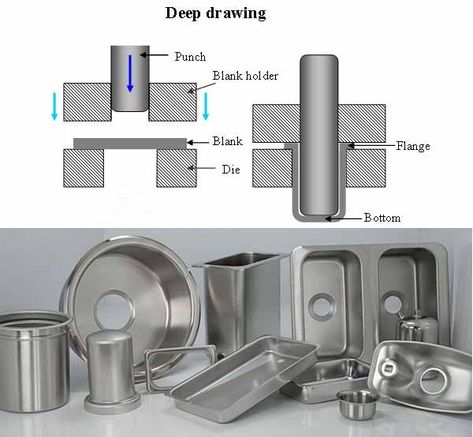
Categories
Machinery

Hydraulic Beading Machine

Hydraulic Beading Machine

Hydraulic Beading Machine: A Trimming Beading Machine is an industrial machine used primarily in the metalworking and fabrication industries, especially in the manufacturing of cylindrical or conical metal components, such as drums, cans, pressure vessels, or HVAC ducting.

Purpose & Function of the Trimming-Beading Machine

  1. Trimming:
    • Removes excess metal from the edges of round or cylindrical workpieces after deep drawing or forming.
    • Ensures a uniform edge or prepares the part for welding or further processing.
  2. Beading:
    • Forms a bead (a rounded protrusion or indentation) on the edge of the metal part.
    • This adds strength and rigidity to the part, helps in sealing (in case of containers), or improves aesthetics and safety (e.g., eliminating sharp edges).

Key Features:

  • Rotary system: Workpieces are usually mounted and rotated while tooling trims or beads the edge.
  • Manual, semi-automatic, or fully automatic operation.
  • Adjustable tooling: To accommodate different diameters, thicknesses, or bead profiles.
  • Material compatibility: Works with steel, stainless steel, aluminum, copper, etc.

Common Applications:

  • Drum manufacturing
  • HVAC duct parts
  • Automotive mufflers or filters
  • Pressure vessels
  • Kitchenware & cookware production

Variants:

  • Vertical or horizontal configurations
  • Integrated into production lines or used as standalone units.
  • Can include CNC controls for high precision and repeatability.

A trimming beading machine is used in metal fabrication to finish and reinforce the edges of cylindrical or conical metal parts such as drums, tanks, HVAC ducting, and pressure vessels. It performs two main operations: trimming and beading. Trimming involves removing any excess material from the edge of a workpiece after it has been formed, ensuring the edge is smooth, uniform, and ready for further processing like welding or sealing. Beading, on the other hand, forms a raised or indented bead along the edge of the metal, which strengthens the part, improves its appearance, and removes sharp edges for safety or sealing purposes.

The machine typically works by rotating the metal part while a set of forming tools or rollers engage with the edge to carry out trimming and beading. It can be operated manually, semi-automatically, or fully automatically depending on the production requirements. These machines are designed to handle various materials including mild steel, stainless steel, aluminum, and copper, and they come in different configurations such as vertical or horizontal types to suit different workshop layouts.

Tooling can be adjusted to accommodate different diameters, metal thicknesses, and bead profiles, making the machine versatile for a wide range of products. In higher-end models, CNC systems are integrated for better precision, speed, and repeatability, especially important in large-scale or high-specification manufacturing. The process not only ensures dimensional accuracy but also adds mechanical strength to the finished product by creating a reinforced edge, which is particularly important in containers that experience internal pressure or need secure sealing.

Trimming beading machines are essential in industries where the final product must meet strict dimensional and aesthetic standards. In applications such as drum manufacturing, the beading process ensures that the rim can support stacking or attachment of lids, while in HVAC ducting, beads improve airflow characteristics and provide locations for fastening or sealing. The machine’s ability to precisely control the depth and shape of the bead also plays a role in meeting regulatory or safety requirements, especially in pressure-rated vessels or food-grade containers.

The operational efficiency of a trimming beading machine greatly impacts production throughput. Modern machines often include quick-change tooling systems, digital position readouts, and automated clamping or centering devices to minimize setup time and improve consistency across batches. In high-volume production environments, these features are crucial in maintaining tight production schedules while reducing material waste and labor costs.

In addition to industrial use, smaller-scale or artisan manufacturers may also use simpler versions of these machines for products like cookware, artisanal metal containers, or decorative items. In such settings, the machine’s flexibility and ease of operation are often prioritized over full automation.

Maintenance of trimming beading machines involves regular inspection of tooling wear, lubrication of moving parts, and ensuring alignment of the rotating components to prevent runout or uneven finishes. High-quality machines are typically constructed with rigid frames and precision bearings to withstand the stresses of continuous operation while maintaining alignment and surface finish quality.

With the increasing integration of Industry 4.0 technologies, some trimming beading machines are also being equipped with sensors and IoT connectivity to enable real-time monitoring, predictive maintenance, and integration into smart manufacturing systems. This allows operators and managers to optimize machine usage, track performance data, and respond quickly to maintenance needs before they result in downtime.

Overall, the trimming beading machine is a versatile and indispensable piece of equipment in any manufacturing environment where round metal parts need to be finished with precision, strength, and consistency.

Integrated Trimming-Flanging-Beading Machine

An Integrated Trimming-Flanging-Beading Machine is a multifunctional piece of metal-forming equipment designed to streamline production by combining three essential operations—trimmingflanging, and beading—into a single, continuous process. This machine is especially useful in industries that manufacture cylindrical or conical components like drums, pressure vessels, tanks, and ducts, where these edge-finishing processes are critical to structural integrity, functionality, and aesthetics.

The process begins with trimming, which removes excess or uneven material from the edges of a spun, drawn, or welded workpiece. This ensures the part has a clean, uniform edge, which is crucial for downstream operations. Following trimming, the machine proceeds to flanging, where the edge is bent or turned outward (or inward) at a defined angle, typically to facilitate joining or to reinforce the structure. Finally, the beading operation forms a rounded protrusion or indentation along the edge, further strengthening the part, preventing deformation, and improving sealing or handling characteristics.

This integrated machine operates in a rotary fashion—holding the workpiece in a spinning chuck while sequential tooling units perform their respective operations. It may be manually operated for small-batch or low-complexity jobs, or fully automated for high-volume production lines. Advanced models often feature servo-controlled axesprogrammable tooling paths, and touchscreen HMIs (Human Machine Interfaces), allowing for precise control over each step of the process and quick changeovers between different part sizes or specifications.

The major advantages of using an integrated trimming-flanging-beading machine include reduced handling time, increased dimensional accuracy, space efficiency, and better overall productivity. Since the workpiece remains clamped and centered throughout the entire sequence, misalignment between operations is minimized, ensuring consistent quality and tight tolerances. Additionally, these machines reduce operator fatigue and training requirements, as multiple operations are handled automatically without manual repositioning of the part.

Industries such as automotiveappliance manufacturingoil and gas, and HVAC benefit greatly from this type of machine, especially when producing components like mufflers, filters, expansion tanks, or ducting collars. By centralizing operations, manufacturers can improve workflow, reduce machinery footprints, and meet increasing demands for speed and quality in competitive production environments.

An integrated trimming-flanging-beading machine represents a highly efficient evolution in metal fabrication, where multiple edge-forming processes are combined into one continuous cycle. Instead of transferring a part between separate machines for each step, the workpiece remains fixed in position while the machine sequentially performs trimming, flanging, and beading. This not only saves time but also enhances precision by eliminating the risk of misalignment that can occur during manual repositioning. The machine typically grips the cylindrical or conical workpiece in a rotating chuck, and tooling heads engage the edge as it spins, each performing its specific function in a pre-programmed sequence.

Trimming ensures the edge is smooth and dimensionally accurate, flanging then forms a bent lip that may serve as a mounting or sealing surface, and beading adds structural strength while improving the part’s functionality and sometimes its visual appeal. Because these steps are closely linked, integrating them into one cycle greatly benefits production speed and consistency. This is particularly important in industries where high volumes of standardized components are required, such as in the manufacture of metal drums, fire extinguishers, gas cylinders, air reservoirs, and HVAC parts.

Modern versions of these machines often include advanced features like servo motors, automated clamping systems, digital control panels, and recipe-based programming that allows operators to switch between product types with minimal downtime. These features enable high repeatability and tight tolerances even across large batches. In a production environment where efficiency and cost control are paramount, having a single operator manage a machine that performs three functions reduces labor costs and simplifies training.

Machine rigidity and build quality play a crucial role in achieving consistent results, especially when working with thicker materials or larger diameters. High-end models are engineered with vibration-dampening frames and heavy-duty bearings to maintain accuracy during continuous operation. Tooling life is also a consideration, with quick-change tool holders and hardened forming rollers helping reduce maintenance time and increase uptime.

In applications requiring strict compliance with safety or performance standards—such as pressure vessels or food-grade containers—the precise edge preparation and repeatable finish provided by an integrated machine can be critical. Moreover, as demand grows for connected and data-driven manufacturing, some integrated machines now feature IoT-enabled diagnostics and process monitoring, giving operators real-time feedback and allowing predictive maintenance to avoid unplanned stoppages.

Overall, the integrated trimming-flanging-beading machine offers a smart, compact, and highly capable solution for any manufacturing process involving round or cylindrical metal components. Its ability to increase output, reduce human error, and ensure uniform product quality makes it an indispensable asset in modern fabrication shops.

In production environments where time, precision, and consistency are critical, the integrated trimming-flanging-beading machine plays a central role in optimizing workflow. Its ability to handle multiple operations in a single clamping not only shortens cycle times but also enhances part integrity, as each process flows seamlessly into the next without interruptions or the need for re-alignment. This uninterrupted sequence ensures that all dimensional references—such as the trimmed edge, the flange angle, and the bead placement—are held to tighter tolerances than what is typically possible using separate machines.

As product designs evolve to meet more demanding specifications—whether it’s to reduce weight, improve sealing, or meet aesthetic expectations—machines like this allow for precise customization of edge geometry. Flange angles, bead radii, and edge profiles can be programmed or adjusted with minimal effort, often through a digital interface. This makes the machine especially useful in facilities that produce a wide range of components in varying sizes, wall thicknesses, and materials. From thin-walled aluminum ducts to heavy-gauge steel drums, the adaptability of the tooling and control systems allows the same machine to be used across different production lines with only minor adjustments.

Another important benefit is the reduction in material waste. Because trimming is performed as the first step with high precision, operators can work with slightly oversized blanks and then achieve perfect final dimensions during the process. Combined with consistent flanging and beading, this improves nesting and stacking of finished parts, as well as compatibility with lids, clamps, or mating components—especially in modular or interchangeable systems.

In terms of ergonomics and operator safety, integrated machines are often designed with protective enclosures, interlocks, and simplified control schemes. This not only prevents accidents but also makes the machine easier to operate, even for less-experienced workers. The automation of repetitive tasks reduces fatigue and minimizes the chances of human error, allowing operators to focus more on quality control and less on manual handling.

For manufacturers aiming to scale production without a corresponding increase in floor space, an integrated solution also addresses spatial efficiency. Replacing three standalone machines with a single integrated unit saves valuable factory real estate, simplifies material flow, and reduces energy consumption, especially when all processes are powered from a shared drive system or central control panel.

As the manufacturing sector increasingly leans toward lean production, energy efficiency, and smart manufacturing, integrated machines offer the technological edge to stay competitive. Whether it’s through networked controls, feedback loops that adjust forming pressure in real time, or cloud-based analytics that track cycle performance and machine health, these machines are positioned not only as workhorses but as intelligent nodes in the digital factory of the future.

Ultimately, the integrated trimming-flanging-beading machine exemplifies the evolution of metal-forming equipment—merging mechanical precision with digital intelligence to meet the growing demands of modern industry. It represents a shift from isolated, manual processes to streamlined, automated, and data-informed production systems capable of delivering high-quality results at scale.

In the broader context of industrial automation, the integrated trimming-flanging-beading machine also contributes to reducing production variability. In traditional setups where each process—trimming, flanging, and beading—is handled by a different operator or separate station, even small discrepancies in setup or handling can accumulate, resulting in parts that deviate from the design specification. By consolidating these operations into one controlled cycle, the machine minimizes those variables, ensuring uniformity across hundreds or thousands of components.

This level of control is especially beneficial in quality-sensitive applications such as in the food and beverage industry, where stainless steel containers must have smooth, sealed edges to comply with hygiene standards. Similarly, in the automotive and aerospace sectors, where every millimeter counts in terms of fit and performance, the machine’s ability to repeatedly form precise beads and flanges ensures the part will function reliably under pressure, vibration, or thermal stress.

One often overlooked advantage of this machine is its impact on inventory management and production scheduling. With fewer machines involved in the process, fewer parts are waiting in queues between operations, which means reduced work-in-progress (WIP) inventory. This leads to faster turnaround times and better flexibility in responding to urgent orders or design changes. For just-in-time (JIT) manufacturing systems, where excess inventory is seen as a cost burden, integrated machines align perfectly with lean production principles.

Maintenance-wise, the centralized nature of this machine simplifies upkeep. Instead of maintaining three separate machines with their own motors, lubrication systems, and wear components, technicians can focus on a single system. Scheduled maintenance becomes more predictable, and downtime is easier to manage, especially when the machine is equipped with diagnostic software or sensor feedback loops that alert operators to component wear or alignment issues before they escalate into breakdowns.

In terms of machine learning and adaptive manufacturing, future-ready versions of these machines can incorporate real-time monitoring systems that analyze force feedback, torque variations, or temperature fluctuations during forming. These systems can automatically adjust forming parameters on the fly, compensating for material inconsistencies or tooling wear without stopping the machine. Over time, the machine can build a data profile of each batch, helping engineers optimize not just the product but the process itself.

From a return-on-investment perspective, the initial capital cost of an integrated machine is often offset quickly by the cumulative savings in labor, floor space, tooling, and maintenance. The streamlined workflow also enhances traceability and documentation, which are critical in industries requiring audit trails, such as medical device manufacturing or pressure vessel certification. Many models are now built with connectivity in mind, allowing remote diagnostics, software updates, and even performance optimization from the manufacturer’s side, further enhancing uptime and long-term value.

At the end of the day, the integrated trimming-flanging-beading machine isn’t just a tool for shaping metal—it’s a platform for production efficiency, quality control, and process innovation. Whether for a high-volume production line or a precision-driven specialty workshop, this kind of machinery embodies the direction modern fabrication is heading: fewer steps, smarter control, tighter tolerances, and greater adaptability.

High-Speed Trimming and Beading Line

Integrated Trimming-Flanging-Beading Machine

High-Speed Trimming and Beading Line is a fully automated, continuous production system designed for rapid, precise processing of cylindrical or conical metal components—typically used in industries like packaging, automotive, HVAC, and container manufacturing. Unlike standalone or semi-automated machines, this line is engineered to operate at high throughput rates, often handling hundreds of parts per hour with minimal operator intervention.

In a typical configuration, components—such as can bodies, drum shells, or duct segments—enter the line via a conveyor or feeding system. They are automatically centered, clamped, and rotated while high-speed tooling units carry out trimming to remove any excess or uneven edge material, followed immediately by beading, where a reinforcing groove or profile is formed around the edge. These operations are completed in quick succession, synchronized by servo drives and PLC-based control systems to ensure perfect timing and minimal idle movement.

The key advantage of a high-speed line is not just speed, but consistency. Every part undergoes the same programmed cycle, eliminating the variability that can occur with manual or semi-automatic systems. The line typically includes automatic part detection, positioning sensors, and quality control features like laser measurement or vision systems to verify dimensions and detect defects in real-time. Faulty parts can be automatically rejected without stopping the line.

These systems are built for non-stop industrial environments, often running 24/7 with features like automatic lubrication, centralized dust or chip extraction, and quick-change tooling systems to minimize downtime during product changeovers. Material compatibility ranges from thin-gauge aluminum and tinplate to thicker steel and stainless steel, depending on the product and forming requirements.

For applications like food and chemical drums, paint cans, filter housings, or HVAC tubes, where edge quality, dimensional accuracy, and structural strength are essential, the high-speed trimming and beading line ensures products meet those demands at scale. Some setups also integrate with upstream and downstream processes, such as welding, leak testing, or flanging stations, creating a seamless manufacturing flow from raw shell to finished, edge-formed product.

With digital control systems and industry 4.0 integration, operators can monitor production metrics, schedule maintenance, and even perform remote diagnostics. All of this contributes to higher yield, lower scrap rates, and a faster return on investment, making these lines a cornerstone of modern high-volume metalworking facilities.

In a high-speed trimming and beading line, every component of the system is designed for efficiency, precision, and endurance. From the moment a shell or part enters the line, it is automatically aligned, clamped, and engaged with the tooling in one fluid motion. The trimming station, typically equipped with hardened rotary blades or shearing tools, removes any excess material from the edges with clean, burr-free cuts. The operation is synchronized so that the transition to the beading station is immediate and seamless, without the need for stopping or manual repositioning. The beading station then forms one or more reinforcing grooves, depending on the product requirements, using hardened rollers that are precisely positioned and pressure-controlled for consistent depth and profile.

Because the entire process is automated and continuous, the line can run at extremely high speeds—sometimes processing up to 60 to 120 parts per minute, depending on part size and complexity. This makes it ideal for mass production environments where downtime and inconsistency can be costly. Tooling setups are optimized for rapid changeovers, allowing manufacturers to switch between different product sizes or styles with minimal interruption. In more advanced systems, recipe-based controls store multiple configurations, so operators can switch batches with just a few inputs on a touchscreen interface.

The mechanical design of the line emphasizes both speed and stability. The rotating spindles, feeding mechanisms, and forming rollers are often driven by servo motors that allow for real-time adjustments in torque and speed, reducing stress on the components and ensuring a smooth forming cycle. The frame is built to absorb vibration and maintain tight tolerances over extended periods of operation, even under heavy workloads. Automated part ejection systems remove finished parts swiftly, often transferring them directly to a conveyor, stacker, or the next stage of assembly or inspection.

Integrated quality control is another hallmark of these systems. Vision cameras or laser scanners monitor each part as it passes through, checking for proper edge formation, bead depth, or surface defects. If an anomaly is detected, the system flags the part for removal without halting the entire line. This kind of in-line inspection ensures that only fully compliant parts move forward, reducing the risk of defective products reaching final assembly or packaging.

Energy efficiency and maintenance have also been addressed in modern high-speed lines. Regenerative drives recycle energy during deceleration, and lubrication systems are automated to keep moving parts in top condition without constant manual intervention. Some machines are equipped with predictive maintenance algorithms that alert operators to wear patterns or performance deviations, allowing them to schedule service before a failure occurs.

Manufacturers who invest in high-speed trimming and beading lines typically do so to support high-volume production while maintaining consistent quality and traceability. These lines are often found in facilities that operate around the clock, where every second of uptime translates directly to increased output and profitability. As production demands evolve and product designs become more complex, these systems can be upgraded or customized with additional forming heads, integrated flanging, embossing, or even marking systems, making them highly adaptable and future-proof.

The high-speed trimming and beading line represents the convergence of mechanical engineering, automation, and smart manufacturing. It transforms what were once labor-intensive, multi-step processes into a streamlined, high-output production system capable of meeting the tightest tolerances and fastest delivery schedules in the industry.

The reliability and repeatability of a high-speed trimming and beading line make it a core investment for companies focused on large-scale production where both throughput and precision are non-negotiable. These lines are built not just to run fast, but to run smart—capable of maintaining consistent quality over thousands of cycles without compromising dimensional tolerances or edge finish. This level of precision is especially critical when dealing with downstream automated assembly systems, where even minor variations in part geometry can cause jams, misfits, or alignment issues. By producing perfectly trimmed and beaded edges every time, the line ensures smooth integration into subsequent processes such as welding, sealing, painting, or packaging.

In facilities where product traceability is essential—such as in the food, chemical, or pharmaceutical sectors—these lines can be equipped with part serialization modules, barcode printers, or even direct part marking systems that log production details like date, batch number, and machine settings in real time. This data can be pushed to central production monitoring software, helping manufacturers maintain full traceability and comply with industry standards or customer audits.

Another major benefit lies in the operator experience. High-speed trimming and beading lines are designed for intuitive operation, often featuring centralized control panels with real-time diagnostics, maintenance reminders, and production analytics. Operators can view cycle counts, part output rates, alarm histories, and even get suggestions for optimal tool change intervals or cleaning schedules. This drastically reduces the learning curve and empowers production teams to run the equipment with confidence and minimal supervision.

Tool wear and part fatigue are inevitable in any high-speed operation, but the best systems address this with precision-engineered tooling made from high-durability alloys or carbide materials. Tooling stations are usually modular, allowing quick swaps for regrinding or replacement. Some lines are even equipped with automatic compensation systems that adjust tool positioning based on feedback from inline sensors, ensuring that even as tools wear, the product quality remains stable until the next scheduled change.

As environmental and sustainability standards grow more stringent, many manufacturers are turning to trimming and beading lines that optimize not just performance, but also energy usage and waste reduction. Scrap management systems, such as integrated chip collectors or magnetic conveyors, remove trimmings cleanly and efficiently, often recycling the waste directly into the production ecosystem. Reduced noise levels, enclosed tooling areas, and dust extraction also contribute to cleaner, safer working environments, helping companies meet occupational health and environmental safety targets.

Ultimately, the high-speed trimming and beading line is not just about maximizing output—it’s about achieving reliable, repeatable excellence at scale. Whether used in the production of paint cans, fire extinguishers, air ducts, or specialty industrial containers, these systems deliver a level of process control that manual or segmented setups simply can’t match. They enable manufacturers to stay competitive in an increasingly fast-paced market, providing the capacity to meet tight deadlines, accommodate custom orders, and maintain consistent product quality without compromise. With continued advancements in automation, software integration, and material science, these lines will only grow smarter, faster, and more essential to next-generation manufacturing.

Double Head Beading Machine

Detailed Description of the Trimming Process

Double Head Beading Machine is a specialized piece of equipment used in metal forming to create beads or reinforcing ridges along the edges of cylindrical or conical parts, such as drums, tanks, or HVAC ducts. Unlike single-head beading machines, which work on one edge at a time, the double head version is designed to form beads on both edges of a part simultaneously, significantly improving production efficiency, particularly in high-volume manufacturing environments.

The machine typically consists of two beading heads, each equipped with rollers that press into the edge of the rotating workpiece to form a raised or indented bead. The workpiece, often a metal cylinder or sheet, is fed into the machine, where it is clamped and rotated. As it rotates, the beading heads engage the edges, applying pressure and shaping the metal to the desired bead profile. By operating two heads at once, the machine doubles the output rate compared to a single-head system, making it ideal for operations that require high-speed processing and consistent quality across large batches.

Double head beading machines are used extensively in industries like automotive manufacturingpressure vessel productionHVAC, and metal container fabrication. For example, in the production of cylindrical tanks or drums, the beading process strengthens the edges, improving both structural integrity and ease of sealing. The bead also prevents the edges from deforming during handling or transport, ensuring that the parts maintain their shape and functionality under pressure.

The design of the double head machine often includes features like adjustable tooling, which allows for different bead sizes and shapes to be created depending on the part specifications. The tooling can be swapped or adjusted to accommodate varying metal thicknesses and diameters, making the machine highly versatile for different applications. Some models also feature servo-driven controls or CNC capabilities, enabling more precise control over the depth, shape, and placement of the beads, and allowing for easy programming for different production runs.

In addition to high-speed production, the double head beading machine offers improved precision and consistency in bead formation. Because both heads operate simultaneously, there is less risk of misalignment or variation between the edges, ensuring that both beads are identical and meet strict quality standards. This is particularly important when the beads need to align with other parts or fit securely into mounting brackets, lids, or seals.

The automation in modern double head beading machines also means that operators can monitor the entire production process through digital interfaces, reducing the risk of human error. Real-time feedback and diagnostics help operators ensure that the machine is functioning at optimal efficiency, and quick changeover features allow for faster transition between different part designs or sizes. Many advanced machines come with automatic part handling systems, further reducing the need for manual intervention and increasing overall throughput.

Double head beading machines are also equipped with safety features, such as enclosed work areasinterlock systems, and emergency stop buttons, ensuring that the operator can work safely during the high-speed operation. Additionally, dust collection and chip removal systems are often incorporated to maintain a clean workspace, improving both machine longevity and the operator’s working environment.

In summary, the double head beading machine offers a powerful solution for manufacturers looking to boost their production efficiency while maintaining high levels of precision and consistency. By simultaneously creating beads on both edges of the workpiece, it helps to reduce cycle times and increase output, making it a valuable asset in industries that require large-scale, high-quality metal forming.

A Double Head Beading Machine is a specialized tool used in metalworking to form reinforcing beads along the edges of cylindrical or conical metal parts. By utilizing two beading heads, this machine is capable of processing both edges of a workpiece simultaneously, significantly enhancing production speed and efficiency. The machine operates by feeding the part, which is typically a drum, tank, or duct component, into the system where it is clamped and rotated. As the workpiece rotates, each beading head engages one edge at a time, using rollers to apply pressure and shape the metal into a defined bead. This design essentially doubles the output rate compared to a single-head machine, making it particularly valuable in high-volume manufacturing environments where speed and consistency are paramount.

The primary function of the beads formed on these edges is to provide additional strength and structural integrity. In applications such as tank or drum production, the beads reinforce the edges, preventing deformation during handling and improving the sealing ability of the components. They also serve aesthetic purposes in some cases, giving the finished product a clean and uniform appearance. Beyond strengthening, beading also helps in parts fitting into other components, such as when parts need to align with mounting brackets, lids, or seals. The machine’s versatility allows it to work on a wide range of materials and part sizes, and it can be adjusted for varying metal thicknesses and diameters. With adjustable tooling and advanced control systems like servo motors or CNC interfaces, manufacturers can easily alter the bead size, shape, and depth to meet specific production requirements.

By simultaneously processing both edges, the double head design ensures high-quality consistency across large batches, reducing the chance of misalignment between the two beads and ensuring that they meet tight quality standards. This is essential for applications where precise, uniform bead formation is necessary for part compatibility and performance. The machine’s automation features allow for efficient operation, with many modern models incorporating digital interfaces for easy monitoring and adjustment of settings. This reduces the need for operator intervention and minimizes the risk of human error, thus increasing overall productivity.

Double Head Beading Machines are commonly used in industries such as automotive manufacturing, pressure vessel production, HVAC, and metal container fabrication. Their ability to handle high-speed production while maintaining precision makes them indispensable in these sectors. They not only improve production throughput but also reduce material waste by ensuring clean, uniform bead formation with minimal scrap. The machine is designed with safety in mind, incorporating protective enclosures and emergency stop mechanisms to ensure a safe working environment for operators. Additionally, dust collection and chip removal systems are built into the design to maintain cleanliness and prevent buildup that could affect machine performance or the operator’s health.

In conclusion, the Double Head Beading Machine is a powerful tool for manufacturers looking to increase their production capacity and maintain high standards of quality. By automating and streamlining the beading process, it reduces cycle times, improves output, and ensures consistent results, making it an invaluable asset in metalworking and manufacturing industries that require high-volume, precision metal forming.

The Double Head Beading Machine’s capacity for high-speed, simultaneous beading makes it a highly efficient solution for companies looking to scale production without sacrificing quality. Its dual-head design is particularly advantageous in industries where tight production deadlines and high-volume demands are standard. By processing two edges at once, the machine maximizes throughput and minimizes the time spent per part. This is a critical factor in industries where profitability is closely tied to the ability to produce large quantities of products quickly and efficiently, such as in the manufacturing of metal drums, pressure vessels, air ducts, and industrial tanks.

Furthermore, the use of advanced automation systems in modern double head beading machines not only improves production efficiency but also enhances control over the manufacturing process. These systems can be programmed to adjust the depth, shape, and position of the beads automatically, which ensures consistent results even with different part sizes or material types. Automated sensors and feedback loops monitor key parameters, such as pressure and speed, to ensure optimal performance during each cycle. This level of control minimizes the risk of defects, reduces waste, and maximizes the lifespan of tooling.

Another significant benefit is the reduced downtime associated with maintenance and tool changes. The modular design of these machines allows operators to quickly swap or adjust tools, ensuring that the line can continue operating with minimal interruption. With the use of predictive maintenance technologies, operators can be alerted to potential issues before they lead to machine failure, helping to avoid costly and time-consuming repairs.

For manufacturers focused on lean production, the high efficiency and reduced waste generated by the Double Head Beading Machine align well with modern manufacturing practices. The machine’s design helps to minimize the amount of scrap produced during the beading process, ensuring that more of the raw material is utilized effectively. This not only reduces costs but also contributes to more sustainable production practices, which are increasingly important in today’s environmentally conscious market.

Additionally, as industries push for greater product customization and variation, the flexibility of double head beading machines allows manufacturers to easily switch between different bead profiles and sizes. This versatility is critical for producing a wide range of products while maintaining high standards of quality and efficiency. Whether it’s creating a deep bead for structural reinforcement or a shallow bead for aesthetic purposes, the machine can be adjusted to accommodate these varying needs with ease.

As manufacturers continue to adopt Industry 4.0 principles, newer models of Double Head Beading Machines often come equipped with IoT (Internet of Things) capabilities, allowing for remote monitoring and data collection. This connectivity provides operators and managers with real-time insights into machine performance, which can be used to optimize production schedules, track productivity, and analyze trends in part quality. This level of data integration supports informed decision-making and helps manufacturers stay competitive in an increasingly data-driven industrial landscape.

Overall, the Double Head Beading Machine is a powerful tool that addresses the need for high-speed production, precision, and flexibility. By simultaneously processing two edges, it improves throughput, reduces cycle time, and maintains consistent product quality. Its integration with modern automation systems and predictive maintenance technology further enhances its value, making it an essential piece of equipment for manufacturers looking to streamline operations, reduce waste, and meet the demands of high-volume production while maintaining the flexibility to adapt to custom orders.

The continued evolution of the Double Head Beading Machine also includes innovations in user interface and integration with other parts of the production line. With the advent of more intuitive control systems, operators now have access to touchscreen interfaces, which allow them to easily input parameters such as bead size, material thickness, and speed. These systems also provide visual feedback, such as real-time machine status, cycle completion, and alerts for any malfunctions. The ability to control and monitor the beading process with greater precision and ease enhances operator efficiency and reduces the chances of human error.

For manufacturers with a diverse range of products or frequent design changes, the flexibility of the Double Head Beading Machine is a major asset. With programmable settings and quick-change tooling options, it is possible to seamlessly switch between different beading patterns, sizes, and materials. This adaptability ensures that the machine can handle variations in product design without the need for major adjustments or downtime, enabling manufacturers to meet a wide range of customer requirements and respond quickly to changing market demands.

One of the key factors that drive the adoption of Double Head Beading Machines in modern manufacturing is the emphasis on quality control. The precision with which beads are formed is critical, especially when components need to meet stringent specifications or must fit seamlessly into other parts. The dual-head configuration allows manufacturers to maintain uniform bead formation across large batches, ensuring that every part meets the same high standards for strength, appearance, and functionality. This consistency is essential in industries where even minor variations can affect the integrity of the final product.

The integration of robotic arms or automated part handling systems with Double Head Beading Machines is another emerging trend. These systems work in tandem with the beading process, removing finished parts from the machine and transferring them to the next stage of production, such as assembly or inspection. This automation reduces manual labor and accelerates the flow of materials, increasing overall throughput while reducing the risk of human error and handling damage.

With the push for sustainability in modern manufacturing, Double Head Beading Machines also contribute to more eco-friendly production. By reducing waste and scrap material, manufacturers can minimize their environmental impact. Additionally, many of these machines are built with energy-efficient components that reduce the power consumption during operation. The ability to recycle waste material, such as metal trimmings, further helps manufacturers contribute to sustainable practices while reducing costs.

The maintenance aspect of Double Head Beading Machines has also been significantly enhanced in recent years. In addition to automatic lubrication systems that ensure optimal tool performance and reduce wear, many models now come with condition monitoring systems. These systems track the performance of critical components, such as motors, rollers, and sensors, and can predict when maintenance is needed. This predictive approach helps to reduce unexpected downtime and extend the overall life of the machine, improving the return on investment.

As production facilities continue to adopt smart manufacturing techniques, the integration of data analytics into Double Head Beading Machines allows for the optimization of the beading process. Data collected during production, such as bead depth, machine speed, and part size, can be analyzed to identify patterns and inefficiencies. This information can be used to adjust the process parameters in real-time, ensuring that each part is produced to the highest standards while reducing waste and improving cycle times.

In the long term, the flexibility, efficiency, and precision of Double Head Beading Machines will continue to make them a valuable investment for manufacturers looking to stay competitive. As industry standards evolve and product designs become more complex, these machines will adapt to meet the needs of modern manufacturing, offering faster cycle times, higher-quality products, and greater flexibility to accommodate a diverse range of customer specifications. With the ongoing advancements in automation, digital control systems, and data analytics, the future of Double Head Beading Machines is poised to bring even greater improvements in productivity, quality, and cost-effectiveness.

Multi-Operation Trimming Beading System

Hydraulic Beading Machine

Multi-Operation Trimming Beading System is an advanced machine used in metalworking that integrates several distinct processes—trimming, beading, and often other secondary operations—into one unified system. This type of system is designed for high-volume production environments, where precision, speed, and versatility are paramount. The integration of multiple operations into a single machine streamlines production and reduces the need for separate machines, resulting in lower overall operating costs and increased efficiency.

The key features of a Multi-Operation Trimming Beading System include its ability to simultaneously trim the edges of a metal part to remove excess material while forming beads along the edges to strengthen, reinforce, or create specific geometries. This dual function eliminates the need for separate trimming and beading stations, improving throughput and reducing material handling time.

In the trimming process, the machine uses high-speed rotary cutters, shears, or blades to cleanly remove the excess material from the workpiece, ensuring a smooth, burr-free edge. Following trimming, the beading operation is carried out, typically using rollers or dies that apply pressure to form a raised bead or ridge along the edge of the part. This bead may serve multiple purposes, such as improving the structural integrity of the part, facilitating better sealing during assembly, or enhancing the product’s aesthetic appearance.

One of the most significant advantages of a Multi-Operation Trimming Beading System is its flexibility. These systems are capable of processing a wide range of materials, including thin-gauge metals like aluminum and steel, as well as thicker materials for more demanding applications. They can also handle varying part sizes, with adjustments made via the machine’s control system. Automated adjustments for different part sizes and bead profiles allow for quick changeovers between different production runs, ensuring minimal downtime and maximizing machine utilization.

Advanced versions of these systems are often equipped with servo-driven motors and programmable logic controllers (PLCs), enabling precise control over the trimming and beading operations. This precise control allows manufacturers to achieve tight tolerances, consistent bead depths, and high-quality finishes, which are critical in industries such as aerospace, automotive, HVAC, and container manufacturing. Some systems also feature CNC capabilities, allowing for automated, computer-controlled operations that can be programmed to handle complex part geometries or custom specifications.

Another benefit of these systems is their integration with downstream processes. Many multi-operation systems are designed to work seamlessly with other equipment, such as welding stations, flanging machines, or part handling systems. This integration enables a continuous flow of parts through the production line, minimizing the need for manual intervention and enhancing overall productivity. For example, once a part is trimmed and beaded, it can be automatically ejected and transferred to the next station for further processing, packaging, or inspection.

The addition of quality control features is another hallmark of a Multi-Operation Trimming Beading System. Many systems are equipped with sensors, vision cameras, or laser scanning technology to inspect the parts as they are processed. These systems can detect defects such as incorrect bead depth, uneven trimming, or dimensional inconsistencies. If any issues are detected, the system can either correct them automatically or reject faulty parts before they move further down the production line, ensuring that only high-quality components are produced.

Maintenance is simplified in multi-operation systems, as these machines typically include self-lubricating systemscondition monitoring, and predictive maintenance capabilities. Sensors monitor the condition of critical components, such as rollers, motors, and blades, and alert operators when maintenance is required, reducing unplanned downtime and prolonging the life of the equipment.

The efficiency of a Multi-Operation Trimming Beading System also extends to material handling. Parts are typically fed into the system by automated feeders or conveyors, which align and position the workpieces for processing. Once the parts are finished, they are automatically ejected and transferred to the next station, minimizing manual labor and reducing handling time. This high degree of automation not only increases throughput but also helps reduce the risk of defects caused by human error during part handling.

In summary, a Multi-Operation Trimming Beading System offers a streamlined, highly efficient solution for manufacturers looking to combine trimming and beading operations in a single system. Its ability to process various materials and part sizes, while ensuring high precision and consistent quality, makes it ideal for high-volume production environments. The integration of advanced controls, automation, and quality inspection systems further enhances its capabilities, allowing manufacturers to meet the demands of modern industrial production with reduced costs, faster cycle times, and greater product consistency.

The versatility and efficiency of a Multi-Operation Trimming Beading System can significantly impact a manufacturer’s ability to meet customer demands for both quality and turnaround time. With industries requiring increasingly precise and intricate components, these systems allow for customization without sacrificing speed or operational efficiency. Manufacturers can adjust the system to handle a variety of part sizes, bead profiles, and material types, ensuring that each batch meets strict specifications. This adaptability is particularly valuable in sectors such as automotiveconstructionelectronics, and consumer goods, where custom parts with unique geometries or functional requirements are frequently needed.

Additionally, as lean manufacturing continues to be a driving force in modern production, the multi-operation system aligns perfectly with these principles. By combining multiple processes in a single machine, manufacturers can reduce the need for additional equipment and labor, minimizing resource waste and operational costs. The ability to quickly switch between different part designs, combined with the automated handling of raw materials and finished products, ensures that production runs are more efficient and less prone to bottlenecks. This helps improve the overall efficiency of the manufacturing process and enhances output capacity.

Another important advantage of these systems is the reduced risk of human error. Automation plays a key role in ensuring consistent results across large production volumes. With manual intervention minimized, especially in high-speed production, the chances of mistakes due to improper setup, part misalignment, or inconsistent material handling are greatly reduced. Automated systems can also adjust processing parameters in real-time based on feedback, further enhancing product consistency.

From an operational standpoint, energy efficiency is increasingly a focus in industrial production. Many Multi-Operation Trimming Beading Systems are built with energy-saving technologies. These systems optimize energy usage by utilizing variable-speed drives, intelligent power management, and energy-efficient motors. Reducing energy consumption not only lowers operational costs but also supports sustainability initiatives by reducing the carbon footprint of production.

Moreover, data-driven insights are becoming a key part of modern manufacturing, and the multi-operation systems are increasingly equipped with advanced data-collection and analytics capabilities. Sensors embedded in the system capture critical operational data, including machine speed, processing time, tool wear, material throughput, and part quality. This data can be monitored in real-time through integrated systems, allowing production managers to make informed decisions and adjustments to optimize efficiency. Machine performance can also be tracked over time to predict when maintenance is due, reducing unplanned downtime and further increasing the overall productivity of the manufacturing line.

Another growing trend in multi-operation trimming beading systems is integration with Industry 4.0 technologies. This includes the ability to connect the system to cloud-based platforms or the company’s ERP (Enterprise Resource Planning) system, allowing for seamless data exchange across the entire production network. By connecting the trimming and beading process with other stages in the manufacturing workflow, manufacturers can gain end-to-end visibility into their operations, further improving decision-making, resource allocation, and production scheduling.

For companies that prioritize product traceability and compliance, multi-operation systems often come with built-in features such as barcode readersQR code scanners, and automatic part marking systems. These allow each part to be traced throughout its production journey, ensuring that it meets regulatory or quality standards. This is especially important in industries with stringent quality control requirements, such as aerospace or food-grade container production.

The use of these systems in flexible manufacturing environments also provides manufacturers with the capability to manage custom orders with ease. In today’s competitive landscape, companies are frequently tasked with producing smaller batch sizes or custom products to meet specific customer needs. The multi-operation trimming and beading system’s programmable control systems can quickly switch between different part configurations and produce complex parts with a high degree of accuracy, making it ideal for fulfilling customized orders efficiently.

As environmental concerns continue to shape the manufacturing industry, waste reduction is a major focus for many manufacturers. The multi-operation system can be designed to optimize material usage during the trimming phase, reducing scrap rates. Additionally, features like recycling systems or automatic scrap separation allow manufacturers to recycle the waste material from the process and reuse it in future production, further contributing to sustainability.

Lastly, the cost-effectiveness of these systems makes them a wise investment for manufacturers. While the initial cost of purchasing and setting up a multi-operation trimming beading system may be higher compared to simpler, standalone machines, the long-term savings in labor, operational efficiency, energy consumption, and material waste typically make up for this investment. The increased outputimproved product quality, and reduced need for maintenance also contribute to a quicker return on investment (ROI).

In conclusion, a Multi-Operation Trimming Beading System is an essential asset for manufacturers looking to streamline operations, improve product quality, and increase production efficiency. The combination of trimming, beading, and often additional processes within a single system allows for higher throughput, less downtime, and more flexibility in production. The ability to easily adapt to different part specifications and materials, while maintaining precision and reducing human error, makes these systems a cornerstone of modern manufacturing. Whether optimizing production flow, increasing sustainability, or meeting custom orders, these machines provide manufacturers with the tools they need to stay competitive in an ever-evolving industry.

As manufacturing continues to evolve in the face of new technologies and market demands, the role of Multi-Operation Trimming Beading Systems becomes even more critical in maintaining a competitive edge. Beyond the operational benefits of efficiency and precision, these systems are also central to supporting advanced manufacturing techniques such as just-in-time (JIT) production and mass customization.

For manufacturers working within JIT frameworks, the speed and flexibility of multi-operation systems are especially valuable. These systems can quickly adapt to different production volumes and part variations, making it easier for companies to maintain a lean inventory and reduce waste. The ability to rapidly produce small batches of customized parts without sacrificing quality or efficiency allows manufacturers to meet customer demands on tight timelines, all while keeping costs low. This becomes especially important when parts need to be delivered quickly to avoid production delays in industries such as automotiveaerospace, and consumer electronics.

The increasing trend of mass customization — where consumers or clients demand tailored products in high volumes — also benefits from the capabilities of multi-operation systems. These systems offer the flexibility to create custom parts with varying specifications, sizes, and features while maintaining high-speed production and minimal downtime. Customization can be accommodated without the need for entirely new setups, making it easier to deliver individualized components within larger production runs. This level of adaptability makes multi-operation trimming beading systems essential for companies that cater to specific client needs, offering both personalized solutions and the ability to scale production without delays.

Another critical aspect is the impact of advanced materials and new production techniques. As manufacturing continues to explore lighter, stronger, and more sustainable materials, multi-operation systems must evolve to accommodate these changes. Whether it’s lightweight alloys, composites, or advanced coatings, these systems can be adapted to handle a variety of materials with differing properties. With their ability to adjust parameters like speed, pressure, and tooling configurations, manufacturers can maintain quality standards when working with these new materials. For example, when using materials that are more susceptible to deformation or require delicate handling, the machine’s advanced control systems ensure that the right amount of force is applied to achieve precise beading and trimming without damaging the workpiece.

The evolution of additive manufacturing (3D printing) and hybrid manufacturing — which combines both additive and subtractive processes — is also influencing the capabilities of multi-operation systems. These systems can now work alongside or in conjunction with additive processes, allowing for greater flexibility in producing complex parts. Hybrid systems that integrate additive manufacturing processes, such as laser sintering or metal 3D printing, with trimming and beading processes, can offer more intricate and lightweight designs that were previously impossible or too costly to produce. By integrating these technologies, manufacturers can push the boundaries of part complexity while maintaining the cost-efficiency and speed of traditional manufacturing.

Automation and robotic systems continue to play a major role in expanding the functionality of multi-operation trimming beading systems. Integrating robotic arms into the system allows for more precise manipulation of parts, reducing the risk of deformation during handling and improving accuracy in both trimming and beading processes. Robots can also be used to load and unload parts automatically, reducing labor requirements and enhancing the overall throughput of the system. Furthermore, vision systems or AI-powered analytics can continuously inspect parts during processing to identify any inconsistencies in bead depth, trim alignment, or other features. If any flaws are detected, the system can make real-time adjustments or alert the operator, ensuring that only parts that meet strict quality standards continue through the production line.

The integration of digital twins and augmented reality (AR) technologies into multi-operation systems is also on the rise. A digital twin is a virtual replica of the physical system that allows manufacturers to simulate different production scenarios, predict potential issues, and optimize workflows before they even occur in the real world. This predictive capability can help manufacturers refine their processes, reduce downtime, and improve quality assurance. Similarly, augmented reality can assist operators by overlaying critical process information directly onto the workspace through AR glasses or screens, helping them with setup, adjustments, and troubleshooting in real-time. This cutting-edge technology ensures that operators have all the necessary information to make quick decisions and perform tasks efficiently.

Another area of continuous improvement in multi-operation systems is predictive quality control. Traditionally, quality control has been done at the end of the production line or after the part is finished. With the integration of real-time data collection and analytics, however, quality control can now occur throughout the entire production process. Sensors and machine learning algorithms can detect subtle variations in material properties, processing conditions, and machine performance, allowing for immediate corrective actions. This ensures that quality is maintained consistently from the start to the end of the manufacturing cycle, improving the overall quality of the finished product and reducing the risk of defects or rework.

As manufacturers face increasing pressure to operate more sustainably, energy consumption and resource optimization are becoming more important considerations for multi-operation systems. Energy-efficient design, low-waste manufacturing practices, and environmentally friendly processes are becoming standard features in newer models. For example, servo motors and variable-speed drives optimize power usage by adjusting energy consumption based on machine load and operational requirements, reducing energy waste during idle or low-load periods. Additionally, as scrap material is minimized through more accurate trimming and beading processes, manufacturers can improve their environmental footprint by using fewer raw materials and generating less waste. Some systems even include integrated systems for collecting and recycling scrap materials, further supporting sustainability goals.

Finally, as global supply chains and manufacturing networks become more interconnected, the ability to monitor and control multi-operation systems remotely is becoming an essential feature. With cloud-based platforms and Internet of Things (IoT) connectivity, manufacturers can access real-time data, troubleshoot issues, and make adjustments to the production line from anywhere in the world. This remote monitoring capability allows companies to optimize operations across multiple facilities, ensuring that machines are running at their peak performance no matter where they are located. It also enables more efficient collaboration between teams and suppliers, reducing lead times and improving communication throughout the supply chain.

In conclusion, the evolution of Multi-Operation Trimming Beading Systems reflects the continuous push toward greater flexibilityspeedprecision, and automation in manufacturing. By integrating the latest technologies — from AI-driven quality control to cloud-based remote monitoring — these systems provide manufacturers with a powerful tool for producing high-quality parts quickly and efficiently, all while reducing waste and enhancing sustainability. As the industry embraces new materials, manufacturing techniques, and production methods, multi-operation systems will remain at the forefront of ensuring that manufacturers can meet the growing demands for customization, speed, and precision in an increasingly competitive market.

Automatic Beading Machine

Multi-Operation Trimming Beading System

An Automatic Beading Machine is a specialized piece of equipment used in metalworking and manufacturing processes to form consistent, precise beads or ridges along the edges of metal sheets or parts. Beading is a critical process in industries where strength, reinforcement, and aesthetic appeal are required. This machine is designed to perform the beading operation automatically, making it an ideal choice for high-volume production environments where speed, precision, and consistency are essential.

Key Features and Benefits

  1. Automated Operation: The primary advantage of an automatic beading machine is its ability to operate with minimal manual intervention. Once the parameters are set (such as bead size, material type, and part configuration), the machine will perform the beading process continuously without the need for operator involvement during each cycle. This automation leads to significant improvements in production speed and reduces the likelihood of human error.
  2. Precision and Consistency: Automatic beading machines use advanced control systems, often powered by PLC (Programmable Logic Controllers) or CNC (Computer Numerical Control), to maintain highly accurate bead depth and alignment. This ensures that each part produced has consistent beads, even when manufacturing large quantities. Whether producing parts for the automotiveaerospace, or HVAC industries, the machine’s precision is critical to maintaining product integrity and quality standards.
  3. Versatility: Modern automatic beading machines can handle a wide variety of materials, including metals like steelaluminumcopper, and stainless steel, as well as composite materials. They are also capable of processing parts in various sizes, from small components to larger, more complex shapes. The machine can be adjusted to create beads with different profiles, such as shallow or deep beads, depending on the application.
  4. High-Speed Production: These machines are designed for high-speed operations, making them ideal for mass production. Their efficiency reduces cycle times significantly, enabling manufacturers to meet high-volume demands without compromising on quality. The ability to automate both the beading and the feeding process ensures that parts move smoothly through the production line with minimal downtime.
  5. Custom Bead Profiles: Automatic beading machines can produce a variety of bead profiles, including single beadsdouble beads, or complex shapes. The bead shape and depth can be easily modified through the machine’s control interface, allowing manufacturers to meet specific design requirements or functional needs (e.g., reinforcement for structural integrity, improved sealability, or aesthetic finishing).
  6. Reduced Labor Costs: By automating the beading process, manufacturers can significantly reduce labor costs. The machine’s high throughput and automated operation reduce the need for manual handling, setup, and supervision, allowing operators to focus on other aspects of production or quality control.
  7. Tooling and Maintenance: Automatic beading machines typically feature modular tooling systems, which makes it easier to change tooling and adapt the machine for different part sizes or bead profiles. This is particularly important when dealing with custom or frequent design changes. Additionally, many automatic beading machines have self-lubricating systems and condition monitoring features, reducing maintenance needs and extending the life of the machine.
  8. Quality Control Integration: Many modern automatic beading machines are equipped with vision systems or sensors to monitor the beading process in real time. These systems ensure that the beads are being formed correctly and to the required specifications. If any deviations are detected, the machine can make adjustments automatically or alert the operator for corrective action. This ensures that every part produced meets the quality standards without requiring additional manual inspection.
  9. Energy Efficiency: With the increasing focus on sustainability and cost savings, automatic beading machines are designed to be energy-efficient. Features such as variable-speed motorsservo-driven mechanisms, and intelligent power management help reduce energy consumption during production, lowering operational costs and supporting green manufacturing initiatives.

Applications

  1. Automotive Industry: In automotive manufacturing, beading is often used for metal components like body panels, exhaust systems, and structural elements. The automatic beading machine can efficiently create the required beads to reinforce parts and ensure they are both durable and visually appealing.
  2. HVAC Systems: Automatic beading machines are used to form beads on ductwork and other HVAC components. Beads help improve the structural integrity of air ducts and other parts, ensuring they can withstand pressure and stress during operation.
  3. Container Manufacturing: In industries like food and beverage or chemicals, automatic beading machines are used to form beads on metal containers, such as cans and barrels. The beads not only strengthen the containers but also improve their aesthetic appeal and ensure that they fit together tightly during sealing.
  4. Pressure Vessels: Beading is also crucial in the production of pressure vessels, where the beads help provide reinforcement and maintain the strength of the vessel under high-pressure conditions.
  5. Consumer Goods: In the production of household appliances, metal furniture, and other consumer goods, automatic beading machines can be used to add decorative beads, as well as functional beads to reinforce edges and joints.

Technological Advancements

  1. CNC Control: Many automatic beading machines are now equipped with CNC controls that allow for precise adjustments to bead size, depth, and pattern. CNC systems also enable batch production with consistent quality and easy program changes for different part designs.
  2. Robotic Integration: To improve automation and efficiency further, some machines are integrated with robotic arms to automatically load and unload parts. Robotic systems can also assist in moving parts through various stages of the production line, reducing manual labor and speeding up the overall production process.
  3. Remote Monitoring and IoT: Newer models of automatic beading machines are equipped with IoT capabilities, enabling remote monitoring and diagnostics. Operators can access performance data, receive alerts for potential issues, and even adjust machine settings from a remote location, optimizing uptime and minimizing downtime.
  4. Adaptive Control Systems: Advanced control systems equipped with machine learning algorithms are capable of adjusting the process in real-time based on the data they gather from each cycle. This adaptability ensures optimal beading quality throughout a long production run, reducing defects and scrap rates.

Conclusion

An Automatic Beading Machine is a crucial investment for manufacturers focused on high-volume production, precision, and cost efficiency. Its ability to automatically produce consistent, high-quality beads on metal components reduces labor costs, increases throughput, and improves the overall quality of the final product. With the integration of advanced technologies such as CNC control, robotics, and real-time monitoring systems, these machines are not only enhancing operational efficiency but are also positioning manufacturers to meet the growing demands for customization and sustainability in today’s competitive market. Whether for automotive, aerospace, HVAC, or consumer goods, an automatic beading machine helps ensure that parts are consistently produced with high strength, precision, and reliability.

An automatic beading machine is a highly efficient and specialized piece of equipment used in various industries for forming consistent beads or ridges along the edges of metal parts. These beads serve different purposes, including reinforcing edges, improving structural integrity, facilitating better sealing during assembly, and sometimes for aesthetic purposes. The key benefit of an automatic beading machine is its automation of the entire beading process, reducing the need for manual labor and increasing the speed and precision of production. Once the settings are configured, the machine can continuously produce parts with little to no operator intervention, reducing both labor costs and the risk of human error.

The primary advantage of an automatic beading machine is its ability to produce parts with highly consistent bead profiles. Whether it’s a shallow or deep bead, the machine maintains precision across large production volumes, which is crucial in industries where part consistency is key, such as in automotive manufacturing or aerospace. The ability to create beads that meet exacting standards, every time, makes these machines indispensable for manufacturers who need to maintain high product quality over long production runs.

The versatility of these machines is another important feature. Automatic beading machines can handle a variety of metals like aluminum, steel, copper, and stainless steel, and they can also work with composite materials. This versatility allows manufacturers to cater to different industry needs and adapt the machine for different part sizes and configurations. The bead profiles can be adjusted easily through the machine’s control system, which gives manufacturers the flexibility to meet specific design requirements, whether it’s for reinforcement, better sealing, or for visual appeal.

High-speed production is another key benefit. Automatic beading machines are designed to operate quickly, allowing for large quantities of parts to be processed in a short amount of time. This makes them ideal for high-volume manufacturing where the demand for efficiency is paramount. The automation of both the beading process and part feeding ensures that production is continuous, with minimal downtime between cycles. This is particularly important in industries like automotive and HVAC, where high volumes of parts need to be produced to tight deadlines.

In addition to speed, automatic beading machines also enhance the quality of the finished parts. Many modern machines come equipped with sensors, vision systems, and feedback mechanisms that monitor the beading process in real-time. If any deviation from the desired bead depth, alignment, or consistency is detected, the machine can automatically correct the issue or alert the operator. This ensures that defects are minimized, and only parts that meet the required specifications are produced, improving overall quality control.

The integration of robotics and automation in these machines has further enhanced their capabilities. Robotic arms can automatically load and unload parts, move them through different stages of production, or handle complex part geometries that might be difficult for human operators to manage. This automation reduces the need for manual intervention, speeds up the overall process, and ensures that parts are handled in a consistent manner, reducing the risk of damage or misalignment during production.

Energy efficiency is also becoming a significant focus in the design of automatic beading machines. Manufacturers are increasingly looking for ways to reduce energy consumption without sacrificing performance. Many new machines are equipped with servo-driven motors and variable-speed drives that adjust power usage based on the operational needs of the system. This not only lowers energy consumption but also reduces operational costs, contributing to more sustainable manufacturing practices.

The development of IoT (Internet of Things) capabilities has added another layer of sophistication to automatic beading machines. With IoT, manufacturers can monitor the performance of the machine remotely, access real-time production data, and even perform diagnostics or make adjustments without being physically present at the machine. This remote monitoring can help prevent downtime by alerting operators to potential issues before they become critical, thus enabling faster troubleshooting and minimizing interruptions in the production process.

Predictive maintenance is another growing trend in automatic beading machines. By collecting data on machine performance, such as tool wear, motor performance, and material handling, manufacturers can predict when maintenance will be needed and take proactive measures to prevent unexpected breakdowns. This predictive approach can significantly reduce downtime and extend the lifespan of the equipment, contributing to more efficient and cost-effective operations.

As industries continue to move toward more customized and flexible production systems, automatic beading machines are also evolving to handle smaller batch sizes and more complex part designs. The ability to quickly adjust the machine settings and switch between different part configurations without extensive downtime or retooling is crucial for manufacturers who need to produce custom parts on demand. This capability is especially beneficial for industries like aerospace, where custom components are often required, and for automotive manufacturers who produce a wide range of parts for different vehicle models.

In addition to the technical capabilities, automatic beading machines also contribute to reducing waste and improving resource efficiency. Since the machine processes material with high precision, it minimizes scrap rates and optimizes material usage. Many systems even include built-in scrap collection and recycling systems, allowing manufacturers to reuse the waste material from the beading process, contributing to sustainability efforts by reducing material waste.

The overall cost-effectiveness of automatic beading machines lies in their ability to combine high-speed production with precision, reducing both labor costs and scrap rates while improving quality and throughput. The initial investment in an automatic beading machine is often offset by the long-term savings in labor, energy, and material costs. For companies with high-volume, high-precision production needs, these machines offer a solid return on investment by enabling faster cycle times, reducing defects, and improving overall operational efficiency.

In conclusion, the automatic beading machine is an essential tool in modern manufacturing, offering a range of benefits from speed and precision to versatility and automation. These machines streamline the production process, reduce labor costs, enhance quality control, and contribute to sustainability efforts by minimizing waste. With advancements in technology, including the integration of robotics, IoT, and predictive maintenance, automatic beading machines are continually evolving to meet the demands of industries like automotive, aerospace, HVAC, and beyond. Their ability to handle a wide range of materials, part sizes, and bead profiles makes them invaluable for manufacturers looking to optimize their production processes, improve part quality, and stay competitive in a rapidly changing marketplace.

As the demand for higher production efficiency, precision, and customization continues to grow, the capabilities of automatic beading machines are expanding to meet these challenges. The integration of advanced control systems and sensor technologies has enabled these machines to not only improve production speeds but also optimize the overall process in real-time. One such development is the inclusion of adaptive control algorithms that adjust the operation of the machine based on the feedback it receives during the production process. This ensures that even if material properties or part designs change, the machine can automatically adjust its settings to maintain consistent bead formation and quality.

Another significant advancement is the development of multi-axis and multi-tool capabilities in some automatic beading machines. These systems can operate on multiple axes simultaneously, which allows for complex bead patterns and more intricate designs. By using different tools or molds in conjunction with each other, these machines can create more varied and unique bead profiles, further enhancing the machine’s versatility and adaptability to diverse manufacturing needs. This capability is especially important in industries like aerospace or automotive, where components require custom features and intricate designs for optimal performance.

Furthermore, the rise of Industry 4.0 principles—focused on the automation and data exchange in manufacturing technologies—has had a significant impact on automatic beading machines. Smart manufacturing systems, enabled by big data analytics and cloud computing, are now integrated into these machines. By collecting vast amounts of data throughout the production process, manufacturers can analyze performance trends, track machine health, and even predict when parts or components will need to be replaced. This wealth of data can be used to further fine-tune production lines and optimize the machine’s output, contributing to enhanced productivity and cost savings over time.

Collaborative robots (cobots) are also becoming more integrated into the beading process, particularly in environments where human interaction is still necessary but cannot be easily performed by traditional robots. Cobots can work alongside operators, assisting in tasks such as part loading, material handling, or even monitoring the production process. These machines have safety features that allow them to work in close proximity to humans without causing harm, increasing both productivity and flexibility.

An additional trend in the automatic beading machine landscape is the move towards modular design. Modular machines allow manufacturers to adapt their equipment quickly to meet changing production needs. Whether the demand increases, or new product lines need to be introduced, the modular nature of these systems means manufacturers can easily add or remove components such as additional beading headscustomized tooling, or extra automation modules. This scalability makes the machine a long-term investment, able to grow and evolve with the business, rather than requiring a complete overhaul when production needs change.

Another area where automatic beading machines are evolving is in the use of additive manufacturing technologies, often referred to as 3D printing, in conjunction with traditional methods. Some systems are now integrating additive and subtractive technologies into a hybrid process, allowing manufacturers to create more complex and customized part geometries. These hybrid machines can produce intricate parts using additive methods and then apply beading with traditional machining techniques to reinforce or finish the parts. This synergy allows for faster prototyping, reduced lead times, and the production of high-performance components that are tailored for specific functions.

Moreover, automatic beading machines are becoming more user-friendly, with advanced human-machine interfaces (HMIs) that feature intuitive touchscreen controls, making setup and operation easier for workers. These interfaces allow operators to quickly change settings, view real-time production data, and receive troubleshooting assistance through integrated diagnostic systems. This simplification of machine control helps reduce training time for operators and allows even less experienced workers to manage the beading process effectively.

The push towards sustainability is also influencing the design and operation of automatic beading machines. Manufacturers are increasingly looking for ways to reduce the environmental impact of their operations, and one way to achieve this is by minimizing material waste and energy consumption. Many newer models incorporate energy-saving features, such as regenerative braking systems, where the machine can capture and store energy from deceleration phases of operation, which can then be reused during other stages of production. Additionally, lean manufacturing principles are often embedded in the machine’s design, helping to optimize the use of materials, reduce scrap, and enhance resource efficiency.

The focus on quality assurance is another major development. With the integration of advanced machine vision systems, automatic beading machines can continuously monitor the quality of the bead as it is being formed. These systems use high-resolution cameras and sensors to inspect the bead in real time for defects such as uneven bead height, misalignment, or material inconsistencies. If a flaw is detected, the machine can adjust its parameters automatically or alert the operator to take corrective action. This level of automation in quality control reduces the need for post-production inspection and ensures that defective parts are identified early in the process.

As industries continue to push for faster product development cycles and more customized solutions, the ability of automatic beading machines to quickly adapt to new designs and specifications becomes even more critical. These machines are increasingly being incorporated into flexible, agile manufacturing systems where short production runs of customized parts are the norm, and turnaround times are tight. With their rapid retooling capabilities, these machines can produce a wide range of part designs in a short period, making them invaluable in industries that demand flexibility, such as electronicsmedical devices, and consumer products.

Finally, the increasing integration of artificial intelligence (AI) into manufacturing processes is helping to optimize the performance of automatic beading machines even further. AI algorithms can be used to predict potential issues with parts or tooling, suggest adjustments to improve part quality, or even recommend process changes based on historical data and trends. By leveraging the power of AI, manufacturers can anticipate problems before they occur, streamline production processes, and improve overall machine performance, leading to reduced downtime and higher productivity.

In summary, the automatic beading machine continues to evolve in response to the increasing demand for precision, efficiency, and flexibility in manufacturing. With advancements in automationroboticssustainability, and smart manufacturing technologies, these machines are now more capable than ever of meeting the challenges of modern production environments. They offer manufacturers significant advantages, including increased production speed, enhanced product quality, and reduced labor costs, all while contributing to more sustainable and efficient manufacturing processes. As these technologies continue to develop, automatic beading machines will play an even more crucial role in the future of manufacturing across a wide range of industries.

As the automatic beading machine technology continues to advance, further innovations are expected to transform the landscape of manufacturing even more significantly. These developments will continue to focus on improving overall efficiencyflexibility, and product quality, while reducing downtime and operational costs. The following are key areas where we expect further advancements to shape the future of automatic beading machines:

Increased Automation Integration

One of the most exciting trends in the evolution of automatic beading machines is the increasing use of full system integration across the production line. With more manufacturers adopting Industry 4.0 principles, the automatic beading machine will become a vital part of a larger smart factory. These systems will connect not just the beading machine itself, but also other stages of the manufacturing process, such as cutting, forming, and welding. This interconnectedness allows for a seamless workflow where the entire production line operates based on real-time data, with automated adjustments happening across machines to ensure peak performance. Integration with systems like enterprise resource planning (ERP) or manufacturing execution systems (MES) will also allow for better coordination, tracking, and optimization of resources and materials.

Predictive and Prescriptive Maintenance

While predictive maintenance has already gained traction, advancements in machine learning and artificial intelligence are making it increasingly accurate and actionable. Predictive models are being enhanced to predict not just when maintenance is needed, but to also offer prescriptive maintenance advice. In this scenario, the machine could not only alert the operator of an impending issue but also recommend specific actions to prevent breakdowns or minimize downtime, such as recalibrating a tool or replacing a specific component. This predictive and prescriptive maintenance approach reduces the reliance on scheduled downtime and avoids unscheduled stops, increasing the overall uptime and productivity of the machine.

Advanced Material Handling

Future automatic beading machines are likely to feature even more sophisticated material handling systems. Materials may be automatically identified and sorted using advanced sensors and machine vision, with robotic arms or automated guided vehicles (AGVs) moving parts from one machine to the next. These handling systems would work seamlessly with the beading machine, ensuring that each part is positioned correctly and that there are no errors in the flow of production. Such systems could even adjust material feeding rates in real-time based on the material’s condition or changes in production speed, further optimizing the process.

Real-time Quality Monitoring with AI

While many machines already incorporate vision systems for basic quality checks, the future of quality monitoring lies in the integration of artificial intelligence (AI) with deep learning capabilities. By analyzing vast amounts of image data from high-resolution cameras, AI systems can recognize subtle defects that may not be visible to the human eye. This could include detecting minor variations in bead shape, slight imperfections in metal thickness, or even identifying material inconsistencies. These AI-driven systems will not just flag defects but also offer insights on how to correct the process, ensuring that every part produced meets the highest standards.

Higher Customization Capabilities

As product designs continue to evolve and industries demand increasingly customized solutions, automatic beading machines will need to be able to handle a broader range of configurations. The ability to quickly change bead profiles and accommodate complex geometries with minimal downtime is crucial. Future machines could feature intelligent tooling systems that automatically adjust to different part shapes and sizes, or even fully programmable tooling, where the system can generate new bead designs without needing to manually change parts. This level of flexibility would allow manufacturers to produce highly customized parts with much faster turnaround times, offering a significant advantage in industries that demand agility, such as medical device manufacturing or aerospace.

Improved Energy Efficiency and Sustainability

Sustainability will continue to be a driving force in the development of automatic beading machines. As manufacturers face increasing pressure to reduce their carbon footprint and lower operational costs, energy-efficient technologies will become even more important. Machines will be designed with eco-friendly materialsenergy-saving motors, and recyclable components. Advanced systems will also minimize energy use by adjusting power consumption in real time, using smart energy management techniques that allow the machine to draw energy only when necessary, and optimize power usage during off-peak hours. Additionally, waste reduction technologies will be embedded into these systems, allowing for the recycling of scrap material directly into the production process, further contributing to zero-waste manufacturing.

Modular and Scalable Systems

The future of automatic beading machines is likely to feature more modular designs that allow for scalable production. In environments where production volume fluctuates, modular systems can be easily expanded or downsized to meet demand. This adaptability ensures that manufacturers can maintain flexibility in production without incurring the cost of purchasing new machines for each new product line. For example, a company manufacturing a limited run of parts could add only the necessary beading heads or adjust the machine’s capacity without needing to reconfigure the entire system. This ability to scale up or down based on production needs will become increasingly valuable, especially for industries that deal with custom orders or short-run productions.

Hybrid Manufacturing Technologies

The integration of hybrid manufacturing methods will also become more prominent in automatic beading machines. By combining traditional subtractive manufacturing (like cutting and beading) with additive manufacturing (3D printing), manufacturers can produce more complex parts in a shorter period. For example, 3D printed components could be used to create intricate geometries or internal structures within a part, and then beaded to reinforce the edges or enhance the sealing properties. Hybrid machines would allow manufacturers to offer innovative solutions with significantly reduced lead times, providing them with a competitive edge in industries requiring complex parts, like medical implants or aerospace components.

Human-Machine Collaboration

While automation will continue to play a significant role in automatic beading machines, there will also be a growing focus on enhancing human-machine collaboration. In the future, the relationship between human operators and machines will become more integrated. With augmented reality (AR) and virtual reality (VR) technologies, operators may be able to access real-time data and machine performance metrics through headsets or smart glasses. These devices could display critical information such as bead quality, machine status, and predictive maintenance alerts, allowing operators to intervene when necessary. Additionally, machine controls could become more intuitive, leveraging natural language processing or gesture-based controls to allow operators to interact with the machine more naturally and efficiently.

Global Supply Chain Integration

As manufacturing becomes more globalized, the need for machines that can be integrated into global supply chains is also increasing. Future automatic beading machines may be capable of being remotely operated or monitored from any location, allowing manufacturers to access real-time performance data, conduct remote diagnostics, and even make adjustments to the production process from across the globe. This level of connectivity could help companies improve their supply chain management, reduce delays, and ensure that parts are being produced to specification regardless of where the manufacturing facility is located.

Cost Efficiency

As automatic beading machines evolve with these advancements, the cost of operation will continue to decrease due to improved energy efficiencypredictive maintenance, and better material management. While the initial investment in advanced systems may be high, the long-term operational savings will make them increasingly attractive to manufacturers, especially those involved in high-volume or custom manufacturing. The ability to reduce downtime, maintain high-quality production standards, and reduce energy and material costs will result in a significant return on investment for companies.

In conclusion, the future of automatic beading machines is highly promising, driven by the continued integration of advanced technologies such as artificial intelligenceroboticsIoT, and sustainable manufacturing practices. These machines will not only become more efficient, flexible, and precise but also increasingly intelligent, capable of adapting to changing production needs, monitoring quality in real time, and reducing operational costs. The continued evolution of these machines will ensure that manufacturers can meet the demands of modern production, offering both high-quality products and cost-effective solutions to meet the ever-changing market landscape.

Cylinder End Trimming Machine

Cylinder End Trimming Machine

Cylinder End Trimming Machine is a specialized piece of equipment designed primarily for trimming the ends of cylindrical parts, such as tubes, pipes, or other round metal or plastic components, to a specific length or shape. These machines are widely used in industries such as automotiveaerospaceHVACoil and gas, and manufacturing, where precision trimming of cylinder ends is critical for subsequent processes like welding, assembly, or fitting into larger systems.

Key Features and Functions

  1. Precise End Trimming: The primary function of the cylinder end trimming machine is to remove excess material from the ends of cylindrical parts. The trimming is often done with high precision, ensuring that the parts meet tight dimensional tolerances. The machine can cut the ends of cylinders to a flat, beveled, or other custom shapes depending on the specific requirements of the application.
  2. High-Speed Operation: Cylinder end trimming machines are generally designed to operate at high speeds, allowing manufacturers to process large volumes of cylindrical parts in a short period of time. This speed is critical in high-volume production environments where efficiency is a priority.
  3. Versatility: These machines can accommodate a wide range of cylinder sizes, materials, and shapes. Depending on the design, they can handle both short and long tubes and often have adjustable fixtures or tooling to secure and center the cylinders accurately during the trimming process.
  4. Automation: Modern cylinder end trimming machines often include automated features, such as auto-feeding systemsautomated loading and unloading, and computerized controls. These systems can optimize the trimming process and reduce the need for manual intervention, making the operation more efficient and consistent. Some machines may also include vision systems to ensure proper alignment and quality checks in real time.
  5. Cutting Tools: The cutting tools used in cylinder end trimming machines vary depending on the material being processed. Common cutting tools include rotary cutterssaw blades, or laser cutting heads. The choice of cutting tool influences the quality of the cut, the smoothness of the edges, and the overall efficiency of the operation.
  6. Edge Quality: Cylinder end trimming machines are designed to achieve smooth, clean cuts on the cylinder ends, ensuring that the edges are free from burrs, sharp edges, or deformations. This is important because rough edges can interfere with the fitting and assembly of parts and can cause issues during subsequent processes like welding or sealing.
  7. Customization: Many cylinder end trimming machines can be customized to meet the specific requirements of a particular manufacturing operation. This includes the ability to trim different lengths, bevel the edges, or even add other features such as marking or engraving on the cylinder ends.

Advantages

  • Precision and Consistency: The ability to maintain tight tolerances ensures that the cylinder ends are uniform across a large batch of parts, improving quality control and reducing the need for post-production adjustments.
  • Increased Productivity: With automated feeding and trimming processes, cylinder end trimming machines increase throughput and reduce production times compared to manual trimming or less automated equipment.
  • Reduced Labor Costs: Automation in cylinder end trimming machines reduces the need for manual labor and the associated costs, allowing workers to focus on other areas of production.
  • Enhanced Safety: Modern machines are designed with safety in mind, incorporating features such as safety guardsemergency stops, and enclosed cutting areas to protect operators from potential hazards.

Applications

  • Automotive Industry: Cylinder end trimming machines are used for trimming metal parts such as exhaust pipes, shock absorber housings, and other cylindrical components that need precise end trimming for fitment in vehicle assemblies.
  • Aerospace: In aerospace manufacturing, cylinder end trimming is crucial for parts like fuel lines, engine components, and other tubing that must meet exacting standards for length and edge quality.
  • HVAC Systems: In the HVAC industry, cylindrical ducts and pipes are often trimmed to the correct length and fitted with precise edges to ensure they fit together properly during installation.
  • Oil and Gas: The oil and gas industry relies on cylinder end trimming machines to process pipes and tubing used in drilling, transportation, and installation of systems in both onshore and offshore environments.
  • Construction and Manufacturing: Cylinder end trimming machines are used to prepare pipes and tubes for assembly in various systems, such as plumbing, irrigation, and industrial systems.

Types of Cylinder End Trimming Machines

  1. Manual Cylinder End Trimming Machines: These machines require operators to manually load and align the cylinders. While they are less expensive, they are generally slower and less precise than automated systems.
  2. Semi-Automatic Cylinder End Trimming Machines: These machines offer a balance between manual labor and automation. Operators may need to load the cylinders and perform basic tasks, but the machine takes care of the cutting, allowing for faster processing and more consistent results.
  3. Fully Automatic Cylinder End Trimming Machines: These machines are entirely automated, with systems in place to load, align, cut, and unload cylinders with minimal human intervention. Fully automated machines are used in high-volume production environments where precision, speed, and efficiency are critical.
  4. CNC Cylinder End Trimming Machines: Computer Numerical Control (CNC) machines allow for high precision and flexibility in trimming cylinder ends. These machines are programmed with specific cutting parameters, enabling them to trim cylinders to precise lengths and shapes. They are ideal for custom applications or small-batch production where different sizes and shapes of cylinders are required.

Technological Trends

  • Laser Cutting: Some advanced cylinder end trimming machines are now incorporating laser cutting technology, allowing for even greater precision and faster cutting speeds. Laser systems are particularly useful for cutting harder materials or for applications that require a very clean, burr-free edge.
  • Integration with Robotic Systems: For high-precision and high-throughput environments, cylinder end trimming machines can be integrated with robotic arms for loading and unloading, as well as for part handling. This integration enables full automation of the entire process, from material input to finished part output.
  • IoT Connectivity: Some cylinder end trimming machines are incorporating Internet of Things (IoT) technologies, enabling remote monitoring and predictive maintenance capabilities. With IoT integration, operators and managers can access real-time data on machine performance, tool wear, and other critical factors, allowing for proactive maintenance and fewer unexpected breakdowns.

Conclusion

Cylinder End Trimming Machine is an essential tool for manufacturers that deal with cylindrical parts requiring precise, consistent trimming. By automating and optimizing the trimming process, these machines improve overall production efficiency and quality. As industries demand higher precision and faster turnarounds, the technological advancements in these machines are expected to continue. With the integration of advanced features such as robotic automation, laser cutting technology, and IoT connectivity, cylinder end trimming machines will be able to handle more complex and varied tasks while maintaining high accuracy. These advancements will also contribute to reducing operational costs and increasing flexibility in production.

The rise of smart manufacturing will further enhance the capabilities of cylinder end trimming machines. Operators will be able to monitor and control the trimming process in real time through integrated software systems. This will allow for immediate adjustments to be made if there are any inconsistencies or deviations from the desired specifications, ensuring that every part meets the required standards. Additionally, predictive analytics and machine learning algorithms will help to forecast potential maintenance issues before they disrupt production, reducing downtime and increasing machine lifespan.

Sustainability will also play a larger role in the design of future cylinder end trimming machines. Manufacturers are likely to focus on reducing energy consumption and material waste, adopting more eco-friendly production methods. This could include the development of energy-efficient motors and the incorporation of regenerative braking systems that capture and reuse energy during operation. By optimizing these aspects, cylinder end trimming machines can contribute to a more sustainable production process, which is becoming increasingly important in a world focused on reducing environmental impact.

The flexibility of these machines will be further enhanced through modular designs. Manufacturers will be able to add or remove components as needed to meet specific production requirements, which will make the machines more adaptable to different production runs or product variations. This scalability will allow businesses to adjust their production lines quickly and efficiently without needing to invest in entirely new equipment for every change in the product design.

Overall, as automatic systems and advanced technologies become more integrated, cylinder end trimming machines will continue to evolve to meet the growing demands of industries around the world. These machines will not only offer enhanced precision and faster processing times but also contribute to greater overall productivity and cost-effectiveness in manufacturing environments.

As the demand for faster production cycles and higher precision increases across various industries, the cylinder end trimming machine’s role will continue to expand. Beyond simple trimming, these machines will become integral to ensuring the overall efficiency and adaptability of manufacturing lines.

One key development will be enhanced material handling systems, such as automated conveyor belts or robotic arms, that work in tandem with cylinder end trimming machines. These systems can automatically load and unload cylinders, reducing the time spent by operators on manual handling and minimizing the risk of human error. Furthermore, vision systems integrated into the machine will improve part alignment and positioning before the trimming process, ensuring that each cylinder is correctly positioned for optimal precision.

In addition, customizable trimming capabilities will become a hallmark of future cylinder end trimming machines. As manufacturers increasingly require specialized parts with unique geometries, these machines will be able to trim parts to non-standard specifications, including beveled edgesangled cuts, and more complex profiles. The flexibility to modify trim lengths and designs without requiring extensive machine reconfiguration will make these machines even more valuable, especially for industries involved in producing customized or low-volume parts.

Data analytics will also play a larger role in the operation of these machines. Real-time data collection will allow operators to track trends in production, identify any inefficiencies, and optimize workflows. For instance, data on cutting speeds, material types, and tool wear could be analyzed to adjust machine settings for maximum efficiency. This level of insight into machine performance will not only streamline the trimming process but also improve the longevity of cutting tools and other machine components by enabling more precise and proactive maintenance schedules.

Another area for growth is advanced edge finishing technologies. While trimming ensures that cylinders are cut to the correct length, further processes like deburringpolishing, or sealing are often required to ensure that the edges are smooth and fit for their intended purpose. Future cylinder end trimming machines could incorporate these secondary processes into the same machine, streamlining the production process and reducing the need for separate machines. This integration could significantly cut down on handling time and reduce the chances of contamination or damage to parts between processes.

Remote monitoring and control will also become more common. With connected systems, operators and engineers could remotely access machine diagnostics, monitor performance metrics, and even adjust parameters from off-site locations. This is particularly beneficial for large-scale manufacturers with multiple production sites, as it allows for centralized oversight and easier coordination across different facilities. With such capabilities, troubleshooting and repair tasks could also be done remotely, ensuring faster resolutions to any issues and reducing downtime.

As the focus on sustainable manufacturing continues, cylinder end trimming machines will evolve to minimize material waste. Improved cutting techniques, such as laser-assisted trimming, could be employed to ensure cleaner cuts with minimal excess material. Additionally, waste materials generated during the trimming process can be recycled and reused in the production of new parts, contributing to a more circular economy.

The next generation of cylinder end trimming machines will likely integrate cutting-edge technologies such as AI-powered decision-making, enabling the machine to automatically adjust parameters based on environmental conditions, material changes, or quality checks. For instance, if a material batch has slight variances in thickness or hardness, the machine could self-adjust its cutting process to maintain the quality of the trim.

Overall, the continuous advancement of cylinder end trimming machines will lead to a future where these machines are not only more accurate and efficient but also smarter, greener, and more adaptable to the evolving needs of industries worldwide. The combination of automation, data-driven insights, and advanced cutting techniques will make cylinder end trimming machines indispensable in high-volume manufacturing environments and industries requiring precision and customization.

Tank Beading and Trimming Machine

Tank Beading and Trimming Machine

Tank Beading and Trimming Machine is an industrial machine designed to perform both beading and trimming operations on cylindrical tanks or similar vessels. These operations are crucial in industries where metal or plastic tanks, such as fuel tanks, pressure vessels, or HVAC units, need precise edge shaping and trimming for functionality, durability, and aesthetics.

Key Functions and Features

The tank beading and trimming machine combines two critical processes, ensuring that tanks are properly shaped and finished for their intended use. Below is an overview of its core functions:

  1. Beading: The beading process involves forming a raised bead or ridge around the perimeter of the tank. This bead strengthens the edge of the tank, preventing deformation, and ensures that the tank will fit securely when installed. The machine typically uses a rotating tool or roller to create a uniform bead, applying controlled pressure to the material to form a precise shape. This process is essential for tanks that need reinforcement around openings or for ensuring a proper seal during assembly.
  2. Trimming: The trimming function is used to ensure that the edges of the tank are clean and precisely cut to the desired length. This could involve removing excess material from the edges, ensuring smooth, even cuts that will allow the tank to fit into its intended position without sharp edges or burrs. Trimming is essential for ensuring a clean finish and eliminating any material defects that could compromise the tank’s integrity during later manufacturing stages, such as welding or sealing.
  3. Automated Operation: Many tank beading and trimming machines are automated to improve efficiency and precision. Automated feeding systems help feed the tanks into the machine, while adjustable tooling allows for quick changes to accommodate different tank sizes and shapes. The automation reduces manual labor and speeds up production, making it ideal for high-volume environments.
  4. Precision Control: These machines come equipped with advanced control systems, allowing for fine adjustments to be made to beading depth, trimming length, and other key parameters. Modern machines use CNC (Computer Numerical Control) systems to provide precise control over the process, ensuring consistent quality and reducing the chance of human error.
  5. Versatility: Tank beading and trimming machines can typically handle a variety of materials, including metals such as stainless steel, aluminum, and carbon steel, as well as some plastics. This versatility makes them suitable for industries such as automotive, aerospaceoil and gas, and HVAC systems, where tanks and cylindrical vessels are commonly used.

Advantages of Using a Tank Beading and Trimming Machine

  1. Improved Strength and Durability: The beading process reinforces the edges of the tank, making it more resistant to external forces, pressure changes, and potential leaks. It is particularly important for pressure vessels or fuel tanks, where the integrity of the tank must be maintained under various conditions.
  2. Enhanced Precision and Efficiency: By automating both beading and trimming, the machine ensures consistent results across large batches of tanks, which is difficult to achieve through manual labor. The precision ensures that all parts meet the required specifications without needing additional post-processing work, increasing overall production efficiency.
  3. Reduced Material Waste: Trimming machines remove excess material from tanks, but they do so in a controlled and efficient manner, minimizing material waste. This is especially important in industries where raw material costs are high, and the ability to maximize the use of available materials can improve cost-effectiveness.
  4. Faster Production: With high-speed operations, automated feeding, and precision trimming, the tank beading and trimming machine can process large volumes of tanks in a relatively short period, reducing cycle times and increasing overall throughput.
  5. Enhanced Edge Quality: The trimming function ensures that tank edges are smooth, burr-free, and ready for further processing, such as welding or fitting with seals. This is important for ensuring that parts fit together properly and maintain the structural integrity of the tank.

Applications of Tank Beading and Trimming Machines

Tank beading and trimming machines are used in a variety of industries where cylindrical tanks or vessels are a common component:

  1. Automotive: In the automotive industry, tanks such as fuel tanks or reservoirs are often formed using these machines. The beading process strengthens the tank’s edges, while trimming ensures a clean, precise finish that fits into the vehicle’s design.
  2. Aerospace: The aerospace industry uses high-precision tanks for fuel storage, hydraulic systems, and other purposes. Tank beading and trimming machines ensure that these tanks are reinforced and finished to exacting standards, with an emphasis on safety and structural integrity.
  3. Oil and Gas: Tanks used in the oil and gas industry must withstand high pressure and environmental stresses. Beading provides the necessary reinforcement, while trimming ensures that the tanks are shaped properly for installation and operation within pipeline systems or offshore platforms.
  4. HVAC: In heating, ventilation, and air conditioning (HVAC) systems, tanks are often used to hold refrigerants or pressurized fluids. The tank beading and trimming process ensures that the tanks are durable and capable of maintaining the necessary pressure levels.
  5. Industrial Manufacturing: Various other industrial applications require precise, strong tanks or cylindrical vessels, such as storage tanks for chemicals or liquids. The beading and trimming machine plays a critical role in ensuring that these vessels are correctly shaped and meet industry standards.

Technological Trends

  1. Automation and Robotics: As with many manufacturing processes, automation and robotics are being increasingly integrated into tank beading and trimming machines. The use of robotic arms for handling and positioning tanks helps reduce cycle time, while ensuring consistent, error-free placement. This automation also reduces labor costs and increases overall efficiency in production.
  2. CNC Integration: With the rise of CNC technology, many modern tank beading and trimming machines feature programmable controls that enable precise adjustments to be made during production. Operators can input specifications for various tank sizes and edge profiles, and the machine will automatically adjust settings to match these requirements. This capability is particularly valuable for high-mix, low-volume production, where multiple tank designs are needed in a short timeframe.
  3. Advanced Sensors: Some advanced machines now feature sensor-based technology that can detect defects in real-time. These sensors can ensure that the trimming and beading processes are carried out to the exact tolerances required, and any deviations are flagged for correction. This reduces the need for manual inspection and ensures higher quality assurance.
  4. Energy Efficiency: The demand for energy-efficient equipment continues to grow. Many modern tank beading and trimming machines incorporate features such as variable-speed motors and regenerative braking systems to reduce energy consumption. These improvements not only lower operational costs but also align with global sustainability trends, reducing the carbon footprint of the manufacturing process.
  5. Data Analytics and IoT Integration: With the increasing use of Internet of Things (IoT) in manufacturing, tank beading and trimming machines can now be connected to central control systems for real-time monitoring and performance tracking. Operators can remotely monitor the machine’s performance, track maintenance schedules, and identify any potential issues before they cause disruptions. This real-time data collection and analysis allow for optimized workflows, predictive maintenance, and improved decision-making.
  6. Customization Capabilities: As demand for customized products increases, tank beading and trimming machines are evolving to accommodate a wider range of shapes, sizes, and edge profiles. Adjustable tooling and modular systems allow for quick changes to accommodate different designs, making these machines more versatile in meeting customer-specific requirements.

Conclusion

Tank Beading and Trimming Machine is a critical piece of equipment in the manufacturing process of cylindrical tanks, providing both beading and trimming operations that enhance the strength, durability, and precision of the final product. With the integration of automation, CNC technology, and advanced monitoring systems, these machines will continue to evolve, offering manufacturers faster, more efficient, and more cost-effective ways to produce high-quality tanks. As industries demand greater customization, energy efficiency, and precision, the tank beading and trimming machine will remain an indispensable tool for producing strong, reliable, and precisely finished tanks across a variety of sectors.

Tank beading and trimming machines are becoming increasingly integral to modern manufacturing processes. With the continuous drive for improved efficiency and precision in industries such as automotive, aerospace, oil and gas, and HVAC, the capabilities of these machines are expanding. The combination of beading and trimming operations ensures that tanks are not only structurally sound but also ready for the next stages in production with minimal manual intervention. These machines are evolving to meet the growing demands for customized solutions, faster production times, and higher-quality products.

One of the biggest trends in tank beading and trimming machines is the integration of Industry 4.0 technologies. As more manufacturers look to adopt smart factories, tank beading and trimming machines are being outfitted with advanced sensorsautomated feedback loops, and predictive maintenance tools. These technologies enable the machines to continuously monitor performance, adjust settings in real-time, and even detect potential issues before they lead to downtime. This proactive approach helps keep production lines running smoothly and reduces the need for costly repairs.

Another notable development is the ability to handle more complex and diverse tank shapes. As industries demand increasingly customized designs, the versatility of these machines will expand to accommodate various tank geometries and edge profiles. This flexibility is important as it allows manufacturers to produce tanks with specific features, such as different bead profilesangle cuts, or non-standard shapes. The use of modular tooling and CNC programming allows for rapid adjustments between different production runs without requiring extensive reconfiguration.

Additionally, robotic integration is pushing the capabilities of tank beading and trimming machines even further. Robotics can be used for tasks such as loading and unloading tanks, which streamlines the entire process. When combined with machine vision systems, robots can also perform quality checks, ensuring that the beading and trimming operations meet exact specifications before parts are sent to the next stage. This combination of robotics, automation, and smart sensors makes it easier for manufacturers to scale up production and maintain high-quality standards across large batches of tanks.

As manufacturers focus on sustainability, energy-efficient tank beading and trimming machines are becoming more common. These machines are designed with energy-saving features, such as variable-speed motors and regenerative braking systems, which reduce power consumption during operation. This aligns with broader industry trends that seek to lower the environmental impact of manufacturing processes while keeping operating costs under control.

In the long term, the evolution of tank beading and trimming machines is likely to include further advancements in material handling automationsmart factory integration, and data-driven optimization. By tapping into real-time data and using analytics to improve decision-making, manufacturers will be able to streamline operations, reduce waste, and improve product quality. As industries continue to seek out greater productivity, precision, and sustainability, these machines will play an increasingly important role in shaping the future of manufacturing.

Looking ahead, the future of tank beading and trimming machines will be heavily influenced by advancements in artificial intelligence (AI) and machine learning. These technologies will enable machines to continuously learn from operational data, optimizing their settings for different materials, tank shapes, and production runs. AI-powered systems will not only enhance the accuracy of the beading and trimming processes but will also allow the machines to automatically adjust parameters in real time, adapting to changes in material properties or environmental conditions. For example, if a batch of raw material has slight variations in thickness or hardness, the system could detect these differences and adjust the trimming depth or beading pressure accordingly, ensuring that the final product meets stringent quality standards.

Another significant development is the integration of additive manufacturing (3D printing) technologies into tank production processes. While 3D printing is often used for prototyping and small-scale production, its role in large-scale manufacturing is increasing. In the future, tank beading and trimming machines may incorporate 3D-printed parts or features to enhance the production of complex, customized tanks. For example, 3D-printed molds or tooling could be used to quickly create custom beading or trimming profiles, allowing for faster iteration and greater design flexibility. This would also make it easier to manufacture low-volume, high-complexity tanks without the need for costly, specialized tooling.

Furthermore, the shift towards connected machines and industrial Internet of Things (IIoT) will play a crucial role in the development of tank beading and trimming machines. By integrating with centralized cloud-based platforms, these machines can exchange data with other machines on the production line and factory-wide systems. This connectivity will enable real-time monitoring of production, facilitate remote diagnostics, and offer greater insights into machine performance. Operators and managers will be able to make data-driven decisions on-the-fly, adjusting workflows or production schedules to optimize output. Additionally, this connectivity will improve the accuracy of predictive maintenance, helping to avoid unexpected breakdowns and extend the lifespan of machine components.

The global supply chain will also influence the design and operation of these machines. As manufacturers look to streamline their processes and reduce dependence on manual labor, the demand for highly automated and efficient systems will continue to rise. Manufacturers may also seek to increase the scalability of their operations, allowing them to produce different sizes of tanks or handle varying production volumes without requiring significant retooling. Modular designs, which allow for the addition or removal of specific features based on production needs, will become increasingly common in tank beading and trimming machines.

The drive for sustainable manufacturing practices will likely see even more focus on reducing material waste and improving resource efficiency in the production of tanks. The development of eco-friendly materials and recycling technologies could lead to the integration of systems that process waste materials from the trimming and beading process, converting them into reusable material for future production cycles. These measures will help manufacturers meet green certification standards and appeal to environmentally conscious consumers.

Moreover, virtual reality (VR) and augmented reality (AR) technologies could revolutionize the maintenance, training, and design of tank beading and trimming machines. VR and AR could be used for remote troubleshooting, enabling engineers to perform diagnostics on machines in real time without being physically present. Operators could use AR glasses to overlay instructions or troubleshooting steps directly onto their field of view, making it easier to perform maintenance tasks quickly and accurately. Similarly, VR-based training programs could provide new operators with immersive experiences of machine operations, improving their skills without requiring access to physical machines.

The increasing need for high-precision manufacturing in sectors like aerospacemedical devices, and automotive will push tank beading and trimming machines to operate with even tighter tolerances. Advances in laser-assisted trimming or high-precision cutting tools could be implemented to meet these demands, allowing for cleaner cuts, better edge finishes, and reduced post-processing work. With ultra-high-definition vision systems, these machines could automatically inspect the edges and surface quality of every tank, flagging any defects or discrepancies that could compromise the product’s performance.

Additionally, globalization will continue to influence the production of tank beading and trimming machines. As manufacturers in emerging markets adopt these advanced machines, the demand for affordable yet high-performance machines will increase. This could lead to more cost-effective models designed with simpler controls but still offering advanced capabilities such as quick-change tooling systemsautomated set-ups, and remote monitoring.

As the industry becomes more globalized, the machines may also need to adhere to more diverse international standards for quality, safety, and environmental impact. Manufacturers will need to keep up with these ever-evolving regulations, leading to the development of compliant, adaptable machines that can be easily upgraded to meet new requirements.

Finally, the focus on customization and flexibility in production lines will continue to drive improvements in tank beading and trimming machines. Companies that need to produce both large volumes of standard tanks and small batches of custom or specialty tanks will benefit from machines that can be quickly reconfigured to accommodate different designs. The ability to handle a wide variety of materials, tank shapes, and edge profiles will become a key selling point for these machines.

In summary, tank beading and trimming machines will continue to evolve, driven by the need for increased automation, precision, sustainability, and adaptability. As new technologies such as AI, robotics, and IoT become more integrated, the capabilities of these machines will expand, enabling manufacturers to meet the demands of a fast-changing, globalized market. Whether it’s producing tanks for the automotive industry or for specialized applications like aerospace, the future of tank beading and trimming machines will be shaped by the continued advancement of manufacturing technologies and the growing need for smarter, more efficient production systems.

Sheet Metal Beading Press

Sheet Metal Beading Press

Sheet Metal Beading Press is a specialized piece of equipment used to form beads or ridges on sheet metal. Beading, a process that involves creating a raised edge or profile along the length of a metal sheet, is crucial for adding strength, rigidity, and sometimes aesthetics to the material. Beading presses are widely used in various industries, including automotive, aerospace, HVAC (heating, ventilation, and air conditioning), and manufacturing of various metal parts, such as tanks, enclosures, and panels.

Key Functions of a Sheet Metal Beading Press

  1. Beading Formation: The primary function of a beading press is to create consistent beads or raised ridges on sheet metal. These beads are usually formed by passing the metal sheet through a set of dies that are specifically designed to impart the desired bead shape. The process strengthens the sheet metal and provides additional support for applications where the metal will be subjected to pressure or weight.
  2. Customization and Design: Sheet metal beading presses can be adjusted to create different bead profiles, sizes, and shapes based on specific design requirements. The ability to customize the beading process ensures that the metal sheets meet the exact needs of a particular application, whether it’s for reinforcement, aesthetic purposes, or functionality in parts that require a specific mechanical property.
  3. Material Handling: The beading press typically includes a material handling system, which helps feed the sheet metal into the machine automatically or manually. The metal sheet is held firmly in place during the beading process, preventing it from slipping or shifting, which could affect the consistency and accuracy of the beads.
  4. Trimming and Finishing: Some advanced sheet metal beading presses may incorporate additional features, such as trimming capabilities or edge finishing processes. These functions ensure that the metal sheet is precisely cut and that the bead formation is clean and free of burrs or imperfections.
  5. Speed and Efficiency: Modern sheet metal beading presses are designed for high-speed operation, allowing for the rapid production of large quantities of beaded metal sheets. This high-speed performance is essential for industries that require high throughput and efficiency in their manufacturing processes.
  6. Automated Systems: Many sheet metal beading presses are automated, reducing the need for manual intervention. Automated feeding, beading, and finishing systems make it easier to maintain consistent quality and throughput. They also enable operators to focus on other aspects of production, improving overall operational efficiency.

Types of Sheet Metal Beading Press Machines

  1. Manual Beading Press: These are more basic machines where the operator manually adjusts settings and feeds the metal into the press. While this type of machine may be slower and require more direct operator involvement, it is typically less expensive and suitable for small-scale operations or prototyping.
  2. Hydraulic Beading Press: These presses use hydraulic force to apply the necessary pressure for forming beads on sheet metal. Hydraulic beading presses are more powerful and capable of handling thicker or tougher materials compared to manual presses. They provide more consistent pressure and are typically more accurate, making them ideal for high-volume or high-precision production.
  3. Pneumatic Beading Press: Pneumatic beading presses operate using air pressure to create the necessary force for beading. These machines are often used in industries where quick setups and shorter cycle times are needed. They are less powerful than hydraulic presses but are often favored for their ability to handle lighter materials and their relatively low maintenance costs.
  4. CNC Beading Press: CNC (Computer Numerical Control) beading presses are advanced machines equipped with computer controls, allowing operators to program and automate the beading process with high precision. These machines can be used for complex designs and repetitive production runs, and the ability to store and recall settings makes them highly flexible for manufacturing a variety of parts.

Applications of Sheet Metal Beading Presses

  1. Automotive Industry: In the automotive sector, sheet metal beading presses are used to create reinforcement beads on parts such as body panelsfuel tanks, and engine components. Beads are essential in automotive manufacturing to increase the strength of thin sheet metal without adding significant weight.
  2. Aerospace Industry: Beading presses are used to produce parts such as aircraft skins and fuel cells. These components require precision and strength, and beading helps to maintain structural integrity while also reducing the weight of the final part.
  3. HVAC Systems: Beading is crucial in the production of air ductsventilation panels, and air conditioning units, where strength and durability are critical. Beads provide reinforcement for these parts, allowing them to withstand pressure changes and environmental factors.
  4. Construction: In the construction industry, beading presses are often used for producing roof panelswall panels, and enclosures that require additional rigidity. The beads help to prevent warping or deformation of large sheet metal surfaces when exposed to heavy loads or environmental stressors.
  5. Industrial Equipment: Beading presses are used in the production of tanksvessels, and other equipment that require strong, reinforced metal sheets. These parts are often subjected to internal pressure, so the beads enhance their ability to withstand such forces without failure.
  6. Appliances: Household appliances, such as refrigerators and washing machines, often feature sheet metal parts that have been beaded for added strength and longevity. Beading presses are used in the production of these components to ensure they can handle wear and tear over time.

Advantages of Sheet Metal Beading Presses

  1. Increased Strength: Beading provides additional reinforcement to sheet metal, making it stronger and more resistant to bending, deformation, and pressure. This is especially important in industries such as automotive and aerospace, where the integrity of metal parts is crucial.
  2. Precision and Consistency: With automated or CNC-controlled presses, manufacturers can achieve consistent bead formation with high precision, ensuring that every part meets the required specifications. This consistency improves product quality and reduces the risk of defects or errors.
  3. Speed and Efficiency: Modern beading presses are capable of handling high-speed production, allowing for fast and efficient manufacturing. This is particularly beneficial in high-volume production environments where time and cost savings are essential.
  4. Customization: Sheet metal beading presses offer flexibility in the types of beads they can create. This adaptability is important for industries that require unique bead shapes, sizes, or profiles, as it allows manufacturers to tailor the beading process to meet specific design requirements.
  5. Cost-Effective: While sheet metal beading presses may involve an initial investment, they often lead to cost savings in the long run. The ability to produce strong, precise parts with minimal waste reduces overall manufacturing costs, especially in industries with large-scale production.
  6. Durability: Beaded sheet metal parts tend to last longer, particularly when exposed to harsh environments or mechanical stress. This durability can be a critical factor in industries where the lifespan of equipment is a key concern, such as in aerospace or oil and gas production.

Future Trends

As technology continues to evolve, sheet metal beading presses are expected to incorporate even more advanced features. This includes further integration of automation and robotics, enabling fully automated production lines where the machines handle everything from material handling to final inspection. The use of smart sensors will also increase, allowing real-time monitoring and adjustments during the beading process for even greater precision and efficiency.

The demand for sustainable production is another trend influencing the development of these machines. Manufacturers are increasingly focused on reducing material waste, improving energy efficiency, and using environmentally friendly practices in their operations. New designs in sheet metal beading presses may focus on minimizing energy consumption while maximizing throughput, helping companies reduce their environmental footprint.

Finally, the rise of advanced materials and 3D printing may also influence the future design and capabilities of beading presses. These technologies may lead to the creation of machines capable of handling newer, more complex materials that require different approaches to beading or forming.

In conclusion, sheet metal beading presses are essential for industries that rely on the production of strong, precise, and durable metal components. With technological advancements, these machines will continue to evolve, offering greater flexibility, speed, and precision, while addressing the increasing demands for automation and sustainability in manufacturing.

As we continue to explore the future of sheet metal beading presses, it’s clear that several key innovations and trends will shape their evolution, enabling manufacturers to meet the growing demands for more complex, customized, and environmentally sustainable production processes. These developments will not only enhance the functionality of beading presses but also drive improvements in overall manufacturing efficiency and product quality.

Integration with Industry 4.0

One of the most exciting advancements is the integration of Industry 4.0 technologies into sheet metal beading presses. Industry 4.0, characterized by the use of smart factoriesInternet of Things (IoT), and cyber-physical systems, will enable beading presses to become more intelligent and interconnected. These machines will be capable of collecting and analyzing large amounts of data in real time, which can be used to optimize the beading process for various materials, thicknesses, and production runs.

With real-time data collection, the press could automatically adjust its operations to maintain consistent quality and precision, ensuring minimal defects and a reduction in material waste. For example, the machine could monitor the pressure applied to the sheet metal, detect slight variations in material thickness, and make real-time adjustments to ensure consistent bead formation without requiring manual intervention. This capability would greatly reduce human error, improve production accuracy, and lead to significant time and cost savings.

Furthermore, predictive maintenance is another aspect of Industry 4.0 that will enhance the performance of sheet metal beading presses. By continuously monitoring the machine’s components (e.g., hydraulic systems, pneumatic valves, or electrical motors), the press can predict when certain parts may require maintenance or replacement. This proactive approach helps avoid unexpected breakdowns, reduces downtime, and extends the machine’s lifespan, making operations more cost-effective.

Robotics and Automation

The use of robotics in conjunction with sheet metal beading presses is another area set for significant growth. Robots are already being employed in some industries for tasks like loading and unloading metal sheets or handling finished parts, but in the future, they will play an even more integral role in the beading process itself. For example, robots could assist with positioning the metal sheets accurately within the beading press or move completed parts to subsequent stages of production with minimal human involvement.

In addition, robots could be equipped with advanced vision systems and AI algorithms to assist in quality control. Using machine vision, robots can detect defects in the beads or metal sheets and reject any parts that don’t meet the required specifications. This would not only improve the quality of the final product but also reduce the need for manual inspection, saving both time and labor costs.

Automated setups could also become more common, where robotic arms or automated tool changers can quickly adjust the tooling and settings of the beading press to accommodate different sizes, profiles, or designs. This level of automation can drastically reduce setup time and improve the overall flexibility of the manufacturing process, especially for companies that need to switch between different product designs frequently.

Advanced Materials and New Technologies

The demand for advanced materials in industries like aerospace, automotive, and renewable energy is driving the development of beading presses capable of handling more specialized materials. These materials, such as high-strength alloyslightweight composites, and advanced steels, require more precise control during the beading process due to their unique properties. Sheet metal beading presses will need to evolve to accommodate these materials, potentially incorporating features like laser-assisted formingelectric field-assisted forming, or ultrasonic technology to reduce the risk of material damage while achieving the necessary bead formation.

For example, laser-assisted trimming could be incorporated into beading presses to cut through tougher materials with higher precision, while ultrasonic welding could be used in the beading process to join metal sheets more effectively, particularly in high-performance applications. As manufacturers move toward using lightweight materials in the production of parts for electric vehicles (EVs) or aircraft, beading presses will likely be designed to handle thin, flexible sheets that require gentler handling to avoid warping or distortion.

Sustainability and Eco-Friendly Practices

With growing environmental awareness and regulatory pressure, there is a significant push within the manufacturing industry to adopt more sustainable practices. Sheet metal beading presses will increasingly be designed with energy efficiency in mind. Innovations in motor design, such as the use of variable frequency drives (VFDs), will help reduce energy consumption by adjusting motor speeds based on demand, rather than running at constant speeds.

Another key area of focus will be material waste reduction. As beading presses are optimized for higher precision, the amount of scrap metal generated during production can be minimized. This not only reduces material costs but also minimizes the environmental impact of production. The ability to recycle scrap metal and incorporate it back into the production process is likely to become more widespread as part of the broader movement toward a circular economy. Beading presses may even feature on-site recycling systems that capture excess material during the beading process and reuse it in future runs.

Additionally, as manufacturers look to reduce their carbon footprint, the integration of green manufacturing processes will become more prominent. For example, water-based lubricants and environmentally friendly cooling fluids may replace traditional chemical coolants, helping to reduce the environmental impact of metalworking. The overall design of the beading press could also be optimized for easy disassembly and recycling at the end of its life cycle.

Flexible and Modular Systems

The demand for greater flexibility in manufacturing will lead to the development of modular beading presses. These systems can be easily reconfigured to handle different types of metal sheets, bead profiles, or production volumes. The ability to add or remove modules, such as extra pressing stations, robotic arms, or additional tooling, will allow manufacturers to scale operations according to their specific needs. This adaptability will be particularly beneficial for small-to-medium-sized businesses or manufacturers who need to produce a wide range of parts with varying specifications.

Furthermore, modular systems could be designed to handle multi-functional operations. For instance, a single machine might combine beading, trimming, punching, and even surface finishing in one streamlined operation. This integration would reduce the need for multiple machines and simplify production lines, lowering both costs and floor space requirements in factories.

Customization and 3D-Printed Tools

The increasing need for customized metal parts and short-run production will drive the adoption of 3D-printed tooling in sheet metal beading presses. 3D printing allows for rapid prototyping and the creation of complex tool geometries that were previously difficult or expensive to produce. Tooling such as dies, molds, and punches used in beading presses can be 3D-printed with high precision, reducing lead times and costs associated with traditional manufacturing methods.

Additionally, additive manufacturing may even be incorporated into the beading process itself. For example, a 3D printer could print temporary beads on a metal sheet for quick prototype testing, allowing manufacturers to assess different bead shapes and designs before committing to the final production tooling. This flexibility would enable faster iteration, improved product design, and more personalized solutions for customers.

Conclusion: The Future of Sheet Metal Beading Presses

The future of sheet metal beading presses looks promising, with continuous technological advancements driving efficiency, customization, and sustainability in manufacturing. The incorporation of Industry 4.0 technologies, automation, robotics, AI, and new materials will result in smarter, faster, and more versatile machines. At the same time, the push for eco-friendly practices and energy-efficient operations will help companies meet global environmental standards.

As industries demand more precise, durable, and lightweight components, sheet metal beading presses will evolve to handle more complex shapes and materials with greater accuracy. The integration of advanced manufacturing technologies will lead to smarter production systems, enabling manufacturers to respond more rapidly to market demands, reduce waste, and improve overall product quality.

In conclusion, sheet metal beading presses will continue to be a critical part of the production process, evolving to meet the changing needs of modern industries. Manufacturers who adopt these new technologies will benefit from greater flexibility, increased productivity, and a more sustainable approach to metalworking.

The future of sheet metal beading presses will be deeply influenced by the ongoing technological advancements that continue to shape manufacturing processes. As industries move toward more personalized products and shorter production cycles, the need for faster, more adaptable, and smarter machines becomes increasingly important. Automation will play a central role, making it possible to produce highly customized parts with minimal human intervention. The ability to quickly reconfigure beading presses for different sheet metal sizes, material types, or bead profiles will be critical to meeting the diverse demands of modern production lines.

The integration of advanced materials and multi-functional technologies will further expand the versatility of these machines. New, lightweight materials that require specific handling techniques will push the limits of current beading press technology. To keep up, manufacturers will need machines that can handle these materials without compromising on precision. Additionally, as industries move towards additive manufacturing and 3D printing, these technologies may complement beading presses, allowing for faster iterations of prototypes and highly specialized tool creation. The potential to print custom tooling directly in-house could drastically reduce lead times and increase flexibility, especially in industries like aerospace or automotive, where customized parts are frequently required.

The shift toward more sustainable manufacturing practices will also significantly influence the future of sheet metal beading presses. With the growing demand for reduced waste, energy consumption, and environmentally friendly processes, manufacturers will increasingly seek machines that align with green practices. Innovations like energy-efficient motorsrecyclable materials, and the development of closed-loop production systems will become common features in new beading presses. These machines will aim not only to reduce material waste but also to optimize power consumption, ensuring that the manufacturing process is as energy-efficient as possible. As regulatory pressure to reduce carbon footprints increases, businesses will be incentivized to adopt these greener technologies in order to remain competitive.

Another area of development lies in smart sensors and AI integration. Sheet metal beading presses equipped with advanced sensors will continuously monitor parameters like pressure, material thickness, and even temperature during the beading process. These sensors will feed data to an AI system that can make real-time adjustments to ensure the optimal formation of beads, preventing defects and minimizing the likelihood of downtime. The use of AI will allow these machines to learn from past performance and predict adjustments based on material variations, reducing the need for manual interventions and improving the consistency of production.

On the horizon, we may see cloud-connected systems that allow sheet metal beading presses to be part of a larger, interconnected manufacturing ecosystem. This connectivity will allow for real-time monitoring and remote diagnostics, meaning operators can troubleshoot problems or adjust machine settings from anywhere in the world. Data collected from various machines across production lines can also be analyzed to predict maintenance needs and optimize the performance of all equipment. This level of integration would enable manufacturers to achieve greater production efficiency, improve uptime, and reduce the likelihood of errors across entire factories.

One of the key drivers of future success will be customization and adaptability. As product designs continue to become more complex and specialized, sheet metal beading presses will need to be highly adaptable. Machines that can quickly change tooling, adjust bead profiles, and handle multiple types of sheet metal will be in high demand. The development of modular systems will allow manufacturers to easily modify or upgrade their equipment to meet changing demands without needing to replace entire machines.

As industries strive to meet increasing demand for high-performance parts that are both lightweight and strong, beading presses will evolve to accommodate more demanding production requirements. The trend toward more integrated systems means that beading presses will likely merge with other processes like trimming, punching, or even surface finishing, streamlining workflows and reducing the need for multiple machines. This combination of capabilities will make the production process faster, more efficient, and cost-effective, as it reduces the number of manual operations required and lowers the potential for errors.

With the global shift toward digitalization and smart manufacturing, the role of data-driven decision making will only grow. By collecting and analyzing detailed data on each step of the beading process, operators will be able to make more informed decisions, ensuring consistent quality and precision. In fact, the integration of machine learning algorithms could allow the press to adapt to slight variations in material quality or other production variables automatically, further reducing the need for human oversight.

In conclusion, the future of sheet metal beading presses will be shaped by a blend of automation, sustainability, and technological integration. These advances will allow for more precise, faster, and environmentally friendly manufacturing processes. As industries evolve, manufacturers will require machines that are not only highly efficient but also adaptable to new materials, designs, and production demands. The continued development of smart, connected, and energy-efficient sheet metal beading presses will be essential in meeting these growing expectations and in securing a competitive advantage in an increasingly complex global market.

Shell Trimming Beading Unit

Shell Trimming Beading Unit

Shell Trimming Beading Unit is a specialized piece of equipment commonly used in the production of metal shells, particularly in the manufacturing of tanks, pressure vessels, automotive components, and other similar products. This unit combines two essential processes—trimming and beading—into a single integrated machine, providing efficiency and accuracy in shaping and reinforcing metal shells.

Key Functions of a Shell Trimming Beading Unit

  1. Shell Trimming: The trimming function of the unit is responsible for cutting or removing excess material from the edges of the metal shell. This is typically done after the metal has been formed or shaped into a shell but before any final finishes are applied. The trimming process ensures that the metal shell is precisely cut to the required size and shape. It also removes any burrs or rough edges that might be present after the initial forming process. This step is essential to ensure that the shell fits correctly with other components or parts and that it meets the required specifications.
  2. Beading: Beading involves the creation of raised, often circular, ridges or beads along the edge or surface of the metal shell. Beads are typically used to provide additional strength, enhance the rigidity of the shell, or improve its appearance. Beads also help prevent the shell from warping or deforming under pressure. In the case of pressure vessels, for example, beads can enhance the structural integrity of the shell by reinforcing its ability to withstand internal pressure.
  3. Integrated Operation: The main advantage of a Shell Trimming Beading Unit is the integration of both trimming and beading functions into a single machine. This eliminates the need for multiple separate machines and streamlines the production process. After the shell is trimmed to the desired size, the unit automatically creates the required beads, ensuring that both processes are completed in one continuous operation.
  4. Customization: Depending on the specific requirements of the application, the machine can be adjusted to produce different bead shapes, sizes, and profiles. The beading process can be customized to fit the needs of different industries, such as automotive, aerospace, or heavy machinery manufacturing.
  5. Speed and Efficiency: Modern Shell Trimming Beading Units are designed to operate at high speeds, allowing for the efficient production of metal shells in large quantities. The integration of trimming and beading into one unit reduces the need for manual intervention and increases production throughput.

Applications of Shell Trimming Beading Units

  1. Pressure Vessels: In the production of pressure vessels (such as gas cylinders, storage tanks, or boilers), the integrity of the shell is critical to its performance. The Shell Trimming Beading Unit ensures that the shell is precisely trimmed and reinforced with beads to withstand internal pressure safely. The beading also helps to prevent the vessel from deformation over time.
  2. Automotive Components: Automotive manufacturers use shell trimming and beading units to produce metal components such as fuel tanks, engine parts, and chassis. Beading helps provide strength and durability to these components, allowing them to withstand the rigors of daily use, including vibrations and stresses during operation.
  3. Aerospace Manufacturing: Aerospace components, which require both strength and lightweight properties, benefit from the use of beaded metal shells. Shell trimming and beading units help to ensure that the components are precisely shaped and reinforced to meet the stringent safety and performance requirements of the aerospace industry.
  4. Heavy Machinery: Components such as tanks, casings, and other shell-like structures used in heavy machinery and industrial equipment are often produced using shell trimming beading units. The added rigidity from the beading helps these parts endure the stresses and strains they face in industrial environments.
  5. Consumer Appliances: Many household appliances, such as washing machines and refrigerators, contain metal parts that benefit from beading and trimming, including external panels or structural components. The Shell Trimming Beading Unit allows manufacturers to produce these parts quickly and efficiently while ensuring they are durable and aesthetically appealing.

Advantages of Shell Trimming Beading Units

  1. Cost Efficiency: By integrating both trimming and beading functions into one machine, manufacturers can reduce the need for multiple machines, lowering capital investment and maintenance costs. Additionally, the increased efficiency of production translates into lower labor and operational costs.
  2. Improved Product Quality: The precision of the trimming and beading processes ensures that metal shells are produced to tight tolerances, improving the overall quality of the final product. Beads also enhance the strength and rigidity of the shell, contributing to its durability and performance.
  3. Increased Productivity: The speed at which shell trimming beading units operate allows manufacturers to produce large quantities of parts in a relatively short amount of time. This makes the process ideal for high-volume manufacturing environments where time is critical.
  4. Reduced Waste: The trimming function ensures that metal sheets or shells are precisely cut to the correct dimensions, minimizing material waste. Additionally, the beading process helps to reinforce the material without adding significant weight or consuming excessive amounts of material.
  5. Customization Flexibility: The ability to adjust the machine for different sizes, bead shapes, and profiles allows manufacturers to tailor the output to specific design requirements. This versatility makes the shell trimming beading unit suitable for a wide range of applications across various industries.
  6. Simplified Production Flow: The integration of trimming and beading into a single machine reduces the need for manual handling and additional setups between different stages of production. This streamlined process results in fewer chances for errors, faster turnaround times, and more efficient workflows.

Future Trends in Shell Trimming Beading Units

As the manufacturing industry continues to evolve, shell trimming and beading units will likely see further advancements in technology, making them even more efficient and capable of handling a wider range of materials and production demands. Some potential trends include:

  1. Automation: The continued growth of automation in manufacturing will likely lead to more advanced shell trimming beading units that incorporate robotic arms, automatic loading and unloading, and fully automated setups. This will further reduce labor costs, improve consistency, and increase throughput.
  2. Smart Technology Integration: Incorporating AI and machine learning into shell trimming beading units could enhance their ability to detect defects, predict maintenance needs, and optimize production parameters. This technology could enable the machine to automatically adjust its settings in real time to accommodate different material properties or changing production conditions.
  3. Energy Efficiency: With increasing focus on sustainability, future shell trimming beading units may incorporate energy-efficient motors and advanced systems for reducing energy consumption. This is particularly important for industries that rely on large-scale production and are looking to reduce their environmental impact.
  4. Flexible Design: The ability to easily reconfigure and adapt machines for different production requirements will become more prevalent. Modular systems that can be quickly customized for different part sizes, bead designs, and material types will allow manufacturers to maintain flexibility in their production processes while meeting changing customer demands.
  5. Advanced Materials Handling: As the use of advanced materials like high-strength alloys, composites, and lightweight metals increases, shell trimming beading units will evolve to handle these materials more efficiently. Future machines may be equipped with specialized tooling and more advanced control systems to accommodate these materials without compromising quality.

In conclusion, a Shell Trimming Beading Unit plays a crucial role in the efficient and precise production of metal shells across various industries. By combining trimming and beading into one streamlined process, these units help reduce costs, improve product quality, and enhance productivity. As technological advancements continue to shape the manufacturing landscape, shell trimming beading units will continue to evolve, offering more flexibility, precision, and efficiency in their operation.

The future of Shell Trimming Beading Units will be greatly influenced by continued innovations in automation, material science, and smart manufacturing. As industries demand greater precision, speed, and flexibility, these units will evolve to meet the needs of modern production environments. The integration of cutting-edge technologies like artificial intelligence (AI), robotics, and Industry 4.0 principles will make Shell Trimming Beading Units more intelligent, adaptable, and efficient. For instance, AI could optimize machine settings based on real-time data, adjusting trimming and beading parameters automatically as the material properties change during production. This ability to respond dynamically to variations in material, thickness, or temperature would improve product consistency and reduce human error.

The trend toward fully automated production lines will also play a significant role. Shell Trimming Beading Units will likely be integrated with other machines and systems in a completely automated workflow. Robotic arms, conveyor systems, and smart sensors could be used to move parts from one stage of production to the next, minimizing the need for human intervention and speeding up production times. This automation will not only improve throughput but also reduce labor costs and improve safety by minimizing the risk of human error.

Furthermore, the demand for customization and flexibility in manufacturing will drive innovation in modular and scalable systems. Future Shell Trimming Beading Units might offer quick-change tooling or software that can be easily reprogrammed for different bead profiles, material types, or shell designs. This level of flexibility will be particularly important as industries shift towards just-in-time production and the need for rapid changeovers between production runs increases.

As manufacturing processes continue to be scrutinized for their environmental impact, there will be a greater emphasis on energy-efficient operations. Shell Trimming Beading Units of the future are likely to be designed with advanced motors and control systems to optimize power consumption. Additionally, machines may incorporate eco-friendly lubricants and cooling systems to reduce waste and environmental footprint. The overall design of these units will also focus on minimizing material waste, with advanced trimming techniques that ensure minimal scrap and enhanced yield from each metal sheet.

The integration of smart sensors will also be an important aspect of the future of these machines. These sensors can monitor factors like pressure, temperature, and material thickness, allowing for real-time adjustments during the trimming and beading processes. In addition to improving the quality of the final product, the sensors can be linked to a cloud-based system, allowing manufacturers to monitor machine performance remotely. This will help with predictive maintenance, identifying potential issues before they lead to costly downtime.

In terms of materials, as industries continue to explore advanced alloys and composite materials, Shell Trimming Beading Units will need to adapt to these new challenges. The ability to handle lighter, stronger materials such as carbon fiber compositeshigh-strength steel, or even aluminum alloys will be crucial for these machines. New tooling designs and adjustments to the beading and trimming processes may be necessary to handle these materials without causing damage or warping.

The increasing use of 3D printing in manufacturing will also influence the development of Shell Trimming Beading Units. 3D printing allows for rapid prototyping of metal parts and tooling, enabling manufacturers to experiment with different designs and configurations before finalizing the production process. Some Shell Trimming Beading Units may incorporate additive manufacturing capabilities, such as 3D-printed dies or custom tool heads, allowing for more customized and rapid production of metal parts.

The demand for precision and quality in industries such as aerospace, automotive, and energy will drive further improvements in the technology behind Shell Trimming Beading Units. These machines will need to meet higher standards for surface finish, dimensional accuracy, and structural integrity. The precision of both the trimming and beading processes will be crucial for components that must meet stringent regulatory standards or withstand extreme conditions, such as those found in pressure vessels, fuel tanks, or automotive chassis.

In addition to technological improvements, the role of data analytics will become more important in the future. By collecting data on every step of the trimming and beading process, manufacturers will be able to analyze performance and identify opportunities for improvement. This could include optimizing cycle times, reducing waste, improving quality control, and enhancing the overall efficiency of production. Advanced algorithms and machine learning techniques could be used to predict failures or inefficiencies in the process, leading to more proactive and efficient maintenance schedules.

Overall, the future of Shell Trimming Beading Units looks promising, with significant opportunities for innovation in automation, material handling, sustainability, and precision manufacturing. As the global manufacturing landscape becomes increasingly competitive, these units will need to evolve to stay ahead of the curve, meeting the demands of industries that require faster production times, higher-quality products, and greater customization. The combination of advanced technologies, sustainable practices, and adaptable design will make Shell Trimming Beading Units an even more integral part of modern manufacturing.

The continuous development of Shell Trimming Beading Units will also see advancements in integration with other manufacturing processes. In the future, these units may not just be standalone machines but part of a larger interconnected manufacturing ecosystem. By utilizing smart factory systems, such as Internet of Things (IoT) devices and cloud computing, Shell Trimming Beading Units could communicate with other machines on the production floor, sharing real-time data and allowing for a more synchronized operation. This integration will provide manufacturers with a holistic view of the entire production line, helping them make data-driven decisions that optimize efficiency and reduce downtime.

Additionally, the ability to monitor and control these units remotely will become more prevalent. With the rise of cloud-based monitoring systems, operators and maintenance teams could access the machine’s performance data from anywhere in the world. This remote monitoring could help in troubleshooting and ensuring optimal machine operation, even in cases where operators aren’t physically present on the shop floor. In this way, these systems could enhance operational flexibility, reduce the need for on-site personnel, and make it easier for manufacturers to manage multiple production sites.

The predictive maintenance capabilities in future Shell Trimming Beading Units will continue to evolve, moving beyond simple alerts to sophisticated predictive algorithms that foresee potential failures before they happen. By analyzing patterns in machine behavior and using data analytics, these units will be able to predict wear on components, requiring less frequent maintenance, and reducing the risk of unexpected breakdowns. This predictive approach could extend the lifespan of the equipment and increase uptime, ultimately improving the overall productivity of the production line.

Moreover, as companies strive for greater productivity and cost-efficiency, the need for multi-tasking machines will rise. Shell Trimming Beading Units will likely continue to evolve into multi-functional machines that can carry out not only trimming and beading but also additional tasks such as punching, embossing, or even welding. The ability to combine multiple processes into a single machine will save space, reduce the need for additional equipment, and streamline the production process, all of which are crucial factors for modern manufacturing environments.

The use of advanced simulation software in the design phase will also allow for better optimization of these units. By using virtual models to simulate the trimming and beading processes before actual production begins, manufacturers can fine-tune machine settings, tool designs, and production workflows to maximize efficiency and reduce errors. These simulations could also be used to test how different materials or designs would react during the trimming and beading processes, providing manufacturers with valuable insights into product quality and potential challenges ahead of time.

As the demand for personalized and small-batch production continues to rise, Shell Trimming Beading Units will need to offer even more flexibility. Instead of being limited to high-volume, standardized runs, these units will be optimized for rapid changeovers and adjustments between different part designs and sizes. Customization of products—whether for automotive, aerospace, or consumer goods—will require flexible systems capable of handling a variety of parts with different specifications, all while maintaining the high standards of quality and precision expected from these units.

The development of hybrid production methods is another emerging trend that could influence Shell Trimming Beading Units. For instance, combining traditional machining techniques with additive manufacturing (3D printing) could lead to new possibilities for production. In such a system, Shell Trimming Beading Units could be used in conjunction with 3D printers to create parts that would be difficult or costly to produce using conventional methods. This hybrid approach would enable manufacturers to combine the best of both worlds—speed and flexibility from 3D printing with the durability and precision of traditional metalworking techniques.

The focus on sustainability will also continue to be a driving force in the evolution of Shell Trimming Beading Units. As manufacturers face increasing pressure to reduce their carbon footprint and minimize waste, these machines will likely become more energy-efficient and capable of handling more sustainable materials. The demand for recycled metals and eco-friendly coatings is expected to rise, and these units will need to adapt to ensure that they can work with such materials without compromising the quality of the final product.

The development of advanced tooling will also contribute to the efficiency and flexibility of these units. Future Shell Trimming Beading Units may feature modular tooling systems that can be easily replaced or adjusted based on production needs. This could allow manufacturers to switch between different beading profiles or trimming methods without having to invest in entirely new machines or spend significant time on setup.

Finally, the human-machine interface (HMI) of Shell Trimming Beading Units will likely become even more intuitive and user-friendly. As machines become more complex, operators will need tools that make the operation of the equipment easier and more efficient. Advances in touchscreen interfacesaugmented reality (AR) support, and voice-controlled systems could help operators better understand machine performance, troubleshoot problems, and make adjustments in real time, all while reducing the learning curve associated with new technologies.

In conclusion, the future of Shell Trimming Beading Units will see a blend of automation, flexibility, and smart manufacturing practices. These machines will become integral components in modern, interconnected production lines, providing enhanced performance, higher quality, and faster production times. The combination of cutting-edge technologies—ranging from AI and IoT to predictive maintenance and advanced materials—will ensure that Shell Trimming Beading Units remain at the forefront of industrial manufacturing, enabling companies to meet the increasingly complex demands of the global market. As the industry continues to prioritize speed, efficiency, and sustainability, these machines will evolve to deliver on those promises while providing a platform for innovative new manufacturing techniques.

Metal Edge Beading Machine

Metal Edge Beading Machine

Metal Edge Beading Machine is a specialized piece of equipment used in the manufacturing of metal parts that require edge reinforcement or aesthetic enhancement. This machine is primarily employed in industries like automotive, aerospace, construction, and consumer goods, where metal sheets or components need to be strengthened along their edges or given a specific shape. The beading process involves creating a raised, often circular, ridge along the edge of the metal, which enhances its strength, durability, and appearance.

Key Functions of a Metal Edge Beading Machine

  1. Edge Beading: The primary function of this machine is to form beads along the edges of metal sheets or components. The beads can be used for several purposes, including increasing the metal’s resistance to deformation, enhancing the aesthetic appearance of the component, and providing additional structural support. The process can involve creating either a continuous bead or multiple beads, depending on the design specifications.
  2. Strengthening and Reinforcement: The edge beading process is often used to improve the strength and rigidity of metal parts. By adding beads to the edges, manufacturers can increase the metal’s ability to withstand mechanical stresses, vibrations, and external forces. This is especially important in applications where the metal parts are subjected to high pressure or stress, such as in tanks, pressure vessels, automotive bodies, and aerospace components.
  3. Customization: Metal Edge Beading Machines offer flexibility in the bead design, size, and pattern. The machine can be adjusted to create different bead profiles, such as round, oval, or custom shapes, based on the specific needs of the application. The distance between beads, as well as the depth and width of the bead, can be customized to match the part’s structural or aesthetic requirements.
  4. Versatility: These machines are capable of processing a wide range of materials, including steel, aluminum, and other alloys, which makes them suitable for various industries. The metal edge beading machine can work with sheets of different thicknesses and lengths, providing versatility in production.
  5. Enhanced Durability: The beads added to the edges of the metal components provide additional surface area, improving the part’s overall durability. This is particularly important in industries like construction, where components need to endure environmental exposure and mechanical wear.
  6. Aesthetic Benefits: In addition to its functional benefits, the beading process can improve the appearance of metal parts. For example, automotive manufacturers may use edge beading to create a smooth, polished look for parts like doors, hoods, and fenders. The beaded edges can also provide a uniform and consistent finish across large batches of parts, contributing to the overall quality of the product.

Applications of Metal Edge Beading Machines

  1. Automotive Industry: In automotive manufacturing, edge beading is used to reinforce and improve the appearance of metal body panels, doors, hoods, and other parts. The beading process enhances the strength of these components, helping them resist damage during impacts or accidents while contributing to the vehicle’s overall aesthetic appeal.
  2. Aerospace: Metal Edge Beading Machines are often used in the aerospace industry to create parts like fuel tanks, structural panels, and casings that need to withstand high stress and pressure. Beading can reinforce the edges of these parts, ensuring they maintain their integrity under extreme conditions, such as high-speed flight or exposure to harsh environments.
  3. Construction: In the construction industry, metal components like roofing sheets, siding, and structural elements often benefit from edge beading. The beads improve the structural stability of these components, helping them endure the physical demands of construction and long-term exposure to the elements.
  4. Pressure Vessels and Tanks: Metal Edge Beading Machines are crucial in the production of pressure vessels and tanks, such as those used in gas storage, chemical processing, and other industrial applications. Beads along the edges of these vessels provide reinforcement to withstand high internal pressures, reducing the risk of deformation or failure.
  5. Consumer Goods: Appliances such as refrigerators, washing machines, and air conditioners also benefit from edge beading. The process is used to add strength and visual appeal to parts like door panels, chassis, and other structural components.
  6. Heavy Machinery: Heavy machinery, including agricultural equipment, construction machinery, and industrial machines, often features beaded metal parts for additional strength and rigidity. The edge beading process can help these machines endure the harsh conditions they are exposed to in fields and construction sites.

Advantages of a Metal Edge Beading Machine

  1. Improved Strength and Durability: Beading increases the rigidity and overall strength of the metal part, making it more resistant to external forces, pressure, and wear. This leads to longer-lasting components that can perform reliably over time.
  2. Increased Efficiency: Metal Edge Beading Machines are designed for high-speed operation, making them ideal for large-scale manufacturing. They can process large volumes of metal parts quickly, reducing production time and increasing output.
  3. Cost-Effective: By integrating the beading process into the production line, manufacturers can avoid the need for additional steps or separate machines. This streamlines the process, reduces labor costs, and minimizes material waste, ultimately leading to cost savings.
  4. Customization: The ability to adjust the machine for different bead shapes, sizes, and spacing makes it highly customizable for a wide variety of products. This flexibility allows manufacturers to produce parts with different specifications or requirements without needing separate machines.
  5. Aesthetic Appeal: The beading process can be used to improve the visual appeal of metal parts. For industries where appearance is a key factor—such as in the automotive and consumer goods sectors—this adds significant value to the final product.
  6. Reduced Material Waste: Metal Edge Beading Machines are designed to optimize material usage by precisely shaping the beads. This minimizes scrap and waste, contributing to more sustainable manufacturing practices.
  7. Quality Control: Modern Metal Edge Beading Machines are often equipped with automated controls and sensors that monitor the production process. This ensures that each part meets the desired specifications for bead quality, strength, and uniformity, improving the consistency of the final product.

Future Trends in Metal Edge Beading Machines

  1. Automation and Smart Manufacturing: As manufacturing moves toward more automated and smart systems, Metal Edge Beading Machines will likely be integrated with robotic arms and automated material handling systems. These systems can reduce human intervention and enhance precision. AI and machine learning will also play a role in optimizing the beading process, automatically adjusting machine settings based on real-time data and improving the overall efficiency of production.
  2. Energy Efficiency: Future Metal Edge Beading Machines will likely feature more energy-efficient motors and systems designed to reduce energy consumption. As sustainability becomes more important in industrial manufacturing, the focus will shift toward machines that minimize their carbon footprint and energy use.
  3. Hybrid Production: With the increasing adoption of hybrid manufacturing methods, Metal Edge Beading Machines might combine traditional beading techniques with newer technologies, such as additive manufacturing (3D printing), to produce more complex parts. This could open up new possibilities for creating custom-shaped beads and optimizing material properties in ways that were previously not possible.
  4. Remote Monitoring and Maintenance: As part of the trend toward Industry 4.0, future machines may include features for remote monitoring, allowing operators to access performance data from anywhere in the world. Predictive maintenance capabilities will allow for more proactive machine servicing, reducing downtime and improving reliability.
  5. Material Versatility: As manufacturers work with a wider variety of materials, Metal Edge Beading Machines will need to adapt to handle new, lightweight alloys, composite materials, and high-strength metals. These advancements will require modifications in tooling and machine capabilities to ensure high-quality beading on diverse material types.

In conclusion, Metal Edge Beading Machines play a vital role in enhancing the strength, durability, and aesthetic appeal of metal components. By integrating edge reinforcement and customization into the production process, these machines offer significant advantages in efficiency, cost-effectiveness, and product quality. As manufacturing technologies evolve, Metal Edge Beading Machines will continue to adapt, offering greater flexibility, precision, and sustainability in producing high-performance metal parts across various industries.

As the manufacturing industry evolves, the demand for more advanced and efficient Metal Edge Beading Machines will increase. One of the most notable trends in this evolution will be the integration of automation and smart technologies. These machines will be able to operate with minimal human intervention, thanks to robotic armsautomated material handling systems, and advanced sensors that help monitor and control the beading process in real time. This automation will not only increase production speed but will also enhance precision and consistency in the final product, ensuring that each part meets the exact specifications required by the manufacturer.

Another critical development is the shift towards energy efficiency. Manufacturers are under increasing pressure to reduce their environmental impact, and Metal Edge Beading Machines will adapt by incorporating energy-saving motorslow-power control systems, and eco-friendly materials. These improvements will make it possible to run the machines more sustainably, reducing operational costs and minimizing their carbon footprint. Additionally, advancements in predictive maintenance will help keep machines running at peak efficiency, reducing unexpected downtime and costly repairs by identifying issues before they occur.

The ability to handle a wider range of materials will be another major trend. As industries push the boundaries of what’s possible with new alloys, lightweight materials, and even composites, Metal Edge Beading Machines will need to be adaptable. Machines that can process these diverse materials while maintaining the quality of the beads—whether on aluminumhigh-strength steel, or carbon fiber—will be in high demand. Manufacturers will need machines that can adjust to the different material properties, providing the same level of strength and finish required for each specific material.

Customization will continue to be a driving force in the future of Metal Edge Beading Machines. As products become more specialized and industries require unique shapes, sizes, and configurations, machines will be designed with modular tooling systems that allow easy adjustments to produce custom beads. These modular systems could allow manufacturers to change the bead size, shape, and profile quickly, ensuring that production lines can handle both large batches and small runs with equal efficiency.

The ability to monitor and control Metal Edge Beading Machines remotely will also become a standard feature. Operators will be able to track machine performance, analyze production data, and even adjust settings through cloud-based systems. This remote access will allow for faster troubleshooting and better overall management of the production process. Data gathered from these machines will be analyzed for insights into ways to improve efficiency, product quality, and overall machine performance, contributing to smarter and more data-driven decision-making in factories.

As part of the push for hybrid manufacturing, these machines might also integrate 3D printing technologies. This could allow for parts to be printed with a bead-like structure or provide an added layer of customization, opening up new possibilities for part design. Combining traditional metalworking techniques with additive manufacturing would offer more flexibility and reduce production costs for complex components. For example, manufacturers could use a combination of additive and subtractive methods to create parts that are lightweight yet structurally sound, incorporating beads directly into the printed designs.

Another significant focus in the future of these machines will be on quality control and real-time monitoring. With the help of advanced sensors and vision systems, Metal Edge Beading Machines will be able to ensure that every bead is formed according to precise standards, and any imperfections can be detected immediately. These systems will enable manufacturers to identify defects in the early stages of production, reducing scrap rates and minimizing the need for costly rework. Furthermore, the machines will be able to adjust the beading process automatically if any deviations from the ideal are detected, ensuring that the final product consistently meets quality standards.

The development of modular and scalable production lines will also play a significant role in the future. Metal Edge Beading Machines will be designed to work in interconnected manufacturing ecosystems, where they can communicate seamlessly with other equipment on the floor. This integration will allow for more streamlined workflows and faster production cycles, especially in high-volume manufacturing settings. The ability to scale production up or down based on demand, and to switch between different products with minimal downtime, will be crucial as industries move towards just-in-time production and lean manufacturing principles.

Finally, sustainability will continue to shape the future of Metal Edge Beading Machines. As industries place a greater emphasis on environmental responsibility, these machines will likely be designed to minimize material waste, optimize the use of resources, and reduce energy consumption. The goal will be to create more eco-friendly production processes, using less energy and generating less scrap metal. This could also include innovations such as closed-loop systems where metal waste is recycled back into the production process, helping manufacturers reduce their environmental footprint.

Overall, the future of Metal Edge Beading Machines is one that is marked by innovation, efficiency, and sustainability. As technology continues to advance, these machines will become more automated, versatile, and environmentally friendly, meeting the increasing demands of modern manufacturing while improving product quality and reducing operational costs. The combination of smarter, more connected systems and a focus on sustainable practices will help ensure that Metal Edge Beading Machines remain at the forefront of industrial production, enabling manufacturers to produce stronger, more durable, and aesthetically pleasing metal components for a variety of industries.

As manufacturing processes continue to evolve, Metal Edge Beading Machines are poised to become even more integral to industries requiring high-precision, durable, and aesthetically appealing metal parts. One of the key trends that will shape the future of these machines is the increasing importance of advanced robotics and artificial intelligence (AI) in manufacturing operations. With AI integration, these machines could become more intelligent in terms of adapting to different production environments. AI systems could learn from ongoing operations, identifying the most efficient parameters for specific materials or production requirements. The incorporation of machine learning would allow these machines to optimize themselves continuously, adjusting speeds, forces, and tooling on the fly, based on real-time data. This would result in better quality consistency and faster production rates.

Another important shift is the growing demand for multi-functional capabilities. As companies strive to reduce production costs and floor space, there will be an increasing preference for machines that can handle multiple operations. For instance, a single machine could be capable of not only edge beading but also other processes such as bending, punching, or even welding. This versatility will allow manufacturers to streamline their operations by consolidating different manufacturing steps into one machine, ultimately improving overall efficiency and reducing equipment needs. These multifunctional machines would be particularly valuable in industries like automotive manufacturing, where high-speed production with minimal downtime is crucial.

As the trend towards customization and personalized products grows, Metal Edge Beading Machines will need to provide greater flexibility in terms of part design. The machines may become more adaptable to handle small batch production runs, including prototypes or custom-made parts. The ability to quickly adjust to different part sizes and configurations without extensive downtime for retooling will be a key advantage. This will also be bolstered by the trend of digital twins and advanced simulation technologies, which will allow manufacturers to simulate the beading process before physical production begins. This could lead to better design optimization, cost reduction, and fewer errors in the final product.

The integration of additive manufacturing (3D printing) with Metal Edge Beading Machines will open up new possibilities in product development. While traditional beading methods focus on strengthening and shaping edges, additive manufacturing could allow for the creation of more complex designs that would be impossible or cost-prohibitive with conventional methods. For example, manufacturers could print complex lattice structures or intricate geometries and then use the edge beading process to reinforce the edges. This hybrid approach could produce parts with high strength-to-weight ratios and enhanced performance characteristics, perfect for industries like aerospace, where lightweight yet strong components are critical.

Moreover, the increased use of automation and machine connectivity will drive the evolution of Metal Edge Beading Machines. These machines will increasingly be linked to central management systems, allowing for real-time monitoring of production metrics such as bead uniformitymachine performance, and material consumption. This interconnected approach will enable predictive maintenance, meaning that the system can notify operators when a part is nearing the end of its lifespan or when performance is beginning to degrade, ensuring that issues are addressed before they result in costly downtime. Operators will be able to make adjustments remotely, often before problems arise, leading to a more efficient production flow.

The development of augmented reality (AR) for machine interfaces is another exciting avenue for the future of Metal Edge Beading Machines. With AR, operators could receive real-time data overlays directly in their field of view, showing them how the beading process is progressing, where adjustments need to be made, and where potential problems might arise. This hands-free system could enhance productivity by streamlining the decision-making process, reducing errors, and enabling faster troubleshooting. This could become particularly useful in high-volume environments where split-second decisions are critical to maintaining production efficiency.

As sustainability becomes a central concern across all manufacturing sectors, Metal Edge Beading Machines will need to be more energy-efficient and produce less waste. For example, they could incorporate closed-loop recycling systems where scrap metal generated during the beading process is automatically captured and recycled, minimizing material waste and reducing the environmental impact of production. These systems could also utilize energy-efficient drive systems and advanced cooling mechanisms, helping to reduce the overall energy consumption of machines.

Another important trend will be the increasing use of sustainable and recyclable materials in production. As the demand for eco-friendly and recycled metals grows, Metal Edge Beading Machines will be designed to work with these materials without compromising the quality of the bead or the strength of the finished part. The ability to process recycled metals could help companies meet environmental regulations while also reducing material costs. In industries like automotive and construction, where materials like aluminum and steel are often recycled, the ability to work with these materials efficiently will be a key competitive advantage.

Additionally, there will be a greater emphasis on product traceability in the future. As industries move towards Industry 4.0 standards, ensuring that each part can be traced from raw material to finished product will become increasingly important. With integrated data systems, Metal Edge Beading Machines will log every detail of the production process, including material used, machine settings, and output results. This data will help manufacturers maintain high levels of quality control, track the source of any defects, and comply with regulations that require traceability in sectors like aerospace and automotive manufacturing.

Furthermore, the continued development of robotic automation and machine learning algorithms will drive improvements in the efficiency and precision of Metal Edge Beading Machines. Robots could handle part loading, unloading, and even material handling in-between processes, reducing the need for manual labor and increasing speed. With machine learning, the machines can improve their own performance over time, adapting to material variations and continuously refining their operations based on past production runs.

Finally, the demand for smarter factory solutions will push the development of Metal Edge Beading Machines to integrate seamlessly with other manufacturing equipment on the shop floor. As factories become more digitally connected, these machines will be able to work alongside other automated systems, sharing data, adjusting schedules based on real-time feedback, and coordinating with other processes to optimize the production flow. This interconnectedness will lead to even greater efficiency, faster production times, and higher-quality products, providing manufacturers with a competitive edge in the global marketplace.

In summary, the future of Metal Edge Beading Machines is marked by technological innovation and the integration of automationAIsustainability, and flexibility. These advancements will not only improve the machines’ operational efficiency and product quality but will also help manufacturers meet the ever-growing demand for customized, high-performance, and eco-friendly products. The future of metal edge beading lies in adaptability—machines that can handle a wide range of materials, design specifications, and production volumes, all while operating more efficiently and sustainably. As industries continue to embrace the principles of smart manufacturing, Metal Edge Beading Machines will remain a cornerstone of high-quality, high-efficiency metal processing.

Circular Trimming Machine

Rotary Trimming Machine

Circular Trimming Machine is a specialized machine designed to trim the edges of circular or cylindrical metal parts, typically used in industries that manufacture pipes, tanks, drums, and other round components. The trimming process involves cutting off excess material or uneven edges to ensure that the part has a smooth, uniform, and precise circular edge. These machines are essential for ensuring the quality and consistency of metal parts, particularly those that require a perfect fit for further processing or assembly.

Key Features and Functions of a Circular Trimming Machine

  1. Precision Cutting: The primary function of a circular trimming machine is to trim the circular edges of metal parts with high precision. This ensures that the parts fit accurately in the next stages of production, whether they are being welded, assembled, or further processed. The precision is critical, as even minor imperfections in the trim can lead to issues in subsequent steps, such as poor welding or uneven assembly.
  2. Versatility: Circular trimming machines can accommodate a wide range of part sizes and thicknesses, from small, thin metal components to larger, thicker pieces. This makes them suitable for use in various industries, including aerospaceautomotiveconstruction, and oil & gas, where circular parts need to be trimmed with precision.
  3. Types of Trimming Tools: Circular trimming machines typically use rotating blades, circular cutters, or oscillating knives to remove excess material from the edges of circular parts. These tools are designed to provide clean cuts without distorting or damaging the underlying material. Depending on the part and material type, different cutting tools and techniques may be used to achieve the desired finish.
  4. Edge Finishing: In addition to trimming, these machines often feature an edge-finishing capability, which involves smoothing or rounding the cut edges to create a polished or deburred finish. This is especially important in industries where the parts will be exposed to high stress or pressure, such as in the production of pressure vessels, pipelines, or tanks.
  5. Automation and Control: Modern circular trimming machines are equipped with advanced numerical control (NC) or computer numerical control (CNC) systems, which provide precise control over the trimming process. These automated systems allow operators to program the machine for different part sizes, trimming angles, and cutting depths, ensuring consistency across multiple parts. The use of CNC systems reduces human error, increases repeatability, and enables high-volume production with minimal downtime.
  6. High-Speed Operation: Circular trimming machines are designed for high-speed operation to maximize productivity. They can trim multiple parts in quick succession, which is essential for large-scale manufacturing environments. The speed of the machine is typically adjustable, depending on the material being processed and the desired level of precision.
  7. Material Compatibility: Circular trimming machines can handle various materials, including steelaluminumstainless steel, and copper, as well as different alloys. The ability to work with multiple materials makes these machines highly versatile and valuable in industries where different metal types are used.
  8. Customizable Settings: Many circular trimming machines offer customizable settings for adjusting the cutting speeddepth, and tool type based on the specific requirements of the part being processed. This flexibility allows manufacturers to optimize the trimming process for different materials, shapes, and production needs.

Applications of Circular Trimming Machines

  1. Pipe and Tube Manufacturing: In the production of pipes and tubes, a circular trimming machine is used to trim the edges of pipes after they have been formed. This ensures that the pipes have smooth, uniform edges that are ready for welding, threading, or other finishing processes.
  2. Tank and Pressure Vessel Production: For the construction of tanks and pressure vessels, circular trimming machines are used to trim the edges of metal sheets that are rolled into cylindrical shapes. These parts often need to meet stringent quality and precision standards, especially when they are used to hold fluids or gases under pressure.
  3. Automotive Industry: In automotive manufacturing, circular trimming machines are used to trim parts such as wheelsbumpers, and exhaust pipes. These parts often need to be trimmed to precise dimensions to fit with other components in the vehicle assembly process.
  4. Aerospace: In aerospace manufacturing, where the tolerance and quality requirements are extremely high, circular trimming machines are used to trim and finish parts such as engine componentsfuel tanks, and aircraft body panels. The precision of the trimming ensures that parts meet the strict requirements for safety, performance, and durability.
  5. Food and Beverage Industry: Circular trimming machines can also be found in the food and beverage industry, where they are used to trim the edges of metal containers such as cans, bottles, or drums. The smooth edges created by trimming are essential to ensure safety and improve the overall appearance of the containers.
  6. Metal Fabrication: In general metal fabrication, circular trimming machines are used to create clean, accurate edges on metal discs, rings, or other round components that will be used in a variety of applications. This is especially important when producing parts for industries that demand high standards, such as medical devices and electrical equipment.
  7. Construction: Circular trimming machines are employed in the construction industry to trim components used in structural steel fabricationHVAC systems, and other infrastructure projects. Trimming the edges of metal components ensures that they fit together properly and maintain the structural integrity of the finished construction.

Advantages of Circular Trimming Machines

  1. High Precision: Circular trimming machines are designed for accuracy, ensuring that parts are trimmed to the exact specifications required. This level of precision is crucial in industries like aerospace, automotive, and heavy machinery, where even the smallest deviation can result in product failure.
  2. Increased Productivity: By automating the trimming process, circular trimming machines can significantly increase production rates. The ability to trim multiple parts in a short period reduces labor costs and speeds up the overall manufacturing process.
  3. Consistency: With CNC or NC control, these machines deliver consistent results across high volumes of parts, ensuring uniformity in product quality. This is important in industries where high-quality standards must be maintained for each component, such as in pressure vessel or aerospace production.
  4. Cost Efficiency: By improving speed and precision, circular trimming machines help reduce material waste and rework costs. This leads to more cost-effective production and a better return on investment for manufacturers.
  5. Versatility: Circular trimming machines are adaptable to a variety of part sizes, materials, and thicknesses. They can be used in multiple industries, from manufacturing simple metal discs to more complex parts used in industrial and aerospace applications.
  6. Safety and Ease of Operation: Modern circular trimming machines come with safety features such as automatic shut-off mechanismsguarding, and emergency stop buttons. These safety features protect operators from accidents and reduce the risk of injury. Additionally, user-friendly interfaces make it easier for operators to set up and monitor the machine, even for those with limited technical expertise.
  7. Edge Finishing: The trimming process can include additional steps like deburring or edge rounding, which further improves the quality of the final product. This is important when parts need to have smooth, polished edges for aesthetic or functional reasons.

Future Trends in Circular Trimming Machines

  1. Integration with Industry 4.0: As part of the move towards smart manufacturing, circular trimming machines will become more connected to other machines and systems in the factory. They will be able to communicate in real-time with other equipment, monitor performance, and provide data that can be used for predictive maintenance and production optimization.
  2. Increased Automation: Future circular trimming machines will likely become even more automated, with robots handling part loading and unloading, while advanced sensors provide real-time quality checks and adjustments. The result will be even faster production with higher precision.
  3. Customization and Adaptability: Circular trimming machines will increasingly be able to accommodate a wide variety of part shapes, sizes, and materials, allowing manufacturers to quickly switch between different production runs. This flexibility will be essential as industries demand more customized products and smaller production batches.
  4. Sustainability: As sustainability becomes a more significant concern in manufacturing, circular trimming machines may be designed to reduce energy consumption, minimize waste, and use eco-friendly materials. This could include incorporating energy-efficient drive systems and improving the recyclability of metal scrap.
  5. Advanced Cutting Tools: The development of new cutting technologies, such as laser cutting or water jet cutting, could be integrated into circular trimming machines, allowing for even more precise and versatile trimming options. These advanced cutting methods could handle complex or harder-to-machine materials that traditional methods might struggle with.

In conclusion, Circular Trimming Machines are essential tools in a variety of industries where precise and clean cuts are required on circular or cylindrical metal parts. They offer advantages in terms of speed, precision, and consistency, all of which contribute to more efficient and cost-effective manufacturing processes. As technology continues to evolve, these machines will likely become more automated, energy-efficient, and adaptable, meeting the growing demand for higher-quality products and smarter manufacturing systems.

Circular trimming machines are evolving rapidly to keep up with advancements in manufacturing and production demands. In particular, the integration of advanced automation systems is making these machines faster and more efficient. Through the use of robotic armsAI-driven sensors, and machine learning algorithms, the machines can now automatically adjust settings based on the material type, thickness, and desired edge finish, without requiring manual intervention. This results in higher production speeds, greater accuracy, and reduced chances of human error. The addition of real-time data analysis allows operators to track performance and detect potential issues before they cause any significant disruptions, improving overall operational efficiency.

As the demand for customized products continues to rise, circular trimming machines are also evolving to handle a greater variety of materials and part configurations. Modern machines are designed to work with not only traditional metals such as steel and aluminum but also composites and alloys that may require specialized trimming tools. By offering more flexibility in processing, these machines allow manufacturers to diversify their production capabilities and quickly adapt to market changes or new product designs. This adaptability is particularly beneficial for industries like aerospaceautomotive, and medical devices, where the need for specialized, custom components is common.

In terms of sustainability, circular trimming machines are being developed with a focus on reducing energy consumption and minimizing waste. New energy-efficient motors, intelligent power management systems, and closed-loop material recycling systems are becoming more common. These systems allow for the reuse of metal scrap, which reduces material waste and helps companies lower their environmental footprint. Additionally, the use of eco-friendly cutting fluids and lubricants is being explored to minimize the environmental impact of the cutting process itself. With growing pressure to meet sustainability goals, these machines are becoming an essential part of green manufacturing initiatives.

Circular trimming machines are also incorporating more advanced safety features. For example, laser scanners and advanced sensors can detect the position of the operator and automatically stop the machine if they come too close, reducing the risk of accidents. Guarding systems and emergency stop buttons are now more commonly built into the machines to protect workers from moving parts and potential hazards. Moreover, the ability to remotely monitor and control the machines via cloud-based platforms allows operators to manage production from a distance, enhancing both operational safety and flexibility.

The incorporation of Industry 4.0 technologies into circular trimming machines is one of the most exciting developments. As part of this trend, these machines are increasingly being integrated into larger smart factory ecosystems. This means that circular trimming machines can communicate seamlessly with other machines and systems, such as material handling equipmentrobotic arms, and quality control systems. This interconnectedness enables real-time optimization of the production line, with machines adjusting parameters automatically based on production demands or material availability. Predictive maintenance capabilities are also integrated, which use machine learning algorithms to analyze data from sensors and anticipate when a part will need maintenance or replacement, thus preventing unplanned downtime.

In the future, we can expect circular trimming machines to become more modular, offering manufacturers the ability to configure machines based on specific production needs. The modularity will extend to the trimming tools themselves, allowing quick changes between different tools or cutting methods. This will make it easier for manufacturers to switch between different production runs, reducing setup times and enhancing operational efficiency. Additionally, these modular systems may enable the integration of additive manufacturing (3D printing) and other hybrid technologies, enabling the creation of complex, customized geometries alongside traditional trimming operations.

The role of advanced cutting technologies, such as laser cutting and waterjet cutting, is likely to grow in the circular trimming machine sector. These technologies offer unparalleled precision and versatility, allowing manufacturers to trim parts with complex contours or intricate details that traditional cutting methods may struggle to achieve. The integration of these advanced cutting technologies could open up new possibilities for industries requiring highly specialized parts, such as medical equipmentaerospace components, and high-performance automotive parts. The ability to perform such intricate trimming processes would allow manufacturers to produce parts with more complex designs and functionality, driving innovation across multiple industries.

As manufacturers continue to demand faster, more flexible, and higher-quality production methods, circular trimming machines are becoming a key component in smart manufacturing systems. The integration of artificial intelligence, real-time data analytics, and advanced automation is making these machines more than just tools—they are becoming critical players in the efficient, high-quality production of metal parts. By offering greater precision, increased versatility, and enhanced sustainability, circular trimming machines will continue to evolve to meet the needs of an ever-changing manufacturing landscape. This ongoing innovation promises to shape the future of industries that rely on high-precision metal components, making circular trimming machines indispensable in the world of advanced manufacturing.

Looking forward, circular trimming machines will increasingly become an essential part of automated production lines. The integration of these machines into larger, highly automated workflows will allow manufacturers to maximize throughput while maintaining superior quality standards. As production lines become more complex, circular trimming machines will need to communicate not only with other machines but also with enterprise resource planning (ERP) systems, supply chain management tools, and inventory control systems. This connectivity will enable a streamlined approach to manufacturing, where parts are trimmed and processed in real-time according to demand, rather than being produced in large batches that require significant storage space and manual inventory management.

Furthermore, the rise of digital twins—virtual representations of physical machines—will enhance the monitoring and performance optimization of circular trimming machines. With digital twin technology, manufacturers will be able to simulate the trimming process, predict potential bottlenecks, and conduct virtual trials before executing on the physical machine. This simulation capability can drastically reduce setup times, improve the accuracy of the trimming process, and identify potential design flaws in components before they enter the production cycle. For example, designers could test how different materials or part geometries would respond to trimming before committing to a particular process, reducing the risks associated with physical trials.

Another promising advancement for circular trimming machines lies in their ability to support adaptive manufacturing. By incorporating advanced sensors and data-driven insights into the trimming process, machines could continuously adapt to fluctuations in material properties. For instance, if the hardness or thickness of the material changes between production runs, the machine could adjust its trimming parameters automatically, ensuring optimal performance without manual intervention. This would result in improved consistency, faster turnaround times, and less material waste, which is particularly important in industries with tight tolerances, such as aerospacemedical device manufacturing, and high-performance automotive components.

The development of intelligent feedback loops in these machines is another key feature that will shape their future. With the integration of real-time quality control systems, circular trimming machines will not only trim parts but also continuously inspect them during the trimming process. Automated vision systems or laser scanners could assess the trim’s quality, immediately identifying defects like burrs, irregular cuts, or dimensional discrepancies. If any defects are detected, the system could adjust the trimming operation instantly, maintaining part quality without the need for human intervention or rework. This real-time feedback would dramatically reduce the number of defective parts in production, lowering waste and improving overall throughput.

With the continued emphasis on sustainability, circular trimming machines are likely to evolve to handle recyclable materials more efficiently. As the pressure on industries to meet environmental regulations increases, these machines will likely be designed to work with a greater range of recycled metals and materials, which often require more delicate handling. Furthermore, the ability to recycle waste material directly within the trimming machine, through integrated material recovery systems, will play an important role in reducing overall production costs and environmental impacts. The machines will be capable of collecting and storing metal scrap generated during trimming, then returning it for reuse in the manufacturing process, helping to create a circular production loop.

Another key trend will be the growing focus on user interfaces and operator experience. Modern circular trimming machines will feature touchscreen panels with intuitive controls that enable even less experienced operators to efficiently adjust settings, monitor performance, and troubleshoot issues. These interfaces will be designed with augmented reality (AR) capabilities, allowing operators to overlay real-time production data and visual guidance on their work area. This enhanced visualization will simplify machine setup, reduce errors, and improve the training process for new operators, making the machines easier to use in diverse production environments.

On the material science front, advances in cutting tool technology are likely to revolutionize the circular trimming process. New materials such as diamond-coated toolssuperhard alloys, and ceramic inserts will offer better durability and sharper cutting edges, leading to longer tool life and less frequent tool changes. These improvements will result in fewer interruptions to the trimming process, increasing machine uptime and reducing maintenance costs. Additionally, cutting-edge technologies like laser-assisted cutting could allow circular trimming machines to cut through harder metals or composite materials more efficiently, opening up new applications in industries that require these advanced materials.

As industries continue to globalize, machine localization will become an important factor in circular trimming machines’ design and operation. To meet the diverse needs of different regions and production environments, manufacturers of circular trimming machines will likely offer machines that are adaptable to different voltage systems, operating conditions, and regional standards. These machines will also be capable of communicating in multiple languages and adapting to the local regulatory requirements for environmental safety and labor protection, making them suitable for international markets.

Looking ahead, hybrid manufacturing systems may also emerge, where circular trimming machines collaborate with additive manufacturing (3D printing) systems to create parts with both trimmed edges and additive features. This integration would allow for more complex and intricate part designs that combine the benefits of both traditional subtractive processes and modern additive technologies. For example, a part could be 3D printed with a complex internal structure and then have its edges precisely trimmed using a circular trimming machine, providing optimal strength and material efficiency.

As the need for higher performance and zero-defect manufacturing grows, circular trimming machines will become more intelligent, self-regulating systems, providing feedback, adjustments, and predictive insights to keep production running smoothly. Their role in manufacturing will continue to evolve from a simple trimming operation to a crucial component in smart manufacturing ecosystems. By continuously improving precision, adaptability, and integration with other systems, circular trimming machines will help businesses maintain a competitive edge in an increasingly fast-paced, globalized market.

In conclusion, circular trimming machines are set to become more automated, intelligent, sustainable, and integrated into the broader ecosystem of smart manufacturing. With advancements in technology, these machines will not only improve production speed and quality but also offer more flexibility to meet the evolving demands of diverse industries. Their role will be crucial in driving the future of high-precision metalworking, enabling manufacturers to create innovative, high-performance parts while reducing environmental impact and operational costs.

End Flanging and Beading Machine

End Flanging and Beading Machine

An End Flanging and Beading Machine is a specialized piece of equipment used in the metalworking and manufacturing industries, particularly in the production of cylindrical parts like tanks, drums, pipes, and other similar components. The machine performs two main operations—flanging and beading—on the ends of metal cylinders or sheets. These operations are critical for ensuring the structural integrity, ease of assembly, and functionality of metal components that are used in various industries like automotiveaerospacepressure vessel production, and construction.

Functionality of the End Flanging and Beading Machine

  1. End Flanging:
    • Flanging is the process of bending or curling the edge of a metal sheet or tube to create a flange—a raised rim or edge—at the end of a component. The flange is used for various purposes, such as creating a seal when joining parts together or for strength when attaching the component to another surface (such as bolting a drum lid or securing a pipe fitting).
    • In an end flanging machine, the metal part is fed into the machine, where the end is pressed or rolled to form the flange. The machine can precisely control the size of the flange, ensuring that it meets specific engineering requirements for the part’s intended use.
  2. End Beading:
    • Beading is the process of adding a bead or raised ridge along the edge of the metal part. Beads serve multiple purposes, such as reinforcing the edge for increased strength, improving the appearance of the part, or creating a tighter seal when joining two parts together (such as in tanks or drums).
    • In a beading machine, the end of the component is fed into rollers or dies that form a bead along the circumference. The bead can be smooth or patterned depending on the requirements and the type of material being processed.

Key Features of the End Flanging and Beading Machine

  • Precision and Accuracy: These machines are highly accurate, ensuring that the flange and bead dimensions are consistent across large production runs. This is especially important in applications where parts must fit together tightly or be able to withstand significant pressure, such as in the creation of pressure vessels or tanks.
  • Versatility: End flanging and beading machines can be used on a wide range of materials, including steelaluminum, and stainless steel, as well as copper and brass in some cases. The machine is adjustable to accommodate various thicknesses and diameters of the workpieces.
  • Automated and Manual Controls: Modern machines feature both manual and automatic controls. Automatic settings can adjust parameters such as flange size, bead height, and part feeding speed. The ability to automate these processes reduces labor costs, improves consistency, and increases throughput.
  • Customizable Die and Rollers: End flanging and beading machines come with interchangeable dies and rollers that can be customized for specific applications. This flexibility ensures that the machine can process different shapes and sizes of parts, from small components to large tanks or cylindrical parts.
  • High-Speed Production: These machines are often designed for high-speed operation, ensuring that large volumes of parts can be produced quickly and efficiently. This makes them ideal for industries that require mass production, such as the manufacturing of drums, pressure vessels, or HVAC components.
  • Enhanced Safety Features: Given that these machines handle metal sheets and parts under significant pressure, modern end flanging and beading machines come equipped with safety features such as emergency stop buttonsprotective guards, and sensors to prevent accidents and ensure operator safety.

Applications of End Flanging and Beading Machines

  1. Tank and Drum Production:
    • In the production of tanksdrums, and pressure vessels, end flanging and beading machines are used to create the flanged and beaded edges that allow for secure lids and better structural integrity. The flanges created are used for welding, bolting, or securing the ends of the tank or drum.
  2. Automotive Industry:
    • These machines are used in the automotive industry to produce components like exhaust systemsfuel tanks, and other cylindrical parts that require flanged and beaded edges for secure fitting, joining, or reinforcement.
  3. Aerospace Manufacturing:
    • In aerospace, where precision and strength are paramount, end flanging and beading machines are employed to produce parts such as aircraft fuel tankspressure vessels, and other cylindrical components that must withstand high pressure and environmental stress.
  4. Construction and HVAC Systems:
    • In the construction industry, these machines are used to produce ductingventilation pipes, and HVAC system components, where flanged edges are necessary for the connection of different segments of piping. Beading adds additional strength to these parts, ensuring they can withstand air pressure and external stresses.
  5. Food and Beverage Industry:
    • In the food and beverage industry, end flanging and beading machines are used for the production of metal cansbottles, and containers that require a sealed, secure edge. The beading process ensures a tighter seal for better preservation.

Advantages of Using End Flanging and Beading Machines

  • Improved Strength and Durability: Flanging and beading not only improve the appearance of the part but also significantly enhance its strength and structural integrity, making it more resistant to pressure, deformation, and wear.
  • Consistent Quality: The use of automated controls and interchangeable dies ensures that parts are consistently produced with the same high-quality standards. This consistency is essential in industries where precision is critical, such as aerospace and automotive manufacturing.
  • Efficiency: By automating the flanging and beading processes, these machines increase production speeds and reduce labor costs, making them ideal for high-volume manufacturing.
  • Cost-Effective: Although initial setup costs for these machines can be high, the long-term benefits of faster production, reduced waste, and improved part quality make them a cost-effective solution in industries with high production demands.
  • Customization: End flanging and beading machines can be customized to handle a variety of part sizes, materials, and configurations. This adaptability makes them suitable for use across different industries and for the production of a wide range of parts.

Future Trends in End Flanging and Beading Machines

The future of end flanging and beading machines will likely focus on further automation, with greater integration into Industry 4.0 systems. This would allow these machines to work seamlessly with other equipment on the factory floor, exchanging data and optimizing production in real time. Additionally, advancements in robotics may lead to even more automation, where robotic arms handle the feeding, positioning, and removal of parts, further improving efficiency and reducing human error.

There will also be a growing focus on sustainability. End flanging and beading machines will be designed to work with more eco-friendly materials and be more energy-efficient, reducing both costs and environmental impact. Furthermore, the ability to integrate recyclable materials into the production process will become increasingly important, especially as industries face greater regulatory pressures regarding sustainability.

Finally, as the demand for customized components continues to rise, these machines will evolve to allow for even more precise and flexible production. The use of advanced cutting technologieslaser systems, and smart tooling will likely play a role in making these machines more versatile and able to handle more complex geometries or materials.

In conclusion, end flanging and beading machines are crucial for the production of high-quality cylindrical parts used in a wide range of industries. Their ability to provide precision, strength, and versatility makes them indispensable in the manufacture of tanks, drums, pipes, and many other products. As technology advances, these machines will become even more automated, sustainable, and adaptable to meet the changing demands of modern manufacturing.

End flanging and beading machines are increasingly becoming integral to the production processes of industries that require cylindrical or tubular components. These machines not only streamline production but also enhance the functionality and durability of the parts they produce. With advancements in automationprecision, and sustainability, these machines are evolving to meet the growing demand for high-quality, high-performance parts.

In terms of automation, the integration of smart systems is revolutionizing the way end flanging and beading machines operate. These systems allow for continuous monitoring and adjustment of production parameters in real-time. As a result, manufacturers can optimize machine performance, reduce downtime, and prevent defects in parts before they occur. For example, the machine can automatically detect variations in material thickness or hardness and adjust the flanging and beading process to accommodate those changes, ensuring consistent product quality.

Moreover, the trend toward Industry 4.0 is pushing these machines to become more interconnected with other equipment on the shop floor. This interconnectivity enables data-driven decision-making, where information from sensors and control systems is gathered, analyzed, and acted upon instantly. Machines can adjust settings based on real-time feedback, optimize production schedules, and even predict when maintenance is needed, minimizing unplanned downtime and enhancing operational efficiency.

Another important development is the growing emphasis on energy efficiency and sustainability. Manufacturers are under increasing pressure to reduce their carbon footprint and minimize waste in production processes. Modern end flanging and beading machines are designed with energy-efficient motors and advanced power management systems that reduce energy consumption without sacrificing performance. Additionally, the ability to recycle material scrap generated during the flanging and beading process is becoming more common. Integrated systems can collect and reuse metal scrap, which helps reduce material costs and minimizes waste, contributing to more sustainable manufacturing practices.

As the global demand for customized products rises, end flanging and beading machines are being designed to offer greater flexibility in part configuration. The introduction of modular tooling systems enables manufacturers to quickly swap out dies and rollers, allowing for fast adjustments between production runs. This modularity allows for efficient transitions between different part designs, helping manufacturers meet diverse customer needs without sacrificing productivity or quality.

The evolution of smart manufacturing technologies also means that these machines will soon be able to process more advanced materials. With industries like aerospace, medical devices, and automotive pushing the boundaries of material science, end flanging and beading machines are being developed to handle composite materialshigh-strength alloys, and other non-traditional metals. These materials often require specialized tools and cutting techniques, and modern machines are incorporating the necessary adjustments to handle such materials effectively. The ability to handle a wider variety of materials opens up new markets for these machines and helps manufacturers stay competitive in industries that require advanced materials for their parts.

The trend of increasing machine intelligence is also a key factor in the future of end flanging and beading machines. With the integration of artificial intelligence (AI) and machine learning (ML), these machines will be able to adapt to production conditions autonomously, identifying patterns in the production process and making real-time adjustments for improved quality and efficiency. For example, the system might learn to detect subtle irregularities in the material that would normally go unnoticed by a human operator, preventing defects from occurring in the finished product. This level of automation significantly reduces the need for manual oversight, allowing operators to focus on other critical tasks.

In terms of operator experience, there is a shift towards user-friendly interfaces that make these machines easier to operate, even for less experienced personnel. Touchscreen controls and intuitive software are increasingly being incorporated into end flanging and beading machines, providing operators with real-time feedback, production data, and diagnostic information at their fingertips. Furthermore, the inclusion of augmented reality (AR) in operator training programs allows users to better understand machine functions and operation procedures, reducing the time it takes for new operators to become proficient and reducing human error during production.

The integration of predictive maintenance is another growing trend in these machines. By utilizing real-time data from sensors and machine learning algorithms, the system can predict when a component will fail or when maintenance is needed before it becomes a problem. This proactive approach to maintenance reduces the risk of unplanned downtime and extends the lifespan of the machine, leading to lower operating costs and improved machine reliability. Predictive maintenance not only improves the overall efficiency of the manufacturing process but also ensures that the machine operates at peak performance, reducing the chances of defects and ensuring consistent product quality.

As manufacturing processes become more globalized, end flanging and beading machines are being designed to be more adaptable to different regional standards and production requirements. This includes compatibility with various voltage systems, integration into different supply chains, and compliance with regional environmental regulations. The flexibility of these machines ensures they can be used in a wide range of manufacturing environments, from small-scale operations to large-scale industrial plants.

Looking further ahead, there is potential for even greater integration with additive manufacturing (3D printing). In the future, end flanging and beading machines could be used in hybrid production systems that combine traditional subtractive processes, such as flanging and beading, with additive techniques like 3D printing. This would allow for the creation of more complex part geometries that were previously difficult or impossible to achieve with traditional manufacturing methods alone. For example, 3D printing could be used to create intricate internal structures, while flanging and beading could reinforce the outer edges and provide strength to the part.

The future of end flanging and beading machines will also see improvements in accuracy and precision. As industries continue to demand higher precision, especially in fields like aerospace and medical device manufacturing, machines will need to achieve tighter tolerances and more complex geometries. Advancements in laser-assisted cuttingprecision forming tools, and adaptive control systems will allow these machines to achieve previously unachievable levels of accuracy, enabling manufacturers to produce parts with exceptional detail and strength.

In conclusion, end flanging and beading machines will continue to evolve to meet the demands of modern manufacturing. As automation, smart technologies, and sustainability continue to play a larger role in production, these machines will become even more efficient, adaptable, and intelligent. Their ability to produce high-quality, customizable parts with minimal waste will keep them at the forefront of industries such as aerospace, automotive, construction, and more. With continued innovation, end flanging and beading machines will remain essential tools in the production of cylindrical components, contributing to a more efficient and sustainable manufacturing future.

As we move forward, the role of data analytics and IoT integration in end flanging and beading machines will continue to expand. Machines will become increasingly connected, enabling manufacturers to collect vast amounts of operational data. This data can be analyzed in real time to detect potential inefficiencies, monitor machine health, and optimize performance. With the advent of real-time monitoring systems, operators will receive alerts about potential issues such as tool wear, material inconsistencies, or even system malfunctions before they escalate into costly downtime. By integrating with central cloud-based platforms, manufacturers can also access historical production data and perform deeper analyses on trends and patterns across different production batches, enabling them to make data-driven decisions to improve overall efficiency.

Another important trend is the move towards zero-defect manufacturing. In order to meet the increasingly stringent quality demands from industries like aerospace, medical devices, and automotive, the quality assurance aspect of end flanging and beading machines will become more sophisticated. These machines will integrate advanced inspection systems, such as 3D scanning or automated visual inspection technologies, which can detect microscopic defects or inconsistencies in the flanged or beaded edges. This level of precision will ensure that every component leaving the production line meets the required quality standards without the need for additional manual inspection or rework. The integration of machine vision systems can also improve the feedback loop, where the machine automatically adjusts its settings if an issue is detected during the production process, preventing defects from propagating through the system.

In terms of flexibility, future end flanging and beading machines will likely incorporate multi-functional tooling systems. These systems allow the machine to perform a variety of tasks beyond just flanging and beading. For example, the machine could include features like cutting, punching, or welding in addition to its core functions, allowing for a more streamlined production process. This all-in-one approach would reduce the need for multiple machines, optimize space on the shop floor, and decrease the number of manual interventions required during production.

Moreover, as manufacturers seek to reduce costs and improve lead times, the demand for rapid prototyping capabilities in end flanging and beading machines is expected to increase. The ability to quickly test new designs or adjust machine settings without long retooling times or complex setup procedures will give manufacturers a significant competitive edge. As a result, machines will incorporate quick-change tooling and automated setup routines to allow for faster transitions between product types or production runs. This adaptability will be particularly valuable in industries where customization and fast turnarounds are crucial.

In the future, there may also be a greater emphasis on smart tools and tool wear monitoring. As end flanging and beading machines process high volumes of parts, tool wear can significantly impact performance and product quality. Advanced monitoring systems could track the condition of tools in real-time, providing data on when tools need to be replaced or sharpened. This ensures that the machines are always operating at peak efficiency, reducing downtime and maintaining part consistency throughout production runs. Additionally, predictive algorithms could optimize tool life by adjusting parameters such as pressure, speed, or temperature based on the wear patterns detected.

Furthermore, the global trend toward sustainability will push manufacturers to design more eco-friendly machines. End flanging and beading machines will need to incorporate materials and processes that reduce energy consumption, waste, and emissions. For example, the machine’s power system could be optimized to use regenerative energy, where energy generated during the flanging or beading process (such as through braking) is captured and reused elsewhere in the machine. Additionally, closed-loop water systems or heat recovery systems could be incorporated to minimize water and energy usage during the cooling and lubrication stages, aligning with green manufacturing initiatives.

Additionally, as global supply chains become more complex and geographically dispersed, end flanging and beading machines will be increasingly designed for easy installation and remote diagnostics. Remote troubleshooting capabilities will allow technicians to diagnose and resolve issues from anywhere in the world without needing to be physically present, thereby reducing maintenance costs and downtime. Through the use of cloud-connected software platforms, service teams can access machine data, analyze performance metrics, and provide solutions in real time, even across vast distances. This will be especially helpful for multinational manufacturers with production facilities spread across different regions, ensuring consistent machine performance across all sites.

In terms of customization, end flanging and beading machines will cater to smaller production runs and more specialized orders. The demand for low-volume, high-mix production will rise, where manufacturers need to produce customized parts on-demand without long lead times. Machines will need to offer a greater level of adaptability to handle these varied production requirements, allowing manufacturers to quickly switch between different part designs without the need for extensive reconfiguration. Software-driven solutions will make it easier for operators to set up different production parameters for custom orders, further enhancing production flexibility.

The integration of artificial intelligence (AI) and machine learning (ML) will also play a larger role in future end flanging and beading machines. These technologies will allow machines to learn from historical production data and adjust parameters dynamically, ensuring optimal performance even in unpredictable or challenging conditions. The AI algorithms will help the machine predict how certain materials or environmental conditions will affect the flanging and beading process and automatically adjust its settings to account for these changes. Over time, these systems will continue to improve and refine production processes, leading to even greater efficiency and part quality.

With the advancement of 3D simulation and modeling tools, manufacturers will be able to test and optimize their end flanging and beading processes in virtual environments before committing to production. This reduces the need for physical prototypes, speeds up product development cycles, and cuts costs associated with trial-and-error testing. Virtual simulation tools will also allow manufacturers to evaluate the potential performance of a part after the flanging and beading process, ensuring that it meets both engineering requirements and quality standards before production begins.

As global markets continue to evolve, multi-market compatibility will also become a critical factor. Machines will be designed with features that enable easy adaptation to different market needs and regulatory environments. This could include the ability to work with a variety of local power supplies, customizable software interfaces, or compliance with regional manufacturing standards. Such flexibility will allow manufacturers to enter new markets or adapt to changing industry demands more seamlessly.

In conclusion, end flanging and beading machines will continue to evolve in response to the increasing demands for efficiency, flexibility, quality, and sustainability in modern manufacturing. Automation, smart technology integration, and environmental considerations will all play significant roles in shaping the future of these machines. By embracing these advancements, manufacturers will be able to produce high-quality, customizable, and sustainable parts more quickly and at lower costs, keeping them competitive in an ever-evolving global marketplace.

Servo-Controlled Beading Machine

Servo-Controlled Beading Machine

Servo-Controlled Beading Machine is a highly specialized and advanced piece of equipment used in the manufacturing of cylindrical or sheet metal parts that require a beaded edge. These machines are equipped with servo motors that provide precise control over the beading process, offering enhanced flexibility, efficiency, and accuracy compared to traditional machines.

The key advantage of a servo-controlled beading machine lies in its ability to use servo motors to control various aspects of the beading operation, including speed, force, and positioning. Servo motors allow for precise, repeatable movements, which is essential for producing parts with consistent beaded edges, especially in high-precision industries like automotive, aerospace, and HVAC manufacturing.

Features and Benefits of Servo-Controlled Beading Machines

  1. Precision Control:
    • Servo motors provide highly accurate positioning and speed control, allowing for precise adjustment of beading parameters. This means the machine can create consistent bead sizes, shapes, and placements even during long production runs or when handling different materials.
    • The high level of control ensures that parts meet strict engineering specifications for beaded edges, which is particularly important in applications that require parts to fit perfectly or handle pressure, such as in tanks, pipes, or drums.
  2. Enhanced Flexibility:
    • The machine can be easily adjusted to accommodate various part sizes, material types, and bead designs. Operators can change the settings quickly, enabling the machine to handle different production orders or switch between different part designs without significant downtime.
    • The system can be programmed to perform multiple beading operations on the same part or even handle customized bead patterns for specialized applications.
  3. High-Speed Production:
    • Servo-controlled beading machines are designed to operate at high speeds, improving overall production efficiency. The precise control of servo motors reduces cycle times, which helps to keep the production process fast and cost-effective while maintaining high-quality output.
    • Faster cycle times and reduced downtime for adjustments or retooling can significantly increase throughput, making the machine ideal for high-volume production environments.
  4. Reduced Wear and Tear:
    • Traditional mechanical beading machines often rely on gears or hydraulic systems, which can experience wear and tear over time, leading to maintenance issues and inconsistencies in the parts produced. Servo motors, on the other hand, are more durable and less prone to mechanical failures, reducing the frequency of maintenance and improving machine longevity.
    • The lack of traditional mechanical linkages reduces vibrations, which helps maintain the accuracy of the machine and the quality of the parts being produced.
  5. Energy Efficiency:
    • Servo motors are more energy-efficient compared to traditional drive systems. They consume power only when needed, adjusting speed and torque dynamically based on the demands of the beading operation. This leads to lower energy consumption, reducing operating costs over time.
    • The machine’s overall energy efficiency makes it a more sustainable option for manufacturers seeking to reduce their carbon footprint and operating costs.
  6. Automation and Integration:
    • Many servo-controlled beading machines are equipped with automation features, allowing for seamless integration into fully automated production lines. These machines can be connected to a central computer control system for monitoring and data collection, enabling manufacturers to analyze performance metrics, optimize production, and reduce human error.
    • The machine can also be equipped with automated material handling systems such as robotic arms or conveyor belts, allowing for continuous production without requiring manual intervention.
  7. Versatile Application:
    • Servo-controlled beading machines are versatile and can be used in a wide range of industries. They are commonly employed in the production of metal canstanksdrumspipesautomotive parts, and aerospace components, all of which require precise and consistent beading for sealing, reinforcement, or aesthetic purposes.
    • The flexibility of the machine allows for different materials, such as steelaluminum, and stainless steel, as well as composite materials, to be processed, ensuring it can meet the diverse needs of various manufacturing sectors.
  8. User-Friendly Interface:
    • Modern servo-controlled beading machines often feature touchscreen interfaces and programmable controllers that make it easy for operators to input desired settings, monitor machine status, and adjust parameters on the fly.
    • With intuitive controls, operators can quickly learn how to operate the machine, and adjustments to production parameters can be made with minimal training, improving overall workforce efficiency.
  9. Reduced Maintenance:
    • With fewer moving parts compared to traditional mechanical or hydraulic systems, servo-controlled beading machines require less frequent maintenance. The absence of gears, pulleys, and complex mechanical linkages reduces the potential for breakdowns and extends the lifespan of the machine.
    • Many modern servo-controlled machines come equipped with self-diagnostics and predictive maintenance features, which alert operators to potential issues before they cause a failure. This helps prevent costly downtime and ensures that the machine remains in optimal working condition.
  10. Enhanced Quality Control:
    • The precision and repeatability of servo motors mean that the quality of the beaded edges remains consistent across production runs. This is essential for industries that require parts with tight tolerances and high reliability.
    • Some machines are equipped with integrated inspection systems to automatically check the quality of the beads during production. If any inconsistencies are detected, the machine can adjust its settings to correct the issue in real time, ensuring that each part meets the required specifications.

Applications of Servo-Controlled Beading Machines

  • Automotive Manufacturing: In automotive production, servo-controlled beading machines are used to create beaded edges on components like fuel tanksexhaust systems, and body panels. The precision and speed of these machines are critical for ensuring that parts fit correctly and meet the required safety standards.
  • Aerospace: In the aerospace industry, these machines are used to manufacture high-precision parts, such as fuel tankspressure vessels, and other critical components that need to meet stringent weight, strength, and safety specifications.
  • HVAC Systems: Beading machines are used in the production of ductingpiping, and ventilation systems, where the beaded edges help to create stronger joints and more secure fittings.
  • Metal Containers: Servo-controlled beading machines are used to create consistent and reliable beads in metal cansbarrels, and drums, ensuring they are sealed tightly and ready for use in industries like food and beverage and chemical processing.
  • Industrial Tanks and Pressure Vessels: These machines are critical in industries where pressure vessels are required, such as oil & gaspharmaceutical, and chemical industries, to form beaded and flanged edges that ensure a tight, secure seal.

Future Trends

The future of servo-controlled beading machines lies in the integration of smart technologies. This includes the use of artificial intelligence (AI) and machine learning (ML) to predict optimal settings for different materials and production scenarios, as well as the integration with IoT platforms to allow for real-time data analysis and remote monitoring.

Additionally, the trend toward Industry 4.0 will see servo-controlled beading machines becoming even more interconnected, with seamless integration into larger production ecosystems. This will allow for better coordination across multiple machines, optimizing overall production efficiency.

Sustainability will also continue to be a key consideration, with energy-saving features and eco-friendly designs driving the development of more energy-efficient and environmentally responsible machines. The growing demand for customized parts will also push manufacturers to further develop flexible and adaptable machine solutions that can quickly switch between different product designs.

In conclusion, servo-controlled beading machines represent a leap forward in terms of precision, speed, and flexibility in the beading process. Their advanced capabilities make them invaluable in high-precision manufacturing environments, ensuring that parts are produced with consistent quality and efficiency. As technology continues to evolve, these machines will likely become even more automated, intelligent, and adaptable, further cementing their role in the modern manufacturing landscape.

Servo-controlled beading machines are becoming an essential tool in modern manufacturing processes, offering significant improvements over traditional mechanical or hydraulic systems. Their ability to precisely control speed, positioning, and force through servo motors provides a level of accuracy that is crucial for industries requiring high-quality, consistent parts. This precise control leads to reduced material waste, minimized errors, and enhanced product quality, making these machines a valuable asset in high-volume production environments.

One of the standout features of servo-controlled beading machines is their flexibility. These machines are adaptable to various materials and product sizes, enabling quick adjustments between different production runs without long downtime. This ability to change settings efficiently makes it easier to meet the demands of industries requiring customized or low-volume, high-mix production. Whether it’s metal cans, aerospace components, or automotive parts, the machine can easily accommodate diverse requirements, improving productivity and reducing the cost of retooling.

The energy efficiency of servo motors is another significant benefit, as they consume power only when necessary, dynamically adjusting to the demands of the beading process. This efficiency not only reduces electricity costs but also makes the machine more sustainable, which is increasingly important in the manufacturing world. The lack of traditional mechanical linkages, like gears or belts, also contributes to energy savings while reducing the wear and tear that can affect performance over time. As a result, manufacturers benefit from lower maintenance costs, fewer breakdowns, and increased uptime, ultimately leading to a more reliable and cost-effective production process.

Moreover, automation is another key advantage of servo-controlled beading machines. These machines can be integrated into fully automated production lines, enabling continuous operations with minimal human intervention. With the rise of Industry 4.0, the integration of smart technologies such as sensors, real-time monitoring systems, and predictive maintenance software has become more common. These technologies help ensure that machines operate at peak performance by automatically adjusting parameters based on feedback from the production process. This results in fewer errors, improved operational efficiency, and faster troubleshooting, reducing both the need for manual oversight and the risk of downtime.

In terms of quality control, servo-controlled beading machines offer unmatched precision. With the ability to create consistent, uniform beads, they are perfect for parts that require tight tolerances and strong, reliable seals. The use of real-time inspection systems further enhances this precision by automatically detecting defects or irregularities as they occur and making adjustments to correct them before they affect the production process. This eliminates the need for secondary inspections or rework, ensuring that every part meets the required standards without additional delays or costs.

The adaptability of these machines also allows for integration with other advanced manufacturing technologies, such as 3D printing or laser cutting, opening up new possibilities for hybrid production methods. These innovations enable manufacturers to experiment with more complex part designs or materials, pushing the boundaries of what is possible in terms of part geometry and functionality.

As industries continue to move toward sustainability, servo-controlled beading machines will play a key role in reducing energy consumption and material waste. By optimizing production processes through automation, minimizing the need for frequent tool changes, and maximizing the use of raw materials, these machines help manufacturers meet both their financial and environmental goals.

Looking ahead, servo-controlled beading machines will likely become even more advanced, incorporating AI-driven systems that not only optimize production based on real-time data but also predict potential issues before they occur. These systems will be able to analyze trends in production data, learn from past performance, and adjust the beading process autonomously, further improving efficiency and product quality.

In conclusion, servo-controlled beading machines represent a significant step forward in the evolution of manufacturing technology. By offering precisionflexibilityenergy efficiency, and automation, these machines are ideally suited to meet the demands of industries that require high-quality, customized parts. As technology continues to evolve, these machines will only become more integrated, intelligent, and capable, further enhancing their role in modern manufacturing and contributing to more efficient and sustainable production processes.

As servo-controlled beading machines evolve, they are expected to integrate even more advanced features that further enhance their capabilities and contribute to the overall efficiency of manufacturing processes. The continued integration of AI and machine learning will allow these machines to self-optimize based on real-time data, adapting to fluctuations in material properties, environmental conditions, or production speed without the need for human intervention. Machine learning algorithms could analyze historical performance data to predict the ideal settings for a particular job, reducing the time spent on trial and error and increasing the consistency of the finished product.

Another area of development is predictive maintenance. As these machines become more connected and data-driven, they will be equipped with sensors that monitor not only the condition of the motor and tooling but also the performance of other critical components, such as hydraulic systemspneumatic tools, or cooling mechanisms. By continuously tracking machine health, these systems will predict potential failures before they occur, allowing for scheduled maintenance that minimizes downtime and avoids costly repairs. Predictive maintenance can also extend the lifespan of the machine by preventing overuse of certain components, thus reducing the need for frequent replacements.

In addition to real-time diagnosticsremote monitoring is becoming more common in servo-controlled beading machines. Manufacturers can remotely access machine data from any location, enabling service teams to troubleshoot issues, adjust settings, and make improvements without needing to be physically present. This remote capability will be especially beneficial for companies with multiple production sites or large-scale operations, as it ensures consistent machine performance across all locations while reducing the need for on-site technicians.

The growing trend of customized production will also drive demand for machines that can handle a greater variety of part designs. Servo-controlled beading machines are well-suited to meet this demand, as they can easily be programmed to produce different bead shapes, sizes, and patterns depending on the product specifications. As the need for low-volume, high-mix production grows, these machines’ quick-change tooling and programmable control systems will allow manufacturers to switch between different tasks without lengthy retooling processes. This flexibility reduces setup times and improves overall productivity, especially when working with specialized or niche products that require customized beading.

On the material side, the growing use of advanced materials, such as composites and high-strength alloys, will also influence the design of future servo-controlled beading machines. These materials often have unique properties that require specialized handling. Servo-controlled machines can adapt to these materials more easily, adjusting the force and speed of the beading process to account for variations in material thickness, hardness, or flexibility. Additionally, the integration of laser scanning and 3D modeling technology can provide real-time feedback about material characteristics, allowing for more precise adjustments during the beading operation.

The user interface of servo-controlled beading machines will also evolve, with intuitive touchscreensvoice control, and augmented reality (AR) interfaces becoming more common. AR can overlay real-time data on physical machinery, guiding operators through setup procedures and troubleshooting processes with visual cues. This approach can significantly reduce human error, especially in training environments, and improve operational efficiency by providing operators with a clearer understanding of machine status, production metrics, and potential issues.

Another notable trend is the push for greener manufacturing processes. As environmental concerns continue to rise, companies are placing more emphasis on reducing their ecological footprint. Servo-controlled beading machines are inherently more energy-efficient than their mechanical counterparts, but future innovations could further enhance their sustainability. Closed-loop cooling systems and energy recovery technologies could help reduce energy consumption during production, while eco-friendly lubricants and non-toxic cleaning agents will make the machines more compatible with green manufacturing initiatives.

At the same time, the drive for increased throughput and faster production cycles will continue to be a major factor in the development of these machines. As industries like automotive, aerospace, and consumer electronics demand faster delivery times and more personalized products, servo-controlled beading machines will need to evolve to handle higher production volumes while maintaining high levels of quality. Manufacturers will need machines that can run 24/7 with minimal downtime, yet still produce parts with high precision, reliability, and minimal waste.

As the use of robotics becomes more widespread in manufacturing, servo-controlled beading machines will also be integrated with robotic arms and automated handling systems. These integrations will allow for fully automated production lines that require minimal human oversight, reducing labor costs and improving overall operational efficiency. Robotic systems can also help reduce the risk of injuries by performing repetitive or hazardous tasks, such as loading and unloading parts, while the machine focuses on the beading process itself.

In the coming years, collaborative robots (cobots) could work alongside human operators, offering flexibility and increasing safety in environments where humans are still needed for certain tasks. These cobots could interact with the servo-controlled beading machine, assisting with tasks like part alignment, inspection, or unloading finished parts, thereby allowing operators to focus on more complex tasks and reducing production cycle time.

Looking at the broader impact on the manufacturing industry, supply chain integration is another area where servo-controlled beading machines could see improvements. With the rise of smart factories, these machines could be connected to broader supply chain management systems, ensuring that materials, tools, and replacement parts are delivered just-in-time. This type of integration reduces inventory costs and ensures that the machine is always operating at its full capacity without unnecessary delays.

The development of data-driven manufacturing will also lead to the adoption of real-time performance analytics and cloud-based monitoring systems for servo-controlled beading machines. These systems will allow operators to track machine efficiency, quality metrics, and production rates remotely. Additionally, historical production data will help manufacturers identify trends, predict future production needs, and optimize workflows across entire production facilities.

Overall, the future of servo-controlled beading machines looks bright, with continuous improvements in precisionautomationenergy efficiency, and integration with new technologies. As industries continue to demand more customized, high-quality products delivered quickly and sustainably, these machines will play a critical role in meeting those challenges. Their ability to adapt to new materials, handle complex designs, and operate more efficiently positions them as a vital component of the future of manufacturing, contributing to both increased productivity and reduced environmental impact.

As we look further into the future of servo-controlled beading machines, we can expect more groundbreaking advancements in both the technology and their applications, driven by global trends in automationsustainability, and customization. These machines will increasingly be a core element of the manufacturing process, adapting to meet the demands of Industries 4.0 and contributing to a smarter, more efficient production ecosystem.

The rise of artificial intelligence (AI) will continue to influence the functionality of these machines. For instance, AI-powered systems can analyze vast amounts of production data to identify patterns, predict potential failures, and optimize the beading process on a micro level. Over time, AI algorithms will become more adept at adjusting not only machine parameters (such as speed, pressure, and force) but also material handling and post-production inspection, ensuring the highest possible quality while maintaining speed and reducing the likelihood of defects. This type of system will reduce reliance on operators for routine adjustments, allowing them to focus on higher-level tasks while the machine autonomously fine-tunes its performance in real-time.

The introduction of advanced sensor technology will further enhance the capabilities of servo-controlled beading machines. Sensors embedded in the machine or in the materials themselves will provide continuous feedback on a variety of parameters, including material thickness, temperature, surface roughness, and even the molecular structure of the metal being processed. This data can be integrated into the machine’s control system, enabling it to make real-time adjustments to its operations based on the material’s characteristics. This level of adaptability ensures that even the most challenging materials can be handled efficiently and precisely, making servo-controlled beading machines an invaluable tool for industries using exotic or custom-engineered materials, such as aerospace or specialized automotive applications.

In addition to these advancements, the integration of 3D printing or additive manufacturing technologies with servo-controlled beading machines could open up new possibilities in creating complex, multi-material parts with integrated beading features. For example, 3D printing could be used to produce a part with a customized structure that is then finished using a servo-controlled beading machine to add functional or decorative beads. This hybrid approach would allow manufacturers to produce highly complex components with intricate details that are difficult or impossible to achieve with traditional methods, all while maintaining high consistency and quality.

One of the most exciting possibilities in the future of these machines is their potential integration with blockchain technology, especially in industries that require stringent traceability and security of their production processes. In such applications, the production data from each step of the beading process could be recorded on an immutable blockchain ledger, ensuring that the integrity of the production process is verified and auditable. This would be particularly useful in sectors like pharmaceuticalsdefense, and aerospace, where product quality and regulatory compliance are paramount.

The growing importance of sustainability will also shape the future of servo-controlled beading machines. Manufacturers are increasingly being held accountable for their environmental impact, and reducing waste and energy consumption will be key areas of focus. Innovations in energy recovery systems will allow these machines to recycle energy from the beading process, improving their energy efficiency even further. Additionally, the use of eco-friendly materials and low-emission coatings will become more common in the production of these machines, ensuring that they align with the global push toward sustainable manufacturing practices.

As servo-controlled beading machines become more advanced, they will also become more intuitive and user-friendly, with increasingly sophisticated human-machine interfaces (HMIs). These HMIs will likely feature voice recognition and gesture control, allowing operators to interact with the machine more naturally and efficiently. Augmented Reality (AR) systems could overlay helpful data and instructions directly onto the machine or workpiece, offering real-time guidance for setup, maintenance, and troubleshooting. This could make it easier for workers with limited experience to operate the machines, ensuring that even in fast-paced or high-demand environments, the machines are run optimally.

Moreover, collaborative robots (cobots) will play a larger role in these production environments. Cobots can work alongside human operators, handling tasks like loading and unloading parts, handling raw materials, or inspecting the finished product. These robots will be designed to be easily reprogrammed and adaptable to different tasks, allowing manufacturers to quickly adjust to changing production requirements. Cobots will also help reduce repetitive strain injuries and improve worker safety by taking over physically demanding or potentially hazardous tasks, such as handling heavy materials or performing high-speed operations.

The continued development of internet of things (IoT) technology will also play a key role in the evolution of servo-controlled beading machines. These machines will become part of a larger networked manufacturing ecosystem, where each machine communicates with other systems on the factory floor. By sharing data about machine performance, production output, and material usage, manufacturers will gain a more comprehensive view of their operations. This will enable them to fine-tune processes across multiple machines and identify opportunities for improvement, ultimately leading to smart factories that are more adaptive, efficient, and profitable.

In terms of global competitiveness, servo-controlled beading machines will allow manufacturers in emerging markets to leapfrog traditional technologies, skipping over outdated systems and adopting cutting-edge solutions directly. This will provide these regions with the ability to produce high-quality, complex products while reducing labor costs, enhancing product consistency, and adhering to international standards. This shift could also lead to more localized production, with smaller manufacturers in diverse regions being able to compete with larger, more established players in the global market.

Looking forward, we can also expect to see more collaborative design processes between machine manufacturers and end-users. Through data sharing and the development of open-source platforms, companies will be able to tailor servo-controlled beading machines to meet the specific needs of their production environments. This level of collaboration will encourage more customized solutions, ensuring that each beading machine is optimized for the particular materials, designs, and manufacturing workflows of the user.

In summary, the future of servo-controlled beading machines looks incredibly promising, with advanced technologyincreased automationsustainability initiatives, and customization driving their evolution. These machines will continue to push the boundaries of precision, efficiency, and adaptability, enabling manufacturers to produce higher-quality products faster and at a lower cost. As these technologies converge, the role of servo-controlled beading machines in the global manufacturing ecosystem will become even more pivotal, ensuring that industries can meet the ever-growing demand for complex, high-performance products in an increasingly competitive and sustainable world.

Hydraulic Beading Machine

Hydraulic Beading Machine

Hydraulic Beading Machine is a specialized piece of equipment used in the manufacturing and shaping of sheet metal parts by creating uniform beads or ridges along the edges or surface of a metal workpiece. These beads provide strength, aesthetic appeal, and can be used to facilitate joining parts together or adding structural integrity. Hydraulic beading machines utilize a hydraulic system to generate the force required for these operations, making them ideal for working with thicker, harder materials or when high precision is necessary.

Key Features and Advantages of Hydraulic Beading Machines:

  1. High Force Capability:
    • Hydraulic systems are capable of generating very high forces, which makes hydraulic beading machines suitable for processing materials that are difficult to form with mechanical or pneumatic systems.
    • This feature allows them to work with a wide range of metals, including steelaluminumstainless steel, and copper, as well as other sheet metal materials that require significant force for shaping.
  2. Precision and Consistency:
    • The hydraulic system’s ability to provide constant pressure throughout the beading process ensures that beads are formed consistently and accurately. This is crucial when tight tolerances or uniform bead sizes are required.
    • The adjustable pressure settings enable operators to fine-tune the force for different material thicknesses and bead profiles, resulting in high-quality, repeatable outcomes.
  3. Adjustable Settings for Flexibility:
    • Many hydraulic beading machines come with adjustable stroke lengths, speeds, and pressure controls, allowing the machine to be adapted for various production needs.
    • This flexibility makes them versatile for different types of operations, such as single or multi-beading, flanging, or edge-forming.
  4. Increased Productivity:
    • Hydraulic systems enable fast cycle times by delivering high force quickly and efficiently. The power-driven nature of the hydraulic press makes the process faster than manual methods and is suitable for high-volume production runs.
    • Many machines are designed with automatic feeding systems and multi-stage processes, further boosting productivity.
  5. Durability and Low Maintenance:
    • Hydraulic beading machines are generally more durable and require less maintenance than mechanical machines. The absence of mechanical linkages like gears, pulleys, and belts reduces wear and tear, leading to longer machine life and fewer breakdowns.
    • Regular maintenance generally involves checking hydraulic fluid levels, ensuring seals are intact, and inspecting hydraulic components, which can be simpler and more cost-effective than maintaining traditional mechanical systems.
  6. Energy Efficiency:
    • While hydraulic systems are typically more energy-efficient than mechanical systems when performing tasks that require high force, they do consume more energy during operation than pneumatic machines. However, they do not require the same level of constant operation as mechanical machines, allowing them to save energy when not in use.
    • Many modern hydraulic beading machines have energy-saving features, such as variable displacement pumps, which adjust the energy consumption based on the workload.

Applications of Hydraulic Beading Machines:

  1. Automotive Manufacturing:
    • Hydraulic beading machines are used in the automotive industry to create strong, decorative, or functional beads in components like body panels, fuel tanks, and chassis parts.
    • The beads in automotive parts help enhance the overall strength of the panels and contribute to the aesthetics, such as in bumpers, fenders, and doors.
  2. Aerospace:
    • In aerospace manufacturing, hydraulic beading machines are employed to create structural features like ribs and beads that improve the strength-to-weight ratio of metal sheets used in aircraft components.
    • These machines are often used to process aluminum and other light yet strong materials that are common in aerospace applications.
  3. Sheet Metal Fabrication:
    • Hydraulic beading machines are often used in general sheet metal fabrication shops to form beads in products such as tankscylindrical containersductwork, and enclosures.
    • These beads provide both strength and aesthetic value, especially for products that need to be both durable and visually appealing.
  4. HVAC Systems:
    • In the manufacture of heating, ventilation, and air conditioning (HVAC) ducts, hydraulic beading machines help create the structural grooves or beads necessary for joining parts together securely.
    • The beads also help increase the rigidity of the ducting, ensuring the structural integrity of HVAC systems.
  5. Consumer Goods:
    • Hydraulic beading machines are also used to create decorative or functional beads in products such as kitchen applianceshome decor, and furniture.
    • The beading process can give these items a polished look while also adding strength to areas that may experience stress or wear.

Types of Hydraulic Beading Machines:

  1. Single-Station Hydraulic Beading Machine:
    • These machines are designed for a single beading operation at a time. Typically, they are used for lower-volume production or applications where only one specific bead profile is required.
  2. Multi-Station Hydraulic Beading Machine:
    • Multi-station machines are capable of performing multiple operations in a single cycle, such as beading, flanging, trimming, or forming. These machines are ideal for high-volume manufacturing runs where efficiency is key.
  3. CNC-Controlled Hydraulic Beading Machine:
    • For higher precision and automation, CNC (Computer Numerical Control) hydraulic beading machines are equipped with programmable controllers that allow operators to pre-set the desired bead patterns, pressure, speed, and cycle times.
    • These machines are ideal for complex, high-precision work that requires fine adjustments and quick changeovers between different products.
  4. Portable Hydraulic Beading Machine:
    • Portable versions of hydraulic beading machines are used for on-site applications, such as creating beads on larger parts that may not fit on a stationary machine. These portable units can be more compact but still offer powerful hydraulic force for on-the-go operations.

Conclusion:

Hydraulic beading machines are essential in industries where high precision, force, and versatility are required for the production of strong, durable, and aesthetically appealing metal components. With their ability to handle a wide range of materials and thicknesses, adjustable settings for various production requirements, and minimal maintenance needs, these machines are key to efficient, high-quality sheet metal forming. Whether in automotive manufacturingaerospace, or general fabrication, hydraulic beading machines help streamline production processes while ensuring optimal strength and consistency in the finished product.

Hydraulic beading machines are integral tools in industries requiring high-precision and high-force applications for shaping sheet metal. Their power comes from hydraulic systems, which allow them to generate the immense forces necessary to form beads on materials like steel, aluminum, and stainless steel. This enables the machine to create strong, uniform ridges or beads that can be both decorative and functional. Unlike mechanical machines, hydraulic beading machines don’t rely on mechanical linkages such as gears or belts, making them more reliable and easier to maintain over time. The hydraulic system is also very efficient at providing constant force, making it ideal for high-demand tasks.

These machines can be equipped with adjustable stroke lengths and pressure settings, which provide flexibility when working with different material thicknesses or when producing various bead sizes. This adaptability is a significant advantage in industries where material specifications and design details can change frequently. The ability to make quick adjustments and produce precise results with minimal human intervention ensures that these machines maintain high levels of accuracy and consistency. Moreover, since they use hydraulic fluid to transfer force, they tend to generate less wear and tear compared to mechanical systems, leading to a longer service life and reduced downtime.

The use of hydraulic beading machines is widespread in industries such as automotive, aerospace, HVAC, and general sheet metal fabrication. In automotive manufacturing, for instance, these machines are used to add structural integrity to vehicle body panels, such as doors, fenders, and bumpers, while also enhancing their aesthetic appearance. In aerospace, where materials need to be both lightweight and incredibly strong, hydraulic beading machines help create the structural components of aircraft, like ribs and flanges, with precision and reliability. Similarly, in HVAC systems, these machines are used to form beads that aid in joining and securing ductwork. Beyond industrial applications, hydraulic beading machines are also used in consumer goods manufacturing for parts that require a combination of functionality and visual appeal.

One of the key advantages of hydraulic beading machines is their high force capacity. Hydraulic systems can generate significantly more force than mechanical systems, which is essential when working with thicker or harder materials. This capability allows manufacturers to tackle a broader range of applications, from thin-gauge materials to thicker, high-strength alloys, with the same machine. This versatility is particularly important in industries that require a wide variety of part designs and material types. Additionally, hydraulic systems offer greater precision in force application, ensuring that the beads are formed with exacting detail and uniformity, reducing material waste and rework.

Moreover, the ease of automation in hydraulic beading machines has made them a popular choice in high-volume production environments. These machines can be equipped with automated feeders, robotic arms, or conveyor systems to streamline the production process, ensuring that parts are processed quickly and consistently. By using programmable controls or even CNC technology, manufacturers can quickly switch between different bead patterns or operational settings, minimizing setup times and maximizing productivity. This ability to adapt to a wide range of products and configurations is invaluable in industries where rapid production and customization are key.

Furthermore, the integration of sensor technology and machine monitoring systems has begun to enhance hydraulic beading machines. Sensors can provide real-time feedback on factors such as pressure, stroke length, and speed, allowing operators to fine-tune settings for optimal performance. These systems also help monitor the health of the machine, identifying potential issues before they cause breakdowns. This predictive maintenance reduces unexpected downtime and ensures machines remain operational for longer periods. Manufacturers are increasingly adopting Industry 4.0 technologies, and these machines are becoming more connected to broader production systems, allowing for greater data collection, analysis, and real-time decision-making.

Hydraulic beading machines are also growing in popularity because of their energy efficiency. While hydraulic systems can consume more energy compared to pneumatic systems, advancements in hydraulic technology, such as variable displacement pumps and energy recovery systems, have led to improvements in energy use. These innovations help optimize energy consumption by adjusting the hydraulic output based on the required force, leading to reduced overall energy costs. Additionally, hydraulic beading machines are more efficient when performing tasks that require high force, as they do not need to work continuously like pneumatic systems might, leading to overall energy savings during operation.

Despite their many advantages, one challenge with hydraulic beading machines is their need for regular maintenance. Since the system relies on hydraulic fluid to operate, it’s crucial to regularly check and replace the fluid to prevent wear or system failure. The seals and components of the hydraulic system also need periodic inspection to ensure proper performance. However, these maintenance tasks are generally straightforward compared to the more complex upkeep that mechanical systems require, and many machines come equipped with self-diagnostics to assist operators in identifying and addressing issues quickly.

As automation continues to evolve, hydraulic beading machines are expected to integrate with robotic systems and advanced control software. Cobots (collaborative robots) and other robotic technologies can work alongside human operators, taking over repetitive tasks like loading or unloading materials, while the beading machine focuses on its primary function. Such integration will increase operational efficiency, reduce human error, and improve safety on the production floor.

Another important area where hydraulic beading machines will continue to evolve is in their customization. With industries moving toward smaller, more specialized production runs, the need for machines that can easily switch between tasks or adjust for different product designs is increasing. Hydraulic systems, with their ability to be precisely controlled, make it easier to produce custom bead profiles for a wide range of parts, from automotive components to complex industrial machinery. These machines are likely to become even more programmable and adaptable, allowing manufacturers to change settings quickly and efficiently for different jobs.

Looking ahead, the integration of smart factory technologies will lead to even greater automation, efficiency, and data collection capabilities. Hydraulic beading machines will be able to communicate with other machines on the production line, adjusting their processes based on real-time data and feedback. This will lead to closed-loop systems that optimize production without human intervention, improving both output quality and speed. Manufacturers will be able to monitor performance, track part production, and even predict maintenance needs from centralized control systems, enhancing decision-making and improving overall factory operations.

In conclusion, hydraulic beading machines represent an essential part of modern metalworking operations, offering a unique combination of force, precision, and flexibility. As industries demand more complex designs and faster production cycles, these machines will continue to evolve with advancements in automation, energy efficiency, and material handling. Their ability to deliver high-quality, consistent results while handling a wide variety of materials and applications makes them indispensable for manufacturers in many sectors. The future of hydraulic beading machines looks promising, with innovations in AI, predictive maintenance, and smart manufacturing further increasing their capabilities and efficiencies.

The evolution of hydraulic beading machines is poised to continue in tandem with advancements in manufacturing technologies, driven by the increasing need for customizationprecision, and efficiency across a variety of industries. As manufacturing becomes more focused on personalized production, hydraulic beading machines are likely to incorporate more adaptive technologies that enable them to perform multiple functions without requiring significant reconfiguration. This will help companies produce diverse products at scale, with rapid changeover times and high consistency.

One of the key areas of future development is the integration of Artificial Intelligence (AI) and Machine Learning (ML) algorithms into hydraulic beading machines. These technologies can enhance the machine’s ability to learn from past operations, adapt to new materials, and optimize the beading process automatically. For instance, an AI-powered hydraulic beading machine could continuously adjust force and stroke length based on real-time feedback from sensors monitoring material properties like thickness, temperature, and even hardness. Over time, the system would learn how to process different materials more effectively, minimizing scrap, reducing the need for human intervention, and ensuring more consistent quality across different production runs.

Furthermore, the ability to integrate these machines into a networked environment is another exciting prospect. As more manufacturers move toward Industry 4.0, hydraulic beading machines will become part of an interconnected ecosystem where each machine communicates with others on the production floor. Real-time data exchange will allow manufacturers to track machine performance, identify bottlenecks, and optimize workflows dynamically. In a connected factory, hydraulic beading machines could automatically adjust to changes in production schedules, maintenance cycles, or material availability, minimizing downtime and maximizing throughput.

Another potential area for growth is the integration of smart sensors and IoT (Internet of Things) technology. These sensors can provide continuous, real-time monitoring of critical factors such as hydraulic fluid pressuremachine temperature, and force distribution, which will help improve both process monitoring and quality control. The data from these sensors can be used to predict maintenance needs, alert operators to potential issues, or even trigger automatic adjustments to maintain optimal performance. This predictive maintenance capability will drastically reduce the risk of unexpected breakdowns, which could otherwise halt production and lead to costly delays.

As energy efficiency becomes a central concern for manufacturers worldwide, hydraulic beading machines will continue to improve in this area. New technologies, like variable displacement pumps and energy regeneration systems, will allow the machines to use energy more efficiently. For example, excess hydraulic pressure from certain stages of the beading process could be captured and reused in other stages, significantly reducing overall energy consumption. These energy-saving features not only lower operating costs but also align with global sustainability goals by helping reduce the carbon footprint of manufacturing operations.

Additionally, advancements in material science may lead to new applications for hydraulic beading machines. With the development of lighterstronger materials—such as advanced composites or nano-engineered alloys—hydraulic beading machines will need to adapt to process these innovative materials. As manufacturers explore new possibilities for multi-material structures, the ability to bead different combinations of materials will become crucial. For example, hydraulic beading machines might need to be adjusted to handle materials that behave differently than traditional metals, such as composites used in aerospace or automotive industries, which may require special tooling or beading techniques.

Another interesting prospect is the growing trend toward additive manufacturing (3D printing) alongside traditional sheet metal forming. Hybrid systems that integrate beading with 3D printing could allow manufacturers to produce complex parts with integrated beads or structural features in a single operation. For example, additive manufacturing could be used to build a part layer by layer, and a hydraulic beading machine could then be used to add structural reinforcements or aesthetic details to the part. This combination of technologies could revolutionize industries like aerospace, automotive, and medical device manufacturing, where parts require both strength and light weight, or where intricate shapes with specific bead profiles are needed.

In terms of sustainability, as environmental regulations continue to tighten, the use of eco-friendly hydraulic fluids and recyclable materials in the manufacturing process will become more critical. Manufacturers are already looking into alternatives to conventional hydraulic fluids that are more biodegradable and less harmful to the environment. Moreover, efforts will be made to reduce the amount of waste produced during the beading process by utilizing closed-loop systems that recycle material scraps and hydraulic fluid.

As manufacturers strive for smarter, more efficient production environments, the development of modular hydraulic beading systems could also gain traction. These machines could be designed with interchangeable modules that allow manufacturers to switch between different types of operations or product configurations with minimal downtime. For instance, one module might be focused on single-pass beading, while another could handle multi-stage operations such as flangingtrimming, and beading in one automated cycle. This modular approach would increase flexibility and adaptability in the factory, allowing for fast reconfiguration without the need for entirely new machines.

Finally, the user interface for hydraulic beading machines is likely to undergo a transformation, becoming more intuitive and accessible. Operators will benefit from touchscreen panelsvoice command integration, and even augmented reality (AR) tools that provide real-time feedback and visual guidance for machine settings and operation. In high-skilled production environments, AR could even allow operators to see visual overlays of the beading process directly on the machine or part, offering step-by-step instructions and real-time alerts if issues arise. This could make it easier for both experienced and novice operators to manage complex beading tasks and ensure consistent results.

As the demand for high-quality, customized parts continues to grow, hydraulic beading machines will remain at the forefront of modern manufacturing. These machines will evolve with the technologies and needs of their industries, becoming more preciseenergy-efficientautomated, and flexible than ever before. Their ability to handle a variety of materials and applications, from basic sheet metal fabrication to cutting-edge aerospace components, ensures that hydraulic beading machines will play a key role in shaping the future of manufacturing. As these technologies converge, manufacturers can expect more cost-effective, faster, and environmentally-friendly solutions that deliver higher-quality products and contribute to a smarter, more sustainable industrial future.

CNC Trimming Beading Machine

CNC Trimming Beading Machine

CNC Trimming Beading Machine is a highly advanced and automated piece of equipment used in the sheet metal industry to perform precise trimming and beading operations on metal workpieces. The machine is controlled by Computer Numerical Control (CNC), which allows for highly accurate and repeatable processing of materials, offering the flexibility to create complex shapes, trim edges, and form beads with precision. CNC technology is integral to the machine’s ability to perform intricate operations without the need for manual adjustments, significantly improving productivity, consistency, and quality.

Key Features and Benefits of CNC Trimming Beading Machines:

  1. Precision and Accuracy:
    • CNC control ensures that trimming and beading operations are performed with high precision. The machine follows detailed digital instructions based on pre-programmed designs, ensuring that each part is consistently produced with the same dimensions and tolerances. This eliminates human error and significantly improves product quality.
    • High Repeatability: Once a program is set, the CNC system can repeatedly execute the same process with minimal deviation, ensuring uniformity across large production batches.
  2. Flexibility and Versatility:
    • CNC trimming beading machines are versatile and can be programmed to handle a wide range of tasks, from basic trimming and simple bead formation to more complex operations, such as multi-pass beading or edge-flanging. The ability to change programs quickly makes these machines highly adaptable to different production needs and part designs.
    • The programming capabilities allow for the creation of custom bead profiles, trim patterns, and multi-stage operations. This flexibility makes the machine ideal for industries with high customization demands, such as aerospaceautomotiveHVAC, and consumer goods manufacturing.
  3. Increased Efficiency:
    • The automated nature of CNC machines significantly reduces the need for manual labor, improving production speeds and reducing cycle times. Operators can input design files directly into the CNC system, which then takes over the entire trimming and beading process, reducing operator intervention and errors.
    • Faster Setup: Changing from one part design to another is quick and easy with CNC programming, enabling faster turnarounds for different production runs without needing to physically adjust or reconfigure the machine for each new task.
  4. Complex and Intricate Designs:
    • CNC technology enables the creation of more intricate and complex bead patterns and trim designs that would be difficult, if not impossible, to achieve with manual or semi-automated machines. The precision of CNC control allows for finer details, sharp corners, and tight radii that are consistent across all pieces.
    • Complex parts, such as those required in aerospace or automotive components, can be processed with great precision, where accuracy is crucial for both structural integrity and aesthetic appeal.
  5. Reduced Waste and Material Savings:
    • With CNC-controlled trimming and beading, material usage is optimized as the machine can follow the most efficient paths for cutting and shaping the metal. This reduces scrap and material waste compared to manual methods, leading to cost savings and more sustainable manufacturing practices.
    • The system also reduces the likelihood of over-trimming or under-trimming, ensuring that parts are precisely formed to the correct dimensions.
  6. Automated Monitoring and Control:
    • Many CNC trimming beading machines come equipped with real-time monitoring and diagnostic features, which allow operators to track the machine’s performance and make adjustments as needed. This reduces downtime by identifying potential issues before they become significant problems.
    • Error detection systems ensure that any deviations from the programmed design are immediately detected, minimizing defects and ensuring high-quality production.
  7. Advanced Tooling Integration:
    • CNC trimming beading machines can accommodate a range of advanced tooling options, allowing for multiple types of cuts, beads, and edges to be formed in a single cycle. Tooling changes are usually done automatically, further improving production efficiency and reducing the need for manual tool changes.
    • Depending on the machine’s configuration, it can perform additional operations like flangingnotching, or punching, making it a versatile tool for a wide variety of applications.
  8. High-Speed Operation:
    • Thanks to the automated and precise nature of CNC machines, trimming and beading can be completed at high speeds without sacrificing quality. These machines can handle large quantities of material in a short amount of time, making them ideal for industries requiring mass production or high throughput.
  9. Improved Safety:
    • CNC trimming beading machines are designed with built-in safety features, such as automatic shut-off systemsguards, and safety interlocks, which protect operators from potential hazards associated with metalworking. The automated nature of the machine also reduces the direct interaction of operators with the moving parts, further enhancing workplace safety.
    • The computerized control system ensures that all operations are precisely coordinated, minimizing the risk of accidents that may occur in manual or semi-automated machines.

Applications of CNC Trimming Beading Machines:

  1. Automotive Manufacturing:
    • In the automotive industry, CNC trimming beading machines are used to process body panels, doors, hoods, and other components. The precise beading and trimming provide not only structural strength but also contribute to the aesthetic appeal of the finished product. The ability to create intricate bead patterns ensures high-quality parts that meet strict safety and design standards.
    • Custom trim profiles can be created quickly for various vehicle models, allowing manufacturers to meet unique customer requirements.
  2. Aerospace:
    • CNC trimming beading machines are crucial for aerospace manufacturing, where precision is essential for parts like fuselage components, wing structures, and engine casings. The high precision ensures that parts fit together perfectly and meet the stringent regulatory standards for strength and safety in aircraft design.
    • These machines can handle both aluminum and titanium alloys, common in the aerospace industry, allowing for the creation of lightweight yet strong components.
  3. HVAC Industry:
    • CNC trimming beading machines are widely used in the manufacture of HVAC ducts, pipes, and fittings. Beads formed on sheet metal help to increase the strength and rigidity of the ducts and ensure proper sealing during assembly. The machine’s ability to precisely trim and bead these components ensures that they fit together with high accuracy, leading to fewer leaks and improved overall performance of the HVAC system.
  4. Consumer Electronics and Appliances:
    • CNC trimming beading machines are used in the manufacture of sheet metal parts for consumer electronics and home appliances. Whether it’s for the casing of a microwave, refrigerator, or computer, these machines can form precise beads and edges that provide both functional strength and an appealing design.
    • With the increasing demand for customized and compact designs, CNC machines are able to accommodate these specific needs efficiently.
  5. General Metal Fabrication:
    • CNC trimming beading machines are an essential tool for general sheet metal fabrication, including the production of tankscontainersenclosures, and furniture. Their ability to quickly and accurately process large sheets of metal ensures that products are manufactured efficiently with minimal waste and high quality.

Conclusion:

CNC Trimming Beading Machines are a significant technological advancement in sheet metal processing. By offering precision, flexibility, high-speed operation, and improved safety, these machines play a pivotal role in industries that require intricate, high-quality metal parts. With the ability to automate trimming, beading, and even multi-stage operations, these machines help improve productivity, reduce waste, and enhance the overall quality of the final product. The integration of CNC technology into the beading and trimming process allows manufacturers to meet the ever-increasing demand for custom designs, high precision, and cost efficiency, making them an indispensable tool in modern manufacturing.

CNC trimming beading machines have become essential in modern manufacturing due to their ability to automate and optimize the metalworking process. With the precision provided by CNC control, these machines can handle complex operations with ease, making them ideal for high-precision industries that demand exacting standards. The machines are programmed to execute trimming, beading, and even other related processes such as flanging and notching, all with consistent results. This level of automation not only reduces labor costs but also minimizes human error, ensuring uniformity across large batches of parts.

As the demand for precision and speed continues to rise, these machines are evolving with enhanced control systems, advanced tooling options, and better energy efficiency. The ability to process diverse materials, from mild steel to advanced alloys, gives CNC trimming beading machines a versatility that is unmatched by other systems. Additionally, many of these machines are designed to handle more than one operation in a single cycle, which increases throughput and reduces the need for multiple machines or manual intervention. The integration of advanced sensors and real-time monitoring allows operators to keep a constant check on the machine’s performance, ensuring optimal results and reducing downtime.

One of the major advantages of CNC trimming beading machines is their capacity for customizability. They can be programmed to produce various bead profiles, sizes, and shapes depending on the specific requirements of the part being produced. This flexibility is especially important in industries where product specifications frequently change or where complex shapes are needed. For instance, in the automotive industry, CNC beading machines can create strong and aesthetically pleasing beads on car body panels, improving both the durability and appearance of the parts. Similarly, in aerospace, the ability to form accurate and lightweight components is critical, and CNC machines ensure these parts meet the highest standards of quality.

Another benefit is the machine’s contribution to lean manufacturing. By reducing material waste through optimized trimming paths and efficient beading operations, CNC trimming beading machines help manufacturers meet sustainability goals. The automation of the processes also leads to faster production times, which is crucial for industries that operate under tight deadlines or in high-volume production environments. By streamlining operations, companies can increase their production capacity without compromising on quality, leading to improved overall performance and competitiveness in the marketplace.

With the growing need for smarter, more efficient factories, Industry 4.0 technologies are beginning to influence the development of CNC trimming beading machines. The integration of IoT (Internet of Things) capabilities allows these machines to collect data during the manufacturing process, which can be analyzed for insights on performance, maintenance needs, and operational improvements. This data-driven approach supports predictive maintenance, reducing the likelihood of unexpected breakdowns and minimizing downtime. Additionally, through better data analytics, manufacturers can fine-tune the performance of the machines to adapt to different materials and production requirements.

The future of CNC trimming beading machines lies in their integration with other technologies. Robotic systems may work alongside these machines to automate part handling, which will further reduce labor costs and improve operational efficiency. Robots can handle the loading and unloading of parts while the CNC machine focuses on the precision tasks of trimming and beading. This level of automation could lead to more streamlined workflows, reducing cycle times and further boosting production capacity. The development of advanced user interfaces also promises to make these machines easier to operate and configure, allowing even less experienced operators to achieve the same high-quality results with minimal training.

Additionally, CNC trimming beading machines are expected to become even more energy-efficient as new innovations in hydraulic systems, drive motors, and control algorithms are developed. With energy costs becoming an increasing concern for manufacturers worldwide, these improvements will help reduce overall operating expenses while ensuring that the machines maintain high performance. New servo-driven motors and energy recovery systems may allow these machines to conserve power during idle periods, further contributing to sustainable manufacturing practices.

In conclusion, CNC trimming beading machines represent the cutting edge of sheet metal processing technology. Their precision, versatility, and automation capabilities make them indispensable in industries ranging from automotive to aerospace and beyond. As manufacturing continues to evolve with advancements in automation, robotics, and data analytics, CNC trimming beading machines will remain at the forefront of production innovation, helping companies meet the demands for quality, efficiency, and customization.

As CNC trimming beading machines continue to evolve, the integration of Artificial Intelligence (AI) and Machine Learning (ML) could significantly enhance their capabilities. These technologies could enable the machines to learn from previous production runs, adapt to new materials, and continuously improve the accuracy and efficiency of trimming and beading operations. For instance, AI algorithms could monitor machine performance in real-time, analyzing data from sensors to detect patterns and predict potential issues before they arise, further reducing downtime and improving maintenance cycles.

AI could also optimize the beading process by automatically adjusting settings like pressure, speed, and tooling based on the material type, thickness, or desired bead profile. This means that manufacturers can produce a wider variety of parts with different specifications on the same machine, without needing to manually adjust settings or reprogram the machine for each new material or design. Over time, this would result in better overall efficiency and a more intelligent, self-optimizing production system.

Additionally, cloud computing is poised to play a key role in the future of CNC trimming beading machines. By connecting machines to cloud platforms, manufacturers can store production data remotely, analyze trends, and even control machines from distant locations. This cloud integration could allow for remote monitoring, enabling engineers or operators to diagnose issues, update programs, and even adjust machine parameters from anywhere in the world. This level of connectivity would be particularly beneficial in industries with multiple production sites or for manufacturers that operate on a global scale, enabling better coordination and quicker response times to any operational challenges.

Collaborative robots (cobots) might also complement CNC trimming beading machines, especially in environments where human operators still play a role in overseeing production but could benefit from assistance in handling parts or performing repetitive tasks. Cobots can work safely alongside human operators, helping with material handling, machine loading/unloading, or even adjusting the positioning of parts. With these robotic assistants, manufacturers can further reduce the physical strain on workers, allowing them to focus on higher-level tasks like quality control or process optimization.

As the demand for customized, small-batch production continues to grow, CNC trimming beading machines will likely become even more adaptable. They could evolve to handle smaller production runs with greater efficiency, offering quick changeovers from one design to another without the need for excessive downtime. This will make the machines more valuable for manufacturers in industries such as consumer electronicsmedical devices, or high-end automotive, where custom or low-volume parts are often required.

The advancements in material science will also have a significant impact on CNC trimming beading machines. As manufacturers begin using new, advanced materials such as compositescarbon fiber, and nano-engineered metals, the machines will need to adapt to these different material properties. These materials often have unique characteristics, such as different hardness, flexibility, and thermal conductivity, which will require fine-tuned processing parameters to achieve optimal results. CNC trimming beading machines, with their programmable control systems, will be well-suited to meet these challenges and enable manufacturers to process a wider range of materials efficiently.

Sustainability is becoming an increasingly important consideration for manufacturers, and CNC trimming beading machines will continue to play a role in meeting sustainability goals. Innovations in energy-efficient hydraulicsrecyclable materials, and the reduction of waste will further enhance the eco-friendly aspects of CNC machining. For example, the ability to recycle waste material generated during trimming and beading could be integrated into the machine’s system, reducing material costs and promoting sustainability. Furthermore, the move towards zero-waste manufacturing is becoming a key objective in many industries, and CNC trimming beading machines, with their precision and optimized material usage, will help companies achieve these goals.

In industries where high production volumes and short turnaround times are essential, CNC trimming beading machines will remain indispensable due to their ability to perform repetitive operations consistently at high speeds. Their ability to process large quantities of parts without sacrificing quality makes them ideal for applications like metal canscontainers, and large-scale industrial equipment. The ability to perform trimming and beading in a single operation reduces the need for additional handling and secondary operations, streamlining the overall production process and cutting down lead times.

Finally, as cybersecurity becomes a growing concern for connected manufacturing systems, CNC trimming beading machines will need to incorporate robust security features to safeguard sensitive production data and prevent unauthorized access to machine control systems. Manufacturers will likely prioritize machines with built-in encryption, secure communication protocols, and multi-layered authentication systems to ensure the integrity of their operations, particularly as they become increasingly connected to the broader Internet of Things (IoT) and other smart factory systems.

In summary, CNC trimming beading machines are poised to become even more advanced in the coming years, incorporating AI, cloud computing, robotics, and energy-efficient technologies. These innovations will increase the precision, flexibility, and efficiency of manufacturing, while also helping companies reduce costs, improve quality, and meet the growing demand for customized products. As the machine tool industry continues to innovate, CNC trimming beading machines will remain a crucial component of modern production systems, driving the next generation of smart manufacturing.

Rotary Trimming Machine

Rotary Trimming Machine

Rotary Trimming Machine is a specialized equipment used in various industries, particularly in metalworking and sheet metal fabrication, to trim or remove excess material from workpieces with the help of rotary tools. These machines are designed to provide high-speed trimming with precise control over the cutting process, resulting in clean, accurate edges. Rotary trimming machines are especially useful in applications where high-speed cutting, minimal heat generation, and consistent results are required.

Key Features and Benefits of Rotary Trimming Machines:

  1. High-Speed Operation:
    • Rotary trimming machines operate at high speeds, enabling them to trim large volumes of material quickly and efficiently. The rotary tool, usually in the form of a high-speed spinning blade or cutter, continuously removes material from the workpiece as it passes through the machine.
    • The speed at which the rotary cutter operates helps reduce cycle times, increasing production efficiency, especially for high-volume manufacturing processes.
  2. Precision Cutting:
    • These machines are known for their ability to deliver precise cuts, often with very tight tolerances. The rotary motion of the cutting tool allows for smooth and clean edges without excessive burrs or roughness, which is especially important in industries that require high-quality finishing, such as automotiveaerospace, and electronics manufacturing.
    • The accuracy of rotary trimming ensures that parts are consistently produced to exact specifications, minimizing rework and material waste.
  3. Versatility:
    • Rotary trimming machines are versatile and can be used on a wide range of materials, including metals, plastics, composites, and non-ferrous alloys. The type of cutting tool can be customized to suit the material being processed, allowing the machine to handle different thicknesses, shapes, and hardness levels.
    • The machine can be used for edge trimmingnotchingrounding, or shaping materials, offering flexibility for different types of part designs.
  4. Low Heat Generation:
    • Since the cutting tool is rotating at high speed, the heat generated during the cutting process is minimized. This is particularly beneficial when working with heat-sensitive materials like plastics and thin metal sheets, where excessive heat could cause warping, discoloration, or other undesirable effects.
    • Low heat generation also reduces the wear and tear on the cutting tools, improving their longevity and reducing the need for frequent tool replacements.
  5. Minimal Material Waste:
    • The precise nature of rotary trimming ensures that there is minimal material loss during the cutting process. Unlike traditional cutting methods, which may produce more scrap material, rotary trimming uses efficient cutting paths, resulting in less waste.
    • The machine can be programmed or adjusted to optimize the cutting pattern, ensuring that parts are maximized from the raw material, further enhancing cost-effectiveness.
  6. Automated and Continuous Operation:
    • Rotary trimming machines are often automated, which reduces the need for manual labor and increases productivity. Automation also ensures that the trimming process is consistent from part to part, eliminating variability and improving overall quality control.
    • The continuous operation capability of rotary trimming machines makes them ideal for large-scale production environments, where high throughput is necessary to meet demanding production schedules.
  7. Reduced Tool Wear:
    • The rotary motion of the cutting tool allows for even wear across the tool’s surface, reducing the likelihood of localized damage or excessive wear that can result from more traditional cutting methods. This even wear helps maintain the quality of the cut and prolongs the life of the tooling.
    • Additionally, some rotary trimming machines are designed with tool wear compensation mechanisms, which adjust the cutting parameters based on the condition of the tool, ensuring optimal performance throughout the production run.
  8. Compact and Space-Efficient Design:
    • Rotary trimming machines are often designed with compact footprints, making them suitable for smaller production areas where space is limited. Despite their small size, these machines are capable of handling high-speed operations and producing precise, clean cuts.
    • Their efficiency in terms of space and power usage makes them a good fit for both small-scale workshops and large industrial operations.
  9. Safety Features:
    • Modern rotary trimming machines come equipped with various safety features to protect operators. These can include emergency stop buttonsprotective shields, and safety interlocks that prevent access to the cutting area during operation.
    • The high-speed operation of rotary tools necessitates proper safety measures to prevent accidents and ensure a safe working environment for operators.

Applications of Rotary Trimming Machines:

  1. Automotive Industry:
    • In the automotive sector, rotary trimming machines are used to trim body panels, exterior trimdoor edges, and interior components. The precision cutting capability of these machines ensures that automotive parts fit together perfectly, contributing to both the structural integrity and aesthetics of the vehicle.
    • The high-speed trimming operation is essential for meeting the fast-paced demands of automotive manufacturing.
  2. Aerospace:
    • Rotary trimming machines are also crucial in the aerospace industry, where precision is key. These machines are used to trim parts like aircraft panelsengine components, and support structures. The ability to trim complex shapes and profiles with high accuracy is essential for aerospace applications, where safety and performance are paramount.
  3. Electronics Manufacturing:
    • In electronics, rotary trimming machines are used to trim components such as circuit boardsplastic enclosures, and electrical housings. The precision of these machines ensures that the parts are trimmed to exact specifications, contributing to the overall functionality and reliability of the electronic devices.
  4. Medical Devices:
    • Rotary trimming machines are used in the production of medical device components, such as surgical instrumentsdiagnostic equipment housings, and prosthetics. These parts often require precise trimming to ensure both functionality and safety for medical applications.
  5. Consumer Goods:
    • Rotary trimming machines are used to trim various components of consumer goods, including appliancesfurniture, and plastic products. The speed and accuracy of rotary trimming make it ideal for producing parts in large quantities while maintaining high levels of quality.
  6. Metal Fabrication:
    • In general metal fabrication, rotary trimming machines are used to trim edges, round corners, or remove excess material from metal sheets or tubes. The ability to handle high-speed cutting with minimal material loss makes them ideal for sheet metalwork, where clean edges are essential for further processing or assembly.
  7. Plastic and Composite Materials:
    • Rotary trimming is highly effective for processing plastics and composites, where clean cuts are required for injection-molded partsthermoformed plastics, and composite materials used in construction or automotive applications.
    • The low heat generation prevents distortion or melting of the plastic during the trimming process, ensuring high-quality results.

Conclusion:

Rotary trimming machines offer numerous advantages in precision, efficiency, and versatility across a range of industries. Their ability to handle high-speed operations with minimal heat generation makes them ideal for both metal and non-metal materials, providing manufacturers with a tool that ensures clean, precise cuts with minimal waste. Whether in the automotive, aerospace, electronics, or medical industries, rotary trimming machines enable high-quality production runs that meet the demands of modern manufacturing environments. The combination of speed, accuracy, and flexibility makes them a crucial asset in industries that require both high throughput and stringent quality control.

Rotary trimming machines are highly sought after in modern manufacturing due to their ability to efficiently and precisely trim materials at high speeds. They are capable of processing a variety of materials, including metals, plastics, and composites, and are designed to deliver clean, consistent cuts. The rotary action of the cutting tool helps minimize heat generation during the cutting process, making these machines particularly effective for materials that are sensitive to temperature changes, such as plastics or thin metal sheets. This precision and the reduced thermal impact contribute to maintaining the integrity of the material, preventing distortion, warping, or other quality issues.

One of the most significant benefits of rotary trimming machines is their speed. The high rotational speed of the cutting tools allows for quick trimming operations, which is essential for industries where high-volume production is key. This capability enables manufacturers to meet tight deadlines and produce large quantities of parts with minimal downtime. Coupled with automation features, rotary trimming machines often operate with minimal operator intervention, further boosting productivity and reducing the risk of human error.

Additionally, these machines are incredibly versatile, capable of performing not only trimming but also notching, rounding, and edge shaping operations. This versatility is beneficial for manufacturers who need to process a range of different parts, especially when the design requirements of each part change frequently. For example, automotive manufacturers may need to trim and shape body panels, door edges, or chassis components, while aerospace companies require precise trimming of engine components or aircraft panels. The adaptability of rotary trimming machines allows them to handle these diverse applications without the need for multiple different machines.

Another advantage is the reduced material waste. Because rotary trimming machines are highly precise, they use less material during the cutting process. This not only makes the operation more efficient but also leads to cost savings in raw materials, which can be a significant factor in industries where material costs are high. The ability to create parts with minimal scrap is especially important for manufacturers who are working with expensive metals or specialty materials, such as aerospace-grade alloys or medical-grade plastics.

Tool longevity is another benefit of rotary trimming machines. The design of the rotary cutters often allows for even wear across the tool’s surface, preventing localized damage that could affect the quality of the cuts. Additionally, many modern rotary trimming machines feature automatic tool wear monitoring and compensation systems. These features adjust cutting parameters as the tool wears, ensuring consistent performance over longer production runs and reducing the need for frequent tool replacements.

In addition to their technical capabilities, rotary trimming machines are energy-efficient compared to other types of cutting equipment. With advancements in motor technology and improved hydraulic or servo systems, these machines are designed to optimize energy use, reducing operational costs and helping manufacturers meet sustainability goals. As the demand for green manufacturing grows, rotary trimming machines can contribute to reducing the carbon footprint of production processes.

The integration of Industry 4.0 technologies is also playing a role in the evolution of rotary trimming machines. These machines are increasingly being equipped with IoT sensors that provide real-time data on their performance, allowing operators to monitor parameters like cutting speed, temperature, and tool condition remotely. By using cloud-based software and advanced analytics, manufacturers can track performance over time and identify potential issues before they lead to machine failure or quality issues. This predictive maintenance capability further reduces downtime and extends the lifespan of the equipment.

The safety features of rotary trimming machines have also evolved. Modern machines are equipped with various safeguards such as protective shields, emergency stop functions, and automated shutdown systems in the event of malfunctions. Additionally, some machines have integrated safety sensors that prevent the operator from accessing the cutting area while the machine is in operation, ensuring a safer working environment.

As rotary trimming machines continue to advance, the integration of robotics is becoming increasingly common. Collaborative robots (cobots) can work alongside the trimming machines, helping with tasks such as loading and unloading workpieces or handling complex part positioning. This can significantly improve the overall efficiency of the manufacturing process by reducing the time spent on manual labor and enhancing throughput. The synergy between robotic systems and rotary trimming machines will become even more crucial as manufacturers strive to meet rising production demands and push for faster cycle times.

In conclusion, rotary trimming machines are integral to modern manufacturing, offering a combination of speed, precision, and versatility that is essential for producing high-quality parts across a wide range of industries. Whether it’s the automotive, aerospace, electronics, or medical sectors, these machines contribute to enhanced productivity, reduced material waste, and improved part quality. With continued advancements in technology, rotary trimming machines will become even more efficient, adaptable, and connected, providing manufacturers with the tools they need to stay competitive in a rapidly evolving market.

The future of rotary trimming machines is likely to be shaped by several key trends and advancements in manufacturing technologies. One of the most notable developments is the increasing automation of trimming processes. As industries continue to demand higher productivity and faster turnaround times, rotary trimming machines are evolving to incorporate advanced automation systems. This shift reduces the dependency on manual labor and ensures consistent output with minimal human intervention. Automated features like automatic part feedingtool changes, and adjustment of trimming parameters based on real-time feedback will further optimize the trimming process, ensuring faster setups and more precise results.

In tandem with automation, smart manufacturing technologies will play a significant role in the future of rotary trimming machines. The integration of artificial intelligence (AI) and machine learning (ML) into the operation of rotary trimming machines will provide unprecedented levels of control and efficiency. These technologies can analyze data from sensors embedded in the machine to optimize performance dynamically. For instance, AI algorithms could learn from previous trimming runs and adjust parameters like speed, pressure, and cutting angle to improve the overall quality of cuts, minimize tool wear, and reduce material wastage. Additionally, these systems can offer predictive maintenance capabilities, identifying signs of potential machine failure before they cause significant downtime or damage.

Data-driven decision-making will be another benefit of these advancements. With the increased connectivity of rotary trimming machines to cloud-based platforms or manufacturing execution systems (MES), manufacturers will have real-time access to performance data and machine analytics. This data can be used to track trends, identify inefficiencies, and make informed decisions regarding production schedules, maintenance needs, and tool management. The ability to access this data remotely means that operators or production managers can monitor machine performance from anywhere, enabling more agile and responsive decision-making.

Another significant trend is the continued focus on sustainability and environmental responsibility. Rotary trimming machines are already becoming more energy-efficient, but the future will likely see even greater emphasis on reducing energy consumption and lowering carbon footprints. Manufacturers are increasingly looking for ways to make their processes more environmentally friendly, and the adoption of more energy-efficient motorsadvanced cooling systems, and waste-reduction technologies in rotary trimming machines will help meet these goals. Additionally, as more materials are recycled or repurposed, the ability of rotary trimming machines to handle a wider range of recyclable and eco-friendly materials will become increasingly important.

As manufacturing becomes more globalized and customized, rotary trimming machines will also be designed with flexibility in mind. The need to produce small batches of custom or made-to-order parts is growing across various industries. Rotary trimming machines will evolve to accommodate these demands by allowing for quick changeovers between different part types and designs. With user-friendly interfaces and programmable controls, operators will be able to adjust settings rapidly, reducing downtime and increasing the adaptability of the machines. This flexibility is particularly useful for industries like aerospaceautomotive, and consumer electronics, where each production run may involve unique specifications or require the trimming of complex geometries.

The ongoing development of advanced materials will also have a significant impact on the capabilities of rotary trimming machines. As new materials, such as high-strength alloyscomposites, and lightweight polymers, become more common in manufacturing, rotary trimming machines will need to be equipped with specialized cutting tools and adaptive control systems to handle these challenging materials. For example, composite materials can be particularly difficult to trim due to their unique properties, and rotary trimming machines will need to incorporate specialized tools and cutting techniques to ensure a clean cut without damaging the material. The ability to handle these advanced materials with precision and efficiency will be a key differentiator for rotary trimming machines in the future.

Customization of tooling will continue to be a key feature, as rotary trimming machines adapt to meet the needs of specific industries. Manufacturers will likely demand even more specialized tools to process certain materials or produce specific features, such as intricate engravingnotching, or shaping. The development of modular tool systems that can be quickly swapped or adjusted to handle different tasks will enhance the versatility and efficiency of rotary trimming machines.

Integration with other processes will also become increasingly common. In many production environments, rotary trimming machines are just one part of a larger production line that may include processes like stampingbendingwelding, and finishing. The future of rotary trimming machines may see them integrated more closely with other equipment, creating a more streamlined and automated workflow. For example, trimming and shaping could be combined with laser markingdeburrring, or coating operations in a single continuous process. This integration reduces handling times and lowers production costs while increasing overall throughput.

As the global manufacturing landscape becomes more interconnected and competitive, the demand for precisionefficiency, and flexibility will continue to grow. Rotary trimming machines, with their ability to provide high-speed, high-quality trimming, will remain at the forefront of these advancements. Their role in meeting the demands of modern manufacturing, especially as industries continue to evolve and adapt to new technologies, will remain crucial.

With these advancements in automation, smart technology, sustainability, and material versatility, the future of rotary trimming machines looks promising. As manufacturers seek ways to reduce costs, improve production efficiency, and meet changing customer demands, these machines will evolve to offer even greater precision, flexibility, and performance. In doing so, they will continue to play an essential role in high-speed, high-volume production across a broad spectrum of industries.

Bead Rolling Machine

Bead Rolling Machine

Bead Rolling Machine is a specialized piece of equipment used in metalworking, particularly in sheet metal fabrication, to create beads, grooves, or patterns on metal sheets or panels. The bead rolling process involves passing a metal sheet through rollers that exert pressure to form raised or indented lines or patterns, also known as beads, along the surface of the material. This technique is commonly used in industries like automotive, aerospace, HVAC, and construction to improve the strength, appearance, or functionality of parts.

Key Features of a Bead Rolling Machine:

  1. Roller Design:
    • The core component of a bead rolling machine is its set of rollers. These rollers are designed to create different shapes, including beads, grooves, and flanges, as the material passes through them. The rollers are often interchangeable, allowing for customization depending on the required bead pattern or size.
    • Rollers typically consist of upper and lower rollers: the upper roller applies the pressure that shapes the material, while the lower roller supports the sheet to prevent bending or deformation.
  2. Material Compatibility:
    • Bead rolling machines are typically used to process metal sheets, such as aluminum, steel, copper, and brass. However, they can also be used for other materials like plastic or thin composites depending on the machine’s configuration and the type of tooling used.
    • The thickness of the material being processed can vary, with machines designed to handle thin to moderately thick materials, making them versatile for a variety of applications.
  3. Customization of Beads:
    • Bead rolling machines allow for precise control over the size, depth, and shape of the beads. Different types of rollers or dies can create various bead profiles, including round, flat, oval, and more complex shapes.
    • The ability to control bead spacing, bead size, and depth ensures that the final product meets specific design requirements, whether for aesthetic, structural, or functional purposes.
  4. Manual or Powered Operation:
    • Bead rolling machines can be either manual or poweredManual bead rolling machines require the operator to rotate a handle or lever to feed the sheet metal through the rollers. This type is usually used for smaller-scale operations or hobbyist applications.
    • Powered bead rolling machines use electric or hydraulic motors to rotate the rollers, allowing for faster and more consistent processing. Powered machines are typically used for high-volume production in industrial settings, offering more control and precision.
  5. Adjustable Speed and Pressure:
    • Many bead rolling machines allow operators to adjust the speed and pressure at which the material passes through the rollers. This adjustment is crucial for handling different material thicknesses, achieving the desired bead depth, and preventing material damage.
    • Some machines also feature variable speed controls that help optimize the process for different types of materials and production needs.
  6. Applications of Bead Rolling Machines:
    • Automotive Manufacturing: Bead rolling machines are widely used in the automotive industry to add strength and rigidity to vehicle parts such as body panels, fenders, and hoods. The beads enhance the structural integrity of the parts without adding significant weight.
    • HVAC Ductwork: In the HVAC (Heating, Ventilation, and Air Conditioning) industry, bead rolling is used to create raised beads on sheet metal ducts. These beads improve the strength of the ductwork, making it more resistant to damage and providing better airflow.
    • Aerospace: Bead rolling machines are employed in the aerospace industry to manufacture lightweight, durable components for aircraft. Beads on metal panels help increase the stiffness of the material, which is crucial for maintaining the structural integrity of aircraft parts.
    • Construction and Roofing: Bead rolling is used in the construction industry for creating roof panelsmetal siding, and structural beams. The raised beads can provide additional strength and a more aesthetically pleasing finish.
    • Custom Fabrication: Bead rolling machines are also used for custom sheet metal fabrication, where unique designs and specific patterns are required for specialized parts, such as custom grills, metal enclosures, and decorative elements.
  7. Safety and Ergonomics:
    • Modern bead rolling machines come equipped with various safety features to protect operators. These include emergency stop buttonsprotective covers, and safety shields to prevent accidental contact with moving parts.
    • Many powered machines also include foot pedals or automatic controls to minimize operator fatigue and allow for better control during the rolling process.
  8. Maintenance and Tooling:
    • Regular maintenance is crucial for ensuring that bead rolling machines perform efficiently over time. This includes routine lubrication, checking the rollers for wear, and ensuring that the alignment is correct.
    • The rollers and dies used in bead rolling machines may need to be replaced or reconditioned periodically, depending on the intensity of usage and the materials being processed. Some machines offer easy access for quick changes of tooling.

Conclusion:

Bead rolling machines are essential tools in industries that require metal forming and shaping. By creating beads or grooves on metal sheets, these machines enhance the structural integrity, aesthetics, and functionality of parts. Whether in automotive manufacturing, HVAC production, aerospace, or custom fabrication, bead rolling machines provide an efficient and precise solution for producing high-quality, durable components. The combination of adjustable speed, customizable roller profiles, and automated or manual operation makes bead rolling machines versatile enough to meet a wide range of manufacturing needs.

Bead rolling machines play a vital role in various manufacturing processes where precision metalworking is required. Their ability to add beads, grooves, and intricate patterns to metal sheets enhances the functionality and visual appeal of parts, making them indispensable across multiple industries. These machines are designed to meet the needs of high-volume production while offering versatility for custom or low-volume runs. The process itself, involving the passage of metal sheets through rollers that shape the material into specific forms, is an effective way to increase the strength and stiffness of parts without adding significant weight.

The bead rolling process is particularly advantageous for industries where rigidity and structural integrity are crucial, but without compromising on the material’s lightness. The beads that are rolled onto the metal sheets serve to reinforce the material, enabling parts to bear more stress and impact. In automotive and aerospace industries, for example, reducing weight while maintaining strength is essential for fuel efficiency and performance, which is why bead rolling is a popular technique for creating body panels, brackets, and other structural components. Similarly, in construction and HVAC industries, the raised beads ensure that ductwork, roofing, and structural panels are more durable and capable of withstanding pressure and wear over time.

Another significant advantage of bead rolling is its ability to create aesthetic designs. For manufacturers involved in decorative metalworking or custom fabrication, bead rolling machines offer the flexibility to produce a wide range of patterns and textures. This makes them particularly valuable in applications where the appearance of the material is as important as its functionality, such as in decorative panels, custom grills, or architectural accents. With adjustable roller settings, operators can produce unique patterns that add texture, depth, and visual interest to otherwise flat metal surfaces.

The automation of bead rolling machines has made them even more effective in modern manufacturing environments. Powered bead rolling machines, equipped with motorized rollers and automated controls, can process materials faster and with greater consistency than manual machines. This increased automation reduces labor costs and minimizes the risk of human error, contributing to higher production rates and more uniform results. Automated systems can also be integrated with CNC controls, enabling precise adjustments to the machine’s settings based on the material’s characteristics or the desired bead pattern. This level of control enhances the machine’s flexibility and ensures that each piece meets the exact specifications required for a particular job.

While manual bead rolling machines remain in use for smaller-scale operations or when precise, hands-on control is needed, powered machines have become the preferred choice for larger operations that require speed and precision. The ability to quickly swap out tooling and adjust settings for different materials and part designs makes modern bead rolling machines adaptable to a wide range of projects. As industries continue to prioritize efficiency and quality, the demand for automated and versatile bead rolling machines will likely grow, pushing manufacturers to innovate and enhance their designs.

For maintenance, keeping bead rolling machines in optimal working condition is crucial for ensuring consistent performance. Regular checks for wear and tear, as well as lubrication of moving parts, help to prevent breakdowns and ensure the machine operates smoothly. The longevity of the rollers and dies is a key factor in maintaining the precision and quality of the bead rolling process. Some machines come with self-cleaning mechanisms or maintenance alerts to assist operators in keeping the equipment in top shape.

In terms of safety, modern bead rolling machines are designed with various protective features to prevent accidents and ensure the safety of operators. These features include emergency stopssafety shields, and guardrails that prevent hands or clothing from coming into contact with the rollers. Foot pedals or automatic shutoff functions further reduce the risk of injury by allowing operators to maintain control without needing to manually adjust the machine while it is in operation.

Finally, the future of bead rolling machines looks promising, with continued advancements in automation, smart technology, and energy efficiency. As industries increasingly adopt Industry 4.0 principles, bead rolling machines will likely become more integrated with real-time monitoring systems that can track machine performance, predict maintenance needs, and adjust parameters on the fly for optimal results. This move towards more intelligent, interconnected machines will not only enhance production capabilities but also contribute to a more sustainable manufacturing process by reducing waste, energy consumption, and material costs.

In conclusion, bead rolling machines are a cornerstone of precision metalworking in various industries, offering versatility, efficiency, and reliability in creating functional and decorative metal parts. As technology continues to evolve, these machines will adapt to meet the changing demands of modern manufacturing, providing greater flexibility, speed, and quality for a wide range of applications.

As manufacturing continues to evolve, Bead Rolling Machines will increasingly integrate cutting-edge technologies that enhance both their functionality and overall performance. One such advancement is the integration of robotic automation. Robotic systems can load and unload materials automatically, allowing bead rolling machines to work continuously without the need for manual intervention. This improves overall workflow efficiency and reduces the risk of human error. Additionally, the use of collaborative robots (cobots) could streamline operations even further by assisting with complex tasks such as part alignment, quality inspection, and secondary operations like deburring, all while ensuring a safe working environment.

Moreover, data analytics and IoT (Internet of Things) are expected to play a significant role in the future of bead rolling machines. As more machines are connected to the internet, they will provide valuable data on their operational performance. Machine learning algorithms can process this data to detect trends, identify inefficiencies, and predict potential failures before they occur. By monitoring the health of the machine in real-time, manufacturers can reduce downtime, avoid costly repairs, and improve overall equipment effectiveness (OEE). This predictive maintenance is already proving to be a game-changer in various industries by helping manufacturers optimize their operations and extend the life of their equipment.

The use of customized tooling will also see growth in the bead rolling machine market. Manufacturers often have unique requirements for part shapes, sizes, and specific patterns. The ability to quickly design and implement specialized rollers or dies will provide companies with the flexibility they need to cater to a diverse range of applications. Advanced CAD (computer-aided design) software, integrated into bead rolling systems, allows for the rapid prototyping and creation of tooling, making it easier to produce custom parts that meet precise specifications.

The drive for sustainability will also have an increasing impact on the design of bead rolling machines. Manufacturers are under pressure to reduce waste and energy consumption, and this will lead to innovations aimed at improving the environmental footprint of production processes. For example, newer bead rolling machines may feature energy-efficient motorseco-friendly lubrication systems, and designs that reduce material waste by optimizing the cutting process. Additionally, advances in the recycling of materials, especially metals, could lead to bead rolling machines that are better suited for processing recycled or repurposed materials, further contributing to a more sustainable manufacturing ecosystem.

As industries face heightened competition, the speed and precision of bead rolling machines will remain a key factor in staying competitive. The faster the machines can process materials without sacrificing quality, the more manufacturers will be able to meet the growing demands for high-quality, cost-effective products. This trend is particularly important in sectors where just-in-time production is crucial, as bead rolling machines capable of rapid setups and quick cycle times allow for smoother integration into lean manufacturing systems.

User interface and machine controls will continue to improve, making bead rolling machines even more accessible and easier to operate. Touchscreen interfaces, visual programming systems, and advanced software features are likely to become standard, allowing operators to quickly adjust settings, monitor performance, and troubleshoot problems. This user-friendly approach will also help reduce training time for new operators, ensuring that manufacturing teams can maximize machine productivity with minimal delays.

The versatility of bead rolling machines is expected to continue growing. In the past, these machines were primarily used for basic bead formation, but their functionality has expanded to accommodate various secondary operations, including flangingnotchingcutting, and shaping. The ability to combine these processes in a single machine not only increases efficiency but also reduces the need for additional equipment, further streamlining production lines.

In industries where aesthetic appeal is as important as functionality, such as the decorative metalwork and furniture design sectors, bead rolling machines are playing an increasingly important role. By offering a diverse array of patterns and textures, manufacturers can produce visually appealing products that also meet functional requirements, such as durability and strength. As design trends evolve, the bead rolling process will likely incorporate even more intricate patterns, contributing to the overall appeal of the finished product.

Looking ahead, globalization and the rise of custom manufacturing will drive the need for bead rolling machines capable of handling diverse materials, part designs, and production schedules. As companies compete in a global marketplace, those that can produce high-quality, cost-effective, and customized parts at speed will gain a competitive advantage. Bead rolling machines will continue to evolve, becoming more adaptable to changes in customer demand, material availability, and production processes.

In conclusion, bead rolling machines are set to become more integratedintelligent, and efficient as technology advances. The combination of automation, data analytics, energy efficiency, and customization will ensure that bead rolling remains a vital process in manufacturing for years to come. Whether in automotive, aerospace, construction, HVAC, or custom fabrication, these machines will continue to play a crucial role in shaping the products we rely on daily, enhancing both their strength and aesthetic appeal. With ongoing advancements, bead rolling machines will remain at the forefront of precision metalworking, helping manufacturers meet the challenges of an ever-evolving industrial landscape.

Edge Trimming Machine

Edge Trimming Machine

An Edge Trimming Machine is a type of industrial equipment used for the precise trimming or cutting of edges on various materials, especially in metalworking, woodworking, and plastics. These machines are typically employed to achieve a smooth, uniform, and finished edge on materials like sheet metal, panels, and other products that require neat, clean borders after they have been cut or shaped. Edge trimming is essential in industries that require high-quality finishes and accurate dimensions, such as aerospace, automotive, and manufacturing of consumer goods.

Edge trimming machines are designed to remove excess material from the edges of workpieces, improving their appearance and ensuring that the final product adheres to tight tolerances. In addition to offering a clean, finished edge, these machines can also help improve the material’s structural integrity by removing burrs, sharp edges, or any imperfections that may have resulted from previous machining processes.

Key Features of an Edge Trimming Machine:

  1. Precision Cutting:
    • One of the most significant advantages of an edge trimming machine is its ability to provide precise cuts, ensuring that the edges of materials are uniform and meet the required specifications. The machine is designed to trim the material in a way that eliminates any jagged or rough edges that may result from earlier stages in the production process.
  2. Variable Cutting Tools:
    • Many edge trimming machines come with adjustable or interchangeable cutting tools that can be used for various materials and thicknesses. Rotary cutting headsoscillating knives, or circular blades are commonly used in edge trimming machines, allowing for flexibility in operation. Depending on the specific requirements of the material or part, different tools can be selected to achieve the best results.
  3. Material Compatibility:
    • Edge trimming machines can handle a wide range of materials, including sheet metalplasticwood, and composite materials. This makes them highly versatile and useful in a broad range of industries, from automotive and aerospace to construction and consumer products.
  4. Automated Operation:
    • Many modern edge trimming machines are automated and incorporate CNC (Computer Numerical Control) technology, allowing for high precision and repeatability. Automated systems can adjust the cutting speed, pressure, and angle based on real-time data, ensuring that each edge is trimmed to the desired specification. This automation reduces the need for manual adjustments and speeds up the production process.
  5. Adjustable Speed and Pressure:
    • The speed and pressure of the cutting process can often be adjusted to accommodate different materials and trimming requirements. For example, softer materials may require slower cutting speeds or lighter pressure to prevent damage, while harder materials may require higher cutting speeds or more pressure to achieve an efficient cut.
  6. Deburring and Finishing:
    • In addition to trimming, many edge trimming machines also include features that can deburr the edges of the material, removing sharp or jagged edges. This ensures that the material is not only cleanly cut but also safe to handle. The machine may also perform a final finishing operation, smoothing out the edges and improving the overall surface finish.
  7. Safety Features:
    • Edge trimming machines come with various safety mechanisms to protect operators. These include emergency stop buttonsprotective coversguardrails, and interlocks to prevent accidental injury during operation. Ensuring safety is a priority, especially when handling high-speed cutting tools.
  8. Ease of Use:
    • Modern edge trimming machines are designed to be user-friendly, with intuitive controls and digital displays that allow operators to easily set up and operate the machine. Some machines also have preset programs for common trimming operations, making it easier to switch between different tasks or product types.
  9. Integration with Other Machines:
    • Edge trimming machines are often integrated into larger production lines, where they work in conjunction with other machinery such as cutting machinesbending machines, or forming machines. This integration helps optimize the production flow, reducing manual handling and streamlining operations.

Applications of Edge Trimming Machines:

  1. Automotive Industry:
    • Edge trimming machines are widely used in the automotive industry to trim the edges of metal body panelsdoors, and other components. These machines ensure that the edges are smooth and free from any burrs or rough spots, which could interfere with the assembly process or the quality of the finished product.
  2. Aerospace:
    • In the aerospace sector, edge trimming machines are used to trim the edges of aircraft parts and panels, ensuring that the materials meet strict standards for dimensional accuracy and finish. The precision offered by edge trimming machines is critical in ensuring the safety and performance of aircraft.
  3. Construction and HVAC:
    • In construction, edge trimming machines are used to trim metal sheetsducts, and roofing panels to ensure they fit correctly in building structures. Similarly, HVAC manufacturers use these machines to trim and finish the edges of ductwork and ventilation components for a perfect fit and enhanced durability.
  4. Woodworking:
    • In woodworking, edge trimming machines are used to trim the edges of wooden panels, boards, and veneer. These machines create smooth, uniform edges that are ready for further processing or finishing, ensuring that the final product has a polished, professional appearance.
  5. Plastic and Composite Materials:
    • Edge trimming machines are used to cut and finish the edges of plastic sheets, composite panels, and fiberglass components. These materials often require specific cutting techniques to prevent chipping or cracking, and edge trimming machines are well-suited for the task.
  6. Custom Fabrication:
    • For custom fabrication, edge trimming machines are essential in ensuring that materials are accurately trimmed to the required dimensions. Whether it’s for small-scale custom work or large production runs, these machines provide the precision and flexibility needed to meet specific customer demands.

Conclusion:

Edge trimming machines are critical tools in the manufacturing process, offering a precise and efficient solution for finishing the edges of materials across a wide range of industries. By removing burrs, imperfections, and rough edges, they ensure that materials not only meet strict dimensional tolerances but also have a smooth, aesthetically pleasing finish. As technology continues to improve, edge trimming machines are becoming increasingly automated, providing manufacturers with even greater precision, efficiency, and ease of operation. With their ability to handle various materials, provide deburring capabilities, and integrate with larger production lines, these machines will continue to be essential in high-quality production environments.

Edge trimming machines are fundamental to ensuring the quality and precision of materials in manufacturing processes. Their versatility allows them to accommodate a wide variety of materials, from metals to plastics, wood, and composites. The use of these machines helps streamline production lines, providing clean and accurate edge finishes that meet both aesthetic and functional requirements. This capability is particularly valuable in industries where part integrity, safety, and appearance are paramount, such as aerospace, automotive, and construction.

The machine’s ability to deliver precise edge cuts helps reduce the risk of material wastage, ensuring that parts are produced efficiently and within tolerances. By removing rough or jagged edges, edge trimming machines also improve the material’s overall structural integrity, especially in sheet metal applications where sharp edges could pose safety hazards or compromise assembly. Additionally, the smooth, finished edges produced by these machines often require less post-production work, allowing for faster turnaround times.

In industries such as automotive manufacturing, where a high volume of parts must be processed quickly and consistently, edge trimming machines are integral to maintaining product quality. These machines ensure that each component, from body panels to smaller components, is free from imperfections that could affect its fitment or functionality. Similarly, in the aerospace sector, where the strictest precision is required, edge trimming machines help create components that adhere to tight tolerances, ensuring safety and performance.

Automation has greatly enhanced the capabilities of edge trimming machines. Many modern systems are CNC-controlled, allowing for highly precise and repeatable cuts. This automation not only improves the consistency of edge trimming but also minimizes human error and reduces setup times. The integration of automated systems also boosts productivity by allowing machines to operate at higher speeds, processing materials faster without sacrificing quality. As industries demand faster production times while maintaining high standards, automated edge trimming machines will continue to be a vital component in manufacturing processes.

As with any machinery, proper maintenance is crucial for optimal performance. Regular inspection of parts such as cutting toolsrollers, and guides helps ensure the machine continues to operate at peak efficiency. Lubrication systems, for example, prevent wear and tear on moving parts, while wear-resistant materials extend the life of critical components. Predictive maintenance features, enabled by smart technologies, can alert operators to potential issues before they lead to machine downtime, making operations smoother and more cost-effective.

Looking to the future, edge trimming machines are likely to evolve further, incorporating smart technologies and integrating with broader manufacturing networks. This means edge trimming processes will not only be more efficient but also more adaptable. With IoT connectivity, machines will be able to share performance data in real time, allowing manufacturers to optimize production schedules, monitor machine health, and even adjust parameters automatically for different materials. This level of integration will lead to smarter factories, where machines communicate with each other and work in unison to improve the overall efficiency of the production line.

In the end, edge trimming machines offer manufacturers the ability to produce high-quality, functional, and visually appealing products. They ensure the edges of materials are clean, smooth, and free from imperfections, which is crucial for the structural and aesthetic requirements of various applications. As technology advances, these machines will only become more efficient, precise, and integrated, further solidifying their importance in modern manufacturing processes.

As manufacturing continues to evolve, edge trimming machines will increasingly incorporate new technologies that will enhance their capabilities even further. The adoption of advanced sensors and machine vision systems is expected to provide even more precise control over the trimming process. By using real-time feedback, these systems can detect minute deviations in the material’s thickness or surface quality, automatically adjusting the machine’s parameters to ensure consistent results. This level of precision will be especially beneficial in industries such as semiconductor manufacturing or optical products, where even the smallest defect can be detrimental.

Additionally, the trend toward sustainability will influence the development of edge trimming machines. As environmental concerns grow, manufacturers will seek ways to reduce waste and optimize material usage. Edge trimming machines could play a significant role in this by incorporating recycling systems that collect and reprocess trimmed material for reuse. This not only cuts down on scrap but also contributes to a circular manufacturing model, where materials are continuously reused and repurposed rather than discarded.

Energy efficiency will also be a key consideration in the future design of edge trimming machines. Manufacturers will continue to focus on reducing energy consumption during the operation of these machines. This could involve the use of low-power motorsmore efficient hydraulic systems, and regenerative energy technologies that capture and reuse energy produced during the trimming process. By improving the energy efficiency of these machines, manufacturers can lower their operational costs and reduce their environmental footprint.

Another area of growth for edge trimming machines is customization and adaptability. As consumer demand for personalized and bespoke products increases, the ability of edge trimming machines to handle a wide variety of materials and geometries will become even more important. Manufacturers will require machines that can easily switch between different trimming processes and work with a range of materials, thicknesses, and sizes. This versatility will make edge trimming machines even more essential in industries such as furniture manufacturingcustom automotive parts, and architectural components.

The role of data analytics in edge trimming operations will also continue to grow. By collecting data from the machines, manufacturers can gain valuable insights into production trendsmachine performance, and quality control. Advanced analytics tools can help manufacturers identify patterns in the production process that might indicate areas for improvement or potential problems. For example, if a machine consistently produces trimmed edges that do not meet quality standards, data analytics can help pinpoint the root cause, such as tool wear or material inconsistencies. This predictive approach allows for more proactive maintenance and better overall production management.

Furthermore, as the push toward Industry 4.0 accelerates, edge trimming machines will become even more integrated with the broader smart factory ecosystem. These machines will not only collect data but also be able to adjust operations autonomously based on inputs from other machines or sensors throughout the production line. This interconnectedness will lead to highly efficient, self-optimizing systems that can make real-time adjustments based on changes in material properties, production schedules, or product specifications.

In summary, the future of edge trimming machines will be defined by greater integration, adaptability, sustainability, and efficiency. Manufacturers will increasingly demand machines that offer smart capabilitiesdata-driven insights, and the flexibility to handle diverse materials and production needs. As these machines continue to evolve, they will remain a critical part of the manufacturing process, enabling industries to meet the growing demand for high-quality, precision-engineered products while simultaneously reducing costs, waste, and environmental impact.

Beading and Trimming Press

Integrated Trimming-Flanging-Beading Machine

Beading and Trimming Press is a type of industrial machine designed to perform both beading and trimming operations on sheet metal or other materials, typically used in the manufacturing of components for industries like automotive, HVAC, aerospace, and consumer goods. This press is particularly useful when precise edges and bead formations are required on parts such as metal panelscylindrical components, or decorative elements. By combining two distinct operations—beading and trimming—into one machine, manufacturers can streamline their production process, increase efficiency, and reduce the need for multiple machines.

Beading Process:

In the beading process, the machine creates raised, rolled, or shaped beads along the edge of the material. This is often done to enhance the material’s strength and rigidity, especially in thin sheet metal, as the beads reinforce the structure and prevent it from warping. Additionally, the beaded edges are often used for aesthetic purposes, providing a clean, finished appearance. The beading press uses specialized dies and rolls to form consistent beads, ensuring uniformity in both appearance and function.

Trimming Process:

The trimming aspect of the press refers to the precise cutting or removal of excess material from the edges or contours of a workpiece. The goal is to ensure that the material meets the required dimensions and tolerances, providing a smooth and accurate edge. In many cases, trimming removes burrssharp edges, or any irregularities resulting from previous manufacturing steps. Trimming operations help create parts that are not only functional but also ready for assembly or further processing.

Key Features of Beading and Trimming Presses:

  1. Dual Functionality:
    • The press combines both beading and trimming operations in a single machine, optimizing production time and reducing the need for multiple machines on the shop floor. This is particularly beneficial in high-volume manufacturing environments where efficiency and cost-saving are critical.
  2. Precision:
    • Beading and trimming presses offer high precision, ensuring that both the beading and trimming processes are consistent and meet tight tolerances. This is essential for industries that require exact specifications, such as aerospace or automotive manufacturing, where even small deviations can affect the final product’s functionality or fitment.
  3. Customization of Bead Shape:
    • The design of the bead can often be customized to meet the specific needs of the part being produced. The press allows manufacturers to create various bead shapes, such as round beadsV-shaped beads, or flat beads, depending on the application.
  4. Adjustable Press Settings:
    • Many beading and trimming presses come with adjustable settings that allow operators to control the amount of force applied, the size and shape of the bead, and the trimming depth. This versatility ensures that the press can handle a wide range of materials, from lightweight metals to heavier gauge materials, while maintaining consistent quality.
  5. Automated or Manual Operation:
    • Some models of beading and trimming presses are fully automated, while others may be semi-automated or require manual operation. Automated presses use CNC technology to control the machine’s movements, offering high precision and repeatability. Manual models, on the other hand, may be more affordable and suitable for smaller production runs or simpler operations.
  6. Energy Efficiency:
    • Modern presses are often designed with energy-efficient motors and hydraulic systems to reduce power consumption. Energy-efficient designs help lower operational costs, making them more economical in the long term.
  7. Safety Features:
    • Beading and trimming presses are equipped with various safety features to protect operators during use. These include emergency stop buttonsguard rails, and interlocking mechanisms that prevent the machine from operating when it’s unsafe to do so. Proper safety measures ensure a safe working environment in industrial settings.
  8. Integration with Other Equipment:
    • These presses can often be integrated into larger production lines, working in tandem with other machinery such as cutting machinespress brakes, and forming machines. This integration helps create a streamlined, continuous production process, minimizing the need for manual intervention and reducing the risk of errors.

Applications of Beading and Trimming Presses:

  1. Automotive Industry:
    • Beading and trimming presses are widely used in automotive manufacturing to process car body panelsdoors, and roofing sheets. These machines help form beads for added strength and trim the panels to precise dimensions, ensuring they fit correctly during assembly.
  2. Aerospace:
    • In the aerospace sector, these presses are used to process aircraft panels, ensuring that they meet strict aerodynamic and structural requirements. The ability to form beaded edges enhances the part’s strength and durability, which is crucial for flight safety.
  3. HVAC and Sheet Metal Fabrication:
    • In HVAC (Heating, Ventilation, and Air Conditioning) systems, beading and trimming presses are used to process sheet metal components such as ductsventilation panels, and fittings. The precise beading adds structural integrity, while the trimming ensures proper sizing and edge finish.
  4. Furniture Manufacturing:
    • Beading and trimming presses are also utilized in the furniture industry to process metal parts used in products like metal frames and decorative elements. The beading adds strength, while the trimming ensures that edges are clean and smooth for easy handling and assembly.
  5. Consumer Goods:
    • Manufacturers of appliance housingselectrical enclosures, and decorative metal items often rely on beading and trimming presses to produce components with precise dimensions and aesthetically pleasing finishes.
  6. Construction:
    • In construction, especially for the manufacture of roofing sheets and metal panels, these presses are used to ensure that parts fit together accurately and are structurally sound. Beading helps prevent warping, while trimming ensures clean edges for installation.

Conclusion:

Beading and trimming presses are crucial pieces of equipment in various manufacturing processes, providing both functional and aesthetic benefits. By combining two essential operations into one machine, they offer a cost-effective, efficient solution for high-volume production. Whether used in the automotive, aerospace, construction, or HVAC industries, these presses help manufacturers achieve precise results, minimize waste, and enhance the strength and appearance of the final product. With advances in automation, energy efficiency, and customization, beading and trimming presses will continue to play a significant role in shaping the future of precision manufacturing.

Beading and trimming presses are essential tools in modern manufacturing processes, offering a streamlined approach to improving the quality and precision of various components. These presses help manufacturers achieve both functional and aesthetic objectives, enabling the production of parts with clean, uniform edges and reinforced structures. The ability to combine two critical operations—beading and trimming—into one machine allows for greater efficiency and cost-effectiveness, making it an indispensable asset on production lines.

The versatility of beading and trimming presses is demonstrated by their ability to handle a wide range of materials, from thin sheet metal to thicker gauge metals and even plastics. This adaptability ensures that these machines can be used in multiple industries, such as automotive, aerospace, construction, and consumer goods manufacturing. By incorporating customizable settings for both beading and trimming, manufacturers can tailor the press to suit specific material types and product requirements, ensuring consistent quality across various applications.

As automation becomes more prevalent in the industry, many beading and trimming presses are now equipped with advanced CNC systems that offer precise control over both the beading and trimming processes. This automation allows for quicker setups, reduces human error, and ensures that every piece produced meets strict tolerance levels. It also allows for increased flexibility, as these machines can quickly switch between different part designs or material specifications without requiring significant downtime.

One of the key benefits of these machines is their ability to not only trim the material to the required dimensions but also to remove any imperfections such as burrs or sharp edges. This results in safer, higher-quality parts that are ready for further processing or assembly. In addition, the beading process itself helps increase the material’s strength and rigidity, making the end product more durable. For industries where performance and safety are critical, such as aerospace or automotive, these two operations are essential for ensuring that components are both functional and reliable.

In terms of production speed, beading and trimming presses help manufacturers meet high-volume demands without sacrificing quality. The combined functionality of both processes in a single machine reduces the need for multiple operations and, consequently, shortens production cycles. This increased throughput is particularly beneficial in industries where demand for components is high, such as in the production of automotive parts or HVAC systems.

The integration of energy-efficient motors and hydraulic systems in modern machines helps reduce operational costs, making these presses more economical for manufacturers in the long term. This is especially important as industries seek to reduce their carbon footprint and operating expenses. By consuming less energy, these presses help lower environmental impact while maintaining high performance.

As technology advances, the future of beading and trimming presses will likely involve greater integration with other production systems, allowing for real-time data exchange and process optimization. This could involve the use of IoT (Internet of Things) technology, where machines share data regarding their performance, allowing operators to monitor machine health and adjust parameters automatically to optimize production. Additionally, predictive maintenance tools will help ensure that machines remain in top condition by alerting operators to potential issues before they cause downtime, improving overall operational efficiency.

Overall, beading and trimming presses are indispensable tools that provide manufacturers with the precision, versatility, and efficiency required to meet the demands of modern production environments. With ongoing advancements in automation, energy efficiency, and smart technologies, these presses will continue to evolve, offering manufacturers new ways to optimize their processes, reduce costs, and improve the quality of their products. The combination of beading and trimming capabilities in one machine ensures that manufacturers can produce high-quality components quickly and efficiently, making these presses a critical part of a well-integrated manufacturing system.

As the manufacturing industry continues to evolve, the role of beading and trimming presses will become even more crucial in helping manufacturers stay competitive and meet increasing production demands. The continuous drive for higher efficiencybetter quality, and lower costs means that innovations in these machines will focus on incorporating smarter technologies, improved automation, and enhanced material compatibility.

One such advancement is the incorporation of advanced sensor technologies and machine learning capabilities into these presses. With sensors integrated into the machine, manufacturers can monitor the performance of the press in real-time, analyzing factors such as the condition of the beading and trimming tools, the temperature of critical components, and the alignment of the material being processed. This real-time data can be fed into machine learning algorithms that continuously optimize the machine’s performance based on historical data, material types, and specific production needs. This ensures that the press operates at peak efficiency, minimizing downtime and maximizing throughput.

Additionally, collaborative robots (cobots) are expected to play a growing role in beading and trimming operations. Cobots, which work alongside human operators, can assist with the loading and unloading of materials, freeing up the operator to focus on more complex tasks or adjusting settings. These robotic assistants can help reduce the physical strain on operators, improve safety, and increase the overall speed of production. With their ability to work in close proximity to human workers without posing a safety risk, cobots are becoming an integral part of many automated manufacturing systems.

The drive toward sustainability in manufacturing will also influence the design and function of beading and trimming presses. Manufacturers are increasingly focusing on reducing material waste and energy consumption while improving product quality. As a result, recycling systems that capture and repurpose scrap material will become a standard feature in many new beading and trimming presses. By collecting the excess material generated during the beading and trimming processes, these machines help minimize waste and lower the environmental impact of manufacturing. Additionally, the implementation of energy-efficient components such as servo motors or regenerative braking systems will help reduce the amount of electricity consumed during operation, contributing to a more sustainable manufacturing process.

Another significant trend is the customization of tooling and die sets to handle a broader range of materials and product designs. As industries move toward more customized products and smaller batch production runs, beading and trimming presses will need to be adaptable to meet these new demands. This means manufacturers will require presses with quick-change tooling systems, enabling them to easily switch between different materials, part sizes, and design specifications without requiring lengthy retooling processes. The ability to quickly adjust the machine for various production needs will be vital in maintaining flexibility and reducing lead times in today’s fast-paced market.

Moreover, as Industry 4.0 continues to gain traction, beading and trimming presses will be increasingly integrated into larger smart factory ecosystems. These smart factories use data-driven insights to monitor and optimize every aspect of the production process, from raw material input to finished product output. Beading and trimming presses equipped with IoT sensors can contribute to this process by providing valuable data on machine performance, quality control, and maintenance needs. By feeding this data into the overall manufacturing system, companies can create a more connected, agile, and efficient production environment.

In the future, we may also see an increased emphasis on predictive analytics and digital twins—virtual models of the machines and production processes that simulate performance and predict potential failures. Using predictive analytics, manufacturers can anticipate issues before they occur, such as tool wear, misalignments, or other operational inefficiencies. This proactive approach will help prevent costly downtime and reduce the need for emergency repairs, ultimately improving the reliability and longevity of the equipment.

The ergonomics of beading and trimming presses are also set to improve. As workplace safety and comfort become more critical in modern factories, manufacturers are designing machines with user-friendly interfaces and adjustable workstations to improve the ergonomics of the machine. These adjustments can reduce operator fatigue, improve precision, and enhance overall workflow efficiency, allowing for a smoother and more comfortable working experience.

Finally, as industries continue to demand more advanced, high-performance materials, beading and trimming presses will need to be able to handle a broader range of materials with varying properties. Whether it’s composite materialsadvanced alloys, or lightweight metals, the presses must be capable of adapting to different material types without compromising quality or efficiency. As more industries move towards lightweighting and material innovation, beading and trimming presses will need to incorporate features that can handle both conventional and emerging materials, ensuring they remain versatile and relevant in future manufacturing processes.

In summary, the future of beading and trimming presses is highly promising, with advancements in automation, smart technologies, and sustainability driving the development of more efficient, versatile, and adaptable machines. As the manufacturing industry continues to prioritize speed, quality, and cost reduction, these presses will remain essential tools in achieving precise, high-quality components for a wide range of industries. With continued innovation, the beading and trimming press will evolve to meet the ever-changing needs of modern manufacturing, helping companies stay ahead of the competition and deliver products that meet the highest standards of performance and design.

EMS Metalworking Machinery

We design, manufacture and assembly metalworking machinery such as:

  • Hydraulic transfer press
  • Glass mosaic press
  • Hydraulic deep drawing press
  • Casting press
  • Hydraulic cold forming press
  • Hydroforming press
  • Composite press
  • Silicone rubber moulding press
  • Brake pad press
  • Melamine press
  • SMC & BMC Press
  • Labrotaroy press
  • Edge cutting trimming machine
  • Edge curling machine
  • Trimming beading machine
  • Trimming joggling machine
  • Cookware production line
  • Pipe bending machine
  • Profile bending machine
  • Bandsaw for metal
  • Cylindrical welding machine
  • Horizontal pres and cookware
  • Kitchenware, hotelware
  • Bakeware and cuttlery production machinery

as a complete line as well as an individual machine such as:

  • Edge cutting trimming beading machines
  • Polishing and grinding machines for pot and pans
  • Hydraulic drawing presses
  • Circle blanking machines
  • Riveting machine
  • Hole punching machines
  • Press feeding machine

You can check our machinery at work at: EMS Metalworking Machinery – YouTube

Applications:

Flange-punching

Beading and ribbing

Flanging

Trimming

Curling

Lock-seaming

Ribbing